EP3961390A1 - Method for executing smart contract and blockchain node - Google Patents
Method for executing smart contract and blockchain node Download PDFInfo
- Publication number
- EP3961390A1 EP3961390A1 EP21181425.6A EP21181425A EP3961390A1 EP 3961390 A1 EP3961390 A1 EP 3961390A1 EP 21181425 A EP21181425 A EP 21181425A EP 3961390 A1 EP3961390 A1 EP 3961390A1
- Authority
- EP
- European Patent Office
- Prior art keywords
- smart contract
- bytecode
- executing
- blockchain node
- machine code
- Prior art date
- Legal status (The legal status is an assumption and is not a legal conclusion. Google has not performed a legal analysis and makes no representation as to the accuracy of the status listed.)
- Ceased
Links
Images


Classifications
-
- G—PHYSICS
- G06—COMPUTING OR CALCULATING; COUNTING
- G06Q—INFORMATION AND COMMUNICATION TECHNOLOGY [ICT] SPECIALLY ADAPTED FOR ADMINISTRATIVE, COMMERCIAL, FINANCIAL, MANAGERIAL OR SUPERVISORY PURPOSES; SYSTEMS OR METHODS SPECIALLY ADAPTED FOR ADMINISTRATIVE, COMMERCIAL, FINANCIAL, MANAGERIAL OR SUPERVISORY PURPOSES, NOT OTHERWISE PROVIDED FOR
- G06Q20/00—Payment architectures, schemes or protocols
- G06Q20/04—Payment circuits
- G06Q20/06—Private payment circuits, e.g. involving electronic currency used among participants of a common payment scheme
- G06Q20/065—Private payment circuits, e.g. involving electronic currency used among participants of a common payment scheme using e-cash
-
- G—PHYSICS
- G06—COMPUTING OR CALCULATING; COUNTING
- G06F—ELECTRIC DIGITAL DATA PROCESSING
- G06F9/00—Arrangements for program control, e.g. control units
- G06F9/06—Arrangements for program control, e.g. control units using stored programs, i.e. using an internal store of processing equipment to receive or retain programs
- G06F9/44—Arrangements for executing specific programs
- G06F9/455—Emulation; Interpretation; Software simulation, e.g. virtualisation or emulation of application or operating system execution engines
- G06F9/45504—Abstract machines for programme code execution, e.g. Java virtual machine [JVM], interpreters, emulators
- G06F9/45516—Runtime code conversion or optimisation
-
- G—PHYSICS
- G06—COMPUTING OR CALCULATING; COUNTING
- G06F—ELECTRIC DIGITAL DATA PROCESSING
- G06F9/00—Arrangements for program control, e.g. control units
- G06F9/06—Arrangements for program control, e.g. control units using stored programs, i.e. using an internal store of processing equipment to receive or retain programs
- G06F9/44—Arrangements for executing specific programs
- G06F9/455—Emulation; Interpretation; Software simulation, e.g. virtualisation or emulation of application or operating system execution engines
- G06F9/45504—Abstract machines for programme code execution, e.g. Java virtual machine [JVM], interpreters, emulators
- G06F9/45516—Runtime code conversion or optimisation
- G06F9/4552—Involving translation to a different instruction set architecture, e.g. just-in-time translation in a JVM
-
- G—PHYSICS
- G06—COMPUTING OR CALCULATING; COUNTING
- G06Q—INFORMATION AND COMMUNICATION TECHNOLOGY [ICT] SPECIALLY ADAPTED FOR ADMINISTRATIVE, COMMERCIAL, FINANCIAL, MANAGERIAL OR SUPERVISORY PURPOSES; SYSTEMS OR METHODS SPECIALLY ADAPTED FOR ADMINISTRATIVE, COMMERCIAL, FINANCIAL, MANAGERIAL OR SUPERVISORY PURPOSES, NOT OTHERWISE PROVIDED FOR
- G06Q20/00—Payment architectures, schemes or protocols
- G06Q20/02—Payment architectures, schemes or protocols involving a neutral party, e.g. certification authority, notary or trusted third party [TTP]
-
- G—PHYSICS
- G06—COMPUTING OR CALCULATING; COUNTING
- G06Q—INFORMATION AND COMMUNICATION TECHNOLOGY [ICT] SPECIALLY ADAPTED FOR ADMINISTRATIVE, COMMERCIAL, FINANCIAL, MANAGERIAL OR SUPERVISORY PURPOSES; SYSTEMS OR METHODS SPECIALLY ADAPTED FOR ADMINISTRATIVE, COMMERCIAL, FINANCIAL, MANAGERIAL OR SUPERVISORY PURPOSES, NOT OTHERWISE PROVIDED FOR
- G06Q20/00—Payment architectures, schemes or protocols
- G06Q20/38—Payment protocols; Details thereof
- G06Q20/382—Payment protocols; Details thereof insuring higher security of transaction
-
- G—PHYSICS
- G06—COMPUTING OR CALCULATING; COUNTING
- G06Q—INFORMATION AND COMMUNICATION TECHNOLOGY [ICT] SPECIALLY ADAPTED FOR ADMINISTRATIVE, COMMERCIAL, FINANCIAL, MANAGERIAL OR SUPERVISORY PURPOSES; SYSTEMS OR METHODS SPECIALLY ADAPTED FOR ADMINISTRATIVE, COMMERCIAL, FINANCIAL, MANAGERIAL OR SUPERVISORY PURPOSES, NOT OTHERWISE PROVIDED FOR
- G06Q40/00—Finance; Insurance; Tax strategies; Processing of corporate or income taxes
- G06Q40/04—Trading; Exchange, e.g. stocks, commodities, derivatives or currency exchange
-
- H—ELECTRICITY
- H04—ELECTRIC COMMUNICATION TECHNIQUE
- H04L—TRANSMISSION OF DIGITAL INFORMATION, e.g. TELEGRAPHIC COMMUNICATION
- H04L9/00—Cryptographic mechanisms or cryptographic arrangements for secret or secure communications; Network security protocols
- H04L9/06—Cryptographic mechanisms or cryptographic arrangements for secret or secure communications; Network security protocols the encryption apparatus using shift registers or memories for block-wise or stream coding, e.g. DES systems or RC4; Hash functions; Pseudorandom sequence generators
- H04L9/0618—Block ciphers, i.e. encrypting groups of characters of a plain text message using fixed encryption transformation
-
- H—ELECTRICITY
- H04—ELECTRIC COMMUNICATION TECHNIQUE
- H04L—TRANSMISSION OF DIGITAL INFORMATION, e.g. TELEGRAPHIC COMMUNICATION
- H04L9/00—Cryptographic mechanisms or cryptographic arrangements for secret or secure communications; Network security protocols
- H04L9/32—Cryptographic mechanisms or cryptographic arrangements for secret or secure communications; Network security protocols including means for verifying the identity or authority of a user of the system or for message authentication, e.g. authorization, entity authentication, data integrity or data verification, non-repudiation, key authentication or verification of credentials
- H04L9/3236—Cryptographic mechanisms or cryptographic arrangements for secret or secure communications; Network security protocols including means for verifying the identity or authority of a user of the system or for message authentication, e.g. authorization, entity authentication, data integrity or data verification, non-repudiation, key authentication or verification of credentials using cryptographic hash functions
- H04L9/3239—Cryptographic mechanisms or cryptographic arrangements for secret or secure communications; Network security protocols including means for verifying the identity or authority of a user of the system or for message authentication, e.g. authorization, entity authentication, data integrity or data verification, non-repudiation, key authentication or verification of credentials using cryptographic hash functions involving non-keyed hash functions, e.g. modification detection codes [MDCs], MD5, SHA or RIPEMD
-
- H—ELECTRICITY
- H04—ELECTRIC COMMUNICATION TECHNIQUE
- H04L—TRANSMISSION OF DIGITAL INFORMATION, e.g. TELEGRAPHIC COMMUNICATION
- H04L9/00—Cryptographic mechanisms or cryptographic arrangements for secret or secure communications; Network security protocols
- H04L9/50—Cryptographic mechanisms or cryptographic arrangements for secret or secure communications; Network security protocols using hash chains, e.g. blockchains or hash trees
-
- G—PHYSICS
- G06—COMPUTING OR CALCULATING; COUNTING
- G06Q—INFORMATION AND COMMUNICATION TECHNOLOGY [ICT] SPECIALLY ADAPTED FOR ADMINISTRATIVE, COMMERCIAL, FINANCIAL, MANAGERIAL OR SUPERVISORY PURPOSES; SYSTEMS OR METHODS SPECIALLY ADAPTED FOR ADMINISTRATIVE, COMMERCIAL, FINANCIAL, MANAGERIAL OR SUPERVISORY PURPOSES, NOT OTHERWISE PROVIDED FOR
- G06Q2220/00—Business processing using cryptography
Definitions
- a blockchain is a new application mode of computer technologies such as distributed data storage, point-to-point transmission, a consensus mechanism, and an encryption algorithm.
- a smart contract appears, which greatly expands the application range of the blockchain.
- a blockchain can invoke a segment of code that can be customized by a user, instead of performing only transfer transactions.
- the present specification provides a method for executing a smart contract, a blockchain system, and a node device.
- a storage medium is used for storing a program, where the program performs an operation of the above method when executed.
- Compilation execution generally does not have cross-platform scalability.
- There are different manufacturers, different brands, and different generations of CPUs, and instruction sets supported by these different CPUs are different in many scenarios, such as x86 instruction sets and ARM instruction sets, and instruction sets supported by the same manufacturer's same brand but different generations of CPUs (such as different generations of Intel CPUs) are different. Therefore, the same program code written in the same high-level language can have different machine codes converted by the compiler from different CPUs.
- the compiler performs optimization with reference to features of a specific CPU instruction set (for example, a vector instruction set) to improve a speed of program execution, and such optimization is often related to specific CPU hardware.
- Java language A very important feature of Java is its independence from platforms.
- the JVM is the key to realizing this feature.
- Java language does not need to be recompiled when running on different platforms.
- Java language shields information related to a specific platform by using a JVM, so the Java language compiler can run on multiple platforms without modification only by generating a target code (byte code) running on the JVM.
- byte code target code
- the JVM interprets the bytecode as a machine instruction on a specific platform for execution. This is why Java can be "compiled once, run everywhere.”
- FIG. 2 a working principle of the JIT is shown in FIG. 2 .
- a Java compiler compiles Java source codes
- a segment of Java bytecode is generated.
- the Java bytecode is distributed to two execution paths (JIT compiler and interpreter).
- a code determined as a hotspot (high-frequency execution) is compiled in the JIT compiler to obtain a machine code, cached, and executed, and is generally executed by a CPU under control of an operating system (OS).
- OS operating system
- a low-frequency code enters the interpreter, is interpreted as a machine code, and is executed by a CPU under control of an OS.
- the transaction for creating a smart contract is sent to the blockchain network.
- nodes of the blockchain network can execute the transaction.
- the transaction can be executed by the EVM/WASM of the blockchain node.
- a contract account corresponding to the smart contract (including, for example, an identity of the account, a hash value Codehash of the contract, and the root StorageRoot of the contract storage) appears on the blockchain network and has a specific address, and the contract code and account storage can be stored in the storage of the contract account, as shown in FIG. 9 .
- Behavior of the smart contract is controlled by the contract code, and the account storage of the smart contract keeps a contract status.
- the smart contract causes a virtual account including the contract code and account storage to be generated on the blockchain network.
- the user can also directly write a smart contract in a first blockchain node by using a high-level language.
- the first blockchain node can further compile the smart contract written in the high-level language by using a compiler to generate a bytecode.
- the blockchain node interpreting and executing the bytecode of the smart contract can include: the blockchain node interprets and executes a bytecode corresponding to an invoked function in the contract.
Landscapes
- Engineering & Computer Science (AREA)
- Business, Economics & Management (AREA)
- Software Systems (AREA)
- Theoretical Computer Science (AREA)
- Accounting & Taxation (AREA)
- Physics & Mathematics (AREA)
- General Physics & Mathematics (AREA)
- Computer Security & Cryptography (AREA)
- Strategic Management (AREA)
- Finance (AREA)
- General Business, Economics & Management (AREA)
- Computer Networks & Wireless Communication (AREA)
- Signal Processing (AREA)
- General Engineering & Computer Science (AREA)
- Development Economics (AREA)
- Economics (AREA)
- Marketing (AREA)
- Technology Law (AREA)
- Devices For Executing Special Programs (AREA)
- Stored Programmes (AREA)
Abstract
Description
- Implementations of the present specification pertain to the field of blockchain technologies, and in particular, to a method for executing a smart contract and a blockchain node.
- A blockchain is a new application mode of computer technologies such as distributed data storage, point-to-point transmission, a consensus mechanism, and an encryption algorithm. In the 2.0 era of the blockchain, a smart contract appears, which greatly expands the application range of the blockchain. With a smart contract, a blockchain can invoke a segment of code that can be customized by a user, instead of performing only transfer transactions.
- The present specification provides a method for executing a smart contract, a blockchain system, and a node device.
- Implementations of the present specification provide a method for executing a smart contract and a blockchain node, which are implemented in the following methods:
A method for executing a smart contract includes: receiving, by a blockchain node, a request for creating a smart contract, the request including a bytecode of the smart contract; starting, by the blockchain node after completing deployment of the smart contract, to compile the bytecode of the smart contract into a machine code by using just-in-time (JIT) and storing the machine code; and in execution of the deployed smart contract, executing, by the blockchain node, the machine code corresponding to a bytecode of the smart contract in response to the machine code being locally stored. - A method for executing a smart contract includes: starting, by a blockchain node after deploying a bytecode of a smart contract, to compile the bytecode of the smart contract into a machine code by using JIT and storing the machine code; and in execution of the deployed smart contract, executing, by the blockchain node, the machine code of the smart contract in response to the machine code being locally stored.
- A blockchain node for executing a smart contract performs the above method.
- A blockchain node for executing a smart contract includes: a processor; and a memory storing a program, where the above method is performed when the processor executes the program.
- A storage medium is used for storing a program, where the program performs an operation of the above method when executed.
- According to the above implementations of the present application, when a machine code of a smart contract is stored, because the machine code itself is directly executable by a CPU, the blockchain node can greatly increase a speed of executing the smart contract.
- To describe the technical solutions in the implementations of the present specification more clearly, the following briefly describes the accompanying drawings needed for describing the implementations. Clearly, the accompanying drawings in the following description show merely some implementations of the present specification, and a person of ordinary skill in the art can still derive other drawings from these accompanying drawings without creative efforts.
-
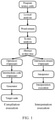
FIG. 1 is a schematic diagram illustrating principles of compilation execution and interpretation execution according to an implementation; -
FIG. 2 is a schematic diagram illustrating principles of interpretation execution and JIT according to an implementation; -
FIG. 3 is a graphical process of creating a smart contract according to an implementation; -
FIG. 4 is a graphical process of invoking a smart contract according to an implementation; -
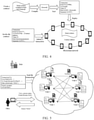
FIG. 5 is a schematic diagram of creating a smart contract and invoking the smart contract according to an implementation; -
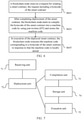
FIG. 6 is a flowchart of executing a smart contract according to an implementation; -
FIG. 7 is a structural module diagram illustrating a blockchain node according to an implementation; -
FIG. 8 is a schematic diagram of creating a smart contract and invoking the smart contract according to an implementation; and -
FIG. 9 is a schematic diagram illustrating a virtual machine execution process included in a process of creating a smart contract and invoking the smart contract according to an implementation. - To make a person skilled in the art better understand the technical solutions in the present specification, the following clearly describes the technical solutions in the implementations of the present specification with reference to the accompanying drawings in the implementations of the present specification. Clearly, the described implementations are merely some but not all of the implementations of the present specification. Based on the implementations of the present specification, a person skilled in the art can obtain other implementations without making creative efforts, which all fall within the scope of the present specification.
- The 1.0 era of the blockchain usually refers to the development phase of blockchain applications represented by bitcoins between 2009 and 2014. They were devoted to decentralization of currency and payment means. Starting from 2014, developers are increasingly focused on addressing the technical and scalability deficiencies of bitcoins. At the end of 2013, Vitalik Buterin released the whitepaper Ethereum: A next-generation smart contract and decentralized application platform, which introduced the smart contract into the blockchain and started the application of the blockchain outside the currency field, thus opening the 2.0 era of the blockchain.
- A smart contract is a computer contract that can be executed automatically based on a specified trigger rule, and can also be considered as a digital version of a conventional contract. The concept of smart contract was first proposed by the cross-domain legal scholar and cryptography researcher Nick Szabo in 1994. This technology was not used in the real world due to a lack of programmable digital systems and related technologies until the blockchain technology and Ethereum emerged and provided reliable execution environments. Due to a blockchain ledger used in the blockchain technology, generated data cannot be tampered with or deleted, and the entire ledger will continuously have more ledger data, thus ensuring traceability of historical data. In addition, a decentralized operation mechanism avoids impact of centralization factors. The smart contract based on the blockchain technology not only gives full play to the advantages of the smart contract in terms of cost and efficiency, but also prevents malicious behavior from interfering with normal contract execution. A smart contract is digitized into a blockchain, and features of the blockchain technology ensure that a whole process of storage, reading, and execution is transparent and traceable, and cannot be tampered with.
- The smart contract is essentially a program that can be executed by a computer. The smart contract can be written in a high-level language (such as C language or C++ language), like a computer program widely used today. A program code of the smart contract written in a high-level language can be generally converted into a "machine code" that can be identified and run by a CPU of a computer by using a "compiler," and then such a machine code (also referred to as a "microprocessor instruction") can be executed by the CPU. This method is generally referred to as "compilation execution."
- Compilation execution generally does not have cross-platform scalability. There are different manufacturers, different brands, and different generations of CPUs, and instruction sets supported by these different CPUs are different in many scenarios, such as x86 instruction sets and ARM instruction sets, and instruction sets supported by the same manufacturer's same brand but different generations of CPUs (such as different generations of Intel CPUs) are different. Therefore, the same program code written in the same high-level language can have different machine codes converted by the compiler from different CPUs. For example, in a process of converting a program code written in a high-level language to a machine code, the compiler performs optimization with reference to features of a specific CPU instruction set (for example, a vector instruction set) to improve a speed of program execution, and such optimization is often related to specific CPU hardware. In this case, the same machine code can run on an x86 platform, but cannot run on an ARM platform. Even on the same x86 platform, the instruction set is enriched and expanded over time, which results in different generations of x86 platforms running different machine codes. In addition, because execution of the machine code requires a kernel of an operating system to schedule the CPU, even if the same hardware is used, machine codes that can be run in different operating systems can be different.
- Unlike compilation execution, there is also an "interpretation execution" program running method. For example, for Java language, a Java source code is compiled into a standard bytecode by using a Java compiler, where the compiler defines an abstract standard instruction set instead of an instruction set specific to any actual hardware processor. Generally, the compiled standard bytecode cannot run directly on a hardware CPU. Therefore, a virtual machine, that is, a Java virtual machine (JVM), is introduced, and the JVM runs on a specific hardware processor to interpret and execute the compiled standard bytecode.
- The JVM is a virtual computer and is usually implemented by simulating various computer functions on an actual computer. The JVM shields information related to specific hardware platforms and operating systems, so the Java program can run on multiple platforms without modification just by generating the standard bytecode that can run on the JVM
- A very important feature of Java is its independence from platforms. The JVM is the key to realizing this feature. To run on different platforms, a common high-level language needs to be compiled into at least different target codes. After the JVM is introduced, Java language does not need to be recompiled when running on different platforms. Java language shields information related to a specific platform by using a JVM, so the Java language compiler can run on multiple platforms without modification only by generating a target code (byte code) running on the JVM. When executing a bytecode, the JVM interprets the bytecode as a machine instruction on a specific platform for execution. This is why Java can be "compiled once, run everywhere."
- The JVM runs on a specific hardware processor and is responsible for bytecode interpretation and execution for the running specific processor, shields differences of these underlying layers, and presents standard development specifications to developers. When executing a bytecode, the JVM actually interprets the bytecode as a machine instruction on a specific platform for execution. For example, after receiving input bytecodes, the JVM interprets each instruction in the bytecodes statement by statement, and interprets the instruction into a machine code suitable for a current machine to run. These processes are, for example, interpreted and executed by an interpreter. As such, a developer who writes a Java program does not need to consider which hardware platform the program code will run on. The JVM is developed by professional developers of the Java organization to adapt to different processor architectures. To date, there are only a limited number of mainstream processor architectures, such as X86, ARM, RISC-V, and MIPS. After professional developers implant the JVM to a platform that supports these specific hardwares, the Java program can run on all machines in theory. JVM implantation is usually provided by professionals of the Java development organization, which greatly reduces the burden on Java application developers.
- Interpretation execution brings portability across platforms. However, because execution of the bytecode undergoes an intermediate interpretation process of the JVM, execution efficiency is not as high as that of the above compilation execution, and this difference in efficiency can sometimes even be tens of times.
-
FIG. 1 illustrates common points and different points of compilation execution and interpretation execution. Regardless of compilation execution or interpretation execution, and regardless of a physical machine or a virtual machine, for an application program, a machine cannot read, understand, and then obtain the ability to execute as a human does. Most program codes go through the steps inFIG. 1 before becoming target codes on a physical machine or an instruction set that a virtual machine can execute. The branch from the top to the left inFIG. 1 is a process of generating program codes to obtain target machine codes in a conventional compilation principle, and the branch from the top to the right is an interpretation execution process. Nowadays, most languages based on physical machines and JVMs, or other high-level language virtual machines (HLLVM), other than Java, follow this idea based on a modern classical compilation principle: Before execution, lexical analysis and syntax analysis processing are performed on program source codes, and the source codes are converted into an abstract syntax tree (AST). For implementation of a specific language, lexical analysis, syntax analysis, and subsequent optimizers and target code generators can be implemented independently of an execution engine, forming a compiler of a complete meaning, and such a language is represented by C/C++ language. Alternatively, some of these steps (such as those before the generation of the abstract syntax tree) can be implemented as a semi-independent compiler, and such a language is represented by Java. In another alternative, these steps and execution engines are all centrally encapsulated in a closed black box, such as most JavaScript executors. - To ensure both cross-platform portability and high performance, the concept of just-in-time compiler (JIT) is proposed. The core idea of JIT is "how to efficiently avoid repeatedly interpreting instructions." There are a large number of codes that are repeatedly executed in a computer program, for example, some compute "functions" can be cyclically invoked many times in a program execution process. During interpretation execution, bytecode to machine code interpretation is required for each execution of the loop process. However, actually, machine codes generated by this function in dozens of times of interpretation are identical. Naturally, after the first time of interpretation, the interpreted machine code of the function is cached. In a subsequent execution process, the cached code is directly used without further interpretation. As such, execution efficiency can be improved.
- Conversely, some functions are executed only once in a process of a program running cycle (for example, starting initialization), so such functions do not need to be cached and can be directly interpreted and executed once. Therefore, a core module in the JIT technology is "hotspot analysis," which is used to analyze which codes are executed multiple times in a program execution process, so as to cache machine codes that are obtained from those bytecodes being interpreted. An operation executed for a relatively small quantity of times does not need to be cached. As such, optimal balance can be achieved between execution efficiency and memory overhead.
- In addition, another core module in the JIT technology is compilation optimization (also referred to as optimizing compilation). A directly interpreted machine code is not optimized according to the context. Performance improvement is limited when high-frequency machine codes are only cached. Further optimization on the compiler can be performed to obtain better performance. Relatively, more time is generally required to implement compilation optimization.
- For example, a working principle of the JIT is shown in
FIG. 2 . After a Java compiler compiles Java source codes, a segment of Java bytecode is generated. After hot analysis, the Java bytecode is distributed to two execution paths (JIT compiler and interpreter). A code determined as a hotspot (high-frequency execution) is compiled in the JIT compiler to obtain a machine code, cached, and executed, and is generally executed by a CPU under control of an operating system (OS). A low-frequency code enters the interpreter, is interpreted as a machine code, and is executed by a CPU under control of an OS. - Because of a correlation between program codes, there is a relatively large optimization space in a compilation process. An optimized machine code can be executed more efficiently than a directly interpreted machine code. Compiler optimization is necessary if better performance is to be achieved. The compilation process of the JIT compiler can be time consuming. In particular, the JIT compiler can take a long time to compile bytecodes for the first time, even delivering poorer performance than that of interpretation execution. Therefore, for some Java programs, if a hotspot is not very obvious, that is, overall execution frequency is not very high, and an overall execution procedure is very long, the JIT can hardly exert advantages of compilation execution.
- In addition, another idea is proposed: ahead of time (AoT). AoT is equivalent to a pre-compilation execution method. Before a program runs, a bytecode is compiled once for a target execution environment to obtain a machine code, and then the machine code is deployed on a target machine for execution, for example, the process shown in
FIG. 8 . Running efficiency of AoT can achieve the same effect of compilation execution. However, when AoT is used, it is required to clearly know hardware of a target system, an instruction set architecture, a system, etc., so as to ensure that compiled codes can run. In addition, generally, for an instruction of a same function, a quantity of statements required for expression using a machine code is larger than that using a bytecode, and farther larger than that using codes written in a high-level language. Therefore, for a program of same content, it is likely that the size of machine codes > the size of bytecodes > the size of high-level language codes. If the hardware, instruction set architecture, system, etc., of the target system are clearly known, the bytecode can be compiled into the machine code by using AoT. In addition, machine codes of different types of target systems are different, so it can be necessary to make all different versions of machine codes available in order to have corresponding correctly executed machine codes on the various target systems. As such, a total size of machine codes is generally larger than that of bytecodes or high-level language codes. - For example, Android uses the Dalvik virtual machine before version 5.0, and uses the Android Runtime (ART) virtual machine after version 5.0. Dalvik uses the JIT compiler to interpret bytecodes, while ART uses the AoT mechanism. In the ART mode, a bytecode is pre-compiled during application program installation (the installation process of an Android app is actually installing the bytecode of the program) into a machine code. After the process of interpreting the code is removed, the application program on Android is executed more efficiently and starts more quickly.
- In a decentralized distributed system in a blockchain, distribution consistency needs to be maintained. For example, in a group of nodes in the distributed system, a state machine is built in each node. Each state machine needs to execute a same instruction in a same order from a same initial state to keep a same change of each state, so as to finally ensure a consistent state. However, all node devices involved in a same blockchain network can hardly have same hardware configuration and software environments. Therefore, an Ethereum virtual machine (EVM), similar to a JVM, is used in the representative Ethereum in blockchain 2.0 to ensure that processes and results of executing a smart contract on each node are the same. Differences between the hardware configuration and software environments of each node can be shielded through the EVM. In this case, a developer can develop a code of a smart contract, and upload a compiled bytecode of the smart contract to a blockchain after the developer locally compiles the code of the smart contract. After each node interprets and executes a same bytecode by using a same initial state and by using a same EVM, a same final result and a same intermediate result can be obtained, and hardware and environment differences at lower layers of different nodes can be shielded. As such, the emergence of the decentralized blockchain technology enables the smart contract proposed earlier in 1994 to be implemented. In addition, the implementation of decentralization inevitably faces differences between hardware and running environments of different execution machines, and the smart contract is further processed by means of interpretation execution, so as to ensure that a same execution result can be obtained on a plurality of different decentralized hardware and running environments.
- The EVM is a Turing-complete virtual machine, which means that a variety of complex logic can be implemented through it, which is also one of the greatest improvements of Ethereum to blockchain 1.0 as a representative of blockchain 2.0. A user can publish and invoke a smart contract on an EVM in Ethereum. As mentioned above, the EVM directly runs a bytecode, and the smart contract deployed on the blockchain can be in the form of a bytecode.
- As shown in
FIG. 3 , after "Bob" sends a transaction containing information about creating a smart contract to an Ethereum network, an EVM ofnode 1 can execute the transaction and generate a corresponding contract instance. A "data" field of the transaction can store a bytecode, and a "to" field of the transaction can be an empty address. After consensus is reached among nodes through a consensus mechanism, the contract is successfully created. Subsequently, a user can invoke the contract. - After the contract is created, a contract account corresponding to the smart contract appears on the blockchain and has a specific address, and a contract code and account storage are stored in the contract account. Behavior of the smart contract is controlled by the contract code, and the account storage of the smart contract keeps a contract status. In other words, the smart contract causes a virtual account including the contract code and account storage to be generated on the blockchain.
- As mentioned above, a "data" field of the transaction containing information about creating a smart contract can store the bytecode of the smart contract. The bytecode consists of a series of bytes. Each byte can indicate one operation. Based on development efficiency, readability, etc., developers can choose not to write bytecodes directly, but choose high-level languages to write smart contract codes. A smart contract code written in a high-level language is compiled by a compiler to generate a bytecode, which can then be deployed on a blockchain. Ethereum supports many high-level languages, such as Solidity, Serpent, and LLL.
- The Solidity language is used as an example. Contracts compiled by using the Solidity language are similar to the Class in an object-oriented programming language. Multiple members can be specified in a contract, including a status variable, a function, a function modifier, an event, etc. The status variable is a value that is permanently stored in the account storage of the smart contract and is used to store the status of the contract.
- The following describes code example 1 of a simple smart contract written in the Solidity language:
 Contract Example
     int balance;
     function C(){
         balance + = 1;
 }
 function getblance() returns(int){
     return balance;
 }
    }
S601. A blockchain node receives a request for creating a smart contract, the request including a bytecode of the smart contract.
- First, a hotspot bytecode can be identified in a process of at least one of interpreting or executing the bytecode of the smart contract, such as by counting a quantity of execution times by using a code counter of a JIT engine, so as to analyze which bytecodes are executed for multiple times, so as to cache the machine codes that are obtained from those bytecodes being interpreted. An operation executed for a relatively small quantity of times does not need to be cached. As such, optimal balance can be achieved between execution efficiency and memory overhead. The method of identifying and caching the hotspot bytecode can be used, so in a process of executing the bytecode for multiple times, the bytecode only needs to be interpreted for the first time, and a cached machine code can be directly used subsequently, thereby avoiding a process of re-interpreting the bytecode and reducing time. A granularity level for identifying a quantity of execution times may be a function level, or may be a code block level. In general, a code block may be a part of a function or may be composed of several functions.
- Second, further optimization can be performed in JIT compilation, compilation is performed in combination with the context and/or association of program codes, and a machine code obtained after optimizing compilation is cached for subsequent invoking. The optimized and compiled machine code is generally executed more efficiently than the directly interpreted machine code. In one aspect, a JIT engine can carry hardware and environment information of a blockchain node that executes compilation, so the compiled machine code undergoes hardware + environment optimization, which can, for example, include optimization in machine code generation, including instruction level optimization, register allocation and optimization. In another aspect, the JIT engine can analyze context information, for example, a jump statement of a branch executed in a current function; and identify a statement in which jump can be the most likely to be performed, so as to adjust the statement to the headmost position, so as to first hit the statement of the branch at a higher probability during execution. The compiler optimization process can further perform dead code cancellation by using data stream analysis/active variable analysis, for example, eliminating branches that are not to be reached, and can further include optimizing a loop statement, and replacing a common word expression.
Scenario 1: When executing the deployed smart contract, the blockchain node queries the current JIT compilation status of the bytecode of the smart contract in response to the machine code of the smart contract not being locally stored; and in response to the bytecode being in JIT compilation, interprets and executes the bytecode of the smart contract.
Step 1: After deploying a bytecode of a smart contract, a blockchain node starts to compile the bytecode of the smart contract into a machine code by using JIT and stores the machine code.
After the
The
The blockchain node that executes the smart contract can also perform the method in
- Example implementation 1: a method for executing a smart contract, comprising: receiving, by a blockchain node of a blockchain network, a request for deploying a smart contract in the blockchain network, the request including a bytecode of the smart contract; starting, by the blockchain node after the smart contract has been deployed, to compile the bytecode of the smart contract into a machine code by using just-in-time (JIT) compilation and storing the machine code; and in execution of the deployed smart contract, executing, by the blockchain node, the machine code corresponding to the bytecode of the smart contract in response to the machine code being locally stored.
- Example implementation 2: the method according to
example implementation 1, wherein the starting, by the blockchain node after completing deployment of the smart contract, to compile the bytecode of the smart contract into the machine code by using JIT compilation includes: starting, by the blockchain node after the smart contract has been depoyed, JIT compilation on the bytecode of the smart contract; or performing, by the blockchain node after the smart contract has been deployed, JIT compilation on the bytecode of the smart contract within a relatively idle time period; or performing, by the blockchain node, JIT compilation on the bytecode of the smart contract after receiving a transaction request for invoking the created smart contract. - Example implementation 3: the method according to
example implementation 1, wherein the compiling the bytecode of the smart contract into a machine code by using JIT compilation and storing the machine code includes at least one of: compiling and storing a bytecode of a hotspot identified in a process of at least one of interpreting or executing the bytecode of the smart contract; or performing compilation and storage optimization in the process of at least one of interpreting or executing the bytecode of the smart contract. - Example implementation 4: the method according to
example implementation 3, wherein a granularity level of the bytecode of the identified hotspot includes a function level or a code block level. - Example implementation 5: the method according to
example implementation 1, wherein the executing, by the blockchain node, the machine code includes: executing, by the blockchain node, the stored machine code corresponding to an invoked function or a code block in the smart contract. - Example implementation 6: the method according to
example implementation 1, further comprising: interpreting and executing, by the blockchain node in executing the deployed smart contract, a bytecode of the smart contract in response to a machine code of the smart contract not being locally stored - Example implementation 7: the method according to
example implementation 6, wherein the interpreting and executing, by the blockchain node, the bytecode of the smart contract includes: interpreting and executing, by the blockchain node, the bytecode corresponding to an invoked function in the smart contract. - Example implementation 8: the method according to
example implementation 6, wherein the interpreting and executing, by the blockchain node in executing the deployed smart contract, the bytecode of the smart contract in response to the machine code of the smart contract not being locally stored includes: querying, by the blockchain node in executing the deployed smart contract, a current JIT compilation status of the bytecode of the smart contract in response to the machine code of the smart contract not being locally stored; in response to the bytecode being in JIT compilation, interpreting and executing the bytecode of the smart contract; and in response to the bytecode not being in JIT compilation, starting JIT compilation to interpret and execute the bytecode of the smart contract. - Example implementation 9: the method according to any one of
example implementations 1 to 8, wherein the storing is caching. - Example implementation 10: a method for executing a smart contract, comprising: starting, by a blockchain node of a blockchain network after a bytecode of a smart contract has been deployed in the blockchain network, to compile the bytecode of the smart contract into a machine code by using just-in-time (JIT) compilation and storing the machine code; and in execution of the deployed smart contract, executing, by the blockchain node, the machine code of the smart contract in response to the machine code being locally stored.
- Example implementation 11: the method according to example implementation 10, wherein the starting, by the blockchain node after the bytecode of the smart contract has been deployed, to compile the bytecode of the smart contract into the machine code by using JIT compilation includes: starting, by the blockchain node after the bytecode of the smart contract has been deployed, JIT compilation on the bytecode of the smart contract; or performing, by the blockchain node after the bytecode of the smart contract has been deployed, JIT compilation on the bytecode of the smart contract within a relatively idle time period; or performing, by the blockchain node, JIT compilation on the bytecode of the smart contract after receiving a transaction request for invoking the created smart contract.
- Example implementation 12: the method according to example implementation 10, wherein the compiling the bytecode of the smart contract into a machine code by using JIT compilation and storing the machine code includes at least one of: compiling and storing a bytecode of an identified hotspot in a process of at least one of interpreting or executing the bytecode of the smart contract; or performing compilation and storage optimization in the process of at least one of interpreting or executing the bytecode of the smart contract.
- Example implementation 13: the method according to example implementation 12, wherein a granularity level of the bytecode of the identified hotspot includes a function level or a code block level.
- Example implementation 14: the method according to example implementation 10, wherein the executing, by the blockchain node, the machine code includes: executing, by the blockchain node, the stored machine code corresponding to an invoked function or a code block in the smart contract.
- Example implementation 15: the method according to example implementation 10, further comprising: interpreting and executing, by the blockchain node in executing the deployed bytecode of the smart contract, a bytecode of the smart contract in response to a machine code of the smart contract not being locally stored.
- Example implementation 16: the method according to example implementation 15, wherein the interpreting and executing, by the blockchain node, the bytecode of the smart contract includes: interpreting and executing, by the blockchain node, a bytecode corresponding to an invoked function in the smart contract.
- Example implementation 17: the method according to example implementation 16, wherein the interpreting and executing, by the blockchain node in executing the deployed bytecode of the smart contract, the bytecode of the smart contract in response to the machine code of the smart contract not being locally stored includes: querying, by the blockchain node in executing the deployed bytecode of the smart contract, a current JIT compilation status of the bytecode of the smart contract in response to the machine code of the smart contract not being locally stored; in response to the bytecode being in JIT compilation, interpreting and executing the bytecode of the smart contract; and in response to the bytecode not being in JIT compilation, starting JIT compilation to interpret and execute the bytecode of the smart contract.
- Example implementation 18: the method according to example implementation 10, wherein the storing is caching.
- Example implementation 19: a blockchain node for executing a smart contract, performing the method according to any one of
example implementations 1 to 9 or 10 to 18. - Example implementation 20: a blockchain node for executing a smart contract, comprising: a processor; and a memory storing a program, wherein when the processor executes the program, the method according to any one of
example implementations 1 to 9 or 10 to 18 is performed. - Example implementation 21: a storage medium, configured to store a program, wherein the program performs an operation according to any one of
example implementations 1 to 9 or 10 to 18 when being executed.
Claims (13)
- A method for executing a smart contract, comprising:starting, by a blockchain node of a blockchain network after a smart contract has been deployed in the blockchain network, to compile a bytecode of the smart contract into a machine code by using just-in-time (JIT) compilation and storing the machine code; andin execution of the deployed smart contract, executing, by the blockchain node, the machine code corresponding to the bytecode of the smart contract in response to the machine code being locally stored.
- The method according to claim 1, wherein the starting, by the blockchain node after completing deployment of the smart contract, to compile the bytecode of the smart contract into the machine code by using JIT compilation includes:starting, by the blockchain node after the smart contract has been depoyed, JIT compilation on the bytecode of the smart contract; orperforming, by the blockchain node after the smart contract has been deployed, JIT compilation on the bytecode of the smart contract within a relatively idle time period; orperforming, by the blockchain node, JIT compilation on the bytecode of the smart contract after receiving a transaction request for invoking the created smart contract.
- The method according to claim 1, wherein the compiling the bytecode of the smart contract into a machine code by using JIT compilation and storing the machine code includes at least one of:compiling and storing a bytecode of a hotspot identified in a process of at least one of interpreting or executing the bytecode of the smart contract; orperforming compilation and storage optimization in the process of at least one of interpreting or executing the bytecode of the smart contract.
- The method according to claim 3, wherein a granularity level of the bytecode of the identified hotspot includes a function level or a code block level.
- The method according to claim 1, wherein the executing, by the blockchain node, the machine code includes:executing, by the blockchain node, the stored machine code corresponding to an invoked function or a code block in the smart contract.
- The method according to claim 1, further comprising:interpreting and executing, by the blockchain node in executing the deployed smart contract, a bytecode of the smart contract in response to a machine code of the smart contract not being locally stored.
- The method according to claim 6, wherein the interpreting and executing, by the blockchain node, the bytecode of the smart contract includes:interpreting and executing, by the blockchain node, the bytecode corresponding to an invoked function in the smart contract.
- The method according to claim 6, wherein the interpreting and executing, by the blockchain node in executing the deployed smart contract, the bytecode of the smart contract in response to the machine code of the smart contract not being locally stored includes:querying, by the blockchain node in executing the deployed smart contract, a current JIT compilation status of the bytecode of the smart contract in response to the machine code of the smart contract not being locally stored;in response to the bytecode being in JIT compilation, interpreting and executing the bytecode of the smart contract; andin response to the bytecode not being in JIT compilation, starting JIT compilation to interpret and execute the bytecode of the smart contract.
- The method according to any one of claims 1 to 8, wherein the storing is caching.
- The method of claim 1, comprising receiving, by the blockchain node, a request for creating the smart contract, the request including the bytecode of the smart contract.
- A blockchain node for executing a smart contract, performing the method according to any one of claims 1 to 10.
- A blockchain node for executing a smart contract, comprising:a processor; anda memory storing a program, wherein when the processor executes the program, the method according to any one of claims 1 to 10 is performed.
- A storage medium, configured to store a program, wherein the program performs an operation according to any one of claims 1 to 10 when being executed.
Applications Claiming Priority (1)
| Application Number | Priority Date | Filing Date | Title |
|---|---|---|---|
| CN202010899217.6A CN111768184A (en) | 2020-08-31 | 2020-08-31 | Method for executing intelligent contract and block link point |
Publications (1)
| Publication Number | Publication Date |
|---|---|
| EP3961390A1 true EP3961390A1 (en) | 2022-03-02 |
Family
ID=72729157
Family Applications (1)
| Application Number | Title | Priority Date | Filing Date |
|---|---|---|---|
| EP21181425.6A Ceased EP3961390A1 (en) | 2020-08-31 | 2021-06-24 | Method for executing smart contract and blockchain node |
Country Status (3)
| Country | Link |
|---|---|
| US (1) | US11385917B2 (en) |
| EP (1) | EP3961390A1 (en) |
| CN (1) | CN111768184A (en) |
Cited By (3)
| Publication number | Priority date | Publication date | Assignee | Title |
|---|---|---|---|---|
| CN116707747A (en) * | 2023-04-07 | 2023-09-05 | 深圳市威宇智通科技有限公司 | A method and system for information interaction of the Internet of Things based on blockchain technology |
| CN117350724A (en) * | 2023-12-04 | 2024-01-05 | 安徽中科晶格技术有限公司 | Intelligent contract operation method, device and storage medium based on account chain |
| CN118151843A (en) * | 2024-01-24 | 2024-06-07 | 深圳宏欣网络科技有限公司 | Information storage method and system of cloud platform |
Families Citing this family (4)
| Publication number | Priority date | Publication date | Assignee | Title |
|---|---|---|---|---|
| CN112835975B (en) * | 2020-06-05 | 2023-09-29 | 支付宝(杭州)信息技术有限公司 | A method to deploy, update, and call smart contracts in the blockchain |
| CN113220327B (en) * | 2021-05-11 | 2022-09-16 | 支付宝(杭州)信息技术有限公司 | Intelligent contract upgrading method and block chain system |
| CN113220326B (en) * | 2021-05-11 | 2022-09-16 | 支付宝(杭州)信息技术有限公司 | Intelligent contract upgrading method and block chain system |
| CN120086195B (en) * | 2025-02-12 | 2025-08-08 | 阿尔麦德智慧医疗(湖州)有限公司 | Smart city data sharing system based on block chain technology |
Citations (2)
| Publication number | Priority date | Publication date | Assignee | Title |
|---|---|---|---|---|
| WO2019034959A1 (en) * | 2017-08-15 | 2019-02-21 | nChain Holdings Limited | Methods and systems for blockchain-implemented script-based byte interpretation |
| CN110675256A (en) * | 2019-08-30 | 2020-01-10 | 阿里巴巴集团控股有限公司 | Method and apparatus for deploying and executing smart contracts |
Family Cites Families (42)
| Publication number | Priority date | Publication date | Assignee | Title |
|---|---|---|---|---|
| US7039911B2 (en) | 2002-05-17 | 2006-05-02 | Naturalbridge, Inc. | Hybrid threads for multiplexing virtual machine |
| KR20120083803A (en) * | 2011-01-18 | 2012-07-26 | 삼성전자주식회사 | Extra code generating apparatus and method for virtual machine |
| US9286089B2 (en) * | 2014-01-24 | 2016-03-15 | International Business Machines Corporation | Just-in time expensive compilation hints |
| EP3123315B1 (en) | 2014-03-27 | 2018-11-14 | Microsoft Technology Licensing, LLC | Hierarchical directives-based management of runtime behaviors |
| WO2018058108A1 (en) * | 2016-09-26 | 2018-03-29 | Shapeshift Ag | System and method of providing a multi-asset rebalancing mechanism |
| US10475264B2 (en) | 2017-08-14 | 2019-11-12 | Q & K International Group Limited | Application method of Bluetooth low-energy electronic lock based on built-in offline pairing passwords, interactive unlocking method of a Bluetooth electronic lock and electronic lock system |
| CN108196872A (en) | 2017-12-27 | 2018-06-22 | 邵美 | The upgrade method of intelligent contract in a kind of block catenary system |
| US10896418B2 (en) * | 2017-12-29 | 2021-01-19 | Ebay Inc. | Secure management of data files using a blockchain |
| US20190303892A1 (en) | 2018-03-30 | 2019-10-03 | Exposition Park Holdings SEZC | Digital asset exchange |
| WO2019191687A1 (en) | 2018-03-30 | 2019-10-03 | Exposition Park Holdings Secz | Blockchain loan transaction systems and methods |
| US10901955B2 (en) | 2018-07-29 | 2021-01-26 | International Business Machines Corporation | Smart contract input mapping |
| KR20210093896A (en) * | 2018-10-16 | 2021-07-28 | 엘루비오, 아이엔씨. | Decentralized Content Fabric |
| CN111899102A (en) * | 2018-11-30 | 2020-11-06 | 创新先进技术有限公司 | Method for realizing privacy protection in block chain |
| CN110300985B (en) * | 2018-12-28 | 2023-08-01 | 创新先进技术有限公司 | Parallel execution of transactions in the blockchain network based on smart contract whitelist |
| US10733152B2 (en) | 2018-12-29 | 2020-08-04 | Alibaba Group Holding Limited | System and method for implementing native contract on blockchain |
| CN110032883B (en) * | 2019-01-31 | 2020-05-29 | 阿里巴巴集团控股有限公司 | Method, system and node for realizing privacy protection in block chain |
| US11138600B2 (en) * | 2019-02-05 | 2021-10-05 | Capital One Services, Llc | Smart contract regulation |
| GB2581482B (en) | 2019-02-15 | 2021-02-24 | Promon As | Security virtual-machine software applications |
| US10908892B2 (en) * | 2019-03-12 | 2021-02-02 | International Business Machines Corporation | Generating and deploying object code files compiled on build machines |
| CN111033468B (en) | 2019-03-26 | 2024-04-19 | 创新先进技术有限公司 | System and method for implementing different types of blockchain contracts |
| US11379785B2 (en) * | 2019-03-28 | 2022-07-05 | Ebay Inc. | Decentralized shipping network using blockchains |
| US10999283B2 (en) | 2019-04-15 | 2021-05-04 | Advanced New Technologies Co., Ltd. | Addressing transaction conflict in blockchain systems |
| CN110096338B (en) | 2019-05-10 | 2021-12-14 | 百度在线网络技术(北京)有限公司 | Intelligent contract execution method, device, equipment and medium |
| US11676143B2 (en) * | 2019-05-16 | 2023-06-13 | Coinbase, Inc. | Systems and methods for blockchain transaction management |
| US10839107B2 (en) | 2019-05-30 | 2020-11-17 | Advanced New Technologies Co., Ltd. | Managing a smart contract on a blockchain |
| EP3701383B1 (en) | 2019-06-28 | 2021-08-04 | Advanced New Technologies Co., Ltd. | System and method for executing different types of blockchain contracts |
| EP3688580B1 (en) | 2019-06-28 | 2021-10-27 | Advanced New Technologies Co., Ltd. | System and method for data processing |
| US20200294009A1 (en) | 2019-07-31 | 2020-09-17 | Alibaba Group Holding Limited | Blockchain-based state machine maintenance |
| US10783082B2 (en) | 2019-08-30 | 2020-09-22 | Alibaba Group Holding Limited | Deploying a smart contract |
| CN110569108B (en) * | 2019-09-04 | 2021-04-30 | 腾讯科技(深圳)有限公司 | Method for creating execution environment of mini-game virtual machine and related product |
| US10915578B1 (en) * | 2019-09-06 | 2021-02-09 | Digital Asset Capital, Inc. | Graph outcome determination in domain-specific execution environment |
| AU2020353683A1 (en) | 2019-09-27 | 2022-04-14 | Schvey, Inc. D/B/A Axoni | Pruning entries in tamper-evident data stores |
| CN110688122B (en) * | 2019-09-30 | 2021-09-21 | 支付宝(杭州)信息技术有限公司 | Method and device for compiling and executing intelligent contract |
| US11381558B2 (en) | 2019-10-18 | 2022-07-05 | Avaya Inc. | Blockchain-based device enrollment service |
| CN110825363B (en) * | 2019-11-01 | 2024-05-17 | 北京知道创宇信息技术股份有限公司 | Intelligent contract acquisition method and device, electronic equipment and storage medium |
| CN111061484B (en) | 2019-11-28 | 2023-05-02 | Oppo广东移动通信有限公司 | Code compiling method, device, server, user terminal and readable medium |
| US11095431B2 (en) * | 2019-12-13 | 2021-08-17 | DLT Global, Inc. | Blockchain transaction manager |
| CN111078318B (en) | 2019-12-18 | 2023-06-13 | Oppo广东移动通信有限公司 | Configuration file processing method, device, system and storage medium |
| CN111179086B (en) | 2019-12-31 | 2024-01-02 | 杭州趣链科技有限公司 | A smart contract virtual machine based on WebAssembly |
| CN111045792A (en) | 2020-03-13 | 2020-04-21 | 支付宝(杭州)信息技术有限公司 | Method and apparatus for caching and executing smart contracts |
| CN111399990B (en) | 2020-05-29 | 2020-09-22 | 支付宝(杭州)信息技术有限公司 | Method and apparatus for interpreting and executing smart contract instructions |
| CN111381938B (en) | 2020-05-29 | 2020-09-25 | 支付宝(杭州)信息技术有限公司 | A method and system for executing smart contracts in blockchain based on basic instruction set |
-
2020
- 2020-08-31 CN CN202010899217.6A patent/CN111768184A/en active Pending
-
2021
- 2021-06-24 EP EP21181425.6A patent/EP3961390A1/en not_active Ceased
- 2021-06-28 US US17/361,076 patent/US11385917B2/en active Active
Patent Citations (2)
| Publication number | Priority date | Publication date | Assignee | Title |
|---|---|---|---|---|
| WO2019034959A1 (en) * | 2017-08-15 | 2019-02-21 | nChain Holdings Limited | Methods and systems for blockchain-implemented script-based byte interpretation |
| CN110675256A (en) * | 2019-08-30 | 2020-01-10 | 阿里巴巴集团控股有限公司 | Method and apparatus for deploying and executing smart contracts |
Non-Patent Citations (5)
| Title |
|---|
| AHO A V ET AL: "Compilers - Principles, Techniques, and Tools, PASSAGE", COMPILERS PRINCIPLES, TECHNIQUES AND TOOLS, XX, XX, 1 January 1986 (1986-01-01), pages 401, XP002437466 * |
| DOEDERLEIN O P: "The Tale of Java Performance", INTERNET CITATION, 1 September 2003 (2003-09-01), XP002310903, Retrieved from the Internet <URL:http://www.jot.fm/issue_2003_09/column3.pdf> [retrieved on 20041215] * |
| HEARN MIKE ET AL: "Corda: A distributed ledger", 20 August 2019 (2019-08-20), XP055793739, Retrieved from the Internet <URL:https://www.corda.net/wp-content/uploads/2019/08/corda-technical-whitepaper-August-29-2019.pdf> [retrieved on 20210408] * |
| JOHN AYCOCK: "A brief history of just-in-time", ACM COMPUTING SURVEYS, ACM, NEW YORK, NY, US, US, vol. 35, no. 2, 1 June 2003 (2003-06-01), pages 97 - 113, XP058322520, ISSN: 0360-0300, DOI: 10.1145/857076.857077 * |
| ZHENG ZIBIN ET AL: "An overview on smart contracts: Challenges, advances and platforms", FUTURE GENERATION COMPUTER SYSTEMS, ELSEVIER SCIENCE PUBLISHERS. AMSTERDAM, NL, vol. 105, 17 December 2019 (2019-12-17), pages 475 - 491, XP085990965, ISSN: 0167-739X, [retrieved on 20191217], DOI: 10.1016/J.FUTURE.2019.12.019 * |
Cited By (4)
| Publication number | Priority date | Publication date | Assignee | Title |
|---|---|---|---|---|
| CN116707747A (en) * | 2023-04-07 | 2023-09-05 | 深圳市威宇智通科技有限公司 | A method and system for information interaction of the Internet of Things based on blockchain technology |
| CN117350724A (en) * | 2023-12-04 | 2024-01-05 | 安徽中科晶格技术有限公司 | Intelligent contract operation method, device and storage medium based on account chain |
| CN117350724B (en) * | 2023-12-04 | 2024-03-15 | 安徽中科晶格技术有限公司 | Intelligent contract operation method, device and storage medium based on account chain |
| CN118151843A (en) * | 2024-01-24 | 2024-06-07 | 深圳宏欣网络科技有限公司 | Information storage method and system of cloud platform |
Also Published As
| Publication number | Publication date |
|---|---|
| CN111768184A (en) | 2020-10-13 |
| US20220066803A1 (en) | 2022-03-03 |
| US11385917B2 (en) | 2022-07-12 |
Similar Documents
| Publication | Publication Date | Title |
|---|---|---|
| EP3961376B1 (en) | Improving smart contracts execution with just-in-time compilation | |
| US11544044B2 (en) | Methods, blockchain nodes, and storage media for executing smart contract | |
| EP3971741B1 (en) | Methods, blockchain nodes and storage media for executing smart contracts | |
| EP3961391B1 (en) | Method for executing smart contract, blockchain node, and storage medium | |
| EP3961438B1 (en) | Method for executing smart contract, blockchain node, and storage medium | |
| EP3961375B1 (en) | Improving smart contracts execution | |
| EP3961437B1 (en) | Method for executing smart contract, blockchain node, and storage medium | |
| CN111768184A (en) | Method for executing intelligent contract and block link point | |
| CN113220327B (en) | Intelligent contract upgrading method and block chain system | |
| HK40039123B (en) | Method for executing smart contract, blockchain node and storage medium | |
| HK40039123A (en) | Method for executing smart contract, blockchain node and storage medium | |
| HK40039056A (en) | Method for executing intelligent contract, blockchain node and storage medium | |
| HK40039057A (en) | Method for executing intelligent contract, and blockchain node | |
| HK40039470B (en) | Method for executing smart contract, blockchain node and storage medium | |
| HK40039470A (en) | Method for executing smart contract, blockchain node and storage medium | |
| HK40039055A (en) | Method for executing smart contract, blockchain node and storage medium | |
| HK40039055B (en) | Method for executing smart contract, blockchain node and storage medium | |
| HK40039056B (en) | Method for executing intelligent contract, blockchain node and storage medium | |
| HK40039121A (en) | Method for executing smart contract, blockchain node and storage medium | |
| HK40039121B (en) | Method for executing smart contract, blockchain node and storage medium | |
| HK40039050B (en) | Method for executing smart contract, blockchain node and storage medium | |
| HK40039050A (en) | Method for executing smart contract, blockchain node and storage medium | |
| HK40039048A (en) | Method for executing smart contract, blockchain node and node device |
Legal Events
| Date | Code | Title | Description |
|---|---|---|---|
| PUAI | Public reference made under article 153(3) epc to a published international application that has entered the european phase |
Free format text: ORIGINAL CODE: 0009012 |
|
| STAA | Information on the status of an ep patent application or granted ep patent |
Free format text: STATUS: THE APPLICATION HAS BEEN PUBLISHED |
|
| AK | Designated contracting states |
Kind code of ref document: A1 Designated state(s): AL AT BE BG CH CY CZ DE DK EE ES FI FR GB GR HR HU IE IS IT LI LT LU LV MC MK MT NL NO PL PT RO RS SE SI SK SM TR |
|
| STAA | Information on the status of an ep patent application or granted ep patent |
Free format text: STATUS: REQUEST FOR EXAMINATION WAS MADE |
|
| 17P | Request for examination filed |
Effective date: 20220808 |
|
| RBV | Designated contracting states (corrected) |
Designated state(s): AL AT BE BG CH CY CZ DE DK EE ES FI FR GB GR HR HU IE IS IT LI LT LU LV MC MK MT NL NO PL PT RO RS SE SI SK SM TR |
|
| STAA | Information on the status of an ep patent application or granted ep patent |
Free format text: STATUS: EXAMINATION IS IN PROGRESS |
|
| 17Q | First examination report despatched |
Effective date: 20221019 |
|
| STAA | Information on the status of an ep patent application or granted ep patent |
Free format text: STATUS: THE APPLICATION HAS BEEN REFUSED |
|
| 18R | Application refused |
Effective date: 20241206 |