EP3960750B1 - Photosensitizing agent, and fluorescent probe composition - Google Patents
Photosensitizing agent, and fluorescent probe composition Download PDFInfo
- Publication number
- EP3960750B1 EP3960750B1 EP21193612.5A EP21193612A EP3960750B1 EP 3960750 B1 EP3960750 B1 EP 3960750B1 EP 21193612 A EP21193612 A EP 21193612A EP 3960750 B1 EP3960750 B1 EP 3960750B1
- Authority
- EP
- European Patent Office
- Prior art keywords
- compound
- structural formula
- group
- formula
- salt
- Prior art date
- Legal status (The legal status is an assumption and is not a legal conclusion. Google has not performed a legal analysis and makes no representation as to the accuracy of the status listed.)
- Active
Links
Images










Classifications
-
- C—CHEMISTRY; METALLURGY
- C07—ORGANIC CHEMISTRY
- C07H—SUGARS; DERIVATIVES THEREOF; NUCLEOSIDES; NUCLEOTIDES; NUCLEIC ACIDS
- C07H17/00—Compounds containing heterocyclic radicals directly attached to hetero atoms of saccharide radicals
- C07H17/02—Heterocyclic radicals containing only nitrogen as ring hetero atoms
-
- C—CHEMISTRY; METALLURGY
- C07—ORGANIC CHEMISTRY
- C07H—SUGARS; DERIVATIVES THEREOF; NUCLEOSIDES; NUCLEOTIDES; NUCLEIC ACIDS
- C07H23/00—Compounds containing boron, silicon or a metal, e.g. chelates or vitamin B12
-
- A—HUMAN NECESSITIES
- A61—MEDICAL OR VETERINARY SCIENCE; HYGIENE
- A61K—PREPARATIONS FOR MEDICAL, DENTAL OR TOILETRY PURPOSES
- A61K41/00—Medicinal preparations obtained by treating materials with wave energy or particle radiation ; Therapies using these preparations
- A61K41/0057—Photodynamic therapy with a photosensitizer, i.e. agent able to produce reactive oxygen species upon exposure to light or radiation, e.g. UV or visible light; photocleavage of nucleic acids with an agent
- A61K41/0071—PDT with porphyrins having exactly 20 ring atoms, i.e. based on the non-expanded tetrapyrrolic ring system, e.g. bacteriochlorin, chlorin-e6, or phthalocyanines
-
- A—HUMAN NECESSITIES
- A61—MEDICAL OR VETERINARY SCIENCE; HYGIENE
- A61P—SPECIFIC THERAPEUTIC ACTIVITY OF CHEMICAL COMPOUNDS OR MEDICINAL PREPARATIONS
- A61P35/00—Antineoplastic agents
-
- C—CHEMISTRY; METALLURGY
- C09—DYES; PAINTS; POLISHES; NATURAL RESINS; ADHESIVES; COMPOSITIONS NOT OTHERWISE PROVIDED FOR; APPLICATIONS OF MATERIALS NOT OTHERWISE PROVIDED FOR
- C09B—ORGANIC DYES OR CLOSELY-RELATED COMPOUNDS FOR PRODUCING DYES, e.g. PIGMENTS; MORDANTS; LAKES
- C09B47/00—Porphines; Azaporphines
-
- A—HUMAN NECESSITIES
- A61—MEDICAL OR VETERINARY SCIENCE; HYGIENE
- A61N—ELECTROTHERAPY; MAGNETOTHERAPY; RADIATION THERAPY; ULTRASOUND THERAPY
- A61N5/00—Radiation therapy
- A61N5/06—Radiation therapy using light
- A61N5/0613—Apparatus adapted for a specific treatment
- A61N5/062—Photodynamic therapy, i.e. excitation of an agent
Definitions
- the present invention relates to a compound or a salt thereof, a cancer treatment agent, a photosensitizing agent, and a fluorescent probe composition.
- a technique (photodynamic therapy) is known in which a compound that can generate singlet oxygen (photosensitizing agent) is administered to a patient with cancer or the like and then is irradiated with light of an appropriate wavelength to generate singlet oxygen, and thereby malignant cells are disrupted and the disease is treated.
- photosensitizing agents also emit fluorescence
- photodynamic diagnosis is also known in which such agents are irradiated with light of an appropriate wavelength and fluorescence emitted therefrom is observed to diagnose cancers and the like.
- Hiroaki Horiuchi "Silylation Improves the Photodynamic Activity of Tetraphenylporphyrin Derivatives In Vitro and In Vivo", Chem. Eur. J., 2014, 20, 6054-6060 , and Hiroaki Horiuchi, "The effect of central metal on the photodynamic properties of silylated tetraphenylporphyrin derivative", J. Photochem. Photobiol. A, 2016, 321, 72-8 ).
- sugar chain-linked chlorin that enables high tumor-cell tropism has been developed by linking glucose to a photosensitive fluorescent substance chlorin, and it has been revealed that it has tumor selectivity ( Hiromi Kataoka et al, "Development of Novel Photodynamic Therapy and Diagnosis by using Sugar Chain Conjugated Chlorine", JJSLSM, 34 (2013), 113-7 ).
- the present invention in its one aspect provides a compound or a salt thereof as specified in any of claims 1 to 6.
- the present invention in its one aspect provides a cancer treatment agent as specified in claim 7.
- the present invention in its one aspect provides a photosensitizing agent for photodynamic therapy as specified in claim 8.
- the present invention in its one aspect provides a fluorescent probe composition as specified in claim 9.
- a compound according to one embodiment of the present invention is represented by General Formula (I) below.
- A is a divalent linking group.
- divalent linking group There is no particular limitation on the type of divalent linking group, and examples thereof include divalent aliphatic hydrocarbon groups, divalent heterocyclic groups, an amino group (-NH-), and a carbonyl group, and linking groups in which an ether group (-O-), a hydroxy group, or the like is further linked to the above-mentioned linking groups.
- a hydrocarbon group may be an aliphatic hydrocarbon group or an aromatic hydrocarbon group.
- the aliphatic hydrocarbon group include alkyl groups such as a methyl group, an ethyl group, a hexyl group, and cyclohexyl group; alkenyl groups such as an ethenyl group and a hexenyl group; and alkynyl groups such as an ethynyl group and a hexynyl group.
- the aromatic hydrocarbon group include a phenyl group and a naphthyl group.
- a heterocyclic group may be an aromatic heterocyclic group or an aliphatic heterocyclic group.
- Examples of the aromatic heterocyclic group include a thienyl group and a pyridyl group.
- Examples of the aliphatic heterocyclic group include a tetrahydrofuranyl group and a pyrrolidinyl group. It should be noted that the divalent aliphatic hydrocarbon group and the divalent aromatic group respectively correspond to groups obtained by removing one hydrogen atom from an aliphatic hydrocarbon group and an aromatic group as mentioned above.
- A is represented as -X-Y-, where X links to the oxygen atom and Y links to the benzene ring together with R 12 .
- X is a C 1 to C 20 divalent hydrocarbon group, for example.
- X is a C 1 to C 6 divalent hydrocarbon group, and, for example, X is a C 1 to C 6 alkylene group.
- X examples include linear alkylene groups such as a methylene group, an ethylene group, a propane-1,3-diyl group, butane-1,4-diyl group, and a hexane-1,6-diyl group; and branched alkylene groups such as propane-1,2-diyl group and 2-methylpentane-1,5-diyl group.
- Y is an amide group.
- the nitrogen atom included in the amide group links to X.
- the amide group can be represented as -NR Y CO-, where R Y may be a hydrogen atom or a C 1 to C 6 hydrocarbon group.
- R 1 to R 11 are monovalent substituents.
- R 1 to R 11 may be independently a hydrogen atom, a methylene group, a carboxyl group (e.g., -CH 2 COOH, -CH 2 CH 2 COOH, or - CH 2 COCH 2 CH(CH 2 COOH)COOH), a hydroxy group, a sulfo group (-SO 3 H), or a hydrocarbon group (CH 3 or CH 2 CH 3 ).
- R 1 to R 11 is selected from substituents represented by General Formulae (i) to (iii) below.
- Ra, Rb, and Rc are independently a substituent selected from a hydrogen atom, C 1 to C 6 aliphatic hydrocarbon groups, C 1 to C 6 alkoxy groups, and C 2 to C 10 aromatic groups.
- alkoxy groups include a methoxy group, an ethoxy group, a propoxy group, a t-butoxy group, a phenoxy group, a pentyloxy group, an allyloxy group, and a cyclohexyloxy group.
- Rd is a substituent selected from a hydrogen atom and C 1 to C 6 aliphatic hydrocarbon groups
- Rx is a substituent represented by General Formula (i) or (ii).
- R 1 to R 11 is a substituent represented by (iii) that has Rx represented by (i).
- R 3 , R 6 , and R 9 are selected from substituents represented by Formulae (i) to (iii) above.
- R 3 , R 6 , and R 9 are substituents represented by Formula (iii) above, and, in this case, Rx may be a substituent represented by Formula (i).
- Rd may be a hydrogen atom or a C 1 to C 6 aliphatic hydrocarbon group.
- Ra, Rb, and Rc may be independently a C 1 to C 6 aliphatic hydrocarbon group.
- R 1 , R 2 , R 4 , R 5 , R 7 , R 8 , R 10 , and R 11 may be hydrogen atoms.
- R 12 is selected from substituents represented by Formulae (i) and (ii) above.
- Ra, Rb, and Rc may be trialkylsilyl groups such as a trimethylsilyl group, or trialkylsiloxy groups such as a trimethylsiloxy group.
- R 13 is a hydroxy group or a sulfo group.
- a sulfo group can be employed as R 13 from the viewpoint of improving the efficiency of uptake of the compound represented by Formula (I) by tumor cells.
- a compound according to another embodiment of the present invention is a compound represented by Formula (IIb) below.
- the compound represented by Formula (IIb) below is an example of the compounds represented by General Formula (I).
- a compound according to yet another embodiment of the present invention is a salt of a compound represented by General Formula (I) above.
- a sodium salt, a potassium salt, or the like may be used as the salt.
- R 13 in Formula (I) may be a salt of a sulfo group.
- a metal such as Zn 2+ , Cu 2+ (II), Ca 2+ , Mg 2+ , or SiR 2 may link to the center of the porphyrin ring to form a salt.
- Examples of a compound according to one embodiment of the present invention include compounds (IIa) and (IIc) below, which are salts of the compound represented by Formula (IIb).
- the compounds represented by General Formula (I) above are porphyrin compounds as represented by Structural Formula (III), which will be described later, into which a silicon substituent and a sugar chain are introduced.
- the compounds represented by General Formula (I) above are more likely to accumulate in tumor sites due to such a configuration.
- Porphyrin compounds can be used especially as photosensitizing agents for photodynamic therapy in cancer treatment, and can also be used as fluorescent probes because they can emit fluorescence. Accordingly, a composition containing a compound represented by General Formula (I) above can be used as a cancer treatment agent, a photosensitizing agent for photodynamic therapy, or a fluorescent probe composition.
- composition containing a compound represented by General Formula (I) can be administered orally or parenterally (e.g., through local administration, intravenous administration, or the like) in the form of a medicinal preparation such as a tablet, liquid agent, or injection obtained by using the composition as it is or mixing the composition with a pharmacologically acceptable carrier in accordance with a known procedure that is commonly used in methods for producing a medicinal preparation.
- a compound of General Formula (I) may be administered alone because it is likely to accumulate in a cancer tissue, but alternatively, it may be administered in a form that is likely to reach a target tissue in accordance with a procedure for a drug delivery system (DDS) in which liposome or the like is used.
- DDS drug delivery system
- the content of a compound represented by General Formula (I) in the composition can be selected as appropriate depending on the application thereof, and may be about 0.01 wt% to about 100 wt% of the whole preparation, for example.
- the dosage amount of a compound of General Formula (I) varies depending on administration targets, target organs, symptoms, administration methods, and the like and is not particularly limited, but a dose thereof is commonly about 0.1 to 1000 mg, and preferably about 1.0 to 100 mg.
- the pharmacologically acceptable carrier examples include carriers for a solid preparation such as vehicles, lubricants, binders and disintegrators, and carriers for a liquid preparation such as solvents, solubilizing agents, suspending agents, tonicity agents, buffers, and soothing agents.
- carriers for a solid preparation such as vehicles, lubricants, binders and disintegrators
- carriers for a liquid preparation such as solvents, solubilizing agents, suspending agents, tonicity agents, buffers, and soothing agents.
- commonly used additives such as antiseptics, antioxidants, coloring agents, sweetening agents, adsorbents, and moistening agents may also be appropriately used in an appropriate amount as needed.
- the above-mentioned composition containing a compound of General Formula (I) is administered and then irradiated with light of an appropriate wavelength.
- the irradiation time is selected as appropriate depending on the age and sex of a patient, the type and extent of disease, a distance between the light source and an affected area, and the like. There is no particular limitation on the wavelength, but a wavelength within a range of 600 nm to 800 nm is preferable. Irradiation may be performed from the outside of the body, or may be performed after an optical fiber or the like is inserted into a portion near a target tissue. An aspect is also encompassed, though not specifically claimed, in which bone marrow is extracted from a leukemia patient and treated with a compound of General Formula (I) in vitro, and then the treated bone marrow is returned to the patient.
- a compound of General Formula (I) in vitro
- Generated singlet oxygen can disrupt cells. Moreover, emitted fluorescence can make cells shine. Accordingly, there is no particular limitation on diseases to which the composition according to the present invention can be applied as long as the diseases can be treated due to generated singlet oxygen disrupting cells or can be diagnosed, and examples thereof include cancers, graft-versus-host diseases, graft rejection, autoimmune diseases, T-cell mediated immune allergy, bacterial infectious diseases, viral infection, age-related maculopathy, and acne. Of these, cancers are particularly preferable.
- cancer there is no particular limitation on the type of cancer, and examples thereof include lung cancer, malignant lymphomas (e.g., reticulosarcoma, lymphosarcoma, Hodgkin's disease, etc.), digestive system cancers (e.g., stomach cancer, gallbladder/bile duct cancer, pancreatic cancer, hepatic cancer, colon cancer, rectal cancer, etc.), breast cancer, ovarian cancer, disseminated multiple myeloma, bladder cancer, leukemia (e.g., acute leukemia including a blast crisis of chronic myelocytic leukemia), renal cancer, and prostatic cancer.
- malignant lymphomas e.g., reticulosarcoma, lymphosarcoma, Hodgkin's disease, etc.
- digestive system cancers e.g., stomach cancer, gallbladder/bile duct cancer, pancreatic cancer, hepatic cancer, colon cancer, rectal cancer, etc.
- breast cancer ova
- the compound of Structural Formula (4) was subjected to mass spectroscopy and 1 H-NMR, and the spectra obtained therefrom were shown in FIG. 6 and FIG. 7 .
- a mass spectrometer (AXIMA Performance MALDI TOFMS, manufactured by Shimadzu Corporation) was used for mass spectroscopy.
- 1 H-NMR spectra were measured with a spectrometer (ECS400 400 MHz, manufactured by JEOL) using CDCl 3 as a solvent. The following are the data on the spectra obtained through mass spectroscopy and 1 H-NMR of the compound of Structural Formula (4).
- the compound of Structural Formula (5) was subjected to mass spectroscopy and 1 H-NMR, and the spectra obtained therefrom were shown in FIG. 8 and FIG. 9 .
- the compound of Structural Formula (6) was subjected to mass spectroscopy and 1 H-NMR, and the spectra obtained therefrom were shown in FIG. 10 and FIG. 11 .
- the compound of Structural Formula (7) was subjected to mass spectroscopy and 1 H-NMR, and the spectra obtained therefrom were shown in FIG. 12 and FIG. 13 .
- the compound of Structural Formula (8) was subjected to mass spectroscopy and 1 H-NMR, and the spectra obtained therefrom were shown in FIG. 14 and FIG. 15 .
- the compound of Structural Formula (9) was subjected to mass spectroscopy and 1 H-NMR, and the spectra obtained therefrom were shown in FIG. 16 and FIG. 17 .
- the compound of Structural Formula (4) (10 mg), the compound of Structural Formula (9) (9.1 mg), 1-(3-dimethylaminopropyl)-3-ethylcarbodiimide hydrochloride (3.5 mg), 1-hydroxybenzotriazole (3.6 mg), diethylaniline (25 ⁇ L), and dimethylformamide (1.6 mL) were added to a 50-mL recovery flask. Next, this mixed solution was stirred at room temperature for 13 hours. Ethyl acetate (50 mL) was added to this reaction solution, and the resultant mixture was washed with a saturated aqueous solution of sodium hydrogen carbonate (50 mL) and was then further washed with saturated saline (50 mL).
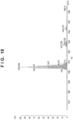
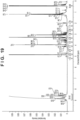
- the compound of Structural Formula (10) was subjected to mass spectroscopy and 1 H-NMR, and the spectra obtained therefrom were shown in FIG. 18 and FIG. 19 .
- reaction solution was concentrated under reduced pressure, and thus a reaction product was obtained.
- the reaction product was purified through reversed phase silica gel chromatography (mixed solution of water and methanol) and was then purified through gel filtration (methanol), and thus a compound represented by Structural Formula (11) was obtained (14 mg, 80%).
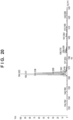
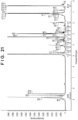
- the compound of Structural Formula (11) was subjected to mass spectroscopy and 1 H-NMR, and the spectra obtained therefrom were shown in FIG. 20 and FIG. 21 .
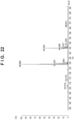
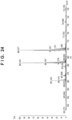
- the compound of Structural Formula (12) was subjected to mass spectroscopy and 1 H-NMR, and the spectra obtained therefrom were shown in FIG. 22 and FIG. 23 .
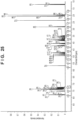
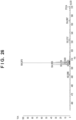
- the compound of Structural Formula (13) was subjected to mass spectroscopy and 1 H-NMR, and the spectra obtained therefrom were shown in FIG. 24 and FIG. 25 .
- the compound of Structural Formula (14) was subjected to mass spectroscopy and 1 H-NMR, and the spectra obtained therefrom were shown in FIG. 26 and FIG. 27 .
- the compound of Structural Formula (15) was subjected to mass spectroscopy and 1 H-NMR, and the spectra obtained therefrom were shown in FIG. 28 and FIG. 29 .
- the compound of Structural Formula (4) (10 mg), the compound of Structural Formula (15) (6.3 mg), 1-(3-dimethylaminopropyl)-3-ethylcarbodiimide hydrochloride (3.5 mg), 1-hydroxybenzotriazole (3.6 mg), diethylaniline (25 ⁇ L), and dimethylformamide (1.6 mL) were added to a 50-mL recovery flask. Next, this mixed solution was stirred at room temperature for 13 hours. Ethyl acetate (50 mL) was added to this reaction solution, and the resultant mixture was washed with a saturated aqueous solution of sodium hydrogen carbonate (50 mL) and was then further washed with saturated saline (50 mL).
- the compound of Structural Formula (16) was subjected to mass spectroscopy and 1 H-NMR, and the spectra obtained therefrom were shown in FIG. 30 and FIG. 31 .
- This reaction solution was concentrated under reduced pressure, and thus a reaction product was obtained.
- the reaction product was purified through reversed phase silica gel chromatography (mixed solution of water and methanol) and was then purified through gel filtration (methanol), and thus a compound represented by Structural Formula (17) was obtained (15.3 mg, 92%).
- This compound is a sodium salt of a compound represented by Structural Formula (IId) below (also represented by Structural Formula (16)).
- the compound of Structural Formula (17) was subjected to mass spectroscopy and 1 H-NMR, and the spectra obtained therefrom were shown in FIG. 32 and FIG. 33 .
- the compounds of Structural Formulae (10) and (11) are formed by introducing a sulfur-containing sugar chain into a compound represented by Structural Formula (III) below, which is a porphyrin analog.
- Structural Formula (III) which is a porphyrin analog.
- FIG. 1 collectively shows the absorption spectra and fluorescence spectra of the compounds represented by Structural Formulae (IIa), (IId), and (III). It should be noted that the compounds of Structural Formulae (IIa) and (IId) are obtained by linking a sulfur-containing sugar chain and a sugar chain to the phenyl group of the compound of Structural Formula (III), respectively.
- FIG. 2 shows spectra obtained by measuring ⁇ f of these compounds using an absolute PL quantum yield spectrometer. It was revealed from these results that the ⁇ f values of the compounds of Structural Formulae (IIa), (IId), and (III) were similar to one another.
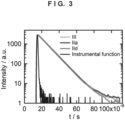
- FIG. 3 shows measurement decay curves based on the measurement results of if from the compounds.
- Each of the fluorescence decay curves was subjected to curve fitting with a monoexponential function using a deconvolution method, and thus if was determined. It was revealed from these results that the if values of the compounds of Structural Formulae (IIa), (IId), and (III) were similar to one another.
- ⁇ ⁇ was determined by measuring the intensity of such phosphorescence.
- ⁇ ⁇ of the compound of Structural Formula (IIa) and ⁇ ⁇ of the compound of Structural Formula (III) were determined as 0.57 and 0.53, respectively. It can be considered from these results that the quantum yield of singlet oxygen generated from the compound of Structural Formula (IIa) was as high as that from the compound of Structural Formula (III).
- the compound of Structural Formula (III) to which a sulfur-containing sugar-chain is linked is more likely to accumulate in tumor. Regarding such an improvement in the accumulation, the following describes the evaluation of the efficiency of uptake of the compounds of structural Formulae (IIa) and (III) by cancer cells.
- DMEM Dulbecco's Modified Eagle Medium
- FBS Fetal Bovine Serum
- Penicillin Streptomycin Glutamine Invitrogen (trademark)
- PBS Phosphate buffered saline
- PBS containing 0.05% trypsin and 0.02% EDTA was used as a cell detaching solution.
- a circular plastic petri dish (Greiner Bio-one, 628160) with a diameter of 6 cm was used as a culture container.
- the cells were washed twice with DMEM containing 10% FBS and then washed twice with Fluoro Brite (trademark) DMEM to remove the extracellular photosensitizing agent. Furthermore, the concentrations of the photosensitizing agents inside the cells were quantified using a fluorescence micro plate reader (Infinite M200 Pro, manufactured by TECAN). For the fluorescence observation, the excitation wavelength was 418 nm, and the observation wavelength was 646 nm.
- FIG. 5 shows the measurement results of relative uptake efficiency based on the uptake efficiency in the case where the compound of Structural Formula (III) was added.
- introducing a sugar chain together with a silicon substituent into a photosensitizing agent makes it possible to obtain a compound that accumulates selectively in a tumor tissue and then efficiently generates singlet oxygen and that emits fluorescence and is thus favorably used to treat and diagnose cancers and the like. It is expected that a PDT treatment effect is improved by using such a photosensitizing agent.
Landscapes
- Chemical & Material Sciences (AREA)
- Health & Medical Sciences (AREA)
- Organic Chemistry (AREA)
- Life Sciences & Earth Sciences (AREA)
- General Health & Medical Sciences (AREA)
- Molecular Biology (AREA)
- Biochemistry (AREA)
- Biotechnology (AREA)
- Genetics & Genomics (AREA)
- Veterinary Medicine (AREA)
- Medicinal Chemistry (AREA)
- Pharmacology & Pharmacy (AREA)
- Engineering & Computer Science (AREA)
- Animal Behavior & Ethology (AREA)
- Public Health (AREA)
- Epidemiology (AREA)
- Chemical Kinetics & Catalysis (AREA)
- General Chemical & Material Sciences (AREA)
- Nuclear Medicine, Radiotherapy & Molecular Imaging (AREA)
- Pharmaceuticals Containing Other Organic And Inorganic Compounds (AREA)
- Nitrogen Condensed Heterocyclic Rings (AREA)
- Saccharide Compounds (AREA)
- Medicinal Preparation (AREA)
- Medicines That Contain Protein Lipid Enzymes And Other Medicines (AREA)
Description
- The present invention relates to a compound or a salt thereof, a cancer treatment agent, a photosensitizing agent, and a fluorescent probe composition.
- A technique (photodynamic therapy) is known in which a compound that can generate singlet oxygen (photosensitizing agent) is administered to a patient with cancer or the like and then is irradiated with light of an appropriate wavelength to generate singlet oxygen, and thereby malignant cells are disrupted and the disease is treated. Moreover, many photosensitizing agents also emit fluorescence, and photodynamic diagnosis is also known in which such agents are irradiated with light of an appropriate wavelength and fluorescence emitted therefrom is observed to diagnose cancers and the like. As such a treatment/diagnosis technique, techniques have been developed in which compounds obtained by adding a silicon-containing substituent to porphyrin analogs, phthalocyanine derivatives, hypocrellin derivatives, hypericin derivatives, and the like, which have been used in conventional techniques (see
Japanese Patent Laid-Open No.2002-523509 Japanese Patent Laid-Open No. 2004-002438 2012/029609 ,Japanese Patent No.5843113 - The present invention in its one aspect provides a compound or a salt thereof as specified in any of
claims 1 to 6. - The present invention in its one aspect provides a cancer treatment agent as specified in
claim 7. - The present invention in its one aspect provides a photosensitizing agent for photodynamic therapy as specified in
claim 8. - The present invention in its one aspect provides a fluorescent probe composition as specified in
claim 9. -
-
FIG. 1 shows absorption spectra and fluorescence spectra of compounds according to Example 3. -
FIG. 2 shows the measurement results of fluorescence quantum yields of the compounds according to Example 3. -
FIG. 3 shows fluorescence decay curves of the compounds according to Example 3. -
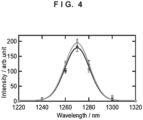
FIG. 4 shows phosphorescence spectra of the photoexcited compounds according to Example 3. -
FIG. 5 shows the efficiency of uptake of the compounds according to Example 4 by cancer cells. -
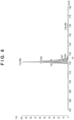
FIG. 6 shows the result of mass spectroscopy of a compound of Structural Formula (4). -
FIG. 7 shows the result of 1H-NMR measurement of the compound of Structural Formula (4). -
FIG. 8 shows the result of mass spectroscopy of a compound of Structural Formula (5). -
FIG. 9 shows the result of 1H-NMR measurement of the compound of Structural Formula (5). -
FIG. 10 shows the result of mass spectroscopy of a compound of Structural Formula (6). -
FIG. 11 shows the result of 1H-NMR measurement of the compound of Structural Formula (6). -
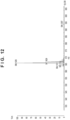
FIG. 12 shows the result of mass spectroscopy of a compound of Structural Formula (7). -
FIG. 13 shows the result of 1H-NMR measurement of the compound of Structural Formula (7). -
FIG. 14 shows the result of mass spectroscopy of a compound of Structural Formula (8). -
FIG. 15 shows the result of 1H-NMR measurement of the compound of Structural Formula (8). -
FIG. 16 shows the result of mass spectroscopy of a compound of Structural Formula (9). -
FIG. 17 shows the result of 1H-NMR measurement of the compound of Structural Formula (9). -
FIG. 18 shows the result of mass spectroscopy of a compound of Structural Formula (10). -
FIG. 19 shows the result of 1H-NMR measurement of the compound of Structural Formula (10). -
FIG. 20 shows the result of mass spectroscopy of a compound of Structural Formula (11). -
FIG. 21 shows the result of 1H-NMR measurement of the compound of Structural Formula (11). -
FIG. 22 shows the result of mass spectroscopy of a compound of Structural Formula (12). -
FIG. 23 shows the result of 1H-NMR measurement of the compound of Structural Formula (12). -
FIG. 24 shows the result of mass spectroscopy of a compound of Structural Formula (13). -
FIG. 25 shows the result of 1H-NMR measurement of the compound of Structural Formula (13). -
FIG. 26 shows the result of mass spectroscopy of a compound of Structural Formula (14). -
FIG. 27 shows the result of 1H-NMR measurement of the compound of Structural Formula (14). -
FIG. 28 shows the result of mass spectroscopy of a compound of Structural Formula (15). -
FIG. 29 shows the result of 1H-NMR measurement of the compound of Structural Formula (15). -
FIG. 30 shows the result of mass spectroscopy of a compound of Structural Formula (16). -
FIG. 31 shows the result of 1H-NMR measurement of the compound of Structural Formula (16). -
FIG. 32 shows the result of mass spectroscopy of a compound of Structural Formula (17). -
FIG. 33 shows the result of 1H-NMR measurement of the compound of Structural Formula (17). - Hereinafter, embodiments will be described in detail with reference to the attached drawings. Note, the following embodiments are not intended to limit the scope of the claimed invention, and limitation is not made to an invention that requires a combination of all features described in the embodiments. Two or more of the multiple features described in the embodiments may be combined as appropriate. Furthermore, the same reference numerals are given to the same or similar configurations, and redundant description thereof is omitted.
- A compound according to one embodiment of the present invention is represented by General Formula (I) below.


- In General Formula (I), A is a divalent linking group. There is no particular limitation on the type of divalent linking group, and examples thereof include divalent aliphatic hydrocarbon groups, divalent heterocyclic groups, an amino group (-NH-), and a carbonyl group, and linking groups in which an ether group (-O-), a hydroxy group, or the like is further linked to the above-mentioned linking groups.
- In this specification, a hydrocarbon group may be an aliphatic hydrocarbon group or an aromatic hydrocarbon group. Examples of the aliphatic hydrocarbon group include alkyl groups such as a methyl group, an ethyl group, a hexyl group, and cyclohexyl group; alkenyl groups such as an ethenyl group and a hexenyl group; and alkynyl groups such as an ethynyl group and a hexynyl group. Examples of the aromatic hydrocarbon group include a phenyl group and a naphthyl group. A heterocyclic group may be an aromatic heterocyclic group or an aliphatic heterocyclic group. Examples of the aromatic heterocyclic group include a thienyl group and a pyridyl group. Examples of the aliphatic heterocyclic group include a tetrahydrofuranyl group and a pyrrolidinyl group. It should be noted that the divalent aliphatic hydrocarbon group and the divalent aromatic group respectively correspond to groups obtained by removing one hydrogen atom from an aliphatic hydrocarbon group and an aromatic group as mentioned above.
- In one embodiment, A is represented as -X-Y-, where X links to the oxygen atom and Y links to the benzene ring together with R12. Here, X is a C1 to C20 divalent hydrocarbon group, for example. In one embodiment, X is a C1 to C6 divalent hydrocarbon group, and, for example, X is a C1 to C6 alkylene group. Specific examples of X include linear alkylene groups such as a methylene group, an ethylene group, a propane-1,3-diyl group, butane-1,4-diyl group, and a hexane-1,6-diyl group; and branched alkylene groups such as propane-1,2-diyl group and 2-methylpentane-1,5-diyl group. Y is an amide group. In one embodiment, the C=O moiety included in the amide group links to the benzene ring together with R12, and the nitrogen atom included in the amide group links to X. The amide group can be represented as -NRYCO-, where RY may be a hydrogen atom or a C1 to C6 hydrocarbon group.
- In Formula (I), R1 to R11 are monovalent substituents. For example, R1 to R11 may be independently a hydrogen atom, a methylene group, a carboxyl group (e.g., -CH2COOH, -CH2CH2COOH, or - CH2COCH2CH(CH2COOH)COOH), a hydroxy group, a sulfo group (-SO3H), or a hydrocarbon group (CH3 or CH2CH3).
- On the other hand, at least one of R1 to R11 is selected from substituents represented by General Formulae (i) to (iii) below.


- In General Formulae (i) and (ii), Ra, Rb, and Rc are independently a substituent selected from a hydrogen atom, C1 to C6 aliphatic hydrocarbon groups, C1 to C6 alkoxy groups, and C2 to C10 aromatic groups. Examples of the alkoxy groups include a methoxy group, an ethoxy group, a propoxy group, a t-butoxy group, a phenoxy group, a pentyloxy group, an allyloxy group, and a cyclohexyloxy group.
- In General Formula (iii), Rd is a substituent selected from a hydrogen atom and C1 to C6 aliphatic hydrocarbon groups, and Rx is a substituent represented by General Formula (i) or (ii). There is no particular limitation on the positions on the phenyl ring to which COORd and Rx link in General Formula (iii). On the other hand, in one embodiment, the substituents COORd and Rx link to meta positions relative to the porphyrin ring-linking site.
- Here, it is more preferable that at least one of R1 to R11 is a substituent represented by (iii) that has Rx represented by (i). Moreover, in one embodiment, R3, R6, and R9 are selected from substituents represented by Formulae (i) to (iii) above. For example, in one embodiment, R3, R6, and R9 are substituents represented by Formula (iii) above, and, in this case, Rx may be a substituent represented by Formula (i). Moreover, in this case, Rd may be a hydrogen atom or a C1 to C6 aliphatic hydrocarbon group. Moreover, in this case, Ra, Rb, and Rc may be independently a C1 to C6 aliphatic hydrocarbon group. Furthermore, in this case, R1, R2, R4, R5, R7, R8, R10, and R11 may be hydrogen atoms.
- In Formula (I), R12 is selected from substituents represented by Formulae (i) and (ii) above. Here, Ra, Rb, and Rc may be trialkylsilyl groups such as a trimethylsilyl group, or trialkylsiloxy groups such as a trimethylsiloxy group.
- It should be noted that there is no particular limitation on the positions on the phenyl group to which A and R12 link. On the other hand, in one embodiment, the substituents A and R12 link to meta positions relative to the porphyrin ring-linking site.
- In Formula (I), R13 is a hydroxy group or a sulfo group. A sulfo group can be employed as R13 from the viewpoint of improving the efficiency of uptake of the compound represented by Formula (I) by tumor cells.
- A compound according to another embodiment of the present invention is a compound represented by Formula (IIb) below. The compound represented by Formula (IIb) below is an example of the compounds represented by General Formula (I).

- A compound according to yet another embodiment of the present invention is a salt of a compound represented by General Formula (I) above. A sodium salt, a potassium salt, or the like may be used as the salt. For example, R13 in Formula (I) may be a salt of a sulfo group. Moreover, in a compound of General Formula (I), a metal such as Zn2+, Cu2+ (II), Ca2+, Mg2+, or SiR2 may link to the center of the porphyrin ring to form a salt.
- Examples of a compound according to one embodiment of the present invention include compounds (IIa) and (IIc) below, which are salts of the compound represented by Formula (IIb).

- The compounds represented by General Formula (I) above are porphyrin compounds as represented by Structural Formula (III), which will be described later, into which a silicon substituent and a sugar chain are introduced. The compounds represented by General Formula (I) above are more likely to accumulate in tumor sites due to such a configuration. Porphyrin compounds can be used especially as photosensitizing agents for photodynamic therapy in cancer treatment, and can also be used as fluorescent probes because they can emit fluorescence. Accordingly, a composition containing a compound represented by General Formula (I) above can be used as a cancer treatment agent, a photosensitizing agent for photodynamic therapy, or a fluorescent probe composition.
- The composition containing a compound represented by General Formula (I) can be administered orally or parenterally (e.g., through local administration, intravenous administration, or the like) in the form of a medicinal preparation such as a tablet, liquid agent, or injection obtained by using the composition as it is or mixing the composition with a pharmacologically acceptable carrier in accordance with a known procedure that is commonly used in methods for producing a medicinal preparation. It should be noted that a compound of General Formula (I) may be administered alone because it is likely to accumulate in a cancer tissue, but alternatively, it may be administered in a form that is likely to reach a target tissue in accordance with a procedure for a drug delivery system (DDS) in which liposome or the like is used.
- The content of a compound represented by General Formula (I) in the composition can be selected as appropriate depending on the application thereof, and may be about 0.01 wt% to about 100 wt% of the whole preparation, for example. The dosage amount of a compound of General Formula (I) varies depending on administration targets, target organs, symptoms, administration methods, and the like and is not particularly limited, but a dose thereof is commonly about 0.1 to 1000 mg, and preferably about 1.0 to 100 mg.
- Examples of the pharmacologically acceptable carrier include carriers for a solid preparation such as vehicles, lubricants, binders and disintegrators, and carriers for a liquid preparation such as solvents, solubilizing agents, suspending agents, tonicity agents, buffers, and soothing agents. Furthermore, commonly used additives such as antiseptics, antioxidants, coloring agents, sweetening agents, adsorbents, and moistening agents may also be appropriately used in an appropriate amount as needed.
- In order to utilize generated singlet oxygen in photodynamic therapy (PDT) or emitted fluorescence in photodynamic diagnosis, the above-mentioned composition containing a compound of General Formula (I) is administered and then irradiated with light of an appropriate wavelength.
- The irradiation time is selected as appropriate depending on the age and sex of a patient, the type and extent of disease, a distance between the light source and an affected area, and the like. There is no particular limitation on the wavelength, but a wavelength within a range of 600 nm to 800 nm is preferable. Irradiation may be performed from the outside of the body, or may be performed after an optical fiber or the like is inserted into a portion near a target tissue. An aspect is also encompassed, though not specifically claimed, in which bone marrow is extracted from a leukemia patient and treated with a compound of General Formula (I) in vitro, and then the treated bone marrow is returned to the patient.
- Generated singlet oxygen can disrupt cells. Moreover, emitted fluorescence can make cells shine. Accordingly, there is no particular limitation on diseases to which the composition according to the present invention can be applied as long as the diseases can be treated due to generated singlet oxygen disrupting cells or can be diagnosed, and examples thereof include cancers, graft-versus-host diseases, graft rejection, autoimmune diseases, T-cell mediated immune allergy, bacterial infectious diseases, viral infection, age-related maculopathy, and acne. Of these, cancers are particularly preferable. There is no particular limitation on the type of cancer, and examples thereof include lung cancer, malignant lymphomas (e.g., reticulosarcoma, lymphosarcoma, Hodgkin's disease, etc.), digestive system cancers (e.g., stomach cancer, gallbladder/bile duct cancer, pancreatic cancer, hepatic cancer, colon cancer, rectal cancer, etc.), breast cancer, ovarian cancer, disseminated multiple myeloma, bladder cancer, leukemia (e.g., acute leukemia including a blast crisis of chronic myelocytic leukemia), renal cancer, and prostatic cancer.
- The following is a description of an example of a method for synthesizing a sodium salt of a compound represented by Structural Formula (IIa) (also represented by Structural Formula (10)). In this example, 3-trimethylsilyl-1-benzenecarboxyamide,N-[3-n-propyl-α-D-quinovopyranoside]-5-[10,15,20-tris(3-carbonate-5-trimethylsilylphenyl)porphyrin] tetrasodium salt (Structural Formula (11)) was synthesized in accordance with Pathways A to G below.


- In Pathway A, 5-(3-carboxy-5-trimethylsilylphenyl)-10,15,20-tris(3-methoxycarbonyl-5-trimethylsilylphenyl)porphyrin (Structural Formula (4)) was synthesized. 3-Carboxy-5-trimethylsilylbenzaldehyde methyl ester (Structural Formula (1)) (320 mg), 3-carboxy-5-trimethylsilylbenzaldehyde (Structural Formula (2)) (100 mg) and pyrrole (120 mg) were added to a 200-mL recovery flask. The resultant mixture was dissolved in 50 mL of dehydrated chloroform, and then the recovery flask was purged with nitrogen. Next, a boron fluoride diethyl ether complex was added thereto, and the resultant mixture was stirred at room temperature for 40 minutes. Thereafter, 2,3-dichloro-5,6-dicyano-p-benzoquinone (360 mg) was added thereto, the resultant mixture was reacted at room temperature for 1 hour, and then the solvent was distilled off under reduced pressure. The obtained residue was purified through silica gel column chromatography (hexane / ethyl acetate = 66/33, 1% acetic acid solution), and thus a compound represented by Structural Formula (4) was obtained (78.6 mg, 16%).
- The compound of Structural Formula (4) was subjected to mass spectroscopy and 1H-NMR, and the spectra obtained therefrom were shown in
FIG. 6 andFIG. 7 . - In this example, a mass spectrometer (AXIMA Performance MALDI TOFMS, manufactured by Shimadzu Corporation) was used for mass spectroscopy. In the following description, 1H-NMR spectra were measured with a spectrometer (ECS400 400 MHz, manufactured by JEOL) using CDCl3 as a solvent. The following are the data on the spectra obtained through mass spectroscopy and 1H-NMR of the compound of Structural Formula (4).
- MS: Measured value m/z 1120.19 [M+H], Calculated value 1121.41 [M+H]
δ=8.95-8.93 (d,1H), 8.88-8.85 (m,3H), 8.82 (s,8H), 8.67 (s,1H), 8.61 (s,3H), 8.59 (s,1H), 8.55-8.53 (m,3H), 4.00 (s,9H), 0.45 (s,36H), -2.75 (s,2H) ppm - In Pathway B, 3-(tosyl)-n-propyl2,3,4-tri-O-benzyl-6-thioacetyl-α-D-glucopyranoside (Structural Formula (6)) was synthesized. A 200-mL recovery flask was purged with argon, and dry pyridine (50 mL) was added thereto. 3-(Hydroxy)-n-propyl2,3,4-tri-O-benzyl-6-thioacetyl-α-D-glucopyranoside (Structural Formula (5)) (5 g) and tosyl chloride (5 g) were added thereto under stirring, and then the resultant mixture was stirred at room temperature for 2 hours. Next, ethyl acetate (50 mL) was added to the reaction solution, and the resultant mixture was washed with 1 M hydrochloric acid (1 mL) and was then further washed with a saturated aqueous solution of sodium hydrogen carbonate (1 mL). After dried using magnesium sulfate and filtered, the organic phase was concentrated under reduced pressure, and thus a reaction product was obtained. This reaction product was purified through silica gel chromatography (mixed solution of hexane and ethyl acetate), and thus a compound represented by Structural Formula (6) was obtained (5.0 g, 79%).
- The compound of Structural Formula (5) was subjected to mass spectroscopy and 1H-NMR, and the spectra obtained therefrom were shown in
FIG. 8 andFIG. 9 . Moreover, the compound of Structural Formula (6) was subjected to mass spectroscopy and 1H-NMR, and the spectra obtained therefrom were shown inFIG. 10 andFIG. 11 . - The following are the data on the spectra obtained through mass spectroscopy and 1H-NMR of the compound of Structural Formula (6).
- MS: Measured value m/z 743.02 [M+Na], Calculated value 732.24 [M+Na]
δ=7.79-7.76 (d,2H), 7.38-7.28 (m,17H), 4.96-4.88 (q,2H), 4.79-4.71 (q,2H), 4.64-4.63 (t,2H), 4.61-4.60 (d,1H), 4.22-4.08 (m,2H), 3.88-3.84 (t,1H), 3.75-3.66 (m,2H),3.51-3.39 (m,3H), 3.32-3.28 (t,1H), 3.04-2.99 (q,1H), 2.39 (s,3H), 2.35 (s,3H), 2.00-1.94 (m,2H), 1.59 (s,2H) ppm - In Pathway C, 3-(azide)-n-propyl-2,3,4-tri-O-benzyl-6-thioacetyl-α-D-glucopyranoside (Structural Formula (7)) was synthesized. A 200-mL recovery flask was purged with argon, and dry dimethylformamide (50 mL) was added thereto. The compound of Structural Formula (6) (3.6 g) and sodium azide (3.6 g) were added thereto under stirring, and the resultant mixture was stirred at 50°C for 3 hours. Ethyl acetate (50 mL) was added to the reaction solution, and the resultant mixture was washed with a saturated aqueous solution of sodium hydrogen carbonate (50 mL) and was then further washed with saturated saline (50 mL). After dried using magnesium sulfate and filtered, the organic phase was concentrated under reduced pressure to obtain a reaction product. This reaction product was purified through silica gel chromatography (mixed solution of hexane and ethyl acetate), and thus a compound represented by Structural Formula (7) was obtained (2.3 g, 79%).
- The compound of Structural Formula (7) was subjected to mass spectroscopy and 1H-NMR, and the spectra obtained therefrom were shown in
FIG. 12 andFIG. 13 . - The following are the data on the spectra obtained through mass spectroscopy and 1H-NMR of the compound of Structural Formula (7).
- MS: Measured value m/z 564.13 [M-N2+H], Calculated value 564.24 [M-N2+H], Mathematical formula C32H37N3O6S
δ=7.41-7.29 (m,15H), 5.01-4.99 (d,1H), 4.93-4.90 (d,1H), 4.84-4.77 (q,2H), 4.67-4.63 (m,3H), 3.99-3.94 (t,1H), 3.79-3.73 (m,2H), 3.55-3.51 (q,1H), 3.47-3.37 (m,4H), 3.35-3.31 (t,1H), 3.07-3.01 (q,1H), 2.35 (s,3H), 1.95-1.87 (m,2H), 1.27 (s,1H) ppm - In Pathway D, 3-(azide)-n-propyl2,3,4-tri-O-benzyl-α-D-quinovopyranoside sodium salt (Structural Formula (8)) was synthesized. After a 200-mL recovery flask was purged with argon, the compound of Structural Formula (7) (2.2 g), potassium acetate (7.4 g), oxone (5.8 g), and acetic acid (50 mL) were added thereto, and the resultant mixture was stirred at room temperature under an argon atmosphere for 2 days. Ethyl acetate (50 mL) was added to the reaction solution, and the resultant mixture was washed with a saturated aqueous solution of sodium hydrogen carbonate (50 mL). After dried using magnesium sulfate and filtered, the organic phase was concentrated under reduced pressure, and thus a reaction product was obtained. This reaction product was purified through silica gel chromatography (mixed solution of chloroform and methanol), and thus a compound represented by Structural Formula (8) was obtained (1.8 g, 80%).
- The compound of Structural Formula (8) was subjected to mass spectroscopy and 1H-NMR, and the spectra obtained therefrom were shown in
FIG. 14 andFIG. 15 . - The following are the data on the spectra obtained through mass spectroscopy and 1H-NMR of the compound of Structural Formula (8).
- MS: Measured value m/z 598.84 [M-Na+H2], Calculated value 598.21 [M-Na+H2], Mathematical formula C30H34N3NaO8S
δ=7.30-7.19 (m,15H), 4.93-4.90 (d,1H), 4.80-4.77 (d,2H), 4.69-4.53 (m,4H), 4.18-4.13 (t,1H), 3.94-3.86 (m,2H), 3.63-3.43 (m,6H), 3.41-3.25 (m,4H), 3.22-3.17 (t,1H), 3.11-3.05 (q,1H), 1.82-1.74 (m,2H), 1.25-1.22 (m,1H) ppm - In Pathway E, 3-(amino)-n-propyl-α-D-quinovopyranoside sodium salt (Structural Formula (9)) was synthesized. The compound of Structural Formula (8) (1.2 g), palladium hydroxide (1.9 g), tert-butanol (40 mL), and water (40 mL) were added to a 200-mL recovery flask, and the resultant mixture was stirred at 40°C under a hydrogen atmosphere overnight. This reaction solution was concentrated under reduced pressure, and thus a reaction product was obtained. The reaction product was purified through reversed phase silica gel chromatography (mixed solution of water and methanol), and thus a compound represented by Structural Formula (9) was obtained (0.53 g, 85%).
- The compound of Structural Formula (9) was subjected to mass spectroscopy and 1H-NMR, and the spectra obtained therefrom were shown in
FIG. 16 andFIG. 17 . - The following are the data on the spectra obtained through mass spectroscopy and 1H-NMR of the compound of Structural Formula (9).
- MS: Measured value m/z 302.15 [M-Na+H2], Calculated value 302.08 [M-Na+H2], Mathematical formula C9H19NNaO8S
δ=4.80-4.79 (d,1H), 3.97-3.86 (m,2H), 3.62-3.54 (q,1H), 3.52-3.47 (m,2H), 3.31-3.26 (d,1H), 3.20-3.13 (t,1H), 3.08-3.04 (t,2H), 3.01-2.93 (q,1H), 1.97-1.88 (m,2H) ppm - In Pathway F, 3-trimethylsilyl-1-benzenecarboxyamide,N-[3-n-propyl-α-D-quinovopyranoside]-5-[10,15,20-tris(3-methoxycarbonyl-5-trimethylsilylphenyl)porphyrin] sodium salt (Structural Formula (10)) was synthesized. The compound of Structural Formula (4) (10 mg), the compound of Structural Formula (9) (9.1 mg), 1-(3-dimethylaminopropyl)-3-ethylcarbodiimide hydrochloride (3.5 mg), 1-hydroxybenzotriazole (3.6 mg), diethylaniline (25 µL), and dimethylformamide (1.6 mL) were added to a 50-mL recovery flask. Next, this mixed solution was stirred at room temperature for 13 hours. Ethyl acetate (50 mL) was added to this reaction solution, and the resultant mixture was washed with a saturated aqueous solution of sodium hydrogen carbonate (50 mL) and was then further washed with saturated saline (50 mL). After dried using magnesium sulfate and filtered, the organic phase was concentrated under reduced pressure, and thus a reaction product was obtained. This reaction product was purified through silica gel chromatography (mixed solution of dichloromethane and methanol), and thus a compound represented by Structural Formula (10) was obtained (9.8 mg, 80%).
- The compound of Structural Formula (10) was subjected to mass spectroscopy and 1H-NMR, and the spectra obtained therefrom were shown in
FIG. 18 andFIG. 19 . - The following are the data on the spectra obtained through mass spectroscopy and 1H-NMR of the compound of Structural Formula (10).
- MS: Measured value m/z 1404.22 [M-Na+H2], Calculated value 1404.48 [M-Na+H2], Mathematical formula C72H85N5NaO15SSi4
δ=8.99-8.48 (br,20H), 4.74-4.73 (m,1H), 4.15-4.05 (m,2H), 3.97 (s,9H), 3.78-3.70 (m,1H), 3.64-3.59 (t,2H), 3.55-3.49 (m,2H), 3.35-3.32 (m,1H), 3.03-2.93 (m,2H), 2.88-2.82 (q,1H), 2.03-1.96 (m,2H), 0.46-0.42 (m,36H) ppm - In Pathway G, 3-trimethylsilyl-1-benzenecarboxyamide,N-[3-n-propyl-α-D-quinovopyranoside]-5-[10,15,20-tris(3-carbonate-5-trimethylsilylphenyl)porphyrin] tetrasodium salt (Structural Formula (11)) was synthesized. The compound of Structural Formula (10) (17 mg), a 1 M aqueous solution of sodium hydroxide (150 µL), tetrahydrofuran (2 mL), and methanol (1 mL) were added to a 50-mL recovery flask, and the resultant mixture was stirred at 40°C for 3 hours. This reaction solution was concentrated under reduced pressure, and thus a reaction product was obtained. The reaction product was purified through reversed phase silica gel chromatography (mixed solution of water and methanol) and was then purified through gel filtration (methanol), and thus a compound represented by Structural Formula (11) was obtained (14 mg, 80%).
- The compound of Structural Formula (11) was subjected to mass spectroscopy and 1H-NMR, and the spectra obtained therefrom were shown in
FIG. 20 andFIG. 21 . - The following are the data on the spectra obtained through mass spectroscopy and 1H-NMR of the compound of Structural Formula (11).
- MS: Measured value m/z 1363.31 [M-Na4+H5], Calculated value 1362.44 [M-Na4+H5], Mathematical formula C69H75N5Na4O15SSi4
δ=8.96-8.49 (br,20H), 4.72-4.70 (m,1H), 4.13-4.03 (m,2H), 3.75-3.66 (m,1H), 3.63-3.55 (m,1H), 3.52-3.42 (m,2H), 3.34-3.30 (m,1H), 2.93-2.87 (q,1H), 2.85-2.80 (m,1H), 1.98 (br,2H), 0.45-0.41 (m,36H) ppm - The following is a description of an example of a method for synthesizing 3-trimethylsilyl-1-benzenecarboxyamide,N-[3-n-propyl-α-D-glucopyranoside]-5-[10,15,20-tris(3-carbonate-5-trimethylsilylphenyl)porphyrin] trisodium salt (represented by Structural Formula (17) below), which is a photosensitizing agent disclosed for reference purposes, but not according to the present invention as claimed. In this example, the compound represented by Structural Formula (17) was synthesized in accordance with Pathways H to L below.


- In Pathway H, 3-(tosyl)-n-propyl2,3,4-tri-O-benzyl-α-D-glucopyranoside (Structural Formula (13)) was synthesized. A 200-mL recovery flask was purged with argon, and dry pyridine (5 mL) was added thereto. 3-(n-Octadecyloxy)-n-propyl-2,3-di-O-benzyl-4,6-O-benzylidene-α-D-glucopyranoside (Structural Formula (12)) (0.50 g) and tosyl chloride (0.50 g) were added thereto under stirring, and then the resultant mixture was stirred at room temperature for 2 hours. Next, ethyl acetate (5 mL) was added to the reaction solution, and the resultant mixture was washed with 1 M hydrochloric acid (1 mL) and was then further washed with a saturated aqueous solution of sodium hydrogen carbonate (1 mL). After dried using magnesium sulfate and filtered, the organic phase was concentrated under reduced pressure, and thus a reaction product was obtained. This reaction product was purified through silica gel chromatography (mixed solution of hexane and ethyl acetate), and thus a compound represented by Structural Formula (13) was obtained (0.49 g, 75%).
- The compound of Structural Formula (12) was subjected to mass spectroscopy and 1H-NMR, and the spectra obtained therefrom were shown in
FIG. 22 andFIG. 23 . Moreover, the compound of Structural Formula (13) was subjected to mass spectroscopy and 1H-NMR, and the spectra obtained therefrom were shown inFIG. 24 andFIG. 25 . - The following are the data on the spectra obtained through mass spectroscopy and 1H-NMR of the compound of Structural Formula (13).
- MS: Measured value m/z 661.14 [M+Na], Calculated value 661.24 [M+Na]
δ=7.81-7.78 (m,2H), 7.54-7.52 (m,2H), 7.42-7.25 (m,15H), 5.67 (s,1H), 4.94 (d,1H), 4.88-4.78 (q,2H), 4.76-4.68 (q,2H), 4.24-4.17 (m,3H), 4.08-4.02 (q,1H), 3.86-3.80 (m,2H), 3.78-3.70 (m,2H), 3.68-3.63 (m,1H), 3.60-3.56 (q,1H), 3.53-3.47 (m,1H), 2.81 (s,1H), 2.37 (s,3H), 2.00-1.97 (t,1H), 1.96-1.94 (d,1H) ppm - In Pathway I, 3-(azide)-n-propyl-2,3,4-tri-O-benzyl-α-D-glucopyranoside (Structural Formula (14)) was synthesized. A 200-mL recovery flask was purged with argon, and dry dimethylformamide (7 mL) was added thereto. The compound of Structural Formula (13) (0.49 g) and sodium azide (0.50 g) were added thereto under stirring, and the resultant mixture was stirred at 50°C for 3 hours. Ethyl acetate (5 mL) was added to the reaction solution, and the resultant mixture was washed with a saturated aqueous solution of sodium hydrogen carbonate (5 mL) and was then further washed with saturated saline (5 mL). After dried using magnesium sulfate and filtered, the organic phase was concentrated under reduced pressure, and thus a reaction product was obtained. This reaction product was purified through silica gel chromatography (mixed solution of hexane and ethyl acetate), and thus a compound represented by Structural Formula (14) was obtained (0.36 g, 91%).
- The compound of Structural Formula (14) was subjected to mass spectroscopy and 1H-NMR, and the spectra obtained therefrom were shown in
FIG. 26 andFIG. 27 . - The following are the data on the spectra obtained through mass spectroscopy and 1H-NMR of the compound of Structural Formula (14).
- MS: Measured value m/z 504.27 [M-N2+H], Calculated value 503.23 [M-N2+H]
δ=7.52-7.49 (m,2H), 7.43-7.24 (m,13H), 5.67 (s,1H), 5.00-4.99 (d,1H), 4.91-4.81 (q,2H), 4.81-4.72 (q,2H), 4.23-4.20 (q,1H), 3.97-3.92 (t,1H), 3.89-3.84 (m,1H), 3.82-3.76 (m,2H), 3.73-3.65 (q,1H), 3.63-3.60 (q,1H), 3.57-3.50 (m,3H), 2.80 (s,1H), 1.95-1.88 (m,2H) ppm - In Pathway J, 3-(amino)-n-propyl-α-D-glucopyranoside (Structural Formula (15)) was synthesized. The compound of Structural Formula (14) (0.18 g), palladium hydroxide (0.29 g), tert-butanol (4 mL), and water (4 mL) were added to a 200-mL recovery flask, and the resultant mixture was stirred at 40°C under a hydrogen atmosphere overnight. This reaction solution was concentrated under reduced pressure, and thus a reaction product was obtained. The reaction product was purified through reversed phase silica gel chromatography (mixed solution of water and methanol), and thus a compound represented by Structural Formula (15) was obtained (30 mg, 37%).
- The compound of Structural Formula (15) was subjected to mass spectroscopy and 1H-NMR, and the spectra obtained therefrom were shown in
FIG. 28 andFIG. 29 . - The following are the data on the spectra obtained through mass spectroscopy and 1H-NMR of the compound of Structural Formula (15).
- MS: Measured value m/z 238.30 [M+H], Calculated value 238.12 [M+H]
δ=4.86-4.85 (d,1H), 3.86-3.80 (m,1H), 3.77 (d,1H), 3.70-3.64 (m,1H), 3.61-3.55 (m,2H), 3.55-3.49 (m,2H), 3.36-3.31 (t,1H), 3.14-3.02 (m,2H), 1.97-1.90 (m,2H) ppm - In Pathway K, 3-trimethylsilyl-1-benzenecarboxyamide,N-[3-n-propyl-α-D-glucopyranoside]-5-[10,15,20-tris(3-methoxycarbonyl-5-trimethylsilylphenyl)porphyrin] (Structural Formula (16)) was synthesized. The compound of Structural Formula (4) (10 mg), the compound of Structural Formula (15) (6.3 mg), 1-(3-dimethylaminopropyl)-3-ethylcarbodiimide hydrochloride (3.5 mg), 1-hydroxybenzotriazole (3.6 mg), diethylaniline (25 µL), and dimethylformamide (1.6 mL) were added to a 50-mL recovery flask. Next, this mixed solution was stirred at room temperature for 13 hours. Ethyl acetate (50 mL) was added to this reaction solution, and the resultant mixture was washed with a saturated aqueous solution of sodium hydrogen carbonate (50 mL) and was then further washed with saturated saline (50 mL). After dried using magnesium sulfate and filtered, the organic phase was concentrated under reduced pressure, and thus a reaction product was obtained. This reaction product was purified through silica gel chromatography (mixed solution of dichloromethane and methanol), and thus a compound represented by Structural Formula (16) was obtained (7.2 mg, 72%).
- The compound of Structural Formula (16) was subjected to mass spectroscopy and 1H-NMR, and the spectra obtained therefrom were shown in
FIG. 30 andFIG. 31 . - The following are the data on the spectra obtained through mass spectroscopy and 1H-NMR of the compound of Structural Formula (16).
- MS: Measured value m/z 1341.54 [M+H], Calculated value 1340.52 [M+H]
δ=8.86-8.45 (br,20H), 4.72-4.71 (m,1H), 3.92 (s,9H), 3.81-3.79 (m,1H), 3.73-3.70 (d,1H), 3.58-3.54 (m,6H), 3.32-3.31 (m,1H), 3.20-3.15 (m,1H), 2.01-1.93 (m,2H), 0.43-0.38 (m,36H) ppm - In Pathway L, 3-trimethylsilyl-1-benzenecarboxyamide,N-[3-n-propyl-α-D-glucopyranoside]-5-[10,15,20-tris(3-carbonate-5-trimethylsilylphenyl)porphyrin] trisodium salt (Structural Formula (17)) was synthesized. The compound of Structural Formula (16) (17 mg), a 1 M aqueous solution of sodium hydroxide (150 µL), tetrahydrofuran (2 mL), and methanol (1 mL) were added to a 50-mL recovery flask, and the resultant mixture was stirred at 40°C for 3 hours. This reaction solution was concentrated under reduced pressure, and thus a reaction product was obtained. The reaction product was purified through reversed phase silica gel chromatography (mixed solution of water and methanol) and was then purified through gel filtration (methanol), and thus a compound represented by Structural Formula (17) was obtained (15.3 mg, 92%). This compound is a sodium salt of a compound represented by Structural Formula (IId) below (also represented by Structural Formula (16)).


FIG. 32 andFIG. 33 . - The following are the data on the spectra obtained through mass spectroscopy and 1H-NMR of the compound of Structural Formula (17).
- MS: Measured value m/z 1298.68 [M-Na3+H4], Calculated value 1298.48 [M-Na3+H4], Mathematical formula C69H76N5Na3O13Si4
δ=8.84-8.41 (br,20H), 4.74-4.71 (q,1H), 3.85-3.77 (m,1H), 3.74-3.67 (m,1H), 3.60-3.48 (m,6H), 3.32-3.30 (m,1H), 3.20-3.16 (t,1H), 1.94 (br,2.04), 0.45-0.42 (m,36H) ppm - The compounds of Structural Formulae (10) and (11) are formed by introducing a sulfur-containing sugar chain into a compound represented by Structural Formula (III) below, which is a porphyrin analog. As described in Harubumi Kato, "Our Experience With Photodynamic Diagnosis and Photodynamic Therapy for Lung Cancer", Journal of the National Comprehensive Cancer Network, 10 (2012), S-3-8, Hiroaki Horiuchi et al., "Silylation enhancement of photodynamic activity of tetraphenylporphyrin derivative", J. Photochem. Photobiol. A, 2011, 221, 98-104, and Hiroaki Horiuchi, "Silylation Improves the Photodynamic Activity of Tetraphenylporphyrin Derivatives In Vitro and In Vivo", Chem. Eur. J., 2014, 20, 6054-6060, the compound of Structural Formula (III) has excellent optical properties of singlet oxygen. Here, it was confirmed if excellent photochemical properties of the porphyrin compound represented by Structural Formula (III) could be maintained even if a sulfur-containing sugar chain was linked thereto.
FIG. 1 collectively shows the absorption spectra and fluorescence spectra of the compounds represented by Structural Formulae (IIa), (IId), and (III). It should be noted that the compounds of Structural Formulae (IIa) and (IId) are obtained by linking a sulfur-containing sugar chain and a sugar chain to the phenyl group of the compound of Structural Formula (III), respectively.
- In the absorption spectrum of the compound of Structural Formula (III), a sharp absorption band called "Soret-band" was observed at 416 nm and an absorption band called "Q-band" was observed near 500 to 650 nm. Moreover, in the absorption spectrum of the compound of Structural Formula (IIa), similar absorption bands were observed.
- In the fluorescence spectrum of the compound of Structural Formula (III) excited at 416 nm, peaks were observed at 650 nm and 717 nm, and a similar fluorescence spectrum was also observed in the case of the compound of Structural Formula (IIa). It was shown from these results that the electronic state in the ground state is not different from that in the excited state even when a sulfur-containing sugar chain is linked to the compound of Structural Formula (III).
- Next, the fluorescence quantum yields (Φf) and fluorescence lifetimes (τf) of the compounds were measured. Moreover, the quantum yields (ΦΔ) of singlet oxygen generated from the compounds of Structural Formulae (IIa) and (III) were measured. Table 1 shows Φf, τf, and ΦΔ determined based on the measurement results.
Table 1 Photosensitizing agent Φf τf ΦΔ IIa 0.063 9.2 0.53 IId 0.056 9.3 III 0.054 9.0 0.57 -
FIG. 2 shows spectra obtained by measuring Φf of these compounds using an absolute PL quantum yield spectrometer. It was revealed from these results that the Φf values of the compounds of Structural Formulae (IIa), (IId), and (III) were similar to one another. -
FIG. 3 shows measurement decay curves based on the measurement results of if from the compounds. Each of the fluorescence decay curves was subjected to curve fitting with a monoexponential function using a deconvolution method, and thus if was determined. It was revealed from these results that the if values of the compounds of Structural Formulae (IIa), (IId), and (III) were similar to one another. - Next, the measurement of ΦΔ will be described. First, the compounds of Structural Formula (IIa) and (III) were each dissolved in ethanol at such a concentration that gave an absorbance of 0.1, and then were irradiated with light at 355 nm using Nd3+:YAG LASER(LS-2137U, manufactured by Lotis TII). Next, singlet oxygen was measured using a self-produced infrared emission measurement apparatus in which a near-infrared photomultiplier tube (R5509-42, manufactured by Hamamatsu Photonics K.K.) is used. It should be noted that singlet oxygen was measured 17 times, and the average value was shown as a phosphorescence spectrum in
FIG. 4 . Singlet oxygen emits phosphorescence at a near-infrared wavelength 1270 nm. Therefore, in this specification, ΦΔ was determined by measuring the intensity of such phosphorescence. TPPS (ΦΔ=0.63) was used as a standard substance for determination of ΦΔ. ΦΔ of the compound of Structural Formula (IIa) and ΦΔ of the compound of Structural Formula (III) were determined as 0.57 and 0.53, respectively. It can be considered from these results that the quantum yield of singlet oxygen generated from the compound of Structural Formula (IIa) was as high as that from the compound of Structural Formula (III). - The compound of Structural Formula (III) to which a sulfur-containing sugar-chain is linked is more likely to accumulate in tumor. Regarding such an improvement in the accumulation, the following describes the evaluation of the efficiency of uptake of the compounds of structural Formulae (IIa) and (III) by cancer cells.
- Human-derived A549 cells were used as cancer cells. Dulbecco's Modified Eagle Medium (DMEM) supplemented with 10% Fetal Bovine Serum (FBS: manufactured by EQUITECH-BIO, INC.) and 1% Penicillin Streptomycin Glutamine (Invitrogen (trademark)) was used as a culture medium, which will be described later. Phosphate buffered saline (PBS) was used as a cell washing solution, and PBS containing 0.05% trypsin and 0.02% EDTA was used as a cell detaching solution. A circular plastic petri dish (Greiner Bio-one, 628160) with a diameter of 6 cm was used as a culture container.
- First, an A549 cell suspension was cultured on a culture medium. 100 µL of the cell suspension was added to each well of a black 96-well plate and cultured at 37°C in a 5% CO2 atmosphere for a day. Thereafter, the cells were washed with PBS, 100 µL of a solution obtained by adding 10% FBS, 10% BSA (Cohn Fraction V, pH=7.0, manufactured by Wako Pure Chemical Industries, Ltd.), and the individual photosensitizing agent at a final concentration of 3 µM to DMEM was added to each well, and then the cells were incubated for 12 hours. Next, the cells were washed twice with DMEM containing 10% FBS and then washed twice with Fluoro Brite (trademark) DMEM to remove the extracellular photosensitizing agent. Furthermore, the concentrations of the photosensitizing agents inside the cells were quantified using a fluorescence micro plate reader (Infinite M200 Pro, manufactured by TECAN). For the fluorescence observation, the excitation wavelength was 418 nm, and the observation wavelength was 646 nm.
-
FIG. 5 shows the measurement results of relative uptake efficiency based on the uptake efficiency in the case where the compound of Structural Formula (III) was added. The uptake efficiency in the case where the compound of Structural Formula (IIa) was added was 1.8 times as high as that in the case where the compound of Structural Formula (III) was added. It can be concluded from these results that the efficiency of uptake by cancer cells was improved by introducing a sulfur-containing sugar chain. On the other hand, uptake by cancer cells also occurred even in the case where a sugar chain contained no sulfur atoms (e.g., R13=OH), and it was thus found that use as a sensitizing agent and a fluorescent probe was possible. - Accordingly, it is revealed that introducing a sugar chain together with a silicon substituent into a photosensitizing agent makes it possible to obtain a compound that accumulates selectively in a tumor tissue and then efficiently generates singlet oxygen and that emits fluorescence and is thus favorably used to treat and diagnose cancers and the like. It is expected that a PDT treatment effect is improved by using such a photosensitizing agent.
- The invention is not limited to the foregoing embodiments, and various variations/changes are possible within the scope of the invention as defined in the appended claims.
Claims (9)
- A compound represented by Formula (I) below or a salt thereof;
 where A is a linking group represented as -X-NHCO- where X is a C1 to C6 alkylene group,each of R1, R2, R4, R5, R7, R8, R10, and R11 is a hydrogen atom,each of R3, R6, and R9 is a substituent of Formulae (iii) below;
 R12 is selected from a group of substituents represented by Formula (i) or (ii) above,R13 is a sulfo group,Ra, Rb, and Rc in Formula (i) and (ii) above are substituents independently selected from C1 to C6 alkyl groups, andRd in Formula (iii) above is a hydrogen atom or a C1 to C6 alkyl group, and Rx in Formula (iii) above is a substituent represented by General Formula (i) or (ii) above.
 - The compound or the salt thereof according to claim 1, wherein Ra, Rb, and Rc in Formulae (i) and (ii) above each are a methyl group.
- The compound or the salt thereof according to claim 1 or 2, wherein Rd in Formula (iii) above is a methyl group.
- The compound or the salt thereof according to any one of the preceding claims, wherein R12 is a trialkylsilyl group.
- The compound or the salt thereof according to any one of the preceding claims, wherein the substituents R12 and A link to meta positions relative to a porphyrin ring-linking site.
- A compound according to claim 5 represented by Formula (IIb) below or a salt thereof

- A cancer treatment agent containing the compound or the salt thereof according to any one of claims 1 to 6.
- A photosensitizing agent for photodynamic therapy containing the compound or the salt thereof according to any one of claims 1 to 6.
- A fluorescent probe composition containing the compound or the salt thereof according to any one of claims 1 to 6.
Applications Claiming Priority (1)
| Application Number | Priority Date | Filing Date | Title |
|---|---|---|---|
| JP2020146971A JP6886578B1 (en) | 2020-09-01 | 2020-09-01 | Compounds or salts thereof, cancer therapeutic agents, photosensitizers, and fluorescent probe compositions |
Publications (2)
| Publication Number | Publication Date |
|---|---|
| EP3960750A1 EP3960750A1 (en) | 2022-03-02 |
| EP3960750B1 true EP3960750B1 (en) | 2023-05-24 |
Family
ID=76310227
Family Applications (1)
| Application Number | Title | Priority Date | Filing Date |
|---|---|---|---|
| EP21193612.5A Active EP3960750B1 (en) | 2020-09-01 | 2021-08-27 | Photosensitizing agent, and fluorescent probe composition |
Country Status (3)
| Country | Link |
|---|---|
| US (1) | US11643430B2 (en) |
| EP (1) | EP3960750B1 (en) |
| JP (1) | JP6886578B1 (en) |
Family Cites Families (5)
| Publication number | Priority date | Publication date | Assignee | Title |
|---|---|---|---|---|
| US4253453A (en) | 1979-10-19 | 1981-03-03 | Airco, Inc. | Selector valve for anesthesia machine |
| US4935498A (en) | 1989-03-06 | 1990-06-19 | Board Of Regents, The University Of Texas System | Expanded porphyrins: large porphyrin-like tripyrroledimethine-derived macrocycles |
| AU765509B2 (en) | 1998-08-28 | 2003-09-18 | Destiny Pharma Limited | Porphyrin derivatives, their use in photodynamic therapy and medical devices containing them |
| EP1279676A1 (en) * | 2001-07-19 | 2003-01-29 | Institut Curie | Porphyrin derivatives for photodynamic therapy |
| JP5843113B2 (en) | 2010-09-02 | 2016-01-13 | 国立大学法人群馬大学 | Compound having silicon-containing substituent introduced therein, singlet oxygen generator and cancer therapeutic agent containing the same |
-
2020
- 2020-09-01 JP JP2020146971A patent/JP6886578B1/en active Active
-
2021
- 2021-08-27 EP EP21193612.5A patent/EP3960750B1/en active Active
- 2021-08-31 US US17/462,279 patent/US11643430B2/en active Active
Also Published As
| Publication number | Publication date |
|---|---|
| US20220064203A1 (en) | 2022-03-03 |
| EP3960750A1 (en) | 2022-03-02 |
| JP6886578B1 (en) | 2021-06-16 |
| JP2022041643A (en) | 2022-03-11 |
| US11643430B2 (en) | 2023-05-09 |
Similar Documents
| Publication | Publication Date | Title |
|---|---|---|
| CA2758904C (en) | Novel compounds of reverse-turn mimetics, method for manufacturing the same and use thereof | |
| Karges et al. | A Ru (II) polypyridyl complex bearing aldehyde functions as a versatile synthetic precursor for long-wavelength absorbing photodynamic therapy photosensitizers | |
| JP2021521163A (en) | Target proteolytic compounds, their antitumor applications, their intermediates and their applications | |
| Liu et al. | Effects of the number and position of the substituents on the in vitro photodynamic activities of glucosylated zinc (II) phthalocyanines | |
| FR2978149A1 (en) | NOVEL COMPLEXING AGENTS AND COMPLEXES OF CORRESPONDING LANTHANIDE, AND THEIR USE AS LUMINESCENT MARKERS | |
| AU2016204770A1 (en) | Asymmetric Auxiliary Group | |
| CA3199568A1 (en) | Small molecule inhibitor of cathepsin c and medicinal use thereof | |
| Hao et al. | Synthesis of porphyrin-carbohydrate conjugates using" click" chemistry and their preliminary evaluation in human HEp2 cells | |
| EP3960750A1 (en) | Compound or salt thereof, cancer treatment agent, photosensitizing agent, and fluorescent probe composition | |
| US20150212073A1 (en) | Fluorescent probe | |
| Iakovides et al. | Syntheses of oxygen analogues of sulfhemes-A and-C | |
| WO2002020536A1 (en) | Tetraphenylbacteriochlorin derivatives and compositions containing the same | |
| Sollert et al. | C-glycosylated pyrroles and their application in dipyrromethane and porphyrin synthesis | |
| KR20220103984A (en) | Macrocyclic indole derivatives as MCL-1 inhibitors | |
| Leighton et al. | Synthesis of bipyridyl-, viologen-, and quinone-bridged porphyrins | |
| CN110590877B (en) | Linker, drug-loaded linker, cell-penetrating peptide conjugate drug, antibody conjugate drug, and method for producing same | |
| Shakirov et al. | α-Aminophosphonates Containing Sterically Hindered Phenolic and N-Heterocyclic Fragments as Potentional Antitumor Agents | |
| de la Torre‐Rubio et al. | Exploring the Impact of Phenanthroline‐Based Glycoconjugated Ru (II) Polypyridyl Photosensitizers on Metastasis‐Related Processes | |
| RU2259200C1 (en) | Sensitizing agent for photodynamic disruption of malignant neoplasm cells and pharmaceutical composition for its using | |
| US20110015440A1 (en) | Phosphine compound, process for producing the same, and peroxide scavenger using the same | |
| CN1156481C (en) | Tega fur-containing lecithin compound and its synthesis | |
| US20250172566A1 (en) | Saccharide sensing systems | |
| Abramov et al. | Synthesis of Oxathiacrown Compounds by the Reactions of Sulfur Dichloride with Unsaturated Compounds and Their Extraction Characteristics. | |
| Preihs et al. | Crown ether functionalized texaphyrin monomers and dimers | |
| Mal’shakova et al. | Improved Synthetic Method for Water-Soluble Conjugates of a Chlorin e6 Carboxyl Derivative with Galactose–Potential Antitumor Photosensitizers |
Legal Events
| Date | Code | Title | Description |
|---|---|---|---|
| PUAI | Public reference made under article 153(3) epc to a published international application that has entered the european phase |
Free format text: ORIGINAL CODE: 0009012 |
|
| STAA | Information on the status of an ep patent application or granted ep patent |
Free format text: STATUS: REQUEST FOR EXAMINATION WAS MADE |
|
| 17P | Request for examination filed |
Effective date: 20210827 |
|
| AK | Designated contracting states |
Kind code of ref document: A1 Designated state(s): AL AT BE BG CH CY CZ DE DK EE ES FI FR GB GR HR HU IE IS IT LI LT LU LV MC MK MT NL NO PL PT RO RS SE SI SK SM TR |
|
| RBV | Designated contracting states (corrected) |
Designated state(s): AL AT BE BG CH CY CZ DE DK EE ES FI FR GB GR HR HU IE IS IT LI LT LU LV MC MK MT NL NO PL PT RO RS SE SI SK SM TR |
|
| GRAP | Despatch of communication of intention to grant a patent |
Free format text: ORIGINAL CODE: EPIDOSNIGR1 |
|
| STAA | Information on the status of an ep patent application or granted ep patent |
Free format text: STATUS: GRANT OF PATENT IS INTENDED |
|
| INTG | Intention to grant announced |
Effective date: 20230110 |
|
| GRAS | Grant fee paid |
Free format text: ORIGINAL CODE: EPIDOSNIGR3 |
|
| GRAA | (expected) grant |
Free format text: ORIGINAL CODE: 0009210 |
|
| STAA | Information on the status of an ep patent application or granted ep patent |
Free format text: STATUS: THE PATENT HAS BEEN GRANTED |
|
| AK | Designated contracting states |
Kind code of ref document: B1 Designated state(s): AL AT BE BG CH CY CZ DE DK EE ES FI FR GB GR HR HU IE IS IT LI LT LU LV MC MK MT NL NO PL PT RO RS SE SI SK SM TR |
|
| REG | Reference to a national code |
Ref country code: GB Ref legal event code: FG4D |
|
| REG | Reference to a national code |
Ref country code: CH Ref legal event code: EP |
|
| REG | Reference to a national code |
Ref country code: DE Ref legal event code: R096 Ref document number: 602021002460 Country of ref document: DE |
|
| REG | Reference to a national code |
Ref country code: AT Ref legal event code: REF Ref document number: 1569446 Country of ref document: AT Kind code of ref document: T Effective date: 20230615 |
|
| REG | Reference to a national code |
Ref country code: IE Ref legal event code: FG4D |
|
| REG | Reference to a national code |
Ref country code: LT Ref legal event code: MG9D |
|
| REG | Reference to a national code |
Ref country code: NL Ref legal event code: MP Effective date: 20230524 |
|
| REG | Reference to a national code |
Ref country code: AT Ref legal event code: MK05 Ref document number: 1569446 Country of ref document: AT Kind code of ref document: T Effective date: 20230524 |
|
| PG25 | Lapsed in a contracting state [announced via postgrant information from national office to epo] |
Ref country code: SE Free format text: LAPSE BECAUSE OF FAILURE TO SUBMIT A TRANSLATION OF THE DESCRIPTION OR TO PAY THE FEE WITHIN THE PRESCRIBED TIME-LIMIT Effective date: 20230524 Ref country code: PT Free format text: LAPSE BECAUSE OF FAILURE TO SUBMIT A TRANSLATION OF THE DESCRIPTION OR TO PAY THE FEE WITHIN THE PRESCRIBED TIME-LIMIT Effective date: 20230925 Ref country code: NO Free format text: LAPSE BECAUSE OF FAILURE TO SUBMIT A TRANSLATION OF THE DESCRIPTION OR TO PAY THE FEE WITHIN THE PRESCRIBED TIME-LIMIT Effective date: 20230824 Ref country code: NL Free format text: LAPSE BECAUSE OF FAILURE TO SUBMIT A TRANSLATION OF THE DESCRIPTION OR TO PAY THE FEE WITHIN THE PRESCRIBED TIME-LIMIT Effective date: 20230524 Ref country code: ES Free format text: LAPSE BECAUSE OF FAILURE TO SUBMIT A TRANSLATION OF THE DESCRIPTION OR TO PAY THE FEE WITHIN THE PRESCRIBED TIME-LIMIT Effective date: 20230524 Ref country code: AT Free format text: LAPSE BECAUSE OF FAILURE TO SUBMIT A TRANSLATION OF THE DESCRIPTION OR TO PAY THE FEE WITHIN THE PRESCRIBED TIME-LIMIT Effective date: 20230524 |
|
| PG25 | Lapsed in a contracting state [announced via postgrant information from national office to epo] |
Ref country code: RS Free format text: LAPSE BECAUSE OF FAILURE TO SUBMIT A TRANSLATION OF THE DESCRIPTION OR TO PAY THE FEE WITHIN THE PRESCRIBED TIME-LIMIT Effective date: 20230524 Ref country code: PL Free format text: LAPSE BECAUSE OF FAILURE TO SUBMIT A TRANSLATION OF THE DESCRIPTION OR TO PAY THE FEE WITHIN THE PRESCRIBED TIME-LIMIT Effective date: 20230524 Ref country code: LV Free format text: LAPSE BECAUSE OF FAILURE TO SUBMIT A TRANSLATION OF THE DESCRIPTION OR TO PAY THE FEE WITHIN THE PRESCRIBED TIME-LIMIT Effective date: 20230524 Ref country code: LT Free format text: LAPSE BECAUSE OF FAILURE TO SUBMIT A TRANSLATION OF THE DESCRIPTION OR TO PAY THE FEE WITHIN THE PRESCRIBED TIME-LIMIT Effective date: 20230524 Ref country code: IS Free format text: LAPSE BECAUSE OF FAILURE TO SUBMIT A TRANSLATION OF THE DESCRIPTION OR TO PAY THE FEE WITHIN THE PRESCRIBED TIME-LIMIT Effective date: 20230924 Ref country code: HR Free format text: LAPSE BECAUSE OF FAILURE TO SUBMIT A TRANSLATION OF THE DESCRIPTION OR TO PAY THE FEE WITHIN THE PRESCRIBED TIME-LIMIT Effective date: 20230524 Ref country code: GR Free format text: LAPSE BECAUSE OF FAILURE TO SUBMIT A TRANSLATION OF THE DESCRIPTION OR TO PAY THE FEE WITHIN THE PRESCRIBED TIME-LIMIT Effective date: 20230825 |
|
| PG25 | Lapsed in a contracting state [announced via postgrant information from national office to epo] |
Ref country code: FI Free format text: LAPSE BECAUSE OF FAILURE TO SUBMIT A TRANSLATION OF THE DESCRIPTION OR TO PAY THE FEE WITHIN THE PRESCRIBED TIME-LIMIT Effective date: 20230524 |
|
| PG25 | Lapsed in a contracting state [announced via postgrant information from national office to epo] |
Ref country code: SK Free format text: LAPSE BECAUSE OF FAILURE TO SUBMIT A TRANSLATION OF THE DESCRIPTION OR TO PAY THE FEE WITHIN THE PRESCRIBED TIME-LIMIT Effective date: 20230524 |
|
| PG25 | Lapsed in a contracting state [announced via postgrant information from national office to epo] |
Ref country code: SM Free format text: LAPSE BECAUSE OF FAILURE TO SUBMIT A TRANSLATION OF THE DESCRIPTION OR TO PAY THE FEE WITHIN THE PRESCRIBED TIME-LIMIT Effective date: 20230524 Ref country code: SK Free format text: LAPSE BECAUSE OF FAILURE TO SUBMIT A TRANSLATION OF THE DESCRIPTION OR TO PAY THE FEE WITHIN THE PRESCRIBED TIME-LIMIT Effective date: 20230524 Ref country code: RO Free format text: LAPSE BECAUSE OF FAILURE TO SUBMIT A TRANSLATION OF THE DESCRIPTION OR TO PAY THE FEE WITHIN THE PRESCRIBED TIME-LIMIT Effective date: 20230524 Ref country code: EE Free format text: LAPSE BECAUSE OF FAILURE TO SUBMIT A TRANSLATION OF THE DESCRIPTION OR TO PAY THE FEE WITHIN THE PRESCRIBED TIME-LIMIT Effective date: 20230524 Ref country code: DK Free format text: LAPSE BECAUSE OF FAILURE TO SUBMIT A TRANSLATION OF THE DESCRIPTION OR TO PAY THE FEE WITHIN THE PRESCRIBED TIME-LIMIT Effective date: 20230524 Ref country code: CZ Free format text: LAPSE BECAUSE OF FAILURE TO SUBMIT A TRANSLATION OF THE DESCRIPTION OR TO PAY THE FEE WITHIN THE PRESCRIBED TIME-LIMIT Effective date: 20230524 |
|
| REG | Reference to a national code |
Ref country code: DE Ref legal event code: R097 Ref document number: 602021002460 Country of ref document: DE |
|
| PG25 | Lapsed in a contracting state [announced via postgrant information from national office to epo] |
Ref country code: MC Free format text: LAPSE BECAUSE OF FAILURE TO SUBMIT A TRANSLATION OF THE DESCRIPTION OR TO PAY THE FEE WITHIN THE PRESCRIBED TIME-LIMIT Effective date: 20230524 |
|
| PG25 | Lapsed in a contracting state [announced via postgrant information from national office to epo] |
Ref country code: MC Free format text: LAPSE BECAUSE OF FAILURE TO SUBMIT A TRANSLATION OF THE DESCRIPTION OR TO PAY THE FEE WITHIN THE PRESCRIBED TIME-LIMIT Effective date: 20230524 |
|
| PLBE | No opposition filed within time limit |
Free format text: ORIGINAL CODE: 0009261 |
|
| STAA | Information on the status of an ep patent application or granted ep patent |
Free format text: STATUS: NO OPPOSITION FILED WITHIN TIME LIMIT |
|
| PG25 | Lapsed in a contracting state [announced via postgrant information from national office to epo] |
Ref country code: LU Free format text: LAPSE BECAUSE OF NON-PAYMENT OF DUE FEES Effective date: 20230827 |
|
| PG25 | Lapsed in a contracting state [announced via postgrant information from national office to epo] |
Ref country code: LU Free format text: LAPSE BECAUSE OF NON-PAYMENT OF DUE FEES Effective date: 20230827 |
|
| 26N | No opposition filed |
Effective date: 20240227 |
|
| PG25 | Lapsed in a contracting state [announced via postgrant information from national office to epo] |
Ref country code: SI Free format text: LAPSE BECAUSE OF FAILURE TO SUBMIT A TRANSLATION OF THE DESCRIPTION OR TO PAY THE FEE WITHIN THE PRESCRIBED TIME-LIMIT Effective date: 20230524 |
|
| REG | Reference to a national code |
Ref country code: BE Ref legal event code: MM Effective date: 20230831 |
|
| REG | Reference to a national code |
Ref country code: IE Ref legal event code: MM4A |
|
| PG25 | Lapsed in a contracting state [announced via postgrant information from national office to epo] |
Ref country code: SI Free format text: LAPSE BECAUSE OF FAILURE TO SUBMIT A TRANSLATION OF THE DESCRIPTION OR TO PAY THE FEE WITHIN THE PRESCRIBED TIME-LIMIT Effective date: 20230524 Ref country code: IT Free format text: LAPSE BECAUSE OF FAILURE TO SUBMIT A TRANSLATION OF THE DESCRIPTION OR TO PAY THE FEE WITHIN THE PRESCRIBED TIME-LIMIT Effective date: 20230524 |
|
| PG25 | Lapsed in a contracting state [announced via postgrant information from national office to epo] |
Ref country code: IE Free format text: LAPSE BECAUSE OF NON-PAYMENT OF DUE FEES Effective date: 20230827 |
|
| PG25 | Lapsed in a contracting state [announced via postgrant information from national office to epo] |
Ref country code: IE Free format text: LAPSE BECAUSE OF NON-PAYMENT OF DUE FEES Effective date: 20230827 |
|
| PG25 | Lapsed in a contracting state [announced via postgrant information from national office to epo] |
Ref country code: BE Free format text: LAPSE BECAUSE OF NON-PAYMENT OF DUE FEES Effective date: 20230831 |
|
| PG25 | Lapsed in a contracting state [announced via postgrant information from national office to epo] |
Ref country code: BG Free format text: LAPSE BECAUSE OF FAILURE TO SUBMIT A TRANSLATION OF THE DESCRIPTION OR TO PAY THE FEE WITHIN THE PRESCRIBED TIME-LIMIT Effective date: 20230524 |
|
| PG25 | Lapsed in a contracting state [announced via postgrant information from national office to epo] |
Ref country code: BG Free format text: LAPSE BECAUSE OF FAILURE TO SUBMIT A TRANSLATION OF THE DESCRIPTION OR TO PAY THE FEE WITHIN THE PRESCRIBED TIME-LIMIT Effective date: 20230524 |
|
| REG | Reference to a national code |
Ref country code: CH Ref legal event code: PL |
|
| PG25 | Lapsed in a contracting state [announced via postgrant information from national office to epo] |
Ref country code: CH Free format text: LAPSE BECAUSE OF NON-PAYMENT OF DUE FEES Effective date: 20240831 |
|
| PG25 | Lapsed in a contracting state [announced via postgrant information from national office to epo] |
Ref country code: CY Free format text: LAPSE BECAUSE OF FAILURE TO SUBMIT A TRANSLATION OF THE DESCRIPTION OR TO PAY THE FEE WITHIN THE PRESCRIBED TIME-LIMIT; INVALID AB INITIO Effective date: 20210827 |
|
| PG25 | Lapsed in a contracting state [announced via postgrant information from national office to epo] |
Ref country code: HU Free format text: LAPSE BECAUSE OF FAILURE TO SUBMIT A TRANSLATION OF THE DESCRIPTION OR TO PAY THE FEE WITHIN THE PRESCRIBED TIME-LIMIT; INVALID AB INITIO Effective date: 20210827 |
|
| PGFP | Annual fee paid to national office [announced via postgrant information from national office to epo] |
Ref country code: DE Payment date: 20250818 Year of fee payment: 5 |
|
| PGFP | Annual fee paid to national office [announced via postgrant information from national office to epo] |
Ref country code: GB Payment date: 20250828 Year of fee payment: 5 |
|
| PGFP | Annual fee paid to national office [announced via postgrant information from national office to epo] |
Ref country code: FR Payment date: 20250827 Year of fee payment: 5 |
|
| PG25 | Lapsed in a contracting state [announced via postgrant information from national office to epo] |
Ref country code: TR Free format text: LAPSE BECAUSE OF FAILURE TO SUBMIT A TRANSLATION OF THE DESCRIPTION OR TO PAY THE FEE WITHIN THE PRESCRIBED TIME-LIMIT Effective date: 20230524 |