EP3958502A1 - Computer implemented method and system - Google Patents
Computer implemented method and system Download PDFInfo
- Publication number
- EP3958502A1 EP3958502A1 EP21203239.5A EP21203239A EP3958502A1 EP 3958502 A1 EP3958502 A1 EP 3958502A1 EP 21203239 A EP21203239 A EP 21203239A EP 3958502 A1 EP3958502 A1 EP 3958502A1
- Authority
- EP
- European Patent Office
- Prior art keywords
- blockchain
- blockchain transaction
- transaction
- signature
- user
- Prior art date
- Legal status (The legal status is an assumption and is not a legal conclusion. Google has not performed a legal analysis and makes no representation as to the accuracy of the status listed.)
- Granted
Links
Images
Classifications
-
- G—PHYSICS
- G06—COMPUTING OR CALCULATING; COUNTING
- G06Q—INFORMATION AND COMMUNICATION TECHNOLOGY [ICT] SPECIALLY ADAPTED FOR ADMINISTRATIVE, COMMERCIAL, FINANCIAL, MANAGERIAL OR SUPERVISORY PURPOSES; SYSTEMS OR METHODS SPECIALLY ADAPTED FOR ADMINISTRATIVE, COMMERCIAL, FINANCIAL, MANAGERIAL OR SUPERVISORY PURPOSES, NOT OTHERWISE PROVIDED FOR
- G06Q20/00—Payment architectures, schemes or protocols
- G06Q20/38—Payment protocols; Details thereof
- G06Q20/389—Keeping log of transactions for guaranteeing non-repudiation of a transaction
-
- G—PHYSICS
- G06—COMPUTING OR CALCULATING; COUNTING
- G06Q—INFORMATION AND COMMUNICATION TECHNOLOGY [ICT] SPECIALLY ADAPTED FOR ADMINISTRATIVE, COMMERCIAL, FINANCIAL, MANAGERIAL OR SUPERVISORY PURPOSES; SYSTEMS OR METHODS SPECIALLY ADAPTED FOR ADMINISTRATIVE, COMMERCIAL, FINANCIAL, MANAGERIAL OR SUPERVISORY PURPOSES, NOT OTHERWISE PROVIDED FOR
- G06Q20/00—Payment architectures, schemes or protocols
- G06Q20/38—Payment protocols; Details thereof
- G06Q20/382—Payment protocols; Details thereof insuring higher security of transaction
- G06Q20/3825—Use of electronic signatures
-
- G—PHYSICS
- G06—COMPUTING OR CALCULATING; COUNTING
- G06Q—INFORMATION AND COMMUNICATION TECHNOLOGY [ICT] SPECIALLY ADAPTED FOR ADMINISTRATIVE, COMMERCIAL, FINANCIAL, MANAGERIAL OR SUPERVISORY PURPOSES; SYSTEMS OR METHODS SPECIALLY ADAPTED FOR ADMINISTRATIVE, COMMERCIAL, FINANCIAL, MANAGERIAL OR SUPERVISORY PURPOSES, NOT OTHERWISE PROVIDED FOR
- G06Q20/00—Payment architectures, schemes or protocols
- G06Q20/38—Payment protocols; Details thereof
- G06Q20/382—Payment protocols; Details thereof insuring higher security of transaction
- G06Q20/3827—Use of message hashing
-
- G—PHYSICS
- G06—COMPUTING OR CALCULATING; COUNTING
- G06Q—INFORMATION AND COMMUNICATION TECHNOLOGY [ICT] SPECIALLY ADAPTED FOR ADMINISTRATIVE, COMMERCIAL, FINANCIAL, MANAGERIAL OR SUPERVISORY PURPOSES; SYSTEMS OR METHODS SPECIALLY ADAPTED FOR ADMINISTRATIVE, COMMERCIAL, FINANCIAL, MANAGERIAL OR SUPERVISORY PURPOSES, NOT OTHERWISE PROVIDED FOR
- G06Q30/00—Commerce
- G06Q30/06—Buying, selling or leasing transactions
- G06Q30/08—Auctions
-
- H—ELECTRICITY
- H04—ELECTRIC COMMUNICATION TECHNIQUE
- H04L—TRANSMISSION OF DIGITAL INFORMATION, e.g. TELEGRAPHIC COMMUNICATION
- H04L9/00—Cryptographic mechanisms or cryptographic arrangements for secret or secure communications; Network security protocols
- H04L9/06—Cryptographic mechanisms or cryptographic arrangements for secret or secure communications; Network security protocols the encryption apparatus using shift registers or memories for block-wise or stream coding, e.g. DES systems or RC4; Hash functions; Pseudorandom sequence generators
- H04L9/0643—Hash functions, e.g. MD5, SHA, HMAC or f9 MAC
-
- H—ELECTRICITY
- H04—ELECTRIC COMMUNICATION TECHNIQUE
- H04L—TRANSMISSION OF DIGITAL INFORMATION, e.g. TELEGRAPHIC COMMUNICATION
- H04L9/00—Cryptographic mechanisms or cryptographic arrangements for secret or secure communications; Network security protocols
- H04L9/32—Cryptographic mechanisms or cryptographic arrangements for secret or secure communications; Network security protocols including means for verifying the identity or authority of a user of the system or for message authentication, e.g. authorization, entity authentication, data integrity or data verification, non-repudiation, key authentication or verification of credentials
- H04L9/3236—Cryptographic mechanisms or cryptographic arrangements for secret or secure communications; Network security protocols including means for verifying the identity or authority of a user of the system or for message authentication, e.g. authorization, entity authentication, data integrity or data verification, non-repudiation, key authentication or verification of credentials using cryptographic hash functions
- H04L9/3239—Cryptographic mechanisms or cryptographic arrangements for secret or secure communications; Network security protocols including means for verifying the identity or authority of a user of the system or for message authentication, e.g. authorization, entity authentication, data integrity or data verification, non-repudiation, key authentication or verification of credentials using cryptographic hash functions involving non-keyed hash functions, e.g. modification detection codes [MDCs], MD5, SHA or RIPEMD
-
- H—ELECTRICITY
- H04—ELECTRIC COMMUNICATION TECHNIQUE
- H04L—TRANSMISSION OF DIGITAL INFORMATION, e.g. TELEGRAPHIC COMMUNICATION
- H04L9/00—Cryptographic mechanisms or cryptographic arrangements for secret or secure communications; Network security protocols
- H04L9/32—Cryptographic mechanisms or cryptographic arrangements for secret or secure communications; Network security protocols including means for verifying the identity or authority of a user of the system or for message authentication, e.g. authorization, entity authentication, data integrity or data verification, non-repudiation, key authentication or verification of credentials
- H04L9/3247—Cryptographic mechanisms or cryptographic arrangements for secret or secure communications; Network security protocols including means for verifying the identity or authority of a user of the system or for message authentication, e.g. authorization, entity authentication, data integrity or data verification, non-repudiation, key authentication or verification of credentials involving digital signatures
-
- H—ELECTRICITY
- H04—ELECTRIC COMMUNICATION TECHNIQUE
- H04L—TRANSMISSION OF DIGITAL INFORMATION, e.g. TELEGRAPHIC COMMUNICATION
- H04L2209/00—Additional information or applications relating to cryptographic mechanisms or cryptographic arrangements for secret or secure communication H04L9/00
- H04L2209/56—Financial cryptography, e.g. electronic payment or e-cash
-
- H—ELECTRICITY
- H04—ELECTRIC COMMUNICATION TECHNIQUE
- H04L—TRANSMISSION OF DIGITAL INFORMATION, e.g. TELEGRAPHIC COMMUNICATION
- H04L9/00—Cryptographic mechanisms or cryptographic arrangements for secret or secure communications; Network security protocols
- H04L9/50—Cryptographic mechanisms or cryptographic arrangements for secret or secure communications; Network security protocols using hash chains, e.g. blockchains or hash trees
Definitions
- the present invention relates to a computer implemented system and method, and more particularly to a computer implemented system and method for transferring a digital asset.
- the invention is particularly suited, but not limited to, a blockchain-based auction system.
- blockchain to include all forms of electronic, computer-based distributed ledgers, including, but not limited to blockchain and transaction-chain technologies, permissioned and un-permissioned ledgers, shared ledgers and variations thereof.
- the most widely known application of blockchain technology is the Bitcoin ledger, although other blockchain implementations have been proposed and developed. While Bitcoin may be referred to herein for the purpose of convenience and illustration, it should be noted that the invention is not limited to use with the Bitcoin blockchain and alternative blockchain implementations and protocols fall within the scope of the present invention.
- a blockchain is an electronic ledger which is implemented as a computer-based decentralised, distributed system made up of blocks which in turn are made up of transactions.
- Each transaction includes at least one input and at least one output.
- Each block contains a hash of the previous block so that blocks become chained together to create a permanent, unalterable record of all transactions which have been written to the blockchain since its inception.
- Transactions contain small programs known as scripts embedded into their inputs and outputs, which specify how and by whom the outputs of the transactions can be accessed. On the Bitcoin platform, these scripts are written using a stack-based scripting language.
- a transaction in order for a transaction to be written to the blockchain, it must be i) validated by the first node that receives the transaction - if the transaction is validated, the node relays it to the other nodes in the network; and ii) added to a new block built by a miner; and iii) mined, i.e. added to the public ledger of past transactions.
- Smart contracts are computer programs designed to automate the execution of the terms of a machine-readable contract or agreement.
- a smart contract is a machine executable program which comprises rules that can process inputs in order to produce results, which can then cause actions to be performed dependent upon those results.
- Another area of blockchain-related interest is the use of 'tokens' (or 'coloured coins') to represent and transfer real-world entities via the blockchain.
- a potentially sensitive or secret item can be represented by the token which has no discernible meaning or value.
- the token thus serves as an identifier that allows the real-world item to be referenced from the blockchain.
- a further area of interest is in the setting up of markets to enable blockchain-based trading of commodities.
- commodities When commodities are to be traded, there are incentives to enable buyers and sellers to discover information and carry out a voluntary exchange more efficiently, i.e. to develop a market.
- Trading in goods and services is usually carried out by means of an auction in which goods or services are offered for bid, bids are taken, and then the goods or services are sold to a selected bidder.
- Attempts to automate an auction process suffer from the drawback that a trusted third party is required to receive bids, and if the security of the trusted third party is compromised, sensitive data relating to the bidders could also be compromised. In addition, an undesirable level of trust may need to be placed with the third party.
- Preferred embodiments of the present invention seek to overcome one or more of the above disadvantages of the prior art.
- a method of transferring a digital asset comprising:
- the distributed nature of the blockchain provides the advantage of enhanced security and reliability.
- the fact that the blockchain is stored as validated blocks on a number of nodes means that the circumstances of the selection of a particular first blockchain transaction for signature can be investigated in the case of a dispute.
- the advantage is also provided that by signing the output of a selected first blockchain transaction, for example in the case of a successful bid in an auction, and broadcasting the corresponding said third blockchain transaction to the blockchain, the unselected first blockchain transactions, i.e. representing unsuccessful bids, become automatically invalid and are not propagated by the blockchain, therefore reducing the amount of processing required for and memory occupied by those transactions.
- the second user receives unsigned blockchain transactions, the amount of trust needed to be placed in the second user is minimised, since the corresponding digital assets cannot be redeemed without the signature of the respective first user.
- Each said second blockchain transaction may be ineffective before a predetermined time.
- This provides the advantage of preventing bids from being refunded, in the case of an auction, until the auction process has been completed.
- Selection of a said first blockchain transaction may occur while said second blockchain transactions are ineffective.
- This provides the advantage of preventing refund of a successful bid, thereby improving the security of operation of the method.
- the method may further comprise automatically selecting a said first blockchain transaction for signature.
- This provides the advantage of enabling the process to be automated so that a first blockchain transaction is selected for signature when certain conditions are met.
- the output of each first said blockchain transaction may be a pay to script hash (P2SH) transaction.
- P2SH pay to script hash
- the method may further comprise signing each said second blockchain transaction with said digital signature of said second user to enable the respective digital asset to be redeemed by the corresponding said first user.
- the method may further comprise broadcasting said second blockchain transactions to the blockchain.
- the digital asset may be a bid in an auction process.
- the method may further comprise sending each said first blockchain transaction to said second user to enable signature of said output of said selected first blockchain transaction by said second user.
- the method may further comprise sending each said second blockchain transaction to said second user to enable signature of said output of said second blockchain transaction by said second user.
- the method may further comprise sending said selected first blockchain transaction to said first user to enable signature of said output of said first blockchain transaction by said first user and broadcast of said selected first blockchain transaction to the blockchain.
- the second user may select a said first blockchain transaction for signature on the basis of external information.
- This provides the advantage of enabling the second user to act as a trusted third party and to make the selection on the basis of verifiable information (such as market conditions or prices).
- a blockchain-based auction system 2 has a series of first users in the form of buyers 4, a second user in the form of a trusted third party server (for example, in the form of a node on the network) known as an oracle 6, and a third user in the form of a seller 8.
- the users 4, 6, 8 communicate with each other over the internet 10 by means of blockchain transactions.
- the buyers 4, oracle 6 and seller 8 download and install client software.
- the seller 8 then creates a product listing on its computer and publishes it by sending it out to a distributed peer-to-peer network of other people who have also installed the software.
- An auction-style listing is created, and an expiry date and time, and a hidden reserve price if required, are added for the product listing.
- each buyer 4 uses the client software to search for items and each buyer 4 can bid for an item subject to auction.
- each buyer 4 creates a first blockchain transaction T 1 having a 2-of-2 P2SH multisig output, sending the amount of Bitcoin to be bid, n, plus two Bitcoin transaction fees, from the individual buyer 4 to an address that must be signed by the buyer 4 and the oracle 6.
- the first blockchain transaction T 1 is shown in table 1, and its redeem script is shown in table 2.
- Table 1 Bitcoin transaction T 1 Version number Number of inputs 1 Input (unlocking) Previous transaction Hash T ⁇ Output index Length of signature script Signature script [P2PKH] ⁇ Bob's signature> ⁇ Bob's public key> Sequence number Number of outputs 1 Output (locking) Value n + 2 x Bitcoin transaction fee Length of public key script Public key script [P2SH multisig] OP_HASH160 ⁇ hash16 ⁇ (redeem script)> OP_EQUAL Locktime 0
- Table 2 Redeem script for transaction T 1 Redeem script [P2SH multisig] OP_2 ⁇ Bob's public key> ⁇ oracle's public key> OP_2 OP_CHECKMULTISIG
- each buyer 4 (Bob, in the above example) also creates a provisional return payment bitcoin transaction T 2 , which spends the output from T 1 back to the respective buyer 4 Bob with an output n plus the Bitcoin transaction fee and a locktime set to the end of the auction, t.
- Transaction T 2 is shown in Table 3 below.
- Each buyer 4 signs its own input script and sends the incomplete transaction to the oracle 6, which then presents the signature to the input script, thereby making it a valid transaction, except for the locktime, and returns it to the respective buyer 4.
- each buyer 4 creates a Bitcoin transaction T 3 , spending the output from T 1 and enabling the bitcoins to be sent to the seller 8 (Alice in the above example), as shown in Table 4, by means of an output n plus the Bitcoin transaction fee.
- the buyer 4 then sends the unsigned transaction T 3 to the oracle 6, who collates all of the bid transactions for a particular item, and only signs the transaction with the winning bid, which may be selected on the basis of the highest bid, or according to some other condition.
- the reputation of the bidder, or a first bid first served system may be implemented.
- the transaction T 3 corresponding to the winning bid is then returned to the respective buyer 4 to be signed and broadcast to the blockchain, as a result of which the seller 8 receives the payment and dispatches the goods being bid for to the buyer 4 with the winning bid.
- the other buyers broadcast their respective transactions T 2 , thereby returning the bitcoins being bid to an address under the sole control of the respective buyer 4.
- the trust placed in the oracle 6 is kept to a minimum, since the bidders 4 send their transactions to the oracle 6 unsigned, and the bidder 4 has the final say. This flow of transactions is shown in Figure 2 .
- Table 4 Bitcoin transaction T 3 Version number Number of inputs 1 Input (unlocking) Previous Transaction Hash T 1 Output index ⁇ Length of signature script Signature script [P2SH multisig] ⁇ Bob's signature> ⁇ oracle's signature> ⁇ redeem script> Sequence number Number of outputs 1 Output (locking) Value n + Bitcoin transaction fee Length of public key script Public key script [P2PKH] OP_DUP OP_ HASH16 ⁇ ⁇ hash16 ⁇ (Alice's public key)> OP_EQUALVERIFY OP_CHECKSIG Locktime 0
- Table 5 Transaction linkage Locking Unlocking Txid Pubkey script Redeem script Txid Signature script P2PKH T 0 T 1 ⁇ Bob's signature> ⁇ Bob's public key> P2SH multisig T 1 OP_HASH16 ⁇ ⁇ hash160(redeem script)> OP_EQUAL OP_2 ⁇ Bob's public key> ⁇ oracle's public key> OP_2 OP_CHECKMULTISIG T 2 ⁇ Bob's signature> ⁇ oracle's signature> ⁇ redeem script> P2SH multisig T 1 OP_HASH16 ⁇ ⁇ hash160(redeem script)> OP_EQUAL OP_2 ⁇ Bob's public key> ⁇ oracle's public key> OP_2 OP_CHECKMULTISIG
Landscapes
- Engineering & Computer Science (AREA)
- Business, Economics & Management (AREA)
- Accounting & Taxation (AREA)
- Computer Security & Cryptography (AREA)
- Finance (AREA)
- Theoretical Computer Science (AREA)
- Strategic Management (AREA)
- Physics & Mathematics (AREA)
- General Business, Economics & Management (AREA)
- General Physics & Mathematics (AREA)
- Signal Processing (AREA)
- Computer Networks & Wireless Communication (AREA)
- Economics (AREA)
- Entrepreneurship & Innovation (AREA)
- Development Economics (AREA)
- Marketing (AREA)
- Power Engineering (AREA)
- Management, Administration, Business Operations System, And Electronic Commerce (AREA)
- Financial Or Insurance-Related Operations Such As Payment And Settlement (AREA)
Abstract
Description
- The present invention relates to a computer implemented system and method, and more particularly to a computer implemented system and method for transferring a digital asset. The invention is particularly suited, but not limited to, a blockchain-based auction system.
- In this document we use the term 'blockchain' to include all forms of electronic, computer-based distributed ledgers, including, but not limited to blockchain and transaction-chain technologies, permissioned and un-permissioned ledgers, shared ledgers and variations thereof. The most widely known application of blockchain technology is the Bitcoin ledger, although other blockchain implementations have been proposed and developed. While Bitcoin may be referred to herein for the purpose of convenience and illustration, it should be noted that the invention is not limited to use with the Bitcoin blockchain and alternative blockchain implementations and protocols fall within the scope of the present invention.
- A blockchain is an electronic ledger which is implemented as a computer-based decentralised, distributed system made up of blocks which in turn are made up of transactions. Each transaction includes at least one input and at least one output. Each block contains a hash of the previous block so that blocks become chained together to create a permanent, unalterable record of all transactions which have been written to the blockchain since its inception. Transactions contain small programs known as scripts embedded into their inputs and outputs, which specify how and by whom the outputs of the transactions can be accessed. On the Bitcoin platform, these scripts are written using a stack-based scripting language.
- In order for a transaction to be written to the blockchain, it must be "validated". Network nodes (miners) perform work to ensure that each transaction is valid, with invalid transactions rejected from the network. Software clients installed on the nodes perform this validation work on an unspent transaction (UTXO) by executing its locking and unlocking scripts. If execution of the locking and unlocking scripts evaluate to TRUE, the transaction is valid and the transaction is written to the blockchain. Thus, in order for a transaction to be written to the blockchain, it must be i) validated by the first node that receives the transaction - if the transaction is validated, the node relays it to the other nodes in the network; and ii) added to a new block built by a miner; and iii) mined, i.e. added to the public ledger of past transactions.
- Although blockchain technology is most widely known for the use of cryptocurrency implementation, digital entrepreneurs have begun exploring the use of both the cryptographic security system Bitcoin is based on and the data that can be stored on the Blockchain to implement new systems. It would be highly advantageous if the blockchain could be used for automated tasks and processes which are not limited to the realm of cryptocurrency. Such solutions would be able to harness the benefits of the blockchain (e.g. a permanent, tamper proof records of events, distributed processing, etc.) while being more versatile in their applications.
- One area of current research is the use of the blockchain for the implementation of "smart contracts". These are computer programs designed to automate the execution of the terms of a machine-readable contract or agreement. Unlike a traditional contract which would be written in natural language, a smart contract is a machine executable program which comprises rules that can process inputs in order to produce results, which can then cause actions to be performed dependent upon those results.
- Another area of blockchain-related interest is the use of 'tokens' (or 'coloured coins') to represent and transfer real-world entities via the blockchain. A potentially sensitive or secret item can be represented by the token which has no discernible meaning or value. The token thus serves as an identifier that allows the real-world item to be referenced from the blockchain.
- A further area of interest is in the setting up of markets to enable blockchain-based trading of commodities. When commodities are to be traded, there are incentives to enable buyers and sellers to discover information and carry out a voluntary exchange more efficiently, i.e. to develop a market.
- Trading in goods and services is usually carried out by means of an auction in which goods or services are offered for bid, bids are taken, and then the goods or services are sold to a selected bidder.
- Attempts to automate an auction process suffer from the drawback that a trusted third party is required to receive bids, and if the security of the trusted third party is compromised, sensitive data relating to the bidders could also be compromised. In addition, an undesirable level of trust may need to be placed with the third party.
- Preferred embodiments of the present invention seek to overcome one or more of the above disadvantages of the prior art.
- According to an aspect of the present invention, there is provided a method of transferring a digital asset, the method comprising:
- generating a plurality of first blockchain transactions, wherein each said first blockchain transaction has an output unlockable by means of a digital signature of a respective first user and a digital signature of a second user to redeem a respective digital asset;
- generating a respective second blockchain transaction, corresponding to each said first blockchain transaction, wherein each said second blockchain transaction has an input corresponding to the output of the corresponding said first blockchain transaction and has an output unlockable by means of said digital signature of the corresponding said first user to redeem the corresponding said digital asset;
- generating a respective third blockchain transaction, corresponding to each said first blockchain transaction, wherein each said third blockchain transaction has an input corresponding to the output of the corresponding said first blockchain transaction and has an output unlockable by means of a digital signature of a third user to redeem the corresponding said digital asset;
- selecting a said first blockchain transaction for signature; and
- signing said output of said selected first blockchain transaction with said digital signatures of said first and second users, and broadcasting the corresponding said third blockchain transaction to the blockchain to enable the corresponding said digital asset to be redeemed by said third user.
- Implementing the transfer of a digital asset by means of blockchain transactions provides a number of advantages. Firstly, the distributed nature of the blockchain provides the advantage of enhanced security and reliability. However, the fact that the blockchain is stored as validated blocks on a number of nodes means that the circumstances of the selection of a particular first blockchain transaction for signature can be investigated in the case of a dispute. The advantage is also provided that by signing the output of a selected first blockchain transaction, for example in the case of a successful bid in an auction, and broadcasting the corresponding said third blockchain transaction to the blockchain, the unselected first blockchain transactions, i.e. representing unsuccessful bids, become automatically invalid and are not propagated by the blockchain, therefore reducing the amount of processing required for and memory occupied by those transactions. In addition, because the second user receives unsigned blockchain transactions, the amount of trust needed to be placed in the second user is minimised, since the corresponding digital assets cannot be redeemed without the signature of the respective first user.
- Each said second blockchain transaction may be ineffective before a predetermined time.
- This provides the advantage of preventing bids from being refunded, in the case of an auction, until the auction process has been completed.
- Selection of a said first blockchain transaction may occur while said second blockchain transactions are ineffective.
- This provides the advantage of preventing refund of a successful bid, thereby improving the security of operation of the method.
- The method may further comprise automatically selecting a said first blockchain transaction for signature.
- This provides the advantage of enabling the process to be automated so that a first blockchain transaction is selected for signature when certain conditions are met.
- The output of each first said blockchain transaction may be a pay to script hash (P2SH) transaction.
- This provides the advantage of requiring less processing and occupying less memory in the blockchain.
- The method may further comprise signing each said second blockchain transaction with said digital signature of said second user to enable the respective digital asset to be redeemed by the corresponding said first user.
- The method may further comprise broadcasting said second blockchain transactions to the blockchain.
- The digital asset may be a bid in an auction process.
- The method may further comprise sending each said first blockchain transaction to said second user to enable signature of said output of said selected first blockchain transaction by said second user.
- The method may further comprise sending each said second blockchain transaction to said second user to enable signature of said output of said second blockchain transaction by said second user.
- The method may further comprise sending said selected first blockchain transaction to said first user to enable signature of said output of said first blockchain transaction by said first user and broadcast of said selected first blockchain transaction to the blockchain.
- The second user may select a said first blockchain transaction for signature on the basis of external information.
- This provides the advantage of enabling the second user to act as a trusted third party and to make the selection on the basis of verifiable information (such as market conditions or prices).
- According to another aspect of the present invention, there is provided a system for carrying out the method defined above.
- A preferred embodiment of the invention will now be described, by way of example only and not in any limitative sense, with reference to the accompanying drawings in which:
-
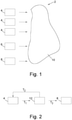
Figure 1 is a schematic representation of a system for implementing a blockchain-based auction embodying the present invention; and -
Figure 2 illustrates blockchain transaction flow of the system ofFigure 1 . - Referring to
Figure 1 , a blockchain-basedauction system 2 has a series of first users in the form ofbuyers 4, a second user in the form of a trusted third party server (for example, in the form of a node on the network) known as anoracle 6, and a third user in the form of aseller 8. Theusers internet 10 by means of blockchain transactions. - In order to implement the auction of the invention, the
buyers 4, oracle 6 andseller 8 download and install client software. Theseller 8 then creates a product listing on its computer and publishes it by sending it out to a distributed peer-to-peer network of other people who have also installed the software. An auction-style listing is created, and an expiry date and time, and a hidden reserve price if required, are added for the product listing. - At the same time, the
buyers 4 use the client software to search for items and eachbuyer 4 can bid for an item subject to auction. In order to do this, eachbuyer 4 creates a first blockchain transaction T1 having a 2-of-2 P2SH multisig output, sending the amount of bitcoin to be bid, n, plus two Bitcoin transaction fees, from theindividual buyer 4 to an address that must be signed by thebuyer 4 and theoracle 6. In the case of a buyer Bob and seller Alice, the first blockchain transaction T1 is shown in table 1, and its redeem script is shown in table 2.Table 1: Bitcoin transaction T1 Version number Number of inputs 1 Input (unlocking) Previous transaction Hash Tθ Output index Length of signature script Signature script [P2PKH] <Bob's signature> <Bob's public key> Sequence number Number of outputs 1 Output (locking) Value n + 2 x Bitcoin transaction fee Length of public key script Public key script [P2SH multisig] OP_HASH160 <hash16θ (redeem script)> OP_EQUAL Locktime 0 Table 2: Redeem script for transaction T1 Redeem script [P2SH multisig] OP_2<Bob's public key> <oracle's public key> OP_2 OP_CHECKMULTISIG - At the same time, each buyer 4 (Bob, in the above example) also creates a provisional return payment bitcoin transaction T2, which spends the output from T1 back to the
respective buyer 4 Bob with an output n plus the Bitcoin transaction fee and a locktime set to the end of the auction, t. Transaction T2 is shown in Table 3 below. Eachbuyer 4 signs its own input script and sends the incomplete transaction to theoracle 6, which then presents the signature to the input script, thereby making it a valid transaction, except for the locktime, and returns it to therespective buyer 4.Table 3: Bitcoin transaction T2 Version number Number of inputs 1 Input (unlocking) Previous Transaction Hash T1 Output index θ Length of signature script Signature script [P2SH multisig] OP_θ <Bob's signature> <oracle's signature> <redeem script> Sequence number Number of outputs 1 Output (locking) Value n + Bitcoin transaction fee Length of public key script Public key script [P2PKH] OP_DUP OP_ HASH16θ <hash16θ(Bob's public key)> OP_EQUALVERIFY OP_CHECKSIG Locktime t - Finally, each
buyer 4 creates a bitcoin transaction T3, spending the output from T1 and enabling the bitcoins to be sent to the seller 8 (Alice in the above example), as shown in Table 4, by means of an output n plus the Bitcoin transaction fee. Thebuyer 4 then sends the unsigned transaction T3 to theoracle 6, who collates all of the bid transactions for a particular item, and only signs the transaction with the winning bid, which may be selected on the basis of the highest bid, or according to some other condition. In the case of equally valid bids, the reputation of the bidder, or a first bid first served system may be implemented. - The transaction T3 corresponding to the winning bid is then returned to the
respective buyer 4 to be signed and broadcast to the blockchain, as a result of which theseller 8 receives the payment and dispatches the goods being bid for to thebuyer 4 with the winning bid. The other buyers broadcast their respective transactions T2, thereby returning the bitcoins being bid to an address under the sole control of therespective buyer 4. The trust placed in theoracle 6 is kept to a minimum, since thebidders 4 send their transactions to theoracle 6 unsigned, and thebidder 4 has the final say. This flow of transactions is shown inFigure 2 .Table 4: Bitcoin transaction T3 Version number Number of inputs 1 Input (unlocking) Previous Transaction Hash T1 Output index θ Length of signature script Signature script [P2SH multisig] <Bob's signature> <oracle's signature> <redeem script> Sequence number Number of outputs 1 Output (locking) Value n + Bitcoin transaction fee Length of public key script Public key script [P2PKH] OP_DUP OP_ HASH16θ <hash16θ(Alice's public key)> OP_EQUALVERIFY OP_CHECKSIG Locktime 0 - Finally, the links between the various transactions are shown in table 5, from which it can be seen that all of the transactions are standard P2PKH or P2SH multisig, and validate.
Table 5: Transaction linkage Locking Unlocking Txid Pubkey script Redeem script Txid Signature script P2PKH T0 T1 <Bob's signature> <Bob's public key> P2SH multisig T1 OP_HASH16θ <hash160(redeem script)> OP_EQUAL OP_2 <Bob's public key> <oracle's public key> OP_2 OP_CHECKMULTISIG T2 <Bob's signature> <oracle's signature> <redeem script> P2SH multisig T1 OP_HASH16θ <hash160(redeem script)> OP_EQUAL OP_2 <Bob's public key> <oracle's public key> OP_2 OP_CHECKMULTISIG T3 <Bob's signature> <oracle's signature> <redeem script> P2PKH T2 OP_DUP OP_HASH16θ <hash160(Bob's public key)> OP_EQUALVERIFY OP_CHECKSIG P2PKH T3 OP_DUP OP_HASH16θ <hash160(Alice's public key)> OP_EQUALVERIFY OP_CHECKSIG - It will be appreciated by persons skilled in the art that the above embodiment has been described by way of example only and not in any limitative sense, and that various alterations and modifications are possible without departure from the scope of the invention as defined by the appended claims.
Claims (13)
- A method of transferring a digital asset, the method comprising:receiving a plurality of first blockchain transactions, wherein each said first blockchain transaction has an output unlockable by means of a digital signature of a respective first user and a digital signature of a second user to redeem a respective digital asset;receiving a respective second blockchain transaction, corresponding to each said first blockchain transaction, wherein each said second blockchain transaction has an input corresponding to the output of the corresponding said first blockchain transaction and has an output unlockable by means of said digital signature of the corresponding said first user to redeem the corresponding said digital asset;receiving a respective third blockchain transaction, corresponding to each said first blockchain transaction, wherein each said third blockchain transaction has an input corresponding to the output of the corresponding said first blockchain transaction and has an output unlockable by means of a digital signature of a third user to redeem the corresponding said digital asset;selecting a said third blockchain transaction for signature; andsigning said output of said selected third blockchain transaction with said digital signatures of said first and second users, and broadcasting the corresponding said third blockchain transaction to the blockchain to enable the corresponding said digital asset to be redeemed by said third user.
- A method according to claim 1, wherein each said second blockchain transaction is ineffective before a predetermined time.
- A method according to claim 2, wherein selection of a said third blockchain transaction occurs while said second blockchain transactions are ineffective.
- A method according to any one of the preceding claims, further comprising automatically selecting a said third blockchain transaction for signature.
- A method according to any one of the preceding claims, wherein the output of each first said blockchain transaction is a pay to script hash (P2SH) transaction.
- A method according to any one of the preceding claims, further comprising signing each said second blockchain transaction with said digital signature of said second user to enable the respective digital asset to be redeemed by the corresponding said first user.
- A method according to any one of the preceding claims, further comprising broadcasting said second blockchain transactions to the blockchain.
- A method according to any one of the preceding claims, wherein the digital asset is a bid in an auction process.
- A method according to any one of the preceding claims, further comprising sending each said first blockchain transaction to said second user to enable signature of said output of said selected first blockchain transaction by said second user.
- A method according to any one of the preceding claims, further comprising sending each said second blockchain transaction to said second user to enable signature of said output of said second blockchain transaction by said second user.
- A method according to any one of the preceding claims, further comprising sending said selected third blockchain transaction to said first user to enable signature of said output of said third blockchain transaction by said first user and broadcast of said selected third blockchain transaction to the blockchain.
- A method according to any one of the preceding claims, wherein the second user selects said third blockchain transaction for signature on the basis of external information.
- A system for carrying out a method according to any one of the preceding claims.
Applications Claiming Priority (3)
| Application Number | Priority Date | Filing Date | Title |
|---|---|---|---|
| GBGB1701360.8A GB201701360D0 (en) | 2017-01-27 | 2017-01-27 | Computer implemented method and system |
| PCT/IB2018/050343 WO2018138612A1 (en) | 2017-01-27 | 2018-01-19 | Computer implemented method and system |
| EP18703629.8A EP3574464B1 (en) | 2017-01-27 | 2018-01-19 | Computer implemented method and system |
Related Parent Applications (1)
| Application Number | Title | Priority Date | Filing Date |
|---|---|---|---|
| EP18703629.8A Division EP3574464B1 (en) | 2017-01-27 | 2018-01-19 | Computer implemented method and system |
Publications (2)
| Publication Number | Publication Date |
|---|---|
| EP3958502A1 true EP3958502A1 (en) | 2022-02-23 |
| EP3958502B1 EP3958502B1 (en) | 2025-12-31 |
Family
ID=58462778
Family Applications (2)
| Application Number | Title | Priority Date | Filing Date |
|---|---|---|---|
| EP18703629.8A Active EP3574464B1 (en) | 2017-01-27 | 2018-01-19 | Computer implemented method and system |
| EP21203239.5A Active EP3958502B1 (en) | 2017-01-27 | 2018-01-19 | COMPUTER-IMPLEMENTED PROCEDURE AND SYSTEM |
Family Applications Before (1)
| Application Number | Title | Priority Date | Filing Date |
|---|---|---|---|
| EP18703629.8A Active EP3574464B1 (en) | 2017-01-27 | 2018-01-19 | Computer implemented method and system |
Country Status (6)
| Country | Link |
|---|---|
| US (1) | US20190347655A1 (en) |
| EP (2) | EP3574464B1 (en) |
| JP (2) | JP7173976B2 (en) |
| CN (2) | CN116957567A (en) |
| GB (1) | GB201701360D0 (en) |
| WO (1) | WO2018138612A1 (en) |
Families Citing this family (15)
| Publication number | Priority date | Publication date | Assignee | Title |
|---|---|---|---|---|
| JP6736033B2 (en) * | 2018-06-12 | 2020-08-05 | フレセッツ株式会社 | Wallet device for cryptocurrency and signature method using the device |
| US12149512B2 (en) * | 2018-06-21 | 2024-11-19 | University Of Maryland, Baltimore County | Systems and methods for permissioned blockchain infrastructure with fine-grained access control and confidentiality-preserving publish/subscribe messaging |
| US11924323B2 (en) * | 2018-07-02 | 2024-03-05 | International Business Machines Corporation | On-chain governance of blockchain |
| US11095433B2 (en) | 2018-07-02 | 2021-08-17 | International Business Machines Corporation | On-chain governance of blockchain |
| US11165826B2 (en) | 2018-07-02 | 2021-11-02 | International Business Machines Corporation | On-chain governance of blockchain |
| US11108544B2 (en) | 2018-07-02 | 2021-08-31 | International Business Machines Corporation | On-chain governance of blockchain |
| CN109408595B (en) * | 2018-10-26 | 2020-08-11 | 全链通有限公司 | Block chain accounting method, device and computer readable storage medium |
| CN109903161B (en) * | 2019-02-28 | 2021-11-09 | 百度在线网络技术(北京)有限公司 | Object processing method, device, equipment and medium based on block chain |
| WO2019170177A2 (en) * | 2019-06-28 | 2019-09-12 | Alibaba Group Holding Limited | System and method for updating data in blockchain |
| JP6889209B2 (en) * | 2019-07-05 | 2021-06-18 | 株式会社三井住友銀行 | Matching program used on M & A platform |
| GB201913704D0 (en) * | 2019-09-23 | 2019-11-06 | Nchain Holdings Ltd | Computer implemented method and system for storing certified data on a blockchain |
| US12099997B1 (en) | 2020-01-31 | 2024-09-24 | Steven Mark Hoffberg | Tokenized fungible liabilities |
| KR102514517B1 (en) * | 2020-10-12 | 2023-03-27 | 계명대학교 산학협력단 | Cord blood transaction brokerage service system and method through rights transferring and auction that registering ownership information using blockchain technology |
| CN112465640A (en) * | 2020-12-09 | 2021-03-09 | 中国科学院深圳先进技术研究院 | Block chain asset cross-system transfer method and device |
| CN114187111A (en) * | 2021-12-15 | 2022-03-15 | 长城信息股份有限公司 | Investment product NFT display method and device based on block chain |
Citations (3)
| Publication number | Priority date | Publication date | Assignee | Title |
|---|---|---|---|---|
| US20160292680A1 (en) * | 2015-04-05 | 2016-10-06 | Digital Asset Holdings | Digital asset intermediary electronic settlement platform |
| US20160323109A1 (en) * | 2015-05-01 | 2016-11-03 | Monegraph, Inc. | Rights transfers using block chain transactions |
| US20160350728A1 (en) * | 2015-05-28 | 2016-12-01 | OX Labs Inc. | Method for cryptographically managing title transactions |
Family Cites Families (14)
| Publication number | Priority date | Publication date | Assignee | Title |
|---|---|---|---|---|
| JP2001338177A (en) * | 2000-05-26 | 2001-12-07 | Cyberkid Kk | Transaction method and system for product |
| JP2002133182A (en) * | 2000-10-26 | 2002-05-10 | Nippon Telegr & Teleph Corp <Ntt> | Electronic commerce system and product sales method |
| CN103248478A (en) * | 2013-05-08 | 2013-08-14 | 天津大学 | Multi-party security agreement based sealed electric auction scheme and verification method |
| CN104463661B (en) * | 2013-09-12 | 2017-07-07 | 腾讯科技(深圳)有限公司 | The processing method and system of transaction data |
| SI3073670T1 (en) * | 2015-03-27 | 2021-07-30 | Black Gold Coin, Inc. | System and procedure for personal identification and verification |
| US20160321752A1 (en) * | 2015-05-01 | 2016-11-03 | Medici, Inc. | Digitally Encrypted Securities Platform, Along With Methods And Systems For The Same |
| US9735958B2 (en) * | 2015-05-19 | 2017-08-15 | Coinbase, Inc. | Key ceremony of a security system forming part of a host computer for cryptographic transactions |
| CN107924389B (en) * | 2015-07-02 | 2020-11-13 | 纳斯达克公司 | System and method for secure traceability of distributed transaction databases |
| CN105681301B (en) * | 2016-01-16 | 2019-03-12 | 杭州复杂美科技有限公司 | Settlement method on block chain |
| CN106100847B (en) * | 2016-06-14 | 2021-10-26 | 惠众商务顾问(北京)有限公司 | Method and device for verifying identity information of asymmetric encryption block chain |
| CN105976232B (en) * | 2016-06-24 | 2020-04-28 | 深圳前海微众银行股份有限公司 | Asset transaction method and device |
| US11461783B2 (en) * | 2016-09-23 | 2022-10-04 | Raise Marketplace Inc. | Merchant verification in an exchange item marketplace network |
| US20180130034A1 (en) * | 2016-11-07 | 2018-05-10 | LedgerDomain, LLC | Extended blockchains for event tracking and management |
| US10601585B1 (en) * | 2016-12-16 | 2020-03-24 | EMC IP Holding Company LLC | Methods and apparatus for blockchain encryption |
-
2017
- 2017-01-27 GB GBGB1701360.8A patent/GB201701360D0/en not_active Ceased
-
2018
- 2018-01-19 JP JP2019539283A patent/JP7173976B2/en active Active
- 2018-01-19 US US16/481,437 patent/US20190347655A1/en not_active Abandoned
- 2018-01-19 CN CN202310448469.0A patent/CN116957567A/en active Pending
- 2018-01-19 WO PCT/IB2018/050343 patent/WO2018138612A1/en not_active Ceased
- 2018-01-19 EP EP18703629.8A patent/EP3574464B1/en active Active
- 2018-01-19 EP EP21203239.5A patent/EP3958502B1/en active Active
- 2018-01-19 CN CN201880005977.9A patent/CN110192216B/en active Active
-
2022
- 2022-11-04 JP JP2022176915A patent/JP7522807B2/en active Active
Patent Citations (3)
| Publication number | Priority date | Publication date | Assignee | Title |
|---|---|---|---|---|
| US20160292680A1 (en) * | 2015-04-05 | 2016-10-06 | Digital Asset Holdings | Digital asset intermediary electronic settlement platform |
| US20160323109A1 (en) * | 2015-05-01 | 2016-11-03 | Monegraph, Inc. | Rights transfers using block chain transactions |
| US20160350728A1 (en) * | 2015-05-28 | 2016-12-01 | OX Labs Inc. | Method for cryptographically managing title transactions |
Also Published As
| Publication number | Publication date |
|---|---|
| CN110192216A (en) | 2019-08-30 |
| JP2020509458A (en) | 2020-03-26 |
| US20190347655A1 (en) | 2019-11-14 |
| JP2023015203A (en) | 2023-01-31 |
| CN116957567A (en) | 2023-10-27 |
| GB201701360D0 (en) | 2017-03-15 |
| WO2018138612A1 (en) | 2018-08-02 |
| EP3958502B1 (en) | 2025-12-31 |
| EP3574464B1 (en) | 2021-11-17 |
| EP3574464A1 (en) | 2019-12-04 |
| CN110192216B (en) | 2023-05-09 |
| JP7173976B2 (en) | 2022-11-16 |
| JP7522807B2 (en) | 2024-07-25 |
Similar Documents
| Publication | Publication Date | Title |
|---|---|---|
| EP3574464B1 (en) | Computer implemented method and system | |
| US12591864B2 (en) | Methods and systems for the efficient transfer of entities on a blockchain | |
| EP4165855B1 (en) | Systems and methods for building blockchains for verifying assets for smart contracts | |
| US20250088351A1 (en) | Methods and systems for efficient transfer of entities on a peer-to-peer distributed ledger using the blockchain | |
| US20250278719A1 (en) | Method and system for the secure transfer of entities on a blockchain | |
| TWI822653B (en) | Blockchain-based exchange with tokenisation | |
| KR102141069B1 (en) | Transaction system to managing a transparent transaction history | |
| EP4148642B1 (en) | Devices, systems, and methods for facilitating low trust and zero trust value transfers | |
| US20220164791A1 (en) | Method for distributing collectables ownership based on blockchain networks and online transaction server using the same | |
| WO2020157711A2 (en) | Digital asset management systems and methods | |
| Xiong et al. | Anti-collusion data auction mechanism based on smart contract | |
| JP2019079502A (en) | Item trading system and item trading program | |
| KR20200083163A (en) | The method for blockchain architecture about Open market system linked with block chain DB | |
| CN110020928A (en) | Anti- conspiracy attack network auction method based on block chain intelligence contract | |
| US20210082029A1 (en) | Intermediary Method, Intermediary Device, and Recording Medium/Program | |
| JP7791640B2 (en) | Communication Systems and Programs | |
| KR102638698B1 (en) | Method of trading resell goods based on blockchain | |
| US11790353B2 (en) | System and method for online/offline payment with virtual currency for nodes included in mobile-based blockchain distributed network | |
| JP2023157295A (en) | Information processing method, information processing device and program | |
| US12614174B2 (en) | Electronic device using blockchain and control method thereof | |
| US20250014002A1 (en) | SYSTEM AND METHOD FOR CREATING NON-FUNGIBLE TOKENS (NFTs) ON A BLOCKCHAIN PLATFORM | |
| KR20240048941A (en) | Method for physical space exhibition using nft | |
| TW202522934A (en) | Blockchain-based reward method and system | |
| HK40091419B (en) | Devices, systems, and methods for facilitating low trust and zero trust value transfers | |
| HK40061230A (en) | Asset trading system enabling transparent trading history management |
Legal Events
| Date | Code | Title | Description |
|---|---|---|---|
| PUAI | Public reference made under article 153(3) epc to a published international application that has entered the european phase |
Free format text: ORIGINAL CODE: 0009012 |
|
| STAA | Information on the status of an ep patent application or granted ep patent |
Free format text: STATUS: REQUEST FOR EXAMINATION WAS MADE |
|
| 17P | Request for examination filed |
Effective date: 20211018 |
|
| AC | Divisional application: reference to earlier application |
Ref document number: 3574464 Country of ref document: EP Kind code of ref document: P |
|
| AK | Designated contracting states |
Kind code of ref document: A1 Designated state(s): AL AT BE BG CH CY CZ DE DK EE ES FI FR GB GR HR HU IE IS IT LI LT LU LV MC MK MT NL NO PL PT RO RS SE SI SK SM TR |
|
| RAP3 | Party data changed (applicant data changed or rights of an application transferred) |
Owner name: NCHAIN LICENSING AG |
|
| P01 | Opt-out of the competence of the unified patent court (upc) registered |
Effective date: 20230505 |
|
| GRAP | Despatch of communication of intention to grant a patent |
Free format text: ORIGINAL CODE: EPIDOSNIGR1 |
|
| STAA | Information on the status of an ep patent application or granted ep patent |
Free format text: STATUS: GRANT OF PATENT IS INTENDED |
|
| RIC1 | Information provided on ipc code assigned before grant |
Ipc: H04L 9/00 20220101ALI20250507BHEP Ipc: H04L 9/06 20060101ALI20250507BHEP Ipc: G06Q 30/08 20120101ALI20250507BHEP Ipc: H04L 9/32 20060101AFI20250507BHEP |
|
| INTG | Intention to grant announced |
Effective date: 20250526 |
|
| GRAJ | Information related to disapproval of communication of intention to grant by the applicant or resumption of examination proceedings by the epo deleted |
Free format text: ORIGINAL CODE: EPIDOSDIGR1 |
|
| STAA | Information on the status of an ep patent application or granted ep patent |
Free format text: STATUS: REQUEST FOR EXAMINATION WAS MADE |
|
| GRAP | Despatch of communication of intention to grant a patent |
Free format text: ORIGINAL CODE: EPIDOSNIGR1 |
|
| STAA | Information on the status of an ep patent application or granted ep patent |
Free format text: STATUS: GRANT OF PATENT IS INTENDED |
|
| INTC | Intention to grant announced (deleted) | ||
| INTG | Intention to grant announced |
Effective date: 20250801 |
|
| GRAS | Grant fee paid |
Free format text: ORIGINAL CODE: EPIDOSNIGR3 |
|
| GRAA | (expected) grant |
Free format text: ORIGINAL CODE: 0009210 |
|
| STAA | Information on the status of an ep patent application or granted ep patent |
Free format text: STATUS: THE PATENT HAS BEEN GRANTED |
|
| AC | Divisional application: reference to earlier application |
Ref document number: 3574464 Country of ref document: EP Kind code of ref document: P |
|
| AK | Designated contracting states |
Kind code of ref document: B1 Designated state(s): AL AT BE BG CH CY CZ DE DK EE ES FI FR GB GR HR HU IE IS IT LI LT LU LV MC MK MT NL NO PL PT RO RS SE SI SK SM TR |
|
| REG | Reference to a national code |
Ref country code: CH Ref legal event code: F10 Free format text: ST27 STATUS EVENT CODE: U-0-0-F10-F00 (AS PROVIDED BY THE NATIONAL OFFICE) Effective date: 20251231 Ref country code: GB Ref legal event code: FG4D |
|
| REG | Reference to a national code |
Ref country code: DE Ref legal event code: R096 Ref document number: 602018088381 Country of ref document: DE |
|
| REG | Reference to a national code |
Ref country code: IE Ref legal event code: FG4D |
|
| PGFP | Annual fee paid to national office [announced via postgrant information from national office to epo] |
Ref country code: GB Payment date: 20260119 Year of fee payment: 9 |
|
| REG | Reference to a national code |
Ref country code: LT Ref legal event code: MG9D |
|
| PG25 | Lapsed in a contracting state [announced via postgrant information from national office to epo] |
Ref country code: NO Free format text: LAPSE BECAUSE OF FAILURE TO SUBMIT A TRANSLATION OF THE DESCRIPTION OR TO PAY THE FEE WITHIN THE PRESCRIBED TIME-LIMIT Effective date: 20260331 |
|
| PGFP | Annual fee paid to national office [announced via postgrant information from national office to epo] |
Ref country code: DE Payment date: 20260114 Year of fee payment: 9 |
|
| PG25 | Lapsed in a contracting state [announced via postgrant information from national office to epo] |
Ref country code: FI Free format text: LAPSE BECAUSE OF FAILURE TO SUBMIT A TRANSLATION OF THE DESCRIPTION OR TO PAY THE FEE WITHIN THE PRESCRIBED TIME-LIMIT Effective date: 20251231 Ref country code: HR Free format text: LAPSE BECAUSE OF FAILURE TO SUBMIT A TRANSLATION OF THE DESCRIPTION OR TO PAY THE FEE WITHIN THE PRESCRIBED TIME-LIMIT Effective date: 20251231 |
|
| PG25 | Lapsed in a contracting state [announced via postgrant information from national office to epo] |
Ref country code: RS Free format text: LAPSE BECAUSE OF FAILURE TO SUBMIT A TRANSLATION OF THE DESCRIPTION OR TO PAY THE FEE WITHIN THE PRESCRIBED TIME-LIMIT Effective date: 20260331 |
|
| PGFP | Annual fee paid to national office [announced via postgrant information from national office to epo] |
Ref country code: FR Payment date: 20260121 Year of fee payment: 9 |
|
| PG25 | Lapsed in a contracting state [announced via postgrant information from national office to epo] |
Ref country code: LV Free format text: LAPSE BECAUSE OF FAILURE TO SUBMIT A TRANSLATION OF THE DESCRIPTION OR TO PAY THE FEE WITHIN THE PRESCRIBED TIME-LIMIT Effective date: 20251231 |
|
| PG25 | Lapsed in a contracting state [announced via postgrant information from national office to epo] |
Ref country code: BG Free format text: LAPSE BECAUSE OF FAILURE TO SUBMIT A TRANSLATION OF THE DESCRIPTION OR TO PAY THE FEE WITHIN THE PRESCRIBED TIME-LIMIT Effective date: 20251231 |
|
| REG | Reference to a national code |
Ref country code: NL Ref legal event code: MP Effective date: 20251231 |