EP3957730A1 - Novel enzyme nanoparticles having methane oxidation activity - Google Patents
Novel enzyme nanoparticles having methane oxidation activity Download PDFInfo
- Publication number
- EP3957730A1 EP3957730A1 EP20783549.7A EP20783549A EP3957730A1 EP 3957730 A1 EP3957730 A1 EP 3957730A1 EP 20783549 A EP20783549 A EP 20783549A EP 3957730 A1 EP3957730 A1 EP 3957730A1
- Authority
- EP
- European Patent Office
- Prior art keywords
- protein
- active site
- methane
- nucleic acid
- nanoparticles
- Prior art date
- Legal status (The legal status is an assumption and is not a legal conclusion. Google has not performed a legal analysis and makes no representation as to the accuracy of the status listed.)
- Pending
Links
- 239000002105 nanoparticle Substances 0.000 title claims abstract description 150
- VNWKTOKETHGBQD-UHFFFAOYSA-N methane Chemical compound C VNWKTOKETHGBQD-UHFFFAOYSA-N 0.000 title claims abstract description 136
- 102000004190 Enzymes Human genes 0.000 title claims abstract description 77
- 108090000790 Enzymes Proteins 0.000 title claims abstract description 77
- 230000010718 Oxidation Activity Effects 0.000 title description 11
- 150000007523 nucleic acids Chemical class 0.000 claims abstract description 82
- 108020004707 nucleic acids Proteins 0.000 claims abstract description 77
- 102000039446 nucleic acids Human genes 0.000 claims abstract description 77
- OKKJLVBELUTLKV-UHFFFAOYSA-N Methanol Chemical compound OC OKKJLVBELUTLKV-UHFFFAOYSA-N 0.000 claims abstract description 69
- 108090000623 proteins and genes Proteins 0.000 claims abstract description 68
- 102000004169 proteins and genes Human genes 0.000 claims abstract description 65
- 108090000854 Oxidoreductases Proteins 0.000 claims abstract description 64
- 102000004316 Oxidoreductases Human genes 0.000 claims abstract description 64
- 108010009977 methane monooxygenase Proteins 0.000 claims abstract description 28
- 244000005700 microbiome Species 0.000 claims abstract description 27
- 238000004519 manufacturing process Methods 0.000 claims abstract description 24
- 230000000694 effects Effects 0.000 claims abstract description 22
- 108010093096 Immobilized Enzymes Proteins 0.000 claims abstract description 12
- 210000004027 cell Anatomy 0.000 claims description 50
- 101100030138 Methylococcus capsulatus (strain ATCC 33009 / NCIMB 11132 / Bath) pmoB2 gene Proteins 0.000 claims description 26
- 239000013598 vector Substances 0.000 claims description 26
- 238000000034 method Methods 0.000 claims description 23
- 102000008857 Ferritin Human genes 0.000 claims description 21
- 108050000784 Ferritin Proteins 0.000 claims description 21
- 241000588724 Escherichia coli Species 0.000 claims description 19
- 238000008416 Ferritin Methods 0.000 claims description 15
- 102000000546 Apoferritins Human genes 0.000 claims description 13
- 108010002084 Apoferritins Proteins 0.000 claims description 13
- AEMRFAOFKBGASW-UHFFFAOYSA-N Glycolic acid Chemical compound OCC(O)=O AEMRFAOFKBGASW-UHFFFAOYSA-N 0.000 claims description 8
- 102220492061 Pyridoxine-5'-phosphate oxidase_H48N_mutation Human genes 0.000 claims description 6
- 102220080538 rs797045886 Human genes 0.000 claims description 6
- 102220006493 rs80338873 Human genes 0.000 claims description 6
- HNDVDQJCIGZPNO-YFKPBYRVSA-N L-histidine Chemical compound OC(=O)[C@@H](N)CC1=CN=CN1 HNDVDQJCIGZPNO-YFKPBYRVSA-N 0.000 claims description 5
- 229960002885 histidine Drugs 0.000 claims description 5
- 108090000765 processed proteins & peptides Proteins 0.000 claims description 5
- 229920002134 Carboxymethyl cellulose Polymers 0.000 claims description 4
- 239000001768 carboxy methyl cellulose Substances 0.000 claims description 4
- 235000010948 carboxy methyl cellulose Nutrition 0.000 claims description 4
- 239000008112 carboxymethyl-cellulose Substances 0.000 claims description 4
- 229920000036 polyvinylpyrrolidone Polymers 0.000 claims description 4
- 239000001267 polyvinylpyrrolidone Substances 0.000 claims description 4
- 235000013855 polyvinylpyrrolidone Nutrition 0.000 claims description 4
- KIUKXJAPPMFGSW-DNGZLQJQSA-N (2S,3S,4S,5R,6R)-6-[(2S,3R,4R,5S,6R)-3-Acetamido-2-[(2S,3S,4R,5R,6R)-6-[(2R,3R,4R,5S,6R)-3-acetamido-2,5-dihydroxy-6-(hydroxymethyl)oxan-4-yl]oxy-2-carboxy-4,5-dihydroxyoxan-3-yl]oxy-5-hydroxy-6-(hydroxymethyl)oxan-4-yl]oxy-3,4,5-trihydroxyoxane-2-carboxylic acid Chemical compound CC(=O)N[C@H]1[C@H](O)O[C@H](CO)[C@@H](O)[C@@H]1O[C@H]1[C@H](O)[C@@H](O)[C@H](O[C@H]2[C@@H]([C@@H](O[C@H]3[C@@H]([C@@H](O)[C@H](O)[C@H](O3)C(O)=O)O)[C@H](O)[C@@H](CO)O2)NC(C)=O)[C@@H](C(O)=O)O1 KIUKXJAPPMFGSW-DNGZLQJQSA-N 0.000 claims description 3
- FWMNVWWHGCHHJJ-SKKKGAJSSA-N 4-amino-1-[(2r)-6-amino-2-[[(2r)-2-[[(2r)-2-[[(2r)-2-amino-3-phenylpropanoyl]amino]-3-phenylpropanoyl]amino]-4-methylpentanoyl]amino]hexanoyl]piperidine-4-carboxylic acid Chemical compound C([C@H](C(=O)N[C@H](CC(C)C)C(=O)N[C@H](CCCCN)C(=O)N1CCC(N)(CC1)C(O)=O)NC(=O)[C@H](N)CC=1C=CC=CC=1)C1=CC=CC=C1 FWMNVWWHGCHHJJ-SKKKGAJSSA-N 0.000 claims description 3
- 108090000565 Capsid Proteins Proteins 0.000 claims description 3
- 101710132601 Capsid protein Proteins 0.000 claims description 3
- 102220495152 Caspase-6_E135Q_mutation Human genes 0.000 claims description 3
- 102100023321 Ceruloplasmin Human genes 0.000 claims description 3
- 229920001661 Chitosan Polymers 0.000 claims description 3
- 101710094648 Coat protein Proteins 0.000 claims description 3
- 101710082494 DNA protection during starvation protein Proteins 0.000 claims description 3
- 102000052510 DNA-Binding Proteins Human genes 0.000 claims description 3
- 101710096438 DNA-binding protein Proteins 0.000 claims description 3
- 102220484763 Disrupted in schizophrenia 1 protein_H137A_mutation Human genes 0.000 claims description 3
- 102100021181 Golgi phosphoprotein 3 Human genes 0.000 claims description 3
- 241000700721 Hepatitis B virus Species 0.000 claims description 3
- 101000795762 Homo sapiens Alpha-tocopherol transfer protein Proteins 0.000 claims description 3
- 101000926508 Homo sapiens Eukaryotic translation initiation factor 2-alpha kinase 3 Proteins 0.000 claims description 3
- 101710125418 Major capsid protein Proteins 0.000 claims description 3
- 108010006519 Molecular Chaperones Proteins 0.000 claims description 3
- 101710141454 Nucleoprotein Proteins 0.000 claims description 3
- 102220467354 Oxysterol-binding protein-related protein 10_H139A_mutation Human genes 0.000 claims description 3
- 101710083689 Probable capsid protein Proteins 0.000 claims description 3
- 241000723873 Tobacco mosaic virus Species 0.000 claims description 3
- 239000000470 constituent Substances 0.000 claims description 3
- 102000053115 human EIF2AK3 Human genes 0.000 claims description 3
- 229920002674 hyaluronan Polymers 0.000 claims description 3
- 229960003160 hyaluronic acid Drugs 0.000 claims description 3
- 210000002244 magnetosome Anatomy 0.000 claims description 3
- 229920002401 polyacrylamide Polymers 0.000 claims description 3
- 238000011144 upstream manufacturing Methods 0.000 claims description 3
- FYGDTMLNYKFZSV-URKRLVJHSA-N (2s,3r,4s,5s,6r)-2-[(2r,4r,5r,6s)-4,5-dihydroxy-2-(hydroxymethyl)-6-[(2r,4r,5r,6s)-4,5,6-trihydroxy-2-(hydroxymethyl)oxan-3-yl]oxyoxan-3-yl]oxy-6-(hydroxymethyl)oxane-3,4,5-triol Chemical compound O[C@@H]1[C@@H](O)[C@H](O)[C@@H](CO)O[C@H]1OC1[C@@H](CO)O[C@@H](OC2[C@H](O[C@H](O)[C@H](O)[C@H]2O)CO)[C@H](O)[C@H]1O FYGDTMLNYKFZSV-URKRLVJHSA-N 0.000 claims description 2
- FHVDTGUDJYJELY-UHFFFAOYSA-N 6-{[2-carboxy-4,5-dihydroxy-6-(phosphanyloxy)oxan-3-yl]oxy}-4,5-dihydroxy-3-phosphanyloxane-2-carboxylic acid Chemical compound O1C(C(O)=O)C(P)C(O)C(O)C1OC1C(C(O)=O)OC(OP)C(O)C1O FHVDTGUDJYJELY-UHFFFAOYSA-N 0.000 claims description 2
- 229920002498 Beta-glucan Polymers 0.000 claims description 2
- 102000008186 Collagen Human genes 0.000 claims description 2
- 108010035532 Collagen Proteins 0.000 claims description 2
- 229920002307 Dextran Polymers 0.000 claims description 2
- 108010010803 Gelatin Proteins 0.000 claims description 2
- 229920002527 Glycogen Polymers 0.000 claims description 2
- 229920000663 Hydroxyethyl cellulose Polymers 0.000 claims description 2
- 239000004354 Hydroxyethyl cellulose Substances 0.000 claims description 2
- CERQOIWHTDAKMF-UHFFFAOYSA-M Methacrylate Chemical compound CC(=C)C([O-])=O CERQOIWHTDAKMF-UHFFFAOYSA-M 0.000 claims description 2
- 229920002845 Poly(methacrylic acid) Polymers 0.000 claims description 2
- 239000002202 Polyethylene glycol Substances 0.000 claims description 2
- 239000004372 Polyvinyl alcohol Substances 0.000 claims description 2
- 229920002125 Sokalan® Polymers 0.000 claims description 2
- 229920002472 Starch Polymers 0.000 claims description 2
- 229940072056 alginate Drugs 0.000 claims description 2
- 229920000615 alginic acid Polymers 0.000 claims description 2
- 235000010443 alginic acid Nutrition 0.000 claims description 2
- 229940105329 carboxymethylcellulose Drugs 0.000 claims description 2
- 229920001436 collagen Polymers 0.000 claims description 2
- 229920000159 gelatin Polymers 0.000 claims description 2
- 239000008273 gelatin Substances 0.000 claims description 2
- 235000019322 gelatine Nutrition 0.000 claims description 2
- 235000011852 gelatine desserts Nutrition 0.000 claims description 2
- 239000004220 glutamic acid Substances 0.000 claims description 2
- 229960002989 glutamic acid Drugs 0.000 claims description 2
- 229940096919 glycogen Drugs 0.000 claims description 2
- 235000019447 hydroxyethyl cellulose Nutrition 0.000 claims description 2
- 229920000724 poly(L-arginine) polymer Polymers 0.000 claims description 2
- 229920000729 poly(L-lysine) polymer Polymers 0.000 claims description 2
- 229920000747 poly(lactic acid) Polymers 0.000 claims description 2
- 239000004584 polyacrylic acid Substances 0.000 claims description 2
- 229920001610 polycaprolactone Polymers 0.000 claims description 2
- 239000004632 polycaprolactone Substances 0.000 claims description 2
- 229920001223 polyethylene glycol Polymers 0.000 claims description 2
- 229920002338 polyhydroxyethylmethacrylate Polymers 0.000 claims description 2
- 239000004626 polylactic acid Substances 0.000 claims description 2
- 229920002451 polyvinyl alcohol Polymers 0.000 claims description 2
- 235000019422 polyvinyl alcohol Nutrition 0.000 claims description 2
- 239000008107 starch Substances 0.000 claims description 2
- 235000019698 starch Nutrition 0.000 claims description 2
- 102000004245 Proteasome Endopeptidase Complex Human genes 0.000 claims 2
- 108090000708 Proteasome Endopeptidase Complex Proteins 0.000 claims 2
- -1 amilose Chemical compound 0.000 claims 1
- 241000894006 Bacteria Species 0.000 abstract description 7
- 102000007056 Recombinant Fusion Proteins Human genes 0.000 description 32
- 108010008281 Recombinant Fusion Proteins Proteins 0.000 description 32
- FAPWRFPIFSIZLT-UHFFFAOYSA-M Sodium chloride Chemical compound [Na+].[Cl-] FAPWRFPIFSIZLT-UHFFFAOYSA-M 0.000 description 30
- 239000000017 hydrogel Substances 0.000 description 21
- 230000014509 gene expression Effects 0.000 description 19
- RAXXELZNTBOGNW-UHFFFAOYSA-N imidazole Natural products C1=CNC=N1 RAXXELZNTBOGNW-UHFFFAOYSA-N 0.000 description 18
- XEEYBQQBJWHFJM-UHFFFAOYSA-N Iron Chemical group [Fe] XEEYBQQBJWHFJM-UHFFFAOYSA-N 0.000 description 16
- 125000003178 carboxy group Chemical group [H]OC(*)=O 0.000 description 15
- 239000011780 sodium chloride Substances 0.000 description 15
- 239000013604 expression vector Substances 0.000 description 14
- 238000007254 oxidation reaction Methods 0.000 description 13
- PXHVJJICTQNCMI-UHFFFAOYSA-N nickel Substances [Ni] PXHVJJICTQNCMI-UHFFFAOYSA-N 0.000 description 12
- 229920000642 polymer Polymers 0.000 description 12
- 239000002245 particle Substances 0.000 description 11
- 239000000243 solution Substances 0.000 description 11
- 238000006243 chemical reaction Methods 0.000 description 10
- ARUVKPQLZAKDPS-UHFFFAOYSA-L copper(II) sulfate Chemical compound [Cu+2].[O-][S+2]([O-])([O-])[O-] ARUVKPQLZAKDPS-UHFFFAOYSA-L 0.000 description 10
- 229910000366 copper(II) sulfate Inorganic materials 0.000 description 10
- 230000003647 oxidation Effects 0.000 description 10
- 230000008569 process Effects 0.000 description 10
- AJPJDKMHJJGVTQ-UHFFFAOYSA-M sodium dihydrogen phosphate Chemical compound [Na+].OP(O)([O-])=O AJPJDKMHJJGVTQ-UHFFFAOYSA-M 0.000 description 10
- 229910000162 sodium phosphate Inorganic materials 0.000 description 10
- RYGMFSIKBFXOCR-UHFFFAOYSA-N Copper Chemical compound [Cu] RYGMFSIKBFXOCR-UHFFFAOYSA-N 0.000 description 9
- 230000003197 catalytic effect Effects 0.000 description 8
- 238000006911 enzymatic reaction Methods 0.000 description 8
- 229910052742 iron Inorganic materials 0.000 description 8
- 239000012528 membrane Substances 0.000 description 8
- 230000027455 binding Effects 0.000 description 7
- QKNYBSVHEMOAJP-UHFFFAOYSA-N 2-amino-2-(hydroxymethyl)propane-1,3-diol;hydron;chloride Chemical compound Cl.OCC(N)(CO)CO QKNYBSVHEMOAJP-UHFFFAOYSA-N 0.000 description 6
- 238000001042 affinity chromatography Methods 0.000 description 6
- 229960000723 ampicillin Drugs 0.000 description 6
- AVKUERGKIZMTKX-NJBDSQKTSA-N ampicillin Chemical compound C1([C@@H](N)C(=O)N[C@H]2[C@H]3SC([C@@H](N3C2=O)C(O)=O)(C)C)=CC=CC=C1 AVKUERGKIZMTKX-NJBDSQKTSA-N 0.000 description 6
- 229910052802 copper Inorganic materials 0.000 description 6
- 239000010949 copper Substances 0.000 description 6
- 238000000502 dialysis Methods 0.000 description 6
- 239000000047 product Substances 0.000 description 6
- 239000006228 supernatant Substances 0.000 description 6
- YXMISKNUHHOXFT-UHFFFAOYSA-N (2,5-dioxopyrrolidin-1-yl) prop-2-enoate Chemical compound C=CC(=O)ON1C(=O)CCC1=O YXMISKNUHHOXFT-UHFFFAOYSA-N 0.000 description 5
- 108091026890 Coding region Proteins 0.000 description 5
- 108020004414 DNA Proteins 0.000 description 5
- 108091028043 Nucleic acid sequence Proteins 0.000 description 5
- 238000004458 analytical method Methods 0.000 description 5
- 230000015572 biosynthetic process Effects 0.000 description 5
- 238000005119 centrifugation Methods 0.000 description 5
- 125000000524 functional group Chemical group 0.000 description 5
- 230000001105 regulatory effect Effects 0.000 description 5
- 238000013518 transcription Methods 0.000 description 5
- 230000035897 transcription Effects 0.000 description 5
- 239000007983 Tris buffer Substances 0.000 description 4
- ROOXNKNUYICQNP-UHFFFAOYSA-N ammonium persulfate Chemical compound [NH4+].[NH4+].[O-]S(=O)(=O)OOS([O-])(=O)=O ROOXNKNUYICQNP-UHFFFAOYSA-N 0.000 description 4
- 230000001186 cumulative effect Effects 0.000 description 4
- 230000001086 cytosolic effect Effects 0.000 description 4
- BPHPUYQFMNQIOC-NXRLNHOXSA-N isopropyl beta-D-thiogalactopyranoside Chemical compound CC(C)S[C@@H]1O[C@H](CO)[C@H](O)[C@H](O)[C@H]1O BPHPUYQFMNQIOC-NXRLNHOXSA-N 0.000 description 4
- 239000000203 mixture Substances 0.000 description 4
- 239000000178 monomer Substances 0.000 description 4
- 230000003252 repetitive effect Effects 0.000 description 4
- 238000001338 self-assembly Methods 0.000 description 4
- LENZDBCJOHFCAS-UHFFFAOYSA-N tris Chemical compound OCC(N)(CO)CO LENZDBCJOHFCAS-UHFFFAOYSA-N 0.000 description 4
- HRPVXLWXLXDGHG-UHFFFAOYSA-N Acrylamide Chemical compound NC(=O)C=C HRPVXLWXLXDGHG-UHFFFAOYSA-N 0.000 description 3
- LYCAIKOWRPUZTN-UHFFFAOYSA-N Ethylene glycol Chemical compound OCCO LYCAIKOWRPUZTN-UHFFFAOYSA-N 0.000 description 3
- NIXOWILDQLNWCW-UHFFFAOYSA-N acrylic acid group Chemical group C(C=C)(=O)O NIXOWILDQLNWCW-UHFFFAOYSA-N 0.000 description 3
- 239000000872 buffer Substances 0.000 description 3
- 238000001142 circular dichroism spectrum Methods 0.000 description 3
- 238000012258 culturing Methods 0.000 description 3
- SUNVJLYYDZCIIK-UHFFFAOYSA-N durohydroquinone Chemical compound CC1=C(C)C(O)=C(C)C(C)=C1O SUNVJLYYDZCIIK-UHFFFAOYSA-N 0.000 description 3
- 239000012149 elution buffer Substances 0.000 description 3
- 239000012530 fluid Substances 0.000 description 3
- 230000004927 fusion Effects 0.000 description 3
- HNDVDQJCIGZPNO-UHFFFAOYSA-N histidine Natural products OC(=O)C(N)CC1=CN=CN1 HNDVDQJCIGZPNO-UHFFFAOYSA-N 0.000 description 3
- 229930027917 kanamycin Natural products 0.000 description 3
- 229960000318 kanamycin Drugs 0.000 description 3
- SBUJHOSQTJFQJX-NOAMYHISSA-N kanamycin Chemical compound O[C@@H]1[C@@H](O)[C@H](O)[C@@H](CN)O[C@@H]1O[C@H]1[C@H](O)[C@@H](O[C@@H]2[C@@H]([C@@H](N)[C@H](O)[C@@H](CO)O2)O)[C@H](N)C[C@@H]1N SBUJHOSQTJFQJX-NOAMYHISSA-N 0.000 description 3
- 229930182823 kanamycin A Natural products 0.000 description 3
- 239000008188 pellet Substances 0.000 description 3
- 238000006116 polymerization reaction Methods 0.000 description 3
- 238000000746 purification Methods 0.000 description 3
- 239000002994 raw material Substances 0.000 description 3
- 230000028327 secretion Effects 0.000 description 3
- 239000000126 substance Substances 0.000 description 3
- 102000053602 DNA Human genes 0.000 description 2
- 241001198387 Escherichia coli BL21(DE3) Species 0.000 description 2
- 102000005720 Glutathione transferase Human genes 0.000 description 2
- 108010070675 Glutathione transferase Proteins 0.000 description 2
- 101710175625 Maltose/maltodextrin-binding periplasmic protein Proteins 0.000 description 2
- 108010052285 Membrane Proteins Proteins 0.000 description 2
- KWYHDKDOAIKMQN-UHFFFAOYSA-N N,N,N',N'-tetramethylethylenediamine Chemical compound CN(C)CCN(C)C KWYHDKDOAIKMQN-UHFFFAOYSA-N 0.000 description 2
- 240000004808 Saccharomyces cerevisiae Species 0.000 description 2
- 235000014680 Saccharomyces cerevisiae Nutrition 0.000 description 2
- 229910001870 ammonium persulfate Inorganic materials 0.000 description 2
- 239000007853 buffer solution Substances 0.000 description 2
- 239000006227 byproduct Substances 0.000 description 2
- 210000004899 c-terminal region Anatomy 0.000 description 2
- 125000004432 carbon atom Chemical group C* 0.000 description 2
- 239000003638 chemical reducing agent Substances 0.000 description 2
- 239000003795 chemical substances by application Substances 0.000 description 2
- 238000002983 circular dichroism Methods 0.000 description 2
- 239000011248 coating agent Substances 0.000 description 2
- 238000000576 coating method Methods 0.000 description 2
- 238000007796 conventional method Methods 0.000 description 2
- 150000001879 copper Chemical class 0.000 description 2
- 239000003431 cross linking reagent Substances 0.000 description 2
- 239000010779 crude oil Substances 0.000 description 2
- 238000009826 distribution Methods 0.000 description 2
- 238000002296 dynamic light scattering Methods 0.000 description 2
- 239000003623 enhancer Substances 0.000 description 2
- 238000000445 field-emission scanning electron microscopy Methods 0.000 description 2
- 238000004817 gas chromatography Methods 0.000 description 2
- 239000000499 gel Substances 0.000 description 2
- PCHJSUWPFVWCPO-UHFFFAOYSA-N gold Chemical compound [Au] PCHJSUWPFVWCPO-UHFFFAOYSA-N 0.000 description 2
- 229910052737 gold Inorganic materials 0.000 description 2
- 239000010931 gold Substances 0.000 description 2
- 229930195733 hydrocarbon Natural products 0.000 description 2
- 150000002430 hydrocarbons Chemical class 0.000 description 2
- 238000011534 incubation Methods 0.000 description 2
- 239000003550 marker Substances 0.000 description 2
- 239000000463 material Substances 0.000 description 2
- 238000002844 melting Methods 0.000 description 2
- 230000008018 melting Effects 0.000 description 2
- 229910052751 metal Inorganic materials 0.000 description 2
- 239000002184 metal Substances 0.000 description 2
- 229910052759 nickel Inorganic materials 0.000 description 2
- 229920001184 polypeptide Polymers 0.000 description 2
- 239000002244 precipitate Substances 0.000 description 2
- 102000004196 processed proteins & peptides Human genes 0.000 description 2
- 239000012460 protein solution Substances 0.000 description 2
- 238000001542 size-exclusion chromatography Methods 0.000 description 2
- 238000002415 sodium dodecyl sulfate polyacrylamide gel electrophoresis Methods 0.000 description 2
- 230000002103 transcriptional effect Effects 0.000 description 2
- 238000013519 translation Methods 0.000 description 2
- 230000007306 turnover Effects 0.000 description 2
- 125000000391 vinyl group Chemical group [H]C([*])=C([H])[H] 0.000 description 2
- 239000011534 wash buffer Substances 0.000 description 2
- 229920002818 (Hydroxyethyl)methacrylate Polymers 0.000 description 1
- SMZOUWXMTYCWNB-UHFFFAOYSA-N 2-(2-methoxy-5-methylphenyl)ethanamine Chemical compound COC1=CC=C(C)C=C1CCN SMZOUWXMTYCWNB-UHFFFAOYSA-N 0.000 description 1
- AXAVXPMQTGXXJZ-UHFFFAOYSA-N 2-aminoacetic acid;2-amino-2-(hydroxymethyl)propane-1,3-diol Chemical compound NCC(O)=O.OCC(N)(CO)CO AXAVXPMQTGXXJZ-UHFFFAOYSA-N 0.000 description 1
- 229920000856 Amylose Polymers 0.000 description 1
- 241000228212 Aspergillus Species 0.000 description 1
- 244000063299 Bacillus subtilis Species 0.000 description 1
- 235000014469 Bacillus subtilis Nutrition 0.000 description 1
- 101710150960 Bacterial non-heme ferritin Proteins 0.000 description 1
- 108010006654 Bleomycin Proteins 0.000 description 1
- 238000001712 DNA sequencing Methods 0.000 description 1
- 102000004163 DNA-directed RNA polymerases Human genes 0.000 description 1
- 108090000626 DNA-directed RNA polymerases Proteins 0.000 description 1
- 241000196324 Embryophyta Species 0.000 description 1
- BRLQWZUYTZBJKN-UHFFFAOYSA-N Epichlorohydrin Chemical compound ClCC1CO1 BRLQWZUYTZBJKN-UHFFFAOYSA-N 0.000 description 1
- YQYJSBFKSSDGFO-UHFFFAOYSA-N Epihygromycin Natural products OC1C(O)C(C(=O)C)OC1OC(C(=C1)O)=CC=C1C=C(C)C(=O)NC1C(O)C(O)C2OCOC2C1O YQYJSBFKSSDGFO-UHFFFAOYSA-N 0.000 description 1
- 241000672609 Escherichia coli BL21 Species 0.000 description 1
- 101710157275 Ferritin subunit Proteins 0.000 description 1
- 241000233866 Fungi Species 0.000 description 1
- 241000238631 Hexapoda Species 0.000 description 1
- WOBHKFSMXKNTIM-UHFFFAOYSA-N Hydroxyethyl methacrylate Chemical compound CC(=C)C(=O)OCCO WOBHKFSMXKNTIM-UHFFFAOYSA-N 0.000 description 1
- DGAQECJNVWCQMB-PUAWFVPOSA-M Ilexoside XXIX Chemical compound C[C@@H]1CC[C@@]2(CC[C@@]3(C(=CC[C@H]4[C@]3(CC[C@@H]5[C@@]4(CC[C@@H](C5(C)C)OS(=O)(=O)[O-])C)C)[C@@H]2[C@]1(C)O)C)C(=O)O[C@H]6[C@@H]([C@H]([C@@H]([C@H](O6)CO)O)O)O.[Na+] DGAQECJNVWCQMB-PUAWFVPOSA-M 0.000 description 1
- 241000235058 Komagataella pastoris Species 0.000 description 1
- 241000124008 Mammalia Species 0.000 description 1
- 102000018697 Membrane Proteins Human genes 0.000 description 1
- 108091061960 Naked DNA Proteins 0.000 description 1
- 241000221961 Neurospora crassa Species 0.000 description 1
- 108091034117 Oligonucleotide Proteins 0.000 description 1
- 108010076504 Protein Sorting Signals Proteins 0.000 description 1
- 102000002067 Protein Subunits Human genes 0.000 description 1
- 108010001267 Protein Subunits Proteins 0.000 description 1
- 241000588770 Proteus mirabilis Species 0.000 description 1
- 241000589516 Pseudomonas Species 0.000 description 1
- 108020004511 Recombinant DNA Proteins 0.000 description 1
- 241000235346 Schizosaccharomyces Species 0.000 description 1
- BQCADISMDOOEFD-UHFFFAOYSA-N Silver Chemical compound [Ag] BQCADISMDOOEFD-UHFFFAOYSA-N 0.000 description 1
- PMZURENOXWZQFD-UHFFFAOYSA-L Sodium Sulfate Chemical compound [Na+].[Na+].[O-]S([O-])(=O)=O PMZURENOXWZQFD-UHFFFAOYSA-L 0.000 description 1
- 241000191940 Staphylococcus Species 0.000 description 1
- 241000187747 Streptomyces Species 0.000 description 1
- 239000012505 Superdex™ Substances 0.000 description 1
- COQLPRJCUIATTQ-UHFFFAOYSA-N Uranyl acetate Chemical compound O.O.O=[U]=O.CC(O)=O.CC(O)=O COQLPRJCUIATTQ-UHFFFAOYSA-N 0.000 description 1
- 230000003213 activating effect Effects 0.000 description 1
- 230000004913 activation Effects 0.000 description 1
- 239000011543 agarose gel Substances 0.000 description 1
- 125000000217 alkyl group Chemical group 0.000 description 1
- 125000003277 amino group Chemical group 0.000 description 1
- 238000013459 approach Methods 0.000 description 1
- 230000008901 benefit Effects 0.000 description 1
- 229960001561 bleomycin Drugs 0.000 description 1
- OYVAGSVQBOHSSS-UAPAGMARSA-O bleomycin A2 Chemical compound N([C@H](C(=O)N[C@H](C)[C@@H](O)[C@H](C)C(=O)N[C@@H]([C@H](O)C)C(=O)NCCC=1SC=C(N=1)C=1SC=C(N=1)C(=O)NCCC[S+](C)C)[C@@H](O[C@H]1[C@H]([C@@H](O)[C@H](O)[C@H](CO)O1)O[C@@H]1[C@H]([C@@H](OC(N)=O)[C@H](O)[C@@H](CO)O1)O)C=1N=CNC=1)C(=O)C1=NC([C@H](CC(N)=O)NC[C@H](N)C(N)=O)=NC(N)=C1C OYVAGSVQBOHSSS-UAPAGMARSA-O 0.000 description 1
- 239000003575 carbonaceous material Substances 0.000 description 1
- 239000003054 catalyst Substances 0.000 description 1
- 108020001778 catalytic domains Proteins 0.000 description 1
- 150000001768 cations Chemical class 0.000 description 1
- 230000001413 cellular effect Effects 0.000 description 1
- 229960005091 chloramphenicol Drugs 0.000 description 1
- WIIZWVCIJKGZOK-RKDXNWHRSA-N chloramphenicol Chemical compound ClC(Cl)C(=O)N[C@H](CO)[C@H](O)C1=CC=C([N+]([O-])=O)C=C1 WIIZWVCIJKGZOK-RKDXNWHRSA-N 0.000 description 1
- 238000012790 confirmation Methods 0.000 description 1
- 230000021615 conjugation Effects 0.000 description 1
- 208000012839 conversion disease Diseases 0.000 description 1
- 210000000805 cytoplasm Anatomy 0.000 description 1
- 230000001120 cytoprotective effect Effects 0.000 description 1
- 238000002716 delivery method Methods 0.000 description 1
- 238000004925 denaturation Methods 0.000 description 1
- 230000036425 denaturation Effects 0.000 description 1
- 238000013461 design Methods 0.000 description 1
- 238000001784 detoxification Methods 0.000 description 1
- 238000011161 development Methods 0.000 description 1
- 238000010586 diagram Methods 0.000 description 1
- IRXRGVFLQOSHOH-UHFFFAOYSA-L dipotassium;oxalate Chemical compound [K+].[K+].[O-]C(=O)C([O-])=O IRXRGVFLQOSHOH-UHFFFAOYSA-L 0.000 description 1
- HCDITHVDEPPNIL-UHFFFAOYSA-L dipotassium;propanedioate Chemical compound [K+].[K+].[O-]C(=O)CC([O-])=O HCDITHVDEPPNIL-UHFFFAOYSA-L 0.000 description 1
- UBLZGOIOEFENBT-UHFFFAOYSA-L disodium (2-oxo-1,3,2lambda5-dioxaphosphetan-2-yl) phosphate Chemical compound O1P(OC1)(=O)OP(=O)([O-])[O-].[Na+].[Na+] UBLZGOIOEFENBT-UHFFFAOYSA-L 0.000 description 1
- WPUMTJGUQUYPIV-JIZZDEOASA-L disodium (S)-malate Chemical compound [Na+].[Na+].[O-]C(=O)[C@@H](O)CC([O-])=O WPUMTJGUQUYPIV-JIZZDEOASA-L 0.000 description 1
- 238000001493 electron microscopy Methods 0.000 description 1
- 238000005265 energy consumption Methods 0.000 description 1
- 238000005516 engineering process Methods 0.000 description 1
- 230000007613 environmental effect Effects 0.000 description 1
- 238000003912 environmental pollution Methods 0.000 description 1
- GKIPXFAANLTWBM-UHFFFAOYSA-N epibromohydrin Chemical compound BrCC1CO1 GKIPXFAANLTWBM-UHFFFAOYSA-N 0.000 description 1
- 210000003527 eukaryotic cell Anatomy 0.000 description 1
- 230000001747 exhibiting effect Effects 0.000 description 1
- 238000002474 experimental method Methods 0.000 description 1
- 239000012634 fragment Substances 0.000 description 1
- 238000010353 genetic engineering Methods 0.000 description 1
- 238000012826 global research Methods 0.000 description 1
- 230000003100 immobilizing effect Effects 0.000 description 1
- 238000001727 in vivo Methods 0.000 description 1
- 238000001095 inductively coupled plasma mass spectrometry Methods 0.000 description 1
- 239000012770 industrial material Substances 0.000 description 1
- 238000009776 industrial production Methods 0.000 description 1
- 230000004941 influx Effects 0.000 description 1
- 230000000977 initiatory effect Effects 0.000 description 1
- 238000002347 injection Methods 0.000 description 1
- 239000007924 injection Substances 0.000 description 1
- 150000002505 iron Chemical class 0.000 description 1
- BAUYGSIQEAFULO-UHFFFAOYSA-L iron(2+) sulfate (anhydrous) Chemical compound [Fe+2].[O-]S([O-])(=O)=O BAUYGSIQEAFULO-UHFFFAOYSA-L 0.000 description 1
- 229910000359 iron(II) sulfate Inorganic materials 0.000 description 1
- 238000002955 isolation Methods 0.000 description 1
- 150000002632 lipids Chemical class 0.000 description 1
- 238000001638 lipofection Methods 0.000 description 1
- 239000002502 liposome Substances 0.000 description 1
- 238000011068 loading method Methods 0.000 description 1
- 239000006166 lysate Substances 0.000 description 1
- 238000005259 measurement Methods 0.000 description 1
- 238000000520 microinjection Methods 0.000 description 1
- ZIUHHBKFKCYYJD-UHFFFAOYSA-N n,n'-methylenebisacrylamide Chemical compound C=CC(=O)NCNC(=O)C=C ZIUHHBKFKCYYJD-UHFFFAOYSA-N 0.000 description 1
- 230000002018 overexpression Effects 0.000 description 1
- 230000001590 oxidative effect Effects 0.000 description 1
- 230000002093 peripheral effect Effects 0.000 description 1
- 239000013612 plasmid Substances 0.000 description 1
- AVTYONGGKAJVTE-OLXYHTOASA-L potassium L-tartrate Chemical compound [K+].[K+].[O-]C(=O)[C@H](O)[C@@H](O)C([O-])=O AVTYONGGKAJVTE-OLXYHTOASA-L 0.000 description 1
- 239000001508 potassium citrate Substances 0.000 description 1
- 229960002635 potassium citrate Drugs 0.000 description 1
- QEEAPRPFLLJWCF-UHFFFAOYSA-K potassium citrate (anhydrous) Chemical compound [K+].[K+].[K+].[O-]C(=O)CC(O)(CC([O-])=O)C([O-])=O QEEAPRPFLLJWCF-UHFFFAOYSA-K 0.000 description 1
- 235000011082 potassium citrates Nutrition 0.000 description 1
- 235000011033 potassium malate Nutrition 0.000 description 1
- 239000001415 potassium malate Substances 0.000 description 1
- SVICABYXKQIXBM-UHFFFAOYSA-L potassium malate Chemical compound [K+].[K+].[O-]C(=O)C(O)CC([O-])=O SVICABYXKQIXBM-UHFFFAOYSA-L 0.000 description 1
- 229940098424 potassium pyrophosphate Drugs 0.000 description 1
- OTYBMLCTZGSZBG-UHFFFAOYSA-L potassium sulfate Chemical compound [K+].[K+].[O-]S([O-])(=O)=O OTYBMLCTZGSZBG-UHFFFAOYSA-L 0.000 description 1
- 229910052939 potassium sulfate Inorganic materials 0.000 description 1
- 229940093914 potassium sulfate Drugs 0.000 description 1
- 235000011151 potassium sulphates Nutrition 0.000 description 1
- 239000001472 potassium tartrate Substances 0.000 description 1
- 229940111695 potassium tartrate Drugs 0.000 description 1
- 235000011005 potassium tartrates Nutrition 0.000 description 1
- 238000002360 preparation method Methods 0.000 description 1
- 230000035755 proliferation Effects 0.000 description 1
- 230000009145 protein modification Effects 0.000 description 1
- 150000003254 radicals Chemical class 0.000 description 1
- 238000003259 recombinant expression Methods 0.000 description 1
- 108091008146 restriction endonucleases Proteins 0.000 description 1
- 229910052709 silver Inorganic materials 0.000 description 1
- 239000004332 silver Substances 0.000 description 1
- 239000011734 sodium Substances 0.000 description 1
- 229910052708 sodium Inorganic materials 0.000 description 1
- 229940083542 sodium Drugs 0.000 description 1
- 235000019265 sodium DL-malate Nutrition 0.000 description 1
- HELHAJAZNSDZJO-OLXYHTOASA-L sodium L-tartrate Chemical compound [Na+].[Na+].[O-]C(=O)[C@H](O)[C@@H](O)C([O-])=O HELHAJAZNSDZJO-OLXYHTOASA-L 0.000 description 1
- 239000001509 sodium citrate Substances 0.000 description 1
- NLJMYIDDQXHKNR-UHFFFAOYSA-K sodium citrate Chemical compound O.O.[Na+].[Na+].[Na+].[O-]C(=O)CC(O)(CC([O-])=O)C([O-])=O NLJMYIDDQXHKNR-UHFFFAOYSA-K 0.000 description 1
- 229960001790 sodium citrate Drugs 0.000 description 1
- FQENQNTWSFEDLI-UHFFFAOYSA-J sodium diphosphate Chemical compound [Na+].[Na+].[Na+].[Na+].[O-]P([O-])(=O)OP([O-])([O-])=O FQENQNTWSFEDLI-UHFFFAOYSA-J 0.000 description 1
- 239000001394 sodium malate Substances 0.000 description 1
- PRWXGRGLHYDWPS-UHFFFAOYSA-L sodium malonate Chemical compound [Na+].[Na+].[O-]C(=O)CC([O-])=O PRWXGRGLHYDWPS-UHFFFAOYSA-L 0.000 description 1
- ZNCPFRVNHGOPAG-UHFFFAOYSA-L sodium oxalate Chemical compound [Na+].[Na+].[O-]C(=O)C([O-])=O ZNCPFRVNHGOPAG-UHFFFAOYSA-L 0.000 description 1
- 229940039790 sodium oxalate Drugs 0.000 description 1
- 229940048086 sodium pyrophosphate Drugs 0.000 description 1
- 229910052938 sodium sulfate Inorganic materials 0.000 description 1
- 229960003010 sodium sulfate Drugs 0.000 description 1
- 235000011152 sodium sulphate Nutrition 0.000 description 1
- 239000001433 sodium tartrate Substances 0.000 description 1
- 229960002167 sodium tartrate Drugs 0.000 description 1
- 235000011004 sodium tartrates Nutrition 0.000 description 1
- 239000012798 spherical particle Substances 0.000 description 1
- 239000012192 staining solution Substances 0.000 description 1
- 238000003860 storage Methods 0.000 description 1
- 238000012916 structural analysis Methods 0.000 description 1
- 230000004083 survival effect Effects 0.000 description 1
- 238000003786 synthesis reaction Methods 0.000 description 1
- 230000002194 synthesizing effect Effects 0.000 description 1
- RYCLIXPGLDDLTM-UHFFFAOYSA-J tetrapotassium;phosphonato phosphate Chemical compound [K+].[K+].[K+].[K+].[O-]P([O-])(=O)OP([O-])([O-])=O RYCLIXPGLDDLTM-UHFFFAOYSA-J 0.000 description 1
- 235000019818 tetrasodium diphosphate Nutrition 0.000 description 1
- 239000001577 tetrasodium phosphonato phosphate Substances 0.000 description 1
- 210000001519 tissue Anatomy 0.000 description 1
- 230000001131 transforming effect Effects 0.000 description 1
- 230000009261 transgenic effect Effects 0.000 description 1
- 238000004627 transmission electron microscopy Methods 0.000 description 1
- 239000001226 triphosphate Substances 0.000 description 1
- 235000011178 triphosphate Nutrition 0.000 description 1
- UNXRWKVEANCORM-UHFFFAOYSA-N triphosphoric acid Chemical compound OP(O)(=O)OP(O)(=O)OP(O)(O)=O UNXRWKVEANCORM-UHFFFAOYSA-N 0.000 description 1
- 238000009827 uniform distribution Methods 0.000 description 1
- 230000003612 virological effect Effects 0.000 description 1
- 239000000277 virosome Substances 0.000 description 1
- 238000005406 washing Methods 0.000 description 1
- XLYOFNOQVPJJNP-UHFFFAOYSA-N water Substances O XLYOFNOQVPJJNP-UHFFFAOYSA-N 0.000 description 1
Images




Classifications
-
- C—CHEMISTRY; METALLURGY
- C12—BIOCHEMISTRY; BEER; SPIRITS; WINE; VINEGAR; MICROBIOLOGY; ENZYMOLOGY; MUTATION OR GENETIC ENGINEERING
- C12P—FERMENTATION OR ENZYME-USING PROCESSES TO SYNTHESISE A DESIRED CHEMICAL COMPOUND OR COMPOSITION OR TO SEPARATE OPTICAL ISOMERS FROM A RACEMIC MIXTURE
- C12P7/00—Preparation of oxygen-containing organic compounds
- C12P7/02—Preparation of oxygen-containing organic compounds containing a hydroxy group
- C12P7/04—Preparation of oxygen-containing organic compounds containing a hydroxy group acyclic
-
- C—CHEMISTRY; METALLURGY
- C07—ORGANIC CHEMISTRY
- C07K—PEPTIDES
- C07K14/00—Peptides having more than 20 amino acids; Gastrins; Somatostatins; Melanotropins; Derivatives thereof
- C07K14/435—Peptides having more than 20 amino acids; Gastrins; Somatostatins; Melanotropins; Derivatives thereof from animals; from humans
- C07K14/79—Transferrins, e.g. lactoferrins, ovotransferrins
-
- C—CHEMISTRY; METALLURGY
- C12—BIOCHEMISTRY; BEER; SPIRITS; WINE; VINEGAR; MICROBIOLOGY; ENZYMOLOGY; MUTATION OR GENETIC ENGINEERING
- C12N—MICROORGANISMS OR ENZYMES; COMPOSITIONS THEREOF; PROPAGATING, PRESERVING, OR MAINTAINING MICROORGANISMS; MUTATION OR GENETIC ENGINEERING; CULTURE MEDIA
- C12N11/00—Carrier-bound or immobilised enzymes; Carrier-bound or immobilised microbial cells; Preparation thereof
- C12N11/02—Enzymes or microbial cells immobilised on or in an organic carrier
-
- C—CHEMISTRY; METALLURGY
- C12—BIOCHEMISTRY; BEER; SPIRITS; WINE; VINEGAR; MICROBIOLOGY; ENZYMOLOGY; MUTATION OR GENETIC ENGINEERING
- C12N—MICROORGANISMS OR ENZYMES; COMPOSITIONS THEREOF; PROPAGATING, PRESERVING, OR MAINTAINING MICROORGANISMS; MUTATION OR GENETIC ENGINEERING; CULTURE MEDIA
- C12N11/00—Carrier-bound or immobilised enzymes; Carrier-bound or immobilised microbial cells; Preparation thereof
- C12N11/02—Enzymes or microbial cells immobilised on or in an organic carrier
- C12N11/04—Enzymes or microbial cells immobilised on or in an organic carrier entrapped within the carrier, e.g. gel or hollow fibres
-
- C—CHEMISTRY; METALLURGY
- C12—BIOCHEMISTRY; BEER; SPIRITS; WINE; VINEGAR; MICROBIOLOGY; ENZYMOLOGY; MUTATION OR GENETIC ENGINEERING
- C12N—MICROORGANISMS OR ENZYMES; COMPOSITIONS THEREOF; PROPAGATING, PRESERVING, OR MAINTAINING MICROORGANISMS; MUTATION OR GENETIC ENGINEERING; CULTURE MEDIA
- C12N9/00—Enzymes; Proenzymes; Compositions thereof; Processes for preparing, activating, inhibiting, separating or purifying enzymes
- C12N9/0004—Oxidoreductases (1.)
- C12N9/0071—Oxidoreductases (1.) acting on paired donors with incorporation of molecular oxygen (1.14)
-
- C—CHEMISTRY; METALLURGY
- C12—BIOCHEMISTRY; BEER; SPIRITS; WINE; VINEGAR; MICROBIOLOGY; ENZYMOLOGY; MUTATION OR GENETIC ENGINEERING
- C12N—MICROORGANISMS OR ENZYMES; COMPOSITIONS THEREOF; PROPAGATING, PRESERVING, OR MAINTAINING MICROORGANISMS; MUTATION OR GENETIC ENGINEERING; CULTURE MEDIA
- C12N9/00—Enzymes; Proenzymes; Compositions thereof; Processes for preparing, activating, inhibiting, separating or purifying enzymes
- C12N9/0004—Oxidoreductases (1.)
- C12N9/0071—Oxidoreductases (1.) acting on paired donors with incorporation of molecular oxygen (1.14)
- C12N9/0073—Oxidoreductases (1.) acting on paired donors with incorporation of molecular oxygen (1.14) with NADH or NADPH as one donor, and incorporation of one atom of oxygen 1.14.13
-
- C—CHEMISTRY; METALLURGY
- C12—BIOCHEMISTRY; BEER; SPIRITS; WINE; VINEGAR; MICROBIOLOGY; ENZYMOLOGY; MUTATION OR GENETIC ENGINEERING
- C12N—MICROORGANISMS OR ENZYMES; COMPOSITIONS THEREOF; PROPAGATING, PRESERVING, OR MAINTAINING MICROORGANISMS; MUTATION OR GENETIC ENGINEERING; CULTURE MEDIA
- C12N9/00—Enzymes; Proenzymes; Compositions thereof; Processes for preparing, activating, inhibiting, separating or purifying enzymes
- C12N9/96—Stabilising an enzyme by forming an adduct or a composition; Forming enzyme conjugates
-
- C—CHEMISTRY; METALLURGY
- C07—ORGANIC CHEMISTRY
- C07K—PEPTIDES
- C07K2319/00—Fusion polypeptide
-
- C—CHEMISTRY; METALLURGY
- C07—ORGANIC CHEMISTRY
- C07K—PEPTIDES
- C07K2319/00—Fusion polypeptide
- C07K2319/20—Fusion polypeptide containing a tag with affinity for a non-protein ligand
-
- C—CHEMISTRY; METALLURGY
- C12—BIOCHEMISTRY; BEER; SPIRITS; WINE; VINEGAR; MICROBIOLOGY; ENZYMOLOGY; MUTATION OR GENETIC ENGINEERING
- C12Y—ENZYMES
- C12Y114/00—Oxidoreductases acting on paired donors, with incorporation or reduction of molecular oxygen (1.14)
- C12Y114/13—Oxidoreductases acting on paired donors, with incorporation or reduction of molecular oxygen (1.14) with NADH or NADPH as one donor, and incorporation of one atom of oxygen (1.14.13)
- C12Y114/13025—Methane monooxygenase (1.14.13.25)
-
- C—CHEMISTRY; METALLURGY
- C12—BIOCHEMISTRY; BEER; SPIRITS; WINE; VINEGAR; MICROBIOLOGY; ENZYMOLOGY; MUTATION OR GENETIC ENGINEERING
- C12Y—ENZYMES
- C12Y114/00—Oxidoreductases acting on paired donors, with incorporation or reduction of molecular oxygen (1.14)
- C12Y114/18—Oxidoreductases acting on paired donors, with incorporation or reduction of molecular oxygen (1.14) with another compound as one donor, and incorporation of one atom of oxygen (1.14.18)
- C12Y114/18003—Methane monooxygenase (particulate) (1.14.18.3)
Definitions
- the present invention relates to novel enzyme nanoparticles capable of converting methane into methanol, in which key active sites of methane-oxidizing bacteria are fused with each other and expressed on a protein that can be self-assembled in cells to form nanoparticles, and specifically to enzyme nanoparticles including a protein having methane monooxygenase (MMO) (also referred to as "methane oxidase”) activity and active sites of the methane oxidase, a method for production thereof, a recombinant microorganism into which a nucleic acid encoding the protein and the active site of the methane oxidase is introduced, immobilized enzyme nanoparticles including the enzyme nanoparticles loaded on a carrier, and a method for converting methane into methanol using the same.
- MMO methane monooxygenase
- methane oxidase also referred to as "methane oxidase”
- Methane gas is a major component of shale gas, landfill gas, biogas, etc., which is the most abundant gas resource on the planet and a raw material for production of methanol.
- hydrocarbons used as various household goods or major industrial materials are produced from crude oil as a raw material, however, most of them can also be produced from methanol, such that methanol has attracted attention as a raw material for producing hydrocarbons that can replace the crude oil.
- methane monooxygenase MMO
- methane-oxidizing bacteria methanotrophs
- methane oxidase which exists in the form of a membrane protein, is an enzyme that selectively converts most of methane gas into methanol without generation of by-products even under very mild conditions (45°C, atmospheric pressure) compared to chemical oxidation processes.
- Methane monooxygenase which exists in particulate form (particulate: pMMO) or soluble form (soluble: sMMO) in methanolotrophic bacteria, is an industrially promising enzyme that catalyzes oxidation of low reactive methane and other carbon materials to methanol and its corresponding oxidation products.
- pMMO particulate form
- soluble: sMMO soluble form
- particulate methane monooxygenase which is a kind of membrane proteins, is also highly technically difficult in terms of mass production, no successful development cases have been reported despite intensive global research.
- An object of the present invention is to provide enzyme nanoparticles having methane monooxygenase (MMO) activity.
- MMO methane monooxygenase
- another object of the present invention is to provide a recombinant microorganism having enzyme nanoparticle generation ability that exhibits MMO activity by fusion and expression of a first active site and a second active site of the methane oxidase on a surface of protein nanoparticles.
- Another object of the present invention is to provide a method for production of enzyme nanoparticles using the recombinant microorganism.
- Another object of the present invention is to provide immobilized enzyme nanoparticles including the enzyme nanoparticles loaded on a carrier, and a method for production thereof.
- Another object of the present invention is to provide a method for converting methane into methanol using the enzyme nanoparticles.
- the present invention provides an enzyme nanoparticle having methane oxidase activity, wherein a first active site and a second active site of the methane oxidase are fused with each other and expressed on a surface of a protein adapted to be self-assembled in cells to form nanoparticles.
- the present invention provides a recombinant microorganism having enzyme nanoparticle production ability, into which: i) a nucleic acid encoding a protein adapted to be self-assembled in cells to form nanoparticles; ii) a nucleic acid encoding a first active site of a methane oxidase; and iii) a nucleic acid encoding a second active site of the methane oxidase, are introduced, and wherein the first active site and the second active site are fused with each other and expressed on a surface of protein nanoparticles to exhibit MMO activity.
- the present invention provides a method for production of enzyme nanoparticles, which includes: generating nanoparticles having methane monooxygenase (MMO) ("methane oxidase”) activity by culturing the recombinant microorganism, wherein a first active site and a second active site of the methane oxidase are fused with each other and expressed on the surface of a protein adapted to be self-assembled in cells to form nanoparticles; and recovering the generated nanoparticles.
- MMO methane monooxygenase
- the present invention provides immobilized enzyme nanoparticles including the enzyme nanoparticles loaded on a carrier.
- the present invention may provide a method for converting methane into methanol using the enzyme nanoparticles, the recombinant microorganism, or the immobilized enzyme nanoparticles.
- the inventors of the present application have found a recombinant system that can synthesize enzyme nanoparticles, which include a first active site (pmoB1) or its variant of a methane oxidase as a heterologous enzyme and a second active site (pmoB2) of the methane oxidase, with high yield, while maintaining a structure having a catalytic function in E. coli, by using a protein adapted to be self-assembled in cells to form nanoparticles such as ferritin heavy chain protein (huHF).
- a protein adapted to be self-assembled in cells such as ferritin heavy chain protein (huHF).
- a system including: a first vector that operatively links a nucleic acid encoding huHF and a nucleic acid encoding pmoB1 and pmoB2, which are active sites of pMMO, or operatively links the nucleic acid encoding huHF and a nucleic acid encoding pmoB1 or a variant thereof; and a second vector that operatively links the nucleic acid encoding huHF and a nucleic acid encoding pmoB2, was constructed.
- a first vector that operatively links a nucleic acid encoding huHF and a nucleic acid encoding pmoB1 and pmoB2, which are active sites of pMMO, or operatively links the nucleic acid encoding huHF and a nucleic acid encoding pmoB1 or a variant thereof.
- the enzyme nanoparticles are those in which pmoB1 and pmoB2 are fused with and expressed in a ferritin scaffold that formed heterodimeric nanoparticles through self-assembly in cells, and it was confirmed that enzyme nanoparticles are expressed with high efficiency and MMO activity is exhibited, thereby producing methanol by oxidizing methane through an enzymatic reaction.
- the present invention relates to an enzyme nanoparticle having methane monooxygenase (MMO) activity, wherein a first active site and a second active site of the methane oxidase are fused with each other and expressed on the surface of a protein adapted to be self-assembled in cells to form nanoparticles.
- MMO methane monooxygenase
- the present invention relates to a recombinant microorganism having enzyme nanoparticle generation ability, into which: i) a nucleic acid encoding a protein adapted to be self-assembled in cells to form nanoparticles; ii) a nucleic acid encoding a first active site of a methane oxidase; and iii) a nucleic acid encoding a second active site of the methane oxidase are introduced, wherein MMO activity is exhibited by fusion and expression of the first active site and the second active site on the surface of the protein nanoparticles.
- the present invention relates to a method for production of enzyme nanoparticles, which includes: generating nanoparticles having methane oxidase activity by culturing the recombinant microorganism, wherein a first active site and a second active site of the methane oxidase are fused with each other and expressed on the surface of a protein adapted to be self-assembled in cells to form nanoparticles; and recovering the generated nanoparticles.
- the methane oxidase may be an active membrane enzyme that includes a periplasmic catalytic domain present in the membrane bilayer through trans-membrane ⁇ -helices, and it was confirmed that, when constructing a molecular environment similar to transmembrane ⁇ -helices present in natural membranes, the methane oxidase of the present invention could be rearranged into a desired structure while maintaining the catalytic activity thereof.
- the protein may function as a support capable of providing the molecular environment similar to a trans membrane, and may be used without limitation as long as it can be self-assembled in cells to form nanoparticles.
- ferritin, ferritin-like protein, magnetosome constituent protein, Escherichia coli DNA binding protein, human ⁇ -tocopherol transfer protein, human PERK chaperone, hepatitis B virus capsid protein, proteosome, or tobacco mosaic virus coat protein may be used.
- ferritin may be used as the protein, and in a specific embodiment according to the present invention, ferritin may be subjected to a self-assembly of 24 protein monomers having a molecular weight of 21 kDa to form spherical nanoparticles having a diameter of about 12 nm.
- Ferritin may have a molecular weight of about 500,000 Da, may consist of 24 identical protein subunits composed of heavy and light chains, and may form a hollow shell in vivo.
- the protein bound to iron may have iron storage and iron detoxification functions.
- the protein may function as a cytoprotective protein that maintains iron balance in cells for the growth and survival of most tissues and minimizes a formation of oxygen-free radicals due to the binding of iron in the cells.
- ferritin heavy chain or ferritin light chain may be used to produce nanoparticles, but preferably ferritin heavy chain protein may be used. Specifically, it was confirmed that, when using the heavy chain protein of ferritin, it might function as a support (i.e., scaffold) capable of providing the molecular environment similar to that of a trans membrane, and may have self-assembly ability to form spherical particles.
- a support i.e., scaffold
- Enzyme nanoparticles were prepared using ferritin heavy chain protein (huHF) as an active site introduction agent of methane oxidase, wherein the huHF may be expected to have optimum efficacy when a heterogeneous material is fused due to site-specific expression.
- huHF ferritin heavy chain protein
- the enzyme nanoparticles having methane oxidation activity according to the present invention was prepared by introducing an active site of a methane oxidase at a specific position (C-terminal) on the surface of ferritin protein nanoparticles.
- the C-terminal portion of ferritin forms a 4-fold axis (a structure where four axes are gathered), while the introduction of a foreign protein such as pmoB1 or pmoB2 to the above portion has an advantage of enabling the surface of the introduction agent to be expressed.
- Nanoparticles (pMMO-mimics) of the present invention are recombinant protein nanoparticles formed by self-assembly and exhibit a uniform distribution of active sites of the methane oxidase.
- Nanoparticles (pMMO-mimics) according to the present invention may have a diameter of about 20 to 26 nm.
- a new form of enzyme nanoparticles having methane oxidation activity may be produced by the recombinant microorganism according to the present invention, wherein key active sites of microfine methane oxidase existing on a cellular membrane of methane-oxidizing bacteria are genetically expressed on the surface of human ferritin heavy chains which are nanoparticles composed of protein.
- the nanoparticles according to the present invention demonstrate activity of actually converting methane gas into methanol through the injection of methane gas.
- the methane oxidase needs to identify the smallest structural unit for activation. At this time, it should be necessary to include the minimum methane oxidase unit while providing a desirable binding site using a catalytically inactivated and structurally stable scaffold, while the active methane oxidase unit needs to be structurally maintained in the re-constructed form in order to keep catalytic activity.
- Methane monooxygenase has an ⁇ 3 ⁇ 3 ⁇ 3 quaternary structure, wherein ⁇ three subunits are named pmoB, pmoA and pmoC, respectively.
- pmoB1 and pmoB2 Two water-soluble periplasmic domains of pmoB (pmoB1 and pmoB2) are connected by two transmembrane ⁇ helices (TH ⁇ 1 and TH ⁇ 2).
- TH ⁇ 1 and TH ⁇ 2 transmembrane ⁇ helices
- the first active site and the second active site of the methane oxidase may be selected from the group consisting of pmoB1 or a variant thereof and pmoB2 or a variant thereof, and the first active site and the second active site may be different from each other.
- the first active site of the methane oxidase may be pmoB1 or a variant thereof, and the second active site may be pmoB2 or a variant thereof.
- the pmoB1 and pmoB2 were used as active sites for production of the enzyme nanoparticles.
- the first active site of the methane oxidase may include the sequence of SEQ ID NO: 2, while the second active site of the methane oxidase may include the sequence of SEQ ID NO: 3.
- the pmoB1 and pmoB2 were recombined on the scaffold replacing the transmembrane TH ⁇ 1 and TH ⁇ 2 of pmoB.
- pmoA and/or pmoC which are subunits other than pmoB of methane oxidase, may be included as an active site, and in some cases, pmoB1 or a variant thereof. Further, the second active site may use pmoA and/or pmoC replacing the pmoB2 or a variant thereof.
- the variant may include one or more selected from the group consisting of H33N, E135Q, H137A, H139A, H48N, and H72N.
- a variant of site-A mutant m3 pmoB1 H33N, H137A, and H139A
- a variant of site-B mutant m3 pmoB1 H48N, and H72N
- the variant of pmoB1 may include the sequence of SEQ ID NO: 4 or SEQ ID NO: 5.
- apo-type ferritin protein that does not contain iron while having a nano-scale in the form of a spherical cage composed of 24 identical units may be used.
- Each ferritin subunit contains four anti-parallel alpha helix huHFA to huHFD and a c-terminal alpha helix, that is, huHFE, wherein the huHFE may be used as a conjugation site for pmoB1 and pmoB2.
- a vector to which: i) the nucleic acid encoding the protein adapted to be self-assembled in cells to form nanoparticles; ii) the nucleic acid encoding the first active site of the methane oxidase; and iii) the nucleic acid encoding the second active site of the methane oxidase are operatively linked may be introduced.
- a nucleic acid encoding a ferritin heavy chain protein, a nucleic acid encoding pmoB1 or a variant thereof, and a nucleic acid encoding pmoB2 or a variant thereof are operatively linked to one vector, whereby ferritin nanoparticles with pmoB1 and pmoB genetically expressed on the surface thereof may be produced.
- a first vector to which i) the nucleic acid encoding the protein adapted to be self-assembled in cells to form nanoparticles, and ii) the nucleic acid encoding the first active site of the methane oxidase are operatively linked; and (b) a second vector to which ii) the nucleic acid encoding the protein adapted to be self-assembled in cells to form nanoparticles, and iii) the nucleic acid encoding the second active site of the methane oxidase are operatively linked may be introduced.
- a first vector to which: a nucleic acid encoding a ferritin heavy chain protein; a nucleic acid encoding pmoB1 or a variant thereof; and a nucleic acid encoding pmoB2 or a variant thereof are operatively linked, or to which a nucleic acid encoding a ferritin heavy chain protein and a nucleic acid encoding pmoB1 or a variant thereof are operatively linked; as well as a second vector to which a nucleic acid encoding a ferritin heavy-chain protein and a nucleic acid encoding pmoB2 or a variant thereof are operatively linked may be introduced, whereby ferritin nanoparticles with pmoB1 and pmoB2 genetically expressed on the surface thereof may be produced.
- the recombinant microorganism may further include a nucleic acid encoding a peptide linker between i) the nucleic acid encoding the protein adapted to be self-assembled in cells to form nanoparticles and ii) the nucleic acid encoding the first active site of the methane oxidase, or between ii) the nucleic acid encoding the first active site of the methane oxidase and iii) the nucleic acid encoding the second active site of the methane oxidase.
- G 3 SG 3 TG 3 SG 3 or GKLGGG may be included as a linker.
- GKLGGG is included as a linker between the nucleic acid encoding a ferritin heavy-chain protein and the nucleic acid encoding pmoB1 or a variant thereof.
- G 3 SG 3 TG 3 SG 3 may be included as a linker between the nucleic acid encoding pmoB1 and the nucleic acid encoding pmoB2.
- a G 3 SG 3 TG 3 SG 3 linker may be included between the nucleic acid encoding a ferritin heavy chain protein and the nucleic acid encoding pmoB1 or a variant thereof.
- operatively linked refers to a functional linkage between a regulatory sequence associated with nucleic acid expression (e.g., a promoter, a signal sequence, or a transcriptional regulatory factor, etc.) and another nucleic acid, whereby the regulatory sequence may regulate transcription and/or translation of the another nucleic acid.
- a regulatory sequence associated with nucleic acid expression e.g., a promoter, a signal sequence, or a transcriptional regulatory factor, etc.
- Suitable molecules may be nucleic acids and regulatory sequence(s) that are bound to the regulatory sequence(s) in a manner of enabling nucleic acid expression.
- a nucleic acid for a pre-sequence or secretion leader is operatively linked to a nucleic acid for a polypeptide when expressed as a pre-protein that participates in secretion of the polypeptide;
- a promoter or enhancer is operatively linked to a coding sequence if it affects sequence transcription;
- a ribosome binding site is operatively linked to a coding sequence if it affects the sequence transcription; or the ribosome binding site is operatively linked to the coding sequence if arranged to facilitate translation.
- the term "operatively linked” means that the linked nucleic acid sequence is in contact, and specifically, is in contact and is present inside a reading frame in the case of a secretion leader. However, the enhancer does not need to contact. Connection between these sequences is performed by ligation (linkage) at convenient restriction enzyme sites. If such a site does not exist, a synthetic oligonucleotide adapter or linker according to the conventional method is used. In the present invention, it means that the nucleic acid sequence is operatively linked, such that the first active site and the second active site of the methane oxidase can be fused with each other and expressed on the surface of the protein nanoparticle.
- the ferritin protein nanoparticles in which the active sites (pmoB1, and pmoB2) of the methane oxidase according to the present invention are fused may be produced by a manufacturing method which includes: a) obtaining a gene clone derived from a nucleic acid encoding a ferritin protein; b) obtaining a gene clone derived from a nucleic acid encoding active sites (pmoB1, and pmoB2) of the methane oxidase to be expressed on the surface of the ferritin protein; c) preparing an expression vector through ligation of the prepared gene clones; and d) expressing recombinant enzyme nanoparticles (pMMO-mimics) by transforming the expression vector into a host.
- a manufacturing method which includes: a) obtaining a gene clone derived from a nucleic acid encoding a ferritin protein; b) obtaining a gene clone derived
- Vectors used for over-expression of nucleic acids may be any expression vector known in the art.
- the term “vector” is used to refer to DNA fragment(s), nucleic acid molecules, etc., which are delivered into cells. The vectors replicate DNA and may be reproduced independently in host cells.
- carrier is often used interchangeably with the “vector.”
- expression vector refers to a recombinant DNA molecule including a coding sequence of interest and an appropriate nucleic acid sequence essential for expressing the coding sequence operatively linked in a specific host organism.
- the expression vector may be used in the form compatible with the host cell, and may include, for example, BLUESCRIPT vector (Stratagene), T7 expression vector (Invitrogen), pET vector (Novagen), etc., but it is not limited thereto.
- the expression vector preferably includes one or more selectable markers.
- the marker is typically a nucleic acid sequence having a characteristic that the marker can be selected by a chemical method, and any nucleic acid capable of distinguishing a transformed cell from a non-transgenic cell may be applicable.
- antibiotic-tolerant nucleic acids such as kanamycin, G418, bleomycin, hygromycin, chloramphenicol, etc. may be included, but it is not limited thereto.
- the vector may include a promoter.
- promoter means a region of DNA upstream from a structural nucleic acid and refers to a DNA molecule to which an RNA polymerase is bound to initiate transcription.
- the promoter according to the present invention is a promoter capable of initiating transcription in a host, for example, E. coli, and may include lac, trp, tac, ⁇ PL, T7, etc. for protein expression in the host, but it is not limited thereto.
- the nucleic acid may be linked to a tag for isolation and/or purification or a nucleic acid sequence encoding the tag.
- the tag may be appropriately selected from the group consisting of small peptide tags such as His tag, Flag tag, S tag, etc., glutathione S-transferase (GST) tag, maltose binding protein (MBP) tag, or the like, but it is not limited thereto.
- the host cell may include prokaryotic host cells such as E. coli (Escherichia coli) Bacillus subtilis, Streptomyces, Pseudomonas, Proteus mirabilis or Staphylococcus, but it is not limited thereto.
- E. coli Esscherichia coli
- Bacillus subtilis Streptomyces
- Pseudomonas Proteus mirabilis
- Staphylococcus Staphylococcus
- lower eukaryotic cells such as fungi (e.g., Aspergillus), yeast (e.g., Pichia pastoris ), Saccharomyces cerevisiae, Schizosaccharomyces, Neurospora crassa, etc., insect cells, plant cells, cells derived from higher eukaryotes mammals, or the like may be used as host cells.
- fungi e.g., Aspergillus
- yeast e.g., Pichia pastoris
- Saccharomyces cerevisiae e.g., Schizosaccharomyces, Neurospora crassa, etc.
- insect cells e.g., plant cells, cells derived from higher eukaryotes mammals, or the like may be used as host cells.
- non-viral delivery methods may include cell puncturing, lipofection, microinjection, a ballistic method, virosome, liposome, immunoliposome, multivalent cation or lipids: nucleic acid conjugates, naked DNA, artificial virons and chemical-promoting DNA influx or the like.
- Sonoporation for example, a method with Sonitron 2000 system (Rich-Mar) may also be used for delivery of nucleic acids, and other representative nucleic acid delivery systems may include methods with use of Amaxa Biosystems (Cologne, Germany), Maxcyte, Inc. (Rockville, Maryland) and BTX Molecular Delivery System (Holliston, MA).
- the active sites (pmoB1, and pmoB2) of methane oxidase are introduced in series or parallel to ferritin c-terminal so that the active sites on the surface of ferritin particles may be genetically re-assembled. This enabled mass production of the enzyme nanoparticles having activity by E. coli.
- the inventors of the present application have constructed a new reaction system by immobilizing the enzyme nanoparticles on a three-dimensional porous hydrogel, and have demonstrated that the activity of the enzyme nanoparticles due to water content of the hydrogel is maintained for a long period of time to allow the enzyme nanoparticles to be repeatedly used.
- a new enzymatic reaction system has been developed, in which enzyme nanoparticles are immobilized and evenly distributed inside porous hydrogel. It could be seen that the hydrogel-based reaction system may not only include a large amount of enzyme nanoparticles in a certain volume of space, but also reuse the activity of the nanoparticles stably and repeatedly for a long period of time due to excellent water retention ability of the hydrogel.
- the present invention relates to immobilized enzyme nanoparticles including the enzyme nanoparticles loaded on a carrier, and specifically, to immobilized enzyme nanoparticles in which the enzyme nanoparticles are encapsulated in a polymer and uniformly distributed therein.
- the present invention relates to a method for production of immobilized enzyme nanoparticles, which includes: reacting enzyme nanoparticles with a polymer, wherein the enzyme nanoparticles are loaded on a carrier, for example, encapsulated in the polymer so as to be uniformly distributed therein.
- the carrier may include chitosan, gelatin, collagen, poly-L-lysine, poly-L-histidine, poly-L-arginine, hyaluronic acid, polygamma-glutamic acid, alginate, carboxymethyl cellulose, glycogen, amylose, dextran, poly acrylic acid, polyacrylamide, polymethacrylic acid, polyhydroxyethyl methacrylate fluran, beta glucan, starch, hydroxyethyl cellulose, carboxymethyl cellulose, polyvinylpyrrolidone, polyvinylpyrrolidone copolymer, polyethyleneglycol, polyvinylalcohol, polyvinylalkylether, polydimethylaminoethyl methacrylate, poly N,N-ethylaminoethyl methacrylate, polylactic acid, glycolic acid, polylactic glycolic acid or polycaprolactone, but it is not limited thereto.
- the carrier loaded with the enzyme nanoparticles may react the enzyme nanoparticles with the carrier by any conventional method, thereby preparing the carrier encapsulated and loaded with the enzyme nanoparticles.
- a solution containing enzyme nanoparticles may be added to a polymer free of moisture to swell the same so as to load the enzyme nanoparticles on the polymer; enzyme nanoparticles may be added to a polymer solution and mixed, followed by further reacting the mixture with a crosslinking agent so as to load the enzyme nanoparticles on the polymer; otherwise, a functional group may be introduced into a terminal of the enzyme nanoparticle, followed by polymerization of the enzyme nanoparticles, into which the functional groups are introduced, with polymer monomers, thereby loading the enzyme nanoparticles on the polymer, but it is not limited thereto.
- the crosslinking agent is not particularly limited to triphosphate as long as it is a material capable of binding enzyme nanoparticles among polymers, and may include, for example, sodium, sodium citrate, sodium oxalate, sodium pyrophosphate, sodium sulfate, sodium tartrate, sodium malate, sodium malonate, sodium methylene diphosphate, potassium citrate, potassium oxalate, potassium pyrophosphate, potassium sulfate, potassium tartrate, potassium malate, potassium malonate, epichlorohydrin, epibromohydrin, or criethylenetetraamine, but it is not limited thereto.
- a polymer-based hydrogel in which the enzyme nanoparticles were immobilized and uniformly distributed, may be prepared.
- a functional group for example, a vinyl group, an acrylic group or an acrylic group unsubstituted or substituted with alkyl having 1 to 30 carbon atoms, for example, 1 to 6 carbon atoms, was introduced into the terminal of the enzyme nanoparticle, thereby allowing the terminal of the enzyme nanoparticle to be substituted with the above functional group.
- the enzyme nanoparticles to which the functional groups are bound may be subjected to polymerization with polymer monomers, for example, polymeric monomers such as acrylic acid, acrylamide, hydroxyethyl methacrylate, ethylene glycol, N,N-ethylaminoethyl methacrylate, hyaluronic acid or chitosan.
- polymer monomers for example, polymeric monomers such as acrylic acid, acrylamide, hydroxyethyl methacrylate, ethylene glycol, N,N-ethylaminoethyl methacrylate, hyaluronic acid or chitosan.
- an amine group expressed on the surface of the enzyme nanoparticles may react with N-succinimidylacrylate (NSA) to prepare enzyme nanoparticles having vinyl groups enabling polymerization.
- NSA N-succinimidylacrylate
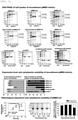
- methanol which is an oxidation product of methane, was generated by an enzymatic reaction, followed by measuring a production amount and determining a cumulative production amount and a turnover number as shown in FIG. 5 .
- the present invention relates to a method for converting methane to methanol using the enzyme nanoparticles, the recombinant microorganism, or the immobilized enzyme nanoparticles.
- PmoB12, ferritin-pmoBl, pMMO-mimics (pMMO-m1 to pMMO-m4), site-A mutant of pMMO-m3, site-B mutant of pMMO-m3, pmoB-free huHF particles with His6 and pmoB-free huHF particles without His6 were prepared according to the vector schematic diagram described in Table 1 below. All plasmid expression vectors prepared as described above were purified in agarose gel, followed by confirming a sequence through complete DNA sequencing.
- PCR products were sequentially inserted into vectors for expression of pT7-7 and pET28a (Novagen, U.S.A.) to construct expression vectors capable of expressing protein nanoparticles, respectively.
- Vectors for expression of different protein nanoparticles have proceeded with pT7-pmoB12, pT7-huHF-pmoB1, pT7-pMMO-m1, pET28a-pMMO-m2-B1, pT7-pMMO-m2-B2, pET28a-pMMO-m3-B1, pT7-pMMO-m3-B2, pET28a-Mut-A-m3-B1, pT7-Mut-A-m3-B2, pET28a-Mut-B-m3-B1, pT7-Mut-B-m3-B2, pET28apMMO-m4-B1(R), pT7-pMMO-m4-B2, pT7-huFH and pT7-D4K-huHF, respectively ( FIG.
- E. coli strain BL21 (DE3) [F - omp T hsd S B (rB - mB - )] was transformed using the prepared expression vectors, respectively.
- pMMO-m2, pMMO-m3, site-A mutant of pMMO-m3, site-B mutant of pMMO-m3, pMMO-m4 allowed two expression vectors to be simultaneously transformed on E . coli strain BL21, and a transformant resistant to ampicillin and kanamycin was selected. Transformed E .
- coli were cultured in a flask including 50 mL of Luria-Bertani (LB) medium (containing 100 mgL -1 ampicillin, 100 mgL -1 kanamycin and 0.2 mM CuSO 4 ) (250 mL Erlenmeyer flasks, 37°C, 150 rpm).
- LB Luria-Bertani
- Other protein nanoparticles (ferritin-pmoBl, pMMO-m1, pmoB-free huHF particles with His 6 and pmoB-free huHF particles without His 6 ) except for the above were selected for ampicillin-resistant transformants.
- the transformed E The transformed E .
- coli were cultured in a flask (250 mL Erlenmeyer flasks, 37°C, 150 rpm) including 50 mL of Luria-Bertani (LB) medium (containing 100 mg L -1 ampicillin and 0.2 mM CuSO 4 ) ( FIG. 2 ).
- Luria-Bertani (LB) medium containing 100 mg L -1 ampicillin and 0.2 mM CuSO 4
- LB Luria-Bertani
- IPTG isopropyl- ⁇ -D-thiogalactopyranosid
- coli were centrifuged at 5,000 rpm for 5 minutes to recover the strain precipitate, and then suspended in 5 mL of crushing solution (50 mM NaH 2 PO 4 , 300 mM NaCl, 10 mM imidazole, 0.2 mM CuSO 4 , pH 8.0) and crushed using an ultrasonic crusher (Branson Ultrasonics Corp., Danbury, CT, U.S.A). After crushing, centrifugation was performed at 13,000 rpm for 10 minutes, and the supernatant and insoluble aggregates were separated.
- crushing solution 50 mM NaH 2 PO 4 , 300 mM NaCl, 10 mM imidazole, 0.2 mM CuSO 4 , pH 8.0
- an ultrasonic crusher Branson Ultrasonics Corp., Danbury, CT, U.S.A
- the isolated supernatant was first subjected to Ni 2+ -NTA affinity chromatography through binding of nickel and histidine fused with each other and expressed on a recombinant protein, followed by concentrating the recombinant protein and exchanging the buffer, so as to obtain a purified recombinant protein.
- Ni 2+ -NTA affinity chromatography through binding of nickel and histidine fused with each other and expressed on a recombinant protein, followed by concentrating the recombinant protein and exchanging the buffer, so as to obtain a purified recombinant protein.
- E. coli cultured in the same manner as specified above were recovered and cell pellets thereof were resuspended in 5 mL crushing solution (50 mM NaH 2 PO 4 , 300 mM NaCl, 10 mM imidazole, 0.2 mM CuSO 4 , pH 8.0), and the cells were crushed using an ultrasonic crusher.
- the crushed cell fluid was centrifuged at 13,000 rpm for 10 minutes to separate only the supernatant, and then the recombinant protein was separated using a Ni 2+ -NTA column (Quiagen, Hilden, Germany) .
- E. coli strain BL21 (DE3) [F - omp T hsd S B (rB - mB - )] was transformed using the prepared expression vectors, respectively, and transformants resistant to ampicillin were selected.
- the transformed E . coli were cultured in a flask (250 mL Erlenmeyer flasks, 37°C, 150 rpm) containing 50 mL of Luria-Bertani (LB) medium (containing 100 mg L -1 ampicillin) . When the medium turbidity (OD 600 ) reached about 0.6, isopropyl- ⁇ -D-thiogalactopyranosid (IPTG) (1 mM) was added to induce gene expression.
- LB Luria-Bertani
- the cultured E . coli were centrifuged at 5,000 rpm for 5 minutes to recover cell precipitate, and then suspended in 5 mL of crushing solution (50 mM NaH 2 PO 4 , 300 mM NaCl, 10 mM imidazole, 0.2 mM CuSO 4 , pH 8.0) and crushed using an ultrasonic crusher (Branson Ultrasonics Corp., Danbury, CT, U.S.A). After crushing, centrifugation was performed at 13,000 rpm for 10 minutes, and the supernatant and insoluble aggregates were separated.
- crushing solution 50 mM NaH 2 PO 4 , 300 mM NaCl, 10 mM imidazole, 0.2 mM CuSO 4 , pH 8.0
- an ultrasonic crusher Branson Ultrasonics Corp., Danbury, CT, U.S.A
- the separated insoluble aggregate was first subjected to Ni 2+ -NTA affinity chromatography using binding of nickel and histidine fused with each other and expressed on a recombinant protein, and then the recombinant protein was refolded through dialysis. The refolded recombinant protein was concentrated thus to produce a purified recombinant protein. Each stage will be described in detail below.
- E . coli cultured in the same manner as specified above were recovered and cell pellets thereof were re-suspended in 5 mL crushing solution (50 mM NaH 2 PO 4 , 300 mM NaCl, 10 mM imidazole, 0.2 mM CuSO 4 , pH 8.0), and the cells were crushed using an ultrasonic crusher.
- 5 mL crushing solution 50 mM NaH 2 PO 4 , 300 mM NaCl, 10 mM imidazole, 0.2 mM CuSO 4 , pH 8.0
- the crushed cell fluid was centrifuged at 13,000 rpm for 10 minutes to separate only insoluble aggregate, and then re-suspended in 5 mL modified solution (50 mM NaH 2 PO 4 , 300 mM NaCl, 6 M Gdn-HCl, pH 8.0) for 1 hour, followed by performing centrifugation at 13,000 rpm for 20 minutes to separate the supernatant only. Thereafter, the recombinant protein pmoB12 was separated using a Ni 2+ -NTA column (Quiagen, Hilden, Germany) .
- pmoB12 was refolded by applying a stepwise dialysis procedure. That is, the recombinant protein was subjected to a dialysis process in a buffer solution (20 mM Tris-HCl, 250 mM NaCl, 1 mM CuSO 4 , 6 M Gdn-HCl, pH 8.0) at 4°C for 3 hours.
- a concentration of Gdn-HCl was reduced stepwise by 1M for total 6 times, and in the final step, the dialysis process was repeated three times using a buffer solution without Gdn-HCl (20 mM Tris-HCl, 250 mM NaCl, 1 mM CuSO 4 , pH 8.0), thereby completely removing Gdn-HCl. Finally, the refolded pmoB12 was recovered after completely removing the protein aggregates by centrifugation (13,000 rpm, 20 minutes, 4°C) .
- the refolded pmoB12 obtained through the dialysis process was placed in an ultra-centrifugal filter (Amicon Ultra 100K, Millipore, Billerica, MA) and centrifuged at 5,000 rpm until 1 ml of solution remained on the column.
- an ultra-centrifugal filter Amicon Ultra 100K, Millipore, Billerica, MA
- TEM transmission electron microscopy
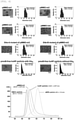
- spherical nanoparticles having a size of 26.3 ⁇ 3.1 nm, 20.8 ⁇ 3.3 nm, 23.9 ⁇ 3.3 nm, 21.9 ⁇ 3.3 nm, and 12.8 ⁇ 2.1 nm were formed by pMMO-m1, pMMO-m2, pMMO-m3, pMMO-m4, and pmoB-free huHF particle with His6, respectively.
- CD spectrum was measured at 200 to 250 nm (1 nm bandwidth, 100 nm/min scan rate), and the secondary structure of the pMMO-m3 was analyzed on the basis of the CD spectrum measured at 20°C.
- the melting point (Tm) of the pMMO-m3 was calculated through CD spectra measured at different temperatures (30, 40, 50, 60, 70, 80, and 90°C) ( FIG. 4 ).
- a methane oxidation reaction through the recombinant protein was initiated by removing 19 mL of air in a headspace through a syringe and injecting 15 mL of methane gas and 4 mL of air. Thereafter, the vial was immediately subjected to an enzymatic reaction in an incubator at 45°C for up to 20 hours. Further, an amount of methanol as an oxidation product produced by the enzymatic reaction, was measured through gas chromatography (7890B GC, Agilent) to measure a cumulative production amount and a turnover number ( FIG. 5 ).
- FIG. 6b analysis of pMMO-m3 as well as copper contents in site A-mutations (H188N, H292A, and H294A) and site B-mutations (H203N, and H227N) ( FIG. 6b ) demonstrated that dinuclear copper atoms and mononuclear copper atoms are detected in each of the copper sites A and B of pmoB1.
- pMMO-m3 which exhibits the optimal methane oxidation activity confirmed through Example 6, was immobilized on a three-dimensional porous hydrogel to establish a new reaction system. Further, whether the activity of the enzyme nanoparticles due to moisture contained in the hydrogel is maintained for a long period of time and whether the above activity may be repeatedly used were proved by the following experiments.
- pMMO-m3 10 mg was first reacted with N-succinimidyl acrylate (NSA, 0.01 mg) dissolved in Tris buffer (20 mM Tris-HCl, 250 mM NaCl, pH 8.0) at 37°C for 1 hour to obtain vinylated pMMO-m3. NSA remaining without participation in the reaction was removed through an ultra-centrifugal filter system (Amicon Ultra 100K, Millipore, Billerica, MA).
- an acrylamide-based hydrogel containing immobilized pMMO-m3 was produced.
- the hydrogel to which pMMO-m3 is immobilized was subjected to Pt coating and, through FE-SEM (quanta 250 FEG, FEI, Oregon, U.S.A), the porous structure and distribution of pMMO-m3 in the hydrogel were confirmed.
- the distribution of pMMO-m3 in the hydrogel was analyzed through FE-SEM by treating the hydrogel with a gold nanoparticle-labeled histidine antibody (anti-H6 antibody, Santa Cruz, Texas, U.S.A) for 2 hours, increasing a size of gold nanoparticles using a silver enhancement kit (Sigma Aldrich), followed by Pt coating.
- a gold nanoparticle-labeled histidine antibody anti-H6 antibody, Santa Cruz, Texas, U.S.A
- a silver enhancement kit Sigma Aldrich
- duroquinol was used as a reducing agent.
- a methane oxidation reaction was initiated by removing, 18 mL of air in the headspace through a syringe, and injecting 14.5 mL of methane gas and 4.5 mL of air. Thereafter, the vial was immediately subjected to an enzymatic reaction in an incubator at 45°C for 20 hours. Then, an amount of methanol, which is an oxidation product obtained by the enzymatic reaction, was measured through gas chromatography (7890B GC, Agilent) to determine a cumulative production amount.
- a lid of the vial was opened while removing a shade thereof after 20 hours of reaction, followed by collecting 20 hydrogels containing immobilized pMMO-m3 and washing the same in Tris buffer three times.
- the washed hydrogels containing immobilized pMMO-m3 were put into a 20 mL septa-sealed vial and subjected to methane oxidation in the same manner. As a result, it was confirmed that about 6 times of repeated use is possible for about 120 hours ( FIG. 7 ).
- the active sites (pmoB1, and pmoB2) of methane oxidase derived from methane-oxidizing bacteria are fused with each other and expressed so as to be expressed on the surface of a protein that can be self-assembled in cells to form nanoparticles, whereby the active sites of methane oxidase retain activity even on the surface of the protein nanoparticles and allow methane to be oxidized to methanol.
Landscapes
- Chemical & Material Sciences (AREA)
- Life Sciences & Earth Sciences (AREA)
- Organic Chemistry (AREA)
- Health & Medical Sciences (AREA)
- Zoology (AREA)
- Engineering & Computer Science (AREA)
- Wood Science & Technology (AREA)
- Genetics & Genomics (AREA)
- Bioinformatics & Cheminformatics (AREA)
- General Health & Medical Sciences (AREA)
- Biochemistry (AREA)
- General Engineering & Computer Science (AREA)
- Biotechnology (AREA)
- Microbiology (AREA)
- Biomedical Technology (AREA)
- Medicinal Chemistry (AREA)
- Molecular Biology (AREA)
- Chemical Kinetics & Catalysis (AREA)
- General Chemical & Material Sciences (AREA)
- Dispersion Chemistry (AREA)
- Toxicology (AREA)
- Gastroenterology & Hepatology (AREA)
- Biophysics (AREA)
- Proteomics, Peptides & Aminoacids (AREA)
- Preparation Of Compounds By Using Micro-Organisms (AREA)
- Micro-Organisms Or Cultivation Processes Thereof (AREA)
- Enzymes And Modification Thereof (AREA)
Abstract
Description
- The present invention relates to novel enzyme nanoparticles capable of converting methane into methanol, in which key active sites of methane-oxidizing bacteria are fused with each other and expressed on a protein that can be self-assembled in cells to form nanoparticles, and specifically to enzyme nanoparticles including a protein having methane monooxygenase (MMO) (also referred to as "methane oxidase") activity and active sites of the methane oxidase, a method for production thereof, a recombinant microorganism into which a nucleic acid encoding the protein and the active site of the methane oxidase is introduced, immobilized enzyme nanoparticles including the enzyme nanoparticles loaded on a carrier, and a method for converting methane into methanol using the same.
- Methane gas is a major component of shale gas, landfill gas, biogas, etc., which is the most abundant gas resource on the planet and a raw material for production of methanol. Currently, hydrocarbons used as various household goods or major industrial materials are produced from crude oil as a raw material, however, most of them can also be produced from methanol, such that methanol has attracted attention as a raw material for producing hydrocarbons that can replace the crude oil.
- Until now, methanol has been industrially produced through chemical oxidation of methane gas, however, such a methane oxidation process entails a number of problems in technical, economical and environmental aspects such as high energy consumption due to high temperature and high pressure reaction conditions, environmental pollution due to generation of reaction by-products, low reaction conversion rate due to low reaction selectivity and the like.
- As an alternative idea to solve these problems, global attention has been focused on bio-processes that utilize methane monooxygenase (MMO) derived from methane-oxidizing bacteria (methanotrophs). In particular, methane oxidase, which exists in the form of a membrane protein, is an enzyme that selectively converts most of methane gas into methanol without generation of by-products even under very mild conditions (45°C, atmospheric pressure) compared to chemical oxidation processes. Methane monooxygenase (MMO), which exists in particulate form (particulate: pMMO) or soluble form (soluble: sMMO) in methanolotrophic bacteria, is an industrially promising enzyme that catalyzes oxidation of low reactive methane and other carbon materials to methanol and its corresponding oxidation products. However, despite culture of natural methanotrophs or various approaches based on one of recombinant expression systems, easy, fast and high-yield production of active MMOs is still a big challenge for its industrial application.
- Both the water-soluble form, that is, sMMO expressed in some methanotrophs and the more common membrane-bound particle form, that is, pMMO have been widely studied to realize their potential for bio-industrial production, but any result demonstrating that functionally active MMOs can be produced easily, quickly and in high yield has not yet been reported.
- Further, since particulate methane monooxygenase (pMMO), which is a kind of membrane proteins, is also highly technically difficult in terms of mass production, no successful development cases have been reported despite intensive global research.
- This is mainly because the proliferation of natural methanotrophs is quite slow and the cell density is also very low. Due to such restrictions, production has been attempted using fast-growing strains, such as E. coli, which enable excellent production of recombinant proteins on an industrial scale (Islam, R. S., Tisi, D., Levy, M. S. & Lye, G. J. Biotechnol. Bioeng. 99, 1128-1139 (2008)).
- However, the production of recombinant sMMO or pMMO in such E. coli is not actually an active form of MMO, and an additional cumbersome process is required to prepare a structural form exhibiting catalytic action.
- In this regard, there is a need for a recombinant system capable of synthesizing enzyme nanoparticles in high yield while maintaining a structure having a catalytic function through optimized gene expression in order to express heterologous enzymes in E. coli.
- Under this technical background, the inventors of the present application have made extensive efforts to design pMMO that is structurally and functionally active using ferritin protein nanoparticles as a scaffold, consequentially, have found that new enzyme nanoparticles capable of converting methane into methanol by performing fusion and expression of key active sites of methane-oxidizing bacteria into protein nanoparticles could be prepared, and therefore, the present invention has been completed on the basis of the finding.
- An object of the present invention is to provide enzyme nanoparticles having methane monooxygenase (MMO) activity.
- In addition, another object of the present invention is to provide a recombinant microorganism having enzyme nanoparticle generation ability that exhibits MMO activity by fusion and expression of a first active site and a second active site of the methane oxidase on a surface of protein nanoparticles.
- Further, another object of the present invention is to provide a method for production of enzyme nanoparticles using the recombinant microorganism.
- Further, another object of the present invention is to provide immobilized enzyme nanoparticles including the enzyme nanoparticles loaded on a carrier, and a method for production thereof.
- Furthermore, another object of the present invention is to provide a method for converting methane into methanol using the enzyme nanoparticles.
- In order to achieve the above objects, the present invention provides an enzyme nanoparticle having methane oxidase activity, wherein a first active site and a second active site of the methane oxidase are fused with each other and expressed on a surface of a protein adapted to be self-assembled in cells to form nanoparticles.
- Further, the present invention provides a recombinant microorganism having enzyme nanoparticle production ability, into which: i) a nucleic acid encoding a protein adapted to be self-assembled in cells to form nanoparticles; ii) a nucleic acid encoding a first active site of a methane oxidase; and iii) a nucleic acid encoding a second active site of the methane oxidase, are introduced, and wherein the first active site and the second active site are fused with each other and expressed on a surface of protein nanoparticles to exhibit MMO activity.
- Further, the present invention provides a method for production of enzyme nanoparticles, which includes: generating nanoparticles having methane monooxygenase (MMO) ("methane oxidase") activity by culturing the recombinant microorganism, wherein a first active site and a second active site of the methane oxidase are fused with each other and expressed on the surface of a protein adapted to be self-assembled in cells to form nanoparticles; and recovering the generated nanoparticles.
- Further, the present invention provides immobilized enzyme nanoparticles including the enzyme nanoparticles loaded on a carrier.
- Moreover, the present invention may provide a method for converting methane into methanol using the enzyme nanoparticles, the recombinant microorganism, or the immobilized enzyme nanoparticles.
-
-
FIG. 1 illustrates specific examples of vectors for expression of protein nanoparticles. -
FIG. 2 illustrates effects of copper salts on the expression of a recombinant protein. -
FIG. 3 illustrates results of analyzing the expression rate and cytoplasmic solubility of the recombinant protein. -
FIG. 4 illustrates results of observing protein nanoparticle images using an electron microscope. -
FIG. 5 illustrates measured results of an amount of methanol, which is an oxidation product produced by an enzymatic reaction. -
FIG. 6 illustrates results of confirming effects of protein nanoparticles on metal content and catalytic activity. -
FIG. 7 illustrates results of proving that repetitive methane oxidation activity can be expressed by applying hydrogel containing immobilized pMMO-m3. - Unless otherwise defined, all technical and scientific terms used in this specification have the same meaning as commonly understood by an expert skilled in the art, to which the present invention pertains ("those skilled in the art"). In general, the nomenclature used in this specification is well known and commonly used in the art.
- The inventors of the present application have found a recombinant system that can synthesize enzyme nanoparticles, which include a first active site (pmoB1) or its variant of a methane oxidase as a heterologous enzyme and a second active site (pmoB2) of the methane oxidase, with high yield, while maintaining a structure having a catalytic function in E. coli, by using a protein adapted to be self-assembled in cells to form nanoparticles such as ferritin heavy chain protein (huHF).
- Specifically, under control of one promoter, a system including: a first vector that operatively links a nucleic acid encoding huHF and a nucleic acid encoding pmoB1 and pmoB2, which are active sites of pMMO, or operatively links the nucleic acid encoding huHF and a nucleic acid encoding pmoB1 or a variant thereof; and a second vector that operatively links the nucleic acid encoding huHF and a nucleic acid encoding pmoB2, was constructed. For example, referring to
FIG. 1 , as shown in (a) to (i), the system was progressed in the order ofpT7-pmoB12, pT7-huHF-pmoB1, pT7-pMMO-m1, pET28a-pMMO-m2-B1, pT7-pMMO-m2-B2, pET28a-pMMO-m3-B1, pT7-pMMO-m3-B2, pET28a-Mut-A-m3-B1, pT7-Mut-A-m3-B2, pET28a-Mut-B-m3-B1, pT7-Mut-B-m3-B2, pET28apMMO-m4-B1(R), pT7-pMMO-m4-B2, pT7-pMMO-m4-B2, pT7-huFH and pT7-D4K-huHF (FIG. 1 ). - As a result of introducing these vectors into host cells and culturing the same, it was confirmed that the enzyme nanoparticles were successfully expressed. The enzyme nanoparticles are those in which pmoB1 and pmoB2 are fused with and expressed in a ferritin scaffold that formed heterodimeric nanoparticles through self-assembly in cells, and it was confirmed that enzyme nanoparticles are expressed with high efficiency and MMO activity is exhibited, thereby producing methanol by oxidizing methane through an enzymatic reaction.
- Therefore, in one aspect, the present invention relates to an enzyme nanoparticle having methane monooxygenase (MMO) activity, wherein a first active site and a second active site of the methane oxidase are fused with each other and expressed on the surface of a protein adapted to be self-assembled in cells to form nanoparticles.
- In another aspect, the present invention relates to a recombinant microorganism having enzyme nanoparticle generation ability, into which: i) a nucleic acid encoding a protein adapted to be self-assembled in cells to form nanoparticles; ii) a nucleic acid encoding a first active site of a methane oxidase; and iii) a nucleic acid encoding a second active site of the methane oxidase are introduced, wherein MMO activity is exhibited by fusion and expression of the first active site and the second active site on the surface of the protein nanoparticles.
- In another aspect, the present invention relates to a method for production of enzyme nanoparticles, which includes: generating nanoparticles having methane oxidase activity by culturing the recombinant microorganism, wherein a first active site and a second active site of the methane oxidase are fused with each other and expressed on the surface of a protein adapted to be self-assembled in cells to form nanoparticles; and recovering the generated nanoparticles.
- In the present invention, the methane oxidase may be an active membrane enzyme that includes a periplasmic catalytic domain present in the membrane bilayer through trans-membrane α-helices, and it was confirmed that, when constructing a molecular environment similar to transmembrane α-helices present in natural membranes, the methane oxidase of the present invention could be rearranged into a desired structure while maintaining the catalytic activity thereof.
- In this respect, the protein may function as a support capable of providing the molecular environment similar to a trans membrane, and may be used without limitation as long as it can be self-assembled in cells to form nanoparticles. For example, ferritin, ferritin-like protein, magnetosome constituent protein, Escherichia coli DNA binding protein, human α-tocopherol transfer protein, human PERK chaperone, hepatitis B virus capsid protein, proteosome, or tobacco mosaic virus coat protein may be used.
- In particular, ferritin may be used as the protein, and in a specific embodiment according to the present invention, ferritin may be subjected to a self-assembly of 24 protein monomers having a molecular weight of 21 kDa to form spherical nanoparticles having a diameter of about 12 nm. Ferritin may have a molecular weight of about 500,000 Da, may consist of 24 identical protein subunits composed of heavy and light chains, and may form a hollow shell in vivo. The protein bound to iron may have iron storage and iron detoxification functions. The protein may function as a cytoprotective protein that maintains iron balance in cells for the growth and survival of most tissues and minimizes a formation of oxygen-free radicals due to the binding of iron in the cells.
- Full-length ferritin, ferritin heavy chain or ferritin light chain may be used to produce nanoparticles, but preferably ferritin heavy chain protein may be used. Specifically, it was confirmed that, when using the heavy chain protein of ferritin, it might function as a support (i.e., scaffold) capable of providing the molecular environment similar to that of a trans membrane, and may have self-assembly ability to form spherical particles. Enzyme nanoparticles (pMMO-mimics) were prepared using ferritin heavy chain protein (huHF) as an active site introduction agent of methane oxidase, wherein the huHF may be expected to have optimum efficacy when a heterogeneous material is fused due to site-specific expression.
- The enzyme nanoparticles having methane oxidation activity according to the present invention was prepared by introducing an active site of a methane oxidase at a specific position (C-terminal) on the surface of ferritin protein nanoparticles. The C-terminal portion of ferritin forms a 4-fold axis (a structure where four axes are gathered), while the introduction of a foreign protein such as pmoB1 or pmoB2 to the above portion has an advantage of enabling the surface of the introduction agent to be expressed.
- The nanoparticles (pMMO-mimics) of the present invention are recombinant protein nanoparticles formed by self-assembly and exhibit a uniform distribution of active sites of the methane oxidase. Nanoparticles (pMMO-mimics) according to the present invention may have a diameter of about 20 to 26 nm.
- A new form of enzyme nanoparticles having methane oxidation activity may be produced by the recombinant microorganism according to the present invention, wherein key active sites of microfine methane oxidase existing on a cellular membrane of methane-oxidizing bacteria are genetically expressed on the surface of human ferritin heavy chains which are nanoparticles composed of protein. The nanoparticles according to the present invention demonstrate activity of actually converting methane gas into methanol through the injection of methane gas.
- The methane oxidase needs to identify the smallest structural unit for activation. At this time, it should be necessary to include the minimum methane oxidase unit while providing a desirable binding site using a catalytically inactivated and structurally stable scaffold, while the active methane oxidase unit needs to be structurally maintained in the re-constructed form in order to keep catalytic activity.
- Methane monooxygenase (MMO) has an α3β3γ3 quaternary structure, wherein αβγ three subunits are named pmoB, pmoA and pmoC, respectively. Two water-soluble periplasmic domains of pmoB (pmoB1 and pmoB2) are connected by two transmembrane α helices (THα1 and THα2). There is a controversy about the active site of pMMO, but now the peripheral cytoplasmic domain of pmoB is generally known as the active site.
- In this aspect, the first active site and the second active site of the methane oxidase may be selected from the group consisting of pmoB1 or a variant thereof and pmoB2 or a variant thereof, and the first active site and the second active site may be different from each other.
- Specifically, the first active site of the methane oxidase may be pmoB1 or a variant thereof, and the second active site may be pmoB2 or a variant thereof. In the present invention, the pmoB1 and pmoB2 were used as active sites for production of the enzyme nanoparticles. The first active site of the methane oxidase may include the sequence of SEQ ID NO: 2, while the second active site of the methane oxidase may include the sequence of SEQ ID NO: 3. The pmoB1 and pmoB2 were recombined on the scaffold replacing the transmembrane THα1 and THα2 of pmoB.
- However, pmoA and/or pmoC, which are subunits other than pmoB of methane oxidase, may be included as an active site, and in some cases, pmoB1 or a variant thereof. Further, the second active site may use pmoA and/or pmoC replacing the pmoB2 or a variant thereof.
- The variant may include one or more selected from the group consisting of H33N, E135Q, H137A, H139A, H48N, and H72N. According to a specific embodiment of the present invention, as the variant of pmoB1, a variant of site-A mutant m3 pmoB1 (H33N, H137A, and H139A) or a variant of site-B mutant m3 pmoB1 (H48N, and H72N) may be included. The variant of pmoB1 may include the sequence of SEQ ID NO: 4 or SEQ ID NO: 5.
- As a scaffold, apo-type ferritin protein that does not contain iron while having a nano-scale in the form of a spherical cage composed of 24 identical units may be used. Each ferritin subunit contains four anti-parallel alpha helix huHFA to huHFD and a c-terminal alpha helix, that is, huHFE, wherein the huHFE may be used as a conjugation site for pmoB1 and pmoB2.
- In order to fuse and express the first active site and the second active site on the surface of the protein nanoparticle, a vector to which: i) the nucleic acid encoding the protein adapted to be self-assembled in cells to form nanoparticles; ii) the nucleic acid encoding the first active site of the methane oxidase; and iii) the nucleic acid encoding the second active site of the methane oxidase are operatively linked may be introduced.
- Specifically, a nucleic acid encoding a ferritin heavy chain protein, a nucleic acid encoding pmoB1 or a variant thereof, and a nucleic acid encoding pmoB2 or a variant thereof are operatively linked to one vector, whereby ferritin nanoparticles with pmoB1 and pmoB genetically expressed on the surface thereof may be produced.
- Further, (a) a first vector to which i) the nucleic acid encoding the protein adapted to be self-assembled in cells to form nanoparticles, and ii) the nucleic acid encoding the first active site of the methane oxidase are operatively linked; and (b) a second vector to which ii) the nucleic acid encoding the protein adapted to be self-assembled in cells to form nanoparticles, and iii) the nucleic acid encoding the second active site of the methane oxidase are operatively linked may be introduced.
- Specifically, a first vector to which: a nucleic acid encoding a ferritin heavy chain protein; a nucleic acid encoding pmoB1 or a variant thereof; and a nucleic acid encoding pmoB2 or a variant thereof are operatively linked, or to which a nucleic acid encoding a ferritin heavy chain protein and a nucleic acid encoding pmoB1 or a variant thereof are operatively linked; as well as a second vector to which a nucleic acid encoding a ferritin heavy-chain protein and a nucleic acid encoding pmoB2 or a variant thereof are operatively linked may be introduced, whereby ferritin nanoparticles with pmoB1 and pmoB2 genetically expressed on the surface thereof may be produced.
- In one embodiment, the recombinant microorganism may further include a nucleic acid encoding a peptide linker between i) the nucleic acid encoding the protein adapted to be self-assembled in cells to form nanoparticles and ii) the nucleic acid encoding the first active site of the methane oxidase, or between ii) the nucleic acid encoding the first active site of the methane oxidase and iii) the nucleic acid encoding the second active site of the methane oxidase.
- According to a specific embodiment of the present invention, G3SG3TG3SG3 or GKLGGG may be included as a linker. When expressed in the presence of one promoter, GKLGGG is included as a linker between the nucleic acid encoding a ferritin heavy-chain protein and the nucleic acid encoding pmoB1 or a variant thereof. Further, G3SG3TG3SG3 may be included as a linker between the nucleic acid encoding pmoB1 and the nucleic acid encoding pmoB2. Further, when using two vectors, a G3SG3TG3SG3 linker may be included between the nucleic acid encoding a ferritin heavy chain protein and the nucleic acid encoding pmoB1 or a variant thereof.
- The term "operatively linked" refers to a functional linkage between a regulatory sequence associated with nucleic acid expression (e.g., a promoter, a signal sequence, or a transcriptional regulatory factor, etc.) and another nucleic acid, whereby the regulatory sequence may regulate transcription and/or translation of the another nucleic acid.
- Suitable molecules (e.g., transcriptional activating proteins) may be nucleic acids and regulatory sequence(s) that are bound to the regulatory sequence(s) in a manner of enabling nucleic acid expression. For example, a nucleic acid for a pre-sequence or secretion leader is operatively linked to a nucleic acid for a polypeptide when expressed as a pre-protein that participates in secretion of the polypeptide; a promoter or enhancer is operatively linked to a coding sequence if it affects sequence transcription; a ribosome binding site is operatively linked to a coding sequence if it affects the sequence transcription; or the ribosome binding site is operatively linked to the coding sequence if arranged to facilitate translation.
- In general, the term "operatively linked" means that the linked nucleic acid sequence is in contact, and specifically, is in contact and is present inside a reading frame in the case of a secretion leader. However, the enhancer does not need to contact. Connection between these sequences is performed by ligation (linkage) at convenient restriction enzyme sites. If such a site does not exist, a synthetic oligonucleotide adapter or linker according to the conventional method is used. In the present invention, it means that the nucleic acid sequence is operatively linked, such that the first active site and the second active site of the methane oxidase can be fused with each other and expressed on the surface of the protein nanoparticle.
- Specifically, the ferritin protein nanoparticles in which the active sites (pmoB1, and pmoB2) of the methane oxidase according to the present invention are fused may be produced by a manufacturing method which includes: a) obtaining a gene clone derived from a nucleic acid encoding a ferritin protein; b) obtaining a gene clone derived from a nucleic acid encoding active sites (pmoB1, and pmoB2) of the methane oxidase to be expressed on the surface of the ferritin protein; c) preparing an expression vector through ligation of the prepared gene clones; and d) expressing recombinant enzyme nanoparticles (pMMO-mimics) by transforming the expression vector into a host.
- Vectors used for over-expression of nucleic acids may be any expression vector known in the art. The term "vector" is used to refer to DNA fragment(s), nucleic acid molecules, etc., which are delivered into cells. The vectors replicate DNA and may be reproduced independently in host cells. The term "carrier" is often used interchangeably with the "vector." The term "expression vector" refers to a recombinant DNA molecule including a coding sequence of interest and an appropriate nucleic acid sequence essential for expressing the coding sequence operatively linked in a specific host organism.
- The expression vector may be used in the form compatible with the host cell, and may include, for example, BLUESCRIPT vector (Stratagene), T7 expression vector (Invitrogen), pET vector (Novagen), etc., but it is not limited thereto.
- The expression vector preferably includes one or more selectable markers. The marker is typically a nucleic acid sequence having a characteristic that the marker can be selected by a chemical method, and any nucleic acid capable of distinguishing a transformed cell from a non-transgenic cell may be applicable. For example, antibiotic-tolerant nucleic acids such as kanamycin, G418, bleomycin, hygromycin, chloramphenicol, etc. may be included, but it is not limited thereto.
- The vector may include a promoter. The term "promoter" means a region of DNA upstream from a structural nucleic acid and refers to a DNA molecule to which an RNA polymerase is bound to initiate transcription. The promoter according to the present invention is a promoter capable of initiating transcription in a host, for example, E. coli, and may include lac, trp, tac, λPL, T7, etc. for protein expression in the host, but it is not limited thereto.
- The nucleic acid may be linked to a tag for isolation and/or purification or a nucleic acid sequence encoding the tag. As an example, the tag may be appropriately selected from the group consisting of small peptide tags such as His tag, Flag tag, S tag, etc., glutathione S-transferase (GST) tag, maltose binding protein (MBP) tag, or the like, but it is not limited thereto.
- Since an expression amount and modification of protein differ depending on the host cell of the recombinant microorganism, the most suitable host cell for the purpose may be selected and used. The host cell may include prokaryotic host cells such as E. coli (Escherichia coli) Bacillus subtilis, Streptomyces, Pseudomonas, Proteus mirabilis or Staphylococcus, but it is not limited thereto. Further, lower eukaryotic cells such as fungi (e.g., Aspergillus), yeast (e.g., Pichia pastoris), Saccharomyces cerevisiae, Schizosaccharomyces, Neurospora crassa, etc., insect cells, plant cells, cells derived from higher eukaryotes mammals, or the like may be used as host cells.
- In the present invention, as an introduction method into the host cells, a commonly known genetic manipulation method may be used. Further, non-viral delivery methods may include cell puncturing, lipofection, microinjection, a ballistic method, virosome, liposome, immunoliposome, multivalent cation or lipids: nucleic acid conjugates, naked DNA, artificial virons and chemical-promoting DNA influx or the like. Sonoporation, for example, a method with
Sonitron 2000 system (Rich-Mar) may also be used for delivery of nucleic acids, and other representative nucleic acid delivery systems may include methods with use of Amaxa Biosystems (Cologne, Germany), Maxcyte, Inc. (Rockville, Maryland) and BTX Molecular Delivery System (Holliston, MA). - According to the present invention, the active sites (pmoB1, and pmoB2) of methane oxidase are introduced in series or parallel to ferritin c-terminal so that the active sites on the surface of ferritin particles may be genetically re-assembled. This enabled mass production of the enzyme nanoparticles having activity by E. coli.
- Meanwhile, the inventors of the present application have constructed a new reaction system by immobilizing the enzyme nanoparticles on a three-dimensional porous hydrogel, and have demonstrated that the activity of the enzyme nanoparticles due to water content of the hydrogel is maintained for a long period of time to allow the enzyme nanoparticles to be repeatedly used. In a specific example according to the present invention, a new enzymatic reaction system has been developed, in which enzyme nanoparticles are immobilized and evenly distributed inside porous hydrogel. It could be seen that the hydrogel-based reaction system may not only include a large amount of enzyme nanoparticles in a certain volume of space, but also reuse the activity of the nanoparticles stably and repeatedly for a long period of time due to excellent water retention ability of the hydrogel.
- Accordingly, in another aspect, the present invention relates to immobilized enzyme nanoparticles including the enzyme nanoparticles loaded on a carrier, and specifically, to immobilized enzyme nanoparticles in which the enzyme nanoparticles are encapsulated in a polymer and uniformly distributed therein.
- Further, the present invention relates to a method for production of immobilized enzyme nanoparticles, which includes: reacting enzyme nanoparticles with a polymer, wherein the enzyme nanoparticles are loaded on a carrier, for example, encapsulated in the polymer so as to be uniformly distributed therein.
- The carrier may include chitosan, gelatin, collagen, poly-L-lysine, poly-L-histidine, poly-L-arginine, hyaluronic acid, polygamma-glutamic acid, alginate, carboxymethyl cellulose, glycogen, amylose, dextran, poly acrylic acid, polyacrylamide, polymethacrylic acid, polyhydroxyethyl methacrylate fluran, beta glucan, starch, hydroxyethyl cellulose, carboxymethyl cellulose, polyvinylpyrrolidone, polyvinylpyrrolidone copolymer, polyethyleneglycol, polyvinylalcohol, polyvinylalkylether, polydimethylaminoethyl methacrylate, poly N,N-ethylaminoethyl methacrylate, polylactic acid, glycolic acid, polylactic glycolic acid or polycaprolactone, but it is not limited thereto.
- The carrier loaded with the enzyme nanoparticles may react the enzyme nanoparticles with the carrier by any conventional method, thereby preparing the carrier encapsulated and loaded with the enzyme nanoparticles.
- For example, a solution containing enzyme nanoparticles may be added to a polymer free of moisture to swell the same so as to load the enzyme nanoparticles on the polymer; enzyme nanoparticles may be added to a polymer solution and mixed, followed by further reacting the mixture with a crosslinking agent so as to load the enzyme nanoparticles on the polymer; otherwise, a functional group may be introduced into a terminal of the enzyme nanoparticle, followed by polymerization of the enzyme nanoparticles, into which the functional groups are introduced, with polymer monomers, thereby loading the enzyme nanoparticles on the polymer, but it is not limited thereto.
- The crosslinking agent is not particularly limited to triphosphate as long as it is a material capable of binding enzyme nanoparticles among polymers, and may include, for example, sodium, sodium citrate, sodium oxalate, sodium pyrophosphate, sodium sulfate, sodium tartrate, sodium malate, sodium malonate, sodium methylene diphosphate, potassium citrate, potassium oxalate, potassium pyrophosphate, potassium sulfate, potassium tartrate, potassium malate, potassium malonate, epichlorohydrin, epibromohydrin, or criethylenetetraamine, but it is not limited thereto.
- In one embodiment according to the present invention, a polymer-based hydrogel, in which the enzyme nanoparticles were immobilized and uniformly distributed, may be prepared. Specifically, a functional group, for example, a vinyl group, an acrylic group or an acrylic group unsubstituted or substituted with alkyl having 1 to 30 carbon atoms, for example, 1 to 6 carbon atoms, was introduced into the terminal of the enzyme nanoparticle, thereby allowing the terminal of the enzyme nanoparticle to be substituted with the above functional group.
- The enzyme nanoparticles to which the functional groups are bound may be subjected to polymerization with polymer monomers, for example, polymeric monomers such as acrylic acid, acrylamide, hydroxyethyl methacrylate, ethylene glycol, N,N-ethylaminoethyl methacrylate, hyaluronic acid or chitosan. For example, an amine group expressed on the surface of the enzyme nanoparticles may react with N-succinimidylacrylate (NSA) to prepare enzyme nanoparticles having vinyl groups enabling polymerization.
- Meanwhile, the inventors of the present application have confirmed that, as a result of reaction of methane gas through the enzyme nanoparticles, methanol, which is an oxidation product of methane, was generated by an enzymatic reaction, followed by measuring a production amount and determining a cumulative production amount and a turnover number as shown in
FIG. 5 . - Accordingly, the present invention relates to a method for converting methane to methanol using the enzyme nanoparticles, the recombinant microorganism, or the immobilized enzyme nanoparticles.
- Hereinafter, the present invention will be described in more detail by means of examples. These examples are for illustrative purposes only, and it will be apparent to those skilled in the art that the scope of the present invention is not construed as being limited by these examples.
- PmoB12, ferritin-pmoBl, pMMO-mimics (pMMO-m1 to pMMO-m4), site-A mutant of pMMO-m3, site-B mutant of pMMO-m3, pmoB-free huHF particles with His6 and pmoB-free huHF particles without His6 were prepared according to the vector schematic diagram described in Table 1 below. All plasmid expression vectors prepared as described above were purified in agarose gel, followed by confirming a sequence through complete DNA sequencing.
- The resulting PCR products were sequentially inserted into vectors for expression of pT7-7 and pET28a (Novagen, U.S.A.) to construct expression vectors capable of expressing protein nanoparticles, respectively.
- Vectors for expression of different protein nanoparticles have proceeded with pT7-pmoB12, pT7-huHF-pmoB1, pT7-pMMO-m1, pET28a-pMMO-m2-B1, pT7-pMMO-m2-B2, pET28a-pMMO-m3-B1, pT7-pMMO-m3-B2, pET28a-Mut-A-m3-B1, pT7-Mut-A-m3-B2, pET28a-Mut-B-m3-B1, pT7-Mut-B-m3-B2, pET28apMMO-m4-B1(R), pT7-pMMO-m4-B2, pT7-huFH and pT7-D4K-huHF, respectively (
FIG. 1 ).[TABLE 1] Recombinant protein Expression vector pmoB12 NH2-NdeI-H6-pmoB1(H33-T172)-S2(GKLGGG)-pmoB2(Q265-M414)-HindIII-COOH ferritin-pmoB1 NH2-NdeI-H6-huHF-BamI-pmoB1-HindIII-COOH pMMO-m1 NH2-NdeI-H6-huHF-BamHI-pmoBI-S2-pmoB2-HindIII-COOH pMMO- m2 1. NH2-NdeI-huHF-BamHI-pmoB1-HindIII-COOH 2.NH2-NdeI-H6-huHF-BamHI-pmoB2-HindIII-COOH pMMO-m3 1.NH2-NdeI-huHF-S1(G3SG3TG3SG3)-BomHI-pmoB1-HindIII-COOH 2.NH2-NdeI-H6-huHF-BamHI-pmoB2-HindIII-COOH Site-A mutant of pMMO-m3 1.NH2-NdeI-huHF-S1-BamHI-pmoB1(H33N, H137A, H139A)-HindIII-COOH 2.NH2-NdeI-H6-huHF-BamHI-pmoB2-HindIII-COOH Site-B mutant of pMMO-m3 1.NH2-NdeI-huHF-S1-BamHI-pmoB1(H48N, H72N)-HindIII- COOH 2. NH2-NdeI-H6-huHF-BamHI-pmoB2-HindIII-COOH pMMO-m4 1.NH2-NdeI-huHF-BamHI-pmoB1(R)-HindIII-COOH 2.NH2-NdeI-H6-huHF-BamHI-pmoB2-HindIII-COOH pmoB-free huHF particles with His6 NH2-NdeI-H6-huHF-HindIII-COOH pmoB-free huHF particles without His6 NH2-NdeI-H6-D4K-huHF-HindIII-COOH [TABLE 2] Name Sequence No. ferritin 
1 pmoB1 (33-172) 
2 pmoB2 (265-414) 
3 pmoB1 (H33N, H137A, H139A) 
4 pmoB1 (H48N, H72N) 
5 - E. coli strain BL21 (DE3) [F- omp ThsdSB (rB-mB-)] was transformed using the prepared expression vectors, respectively. In particular, pMMO-m2, pMMO-m3, site-A mutant of pMMO-m3, site-B mutant of pMMO-m3, pMMO-m4 allowed two expression vectors to be simultaneously transformed on E. coli strain BL21, and a transformant resistant to ampicillin and kanamycin was selected. Transformed E. coli were cultured in a flask including 50 mL of Luria-Bertani (LB) medium (containing 100 mgL-1 ampicillin, 100 mgL-1 kanamycin and 0.2 mM CuSO4) (250 mL Erlenmeyer flasks, 37°C, 150 rpm). Other protein nanoparticles (ferritin-pmoBl, pMMO-m1, pmoB-free huHF particles with His6 and pmoB-free huHF particles without His6) except for the above were selected for ampicillin-resistant transformants. The transformed E. coli were cultured in a flask (250 mL Erlenmeyer flasks, 37°C, 150 rpm) including 50 mL of Luria-Bertani (LB) medium (containing 100 mg L -1 ampicillin and 0.2 mM CuSO4) (
FIG. 2 ). When the medium turbidity (OD600) reached about 0.6, isopropyl-β-D-thiogalactopyranosid (IPTG) (1 mM) was added to induce gene expression. After incubation at 20°C for 14 hours, the cultured E. coli were centrifuged at 5,000 rpm for 5 minutes to recover the strain precipitate, and then suspended in 5 mL of crushing solution (50 mM NaH2PO4, 300 mM NaCl, 10 mM imidazole, 0.2 mM CuSO4, pH 8.0) and crushed using an ultrasonic crusher (Branson Ultrasonics Corp., Danbury, CT, U.S.A). After crushing, centrifugation was performed at 13,000 rpm for 10 minutes, and the supernatant and insoluble aggregates were separated. The isolated supernatant was first subjected to Ni2+-NTA affinity chromatography through binding of nickel and histidine fused with each other and expressed on a recombinant protein, followed by concentrating the recombinant protein and exchanging the buffer, so as to obtain a purified recombinant protein. Each stage will be described in detail as follows. - In order to purify the recombinant protein, E. coli cultured in the same manner as specified above were recovered and cell pellets thereof were resuspended in 5 mL crushing solution (50 mM NaH2PO4, 300 mM NaCl, 10 mM imidazole, 0.2 mM CuSO4, pH 8.0), and the cells were crushed using an ultrasonic crusher. The crushed cell fluid was centrifuged at 13,000 rpm for 10 minutes to separate only the supernatant, and then the recombinant protein was separated using a Ni2+-NTA column (Quiagen, Hilden, Germany) . (Wash buffer: 50 mM NaH2PO4, 300 mM NaCl, 10 mM imidazole, pH 8.0 / Elution buffer: 50 mM NaH2PO4, 300 mM NaCl, 250 mM imidazole, pH 8.0).
- 2 mL of recombinant protein eluted through Ni2+-NTA affinity chromatography was put in an ultra-centrifugal filter (Amicon Ultra 100K, Millipore, Billerica, MA) and centrifuged at 5,000 rpm until 1 ml of solution remained on the column. Thereafter, buffer exchange was performed with Tris buffer (20 mM Tris-HCl, 250 mM NaCl, pH 8.0).
- E. coli strain BL21 (DE3) [F- omp ThsdSB(rB-mB-)] was transformed using the prepared expression vectors, respectively, and transformants resistant to ampicillin were selected. The transformed E. coli were cultured in a flask (250 mL Erlenmeyer flasks, 37°C, 150 rpm) containing 50 mL of Luria-Bertani (LB) medium (containing 100 mg L-1 ampicillin) . When the medium turbidity (OD600) reached about 0.6, isopropyl-β-D-thiogalactopyranosid (IPTG) (1 mM) was added to induce gene expression. After incubation at 37°C for 6 hours, the cultured E. coli were centrifuged at 5,000 rpm for 5 minutes to recover cell precipitate, and then suspended in 5 mL of crushing solution (50 mM NaH2PO4, 300 mM NaCl, 10 mM imidazole, 0.2 mM CuSO4, pH 8.0) and crushed using an ultrasonic crusher (Branson Ultrasonics Corp., Danbury, CT, U.S.A). After crushing, centrifugation was performed at 13,000 rpm for 10 minutes, and the supernatant and insoluble aggregates were separated. The separated insoluble aggregate was first subjected to Ni2+-NTA affinity chromatography using binding of nickel and histidine fused with each other and expressed on a recombinant protein, and then the recombinant protein was refolded through dialysis. The refolded recombinant protein was concentrated thus to produce a purified recombinant protein. Each stage will be described in detail below.
- In order to purify the recombinant protein pmoB12, E. coli cultured in the same manner as specified above were recovered and cell pellets thereof were re-suspended in 5 mL crushing solution (50 mM NaH2PO4, 300 mM NaCl, 10 mM imidazole, 0.2 mM CuSO4, pH 8.0), and the cells were crushed using an ultrasonic crusher. The crushed cell fluid was centrifuged at 13,000 rpm for 10 minutes to separate only insoluble aggregate, and then re-suspended in 5 mL modified solution (50 mM NaH2PO4, 300 mM NaCl, 6 M Gdn-HCl, pH 8.0) for 1 hour, followed by performing centrifugation at 13,000 rpm for 20 minutes to separate the supernatant only. Thereafter, the recombinant protein pmoB12 was separated using a Ni2+-NTA column (Quiagen, Hilden, Germany) . (Wash buffer: 50 mM NaH2PO4, 300 mM NaCl, 6 M Gdn-HCl, pH 6.3 / Elution buffer A: 50 mM NaH2PO4, 300 mM NaCl, 6 M Gdn-HCl, pH 5.9 / Elution buffer B: 50 mM NaH2PO4, 300 mM NaCl, 6 M Gdn-HCl, pH 4.5).
- In order to slowly remove Gdn-HCl, which induces protein denaturation, in 4 mL of the recombinant protein solution eluted through Ni2+-NTA affinity chromatography, pmoB12 was refolded by applying a stepwise dialysis procedure. That is, the recombinant protein was subjected to a dialysis process in a buffer solution (20 mM Tris-HCl, 250 mM NaCl, 1 mM CuSO4, 6 M Gdn-HCl, pH 8.0) at 4°C for 3 hours. A concentration of Gdn-HCl was reduced stepwise by 1M for
total 6 times, and in the final step, the dialysis process was repeated three times using a buffer solution without Gdn-HCl (20 mM Tris-HCl, 250 mM NaCl, 1 mM CuSO4, pH 8.0), thereby completely removing Gdn-HCl. Finally, the refolded pmoB12 was recovered after completely removing the protein aggregates by centrifugation (13,000 rpm, 20 minutes, 4°C) . - The refolded pmoB12 obtained through the dialysis process was placed in an ultra-centrifugal filter (Amicon Ultra 100K, Millipore, Billerica, MA) and centrifuged at 5,000 rpm until 1 ml of solution remained on the column.
- After performing the above process, an expression rate and cytosolic solubility of the purified recombinant protein nanoparticles were analyzed by SDS-PAGE. Crushed cell pellet solution (lysate) of the recombinant protein including pMMO-mimics, the supernatant (soluble fraction, sol) obtained by centrifugation of the crushed cell fluid, insoluble aggregates (insoluble fraction, insol), and purified or refolded recombinant protein were subjected to SDS-PAGE using 12% Tris-glycine precast gel (Invitrogen, California, U.S.A). Then, a gel was stained with Comasi Blue staining solution, and the stained protein band was analyzed for expression rate and cytosolic solubility of each recombinant protein through a densitometer (GS-800 Calibrated Densitometer, Bio-Rad, California, U.S.A.) (
FIG. 3 ) . - After performing the above process, transmission electron microscopy (TEM) was taken for structural analysis of the purified recombinant protein nanoparticles. To obtain stained images of protein nanoparticles, electron microscopy grids including naturally dried samples were incubated with 2% (w/v) aqueous uranyl acetate solution at room temperature for 1 hour. As a result of observing the protein nanoparticle image using a Tecnai 20 (FEI, Hillsboro, Oregon, U.S.A.) electron microscope operating at 200 kV, it was confirmed that spherical nanoparticles were formed. In addition, through dynamic light scattering (DLS) analysis, it was confirmed that spherical nanoparticles having a size of 26.3±3.1 nm, 20.8±3.3 nm, 23.9±3.3 nm, 21.9±3.3 nm, and 12.8±2.1 nm were formed by pMMO-m1, pMMO-m2, pMMO-m3, pMMO-m4, and pmoB-free huHF particle with His6, respectively. Further, through analysis of size-exclusion chromatography (SEC) equipped with
HiLoad ™ 16/600superdex ™ 200 pg column (GE Healthcare, Illinois, U.S.A), it was confirmed that the nanoparticles formed by the pMMO-m3 had a size larger than huFH particles having a diameter of about 12 nm but smaller than HBVC particles having a diameter of 32 nm. To analyze a secondary structure and a melting point of the pMMO-m3, circular dichroism (CD) spectrometer (Jasco, Tokyo, Japan) was used. CD spectrum was measured at 200 to 250 nm (1 nm bandwidth, 100 nm/min scan rate), and the secondary structure of the pMMO-m3 was analyzed on the basis of the CD spectrum measured at 20°C. The melting point (Tm) of the pMMO-m3 was calculated through CD spectra measured at different temperatures (30, 40, 50, 60, 70, 80, and 90°C) (FIG. 4 ). - To verify the methane gas oxidation activity of the purified recombinant protein nanoparticles, 1 mL of a recombinant protein solution containing duroquinol (0.35 mM) as a reducing agent was injected into 20 mL of septa-sealed vial (catalogue No. 5182-0837, Agilent). All of the injected pmoB12 (4.8 µM), ferritin-pmoB1 (0.2 µM), pMMO-m1 (0.2 µM), pMMO-m2 (0.4 µM), pMMO-m3 (0.4 µM), site-A mutant of pMMO-m3 (0.4 µM), site-B mutant of pMMO-m3 (0.4 µM) and pMMO-m4 (0.4 µM) include the same number of moles of catalytically active sites (pmoB1, and pmoB2). A methane oxidation reaction through the recombinant protein was initiated by removing 19 mL of air in a headspace through a syringe and injecting 15 mL of methane gas and 4 mL of air. Thereafter, the vial was immediately subjected to an enzymatic reaction in an incubator at 45°C for up to 20 hours. Further, an amount of methanol as an oxidation product produced by the enzymatic reaction, was measured through gas chromatography (7890B GC, Agilent) to measure a cumulative production amount and a turnover number (
FIG. 5 ). - In E. coli culture supplemented with a copper salt (CuSO4, 0.0 to 0.3 mM) and/or iron salt (FeSO4, 0.2 mM), pMMO-m3 showing optimal methane oxidation activity confirmed through Example 6 was synthesized. An amount of methanol produced by pMMO-m3 synthesized in specific culture condition, as well as copper and iron contents in pMMO-m3, were measured. Measurement of the copper and iron contents was performed through ICP-MS (
FIGS. 6b and c). - As a result, the copper content in pMMO-m3 and the cumulative methanol production amount by the pMMO-m3 reached the maximum level in 0.2 mM CuSO4, while the amount of copper added to pMMO-m3 could affect catalytic domains of pMMO-m3 (pmoB1 and pmoB2) (
FIG. 6a ). Further, it was confirmed that metal bonding sites other than the copper moiety (e.g., the diiron moiety of huHF) were not involved in the catalytic function of pMMO-m3. Moreover, analysis of pMMO-m3 as well as copper contents in site A-mutations (H188N, H292A, and H294A) and site B-mutations (H203N, and H227N) (FIG. 6b ) demonstrated that dinuclear copper atoms and mononuclear copper atoms are detected in each of the copper sites A and B of pmoB1. - pMMO-m3, which exhibits the optimal methane oxidation activity confirmed through Example 6, was immobilized on a three-dimensional porous hydrogel to establish a new reaction system. Further, whether the activity of the enzyme nanoparticles due to moisture contained in the hydrogel is maintained for a long period of time and whether the above activity may be repeatedly used were proved by the following experiments.
- 10 mg of pMMO-m3 was first reacted with N-succinimidyl acrylate (NSA, 0.01 mg) dissolved in Tris buffer (20 mM Tris-HCl, 250 mM NaCl, pH 8.0) at 37°C for 1 hour to obtain vinylated pMMO-m3. NSA remaining without participation in the reaction was removed through an ultra-centrifugal filter system (Amicon Ultra 100K, Millipore, Billerica, MA). Next, 709 µL of vinylated pMMO-m3 (1.69 µM) was mixed with 150 µL of 30% acrylamide (29:1 w/w acrylamde:bis-acrylamide, BioRad, U.S.A), 130 µl of 1 M Tris-HCl (pH 6.5), 10 µl of 10% (w/v) ammonium persulfate (APS) and 1 µl of 0.8 M tetramethylethylenediamine (TEMED), and the mixture was divided by 25 µl followed by putting each of the divided mixtures in a transparent 384-well plate. Then, the mixture was allowed to stand at 25°C for 16 hours so as to be copolymerized. As a result, an acrylamide-based hydrogel containing immobilized pMMO-m3 was produced. The hydrogel to which pMMO-m3 is immobilized was subjected to Pt coating and, through FE-SEM (
quanta 250 FEG, FEI, Oregon, U.S.A), the porous structure and distribution of pMMO-m3 in the hydrogel were confirmed. The distribution of pMMO-m3 in the hydrogel was analyzed through FE-SEM by treating the hydrogel with a gold nanoparticle-labeled histidine antibody (anti-H6 antibody, Santa Cruz, Texas, U.S.A) for 2 hours, increasing a size of gold nanoparticles using a silver enhancement kit (Sigma Aldrich), followed by Pt coating. - To verify methane oxidation activity of the hydrogel containing immobilized pMMO-m3 formed by the above process, duroquinol was used as a reducing agent. 2 mL of Tris buffer (20 mM Tris-HCl, 250 mM NaCl, pH 8.0), in which 20 hydrogels containing immobilized pMMO-m3 (total 6 x 10⁻⁴ µmoles of pMMO-m3) are included, as well as duroquinol (0.35 mM) were injected into 20 mL of septa-sealed vial (catalogue No. 5182-0837, Agilent). A methane oxidation reaction was initiated by removing, 18 mL of air in the headspace through a syringe, and injecting 14.5 mL of methane gas and 4.5 mL of air. Thereafter, the vial was immediately subjected to an enzymatic reaction in an incubator at 45°C for 20 hours. Then, an amount of methanol, which is an oxidation product obtained by the enzymatic reaction, was measured through gas chromatography (7890B GC, Agilent) to determine a cumulative production amount. In order to verify the repetitive methane oxidation reaction, a lid of the vial was opened while removing a shade thereof after 20 hours of reaction, followed by collecting 20 hydrogels containing immobilized pMMO-m3 and washing the same in Tris buffer three times. The washed hydrogels containing immobilized pMMO-m3 were put into a 20 mL septa-sealed vial and subjected to methane oxidation in the same manner. As a result, it was confirmed that about 6 times of repeated use is possible for about 120 hours (
FIG. 7 ). - According to the present invention, the active sites (pmoB1, and pmoB2) of methane oxidase derived from methane-oxidizing bacteria are fused with each other and expressed so as to be expressed on the surface of a protein that can be self-assembled in cells to form nanoparticles, whereby the active sites of methane oxidase retain activity even on the surface of the protein nanoparticles and allow methane to be oxidized to methanol.
- As described above, a specific portion of the content of the present invention has been described in detail. For those skilled in the art, this specific technology is only a preferred embodiment, and it will be obvious that the scope of the present invention is not limited thereby. Accordingly, it will be understood that the substantial scope of the present invention is defined by the appended claims and equivalents thereof.
- Electronic file attached.


Claims (21)
- An enzyme nanoparticle having methane monooxygenase (MMO) ("methane oxidase") activity, wherein a first active site and a second active site of the methane oxidase are fused with each other and expressed on a surface of a protein adapted to be self-assembled in cells to form nanoparticles.
- The enzyme nanoparticle according to claim 1, wherein the protein is ferritin, ferritin-like protein, magnetosome constituent protein, Escherichia coli DNA binding protein, human α-tocopherol transfer protein, human PERK chaperone, hepatitis B virus capsid protein, proteasome, or tobacco mosaic virus coat protein.
- The enzyme nanoparticle according to claim 1, wherein the protein is a ferritin heavy-chain protein.
- The enzyme nanoparticle according to claim 1, wherein the first active site and the second active site of the methane oxidase are selected from the group consisting of pmoB1 or a variant thereof and pmoB2 or a variant thereof, and wherein the first active site and the second active site are different from each other.
- The enzyme nanoparticle according to claim 1, wherein the first active site of the methane oxidase includes the sequence of SEQ ID NO: 2, and the second active site includes the sequence of SEQ ID NO: 3.
- The enzyme nanoparticle according to claim 4, wherein the variant includes at least one selected from the group consisting of H33N, E135Q, H137A, H139A, H48N and H72N.
- A method for production of enzyme nanoparticles, comprising: generating nanoparticles having methane monooxygenase (MMO) ("methane oxidase"), wherein a first active site and a second active site of the methane oxidase are fused with each other and expressed on a surface of a protein adapted to be self-assembled in cells to form nanoparticles; and recovering the generated nanoparticles.
- A recombinant microorganism having enzyme nanoparticle production ability, into which:i) a nucleic acid encoding a protein adapted to be self-assembled in cells to form nanoparticles;ii) a nucleic acid encoding a first active site of a methane oxidase; andiii) a nucleic acid encoding a second active site of the methane oxidase are introduced, wherein the first active site and the second active site are fused with each other and expressed on a surface of protein nanoparticles to exhibit methane monooxygenase (MMO) activity.
- The recombinant microorganism according to claim 8, wherein the protein is ferritin, ferritin-like protein, magnetosome constituent protein, Escherichia coli DNA binding protein, human α-tocopherol transfer protein, human PERK chaperone, hepatitis B virus capsid protein, proteasome, or tobacco mosaic virus coat protein.
- The recombinant microorganism according to claim 8, wherein the protein is a ferritin heavy-chain protein.
- The recombinant microorganism according to claim 8, wherein the first active site and the second active site of the methane oxidase are selected from the group consisting of pmoB1 or a variant thereof and pmoB2 or a variant thereof, and wherein the first active site and the second active site are different from each other.
- The recombinant microorganism according to claim 8, wherein the first active site of the methane oxidase includes the sequence of SEQ ID NO: 2, and the second active site includes the sequence of SEQ ID NO: 3.
- The recombinant microorganism according to claim 11, wherein the variant includes at least one selected from the group consisting of H33N, E135Q, H137A, H139A, H48N, and H72N.
- The recombinant microorganism according to claim 8, wherein a vector, to which i) the nucleic acid encoding the protein adapted to be self-assembled in cells to form nanoparticles; ii) the nucleic acid encoding the first active site of the methane oxidase; and iii) the nucleic acid encoding the second active site of the methane oxidase are operatively linked, is introduced into the recombinant microorganism.
- The recombinant microorganism according to claim 8, wherein(a) a first vector to which (i) the nucleic acid encoding the protein adapted to be self-assembled in cells to form nanoparticles and ii) the nucleic acid encoding the first active site of the methane oxidase are operatively linked; and(b) a second vector to which i) the nucleic acid encoding the protein adapted to be self-assembled in cells to form nanoparticles and iii) the nucleic acid encoding the second active site of the methane oxidase are operatively linked, are introduced into the recombinant microorganism.
- The recombinant microorganism according to claim 14 or 15, further comprising a nucleic acid encoding a peptide linker between i) the nucleic acid encoding the protein adapted to be self-assembled in cells to form nanoparticles and ii) the nucleic acid encoding the first active site of the methane oxidase; or between ii) the nucleic acid encoding the first active site of the methane oxidase and iii) the nucleic acid encoding the second active site of the methane oxidase.
- The recombinant microorganism according to claim 14, wherein the nucleic acid encoding the protein comprises a tag on an upstream thereof.
- The recombinant microorganism according to claim 15, wherein the nucleic acid encoding the protein of the first vector or the second vector comprises a tag on an upstream thereof.
- An immobilized enzyme nanoparticle comprising the enzyme nanoparticle according to claim 1 loaded on a carrier.
- The immobilized enzyme nanoparticle according to claim 19, wherein the carrier is chitosan, gelatin, collagen, poly-L-lysine, poly-L-histidine, poly-L-arginine, hyaluronic acid, polygamma-glutamic acid, alginate, carboxymethyl cellulose, glycogen, amilose, dextran, polyacrylic acid, polyacrylamide, polymethacrylic acid, polyhydroxyethyl methacrylate fluran, beta glucan, starch, hydroxyethyl cellulose, carboxymethyl cellulose, polyvinylpyrrolidone, polyvinylpyrrolidone copolymer, polyethyleneglycol, polyvinylalcohol, polyvinylalkylether, polydimethylaminoethyl methacrylate, poly N,N-ethylaminoethyl methacrylate, polylactic acid, glycolic acid, polylactic glycolic acid or polycaprolactone.
- A method for converting methane into methanol using the enzyme nanoparticles according to claim 1, the recombinant microorganism according to claim 8, or the immobilized enzyme nanoparticles according to claim 19.
Applications Claiming Priority (2)
| Application Number | Priority Date | Filing Date | Title |
|---|---|---|---|
| KR1020190036923A KR102801976B1 (en) | 2019-03-29 | 2019-03-29 | Novel Enzyme Nanoparticle Having Methane Oxidation Activity |
| PCT/KR2020/003841 WO2020204425A1 (en) | 2019-03-29 | 2020-03-20 | Novel enzyme nanoparticles having methane oxidation activity |
Publications (2)
| Publication Number | Publication Date |
|---|---|
| EP3957730A1 true EP3957730A1 (en) | 2022-02-23 |
| EP3957730A4 EP3957730A4 (en) | 2022-12-28 |
Family
ID=72666407
Family Applications (1)
| Application Number | Title | Priority Date | Filing Date |
|---|---|---|---|
| EP20783549.7A Pending EP3957730A4 (en) | 2019-03-29 | 2020-03-20 | Novel enzyme nanoparticles having methane oxidation activity |
Country Status (5)
| Country | Link |
|---|---|
| US (1) | US12442022B2 (en) |
| EP (1) | EP3957730A4 (en) |
| JP (1) | JP7335643B2 (en) |
| KR (1) | KR102801976B1 (en) |
| WO (1) | WO2020204425A1 (en) |
Families Citing this family (3)
| Publication number | Priority date | Publication date | Assignee | Title |
|---|---|---|---|---|
| KR102574959B1 (en) * | 2021-04-30 | 2023-09-04 | 고려대학교 산학협력단 | New protein capable with methane oxidation activity |
| KR102642506B1 (en) * | 2021-04-30 | 2024-02-28 | 고려대학교 산학협력단 | New protein capable with methane or butane oxidation activity |
| CN116240231A (en) * | 2022-12-19 | 2023-06-09 | 中国科学院电工研究所 | A kind of nano enzyme cascade reaction system and its preparation method and application |
Family Cites Families (12)
| Publication number | Priority date | Publication date | Assignee | Title |
|---|---|---|---|---|
| JP2001275653A (en) * | 2000-03-29 | 2001-10-09 | Osaka Gas Co Ltd | Reactor on which membrane association type alkane oxidase is immobilized and which is used for producing alkanol and method for producing alkanol by use of the reactor |
| JP2005095002A (en) * | 2000-10-30 | 2005-04-14 | Katsutoshi Okubo | Method for producing enzyme protein converting methane into methanol |
| WO2003008563A2 (en) * | 2001-07-20 | 2003-01-30 | California Institute Of Technology | Improved cytochrome p450 oxygenases |
| US20070231856A1 (en) * | 2003-05-30 | 2007-10-04 | Pei Ye | Recombinant Protein and Polypeptide Production Using Methylotropic or Ethylotropic Microorganisms with a Dilute Methanol or Ethanol Feeding |
| US8715988B2 (en) * | 2005-03-28 | 2014-05-06 | California Institute Of Technology | Alkane oxidation by modified hydroxylases |
| WO2012012786A2 (en) * | 2010-07-22 | 2012-01-26 | Brigham Young University | Process, composition and method for anion deposition into ferritin for therapeutic and other use |
| CN104822824A (en) * | 2012-10-15 | 2015-08-05 | 凯利斯塔公司 | Genetically engineered microorganisms for biological oxidation of hydrocarbons |
| KR101836921B1 (en) * | 2013-05-10 | 2018-03-12 | 고려대학교 산학협력단 | Recombinant self-assembling protein comprising a target-specfic peptide and use thereof |
| KR20160094550A (en) * | 2015-01-30 | 2016-08-10 | 동국대학교 산학협력단 | Novel fusion protein comprising scFv and ferritin and uses thereof |
| KR101835940B1 (en) * | 2015-08-27 | 2018-03-08 | 건국대학교 산학협력단 | A mutant Soluble Methane Monooxygenase derived from Methylosinus trichosporium OB3b with improved activity |
| KR101888675B1 (en) * | 2015-09-02 | 2018-08-14 | 경북대학교 산학협력단 | Fragment of human ferritin monomer and fusion polypeptide using thereof |
| JP2020137469A (en) * | 2019-02-28 | 2020-09-03 | 国立大学法人京都大学 | Actively expressing hydrocarbon oxidation biocatalyst |
-
2019
- 2019-03-29 KR KR1020190036923A patent/KR102801976B1/en active Active
-
2020
- 2020-03-20 JP JP2021558597A patent/JP7335643B2/en active Active
- 2020-03-20 US US17/599,153 patent/US12442022B2/en active Active
- 2020-03-20 WO PCT/KR2020/003841 patent/WO2020204425A1/en not_active Ceased
- 2020-03-20 EP EP20783549.7A patent/EP3957730A4/en active Pending
Also Published As
| Publication number | Publication date |
|---|---|
| EP3957730A4 (en) | 2022-12-28 |
| JP7335643B2 (en) | 2023-08-30 |
| KR20200114723A (en) | 2020-10-07 |
| WO2020204425A1 (en) | 2020-10-08 |
| US20220170051A1 (en) | 2022-06-02 |
| US12442022B2 (en) | 2025-10-14 |
| JP2022528241A (en) | 2022-06-09 |
| KR102801976B1 (en) | 2025-04-28 |
Similar Documents
| Publication | Publication Date | Title |
|---|---|---|
| Uchida et al. | Modular self-assembly of protein cage lattices for multistep catalysis | |
| Caparco et al. | Protein mediated enzyme immobilization | |
| US12442022B2 (en) | Enzyme nanoparticles with methane oxidation activity | |
| Wang et al. | Immobilization of cellulase on polyamidoamine dendrimer-grafted silica | |
| Yang et al. | Advancing cell surface modification in mammalian cells with synthetic molecules | |
| Timmermans et al. | Self-assembled nanoreactors based on peptides and proteins | |
| CN106191025B (en) | A kind of method that utilizes graphene oxide-metal ion coordination to immobilize enzyme | |
| KR102089516B1 (en) | CO hydrating enzyme and method for producing formic acid using the same | |
| Chauhan et al. | Catalytic kinetics considerations and molecular tools for the design of multienzymatic cascade nanoreactors | |
| Jin et al. | Magnetic nanoplatforms for covalent protein immobilization based on spy chemistry | |
| Liao et al. | Co-immobilization of two-component hydroxylase monooxygenase by functionalized magnetic nanoparticles for preserving high catalytic activity and enhancing enzyme stabilty | |
| Li et al. | Rapidly and precisely cross-linked enzymes using bio-orthogonal chemistry from cell lysate for the synthesis of (s)-1-(2, 6-dichloro-3-fluorophenyl) ethanol | |
| Wong et al. | Covalent functionalization of bioengineered polyhydroxyalkanoate spheres directed by specific protein-protein interactions | |
| Liu et al. | Plug-and-play functionalization of protein–polymer conjugates for tunable catalysis enabled by genetically encoded “click” chemistry | |
| Bulos et al. | Design of a superpositively charged enzyme: human carbonic anhydrase II variant with ferritin encapsulation and immobilization | |
| Yang et al. | Chemical-triggered artificial cell based on metal-organic framework | |
| CN105624128A (en) | Immobilized monoamine oxidase and application thereof in synthesis of chiral azabicyclic compound | |
| Sun et al. | Cry3Aa* SpyCatcher fusion crystals produced in bacteria as scaffolds for multienzyme coimmobilization | |
| Li et al. | Nanoencapsulation of living microbial cells in porous covalent organic framework shells | |
| Liu et al. | Encapsulating proteins in nanoparticles: batch by batch or one by one | |
| Zhang et al. | Tailoring protein–polymer conjugates as efficient artificial enzymes for aqueous asymmetric aldol reactions | |
| CN110669753A (en) | A multi-point immobilization method based on unnatural amino acid modifying enzymes | |
| Manuel et al. | Modular catalysis: aptamer enhancement of enzyme kinetics in a nanoparticle reactor | |
| Li et al. | Self-Assembly of Albumin and [FeFe]-Hydrogenase Mimics for Photocatalytic Hydrogen Evolution | |
| CN113583189B (en) | Polyhydroxy polyurethane protein transfection reagent, preparation method and application thereof |
Legal Events
| Date | Code | Title | Description |
|---|---|---|---|
| STAA | Information on the status of an ep patent application or granted ep patent |
Free format text: STATUS: THE INTERNATIONAL PUBLICATION HAS BEEN MADE |
|
| PUAI | Public reference made under article 153(3) epc to a published international application that has entered the european phase |
Free format text: ORIGINAL CODE: 0009012 |
|
| STAA | Information on the status of an ep patent application or granted ep patent |
Free format text: STATUS: REQUEST FOR EXAMINATION WAS MADE |
|
| 17P | Request for examination filed |
Effective date: 20211001 |
|
| AK | Designated contracting states |
Kind code of ref document: A1 Designated state(s): AL AT BE BG CH CY CZ DE DK EE ES FI FR GB GR HR HU IE IS IT LI LT LU LV MC MK MT NL NO PL PT RO RS SE SI SK SM TR |
|
| DAV | Request for validation of the european patent (deleted) | ||
| DAX | Request for extension of the european patent (deleted) | ||
| A4 | Supplementary search report drawn up and despatched |
Effective date: 20221128 |
|
| RIC1 | Information provided on ipc code assigned before grant |
Ipc: C12P 7/04 20060101ALI20221122BHEP Ipc: C07K 14/79 20060101ALI20221122BHEP Ipc: C12N 11/02 20060101ALI20221122BHEP Ipc: C12N 9/02 20060101ALI20221122BHEP Ipc: C12N 9/96 20060101AFI20221122BHEP |
|
| STAA | Information on the status of an ep patent application or granted ep patent |
Free format text: STATUS: EXAMINATION IS IN PROGRESS |
|
| 17Q | First examination report despatched |
Effective date: 20241120 |