EP3957310B1 - Composition comprising sotagliflozin and a tyrosine kinase activity inhibitor for use in the treatment of cancer - Google Patents
Composition comprising sotagliflozin and a tyrosine kinase activity inhibitor for use in the treatment of cancer Download PDFInfo
- Publication number
- EP3957310B1 EP3957310B1 EP20886183.1A EP20886183A EP3957310B1 EP 3957310 B1 EP3957310 B1 EP 3957310B1 EP 20886183 A EP20886183 A EP 20886183A EP 3957310 B1 EP3957310 B1 EP 3957310B1
- Authority
- EP
- European Patent Office
- Prior art keywords
- sotagliflozin
- cancer
- 30μmol
- gefitinib
- μmol
- Prior art date
- Legal status (The legal status is an assumption and is not a legal conclusion. Google has not performed a legal analysis and makes no representation as to the accuracy of the status listed.)
- Active
Links
Images












Classifications
-
- A—HUMAN NECESSITIES
- A61—MEDICAL OR VETERINARY SCIENCE; HYGIENE
- A61K—PREPARATIONS FOR MEDICAL, DENTAL OR TOILETRY PURPOSES
- A61K31/00—Medicinal preparations containing organic active ingredients
- A61K31/33—Heterocyclic compounds
- A61K31/335—Heterocyclic compounds having oxygen as the only ring hetero atom, e.g. fungichromin
- A61K31/35—Heterocyclic compounds having oxygen as the only ring hetero atom, e.g. fungichromin having six-membered rings with one oxygen as the only ring hetero atom
- A61K31/351—Heterocyclic compounds having oxygen as the only ring hetero atom, e.g. fungichromin having six-membered rings with one oxygen as the only ring hetero atom not condensed with another ring
-
- A—HUMAN NECESSITIES
- A61—MEDICAL OR VETERINARY SCIENCE; HYGIENE
- A61K—PREPARATIONS FOR MEDICAL, DENTAL OR TOILETRY PURPOSES
- A61K31/00—Medicinal preparations containing organic active ingredients
- A61K31/33—Heterocyclic compounds
- A61K31/395—Heterocyclic compounds having nitrogen as a ring hetero atom, e.g. guanethidine or rifamycins
- A61K31/40—Heterocyclic compounds having nitrogen as a ring hetero atom, e.g. guanethidine or rifamycins having five-membered rings with one nitrogen as the only ring hetero atom, e.g. sulpiride, succinimide, tolmetin, buflomedil
- A61K31/403—Heterocyclic compounds having nitrogen as a ring hetero atom, e.g. guanethidine or rifamycins having five-membered rings with one nitrogen as the only ring hetero atom, e.g. sulpiride, succinimide, tolmetin, buflomedil condensed with carbocyclic rings, e.g. carbazole
- A61K31/404—Indoles, e.g. pindolol
-
- A—HUMAN NECESSITIES
- A61—MEDICAL OR VETERINARY SCIENCE; HYGIENE
- A61K—PREPARATIONS FOR MEDICAL, DENTAL OR TOILETRY PURPOSES
- A61K31/00—Medicinal preparations containing organic active ingredients
- A61K31/33—Heterocyclic compounds
- A61K31/395—Heterocyclic compounds having nitrogen as a ring hetero atom, e.g. guanethidine or rifamycins
- A61K31/435—Heterocyclic compounds having nitrogen as a ring hetero atom, e.g. guanethidine or rifamycins having six-membered rings with one nitrogen as the only ring hetero atom
- A61K31/44—Non condensed pyridines; Hydrogenated derivatives thereof
-
- A—HUMAN NECESSITIES
- A61—MEDICAL OR VETERINARY SCIENCE; HYGIENE
- A61K—PREPARATIONS FOR MEDICAL, DENTAL OR TOILETRY PURPOSES
- A61K31/00—Medicinal preparations containing organic active ingredients
- A61K31/33—Heterocyclic compounds
- A61K31/395—Heterocyclic compounds having nitrogen as a ring hetero atom, e.g. guanethidine or rifamycins
- A61K31/435—Heterocyclic compounds having nitrogen as a ring hetero atom, e.g. guanethidine or rifamycins having six-membered rings with one nitrogen as the only ring hetero atom
- A61K31/44—Non condensed pyridines; Hydrogenated derivatives thereof
- A61K31/4427—Non condensed pyridines; Hydrogenated derivatives thereof containing further heterocyclic ring systems
- A61K31/4439—Non condensed pyridines; Hydrogenated derivatives thereof containing further heterocyclic ring systems containing a five-membered ring with nitrogen as a ring hetero atom, e.g. omeprazole
-
- A—HUMAN NECESSITIES
- A61—MEDICAL OR VETERINARY SCIENCE; HYGIENE
- A61K—PREPARATIONS FOR MEDICAL, DENTAL OR TOILETRY PURPOSES
- A61K31/00—Medicinal preparations containing organic active ingredients
- A61K31/33—Heterocyclic compounds
- A61K31/395—Heterocyclic compounds having nitrogen as a ring hetero atom, e.g. guanethidine or rifamycins
- A61K31/435—Heterocyclic compounds having nitrogen as a ring hetero atom, e.g. guanethidine or rifamycins having six-membered rings with one nitrogen as the only ring hetero atom
- A61K31/47—Quinolines; Isoquinolines
-
- A—HUMAN NECESSITIES
- A61—MEDICAL OR VETERINARY SCIENCE; HYGIENE
- A61K—PREPARATIONS FOR MEDICAL, DENTAL OR TOILETRY PURPOSES
- A61K31/00—Medicinal preparations containing organic active ingredients
- A61K31/33—Heterocyclic compounds
- A61K31/395—Heterocyclic compounds having nitrogen as a ring hetero atom, e.g. guanethidine or rifamycins
- A61K31/435—Heterocyclic compounds having nitrogen as a ring hetero atom, e.g. guanethidine or rifamycins having six-membered rings with one nitrogen as the only ring hetero atom
- A61K31/47—Quinolines; Isoquinolines
- A61K31/4709—Non-condensed quinolines and containing further heterocyclic rings
-
- A—HUMAN NECESSITIES
- A61—MEDICAL OR VETERINARY SCIENCE; HYGIENE
- A61K—PREPARATIONS FOR MEDICAL, DENTAL OR TOILETRY PURPOSES
- A61K31/00—Medicinal preparations containing organic active ingredients
- A61K31/33—Heterocyclic compounds
- A61K31/395—Heterocyclic compounds having nitrogen as a ring hetero atom, e.g. guanethidine or rifamycins
- A61K31/495—Heterocyclic compounds having nitrogen as a ring hetero atom, e.g. guanethidine or rifamycins having six-membered rings with two or more nitrogen atoms as the only ring heteroatoms, e.g. piperazine or tetrazines
- A61K31/496—Non-condensed piperazines containing further heterocyclic rings, e.g. rifampin, thiothixene or sparfloxacin
-
- A—HUMAN NECESSITIES
- A61—MEDICAL OR VETERINARY SCIENCE; HYGIENE
- A61K—PREPARATIONS FOR MEDICAL, DENTAL OR TOILETRY PURPOSES
- A61K31/00—Medicinal preparations containing organic active ingredients
- A61K31/33—Heterocyclic compounds
- A61K31/395—Heterocyclic compounds having nitrogen as a ring hetero atom, e.g. guanethidine or rifamycins
- A61K31/495—Heterocyclic compounds having nitrogen as a ring hetero atom, e.g. guanethidine or rifamycins having six-membered rings with two or more nitrogen atoms as the only ring heteroatoms, e.g. piperazine or tetrazines
- A61K31/50—Pyridazines; Hydrogenated pyridazines
- A61K31/5025—Pyridazines; Hydrogenated pyridazines ortho- or peri-condensed with heterocyclic ring systems
-
- A—HUMAN NECESSITIES
- A61—MEDICAL OR VETERINARY SCIENCE; HYGIENE
- A61K—PREPARATIONS FOR MEDICAL, DENTAL OR TOILETRY PURPOSES
- A61K31/00—Medicinal preparations containing organic active ingredients
- A61K31/33—Heterocyclic compounds
- A61K31/395—Heterocyclic compounds having nitrogen as a ring hetero atom, e.g. guanethidine or rifamycins
- A61K31/495—Heterocyclic compounds having nitrogen as a ring hetero atom, e.g. guanethidine or rifamycins having six-membered rings with two or more nitrogen atoms as the only ring heteroatoms, e.g. piperazine or tetrazines
- A61K31/505—Pyrimidines; Hydrogenated pyrimidines, e.g. trimethoprim
- A61K31/506—Pyrimidines; Hydrogenated pyrimidines, e.g. trimethoprim not condensed and containing further heterocyclic rings
-
- A—HUMAN NECESSITIES
- A61—MEDICAL OR VETERINARY SCIENCE; HYGIENE
- A61K—PREPARATIONS FOR MEDICAL, DENTAL OR TOILETRY PURPOSES
- A61K31/00—Medicinal preparations containing organic active ingredients
- A61K31/33—Heterocyclic compounds
- A61K31/395—Heterocyclic compounds having nitrogen as a ring hetero atom, e.g. guanethidine or rifamycins
- A61K31/495—Heterocyclic compounds having nitrogen as a ring hetero atom, e.g. guanethidine or rifamycins having six-membered rings with two or more nitrogen atoms as the only ring heteroatoms, e.g. piperazine or tetrazines
- A61K31/505—Pyrimidines; Hydrogenated pyrimidines, e.g. trimethoprim
- A61K31/517—Pyrimidines; Hydrogenated pyrimidines, e.g. trimethoprim ortho- or peri-condensed with carbocyclic ring systems, e.g. quinazoline, perimidine
-
- A—HUMAN NECESSITIES
- A61—MEDICAL OR VETERINARY SCIENCE; HYGIENE
- A61K—PREPARATIONS FOR MEDICAL, DENTAL OR TOILETRY PURPOSES
- A61K31/00—Medicinal preparations containing organic active ingredients
- A61K31/33—Heterocyclic compounds
- A61K31/395—Heterocyclic compounds having nitrogen as a ring hetero atom, e.g. guanethidine or rifamycins
- A61K31/495—Heterocyclic compounds having nitrogen as a ring hetero atom, e.g. guanethidine or rifamycins having six-membered rings with two or more nitrogen atoms as the only ring heteroatoms, e.g. piperazine or tetrazines
- A61K31/505—Pyrimidines; Hydrogenated pyrimidines, e.g. trimethoprim
- A61K31/519—Pyrimidines; Hydrogenated pyrimidines, e.g. trimethoprim ortho- or peri-condensed with heterocyclic rings
-
- A—HUMAN NECESSITIES
- A61—MEDICAL OR VETERINARY SCIENCE; HYGIENE
- A61K—PREPARATIONS FOR MEDICAL, DENTAL OR TOILETRY PURPOSES
- A61K31/00—Medicinal preparations containing organic active ingredients
- A61K31/33—Heterocyclic compounds
- A61K31/395—Heterocyclic compounds having nitrogen as a ring hetero atom, e.g. guanethidine or rifamycins
- A61K31/53—Heterocyclic compounds having nitrogen as a ring hetero atom, e.g. guanethidine or rifamycins having six-membered rings with three nitrogens as the only ring hetero atoms, e.g. chlorazanil, melamine
-
- A—HUMAN NECESSITIES
- A61—MEDICAL OR VETERINARY SCIENCE; HYGIENE
- A61K—PREPARATIONS FOR MEDICAL, DENTAL OR TOILETRY PURPOSES
- A61K31/00—Medicinal preparations containing organic active ingredients
- A61K31/33—Heterocyclic compounds
- A61K31/395—Heterocyclic compounds having nitrogen as a ring hetero atom, e.g. guanethidine or rifamycins
- A61K31/535—Heterocyclic compounds having nitrogen as a ring hetero atom, e.g. guanethidine or rifamycins having six-membered rings with at least one nitrogen and one oxygen as the ring hetero atoms, e.g. 1,2-oxazines
- A61K31/5375—1,4-Oxazines, e.g. morpholine
- A61K31/5377—1,4-Oxazines, e.g. morpholine not condensed and containing further heterocyclic rings, e.g. timolol
-
- A—HUMAN NECESSITIES
- A61—MEDICAL OR VETERINARY SCIENCE; HYGIENE
- A61K—PREPARATIONS FOR MEDICAL, DENTAL OR TOILETRY PURPOSES
- A61K31/00—Medicinal preparations containing organic active ingredients
- A61K31/33—Heterocyclic compounds
- A61K31/395—Heterocyclic compounds having nitrogen as a ring hetero atom, e.g. guanethidine or rifamycins
- A61K31/55—Heterocyclic compounds having nitrogen as a ring hetero atom, e.g. guanethidine or rifamycins having seven-membered rings, e.g. azelastine, pentylenetetrazole
-
- A—HUMAN NECESSITIES
- A61—MEDICAL OR VETERINARY SCIENCE; HYGIENE
- A61K—PREPARATIONS FOR MEDICAL, DENTAL OR TOILETRY PURPOSES
- A61K31/00—Medicinal preparations containing organic active ingredients
- A61K31/70—Carbohydrates; Sugars; Derivatives thereof
- A61K31/7028—Compounds having saccharide radicals attached to non-saccharide compounds by glycosidic linkages
- A61K31/7034—Compounds having saccharide radicals attached to non-saccharide compounds by glycosidic linkages attached to a carbocyclic compound, e.g. phloridzin
-
- A—HUMAN NECESSITIES
- A61—MEDICAL OR VETERINARY SCIENCE; HYGIENE
- A61K—PREPARATIONS FOR MEDICAL, DENTAL OR TOILETRY PURPOSES
- A61K45/00—Medicinal preparations containing active ingredients not provided for in groups A61K31/00 - A61K41/00
- A61K45/06—Mixtures of active ingredients without chemical characterisation, e.g. antiphlogistics and cardiaca
-
- A—HUMAN NECESSITIES
- A61—MEDICAL OR VETERINARY SCIENCE; HYGIENE
- A61K—PREPARATIONS FOR MEDICAL, DENTAL OR TOILETRY PURPOSES
- A61K9/00—Medicinal preparations characterised by special physical form
- A61K9/0012—Galenical forms characterised by the site of application
- A61K9/0053—Mouth and digestive tract, i.e. intraoral and peroral administration
-
- A—HUMAN NECESSITIES
- A61—MEDICAL OR VETERINARY SCIENCE; HYGIENE
- A61P—SPECIFIC THERAPEUTIC ACTIVITY OF CHEMICAL COMPOUNDS OR MEDICINAL PREPARATIONS
- A61P35/00—Antineoplastic agents
Definitions
- the present invention relates to the field of medicine technology, and in particular to a composition and the use thereof in the manufacture of a medicament for treating cancer.
- Any reference to a non-patentable method of treatment of the human or animal body by therapy involving a certain compound or composition is to be understood as relating to said compound or composition for use in said method.
- Non-communicable diseases are the main cause of death in the world, and cancer is the disease with the highest fatality rate among non-communicable diseases, bringing a heavy burden to the social health and medical system.
- Traditional cancer treatment is mainly surgery, radiotherapy and chemotherapy, and chemotherapy is the main treatment for advanced cancer.
- Classical chemotherapy has serious side effects due to poor targeting.
- targeted chemotherapy drug such as Gleevec has greatly reduced the pain caused by chemotherapy to patients.
- Targeted drugs are designed based on the different growth characteristics and expression of cancer cells compared with normal cells. For example, Gleevec specifically targets the constitutively activated tyrosine kinases in chronic myelogenous leukemia to achieve a good therapeutic effect (Flynn and Gerriets, 2020).
- cancer cells Another distinguishing feature of cancer cells compared with normal cells is the change in metabolism.
- cancer cells prefer to use glucose by aerobic glycolysis, which is called the Warburg effect (Warburg, 1956). Aerobic glycolysis cannot fully oxidize glucose to produce ATP, but can produce a large amount of intermediate metabolites for DNA and protein synthesis to promote cancer cell proliferation. Therefore, it is feasible to target the sugar metabolism of tumor cells to inhibit the proliferation of cancer cells (Kroemer and Pouyssegur, 2008).
- Glucose transporters are divided into two major families, one of which is the GLUT family that transports glucose along the glucose concentration gradient by assisting diffusion, and the other is the sodium-glucose co-transporter SGLT family that co-transports sodium ions for glucose absorption and actively transports glucose from the external for cell consumption by consuming ATP (Navale and Paranjape, 2016).
- the two main members of the SGLT family are SGLT1 and SGLT2.
- SGLT2 is mainly distributed at the front end of the proximal convoluted tubule of the kidney, and reabsorbs more than 97% of the glucose in the original urine into the blood through active transport, while SGLT1 is mainly distributed in the epithelial cells of the small intestine chorion and the distal end of the proximal convoluted tubules of the kidney, and through active transport absorbs glucose from food in the intestine and the remaining 3% glucose in the original urine after the absorption by SGLT2 (Dominguez Rieg and Rieg, 2019). Due to the important role of SGLT1 and SGLT2 in sugar absorption and reabsorption, they have become ideal targets for diabetes treatment.
- RTK Receptor tyrosine kinase
- the main means for developing anti-cancer drugs is to target RTK activity, including small molecule tyrosine kinase activity inhibitors (TKI) targeting the ATP binding pocket of RTKs and monoclonal antibodies targeting ligand binding (Thomas and Weihua, 2019).
- TKI small molecule tyrosine kinase activity inhibitors
- Thomas and Weihua monoclonal antibodies targeting ligand binding
- the causes of drug resistance are mainly divided into pharmacological resistance and biological resistance.
- Pharmacological resistance is mostly due to the interaction between the body and the drug, which causes the drug to fail to reach an effective concentration around the cancer cell, although the cancer cell itself may still be sensitive to the drug.
- Biological resistance is caused by cancer heterogeneity, drug resistance mutations under drug selection pressure, and activation of alternative signaling pathways (Minuti, G., A et al). Biological resistance is the main cause of resistance to TKI drugs.
- researchers have designed many methods to overcome cancer drug resistance, including the development of second-generation, third-generation and other newer inhibitors against conventional drug-resistant mutations, and the combination with radiotherapy or chemotherapy and with new targeted drugs after drug resistance. At present, even the third-generation inhibitors may lead to acquired resistance, and radiotherapy and chemotherapy have little effect. Therefore, the combination with other targeted drugs to overcome resistance is the first choice.
- the technical problem to be solved by the present invention is to provide a composition per se, as well as said composition for use in the treatment of cancer.
- the composition comprises Sotagliflozin and a tyrosine kinase activity inhibitor as defined in the claims.
- composition comprising a compound of formula I wherein:
- the compound of Formula I is Sotagliflozin with the structure as shown in Formula II.
- composition consists of Sotagliflozin and a tyrosine kinase activity inhibitor, as defined in the claims.
- the tyrosine kinase activity inhibitor includes EGFR inhibitor, c-Kit, c-Met, c-Ret, Raf, PDGFR, BTK, PKA/C, FGFR inhibitor and VEGFR inhibitor.
- the EGFR inhibitor includes: Gefitinib, Erlotinib, Afatinib, Lapatinib ditosylate, Genistein, Lapatinib, Saputinib, Daphnetin, Dacomitinib, Varlitinib, Icotinib, Lidocaine hydrochloride, Osimertinib mesylate, Osimertinib, Poziotinib, Nazartinib, AZD3759, Olmutinib, Avitinib, Neratinib, Lazertinib;
- the anti-tumor drugs used to verify the efficacy of Sotagliflozin in combination with the anti-tumor drugs include: ENMD-2076, Tivozanib, Genistein, Ponatinib, Daphnetin, dacomitinib, Varlitinib, Icotinib, Osimertinib mesylate, Osimertinib, Nazartinib, AZD3759, Anlotinib, Avitinib, Lazertinib , Lidocaine hydrochloride, Y2874455, Axitinib, Nintedanib, Cediranib, Pazopanib HCl, Sunitinib malate, Brivanib, Cabozantinib, Brivanib Alaninate, Lenvatinib, Regorafenib, ENMD-2076 L-(+)-Tartaric acid, Telatinib, Pazopanib, Cabozantinib
- the molar ratio of Sotagliflozin to the tyrosine kinase activity inhibitor is (10 ⁇ 40): (5 ⁇ 60).
- the present disclosure provides the composition of the present disclosure for use in the treatment of cancer.
- the treatment comprises inhibiting tumor cell proliferation and/or inhibiting tumor volume.
- lung cancer cells colorectal cancer cells, cervical cancer, ovarian cancer, cholangiocarcinoma, gastric cancer, esophageal cancer, liver cancer cells are used to verify the effect of the combination of the two drugs.
- the present disclosure also provides a medicament for use in the treatment of cancer, comprising the composition of the present disclosure.
- the medicament is administered orally, and its dosage forms include granules, pills, powders, tablets, capsules, oral solutions or syrups.
- the capsule is a hard capsule or a soft capsule.
- the tablet is an oral tablet or a buccal tablet.
- Tablets refer to tablets for oral administration, and the active ingredients in most of such tablets are absorbed through the gastrointestinal tract to exert their effects, and active ingredients in some tablets act locally in the gastrointestinal tract.
- the tablets are ordinary compressed tablets, dispersible tablets, effervescent tablets, chewable tablets, coated tablets or sustained and controlled release tablets.
- the medicament also comprises pharmaceutically acceptable auxiliary materials, including one or more of fruit powder, edible essence, sweetener, sour agent, filler, lubricant, preservative, suspending agent, food coloring, diluent, emulsifier, disintegrant or plasticizer.
- pharmaceutically acceptable auxiliary materials including one or more of fruit powder, edible essence, sweetener, sour agent, filler, lubricant, preservative, suspending agent, food coloring, diluent, emulsifier, disintegrant or plasticizer.
- the present disclosure provides a composition containing a compound of formula I or a pharmaceutically acceptable salt, dimer or trimer thereof, and a tyrosine kinase activity inhibitor.
- the present disclosure shows through in vivo and in vitro anti-tumor tests that, based on the inhibitory effect of the tyrosine kinase activity inhibitor targeting VEGFR, EGFR and other receptor tyrosine kinases, the combination of Sotagliflozin and a tyrosine kinase activity inhibitor may exhibit a synergistic inhibitory effect on tumors, and the efficacy of the combination is significantly better than that of the single drug.
- the present disclosure provides a composition and the use thereof in the manufacture of a medicament for treating cancer, as defined in the claims.
- the method and application of the present disclosure have been described through the preferred examples.
- A549 cells were grown to 80% density, passed, resuspended in a normal medium (25mM glucose) to a concentration of 4 ⁇ 10 5 cells per ml, and plated in a 24-well plate with 1 ml per well. After 24 hours, the medium was changed to sugar-free medium (0 mM glucose) andnormal medium, respectively, and added with Gefitinib for treating the cell.
- the present disclosure relates use of a composition comprising dual inhibitor Sotagliflozin of SGLT1 and SGLT2, the two most important members of the SGLT family highly expressed in cancer cells, and a tyrosine kinase inhibitor in the manufacture of a medicament for treating cancer.
- treatment means that after administration of the drug of the present disclosure, the experimental animal suffering from a disease or condition shows partial or full relief of the symptoms, or the symptoms do not continue to worsen after treatment. Therefore, treatment includes cure.
- a medicament is effective if the tumor growth inhibition rate is greater than 60%, and the p-value showing the statistical difference between the tumor volume or weight of the treatment group and the control group is less than 0.05, after the administration of the medicament.
- cell growth inhibition rate refers to the ratio of the average value of the absorbance of the cells stained with MTT in the treatment group to the average value of the absorbance in the control group after drug treatment.
- Tuor growth inhibition rate represents the ratio of the average tumor volume or weight of the treatment group to the average volume or weight of the control group after drug treatment.
- Sotagliflozin is used to treat cancer in a subject.
- cancer refers to the malignant proliferation of epithelial cells due to changes in genetic material.
- the cancers includes bladder cancer, blood cancer, bone cancer, brain cancer, breast cancer, central nervous system cancer, cervical cancer, colon cancer, endometrial cancer, esophageal cancer, gallbladder cancer, gastrointestinal cancer, external genital cancer, urogenital tract cancer, head cancer, kidney cancer, laryngeal cancer, liver cancer, lung cancer, muscle tissue cancer, neck cancer, oral or nasal mucosal cancer, ovarian cancer, pancreas cancer, prostate cancer, skin cancer, spleen cancer, small bowel cancer, large bowel cancer, stomach cancer, testicular cancer and/or thyroid cancer.
- the invention also relates to a combination of Sotagliflozin and other TKI drugs for the treatment of cancer.
- TKI drug includes drugs known in the art for treating cancer, including at least one of EGFR inhibitor, c-Kit, c-Met, c-Ret, Raf, PDGFR, BTK, PKA/C, FGFR inhibitor and VEGFR inhibitor.
- composition provided by the present disclosure comprises Sotagliflozin and a TKI drug, as defined in the claims.
- the composition consists of Sotagliflozin and Gefitinib in a molar ratio of (10-30): (10-60).
- the molar ratio of Sotagliflozin and Gefitinib is 10:10, 10:20, 10:30, 10:50, 10:60, 20:10, 20:20, 20:30, 20:50, 20:60, 30:10, 30:20, 30:30, 30:50 or 30:60.
- the composition consists of Sotagliflozin and Apatinib in a molar ratio of is (10-40):(5-40).
- the molar ratio of Sotagliflozin and Apatinib may be 10:5, 10:10, 10:20, 10:30, 10:40, 20:5, 20:10, 20:20, 20:30, 20:40, 30:5, 30:10, 30:20, 30:30, 30:40, 40:5, 40:10, 40:20, 40:30, 40:40; alternatively, the molar ratio of Sotagliflozin and Apatinib is (10 ⁇ 40):(5 ⁇ 60).
- the molar ratio of Sotagliflozin and Apatinib is 10:5, 10:10, 10:20, 10:30, 10:40, 10:60, 20:5, 20:10, 20:20, 20:30, 20:40, 20:60, 30:5, 30:10, 30:20, 30:30, 30:40, 30:60, 40:5, 40:10, 40:20, 40:30, 40:40, or 40:60.
- the composition consists of Sotagliflozin and Lenvatinib in a molar ratio of 20:1.
- the composition consists of Sotagliflozin and drug A, and the drug A is at least one of Lapatinib ditosylate, Genistein, Lapatinib, Saputinib, Daphnetin, dacomitinib, Varlitinib, Icotinib, Lidocaine hydrochloride, Osimertinib mesylate, Osimertinib, Poziotinib, Nazartinib, AZD3759, Olmutinib, Avitinib, Neratinib, Lazertinib, Axitinib, Nintedanib, Cediranib, Pazopanib HCl, Sunitinib malate, Brivanib, Cabozantinib, Brivanib alaninate, Lenvatinib, Regorafenib, ENMD-2076, ENMD-2076 L-(+)-tartaric acid, Tivozanib, Ponatin
- Table 1 Drugs and their Chinese names
- Chinese name English name ENMD-2076 Tivozanib Genistein Ponatinib Daphnetin Dacomitinib
- Varlitinib Icotinib
- Anlotinib (AL3818) dihydrochloride Avitinib Lazertinib Lidocaine hydrochloride 4-[(1E)-2-[5-[(1R)-1-(3,5- -4- ) ]-1H- -3- ] ]-1H- -1
- LY2874455 Axitinib Nintedanib Cediranib
- Pazopanib HCl Sunitinib Malate Brivanib Cabozantinib Brivanib Alaninate Lenvatinib Regorafenib
- ENMD-2076 ENMD-2076 L-(+)-
- lung cancer cell line A549 lung cancer cell line A549; colorectal cancer cell line LoVo, HT29, SW620, HCT116; cervical cancer HeLa; ovarian cancer SKOV3; gastric cancer NGC27; cholangiocarcinoma RBE; esophageal cancer KYSE30.
- lung cancer cell line A549 colorectal cancer cell line LoVo, HT29, SW620, HCT116; cervical cancer HeLa; ovarian cancer SKOV3; gastric cancer NGC27; cholangiocarcinoma RBE; esophageal cancer KYSE30.
- the cells were trypsinized, passaged and plated in a 96-well plate with 5000 cells per well. After 24 hours, the medium was replaced with a medium containing the corresponding concentration of drug. After 48 hours, the absorbance at each concentration was detected by the MTT method.
- Control group cells were cultured in normal culture medium without drug added.
- Gefitinib test group cells were treated by adding Gefitinib alone at 4 different concentrations, 5 ⁇ M, 10 ⁇ M, 20 ⁇ M, 30 ⁇ M, respectively, to the culture medium.
- Gefitinib + Sotagliflozin combination test group cells were treated by adding both Sotagliflozin (20 ⁇ M) and Gefitinib at 4 different concentrations, 5 ⁇ M, 10 ⁇ M, 20 ⁇ M and 30 ⁇ M, respectively, to the culture medium.
- the cell growth inhibition rate is calculated by dividing the absorbance value at each concentration by the absorbance value of the control group.
- the results are shown in Figure 2-a to Figure 2-e .
- the concentration of Gefitinib is taken as the abscissa and the cell growth inhibition rate is taken as the ordinate.
- the results show that the inhibitory effect of Gefitinib alone on tumor cells is limited, and the combination of the two drugs is beneficial to improve the tumor inhibitory effect.
- Lung cancer cell line A549 was used as an example to verify the IC 50 value of the Gefitinib + Sotagliflozin combination.
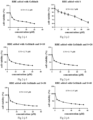
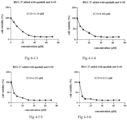
- the experiment included the following groups: Gefitinib test group ( Figure 2-a-1 ): cells were treated by adding Gefitinib alone at 6 different concentrations, 0 ⁇ M, 10 ⁇ M, 20 ⁇ M, 30 ⁇ M, 40 ⁇ M and 50 ⁇ M respectively, to the culture medium, and cell survival rate was measured after 1h incubation. The results showed that the IC 50 value of Gefitinib on A549 cells was 24.42 ⁇ M.
- Sotagliflozin test group ( Figure 2-a-2 ): cells were treated by adding Sotagliflozin alone at 6 different concentrations, 0 ⁇ M, 10 ⁇ M, 30 ⁇ M, 40 ⁇ M, 50 ⁇ M and 60 ⁇ M respectively, to the culture medium, and cell survival rate was measured after 1h incubation. The results showed that the IC 50 value of Sotagliflozin on A549 cells was 73.04 ⁇ M.
- Gefitinib + Sotagliflozin combination test group 1 ( Figure 2-a-3 ): cells were treated by adding both Sotagliflozin (10 ⁇ M) and Gefitinib at 6 different concentrations, 0 ⁇ M, 10 ⁇ M, 20 ⁇ M, 30 ⁇ M, 50 ⁇ M and 60 ⁇ M respectively, to the culture medium, and cell survival rate was measured after 1h incubation. The results showed that the IC 50 value of the test group on A549 cells was 17.03 ⁇ M.
- Gefitinib + Sotagliflozin combination test group 12 ( Figure 2-a-4 ): cells were treated by adding both Sotagliflozin (20 ⁇ M) and Gefitinib at 5 different concentrations, 0 ⁇ M, 10 ⁇ M, 20 ⁇ M, 30 ⁇ M and 40 ⁇ M, respectively, to the culture medium, and cell survival rate was measured after 2h incubation. The results showed that the IC 50 value of the test group on A549 cells was 12.71 ⁇ M.
- Gefitinib + Sotagliflozin combination test group 3 ( Figure 2-a-5 ): cells were treated by adding both Sotagliflozin (30 ⁇ M) and Gefitinib at 6 different concentrations, 0 ⁇ M, 10 ⁇ M, 20 ⁇ M, 30 ⁇ M, 40 ⁇ M and 50 ⁇ M respectively, to the culture medium, and cell survival rate was measured after 1h incubation. The results showed that the IC 50 value of the test group on A549 cells was 9.318 ⁇ M.
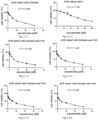
- the present disclosure takes A549 cells as an example to further verify the other two inhibitors of EGFR, Afatinib and Erlotinib, and the results show that the addition of Sotagliflozin at a safe dose can effectively reduce IC 50 values of Afatinib and Erlotinib.
- Gefitinib-resistant cells can be obtained by long-term culturing of A549 cells with a medium containing Gefitinib at increasing concentration. After 5 months of screening, the present disclosure obtained A549 Gefitinib-resistant cell line that can survive in 60 ⁇ M Gefitinib for a long time.
- the Gefitinib-resistant cell line obtained by the present disclosure can still be effectively killed by adding 30 ⁇ M Gefitinib and Sotagliflozin combination. It showed that the combination of Sotagliflozin and Gefitinib reversed the resistance of tumor cells to Gefitinib. The results are shown in Figure 3 .
- the medium was replaced with a medium containing the corresponding concentration of Apatinib, Sotagliflozin, or the combination of Apatinib and Sotagliflozin. After 48 hours, the absorbance at each concentration was detected by the MTT method.
- Control group cells were cultured in normal culture medium without drug added.
- Apatinib + Sotagliflozin combination test group cells were treated by adding both Sotagliflozin (20 ⁇ M) and Apatinib at 4 different concentrations, 5 ⁇ M, 10 ⁇ M, 20 ⁇ M and 30 ⁇ M, respectively, to the culture medium.
- the cell growth inhibition rate is calculated by dividing the absorbance value at each concentration by the absorbance value of the control group.
- the results are shown in Figure 4-a-1 to Figure 4-a-5 .
- the concentration of Apatinib is taken as the abscissa and the cell growth inhibition rate is taken as the ordinate.
- the results show that the inhibitory effect of Apatinib alone on tumor cells is limited, and the combination of the two drugs is beneficial to improve the tumor inhibitory effect.
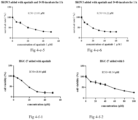
- Apatinib test group ( Figure 4-b-1 ): cells were treated by adding Apatinib alone at 6 different concentrations, 0 ⁇ M, 5 ⁇ M, 10 ⁇ M, 20 ⁇ M, 30 ⁇ M and 40 ⁇ M, respectively, to the culture medium, and cell survival rate was measured after 2h incubation. The results showed that the IC 50 value of Apatinib on HepG2 cells was 46.02 ⁇ M.
- Sotagliflozin test group ( Figure 4-b-2 ): cells were treated by adding Sotagliflozin alone at 7 different concentrations, 0 ⁇ M, 20 ⁇ M, 30 ⁇ M, 40 ⁇ M, 60 ⁇ M, 80 ⁇ M and 100 ⁇ M respectively, to the culture medium, and cell survival rate was measured after 2h incubation. The results showed that the IC 50 value of Sotagliflozin on HepG2 cells was 115.7 ⁇ M.
- Apatinib + Sotagliflozin combination test group 1 ( Figure 4-b-3 ): cells were treated by adding both Sotagliflozin (10 ⁇ M) and Apatinib at 6 different concentrations, 0 ⁇ M, 5 ⁇ M, 10 ⁇ M, 20 ⁇ M, 30 ⁇ M and 40 ⁇ M respectively, to the culture medium, and cell survival rate was measured after 2h incubation. The results showed that the IC 50 value of the test group to on HepG2 cells was 33.3 ⁇ M.
- Apatinib + Sotagliflozin combination test group 2 ( Figure 4-b-4 ): cells were treated by adding both Sotagliflozin (20 ⁇ M) and Apatinib at 6 different concentrations, 0 ⁇ M, 5 ⁇ M, 10 ⁇ M, 20 ⁇ M, 30 ⁇ M and 40 ⁇ M respectively, to the culture medium, and cell survival rate was measured after 2h incubation. The results showed that the IC 50 value of the test group to on HepG2 cells was 29.69 ⁇ M.
- Apatinib + Sotagliflozin combination test group 4 ( Figure 4-b-6 ): cells were treated by adding both Sotagliflozin (40 ⁇ M) and Apatinib at 6 different concentrations, 0 ⁇ M, 5 ⁇ M, 10 ⁇ M, 20 ⁇ M, 30 ⁇ M and 40 ⁇ M respectively, to the culture medium, and cell survival rate was measured after 2h incubation. The results showed that the IC 50 value of the test group to on HepG2 cells was 10.89 ⁇ M.
- TKI drugs were further verified, proving that the TKI drugs which can be combined with Sotagliflozin are not limited to specific one or several drugs.
- the present disclosure preferentially selected liver cancer cell line HepG2 for experimental verification. After growing to 80% density, the cells were trypsinized, passaged and plated in a 96-well plate with 5000 cells per well. After 24 hours, the medium was replaced with a medium containing the corresponding concentration of Apatinib, Sotagliflozin, or the combination of Apatinib and Sotagliflozin. After 48 hours, the absorbance at each concentration was detected by the MTT method.
- the experimental method was the same as before, and the incubation time was 1h.
- the experiment included a blank control group, namely normal cultured HepG2 cells, in which the concentration of Sotagliflozin or TKI drugs was 0, and the survival rate of the blank control group cells was set to 100%.
- the concentration of Sotagliflozin used was 30 ⁇ mol/L, and the concentrations of TKI drugs are shown in Table 2.
- Examples 1 to 4 are tests at the cell level.
- lung cancer A549 cells and the Balbc nude mice from Charles River Laboratories were used in tumor treatment trials. After growing to the logarithmic phase, A549 cells were collected and resuspended in serum-free DMEM medium to 5 ⁇ 10 7 cells per ml. Each mouse was inoculated with 100 ⁇ l of 5 ⁇ 10 6 cells, and the tumor size was measured 19 days later. Mice were grouped according to the tumor size, and the average tumor size in each group was the same. Mice were administered after grouping.
- Sotagliflozin for diabetic patients, corresponding to 22 mg to 44 mg drug per kilogram of body weight for mice, we finally chose a dose of 30 mg Sotagliflozin per kilogram for oral administration in mice.
- the dosage of Gefitinib was 100 mg per kilogram according to the reported dose for the treatment of A549 xenografts in previous studies.
- the two drugs were administered by gavage, consistent with the current oral mode in clinical use.
- the dosing cycle was once every two days.
- the tumor size was measured every two days. After 40 days of administration, the test was ended, and the tumor was removed and weighed.
- Table 3 Summary of the efficacy of Sotagliflozin combined with Gefitinib on A549 tumor cell-bearing mice Average tumor volume Tumor volume ratio of each group to the control group Tumor growth inhibition rate p value Solvent control group 1034.2788 08 Sotagliflozin 430.29764 98 0.416036417 58.39635826 0.002 Gefitinib 504.80821 65 0.488077502 51.19224984 0.0012 Sotagliflozin combined with Gefitinib 211.04470 64 0.204050112 79.59498882 0.0001
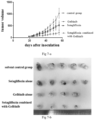
- both Sotagliflozin and Gefitinib can inhibit tumor growth ( Figure 7-a ⁇ Figure 7-b ⁇ Figure 7-c ), and the inhibitory effect of the combination of Sotagliflozin and Gefitinib on tumors is better than that of the either drug alone.
- the tumor growth inhibition rate should be greater than 60%, and the p value should be less than 0.05.
- the calculated tumor growth inhibition rate and p value of each group are as shown in the above table. Therefore, the administration of Sotagliflozin or Gefitinib alone is ineffective, and the administration of the combination of Sotagliflozin and Gefitinib is effective.
Landscapes
- Health & Medical Sciences (AREA)
- Life Sciences & Earth Sciences (AREA)
- Veterinary Medicine (AREA)
- Chemical & Material Sciences (AREA)
- Medicinal Chemistry (AREA)
- Pharmacology & Pharmacy (AREA)
- Animal Behavior & Ethology (AREA)
- General Health & Medical Sciences (AREA)
- Public Health (AREA)
- Epidemiology (AREA)
- Chemical Kinetics & Catalysis (AREA)
- General Chemical & Material Sciences (AREA)
- Nuclear Medicine, Radiotherapy & Molecular Imaging (AREA)
- Organic Chemistry (AREA)
- Molecular Biology (AREA)
- Nutrition Science (AREA)
- Physiology (AREA)
- Pharmaceuticals Containing Other Organic And Inorganic Compounds (AREA)
- Medicines That Contain Protein Lipid Enzymes And Other Medicines (AREA)
Description
- This application claims the priority of
Chinese Patent Application No. 202010643576.5 filed at the Chinese Patent Office on July 6, 2020 - The present invention relates to the field of medicine technology, and in particular to a composition and the use thereof in the manufacture of a medicament for treating cancer.
- The invention is defined in the claims. Any subject-matter beyond the scope of the claims is not part of the invention and provided for reference and/or comparison only.
- Any reference to a non-patentable method of treatment of the human or animal body by therapy involving a certain compound or composition is to be understood as relating to said compound or composition for use in said method.
- Non-communicable diseases are the main cause of death in the world, and cancer is the disease with the highest fatality rate among non-communicable diseases, bringing a heavy burden to the social health and medical system. Traditional cancer treatment is mainly surgery, radiotherapy and chemotherapy, and chemotherapy is the main treatment for advanced cancer. Classical chemotherapy has serious side effects due to poor targeting. The emergence of targeted chemotherapy drug such as Gleevec has greatly reduced the pain caused by chemotherapy to patients. Targeted drugs are designed based on the different growth characteristics and expression of cancer cells compared with normal cells. For example, Gleevec specifically targets the constitutively activated tyrosine kinases in chronic myelogenous leukemia to achieve a good therapeutic effect (Flynn and Gerriets, 2020). Another distinguishing feature of cancer cells compared with normal cells is the change in metabolism. In order to meet the needs of cell components for rapid proliferation and maintain the energy supply needed for survival, cancer cells prefer to use glucose by aerobic glycolysis, which is called the Warburg effect (Warburg, 1956). Aerobic glycolysis cannot fully oxidize glucose to produce ATP, but can produce a large amount of intermediate metabolites for DNA and protein synthesis to promote cancer cell proliferation. Therefore, it is feasible to target the sugar metabolism of tumor cells to inhibit the proliferation of cancer cells (Kroemer and Pouyssegur, 2008).
- Cancer cells absorb glucose from the external environment mainly through glucose transporters. Glucose transporters are divided into two major families, one of which is the GLUT family that transports glucose along the glucose concentration gradient by assisting diffusion, and the other is the sodium-glucose co-transporter SGLT family that co-transports sodium ions for glucose absorption and actively transports glucose from the external for cell consumption by consuming ATP (Navale and Paranjape, 2016). The two main members of the SGLT family are SGLT1 and SGLT2. SGLT2 is mainly distributed at the front end of the proximal convoluted tubule of the kidney, and reabsorbs more than 97% of the glucose in the original urine into the blood through active transport, while SGLT1 is mainly distributed in the epithelial cells of the small intestine chorion and the distal end of the proximal convoluted tubules of the kidney, and through active transport absorbs glucose from food in the intestine and the remaining 3% glucose in the original urine after the absorption by SGLT2 (Dominguez Rieg and Rieg, 2019). Due to the important role of SGLT1 and SGLT2 in sugar absorption and reabsorption, they have become ideal targets for diabetes treatment. Currently Empagliflozin, Canagliflozin and Dapagliflozin targeting SGLT2 have shown good therapeutic effects in the treatment of
type 2 diabetes, and the effect of reducing cardiovascular disease. Migliflozin, which targets SGLT1 alone, has entered the clinical research phase. Sotagliflozin, which targets both SGLT1 and SGLT2, has been approved for marketing in the EU. - Receptor tyrosine kinase (RTK) is the most common gene that promotes cancer development in cancer. After binding to the corresponding ligand, RTK usually dimerizes and then catalyzes autophosphorylation and initiates a series of downstream signal cascades to promote cancer cell proliferation (Lemmon and Schlessinger, 2010; Yarden and Pines, 2012). Cancer cells usually overexpress RTK or have mutations that constitutively activate RTK to up-regulate the activity of RTK, to promote the proliferation per se. Therefore, the main means for developing anti-cancer drugs is to target RTK activity, including small molecule tyrosine kinase activity inhibitors (TKI) targeting the ATP binding pocket of RTKs and monoclonal antibodies targeting ligand binding (Thomas and Weihua, 2019). The development of TKI has successfully prolonged the progression-free survival and significantly improved the quality of life of patients with RTK overexpression or constitutive activation. At present, most TKIs are first-line drugs in the corresponding cancer field. However, in addition to cancer patients who are naturally resistant to TKI, patients who respond well to TKI treatment may also develop acquired resistance within a treatment cycle of about one year (Camidge et al.; Cortot and Janne, 2014). The causes of drug resistance are mainly divided into pharmacological resistance and biological resistance. Pharmacological resistance is mostly due to the interaction between the body and the drug, which causes the drug to fail to reach an effective concentration around the cancer cell, although the cancer cell itself may still be sensitive to the drug. Biological resistance is caused by cancer heterogeneity, drug resistance mutations under drug selection pressure, and activation of alternative signaling pathways (Minuti, G., A et al). Biological resistance is the main cause of resistance to TKI drugs. With response to the mechanism of acquired drug resistance in cancer cells, researchers have designed many methods to overcome cancer drug resistance, including the development of second-generation, third-generation and other newer inhibitors against conventional drug-resistant mutations, and the combination with radiotherapy or chemotherapy and with new targeted drugs after drug resistance. At present, even the third-generation inhibitors may lead to acquired resistance, and radiotherapy and chemotherapy have little effect. Therefore, the combination with other targeted drugs to overcome resistance is the first choice.
- Chih-Yen Tu, English Summary of the doctoral dissertation "The mechanisms between cigarette smoking and desensitizes epidermal growth factor receptor - expressing non-small cell lung cancer to epidermal growth factor receptor - tyrosine kinase inhibitors", Doctoral Dissertation, 31 December 2018, Taiwan, discloses that SLGT1 pathway expression promotes development of acquired TKI drug resistance, and SLGT1 expression is a marker of poor prognosis in lung cancer patients treated by means of EGFR tyrosine kinase inhibitors.
- The technical problem to be solved by the present invention is to provide a composition per se, as well as said composition for use in the treatment of cancer. The composition comprises Sotagliflozin and a tyrosine kinase activity inhibitor as defined in the claims.
- Also disclosed is a composition comprising a compound of formula I

- R1 is hydrogen, or C1-10-alkyl, C1-5-cycloalkyl or 5-membered heterocyclic ring optionally substituted with one or more R1A;
- each R1A is independently amino, ester, amide, thiol, carboxylic acid, cyano, halogen, hydroxyl, or C1-4-alkoxy, C1-5-cycloalkyl or 5-membered heterocyclic ring optionally substituted with one or more R1B; each R1B is independently C1-4-alkyl, halogen or hydroxy; n is 0, 1 or 2;
- each R2 is independently For OR2A, wherein each R24 is independently hydrogen, C1-4-alkyl or acyl;
- each R3 is independently halogen, hydroxy, or C1-10-alkyl or C1-10-alkoxy optionally substituted with one or more R3a;
- each R3A is independently amino, ester, amide, thiol, carboxylic acid, cyano, halogen, hydroxyl, or C1-4-alkoxy, C1-5-cycloalkyl or 5-membered heterocyclic ring optionally substituted with one or more R3B; each R3B is independently C1-4-alkyl, amino, cyano, halogen or hydroxyl; p is 0, 1 or 2;
- each R4 is independently R4A, -N(R4A)(R4B), -OR4A, -SR4A, -S(O)R4A or-S(O)2R4A;
- R4A is C4-20-alkyl or 4-20 membered heteroalkyl optionally substituted with one or more R4C and optionally attached to another R4A to provide a dimer or trimer; R4B is hydrogen or R4A; each R4C is independently amino, aminoacyl, azo, carbonyl, carboxyl, cyano, formyl, guanidino, halogen, hydroxyl, iminoacyl, imino, isothiocyanate, nitrile, nitro, nitroso, nitroxyl, oxy, alkylthio, sulfinyl, sulfonyl, thioaldehyde, thiocyanate, thioketone, thiourea, urea or X1, X1-L1-X2 or X1-L1-X2-L2-X3, wherein each of X1, X2 and X3 is independently C1-4-alkyl, C1-6-cycloalkyl, 5- or 6-membered heterocyclic or aryl optionally substituted with one or more R4D, and each of L1 and L2 is independently C1-6-alkyl or 1-10 membered heteroalkyl optionally substituted with one or more R4E; each R4D is independently R4E, or C1-6-alkyl optionally substituted with one or more R4E; each R4E is independently amino, aminoacyl, azo, carbonyl, carboxyl, cyano, formyl, guanidino, halogen, hydroxyl, iminoacyl, imino, isothiocyanate, nitrile, nitro, nitroso, nitroxyl, oxo, alkylthio, sulfinyl, sulfonyl, thioaldehyde, thiocyanate, thioketone or urea; and m is 1, 2 or 3;
- or a pharmaceutically acceptable salt, dimer or trimer thereof; and
- a tyrosine kinase activity inhibitor.
- In an embodiment, R1 is methyl, n=0; each R2 is -OH; p=1, R3 is Cl; m=1, and R4 is ethoxy. However, according to the invention, the compound of Formula I is Sotagliflozin with the structure as shown in Formula II.

- The composition consists of Sotagliflozin and a tyrosine kinase activity inhibitor, as defined in the claims.
- The tyrosine kinase activity inhibitor includes EGFR inhibitor, c-Kit, c-Met, c-Ret, Raf, PDGFR, BTK, PKA/C, FGFR inhibitor and VEGFR inhibitor.
- The EGFR inhibitor includes: Gefitinib, Erlotinib, Afatinib, Lapatinib ditosylate, Genistein, Lapatinib, Saputinib, Daphnetin, Dacomitinib, Varlitinib, Icotinib, Lidocaine hydrochloride, Osimertinib mesylate, Osimertinib, Poziotinib, Nazartinib, AZD3759, Olmutinib, Avitinib, Neratinib, Lazertinib;
- The c-Met inhibitor includes Cabozantinib;
- The PKA/C inhibitor includes Daphnetin;
- The BTK inhibitor includes Olmutinib;
- The c-Ret inhibitor includes Regorafenib monohydrate and Regorafenib;
- The Raf inhibitor includes Regorafenib monohydrate;
- The FGFR inhibitor includes 4-[(1E)-2-[5-[(1R)-1-(3,5-dichloro-4-pyridyl)ethoxy]-1H -indazol-3-yl]vinyl]-1H-pyrazole-1-ethanol(LY2874455), Nintedanib, Nintedanib ethanesulfonate, Ponatinib, Brivanib, Brivanib alaninate;
- The c-Kit inhibitor includes Axitinib, Pazopanib, Pazopanib HCl, Regorafenib monohydrate, Sunitinib malate, Sunitinib, Sitravatinib, Telatinib;
- The PDGFR inhibitor includes Axitinib, Tivozanib, Telatinib, Nintedanib, Nintedanib ethanesulfonate salt, Pazopanib, Pazopanib HCl, Ponatinib;
- The VEGFR inhibitors includes Apatinib, Axitinib, Nintedanib, Cediranib, Pazopanib HCl, Sunitinib malate, Brivanib, Cabozantinib, Brivanib Alaninate, Lenvatinib, Regorafenib, ENMD-2076, ENMD-2076 L-(+)-tartaric acid, Tivozanib, Ponatinib, Fruquintinib, Telatinib, Taxifolin, Pazopanib, Cabozantinib malate, Vitamin E, Regorafenib monohydrate, Nintedanib ethanesulfonate salt, Lenvatinib mesylate, Cediranib maleate, LY2874455, Sunitinib, Sitravatinib, Anlotinib, Sorafenib, Vandetanib and Bevacizumab and other monoclonal antibodies targeting VEGFR.
- In the present disclosure, the anti-tumor drugs used to verify the efficacy of Sotagliflozin in combination with the anti-tumor drugs include: ENMD-2076, Tivozanib, Genistein, Ponatinib, Daphnetin, dacomitinib, Varlitinib, Icotinib, Osimertinib mesylate, Osimertinib, Nazartinib, AZD3759, Anlotinib, Avitinib, Lazertinib , Lidocaine hydrochloride, Y2874455, Axitinib, Nintedanib, Cediranib, Pazopanib HCl, Sunitinib malate, Brivanib, Cabozantinib, Brivanib Alaninate, Lenvatinib, Regorafenib, ENMD-2076 L-(+)-Tartaric acid, Telatinib, Pazopanib, Cabozantinib malate, Regorafenib monohydrate, Nintedanib ethanesulfonate salt, Lenvatinib mesylate, Cediranib maleate, Fruquintinib, Sunitinib, Olmutinib, Sitravatinib, Vandetanib, Gefitinib, Afatinib, Apatinib, Erlotinib, Sorafenib, Taxifolin or Vitamin E.
- The molar ratio of Sotagliflozin to the tyrosine kinase activity inhibitor is (10~40): (5~60).
- The present disclosure provides the composition of the present disclosure for use in the treatment of cancer.
- The cancers include: bladder cancer, blood cancer, bone cancer, brain cancer, breast cancer, central nervous system cancer, cervical cancer, colon cancer, endometrial cancer, esophageal cancer, gallbladder cancer, gastrointestinal cancer, external genital cancer, urogenital tract cancer, head cancer, kidney cancer, laryngeal cancer, liver cancer, lung cancer, muscle tissue cancer, neck cancer, oral or nasal mucosal cancer, ovarian cancer, pancreas cancer, prostate cancer, skin cancer, spleen cancer, small bowel cancer, large bowel cancer, stomach cancer, testicular cancer and/or thyroid cancer.
- In the present disclosure, the treatment comprises inhibiting tumor cell proliferation and/or inhibiting tumor volume. In the examples of the present disclosure, lung cancer cells, colorectal cancer cells, cervical cancer, ovarian cancer, cholangiocarcinoma, gastric cancer, esophageal cancer, liver cancer cells are used to verify the effect of the combination of the two drugs.
- The present disclosure also provides a medicament for use in the treatment of cancer, comprising the composition of the present disclosure.
- The medicament is administered orally, and its dosage forms include granules, pills, powders, tablets, capsules, oral solutions or syrups.
- In some embodiments of the present disclosure, the capsule is a hard capsule or a soft capsule.
- In some embodiments of the present disclosure, the tablet is an oral tablet or a buccal tablet.
- Tablets refer to tablets for oral administration, and the active ingredients in most of such tablets are absorbed through the gastrointestinal tract to exert their effects, and active ingredients in some tablets act locally in the gastrointestinal tract. In some embodiments of the present disclosure, the tablets are ordinary compressed tablets, dispersible tablets, effervescent tablets, chewable tablets, coated tablets or sustained and controlled release tablets.
- The medicament also comprises pharmaceutically acceptable auxiliary materials, including one or more of fruit powder, edible essence, sweetener, sour agent, filler, lubricant, preservative, suspending agent, food coloring, diluent, emulsifier, disintegrant or plasticizer.
- The present disclosure provides a composition containing a compound of formula I or a pharmaceutically acceptable salt, dimer or trimer thereof, and a tyrosine kinase activity inhibitor. The present disclosure shows through in vivo and in vitro anti-tumor tests that, based on the inhibitory effect of the tyrosine kinase activity inhibitor targeting VEGFR, EGFR and other receptor tyrosine kinases, the combination of Sotagliflozin and a tyrosine kinase activity inhibitor may exhibit a synergistic inhibitory effect on tumors, and the efficacy of the combination is significantly better than that of the single drug.
-
-
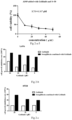
Figure 1 shows the killing effect of Gefitinib on lung cancer A549 cells cultured in sugar-free medium and sugar-containing medium; -
Figure 2-a-1 shows the inhibitory effect of different concentrations of Gefitinib on lung cancer cell line A549;Figure 2-a-2 shows the inhibitory effect of different concentrations of Sotagliflozin on lung cancer cell line A549;Figure 2-a-3 shows the inhibitory effect of different concentrations of Gefitinib+10 µM Sotagliflozin on lung cancer cell line A549 intest group 1;Figure 2-a-4 shows the effects of different concentrations of Gefitinib+20 µM Sotagliflozin on lung cancer cell line A549 intest group 2;Figure 2-a-5 shows the inhibitory effect of different concentrations of Gefitinib + 30µM Sotagliflozin on lung cancer cell line A549 intest group 3; -
Figure 2-b shows the inhibition rate of Gefitinib alone and the combination of Sotagliflozin and Gefitinib on the growth of colorectal cancer cell line LoVo; -
Figure 2-c shows the inhibition rate of Gefitinib alone and the combination of Sotagliflozin and Gefitinib on the growth of colorectal cancer cell line HT29; -
Figure 2-d shows the inhibition rate of Gefitinib alone and the combination of Sotagliflozin and Gefitinib on the growth of colorectal cancer cell line SW620; -
Figure 2-e shows the inhibition rate of Gefitinib alone and the combination of Sotagliflozin and Gefitinib on the growth of colorectal cancer cell line HCT116; -
Figure 2-f-1 shows the inhibition rate of different concentrations of Gefitinib alone on the growth of ovarian cancer cell line SKOV3;Figure 2-f-2 shows the inhibitory rate of different concentrations of Sotagliflozin on ovarian cancer cell line SKOV3;Figure 2-f-3 shows the inhibition rate of 10 µmol/L Sotagliflozin with different concentrations of Gefitinib on the growth of ovarian cancer cell line SKOV3;Figure 2-f-4 shows the inhibition rate of 20 µmol/L Sotagliflozin with different concentrations of Gefitinib on the growth of ovarian cancer cell line SKOV3;Figure 2-f-5 shows the inhibition rate of 30 µmol/L Sotagliflozin with different concentrations of Gefitinib on the growth of ovarian cancer cell line SKOV3; andFigure 2-f-6 shows the inhibition rate of 40 µmol/L Sotagliflozin with different concentrations of Gefitinib on the growth of ovarian cancer cell line SKOV3; -
Figure 2-g-1 shows the inhibition rate of different concentrations of Gefitinib alone on the growth of esophageal cancer cell line KYSE30;Figure 2-g-2 shows the inhibitory rate of different concentrations of Sotagliflozin on esophageal cancer cell line KYSE30;Figure 2-g-3 shows the inhibition rate of 10 µmol/L Sotagliflozin with different concentrations of Gefitinib on the growth of esophageal cancer cell line KYSE30;Figure 2-g-4 shows the inhibition rate of 20 µmol/L Sotagliflozin with different concentrations of Gefitinib on the growth of esophageal cancer cell line KYSE30;Figure 2-g-5 shows the inhibition rate of 30 µmol/L Sotagliflozin with different concentrations of Gefitinib on the growth of esophageal cancer cell line KYSE30; andFigure 2-g-6 shows the inhibition rate of 40 µmol/L Sotagliflozin with different concentrations of Gefitinib on the growth of esophageal cancer cell line KYSE30; -
Figure 2-h-1 shows the inhibition rate of different concentrations of Gefitinib alone on the growth of gastric cancer cell line HGC-27;Figure 2-h-2 shows the inhibition rate of different concentrations of Sotagliflozin on gastric cancer cell line HGC-27;Figure 2-h-3 shows the inhibition rate of 10 µmol/L Sotagliflozin with different concentrations of Gefitinib on the growth of gastric cancer cell line HGC-27;Figure 2-h-4 shows the inhibition rate of 20 µmol/L Sotagliflozin with different concentrations of Gefitinib on the growth of gastric cancer cell line HGC-27;Figure 2-h-5 shows the inhibition rate of 30 µmol/L Sotagliflozin with different concentrations of Gefitinib on the growth of gastric cancer cell line HGC-27; andFigure 2-h-6 shows the inhibition rate of 40 µmol/L Sotagliflozin with different concentrations of Gefitinib on the growth of gastric cancer cell line HGC-27; -
Figure 2-i-1 shows the inhibition effect of different concentrations of Gefitinib alone on the growth of cervical cancer cell line HeLa;Figure 2-i-2 shows the inhibitory effect of different concentrations of Sotagliflozin on cervical cancer cell line HeLa;Figure 2-i-3 shows the inhibition effect of 10 µmol/L Sotagliflozin with different concentrations of Gefitinib on the growth of cervical cancer cell line HeLa;Figure 2-i-4 shows the inhibition effect of 20 µmol/L Sotagliflozin with different concentrations of Gefitinib on the growth of cervical cancer cell line HeLa;Figure 2-i-5 shows the inhibition effect of 30 µmol/L Sotagliflozin with different concentrations of Gefitinib on the growth of cervical cancer cell line HeLa; andFigure 2-i-6 shows the inhibition effect of 40 µmol/L Sotagliflozin with different concentrations of Gefitinib on the growth of cervical cancer cell line HeLa; -
Figure 2-j-1 shows the inhibition effect of different concentrations of Gefitinib alone on the growth of cholangiocarcinoma cell line RBE;Figure 2-j-2 shows the inhibitory effect of different concentrations of Sotagliflozin on cholangiocarcinoma cell line RBE;Figure 2-j-3 shows the inhibition effect of 10 µmol/L Sotagliflozin with different concentrations of Gefitinib on the growth of cholangiocarcinoma cell line RBE;Figure 2-j-4 shows the inhibition effect of 20 µmol/L Sotagliflozin with different concentrations of Gefitinib on the growth of cholangiocarcinoma cell line RBE;Figure 2-j-5 shows the inhibition effect of 30 µmol/L Sotagliflozin with different concentrations of Gefitinib on the growth of cholangiocarcinoma cell line RBE; andFigure 2-j-6 shows the inhibition effect of 40 µmol/L Sotagliflozin with different concentrations of Gefitinib on the growth of cholangiocarcinoma cell line RBE; -
Figure 2-k-1 shows the inhibitory effect of different concentrations of Afatinib on lung cancer cell line A549;Figure 2-k-2 shows the inhibitory effect of different concentrations of Sotagliflozin on lung cancer cell line A549;Figure 2-k-3 shows the inhibitory effect of different concentrations of Afatinib +10 µM Sotagliflozin on lung cancer cell line A549 intest group 1;Figure 2-k-4 shows the inhibitory effect of different concentrations of Afatinib +20 µM Sotagliflozin on lung cancer cell line A549 intest group 2;Figure 2-k-5 shows the inhibitory effect of different concentrations of Afatinib +30 µM Sotagliflozin on lung cancer cell line A549 intest group 3; andFigure 2-k-6 shows the inhibitory effect of different concentrations of Afatinib +40 µM Sotagliflozin on lung cancer cell line A549 intest group 4; -
Figure 2-l-1 shows the inhibitory effect of different concentrations of Erlotinib on lung cancer cell line A549;Figure 2-l-2 shows the inhibitory effect of different concentrations of Sotagliflozin on lung cancer cell line A549;Figure 2-l-3 shows the inhibitory effect of different concentrations of Erlotinib +10 µM Sotagliflozin on lung cancer cell line A549 intest group 1;Figure 2-l-4 shows the inhibitory effect of different concentrations of Erlotinib +20 µM Sotagliflozin on lung cancer cell line A549 intest group 2;Figure 2-l-5 shows the inhibitory effect of different concentrations of Erlotinib +30 µM Sotagliflozin on lung cancer cell line A549 intest group 3; andFigure 2-l-6 shows the inhibitory effect of different concentrations of Erlotinib +40 µM Sotagliflozin on lung cancer cell line A549 intest group 4; -
Figure 3 shows the killing effect of Gefitinib, Sotagliflozin and the combination thereof on the Gefitinib resistant cell line A549 obtained after screening; -
Figure 4-a-1 shows the inhibition effect of Apatinib alone and the combination of Sotagliflozin and Apatinib on the growth of hepatoma cell line HepG2; -
Figure 4-a-2 shows the inhibition effect of Apatinib alone and the combination of Sotagliflozin and Apatinib on the growth of colorectal cancer cell line LoVo; -
Figure 4-a-3 shows the inhibition effect of Apatinib alone and the combination of Sotagliflozin and Apatinib on the growth of colorectal cancer cell line HT29; -
Figure 4-a-4 shows the inhibition effect of Apatinib alone and the combination of Sotagliflozin and Apatinib on the growth of colorectal cancer cell line SW620; -
Figure 4-a-5 shows the inhibition effect of Apatinib alone and the combination of Sotagliflozin and Apatinib on the growth of colorectal cancer cell line SW480; -
Figure 4-b-1 shows the inhibition effect of different concentrations of Apatinib on cell line HepG2; -
Figure 4-b-2 shows the inhibition effect of different concentrations of Sotagliflozin on cell line HepG2; -
Figure 4-b-3 shows the inhibition effect of the drug combination of different concentrations ofApatinib+ 10 µM Sotagliflozin on cell line HepG2 intest group 1; -
Figure 4-b-4 shows the inhibition effect of the drug combination of different concentrations of Apatinib+20 µM Sotagliflozin on cell line HepG2 intest group 2; -
Figure 4-b-5 shows the inhibition effect of the drug combination of different concentrations of Apatinib+30 µM Sotagliflozin on cell line HepG2 intest group 3; -
Figure 4-b-6 shows the inhibition effect of the drug combination of different concentrations of Apatinib+40 µM Sotagliflozin on cell line HepG2 intest group 4; -
Figure 4-c-1 shows the inhibition effect of different concentrations of Apatinib alone on the growth of cholangiocarcinoma cell line RBE;Figure 4-c-2 shows the inhibition effect of different concentrations of Sotagliflozin alone on the growth of cholangiocarcinoma cell line RBE;Figure 4-c-3 shows the inhibition effect of 10 µmol/L Sotagliflozin with different concentrations of Apatinib on the growth of cholangiocarcinoma cell line RBE;Figure 4-c-4 shows the inhibition effect of 20 µmol/L Sotagliflozin with different concentrations of Apatinib on the growth of cell line RBE;Figure 4-c-5 shows the inhibition effect of 30 µmol/L Sotagliflozin with different concentrations of Apatinib on the growth of cholangiocarcinoma cell line RBE;Figure 4-c-6 shows the inhibition effect of 40 µmol/L Sotagliflozin with different concentrations of Apatinib on the growth of cholangiocarcinoma cell line RBE; -
Figure 4-d-1 shows the inhibition effect of different concentrations of Apatinib alone on the growth of esophageal cancer cell line KYSE30;Figure 4-d-2 shows the inhibition effect of different concentrations of Sotagliflozin alone on the growth of esophageal cancer cell line KYSE30;Figure 4-d-3 shows the inhibition effect of 10 µmol/L Sotagliflozin with different concentrations of Apatinib on the growth of esophageal cancer cell line KYSE30;Figure 4-d-4 shows the inhibition effect of 20 µmol/L Sotagliflozin with different concentrations of Apatinib on the growth of esophageal cancer cell line KYSE30;Figure 4-d-5 shows the inhibition effect of 30 µmol/L Sotagliflozin with different concentrations of Apatinib on the growth of esophageal cancer cell line KYSE30;Figure 4-d-6 shows the inhibition effect of 40 µmol/L Sotagliflozin with different concentrations of Apatinib on the growth of esophageal cancer cell line KYSE30; -
Figure 4-e-1 shows the inhibition effect of different concentrations of Apatinib alone on the growth of ovarian cancer cell line SKOV3;Figure 4-e-2 shows the inhibition effect of different concentrations of Sotagliflozin alone on the growth of ovarian cancer cell line SKOV3;Figure 4-e-3 shows the inhibition effect of 10 µmol/L Sotagliflozin with different concentrations of Apatinib on the growth of ovarian cancer cell line SKOV3;Figure 4-e-4 shows the inhibition effect of 20 µmol/L Sotagliflozin with different concentrations of Apatinib on the growth of ovarian cancer cell line SKOV3;Figure 4-e-5 shows the inhibition effect of 30 µmol/L Sotagliflozin with different concentrations of Apatinib on the growth of ovarian cancer cell line SKOV3;Figure 4-e-6 shows the inhibition effect of 40 µmol/L Sotagliflozin with different concentrations of Apatinib on the growth of ovarian cancer cell line SKOV3; -
Figure 4-f-1 shows the inhibition effect of different concentrations of Apatinib alone on the growth of gastric cancer cell line NGC-27;Figure 4-f-2 shows the inhibition effect of different concentrations of Sotagliflozin alone on the growth of gastric cancer cell line NGC-27;Figure 4-f-3 shows the inhibition effect of 10 µmol/L Sotagliflozin with different concentrations of Apatinib on the growth of gastric cancer cell line NGC-27;Figure 4-f-4 shows the inhibition effect of 20 µmol/L Sotagliflozin with different concentrations of Apatinib on the growth of gastric cancer cell line NGC-27;Figure 4-f-5 shows the inhibition effect of 30 µmol/L Sotagliflozin with different concentrations of Apatinib on the growth of gastric cancer cell line NGC-27;Figure 4-f-6 shows the inhibition effect of 40 µmol/L Sotagliflozin with different concentrations of Apatinib on the growth of gastric cancer cell line NGC-27; -
Figure 4-g-1 shows the inhibition effect of different concentrations of Apatinib alone on the growth of cervical cancer cell line HeLa;Figure 4-g-2 shows the inhibition effect of different concentrations of Sotagliflozin alone on the growth of cervical cancer cell line HeLa;Figure 4-g-3 shows the inhibition effect of 10 µmol/L Sotagliflozin with different concentrations of Apatinib on the growth of cervical cancer cell line HeLa;Figure 4-g-4 shows the inhibition effect of 20 µmol/L Sotagliflozin with different concentrations of Apatinib on the growth of cervical cancer cell line HeLa;Figure 4-g-5 shows the inhibition effect of 30 µmol/L Sotagliflozin with different concentrations of Apatinib on the growth of cervical cancer cell line HeLa;Figure 4-g-6 shows the inhibition effect of 40 µmol/L Sotagliflozin with different concentrations of Apatinib on the growth of cervical cancer cell line HeLa; -
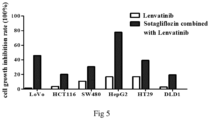
Figure 5 shows the inhibitory effect of Lenvatinib alone and the composition of Sotagliflozin combined with Lenvatinib on the growth of liver cancer HepG2 cells, colorectal cancer LoVo, HT29, DLD1, SW480, and HCT116 cells; -
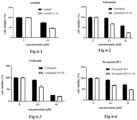
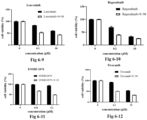
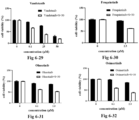
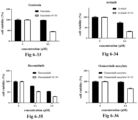
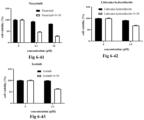
Figure 6-1 toFigure 6-43 show the combination effect of Sotagliflozin combined with Axitinib (Figure 6-1 ), Nintedanib (Figure 6-2 ), Cediranib (Figure 6-3 ), Pazopanib HCl (Figure 6-4 ), Sunitinib malate (Figure 6-5 ), Brivanib (Figure 6-6 ), Cabozantinib (Figure 6-7 ), Brivanib alaninate (Figure 6-8 ), Lenvatinib (Figure 6-9 ), Regorafenib (Figure 6-10 ), ENMD-2076 (Figure 6-11 ), Tivozanib (Figure 6-12 ), Ponatinib (Figure 6-13 ), ENMD-2076 L-(+)-tartaric acid (Figure 6-14 ), Telatinib (Figure 6-15 ), Taxifolin (Figure 6-16 ), Pazopanib (Figure 6-17 ), Cabozantinib malate (Figure 6-18 ), Vitamin E (Figure 6-19 ), Regorafenib monohydrate (Figure 6-20 ), Nintedanib ethanesulfonate salt (Figure 6-21 ), Lenvatinib mesylate (Figure 6-22 ), Cediranib maleate (Figure 6-23 ), LY2874455 (Figure 6-24 ), Sunitinib (Figure 6-25 ), Sitravatinib (Figure 6-26 ), Anlotinib (Figure 6-27 ), Sorafenib (Figure 6-28 ), Vandetanib (Figure 6-29 ), Fruquintinib (Figure 6-30 ), Olmutinib (Figure 6-31 ), Osimertinib (Figure 6-32 ), Genistein (Figure 6-33 ), Avitinib (Figure 6-34 ), dacomitinib (6-35), Osimertinib mesylate (Figure 6-36 ), Daphnetin (Figure 6-37 ), Varlitinib (Figure 6-38 ), AZD3759 (Figure 6-39 ), Lazertinib (Figure 6-40 ), Nazartinib (Figure 6-41 ), Lidocaine hydrochloride (Figure 6-42 ), and Icotinib (Figure 6-43 ), respectively; -
Figure 7-a shows the growth curve of tumor volume in the tumor-bearing mice modeled by lung cancer A549 cells during the administration of Sotagliflozin alone, Apatinib alone, and the combination of Sotagliflozin and Apatinib; -
Figure 7-b shows the macroscopic view of tumor of the tumor-bearing mice modeled by lung cancer A549 cells after the administration of Sotagliflozin alone, Gefitinib alone, and the combination of Sotagliflozin and Gefitinib; -
Figure 7-c shows the weight of mouse tumors after the administration of Sotagliflozin alone, Gefitinib alone and the combination of Sotagliflozin and Gefitinib. - The present disclosure provides a composition and the use thereof in the manufacture of a medicament for treating cancer, as defined in the claims. The method and application of the present disclosure have been described through the preferred examples.
- Unless specifically stated otherwise in the present disclosure, all technical and scientific terms involved in the present disclosure have the same meanings as commonly understood by those in the art. The technology used in the present disclosure is intended to refer to the technology generally understood in the art, including changes or equivalent replacements of the technology obvious to those skilled in the art. Although it is believed that the following terms are well understood by those skilled in the art, the following definitions are provided to better explain the present disclosure.
- As used herein, the terms "including", "comprising", "having", "containing" or "involving" and other variants thereof herein are inclusive or open-ended, and do not exclude other non-listed elements or method steps.
- The inventors found in the previous studies that tumor cells in low-sugar medium exhibited reduced proliferation rate and increased sensitivity to TKI inhibitors such as Gefitinib and Apatinib. A549 cells were grown to 80% density, passed, resuspended in a normal medium (25mM glucose) to a concentration of 4×10⁵ cells per ml, and plated in a 24-well plate with 1 ml per well. After 24 hours, the medium was changed to sugar-free medium (0 mM glucose) andnormal medium, respectively, and added with Gefitinib for treating the cell. After 48 hours, the medium was discarded, and 1 ml of 1×PBS was added to wash once, and 1 ml of 1×Trypan Blue was added to each well for staining for 10 minutes. Then, the trypan blue staining solution was aspirated, and the plate was washed three times by adding 1 ml of 1×PBS, and photographed under a light microscope. The results are shown in
Figure 1 . The A549 cells cultured in the sugar-free medium (0 mM glucose) are almost all colored blue, indicating dead cells, while the A549 cells in the normal medium (25 mM glucose) had almost no blue coloration. It shows that the sugar-free environment increases the sensitivity of A549 cells to Gefitinib. At the same time, the lower cell density in the sugar-free medium shows that sugar-free culture can also inhibit the proliferation of cancer cells. According to the background section, cancer cells mainly rely on the SGLT family of proteins to absorb sugar. Therefore, the present disclosure relates use of a composition comprising dual inhibitor Sotagliflozin of SGLT1 and SGLT2, the two most important members of the SGLT family highly expressed in cancer cells, and a tyrosine kinase inhibitor in the manufacture of a medicament for treating cancer. - The term "treatment" as used herein means that after administration of the drug of the present disclosure, the experimental animal suffering from a disease or condition shows partial or full relief of the symptoms, or the symptoms do not continue to worsen after treatment. Therefore, treatment includes cure.
- As used herein, "therapeutic effect" refers to the effect caused by the treatment, which is manifested as cell growth inhibition rate or cell death rate at the cellular level, and change, generally reduction or improvement of symptoms of a disease or condition, or cure of a disease or condition at the animal level. In the present disclosure, a medicament is effective if the tumor growth inhibition rate is greater than 60%, and the p-value showing the statistical difference between the tumor volume or weight of the treatment group and the control group is less than 0.05, after the administration of the medicament.
- As used herein, "cell growth inhibition rate" refers to the ratio of the average value of the absorbance of the cells stained with MTT in the treatment group to the average value of the absorbance in the control group after drug treatment. "Tumor growth inhibition rate" represents the ratio of the average tumor volume or weight of the treatment group to the average volume or weight of the control group after drug treatment.
- In an embodiment, Sotagliflozin is used to treat cancer in a subject.
- The term "cancer" as used herein refers to the malignant proliferation of epithelial cells due to changes in genetic material. The cancers includes bladder cancer, blood cancer, bone cancer, brain cancer, breast cancer, central nervous system cancer, cervical cancer, colon cancer, endometrial cancer, esophageal cancer, gallbladder cancer, gastrointestinal cancer, external genital cancer, urogenital tract cancer, head cancer, kidney cancer, laryngeal cancer, liver cancer, lung cancer, muscle tissue cancer, neck cancer, oral or nasal mucosal cancer, ovarian cancer, pancreas cancer, prostate cancer, skin cancer, spleen cancer, small bowel cancer, large bowel cancer, stomach cancer, testicular cancer and/or thyroid cancer.
- The invention also relates to a combination of Sotagliflozin and other TKI drugs for the treatment of cancer.
- The term "TKI drug" as used herein includes drugs known in the art for treating cancer, including at least one of EGFR inhibitor, c-Kit, c-Met, c-Ret, Raf, PDGFR, BTK, PKA/C, FGFR inhibitor and VEGFR inhibitor.
- The composition provided by the present disclosure comprises Sotagliflozin and a TKI drug, as defined in the claims.
- In an embodiment, the composition consists of Sotagliflozin and Gefitinib in a molar ratio of (10-30): (10-60). Specifically, the molar ratio of Sotagliflozin and Gefitinib is 10:10, 10:20, 10:30, 10:50, 10:60, 20:10, 20:20, 20:30, 20:50, 20:60, 30:10, 30:20, 30:30, 30:50 or 30:60. In an embodiment, the composition consists of Sotagliflozin and Apatinib in a molar ratio of is (10-40):(5-40). Specifically, the molar ratio of Sotagliflozin and Apatinib may be 10:5, 10:10, 10:20, 10:30, 10:40, 20:5, 20:10, 20:20, 20:30, 20:40, 30:5, 30:10, 30:20, 30:30, 30:40, 40:5, 40:10, 40:20, 40:30, 40:40; alternatively, the molar ratio of Sotagliflozin and Apatinib is (10~40):(5~60). Specifically, the molar ratio of Sotagliflozin and Apatinib is 10:5, 10:10, 10:20, 10:30, 10:40, 10:60, 20:5, 20:10, 20:20, 20:30, 20:40, 20:60, 30:5, 30:10, 30:20, 30:30, 30:40, 30:60, 40:5, 40:10, 40:20, 40:30, 40:40, or 40:60.
- In an embodiment, the composition consists of Sotagliflozin and Lenvatinib in a molar ratio of 20:1.
- In another embodiment, the composition consists of Sotagliflozin and drug A, and the drug A is at least one of Lapatinib ditosylate, Genistein, Lapatinib, Saputinib, Daphnetin, dacomitinib, Varlitinib, Icotinib, Lidocaine hydrochloride, Osimertinib mesylate, Osimertinib, Poziotinib, Nazartinib, AZD3759, Olmutinib, Avitinib, Neratinib, Lazertinib, Axitinib, Nintedanib, Cediranib, Pazopanib HCl, Sunitinib malate, Brivanib, Cabozantinib, Brivanib alaninate, Lenvatinib, Regorafenib, ENMD-2076, ENMD-2076 L-(+)-tartaric acid, Tivozanib, Ponatinib, Fruquintinib, Telatinib, Taxifolin, Pazopanib, Cabozantinib malate, Vitamin E, Regorafenib hydrate, Nintedanib ethanesulfonate salt, Lenvatinib mesylate, Cediranib maleate, LY2874455, Sunitinib, Sitravatinib, Anlotinib, Sorafenib, and Vandetanib. The reagents and materials used in the present disclosure are all common commercially available products, and all are available in the market.
- In the examples of this application, the drugs involved and their Chinese names are shown in Table 1:
Table 1 Drugs and their Chinese names Chinese name English name 
ENMD-2076 
Tivozanib 
Genistein 
Ponatinib 
Daphnetin 
Dacomitinib 
Varlitinib 
Icotinib 
Osimertinib mesylate 
Osimertinib 
Nazartinib AZD3759 
Anlotinib (AL3818) dihydrochloride 
Avitinib 
Lazertinib 
Lidocaine hydrochloride 4-[(1E)-2-[5-[(1R)-1-(3,5- -4- )
) ]-1H-
]-1H- -3-
-3- ]
] ]-1H-
]-1H- -1
-1

LY2874455 
Axitinib 
Nintedanib 
Cediranib 
Pazopanib HCl 
Sunitinib Malate 
Brivanib 
Cabozantinib 
Brivanib Alaninate 
Lenvatinib 
Regorafenib ENMD-2076 
ENMD-2076 L-(+)-Tartaric acid 
Telatinib 
Pazopanib 
Cabozantinib malate 
Regorafenib Monohydrate 
Nintedanib Ethanesulfonate Salt 
Lenvatinib Mesylate 
Cediranib Maleate 
Fruquintinib 
Sunitinib 
Olmutinib 
Sitravatinib 
Vandetanib 
Taxifolin (Dihydroquercetin) E
Vitamin E 
Gefitinib 
Afatinib 
Apatinib 
Erlotinib 
Sorafenib 
Varlitinib - The present disclosure will be now further explained with respect to the examples:
- The killing effect of Gefitinib on lung cancer A549 cells cultured in sugar-free medium and sugar-containing medium 48 hours after treating A549 cells with 20 µM Gefitinib, trypan blue staining was used to distinguish live cells from dead cells which were stained blue by trypan blue. The result is shown in
Figure 1 . Based on the previous findings illustrated inFigure 1 , Sotagliflozin was purchased from Selleck Chemicals for growth inhibition test of cancer cell in vitro. Initially, test using normal human umbilical cord epithelial cells showed that Sotagliflozin produced great cytotoxicity at a concentration higher than 80 µM, and mainly exhibited cell growth inhibition effect at a concentration lower than 80µM. Therefore, the concentration of Sotagliflozin used in the subsequent compositions of this experiment were lower than 80 µM to avoid affecting normal cells. - According to the tissue distribution characteristics of EGFR and SGLT1/2, the targets of Gefitinib and Sotagliflozin, the followings cells were selected for experimental verification: lung cancer cell line A549; colorectal cancer cell line LoVo, HT29, SW620, HCT116; cervical cancer HeLa; ovarian cancer SKOV3; gastric cancer NGC27; cholangiocarcinoma RBE; esophageal cancer KYSE30. After growing to 80% density, the cells were trypsinized, passaged and plated in a 96-well plate with 5000 cells per well. After 24 hours, the medium was replaced with a medium containing the corresponding concentration of drug. After 48 hours, the absorbance at each concentration was detected by the MTT method.
- The experiment included the following groups:
Control group: cells were cultured in normal culture medium without drug added. - Gefitinib test group: cells were treated by adding Gefitinib alone at 4 different concentrations, 5µM, 10µM, 20µM, 30µM, respectively, to the culture medium.
- Gefitinib + Sotagliflozin combination test group: cells were treated by adding both Sotagliflozin (20 µM) and Gefitinib at 4 different concentrations, 5µM, 10µM, 20µM and 30µM, respectively, to the culture medium.
- After incubation, the cell growth inhibition rate is calculated by dividing the absorbance value at each concentration by the absorbance value of the control group. The results are shown in
Figure 2-a to Figure 2-e . In the figure, the concentration of Gefitinib is taken as the abscissa and the cell growth inhibition rate is taken as the ordinate. The results show that the inhibitory effect of Gefitinib alone on tumor cells is limited, and the combination of the two drugs is beneficial to improve the tumor inhibitory effect. - Lung cancer cell line A549 was used as an example to verify the IC50 value of the Gefitinib + Sotagliflozin combination. The experiment included the following groups:
Gefitinib test group (Figure 2-a-1 ): cells were treated by adding Gefitinib alone at 6 different concentrations, 0µM, 10µM, 20µM, 30µM, 40µM and 50µM respectively, to the culture medium, and cell survival rate was measured after 1h incubation. The results showed that the IC50 value of Gefitinib on A549 cells was 24.42µM. - Sotagliflozin test group (
Figure 2-a-2 ): cells were treated by adding Sotagliflozin alone at 6 different concentrations, 0µM, 10µM, 30µM, 40µM, 50µM and 60µM respectively, to the culture medium, and cell survival rate was measured after 1h incubation. The results showed that the IC50 value of Sotagliflozin on A549 cells was 73.04µM. - Gefitinib + Sotagliflozin combination test group 1 (
Figure 2-a-3 ): cells were treated by adding both Sotagliflozin (10 µM) and Gefitinib at 6 different concentrations, 0µM, 10µM, 20µM, 30µM, 50µM and 60µM respectively, to the culture medium, and cell survival rate was measured after 1h incubation. The results showed that the IC50 value of the test group on A549 cells was 17.03 µM. - Gefitinib + Sotagliflozin combination test group 12 (
Figure 2-a-4 ): cells were treated by adding both Sotagliflozin (20 µM) and Gefitinib at 5 different concentrations, 0µM, 10µM, 20µM, 30µM and 40µM, respectively, to the culture medium, and cell survival rate was measured after 2h incubation. The results showed that the IC50 value of the test group on A549 cells was 12.71 µM. - Gefitinib + Sotagliflozin combination test group 3 (
Figure 2-a-5 ): cells were treated by adding both Sotagliflozin (30 µM) and Gefitinib at 6 different concentrations, 0µM, 10µM, 20µM, 30µM, 40µM and 50µM respectively, to the culture medium, and cell survival rate was measured after 1h incubation. The results showed that the IC50 value of the test group on A549 cells was 9.318 µM. - The results showed that with the combination of Sotagliflozin and Gefitinib, the inhibitory rate of Gefitinib on A549 cells was significantly enhanced, and the IC50 was reduced to less than half of that of the single agent. Therefore, the effect of the combination in the safe concentration range of Sotagliflozin is better than the effect of each single agent. The verification results of other cell lines are shown in the
figures (2f-2j ). It is worth mentioning that the ability of Sotagliflozin in the combination to enhance the efficacy of EGFR-targeting TKI drugs is not limited to a single drug of Gefitinib. InFigure 2k andFigure 2l , the present disclosure takes A549 cells as an example to further verify the other two inhibitors of EGFR, Afatinib and Erlotinib, and the results show that the addition of Sotagliflozin at a safe dose can effectively reduce IC50 values of Afatinib and Erlotinib. - After knowing that the combination of Gefitinib and Sotagliflozin significantly enhanced the effectiveness of Gefitinib from Example 1, the present disclosure continues to explore whether the combination of the two drugs can reverse the resistance of tumor cells to Gefitinib. Gefitinib-resistant cells can be obtained by long-term culturing of A549 cells with a medium containing Gefitinib at increasing concentration. After 5 months of screening, the present disclosure obtained A549 Gefitinib-resistant cell line that can survive in 60 µM Gefitinib for a long time.
- The Gefitinib-resistant cell line obtained by the present disclosure can still be effectively killed by adding 30 µM Gefitinib and Sotagliflozin combination. It showed that the combination of Sotagliflozin and Gefitinib reversed the resistance of tumor cells to Gefitinib. The results are shown in
Figure 3 . - After obtaining the effectiveness of Gefitinib in Example 1, the present disclosure further validated another VEGFR-targeting TKI drug, Apatinib. According to the tissue distribution characteristics of VEGFR and SGLT1/2, the targets of Apatinib and Sotagliflozin, the followings cells were selected for experimental verification: liver cancer cell line HepG2; colorectal cancer cell line LoVo, HT29, SW620, SW480; cervical cancer HeLa; ovarian cancer SKOV3; gastric cancer NGC27; cholangiocarcinoma RBE; esophageal cancer KYSE3. After growing to 80% density, the cells were trypsinized, passaged and plated in a 96-well plate with 5000 cells per well. After 24 hours, the medium was replaced with a medium containing the corresponding concentration of Apatinib, Sotagliflozin, or the combination of Apatinib and Sotagliflozin. After 48 hours, the absorbance at each concentration was detected by the MTT method.
- The experiment included the following groups:
Control group: cells were cultured in normal culture medium without drug added. - Apatinib test group: cells were treated by adding Apatinib alone at 4 different concentrations, 5µM, 10µM, 20µM, 30µM, respectively, to the culture medium.
- Apatinib + Sotagliflozin combination test group: cells were treated by adding both Sotagliflozin (20 µM) and Apatinib at 4 different concentrations, 5µM, 10µM, 20µM and 30µM, respectively, to the culture medium.
- The cell growth inhibition rate is calculated by dividing the absorbance value at each concentration by the absorbance value of the control group. The results are shown in
Figure 4-a-1 to Figure 4-a-5 . In the figure, the concentration of Apatinib is taken as the abscissa and the cell growth inhibition rate is taken as the ordinate. The results show that the inhibitory effect of Apatinib alone on tumor cells is limited, and the combination of the two drugs is beneficial to improve the tumor inhibitory effect. - 2.1. Liver cancer cell line HepG2 was used as an example to verify the IC50 value of the Apatinib + Sotagliflozin combination. The experiment included the following groups:
Apatinib test group (Figure 4-b-1 ): cells were treated by adding Apatinib alone at 6 different concentrations, 0µM, 5µM, 10µM, 20µM, 30µM and 40µM, respectively, to the culture medium, and cell survival rate was measured after 2h incubation. The results showed that the IC50 value of Apatinib on HepG2 cells was 46.02µM. - Sotagliflozin test group (
Figure 4-b-2 ): cells were treated by adding Sotagliflozin alone at 7 different concentrations, 0µM, 20µM, 30µM, 40µM, 60µM, 80µM and 100µM respectively, to the culture medium, and cell survival rate was measured after 2h incubation. The results showed that the IC50 value of Sotagliflozin on HepG2 cells was 115.7µM. - Apatinib + Sotagliflozin combination test group 1 (
Figure 4-b-3 ): cells were treated by adding both Sotagliflozin (10 µM) and Apatinib at 6 different concentrations, 0µM, 5µM, 10µM, 20µM, 30µM and 40µM respectively, to the culture medium, and cell survival rate was measured after 2h incubation. The results showed that the IC50 value of the test group to on HepG2 cells was 33.3 µM. - Apatinib + Sotagliflozin combination test group 2 (
Figure 4-b-4 ): cells were treated by adding both Sotagliflozin (20 µM) and Apatinib at 6 different concentrations, 0µM, 5µM, 10µM, 20µM, 30µM and 40µM respectively, to the culture medium, and cell survival rate was measured after 2h incubation. The results showed that the IC50 value of the test group to on HepG2 cells was 29.69µM. - Apatinib + Sotagliflozin combination test group 3 (
Figure 4-b-5 ): cells were treated by adding both Sotagliflozin (30 µM) and Apatinib at 6 different concentrations, 0µM, 5µM, 10µM, 20µM, 30µM and 40µM respectively, to the culture medium, and cell survival rate was measured after 2h incubation. The results showed that the IC50 value of the test group to on HepG2 cells was 13.13 µM. - Apatinib + Sotagliflozin combination test group 4 (
Figure 4-b-6 ): cells were treated by adding both Sotagliflozin (40 µM) and Apatinib at 6 different concentrations, 0µM, 5µM, 10µM, 20µM, 30µM and 40µM respectively, to the culture medium, and cell survival rate was measured after 2h incubation. The results showed that the IC50 value of the test group to on HepG2 cells was 10.89 µM. - These results showed that with the combination of Sotagliflozin and Apatinib, the inhibitory rate of Apatinibon on HepG2 cells was significantly enhanced, and the IC50 was reduced to less than one-fourth of that of the single agent. Therefore, the effect of the combination in the safe concentration range of Sotagliflozin is better than the effect of each single agent. The verification results of other cell lines are shown in the
figures (4c-4g ). It is worth mentioning that the ability of Sotagliflozin in the combination to enhance the efficacy of VEGFR-targeting TKI drugs is not limited to a single drug of Apatinib. InFigure 5 , the present disclosure further verified another VEGFR inhibitor Lenvatinib in a variety of cell lines, and the results showed that the addition of Sotagliflozin at a safe dose enhanced the inhibitory effect of Lenvatinib on these cell lines. - Other TKI drugs were further verified, proving that the TKI drugs which can be combined with Sotagliflozin are not limited to specific one or several drugs.
- The selected drugs included: Axitinib (
Figure 6-1 ), Nintedanib (Figure 6-2 ), Cediranib (Figure 6-3 ), Pazopanib HCl (Figure 6-4 ), Sunitinib Malate (Figure 6-5 ), Brivanib (Figure 6-6 ), Cabozantinib (Figure 6-7 ), Brivanib alaninate (Figure 6-8 ), Lenvatinib (Figure 6-9 ), Regorafenib (Figure 6-10 ), ENMD-2076 (Figure 6-11 ), Tivozanib (Figure 6-12 ), Ponatinib (Figure 6-13 ), ENMD-2076 L-(+)-tartaric acid (Figure 6-14 ), Telatinib (Figure 6-15 ), Taxifolin (Figure 6-16 ), Pazopanib (Figure 6-17 ), Cabozantinib malate (Figure 6-18 ), Vitamin E (Figure 6-19 ), Regorafenib monohydrate (Figure 6-20 ), Nintedanib ethanesulfonate salt (Figure 6-21 ), Lenvatinib mesylate (Figure 6-22 ), Cediranib maleate (Figure 6-23 ), LY2874455 (Figure 6-24 ), Sunitinib (Figure 6-25 ), Sitravatinib (Figure 6-26 ), Anlotinib (Figure 6-27 ), Sorafenib (Figure 6-28 ), Vandetanib (Figure 6-29 ), Fruquintinib (Figure 6-30 ), Olmutinib (Figure 6-31 ), Osimertinib (Figure 6-32 ), Genistein (Figure 6-33 ), Avitinib (Figure 6-34 ), DacOlmutinib (Figure 6-35 ), Osimertinib mesylate (Figure 6-36 ), Daphnetin (Figure 6-37 ), Varlitinib (Figure 6-38 ), AZD3759 (Figure 6-39 ), Lazertinib (Figure 6-40 ), Nazartinib (Figure 6-41 ), Lidocaine hydrochloride (Figure 6-42 ), and Icotinib (Figure 6-43 ). - The present disclosure preferentially selected liver cancer cell line HepG2 for experimental verification. After growing to 80% density, the cells were trypsinized, passaged and plated in a 96-well plate with 5000 cells per well. After 24 hours, the medium was replaced with a medium containing the corresponding concentration of Apatinib, Sotagliflozin, or the combination of Apatinib and Sotagliflozin. After 48 hours, the absorbance at each concentration was detected by the MTT method.
- The experimental method was the same as before, and the incubation time was 1h. The experiment included a blank control group, namely normal cultured HepG2 cells, in which the concentration of Sotagliflozin or TKI drugs was 0, and the survival rate of the blank control group cells was set to 100%. In other groups, the concentration of Sotagliflozin used was 30 µmol/L, and the concentrations of TKI drugs are shown in Table 2. The results are shown in the attached Figure:
Table 2 Experimental design of the administration group Group Group 1 Group 2 Group 3 Group 4 Axitin ib Sotagliflozin 30µmol/L + Axitinib 0 Sotagliflozin 30µmol/L + Axitinib 0.1 µmol/L -- -- Briva nib Alani nate Sotagliflozin 30µmol/L + Brivanib Alaninate 0 Sotagliflozin 30µmol/L + Brivanib Alaninate 0.1 µmol/L Sotagliflozin 30µmol/L + Brivanib Alaninate 2.5 µmol/L -- Pazop anib Sotagliflozin 30µmol/L + Pazopanib 0 Sotagliflozin 30µmol/L + Pazopanib 0.1 µmol/L -- -- Cedir anib Malea te Sotagliflozin 30µmol/L + Cediranib Maleate 0 Sotagliflozin 30µmol/L + Cediranib Maleate 0.5 µmol/L -- -- Olmut inib Sotagliflozin 30µmol/L + Olmutinib 0 Sotagliflozin 30µmol/L + Olmutinib 0.1 µmol/L Sotagliflozin 30µmol/L + Olmutinib 2.5 µmol/L -- Ninte danib Sotagliflozin 30µmol/L + Nintedanib 0 Sotagliflozin 30µmol/L + Nintedanib 0.1 µmol/L Sotagliflozin 30µmol/L + Nintedanib 10µmol/L - Lenva tinib Sotagliflozin 30µmol/L + Lenvatinib 0 Sotagliflozin 30µmol/L + Lenvatinib 0.1 µmol/L Sotagliflozin 30µmol/L + Lenvatinib 10µmol/L -- Caboz antini b malat e Sotagliflozin 30µmol/L + Cabozantinib malate 0 Sotagliflozin 30µmol/L + Cabozantinib malate 0.1µmol/L Sotagliflozin 30µmol/L + Cabozantinib malate 10µmol/L -- Sorag enib Sotagliflozin 30µmol/L + Soragenib 0 Sotagliflozin 30µmol/L + Soragenib 0.1 µmol/L Sotagliflozin 30µmol/L + Soragenib 10µmol/L -- Cedir anib Sotagliflozin 30µmol/L + Cediranib 0 Sotagliflozin 30µmol/L + Cediranib 0.5µmol/L Sotagliflozin 30µmol/L + Cediranib 10µmol/L -- Regor afenib Sotagliflozin 30µmol/L + Regorafenib 0 Sotagliflozin 30µmol/L + Regorafenib 0.1µmol/L Sotagliflozin 30µmol/L + Regorafenib 10µmol/L -- Telati nib Sotagliflozin 30µmol/L + Telatinib 0 Sotagliflozin 30µmol/L + Telatinib 0.1µmol/L Sotagliflozin 30µmol/L + Telatinib 10µmol/L -- Lidoc aine hydro chlori de Sotagliflozin 30µmol/L + Lidocaine hydrochloride 0 Sotagliflozin 30µmol/L + Lidocaine hydrochloride 2.5 µmol/L -- -- LY28 74455 Sotagliflozin 30µmol/L + LY2874455 0 Sotagliflozin 30µmol/L + LY2874455 0.1 µmol/L -- -- Sitrav atinib Sotagliflozin 30µmol/L + Sitravatinib 0 Sotagliflozin 30µmol/L + Sitravatinib 0.1 µmol/L -- -- ENM D-207 6 Sotagliflozin 30µmol/L + ENMD-2076 0 Sotagliflozin 30µmol/L + ENMD-2076 0.1 µmol/L -- -- Taxif olin Sotagliflozin 30µmol/L + Taxifolin 0 Sotagliflozin 30µmol/L + Taxifolin 0.1 µmol/L -- -- Vitam in E Sotagliflozin 30µmol/L + Vitamin E 0 Sotagliflozin 30µmol/L + Vitamin E 0.1 µmol/L -- -- Osime rtinib Sotagliflozin 30µmol/L + Osimertinib 0 Sotagliflozin 30µmol/L + Osimertinib 0.1 µmol/L Sotagliflozin 30µmol/L + Osimertinib 2.5 µmol/L -- Anloti nib dihydr ochloride Sotagliflozin 30µmol/L + Anlotinib dihydrochloride 0 Sotagliflozin 30µmol/L + Anlotinib dihydrochloride 0.1 µmol/L Sotagliflozin 30µmol/L + Anlotinib dihydrochloride 2.5 µmol/L Sotagliflozin 30µmol/L + Anlotinib dihydrochloride 25 µmol/L Pazop anib HCl Sotagliflozin 30µmol/L + Pazopanib HCl 0 Sotagliflozin 30µmol/L + Pazopanib HCl 0.1 µmol/L Sotagliflozin 30µmol/L + Pazopanib HCl 10 µmol/L -- Tivoz anib Sotagliflozin 30µmol/L + Tivozanib 0 Sotagliflozin 30µmol/L + Tivozanib 0.1 µmol/L Sotagliflozin 30µmol/L + Tivozanib 25 µmol/L -- Regor afenib Mono hydrat e Sotagliflozin 30µmol/L + Regorafenib monohydrate 0 Sotagliflozin 30µmol/L + Regorafenib Monohydrate 0.1 µmol/L Sotagliflozin 30µmol/L + Regorafenib Monohydrate10 µmol/L -- Avitin ib Sotagliflozin 30µmol/L + Avitinib 0 Sotagliflozin 30µmol/L + Avitinib 0.1 µmol/L -- -- Suniti nib Malat e Sotagliflozin 30µmol/L + Sunitinib malate 0 Sotagliflozin 30µmol/L + Sunitinib Malate0.1 µmol/L Sotagliflozin 30µmol/L + Sunitinib malate 2.5 µmol/L -- Genist ein Sotagliflozin 30µmol/L + Genistein 0 Sotagliflozin 30µmol/L + Genistein 0.1 µmol/L -- -- DacOl mutini b Sotagliflozin 30µmol/L + DacOlmutinib 0 Sotagliflozin 30µmol/L + DacOlmutinib 0.1 µmol/L Sotagliflozin 30µmol/L + DacOlmutinib 2.5 µmol/L -- Osime rtinib mesyl ate Sotagliflozin 30µmol/L + Osimertinib mesylate 0 Sotagliflozin 30µmol/L + Osimertinib mesylate 0.1 µmol/L -- -- Suniti nib Sotagliflozin 30µmol/L + Sunitinib 0 Sotagliflozin 30µmol/L + Sunitinib 0.1 µmol/L Sotagliflozin 30µmol/L + Sunitinib 10 µmol/L - Vande tanib Sotagliflozin 30µmol/L + Vandetanib 0 Sotagliflozin 30µmol/L + Vandetanib 0.1 µmol/L Sotagliflozin 30µmol/L + Vandetanib 25 µmol/L Sotagliflozin 30µmol/L + Vandetanib 50 µmol/L Briva nib Sotagliflozin 30µmol/L + Brivanib 0 Sotagliflozin 30µmol/L + Brivanib 0.1 µmol/L Sotagliflozin 30µmol/L + Brivanib 10 µmol/L Sotagliflozin 30µmol/L + Brivanib 50 µmol/L Ponati nib Sotagliflozin 30µmol/L + Ponatinib 0 Sotagliflozin 30µmol/L + Ponatinib 0.1 µmol/L -- -- Varliti nib Sotagliflozin 30µmol/L + Varlitinib 0 Sotagliflozin 30µmol/L + Varlitinib 0.1 µmol/L Sotagliflozin 30µmol/L + Varlitinib 10 µmol/L -- Ninte danib Ethan esulfo nate Sotagliflozin 30µmol/L + Nintedanib ethanesulfonate 0 Sotagliflozin 30µmol/L + Nintedanib Ethanesulfonate0.1 µmol/L Sotagliflozin 30µmol/L + Nintedanib Ethanesulfonate 10 µmol/L -- Nazar tinib Sotagliflozin 30µmol/L + Nazartinib 0 Sotagliflozin 30µmol/L + Nazartinib 0.1 µmol/L Sotagliflozin 30µmol/L + Nazartinib 10 µmol/L -- Caboz antini b Sotagliflozin 30µmol/L + Cabozantinib 0 Sotagliflozin 30µmol/L + Cabozantinib 0.1 µmol/L Sotagliflozin 30µmol/L + Cabozantinib 10 µmol/L -- ENM D-207 6 L-(+)- Sotagliflozin 30gmol/L + ENMD-2076 L-(+)-TARTARIC Sotagliflozin 30µmol/L + ENMD-2076 L-(+)-TARTARIC Sotagliflozin 30µmol/L + ENMD-2076 L-(+)-TARTARIC -- TART ARIC ACID ACID0 ACID0.1 µmol/L ACID 10 µmol/L Icotini b Sotagliflozin 30µmol/L + Icotinib 0 Sotagliflozin 30µmol/L + Icotinib 2.5 µmol/L -- -- Lenva tinib Mesyl ate Sotagliflozin 30µmol/L + Lenvatinib mesylate 0 Sotagliflozin 30µmol/L + Lenvatinib Mesylate 0.1 µmol/L Sotagliflozin 30µmol/L + Lenvatinib mesylate 10 µmol/L Sotagliflozin 30µmol/L + Lenvatinib mesylate 50 µmol/L AZD3 759 Sotagliflozin 30µmol/L + AZD3759 0 Sotagliflozin 30µmol/L + AZD3759 0.1 µmol/L Sotagliflozin 30µmol/L + AZD3759 10 µmol/L Sotagliflozin 30µmol/L + AZD3759 50 µmol/L Lazert inib Sotagliflozin 30µmol/L + Lazertinib 0 Sotagliflozin 30µmol/L + Lazertinib 0.1 µmol/L Sotagliflozin 30µmol/L + Lazertinib 0.5 µmol/L -- - These results showed that each combination administration group showed a significantly better inhibitory effect on tumor cells than the single agent control group.
- Examples 1 to 4 are tests at the cell level. In order to further verify the in vivo anti-tumor effect of the diabetes treatment drug Sotagliflozin discovered in the present disclosure and the combination thereof with TKI inhibitor drugs, lung cancer A549 cells and the Balbc nude mice from Charles River Laboratories were used in tumor treatment trials. After growing to the logarithmic phase, A549 cells were collected and resuspended in serum-free DMEM medium to 5×10⁷ cells per ml. Each mouse was inoculated with 100 µl of 5×10⁶ cells, and the tumor size was measured 19 days later. Mice were grouped according to the tumor size, and the average tumor size in each group was the same. Mice were administered after grouping. According to the current recommended daily dose 200-400 mg of Sotagliflozin for diabetic patients, corresponding to 22 mg to 44 mg drug per kilogram of body weight for mice, we finally chose a dose of 30 mg Sotagliflozin per kilogram for oral administration in mice. The dosage of Gefitinib was 100 mg per kilogram according to the reported dose for the treatment of A549 xenografts in previous studies. The two drugs were administered by gavage, consistent with the current oral mode in clinical use. The dosing cycle was once every two days. The tumor size was measured every two days. After 40 days of administration, the test was ended, and the tumor was removed and weighed.
Table 3 Summary of the efficacy of Sotagliflozin combined with Gefitinib on A549 tumor cell-bearing mice Average tumor volume Tumor volume ratio of each group to the control group Tumor growth inhibition rate p value Solvent control group 1034.2788 08 Sotagliflozin 430.29764 98 0.416036417 58.39635826 0.002 Gefitinib 504.80821 65 0.488077502 51.19224984 0.0012 Sotagliflozin combined with Gefitinib 211.04470 64 0.204050112 79.59498882 0.0001 - As shown in
Figure 7-a~Figure 7-b~Figure 7-c , both Sotagliflozin and Gefitinib can inhibit tumor growth (Figure 7-a~Figure 7-b~Figure 7-c ), and the inhibitory effect of the combination of Sotagliflozin and Gefitinib on tumors is better than that of the either drug alone. In order to meet the effectiveness evaluation, the tumor growth inhibition rate should be greater than 60%, and the p value should be less than 0.05. The calculated tumor growth inhibition rate and p value of each group are as shown in the above table. Therefore, the administration of Sotagliflozin or Gefitinib alone is ineffective, and the administration of the combination of Sotagliflozin and Gefitinib is effective. - The above are the preferred embodiments of the present disclosure.
Claims (6)
- A composition comprisingSotagliflozin or a pharmaceutically acceptable salt thereof; anda tyrosine kinase activity inhibitor;wherein the tyrosine kinase activity inhibitor is at least one of ENMD-2076, Tivozanib, Genistein, Ponatinib, Daphnetin, Dacomitinib, Varlitinib, Icotinib, Osimertinib mesylate, Osimertinib, Nazartinib, AZD3759, Anlotinib, Avitinib or Lazertinib, Lidocaine hydrochloride, 4-[(1E)-2-[5-[(1R)-1-(3,5-dichloro-4-pyridyl)ethoxy]-1H -indazol-3-yl]vinyl]-1H-pyrazole-1-ethanol, Axitinib, Nintedanib, Cediranib, Pazopanib HCl, Sunitinib malate, Brivanib, Cabozantinib, Brivanib Alaninate, Lenvatinib, Regorafenib, ENMD-2076 L-(+)-Tartaric acid, Telatinib, Pazopanib, Cabozantinib malate, Regorafenib monohydrate, Nintedanib Ethanesulfonate salt, Lenvatinib mesylate, Cediranib maleate, Fruquintinib, Sunitinib, Olmutinib, Sitravatinib, Vandetanib, Gefitinib, Afatinib, Apatinib, Erlotinib or Sorafenib, Taxifolin or Vitamin E.
- The composition according to claim 1, wherein the molar ratio of the Sotagliflozin or a pharmaceutically acceptable salt thereof, to the tyrosine kinase activity inhibitor is (10~40): (5~60).
- The composition according to any one of claims 1 to 2 for the use in preventing and/or treating cancer;
wherein the cancer is selected from the group consisting of lung cancer, colorectal cancer, cervical cancer, ovarian cancer, cholangiocarcinoma, gastric cancer, esophageal cancer, and liver cancer. - The composition for the use according to claim 3, wherein the treatment comprises inhibiting tumor cell proliferation and/or inhibiting tumor volume growth.
- A medicament for the use in the treatment of cancer, comprising the composition according to any one of claims 1 to 2.
- The medicament for the use according to claim 5, wherein the medicament is administered orally, and its dosage forms include granules, pills, powders, tablets, capsules, oral solutions or syrups.
Applications Claiming Priority (2)
| Application Number | Priority Date | Filing Date | Title |
|---|---|---|---|
| CN202010643576.5A CN113893351A (en) | 2020-07-06 | 2020-07-06 | Composition and application thereof in preparation of medicine for treating cancer |
| PCT/CN2020/109969 WO2022007136A1 (en) | 2020-07-06 | 2020-08-19 | Composition and use thereof in preparation of medication for treating cancer |
Publications (4)
| Publication Number | Publication Date |
|---|---|
| EP3957310A1 EP3957310A1 (en) | 2022-02-23 |
| EP3957310A4 EP3957310A4 (en) | 2022-03-09 |
| EP3957310B1 true EP3957310B1 (en) | 2025-05-21 |
| EP3957310C0 EP3957310C0 (en) | 2025-05-21 |
Family
ID=76532016
Family Applications (1)
| Application Number | Title | Priority Date | Filing Date |
|---|---|---|---|
| EP20886183.1A Active EP3957310B1 (en) | 2020-07-06 | 2020-08-19 | Composition comprising sotagliflozin and a tyrosine kinase activity inhibitor for use in the treatment of cancer |
Country Status (5)
| Country | Link |
|---|---|
| US (1) | US12048711B2 (en) |
| EP (1) | EP3957310B1 (en) |
| JP (1) | JP7381115B2 (en) |
| CN (2) | CN117599188A (en) |
| WO (1) | WO2022007136A1 (en) |
Families Citing this family (3)
| Publication number | Priority date | Publication date | Assignee | Title |
|---|---|---|---|---|
| CN117018204A (en) * | 2020-07-06 | 2023-11-10 | 诺未科技(北京)有限公司 | Composition for treating cancer and application and medicine thereof |
| CN114569727B (en) * | 2020-11-30 | 2023-12-01 | 诺未科技(北京)有限公司 | Composition for treating cancer and application and medicine thereof |
| CN117653737A (en) * | 2020-11-30 | 2024-03-08 | 诺未科技(北京)有限公司 | A composition and its use and medicine |
Family Cites Families (9)
| Publication number | Priority date | Publication date | Assignee | Title |
|---|---|---|---|---|
| CN101343296B (en) | 2007-07-10 | 2013-04-10 | 莱西肯医药有限公司 | Inhibitors of sodium-glucose cotransporter 2 and uses thereof |
| US20140235558A1 (en) * | 2010-06-15 | 2014-08-21 | Hanall Biopharma Co., Ltd. | Pharmaceutical composition having activity of anticancer |
| TR201908247T4 (en) * | 2012-11-20 | 2019-06-21 | Lexicon Pharmaceuticals Inc | Sodium glucose co-transporter 1 inhibitors. |
| US9334307B2 (en) | 2013-05-08 | 2016-05-10 | The University Of Houston System | Targeting the EGFR-SGLT1 interaction for cancer therapy |
| US9617521B2 (en) | 2013-10-21 | 2017-04-11 | Hemoshear, Llc | In vitro model for a tumor microenvironment |
| WO2016134486A1 (en) * | 2015-02-27 | 2016-09-01 | Steinberg Gregory | Use of canagliflozin and derivatives thereof in the treatment of cancer |
| SG11201907673YA (en) * | 2017-03-13 | 2019-09-27 | Genfit | Pharmaceutical compositions for combination therapy |
| EP3801069A4 (en) | 2018-06-01 | 2022-03-16 | Cornell University | MULTIPLE THERAPY FOR DISEASE OR DISORDER ASSOCIATED WITH PI3K |
| CN117018204A (en) | 2020-07-06 | 2023-11-10 | 诺未科技(北京)有限公司 | Composition for treating cancer and application and medicine thereof |
-
2020
- 2020-07-06 CN CN202311445005.0A patent/CN117599188A/en active Pending
- 2020-07-06 CN CN202010643576.5A patent/CN113893351A/en active Pending
- 2020-08-19 EP EP20886183.1A patent/EP3957310B1/en active Active
- 2020-08-19 JP JP2021526666A patent/JP7381115B2/en active Active
- 2020-08-19 US US17/309,485 patent/US12048711B2/en active Active
- 2020-08-19 WO PCT/CN2020/109969 patent/WO2022007136A1/en not_active Ceased
Non-Patent Citations (1)
| Title |
|---|
| JIANGONG REN ET AL: "EGFR-SGLT1 interaction does not respond to EGFR modulators, but inhibition of SGLT1 sensitizes prostate cancer cells to EGFR tyrosine kinase inhibitors", THE PROSTATE, vol. 73, no. 13, 14 June 2013 (2013-06-14), US, pages 1453 - 1461, XP055306982, ISSN: 0270-4137, DOI: 10.1002/pros.22692 * |
Also Published As
| Publication number | Publication date |
|---|---|
| WO2022007136A1 (en) | 2022-01-13 |
| JP7381115B2 (en) | 2023-11-15 |
| US12048711B2 (en) | 2024-07-30 |
| CN117599188A (en) | 2024-02-27 |
| JP2022543712A (en) | 2022-10-14 |
| EP3957310A4 (en) | 2022-03-09 |
| CN113893351A (en) | 2022-01-07 |
| US20220323470A1 (en) | 2022-10-13 |
| EP3957310A1 (en) | 2022-02-23 |
| EP3957310C0 (en) | 2025-05-21 |
Similar Documents
| Publication | Publication Date | Title |
|---|---|---|
| USRE46284E1 (en) | Method of administrating an anticancer drug containing α, α, α-trifluorothymidine and thymidine phosphorylase inhibitor | |
| US11938123B2 (en) | Use of 2,3,5-substituted thiophene compound to prevent, ameliorate, or treat breast cancers | |
| EP3957310A1 (en) | Composition and use thereof in preparation of medication for treating cancer | |
| US20200263184A1 (en) | Pharmaceutical composition for preventing and treating cancer, containing malate-aspartate shuttle inhibitor and anticancer drug as active ingredients | |
| SG187828A1 (en) | Novel combination therapy for the treatment of cancer | |
| CA3096156A1 (en) | Use of inhibitors of bcr-abl mutants for the treatment of cancer | |
| EP3964217A1 (en) | Use of compound or pharmaceutically acceptable salt, dimer or trimer thereof in preparation of drug for treating cancer | |
| KR102011105B1 (en) | pharmaceutical composition for prevention or treatment of pancreatic cancer comprising a gossypol and a phenformin | |
| EP3852744B1 (en) | Combination therapy for the treatment of uveal melanoma | |
| CN101940569B (en) | Pharmaceutical composition containing sorafenib, artemisinin and artemisinin derivatives and its application in the preparation of medicines for treating cancer | |
| TW202114694A (en) | Tetracyclic compounds and their salts, compositions, and methods for their use | |
| EP3370719A1 (en) | Dosage regimen for a phosphatidylinositol 3-kinase inhibitor | |
| JP2557303B2 (en) | Antitumor effect enhancer and antitumor agent | |
| JP2024506336A (en) | How to treat glioblastoma | |
| JP7142707B2 (en) | Therapeutic agent containing a pyrazolo[3,4-d]pyrimidine compound as an active ingredient | |
| CN114569728B (en) | Composition, application and medicine thereof | |
| US20250161276A1 (en) | Drug combinations and methods of treating ovarian cancer | |
| EP4656193A1 (en) | Pharmaceutical composition for treating tumors | |
| WO2024023766A1 (en) | P13k inhibitor combination therapy | |
| HK40059772A (en) | Composition and application thereof in preparation of medicament for treating cancer | |
| EA006776B1 (en) | Medical composition for treating diabetic neuropathy | |
| TW202227450A (en) | Brain-migrating tumor therapeutic agent containing fused pyrimidine compound as active ingredient | |
| HK40059774A (en) | Application of compound or pharmaceutically acceptable salt, dimer or trimer thereof in the preparation of medicament for treating cancer | |
| CN120695191A (en) | Application of FR054 in reversing temozolomide resistance in glioblastoma | |
| CN119564861A (en) | Use of P2RX7 inhibitors in the manufacture of drugs for preventing and treating peripheral nerve damage during chemotherapy |
Legal Events
| Date | Code | Title | Description |
|---|---|---|---|
| STAA | Information on the status of an ep patent application or granted ep patent |
Free format text: STATUS: UNKNOWN |
|
| STAA | Information on the status of an ep patent application or granted ep patent |
Free format text: STATUS: THE INTERNATIONAL PUBLICATION HAS BEEN MADE |
|
| PUAI | Public reference made under article 153(3) epc to a published international application that has entered the european phase |
Free format text: ORIGINAL CODE: 0009012 |
|
| STAA | Information on the status of an ep patent application or granted ep patent |
Free format text: STATUS: REQUEST FOR EXAMINATION WAS MADE |
|
| 17P | Request for examination filed |
Effective date: 20210520 |
|
| AK | Designated contracting states |
Kind code of ref document: A1 Designated state(s): AL AT BE BG CH CY CZ DE DK EE ES FI FR GB GR HR HU IE IS IT LI LT LU LV MC MK MT NL NO PL PT RO RS SE SI SK SM TR |
|
| A4 | Supplementary search report drawn up and despatched |
Effective date: 20220207 |
|
| RIC1 | Information provided on ipc code assigned before grant |
Ipc: A61K 45/06 20060101ALI20220201BHEP Ipc: A61K 31/55 20060101ALI20220201BHEP Ipc: A61K 31/5377 20060101ALI20220201BHEP Ipc: A61K 31/53 20060101ALI20220201BHEP Ipc: A61K 31/519 20060101ALI20220201BHEP Ipc: A61K 31/517 20060101ALI20220201BHEP Ipc: A61K 31/506 20060101ALI20220201BHEP Ipc: A61K 31/5025 20060101ALI20220201BHEP Ipc: A61K 31/496 20060101ALI20220201BHEP Ipc: A61K 31/4709 20060101ALI20220201BHEP Ipc: A61K 31/47 20060101ALI20220201BHEP Ipc: A61K 31/4439 20060101ALI20220201BHEP Ipc: A61K 31/44 20060101ALI20220201BHEP Ipc: A61K 31/404 20060101ALI20220201BHEP Ipc: A61K 31/352 20060101ALI20220201BHEP Ipc: A61P 35/00 20060101ALI20220201BHEP Ipc: A61K 31/7034 20060101AFI20220201BHEP |
|
| STAA | Information on the status of an ep patent application or granted ep patent |
Free format text: STATUS: EXAMINATION IS IN PROGRESS |
|
| 17Q | First examination report despatched |
Effective date: 20230714 |
|
| GRAP | Despatch of communication of intention to grant a patent |
Free format text: ORIGINAL CODE: EPIDOSNIGR1 |
|
| STAA | Information on the status of an ep patent application or granted ep patent |
Free format text: STATUS: GRANT OF PATENT IS INTENDED |
|
| INTG | Intention to grant announced |
Effective date: 20241217 |
|
| GRAS | Grant fee paid |
Free format text: ORIGINAL CODE: EPIDOSNIGR3 |
|
| GRAA | (expected) grant |
Free format text: ORIGINAL CODE: 0009210 |
|
| STAA | Information on the status of an ep patent application or granted ep patent |
Free format text: STATUS: THE PATENT HAS BEEN GRANTED |
|
| AK | Designated contracting states |
Kind code of ref document: B1 Designated state(s): AL AT BE BG CH CY CZ DE DK EE ES FI FR GB GR HR HU IE IS IT LI LT LU LV MC MK MT NL NO PL PT RO RS SE SI SK SM TR |
|
| REG | Reference to a national code |
Ref country code: GB Ref legal event code: FG4D |
|
| REG | Reference to a national code |
Ref country code: CH Ref legal event code: EP |
|
| REG | Reference to a national code |
Ref country code: DE Ref legal event code: R096 Ref document number: 602020051840 Country of ref document: DE |
|
| REG | Reference to a national code |
Ref country code: IE Ref legal event code: FG4D |
|
| U01 | Request for unitary effect filed |
Effective date: 20250528 |
|
| U07 | Unitary effect registered |
Designated state(s): AT BE BG DE DK EE FI FR IT LT LU LV MT NL PT RO SE SI Effective date: 20250605 |
|
| U20 | Renewal fee for the european patent with unitary effect paid |
Year of fee payment: 6 Effective date: 20250826 |
|
| PG25 | Lapsed in a contracting state [announced via postgrant information from national office to epo] |
Ref country code: ES Free format text: LAPSE BECAUSE OF FAILURE TO SUBMIT A TRANSLATION OF THE DESCRIPTION OR TO PAY THE FEE WITHIN THE PRESCRIBED TIME-LIMIT Effective date: 20250521 |
|
| PG25 | Lapsed in a contracting state [announced via postgrant information from national office to epo] |
Ref country code: GR Free format text: LAPSE BECAUSE OF FAILURE TO SUBMIT A TRANSLATION OF THE DESCRIPTION OR TO PAY THE FEE WITHIN THE PRESCRIBED TIME-LIMIT Effective date: 20250822 Ref country code: NO Free format text: LAPSE BECAUSE OF FAILURE TO SUBMIT A TRANSLATION OF THE DESCRIPTION OR TO PAY THE FEE WITHIN THE PRESCRIBED TIME-LIMIT Effective date: 20250821 |
|
| PG25 | Lapsed in a contracting state [announced via postgrant information from national office to epo] |
Ref country code: PL Free format text: LAPSE BECAUSE OF FAILURE TO SUBMIT A TRANSLATION OF THE DESCRIPTION OR TO PAY THE FEE WITHIN THE PRESCRIBED TIME-LIMIT Effective date: 20250521 |
|
| PG25 | Lapsed in a contracting state [announced via postgrant information from national office to epo] |
Ref country code: HR Free format text: LAPSE BECAUSE OF FAILURE TO SUBMIT A TRANSLATION OF THE DESCRIPTION OR TO PAY THE FEE WITHIN THE PRESCRIBED TIME-LIMIT Effective date: 20250521 |
|
| PG25 | Lapsed in a contracting state [announced via postgrant information from national office to epo] |
Ref country code: RS Free format text: LAPSE BECAUSE OF FAILURE TO SUBMIT A TRANSLATION OF THE DESCRIPTION OR TO PAY THE FEE WITHIN THE PRESCRIBED TIME-LIMIT Effective date: 20250821 |
|
| PG25 | Lapsed in a contracting state [announced via postgrant information from national office to epo] |
Ref country code: IS Free format text: LAPSE BECAUSE OF FAILURE TO SUBMIT A TRANSLATION OF THE DESCRIPTION OR TO PAY THE FEE WITHIN THE PRESCRIBED TIME-LIMIT Effective date: 20250921 |
|
| PG25 | Lapsed in a contracting state [announced via postgrant information from national office to epo] |
Ref country code: SM Free format text: LAPSE BECAUSE OF FAILURE TO SUBMIT A TRANSLATION OF THE DESCRIPTION OR TO PAY THE FEE WITHIN THE PRESCRIBED TIME-LIMIT Effective date: 20250521 |
|
| PG25 | Lapsed in a contracting state [announced via postgrant information from national office to epo] |
Ref country code: CZ Free format text: LAPSE BECAUSE OF FAILURE TO SUBMIT A TRANSLATION OF THE DESCRIPTION OR TO PAY THE FEE WITHIN THE PRESCRIBED TIME-LIMIT Effective date: 20250521 |
|
| PG25 | Lapsed in a contracting state [announced via postgrant information from national office to epo] |
Ref country code: SK Free format text: LAPSE BECAUSE OF FAILURE TO SUBMIT A TRANSLATION OF THE DESCRIPTION OR TO PAY THE FEE WITHIN THE PRESCRIBED TIME-LIMIT Effective date: 20250521 |
|
| REG | Reference to a national code |
Ref country code: CH Ref legal event code: H13 Free format text: ST27 STATUS EVENT CODE: U-0-0-H10-H13 (AS PROVIDED BY THE NATIONAL OFFICE) Effective date: 20260324 |
|
| PLBE | No opposition filed within time limit |
Free format text: ORIGINAL CODE: 0009261 |
|
| STAA | Information on the status of an ep patent application or granted ep patent |
Free format text: STATUS: NO OPPOSITION FILED WITHIN TIME LIMIT |
|
| PG25 | Lapsed in a contracting state [announced via postgrant information from national office to epo] |
Ref country code: MC Free format text: LAPSE BECAUSE OF FAILURE TO SUBMIT A TRANSLATION OF THE DESCRIPTION OR TO PAY THE FEE WITHIN THE PRESCRIBED TIME-LIMIT Effective date: 20250521 |
|
| REG | Reference to a national code |
Ref country code: CH Ref legal event code: L10 Free format text: ST27 STATUS EVENT CODE: U-0-0-L10-L00 (AS PROVIDED BY THE NATIONAL OFFICE) Effective date: 20260402 |
|
| PG25 | Lapsed in a contracting state [announced via postgrant information from national office to epo] |
Ref country code: CH Free format text: LAPSE BECAUSE OF NON-PAYMENT OF DUE FEES Effective date: 20250831 |
|
| 26N | No opposition filed |
Effective date: 20260224 |
|
| GBPC | Gb: european patent ceased through non-payment of renewal fee |
Effective date: 20250821 |
|
| PG25 | Lapsed in a contracting state [announced via postgrant information from national office to epo] |
Ref country code: GB Free format text: LAPSE BECAUSE OF NON-PAYMENT OF DUE FEES Effective date: 20250821 |
|
| PG25 | Lapsed in a contracting state [announced via postgrant information from national office to epo] |
Ref country code: IE Free format text: LAPSE BECAUSE OF NON-PAYMENT OF DUE FEES Effective date: 20250819 |