EP3956463B1 - Use of a cytofluorometry method for evaluating the stability and viability of a biomass of freeze-dried bacterial cells - Google Patents
Use of a cytofluorometry method for evaluating the stability and viability of a biomass of freeze-dried bacterial cells Download PDFInfo
- Publication number
- EP3956463B1 EP3956463B1 EP20726236.1A EP20726236A EP3956463B1 EP 3956463 B1 EP3956463 B1 EP 3956463B1 EP 20726236 A EP20726236 A EP 20726236A EP 3956463 B1 EP3956463 B1 EP 3956463B1
- Authority
- EP
- European Patent Office
- Prior art keywords
- biomass
- freeze
- bacterial cells
- dried
- cells
- Prior art date
- Legal status (The legal status is an assumption and is not a legal conclusion. Google has not performed a legal analysis and makes no representation as to the accuracy of the status listed.)
- Active
Links
Images


Classifications
-
- C—CHEMISTRY; METALLURGY
- C12—BIOCHEMISTRY; BEER; SPIRITS; WINE; VINEGAR; MICROBIOLOGY; ENZYMOLOGY; MUTATION OR GENETIC ENGINEERING
- C12Q—MEASURING OR TESTING PROCESSES INVOLVING ENZYMES, NUCLEIC ACIDS OR MICROORGANISMS; COMPOSITIONS OR TEST PAPERS THEREFOR; PROCESSES OF PREPARING SUCH COMPOSITIONS; CONDITION-RESPONSIVE CONTROL IN MICROBIOLOGICAL OR ENZYMOLOGICAL PROCESSES
- C12Q1/00—Measuring or testing processes involving enzymes, nucleic acids or microorganisms; Compositions therefor; Processes of preparing such compositions
- C12Q1/02—Measuring or testing processes involving enzymes, nucleic acids or microorganisms; Compositions therefor; Processes of preparing such compositions involving viable microorganisms
-
- G—PHYSICS
- G01—MEASURING; TESTING
- G01N—INVESTIGATING OR ANALYSING MATERIALS BY DETERMINING THEIR CHEMICAL OR PHYSICAL PROPERTIES
- G01N33/00—Investigating or analysing materials by specific methods not covered by groups G01N1/00 - G01N31/00
- G01N33/48—Biological material, e.g. blood, urine; Haemocytometers
- G01N33/50—Chemical analysis of biological material, e.g. blood, urine; Testing involving biospecific ligand binding methods; Immunological testing
- G01N33/58—Chemical analysis of biological material, e.g. blood, urine; Testing involving biospecific ligand binding methods; Immunological testing involving labelled substances
- G01N33/582—Chemical analysis of biological material, e.g. blood, urine; Testing involving biospecific ligand binding methods; Immunological testing involving labelled substances with fluorescent label
-
- C—CHEMISTRY; METALLURGY
- C12—BIOCHEMISTRY; BEER; SPIRITS; WINE; VINEGAR; MICROBIOLOGY; ENZYMOLOGY; MUTATION OR GENETIC ENGINEERING
- C12N—MICROORGANISMS OR ENZYMES; COMPOSITIONS THEREOF; PROPAGATING, PRESERVING, OR MAINTAINING MICROORGANISMS; MUTATION OR GENETIC ENGINEERING; CULTURE MEDIA
- C12N1/00—Microorganisms; Compositions thereof; Processes of propagating, maintaining or preserving microorganisms or compositions thereof; Processes of preparing or isolating a composition containing a microorganism; Culture media therefor
- C12N1/04—Preserving or maintaining viable microorganisms
-
- C—CHEMISTRY; METALLURGY
- C12—BIOCHEMISTRY; BEER; SPIRITS; WINE; VINEGAR; MICROBIOLOGY; ENZYMOLOGY; MUTATION OR GENETIC ENGINEERING
- C12N—MICROORGANISMS OR ENZYMES; COMPOSITIONS THEREOF; PROPAGATING, PRESERVING, OR MAINTAINING MICROORGANISMS; MUTATION OR GENETIC ENGINEERING; CULTURE MEDIA
- C12N1/00—Microorganisms; Compositions thereof; Processes of propagating, maintaining or preserving microorganisms or compositions thereof; Processes of preparing or isolating a composition containing a microorganism; Culture media therefor
- C12N1/20—Bacteria; Culture media therefor
Definitions
- the present invention regards the use of a cytofluorometry method for evaluating the stability and viability of a biomass of freeze-dried bacterial cells.
- probiotic bacteria In the field of the production of probiotic strains aimed at the prevention and the treatment of different diseases, as well as in the design and production of probiotic and symbiotic finished products specific for different therapeutic areas it is important that the cells of probiotic bacteria be stable and viable. Stable and viable bacterial cells are useful so that, on the one hand, bacterial cells can have the least decay possible over time even in countries with climatic conditions belonging to zone IV. A and zone IV. B. and, on the other, bacterial cells are effective once administered to a subject.
- the cells of bifidobacteria and of lactic bacteria are prokaryotic cells which differ from eukaryotic cells by size, and by the presence - in eukaryotic cells - of the nuclear membrane, which keeps the genetic material, the DNA, clearly separated from the rest of the cell, thus forming a well-defined nucleus.
- the cell structure of prokaryotes comprises 3 concentric casings which, developing from the inside to the outside, are the plasma membrane, the cell wall and the capsule. The latter is absent in the eukaryotic cell.
- the cells of bifidobacteria and of lactic bacteria are characterised by the presence, among other things, of a cell wall whose integrity must be preserved.
- zone IV it is also desirable to have a biomass of freeze-dried bacterial cells stable even in countries with climatic conditions of zone IV.
- A Hot and humid climate - Long-term storage conditions: 30°C/65% R.H.
- zone IV.B Hot and very humid climate - Long-term storage conditions: 30°C/75% R.H.
- Forming an object of the present invention is the use of a cytofluorometry method applied to a biomass of freeze-dried bacterial cells (freeze-dried biomass), wherein said cytofluorometry method is for evaluating the stability of said freeze-dried bacterial cells wherein said freeze-dried biomass is produced by means of a method for preparing a biomass of freeze-dried bacterial cells comprising the following steps:
- Forming another object of the present invention is the use of a cytofluorometry method applied to a method for preparing a biomass of freeze-dried bacterial cells, having the characteristics as indicated in the attached claims.
- Forming yet another object of the present invention is the use of a cytofluorometry method for evaluating the integrity of the cell wall present in freeze-dried bacterial cells produced with a method for preparing a biomass of freeze-dried bacterial cells, having the characteristics as indicated in the attached claims.
- Forming another object of the present invention is a method for evaluating the integrity of the cell wall of freeze-dried bacterial cells, having the characteristics as claimed in the attached claims.
- the Applicant realised the importance of determining and evaluating of the integrity of the cell wall of the bacteria (cell wall) present in a biomass (set of bacterial cells). Basically, the Applicant realised that the integrity (a greater integrity corresponds to a lower permeability) of the cell wall and the determination/measurement thereof in a repeatable, reliable and precise manner allows to quantify the stability and viability of a biomass of freeze-dried bacterial cells.
- the present invention refers to a use of a cytofluorometry method applied to a biomass of freeze-dried bacterial cells (freeze-dried biomass), wherein said cytofluorometry method is for evaluating the stability of said freeze-dried bacterial cells wherein said freeze-dried biomass is produced by means of a method for preparing a biomass of freeze-dried bacterial cells comprising the following steps:
- the bacterial cells in the freeze-dried biomass are naked cells, i.e. devoid of an outer lining.
- lactis Bifidobacterium breve, Bifobacterium catenulatum, Bifobacterium pseudocatenulatum, Bifidobacterium bifidum, Bifidobacterium lactis, Bifidobacterium inf antis, Bifidobacterium longum, Akkermansia munichipila, intestinimonas butyriciproducens, Eubacterium hallii, Faecalobacterium prausnitzii, Neisseria lactamica, Roseburia hominis, Cutibacterium acnes, and mixtures thereof.
- step (iii) the concentrated biomass obtained from step (ii) is mixed with the solution comprising, or alternatively, consisting of: phosphorus salt (a) and polyhydroxy substance (b) (i. e. sucrose, fructose, lactose, lactitol, trehalose or mannitol, and mixtures thereof, and preferably (c) L-cysteine.
- phosphorus salt a
- polyhydroxy substance i. e. sucrose, fructose, lactose, lactitol, trehalose or mannitol, and mixtures thereof, and preferably (c) L-cysteine.
- sucrose could be used as a polyhydroxy substance (b).
- sucrose could be present at a concentration comprised from 25%W/V to 45%W/V preferably of 40%W/V, where % W/V is used to indicate a percentage by weight (i.e. grams) of sucrose with respect to the total volume of the cryoprotection solution (considering such solution before mixing it with the bacterial biomass in step (iii)).
- the secondary drying step (iv. b.2) starts when all the ice is sublimated from the biomass at reduced pressure in the previous primary drying step (iv. b.1).
- the solution adsorbed on the biomass at reduced pressure obtained from the primary drying step (iv. b.1) is desorbed, by increasing the biomass temperature at reduced pressure.
- monitoring and evaluating the viability/integrity of the bacterial cells conducted in at least one portion of, preferably in all, steps of the method for preparing the biomass of bacterial cells allows to optimise the process in each of the individual steps of the preparation process in order to obtain a biomass of freeze-dried, stable, viable and high concentration bacterial cells, by means of a reproducible, reliable and optimised process.
- the method may comprise a step (vi) subsequent to step (v).
- the packaged biomass obtained from step (vi) is packaged in the sterile container so that the amount of head space in the sterile container (specifically, the amount of air between the packaged biomass and the top of the container) is very small.
- the amount of head space is negligible (i.e., almost zero).
- step (vii) the packaged biomass obtained from step (vi) is reconstituted with water after a predetermined time to obtain a reconstituted biomass.
- the water used in step (vii) is selected from among the group comprising or, alternatively, consisting of pure water, saline solution, or buffer solution.
- such time is preferably comprised from 1 minute to 10 years, preferably comprised from 1 day to 5 years, more preferably comprised from 4 months or from 12 months to 48 months, even more preferably from 18 months to 32 months, further preferable from 24 months to 30 months, even under conditions of Zone IV.
- Zone IV.B. geographical zones identified by the World Health Organization.
- step (vii) provides for a re-addition of a volume of water to the packaged biomass obtained from step (vi), typically, but not necessarily, equivalent to the volume reduced during freeze-drying of step (iv).
- the packaged freeze-dried biomass obtained from step (vi) could be reconstituted (hydrated) in step (vii) as an aqueous solution, preferably by means of an isotonic aqueous solution, even more preferably at a substantially neutral pH value or in any case comprised from 6.0 to 7.0.
- pH value comprised from 6. 0 to 7. 0 is particularly preferred for a packaged biomass obtained from step (vi) in which the bacterial cells are naked cells, i.e. devoid of an outer lining.
- the packaged biomass obtained from step (vi) is diluted up to obtaining a bacterial cell concentration in the reconstituted biomass comprised from 10 5 to 10 7 cells/ml, preferably about 10 6 cells/ml.
- the bacterial cell concentration in the reconstituted biomass comprised from 10 5 to 10 7 cells/ml, preferably about 10 6 cells/ml, is preferably obtained by subsequent dilutions with water.
Landscapes
- Chemical & Material Sciences (AREA)
- Life Sciences & Earth Sciences (AREA)
- Health & Medical Sciences (AREA)
- Engineering & Computer Science (AREA)
- Organic Chemistry (AREA)
- Zoology (AREA)
- Wood Science & Technology (AREA)
- Proteomics, Peptides & Aminoacids (AREA)
- Immunology (AREA)
- Molecular Biology (AREA)
- Biotechnology (AREA)
- Microbiology (AREA)
- Biochemistry (AREA)
- General Health & Medical Sciences (AREA)
- Physics & Mathematics (AREA)
- Analytical Chemistry (AREA)
- Genetics & Genomics (AREA)
- Bioinformatics & Cheminformatics (AREA)
- General Engineering & Computer Science (AREA)
- Biophysics (AREA)
- Biomedical Technology (AREA)
- Urology & Nephrology (AREA)
- Hematology (AREA)
- Medicinal Chemistry (AREA)
- Cell Biology (AREA)
- Pathology (AREA)
- General Physics & Mathematics (AREA)
- Food Science & Technology (AREA)
- Measuring Or Testing Involving Enzymes Or Micro-Organisms (AREA)
- Micro-Organisms Or Cultivation Processes Thereof (AREA)
- Tropical Medicine & Parasitology (AREA)
- Virology (AREA)
Description
- The present invention regards the use of a cytofluorometry method for evaluating the stability and viability of a biomass of freeze-dried bacterial cells.
- In the field of the production of probiotic strains aimed at the prevention and the treatment of different diseases, as well as in the design and production of probiotic and symbiotic finished products specific for different therapeutic areas it is important that the cells of probiotic bacteria be stable and viable. Stable and viable bacterial cells are useful so that, on the one hand, bacterial cells can have the least decay possible over time even in countries with climatic conditions belonging to zone IV. A and zone IV. B. and, on the other, bacterial cells are effective once administered to a subject.
- The cells of bifidobacteria and of lactic bacteria are prokaryotic cells which differ from eukaryotic cells by size, and by the presence - in eukaryotic cells - of the nuclear membrane, which keeps the genetic material, the DNA, clearly separated from the rest of the cell, thus forming a well-defined nucleus. The cell structure of prokaryotes comprises 3 concentric casings which, developing from the inside to the outside, are the plasma membrane, the cell wall and the capsule. The latter is absent in the eukaryotic cell. Thus, the cells of bifidobacteria and of lactic bacteria are characterised by the presence, among other things, of a cell wall whose integrity must be preserved.
- The current method of counting bacterial cells carried out by means of plate count which expresses viability in CFU (Colony Forming Units) has limits and drawbacks which strongly limit the application thereof also with regard to a method for the preparation of a biomass of freeze-dried bacterial cells.
- As a matter of fact, the plate cell count method has the following drawbacks: 1) there is no single methodology applicable to all probiotic organisms due to the high variability between species and between strains of the same species; 2) the plate cell count method is very laborious and the results are usually available even after 72 hours due to the incubation period to be observed; 3) there are often considerable technical difficulties in determining the appropriate growth conditions for each species, in particular with reference to oxygen-sensitive species; 4) the precision of the method and the reproducibility of the experimental results conducted among different operators in different laboratories are low; 5) the quantification of bacteria in CFU can be significantly underestimated with reference to the real or actual counts of viable cells present in a sample given that the viable but non-culturable cells (VBNC) by definition do not give rise to colonies, and due to the fact that aggregates or chains of microbial cells can give only one colony.
- In addition, many limits still remain in the current methods for preparing a biomass of freeze-dried bacterial cells which do not allow to preserve and maintain the cell wall severely tested during the production steps in a good physiological state.
- Furthermore, the presence of few ISO methods available to determine the bacterial count, on the one hand, and the presence in the market of probiotic bacterial strains of a wide range of internal count methods developed by the companies in the industry, on the other hand, makes it difficult to compare or confirm the amount/concentration of bacterial strains present in a finished product.
- For example,
WO 97/17463 - The same applies to H.L Alakomi et al. (Journal of microbiological methods 62, (2005) 25-35), which discloses the use of a microplate scale fluorochrome assay method, which qualifies as cytofluorometric method, applied to biomass of lyophilised bacterial cells, wherein said cytofluorimetric method is for evaluating the stability of said lyophilised bacterial cells.
- However, to date, the use of a cytofluorometry method applied to cultures of freeze-dried lactic bacteria and bifidobacteria to evaluate the integrity of the cell wall of said freeze-dried bacterial cells is not known.
- It is therefore clear that the lack of a common method for determining the amount or concentration of bacterial strains present in a finished product which is recognised worldwide, reliable, precise and repeatable creates many uncertainties in the field of probiotic bacterial strain-based products due to the fact that producers and buyers of probiotic bacterial strains have no means for conducting the necessary checks and cannot dose the quantities of finished products in weighted manner also as a function of their effectiveness.
- Therefore, it is desirable to have a method for producing a biomass of freeze-dried probiotic bacterial strains, said method being able to establish and determine the amount and concentration of bacterial strains present in the biomass in a reliable, accurate and repeatable manner.
- At the same time, it is also desirable to have a biomass of freeze-dried bacterial cells stable even in countries with climatic conditions of zone IV. A (Hot and humid climate - Long-term storage conditions: 30°C/65% R.H.) and zone IV.B. (Hot and very humid climate - Long-term storage conditions: 30°C/75% R.H.) viable, high concentration (measurable in terms of viability) and easy to prepare.
- Diaz M et al: "Application of flow cytometry to industrial microbial bioprocesses", Biochemical Engineering Journal, Elsevier, Amsterdam, NL, vol. 48, no. 3, 15 February 2010 (2010-02-15), pages 385-407; discloses a cytofluorometric method applied to a biomass of freeze-dried bacterial cells, wherein said cytofluorometric method is for evaluating the stability of said freeze-dried bacterial cells.
- N. Parthuisot et al: "A sensitive and rapid method to determine the viability of freeze-dried bacterial cells", Letters in Applied Microbiology, vol. 36, no. 6, 1 June 2003 (2003-06-01), pages 412-417, discloses uses of cytofluorometric methods applied to biomass of lyophilised bacterial cell, after resuspension in a nutrient broth, wherein said cytofluorometric method is for evaluating the stability of said lyophilised bacterial cells.
-
WO2006/125446A2 discloses uses of a flow cytometry method applied to biomass of lyophilised bacterial cells, wherein said cytofluorometric method is for evaluating the stability of said lyophilized bacterial cells. - C. Chiron et al: "Flow cytometry: a versatile technology for specific quantification and viability assessment of micro-organisms in multistrain probiotic products", Journal of Applied Microbiology., vol. 124, no. 2, 15 January 2018 (2018-01-15), pages 572-584, discloses a cytofluorometric method applied to a biomass of freeze- dried bacterial cells, wherein said cytofluorometric method is for evaluating the stability of said freeze-dried bacterial cells.
- Martin-Dejardin F et al: "A way to follow the viability of encapsulated Bifidobacterium bifidum subjected to a freeze-drying process in order to target the colon: Interest of flow cytometry", European Journal Of Pharmaceutical Sciences, Elsevier, Amsterdam, NL, vol. 49, no. 2, 28 February 2013 (2013-02-28), pages 166-174, discloses cytofluorometric method applied to a biomass of freeze-dried bacterial cells (B. Bifidum), wherein said cytofluorometric method is for evaluating the stability of said freeze-dried bacterial cells,
- The invention is defined in the claims.
- The present invention regards the use of a cytofluorometry method applied to a method for preparing a biomass of freeze-dried bacterial cells, in which the bacterial cells have a cell wall, and in which said cytofluorometry method allows to evaluate the integrity of said cell wall of said freeze-dried bacterial cells produced.
- The freeze-dried bacterial cells, are cells with a well-preserved cell wall (or cel membrane wall) in a good physiological state and they therefore are integral and viable cells. The integrity of the cell wall (or of the cell membrane wall) is measured and evaluated by means of a cytofluorometry method applied to all steps of the method for preparing a biomass of bacterial cells. The integrity of the cell wall confers the cells a greater stability in terms of viability expressed in AFU and determined by means of a cytofluorometry method. The stability is greater than the stability determined on the same cells by means of plate count and expressed in CFU. A greater stability allows to have a biomass of bacterial cells with a prolonged shelf-life, while a greater cell viability allows to have a greater activity and effectiveness once used or administered to a subject being treated. Furthermore, the possibility of measuring and determining the amount and concentration of viable cells in a biomass allows to have a repeatable, reliable and systematic preparation method.
- Forming an object of the present invention is a cytofluorometry method applied to a biomass of freeze- dried bacterial cells, having the characteristics as indicated in the attached claims.
- Forming an object of the present invention is the use of a cytofluorometry method applied to a biomass of freeze-dried bacterial cells (freeze-dried biomass), wherein said cytofluorometry method is for evaluating the stability of said freeze-dried bacterial cells wherein said freeze-dried biomass is produced by means of a method for preparing a biomass of freeze-dried bacterial cells comprising the following steps:
- (i) fermenting a previously prepared biomass of bacterial cells (bacterial biomass) comprising at least one strain of bacterial cells to obtain a fermented biomass of bacterial cells (fermented biomass);
- (ii) concentrating the fermented biomass obtained from step (i) up to obtaining a concentrated biomass of bacterial cells (concentrated biomass) having a concentration of bacterial cells comprised between 1×10⁶ cells/ml of liquid biomass and 1×10¹² cells/ml of liquid biomass;
- (iii) mixing the concentrated biomass obtained from step (ii) with a solution comprising, or alternatively, consisting of: (a) at least one phosphorous salt selected from among the group comprising or, alternatively, consisting of a phosphate ion salt or phosphoric acid, a phosphite ion salt or phosphorous acid, a monohydrogen phosphate ion salt, a dihydrogen phosphate ion salt, a pyrophosphate ion salt or pyrophosphoric acid, and the mixtures thereof, and (b) at least one polyhydroxy substance selected from among the group comprising or, alternatively, consisting of sucrose, fructose, lactose, lactitol, trehalose or mannitol, and the mixtures thereof, and preferably (c) L-cysteine, to obtain a cryoprotected biomass of bacterial cells (cryoprotected biomass);
- (iv) freeze-drying the cryoprotected biomass obtained from step (iii) to obtain the freeze-dried biomass.
- Forming another object of the present invention is the use of a cytofluorometry method applied to a method for preparing a biomass of freeze-dried bacterial cells, having the characteristics as indicated in the attached claims.
- Forming yet another object of the present invention is the use of a cytofluorometry method for evaluating the integrity of the cell wall present in freeze-dried bacterial cells produced with a method for preparing a biomass of freeze-dried bacterial cells, having the characteristics as indicated in the attached claims.
- Forming another object of the present invention is a method for evaluating the integrity of the cell wall of freeze-dried bacterial cells, having the characteristics as claimed in the attached claims.
- Forming another object of the present invention is a cytofluorometry method applied to a biomass of freeze-dried bacterial cells (freeze-dried biomass), having the characteristics as defined in the attached claims.
- Preferred embodiments of the present invention are described in greater detail hereinafter without intending to limit the scope of protection of the present invention in any manner whatsoever.
- The present invention will now be described with reference to the attached drawings, provided solely by way of non-limiting example, wherein:
-
figure 1 shows an AFU/ml vs. CFU/ml correlation in liquid biomasses such as the biomasses obtained from step (i), step (ii) or step (iii); -
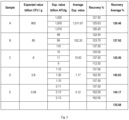
figure 2 andfigure 3 show a CFU/g correlation (figure 2 ); AFU/g reference method (figure 3 ) on freeze-dried biomass obtained from step (iv) at various bacterial cell concentrations. - After a long and intense research and development activity, the Applicant realised the importance of determining and evaluating of the integrity of the cell wall of the bacteria (cell wall) present in a biomass (set of bacterial cells). Basically, the Applicant realised that the integrity (a greater integrity corresponds to a lower permeability) of the cell wall and the determination/measurement thereof in a repeatable, reliable and precise manner allows to quantify the stability and viability of a biomass of freeze-dried bacterial cells.
- The experimental findings confirmed that the use of a cytofluorometry method allows to determine and evaluate the state of preservation and integrity of the cell wall during all the steps of preparing a biomass of freeze-dried bacterial cells, allowing to produce bacterial cells with a stability, in terms of viability expressed in AFU and measured/determined by means of a cytofluorometry method, greater than the stability determined on the cells by means of plate count and expressed in CFU.
- Surprisingly, the application of a cytofluorometry method allows to correlate the "culturability" cell parameter (CFU) - i.e. the ability of bacterial cells to replicate in plate - with a physical/physiological parameter of cell integrity and viability (AFU), i.e. active fluorescent units in the different steps of the process (i), (ii) and/or (iii), and (iv).
- The present invention refers to a use of a cytofluorometry method applied to a biomass of freeze-dried bacterial cells (freeze-dried biomass), wherein said cytofluorometry method is for evaluating the stability of said freeze-dried bacterial cells wherein said freeze-dried biomass is produced by means of a method for preparing a biomass of freeze-dried bacterial cells comprising the following steps:
- (i) fermenting a previously prepared biomass of bacterial cells (bacterial biomass) comprising at least one strain of bacterial cells to obtain a fermented biomass of bacterial cells (fermented biomass);
- (ii) concentrating the fermented biomass obtained from step (i) up to obtaining a concentrated biomass of bacterial cells (concentrated biomass) having a concentration of bacterial cells comprised between 1×10⁶ cells/ml of liquid biomass and 1×10¹² cells/ml of liquid biomass;
- (iii) mixing the concentrated biomass obtained from step (ii) with a solution comprising, or alternatively, consisting of: (a) at least one phosphorous salt selected from among the group comprising or, alternatively, consisting of a phosphate ion salt or phosphoric acid, a phosphite ion salt or phosphorous acid, a monohydrogen phosphate ion salt, a dihydrogen phosphate ion salt, a pyrophosphate ion salt or pyrophosphoric acid, and the mixtures thereof, and (b) at least one polyhydroxy substance selected from among the group comprising or, alternatively, consisting of sucrose, fructose, lactose, lactitol, trehalose or mannitol, and the mixtures thereof, and preferably (c) L-cysteine, to obtain a cryoprotected biomass of bacterial cells (cryoprotected biomass);
- (iv) freeze-drying the cryoprotected biomass obtained from step (iii) to obtain the freeze-dried biomass.
- According to an embodiment, the bacterial cells in the freeze-dried biomass are naked cells, i.e. devoid of an outer lining.
- According to another embodiment, the bacterial cells in the freeze-dried biomass are micro-encapsulated cells, preferably in a lipid matrix or in a glycoprotein matrix.
- Freeze-dried biomass is produced by means of a method for preparing a biomass of freeze-dried bacterial cells comprising the following steps:
- (i) fermenting a previously prepared biomass of bacterial cells (bacterial biomass) comprising at least one strain of bacterial cells to obtain a fermented biomass of bacterial cells (fermented biomass);
- (ii) concentrating the fermented biomass obtained from step (i) up to obtaining a concentrated biomass of bacterial cells (concentrated biomass) having a concentration of bacterial cells comprised between 1×10⁶ cells/ml of liquid biomass and 1×10¹² cells/ml of liquid biomass;
- (iii) mixing the concentrated biomass obtained from step (ii) with a solution comprising, or alternatively, consisting of: (a) at least one phosphorous salt selected from among the group comprising or, alternatively, consisting of a phosphate ion salt or phosphoric acid, a phosphite ion salt or phosphorous acid, a monohydrogen phosphate ion salt, a dihydrogen phosphate ion salt, a pyrophosphate ion salt or pyrophosphoric acid, and the mixtures thereof, and (b) at least one polyhydroxy substance selected from among the group comprising or, alternatively, consisting of sucrose, fructose, lactose, lactitol, trehalose or mannitol, and the mixtures thereof, and preferably (c) L-cysteine, to obtain a cryoprotected biomass of bacterial cells (cryoprotected biomass);
- (iv) freeze-drying the cryoprotected biomass obtained from step (iii) to obtain the freeze-dried biomass.
- The method for preparing the freeze-dried biomass according to an embodiment of the present invention comprises step (i) in which the bacterial biomass prepared previously and comprising at least one strain of bacterial cells is fermented to obtain the fermented biomass.
- According to an embodiment, the bacterial biomass intended for step (i) comprises at least one strain of bacterial cells selected from among the group comprising or, alternatively, consisting of strains of bacterial cells belonging to the families: Firmicutes, Actibacteria, Bacteroidetes, Proteobacteria, and mixtures thereof. Said at least one strain of bacterial cells is selected from among the group comprising or, alternatively, consisting of strains of bacterial cells belonging to the genera: Lactobacillus, Bifidobacterium, Streptococcus, Lactococcus, Akkermansia, Intestinimonas, Eubacterium, Faecalibacterium, Neisseria, Roseburia, Cutibacterium and mixtures thereof. Said at least one strain of bacterial cells is selected from among the group comprising or, alternatively, consisting of strains of bacterial cells belonging to the species: Lactobacillus acidophilus, Lactobacillus buchneri, Lactobacillus fermentum, Lactobacillus saiivarius subsp. saiivarius, Lactobacillus crispatus, Lactobacillus paracasei subsp. paracasei, Lactobacillus gasseri, Lactobacillus plantarum, Lactobacillus delbrueckii subsp. bulgaricus, Lactobacillus delbrueckii subsp. delbrueckii, Lactobacillus rhamnosus, Lactobacillus pentosus, Lactobacillus fermentum, Lactobacillus brevis, Lactobacillus casei, Lactobacillus reuteri, Lactobacillus johnsonii, Bifidobacterium adolescentis, Bifidobacterium animalis subsp. lactis, Bifidobacterium breve, Bifobacterium catenulatum, Bifobacterium pseudocatenulatum, Bifidobacterium bifidum, Bifidobacterium lactis, Bifidobacterium inf antis, Bifidobacterium longum, Akkermansia munichipila, intestinimonas butyriciproducens, Eubacterium hallii, Faecalobacterium prausnitzii, Neisseria lactamica, Roseburia hominis, Cutibacterium acnes, and mixtures thereof.
- At the end of the fermentation step (i) there is obtained a bacterial biomass which is subjected to a concentration according to step (ii).
- According to an embodiment, step (ii) is conducted by means of a separation step, in which a liquid fraction is separated from a solid or cellular fraction consisting precisely of the bacterial cells grown in the liquid fermentation substrate (or fermentation broth) of step (i). In an embodiment, said separation step can be carried out by means of centrifugation.
- The separation step allows to separate from the bacterial biomass, which is in the physical state of a solution, the liquid fraction contained therein so that the biomass increasingly focuses on the other components such as, for example, bacterial cells.
- In step (iii) the concentrated biomass obtained from step (ii) is mixed with the solution comprising, or alternatively, consisting of: phosphorus salt (a) and polyhydroxy substance (b) (i. e. sucrose, fructose, lactose, lactitol, trehalose or mannitol, and mixtures thereof, and preferably (c) L-cysteine.
- Such a solution (or cryoprotection solution) is capable of conferring to the concentrated biomass a cryoprotection in the sense that the bacterial biomass is cryoprotected. This means that the cells of the bacterial strain used, contained in said bacterial biomass, are cryoprotected. Cell cryoprotection means that the biological tissues (for example the cell membrane) of the cells of the bacterial strain are protected from possible damage resulting from freezing in the step (iv) of freeze-drying the cryoprotected biomass. By way of example, damage to the cells could comprise a laceration or a lesion of the cell membrane, accompanied by a possible increase in permeability through the membrane.
- According to an embodiment, at least one phosphorus salt (a) is selected from among the compounds of potassium phosphate (K3PO4), potassium monohydrogen phosphate (K2 HPO4), potassium di-hydrogen phosphate (KH2PO4) and/or potassium pyrophosphate (K4 P2O7; CAS No. 7320-34-5).
- According to an embodiment, sucrose could be used as a polyhydroxy substance (b).
- According to an embodiment, sucrose could be present at a concentration comprised from 25%W/V to 45%W/V preferably of 40%W/V, where % W/V is used to indicate a percentage by weight (i.e. grams) of sucrose with respect to the total volume of the cryoprotection solution (considering such solution before mixing it with the bacterial biomass in step (iii)).
- According to an embodiment, the concentration of the phosphorus salt or salts (a) in the solution used in step (iii) could be comprised from 6% to 20%W/V, preferably comprised from 6% to 15% W/V, even more preferably comprised from 10% to 14% W/V, where % W/V is used to indicate a percentage by weight (i.e. grams) of the aforementioned compounds with respect to the total volume of the solution.
- According to an embodiment, L-cysteine in the solution used in step (iii) could be present at an amount comprised from 0. 5 grams of L-cysteine to 5 grams of L-cysteine per each litre of solution, preferably comprised from 1 gram to 4 grams of L-cysteine per each litre of solution, even more preferably comprised from 2 grams to 3 grams of L-cysteine per each litre of solution.
- Specifically, L-cysteine (CAS No. 52-90-4) serves as an oxygen sequestrant and therefore, when added to the solution, it limits or prevents the formation of reactive oxygen species (ROS). Furthermore, L-cysteine is characterised by a low molecular weight, and therefore it can easily penetrate the cell membranes of the bacterial cells, thus increasing protection from damage resulting from oxygen free radicals, and improving the integrity of the membrane structure.
- In step (iv) the cryoprotected biomass obtained from step (iii) is freeze-dried to obtain a freeze-dried biomass.
- Unless otherwise indicated, the expression "to freeze-dry" or "freeze-drying" will be used to indicate a controlled dehydration of the pre-frozen cryoprotected biomass, and it will be used to indicate entire freeze-drying process (freezing, primary drying and secondary drying).
- According to an embodiment, the freeze-drying step (iv) comprises, after step (iii), the following steps:
- (iv.a) freezing the cryoprotected biomass obtained from step (iii) to obtain a frozen biomass;
- (iv.b) subliming the ice (or drying) of the frozen biomass obtained from step (iv.a) to obtain the freeze-dried biomass.
- Preferably, the sublimation of step (iv.b) comprises a primary drying step (iv.b.1) of the frozen biomass obtained from step (iv. a), and a subsequent secondary drying (or desorption) (iv. b.2), on the biomass obtained from step (iv.b.1), to obtain the freeze-dried biomass.
- In the primary drying step (iv. b.1), the frozen biomass obtained from step (iv. a) is initially subjected to a reduced pressure, so as to sublimate a part of the frozen solution, to obtain a biomass at reduced pressure and subsequently, in the secondary drying step (iv. b.2), the biomass at reduced pressure is heated to obtain the freeze-dried biomass.
- Preferably, the secondary drying step (iv. b.2) starts when all the ice is sublimated from the biomass at reduced pressure in the previous primary drying step (iv. b.1). In the secondary drying step (iv. b.2) the solution adsorbed on the biomass at reduced pressure obtained from the primary drying step (iv. b.1) is desorbed, by increasing the biomass temperature at reduced pressure.
- According to an embodiment, the secondary drying step (iv. b.2) ends when the humidity of the biomass is comprised from 0.5% to 2.5% by weight, preferably comprised from 0.75% to 2.0% by weight, more preferably comprised from 0.9% to 1.5% by weight, even more preferably comprised from 0.95% to 1.1% by weight of the biomass.
- According to an embodiment, the cytofluorometry method applied to the freeze-dried biomass is further applied to the fermented biomass obtained from step (i), to the concentrated biomass obtained from step (ii) and/or to the cryoprotected biomass obtained from step (iii), to evaluate the viability/integrity of the bacterial cells in the fermented biomass, in the concentrated biomass and/or in the cryoprotected biomass, preferably for evaluating the viability/integrity of the bacterial cells in all biomasses, namely in the fermented biomass, in the concentrated biomass and in the cryoprotected biomass.
- According to a preferred embodiment, the evaluation of the viability/integrity of the bacterial cells in the fermented biomass, in the concentrated biomass, and/or in the cryoprotected biomass and in the freeze-dried biomass, can be used to monitor and/or regulate the process parameters governing step (i), step (ii) and/or step (iii), and step (iv).
- In other words, monitoring and evaluating the viability/integrity of the bacterial cells conducted in at least one portion of, preferably in all, steps of the method for preparing the biomass of bacterial cells, allows to optimise the process in each of the individual steps of the preparation process in order to obtain a biomass of freeze-dried, stable, viable and high concentration bacterial cells, by means of a reproducible, reliable and optimised process.
- Besides steps (i), (ii), (iii) and (iv), according to an embodiment the method may comprise a step (v) subsequent to step (iv).
- In the preferred step (v) the freeze-dried biomass obtained from step (iv) is crushed to obtain a crushed biomass.
- As a matter of fact, should the freeze-dried biomass obtained from step (iv) be a compact mass (cake), this mass must be crushed, ground, or broken up, in order to obtain the crushed biomass. Preferably, the crushing of step (v) is carried out by means of a mesh or a sieve.
- More precisely, in the preferred step (v), the compact mass or cake obtained from step (iv) is forced through the aforementioned mesh or through the aforementioned sieve in order to crush, grind, or break up the compact mass.
- A crushed biomass, obtained at the end of step (v), is in the form of powder or granule, and it is easier to manage and handle with respect to the freeze-dried biomass of step (iv). For example, such improved handling may be useful in subsequent weighing and/or packaging operations.
- Besides steps (i), (ii), (iii) and (iv), according to an embodiment the method may comprise a step (vi) subsequent to step (v).
- In the preferred step (vi), the crushed biomass obtained from step (v) is packaged in a sterile container, preferably in the absence of moisture, to obtain a packaged biomass.
- In an embodiment, the packaged biomass obtained from step (vi) is packaged in the sterile container so that the amount of head space in the sterile container (specifically, the amount of air between the packaged biomass and the top of the container) is very small. Preferably, the amount of head space is negligible (i.e., almost zero).
- According to an embodiment, the packaged biomass has a bacterial cell concentration comprised from 1×10⁸ cells/g to 1×10¹¹ cells/g, preferably a concentration comprised from 1×10⁹ cells/g to 1×10¹⁰ cells/g, per gram of packaged biomass obtained at the end of step (vi).
- Besides steps (i), (ii), (iii) and (iv), according to an embodiment the method may comprise a step (vii) subsequent to step (vi).
- In the preferred step (vii), the packaged biomass obtained from step (vi) is reconstituted with water after a predetermined time to obtain a reconstituted biomass.
- According to different embodiments, the water used in step (vii) is selected from among the group comprising or, alternatively, consisting of pure water, saline solution, or buffer solution.
- With respect to the predefined time of step (vii), such time is preferably comprised from 1 minute to 10 years, preferably comprised from 1 day to 5 years, more preferably comprised from 4 months or from 12 months to 48 months, even more preferably from 18 months to 32 months, further preferable from 24 months to 30 months, even under conditions of Zone IV. A and Zone IV.B. (geographical zones identified by the World Health Organization).
- According to an embodiment, the reconstitution of step (vii) provides for a re-addition of a volume of water to the packaged biomass obtained from step (vi), typically, but not necessarily, equivalent to the volume reduced during freeze-drying of step (iv).
- According to an embodiment, the packaged freeze-dried biomass obtained from step (vi) could be reconstituted (hydrated) in step (vii) as an aqueous solution, preferably by means of an isotonic aqueous solution, even more preferably at a substantially neutral pH value or in any case comprised from 6.0 to 7.0. Such pH value comprised from 6. 0 to 7. 0 is particularly preferred for a packaged biomass obtained from step (vi) in which the bacterial cells are naked cells, i.e. devoid of an outer lining.
- According to an embodiment, the packaged freeze-dried biomass obtained from step (vi) could be reconstituted (hydrated) in step (vii) as an aqueous solution of a borate buffer solution at pH 8.4.
Such pH value 8. 4 is particularly preferred for a packaged biomass obtained from step (vi) in which the bacterial cells are micro-encapsulated cells, preferably in a lipid matrix or in a glycoprotein matrix. - According to an embodiment, in the reconstitution of step (vii), the packaged biomass obtained from step (vi) is diluted up to obtaining a bacterial cell concentration in the reconstituted biomass comprised from 105 to 107 cells/ml, preferably about 106 cells/ml.
- In this regard, the bacterial cell concentration in the reconstituted biomass comprised from 105 to 107 cells/ml, preferably about 106 cells/ml, is preferably obtained by subsequent dilutions with water.
- According to another embodiment, besides steps (i), (ii), (iii) and (iv), the method comprises the following steps:
- (viii) placing at contact the fermented biomass obtained from step (i), the concentrated biomass obtained from step (ii), the cryoprotected biomass obtained from step (iii), and/or the freeze-dried biomass obtained from step (iv) with two different fluorescent dyes, so as to obtain a fluorescent fermented biomass, a fluorescent concentrated biomass, a fluorescent cryoprotected biomass and/or a fluorescent freeze-dried biomass (indicated in its entirety with the expression "fluorescent biomasses");
- (ix) subsequently to step (viii), by means of flow cytofluorometry, detecting an amount of bacterial cells with integral cell membranes (and thus viable or stable) in the fluorescent fermented biomass, in the fluorescent concentrated biomass, in the fluorescent cryoprotected biomass and/or in the fluorescent freeze-dried biomass.
- According to an embodiment, in the detection step of step (ix) and according to the method set forth in the ISO 19344:2015(E) standard, a first dye permeable through the cell membranes (preferably: thiazole orange or, alternatively, SYTO® 24 - a fluorescent dye in the green spectrum) is capable of penetrating into all bacterial cells, providing the total fluorescent units or cells (TFU) of the fluorescent biomasses. A second dye (preferably: propidium iodide) is capable of penetrating only into the bacterial cells with a damaged cell membrane, providing the non-active or non-viable fluorescent units or cells (nAFU) of the fluorescent biomasses.
- According to an embodiment, the amount of the first dye in the fermented biomass obtained from step (i), or in the concentrated biomass obtained from step (ii), or in the cryoprotected biomass obtained from step (iii), or in the freeze-dried biomass obtained from step (iv) - in the latter case, the freeze-dried biomass being obtained as reconstituted biomass from step (vii) - is comprised from 0.1 µmol/litre to 1µmol/litre, per litre of a biomass to be analysed having a bacterial cell concentration comprised from 105 to 107 cells/ml, preferably of 106 cells/ml.
- According to an embodiment, the amount of the second dye in the fermented biomass obtained from step (i), or in the concentrated biomass obtained from step (ii), or in the cryoprotected biomass obtained from step (iii), or in the freeze-dried biomass obtained from step (iv) - in the latter case, the freeze-dried biomass being obtained as reconstituted biomass from step (vii) - is comprised from 1µmol/litre to 50 µmol/litre, per litre of a biomass to be analysed having a bacterial cell concentration comprised from 105 to 107 cells/ml, preferably of 106 cells/ml.
- According to an embodiment, the method for preparing fluorescent dyes is carried out according to para. 5.3.1.3 and 5.3.2 (Protocol B) of the ISO 19344:2015(E) standard. Such fluorescent dyes are added to the biomass to be analysed, diluted in the amounts described in paragraph 9.2.2 of the same standard, with a subsequent incubation of the biomass for a period of time of 15 minutes at a temperature of 37°C so as to obtain a fluorescent biomass to be analysed. Thereafter, the fluorescent biomass is subjected to the detection step (ix) by means of flow cytofluorometry.
- According to an alternative embodiment of step (viii), the fermented biomass obtained from step (i), the concentrated biomass obtained from step (ii), the cryoprotected biomass obtained from step (iii), and/or the freeze-dried biomass obtained from step (iv) may be placed at contact with a BD™ Cell viability Kit (Cat. N.o 349480) ready-to-use staining kit, following the instructions provided for, so as to obtain a fluorescent fermented biomass, a fluorescent concentrated biomass, a fluorescent cryoprotected biomass and/or a fluorescent freeze-dried biomass.
- According to a particularly preferred embodiment, the amount of viable bacterial cells, with integral cell membranes, can be expressed as active fluorescent units or cells (AFU), i.e. units that are only positive to the first dye in fluorescence analysis (preferably: thiazole orange or, alternatively, SYTO® 24), for which the following correlation applies:

- TFUs (total fluorescent units) are the total fluorescent bacterial units or cells;
- nAFUs (non-active fluorescent units) are the non-active fluorescent bacterial units or cells units, with a non-integral or damaged cell membrane (i.e. the units which are positive to the second dye, preferably propidium iodide).
- According to an embodiment, the flow cytofluorometry of step (ix) is configured and/or calibrated to perform volumetric determination of the fluorescent biomasses analysed, and to directly calculate the cell concentration (AFU and TFU).
- According to another embodiment, in order to obtain the values of AFU and TFU in the fluorescent biomasses, the flow cytofluorometry of step (ix) uses at least one internal fluorescent standard added to the fluorescent biomasses.
- According to an embodiment, the internal fluorescent standard is in the form of a fluorescent ball or bead and it is added to each fluorescent biomass to be analysed in known concentration. The value of AFU and TFU in the fluorescent biomass analysed can then be calculated by proportion to the known amounts of the internal standard.
- According to an embodiment, the amount of internal fluorescent standard is added to each fluorescent biomass to be analysed in a volume at known concentration comprised from 20 µl to 100 µl, preferably of 50 µl, for a volume of diluted biomass to be analysed comprised from 0.100 ml to 1.000 ml, preferably of 0.500 ml, where the expression "diluted biomass" is used to indicate a biomass to be analysed having a bacterial cell concentration comprised from 105 to 107 cells/ml, preferably of 106 cells/ml.
- Furthermore, the present invention refers to a use of cytofluorometry method applied to a method for preparing a biomass of freeze-dried bacterial cells (freeze-dried biomass), in which the bacterial cells have a cell wall, and in which such cytofluorometry method is for evaluating the integrity of said cell wall of said freeze-dried bacterial cells produced.
- Lastly, the present invention refers to a use of a cytofluorometry method for evaluating the integrity of a cell wall present in freeze-dried bacterial cells produced with a method for preparing a biomass of freeze- dried bacterial cells.
- Preferred characteristics of the use of the cytofluorometry method applied to the method for preparing the freeze-dried biomass, or of the use of the cytofluorometry method to evaluate the integrity of the cell wall present in cells of freeze-dried bacterial cells produced by the method for preparing the freeze-dried biomass, are illustrated at least in relation to steps (i), (ii), (iii), (iv) of the description outlined above.
- An AFU/ml vs. CFU/ml correlation in liquid biomasses such as the biomasses obtained from step (i), step (ii) or step (iii) is exemplified in
figure 1 . - A CFU/g correlation and an AFU/g correlation obtained on the same freeze-dried biomasses obtained from step (iv), at various bacterial cell concentrations, are respectively shown in
figure 2 andfigure 3 . - As observable from such
figures 2 and3 , the bacterial cell count shows a significant difference between the number of cells obtained through plate counting, and the number of cells obtained by the flow cytofluorometry method. - The difference between the two methods is experimentally recognised, and it derives from the cell types, from their physiological state that the two methods implicitly highlight. The plate count depends on the ability of the individual cell to grow and replicate in a culture medium according to the physiological state thereof and the incubation parameters adopted. On the contrary, flow cytofluorometry reads each integral and viable cell within each sample independently from the incubation parameters.
- This difference is evident from the analytical expression of the results, CFU/g (
figure 2 ) with respect to AFU/g (figure 3 ). Using the results offigures 2 and3 , it is possible to calculate a correlation factor CF (defined as an AFU/CFU ratio) between the two methods, comprised from 1.25 to 1.3. - As observable, the correlation factor CF is surprisingly close to 1, on average > 1 on the liquid biomasses obtained from step (i), step (ii) and step (iii) with the same volume (ml) of biomass.
- Such CF factor progressively increases during the subsequent steps of the method for preparing the freeze-dried biomass, given that the steps inevitably cause suffering to the cells and damage such that the bacterial cells can lose the replicative capacity thereof while remaining viable and maintaining membrane integrity. This cell fraction regards viable but non-culturable cells (VBNC).
- The CF calculated on freeze-dried biomasses obtained from step (iv) can exceed a factor 1.2 (on average being > 1.25) and grow further in the case of biomasses in which the bacterial cells are micro- encapsulated, given the dissolution of the matrix (preferably lipid or glycoprotein) and the separation of the individual cells that do not give rise to a single colony in plate with consequent underestimation of the bacterial population analysed.
- The use of the cytofluorometry method applied to the freeze-dried biomass allows to obtain a stable biomass, with bacterial cells with a well-preserved cell wall in a good physiological state and, therefore, intregral and viable cells.
- The use of the cytofluorometry method applied to the method for preparing the freeze-dried biomass allows to measure and evaluate the integrity /viability of the bacterial cells in one part or in all the steps of the method for preparing the freeze-dried biomass, so as to monitor and possibly adjust the parameters of the method for such preparation.
- Advantageously, the present uses allow to provide a methodology applicable to a method which can be widely modelled with wide freedom as a function of the type of bacterial cells to be obtained in freeze-dried form.
- Advantageously, the present uses of the cytofluorometry method are compatible with the technological-production times of freeze-dried biomasses on an industrial scale, which must be drastically lesser than the retrieval of information by means of plate count.
- Advantageously, the present uses of the cytofluorometry method are independent of the physical state of the biomass sample to be analysed, given that the cytofluorometry technique can be exploited for biomasses in liquid phase and in solid phase (after reconstitution).
- Advantageously, the present uses of the cytofluorometry method provide extremely accurate information on the intermediate or final biomasses obtained with the preparation method discussed herein.
- Advantageously, the present uses of the cytofluorometry method also allow to identify viable but non-culturable cells (VBNC) in the biomass samples. As a matter of fact, the value of CFU obtainable by conventional plate count on the bacterial cells does not account for dormant or non-colony-generating cells, but which in any case exhibit metabolic activity or which - under suitable environmental conditions (for example at contact with the enteric system) - could recover from sublethal damage.
Claims (9)
- A use of a cytofluorometry method applied to a biomass of freeze-dried bacterial cells (freeze-dried biomass), wherein said cytofluorometry method is for evaluating the stability of said freeze-dried bacterial cells wherein said freeze-dried biomass is produced by means of a method for preparing a biomass of freeze-dried bacterial cells comprising the following steps:(i) fermenting a previously prepared biomass of bacterial cells (bacterial biomass) comprising at least one strain of bacterial cells to obtain a fermented biomass of bacterial cells (fermented biomass);(ii) concentrating the fermented biomass obtained from step (i) up to obtaining a concentrated biomass of bacterial cells (concentrated biomass) having a concentration of bacterial cells comprised between 1x10 6 cells/ml of liquid biomass and 1x10 12 cells/ml of liquid biomass;(iii) mixing the concentrated biomass obtained from step (ii) with a solution comprising, or alternatively, consisting of: (a) at least one phosphorous salt selected from among the group comprising or, alternatively, consisting of a phosphate ion salt or phosphoric acid, a phosphite ion salt or phosphorous acid, a monohydrogen phosphate ion salt, a dihydrogen phosphate ion salt, a pyrophosphate ion salt or pyrophosphoric acid, and the mixtures thereof, and (b) at least one polyhydroxy substance selected from among the group comprising or, alternatively, consisting of sucrose, fructose, lactose, lactitol, trehalose or mannitol, and the mixtures thereof, and preferably (c) L-cysteine, to obtain a cryoprotected biomass of bacterial cells (cryoprotected biomass);(iv) freeze-drying the cryoprotected biomass obtained from step (iii) to obtain the freeze-dried biomass.
- The use according to claim 1, wherein said cytofluorometric method is further applied to the fermented biomass obtained from step (i), to the concentrated biomass obtained from step (ii) and/or to the cryoprotected biomass obtained from step (iii), to evaluate the viability/integrity of the bacterial cells in said fermented biomass, in said concentrated biomass and/or in said cryoprotected biomass.
- The use according to claim 2, wherein said evaluation of the viability/integrity of said bacterial cells is used for monitoring and/or adjusting the process parameters that control step (i), step (ii) and/or step (iii), and step (iv).
- The use according to anyone of claims 1-3, wherein the method comprises, besides steps (i), (ii), (iii) and (iv), the following steps:(viii) placing at contact the fermented biomass obtained from step (i), the concentrated biomass obtained from step (ii), the cryoprotected biomass obtained from step (iii), and/or the freeze-dried biomass obtained from step (iv) with two different fluorescent dyes, so as to obtain a fluorescent fermented biomass, a fluorescent concentrated biomass, a fluorescent cryoprotected biomass and/or a fluorescent freeze-dried biomass;(ix) subsequently to step (viii), by means of flow cytofluorometry, detecting an amount of bacterial cells with integral cell membranes in the fluorescent fermented biomass, in the fluorescent concentrated biomass, in the fluorescent cryoprotected biomass and/or in the fluorescent freeze-dried biomass.
- The use according to claim 4, wherein said amount is expressed as active fluorescent units or cells (AFU) regarding which the following correlation applies:
 - TFUs ( total fluorescent units) are the total fluorescent bacterial units or cells;- nAFU ( non active fluorescent units) are the non-active fluorescent bacterial units or cells, with a damaged cell membrane.
 - The use according to any one of the preceding claims, wherein the bacterial cells in the freeze-dried biomass are naked cells, devoid of an outer lining.
- The use according to anyone of claims 1-5, wherein the bacterial cells in the freeze-dried biomass are micro-encapsulated cells in a lipid matrix or in a glycoprotein matrix.
- A use of a cytofluorometric method applied to a method for preparing a biomass of freeze-dried bacterial cells, wherein the bacterial cells have a cell wall, and wherein said cytofluorometric method is for evaluating the integrity of said cell wall of said freeze-dried bacterial cells, produced according to any one of the preceding claims.
- A use of a cytofluorometric method according to claim 8, for evaluating the integrity of a cell wall present in freeze-dried bacterial cells produced with a method for preparing a biomass of freeze-dried bacterial cells.
Applications Claiming Priority (2)
| Application Number | Priority Date | Filing Date | Title |
|---|---|---|---|
| IT102019000006066A IT201900006066A1 (en) | 2019-04-18 | 2019-04-18 | Use of a flow cytometric method to evaluate the stability and viability of a freeze-dried bacterial cell biomass |
| PCT/IB2020/053664 WO2020212934A1 (en) | 2019-04-18 | 2020-04-17 | Use of a cytofluorometry method for evaluating the stability and viability of a biomass of freeze-dried bacterial cells |
Publications (3)
| Publication Number | Publication Date |
|---|---|
| EP3956463A1 EP3956463A1 (en) | 2022-02-23 |
| EP3956463C0 EP3956463C0 (en) | 2024-07-10 |
| EP3956463B1 true EP3956463B1 (en) | 2024-07-10 |
Family
ID=67660633
Family Applications (1)
| Application Number | Title | Priority Date | Filing Date |
|---|---|---|---|
| EP20726236.1A Active EP3956463B1 (en) | 2019-04-18 | 2020-04-17 | Use of a cytofluorometry method for evaluating the stability and viability of a biomass of freeze-dried bacterial cells |
Country Status (7)
| Country | Link |
|---|---|
| US (1) | US12509713B2 (en) |
| EP (1) | EP3956463B1 (en) |
| JP (1) | JP2022529940A (en) |
| KR (1) | KR20220008276A (en) |
| CA (1) | CA3136168A1 (en) |
| IT (1) | IT201900006066A1 (en) |
| WO (1) | WO2020212934A1 (en) |
Families Citing this family (2)
| Publication number | Priority date | Publication date | Assignee | Title |
|---|---|---|---|---|
| IT201900006066A1 (en) | 2019-04-18 | 2020-10-18 | Probiotical Spa | Use of a flow cytometric method to evaluate the stability and viability of a freeze-dried bacterial cell biomass |
| CN112210517B (en) * | 2020-10-28 | 2024-05-03 | 内蒙古农业大学 | Induction of VBNC state of lactobacillus casei Zhang and detection method of VBNC state cell fatty acid |
Family Cites Families (8)
| Publication number | Priority date | Publication date | Assignee | Title |
|---|---|---|---|---|
| EP0876505A1 (en) * | 1995-11-08 | 1998-11-11 | Pioneer Hi-Bred International, Inc. | Methods of assessing viability of microbial cultures |
| CN1119154C (en) | 1998-01-20 | 2003-08-27 | 上海信谊药业有限公司 | Live triple bifidobacteria preparation and preparing method thereof |
| US6653062B1 (en) * | 2000-07-26 | 2003-11-25 | Wisconsin Alumni Research Foundation | Preservation and storage medium for biological materials |
| CN1623408A (en) | 2003-12-02 | 2005-06-08 | 北京三元食品股份有限公司 | Optimized lactic acid bacteria and life beneficial bacteria frozen protective agent composition |
| ES2389851T3 (en) * | 2005-05-27 | 2012-11-02 | Chr. Hansen A/S | Quantification of the viability of lactic acid bacteria using flow cytometry |
| MX2015006491A (en) | 2012-11-23 | 2015-12-03 | Seres Health Inc | BACTERIAL SYNERGIC COMPOSITIONS AND METHODS OF PRODUCTION AND USE OF THE SAME. |
| IT201900006056A1 (en) | 2019-04-18 | 2020-10-18 | Probiotical Spa | Procedure for the preparation of a biomass of stable lyophilized bacteria cells and determination of their stability by a flow cytometric method |
| IT201900006066A1 (en) | 2019-04-18 | 2020-10-18 | Probiotical Spa | Use of a flow cytometric method to evaluate the stability and viability of a freeze-dried bacterial cell biomass |
-
2019
- 2019-04-18 IT IT102019000006066A patent/IT201900006066A1/en unknown
-
2020
- 2020-04-17 JP JP2021561636A patent/JP2022529940A/en active Pending
- 2020-04-17 KR KR1020217037690A patent/KR20220008276A/en not_active Ceased
- 2020-04-17 EP EP20726236.1A patent/EP3956463B1/en active Active
- 2020-04-17 CA CA3136168A patent/CA3136168A1/en active Pending
- 2020-04-17 WO PCT/IB2020/053664 patent/WO2020212934A1/en not_active Ceased
- 2020-04-17 US US17/604,369 patent/US12509713B2/en active Active
Non-Patent Citations (5)
| Title |
|---|
| ANANTA E: "Impact of environmental factors on viability and stability and high pressure pretreatment on stress tolerance of Lactobacillus rhamnosus GG (ATCC 53103) during spray drying", DISSERTATION DER TECHNISCHEN UNIVERSITAET BERLIN, XX, XX, 1 January 2005 (2005-01-01), pages 1 - 227, XP002379984 * |
| CAZA M ET AL: "The vacuolar sorting protein Vps45 links iron uptake, mitochondrial function and virulence in the pathogenic fungus Cryptococcus neoformans", MEDICAL MYCOLOGY 20180601 OXFORD UNIVERSITY PRESS NLD, vol. 56, no. Supplement 2, 1 June 2018 (2018-06-01), pages S157 CONF 20180630 to 20180704 Amsterdam - 20th Cong, ISSN: 1460-2709 * |
| DATABASE EMBASE [online] ELSEVIER SCIENCE PUBLISHERS, AMSTERDAM, NL; 1 June 2018 (2018-06-01), CAZA M ET AL: "The vacuolar sorting protein Vps45 links iron uptake, mitochondrial function and virulence in the pathogenic fungus Cryptococcus neoformans", Database accession no. EMB-623053419 * |
| DATABASE EMBASE [online] ELSEVIER SCIENCE PUBLISHERS, AMSTERDAM, NL; March 2006 (2006-03-01), HUCKLE B ET AL: "Determination of the viability and release profile of compression coated probiotic cells using fluorescent staining and flow cytometry", Database accession no. EMB-2006274214 * |
| HUCKLE B ET AL: "Determination of the viability and release profile of compression coated probiotic cells using fluorescent staining and flow cytometry", MINERVA BIOTECNOLOGICA 200603 IT, vol. 18, no. 1, March 2006 (2006-03-01), pages 11 - 16, ISSN: 1120-4826 * |
Also Published As
| Publication number | Publication date |
|---|---|
| EP3956463C0 (en) | 2024-07-10 |
| US20220195482A1 (en) | 2022-06-23 |
| JP2022529940A (en) | 2022-06-27 |
| IT201900006066A1 (en) | 2020-10-18 |
| US12509713B2 (en) | 2025-12-30 |
| CA3136168A1 (en) | 2020-10-22 |
| WO2020212934A1 (en) | 2020-10-22 |
| KR20220008276A (en) | 2022-01-20 |
| EP3956463A1 (en) | 2022-02-23 |
Similar Documents
| Publication | Publication Date | Title |
|---|---|---|
| Li et al. | An effective strategy for improving the freeze-drying survival rate of Lactobacillus curvatus and its potential protective mechanism | |
| Wang et al. | Optimal combination of multiple cryoprotectants and freezing-thawing conditions for high lactobacilli survival rate during freezing and frozen storage | |
| Foglia et al. | New insights in enumeration methodologies of probiotic cells in finished products | |
| US10093894B2 (en) | Method for optimizing a process for freeze drying a bacteria-containing concentrate | |
| Kandil et al. | Influence of freezing and freeze drying on intracellular enzymatic activity and autolytic properties of some lactic acid bacterial strains | |
| US20220195378A1 (en) | Method for preparing a biomass of stable freeze-dried bacterial cells and determining the stability thereof by means of a cytofluorometry method | |
| Lu et al. | Optimization of a cryoprotective medium to increase the viability of freeze-dried Streptococcus thermophilus by response surface methodology | |
| US12509713B2 (en) | Use of a cytofluorometry method for evaluating the stability and viability of a biomass of freeze-dried bacterial cells | |
| US20180318362A1 (en) | STABLE PROBIOTIC COMPOSITION CONTAINING Bacillus coagulans MTCC 5856 AND METHOD OF DETECTION THEREOF | |
| ES2389851T3 (en) | Quantification of the viability of lactic acid bacteria using flow cytometry | |
| KR101024696B1 (en) | Genotoxicity detection method using Salmonella enterica TA1535 / USS1002 lyophilized bacteria and detection kit for same | |
| Köhler et al. | Preparation of freeze dried and vacuum dried yeast starter cultures: Evaluation of relevant viability detection analyses | |
| Luo et al. | Antibacterial Activity and Storage Stability of an Ultrasound-Prepared Postbiotic from Lactiplantibacillus plantarum SC019 | |
| Shao et al. | Differential enumeration of subpopulations in concentrated frozen and lyophilized cultures of Lactobacillus delbrueckii ssp. bulgaricus | |
| KR20240013767A (en) | Method for detecting live lactic acid bacteria with sugar metabolism activity | |
| Ehmed | Isolation and Identification of Probiotic Microorganisms in the Regions of Northeast Syria | |
| Hu et al. | Metabolic labeling of peptidoglycan enabled optical analysis of probiotic vitality | |
| CN116606738A (en) | Standard substance for generating biological aerosol, preparation method and value setting method thereof | |
| CN121406627A (en) | A method for preparing a fermentation starter | |
| CN119082258A (en) | A culture medium and method for high-throughput screening of probiotics from traditional Chinese medicine fermentation using microfluidic technology | |
| JP2019170323A (en) | Measurement method of viable cell count | |
| JP2019165704A (en) | Measurement method of viable cell count | |
| TW202102685A (en) | Method for quantifying diaminopimelic acid-containing bacteria | |
| Pyar et al. | Malaysian Journal of Microbiology | |
| Locascio et al. | Medium for differential enumeration of Lactobacillus casei and Lactobacillus acidophilus from lyophilized mixed cultures |
Legal Events
| Date | Code | Title | Description |
|---|---|---|---|
| STAA | Information on the status of an ep patent application or granted ep patent |
Free format text: STATUS: UNKNOWN |
|
| STAA | Information on the status of an ep patent application or granted ep patent |
Free format text: STATUS: THE INTERNATIONAL PUBLICATION HAS BEEN MADE |
|
| PUAI | Public reference made under article 153(3) epc to a published international application that has entered the european phase |
Free format text: ORIGINAL CODE: 0009012 |
|
| STAA | Information on the status of an ep patent application or granted ep patent |
Free format text: STATUS: REQUEST FOR EXAMINATION WAS MADE |
|
| 17P | Request for examination filed |
Effective date: 20211117 |
|
| AK | Designated contracting states |
Kind code of ref document: A1 Designated state(s): AL AT BE BG CH CY CZ DE DK EE ES FI FR GB GR HR HU IE IS IT LI LT LU LV MC MK MT NL NO PL PT RO RS SE SI SK SM TR |
|
| DAV | Request for validation of the european patent (deleted) | ||
| DAX | Request for extension of the european patent (deleted) | ||
| STAA | Information on the status of an ep patent application or granted ep patent |
Free format text: STATUS: EXAMINATION IS IN PROGRESS |
|
| 17Q | First examination report despatched |
Effective date: 20230522 |
|
| GRAP | Despatch of communication of intention to grant a patent |
Free format text: ORIGINAL CODE: EPIDOSNIGR1 |
|
| STAA | Information on the status of an ep patent application or granted ep patent |
Free format text: STATUS: GRANT OF PATENT IS INTENDED |
|
| INTG | Intention to grant announced |
Effective date: 20240207 |
|
| GRAS | Grant fee paid |
Free format text: ORIGINAL CODE: EPIDOSNIGR3 |
|
| GRAA | (expected) grant |
Free format text: ORIGINAL CODE: 0009210 |
|
| STAA | Information on the status of an ep patent application or granted ep patent |
Free format text: STATUS: THE PATENT HAS BEEN GRANTED |
|
| AK | Designated contracting states |
Kind code of ref document: B1 Designated state(s): AL AT BE BG CH CY CZ DE DK EE ES FI FR GB GR HR HU IE IS IT LI LT LU LV MC MK MT NL NO PL PT RO RS SE SI SK SM TR |
|
| REG | Reference to a national code |
Ref country code: CH Ref legal event code: EP |
|
| REG | Reference to a national code |
Ref country code: DE Ref legal event code: R096 Ref document number: 602020033735 Country of ref document: DE |
|
| U01 | Request for unitary effect filed |
Effective date: 20240805 |
|
| U07 | Unitary effect registered |
Designated state(s): AT BE BG DE DK EE FI FR IT LT LU LV MT NL PT RO SE SI Effective date: 20240902 |
|
| PG25 | Lapsed in a contracting state [announced via postgrant information from national office to epo] |
Ref country code: NO Free format text: LAPSE BECAUSE OF FAILURE TO SUBMIT A TRANSLATION OF THE DESCRIPTION OR TO PAY THE FEE WITHIN THE PRESCRIBED TIME-LIMIT Effective date: 20241010 |
|
| PG25 | Lapsed in a contracting state [announced via postgrant information from national office to epo] |
Ref country code: GR Free format text: LAPSE BECAUSE OF FAILURE TO SUBMIT A TRANSLATION OF THE DESCRIPTION OR TO PAY THE FEE WITHIN THE PRESCRIBED TIME-LIMIT Effective date: 20241011 Ref country code: PL Free format text: LAPSE BECAUSE OF FAILURE TO SUBMIT A TRANSLATION OF THE DESCRIPTION OR TO PAY THE FEE WITHIN THE PRESCRIBED TIME-LIMIT Effective date: 20240710 |
|
| PG25 | Lapsed in a contracting state [announced via postgrant information from national office to epo] |
Ref country code: IS Free format text: LAPSE BECAUSE OF FAILURE TO SUBMIT A TRANSLATION OF THE DESCRIPTION OR TO PAY THE FEE WITHIN THE PRESCRIBED TIME-LIMIT Effective date: 20241110 |
|
| PG25 | Lapsed in a contracting state [announced via postgrant information from national office to epo] |
Ref country code: HR Free format text: LAPSE BECAUSE OF FAILURE TO SUBMIT A TRANSLATION OF THE DESCRIPTION OR TO PAY THE FEE WITHIN THE PRESCRIBED TIME-LIMIT Effective date: 20240710 |
|
| PG25 | Lapsed in a contracting state [announced via postgrant information from national office to epo] |
Ref country code: ES Free format text: LAPSE BECAUSE OF FAILURE TO SUBMIT A TRANSLATION OF THE DESCRIPTION OR TO PAY THE FEE WITHIN THE PRESCRIBED TIME-LIMIT Effective date: 20240710 Ref country code: RS Free format text: LAPSE BECAUSE OF FAILURE TO SUBMIT A TRANSLATION OF THE DESCRIPTION OR TO PAY THE FEE WITHIN THE PRESCRIBED TIME-LIMIT Effective date: 20241010 |
|
| PG25 | Lapsed in a contracting state [announced via postgrant information from national office to epo] |
Ref country code: RS Free format text: LAPSE BECAUSE OF FAILURE TO SUBMIT A TRANSLATION OF THE DESCRIPTION OR TO PAY THE FEE WITHIN THE PRESCRIBED TIME-LIMIT Effective date: 20241010 Ref country code: PL Free format text: LAPSE BECAUSE OF FAILURE TO SUBMIT A TRANSLATION OF THE DESCRIPTION OR TO PAY THE FEE WITHIN THE PRESCRIBED TIME-LIMIT Effective date: 20240710 Ref country code: NO Free format text: LAPSE BECAUSE OF FAILURE TO SUBMIT A TRANSLATION OF THE DESCRIPTION OR TO PAY THE FEE WITHIN THE PRESCRIBED TIME-LIMIT Effective date: 20241010 Ref country code: IS Free format text: LAPSE BECAUSE OF FAILURE TO SUBMIT A TRANSLATION OF THE DESCRIPTION OR TO PAY THE FEE WITHIN THE PRESCRIBED TIME-LIMIT Effective date: 20241110 Ref country code: HR Free format text: LAPSE BECAUSE OF FAILURE TO SUBMIT A TRANSLATION OF THE DESCRIPTION OR TO PAY THE FEE WITHIN THE PRESCRIBED TIME-LIMIT Effective date: 20240710 Ref country code: GR Free format text: LAPSE BECAUSE OF FAILURE TO SUBMIT A TRANSLATION OF THE DESCRIPTION OR TO PAY THE FEE WITHIN THE PRESCRIBED TIME-LIMIT Effective date: 20241011 Ref country code: ES Free format text: LAPSE BECAUSE OF FAILURE TO SUBMIT A TRANSLATION OF THE DESCRIPTION OR TO PAY THE FEE WITHIN THE PRESCRIBED TIME-LIMIT Effective date: 20240710 |
|
| PG25 | Lapsed in a contracting state [announced via postgrant information from national office to epo] |
Ref country code: SM Free format text: LAPSE BECAUSE OF FAILURE TO SUBMIT A TRANSLATION OF THE DESCRIPTION OR TO PAY THE FEE WITHIN THE PRESCRIBED TIME-LIMIT Effective date: 20240710 |
|
| PG25 | Lapsed in a contracting state [announced via postgrant information from national office to epo] |
Ref country code: CZ Free format text: LAPSE BECAUSE OF FAILURE TO SUBMIT A TRANSLATION OF THE DESCRIPTION OR TO PAY THE FEE WITHIN THE PRESCRIBED TIME-LIMIT Effective date: 20240710 |
|
| PG25 | Lapsed in a contracting state [announced via postgrant information from national office to epo] |
Ref country code: SK Free format text: LAPSE BECAUSE OF FAILURE TO SUBMIT A TRANSLATION OF THE DESCRIPTION OR TO PAY THE FEE WITHIN THE PRESCRIBED TIME-LIMIT Effective date: 20240710 |
|
| PLBE | No opposition filed within time limit |
Free format text: ORIGINAL CODE: 0009261 |
|
| STAA | Information on the status of an ep patent application or granted ep patent |
Free format text: STATUS: NO OPPOSITION FILED WITHIN TIME LIMIT |
|
| U20 | Renewal fee for the european patent with unitary effect paid |
Year of fee payment: 6 Effective date: 20250417 |
|
| 26N | No opposition filed |
Effective date: 20250411 |
|
| REG | Reference to a national code |
Ref country code: CH Ref legal event code: H13 Free format text: ST27 STATUS EVENT CODE: U-0-0-H10-H13 (AS PROVIDED BY THE NATIONAL OFFICE) Effective date: 20251125 |
|
| PG25 | Lapsed in a contracting state [announced via postgrant information from national office to epo] |
Ref country code: MC Free format text: LAPSE BECAUSE OF FAILURE TO SUBMIT A TRANSLATION OF THE DESCRIPTION OR TO PAY THE FEE WITHIN THE PRESCRIBED TIME-LIMIT Effective date: 20240710 |
|
| GBPC | Gb: european patent ceased through non-payment of renewal fee |
Effective date: 20250417 |
|
| PG25 | Lapsed in a contracting state [announced via postgrant information from national office to epo] |
Ref country code: GB Free format text: LAPSE BECAUSE OF NON-PAYMENT OF DUE FEES Effective date: 20250417 |
|
| PG25 | Lapsed in a contracting state [announced via postgrant information from national office to epo] |
Ref country code: CH Free format text: LAPSE BECAUSE OF NON-PAYMENT OF DUE FEES Effective date: 20250430 |
|
| PG25 | Lapsed in a contracting state [announced via postgrant information from national office to epo] |
Ref country code: IE Free format text: LAPSE BECAUSE OF NON-PAYMENT OF DUE FEES Effective date: 20250417 |
|
| U20 | Renewal fee for the european patent with unitary effect paid |
Year of fee payment: 7 Effective date: 20260415 |
|
| PG25 | Lapsed in a contracting state [announced via postgrant information from national office to epo] |
Ref country code: CY Free format text: LAPSE BECAUSE OF FAILURE TO SUBMIT A TRANSLATION OF THE DESCRIPTION OR TO PAY THE FEE WITHIN THE PRESCRIBED TIME-LIMIT Effective date: 20240710 |