EP3955098B1 - Speech interaction information construction method, vehicle, and storage medium - Google Patents
Speech interaction information construction method, vehicle, and storage medium Download PDFInfo
- Publication number
- EP3955098B1 EP3955098B1 EP20900754.1A EP20900754A EP3955098B1 EP 3955098 B1 EP3955098 B1 EP 3955098B1 EP 20900754 A EP20900754 A EP 20900754A EP 3955098 B1 EP3955098 B1 EP 3955098B1
- Authority
- EP
- European Patent Office
- Prior art keywords
- voice interaction
- graphical user
- information
- controls
- user interface
- Prior art date
- Legal status (The legal status is an assumption and is not a legal conclusion. Google has not performed a legal analysis and makes no representation as to the accuracy of the status listed.)
- Active
Links
Images



Classifications
-
- G—PHYSICS
- G06—COMPUTING OR CALCULATING; COUNTING
- G06F—ELECTRIC DIGITAL DATA PROCESSING
- G06F3/00—Input arrangements for transferring data to be processed into a form capable of being handled by the computer; Output arrangements for transferring data from processing unit to output unit, e.g. interface arrangements
- G06F3/01—Input arrangements or combined input and output arrangements for interaction between user and computer
- G06F3/048—Interaction techniques based on graphical user interfaces [GUI]
- G06F3/0481—Interaction techniques based on graphical user interfaces [GUI] based on specific properties of the displayed interaction object or a metaphor-based environment, e.g. interaction with desktop elements like windows or icons, or assisted by a cursor's changing behaviour or appearance
-
- G—PHYSICS
- G06—COMPUTING OR CALCULATING; COUNTING
- G06F—ELECTRIC DIGITAL DATA PROCESSING
- G06F3/00—Input arrangements for transferring data to be processed into a form capable of being handled by the computer; Output arrangements for transferring data from processing unit to output unit, e.g. interface arrangements
- G06F3/16—Sound input; Sound output
- G06F3/167—Audio in a user interface, e.g. using voice commands for navigating, audio feedback
-
- G—PHYSICS
- G06—COMPUTING OR CALCULATING; COUNTING
- G06F—ELECTRIC DIGITAL DATA PROCESSING
- G06F3/00—Input arrangements for transferring data to be processed into a form capable of being handled by the computer; Output arrangements for transferring data from processing unit to output unit, e.g. interface arrangements
- G06F3/01—Input arrangements or combined input and output arrangements for interaction between user and computer
- G06F3/048—Interaction techniques based on graphical user interfaces [GUI]
- G06F3/0481—Interaction techniques based on graphical user interfaces [GUI] based on specific properties of the displayed interaction object or a metaphor-based environment, e.g. interaction with desktop elements like windows or icons, or assisted by a cursor's changing behaviour or appearance
- G06F3/0483—Interaction with page-structured environments, e.g. book metaphor
-
- G—PHYSICS
- G06—COMPUTING OR CALCULATING; COUNTING
- G06F—ELECTRIC DIGITAL DATA PROCESSING
- G06F3/00—Input arrangements for transferring data to be processed into a form capable of being handled by the computer; Output arrangements for transferring data from processing unit to output unit, e.g. interface arrangements
- G06F3/01—Input arrangements or combined input and output arrangements for interaction between user and computer
- G06F3/048—Interaction techniques based on graphical user interfaces [GUI]
- G06F3/0484—Interaction techniques based on graphical user interfaces [GUI] for the control of specific functions or operations, e.g. selecting or manipulating an object, an image or a displayed text element, setting a parameter value or selecting a range
-
- G—PHYSICS
- G06—COMPUTING OR CALCULATING; COUNTING
- G06F—ELECTRIC DIGITAL DATA PROCESSING
- G06F9/00—Arrangements for program control, e.g. control units
- G06F9/06—Arrangements for program control, e.g. control units using stored programs, i.e. using an internal store of processing equipment to receive or retain programs
- G06F9/44—Arrangements for executing specific programs
- G06F9/451—Execution arrangements for user interfaces
Definitions
- a voice intelligence platform or voice assistant because of the capability of recognizing a user's voice input and generating corresponding operating instructions under certain conditions, provides significant convenience for the user to operate the vehicle equipment, such as the central control display of the vehicle, and thus is widely used.
- the voice assistant has strict requirements on the user's voice input corresponding to the recognizable voice instruction, and has relatively poor intelligence.
- actions are associated with nodes (controls) in the GUI, and are used to cause a transition to a subsequent node that comes into focus if a given action is taken. Thus the action is used to navigate to a subsequent node.
- the embodiments of the present disclosure provide a method of constructing voice interaction information, a vehicle, and a computer-readable storage medium as set out in the appended claims.
- the present disclosure provides a voice control method of a vehicle, which includes:
- An embodiment of the present disclosure provides a vehicle.
- the vehicle includes a display area and a processor.
- the display area of the vehicle may include an instrument board, an on-board display area screen, and a head-up display that can be realized on a windshield of the vehicle, etc.
- On-board systems running on the vehicle use a graphical user interface (GUI) to present the displayed content to the user.
- GUI graphical user interface
- the display area includes a variety of UI elements, and different display areas may display the same or different UI elements.
- the UI elements may include card objects, application icons or interfaces, folder icons, multimedia file icons, and operable controls for interaction, etc.
- the processor is configured to define the voice interaction element, to establish the mapping relationship between the voice interaction element and the control constituting the graphical user interface, and to construct the voice interaction information corresponding to the graphical user interface in accordance with the mapping relationship.
- an embodiment of the present disclosure further provides a vehicle 100, and the voice control method of the embodiment of the present disclosure may be implemented by the vehicle 100 of this embodiment of the present disclosure.
- the vehicle 100 includes a processing module 102 and a construction module 104.
- S11 may be implemented by the processing module 102
- S12 and S 13 may be implemented by the construction module 104.
- the processing module 102 is configured to define a voice interaction element.
- the construction module 104 is configured to establish a mapping relationship between the voice interaction element and a control constituting the graphical user interface, and to construct voice interaction information corresponding to the graphical user interface in accordance with the mapping relationship.
- the graphical user interface and the voice interaction information are made consistent by defining the voice interaction element that forms a mapping relationship with the control in the graphical user interface, and display elements in the graphical user interface that can be operated by touching can all be operated by voice access, providing users with a more convenient way of interaction, and achieving better intelligence and user experience of voice interaction.
- the intelligent display area of the vehicle may provide the user with a convenient entrance to control the vehicle and interact with the vehicle.
- a voice assistant to an on-board operating system can conveniently generate corresponding control instructions by recognizing the voice under certain conditions, which provides further convenience for the user's interaction with the vehicle.
- the voice interaction that the voice assistant can perform is limited, usually allowing only interaction with the preset operation targets; while in the case of a non-preset operation target, the real purpose of the user cannot be understood, and the user can interact with the operation target only by inputting the operation target in the graphical user interface, but cannot interact through voice.
- there is a certain safety risk if the user interacts through the graphical user interface while driving.
- the voice interaction element is defined to correspond to the control in the graphical user interface, so as to construct the voice interaction information describing the graphical user interface.
- the voice interaction information is composed of the voice interaction element, where the voice interaction element can perform voice operations, that is, the user may interact with the target control in the graphical user interface by voice access.
- the definition of the voice interaction element may be made by referring to the information of the control in the graphical user interface to set the information of the voice interaction element, such as an element ID, an element type, an element supportable operation, and other information, so that the voice interaction element may uniquely correspond to the control. Further, the voice instruction can locate the target control contained in the instruction by the settings in terms of the voice interaction.
- S11 includes: S111 of defining the voice interaction element according to information of the control, information constituting the voice interaction element corresponding to the information of the control in one to one correspondence.
- S111 may be implemented by the processing module 102, that is, the processing module 102 is configured to construct the voice interaction element according to attribute information of the control.
- the processor is configured to construct the voice interaction element according to the attribute information of the control.
- the information of the control of the graphical user interface includes a control ID, a control type, a text description, a control supportable operation mode, an operation parameter, positions and a layout relationship of a plurality of controls in the interface, etc.
- the control ID may be used to identify each control in the current graphical user interface, and each control has a unique ID.
- the content presented in the current graphical user interface is composed of controls. Taking an information point card interface as an example, the controls in the interface include an information point name, an address, favorites, exploring nearby, route navigation, and so on.
- the text description is expression of the control in the graphical user interface. For example, for a favorites control, the text description is "favorites".
- the control type is also a control presentation type of the control in the graphical user interface, such as text, button, single choice, check box, slider, tab, list, etc.
- the control supportable operation mode is an operation that can be performed by a corresponding type of control.
- the text does not support related operations
- the operation supported by the button is clicking
- the operation supported by the single choice is on/off
- the operation supported by the check box is clicking
- the operation supported by the slider is assigning
- the operation supported by the tab is selecting
- the operation supported by the list is scrolling, etc.
- the operation parameter corresponds to the degree of the operation mode.
- the operation parameter corresponding to "clicking" is short press or long press, and the operation parameter corresponding to the slider is large, medium, small, etc.
- the positions and the layout relationship of a plurality of controls in the interface reflect the distribution and layout of the related controls in the same graphical user interface.
- the voice interaction element should also include information of the voice interaction element corresponding to the information of the control, with the content of the information of the voice interaction element corresponding to the information of the associated control in one to one correspondence.
- the information of the voice interaction element includes an element ID, an element type, a text description, an element supportable operation mode, an operation parameter, positions and a layout relationship of a plurality of elements in the interface, etc.
- the mapping between the voice interaction element and the control is achieved by enabling the information of the voice interaction element to correspond to the information of the control in one to one correspondence, so that in the voice interaction, a voice interaction element obtained by semantic analysis can locate a control associated with the voice interaction element, thereby realizing the voice operation on the control in the graphical user interface.
- the information of the control includes a control ID, a control attribute, and a control supportable event
- the information of the voice interaction element includes an element ID, an element attribute, and an element supportable operation.
- S 12 includes: S121 of establishing a mapping between the information of the control and the information of the corresponding voice interaction element respectively.
- S 121 may be implemented by the construction module 104, or in other words, the construction module 104 is configured to respectively establish a mapping between the information of the control and the information of the corresponding voice interaction element.
- the processor is configured to respectively establish a mapping between the information of the control and the information of the corresponding voice interaction element.
- the information of the control may be divided into multiple aspects, such as a control ID, a control attribute, and a control supportable event, according to the use of the information.
- the control ID may specifically include a control code and a control name.
- the control attribute may include a descriptive text and a control type.
- the control supportable event may include a supportable operation and an operation parameter.
- the information of the voice interaction element may include several aspects, such as an element ID, an element attribute, and an element supportable operation.
- the element ID includes an element code and an element name, wherein the element code corresponds to the control code, and the element name corresponds to the control name.
- the element ID corresponds to the control ID of the control in the graphical user interface, thereby forming a mapping between the control in the graphical user interface and the voice interaction element.
- the element attribute of the voice interaction element may include an element type, and text description.
- the element type is used to record the control type (e.g., text, button, single choice, check box, slider, tab, list, etc.) of the control in the graphical user interface corresponding to the voice interaction element.
- the text description is used to record the expression (e.g., "favorites”, “exploring nearby”, “vehicle prompt sound”, etc.) of the control in the graphical user interface corresponding to the voice interaction element.
- the element supportable operation of the element includes operation mode and operation parameter.
- the operation mode is used to record the operation mode (e.g., clicking, selecting, and assigning, etc.) supported by the control in the graphical user interface corresponding to the voice interaction element.
- the operation parameter is used to record an operation degree (e.g., long press, short press, etc.) of an operation mode supported by the control in the graphical user interface corresponding to the voice interaction element.
- a mapping between a control and a voice interaction element corresponding to the control is established according to the information of the control, so as to establish a mapping relationship between the control of the graphical user interface and the voice interaction element.
- the "Bluetooth switch” control is mapped to a single choice element among voice interaction elements
- the "navigation volume” control is mapped to a slider element among the voice interaction elements
- the "vehicle prompt sound” control is mapped to a tab element among the voice interaction elements.
- the "navigation volume” control is mapped to a voice interaction element, of which the element id is 2131362541, the element type is a slider element, the text description is “navigation volume”, the supportable operation is “assigning”, and the operation parameter is Volume 15.
- the graphical user interface includes a plurality of controls
- S13 includes: S131 of constructing a relationship of voice interaction elements according to an interface local relationship of the controls to form the voice interaction information corresponding to the graphical user interface.
- S131 may be implemented by the construction module 104.
- the construction module 104 is configured to construct a relationship of the voice interaction element according to an interface local relationship of the control to form the voice interaction information corresponding to the graphical user interface.
- the processor is configured to construct a relationship of the voice interaction element according to an interface local relationship of the control to form the voice interaction information corresponding to the graphical user interface.
- a plurality of controls may be included in a graphical user interface at the same time, and the plurality of controls has a certain local relationship therebetween, such as an inclusion relationship, e.g., a parent control including a plurality of child controls in parallel.
- the voice interaction elements should also reflect this inclusion relationship, in which case, a parent voice interaction element may be defined, and the parent voice interaction element contains a plurality of child voice interaction elements.
- the parent "sound" control in the system menu graphical user interface includes a plurality of child controls, including “voice volume”, “navigation volume”, and “vehicle prompt sound”, etc.
- information of the element includes a plurality of child voice interaction elements, including “voice volume”, “navigation volume” and “vehicle prompt sound”, etc.
- Each child voice interaction element includes the information of the voice interaction element as described above. In this way, a plurality of simple voice interaction elements may be combined by a parent-child structure to form a complicate voice interaction element, thereby constructing the voice interaction information corresponding to the graphical user interface.
- the construction method further includes: S14 of generalizing expressions of the element attribute and the element supportable operation.
- S14 may be implemented by the construction module 104, or in other words, the construction module 104 is configured to generalize expressions of the element attribute and the element supportable operation.
- the processor is configured to generalize expressions of the element attribute and the element supportable operation.
- the text description, supportable operation, and operation parameter in the element attribute are generated based on related standards, the interpretability of which is poor. Moreover, either different users' expressions on the same intention or a same user's multiple expressions on the same intention may be different. Therefore, in the initial stage of defining voice interaction elements, manual marking and generalization may be performed on the expressions of the text description mode, the supportable operation, and the operation parameter of the voice interaction element according to some conventional expressions.
- the generalized voice interaction element may be associated with more expressions, which can better assist in the resolution of voice input information.
- the operation instruction that can be supported by the button may be generalized to click, press, etc.
- the operation instruction that can be supported by the single choice may be generalized to ON, OFF, etc.
- the text description of "vehicle prompt sound” may be generalized to “prompt sound”, “vehicle prompt volume”, etc.
- the graphical user interface includes a plurality of controls
- the voice interaction element includes a plurality of voice interaction elements
- each control corresponds to one voice interaction element
- the control attribute includes a layout relationship of the plurality of controls
- the element attribute includes an inclusion relationship of the plurality of voice interaction elements corresponding to the plurality of controls.
- the construction method includes: S15 of establishing a directed graph of the plurality of voice interaction elements according to the inclusion relationship.
- S15 may be implemented by the construction module 104.
- the construction module 104 is configured to establish a directed graph of the plurality of voice interaction elements according to the inclusion relationship.
- the processor is configured to establish a directed graph of the plurality of voice interaction elements according to the inclusion relationship.
- a plurality of controls may be included in a graphical user interface at the same time, and a certain layout relationship is present between the plurality of controls.
- the directed graph may be used to describe a structural relationship between the elements, and the directed graph of the voice interaction elements may characterize the layout relationship between the plurality of controls in the same graphical user interface.
- nodes in the directed graph of the voice interaction elements represent the controls in the graphical user interface, and edges in the directed graph represent the layout relationship of respective controls on the layout.
- the system traverses the hierarchical view of the controls and constructs a directed graph of the voice interaction elements corresponding to the current graphical user interface.
- the graphical user interface is updated, in other words, after the rendering of a new graphical user interface is completed, the system traverses the hierarchical view of the controls again, obtains the changed control, and then updates a part of the directed graph corresponding to the changed control.
- the voice interaction elements to which different controls in the current graphical user interface are mapped cooperatively constitute the voice interaction information describing the graphical user interface.
- the voice interaction elements are taken as the nodes, and the inclusion relationship of the voice interaction elements is obtained according to the layout relationship of the respective controls in the graphical user interface.
- the inclusion relationship is taken as an edge to form a directed graph of the voice interaction elements.
- the upper "OFF" control corresponds to a node
- the menu content option corresponds to a node
- the sound option interface being displayed corresponds to a node.
- the menu content option node includes sub-nodes such as Bluetooth, WLAN, sound, display, lab, user feedback, about, etc.
- the sound node includes sub-nodes such as voice volume, navigation volume, vehicle prompt sound, etc.
- the construction method includes:
- the construction module 104 is configured to acquire a plurality of graphical user interfaces of an application, and to construct a voice interaction scene stack corresponding to the graphical user interfaces, according to a stacking relationship of the plurality of graphical user interfaces.
- the processor is configured to acquire a plurality of graphical user interfaces of an application, and to construct a voice interaction scene stack corresponding to the graphical user interfaces, according to a stacking relationship of the plurality of graphical user interfaces.
- a situation that a plurality of graphical user interfaces may be stacked may occur.
- a control linked to a certain control displays related content in the form of a floating window.
- a plurality of graphical user interfaces may be present in the user's vision, and these graphical user interfaces have a certain logical relationship, such as opening, switching, returning, closing, and other access relationships.
- a voice interaction scene stack corresponding to the scene needs to be constructed, and each piece of voice interaction information in the stack corresponds to one graphical user interface.
- the stacking sequence of the respective pieces of voice interaction information in the voice interaction scene stack is consistent with the stacking sequence of the plurality of graphical user interfaces, thereby effectively supporting voice control of opening, switching, returning, and closing of the plurality of graphical user interfaces.
- the construction method includes:
- the construction module 104 is configured to acquire respective applications corresponding to a plurality of graphical user sub-interfaces included in a current graphical user interface; acquire a voice interaction scene stack corresponding to each of the applications; and construct a voice interaction scene stack group corresponding to the current graphical user interface, according to a plurality of voice interaction scene stacks.
- the processor is configured to acquire respective applications corresponding to a plurality of graphical user sub-interfaces included in a current graphical user interface; acquire a voice interaction scene stack corresponding to each of the applications; and construct a voice interaction scene stack group corresponding to the current graphical user interface, according to a plurality of voice interaction scene stacks.
- graphical user sub-interfaces of a plurality of applications that are running at the same time may be present in the same graphical user interface, and a situation that a plurality of graphical user sub-interfaces is stacked may occur in the running process of each application.
- a graphical user interface of a system framework and a graphical user interface of a smart assistant application as well as graphical user interfaces of other applications, such as a navigation application, are present at the same time.
- a plurality of graphical user sub-interfaces may be present in the user's vision, and these graphical user sub-interfaces may each include a plurality of stacked graphical user sub-interfaces.
- the voice interaction scene stacks respectively corresponding to these applications are constructed as a voice interaction scene stack group corresponding to the scene, and each stack in the group corresponds to one application.
- the stacking sequence of the respective pieces of voice interaction information in each stack is consistent with the stacking sequence of the plurality of graphical user sub-interfaces of the application, thereby effectively supporting the voice control of opening, switching, returning, closing of the graphical user sub-interfaces of the plurality of applications running at the same time in the same graphical user interface.
- the definition of the voice interaction element, the construction of the voice interaction information, the construction of the voice interaction scene stack, and the construction of the voice interaction scene stack group can be implemented respectively, so as to establish the mapping between the graphical user interface and the voice interactive information for a plurality of different situations that may exist in the graphical user interface, with a high degree of consistency between the graphical user interface and the voice interaction information, thereby providing the possibility of voice interaction of the graphical user interface.
- An embodiment of the present disclosure further provides a computer-readable storage medium.
- One or more non-volatile computer-readable storage media contain computer-executable instructions, which when executed by one or more processors, cause the one or more processors to perform the construction method of the voice interaction information according to any of the above embodiments.
- the program may be stored in a non-volatile computer-readable storage medium.
- the program may include the processes of the methods in the above embodiments.
- the storage medium may be a magnetic disk, an optical disc, a read-only memory (ROM), etc.
Landscapes
- Engineering & Computer Science (AREA)
- Theoretical Computer Science (AREA)
- General Engineering & Computer Science (AREA)
- Human Computer Interaction (AREA)
- Physics & Mathematics (AREA)
- General Physics & Mathematics (AREA)
- Software Systems (AREA)
- Multimedia (AREA)
- Health & Medical Sciences (AREA)
- Audiology, Speech & Language Pathology (AREA)
- General Health & Medical Sciences (AREA)
- User Interface Of Digital Computer (AREA)
Description
- With the development of artificial intelligence technology, a voice intelligence platform or voice assistant, because of the capability of recognizing a user's voice input and generating corresponding operating instructions under certain conditions, provides significant convenience for the user to operate the vehicle equipment, such as the central control display of the vehicle, and thus is widely used. In the related art, however, the voice assistant has strict requirements on the user's voice input corresponding to the recognizable voice instruction, and has relatively poor intelligence. In
US 2018/336006 A1 actions are associated with nodes (controls) in the GUI, and are used to cause a transition to a subsequent node that comes into focus if a given action is taken. Thus the action is used to navigate to a subsequent node. - In view of this, the embodiments of the present disclosure provide a method of constructing voice interaction information, a vehicle, and a computer-readable storage medium as set out in the appended claims.
- The above and/or additional aspects and advantages of the present disclosure will become apparent and easy to understand from the following description of the embodiments in conjunction with the accompanying drawings, in which:
-
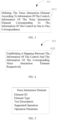
FIG. 1 is a schematic flowchart of a method of constructing voice interaction information according to some embodiments of the present disclosure. -
FIG. 2 is a schematic diagram of modules of a vehicle according to some embodiments of the present disclosure. -
FIG. 3 is a schematic flowchart of a construction method according to some embodiments of the present disclosure. -
FIG. 4 is a schematic flowchart of a construction method according to some embodiments of the present disclosure. -
FIG. 5 is a schematic structural diagram of a voice interaction element according to some embodiments of the present disclosure. -
FIG. 6 is a schematic diagram of a mapping relationship between voice interaction elements and controls in a graphical user interface according to some embodiments of the present disclosure. -
FIG. 7 is a schematic diagram of a mapping relationship between a voice interaction element and a control of a graphical user interface according to some embodiments of the present disclosure. -
FIG. 8 is a schematic flowchart of a construction method according to some embodiments of the present disclosure. -
FIG. 9 is a schematic diagram of a mapping relationship between voice interaction elements and controls in a graphical user interface according to some embodiments of the present disclosure. -
FIG. 10 is a schematic diagram of a directed graph of voice interaction elements according to some embodiments of the present disclosure. -
FIG. 11 is a schematic diagram of a graphical user interface and a voice interaction scene stack according to some embodiments of the present disclosure. -
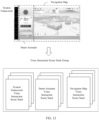
FIG. 12 is a schematic diagram of a graphical user interface and a voice interaction scene stack group according to some embodiments of the present disclosure. - The embodiments of the present disclosure are described in detail below. Examples of the embodiments are shown in the accompanying drawings, where the same or similar reference numbers indicate the same or similar elements or elements with the same or similar functions throughout the context. The embodiments described below with reference to the drawings are exemplary, and are intended to explain the present disclosure, but should not be understood as limitations to the present disclosure.
- With reference to
FIG. 1 , the present disclosure provides a voice control method of a vehicle, which includes: - S11 of defining a voice interaction element;
- S12 of establishing a mapping relationship between the voice interaction element and a control constituting a graphical user interface; and
- S13 of constructing voice interaction information corresponding to the graphical user interface in accordance with the mapping relationship.
- An embodiment of the present disclosure provides a vehicle. The vehicle includes a display area and a processor. The display area of the vehicle may include an instrument board, an on-board display area screen, and a head-up display that can be realized on a windshield of the vehicle, etc. On-board systems running on the vehicle use a graphical user interface (GUI) to present the displayed content to the user. The display area includes a variety of UI elements, and different display areas may display the same or different UI elements. The UI elements may include card objects, application icons or interfaces, folder icons, multimedia file icons, and operable controls for interaction, etc. The processor is configured to define the voice interaction element, to establish the mapping relationship between the voice interaction element and the control constituting the graphical user interface, and to construct the voice interaction information corresponding to the graphical user interface in accordance with the mapping relationship.
- Referring to
FIG. 2 , an embodiment of the present disclosure further provides avehicle 100, and the voice control method of the embodiment of the present disclosure may be implemented by thevehicle 100 of this embodiment of the present disclosure. - Specifically, the
vehicle 100 includes aprocessing module 102 and aconstruction module 104. S11 may be implemented by theprocessing module 102, and S12 andS 13 may be implemented by theconstruction module 104. In other words, theprocessing module 102 is configured to define a voice interaction element. Theconstruction module 104 is configured to establish a mapping relationship between the voice interaction element and a control constituting the graphical user interface, and to construct voice interaction information corresponding to the graphical user interface in accordance with the mapping relationship. - In the method of constructing voice interactive information and the
vehicle 100 of the embodiments of the present disclosure, the graphical user interface and the voice interaction information are made consistent by defining the voice interaction element that forms a mapping relationship with the control in the graphical user interface, and display elements in the graphical user interface that can be operated by touching can all be operated by voice access, providing users with a more convenient way of interaction, and achieving better intelligence and user experience of voice interaction. - Specifically, the intelligent display area of the vehicle may provide the user with a convenient entrance to control the vehicle and interact with the vehicle. The addition of a voice assistant to an on-board operating system can conveniently generate corresponding control instructions by recognizing the voice under certain conditions, which provides further convenience for the user's interaction with the vehicle. However, the voice interaction that the voice assistant can perform is limited, usually allowing only interaction with the preset operation targets; while in the case of a non-preset operation target, the real purpose of the user cannot be understood, and the user can interact with the operation target only by inputting the operation target in the graphical user interface, but cannot interact through voice. For a situation where the user is in a driving mode currently, there is a certain safety risk if the user interacts through the graphical user interface while driving.
- In this embodiment, the voice interaction element is defined to correspond to the control in the graphical user interface, so as to construct the voice interaction information describing the graphical user interface. The voice interaction information is composed of the voice interaction element, where the voice interaction element can perform voice operations, that is, the user may interact with the target control in the graphical user interface by voice access.
- The definition of the voice interaction element may be made by referring to the information of the control in the graphical user interface to set the information of the voice interaction element, such as an element ID, an element type, an element supportable operation, and other information, so that the voice interaction element may uniquely correspond to the control. Further, the voice instruction can locate the target control contained in the instruction by the settings in terms of the voice interaction.
- With reference to
FIG. 3 , in some embodiments, S11 includes:
S111 of defining the voice interaction element according to information of the control, information constituting the voice interaction element corresponding to the information of the control in one to one correspondence. - In some embodiments, S111 may be implemented by the
processing module 102, that is, theprocessing module 102 is configured to construct the voice interaction element according to attribute information of the control. - In some embodiments, the processor is configured to construct the voice interaction element according to the attribute information of the control.
- Specifically, the information of the control of the graphical user interface includes a control ID, a control type, a text description, a control supportable operation mode, an operation parameter, positions and a layout relationship of a plurality of controls in the interface, etc.
- The control ID may be used to identify each control in the current graphical user interface, and each control has a unique ID. The content presented in the current graphical user interface is composed of controls. Taking an information point card interface as an example, the controls in the interface include an information point name, an address, favorites, exploring nearby, route navigation, and so on.
- The text description is expression of the control in the graphical user interface. For example, for a favorites control, the text description is "favorites".
- The control type is also a control presentation type of the control in the graphical user interface, such as text, button, single choice, check box, slider, tab, list, etc.
- The control supportable operation mode is an operation that can be performed by a corresponding type of control. For example, the text does not support related operations, the operation supported by the button is clicking, the operation supported by the single choice is on/off, the operation supported by the check box is clicking, the operation supported by the slider is assigning, the operation supported by the tab is selecting, and the operation supported by the list is scrolling, etc.
- The operation parameter corresponds to the degree of the operation mode. For example, the operation parameter corresponding to "clicking" is short press or long press, and the operation parameter corresponding to the slider is large, medium, small, etc.
- The positions and the layout relationship of a plurality of controls in the interface reflect the distribution and layout of the related controls in the same graphical user interface.
- In order to associate the voice interaction element with the control, the voice interaction element should also include information of the voice interaction element corresponding to the information of the control, with the content of the information of the voice interaction element corresponding to the information of the associated control in one to one correspondence.
- For example, the information of the voice interaction element includes an element ID, an element type, a text description, an element supportable operation mode, an operation parameter, positions and a layout relationship of a plurality of elements in the interface, etc.
- In this way, the mapping between the voice interaction element and the control is achieved by enabling the information of the voice interaction element to correspond to the information of the control in one to one correspondence, so that in the voice interaction, a voice interaction element obtained by semantic analysis can locate a control associated with the voice interaction element, thereby realizing the voice operation on the control in the graphical user interface.
- With reference to
FIG. 4 , in some embodiments, the information of the control includes a control ID, a control attribute, and a control supportable event, and the information of the voice interaction element includes an element ID, an element attribute, and an element supportable operation.S 12 includes:
S121 of establishing a mapping between the information of the control and the information of the corresponding voice interaction element respectively. - In some embodiments,
S 121 may be implemented by theconstruction module 104, or in other words, theconstruction module 104 is configured to respectively establish a mapping between the information of the control and the information of the corresponding voice interaction element. - In some embodiments, the processor is configured to respectively establish a mapping between the information of the control and the information of the corresponding voice interaction element.
- With reference to
FIG. 5 , specifically, the information of the control may be divided into multiple aspects, such as a control ID, a control attribute, and a control supportable event, according to the use of the information. The control ID may specifically include a control code and a control name. The control attribute may include a descriptive text and a control type. The control supportable event may include a supportable operation and an operation parameter. Correspondingly, the information of the voice interaction element may include several aspects, such as an element ID, an element attribute, and an element supportable operation. - Among them, the element ID includes an element code and an element name, wherein the element code corresponds to the control code, and the element name corresponds to the control name. In this way, the element ID corresponds to the control ID of the control in the graphical user interface, thereby forming a mapping between the control in the graphical user interface and the voice interaction element.
- The element attribute of the voice interaction element may include an element type, and text description. The element type is used to record the control type (e.g., text, button, single choice, check box, slider, tab, list, etc.) of the control in the graphical user interface corresponding to the voice interaction element. The text description is used to record the expression (e.g., "favorites", "exploring nearby", "vehicle prompt sound", etc.) of the control in the graphical user interface corresponding to the voice interaction element.
- The element supportable operation of the element includes operation mode and operation parameter. The operation mode is used to record the operation mode (e.g., clicking, selecting, and assigning, etc.) supported by the control in the graphical user interface corresponding to the voice interaction element. The operation parameter is used to record an operation degree (e.g., long press, short press, etc.) of an operation mode supported by the control in the graphical user interface corresponding to the voice interaction element.
- In this way, with reference to
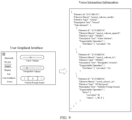
FIGS. 6 and 7 , a mapping between a control and a voice interaction element corresponding to the control is established according to the information of the control, so as to establish a mapping relationship between the control of the graphical user interface and the voice interaction element. For example, in the graphical user interface of the system menu of the vehicle, the "Bluetooth switch" control is mapped to a single choice element among voice interaction elements, the "navigation volume" control is mapped to a slider element among the voice interaction elements, and the "vehicle prompt sound" control is mapped to a tab element among the voice interaction elements. - As shown in the example of
FIG. 7 , the "navigation volume" control is mapped to a voice interaction element, of which the element id is 2131362541, the element type is a slider element, the text description is "navigation volume", the supportable operation is "assigning", and the operation parameter is Volume 15. - With reference to
FIG. 8 , in some embodiments, the graphical user interface includes a plurality of controls, and S13 includes:
S131 of constructing a relationship of voice interaction elements according to an interface local relationship of the controls to form the voice interaction information corresponding to the graphical user interface. - In some embodiments, S131 may be implemented by the
construction module 104. In other words, theconstruction module 104 is configured to construct a relationship of the voice interaction element according to an interface local relationship of the control to form the voice interaction information corresponding to the graphical user interface. - In some embodiments, the processor is configured to construct a relationship of the voice interaction element according to an interface local relationship of the control to form the voice interaction information corresponding to the graphical user interface.
- With reference to
FIG. 9 , specifically, a plurality of controls may be included in a graphical user interface at the same time, and the plurality of controls has a certain local relationship therebetween, such as an inclusion relationship, e.g., a parent control including a plurality of child controls in parallel. The voice interaction elements should also reflect this inclusion relationship, in which case, a parent voice interaction element may be defined, and the parent voice interaction element contains a plurality of child voice interaction elements. - For example, the parent "sound" control in the system menu graphical user interface includes a plurality of child controls, including "voice volume", "navigation volume", and "vehicle prompt sound", etc. When defining a parent "sound" voice interaction element, information of the element includes a plurality of child voice interaction elements, including "voice volume", "navigation volume" and "vehicle prompt sound", etc. Each child voice interaction element includes the information of the voice interaction element as described above. In this way, a plurality of simple voice interaction elements may be combined by a parent-child structure to form a complicate voice interaction element, thereby constructing the voice interaction information corresponding to the graphical user interface.
- In some embodiments, the construction method further includes:
S14 of generalizing expressions of the element attribute and the element supportable operation. - In some embodiments, S14 may be implemented by the
construction module 104, or in other words, theconstruction module 104 is configured to generalize expressions of the element attribute and the element supportable operation. - In some embodiments, the processor is configured to generalize expressions of the element attribute and the element supportable operation.
- It can be understood that the text description, supportable operation, and operation parameter in the element attribute are generated based on related standards, the interpretability of which is poor. Moreover, either different users' expressions on the same intention or a same user's multiple expressions on the same intention may be different. Therefore, in the initial stage of defining voice interaction elements, manual marking and generalization may be performed on the expressions of the text description mode, the supportable operation, and the operation parameter of the voice interaction element according to some conventional expressions. The generalized voice interaction element may be associated with more expressions, which can better assist in the resolution of voice input information.
- For example, the operation instruction that can be supported by the button may be generalized to click, press, etc. For example, the operation instruction that can be supported by the single choice may be generalized to ON, OFF, etc. The text description of "vehicle prompt sound" may be generalized to "prompt sound", "vehicle prompt volume", etc.
- In some embodiments, the graphical user interface includes a plurality of controls, the voice interaction element includes a plurality of voice interaction elements, each control corresponds to one voice interaction element, the control attribute includes a layout relationship of the plurality of controls, and the element attribute includes an inclusion relationship of the plurality of voice interaction elements corresponding to the plurality of controls. The construction method includes:
S15 of establishing a directed graph of the plurality of voice interaction elements according to the inclusion relationship. - In some embodiments, S15 may be implemented by the
construction module 104. In other words, theconstruction module 104 is configured to establish a directed graph of the plurality of voice interaction elements according to the inclusion relationship. - In some embodiments, the processor is configured to establish a directed graph of the plurality of voice interaction elements according to the inclusion relationship.
- With reference to
FIG. 10 , specifically, a plurality of controls may be included in a graphical user interface at the same time, and a certain layout relationship is present between the plurality of controls. The directed graph may be used to describe a structural relationship between the elements, and the directed graph of the voice interaction elements may characterize the layout relationship between the plurality of controls in the same graphical user interface. In this embodiment, nodes in the directed graph of the voice interaction elements represent the controls in the graphical user interface, and edges in the directed graph represent the layout relationship of respective controls on the layout. In this way, constructing the graphical user interface as a directed graph of the voice interaction elements can completely keep the layout information of the graphical user interface and the operation information of the controls. - In the actual operation process, when the rendering of the graphical user interface is completed, the system traverses the hierarchical view of the controls and constructs a directed graph of the voice interaction elements corresponding to the current graphical user interface. When the graphical user interface is updated, in other words, after the rendering of a new graphical user interface is completed, the system traverses the hierarchical view of the controls again, obtains the changed control, and then updates a part of the directed graph corresponding to the changed control.
- The voice interaction elements to which different controls in the current graphical user interface are mapped cooperatively constitute the voice interaction information describing the graphical user interface.
- Specifically, the voice interaction elements are taken as the nodes, and the inclusion relationship of the voice interaction elements is obtained according to the layout relationship of the respective controls in the graphical user interface. The inclusion relationship is taken as an edge to form a directed graph of the voice interaction elements. For example, for the system menu, the upper "OFF" control corresponds to a node, the menu content option corresponds to a node, and the sound option interface being displayed corresponds to a node. Further, the menu content option node includes sub-nodes such as Bluetooth, WLAN, sound, display, lab, user feedback, about, etc. The sound node includes sub-nodes such as voice volume, navigation volume, vehicle prompt sound, etc.
- In embodiments of the invention, the construction method includes:
- S16 of acquiring a plurality of graphical user interfaces of an application; and
- S17 of constructing a voice interaction scene stack corresponding to the graphical user interfaces, according to a stacking relationship of the plurality of graphical user interfaces.
- S16 and S17 are adapted to be implemented by the
construction module 104. In other words, theconstruction module 104 is configured to acquire a plurality of graphical user interfaces of an application, and to construct a voice interaction scene stack corresponding to the graphical user interfaces, according to a stacking relationship of the plurality of graphical user interfaces. - The processor is configured to acquire a plurality of graphical user interfaces of an application, and to construct a voice interaction scene stack corresponding to the graphical user interfaces, according to a stacking relationship of the plurality of graphical user interfaces.
- With reference to
FIG. 11 , specifically, in actual operations, when operating some applications, a situation that a plurality of graphical user interfaces may be stacked may occur. For example, a control linked to a certain control displays related content in the form of a floating window. In this case, a plurality of graphical user interfaces may be present in the user's vision, and these graphical user interfaces have a certain logical relationship, such as opening, switching, returning, closing, and other access relationships. Correspondingly, a voice interaction scene stack corresponding to the scene needs to be constructed, and each piece of voice interaction information in the stack corresponds to one graphical user interface. The stacking sequence of the respective pieces of voice interaction information in the voice interaction scene stack is consistent with the stacking sequence of the plurality of graphical user interfaces, thereby effectively supporting voice control of opening, switching, returning, and closing of the plurality of graphical user interfaces. - In embodiments of the invention, the construction method includes:
- S18 of acquiring respective applications corresponding to a plurality of graphical user sub-interfaces included in a current graphical user interface;
- S19 of acquiring a voice interaction scene stack corresponding to each of the applications; and
- S20 of constructing a voice interaction scene stack group corresponding to the current graphical user interface, according to a plurality of voice interaction scene stacks.
- S18 and S20 are adapted to be implemented by the
construction module 104. In other words, theconstruction module 104 is configured to acquire respective applications corresponding to a plurality of graphical user sub-interfaces included in a current graphical user interface; acquire a voice interaction scene stack corresponding to each of the applications; and construct a voice interaction scene stack group corresponding to the current graphical user interface, according to a plurality of voice interaction scene stacks. - The processor is configured to acquire respective applications corresponding to a plurality of graphical user sub-interfaces included in a current graphical user interface; acquire a voice interaction scene stack corresponding to each of the applications; and construct a voice interaction scene stack group corresponding to the current graphical user interface, according to a plurality of voice interaction scene stacks.
- Specifically, in some scenes of actual operations, graphical user sub-interfaces of a plurality of applications that are running at the same time may be present in the same graphical user interface, and a situation that a plurality of graphical user sub-interfaces is stacked may occur in the running process of each application. For example, in a current graphical user interface of a certain application, a graphical user interface of a system framework and a graphical user interface of a smart assistant application, as well as graphical user interfaces of other applications, such as a navigation application, are present at the same time. In this case, a plurality of graphical user sub-interfaces may be present in the user's vision, and these graphical user sub-interfaces may each include a plurality of stacked graphical user sub-interfaces. Correspondingly, the voice interaction scene stacks respectively corresponding to these applications are constructed as a voice interaction scene stack group corresponding to the scene, and each stack in the group corresponds to one application. The stacking sequence of the respective pieces of voice interaction information in each stack is consistent with the stacking sequence of the plurality of graphical user sub-interfaces of the application, thereby effectively supporting the voice control of opening, switching, returning, closing of the graphical user sub-interfaces of the plurality of applications running at the same time in the same graphical user interface.
- In this way, with the above various embodiments, the definition of the voice interaction element, the construction of the voice interaction information, the construction of the voice interaction scene stack, and the construction of the voice interaction scene stack group can be implemented respectively, so as to establish the mapping between the graphical user interface and the voice interactive information for a plurality of different situations that may exist in the graphical user interface, with a high degree of consistency between the graphical user interface and the voice interaction information, thereby providing the possibility of voice interaction of the graphical user interface.
- An embodiment of the present disclosure further provides a computer-readable storage medium. One or more non-volatile computer-readable storage media contain computer-executable instructions, which when executed by one or more processors, cause the one or more processors to perform the construction method of the voice interaction information according to any of the above embodiments.
- A person of ordinary skill in the art can understand that all or part of the processes in the methods of the above embodiments may be implemented by instructing relevant hardware via computer program. The program may be stored in a non-volatile computer-readable storage medium. When executed, the program may include the processes of the methods in the above embodiments. The storage medium may be a magnetic disk, an optical disc, a read-only memory (ROM), etc.
- The above embodiments only show several implementations of the present disclosure, and the description thereof is relatively specific and detailed, but it should not be understood as any limitation to the patent scope of the present disclosure. It should be noted that for those of ordinary skill in the art, several modifications and improvements can be made. Therefore, the protection scope of the present disclosure shall be subject to the appended claims.
Claims (5)
- A construction method of voice interaction information, wherein the voice interaction information is used to describe a corresponding graphical user interface comprising a plurality of controls, the construction method comprising:defining a plurality of voice interaction elements in accordance with information of the plurality of controls, each of the plurality of voice interaction elements corresponding to one of the plurality of controls, information constituting the plurality of voice interaction elements corresponding to the information of the plurality of controls in one to one correspondence, wherein the information of the plurality of controls comprises a control ID, a control attribute, and a control supportable event, the control attribute comprising a layout relationship of the plurality of controls; and wherein the information of the plurality of voice interaction elements comprises an element ID, an element attribute, and an element supportable operation, the element attribute comprising an inclusion relationship of the corresponding plurality of voice interaction elements;establishing a mapping relationship between the plurality of voice interaction elements and the plurality of controls, wherein said establishing the mapping relationship between the plurality of voice interaction elements and the plurality of controls comprises: establishing a mapping between the information of each of the plurality of controls and the information of the corresponding voice interaction element; andconstructing the voice interaction information corresponding to the graphical user interface in accordance with the mapping relationship,wherein the construction method further comprises:establishing a directed graph of the plurality of voice interaction elements in accordance with the inclusion relationship, wherein the directed graph of the plurality of voice interaction elements is configured to characterize the layout relationship of the plurality of controls in a same graphical user interface,wherein said constructing the voice interaction information corresponding to the graphical user interface in accordance with the mapping relationship comprises:constructing a relationship of the plurality of voice interaction elements in accordance with an interface local relationship of the plurality of controls, to form the voice interaction information corresponding to the graphical user interface,wherein the construction method further comprises:acquiring a plurality of graphical user interfaces of an application; andconstructing a voice interaction scene stack corresponding to the plurality of graphical user interfaces, in accordance with a stacking relationship of the plurality of graphical user interfaces,wherein the construction method further comprises:acquiring respective applications corresponding to a plurality of graphical user sub-interfaces included in a current graphical user interface;acquiring the voice interaction scene stack corresponding to each of the applications; andconstructing a voice interaction scene stack group corresponding to the current graphical user interface, in accordance with a plurality of voice interaction scene stacks.
- The construction method according to claim 1, further comprising:
generalizing expressions of the element attribute and the element supportable operation. - A vehicle (100), comprising:a processing module (102) configured to define a plurality of voice interaction elements in accordance with information of a plurality of controls comprised by a graphical user interface, each of the plurality of voice interaction elements corresponding to one of the plurality of controls, information constituting the plurality of voice interaction elements corresponding to the information of the plurality of controls in one to one correspondence, wherein the information of the plurality of controls comprises a control ID, a control attribute, and a control supportable event, the control attribute comprising a layout relationship of the plurality of controls; and wherein the information of the plurality of voice interaction elements comprises an element ID, an element attribute, and an element supportable operation, the element attribute comprising an inclusion relationship of the corresponding plurality of voice interaction elements; anda construction module (104) configured to establish a mapping relationship between the plurality of voice interaction elements and the plurality of controls, wherein said establishing the mapping relationship between the plurality of voice interaction elements and the plurality of controls comprises: establishing a mapping between the information of each of the plurality of controls and the information of the corresponding voice interaction element,wherein the construction module is further configured to construct voice interaction information corresponding to the graphical user interface in accordance with the mapping relationship, andwherein the construction module is further configured to establish a directed graph of the plurality of voice interaction elements in accordance with the inclusion relationship, the directed graph of the plurality of voice interaction elements being configured to characterize the layout relationship of the plurality of controls in a same graphical user interface,wherein said constructing the voice interaction information corresponding to the graphical user interface in accordance with the mapping relationship comprises:constructing a relationship of the plurality of voice interaction elements in accordance with an interface local relationship of the plurality of controls, to form the voice interaction information corresponding to the graphical user interface,wherein the construction module is further configured to:acquire a plurality of graphical user interfaces of an application; andconstruct a voice interaction scene stack corresponding to the plurality of graphical user interfaces, in accordance with a stacking relationship of the plurality of graphical user interfaces,wherein the construction module is further configured to:acquire respective applications corresponding to a plurality of graphical user sub-interfaces included in a current graphical user interface;acquire the voice interaction scene stack corresponding to each of the applications; andconstruct a voice interaction scene stack group corresponding to the current graphical user interface, in accordance with a plurality of voice interaction scene stacks.
- The vehicle according to claim 3, wherein the construction module is further configured to:
generalize expressions of the element attribute and the element supportable operation. - A non-volatile computer-readable storage medium of computer-executable instructions, the computer-executable instructions, when executed by one or more processors, causing the one or more processors to perform the construction method of voice interaction information according to any of claims 1 to 2.
Applications Claiming Priority (2)
| Application Number | Priority Date | Filing Date | Title |
|---|---|---|---|
| CN202010599634.9A CN111722826B (en) | 2020-06-28 | 2020-06-28 | Construction method of voice interaction information, vehicle and storage medium |
| PCT/CN2020/121559 WO2022000863A1 (en) | 2020-06-28 | 2020-10-16 | Speech interaction information construction method, vehicle, and storage medium |
Publications (4)
| Publication Number | Publication Date |
|---|---|
| EP3955098A1 EP3955098A1 (en) | 2022-02-16 |
| EP3955098A4 EP3955098A4 (en) | 2022-05-25 |
| EP3955098C0 EP3955098C0 (en) | 2024-06-05 |
| EP3955098B1 true EP3955098B1 (en) | 2024-06-05 |
Family
ID=72569164
Family Applications (1)
| Application Number | Title | Priority Date | Filing Date |
|---|---|---|---|
| EP20900754.1A Active EP3955098B1 (en) | 2020-06-28 | 2020-10-16 | Speech interaction information construction method, vehicle, and storage medium |
Country Status (3)
| Country | Link |
|---|---|
| EP (1) | EP3955098B1 (en) |
| CN (1) | CN111722826B (en) |
| WO (1) | WO2022000863A1 (en) |
Families Citing this family (8)
| Publication number | Priority date | Publication date | Assignee | Title |
|---|---|---|---|---|
| CN111722826B (en) * | 2020-06-28 | 2022-05-13 | 广州小鹏汽车科技有限公司 | Construction method of voice interaction information, vehicle and storage medium |
| CN112463106A (en) * | 2020-11-12 | 2021-03-09 | 深圳Tcl新技术有限公司 | Voice interaction method, device and equipment based on intelligent screen and storage medium |
| CN113253970B (en) * | 2021-07-09 | 2021-10-12 | 广州小鹏汽车科技有限公司 | Voice interaction method and device, voice interaction system, vehicle and medium |
| CN113253971B (en) * | 2021-07-09 | 2021-10-12 | 广州小鹏汽车科技有限公司 | Voice interaction method and device, voice interaction system, vehicle and medium |
| CN113978328B (en) * | 2021-10-29 | 2022-08-16 | 广州小鹏汽车科技有限公司 | Control method and device, vehicle and storage medium |
| CN113900620B (en) * | 2021-11-09 | 2024-05-03 | 杭州逗酷软件科技有限公司 | Interaction method, device, electronic device and storage medium |
| CN115661819A (en) * | 2022-10-20 | 2023-01-31 | Oppo广东移动通信有限公司 | Voice broadcast method, device, terminal, storage medium and program product |
| CN116189686B (en) * | 2023-04-18 | 2026-03-24 | 广州小鹏汽车科技有限公司 | Voice interaction methods, voice interaction devices, vehicles, and computer-readable storage media |
Family Cites Families (10)
| Publication number | Priority date | Publication date | Assignee | Title |
|---|---|---|---|---|
| US20020152244A1 (en) * | 2000-12-22 | 2002-10-17 | International Business Machines Corporation | Method and apparatus to dynamically create a customized user interface based on a document type definition |
| US20110060587A1 (en) * | 2007-03-07 | 2011-03-10 | Phillips Michael S | Command and control utilizing ancillary information in a mobile voice-to-speech application |
| BR112017025504A2 (en) * | 2015-07-17 | 2018-08-07 | Crown Equipment Corporation | processing device having a graphical user interface. |
| CN105513594A (en) * | 2015-11-26 | 2016-04-20 | 许传平 | Voice control system |
| US10489043B2 (en) * | 2015-12-15 | 2019-11-26 | International Business Machines Corporation | Cognitive graphical control element |
| US10261753B2 (en) * | 2017-05-16 | 2019-04-16 | Bank Of America Corporation | Graphical user interface language model |
| US10531247B2 (en) * | 2017-10-19 | 2020-01-07 | Libre Wireless Technologies Inc. | Internet-of-things devices and related methods for performing in-call interactions |
| CN110610701B (en) * | 2018-06-14 | 2023-08-25 | 淘宝(中国)软件有限公司 | Voice interaction method, voice interaction prompt method, device and equipment |
| CN110211586A (en) * | 2019-06-19 | 2019-09-06 | 广州小鹏汽车科技有限公司 | Voice interactive method, device, vehicle and machine readable media |
| CN111722826B (en) * | 2020-06-28 | 2022-05-13 | 广州小鹏汽车科技有限公司 | Construction method of voice interaction information, vehicle and storage medium |
-
2020
- 2020-06-28 CN CN202010599634.9A patent/CN111722826B/en active Active
- 2020-10-16 EP EP20900754.1A patent/EP3955098B1/en active Active
- 2020-10-16 WO PCT/CN2020/121559 patent/WO2022000863A1/en not_active Ceased
Also Published As
| Publication number | Publication date |
|---|---|
| EP3955098C0 (en) | 2024-06-05 |
| WO2022000863A1 (en) | 2022-01-06 |
| CN111722826B (en) | 2022-05-13 |
| EP3955098A4 (en) | 2022-05-25 |
| EP3955098A1 (en) | 2022-02-16 |
| CN111722826A (en) | 2020-09-29 |
Similar Documents
| Publication | Publication Date | Title |
|---|---|---|
| EP3955098A1 (en) | Speech interaction information construction method, vehicle, and storage medium | |
| EP3955244B1 (en) | Speech control method, information processing method, vehicle, and server | |
| US20200293167A1 (en) | Language-based manipulation of data visualizations | |
| CN1316351C (en) | System and method for making user interface elements known to an application and user | |
| RU2417408C2 (en) | Dynamic user experience with semantic rich objects | |
| KR20160099575A (en) | Intent-based user experience | |
| CN104182124B (en) | The operating method and device of mobile terminal | |
| US20220404956A1 (en) | Method and electronic device for navigating application screen | |
| US7765496B2 (en) | System and method for improving the navigation of complex visualizations for the visually impaired | |
| WO2025044582A1 (en) | Page management method and apparatus for virtual game, electronic device, and storage medium | |
| CN114580361B (en) | Document processing method, device, electronic device and storage medium | |
| WO2026077303A1 (en) | Meal ordering method, meal ordering apparatus, and electronic device | |
| WO2023108974A1 (en) | Display method and apparatus, electronic device, storage medium, and computer program product | |
| WO2024240122A1 (en) | Method and apparatus for managing application, and device and storage medium | |
| US20200379786A1 (en) | Keyboard interaction model for software builder canvas nodes | |
| WO2006071358A2 (en) | Method and system for integrating multimodal interpretations | |
| US20070061749A1 (en) | Virtual focus for contextual discovery | |
| JP7230140B2 (en) | METHOD AND COMPUTER PROGRAM FOR GENERATING A MENU MODEL OF A CHARACTER USER INTERFACE | |
| CN117348776A (en) | Method, device, processor and computer readable storage medium for realizing view interaction processing based on extensible menu | |
| CN114691260A (en) | Method of managing focus, computer apparatus, and storage medium | |
| CN113704705B (en) | Authority setting method, authority setting device, electronic equipment and readable storage medium | |
| US20250004620A1 (en) | Back-end data management system for visual presentation of a back-end graphical flow model on a domain agnostic graphical flow interface | |
| CN117033553A (en) | An information query method, device, equipment and storage medium | |
| HK40062743A (en) | A display method and apparatus, electronic device and storage medium | |
| CN121212290A (en) | Knowledge base construction methods and electronic devices |
Legal Events
| Date | Code | Title | Description |
|---|---|---|---|
| STAA | Information on the status of an ep patent application or granted ep patent |
Free format text: STATUS: UNKNOWN |
|
| STAA | Information on the status of an ep patent application or granted ep patent |
Free format text: STATUS: THE INTERNATIONAL PUBLICATION HAS BEEN MADE |
|
| PUAI | Public reference made under article 153(3) epc to a published international application that has entered the european phase |
Free format text: ORIGINAL CODE: 0009012 |
|
| STAA | Information on the status of an ep patent application or granted ep patent |
Free format text: STATUS: REQUEST FOR EXAMINATION WAS MADE |
|
| 17P | Request for examination filed |
Effective date: 20210625 |
|
| AK | Designated contracting states |
Kind code of ref document: A1 Designated state(s): AL AT BE BG CH CY CZ DE DK EE ES FI FR GB GR HR HU IE IS IT LI LT LU LV MC MK MT NL NO PL PT RO RS SE SI SK SM TR |
|
| REG | Reference to a national code |
Ref country code: DE Ref legal event code: R079 Free format text: PREVIOUS MAIN CLASS: G06F0003048100 Ipc: G06F0003160000 Ref country code: DE Ref legal event code: R079 Ref document number: 602020032143 Country of ref document: DE Free format text: PREVIOUS MAIN CLASS: G06F0003048100 Ipc: G06F0003160000 |
|
| A4 | Supplementary search report drawn up and despatched |
Effective date: 20220425 |
|
| RIC1 | Information provided on ipc code assigned before grant |
Ipc: G06F 9/451 20180101ALI20220419BHEP Ipc: G06F 3/0481 20220101ALI20220419BHEP Ipc: G06F 3/16 20060101AFI20220419BHEP |
|
| STAA | Information on the status of an ep patent application or granted ep patent |
Free format text: STATUS: EXAMINATION IS IN PROGRESS |
|
| 17Q | First examination report despatched |
Effective date: 20230127 |
|
| DAV | Request for validation of the european patent (deleted) | ||
| DAX | Request for extension of the european patent (deleted) | ||
| GRAP | Despatch of communication of intention to grant a patent |
Free format text: ORIGINAL CODE: EPIDOSNIGR1 |
|
| STAA | Information on the status of an ep patent application or granted ep patent |
Free format text: STATUS: GRANT OF PATENT IS INTENDED |
|
| INTG | Intention to grant announced |
Effective date: 20240102 |
|
| RIN1 | Information on inventor provided before grant (corrected) |
Inventor name: MA, HONGBO Inventor name: WENG, ZHIWEI Inventor name: SUN, FANGXUN Inventor name: BAO, PENGLI Inventor name: YI, HUI |
|
| GRAS | Grant fee paid |
Free format text: ORIGINAL CODE: EPIDOSNIGR3 |
|
| GRAA | (expected) grant |
Free format text: ORIGINAL CODE: 0009210 |
|
| STAA | Information on the status of an ep patent application or granted ep patent |
Free format text: STATUS: THE PATENT HAS BEEN GRANTED |
|
| AK | Designated contracting states |
Kind code of ref document: B1 Designated state(s): AL AT BE BG CH CY CZ DE DK EE ES FI FR GB GR HR HU IE IS IT LI LT LU LV MC MK MT NL NO PL PT RO RS SE SI SK SM TR |
|
| REG | Reference to a national code |
Ref country code: CH Ref legal event code: EP |
|
| REG | Reference to a national code |
Ref country code: DE Ref legal event code: R096 Ref document number: 602020032143 Country of ref document: DE |
|
| REG | Reference to a national code |
Ref country code: IE Ref legal event code: FG4D |
|
| U01 | Request for unitary effect filed |
Effective date: 20240628 |
|
| U07 | Unitary effect registered |
Designated state(s): AT BE BG DE DK EE FI FR IT LT LU LV MT NL PT SE SI Effective date: 20240704 |
|
| PG25 | Lapsed in a contracting state [announced via postgrant information from national office to epo] |
Ref country code: HR Free format text: LAPSE BECAUSE OF FAILURE TO SUBMIT A TRANSLATION OF THE DESCRIPTION OR TO PAY THE FEE WITHIN THE PRESCRIBED TIME-LIMIT Effective date: 20240605 |
|
| PG25 | Lapsed in a contracting state [announced via postgrant information from national office to epo] |
Ref country code: GR Free format text: LAPSE BECAUSE OF FAILURE TO SUBMIT A TRANSLATION OF THE DESCRIPTION OR TO PAY THE FEE WITHIN THE PRESCRIBED TIME-LIMIT Effective date: 20240906 |
|
| PG25 | Lapsed in a contracting state [announced via postgrant information from national office to epo] |
Ref country code: ES Free format text: LAPSE BECAUSE OF FAILURE TO SUBMIT A TRANSLATION OF THE DESCRIPTION OR TO PAY THE FEE WITHIN THE PRESCRIBED TIME-LIMIT Effective date: 20240605 |
|
| PG25 | Lapsed in a contracting state [announced via postgrant information from national office to epo] |
Ref country code: NO Free format text: LAPSE BECAUSE OF FAILURE TO SUBMIT A TRANSLATION OF THE DESCRIPTION OR TO PAY THE FEE WITHIN THE PRESCRIBED TIME-LIMIT Effective date: 20240905 Ref country code: HR Free format text: LAPSE BECAUSE OF FAILURE TO SUBMIT A TRANSLATION OF THE DESCRIPTION OR TO PAY THE FEE WITHIN THE PRESCRIBED TIME-LIMIT Effective date: 20240605 Ref country code: GR Free format text: LAPSE BECAUSE OF FAILURE TO SUBMIT A TRANSLATION OF THE DESCRIPTION OR TO PAY THE FEE WITHIN THE PRESCRIBED TIME-LIMIT Effective date: 20240906 Ref country code: ES Free format text: LAPSE BECAUSE OF FAILURE TO SUBMIT A TRANSLATION OF THE DESCRIPTION OR TO PAY THE FEE WITHIN THE PRESCRIBED TIME-LIMIT Effective date: 20240605 Ref country code: RS Free format text: LAPSE BECAUSE OF FAILURE TO SUBMIT A TRANSLATION OF THE DESCRIPTION OR TO PAY THE FEE WITHIN THE PRESCRIBED TIME-LIMIT Effective date: 20240905 |
|
| U20 | Renewal fee for the european patent with unitary effect paid |
Year of fee payment: 5 Effective date: 20241031 |
|
| PG25 | Lapsed in a contracting state [announced via postgrant information from national office to epo] |
Ref country code: PL Free format text: LAPSE BECAUSE OF FAILURE TO SUBMIT A TRANSLATION OF THE DESCRIPTION OR TO PAY THE FEE WITHIN THE PRESCRIBED TIME-LIMIT Effective date: 20240605 |
|
| PG25 | Lapsed in a contracting state [announced via postgrant information from national office to epo] |
Ref country code: IS Free format text: LAPSE BECAUSE OF FAILURE TO SUBMIT A TRANSLATION OF THE DESCRIPTION OR TO PAY THE FEE WITHIN THE PRESCRIBED TIME-LIMIT Effective date: 20241005 |
|
| PG25 | Lapsed in a contracting state [announced via postgrant information from national office to epo] |
Ref country code: CZ Free format text: LAPSE BECAUSE OF FAILURE TO SUBMIT A TRANSLATION OF THE DESCRIPTION OR TO PAY THE FEE WITHIN THE PRESCRIBED TIME-LIMIT Effective date: 20240605 |
|
| PG25 | Lapsed in a contracting state [announced via postgrant information from national office to epo] |
Ref country code: SK Free format text: LAPSE BECAUSE OF FAILURE TO SUBMIT A TRANSLATION OF THE DESCRIPTION OR TO PAY THE FEE WITHIN THE PRESCRIBED TIME-LIMIT Effective date: 20240605 Ref country code: RO Free format text: LAPSE BECAUSE OF FAILURE TO SUBMIT A TRANSLATION OF THE DESCRIPTION OR TO PAY THE FEE WITHIN THE PRESCRIBED TIME-LIMIT Effective date: 20240605 |
|
| PG25 | Lapsed in a contracting state [announced via postgrant information from national office to epo] |
Ref country code: SM Free format text: LAPSE BECAUSE OF FAILURE TO SUBMIT A TRANSLATION OF THE DESCRIPTION OR TO PAY THE FEE WITHIN THE PRESCRIBED TIME-LIMIT Effective date: 20240605 |
|
| PG25 | Lapsed in a contracting state [announced via postgrant information from national office to epo] |
Ref country code: SM Free format text: LAPSE BECAUSE OF FAILURE TO SUBMIT A TRANSLATION OF THE DESCRIPTION OR TO PAY THE FEE WITHIN THE PRESCRIBED TIME-LIMIT Effective date: 20240605 Ref country code: SK Free format text: LAPSE BECAUSE OF FAILURE TO SUBMIT A TRANSLATION OF THE DESCRIPTION OR TO PAY THE FEE WITHIN THE PRESCRIBED TIME-LIMIT Effective date: 20240605 Ref country code: RO Free format text: LAPSE BECAUSE OF FAILURE TO SUBMIT A TRANSLATION OF THE DESCRIPTION OR TO PAY THE FEE WITHIN THE PRESCRIBED TIME-LIMIT Effective date: 20240605 Ref country code: PL Free format text: LAPSE BECAUSE OF FAILURE TO SUBMIT A TRANSLATION OF THE DESCRIPTION OR TO PAY THE FEE WITHIN THE PRESCRIBED TIME-LIMIT Effective date: 20240605 Ref country code: IS Free format text: LAPSE BECAUSE OF FAILURE TO SUBMIT A TRANSLATION OF THE DESCRIPTION OR TO PAY THE FEE WITHIN THE PRESCRIBED TIME-LIMIT Effective date: 20241005 Ref country code: CZ Free format text: LAPSE BECAUSE OF FAILURE TO SUBMIT A TRANSLATION OF THE DESCRIPTION OR TO PAY THE FEE WITHIN THE PRESCRIBED TIME-LIMIT Effective date: 20240605 |
|
| PLBE | No opposition filed within time limit |
Free format text: ORIGINAL CODE: 0009261 |
|
| STAA | Information on the status of an ep patent application or granted ep patent |
Free format text: STATUS: NO OPPOSITION FILED WITHIN TIME LIMIT |
|
| 26N | No opposition filed |
Effective date: 20250306 |
|
| REG | Reference to a national code |
Ref country code: CH Ref legal event code: PL |
|
| GBPC | Gb: european patent ceased through non-payment of renewal fee |
Effective date: 20241016 |
|
| PG25 | Lapsed in a contracting state [announced via postgrant information from national office to epo] |
Ref country code: MC Free format text: LAPSE BECAUSE OF FAILURE TO SUBMIT A TRANSLATION OF THE DESCRIPTION OR TO PAY THE FEE WITHIN THE PRESCRIBED TIME-LIMIT Effective date: 20240605 |
|
| PG25 | Lapsed in a contracting state [announced via postgrant information from national office to epo] |
Ref country code: GB Free format text: LAPSE BECAUSE OF NON-PAYMENT OF DUE FEES Effective date: 20241016 |
|
| PG25 | Lapsed in a contracting state [announced via postgrant information from national office to epo] |
Ref country code: CH Free format text: LAPSE BECAUSE OF NON-PAYMENT OF DUE FEES Effective date: 20241031 |
|
| PG25 | Lapsed in a contracting state [announced via postgrant information from national office to epo] |
Ref country code: IE Free format text: LAPSE BECAUSE OF NON-PAYMENT OF DUE FEES Effective date: 20241016 |
|
| U20 | Renewal fee for the european patent with unitary effect paid |
Year of fee payment: 6 Effective date: 20251027 |
|
| PG25 | Lapsed in a contracting state [announced via postgrant information from national office to epo] |
Ref country code: CY Free format text: LAPSE BECAUSE OF FAILURE TO SUBMIT A TRANSLATION OF THE DESCRIPTION OR TO PAY THE FEE WITHIN THE PRESCRIBED TIME-LIMIT; INVALID AB INITIO Effective date: 20201016 |
|
| PG25 | Lapsed in a contracting state [announced via postgrant information from national office to epo] |
Ref country code: HU Free format text: LAPSE BECAUSE OF FAILURE TO SUBMIT A TRANSLATION OF THE DESCRIPTION OR TO PAY THE FEE WITHIN THE PRESCRIBED TIME-LIMIT; INVALID AB INITIO Effective date: 20201016 |