EP3955002A1 - Method for controlling speed of polypeptide passing through nanopore, and application thereof - Google Patents
Method for controlling speed of polypeptide passing through nanopore, and application thereof Download PDFInfo
- Publication number
- EP3955002A1 EP3955002A1 EP20835202.1A EP20835202A EP3955002A1 EP 3955002 A1 EP3955002 A1 EP 3955002A1 EP 20835202 A EP20835202 A EP 20835202A EP 3955002 A1 EP3955002 A1 EP 3955002A1
- Authority
- EP
- European Patent Office
- Prior art keywords
- polypeptide
- nanopore
- polynucleotide
- sequence
- variant
- Prior art date
- Legal status (The legal status is an assumption and is not a legal conclusion. Google has not performed a legal analysis and makes no representation as to the accuracy of the status listed.)
- Granted
Links
Images


Classifications
-
- G—PHYSICS
- G01—MEASURING; TESTING
- G01N—INVESTIGATING OR ANALYSING MATERIALS BY DETERMINING THEIR CHEMICAL OR PHYSICAL PROPERTIES
- G01N33/00—Investigating or analysing materials by specific methods not covered by groups G01N1/00 - G01N31/00
- G01N33/48—Biological material, e.g. blood, urine; Haemocytometers
- G01N33/50—Chemical analysis of biological material, e.g. blood, urine; Testing involving biospecific ligand binding methods; Immunological testing
- G01N33/68—Chemical analysis of biological material, e.g. blood, urine; Testing involving biospecific ligand binding methods; Immunological testing involving proteins, peptides or amino acids
- G01N33/6803—General methods of protein analysis not limited to specific proteins or families of proteins
- G01N33/6818—Sequencing of polypeptides
-
- C—CHEMISTRY; METALLURGY
- C12—BIOCHEMISTRY; BEER; SPIRITS; WINE; VINEGAR; MICROBIOLOGY; ENZYMOLOGY; MUTATION OR GENETIC ENGINEERING
- C12Q—MEASURING OR TESTING PROCESSES INVOLVING ENZYMES, NUCLEIC ACIDS OR MICROORGANISMS; COMPOSITIONS OR TEST PAPERS THEREFOR; PROCESSES OF PREPARING SUCH COMPOSITIONS; CONDITION-RESPONSIVE CONTROL IN MICROBIOLOGICAL OR ENZYMOLOGICAL PROCESSES
- C12Q1/00—Measuring or testing processes involving enzymes, nucleic acids or microorganisms; Compositions therefor; Processes of preparing such compositions
- C12Q1/25—Measuring or testing processes involving enzymes, nucleic acids or microorganisms; Compositions therefor; Processes of preparing such compositions involving enzymes not classifiable in groups C12Q1/26 - C12Q1/66
-
- C—CHEMISTRY; METALLURGY
- C12—BIOCHEMISTRY; BEER; SPIRITS; WINE; VINEGAR; MICROBIOLOGY; ENZYMOLOGY; MUTATION OR GENETIC ENGINEERING
- C12Q—MEASURING OR TESTING PROCESSES INVOLVING ENZYMES, NUCLEIC ACIDS OR MICROORGANISMS; COMPOSITIONS OR TEST PAPERS THEREFOR; PROCESSES OF PREPARING SUCH COMPOSITIONS; CONDITION-RESPONSIVE CONTROL IN MICROBIOLOGICAL OR ENZYMOLOGICAL PROCESSES
- C12Q1/00—Measuring or testing processes involving enzymes, nucleic acids or microorganisms; Compositions therefor; Processes of preparing such compositions
- C12Q1/34—Measuring or testing processes involving enzymes, nucleic acids or microorganisms; Compositions therefor; Processes of preparing such compositions involving hydrolase
-
- C—CHEMISTRY; METALLURGY
- C12—BIOCHEMISTRY; BEER; SPIRITS; WINE; VINEGAR; MICROBIOLOGY; ENZYMOLOGY; MUTATION OR GENETIC ENGINEERING
- C12Q—MEASURING OR TESTING PROCESSES INVOLVING ENZYMES, NUCLEIC ACIDS OR MICROORGANISMS; COMPOSITIONS OR TEST PAPERS THEREFOR; PROCESSES OF PREPARING SUCH COMPOSITIONS; CONDITION-RESPONSIVE CONTROL IN MICROBIOLOGICAL OR ENZYMOLOGICAL PROCESSES
- C12Q1/00—Measuring or testing processes involving enzymes, nucleic acids or microorganisms; Compositions therefor; Processes of preparing such compositions
- C12Q1/48—Measuring or testing processes involving enzymes, nucleic acids or microorganisms; Compositions therefor; Processes of preparing such compositions involving transferase
- C12Q1/485—Measuring or testing processes involving enzymes, nucleic acids or microorganisms; Compositions therefor; Processes of preparing such compositions involving transferase involving kinase
-
- C—CHEMISTRY; METALLURGY
- C12—BIOCHEMISTRY; BEER; SPIRITS; WINE; VINEGAR; MICROBIOLOGY; ENZYMOLOGY; MUTATION OR GENETIC ENGINEERING
- C12Q—MEASURING OR TESTING PROCESSES INVOLVING ENZYMES, NUCLEIC ACIDS OR MICROORGANISMS; COMPOSITIONS OR TEST PAPERS THEREFOR; PROCESSES OF PREPARING SUCH COMPOSITIONS; CONDITION-RESPONSIVE CONTROL IN MICROBIOLOGICAL OR ENZYMOLOGICAL PROCESSES
- C12Q1/00—Measuring or testing processes involving enzymes, nucleic acids or microorganisms; Compositions therefor; Processes of preparing such compositions
- C12Q1/68—Measuring or testing processes involving enzymes, nucleic acids or microorganisms; Compositions therefor; Processes of preparing such compositions involving nucleic acids
- C12Q1/6804—Nucleic acid analysis using immunogens
-
- G—PHYSICS
- G01—MEASURING; TESTING
- G01N—INVESTIGATING OR ANALYSING MATERIALS BY DETERMINING THEIR CHEMICAL OR PHYSICAL PROPERTIES
- G01N27/00—Investigating or analysing materials by the use of electric, electrochemical, or magnetic means
-
- G—PHYSICS
- G01—MEASURING; TESTING
- G01N—INVESTIGATING OR ANALYSING MATERIALS BY DETERMINING THEIR CHEMICAL OR PHYSICAL PROPERTIES
- G01N33/00—Investigating or analysing materials by specific methods not covered by groups G01N1/00 - G01N31/00
- G01N33/48—Biological material, e.g. blood, urine; Haemocytometers
- G01N33/50—Chemical analysis of biological material, e.g. blood, urine; Testing involving biospecific ligand binding methods; Immunological testing
- G01N33/53—Immunoassay; Biospecific binding assay; Materials therefor
- G01N33/558—Immunoassay; Biospecific binding assay; Materials therefor using diffusion or migration of antigen or antibody
-
- G—PHYSICS
- G01—MEASURING; TESTING
- G01N—INVESTIGATING OR ANALYSING MATERIALS BY DETERMINING THEIR CHEMICAL OR PHYSICAL PROPERTIES
- G01N33/00—Investigating or analysing materials by specific methods not covered by groups G01N1/00 - G01N31/00
- G01N33/48—Biological material, e.g. blood, urine; Haemocytometers
- G01N33/50—Chemical analysis of biological material, e.g. blood, urine; Testing involving biospecific ligand binding methods; Immunological testing
- G01N33/68—Chemical analysis of biological material, e.g. blood, urine; Testing involving biospecific ligand binding methods; Immunological testing involving proteins, peptides or amino acids
-
- C—CHEMISTRY; METALLURGY
- C12—BIOCHEMISTRY; BEER; SPIRITS; WINE; VINEGAR; MICROBIOLOGY; ENZYMOLOGY; MUTATION OR GENETIC ENGINEERING
- C12Q—MEASURING OR TESTING PROCESSES INVOLVING ENZYMES, NUCLEIC ACIDS OR MICROORGANISMS; COMPOSITIONS OR TEST PAPERS THEREFOR; PROCESSES OF PREPARING SUCH COMPOSITIONS; CONDITION-RESPONSIVE CONTROL IN MICROBIOLOGICAL OR ENZYMOLOGICAL PROCESSES
- C12Q2521/00—Reaction characterised by the enzymatic activity
- C12Q2521/50—Other enzymatic activities
- C12Q2521/513—Winding/unwinding enzyme, e.g. helicase
-
- C—CHEMISTRY; METALLURGY
- C12—BIOCHEMISTRY; BEER; SPIRITS; WINE; VINEGAR; MICROBIOLOGY; ENZYMOLOGY; MUTATION OR GENETIC ENGINEERING
- C12Q—MEASURING OR TESTING PROCESSES INVOLVING ENZYMES, NUCLEIC ACIDS OR MICROORGANISMS; COMPOSITIONS OR TEST PAPERS THEREFOR; PROCESSES OF PREPARING SUCH COMPOSITIONS; CONDITION-RESPONSIVE CONTROL IN MICROBIOLOGICAL OR ENZYMOLOGICAL PROCESSES
- C12Q2565/00—Nucleic acid analysis characterised by mode or means of detection
- C12Q2565/60—Detection means characterised by use of a special device
- C12Q2565/607—Detection means characterised by use of a special device being a sensor, e.g. electrode
-
- C—CHEMISTRY; METALLURGY
- C12—BIOCHEMISTRY; BEER; SPIRITS; WINE; VINEGAR; MICROBIOLOGY; ENZYMOLOGY; MUTATION OR GENETIC ENGINEERING
- C12Q—MEASURING OR TESTING PROCESSES INVOLVING ENZYMES, NUCLEIC ACIDS OR MICROORGANISMS; COMPOSITIONS OR TEST PAPERS THEREFOR; PROCESSES OF PREPARING SUCH COMPOSITIONS; CONDITION-RESPONSIVE CONTROL IN MICROBIOLOGICAL OR ENZYMOLOGICAL PROCESSES
- C12Q2565/00—Nucleic acid analysis characterised by mode or means of detection
- C12Q2565/60—Detection means characterised by use of a special device
- C12Q2565/631—Detection means characterised by use of a special device being a biochannel or pore
-
- G—PHYSICS
- G01—MEASURING; TESTING
- G01N—INVESTIGATING OR ANALYSING MATERIALS BY DETERMINING THEIR CHEMICAL OR PHYSICAL PROPERTIES
- G01N2440/00—Post-translational modifications [PTMs] in chemical analysis of biological material
Definitions
- the present invention relates to the field of protein/polypeptide detection, and in particular to a method for controlling a speed of a polypeptide passing through a nanopore and use thereof in determining an amino acid sequence of a polypeptide.
- Protein is the physical basis of life and is closely related to various life activities. Characterizing the amino acid sequence and other attributes of the protein is of great meaning to medicine and life science.
- Patent No. CN106645437A discloses a method for de novo sequencing an amino acid sequence of a polypeptide based on chemical modification and isotope labeling.
- Patent No. CN104034791A discloses a method for de novo sequencing a polypeptide based on a combination of collision-induced dissociation (CID) and electron transfer dissociation (ETD) mass spectrometry.
- CID collision-induced dissociation
- ETD electron transfer dissociation
- Nanopore analysis is a cost-efficient, fast, and label-free single-molecule detection technology, and has been successfully applied in the field of polynucleotide sequencing.
- the nanopore sequencing method utilizes electrophoresis technology to drive individual DNA or RNA molecules through a nanopore one by one to implement the sequencing.
- Patent No. CN104694649A discloses a nanopore-based polynucleotide sequencing method with a low passing speed and a special nanopore device.
- Patent No. CN106255551A discloses a method and device for long-read, label-free optical nanopore linear molecule sequencing.
- Patent No. CN108885649A discloses a method for rapid sequencing of short DNA fragments using nanopore technology.
- a key factor for nanopore technology to implement polynucleotide sequencing is to find a suitable polynucleotide binding enzyme, such as synthetase or helicase, which can move along the backbone of the linear polynucleotide polymer, thereby effectively controlling the speed of polynucleotide passing through the nanopore. Therefore, finding suitable enzymes that can control the speed of the polypeptide passing through the nanopore is the key to the nanopore sequencing of peptide. At present, no suitable enzyme that directly acts on polypeptide chains and uniformly controls the speed of the polypeptide chain passing through the nanopore has yet been found.
- the present invention provides a method for directing proteins/polypeptides through nanopores and acquiring electrical signals.
- a polynucleotide is conjugated to a polypeptide, and the passing of the polypeptide through the nanopore is indirectly controlled by a polynucleotide binding enzyme that controls the polynucleotide.
- the electrical signal acquired by the method can be further used to determine the amino acid sequence of the polypeptide or to characterize other attributes of the polypeptide.
- the present invention provides a method for controlling a speed of protein/polypeptide passing through a nanopore by enzymes.
- a polynucleotide is conjugated to the polypeptide, and a polynucleotide binding enzyme controls the movement of the polynucleotide and thereby controls the movement of the conjugated polypeptide in the nanopore, thus controlling the speed of the polypeptide passing through the nanopore.
- the present invention reads a nanopore current signal during the process of the polypeptide passing through the nanopore to acquire an electrical signalof the polypeptide.
- the electrical signal can be further used to acquire an amino acid sequence of the test polypeptide, or to identify the test polypeptide or a part thereof, for example, to identify mutation sites or polypeptide/protein post-translational modifications.
- the method disclosed herein can also be used to determine the electrical signals of known polypeptides to establish a library of polypeptide signals.
- the first aspect of the present invention relates to a method for controlling a speed of a polypeptide passing through a nanopore by an enzyme, comprising:
- the polynucleotide binding enzyme includes polymerase, helicase and translocase, preferably helicase.
- the polynucleotide binding enzyme is a polymerase, preferably phi29.
- the polynucleotide binding enzyme is a translocase.
- the polynucleotide binding enzyme is a helicase, preferably a helicase capable of directing the polynucleotide in a direction against electric field force, more preferably a helicase from the Hel308 family, including Hel308 Tga or a sequence of a variant thereof, Hel308 Mbu or a sequence of a variant thereof, Hel308 Pfu or a sequence of a variant thereof, Hel308Mma or a sequence of a variant thereof, Hel308Mok or a sequence of a variant thereof, Hel308Fac or a sequence of a variant thereof, Hel308Csy or a sequence of a variant thereof, Hel308Mhu or a sequence of a variant thereof, and F8813 protein or a sequence of a variant thereof.
- the voltage across the nanopore is applied in the presence of an antisense polynucleotide of the polynucleotide and a helicase.
- the polynucleotide in step 1) is a DNA or RNA. Further preferably, the polynucleotide is a DNA. More preferably, the polynucleotide is a single-stranded DNA.
- the polynucleotide and the polypeptide in step 1) can be conjugated in any manner known in the art.
- the polynucleotide and the polypeptide are linked covalently or through a linker group to form the polynucleotide-polypeptide conjugate.
- the covalent linkage of the polynucleotide and the polypeptide is in a manner including, but not limited to, an oxime bond, an amide bond, a thioether bond, a disulfide bond, a phosphoryl bond, a hydrazone bond, and a ureide bond, and a cyclic linkage formed by click reaction.
- the polynucleotide and the polypeptide are conjugated through reductive amination between an N-terminal amino group of the polypeptide and an aldehyde group modification of the polynucleotide in a weakly acidic condition.
- a maleamide-NHS double crosslinking reagent such as sulfosuccinimidyl 4-( N -maleimidomethyl)cyclohexane-1-carboxylate (Sulfo-SMCC), is preferably used for conjugating a DNA with an amino group.
- the nanopore is a biological nanopore. Further preferably, the nanopore is an MspA nanopore.
- the second aspect of the present invention relates to a method for determining an electrical signal of a polypeptide, comprising:
- the polynucleotide binding enzyme is a polymerase, preferably phi29.
- the polynucleotide binding enzyme is a translocase.
- the polynucleotide binding enzyme is a helicase, preferably a helicase capable of directing the polynucleotide in a direction against electric field force, more preferably a helicase from the Hel308 family, including Hel308 Tga or a sequence of a variant thereof, Hel308 Mbu or a sequence of a variant thereof, Hel308 Pfu or a sequence of a variant thereof, Hel308Mma or a sequence of a variant thereof, Hel308Mok or a sequence of a variant thereof, Hel308Fac or a sequence of a variant thereof, Hel308Csy or a sequence of a variant thereof, Hel308Mhu or a sequence of a variant thereof, and F8813 protein or a sequence of a variant thereof.
- the voltage across the nanopore is applied in the presence of an antisense polynucleotide of the polynucleotide and a helicase.
- the polynucleotide in step 1) is a DNA or RNA.
- the polynucleotide is a DNA. More preferably, the polynucleotide is a single-stranded DNA.
- the polynucleotide and the polypeptide in step 1) can be conjugated in any manner known in the art.
- the polynucleotide and the polypeptide are linked covalently or through a linker group to form the polynucleotide-polypeptide conjugate.
- the covalent linkage of the polynucleotide and the polypeptide is in a manner including, but not limited to, an oxime bond, an amide bond, a thioether bond, a disulfide bond, a phosphoryl bond, a hydrazone bond, and a ureide bond, and a cyclic linkage formed by click reaction.
- the polynucleotide and the polypeptide are conjugated through reductive amination between an N-terminal amino group of the polypeptide and an aldehyde group modification of the polynucleotide in a weakly acidic condition.
- a maleamide-NHS double crosslinking reagent such as sulfosuccinimidyl 4-( N -maleimidomethyl)cyclohexane-1-carboxylate (Sulfo-SMCC), is preferably used for conjugating a DNA with an amino group.
- the nanopore is a biological nanopore. Further preferably, the nanopore is an MspA nanopore.
- the method comprises:
- the third aspect of the present invention relates to a method for determining an amino acid sequence of a polypeptide, comprising:
- the polynucleotide binding enzyme is a polymerase, preferably phi29.
- the polynucleotide binding enzyme is a translocase.
- the polynucleotide binding enzyme is a helicase, preferably a helicase capable of directing the polynucleotide in a direction against electric field force, more preferably a helicase from the Hel308 family, including Hel308 Tga or a sequence of a variant thereof, Hel308 Mbu or a sequence of a variant thereof, Hel308 Pfu or a sequence of a variant thereof, Hel308Mma or a sequence of a variant thereof, Hel308Mok or a sequence of a variant thereof, Hel308Fac or a sequence of a variant thereof, Hel308Csy or a sequence of a variant thereof, Hel308Mhu or a sequence of a variant thereof, and F8813 protein or a sequence of a variant thereof.
- the voltage across the nanopore is applied in the presence of an antisense polynucleotide of the polynucleotide and a helicase.
- the polynucleotide in step 1) is a DNA or RNA. Further preferably, the polynucleotide is a DNA. More preferably, the polynucleotide is a single-stranded DNA.
- the polynucleotide and the polypeptide in step 1) can be conjugated in any manner known in the art.
- the polynucleotide and the polypeptide are linked covalently or through a linker group to form the polynucleotide-polypeptide conjugate.
- the covalent linkage of the polynucleotide and the polypeptide is in a manner including, but not limited to, an oxime bond, an amide bond, a thioether bond, a disulfide bond, a phosphoryl bond, a hydrazone bond, and a ureide bond, and a cyclic linkage formed by click reaction.
- the polynucleotide and the polypeptide are conjugated through reductive amination between an N-terminal amino group of the polypeptide and an aldehyde group modification of the polynucleotide in a weakly acidic condition.
- a maleamide-NHS double crosslinking reagent such as sulfosuccinimidyl 4-( N -maleimidomethyl)cyclohexane-1-carboxylate (Sulfo-SMCC), is preferably used for conjugating a DNA with an amino group.
- the nanopore in step 2) is a biological nanopore.
- the nanopore is an MspA nanopore.
- the fourth aspect of the present invention relates to a method for identifying a polypeptide or a part thereof, comprising:
- the polynucleotide binding enzyme is a polymerase, preferably phi29.
- the polynucleotide binding enzyme is a translocase.
- the polynucleotide binding enzyme is a helicase, preferably a helicase capable of directing the polynucleotide in a direction against electric field force, more preferably a helicase from the Hel308 family, including Hel308 Tga or a sequence of a variant thereof, Hel308 Mbu or a sequence of a variant thereof, Hel308 Pfu or a sequence of a variant thereof, Hel308Mma or a sequence of a variant thereof, Hel308Mok or a sequence of a variant thereof, Hel308Fac or a sequence of a variant thereof, Hel308Csy or a sequence of a variant thereof, Hel308Mhu or a sequence of a variant thereof, and F8813 protein or a sequence of a variant thereof.
- the polynucleotide in step 1) is a DNA or RNA.
- the polynucleotide in step 1) is a DNA or RNA.
- the voltage across the nanopore is applied in the presence of an antisense polynucleotide of the polynucleotide and a helicase.
- the polynucleotide and the polypeptide in step 1) can be conjugated in any manner known in the art.
- the polynucleotide and the polypeptide are linked covalently or through a linker group to form the polynucleotide-polypeptide conjugate.
- the covalent linkage of the polynucleotide and the polypeptide is in a manner including, but not limited to, an oxime bond, an amide bond, a thioether bond, a disulfide bond, a phosphoryl bond, a hydrazone bond, and a ureide bond, and a cyclic linkage formed by click reaction.
- the polynucleotide and the polypeptide are conjugated through reductive amination between an N-terminal amino group of the polypeptide and an aldehyde group modification of the polynucleotide in a weakly acidic condition.
- a maleamide-NHS double crosslinking reagent such as sulfosuccinimidyl 4-( N -maleimidomethyl)cyclohexane-1-carboxylate (Sulfo-SMCC), is preferably used for conjugating a DNA with an amino group.
- the nanopore is a biological nanopore. Further preferably, the nanopore is an MspA nanopore.
- the identification of the polypeptide or the part thereof in step 4) can be performed by any method known in the art, for example, by comparing the acquired amino acid sequence of the polypeptide with a database.
- the electrical signals of known polypeptides are determined and a library of determined signals is established, before the electrical signalof the polypeptide is compared with the signal library to implement the identification of the polypeptide or the part thereof.
- the identification described herein can be a detection of a post-translational modification in the polypeptide or the part thereof.
- the modification is preferably selected from ubiquitination, phosphorylation, glycosylation, esterification, alkylation and acetylation, glutamation, lipoation, isoprenylation, glycination, sulfation, adenylation and ADP ribosylation.
- the fifth aspect of the present invention relates to a method for establishing a library of polypeptide identification signals. Specifically, known polypeptides are directed through a nanopore sensor, and electrical signals are collected to acquire electrical signals. In one specific embodiment, the method comprises:
- the polynucleotide binding enzyme is a polymerase, preferably phi29.
- the polynucleotide binding enzyme is a translocase.
- the polynucleotide binding enzyme is a helicase, preferably a helicase capable of directing the polynucleotide in a direction against electric field force, more preferably a helicase from the Hel308 family, including Hel308 Tga or a sequence of a variant thereof, Hel308 Mbu or a sequence of a variant thereof, Hel308 Pfu or a sequence of a variant thereof, Hel308Mma or a sequence of a variant thereof, Hel308Mok or a sequence of a variant thereof, Hel308Fac or a sequence of a variant thereof, Hel308Csy or a sequence of a variant thereof, Hel308Mhu or a sequence of a variant thereof, and F8813 protein or a sequence of a variant thereof.
- the voltage across the nanopore is applied in the presence of an antisense polynucleotide of the polynucleotide and a helicase.
- the polynucleotide in step 1) is a DNA or RNA. Further preferably, the polynucleotide is a DNA. More preferably, the polynucleotide is a single-stranded DNA.
- the polynucleotide and the polypeptide in step 1) can be conjugated in any manner known in the art.
- the polynucleotide and the polypeptide are linked covalently or through a linker group to form the polynucleotide-polypeptide conjugate.
- the covalent linkage of the polynucleotide and the polypeptide is in a manner including, but not limited to, an oxime bond, an amide bond, a thioether bond, a disulfide bond, a phosphoryl bond, a hydrazone bond, and a ureide bond, and a cyclic linkage formed by click reaction.
- the polynucleotide and the polypeptide are conjugated through reductive amination between an N-terminal amino group of the polypeptide and an aldehyde group modification of the polynucleotide in a weakly acidic condition.
- a maleamide-NHS double crosslinking reagent such as sulfosuccinimidyl 4-( N -maleimidomethyl)cyclohexane-1-carboxylate (Sulfo-SMCC), is preferably used for conjugating a DNA with an amino group.
- the nanopore is a biological nanopore. Further preferably, the nanopore is an MspA nanopore.
- polynucleotide refers to a polymer or oligomer consisting of one or more nucleotides.
- the polynucleotide may include a DNA polynucleotide or oligonucleotide, an RNA polynucleotide or oligonucleotide, or one or more parts of a DNA polynucleotide or oligonucleotide and/or an RNA polynucleotide or oligonucleotide.
- nucleotide or “base” may be a basic nucleotide or a nucleotide analogue.
- the basic nucleotide is deoxyadenosine monophosphate (dAMP), deoxycytidine monophosphate (dCMP), deoxyguanosine monophosphate (dGMP), deoxythymidine monophosphate (dTMP), adenosine monophosphate (AMP), cytosine monophosphate (CMP), guanosine monophosphate (GMP) or uridine monophosphate (UMP).
- Nucleotide analogues are analogues or mimetics of basic nucleotides with modifications on the basic nucleobases (A, C, G, T and U), deoxyribose/ribose structures, the phosphate groups of basic nucleotides, or any combination thereof.
- nucleotide analogues may have modified bases, either naturally occurring or artificial.
- modified bases include, but are not limited to, methylated nucleobases, modified purine bases (e.g., hypoxanthine, xanthine, 7-methylguanine, isodG), modified pyrimidine bases (e.g., 5,6-dihydrouracil and 5-methylcytosine, isodC), universal bases (e.g., 3-nitropyrrole and 5-nitroindole), non-binding base mimetics (For example, 4-methylbenzimidazole and 2,4-difluorotoluene or benzene) and abasic sites (abasic nucleotides, where the nucleotide analogue does not contain a base).
- modified purine bases e.g., hypoxanthine, xanthine, 7-methylguanine, isodG
- modified pyrimidine bases e.g., 5,6-d
- analogues of nucleotides with modified deoxyribose include, but are not limited to, glycol nucleotides, morpholinos, and locked nucleotides.
- nanopore used herein may be a biological nanopore or a solid nanopore.
- biological nanopores include, but are not limited to, Staphylococcus aureus ⁇ -hemolysin nanopore, MspA nanopore, Csgg nanopore, phi29 nanopore, FraC nanopore and various other naturally occurring, modified natural and synthetic nanopores consisting of biological macromolecules.
- solid nanopores include, but are not limited to, silicon nitride nanopores, titanium dioxide nanopores, aluminum oxide nanopores, graphene nanopores. Appropriate nanopores can be selected based on the properties of the polypeptide.
- antisense polynucleotide refers to a polynucleotide that can be annealed with the polynucleotide to form a double-stranded polynucleotide.
- the antisense polynucleotide can be completely mated with the polynucleotide or partially mated with the polynucleotide.
- Those capable of forming a double-stranded structure with the polynucleotide by annealing and controlling the speed of the polynucleotide and the conjugated polypeptide passing through the nanopore in the action of a helicase are "antisense polynucleotides" of the present invention.
- part used herein may be a continuous amino acid sequence of the polypeptide such as a conservative sequence or motif, or one or more amino acid residues such as one or more mutation sites of the polypeptide.
- polynucleotide binding enzyme used herein includes polymerase, helicase and translocase, preferably helicase.
- polymerase used herein may be phi29 (Bacillus phage ⁇ 29) or a variant thereof, pol6 (Clostridium phage phiCPV4; GenBank: AFH27113.1) or a variant thereof, or pol7 (Actinomyces phage Av-1; GenBank: ABR67671.1) or a variant thereof.
- helicase used herein can be selected from Hel308 helicase (e.g., Tral helicase and TrwC helicase), RecD helicase, XPD helicase and Dda helicase.
- the helicase can be Hel308 Tga or a sequence of a variant thereof, Hel308 Mbu or a sequence of a variant thereof, Hel308 Pfu or a sequence of a variant thereof, Hel308Mma or a sequence of a variant thereof, Hel308Mok or a sequence of a variant thereof, Hel308Fac or a sequence of a variant thereof, Hel308Csy or a sequence of a variant thereof, Hel308Mhu or a sequence of a variant thereof, or F8813 protein or a sequence of a variant thereof.
- the helicase can be any one of the helicases, modified helicases, or helicase constructs disclosed in the following international application Nos: PCT/GB2012/052579 , PCT/GB2012/053274 , PCT/GB2012/053273 , PCT/GB2013/051925 , PCT/GB2013/051924 , PCT/GB2013/051928 , PCT/GB2014/052736 , PCT/GB2014/052736 , PCT/GB2015/052916 and PCT/CN2018/108227 .
- the ssDNA and ssDNA-R in Example 1 were annealed at a molar ratio of 1:1 to form a double-stranded part; the cross section of PEEK tubing was pre-coated with a mixture of phospholipid and hexadecane and immersed in an electrolyte solution before bubbles were blown on the cross section of the peek tubing and sucked away using a pipette to form a phospholipid bilayer.
- MspA protein was added at the cis terminal.
- nanopore current demonstrated stepped jumps over time at a fixed voltage, which is the passing current signal of the ssDNA under the speed control of the helicase.
- a fixed voltage which is the passing current signal of the ssDNA under the speed control of the helicase.
- long step signals of about 25 pA were observed in the second half of these segments, in which a rising current step was also observed.
- Such changes are consistent with the passing signal of positions 80-90 in the nucleotide sequence in FIG. 3 , corresponding to the passing signal of TTTTTTTCCTTTTTTTT sequence near the 5' end of the ssDNA.
- Sulfo-SMCC 1 mg was dissolved in 40 ⁇ L DMSO. After a complete dissolution, 80 ⁇ L of 150 mM boric acid buffer (pH 8.5) was added and mixed well. The mixture was quickly added to 10-16 nmol of ssDNA in Example 1, vortexed and shaken to mix well, and incubated in a thermostat at 30 °C. Unchanged SMCC was removed by dialysis, ethanol precipitation and desalting column. According to the ssDNA concentration measured by UV absorption, sulfhydryl-containing polypeptides EGSLFL-60C, EDSLFYD-60C and E29C at a 5-fold concentration were added, and shaken at room temperature for 1.5 h. The products were preserved at -20 °C for later use. The above conjugate was used for 15% Urea-PAGE gel electrophoresis.
- FIGs. 7 and 8 show the 15% Urea-PAGE gel electrophoresis results of the ssDNA-polypeptide conjugate.
- Lanes 2-4 in FIG. 7 were ssDNA, ssDNA+Sulfo-SMCC, ssDNA+Sulfo-SMCC+E29C, respectively.
- Lanes 2-4 in FIG. 8 were ssDNA+Sulfo-SMCC+EGSLFL-60C, ssDNA, ssDNA+Sulfo-SMCC+EDSLFYD-60C, respectively.
- the bands in the figures were all in the desired positions.
- the ssDNA-E29C conjugate from Example 3 and ssDNA-R were annealed at a molar ratio of 1:1 to form a double-stranded part; the cross section of PEEK tubing was pre-coated with a mixture of phospholipid and hexadecane and immersed in an electrolyte solution before bubbles were blown on the cross section of the peek tubing and sucked away using a pipette to form a phospholipid bilayer.
- MspA protein was added at the cis terminal.
- FIG. 9 the ssDNA-E29C conjugate first demonstrated a current signal similar to those in FIGs. 7 and 8 , indicating a controlled passing-through of the ssDNA part, and then a fluctuating plateau at 70-75 pA at the end of the signal was observed.
- the current generated by ssDNA in the nanopore in this condition was below 60 pA, this high current value was caused by the peptide chain being dragged into the narrowest part of the nanopore. In a straightened state, the peptide chain has a smaller diameter than ssDNA, thus generating a larger nanopore current.
- FIG. 10 is an enlarged view of the signal in FIG. 9 where the peptide chain passed through the nanopore. It can be seen that the 70-75 pA plateau had a nearly 5-pA fluctuation, which may be caused by the thermal movement of the E29 peptide chain during the passing.
- the ssDNA-EGSLFL-60C conjugate from Example 3 and ssDNA-R were annealed at a molar ratio of 1:1 to form a double-stranded part; the cross section of PEEK tubing was pre-coated with a mixture of phospholipid and hexadecane and immersed in an electrolyte solution before bubbles were blown on the cross section of the peek tubing and sucked away using a pipette to form a phospholipid bilayer.
- MspA protein was added at the cis terminal.
- FIG. 11 the ssDNA-EGSLFL-60C conjugate first demonstrated a current signal similar to those in FIGs. 7 and 8 , indicating a controlled passing-through of the ssDNA part, and then a fluctuating plateau at 70-75 pA at the end of the signal was observed.
- the current generated by ssDNA in the nanopore in this condition was below 60 pA, this high current value was caused by the peptide chain being dragged into the narrowest part of the nanopore. In a straightened state, the peptide chain has a smaller diameter than ssDNA, thus generating a larger nanopore current.
- FIG. 12 is an enlarged view of the signal in FIG. 11 where the peptide chain passed through the nanopore.
- the ssDNA-EDSLFYD-60C conjugate from Example 3 and ssDNA-R were annealed at a molar ratio of 1:1 to form a double-stranded part; the cross section of PEEK tubing was pre-coated with a mixture of phospholipid and hexadecane and immersed in an electrolyte solution before bubbles were blown on the cross section of the peek tubing and sucked away using a pipette to form a phospholipid bilayer.
- MspA protein was added at the cis terminal.
- FIG. 13 the ssDNA-EGSLFL-60C conjugate first demonstrated a current signal similar to those in FIGs. 7 and 8 , indicating a controlled passing-through of the ssDNA part.
- the current continuously increased to a plateau at 80 pA before it decreased to 46 pA, increased to 55 pA and then decreased to 45 pA. This was caused by greater changes in sequence and species of the first 10-20 amino acids from the C-terminus to the N-terminus of the EGSLFL-60C peptide chain as compared to Example 4 and Example 5, thus resulting in more complex changes in current over time.
- FIG. 14 is an enlarged view of the signal in FIG. 13 where the peptide chain passed through the nanopore.
Landscapes
- Life Sciences & Earth Sciences (AREA)
- Chemical & Material Sciences (AREA)
- Health & Medical Sciences (AREA)
- Engineering & Computer Science (AREA)
- Immunology (AREA)
- Organic Chemistry (AREA)
- Molecular Biology (AREA)
- Proteomics, Peptides & Aminoacids (AREA)
- Physics & Mathematics (AREA)
- Analytical Chemistry (AREA)
- General Health & Medical Sciences (AREA)
- Biochemistry (AREA)
- Wood Science & Technology (AREA)
- Zoology (AREA)
- Biotechnology (AREA)
- Microbiology (AREA)
- Biomedical Technology (AREA)
- Hematology (AREA)
- Urology & Nephrology (AREA)
- Bioinformatics & Cheminformatics (AREA)
- Biophysics (AREA)
- Pathology (AREA)
- General Physics & Mathematics (AREA)
- Genetics & Genomics (AREA)
- General Engineering & Computer Science (AREA)
- Medicinal Chemistry (AREA)
- Food Science & Technology (AREA)
- Cell Biology (AREA)
- Chemical Kinetics & Catalysis (AREA)
- Electrochemistry (AREA)
- Bioinformatics & Computational Biology (AREA)
- Peptides Or Proteins (AREA)
- Enzymes And Modification Thereof (AREA)
- Measuring Or Testing Involving Enzymes Or Micro-Organisms (AREA)
- Investigating Or Analyzing Materials By The Use Of Electric Means (AREA)
Abstract
Description
- The present invention relates to the field of protein/polypeptide detection, and in particular to a method for controlling a speed of a polypeptide passing through a nanopore and use thereof in determining an amino acid sequence of a polypeptide.
- Protein is the physical basis of life and is closely related to various life activities. Characterizing the amino acid sequence and other attributes of the protein is of great meaning to medicine and life science.
- Conventional methods for protein sequencing include Edman degradation and mass spectrometry. Patent No.
CN106645437A discloses a method for de novo sequencing an amino acid sequence of a polypeptide based on chemical modification and isotope labeling. Patent No.CN104034791A discloses a method for de novo sequencing a polypeptide based on a combination of collision-induced dissociation (CID) and electron transfer dissociation (ETD) mass spectrometry. - Conventional methods for protein sequencing are costly, time-consuming, and complicated to operate. Therefore, there is an urgent need for a protein sequencing and detection method of high throughput and cost-efficiency.
- Nanopore analysis is a cost-efficient, fast, and label-free single-molecule detection technology, and has been successfully applied in the field of polynucleotide sequencing. The nanopore sequencing method utilizes electrophoresis technology to drive individual DNA or RNA molecules through a nanopore one by one to implement the sequencing. Patent No.
CN104694649A discloses a nanopore-based polynucleotide sequencing method with a low passing speed and a special nanopore device. Patent No.CN106255551A discloses a method and device for long-read, label-free optical nanopore linear molecule sequencing. Patent No.CN108885649A discloses a method for rapid sequencing of short DNA fragments using nanopore technology. - On the other hand, a key factor for nanopore technology to implement polynucleotide sequencing is to find a suitable polynucleotide binding enzyme, such as synthetase or helicase, which can move along the backbone of the linear polynucleotide polymer, thereby effectively controlling the speed of polynucleotide passing through the nanopore. Therefore, finding suitable enzymes that can control the speed of the polypeptide passing through the nanopore is the key to the nanopore sequencing of peptide. At present, no suitable enzyme that directly acts on polypeptide chains and uniformly controls the speed of the polypeptide chain passing through the nanopore has yet been found. The present invention provides a method for directing proteins/polypeptides through nanopores and acquiring electrical signals. Specifically, a polynucleotide is conjugated to a polypeptide, and the passing of the polypeptide through the nanopore is indirectly controlled by a polynucleotide binding enzyme that controls the polynucleotide. The electrical signal acquired by the method can be further used to determine the amino acid sequence of the polypeptide or to characterize other attributes of the polypeptide.
- The present invention provides a method for controlling a speed of protein/polypeptide passing through a nanopore by enzymes. Specifically, a polynucleotide is conjugated to the polypeptide, and a polynucleotide binding enzyme controls the movement of the polynucleotide and thereby controls the movement of the conjugated polypeptide in the nanopore, thus controlling the speed of the polypeptide passing through the nanopore. While controlling the speed of the polypeptide, the present invention reads a nanopore current signal during the process of the polypeptide passing through the nanopore to acquire an electrical signalof the polypeptide. The electrical signal can be further used to acquire an amino acid sequence of the test polypeptide, or to identify the test polypeptide or a part thereof, for example, to identify mutation sites or polypeptide/protein post-translational modifications. The method disclosed herein can also be used to determine the electrical signals of known polypeptides to establish a library of polypeptide signals.
- The first aspect of the present invention relates to a method for controlling a speed of a polypeptide passing through a nanopore by an enzyme, comprising:
- 1) conjugating the polypeptide to a polynucleotide to give a polynucleotide-polypeptide conjugate; and
- 2) applying a voltage across the nanopore in the presence of a polynucleotide binding enzyme to move the polynucleotide-polypeptide conjugate through the nanopore, wherein the polynucleotide binding enzyme controls the movement of the polynucleotide, thus indirectly controlling the speed of the conjugated polypeptide passing through the nanopore (passing speed).
- The polynucleotide binding enzyme includes polymerase, helicase and translocase, preferably helicase.
- In one embodiment of the present invention, the polynucleotide binding enzyme is a polymerase, preferably phi29.
- In another embodiment of the present invention, the polynucleotide binding enzyme is a translocase.
- In yet another embodiment of the present invention, the polynucleotide binding enzyme is a helicase, preferably a helicase capable of directing the polynucleotide in a direction against electric field force, more preferably a helicase from the Hel308 family, including Hel308 Tga or a sequence of a variant thereof, Hel308 Mbu or a sequence of a variant thereof, Hel308 Pfu or a sequence of a variant thereof, Hel308Mma or a sequence of a variant thereof, Hel308Mok or a sequence of a variant thereof, Hel308Fac or a sequence of a variant thereof, Hel308Csy or a sequence of a variant thereof, Hel308Mhu or a sequence of a variant thereof, and F8813 protein or a sequence of a variant thereof.
- In yet another embodiment of the present invention, the voltage across the nanopore is applied in the presence of an antisense polynucleotide of the polynucleotide and a helicase.
- Preferably, the polynucleotide in step 1) is a DNA or RNA. Further preferably, the polynucleotide is a DNA. More preferably, the polynucleotide is a single-stranded DNA.
- The polynucleotide and the polypeptide in step 1) can be conjugated in any manner known in the art. For example, the polynucleotide and the polypeptide are linked covalently or through a linker group to form the polynucleotide-polypeptide conjugate. The covalent linkage of the polynucleotide and the polypeptide is in a manner including, but not limited to, an oxime bond, an amide bond, a thioether bond, a disulfide bond, a phosphoryl bond, a hydrazone bond, and a ureide bond, and a cyclic linkage formed by click reaction. Specific preparation methods for covalently linking the polynucleotide and the polypeptide are described in, for example, "Chemical Strategies for the Synthesis of Peptide-Oligonucleotide Conjugates, K. Lu, et al., Bioconjugate chemistry, 2009, ACS Publications".
- In one embodiment of the present invention, the polynucleotide and the polypeptide are conjugated through reductive amination between an N-terminal amino group of the polypeptide and an aldehyde group modification of the polynucleotide in a weakly acidic condition. In another embodiment of the present invention, for a peptide chain with a cysteine at one end, a maleamide-NHS double crosslinking reagent, such as sulfosuccinimidyl 4-(N-maleimidomethyl)cyclohexane-1-carboxylate (Sulfo-SMCC), is preferably used for conjugating a DNA with an amino group.
- Preferably, the nanopore is a biological nanopore. Further preferably, the nanopore is an MspA nanopore.
- The second aspect of the present invention relates to a method for determining an electrical signal of a polypeptide, comprising:
- 1) conjugating the polypeptide to a polynucleotide to give a polynucleotide-polypeptide conjugate;
- 2) applying a voltage across the nanopore in the presence of a polynucleotide binding enzyme to move the polynucleotide-polypeptide conjugate through the nanopore,
wherein the polynucleotide binding enzyme controls the movement of the polynucleotide, thus controlling the passing speed of the conjugated polypeptide; and - 3) reading a nanopore current signal to acquire the electrical signal of the polypeptide.
- In one embodiment of the present invention, the polynucleotide binding enzyme is a polymerase, preferably phi29.
- In another embodiment of the present invention, the polynucleotide binding enzyme is a translocase.
- In yet another embodiment of the present invention, the polynucleotide binding enzyme is a helicase, preferably a helicase capable of directing the polynucleotide in a direction against electric field force, more preferably a helicase from the Hel308 family, including Hel308 Tga or a sequence of a variant thereof, Hel308 Mbu or a sequence of a variant thereof, Hel308 Pfu or a sequence of a variant thereof, Hel308Mma or a sequence of a variant thereof, Hel308Mok or a sequence of a variant thereof, Hel308Fac or a sequence of a variant thereof, Hel308Csy or a sequence of a variant thereof, Hel308Mhu or a sequence of a variant thereof, and F8813 protein or a sequence of a variant thereof.
- In yet another embodiment of the present invention, the voltage across the nanopore is applied in the presence of an antisense polynucleotide of the polynucleotide and a helicase. Preferably, the polynucleotide in step 1) is a DNA or RNA. Further preferably, the polynucleotide is a DNA. More preferably, the polynucleotide is a single-stranded DNA.
- The polynucleotide and the polypeptide in step 1) can be conjugated in any manner known in the art. For example, the polynucleotide and the polypeptide are linked covalently or through a linker group to form the polynucleotide-polypeptide conjugate. The covalent linkage of the polynucleotide and the polypeptide is in a manner including, but not limited to, an oxime bond, an amide bond, a thioether bond, a disulfide bond, a phosphoryl bond, a hydrazone bond, and a ureide bond, and a cyclic linkage formed by click reaction.
- In one embodiment of the present invention, the polynucleotide and the polypeptide are conjugated through reductive amination between an N-terminal amino group of the polypeptide and an aldehyde group modification of the polynucleotide in a weakly acidic condition. In another embodiment of the present invention, for a peptide chain with a cysteine at one end, a maleamide-NHS double crosslinking reagent, such as sulfosuccinimidyl 4-(N-maleimidomethyl)cyclohexane-1-carboxylate (Sulfo-SMCC), is preferably used for conjugating a DNA with an amino group.
- Preferably, the nanopore is a biological nanopore. Further preferably, the nanopore is an MspA nanopore.
- In one specific embodiment of the present invention, the method comprises:
- 1) activating an ssDNA with Sulfo-SMCC, and adding a polypeptide containing a sulfhydryl group at one end to give an ssDNA-polypeptide conjugate;
- 2) mixing the ssDNA-polypeptide conjugate with an antisense ssDNA (ssDNA-R), and annealing the mixture to form a double-stranded part;
- 3) preparing a phospholipid bilayer embedded with a single porin; and
- 4) adding the annealed product from step 2), a helicase, ATP and magnesium ion, applying a voltage, and recording a generated electrical signal.
- The third aspect of the present invention relates to a method for determining an amino acid sequence of a polypeptide, comprising:
- 1) conjugating the polypeptide to a polynucleotide to give a polynucleotide-polypeptide conjugate;
- 2) applying a voltage across the nanopore in the presence of a polynucleotide binding enzyme to move the polynucleotide-polypeptide connection product through the nanopore, wherein the polynucleotide binding enzyme controls the movement of the polynucleotide, thus indirectly controlling the passing speed of the conjugated polypeptide; and
- 3) reading a nanopore current signal to identify a current signal of the amino acid sequence of the polypeptide.
- In one embodiment of the present invention, the polynucleotide binding enzyme is a polymerase, preferably phi29.
- In another embodiment of the present invention, the polynucleotide binding enzyme is a translocase.
- In yet another embodiment of the present invention, the polynucleotide binding enzyme is a helicase, preferably a helicase capable of directing the polynucleotide in a direction against electric field force, more preferably a helicase from the Hel308 family, including Hel308 Tga or a sequence of a variant thereof, Hel308 Mbu or a sequence of a variant thereof, Hel308 Pfu or a sequence of a variant thereof, Hel308Mma or a sequence of a variant thereof, Hel308Mok or a sequence of a variant thereof, Hel308Fac or a sequence of a variant thereof, Hel308Csy or a sequence of a variant thereof, Hel308Mhu or a sequence of a variant thereof, and F8813 protein or a sequence of a variant thereof.
- In yet another embodiment of the present invention, the voltage across the nanopore is applied in the presence of an antisense polynucleotide of the polynucleotide and a helicase.
- Preferably, the polynucleotide in step 1) is a DNA or RNA. Further preferably, the polynucleotide is a DNA. More preferably, the polynucleotide is a single-stranded DNA.
- The polynucleotide and the polypeptide in step 1) can be conjugated in any manner known in the art. For example, the polynucleotide and the polypeptide are linked covalently or through a linker group to form the polynucleotide-polypeptide conjugate. The covalent linkage of the polynucleotide and the polypeptide is in a manner including, but not limited to, an oxime bond, an amide bond, a thioether bond, a disulfide bond, a phosphoryl bond, a hydrazone bond, and a ureide bond, and a cyclic linkage formed by click reaction.
- In one embodiment of the present invention, the polynucleotide and the polypeptide are conjugated through reductive amination between an N-terminal amino group of the polypeptide and an aldehyde group modification of the polynucleotide in a weakly acidic condition. In another embodiment of the present invention, for a peptide chain with a cysteine at one end, a maleamide-NHS double crosslinking reagent, such as sulfosuccinimidyl 4-(N-maleimidomethyl)cyclohexane-1-carboxylate (Sulfo-SMCC), is preferably used for conjugating a DNA with an amino group.
- Preferably, the nanopore in step 2) is a biological nanopore. Further preferably, the nanopore is an MspA nanopore.
- The fourth aspect of the present invention relates to a method for identifying a polypeptide or a part thereof, comprising:
- 1) conjugating the polypeptide to a polynucleotide to give a polynucleotide-polypeptide conjugate;
- 2) applying a voltage across the nanopore in the presence of a polynucleotide binding enzyme to move the polynucleotide-polypeptide connection product through the nanopore, wherein the polynucleotide binding enzyme controls the movement of the polynucleotide, thus indirectly controlling the passing speed of the conjugated polypeptide;
- 3) reading a nanopore current signal to acquire an electrical signalof the polypeptide; and
- 4) identifying the polypeptide or the part thereof based on the electrical signal.
- In one embodiment of the present invention, the polynucleotide binding enzyme is a polymerase, preferably phi29.
- In another embodiment of the present invention, the polynucleotide binding enzyme is a translocase.
- In yet another embodiment of the present invention, the polynucleotide binding enzyme is a helicase, preferably a helicase capable of directing the polynucleotide in a direction against electric field force, more preferably a helicase from the Hel308 family, including Hel308 Tga or a sequence of a variant thereof, Hel308 Mbu or a sequence of a variant thereof, Hel308 Pfu or a sequence of a variant thereof, Hel308Mma or a sequence of a variant thereof, Hel308Mok or a sequence of a variant thereof, Hel308Fac or a sequence of a variant thereof, Hel308Csy or a sequence of a variant thereof, Hel308Mhu or a sequence of a variant thereof, and F8813 protein or a sequence of a variant thereof. Preferably, the polynucleotide in step 1) is a DNA or RNA. Further preferably, the polynucleotide is a DNA. More preferably, the polynucleotide is a single-stranded DNA.
- In yet another embodiment of the present invention, the voltage across the nanopore is applied in the presence of an antisense polynucleotide of the polynucleotide and a helicase. The polynucleotide and the polypeptide in step 1) can be conjugated in any manner known in the art. For example, the polynucleotide and the polypeptide are linked covalently or through a linker group to form the polynucleotide-polypeptide conjugate. The covalent linkage of the polynucleotide and the polypeptide is in a manner including, but not limited to, an oxime bond, an amide bond, a thioether bond, a disulfide bond, a phosphoryl bond, a hydrazone bond, and a ureide bond, and a cyclic linkage formed by click reaction.
- In one embodiment of the present invention, the polynucleotide and the polypeptide are conjugated through reductive amination between an N-terminal amino group of the polypeptide and an aldehyde group modification of the polynucleotide in a weakly acidic condition. In another embodiment of the present invention, for a peptide chain with a cysteine at one end, a maleamide-NHS double crosslinking reagent, such as sulfosuccinimidyl 4-(N-maleimidomethyl)cyclohexane-1-carboxylate (Sulfo-SMCC), is preferably used for conjugating a DNA with an amino group.
- Preferably, the nanopore is a biological nanopore. Further preferably, the nanopore is an MspA nanopore.
- The identification of the polypeptide or the part thereof in step 4) can be performed by any method known in the art, for example, by comparing the acquired amino acid sequence of the polypeptide with a database.
- In one specific embodiment of the present invention, the electrical signals of known polypeptides are determined and a library of determined signals is established, before the electrical signalof the polypeptide is compared with the signal library to implement the identification of the polypeptide or the part thereof.
- The identification described herein can be a detection of a post-translational modification in the polypeptide or the part thereof. The modification is preferably selected from ubiquitination, phosphorylation, glycosylation, esterification, alkylation and acetylation, glutamation, lipoation, isoprenylation, glycination, sulfation, adenylation and ADP ribosylation.
- The fifth aspect of the present invention relates to a method for establishing a library of polypeptide identification signals. Specifically, known polypeptides are directed through a nanopore sensor, and electrical signals are collected to acquire electrical signals. In one specific embodiment, the method comprises:
- 1) conjugating a known polypeptide to a polynucleotide to give a polynucleotide-polypeptide conjugate;
- 2) applying a voltage across the nanopore in the presence of a polynucleotide binding enzyme to move the polynucleotide-polypeptide connection product through the nanopore, wherein the polynucleotide binding enzyme controls the movement of the polynucleotide, thus indirectly controlling the passing speed of the conjugated polypeptide;
- 3) reading a nanopore current signal to acquire the electrical signal of the known polypeptide; and
- 4) establishing a library of polypeptide identification signals using the electrical signal of the known polypeptide from step 3).
- In one embodiment of the present invention, the polynucleotide binding enzyme is a polymerase, preferably phi29.
- In another embodiment of the present invention, the polynucleotide binding enzyme is a translocase.
- In yet another embodiment of the present invention, the polynucleotide binding enzyme is a helicase, preferably a helicase capable of directing the polynucleotide in a direction against electric field force, more preferably a helicase from the Hel308 family, including Hel308 Tga or a sequence of a variant thereof, Hel308 Mbu or a sequence of a variant thereof, Hel308 Pfu or a sequence of a variant thereof, Hel308Mma or a sequence of a variant thereof, Hel308Mok or a sequence of a variant thereof, Hel308Fac or a sequence of a variant thereof, Hel308Csy or a sequence of a variant thereof, Hel308Mhu or a sequence of a variant thereof, and F8813 protein or a sequence of a variant thereof.
- In yet another embodiment of the present invention, the voltage across the nanopore is applied in the presence of an antisense polynucleotide of the polynucleotide and a helicase.
- Preferably, the polynucleotide in step 1) is a DNA or RNA. Further preferably, the polynucleotide is a DNA. More preferably, the polynucleotide is a single-stranded DNA.
- The polynucleotide and the polypeptide in step 1) can be conjugated in any manner known in the art. For example, the polynucleotide and the polypeptide are linked covalently or through a linker group to form the polynucleotide-polypeptide conjugate. The covalent linkage of the polynucleotide and the polypeptide is in a manner including, but not limited to, an oxime bond, an amide bond, a thioether bond, a disulfide bond, a phosphoryl bond, a hydrazone bond, and a ureide bond, and a cyclic linkage formed by click reaction.
- In one embodiment of the present invention, the polynucleotide and the polypeptide are conjugated through reductive amination between an N-terminal amino group of the polypeptide and an aldehyde group modification of the polynucleotide in a weakly acidic condition. In another embodiment of the present invention, for a peptide chain with a cysteine at one end, a maleamide-NHS double crosslinking reagent, such as sulfosuccinimidyl 4-(N-maleimidomethyl)cyclohexane-1-carboxylate (Sulfo-SMCC), is preferably used for conjugating a DNA with an amino group.
- Preferably, the nanopore is a biological nanopore. Further preferably, the nanopore is an MspA nanopore.
- The term "polynucleotide" used herein refers to a polymer or oligomer consisting of one or more nucleotides. The polynucleotide may include a DNA polynucleotide or oligonucleotide, an RNA polynucleotide or oligonucleotide, or one or more parts of a DNA polynucleotide or oligonucleotide and/or an RNA polynucleotide or oligonucleotide. As generally used herein, "nucleotide" or "base" may be a basic nucleotide or a nucleotide analogue. The basic nucleotide is deoxyadenosine monophosphate (dAMP), deoxycytidine monophosphate (dCMP), deoxyguanosine monophosphate (dGMP), deoxythymidine monophosphate (dTMP), adenosine monophosphate (AMP), cytosine monophosphate (CMP), guanosine monophosphate (GMP) or uridine monophosphate (UMP). Nucleotide analogues are analogues or mimetics of basic nucleotides with modifications on the basic nucleobases (A, C, G, T and U), deoxyribose/ribose structures, the phosphate groups of basic nucleotides, or any combination thereof. For example, nucleotide analogues may have modified bases, either naturally occurring or artificial. Examples of modified bases include, but are not limited to, methylated nucleobases, modified purine bases (e.g., hypoxanthine, xanthine, 7-methylguanine, isodG), modified pyrimidine bases (e.g., 5,6-dihydrouracil and 5-methylcytosine, isodC), universal bases (e.g., 3-nitropyrrole and 5-nitroindole), non-binding base mimetics (For example, 4-methylbenzimidazole and 2,4-difluorotoluene or benzene) and abasic sites (abasic nucleotides, where the nucleotide analogue does not contain a base). Examples of analogues of nucleotides with modified deoxyribose (for example, dideoxynucleosides, such as dideoxyguanosine, dideoxyadenosine, dideoxythymidine, and dideoxycytidine) and/or phosphate structures (collectively referred to as backbone structures) include, but are not limited to, glycol nucleotides, morpholinos, and locked nucleotides.
- The term "nanopore" used herein may be a biological nanopore or a solid nanopore. Examples of biological nanopores include, but are not limited to, Staphylococcus aureus α-hemolysin nanopore, MspA nanopore, Csgg nanopore, phi29 nanopore, FraC nanopore and various other naturally occurring, modified natural and synthetic nanopores consisting of biological macromolecules. Examples of solid nanopores include, but are not limited to, silicon nitride nanopores, titanium dioxide nanopores, aluminum oxide nanopores, graphene nanopores. Appropriate nanopores can be selected based on the properties of the polypeptide.
- The term "antisense polynucleotide" used herein refers to a polynucleotide that can be annealed with the polynucleotide to form a double-stranded polynucleotide. The antisense polynucleotide can be completely mated with the polynucleotide or partially mated with the polynucleotide. Those capable of forming a double-stranded structure with the polynucleotide by annealing and controlling the speed of the polynucleotide and the conjugated polypeptide passing through the nanopore in the action of a helicase are "antisense polynucleotides" of the present invention.
- The term "part" used herein may be a continuous amino acid sequence of the polypeptide such as a conservative sequence or motif, or one or more amino acid residues such as one or more mutation sites of the polypeptide.
- The term "polynucleotide binding enzyme" used herein includes polymerase, helicase and translocase, preferably helicase.
- The term "polymerase" used herein may be phi29 (Bacillus phage ϕ29) or a variant thereof, pol6 (Clostridium phage phiCPV4; GenBank: AFH27113.1) or a variant thereof, or pol7 (Actinomyces phage Av-1; GenBank: ABR67671.1) or a variant thereof.
- The term "helicase" used herein can be selected from Hel308 helicase (e.g., Tral helicase and TrwC helicase), RecD helicase, XPD helicase and Dda helicase. The helicase can be Hel308 Tga or a sequence of a variant thereof, Hel308 Mbu or a sequence of a variant thereof, Hel308 Pfu or a sequence of a variant thereof, Hel308Mma or a sequence of a variant thereof, Hel308Mok or a sequence of a variant thereof, Hel308Fac or a sequence of a variant thereof, Hel308Csy or a sequence of a variant thereof, Hel308Mhu or a sequence of a variant thereof, or F8813 protein or a sequence of a variant thereof. Also, the helicase can be any one of the helicases, modified helicases, or helicase constructs disclosed in the following international application Nos:
PCT/GB2012/052579 PCT/GB2012/053274 PCT/GB2012/053273 PCT/GB2013/051925 PCT/GB2013/051924 PCT/GB2013/051928 PCT/GB2014/052736 PCT/GB2014/052736 PCT/GB2015/052916 PCT/CN2018/108227 - Hereinafter, embodiments of the present invention will be described in detail with reference to the accompanying drawings, in which:
-
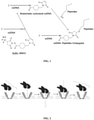
FIG. 1 illustrates an ssDNA-polypeptide conjugate formed by conjugating a Sulfo-SMCC-activated ssDNA and a polypeptide with a sulfhydryl group at one end; -
FIG. 2 illustrates the process of the ssDNA-polypeptide conjugate passing through a nanopore in the presence of a polynucleotide binding enzyme: the polynucleotide-polypeptide conjugate quickly passes through the nanopore, and in the action of the polynucleotide binding enzyme, the polynucleotide pulls the conjugated polypeptide to pass through the nanopore again at a controlled speed, and when the polypeptide passes through the nanopore, the polypeptide is determined; -
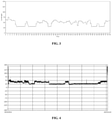
FIG. 3 illustrates a predicted ssDNA test signal; -
FIG. 4 illustrates an actual ssDNA test result; -
FIG. 5 illustrates an actual ssDNA test result; -
FIG. 6 illustrates an actual ssDNA test result; -
FIG. 7 illustrates a 15% denaturing gel electrophoresis of the ssDNA-polypeptide conjugate, wherein lanes 2-4 are ssDNA, ssDNA+Sulfo-SMCC, ssDNA+Sulfo-SMCC+E29C, respectively; -
FIG. 8 illustrates a 15% denaturing gel electrophoresis of the ssDNA-polypeptide conjugate, wherein lanes 2-4 are ssDNA+Sulfo-SMCC+EGSLFL-60C, ssDNA, and ssDNA+Sulfo-SMCC+EDSLFYD-60C, respectively; -
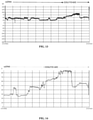
FIGs. 9-10 illustrate test results of the conjugate of ssDNA and E29C; -
FIGs. 11-12 illustrate test results of the conjugate of ssDNA and EGSLFL-60C; and -
FIGs. 13-14 illustrate test results of the conjugate of ssDNA and EDSLFYD-60C. - Technical schemes in the examples of the present invention will be described clearly and completely in conjunction with the accompanying drawings. It is apparent that the examples described herein are only some examples of the present invention, but not all of them. Based on the examples of the present invention, all other examples obtained by those of ordinary skill in the art without creative work shall fall within the protection scope of the present invention.
- Hel308 helicase, ATP (100 mM, Thermo Fisher) 1,2-Diphytanoyl-sn-glycero-3-phosphocholine (Avanti)
- Sequences:
- ssDNA (SEQ ID NO. 1):

- ssDNA-R (SEQ ID NO. 2):

- EGSLFL-60C (SEQ ID NO. 3): EEEEGEEEEGGEEEGGEEESSEEEEGGEEELFEEGGGGEEEESSSSEEEELLEEEEEEEC
- EDSLFYD-60C (SEQ ID NO. 4): EDEDEEEDYDDDEEEDEEDEVEEEEEYGEVVGELGGGGSHHDHHSSSGSEEEYEEDDDDC E29C (SEQ ID NO. 5): EEEEEEEEEEEEEEEEEEEEEEEEEEEEEC
- The ssDNA and ssDNA-R in Example 1 were annealed at a molar ratio of 1:1 to form a double-stranded part; the cross section of PEEK tubing was pre-coated with a mixture of phospholipid and hexadecane and immersed in an electrolyte solution before bubbles were blown on the cross section of the peek tubing and sucked away using a pipette to form a phospholipid bilayer. In a system of 400 mM KCl in HEPES buffer (pH 7), MspA protein was added at the cis terminal. At 180 mV, when a pore current of about 160 pA was read, a 2-µL mixture of the above-mentioned annealed product and Hel308 protein was added to 50 µL of the cis terminal solution before adding 2 µL of ATP. A voltage of 180 mV was applied and the data were recorded.
- As shown in
FIGs. 4 ,5 and 6 , nanopore current demonstrated stepped jumps over time at a fixed voltage, which is the passing current signal of the ssDNA under the speed control of the helicase. In particular, long step signals of about 25 pA were observed in the second half of these segments, in which a rising current step was also observed. Such changes are consistent with the passing signal of positions 80-90 in the nucleotide sequence inFIG. 3 , corresponding to the passing signal of TTTTTTTTTCCTTTTTTTT sequence near the 5' end of the ssDNA. - 1 mg of Sulfo-SMCC was dissolved in 40 µL DMSO. After a complete dissolution, 80 µL of 150 mM boric acid buffer (pH 8.5) was added and mixed well. The mixture was quickly added to 10-16 nmol of ssDNA in Example 1, vortexed and shaken to mix well, and incubated in a thermostat at 30 °C. Unchanged SMCC was removed by dialysis, ethanol precipitation and desalting column. According to the ssDNA concentration measured by UV absorption, sulfhydryl-containing polypeptides EGSLFL-60C, EDSLFYD-60C and E29C at a 5-fold concentration were added, and shaken at room temperature for 1.5 h. The products were preserved at -20 °C for later use. The above conjugate was used for 15% Urea-PAGE gel electrophoresis.
-
FIGs. 7 and 8 show the 15% Urea-PAGE gel electrophoresis results of the ssDNA-polypeptide conjugate. Lanes 2-4 inFIG. 7 were ssDNA, ssDNA+Sulfo-SMCC, ssDNA+Sulfo-SMCC+E29C, respectively. Lanes 2-4 inFIG. 8 were ssDNA+Sulfo-SMCC+EGSLFL-60C, ssDNA, ssDNA+Sulfo-SMCC+EDSLFYD-60C, respectively. The bands in the figures were all in the desired positions. Among these, high molecular weight bands were observed after conjugation to peptide chains, indicating a successful ssDNA-polypeptide conjugation and a reaction efficiency above 50% for the ssDNA part. The high molecular weight band with low signal intensity inLane 3 ssDNA sample ofFIG. 8 was caused by excessive sample amount, rather than the conjugate. - The ssDNA-E29C conjugate from Example 3 and ssDNA-R were annealed at a molar ratio of 1:1 to form a double-stranded part; the cross section of PEEK tubing was pre-coated with a mixture of phospholipid and hexadecane and immersed in an electrolyte solution before bubbles were blown on the cross section of the peek tubing and sucked away using a pipette to form a phospholipid bilayer. In a system of 400 mM KCl in HEPES buffer (pH 7), MspA protein was added at the cis terminal. At 180 mV, when a pore current of about 160 pA was read, a 2-µL mixture of the above-mentioned annealed product and Hel308 protein was added to 50 µL of the cis terminal solution before adding 2 µL of ATP. A voltage of 180 mV was applied and the data were recorded.
- As shown in
FIG. 9 , the ssDNA-E29C conjugate first demonstrated a current signal similar to those inFIGs. 7 and 8 , indicating a controlled passing-through of the ssDNA part, and then a fluctuating plateau at 70-75 pA at the end of the signal was observed. As the current generated by ssDNA in the nanopore in this condition was below 60 pA, this high current value was caused by the peptide chain being dragged into the narrowest part of the nanopore. In a straightened state, the peptide chain has a smaller diameter than ssDNA, thus generating a larger nanopore current.FIG. 10 is an enlarged view of the signal inFIG. 9 where the peptide chain passed through the nanopore. It can be seen that the 70-75 pA plateau had a nearly 5-pA fluctuation, which may be caused by the thermal movement of the E29 peptide chain during the passing. - The ssDNA-EGSLFL-60C conjugate from Example 3 and ssDNA-R were annealed at a molar ratio of 1:1 to form a double-stranded part; the cross section of PEEK tubing was pre-coated with a mixture of phospholipid and hexadecane and immersed in an electrolyte solution before bubbles were blown on the cross section of the peek tubing and sucked away using a pipette to form a phospholipid bilayer. In a system of 400 mM KCl in HEPES buffer (pH 7), MspA protein was added at the cis terminal. At 180 mV, when a pore current of about 160 pA was read, a 2-µL mixture of the above-mentioned annealed product and Hel308 protein was added to 50 µL of the cis terminal solution before adding 2 µL of ATP. A voltage of 180 mV was applied and the data were recorded.
- As shown in
FIG. 11 , the ssDNA-EGSLFL-60C conjugate first demonstrated a current signal similar to those inFIGs. 7 and 8 , indicating a controlled passing-through of the ssDNA part, and then a fluctuating plateau at 70-75 pA at the end of the signal was observed. As the current generated by ssDNA in the nanopore in this condition was below 60 pA, this high current value was caused by the peptide chain being dragged into the narrowest part of the nanopore. In a straightened state, the peptide chain has a smaller diameter than ssDNA, thus generating a larger nanopore current.FIG. 12 is an enlarged view of the signal inFIG. 11 where the peptide chain passed through the nanopore. It can be seen that a current trough of nearly 50 pA was observed at the beginning of the 70-75 pA plateau, which may be caused by the current decrease due to the hydrophobic amino acid LL near the C-terminal. This indicates that the method can distinguish amino acid sequences to a certain extent. - The ssDNA-EDSLFYD-60C conjugate from Example 3 and ssDNA-R were annealed at a molar ratio of 1:1 to form a double-stranded part; the cross section of PEEK tubing was pre-coated with a mixture of phospholipid and hexadecane and immersed in an electrolyte solution before bubbles were blown on the cross section of the peek tubing and sucked away using a pipette to form a phospholipid bilayer. In a system of 400 mM KCl in HEPES buffer (pH 7), MspA protein was added at the cis terminal. At 180 mV, when a pore current of about 160 pA was read, a 2-µL mixture of the above-mentioned annealed product and Hel308 protein was added to 50 µL of the cis terminal solution before adding 2 µL of ATP. A voltage of 180 mV was applied and the data were recorded.
- As shown in
FIG. 13 , the ssDNA-EGSLFL-60C conjugate first demonstrated a current signal similar to those inFIGs. 7 and 8 , indicating a controlled passing-through of the ssDNA part. After this signal, the current continuously increased to a plateau at 80 pA before it decreased to 46 pA, increased to 55 pA and then decreased to 45 pA. This was caused by greater changes in sequence and species of the first 10-20 amino acids from the C-terminus to the N-terminus of the EGSLFL-60C peptide chain as compared to Example 4 and Example 5, thus resulting in more complex changes in current over time.FIG. 14 is an enlarged view of the signal inFIG. 13 where the peptide chain passed through the nanopore. - The preferred embodiments of the present invention are described in detail above, which, however, are not intended to limit the present invention. Within the scope of the technical concept of the present invention, various simple modifications can be made to the technical solution of the present invention, all of which will fall within the protection scope of the present invention.
- In addition, it should be noted that the various specific technical features described in the above specific embodiments can be combined in any suitable manner without contradiction. In order to avoid unnecessary repetition, such combinations will not be illustrated separately.
- Various embodiments of the present invention can also be combined arbitrarily, and should also be regarded as the disclosure of the present invention, as long as they do not violate the idea of the present invention.


Claims (22)
Applications Claiming Priority (2)
| Application Number | Priority Date | Filing Date | Title |
|---|---|---|---|
| CN201910580964.0A CN112147185B (en) | 2019-06-29 | 2019-06-29 | Method for controlling speed of polypeptide passing through nanopore and application of method |
| PCT/CN2020/098190 WO2021000786A1 (en) | 2019-06-29 | 2020-06-24 | Method for controlling speed of polypeptide passing through nanopore, and application thereof |
Publications (3)
| Publication Number | Publication Date |
|---|---|
| EP3955002A1 true EP3955002A1 (en) | 2022-02-16 |
| EP3955002A4 EP3955002A4 (en) | 2022-09-28 |
| EP3955002B1 EP3955002B1 (en) | 2024-04-17 |
Family
ID=73891663
Family Applications (1)
| Application Number | Title | Priority Date | Filing Date |
|---|---|---|---|
| EP20835202.1A Active EP3955002B1 (en) | 2019-06-29 | 2020-06-24 | Method for controlling speed of polypeptide passing through nanopore, and application thereof |
Country Status (4)
| Country | Link |
|---|---|
| US (1) | US12416640B2 (en) |
| EP (1) | EP3955002B1 (en) |
| CN (1) | CN112147185B (en) |
| WO (1) | WO2021000786A1 (en) |
Cited By (4)
| Publication number | Priority date | Publication date | Assignee | Title |
|---|---|---|---|---|
| WO2021111125A1 (en) | 2019-12-02 | 2021-06-10 | Oxford Nanopore Technologies Limited | Method of characterising a target polypeptide using a nanopore |
| WO2021133168A1 (en) | 2019-12-24 | 2021-07-01 | Technische Universiteit Delft | Protein and peptide fingerprinting and sequencing by nanopore translocation of peptide-oligonucleotide complexes |
| WO2024094986A1 (en) * | 2022-10-31 | 2024-05-10 | Oxford Nanopore Technologies Plc | Method |
| US12590945B2 (en) | 2022-10-28 | 2026-03-31 | Rijksuniversiteit Groningen | Nanopore-based analysis of analytes |
Families Citing this family (9)
| Publication number | Priority date | Publication date | Assignee | Title |
|---|---|---|---|---|
| CN115777019A (en) * | 2021-04-06 | 2023-03-10 | 成都齐碳科技有限公司 | Modified Prp43 helicases and uses thereof |
| GB202118908D0 (en) | 2021-12-23 | 2022-02-09 | Oxford Nanopore Tech Ltd | Method |
| WO2024222911A1 (en) * | 2023-04-28 | 2024-10-31 | 清华大学 | Modified polypeptide, polypeptide complex and polypeptide mixture, and polypeptide translocation speed control or polypeptide characterizing system and method |
| CN121443755A (en) * | 2023-07-13 | 2026-01-30 | 深圳华大生命科学研究院 | Nucleic acid-peptide complexes and their applications in peptide sequencing |
| WO2025123212A1 (en) * | 2023-12-12 | 2025-06-19 | 深圳华大生命科学研究院 | Object detection model-based polypeptide signal extraction method |
| WO2025129587A1 (en) * | 2023-12-21 | 2025-06-26 | 深圳华大生命科学研究院 | Nucleic acid-polypeptide-nucleic acid ternary complex, and use thereof in polypeptide nanopore sequencing |
| CN118086286A (en) * | 2024-02-02 | 2024-05-28 | 河南省华之源生物技术有限公司 | A DNA-peptide conjugate, ARCFU-like helicase and its application in detecting peptide segments |
| WO2026032432A1 (en) * | 2024-08-09 | 2026-02-12 | 成都今是科技有限公司 | Nanopore-nucleic acid polymerase two-site coupling |
| WO2026050906A1 (en) * | 2024-09-03 | 2026-03-12 | 深圳华大生命科学研究院 | Binary complex containing chaperone molecule and use thereof in polypeptide sequencing |
Family Cites Families (23)
| Publication number | Priority date | Publication date | Assignee | Title |
|---|---|---|---|---|
| US8278055B2 (en) * | 2002-05-01 | 2012-10-02 | Intel Corporation | Methods and device for analyte characterization |
| US8986928B2 (en) * | 2009-04-10 | 2015-03-24 | Pacific Biosciences Of California, Inc. | Nanopore sequencing devices and methods |
| CN104011866B (en) * | 2011-07-27 | 2017-06-09 | 伊利诺伊大学评议会 | Nanopore sensors for biomolecular characterization |
| WO2013109970A1 (en) * | 2012-01-20 | 2013-07-25 | Genia Technologies, Inc. | Nanopore based molecular detection and sequencing |
| CN104619854B (en) * | 2012-02-16 | 2018-07-17 | 加利福尼亚大学董事会 | Nanopore sensor for the albumen primes hift that enzyme mediates |
| NL2009191C2 (en) * | 2012-07-16 | 2014-01-20 | Univ Delft Tech | Single molecule protein sequencing. |
| WO2014100481A2 (en) * | 2012-12-20 | 2014-06-26 | Electornic Biosciences Inc. | Modified alpha hemolysin polypeptides and methods of use |
| WO2014190299A2 (en) | 2013-05-23 | 2014-11-27 | Arizona Board Of Regents Acting For And On Behalf Of Arizona State University | Chemistry, systems and methods of translocation of a polymer through a nanopore |
| GB201316849D0 (en) * | 2013-09-23 | 2013-11-06 | Isis Innovation | Method |
| US10184930B2 (en) | 2013-11-26 | 2019-01-22 | Stc.Unm | Innovative nanopore sequencing technology |
| CN106133513B (en) * | 2014-02-19 | 2019-08-13 | 华盛顿大学 | Nanopore-based analysis of protein signatures |
| CN104034791A (en) | 2014-05-04 | 2014-09-10 | 北京大学 | CID and ETD mass spectrogram fusion based polypeptide de novo sequencing method |
| CN104630346A (en) | 2015-01-05 | 2015-05-20 | 东南大学 | Sequencing method of single DNA molecule based on high-resolution transmission electron microscopy |
| EP3254103B1 (en) * | 2015-02-05 | 2023-08-16 | President and Fellows of Harvard College | Nanopore sensor including fluidic passage |
| CN104694649A (en) | 2015-03-10 | 2015-06-10 | 北京大学 | Nanopore sequencing method for nucleic acid molecules with low perforation rate and special nanopore device thereof |
| CN108350017B (en) * | 2015-09-10 | 2022-03-15 | 豪夫迈·罗氏有限公司 | Polypeptide-labeled nucleotides and their use in nucleic acid sequencing by nanopore detection |
| JP6986270B2 (en) | 2015-10-30 | 2022-01-05 | ユニバーサル シークエンシング テクノロジー コーポレーション | Methods and systems for controlling the passage of nanopores by DNA, RNA and other biomolecules |
| CN106645437B (en) | 2015-10-30 | 2019-06-11 | 中国科学院大连化学物理研究所 | De novo sequencing method based on chemically modified and isotopically labeled polypeptide amino acid sequences |
| JP2019501641A (en) | 2015-11-12 | 2019-01-24 | サミュエル ウィリアムスSamuel WILLIAMS | Rapid sequencing of short DNA fragments using nanopore technology |
| CN105883838B (en) | 2016-03-31 | 2018-08-21 | 北京大学 | The preparation method and application of single layer mica sheet and its nano-pore electronic device |
| WO2017184790A1 (en) | 2016-04-19 | 2017-10-26 | Takulapalli Bharath | Nanopore sensor, structure and device including the sensor, and methods of forming and using same |
| CN108956725B (en) * | 2018-05-29 | 2020-08-14 | 中国空间技术研究院 | Solid-state nanopore perforation control method based on laser and pressure modulation |
| CN109270154A (en) * | 2018-10-29 | 2019-01-25 | 东南大学 | Based on the tetrahedral solid nano hole unimolecule protein detection method for amplifying signal of DNA and DNA tetrahedron |
-
2019
- 2019-06-29 CN CN201910580964.0A patent/CN112147185B/en active Active
-
2020
- 2020-06-24 US US17/620,338 patent/US12416640B2/en active Active
- 2020-06-24 WO PCT/CN2020/098190 patent/WO2021000786A1/en not_active Ceased
- 2020-06-24 EP EP20835202.1A patent/EP3955002B1/en active Active
Cited By (5)
| Publication number | Priority date | Publication date | Assignee | Title |
|---|---|---|---|---|
| WO2021111125A1 (en) | 2019-12-02 | 2021-06-10 | Oxford Nanopore Technologies Limited | Method of characterising a target polypeptide using a nanopore |
| WO2021133168A1 (en) | 2019-12-24 | 2021-07-01 | Technische Universiteit Delft | Protein and peptide fingerprinting and sequencing by nanopore translocation of peptide-oligonucleotide complexes |
| EP4325223A3 (en) * | 2019-12-24 | 2024-05-22 | Technische Universiteit Delft | Protein and peptide fingerprinting and sequencing by nanopore translocation of peptide-oligonucleotide complexes |
| US12590945B2 (en) | 2022-10-28 | 2026-03-31 | Rijksuniversiteit Groningen | Nanopore-based analysis of analytes |
| WO2024094986A1 (en) * | 2022-10-31 | 2024-05-10 | Oxford Nanopore Technologies Plc | Method |
Also Published As
| Publication number | Publication date |
|---|---|
| EP3955002A4 (en) | 2022-09-28 |
| CN112147185A (en) | 2020-12-29 |
| EP3955002B1 (en) | 2024-04-17 |
| WO2021000786A1 (en) | 2021-01-07 |
| CN112147185B (en) | 2022-07-01 |
| US12416640B2 (en) | 2025-09-16 |
| US20220365094A1 (en) | 2022-11-17 |
Similar Documents
| Publication | Publication Date | Title |
|---|---|---|
| US12416640B2 (en) | Method for controlling speed of polypeptide passing through nanopore and use thereof | |
| EP3619224B1 (en) | Transmembrane pore consisting of two csgg pores | |
| EP3097204B1 (en) | Method for controlling the movement of a polynucleotide through a transmembrane pore | |
| EP2964779B1 (en) | Use of spacer elements in a nucleic acid to control movement of a helicase | |
| EP3126516B1 (en) | Method of target molecule characterisation using a molecular pore | |
| EP4273092B1 (en) | Method and apparatus for determining the presence, absence or characteristics of an analyte | |
| EP3259281B1 (en) | Hetero-pores | |
| JP2009519705A (en) | How to use pores | |
| EP2815235A1 (en) | Aptamer method | |
| WO2015031909A1 (en) | Selective modification of polymer subunits to improve nanopore-based analysis | |
| US20240294980A1 (en) | Compositions and methods for improving nanopore sequencing | |
| CN115698331A (en) | Method for selectively characterizing polynucleotides using a detector | |
| AU2024203814B2 (en) | Compositions and methods for improving nanopore sequencing | |
| EP4362028A1 (en) | Mutant aerolysin and uses thereof | |
| HK40097696A (en) | Compositions and methods for improving nanopore sequencing | |
| HK40009590B (en) | Compositions and methods for improving nanopore sequencing | |
| HK40009590A (en) | Compositions and methods for improving nanopore sequencing | |
| HK1205532B (en) | Compositions and methods for improving nanopore sequencing |
Legal Events
| Date | Code | Title | Description |
|---|---|---|---|
| STAA | Information on the status of an ep patent application or granted ep patent |
Free format text: STATUS: THE INTERNATIONAL PUBLICATION HAS BEEN MADE |
|
| PUAI | Public reference made under article 153(3) epc to a published international application that has entered the european phase |
Free format text: ORIGINAL CODE: 0009012 |
|
| STAA | Information on the status of an ep patent application or granted ep patent |
Free format text: STATUS: REQUEST FOR EXAMINATION WAS MADE |
|
| 17P | Request for examination filed |
Effective date: 20211029 |
|
| AK | Designated contracting states |
Kind code of ref document: A1 Designated state(s): AL AT BE BG CH CY CZ DE DK EE ES FI FR GB GR HR HU IE IS IT LI LT LU LV MC MK MT NL NO PL PT RO RS SE SI SK SM TR |
|
| A4 | Supplementary search report drawn up and despatched |
Effective date: 20220830 |
|
| RIC1 | Information provided on ipc code assigned before grant |
Ipc: G01N 27/00 20060101ALI20220824BHEP Ipc: G01N 33/68 20060101AFI20220824BHEP |
|
| DAV | Request for validation of the european patent (deleted) | ||
| DAX | Request for extension of the european patent (deleted) | ||
| STAA | Information on the status of an ep patent application or granted ep patent |
Free format text: STATUS: EXAMINATION IS IN PROGRESS |
|
| 17Q | First examination report despatched |
Effective date: 20230526 |
|
| GRAP | Despatch of communication of intention to grant a patent |
Free format text: ORIGINAL CODE: EPIDOSNIGR1 |
|
| STAA | Information on the status of an ep patent application or granted ep patent |
Free format text: STATUS: GRANT OF PATENT IS INTENDED |
|
| INTG | Intention to grant announced |
Effective date: 20240129 |
|
| GRAS | Grant fee paid |
Free format text: ORIGINAL CODE: EPIDOSNIGR3 |
|
| GRAA | (expected) grant |
Free format text: ORIGINAL CODE: 0009210 |
|
| STAA | Information on the status of an ep patent application or granted ep patent |
Free format text: STATUS: THE PATENT HAS BEEN GRANTED |
|
| P01 | Opt-out of the competence of the unified patent court (upc) registered |
Effective date: 20240209 |
|
| AK | Designated contracting states |
Kind code of ref document: B1 Designated state(s): AL AT BE BG CH CY CZ DE DK EE ES FI FR GB GR HR HU IE IS IT LI LT LU LV MC MK MT NL NO PL PT RO RS SE SI SK SM TR |
|
| REG | Reference to a national code |
Ref country code: GB Ref legal event code: FG4D |
|
| REG | Reference to a national code |
Ref country code: CH Ref legal event code: EP |
|
| REG | Reference to a national code |
Ref country code: DE Ref legal event code: R096 Ref document number: 602020029302 Country of ref document: DE |
|
| REG | Reference to a national code |
Ref country code: IE Ref legal event code: FG4D |
|
| REG | Reference to a national code |
Ref country code: NL Ref legal event code: FP |
|
| REG | Reference to a national code |
Ref country code: LT Ref legal event code: MG9D |
|
| REG | Reference to a national code |
Ref country code: AT Ref legal event code: MK05 Ref document number: 1677718 Country of ref document: AT Kind code of ref document: T Effective date: 20240417 |
|
| PG25 | Lapsed in a contracting state [announced via postgrant information from national office to epo] |
Ref country code: IS Free format text: LAPSE BECAUSE OF FAILURE TO SUBMIT A TRANSLATION OF THE DESCRIPTION OR TO PAY THE FEE WITHIN THE PRESCRIBED TIME-LIMIT Effective date: 20240817 |
|
| PG25 | Lapsed in a contracting state [announced via postgrant information from national office to epo] |
Ref country code: BG Free format text: LAPSE BECAUSE OF FAILURE TO SUBMIT A TRANSLATION OF THE DESCRIPTION OR TO PAY THE FEE WITHIN THE PRESCRIBED TIME-LIMIT Effective date: 20240417 |
|
| PG25 | Lapsed in a contracting state [announced via postgrant information from national office to epo] |
Ref country code: FI Free format text: LAPSE BECAUSE OF FAILURE TO SUBMIT A TRANSLATION OF THE DESCRIPTION OR TO PAY THE FEE WITHIN THE PRESCRIBED TIME-LIMIT Effective date: 20240417 Ref country code: HR Free format text: LAPSE BECAUSE OF FAILURE TO SUBMIT A TRANSLATION OF THE DESCRIPTION OR TO PAY THE FEE WITHIN THE PRESCRIBED TIME-LIMIT Effective date: 20240417 |
|
| PG25 | Lapsed in a contracting state [announced via postgrant information from national office to epo] |
Ref country code: GR Free format text: LAPSE BECAUSE OF FAILURE TO SUBMIT A TRANSLATION OF THE DESCRIPTION OR TO PAY THE FEE WITHIN THE PRESCRIBED TIME-LIMIT Effective date: 20240718 |
|
| PG25 | Lapsed in a contracting state [announced via postgrant information from national office to epo] |
Ref country code: PT Free format text: LAPSE BECAUSE OF FAILURE TO SUBMIT A TRANSLATION OF THE DESCRIPTION OR TO PAY THE FEE WITHIN THE PRESCRIBED TIME-LIMIT Effective date: 20240819 |
|
| PG25 | Lapsed in a contracting state [announced via postgrant information from national office to epo] |
Ref country code: ES Free format text: LAPSE BECAUSE OF FAILURE TO SUBMIT A TRANSLATION OF THE DESCRIPTION OR TO PAY THE FEE WITHIN THE PRESCRIBED TIME-LIMIT Effective date: 20240417 |
|
| PG25 | Lapsed in a contracting state [announced via postgrant information from national office to epo] |
Ref country code: AT Free format text: LAPSE BECAUSE OF FAILURE TO SUBMIT A TRANSLATION OF THE DESCRIPTION OR TO PAY THE FEE WITHIN THE PRESCRIBED TIME-LIMIT Effective date: 20240417 |
|
| PG25 | Lapsed in a contracting state [announced via postgrant information from national office to epo] |
Ref country code: PL Free format text: LAPSE BECAUSE OF FAILURE TO SUBMIT A TRANSLATION OF THE DESCRIPTION OR TO PAY THE FEE WITHIN THE PRESCRIBED TIME-LIMIT Effective date: 20240417 |
|
| PG25 | Lapsed in a contracting state [announced via postgrant information from national office to epo] |
Ref country code: LV Free format text: LAPSE BECAUSE OF FAILURE TO SUBMIT A TRANSLATION OF THE DESCRIPTION OR TO PAY THE FEE WITHIN THE PRESCRIBED TIME-LIMIT Effective date: 20240417 |
|
| PG25 | Lapsed in a contracting state [announced via postgrant information from national office to epo] |
Ref country code: PT Free format text: LAPSE BECAUSE OF FAILURE TO SUBMIT A TRANSLATION OF THE DESCRIPTION OR TO PAY THE FEE WITHIN THE PRESCRIBED TIME-LIMIT Effective date: 20240819 Ref country code: PL Free format text: LAPSE BECAUSE OF FAILURE TO SUBMIT A TRANSLATION OF THE DESCRIPTION OR TO PAY THE FEE WITHIN THE PRESCRIBED TIME-LIMIT Effective date: 20240417 Ref country code: NO Free format text: LAPSE BECAUSE OF FAILURE TO SUBMIT A TRANSLATION OF THE DESCRIPTION OR TO PAY THE FEE WITHIN THE PRESCRIBED TIME-LIMIT Effective date: 20240717 Ref country code: LV Free format text: LAPSE BECAUSE OF FAILURE TO SUBMIT A TRANSLATION OF THE DESCRIPTION OR TO PAY THE FEE WITHIN THE PRESCRIBED TIME-LIMIT Effective date: 20240417 Ref country code: IS Free format text: LAPSE BECAUSE OF FAILURE TO SUBMIT A TRANSLATION OF THE DESCRIPTION OR TO PAY THE FEE WITHIN THE PRESCRIBED TIME-LIMIT Effective date: 20240817 Ref country code: HR Free format text: LAPSE BECAUSE OF FAILURE TO SUBMIT A TRANSLATION OF THE DESCRIPTION OR TO PAY THE FEE WITHIN THE PRESCRIBED TIME-LIMIT Effective date: 20240417 Ref country code: GR Free format text: LAPSE BECAUSE OF FAILURE TO SUBMIT A TRANSLATION OF THE DESCRIPTION OR TO PAY THE FEE WITHIN THE PRESCRIBED TIME-LIMIT Effective date: 20240718 Ref country code: FI Free format text: LAPSE BECAUSE OF FAILURE TO SUBMIT A TRANSLATION OF THE DESCRIPTION OR TO PAY THE FEE WITHIN THE PRESCRIBED TIME-LIMIT Effective date: 20240417 Ref country code: ES Free format text: LAPSE BECAUSE OF FAILURE TO SUBMIT A TRANSLATION OF THE DESCRIPTION OR TO PAY THE FEE WITHIN THE PRESCRIBED TIME-LIMIT Effective date: 20240417 Ref country code: BG Free format text: LAPSE BECAUSE OF FAILURE TO SUBMIT A TRANSLATION OF THE DESCRIPTION OR TO PAY THE FEE WITHIN THE PRESCRIBED TIME-LIMIT Effective date: 20240417 Ref country code: AT Free format text: LAPSE BECAUSE OF FAILURE TO SUBMIT A TRANSLATION OF THE DESCRIPTION OR TO PAY THE FEE WITHIN THE PRESCRIBED TIME-LIMIT Effective date: 20240417 Ref country code: RS Free format text: LAPSE BECAUSE OF FAILURE TO SUBMIT A TRANSLATION OF THE DESCRIPTION OR TO PAY THE FEE WITHIN THE PRESCRIBED TIME-LIMIT Effective date: 20240717 |
|
| PG25 | Lapsed in a contracting state [announced via postgrant information from national office to epo] |
Ref country code: DK Free format text: LAPSE BECAUSE OF FAILURE TO SUBMIT A TRANSLATION OF THE DESCRIPTION OR TO PAY THE FEE WITHIN THE PRESCRIBED TIME-LIMIT Effective date: 20240417 |
|
| REG | Reference to a national code |
Ref country code: DE Ref legal event code: R097 Ref document number: 602020029302 Country of ref document: DE |
|
| PG25 | Lapsed in a contracting state [announced via postgrant information from national office to epo] |
Ref country code: EE Free format text: LAPSE BECAUSE OF FAILURE TO SUBMIT A TRANSLATION OF THE DESCRIPTION OR TO PAY THE FEE WITHIN THE PRESCRIBED TIME-LIMIT Effective date: 20240417 |
|
| PG25 | Lapsed in a contracting state [announced via postgrant information from national office to epo] |
Ref country code: CZ Free format text: LAPSE BECAUSE OF FAILURE TO SUBMIT A TRANSLATION OF THE DESCRIPTION OR TO PAY THE FEE WITHIN THE PRESCRIBED TIME-LIMIT Effective date: 20240417 |
|
| PG25 | Lapsed in a contracting state [announced via postgrant information from national office to epo] |
Ref country code: SK Free format text: LAPSE BECAUSE OF FAILURE TO SUBMIT A TRANSLATION OF THE DESCRIPTION OR TO PAY THE FEE WITHIN THE PRESCRIBED TIME-LIMIT Effective date: 20240417 Ref country code: RO Free format text: LAPSE BECAUSE OF FAILURE TO SUBMIT A TRANSLATION OF THE DESCRIPTION OR TO PAY THE FEE WITHIN THE PRESCRIBED TIME-LIMIT Effective date: 20240417 |
|
| PG25 | Lapsed in a contracting state [announced via postgrant information from national office to epo] |
Ref country code: SM Free format text: LAPSE BECAUSE OF FAILURE TO SUBMIT A TRANSLATION OF THE DESCRIPTION OR TO PAY THE FEE WITHIN THE PRESCRIBED TIME-LIMIT Effective date: 20240417 |
|
| PG25 | Lapsed in a contracting state [announced via postgrant information from national office to epo] |
Ref country code: SM Free format text: LAPSE BECAUSE OF FAILURE TO SUBMIT A TRANSLATION OF THE DESCRIPTION OR TO PAY THE FEE WITHIN THE PRESCRIBED TIME-LIMIT Effective date: 20240417 Ref country code: SK Free format text: LAPSE BECAUSE OF FAILURE TO SUBMIT A TRANSLATION OF THE DESCRIPTION OR TO PAY THE FEE WITHIN THE PRESCRIBED TIME-LIMIT Effective date: 20240417 Ref country code: RO Free format text: LAPSE BECAUSE OF FAILURE TO SUBMIT A TRANSLATION OF THE DESCRIPTION OR TO PAY THE FEE WITHIN THE PRESCRIBED TIME-LIMIT Effective date: 20240417 Ref country code: EE Free format text: LAPSE BECAUSE OF FAILURE TO SUBMIT A TRANSLATION OF THE DESCRIPTION OR TO PAY THE FEE WITHIN THE PRESCRIBED TIME-LIMIT Effective date: 20240417 Ref country code: DK Free format text: LAPSE BECAUSE OF FAILURE TO SUBMIT A TRANSLATION OF THE DESCRIPTION OR TO PAY THE FEE WITHIN THE PRESCRIBED TIME-LIMIT Effective date: 20240417 Ref country code: CZ Free format text: LAPSE BECAUSE OF FAILURE TO SUBMIT A TRANSLATION OF THE DESCRIPTION OR TO PAY THE FEE WITHIN THE PRESCRIBED TIME-LIMIT Effective date: 20240417 Ref country code: MC Free format text: LAPSE BECAUSE OF FAILURE TO SUBMIT A TRANSLATION OF THE DESCRIPTION OR TO PAY THE FEE WITHIN THE PRESCRIBED TIME-LIMIT Effective date: 20240417 |
|
| PG25 | Lapsed in a contracting state [announced via postgrant information from national office to epo] |
Ref country code: IT Free format text: LAPSE BECAUSE OF FAILURE TO SUBMIT A TRANSLATION OF THE DESCRIPTION OR TO PAY THE FEE WITHIN THE PRESCRIBED TIME-LIMIT Effective date: 20240417 |
|
| PG25 | Lapsed in a contracting state [announced via postgrant information from national office to epo] |
Ref country code: LU Free format text: LAPSE BECAUSE OF NON-PAYMENT OF DUE FEES Effective date: 20240624 |
|
| PLBE | No opposition filed within time limit |
Free format text: ORIGINAL CODE: 0009261 |
|
| STAA | Information on the status of an ep patent application or granted ep patent |
Free format text: STATUS: NO OPPOSITION FILED WITHIN TIME LIMIT |
|
| 26N | No opposition filed |
Effective date: 20250120 |
|
| PG25 | Lapsed in a contracting state [announced via postgrant information from national office to epo] |
Ref country code: IE Free format text: LAPSE BECAUSE OF NON-PAYMENT OF DUE FEES Effective date: 20240624 |
|
| PG25 | Lapsed in a contracting state [announced via postgrant information from national office to epo] |
Ref country code: SI Free format text: LAPSE BECAUSE OF FAILURE TO SUBMIT A TRANSLATION OF THE DESCRIPTION OR TO PAY THE FEE WITHIN THE PRESCRIBED TIME-LIMIT Effective date: 20240417 Ref country code: BE Free format text: LAPSE BECAUSE OF NON-PAYMENT OF DUE FEES Effective date: 20240630 |
|
| REG | Reference to a national code |
Ref country code: BE Ref legal event code: MM Effective date: 20240630 |
|
| PGFP | Annual fee paid to national office [announced via postgrant information from national office to epo] |
Ref country code: NL Payment date: 20250522 Year of fee payment: 6 |
|
| PGFP | Annual fee paid to national office [announced via postgrant information from national office to epo] |
Ref country code: DE Payment date: 20250618 Year of fee payment: 6 |
|
| PGFP | Annual fee paid to national office [announced via postgrant information from national office to epo] |
Ref country code: GB Payment date: 20250522 Year of fee payment: 6 |
|
| PGFP | Annual fee paid to national office [announced via postgrant information from national office to epo] |
Ref country code: FR Payment date: 20250522 Year of fee payment: 6 |
|
| PG25 | Lapsed in a contracting state [announced via postgrant information from national office to epo] |
Ref country code: SE Free format text: LAPSE BECAUSE OF FAILURE TO SUBMIT A TRANSLATION OF THE DESCRIPTION OR TO PAY THE FEE WITHIN THE PRESCRIBED TIME-LIMIT Effective date: 20240417 |
|
| PGFP | Annual fee paid to national office [announced via postgrant information from national office to epo] |
Ref country code: CH Payment date: 20250701 Year of fee payment: 6 |
|
| PG25 | Lapsed in a contracting state [announced via postgrant information from national office to epo] |
Ref country code: CY Free format text: LAPSE BECAUSE OF FAILURE TO SUBMIT A TRANSLATION OF THE DESCRIPTION OR TO PAY THE FEE WITHIN THE PRESCRIBED TIME-LIMIT; INVALID AB INITIO Effective date: 20200624 |
|
| PG25 | Lapsed in a contracting state [announced via postgrant information from national office to epo] |
Ref country code: HU Free format text: LAPSE BECAUSE OF FAILURE TO SUBMIT A TRANSLATION OF THE DESCRIPTION OR TO PAY THE FEE WITHIN THE PRESCRIBED TIME-LIMIT; INVALID AB INITIO Effective date: 20200624 |