EP3954780A1 - Composition for preparing glucose-transferring steviol glycoside comprising glucose-transferring enzyme, and method for preparing glucose-transferring steviol glycoside using same - Google Patents
Composition for preparing glucose-transferring steviol glycoside comprising glucose-transferring enzyme, and method for preparing glucose-transferring steviol glycoside using same Download PDFInfo
- Publication number
- EP3954780A1 EP3954780A1 EP20822566.4A EP20822566A EP3954780A1 EP 3954780 A1 EP3954780 A1 EP 3954780A1 EP 20822566 A EP20822566 A EP 20822566A EP 3954780 A1 EP3954780 A1 EP 3954780A1
- Authority
- EP
- European Patent Office
- Prior art keywords
- steviol glycoside
- glucose
- rebaudioside
- glucosylated
- amino acid
- Prior art date
- Legal status (The legal status is an assumption and is not a legal conclusion. Google has not performed a legal analysis and makes no representation as to the accuracy of the status listed.)
- Pending
Links
Images




Classifications
-
- C—CHEMISTRY; METALLURGY
- C12—BIOCHEMISTRY; BEER; SPIRITS; WINE; VINEGAR; MICROBIOLOGY; ENZYMOLOGY; MUTATION OR GENETIC ENGINEERING
- C12P—FERMENTATION OR ENZYME-USING PROCESSES TO SYNTHESISE A DESIRED CHEMICAL COMPOUND OR COMPOSITION OR TO SEPARATE OPTICAL ISOMERS FROM A RACEMIC MIXTURE
- C12P19/00—Preparation of compounds containing saccharide radicals
- C12P19/44—Preparation of O-glycosides, e.g. glucosides
- C12P19/56—Preparation of O-glycosides, e.g. glucosides having an oxygen atom of the saccharide radical directly bound to a condensed ring system having three or more carbocyclic rings, e.g. daunomycin, adriamycin
-
- C—CHEMISTRY; METALLURGY
- C12—BIOCHEMISTRY; BEER; SPIRITS; WINE; VINEGAR; MICROBIOLOGY; ENZYMOLOGY; MUTATION OR GENETIC ENGINEERING
- C12N—MICROORGANISMS OR ENZYMES; COMPOSITIONS THEREOF; PROPAGATING, PRESERVING, OR MAINTAINING MICROORGANISMS; MUTATION OR GENETIC ENGINEERING; CULTURE MEDIA
- C12N9/00—Enzymes; Proenzymes; Compositions thereof; Processes for preparing, activating, inhibiting, separating or purifying enzymes
- C12N9/10—Transferases (2.)
- C12N9/1048—Glycosyltransferases (2.4)
- C12N9/1051—Hexosyltransferases (2.4.1)
-
- C—CHEMISTRY; METALLURGY
- C12—BIOCHEMISTRY; BEER; SPIRITS; WINE; VINEGAR; MICROBIOLOGY; ENZYMOLOGY; MUTATION OR GENETIC ENGINEERING
- C12N—MICROORGANISMS OR ENZYMES; COMPOSITIONS THEREOF; PROPAGATING, PRESERVING, OR MAINTAINING MICROORGANISMS; MUTATION OR GENETIC ENGINEERING; CULTURE MEDIA
- C12N9/00—Enzymes; Proenzymes; Compositions thereof; Processes for preparing, activating, inhibiting, separating or purifying enzymes
- C12N9/10—Transferases (2.)
- C12N9/1048—Glycosyltransferases (2.4)
- C12N9/1081—Glycosyltransferases (2.4) transferring other glycosyl groups (2.4.99)
-
- C—CHEMISTRY; METALLURGY
- C12—BIOCHEMISTRY; BEER; SPIRITS; WINE; VINEGAR; MICROBIOLOGY; ENZYMOLOGY; MUTATION OR GENETIC ENGINEERING
- C12P—FERMENTATION OR ENZYME-USING PROCESSES TO SYNTHESISE A DESIRED CHEMICAL COMPOUND OR COMPOSITION OR TO SEPARATE OPTICAL ISOMERS FROM A RACEMIC MIXTURE
- C12P19/00—Preparation of compounds containing saccharide radicals
- C12P19/18—Preparation of compounds containing saccharide radicals produced by the action of a glycosyl transferase, e.g. alpha-, beta- or gamma-cyclodextrins
-
- C—CHEMISTRY; METALLURGY
- C12—BIOCHEMISTRY; BEER; SPIRITS; WINE; VINEGAR; MICROBIOLOGY; ENZYMOLOGY; MUTATION OR GENETIC ENGINEERING
- C12Y—ENZYMES
- C12Y204/00—Glycosyltransferases (2.4)
- C12Y204/01—Hexosyltransferases (2.4.1)
-
- C—CHEMISTRY; METALLURGY
- C12—BIOCHEMISTRY; BEER; SPIRITS; WINE; VINEGAR; MICROBIOLOGY; ENZYMOLOGY; MUTATION OR GENETIC ENGINEERING
- C12R—INDEXING SCHEME ASSOCIATED WITH SUBCLASSES C12C - C12Q, RELATING TO MICROORGANISMS
- C12R2001/00—Microorganisms ; Processes using microorganisms
- C12R2001/01—Bacteria or Actinomycetales ; using bacteria or Actinomycetales
- C12R2001/225—Lactobacillus
Definitions
- the present disclosure relates to a composition for producing glucosylated steviol glycoside, the composition including glucosyltransferase; and a method of producing glucosylated steviol glycoside using the same.
- alternative sweeteners are continuously being developed and commercialized.
- synthetic high-intensity sweeteners e.g., Saccharin, Aspartame, Sucralose, etc.
- synthetic sugar alcohols e.g., Maltitol and Xylitol
- high-intensity sweeteners e.g., Rebaudioside A and Liquorice
- Stevia is a natural material, the sweetness of which is 200 to 300 times that of sugar, and consists of Stevioside, Rebaudioside A, Rebaudioside B, Rebaudioside C, Rebaudioside D, Rebaudioside E, Rebaudioside M, etc.
- Stevia has no calories and positive effects on blood glucose and insulin levels, and has been reported to have no adverse effects in the human body.
- stevia has potential to be used as an alternative sweetener, it has limitations in application due to the disadvantage that it expresses strong bitter taste.
- Methods for improving sweetness of stevia include a method of transferring a saccharide using an enzyme.
- a method of transferring 1 to 12 glucose molecules to a steviol glycoside using CGTase is widely used in the art ( Korean Patent Application No. 10-1991-0020769 ).
- the method has a disadvantage in that the glucose structure transferred to the steviol glycoside is ⁇ -(1,4) and is all degraded by intestinal microorganisms, thereby increasing calories.
- the present inventors have completed the present disclosure by confirming that an enzyme derived from Lactobacillus mali transfers glucose to steviol glycoside via an ⁇ -(1,6) bond to produce indigestible glucosylated steviol glycoside.
- An object of the present disclosure is to provide a composition for producing glucosylated steviol glycoside, the composition including glucosyltransferase including an amino acid sequence of SEQ ID NO: 1, a microorganism expressing the glucosyltransferase, or a culture of the microorganism.
- Another object of the present disclosure is to provide a method of producing glucosylated steviol glycoside, the method including the step of contacting steviol glycoside with the glucosyltransferase including the amino acid sequence of SEQ ID NO: 1, the microorganism expressing the glucosyltransferase, or the culture of the microorganism.
- Still another object of the present disclosure is to provide glucosylated steviol glycoside produced by the above production method.
- Still another object of the present disclosure is to provide a sweetener composition including the glucosylated steviol glycoside.
- Still another object of the present disclosure is to provide a composition for improving sweetness, the composition including the glucosyltransferase including the amino acid sequence of SEQ ID NO: 1, the microorganism expressing the glucosyltransferase, or the culture of the microorganism.
- Still another object of the present disclosure is to provide a method of improving sweetness of steviol glycoside, the method including the step of converting steviol glycoside into glucosylated steviol glycoside using the glucosyltransferase including the amino acid sequence of SEQ ID NO: 1, the microorganism expressing the glucosyltransferase, or the culture of the microorganism.
- composition of the present disclosure for producing glucosylated steviol glycoside and the method of the present disclosure for producing glucosylated steviol glycoside employ glucosyltransferase including an amino acid sequence of SEQ ID NO: 1, thereby specifically producing glucosylated steviol glycoside.
- the glucosyltransferase since the glucosyltransferase has a high conversion rate of glucosylated steviol glycoside from steviol glycoside, it is possible to very efficiently produce glucosylated steviol glycoside.
- an aspect of the present disclosure provides a composition for producing glucosylated steviol glycoside, the composition including glucosyltransferase including an amino acid sequence of SEQ ID NO: 1, a microorganism expressing the glucosyltransferase, or a culture of the microorganism.
- glucosetransferase refers to an enzyme that transfers glucose from a glucose donor to a glucose acceptor.
- the glucosyltransferase may have a use for producing glucosylated steviol glycoside by transferring glucose from a glucose donor to steviol glycoside.
- the glucosyltransferase may be an enzyme including the amino acid sequence of SEQ ID NO: 1.
- the enzyme including the amino acid sequence of SEQ ID NO: 1 may be used interchangeably with an enzyme having the amino acid sequence of SEQ ID NO: 1, an enzyme essentially consisting of the amino acid sequence of SEQ ID NO: 1, or an enzyme consisting of the amino acid sequence of SEQ ID NO: 1.
- the glucosyltransferase in the present disclosure is defined as the enzyme including the amino acid sequence of SEQ ID NO: 1, it does not exclude a mutation that may occur by adding a meaningless sequence upstream or downstream the amino acid sequence of SEQ ID NO: 1, a naturally occurring mutation, or a silent mutation, and it is apparent to those skilled in the art that as long as a protein has activity identical to or corresponding to that of the enzyme including the amino acid sequence of SEQ ID NO: 1, essentially consisting of the amino acid sequence of SEQ ID NO: 1, or consisting of the amino acid sequence of SEQ ID NO: 1, it corresponds to the glucosyltransferase of the present disclosure.
- the glucosyltransferase of the present disclosure may be a protein consisting of the amino acid sequence of SEQ ID NO: 1, or a protein consisting of an amino acid sequence having 80%, 90%, 95%, or 97% or more homology or identity thereto.
- any protein having an amino acid sequence with deletion, modification, substitution, or addition in part of the sequence may also be included in the scope of the glucosyltransferase of the present disclosure, as long as the amino acid sequence has a homology or identity described above and exhibits efficacy corresponding to that of the enzyme.
- an enzyme or protein having an amino acid sequence of a particular SEQ ID NO or "an enzyme or protein consisting of an amino acid sequence of a particular SEQ ID NO” in the present disclosure, it is obvious that any protein having an amino acid sequence with deletion, modification, substitution, or addition in part of the sequence may also be used in the present disclosure, as long as the protein may have an activity identical or corresponding to that of a polypeptide including the amino acid sequence of the corresponding SEQ ID NO.
- any "polypeptide consisting of the amino acid sequence of SEQ ID NO: 1" may belong to "the polypeptide including the amino acid sequence of SEQ ID NO: 1", as long as it has an activity identical or corresponding to that of the polypeptide including the amino acid sequence of SEQ ID NO: 1.
- homology refers to a degree of matching with two given amino acid sequences or nucleotide sequences, and may be expressed as a percentage.
- the terms “homology” and “identity” may often be used interchangeably with each other.
- homology or identity of conserved polynucleotide or polypeptide sequences may be determined by standard alignment algorithms and may be used with a default gap penalty established by the program being used. Substantively, homologous or identical sequences may generally hybridize under moderate or high stringent conditions, along the entire length or at least about 50%, about 60%, about 70%, about 80%, or about 90% of the entire length of the sequences. Polynucleotides that contain degenerate codons instead of codons in the hybridizing polynucleotides are also considered.
- Whether any two polynucleotide or polypeptide sequences have a homology, similarity, or identity may be determined using a known computer algorithm such as the "FASTA” program (e.g., Pearson et al., (1988)[Proc. Natl. Acad. Sci. USA 85]: 2444 ) using default parameters. Alternately, it may be determined using the Needleman-Wunsch algorithm ( Needleman and Wunsch, 1970, J. Mol. Biol. 48: 443-453 ), which is performed in the Needleman program of the EMBOSS package (( EMBOSS: The European Molecular Biology Open Software Suite, Rice et al., 2000, Trends Genet.
- the homology, similarity, or identity of polynucleotide or polypeptide sequences may be determined by comparing sequence information using, for example, the GAP computer program (e.g., Needleman et al., (1970), J Mol Biol.48: 443 ), as published in Smith and Waterman, Adv. Appl. Math (1981) 2:482 .
- the GAP program defines the homology, similarity, or identity as the value obtained by dividing the number of similarly aligned symbols (i.e., nucleotides or amino acids) by the total number of the symbols in the shorter of the two sequences.
- Default parameters for the GAP program may include (1) a unary comparison matrix (containing a value of 1 for identities and 0 for non-identities) and the weighted comparison matrix of Gribskov et al (1986) Nucl. Acids Res. 14: 6745 , as disclosed in Schwartz and Dayhoff, eds., Atlas Of Protein Sequence And Structure, National Biomedical Research Foundation, pp. 353-358 (1979 ) (or EDNAFULL (EMBOSS version of NCBI NUC4.4) substitution matrix); (2) a penalty of 3.0 for each gap and an additional 0.10 penalty for each symbol in each gap (or a gap opening penalty of 10 and a gap extension penalty of 0.5); and (3) no penalty for end gaps.
- a unary comparison matrix containing a value of 1 for identities and 0 for non-identities
- the weighted comparison matrix of Gribskov et al (1986) Nucl. Acids Res. 14: 6745 , as disclosed in Schwartz and Dayhoff, eds.
- any two polynucleotide or polypeptide sequences have a homology, similarity, or identity may be determined by comparing sequences by Southern hybridization experiments under defined stringent conditions, and the defined appropriate hybridization conditions may be within a range in the art and may be determined by a method well known to those skilled in the art (e.g., J. Sambrook et al., Molecular Cloning, A Laboratory Manual, 2nd Edition, Cold Spring Harbor Laboratory press, Cold Spring Harbor, New York, 1989 ; F.M. Ausubel et al., Current Protocols in Molecular Biology, John Wiley & Sons, Inc., New York ).
- the glucosyltransferase including the amino acid sequence of SEQ ID NO: 1 may be an enzyme derived from the genus Lactobacillus, and specifically, an enzyme derived from Lactobacillus mali, but is not limited thereto.
- the glucosyltransferase including the amino acid sequence of SEQ ID NO: 1 may have a conversion rate of 50% or more, specifically 60% or more, more specifically 70% or more, much more specifically 80% or more, and even much more specifically 90% or more from steviol glycoside into glucosylated steviol glycoside, but is not limited thereto.
- composition of the present disclosure for producing glucosylated steviol glycoside may include a microorganism expressing the glucosyltransferase including the amino acid sequence of SEQ ID NO: 1, or a culture of the microorganism.
- the microorganism may be specifically a microorganism of the genus Lactobacillus, and more specifically Lactobacillus mali, but is not limited thereto, as long as it is a microorganism that may include or express the glucosyltransferase of the present disclosure.
- the culture may be a culture including the microorganism expressing the glucosyltransferase including the amino acid sequence of SEQ ID NO: 1, or a culture from which the microorganism is excluded.
- composition of the present disclosure for producing glucosylated steviol glycoside may further include steviol glycoside and a glucose donor.
- the "steviol glycoside”, which is one of natural sweeteners, may be represented by Chemical Formula 1 below.
- R 1 hydrogen (H) may be bound, or 1 to 3 glucose molecules may be bound via a ⁇ -bond; and to R 2 , one molecule of glucose, xylose, or rhamnose may be bound via a ⁇ -bond, and 0 to 2 glucose molecules may be bound thereto via a ⁇ -bond, but they are not limited thereto.
- the steviol glycoside may be one or more selected from the group consisting of Stevioside, Rubusoside, Dulcoside A, Rebaudioside A, Rebaudioside C, Rebaudioside D, Rebaudioside E, Rebaudioside F, and Rebaudioside M, but is not limited thereto.
- the glucose donor may be any one of an oligomer of glucose, a polymer of glucose, or a cyclic form thereof which may be reacted in the presence of glucosyltransferase such that one or more glucose molecules may be transferred to the steviol glycoside, and specifically, it may be sugar, but is not limited thereto.
- the "glucosylated steviol glycoside” may be in the form in which glucose is linked to steviol glycoside.
- the glucosylated steviol glycoside may be in the form in which glucose is linked to steviol glycoside via an ⁇ -(1,6) bond.
- the glucosylated steviol glycoside may be in the form in which glucose is linked via an ⁇ -(1,6) bond to glucose linked at 19-OH position of steviol glycoside.
- the glucosylated steviol glycoside may be in the form in which 1 to 3 glucose molecules are linked to steviol glycoside.
- composition of the present disclosure for producing glucosylated steviol glycoside may further include a cofactor capable of advantageously transferring glucose to steviol glycosides or capable of enhancing stability of the composition, but is not limited thereto.
- cofactor may include metal ions, metal salts, excipients, preservatives, etc., but are not limited thereto.
- another aspect of the present disclosure provides a method of producing glucosylated steviol glycoside, the method including the step of contacting steviol glycoside with the glucosyltransferase including the amino acid sequence of SEQ ID NO: 1, the microorganism expressing the glucosyltransferase, or the culture of the microorganism.
- the method of the present disclosure for producing glucosylated steviol glycoside may include the step of reacting a glucose donor (e.g., sugar) and steviol glycoside in the presence of the glucosyltransferase including the amino acid sequence of SEQ ID NO: 1, the microorganism expressing the glucosyltransferase, or the culture of the microorganism.
- a glucose donor e.g., sugar
- steviol glycoside including the amino acid sequence of SEQ ID NO: 1
- the microorganism expressing the glucosyltransferase or the culture of the microorganism.
- the step of reacting the glucose donor and steviol glycoside may be carried out at pH of 1 to 10, specifically at pH of 2 to 9, more specifically at pH of 3 to 8, and much more specifically at pH of 5 to 6, but is not limited thereto.
- the step of reacting the glucose donor and steviol glycoside may be carried out at 1°C to 80°C, specifically at 5°C to 70°C, more specifically at 25°C to 50°C, and much more specifically at 35°C to 45°C, but is not limited thereto.
- the step of reacting the glucose donor and steviol glycoside may be carried out at pH of 1 to 10, pH of 2 to 9, pH of 3 to 8, or pH of 5 to 6, and at 1°C to 80°C, 5°C to 70°C, 25°C to 50°C, or 35°C to 45 °C, but is not limited thereto.
- the method of the present disclosure for producing glucosylated steviol glycoside may further include the step of recovering glucosylated steviol glycoside.
- the recovery may employ various methods known in the art, for example, filtration, size-exclusion chromatography, ion-exchange chromatography, crystallization, HPLC, etc., but is not limited thereto. Further, the recovery step may include a purification process.
- Still another aspect of the present disclosure provides glucosylated steviol glycoside produced by the method of the present disclosure for producing glucosylated steviol glycoside.
- the "glucosylated steviol glycoside” is the same as described above.
- the glucosylated steviol glycoside may be one or more selected from the group consisting of glucosylated Stevioside, glucosylated Rubusoside, glucosylated Dulcoside A, glucosylated Rebaudioside A, glucosylated Rebaudioside C, glucosylated Rebaudioside D, glucosylated Rebaudioside E, glucosylated Rebaudioside F, and glucosylated Rebaudioside M, but is not limited thereto.
- Still another aspect of the present disclosure provides a sweetener composition including the glucosylated steviol glycoside of the present disclosure.
- the sweetener composition of the present disclosure may have an improved bitter taste and improved solubility, as compared with a sweetener composition including steviol glycoside.
- the improved bitter taste may be a reduced bitter taste.
- the improved solubility may be increased solubility.
- compositions for improving sweetness of steviol glycoside including the glucosyltransferase including the amino acid sequence of SEQ ID NO: 1, the microorganism expressing the glucosyltransferase, or the culture of the microorganism.
- glucosetransferase including the amino acid sequence of SEQ ID NO: 1
- microorganism including the amino acid sequence of SEQ ID NO: 1
- culture including the amino acid sequence of SEQ ID NO: 1
- steviol glycoside are the same as described above.
- the sweetness improvement may be bitter taste improvement due to reduced bitter taste.
- still another aspect of the present disclosure provides a method of improving sweetness of steviol glycoside, the method including the step of converting steviol glycoside into glucosylated steviol glycoside using the glucosyltransferase including the amino acid sequence of SEQ ID NO: 1, the microorganism expressing the glucosyltransferase, or the culture of the microorganism.
- the converting step may be carried out at pH of 1 to 10, specifically at pH of 2 to 9, more specifically at pH of 3 to 8, and much more specifically at pH of 5 to 6, but is not limited thereto.
- the converting step may be carried out at 1 °C to 80 °C, specifically at 5 °C to 70 °C, more specifically at 25 °C to 50 °C, and much more specifically at 35 °C to 45 °C, but is not limited thereto.
- the converting step may be carried out at pH of 1 to 10, pH of 2 to 9, pH of 3 to 8, or pH of 5 to 6, and at 1°C to 80°C, 5°C to 70°C, 25°C to 50°C, or 35°C to 45°C, but is not limited thereto.
- the sweetness improvement may be bitter taste improvement due to reduced bitter taste.
- test tube was filled with 5 mL of MRS broth (BD Difco), and then Lactobacillus mali was seeded thereto, followed by incubation at 30°C and 180 rpm for 15 hours.
- MRS broth BD Difco
- a 250mL flask was filled with 100 mL of MRS broth, and then the culture broth was seeded thereto at a concentration of 5%(v/v), followed by incubation at 30°C and 180 rpm for 15 hours.
- a 3L fermentor was filled with 1L of modified MRS broth, and then the culture broth was seeded thereto at a concentration of 5%(v/v), followed by incubation at 30°C and 300 rpm for 24 hours.
- a composition of the modified MRS broth is the same as in Table 1 below.
- the culture broth was centrifuged at 13,000 rpm for 15 minutes to recover a supernatant.
- the supernatant was subjected to dialysis using a 20 mM Tris-HCl, pH 7.4 buffer to perform protein purification.
- a 200 mM sugar solution and each fraction were mixed at a ratio of 1:1 in a 50 mM sodium acetate buffer, and allowed to react in a water bath at 40°C for 10 minutes, followed by inactivation at 100°C.
- a DNS reagent was added thereto at a ratio of 1:3, and then mixed and allowed to react at 100°C for 5 minutes, and then DNS reaction was immediately stopped on ice. Thereafter, optical density (OD) of the DNS reagent was measured at 575 nm, and the activity was confirmed from a constructed fructose standard curve. At this time, 1 unit is defined by the amount (mL) of an enzyme that produces 1 ⁇ mole of fructose per 1 minute.
- the 75kDa protein was identified by LC-MS.
- Example 3-1 Pretreatment of Sample (In Gel Trypsin Digestion)
- MS mass spectrometry
- the gel corresponding to 75 kDa of fraction #2 of FIG. 1 was cut, and then a 50% CH 3 CN(H 2 O) solvent was added to the in-gel piece sample, and destained by reacting for 15 minutes. Thereafter, 2 ⁇ L of 1 M dithiothreitol (DTT, GE) dissolved in a 50 mM ammonium bicarbonate (ABC, SIGMA) buffer was added, and stored at room temperature for 1 hour. Then, 4 ⁇ L of 1 M iodoacetamide (IAA, SIGMA) dissolved in a 50 mM ammonium bicarbonate (ABC, SIGMA) buffer was added, and stored in the dark at room temperature for 1 hour.
- DTT dithiothreitol
- ABS ammonium bicarbonate
- a trypsin solution (Sequencing-grade modified porcine trypsin, Thermofisher, Madison, WI, USA) was added to the destained in-gel piece sample, and allowed to react at 37°C for 16 hours. 200 ⁇ L of a 50% CH 3 CN(H 2 O) solvent was added to recover the hydrolyzed peptides through gel dehydration, which were then dried using a SpeedDry vacuum concentrator. In order to remove salts and other impurities, desalting was carried out using C18 Ziptip (Millipore).
- Example 3-2 Liquid Chromatography-Mass Spectrometry (LC-MS)
- the thus-confirmed amino acid sequence was SEQ ID NO: 1.
- HPLC analysis conditions are as follows: [Table 3] Mobile phase Acetonitrile (30%): Distilled water (70%) Column 250 X 4.6 mm Capcell pak C18 MG II (Shiseido) Flow rate 0.6 mL/min Temperature 30°C Injection amount 20 ⁇ L Detector DAD (210 nm)
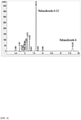
- FIGS. 2 and 4 show HPLC analysis results before the enzyme reaction
- FIGS. 3 and 5 show HPLC analysis results after the enzyme reaction.
- glucosylated Stevioside (Stevidoside-G1) and the glucosylated Rebaudioside A (Rebaudioside A-G1) were produced by transferring one glucose molecule via an ⁇ -(1,6) bond to glucose linked at 19-OH position of Stevioside and Rebaudioside A, respectively.
- Example 5 Examination of Activity of Enzyme Including Amino Acid Sequence of SEQ ID NO: 1 of Transferring Glucose to Steviol Glycoside
- Example 5-1 Preparation of Microorganism Including Enzyme and Purification of Enzyme
- a polynucleotide encoding the amino acid sequence of SEQ ID NO: 1 was prepared by a polynucleotide synthesis method (Bioneer Corp.), and the obtained polynucleotide was inserted into a pBT7-N-His vector, which was then transformed into E. coli BL21(DE3). The transformed E. coli was smeared on a plate medium containing ampicillin to obtain a recombinant strain (microorganism).
- microorganism was deposited at the Korean Culture Center of Microorganisms, which is an international depositary authority under the Budapest Treaty, on June 11, 2019, as Accession No. KCCM12561P.
- the recombinant E. coli strain was seeded in 5 mL of an LB medium containing ampicillin, and seed culture was carried out at 37°C until optical density at 600 nm reached 2.0.
- the seed culture broth was added to 500 mL of an LB medium containing ampicillin, and main culture was carried out. Thereafter, when optical density at 600 nm reached 0.4, 0.1 mM isopropyl ⁇ -D-thiogalactopyranoside (IPTG) was added to induce mass-expression of the enzyme including the amino acid sequence of SEQ ID NO: 1.
- IPTG isopropyl ⁇ -D-thiogalactopyranoside
- the culture broth was centrifuged at 10,000 ⁇ g at 4°C for 20 minutes to obtain a cell pellet.
- a 50 mM tris-HCl buffer solution was added to the pellet, and re-suspended as a cell solution.
- the cell solution was sonicated using a sonicator.
- the cell lysate was centrifuged at 13,000 ⁇ g at 4°C for 20 minutes to collect a supernatant only. Thereafter, the enzyme was purified using a Ni-NTA superflow column.
- FIG. 6 shows HPLC analysis results before the enzyme reaction
- FIG. 7 shows HPLC analysis results after the enzyme reaction.
- Rebaudioside A-G1 glucosylated Rebaudioside A
- Example 7 Evaluation of Sweetness and Quality of Sweetness of ⁇ -(1,6) Glucosylated Rebaudioside A
- the known material i.e., ⁇ -(1,4) glucosylated Rebaudioside A
- the ⁇ -(1,6) glucosylated Rebaudioside A of Example 4 were independently dissolved in water and provided to panels for evaluation of actual sweetness and quality of sweetness. The results are shown in Table 5 below.
- Bitter taste is stronger than sweet taste, has greasy taste like starch syrup.
- ⁇ -(1,6) glucosylated Rebaudioside A 26 Gives sweet taste in the beginning, has a bit of bitter taste, but has clean taste. Has off-smell (alcohol smell, etc. ).
Landscapes
- Chemical & Material Sciences (AREA)
- Organic Chemistry (AREA)
- Life Sciences & Earth Sciences (AREA)
- Engineering & Computer Science (AREA)
- Zoology (AREA)
- Wood Science & Technology (AREA)
- Health & Medical Sciences (AREA)
- Genetics & Genomics (AREA)
- Bioinformatics & Cheminformatics (AREA)
- General Health & Medical Sciences (AREA)
- Biochemistry (AREA)
- General Engineering & Computer Science (AREA)
- Microbiology (AREA)
- Biotechnology (AREA)
- Chemical Kinetics & Catalysis (AREA)
- General Chemical & Material Sciences (AREA)
- Medicinal Chemistry (AREA)
- Molecular Biology (AREA)
- Biomedical Technology (AREA)
- Preparation Of Compounds By Using Micro-Organisms (AREA)
- Enzymes And Modification Thereof (AREA)
- Micro-Organisms Or Cultivation Processes Thereof (AREA)
Abstract
Description
- The present disclosure relates to a composition for producing glucosylated steviol glycoside, the composition including glucosyltransferase; and a method of producing glucosylated steviol glycoside using the same.
- As the World Health Organization (WHO) recommends lowering the amount of daily sugar intake due to concerns about disease (obesity) caused by sugar consumption, various policies aimed at reducing the amount of sugar intake are actively being discussed by the governments of developed countries. Therefore, as the need for developing various alternative sweeteners is increasing in the market, alternative sweeteners are continuously being developed and commercialized. As alternative sweeteners, these are the subject of continuous variation in the form of synthetic high-intensity sweeteners (e.g., Saccharin, Aspartame, Sucralose, etc.), synthetic sugar alcohols (e.g., Maltitol and Xylitol), and high-intensity sweeteners (e.g., Rebaudioside A and Liquorice). Nevertheless, due to concerns over the safety of synthetic sweeteners, customers' need for natural sweeteners has been steadily increasing; however, because of limitations to peculiar flavor properties of natural sweeteners (i.e., off-smell and off-flavor), natural sweeteners cannot fully replace existing low-calorie and zero-calorie products based on synthetic sweeteners.
- A natural high-intensity sweetener that has received considerable attention in recent years is stevia extracted from the leaves of Stevia rebaudiana Bertoni. Stevia is a natural material, the sweetness of which is 200 to 300 times that of sugar, and consists of Stevioside, Rebaudioside A, Rebaudioside B, Rebaudioside C, Rebaudioside D, Rebaudioside E, Rebaudioside M, etc. In addition, stevia has no calories and positive effects on blood glucose and insulin levels, and has been reported to have no adverse effects in the human body. However, although stevia has potential to be used as an alternative sweetener, it has limitations in application due to the disadvantage that it expresses strong bitter taste.
- Methods for improving sweetness of stevia include a method of transferring a saccharide using an enzyme. As the method, a method of transferring 1 to 12 glucose molecules to a steviol glycoside using CGTase is widely used in the art (
Korean Patent Application No. 10-1991-0020769 - Under such circumstances, the present inventors have completed the present disclosure by confirming that an enzyme derived from Lactobacillus mali transfers glucose to steviol glycoside via an α-(1,6) bond to produce indigestible glucosylated steviol glycoside.
- An object of the present disclosure is to provide a composition for producing glucosylated steviol glycoside, the composition including glucosyltransferase including an amino acid sequence of SEQ ID NO: 1, a microorganism expressing the glucosyltransferase, or a culture of the microorganism.
- Another object of the present disclosure is to provide a method of producing glucosylated steviol glycoside, the method including the step of contacting steviol glycoside with the glucosyltransferase including the amino acid sequence of SEQ ID NO: 1, the microorganism expressing the glucosyltransferase, or the culture of the microorganism.
- Still another object of the present disclosure is to provide glucosylated steviol glycoside produced by the above production method.
- Still another object of the present disclosure is to provide a sweetener composition including the glucosylated steviol glycoside.
- Still another object of the present disclosure is to provide a composition for improving sweetness, the composition including the glucosyltransferase including the amino acid sequence of SEQ ID NO: 1, the microorganism expressing the glucosyltransferase, or the culture of the microorganism.
- Still another object of the present disclosure is to provide a method of improving sweetness of steviol glycoside, the method including the step of converting steviol glycoside into glucosylated steviol glycoside using the glucosyltransferase including the amino acid sequence of SEQ ID NO: 1, the microorganism expressing the glucosyltransferase, or the culture of the microorganism.
- The composition of the present disclosure for producing glucosylated steviol glycoside and the method of the present disclosure for producing glucosylated steviol glycoside employ glucosyltransferase including an amino acid sequence of SEQ ID NO: 1, thereby specifically producing glucosylated steviol glycoside.
- Additionally, since the glucosyltransferase has a high conversion rate of glucosylated steviol glycoside from steviol glycoside, it is possible to very efficiently produce glucosylated steviol glycoside.
-
-
FIG. 1 shows SDS-PAGE results of proteins in four kinds of fractions purified from a culture of Lactobacillus mali. -
FIG. 2 shows HPLC results before reacting Rebaudioside A and sugar with a crude enzyme solution of Lactobacillus mali. -
FIG. 3 shows HPLC results after reacting Rebaudioside A and sugar with the crude enzyme solution of Lactobacillus mali. -
FIG. 4 shows HPLC results before reacting Stevioside and sugar with the crude enzyme solution of Lactobacillus mali. -
FIG. 5 shows HPLC results after reacting Stevioside and sugar with the crude enzyme solution of Lactobacillus mali. -
FIG. 6 shows HPLC results before reacting Rebaudioside A and sugar with an enzyme including an amino acid sequence of SEQ ID NO: 1. -
FIG. 7 shows HPLC results after reacting Rebaudioside A and sugar with the enzyme including the amino acid sequence of SEQ ID NO: 1. - Hereinbelow, the present disclosure will be described in detail. Meanwhile, each of the explanations and exemplary embodiments disclosed herein may be applied to other explanations and exemplary embodiments. That is, all combinations of various factors disclosed herein belong to the scope of the present disclosure. Furthermore, the scope of the present disclosure should not be limited by the specific disclosure provided hereinbelow.
- In order to achieve the objects, an aspect of the present disclosure provides a composition for producing glucosylated steviol glycoside, the composition including glucosyltransferase including an amino acid sequence of SEQ ID NO: 1, a microorganism expressing the glucosyltransferase, or a culture of the microorganism.
- As used herein, the "glucosyltransferase" refers to an enzyme that transfers glucose from a glucose donor to a glucose acceptor.
- The glucosyltransferase may have a use for producing glucosylated steviol glycoside by transferring glucose from a glucose donor to steviol glycoside.
- The glucosyltransferase may be an enzyme including the amino acid sequence of SEQ ID NO: 1. The enzyme including the amino acid sequence of SEQ ID NO: 1 may be used interchangeably with an enzyme having the amino acid sequence of SEQ ID NO: 1, an enzyme essentially consisting of the amino acid sequence of SEQ ID NO: 1, or an enzyme consisting of the amino acid sequence of SEQ ID NO: 1.
- Further, although the glucosyltransferase in the present disclosure is defined as the enzyme including the amino acid sequence of SEQ ID NO: 1, it does not exclude a mutation that may occur by adding a meaningless sequence upstream or downstream the amino acid sequence of SEQ ID NO: 1, a naturally occurring mutation, or a silent mutation, and it is apparent to those skilled in the art that as long as a protein has activity identical to or corresponding to that of the enzyme including the amino acid sequence of SEQ ID NO: 1, essentially consisting of the amino acid sequence of SEQ ID NO: 1, or consisting of the amino acid sequence of SEQ ID NO: 1, it corresponds to the glucosyltransferase of the present disclosure. For specific example, the glucosyltransferase of the present disclosure may be a protein consisting of the amino acid sequence of SEQ ID NO: 1, or a protein consisting of an amino acid sequence having 80%, 90%, 95%, or 97% or more homology or identity thereto. Additionally, it is obvious that any protein having an amino acid sequence with deletion, modification, substitution, or addition in part of the sequence may also be included in the scope of the glucosyltransferase of the present disclosure, as long as the amino acid sequence has a homology or identity described above and exhibits efficacy corresponding to that of the enzyme.
- That is, although described as "an enzyme or protein having an amino acid sequence of a particular SEQ ID NO" or "an enzyme or protein consisting of an amino acid sequence of a particular SEQ ID NO" in the present disclosure, it is obvious that any protein having an amino acid sequence with deletion, modification, substitution, or addition in part of the sequence may also be used in the present disclosure, as long as the protein may have an activity identical or corresponding to that of a polypeptide including the amino acid sequence of the corresponding SEQ ID NO. For example, it is obvious that any "polypeptide consisting of the amino acid sequence of SEQ ID NO: 1" may belong to "the polypeptide including the amino acid sequence of SEQ ID NO: 1", as long as it has an activity identical or corresponding to that of the polypeptide including the amino acid sequence of SEQ ID NO: 1.
- As used herein, the term "homology" or "identity" refers to a degree of matching with two given amino acid sequences or nucleotide sequences, and may be expressed as a percentage. The terms "homology" and "identity" may often be used interchangeably with each other.
- The homology or identity of conserved polynucleotide or polypeptide sequences may be determined by standard alignment algorithms and may be used with a default gap penalty established by the program being used. Substantively, homologous or identical sequences may generally hybridize under moderate or high stringent conditions, along the entire length or at least about 50%, about 60%, about 70%, about 80%, or about 90% of the entire length of the sequences. Polynucleotides that contain degenerate codons instead of codons in the hybridizing polynucleotides are also considered.
- Whether any two polynucleotide or polypeptide sequences have a homology, similarity, or identity may be determined using a known computer algorithm such as the "FASTA" program (e.g., Pearson et al., (1988)[Proc. Natl. Acad. Sci. USA 85]: 2444) using default parameters. Alternately, it may be determined using the Needleman-Wunsch algorithm (Needleman and Wunsch, 1970, J. Mol. Biol. 48: 443-453), which is performed in the Needleman program of the EMBOSS package ((EMBOSS: The European Molecular Biology Open Software Suite, Rice et al., 2000, Trends Genet. 16: 276-277) (version 5.0.0 or later) (GCG program package (Devereux, J., et al., Nucleic Acids Research 12: 387 (1984)), BLASTP, BLASTN, FASTA (Atschul, [S.] [F.,] [ET AL, J MOLEC BIOL 215]: 403 (1990); Guide to Huge Computers, Martin J. Bishop, [ED.,] Academic Press, San Diego, 1994, and [CARILLO ETA/.](1988) SIAM J Applied Math 48: 1073). For example, the homology, similarity, or identity may be determined using BLAST or ClustalW of the National Center for Biotechnology Information.
- The homology, similarity, or identity of polynucleotide or polypeptide sequences may be determined by comparing sequence information using, for example, the GAP computer program (e.g., Needleman et al., (1970), J Mol Biol.48: 443), as published in Smith and Waterman, Adv. Appl. Math (1981) 2:482. In summary, the GAP program defines the homology, similarity, or identity as the value obtained by dividing the number of similarly aligned symbols (i.e., nucleotides or amino acids) by the total number of the symbols in the shorter of the two sequences. Default parameters for the GAP program may include (1) a unary comparison matrix (containing a value of 1 for identities and 0 for non-identities) and the weighted comparison matrix of Gribskov et al (1986) Nucl. Acids Res. 14: 6745, as disclosed in Schwartz and Dayhoff, eds., Atlas Of Protein Sequence And Structure, National Biomedical Research Foundation, pp. 353-358 (1979) (or EDNAFULL (EMBOSS version of NCBI NUC4.4) substitution matrix); (2) a penalty of 3.0 for each gap and an additional 0.10 penalty for each symbol in each gap (or a gap opening penalty of 10 and a gap extension penalty of 0.5); and (3) no penalty for end gaps.
- Further, whether any two polynucleotide or polypeptide sequences have a homology, similarity, or identity may be determined by comparing sequences by Southern hybridization experiments under defined stringent conditions, and the defined appropriate hybridization conditions may be within a range in the art and may be determined by a method well known to those skilled in the art (e.g., J. Sambrook et al., Molecular Cloning, A Laboratory Manual, 2nd Edition, Cold Spring Harbor Laboratory press, Cold Spring Harbor, New York, 1989; F.M. Ausubel et al., Current Protocols in Molecular Biology, John Wiley & Sons, Inc., New York).
- The glucosyltransferase including the amino acid sequence of SEQ ID NO: 1 may be an enzyme derived from the genus Lactobacillus, and specifically, an enzyme derived from Lactobacillus mali, but is not limited thereto.
- The glucosyltransferase including the amino acid sequence of SEQ ID NO: 1 may have a conversion rate of 50% or more, specifically 60% or more, more specifically 70% or more, much more specifically 80% or more, and even much more specifically 90% or more from steviol glycoside into glucosylated steviol glycoside, but is not limited thereto.
- The composition of the present disclosure for producing glucosylated steviol glycoside may include a microorganism expressing the glucosyltransferase including the amino acid sequence of SEQ ID NO: 1, or a culture of the microorganism.
- The microorganism may be specifically a microorganism of the genus Lactobacillus, and more specifically Lactobacillus mali, but is not limited thereto, as long as it is a microorganism that may include or express the glucosyltransferase of the present disclosure.
- Specifically, the culture may be a culture including the microorganism expressing the glucosyltransferase including the amino acid sequence of SEQ ID NO: 1, or a culture from which the microorganism is excluded.
- The composition of the present disclosure for producing glucosylated steviol glycoside may further include steviol glycoside and a glucose donor.
- The "steviol glycoside", which is one of natural sweeteners, may be represented by
Chemical Formula 1 below.
- In
Chemical Formula 1, to R1, hydrogen (H) may be bound, or 1 to 3 glucose molecules may be bound via a β-bond; and to R2, one molecule of glucose, xylose, or rhamnose may be bound via a β-bond, and 0 to 2 glucose molecules may be bound thereto via a β-bond, but they are not limited thereto. - The steviol glycoside may be one or more selected from the group consisting of Stevioside, Rubusoside, Dulcoside A, Rebaudioside A, Rebaudioside C, Rebaudioside D, Rebaudioside E, Rebaudioside F, and Rebaudioside M, but is not limited thereto.
- The glucose donor may be any one of an oligomer of glucose, a polymer of glucose, or a cyclic form thereof which may be reacted in the presence of glucosyltransferase such that one or more glucose molecules may be transferred to the steviol glycoside, and specifically, it may be sugar, but is not limited thereto.
- The "glucosylated steviol glycoside" may be in the form in which glucose is linked to steviol glycoside.
- Specifically, the glucosylated steviol glycoside may be in the form in which glucose is linked to steviol glycoside via an α-(1,6) bond.
- Specifically, the glucosylated steviol glycoside may be in the form in which glucose is linked via an α-(1,6) bond to glucose linked at 19-OH position of steviol glycoside.
- Specifically, the glucosylated steviol glycoside may be in the form in which 1 to 3 glucose molecules are linked to steviol glycoside.
- The composition of the present disclosure for producing glucosylated steviol glycoside may further include a cofactor capable of advantageously transferring glucose to steviol glycosides or capable of enhancing stability of the composition, but is not limited thereto. Examples of the cofactor may include metal ions, metal salts, excipients, preservatives, etc., but are not limited thereto.
- To achieve the above object, another aspect of the present disclosure provides a method of producing glucosylated steviol glycoside, the method including the step of contacting steviol glycoside with the glucosyltransferase including the amino acid sequence of SEQ ID NO: 1, the microorganism expressing the glucosyltransferase, or the culture of the microorganism.
- The "glucosyltransferase including the amino acid sequence of SEQ ID NO: 1", "microorganism", "culture", and "glucosylated steviol glycoside" are the same as described above.
- The method of the present disclosure for producing glucosylated steviol glycoside may include the step of reacting a glucose donor (e.g., sugar) and steviol glycoside in the presence of the glucosyltransferase including the amino acid sequence of SEQ ID NO: 1, the microorganism expressing the glucosyltransferase, or the culture of the microorganism. In this regard, the "glucose donor" and "steviol glycoside" are the same as described above.
- The step of reacting the glucose donor and steviol glycoside may be carried out at pH of 1 to 10, specifically at pH of 2 to 9, more specifically at pH of 3 to 8, and much more specifically at pH of 5 to 6, but is not limited thereto.
- The step of reacting the glucose donor and steviol glycoside may be carried out at 1°C to 80°C, specifically at 5°C to 70°C, more specifically at 25°C to 50°C, and much more specifically at 35°C to 45°C, but is not limited thereto.
- Further, the step of reacting the glucose donor and steviol glycoside may be carried out at pH of 1 to 10, pH of 2 to 9, pH of 3 to 8, or pH of 5 to 6, and at 1°C to 80°C, 5°C to 70°C, 25°C to 50°C, or 35°C to 45 °C, but is not limited thereto.
- The method of the present disclosure for producing glucosylated steviol glycoside may further include the step of recovering glucosylated steviol glycoside. The recovery may employ various methods known in the art, for example, filtration, size-exclusion chromatography, ion-exchange chromatography, crystallization, HPLC, etc., but is not limited thereto. Further, the recovery step may include a purification process.
- To achieve the above object, still another aspect of the present disclosure provides glucosylated steviol glycoside produced by the method of the present disclosure for producing glucosylated steviol glycoside.
- The "glucosylated steviol glycoside" is the same as described above.
- Specifically, the glucosylated steviol glycoside may be one or more selected from the group consisting of glucosylated Stevioside, glucosylated Rubusoside, glucosylated Dulcoside A, glucosylated Rebaudioside A, glucosylated Rebaudioside C, glucosylated Rebaudioside D, glucosylated Rebaudioside E, glucosylated Rebaudioside F, and glucosylated Rebaudioside M, but is not limited thereto.
- To achieve the above object, still another aspect of the present disclosure provides a sweetener composition including the glucosylated steviol glycoside of the present disclosure.
- The sweetener composition of the present disclosure may have an improved bitter taste and improved solubility, as compared with a sweetener composition including steviol glycoside.
- The improved bitter taste may be a reduced bitter taste.
- The improved solubility may be increased solubility.
- To achieve the above object, still another aspect of the present disclosure provides a composition for improving sweetness of steviol glycoside, the composition including the glucosyltransferase including the amino acid sequence of SEQ ID NO: 1, the microorganism expressing the glucosyltransferase, or the culture of the microorganism.
- The "glucosyltransferase including the amino acid sequence of SEQ ID NO: 1", "microorganism", "culture", and "steviol glycoside" are the same as described above.
- The sweetness improvement may be bitter taste improvement due to reduced bitter taste.
- To achieve the above object, still another aspect of the present disclosure provides a method of improving sweetness of steviol glycoside, the method including the step of converting steviol glycoside into glucosylated steviol glycoside using the glucosyltransferase including the amino acid sequence of SEQ ID NO: 1, the microorganism expressing the glucosyltransferase, or the culture of the microorganism.
- The "glucosyltransferase including the amino acid sequence of SEQ ID NO: 1", "microorganism", "culture", "steviol glycoside", and "glucosylated steviol glycoside" are the same as described above.
- The converting step may be carried out at pH of 1 to 10, specifically at pH of 2 to 9, more specifically at pH of 3 to 8, and much more specifically at pH of 5 to 6, but is not limited thereto.
- The converting step may be carried out at 1 °C to 80 °C, specifically at 5 °C to 70 °C, more specifically at 25 °C to 50 °C, and much more specifically at 35 °C to 45 °C, but is not limited thereto.
- Further, the converting step may be carried out at pH of 1 to 10, pH of 2 to 9, pH of 3 to 8, or pH of 5 to 6, and at 1°C to 80°C, 5°C to 70°C, 25°C to 50°C, or 35°C to 45°C, but is not limited thereto.
- The sweetness improvement may be bitter taste improvement due to reduced bitter taste.
- Hereinafter, the present disclosure will be described in more detail with reference to Examples and Experimental Examples. However, these Examples and Experimental Examples are only for illustrating the present disclosure, and the scope of the present disclosure is not intended to be limited by these Examples and Experimental Examples.
- A test tube was filled with 5 mL of MRS broth (BD Difco), and then Lactobacillus mali was seeded thereto, followed by incubation at 30°C and 180 rpm for 15 hours.
- Thereafter, a 250mL flask was filled with 100 mL of MRS broth, and then the culture broth was seeded thereto at a concentration of 5%(v/v), followed by incubation at 30°C and 180 rpm for 15 hours.
- Thereafter, a 3L fermentor was filled with 1L of modified MRS broth, and then the culture broth was seeded thereto at a concentration of 5%(v/v), followed by incubation at 30°C and 300 rpm for 24 hours. At this time, a composition of the modified MRS broth is the same as in Table 1 below.
[Table 1] Composition Unit (g/L) Content Manufacturer Sucrose g 20 SIGMA Polypeptone g 10 DAEJUNG Yeast extract g 5 BD Difco Beef extract g 10 BD Difco Ammonium citrate g 2 DAEJUNG Sodium acetate g 5 DAEJUNG K2HPO4 g 2 DAEJUNG MgSO4-7H2O g 0.1 JUNSEI MnSO4-H2O g 0.05 JUNSEI Tween 80 g 1 DAEJUNG - The culture broth was centrifuged at 13,000 rpm for 15 minutes to recover a supernatant. The supernatant was subjected to dialysis using a 20 mM Tris-HCl, pH 7.4 buffer to perform protein purification.
- In primary purification, anion-exchange chromatography was used, and Hitrap™ DEAE FF (GE healthcare) column was used. The sample was loaded onto the column at a flow rate of 1 mL/min, followed by elution using a 20 mM Tris-HCl, pH 7.4 buffer containing 1 MNaCl.
- In secondary purification, gel filtration chromatography was used, and Hiload™ 16/60 Superdex 200pg (GE healthcare) column was used. Purification was carried out using a 20 mM Tris-HCl buffer containing 150 mM NaCl.
- From the above purification, four kinds of fractions were obtained, and SDS-PAGE results of the respective fractions are shown in
FIG. 1 . - To confirm the presence of the desired enzyme, sugar hydrolysis activity of each fraction was examined by a reducing sugar determination method (DNS method).
- A 200 mM sugar solution and each fraction were mixed at a ratio of 1:1 in a 50 mM sodium acetate buffer, and allowed to react in a water bath at 40°C for 10 minutes, followed by inactivation at 100°C. A DNS reagent was added thereto at a ratio of 1:3, and then mixed and allowed to react at 100°C for 5 minutes, and then DNS reaction was immediately stopped on ice. Thereafter, optical density (OD) of the DNS reagent was measured at 575 nm, and the activity was confirmed from a constructed fructose standard curve. At this time, 1 unit is defined by the amount (mL) of an enzyme that produces 1 µmole of fructose per 1 minute.
- As a result, it was confirmed that a 75kDa protein of Fraction No. 2 had sugar hydrolysis activity.
- The 75kDa protein was identified by LC-MS.
- For protein identification using mass spectrometry (MS), fragmentation of the protein to be analyzed into peptides is needed.
- Therefore, the gel corresponding to 75 kDa of
fraction # 2 ofFIG. 1 was cut, and then a 50% CH3CN(H2O) solvent was added to the in-gel piece sample, and destained by reacting for 15 minutes. Thereafter, 2 µL of 1 M dithiothreitol (DTT, GE) dissolved in a 50 mM ammonium bicarbonate (ABC, SIGMA) buffer was added, and stored at room temperature for 1 hour. Then, 4 µL of 1 M iodoacetamide (IAA, SIGMA) dissolved in a 50 mM ammonium bicarbonate (ABC, SIGMA) buffer was added, and stored in the dark at room temperature for 1 hour. 1 µg of a trypsin solution (Sequencing-grade modified porcine trypsin, Thermofisher, Madison, WI, USA) was added to the destained in-gel piece sample, and allowed to react at 37°C for 16 hours. 200 µL of a 50% CH3CN(H2O) solvent was added to recover the hydrolyzed peptides through gel dehydration, which were then dried using a SpeedDry vacuum concentrator. In order to remove salts and other impurities, desalting was carried out using C18 Ziptip (Millipore). - Liquid chromatography-mass spectrometry was performed using Ultimate 3000 RS UHPLC, Q-Exactive Orbitrap (Thermo Scientific) mass spectrometer, and analysis conditions are as follows:
(1) Chromatography: Thermo (Dionex) UHPLC Ultimate 3000
(2) Column: Acclaim prepMap™ RSLC 50µm X 15 cm, nanoviper C18, 2 µm, 100A
(3) Solvent: A = distilled water (containing 0.1 % formic acid), B = acetonitrile (containing 0.1 % formic acid)
(4) Elution conditions[Table 2] Time (min) A (%) B (%) 0 95 5 5 95 5 63 70 30 68 50 50 70 20 80 73 20 80 75 95 5 88 95 5 89 95 5
(5) Flow rate: 0.2 µL/min
(6) Sample injection: 1 µL - Thereafter, amino acid sequences were examined by de novo peptide sequencing, and at this time, Proteome Discoverer 2.1 (Thermo) was used as an analysis program.
- The thus-confirmed amino acid sequence was SEQ ID NO: 1.
- 6% Rebaudioside A (purecircle) or 6% Stevioside (carbosynth), and 6% white sugar (CJ CheilJedang) were dissolved in a 50 mM sodium acetate buffer (pH 5.0), and then the Lactobacillus mali crude enzyme solution including the enzyme including the amino acid sequence of SEQ ID NO: 1 was added thereto, and allowed to react at 40°C for 24 hours. Thereafter, whether glucosylated Rebaudioside A or glucosylated Stevioside was produced was confirmed by HPLC, and the results are shown in
FIGS. 2 to 5 . Meanwhile, HPLC analysis conditions are as follows:[Table 3] Mobile phase Acetonitrile (30%): Distilled water (70%) Column 250 X 4.6 mm Capcell pak C18 MG II (Shiseido) Flow rate 0.6 mL/min Temperature 30° C Injection amount 20 µL Detector DAD (210 nm) -
FIGS. 2 and4 show HPLC analysis results before the enzyme reaction, andFIGS. 3 and5 show HPLC analysis results after the enzyme reaction. - Comparison of
FIGS. 2 and3 showed that Rebaudioside A was converted into glucosylated Rebaudioside A (Rebaudioside A-G1) by the enzyme reaction. At this time, it was confirmed that the conversion rate was about 90%. - Further, comparison of
FIGS. 4 and5 showed that Stevioside was converted into glucosylated Stevioside (Stevidoside-G1) by the enzyme reaction. At this time, it was confirmed that the conversion rate was about 90%. - Meanwhile, it was confirmed by NMR that the glucosylated Stevioside (Stevidoside-G1) and the glucosylated Rebaudioside A (Rebaudioside A-G1) were produced by transferring one glucose molecule via an α-(1,6) bond to glucose linked at 19-OH position of Stevioside and Rebaudioside A, respectively.
- The activity of the enzyme including the amino acid sequence of SEQ ID NO: 1, which was confirmed in Example 3, was examined. Specifically, it was examined whether the enzyme has activity of transferring glucose to steviol glycoside.
- A polynucleotide encoding the amino acid sequence of SEQ ID NO: 1 was prepared by a polynucleotide synthesis method (Bioneer Corp.), and the obtained polynucleotide was inserted into a pBT7-N-His vector, which was then transformed into E. coli BL21(DE3). The transformed E. coli was smeared on a plate medium containing ampicillin to obtain a recombinant strain (microorganism).
- Meanwhile, the microorganism was deposited at the Korean Culture Center of Microorganisms, which is an international depositary authority under the Budapest Treaty, on June 11, 2019, as Accession No. KCCM12561P.
- The recombinant E. coli strain was seeded in 5 mL of an LB medium containing ampicillin, and seed culture was carried out at 37°C until optical density at 600 nm reached 2.0. The seed culture broth was added to 500 mL of an LB medium containing ampicillin, and main culture was carried out. Thereafter, when optical density at 600 nm reached 0.4, 0.1 mM isopropyl β-D-thiogalactopyranoside (IPTG) was added to induce mass-expression of the enzyme including the amino acid sequence of SEQ ID NO: 1. During the process, an agitation speed was 180 rpm, and culture temperature was maintained at 37°C. After IPTG addition, the agitation speed was 120 rpm, and culture temperature was maintained at 16°C.
- The culture broth was centrifuged at 10,000 × g at 4°C for 20 minutes to obtain a cell pellet. A 50 mM tris-HCl buffer solution was added to the pellet, and re-suspended as a cell solution. The cell solution was sonicated using a sonicator. The cell lysate was centrifuged at 13,000 × g at 4°C for 20 minutes to collect a supernatant only. Thereafter, the enzyme was purified using a Ni-NTA superflow column.
- 6% Rebaudioside A (purecircle) and 6% white sugar (CJ CheilJedang) were dissolved in a 50 mM sodium acetate buffer (pH 5.0), and then the enzyme including the amino acid sequence of SEQ ID NO: 1, which was obtained in Example 5-1, was added thereto, and allowed to react at 40°C for 24 hours. Thereafter, whether glucosylated Rebaudioside A was produced was confirmed by HPLC, and the results are shown in
FIGS. 6 and7 . -
FIG. 6 shows HPLC analysis results before the enzyme reaction, andFIG. 7 shows HPLC analysis results after the enzyme reaction. - Comparison of
FIGS. 6 and7 showed that Rebaudioside A was converted into glucosylated Rebaudioside A (Rebaudioside A-G1) by the enzyme reaction. At this time, it was confirmed that the conversion rate was about 90%. - Meanwhile, it was confirmed by NMR that the glucosylated Rebaudioside A (Rebaudioside A-G1) was produced by transferring one glucose molecule via an α-(1,6) bond to glucose linked at 19-OH position of Rebaudioside A.
- That is, it was confirmed that the enzyme including the amino acid sequence of SEQ ID NO: 1 had activity identical to that of the crude enzyme solution of Lactobacillus mali of Example 4.
- The solubility of steviol glycoside and glucosylated steviol glycoside was measured.
- Specifically, the solubility of Rebaudioside A (RA), Stevioside (STV), glucosylated Rebaudioside A (RA-Glu) of Example 4, and glucosylated Stevioside (STV-Glu) of Example 4 was measured, respectively.
- Each 6 g of Rebaudioside A, Stevioside, glucosylated Rebaudioside A, and glucosylated Stevioside was mixed with 10 mL, and then dissolved by sonication at 50°C for 60 minutes. The resultant was incubated for 1 week in a water bath at 5°C, 15°C, 25°C, 35°C, 45°C, or 55°C. Thereafter, the resulting solution was centrifuged at 12,000 rpm for 10 minutes, and 1 mL of the supernatant was collected and dried in an oven at 105°C to measure the solubility, which is shown in Table 4.
[Table 4] Temperature (°C) Solubility (%) STV RA STV-Glu RA- Glu 5 6.3 1.1 40↑ 40↑ 15 6.2 0.6 40↑ 40↑ 25 5.3 0.3 40↑ 40↑ 35 9.2 0.5 40↑ 40↑ 45 13.7 1.1 40↑ 40↑ 55 39.7 1.6 40↑ 40↑ - According to the results of Table 4, it can be seen that the glucosylated Stevioside and the glucosylated Rebaudioside A showed remarkably increased solubility, as compared with Stevioside and Rebaudioside A, respectively.
- The known material (i.e., α-(1,4) glucosylated Rebaudioside A) and the α-(1,6) glucosylated Rebaudioside A of Example 4 were independently dissolved in water and provided to panels for evaluation of actual sweetness and quality of sweetness. The results are shown in Table 5 below.
[Table 5] Sample Actual Sweetness Evaluation of Quality of Sweetness α-(1,4) glucosylated Rebaudioside A 19 Bitter taste is stronger than sweet taste, has greasy taste like starch syrup. Weak off-smell compared to α-(1,6) glucosylated Rebaudioside A, but strong off-flavor. α-(1,6) glucosylated Rebaudioside A 26 Gives sweet taste in the beginning, has a bit of bitter taste, but has clean taste. Has off-smell (alcohol smell, etc.). - As shown in Table 5, it was confirmed that the α-(1,6) glucosylated Rebaudioside A showed high sweetness, as compared with the α-(1,4) glucosylated Rebaudioside A, and also had better quality of sweetness.
- Based on the above description, it will be understood by those skilled in the art that the present disclosure may be implemented in a different specific form without changing the technical spirit or essential characteristics thereof. Therefore, it should be understood that the above embodiment is not limitative, but illustrative in all aspects. The scope of the disclosure is defined by the appended claims rather than by the description preceding them, and therefore all changes and modifications that fall within metes and bounds of the claims, or equivalents of such metes and bounds are therefore intended to be embraced by the claims.


Claims (15)
- A composition for producing glucosylated steviol glycoside, the composition comprising glucosyltransferase including an amino acid sequence of SEQ ID NO: 1, a microorganism expressing the glucosyltransferase, or a culture of the microorganism.
- The composition of claim 1, further comprising steviol glycoside and a glucose donor.
- The composition of claim 2, wherein the glucose donor is an oligomer of glucose, a polymer of glucose, or a cyclic form thereof.
- The composition of claim 1, wherein the glucosylated steviol glycoside is in the form in which glucose is linked to steviol glycoside via an α-(1,6) bond.
- The composition of claim 4, wherein the glucosylated steviol glycoside is in the form in which glucose is linked via an α-(1,6) bond to glucose linked at 19-OH position of steviol glycoside.
- The composition of claim 1, wherein the glucosylated steviol glycoside is in the form in which 1 to 3 glucose molecules are linked to steviol glycoside.
- The composition of claim 1, wherein the steviol glycoside is one or more selected from the group consisting of Stevioside, Rubusoside, Dulcoside A, Rebaudioside A, Rebaudioside C, Rebaudioside D, Rebaudioside E, Rebaudioside F, and Rebaudioside M.
- A method of producing glucosylated steviol glycoside, the method comprising the step of contacting steviol glycoside with glucosyltransferase including an amino acid sequence of SEQ ID NO: 1, a microorganism expressing the glucosyltransferase, or a culture of the microorganism.
- The method of claim 8, the method comprising the step of reacting a glucose donor and steviol glycoside in the presence of the glucosyltransferase including the amino acid sequence of SEQ ID NO: 1, the microorganism expressing the glucosyltransferase, or the culture of the microorganism.
- The method of claim 9, wherein the reacting is carried out at pH of 1 to 10.
- The method of claim 9, wherein the reacting is carried out at 1°C to 80°C.
- The method of claim 8, wherein the glucosylated steviol glycoside is in the form in which glucose is linked to steviol glycoside via an α-(1,6) bond.
- The method of claim 12, wherein the glucosylated steviol glycoside is in the form in which glucose is linked via an α-(1,6) bond to glucose linked at 19-OH position of steviol glycoside.
- The method of claim 8, wherein the glucosylated steviol glycoside is in the form in which 1 to 3 glucose molecules are linked to steviol glycoside.
- The method of claim 8, wherein the steviol glycoside is one or more selected from the group consisting of Stevioside, Rubusoside, Dulcoside A, Rebaudioside A, Rebaudioside C, Rebaudioside D, Rebaudioside E, Rebaudioside F, and Rebaudioside M.
Applications Claiming Priority (2)
| Application Number | Priority Date | Filing Date | Title |
|---|---|---|---|
| KR1020190070925A KR102303661B1 (en) | 2019-06-14 | 2019-06-14 | Compositions comprising glucose transferase for producing glucosylated steviol glycosides and method for producing glucosylated steviol glycosides using the same |
| PCT/KR2020/007396 WO2020251228A1 (en) | 2019-06-14 | 2020-06-08 | Composition for preparing glucose-transferring steviol glycoside comprising glucose-transferring enzyme, and method for preparing glucose-transferring steviol glycoside using same |
Publications (2)
| Publication Number | Publication Date |
|---|---|
| EP3954780A1 true EP3954780A1 (en) | 2022-02-16 |
| EP3954780A4 EP3954780A4 (en) | 2022-07-27 |
Family
ID=73782223
Family Applications (1)
| Application Number | Title | Priority Date | Filing Date |
|---|---|---|---|
| EP20822566.4A Pending EP3954780A4 (en) | 2019-06-14 | 2020-06-08 | COMPOSITION FOR PREPARING A GLUCOSE TRANSFER STEVIOL GLYCOSIDE COMPRISING A GLUCOSE TRANSFER ENZYME, AND METHOD FOR PREPARING A GLUCOSE TRANSFER STEVIOL GLYCOSIDE USING THE SAME COMPOSITION |
Country Status (7)
| Country | Link |
|---|---|
| US (1) | US12404532B2 (en) |
| EP (1) | EP3954780A4 (en) |
| JP (1) | JP7375046B2 (en) |
| KR (1) | KR102303661B1 (en) |
| CN (1) | CN114521215B (en) |
| PY (1) | PY2025967A (en) |
| WO (1) | WO2020251228A1 (en) |
Family Cites Families (10)
| Publication number | Priority date | Publication date | Assignee | Title |
|---|---|---|---|---|
| JPH0434813A (en) | 1990-05-30 | 1992-02-05 | Hitachi Ltd | high speed circuit breaker |
| KR950002868B1 (en) | 1991-11-21 | 1995-03-27 | 주식회사 미원 | Preparation of fructosyl stevioside and sweetener thereof |
| JP2009034080A (en) | 2007-08-03 | 2009-02-19 | Sanei Gen Ffi Inc | Production of novel glycosyltransferases and glycosides using the same |
| KR101199821B1 (en) * | 2011-06-23 | 2012-11-09 | 전남대학교산학협력단 | Method for preparing functional natural high intensity sweetener stevio- oligoglycosides by using glycosyltransferases |
| KR20130014227A (en) * | 2011-07-29 | 2013-02-07 | 한국생명공학연구원 | NOVEL α-GLUCOSYL STEVIOSIDES AND PROCESS FOR PRODUCING THE SAME |
| MX352678B (en) * | 2012-05-22 | 2017-12-04 | Purecircle Sdn Bhd | HIGH PURITY ESTEVIOL GLUCOSIDS. |
| JP6976173B2 (en) | 2015-03-10 | 2021-12-08 | レイクスユニフェルシテイト フローニンゲン | Enzymatic modification methods of steviol glycosides, the resulting modified steviol glycosides, and their use as sweeteners. |
| KR101997597B1 (en) * | 2016-11-17 | 2019-07-08 | 서울대학교산학협력단 | Synthesis method of stevioside glucosides using modified Leuconostoc and Novel stevioside glucosides made by the same |
| WO2018093196A1 (en) * | 2016-11-17 | 2018-05-24 | 서울대학교산학협력단 | Method for synthesizing stevioside glycoside using modified strains belonging to genus leuconostoc and novel stevioside glycoside prepared thereby |
| PL3708672T3 (en) | 2017-12-15 | 2022-09-26 | Cj Cheiljedang Corporation | Method for producing transglucosylated steviol glycoside using lactobacillus mali |
-
2019
- 2019-06-14 KR KR1020190070925A patent/KR102303661B1/en active Active
-
2020
- 2020-06-08 JP JP2021568034A patent/JP7375046B2/en active Active
- 2020-06-08 US US17/610,352 patent/US12404532B2/en active Active
- 2020-06-08 EP EP20822566.4A patent/EP3954780A4/en active Pending
- 2020-06-08 CN CN202080041333.2A patent/CN114521215B/en active Active
- 2020-06-08 WO PCT/KR2020/007396 patent/WO2020251228A1/en not_active Ceased
- 2020-06-11 PY PY202002025967A patent/PY2025967A/en unknown
Also Published As
| Publication number | Publication date |
|---|---|
| US20220220523A1 (en) | 2022-07-14 |
| KR102303661B1 (en) | 2021-09-23 |
| KR20200143612A (en) | 2020-12-24 |
| WO2020251228A1 (en) | 2020-12-17 |
| CN114521215B (en) | 2023-11-21 |
| JP7375046B2 (en) | 2023-11-07 |
| JP2022532627A (en) | 2022-07-15 |
| EP3954780A4 (en) | 2022-07-27 |
| US12404532B2 (en) | 2025-09-02 |
| CN114521215A (en) | 2022-05-20 |
| PY2025967A (en) | 2021-07-01 |
Similar Documents
| Publication | Publication Date | Title |
|---|---|---|
| US20220017557A1 (en) | High-purity steviol glycosides | |
| CN110358795A (en) | High purity steviol glycosides | |
| US12378590B2 (en) | High-purity steviol glycosides | |
| JP7714797B2 (en) | Novel glycosyltransferase and its use | |
| EP4349989A1 (en) | Glycosyltransferase and application thereof | |
| JP2026032151A (en) | Method for Producing Rebaudioside D and Rebaudioside M | |
| KR101997597B1 (en) | Synthesis method of stevioside glucosides using modified Leuconostoc and Novel stevioside glucosides made by the same | |
| US12404532B2 (en) | Composition for producing glucosylated steviol glycoside including glucosyltransferase and method of producing glucosylated steviol glycoside using the same | |
| HK40062168A (en) | Composition for preparing glucose-transferring steviol glycoside comprising glucose-transferring enzyme, and method for preparing glucose-transferring steviol glycoside using same | |
| US20260009063A1 (en) | High-purity steviol glycosides | |
| US20230276834A1 (en) | Composition comprising glucosylated stevia and having improved sweetness quality | |
| JP7481350B2 (en) | Sweetening material composition and method for producing same | |
| KR102167849B1 (en) | Method for producing gluicosyl stevioside using the alpha-1,6 glucosylation enzyme | |
| RU2824097C1 (en) | Composition containing glycosylated stevia and having improved sweetness quality | |
| EP3702451A2 (en) | Method for preparing transfructosylated stevioside using arthrobacter genus microorganisms | |
| RU2839979C2 (en) | Method of producing rebaudioside d and rebaudioside m | |
| TWI917708B (en) | Methods for preparing rebaudioside d and rebaudioside m | |
| KR20190002364A (en) | Synthesis method of rubusoside-fructoside using levansucrase | |
| HK40084093A (en) | Composition having improved sweetness comprising glucose-transferred stevia |
Legal Events
| Date | Code | Title | Description |
|---|---|---|---|
| STAA | Information on the status of an ep patent application or granted ep patent |
Free format text: STATUS: THE INTERNATIONAL PUBLICATION HAS BEEN MADE |
|
| PUAI | Public reference made under article 153(3) epc to a published international application that has entered the european phase |
Free format text: ORIGINAL CODE: 0009012 |
|
| STAA | Information on the status of an ep patent application or granted ep patent |
Free format text: STATUS: REQUEST FOR EXAMINATION WAS MADE |
|
| 17P | Request for examination filed |
Effective date: 20211108 |
|
| AK | Designated contracting states |
Kind code of ref document: A1 Designated state(s): AL AT BE BG CH CY CZ DE DK EE ES FI FR GB GR HR HU IE IS IT LI LT LU LV MC MK MT NL NO PL PT RO RS SE SI SK SM TR |
|
| REG | Reference to a national code |
Ref country code: HK Ref legal event code: DE Ref document number: 40062168 Country of ref document: HK |
|
| A4 | Supplementary search report drawn up and despatched |
Effective date: 20220623 |
|
| RIC1 | Information provided on ipc code assigned before grant |
Ipc: C12R 1/225 20060101ALI20220617BHEP Ipc: C12N 9/10 20060101ALI20220617BHEP Ipc: C12P 19/18 20060101ALI20220617BHEP Ipc: C12P 19/56 20060101AFI20220617BHEP |
|
| DAX | Request for extension of the european patent (deleted) | ||
| RAV | Requested validation state of the european patent: fee paid |
Extension state: KH Effective date: 20211108 |
|
| P01 | Opt-out of the competence of the unified patent court (upc) registered |
Effective date: 20230606 |
|
| STAA | Information on the status of an ep patent application or granted ep patent |
Free format text: STATUS: EXAMINATION IS IN PROGRESS |
|
| 17Q | First examination report despatched |
Effective date: 20251223 |