EP3952596A1 - Information transmission method and apparatus, and network device - Google Patents
Information transmission method and apparatus, and network device Download PDFInfo
- Publication number
- EP3952596A1 EP3952596A1 EP19928180.9A EP19928180A EP3952596A1 EP 3952596 A1 EP3952596 A1 EP 3952596A1 EP 19928180 A EP19928180 A EP 19928180A EP 3952596 A1 EP3952596 A1 EP 3952596A1
- Authority
- EP
- European Patent Office
- Prior art keywords
- smf
- upf
- access
- message
- terminal
- Prior art date
- Legal status (The legal status is an assumption and is not a legal conclusion. Google has not performed a legal analysis and makes no representation as to the accuracy of the status listed.)
- Granted
Links
Images






Classifications
-
- H—ELECTRICITY
- H04—ELECTRIC COMMUNICATION TECHNIQUE
- H04W—WIRELESS COMMUNICATION NETWORKS
- H04W72/00—Local resource management
- H04W72/12—Wireless traffic scheduling
- H04W72/1263—Mapping of traffic onto schedule, e.g. scheduled allocation or multiplexing of flows
- H04W72/1273—Mapping of traffic onto schedule, e.g. scheduled allocation or multiplexing of flows of downlink data flows
-
- H—ELECTRICITY
- H04—ELECTRIC COMMUNICATION TECHNIQUE
- H04W—WIRELESS COMMUNICATION NETWORKS
- H04W76/00—Connection management
- H04W76/10—Connection setup
- H04W76/15—Setup of multiple wireless link connections
- H04W76/16—Involving different core network technologies, e.g. a packet-switched [PS] bearer in combination with a circuit-switched [CS] bearer
-
- H—ELECTRICITY
- H04—ELECTRIC COMMUNICATION TECHNIQUE
- H04W—WIRELESS COMMUNICATION NETWORKS
- H04W72/00—Local resource management
- H04W72/20—Control channels or signalling for resource management
- H04W72/23—Control channels or signalling for resource management in the downlink direction of a wireless link, i.e. towards a terminal
-
- H—ELECTRICITY
- H04—ELECTRIC COMMUNICATION TECHNIQUE
- H04W—WIRELESS COMMUNICATION NETWORKS
- H04W76/00—Connection management
- H04W76/20—Manipulation of established connections
- H04W76/28—Discontinuous transmission [DTX]; Discontinuous reception [DRX]
-
- H—ELECTRICITY
- H04—ELECTRIC COMMUNICATION TECHNIQUE
- H04W—WIRELESS COMMUNICATION NETWORKS
- H04W88/00—Devices specially adapted for wireless communication networks, e.g. terminals, base stations or access point devices
- H04W88/08—Access point devices
- H04W88/10—Access point devices adapted for operation in multiple networks, e.g. multi-mode access points
-
- H—ELECTRICITY
- H04—ELECTRIC COMMUNICATION TECHNIQUE
- H04W—WIRELESS COMMUNICATION NETWORKS
- H04W68/00—User notification, e.g. alerting and paging, for incoming communication, change of service or the like
- H04W68/005—Transmission of information for alerting of incoming communication
-
- H—ELECTRICITY
- H04—ELECTRIC COMMUNICATION TECHNIQUE
- H04W—WIRELESS COMMUNICATION NETWORKS
- H04W68/00—User notification, e.g. alerting and paging, for incoming communication, change of service or the like
- H04W68/12—Inter-network notification
-
- H—ELECTRICITY
- H04—ELECTRIC COMMUNICATION TECHNIQUE
- H04W—WIRELESS COMMUNICATION NETWORKS
- H04W76/00—Connection management
- H04W76/10—Connection setup
- H04W76/11—Allocation or use of connection identifiers
Definitions
- the first UPF is PSA UPF
- the first SMF is V-SMF.
- the AMF notifies the first SMF that the terminal is in the idle state over the N3GPP access.
- FIG. 6 is a schematic diagram showing processes of an information transmission method according to an embodiment of the present disclosure. As shown in FIG. 6 , the information transmission method includes the following steps:
- the SMF is V-SMF.
- step 3 the downlink data reaches UPF.
- the AMF knows that it is an MA PDU Session according to the first session identifier in the N1N2Message Transfer message, and then performs the service request procedure via the 3GPP access.
- the SMF is H-SMF and the UPF is H-UPF.
- Method 2 The third message is sent to the first UPF by the first SMF.
- the first policy comes locally from the first core network element; or, the first policy comes from a PCF.
- the memory 620 may be a separate device independent of the processor 610, or may be integrated in the processor 610.
- An embodiment of the present disclosure also provides a computer program.
- the units described as separated parts may or may not be physically separated, and the parts displayed as units may or may not be physical units, that is, the units may be located in one place, or may be distributed over multiple network units. Some or all of the units may be selected according to actual needs to achieve the objectives of the solutions in the embodiments.
Landscapes
- Engineering & Computer Science (AREA)
- Computer Networks & Wireless Communication (AREA)
- Signal Processing (AREA)
- Mobile Radio Communication Systems (AREA)
Abstract
Description
- Embodiments of the present disclosure generally relate to mobile communication technologies, and more particularly, to an information transmission method and device and a network device.
- In 5G networks, a Protocol Data Unit (PDU) session can use multiple access technologies to transmit data. For example, the 3rd Generation Partnership Project (3GPP) access technology and non-3GPP (N3GPP) access technology may be used at the same time to transmit data. This PDU session is called Multi-Access PDU Session (MA PDU session).
- Currently, there is a lack of a complete mechanism for managing user plane data transmission for MA PDU session.
- Embodiments of the present disclosure provide an information method and device and a network device.
- An information transmission method according to an embodiment of the present disclosure includes:
- receiving, by a first core network element, a first message, wherein the first message is used to notify the first core network element that a N3GPP access is unavailable or that a terminal is in an idle state over the N3GPP access; and
- if there is downlink data arriving at the first core network element, transmitting, by the first core network element, the downlink data via a 3GPP access, or discarding the downlink data, or delaying transmission of the downlink data.
- An information transmission method according to an embodiment of the present disclosure includes:
- if there is downlink data arriving at a first core network element, determining, by the first core network element, whether to transmit the downlink data via a N3GPP access or a 3GPP access; and
- if it is determined to transmit the downlink data via the N3GPP access, transmitting, by the first core network element, the downlink via the N3GPP access.
- An information transmission device according to an embodiment of the present disclosure is applied to a first network element. The device includes:
- a receiving unit configured to receive a first message, wherein the first message is used to notify the first core network element that a N3GPP access is unavailable or that a terminal is in an idle state over the N3GPP access; and
- a process unit configured to, if there is downlink data arriving at the first core network element, transmit the downlink data via a 3GPP access, or discarding the downlink data, or delaying transmission of the downlink data.
- An information transmission device according to an embodiment of the present disclosure is applied to a first network element. The device includes:
- a determination unit configured to, if there is downlink data arriving at a first core network element, determine whether to transmit the downlink data via a N3GPP access or a 3GPP access; and
- a transmission unit configured to, if it is determined to transmit the downlink data via the N3GPP access, transmit the downlink via the N3GPP access.
- A network device according to an embodiment of the present disclosure includes a processor and a memory. The memory is configured to store a computer program. The processor is configured to call and run the computer program stored in the memory to perform the above information transmission methods.
- A chip according an embodiment of the present disclosure is configured to perform the above information transmission methods.
- Specifically, the chip includes a processor configured to call and run a computer program from a memory to cause a device installed with the chip to perform the above information transmission methods.
- A computer-readable storage medium according to an embodiment of the present disclosure is configured to store a computer program that causes a computer to perform the above information transmission methods.
- A computer program product according to an embodiment of the present disclosure includes computer program instructions that cause a computer to perform the above information transmission methods.
- A computer program according to an embodiment of the present disclosure, when run on a computer, causes the computer to perform the above information transmission methods.
- In the above technical solutions, on the one hand, when the N3GPP access is unavailable or the terminal is in the idle state over the N3GPP access, the user plane resources corresponding to the N3GPP access is not activated, but the downlink data is transmitted via the 3GPP access or the downlink data is discarded or transmission of downlink data is delayed. On the other hand, when the N3GPP access is unavailable or the terminal is in the idle state over the N3GPP access, the network triggered service request procedure is completed via the N3GPP access, and then the downlink data is transmitted via the N3GPP access. In this way, the access type (i.e. the 3GPP access or the N3GPP access) required for user plane data transmission is clarified, and the user plane resources corresponding to the required access type are activated.
- The drawings herein are used to provide a further understanding of the present disclosure and constitute a part of the present disclosure. The exemplary embodiments are used to explain the present disclosure, and do not constitute an improper limitation of the present disclosure.
-
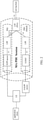
FIG. 1 is a schematic diagram of a communication system architecture according to an embodiment of the present disclosure. -
FIG. 2 is a schematic diagram of a MA PDU session according to an embodiment of the present disclosure. -
FIG. 3 is a schematic diagram showing processes of a network triggered service request procedure according to an embodiment of the present disclosure. -
FIG. 4 is a schematic diagram of MA-PDU session in a home routed roaming scenario according to an embodiment of the present disclosure. -
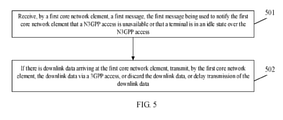
FIG. 5 is a flowchart of an information transmission method according to an embodiment of the present disclosure. -
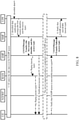
FIG. 6 is a schematic diagram showing processes of an information transmission method according to an embodiment of the present disclosure. -
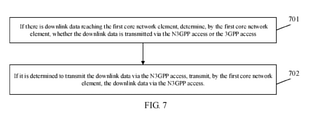
FIG. 7 is a flowchart of an information transmission method according to an embodiment of the present disclosure. -
FIG. 8 is a schematic diagram showing processes of an information transmission method according to an embodiment of the present disclosure. -
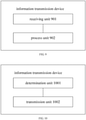
FIG. 9 is a schematic diagram showing the structural composition of an information transmission device according to an embodiment of the present disclosure. -
FIG. 10 is a schematic diagram showing the structural composition of an information transmission device according to an embodiment of the present disclosure. -
FIG. 11 is a schematic structural diagram of a communication device according to an embodiment of the present disclosure. -
FIG. 12 is a schematic structural diagram of a chip according to an embodiment of the present disclosure. -
FIG. 13 is a schematic block diagram of a communication system according to an embodiment of the present disclosure. - Technical solutions in embodiments of the present disclosure will be described below with reference to the drawings. Obviously, the described embodiments are a part of the embodiments of the present disclosure, not all of the embodiments. Based on the embodiments in the present disclosure, all other embodiments obtained by those of ordinary skill in the art without creative work shall fall within the protection scope of the present disclosure.
- The technical solutions of embodiments of the present disclosure can be applied to various communication systems, such as: a Global System of Mobile communication (GSM) system, a Code Division Multiple Access (CDMA) system, a Wideband Code Division Multiple Access (WCDMA) system, a General Packet Radio Service (GPRS) system, a Long Term Evolution (LTE) system, a LTE Frequency Division Duplex (FDD) system, a LTE Time Division Duplex (TDD) system, a Universal Mobile Telecommunication System (UMTS), a Worldwide Interoperability for Microwave Access (WiMAX) communication system or a 5G system, etc.
- Exemplarily, the
communication system 100 applied in embodiments of the present disclosure is shown inFIG. 1 . Thecommunication system 100 may include anetwork device 110, and thenetwork device 110 may be a device that communicates with a terminal 120 (or called a communication terminal or terminal). Thenetwork device 110 may provide communication coverage for a specific geographic area, and may communicate with terminals in the coverage area. According to embodiments, thenetwork device 110 may be a base station (Base Transceiver Station, BTS) in a GSM system or a CDMA system, or a base station (NodeB, NB) in a WCDMA system, or an evolved base station in an LTE system (Evolutional Node B, eNB or eNodeB), or a wireless controller in a Cloud Radio Access Network (CRAN), or the network device can be a mobile switching center, a relay station, an access point, a vehicle-mounted device, a wearable device, a hub, a switch, a bridge, a router, a network-side device in 5G networks or a network device in the future evolved Public Land Mobile Network (PLMN), etc. - The
communication system 100 also includes at least oneterminal 120 within the coverage area of thenetwork device 110. The "terminal" as used herein may be connected in the following manners (including but not limited to): the terminal may be connected via wired lines, such as via Public Switched Telephone Networks (PSTN), Digital Subscriber Line (DSL), digital cables, and direct cable connections; and/or the terminal may be connected via another data connection/network; and/or the terminal may be connected via a wireless interface, such as cellular networks, wireless local area network (WLAN), digital TV networks such as DVB-H networks, satellite networks, AM-FM A broadcast transmitter; and/or the terminal is connected via a device of another terminal which is configured to receive/send communication signals; and/or the terminal device is connected via an Internet of Things (IoT) device. A terminal set as communicating through a wireless interface may be referred to as a "wireless communication terminal", a "wireless terminal" or a "mobile terminal". Examples of the mobile terminal include but are not limited to: satellite or cellular phone; Personal Communications System (PCS) terminal that can integrate a cellular radio phone with data processing, fax, and data communication capabilities; a PDA which can include a radio phone, a pager, an Internet/intranet access, a Web browser, a memo pad, a calendar, and/or Global Positioning System (GPS) receiver; and conventional laptop and/or palmtop receivers or other electronic device including a radio telephone transceiver. The terminal can refer to access terminal, User Equipment (UE), user unit, user station, mobile station, mobile device, remote station, remote terminal, mobile equipment, user terminal, terminal, wireless communication equipment, user agent or user device. The access terminal can be a cellular phone, a cordless phone, a Session Initiation Protocol (SIP) phone, a Wireless Local Loop (WLL) station, a Personal Digital Assistant (PDA), a handheld device with wireless communication functions, a computing device or other processing device connected to a wireless modem, an in-vehicle device, a wearable devices, a terminal in 5G networks, or a terminal in the future evolved PLMN, etc. - According to embodiments, Device to Device (D2D) communication may be performed between the
terminals 120. - According to embodiments, the 5G system or 5G network may also be referred to as a New Radio (NR) system or NR network.
-
FIG. 1 exemplarily shows one network device and two terminals. According to other embodiments, thecommunication system 100 may include multiple network devices and the coverage of each network device may include other numbers of terminals, and embodiments of the present disclosure do not impose specific limitations on this. - According to embodiments, the
communication system 100 may also include other network entities such as a network controller and a mobility management entity, and embodiments of the present disclosure do not impose specific limitations on this. - It should be understood that the devices with communication functions in the network/system in embodiments of the present disclosure may be referred to as communication devices. Taking the
communication system 100 shown inFIG. 1 as an example, the communication devices may include thenetwork device 110 and theterminals 120 with communication functions, and thenetwork device 110 and theterminals 120 may be the devices described above, which will not be repeated here. The communication devices may also include other devices in thecommunication system 100, such as other network entities such as a network controller or a mobility management entity, and embodiments of the present disclosure do not impose specific limitations on this. - It should be understood that the terms "system" and "network" are often used interchangeably herein. The term "and/or" is an association relationship between associated objects, which means that there can be three relationships, for example, A and/or B can mean: A exists alone, both A and B exist, B exists alone. In addition, the character "/" generally indicates that the associated objects before and after "/" are in an "or" relationship.
- To facilitate the understanding of the technical solutions of embodiments of the present disclosure, the following describes the technologies related to the embodiments of the present disclosure.
- A PDU Session can use multiple access technologies to transmit data. This PDU Session is called an MA PDU session. By the MA PDU Session, terminals can obtain a higher transmission rate and save more charges; networks can use N3GPP wireless resources more efficiently and increase the transmission rate.
-
FIG. 2 is a schematic diagram of the MA PDU session. The MA PDU session can be transmitted via a 3GPP access or via a N3GPP access. The N3GPP needs to access the core network through an N3GPP InterWorking Function (N3IWF). In an example, the 3GPP access may be a 4G access or a 5G access. The N3GPP can be a Wireless Local Area Network (WLAN) access or a WiFi access. - For the ordinary PDU session established only over the N3GPP access, after a UE enters the idle state over the N3GPP access, when downlink data arrives at the User Plane Function (UPF), the UPF informs the Session Management Function (SMF). In non-roaming mode and Local Breakout roaming mode, this UPF is PDU Session Anchor (PSA) UPF; in home routed roaming mode, this UPF is V-UPF. The SMF is the SMF that manages the UPF. SMF then notifies the Access and Mobility Management Function (AMF). The AMF cannot page the UE via the N3GPP access, but can only notify the UE via the 3GPP access. Here, there are two ways to notify the UE: 1) if the UE is in the idle state over the 3GPP access, the AMF pages the UE via the 3GPP access; 2) if the UE is in the connected state over the 3GPP access, the AMF sends a notification message to the UE via the 3GPP access. When the UE receives the notification over the 3GPP access, the UE can transfer the PDU session to the 3GPP access, and establish corresponding user plane resources over the 3GPP access, such as Uu interface resources and N3 interface resources.
-
FIG. 3 is a schematic diagram showing processes of a network triggered service request procedure. As show inFIG. 3 , the procedure includes the following steps: - In
step 1, downlink Data reaches UPF. In the non-roaming mode and the Local Breakout roaming mode, this UPF is PSA UPF. In the home routed roaming mode, this UPF is V-UPF. - In
step 2a, the UPF sends a Data Notification message to the SMF. The SMF is the SMF that manages the UPF. - In
step 2b, the SMF sends a Data Notification Ack message to the UPF. - In
step 2c, the UPF sends downlink data to the SMF. - In
step 3a, the SMF sends a Namf_Communication_N1N2Message Transfer message to the AMF. - In
step 3b, the AMF sends a Namf_Communication_N1N2Message Transfer response message to the SMF. - In
step 3c, the SMF sends a failure indication to the UPF. - In
step 4a, user plane (UP) reactivation is performed between the AMF and the UE. - In
step 4b, the AMF initiates paging to the UE via a Radio Access Network (RAN). - In
step 4c, the AMF sends a non-access stratum (NAS) notification message to the UE. - In
step 5, the AMF sends a Namf_Communication_N1N2 TransferFailureNotification message to the SMF. - In
step 6, the UE and the network perform the service request procedure. - In
step 7, the UPF sends downlink data to the UE via RAN. - It should be noted that one of the above-mentioned
steps step 4b is performed; when the UE is in a connected state, step 4c is performed. -
FIG. 4 is a possible schematic diagram of the MA-PDU session in the home routed roaming scenario. InFIG. 4 , the SMF and UPF in the visited network near the UE are called Visited-SMF (V-SMF) and Visited-UPF (V-UPF). The SMF and UPF in the home network far away from the UE are called Home-SMF (H-SMF) and Home-UPF (H-UPF). H-UPF is also a PSA UPF because it is a node connected to external data networks. Compared with the non-roaming scenario, V-SMF and V-UPF are inserted in the home routed roaming scenario, and the previous SMF and UPF of the non-roaming scenario become H-SMF and H-UPF. - At present, there is a lack of a complete mechanism for managing user plane data transmission for the MA PDU session for the non-roaming scenario and the roaming scenario. For this reason, the following technical solutions of embodiments of the present disclosure are proposed.
-
FIG. 5 is a schematic diagram showing processes of an information transmission method according to an embodiment of the present disclosure. As shown inFIG. 5 , the information transmission method includes the following steps: - In
step 501, a first core network element receives a first message. The first message is used to notify the first core network element that a N3GPP access is unavailable or that a terminal is in an idle state over the N3GPP access. - In embodiments of the present disclosure, the first core network element receiving the first message may be implemented using the following methods. It should be noted that the first core network element is a first UPF:
Method 1: The first message is sent to the first UPF by the terminal. - Here, the first UPF is PSA UPF.
- Method 2: The first message is sent to the first UPF by the first SMF.
- In the non-roaming scenario, the first UPF is PSA UPF, and the first SMF is H-SMF. Before the first message is sent by the first SMF to the first UPF, the AMF notifies the first SMF that the terminal is in the idle state over the N3GPP access.
- In the local breakout roaming scenario, the first UPF is PSA UPF, and the first SMF is V-SMF. Before the first message is sent by the first SMF to the first UPF, the AMF notifies the first SMF that the terminal is in the idle state over the N3GPP access.
- In the home routed roaming scenario, the first UPF is H-UPF, the first SMF is H-SMF, the second UPF is V-UPF, and the second SMF is V-SMF. Before the first message is sent by the first SMF to the first UPF, the AMF notifies the second SMF that the terminal is in the idle state over the N3GPP access; the second SMF notifies the first SMF that the terminal is in the idle state over the N3GPP access.
- In
step 502, if there is downlink data arriving at the first core network element, the first core network element transmits the downlink data via a 3GPP access, or discards the downlink data, or delays transmission of the downlink data. - In embodiments of the present disclosure, if downlink data reaches the first core network element, the first core network element determines, based on a first policy, whether to transmit the downlink data via the 3GPP access or discard the downlink data, or delay the transmission of the downlink data.
- In an embodiment, the first policy comes locally from the first core network element. In another embodiment, the first policy comes from PCF. For example, when the MA PDU session is established or modified, the PCF sends the first policy to the SMF, and the SMF sends the first policy to the UPF.
- If the first core network element transmits the downlink data via the 3GPP access, a user plane resource corresponding to the 3GPP access need to be activated. The following describes how to activate the user plane resource corresponding to the 3GPP access in different scenarios.
- In a non-roaming scenario, the first UPF is PSA UPF, and the first SMF is H-SMF. 1) If the user plane resource corresponding to the 3GPP access is deactivated, the first UPF sends a downlink data notification message to the first SMF, and the downlink data notification message carries a first session identifier; the first SMF determines, based on the first session identifier in the downlink data notification message, that the user plane resource corresponding to the 3GPP access needs to be activated; 2) the first SMF sends a second message (such as the N1N2Message Transfer message) to the AMF, and the second message carries the first session identifier; the AMF determines, based on the first session identifier in the second message, that it is needed to perform a service request procedure via the 3GPP access; 3) after the service request procedure is completed, the first UPF sends the downlink data to the terminal via the 3GPP access. It should be noted that the first session identifier refers to the session identifier corresponding to the downlink data to be transmitted.
- In the home routed roaming scenario, the first UPF is H-UPF, the first SMF is H-SMF, the second UPF is V-UPF, and the second SMF is V-SMF. 1) The first UPF sends the downlink data to the second UPF; 2) if the user plane resource corresponding to the 3GPP access is deactivated, the second UPF sends a downlink data notification message to the second SMF, and the downlink data notification message carries the first session identifier; the second SMF determines, based on the first session identifier in the downlink data notification message, that the user plane resource corresponding to the 3GPP access needs to be activated; 3) the second SMF sends the second message (such as the N1N2Message Transfer message) to the AMF, and the second message carries the first session identifier; the AMF determines, based on the first session identifier in the second message, that the service request procedure needs to be performed via the 3GPP access; 4) after the service request procedure is completed, the second UPF sends the downlink data to the terminal via the 3GPP access. It should be noted that the first session identifier refers to the session identifier corresponding to the downlink data to be transmitted.
- In embodiments of the present disclosure, after the terminal enters the connected state over the N3GPP access, the first core network element is notified in the following manner: the first core network element receives a third message, and the third message is used to notify the first core network element that the N3GPP access is available or the terminal is in a connected state over the N3GPP access.
- In embodiments of the application, the first core network element receiving the third message may be implemented using at least one of the following methods:
Method 1: The third message is sent by the terminal to the first UPF. - Here, the first UPF is PSA UPF.
- Method 2: The third message is sent to the first UPF by the first SMF.
- In the non-roaming scenario, the first UPF is PSA UPF, and the first SMF is H-SMF. Before the third message is sent by the first SMF to the first UPF, the AMF notifies the first SMF that the terminal is in the connected state over the N3GPP access.
- In the local breakout roaming scenario, the first UPF is PSA UPF, and the first SMF is V-SMF. Before the third message is sent by the first SMF to the first UPF, the AMF notifies the first SMF that the terminal is in the connected state over the N3GPP access.
- In the home routed roaming scenario, the first UPF is H-UPF, the first SMF is H-SMF, the second UPF is V-UPF, and the second SMF is V-SMF. Before the third message is sent by the first H-SMF to the first UPF, the AMF notifies the second SMF that the terminal is in the connected state over the N3GPP access; the second SMF notifies the first SMF that the terminal is in the connected state over the N3GPP access.
- The following describes detailed processes of the above technical solutions.
-
FIG. 6 is a schematic diagram showing processes of an information transmission method according to an embodiment of the present disclosure. As shown inFIG. 6 , the information transmission method includes the following steps: - In
step 0, a UE enters the idle state over the N3GPP access. - The UE is registered with the core network via the 3GPP access and the N3GPP access in advance, and can be registered with the same Public Land Mobile Network (PLMN) or different PLMNs: for the same PLMN, there is only one AMF; for different PLMNs, each access corresponds to an AMF.
- In step 1a, the UE sends a notification to the UPF. The notification is used to notify that the UE has entered the idle state over the N3GPP access.
- Here, the notification can be carried in a message, or it can be a message. The message may be an Access Availability Report message.
- For the non-roaming scenario, the UPF is H-UPF.
- For the home routed roaming scenario, the UPF is H-UPF, and the UE and the H-UPF can interact via respective Performance Measurement Function (PMF), and the interactive information is transmitted using the user plane.
- In step 1b, the AMF sends a notification to the SMF, and the notification is used to notify that the UE has entered the idle state over the N3GPP access.
- Here, the AMF to which the UE is registered via the N3GPP knows that the UE has entered the idle state, and the AMF notifies the SMF that the UE has entered the idle state over the N3GPP access.
- For the non-roaming scenario, the SMF is H-SMF.
- For the home routed roaming scenario, the SMF is V-SMF.
- In step 1c, The SMF sends a notification to the UPF, and the notification is used to notify that the UE has entered the idle state over the N3GPP access.
- For the non-roaming scenario, the SMF is H-SMF and the UPF is H-UPF.
- For the home routed roaming scenario, the SMF is V-SMF, the V-SMF informs the H-SMF that the UE enters the idle state over the N3GPP access, and the H-SMF then informs the H-UPF that UE enters the idle state over the N3GPP access .
- It should be noted that by the above step 1a, the UPF can learn that the N3GPP access is not available or the terminal is in the idle state over the N3GPP access. By the above steps (1b+1c), the UPF can also learn that the N3GPP access is unavailable or the terminal is in the idle state over the N3GPP access. One of step 1a and step (1b+1c) can be performed, or both steps can be performed.
- In
step 2, the UPF considers that the N3GPP access is unavailable, and when the subsequent downlink data arrives, the downlink data can be transmitted via the 3GPP access, or the downlink data can be discarded, or the transmission of the downlink data can be delayed. - Here, which action the UPF performs can be determined according to a local policy or according to a policy from the PCF. For example, when the MA PDU session is established or modified, the PCF sends the policy to the SMF, and the SMF sends the policy to the UPF.
- For the non-roaming scenario, the UPF is H-UPF.
- For the home routed roaming scenario, the UPF is H-UPF.
- In step 3, the downlink data reaches UPF.
- For the non-roaming scenario, the UPF is H-UPF.
- For the home routed roaming scenario, the UPF is V-UPF. Specifically, the downlink data reaches the H-UPF first, and the H-UPF forwards the downlink data to the V-UPF, so that the downlink data reaches the V-UPF.
- In
step 4, the UPF sends a downlink data notification message to the SMF. The downlink data notification message carries the first session identifier (that is, the session identifier corresponding to the downlink data). - Here, when the UPF determines that the downlink data is transmitted via the 3GPP access, if the user plane resource corresponding to the 3GPP access is deactivated, the UPF sends a downlink data notification message to the SMF, and the downlink data notification message includes the first session identifier.
- For the non-roaming scenario, the UPF is H-UPF and the SMF is H-SMF.
- For the home routed roaming scenario, the UPF is V-UPF and the SMF is V-SMF.
- In
step 5, as long as the SMF receives the downlink data notification message instep 4, the SMF considers that it is needed to activate the user plane resource corresponding to the 3GPP access. - Here, the SMF knows that it is an MA PDU session according to the first session identifier in the downlink data notification message, and the SMF knows that it is needed to activate the user plane resource corresponding to the 3GPP access.
- For the non-roaming scenarios, the SMF is H-SMF.
- For the home routed roaming scenario, the SMF is V-SMF.
- In
step 6, the SMF sends an N1N2Message Transfer message to the AMF, and the N1N2Message Transfer message carries the first session identifier. - Here, the N1N2Message Transfer message also includes the N2 SM Message sent to the RAN.
- For the non-roaming scenario, the SMF is H-SMF.
- For the home routed roaming scenario, the SMF is V-SMF.
- In
step 7, as long as the AMF receives the N1N2Message Transfer message instep 6, the AMF considers that it is needed to perform the service request procedure via the 3GPP access. - Here, the AMF knows that it is an MA PDU Session according to the first session identifier in the N1N2Message Transfer message, and then performs the service request procedure via the 3GPP access.
- In
step 8, the network triggered service request procedure is performed via the 3GPP access. - In
step 9, the UE enters the connected state over the N3GPP access. - In
step 10a, the UE sends a notification to the UPF. The notification is used to notify that the UE has entered the connected state over the N3GPP access. - Here, the notification can be carried in a message or can be a message. The message may be an Access Availability Report message.
- For the non-roaming scenario, the UPF is H-UPF.
- For the home routed roaming scenario, the UPF is H-UPF, and the UE and the H-UPF can interact via respective Performance Measurement Function (PMF), and the interactive information is transmitted using the user plane.
- In
step 10b, the AMF sends a notification to the SMF, which is used to notify the UPF that the UE has entered the connected state over the N3GPP access. - Here, the AMF registered through N3GPP knows that the UE has entered the connected state, and the AMF notifies the SMF that the UE has entered the connected state over the N3GPP access.
- For the non-roaming scenarios, the SMF is H-SMF.
- For the home routed roaming scenario, the SMF is V-SMF.
- In step 10c, the SMF sends a notification to the UPF, and the notification is used to notify the UPF that the UE has entered the connected state over the N3GPP access.
- For the non-roaming scenario, the SMF is H-SMF and the UPF is H-UPF.
- For the home routed roaming scenario, the SMF is V-SMF, the V-SMF informs the H-SMF that the UE enters the connected state over the N3GPP access, and the H-SMF then informs the H-UPF that the UE enters the connected state over the N3GPP access.
- It should be noted that by the
above step 10a, the UPF can learn that the N3GPP access is available or the terminal is in the connected state over the N3GPP access. By the above steps (10b+10c), the UPF can learn that the N3GPP access is available or that the terminal is in the connected state over the N3GPP access. One or both ofstep 10a and steps (10b+10c) can be performed. - In
step 11, the UPF considers that the N3GPP access is available, and when subsequent downlink data arrives, the UPF can transmit the downlink data via the N3GPP access. - For the non-roaming scenario, the UPF is H-UPF.
- For the home routed roaming scenario, the UPF is H-UPF.
- In the technical solutions of embodiments of the present disclosure, when the UE enters the idle state over the N3GPP access, the network does not activate the user plane resource corresponding to the N3GPP access, which can save signaling.
-
FIG. 7 is a schematic diagram showing processes of the information transmission method according to an embodiment of the present disclosure. As shown inFIG. 7 , the information transmission method includes the following steps:
Instep 701, if there is downlink data reaching the first core network element, the first core network element determines whether the downlink data is transmitted via the N3GPP access or the 3GPP access. - In an embodiment, the first core network element is a second UPF.
- In the non-roaming scenario, the second UPF is PSA UPF.
- In the home route roaming scenario, the second UPF is V-UPF. Here, the downlink data reaches the H-UPF first, and the H-UPF forwards the downlink data to the V-UPF via a N9 interface, so that the downlink data reaches the V-UPF.
- In embodiments of the present disclosure, the first core network element determines the access through which downlink data needs to be transmitted according to the N4 Rule, local configuration, measurement information, etc. For example, if the priority of the N3GPP access is higher than the priority of the 3GPP access, the downlink data needs to be transmitted via the N3GPP access.
- In
step 702, if it is determined to transmit the downlink data via the N3GPP access, the first core network element transmits the downlink data via the N3GPP access. - If the first core network element transmits the downlink data via the N3GPP access, the user plane resource corresponding to the N3GPP access need to be activated. The following describes how to activate the user plane resource corresponding to the N3GPP access in different scenarios.
- In the non-roaming scenario, the second UPF is PSA UPF, and the second SMF is H-SMF. 1) If the user plane resource corresponding to the N3GPP access is deactivated, the second UPF sends a downlink notification message to the second SMF, and the downlink notification message carries the first session identifier and the access type; 2) the second UPF sends a second message (such as the N1N2Message Transfer message) to the AMF, and the second message carries the first session identifier and the access type; 3) after the AMF determines that the terminal is in the idle state over the N3GPP access, the AMF notifies the terminal via the 3GPP access; the terminal determines whether the current N3GPP access is available, and if the current N3GPP access is available, the terminal initiates the service request procedure via the N3GPP access; 4) after the service request procedure is completed, the second UPF sends the downlink data to the terminal via the N3GPP access. It should be noted that the first session identifier refers to the session identifier corresponding to the downlink data to be transmitted. The access type is, for example, Access Type=N3GPP.
- According to some embodiments, if the current N3GPP access is unavailable, the terminal notifies the AMF on the 3GPP access that the current N3GPP access is unavailable; the AMF notifies the second SMF that the current N3GPP access is unavailable; the second SMF notifies the second UPF that the current N3GPP access is unavailable. Further, when notifying that the current N3GPP access is unavailable, the notification message may also carry the access type (for example, Access Type=N3GPP).
- In the home route roaming scenario, the second UPF is V-UPF, the second SMF is V-SMF, the first UPF is H-UPF, and the first SMF is H-SMF. 1) If the user plane resource corresponding to the N3GPP access is deactivated, the second UPF sends a downlink notification message to the second SMF, and the downlink notification message carries the first session identifier and the access type; 2) the second UPF sends a second message (such as the N1N2Message Transfer message) to the AMF, and the second message carries the first session identifier and the access type; 3) after the AMF determines that the terminal is in the idle state over the N3GPP access, the AMF notifies the terminal via the 3GPP access; the terminal determines whether the current N3GPP access is available, and if the current N3GPP access is available, the terminal initiates the service request procedure via the N3GPP access; 4) after the service request procedure is completed, the second UPF sends the downlink data to the terminal via the N3GPP access. It should be noted that the first session identifier refers to the session identifier corresponding to the downlink data to be transmitted. The access type is, for example, Access Type=N3GPP.
- According to some embodiments, if the current N3GPP access is unavailable, the terminal notifies the AMF on the 3GPP access that the current N3GPP access is unavailable; the AMF notifies the second SMF that the current N3GPP access is unavailable; the second SMF notifies the first SMF that the current N3GPP access is unavailable; the first SMF notifies the first UPF that the current N3GPP access is unavailable. Further, when notifying that the current N3GPP access is unavailable, the notification message may also carry the access type (for example, Access Type=N3GPP).
- In embodiments of the present disclosure, after the terminal enters the connected state over the N3GPP access, the terminal notifies the first core network element in the following manner: the first core network element receives a third message, and the third message is used for notifying the first core network element that N3GPP access is available or that the terminal is in the connected state over the N3GPP access.
- In embodiments of the present disclosure, the first core network element receiving the third message may be implemented using at least one of the following methods:
Method 1: The third message is sent by the terminal to the first UPF. - Here, the first UPF is PSA UPF.
- Method 2: The third message is sent to the first UPF by the first SMF.
- In the non-roaming scenario, the first UPF is PSA UPF, and the first SMF is H-SMF. Before the third message is sent by the first SMF to the first UPF, the AMF notifies the first SMF that the terminal is in the connected state over the N3GPP access.
- In the local breakout roaming scenario, the first UPF is PSA UPF, and the first SMF is V-SMF. Before the third message is sent by the first SMF to the first UPF, the AMF notifies the first SMF that the terminal is in the connected state over the N3GPP access.
- In the home route roaming scenario, the first UPF is H-UPF, the first SMF is H-SMF, the second UPF is V-UPF, and the second SMF is V-SMF. Before the third message is sent by the first H-SMF to the first UPF, the AMF notifies the second SMF that the terminal is in the connected state over the N3GPP access; and the second SMF notifies the first SMF that the terminal is in the connected state over the N3GPP access.
- The following describes the detailed processes of the above technical solutions.
-
FIG. 8 is a flowchart of the information transmission method according to an embodiment of the present disclosure. As shown inFIG. 8 , the information transmission method includes the following steps: - In
step 0, the UE enters the idle state over the N3GPP access. - The UE is registered with the core network via the 3GPP access and N3GPP access in advance, and can be registered with the same PLMN or different PLMNs: for the same PLMN, there is only one AMF; for different PLMNs, each access has an AMF.
- In
step 1, downlink data reaches the UPF. - In
step 2, the UPF sends a downlink data notification message to the SMF, and the downlink data notification message carries the first session identifier and the access type. - Here, the UPF determines the access through which the downlink data is to be transmitted, according to the N4 Rule, the local configuration, or the measurement information, etc. For example, if the priority of the N3GPP access is higher than the priority of the 3GPP access, the downlink data needs to be transmitted via the N3GPP access. Further, if the user plane resource corresponding to the 3GPP access is deactivated, the UPF sends a downlink data notification message to the SMF. The downlink data notification message includes the first session identifier and Access Type=N3GPP.
- For the home routed roaming scenarios, the UPF is V-UPF and the SMF is V-SMF.
- For the non-roaming scenarios, the UPF is H-UPF and the SMF is H-SMF.
- In step 3, the SMF sends an N1N2Message Transfer message to the AMF. The N1N2Message Transfer message carries the first session identifier and the access type.
- Here, the access type is, for example, Access Type=N3GPP.
- For the home routed roaming scenario, the SMF is V-SMF, and the N1N2Message Transfer message also contains the N2 SM Message sent to the N3IWF.
- For the non-roaming scenario, the SMF is H-SMF, and the N1N2Message Transfer message also includes the N2 SM Message sent to the RAN.
- In
step 4a, the AMF initiates paging to the UE via the RAN, and the paging carries the access type. - Here, the access type is, for example, Access Type=N3GPP.
- In
step 4b, the AMF sends a notification message to the UE, and the notification message carries the access type. - Here, the access type is, for example, Access Type=N3GPP.
- It should be noted that one of the
above steps step 4a is performed; when the UE is in the connected state over the N3GPP access,step 4b is performed. - In
step 5, the service request procedure is completed via the N3GPP access. - Specifically, the UE determines whether the current N3GPP access is available (for example, whether the UE is within the WLAN coverage), and if the current N3GPP access is available, the UE initiates a service request procedure via the N3IWF.
- In
step 6, the UE sends a notification message to the AMF. The notification message is used to notify that N3GPP access is unavailable. Optionally, the notification message carries the access type. - Specifically, if the current N3GPP access is unavailable, the UE sends a notification message to the AMF via the 3GPP access to notify the AMF that the current N3GPP access is unavailable. Optionally, the UE may carry the access type in the notification message sent to the AMF. Here, the access type is, for example, Access Type=N3GPP.
- In
step 7, the AMF sends an N1N2Message Transfer failure message to the SMF. The N1N2Message Transfer failure message is used to notify that the N3GPP access is unavailable. Optionally, the notification message carries the access type. - Here, the access type is, for example, Access Type=N3GPP.
- For the non-roaming scenarios, the SMF is H-SMF.
- For the home routed roaming scenario, the SMF is V-SMF.
- In
step 8, the SMF sends a notification message to the UPF. The notification message is used to notify that the N3GPP access is unavailable. Optionally, the notification message carries the access type. - For the non-roaming scenario, the UPF is H-UPF, the SMF is H-SMF, the H-SMF gives up activating the user plane resource corresponding to N3GPP access, and sends a notification message to the H-UPF. The notification message is used to notify that the N3GPP access is not available. Optionally, the notification message carries the access type. Here, the access type is, for example, Access Type=N3GPP.
- For the home routed roaming scenario, the UPF is V-UPF, the SMF is V-SMF, the V-SMF gives up activating the user plane resource corresponding to the N3GPP access, and sends a notification message to the H-SMF, and H-SMF sends a notification message to the H-PUF. The notification message is used to notify that N3GPP access is not available. Optionally, the notification message carries the access type. Here, the access type is, for example, Access Type=N3GPP.
- Later, when N3GPP access becomes available (for example, the UE moves into the WLAN coverage area), the UE transmits data via the N3GPP access, and then steps 10a to 10c in
FIG. 6 can be reused to notify the UPF that the current N3GPP access is available. - It should be noted that the
above steps 5 and (6+7+8) belong to two parallel processes, and there is no restriction on the sequence of the steps. - In the technical solutions of embodiments of the present disclosure, for the MA PDU session, the access for which the user plane resource needs to be activated is clarified. If it is necessary to activate the user plane resource corresponding to the N3GPP access, the network triggered user plane resource activation is implemented over the N3GPP access.
-
FIG. 9 is a schematic diagram showing the structural composition of an information transmission device according to an embodiment of the present disclosure. The information transmission device is applied to a first network element. The device includes a receivingunit 901 and aprocess unit 902. - The receiving
unit 901 is configured to receive a first message, wherein the first message is used to notify the first core network element that a N3GPP access is unavailable or that a terminal is in an idle state over the N3GPP access. - The
process unit 902 is configured to, if there is downlink data arriving at the first core network element, transmit the downlink data via a 3GPP access, or discarding the downlink data, or delaying transmission of the downlink data. - According to an embodiment, the first core network element is a first UPF; and
the first message is sent by the terminal to the first UPF. - According to an embodiment, the first core network element is a first UPF;
the first message is sent by a first SMF to the first UPF. - According to an embodiment, before the first message is sent by the first SMF to the first UPF, an AMF notifies the first SMF that the terminal is in the idle state over the N3GPP access.
- According to an embodiment, before the first message is sent by the first SMF to the first UPF, an AMF notifies a second SMF that the terminal is in the idle state over the N3GPP access, and the second SMF notifies the first SMF that the terminal is in the idle state over the N3GPP access.
- According to an embodiment, the process unit is configured to:
based on a first policy, determine whether to transmit the downlink data via the 3GPP access, discard the downlink data, or delay transmission of the downlink data. - According to an embodiment, the first policy comes locally from the first core network element; or,
the first policy comes from a PCF. - According to an embodiment, the first core network element is a first UPF;
theprocess unit 902 is configured to: - if a user plane resource corresponding to the 3GPP access is deactivated, send a downlink data notification message to a first SMF, the downlink data notification message carrying a first session identifier;
- the first SMF determines, based on the downlink data notification message, that the user plane resource corresponding to the 3GPP access needs to be activated;
- the first SMF sends a second message to an AMF, the second message carries the first session identifier and the AMF determines, based on the second message, that it is needed to perform a service request procedure via the 3GPP access; and
- after the service request procedure is completed, the process unit sends the downlink data to the terminal via the 3GPP access.
- According to an embodiment, the first core network element is a first UPF;
- the
process unit 902 is configured to send the downlink data to a second UPF; - if a user plane resource corresponding to the 3GPP access is deactivated, the second UPF sends a downlink data notification message to the second SMF, the downlink data notification message carries a first session identifier, the second SMF determines, based on the downlink data notification message, that the user plane resource corresponding to the 3GPP access needs to be activated;
- the second SMF sends a second message to an AMF, the second message carries the first session identifier, and the AMF determines, based on the second message, that it is needed to perform a service request procedure via the 3GPP access;
- after the service request procedure is completed, the second UPF sends the downlink data to the terminal via the 3GPP access.
- According to an embodiment, the receiving
unit 901 is further configured to:
receive a third message, wherein the third message is used to notify the first core network element that the N3GPP access is available or that the terminal is in a connected state over the N3GPP access. - According to an embodiment, the first core network element is a first UPF; and
the third message is sent by the terminal to the first UPF. - According to an embodiment, the first core network element is a first UPF; and
the third message is sent by a first SMF to the first UPF. - According to an embodiment, before the third message is sent by the first SMF to the first UPF, an AMF notifies the first SMF that the terminal is in the connected state over the N3GPP access.
- According to an embodiment, before the third message is sent by a first H-SMF to the first UPF, an AMF notifies a second SMF that the terminal is in the connected state over the N3GPP access, and the second SMF notifies the first SMF that the terminal is in the connected state over the N3GPP access.
- Those skilled in the art should understand that detailed descriptions of the information transmission device according to embodiments of the present disclosure can be found in the previous descriptions regarding the method embodiments.
-
FIG. 10 is a schematic diagram showing the structural composition of an information transmission device according to an embodiment of the present disclosure. The information transmission device is applied to a first core network element. The information transmission device includes adetermination unit 1001 and atransmission unit 1002. - The
determination unit 1001 is configured to, if there is downlink data arriving at the first core network element, determine whether to transmit the downlink data via a N3GPP access or a 3GPP access. - The
transmission unit 1002 is configured to, if it is determined to transmit the downlink data via the N3GPP access, transmit the downlink via the N3GPP access. - According to an embodiment, the first core network element is a second UPF;
thetransmission unit 1001 is configured to: - send a downlink notification message to a second SMF, the downlink notification message carrying a first session identifier and an access type;
- the second SMF sends a second message to an AMF, and the second message carries the first session identifier and the access type;
- if the AMF determines that a terminal is in an idle state over the N3GPP access, the AMF notifies the terminal via the 3GPP access;
- the terminal determines whether the N3GPP access is currently available, and if the N3GPP access is currently available, the terminal initiates a service request procedure via the N3GPP access; and
- after the service request procedure is completed, the transmission unit send the downlink data to the terminal via the N3GPP access.
- According to an embodiment, if the N3GPP access is currently not available, the terminal notifies the AMF over the 3GPP access that the N3GPP access is currently not available;
- the AMF notifies the second SMF that the N3GPP access is currently not available; and
- the second SMF notifies the second UPF that the N3GPP access is currently not available.
- According to an embodiment, if the N3GPP access is currently not available, the terminal notifies the AMF over the 3GPP access that the N3GPP access is currently not available;
- the AMF notifies the second SMF that the N3GPP access is currently not available;
- the second SMF notifies a first SMF that the N3GPP access is currently not available; and
- the first SMF notifies a first UPF that the N3GPP access is currently not available.
- According to an embodiment, the device further includes:
a receiving unit (not shown) configured to receive a third message, wherein the third message is used to notify the first core network element that the N3GPP access is available or that a terminal is in a connected state over the N3GPP access. - According to an embodiment, the first core network element is a first UPF; and
the third message is sent by the terminal to the first UPF. - According to an embodiment, the first core network element is a first UPF; and
the third message is sent by a first SMF to the first UPF. - According to an embodiment, before the third message is sent by the first SMF to the first UPF, an AMF notifies the first SMF that the terminal is in the connected state over the N3GPP access.
- According to an embodiment, before the third message is sent by a first H-SMF to the first UPF, an AMF notifies a second SMF that the terminal is in the connected state over the N3GPP access, and the second SMF notifies the first SMF that the terminal is in the connected state over the N3GPP access.
- Those skilled in the art should understand that detailed descriptions of the information transmission device according to embodiments of the present disclosure can be found in the previous descriptions regarding the method embodiments.
-
FIG. 11 is a schematic structural diagram of acommunication device 600 according to an embodiment of the present disclosure. The communication device may be a network device, such as a UPF. Thecommunication device 600 shown inFIG. 11 includes aprocessor 610, and theprocessor 610 may call and run a computer program from a memory to perform the method in embodiments of the present disclosure. - According to embodiments, as shown in
FIG. 11 , thecommunication device 600 may further include amemory 620. Theprocessor 610 may call and run a computer program from thememory 620 to perform the method in embodiments of the present disclosure. - The
memory 620 may be a separate device independent of theprocessor 610, or may be integrated in theprocessor 610. - According to embodiments, as shown in
FIG. 11 , thecommunication device 600 may further include atransceiver 630, and theprocessor 610 may control thetransceiver 630 to communicate with other devices. Specifically, the transceiver may send information or data to other devices, or receive information or data sent by other devices. - The
transceiver 630 may include a transmitter and a receiver. Thetransceiver 630 may further include one or more antennas. - According to embodiments, the
communication device 600 may specifically be the network device in embodiments of the present disclosure, and thecommunication device 600 may implement the corresponding processes implemented by the network device in the method embodiments of the present disclosure. For brevity, details are not repeated here. - According to embodiments, the
communication device 600 may specifically be a mobile terminal/a terminal according to an embodiment of the present disclosure, and thecommunication device 600 may implement the corresponding processes implemented by the mobile terminal/terminal in the method embodiments of the present disclosure. For brevity, details are not repeated here. -
FIG. 12 is a schematic structural diagram of a chip according to an embodiment of the present disclosure. Thechip 700 shown inFIG. 12 includes aprocessor 710, and theprocessor 710 can call and run a computer program from a memory to implement the method according to embodiments of the present disclosure. - According to embodiments, as shown in
FIG. 12 , thechip 700 may further include amemory 720. Theprocessor 710 may call and run a computer program from thememory 720 to implement the method according to embodiments of the present disclosure. - The
memory 720 may be a separate device independent of theprocessor 710, or may be integrated in theprocessor 710. - According to embodiments, the
chip 700 may further include aninput interface 730. Theprocessor 710 may control theinput interface 730 to communicate with other devices or chips, and specifically, theprocess 710 can control the input interface to obtain information or data sent by other devices or chips. - According to embodiments, the
chip 700 may further include anoutput interface 740. Theprocessor 710 can control theoutput interface 740 to communicate with other devices or chips, and specifically, theprocessor 710 can control theoutput interface 740 to output information or data to other devices or chips. - According to embodiments, the chip can be applied to the network device in embodiments of the present disclosure, and the chip can implement the corresponding process implemented by the network device in various methods according to embodiments of the present disclosure. For brevity, details are not repeated herein again.
- According to embodiments, the chip can be applied to the mobile terminal/terminal in embodiments of the present disclosure, and the chip can implement the corresponding process implemented by the mobile terminal/terminal in various methods according to embodiments of the present disclosure. For brevity, details are not repeated herein again.
- It should be understood that the chip in the embodiments of the present disclosure may also be referred to as a system-level chip, a system chip, a chip system, or a system-on-chip, etc.
-
FIG. 13 is a schematic block diagram of acommunication system 900 according to an embodiment of the present disclosure. As shown inFIG. 13 , thecommunication system 900 includes a terminal 910 and anetwork device 920. - The terminal 910 may be used to implement the corresponding functions implemented by the terminal in the foregoing methods, and the
network device 920 may be used to implement the corresponding functions implemented by the network device in the foregoing methods. For brevity, details are not repeated herein again. - It should be understood that the processor in embodiments of the present disclosure may be an integrated circuit chip with signal processing capability. In implementations, the steps of the foregoing method embodiments can be completed by hardware integrated logic circuits in the processor or instructions in the form of software. The above-mentioned processor may be a general-purpose processor, a Digital Signal Processor (DSP), an Application Specific Integrated Circuit (ASIC), a Field Programmable Gate Array (FPGA) or other programmable logic device, discrete gate or transistor logic device, discrete hardware component. The methods, steps, and logical block diagrams disclosed in the embodiments of the present disclosure can be implemented or executed. The general-purpose processor may be a microprocessor or the processor may also be any conventional processor or the like. The steps of the methods disclosed in the embodiments of the present disclosure may be directly embodied as being executed and completed by a hardware decoding processor, or executed by a combination of hardware and software modules in the decoding processor. The software module can be located in a storage medium in the field, such as random access memory, flash memory, read-only memory, programmable read-only memory, or electrically erasable programmable memory, register. The storage medium is located in the memory, and the processor reads the information in the memory to perform the steps of the above methods in combination with hardware.
- It can be understood that the memory in the embodiments of the present disclosure may be volatile memory or non-volatile memory, or may include both volatile and non-volatile memory. The non-volatile memory can be Read-Only Memory (ROM), Programmable ROM (PROM), Erasable PROM (EPROM), Electrically EPROM (EEPROM) or flash memory. The volatile memory may be a Random Access Memory (RAM), which is used as an external cache. By way of exemplary rather than limitation, many forms of RAM are available, such as Static RAM (SRAM), Dynamic RAM (DRAM), Synchronous DRAM (SDRAM), Double Data Rate SDRAM (DDR SDRAM), Enhanced SDRAM (ESDRAM), Synchlink DRAM (SLDRAM) ), or Direct Rambus RAM (DR RAM). It should be noted that the memory in the systems and methods described in the present disclosure is intended to include but not limited to these and any other suitable types of memory.
- It should be understood that the foregoing memory is exemplary but not restrictive. For example, the memory in embodiments of the present disclosure may also be Static RAM (SRAM), Dynamic RAM (DRAM), Synchronous DRAM (SDRAM), Double Data Rate SDRAM (DDR SDRAM), Enhanced SDRAM (ESDRAM), Synchlink DRAM (SLDRAM), or Direct Rambus RAM (DR RAM), and so on. That is to say, the memory in embodiments of the present disclosure is intended to include but not limited to these and any other suitable types of memory.
- An embodiment of the present disclosure also provides a computer-readable storage medium for storing computer programs.
- According to embodiments, the computer-readable storage medium may be applied to the network device in embodiments of the present disclosure, and the computer programs cause a computer to perform the corresponding processes implemented by the network device in each method embodiment of the present disclosure. For brevity, repeated descriptions are omitted here.
- According to embodiments, the computer-readable storage medium may be applied to the mobile terminal/terminal in embodiments of the present disclosure, and the computer programs cause a computer to perform the corresponding processes implemented by the mobile terminal/terminal in each method embodiment of the present disclosure. For brevity, repeated descriptions are omitted here.
- An embodiment of the present disclosure provides a computer program product, including computer program instructions.
- According to embodiments, the computer program product may be applied to the network device in embodiments of the present disclosure, and the computer program instructions cause a computer to perform the corresponding processes implemented by the network device in each method embodiment of the present disclosure. For brevity, repeated descriptions are omitted here.
- According to embodiments, the computer program product may be applied to the mobile terminal/terminal in embodiments of the present disclosure, and the computer program instructions cause a computer to perform the corresponding processes implemented by the mobile terminal/terminal in each method embodiment of the present disclosure. For brevity, repeated descriptions are omitted here.
- An embodiment of the present disclosure also provides a computer program.
- According to embodiments, the computer program may be applied to the network device in embodiments of the present disclosure, and when the computer program runs on a computer, the computer is caused to perform the corresponding processes implemented by the network device in each method embodiment of the present disclosure. For brevity, repeated descriptions are omitted here.
- According to embodiments, the computer program may be applied to the mobile terminal/terminal in embodiments of the present disclosure, and when the computer program runs on a computer, the computer is caused to perform the corresponding processes implemented by the mobile terminal/terminal in each method embodiment of the present disclosure. For brevity, repeated descriptions are omitted here.
- Those of ordinary skill in the art will appreciate that the exemplary units and algorithm steps described according to embodiments disclosed herein can be carried out by electronic hardware or a combination of electronic hardware and computer software. Whether the functions are implemented by hardware or software depends on particular applications and design constraints of the technical solutions. For each of the particular applications, a person skilled in the art can use different methods to implement the described functions, but such implementation should not be considered as beyond the scope of the present disclosure.
- It may be clearly understood by those skilled in the art that details of specific operation procedures of the systems, devices and units can be found in the previous description regarding the method embodiments.
- In the embodiments provided in the present disclosure, it should be understood that the disclosed systems, devices and methods may be implemented in other ways. For example, the device embodiments described above are merely illustrative. For example, the division of the units is only a kind of logical function division. In practice, other division manner may be used. For example, multiple units or components may be combined or integrated into another system, or some features may be ignored or not performed. In addition, the illustrated or discussed mutual coupling or direct coupling or communication connection may be indirect coupling or communication connection through some interfaces, devices or units, and may be in electrical, mechanical or other forms.
- The units described as separated parts may or may not be physically separated, and the parts displayed as units may or may not be physical units, that is, the units may be located in one place, or may be distributed over multiple network units. Some or all of the units may be selected according to actual needs to achieve the objectives of the solutions in the embodiments.
- In addition, the functional units in the embodiments of the present disclosure may be integrated in one processing unit, or the units may exist alone physically, or two or more units may be integrated in one unit.
- The functions may also be stored in a computer-readable storage medium if being implemented in the form of a software functional unit and sold or used as an independent product. Based on such understanding, the essence of the technical solutions of the present disclosure, or the part contributing to the prior art or part of the technical solutions, may be embodied in the form of a software product. The computer software product is stored in a storage medium including a number of instructions such that a computer device (which may be a personal computer, a server, or a network device, etc.) performs all or part of steps of the method described in each of the embodiments of the present disclosure. The foregoing storage medium includes: any medium that is capable of storing program codes such as a USB disk, a mobile hard disk, a Read-Only Memory (ROM), a Random Access Memory (RAM), a magnetic disk or an optical disk, and the like.
- The foregoing descriptions are merely exemplary embodiments of the present disclosure, but the protection scope of the present disclosure is not limited thereto. Any person skilled in the art can easily think of changes or substitutions within the technical scope of the present disclosure, and all the changes or substitutions should be covered by the protection scope of the present disclosure. Therefore, the protection scope of the present disclosure should be defied by the appended claims.
Claims (51)
- An information transmission method, comprising:receiving, by a first core network element, a first message, wherein the first message is used to notify the first core network element that a N3GPP access is unavailable or that a terminal is in an idle state over the N3GPP access; andif there is downlink data arriving at the first core network element, transmitting, by the first core network element, the downlink data via a 3GPP access, or discarding the downlink data, or delaying transmission of the downlink data.
- The method according to claim 1, wherein the first core network element is a first UPF; and
wherein the first message is sent by the terminal to the first UPF. - The method according to claim 1, wherein the first core network element is a first UPF;
wherein the first message is sent by a first SMF to the first UPF. - The method according to claim 3, wherein before the first message is sent by the first SMF to the first UPF, the method further comprises:
notifying, by an AMF, the first SMF that the terminal is in the idle state over the N3GPP access. - The method according to claim 3, wherein before the first message is sent by the first SMF to the first UPF, the method further comprises:notifying, by an AMF, a second SMF that the terminal is in the idle state over the N3GPP access; andnotifying, by the second SMF, the first SMF that the terminal is in the idle state over the N3GPP access.
- The method according to any one of claims 1 to 5, wherein transmitting, by the first core network element, the downlink data via a 3GPP access, or discarding the downlink data, or delaying transmission of the downlink data comprises:
based on a first policy, determining, by the first core network element, whether to transmit the downlink data via the 3GPP access, discard the downlink data, or delay transmission of the downlink data. - The method according to claim 6, wherein:the first policy comes locally from the first core network element; or,the first policy comes from a PCF.
- The method according to any one of claims 1 to 7, wherein the first core network element is a first UPF;
wherein transmitting, by the first core network element, the downlink data via a 3GPP access comprises:if a user plane resource corresponding to the 3GPP access is deactivated, sending, by the first UPF, a downlink data notification message to a first SMF, the downlink data notification message carrying a first session identifier; wherein the first SMF determines, based on the downlink data notification message, that the user plane resource corresponding to the 3GPP access needs to be activated;sending, by the first SMF, a second message to an AMF, the second message carrying the first session identifier; wherein the AMF determines, based on the second message, that it is needed to perform a service request procedure via the 3GPP access; andafter the service request procedure is completed, sending, by the first UPF, the downlink data to the terminal via the 3GPP access. - The method according to any one of claims 1 to 7, wherein the first core network element is a first UPF;
wherein transmitting, by the first core network element, the downlink data via a 3GPP access comprises:sending, by the first UPF, the downlink data to a second UPF;if a user plane resource corresponding to the 3GPP access is deactivated, sending, by the second UPF, a downlink data notification message to the second SMF, the downlink data notification message carrying a first session identifier; wherein the second SMF determines, based on the downlink data notification message, that the user plane resource corresponding to the 3GPP access needs to be activated;sending, by the second SMF, a second message to an AMF, the second message carrying the first session identifier; wherein the AMF determines, based on the second message, that it is needed to perform a service request procedure via the 3GPP access; andafter the service request procedure is completed, sending, by the second UPF, the downlink data to the terminal via the 3GPP access. - The method according to any one of claims 1 to 9, further comprising:
receiving, by the first core network element, a third message, wherein the third message is used to notify the first core network element that the N3GPP access is available or that the terminal is in a connected state over the N3GPP access. - The method according to claim 10, wherein the first core network element is a first UPF; and
wherein the third message is sent by the terminal to the first UPF. - The method according to claim 10, wherein the first core network element is a first UPF; and
wherein the third message is sent by a first SMF to the first UPF. - The method according to claim 12, wherein before the third message is sent by the first SMF to the first UPF, the method further comprises:
notifying, by an AMF, the first SMF that the terminal is in the connected state over the N3GPP access. - The method according to claim 12, wherein before the third message is sent by a first H-SMF to the first UPF, the method further comprises:notifying, by an AMF, a second SMF that the terminal is in the connected state over the N3GPP access; andnotifying, by the second SMF, the first SMF that the terminal is in the connected state over the N3GPP access.
- An information transmission method, comprising:if there is downlink data arriving at a first core network element, determining, by the first core network element, whether to transmit the downlink data via a N3GPP access or a 3GPP access; andif it is determined to transmit the downlink data via the N3GPP access, transmitting, by the first core network element, the downlink via the N3GPP access.
- The method according to claim 15, wherein the first core network element is a second UPF;
wherein transmitting, by the first core network element, the downlink via the N3GPP access comprises:sending, by the second UPF, a downlink notification message to a second SMF, the downlink notification message carrying a first session identifier and an access type;sending, by the second SMF, a second message to an AMF, the second message carrying the first session identifier and the access type;if the AMF determines that a terminal is in an idle state over the N3GPP access, notifying the terminal by the AMF via the 3GPP access;determining, by the terminal, whether the N3GPP access is currently available, and if the N3GPP access is currently available, initiating a service request procedure via the N3GPP access; andafter the service request procedure is completed, sending, by the second UPF, the downlink data to the terminal via the N3GPP access. - The method according to claim 16, further comprising:if the N3GPP access is currently not available, notifying, by the terminal, the AMF over the 3GPP access that the N3GPP access is currently not available;notifying, by the AMF, the second SMF that the N3GPP access is currently not available; andnotifying, by the second SMF, the second UPF that the N3GPP access is currently not available.
- The method according to claim 16, further comprising:if the N3GPP access is currently not available, notifying, by the terminal, the AMF over the 3GPP access that the N3GPP access is currently not available;notifying, by the AMF, the second SMF that the N3GPP access is currently not available;notifying, by the second SMF, a first SMF that the N3GPP access is currently not available; andnotifying, by the first SMF, a first UPF that the N3GPP access is currently not available.
- The method according to any one of claim 15 to 18, further comprising:
receiving, by the first core network element, a third message, wherein the third message is used to notify the first core network element that the N3GPP access is available or that a terminal is in a connected state over the N3GPP access. - The method according to claim 19, wherein the first core network element is a second UPF; and
wherein the third message is sent by the terminal to the second UPF. - The method according to claim 19, wherein the first core network element is a first UPF; and
wherein the third message is sent by a first SMF to the first UPF. - The method according to claim 21, wherein before the third message is sent by the first SMF to the first UPF, the method further comprises:
notifying, by an AMF, the first SMF that the terminal is in the connected state over the N3GPP access. - The method according to claim 21, wherein before the third message is sent by the first SMF to the first UPF, the method further comprises:notifying, by an AMF, a second SMF that the terminal is in the connected state over the N3GPP access; andnotifying, by the second SMF, the first SMF that the terminal is in the connected state over the N3GPP access.
- An information transmission device, applied to a first network element, the device comprising:a receiving unit configured to receive a first message, wherein the first message is used to notify the first core network element that a N3GPP access is unavailable or that a terminal is in an idle state over the N3GPP access; anda process unit configured to, if there is downlink data arriving at the first core network element, transmit the downlink data via a 3GPP access, or discard the downlink data, or delay transmission of the downlink data.
- The device according to claim 24, wherein the first core network element is a first UPF; and
wherein the first message is sent by the terminal to the first UPF. - The device according to claim 24, wherein the first core network element is a first UPF;
wherein the first message is sent by a first SMF to the first UPF. - The device according to claim 26, wherein before the first message is sent by the first SMF to the first UPF, an AMF notifies the first SMF that the terminal is in the idle state over the N3GPP access.
- The device according to claim 26, wherein before the first message is sent by the first SMF to the first UPF, an AMF notifies a second SMF that the terminal is in the idle state over the N3GPP access, and the second SMF notifies the first SMF that the terminal is in the idle state over the N3GPP access.
- The device according to any one of claims 24 to 28, wherein the process unit is configured to:
based on a first policy, determine whether to transmit the downlink data via the 3GPP access, discard the downlink data, or delay transmission of the downlink data. - The device according to claim 29, wherein:the first policy comes locally from the first core network element; or,the first policy comes from a PCF.
- The device according to any one of claims 24 to 30, wherein the first core network element is a first UPF;
wherein the process unit is configured to:if a user plane resource corresponding to the 3GPP access is deactivated, send a downlink data notification message to a first SMF, the downlink data notification message carrying a first session identifier;wherein the first SMF determines, based on the downlink data notification message, that the user plane resource corresponding to the 3GPP access needs to be activated;wherein the first SMF sends a second message to an AMF, the second message carries the first session identifier and the AMF determines, based on the second message, that it is needed to perform a service request procedure via the 3GPP access; andwherein after the service request procedure is completed, the process unit sends the downlink data to the terminal via the 3GPP access. - The device according to any one of claims 24 to 30, wherein the first core network element is a first UPF;wherein the process unit is configured to send the downlink data to a second UPF;wherein if a user plane resource corresponding to the 3GPP access is deactivated, the second UPF sends a downlink data notification message to the second SMF, the downlink data notification message carries a first session identifier, the second SMF determines, based on the downlink data notification message, that the user plane resource corresponding to the 3GPP access needs to be activated;wherein the second SMF sends a second message to an AMF, the second message carries the first session identifier, and the AMF determines, based on the second message, that it is needed to perform a service request procedure via the 3GPP access;wherein after the service request procedure is completed, the second UPF sends the downlink data to the terminal via the 3GPP access.
- The device according to any one of claims 24 to 32, wherein the receiving unit is further configured to:
receive a third message, wherein the third message is used to notify the first core network element that the N3GPP access is available or that the terminal is in a connected state over the N3GPP access. - The device according to claim 33, wherein the first core network element is a first UPF; and
wherein the third message is sent by the terminal to the first UPF. - The device according to claim 33, wherein the first core network element is a first UPF; and
wherein the third message is sent by a first SMF to the first UPF. - The method according to claim 35, wherein before the third message is sent by the first SMF to the first UPF, an AMF notifies the first SMF that the terminal is in the connected state over the N3GPP access.
- The device according to claim 35, wherein before the third message is sent by a first H-SMF to the first UPF, an AMF notifies a second SMF that the terminal is in the connected state over the N3GPP access, and the second SMF notifies the first SMF that the terminal is in the connected state over the N3GPP access.
- An information transmission device, applied to a first core network element , the device comprising:a determination unit configured to, if there is downlink data arriving at a first core network element, determine whether to transmit the downlink data via a N3GPP access or a 3GPP access; anda transmission unit configured to, if it is determined to transmit the downlink data via the N3GPP access, transmit the downlink via the N3GPP access.
- The device according to claim 38, wherein the first core network element is a second UPF;
wherein the transmission unit is configured to:send a downlink notification message to a second SMF, the downlink notification message carrying a first session identifier and an access type;wherein:the second SMF sends a second message to an AMF, and the second message carries the first session identifier and the access type;if the AMF determines that a terminal is in an idle state over the N3GPP access, the AMF notifies the terminal via the 3GPP access;the terminal determines whether the N3GPP access is currently available, and if the N3GPP access is currently available, the terminal initiates a service request procedure via the N3GPP access; andafter the service request procedure is completed, the transmission unit send the downlink data to the terminal via the N3GPP access. - The device according to claim 39, wherein:if the N3GPP access is currently not available, the terminal notifies the AMF over the 3GPP access that the N3GPP access is currently not available;the AMF notifies the second SMF that the N3GPP access is currently not available; andthe second SMF notifies the second UPF that the N3GPP access is currently not available.
- The device according to claim 39, wherein:if the N3GPP access is currently not available, the terminal notifies the AMF over the 3GPP access that the N3GPP access is currently not available;the AMF notifies the second SMF that the N3GPP access is currently not available;the second SMF notifies a first SMF that the N3GPP access is currently not available; andthe first SMF notifies a first UPF that the N3GPP access is currently not available.
- The device according to any one of claim 38 to 41, further comprising:
a receiving unit configured to receive a third message, wherein the third message is used to notify the first core network element that the N3GPP access is available or that a terminal is in a connected state over the N3GPP access. - The device according to claim 42, wherein the first core network element is a first UPF; and
wherein the third message is sent by the terminal to the first UPF. - The device according to claim 42, wherein the first core network element is a first UPF; and
wherein the third message is sent by a first SMF to the first UPF. - The device according to claim 44, wherein before the third message is sent by the first SMF to the first UPF, an AMF notifies the first SMF that the terminal is in the connected state over the N3GPP access.
- The device according to claim 44, wherein before the third message is sent by a first H-SMF to the first UPF, an AMF notifies a second SMF that the terminal is in the connected state over the N3GPP access, and the second SMF notifies the first SMF that the terminal is in the connected state over the N3GPP access.
- A network device comprising a processor and a memory, the memory is configured to store a computer program, the processor is configured to call and run the computer program stored in the memory to perform the method according to any one of claims 1 to 14, or to perform the method according to any one of claims 15 to 23.
- A chip, comprising a processor configured to call and run a computer program from a memory to cause a device installed with the chip to perform the method according to any one of claims 1 to 14, or to perform the method according to any one of claims 15 to 23.
- A computer-readable storage medium for storing a computer program that causes a computer to perform the method according to any one of claims 1 to 14, or to perform the method according to any one of claims 15 to 23.
- A computer program product comprising computer program instructions that cause a computer to perform the method according to any one of claims 1 to 14, or to perform the method according to any one of claims 15 to 23.
- A computer program that causes a computer to perform the method according to any one of claims 1 to 14, or to perform the method according to any one of claims 15 to 23.
Applications Claiming Priority (1)
| Application Number | Priority Date | Filing Date | Title |
|---|---|---|---|
| PCT/CN2019/085902 WO2020223907A1 (en) | 2019-05-07 | 2019-05-07 | Information transmission method and apparatus, and network device |
Publications (3)
| Publication Number | Publication Date |
|---|---|
| EP3952596A1 true EP3952596A1 (en) | 2022-02-09 |
| EP3952596A4 EP3952596A4 (en) | 2022-04-13 |
| EP3952596B1 EP3952596B1 (en) | 2024-05-01 |
Family
ID=73050579
Family Applications (1)
| Application Number | Title | Priority Date | Filing Date |
|---|---|---|---|
| EP19928180.9A Active EP3952596B1 (en) | 2019-05-07 | 2019-05-07 | Information transmission method and apparatus |
Country Status (4)
| Country | Link |
|---|---|
| US (1) | US12501429B2 (en) |
| EP (1) | EP3952596B1 (en) |
| CN (1) | CN112602370A (en) |
| WO (1) | WO2020223907A1 (en) |
Families Citing this family (6)
| Publication number | Priority date | Publication date | Assignee | Title |
|---|---|---|---|---|
| CN115396403A (en) * | 2021-05-24 | 2022-11-25 | 中兴通讯股份有限公司 | Method, device, electronic equipment and storage medium for enhancing IMS service |
| WO2023001394A1 (en) * | 2021-07-19 | 2023-01-26 | Lenovo (Singapore) Pte. Ltd | Port mapping for a multi-access data connection |
| WO2023143450A1 (en) * | 2022-01-27 | 2023-08-03 | 维沃移动通信有限公司 | Method for configuring data processing rule, and terminal and network-side device |
| CN116567592B (en) * | 2022-01-27 | 2025-09-16 | 维沃移动通信有限公司 | Configuration method of data processing rule, terminal and network side equipment |
| US20230345224A1 (en) * | 2022-04-21 | 2023-10-26 | Dish Wireless L.L.C. | Wireless communication system implemented using a new network slicing method |
| WO2025012041A1 (en) * | 2023-07-11 | 2025-01-16 | Sony Group Corporation | Infrastructure equipment, core network apparatus, communications device and methods |
Family Cites Families (14)
| Publication number | Priority date | Publication date | Assignee | Title |
|---|---|---|---|---|
| CN101645824B (en) | 2008-08-08 | 2012-04-18 | 华为技术有限公司 | Data transmission method, user terminal and network equipment |
| CN103582011A (en) | 2012-07-26 | 2014-02-12 | 中兴通讯股份有限公司 | A system, user equipment and method for multi-network joint transmission |
| WO2014171786A1 (en) * | 2013-04-19 | 2014-10-23 | 엘지전자 주식회사 | Method for performing connecting operation with multiple communication systems in network including multiple communication systems interworking with each other, and apparatus for same |
| WO2018155934A1 (en) * | 2017-02-22 | 2018-08-30 | 엘지전자 주식회사 | Method for receiving data related to non-3gpp through 3gpp access in wireless communication system, and device therefor |
| RU2738262C1 (en) * | 2017-03-18 | 2020-12-11 | Хуавэй Текнолоджиз Ко., Лтд. | Method of resuming connection, unit with access and mobility management function and user equipment |
| US10327278B2 (en) * | 2017-03-24 | 2019-06-18 | Qualcomm Incorporated | Mechanisms for establishing user plane connectivity for non-3GPP access |
| US10582561B2 (en) * | 2017-03-27 | 2020-03-03 | Electronics And Telecommunications Research Institute | Method for releasing context of user equipment in non-3GPP access network and network entity performing the same |
| CN109246821B (en) * | 2017-06-16 | 2021-11-02 | 大唐移动通信设备有限公司 | Session management method and device |
| CN109104773B (en) | 2017-06-20 | 2023-06-06 | 华为技术有限公司 | PDU session processing method and device |
| CN109429366B (en) * | 2017-07-14 | 2020-11-06 | 电信科学技术研究院 | PDU session processing method and device |
| CN109673060B (en) * | 2017-10-17 | 2021-08-20 | 华为技术有限公司 | A communication method and device |
| US20190116546A1 (en) * | 2017-10-17 | 2019-04-18 | Electronics And Telecommunications Research Institute | Method for notifying downlink data in a network, network triggered service request method, and network entity performing the same |
| CN109673024B (en) | 2017-10-17 | 2023-06-30 | 华为技术有限公司 | Processing method, device and system of data transmission channel |
| WO2020166880A1 (en) * | 2019-02-14 | 2020-08-20 | 엘지전자 주식회사 | Method and user equipment for displaying screen on basis of ma pdu session |
-
2019
- 2019-05-07 EP EP19928180.9A patent/EP3952596B1/en active Active
- 2019-05-07 WO PCT/CN2019/085902 patent/WO2020223907A1/en not_active Ceased
- 2019-05-07 CN CN201980005890.6A patent/CN112602370A/en active Pending
-
2021
- 2021-11-01 US US17/516,357 patent/US12501429B2/en active Active
Also Published As
| Publication number | Publication date |
|---|---|
| CN112602370A (en) | 2021-04-02 |
| EP3952596A4 (en) | 2022-04-13 |
| US20220061075A1 (en) | 2022-02-24 |
| EP3952596B1 (en) | 2024-05-01 |
| US12501429B2 (en) | 2025-12-16 |
| WO2020223907A1 (en) | 2020-11-12 |
Similar Documents
| Publication | Publication Date | Title |
|---|---|---|
| US12501429B2 (en) | Information transmission method and apparatus, and network device | |
| KR20210045349A (en) | Information transmission method, apparatus and communication device | |
| WO2021203310A1 (en) | Data transmission method and apparatus, and terminal device | |
| EP3979763A1 (en) | Data transmission method and apparatus, and communication device | |
| US12317222B2 (en) | Information processing method and apparatus, storage medium, and processor | |
| CN113396605B (en) | Data transmission method and device and terminal | |
| CN113424639A (en) | Access control method and device, and terminal | |
| KR20210068403A (en) | Information transmission method, apparatus, terminal and network device | |
| CN112703805A (en) | Wireless communication method and base station | |
| CN113115386B (en) | Switching processing method, terminal equipment and network equipment | |
| US11540252B2 (en) | Data transmission method, network device | |
| CN112889257A (en) | Wireless communication method, terminal equipment and network equipment | |
| CN116074847A (en) | A signal transmission method and device, terminal equipment | |
| WO2020223898A1 (en) | Information transmission method and apparatus, and network device | |
| US20250113270A1 (en) | Methods and apparatuses of a link management and mobility for ul aggregation | |
| CN111918357B (en) | An information transmission method and device, and network equipment | |
| EP3902350A1 (en) | Resource pool configuration method, device, and storage medium | |
| JP7637243B2 (en) | Configuration reset method and device, terminal device | |
| CN116134912B (en) | A communication method and device, network equipment, and terminal equipment |
Legal Events
| Date | Code | Title | Description |
|---|---|---|---|
| STAA | Information on the status of an ep patent application or granted ep patent |
Free format text: STATUS: THE INTERNATIONAL PUBLICATION HAS BEEN MADE |
|
| PUAI | Public reference made under article 153(3) epc to a published international application that has entered the european phase |
Free format text: ORIGINAL CODE: 0009012 |
|
| STAA | Information on the status of an ep patent application or granted ep patent |
Free format text: STATUS: REQUEST FOR EXAMINATION WAS MADE |
|
| 17P | Request for examination filed |
Effective date: 20211102 |
|
| AK | Designated contracting states |
Kind code of ref document: A1 Designated state(s): AL AT BE BG CH CY CZ DE DK EE ES FI FR GB GR HR HU IE IS IT LI LT LU LV MC MK MT NL NO PL PT RO RS SE SI SK SM TR |
|
| A4 | Supplementary search report drawn up and despatched |
Effective date: 20220311 |
|
| RIC1 | Information provided on ipc code assigned before grant |
Ipc: H04W 68/12 20090101ALI20220305BHEP Ipc: H04W 72/04 20090101ALI20220305BHEP Ipc: H04W 76/16 20180101ALI20220305BHEP Ipc: H04W 76/10 20180101AFI20220305BHEP |
|
| DAV | Request for validation of the european patent (deleted) | ||
| DAX | Request for extension of the european patent (deleted) | ||
| STAA | Information on the status of an ep patent application or granted ep patent |
Free format text: STATUS: EXAMINATION IS IN PROGRESS |
|
| 17Q | First examination report despatched |
Effective date: 20220905 |
|
| GRAP | Despatch of communication of intention to grant a patent |
Free format text: ORIGINAL CODE: EPIDOSNIGR1 |
|
| STAA | Information on the status of an ep patent application or granted ep patent |
Free format text: STATUS: GRANT OF PATENT IS INTENDED |
|
| INTG | Intention to grant announced |
Effective date: 20231205 |
|
| GRAS | Grant fee paid |
Free format text: ORIGINAL CODE: EPIDOSNIGR3 |
|
| GRAA | (expected) grant |
Free format text: ORIGINAL CODE: 0009210 |
|
| STAA | Information on the status of an ep patent application or granted ep patent |
Free format text: STATUS: THE PATENT HAS BEEN GRANTED |
|
| AK | Designated contracting states |
Kind code of ref document: B1 Designated state(s): AL AT BE BG CH CY CZ DE DK EE ES FI FR GB GR HR HU IE IS IT LI LT LU LV MC MK MT NL NO PL PT RO RS SE SI SK SM TR |
|
| REG | Reference to a national code |
Ref country code: GB Ref legal event code: FG4D |
|
| REG | Reference to a national code |
Ref country code: CH Ref legal event code: EP |
|
| REG | Reference to a national code |
Ref country code: IE Ref legal event code: FG4D |
|
| REG | Reference to a national code |
Ref country code: DE Ref legal event code: R096 Ref document number: 602019051756 Country of ref document: DE |
|
| P01 | Opt-out of the competence of the unified patent court (upc) registered |
Effective date: 20240521 |
|
| REG | Reference to a national code |
Ref country code: LT Ref legal event code: MG9D |
|
| REG | Reference to a national code |
Ref country code: NL Ref legal event code: MP Effective date: 20240501 |
|
| PG25 | Lapsed in a contracting state [announced via postgrant information from national office to epo] |
Ref country code: IS Free format text: LAPSE BECAUSE OF FAILURE TO SUBMIT A TRANSLATION OF THE DESCRIPTION OR TO PAY THE FEE WITHIN THE PRESCRIBED TIME-LIMIT Effective date: 20240901 |
|
| PG25 | Lapsed in a contracting state [announced via postgrant information from national office to epo] |
Ref country code: BG Free format text: LAPSE BECAUSE OF FAILURE TO SUBMIT A TRANSLATION OF THE DESCRIPTION OR TO PAY THE FEE WITHIN THE PRESCRIBED TIME-LIMIT Effective date: 20240501 |
|
| PG25 | Lapsed in a contracting state [announced via postgrant information from national office to epo] |
Ref country code: HR Free format text: LAPSE BECAUSE OF FAILURE TO SUBMIT A TRANSLATION OF THE DESCRIPTION OR TO PAY THE FEE WITHIN THE PRESCRIBED TIME-LIMIT Effective date: 20240501 Ref country code: FI Free format text: LAPSE BECAUSE OF FAILURE TO SUBMIT A TRANSLATION OF THE DESCRIPTION OR TO PAY THE FEE WITHIN THE PRESCRIBED TIME-LIMIT Effective date: 20240501 |
|
| PG25 | Lapsed in a contracting state [announced via postgrant information from national office to epo] |
Ref country code: GR Free format text: LAPSE BECAUSE OF FAILURE TO SUBMIT A TRANSLATION OF THE DESCRIPTION OR TO PAY THE FEE WITHIN THE PRESCRIBED TIME-LIMIT Effective date: 20240802 |
|
| PG25 | Lapsed in a contracting state [announced via postgrant information from national office to epo] |
Ref country code: PT Free format text: LAPSE BECAUSE OF FAILURE TO SUBMIT A TRANSLATION OF THE DESCRIPTION OR TO PAY THE FEE WITHIN THE PRESCRIBED TIME-LIMIT Effective date: 20240902 |
|
| REG | Reference to a national code |
Ref country code: AT Ref legal event code: MK05 Ref document number: 1684120 Country of ref document: AT Kind code of ref document: T Effective date: 20240501 |
|
| PG25 | Lapsed in a contracting state [announced via postgrant information from national office to epo] |
Ref country code: NL Free format text: LAPSE BECAUSE OF FAILURE TO SUBMIT A TRANSLATION OF THE DESCRIPTION OR TO PAY THE FEE WITHIN THE PRESCRIBED TIME-LIMIT Effective date: 20240501 |
|
| PG25 | Lapsed in a contracting state [announced via postgrant information from national office to epo] |
Ref country code: ES Free format text: LAPSE BECAUSE OF FAILURE TO SUBMIT A TRANSLATION OF THE DESCRIPTION OR TO PAY THE FEE WITHIN THE PRESCRIBED TIME-LIMIT Effective date: 20240501 |
|
| PG25 | Lapsed in a contracting state [announced via postgrant information from national office to epo] |
Ref country code: AT Free format text: LAPSE BECAUSE OF FAILURE TO SUBMIT A TRANSLATION OF THE DESCRIPTION OR TO PAY THE FEE WITHIN THE PRESCRIBED TIME-LIMIT Effective date: 20240501 |
|
| PG25 | Lapsed in a contracting state [announced via postgrant information from national office to epo] |
Ref country code: PL Free format text: LAPSE BECAUSE OF FAILURE TO SUBMIT A TRANSLATION OF THE DESCRIPTION OR TO PAY THE FEE WITHIN THE PRESCRIBED TIME-LIMIT Effective date: 20240501 |
|
| PG25 | Lapsed in a contracting state [announced via postgrant information from national office to epo] |
Ref country code: LV Free format text: LAPSE BECAUSE OF FAILURE TO SUBMIT A TRANSLATION OF THE DESCRIPTION OR TO PAY THE FEE WITHIN THE PRESCRIBED TIME-LIMIT Effective date: 20240501 |
|
| PG25 | Lapsed in a contracting state [announced via postgrant information from national office to epo] |
Ref country code: PT Free format text: LAPSE BECAUSE OF FAILURE TO SUBMIT A TRANSLATION OF THE DESCRIPTION OR TO PAY THE FEE WITHIN THE PRESCRIBED TIME-LIMIT Effective date: 20240902 Ref country code: PL Free format text: LAPSE BECAUSE OF FAILURE TO SUBMIT A TRANSLATION OF THE DESCRIPTION OR TO PAY THE FEE WITHIN THE PRESCRIBED TIME-LIMIT Effective date: 20240501 Ref country code: NO Free format text: LAPSE BECAUSE OF FAILURE TO SUBMIT A TRANSLATION OF THE DESCRIPTION OR TO PAY THE FEE WITHIN THE PRESCRIBED TIME-LIMIT Effective date: 20240801 Ref country code: NL Free format text: LAPSE BECAUSE OF FAILURE TO SUBMIT A TRANSLATION OF THE DESCRIPTION OR TO PAY THE FEE WITHIN THE PRESCRIBED TIME-LIMIT Effective date: 20240501 Ref country code: LV Free format text: LAPSE BECAUSE OF FAILURE TO SUBMIT A TRANSLATION OF THE DESCRIPTION OR TO PAY THE FEE WITHIN THE PRESCRIBED TIME-LIMIT Effective date: 20240501 Ref country code: IS Free format text: LAPSE BECAUSE OF FAILURE TO SUBMIT A TRANSLATION OF THE DESCRIPTION OR TO PAY THE FEE WITHIN THE PRESCRIBED TIME-LIMIT Effective date: 20240901 Ref country code: HR Free format text: LAPSE BECAUSE OF FAILURE TO SUBMIT A TRANSLATION OF THE DESCRIPTION OR TO PAY THE FEE WITHIN THE PRESCRIBED TIME-LIMIT Effective date: 20240501 Ref country code: GR Free format text: LAPSE BECAUSE OF FAILURE TO SUBMIT A TRANSLATION OF THE DESCRIPTION OR TO PAY THE FEE WITHIN THE PRESCRIBED TIME-LIMIT Effective date: 20240802 Ref country code: FI Free format text: LAPSE BECAUSE OF FAILURE TO SUBMIT A TRANSLATION OF THE DESCRIPTION OR TO PAY THE FEE WITHIN THE PRESCRIBED TIME-LIMIT Effective date: 20240501 Ref country code: ES Free format text: LAPSE BECAUSE OF FAILURE TO SUBMIT A TRANSLATION OF THE DESCRIPTION OR TO PAY THE FEE WITHIN THE PRESCRIBED TIME-LIMIT Effective date: 20240501 Ref country code: BG Free format text: LAPSE BECAUSE OF FAILURE TO SUBMIT A TRANSLATION OF THE DESCRIPTION OR TO PAY THE FEE WITHIN THE PRESCRIBED TIME-LIMIT Effective date: 20240501 Ref country code: AT Free format text: LAPSE BECAUSE OF FAILURE TO SUBMIT A TRANSLATION OF THE DESCRIPTION OR TO PAY THE FEE WITHIN THE PRESCRIBED TIME-LIMIT Effective date: 20240501 Ref country code: RS Free format text: LAPSE BECAUSE OF FAILURE TO SUBMIT A TRANSLATION OF THE DESCRIPTION OR TO PAY THE FEE WITHIN THE PRESCRIBED TIME-LIMIT Effective date: 20240801 |
|
| REG | Reference to a national code |
Ref country code: CH Ref legal event code: PL |
|
| PG25 | Lapsed in a contracting state [announced via postgrant information from national office to epo] |
Ref country code: DK Free format text: LAPSE BECAUSE OF FAILURE TO SUBMIT A TRANSLATION OF THE DESCRIPTION OR TO PAY THE FEE WITHIN THE PRESCRIBED TIME-LIMIT Effective date: 20240501 |
|
| PG25 | Lapsed in a contracting state [announced via postgrant information from national office to epo] |
Ref country code: LU Free format text: LAPSE BECAUSE OF NON-PAYMENT OF DUE FEES Effective date: 20240507 |
|
| PG25 | Lapsed in a contracting state [announced via postgrant information from national office to epo] |
Ref country code: EE Free format text: LAPSE BECAUSE OF FAILURE TO SUBMIT A TRANSLATION OF THE DESCRIPTION OR TO PAY THE FEE WITHIN THE PRESCRIBED TIME-LIMIT Effective date: 20240501 |
|
| PG25 | Lapsed in a contracting state [announced via postgrant information from national office to epo] |
Ref country code: CZ Free format text: LAPSE BECAUSE OF FAILURE TO SUBMIT A TRANSLATION OF THE DESCRIPTION OR TO PAY THE FEE WITHIN THE PRESCRIBED TIME-LIMIT Effective date: 20240501 |
|
| PG25 | Lapsed in a contracting state [announced via postgrant information from national office to epo] |
Ref country code: SK Free format text: LAPSE BECAUSE OF FAILURE TO SUBMIT A TRANSLATION OF THE DESCRIPTION OR TO PAY THE FEE WITHIN THE PRESCRIBED TIME-LIMIT Effective date: 20240501 Ref country code: RO Free format text: LAPSE BECAUSE OF FAILURE TO SUBMIT A TRANSLATION OF THE DESCRIPTION OR TO PAY THE FEE WITHIN THE PRESCRIBED TIME-LIMIT Effective date: 20240501 |
|
| PG25 | Lapsed in a contracting state [announced via postgrant information from national office to epo] |
Ref country code: SM Free format text: LAPSE BECAUSE OF FAILURE TO SUBMIT A TRANSLATION OF THE DESCRIPTION OR TO PAY THE FEE WITHIN THE PRESCRIBED TIME-LIMIT Effective date: 20240501 |
|
| PG25 | Lapsed in a contracting state [announced via postgrant information from national office to epo] |
Ref country code: SM Free format text: LAPSE BECAUSE OF FAILURE TO SUBMIT A TRANSLATION OF THE DESCRIPTION OR TO PAY THE FEE WITHIN THE PRESCRIBED TIME-LIMIT Effective date: 20240501 Ref country code: SK Free format text: LAPSE BECAUSE OF FAILURE TO SUBMIT A TRANSLATION OF THE DESCRIPTION OR TO PAY THE FEE WITHIN THE PRESCRIBED TIME-LIMIT Effective date: 20240501 Ref country code: RO Free format text: LAPSE BECAUSE OF FAILURE TO SUBMIT A TRANSLATION OF THE DESCRIPTION OR TO PAY THE FEE WITHIN THE PRESCRIBED TIME-LIMIT Effective date: 20240501 Ref country code: LU Free format text: LAPSE BECAUSE OF NON-PAYMENT OF DUE FEES Effective date: 20240507 Ref country code: EE Free format text: LAPSE BECAUSE OF FAILURE TO SUBMIT A TRANSLATION OF THE DESCRIPTION OR TO PAY THE FEE WITHIN THE PRESCRIBED TIME-LIMIT Effective date: 20240501 Ref country code: DK Free format text: LAPSE BECAUSE OF FAILURE TO SUBMIT A TRANSLATION OF THE DESCRIPTION OR TO PAY THE FEE WITHIN THE PRESCRIBED TIME-LIMIT Effective date: 20240501 Ref country code: CZ Free format text: LAPSE BECAUSE OF FAILURE TO SUBMIT A TRANSLATION OF THE DESCRIPTION OR TO PAY THE FEE WITHIN THE PRESCRIBED TIME-LIMIT Effective date: 20240501 Ref country code: CH Free format text: LAPSE BECAUSE OF NON-PAYMENT OF DUE FEES Effective date: 20240531 Ref country code: MC Free format text: LAPSE BECAUSE OF FAILURE TO SUBMIT A TRANSLATION OF THE DESCRIPTION OR TO PAY THE FEE WITHIN THE PRESCRIBED TIME-LIMIT Effective date: 20240501 |
|
| REG | Reference to a national code |
Ref country code: DE Ref legal event code: R097 Ref document number: 602019051756 Country of ref document: DE |
|
| PG25 | Lapsed in a contracting state [announced via postgrant information from national office to epo] |
Ref country code: IT Free format text: LAPSE BECAUSE OF FAILURE TO SUBMIT A TRANSLATION OF THE DESCRIPTION OR TO PAY THE FEE WITHIN THE PRESCRIBED TIME-LIMIT Effective date: 20240501 |
|
| REG | Reference to a national code |
Ref country code: BE Ref legal event code: MM Effective date: 20240531 |
|
| PLBE | No opposition filed within time limit |
Free format text: ORIGINAL CODE: 0009261 |
|
| STAA | Information on the status of an ep patent application or granted ep patent |
Free format text: STATUS: NO OPPOSITION FILED WITHIN TIME LIMIT |
|
| 26N | No opposition filed |
Effective date: 20250204 |
|
| PG25 | Lapsed in a contracting state [announced via postgrant information from national office to epo] |
Ref country code: IE Free format text: LAPSE BECAUSE OF NON-PAYMENT OF DUE FEES Effective date: 20240507 |
|
| PG25 | Lapsed in a contracting state [announced via postgrant information from national office to epo] |
Ref country code: SI Free format text: LAPSE BECAUSE OF FAILURE TO SUBMIT A TRANSLATION OF THE DESCRIPTION OR TO PAY THE FEE WITHIN THE PRESCRIBED TIME-LIMIT Effective date: 20240501 Ref country code: BE Free format text: LAPSE BECAUSE OF NON-PAYMENT OF DUE FEES Effective date: 20240531 |
|
| PGFP | Annual fee paid to national office [announced via postgrant information from national office to epo] |
Ref country code: DE Payment date: 20250516 Year of fee payment: 7 |
|
| PGFP | Annual fee paid to national office [announced via postgrant information from national office to epo] |
Ref country code: FR Payment date: 20250519 Year of fee payment: 7 |
|
| PG25 | Lapsed in a contracting state [announced via postgrant information from national office to epo] |
Ref country code: CY Free format text: LAPSE BECAUSE OF FAILURE TO SUBMIT A TRANSLATION OF THE DESCRIPTION OR TO PAY THE FEE WITHIN THE PRESCRIBED TIME-LIMIT; INVALID AB INITIO Effective date: 20190507 |
|
| PG25 | Lapsed in a contracting state [announced via postgrant information from national office to epo] |
Ref country code: HU Free format text: LAPSE BECAUSE OF FAILURE TO SUBMIT A TRANSLATION OF THE DESCRIPTION OR TO PAY THE FEE WITHIN THE PRESCRIBED TIME-LIMIT; INVALID AB INITIO Effective date: 20190507 |
|
| PG25 | Lapsed in a contracting state [announced via postgrant information from national office to epo] |
Ref country code: SE Free format text: LAPSE BECAUSE OF FAILURE TO SUBMIT A TRANSLATION OF THE DESCRIPTION OR TO PAY THE FEE WITHIN THE PRESCRIBED TIME-LIMIT Effective date: 20240501 |
|
| PGFP | Annual fee paid to national office [announced via postgrant information from national office to epo] |
Ref country code: GB Payment date: 20260331 Year of fee payment: 8 |