EP3951996B1 - Sampling assembly, connecting assembly, battery module and vehicle - Google Patents
Sampling assembly, connecting assembly, battery module and vehicle Download PDFInfo
- Publication number
- EP3951996B1 EP3951996B1 EP20867622.1A EP20867622A EP3951996B1 EP 3951996 B1 EP3951996 B1 EP 3951996B1 EP 20867622 A EP20867622 A EP 20867622A EP 3951996 B1 EP3951996 B1 EP 3951996B1
- Authority
- EP
- European Patent Office
- Prior art keywords
- connection
- sampling
- intermediate portion
- connection region
- circuit board
- Prior art date
- Legal status (The legal status is an assumption and is not a legal conclusion. Google has not performed a legal analysis and makes no representation as to the accuracy of the status listed.)
- Active
Links
Images




Classifications
-
- H—ELECTRICITY
- H01—ELECTRIC ELEMENTS
- H01M—PROCESSES OR MEANS, e.g. BATTERIES, FOR THE DIRECT CONVERSION OF CHEMICAL ENERGY INTO ELECTRICAL ENERGY
- H01M10/00—Secondary cells; Manufacture thereof
- H01M10/42—Methods or arrangements for servicing or maintenance of secondary cells or secondary half-cells
- H01M10/425—Structural combination with electronic components, e.g. electronic circuits integrated to the outside of the casing
-
- H—ELECTRICITY
- H01—ELECTRIC ELEMENTS
- H01M—PROCESSES OR MEANS, e.g. BATTERIES, FOR THE DIRECT CONVERSION OF CHEMICAL ENERGY INTO ELECTRICAL ENERGY
- H01M50/00—Constructional details or processes of manufacture of the non-active parts of electrochemical cells other than fuel cells, e.g. hybrid cells
- H01M50/20—Mountings; Secondary casings or frames; Racks, modules or packs; Suspension devices; Shock absorbers; Transport or carrying devices; Holders
- H01M50/204—Racks, modules or packs for multiple batteries or multiple cells
- H01M50/207—Racks, modules or packs for multiple batteries or multiple cells characterised by their shape
- H01M50/209—Racks, modules or packs for multiple batteries or multiple cells characterised by their shape adapted for prismatic or rectangular cells
-
- H—ELECTRICITY
- H01—ELECTRIC ELEMENTS
- H01M—PROCESSES OR MEANS, e.g. BATTERIES, FOR THE DIRECT CONVERSION OF CHEMICAL ENERGY INTO ELECTRICAL ENERGY
- H01M50/00—Constructional details or processes of manufacture of the non-active parts of electrochemical cells other than fuel cells, e.g. hybrid cells
- H01M50/50—Current conducting connections for cells or batteries
- H01M50/502—Interconnectors for connecting terminals of adjacent batteries; Interconnectors for connecting cells outside a battery casing
- H01M50/507—Interconnectors for connecting terminals of adjacent batteries; Interconnectors for connecting cells outside a battery casing comprising an arrangement of two or more busbars within a container structure, e.g. busbar modules
-
- H—ELECTRICITY
- H01—ELECTRIC ELEMENTS
- H01M—PROCESSES OR MEANS, e.g. BATTERIES, FOR THE DIRECT CONVERSION OF CHEMICAL ENERGY INTO ELECTRICAL ENERGY
- H01M50/00—Constructional details or processes of manufacture of the non-active parts of electrochemical cells other than fuel cells, e.g. hybrid cells
- H01M50/50—Current conducting connections for cells or batteries
- H01M50/502—Interconnectors for connecting terminals of adjacent batteries; Interconnectors for connecting cells outside a battery casing
- H01M50/519—Interconnectors for connecting terminals of adjacent batteries; Interconnectors for connecting cells outside a battery casing comprising printed circuit boards [PCB]
-
- H—ELECTRICITY
- H01—ELECTRIC ELEMENTS
- H01M—PROCESSES OR MEANS, e.g. BATTERIES, FOR THE DIRECT CONVERSION OF CHEMICAL ENERGY INTO ELECTRICAL ENERGY
- H01M2220/00—Batteries for particular applications
- H01M2220/20—Batteries in motive systems, e.g. vehicle, ship, plane
-
- Y—GENERAL TAGGING OF NEW TECHNOLOGICAL DEVELOPMENTS; GENERAL TAGGING OF CROSS-SECTIONAL TECHNOLOGIES SPANNING OVER SEVERAL SECTIONS OF THE IPC; TECHNICAL SUBJECTS COVERED BY FORMER USPC CROSS-REFERENCE ART COLLECTIONS [XRACs] AND DIGESTS
- Y02—TECHNOLOGIES OR APPLICATIONS FOR MITIGATION OR ADAPTATION AGAINST CLIMATE CHANGE
- Y02E—REDUCTION OF GREENHOUSE GAS [GHG] EMISSIONS, RELATED TO ENERGY GENERATION, TRANSMISSION OR DISTRIBUTION
- Y02E60/00—Enabling technologies; Technologies with a potential or indirect contribution to GHG emissions mitigation
- Y02E60/10—Energy storage using batteries
Definitions
- each secondary battery 20 includes a housing and an electrode assembly 21 disposed in the housing.
- the electrode assembly 21 includes wide sides 21a and narrow sides 21b which are alternately distributed, in which the wide sides 21a intersect with the arrangement direction X.
- the electrode assembly 21 expands, thereby causing the housing to expand, so that a position of the entire secondary battery 20 in the arrangement direction X is changed. Since the wide sides 21a of the electrode assembly 21 have a greater degree of expansion than that of the narrow sides 21b, a deformation amount of expansion of the electrode assembly 21 is larger in the arrangement direction X, so that the busbar 30 and the sampling circuit board 50 jointly apply a larger tensile force to the sampling leg 60.
- the through hole of the first connection portion 61 is spaced apart from the first connection region 61a.
- the through hole of the second connection portion 63 is spaced apart from the second connection region 63a.
- the first connection region 61a and the second connection region 63a are each located between the corresponding through hole and the intermediate portion 62.
- an edge of the first connection portion 61 away from the second connection portion 63 is circular arc-shaped, and an edge of the second connection portion 63 away from the first connection portion 61 is circular arc-shaped.
- both Figs. 10 and 11 may be seen as a variation of the embodiment shown in Fig. 5 , and therefore, the same portion as those shown in Fig. 5 will not be described again below, which can be understood with reference to the foregoing description of the embodiment shown in Fig. 5 , and only the differences between the embodiments will be described in the following.
- the overall size of the intermediate portion 62 is equal to that of the first connection region 61a and equal to the second connection region 63a in the arrangement direction X.
- the sampling leg 60 has a through hole 64.
- the intermediate portion 62 is provided with the through hole 64.
- a cross-sectional area of a portion of the intermediate portion 62 corresponding to the through hole 64 is smaller than that of the first connection region 61a and smaller than that of the second connection region 63a, which is advantageous to reduce overall rigidity of the intermediate portion 62 and improve deformability and cushioning ability of the intermediate portion 62.
- the through hole 64 extends between the first connection region 61a and the second connection region 63a.
- the starting point of the through hole 64 is close to the first connection region 61a and has a predetermined distance from the first connection region 61a, and the end point is close to the second connection region 63a and has a predetermined distance from the second connection region 63a.
- the through hole 64 extends between the first connection region 61a and the second connection region 63a.
- the starting point of the through hole 64 is close to the first connection region 61a and has a predetermined distance from the first connection region 61a, and the end point is close to the second connection region 63a and has a predetermined distance from the second connection region 63a.
- the starting point of the through hole 64 coincides with an edge of the first connection region 61a close to the second connection region 63a, and the end point coincides with an edge of the second connection region 63a close to the first connection region 61a.
- the through hole 64 separates the intermediate portion 62 to form two strip-like bodies 62a.
- the starting point and/or the end point of the through hole 64 is offset from the bent pointed region 621a in the direction from the first connection portion 61 to the second connection portion 63, so as to avoid the bent pointed region 621a and reduce the possibility that the intermediate portion 62 is easily broken at the bent pointed region 621a due to a stress concentrated in the bent pointed region 621a.
- the amount of the straight sections 621 is not limited to two, and may be three or more.
- the entire intermediate portion 62 includes one arc-shaped section 622.
- the through hole 64 extends in the extension direction of the intermediate portion 62 so as to be substantially the same as the contour of the intermediate portion 62. In another example, as shown in Figs.
- the intermediate portion 62 includes two through holes 64.
- the two through holes 64 are spaced apart in the arrangement direction X to form three strip-like bodies 62a in the intermediate portion 62.
- the three strip-like bodies 62a may be of redundant design. It is easily understood that the amount of the through holes 64 is not limited to two as described above.
- the amount of the through holes 64 may be three or more according to the product demand in order to form four or more strip-like bodies 62a at the intermediate portion 62.
- the intermediate portion 62 includes two straight sections 621.
- the entire intermediate portion 62 may be an arc-shaped section 622.
- the intermediate portion 62 may also include two interconnected arc-shaped sections 622.
- both Figs. 20 and 21 may be seen as a variation of the embodiment shown in Fig. 16 , and therefore, the same portion as those shown in Fig. 16 will not be described again below, which can be understood with reference to the foregoing description of the embodiment shown in Fig. 16 , and only the differences between the embodiments will be described in the following.
- the intermediate portion 62 includes two straight sections 621.
- the intermediate portion 62 is provided with six through holes 64.
- Each straight section 621 is provided with three through holes 64.
- the entire intermediate portion 62 includes three arc-shaped sections 622.
- the intermediate portion 62 is provided with four through holes 64.
- Fig. 22 may be seen as a variation of the embodiment shown in Fig. 5 , and therefore, the same portion as those shown in Fig. 5 will not be described again below, which can be understood with reference to the foregoing description of the embodiment shown in Fig. 5 , and only the differences between the embodiments will be described in the following.
- the first connection portion 61 and the second connection portion 63 are offset in the arrangement direction X.
- a cross-sectional area of a part of the intermediate portion 62 is smaller than that of the first connection region 61a and smaller than that of the second connection region 63a, so that the intermediate portion 62 has a relatively small rigidity.
- first connection portion 61 and the second connection portion 63 are offset from each other, it is advantageous to ensure that the first connection portion 61 and the second connection portion 63 have a relatively large allowable offset in the arrangement direction x.
- the intermediate portion 62 has good deformability, the buffering ability of the sampling leg 60 is further improved.
- the widths of both end portions of the intermediate portion 62 in the embodiment are larger than that of the middle region in the arrangement direction X, there is a smooth transition between the end portions and the middle region.
- both Figs. 23 and 24 may be seen as a variation of the embodiment shown in Fig. 22 , and therefore, the same portion as those shown in Fig. 22 will not be described again below, which can be understood with reference to the foregoing description of the embodiment shown in Fig. 22 , and only the differences between the embodiments will be described in the following.
- the intermediate section includes two or more connection sections successively distributed.
- the connection sections are straight sections 621.
- the intermediate portion 62 includes five straight sections 621. Two adjacent straight sections 621 are intersected.
- an angle between two adjacent straight sections 621 may range from 100 degrees to 160 degrees.
- the angle between two adjacent straight sections 621 is 135 degrees.
- connection sections are arc-shaped sections 622. There is a smooth transition between two adjacent arc-shaped sections 622, which is advantageous to reduce stress concentration points.
- one part of the at least two connection sections is a straight section 621 and the other part is an arc-shaped section 622. There is a smooth transition between the straight section 621 and arc-shaped section 622.
- each of Figs. 25 to 29 may be seen as a variation of the embodiment shown in Fig. 22 , and therefore, the same portion as those shown in Fig. 22 will not be described again below, which can be understood with reference to the foregoing description of the embodiment shown in Fig. 22 , and only the differences between the embodiments will be described in the following. As shown in Fig.
- the sampling leg 60 includes a through hole 64.
- the intermediate portion 62 is provided with the through hole 64.
- a cross-sectional area of a portion of the intermediate portion 62 corresponding to the through hole 64 is smaller than that of the first connection region 61a and smaller than that of the second connection region 63a, which is advantageous to reduce overall rigidity of the intermediate portion 62.
- the through hole 64 extends between the first connection region 61a and the second connection region 63a.
- the starting point of the through hole 64 is close to the first connection region 61a and has a predetermined distance from the first connection region 61a, and the end point is close to the second connection region 63a and has a predetermined distance from the second connection region 63a.
- the intermediate portion 62 includes three straight sections 621.
- an angle between two adjacent straight sections 621 may range from 100 degrees to 160 degrees.
- the angle between two adjacent straight sections 621 is 135 degrees.
- the through holes 64 extends continuously over the three straight sections 621.
- the intermediate portion 62 includes a bent pointed region 621a protruding in the arrangement direction X.
- the starting point and/or the end point of the through hole 64 is offset from the bent pointed region 621a in the direction from the first connection portion 61 to the second connection portion 63, so as to avoid the bent pointed region 621a and reduce the possibility that the intermediate portion 62 is easily broken at the bent pointed region 621a due to a stress concentrated in the bent pointed region 621a.
- the amount of the straight sections 621 is not limited to three, and may be four or more.
- the intermediate portion 62 includes three arc-shaped sections 622. The two adjacent arc-shaped sections 622 are connected by a smooth transition.
- the intermediate portion 62 includes two through holes 64.
- the two through holes 64 are spaced apart in the arrangement direction X to form three strip-like bodies 62a in the intermediate portion 62.
- the three strip-like bodies 62a may be of redundant design. It is easily understood that the amount of the through holes 64 is not limited to two as described above.
- the amount of the through holes 64 may be three or more according to the product demand in order to form four or more strip-like bodies 62a at the intermediate portion 62.
- the intermediate portion 62 includes three straight sections 621.
- the starting points of the through holes 64 coincide with the edge of the first connection region 61a close to the second connection region 63a, and the end points coincide with the edge of the second contact region 63a close to the first connection region 61a.
- the intermediate portion 62 includes two arc-shaped sections 622 and a straight section 621 disposed between the arc-shaped sections 622. There are smooth transitions between the arc-shaped sections 622 and the straight section 621, which is advantageous to reduce stress concentration regions.
- the starting points of the through holes 64 coincide with the edge of the first connection region 61a close to the second connection region 63a, and the end points coincide with the edge of the second contact region 63a close to the first connection region 61a.
- the intermediate portion 62 includes two arc-shaped sections 622. The two arc-shaped sections 622 are connected by a smooth transition.
- both Figs. 30 and 31 may be seen as a variation of the embodiment shown in Fig. 25 , and therefore, the same portion as those shown in Fig. 25 will not be described again below, which can be understood with reference to the foregoing description of the embodiment shown in Fig. 25 , and only the differences between the embodiments will be described in the following.
- the intermediate portion 62 includes three straight sections 621.
- the intermediate portion 62 is provided with four through holes 64.
- the intermediate portion 62 includes two arc-shaped sections 622 and a straight section 621 disposed between the arc-shaped sections 622.
- the intermediate portion 62 is provided with six through holes 64.
- Each of the through holes 64 described above is sequentially distributed spaced in the direction from the first connection portion 61 to the second connection portion 63.
- a direction from the first connection portion 61 to the second connection portion 63 intersects with the arrangement direction X.
- the through holes 64 are the same in size and shape, and are evenly distributed between the first connection region 61a and the second connection region 63a.
- the shape of the through hole 64 is circular. It is easily understood that the amount of the through holes 64 is not limited to four or six as described above. The amount of the through holes 64 may be two, three, five or seven or more according to the product demand.
- the material of the sampling leg 60 of the above embodiments may be a conductive metal such as nickel or copper.
- the sampling leg 60 is a nickel sheet.
- sampling leg 60 and the sampling line are of an integrally formed structure.
- the first connection portion 61 of the sampling leg 60 is integrally formed with the sampling line.
- the material of both the sampling line and the sampling leg 60 is copper.
- the structure of the sampling leg 60 is optimized, so that the intermediate portion 62 of the sampling leg 60 has better deformability and buffering ability than the first connection portion 61 and the second connection portion 63, which is advantageous to reduce the possibility that the sampling leg 60 bears a tensile force due to a position change of the first connection portion 61 and the second connection portion 63 causing the sampling leg 60 to break under the excessive tensile force, and to ensure that the sampling assembly 40 performs collection normally.
- An embodiment of the application further provides a vehicle.
- the vehicle includes a power source and battery modules 10 according to the above embodiments.
- the power source is used to provide driving force to the vehicle.
- a plurality of battery modules 10 can be installed inside the vehicle.
- the battery modules 10 can supply electric energy to the power source.
Landscapes
- Chemical & Material Sciences (AREA)
- Chemical Kinetics & Catalysis (AREA)
- Electrochemistry (AREA)
- General Chemical & Material Sciences (AREA)
- Engineering & Computer Science (AREA)
- Microelectronics & Electronic Packaging (AREA)
- Manufacturing & Machinery (AREA)
- Battery Mounting, Suspending (AREA)
- Connection Of Batteries Or Terminals (AREA)
Description
- The application relates to the field of battery technology, and in particular to a sampling assembly, a connection assembly, a battery module and a vehicle.
- A battery module includes a plurality of secondary batteries arranged side by side. It is necessary to collect the voltage of each secondary battery included in the battery module in use. At present, a circuit board assembly is usually used to perform the pressure collection, and therefore the reliability of the secondary battery voltage collection depends on that of the circuit board assembly. The circuit board assembly is connected, through a connection sheet, such as a nickel sheet, to a busbar connected with the secondary batteries. However, a secondary battery may expand in use, and then there is a possibility for the circuit board assembly and the busbar jointly stretch the connection sheet to cause the connection sheet to be broken, thereby making it impossible for the circuit board assembly to perform collection normally.
-
JP 2015138604 A CN 209249637 U discloses a battery module including a plurality of secondary batteries, a connecting sheet, a sampling circuit board and a sampling sheet.CN 209249738 U discloses a voltage acquisition sheet including a middle part provided with an arch structure.CN 208368601 U discloses a FPC integration line row including an FPC patchcord board, a plurality of collection arm and a plurality of connection piece. - Embodiments of the application provide a sampling assembly, a connection assembly, a battery module and a vehicle. The sampling assembly can reduce the possibility of breaking of a sampling leg bearing a tensile force and improve its operational reliability.
- In one aspect, the application provides a sampling assembly for a battery module as defined in claim 1, preferred embodiments are defined in dependent claims 2-10.
- In another aspect, the application provides a battery module as defined in claim 11.
- In yet another aspect, the application provides a vehicle as defined in claim 12.
- The features, advantages and technical effects of the exemplary embodiments of the application will be described below with reference to the drawings.
Figs. 16 ,18 ,25, 27 and 28 are embodiments of the present invention, while the other Figs. are not according to the present invention. -
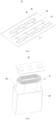
Fig. 1 is a schematic structural view of a battery module according to an embodiment of the application; -
Fig. 2 is a structural top view of the battery module according to the embodiment shown inFig. 1 ; -
Fig. 3 is a schematic structural view of a connection assembly according to an embodiment of the application; -
Fig. 4 is an exploded structural view of a secondary battery according to an embodiment of the application; -
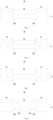
Fig. 5 is a schematic structural view of a sampling leg according to an embodiment of the application; -
Fig. 6 is a schematic structural view of a sampling leg according to still another embodiment of the application; -
Fig. 7 is a schematic structural view of a sampling leg according to still another embodiment of the application; -
Fig. 8 is a schematic structural view of a sampling leg according to still another embodiment of the application; -
Fig. 9 is a schematic structural view of a sampling leg according to still another embodiment of the application; -
Fig. 10 is a schematic structural view of a sampling leg according to still another embodiment of the application; -
Fig. 11 is a schematic structural view of a sampling leg according to still another embodiment of the application; -
Fig. 12 is a schematic structural view of a sampling leg according to still another embodiment of the application; -
Fig. 13 is a schematic structural view of a sampling leg according to still another embodiment of the application; -
Fig. 14 is a schematic structural view of a sampling leg according to still another embodiment of the application; -
Fig. 15 is a schematic structural view of a sampling leg according to still another embodiment of the application; -
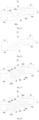
Fig. 16 is a schematic structural view of a sampling leg according to still another embodiment of the application; -
Fig. 17 is a schematic structural view of a sampling leg according to still another embodiment of the application; -
Fig. 18 is a schematic structural view of a sampling leg according to still another embodiment of the application; -
Fig. 19 is a schematic structural view of a sampling leg according to still another embodiment of the application; -
Fig. 20 is a schematic structural view of a sampling leg according to still another embodiment of the application; -
Fig. 21 is a schematic structural view of a sampling leg according to still another embodiment of the application; -
Fig. 22 is a schematic structural view of a sampling leg according to still another embodiment of the application; -
Fig. 23 is a schematic structural view of a sampling leg according to still another embodiment of the application; -
Fig. 24 is a schematic structural view of a sampling leg according to still another embodiment of the application; -
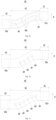
Fig. 25 is a schematic structural view of a sampling leg according to still another embodiment of the application; -
Fig. 26 is a schematic structural view of a sampling leg according to still another embodiment of the application; -
Fig. 27 is a schematic structural view of a sampling leg according to still another embodiment of the application; -
Fig. 28 is a schematic structural view of a sampling leg according to still another embodiment of the application; -
Fig. 29 is a schematic structural view of a sampling leg according to still another embodiment of the application; -
Fig. 30 is a schematic structural view of a sampling leg according to still another embodiment of the application; -
Fig. 31 is a schematic structural view of a sampling leg according to still another embodiment of the application; -
Fig. 32 is a structural top view of a battery module according to still another embodiment of the application. - The drawings are not necessarily plotted in actual proportion in the drawings.
- 10 battery module; 20 secondary battery; 21 electrode assembly; 21a wide side; 21b narrow side; 30 busbar; 40 sampling assembly; 50 sampling circuit board; 60 sampling leg; 61 first connection portion; 61a first connection region; 62 intermediate portion; 62a bar; 621 straight section; 621a bent pointed region; 622 arc section; 63 second connection portion; 63a second connection region; 64 through hole; 70 connection assembly; 80 insulators; X arrangement direction.
- The implementation of the application will be further described in detail below in combination with the drawings and embodiments. The following detailed description of the embodiments and drawings is used to exemplarily explain the principle of the application, rather than limiting the scope of the application, that is, the application is not limited to the described embodiments.
- For better understanding of the application, embodiments of the application will be described below in detail in combination with
Figs. 1 to 32 . - As shown in
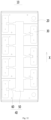
Figs. 1 to 3 , abattery module 10 according to an embodiment of the application includessecondary batteries 20 and aconnection assembly 70 connected to thesecondary batteries 20. Theconnection assembly 70 includes abusbar 30, aninsulator 80, and asampling assembly 40. Thesampling assembly 40 includes asampling circuit board 50 and asampling leg 60. Thebusbar 30 and thesampling assembly 40 are connected fixedly by theinsulator 80. In an example, theconnection assembly 70 further includes a snap-in member or an adhesive member. Thesampling assembly 40 and theinsulator 80 are connected fixedly by the snap-in member or the adhesive member. In another example, theinsulator 80 is a sheet-like structure, and thesampling circuit board 60 and theinsulator 80 are connected fixedly by thermocompression. Optionally, theinsulator 80 is a harness separation board. Two or moresecondary batteries 20 are arranged side by side in an arrangement direction X. The arrangement direction X is the same as a width direction of thesecondary battery 20. Eachbusbar 30 is arranged on the top of thesecondary batteries 20, and are electrically connected to at least twosecondary batteries 20, so that a plurality ofsecondary batteries 20 connected by onebusbar 30 are connected to each other in series or in parallel. - The
sampling circuit board 50 is a strip-like structure with a predetermined length and a predetermined width. Thesampling circuit board 50 is arranged on the top of thesecondary batteries 20. A length direction of thesampling circuit board 50 is the same as the arrangement direction X. Thesampling leg 60 extends in a width direction of thesampling circuit board 50. The width direction of thesampling circuit board 50 intersects with the arrangement direction X. Thesampling leg 60 includes afirst connection portion 61, anintermediate portion 62 and asecond connection portion 63. Thefirst connection portion 61 is connected to thesampling circuit board 50, and thesecond connection portion 63 is connected to thebusbar 30. Optionally, thefirst connection portion 61 is welded to thesampling circuit board 50, and thesecond connection portion 63 is welded to thebusbar 30. Thefirst connection portion 61 includes afirst connection region 61a connected to theintermediate portion 62. Thesecond connection portion 63 includes asecond connection region 63a connected to theintermediate portion 62. At least a part of theintermediate portion 62 has a cross-sectional area which is smaller than that of thefirst connection region 61a and smaller than that of thesecond connection region 63a. Thus, an overall rigidity of theintermediate portion 62 may be smaller than those of thefirst connection region 61a and thesecond connection region 63a, so that theintermediate portion 62 has relatively good deformability and cushioning ability as a whole. - Regarding the
sampling leg 60 according to an embodiment of the application, when the relative position between thefirst connection portion 61 and thesecond connection portion 63 is changed, thesampling leg 60 itself will bear a tensile force. Since theintermediate portion 62 of thesampling leg 60 has deformability and cushioning ability, theintermediate portion 62 can cushion the tensile force described above, thereby reducing a tensile stress borne by a junction between theintermediate portion 62 and thefirst connection region 61a and a junction between theintermediate portion 62 and thesecond connection region 63a and reducing the possibility of breakage of theintermediate portion 62 and thefirst connection region 61a and/or theintermediate portion 62 and thesecond connection region 63a, which is advantageous to increase the operational reliability and stability of thesampling assembly 40 and ensure that thesampling assembly 40 performs collection normally. Theconnection assembly 70 including thesampling assembly 40 of the embodiment of the application may be applied to thebattery module 10. During use of thebattery module 10 of the embodiment of the application, thesecondary batteries 20 may undergo expansive deformation or vibration deformation, thereby causing a positional change of thesecondary batteries 20. As a result, thesecondary batteries 20 may drive thesampling circuit board 50 to move, so that thebusbar 30 and thesampling board 50 jointly apply a tensile force to thesampling leg 60. Theintermediate portion 62 can cushion the tensile force, reducing the possibility of failure of the collection function due to breakage of theintermediate portion 62 and thefirst connection region 61a and/or theintermediate portion 62 and thesecond connection region 63a, which is advantageous to improve use safety of thebattery module 10. - As shown in
Fig. 4 , eachsecondary battery 20 includes a housing and an electrode assembly 21 disposed in the housing. The electrode assembly 21 includeswide sides 21a andnarrow sides 21b which are alternately distributed, in which thewide sides 21a intersect with the arrangement direction X. During use of thesecondary battery 20, the electrode assembly 21 expands, thereby causing the housing to expand, so that a position of the entiresecondary battery 20 in the arrangement direction X is changed. Since thewide sides 21a of the electrode assembly 21 have a greater degree of expansion than that of thenarrow sides 21b, a deformation amount of expansion of the electrode assembly 21 is larger in the arrangement direction X, so that thebusbar 30 and thesampling circuit board 50 jointly apply a larger tensile force to thesampling leg 60. - In an embodiment, as shown in
Fig. 5 , thefirst connection portion 61 and thesecond connection portion 63 are aligned in the arrangement direction X. Theintermediate portion 62 has a size smaller than that of thefirst connection region 61a and smaller than that of thesecond connection region 63a in the arrangement direction X, so that the cross-sectional area of the entireintermediate portion 62 is smaller than that of thefirst connection region 61a and smaller than that of thesecond connection region 63a. In the embodiment, thefirst connection portion 61 and thesecond connection portion 63 have a rectangular structure respectively in general. Thefirst connection region 61a and thesecond connection region 63a have a rectangular structure continuously extending in the arrangement direction X respectively. Theintermediate portion 62 extends straightly between thefirst connection region 61a and thesecond connection region 63a. Theintermediate portion 62 is connected to a middle region of thefirst connection region 61a and a middle region of thesecond connection region 63a in the arrangement direction X. When thesecondary battery 20 is deformed, a relative position between thefirst connection region 61a and thesecond connection region 63a is changed in the arrangement direction X. Since theintermediate portion 62 has relatively small rigidity, theintermediate portion 62 itself may be deformed to cushion a tensile force borne by itself, thereby reducing a tensile stress borne by the junction between theintermediate portion 62 and thefirst connection region 61a and the junction between theintermediate portion 62 and thesecond connection region 63a and reducing the possibility of breakage of theintermediate portion 62 and thefirst connection region 61a and/or theintermediate portion 62 and thesecond connection region 63a. In an example, thesampling leg 60 is a sheet-like structure. A thickness of thefirst connection portion 61, a thickness of theintermediate portion 62, and a thickness of thesecond connection portion 63 are equal. In an example, thesampling circuit board 50 includes a substrate, a sampling line, and a protective film. The sampling line is laid on the substrate, and a protective film covers the sampling line to protect it. The protective film covers the entire substrate. The protective film is an insulating structural member. Thefirst connection portion 61 of thesampling leg 60 is connected to the sampling line, and at least a part of thefirst connection portion 61 is covered by the protective film. Optionally, thefirst connection portion 61, theintermediate portion 62, and thesecond connection portion 63 of thesampling leg 60 are integrally formed. - In an embodiment, both
Figs. 6 and 7 may be seen as a variation of the embodiment shown inFig. 5 , and therefore, the same portion as those shown inFig. 5 will not be described again below, which can be understood with reference to the foregoing description of the embodiment shown inFig. 5 , and only the differences between the embodiments will be described in the following. In the embodiment, as shown inFig. 6 , each of thefirst connection portion 61 and thesecond connection portion 63 is provided with a through hole. In the process of connecting thefirst connection portion 61 with thesampling circuit board 50 and connecting thesecond connection portion 63 with thebusbar 30, the connection state can be observed through the through holes. In the embodiment, the through hole of thefirst connection portion 61 is spaced apart from thefirst connection region 61a. The through hole of thesecond connection portion 63 is spaced apart from thesecond connection region 63a. Thefirst connection region 61a and thesecond connection region 63a are each located between the corresponding through hole and theintermediate portion 62. In an example, as shown inFig. 7 , an edge of thefirst connection portion 61 away from thesecond connection portion 63 is circular arc-shaped, and an edge of thesecond connection portion 63 away from thefirst connection portion 61 is circular arc-shaped. - In an embodiment, both
Figs. 8 and9 may be seen as a variation of the embodiment shown inFig. 5 , and therefore, the same portion as those shown inFig. 5 will not be described again below, which can be understood with reference to the foregoing description of the embodiment shown inFig. 5 , and only the differences between the embodiments will be described in the following. In the embodiment, theintermediate portion 62 includes at least two connection sections successively distributed. The at least two connection sections successively distributed are configured as a wave-shaped structure, which is advantageous to further increase deformability and cushioning ability of theintermediate portion 62. In an example, as shown inFig. 8 , all of the connection sections arestraight sections 621. Two adjacentstraight sections 621 are intersected. Optionally, an angle between two adjacentstraight sections 621 may range from 100 degrees to 160 degrees. Preferably, the angle between two adjacentstraight sections 621 is 135 degrees. In another example, as shown inFig. 9 , all of the connection sections are arc-shapedsections 622. There is a smooth transition between two adjacent arc-shapedsections 622, which is advantageous to reduce stress concentration points. Preferably, the arc-shapedsections 622 may be circular arc-shaped sections. In another example, one part of the at least two connection sections is astraight section 621 and the other part is an arc-shapedsection 622. For example, there is provided with six connection sections, three of which arestraight sections 621 and the remaining three are arc-shapedsections 622. There is a smooth transition between thestraight section 621 and arc-shapedsection 622. - In an embodiment, both
Figs. 10 and 11 may be seen as a variation of the embodiment shown inFig. 5 , and therefore, the same portion as those shown inFig. 5 will not be described again below, which can be understood with reference to the foregoing description of the embodiment shown inFig. 5 , and only the differences between the embodiments will be described in the following. As shownFig. 10 , the overall size of theintermediate portion 62 is equal to that of thefirst connection region 61a and equal to thesecond connection region 63a in the arrangement direction X. Thesampling leg 60 has a throughhole 64. Theintermediate portion 62 is provided with the throughhole 64. A cross-sectional area of a portion of theintermediate portion 62 corresponding to the throughhole 64 is smaller than that of thefirst connection region 61a and smaller than that of thesecond connection region 63a, which is advantageous to reduce overall rigidity of theintermediate portion 62 and improve deformability and cushioning ability of theintermediate portion 62. In the embodiment, there is provided with one throughhole 64. The throughhole 64 extends between thefirst connection region 61a and thesecond connection region 63a. The starting point of the throughhole 64 is close to thefirst connection region 61a and has a predetermined distance from thefirst connection region 61a, and the end point is close to thesecond connection region 63a and has a predetermined distance from thesecond connection region 63a. Optionally, the starting point of the throughhole 64 coincides with an edge of thefirst connection region 61a close to thesecond connection region 63a, and the end point coincides with an edge of thesecond connection region 63a close to thefirst connection region 61a. In an example, an edge of thefirst connection region 61a close to thesecond connection region 63a coincides with an edge of the protective film or is located on a side of the protective film close to thebusbar 30, and an edge of thesecond connection region 63a close to thefirst connection region 61a coincides with an edge of thebusbar 30 or is located on the side of thebusbar 30 close to the protective film. In an example, as shown inFig. 10 , the throughhole 64 separates theintermediate portion 62 to form two strip-like bodies 62a. The two strip-like bodies 62a are spaced apart in the arrangement direction X, and the two strip-like bodies 62a have equal sizes in the arrange direction X and equal cross-sectional areas respectively. The two strip-like bodies 62a may be of redundant design. When one of the strip-like bodies 62a is broken by a tensile force, the other of the strip-like bodies 62a can still ensure that thefirst connection portion 61 and thesecond connection portion 63 are maintained in a communication state, thereby improving connection reliability of thesampling leg 60. At the same time, since the cross-sectional areas of the respective strip-like bodies 62a are equal, the flow area of each strip-like body 62a is the same, which is advantageous to improve sampling consistency between the strip-like bodies 62a. In another example, as shown inFig. 11 , two throughholes 64 are spaced apart in the arrangement direction X to form three strip-like bodies 62a at theintermediate portion 62. The three strip-like bodies 62a have equal sizes in the arrange direction X and equal cross-sectional areas respectively. The through holes 64 penetrate through theintermediate portion 62 in an extension direction of theintermediate portion 62. The through holes 64 extend starting from thefirst connection region 61a to thesecond connection region 63a, so that the respective starting points of the two throughholes 64 coincide with the edge of thefirst connection region 61a close to thesecond connection region 63a, and the end points coincide with the edge of thesecond connection region 63a close to thefirst connection region 61a. It is easily understood that the amount of the throughholes 64 is not limited to one or two as described above. The amount of the throughholes 64 may be three or more according to the product demand in order to form four or more strip-like bodies 62a at theintermediate portion 62. The amount of the strip-like bodies 62a is one more than the amount of the through holes 64. - In an embodiment,
Fig. 12 may be seen as a variation of the embodiment shown inFig. 10 , and therefore, the same portion as those shown inFig. 10 will not be described again below, which can be understood with reference to the foregoing description of the embodiment shown inFig. 10 , and only the differences between the embodiments will be described in the following. As shown inFig. 12 , there is provided with three throughholes 64 in the embodiment. The three throughholes 64 are spaced apart in a direction from thefirst connection portion 61 to thesecond connection portion 63. A direction from thefirst connection portion 61 to thesecond connection portion 63 intersects with the arrangement direction X. Preferably, the three throughholes 64 are the same in size and shape, and are evenly distributed at equal intervals between thefirst connection region 61a and thesecond connection region 63a. It is easily understood that the amount of the throughholes 64 is not limited to three as described above. The amount of the throughholes 64 may be two, four or more according to the product demand. - In an embodiment, each of
Figs. 13 to 15 may be seen as a variation of the embodiment shown inFig. 5 , and therefore, the same portion as those shown inFig. 5 will not be described again below, which can be understood with reference to the foregoing description of the embodiment shown inFig. 5 , and only the differences between the embodiments will be described in the following. As shown inFig. 13 , at least a part of theintermediate portion 62 protrudes beyond thefirst connection portion 61 and thesecond connection portion 63 in the arrangement direction X. Theintermediate portion 62 has a size smaller than that of thefirst connection region 61a and smaller than that of thesecond connection region 63a in the arrangement direction X, so that the cross-sectional area of the entireintermediate portion 62 is smaller than that of thefirst connection region 61a and smaller than that of thesecond connection region 63a. In an example, theintermediate portion 62 includes two connection sections successively distributed. The two connection sections successively distributed are configured as a wave-shaped structure. As shown inFig. 13 , the two connection sections are bothstraight sections 621. Optionally, an angle between two adjacentstraight sections 621 may range from 100 degrees to 160 degrees. Preferably, the angle between two adjacentstraight sections 621 is 135 degrees. In another example, as shown inFig. 14 , the entireintermediate portion 62 includes an arc-shapedsection 622. In another example, as shown inFig. 15 , theintermediate portion 62 includes two connection sections. The connection sections are both arc-shapedsections 622. There is a smooth transition between two adjacent arc-shapedsections 622. In another example, a part of the two connection sections is astraight section 621 and the other part is an arc-shapedsection 622. There is a smooth transition between thestraight section 621 and arc-shapedsection 622. It is easily understood that the amount of the connection sections is not limited to two, and may also be three or more. - In an embodiment, each of
Figs. 16 to 19 may be seen as a variation of the embodiment shown inFig. 13 , and therefore, the same portion as those shown inFig. 13 will not be described again below, which can be understood with reference to the foregoing description of the embodiment shown inFig. 13 , and only the differences between the embodiments will be described in the following. As shown inFig. 16 , thesampling leg 60 includes a throughhole 64. Theintermediate portion 62 is provided with the throughhole 64. A cross-sectional area of a portion of theintermediate portion 62 corresponding to the throughhole 64 is smaller than that of thefirst connection region 61a and smaller than that of thesecond connection region 63a, which is advantageous to reduce overall rigidity of theintermediate portion 62. In the embodiment, there is provided with one throughhole 64. The throughhole 64 extends between thefirst connection region 61a and thesecond connection region 63a. The starting point of the throughhole 64 is close to thefirst connection region 61a and has a predetermined distance from thefirst connection region 61a, and the end point is close to thesecond connection region 63a and has a predetermined distance from thesecond connection region 63a. Optionally, the starting point of the throughhole 64 coincides with an edge of thefirst connection region 61a close to thesecond connection region 63a, and the end point coincides with an edge of thesecond connection region 63a close to thefirst connection region 61a. The throughhole 64 separates theintermediate portion 62 to form two strip-like bodies 62a. The two strip-like bodies 62a are spaced apart in the arrangement direction X. The two strip-like bodies 62a may be of redundant design. When one of the strip-like bodies 62a is broken by a tensile force, the other of the strip-like bodies 62a can still ensure that thefirst connection portion 61 and thesecond connection portion 63 are maintained in a communication state, thereby improving connection reliability of thesampling leg 60. In the embodiment, theintermediate portion 62 includes twostraight sections 621. The throughhole 64 extends continuously over the twostraight sections 621. Theintermediate portion 62 includes a bentpointed region 621a protruding in the arrangement direction X. The starting point and/or the end point of the throughhole 64 is offset from the bent pointedregion 621a in the direction from thefirst connection portion 61 to thesecond connection portion 63, so as to avoid the bent pointedregion 621a and reduce the possibility that theintermediate portion 62 is easily broken at the bentpointed region 621a due to a stress concentrated in the bent pointedregion 621a. Optionally, the amount of thestraight sections 621 is not limited to two, and may be three or more. In an example, as shown inFig. 17 , the entireintermediate portion 62 includes one arc-shapedsection 622. The throughhole 64 extends in the extension direction of theintermediate portion 62 so as to be substantially the same as the contour of theintermediate portion 62. In another example, as shown inFigs. 18 and 19 , theintermediate portion 62 includes two throughholes 64. The two throughholes 64 are spaced apart in the arrangement direction X to form three strip-like bodies 62a in theintermediate portion 62. The three strip-like bodies 62a may be of redundant design. It is easily understood that the amount of the throughholes 64 is not limited to two as described above. The amount of the throughholes 64 may be three or more according to the product demand in order to form four or more strip-like bodies 62a at theintermediate portion 62. As shown inFig. 18 , theintermediate portion 62 includes twostraight sections 621. As shown inFig. 19 , the entireintermediate portion 62 may be an arc-shapedsection 622. Optionally, theintermediate portion 62 may also include two interconnected arc-shapedsections 622. - In an embodiment, both
Figs. 20 and21 may be seen as a variation of the embodiment shown inFig. 16 , and therefore, the same portion as those shown inFig. 16 will not be described again below, which can be understood with reference to the foregoing description of the embodiment shown inFig. 16 , and only the differences between the embodiments will be described in the following. As shown inFig. 20 , theintermediate portion 62 includes twostraight sections 621. Theintermediate portion 62 is provided with six throughholes 64. Eachstraight section 621 is provided with three throughholes 64. As shown inFig. 21 , the entireintermediate portion 62 includes three arc-shapedsections 622. Theintermediate portion 62 is provided with four throughholes 64. The plurality of throughholes 64 described above are sequentially distributed spaced in the direction from thefirst connection portion 61 to thesecond connection portion 63. A direction from thefirst connection portion 61 to thesecond connection portion 63 intersects with the arrangement direction X. Preferably, the throughholes 64 are the same in size and shape, and are evenly distributed between thefirst connection region 61a and thesecond connection region 63a. It is easily understood that the amount of the throughholes 64 is not limited to four or six as described above. The amount of the throughholes 64 may be two, three, five or seven or more according to the product demand. - In an embodiment,
Fig. 22 may be seen as a variation of the embodiment shown inFig. 5 , and therefore, the same portion as those shown inFig. 5 will not be described again below, which can be understood with reference to the foregoing description of the embodiment shown inFig. 5 , and only the differences between the embodiments will be described in the following. As shown inFig. 22 , thefirst connection portion 61 and thesecond connection portion 63 are offset in the arrangement direction X. A cross-sectional area of a part of theintermediate portion 62 is smaller than that of thefirst connection region 61a and smaller than that of thesecond connection region 63a, so that theintermediate portion 62 has a relatively small rigidity. Since thefirst connection portion 61 and thesecond connection portion 63 are offset from each other, it is advantageous to ensure that thefirst connection portion 61 and thesecond connection portion 63 have a relatively large allowable offset in the arrangement direction x. At the same time, since theintermediate portion 62 has good deformability, the buffering ability of thesampling leg 60 is further improved. The widths of both end portions of theintermediate portion 62 in the embodiment are larger than that of the middle region in the arrangement direction X, there is a smooth transition between the end portions and the middle region. - In an embodiment, both
Figs. 23 and 24 may be seen as a variation of the embodiment shown inFig. 22 , and therefore, the same portion as those shown inFig. 22 will not be described again below, which can be understood with reference to the foregoing description of the embodiment shown inFig. 22 , and only the differences between the embodiments will be described in the following. As shown inFig. 23 , the intermediate section includes two or more connection sections successively distributed. The connection sections arestraight sections 621. Theintermediate portion 62 includes fivestraight sections 621. Two adjacentstraight sections 621 are intersected. Optionally, an angle between two adjacentstraight sections 621 may range from 100 degrees to 160 degrees. Preferably, the angle between two adjacentstraight sections 621 is 135 degrees. As shown inFig. 24 , the connection sections are arc-shapedsections 622. There is a smooth transition between two adjacent arc-shapedsections 622, which is advantageous to reduce stress concentration points. In another example, one part of the at least two connection sections is astraight section 621 and the other part is an arc-shapedsection 622. There is a smooth transition between thestraight section 621 and arc-shapedsection 622. In an embodiment, each ofFigs. 25 to 29 may be seen as a variation of the embodiment shown inFig. 22 , and therefore, the same portion as those shown inFig. 22 will not be described again below, which can be understood with reference to the foregoing description of the embodiment shown inFig. 22 , and only the differences between the embodiments will be described in the following. As shown inFig. 25 , thesampling leg 60 includes a throughhole 64. Theintermediate portion 62 is provided with the throughhole 64. A cross-sectional area of a portion of theintermediate portion 62 corresponding to the throughhole 64 is smaller than that of thefirst connection region 61a and smaller than that of thesecond connection region 63a, which is advantageous to reduce overall rigidity of theintermediate portion 62. In the embodiment, there is provided with one throughhole 64. The throughhole 64 extends between thefirst connection region 61a and thesecond connection region 63a. The starting point of the throughhole 64 is close to thefirst connection region 61a and has a predetermined distance from thefirst connection region 61a, and the end point is close to thesecond connection region 63a and has a predetermined distance from thesecond connection region 63a. In an example, as shown inFig. 25 , theintermediate portion 62 includes threestraight sections 621. Optionally, an angle between two adjacentstraight sections 621 may range from 100 degrees to 160 degrees. Preferably, the angle between two adjacentstraight sections 621 is 135 degrees. The through holes 64 extends continuously over the threestraight sections 621. Theintermediate portion 62 includes a bentpointed region 621a protruding in the arrangement direction X. The starting point and/or the end point of the throughhole 64 is offset from the bent pointedregion 621a in the direction from thefirst connection portion 61 to thesecond connection portion 63, so as to avoid the bent pointedregion 621a and reduce the possibility that theintermediate portion 62 is easily broken at the bentpointed region 621a due to a stress concentrated in the bent pointedregion 621a. Optionally, the amount of thestraight sections 621 is not limited to three, and may be four or more. In another example, as shown inFig. 26 , theintermediate portion 62 includes three arc-shapedsections 622. The two adjacent arc-shapedsections 622 are connected by a smooth transition. In another example, as shown inFigs.27 to 29 , theintermediate portion 62 includes two throughholes 64. The two throughholes 64 are spaced apart in the arrangement direction X to form three strip-like bodies 62a in theintermediate portion 62. The three strip-like bodies 62a may be of redundant design. It is easily understood that the amount of the throughholes 64 is not limited to two as described above. The amount of the throughholes 64 may be three or more according to the product demand in order to form four or more strip-like bodies 62a at theintermediate portion 62. As shown inFigs. 27 and 28 , theintermediate portion 62 includes threestraight sections 621. The starting points of the throughholes 64 coincide with the edge of thefirst connection region 61a close to thesecond connection region 63a, and the end points coincide with the edge of thesecond contact region 63a close to thefirst connection region 61a. As shown inFig. 29 , theintermediate portion 62 includes two arc-shapedsections 622 and astraight section 621 disposed between the arc-shapedsections 622. There are smooth transitions between the arc-shapedsections 622 and thestraight section 621, which is advantageous to reduce stress concentration regions. The starting points of the throughholes 64 coincide with the edge of thefirst connection region 61a close to thesecond connection region 63a, and the end points coincide with the edge of thesecond contact region 63a close to thefirst connection region 61a. In other examples, theintermediate portion 62 includes two arc-shapedsections 622. The two arc-shapedsections 622 are connected by a smooth transition. - In an embodiment, both
Figs. 30 and 31 may be seen as a variation of the embodiment shown inFig. 25 , and therefore, the same portion as those shown inFig. 25 will not be described again below, which can be understood with reference to the foregoing description of the embodiment shown inFig. 25 , and only the differences between the embodiments will be described in the following. As shown inFig. 30 , theintermediate portion 62 includes threestraight sections 621. Theintermediate portion 62 is provided with four throughholes 64. As shown inFig. 31 , theintermediate portion 62 includes two arc-shapedsections 622 and astraight section 621 disposed between the arc-shapedsections 622. Theintermediate portion 62 is provided with six throughholes 64. Each of the throughholes 64 described above is sequentially distributed spaced in the direction from thefirst connection portion 61 to thesecond connection portion 63. A direction from thefirst connection portion 61 to thesecond connection portion 63 intersects with the arrangement direction X. Preferably, the throughholes 64 are the same in size and shape, and are evenly distributed between thefirst connection region 61a and thesecond connection region 63a. The shape of the throughhole 64 is circular. It is easily understood that the amount of the throughholes 64 is not limited to four or six as described above. The amount of the throughholes 64 may be two, three, five or seven or more according to the product demand. - The material of the
sampling leg 60 of the above embodiments may be a conductive metal such as nickel or copper. Preferably, thesampling leg 60 is a nickel sheet. - In an embodiment, as shown in
Fig. 32 , thatsampling leg 60 and the sampling line are of an integrally formed structure. Thefirst connection portion 61 of thesampling leg 60 is integrally formed with the sampling line. The material of both the sampling line and thesampling leg 60 is copper. - In the embodiments of the application, the structure of the
sampling leg 60 is optimized, so that theintermediate portion 62 of thesampling leg 60 has better deformability and buffering ability than thefirst connection portion 61 and thesecond connection portion 63, which is advantageous to reduce the possibility that thesampling leg 60 bears a tensile force due to a position change of thefirst connection portion 61 and thesecond connection portion 63 causing thesampling leg 60 to break under the excessive tensile force, and to ensure that thesampling assembly 40 performs collection normally. - An embodiment of the application further provides a vehicle. The vehicle includes a power source and
battery modules 10 according to the above embodiments. The power source is used to provide driving force to the vehicle. A plurality ofbattery modules 10 can be installed inside the vehicle. Thebattery modules 10 can supply electric energy to the power source.
Claims (12)
- A sampling assembly (40) for a battery module (10), the battery module (10) comprising a busbar (30), wherein the sampling assembly (40) comprises:a sampling circuit board (50) with a predetermined length and a predetermined width;a sampling leg (60) comprising a first connection portion (61), an intermediate portion (62) and a second connection portion (63), the first connection portion (61) being connected to the sampling circuit board (50), the second connection portion (63) configured to be connected to the busbar (30), the first connection portion (61) comprising a first connection region (61a) connected to the intermediate portion (62), the second connection portion (63) comprising a second connection region (63a) connected to the intermediate portion (62), at least a part of the intermediate portion (62) having a cross-sectional area which is smaller than a cross-sectional area of the first connection region (61a) and smaller than a cross-sectional area of the second connection region (63a);wherein the first connection portion (61), the intermediate portion (62), and the second connection portion (63) are successively distributed in a width direction of the sampling circuit board (50);wherein a length direction of the sampling circuit board (50) intersects with the width direction of the sampling circuit board (50);wherein the intermediate portion (62) is provided with a through hole (64), a cross-sectional area of a portion of the intermediate portion (62) corresponding to the through hole (64) being smaller than the cross-sectional area of the first connection region (61a) and smaller than the cross-sectional area of the second connection region (63a);wherein the intermediate portion (62) comprises a bent pointed region (621a) protruding in the length direction of the sampling circuit board (50), a starting point and/or an end point of the through hole (64) being offset from the bent pointed region (621a) in the width direction of the sampling circuit board (50);wherein the starting point of the through hole (64) is close to the first connection region (61a) and has a predetermined distance from the first connection region (61a), and the end point is close to the second connection region (63a) and has a predetermined distance from the second connection region (63a).
- The sampling assembly (40) according to claim 1, the number of the through hole(64) is one in order to form two strip-like bodies separated at the intermediate portion (62); or two or more through holes (64) are distributed spaced apart in the length direction of the sampling circuit board (50), in order to form a plurality of strip-like bodies separated at the intermediate portion (62).
- The sampling assembly (40) according to claim 2, wherein each of the strip-like bodies has an identical cross-sectional area.
- The sampling assembly (40) according to claim 2 or 3, wherein the through hole (64) penetrates through the intermediate portion (62) in the width direction, and the through hole (64) extends from the first connection region (61a) to the second connection region (63a).
- The sampling assembly (40) according to any one of claims 1 to 4, wherein a size of the intermediate portion (62) is smaller than a size of the first connection region (61a) and smaller than a size of the second connection region (63a) in the length direction of the sampling circuit board (50).
- The sampling assembly (40) according to any one of claims 1 to 5, wherein the first connection portion (61) and the second connection portion (63) are aligned in the length direction of the sampling circuit board (50); or the first connection portion (61) and the second connection portion (63) are offset from each other in the length direction of the sampling circuit board (50).
- The sampling assembly (40) according to any one of claims 1 to 6, wherein at least a part of the intermediate portion (62) protrudes from the first connection portion (61) and the second connection portion (63) in the length direction of the sampling circuit board (50).
- The sampling assembly (40) according to any one of claims 1 to 7, wherein the intermediate portion (62) comprises at least two connection sections successively distributed, which are configured as a wave-shaped structure.
- The sampling assembly (40) according to claim 8, wherein all of the connection sections are straight sections (621) or arc sections (622), or one part of the at least two connection sections is a straight section (621), and the other part is an arc section (622).
- The sampling assembly (40) according to any one of claims 1 to 9, wherein the sampling leg (60) is a sheet-like structure, a thickness of the first connection portion (61), a thickness of the intermediate portion (62), and a thickness of the second connection portion (63) being equal.
- A battery module, wherein the battery module comprises:secondary batteries, in which two or more secondary batteries are arranged side by side in an arrangement direction;a busbar arranged on a top of the secondary batteries and electrically connected to at least two of the secondary batteries;the sampling assembly according to any one of claims 1 to 10, the sampling circuit board extending in the arrangement direction and having a stripe-like structure, the sampling leg extending from the sampling circuit board toward the busbar, and the second connection portion being connected to the busbar.
- A vehicle, wherein the vehicle comprises:a power source for providing driving force to the vehicle;the battery module according to claim 11 configured to supply electric energy to the power source.
Applications Claiming Priority (2)
| Application Number | Priority Date | Filing Date | Title |
|---|---|---|---|
| CN201921582237.XU CN210467964U (en) | 2019-09-23 | 2019-09-23 | Sampling components, connecting components, battery modules and vehicles |
| PCT/CN2020/102613 WO2021057211A1 (en) | 2019-09-23 | 2020-07-17 | Sampling assembly, connecting assembly, battery module and vehicle |
Publications (3)
| Publication Number | Publication Date |
|---|---|
| EP3951996A1 EP3951996A1 (en) | 2022-02-09 |
| EP3951996A4 EP3951996A4 (en) | 2022-06-29 |
| EP3951996B1 true EP3951996B1 (en) | 2024-07-03 |
Family
ID=70434571
Family Applications (1)
| Application Number | Title | Priority Date | Filing Date |
|---|---|---|---|
| EP20867622.1A Active EP3951996B1 (en) | 2019-09-23 | 2020-07-17 | Sampling assembly, connecting assembly, battery module and vehicle |
Country Status (4)
| Country | Link |
|---|---|
| US (1) | US12272842B2 (en) |
| EP (1) | EP3951996B1 (en) |
| CN (1) | CN210467964U (en) |
| WO (1) | WO2021057211A1 (en) |
Families Citing this family (7)
| Publication number | Priority date | Publication date | Assignee | Title |
|---|---|---|---|---|
| CN210467964U (en) | 2019-09-23 | 2020-05-05 | 宁德时代新能源科技股份有限公司 | Sampling components, connecting components, battery modules and vehicles |
| CN212161961U (en) | 2020-05-26 | 2020-12-15 | 宁德时代新能源科技股份有限公司 | Signal transmission terminal, sampling device, battery module and device |
| CN112271368A (en) * | 2020-10-12 | 2021-01-26 | 东风时代(武汉)电池系统有限公司 | High energy density power battery package integrated configuration and new energy automobile |
| JP7729747B2 (en) * | 2021-07-15 | 2025-08-26 | 矢崎総業株式会社 | Busbar Module |
| CN113993271B (en) * | 2021-10-15 | 2025-10-10 | 厦门市铂联科技股份有限公司 | An integrated stretchable FPC component and its manufacturing method |
| KR20230174572A (en) * | 2022-06-21 | 2023-12-28 | 삼성에스디아이 주식회사 | Battery pack |
| DE102024129512A1 (en) * | 2024-10-11 | 2026-04-16 | Yazaki Systems Technologies Gmbh | Battery busbar system and electrical energy storage |
Family Cites Families (17)
| Publication number | Priority date | Publication date | Assignee | Title |
|---|---|---|---|---|
| US5644282A (en) * | 1995-02-06 | 1997-07-01 | Motorola, Inc. | Fuse and Battery apparatus utilizing same |
| EP1947703B1 (en) * | 2005-10-14 | 2019-08-14 | Sharp Kabushiki Kaisha | Interconnector, solar battery string using such interconnector |
| EP2441103B2 (en) * | 2009-06-08 | 2018-09-12 | Auto-Kabel Management GmbH | Battery cell connector |
| KR101127611B1 (en) * | 2010-05-03 | 2012-03-26 | 삼성에스디아이 주식회사 | Protection circuit module and rechargeable battery with the same |
| JP6164489B2 (en) * | 2014-01-21 | 2017-07-19 | 株式会社オートネットワーク技術研究所 | Wiring module |
| US20170256760A1 (en) * | 2016-03-03 | 2017-09-07 | Bosch Battery Systems GmbH | Battery Pack |
| CN112888159B (en) * | 2017-01-09 | 2022-10-25 | 莫仕连接器(成都)有限公司 | Battery connection module |
| JP6946837B2 (en) * | 2017-08-10 | 2021-10-13 | 株式会社豊田自動織機 | Battery pack |
| CN208368601U (en) * | 2018-06-28 | 2019-01-11 | 江苏天钧精密技术有限公司 | An FPC integrated line row |
| CN208423224U (en) | 2018-06-28 | 2019-01-22 | 东莞市奕东电子有限公司 | A kind of power battery adopts pressure FPC component |
| CN208873918U (en) * | 2018-11-27 | 2019-05-17 | 厦门市铂联科技股份有限公司 | A kind of new energy battery FPC voltage collecting device |
| CN209249738U (en) * | 2018-12-20 | 2019-08-13 | 湖南金杯新能源发展有限公司 | A kind of voltage acquisition piece |
| CN209249637U (en) * | 2018-12-26 | 2019-08-13 | 宁德时代新能源科技股份有限公司 | battery module |
| CN209249567U (en) | 2018-12-30 | 2019-08-13 | 宁德时代新能源科技股份有限公司 | A battery module |
| CN210142696U (en) * | 2019-08-21 | 2020-03-13 | 孚能科技(赣州)股份有限公司 | Voltage acquisition sheet and power battery pack |
| CN210467964U (en) * | 2019-09-23 | 2020-05-05 | 宁德时代新能源科技股份有限公司 | Sampling components, connecting components, battery modules and vehicles |
| CN210467965U (en) * | 2019-09-23 | 2020-05-05 | 宁德时代新能源科技股份有限公司 | Battery modules, battery packs and vehicles |
-
2019
- 2019-09-23 CN CN201921582237.XU patent/CN210467964U/en active Active
-
2020
- 2020-07-17 EP EP20867622.1A patent/EP3951996B1/en active Active
- 2020-07-17 WO PCT/CN2020/102613 patent/WO2021057211A1/en not_active Ceased
-
2021
- 2021-12-09 US US17/546,075 patent/US12272842B2/en active Active
Also Published As
| Publication number | Publication date |
|---|---|
| US12272842B2 (en) | 2025-04-08 |
| EP3951996A4 (en) | 2022-06-29 |
| WO2021057211A1 (en) | 2021-04-01 |
| US20220102814A1 (en) | 2022-03-31 |
| EP3951996A1 (en) | 2022-02-09 |
| CN210467964U (en) | 2020-05-05 |
Similar Documents
| Publication | Publication Date | Title |
|---|---|---|
| EP3951996B1 (en) | Sampling assembly, connecting assembly, battery module and vehicle | |
| US10586970B2 (en) | Wiring module | |
| JP5780788B2 (en) | Bus bar, bus bar module, power supply | |
| JP6510666B2 (en) | Conductive member module and battery pack | |
| JP6717788B2 (en) | Conductor module | |
| US20180019451A1 (en) | Connector assembly for a battery system | |
| EP3568880B1 (en) | Multi-wire planar cable for a monitoring system of a battery module | |
| WO2018083657A1 (en) | Connector assembly for a battery system | |
| EP4142037A1 (en) | Busbar module | |
| JP2019135687A (en) | Power storage module | |
| EP3503258B1 (en) | Conductive sheet for connecting batteries and battery connecting module utilizing the same | |
| JP2019129055A (en) | Power storage module | |
| JP6939909B2 (en) | Power storage module | |
| JP2013080621A (en) | Wiring module for battery | |
| JP2020170615A (en) | Power storage module | |
| CN212625756U (en) | Battery sampling module | |
| US20250392009A1 (en) | Busbar module | |
| CN220672918U (en) | Connection structure, high-voltage distribution box and power utilization device | |
| US20260024929A1 (en) | Multilayered flexible flat cable and manufacturing method thereof | |
| US20260121244A1 (en) | Battery module having a laminated busbar assembly | |
| CN121922832A (en) | Bus bar | |
| JP2025136878A (en) | Battery module | |
| JP2023061333A (en) | Bus duct conductor structure | |
| JP2020009671A (en) | Wire connection structure |
Legal Events
| Date | Code | Title | Description |
|---|---|---|---|
| STAA | Information on the status of an ep patent application or granted ep patent |
Free format text: STATUS: THE INTERNATIONAL PUBLICATION HAS BEEN MADE |
|
| PUAI | Public reference made under article 153(3) epc to a published international application that has entered the european phase |
Free format text: ORIGINAL CODE: 0009012 |
|
| STAA | Information on the status of an ep patent application or granted ep patent |
Free format text: STATUS: REQUEST FOR EXAMINATION WAS MADE |
|
| 17P | Request for examination filed |
Effective date: 20211025 |
|
| AK | Designated contracting states |
Kind code of ref document: A1 Designated state(s): AL AT BE BG CH CY CZ DE DK EE ES FI FR GB GR HR HU IE IS IT LI LT LU LV MC MK MT NL NO PL PT RO RS SE SI SK SM TR |
|
| A4 | Supplementary search report drawn up and despatched |
Effective date: 20220531 |
|
| RIC1 | Information provided on ipc code assigned before grant |
Ipc: H01M 50/519 20210101ALI20220524BHEP Ipc: H01M 50/507 20210101ALI20220524BHEP Ipc: H01M 50/209 20210101ALI20220524BHEP Ipc: H01M 10/42 20060101AFI20220524BHEP |
|
| STAA | Information on the status of an ep patent application or granted ep patent |
Free format text: STATUS: EXAMINATION IS IN PROGRESS |
|
| 17Q | First examination report despatched |
Effective date: 20221104 |
|
| DAV | Request for validation of the european patent (deleted) | ||
| DAX | Request for extension of the european patent (deleted) | ||
| GRAP | Despatch of communication of intention to grant a patent |
Free format text: ORIGINAL CODE: EPIDOSNIGR1 |
|
| STAA | Information on the status of an ep patent application or granted ep patent |
Free format text: STATUS: GRANT OF PATENT IS INTENDED |
|
| GRAS | Grant fee paid |
Free format text: ORIGINAL CODE: EPIDOSNIGR3 |
|
| INTG | Intention to grant announced |
Effective date: 20240429 |
|
| RIN1 | Information on inventor provided before grant (corrected) |
Inventor name: DAI, XIAOSHAN Inventor name: XU, SHOUJIANG Inventor name: CHEN, SIEN |
|
| GRAA | (expected) grant |
Free format text: ORIGINAL CODE: 0009210 |
|
| STAA | Information on the status of an ep patent application or granted ep patent |
Free format text: STATUS: THE PATENT HAS BEEN GRANTED |
|
| AK | Designated contracting states |
Kind code of ref document: B1 Designated state(s): AL AT BE BG CH CY CZ DE DK EE ES FI FR GB GR HR HU IE IS IT LI LT LU LV MC MK MT NL NO PL PT RO RS SE SI SK SM TR |
|
| RAP3 | Party data changed (applicant data changed or rights of an application transferred) |
Owner name: CONTEMPORARY AMPEREX TECHNOLOGY CO., LIMITED |
|
| REG | Reference to a national code |
Ref country code: CH Ref legal event code: EP |
|
| REG | Reference to a national code |
Ref country code: DE Ref legal event code: R096 Ref document number: 602020033530 Country of ref document: DE |
|
| REG | Reference to a national code |
Ref country code: DE Ref legal event code: R081 Ref document number: 602020033530 Country of ref document: DE Owner name: CONTEMPORARY AMPEREX TECHNOLOGY (HONG KONG) LI, HK Free format text: FORMER OWNER: CONTEMPORARY AMPEREX TECHNOLOGY CO., LIMITED, NINGDE CITY, FUJIAN, CN |
|
| REG | Reference to a national code |
Ref country code: GB Ref legal event code: 732E Free format text: REGISTERED BETWEEN 20240829 AND 20240904 |
|
| RAP2 | Party data changed (patent owner data changed or rights of a patent transferred) |
Owner name: CONTEMPORARY AMPEREX TECHNOLOGY(HONG KONG) LIMITED |
|
| REG | Reference to a national code |
Ref country code: LT Ref legal event code: MG9D |
|
| REG | Reference to a national code |
Ref country code: NL Ref legal event code: MP Effective date: 20240703 |
|
| P01 | Opt-out of the competence of the unified patent court (upc) registered |
Free format text: CASE NUMBER: APP_53003/2024 Effective date: 20240923 |
|
| PG25 | Lapsed in a contracting state [announced via postgrant information from national office to epo] |
Ref country code: PT Free format text: LAPSE BECAUSE OF FAILURE TO SUBMIT A TRANSLATION OF THE DESCRIPTION OR TO PAY THE FEE WITHIN THE PRESCRIBED TIME-LIMIT Effective date: 20241104 |
|
| REG | Reference to a national code |
Ref country code: AT Ref legal event code: MK05 Ref document number: 1700781 Country of ref document: AT Kind code of ref document: T Effective date: 20240703 |
|
| PG25 | Lapsed in a contracting state [announced via postgrant information from national office to epo] |
Ref country code: NL Free format text: LAPSE BECAUSE OF FAILURE TO SUBMIT A TRANSLATION OF THE DESCRIPTION OR TO PAY THE FEE WITHIN THE PRESCRIBED TIME-LIMIT Effective date: 20240703 |
|
| PG25 | Lapsed in a contracting state [announced via postgrant information from national office to epo] |
Ref country code: PT Free format text: LAPSE BECAUSE OF FAILURE TO SUBMIT A TRANSLATION OF THE DESCRIPTION OR TO PAY THE FEE WITHIN THE PRESCRIBED TIME-LIMIT Effective date: 20241104 Ref country code: NL Free format text: LAPSE BECAUSE OF FAILURE TO SUBMIT A TRANSLATION OF THE DESCRIPTION OR TO PAY THE FEE WITHIN THE PRESCRIBED TIME-LIMIT Effective date: 20240703 |
|
| PG25 | Lapsed in a contracting state [announced via postgrant information from national office to epo] |
Ref country code: NO Free format text: LAPSE BECAUSE OF FAILURE TO SUBMIT A TRANSLATION OF THE DESCRIPTION OR TO PAY THE FEE WITHIN THE PRESCRIBED TIME-LIMIT Effective date: 20241003 |
|
| PG25 | Lapsed in a contracting state [announced via postgrant information from national office to epo] |
Ref country code: GR Free format text: LAPSE BECAUSE OF FAILURE TO SUBMIT A TRANSLATION OF THE DESCRIPTION OR TO PAY THE FEE WITHIN THE PRESCRIBED TIME-LIMIT Effective date: 20241004 Ref country code: FI Free format text: LAPSE BECAUSE OF FAILURE TO SUBMIT A TRANSLATION OF THE DESCRIPTION OR TO PAY THE FEE WITHIN THE PRESCRIBED TIME-LIMIT Effective date: 20240703 Ref country code: PL Free format text: LAPSE BECAUSE OF FAILURE TO SUBMIT A TRANSLATION OF THE DESCRIPTION OR TO PAY THE FEE WITHIN THE PRESCRIBED TIME-LIMIT Effective date: 20240703 |
|
| PG25 | Lapsed in a contracting state [announced via postgrant information from national office to epo] |
Ref country code: BG Free format text: LAPSE BECAUSE OF FAILURE TO SUBMIT A TRANSLATION OF THE DESCRIPTION OR TO PAY THE FEE WITHIN THE PRESCRIBED TIME-LIMIT Effective date: 20240703 |
|
| PG25 | Lapsed in a contracting state [announced via postgrant information from national office to epo] |
Ref country code: LV Free format text: LAPSE BECAUSE OF FAILURE TO SUBMIT A TRANSLATION OF THE DESCRIPTION OR TO PAY THE FEE WITHIN THE PRESCRIBED TIME-LIMIT Effective date: 20240703 |
|
| PG25 | Lapsed in a contracting state [announced via postgrant information from national office to epo] |
Ref country code: IS Free format text: LAPSE BECAUSE OF FAILURE TO SUBMIT A TRANSLATION OF THE DESCRIPTION OR TO PAY THE FEE WITHIN THE PRESCRIBED TIME-LIMIT Effective date: 20241103 Ref country code: AT Free format text: LAPSE BECAUSE OF FAILURE TO SUBMIT A TRANSLATION OF THE DESCRIPTION OR TO PAY THE FEE WITHIN THE PRESCRIBED TIME-LIMIT Effective date: 20240703 |
|
| PG25 | Lapsed in a contracting state [announced via postgrant information from national office to epo] |
Ref country code: HR Free format text: LAPSE BECAUSE OF FAILURE TO SUBMIT A TRANSLATION OF THE DESCRIPTION OR TO PAY THE FEE WITHIN THE PRESCRIBED TIME-LIMIT Effective date: 20240703 Ref country code: CZ Free format text: LAPSE BECAUSE OF FAILURE TO SUBMIT A TRANSLATION OF THE DESCRIPTION OR TO PAY THE FEE WITHIN THE PRESCRIBED TIME-LIMIT Effective date: 20240703 |
|
| PG25 | Lapsed in a contracting state [announced via postgrant information from national office to epo] |
Ref country code: RS Free format text: LAPSE BECAUSE OF FAILURE TO SUBMIT A TRANSLATION OF THE DESCRIPTION OR TO PAY THE FEE WITHIN THE PRESCRIBED TIME-LIMIT Effective date: 20241003 Ref country code: ES Free format text: LAPSE BECAUSE OF FAILURE TO SUBMIT A TRANSLATION OF THE DESCRIPTION OR TO PAY THE FEE WITHIN THE PRESCRIBED TIME-LIMIT Effective date: 20240703 |
|
| PG25 | Lapsed in a contracting state [announced via postgrant information from national office to epo] |
Ref country code: RS Free format text: LAPSE BECAUSE OF FAILURE TO SUBMIT A TRANSLATION OF THE DESCRIPTION OR TO PAY THE FEE WITHIN THE PRESCRIBED TIME-LIMIT Effective date: 20241003 Ref country code: PL Free format text: LAPSE BECAUSE OF FAILURE TO SUBMIT A TRANSLATION OF THE DESCRIPTION OR TO PAY THE FEE WITHIN THE PRESCRIBED TIME-LIMIT Effective date: 20240703 Ref country code: NO Free format text: LAPSE BECAUSE OF FAILURE TO SUBMIT A TRANSLATION OF THE DESCRIPTION OR TO PAY THE FEE WITHIN THE PRESCRIBED TIME-LIMIT Effective date: 20241003 Ref country code: LV Free format text: LAPSE BECAUSE OF FAILURE TO SUBMIT A TRANSLATION OF THE DESCRIPTION OR TO PAY THE FEE WITHIN THE PRESCRIBED TIME-LIMIT Effective date: 20240703 Ref country code: IS Free format text: LAPSE BECAUSE OF FAILURE TO SUBMIT A TRANSLATION OF THE DESCRIPTION OR TO PAY THE FEE WITHIN THE PRESCRIBED TIME-LIMIT Effective date: 20241103 Ref country code: HR Free format text: LAPSE BECAUSE OF FAILURE TO SUBMIT A TRANSLATION OF THE DESCRIPTION OR TO PAY THE FEE WITHIN THE PRESCRIBED TIME-LIMIT Effective date: 20240703 Ref country code: GR Free format text: LAPSE BECAUSE OF FAILURE TO SUBMIT A TRANSLATION OF THE DESCRIPTION OR TO PAY THE FEE WITHIN THE PRESCRIBED TIME-LIMIT Effective date: 20241004 Ref country code: FI Free format text: LAPSE BECAUSE OF FAILURE TO SUBMIT A TRANSLATION OF THE DESCRIPTION OR TO PAY THE FEE WITHIN THE PRESCRIBED TIME-LIMIT Effective date: 20240703 Ref country code: ES Free format text: LAPSE BECAUSE OF FAILURE TO SUBMIT A TRANSLATION OF THE DESCRIPTION OR TO PAY THE FEE WITHIN THE PRESCRIBED TIME-LIMIT Effective date: 20240703 Ref country code: CZ Free format text: LAPSE BECAUSE OF FAILURE TO SUBMIT A TRANSLATION OF THE DESCRIPTION OR TO PAY THE FEE WITHIN THE PRESCRIBED TIME-LIMIT Effective date: 20240703 Ref country code: BG Free format text: LAPSE BECAUSE OF FAILURE TO SUBMIT A TRANSLATION OF THE DESCRIPTION OR TO PAY THE FEE WITHIN THE PRESCRIBED TIME-LIMIT Effective date: 20240703 Ref country code: AT Free format text: LAPSE BECAUSE OF FAILURE TO SUBMIT A TRANSLATION OF THE DESCRIPTION OR TO PAY THE FEE WITHIN THE PRESCRIBED TIME-LIMIT Effective date: 20240703 |
|
| REG | Reference to a national code |
Ref country code: CH Ref legal event code: PL |
|
| PG25 | Lapsed in a contracting state [announced via postgrant information from national office to epo] |
Ref country code: LU Free format text: LAPSE BECAUSE OF NON-PAYMENT OF DUE FEES Effective date: 20240717 |
|
| PG25 | Lapsed in a contracting state [announced via postgrant information from national office to epo] |
Ref country code: LU Free format text: LAPSE BECAUSE OF NON-PAYMENT OF DUE FEES Effective date: 20240717 |
|
| REG | Reference to a national code |
Ref country code: DE Ref legal event code: R097 Ref document number: 602020033530 Country of ref document: DE |
|
| PG25 | Lapsed in a contracting state [announced via postgrant information from national office to epo] |
Ref country code: DK Free format text: LAPSE BECAUSE OF FAILURE TO SUBMIT A TRANSLATION OF THE DESCRIPTION OR TO PAY THE FEE WITHIN THE PRESCRIBED TIME-LIMIT Effective date: 20240703 Ref country code: RO Free format text: LAPSE BECAUSE OF FAILURE TO SUBMIT A TRANSLATION OF THE DESCRIPTION OR TO PAY THE FEE WITHIN THE PRESCRIBED TIME-LIMIT Effective date: 20240703 Ref country code: SM Free format text: LAPSE BECAUSE OF FAILURE TO SUBMIT A TRANSLATION OF THE DESCRIPTION OR TO PAY THE FEE WITHIN THE PRESCRIBED TIME-LIMIT Effective date: 20240703 |
|
| PG25 | Lapsed in a contracting state [announced via postgrant information from national office to epo] |
Ref country code: CH Free format text: LAPSE BECAUSE OF NON-PAYMENT OF DUE FEES Effective date: 20240731 Ref country code: BE Free format text: LAPSE BECAUSE OF NON-PAYMENT OF DUE FEES Effective date: 20240731 Ref country code: EE Free format text: LAPSE BECAUSE OF FAILURE TO SUBMIT A TRANSLATION OF THE DESCRIPTION OR TO PAY THE FEE WITHIN THE PRESCRIBED TIME-LIMIT Effective date: 20240703 Ref country code: MC Free format text: LAPSE BECAUSE OF FAILURE TO SUBMIT A TRANSLATION OF THE DESCRIPTION OR TO PAY THE FEE WITHIN THE PRESCRIBED TIME-LIMIT Effective date: 20240703 |
|
| PG25 | Lapsed in a contracting state [announced via postgrant information from national office to epo] |
Ref country code: SK Free format text: LAPSE BECAUSE OF FAILURE TO SUBMIT A TRANSLATION OF THE DESCRIPTION OR TO PAY THE FEE WITHIN THE PRESCRIBED TIME-LIMIT Effective date: 20240703 Ref country code: IT Free format text: LAPSE BECAUSE OF FAILURE TO SUBMIT A TRANSLATION OF THE DESCRIPTION OR TO PAY THE FEE WITHIN THE PRESCRIBED TIME-LIMIT Effective date: 20240703 |
|
| PLBE | No opposition filed within time limit |
Free format text: ORIGINAL CODE: 0009261 |
|
| STAA | Information on the status of an ep patent application or granted ep patent |
Free format text: STATUS: NO OPPOSITION FILED WITHIN TIME LIMIT |
|
| REG | Reference to a national code |
Ref country code: BE Ref legal event code: MM Effective date: 20240731 |
|
| 26N | No opposition filed |
Effective date: 20250404 |
|
| PG25 | Lapsed in a contracting state [announced via postgrant information from national office to epo] |
Ref country code: IE Free format text: LAPSE BECAUSE OF NON-PAYMENT OF DUE FEES Effective date: 20240717 |
|
| PG25 | Lapsed in a contracting state [announced via postgrant information from national office to epo] |
Ref country code: SE Free format text: LAPSE BECAUSE OF FAILURE TO SUBMIT A TRANSLATION OF THE DESCRIPTION OR TO PAY THE FEE WITHIN THE PRESCRIBED TIME-LIMIT Effective date: 20240703 |
|
| PGFP | Annual fee paid to national office [announced via postgrant information from national office to epo] |
Ref country code: DE Payment date: 20250724 Year of fee payment: 6 |
|
| PGFP | Annual fee paid to national office [announced via postgrant information from national office to epo] |
Ref country code: GB Payment date: 20250722 Year of fee payment: 6 |
|
| PGFP | Annual fee paid to national office [announced via postgrant information from national office to epo] |
Ref country code: FR Payment date: 20250722 Year of fee payment: 6 |
|
| PG25 | Lapsed in a contracting state [announced via postgrant information from national office to epo] |
Ref country code: CY Free format text: LAPSE BECAUSE OF FAILURE TO SUBMIT A TRANSLATION OF THE DESCRIPTION OR TO PAY THE FEE WITHIN THE PRESCRIBED TIME-LIMIT; INVALID AB INITIO Effective date: 20200717 |
|
| PG25 | Lapsed in a contracting state [announced via postgrant information from national office to epo] |
Ref country code: HU Free format text: LAPSE BECAUSE OF FAILURE TO SUBMIT A TRANSLATION OF THE DESCRIPTION OR TO PAY THE FEE WITHIN THE PRESCRIBED TIME-LIMIT; INVALID AB INITIO Effective date: 20200717 |