EP3949992A1 - Pharmaceutical composition inhibiting production of hepatitis b virus protein, pharmaceutical composition for treatment of hepatitis b, and screening method - Google Patents
Pharmaceutical composition inhibiting production of hepatitis b virus protein, pharmaceutical composition for treatment of hepatitis b, and screening method Download PDFInfo
- Publication number
- EP3949992A1 EP3949992A1 EP20777051.2A EP20777051A EP3949992A1 EP 3949992 A1 EP3949992 A1 EP 3949992A1 EP 20777051 A EP20777051 A EP 20777051A EP 3949992 A1 EP3949992 A1 EP 3949992A1
- Authority
- EP
- European Patent Office
- Prior art keywords
- pharmaceutical composition
- protein
- hepatitis
- hbv
- virus
- Prior art date
- Legal status (The legal status is an assumption and is not a legal conclusion. Google has not performed a legal analysis and makes no representation as to the accuracy of the status listed.)
- Pending
Links
Images



Classifications
-
- A—HUMAN NECESSITIES
- A61—MEDICAL OR VETERINARY SCIENCE; HYGIENE
- A61K—PREPARATIONS FOR MEDICAL, DENTAL OR TOILETRY PURPOSES
- A61K31/00—Medicinal preparations containing organic active ingredients
- A61K31/70—Carbohydrates; Sugars; Derivatives thereof
- A61K31/7088—Compounds having three or more nucleosides or nucleotides
- A61K31/713—Double-stranded nucleic acids or oligonucleotides
-
- A—HUMAN NECESSITIES
- A61—MEDICAL OR VETERINARY SCIENCE; HYGIENE
- A61K—PREPARATIONS FOR MEDICAL, DENTAL OR TOILETRY PURPOSES
- A61K31/00—Medicinal preparations containing organic active ingredients
- A61K31/70—Carbohydrates; Sugars; Derivatives thereof
- A61K31/7088—Compounds having three or more nucleosides or nucleotides
- A61K31/7115—Nucleic acids or oligonucleotides having modified bases, i.e. other than adenine, guanine, cytosine, uracil or thymine
-
- A—HUMAN NECESSITIES
- A61—MEDICAL OR VETERINARY SCIENCE; HYGIENE
- A61P—SPECIFIC THERAPEUTIC ACTIVITY OF CHEMICAL COMPOUNDS OR MEDICINAL PREPARATIONS
- A61P31/00—Antiinfectives, i.e. antibiotics, antiseptics, chemotherapeutics
- A61P31/12—Antivirals
- A61P31/20—Antivirals for DNA viruses
-
- A—HUMAN NECESSITIES
- A61—MEDICAL OR VETERINARY SCIENCE; HYGIENE
- A61P—SPECIFIC THERAPEUTIC ACTIVITY OF CHEMICAL COMPOUNDS OR MEDICINAL PREPARATIONS
- A61P35/00—Antineoplastic agents
-
- C—CHEMISTRY; METALLURGY
- C07—ORGANIC CHEMISTRY
- C07K—PEPTIDES
- C07K16/00—Immunoglobulins [IG], e.g. monoclonal or polyclonal antibodies
- C07K16/18—Immunoglobulins [IG], e.g. monoclonal or polyclonal antibodies against material from animals or humans
- C07K16/28—Immunoglobulins [IG], e.g. monoclonal or polyclonal antibodies against material from animals or humans against receptors, cell surface antigens or cell surface determinants
- C07K16/2878—Immunoglobulins [IG], e.g. monoclonal or polyclonal antibodies against material from animals or humans against receptors, cell surface antigens or cell surface determinants against the NGF-receptor/TNF-receptor superfamily, e.g. CD27, CD30, CD40, CD95
-
- C—CHEMISTRY; METALLURGY
- C12—BIOCHEMISTRY; BEER; SPIRITS; WINE; VINEGAR; MICROBIOLOGY; ENZYMOLOGY; MUTATION OR GENETIC ENGINEERING
- C12N—MICROORGANISMS OR ENZYMES; COMPOSITIONS THEREOF; PROPAGATING, PRESERVING, OR MAINTAINING MICROORGANISMS; MUTATION OR GENETIC ENGINEERING; CULTURE MEDIA
- C12N15/00—Mutation or genetic engineering; DNA or RNA concerning genetic engineering, vectors, e.g. plasmids, or their isolation, preparation or purification; Use of hosts therefor
- C12N15/09—Recombinant DNA-technology
- C12N15/11—DNA or RNA fragments; Modified forms thereof; Non-coding nucleic acids having a biological activity
- C12N15/111—General methods applicable to biologically active non-coding nucleic acids
-
- C—CHEMISTRY; METALLURGY
- C12—BIOCHEMISTRY; BEER; SPIRITS; WINE; VINEGAR; MICROBIOLOGY; ENZYMOLOGY; MUTATION OR GENETIC ENGINEERING
- C12N—MICROORGANISMS OR ENZYMES; COMPOSITIONS THEREOF; PROPAGATING, PRESERVING, OR MAINTAINING MICROORGANISMS; MUTATION OR GENETIC ENGINEERING; CULTURE MEDIA
- C12N15/00—Mutation or genetic engineering; DNA or RNA concerning genetic engineering, vectors, e.g. plasmids, or their isolation, preparation or purification; Use of hosts therefor
- C12N15/09—Recombinant DNA-technology
- C12N15/11—DNA or RNA fragments; Modified forms thereof; Non-coding nucleic acids having a biological activity
- C12N15/113—Non-coding nucleic acids modulating the expression of genes, e.g. antisense oligonucleotides; Antisense DNA or RNA; Triplex- forming oligonucleotides; Catalytic nucleic acids, e.g. ribozymes; Nucleic acids used in co-suppression or gene silencing
-
- C—CHEMISTRY; METALLURGY
- C40—COMBINATORIAL TECHNOLOGY
- C40B—COMBINATORIAL CHEMISTRY; LIBRARIES, e.g. CHEMICAL LIBRARIES
- C40B30/00—Methods of screening libraries
- C40B30/06—Methods of screening libraries by measuring effects on living organisms, tissues or cells
-
- G—PHYSICS
- G01—MEASURING; TESTING
- G01N—INVESTIGATING OR ANALYSING MATERIALS BY DETERMINING THEIR CHEMICAL OR PHYSICAL PROPERTIES
- G01N33/00—Investigating or analysing materials by specific methods not covered by groups G01N1/00 - G01N31/00
- G01N33/48—Biological material, e.g. blood, urine; Haemocytometers
- G01N33/50—Chemical analysis of biological material, e.g. blood, urine; Testing involving biospecific ligand binding methods; Immunological testing
- G01N33/5005—Chemical analysis of biological material, e.g. blood, urine; Testing involving biospecific ligand binding methods; Immunological testing involving human or animal cells
- G01N33/5008—Chemical analysis of biological material, e.g. blood, urine; Testing involving biospecific ligand binding methods; Immunological testing involving human or animal cells for testing or evaluating the effect of chemical or biological compounds, e.g. drugs, cosmetics
-
- G—PHYSICS
- G01—MEASURING; TESTING
- G01N—INVESTIGATING OR ANALYSING MATERIALS BY DETERMINING THEIR CHEMICAL OR PHYSICAL PROPERTIES
- G01N33/00—Investigating or analysing materials by specific methods not covered by groups G01N1/00 - G01N31/00
- G01N33/48—Biological material, e.g. blood, urine; Haemocytometers
- G01N33/50—Chemical analysis of biological material, e.g. blood, urine; Testing involving biospecific ligand binding methods; Immunological testing
- G01N33/53—Immunoassay; Biospecific binding assay; Materials therefor
- G01N33/576—Immunoassay; Biospecific binding assay; Materials therefor for hepatitis
- G01N33/5761—Hepatitis B
-
- C—CHEMISTRY; METALLURGY
- C12—BIOCHEMISTRY; BEER; SPIRITS; WINE; VINEGAR; MICROBIOLOGY; ENZYMOLOGY; MUTATION OR GENETIC ENGINEERING
- C12N—MICROORGANISMS OR ENZYMES; COMPOSITIONS THEREOF; PROPAGATING, PRESERVING, OR MAINTAINING MICROORGANISMS; MUTATION OR GENETIC ENGINEERING; CULTURE MEDIA
- C12N2310/00—Structure or type of the nucleic acid
- C12N2310/10—Type of nucleic acid
- C12N2310/14—Type of nucleic acid interfering nucleic acids [NA]
-
- G—PHYSICS
- G01—MEASURING; TESTING
- G01N—INVESTIGATING OR ANALYSING MATERIALS BY DETERMINING THEIR CHEMICAL OR PHYSICAL PROPERTIES
- G01N2500/00—Screening for compounds of potential therapeutic value
- G01N2500/10—Screening for compounds of potential therapeutic value involving cells
-
- Y—GENERAL TAGGING OF NEW TECHNOLOGICAL DEVELOPMENTS; GENERAL TAGGING OF CROSS-SECTIONAL TECHNOLOGIES SPANNING OVER SEVERAL SECTIONS OF THE IPC; TECHNICAL SUBJECTS COVERED BY FORMER USPC CROSS-REFERENCE ART COLLECTIONS [XRACs] AND DIGESTS
- Y02—TECHNOLOGIES OR APPLICATIONS FOR MITIGATION OR ADAPTATION AGAINST CLIMATE CHANGE
- Y02A—TECHNOLOGIES FOR ADAPTATION TO CLIMATE CHANGE
- Y02A50/00—TECHNOLOGIES FOR ADAPTATION TO CLIMATE CHANGE in human health protection, e.g. against extreme weather
- Y02A50/30—Against vector-borne diseases, e.g. mosquito-borne, fly-borne, tick-borne or waterborne diseases whose impact is exacerbated by climate change
Definitions
- the present invention relates to a pharmaceutical composition having an anti-hepatitis B virus activity and a method of screening a pharmaceutical drug candidate compound that inhibits the production of a hepatitis B virus protein.
- Hepatitis B virus is a virus belonging to the genus Hepadnavirus and is a spherical DNA virus having a diameter of about 42 nm.
- the virus itself is a DNA virus consisting of a core having a diameter of 27 nm, which contains a coat (an envelope), an incomplete double-stranded DNA, a DNA polymerase, a reverse transcriptase, and the like, and is called a Dane particle.
- the Hepatitis B virus is formed in a double structure in which the outside consists of a hepatitis B surface (HBs) antigen (HBsAg) and the inside consists of a hepatitis B core antigen (HBcAg) and a genetic DNA (Non-Patent Document 1).
- HBs hepatitis B surface
- HBcAg hepatitis B core antigen
- Non-Patent Document 1 Non-Patent Document 1
- the HBs antigen is present as a hollow particle, a small spherical particle, or a rod-shaped particle.
- the HBV genome DNA includes four kinds of open reading frames (ORFs), a pre-S/S gene region, a P gene region, an X gene region, and a pre-C/C gene region.
- ORFs open reading frames
- the core promoter of the X gene region and the precore region of the C gene region are involved in the production of a hepatitis B envelope antigen (an HBe antigen, HBeAg) constituent protein, and the point mutation of this region makes the production of the HBe antigen constituent protein impossible, which results in the HBe antigen negativity.
- the incomplete circular double-stranded DNA is incorporated into the nucleus of the hepatocytes and converted to a completely closed double-stranded DNA (a covalently closed circular DNA, cccDNA).
- cccDNA is present as a mini-chromosome at a quantity of 5 to 50 mini-chromosomes per hepatocyte.
- mRNAs are transcribed from the cccDNA in the hepatocyte nucleus, from which the HBs antigen, the HBc antigen, the HBe antigen, and the X protein, as structural proteins, and polymerases including a reverse transcriptase are translated.
- One of the mRNAs is incorporated into a core particle as the pregenomic RNA, a minus-strand DNA is synthesized by the action of the reverse transcriptase, and then a plus-strand DNA is synthesized to become an incomplete circular double-stranded DNA. Further, the incomplete circular double-stranded DNA is enveloped in an envelope formed of the HBs antigen to become a virus particle (a Dane particle), which is released into the blood.
- a virus particle a Dane particle
- the hollow particle (the particle not having a nucleus with DNA) containing the HBs antigen, the HBc antigen, and the p22cr antigen, which are translated from the mRNAs, the HBe antigen that passes through the hepatocyte membrane are released and secreted in a large amount into the blood separately from the Dane particle blood release route.
- This action is conceived to be an action of escaping the attack of the host immune system against the HBV infection.
- the HBe antigen, the HBc antigen, or the p22cr antigen can be measured as a hepatitis B core-related (HBcr) antigen (HBcrAg) and is used as a marker of virus replication.
- Hepatitis B is a kind of viral hepatitis caused by infection with HBV, and the number of infected people is said to be about 240 million worldwide.
- Dane particles are released into the blood, and a large amount of the viral protein is secreted into the blood separately from the release route of the Dane particles.
- the HBs antigen may interfere with the elimination of infected cells by the host immune system (Non-Patent Documents 2 and 3). Accordingly, in the medical treatment of hepatitis B, it is conceived important to reduce Dane particles, that is, to suppress the proliferation of the virus and to reduce viral proteins such as the HBs antigen.
- Nucleic acid analogs such as entecavir and tenofovir are used as the first-choice drugs for hepatitis B.
- a nucleic acid analog pharmaceutical preparation can reduce the number of Dane particles in the blood, that is, suppress the proliferation of the virus, by inhibiting the activity of the HBV polymerase protein and inhibiting the generation of the incomplete circular double-stranded DNA.
- the nucleic acid analog pharmaceutical preparation cannot reduce the HBs antigen, it is difficult to achieve the elimination of infected cells by the host immune system. For this reason, it has been desired to develop a pharmaceutical drug capable of achieving the reduction of the HBs antigen.
- the YT-521B homology (YTH) domain-containing protein family is a protein group composed of YTHDC1, YTHDC2, YTHDF1, YTHDF2, and YTHDF3. It has been revealed that all of the above proteins bind to RNA through a recognition sequence containing a methylated adenosine (m6A) on the RNA and regulate biological phenomena such as RNA splicing and protein translation (Non-Patent Document 4). Focusing on the functions of YTH family molecules, it has been disclosed that compounds that inhibit the functions of YTH family molecules are useful for the medical treatment of infectious diseases and cancers (Patent Documents 1 and 2).
- Non-Patent Document 5 shows that the inhibition of YTHDF2 and YTHDF3 increases the HBs antigen and the HBc antigen, which are not data that show the anti-HBV activity.
- An object of the present invention is to provide a novel pharmaceutical composition having an anti-hepatitis B virus (HBV) activity.
- another object of the present invention is to provide a pharmaceutical composition that inhibits the production of a hepatitis B virus protein and a pharmaceutical composition for treating hepatitis B.
- another object of the present invention is to provide a method of screening a pharmaceutical drug candidate compound that inhibits the production of a hepatitis B virus protein.
- a pharmaceutical composition that inhibits the expression of a protein belonging to the YTHDC family has an ability to inhibit the production of an HBV protein and have completed the present invention.
- the present invention provides the followings.
- the present invention provides the followings.
- the pharmaceutical composition according to the aspect of the present invention has an excellent anti-HBV activity and is useful as an anti-HBV agent.
- the screening method according to the aspect of the present invention is useful for screening a substance that inhibits the production of an HBV protein.
- the prevention means the inhibition of the onset of a disease, the reduction of the risk of the onset of a disease, or the delay of the onset of a disease.
- the medical treatment means the amelioration or suppression of progression of a disease or a condition.
- the treatment means the prevention or medical treatment of various diseases.
- the effective amount means a therapeutically effective amount, a preventive effective amount, or the like.
- Therapeutically effective amount is an amount sufficient to stabilize HBV infection, reduce HBV infection, or eradicate HBV infection in an infected subject.
- the preventive effective amount is an amount sufficient for preventing HBV infection in a subject under the risk of infection.
- the subject means a mammal including a human.
- HBV Hepatitis B virus
- Hepatitis B virus means a virus that has the ability to develop hepatitis B.
- HBV is currently classified into eight genotypes, from A type to H type, based on the difference in the base sequence, which is derived from the gene mutation.
- the HBV to be prevented or medically treated with the pharmaceutical composition according to the embodiment of the present invention includes all genotypes thereof.
- hepatitis B as a disease associated with HBV infection, hepatitis B is mentioned, and examples thereof include acute hepatitis, chronic hepatitis, and fulminant hepatitis.
- liver cirrhosis, liver fibrosis, and liver cancer such as hepatocellular carcinoma are also included in a case where the disease is caused by HBV infection to a living body including a human.
- HBV protein Hepatitis B virus protein
- the hepatitis B virus protein (the HBV protein) is a protein constituting HBV, and examples thereof include an HBs antigen, an HBc antigen, and an HBe antigen.
- the HBV protein is not particularly limited; however, it is preferably an HBs antigen.
- the pharmaceutical composition according to the embodiment of the present invention is a pharmaceutical composition containing a "substance”, specifically a “substance that inhibits the production of an HBV protein", and a pharmaceutically acceptable carrier.
- the pharmaceutical composition according to the embodiment of the present invention contains, as a substance that inhibits the production of an HBV protein, a substance that inhibits the expression or the function of a protein belonging to the YTHDC family.
- the pharmaceutical composition according to the embodiment of the present invention preferably has a substance that inhibits the production of an HBV protein and more preferably a substance that inhibits the production of the HBs antigen.
- the “substance” examples include an antibody, a peptide, a protein, a non-peptide compound, a synthetic compound, an antisense nucleic acid, a double-stranded RNA, an adeno-associated virus vector, and a CRISPR-Cas vector system.
- the "antisense nucleic acid” is a nucleic acid including a base sequence or a part thereof, which is complementary or substantially complementary to a base sequence of a "sense" nucleic acid that encodes a protein, such as a coding strand of a double-stranded cDNA molecule, an mRNA sequence, or a coding strand of a gene, and binds to a target base sequence to form a specific and stable double strand, and thus has the function of inhibiting protein synthesis.
- a “double-stranded RNA” includes, but is not limited to, a nucleic acid that interferes with or inhibits the expression of a target gene by a short interfering RNA (a siRNA), a short hairpin RNA (an shRNA), or RNA interference (RNAi).
- a siRNA short interfering RNA
- an shRNA short hairpin RNA
- RNAi RNA interference
- RNA interference agent is a nucleic acid that interferes with or inhibits the expression of a target gene through RNA interference.
- RNA interference is a post-transcriptional target gene silencing technique that uses a double-stranded RNA (a dsRNA) to degrade an mRNA including the same sequence as the dsRNA ( Sharp et al., Science, 287, 2431 to 2432, 2000 ); Zamore et al., Cell, Vol. 101, pp. 25 to 33, 2000 ; Tuschl et al., Genes & Development, Vol. 13, 3191 to 3197, 1999 ).
- the RNA interference occurs in a case where an endogenous ribonuclease cleaves a long dsRNA to generate a shorter RNA having a length of 21 or 22 nucleotides, called a small interfering RNA (siRNA).
- siRNA small interfering RNA
- RNAi mediates the degradation of a target mRNA.
- Synthesis kits for RNAi are commercially available, for example, from New England Biolabs and Ambion. In an aspect of the synthesis of RNAi, one or more of the above synthesis kit for use in antisense RNA can be used.
- the substance contained in the pharmaceutical composition according to the embodiment of the present invention is preferably an antisense nucleic acid or a double-stranded RNA, and more preferably a double-stranded RNA.
- RNA interference agent in the case of the double-stranded RNA, it is particularly preferably an RNA interference agent.
- the "adeno-associated virus” is a single-stranded DNA virus, which belongs to the family Parvoviridae and consists of about 4,700 bases, has no envelope and has a capsid of a regular icosahedral structure having a diameter of 20 to 30 nm. Since the adeno-associated virus recognizes heparan sulfate proteoglycan which is a universal component of the cell membrane to infect a cell, the range of hosts thereof is wide.
- any gene or nucleic acid can be inserted into the genome of the adeno-associated virus. For this reason, it is possible to introduce a gene or nucleic acid of interest by infecting a target cell with a genetically modified adeno-associated virus, and thus it is possible to use the adeno-associated virus as a vector for gene transfer. Further, since the "adeno-associated virus vector" is non-pathogenic and enables the gene transfer into a terminally differentiated non-dividing cell, it is expected to be applied to gene therapy.
- adeno-associated viruses have different infection directivity to tissues and cells depending on the difference in serotype ( Ozawa et al., Drug Delivery System, Vol. 22, No. 6, pp. 643 to 650, 2007 ).
- the substance contained in the pharmaceutical composition according to the embodiment of the present invention is preferably an adeno-associated virus type 5, an adeno-associated virus type 7, an adeno-associated virus type 8, or an adeno-associated virus type 9, and more preferably an adeno-associated virus type 8.
- CRISPR-Cas system is a system that uses, for genome editing, the clustered regulatory interspaced short palindromic repeats/CRISPR-associated protein (CRISPR/Cas) system discovered as acquired immunity of eubacteria and archaea ( Jinek et al., Science, Vol. 337, pp. 816-821, 2012 ).
- CRISPR/Cas clustered regulatory interspaced short palindromic repeats/CRISPR-associated protein
- each of the cassettes is generated by fragmenting a DNA of a foreign introduced species (for example, a phage) and incorporating the fragmented DNA into the CRISPR region in a case where the DNA is incorporated into the cell.
- a foreign introduced species for example, a phage
- Each of the cassettes encodes a CRISPR RNA (a crRNA).
- the crRNA has a protospacer sequence and a sequence complementary to the trans-crRNA (the tracrRNA) described later.
- the protospacer sequence has a length of 20 nucleotides and has a sequence complementary to the target DNA sequence.
- the protospacer sequence need not have the complementarity of 100% with the target sequence and is allowed to have mismatches in the region of 6 nucleotides from the 5' end.
- the crRNA forms a complex with the trans-crRNA (the tracrRNA), which is separately transcribed, through the complementary moiety. Further, the complex of the crRNA and the tracrRNA forms a complex with Cas9 endonuclease.
- the protospacer moiety in the crRNA forms a complementary hybrid with the foreign DNA, which leads the Cas9 endonuclease to the target sequence of the foreign DNA.
- the foreign DNA is cleaved by the Cas9 endonuclease at the site of the target sequence, and the CRISPR-Cas9 system protects the host from the foreign DNA.
- the CRISPR-Cas9 system has been discovered as a system of eubacteria and archaea, which functions as acquired immunity to a new foreign DNA; however, the CRISPR-Cas9 system makes it possible to sequence-dependently cleave a mammalian genome by designing a protospacer consisting of a foreign DNA, whereby the mammalian genome can be edited.
- CRISPR-Cas vector system is a vector system containing a crRNA, a tracrRNA sequence, or a guide RNA (a gRNA) having both functions of the crRNA and the tracrRNA, and a Cas gene sequence.
- a gRNA guide RNA
- the predominantly used system is, but is not limited to, a second type CRISPR-Cas9 system, which is derived from Streptococcus pyogenes (S. pyogenes).
- the pharmaceutically acceptable carrier includes an excipient, a diluent, a bulking agent, a disintegrating agent, a stabilizer, a preservative, a buffer, an emulsifier, a fragrance, a colorant, a sweetener, a thickening agent, a taste improving agent, a dissolution auxiliary agent, and other additives.
- compositions having forms such as a tablet, a capsule, a powdered drug, a syrup, a granule, a pill, a suspension, an emulsion, a powder preparation, a suppository, an eye drop, a nasal drop, an ear drop, a patch, an ointment, an injection agent, a liquid drug, a troche, and an elixir.
- compositions can be administered orally or parenterally.
- parenteral administration examples include an external liquid drug that contains one or more active substances and is prescribed according to the rule and a suppository for enteric administration.
- the dose and the frequency of administration of the pharmaceutical composition according to the embodiment of the present invention can be appropriately selected depending on the sex, weight, age, severity, symptom, and the like of the patient.
- a daily dose of 0.01 to 1,000 mg/kg may be dividedly administered one to several times by oral or parenteral administration (for example, injection, drip infusion, or administration to the rectal region).
- the YT-521B homology (YTH) domain-containing protein family is a protein group composed of YTHDC1, YTHDC2, YTHDF1, YTHDF2, and YTHDF3. It has been revealed that all of the above proteins bind to RNA through a recognition sequence containing a methylated adenosine (m6A) on the RNA and regulate biological phenomena such as RNA splicing and protein translation ( Liao et al., (2016) Genomics Proteomics Bioinformatics, Vol. 16, pp. 99 to 107 ).
- m6A methylated adenosine
- examples of the protein belonging to the YTH domain containing (YTHDC) family include YTHDC1 and YTHDC2.
- the pharmaceutical composition according to the embodiment of the present invention preferably inhibits the expression or the function of protein belonging to the YTHDC family.
- the protein belonging to the YTHDC family is preferably at least one protein among YTHDC 1 and YTHDC2, and more preferably YTHDC 1.
- the pharmaceutical composition according to the embodiment of the present invention is useful as a pharmaceutical composition for treating hepatitis B in a subject, where the pharmaceutical composition contains an inhibitor to the expression or the function of the protein belonging to the YTHDC family.
- the screening method according to the embodiment of the present invention is useful as a method of screening a substance that inhibits the production of an HBV protein.
- Examples of the screening method according to the embodiment of the present invention include a method including;
- HBV-infected cells include a cultured human primary hepatocyte infected with HBV clone C_JPNAT (GenBank: AB246345.1), and a HepG2 cell forcibly expressing a sodium taurocholate coating polypeptide (NTCP), which is infected with HBV clone C_JPNAT (GenBank: AB246345.1).
- NTCP sodium taurocholate coating polypeptide
- the combination of the HBV clone and the cell described above is not particularly limited.
- Examples of the cells expressing HBV include a HepG2.2.15 cell, and a HepG2 cell, a Huh-7 cell, a HepaRG cell, and a cultured human primary hepatocyte, which forcibly express a plasmid formed by containing a 1.24-fold lengthened genome sequence of HBV clone C_JPNAT (GenBank: AB246345.1).
- the above HBV clone is not particularly limited.
- the length of the sequence derived from the HBV genome, which is inserted into the plasmid formed by containing the genome sequence of the HBV clone is not particularly limited as long as it is at least 1.24 folds the length of the genome sequence of the HBV clone.
- test substance that reduces the expression level of a protein belonging to the YTHDC family or the test substance that inhibit the function or the activity of the protein include a substance selected from an antibody, a peptide, a protein, a non-peptide compound, a synthetic compound, an antisense nucleic acid, a double-stranded RNA, an adeno-associated virus vector, and a CRISPR-Cas vector system.
- test substance that is used in the screening method according to the embodiment of the present invention is preferably an antisense nucleic acid or a double-stranded RNA, and more preferably a double-stranded RNA.
- Examples of the step of measuring the ability of producing HBV protein include a step of measuring an HBV protein in a culture supernatant of the cells infected with HBV or the cells expressing HBV.
- the HBV protein can be measured using the collected culture supernatant, for example, by a chemiluminescence enzyme-linked immunosorbent assay (a CLEIA method) or an enzyme-linked immunosorbent assay (an ELISA method), or by a method similar thereto.
- a chemiluminescence enzyme-linked immunosorbent assay a CLEIA method
- an enzyme-linked immunosorbent assay an ELISA method
- test substances are allowed to act in the (b)
- a substance that inhibits the production of the HBV protein by 30% or more, preferably 50% or more, more preferably 70% or more, still more preferably 90% or more, as compared with the negative control.
- the pharmaceutical composition according to the embodiment of the present invention is useful in the medical treatment or prevention of HBV infection.
- the pharmaceutical composition according to the embodiment of the present invention can inhibit the production of an HBV protein, particularly the HBs antigen.
- the HBV gene expression (the HBV DNA production) can be inhibited.
- the pharmaceutical composition according to the embodiment of the present invention is useful for the medical treatment or prevention of HBV infection.
- the present invention relates to the use of the pharmaceutical composition according to the embodiment of the present invention for inhibiting the production of the HBs antigen.
- the present invention relates to the use of the pharmaceutical composition according to the embodiment of the present invention for inhibiting the DNA production of HBV.
- the present invention relates to the use of the pharmaceutical composition according to the embodiment of the present invention for inhibiting the gene expression of HBV.
- the present invention relates to the use of the pharmaceutical composition according to the embodiment of the present invention for the medical treatment or prevention of HBV infection.
- the disease associated with HBV infection includes progressive liver fibrosis, inflammation, and necrosis, which progress to liver cirrhosis, end-stage liver disease, and hepatocellular carcinoma.
- the following medium was used as a cell culture medium.
- Negative Control No. 1 siRNA (manufactured by Thermo Fisher Scientific, Inc.) was used as a negative control dsRNA.
- the following medium was used as a cell culture medium.
- DMEM/F-12, GlutaMAX (manufactured by Thermo Fisher Scientific, Inc.) + 5 ⁇ g/mL insulin (manufactured by FUJIFILM Wako Pure Chemical Corporation) + 1% penicillin/streptomycin (manufactured by FUJIFILM Wako Pure Chemical Corporation) + 10 mmol/L HEPES (manufactured by FUJIFILM Wako Pure Chemical Corporation) + 50 ⁇ mol/L hydrocortisone (manufactured by FUJIFILM Wako Pure Chemical Corporation) +10 % FBS (manufactured by Equitech-Bio Inc.)
- On-TARGETplus Non-Targeting pool manufactured by Horizon Discovery Group plc
- Mission_Negative control SIC-002 manufactured by Sigma-Aldrich Co., LLC
- RNAi experiments using dsRNA and the like there are known cases where a desired effect is exhibited even though the target molecule is not inhibited (the off-target effect). For this reason, in order to correctly interpret results obtained in the RNAi experiment, it is important to show that the obtained result is not due to the off-target effect.
- the anti-HBV effects can be obtained by four different kinds of dsRNA. Accordingly, from the results of the above Test Examples, it has been revealed that the pharmaceutical composition that inhibits the expression of the protein belonging to the YTHDC family has the ability to inhibit the production of the HBV protein.
- the pharmaceutical composition according to the embodiment of the present invention exhibits an excellent anti-HBV activity and is useful as an anti-hepatitis B virus agent.
Landscapes
- Health & Medical Sciences (AREA)
- Life Sciences & Earth Sciences (AREA)
- Chemical & Material Sciences (AREA)
- Engineering & Computer Science (AREA)
- Molecular Biology (AREA)
- Biomedical Technology (AREA)
- Organic Chemistry (AREA)
- Genetics & Genomics (AREA)
- General Health & Medical Sciences (AREA)
- Biochemistry (AREA)
- Medicinal Chemistry (AREA)
- Immunology (AREA)
- Biotechnology (AREA)
- Bioinformatics & Cheminformatics (AREA)
- General Engineering & Computer Science (AREA)
- Wood Science & Technology (AREA)
- Zoology (AREA)
- Public Health (AREA)
- Veterinary Medicine (AREA)
- Animal Behavior & Ethology (AREA)
- Physics & Mathematics (AREA)
- Pharmacology & Pharmacy (AREA)
- Microbiology (AREA)
- Urology & Nephrology (AREA)
- Hematology (AREA)
- Biophysics (AREA)
- General Chemical & Material Sciences (AREA)
- Chemical Kinetics & Catalysis (AREA)
- Epidemiology (AREA)
- Plant Pathology (AREA)
- Cell Biology (AREA)
- General Physics & Mathematics (AREA)
- Communicable Diseases (AREA)
- Pathology (AREA)
- Virology (AREA)
- Food Science & Technology (AREA)
- Analytical Chemistry (AREA)
- Nuclear Medicine, Radiotherapy & Molecular Imaging (AREA)
- Proteomics, Peptides & Aminoacids (AREA)
- Toxicology (AREA)
Abstract
Description
- The present invention relates to a pharmaceutical composition having an anti-hepatitis B virus activity and a method of screening a pharmaceutical drug candidate compound that inhibits the production of a hepatitis B virus protein.
- Hepatitis B virus (HBV) is a virus belonging to the genus Hepadnavirus and is a spherical DNA virus having a diameter of about 42 nm. The virus itself is a DNA virus consisting of a core having a diameter of 27 nm, which contains a coat (an envelope), an incomplete double-stranded DNA, a DNA polymerase, a reverse transcriptase, and the like, and is called a Dane particle. The Hepatitis B virus is formed in a double structure in which the outside consists of a hepatitis B surface (HBs) antigen (HBsAg) and the inside consists of a hepatitis B core antigen (HBcAg) and a genetic DNA (Non-Patent Document 1).
- In addition to the Dane particle, the HBs antigen is present as a hollow particle, a small spherical particle, or a rod-shaped particle. The HBV genome DNA includes four kinds of open reading frames (ORFs), a pre-S/S gene region, a P gene region, an X gene region, and a pre-C/C gene region. The core promoter of the X gene region and the precore region of the C gene region are involved in the production of a hepatitis B envelope antigen (an HBe antigen, HBeAg) constituent protein, and the point mutation of this region makes the production of the HBe antigen constituent protein impossible, which results in the HBe antigen negativity.
- In a case where HBV invades hepatocytes, the incomplete circular double-stranded DNA is incorporated into the nucleus of the hepatocytes and converted to a completely closed double-stranded DNA (a covalently closed circular DNA, cccDNA). In the state of chronically being infected by HBV, the cccDNA is present as a mini-chromosome at a quantity of 5 to 50 mini-chromosomes per hepatocyte. Four kinds of mRNAs are transcribed from the cccDNA in the hepatocyte nucleus, from which the HBs antigen, the HBc antigen, the HBe antigen, and the X protein, as structural proteins, and polymerases including a reverse transcriptase are translated. One of the mRNAs is incorporated into a core particle as the pregenomic RNA, a minus-strand DNA is synthesized by the action of the reverse transcriptase, and then a plus-strand DNA is synthesized to become an incomplete circular double-stranded DNA. Further, the incomplete circular double-stranded DNA is enveloped in an envelope formed of the HBs antigen to become a virus particle (a Dane particle), which is released into the blood. The hollow particle (the particle not having a nucleus with DNA) containing the HBs antigen, the HBc antigen, and the p22cr antigen, which are translated from the mRNAs, the HBe antigen that passes through the hepatocyte membrane are released and secreted in a large amount into the blood separately from the Dane particle blood release route. This action is conceived to be an action of escaping the attack of the host immune system against the HBV infection. The HBe antigen, the HBc antigen, or the p22cr antigen can be measured as a hepatitis B core-related (HBcr) antigen (HBcrAg) and is used as a marker of virus replication.
- Hepatitis B is a kind of viral hepatitis caused by infection with HBV, and the number of infected people is said to be about 240 million worldwide. As described above, in a case of being infected with HBV, Dane particles are released into the blood, and a large amount of the viral protein is secreted into the blood separately from the release route of the Dane particles. It has been pointed out that among viral proteins, the HBs antigen, in particular, may interfere with the elimination of infected cells by the host immune system (Non-Patent
Documents 2 and 3). Accordingly, in the medical treatment of hepatitis B, it is conceived important to reduce Dane particles, that is, to suppress the proliferation of the virus and to reduce viral proteins such as the HBs antigen. - Nucleic acid analogs such as entecavir and tenofovir are used as the first-choice drugs for hepatitis B. A nucleic acid analog pharmaceutical preparation can reduce the number of Dane particles in the blood, that is, suppress the proliferation of the virus, by inhibiting the activity of the HBV polymerase protein and inhibiting the generation of the incomplete circular double-stranded DNA. However, since the nucleic acid analog pharmaceutical preparation cannot reduce the HBs antigen, it is difficult to achieve the elimination of infected cells by the host immune system. For this reason, it has been desired to develop a pharmaceutical drug capable of achieving the reduction of the HBs antigen.
- The YT-521B homology (YTH) domain-containing protein family is a protein group composed of YTHDC1, YTHDC2, YTHDF1, YTHDF2, and YTHDF3. It has been revealed that all of the above proteins bind to RNA through a recognition sequence containing a methylated adenosine (m6A) on the RNA and regulate biological phenomena such as RNA splicing and protein translation (Non-Patent Document 4). Focusing on the functions of YTH family molecules, it has been disclosed that compounds that inhibit the functions of YTH family molecules are useful for the medical treatment of infectious diseases and cancers (
Patent Documents 1 and 2). In recent years, it has been reported that m6A is also present in HBV RNA, and it has been revealed that YTHDF2 and YTHDF3 bind to the HBV RNA and regulate the amount of an HBs antigen and an HBc antigen (Non-Patent Document 5). However, the data, disclosed in Non-Patent Document 5 show that the inhibition of YTHDF2 and YTHDF3 increases the HBs antigen and the HBc antigen, which are not data that show the anti-HBV activity. -
- Patent Document 1:
JP2018-503663A - Patent Document 2:
WO2010/134939A -
- Non-Patent Document 1: Tanaka et al., Modern Media, Vol. 54, No. 12, pp. 347 to 352
- Non-Patent Document 2: Brouw et al., Immunology, Vol. 126, pp. 280 to 289, 2008
- Non-Patent Document 3: Vanlandschoot et al., Journal of General Virology, Vol. 83, pp. 1281 to 1289, 2002
- Non-Patent Document 4: Liao et al., (2018) Genomics Proteomics Bioinformatics, Vol. 16, pp. 99 to 107
- Non-Patent Document 5: Imam et al., (2018) Proc Natl Acad Sci USA, Vol. 115, No. 35, pp. 8829 to 8834
- An object of the present invention is to provide a novel pharmaceutical composition having an anti-hepatitis B virus (HBV) activity. In addition, another object of the present invention is to provide a pharmaceutical composition that inhibits the production of a hepatitis B virus protein and a pharmaceutical composition for treating hepatitis B. Further, another object of the present invention is to provide a method of screening a pharmaceutical drug candidate compound that inhibits the production of a hepatitis B virus protein.
- As a result of diligent research on the above-described objects, the inventors of the present invention have found that a pharmaceutical composition that inhibits the expression of a protein belonging to the YTHDC family has an ability to inhibit the production of an HBV protein and have completed the present invention.
- That is, the present invention provides the followings.
- <1> A pharmaceutical composition that inhibits a production of a hepatitis B virus protein (an HBV protein), in which the pharmaceutical composition inhibits an expression or a function of a protein belonging to a YTHDC family.
- <2> The pharmaceutical composition according to <1>, in which the HBV protein is an HBs antigen (HBsAg) protein.
- <3> The pharmaceutical composition according to <1> or <2>, in which the protein belonging to the YTHDC family is at least one protein of
YTHDC 1 or YTHDC2. - <4> The pharmaceutical composition according to any one of <1> to <3>, in which the protein belonging to the YTHDC family is YTHDC1.
- <5> The pharmaceutical composition according to any one of <1> to <4>, in which the pharmaceutical composition reduces an expression level of the HBV DNA.
- <6> The pharmaceutical composition according to any one of <1> to <5>, in which the pharmaceutical composition reduces an expression level of a completely closed double-stranded DNA (a cccDNA).
- <7> A pharmaceutical composition for treating hepatitis B in a subject, the pharmaceutical composition comprising an inhibitor to an expression or a function of a protein belonging to a YTHDC family.
- <8> The pharmaceutical composition according to <7>, in which the inhibitor to the expression or the function of the protein belonging to the YTHDC family is selected from the group consisting of an antibody, a peptide, a protein, a non-peptide compound, a synthetic compound, an antisense nucleic acid, a double-stranded RNA, an adeno-associated virus vector, and a CRISPR-Cas vector system, each of which has an effective amount.
- <9> The pharmaceutical composition according to <7> or <8>, in which the double-stranded RNA is an RNA interference agent.
- <10> A method of screening a substance that inhibits a production of an HBV protein, the method comprising;
- (a) a step of bringing cells infected with HBV or cells expressing HBV into contact with a test substance that reduces an expression level of a protein belonging to a YTHDC family or a test substance that inhibits a function or an activity of the protein,
- (b) a step of measuring an ability of producing an HBV protein in the cells infected with HBV or the cells expressing HBV, and
- (c) a step of selecting a substance having an activity of inhibiting a production of the HBV protein of the step (b).
- <11> The method according to <10>, in which the test substance of the step (a) is an antibody, a peptide, a protein, a non-peptide compound, a synthetic compound, an antisense nucleic acid, a double-stranded RNA, an adeno-associated virus vector, or a CRISPR-Cas vector system.
- <12> The method according to <10>, in which the (b) includes a step of measuring an HBV protein in a culture supernatant of the cells infected with HBV or the cells expressing HBV.
- <13> The method according to <10>, in which the substance of the step (c) is an antibody, a peptide, a protein, a non-peptide compound, a synthetic compound, an antisense nucleic acid, a double-stranded RNA, an adeno-associated virus vector, or a CRISPR-Cas vector system.
- Further, the present invention provides the followings.
- <a> A treatment method comprising administering the pharmaceutical composition according to any one of <1> to <6> to a subject who is infected with HBV or has a disease associated with HBV infection.
- <b> The treatment method according to <a>, in which the disease associated with HBV infection is hepatitis B, liver cirrhosis caused by hepatitis B, or liver cancer caused by hepatitis B or liver cirrhosis.
- <c> A kit for treating a disease associated with HBV infection, the kit comprising;
- the pharmaceutical composition according to any one of <1> to <6>, and
- an instruction in which a treatment method for a disease associated with HBV infection is described.
- <d> The kit for treating a disease associated with HBV infection according to <c>, in which the treatment method for a disease associated with HBV infection includes administering the pharmaceutical composition to a subject who is infected with HBV or has a disease associated with HBV infection.
- <e> A substance that inhibits an expression or a function of a protein belonging to a YTHDC family, the substance being for use in a treatment of inhibiting a production of a hepatitis B virus protein (an HBV protein).
- <f> An inhibitor of a protein belonging to a YTHDC family for use in a treatment of hepatitis B.
- <g> Use of a substance that inhibits an expression or a function of a protein belonging to a YTHDC family, the use being for producing a pharmaceutical composition that inhibits a production of a hepatitis B virus protein (an HBV protein).
- <h> Use of an inhibitor of a protein belonging to a YTHDC family, the use being for producing a pharmaceutical composition for treating hepatitis B in a subject.
- The pharmaceutical composition according to the aspect of the present invention has an excellent anti-HBV activity and is useful as an anti-HBV agent. In addition, the screening method according to the aspect of the present invention is useful for screening a substance that inhibits the production of an HBV protein.
-
-
Fig. 1 shows the relative value (%) of cell viability in the dsRNA1-added well and the dsRNA2-added well in each concentration to the negative control dsRNA-added well. -
Fig. 2 shows the relative value (%) of an HBs antigen (HBsAg) in the dsRNA1-added well and the dsRNA2-added well in each concentration to the negative control dsRNA-added well. -
Fig. 3 shows the relative value (%) of the DNA of HBV (HBV DNA) in the dsRNA1-added well and the dsRNA2-added well in each concentration to the negative control dsRNA-added well. -
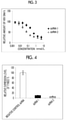
Fig. 4 shows the relative value (%) of the YTHDC1 expression level in the dsRNA1-added well and the dsRNA2-added well to the YTHDC1 expression level in the negative control dsRNA-added well. -
Fig. 5 shows the relative value (%) of cell viability in the dsRNA3-added well and the dsRNA4-added well in each concentration to the negative control dsRNA-added well. -
Fig. 6 shows the relative value (%) of an HBs antigen (HBsAg) in the dsRNA3-added well and the dsRNA4-added well in each concentration to the negative control dsRNA-added well. -
Fig. 7 shows the relative value (%) of the DNA of HBV (HBV DNA) in the dsRNA3-added well and the dsRNA4-added well in each concentration to the negative control dsRNA-added well. -
Fig. 8 shows the relative value (%) of the YTHDC1 expression level in the dsRNA3-added well and the dsRNA4-added well to the YTHDC1 expression level in the - Hereinafter, the present invention will be described in detail.
- In the present specification, unless otherwise specified, each term has the following meaning.
- The prevention means the inhibition of the onset of a disease, the reduction of the risk of the onset of a disease, or the delay of the onset of a disease.
- The medical treatment means the amelioration or suppression of progression of a disease or a condition.
- The treatment means the prevention or medical treatment of various diseases.
- The effective amount means a therapeutically effective amount, a preventive effective amount, or the like.
- Therapeutically effective amount is an amount sufficient to stabilize HBV infection, reduce HBV infection, or eradicate HBV infection in an infected subject. In addition, the preventive effective amount is an amount sufficient for preventing HBV infection in a subject under the risk of infection.
- The subject means a mammal including a human.
- Hepatitis B virus (HBV) means a virus that has the ability to develop hepatitis B. HBV is currently classified into eight genotypes, from A type to H type, based on the difference in the base sequence, which is derived from the gene mutation. The HBV to be prevented or medically treated with the pharmaceutical composition according to the embodiment of the present invention includes all genotypes thereof.
- In the present invention, as a disease associated with HBV infection, hepatitis B is mentioned, and examples thereof include acute hepatitis, chronic hepatitis, and fulminant hepatitis. In addition, liver cirrhosis, liver fibrosis, and liver cancer such as hepatocellular carcinoma are also included in a case where the disease is caused by HBV infection to a living body including a human.
- The hepatitis B virus protein (the HBV protein) is a protein constituting HBV, and examples thereof include an HBs antigen, an HBc antigen, and an HBe antigen.
- In the present invention, the HBV protein is not particularly limited; however, it is preferably an HBs antigen.
- The pharmaceutical composition according to the embodiment of the present invention is a pharmaceutical composition containing a "substance", specifically a "substance that inhibits the production of an HBV protein", and a pharmaceutically acceptable carrier.
- The pharmaceutical composition according to the embodiment of the present invention contains, as a substance that inhibits the production of an HBV protein, a substance that inhibits the expression or the function of a protein belonging to the YTHDC family.
- The pharmaceutical composition according to the embodiment of the present invention preferably has a substance that inhibits the production of an HBV protein and more preferably a substance that inhibits the production of the HBs antigen.
- Examples of the "substance" include an antibody, a peptide, a protein, a non-peptide compound, a synthetic compound, an antisense nucleic acid, a double-stranded RNA, an adeno-associated virus vector, and a CRISPR-Cas vector system.
- The "antisense nucleic acid" is a nucleic acid including a base sequence or a part thereof, which is complementary or substantially complementary to a base sequence of a "sense" nucleic acid that encodes a protein, such as a coding strand of a double-stranded cDNA molecule, an mRNA sequence, or a coding strand of a gene, and binds to a target base sequence to form a specific and stable double strand, and thus has the function of inhibiting protein synthesis.
- A "double-stranded RNA" includes, but is not limited to, a nucleic acid that interferes with or inhibits the expression of a target gene by a short interfering RNA (a siRNA), a short hairpin RNA (an shRNA), or RNA interference (RNAi).
- An "RNA interference agent" is a nucleic acid that interferes with or inhibits the expression of a target gene through RNA interference.
- The RNA interference is a post-transcriptional target gene silencing technique that uses a double-stranded RNA (a dsRNA) to degrade an mRNA including the same sequence as the dsRNA (Sharp et al., Science, 287, 2431 to 2432, 2000); Zamore et al., Cell, Vol. 101, pp. 25 to 33, 2000; Tuschl et al., Genes & Development, Vol. 13, 3191 to 3197, 1999). The RNA interference occurs in a case where an endogenous ribonuclease cleaves a long dsRNA to generate a shorter RNA having a length of 21 or 22 nucleotides, called a small interfering RNA (siRNA). This siRNA mediates the degradation of a target mRNA. Synthesis kits for RNAi are commercially available, for example, from New England Biolabs and Ambion. In an aspect of the synthesis of RNAi, one or more of the above synthesis kit for use in antisense RNA can be used.
- The substance contained in the pharmaceutical composition according to the embodiment of the present invention is preferably an antisense nucleic acid or a double-stranded RNA, and more preferably a double-stranded RNA.
- Further, in the case of the double-stranded RNA, it is particularly preferably an RNA interference agent.
- The "adeno-associated virus" is a single-stranded DNA virus, which belongs to the family Parvoviridae and consists of about 4,700 bases, has no envelope and has a capsid of a regular icosahedral structure having a diameter of 20 to 30 nm. Since the adeno-associated virus recognizes heparan sulfate proteoglycan which is a universal component of the cell membrane to infect a cell, the range of hosts thereof is wide.
- Any gene or nucleic acid can be inserted into the genome of the adeno-associated virus. For this reason, it is possible to introduce a gene or nucleic acid of interest by infecting a target cell with a genetically modified adeno-associated virus, and thus it is possible to use the adeno-associated virus as a vector for gene transfer. Further, since the "adeno-associated virus vector" is non-pathogenic and enables the gene transfer into a terminally differentiated non-dividing cell, it is expected to be applied to gene therapy.
- It is known that adeno-associated viruses have different infection directivity to tissues and cells depending on the difference in serotype (Ozawa et al., Drug Delivery System, Vol. 22, No. 6, pp. 643 to 650, 2007).
- The substance contained in the pharmaceutical composition according to the embodiment of the present invention is preferably an adeno-associated virus type 5, an adeno-associated
virus type 7, an adeno-associatedvirus type 8, or an adeno-associated virus type 9, and more preferably an adeno-associatedvirus type 8. - The "CRISPR-Cas system" is a system that uses, for genome editing, the clustered regulatory interspaced short palindromic repeats/CRISPR-associated protein (CRISPR/Cas) system discovered as acquired immunity of eubacteria and archaea (Jinek et al., Science, Vol. 337, pp. 816-821, 2012). Specifically, in the genomic region called the CRISPR region of the above bacteria, a plurality of cassettes in which a fragmented foreign DNA (20 bp) is incorporated are repeated, and a different foreign DNA is incorporated into each of the cassettes.
- It is conceived that each of the cassettes is generated by fragmenting a DNA of a foreign introduced species (for example, a phage) and incorporating the fragmented DNA into the CRISPR region in a case where the DNA is incorporated into the cell.
- Each of the cassettes encodes a CRISPR RNA (a crRNA). The crRNA has a protospacer sequence and a sequence complementary to the trans-crRNA (the tracrRNA) described later. The protospacer sequence has a length of 20 nucleotides and has a sequence complementary to the target DNA sequence. The protospacer sequence need not have the complementarity of 100% with the target sequence and is allowed to have mismatches in the region of 6 nucleotides from the 5' end. The crRNA forms a complex with the trans-crRNA (the tracrRNA), which is separately transcribed, through the complementary moiety. Further, the complex of the crRNA and the tracrRNA forms a complex with Cas9 endonuclease. The protospacer moiety in the crRNA forms a complementary hybrid with the foreign DNA, which leads the Cas9 endonuclease to the target sequence of the foreign DNA. The foreign DNA is cleaved by the Cas9 endonuclease at the site of the target sequence, and the CRISPR-Cas9 system protects the host from the foreign DNA.
- As described above, the CRISPR-Cas9 system has been discovered as a system of eubacteria and archaea, which functions as acquired immunity to a new foreign DNA; however, the CRISPR-Cas9 system makes it possible to sequence-dependently cleave a mammalian genome by designing a protospacer consisting of a foreign DNA, whereby the mammalian genome can be edited.
- The "CRISPR-Cas vector system" is a vector system containing a crRNA, a tracrRNA sequence, or a guide RNA (a gRNA) having both functions of the crRNA and the tracrRNA, and a Cas gene sequence. Currently, the predominantly used system is, but is not limited to, a second type CRISPR-Cas9 system, which is derived from Streptococcus pyogenes (S. pyogenes).
- The pharmaceutically acceptable carrier includes an excipient, a diluent, a bulking agent, a disintegrating agent, a stabilizer, a preservative, a buffer, an emulsifier, a fragrance, a colorant, a sweetener, a thickening agent, a taste improving agent, a dissolution auxiliary agent, and other additives. In a case where one or more of such carriers are used, it is possible to prepare pharmaceutical compositions having forms such as a tablet, a capsule, a powdered drug, a syrup, a granule, a pill, a suspension, an emulsion, a powder preparation, a suppository, an eye drop, a nasal drop, an ear drop, a patch, an ointment, an injection agent, a liquid drug, a troche, and an elixir.
- These pharmaceutical compositions can be administered orally or parenterally. Examples of other forms for parenteral administration include an external liquid drug that contains one or more active substances and is prescribed according to the rule and a suppository for enteric administration.
- In addition, the dose and the frequency of administration of the pharmaceutical composition according to the embodiment of the present invention can be appropriately selected depending on the sex, weight, age, severity, symptom, and the like of the patient. In general, for adults, a daily dose of 0.01 to 1,000 mg/kg may be dividedly administered one to several times by oral or parenteral administration (for example, injection, drip infusion, or administration to the rectal region).
- The YT-521B homology (YTH) domain-containing protein family is a protein group composed of YTHDC1, YTHDC2, YTHDF1, YTHDF2, and YTHDF3. It has been revealed that all of the above proteins bind to RNA through a recognition sequence containing a methylated adenosine (m6A) on the RNA and regulate biological phenomena such as RNA splicing and protein translation (Liao et al., (2018) Genomics Proteomics Bioinformatics, Vol. 16, pp. 99 to 107).
- In addition, examples of the protein belonging to the YTH domain containing (YTHDC) family include YTHDC1 and YTHDC2.
- The pharmaceutical composition according to the embodiment of the present invention preferably inhibits the expression or the function of protein belonging to the YTHDC family. The protein belonging to the YTHDC family is preferably at least one protein among
YTHDC 1 and YTHDC2, and more preferablyYTHDC 1. - The pharmaceutical composition according to the embodiment of the present invention is useful as a pharmaceutical composition for treating hepatitis B in a subject, where the pharmaceutical composition contains an inhibitor to the expression or the function of the protein belonging to the YTHDC family.
- The screening method according to the embodiment of the present invention is useful as a method of screening a substance that inhibits the production of an HBV protein.
- Examples of the screening method according to the embodiment of the present invention include a method including;
- (a) a step of bringing cells infected with HBV or cells expressing HBV into contact with a test substance that reduces an expression level of a protein belonging to a YTHDC family or a test substance that inhibits a function or an activity of the protein,
- (b) a step of measuring an ability of producing an HBV protein in the cells infected with HBV or the cells expressing HBV, and
- (c) a step of selecting a substance having an activity of inhibiting a production of the HBV protein of the step (b).
- Examples of HBV-infected cells include a cultured human primary hepatocyte infected with HBV clone C_JPNAT (GenBank: AB246345.1), and a HepG2 cell forcibly expressing a sodium taurocholate coating polypeptide (NTCP), which is infected with HBV clone C_JPNAT (GenBank: AB246345.1). The combination of the HBV clone and the cell described above is not particularly limited.
- Examples of the cells expressing HBV include a HepG2.2.15 cell, and a HepG2 cell, a Huh-7 cell, a HepaRG cell, and a cultured human primary hepatocyte, which forcibly express a plasmid formed by containing a 1.24-fold lengthened genome sequence of HBV clone C_JPNAT (GenBank: AB246345.1). The above HBV clone is not particularly limited. The length of the sequence derived from the HBV genome, which is inserted into the plasmid formed by containing the genome sequence of the HBV clone is not particularly limited as long as it is at least 1.24 folds the length of the genome sequence of the HBV clone.
- Examples of the test substance that reduces the expression level of a protein belonging to the YTHDC family or the test substance that inhibit the function or the activity of the protein include a substance selected from an antibody, a peptide, a protein, a non-peptide compound, a synthetic compound, an antisense nucleic acid, a double-stranded RNA, an adeno-associated virus vector, and a CRISPR-Cas vector system.
- The test substance that is used in the screening method according to the embodiment of the present invention is preferably an antisense nucleic acid or a double-stranded RNA, and more preferably a double-stranded RNA.
- Examples of the step of measuring the ability of producing HBV protein include a step of measuring an HBV protein in a culture supernatant of the cells infected with HBV or the cells expressing HBV.
- The HBV protein can be measured using the collected culture supernatant, for example, by a chemiluminescence enzyme-linked immunosorbent assay (a CLEIA method) or an enzyme-linked immunosorbent assay (an ELISA method), or by a method similar thereto.
- For example, in a case where test substances are allowed to act in the (b), it is possible to select a substance that inhibits the production of the HBV protein by 30% or more, preferably 50% or more, more preferably 70% or more, still more preferably 90% or more, as compared with the negative control.
- The pharmaceutical composition according to the embodiment of the present invention is useful in the medical treatment or prevention of HBV infection.
- The pharmaceutical composition according to the embodiment of the present invention can inhibit the production of an HBV protein, particularly the HBs antigen. In addition, the HBV gene expression (the HBV DNA production) can be inhibited. As a result, the pharmaceutical composition according to the embodiment of the present invention is useful for the medical treatment or prevention of HBV infection.
- The present invention relates to the use of the pharmaceutical composition according to the embodiment of the present invention for inhibiting the production of the HBs antigen.
- The present invention relates to the use of the pharmaceutical composition according to the embodiment of the present invention for inhibiting the DNA production of HBV.
- The present invention relates to the use of the pharmaceutical composition according to the embodiment of the present invention for inhibiting the gene expression of HBV.
- The present invention relates to the use of the pharmaceutical composition according to the embodiment of the present invention for the medical treatment or prevention of HBV infection.
- The disease associated with HBV infection includes progressive liver fibrosis, inflammation, and necrosis, which progress to liver cirrhosis, end-stage liver disease, and hepatocellular carcinoma.
- Next, the present invention will be described with reference to Test Examples; however, the present invention is not limited thereto.
- HepG 2.2.15 cells obtained by introducing the HBV genome into a hepatoblastoma cell line HepG2 (Proc Natl Acad Sci USA, Vol. 84, pp. 1005 to 1009, 1987), which are cells continuously producing viruses, were used, and the anti-HBV activity obtained by the inhibition of YTHDC1 was evaluated by the following procedure.
- The following medium was used as a cell culture medium.
- DMEM/F-12, GlutaMAX (manufactured by Thermo Fisher Scientific, Inc.) + 5 µg/mL insulin (manufactured by FUJIFILM Wako Pure Chemical Corporation) + 1% penicillin/streptomycin (manufactured by Sigma-Aldrich Co., LLC) + 10 mmol/L HEPES (manufactured by Sigma-Aldrich Co., LLC) + 50 µmol/L hydrocortisone (manufactured by Sigma-Aldrich Co., LLC) +10 % FBS (manufactured by Equitech-Bio Inc.)
- dsRNAs used for transfection have the following sequences (designated by SEQ ID NO: 1 to SEQ ID NO: 4) (manufactured by Thermo Fisher Scientific, Inc.).
-
dsRNA 1 is complementary to the first sequence of the human YTHDC1 gene.
5'-GGA AUU UCA UAA CAU GGG Att-3' (SEQ ID NO: 1)
5'-UCC CAU GUU AUG AAA UUC Cct-3' (SEQ ID NO: 2) -
dsRNA 2 is complementary to the second sequence of the human YTHDC1 gene.
5'-CAG UAA AGA UCG GAC GUG Att-3' (SEQ ID NO: 3)
5'-UCA CGU CCG AUC UUU ACU Ggt-3' (SEQ ID NO: 4) - In addition, Negative Control No. 1 siRNA (manufactured by Thermo Fisher Scientific, Inc.) was used as a negative control dsRNA.
- (1) HepG 2.2.15 cells were suspended in the above medium to prepare a HepG 2.2.15 cell suspension of 2 × 10⁵ cells/mL. The dsRNA was diluted with Nuclease-Free Water (not DEPC-Treated) (manufactured by Thermo Fisher Scientific, Inc.) to prepare dsRNA solutions of 3-fold dilution series from 0.229 nmol/L to 500 nmol/L. 1 µL of the prepared dsRNA solution and 0.3 µL of Lipofectamine RNAiMAX (manufactured by Thermo Fisher Scientific, Inc.) were diluted with 8.7 µL of serum-free medium (manufactured by Thermo Fisher Scientific, Inc.) and incubated at room temperature for 5 minutes. 10 µL of this dsRNA-Lipofectamine RNAiMAX mixture was diluted with 40 µL of a cell culture medium to adjust the volume to 50 µL. This diluted mixture was mixed with 50 µL of the above-described HepG 2.2.15 cell suspension, seeded on a 96-well microtiter plate, and incubated in a 5% CO2 incubator at 37°C for 3 days. Next, the medium was exchanged at 100 µL/well with the above-described cell culture medium, and incubation was further carried out at 37°C for 3 days in a 5% CO2 incubator. Then, the culture supernatant was collected, and the cell viability was measured using CellTiter96 AQueous One Solution Cell Proliferation Assay (manufactured by Promega Corporation) (
Fig. 1 ). The amount of the HBs antigen in the culture supernatant was measured using AlphaLISA Hepatitis B Virus Surface Antigen (HBsAg) Kit (manufactured by PerkinElmer, Inc.). In addition, the collected culture supernatant was treated with a mixture of Buffer AL (manufactured by Qiagen) and Proteinase K (manufactured by Thermo Fisher Scientific, Inc.), and the DNA of HBV (the HBV DNA) in the obtained solution was quantified by a real-time PCR method. Regarding each of the markers, the relative value (%) in each of the dsRNA-added wells in each concentration to the negative control dsRNA-added well was calculated (Fig. 2 andFig. 3 ). - (2) HepG 2.2.15 cells were suspended in the above medium to prepare a HepG 2.2.15 cell suspension of 2 × 10⁵ cells/mL. 10 µL of the dsRNA (500 nM) and 3 µL of Lipofectamine RNAiMAX (manufactured by Thermo Fisher Scientific, Inc.) were diluted with 87 µL of serum-free medium (manufactured by Thermo Fisher Scientific, Inc.) and incubated at room temperature for 5 minutes. 100 µL of this dsRNA-Lipofectamine RNAiMAX mixture was diluted with 400 µL of a cell culture medium to adjust the volume to 500 µL. This diluted mixture was mixed with 500 µL of the above-described HepG 2.2.15 cell suspension, seeded on a 12-well microtiter plate, and incubated in a 5% CO2 incubator at 37°C for 3 days. Next, the medium was exchanged at 1,000 µL/well with the above-described cell culture medium, and incubation was further carried out at 37°C for 3 days in a 5% CO2 incubator. Then, the culture supernatant was discarded, the cells were washed with phosphate buffered saline (1,000 µL/well, manufactured by FUJIFILM Wako Pure Chemical Corporation), and total RNA was extracted using an RNeasy Mini Kit (manufactured by Qiagen). 1 µg of the extracted total RNA was reverse transcribed using a PrimeScript RT Reagent Kit with gDNA Eraser (manufactured by Takara Bio Inc.) to prepare cDNA. YTHDC1 and glyceraldehyde-3-phosphate dehydrogenase (GAPDH) as a housekeeping gene, in the prepared cDNA, were quantified by a real-time PCR method, the YTHDC1 expression level corrected by GAPDH was calculated, and then the relative value (%) of the expression level of YTHDC1 in each of the dsRNA-added wells to the expression level of YTHDC1 in the negative control dsRNA-added well was calculated (
Fig. 4 ). - It has been revealed that in a case where the expression level of YTHDC1 is reduced, the amount of the HBs antigen is reduced whereas the cell viability is not affected. It has also been revealed that the HBV DNA also decreased.
- Using HepG 2.2.15 cells, the anti-HBV activity due to the inhibition of YTHDC1 was evaluated by the following procedure.
- The following medium was used as a cell culture medium.
- DMEM/F-12, GlutaMAX (manufactured by Thermo Fisher Scientific, Inc.) + 5 µg/mL insulin (manufactured by FUJIFILM Wako Pure Chemical Corporation) + 1% penicillin/streptomycin (manufactured by FUJIFILM Wako Pure Chemical Corporation) + 10 mmol/L HEPES (manufactured by FUJIFILM Wako Pure Chemical Corporation) + 50 µmol/L hydrocortisone (manufactured by FUJIFILM Wako Pure Chemical Corporation) +10 % FBS (manufactured by Equitech-Bio Inc.)
- dsRNAs used for transfection have the following sequences (designated by SEQ ID NO: 5 to SEQ ID NO: 8).
- dsRNA 3 (manufactured by Horizon Discovery Group plc) is complementary to the third sequence of the human YTHDC1 gene.
5'-UCU AGA UGC UGA UCG GAAAtt-3' (SEQ ID NO: 5)
5'-UUU CCG AUC AGC AUC UAG Att-3' (SEQ ID NO: 6) - dsRNA 4 (manufactured by Sigma-Aldrich Co., LLC) is complementary to the fourth sequence of the human YTHDC1 gene.
5'-GAA UGA ACA UAA ACC AGU Att-3' (SEQ ID NO: 7)
5'-UAC UGG UUU AUG UUC AUU Ctt-3' (SEQ ID NO: 8) - In addition, an On-TARGETplus Non-Targeting pool (manufactured by Horizon Discovery Group plc) or Mission_Negative control SIC-002 (manufactured by Sigma-Aldrich Co., LLC) was used as a negative control dsRNA.
- (1) HepG 2.2.15 cells were suspended in the above medium to prepare a HepG 2.2.15 cell suspension of 2 × 10⁵ cells/mL. The dsRNA was diluted with Nuclease-Free Water (not DEPC-Treated) (manufactured by Thermo Fisher Scientific, Inc.) or 1 × siRNA Buffer (manufactured by Horizon Discovery Group plc) to prepare dsRNA solutions of 3-fold dilution series from 0.457 nmol/L to 1,000 nmol/L. 3 µL of the prepared dsRNA solution and 0.3 µL of Lipofectamine RNAiMAX (manufactured by Thermo Fisher Scientific, Inc.) were diluted with 6.7 µL of serum-free medium (manufactured by Thermo Fisher Scientific, Inc.) and incubated at room temperature for 5 minutes. 10 µL of this dsRNA-Lipofectamine RNAiMAX mixture was diluted with 40 µL of a cell culture medium to adjust the volume to 50 µL. This diluted mixture was mixed with 50 µL of the above-described HepG 2.2.15 cell suspension, seeded on a 96-well microtiter plate, and incubated in a 5% CO2 incubator at 37°C for 3 days. Next, the medium was exchanged at 100 µL/well with the above-described cell culture medium, and incubation was further carried out at 37°C for 3 days in a 5% CO2 incubator. Then, the culture supernatant was collected, and the cell viability was measured using CellTiter96 AQueous One Solution Cell Proliferation Assay (manufactured by Promega Corporation) (
Fig. 5 ). The amount of the HBs antigen in the culture supernatant was measured using AlphaLISA Hepatitis B Virus Surface Antigen (HBsAg) Kit (manufactured by PerkinElmer, Inc.). In addition, the collected culture supernatant was treated with a mixture of Buffer AL (manufactured by Qiagen) and Proteinase K (manufactured by Thermo Fisher Scientific, Inc.), and the DNA of HBV (the HBV DNA) in the obtained solution was quantified by a real-time PCR method. Regarding each of the markers, the relative value (%) in each of the dsRNA-added wells in each concentration to the negative control dsRNA-added well was calculated (Fig. 6 andFig. 7 ). - (2) HepG 2.2.15 cells were suspended in the above medium to prepare a HepG 2.2.15 cell suspension of 2 × 10⁵ cells/mL. 30 µL of the dsRNA (1,000 nM) and 3 µL of Lipofectamine RNAiMAX (manufactured by Thermo Fisher Scientific, Inc.) were diluted with 67 µL of serum-free medium (manufactured by Thermo Fisher Scientific, Inc.) and incubated at room temperature for 5 minutes. 100 µL of this dsRNA-Lipofectamine RNAiMAX mixture was diluted with 400 µL of a cell culture medium to adjust the volume to 500 µL. This diluted mixture was mixed with 500 µL of the above-described HepG 2.2.15 cell suspension, seeded on a 12-well microtiter plate, and incubated in a 5% CO2 incubator at 37°C for 3 days. Next, the medium was exchanged at 1,000 µL/well with the above-described cell culture medium, and incubation was further carried out at 37°C for 3 days in a 5% CO2 incubator. Then, the culture supernatant was discarded, the cells were washed with phosphate buffered saline (1,000 µL/well, manufactured by FUJIFILM Wako Pure Chemical Corporation), and total RNA was extracted using an RNeasy Mini Kit (manufactured by Qiagen). 1 µg of the extracted total RNA was reverse transcribed using a PrimeScript RT Reagent Kit with gDNA Eraser (manufactured by Takara Bio Inc.) to prepare cDNA. YTHDC1 and glyceraldehyde-3-phosphate dehydrogenase (GAPDH) as a housekeeping gene, in the prepared cDNA, were quantified by a real-time PCR method, the YTHDC1 expression level corrected by GAPDH was calculated, and then the relative value (%) of the expression level of YTHDC1 in each of the dsRNA-added wells to the expression level of YTHDC1 in the negative control dsRNA-added well was calculated (
Fig. 8 ). - It has been revealed that in a case where the expression level of YTHDC1 is reduced by dsRNAs 3 and 4, the amount of the HBs antigen is reduced whereas the cell viability is not affected. It has also been revealed that the HBV DNA also decreased.
- It has been revealed that excellent anti-HBV effects such as inhibition of HBV protein production and reduction of HBV DNA expression level can be obtained by the inhibition of YTHDC1.
- In RNAi experiments using dsRNA and the like, there are known cases where a desired effect is exhibited even though the target molecule is not inhibited (the off-target effect). For this reason, in order to correctly interpret results obtained in the RNAi experiment, it is important to show that the obtained result is not due to the off-target effect. In general, in order to deny that the action of a dsRNA is the off-target effect, it is said to effective to confirm that the same action is exhibited by using two or more kinds of dsRNA for one target gene (Nat Cell Biol, Vol. 5, pp. 489 to 490, 2003). In Test Examples of the present invention, it has been revealed that the anti-HBV effects can be obtained by four different kinds of dsRNA. Accordingly, from the results of the above Test Examples, it has been revealed that the pharmaceutical composition that inhibits the expression of the protein belonging to the YTHDC family has the ability to inhibit the production of the HBV protein.
- The pharmaceutical composition according to the embodiment of the present invention exhibits an excellent anti-HBV activity and is useful as an anti-hepatitis B virus agent. [Sequence listing] 19F00752W1
JP20013625 

Claims (10)
- A pharmaceutical composition that inhibits a production of a hepatitis B virus protein,
wherein the pharmaceutical composition inhibits an expression or a function of a protein belonging to a YTHDC family. - The pharmaceutical composition according to claim 1,
wherein the hepatitis B virus protein is an HBs antigen protein. - The pharmaceutical composition according to claim 1 or 2,
wherein the protein belonging to the YTHDC family is at least one protein of YTHDC 1 or YTHDC2. - The pharmaceutical composition according to any one of claims 1 to 3,
wherein the protein belonging to the YTHDC family is YTHDC1. - The pharmaceutical composition according to any one of claims 1 to 4,
wherein the pharmaceutical composition reduces an expression level of the hepatitis B virus DNA. - The pharmaceutical composition according to any one of claims 1 to 5,
wherein the pharmaceutical composition reduces an expression level of a completely closed double-stranded DNA. - A pharmaceutical composition for treating hepatitis B in a subject, the pharmaceutical composition comprising an inhibitor to an expression or a function of a protein belonging to a YTHDC family.
- The pharmaceutical composition according to claim 7,
wherein the inhibitor to the expression or the function of the protein belonging to the YTHDC family is selected from the group consisting of an antibody, a peptide, a protein, a non-peptide compound, a synthetic compound, an antisense nucleic acid, a double-stranded RNA, an adeno-associated virus vector, and a CRISPR-Cas vector system, each of which has an effective amount. - The pharmaceutical composition according to claim 7 or 8,
wherein the double-stranded RNA is an RNA interference agent. - A method of screening a substance that inhibits a production of a hepatitis B virus protein, the method comprising:(a) a step of bringing cells infected with hepatitis B virus or cells expressing hepatitis B virus into contact with a test substance that reduces an expression level of a protein belonging to a YTHDC family or with a test substance that inhibits a function or an activity of the protein;(b) a step of measuring an ability of producing a hepatitis B virus protein in the cells infected with hepatitis B virus or the cells expressing hepatitis B virus; and(c) a step of selecting a substance having an activity of inhibiting a production of the hepatitis B virus protein of the step (b).
Applications Claiming Priority (2)
| Application Number | Priority Date | Filing Date | Title |
|---|---|---|---|
| JP2019058793 | 2019-03-26 | ||
| PCT/JP2020/013625 WO2020196738A1 (en) | 2019-03-26 | 2020-03-26 | Pharmaceutical composition inhibiting production of hepatitis b virus protein, pharmaceutical composition for treatment of hepatitis b, and screening method |
Publications (2)
| Publication Number | Publication Date |
|---|---|
| EP3949992A1 true EP3949992A1 (en) | 2022-02-09 |
| EP3949992A4 EP3949992A4 (en) | 2022-09-14 |
Family
ID=72611513
Family Applications (1)
| Application Number | Title | Priority Date | Filing Date |
|---|---|---|---|
| EP20777051.2A Pending EP3949992A4 (en) | 2019-03-26 | 2020-03-26 | PHARMACEUTICAL COMPOSITION INHIBITING HEPATITIS B VIRUS PROTEIN PRODUCTION, PHARMACEUTICAL COMPOSITION FOR TREATING HEPATITIS B AND SCREENING METHOD |
Country Status (6)
| Country | Link |
|---|---|
| US (2) | US20220000903A1 (en) |
| EP (1) | EP3949992A4 (en) |
| JP (1) | JP7364664B2 (en) |
| CN (1) | CN113631192B (en) |
| TW (1) | TWI910104B (en) |
| WO (1) | WO2020196738A1 (en) |
Families Citing this family (2)
| Publication number | Priority date | Publication date | Assignee | Title |
|---|---|---|---|---|
| JP7455336B2 (en) * | 2019-03-26 | 2024-03-26 | 富士フイルム株式会社 | Pharmaceutical composition and screening method for inhibiting hepatitis B virus protein production |
| EP4223876A4 (en) * | 2020-09-30 | 2025-12-10 | Fujifilm Corp | Double-stranded RNA for inhibiting the production of hepatitis B virus protein and pharmaceutical composition |
Family Cites Families (4)
| Publication number | Priority date | Publication date | Assignee | Title |
|---|---|---|---|---|
| CN1073604A (en) * | 1991-12-01 | 1993-06-30 | 高真南 | The method for preparing higher immunogenic hepatitis B vaccine |
| WO2010134939A2 (en) | 2008-12-19 | 2010-11-25 | Zirus, Inc. | Mammalian genes involved in infection |
| HUE052821T2 (en) | 2015-01-30 | 2021-05-28 | Oncoceutics Inc | 7-Benzyl-4- (4-trifluoromethyl) benzyl-1,2,6,7,8,9-hexahydroimidazo [1,2-a] pyrido [3,4-e] pyrimidin-5 (4H) -one and salts and their use in therapy |
| WO2020081937A1 (en) * | 2018-10-19 | 2020-04-23 | The University Of Chicago | Methods and compositions for treating negative-sense single-stranded rna virus |
-
2020
- 2020-03-26 TW TW109110165A patent/TWI910104B/en active
- 2020-03-26 WO PCT/JP2020/013625 patent/WO2020196738A1/en not_active Ceased
- 2020-03-26 EP EP20777051.2A patent/EP3949992A4/en active Pending
- 2020-03-26 CN CN202080024224.XA patent/CN113631192B/en active Active
- 2020-03-26 JP JP2021509578A patent/JP7364664B2/en active Active
-
2021
- 2021-09-23 US US17/483,183 patent/US20220000903A1/en not_active Abandoned
-
2025
- 2025-05-23 US US19/217,554 patent/US20260000699A1/en active Pending
Also Published As
| Publication number | Publication date |
|---|---|
| EP3949992A4 (en) | 2022-09-14 |
| CN113631192B (en) | 2023-07-21 |
| TW202102251A (en) | 2021-01-16 |
| JPWO2020196738A1 (en) | 2021-12-23 |
| TWI910104B (en) | 2026-01-01 |
| US20260000699A1 (en) | 2026-01-01 |
| JP7364664B2 (en) | 2023-10-18 |
| CN113631192A (en) | 2021-11-09 |
| US20220000903A1 (en) | 2022-01-06 |
| WO2020196738A1 (en) | 2020-10-01 |
Similar Documents
| Publication | Publication Date | Title |
|---|---|---|
| US20260000699A1 (en) | Pharmaceutical composition that inhibits production of hepatitis b virus protein, pharmaceutical composition for treating hepatitis b, and screening method | |
| Zhao et al. | Insights into hepatitis B virus DNA integration-55 years after virus discovery | |
| Conrad et al. | The role of microRNAs in hepatitis C virus RNA replication | |
| JP2024076385A (en) | Pharmaceutical composition and screening method for inhibiting production of hepatitis B virus protein | |
| Popescu et al. | Sac1 phosphatidylinositol 4‐phosphate phosphatase is a novel host cell factor regulating hepatitis B virus particles assembly and release | |
| US20230340483A1 (en) | Double-stranded rna that inhibits production of hepatitis b virus protein and pharmaceutical composition | |
| Meng et al. | TAT peptides mediated small interfering RNA delivery to Huh-7 cells and efficiently inhibited hepatitis C virus RNA replication | |
| Ren et al. | Inhibition of multiple gene expression and virus replication of HBV by stable RNA interference in 2.2. 15 cells | |
| HK40059517B (en) | Pharmaceutical composition inhibiting production of hepatitis b virus protein, pharmaceutical composition for treatment of hepatitis b, and screening method | |
| HK40059517A (en) | Pharmaceutical composition inhibiting production of hepatitis b virus protein, pharmaceutical composition for treatment of hepatitis b, and screening method | |
| HK40059007A (en) | Pharmaceutical composition for inhibiting production of hepatitis b virus protein, and method for screening same | |
| Zhou et al. | Establishment of a screening system for selection of siRNA target sites directed against hepatitis B virus surface gene | |
| EP3881850B1 (en) | Composition for inhibiting replication of hepatitis b virus | |
| HK40087413A (en) | Double-stranded rna that inhibits production of hepatitis b virus protein, and pharmaceutical composition | |
| JPWO2016167369A1 (en) | Hepatitis B virus secretion inhibitor | |
| Zhang et al. | Tu GTP-binding domain containing 2 | |
| Kröhler | Characterisation of mRNA binding proteins as potential therapeutic targets: models and tools | |
| Cox | Modulation of Hepatitis C Virus RNA Abundance by the Liver-Specific microRNA miR-122 | |
| Deng | MicroRNA-125b modulates cell growth and metabolism and HBV replication | |
| Starkey | RNA interference technology for the management of a hepatitis B virus infection: Potential as a clinical therapeutic | |
| Venditti | Prime editing toolkit development to enhance precise gene editing of human inherited cardiomyopathies | |
| Liu et al. | The Long Noncoding RNA MAPKAPK5-AS1 Promotes the Formation of Hepatitis B Virus cccDNA by Modulating the Expression of NABP1 |
Legal Events
| Date | Code | Title | Description |
|---|---|---|---|
| STAA | Information on the status of an ep patent application or granted ep patent |
Free format text: STATUS: THE INTERNATIONAL PUBLICATION HAS BEEN MADE |
|
| PUAI | Public reference made under article 153(3) epc to a published international application that has entered the european phase |
Free format text: ORIGINAL CODE: 0009012 |
|
| STAA | Information on the status of an ep patent application or granted ep patent |
Free format text: STATUS: REQUEST FOR EXAMINATION WAS MADE |
|
| 17P | Request for examination filed |
Effective date: 20210924 |
|
| AK | Designated contracting states |
Kind code of ref document: A1 Designated state(s): AL AT BE BG CH CY CZ DE DK EE ES FI FR GB GR HR HU IE IS IT LI LT LU LV MC MK MT NL NO PL PT RO RS SE SI SK SM TR |
|
| DAV | Request for validation of the european patent (deleted) | ||
| DAX | Request for extension of the european patent (deleted) | ||
| A4 | Supplementary search report drawn up and despatched |
Effective date: 20220818 |
|
| RIC1 | Information provided on ipc code assigned before grant |
Ipc: G01N 33/50 20060101ALI20220811BHEP Ipc: A61K 35/761 20150101ALI20220811BHEP Ipc: A61K 35/76 20150101ALI20220811BHEP Ipc: A61K 31/7088 20060101ALI20220811BHEP Ipc: A61K 38/00 20060101ALI20220811BHEP Ipc: A61K 48/00 20060101ALI20220811BHEP Ipc: A61K 45/00 20060101AFI20220811BHEP |
|
| STAA | Information on the status of an ep patent application or granted ep patent |
Free format text: STATUS: EXAMINATION IS IN PROGRESS |
|
| 17Q | First examination report despatched |
Effective date: 20250519 |
|
| REG | Reference to a national code |
Ref country code: DE Ref legal event code: R079 Free format text: PREVIOUS MAIN CLASS: A61K0045000000 Ipc: A61K0031713000 |
|
| GRAP | Despatch of communication of intention to grant a patent |
Free format text: ORIGINAL CODE: EPIDOSNIGR1 |
|
| STAA | Information on the status of an ep patent application or granted ep patent |
Free format text: STATUS: GRANT OF PATENT IS INTENDED |