EP3949948B1 - Garlic bulb extract and manufacturing method therefor - Google Patents
Garlic bulb extract and manufacturing method therefor Download PDFInfo
- Publication number
- EP3949948B1 EP3949948B1 EP19923315.6A EP19923315A EP3949948B1 EP 3949948 B1 EP3949948 B1 EP 3949948B1 EP 19923315 A EP19923315 A EP 19923315A EP 3949948 B1 EP3949948 B1 EP 3949948B1
- Authority
- EP
- European Patent Office
- Prior art keywords
- garlic
- fermentation
- garlics
- fermented
- extract
- Prior art date
- Legal status (The legal status is an assumption and is not a legal conclusion. Google has not performed a legal analysis and makes no representation as to the accuracy of the status listed.)
- Active
Links
Images

Classifications
-
- A—HUMAN NECESSITIES
- A23—FOODS OR FOODSTUFFS; TREATMENT THEREOF, NOT COVERED BY OTHER CLASSES
- A23L—FOODS, FOODSTUFFS OR NON-ALCOHOLIC BEVERAGES, NOT OTHERWISE PROVIDED FOR; PREPARATION OR TREATMENT THEREOF
- A23L19/00—Products from fruits or vegetables; Preparation or treatment thereof
- A23L19/10—Products from fruits or vegetables; Preparation or treatment thereof of tuberous or like starch containing root crops
-
- A—HUMAN NECESSITIES
- A23—FOODS OR FOODSTUFFS; TREATMENT THEREOF, NOT COVERED BY OTHER CLASSES
- A23L—FOODS, FOODSTUFFS OR NON-ALCOHOLIC BEVERAGES, NOT OTHERWISE PROVIDED FOR; PREPARATION OR TREATMENT THEREOF
- A23L33/00—Modifying nutritive qualities of foods; Dietetic products; Preparation or treatment thereof
- A23L33/10—Modifying nutritive qualities of foods; Dietetic products; Preparation or treatment thereof using additives
- A23L33/105—Plant extracts, their artificial duplicates or their derivatives
-
- A—HUMAN NECESSITIES
- A23—FOODS OR FOODSTUFFS; TREATMENT THEREOF, NOT COVERED BY OTHER CLASSES
- A23L—FOODS, FOODSTUFFS OR NON-ALCOHOLIC BEVERAGES, NOT OTHERWISE PROVIDED FOR; PREPARATION OR TREATMENT THEREOF
- A23L33/00—Modifying nutritive qualities of foods; Dietetic products; Preparation or treatment thereof
- A23L33/10—Modifying nutritive qualities of foods; Dietetic products; Preparation or treatment thereof using additives
- A23L33/135—Bacteria or derivatives thereof, e.g. probiotics
-
- A—HUMAN NECESSITIES
- A61—MEDICAL OR VETERINARY SCIENCE; HYGIENE
- A61K—PREPARATIONS FOR MEDICAL, DENTAL OR TOILETRY PURPOSES
- A61K8/00—Cosmetics or similar toiletry preparations
- A61K8/18—Cosmetics or similar toiletry preparations characterised by the composition
- A61K8/96—Cosmetics or similar toiletry preparations characterised by the composition containing materials, or derivatives thereof of undetermined constitution
- A61K8/97—Cosmetics or similar toiletry preparations characterised by the composition containing materials, or derivatives thereof of undetermined constitution from algae, fungi, lichens or plants; from derivatives thereof
-
- A—HUMAN NECESSITIES
- A61—MEDICAL OR VETERINARY SCIENCE; HYGIENE
- A61K—PREPARATIONS FOR MEDICAL, DENTAL OR TOILETRY PURPOSES
- A61K8/00—Cosmetics or similar toiletry preparations
- A61K8/18—Cosmetics or similar toiletry preparations characterised by the composition
- A61K8/96—Cosmetics or similar toiletry preparations characterised by the composition containing materials, or derivatives thereof of undetermined constitution
- A61K8/97—Cosmetics or similar toiletry preparations characterised by the composition containing materials, or derivatives thereof of undetermined constitution from algae, fungi, lichens or plants; from derivatives thereof
- A61K8/9783—Angiosperms [Magnoliophyta]
- A61K8/9794—Liliopsida [monocotyledons]
-
- A—HUMAN NECESSITIES
- A61—MEDICAL OR VETERINARY SCIENCE; HYGIENE
- A61Q—SPECIFIC USE OF COSMETICS OR SIMILAR TOILETRY PREPARATIONS
- A61Q17/00—Barrier preparations; Preparations brought into direct contact with the skin for affording protection against external influences, e.g. sunlight, X-rays or other harmful rays, corrosive materials, bacteria or insect stings
- A61Q17/005—Antimicrobial preparations
-
- A—HUMAN NECESSITIES
- A61—MEDICAL OR VETERINARY SCIENCE; HYGIENE
- A61Q—SPECIFIC USE OF COSMETICS OR SIMILAR TOILETRY PREPARATIONS
- A61Q19/00—Preparations for care of the skin
-
- A—HUMAN NECESSITIES
- A23—FOODS OR FOODSTUFFS; TREATMENT THEREOF, NOT COVERED BY OTHER CLASSES
- A23V—INDEXING SCHEME RELATING TO FOODS, FOODSTUFFS OR NON-ALCOHOLIC BEVERAGES AND LACTIC OR PROPIONIC ACID BACTERIA USED IN FOODSTUFFS OR FOOD PREPARATION
- A23V2002/00—Food compositions, function of food ingredients or processes for food or foodstuffs
-
- A—HUMAN NECESSITIES
- A23—FOODS OR FOODSTUFFS; TREATMENT THEREOF, NOT COVERED BY OTHER CLASSES
- A23V—INDEXING SCHEME RELATING TO FOODS, FOODSTUFFS OR NON-ALCOHOLIC BEVERAGES AND LACTIC OR PROPIONIC ACID BACTERIA USED IN FOODSTUFFS OR FOOD PREPARATION
- A23V2300/00—Processes
- A23V2300/14—Extraction
-
- A—HUMAN NECESSITIES
- A23—FOODS OR FOODSTUFFS; TREATMENT THEREOF, NOT COVERED BY OTHER CLASSES
- A23V—INDEXING SCHEME RELATING TO FOODS, FOODSTUFFS OR NON-ALCOHOLIC BEVERAGES AND LACTIC OR PROPIONIC ACID BACTERIA USED IN FOODSTUFFS OR FOOD PREPARATION
- A23V2300/00—Processes
- A23V2300/34—Membrane process
-
- A—HUMAN NECESSITIES
- A61—MEDICAL OR VETERINARY SCIENCE; HYGIENE
- A61K—PREPARATIONS FOR MEDICAL, DENTAL OR TOILETRY PURPOSES
- A61K2800/00—Properties of cosmetic compositions or active ingredients thereof or formulation aids used therein and process related aspects
- A61K2800/80—Process related aspects concerning the preparation of the cosmetic composition or the storage or application thereof
- A61K2800/85—Products or compounds obtained by fermentation, e.g. yoghurt, beer, wine
Definitions
- the present invention relates to a method, and in particular, to a method of producing a garlic extract, and the garlic extract produced by the method.
- Garlic Allium sativum
- Dasuan in Chinese is one of the five types of pungent vegetables (spring onion, garlic, chives, Chinese scallion ('Xie') and Ferula assafoetida ('Xing Qu')).
- the underground bulb also called a garlic knob, can be used for its pungent taste and smell as a condiment and a medicinal material.
- Both the garlic leaves (also called green garlic or garlic sprouts) and the rachis of garlic (called garlic scapes) are edible as vegetables.
- Some fermented garlic bulbs are sold on the market as food.
- the fermented plurality of garlics produce a large amount of allicin, which creates a garlic odor. Some consumers resist the garlic odor and will refuse to use products made from garlic fermentation broth.
- one of the objectives of the present invention is to provide a garlic extract and a method thereof.
- the weight ratio of the plurality of garlics, the sugar, the water and said Acetobacter Pasteurianus is 180:30:280:0.1.
- filtration with a coarse mesh is performed first, followed by filtration with a fine mesh.
- the other objective of the present invention is to provide a garlic extract, wherein the garlic extract is produced by the above-mentioned method of producing garlic extracts, and is suitable for being applied to a surface layer of skin.
- the peeling step (901) was performed to peel a plurality of garlics.
- the membrane on the outer surface of the plurality of garlics can be peeled with a garlic peeling machine.
- the variety of the plurality of garlics is Great Leaf Black.
- other types of garlic bulbs can be used and may vary from implementation to implementation.
- a commercially available garlic peeling machine can be used to peel the plurality of garlics.
- other methods can be used to peel the membrane of the plurality of garlics and may vary from implementation to implementation.
- the peeled garlics was soaked in the ozonated water to eliminate the bacteria attached to the surface of the garlic bulbs.
- the plurality of garlics were soaked in ozonated water of 0.5 ppm for 10 minutes.
- the concentration of the ozonated water and the duration of the soaking can be adjusted according to the process conditions, and may vary from implementation to implementation.
- the fermentation step (904) was performed to ferment the drained plurality of garlics and obtain fermented garlic mixture.
- the plurality of garlics were fermented by utilizing Acetobacter Pasteurianus, water and sugar.
- the strain of Acetobacter Pasteurianus was BCRC14145, which is commercially available. Since it is a known strain that is commercially available to the public, the Acetobacter Pasteurianus used in the present invention was not deposited.
- the weight ratio of said plurality of garlics, said sugar, said water and said Acetobacter Pasteurianus was 180:30:280:0.1.
- 180 kg of said garlic bulbs, 30 kg of said sugar, 280 kg of said water and 100 g of said Acetobacter Pasteurianus were added to the fermentation vessel.
- an aerobic fermentation was performed first, followed by an anaerobic fermentation.
- the fermentation of the plurality of garlics lasted 16 weeks in total; the fermentation vessel was left uncovered from week 0 to week 4 to allow the fermented garlic mixture to breathe, and the fermented plurality of garlics was stirred for aerobic fermentation; the fermentation vessel was then sealed from week 5 to week 16 to avoid contact between the fermented garlic mixture and the ambient air for anaerobic fermentation.
- the brix, pH and odor of the fermented garlic mixture in the fermentation vessel changed.
- the plurality of garlics sank to the bottom of the fermentation vessel late in the fermentation step (904).
- the first-filtration step (905) was performed to filter the fermented garlic mixture to obtain a garlic fermentation broth.
- Filtration with a coarse mesh was performed first, followed by filtration with a fine mesh.
- the pore size of the coarse mesh was between 1 mm and 5 mm, and the pore size of the fine mesh was between 0.1 mm and 0.5 mm.
- filter of other sizes, or other methods of filtration can be used to separate the solid from the liquid of the fermented garlic mixture, for example, a centrifuge can be used to separate the solid from the liquid which is taken as the garlic fermentation broth, and may vary from implementation to implementation.
- the extraction step (906) was performed to extract the garlic fermentation broth and obtain a garlic extract.
- the distillation method was used to extract the garlic fermentation broth at an extraction temperature of 80°C-120°C, preferably, the extraction temperature was 90°C, and the liquid obtained after distillation was the garlic extract. Since the solid components of the fermented garlic mixture had been removed in the step of first filtration, no scorching or burnt smell was created during the distillation.
- the extracts obtained 10 minutes after the beginning and 10 minutes before the end can be discarded to stabilize the quality of the garlic extract.
- the time to obtain the garlic extract can be determined according to the extraction status, and may vary from implementation to implementation.
- the obtained garlic extract can be applied to a skin surface directly and provides antiseptic and care effects for the skin.
- additives can be added into the garlic extract to form a care product for human skin.
- the additive can be one selected from the group consisting of water, aloe vera, collagen, L-C, hyaluronic acid, peptides, lecithin, tranexamic acid, ⁇ -PGA (polyglutamic acid), gea (natural grape seed antioxidant), PC (lecithin-phosphatidylcholine), resveratrol, glutamate fermentation product GABA, D-ribose, etc., and combinations thereof.
- the above-mentioned care materials can also be added with excipients selected from the group consisting of lactose, starch, silica, microcrystalline cellulose, carboxymethyl cellulose, talc, magnesium stearate and combinations thereof.
- the above-mentioned care materials can also be added with lubricant additives selected from the group consisting of glycerin, vegetable oil, mineral oil, essential oil, and combinations thereof.
- the above-mentioned care materials can be in the form of gel, liquid, emulsion, oil, powder, ointment or solid. Since the technical means of adding other skin-care materials to form care products for human skin is a known technology and is widely used in commercial products, it will not be described here in details.
- Garlic bulbs contain allicin, which has antibacterial, antiviral, immune-boosting, cholesterol-lowering and anticoagulant effects, and is also the main source of garlic bulbs' pungent flavor.
- allicin is derived from the decomposition of alliin in the cytoplasm by alliinase located in the cell wall of garlic bulbs. There are not significant exposure of the two substances to each other when the cell walls of garlic bulbs are intact; and allicin is only produced in large quantities when these two substances come into contact as the cell structure of the garlic bulbs is destroyed.
- garlic bulbs were fermented with Acetobacter Pasteurianus, which promoted the contact of alliinase and alliin in garlic bulbs during the fermentation process to further form a large amount of allicin, which can also be converted to ajoene. All the allicin and ajoene were preserved in the fermentation vessel without loss before they were extracted by distillation-extraction technology. Among them, allicin has strong antibacterial and anti-inflammatory effects, and can be formulated into a proper external liniment and applied to human skin to solve various annoying skin problems.
- the garlic extract can be used to make a lotion, which comprises the following ingredients: 10%-50% of garlic extract, 0.1%-2% of lecithin, 0.5%-5% of oil, 10%-65% of aloe vera liquid and 20% of water.
- a lotion which comprises the following ingredients: 10%-50% of garlic extract, 0.1%-2% of lecithin, 0.5%-5% of oil, 10%-65% of aloe vera liquid and 20% of water.
- the above-mentioned percentage is weight percentage.
- the materials should be proportioned according to the application of the product and may vary from implementation to implementation.
- the garlic extract contains large quantities of allicin, which is inherently antiseptic, and hence it can be encapsulated and preserved without spoiling.
- the allicin in the garlic extract also has an anti-inflammatory effect, reducing inflammation of wounds and assisting in faster wound healing.
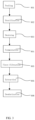
- FIG. 2 shows a method of producing a garlic extract in accordance with a second embodiment of this invention, which is similar to the first one. The same features are not described in details here. The difference lies in that the method of producing a garlic extract further comprised a second-filtration step (907) following the extraction step (906) to filter the garlic extract.
- a second-filtration step 907 following the extraction step (906) to filter the garlic extract.
- the second-filtration step (907) was used to filter some contaminants from the extraction process.
- solid contaminants such as dust in the air or dirt in the distillation vessel, can affect the visual appearance of the liquid when dropped into the garlic extract.
- the step of second filtration was a protective measure to separate the solid components from the garlic extract, thereby improving the clarity of the garlic extract, and providing more peace of mind to users of the product.
- the step of second filtration is not required if the environment is clean enough so that the garlic extract is not contaminated with dust, and it shall not be limited by the example of the second embodiment.
- FIG. 3 shows a garlic extract and method thereof in accordance with a third embodiment of this invention, which is similar to the first one. The same features are not described here in details. The difference lies in that the method of producing a garlic extract further comprised a deodorization step (908) following the extraction step (906) to filter the garlic extract using activated carbon.
- the deodorization step (908) may be omitted, and may vary from implementation to implementation.
- the garlic extract and the method thereof in the present invention do have the following effects:
- an activated carbon filter cartridge can be used to adjust the garlic odor of the garlic extract, which will help to avoid situations where the consumers refuse to use products made from the garlic extract because of the strong garlic odor.
- the present invention uses ozonated water to sterilize the garlic bulbs at room temperature, so that the loss of active ingredients in the garlic bulbs is retarded; filtration is carried out to filter the solid components in the fermented garlic mixture and avoid a burnt smell during the extraction; and also, an activated carbon filter can be used accordingly to filter the garlic extract to reduce the odor of fermentation and allicin. Therefore, the objectives of the invention can indeed be achieved.
Landscapes
- Life Sciences & Earth Sciences (AREA)
- Health & Medical Sciences (AREA)
- Veterinary Medicine (AREA)
- Animal Behavior & Ethology (AREA)
- General Health & Medical Sciences (AREA)
- Public Health (AREA)
- Engineering & Computer Science (AREA)
- Mycology (AREA)
- Botany (AREA)
- Dermatology (AREA)
- Nutrition Science (AREA)
- Polymers & Plastics (AREA)
- Food Science & Technology (AREA)
- Chemical & Material Sciences (AREA)
- Birds (AREA)
- Epidemiology (AREA)
- Microbiology (AREA)
- Biotechnology (AREA)
- Preparation Of Fruits And Vegetables (AREA)
- General Preparation And Processing Of Foods (AREA)
- Cosmetics (AREA)
- Medicines Containing Material From Animals Or Micro-Organisms (AREA)
- Medicines Containing Plant Substances (AREA)
- Fats And Perfumes (AREA)
Description
- The present invention relates to a method, and in particular, to a method of producing a garlic extract, and the garlic extract produced by the method.
- Garlic (Allium sativum), also known as Dasuan in Chinese, is one of the five types of pungent vegetables (spring onion, garlic, chives, Chinese scallion ('Xie') and Ferula assafoetida ('Xing Qu')). The underground bulb, also called a garlic knob, can be used for its pungent taste and smell as a condiment and a medicinal material. Both the garlic leaves (also called green garlic or garlic sprouts) and the rachis of garlic (called garlic scapes) are edible as vegetables. Some fermented garlic bulbs are sold on the market as food.
- Please refer to Taiwanese Patent Application No.
105129170 - The prior art is to ferment garlic bulbs directly. Since the obtained fermented garlic mixture is not sterilized, the quality of garlic fermentation is unstable, resulting in a significant reduction in the anti-inflammatory and care effects of the product.
- In addition, the fermented garlic mixture contains many solid components, i.e. solid garlic, after fermentation. The solid components are prone to get burned and create a burnt smell in the vessel during the extraction process, resulting in defects in the garlic extract so that the garlic extract fails to meet product standards.
- As can be seen from the above description, although the prior art reveals a method of producing garlic extracts, it still has the following deficiencies in practice:
- 1. It is difficult to control the quality of fermentation.
It is easy for other bacteria to adhere to the garlic bulbs during the process of peeling, and these bacteria will affect the garlic fermentation, resulting in an uncontrollable quality of the garlic fermentation. - 2. There is a burnt smell.
The solid components of the fermented garlic mixture are prone to get burnt and carbonized during distillation and extraction, resulting in a burnt smell of the garlic extract. - 3. There is a strong garlic odor.
- The fermented plurality of garlics produce a large amount of allicin, which creates a garlic odor. Some consumers resist the garlic odor and will refuse to use products made from garlic fermentation broth.
- Therefore, it is desirable for those skilled in the art to stabilize the fermentation of garlic and improve the flavor of the garlic extract.
- To address the deficiencies of the prior art, one of the objectives of the present invention is to provide a garlic extract and a method thereof.
- This problem is solved by the subject-matter of the independent claims.
- In some embodiments, in the above-mentioned step of fermentation, the plurality of garlics are fermented by utilizing Acetobacter Pasteurianus, water and sugar.
- In some embodiments, in the above-mentioned step of fermentation, the weight ratio of the plurality of garlics, the sugar, the water and said Acetobacter Pasteurianus is 180:30:280:0.1.
- In some embodiments, in the above-mentioned step of filtration, filtration with a coarse mesh is performed first, followed by filtration with a fine mesh.
- In some embodiments, the above-mentioned garlic extract and the method thereof further comprise a step of second filtration following the step of extraction, whereby the garlic extract is filtered.
- The other objective of the present invention is to provide a garlic extract, wherein the garlic extract is produced by the above-mentioned method of producing garlic extracts, and is suitable for being applied to a surface layer of skin.
- The feature of the present invention is that by using ozonated water at normal temperature to clean and sterilize the peeled garlic bulbs, not only is the garlic fermentation stabilized, but the loss of active ingredients in the garlic bulbs is retarded. Also, by separating the solid components from the fermented garlic mixture through filtration, the scorching of the solids and the consequent burnt smell can be avoided during distillation and extraction.
-
-
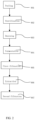
FIG. 1 is a flowchart showing a garlic extract and method thereof in accordance with a first embodiment of the present invention; -
FIG. 2 is a flowchart showing a garlic extract and method thereof in accordance with a second embodiment of the present invention; and -
FIG. 3 is a flowchart showing a garlic extract and method thereof in accordance with a third embodiment of the present invention. - Three embodiments of the invention will be introduced with reference to the accompanying drawings to demonstrate the features and technical content of the invention. It should be noted that, similar components are represented by the same number in the detailed description.
-
FIG. 1 . shows a method of producing a garlic extract in accordance with the first embodiment of this invention, wherein the method of producing a garlic extract comprised the following steps: a peeling step (901), a sterilization step (902), a draining step (903), a fermentation step (904), a first-filtration step (905) and an extraction step (906). - Firstly, the peeling step (901) was performed to peel a plurality of garlics. The membrane on the outer surface of the plurality of garlics can be peeled with a garlic peeling machine. The variety of the plurality of garlics is Great Leaf Black. According to certain embodiments, other types of garlic bulbs can be used and may vary from implementation to implementation. Preferably, a commercially available garlic peeling machine can be used to peel the plurality of garlics. According to certain embodiments, other methods can be used to peel the membrane of the plurality of garlics and may vary from implementation to implementation.
- Next, the sterilization step (902) was performed, wherein the plurality of garlics were sterilized by using ozonated water with a concentration of 0.3-0.7 ppm, and the plurality of garlics were soaked in the ozonated water for 5-15 minutes. Ozone (O3), with a stronger reactivity than oxygen (O2), can be dissolved in water and form the ozonated water which has a killing effect on biological cells, so the ozonated water has an antiseptic effect.
- In the sterilization step (902), the peeled garlics was soaked in the ozonated water to eliminate the bacteria attached to the surface of the garlic bulbs. Preferably, the plurality of garlics were soaked in ozonated water of 0.5 ppm for 10 minutes. According to certain embodiments, the concentration of the ozonated water and the duration of the soaking can be adjusted according to the process conditions, and may vary from implementation to implementation.
- Next, the draining step (903) was performed to drain the plurality of garlics sterilized by the ozonated water, preferably by shade drying or breeze drying, to remove the ozonated water from the surface of the garlic bulbs at room temperature, which could prevent the residual ozonated water from affecting the subsequent fermentation process as the ozone in the ozonated water was dissipated in the air during the draining process.
- Next, the fermentation step (904) was performed to ferment the drained plurality of garlics and obtain fermented garlic mixture. The plurality of garlics were fermented by utilizing Acetobacter Pasteurianus, water and sugar. The strain of Acetobacter Pasteurianus was BCRC14145, which is commercially available. Since it is a known strain that is commercially available to the public, the Acetobacter Pasteurianus used in the present invention was not deposited.
- The weight ratio of said plurality of garlics, said sugar, said water and said Acetobacter Pasteurianus was 180:30:280:0.1. For example, 180 kg of said garlic bulbs, 30 kg of said sugar, 280 kg of said water and 100 g of said Acetobacter Pasteurianus were added to the fermentation vessel.
- In the fermentation step (904), an aerobic fermentation was performed first, followed by an anaerobic fermentation. For example, the fermentation of the plurality of garlics lasted 16 weeks in total; the fermentation vessel was left uncovered from week 0 to week 4 to allow the fermented garlic mixture to breathe, and the fermented plurality of garlics was stirred for aerobic fermentation; the fermentation vessel was then sealed from week 5 to week 16 to avoid contact between the fermented garlic mixture and the ambient air for anaerobic fermentation.
- In the fermentation step (904), the brix, pH and odor of the fermented garlic mixture in the fermentation vessel changed. The plurality of garlics sank to the bottom of the fermentation vessel late in the fermentation step (904).
- Next, the first-filtration step (905) was performed to filter the fermented garlic mixture to obtain a garlic fermentation broth. Filtration with a coarse mesh was performed first, followed by filtration with a fine mesh. The pore size of the coarse mesh was between 1 mm and 5 mm, and the pore size of the fine mesh was between 0.1 mm and 0.5 mm. According to certain embodiments, filter of other sizes, or other methods of filtration can be used to separate the solid from the liquid of the fermented garlic mixture, for example, a centrifuge can be used to separate the solid from the liquid which is taken as the garlic fermentation broth, and may vary from implementation to implementation.
- Finally, the extraction step (906) was performed to extract the garlic fermentation broth and obtain a garlic extract. The distillation method was used to extract the garlic fermentation broth at an extraction temperature of 80°C-120°C, preferably, the extraction temperature was 90°C, and the liquid obtained after distillation was the garlic extract. Since the solid components of the fermented garlic mixture had been removed in the step of first filtration, no scorching or burnt smell was created during the distillation. During the distillation and extraction process, the extracts obtained 10 minutes after the beginning and 10 minutes before the end can be discarded to stabilize the quality of the garlic extract. According to certain embodiments, the time to obtain the garlic extract can be determined according to the extraction status, and may vary from implementation to implementation.
- The obtained garlic extract can be applied to a skin surface directly and provides antiseptic and care effects for the skin. Preferably, additives can be added into the garlic extract to form a care product for human skin. The additive can be one selected from the group consisting of water, aloe vera, collagen, L-C, hyaluronic acid, peptides, lecithin, tranexamic acid, γ-PGA (polyglutamic acid), gea (natural grape seed antioxidant), PC (lecithin-phosphatidylcholine), resveratrol, glutamate fermentation product GABA, D-ribose, etc., and combinations thereof. The above-mentioned care materials can also be added with excipients selected from the group consisting of lactose, starch, silica, microcrystalline cellulose, carboxymethyl cellulose, talc, magnesium stearate and combinations thereof. The above-mentioned care materials can also be added with lubricant additives selected from the group consisting of glycerin, vegetable oil, mineral oil, essential oil, and combinations thereof. The above-mentioned care materials can be in the form of gel, liquid, emulsion, oil, powder, ointment or solid. Since the technical means of adding other skin-care materials to form care products for human skin is a known technology and is widely used in commercial products, it will not be described here in details.
- Garlic bulbs contain allicin, which has antibacterial, antiviral, immune-boosting, cholesterol-lowering and anticoagulant effects, and is also the main source of garlic bulbs' pungent flavor. However, the content of allicin in fresh and undamaged garlic is quite limited, because allicin is derived from the decomposition of alliin in the cytoplasm by alliinase located in the cell wall of garlic bulbs. There are not significant exposure of the two substances to each other when the cell walls of garlic bulbs are intact; and allicin is only produced in large quantities when these two substances come into contact as the cell structure of the garlic bulbs is destroyed.
- In the present invention, garlic bulbs were fermented with Acetobacter Pasteurianus, which promoted the contact of alliinase and alliin in garlic bulbs during the fermentation process to further form a large amount of allicin, which can also be converted to ajoene. All the allicin and ajoene were preserved in the fermentation vessel without loss before they were extracted by distillation-extraction technology. Among them, allicin has strong antibacterial and anti-inflammatory effects, and can be formulated into a proper external liniment and applied to human skin to solve various annoying skin problems.
- For example, the garlic extract can be used to make a lotion, which comprises the following ingredients: 10%-50% of garlic extract, 0.1%-2% of lecithin, 0.5%-5% of oil, 10%-65% of aloe vera liquid and 20% of water. The above-mentioned percentage is weight percentage. According to certain embodiments, the materials should be proportioned according to the application of the product and may vary from implementation to implementation.
- It is worth mentioning that the garlic extract contains large quantities of allicin, which is inherently antiseptic, and hence it can be encapsulated and preserved without spoiling. The allicin in the garlic extract also has an anti-inflammatory effect, reducing inflammation of wounds and assisting in faster wound healing.
-
FIG. 2 . shows a method of producing a garlic extract in accordance with a second embodiment of this invention, which is similar to the first one. The same features are not described in details here. The difference lies in that the method of producing a garlic extract further comprised a second-filtration step (907) following the extraction step (906) to filter the garlic extract. - The second-filtration step (907) was used to filter some contaminants from the extraction process. For example, solid contaminants, such as dust in the air or dirt in the distillation vessel, can affect the visual appearance of the liquid when dropped into the garlic extract. The step of second filtration was a protective measure to separate the solid components from the garlic extract, thereby improving the clarity of the garlic extract, and providing more peace of mind to users of the product. According to certain embodiments, the step of second filtration is not required if the environment is clean enough so that the garlic extract is not contaminated with dust, and it shall not be limited by the example of the second embodiment.
-
FIG. 3 . shows a garlic extract and method thereof in accordance with a third embodiment of this invention, which is similar to the first one. The same features are not described here in details. The difference lies in that the method of producing a garlic extract further comprised a deodorization step (908) following the extraction step (906) to filter the garlic extract using activated carbon. - Allicin contained in the garlic extract gives off an odor of garlic bulbs. The pungent garlic odor can be removed by filtering the garlic extract with an activated carbon filter cartridge. The activated carbon absorbed the garlic odor of the garlic extract, so that the garlic flavor was significantly reduced or disappeared, which would further enhance consumers' willingness to use products made by the garlic extract. According to certain embodiments, the deodorization step (908) may be omitted, and may vary from implementation to implementation.
- As can be seen from the above description, the garlic extract and the method thereof in the present invention do have the following effects:
- 1. no burnt smell:
In the present invention, the first-filtration step (905) is performed before the extraction step (906) to filter the fermented garlic mixture with a mesh or a filter cartridge to remove the solid components therein, which can effectively prevent the burning of the solids in the fermented garlic mixture and a consequent burnt smell in the extraction step (906), which further affects the quality of the garlic extract. - 2. stable fermentation quality:
The fermentation step (904) of the present invention comprises quantified components, fixed duration of garlic fermentation, and aerobic fermentation followed by anaerobic fermentation, all of which can effectively stabilize the quality of garlic fermentation. Furthermore, in the sterilization step (902), ozonated water is used to eliminate bacteria attached to the surface of the garlic bulbs, which helps to make the fermentation process of the plurality of garlics in better control. - 3. improvement on the garlic odor:
- In the deodorization step (908), an activated carbon filter cartridge can be used to adjust the garlic odor of the garlic extract, which will help to avoid situations where the consumers refuse to use products made from the garlic extract because of the strong garlic odor.
- In summary, the present invention uses ozonated water to sterilize the garlic bulbs at room temperature, so that the loss of active ingredients in the garlic bulbs is retarded; filtration is carried out to filter the solid components in the fermented garlic mixture and avoid a burnt smell during the extraction; and also, an activated carbon filter can be used accordingly to filter the garlic extract to reduce the odor of fermentation and allicin. Therefore, the objectives of the invention can indeed be achieved.
Claims (6)
- A method of producing a garlic extract, comprising the following steps:peeling, wherein a plurality of garlics are peeled;sterilization, wherein the plurality of garlics are sterilized by utilizing ozonated water, the concentration of the ozonated water is between 0.3 ppm and 0.7 ppm, and the plurality of garlics are soaked in the ozonated water for 5-15 minutes;draining, wherein the plurality of garlics are drained;fermentation, wherein the plurality of garlics are fermented to get fermented garlic mixture, wherein an aerobic fermentation is performed first, followed by an anaerobic fermentation, wherein the fermentation of the plurality of garlics lasts 16 weeks in total, wherein from week 0 to week 4 of the fermentation cycle, the fermented garlic mixture is ventilated, and the fermented garlic mixture is stirred to carry out aerobic fermentation, and from week 5 to week 16 of the fermentation cycle, the fermented garlic mixture is sealed to prevent the fermented garlic mixture from contacting with the outside air for anaerobic fermentation;first filtration, wherein the fermented garlic mixture is filtered to get a garlic fermentation broth;extraction, wherein the garlic fermentation broth is extracted by performing distillation at an extraction temperature of 80°C-120°C to get a garlic extract, wherein liquid obtained after distillation is the garlic extract; anddeodorization, wherein the garlic extract is filtered by utilizing activated carbon.
- The method of producing the garlic extract as recited in claim 1, wherein in the step of fermentation, the plurality of garlics are fermented by utilizing Acetobacter Pasteurianus, water and sugar.
- The method of producing the garlic extract as recited in claim 2, wherein in the step of fermentation, the weight ratio of the plurality of garlics, the sugar, the water and said Acetobacter Pasteurianus is 180:30:280:0.1.
- The method of producing the garlic extract as recited in claim 1, wherein in the step of the first filtration, filtration with a coarse mesh is performed first, followed by filtration with a fine mesh.
- The method of producing the garlic extract as recited in claim 1, further comprises a step of second filtration following the step of extraction, whereby the garlic extract is filtered.
- A garlic extract, produced by the method of claim 1, is suitable for being applied to a surface layer of skin.
Applications Claiming Priority (1)
| Application Number | Priority Date | Filing Date | Title |
|---|---|---|---|
| PCT/CN2019/081418 WO2020199176A1 (en) | 2019-04-04 | 2019-04-04 | Garlic bulb extract and manufacturing method therefor |
Publications (4)
| Publication Number | Publication Date |
|---|---|
| EP3949948A1 EP3949948A1 (en) | 2022-02-09 |
| EP3949948A4 EP3949948A4 (en) | 2023-03-29 |
| EP3949948C0 EP3949948C0 (en) | 2025-05-28 |
| EP3949948B1 true EP3949948B1 (en) | 2025-05-28 |
Family
ID=72664617
Family Applications (1)
| Application Number | Title | Priority Date | Filing Date |
|---|---|---|---|
| EP19923315.6A Active EP3949948B1 (en) | 2019-04-04 | 2019-04-04 | Garlic bulb extract and manufacturing method therefor |
Country Status (7)
| Country | Link |
|---|---|
| US (1) | US12201718B2 (en) |
| EP (1) | EP3949948B1 (en) |
| JP (1) | JP7278406B2 (en) |
| KR (1) | KR102783265B1 (en) |
| AU (1) | AU2019439711B2 (en) |
| MY (1) | MY198664A (en) |
| WO (1) | WO2020199176A1 (en) |
Family Cites Families (15)
| Publication number | Priority date | Publication date | Assignee | Title |
|---|---|---|---|---|
| JPH07145019A (en) | 1992-09-14 | 1995-06-06 | Isao Sakai | Cosmetic and its production |
| KR200349757Y1 (en) * | 2004-02-06 | 2004-05-10 | 백성기 | Apparatus to discharge garlics in garlic peeler by wet process |
| CN101243871B (en) | 2008-03-21 | 2011-11-16 | 南京工业大学 | Method for extracting garlic oil |
| JP2011010612A (en) * | 2009-07-03 | 2011-01-20 | Acera:Kk | Method for producing deodorized garlic highly containing alliin |
| KR101212176B1 (en) | 2010-05-03 | 2012-12-13 | 김대호 | Seasoned mackerel manufacturing method |
| JP2013063046A (en) * | 2011-09-20 | 2013-04-11 | Magmag Japan:Kk | Fermented garlic and method of producing the same |
| CN104177507A (en) * | 2014-07-22 | 2014-12-03 | 江苏伟楼生物科技有限公司 | Preparation method of garlic polysaccharide |
| KR101861849B1 (en) * | 2015-05-27 | 2018-05-28 | 전라북도부안군 | Process for producing soluble salted fish sauce and process for producing food sauce using thereof |
| TWI549698B (en) | 2015-07-10 | 2016-09-21 | Shu Jiun Wu | Personal cleansing and preparation method |
| CN205052790U (en) | 2015-09-26 | 2016-03-02 | 金乡县鲁源食品有限公司 | Formula garlic cleaning machine is erodeed in circulation |
| CN105533524B (en) | 2015-12-03 | 2019-05-31 | 广东益生康生物科技有限公司 | A kind of black garlic pectase and preparation method thereof |
| CN105614830B (en) * | 2016-02-06 | 2018-06-08 | 湖北工业大学 | A kind of agaric fungus black garlic sauce |
| TWI655000B (en) | 2016-09-08 | 2019-04-01 | 吳淑君 | Body health care material composition, method of producing the same, and use thereof |
| CN106701851B (en) | 2016-12-19 | 2018-10-02 | 陈增光 | A kind of extracting method of allicin |
| CN109251949A (en) * | 2018-09-19 | 2019-01-22 | 金乡县广飞水暖器材销售部 | A kind of preparation method of garlic polysaccharide |
-
2019
- 2019-04-04 JP JP2021557117A patent/JP7278406B2/en active Active
- 2019-04-04 KR KR1020217030052A patent/KR102783265B1/en active Active
- 2019-04-04 AU AU2019439711A patent/AU2019439711B2/en active Active
- 2019-04-04 EP EP19923315.6A patent/EP3949948B1/en active Active
- 2019-04-04 WO PCT/CN2019/081418 patent/WO2020199176A1/en not_active Ceased
- 2019-04-04 MY MYPI2021005414A patent/MY198664A/en unknown
- 2019-04-04 US US17/598,652 patent/US12201718B2/en active Active
Also Published As
| Publication number | Publication date |
|---|---|
| JP7278406B2 (en) | 2023-05-19 |
| JP2022528634A (en) | 2022-06-15 |
| EP3949948C0 (en) | 2025-05-28 |
| EP3949948A1 (en) | 2022-02-09 |
| US12201718B2 (en) | 2025-01-21 |
| KR20210127755A (en) | 2021-10-22 |
| WO2020199176A1 (en) | 2020-10-08 |
| KR102783265B1 (en) | 2025-03-17 |
| US20220168214A1 (en) | 2022-06-02 |
| AU2019439711B2 (en) | 2023-04-20 |
| EP3949948A4 (en) | 2023-03-29 |
| AU2019439711A1 (en) | 2021-10-21 |
| MY198664A (en) | 2023-09-14 |
Similar Documents
| Publication | Publication Date | Title |
|---|---|---|
| JP2009178084A (en) | Method for producing enzyme-containing health food and health food | |
| Gupta | Pineapple waste utilization: Wealth from waste | |
| CA2754232A1 (en) | Process for the preparation of ajoene | |
| JP2009240255A (en) | Method for producing health food containing garlic as main component | |
| US12201718B2 (en) | Garlic extract and method thereof | |
| CN111643568A (en) | Fermentation treatment process and application of houttuynia cordata | |
| CN112042835A (en) | A kind of non-full nutrition special medical food with hypolipidemic effect and preparation method thereof | |
| HK40069780B (en) | Garlic bulb extract and manufacturing method therefor | |
| HK40069780A (en) | Garlic bulb extract and manufacturing method therefor | |
| KR101808586B1 (en) | Manufacturing method of high purity black garlic concentrate removed oils extracts | |
| CN100502931C (en) | A kind of bamboo juice extraction method | |
| KR101702812B1 (en) | Method for preparing aging black garlic Sikhye | |
| CN111773159A (en) | Garlic head extract and method for producing the same | |
| CN109355144A (en) | A kind of preparation method of onion wine | |
| KR101931764B1 (en) | A manufacturing method of functional black garlic having magnesium | |
| KR102121935B1 (en) | Microbial fermented tea powder and its manufacturing method and biofilter using the same | |
| JP6798037B2 (en) | Method for producing kimchi containing functional ingredients including dendropanax trifidus extract | |
| CN106675785A (en) | Tobacco flavor preparation method | |
| CN107412393A (en) | A kind of preparation method and applications of Chinese wampee leaf polyphenol extract | |
| JP4339911B2 (en) | Method for producing extract containing radish and pumpkin ingredients, and method for producing granules and tablets using the extract | |
| KR102346273B1 (en) | Candy having deodorizing function and manufacturing method thereof | |
| KR102647750B1 (en) | Method for manufacturing garlic sauce and garlic sauce manufactured by the same | |
| KR101059592B1 (en) | Garlic processing method and products using the same | |
| KR102346276B1 (en) | Chewing gum having deodorizing function and manufacturing method thereof | |
| KR101425279B1 (en) | method for extrating salicornia |
Legal Events
| Date | Code | Title | Description |
|---|---|---|---|
| STAA | Information on the status of an ep patent application or granted ep patent |
Free format text: STATUS: THE INTERNATIONAL PUBLICATION HAS BEEN MADE |
|
| PUAI | Public reference made under article 153(3) epc to a published international application that has entered the european phase |
Free format text: ORIGINAL CODE: 0009012 |
|
| STAA | Information on the status of an ep patent application or granted ep patent |
Free format text: STATUS: REQUEST FOR EXAMINATION WAS MADE |
|
| 17P | Request for examination filed |
Effective date: 20211021 |
|
| AK | Designated contracting states |
Kind code of ref document: A1 Designated state(s): AL AT BE BG CH CY CZ DE DK EE ES FI FR GB GR HR HU IE IS IT LI LT LU LV MC MK MT NL NO PL PT RO RS SE SI SK SM TR |
|
| DAV | Request for validation of the european patent (deleted) | ||
| DAX | Request for extension of the european patent (deleted) | ||
| REG | Reference to a national code |
Ref country code: HK Ref legal event code: DE Ref document number: 40069780 Country of ref document: HK |
|
| A4 | Supplementary search report drawn up and despatched |
Effective date: 20230227 |
|
| RIC1 | Information provided on ipc code assigned before grant |
Ipc: A61Q 17/00 20060101ALI20230221BHEP Ipc: A61K 8/9794 20170101ALI20230221BHEP Ipc: A61Q 19/00 20060101ALI20230221BHEP Ipc: A23L 33/105 20160101ALI20230221BHEP Ipc: A61K 8/97 20060101AFI20230221BHEP |
|
| STAA | Information on the status of an ep patent application or granted ep patent |
Free format text: STATUS: EXAMINATION IS IN PROGRESS |
|
| 17Q | First examination report despatched |
Effective date: 20240126 |
|
| GRAP | Despatch of communication of intention to grant a patent |
Free format text: ORIGINAL CODE: EPIDOSNIGR1 |
|
| STAA | Information on the status of an ep patent application or granted ep patent |
Free format text: STATUS: GRANT OF PATENT IS INTENDED |
|
| INTG | Intention to grant announced |
Effective date: 20241202 |
|
| GRAS | Grant fee paid |
Free format text: ORIGINAL CODE: EPIDOSNIGR3 |
|
| GRAA | (expected) grant |
Free format text: ORIGINAL CODE: 0009210 |
|
| STAA | Information on the status of an ep patent application or granted ep patent |
Free format text: STATUS: THE PATENT HAS BEEN GRANTED |
|
| AK | Designated contracting states |
Kind code of ref document: B1 Designated state(s): AL AT BE BG CH CY CZ DE DK EE ES FI FR GB GR HR HU IE IS IT LI LT LU LV MC MK MT NL NO PL PT RO RS SE SI SK SM TR |
|
| REG | Reference to a national code |
Ref country code: GB Ref legal event code: FG4D |
|
| REG | Reference to a national code |
Ref country code: CH Ref legal event code: EP |
|
| REG | Reference to a national code |
Ref country code: IE Ref legal event code: FG4D Ref country code: DE Ref legal event code: R096 Ref document number: 602019070647 Country of ref document: DE |
|
| U01 | Request for unitary effect filed |
Effective date: 20250529 |
|
| U07 | Unitary effect registered |
Designated state(s): AT BE BG DE DK EE FI FR IT LT LU LV MT NL PT RO SE SI Effective date: 20250606 |
|
| PG25 | Lapsed in a contracting state [announced via postgrant information from national office to epo] |
Ref country code: ES Free format text: LAPSE BECAUSE OF FAILURE TO SUBMIT A TRANSLATION OF THE DESCRIPTION OR TO PAY THE FEE WITHIN THE PRESCRIBED TIME-LIMIT Effective date: 20250528 |
|
| PG25 | Lapsed in a contracting state [announced via postgrant information from national office to epo] |
Ref country code: NO Free format text: LAPSE BECAUSE OF FAILURE TO SUBMIT A TRANSLATION OF THE DESCRIPTION OR TO PAY THE FEE WITHIN THE PRESCRIBED TIME-LIMIT Effective date: 20250828 Ref country code: GR Free format text: LAPSE BECAUSE OF FAILURE TO SUBMIT A TRANSLATION OF THE DESCRIPTION OR TO PAY THE FEE WITHIN THE PRESCRIBED TIME-LIMIT Effective date: 20250829 |
|
| PG25 | Lapsed in a contracting state [announced via postgrant information from national office to epo] |
Ref country code: PL Free format text: LAPSE BECAUSE OF FAILURE TO SUBMIT A TRANSLATION OF THE DESCRIPTION OR TO PAY THE FEE WITHIN THE PRESCRIBED TIME-LIMIT Effective date: 20250528 |
|
| PG25 | Lapsed in a contracting state [announced via postgrant information from national office to epo] |
Ref country code: HR Free format text: LAPSE BECAUSE OF FAILURE TO SUBMIT A TRANSLATION OF THE DESCRIPTION OR TO PAY THE FEE WITHIN THE PRESCRIBED TIME-LIMIT Effective date: 20250528 |
|
| PG25 | Lapsed in a contracting state [announced via postgrant information from national office to epo] |
Ref country code: RS Free format text: LAPSE BECAUSE OF FAILURE TO SUBMIT A TRANSLATION OF THE DESCRIPTION OR TO PAY THE FEE WITHIN THE PRESCRIBED TIME-LIMIT Effective date: 20250828 |
|
| PG25 | Lapsed in a contracting state [announced via postgrant information from national office to epo] |
Ref country code: IS Free format text: LAPSE BECAUSE OF FAILURE TO SUBMIT A TRANSLATION OF THE DESCRIPTION OR TO PAY THE FEE WITHIN THE PRESCRIBED TIME-LIMIT Effective date: 20250928 |
|
| PG25 | Lapsed in a contracting state [announced via postgrant information from national office to epo] |
Ref country code: SM Free format text: LAPSE BECAUSE OF FAILURE TO SUBMIT A TRANSLATION OF THE DESCRIPTION OR TO PAY THE FEE WITHIN THE PRESCRIBED TIME-LIMIT Effective date: 20250528 |
|
| PG25 | Lapsed in a contracting state [announced via postgrant information from national office to epo] |
Ref country code: CZ Free format text: LAPSE BECAUSE OF FAILURE TO SUBMIT A TRANSLATION OF THE DESCRIPTION OR TO PAY THE FEE WITHIN THE PRESCRIBED TIME-LIMIT Effective date: 20250528 |
|
| PG25 | Lapsed in a contracting state [announced via postgrant information from national office to epo] |
Ref country code: SK Free format text: LAPSE BECAUSE OF FAILURE TO SUBMIT A TRANSLATION OF THE DESCRIPTION OR TO PAY THE FEE WITHIN THE PRESCRIBED TIME-LIMIT Effective date: 20250528 |
|
| PLBE | No opposition filed within time limit |
Free format text: ORIGINAL CODE: 0009261 |
|
| STAA | Information on the status of an ep patent application or granted ep patent |
Free format text: STATUS: NO OPPOSITION FILED WITHIN TIME LIMIT |
|
| U20 | Renewal fee for the european patent with unitary effect paid |
Year of fee payment: 8 Effective date: 20260303 |
|
| PGFP | Annual fee paid to national office [announced via postgrant information from national office to epo] |
Ref country code: GB Payment date: 20260303 Year of fee payment: 8 |
|
| REG | Reference to a national code |
Ref country code: CH Ref legal event code: L10 Free format text: ST27 STATUS EVENT CODE: U-0-0-L10-L00 (AS PROVIDED BY THE NATIONAL OFFICE) Effective date: 20260409 |
|
| 26N | No opposition filed |
Effective date: 20260303 |