EP3945392A1 - A wheeled mobile robot controller compensation system and method - Google Patents
A wheeled mobile robot controller compensation system and method Download PDFInfo
- Publication number
- EP3945392A1 EP3945392A1 EP20188902.9A EP20188902A EP3945392A1 EP 3945392 A1 EP3945392 A1 EP 3945392A1 EP 20188902 A EP20188902 A EP 20188902A EP 3945392 A1 EP3945392 A1 EP 3945392A1
- Authority
- EP
- European Patent Office
- Prior art keywords
- mobile robot
- wheeled mobile
- signal
- controller
- wheeled
- Prior art date
- Legal status (The legal status is an assumption and is not a legal conclusion. Google has not performed a legal analysis and makes no representation as to the accuracy of the status listed.)
- Granted
Links
Images


Classifications
-
- G—PHYSICS
- G05—CONTROLLING; REGULATING
- G05D—SYSTEMS FOR CONTROLLING OR REGULATING NON-ELECTRIC VARIABLES
- G05D1/00—Control of position, course, altitude or attitude of land, water, air or space vehicles, e.g. using automatic pilots
- G05D1/02—Control of position or course in two dimensions
- G05D1/021—Control of position or course in two dimensions specially adapted to land vehicles
- G05D1/0212—Control of position or course in two dimensions specially adapted to land vehicles with means for defining a desired trajectory
Definitions
- the invention relates to a wheeled mobile robot controller compensation system and a corresponding wheeled mobile robot controller compensation method.
- a wheeled mobile robot is a machine comprising at least one wheel for moving the machine from an initial location to a destination location.
- a wheeled mobile robot may be controlled to move autonomously by a wheeled mobile robot controller operatively connected to the wheeled mobile robot.
- the wheeled mobile robot controller may attempt to control the wheeled mobile robot to move, for instance, according to a path profile, a speed profile or a combination of both profiles.
- parameters of the wheeled mobile robot controller have to be tuned before the wheeled mobile robot controller may be used to control the wheeled mobile robot, and be continually tuned, for example, as operating conditions change.
- An objective is to provide a wheeled mobile robot controller compensation system or method that ameliorates the problems of the prior art.
- a wheeled mobile robot controller compensation system comprising: a compensator signal receiver configured to receive a wheeled mobile robot input signal; a compensator signal determiner configured to determine a controller output compensation signal, by taking into account the wheeled mobile robot input signal, in order to compensate for environmental and systemic effects affecting motion control of a wheeled mobile robot; and a compensator signal emitter configured to emit the controller output compensation signal in order to refine a wheeled mobile robot controller output signal.
- an environmental effect refers to a change caused by the environment of a wheeled mobile robot, or a change caused by something external to the wheeled mobile robot.
- An environmental effect may, for example, be caused by wind blowing on the wheeled mobile robot, a slope on which the wheeled mobile robot is travelling, rain falling onto the wheeled mobile robot or the wheeled mobile robot controller.
- a systemic effect refers to a change caused by something internal to or within the wheeled mobile robot itself.
- a systemic effect may, for example, be caused by friction between moving parts within the wheeled mobile robot.
- the wheeled mobile robot controller compensation system may be operatively connected to both a wheeled mobile robot controller and a wheeled mobile robot, in order to refine a wheeled mobile robot controller output signal.
- the wheeled mobile robot controller compensation system may be operatively connected in between the wheeled mobile robot controller and the wheeled mobile robot, and thus be an interface between the wheeled mobile robot controller and the wheeled mobile robot.
- the wheeled mobile robot controller compensation system may receive a wheeled mobile robot input signal in order to determine an accurate controller output compensation signal in order to effectively control the motion of a wheeled mobile robot.
- the wheeled mobile robot controller compensation system may determine an appropriate controller output compensation signal to compensate for environmental and systemic effects.
- the wheeled mobile robot controller compensation system may also determine an appropriate controller output compensation signal to complement or refine a wheeled mobile robot controller output signal from a wheeled mobile robot controller, such that parameters of the wheeled mobile robot controller may not need to be tuned or adjusted in order to control the motion of a wheeled mobile robot.
- the wheeled mobile robot controller compensation system may thus be a plug-and-play wheeled mobile robot controller compensation system suitable to be used with a wheeled mobile robot controller that has not been specifically tuned to control the motion of a wheeled mobile robot.
- the compensator signal receiver is configured to receive a wheeled mobile robot output signal from the wheeled mobile robot.
- a closed-loop feedback may be provided to improve the wheeled mobile robot controller compensation system.
- the compensator signal determiner is configured to determine the controller output compensation signal, by also taking into account the wheeled mobile robot output signal, in order to compensate for environmental and systemic effects affecting motion control of the wheeled mobile robot.
- the wheeled mobile robot controller compensation system may receive a wheeled mobile robot output signal in order to determine an accurate controller output compensation signal in order to effectively control the motion of a wheeled mobile robot.
- the wheeled mobile robot controller compensation system may determine an appropriate controller output compensation signal to compensate for environmental and systemic effects.
- the wheeled mobile robot controller compensation system may also determine an appropriate controller output compensation signal to complement or refine a wheeled mobile robot controller output signal from a wheeled mobile robot controller, such that parameters of the wheeled mobile robot controller may not need to be tuned or adjusted in order to control the motion of a wheeled mobile robot.
- the wheeled mobile robot controller compensation system may thus be a plug-and-play wheeled mobile robot controller compensation system suitable to be used with a wheeled mobile robot controller that has not been specifically tuned to control the motion of a wheeled mobile robot. Moreover, advantageously, a closed-loop feedback may be provided to improve the wheeled mobile robot controller compensation system.
- the compensator signal determiner is configured to determine the controller output compensation signal using an equation comprising an integral function of the wheeled mobile robot output signal.
- the wheeled mobile robot controller compensation system may receive a wheeled mobile robot output signal in order to determine an accurate controller output compensation signal in order to effectively control the motion of a wheeled mobile robot.
- the wheeled mobile robot controller compensation system may determine an appropriate controller output compensation signal to compensate for environmental and systemic effects.
- the wheeled mobile robot controller compensation system may also determine an appropriate controller output compensation signal to complement or refine a wheeled mobile robot controller output signal from a wheeled mobile robot controller, such that parameters of the wheeled mobile robot controller may not need to be tuned or adjusted in order to control the motion of a wheeled mobile robot.
- the wheeled mobile robot controller compensation system may thus be a plug-and-play wheeled mobile robot controller compensation system suitable to be used with a wheeled mobile robot controller that has not been specifically tuned to control the motion of a wheeled mobile robot. Moreover, advantageously, a closed-loop feedback may be provided to improve the wheeled mobile robot controller compensation system. Further, the compensator signal determiner may determine the controller output compensation signal in real time because a calculation involving an integral function may be performed rapidly.
- the compensator signal determiner is configured to determine the controller output compensation signal using an equation comprising an integral function of the wheeled mobile robot input signal.
- the wheeled mobile robot controller compensation system may receive a wheeled mobile robot input signal in order to determine an accurate controller output compensation signal in order to effectively control the motion of a wheeled mobile robot.
- the wheeled mobile robot controller compensation system may determine an appropriate controller output compensation signal to compensate for environmental and systemic effects.
- the wheeled mobile robot controller compensation system may also determine an appropriate controller output compensation signal to complement or refine a wheeled mobile robot controller output signal from a wheeled mobile robot controller, such that parameters of the wheeled mobile robot controller may not need to be tuned or adjusted in order to control the motion of a wheeled mobile robot.
- the wheeled mobile robot controller compensation system may thus be a plug-and-play wheeled mobile robot controller compensation system suitable to be used with a wheeled mobile robot controller that has not been specifically tuned to control the motion of a wheeled mobile robot. Further, the compensator signal determiner may determine the controller output compensation signal in real time because a calculation involving an integral function may be performed rapidly.
- the compensator signal determiner is configured to determine the controller output compensation signal by subtracting an integral function of the wheeled mobile robot input signal from an integral function of the wheeled mobile robot output signal.
- the wheeled mobile robot controller compensation system may receive a wheeled mobile robot output signal and a wheeled mobile robot input signal in order to determine an accurate controller output compensation signal in order to effectively control the motion of a wheeled mobile robot.
- the wheeled mobile robot controller compensation system may determine an appropriate controller output compensation signal to compensate for environmental and systemic effects.
- the wheeled mobile robot controller compensation system may also determine an appropriate controller output compensation signal to complement or refine a wheeled mobile robot controller output signal from a wheeled mobile robot controller, such that parameters of the wheeled mobile robot controller may not need to be tuned or adjusted in order to control the motion of a wheeled mobile robot.
- the wheeled mobile robot controller compensation system may thus be a plug-and-play wheeled mobile robot controller compensation system suitable to be used with a wheeled mobile robot controller that has not been specifically tuned to control the motion of a wheeled mobile robot. Moreover, advantageously, a closed-loop feedback may be provided to improve the wheeled mobile robot controller compensation system. Further, the compensator signal determiner may determine the controller output compensation signal in real time because a calculation involving integral functions may be performed rapidly.
- the wheeled mobile robot controller compensation system may further comprise an identifier signal receiver configured to receive the wheeled mobile robot output signal from the wheeled mobile robot.
- the identifier signal receiver is also configured to receive the wheeled mobile robot input signal.
- the wheeled mobile robot controller compensation system may further comprise a wheeled mobile robot type identifier configured to identify of which wheeled mobile robot type is the wheeled mobile robot, by taking into account the wheeled mobile robot output signal.
- wheeled mobile robot there are five types of wheeled mobile robot.
- a wheeled mobile robot may be classified under any one of these five types of wheeled mobile robot.
- the wheeled mobile robot controller compensation system may identify of which wheeled mobile robot type is the wheeled mobile robot.
- the wheeled mobile robot controller compensation system may further comprise a wheeled mobile robot type identifier configured to identify of which wheeled mobile robot type is the wheeled mobile robot, by also taking into account the wheeled mobile robot input signal.
- wheeled mobile robot there are five types of wheeled mobile robot.
- a wheeled mobile robot may be classified under any one of these five types of wheeled mobile robot.
- the wheeled mobile robot controller compensation system may identify of which wheeled mobile robot type is the wheeled mobile robot.
- the wheeled mobile robot type identifier is configured to identify of which wheeled mobile robot type is the wheeled mobile robot, by calculating a residual value using a residual function from information from the wheeled mobile robot output signal and the wheeled mobile robot input signal.
- the wheeled mobile robot controller compensation system may identify of which wheeled mobile robot type is the wheeled mobile robot.
- the wheeled mobile robot type identifier may identify in real time of which wheeled mobile robot type is the wheeled mobile robot because calculating a residual value using a residual function may be performed rapidly.
- the wheeled mobile robot type identifier is configured to identify of which wheeled mobile robot type is the wheeled mobile robot, by calculating a residual value using an integral function of a residual function from information from the wheeled mobile robot output signal and the wheeled mobile robot input signal.
- the wheeled mobile robot controller compensation system may identify of which wheeled mobile robot type is the wheeled mobile robot.
- the wheeled mobile robot type identifier may identify in real time of which wheeled mobile robot type is the wheeled mobile robot because calculating a residual value using a residual function may be performed rapidly.
- the wheeled mobile robot controller compensation system may further comprise an identifier signal emitter configured to emit a wheeled mobile robot type signal comprising information that corresponds to the wheeled mobile robot type of the wheeled mobile robot identified.
- the compensator signal receiver is configured to receive the wheeled mobile robot type signal.
- the compensator signal determiner is configured to determine the controller output compensation signal, by also taking into account the wheeled mobile robot type signal, in order to compensate for environmental and systemic effects affecting motion control of the wheeled mobile robot.
- the wheeled mobile robot controller compensation system may receive a wheeled mobile robot type signal in order to determine an accurate controller output compensation signal in order to effectively control the motion of a wheeled mobile robot.
- a wheeled mobile robot may be classified under any one of these five types of wheeled mobile robot.
- the wheeled mobile robot controller compensation system may also determine an appropriate controller output compensation signal that may be used to control the motion of a wheeled mobile robot, regardless of which wheeled mobile robot type is the wheeled mobile robot.
- the wheeled mobile robot controller compensation system may thus be a plug-and-play wheeled mobile robot controller compensation system suitable to be used with a wheeled mobile robot, regardless of which wheeled mobile robot type is the wheeled mobile robot.
- the wheeled mobile robot controller compensation system may further comprise a controller output signal refiner determiner configured to determine the wheeled mobile robot input signal, by taking into account the controller output compensation signal from the compensator signal emitter, in order to compensate for environmental and systemic effects affecting motion control of the wheeled mobile robot.
- a controller output signal refiner determiner configured to determine the wheeled mobile robot input signal, by taking into account the controller output compensation signal from the compensator signal emitter, in order to compensate for environmental and systemic effects affecting motion control of the wheeled mobile robot.
- the wheeled mobile robot controller compensation system may receive a controller output compensation signal in order to determine an accurate wheeled mobile robot input signal in order to effectively control the motion of a wheeled mobile robot.
- the wheeled mobile robot controller compensation system may determine an appropriate wheeled mobile robot input signal to compensate for environmental and systemic effects.
- the wheeled mobile robot controller compensation system may also determine an appropriate wheeled mobile robot input signal to complement or refine a wheeled mobile robot controller output signal from a wheeled mobile robot controller, such that parameters of the wheeled mobile robot controller may not need to be tuned or adjusted in order to control the motion of a wheeled mobile robot.
- the wheeled mobile robot controller compensation system may thus be a plug-and-play wheeled mobile robot controller compensation system suitable to be used with a wheeled mobile robot controller that has not been specifically tuned to control the motion of a wheeled mobile robot.
- the wheeled mobile robot controller compensation system may further comprise a controller output signal refiner receiver configured to receive the wheeled mobile robot type signal from the identifier signal emitter.
- the wheeled mobile robot controller compensation system may further comprise a controller output signal refiner determiner configured to determine the wheeled mobile robot input signal, by taking into account the wheeled mobile robot type signal from the identifier signal emitter, in order to compensate for environmental and systemic effects affecting motion control of the wheeled mobile robot.
- a controller output signal refiner determiner configured to determine the wheeled mobile robot input signal, by taking into account the wheeled mobile robot type signal from the identifier signal emitter, in order to compensate for environmental and systemic effects affecting motion control of the wheeled mobile robot.
- the wheeled mobile robot controller compensation system may receive a wheeled mobile robot type signal in order to determine an accurate wheeled mobile robot input signal in order to effectively control the motion of a wheeled mobile robot.
- the wheeled mobile robot controller compensation system may determine an appropriate wheeled mobile robot input signal to compensate for environmental and systemic effects.
- a wheeled mobile robot may be classified under any one of these five types of wheeled mobile robot.
- the wheeled mobile robot controller compensation system may also determine an appropriate wheeled mobile robot input signal that may be used to control the motion of a wheeled mobile robot, regardless of which wheeled mobile robot type is the wheeled mobile robot.
- the wheeled mobile robot controller compensation system may thus be a plug-and-play wheeled mobile robot controller compensation system suitable to be used with a wheeled mobile robot, regardless of which wheeled mobile robot type is the wheeled mobile robot.
- the wheeled mobile robot controller compensation system may further comprise a controller output signal refiner receiver configured to receive the wheeled mobile robot controller output signal from a wheeled mobile robot controller.
- the wheeled mobile robot controller compensation system may further comprise a controller output signal refiner determiner configured to determine the wheeled mobile robot input signal, by taking into account the wheeled mobile robot controller output signal from a wheeled mobile robot controller, in order to compensate for environmental and systemic effects affecting motion control of the wheeled mobile robot.
- a controller output signal refiner determiner configured to determine the wheeled mobile robot input signal, by taking into account the wheeled mobile robot controller output signal from a wheeled mobile robot controller, in order to compensate for environmental and systemic effects affecting motion control of the wheeled mobile robot.
- the wheeled mobile robot controller compensation system may further comprise a controller output signal refiner receiver configured to receive at least one of the controller output compensation signal from the compensator signal emitter, the wheeled mobile robot type signal from the identifier signal emitter or the wheeled mobile robot controller output signal from a wheeled mobile robot controller.
- the wheeled mobile robot controller compensation system may further comprise a controller output signal refiner determiner configured to determine the wheeled mobile robot input signal, by taking into account the at least one of the controller output compensation signal from the compensator signal emitter, the wheeled mobile robot type signal from the identifier signal emitter or the wheeled mobile robot controller output signal from the wheeled mobile robot controller.
- a controller output signal refiner determiner configured to determine the wheeled mobile robot input signal, by taking into account the at least one of the controller output compensation signal from the compensator signal emitter, the wheeled mobile robot type signal from the identifier signal emitter or the wheeled mobile robot controller output signal from the wheeled mobile robot controller.
- the wheeled mobile robot controller compensation system may receive at least one of a controller output compensation signal, a wheeled mobile robot type signal or a wheeled mobile robot controller output signal in order to determine an accurate wheeled mobile robot input signal in order to effectively control the motion of a wheeled mobile robot.
- the wheeled mobile robot controller compensation system may determine an appropriate wheeled mobile robot input signal to compensate for environmental and systemic effects.
- the wheeled mobile robot controller compensation system may also determine an appropriate wheeled mobile robot input signal to complement or refine a wheeled mobile robot controller output signal from a wheeled mobile robot controller, such that parameters of the wheeled mobile robot controller may not need to be tuned or adjusted in order to control the motion of a wheeled mobile robot.
- the wheeled mobile robot controller compensation system may thus be a plug-and-play wheeled mobile robot controller compensation system suitable to be used with a wheeled mobile robot controller that has not been specifically tuned to control the motion of a wheeled mobile robot.
- a wheeled mobile robot may be classified under any one of these five types of wheeled mobile robot.
- the wheeled mobile robot controller compensation system may also determine an appropriate wheeled mobile robot input signal that may be used to control the motion of a wheeled mobile robot, regardless of which wheeled mobile robot type is the wheeled mobile robot.
- the wheeled mobile robot controller compensation system may thus be a plug-and-play wheeled mobile robot controller compensation system suitable to be used with a wheeled mobile robot, regardless of which wheeled mobile robot type is the wheeled mobile robot.
- the wheeled mobile robot controller compensation system may further comprise a controller output signal refiner receiver configured to receive the controller output compensation signal from the compensator signal emitter, the wheeled mobile robot type signal from the identifier signal emitter and the wheeled mobile robot controller output signal from a wheeled mobile robot controller.
- the wheeled mobile robot controller compensation system may further comprise a controller output signal refiner determiner configured to determine the wheeled mobile robot input signal, by taking into account the controller output compensation signal from the compensator signal emitter, the wheeled mobile robot type signal from the identifier signal emitter and the wheeled mobile robot controller output signal from a wheeled mobile robot controller.
- a controller output signal refiner determiner configured to determine the wheeled mobile robot input signal, by taking into account the controller output compensation signal from the compensator signal emitter, the wheeled mobile robot type signal from the identifier signal emitter and the wheeled mobile robot controller output signal from a wheeled mobile robot controller.
- the wheeled mobile robot controller compensation system may receive a controller output compensation signal, a wheeled mobile robot type signal and a wheeled mobile robot controller output signal in order to determine an accurate wheeled mobile robot input signal in order to effectively control the motion of a wheeled mobile robot.
- the wheeled mobile robot controller compensation system may determine an appropriate wheeled mobile robot input signal to compensate for environmental and systemic effects.
- the wheeled mobile robot controller compensation system may also determine an appropriate wheeled mobile robot input signal to complement or refine a wheeled mobile robot controller output signal from a wheeled mobile robot controller, such that parameters of the wheeled mobile robot controller may not need to be tuned or adjusted in order to control the motion of a wheeled mobile robot.
- the wheeled mobile robot controller compensation system may thus be a plug-and-play wheeled mobile robot controller compensation system suitable to be used with a wheeled mobile robot controller that has not been specifically tuned to control the motion of a wheeled mobile robot.
- a wheeled mobile robot may be classified under any one of these five types of wheeled mobile robot.
- the wheeled mobile robot controller compensation system may also determine an appropriate wheeled mobile robot input signal that may be used to control the motion of a wheeled mobile robot, regardless of which wheeled mobile robot type is the wheeled mobile robot.
- the wheeled mobile robot controller compensation system may thus be a plug-and-play wheeled mobile robot controller compensation system suitable to be used with a wheeled mobile robot, regardless of which wheeled mobile robot type is the wheeled mobile robot.
- the wheeled mobile robot controller compensation system may further comprise a controller output signal refiner emitter configured to emit the wheeled mobile robot input signal.
- the wheeled mobile robot may comprise the wheeled mobile robot controller compensation system.
- any feature or step disclosed in the context of the first aspect of the invention may also be used, to the extent possible, in combination with and/or in the context of other aspects of the invention, and in the inventions generally.
- any feature or step disclosed in the context of any other aspect of the invention may also be used, to the extent possible, in combination with and/or in the context of the first aspect of the invention, and in the inventions generally.
- a wheeled mobile robot controller compensation system comprising: a compensator signal receiver configured to receive a wheeled mobile robot input signal and a wheeled mobile robot output signal from a wheeled mobile robot; a wheeled mobile robot type identifier configured to identify of which wheeled mobile robot type is the wheeled mobile robot, by taking into account the wheeled mobile robot output signal and the wheeled mobile robot input signal; wherein the wheeled mobile robot type identifier is configured to identify of which wheeled mobile robot type is the wheeled mobile robot, by: calculating a residual value using a residual function from information from the wheeled mobile robot output signal and the wheeled mobile robot input signal; or calculating a residual value using an integral function of the residual function from the information from the wheeled mobile robot output signal and the wheeled mobile robot input signal; an identifier signal emitter configured to emit a wheeled mobile robot type signal comprising information that corresponds to the wheeled mobile robot type of the wheele
- the wheeled mobile robot controller compensation system may receive a controller output compensation signal, a wheeled mobile robot type signal and a wheeled mobile robot controller output signal in order to determine an accurate wheeled mobile robot input signal in order to effectively control the motion of a wheeled mobile robot.
- the wheeled mobile robot controller compensation system may determine an appropriate wheeled mobile robot input signal to compensate for environmental and systemic effects.
- the wheeled mobile robot controller compensation system may also determine an appropriate wheeled mobile robot input signal to complement or refine a wheeled mobile robot controller output signal from a wheeled mobile robot controller, such that parameters of the wheeled mobile robot controller may not need to be tuned or adjusted in order to control the motion of a wheeled mobile robot.
- the wheeled mobile robot controller compensation system may thus be a plug-and-play wheeled mobile robot controller compensation system suitable to be used with a wheeled mobile robot controller that has not been specifically tuned to control the motion of a wheeled mobile robot.
- a wheeled mobile robot may be classified under any one of these five types of wheeled mobile robot.
- the wheeled mobile robot controller compensation system may also determine an appropriate wheeled mobile robot input signal that may be used to control the motion of a wheeled mobile robot, regardless of which wheeled mobile robot type is the wheeled mobile robot.
- the wheeled mobile robot controller compensation system may thus be a plug-and-play wheeled mobile robot controller compensation system suitable to be used with a wheeled mobile robot, regardless of which wheeled mobile robot type is the wheeled mobile robot.
- any feature or step disclosed in the context of the second aspect of the invention may also be used, to the extent possible, in combination with and/or in the context of other aspects of the invention, and in the inventions generally.
- any feature or step disclosed in the context of any other aspect of the invention may also be used, to the extent possible, in combination with and/or in the context of the second aspect of the invention, and in the inventions generally.
- a wheeled mobile robot controller compensation method comprising the acts of: receiving a wheeled mobile robot input signal; determining a controller output compensation signal, by taking into account the wheeled mobile robot input signal, in order to compensate for environmental and systemic effects affecting motion control of a wheeled mobile robot; and emitting the controller output compensation signal in order to refine a wheeled mobile robot controller output signal.
- An accurate controller output compensation signal may be determined by receiving a wheeled mobile robot input signal, and thus motion control of a wheeled mobile robot may be performed effectively.
- An appropriate controller output compensation signal may be determined to compensate for environmental and systemic effects.
- An appropriate controller output compensation signal may also be determined to complement or refine a wheeled mobile robot controller output signal from a wheeled mobile robot controller, and thus parameters of the wheeled mobile robot controller may not need to be tuned or adjusted in order to control the motion of a wheeled mobile robot.
- the wheeled mobile robot controller compensation method may be suitable to be used with a wheeled mobile robot controller that has not been specifically tuned to control the motion of a wheeled mobile robot.
- the wheeled mobile robot controller compensation method may further comprise the act of receiving a wheeled mobile robot output signal from the wheeled mobile robot.
- the act of determining the controller output compensation signal comprises the act of determining the controller output compensation signal, by also taking into account the wheeled mobile robot output signal, in order to compensate for environmental and systemic effects affecting motion control of the wheeled mobile robot.
- An accurate controller output compensation signal may be determined by receiving a wheeled mobile robot output signal, and thus motion control of a wheeled mobile robot may be performed effectively.
- An appropriate controller output compensation signal may be determined to compensate for environmental and systemic effects.
- An appropriate controller output compensation signal may also be determined to complement or refine a wheeled mobile robot controller output signal from a wheeled mobile robot controller, and thus parameters of the wheeled mobile robot controller may not need to be tuned or adjusted in order to control the motion of a wheeled mobile robot.
- the wheeled mobile robot controller compensation method may be suitable to be used with a wheeled mobile robot controller that has not been specifically tuned to control the motion of a wheeled mobile robot.
- a closed-loop feedback may be provided to improve the wheeled mobile robot controller compensation method.
- the act of determining the controller output compensation signal comprises the act of determining the controller output compensation signal using an equation comprising an integral function of the wheeled mobile robot output signal.
- An accurate controller output compensation signal may be determined by receiving a wheeled mobile robot output signal, and thus motion control of a wheeled mobile robot may be performed effectively.
- An appropriate controller output compensation signal may be determined to compensate for environmental and systemic effects.
- An appropriate controller output compensation signal may also be determined to complement or refine a wheeled mobile robot controller output signal from a wheeled mobile robot controller, and thus parameters of the wheeled mobile robot controller may not need to be tuned or adjusted in order to control the motion of a wheeled mobile robot.
- the wheeled mobile robot controller compensation method may be suitable to be used with a wheeled mobile robot controller that has not been specifically tuned to control the motion of a wheeled mobile robot.
- a closed-loop feedback may be provided to improve the wheeled mobile robot controller compensation method.
- the controller output compensation signal may be determined in real time because a calculation involving an integral function may be performed rapidly.
- the act of determining the controller output compensation signal comprises the act of determining the controller output compensation signal using an equation comprising an integral function of the wheeled mobile robot input signal.
- An accurate controller output compensation signal may be determined by receiving a wheeled mobile robot input signal, and thus motion control of a wheeled mobile robot may be performed effectively.
- An appropriate controller output compensation signal may be determined to compensate for environmental and systemic effects.
- An appropriate controller output compensation signal may also be determined to complement or refine a wheeled mobile robot controller output signal from a wheeled mobile robot controller, and thus parameters of the wheeled mobile robot controller may not need to be tuned or adjusted in order to control the motion of a wheeled mobile robot.
- the wheeled mobile robot controller compensation method may be suitable to be used with a wheeled mobile robot controller that has not been specifically tuned to control the motion of a wheeled mobile robot.
- the controller output compensation signal may be determined in real time because a calculation involving an integral function may be performed rapidly.
- the act of determining the controller output compensation signal comprises the act of determining the controller output compensation signal by subtracting an integral function of the wheeled mobile robot input signal from an integral function of the wheeled mobile robot output signal.
- An accurate controller output compensation signal may be determined by receiving a wheeled mobile robot input signal and a wheeled mobile robot output signal, and thus motion control of a wheeled mobile robot may be performed effectively.
- An appropriate controller output compensation signal may be determined to compensate for environmental and systemic effects.
- An appropriate controller output compensation signal may also be determined to complement or refine a wheeled mobile robot controller output signal from a wheeled mobile robot controller, and thus parameters of the wheeled mobile robot controller may not need to be tuned or adjusted in order to control the motion of a wheeled mobile robot.
- the wheeled mobile robot controller compensation method may be suitable to be used with a wheeled mobile robot controller that has not been specifically tuned to control the motion of a wheeled mobile robot.
- a closed-loop feedback may be provided to improve the wheeled mobile robot controller compensation method.
- the controller output compensation signal may be determined in real time because a calculation involving integral functions may be performed rapidly.
- the wheeled mobile robot controller compensation method may further comprise the act of identifying of which wheeled mobile robot type is the wheeled mobile robot, by taking into account the wheeled mobile robot output signal.
- the wheeled mobile robot controller compensation method may further comprise the act of identifying of which wheeled mobile robot type is the wheeled mobile robot, by taking into account the wheeled mobile robot input signal.
- wheeled mobile robot there are five types of wheeled mobile robot.
- a wheeled mobile robot may be classified under any one of these five types of wheeled mobile robot.
- the wheeled mobile robot controller compensation method may be used to identify of which wheeled mobile robot type is the wheeled mobile robot.
- the act of identifying of which wheeled mobile robot type is the wheeled mobile robot comprises the act of calculating a residual value using a residual function from information from the wheeled mobile robot output signal and the wheeled mobile robot input signal.
- wheeled mobile robot there are five types of wheeled mobile robot.
- a wheeled mobile robot may be classified under any one of these five types of wheeled mobile robot.
- the wheeled mobile robot controller compensation method may be used to identify of which wheeled mobile robot type is the wheeled mobile robot.
- the act of identifying of which wheeled mobile robot type is the wheeled mobile robot may be performed in real time because calculating a residual value using a residual function may be performed rapidly.
- the act of identifying of which wheeled mobile robot type is the wheeled mobile robot comprises the act of calculating a residual value using an integral function of a residual function from information from the wheeled mobile robot output signal and the wheeled mobile robot input signal.
- wheeled mobile robot there are five types of wheeled mobile robot.
- a wheeled mobile robot may be classified under any one of these five types of wheeled mobile robot.
- the wheeled mobile robot controller compensation method may be used to identify of which wheeled mobile robot type is the wheeled mobile robot.
- the act of identifying of which wheeled mobile robot type is the wheeled mobile robot may be performed in real time because calculating a residual value using an integral function of a residual function may be performed rapidly.
- the wheeled mobile robot controller compensation method may further comprise the act of emitting a wheeled mobile robot type signal comprising information that corresponds to the wheeled mobile robot type of the wheeled mobile robot identified.
- the wheeled mobile robot controller compensation method may further comprise the act of receiving the wheeled mobile robot type signal.
- the act of determining the controller output compensation signal comprises the act of determining the controller output compensation signal, by also taking into account the wheeled mobile robot type signal, in order to compensate for environmental and systemic effects affecting motion control of the wheeled mobile robot.
- An accurate controller output compensation signal may be determined by receiving a wheeled mobile robot type signal, and thus motion control of a wheeled mobile robot may be performed effectively.
- a wheeled mobile robot type signal there are five types of wheeled mobile robot.
- a wheeled mobile robot may be classified under any one of these five types of wheeled mobile robot.
- An appropriate controller output compensation signal that may be determined in order to control the motion of a wheeled mobile robot, regardless of which wheeled mobile robot type is the wheeled mobile robot.
- the wheeled mobile robot controller compensation method may further comprise the act of refining the wheeled mobile robot controller output signal.
- An appropriate wheeled mobile robot input signal may be determined to compensate for environmental and systemic effects.
- An appropriate wheeled mobile robot input signal may also be determined to complement or refine a wheeled mobile robot controller output signal from a wheeled mobile robot controller, and thus parameters of the wheeled mobile robot controller may not need to be tuned or adjusted in order to control the motion of a wheeled mobile robot.
- the wheeled mobile robot controller compensation method may be suitable to be used with a wheeled mobile robot controller that has not been specifically tuned to control the motion of a wheeled mobile robot.
- a wheeled mobile robot may be classified under any one of these five types of wheeled mobile robot.
- An appropriate wheeled mobile robot input signal may be determined to control the motion of a wheeled mobile robot, regardless of which wheeled mobile robot type is the wheeled mobile robot.
- the wheeled mobile robot controller compensation method may be suitable to be used with any one of these five types of wheeled mobile robot.
- the act of refining the wheeled mobile robot controller output signal comprises the act of receiving the controller output compensation signal.
- the act of refining the wheeled mobile robot controller output signal further comprises the act of determining the wheeled mobile robot input signal, by taking into account the controller output compensation signal, in order to compensate for environmental and systemic effects affecting motion control of the wheeled mobile robot.
- An accurate wheeled mobile robot input signal may be determined by receiving a controller output compensation signal, and thus motion control of a wheeled mobile robot may be performed effectively.
- An appropriate wheeled mobile robot input signal may be determined to compensate for environmental and systemic effects.
- An appropriate wheeled mobile robot input signal may also be determined to complement or refine a wheeled mobile robot controller output signal from a wheeled mobile robot controller, and thus parameters of the wheeled mobile robot controller may not need to be tuned or adjusted in order to control the motion of a wheeled mobile robot.
- the wheeled mobile robot controller compensation method may be suitable to be used with a wheeled mobile robot controller that has not been specifically tuned to control the motion of a wheeled mobile robot.
- the act of refining the wheeled mobile robot controller output signal comprises the act of receiving the wheeled mobile robot type signal.
- the act of refining the wheeled mobile robot controller output signal further comprises the act of determining the wheeled mobile robot input signal, by taking into account the wheeled mobile robot type signal, in order to compensate for environmental and systemic effects affecting motion control of the wheeled mobile robot.
- An accurate wheeled mobile robot input signal may be determined by receiving a wheeled mobile robot type signal, and thus motion control of a wheeled mobile robot may be performed effectively.
- a wheeled mobile robot may be classified under any one of these five types of wheeled mobile robot.
- An appropriate wheeled mobile robot input signal may be determined to control the motion of a wheeled mobile robot, regardless of which wheeled mobile robot type is the wheeled mobile robot.
- the wheeled mobile robot controller compensation method may be suitable to be used with any one of these five types of wheeled mobile robot.
- the act of refining the wheeled mobile robot controller output signal comprises the act of receiving the wheeled mobile robot controller output signal from a wheeled mobile robot controller.
- the act of refining the wheeled mobile robot controller output signal further comprises the act of determining the wheeled mobile robot input signal, by taking into account the wheeled mobile robot controller output signal from the wheeled mobile robot controller, in order to compensate for environmental and systemic effects affecting motion control of the wheeled mobile robot.
- the act of refining the wheeled mobile robot controller output signal comprises the act of receiving at least one of the controller output compensation signal, the wheeled mobile robot type signal or the wheeled mobile robot controller output signal from a wheeled mobile robot controller.
- the act of refining the wheeled mobile robot controller output signal further comprises the act of determining the wheeled mobile robot input signal, by taking into account the at least one of the controller output compensation signal, the wheeled mobile robot type signal or the wheeled mobile robot controller output signal from the wheeled mobile robot controller, in order to compensate for environmental and systemic effects affecting motion control of the wheeled mobile robot.
- An accurate wheeled mobile robot input signal may be determined by receiving at least one of a wheeled mobile robot controller output signal, a wheeled mobile robot type signal or controller output compensation signal, and thus motion control of a wheeled mobile robot may be performed effectively.
- An appropriate wheeled mobile robot input signal may be determined to compensate for environmental and systemic effects.
- An appropriate wheeled mobile robot input signal may also be determined to complement or refine a wheeled mobile robot controller output signal from a wheeled mobile robot controller, and thus parameters of the wheeled mobile robot controller may not need to be tuned or adjusted in order to control the motion of a wheeled mobile robot.
- the wheeled mobile robot controller compensation method may be suitable to be used with a wheeled mobile robot controller that has not been specifically tuned to control the motion of a wheeled mobile robot.
- a wheeled mobile robot controller may be suitable to be used with a wheeled mobile robot controller that has not been specifically tuned to control the motion of a wheeled mobile robot.
- a wheeled mobile robot may be classified under any one of these five types of wheeled mobile robot.
- An appropriate wheeled mobile robot input signal may be determined to control the motion of a wheeled mobile robot, regardless of which wheeled mobile robot type is the wheeled mobile robot.
- the wheeled mobile robot controller compensation method may be suitable to be used with any one of these five types of wheeled mobile robot.
- the act of refining the wheeled mobile robot controller output signal comprises the act of receiving the controller output compensation signal, the wheeled mobile robot type signal and the wheeled mobile robot controller output signal from a wheeled mobile robot controller.
- the act of refining the wheeled mobile robot controller output signal further comprises the act of determining the wheeled mobile robot input signal, by taking into account the controller output compensation signal, the wheeled mobile robot type signal and the wheeled mobile robot controller output signal from the wheeled mobile robot controller, in order to compensate for environmental and systemic effects affecting motion control of the wheeled mobile robot.
- An accurate wheeled mobile robot input signal may be determined by receiving a wheeled mobile robot controller output signal, a wheeled mobile robot type signal and controller output compensation signal, and thus motion control of a wheeled mobile robot may be performed effectively.
- An appropriate wheeled mobile robot input signal may be determined to compensate for environmental and systemic effects.
- An appropriate wheeled mobile robot input signal may also be determined to complement or refine a wheeled mobile robot controller output signal from a wheeled mobile robot controller, and thus parameters of the wheeled mobile robot controller may not need to be tuned or adjusted in order to control the motion of a wheeled mobile robot.
- the wheeled mobile robot controller compensation method may be suitable to be used with a wheeled mobile robot controller that has not been specifically tuned to control the motion of a wheeled mobile robot.
- a wheeled mobile robot controller may be suitable to be used with a wheeled mobile robot controller that has not been specifically tuned to control the motion of a wheeled mobile robot.
- a wheeled mobile robot may be classified under any one of these five types of wheeled mobile robot.
- An appropriate wheeled mobile robot input signal may be determined to control the motion of a wheeled mobile robot, regardless of which wheeled mobile robot type is the wheeled mobile robot.
- the wheeled mobile robot controller compensation method may be suitable to be used with any one of these five types of wheeled mobile robot.
- the act of refining the wheeled mobile robot controller output signal further comprises the act of emitting the wheeled mobile robot input signal.
- any feature or step disclosed in the context of the third aspect of the invention may also be used, to the extent possible, in combination with and/or in the context of other aspects of the invention, and in the inventions generally.
- any feature or step disclosed in the context of any other aspect of the invention may also be used, to the extent possible, in combination with and/or in the context of the third aspect of the invention, and in the inventions generally.
- a wheeled mobile robot controller compensation method comprising the acts of: receiving a wheeled mobile robot input signal; receiving a wheeled mobile robot output signal from a wheeled mobile robot; identifying of which wheeled mobile robot type is the wheeled mobile robot, by taking into account the wheeled mobile robot output signal and the wheeled mobile robot input signal; wherein the act of identifying of which wheeled mobile robot type is the wheeled mobile robot comprises the act of: calculating a residual value using a residual function from information from the wheeled mobile robot output signal and the wheeled mobile robot input signal; or calculating a residual value using an integral function of the residual function from the information from the wheeled mobile robot output signal and the wheeled mobile robot input signal; emitting a wheeled mobile robot type signal comprising information that corresponds to the wheeled mobile robot type of the wheeled mobile robot identified; determining a controller output compensation signal, by taking into account the wheeled mobile robot input signal, the wheeled
- An accurate wheeled mobile robot input signal may be determined by receiving a wheeled mobile robot input signal, and thus motion control of a wheeled mobile robot may be performed effectively.
- An appropriate wheeled mobile robot input signal may be determined to compensate for environmental and systemic effects.
- An appropriate wheeled mobile robot input signal may also be determined to complement or refine a wheeled mobile robot controller output signal from a wheeled mobile robot controller, and thus parameters of the wheeled mobile robot controller may not need to be tuned or adjusted in order to control the motion of a wheeled mobile robot.
- the wheeled mobile robot controller compensation method may be suitable to be used with a wheeled mobile robot controller that has not been specifically tuned to control the motion of a wheeled mobile robot.
- wheeled mobile robot there are five types of wheeled mobile robot.
- a wheeled mobile robot may be classified under any one of these five types of wheeled mobile robot.
- An appropriate wheeled mobile robot input signal may be determined to control the motion of a wheeled mobile robot, regardless of which wheeled mobile robot type is the wheeled mobile robot.
- the wheeled mobile robot controller compensation method may be suitable to be used with any one of these five types of wheeled mobile robot.
- components A, B, and C can consist of (that is, contain only) components A, B, and C, or can contain not only components A B, and C but also one or more other components.
- the term "at least” followed by a number is used in to denote the start of a range beginning with that number (which may be a range having an upper limit or no upper limit, depending on the variable being defined) .
- “at least 1” means 1 or more than 1.
- the term “at most” followed by a number is used herein to denote the end of a range ending with that number (which may be a range having 1 or 0 as its lower limit, or a range having no lower limit, depending on the variable being defined) .
- “at most 4" means 4 or less than 4
- "at most 40%” means 40% or less than 40%.
- a range is given as "(a first number) to (a second number)” or “(a first number) - (a second number) ", this means a range whose lower limit is the first number and whose upper limit is the second number.
- 25 to 100 mm means a range whose lower limit is 25 mm, and whose upper limit is 100 mm.
- volatile memory means any type of computer memory where the contents of the memory are lost if there is no power to the computer.
- RAM random-access memory
- nonvolatile memory or the term “non-transitory computer-readable medium” means any type of computer memory where the contents of the memory are retained even if there is no power to the computer.
- SSD solid-state drive
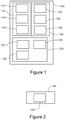
- Figure 1 shows a wheeled mobile robot controller compensation system 100 comprising an identifier 110, a compensator 120, and a controller output signal refiner 130.
- the identifier 110 comprises an identifier signal receiver 112, a wheeled mobile robot type identifier 114 and an identifier signal emitter 116.
- the identifier signal receiver 112 is configured to receive a wheeled mobile robot output signal from a wheeled mobile robot.
- the wheeled mobile robot output signal may be provided by sensors in or operationally connected to the wheeled mobile robot.
- the sensors may, for example, detect, with regard to a motion of the wheeled mobile robot, an orientation of a wheel, a change in the orientation of the wheel, a rotational speed of the wheel, a change in the rotational speed of the wheel, a direction of motion of the wheeled mobile robot, a change in the direction of motion of the wheeled mobile robot, a linear velocity of the wheeled mobile robot, a change in the linear velocity of the wheeled mobile robot, an angular velocity of the wheeled mobile robot, a change in the angular velocity of the wheeled mobile robot or a distance travelled by the wheeled mobile robot in a certain direction.
- the information detected by the sensors may be provided to the identifier 110 via the identifier signal receiver 112 through the wheel
- the identifier signal receiver 112 may also be configured to receive a wheeled mobile robot input signal from the controller output signal refiner 130.
- a wheel is a rotatable round object that may be used for moving a machine, such as a vehicle or a wheeled mobile robot.
- a track comprises a continuous belt around a plurality of rotatable wheels that may be used for moving a machine.
- a wheeled mobile robot comprises at least one wheel or track, which may be orientable or fixed, for moving the wheeled mobile robot.
- a wheel or track is rotatable about a rotational axis in order to move the wheeled mobile robot.
- a fixed wheel or track is a wheel or track that may not be turned in any direction relative to the wheeled mobile robot except to rotate about its rotational axis.
- an orientable wheel or track is a wheel or track that may be turned by a non-zero angle to its rotational axis, or that may rotate about more than one rotational axis in order to move the wheeled mobile robot, such as an omnidirectional wheel or track.
- a drive wheel or track is a wheel or track that is configured to transmit force or torque from, for instance, a motor or an engine, to move the wheeled mobile robot.
- a trailer wheel or track is a wheel or track that is not configured to transmit force or torque from, for instance, a motor or an engine, to move the wheeled mobile robot.
- a wheeled mobile robot may be classified under any one of these five types of wheeled mobile robot.
- a type 1 wheeled mobile robot comprises two or more fixed drive wheels or tracks that are independently rotatable about parallel axes. For instance, a first wheel may independently rotate forwards whilst a second wheel rotates backwards.
- a type 1 wheeled mobile robot may comprise any number of trailer wheels or tracks.
- a type 2 wheeled mobile robot comprises three or more fixed drive wheels or tracks that are each independently rotatable about a respective rotational axis, wherein at least two of the rotational axes of two of the fixed drive wheels or tracks are not parallel.
- a type 2 wheeled mobile robot may comprise any number of trailer wheels or tracks.
- a type 3 wheeled mobile robot comprises an orientable drive wheel or track and any number of trailer wheels or tracks.
- a type 4 wheeled mobile robot comprises one or more orientable drive wheels or tracks that are independently rotatable about parallel axes.
- a type 4 wheeled mobile robot may comprise one or more trailer wheels or tracks.
- a type 5 wheeled mobile robot comprises two or more independently orientable drive wheels or tracks and any number of trailer wheels or tracks.
- the wheeled mobile robot type identifier 114 is configured to identify whether a wheeled mobile robot is a type 1 wheeled mobile robot, a type 2 wheeled mobile robot, a type 3 wheeled mobile robot, a type 4 wheeled mobile robot or a type 5 wheeled mobile robot.
- the wheeled mobile robot type identifier 114 may be configured to identify of which wheeled mobile robot type is a wheeled mobile robot, by taking into account at least one of a wheeled mobile robot output signal or the wheeled mobile robot input signal.
- the wheeled mobile robot type identifier 114 may be configured to identify of which wheeled mobile robot type is the wheeled mobile robot, by calculating a residual value using a residual function from information from the wheeled mobile robot output signal and the wheeled mobile robot input signal.
- ⁇ a first derivative of a wheeled mobile robot output, Y, with respect to time, t
- ⁇ is a second derivative of the wheeled mobile robot output, Y, with respect to time, t
- v x is a linear velocity of the wheeled mobile robot along an x-axis of the wheeled mobile robot
- v ⁇ x is a first derivative of v x with respect to time, t
- v y is a linear velocity of a wheeled mobile robot along a y-axis of the wheeled mobile robot that is perpendicular to the x-axis
- v y is a first derivative
- L is a wheelbase of the wheeled mobile robot
- ⁇ is a first derivative of a wheeled mobile robot output, Y, with respect to time, t
- ⁇ is a second derivative of the wheeled mobile robot output, Y, with respect to time, , t
- v l is a linear velocity of the wheeled mobile robot
- v ⁇ l is a first derivative of v l with respect to time, t
- v d is an angular velocity of a drive wheel of the wheeled mobile robot.
- a wheeled mobile robot may be identified as a type 5 wheeled mobile robot.
- the wheeled mobile robot type identifier 114 may be configured to identify of which wheeled mobile robot type is a wheeled mobile robot, by calculating a residual value using an integral function of a residual function from information from a wheeled mobile robot output signal and a wheeled mobile robot input signal.
- An integral function of a residual function which may also be used to identify of which wheeled mobile robot type is a wheeled mobile robot, is as follows: ⁇ T R i t d t where i may be 1, 2, 3 or 4; t is time; and T is a specific period of time, for instance, 200 milliseconds or 300 milliseconds.
- the wheeled mobile robot may be identified as a type 1 wheeled mobile robot. If the residual value calculated using the integral function, where i is 2, is 0, then the wheeled mobile robot may be identified as a type 2 wheeled mobile robot. If the residual value calculated using the integral function, where i is 3, is 0, then the wheeled mobile robot may be identified as a type 3 wheeled mobile robot. If the residual value calculated using the integral function, where i is 4, is 0, then the wheeled mobile robot may be identified as a type 4 wheeled mobile robot. Otherwise, the wheeled mobile robot may be identified as a type 5 wheeled mobile robot.
- the wheeled mobile robot controller compensation system 100 may identify of which wheeled mobile robot type, is a wheeled mobile robot.
- the identifier signal emitter 116 is configured to emit a wheeled mobile robot type signal comprising information that corresponds to the wheeled mobile robot type of the wheeled mobile robot identified.
- the identifier signal emitter 116 may be configured to emit a wheeled mobile robot type signal to at least one of the compensator 120 or the controller output signal refiner 130.
- ⁇ 1 cos q x ⁇ sin q X sin q X cos q x
- q x is an orientation angle that a wheeled mobile robot body makes with an x-axis.
- ⁇ 2 cos q x ⁇ sin q X sin q X + cos q x sin q X cos q x cos q x ⁇ sin q X
- q x is an orientation angle that a wheeled mobile robot body makes with an x-axis.
- ⁇ 3 ⁇ sin q X + q d ⁇ cos q X + q d ⁇ cos q X + q d cos q x + q d ⁇ sin q X + q d ⁇ sin q X + q d ⁇ sin q X + q d d
- q x is an orientation angle that a wheeled mobile robot body makes with an x-axis
- q d is an angle that a plane of a drive wheel makes with the wheeled mobile robot body.
- ⁇ 4 cos q x + q d ⁇ sin q X + q d sin q X + q d cos q x + q d
- q x is an orientation angle that a wheeled mobile robot body makes with an x-axis
- q d is an angle that a plane of a drive wheel makes with the wheeled mobile robot body.
- ⁇ 5 ⁇ s q d 1 s q X + q d 2 ⁇ s q d 2 s q X + q d 1 ⁇ c q d 1 s q X ⁇ q d 2 ⁇ s q d 2 c q X + q d 1 ⁇ s q d 1 c q X + q d 2 ⁇ c q d 2 s X + q d 1 s q d 1 c q X + q d 2 ⁇ c q d 2 s q X + q d 1 s q d 1 c q X + q d 2 ⁇ c q d 2 s q X + q d 1 c d 2 s q X + q d 1 c d 2 s q X + q d 1 c d 2 s q X +
- the compensator signal receiver 122 is configured to receive a wheeled mobile robot input signal from the controller output signal refiner 130. In addition, the compensator signal receiver 122 may be configured to receive a wheeled mobile robot type signal from the identifier signal emitter 116.
- the compensator signal receiver 122 may also be configured to receive a wheeled mobile robot output signal from a wheeled mobile robot.
- the wheeled mobile robot output signal may be provided by sensors in or operationally connected to the wheeled mobile robot.
- the sensors may, for example, detect, with regard to a motion of the wheeled mobile robot, an orientation of a wheel, a change in the orientation of the wheel, a rotational speed of the wheel, a change in the rotational speed of the wheel, a direction of motion of the wheeled mobile robot, a change in the direction of motion of the wheeled mobile robot, a linear velocity of the wheeled mobile robot, a change in the linear velocity of the wheeled mobile robot, an angular velocity of the wheeled mobile robot, a change in the angular velocity of the wheeled mobile robot or a distance travelled by the wheeled mobile robot in a certain direction.
- the information detected by the sensors may be provided to the compensator 120 via the compensator signal receiver 122 through the wheele
- the compensator signal determiner 124 is configured to determine a controller output compensation signal, by taking into account at least one of a wheeled mobile robot input signal from the controller output signal refiner 130, a wheeled mobile robot type signal from the identifier signal emitter 116 or a wheeled mobile robot output signal from a wheeled mobile robot, in order to compensate for environmental and systemic effects affecting motion control of the wheeled mobile robot.
- the compensator signal determiner 124 may be configured to determine a controller output compensation signal by subtracting an integral function of the wheeled mobile robot input signal from an integral function of the wheeled mobile robot output signal.
- ⁇ E [0,1]; ⁇ is a data sample; T is a specific period of time, for instance, 200 milliseconds or 300 milliseconds; ⁇ i is information that corresponds to a type i wheeled mobile robot, where i may be 1, 2, 3, 4 or 5; Y is a wheeled mobile robot output; and u is a wheeled mobile robot input.
- the compensation formulae may be used to help accurately determine a controller output compensation signal in order to effectively control the motion of a wheeled mobile robot.
- the compensation formulae may also be used to help determine a controller output compensation signal in order to compensate for environmental and systemic effects.
- the compensation formulae may be used to help determine an appropriate controller output compensation signal to complement or refine a wheeled mobile robot controller output signal from a wheeled mobile robot controller, such that parameters of the wheeled mobile robot controller may not need to be tuned or adjusted in order to control the motion of a wheeled mobile robot.
- the wheeled mobile robot controller compensation system 100 may thus be a plug-and-play wheeled mobile robot controller compensation system 100 suitable to be used with a wheeled mobile robot controller that has not been specifically tuned to control the motion of a wheeled mobile robot.
- the compensation formulae may further be used to help determine an appropriate controller output compensation signal that may be used to control the motion of a wheeled mobile robot, regardless of which wheeled mobile robot type is the wheeled mobile robot.
- the wheeled mobile robot controller compensation system 100 may thus be a plug-and-play wheeled mobile robot controller compensation system 100 suitable to be used with a wheeled mobile robot, regardless of which wheeled mobile robot type is the wheeled mobile robot.
- the compensator signal emitter 126 is configured to emit a controller output compensation signal in order to refine a wheeled mobile robot controller output signal.
- the compensator signal emitter 126 is configured to emit a controller output compensation signal to the controller output signal refiner 130.
- the controller output signal refiner 130 comprises a controller output signal refiner receiver 132, a controller output signal refiner determiner 134 and a controller output signal refiner emitter 136.
- the controller output signal refiner receiver 132 is configured to receive at least one of a wheeled mobile robot controller output signal from a wheeled mobile robot controller, a controller output compensation signal from the compensator signal emitter 126 or a wheeled mobile robot type signal from the identifier signal emitter 116.
- the controller output signal refiner determiner 134 is configured to determine a wheeled mobile robot input signal, by taking into account the at least one of a controller output compensation signal from the compensator signal emitter 126, a wheeled mobile robot type signal from the identifier signal emitter 116 or a wheeled mobile robot controller output signal from a wheeled mobile robot controller, in order to compensate for environmental and systemic effects affecting motion control of a wheeled mobile robot.
- the refiner formula may be used to help accurately determine a wheeled mobile robot input signal in order to effectively control the motion of a wheeled mobile robot.
- the refiner formula may also be used to help determine a wheeled mobile robot input signal in order to compensate for environmental and systemic effects.
- the refiner formula may be used to help determine an appropriate wheeled mobile robot input signal to complement or refine a wheeled mobile robot controller output signal from a wheeled mobile robot controller, such that parameters of the wheeled mobile robot controller may not need to be tuned or adjusted in order to control the motion of a wheeled mobile robot.
- the wheeled mobile robot controller compensation system 100 may thus be a plug-and-play wheeled mobile robot controller compensation system 100 suitable to be used with a wheeled mobile robot controller that has not been specifically tuned to control the motion of a wheeled mobile robot.
- the refiner formula may further be used to help determine an appropriate wheeled mobile robot input signal that may be used to control the motion of a wheeled mobile robot, regardless of which wheeled mobile robot type is the wheeled mobile robot.
- the wheeled mobile robot controller compensation system 100 may thus be a plug-and-play wheeled mobile robot controller compensation system 100 suitable to be used with a wheeled mobile robot, regardless of which wheeled mobile robot type is the wheeled mobile robot.
- the controller output signal refiner emitter 136 is configured to emit a wheeled mobile robot input signal to a wheeled mobile robot in order to control the motion of the wheeled mobile robot.
- Figure 2 shows a wheeled mobile robot 140 comprising the wheeled mobile robot controller compensation system 100.
- Figure 3 shows a schematic diagram of the wheeled mobile robot controller compensation system 100 operatively connected to the wheeled mobile robot 140 and a wheeled mobile robot controller 150.
- a reference input signal 152 is provided to the wheeled mobile robot controller compensation system 100.
- the wheeled mobile robot controller compensation system 100 then emits a wheeled mobile robot input signal 156 to the wheeled mobile robot controller 150, for instance, a PID controller, a geometric controller, a kinematics controller, a fuzzy logic controller, a predictive model controller or an artificial intelligence controller.
- the wheeled mobile robot controller 150 emits a wheeled mobile robot controller output signal 154 to the wheeled mobile robot 140.
- a wheeled mobile robot output signal 158 is determined and fed back to the wheeled mobile robot controller compensation system 100 and wheeled mobile robot controller 150 the via a feedback loop 160.
- Figure 4 shows another schematic diagram of the wheeled mobile robot controller compensation system 100 operatively connected to the wheeled mobile robot 140 and a wheeled mobile robot controller 150.
- a reference input signal 152 is provided to the wheeled mobile robot controller 150, for instance, a PID controller, a geometric controller, a kinematics controller, a fuzzy logic controller, a predictive model controller or an artificial intelligence controller.
- the wheeled mobile robot controller 150 emits a wheeled mobile robot controller output signal 154 to the wheeled mobile robot controller compensation system 100.
- the wheeled mobile robot controller compensation system 100 then emits a wheeled mobile robot input signal 156 to the wheeled mobile robot 140.
- a wheeled mobile robot output signal 158 is determined and fed back to the wheeled mobile robot controller 150 and the wheeled mobile robot controller compensation system 100 via a feedback loop 160.
- Figure 5 shows a schematic diagram of the wheeled mobile robot controller compensation system 100 operatively connected to the wheeled mobile robot 140
- Figure 6 shows a diagram for a wheeled mobile robot controller compensation method 200.
- the wheeled mobile robot controller compensation method 200 is started.
- the wheeled mobile robot controller compensation system 100 is operatively connected to the wheeled mobile robot 140 and the wheeled mobile robot controller 150.
- the wheeled mobile robot controller 150 is not tuned in order to control the wheeled mobile robot 140, because the wheeled mobile robot controller compensation system 100 is able to complement or refine a wheeled mobile robot controller output signal 154 from the wheeled mobile robot controller 150, such that parameters of the wheeled mobile robot controller 150 may not need to be tuned or adjusted in order to control the motion of a wheeled mobile robot 140.
- the wheeled mobile robot controller compensation system 100 is thus a plug-and-play wheeled mobile robot controller compensation system 100 suitable to be used with the wheeled mobile robot controller 150 even if it has not been specifically tuned to control the motion of the wheeled mobile robot 140.
- the wheeled mobile robot 140 may be of any one of the five types of wheeled mobile robot, because the wheeled mobile robot controller compensation system 100 is able to determine an appropriate wheeled mobile robot input signal 156 that may be used to control the motion of the wheeled mobile robot 140, regardless of which wheeled mobile robot type is the wheeled mobile robot 140.
- the wheeled mobile robot controller compensation system 100 may thus be a plug-and-play wheeled mobile robot controller compensation system 100 suitable to be used with the wheeled mobile robot 140, regardless of which wheeled mobile robot type is the wheeled mobile robot 140.
- a reference input signal 152 is provided to the wheeled mobile robot controller 150. If the wheel mobile robot 140 is being controlled to move according to a certain path profile, the reference input signal 152 may comprise a path setpoint. If the wheel mobile robot 140 is being controlled to move according to a certain speed profile, the reference input signal 152 may comprise a speed setpoint. If the wheel mobile robot 140 is being controlled to move according to both a path profile and a speed profile, the reference input signal 152 may comprise both a path setpoint and a speed setpoint.
- a reference input signal 152 is provided to the wheeled mobile robot controller 150, for instance, after the wheeled mobile robot controller compensation system 100 is operatively connected to the wheeled mobile robot 140 and the wheeled mobile robot controller 150, the reference input signal 152 provided may also be a random reference input signal 152.
- the wheeled mobile robot controller 150 sends a wheeled mobile robot controller output signal 154 to the wheeled mobile robot controller compensation system 100.
- the controller output signal refiner receiver 132 of the controller output signal refiner 130 receives the wheeled mobile robot controller output signal 154.
- the controller output signal refiner determiner 134 determines a wheeled mobile robot input signal 156 by taking into account the wheeled mobile robot controller output signal 154.
- the controller output signal refiner determiner 134 may also take into account at least one of a wheeled mobile robot type signal 162 from the identifier 110 or a controller output compensation signal 164 from the compensator 120, in order to determine the wheeled mobile robot input signal 156.
- a wheeled mobile robot type signal 162 from the identifier 110 comprises information, ⁇ i , that corresponds to the wheeled mobile robot type of the wheeled mobile robot 140. If this is the first time a controller output compensation signal 164 is determined, for instance, after the wheeled mobile robot controller compensation system 100 is operatively connected to the wheeled mobile robot 140 and the wheeled mobile robot controller 150, the wheeled mobile robot type signal 162 and the information, ⁇ i , that corresponds to the wheeled mobile robot type of the wheeled mobile robot 140 may be disregarded by the controller output signal refiner determiner 134.
- a controller output compensation signal 164 comprises information, F, suitable to be used to compensate for environmental and systemic effects affecting motion control of the wheeled mobile robot 140. If this is the first time a controller output compensation signal 164 is determined, for instance, after the wheeled mobile robot controller compensation system 100 is operatively connected to the wheeled mobile robot 140 and the wheeled mobile robot controller 150, the controller output compensation signal 164 and the information, F, may be disregarded by the controller output signal refiner determiner 134.
- the controller output signal refiner 130 sends a wheeled mobile robot input signal 156 to the wheeled mobile robot 140, the identifier 110 and the compensator 120.
- the wheeled mobile robot 140 moves in response to the wheeled mobile robot input signal 156, and the movement is detected by sensors in or operationally connected to the wheeled mobile robot 140. The information detected by the sensors is then provided to the identifier 110 and the compensator 120, and fed back to the wheeled mobile robot controller 150 through a wheeled mobile robot output signal 158.
- the identifier signal receiver 112 of the identifier 110 receives the wheeled mobile robot output signal 158 from the wheeled mobile robot 140 and the wheeled mobile robot input signal 156 from the controller output signal refiner 130.
- the wheeled mobile robot type identifier 114 identifies of which wheeled mobile robot type is a wheeled mobile robot 140, by taking into account at least one of the wheeled mobile robot output signal 158 or the wheeled mobile robot input signal 156.
- the wheeled mobile robot type identifier 114 may identify of which wheeled mobile robot type is a wheeled mobile robot 140, by calculating a residual value using a residual function from information from the wheeled mobile robot output signal 158 and the wheeled mobile robot input signal 156, or using an integral function of a residual function from information from the wheeled mobile robot output signal 158 and the wheeled mobile robot input signal 156.
- the identifier 110 sends a wheeled mobile robot type signal 162 comprising information that corresponds to the wheeled mobile robot type of the wheeled mobile robot 140 identified to the controller output signal refiner 130 and the compensator 120.
- the compensator signal receiver 122 of the compensator 120 receives the wheeled mobile robot type signal 162 from the identifier 110, the wheeled mobile robot output signal 158 from the wheeled mobile robot 140 and the wheeled mobile robot input signal 156 from the controller output signal refiner 130.
- the compensator signal determiner 124 determines a controller output compensation signal 164, by taking into account at least one of the wheeled mobile robot input signal 156 from the controller output signal refiner 130, the wheeled mobile robot type signal 162 from the identifier 110 or the wheeled mobile robot output signal 158 from the wheeled mobile robot 140, in order to compensate for environmental and systemic effects affecting motion control of the wheeled mobile robot 140.
- the compensator signal determiner 124 may determine the controller output compensation signal 164 by subtracting an integral function of the wheeled mobile robot input signal 156 from an integral function of the wheeled mobile robot output signal 158.
- step 220 it is checked whether there is a new reference input signal 152 available. If there is a new reference input signal 152, the wheeled mobile robot controller compensation method 200 loops back to step 206. Otherwise, the wheeled mobile robot controller compensation method 200 ends at step 222.
- the wheeled mobile robot controller compensation system 100 may be used to help accurately determine a wheeled mobile robot input signal 156 or a controller output compensation signal 164 in order to effectively control the motion of the wheeled mobile robot 140.
- the wheeled mobile robot controller compensation system 100 may also be used to help determine a wheeled mobile robot input signal 156 or a controller output compensation signal 164 in order to compensate for environmental and systemic effects.
- the wheeled mobile robot controller compensation system 100 may be used to help determine an appropriate wheeled mobile robot input signal 156 or a controller output compensation signal 164 to complement or refine a wheeled mobile robot controller output signal 158 from the wheeled mobile robot controller 150, such that the parameters of the wheeled mobile robot controller 150 may not need to be tuned or adjusted in order to control the motion of the wheeled mobile robot 140.
- the wheeled mobile robot controller compensation system 100 may thus be a plug-and-play wheeled mobile robot controller compensation system 100 suitable to be used with the wheeled mobile robot controller 150 that has not been specifically tuned to control the motion of the wheeled mobile robot 140.
- the wheeled mobile robot 140 may be of any one of the five types of wheeled mobile robot, because the wheeled mobile robot controller compensation system 100 is able to determine an appropriate wheeled mobile robot input signal 156 or a controller output compensation signal 164 that may be used to control the motion of the wheeled mobile robot 140, regardless of which wheeled mobile robot type is the wheeled mobile robot 140.
- the wheeled mobile robot controller compensation system 100 may thus be a plug-and-play wheeled mobile robot controller compensation system 100 suitable to be used with the wheeled mobile robot 140, regardless of which wheeled mobile robot type is the wheeled mobile robot 140.
Landscapes
- Engineering & Computer Science (AREA)
- Aviation & Aerospace Engineering (AREA)
- Radar, Positioning & Navigation (AREA)
- Remote Sensing (AREA)
- Physics & Mathematics (AREA)
- General Physics & Mathematics (AREA)
- Automation & Control Theory (AREA)
- Motorcycle And Bicycle Frame (AREA)
- Control Of Position, Course, Altitude, Or Attitude Of Moving Bodies (AREA)
Abstract
Description
- The invention relates to a wheeled mobile robot controller compensation system and a corresponding wheeled mobile robot controller compensation method.
- A wheeled mobile robot is a machine comprising at least one wheel for moving the machine from an initial location to a destination location. A wheeled mobile robot may be controlled to move autonomously by a wheeled mobile robot controller operatively connected to the wheeled mobile robot. The wheeled mobile robot controller may attempt to control the wheeled mobile robot to move, for instance, according to a path profile, a speed profile or a combination of both profiles. However, parameters of the wheeled mobile robot controller have to be tuned before the wheeled mobile robot controller may be used to control the wheeled mobile robot, and be continually tuned, for example, as operating conditions change.
- An objective is to provide a wheeled mobile robot controller compensation system or method that ameliorates the problems of the prior art.
- According to a first aspect of the invention, there is provided a wheeled mobile robot controller compensation system comprising: a compensator signal receiver configured to receive a wheeled mobile robot input signal; a compensator signal determiner configured to determine a controller output compensation signal, by taking into account the wheeled mobile robot input signal, in order to compensate for environmental and systemic effects affecting motion control of a wheeled mobile robot; and a compensator signal emitter configured to emit the controller output compensation signal in order to refine a wheeled mobile robot controller output signal.
- As used in this summary, in the description below, in the claims below, and in the accompanying drawings, the term "effect" means a change produced. Hence, an environmental effect refers to a change caused by the environment of a wheeled mobile robot, or a change caused by something external to the wheeled mobile robot. An environmental effect may, for example, be caused by wind blowing on the wheeled mobile robot, a slope on which the wheeled mobile robot is travelling, rain falling onto the wheeled mobile robot or the wheeled mobile robot controller. Moreover, a systemic effect refers to a change caused by something internal to or within the wheeled mobile robot itself. A systemic effect may, for example, be caused by friction between moving parts within the wheeled mobile robot.
- The wheeled mobile robot controller compensation system may be operatively connected to both a wheeled mobile robot controller and a wheeled mobile robot, in order to refine a wheeled mobile robot controller output signal. The wheeled mobile robot controller compensation system may be operatively connected in between the wheeled mobile robot controller and the wheeled mobile robot, and thus be an interface between the wheeled mobile robot controller and the wheeled mobile robot.
- The wheeled mobile robot controller compensation system may receive a wheeled mobile robot input signal in order to determine an accurate controller output compensation signal in order to effectively control the motion of a wheeled mobile robot. The wheeled mobile robot controller compensation system may determine an appropriate controller output compensation signal to compensate for environmental and systemic effects. Furthermore, the wheeled mobile robot controller compensation system may also determine an appropriate controller output compensation signal to complement or refine a wheeled mobile robot controller output signal from a wheeled mobile robot controller, such that parameters of the wheeled mobile robot controller may not need to be tuned or adjusted in order to control the motion of a wheeled mobile robot. The wheeled mobile robot controller compensation system may thus be a plug-and-play wheeled mobile robot controller compensation system suitable to be used with a wheeled mobile robot controller that has not been specifically tuned to control the motion of a wheeled mobile robot.
- Optionally, the compensator signal receiver is configured to receive a wheeled mobile robot output signal from the wheeled mobile robot. Thus, advantageously, a closed-loop feedback may be provided to improve the wheeled mobile robot controller compensation system.
- Optionally, the compensator signal determiner is configured to determine the controller output compensation signal, by also taking into account the wheeled mobile robot output signal, in order to compensate for environmental and systemic effects affecting motion control of the wheeled mobile robot.
- The wheeled mobile robot controller compensation system may receive a wheeled mobile robot output signal in order to determine an accurate controller output compensation signal in order to effectively control the motion of a wheeled mobile robot. The wheeled mobile robot controller compensation system may determine an appropriate controller output compensation signal to compensate for environmental and systemic effects. Furthermore, the wheeled mobile robot controller compensation system may also determine an appropriate controller output compensation signal to complement or refine a wheeled mobile robot controller output signal from a wheeled mobile robot controller, such that parameters of the wheeled mobile robot controller may not need to be tuned or adjusted in order to control the motion of a wheeled mobile robot. The wheeled mobile robot controller compensation system may thus be a plug-and-play wheeled mobile robot controller compensation system suitable to be used with a wheeled mobile robot controller that has not been specifically tuned to control the motion of a wheeled mobile robot. Moreover, advantageously, a closed-loop feedback may be provided to improve the wheeled mobile robot controller compensation system.
- Optionally, the compensator signal determiner is configured to determine the controller output compensation signal using an equation comprising an integral function of the wheeled mobile robot output signal.
- The wheeled mobile robot controller compensation system may receive a wheeled mobile robot output signal in order to determine an accurate controller output compensation signal in order to effectively control the motion of a wheeled mobile robot. The wheeled mobile robot controller compensation system may determine an appropriate controller output compensation signal to compensate for environmental and systemic effects. Furthermore, the wheeled mobile robot controller compensation system may also determine an appropriate controller output compensation signal to complement or refine a wheeled mobile robot controller output signal from a wheeled mobile robot controller, such that parameters of the wheeled mobile robot controller may not need to be tuned or adjusted in order to control the motion of a wheeled mobile robot. The wheeled mobile robot controller compensation system may thus be a plug-and-play wheeled mobile robot controller compensation system suitable to be used with a wheeled mobile robot controller that has not been specifically tuned to control the motion of a wheeled mobile robot. Moreover, advantageously, a closed-loop feedback may be provided to improve the wheeled mobile robot controller compensation system. Further, the compensator signal determiner may determine the controller output compensation signal in real time because a calculation involving an integral function may be performed rapidly.
- Optionally, the compensator signal determiner is configured to determine the controller output compensation signal using an equation comprising an integral function of the wheeled mobile robot input signal.
- The wheeled mobile robot controller compensation system may receive a wheeled mobile robot input signal in order to determine an accurate controller output compensation signal in order to effectively control the motion of a wheeled mobile robot. The wheeled mobile robot controller compensation system may determine an appropriate controller output compensation signal to compensate for environmental and systemic effects. Furthermore, the wheeled mobile robot controller compensation system may also determine an appropriate controller output compensation signal to complement or refine a wheeled mobile robot controller output signal from a wheeled mobile robot controller, such that parameters of the wheeled mobile robot controller may not need to be tuned or adjusted in order to control the motion of a wheeled mobile robot. The wheeled mobile robot controller compensation system may thus be a plug-and-play wheeled mobile robot controller compensation system suitable to be used with a wheeled mobile robot controller that has not been specifically tuned to control the motion of a wheeled mobile robot. Further, the compensator signal determiner may determine the controller output compensation signal in real time because a calculation involving an integral function may be performed rapidly.
- Optionally, the compensator signal determiner is configured to determine the controller output compensation signal by subtracting an integral function of the wheeled mobile robot input signal from an integral function of the wheeled mobile robot output signal.
- The wheeled mobile robot controller compensation system may receive a wheeled mobile robot output signal and a wheeled mobile robot input signal in order to determine an accurate controller output compensation signal in order to effectively control the motion of a wheeled mobile robot. The wheeled mobile robot controller compensation system may determine an appropriate controller output compensation signal to compensate for environmental and systemic effects. Furthermore, the wheeled mobile robot controller compensation system may also determine an appropriate controller output compensation signal to complement or refine a wheeled mobile robot controller output signal from a wheeled mobile robot controller, such that parameters of the wheeled mobile robot controller may not need to be tuned or adjusted in order to control the motion of a wheeled mobile robot. The wheeled mobile robot controller compensation system may thus be a plug-and-play wheeled mobile robot controller compensation system suitable to be used with a wheeled mobile robot controller that has not been specifically tuned to control the motion of a wheeled mobile robot. Moreover, advantageously, a closed-loop feedback may be provided to improve the wheeled mobile robot controller compensation system. Further, the compensator signal determiner may determine the controller output compensation signal in real time because a calculation involving integral functions may be performed rapidly.
- The wheeled mobile robot controller compensation system may further comprise an identifier signal receiver configured to receive the wheeled mobile robot output signal from the wheeled mobile robot.
- Optionally, the identifier signal receiver is also configured to receive the wheeled mobile robot input signal.
- The wheeled mobile robot controller compensation system may further comprise a wheeled mobile robot type identifier configured to identify of which wheeled mobile robot type is the wheeled mobile robot, by taking into account the wheeled mobile robot output signal.
- Generally, there are five types of wheeled mobile robot. A wheeled mobile robot may be classified under any one of these five types of wheeled mobile robot. Thus, advantageously, the wheeled mobile robot controller compensation system may identify of which wheeled mobile robot type is the wheeled mobile robot.
- The wheeled mobile robot controller compensation system may further comprise a wheeled mobile robot type identifier configured to identify of which wheeled mobile robot type is the wheeled mobile robot, by also taking into account the wheeled mobile robot input signal.
- Generally, there are five types of wheeled mobile robot. A wheeled mobile robot may be classified under any one of these five types of wheeled mobile robot. Thus, advantageously, the wheeled mobile robot controller compensation system may identify of which wheeled mobile robot type is the wheeled mobile robot.
- Optionally, the wheeled mobile robot type identifier is configured to identify of which wheeled mobile robot type is the wheeled mobile robot, by calculating a residual value using a residual function from information from the wheeled mobile robot output signal and the wheeled mobile robot input signal.
- Generally, there are five types of wheeled mobile robot. A wheeled mobile robot may be classified under any one of these five types of wheeled mobile robot. Thus, advantageously, the wheeled mobile robot controller compensation system may identify of which wheeled mobile robot type is the wheeled mobile robot. Moreover, the wheeled mobile robot type identifier may identify in real time of which wheeled mobile robot type is the wheeled mobile robot because calculating a residual value using a residual function may be performed rapidly.
- Optionally, the wheeled mobile robot type identifier is configured to identify of which wheeled mobile robot type is the wheeled mobile robot, by calculating a residual value using an integral function of a residual function from information from the wheeled mobile robot output signal and the wheeled mobile robot input signal.
- Generally, there are five types of wheeled mobile robot. A wheeled mobile robot may be classified under any one of these five types of wheeled mobile robot. Thus, advantageously, the wheeled mobile robot controller compensation system may identify of which wheeled mobile robot type is the wheeled mobile robot. Moreover, the wheeled mobile robot type identifier may identify in real time of which wheeled mobile robot type is the wheeled mobile robot because calculating a residual value using a residual function may be performed rapidly.
- The wheeled mobile robot controller compensation system may further comprise an identifier signal emitter configured to emit a wheeled mobile robot type signal comprising information that corresponds to the wheeled mobile robot type of the wheeled mobile robot identified.
- Optionally, the compensator signal receiver is configured to receive the wheeled mobile robot type signal.
- Optionally, the compensator signal determiner is configured to determine the controller output compensation signal, by also taking into account the wheeled mobile robot type signal, in order to compensate for environmental and systemic effects affecting motion control of the wheeled mobile robot.
- The wheeled mobile robot controller compensation system may receive a wheeled mobile robot type signal in order to determine an accurate controller output compensation signal in order to effectively control the motion of a wheeled mobile robot. Generally, there are five types of wheeled mobile robot. A wheeled mobile robot may be classified under any one of these five types of wheeled mobile robot. Furthermore, the wheeled mobile robot controller compensation system may also determine an appropriate controller output compensation signal that may be used to control the motion of a wheeled mobile robot, regardless of which wheeled mobile robot type is the wheeled mobile robot. The wheeled mobile robot controller compensation system may thus be a plug-and-play wheeled mobile robot controller compensation system suitable to be used with a wheeled mobile robot, regardless of which wheeled mobile robot type is the wheeled mobile robot.
- The wheeled mobile robot controller compensation system may further comprise a controller output signal refiner receiver configured to receive the controller output compensation signal from the compensator signal emitter.
- The wheeled mobile robot controller compensation system may further comprise a controller output signal refiner determiner configured to determine the wheeled mobile robot input signal, by taking into account the controller output compensation signal from the compensator signal emitter, in order to compensate for environmental and systemic effects affecting motion control of the wheeled mobile robot.
- The wheeled mobile robot controller compensation system may receive a controller output compensation signal in order to determine an accurate wheeled mobile robot input signal in order to effectively control the motion of a wheeled mobile robot. The wheeled mobile robot controller compensation system may determine an appropriate wheeled mobile robot input signal to compensate for environmental and systemic effects. Furthermore, the wheeled mobile robot controller compensation system may also determine an appropriate wheeled mobile robot input signal to complement or refine a wheeled mobile robot controller output signal from a wheeled mobile robot controller, such that parameters of the wheeled mobile robot controller may not need to be tuned or adjusted in order to control the motion of a wheeled mobile robot. The wheeled mobile robot controller compensation system may thus be a plug-and-play wheeled mobile robot controller compensation system suitable to be used with a wheeled mobile robot controller that has not been specifically tuned to control the motion of a wheeled mobile robot.
- The wheeled mobile robot controller compensation system may further comprise a controller output signal refiner receiver configured to receive the wheeled mobile robot type signal from the identifier signal emitter.
- The wheeled mobile robot controller compensation system may further comprise a controller output signal refiner determiner configured to determine the wheeled mobile robot input signal, by taking into account the wheeled mobile robot type signal from the identifier signal emitter, in order to compensate for environmental and systemic effects affecting motion control of the wheeled mobile robot.
- The wheeled mobile robot controller compensation system may receive a wheeled mobile robot type signal in order to determine an accurate wheeled mobile robot input signal in order to effectively control the motion of a wheeled mobile robot. The wheeled mobile robot controller compensation system may determine an appropriate wheeled mobile robot input signal to compensate for environmental and systemic effects. Generally, there are five types of wheeled mobile robot. A wheeled mobile robot may be classified under any one of these five types of wheeled mobile robot. Furthermore, the wheeled mobile robot controller compensation system may also determine an appropriate wheeled mobile robot input signal that may be used to control the motion of a wheeled mobile robot, regardless of which wheeled mobile robot type is the wheeled mobile robot. The wheeled mobile robot controller compensation system may thus be a plug-and-play wheeled mobile robot controller compensation system suitable to be used with a wheeled mobile robot, regardless of which wheeled mobile robot type is the wheeled mobile robot.
- The wheeled mobile robot controller compensation system may further comprise a controller output signal refiner receiver configured to receive the wheeled mobile robot controller output signal from a wheeled mobile robot controller.
- The wheeled mobile robot controller compensation system may further comprise a controller output signal refiner determiner configured to determine the wheeled mobile robot input signal, by taking into account the wheeled mobile robot controller output signal from a wheeled mobile robot controller, in order to compensate for environmental and systemic effects affecting motion control of the wheeled mobile robot.
- The wheeled mobile robot controller compensation system may receive a wheeled mobile robot controller output signal in order to determine an accurate wheeled mobile robot input signal in order to effectively control the motion of a wheeled mobile robot. The wheeled mobile robot controller compensation system may determine an appropriate wheeled mobile robot input signal to compensate for environmental and systemic effects. Furthermore, the wheeled mobile robot controller compensation system may also determine an appropriate wheeled mobile robot input signal to complement or refine a wheeled mobile robot controller output signal from a wheeled mobile robot controller, such that parameters of the wheeled mobile robot controller may not need to be tuned or adjusted in order to control the motion of a wheeled mobile robot. The wheeled mobile robot controller compensation system may thus be a plug-and-play wheeled mobile robot controller compensation system suitable to be used with a wheeled mobile robot controller that has not been specifically tuned to control the motion of a wheeled mobile robot.
- The wheeled mobile robot controller compensation system may further comprise a controller output signal refiner receiver configured to receive at least one of the controller output compensation signal from the compensator signal emitter, the wheeled mobile robot type signal from the identifier signal emitter or the wheeled mobile robot controller output signal from a wheeled mobile robot controller.
- The wheeled mobile robot controller compensation system may further comprise a controller output signal refiner determiner configured to determine the wheeled mobile robot input signal, by taking into account the at least one of the controller output compensation signal from the compensator signal emitter, the wheeled mobile robot type signal from the identifier signal emitter or the wheeled mobile robot controller output signal from the wheeled mobile robot controller.
- The wheeled mobile robot controller compensation system may receive at least one of a controller output compensation signal, a wheeled mobile robot type signal or a wheeled mobile robot controller output signal in order to determine an accurate wheeled mobile robot input signal in order to effectively control the motion of a wheeled mobile robot. The wheeled mobile robot controller compensation system may determine an appropriate wheeled mobile robot input signal to compensate for environmental and systemic effects. Furthermore, the wheeled mobile robot controller compensation system may also determine an appropriate wheeled mobile robot input signal to complement or refine a wheeled mobile robot controller output signal from a wheeled mobile robot controller, such that parameters of the wheeled mobile robot controller may not need to be tuned or adjusted in order to control the motion of a wheeled mobile robot. The wheeled mobile robot controller compensation system may thus be a plug-and-play wheeled mobile robot controller compensation system suitable to be used with a wheeled mobile robot controller that has not been specifically tuned to control the motion of a wheeled mobile robot. Generally, there are five types of wheeled mobile robot. A wheeled mobile robot may be classified under any one of these five types of wheeled mobile robot. In addition, the wheeled mobile robot controller compensation system may also determine an appropriate wheeled mobile robot input signal that may be used to control the motion of a wheeled mobile robot, regardless of which wheeled mobile robot type is the wheeled mobile robot. The wheeled mobile robot controller compensation system may thus be a plug-and-play wheeled mobile robot controller compensation system suitable to be used with a wheeled mobile robot, regardless of which wheeled mobile robot type is the wheeled mobile robot.
- The wheeled mobile robot controller compensation system may further comprise a controller output signal refiner receiver configured to receive the controller output compensation signal from the compensator signal emitter, the wheeled mobile robot type signal from the identifier signal emitter and the wheeled mobile robot controller output signal from a wheeled mobile robot controller.
- The wheeled mobile robot controller compensation system may further comprise a controller output signal refiner determiner configured to determine the wheeled mobile robot input signal, by taking into account the controller output compensation signal from the compensator signal emitter, the wheeled mobile robot type signal from the identifier signal emitter and the wheeled mobile robot controller output signal from a wheeled mobile robot controller.
- The wheeled mobile robot controller compensation system may receive a controller output compensation signal, a wheeled mobile robot type signal and a wheeled mobile robot controller output signal in order to determine an accurate wheeled mobile robot input signal in order to effectively control the motion of a wheeled mobile robot. The wheeled mobile robot controller compensation system may determine an appropriate wheeled mobile robot input signal to compensate for environmental and systemic effects. Furthermore, the wheeled mobile robot controller compensation system may also determine an appropriate wheeled mobile robot input signal to complement or refine a wheeled mobile robot controller output signal from a wheeled mobile robot controller, such that parameters of the wheeled mobile robot controller may not need to be tuned or adjusted in order to control the motion of a wheeled mobile robot. The wheeled mobile robot controller compensation system may thus be a plug-and-play wheeled mobile robot controller compensation system suitable to be used with a wheeled mobile robot controller that has not been specifically tuned to control the motion of a wheeled mobile robot. Generally, there are five types of wheeled mobile robot. A wheeled mobile robot may be classified under any one of these five types of wheeled mobile robot. In addition, the wheeled mobile robot controller compensation system may also determine an appropriate wheeled mobile robot input signal that may be used to control the motion of a wheeled mobile robot, regardless of which wheeled mobile robot type is the wheeled mobile robot. The wheeled mobile robot controller compensation system may thus be a plug-and-play wheeled mobile robot controller compensation system suitable to be used with a wheeled mobile robot, regardless of which wheeled mobile robot type is the wheeled mobile robot.
- The wheeled mobile robot controller compensation system may further comprise a controller output signal refiner emitter configured to emit the wheeled mobile robot input signal.
- Optionally, the wheeled mobile robot may comprise the wheeled mobile robot controller compensation system.
- Any feature or step disclosed in the context of the first aspect of the invention may also be used, to the extent possible, in combination with and/or in the context of other aspects of the invention, and in the inventions generally. In addition, any feature or step disclosed in the context of any other aspect of the invention may also be used, to the extent possible, in combination with and/or in the context of the first aspect of the invention, and in the inventions generally.
- According to a second aspect of the invention, there is provided a wheeled mobile robot controller compensation system comprising: a compensator signal receiver configured to receive a wheeled mobile robot input signal and a wheeled mobile robot output signal from a wheeled mobile robot; a wheeled mobile robot type identifier configured to identify of which wheeled mobile robot type is the wheeled mobile robot, by taking into account the wheeled mobile robot output signal and the wheeled mobile robot input signal; wherein the wheeled mobile robot type identifier is configured to identify of which wheeled mobile robot type is the wheeled mobile robot, by: calculating a residual value using a residual function from information from the wheeled mobile robot output signal and the wheeled mobile robot input signal; or calculating a residual value using an integral function of the residual function from the information from the wheeled mobile robot output signal and the wheeled mobile robot input signal; an identifier signal emitter configured to emit a wheeled mobile robot type signal comprising information that corresponds to the wheeled mobile robot type of the wheeled mobile robot identified; a compensator signal determiner configured to determine a controller output compensation signal, by taking into account the wheeled mobile robot input signal, the wheeled mobile robot output signal and the wheeled mobile robot type signal, in order to compensate for environmental and systemic effects affecting motion control of the wheeled mobile robot; wherein the compensator signal determiner is configured to determine the controller output compensation signal by subtracting an integral function of the wheeled mobile robot input signal from an integral function of the wheeled mobile robot output signal; a compensator signal emitter configured to emit the controller output compensation signal in order to refine a wheeled mobile robot controller output signal; a controller output signal refiner determiner configured to determine the wheeled mobile robot input signal, by taking into account the at least one of the controller output compensation signal from the compensator signal emitter, the wheeled mobile robot type signal from the identifier signal emitter or the wheeled mobile robot controller output signal from a wheeled mobile robot controller; and a controller output signal refiner emitter configured to emit the wheeled mobile robot input signal.
- The wheeled mobile robot controller compensation system may receive a controller output compensation signal, a wheeled mobile robot type signal and a wheeled mobile robot controller output signal in order to determine an accurate wheeled mobile robot input signal in order to effectively control the motion of a wheeled mobile robot. The wheeled mobile robot controller compensation system may determine an appropriate wheeled mobile robot input signal to compensate for environmental and systemic effects. Furthermore, the wheeled mobile robot controller compensation system may also determine an appropriate wheeled mobile robot input signal to complement or refine a wheeled mobile robot controller output signal from a wheeled mobile robot controller, such that parameters of the wheeled mobile robot controller may not need to be tuned or adjusted in order to control the motion of a wheeled mobile robot. The wheeled mobile robot controller compensation system may thus be a plug-and-play wheeled mobile robot controller compensation system suitable to be used with a wheeled mobile robot controller that has not been specifically tuned to control the motion of a wheeled mobile robot. Generally, there are five types of wheeled mobile robot. A wheeled mobile robot may be classified under any one of these five types of wheeled mobile robot. In addition, the wheeled mobile robot controller compensation system may also determine an appropriate wheeled mobile robot input signal that may be used to control the motion of a wheeled mobile robot, regardless of which wheeled mobile robot type is the wheeled mobile robot. The wheeled mobile robot controller compensation system may thus be a plug-and-play wheeled mobile robot controller compensation system suitable to be used with a wheeled mobile robot, regardless of which wheeled mobile robot type is the wheeled mobile robot.
- Any feature or step disclosed in the context of the second aspect of the invention may also be used, to the extent possible, in combination with and/or in the context of other aspects of the invention, and in the inventions generally. In addition, any feature or step disclosed in the context of any other aspect of the invention may also be used, to the extent possible, in combination with and/or in the context of the second aspect of the invention, and in the inventions generally.
- According to a third aspect of the invention, there is provided a wheeled mobile robot controller compensation method comprising the acts of: receiving a wheeled mobile robot input signal; determining a controller output compensation signal, by taking into account the wheeled mobile robot input signal, in order to compensate for environmental and systemic effects affecting motion control of a wheeled mobile robot; and emitting the controller output compensation signal in order to refine a wheeled mobile robot controller output signal.
- An accurate controller output compensation signal may be determined by receiving a wheeled mobile robot input signal, and thus motion control of a wheeled mobile robot may be performed effectively. An appropriate controller output compensation signal may be determined to compensate for environmental and systemic effects. An appropriate controller output compensation signal may also be determined to complement or refine a wheeled mobile robot controller output signal from a wheeled mobile robot controller, and thus parameters of the wheeled mobile robot controller may not need to be tuned or adjusted in order to control the motion of a wheeled mobile robot. Hence, the wheeled mobile robot controller compensation method may be suitable to be used with a wheeled mobile robot controller that has not been specifically tuned to control the motion of a wheeled mobile robot.
- The wheeled mobile robot controller compensation method may further comprise the act of receiving a wheeled mobile robot output signal from the wheeled mobile robot.
- Optionally, the act of determining the controller output compensation signal comprises the act of determining the controller output compensation signal, by also taking into account the wheeled mobile robot output signal, in order to compensate for environmental and systemic effects affecting motion control of the wheeled mobile robot.
- An accurate controller output compensation signal may be determined by receiving a wheeled mobile robot output signal, and thus motion control of a wheeled mobile robot may be performed effectively. An appropriate controller output compensation signal may be determined to compensate for environmental and systemic effects. An appropriate controller output compensation signal may also be determined to complement or refine a wheeled mobile robot controller output signal from a wheeled mobile robot controller, and thus parameters of the wheeled mobile robot controller may not need to be tuned or adjusted in order to control the motion of a wheeled mobile robot. Hence, the wheeled mobile robot controller compensation method may be suitable to be used with a wheeled mobile robot controller that has not been specifically tuned to control the motion of a wheeled mobile robot. Moreover, advantageously, by also taking into account the wheeled mobile robot output signal, a closed-loop feedback may be provided to improve the wheeled mobile robot controller compensation method.
- Optionally, the act of determining the controller output compensation signal comprises the act of determining the controller output compensation signal using an equation comprising an integral function of the wheeled mobile robot output signal.
- An accurate controller output compensation signal may be determined by receiving a wheeled mobile robot output signal, and thus motion control of a wheeled mobile robot may be performed effectively. An appropriate controller output compensation signal may be determined to compensate for environmental and systemic effects. An appropriate controller output compensation signal may also be determined to complement or refine a wheeled mobile robot controller output signal from a wheeled mobile robot controller, and thus parameters of the wheeled mobile robot controller may not need to be tuned or adjusted in order to control the motion of a wheeled mobile robot. Hence, the wheeled mobile robot controller compensation method may be suitable to be used with a wheeled mobile robot controller that has not been specifically tuned to control the motion of a wheeled mobile robot. Moreover, advantageously, by also taking into account the wheeled mobile robot output signal, a closed-loop feedback may be provided to improve the wheeled mobile robot controller compensation method. Further, the controller output compensation signal may be determined in real time because a calculation involving an integral function may be performed rapidly.
- Optionally, the act of determining the controller output compensation signal comprises the act of determining the controller output compensation signal using an equation comprising an integral function of the wheeled mobile robot input signal.
- An accurate controller output compensation signal may be determined by receiving a wheeled mobile robot input signal, and thus motion control of a wheeled mobile robot may be performed effectively. An appropriate controller output compensation signal may be determined to compensate for environmental and systemic effects. An appropriate controller output compensation signal may also be determined to complement or refine a wheeled mobile robot controller output signal from a wheeled mobile robot controller, and thus parameters of the wheeled mobile robot controller may not need to be tuned or adjusted in order to control the motion of a wheeled mobile robot. Hence, the wheeled mobile robot controller compensation method may be suitable to be used with a wheeled mobile robot controller that has not been specifically tuned to control the motion of a wheeled mobile robot. Further, the controller output compensation signal may be determined in real time because a calculation involving an integral function may be performed rapidly.
- Optionally, the act of determining the controller output compensation signal comprises the act of determining the controller output compensation signal by subtracting an integral function of the wheeled mobile robot input signal from an integral function of the wheeled mobile robot output signal.
- An accurate controller output compensation signal may be determined by receiving a wheeled mobile robot input signal and a wheeled mobile robot output signal, and thus motion control of a wheeled mobile robot may be performed effectively. An appropriate controller output compensation signal may be determined to compensate for environmental and systemic effects. An appropriate controller output compensation signal may also be determined to complement or refine a wheeled mobile robot controller output signal from a wheeled mobile robot controller, and thus parameters of the wheeled mobile robot controller may not need to be tuned or adjusted in order to control the motion of a wheeled mobile robot. Hence, the wheeled mobile robot controller compensation method may be suitable to be used with a wheeled mobile robot controller that has not been specifically tuned to control the motion of a wheeled mobile robot. Moreover, advantageously, by also taking into account the wheeled mobile robot output signal, a closed-loop feedback may be provided to improve the wheeled mobile robot controller compensation method. Further, the controller output compensation signal may be determined in real time because a calculation involving integral functions may be performed rapidly.
- The wheeled mobile robot controller compensation method may further comprise the act of identifying of which wheeled mobile robot type is the wheeled mobile robot, by taking into account the wheeled mobile robot output signal.
- Generally, there are five types of wheeled mobile robot. A wheeled mobile robot may be classified under any one of these five types of wheeled mobile robot. Thus, advantageously, the wheeled mobile robot controller compensation method may be used to identify of which wheeled mobile robot type is the wheeled mobile robot.
- The wheeled mobile robot controller compensation method may further comprise the act of identifying of which wheeled mobile robot type is the wheeled mobile robot, by taking into account the wheeled mobile robot input signal.
- Generally, there are five types of wheeled mobile robot. A wheeled mobile robot may be classified under any one of these five types of wheeled mobile robot. Thus, advantageously, the wheeled mobile robot controller compensation method may be used to identify of which wheeled mobile robot type is the wheeled mobile robot.
- Optionally, the act of identifying of which wheeled mobile robot type is the wheeled mobile robot comprises the act of calculating a residual value using a residual function from information from the wheeled mobile robot output signal and the wheeled mobile robot input signal.
- Generally, there are five types of wheeled mobile robot. A wheeled mobile robot may be classified under any one of these five types of wheeled mobile robot. Thus, advantageously, the wheeled mobile robot controller compensation method may be used to identify of which wheeled mobile robot type is the wheeled mobile robot. Moreover, the act of identifying of which wheeled mobile robot type is the wheeled mobile robot may be performed in real time because calculating a residual value using a residual function may be performed rapidly.
- Optionally, the act of identifying of which wheeled mobile robot type is the wheeled mobile robot comprises the act of calculating a residual value using an integral function of a residual function from information from the wheeled mobile robot output signal and the wheeled mobile robot input signal.
- Generally, there are five types of wheeled mobile robot. A wheeled mobile robot may be classified under any one of these five types of wheeled mobile robot. Thus, advantageously, the wheeled mobile robot controller compensation method may be used to identify of which wheeled mobile robot type is the wheeled mobile robot. Moreover, the act of identifying of which wheeled mobile robot type is the wheeled mobile robot may be performed in real time because calculating a residual value using an integral function of a residual function may be performed rapidly.
- The wheeled mobile robot controller compensation method may further comprise the act of emitting a wheeled mobile robot type signal comprising information that corresponds to the wheeled mobile robot type of the wheeled mobile robot identified.
- The wheeled mobile robot controller compensation method may further comprise the act of receiving the wheeled mobile robot type signal.
- Optionally, the act of determining the controller output compensation signal comprises the act of determining the controller output compensation signal, by also taking into account the wheeled mobile robot type signal, in order to compensate for environmental and systemic effects affecting motion control of the wheeled mobile robot.
- An accurate controller output compensation signal may be determined by receiving a wheeled mobile robot type signal, and thus motion control of a wheeled mobile robot may be performed effectively. Generally, there are five types of wheeled mobile robot. A wheeled mobile robot may be classified under any one of these five types of wheeled mobile robot. An appropriate controller output compensation signal that may be determined in order to control the motion of a wheeled mobile robot, regardless of which wheeled mobile robot type is the wheeled mobile robot.
- The wheeled mobile robot controller compensation method may further comprise the act of refining the wheeled mobile robot controller output signal.
- An appropriate wheeled mobile robot input signal may be determined to compensate for environmental and systemic effects. An appropriate wheeled mobile robot input signal may also be determined to complement or refine a wheeled mobile robot controller output signal from a wheeled mobile robot controller, and thus parameters of the wheeled mobile robot controller may not need to be tuned or adjusted in order to control the motion of a wheeled mobile robot. Hence, the wheeled mobile robot controller compensation method may be suitable to be used with a wheeled mobile robot controller that has not been specifically tuned to control the motion of a wheeled mobile robot. Generally, there are five types of wheeled mobile robot. A wheeled mobile robot may be classified under any one of these five types of wheeled mobile robot. An appropriate wheeled mobile robot input signal may be determined to control the motion of a wheeled mobile robot, regardless of which wheeled mobile robot type is the wheeled mobile robot. Hence, the wheeled mobile robot controller compensation method may be suitable to be used with any one of these five types of wheeled mobile robot.
- Optionally, the act of refining the wheeled mobile robot controller output signal comprises the act of receiving the controller output compensation signal.
- Optionally, the act of refining the wheeled mobile robot controller output signal further comprises the act of determining the wheeled mobile robot input signal, by taking into account the controller output compensation signal, in order to compensate for environmental and systemic effects affecting motion control of the wheeled mobile robot.
- An accurate wheeled mobile robot input signal may be determined by receiving a controller output compensation signal, and thus motion control of a wheeled mobile robot may be performed effectively. An appropriate wheeled mobile robot input signal may be determined to compensate for environmental and systemic effects. An appropriate wheeled mobile robot input signal may also be determined to complement or refine a wheeled mobile robot controller output signal from a wheeled mobile robot controller, and thus parameters of the wheeled mobile robot controller may not need to be tuned or adjusted in order to control the motion of a wheeled mobile robot. Hence, the wheeled mobile robot controller compensation method may be suitable to be used with a wheeled mobile robot controller that has not been specifically tuned to control the motion of a wheeled mobile robot.
- Optionally, the act of refining the wheeled mobile robot controller output signal comprises the act of receiving the wheeled mobile robot type signal.
- Optionally, the act of refining the wheeled mobile robot controller output signal further comprises the act of determining the wheeled mobile robot input signal, by taking into account the wheeled mobile robot type signal, in order to compensate for environmental and systemic effects affecting motion control of the wheeled mobile robot.
- An accurate wheeled mobile robot input signal may be determined by receiving a wheeled mobile robot type signal, and thus motion control of a wheeled mobile robot may be performed effectively. Generally, there are five types of wheeled mobile robot. A wheeled mobile robot may be classified under any one of these five types of wheeled mobile robot. An appropriate wheeled mobile robot input signal may be determined to control the motion of a wheeled mobile robot, regardless of which wheeled mobile robot type is the wheeled mobile robot. Hence, the wheeled mobile robot controller compensation method may be suitable to be used with any one of these five types of wheeled mobile robot.
- Optionally, the act of refining the wheeled mobile robot controller output signal comprises the act of receiving the wheeled mobile robot controller output signal from a wheeled mobile robot controller.
- Optionally, the act of refining the wheeled mobile robot controller output signal further comprises the act of determining the wheeled mobile robot input signal, by taking into account the wheeled mobile robot controller output signal from the wheeled mobile robot controller, in order to compensate for environmental and systemic effects affecting motion control of the wheeled mobile robot.
- An accurate wheeled mobile robot input signal may be determined by receiving a wheeled mobile robot controller output signal, and thus motion control of a wheeled mobile robot may be performed effectively. An appropriate wheeled mobile robot input signal may be determined to compensate for environmental and systemic effects. An appropriate wheeled mobile robot input signal may also be determined to complement or refine a wheeled mobile robot controller output signal from a wheeled mobile robot controller, and thus parameters of the wheeled mobile robot controller may not need to be tuned or adjusted in order to control the motion of a wheeled mobile robot. Hence, the wheeled mobile robot controller compensation method may be suitable to be used with a wheeled mobile robot controller that has not been specifically tuned to control the motion of a wheeled mobile robot.
- Optionally, the act of refining the wheeled mobile robot controller output signal comprises the act of receiving at least one of the controller output compensation signal, the wheeled mobile robot type signal or the wheeled mobile robot controller output signal from a wheeled mobile robot controller.
- Optionally, the act of refining the wheeled mobile robot controller output signal further comprises the act of determining the wheeled mobile robot input signal, by taking into account the at least one of the controller output compensation signal, the wheeled mobile robot type signal or the wheeled mobile robot controller output signal from the wheeled mobile robot controller, in order to compensate for environmental and systemic effects affecting motion control of the wheeled mobile robot.
- An accurate wheeled mobile robot input signal may be determined by receiving at least one of a wheeled mobile robot controller output signal, a wheeled mobile robot type signal or controller output compensation signal, and thus motion control of a wheeled mobile robot may be performed effectively. An appropriate wheeled mobile robot input signal may be determined to compensate for environmental and systemic effects. An appropriate wheeled mobile robot input signal may also be determined to complement or refine a wheeled mobile robot controller output signal from a wheeled mobile robot controller, and thus parameters of the wheeled mobile robot controller may not need to be tuned or adjusted in order to control the motion of a wheeled mobile robot. Hence, the wheeled mobile robot controller compensation method may be suitable to be used with a wheeled mobile robot controller that has not been specifically tuned to control the motion of a wheeled mobile robot. Generally, there are five types of wheeled mobile robot. A wheeled mobile robot may be classified under any one of these five types of wheeled mobile robot. An appropriate wheeled mobile robot input signal may be determined to control the motion of a wheeled mobile robot, regardless of which wheeled mobile robot type is the wheeled mobile robot. Hence, the wheeled mobile robot controller compensation method may be suitable to be used with any one of these five types of wheeled mobile robot.
- Optionally, the act of refining the wheeled mobile robot controller output signal comprises the act of receiving the controller output compensation signal, the wheeled mobile robot type signal and the wheeled mobile robot controller output signal from a wheeled mobile robot controller.
- Optionally, the act of refining the wheeled mobile robot controller output signal further comprises the act of determining the wheeled mobile robot input signal, by taking into account the controller output compensation signal, the wheeled mobile robot type signal and the wheeled mobile robot controller output signal from the wheeled mobile robot controller, in order to compensate for environmental and systemic effects affecting motion control of the wheeled mobile robot.
- An accurate wheeled mobile robot input signal may be determined by receiving a wheeled mobile robot controller output signal, a wheeled mobile robot type signal and controller output compensation signal, and thus motion control of a wheeled mobile robot may be performed effectively. An appropriate wheeled mobile robot input signal may be determined to compensate for environmental and systemic effects. An appropriate wheeled mobile robot input signal may also be determined to complement or refine a wheeled mobile robot controller output signal from a wheeled mobile robot controller, and thus parameters of the wheeled mobile robot controller may not need to be tuned or adjusted in order to control the motion of a wheeled mobile robot. Hence, the wheeled mobile robot controller compensation method may be suitable to be used with a wheeled mobile robot controller that has not been specifically tuned to control the motion of a wheeled mobile robot. Generally, there are five types of wheeled mobile robot. A wheeled mobile robot may be classified under any one of these five types of wheeled mobile robot. An appropriate wheeled mobile robot input signal may be determined to control the motion of a wheeled mobile robot, regardless of which wheeled mobile robot type is the wheeled mobile robot. Hence, the wheeled mobile robot controller compensation method may be suitable to be used with any one of these five types of wheeled mobile robot.
- Optionally, the act of refining the wheeled mobile robot controller output signal further comprises the act of emitting the wheeled mobile robot input signal.
- Any feature or step disclosed in the context of the third aspect of the invention may also be used, to the extent possible, in combination with and/or in the context of other aspects of the invention, and in the inventions generally. In addition, any feature or step disclosed in the context of any other aspect of the invention may also be used, to the extent possible, in combination with and/or in the context of the third aspect of the invention, and in the inventions generally.
- According to a fourth aspect of the invention, there is provided a wheeled mobile robot controller compensation method comprising the acts of: receiving a wheeled mobile robot input signal; receiving a wheeled mobile robot output signal from a wheeled mobile robot; identifying of which wheeled mobile robot type is the wheeled mobile robot, by taking into account the wheeled mobile robot output signal and the wheeled mobile robot input signal; wherein the act of identifying of which wheeled mobile robot type is the wheeled mobile robot comprises the act of: calculating a residual value using a residual function from information from the wheeled mobile robot output signal and the wheeled mobile robot input signal; or calculating a residual value using an integral function of the residual function from the information from the wheeled mobile robot output signal and the wheeled mobile robot input signal; emitting a wheeled mobile robot type signal comprising information that corresponds to the wheeled mobile robot type of the wheeled mobile robot identified; determining a controller output compensation signal, by taking into account the wheeled mobile robot input signal, the wheeled mobile robot output signal and the wheeled mobile robot type signal, in order to compensate for environmental and systemic effects affecting motion control of the wheeled mobile robot; wherein the act of determining the controller output compensation signal comprises the act of determining the controller output compensation signal by subtracting an integral function of the wheeled mobile robot input signal from an integral function of the wheeled mobile robot output signal; emitting the controller output compensation signal in order to refine a wheeled mobile robot controller output signal; and refining the wheeled mobile robot controller output signal, wherein the act of refining the wheeled mobile robot controller output signal comprises the acts of: determining the wheeled mobile robot input signal, by taking into account the controller output compensation signal, the wheeled mobile robot type signal and the wheeled mobile robot controller output signal, in order to compensate for environmental and systemic effects affecting motion control of the wheeled mobile robot; and emitting the wheeled mobile robot input signal.
- An accurate wheeled mobile robot input signal may be determined by receiving a wheeled mobile robot input signal, and thus motion control of a wheeled mobile robot may be performed effectively. An appropriate wheeled mobile robot input signal may be determined to compensate for environmental and systemic effects. An appropriate wheeled mobile robot input signal may also be determined to complement or refine a wheeled mobile robot controller output signal from a wheeled mobile robot controller, and thus parameters of the wheeled mobile robot controller may not need to be tuned or adjusted in order to control the motion of a wheeled mobile robot. Hence, the wheeled mobile robot controller compensation method may be suitable to be used with a wheeled mobile robot controller that has not been specifically tuned to control the motion of a wheeled mobile robot. Generally, there are five types of wheeled mobile robot. A wheeled mobile robot may be classified under any one of these five types of wheeled mobile robot. An appropriate wheeled mobile robot input signal may be determined to control the motion of a wheeled mobile robot, regardless of which wheeled mobile robot type is the wheeled mobile robot. Hence, the wheeled mobile robot controller compensation method may be suitable to be used with any one of these five types of wheeled mobile robot.
- Any feature or step disclosed in the context of the fourth aspect of the invention may also be used, to the extent possible, in combination with and/or in the context of other aspects of the invention, and in the inventions generally. In addition, any feature or step disclosed in the context of any other aspect of the invention may also be used, to the extent possible, in combination with and/or in the context of the fourth aspect of the invention, and in the inventions generally.
- In this summary, in the description below, in the claims below, and in the accompanying drawings, reference is made to particular features (including method steps) of the invention. It is to be understood that the disclosure of the invention in this specification includes all possible combinations of such particular features. For example, where a particular feature is disclosed in the context of a particular aspect or embodiment of the invention, or a particular claim, that feature can also be used, to the extent possible, in combination with and/or in the context of other particular aspects and embodiments of the invention, and in the inventions generally.
- In this summary, in the description below, in the claims below, and in the accompanying drawings, where reference is made herein to a method comprising two or more defined steps, the defined steps can be carried out in any order or simultaneously (except where the context excludes that possibility), and the method can include one or more other steps which are carried out before any of the defined steps, between two of the defined steps, or after all the defined steps (except where the context excludes that possibility).
- As used in this summary, in the description below, in the claims below, and in the accompanying drawings, the term "comprises" and grammatical equivalents thereof are used herein to mean that other components, ingredients, steps, et cetera are optionally present. For example, an article "comprising" (or "which comprises") components A, B, and C can consist of (that is, contain only) components A, B, and C, or can contain not only components A B, and C but also one or more other components.
- As used in this summary, in the description below, in the claims below, and in the accompanying drawings, the term "at least" followed by a number is used in to denote the start of a range beginning with that number (which may be a range having an upper limit or no upper limit, depending on the variable being defined) . For example, "at least 1" means 1 or more than 1. The term "at most" followed by a number is used herein to denote the end of a range ending with that number (which may be a range having 1 or 0 as its lower limit, or a range having no lower limit, depending on the variable being defined) . For example, "at most 4" means 4 or less than 4, and "at most 40%" means 40% or less than 40%. When, in this specification, a range is given as "(a first number) to (a second number)" or "(a first number) - (a second number) ", this means a range whose lower limit is the first number and whose upper limit is the second number. For example, 25 to 100 mm means a range whose lower limit is 25 mm, and whose upper limit is 100 mm.
- As used in this summary, in the description below, in the claims below, and in the accompanying drawings, the term "volatile memory" means any type of computer memory where the contents of the memory are lost if there is no power to the computer. Random-access memory (RAM) is an example of a type of volatile memory. As used in the summary above, in this description, in the claims below, and in the accompanying drawings, the term "nonvolatile memory" or the term "non-transitory computer-readable medium" means any type of computer memory where the contents of the memory are retained even if there is no power to the computer. Hard disk and solid-state drive (SSD) are examples of types of nonvolatile memory or non-transitory computer-readable medium.
- These and other features, aspects, and advantages will become better understood with regard to the following description, appended claims, and accompanying drawings where:
-
Figure 1 shows a wheeled mobile robot controller compensation system; -
Figure 2 shows a wheeled mobile robot comprising the wheeled mobile robot controller compensation system ofFigure 1 ; -
Figure 3 shows a schematic diagram of the wheeled mobile robot controller compensation system ofFigure 1 operatively connected to a wheeled mobile robot and a wheeled mobile robot controller; -
Figure 4 shows another schematic diagram of the wheeled mobile robot controller compensation system ofFigure 1 operatively connected to a wheeled mobile robot and a wheeled mobile robot controller; -
Figure 5 a schematic diagram of the wheeled mobile robot controller compensation system ofFigure 1 operatively connected to a wheeled mobile robot; and -
Figure 6 a diagram for a wheeled mobile robot controller compensation method. - In the drawings, like parts are denoted by like reference numerals.
- In the summary above, in this description, in the claims below, and in the accompanying drawings, reference is made to particular features (including method steps) of the invention. It is to be understood that the disclosure of the invention in this specification includes all possible combinations of such particular features. For example, where a particular feature is disclosed in the context of a particular aspect or embodiment of the invention, or a particular claim, that feature can also be used, to the extent possible, in combination with and/or in the context of other particular aspects and embodiments of the invention, and in the inventions generally.
-
Figure 1 shows a wheeled mobile robotcontroller compensation system 100 comprising anidentifier 110, acompensator 120, and a controlleroutput signal refiner 130. - The
identifier 110 comprises anidentifier signal receiver 112, a wheeled mobilerobot type identifier 114 and anidentifier signal emitter 116. - The
identifier signal receiver 112 is configured to receive a wheeled mobile robot output signal from a wheeled mobile robot. The wheeled mobile robot output signal may be provided by sensors in or operationally connected to the wheeled mobile robot. The sensors may, for example, detect, with regard to a motion of the wheeled mobile robot, an orientation of a wheel, a change in the orientation of the wheel, a rotational speed of the wheel, a change in the rotational speed of the wheel, a direction of motion of the wheeled mobile robot, a change in the direction of motion of the wheeled mobile robot, a linear velocity of the wheeled mobile robot, a change in the linear velocity of the wheeled mobile robot, an angular velocity of the wheeled mobile robot, a change in the angular velocity of the wheeled mobile robot or a distance travelled by the wheeled mobile robot in a certain direction. The information detected by the sensors may be provided to theidentifier 110 via theidentifier signal receiver 112 through the wheeled mobile robot output signal. - The
identifier signal receiver 112 may also be configured to receive a wheeled mobile robot input signal from the controlleroutput signal refiner 130. - A wheel is a rotatable round object that may be used for moving a machine, such as a vehicle or a wheeled mobile robot. A track comprises a continuous belt around a plurality of rotatable wheels that may be used for moving a machine.
- A wheeled mobile robot comprises at least one wheel or track, which may be orientable or fixed, for moving the wheeled mobile robot. A wheel or track is rotatable about a rotational axis in order to move the wheeled mobile robot. Hence, a fixed wheel or track is a wheel or track that may not be turned in any direction relative to the wheeled mobile robot except to rotate about its rotational axis. In addition, an orientable wheel or track is a wheel or track that may be turned by a non-zero angle to its rotational axis, or that may rotate about more than one rotational axis in order to move the wheeled mobile robot, such as an omnidirectional wheel or track. A drive wheel or track is a wheel or track that is configured to transmit force or torque from, for instance, a motor or an engine, to move the wheeled mobile robot. A trailer wheel or track is a wheel or track that is not configured to transmit force or torque from, for instance, a motor or an engine, to move the wheeled mobile robot.
- Generally, there are five types of wheeled mobile robot. A wheeled mobile robot may be classified under any one of these five types of wheeled mobile robot. A type 1 wheeled mobile robot comprises two or more fixed drive wheels or tracks that are independently rotatable about parallel axes. For instance, a first wheel may independently rotate forwards whilst a second wheel rotates backwards. A type 1 wheeled mobile robot may comprise any number of trailer wheels or tracks. A type 2 wheeled mobile robot comprises three or more fixed drive wheels or tracks that are each independently rotatable about a respective rotational axis, wherein at least two of the rotational axes of two of the fixed drive wheels or tracks are not parallel. A type 2 wheeled mobile robot may comprise any number of trailer wheels or tracks. A type 3 wheeled mobile robot comprises an orientable drive wheel or track and any number of trailer wheels or tracks. A type 4 wheeled mobile robot comprises one or more orientable drive wheels or tracks that are independently rotatable about parallel axes. A type 4 wheeled mobile robot may comprise one or more trailer wheels or tracks. A type 5 wheeled mobile robot comprises two or more independently orientable drive wheels or tracks and any number of trailer wheels or tracks.
- The wheeled mobile
robot type identifier 114 is configured to identify whether a wheeled mobile robot is a type 1 wheeled mobile robot, a type 2 wheeled mobile robot, a type 3 wheeled mobile robot, a type 4 wheeled mobile robot or a type 5 wheeled mobile robot. - The wheeled mobile
robot type identifier 114 may be configured to identify of which wheeled mobile robot type is a wheeled mobile robot, by taking into account at least one of a wheeled mobile robot output signal or the wheeled mobile robot input signal. The wheeled mobilerobot type identifier 114 may be configured to identify of which wheeled mobile robot type is the wheeled mobile robot, by calculating a residual value using a residual function from information from the wheeled mobile robot output signal and the wheeled mobile robot input signal. - A residual function, R 1(t), for a type 1 wheeled mobile robot is as follows:

- A residual function, R 2(t), for a type 2 wheeled mobile robot is as follows:

- A residual function, R 3(t), for a type 3 wheeled mobile robot is as follows:
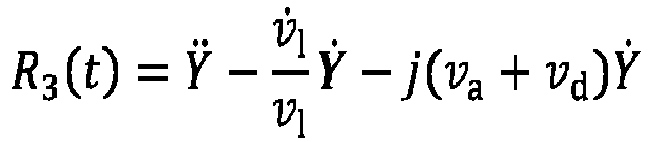
- A residual function, R 4(t), for a type 4 wheeled mobile robot is as follows:

- If none of the residual values calculated using the residual equations, R 1(t), R 2(t), R 3(t), R 4(t), is 0, then a wheeled mobile robot may be identified as a type 5 wheeled mobile robot.
- The wheeled mobile
robot type identifier 114 may be configured to identify of which wheeled mobile robot type is a wheeled mobile robot, by calculating a residual value using an integral function of a residual function from information from a wheeled mobile robot output signal and a wheeled mobile robot input signal. - An integral function of a residual function, which may also be used to identify of which wheeled mobile robot type is a wheeled mobile robot, is as follows:
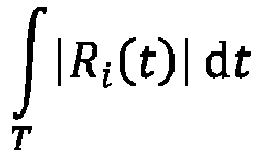
- If the residual value calculated using the above integral function, where i is 1, is 0, then the wheeled mobile robot may be identified as a type 1 wheeled mobile robot. If the residual value calculated using the integral function, where i is 2, is 0, then the wheeled mobile robot may be identified as a type 2 wheeled mobile robot. If the residual value calculated using the integral function, where i is 3, is 0, then the wheeled mobile robot may be identified as a type 3 wheeled mobile robot. If the residual value calculated using the integral function, where i is 4, is 0, then the wheeled mobile robot may be identified as a type 4 wheeled mobile robot. Otherwise, the wheeled mobile robot may be identified as a type 5 wheeled mobile robot.
- Thus, advantageously, the wheeled mobile robot
controller compensation system 100 may identify of which wheeled mobile robot type, is a wheeled mobile robot. - The
identifier signal emitter 116 is configured to emit a wheeled mobile robot type signal comprising information that corresponds to the wheeled mobile robot type of the wheeled mobile robot identified. Theidentifier signal emitter 116 may be configured to emit a wheeled mobile robot type signal to at least one of thecompensator 120 or the controlleroutput signal refiner 130. - The information that corresponds to a type 1 wheeled mobile robot, α 1, which may be comprised in a wheeled mobile robot type signal, is as follows:

- The information that corresponds to a type 2 wheeled mobile robot, α 2, which may be comprised in a wheeled mobile robot type signal, is as follows:

- The information that corresponds to a type 3 wheeled mobile robot, α 3, which may be comprised in a wheeled mobile robot type signal, is as follows:

- The information that corresponds to a type 4 wheeled mobile robot, α 4, which may be comprised in a wheeled mobile robot type signal, is as follows:

- The information that corresponds to a type 5 wheeled mobile robot, α 5, which may be comprised in a wheeled mobile robot type signal, is as follows:

- The
compensator 120 comprises acompensator signal receiver 122, acompensator signal determiner 124 and acompensator signal emitter 126. - The
compensator signal receiver 122 is configured to receive a wheeled mobile robot input signal from the controlleroutput signal refiner 130. In addition, thecompensator signal receiver 122 may be configured to receive a wheeled mobile robot type signal from theidentifier signal emitter 116. - The
compensator signal receiver 122 may also be configured to receive a wheeled mobile robot output signal from a wheeled mobile robot. The wheeled mobile robot output signal may be provided by sensors in or operationally connected to the wheeled mobile robot. The sensors may, for example, detect, with regard to a motion of the wheeled mobile robot, an orientation of a wheel, a change in the orientation of the wheel, a rotational speed of the wheel, a change in the rotational speed of the wheel, a direction of motion of the wheeled mobile robot, a change in the direction of motion of the wheeled mobile robot, a linear velocity of the wheeled mobile robot, a change in the linear velocity of the wheeled mobile robot, an angular velocity of the wheeled mobile robot, a change in the angular velocity of the wheeled mobile robot or a distance travelled by the wheeled mobile robot in a certain direction. The information detected by the sensors may be provided to thecompensator 120 via thecompensator signal receiver 122 through the wheeled mobile robot output signal. - The
compensator signal determiner 124 is configured to determine a controller output compensation signal, by taking into account at least one of a wheeled mobile robot input signal from the controlleroutput signal refiner 130, a wheeled mobile robot type signal from theidentifier signal emitter 116 or a wheeled mobile robot output signal from a wheeled mobile robot, in order to compensate for environmental and systemic effects affecting motion control of the wheeled mobile robot. - The
compensator signal determiner 124 may be configured to determine a controller output compensation signal by subtracting an integral function of the wheeled mobile robot input signal from an integral function of the wheeled mobile robot output signal. - A compensation formula used to determine a controller output compensation signal in order to compensate for environmental and systemic effects affecting motion control of a wheeled mobile robot, if a wheeled mobile robot controller is used to control a wheel mobile robot to move according to a certain path profile, is as follows:

- A compensation formula used to determine a controller output compensation signal in order to compensate for environmental and systemic effects affecting motion control of a wheeled mobile robot, if a wheeled mobile robot controller is used to control a wheel mobile robot to move according to a certain speed profile, is as follows:

- The compensation formulae may be used to help accurately determine a controller output compensation signal in order to effectively control the motion of a wheeled mobile robot. The compensation formulae may also be used to help determine a controller output compensation signal in order to compensate for environmental and systemic effects. In addition, the compensation formulae may be used to help determine an appropriate controller output compensation signal to complement or refine a wheeled mobile robot controller output signal from a wheeled mobile robot controller, such that parameters of the wheeled mobile robot controller may not need to be tuned or adjusted in order to control the motion of a wheeled mobile robot. The wheeled mobile robot
controller compensation system 100 may thus be a plug-and-play wheeled mobile robotcontroller compensation system 100 suitable to be used with a wheeled mobile robot controller that has not been specifically tuned to control the motion of a wheeled mobile robot. The compensation formulae may further be used to help determine an appropriate controller output compensation signal that may be used to control the motion of a wheeled mobile robot, regardless of which wheeled mobile robot type is the wheeled mobile robot. The wheeled mobile robotcontroller compensation system 100 may thus be a plug-and-play wheeled mobile robotcontroller compensation system 100 suitable to be used with a wheeled mobile robot, regardless of which wheeled mobile robot type is the wheeled mobile robot. - The
compensator signal emitter 126 is configured to emit a controller output compensation signal in order to refine a wheeled mobile robot controller output signal. Thecompensator signal emitter 126 is configured to emit a controller output compensation signal to the controlleroutput signal refiner 130. - The controller
output signal refiner 130 comprises a controller outputsignal refiner receiver 132, a controller outputsignal refiner determiner 134 and a controller outputsignal refiner emitter 136. - The controller output
signal refiner receiver 132 is configured to receive at least one of a wheeled mobile robot controller output signal from a wheeled mobile robot controller, a controller output compensation signal from thecompensator signal emitter 126 or a wheeled mobile robot type signal from theidentifier signal emitter 116. - The controller output
signal refiner determiner 134 is configured to determine a wheeled mobile robot input signal, by taking into account the at least one of a controller output compensation signal from thecompensator signal emitter 126, a wheeled mobile robot type signal from theidentifier signal emitter 116 or a wheeled mobile robot controller output signal from a wheeled mobile robot controller, in order to compensate for environmental and systemic effects affecting motion control of a wheeled mobile robot. - A refiner formula used to determine a wheeled mobile robot input signal in order to compensate for environmental and systemic effects affecting motion control of a wheeled mobile robot, is as follows:

- The refiner formula may be used to help accurately determine a wheeled mobile robot input signal in order to effectively control the motion of a wheeled mobile robot. The refiner formula may also be used to help determine a wheeled mobile robot input signal in order to compensate for environmental and systemic effects. In addition, the refiner formula may be used to help determine an appropriate wheeled mobile robot input signal to complement or refine a wheeled mobile robot controller output signal from a wheeled mobile robot controller, such that parameters of the wheeled mobile robot controller may not need to be tuned or adjusted in order to control the motion of a wheeled mobile robot. The wheeled mobile robot
controller compensation system 100 may thus be a plug-and-play wheeled mobile robotcontroller compensation system 100 suitable to be used with a wheeled mobile robot controller that has not been specifically tuned to control the motion of a wheeled mobile robot. The refiner formula may further be used to help determine an appropriate wheeled mobile robot input signal that may be used to control the motion of a wheeled mobile robot, regardless of which wheeled mobile robot type is the wheeled mobile robot. The wheeled mobile robotcontroller compensation system 100 may thus be a plug-and-play wheeled mobile robotcontroller compensation system 100 suitable to be used with a wheeled mobile robot, regardless of which wheeled mobile robot type is the wheeled mobile robot. - The controller output
signal refiner emitter 136 is configured to emit a wheeled mobile robot input signal to a wheeled mobile robot in order to control the motion of the wheeled mobile robot. -
Figure 2 shows a wheeledmobile robot 140 comprising the wheeled mobile robotcontroller compensation system 100. -
Figure 3 shows a schematic diagram of the wheeled mobile robotcontroller compensation system 100 operatively connected to the wheeledmobile robot 140 and a wheeledmobile robot controller 150. - A
reference input signal 152 is provided to the wheeled mobile robotcontroller compensation system 100. The wheeled mobile robotcontroller compensation system 100 then emits a wheeled mobilerobot input signal 156 to the wheeledmobile robot controller 150, for instance, a PID controller, a geometric controller, a kinematics controller, a fuzzy logic controller, a predictive model controller or an artificial intelligence controller. The wheeledmobile robot controller 150 emits a wheeled mobile robotcontroller output signal 154 to the wheeledmobile robot 140. A wheeled mobilerobot output signal 158 is determined and fed back to the wheeled mobile robotcontroller compensation system 100 and wheeledmobile robot controller 150 the via afeedback loop 160. -
Figure 4 shows another schematic diagram of the wheeled mobile robotcontroller compensation system 100 operatively connected to the wheeledmobile robot 140 and a wheeledmobile robot controller 150. - A
reference input signal 152 is provided to the wheeledmobile robot controller 150, for instance, a PID controller, a geometric controller, a kinematics controller, a fuzzy logic controller, a predictive model controller or an artificial intelligence controller. The wheeledmobile robot controller 150 emits a wheeled mobile robotcontroller output signal 154 to the wheeled mobile robotcontroller compensation system 100. The wheeled mobile robotcontroller compensation system 100 then emits a wheeled mobilerobot input signal 156 to the wheeledmobile robot 140. A wheeled mobilerobot output signal 158 is determined and fed back to the wheeledmobile robot controller 150 and the wheeled mobile robotcontroller compensation system 100 via afeedback loop 160. -
Figure 5 shows a schematic diagram of the wheeled mobile robotcontroller compensation system 100 operatively connected to the wheeledmobile robot 140, andFigure 6 shows a diagram for a wheeled mobile robotcontroller compensation method 200. - At
step 202, the wheeled mobile robotcontroller compensation method 200 is started. Atstep 204, the wheeled mobile robotcontroller compensation system 100 is operatively connected to the wheeledmobile robot 140 and the wheeledmobile robot controller 150. - The wheeled
mobile robot controller 150 is not tuned in order to control the wheeledmobile robot 140, because the wheeled mobile robotcontroller compensation system 100 is able to complement or refine a wheeled mobile robotcontroller output signal 154 from the wheeledmobile robot controller 150, such that parameters of the wheeledmobile robot controller 150 may not need to be tuned or adjusted in order to control the motion of a wheeledmobile robot 140. The wheeled mobile robotcontroller compensation system 100 is thus a plug-and-play wheeled mobile robotcontroller compensation system 100 suitable to be used with the wheeledmobile robot controller 150 even if it has not been specifically tuned to control the motion of the wheeledmobile robot 140. - The wheeled
mobile robot 140 may be of any one of the five types of wheeled mobile robot, because the wheeled mobile robotcontroller compensation system 100 is able to determine an appropriate wheeled mobilerobot input signal 156 that may be used to control the motion of the wheeledmobile robot 140, regardless of which wheeled mobile robot type is the wheeledmobile robot 140. The wheeled mobile robotcontroller compensation system 100 may thus be a plug-and-play wheeled mobile robotcontroller compensation system 100 suitable to be used with the wheeledmobile robot 140, regardless of which wheeled mobile robot type is the wheeledmobile robot 140. - At
step 206, areference input signal 152 is provided to the wheeledmobile robot controller 150. If the wheelmobile robot 140 is being controlled to move according to a certain path profile, thereference input signal 152 may comprise a path setpoint. If the wheelmobile robot 140 is being controlled to move according to a certain speed profile, thereference input signal 152 may comprise a speed setpoint. If the wheelmobile robot 140 is being controlled to move according to both a path profile and a speed profile, thereference input signal 152 may comprise both a path setpoint and a speed setpoint. If this is the first time areference input signal 152 is provided to the wheeledmobile robot controller 150, for instance, after the wheeled mobile robotcontroller compensation system 100 is operatively connected to the wheeledmobile robot 140 and the wheeledmobile robot controller 150, thereference input signal 152 provided may also be a randomreference input signal 152. - At
step 208, the wheeledmobile robot controller 150 sends a wheeled mobile robotcontroller output signal 154 to the wheeled mobile robotcontroller compensation system 100. Atstep 210, the controller outputsignal refiner receiver 132 of the controlleroutput signal refiner 130 receives the wheeled mobile robotcontroller output signal 154. The controller outputsignal refiner determiner 134 then determines a wheeled mobilerobot input signal 156 by taking into account the wheeled mobile robotcontroller output signal 154. The controller outputsignal refiner determiner 134 may also take into account at least one of a wheeled mobilerobot type signal 162 from theidentifier 110 or a controlleroutput compensation signal 164 from thecompensator 120, in order to determine the wheeled mobilerobot input signal 156. - A wheeled mobile
robot type signal 162 from theidentifier 110 comprises information, αi , that corresponds to the wheeled mobile robot type of the wheeledmobile robot 140. If this is the first time a controlleroutput compensation signal 164 is determined, for instance, after the wheeled mobile robotcontroller compensation system 100 is operatively connected to the wheeledmobile robot 140 and the wheeledmobile robot controller 150, the wheeled mobilerobot type signal 162 and the information, αi , that corresponds to the wheeled mobile robot type of the wheeledmobile robot 140 may be disregarded by the controller outputsignal refiner determiner 134. - A controller
output compensation signal 164 comprises information, F, suitable to be used to compensate for environmental and systemic effects affecting motion control of the wheeledmobile robot 140. If this is the first time a controlleroutput compensation signal 164 is determined, for instance, after the wheeled mobile robotcontroller compensation system 100 is operatively connected to the wheeledmobile robot 140 and the wheeledmobile robot controller 150, the controlleroutput compensation signal 164 and the information, F, may be disregarded by the controller outputsignal refiner determiner 134. - At
step 212, the controlleroutput signal refiner 130 sends a wheeled mobilerobot input signal 156 to the wheeledmobile robot 140, theidentifier 110 and thecompensator 120. Atstep 214, the wheeledmobile robot 140 moves in response to the wheeled mobilerobot input signal 156, and the movement is detected by sensors in or operationally connected to the wheeledmobile robot 140. The information detected by the sensors is then provided to theidentifier 110 and thecompensator 120, and fed back to the wheeledmobile robot controller 150 through a wheeled mobilerobot output signal 158. - At
step 214, theidentifier signal receiver 112 of theidentifier 110 receives the wheeled mobilerobot output signal 158 from the wheeledmobile robot 140 and the wheeled mobile robot input signal 156 from the controlleroutput signal refiner 130. The wheeled mobilerobot type identifier 114 identifies of which wheeled mobile robot type is a wheeledmobile robot 140, by taking into account at least one of the wheeled mobilerobot output signal 158 or the wheeled mobilerobot input signal 156. The wheeled mobilerobot type identifier 114 may identify of which wheeled mobile robot type is a wheeledmobile robot 140, by calculating a residual value using a residual function from information from the wheeled mobilerobot output signal 158 and the wheeled mobilerobot input signal 156, or using an integral function of a residual function from information from the wheeled mobilerobot output signal 158 and the wheeled mobilerobot input signal 156. - At
step 216, theidentifier 110 sends a wheeled mobilerobot type signal 162 comprising information that corresponds to the wheeled mobile robot type of the wheeledmobile robot 140 identified to the controlleroutput signal refiner 130 and thecompensator 120. - At
step 218, thecompensator signal receiver 122 of thecompensator 120 receives the wheeled mobilerobot type signal 162 from theidentifier 110, the wheeled mobilerobot output signal 158 from the wheeledmobile robot 140 and the wheeled mobile robot input signal 156 from the controlleroutput signal refiner 130. Thecompensator signal determiner 124 determines a controlleroutput compensation signal 164, by taking into account at least one of the wheeled mobile robot input signal 156 from the controlleroutput signal refiner 130, the wheeled mobilerobot type signal 162 from theidentifier 110 or the wheeled mobilerobot output signal 158 from the wheeledmobile robot 140, in order to compensate for environmental and systemic effects affecting motion control of the wheeledmobile robot 140. Thecompensator signal determiner 124 may determine the controlleroutput compensation signal 164 by subtracting an integral function of the wheeled mobile robot input signal 156 from an integral function of the wheeled mobilerobot output signal 158. - At
step 220, it is checked whether there is a newreference input signal 152 available. If there is a newreference input signal 152, the wheeled mobile robotcontroller compensation method 200 loops back tostep 206. Otherwise, the wheeled mobile robotcontroller compensation method 200 ends atstep 222. - Hence, the wheeled mobile robot
controller compensation system 100 may be used to help accurately determine a wheeled mobilerobot input signal 156 or a controlleroutput compensation signal 164 in order to effectively control the motion of the wheeledmobile robot 140. The wheeled mobile robotcontroller compensation system 100 may also be used to help determine a wheeled mobilerobot input signal 156 or a controlleroutput compensation signal 164 in order to compensate for environmental and systemic effects. In addition, the wheeled mobile robotcontroller compensation system 100 may be used to help determine an appropriate wheeled mobilerobot input signal 156 or a controlleroutput compensation signal 164 to complement or refine a wheeled mobile robotcontroller output signal 158 from the wheeledmobile robot controller 150, such that the parameters of the wheeledmobile robot controller 150 may not need to be tuned or adjusted in order to control the motion of the wheeledmobile robot 140. The wheeled mobile robotcontroller compensation system 100 may thus be a plug-and-play wheeled mobile robotcontroller compensation system 100 suitable to be used with the wheeledmobile robot controller 150 that has not been specifically tuned to control the motion of the wheeledmobile robot 140. - In addition, the wheeled
mobile robot 140 may be of any one of the five types of wheeled mobile robot, because the wheeled mobile robotcontroller compensation system 100 is able to determine an appropriate wheeled mobilerobot input signal 156 or a controlleroutput compensation signal 164 that may be used to control the motion of the wheeledmobile robot 140, regardless of which wheeled mobile robot type is the wheeledmobile robot 140. The wheeled mobile robotcontroller compensation system 100 may thus be a plug-and-play wheeled mobile robotcontroller compensation system 100 suitable to be used with the wheeledmobile robot 140, regardless of which wheeled mobile robot type is the wheeledmobile robot 140. - Although the invention has been described in considerable detail with reference to certain embodiments or aspects, other embodiments or aspects are possible.
- Therefore, the spirit and scope of the appended claims should not be limited to the description of the embodiments contained herein.
- For example, other suitable formulae may be provided to determine the controller
output compensation signal 164 or the wheeled mobilerobot input signal 156. - All features disclosed in this specification (including the appended claims, abstract, and accompanying drawings) may be replaced by alternative features serving the same, equivalent, or similar purpose, unless expressly stated otherwise. Thus, unless expressly stated otherwise, each feature disclosed is one example only of a generic series of equivalent or similar features.
Claims (18)
- A wheeled mobile robot controller compensation system (100) comprising:a compensator signal receiver (122) configured to receive a wheeled mobile robot input signal (156);a compensator signal determiner (124) configured to determine a controller output compensation signal (164), by taking into account a wheeled mobile robot input signal (156)received by the compensator signal receiver (122), in order to compensate for environmental and systemic effects affecting motion control of a wheeled mobile robot (140); anda compensator signal emitter (126) configured to emit a controller output compensation signal (164) determined by the compensator signal determiner (124) in order to refine a wheeled mobile robot controller output signal (154).
- The wheeled mobile robot controller compensation system (100) as in claim 1, wherein the compensator signal receiver (122) is configured to receive a wheeled mobile robot output signal (158) from the wheeled mobile robot (140).
- The wheeled mobile robot controller compensation system (100) as in claim 2, wherein the compensator signal determiner (124) is configured to determine a controller output compensation signal (164), by also taking into account the wheeled mobile robot output signal (158), in order to compensate for environmental and systemic effects affecting motion control of the wheeled mobile robot (140).
- The wheeled mobile robot controller compensation system (100) as in any one of claims 2-3, wherein the compensator signal determiner (124) is configured to determine a controller output compensation signal (164) using an equation comprising an integral function of the wheeled mobile robot output signal (158) .
- The wheeled mobile robot controller compensation system (100) as in any one of claims 2-4, wherein the compensator signal determiner (124) is configured to determine a controller output compensation signal (164) using an equation comprising an integral function of a wheeled mobile robot input signal (156) received by the compensator signal receiver (122).
- The wheeled mobile robot controller compensation system (100) as in any one of claims 2-3, wherein the compensator signal determiner (124) is configured to determine a controller output compensation signal (164) by subtracting an integral function of a wheeled mobile robot input signal (156) received by the compensator signal receiver (122) from an integral function of the wheeled mobile robot output signal (158).
- The wheeled mobile robot controller compensation system (100) as in any one of claims 2-6, further comprising a wheeled mobile robot type identifier (114) configured to identify of which wheeled mobile robot type is the wheeled mobile robot (140), by taking into account the wheeled mobile robot output signal (158) .
- The wheeled mobile robot controller compensation system (100) as any one of claims 2-6, further comprising a wheeled mobile robot type identifier (114) configured to identify of which wheeled mobile robot type is the wheeled mobile robot (140), by also taking into account a wheeled mobile robot input signal (156) received by the compensator signal receiver (122).
- The wheeled mobile robot controller compensation system (100) as in as any one of claims 2-8, wherein the wheeled mobile robot type identifier (114) is configured to identify of which wheeled mobile robot type is the wheeled mobile robot (140), by calculating a residual value using a residual function from information from the wheeled mobile robot output signal (158) and a wheeled mobile robot input signal (156) received by the compensator signal receiver (122).
- The wheeled mobile robot controller compensation system (100) as in any one of claims 2-8, wherein the wheeled mobile robot type identifier (114) is configured to identify of which wheeled mobile robot type is the wheeled mobile robot (140), by calculating a residual value using an integral function of a residual function from information from the wheeled mobile robot output signal (158) and a wheeled mobile robot input signal (156) received by the compensator signal receiver (122).
- The wheeled mobile robot controller compensation system (100) as in any one of claims 7-10, further comprising an identifier signal emitter (116) configured to emit a wheeled mobile robot type signal (162) comprising information that corresponds to the wheeled mobile robot type of the wheeled mobile robot (140) identified.
- The wheeled mobile robot controller compensation system (100) as in claim 11, wherein the compensator signal determiner (124) is configured to determine a controller output compensation signal (164) , by also taking into account the wheeled mobile robot type signal (162), in order to compensate for environmental and systemic effects affecting motion control of the wheeled mobile robot (140).
- The wheeled mobile robot controller compensation system (100) as in any one of claims 11-12, further comprising a controller output signal refiner determiner (134) configured to determine a wheeled mobile robot input signal (156), by taking into account the at least one of a controller output compensation signal (164) from the compensator signal emitter (126), the wheeled mobile robot type signal (162) from the identifier signal emitter (116) or the wheeled mobile robot controller output signal (154) from a wheeled mobile robot controller (150).
- The wheeled mobile robot controller compensation system (100) as in any one of claims 11-12, further comprising a controller output signal refiner determiner (134) configured to determine a wheeled mobile robot input signal (156), by taking into account a controller output compensation signal (164) determined by the compensator signal determiner (124) from the compensator signal emitter (126), the wheeled mobile robot type signal (162) from the identifier signal emitter (116) and the wheeled mobile robot controller output signal (154) from a wheeled mobile robot controller (150).
- The wheeled mobile robot (140) comprising the wheeled mobile robot controller compensation system (100) as in any one of the preceding claims.
- A wheeled mobile robot controller compensation system (100) as in any one of claims 1-14, comprising:a compensator signal receiver (122) configured to receive a wheeled mobile robot input signal (156) and a wheeled mobile robot output signal (158) from a wheeled mobile robot (140);a wheeled mobile robot type identifier (114) configured to identify of which wheeled mobile robot type is the wheeled mobile robot (140), by taking into account the wheeled mobile robot output signal (158) and a wheeled mobile robot input signal (156) received by the compensator signal receiver (122);wherein the wheeled mobile robot type identifier (114) is configured to identify of which wheeled mobile robot type is the wheeled mobile robot (140), by:calculating a residual value using a residual function from information from the wheeled mobile robot output signal (158) and the wheeled mobile robot input signal (156); orcalculating a residual value using an integral function of the residual function from the information from the wheeled mobile robot output signal (158) and a wheeled mobile robot input signal (156) received by the compensator signal receiver (122);an identifier signal emitter (116) configured to emit a wheeled mobile robot type signal (162) comprising information that corresponds to the wheeled mobile robot type of the wheeled mobile robot (140) identified;a compensator signal determiner (124) configured to determine a controller output compensation signal (164), by taking into account a wheeled mobile robot input signal (156) received by the compensator signal receiver (122), the wheeled mobile robot output signal (158) and the wheeled mobile robot type signal (162), in order to compensate for environmental and systemic effects affecting motion control of the wheeled mobile robot (140) ;wherein the compensator signal determiner (124) is configured to determine a controller output compensation signal (164) by subtracting an integral function of a wheeled mobile robot input signal (156) received by the compensator signal receiver (122)from an integral function of the wheeled mobile robot output signal (158);a compensator signal emitter (126) configured to emit a controller output compensation signal (164) determined by the compensator signal determiner (124) in order to refine a wheeled mobile robot controller output signal (154);a controller output signal refiner determiner (134) configured to determine a wheeled mobile robot input signal (156) received by the compensator signal receiver (122), by taking into account the at least one controller output compensation signal (164) determined by the compensator signal determiner (124) from the compensator signal emitter (126), the wheeled mobile robot type signal (162) from the identifier signal emitter (116) or the wheeled mobile robot controller output signal (154) from a wheeled mobile robot controller (150); anda controller output signal refiner emitter (136) configured to emit a wheeled mobile robot input signal (156) received by the compensator signal receiver (122).
- A wheeled mobile robot controller compensation method comprising the acts of:receiving a wheeled mobile robot input signal (156);determining a controller output compensation signal (164), by taking into account the wheeled mobile robot input signal (156) received by the compensator signal receiver (122), in order to compensate for environmental and systemic effects affecting motion control of a wheeled mobile robot (140); andemitting the controller output compensation signal (164) determined by the compensator signal determiner (124) in order to refine a wheeled mobile robot controller output signal (154).
- A wheeled mobile robot controller compensation method comprising the acts of:receiving a wheeled mobile robot input signal (156);receiving a wheeled mobile robot output signal (158) from a wheeled mobile robot (140);identifying of which wheeled mobile robot type is the wheeled mobile robot (140), by taking into account the wheeled mobile robot output signal (158) and the wheeled mobile robot input signal (156) received by the compensator signal receiver (122);wherein the act of identifying of which wheeled mobile robot type is the wheeled mobile robot (140) comprises the act of:calculating a residual value using a residual function from information from the wheeled mobile robot output signal (158) and the wheeled mobile robot input signal (156) received by the compensator signal receiver (122); orcalculating a residual value using an integral function of the residual function from the information from the wheeled mobile robot output signal (158) and the wheeled mobile robot input signal (156) received by the compensator signal receiver (122);emitting a wheeled mobile robot type signal (162) comprising information that corresponds to the wheeled mobile robot type of the wheeled mobile robot (140) identified;determining a controller output compensation signal (164), by taking into account the wheeled mobile robot input signal (156) received by the compensator signal receiver (122), the wheeled mobile robot output signal (158) and the wheeled mobile robot type signal (162), in order to compensate for environmental and systemic effects affecting motion control of the wheeled mobile robot (140);wherein the act of determining the controller output compensation signal (164) comprises the act of determining the controller output compensation signal (164) by subtracting an integral function of the wheeled mobile robot input signal (156) received by the compensator signal receiver (122) from an integral function of the wheeled mobile robot output signal (158) ;emitting the controller output compensation signal (164) determined by the compensator signal determiner (124) in order to refine a wheeled mobile robot controller output signal (154) ; andrefining the wheeled mobile robot controller output signal (154), wherein the act of refining the wheeled mobile robot controller output signal (154) comprises the acts of:determining the wheeled mobile robot input signal (156), by taking into account the controller output compensation signal (164) determined by the compensator signal determiner (124), the wheeled mobile robot type signal (162) and the wheeled mobile robot controller output signal (154), in order to compensate for environmental and systemic effects affecting motion control of the wheeled mobile robot (140); andemitting the wheeled mobile robot input signal (156) .
Priority Applications (2)
| Application Number | Priority Date | Filing Date | Title |
|---|---|---|---|
| EP20188902.9A EP3945392B1 (en) | 2020-07-31 | 2020-07-31 | A wheeled mobile robot controller compensation system and method |
| PCT/EP2021/071423 WO2022023542A1 (en) | 2020-07-31 | 2021-07-30 | A wheeled mobile robot controller compensation system and method |
Applications Claiming Priority (1)
| Application Number | Priority Date | Filing Date | Title |
|---|---|---|---|
| EP20188902.9A EP3945392B1 (en) | 2020-07-31 | 2020-07-31 | A wheeled mobile robot controller compensation system and method |
Publications (2)
| Publication Number | Publication Date |
|---|---|
| EP3945392A1 true EP3945392A1 (en) | 2022-02-02 |
| EP3945392B1 EP3945392B1 (en) | 2024-01-17 |
Family
ID=71899579
Family Applications (1)
| Application Number | Title | Priority Date | Filing Date |
|---|---|---|---|
| EP20188902.9A Active EP3945392B1 (en) | 2020-07-31 | 2020-07-31 | A wheeled mobile robot controller compensation system and method |
Country Status (2)
| Country | Link |
|---|---|
| EP (1) | EP3945392B1 (en) |
| WO (1) | WO2022023542A1 (en) |
Citations (3)
| Publication number | Priority date | Publication date | Assignee | Title |
|---|---|---|---|---|
| US4718685A (en) * | 1985-12-09 | 1988-01-12 | Nissan Motor Co., Ltd. | Model solving type vehicle steering control system with parameter identification |
| US20070213902A1 (en) * | 2006-03-10 | 2007-09-13 | Kwang-Keun Shin | Method and system for adaptively compensating closed-loop front-wheel steering control |
| US20180088582A1 (en) * | 2016-09-28 | 2018-03-29 | Baidu Usa Llc | Sideslip compensated control method for autonomous vehicles |
-
2020
- 2020-07-31 EP EP20188902.9A patent/EP3945392B1/en active Active
-
2021
- 2021-07-30 WO PCT/EP2021/071423 patent/WO2022023542A1/en not_active Ceased
Patent Citations (3)
| Publication number | Priority date | Publication date | Assignee | Title |
|---|---|---|---|---|
| US4718685A (en) * | 1985-12-09 | 1988-01-12 | Nissan Motor Co., Ltd. | Model solving type vehicle steering control system with parameter identification |
| US20070213902A1 (en) * | 2006-03-10 | 2007-09-13 | Kwang-Keun Shin | Method and system for adaptively compensating closed-loop front-wheel steering control |
| US20180088582A1 (en) * | 2016-09-28 | 2018-03-29 | Baidu Usa Llc | Sideslip compensated control method for autonomous vehicles |
Also Published As
| Publication number | Publication date |
|---|---|
| EP3945392B1 (en) | 2024-01-17 |
| WO2022023542A1 (en) | 2022-02-03 |
Similar Documents
| Publication | Publication Date | Title |
|---|---|---|
| EP3932761A1 (en) | Vehicle abnormal lane change control method, device and system | |
| Pentzer et al. | Model‐based prediction of skid‐steer robot kinematics using online estimation of track instantaneous centers of rotation | |
| US12134393B2 (en) | Device for predictively controlling the movement of a motor vehicle | |
| Liu et al. | The role of model fidelity in model predictive control based hazard avoidance in unmanned ground vehicles using LIDAR sensors | |
| CN110597245A (en) | Automatic driving track-changing planning method based on quadratic planning and neural network | |
| CN117302201B (en) | Vehicle obstacle avoidance implementation method, system, vehicle and storage medium | |
| Chang et al. | Combined longitudinal and lateral control of vehicle platoons | |
| Anderson et al. | Design and development of an optimal-control-based framework for trajectory planning, threat assessment, and semi-autonomous control of passenger vehicles in hazard avoidance scenarios | |
| Chen et al. | Trajectory tracking control for autonomous vehicles in different cut-in scenarios | |
| JP2021031018A (en) | Automatic steering control device, automatic steering control method, automatic steering program and vehicle | |
| Tan et al. | A path tracking algorithm for articulated vehicle: Development and simulations | |
| CN116859926A (en) | Combined dynamic self-adaptive variable gain control method for AGV heavy-load mobile robot | |
| EP3945392B1 (en) | A wheeled mobile robot controller compensation system and method | |
| JP5483194B2 (en) | Sliding mode control device and vehicle automatic steering control device | |
| US20200398850A1 (en) | Systems and methods for traction detection and control in a self-driving vehicle | |
| Fukao et al. | Preceding vehicle following based on path following control for platooning | |
| JP5582394B2 (en) | Automatic steering control device for vehicle | |
| Hsiao et al. | Position Tracking Control of Four-wheel Independently Driven Mobile Platforms Using Longitudinal Tire Force Control Algorithms | |
| Kang et al. | An approach of human driving behavior correction based on dynamic window approach | |
| Sommer et al. | AO-Car: transfer of space technology to autonomous driving with the use of WORHP | |
| JP2022140084A (en) | self-driving vehicle | |
| CN112799296A (en) | Control system and control method of intelligent stacking machine | |
| Prakash et al. | SRPT vs smith predictor for vehicle teleoperation | |
| JP5120718B2 (en) | vehicle | |
| Nikonov et al. | Automobile information systems: a principle of image processing using deep-learning algorithms |
Legal Events
| Date | Code | Title | Description |
|---|---|---|---|
| PUAI | Public reference made under article 153(3) epc to a published international application that has entered the european phase |
Free format text: ORIGINAL CODE: 0009012 |
|
| STAA | Information on the status of an ep patent application or granted ep patent |
Free format text: STATUS: THE APPLICATION HAS BEEN PUBLISHED |
|
| AK | Designated contracting states |
Kind code of ref document: A1 Designated state(s): AL AT BE BG CH CY CZ DE DK EE ES FI FR GB GR HR HU IE IS IT LI LT LU LV MC MK MT NL NO PL PT RO RS SE SI SK SM TR |
|
| RAP1 | Party data changed (applicant data changed or rights of an application transferred) |
Owner name: CONTINENTAL AUTOMOTIVE TECHNOLOGIES GMBH |
|
| STAA | Information on the status of an ep patent application or granted ep patent |
Free format text: STATUS: REQUEST FOR EXAMINATION WAS MADE |
|
| 17P | Request for examination filed |
Effective date: 20220802 |
|
| RBV | Designated contracting states (corrected) |
Designated state(s): AL AT BE BG CH CY CZ DE DK EE ES FI FR GB GR HR HU IE IS IT LI LT LU LV MC MK MT NL NO PL PT RO RS SE SI SK SM TR |
|
| STAA | Information on the status of an ep patent application or granted ep patent |
Free format text: STATUS: EXAMINATION IS IN PROGRESS |
|
| 17Q | First examination report despatched |
Effective date: 20221128 |
|
| GRAP | Despatch of communication of intention to grant a patent |
Free format text: ORIGINAL CODE: EPIDOSNIGR1 |
|
| STAA | Information on the status of an ep patent application or granted ep patent |
Free format text: STATUS: GRANT OF PATENT IS INTENDED |
|
| INTG | Intention to grant announced |
Effective date: 20230705 |
|
| GRAJ | Information related to disapproval of communication of intention to grant by the applicant or resumption of examination proceedings by the epo deleted |
Free format text: ORIGINAL CODE: EPIDOSDIGR1 |
|
| STAA | Information on the status of an ep patent application or granted ep patent |
Free format text: STATUS: EXAMINATION IS IN PROGRESS |
|
| INTC | Intention to grant announced (deleted) | ||
| GRAP | Despatch of communication of intention to grant a patent |
Free format text: ORIGINAL CODE: EPIDOSNIGR1 |
|
| STAA | Information on the status of an ep patent application or granted ep patent |
Free format text: STATUS: GRANT OF PATENT IS INTENDED |
|
| INTG | Intention to grant announced |
Effective date: 20230929 |
|
| GRAS | Grant fee paid |
Free format text: ORIGINAL CODE: EPIDOSNIGR3 |
|
| GRAA | (expected) grant |
Free format text: ORIGINAL CODE: 0009210 |
|
| STAA | Information on the status of an ep patent application or granted ep patent |
Free format text: STATUS: THE PATENT HAS BEEN GRANTED |
|
| P01 | Opt-out of the competence of the unified patent court (upc) registered |
Effective date: 20231110 |
|
| AK | Designated contracting states |
Kind code of ref document: B1 Designated state(s): AL AT BE BG CH CY CZ DE DK EE ES FI FR GB GR HR HU IE IS IT LI LT LU LV MC MK MT NL NO PL PT RO RS SE SI SK SM TR |
|
| REG | Reference to a national code |
Ref country code: GB Ref legal event code: FG4D |
|
| REG | Reference to a national code |
Ref country code: DE Ref legal event code: R096 Ref document number: 602020024402 Country of ref document: DE |
|
| REG | Reference to a national code |
Ref country code: CH Ref legal event code: EP |
|
| REG | Reference to a national code |
Ref country code: IE Ref legal event code: FG4D |
|
| REG | Reference to a national code |
Ref country code: DE Ref legal event code: R081 Ref document number: 602020024402 Country of ref document: DE Owner name: CONTINENTAL AUTOMOTIVE TECHNOLOGIES GMBH, DE Free format text: FORMER OWNER: CONTINENTAL AUTOMOTIVE TECHNOLOGIES GMBH, 30165 HANNOVER, DE Ref country code: DE Ref legal event code: R081 Ref document number: 602020024402 Country of ref document: DE Owner name: AUMOVIO GERMANY GMBH, DE Free format text: FORMER OWNER: CONTINENTAL AUTOMOTIVE TECHNOLOGIES GMBH, 30165 HANNOVER, DE |
|
| RAP4 | Party data changed (patent owner data changed or rights of a patent transferred) |
Owner name: CONTINENTAL AUTOMOTIVE TECHNOLOGIES GMBH |
|
| REG | Reference to a national code |
Ref country code: CH Ref legal event code: PK Free format text: DIE PUBLIKATION VOM 27.03.2024 WURDE AM 24.04.2024 IRRTUEMLICHERWEISE ERNEUT PUBLIZIERT. LA PUBLICATION DU 27.03.2024 A ETE REPUBLIEE PAR ERREUR LE 24.04.2024. LA PUBBLICAZIONE DEL 27.03.2024 E STATA ERRONEAMENTE RIPUBBLICATA IL 24.04.2024. |
|
| REG | Reference to a national code |
Ref country code: LT Ref legal event code: MG9D |
|
| REG | Reference to a national code |
Ref country code: NL Ref legal event code: MP Effective date: 20240117 |
|
| REG | Reference to a national code |
Ref country code: AT Ref legal event code: MK05 Ref document number: 1650957 Country of ref document: AT Kind code of ref document: T Effective date: 20240117 |
|
| PG25 | Lapsed in a contracting state [announced via postgrant information from national office to epo] |
Ref country code: NL Free format text: LAPSE BECAUSE OF FAILURE TO SUBMIT A TRANSLATION OF THE DESCRIPTION OR TO PAY THE FEE WITHIN THE PRESCRIBED TIME-LIMIT Effective date: 20240117 |
|
| PG25 | Lapsed in a contracting state [announced via postgrant information from national office to epo] |
Ref country code: NL Free format text: LAPSE BECAUSE OF FAILURE TO SUBMIT A TRANSLATION OF THE DESCRIPTION OR TO PAY THE FEE WITHIN THE PRESCRIBED TIME-LIMIT Effective date: 20240117 |
|
| PG25 | Lapsed in a contracting state [announced via postgrant information from national office to epo] |
Ref country code: IS Free format text: LAPSE BECAUSE OF FAILURE TO SUBMIT A TRANSLATION OF THE DESCRIPTION OR TO PAY THE FEE WITHIN THE PRESCRIBED TIME-LIMIT Effective date: 20240517 |
|
| PG25 | Lapsed in a contracting state [announced via postgrant information from national office to epo] |
Ref country code: LT Free format text: LAPSE BECAUSE OF FAILURE TO SUBMIT A TRANSLATION OF THE DESCRIPTION OR TO PAY THE FEE WITHIN THE PRESCRIBED TIME-LIMIT Effective date: 20240117 |
|
| PG25 | Lapsed in a contracting state [announced via postgrant information from national office to epo] |
Ref country code: GR Free format text: LAPSE BECAUSE OF FAILURE TO SUBMIT A TRANSLATION OF THE DESCRIPTION OR TO PAY THE FEE WITHIN THE PRESCRIBED TIME-LIMIT Effective date: 20240418 |
|
| PG25 | Lapsed in a contracting state [announced via postgrant information from national office to epo] |
Ref country code: HR Free format text: LAPSE BECAUSE OF FAILURE TO SUBMIT A TRANSLATION OF THE DESCRIPTION OR TO PAY THE FEE WITHIN THE PRESCRIBED TIME-LIMIT Effective date: 20240117 Ref country code: RS Free format text: LAPSE BECAUSE OF FAILURE TO SUBMIT A TRANSLATION OF THE DESCRIPTION OR TO PAY THE FEE WITHIN THE PRESCRIBED TIME-LIMIT Effective date: 20240417 |
|
| PG25 | Lapsed in a contracting state [announced via postgrant information from national office to epo] |
Ref country code: ES Free format text: LAPSE BECAUSE OF FAILURE TO SUBMIT A TRANSLATION OF THE DESCRIPTION OR TO PAY THE FEE WITHIN THE PRESCRIBED TIME-LIMIT Effective date: 20240117 |
|
| PG25 | Lapsed in a contracting state [announced via postgrant information from national office to epo] |
Ref country code: AT Free format text: LAPSE BECAUSE OF FAILURE TO SUBMIT A TRANSLATION OF THE DESCRIPTION OR TO PAY THE FEE WITHIN THE PRESCRIBED TIME-LIMIT Effective date: 20240117 |
|
| PG25 | Lapsed in a contracting state [announced via postgrant information from national office to epo] |
Ref country code: RS Free format text: LAPSE BECAUSE OF FAILURE TO SUBMIT A TRANSLATION OF THE DESCRIPTION OR TO PAY THE FEE WITHIN THE PRESCRIBED TIME-LIMIT Effective date: 20240417 Ref country code: NO Free format text: LAPSE BECAUSE OF FAILURE TO SUBMIT A TRANSLATION OF THE DESCRIPTION OR TO PAY THE FEE WITHIN THE PRESCRIBED TIME-LIMIT Effective date: 20240417 Ref country code: LT Free format text: LAPSE BECAUSE OF FAILURE TO SUBMIT A TRANSLATION OF THE DESCRIPTION OR TO PAY THE FEE WITHIN THE PRESCRIBED TIME-LIMIT Effective date: 20240117 Ref country code: IS Free format text: LAPSE BECAUSE OF FAILURE TO SUBMIT A TRANSLATION OF THE DESCRIPTION OR TO PAY THE FEE WITHIN THE PRESCRIBED TIME-LIMIT Effective date: 20240517 Ref country code: HR Free format text: LAPSE BECAUSE OF FAILURE TO SUBMIT A TRANSLATION OF THE DESCRIPTION OR TO PAY THE FEE WITHIN THE PRESCRIBED TIME-LIMIT Effective date: 20240117 Ref country code: GR Free format text: LAPSE BECAUSE OF FAILURE TO SUBMIT A TRANSLATION OF THE DESCRIPTION OR TO PAY THE FEE WITHIN THE PRESCRIBED TIME-LIMIT Effective date: 20240418 Ref country code: FI Free format text: LAPSE BECAUSE OF FAILURE TO SUBMIT A TRANSLATION OF THE DESCRIPTION OR TO PAY THE FEE WITHIN THE PRESCRIBED TIME-LIMIT Effective date: 20240117 Ref country code: ES Free format text: LAPSE BECAUSE OF FAILURE TO SUBMIT A TRANSLATION OF THE DESCRIPTION OR TO PAY THE FEE WITHIN THE PRESCRIBED TIME-LIMIT Effective date: 20240117 Ref country code: BG Free format text: LAPSE BECAUSE OF FAILURE TO SUBMIT A TRANSLATION OF THE DESCRIPTION OR TO PAY THE FEE WITHIN THE PRESCRIBED TIME-LIMIT Effective date: 20240117 Ref country code: AT Free format text: LAPSE BECAUSE OF FAILURE TO SUBMIT A TRANSLATION OF THE DESCRIPTION OR TO PAY THE FEE WITHIN THE PRESCRIBED TIME-LIMIT Effective date: 20240117 |
|
| PG25 | Lapsed in a contracting state [announced via postgrant information from national office to epo] |
Ref country code: PL Free format text: LAPSE BECAUSE OF FAILURE TO SUBMIT A TRANSLATION OF THE DESCRIPTION OR TO PAY THE FEE WITHIN THE PRESCRIBED TIME-LIMIT Effective date: 20240117 Ref country code: PT Free format text: LAPSE BECAUSE OF FAILURE TO SUBMIT A TRANSLATION OF THE DESCRIPTION OR TO PAY THE FEE WITHIN THE PRESCRIBED TIME-LIMIT Effective date: 20240517 |
|
| PG25 | Lapsed in a contracting state [announced via postgrant information from national office to epo] |
Ref country code: SE Free format text: LAPSE BECAUSE OF FAILURE TO SUBMIT A TRANSLATION OF THE DESCRIPTION OR TO PAY THE FEE WITHIN THE PRESCRIBED TIME-LIMIT Effective date: 20240117 Ref country code: PT Free format text: LAPSE BECAUSE OF FAILURE TO SUBMIT A TRANSLATION OF THE DESCRIPTION OR TO PAY THE FEE WITHIN THE PRESCRIBED TIME-LIMIT Effective date: 20240517 Ref country code: PL Free format text: LAPSE BECAUSE OF FAILURE TO SUBMIT A TRANSLATION OF THE DESCRIPTION OR TO PAY THE FEE WITHIN THE PRESCRIBED TIME-LIMIT Effective date: 20240117 Ref country code: LV Free format text: LAPSE BECAUSE OF FAILURE TO SUBMIT A TRANSLATION OF THE DESCRIPTION OR TO PAY THE FEE WITHIN THE PRESCRIBED TIME-LIMIT Effective date: 20240117 |
|
| PG25 | Lapsed in a contracting state [announced via postgrant information from national office to epo] |
Ref country code: DK Free format text: LAPSE BECAUSE OF FAILURE TO SUBMIT A TRANSLATION OF THE DESCRIPTION OR TO PAY THE FEE WITHIN THE PRESCRIBED TIME-LIMIT Effective date: 20240117 |
|
| PG25 | Lapsed in a contracting state [announced via postgrant information from national office to epo] |
Ref country code: SM Free format text: LAPSE BECAUSE OF FAILURE TO SUBMIT A TRANSLATION OF THE DESCRIPTION OR TO PAY THE FEE WITHIN THE PRESCRIBED TIME-LIMIT Effective date: 20240117 |
|
| REG | Reference to a national code |
Ref country code: DE Ref legal event code: R097 Ref document number: 602020024402 Country of ref document: DE |
|
| PG25 | Lapsed in a contracting state [announced via postgrant information from national office to epo] |
Ref country code: EE Free format text: LAPSE BECAUSE OF FAILURE TO SUBMIT A TRANSLATION OF THE DESCRIPTION OR TO PAY THE FEE WITHIN THE PRESCRIBED TIME-LIMIT Effective date: 20240117 Ref country code: CZ Free format text: LAPSE BECAUSE OF FAILURE TO SUBMIT A TRANSLATION OF THE DESCRIPTION OR TO PAY THE FEE WITHIN THE PRESCRIBED TIME-LIMIT Effective date: 20240117 |
|
| PG25 | Lapsed in a contracting state [announced via postgrant information from national office to epo] |
Ref country code: SK Free format text: LAPSE BECAUSE OF FAILURE TO SUBMIT A TRANSLATION OF THE DESCRIPTION OR TO PAY THE FEE WITHIN THE PRESCRIBED TIME-LIMIT Effective date: 20240117 |
|
| PG25 | Lapsed in a contracting state [announced via postgrant information from national office to epo] |
Ref country code: SM Free format text: LAPSE BECAUSE OF FAILURE TO SUBMIT A TRANSLATION OF THE DESCRIPTION OR TO PAY THE FEE WITHIN THE PRESCRIBED TIME-LIMIT Effective date: 20240117 Ref country code: SK Free format text: LAPSE BECAUSE OF FAILURE TO SUBMIT A TRANSLATION OF THE DESCRIPTION OR TO PAY THE FEE WITHIN THE PRESCRIBED TIME-LIMIT Effective date: 20240117 Ref country code: RO Free format text: LAPSE BECAUSE OF FAILURE TO SUBMIT A TRANSLATION OF THE DESCRIPTION OR TO PAY THE FEE WITHIN THE PRESCRIBED TIME-LIMIT Effective date: 20240117 Ref country code: EE Free format text: LAPSE BECAUSE OF FAILURE TO SUBMIT A TRANSLATION OF THE DESCRIPTION OR TO PAY THE FEE WITHIN THE PRESCRIBED TIME-LIMIT Effective date: 20240117 Ref country code: DK Free format text: LAPSE BECAUSE OF FAILURE TO SUBMIT A TRANSLATION OF THE DESCRIPTION OR TO PAY THE FEE WITHIN THE PRESCRIBED TIME-LIMIT Effective date: 20240117 Ref country code: CZ Free format text: LAPSE BECAUSE OF FAILURE TO SUBMIT A TRANSLATION OF THE DESCRIPTION OR TO PAY THE FEE WITHIN THE PRESCRIBED TIME-LIMIT Effective date: 20240117 |
|
| PLBE | No opposition filed within time limit |
Free format text: ORIGINAL CODE: 0009261 |
|
| STAA | Information on the status of an ep patent application or granted ep patent |
Free format text: STATUS: NO OPPOSITION FILED WITHIN TIME LIMIT |
|
| PG25 | Lapsed in a contracting state [announced via postgrant information from national office to epo] |
Ref country code: IT Free format text: LAPSE BECAUSE OF FAILURE TO SUBMIT A TRANSLATION OF THE DESCRIPTION OR TO PAY THE FEE WITHIN THE PRESCRIBED TIME-LIMIT Effective date: 20240117 |
|
| 26N | No opposition filed |
Effective date: 20241018 |
|
| PG25 | Lapsed in a contracting state [announced via postgrant information from national office to epo] |
Ref country code: IT Free format text: LAPSE BECAUSE OF FAILURE TO SUBMIT A TRANSLATION OF THE DESCRIPTION OR TO PAY THE FEE WITHIN THE PRESCRIBED TIME-LIMIT Effective date: 20240117 |
|
| PG25 | Lapsed in a contracting state [announced via postgrant information from national office to epo] |
Ref country code: MC Free format text: LAPSE BECAUSE OF FAILURE TO SUBMIT A TRANSLATION OF THE DESCRIPTION OR TO PAY THE FEE WITHIN THE PRESCRIBED TIME-LIMIT Effective date: 20240117 |
|
| REG | Reference to a national code |
Ref country code: CH Ref legal event code: PL |
|
| PG25 | Lapsed in a contracting state [announced via postgrant information from national office to epo] |
Ref country code: LU Free format text: LAPSE BECAUSE OF NON-PAYMENT OF DUE FEES Effective date: 20240731 |
|
| PG25 | Lapsed in a contracting state [announced via postgrant information from national office to epo] |
Ref country code: LU Free format text: LAPSE BECAUSE OF NON-PAYMENT OF DUE FEES Effective date: 20240731 |
|
| PG25 | Lapsed in a contracting state [announced via postgrant information from national office to epo] |
Ref country code: SI Free format text: LAPSE BECAUSE OF FAILURE TO SUBMIT A TRANSLATION OF THE DESCRIPTION OR TO PAY THE FEE WITHIN THE PRESCRIBED TIME-LIMIT Effective date: 20240117 Ref country code: BE Free format text: LAPSE BECAUSE OF NON-PAYMENT OF DUE FEES Effective date: 20240731 Ref country code: CH Free format text: LAPSE BECAUSE OF NON-PAYMENT OF DUE FEES Effective date: 20240731 |
|
| PG25 | Lapsed in a contracting state [announced via postgrant information from national office to epo] |
Ref country code: FR Free format text: LAPSE BECAUSE OF NON-PAYMENT OF DUE FEES Effective date: 20240731 |
|
| REG | Reference to a national code |
Ref country code: BE Ref legal event code: MM Effective date: 20240731 |
|
| PG25 | Lapsed in a contracting state [announced via postgrant information from national office to epo] |
Ref country code: IE Free format text: LAPSE BECAUSE OF NON-PAYMENT OF DUE FEES Effective date: 20240731 |
|
| PGFP | Annual fee paid to national office [announced via postgrant information from national office to epo] |
Ref country code: DE Payment date: 20250731 Year of fee payment: 6 |
|
| PGFP | Annual fee paid to national office [announced via postgrant information from national office to epo] |
Ref country code: GB Payment date: 20250722 Year of fee payment: 6 |
|
| REG | Reference to a national code |
Ref country code: DE Ref legal event code: R081 Ref document number: 602020024402 Country of ref document: DE Owner name: AUMOVIO GERMANY GMBH, DE Free format text: FORMER OWNER: CONTINENTAL AUTOMOTIVE TECHNOLOGIES GMBH, 30175 HANNOVER, DE |
|
| PG25 | Lapsed in a contracting state [announced via postgrant information from national office to epo] |
Ref country code: CY Free format text: LAPSE BECAUSE OF FAILURE TO SUBMIT A TRANSLATION OF THE DESCRIPTION OR TO PAY THE FEE WITHIN THE PRESCRIBED TIME-LIMIT; INVALID AB INITIO Effective date: 20200731 |
|
| PG25 | Lapsed in a contracting state [announced via postgrant information from national office to epo] |
Ref country code: HU Free format text: LAPSE BECAUSE OF FAILURE TO SUBMIT A TRANSLATION OF THE DESCRIPTION OR TO PAY THE FEE WITHIN THE PRESCRIBED TIME-LIMIT; INVALID AB INITIO Effective date: 20200731 |