EP3944858A1 - Combination product containing trehalose and miglustat for treating lysosomal diseases - Google Patents
Combination product containing trehalose and miglustat for treating lysosomal diseases Download PDFInfo
- Publication number
- EP3944858A1 EP3944858A1 EP20188648.8A EP20188648A EP3944858A1 EP 3944858 A1 EP3944858 A1 EP 3944858A1 EP 20188648 A EP20188648 A EP 20188648A EP 3944858 A1 EP3944858 A1 EP 3944858A1
- Authority
- EP
- European Patent Office
- Prior art keywords
- disease
- trehalose
- miglustat
- combination product
- administered
- Prior art date
- Legal status (The legal status is an assumption and is not a legal conclusion. Google has not performed a legal analysis and makes no representation as to the accuracy of the status listed.)
- Withdrawn
Links
- HDTRYLNUVZCQOY-LIZSDCNHSA-N alpha,alpha-trehalose Chemical compound O[C@@H]1[C@@H](O)[C@H](O)[C@@H](CO)O[C@@H]1O[C@@H]1[C@H](O)[C@@H](O)[C@H](O)[C@@H](CO)O1 HDTRYLNUVZCQOY-LIZSDCNHSA-N 0.000 title claims abstract description 216
- HDTRYLNUVZCQOY-UHFFFAOYSA-N α-D-glucopyranosyl-α-D-glucopyranoside Natural products OC1C(O)C(O)C(CO)OC1OC1C(O)C(O)C(O)C(CO)O1 HDTRYLNUVZCQOY-UHFFFAOYSA-N 0.000 title claims abstract description 202
- HDTRYLNUVZCQOY-WSWWMNSNSA-N Trehalose Natural products O[C@@H]1[C@@H](O)[C@@H](O)[C@@H](CO)O[C@@H]1O[C@@H]1[C@H](O)[C@@H](O)[C@@H](O)[C@@H](CO)O1 HDTRYLNUVZCQOY-WSWWMNSNSA-N 0.000 title claims abstract description 201
- UQRORFVVSGFNRO-UTINFBMNSA-N miglustat Chemical compound CCCCN1C[C@H](O)[C@@H](O)[C@H](O)[C@H]1CO UQRORFVVSGFNRO-UTINFBMNSA-N 0.000 title claims abstract description 132
- 229960001512 miglustat Drugs 0.000 title claims abstract description 126
- 239000013066 combination product Substances 0.000 title claims abstract description 48
- 229940127555 combination product Drugs 0.000 title claims abstract description 48
- 208000015439 Lysosomal storage disease Diseases 0.000 title claims abstract description 28
- 208000033868 Lysosomal disease Diseases 0.000 title abstract description 8
- 208000037265 diseases, disorders, signs and symptoms Diseases 0.000 claims abstract description 35
- 230000002132 lysosomal effect Effects 0.000 claims abstract description 28
- 201000007607 neuronal ceroid lipofuscinosis 3 Diseases 0.000 claims abstract description 26
- 208000033527 CLN3 disease Diseases 0.000 claims abstract description 23
- 208000035475 disorder Diseases 0.000 claims abstract description 15
- 150000003839 salts Chemical class 0.000 claims abstract description 14
- 230000004064 dysfunction Effects 0.000 claims abstract description 12
- 238000007911 parenteral administration Methods 0.000 claims abstract description 7
- 102100022440 Battenin Human genes 0.000 claims description 40
- 208000017476 juvenile neuronal ceroid lipofuscinosis Diseases 0.000 claims description 37
- 239000000203 mixture Substances 0.000 claims description 33
- 208000002537 Neuronal Ceroid-Lipofuscinoses Diseases 0.000 claims description 29
- 201000010099 disease Diseases 0.000 claims description 15
- 238000003860 storage Methods 0.000 claims description 15
- 208000031277 Amaurotic familial idiocy Diseases 0.000 claims description 14
- 239000002775 capsule Substances 0.000 claims description 13
- -1 carrier Substances 0.000 claims description 12
- 238000001990 intravenous administration Methods 0.000 claims description 12
- 208000008955 Mucolipidoses Diseases 0.000 claims description 9
- 206010053185 Glycogen storage disease type II Diseases 0.000 claims description 8
- 201000004502 glycogen storage disease II Diseases 0.000 claims description 7
- 239000000546 pharmaceutical excipient Substances 0.000 claims description 7
- 230000003442 weekly effect Effects 0.000 claims description 7
- 102100031675 DnaJ homolog subfamily C member 5 Human genes 0.000 claims description 6
- 101000845893 Homo sapiens DnaJ homolog subfamily C member 5 Proteins 0.000 claims description 6
- 208000031406 ceroid lipofuscinosis, neuronal, 4 (Kufs type) Diseases 0.000 claims description 6
- 208000032219 ATP13A2-related juvenile neuronal ceroid lipofuscinosis Diseases 0.000 claims description 5
- 102100022548 Beta-hexosaminidase subunit alpha Human genes 0.000 claims description 5
- 208000033418 CLN1 disease Diseases 0.000 claims description 5
- 208000033412 CLN10 disease Diseases 0.000 claims description 5
- 208000033566 CLN13 disease Diseases 0.000 claims description 5
- 208000033528 CLN2 disease Diseases 0.000 claims description 5
- 208000033384 CLN5 disease Diseases 0.000 claims description 5
- 208000033436 CLN6 disease Diseases 0.000 claims description 5
- 208000033438 CLN7 disease Diseases 0.000 claims description 5
- 208000033549 CLN8 disease Diseases 0.000 claims description 5
- 238000001802 infusion Methods 0.000 claims description 5
- 201000007769 mucolipidosis Diseases 0.000 claims description 5
- 208000011045 mucopolysaccharidosis type 3 Diseases 0.000 claims description 5
- 201000007642 neuronal ceroid lipofuscinosis 1 Diseases 0.000 claims description 5
- 208000022051 parkinsonism due to ATP13A2 deficiency Diseases 0.000 claims description 5
- 208000023353 progressive myoclonic epilepsy type 3 Diseases 0.000 claims description 5
- 208000027071 progressive myoclonus epilepsy 3 Diseases 0.000 claims description 5
- 208000029602 Alpha-N-acetylgalactosaminidase deficiency Diseases 0.000 claims description 4
- 206010068220 Aspartylglucosaminuria Diseases 0.000 claims description 4
- 206010011777 Cystinosis Diseases 0.000 claims description 4
- 208000001905 GM2 Gangliosidoses Diseases 0.000 claims description 4
- 201000008905 GM2 gangliosidosis Diseases 0.000 claims description 4
- 208000015872 Gaucher disease Diseases 0.000 claims description 4
- 208000032007 Glycogen storage disease due to acid maltase deficiency Diseases 0.000 claims description 4
- 229920002683 Glycosaminoglycan Polymers 0.000 claims description 4
- 101001045440 Homo sapiens Beta-hexosaminidase subunit alpha Proteins 0.000 claims description 4
- 102100033448 Lysosomal alpha-glucosidase Human genes 0.000 claims description 4
- 208000014060 Niemann-Pick disease Diseases 0.000 claims description 4
- 108700001567 Type I Schindler Disease Proteins 0.000 claims description 4
- 239000003085 diluting agent Substances 0.000 claims description 4
- 201000008051 neuronal ceroid lipofuscinosis Diseases 0.000 claims description 4
- 208000032220 CLN11 disease Diseases 0.000 claims description 3
- 208000024720 Fabry Disease Diseases 0.000 claims description 3
- 201000011442 Metachromatic leukodystrophy Diseases 0.000 claims description 3
- 208000021811 Sandhoff disease Diseases 0.000 claims description 3
- 208000022292 Tay-Sachs disease Diseases 0.000 claims description 3
- 239000000654 additive Substances 0.000 claims description 3
- 230000000996 additive effect Effects 0.000 claims description 3
- 210000004556 brain Anatomy 0.000 abstract description 31
- 230000000694 effects Effects 0.000 abstract description 16
- 208000036110 Neuroinflammatory disease Diseases 0.000 abstract description 14
- 230000003959 neuroinflammation Effects 0.000 abstract description 14
- 230000016273 neuron death Effects 0.000 abstract description 10
- 102000004190 Enzymes Human genes 0.000 abstract description 9
- 108090000790 Enzymes Proteins 0.000 abstract description 9
- 108010087472 Trehalase Proteins 0.000 abstract description 8
- 238000010172 mouse model Methods 0.000 abstract description 8
- 230000004060 metabolic process Effects 0.000 abstract description 5
- 102100029677 Trehalase Human genes 0.000 abstract description 4
- 239000003112 inhibitor Substances 0.000 abstract description 3
- 230000009286 beneficial effect Effects 0.000 abstract description 2
- 229940074410 trehalose Drugs 0.000 description 185
- 241000699670 Mus sp. Species 0.000 description 33
- 101000901683 Homo sapiens Battenin Proteins 0.000 description 31
- 210000002071 ventral thalamic nuclei Anatomy 0.000 description 24
- 241001465754 Metazoa Species 0.000 description 16
- 238000004458 analytical method Methods 0.000 description 16
- XLYOFNOQVPJJNP-UHFFFAOYSA-N water Chemical compound O XLYOFNOQVPJJNP-UHFFFAOYSA-N 0.000 description 15
- 238000009825 accumulation Methods 0.000 description 13
- 238000000034 method Methods 0.000 description 13
- 230000004900 autophagic degradation Effects 0.000 description 11
- 210000004369 blood Anatomy 0.000 description 11
- 239000008280 blood Substances 0.000 description 11
- 150000001875 compounds Chemical class 0.000 description 11
- 239000002158 endotoxin Substances 0.000 description 11
- LFQSCWFLJHTTHZ-UHFFFAOYSA-N Ethanol Chemical compound CCO LFQSCWFLJHTTHZ-UHFFFAOYSA-N 0.000 description 10
- 210000004027 cell Anatomy 0.000 description 10
- 210000001638 cerebellum Anatomy 0.000 description 10
- 208000005340 mucopolysaccharidosis III Diseases 0.000 description 10
- 239000000243 solution Substances 0.000 description 10
- WEVYAHXRMPXWCK-UHFFFAOYSA-N Acetonitrile Chemical compound CC#N WEVYAHXRMPXWCK-UHFFFAOYSA-N 0.000 description 9
- 101000934372 Homo sapiens Macrosialin Proteins 0.000 description 9
- 102100025136 Macrosialin Human genes 0.000 description 9
- 230000007547 defect Effects 0.000 description 9
- 238000011282 treatment Methods 0.000 description 9
- 229940088598 enzyme Drugs 0.000 description 8
- 210000003712 lysosome Anatomy 0.000 description 8
- 230000001868 lysosomic effect Effects 0.000 description 8
- 239000012453 solvate Substances 0.000 description 8
- 238000010186 staining Methods 0.000 description 8
- 102100039289 Glial fibrillary acidic protein Human genes 0.000 description 7
- 101710193519 Glial fibrillary acidic protein Proteins 0.000 description 7
- 241000282414 Homo sapiens Species 0.000 description 7
- 238000009472 formulation Methods 0.000 description 7
- 210000005046 glial fibrillary acidic protein Anatomy 0.000 description 7
- 239000000463 material Substances 0.000 description 7
- 230000006724 microglial activation Effects 0.000 description 7
- 102000004169 proteins and genes Human genes 0.000 description 7
- 108090000623 proteins and genes Proteins 0.000 description 7
- 230000001225 therapeutic effect Effects 0.000 description 7
- OKKJLVBELUTLKV-UHFFFAOYSA-N Methanol Chemical compound OC OKKJLVBELUTLKV-UHFFFAOYSA-N 0.000 description 6
- 230000030833 cell death Effects 0.000 description 6
- 239000000356 contaminant Substances 0.000 description 6
- 239000012153 distilled water Substances 0.000 description 6
- 150000002270 gangliosides Chemical class 0.000 description 6
- 230000004770 neurodegeneration Effects 0.000 description 6
- 210000002569 neuron Anatomy 0.000 description 6
- 239000003826 tablet Substances 0.000 description 6
- 210000001519 tissue Anatomy 0.000 description 6
- DPVHGFAJLZWDOC-PVXXTIHASA-N (2r,3s,4s,5r,6r)-2-(hydroxymethyl)-6-[(2r,3r,4s,5s,6r)-3,4,5-trihydroxy-6-(hydroxymethyl)oxan-2-yl]oxyoxane-3,4,5-triol;dihydrate Chemical compound O.O.O[C@@H]1[C@@H](O)[C@H](O)[C@@H](CO)O[C@@H]1O[C@@H]1[C@H](O)[C@@H](O)[C@H](O)[C@@H](CO)O1 DPVHGFAJLZWDOC-PVXXTIHASA-N 0.000 description 5
- 102000003952 Caspase 3 Human genes 0.000 description 5
- 108090000397 Caspase 3 Proteins 0.000 description 5
- 206010056886 Mucopolysaccharidosis I Diseases 0.000 description 5
- 241000699666 Mus <mouse, genus> Species 0.000 description 5
- 230000004913 activation Effects 0.000 description 5
- 210000005013 brain tissue Anatomy 0.000 description 5
- 235000013305 food Nutrition 0.000 description 5
- 238000001294 liquid chromatography-tandem mass spectrometry Methods 0.000 description 5
- 210000003463 organelle Anatomy 0.000 description 5
- 239000000843 powder Substances 0.000 description 5
- 238000002360 preparation method Methods 0.000 description 5
- 206010072927 Mucolipidosis type I Diseases 0.000 description 4
- 206010028095 Mucopolysaccharidosis IV Diseases 0.000 description 4
- 150000001408 amides Chemical class 0.000 description 4
- 238000010171 animal model Methods 0.000 description 4
- 150000002148 esters Chemical class 0.000 description 4
- 238000001727 in vivo Methods 0.000 description 4
- 239000003978 infusion fluid Substances 0.000 description 4
- 230000005764 inhibitory process Effects 0.000 description 4
- 238000004519 manufacturing process Methods 0.000 description 4
- 244000005700 microbiome Species 0.000 description 4
- 238000000386 microscopy Methods 0.000 description 4
- 208000022018 mucopolysaccharidosis type 2 Diseases 0.000 description 4
- 208000025919 mucopolysaccharidosis type 7 Diseases 0.000 description 4
- 230000037361 pathway Effects 0.000 description 4
- 239000008194 pharmaceutical composition Substances 0.000 description 4
- 239000000651 prodrug Substances 0.000 description 4
- 229940002612 prodrug Drugs 0.000 description 4
- 239000000047 product Substances 0.000 description 4
- 208000011580 syndromic disease Diseases 0.000 description 4
- 150000003625 trehaloses Chemical class 0.000 description 4
- YNJBWRMUSHSURL-UHFFFAOYSA-N trichloroacetic acid Chemical compound OC(=O)C(Cl)(Cl)Cl YNJBWRMUSHSURL-UHFFFAOYSA-N 0.000 description 4
- 206010010904 Convulsion Diseases 0.000 description 3
- 206010012289 Dementia Diseases 0.000 description 3
- PEDCQBHIVMGVHV-UHFFFAOYSA-N Glycerine Chemical compound OCC(O)CO PEDCQBHIVMGVHV-UHFFFAOYSA-N 0.000 description 3
- KWYUFKZDYYNOTN-UHFFFAOYSA-M Potassium hydroxide Chemical compound [OH-].[K+] KWYUFKZDYYNOTN-UHFFFAOYSA-M 0.000 description 3
- DNIAPMSPPWPWGF-UHFFFAOYSA-N Propylene glycol Chemical compound CC(O)CO DNIAPMSPPWPWGF-UHFFFAOYSA-N 0.000 description 3
- 241000283984 Rodentia Species 0.000 description 3
- 201000002883 Scheie syndrome Diseases 0.000 description 3
- HEMHJVSKTPXQMS-UHFFFAOYSA-M Sodium hydroxide Chemical compound [OH-].[Na+] HEMHJVSKTPXQMS-UHFFFAOYSA-M 0.000 description 3
- 230000002159 abnormal effect Effects 0.000 description 3
- 230000001640 apoptogenic effect Effects 0.000 description 3
- 230000006907 apoptotic process Effects 0.000 description 3
- 230000015572 biosynthetic process Effects 0.000 description 3
- 230000008499 blood brain barrier function Effects 0.000 description 3
- 210000001218 blood-brain barrier Anatomy 0.000 description 3
- 230000006999 cognitive decline Effects 0.000 description 3
- 208000010877 cognitive disease Diseases 0.000 description 3
- 230000007812 deficiency Effects 0.000 description 3
- 239000006185 dispersion Substances 0.000 description 3
- 239000003814 drug Substances 0.000 description 3
- 239000012530 fluid Substances 0.000 description 3
- 230000002401 inhibitory effect Effects 0.000 description 3
- 244000144972 livestock Species 0.000 description 3
- 230000007246 mechanism Effects 0.000 description 3
- 208000027333 mucopolysaccharidosis type IIID Diseases 0.000 description 3
- 210000000653 nervous system Anatomy 0.000 description 3
- 230000001537 neural effect Effects 0.000 description 3
- 208000015122 neurodegenerative disease Diseases 0.000 description 3
- 230000007171 neuropathology Effects 0.000 description 3
- 230000001575 pathological effect Effects 0.000 description 3
- 230000008569 process Effects 0.000 description 3
- 230000000750 progressive effect Effects 0.000 description 3
- 230000002829 reductive effect Effects 0.000 description 3
- 230000002441 reversible effect Effects 0.000 description 3
- 238000007920 subcutaneous administration Methods 0.000 description 3
- 239000000126 substance Substances 0.000 description 3
- 239000006228 supernatant Substances 0.000 description 3
- 208000024891 symptom Diseases 0.000 description 3
- 229940074409 trehalose dihydrate Drugs 0.000 description 3
- DTQVDTLACAAQTR-UHFFFAOYSA-N trifluoroacetic acid Substances OC(=O)C(F)(F)F DTQVDTLACAAQTR-UHFFFAOYSA-N 0.000 description 3
- WDVIDPRACNGFPP-QWRGUYRKSA-N (2s)-2-[[(2s)-6-amino-2-[[2-[(2-aminoacetyl)amino]acetyl]amino]hexanoyl]amino]-5-(diaminomethylideneamino)pentanoic acid Chemical compound NCC(=O)NCC(=O)N[C@@H](CCCCN)C(=O)N[C@@H](CCCN=C(N)N)C(O)=O WDVIDPRACNGFPP-QWRGUYRKSA-N 0.000 description 2
- HZAXFHJVJLSVMW-UHFFFAOYSA-N 2-Aminoethan-1-ol Chemical compound NCCO HZAXFHJVJLSVMW-UHFFFAOYSA-N 0.000 description 2
- HBAQYPYDRFILMT-UHFFFAOYSA-N 8-[3-(1-cyclopropylpyrazol-4-yl)-1H-pyrazolo[4,3-d]pyrimidin-5-yl]-3-methyl-3,8-diazabicyclo[3.2.1]octan-2-one Chemical class C1(CC1)N1N=CC(=C1)C1=NNC2=C1N=C(N=C2)N1C2C(N(CC1CC2)C)=O HBAQYPYDRFILMT-UHFFFAOYSA-N 0.000 description 2
- DLFVBJFMPXGRIB-UHFFFAOYSA-N Acetamide Chemical compound CC(N)=O DLFVBJFMPXGRIB-UHFFFAOYSA-N 0.000 description 2
- 241000894006 Bacteria Species 0.000 description 2
- 102100026189 Beta-galactosidase Human genes 0.000 description 2
- 101710124976 Beta-hexosaminidase A Proteins 0.000 description 2
- 201000004569 Blindness Diseases 0.000 description 2
- CURLTUGMZLYLDI-UHFFFAOYSA-N Carbon dioxide Chemical compound O=C=O CURLTUGMZLYLDI-UHFFFAOYSA-N 0.000 description 2
- 206010011878 Deafness Diseases 0.000 description 2
- RTZKZFJDLAIYFH-UHFFFAOYSA-N Diethyl ether Chemical compound CCOCC RTZKZFJDLAIYFH-UHFFFAOYSA-N 0.000 description 2
- 241000282326 Felis catus Species 0.000 description 2
- 102100023364 Ganglioside GM2 activator Human genes 0.000 description 2
- 206010018341 Gliosis Diseases 0.000 description 2
- WQZGKKKJIJFFOK-GASJEMHNSA-N Glucose Natural products OC[C@H]1OC(O)[C@H](O)[C@@H](O)[C@@H]1O WQZGKKKJIJFFOK-GASJEMHNSA-N 0.000 description 2
- 101000685969 Homo sapiens Ganglioside GM2 activator Proteins 0.000 description 2
- 208000015178 Hurler syndrome Diseases 0.000 description 2
- 206010061218 Inflammation Diseases 0.000 description 2
- KFZMGEQAYNKOFK-UHFFFAOYSA-N Isopropanol Chemical compound CC(C)O KFZMGEQAYNKOFK-UHFFFAOYSA-N 0.000 description 2
- 102100028524 Lysosomal protective protein Human genes 0.000 description 2
- 101710162021 Lysosomal protective protein Proteins 0.000 description 2
- 102100038225 Lysosome-associated membrane glycoprotein 2 Human genes 0.000 description 2
- 101710116771 Lysosome-associated membrane glycoprotein 2 Proteins 0.000 description 2
- TWRXJAOTZQYOKJ-UHFFFAOYSA-L Magnesium chloride Chemical compound [Mg+2].[Cl-].[Cl-] TWRXJAOTZQYOKJ-UHFFFAOYSA-L 0.000 description 2
- 108010006519 Molecular Chaperones Proteins 0.000 description 2
- 206010061296 Motor dysfunction Diseases 0.000 description 2
- 206010072928 Mucolipidosis type II Diseases 0.000 description 2
- 206010056893 Mucopolysaccharidosis VII Diseases 0.000 description 2
- OVRNDRQMDRJTHS-UHFFFAOYSA-N N-acelyl-D-glucosamine Natural products CC(=O)NC1C(O)OC(CO)C(O)C1O OVRNDRQMDRJTHS-UHFFFAOYSA-N 0.000 description 2
- MBLBDJOUHNCFQT-LXGUWJNJSA-N N-acetylglucosamine Natural products CC(=O)N[C@@H](C=O)[C@@H](O)[C@H](O)[C@H](O)CO MBLBDJOUHNCFQT-LXGUWJNJSA-N 0.000 description 2
- 241000283973 Oryctolagus cuniculus Species 0.000 description 2
- NBIIXXVUZAFLBC-UHFFFAOYSA-N Phosphoric acid Chemical compound OP(O)(O)=O NBIIXXVUZAFLBC-UHFFFAOYSA-N 0.000 description 2
- 102100023105 Sialin Human genes 0.000 description 2
- 101710105284 Sialin Proteins 0.000 description 2
- CDBYLPFSWZWCQE-UHFFFAOYSA-L Sodium Carbonate Chemical compound [Na+].[Na+].[O-]C([O-])=O CDBYLPFSWZWCQE-UHFFFAOYSA-L 0.000 description 2
- FAPWRFPIFSIZLT-UHFFFAOYSA-M Sodium chloride Chemical compound [Na+].[Cl-] FAPWRFPIFSIZLT-UHFFFAOYSA-M 0.000 description 2
- 229930006000 Sucrose Natural products 0.000 description 2
- CZMRCDWAGMRECN-UGDNZRGBSA-N Sucrose Chemical compound O[C@H]1[C@H](O)[C@@H](CO)O[C@@]1(CO)O[C@@H]1[C@H](O)[C@@H](O)[C@H](O)[C@@H](CO)O1 CZMRCDWAGMRECN-UGDNZRGBSA-N 0.000 description 2
- 102100028502 Transcription factor EB Human genes 0.000 description 2
- 101710162524 Transcription factor EB Proteins 0.000 description 2
- 102000004357 Transferases Human genes 0.000 description 2
- 108090000992 Transferases Proteins 0.000 description 2
- 101710110901 Trehalase inhibitor Proteins 0.000 description 2
- 230000001594 aberrant effect Effects 0.000 description 2
- 125000000218 acetic acid group Chemical group C(C)(=O)* 0.000 description 2
- ZSLZBFCDCINBPY-ZSJPKINUSA-N acetyl-CoA Chemical compound O[C@@H]1[C@H](OP(O)(O)=O)[C@@H](COP(O)(=O)OP(O)(=O)OCC(C)(C)[C@@H](O)C(=O)NCCC(=O)NCCSC(=O)C)O[C@H]1N1C2=NC=NC(N)=C2N=C1 ZSLZBFCDCINBPY-ZSJPKINUSA-N 0.000 description 2
- 239000002253 acid Substances 0.000 description 2
- 230000009471 action Effects 0.000 description 2
- 108091006088 activator proteins Proteins 0.000 description 2
- 239000000443 aerosol Substances 0.000 description 2
- 210000001130 astrocyte Anatomy 0.000 description 2
- 208000037875 astrocytosis Diseases 0.000 description 2
- 230000007341 astrogliosis Effects 0.000 description 2
- 230000001580 bacterial effect Effects 0.000 description 2
- 230000003542 behavioural effect Effects 0.000 description 2
- 108010005774 beta-Galactosidase Proteins 0.000 description 2
- 239000011230 binding agent Substances 0.000 description 2
- 230000037396 body weight Effects 0.000 description 2
- 230000015556 catabolic process Effects 0.000 description 2
- 230000001413 cellular effect Effects 0.000 description 2
- 230000005754 cellular signaling Effects 0.000 description 2
- 210000003169 central nervous system Anatomy 0.000 description 2
- 238000004587 chromatography analysis Methods 0.000 description 2
- 230000006720 chronic neuroinflammation Effects 0.000 description 2
- 230000002950 deficient Effects 0.000 description 2
- 230000007850 degeneration Effects 0.000 description 2
- 238000006731 degradation reaction Methods 0.000 description 2
- 230000000593 degrading effect Effects 0.000 description 2
- 230000001419 dependent effect Effects 0.000 description 2
- 235000005911 diet Nutrition 0.000 description 2
- 230000037213 diet Effects 0.000 description 2
- 239000003651 drinking water Substances 0.000 description 2
- 235000020188 drinking water Nutrition 0.000 description 2
- 230000002255 enzymatic effect Effects 0.000 description 2
- 239000012458 free base Substances 0.000 description 2
- 239000008103 glucose Substances 0.000 description 2
- 230000010370 hearing loss Effects 0.000 description 2
- 231100000888 hearing loss Toxicity 0.000 description 2
- 208000016354 hearing loss disease Diseases 0.000 description 2
- 230000004054 inflammatory process Effects 0.000 description 2
- 239000007972 injectable composition Substances 0.000 description 2
- 150000007529 inorganic bases Chemical class 0.000 description 2
- 238000007918 intramuscular administration Methods 0.000 description 2
- 238000007912 intraperitoneal administration Methods 0.000 description 2
- 238000002955 isolation Methods 0.000 description 2
- 150000002632 lipids Chemical class 0.000 description 2
- 229920006008 lipopolysaccharide Polymers 0.000 description 2
- 239000007788 liquid Substances 0.000 description 2
- 210000004185 liver Anatomy 0.000 description 2
- HQKMJHAJHXVSDF-UHFFFAOYSA-L magnesium stearate Chemical compound [Mg+2].CCCCCCCCCCCCCCCCCC([O-])=O.CCCCCCCCCCCCCCCCCC([O-])=O HQKMJHAJHXVSDF-UHFFFAOYSA-L 0.000 description 2
- 230000002503 metabolic effect Effects 0.000 description 2
- OSWPMRLSEDHDFF-UHFFFAOYSA-N methyl salicylate Chemical compound COC(=O)C1=CC=CC=C1O OSWPMRLSEDHDFF-UHFFFAOYSA-N 0.000 description 2
- 210000000110 microvilli Anatomy 0.000 description 2
- 201000002273 mucopolysaccharidosis II Diseases 0.000 description 2
- 229950006780 n-acetylglucosamine Drugs 0.000 description 2
- 231100000252 nontoxic Toxicity 0.000 description 2
- 230000003000 nontoxic effect Effects 0.000 description 2
- 150000007530 organic bases Chemical class 0.000 description 2
- 230000000144 pharmacologic effect Effects 0.000 description 2
- 238000000634 powder X-ray diffraction Methods 0.000 description 2
- 238000011321 prophylaxis Methods 0.000 description 2
- 210000000449 purkinje cell Anatomy 0.000 description 2
- 238000011002 quantification Methods 0.000 description 2
- 230000009257 reactivity Effects 0.000 description 2
- 238000004064 recycling Methods 0.000 description 2
- 210000000813 small intestine Anatomy 0.000 description 2
- 239000011780 sodium chloride Substances 0.000 description 2
- 239000001488 sodium phosphate Substances 0.000 description 2
- 239000007787 solid Substances 0.000 description 2
- 150000003408 sphingolipids Chemical class 0.000 description 2
- 239000003381 stabilizer Substances 0.000 description 2
- 239000005720 sucrose Substances 0.000 description 2
- 238000003786 synthesis reaction Methods 0.000 description 2
- 230000009885 systemic effect Effects 0.000 description 2
- 210000004001 thalamic nuclei Anatomy 0.000 description 2
- 238000011285 therapeutic regimen Methods 0.000 description 2
- 238000002411 thermogravimetry Methods 0.000 description 2
- 231100000419 toxicity Toxicity 0.000 description 2
- 230000001988 toxicity Effects 0.000 description 2
- LENZDBCJOHFCAS-UHFFFAOYSA-N tris Chemical compound OCC(N)(CO)CO LENZDBCJOHFCAS-UHFFFAOYSA-N 0.000 description 2
- 239000003656 tris buffered saline Substances 0.000 description 2
- 230000004393 visual impairment Effects 0.000 description 2
- 229940099072 zavesca Drugs 0.000 description 2
- HFVMEOPYDLEHBR-UHFFFAOYSA-N (2-fluorophenyl)-phenylmethanol Chemical compound C=1C=CC=C(F)C=1C(O)C1=CC=CC=C1 HFVMEOPYDLEHBR-UHFFFAOYSA-N 0.000 description 1
- YONLFQNRGZXBBF-ZIAGYGMSSA-N (2r,3r)-2,3-dibenzoyloxybutanedioic acid Chemical compound O([C@@H](C(=O)O)[C@@H](OC(=O)C=1C=CC=CC=1)C(O)=O)C(=O)C1=CC=CC=C1 YONLFQNRGZXBBF-ZIAGYGMSSA-N 0.000 description 1
- BJEPYKJPYRNKOW-REOHCLBHSA-N (S)-malic acid Chemical compound OC(=O)[C@@H](O)CC(O)=O BJEPYKJPYRNKOW-REOHCLBHSA-N 0.000 description 1
- RBXXDEGANOJRCD-UHFFFAOYSA-N 2-(1,4,7-trioxa-10-azacyclododec-10-yl)ethanol Chemical compound OCCN1CCOCCOCCOCC1 RBXXDEGANOJRCD-UHFFFAOYSA-N 0.000 description 1
- BMYNFMYTOJXKLE-UHFFFAOYSA-N 3-azaniumyl-2-hydroxypropanoate Chemical compound NCC(O)C(O)=O BMYNFMYTOJXKLE-UHFFFAOYSA-N 0.000 description 1
- 102100036009 5'-AMP-activated protein kinase catalytic subunit alpha-2 Human genes 0.000 description 1
- 230000035502 ADME Effects 0.000 description 1
- 108091006112 ATPases Proteins 0.000 description 1
- 102000006772 Acid Ceramidase Human genes 0.000 description 1
- 108020005296 Acid Ceramidase Proteins 0.000 description 1
- 102000057290 Adenosine Triphosphatases Human genes 0.000 description 1
- 208000024827 Alzheimer disease Diseases 0.000 description 1
- QGZKDVFQNNGYKY-UHFFFAOYSA-O Ammonium Chemical compound [NH4+] QGZKDVFQNNGYKY-UHFFFAOYSA-O 0.000 description 1
- 235000002198 Annona diversifolia Nutrition 0.000 description 1
- 102100031491 Arylsulfatase B Human genes 0.000 description 1
- 108010023546 Aspartylglucosylaminase Proteins 0.000 description 1
- 241000416162 Astragalus gummifer Species 0.000 description 1
- 241000271566 Aves Species 0.000 description 1
- 101000588395 Bacillus subtilis (strain 168) Beta-hexosaminidase Proteins 0.000 description 1
- 102100032487 Beta-mannosidase Human genes 0.000 description 1
- 241000283690 Bos taurus Species 0.000 description 1
- 208000024806 Brain atrophy Diseases 0.000 description 1
- COVZYZSDYWQREU-UHFFFAOYSA-N Busulfan Chemical compound CS(=O)(=O)OCCCCOS(C)(=O)=O COVZYZSDYWQREU-UHFFFAOYSA-N 0.000 description 1
- 208000017843 C syndrome Diseases 0.000 description 1
- 238000011740 C57BL/6 mouse Methods 0.000 description 1
- OYPRJOBELJOOCE-UHFFFAOYSA-N Calcium Chemical compound [Ca] OYPRJOBELJOOCE-UHFFFAOYSA-N 0.000 description 1
- 241000282421 Canidae Species 0.000 description 1
- 241000282472 Canis lupus familiaris Species 0.000 description 1
- 241000283707 Capra Species 0.000 description 1
- 102000005367 Carboxypeptidases Human genes 0.000 description 1
- 108010006303 Carboxypeptidases Proteins 0.000 description 1
- 208000024172 Cardiovascular disease Diseases 0.000 description 1
- 241000700199 Cavia porcellus Species 0.000 description 1
- 102000004201 Ceramidases Human genes 0.000 description 1
- 108090000751 Ceramidases Proteins 0.000 description 1
- 229920002261 Corn starch Polymers 0.000 description 1
- TULNGKSILXCZQT-UHFFFAOYSA-N Cysteinyl-Aspartate Chemical compound SCC(N)C(=O)NC(C(O)=O)CC(O)=O TULNGKSILXCZQT-UHFFFAOYSA-N 0.000 description 1
- 102100031089 Cystinosin Human genes 0.000 description 1
- 101710092486 Cystinosin Proteins 0.000 description 1
- 208000011518 Danon disease Diseases 0.000 description 1
- 241000283086 Equidae Species 0.000 description 1
- 208000001948 Farber Lipogranulomatosis Diseases 0.000 description 1
- 208000033149 Farber disease Diseases 0.000 description 1
- 238000005033 Fourier transform infrared spectroscopy Methods 0.000 description 1
- 241000233866 Fungi Species 0.000 description 1
- 201000008892 GM1 Gangliosidosis Diseases 0.000 description 1
- 208000017462 Galactosialidosis Diseases 0.000 description 1
- 108010010803 Gelatin Proteins 0.000 description 1
- 208000010055 Globoid Cell Leukodystrophy Diseases 0.000 description 1
- 102000004547 Glucosylceramidase Human genes 0.000 description 1
- 108010017544 Glucosylceramidase Proteins 0.000 description 1
- 102000053187 Glucuronidase Human genes 0.000 description 1
- 108010060309 Glucuronidase Proteins 0.000 description 1
- 208000001500 Glycogen Storage Disease Type IIb Diseases 0.000 description 1
- 208000035148 Glycogen storage disease due to LAMP-2 deficiency Diseases 0.000 description 1
- 208000004547 Hallucinations Diseases 0.000 description 1
- 229920002971 Heparan sulfate Polymers 0.000 description 1
- 101000783681 Homo sapiens 5'-AMP-activated protein kinase catalytic subunit alpha-2 Proteins 0.000 description 1
- 101000923070 Homo sapiens Arylsulfatase B Proteins 0.000 description 1
- 101000575454 Homo sapiens Major facilitator superfamily domain-containing protein 8 Proteins 0.000 description 1
- 101001052076 Homo sapiens Maltase-glucoamylase Proteins 0.000 description 1
- 208000023105 Huntington disease Diseases 0.000 description 1
- 208000015204 Hurler-Scheie syndrome Diseases 0.000 description 1
- 108010003272 Hyaluronate lyase Proteins 0.000 description 1
- 102000001974 Hyaluronidases Human genes 0.000 description 1
- VEXZGXHMUGYJMC-UHFFFAOYSA-N Hydrochloric acid Chemical compound Cl VEXZGXHMUGYJMC-UHFFFAOYSA-N 0.000 description 1
- 102000004157 Hydrolases Human genes 0.000 description 1
- 108090000604 Hydrolases Proteins 0.000 description 1
- 229920002153 Hydroxypropyl cellulose Polymers 0.000 description 1
- DGAQECJNVWCQMB-PUAWFVPOSA-M Ilexoside XXIX Chemical compound C[C@@H]1CC[C@@]2(CC[C@@]3(C(=CC[C@H]4[C@]3(CC[C@@H]5[C@@]4(CC[C@@H](C5(C)C)OS(=O)(=O)[O-])C)C)[C@@H]2[C@]1(C)O)C)C(=O)O[C@H]6[C@@H]([C@H]([C@@H]([C@H](O6)CO)O)O)O.[Na+] DGAQECJNVWCQMB-PUAWFVPOSA-M 0.000 description 1
- 208000026350 Inborn Genetic disease Diseases 0.000 description 1
- PIWKPBJCKXDKJR-UHFFFAOYSA-N Isoflurane Chemical compound FC(F)OC(Cl)C(F)(F)F PIWKPBJCKXDKJR-UHFFFAOYSA-N 0.000 description 1
- 208000028226 Krabbe disease Diseases 0.000 description 1
- AEMOLEFTQBMNLQ-HNFCZKTMSA-N L-idopyranuronic acid Chemical compound OC1O[C@@H](C(O)=O)[C@@H](O)[C@H](O)[C@H]1O AEMOLEFTQBMNLQ-HNFCZKTMSA-N 0.000 description 1
- GUBGYTABKSRVRQ-QKKXKWKRSA-N Lactose Natural products OC[C@H]1O[C@@H](O[C@H]2[C@H](O)[C@@H](O)C(O)O[C@@H]2CO)[C@H](O)[C@@H](O)[C@H]1O GUBGYTABKSRVRQ-QKKXKWKRSA-N 0.000 description 1
- 241000282838 Lama Species 0.000 description 1
- 102000004882 Lipase Human genes 0.000 description 1
- 108090001060 Lipase Proteins 0.000 description 1
- 102100025613 Major facilitator superfamily domain-containing protein 8 Human genes 0.000 description 1
- 102100024295 Maltase-glucoamylase Human genes 0.000 description 1
- 244000246386 Mentha pulegium Species 0.000 description 1
- 235000016257 Mentha pulegium Nutrition 0.000 description 1
- 235000004357 Mentha x piperita Nutrition 0.000 description 1
- 229920000168 Microcrystalline cellulose Polymers 0.000 description 1
- 102000029749 Microtubule Human genes 0.000 description 1
- 108091022875 Microtubule Proteins 0.000 description 1
- 102000005431 Molecular Chaperones Human genes 0.000 description 1
- 206010072929 Mucolipidosis type III Diseases 0.000 description 1
- 102100026502 Mucolipin-1 Human genes 0.000 description 1
- 208000025797 Mucopolysaccharidosis type 4A Diseases 0.000 description 1
- 208000025915 Mucopolysaccharidosis type 6 Diseases 0.000 description 1
- 108010085220 Multiprotein Complexes Proteins 0.000 description 1
- 102000007474 Multiprotein Complexes Human genes 0.000 description 1
- 208000031888 Mycoses Diseases 0.000 description 1
- 102100021003 N(4)-(beta-N-acetylglucosaminyl)-L-asparaginase Human genes 0.000 description 1
- 125000003047 N-acetyl group Chemical group 0.000 description 1
- 101710202061 N-acetyltransferase Proteins 0.000 description 1
- MBBZMMPHUWSWHV-BDVNFPICSA-N N-methylglucamine Chemical compound CNC[C@H](O)[C@@H](O)[C@H](O)[C@H](O)CO MBBZMMPHUWSWHV-BDVNFPICSA-N 0.000 description 1
- 108010006140 N-sulfoglucosamine sulfohydrolase Proteins 0.000 description 1
- 102100027661 N-sulphoglucosamine sulphohydrolase Human genes 0.000 description 1
- 206010028980 Neoplasm Diseases 0.000 description 1
- 101000652829 Neosartorya fumigata (strain ATCC MYA-4609 / Af293 / CBS 101355 / FGSC A1100) Exo-alpha-sialidase Proteins 0.000 description 1
- 102000005348 Neuraminidase Human genes 0.000 description 1
- 108010006232 Neuraminidase Proteins 0.000 description 1
- GRYLNZFGIOXLOG-UHFFFAOYSA-N Nitric acid Chemical compound O[N+]([O-])=O GRYLNZFGIOXLOG-UHFFFAOYSA-N 0.000 description 1
- 102000005327 Palmitoyl protein thioesterase Human genes 0.000 description 1
- 108020002591 Palmitoyl protein thioesterase Proteins 0.000 description 1
- 229930040373 Paraformaldehyde Natural products 0.000 description 1
- 208000018737 Parkinson disease Diseases 0.000 description 1
- 235000019483 Peanut oil Nutrition 0.000 description 1
- 241001494479 Pecora Species 0.000 description 1
- 206010034719 Personality change Diseases 0.000 description 1
- 206010057249 Phagocytosis Diseases 0.000 description 1
- ZLMJMSJWJFRBEC-UHFFFAOYSA-N Potassium Chemical compound [K] ZLMJMSJWJFRBEC-UHFFFAOYSA-N 0.000 description 1
- 101710180313 Protease 3 Proteins 0.000 description 1
- 208000008425 Protein deficiency Diseases 0.000 description 1
- 102000016202 Proteolipids Human genes 0.000 description 1
- 108010010974 Proteolipids Proteins 0.000 description 1
- 208000028017 Psychotic disease Diseases 0.000 description 1
- 206010037660 Pyrexia Diseases 0.000 description 1
- 102100033810 RAC-alpha serine/threonine-protein kinase Human genes 0.000 description 1
- 240000004808 Saccharomyces cerevisiae Species 0.000 description 1
- 208000013608 Salla disease Diseases 0.000 description 1
- 208000000828 Sialic Acid Storage Disease Diseases 0.000 description 1
- VYPSYNLAJGMNEJ-UHFFFAOYSA-N Silicium dioxide Chemical compound O=[Si]=O VYPSYNLAJGMNEJ-UHFFFAOYSA-N 0.000 description 1
- 201000001828 Sly syndrome Diseases 0.000 description 1
- KEAYESYHFKHZAL-UHFFFAOYSA-N Sodium Chemical compound [Na] KEAYESYHFKHZAL-UHFFFAOYSA-N 0.000 description 1
- 102000011971 Sphingomyelin Phosphodiesterase Human genes 0.000 description 1
- 108010061312 Sphingomyelin Phosphodiesterase Proteins 0.000 description 1
- 229920002472 Starch Polymers 0.000 description 1
- 241000282887 Suidae Species 0.000 description 1
- QAOWNCQODCNURD-UHFFFAOYSA-N Sulfuric acid Chemical compound OS(O)(=O)=O QAOWNCQODCNURD-UHFFFAOYSA-N 0.000 description 1
- 241000282898 Sus scrofa Species 0.000 description 1
- FEWJPZIEWOKRBE-UHFFFAOYSA-N Tartaric Acid Chemical compound [H+].[H+].[O-]C(=O)C(O)C(O)C([O-])=O FEWJPZIEWOKRBE-UHFFFAOYSA-N 0.000 description 1
- 229920001615 Tragacanth Polymers 0.000 description 1
- GSEJCLTVZPLZKY-UHFFFAOYSA-N Triethanolamine Chemical compound OCCN(CCO)CCO GSEJCLTVZPLZKY-UHFFFAOYSA-N 0.000 description 1
- 239000007983 Tris buffer Substances 0.000 description 1
- 208000007930 Type C Niemann-Pick Disease Diseases 0.000 description 1
- 241000282458 Ursus sp. Species 0.000 description 1
- 241001416177 Vicugna pacos Species 0.000 description 1
- SXEHKFHPFVVDIR-UHFFFAOYSA-N [4-(4-hydrazinylphenyl)phenyl]hydrazine Chemical compound C1=CC(NN)=CC=C1C1=CC=C(NN)C=C1 SXEHKFHPFVVDIR-UHFFFAOYSA-N 0.000 description 1
- 238000010521 absorption reaction Methods 0.000 description 1
- 108010070626 acid beta-galactosidase Proteins 0.000 description 1
- 239000013543 active substance Substances 0.000 description 1
- 239000002671 adjuvant Substances 0.000 description 1
- 239000000783 alginic acid Substances 0.000 description 1
- 235000010443 alginic acid Nutrition 0.000 description 1
- 229920000615 alginic acid Polymers 0.000 description 1
- 229960001126 alginic acid Drugs 0.000 description 1
- 150000004781 alginic acids Chemical class 0.000 description 1
- 229910001413 alkali metal ion Inorganic materials 0.000 description 1
- 229910001420 alkaline earth metal ion Inorganic materials 0.000 description 1
- 102000005840 alpha-Galactosidase Human genes 0.000 description 1
- 108010030291 alpha-Galactosidase Proteins 0.000 description 1
- 102000012086 alpha-L-Fucosidase Human genes 0.000 description 1
- 108010061314 alpha-L-Fucosidase Proteins 0.000 description 1
- 108010012864 alpha-Mannosidase Proteins 0.000 description 1
- 102000019199 alpha-Mannosidase Human genes 0.000 description 1
- 102000003802 alpha-Synuclein Human genes 0.000 description 1
- 108090000185 alpha-Synuclein Proteins 0.000 description 1
- 201000008333 alpha-mannosidosis Diseases 0.000 description 1
- WNROFYMDJYEPJX-UHFFFAOYSA-K aluminium hydroxide Chemical compound [OH-].[OH-].[OH-].[Al+3] WNROFYMDJYEPJX-UHFFFAOYSA-K 0.000 description 1
- 229910021502 aluminium hydroxide Inorganic materials 0.000 description 1
- 229910000147 aluminium phosphate Inorganic materials 0.000 description 1
- REDXJYDRNCIFBQ-UHFFFAOYSA-N aluminium(3+) Chemical compound [Al+3] REDXJYDRNCIFBQ-UHFFFAOYSA-N 0.000 description 1
- 210000004102 animal cell Anatomy 0.000 description 1
- 239000000427 antigen Substances 0.000 description 1
- 102000036639 antigens Human genes 0.000 description 1
- 108091007433 antigens Proteins 0.000 description 1
- 238000003782 apoptosis assay Methods 0.000 description 1
- 239000007864 aqueous solution Substances 0.000 description 1
- 230000002886 autophagic effect Effects 0.000 description 1
- 230000004642 autophagic pathway Effects 0.000 description 1
- 210000004957 autophagosome Anatomy 0.000 description 1
- 230000008959 autophagy deficiency Effects 0.000 description 1
- 230000007844 axonal damage Effects 0.000 description 1
- 230000003376 axonal effect Effects 0.000 description 1
- 239000002585 base Substances 0.000 description 1
- WQZGKKKJIJFFOK-VFUOTHLCSA-N beta-D-glucose Chemical compound OC[C@H]1O[C@@H](O)[C@H](O)[C@@H](O)[C@@H]1O WQZGKKKJIJFFOK-VFUOTHLCSA-N 0.000 description 1
- 108010055059 beta-Mannosidase Proteins 0.000 description 1
- SQVRNKJHWKZAKO-UHFFFAOYSA-N beta-N-Acetyl-D-neuraminic acid Natural products CC(=O)NC1C(O)CC(O)(C(O)=O)OC1C(O)C(O)CO SQVRNKJHWKZAKO-UHFFFAOYSA-N 0.000 description 1
- 201000006486 beta-mannosidosis Diseases 0.000 description 1
- 235000013361 beverage Nutrition 0.000 description 1
- 238000004638 bioanalytical method Methods 0.000 description 1
- 230000008436 biogenesis Effects 0.000 description 1
- 229960002685 biotin Drugs 0.000 description 1
- 239000011616 biotin Substances 0.000 description 1
- GJPICJJJRGTNOD-UHFFFAOYSA-N bosentan Chemical compound COC1=CC=CC=C1OC(C(=NC(=N1)C=2N=CC=CN=2)OCCO)=C1NS(=O)(=O)C1=CC=C(C(C)(C)C)C=C1 GJPICJJJRGTNOD-UHFFFAOYSA-N 0.000 description 1
- 229960003065 bosentan Drugs 0.000 description 1
- 210000004958 brain cell Anatomy 0.000 description 1
- 235000014121 butter Nutrition 0.000 description 1
- 239000001110 calcium chloride Substances 0.000 description 1
- 229910001628 calcium chloride Inorganic materials 0.000 description 1
- AXCZMVOFGPJBDE-UHFFFAOYSA-L calcium dihydroxide Chemical compound [OH-].[OH-].[Ca+2] AXCZMVOFGPJBDE-UHFFFAOYSA-L 0.000 description 1
- 239000000920 calcium hydroxide Substances 0.000 description 1
- 229910001861 calcium hydroxide Inorganic materials 0.000 description 1
- 201000011510 cancer Diseases 0.000 description 1
- 239000001569 carbon dioxide Substances 0.000 description 1
- 229910002092 carbon dioxide Inorganic materials 0.000 description 1
- 230000000747 cardiac effect Effects 0.000 description 1
- 238000004113 cell culture Methods 0.000 description 1
- 230000003915 cell function Effects 0.000 description 1
- 210000000170 cell membrane Anatomy 0.000 description 1
- 210000002421 cell wall Anatomy 0.000 description 1
- 230000006800 cellular catabolic process Effects 0.000 description 1
- 230000010001 cellular homeostasis Effects 0.000 description 1
- 230000008887 cellular homeostatic pathway Effects 0.000 description 1
- 230000019522 cellular metabolic process Effects 0.000 description 1
- 230000033077 cellular process Effects 0.000 description 1
- 230000002490 cerebral effect Effects 0.000 description 1
- 238000006243 chemical reaction Methods 0.000 description 1
- 239000003153 chemical reaction reagent Substances 0.000 description 1
- 239000003795 chemical substances by application Substances 0.000 description 1
- 208000024042 cholesterol ester storage disease Diseases 0.000 description 1
- 208000013760 cholesteryl ester storage disease Diseases 0.000 description 1
- 229940075614 colloidal silicon dioxide Drugs 0.000 description 1
- 238000007796 conventional method Methods 0.000 description 1
- 239000008120 corn starch Substances 0.000 description 1
- 239000013078 crystal Substances 0.000 description 1
- 238000012258 culturing Methods 0.000 description 1
- WZHCOOQXZCIUNC-UHFFFAOYSA-N cyclandelate Chemical compound C1C(C)(C)CC(C)CC1OC(=O)C(O)C1=CC=CC=C1 WZHCOOQXZCIUNC-UHFFFAOYSA-N 0.000 description 1
- 231100000433 cytotoxic Toxicity 0.000 description 1
- 230000001472 cytotoxic effect Effects 0.000 description 1
- 230000034994 death Effects 0.000 description 1
- 230000007423 decrease Effects 0.000 description 1
- 230000006735 deficit Effects 0.000 description 1
- 238000001514 detection method Methods 0.000 description 1
- ZBCBWPMODOFKDW-UHFFFAOYSA-N diethanolamine Chemical compound OCCNCCO ZBCBWPMODOFKDW-UHFFFAOYSA-N 0.000 description 1
- 230000001079 digestive effect Effects 0.000 description 1
- BNIILDVGGAEEIG-UHFFFAOYSA-L disodium hydrogen phosphate Chemical compound [Na+].[Na+].OP([O-])([O-])=O BNIILDVGGAEEIG-UHFFFAOYSA-L 0.000 description 1
- 229910000397 disodium phosphate Inorganic materials 0.000 description 1
- 235000019800 disodium phosphate Nutrition 0.000 description 1
- 238000009826 distribution Methods 0.000 description 1
- 239000002552 dosage form Substances 0.000 description 1
- 229940079593 drug Drugs 0.000 description 1
- 239000003937 drug carrier Substances 0.000 description 1
- 230000008030 elimination Effects 0.000 description 1
- 238000003379 elimination reaction Methods 0.000 description 1
- 230000012202 endocytosis Effects 0.000 description 1
- 210000001163 endosome Anatomy 0.000 description 1
- 230000019439 energy homeostasis Effects 0.000 description 1
- 230000037149 energy metabolism Effects 0.000 description 1
- 230000028023 exocytosis Effects 0.000 description 1
- 238000000605 extraction Methods 0.000 description 1
- 239000000945 filler Substances 0.000 description 1
- 239000000796 flavoring agent Substances 0.000 description 1
- 235000012041 food component Nutrition 0.000 description 1
- 235000013355 food flavoring agent Nutrition 0.000 description 1
- 239000005417 food ingredient Substances 0.000 description 1
- 230000037406 food intake Effects 0.000 description 1
- 235000003599 food sweetener Nutrition 0.000 description 1
- 238000004108 freeze drying Methods 0.000 description 1
- 235000013611 frozen food Nutrition 0.000 description 1
- 201000008049 fucosidosis Diseases 0.000 description 1
- 230000006870 function Effects 0.000 description 1
- 230000004927 fusion Effects 0.000 description 1
- 238000004817 gas chromatography Methods 0.000 description 1
- 210000001035 gastrointestinal tract Anatomy 0.000 description 1
- 239000000499 gel Substances 0.000 description 1
- 239000008273 gelatin Substances 0.000 description 1
- 229920000159 gelatin Polymers 0.000 description 1
- 239000007903 gelatin capsule Substances 0.000 description 1
- 235000019322 gelatine Nutrition 0.000 description 1
- 235000011852 gelatine desserts Nutrition 0.000 description 1
- 208000016361 genetic disease Diseases 0.000 description 1
- 230000002068 genetic effect Effects 0.000 description 1
- 230000004914 glial activation Effects 0.000 description 1
- 229960001031 glucose Drugs 0.000 description 1
- 108010070004 glucose receptor Proteins 0.000 description 1
- 201000008977 glycoproteinosis Diseases 0.000 description 1
- 150000002339 glycosphingolipids Chemical class 0.000 description 1
- 239000008187 granular material Substances 0.000 description 1
- 230000012010 growth Effects 0.000 description 1
- 230000036541 health Effects 0.000 description 1
- 210000002216 heart Anatomy 0.000 description 1
- 235000001050 hortel pimenta Nutrition 0.000 description 1
- 229960002773 hyaluronidase Drugs 0.000 description 1
- 150000004677 hydrates Chemical class 0.000 description 1
- 239000001863 hydroxypropyl cellulose Substances 0.000 description 1
- 235000010977 hydroxypropyl cellulose Nutrition 0.000 description 1
- 238000003364 immunohistochemistry Methods 0.000 description 1
- 230000001771 impaired effect Effects 0.000 description 1
- 239000007943 implant Substances 0.000 description 1
- 238000010874 in vitro model Methods 0.000 description 1
- 210000003000 inclusion body Anatomy 0.000 description 1
- 239000000411 inducer Substances 0.000 description 1
- 230000006698 induction Effects 0.000 description 1
- 230000001939 inductive effect Effects 0.000 description 1
- 239000003701 inert diluent Substances 0.000 description 1
- 239000004615 ingredient Substances 0.000 description 1
- 230000000977 initiatory effect Effects 0.000 description 1
- 239000007924 injection Substances 0.000 description 1
- 238000002347 injection Methods 0.000 description 1
- 230000003993 interaction Effects 0.000 description 1
- 230000003834 intracellular effect Effects 0.000 description 1
- 238000007913 intrathecal administration Methods 0.000 description 1
- 239000006207 intravenous dosage form Substances 0.000 description 1
- SUMDYPCJJOFFON-UHFFFAOYSA-N isethionic acid Chemical compound OCCS(O)(=O)=O SUMDYPCJJOFFON-UHFFFAOYSA-N 0.000 description 1
- 229960002725 isoflurane Drugs 0.000 description 1
- 230000000366 juvenile effect Effects 0.000 description 1
- JVTAAEKCZFNVCJ-UHFFFAOYSA-N lactic acid Chemical compound CC(O)C(O)=O JVTAAEKCZFNVCJ-UHFFFAOYSA-N 0.000 description 1
- 239000008101 lactose Substances 0.000 description 1
- 208000025014 late infantile neuronal ceroid lipofuscinosis Diseases 0.000 description 1
- 208000036546 leukodystrophy Diseases 0.000 description 1
- 239000000314 lubricant Substances 0.000 description 1
- 108010045758 lysosomal proteins Proteins 0.000 description 1
- 229920002521 macromolecule Polymers 0.000 description 1
- 229910001629 magnesium chloride Inorganic materials 0.000 description 1
- 235000019359 magnesium stearate Nutrition 0.000 description 1
- 238000012423 maintenance Methods 0.000 description 1
- VZCYOOQTPOCHFL-UPHRSURJSA-N maleic acid Chemical compound OC(=O)\C=C/C(O)=O VZCYOOQTPOCHFL-UPHRSURJSA-N 0.000 description 1
- 230000035800 maturation Effects 0.000 description 1
- 239000012528 membrane Substances 0.000 description 1
- 229910021645 metal ion Inorganic materials 0.000 description 1
- STZCRXQWRGQSJD-GEEYTBSJSA-M methyl orange Chemical compound [Na+].C1=CC(N(C)C)=CC=C1\N=N\C1=CC=C(S([O-])(=O)=O)C=C1 STZCRXQWRGQSJD-GEEYTBSJSA-M 0.000 description 1
- 229940012189 methyl orange Drugs 0.000 description 1
- 229960001047 methyl salicylate Drugs 0.000 description 1
- 235000019813 microcrystalline cellulose Nutrition 0.000 description 1
- 239000008108 microcrystalline cellulose Substances 0.000 description 1
- 229940016286 microcrystalline cellulose Drugs 0.000 description 1
- 210000000274 microglia Anatomy 0.000 description 1
- 238000001000 micrograph Methods 0.000 description 1
- 210000004688 microtubule Anatomy 0.000 description 1
- 150000007522 mineralic acids Chemical class 0.000 description 1
- 108010062973 mitochondrial ATPase subunit c Proteins 0.000 description 1
- 238000012986 modification Methods 0.000 description 1
- 230000004048 modification Effects 0.000 description 1
- 229910000403 monosodium phosphate Inorganic materials 0.000 description 1
- 235000019799 monosodium phosphate Nutrition 0.000 description 1
- 230000004899 motility Effects 0.000 description 1
- 230000004973 motor coordination Effects 0.000 description 1
- 239000002324 mouth wash Substances 0.000 description 1
- 229940051866 mouthwash Drugs 0.000 description 1
- 208000020460 mucolipidosis II alpha/beta Diseases 0.000 description 1
- 208000020468 mucolipidosis III alpha/beta Diseases 0.000 description 1
- TXXHDPDFNKHHGW-UHFFFAOYSA-N muconic acid Chemical compound OC(=O)C=CC=CC(O)=O TXXHDPDFNKHHGW-UHFFFAOYSA-N 0.000 description 1
- 208000012253 mucopolysaccharidosis IVA Diseases 0.000 description 1
- 208000000690 mucopolysaccharidosis VI Diseases 0.000 description 1
- 208000036725 mucopolysaccharidosis type 3D Diseases 0.000 description 1
- 208000010978 mucopolysaccharidosis type 4 Diseases 0.000 description 1
- 208000012091 mucopolysaccharidosis type IVB Diseases 0.000 description 1
- 210000003205 muscle Anatomy 0.000 description 1
- KVBGVZZKJNLNJU-UHFFFAOYSA-N naphthalene-2-sulfonic acid Chemical compound C1=CC=CC2=CC(S(=O)(=O)O)=CC=C21 KVBGVZZKJNLNJU-UHFFFAOYSA-N 0.000 description 1
- 239000006199 nebulizer Substances 0.000 description 1
- 230000000626 neurodegenerative effect Effects 0.000 description 1
- 230000001703 neuroimmune Effects 0.000 description 1
- 208000033939 neuronal 6A ceroid lipofuscinosis Diseases 0.000 description 1
- 201000007655 neuronal ceroid lipofuscinosis 6 Diseases 0.000 description 1
- 201000007640 neuronal ceroid lipofuscinosis 7 Diseases 0.000 description 1
- 201000007638 neuronal ceroid lipofuscinosis 8 Diseases 0.000 description 1
- 230000003955 neuronal function Effects 0.000 description 1
- 230000006576 neuronal survival Effects 0.000 description 1
- 230000002981 neuropathic effect Effects 0.000 description 1
- 229910017604 nitric acid Inorganic materials 0.000 description 1
- 150000002840 non-reducing disaccharides Chemical class 0.000 description 1
- 230000009965 odorless effect Effects 0.000 description 1
- 239000003921 oil Substances 0.000 description 1
- 235000019198 oils Nutrition 0.000 description 1
- 230000003287 optical effect Effects 0.000 description 1
- 239000006186 oral dosage form Substances 0.000 description 1
- 150000007524 organic acids Chemical class 0.000 description 1
- 235000005985 organic acids Nutrition 0.000 description 1
- 239000003960 organic solvent Substances 0.000 description 1
- 230000004792 oxidative damage Effects 0.000 description 1
- 229920002866 paraformaldehyde Polymers 0.000 description 1
- 239000000312 peanut oil Substances 0.000 description 1
- 239000008188 pellet Substances 0.000 description 1
- 230000008782 phagocytosis Effects 0.000 description 1
- 230000003285 pharmacodynamic effect Effects 0.000 description 1
- 239000002504 physiological saline solution Substances 0.000 description 1
- 239000006187 pill Substances 0.000 description 1
- IUGYQRQAERSCNH-UHFFFAOYSA-N pivalic acid Chemical compound CC(C)(C)C(O)=O IUGYQRQAERSCNH-UHFFFAOYSA-N 0.000 description 1
- 230000010287 polarization Effects 0.000 description 1
- 229920001223 polyethylene glycol Polymers 0.000 description 1
- 230000001323 posttranslational effect Effects 0.000 description 1
- 239000001103 potassium chloride Substances 0.000 description 1
- WCUXLLCKKVVCTQ-UHFFFAOYSA-M potassium chloride Inorganic materials [Cl-].[K+] WCUXLLCKKVVCTQ-UHFFFAOYSA-M 0.000 description 1
- 239000003755 preservative agent Substances 0.000 description 1
- 230000002335 preservative effect Effects 0.000 description 1
- 230000002265 prevention Effects 0.000 description 1
- 230000000861 pro-apoptotic effect Effects 0.000 description 1
- 238000012545 processing Methods 0.000 description 1
- 230000005522 programmed cell death Effects 0.000 description 1
- 230000035755 proliferation Effects 0.000 description 1
- 239000003380 propellant Substances 0.000 description 1
- 230000007111 proteostasis Effects 0.000 description 1
- 238000000746 purification Methods 0.000 description 1
- IUVKMZGDUIUOCP-BTNSXGMBSA-N quinbolone Chemical compound O([C@H]1CC[C@H]2[C@H]3[C@@H]([C@]4(C=CC(=O)C=C4CC3)C)CC[C@@]21C)C1=CCCC1 IUVKMZGDUIUOCP-BTNSXGMBSA-N 0.000 description 1
- 230000009467 reduction Effects 0.000 description 1
- 230000003014 reinforcing effect Effects 0.000 description 1
- 230000008439 repair process Effects 0.000 description 1
- 239000013557 residual solvent Substances 0.000 description 1
- 230000004044 response Effects 0.000 description 1
- 230000002207 retinal effect Effects 0.000 description 1
- CVHZOJJKTDOEJC-UHFFFAOYSA-N saccharin Chemical compound C1=CC=C2C(=O)NS(=O)(=O)C2=C1 CVHZOJJKTDOEJC-UHFFFAOYSA-N 0.000 description 1
- 229940081974 saccharin Drugs 0.000 description 1
- 235000019204 saccharin Nutrition 0.000 description 1
- 239000000901 saccharin and its Na,K and Ca salt Substances 0.000 description 1
- 230000028327 secretion Effects 0.000 description 1
- 239000008159 sesame oil Substances 0.000 description 1
- 235000011803 sesame oil Nutrition 0.000 description 1
- SQVRNKJHWKZAKO-OQPLDHBCSA-N sialic acid Chemical compound CC(=O)N[C@@H]1[C@@H](O)C[C@@](O)(C(O)=O)OC1[C@H](O)[C@H](O)CO SQVRNKJHWKZAKO-OQPLDHBCSA-N 0.000 description 1
- 208000011985 sialidosis Diseases 0.000 description 1
- 210000002356 skeleton Anatomy 0.000 description 1
- 210000003491 skin Anatomy 0.000 description 1
- 229910000029 sodium carbonate Inorganic materials 0.000 description 1
- 239000012064 sodium phosphate buffer Substances 0.000 description 1
- 239000002904 solvent Substances 0.000 description 1
- 229960002920 sorbitol Drugs 0.000 description 1
- 230000002269 spontaneous effect Effects 0.000 description 1
- 239000007921 spray Substances 0.000 description 1
- 230000006641 stabilisation Effects 0.000 description 1
- 238000011105 stabilization Methods 0.000 description 1
- 230000000087 stabilizing effect Effects 0.000 description 1
- 239000008107 starch Substances 0.000 description 1
- 235000019698 starch Nutrition 0.000 description 1
- 235000000346 sugar Nutrition 0.000 description 1
- 239000004094 surface-active agent Substances 0.000 description 1
- 239000000725 suspension Substances 0.000 description 1
- 239000003765 sweetening agent Substances 0.000 description 1
- 239000006188 syrup Substances 0.000 description 1
- 235000020357 syrup Nutrition 0.000 description 1
- 235000021195 test diet Nutrition 0.000 description 1
- 238000012360 testing method Methods 0.000 description 1
- 230000000542 thalamic effect Effects 0.000 description 1
- 238000011287 therapeutic dose Methods 0.000 description 1
- 230000030968 tissue homeostasis Effects 0.000 description 1
- JOXIMZWYDAKGHI-UHFFFAOYSA-N toluene-4-sulfonic acid Chemical compound CC1=CC=C(S(O)(=O)=O)C=C1 JOXIMZWYDAKGHI-UHFFFAOYSA-N 0.000 description 1
- 230000000699 topical effect Effects 0.000 description 1
- 102000035160 transmembrane proteins Human genes 0.000 description 1
- 108091005703 transmembrane proteins Proteins 0.000 description 1
- 230000032258 transport Effects 0.000 description 1
- 229960000281 trometamol Drugs 0.000 description 1
- 239000003981 vehicle Substances 0.000 description 1
- 239000002699 waste material Substances 0.000 description 1
Images


Classifications
-
- A—HUMAN NECESSITIES
- A61—MEDICAL OR VETERINARY SCIENCE; HYGIENE
- A61P—SPECIFIC THERAPEUTIC ACTIVITY OF CHEMICAL COMPOUNDS OR MEDICINAL PREPARATIONS
- A61P3/00—Drugs for disorders of the metabolism
-
- A—HUMAN NECESSITIES
- A61—MEDICAL OR VETERINARY SCIENCE; HYGIENE
- A61K—PREPARATIONS FOR MEDICAL, DENTAL OR TOILETRY PURPOSES
- A61K31/00—Medicinal preparations containing organic active ingredients
- A61K31/33—Heterocyclic compounds
- A61K31/395—Heterocyclic compounds having nitrogen as a ring hetero atom, e.g. guanethidine or rifamycins
- A61K31/435—Heterocyclic compounds having nitrogen as a ring hetero atom, e.g. guanethidine or rifamycins having six-membered rings with one nitrogen as the only ring hetero atom
- A61K31/44—Non condensed pyridines; Hydrogenated derivatives thereof
- A61K31/445—Non condensed piperidines, e.g. piperocaine
-
- A—HUMAN NECESSITIES
- A61—MEDICAL OR VETERINARY SCIENCE; HYGIENE
- A61K—PREPARATIONS FOR MEDICAL, DENTAL OR TOILETRY PURPOSES
- A61K31/00—Medicinal preparations containing organic active ingredients
- A61K31/70—Carbohydrates; Sugars; Derivatives thereof
- A61K31/7016—Disaccharides, e.g. lactose, lactulose
-
- A—HUMAN NECESSITIES
- A61—MEDICAL OR VETERINARY SCIENCE; HYGIENE
- A61P—SPECIFIC THERAPEUTIC ACTIVITY OF CHEMICAL COMPOUNDS OR MEDICINAL PREPARATIONS
- A61P25/00—Drugs for disorders of the nervous system
- A61P25/28—Drugs for disorders of the nervous system for treating neurodegenerative disorders of the central nervous system, e.g. nootropic agents, cognition enhancers, drugs for treating Alzheimer's disease or other forms of dementia
Definitions
- the present invention is based on the finding that parenteral administration of Trehalose leads to surprisingly high amounts of Trehalose that reach and accumulate in the brain compared to other routes, where it inhibits neuronal cell death and reduces neuroinflammation in a mouse model of a lysosomal disease (CLN3). It is also based on the finding that the trehalase (the enzyme responsible for the metabolism of trehalose) inhibitor Miglustat has a more pronounced beneficial effect on neuronal cell death, on its own, when orally administered at low and high doses in this mouse model and that the effect is even more pronounced in the presence of Trehalose.
- the present invention therefore relates to a combination product containing parenteral Trehalose and oral Miglustat, for separate administration, for treating lysosomal diseases such as the CLN3 disease.
- Lysosomes are membrane-bound cell organelles central to degradation processes in animal cells. Extracellular materials such as microorganisms taken up by phagocytosis, macromolecules by endocytosis, and unwanted cell organelles, fuse with lysosomes and are broken down to their basic molecules. Thus, lysosomes are the recycling units of a cell. Lysosomes are also responsible for cellular homeostasis for their role in secretion, plasma membrane repair, cell signaling, and energy metabolism.
- lysosomes in cellular degradation processes puts these organelles at the crossroads of several cellular processes, with significant implications for health and disease. Defects in one of 60 lysosomal enzymes, transmembrane proteins or other components of this organelle, prevent the breakdown of target molecules, and are responsible for more than 60 different human genetic diseases, which are collectively known as lysosomal storage disorders.
- lysosomal storage disorders The large number and variety of human pathological conditions that are characterized, if not caused by aberrant lysosomal functions, underscores the critical importance of the autophagy-lysosome pathways to cellular metabolism.
- NCLs neuronal ceroid lipofuscinoses
- Batten disease lysosomal storage disorders
- NCLs neuronal ceroid lipofuscinoses
- CLN3 disease is an ultra-rare, genetic, lysosomal storage disease that primarily affects the nervous system and is fatal. Children with CLN3 disease develop normally, even excelling in school until ages 4-7 years, when progressive vision loss becomes noticeable (Aberg et al., 2011; Bozorg et al., 2009). Concomitantly, or shortly thereafter, parents report personality changes and behavioral issues. Typically, within 2-3 years after symptom onset, total vision loss occurs and seizures begin. This is followed by declining speech, progressive loss of motor coordination and cardiac involvement. Psychosis, hallucinations and/or dementia can appear anytime during the disease. Eventually, children become wheelchair-bound, then bedridden and die in their late teens or early twenties (Ostergaard, 2016).
- CLN3 disease The pathological hallmark of CLN3 disease is the accumulation of incompletely digested material which causes an autophagic block leading to progressive axonal degeneration and neuron loss which is amplified by chronic neuroinflammation (Nixon and Yang, 2012).
- Evidence from animal models and cell culture from both animal and CLN3 patient cells demonstrates that accumulation of pathologic material, neuron loss (apoptosis) and neuroinflammation are inhibited by the clearance of protein and lipid aggregates (Palmieri et al., 2017a; Palmieri et al., 2017b; Settieri et al., 2011).
- Autophagy A key cellular homeostatic pathway implicated in CLN3 disease (Cao et al., 2006; Radke et al., 2018) and a myriad of other lysosomal storage disorders is autophagy. Autophagy is vital for the maintenance of energy and tissue homeostasis by degrading damaged or excess intracellular components such as aggregation-prone proteins, lipids, and organelles, and recycling the breakdown products.
- the nervous system appears to be particularly susceptible to the effects of defective lysosomal autophagy, likely due to a combination of the long-lived nature of post-mitotic neurons placing particular stress on protein-clearing processes, the extreme polarization of many neurons, and the high metabolic requirements of neurons leading to higher levels of oxidative damage in lysosomes via the Fenton reaction.
- Autophagy deficiency in neurons and the subsequent failure to prevent accumulation of abnormal proteins leads to neurodegeneration (Nikoletopoulou et al., 2015), which is a likely mechanism underlying the neuropathology observed in CLN3 disease.
- CLN3 deficiency has been linked to defects in the maturation and fusion of autophagosomes and endolysosomal compartments, lysosomal pH, and the motility of late endosomes and lysosomes, most likely through interactions with Hook1 and microtubule motor protein complexes (Fossale et al., 2004; Luiro et al., 2004; Cao et al., 2006; Uusi-Rauva et al., 2008; Uusi-Rauva et al., 2012), proliferation and apoptosis (Cotman and Staropoli, 2012; Cárcel-Trullols et al., 2015).
- the Batten disease, and lysosomal storage diseases in general, are known to involve degeneration of neuronal brain cells. It is therefore of primary importance that their proposed treatment can pass the blood-brain barrier and effectively reach the brain, where it should remain at an effective concentration for a sufficient time to achieve a significant therapeutic effect.
- Trehalose has been previously proposed to treat patients suffering from lysosomal diseases such as the San Filippo disease with oral uptake of Trehalose (Thesis of V.Mauri et al., 2014, WO 2017/185010, Palmieri et al ). Yet, in some of these studies, Trehalose was shown not to reach the brain, when orally administered (Mauri's thesis). According to Mauri's thesis, this could be due to the fact that Trehalose is hydrolyzed by the intrinsic enzyme Trehalase at the epithelial brush border in the small intestine what causes only a small fraction of any orally administered dose to reach blood stream or tissues (see also in Cendret et al.; Tanaka et al., 2004).
- Trehalose has limited access to the brain, as its passage would be blocked by the blood-brain barrier (Lee et al, 2018). To counteract this, some authors have proposed to use exceedingly high and continuous oral intake of Trehalose, in order to achieve the desired concentration in the brain tissue (Mauri's thesis, WO2017/136922 ). However, high dose of Trehalose was shown to induce cytotoxic effects (Khalifeh et al., 2018). Also, it was proposed to combine Trehalose with a Trehalase inhibitor such as Miglustat ( WO2017/185010 ), or to administer Trehalose directly in the brain (Mauri's thesis).
- a Trehalase inhibitor such as Miglustat ( WO2017/185010 )
- Trehalose's efficacy in vivo Although in vitro models have been useful to demonstrate a possible mode of action for Trehalose's efficacy in vivo , given Trehalose's typical post-ingestion digestive and metabolic fate, in vivo data are needed to demonstrate intact Trehalose absorption, distribution, metabolism and elimination after its administration and to identify adequate and clinically relevant routes of administration.
- the present invention solved this need.
- the present inventors have studied the concentration of circulating Trehalose and assessed which location (brain or periphery) it can reach effectively, depending on its route of administration.
- Trehalose can be found in relatively high levels in the brain, where it has an effect on neuronal cell death, neuroinflammation and microglial activation. More importantly, they show that the brain level of Trehalose is higher when Trehalose is parenterally administered, as compared with an oral administration. This surprising finding enables to consider using this new route of administration for treating lysosomal diseases, instead of the usual oral intake. This will allow to lower the dose of injected Trehalose, thereby avoiding any side effect that could be attributed to the ingestion of high doses of Trehalose (Khalifeh et al., 2018).
- oral miglustat is able to increase the concentration of parenterally-administered trehalose in the blood, the liver and in the brain, hence reinforcing the ADME properties of Trehalose.
- the inventors now propose a novel and optimized therapeutic regimen using parenteral administration of Trehalose, said regimen providing a higher therapeutic efficacy in the treatment of disorders involving abnormal lysosomal storage, and CLN3 in particular.
- Trehalose a known pharmacological inducer of autophagy and lysosomal pathways, increases the life span and normalizes behavioral and neuropathological aggregates in animal models of Parkinson's disease (Khalifeh et al., 2019), Huntington's disease (Sarkar and Rubinsztein, 2008), and Alzheimer disease (Du et al., 2013; Tien et al., 2016; Portbury et al., 2017).
- the mechanisms for Trehalose-induced autophagy induction in CLN3 were previously unknown until BBDF-sponsored studies in a mouse model of CLN3 disease and in cells from patients and mice with CLN3 disease.
- Trehalose enhances the clearance of proteolipid aggregates via modulation of transcription factor EB (TFEB), a master regulator of lysosomal pathways, governing lysosomal biogenesis and metabolism (Sardiello et al., 2009; Palmieri et al., 2017a; Palmieri et al., 2017b), autophagy (Settembre et al., 2011), lysosomal exocytosis (Medina et al., 2011) and proteostasis (Song et al., 2013).
- TFEB transcription factor EB
- Trehalose may further enhance autophagy through inhibition of the SLCA2 family of glucose receptors, resulting in activation of an AMPK-dependent autophagy pathway (Dehay et al., 2010; Uchida et al., 2014; DeBosch et al., 2016).
- Trehalose protects cells against pro-apoptotic insults (Sarkar et al., 2007) and may act as a chemical chaperone to prevent protein misfolding contributing to aggregate formation (Perucho et al., 2012; Sarkar et al., 2014; Zhang et al., 2014).
- Trehalose can be found in relatively high levels in brain, where it has an effect on neuronal cell death, neuroinflammation and microglial activation. More importantly, they show that the brain level of Trehalose is higher when Trehalose is parenterally administered, as compared with an oral administration. This surprising finding enables to consider using this new route of administration for treating lysosomal diseases, instead of the usual oral intake.
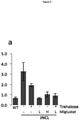
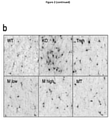
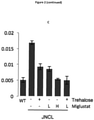
- the present inventors have moreover investigated the effect of the Trehalase inhibitor Miglustat in vivo in a mouse model of Batten disease. They have shown that, surprisingly, Miglustat has also a strong effect on its own on neuronal cell death, neuroinflammation and microglial activation, even at low dose ( Figures 1-3 ). They also show that the level of Trehalose in the brain is much higher when Miglustat and Trehalose are separately administered to a subject. This could be due to a stabilizing effect of Miglustat on Trehalose, in the brain, or an inhibition of trehalase, the enzyme degrading Trehalose.
- Trehalose and Miglustat through the activation of autophagy by Trehalose, the ability of Miglustat to reduce both ganglioside accumulation and inflammation, and the potential increased exposure of Trehalose via trehalase inhibition or direct stabilization (by Miglustat) suggest that the combination of Trehalose and Miglustat has the potential to slow the progression of CLN3 disease.
- the present inventors propose a novel and optimized therapeutic regimen using parenteral administration of Trehalose and oral administration of Miglustat.
- This particular regimen is likely to display a higher therapeutic efficacy in the treatment of disorders involving abnormal lysosomal storage, and CLN3 in particular, because Trehalose accumulates in the brain of mice that are treated with this combination product.
- This is all the more surprising as it was thought that Trehalose is hydrolyzed by the intrinsic enzyme trehalase at the epithelial brush border in the small intestine (Cendret et al.; Tanaka et al., 2004; Thesis of Mauri et al.), what causes only a small fraction of any enterally administered dose to reach blood stream, neuronal, brain or muscle tissues.
- the present invention relates to a combination product comprising Trehalose and Miglustat, or any pharmaceutically acceptable salt thereof, for simultaneous, separated, or staggered use for treating a lysosomal storage disorder or a disorder characterized by lysosomal dysfunction in a subject in need thereof, wherein Trehalose is administered parenterally and Miglustat is administered orally.
- the present invention also discloses a method for treating or alleviating a lysosomal storage disorder, or a disorder characterized by lysosomal dysfunction, or at least one symptom associated therewith, in a human subject in need thereof, said method comprising parenterally administering to said subject a therapeutically effective amount of Trehalose or a pharmaceutical formulation comprising a therapeutically effective amount of Trehalose, and orally administering a therapeutically amount of Miglustat.
- Trehalose refers to the form of the Trehalose compound per se , as well as any other form such as a salt, polymorph, enantiomer, stereoisomer, conformer, solvate, ester, amide, prodrug, analog, derivative, or the like, provided that said salt, polymorph, ester, enantiomer, stereoisomer, conformer, solvate, amide, prodrug, analog, derivative, or the like, provided that said salt, polymorph, ester, enantiomer, stereoisomer, conformer, solvate, amide, prodrug, analog, or derivative is suitable pharmacologically of a trehalose analog capable of inhibiting the AKT enzyme.
- Any crystalline form of Trehalose is herewith encompassed, notably those disclosed in US20010033888 .
- Trehalose dihydrate The crystal structure of the rhomboid Trehalose dihydrate has been published by Taga et al. in 1972.
- Anhydrous form of Trehalose can also be used in the composition of the invention.
- the Trehalose can be a Trehalose analog.
- the Trehalose analog can be selected from lentzTrehalose A, lentzTrehalose B, and lentzTrehalose C (Wada et al).
- Trehalose also known as mycose or tremalose, is a stable, non-reducing disaccharide with two glucose molecules linked in a 1,1 configuration.
- the structure of Trehalose is diagrammed below (Table 1).
- Trehalose has protein-stabilizing properties, and is extensively used in many applications as a stabilizer of frozen food, in freeze-drying of biological systems and cells, as a stabilizer of therapeutic parenteral proteins, and as an excipient in tablets and IV solutions.
- Trehalose is recognized as a GRAS (Generally Regarded as Safe) food ingredient by the FDA and is listed on the USP-NF (United States Pharmacopoeia National Formulary), EP (European Pharmacopoeia) and JP (Japanese Pharmacopoeia).
- the safety and toxicity of Trehalose has been extensively investigated, and the substance was found to be safe when administered both orally and intravenously, in doses that are substantially higher than the intended therapeutic dose.
- Trehalose is substantially free of contaminants resulting from isolation and purification process of Trehalose.
- Trehalose may be isolated by extraction from dry yeast or the like; by enzymatic production and isolation; and by the culturing of microorganisms.
- Trehalose is preferably substantially free of such contaminants as enzymes, organic solvents such as ammonium, acetonitrile, acetamide, alcohol (e.g., methanol, ethanol, or isopropanol), TFA, ether, or other contaminants used in a process for preparing and purifying trehalose.
- substantially free of contaminants may refer to Trehalose having a contaminant content of preferably less than 0.5%, less than 0.3%, less than 0.25%, less than 0.1%, less than 0.05%, less than 0.04%, less than 0.03%, less than 0.02%, less than 0.01%, less than 0.005%, less than 0.003%, or less than 0.001% of the total weight of the Trehalose.
- Methods of determining the content of contaminants is known in the art and may be determined by conventional methods such as gas chromatography.
- the residual solvents in the purified Trehalose of the invention are less than the limits set in the ICH guidelines.
- the purified trehalose contains ⁇ 5000 ppm ethanol (e.g., ⁇ 140 ppm), and/or ⁇ 3000 ppm methanol.
- the Trehalose used in the combination product of the invention is anhydrous or hydrated, for example mono or dihydrated. In a most preferred embodiment, the Trehalose used in the combination product of the invention is Trehalose dihydrate.
- Miglustat is a well-known member of the family of N-alkylated imino sugars. It has been approved in several countries, including in EU and in the US (Butters et al, 2007). Synthesis of this molecule is explained for example in EP1896083 . Only one polymorphic crystalline form was observed. This crystalline anhydrous form has been characterized by various analytical techniques like FTIR, XRPD (X-Ray Powder Diffraction), DSC (Differential Scanning Calorimeter) and TGA (Thermo Gravimetric Analysis) during the manufacture and at release.
- FTIR FTIR
- XRPD X-Ray Powder Diffraction
- DSC Densonic Scanning Calorimeter
- TGA Thermo Gravimetric Analysis
- Miglustat refers to the compound N-butyl-deoxynojirimycin (N-butyl DNJ), also named 1,5-(butylimino)-1,5-dideoxy-D-glucitol, N-butyl-deoxynojirimycin or (2R,3R,4R,5S)-1-butyl-2-(hydroxymethyl)piperidine-3,4,5-triol, as well as any other form such as a salt, polymorph, enantiomer, stereoisomer, conformer, solvate, ester, amide, prodrug, analog, derivative, or the like, provided said salt, enantiomer, stereoisomer, conformer, solvate ester, amide, prodrug, analog, or derivative is capable of inhibiting the Trehalase enzyme and/or act as a chaperone protein for Trehalose.
- the characteristics of the two components of the combination product of the invention are more preferably those summarized on Table I: Structural formula Trehalose dihydrate Miglustat Chemical name Trehalose: ⁇ , ⁇ -trehalose dihydrate; ⁇ -D-glucopyranosyl ⁇ -D-glucopyranoside dihydrate Miglustat: (2R,3R,4R,5S)-1-butyl-2-(hydroxymethyl) piperidine-3,4,5-triol Molecular formula Trehalose : C 12 H 22 O 11 ⁇ 2H 2 0 Miglustat: C 10 H 21 NO 4 Molecular weight Trehalose: 378.33 Miglustat: 219.281 CAS Reference Trehalose: 6138-23-4 Miglustat: 72599-27-0 Physiochemical description Trehalose: White, odorless, non-hygroscopic crystalline powder Miglustat: White crystalline powder Solubility Trehalose: 68.9 g/100 g H 2 O at 20°C Miglustat: Highly soluble in water (>
- lysosomal storage disorders and disorders characterized by lysosomal dysfunction may be used herein to describe any condition that may be caused by impaired lysosomal metabolism or any condition which exhibits or is exacerbated by lysosomal dysfunction.
- lysosomal storage disorders and disorders characterized by lysosomal dysfunction There are at least 60 known lysosomal storage disorders and many other disorders characterized by lysosomal dysfunction which may affect different parts of the body, including the skeleton, brain, skin, heart, and central nervous system. Additional disorders characterized by lysosomal dysfunction continue to be identified. Some of them are highlighted on Table II below.
- Non-limiting examples of lysosomal storage disorders and disorders characterized by lysosomal dysfunction include : Juvenile Neuronal Ceroid Lipofuscinosis (JNCL, juvenile Batten or CLN3 disease), Aspartylglucosaminuria, Cystinosis, Fabry Disease, San Filippo disease, Gaucher Disease Types I, II, and III, Glycogen Storage Disease II (Pompe Disease), GM2-Gangliosidosis Type I (Tay Sachs Disease), GM2-Gangliosidosis Type II (Sandhoff Disease), Metachromatic Leukodystrophy, Mucolipidosis Types I, II/III and IV, Mucopolysaccharide Storage Diseases, Niemann-Pick Disease Types A/B, C1 and C2, Schindler Disease Types I and II, CLN1 disease, CLN2 disease, CLN4 disease, CLN5 disease, CLN6 disease, CLN7 disease, CL
- the mucopolysaccharide storage disease is preferably selected from : Hurler syndrome (MPS IH), Hurler-Scheie syndrome (MPS IH/S), Scheie syndrome (MPS IS; Mucopolysaccharidosis type V), Hunter syndrome (MPS II), Sanfilippo syndrome A (MPS IIIA), Sanfilippo syndrome C (MPS IIIC), Sanfilippo syndrome D (MPS IIID), Morquio Type A, Morquio Type B, Maroteaux-Lamy (MPS VI), Sly diseases (MPS VII), and Natowicz syndrome (MPS IX).
- the combination product of the invention enables to treat Juvenile Neuronal Ceroid Lipofuscinosis (JNCL, juvenile Batten or CLN3 disease), Aspartylglucosaminuria, Cystinosis, San Filippo disease, Glycogen Storage Disease II (Pompe Disease), Metachromatic Leukodystrophy, Mucolipidosis Types I, II/III and IV, Mucopolysaccharide Storage Diseases, Niemann-Pick Disease Types A/B, C1 and C2, Schindler Disease Types I and II, CLN1 disease, CLN2 disease, CLN4 disease, CLN5 disease, CLN6 disease, CLN7 disease, CLN8 disease, CLN10 disease, CLN12 disease, CLN13 disease, and CLN14 disease.
- JNCL Juvenile Neuronal Ceroid Lipofuscinosis
- Aspartylglucosaminuria Cystinosis
- San Filippo disease Glycogen Storage Disease II (Pompe Disease)
- the combination product of the invention enables to treat Neuronal Ceroid Lipofuscinosis (CLN disease), in particular CLN1 disease, CLN2 disease, CLN3 disease, CLN4 disease, CLN5 disease, CLN6 disease, CLN7 disease, CLN8 disease, CLN10 disease, CLN11 disease, CLN12 disease, CLN13 disease, or CLN14 disease.
- CLN disease Neuronal Ceroid Lipofuscinosis
- the combination product of the invention enables to treat Juvenile Neuronal Ceroid Lipofuscinosis (JNCL, or Batten disease, or CLN3).
- JNCL Juvenile Neuronal Ceroid Lipofuscinosis
- JNCL is the most prevalent neurodegenerative disorder of childhood.
- a hallmark of JNCL is the intralysosomal accumulation of ceroid lipopigments in most nerve cells and in various extra-cerebral tissues, indicating impairment of autophagy-lysosome pathways.
- JNCL presents with vision failure and hearing loss, and progresses to include seizures, motor dysfunction, and dementia.
- JNCL patients experience relentless physical and cognitive decline that leads to death by the third decade of life.
- treating JNCL using the combination product of the present invention will prevent intralysosomal accumulation of ceroid lipopigments in nerve cells and in various cerebral and extra-cerebral tissues of a subject having JNCL, or will reduce or eliminate intralysosomal accumulation of the ceroid lipopigments.
- treating JNCL using the combination product of the invention will prevent, reverse, or arrest cognitive decline in a subject.
- Methods of determining cognitive decline resulting from JNCL in a subject are known in the art.
- treating JNCL using the combination product of the invention may prevent, reverse, or arrest vision failure.
- Treating JNCL using the combination product of the invention may also prevent, reverse, or arrest hearing loss.
- Treating JNCL using the combination product of the invention may also reduce the severity and/or intensity of seizures.
- treating JNCL using the combination product of the invention may improve or prevent motor dysfunction. Treating JNCL using the combination product of the invention may also improve or prevent dementia.
- Treating JNCL using the combination product of the invention closure may also extend the lifespan of a subject in need thereof.
- the median life span of a subject having JNCL may be extended by about 1%, 5%, 10%, 15%, 20%, 30%, 40%, 50%, 60%, 70%, 80%, or about 90% or to the point where the disorder no longer is a factor in longevity of the subject.
- the combination product of the invention may extend the median lifespan of a subject with JNCL by about 60%, 65%, 70%, 75%, 80%, 85%, or about 90% or to the point where the disorder no longer is a factor in longevity of the subject.
- the combination product of the invention may extend the median lifespan of a subject with JNCL by about 20%, 25%, 30%, 35%, 40%, 45% or about 50%.
- the combination product of the invention may also extend the median lifespan of a subject with JNCL by about 1%, 2%, 3%, 4%, 5%, 6%, 7%, 8%, 9%, 10%, 11%, 12%, 13%, 14%, 15%, 16%, 17%, 18%, 19%, 20%, 21%, 22%, 23%, 24%, or about 25%.
- parenterally refers to a route of administration where the desired effect is systemic and the active agent (herein defined as Trehalose), is administered by routes other than the digestive tract, for example intravenous, subcutaneous, intradermal, intramuscular and intraperitoneal administration.
- the composition containing Trehalose is for intravenous or sub-cutaneous administration.
- Trehalose is contained in a composition that is suitable for parenteral administration.
- compositions are known in the art.
- This composition contains, apart from Trehalose, at least one pharmaceutically acceptable additive, carrier, excipient or diluent.
- Trehalose is the single active principle in the composition for parenteral administration that is contained in the combination product of the invention.
- the composition of the invention comprising Trehalose is formulated as an injectable intravenous dosage form for intravenous administration. It can be, for example, formulated as a dry powder that has to be diluted extemporaneously in the appropriate pharmaceutically acceptable solution.
- the dosage form is an infusion fluid comprising Trehalose.
- Trehalose infusion fluid formulations are known in the art.
- a Trehalose infusion fluid can typically comprise from about 1 to about 1000 mg/mL Trehalose, from about 10 to about 500 mg/mL Trehalose, or from about 50 to about 150 mg/mL Trehalose.
- a Trehalose infusion fluid according to the invention can comprise from about 80 to about 100 mg/mL Trehalose.
- the concentration of Trehalose in the formulation in the combination product of the invention is between about 0.1 % (w/v) to about 50 % (w/v), preferably between 5 % (w/v) to about 15 % (w/v), in particular of about 8-10 % (w/v).
- the injectable composition comprising Trehalose has an osmolality of from about 280 to about 330 mOsm/Kg.
- the Trehalose When administered intravenously, the Trehalose can be administered in said subject at a dosage ranging from about 0.25 g/kg to about 1 g/kg, preferably from about 0.25 g/kg to about 0,75 g/kg. At such doses, Trehalose is preferably administered once or twice weekly, more preferably once weekly. In other embodiments, an intravenous Trehalose composition is administered at a dose ranging from about 0.1 g/kg to about 1 g/Kg or from about 0.2 g/kg to about 0.8 g/Kg.
- a composition comprising Trehalose When administered intravenously, a composition comprising Trehalose may be administered over a period of about 25, 50, 60, 70, 75, 80, 85, 90, 95 to about 120 minutes or 180 minutes (three hours). More preferably, when administered intravenously, a composition comprising Trehalose may be administered within less than 90 minutes, preferably for about 25 minutes to about three hours, more preferably for about 40 minutes to about 90 minutes, most preferably for about 50 minutes to about 70 minutes.
- the injectable composition of the invention comprising Trehalose or a Trehalose analog, preferably comprises a low level of endotoxins.
- Bacterial endotoxins are lipopolysaccharides (LPS), components of Gram-negative bacterial cell walls known to cause fevers and disease when injected into the bloodstream. Bacterial endotoxins are heat stable and toxicity is not dependent on the presence of the bacterial cell. Since many therapeutics, including Trehalose, may be made in bacteria, endotoxin testing is employed to ensure a therapeutic product is endotoxin-free.
- LPS lipopolysaccharides
- a composition comprising Trehalose may contain less than 1.0, 0.9, 0.8, 0.75, 0.7, 0.6, 0.5, 0.4, 0.3, 0.2, 0.1 or less endotoxin units per mL.
- a composition comprising Trehalose contains less than 0.75 endotoxin units per mL of solution.
- a composition comprising Trehalose is preferably administered intravenously so that the maximum endotoxin level is less than 5 EU per kilogram of body weight per hour.
- a composition comprising Trehalose may be administered intravenously such that the endotoxin level is less than about 1, 2, 3, or less than about 4 endotoxin units per kilogram of body weight per hour.
- the Trehalose of the combination product of the invention is administered once weekly by an intravenous infusion extending for about 50 minutes to about 70 minutes.
- the Trehalose is administered once weekly at a dosage ranging from about 0.25 g/Kg to about 0.75 g/kg, by an intravenous infusion extending for about 50 to about 70 minutes.
- the Miglustat can be administered to the subjects in need thereof by any oral formulations, such as in food, beverage, capsules, tablets, syrup, etc.
- Oral compositions generally may include an inert diluent or an edible carrier. Oral compositions may be enclosed in gelatin capsules or compressed into tablets.
- the active compound may be incorporated with excipients and used in the form of tablets, troches, or capsules.
- Oral compositions may also be prepared using a fluid carrier for use as a mouthwash, wherein the compound in the fluid carrier is applied orally and swished and expectorated or swallowed.
- Pharmaceutically compatible binding agents and/or adjuvant materials may be included as part of the composition.
- the tablets, pills, capsules, troches, and the like may contain any of the following ingredients, or compounds of a similar nature: a binder such as microcrystalline cellulose, gum tragacanth or gelatin; an excipient such as starch or lactose; a disintegrating agent such as alginic acid, Primogel, or corn starch; a lubricant such as magnesium stearate or Sterotes; a glidant such as colloidal silicon dioxide; a sweetening agent such as sucrose or saccharin; or a flavoring agent such as peppermint, methyl salicylate, or orange flavoring.
- a suitable propellant e.g., a gas such as carbon dioxide, or a nebulizer.
- Miglustat is administered in a capsule.
- Capsules of Miglustat are commercialized by Actelion Pharmaceuticals under the name Zavesca ® .
- Zavesca is approved in the EU for safe use in adults and children with Niemann-Pick Type C disease, a related neurodegenerative lysosomal storage disease at doses up to 200 mg TID.
- Miglustat can be administered at a dosage ranging from about 75 mg per day to about 600 mg per day. In a preferred embodiment, Miglustat is administered at a dosage ranging from about 75mg per day to 600 mg per day.
- the oral dosage form for Miglustat is preferably one or more capsule(s), each comprising from about 10 to about 500 mg Miglustat, or from about 50 to about 300 mg Miglustat.
- a Miglustat capsule that can be used in the combination product of the invention can comprise 100, 150, 200, 250 or 300mg of Miglustat.
- Miglustat in the combination product of the invention is administered three times per day (t.i.d.) to six times per day with three to six capsules containing each between 90 and 110 mg of Miglustat, preferably 100 mg of Miglustat.
- the Miglustat of the combination product of the invention can be orally administered :
- Trehalose is intravenously administered once weekly at a dosage ranging from about 0.25 g/Kg to about 0.75 g/Kg by an intravenous infusion extending for about 50 to about 70 minutes and the Miglustat is orally administered at a dosage ranging from about 100 mg t.i.d to about 100 mg six times per day, or at any lower dosage described above, depending on the age, and body surface area of the subject in need of the treatment.
- the present disclosure provides a method of treating juvenile Neuronal Ceroid Lipofuscinosis (Batten Disease or CLN3) in a subject in need thereof, the method comprising administering Trehalose intravenously once weekly at a dosage ranging from 0.25 g/Kg to about 0.75 g/Kg by an intravenous infusion extending for about 50 to about 70 minutes and orally administering Miglustat at a dosage ranging from about 175 mg once a day to about 300 mg t.i.d if the subject is twelve years of age or older or if the subject less than twelve years of age and has a body surface area (BSA) of > 1.25 m 2 , at a dosage ranging from about 175 mg once a day to about 300 mg twice a day if the subject is less than twelve years of age and has a BSA of > 0.88-1.25 m 2 , at a dosage ranging from about 75 mg once a day to about 150 mg t.i.d.
- BSA body surface area
- the subject is less than twelve years of age and has a BSA of > 0.73-0.88 m 2 , at a dosage ranging from about 75 mg once a day to about 150 mg twice a day if the subject is less than twelve years of age and has a BSA of > 0.47-0.73 m 2 , or at a dosage ranging from about 75 mg to about 150 mg once a day if the subject is less than twelve years of age and has a BSA of > 0.47 m 2 .
- the term "treat” may be used to describe prophylaxis, amelioration, prevention or cure of a lysosomal storage disorder and disorders characterized by lysosomal dysfunction and/or one or more of its associated symptoms. For instance, treatment of an existing lysosomal storage disorder and disorders characterized by lysosomal dysfunction may reduce, ameliorate or altogether eliminate the disorder, or prevent it from worsening. Prophylactic treatment may reduce the risk of developing a disorder and/or lessen its severity if the disorder later develops.
- a subject may be a rodent, a human, a livestock animal, a companion animal, or a zoological animal.
- a subject may be a rodent, e.g., a mouse, a rat, a guinea pig, etc.
- a subject may be a livestock animal.
- suitable livestock animals may include pigs, cows, horses, goats, sheep, llamas and alpacas.
- a subject may be a companion animal.
- companion animals may include pets such as dogs, cats, rabbits, and birds.
- a subject may be a zoological animal.
- a "zoological animal” refers to an animal that may be found in a zoo. Such animals may include non-human primates, large cats, wolves, and bears.
- a subject is a mouse. In other preferred embodiments, a subject is a human.
- the term "pharmaceutically acceptable” is intended to mean what is useful to the preparation of a pharmaceutical composition, and what is generally safe and non-toxic, for a pharmaceutical use.
- a “pharmaceutically acceptable carrier” or “excipient” or “solution” refers to a non-toxic solid, semi-solid or liquid filler, diluent, encapsulating material or formulation auxiliary of any type.
- the active principle alone or in combination with another active principle, can be administered in a unit administration form, as a mixture with conventional pharmaceutical supports, to animals and human beings.
- Suitable unit administration forms comprise oral-route forms such as tablets, gel capsules, powders, granules and oral suspensions or solutions, sublingual and buccal administration forms, aerosols, implants, subcutaneous, transdermal, topical, intraperitoneal, intramuscular, intravenous, subdermal, transdermal, intrathecal and intranasal administration forms and rectal administration forms.
- the pharmaceutical compositions of the invention contain vehicles which are pharmaceutically acceptable for a formulation capable of being injected.
- saline solutions monosodium or disodium phosphate, sodium, potassium, calcium or magnesium chloride and the like or mixtures of such salts
- dry, especially freeze-dried compositions which upon addition, depending on the case, of sterilized water or physiological saline, permit the constitution of injectable solutions.
- the pharmaceutical forms suitable for injectable use include sterile aqueous solutions or dispersions; formulations including sesame oil, peanut oil or aqueous propylene glycol; and sterile powders for the extemporaneous preparation of sterile injectable solutions or dispersions. In all cases, the form must be sterile and must be fluid to the extent that easy syringability exists.
- Solutions comprising compounds of the invention as free base or pharmacologically acceptable salts can be prepared in water suitably mixed with a surfactant, such as hydroxypropylcellulose.
- Dispersions can also be prepared in glycerol, liquid polyethylene glycols, and mixtures thereof and in oils. Under ordinary conditions of storage and use, these preparations contain a preservative to prevent the growth of microorganisms.
- pharmaceutically acceptable salt is intended to mean, in the framework of the present invention, a salt of a compound which is pharmaceutically acceptable, as defined above, and which possesses the pharmacological activity of the corresponding compound.
- pharmaceutically acceptable salts comprise:
- Acceptable solvates for the therapeutic use of the compounds of the present invention include conventional solvates such as those formed during the last step of the preparation of the compounds of the invention due to the presence of solvents.
- solvates due to the presence of water these solvates are also called hydrates) or ethanol.
- stereoisomers is intended to designate diastereoisomers or enantiomers. These are therefore optical isomers. Stereoisomers which are not mirror images of one another are thus designated as “diastereoisomers,” and stereoisomers which are non-superimposable mirror images are designated as "enantiomers”.
- Cln3 ⁇ ex7 -8 mice were obtained from the Jackson Laboratory. Control (C57BL/6J) and Cln3 ⁇ ex7 -8 mice were housed 3-4 per cage in a room with a 12-h light/12-h dark cycle. Food and water were provided ad libitum. All mice used in this study were analyzed at 8 and 12 months of age and were littermates produced by crossing heterozygous Cln3 ⁇ ex7 -8 mice. Only males were used for this analysis. Investigators were blinded when analyzing the data, and no randomization was necessary.
- Trehalose was dissolved in drinking water to a final concentration of 2% and changed twice a week. Trehalose-containing water was given to Cln3 ⁇ ex7 -8 mice and WT mice by spontaneous oral administration starting at 21 days of age and continuing until the day the mice were sacrificed for neuropathology studies.
- Miglustat was administered in mixture with the food pellet starting at 21 days of age and continuing until the day the mice were sacrificed for neuropathology studies.
- Miglustat food was prepared by TestDiet using the 5V5R rodent diet (LabDiet). Two concentrations were used: 1.2 g/Kg chow (indicated as "low concentration”) and 7.2 g/Kg chow (indicated as "high concentration”) and two separate groups of Cln3 ⁇ ex7 -8 mice were fed with either diet. One additional group of Cln3 ⁇ ex7 -8 mice was fed with a combination of the low-concentration Miglustat food and 2% Trehalose water.
- MCA1957 MCA1957), GFAP (DAKO, Cat. No. Z0334), Subunit C of mitochondrial ATP synthase (SCMAS; Abcam, Cat. No. ab181243), or cleaved caspase 3 (Asp175) (Cell Signaling, Cat. No. 9661S) followed by either rabbit anti-rat (VectorLab) or swine anti-rabbit (DAKO) secondary antibodies, and immunoreactivity detected with Vectastain ABC (avidin-biotin) kit (Vector) and diaminobenzidine as a chromogen.
- GFAP DAKO, Cat. No. Z0334
- SCMAS Subunit C of mitochondrial ATP synthase
- ScMAS Subunit C of mitochondrial ATP synthase
- Asp175 Cell Signaling, Cat. No. 9661S
- Vectastain ABC avidin-biotin
- Non-overlapping images were captured, on three consecutive sections, through each region of interest. All RGB images were captured via a live video camera (JVC, 3CCD, KY-F55B), mounted onto a Zeiss Axioplan microscope using a x 40 objective and saved as JPEGs. All parameters including lamp intensity, video camera set-up and calibration were maintained constant throughout image capturing. For quantification of storage and inflammation, images were analyzed using ImageJ analysis software (NIH), using an appropriate threshold that selected the foreground immunoreactivity above background. This threshold was then applied as a constant to all subsequent images analyzed per batch of animals and reagent used to determine the specific area of immunoreactivity for each antigen in each region.
- NIR ImageJ analysis software
- Data were plotted graphically as the mean percentage area of immunoreactivity per field ⁇ s.e.m. for each region. For quantification of cell death, images were analyzed manually and scored for the presence of apoptotic nuclei. Data were plotted graphically as the mean number of apoptotic cells per field ⁇ s.e.m. for each region. All analyses were performed blind to genotype and treatment.
- LC-MS/MS bioanalytical methodologies were developed for the analysis of Trehalose, Miglustat and glucose in mouse whole blood and brain.
- Blood samples were prepared as follows; 20 ⁇ L of whole blood was transferred to a 96 wellplate and diluted 1:1 with sterile distilled water. Samples were protein precipitated by addition of 160 ⁇ L of 2.5 % of trichloroacetic acid (TCA). At the time of analysis, 1 volume of acetonitrile containing an internal standard was added in order to match the initial chromatography conditions, samples were centrifuged at 4350 rpm for 10 min at ambient temperature, and the resultant supernatant transferred for analysis on the LC-MS/MS.
- TCA trichloroacetic acid
- Tissue samples were homogenized in 8 volumes of sterile distilled water and 1 volume of TCA (20% in water) to generate a final concentration of 2% TCA, homogenates were centrifuged at 13000 rpm for 15 min at 4°C and the supernatant transferred to a fresh plate.
- 1 volume of acetonitrile containing an internal standard was added in order to match the initial chromatography conditions, samples were centrifuged at 4350 rpm for 10 min at ambient temperature, and the resultant supernatant transferred for analysis on the LC-MS/MS.
- Cysteinyl aspartate-specific protease 3 (CASP3), which is activated in the initiation and progression of programmed cell death, was used as an indicator of cell death in the presence of Trehalose + and - Miglustat. Trehalose and Miglustat were administered orally. Neuronal cell death was measured by the density [number of cells/area] of caspase-3 [CAS-3]-positive cells.
- Chronic neuroinflammation is observed in both patients with CLN3 disease and nonclinical animal models.
- Data from animal models of CLN3 disease demonstrate early signs of glial activation that precedes neuronal loss (Pontikis et al., 2004).
- Inhibition of neuroinflammation can significantly attenuate axonal damage, neuron loss, retinal thinning, and brain atrophy in the CLN3 disease animals, suggesting that neuroinflammation may provide important extrinsic signals that influence neuronal function and survival during the disease (Groh et al., 2017).
- Trehalose and Miglustat in the treatment of CLN3 disease is the reduction of neuroinflammation (microglial activation and astrogliosis), and subsequent amelioration of cell apoptosis within various areas of the CNS.
- the present study investigated the role of these drugs in reducing neuroinflammation in a mouse model of CLN3 disease.
- Neuroinflammation (measured by the number of GFAP-positive astrocyte cells in the neuronal system), and microglia activation into the nervous system (measured by an increase in CD68 staining) were evaluated in wild-type and CLN3-deficient mice.
- Miglustat low or high concentration
- Miglustat is a known inhibitor of glycosphingolipid synthesis in the brain and is able to decrease the erroneous accumulation of harmful quantities of GM2 gangliosides ie Gaucher disease. Patients with juvenile Batten disease also exhibit accumulation of GM2 gangliosides to a lesser extent. Changes in the accumulation of harmful quantities of GM2 gangliosides in the Cerebellum were assessed by immunodetection of subunit C of ATPase, a major component of juvenile Batten inclusion bodies in the Cerebellum.
- Example 3 Pharmacokinetic and pharmacodynamic results for administration of oral and intravenous Trehalose.
- the purpose of this example was to compare the blood PK of unlabelled high doses of Trehalose after IV and PO administration, with and without Miglustat PO dosing.
- Trehalose was dosed as an IV bolus dose 15 min after PO dosing of Miglustat.
- Miglustat was dosed simultaneously with Trehalose.
- Blood samples were collected at pre-dose, 10, 20, 30, 60, 120 and 180 min post-dose for group 1 and 2 and at pre-dose, 15, 30, 45, 60, 120 and 180 min post-dose for group 3 and 4.
- Trehalose dose for oral administration is ten times higher than the dose for IV injection. This is because low doses of Trehalose such as 1g/kg cannot be detected after oral administration.
- Tissue concentrations of Trehalose were analysed with LC-MS/MS and PK parameters are summarized in Table V : Dose (g/kg) & Route Concentration (nmol/g) Liver Concentration (nmol/g) Brain R Concentration (nmol/g) Brain L 1 IV 167.9 ⁇ 24.b 7.3 ⁇ 0.9 6.9 ⁇ 19 1 IV + miglustat 278.6 ⁇ 96.6 10.5 ⁇ 1.7 10.8 ⁇ 2.0 10 PO 191.0 ⁇ 21.2 2.6 ⁇ 1.2 2.5 ⁇ 1.0 10 PO + miglustat 142.7 ⁇ 30.2 3.3 ⁇ 1.2 3.3 ⁇ 1.2
- Trehalose levels were above the limit of detection in all analysed samples.
- right and left brain hemispheres were analysed separately demonstrating high reproducibility and low variability.
Landscapes
- Health & Medical Sciences (AREA)
- Life Sciences & Earth Sciences (AREA)
- Public Health (AREA)
- Chemical & Material Sciences (AREA)
- Medicinal Chemistry (AREA)
- Pharmacology & Pharmacy (AREA)
- Animal Behavior & Ethology (AREA)
- General Health & Medical Sciences (AREA)
- Veterinary Medicine (AREA)
- Engineering & Computer Science (AREA)
- Bioinformatics & Cheminformatics (AREA)
- Epidemiology (AREA)
- Neurology (AREA)
- Biomedical Technology (AREA)
- Neurosurgery (AREA)
- Organic Chemistry (AREA)
- Chemical Kinetics & Catalysis (AREA)
- General Chemical & Material Sciences (AREA)
- Nuclear Medicine, Radiotherapy & Molecular Imaging (AREA)
- Hospice & Palliative Care (AREA)
- Psychiatry (AREA)
- Molecular Biology (AREA)
- Diabetes (AREA)
- Hematology (AREA)
- Obesity (AREA)
- Pharmaceuticals Containing Other Organic And Inorganic Compounds (AREA)
- Medicinal Preparation (AREA)
- Medicines Containing Material From Animals Or Micro-Organisms (AREA)
Abstract
The present invention is based on the finding that parenteral administration of Trehalose leads to surprisingly high amounts of Trehalose that reach and accumulate in the brain compared to other routes, where it inhibits neuronal cell death and reduces neuroinflammation in a mouse model of a lysosomal disease (CLN3). It is also based on the finding that the trehalase (the enzyme responsible for the metabolism of trehalose) inhibitor Miglustat has a more pronounced beneficial effect on neuronal cell death, on its own, when orally administered at low and high doses in this mouse model and that the effect is even more pronounced in the presence of Trehalose. The present invention therefore relates to a combination product containing parenteral Trehalose and oral Miglustat, for separate administration, for treating lysosomal diseases such as the CLN3 disease. In particular, the invention concerns a combination product comprising Trehalose and Miglustat, or any pharmaceutically acceptable salt thereof, for simultaneous, separated, or staggered use for treating a lysosomal storage disorder or a disorder characterized by lysosomal dysfunction in a subject in need thereof, wherein Trehalose is administered parenterally and Miglustat is administered orally.
Description
- The present invention is based on the finding that parenteral administration of Trehalose leads to surprisingly high amounts of Trehalose that reach and accumulate in the brain compared to other routes, where it inhibits neuronal cell death and reduces neuroinflammation in a mouse model of a lysosomal disease (CLN3). It is also based on the finding that the trehalase (the enzyme responsible for the metabolism of trehalose) inhibitor Miglustat has a more pronounced beneficial effect on neuronal cell death, on its own, when orally administered at low and high doses in this mouse model and that the effect is even more pronounced in the presence of Trehalose. The present invention therefore relates to a combination product containing parenteral Trehalose and oral Miglustat, for separate administration, for treating lysosomal diseases such as the CLN3 disease.
- Lysosomes are membrane-bound cell organelles central to degradation processes in animal cells. Extracellular materials such as microorganisms taken up by phagocytosis, macromolecules by endocytosis, and unwanted cell organelles, fuse with lysosomes and are broken down to their basic molecules. Thus, lysosomes are the recycling units of a cell. Lysosomes are also responsible for cellular homeostasis for their role in secretion, plasma membrane repair, cell signaling, and energy metabolism.
- The essential role of lysosomes in cellular degradation processes puts these organelles at the crossroads of several cellular processes, with significant implications for health and disease. Defects in one of 60 lysosomal enzymes, transmembrane proteins or other components of this organelle, prevent the breakdown of target molecules, and are responsible for more than 60 different human genetic diseases, which are collectively known as lysosomal storage disorders. The large number and variety of human pathological conditions that are characterized, if not caused by aberrant lysosomal functions, underscores the critical importance of the autophagy-lysosome pathways to cellular metabolism. In these diseases as well as diseases characterized by lysosomal dysfunction, undegraded materials accumulate within the lysosomes, contributing to the presence or severity of disease ranging from lysosomal storage disorders to neurodegenerative diseases, to cancer, to cardiovascular disease.
- For instance, the neuronal ceroid lipofuscinoses (NCLs), lysosomal storage disorders also known as Batten disease, are a group of neurodegenerative disorders considered the most common of the neurogenetic storage diseases, with a prevalence of 1 in 12,500 in some populations. There are currently no cures or approved treatments for any of the 14 forms of Batten disease.
- CLN3 disease is an ultra-rare, genetic, lysosomal storage disease that primarily affects the nervous system and is fatal. Children with CLN3 disease develop normally, even excelling in school until ages 4-7 years, when progressive vision loss becomes noticeable (Aberg et al., 2011; Bozorg et al., 2009). Concomitantly, or shortly thereafter, parents report personality changes and behavioral issues. Typically, within 2-3 years after symptom onset, total vision loss occurs and seizures begin. This is followed by declining speech, progressive loss of motor coordination and cardiac involvement. Psychosis, hallucinations and/or dementia can appear anytime during the disease. Eventually, children become wheelchair-bound, then bedridden and die in their late teens or early twenties (Ostergaard, 2016).
- The pathological hallmark of CLN3 disease is the accumulation of incompletely digested material which causes an autophagic block leading to progressive axonal degeneration and neuron loss which is amplified by chronic neuroinflammation (Nixon and Yang, 2012). Evidence from animal models and cell culture from both animal and CLN3 patient cells demonstrates that accumulation of pathologic material, neuron loss (apoptosis) and neuroinflammation are inhibited by the clearance of protein and lipid aggregates (Palmieri et al., 2017a; Palmieri et al., 2017b; Settembre et al., 2011). Additionally, recent preclinical evidence suggests that these defects in autophagy may underlie the enhanced levels of α-synuclein oligomers, gangliosides GM1, GM2, and GM3 as well as reduced levels of sphingomyelin and autophagy observed in cellular models of CLN3 disease (Kang et al., 2014).
- A key cellular homeostatic pathway implicated in CLN3 disease (Cao et al., 2006; Radke et al., 2018) and a myriad of other lysosomal storage disorders is autophagy. Autophagy is vital for the maintenance of energy and tissue homeostasis by degrading damaged or excess intracellular components such as aggregation-prone proteins, lipids, and organelles, and recycling the breakdown products. The nervous system appears to be particularly susceptible to the effects of defective lysosomal autophagy, likely due to a combination of the long-lived nature of post-mitotic neurons placing particular stress on protein-clearing processes, the extreme polarization of many neurons, and the high metabolic requirements of neurons leading to higher levels of oxidative damage in lysosomes via the Fenton reaction. Autophagy deficiency in neurons and the subsequent failure to prevent accumulation of abnormal proteins leads to neurodegeneration (Nikoletopoulou et al., 2015), which is a likely mechanism underlying the neuropathology observed in CLN3 disease.
- While the primary cellular function of the CLN3 protein is still not clear, CLN3 deficiency has been linked to defects in the maturation and fusion of autophagosomes and endolysosomal compartments, lysosomal pH, and the motility of late endosomes and lysosomes, most likely through interactions with Hook1 and microtubule motor protein complexes (Fossale et al., 2004; Luiro et al., 2004; Cao et al., 2006; Uusi-Rauva et al., 2008; Uusi-Rauva et al., 2012), proliferation and apoptosis (Cotman and Staropoli, 2012; Cárcel-Trullols et al., 2015).
- The Batten disease, and lysosomal storage diseases in general, are known to involve degeneration of neuronal brain cells. It is therefore of primary importance that their proposed treatment can pass the blood-brain barrier and effectively reach the brain, where it should remain at an effective concentration for a sufficient time to achieve a significant therapeutic effect.
- It has been previously proposed to treat patients suffering from lysosomal diseases such as the San Filippo disease with oral uptake of Trehalose (Thesis of V.Mauri et al., 2014,
WO 2017/185010, Palmieri et al ). Yet, in some of these studies, Trehalose was shown not to reach the brain, when orally administered (Mauri's thesis). According to Mauri's thesis, this could be due to the fact that Trehalose is hydrolyzed by the intrinsic enzyme Trehalase at the epithelial brush border in the small intestine what causes only a small fraction of any orally administered dose to reach blood stream or tissues (see also in Cendret et al.; Tanaka et al., 2004). - Other studies have disclosed that Trehalose has limited access to the brain, as its passage would be blocked by the blood-brain barrier (Lee et al, 2018). To counteract this, some authors have proposed to use exceedingly high and continuous oral intake of Trehalose, in order to achieve the desired concentration in the brain tissue (Mauri's thesis,
WO2017/136922 ). However, high dose of Trehalose was shown to induce cytotoxic effects (Khalifeh et al., 2018). Also, it was proposed to combine Trehalose with a Trehalase inhibitor such as Miglustat (WO2017/185010 ), or to administer Trehalose directly in the brain (Mauri's thesis). - Although in vitro models have been useful to demonstrate a possible mode of action for Trehalose's efficacy in vivo, given Trehalose's typical post-ingestion digestive and metabolic fate, in vivo data are needed to demonstrate intact Trehalose absorption, distribution, metabolism and elimination after its administration and to identify adequate and clinically relevant routes of administration. The present invention solved this need. As a matter of fact, the present inventors have studied the concentration of circulating Trehalose and assessed which location (brain or periphery) it can reach effectively, depending on its route of administration. By doing so, they demonstrated that, contrary to what was suggested in the prior art, even when parenterally (and not only intracerebrally) administered, Trehalose can be found in relatively high levels in the brain, where it has an effect on neuronal cell death, neuroinflammation and microglial activation. More importantly, they show that the brain level of Trehalose is higher when Trehalose is parenterally administered, as compared with an oral administration. This surprising finding enables to consider using this new route of administration for treating lysosomal diseases, instead of the usual oral intake. This will allow to lower the dose of injected Trehalose, thereby avoiding any side effect that could be attributed to the ingestion of high doses of Trehalose (Khalifeh et al., 2018).
- In addition, the authors demonstrated that oral miglustat is able to increase the concentration of parenterally-administered trehalose in the blood, the liver and in the brain, hence reinforcing the ADME properties of Trehalose.
- Based on these surprising results, the inventors now propose a novel and optimized therapeutic regimen using parenteral administration of Trehalose, said regimen providing a higher therapeutic efficacy in the treatment of disorders involving abnormal lysosomal storage, and CLN3 in particular.
- Trehalose, a known pharmacological inducer of autophagy and lysosomal pathways, increases the life span and normalizes behavioral and neuropathological aggregates in animal models of Parkinson's disease (Khalifeh et al., 2019), Huntington's disease (Sarkar and Rubinsztein, 2008), and Alzheimer disease (Du et al., 2013; Tien et al., 2016; Portbury et al., 2017). The mechanisms for Trehalose-induced autophagy induction in CLN3 were previously unknown until BBDF-sponsored studies in a mouse model of CLN3 disease and in cells from patients and mice with CLN3 disease. These studies demonstrated that Trehalose enhances the clearance of proteolipid aggregates via modulation of transcription factor EB (TFEB), a master regulator of lysosomal pathways, governing lysosomal biogenesis and metabolism (Sardiello et al., 2009; Palmieri et al., 2017a; Palmieri et al., 2017b), autophagy (Settembre et al., 2011), lysosomal exocytosis (Medina et al., 2011) and proteostasis (Song et al., 2013).
- Trehalose may further enhance autophagy through inhibition of the SLCA2 family of glucose receptors, resulting in activation of an AMPK-dependent autophagy pathway (Dehay et al., 2010; Uchida et al., 2014; DeBosch et al., 2016). By inducing autophagy, Trehalose protects cells against pro-apoptotic insults (Sarkar et al., 2007) and may act as a chemical chaperone to prevent protein misfolding contributing to aggregate formation (Perucho et al., 2012; Sarkar et al., 2014; Zhang et al., 2014).
- The present inventors have shown that, contrary to what was suggested in the prior art, parenterally administered Trehalose can be found in relatively high levels in brain, where it has an effect on neuronal cell death, neuroinflammation and microglial activation. More importantly, they show that the brain level of Trehalose is higher when Trehalose is parenterally administered, as compared with an oral administration. This surprising finding enables to consider using this new route of administration for treating lysosomal diseases, instead of the usual oral intake.
- The present inventors have moreover investigated the effect of the Trehalase inhibitor Miglustat in vivo in a mouse model of Batten disease. They have shown that, surprisingly, Miglustat has also a strong effect on its own on neuronal cell death, neuroinflammation and microglial activation, even at low dose (
Figures 1-3 ). They also show that the level of Trehalose in the brain is much higher when Miglustat and Trehalose are separately administered to a subject. This could be due to a stabilizing effect of Miglustat on Trehalose, in the brain, or an inhibition of trehalase, the enzyme degrading Trehalose. - Thus, the combination of Trehalose and Miglustat, through the activation of autophagy by Trehalose, the ability of Miglustat to reduce both ganglioside accumulation and inflammation, and the potential increased exposure of Trehalose via trehalase inhibition or direct stabilization (by Miglustat) suggest that the combination of Trehalose and Miglustat has the potential to slow the progression of CLN3 disease.
- The present inventors propose a novel and optimized therapeutic regimen using parenteral administration of Trehalose and oral administration of Miglustat. This particular regimen is likely to display a higher therapeutic efficacy in the treatment of disorders involving abnormal lysosomal storage, and CLN3 in particular, because Trehalose accumulates in the brain of mice that are treated with this combination product. This is all the more surprising as it was thought that Trehalose is hydrolyzed by the intrinsic enzyme trehalase at the epithelial brush border in the small intestine (Cendret et al.; Tanaka et al., 2004; Thesis of Mauri et al.), what causes only a small fraction of any enterally administered dose to reach blood stream, neuronal, brain or muscle tissues.
- In a first aspect, the present invention relates to a combination product comprising Trehalose and Miglustat, or any pharmaceutically acceptable salt thereof, for simultaneous, separated, or staggered use for treating a lysosomal storage disorder or a disorder characterized by lysosomal dysfunction in a subject in need thereof, wherein Trehalose is administered parenterally and Miglustat is administered orally.
- The present invention also discloses a method for treating or alleviating a lysosomal storage disorder, or a disorder characterized by lysosomal dysfunction, or at least one symptom associated therewith, in a human subject in need thereof, said method comprising parenterally administering to said subject a therapeutically effective amount of Trehalose or a pharmaceutical formulation comprising a therapeutically effective amount of Trehalose, and orally administering a therapeutically amount of Miglustat.
- The term "Trehalose" as used herein refers to the form of the Trehalose compound per se, as well as any other form such as a salt, polymorph, enantiomer, stereoisomer, conformer, solvate, ester, amide, prodrug, analog, derivative, or the like, provided that said salt, polymorph, ester, enantiomer, stereoisomer, conformer, solvate, amide, prodrug, analog, or derivative is suitable pharmacologically of a trehalose analog capable of inhibiting the AKT enzyme. Any crystalline form of Trehalose is herewith encompassed, notably those disclosed in
US20010033888 . The crystal structure of the rhomboid Trehalose dihydrate has been published by Taga et al. in 1972. Anhydrous form of Trehalose can also be used in the composition of the invention. In the composition product of the invention, the Trehalose can be a Trehalose analog. The Trehalose analog can be selected from lentzTrehalose A, lentzTrehalose B, and lentzTrehalose C (Wada et al). - Trehalose, also known as mycose or tremalose, is a stable, non-reducing disaccharide with two glucose molecules linked in a 1,1 configuration. The structure of Trehalose is diagrammed below (Table 1). Trehalose has protein-stabilizing properties, and is extensively used in many applications as a stabilizer of frozen food, in freeze-drying of biological systems and cells, as a stabilizer of therapeutic parenteral proteins, and as an excipient in tablets and IV solutions. Trehalose is recognized as a GRAS (Generally Regarded as Safe) food ingredient by the FDA and is listed on the USP-NF (United States Pharmacopoeia National Formulary), EP (European Pharmacopoeia) and JP (Japanese Pharmacopoeia). The safety and toxicity of Trehalose has been extensively investigated, and the substance was found to be safe when administered both orally and intravenously, in doses that are substantially higher than the intended therapeutic dose.
- Preferably, Trehalose is substantially free of contaminants resulting from isolation and purification process of Trehalose. Trehalose may be isolated by extraction from dry yeast or the like; by enzymatic production and isolation; and by the culturing of microorganisms. As such, Trehalose is preferably substantially free of such contaminants as enzymes, organic solvents such as ammonium, acetonitrile, acetamide, alcohol (e.g., methanol, ethanol, or isopropanol), TFA, ether, or other contaminants used in a process for preparing and purifying trehalose. The term "substantially" free of contaminants may refer to Trehalose having a contaminant content of preferably less than 0.5%, less than 0.3%, less than 0.25%, less than 0.1%, less than 0.05%, less than 0.04%, less than 0.03%, less than 0.02%, less than 0.01%, less than 0.005%, less than 0.003%, or less than 0.001% of the total weight of the Trehalose. Methods of determining the content of contaminants is known in the art and may be determined by conventional methods such as gas chromatography. Preferably, the residual solvents in the purified Trehalose of the invention are less than the limits set in the ICH guidelines. For example, the purified trehalose contains <5000 ppm ethanol (e.g., <140 ppm), and/or <3000 ppm methanol.
- In a preferred embodiment, the Trehalose used in the combination product of the invention is anhydrous or hydrated, for example mono or dihydrated. In a most preferred embodiment, the Trehalose used in the combination product of the invention is Trehalose dihydrate.
- Miglustat, on the other hand, is a well-known member of the family of N-alkylated imino sugars. It has been approved in several countries, including in EU and in the US (Butters et al, 2007). Synthesis of this molecule is explained for example in
EP1896083 . Only one polymorphic crystalline form was observed. This crystalline anhydrous form has been characterized by various analytical techniques like FTIR, XRPD (X-Ray Powder Diffraction), DSC (Differential Scanning Calorimeter) and TGA (Thermo Gravimetric Analysis) during the manufacture and at release. - The term "Miglustat" as used herein, therefore refers to the compound N-butyl-deoxynojirimycin (N-butyl DNJ), also named 1,5-(butylimino)-1,5-dideoxy-D-glucitol, N-butyl-deoxynojirimycin or (2R,3R,4R,5S)-1-butyl-2-(hydroxymethyl)piperidine-3,4,5-triol, as well as any other form such as a salt, polymorph, enantiomer, stereoisomer, conformer, solvate, ester, amide, prodrug, analog, derivative, or the like, provided said salt, enantiomer, stereoisomer, conformer, solvate ester, amide, prodrug, analog, or derivative is capable of inhibiting the Trehalase enzyme and/or act as a chaperone protein for Trehalose.
- The characteristics of the two components of the combination product of the invention are more preferably those summarized on Table I:
Structural formula Trehalose dihydrate 
Miglustat 
Chemical name Trehalose: α,α-trehalose dihydrate; α-D-glucopyranosyl α-D-glucopyranoside dihydrate Miglustat: (2R,3R,4R,5S)-1-butyl-2-(hydroxymethyl) piperidine-3,4,5-triol Molecular formula Trehalose : C12H22O11· 2H 20Miglustat: C10H21NO4 Molecular weight Trehalose: 378.33 Miglustat: 219.281 CAS Reference Trehalose: 6138-23-4 Miglustat: 72599-27-0 Physiochemical description Trehalose: White, odorless, non-hygroscopic crystalline powder Miglustat: White crystalline powder Solubility Trehalose: 68.9 g/100 g H2O at 20°C Miglustat: Highly soluble in water (>1000 mg/mL as a free base). - The term "lysosomal storage disorders and disorders characterized by lysosomal dysfunction" may be used herein to describe any condition that may be caused by impaired lysosomal metabolism or any condition which exhibits or is exacerbated by lysosomal dysfunction. There are at least 60 known lysosomal storage disorders and many other disorders characterized by lysosomal dysfunction which may affect different parts of the body, including the skeleton, brain, skin, heart, and central nervous system. Additional disorders characterized by lysosomal dysfunction continue to be identified. Some of them are highlighted on Table II below.
Disease Deficiency Primary lysosomal hydrolase defect Gaucher disease Glucocerebrosidase GM1 gangliosidosis GM1-β-galactosidase Tay-Sachs disease β-Hexosaminidase A Sandhoff disease β-Hexosaminidase A+B Fabry disease α-Galactosidase A Krabbe disease β-Galactosyl ceramidase Niemann-Pick disease Types A and B Sphingomyelinase Metachrοrnatic leukodystrophy Arylsulpliatase A MPS IH (Hurler syndrome) α-Iduronidase MPS IS (Scheie syndrome) α-Idurondase MPS II (Hunter syndrome) Iduronate sulphatase MPS IIIA (Sanfilippo A syndrome) Heparan sulphamidase MPS IIIB (Sanfilippo B syndrome) N-Acetylglucosaminidase MPS IIIC (Sanfilippo C syndrome) Acetyl CoA:α-glucosaminide N-acetyltransferase MPS IIID (Sanfilippo D syndrome) N-acetyl glucosamine-6-sulphatase MPS IV A (Morquio A disease) Acetyl galactosamine-6-sulphatase MPS IVB (Morquio B disease) β-Galactosidase MPS V (redesignated MPS IS) MPS VI (Maroteaux Lamy Syndrome) Acetyl galactosamine-4-sulphatase (ARSB) MPS VII (Sly Syndrome) β-Glucuronidase MPS IX Hyaluronidase Farber disease Acid ceramidase Cholesteryl ester storage disease Acid lipase Pompe disease (type II) α1,4-glucosidase Aspartylglucosaminuria Glycosylasparaginase Fucosidosis α-Fucosidase α-Mannosidosis α-Mannosidase β-Mannosidosis β-Mannosidase Schindler disease N-acetylgalactosaminidase Sialidosis α-Neuraminidase Infantile neuronal ceroid lipofuscinoses (CLN1) Palmitoyl protein thioesterase Late infantile neuronal ceroid lipofuscinosis (CLN2) Carboxypeptidase Post-translational processing defect in lysosomal enzymes Mucosulphatidosis (MSD) Multiple sulphatases Trafficking defect in lysosomal enzymes Mucolipidosis type II (I-cell disease) N-acetyl glucosamine phosphoryl transferase Mucolipidosis type IIIA (pseudo-Hurler polydystrophy) N-acetyl glucosamine phosphoryl transferase Mucolipidosis type IIIG Defect in lysosomal enzyme protection Galactosialidosis Protective protein cathepsin A (PPCA) (β-galactosidase and neuraminidase) Defect in soluble non-enzymatic lysosomal proteins Niemann-Pick type C NPC2 GM2 activator protein deficiency, Variant AB GM2 activator protein Sphingolipid activator protein (SAP) deficiency Sphingolipid activator protein Neuronal ceroid lipofuscinosis (CLN5) Transmembrane (non-enzyme) protein defect Danon disease Lysosome-associated membrane protein 2 (LAMP2) Niemann-Pick Type C NPC1 Cystinosis Cystinosin Infantile free sialic acid storage disease (ISSD) Sialin Salla disease (free sialic acid storage) Sialin Juvenile neuronal ceroid lipofuscinosis (CLN3, Batten disease) Neuronal ceroid lipofuscinoses (CLN6 and CLN8) Mucolipidosis type IV Mucolipin Unclassified Neuronal ceroid lipofuscinoses (CLN4 and CLN7) - Non-limiting examples of lysosomal storage disorders and disorders characterized by lysosomal dysfunction that may be treated using combination product and methods of the present disclosure include : Juvenile Neuronal Ceroid Lipofuscinosis (JNCL, juvenile Batten or CLN3 disease), Aspartylglucosaminuria, Cystinosis, Fabry Disease, San Filippo disease, Gaucher Disease Types I, II, and III, Glycogen Storage Disease II (Pompe Disease), GM2-Gangliosidosis Type I (Tay Sachs Disease), GM2-Gangliosidosis Type II (Sandhoff Disease), Metachromatic Leukodystrophy, Mucolipidosis Types I, II/III and IV, Mucopolysaccharide Storage Diseases, Niemann-Pick Disease Types A/B, C1 and C2, Schindler Disease Types I and II, CLN1 disease, CLN2 disease, CLN4 disease, CLN5 disease, CLN6 disease, CLN7 disease, CLN8 disease, CLN10 disease, CLN11 disease, CLN12 disease, CLN13 disease, and CLN14 disease.
- The mucopolysaccharide storage disease is preferably selected from : Hurler syndrome (MPS IH), Hurler-Scheie syndrome (MPS IH/S), Scheie syndrome (MPS IS; Mucopolysaccharidosis type V), Hunter syndrome (MPS II), Sanfilippo syndrome A (MPS IIIA), Sanfilippo syndrome C (MPS IIIC), Sanfilippo syndrome D (MPS IIID), Morquio Type A, Morquio Type B, Maroteaux-Lamy (MPS VI), Sly diseases (MPS VII), and Natowicz syndrome (MPS IX).
- In a preferred embodiment, the combination product of the invention enables to treat Juvenile Neuronal Ceroid Lipofuscinosis (JNCL, juvenile Batten or CLN3 disease), Aspartylglucosaminuria, Cystinosis, San Filippo disease, Glycogen Storage Disease II (Pompe Disease), Metachromatic Leukodystrophy, Mucolipidosis Types I, II/III and IV, Mucopolysaccharide Storage Diseases, Niemann-Pick Disease Types A/B, C1 and C2, Schindler Disease Types I and II, CLN1 disease, CLN2 disease, CLN4 disease, CLN5 disease, CLN6 disease, CLN7 disease, CLN8 disease, CLN10 disease, CLN12 disease, CLN13 disease, and CLN14 disease.
- In a preferred embodiment, the combination product of the invention enables to treat Neuronal Ceroid Lipofuscinosis (CLN disease), in particular CLN1 disease, CLN2 disease, CLN3 disease, CLN4 disease, CLN5 disease, CLN6 disease, CLN7 disease, CLN8 disease, CLN10 disease, CLN11 disease, CLN12 disease, CLN13 disease, or CLN14 disease.
- In a most preferred embodiment, the combination product of the invention enables to treat Juvenile Neuronal Ceroid Lipofuscinosis (JNCL, or Batten disease, or CLN3).
- JNCL is the most prevalent neurodegenerative disorder of childhood. A hallmark of JNCL is the intralysosomal accumulation of ceroid lipopigments in most nerve cells and in various extra-cerebral tissues, indicating impairment of autophagy-lysosome pathways. JNCL presents with vision failure and hearing loss, and progresses to include seizures, motor dysfunction, and dementia. JNCL patients experience relentless physical and cognitive decline that leads to death by the third decade of life. As such, treating JNCL using the combination product of the present invention will prevent intralysosomal accumulation of ceroid lipopigments in nerve cells and in various cerebral and extra-cerebral tissues of a subject having JNCL, or will reduce or eliminate intralysosomal accumulation of the ceroid lipopigments. Methods of determining intralysosomal accumulation of ceroid lipopigments are known in the art and may be as described in the examples. Additionally, treating JNCL using the combination product of the invention will prevent, reverse, or arrest cognitive decline in a subject. Methods of determining cognitive decline resulting from JNCL in a subject are known in the art. For instance, treating JNCL using the combination product of the invention may prevent, reverse, or arrest vision failure. Treating JNCL using the combination product of the invention may also prevent, reverse, or arrest hearing loss. Treating JNCL using the combination product of the invention may also reduce the severity and/or intensity of seizures. Additionally, treating JNCL using the combination product of the invention may improve or prevent motor dysfunction. Treating JNCL using the combination product of the invention may also improve or prevent dementia.
- Treating JNCL using the combination product of the invention closure may also extend the lifespan of a subject in need thereof. Using the combination product of the invention, the median life span of a subject having JNCL may be extended by about 1%, 5%, 10%, 15%, 20%, 30%, 40%, 50%, 60%, 70%, 80%, or about 90% or to the point where the disorder no longer is a factor in longevity of the subject. For instance, the combination product of the invention may extend the median lifespan of a subject with JNCL by about 60%, 65%, 70%, 75%, 80%, 85%, or about 90% or to the point where the disorder no longer is a factor in longevity of the subject. Alternatively, the combination product of the invention may extend the median lifespan of a subject with JNCL by about 20%, 25%, 30%, 35%, 40%, 45% or about 50%. The combination product of the invention may also extend the median lifespan of a subject with JNCL by about 1%, 2%, 3%, 4%, 5%, 6%, 7%, 8%, 9%, 10%, 11%, 12%, 13%, 14%, 15%, 16%, 17%, 18%, 19%, 20%, 21%, 22%, 23%, 24%, or about 25%.
- The term "parenterally" as herein defined refers to a route of administration where the desired effect is systemic and the active agent (herein defined as Trehalose), is administered by routes other than the digestive tract, for example intravenous, subcutaneous, intradermal, intramuscular and intraperitoneal administration. In a preferred embodiment, the composition containing Trehalose is for intravenous or sub-cutaneous administration.
- In the combination product of the invention, Trehalose is contained in a composition that is suitable for parenteral administration. Such compositions are known in the art. This composition contains, apart from Trehalose, at least one pharmaceutically acceptable additive, carrier, excipient or diluent.
- In a preferred embodiment, Trehalose is the single active principle in the composition for parenteral administration that is contained in the combination product of the invention.
- In a preferred embodiment, the composition of the invention comprising Trehalose is formulated as an injectable intravenous dosage form for intravenous administration. It can be, for example, formulated as a dry powder that has to be diluted extemporaneously in the appropriate pharmaceutically acceptable solution.
- In a more preferred embodiment, the dosage form is an infusion fluid comprising Trehalose. Trehalose infusion fluid formulations are known in the art. A Trehalose infusion fluid can typically comprise from about 1 to about 1000 mg/mL Trehalose, from about 10 to about 500 mg/mL Trehalose, or from about 50 to about 150 mg/mL Trehalose. In some aspects, a Trehalose infusion fluid according to the invention can comprise from about 80 to about 100 mg/mL Trehalose. In some embodiments, the concentration of Trehalose in the formulation in the combination product of the invention is between about 0.1 % (w/v) to about 50 % (w/v), preferably between 5 % (w/v) to about 15 % (w/v), in particular of about 8-10 % (w/v). In some embodiments, the injectable composition comprising Trehalose has an osmolality of from about 280 to about 330 mOsm/Kg.
- When administered intravenously, the Trehalose can be administered in said subject at a dosage ranging from about 0.25 g/kg to about 1 g/kg, preferably from about 0.25 g/kg to about 0,75 g/kg. At such doses, Trehalose is preferably administered once or twice weekly, more preferably once weekly. In other embodiments, an intravenous Trehalose composition is administered at a dose ranging from about 0.1 g/kg to about 1 g/Kg or from about 0.2 g/kg to about 0.8 g/Kg.
- When administered intravenously, a composition comprising Trehalose may be administered over a period of about 25, 50, 60, 70, 75, 80, 85, 90, 95 to about 120 minutes or 180 minutes (three hours). More preferably, when administered intravenously, a composition comprising Trehalose may be administered within less than 90 minutes, preferably for about 25 minutes to about three hours, more preferably for about 40 minutes to about 90 minutes, most preferably for about 50 minutes to about 70 minutes.
- The injectable composition of the invention, comprising Trehalose or a Trehalose analog, preferably comprises a low level of endotoxins. Bacterial endotoxins are lipopolysaccharides (LPS), components of Gram-negative bacterial cell walls known to cause fevers and disease when injected into the bloodstream. Bacterial endotoxins are heat stable and toxicity is not dependent on the presence of the bacterial cell. Since many therapeutics, including Trehalose, may be made in bacteria, endotoxin testing is employed to ensure a therapeutic product is endotoxin-free. A composition comprising Trehalose may contain less than 1.0, 0.9, 0.8, 0.75, 0.7, 0.6, 0.5, 0.4, 0.3, 0.2, 0.1 or less endotoxin units per mL. Preferably, a composition comprising Trehalose contains less than 0.75 endotoxin units per mL of solution.
- Further, a composition comprising Trehalose is preferably administered intravenously so that the maximum endotoxin level is less than 5 EU per kilogram of body weight per hour. In particular, a composition comprising Trehalose may be administered intravenously such that the endotoxin level is less than about 1, 2, 3, or less than about 4 endotoxin units per kilogram of body weight per hour.
- In one particular embodiment, the Trehalose of the combination product of the invention is administered once weekly by an intravenous infusion extending for about 50 minutes to about 70 minutes. In one most preferred embodiment, the Trehalose is administered once weekly at a dosage ranging from about 0.25 g/Kg to about 0.75 g/kg, by an intravenous infusion extending for about 50 to about 70 minutes.
- On another hand, in the context of the invention, the Miglustat can be administered to the subjects in need thereof by any oral formulations, such as in food, beverage, capsules, tablets, syrup, etc. Oral compositions generally may include an inert diluent or an edible carrier. Oral compositions may be enclosed in gelatin capsules or compressed into tablets. For the purpose of oral therapeutic administration, the active compound may be incorporated with excipients and used in the form of tablets, troches, or capsules. Oral compositions may also be prepared using a fluid carrier for use as a mouthwash, wherein the compound in the fluid carrier is applied orally and swished and expectorated or swallowed. Pharmaceutically compatible binding agents and/or adjuvant materials may be included as part of the composition. The tablets, pills, capsules, troches, and the like, may contain any of the following ingredients, or compounds of a similar nature: a binder such as microcrystalline cellulose, gum tragacanth or gelatin; an excipient such as starch or lactose; a disintegrating agent such as alginic acid, Primogel, or corn starch; a lubricant such as magnesium stearate or Sterotes; a glidant such as colloidal silicon dioxide; a sweetening agent such as sucrose or saccharin; or a flavoring agent such as peppermint, methyl salicylate, or orange flavoring. For administration by inhalation, the compounds are delivered in the form of an aerosol spray from a pressured container or dispenser which contains a suitable propellant, e.g., a gas such as carbon dioxide, or a nebulizer.
- Preferably, in the combination product of the invention, Miglustat is administered in a capsule. Capsules of Miglustat are commercialized by Actelion Pharmaceuticals under the name Zavesca®. The nonclinical and clinical safety of this product in patients is well-established. In addition, Zavesca is approved in the EU for safe use in adults and children with Niemann-Pick Type C disease, a related neurodegenerative lysosomal storage disease at doses up to 200 mg TID.
- In the combination product of the invention, Miglustat can be administered at a dosage ranging from about 75 mg per day to about 600 mg per day. In a preferred embodiment, Miglustat is administered at a dosage ranging from about 75mg per day to 600 mg per day.
- When Trehalose is administered in combination with Miglustat, the oral dosage form for Miglustat is preferably one or more capsule(s), each comprising from about 10 to about 500 mg Miglustat, or from about 50 to about 300 mg Miglustat. In some aspects, a Miglustat capsule that can be used in the combination product of the invention can comprise 100, 150, 200, 250 or 300mg of Miglustat.
- In an even more preferred embodiment, Miglustat in the combination product of the invention is administered three times per day (t.i.d.) to six times per day with three to six capsules containing each between 90 and 110 mg of Miglustat, preferably 100 mg of Miglustat.
- More precisely, the Miglustat of the combination product of the invention can be orally administered :
- at a dosage ranging from about 175 mg once a day to about 300 mg t.i.d if the subject is twelve years of age or older or if the subject is less than twelve years of age and has a body surface area (BSA) of > 1.25 m2,
- at a dosage ranging from about 175 mg once a day to about 300 mg twice a day if the subject is less than twelve years of age and has a BSA of > 0.88-1.25 m2,
- at a dosage ranging from about 75 mg once a day to about 150 mg t.i.d. if the subject is less than twelve years of age and has a BSA of > 0.73-0.88 m2,
- at a dosage ranging from about 75 mg once a day to about 150 mg twice a day if the subject is less than twelve years of age and has a BSA of > 0.47-0.73 m2,
- or at a dosage ranging from about 75 mg to about 150 mg once a day if the subject is less than twelve years of age and has a BSA of > 0.47 m2.
- In some specific embodiments of the combination product of the invention, Trehalose is intravenously administered once weekly at a dosage ranging from about 0.25 g/Kg to about 0.75 g/Kg by an intravenous infusion extending for about 50 to about 70 minutes and the Miglustat is orally administered at a dosage ranging from about 100 mg t.i.d to about 100 mg six times per day, or at any lower dosage described above, depending on the age, and body surface area of the subject in need of the treatment.
- In a particular embodiment, the present disclosure provides a method of treating juvenile Neuronal Ceroid Lipofuscinosis (Batten Disease or CLN3) in a subject in need thereof, the method comprising administering Trehalose intravenously once weekly at a dosage ranging from 0.25 g/Kg to about 0.75 g/Kg by an intravenous infusion extending for about 50 to about 70 minutes and orally administering Miglustat at a dosage ranging from about 175 mg once a day to about 300 mg t.i.d if the subject is twelve years of age or older or if the subject less than twelve years of age and has a body surface area (BSA) of > 1.25 m2, at a dosage ranging from about 175 mg once a day to about 300 mg twice a day if the subject is less than twelve years of age and has a BSA of > 0.88-1.25 m2, at a dosage ranging from about 75 mg once a day to about 150 mg t.i.d. if the subject is less than twelve years of age and has a BSA of > 0.73-0.88 m2, at a dosage ranging from about 75 mg once a day to about 150 mg twice a day if the subject is less than twelve years of age and has a BSA of > 0.47-0.73 m2, or at a dosage ranging from about 75 mg to about 150 mg once a day if the subject is less than twelve years of age and has a BSA of > 0.47 m2.
- As used herein, the term "treat" may be used to describe prophylaxis, amelioration, prevention or cure of a lysosomal storage disorder and disorders characterized by lysosomal dysfunction and/or one or more of its associated symptoms. For instance, treatment of an existing lysosomal storage disorder and disorders characterized by lysosomal dysfunction may reduce, ameliorate or altogether eliminate the disorder, or prevent it from worsening. Prophylactic treatment may reduce the risk of developing a disorder and/or lessen its severity if the disorder later develops.
- A subject may be a rodent, a human, a livestock animal, a companion animal, or a zoological animal. In one embodiment, a subject may be a rodent, e.g., a mouse, a rat, a guinea pig, etc. In another embodiment, a subject may be a livestock animal. Non-limiting examples of suitable livestock animals may include pigs, cows, horses, goats, sheep, llamas and alpacas. In still another embodiment, a subject may be a companion animal. Non-limiting examples of companion animals may include pets such as dogs, cats, rabbits, and birds. In yet another embodiment, a subject may be a zoological animal. As used herein, a "zoological animal" refers to an animal that may be found in a zoo. Such animals may include non-human primates, large cats, wolves, and bears. In some preferred embodiments, a subject is a mouse. In other preferred embodiments, a subject is a human.
- For the purpose of the invention, the term "pharmaceutically acceptable" is intended to mean what is useful to the preparation of a pharmaceutical composition, and what is generally safe and non-toxic, for a pharmaceutical use.
- A "pharmaceutically acceptable carrier" or "excipient" or "solution" refers to a non-toxic solid, semi-solid or liquid filler, diluent, encapsulating material or formulation auxiliary of any type. In the pharmaceutical compositions of the present invention, the active principle, alone or in combination with another active principle, can be administered in a unit administration form, as a mixture with conventional pharmaceutical supports, to animals and human beings. Suitable unit administration forms comprise oral-route forms such as tablets, gel capsules, powders, granules and oral suspensions or solutions, sublingual and buccal administration forms, aerosols, implants, subcutaneous, transdermal, topical, intraperitoneal, intramuscular, intravenous, subdermal, transdermal, intrathecal and intranasal administration forms and rectal administration forms. Preferably, the pharmaceutical compositions of the invention contain vehicles which are pharmaceutically acceptable for a formulation capable of being injected. These may be in particular isotonic, sterile, saline solutions (monosodium or disodium phosphate, sodium, potassium, calcium or magnesium chloride and the like or mixtures of such salts), or dry, especially freeze-dried compositions which upon addition, depending on the case, of sterilized water or physiological saline, permit the constitution of injectable solutions. The pharmaceutical forms suitable for injectable use include sterile aqueous solutions or dispersions; formulations including sesame oil, peanut oil or aqueous propylene glycol; and sterile powders for the extemporaneous preparation of sterile injectable solutions or dispersions. In all cases, the form must be sterile and must be fluid to the extent that easy syringability exists. It must be stable under the conditions of manufacture and storage and must be preserved against the contaminating action of microorganisms, such as bacteria and fungi. Solutions comprising compounds of the invention as free base or pharmacologically acceptable salts can be prepared in water suitably mixed with a surfactant, such as hydroxypropylcellulose. Dispersions can also be prepared in glycerol, liquid polyethylene glycols, and mixtures thereof and in oils. Under ordinary conditions of storage and use, these preparations contain a preservative to prevent the growth of microorganisms.
- The term "pharmaceutically acceptable salt" is intended to mean, in the framework of the present invention, a salt of a compound which is pharmaceutically acceptable, as defined above, and which possesses the pharmacological activity of the corresponding compound. The pharmaceutically acceptable salts comprise:
- (1) acid addition salts formed with inorganic acids such as hydrochloric, hydrobromic, sulfuric, nitric and phosphoric acid and the like; or formed with organic acids such as acetic, benzenesulfonic, fumaric, glucoheptonic, gluconic, glutamic, glycolic, hydroxynaphtoic, 2-hydroxyethanesulfonic, lactic, maleic, malic, mandelic, methanesulfonic, muconic, 2-naphtalenesulfonic, propionic, succinic, dibenzoyl-L-tartaric, tartaric, p-toluenesulfonic, trimethylacetic, and trifluoroacetic acid and the like, and
- (2) base addition salts formed when an acid proton present in the compound is either replaced by a metal ion, such as an alkali metal ion, an alkaline-earth metal ion, or an aluminium ion; or coordinated with an organic or inorganic base. Acceptable organic bases comprise diethanolamine, ethanolamine, N-methylglucamine, triethanolamine, tromethamine and the like. Acceptable inorganic bases comprise aluminium hydroxide, calcium hydroxide, potassium hydroxide, sodium carbonate and sodium hydroxide.
- Acceptable solvates for the therapeutic use of the compounds of the present invention include conventional solvates such as those formed during the last step of the preparation of the compounds of the invention due to the presence of solvents. As an example, mention may be made of solvates due to the presence of water (these solvates are also called hydrates) or ethanol.
- Within the meaning of this invention, "stereoisomers" is intended to designate diastereoisomers or enantiomers. These are therefore optical isomers. Stereoisomers which are not mirror images of one another are thus designated as "diastereoisomers," and stereoisomers which are non-superimposable mirror images are designated as "enantiomers".
- Within the meaning of this invention, "conformers" is intended to designate a form of stereoisomers in which the isomers can be interconverted just by rotations about formally single bonds.
-
-
Figure 1 shows the effect of orally administered Trehalose, Miglustat, alone, and a combination of Trehalose and Miglustat, on neuronal cell death in the VPM / VPL area of CLN3 mice. The graph indicates the mean number of apoptotic cells / section detected by microscopy analysis using an antibody against cleaved caspase 3 (CASP3). Four male mice / group were analyzed. Data are presented as mean ± standard deviation. H= 7.2g high dose of Miglustat / kg chow; KO = knock-out; L= low dose of 1,2g Miglustat / kg chow; VPL = ventral posterolateral nucleus; VPM = ventral posteromedial nucleus. -
Figure 2 shows the effect of Trehalose, Miglustat alone, and a combination of Trehalose and Miglustat on the microglial activation (CD68+ reactivity) within the thalamic ventral posterior medial and lateral nuclei (VPM/VPL) in Batten mice at 12 months of age. The graph a indicates the area / section positive to CD68 straining as detected by microscopy analysis. a-b: in the VPM/VPL region of the brain; c: in one region of the cerebellum of the mice. Four male mice / group were analyzed. Data are presented as mean ± standard deviation. H= 7.2g high dose of Miglustat / kg chow; L= low dose of 1,2g Miglustat / kg chow. -
Figure 3 shows the astroglial activation (GFAP staining) in the VPM/VPL region of untreated Cln3 Δex7-8 mice at 12 months of age, which is partially prevented by Trehalose administration and largely suppressed by Miglustat alone and Miglustat/Trehalose administration. The graph a indicates the area / section positive to GFAP straining as detected by microscopy analysis. Representative microphotographs of GFAP straining in the analysed group are also presented in b. Four male mice / group were analyzed. Data are presented as mean ± standard deviation. H= 7.2g high dose of Miglustat / kg chow; L= low dose of 1,2g Miglustat / kg chow. - Although the present invention herein has been described with reference to particular embodiments, it is to be understood that these embodiments are merely illustrative of the principles and applications of the present invention. It is therefore to be understood that numerous modifications may be made to the illustrative embodiments and that other arrangements may be devised without departing from the spirit and scope of the present invention as defined by the appended claims.
- Cln3 Δex7-8 mice were obtained from the Jackson Laboratory. Control (C57BL/6J) and Cln3 Δex7-8 mice were housed 3-4 per cage in a room with a 12-h light/12-h dark cycle. Food and water were provided ad libitum. All mice used in this study were analyzed at 8 and 12 months of age and were littermates produced by crossing heterozygous Cln3 Δex7-8 mice. Only males were used for this analysis. Investigators were blinded when analyzing the data, and no randomization was necessary.
- For oral administration, Trehalose was dissolved in drinking water to a final concentration of 2% and changed twice a week. Trehalose-containing water was given to Cln3 Δex7-8 mice and WT mice by spontaneous oral administration starting at 21 days of age and continuing until the day the mice were sacrificed for neuropathology studies.
- Miglustat was administered in mixture with the food pellet starting at 21 days of age and continuing until the day the mice were sacrificed for neuropathology studies. Miglustat food was prepared by TestDiet using the 5V5R rodent diet (LabDiet). Two concentrations were used: 1.2 g/Kg chow (indicated as "low concentration") and 7.2 g/Kg chow (indicated as "high concentration") and two separate groups of Cln3 Δex7-8 mice were fed with either diet. One additional group of Cln3 Δex7-8 mice was fed with a combination of the low-concentration Miglustat food and 2% Trehalose water.
- Twelve-month-old homozygous Cln3 Δex07-8 mice and age-matched controls (WT mice) were anaesthetized with isoflurane and transcardially perfused with PBS followed by 4% buffered paraformaldehyde in 0.1 M sodium phosphate buffer, pH 7.4. Brains were subsequently removed and postfixed overnight. Before sectioning, the brains were cryoprotected in a solution containing 30% sucrose in Tris-buffered saline (TBS: 50 mM Tris, pH 7.6). Consecutive 40 µm floating coronal sections were collected in 96-well plates. Series of sections were then stained with primary antisera against CD68 (AbD Serotec, Cat. No. MCA1957), GFAP (DAKO, Cat. No. Z0334), Subunit C of mitochondrial ATP synthase (SCMAS; Abcam, Cat. No. ab181243), or cleaved caspase 3 (Asp175) (Cell Signaling, Cat. No. 9661S) followed by either rabbit anti-rat (VectorLab) or swine anti-rabbit (DAKO) secondary antibodies, and immunoreactivity detected with Vectastain ABC (avidin-biotin) kit (Vector) and diaminobenzidine as a chromogen.
- Non-overlapping images were captured, on three consecutive sections, through each region of interest. All RGB images were captured via a live video camera (JVC, 3CCD, KY-F55B), mounted onto a Zeiss Axioplan microscope using a x 40 objective and saved as JPEGs. All parameters including lamp intensity, video camera set-up and calibration were maintained constant throughout image capturing. For quantification of storage and inflammation, images were analyzed using ImageJ analysis software (NIH), using an appropriate threshold that selected the foreground immunoreactivity above background. This threshold was then applied as a constant to all subsequent images analyzed per batch of animals and reagent used to determine the specific area of immunoreactivity for each antigen in each region. Data were plotted graphically as the mean percentage area of immunoreactivity per field ± s.e.m. for each region. For quantification of cell death, images were analyzed manually and scored for the presence of apoptotic nuclei. Data were plotted graphically as the mean number of apoptotic cells per field ± s.e.m. for each region. All analyses were performed blind to genotype and treatment.
- LC-MS/MS bioanalytical methodologies were developed for the analysis of Trehalose, Miglustat and glucose in mouse whole blood and brain.
- Blood samples were prepared as follows; 20 µL of whole blood was transferred to a 96 wellplate and diluted 1:1 with sterile distilled water. Samples were protein precipitated by addition of 160 µL of 2.5 % of trichloroacetic acid (TCA). At the time of analysis, 1 volume of acetonitrile containing an internal standard was added in order to match the initial chromatography conditions, samples were centrifuged at 4350 rpm for 10 min at ambient temperature, and the resultant supernatant transferred for analysis on the LC-MS/MS.
- Tissue samples were homogenized in 8 volumes of sterile distilled water and 1 volume of TCA (20% in water) to generate a final concentration of 2% TCA, homogenates were centrifuged at 13000 rpm for 15 min at 4°C and the supernatant transferred to a fresh plate. At the time of analysis, 1 volume of acetonitrile containing an internal standard was added in order to match the initial chromatography conditions, samples were centrifuged at 4350 rpm for 10 min at ambient temperature, and the resultant supernatant transferred for analysis on the LC-MS/MS.
- Cysteinyl aspartate-specific protease 3 (CASP3), which is activated in the initiation and progression of programmed cell death, was used as an indicator of cell death in the presence of Trehalose + and - Miglustat. Trehalose and Miglustat were administered orally. Neuronal cell death was measured by the density [number of cells/area] of caspase-3 [CAS-3]-positive cells.
- When treated with Trehalose + and - high and low doses of Miglustat (200mg/kg or 600mg/kg) and Miglustat alone, similar results were seen in the ventral posterior medial and the ventral posterolateral thalamic nuclei of WT mice and Trehalose-treated, Miglustat-treated Batten mice, and Batten mice treated with Trehalose plus Miglustat. The results shown in
Figure 1 show that the untreated Cln3 Δex7-8 mice have increased cell death at 12 months of age, which is partially prevented by Trehalose administration and largely suppressed by Miglustat alone and Miglustat/Trehalose oral administration. - This study demonstrated that Miglustat alone, as well as the combination of Miglustat and Trehalose, are capable of inhibiting neuronal cell death and reducing neuroinflammation in a mouse model of CLN3 disease. Cleaved CAS-3 analysis in the VPM/VPL region demonstrate that untreated Cln3Δex7-8 mice experience increased percentages of cell death at 12 months of age over wild type animals. Disease-specific cell death is partially reduced by access to 2% Trehalose in drinking water and prevented by the administration of Trehalose and Miglustat.
- Chronic neuroinflammation is observed in both patients with CLN3 disease and nonclinical animal models. Data from animal models of CLN3 disease demonstrate early signs of glial activation that precedes neuronal loss (Pontikis et al., 2004). Inhibition of neuroinflammation can significantly attenuate axonal damage, neuron loss, retinal thinning, and brain atrophy in the CLN3 disease animals, suggesting that neuroinflammation may provide important extrinsic signals that influence neuronal function and survival during the disease (Groh et al., 2017).
- One potential mechanism for Trehalose and Miglustat in the treatment of CLN3 disease is the reduction of neuroinflammation (microglial activation and astrogliosis), and subsequent amelioration of cell apoptosis within various areas of the CNS. The present study investigated the role of these drugs in reducing neuroinflammation in a mouse model of CLN3 disease.
- Neuroinflammation (measured by the number of GFAP-positive astrocyte cells in the neuronal system), and microglia activation into the nervous system (measured by an increase in CD68 staining) were evaluated in wild-type and CLN3-deficient mice.
- To investigate whether Trehalose + or - Miglustat inhibits neuroimmune responses in juvenile Batten disease, microglial activation (CD68+ reactivity) was examined in the ventral posterior medial and the ventral posterolateral thalamic nuclei, the cerebellum in Batten mice (
figure 2c ). The results show that the untreated Cln3 Δex7-8 mice have increased neuroinflammation in the VPM/VPL region (figure 2 a and b) and in the cerebellum (figure 2c ) at 12 months of age. Trehalose administration partially reduces CD68 staining in the VPM/VPL and in some areas of the cerebellum. Administration of Miglustat (low or high concentration) largely reduces CD68 staining in the VPM/VPL (figure 2 a and b) and partially or largely reduces CD68 staining in various regions of the cerebellum (figure 2c ). Simultaneous administration of Trehalose and Miglustat largely reduces CD68 staining in the VPM/VPL (figure 2 a and b) and in some regions of the cerebellum (figure 2c ). - In addition to increased microglial activation, previous reports describe clusters of GFAP+ astrocytes with extended reactive processes across the cerebellum with disordered Purkinje cell processes and the loss of Purkinje cells themselves. The analysis of astroglial activation (GFAP staining) shows that the untreated Cln3 Δex7-8 mice have increased astrocytosis in the VPM/VPL region at 12 months of age, which is partially prevented by Trehalose administration and largely suppressed by Miglustat alone and Miglustat/Trehalose administration (
figure 3 ). - Additionally, Miglustat is a known inhibitor of glycosphingolipid synthesis in the brain and is able to decrease the erroneous accumulation of harmful quantities of GM2 gangliosides ie Gaucher disease. Patients with juvenile Batten disease also exhibit accumulation of GM2 gangliosides to a lesser extent. Changes in the accumulation of harmful quantities of GM2 gangliosides in the Cerebellum were assessed by immunodetection of subunit C of ATPase, a major component of juvenile Batten inclusion bodies in the Cerebellum. The analysis of aberrant lysosomal storage (SCMAS staining) shows that the untreated Cln3 Δex7-8 mice have increased storage in the cerebellum (data not shown) at 12 months of age. Administration of Trehalose partially reduces the storage, whereas Miglustat has no consistent effects on storage levels. Simultaneous administration of Trehalose and Miglustat consistently obtains the best clearance effects. Previously thought of as minimal and therefore not harmful, recent evidence suggests that systemic accumulation of harmful gangliosides may be reduced by daily doses of Miglustat.
- Due to the poor PO bioavailability of Trehalose, it was proposed to use IV dosing of Trehalose in the clinic alongside PO doses of Miglustat. A study was conducted in mouse with PO and IV doses of Trehalose conducted with and without PO doses of Miglustat.
- The purpose of this example was to compare the blood PK of unlabelled high doses of Trehalose after IV and PO administration, with and without Miglustat PO dosing. For the IV comparison, Trehalose was dosed as an IV bolus dose 15 min after PO dosing of Miglustat. For the PO comparison Miglustat was dosed simultaneously with Trehalose. Fasted male C57BL6/N mice were dosed as detailed in Table III:
Group Route Dose Formulation n 1 IV 1 g/kg trehalose Sterile distilled water 200 mg/ mL trehalose 4 2 PO/IV 150 mg/kg miglustat PO & 1 g/kg trehalose IV Sterile distilled water 15 mg/mL miglustat (PO) & 200 mg/mL trehalose (IV) 4 3 PO 10 g/kg trehalose Sterile distilled water 1g/ mL trehalose 4 4 PO 10 g/kg trehalose & 150 mg/kg miglustat Sterile distilled water 1g/mL trehalose & 15 mg/ mL miglustat 4 - Blood samples were collected at pre-dose, 10, 20, 30, 60, 120 and 180 min post-dose for
group 1 and 2 and at pre-dose, 15, 30, 45, 60, 120 and 180 min post-dose forgroup 3 and 4. - It is important to notice that the Trehalose dose for oral administration is ten times higher than the dose for IV injection. This is because low doses of Trehalose such as 1g/kg cannot be detected after oral administration.
- Blood concentrations of Trehalose were analysed with LC-MS/MS and PK parameters are summarized in Table IV:
Dose (g/kg) & Route Cmax (µM) Tmax (min) AUC0-inf(µM.min) Trehalose fold-change with miglustat dosing 1 IV 3689.2 ± 152.7 20 117389.3 ± 20735.8 - 1 IV + miglustat 5494.3 ± 873.3 20 179501.0 ± 17152.8 1.5 10 PO 148.4 ± 73.2 15 11170.5 ± 3541.6 - 10 PO + miglustat 188.6 ± 43.9 15 18394.3 ± 4560.5 1.6 - The Cmax results clearly show that oral administration of Trehalose is much less efficient than IV administration, as the level of Trehalose in blood is 25 folds less even if 10 times more of Trehalose has been administered.
- The results moreover show that the combined administration of PO Miglustat with Trehalose via either IV or PO administration significantly increased the measured AUC of Trehalose (>1.5 fold). Yet, the administration of Miglustat does not enhance the level of PO Trehalose to a sufficient level, even if 10 times more Trehalose is administered: the Cmax results clearly show that combination of oral administration of Trehalose and Miglustat is still much less efficient than when Trehalose is administered by IV (with or without Miglustat), as the level of Trehalose in blood is 29 folds less even if 10 times more of Trehalose has been administered.
Tissue concentrations of Trehalose were analysed with LC-MS/MS and PK parameters are summarized in Table V :Dose (g/kg) & Route Concentration (nmol/g) Liver Concentration (nmol/g) Brain R Concentration (nmol/g) Brain L 1 IV 167.9 ± 24.b 7.3 ± 0.9 6.9 ± 19 1 IV + miglustat 278.6 ± 96.6 10.5 ± 1.7 10.8 ± 2.0 10 PO 191.0 ± 21.2 2.6 ± 1.2 2.5 ± 1.0 10 PO + miglustat 142.7 ± 30.2 3.3 ± 1.2 3.3 ± 1.2 - Tissue levels of Trehalose were above the limit of detection in all analysed samples. To assess variability in sample preparation right and left brain hemispheres were analysed separately demonstrating high reproducibility and low variability.
- The results clearly show that administration of Trehalose via the IV route led to higher levels in the brain compared to PO dosing (again, although 10 times less Trehalose was administered). Also, the results show that, in combination with oral Miglustat, the brain exposure of Trehalose is significantly increased when measured at 180 min post-dose (from about 7 to about 10 nmol/g). This was surprising that the greatest brain exposures were achieved through IV compared to oral dosing (about 7 nmol/g by IV versus 2.5 nmol/g by PO). This demonstrates that intravenous administration of Trehalose could lead to a significant increase in brain exposure, despite what was described in the art.
- It was also demonstrated that oral administration of Miglustat (150 mg/kg) increased Trehalose exposure in brain tissue after oral and IV administration of Trehalose and that IV administration of Trehalose continues to provide the greatest exposures in brain tissue at the same doses. It has been found that, surprisingly, combining Miglustat with oral Trehalose does not increase plasma or brain tissue exposure to the same extent as for the combination or miglustat with IV trehalose.
- Thus, only IV administration of Trehalose combined with oral application of Miglustat can significantly increase Trehalose brain tissue exposure in WT C57BL/6 mice. Without being bound to this theory, this effect is possible due to the fact that Miglustat can not only prevent Trehalose from being hydrolysed by the Trehalase enzyme present in the plasma, but it can also stabilize Trehalose in the brain. Miglustat crosses the blood-brain barrier and has been shown to be distributed to the brain.
Claims (13)
- A combination product comprising Trehalose and Miglustat, or any pharmaceutically acceptable salt thereof, for simultaneous, separated, or staggered use for treating a lysosomal storage disorder or a disorder characterized by lysosomal dysfunction in a subject in need thereof, wherein Trehalose is administered parenterally and Miglustat is administered orally.
- The combination product of claim 1, wherein said disorders are chosen in the group consisting of : Juvenile Neuronal Ceroid Lipofuscinosis (JNCL, juvenile Batten or CLN3 disease), Aspartylglucosaminuria, Cystinosis, Fabry Disease, San Filippo disease, Gaucher Disease Types I, II, and III, Glycogen Storage Disease II (Pompe Disease), GM2-Gangliosidosis Type I (Tay Sachs Disease), GM2-Gangliosidosis Type II (Sandhoff Disease), Metachromatic Leukodystrophy, Mucolipidosis Types I, II/III and IV, Mucopolysaccharide Storage Diseases, Niemann-Pick Disease Types A/B, C1 and C2, Schindler Disease Types I and II, CLN1 disease, CLN2 disease, CLN4 disease, CLN5 disease, CLN6 disease, CLN7 disease, CLN8 disease, CLN10 disease, CLN11 disease, CLN12 disease, CLN13 disease, and CLN14 disease.
- The combination product of claim 2, wherein said disorders are chosen in the group consisting of Neuronal Ceroid Lipofuscinosis, such as CLN1 disease, CLN2 disease, CLN3 disease, CLN4 disease, CLN5 disease, CLN6 disease, CLN7 disease, CLN8 disease, CLN10 disease, CLN12 disease, CLN13 disease, and CLN14 disease, and is preferably Juvenile Neuronal Ceroid Lipofuscinosis (JNCL, juvenile Batten or CLN3 disease).
- The combination product of any one of claim 1 to 3, wherein Trehalose is the single active principle in the composition for parenteral administration, which optionally further comprises at least one pharmaceutically acceptable additive, carrier, excipient or diluent.
- The combination product of any one of claim 1 to 4, wherein Miglustat is the single active principle in the composition for oral administration, which optionally further comprises at least one pharmaceutically acceptable additive, carrier, excipient or diluent.
- The combination product of any one of claim 1 to 5, wherein Trehalose is intravenously administered.
- The combination product of claim 6, wherein Trehalose is intravenously administered at a dosage comprised between 0,25 - 0,75 g/kg, once weekly.
- The combination product of claim 7, wherein Trehalose is administered by an intravenous infusion extending for about 25 minutes to about three hours, preferably for about 50 to about 70 minutes.
- The combination product of any one of claim 1 to 8, wherein Miglustat is orally administered in a capsule.
- The combination product of claim 9, wherein Miglustat is administered at a dosage ranging from about 300 to 600 mg per day.
- The combination product of claim 9, wherein Miglustat is administered three to six times per day, preferably with three to six capsules containing 100 mg of Miglustat.
- The combination product of any one of claims 1 to 11, wherein:- Trehalose is administered intravenously once a week at a dosage comprised between 0,25 - 0,75 g/kg, preferably for about 50 to about 70 minutes,- Miglustat is administered orally three times to six times per day, in capsules containing 100 mg of Miglustat.
- The combination product of any one of claims 1 to 12, wherein:- Trehalose is administered intravenously once a week at a dosage comprised between 0,25 - 0,75 g/kg, preferably for about 50 to about 70 minutes,- Miglustat is administered orally three times per day, in capsules containing 100mg of Miglustat.
Priority Applications (6)
| Application Number | Priority Date | Filing Date | Title |
|---|---|---|---|
| EP20188648.8A EP3944858A1 (en) | 2020-07-30 | 2020-07-30 | Combination product containing trehalose and miglustat for treating lysosomal diseases |
| US18/006,817 US20230321064A1 (en) | 2020-07-30 | 2021-07-30 | Products for Treating the JNCL Disease |
| AU2021319022A AU2021319022A1 (en) | 2020-07-30 | 2021-07-30 | Miglustat alone or in combination with trehalose for the treatment of a|lysosomal storage disorder |
| EP21755926.9A EP4188371A2 (en) | 2020-07-30 | 2021-07-30 | Miglustat alone or in combination with trehalose for the treatment of a lysosomal storage disorder |
| CA3190259A CA3190259A1 (en) | 2020-07-30 | 2021-07-30 | Products for treating the jncl disease |
| PCT/EP2021/071501 WO2022023573A2 (en) | 2020-07-30 | 2021-07-30 | Products for treating the jncl disease |
Applications Claiming Priority (1)
| Application Number | Priority Date | Filing Date | Title |
|---|---|---|---|
| EP20188648.8A EP3944858A1 (en) | 2020-07-30 | 2020-07-30 | Combination product containing trehalose and miglustat for treating lysosomal diseases |
Publications (1)
| Publication Number | Publication Date |
|---|---|
| EP3944858A1 true EP3944858A1 (en) | 2022-02-02 |
Family
ID=71894695
Family Applications (2)
| Application Number | Title | Priority Date | Filing Date |
|---|---|---|---|
| EP20188648.8A Withdrawn EP3944858A1 (en) | 2020-07-30 | 2020-07-30 | Combination product containing trehalose and miglustat for treating lysosomal diseases |
| EP21755926.9A Pending EP4188371A2 (en) | 2020-07-30 | 2021-07-30 | Miglustat alone or in combination with trehalose for the treatment of a lysosomal storage disorder |
Family Applications After (1)
| Application Number | Title | Priority Date | Filing Date |
|---|---|---|---|
| EP21755926.9A Pending EP4188371A2 (en) | 2020-07-30 | 2021-07-30 | Miglustat alone or in combination with trehalose for the treatment of a lysosomal storage disorder |
Country Status (5)
| Country | Link |
|---|---|
| US (1) | US20230321064A1 (en) |
| EP (2) | EP3944858A1 (en) |
| AU (1) | AU2021319022A1 (en) |
| CA (1) | CA3190259A1 (en) |
| WO (1) | WO2022023573A2 (en) |
Cited By (1)
| Publication number | Priority date | Publication date | Assignee | Title |
|---|---|---|---|---|
| EP4349334A1 (en) * | 2022-10-07 | 2024-04-10 | Theranexus | Palatable liquid solution containing high concentration of miglustat |
Citations (4)
| Publication number | Priority date | Publication date | Assignee | Title |
|---|---|---|---|---|
| US20010033888A1 (en) | 1998-07-09 | 2001-10-25 | Kabushik Kaisha Hayashibara Seibuts Kagaku Kenkyujo | Crystalline trehalose dihydrate, its preparation and uses |
| EP1896083A2 (en) | 2005-05-17 | 2008-03-12 | Amicus Therapeutics, Inc. | A method for the treatment of pompe disease using 1-deoxynojirimycin and derivatives |
| WO2017136922A1 (en) | 2016-02-08 | 2017-08-17 | Junaxo, Inc. | Use of trehalose for treatment of neurological diseases |
| WO2017185010A1 (en) | 2016-04-21 | 2017-10-26 | Beyond Batten Disease Foundation | Compositions and methods for the treatment of lysosomal storage disorders and disorders characterized by lysosomal dysfunction |
-
2020
- 2020-07-30 EP EP20188648.8A patent/EP3944858A1/en not_active Withdrawn
-
2021
- 2021-07-30 AU AU2021319022A patent/AU2021319022A1/en active Pending
- 2021-07-30 US US18/006,817 patent/US20230321064A1/en active Pending
- 2021-07-30 EP EP21755926.9A patent/EP4188371A2/en active Pending
- 2021-07-30 WO PCT/EP2021/071501 patent/WO2022023573A2/en not_active Ceased
- 2021-07-30 CA CA3190259A patent/CA3190259A1/en active Pending
Patent Citations (4)
| Publication number | Priority date | Publication date | Assignee | Title |
|---|---|---|---|---|
| US20010033888A1 (en) | 1998-07-09 | 2001-10-25 | Kabushik Kaisha Hayashibara Seibuts Kagaku Kenkyujo | Crystalline trehalose dihydrate, its preparation and uses |
| EP1896083A2 (en) | 2005-05-17 | 2008-03-12 | Amicus Therapeutics, Inc. | A method for the treatment of pompe disease using 1-deoxynojirimycin and derivatives |
| WO2017136922A1 (en) | 2016-02-08 | 2017-08-17 | Junaxo, Inc. | Use of trehalose for treatment of neurological diseases |
| WO2017185010A1 (en) | 2016-04-21 | 2017-10-26 | Beyond Batten Disease Foundation | Compositions and methods for the treatment of lysosomal storage disorders and disorders characterized by lysosomal dysfunction |
Non-Patent Citations (3)
| Title |
|---|
| ANONYMOUS: "Bioblast Announces Results of Trehalose Clinical Study", BIOBLASTPHARMA, 24 October 2016 (2016-10-24), pages 1 - 4, XP055764431, Retrieved from the Internet <URL:https://www.globenewswire.com/news-release/2016/10/24/881951/0/en/Bioblast-Announces-Results-of-Trehalose-Clinical-Study.html> [retrieved on 20210113] * |
| ANONYMOUS: "Trehalose", COGNITIVE VITALITY REPORTS, 26 July 2017 (2017-07-26), pages 1 - 6, XP055764386, Retrieved from the Internet <URL:https://www.alzdiscovery.org/uploads/cognitive_vitality_media/Trehalose-Cognitive-Vitality-For-Researchers.pdf> [retrieved on 20210113] * |
| PARISA LOTFI ET AL: "Trehalose reduces retinal degeneration, neuroinflammation and storage burden caused by a lysosomal hydrolase deficiency", AUTOPHAGY, vol. 14, no. 8, 23 July 2018 (2018-07-23), US, pages 1419 - 1434, XP055759815, ISSN: 1554-8627, DOI: 10.1080/15548627.2018.1474313 * |
Cited By (2)
| Publication number | Priority date | Publication date | Assignee | Title |
|---|---|---|---|---|
| EP4349334A1 (en) * | 2022-10-07 | 2024-04-10 | Theranexus | Palatable liquid solution containing high concentration of miglustat |
| WO2024074723A1 (en) * | 2022-10-07 | 2024-04-11 | Theranexus | Palatable liquid solution containing high concentration of miglustat |
Also Published As
| Publication number | Publication date |
|---|---|
| US20230321064A1 (en) | 2023-10-12 |
| AU2021319022A1 (en) | 2023-03-30 |
| EP4188371A2 (en) | 2023-06-07 |
| CA3190259A1 (en) | 2022-02-03 |
| WO2022023573A2 (en) | 2022-02-03 |
| WO2022023573A3 (en) | 2022-03-10 |
Similar Documents
| Publication | Publication Date | Title |
|---|---|---|
| RU2608520C2 (en) | New compositions for preventing and/or treating lysosomal storage diseases | |
| JP5303458B2 (en) | Method for treating neurological diseases by enhancing β-glucocerebrosidase activity | |
| JP6482458B2 (en) | APP-specific BACE (ASBI) and uses thereof | |
| TW201716404A (en) | Glucose ceramide inhibitor | |
| CA2758271C (en) | Methods for preventing and/or treating lysosomal storage disorders | |
| US20170335301A1 (en) | Method for Selection of High M6P Recombinant Proteins | |
| CA3076821A1 (en) | Use of cyclodextrins in diseases and disorders involving phospholipid dysregulation | |
| JP7805052B2 (en) | Compositions and methods for treating neurodegenerative, muscular, and lysosomal storage disorders | |
| JP2026016521A (en) | Deuterated analog of acetyl-leucine | |
| EP3989962B1 (en) | Combination therapy with acetyl-leucine and miglustat for treating a lysosomal storage disease | |
| US12076332B2 (en) | Treatment of lysosomal storage disorders | |
| US20230321064A1 (en) | Products for Treating the JNCL Disease | |
| HK1243643A1 (en) | Dosing regimens for treating and/or preventing cerebral amyloidoses | |
| US11426406B2 (en) | Compositions and methods for treating lysosomal storage disorders | |
| EP4678174A1 (en) | Nizubaglustat for use in the treatment of lysosomal storage disorders | |
| US20250120943A1 (en) | Rifamycin ophthalmic composition and use thereof | |
| HK40127928A (en) | Combination therapy with acetyl-leucine and miglustat for treating a lysosomal storage disease | |
| WO2025151884A1 (en) | Use of glycosaminoglycan sulfated polysaccharides such as sodium pentosan polysulfate in combination with permeation agents to treat alzheimer's disease | |
| TW201620517A (en) | Dosing regimens for treating and/or preventing cerebral amyloidoses | |
| JP2019502679A (en) | Novel compounds and methods for the treatment of Alzheimer's disease and / or cerebral amyloid angiopathy |
Legal Events
| Date | Code | Title | Description |
|---|---|---|---|
| PUAI | Public reference made under article 153(3) epc to a published international application that has entered the european phase |
Free format text: ORIGINAL CODE: 0009012 |
|
| STAA | Information on the status of an ep patent application or granted ep patent |
Free format text: STATUS: THE APPLICATION HAS BEEN PUBLISHED |
|
| AK | Designated contracting states |
Kind code of ref document: A1 Designated state(s): AL AT BE BG CH CY CZ DE DK EE ES FI FR GB GR HR HU IE IS IT LI LT LU LV MC MK MT NL NO PL PT RO RS SE SI SK SM TR |
|
| STAA | Information on the status of an ep patent application or granted ep patent |
Free format text: STATUS: THE APPLICATION IS DEEMED TO BE WITHDRAWN |
|
| 18D | Application deemed to be withdrawn |
Effective date: 20220803 |