EP3937491B1 - Optimizing video encoding for remote driving applications - Google Patents
Optimizing video encoding for remote driving applications Download PDFInfo
- Publication number
- EP3937491B1 EP3937491B1 EP20184358.8A EP20184358A EP3937491B1 EP 3937491 B1 EP3937491 B1 EP 3937491B1 EP 20184358 A EP20184358 A EP 20184358A EP 3937491 B1 EP3937491 B1 EP 3937491B1
- Authority
- EP
- European Patent Office
- Prior art keywords
- vehicle
- video data
- live video
- current
- video encoding
- Prior art date
- Legal status (The legal status is an assumption and is not a legal conclusion. Google has not performed a legal analysis and makes no representation as to the accuracy of the status listed.)
- Active
Links
Images


Classifications
-
- H—ELECTRICITY
- H04—ELECTRIC COMMUNICATION TECHNIQUE
- H04N—PICTORIAL COMMUNICATION, e.g. TELEVISION
- H04N19/00—Methods or arrangements for coding, decoding, compressing or decompressing digital video signals
- H04N19/10—Methods or arrangements for coding, decoding, compressing or decompressing digital video signals using adaptive coding
- H04N19/102—Methods or arrangements for coding, decoding, compressing or decompressing digital video signals using adaptive coding characterised by the element, parameter or selection affected or controlled by the adaptive coding
- H04N19/115—Selection of the code volume for a coding unit prior to coding
-
- G—PHYSICS
- G05—CONTROLLING; REGULATING
- G05D—SYSTEMS FOR CONTROLLING OR REGULATING NON-ELECTRIC VARIABLES
- G05D1/00—Control of position, course, altitude or attitude of land, water, air or space vehicles, e.g. using automatic pilots
- G05D1/0011—Control of position, course, altitude or attitude of land, water, air or space vehicles, e.g. using automatic pilots associated with a remote control arrangement
- G05D1/0016—Control of position, course, altitude or attitude of land, water, air or space vehicles, e.g. using automatic pilots associated with a remote control arrangement characterised by the operator's input device
-
- G—PHYSICS
- G05—CONTROLLING; REGULATING
- G05D—SYSTEMS FOR CONTROLLING OR REGULATING NON-ELECTRIC VARIABLES
- G05D1/00—Control of position, course, altitude or attitude of land, water, air or space vehicles, e.g. using automatic pilots
- G05D1/0011—Control of position, course, altitude or attitude of land, water, air or space vehicles, e.g. using automatic pilots associated with a remote control arrangement
- G05D1/0022—Control of position, course, altitude or attitude of land, water, air or space vehicles, e.g. using automatic pilots associated with a remote control arrangement characterised by the communication link
-
- G—PHYSICS
- G05—CONTROLLING; REGULATING
- G05D—SYSTEMS FOR CONTROLLING OR REGULATING NON-ELECTRIC VARIABLES
- G05D1/00—Control of position, course, altitude or attitude of land, water, air or space vehicles, e.g. using automatic pilots
- G05D1/0011—Control of position, course, altitude or attitude of land, water, air or space vehicles, e.g. using automatic pilots associated with a remote control arrangement
- G05D1/0038—Control of position, course, altitude or attitude of land, water, air or space vehicles, e.g. using automatic pilots associated with a remote control arrangement by providing the operator with simple or augmented images from one or more cameras located onboard the vehicle, e.g. tele-operation
-
- G—PHYSICS
- G05—CONTROLLING; REGULATING
- G05D—SYSTEMS FOR CONTROLLING OR REGULATING NON-ELECTRIC VARIABLES
- G05D1/00—Control of position, course, altitude or attitude of land, water, air or space vehicles, e.g. using automatic pilots
- G05D1/02—Control of position or course in two dimensions
- G05D1/021—Control of position or course in two dimensions specially adapted to land vehicles
- G05D1/0212—Control of position or course in two dimensions specially adapted to land vehicles with means for defining a desired trajectory
- G05D1/0217—Control of position or course in two dimensions specially adapted to land vehicles with means for defining a desired trajectory in accordance with energy consumption, time reduction or distance reduction criteria
-
- G—PHYSICS
- G05—CONTROLLING; REGULATING
- G05D—SYSTEMS FOR CONTROLLING OR REGULATING NON-ELECTRIC VARIABLES
- G05D1/00—Control of position, course, altitude or attitude of land, water, air or space vehicles, e.g. using automatic pilots
- G05D1/02—Control of position or course in two dimensions
- G05D1/021—Control of position or course in two dimensions specially adapted to land vehicles
- G05D1/0212—Control of position or course in two dimensions specially adapted to land vehicles with means for defining a desired trajectory
- G05D1/0223—Control of position or course in two dimensions specially adapted to land vehicles with means for defining a desired trajectory involving speed control of the vehicle
-
- G—PHYSICS
- G05—CONTROLLING; REGULATING
- G05D—SYSTEMS FOR CONTROLLING OR REGULATING NON-ELECTRIC VARIABLES
- G05D1/00—Control of position, course, altitude or attitude of land, water, air or space vehicles, e.g. using automatic pilots
- G05D1/02—Control of position or course in two dimensions
- G05D1/021—Control of position or course in two dimensions specially adapted to land vehicles
- G05D1/0231—Control of position or course in two dimensions specially adapted to land vehicles using optical position detecting means
- G05D1/0246—Control of position or course in two dimensions specially adapted to land vehicles using optical position detecting means using a video camera in combination with image processing means
-
- G—PHYSICS
- G05—CONTROLLING; REGULATING
- G05D—SYSTEMS FOR CONTROLLING OR REGULATING NON-ELECTRIC VARIABLES
- G05D1/00—Control of position, course, altitude or attitude of land, water, air or space vehicles, e.g. using automatic pilots
- G05D1/20—Control system inputs
- G05D1/22—Command input arrangements
-
- G—PHYSICS
- G05—CONTROLLING; REGULATING
- G05D—SYSTEMS FOR CONTROLLING OR REGULATING NON-ELECTRIC VARIABLES
- G05D1/00—Control of position, course, altitude or attitude of land, water, air or space vehicles, e.g. using automatic pilots
- G05D1/20—Control system inputs
- G05D1/22—Command input arrangements
- G05D1/221—Remote-control arrangements
-
- G—PHYSICS
- G05—CONTROLLING; REGULATING
- G05D—SYSTEMS FOR CONTROLLING OR REGULATING NON-ELECTRIC VARIABLES
- G05D1/00—Control of position, course, altitude or attitude of land, water, air or space vehicles, e.g. using automatic pilots
- G05D1/20—Control system inputs
- G05D1/24—Arrangements for determining position or orientation
- G05D1/247—Arrangements for determining position or orientation using signals provided by artificial sources external to the vehicle, e.g. navigation beacons
-
- G—PHYSICS
- G05—CONTROLLING; REGULATING
- G05D—SYSTEMS FOR CONTROLLING OR REGULATING NON-ELECTRIC VARIABLES
- G05D1/00—Control of position, course, altitude or attitude of land, water, air or space vehicles, e.g. using automatic pilots
- G05D1/60—Intended control result
- G05D1/644—Optimisation of travel parameters, e.g. of energy consumption, journey time or distance
-
- G—PHYSICS
- G05—CONTROLLING; REGULATING
- G05D—SYSTEMS FOR CONTROLLING OR REGULATING NON-ELECTRIC VARIABLES
- G05D1/00—Control of position, course, altitude or attitude of land, water, air or space vehicles, e.g. using automatic pilots
- G05D1/60—Intended control result
- G05D1/65—Following a desired speed profile
-
- H—ELECTRICITY
- H04—ELECTRIC COMMUNICATION TECHNIQUE
- H04N—PICTORIAL COMMUNICATION, e.g. TELEVISION
- H04N19/00—Methods or arrangements for coding, decoding, compressing or decompressing digital video signals
- H04N19/10—Methods or arrangements for coding, decoding, compressing or decompressing digital video signals using adaptive coding
- H04N19/102—Methods or arrangements for coding, decoding, compressing or decompressing digital video signals using adaptive coding characterised by the element, parameter or selection affected or controlled by the adaptive coding
- H04N19/103—Selection of coding mode or of prediction mode
-
- H—ELECTRICITY
- H04—ELECTRIC COMMUNICATION TECHNIQUE
- H04N—PICTORIAL COMMUNICATION, e.g. TELEVISION
- H04N19/00—Methods or arrangements for coding, decoding, compressing or decompressing digital video signals
- H04N19/10—Methods or arrangements for coding, decoding, compressing or decompressing digital video signals using adaptive coding
- H04N19/102—Methods or arrangements for coding, decoding, compressing or decompressing digital video signals using adaptive coding characterised by the element, parameter or selection affected or controlled by the adaptive coding
- H04N19/117—Filters, e.g. for pre-processing or post-processing
-
- H—ELECTRICITY
- H04—ELECTRIC COMMUNICATION TECHNIQUE
- H04N—PICTORIAL COMMUNICATION, e.g. TELEVISION
- H04N19/00—Methods or arrangements for coding, decoding, compressing or decompressing digital video signals
- H04N19/10—Methods or arrangements for coding, decoding, compressing or decompressing digital video signals using adaptive coding
- H04N19/102—Methods or arrangements for coding, decoding, compressing or decompressing digital video signals using adaptive coding characterised by the element, parameter or selection affected or controlled by the adaptive coding
- H04N19/132—Sampling, masking or truncation of coding units, e.g. adaptive resampling, frame skipping, frame interpolation or high-frequency transform coefficient masking
-
- H—ELECTRICITY
- H04—ELECTRIC COMMUNICATION TECHNIQUE
- H04N—PICTORIAL COMMUNICATION, e.g. TELEVISION
- H04N19/00—Methods or arrangements for coding, decoding, compressing or decompressing digital video signals
- H04N19/10—Methods or arrangements for coding, decoding, compressing or decompressing digital video signals using adaptive coding
- H04N19/134—Methods or arrangements for coding, decoding, compressing or decompressing digital video signals using adaptive coding characterised by the element, parameter or criterion affecting or controlling the adaptive coding
- H04N19/157—Assigned coding mode, i.e. the coding mode being predefined or preselected to be further used for selection of another element or parameter
- H04N19/159—Prediction type, e.g. intra-frame, inter-frame or bidirectional frame prediction
-
- H—ELECTRICITY
- H04—ELECTRIC COMMUNICATION TECHNIQUE
- H04N—PICTORIAL COMMUNICATION, e.g. TELEVISION
- H04N19/00—Methods or arrangements for coding, decoding, compressing or decompressing digital video signals
- H04N19/10—Methods or arrangements for coding, decoding, compressing or decompressing digital video signals using adaptive coding
- H04N19/134—Methods or arrangements for coding, decoding, compressing or decompressing digital video signals using adaptive coding characterised by the element, parameter or criterion affecting or controlling the adaptive coding
- H04N19/167—Position within a video image, e.g. region of interest [ROI]
Definitions
- the present invention relates to a vehicle that is adapted to be remotely driven via a wireless communication network. Moreover, the present invention relates to a system for remotely driving a vehicle via a wireless communication network. Furthermore, the present invention relates to a method for video encoding and/or transmission of live video data captured at a vehicle that is remotely driven via a wireless communication network.
- the live video data that is captured at the vehicle is preferably compressed using modern video coding technology, such as H.264/AVC (Advanced Video Coding) or H.265/HEVC (High Efficiency Video Coding), wherein the video coding technology is preferably run in a modus that allows for ultra-low delay encoding and decoding.
- the video coding technology may be run such that for encoding a frame of the live video data only already known video frames are used as reference frames to improve coding efficiency.
- US 10,623,734 B1 discloses an autonomous land vehicle which includes a land vehicle conveyance system, at least two telecommunication devices, an imaging device configured to capture image data of a surrounding environment, a video encoder configured to encode the image data, one or more processors, and at least one memory storing instructions.
- the telecommunication devices can perform wireless communication independently of each other and can simultaneously perform wireless communication.
- the instructions when executed by the processor(s), cause the vehicle to travel using the conveyance system, determine a communication capability of the telecommunication devices while the conveyance system performs travel, determine a compression rate for the video encoder based on the communication capability, encode the image data using the video encoder based on the compression rate to generate encoded data, and communicate the encoded data using at least one telecommunication device based on the communication capability.
- CN 110662044 A relates to the field of encoding technology, and in particular, to a video encoding method, a video encoding device, and a computer storage medium.
- a camera processing device may receive camera data and receive information relating to conditions external to the capturing of the camera data.
- the camera processing device may control the resolution associated with the camera data based on the information relating to the conditions.
- JP 2019-165364 A relates to an imaging control device, a vehicle imaging device, an imaging control method, and a program.
- Embodiments receive a data request from a remote vehicle for data not available to the remote vehicle.
- Visual data from a host vehicle responsive to the data request that includes the data not available to the remote vehicle is determined.
- the visual data is analyzed for objects to create metadata associated with the visual data.
- the visual data and the metadata are provided to the remote vehicle in response to the data request.
- a vehicle that is adapted to be remotely driven via a wireless communication network, comprising:
- control unit is adapted to control the video encoding unit to optimize the video encoding of the captured live video data, wherein the controlling is based on one, two or all of: (i) pre-determined location information associated with a current location of the vehicle; (ii) the real-time driving information associated with current driving parameters of the vehicle, and; (iii) real-time environment information associated with a current environment of the vehicle.
- the vehicle that is adapted to be remotely driven via a wireless communication network comprises a control unit for controlling the video encoding unit, and since the control unit is adapted to control the video encoding unit to optimize the video encoding of the captured live video data, wherein the controlling is based on one, two or all of: (i) pre-determined location information associated with a current location of the vehicle; (ii) real-time driving information associated with current driving parameters of the vehicle, and; (iii) real-time environment information associated with a current environment of the vehicle, the perceived quality of the live video data at a teleoperator station may be improved. This, in turn, may greatly improve the safety of the remote driving operation.
- the wireless communication network is preferably a network that allows for a bidirectional transmission of data between the vehicle and the teleoperator station.
- it can be a fourth generation (4G) wireless communication network or a fifth generation (5G) wireless communication network.
- the video encoding of the live video data that is captured at the vehicle is preferably performed such that it is compressed using modern video coding technology, such as H.264/AVC (Advanced Video Coding) or H.265/ HEVC (High Efficiency Video Coding), wherein the video coding technology is preferably run in a modus that allows for ultra-low delay encoding and decoding.
- the video coding technology may be run such that for encoding a frame of the live video data only already known video frames are used as reference frames to improve coding efficiency.
- the vehicle is preferably a car, such as a small car, a regular car, or a Sports Utility Vehicle (SUV), a van, a truck or another type of vehicle that is adapted to be remotely driven.
- SUV Sports Utility Vehicle
- a van a truck or another type of vehicle that is adapted to be remotely driven.
- SUV Sports Utility Vehicle
- it may also be a buggy or the like.
- the vehicle is a modified vehicle that provides the required on-board infrastructure for teleoperation.
- This can include actuators for controlling the vehicle, the capturing unit for capturing a live representation of the vehicle's environment, and appropriate interfaces for bi-directional communication with the teleoperator station via the wireless communication network.
- the actuators can be mechanical actuators that directly actuate on the vehicle's steering wheel, speed pedal and brakes.
- already present actuators of the vehicle e.g., for adjusting the orientation of the vehicle's wheels
- control unit is adapted to control (i) one or more video encoding parameters, wherein the controlled video encoding parameter(s) is/are selected from the group consisting of: a bitrate; a spatial resolution; a color depth; a color format; a frame rate; a digital zoom, and; an insertion of intra coded frames, and/or (ii) a pre-processing of the captured live video data in order to simplify the video encoding of the captured live video data.
- the pre-determined location information is selected from the group consisting of: expected wireless communication network characteristics at the current location of the vehicle; an expected speed of the vehicle at the current location of the vehicle, and; a complexity of the environment at the current location of the vehicle.
- the real-time driving information is selected from the group consisting of: a current direction of the vehicle; a current steering angle of the vehicle, and; a current inclination of the vehicle.
- the real-time environment information is selected from the group consisting of: a time of day in the current environment of the vehicle; a weather in the current environment of the vehicle; lighting conditions in the current environment of the vehicle, and a traffic in the current environment of the vehicle.
- the pre-determined location information is provided in a map that has been determined a-priori.
- a size, shape and/or location of the region-of-interest is repeatedly adjusted in the captured live video data based on the pre-determined location information associated with the current location of the vehicle and/or the real-time driving information associated with current driving parameters of the vehicle and/or the real-time environment information associated with a current environment of the vehicle.
- the expected speed of the vehicle at the current location of the vehicle and/or the current speed of the vehicle and/or the current direction of the vehicle and/or the current steering angle of the vehicle and/or the current inclination of the vehicle is used by the control unit as an indication of how many bits to use for the video encoding of the captured live video data.
- a method for video encoding and/or transmission of live video data captured at a vehicle that is remotely driven via a wireless communication network comprising:
- Fig. 1 shows schematically and exemplarily an embodiment of a system 100 for remotely driving a vehicle 20 via a wireless communication network 30.
- the system 100 comprises a vehicle 20 that is adapted to be remotely driven via the wireless communication network 30.
- the system 100 comprises a teleoperator station 40 for use by the teleoperator to remotely drive the vehicle 20 via the wireless communication network 30.
- the teleoperator station 40 receives live video data providing a view of the vehicle's environment from the vehicle 20 and displays the live video data to the teleoperator.
- the teleoperator reacts to the live video data by using a control interface provided by the teleoperator station 40 to generate drive control commands for controlling the driving of the vehicle 20.
- the drive control commands are sent from the teleoperator station 40 to the vehicle 20.
- FIG. 2 An embodiment of a vehicle 20 that is adapted to be remotely driven via a wireless communication network 30 is schematically and exemplarily shown in Fig. 2 .
- the vehicle 20 may be used in the system 100 for remotely driving a vehicle 20 via a wireless communication network 30 shown in Fig. 1 .
- the vehicle 20 is a modified car that provides the required on-board infrastructure for teleoperation.
- This can include actuators for controlling the vehicle 20, a capturing unit 21 for capturing live video data of the vehicle's environment, and appropriate interfaces for bi-directional communication with the teleoperator station 40 via the wireless communication network 30.
- the actuators can be mechanical actuators that directly actuate on the vehicle's steering wheel, speed pedal and brakes. Alternatively, already present actuators of the vehicle (e.g., for adjusting the orientation of the vehicle's wheels) may be controlled via an electronic interface.
- the vehicle 20, here, comprises the capturing unit 21 for capturing live video data of the vehicle's environment, a video encoding unit 22 for video encoding the captured live video data, a transmission unit 23 for transmitting the encoded live video data via the wireless communication network 30, and a control unit 24 for controlling the video encoding unit 22 and/or the transmission unit 23.
- control unit 24 is adapted to control the video encoding unit 22 to optimize the video encoding of the captured live video data and/or to control the transmission unit 23 to optimize the transmission of the encoded live video data.
- the controlling is based on one, two or all of: (i) pre-determined location information associated with a current location of the vehicle 20; (ii) real-time driving information associated with current driving parameters of the vehicle 20, and; (iii) real-time environment information associated with a current environment of the vehicle 20.
- control unit 24 is adapted to control one or more video encoding parameters, wherein the controlled video encoding parameter(s) is/are selected from the group consisting of: a bitrate; a spatial resolution; a color depth; a color format; a frame rate; a region-of-interest, a digital zoom, and; an insertion of intra coded frames.
- the controlled video encoding parameter(s) is/are selected from the group consisting of: a bitrate; a spatial resolution; a color depth; a color format; a frame rate; a region-of-interest, a digital zoom, and; an insertion of intra coded frames.
- control unit 24 can be adapted to control a pre-processing of the captured live video data in order to simplify the video encoding of the captured live video data.
- the pre-processing may include a low-pass filtering or an edge filtering of the captured live video data in order to reduce the amount of high frequency components in the captured live video data, which allows for a more efficient video encoding of the captured live video data.
- control unit 24 is adapted to control one or more transmission parameters, wherein the controlled transmission parameter(s) is/are selected from the group consisting of: a transmission bitrate; a transmission protection; a wireless communication network carrier, and; a prioritization of data packets via one or more wireless communication network carriers. These parameters are well suited for optimizing the quality of the transmission of the encoded live video data.
- control unit 24 can be adapted to control, if multiple vehicles 20 that are adapted to be remotely driven via the wireless communication network 30 transmit encoded live video data in a same cell of the wireless communication network 30, an allocation of a transmission bitrate over the multiple vehicles 20.
- the allocation of the transmission bitrate may be based on a statistical multiplexing scheme that considers the current bitrate requirements of the encoded live video data transmitted from each of the multiple vehicles 20.
- the pre-determined location information is selected from the group consisting of: expected wireless communication network characteristics at the current location of the vehicle 20; an expected speed of the vehicle 20 at the current location of the vehicle 20, and; a complexity of the environment at the current location of the vehicle 20.
- the wireless communication network 30 is expected to not be very reliable at the current location of the vehicle 20, it may be preferable to increase the transmission protection of the transmission of the encoded live video data. Similar, if the capacity of the transmission channel at the current location of the vehicle 20 is expected to be rather low, it may be preferable to reduce the transmission bitrate used for the encoded live video data.
- the complexity of the environment at the current location of the vehicle 20 is rather high, e.g., because the vehicle 20 is remotely driven along an avenue with many trees with leaves, it may be preferable to low-pass filter or edge filter the captured live video data in order to simplify the video encoding of the captured live video data of the high complexity environment.
- the complexity of the environment at the current location of the vehicle 20 is rather low, e.g., because the vehicle 20 is remotely driven within a tunnel, one or more video encoding parameters, such as a spatial resolution, a color depth or a frame rate, may be controlled in order to save bitrate in the video encoding of the captured live video data of the low complexity environment.
- the complexity of the environment may be indicated and/or quantified by a number of different metrics. For example, it may be indicated and/or quantified in terms of the bitrate required for video encoding the captured live video data at a distinct video quality. This information may be determined a-priori, for example, based on a-priori video encoder runs performed on video data captured at the current location of the vehicle 20. Alternatively, the metric with which the complexity of the environment is indicated and/or quantified may directly consider the content of video data captured at the current location of the vehicle 20. For example, it may consider the amount of high frequency components of the captured video data.
- the real-time driving information is selected from the group consisting of: a current speed of the vehicle 20; a current direction of the vehicle 20; a current steering angle of the vehicle 20, and; a current inclination of the vehicle 20.
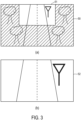
- a digital zoom 52 may be used in the video encoding of the captured live video data 50 in order to highlight or improve the visibility of higher distance objects like traffic lights or traffic signs. This is schematically and exemplarily shown in Fig. 3 (b) . Similar, a region-of-interest 51 is defined in the captured live video data 50 for an area in front of the vehicle 20.
- This region-of-interest 51 is then given a higher quality in the video encoding of the captured live video data 50 while areas outside the region-of-interest 51, for example, objects of less importance, such as buildings, the sky and so on, is given a lower quality in the video encoding of the captured live video data 50.
- This is schematically and exemplarily shown in Fig. 3 (a) .
- the vehicle 20 is remotely driven at a rather low current speed, it is preferable to neither use a digital zoom 52 nor a region-of-interest 51 and rather give the same quality to the whole captured live video data 50 in the video encoding of the captured live video data 50.
- the vehicle 20 is remotely driven at a rather high current speed, it may be preferable to acquire more available transmission bitrate. This may require using another or an additional wireless communication network carrier (additional SIM card).
- the real-time environment information is selected from the group consisting of: a time of day in the current environment of the vehicle 20; a weather in the current environment of the vehicle 20; lighting conditions in the current environment of the vehicle 20, and a traffic in the current environment of the vehicle 20.
- a time of day in the current environment of the vehicle 20 a weather in the current environment of the vehicle 20
- lighting conditions in the current environment of the vehicle 20 a traffic in the current environment of the vehicle 20.
- a traffic in the current environment of the vehicle 20 is rather high, it may be preferable to not neither use a digital zoom 52 or a region-of-interest 51 and rather give the same quality to the whole captured live video data in the video encoding of the captured live video data.
- the weather in the current environment of the vehicle 20 is very bad, e.g., because it is raining excessively, and/or the lighting conditions in the current environment of the vehicle 20 are problematic, e.g., because the sun is glaring, it may be preferable to pre-processing the captured live video data in order to simplify the video encoding of the captured live video data.
- the time of day in the current environment of the vehicle 20 is night and the lighting conditions in the current environment of the vehicle 20 are rather low, it may be preferable to only use a gray scale color format in the video encoding of the captured live video data in order to save bitrate.
- the pre-determined location information at the current location of the vehicle 20 is provided in a map that has been determined a-priori.
- the pre-determined location information may be determined a-priori for each road segment in a certain geographical area, wherein the map data may then be used - alone or together with the real-time driving information associated with current driving parameters of the vehicle 20 and/or the real-time environment information associated with the current environment of the vehicle 20 - by the control unit 24 to control the video encoding unit 22 to optimize the video encoding of the captured live video data and/or to control the transmission unit 23 to optimize the transmission of the encoded live video data.
- the map data is used by the control unit 24 for an on-the-fly control of the video encoding of the captured live video data and/or the transmission of the encoded live video data.
- suitable video encoding parameter(s) and/or transmission parameter(s) can be determined offline (beforehand) based on the pre-determined location information provided in the map.
- the control of the one or more video encoding parameter(s) and/or the one or more transmission parameter(s) is implemented in the control unit 24 using a neural network that has been suitably training using the map data and corresponding video encoding parameter(s) and/or transmission parameter(s). These may have been determined manually, e.g., by running tests with different parameters and by selected the most suitable parameters from the standpoint of the teleoperator at the teleoperator station 40.
- the prioritization of data packets via one or more wireless communication network carriers comprises sending parts of the encoded live video data via a first carrier or network path with a first expected wireless communication network performance and sending other parts of the encoded live video data via a second carrier with a second expected wireless communication network performance, wherein the first expected wireless communication network performance and the second expected wireless communication network performance differ in terms of one, two, three or all of: a reliability of the carrier or network path, a latency of the carrier or network path, a cost of transmission via the carrier or network path, and an availability of the carrier or network path.
- the encoded live video data may be preferable to send more important parts of the encoded live video data, such as intra coded frame, recovery points, random access points and reference frames that are important for the decoding of multiple other video frames (e.g., in a bitstream with (temporal) coding layers) via a more reliable carrier or network path or a carrier or network path that has a lower latency.
- less important parts of the encoded live video data may preferably be send via a carrier or network path that has a lower cost of transmission.
- the region-of-interest 51 is given a higher bitrate in the video encoding of the captured live video data 50. This has already been discussed above. Additionally or alternatively, a size, shape and/or location of the region-of-interest 51 may repeatedly be adjusted in the captured live video data 50 based on the pre-determined location information associated with the current location of the vehicle 20 and/or the real-time driving information associated with current driving parameters of the vehicle 20 (cf. the discussion with respect to Fig. 3 (a) above) and/or the real-time environment information associated with a current environment of the vehicle 20.
- the size of the region-of-interest 51 is adjusted in the captured live video data 50 to be larger than if the road at the current location of the vehicle 20 is a single-lane road. Similar, it may be preferable that the size and/or shape of the region-of-interest 51 is adjusted to be larger when the vehicle 20 approaches an intersection. As another example, if the vehicle 20 approaches an intersection with only one side road, it may be preferable that the location of the region-of-interest 51 is adjusted to be more on the side of the road on which the side road intersects with the road.
- the size, shape and/or location of the region-of-interest 51 is adjusted in a similar manner if the current steering angle of the vehicle 20 is large.
- the size of the region-of-interest 51 is adjusted in the captured live video data 50 in order for the teleoperator to be able to better focus on the most important parts (e.g., the street) of the current environment of the vehicle 20.
- the expected wireless communication network characteristics at the current location of the vehicle 20 comprise an expected latency of the wireless communication network 30 and the prioritization of data packets via one or more wireless communication network carriers comprises a redundant transmission of parts of the encoded live video data via multiple carriers, such as using Forward Error Correction (FEC) methods.
- FEC Forward Error Correction
- the expected speed of the vehicle 20 at the current location of the vehicle 20 and/or the current speed of the vehicle 20 and/or the current direction of the vehicle 20 and/or the current steering angle of the vehicle 20 and/or the current inclination of the vehicle 20 is used by the control unit 24 as an indication of how many bits to use for the video encoding of the captured live video data.
- the expected speed of the vehicle 20 at the current location of the vehicle 20 and/or the current speed of the vehicle 20 is rather low or even zero, e.g., if the vehicle 20 is currently standing still in front of a traffic light, fewer temporal changes may be expected in the captured live video data, wherefore it may be expected that the video encoding of the captured live video data will require fewer bits (lower bitrate).
- the current steering angle of the vehicle 20 is rather large (strong steering)
- more temporal changes may be expected in the captured live video data, wherefore it may be expected that the video encoding of the captured live video data will require more bits (higher bitrate).
- the capturing unit 21 is adapted to capture the live video data 50 of the vehicle's environment from multiple positions and/or in multiple directions and the control unit 24 is adapted to control the video encoding unit 22 and/or the transmission unit 23 differently for parts of the live video data captured from different positions and/or different directions.
- the capturing unit 21 may comprise a rather wide angle front camera that may be positioned on the roof or in the front of the vehicle 20 as well as two side cameras that may be positioned on the roof or in the front of the vehicle 20. It may then be preferable that the control unit 24 controls the video encoding unit 22 and/or the transmission unit 23 differently for parts of the live video data captured by the front camera and parts of the live video data captured by the side cameras.
- a higher bitrate may be used for the video encoding of the parts of the live video data captured by the front camera
- a higher bitrate may be used for the video encoding of the parts of the live video data captured by the side cameras.
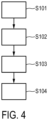
- a method for remotely driving a vehicle 20 via a wireless communication network 30 will exemplarily be described with reference to a flowchart shown in Fig. 4 .
- the method is performed by the vehicle 20 shown in Fig. 2 .
- step S101 live video data of the vehicle's environment is captured.
- this step is performed by the capturing unit 21.
- step S102 the captured live video data is encoded.
- this step is performed by the video encoding unit 22.
- step S103 the encoded live video data is transmitted via the wireless communication network 30.
- this step is performed by the transmission unit 23.
- step S104 the video encoding and/or the transmission is controlled. In this example, this step is performed by the control unit 24.
- the controlling controls the video encoding to optimize the video encoding of the captured live data and/or controls the transmission to optimize the transmission of the encoded live data, wherein the controlling is based on one, two or all of: (i) pre-determined location information associated with a current location of the vehicle 20; (ii) real-time driving information associated with current driving parameters of the vehicle 20, and; (iii) real-time environment information associated with a current environment of the vehicle.
- a single unit or device may fulfill the functions of several items recited in the claims.
- the mere fact that certain measures are recited in mutually different dependent claims does not indicate that a combination of these measures cannot be used to advantage.
- Operations such as the capturing of live video data of the vehicle's environment, the encoding the captured live video data, the transmitting the encoded live video data via the wireless communication network, the controlling the video encoding and/or the transmission, et cetera, which are performed by one or more units or devices, can also be performed by a different number of units or devices.
- These processes can be implemented fully or at least in part as program code of a computer program and/or fully or at least in part as a corresponding hardware.
- the present invention relates to a vehicle that is adapted to be remotely driven via a wireless communication network.
- the vehicle comprises a capturing unit for capturing live video data of the vehicle's environment, a video encoding unit for video encoding the captured live video data, a transmission unit for transmitting the encoded live video data via the wireless communication network, and a control unit for controlling the video encoding unit.
- the control unit is adapted to control the video encoding unit to optimize the video encoding of the captured live video data, wherein the controlling is based on real-time driving information associated with current driving parameters of the vehicle.
- a region-of-interest is defined in the captured live video data for an area in front of the vehicle, wherein the region-of-interest is given a higher quality in the video encoding of the captured live video data whereas areas outside the region-of-interest are given a lower quality in the video encoding of the captured live video data. If the vehicle is remotely driven at a lower current speed, a region-of-interest is not used and rather the same quality is given to the whole captured live video data in the video encoding of the captured live video data.
Landscapes
- Engineering & Computer Science (AREA)
- Physics & Mathematics (AREA)
- Remote Sensing (AREA)
- Radar, Positioning & Navigation (AREA)
- General Physics & Mathematics (AREA)
- Aviation & Aerospace Engineering (AREA)
- Automation & Control Theory (AREA)
- Multimedia (AREA)
- Signal Processing (AREA)
- Electromagnetism (AREA)
- Computer Vision & Pattern Recognition (AREA)
- Computing Systems (AREA)
- Mathematical Physics (AREA)
- Theoretical Computer Science (AREA)
- Traffic Control Systems (AREA)
- Closed-Circuit Television Systems (AREA)
- Mobile Radio Communication Systems (AREA)
Description
- The present invention relates to a vehicle that is adapted to be remotely driven via a wireless communication network. Moreover, the present invention relates to a system for remotely driving a vehicle via a wireless communication network. Furthermore, the present invention relates to a method for video encoding and/or transmission of live video data captured at a vehicle that is remotely driven via a wireless communication network.
- Teleoperated remote driving of a vehicle is considered by many to be a transient technology toward fully autonomous driving in urban areas. In this mobility concept, a teleoperator uses a teleoperator station to remotely drive the vehicle via a wireless communication network. To this end, the teleoperator station receives live video data providing a view of the vehicle's environment from the vehicle and displays the live video data to the teleoperator. The teleoperator reacts to the live video data by using a control interface provided by the teleoperator station to generate drive control commands for controlling the driving of the vehicle. The drive control commands are sent from the teleoperator station to the vehicle.
- In order for the teleoperator to be able to remotely drive the vehicle in a safe and efficient manner, a reliable transmission of the live video data of the vehicle's environment from the vehicle to the teleoperator station is required. To this end, the live video data that is captured at the vehicle is preferably compressed using modern video coding technology, such as H.264/AVC (Advanced Video Coding) or H.265/HEVC (High Efficiency Video Coding), wherein the video coding technology is preferably run in a modus that allows for ultra-low delay encoding and decoding. For example, the video coding technology may be run such that for encoding a frame of the live video data only already known video frames are used as reference frames to improve coding efficiency.
- While today's wireless communication networks, such as fourth generation (4G) wireless communication networks or fifth generation (5G) wireless communication networks, show a remarkable increase in bandwidth and transmission speed compared to earlier wireless communication technologies, such as third generation (3G) wireless communication networks, the transmission channel is still limited in capacity, especially in cases such as hand-over between neighboring cells of the network. It is therefore desirable to be able to optimize the video encoding and/or transmission of the live video data that is captured at the remotely driven vehicle.
-
US 10,623,734 B1 -
CN 110662044 A relates to the field of encoding technology, and in particular, to a video encoding method, a video encoding device, and a computer storage medium. -
US 2015/0358537 A1 dioscloses that the quality at which camera data (e.g., images, video, and/or audio captured by a camera device) is transmitted and/or stored may be adjusted based on the application of analytic techniques. For example, a camera processing device may receive camera data and receive information relating to conditions external to the capturing of the camera data. The camera processing device may control the resolution associated with the camera data based on the information relating to the conditions. -
JP 2019-165364 A -
US 2019/0096244 A1 discloses methods and an apparatus for vehicle-to-vehicle communication. Embodiments receive a data request from a remote vehicle for data not available to the remote vehicle. Visual data from a host vehicle responsive to the data request that includes the data not available to the remote vehicle is determined. The visual data is analyzed for objects to create metadata associated with the visual data. The visual data and the metadata are provided to the remote vehicle in response to the data request. - It is an object of the present invention to provide a vehicle that is adapted to be remotely driven via a wireless communication network, which allows for an optimization of video encoding of the live video data that is captured at the vehicle. It is a further object of the present invention to provide a system for remotely driving a vehicle via a wireless communication network as well as a method for video encoding and transmission of live video data captured at a remotely driven vehicle.
- The present invention is defined in the independent claims. Enabling disclosure for the protected invention is provided with the embodiments described in relation to
figure 3(a) . The other figures, aspects, and embodiments are provided for illustrative purposes and do not represent embodiments of the invention unless when combined with all of the features respectively defined in the independent claims. - In a first aspect of the present invention, a vehicle that is adapted to be remotely driven via a wireless communication network is presented, comprising:
- a capturing unit for capturing live video data of the vehicle's environment;
- a video encoding unit for video encoding the captured live video data;
- a transmission unit for transmitting the encoded live video data via the wireless communication network; and
- a control unit for controlling the video encoding unit and/or the transmission unit;
- wherein the control unit is adapted to control the video encoding unit to optimize the video encoding of the captured live video data, wherein the controlling is based on real-time driving information associated with current driving parameters of the vehicle,
- wherein, if the vehicle is remotely driven at a higher current speed, a region-of-interest is defined in the captured live video data for an area in front of the vehicle, wherein the region-of-interest is given a higher quality in the video encoding of the captured live video data whereas areas outside the region-of-interest are given a lower quality in the video encoding of the captured live video data, and if the vehicle is remotely driven at a lower current speed, a region-of-interest is not used and rather the same quality is given to the whole captured live video data in the video encoding of the captured live video data.
- It is preferred that the control unit is adapted to control the video encoding unit to optimize the video encoding of the captured live video data, wherein the controlling is based on one, two or all of: (i) pre-determined location information associated with a current location of the vehicle; (ii) the real-time driving information associated with current driving parameters of the vehicle, and; (iii) real-time environment information associated with a current environment of the vehicle.
- Since the vehicle that is adapted to be remotely driven via a wireless communication network comprises a control unit for controlling the video encoding unit, and since the control unit is adapted to control the video encoding unit to optimize the video encoding of the captured live video data, wherein the controlling is based on one, two or all of: (i) pre-determined location information associated with a current location of the vehicle; (ii) real-time driving information associated with current driving parameters of the vehicle, and; (iii) real-time environment information associated with a current environment of the vehicle, the perceived quality of the live video data at a teleoperator station may be improved. This, in turn, may greatly improve the safety of the remote driving operation.
- The wireless communication network is preferably a network that allows for a bidirectional transmission of data between the vehicle and the teleoperator station. For example, it can be a fourth generation (4G) wireless communication network or a fifth generation (5G) wireless communication network.
- The video encoding of the live video data that is captured at the vehicle is preferably performed such that it is compressed using modern video coding technology, such as H.264/AVC (Advanced Video Coding) or H.265/ HEVC (High Efficiency Video Coding), wherein the video coding technology is preferably run in a modus that allows for ultra-low delay encoding and decoding. For example, the video coding technology may be run such that for encoding a frame of the live video data only already known video frames are used as reference frames to improve coding efficiency.
- The vehicle is preferably a car, such as a small car, a regular car, or a Sports Utility Vehicle (SUV), a van, a truck or another type of vehicle that is adapted to be remotely driven. For example, it may also be a buggy or the like.
- Preferably, the vehicle is a modified vehicle that provides the required on-board infrastructure for teleoperation. This can include actuators for controlling the vehicle, the capturing unit for capturing a live representation of the vehicle's environment, and appropriate interfaces for bi-directional communication with the teleoperator station via the wireless communication network. The actuators can be mechanical actuators that directly actuate on the vehicle's steering wheel, speed pedal and brakes. Alternatively, already present actuators of the vehicle (e.g., for adjusting the orientation of the vehicle's wheels) may be controlled via an electronic interface.
- It is preferred that the control unit is adapted to control (i) one or more video encoding parameters, wherein the controlled video encoding parameter(s) is/are selected from the group consisting of: a bitrate; a spatial resolution; a color depth; a color format; a frame rate; a digital zoom, and; an insertion of intra coded frames, and/or (ii) a pre-processing of the captured live video data in order to simplify the video encoding of the captured live video data.
- It is preferred that the pre-determined location information is selected from the group consisting of: expected wireless communication network characteristics at the current location of the vehicle; an expected speed of the vehicle at the current location of the vehicle, and; a complexity of the environment at the current location of the vehicle.
- It is further preferred that the real-time driving information is selected from the group consisting of: a current direction of the vehicle; a current steering angle of the vehicle, and; a current inclination of the vehicle.
- It is preferred that the real-time environment information is selected from the group consisting of: a time of day in the current environment of the vehicle; a weather in the current environment of the vehicle; lighting conditions in the current environment of the vehicle, and a traffic in the current environment of the vehicle.
- It is further preferred that the pre-determined location information is provided in a map that has been determined a-priori.
- It is further preferred that a size, shape and/or location of the region-of-interest is repeatedly adjusted in the captured live video data based on the pre-determined location information associated with the current location of the vehicle and/or the real-time driving information associated with current driving parameters of the vehicle and/or the real-time environment information associated with a current environment of the vehicle.
- It is further preferred that the expected speed of the vehicle at the current location of the vehicle and/or the current speed of the vehicle and/or the current direction of the vehicle and/or the current steering angle of the vehicle and/or the current inclination of the vehicle is used by the control unit as an indication of how many bits to use for the video encoding of the captured live video data.
- In a further aspect of the present invention, a method for video encoding and/or transmission of live video data captured at a vehicle that is remotely driven via a wireless communication network is presented, comprising:
- capturing live video data of the vehicle's environment;
- encoding the captured live video data;
- transmitting the encoded live video data via the wireless communication network; and
- controlling the video encoding,
- wherein the controlling controls the video encoding to optimize the video encoding of the captured live data, wherein the controlling is based on real-time driving information associated with current driving parameters of the vehicle,
- wherein, if the vehicle is remotely driven at a higher current speed, a region-of-interest is defined in the captured live video data for an area in front of the vehicle, wherein the region-of-interest is given a higher quality in the video encoding of the captured live video data whereas areas outside the region-of-interest are given a lower quality in the video encoding of the captured live video data, and if the vehicle is remotely driven at a lower current speed, a region-of-interest is not used and rather the same quality is given to the whole captured live video data in the video encoding of the captured live video data.
- It shall be understood that the vehicle of claim 1 and the method of claim 10 have similar and/or identical preferred embodiments, in particular, as defined in the dependent claims.
- It shall be understood that a preferred embodiment of the present invention can also be any combination of the dependent claims or above embodiments with the respective independent claim.
- These and other aspects of the invention will be apparent from and elucidated with reference to the embodiments described hereinafter.
- These and other aspects of the present invention will be apparent from and elucidated with reference to the embodiments described hereinafter. In the following drawings:
- Fig. 1
- shows schematically and exemplarily an embodiment of a system for remotely driving a vehicle via a wireless communication network,
- Fig. 2
- shows schematically and exemplarily an embodiment of a vehicle that is adapted to be remotely driven via a wireless communication network,
- Fig. 3
- shows schematically and exemplarily the encoding of the captured live video data using a region-of-interest and a digital zoom, and
- Fig. 4
- shows a flowchart exemplarily illustrating an embodiment of a method for remotely driving a vehicle via a wireless communication network.
-
Fig. 1 shows schematically and exemplarily an embodiment of asystem 100 for remotely driving avehicle 20 via awireless communication network 30. Thesystem 100 comprises avehicle 20 that is adapted to be remotely driven via thewireless communication network 30. Moreover, thesystem 100 comprises ateleoperator station 40 for use by the teleoperator to remotely drive thevehicle 20 via thewireless communication network 30. To this end, theteleoperator station 40 receives live video data providing a view of the vehicle's environment from thevehicle 20 and displays the live video data to the teleoperator. The teleoperator reacts to the live video data by using a control interface provided by theteleoperator station 40 to generate drive control commands for controlling the driving of thevehicle 20. The drive control commands are sent from theteleoperator station 40 to thevehicle 20. - An embodiment of a
vehicle 20 that is adapted to be remotely driven via awireless communication network 30 is schematically and exemplarily shown inFig. 2 . Thevehicle 20 may be used in thesystem 100 for remotely driving avehicle 20 via awireless communication network 30 shown inFig. 1 . In this embodiment, thevehicle 20 is a modified car that provides the required on-board infrastructure for teleoperation. This can include actuators for controlling thevehicle 20, a capturingunit 21 for capturing live video data of the vehicle's environment, and appropriate interfaces for bi-directional communication with theteleoperator station 40 via thewireless communication network 30. The actuators can be mechanical actuators that directly actuate on the vehicle's steering wheel, speed pedal and brakes. Alternatively, already present actuators of the vehicle (e.g., for adjusting the orientation of the vehicle's wheels) may be controlled via an electronic interface. - The
vehicle 20, here, comprises the capturingunit 21 for capturing live video data of the vehicle's environment, avideo encoding unit 22 for video encoding the captured live video data, atransmission unit 23 for transmitting the encoded live video data via thewireless communication network 30, and acontrol unit 24 for controlling thevideo encoding unit 22 and/or thetransmission unit 23. - According to the present invention, the
control unit 24 is adapted to control thevideo encoding unit 22 to optimize the video encoding of the captured live video data and/or to control thetransmission unit 23 to optimize the transmission of the encoded live video data. In particular, the controlling is based on one, two or all of: (i) pre-determined location information associated with a current location of thevehicle 20; (ii) real-time driving information associated with current driving parameters of thevehicle 20, and; (iii) real-time environment information associated with a current environment of thevehicle 20. - In this embodiment, the
control unit 24 is adapted to control one or more video encoding parameters, wherein the controlled video encoding parameter(s) is/are selected from the group consisting of: a bitrate; a spatial resolution; a color depth; a color format; a frame rate; a region-of-interest, a digital zoom, and; an insertion of intra coded frames. These parameters allow for an adaptation of the quality vs. bitrate operating point of the video encoding. - Additionally or alternatively, the
control unit 24 can be adapted to control a pre-processing of the captured live video data in order to simplify the video encoding of the captured live video data. For example, the pre-processing may include a low-pass filtering or an edge filtering of the captured live video data in order to reduce the amount of high frequency components in the captured live video data, which allows for a more efficient video encoding of the captured live video data. - In this embodiment, the
control unit 24 is adapted to control one or more transmission parameters, wherein the controlled transmission parameter(s) is/are selected from the group consisting of: a transmission bitrate; a transmission protection; a wireless communication network carrier, and; a prioritization of data packets via one or more wireless communication network carriers. These parameters are well suited for optimizing the quality of the transmission of the encoded live video data. - Additionally or alternatively, the
control unit 24 can be adapted to control, ifmultiple vehicles 20 that are adapted to be remotely driven via thewireless communication network 30 transmit encoded live video data in a same cell of thewireless communication network 30, an allocation of a transmission bitrate over themultiple vehicles 20. For example, the allocation of the transmission bitrate may be based on a statistical multiplexing scheme that considers the current bitrate requirements of the encoded live video data transmitted from each of themultiple vehicles 20. - In this embodiment, the pre-determined location information is selected from the group consisting of: expected wireless communication network characteristics at the current location of the
vehicle 20; an expected speed of thevehicle 20 at the current location of thevehicle 20, and; a complexity of the environment at the current location of thevehicle 20. For example, if thewireless communication network 30 is expected to not be very reliable at the current location of thevehicle 20, it may be preferable to increase the transmission protection of the transmission of the encoded live video data. Similar, if the capacity of the transmission channel at the current location of thevehicle 20 is expected to be rather low, it may be preferable to reduce the transmission bitrate used for the encoded live video data. Similar, if the complexity of the environment at the current location of thevehicle 20 is rather high, e.g., because thevehicle 20 is remotely driven along an avenue with many trees with leaves, it may be preferable to low-pass filter or edge filter the captured live video data in order to simplify the video encoding of the captured live video data of the high complexity environment. In contrast, if the complexity of the environment at the current location of thevehicle 20 is rather low, e.g., because thevehicle 20 is remotely driven within a tunnel, one or more video encoding parameters, such as a spatial resolution, a color depth or a frame rate, may be controlled in order to save bitrate in the video encoding of the captured live video data of the low complexity environment. As another example, it may be preferable in high complexity environments to acquire more available transmission bitrate up-front to entering such environments. This may require using another or an additional wireless communication network carrier (additional SIM card). The complexity of the environment may be indicated and/or quantified by a number of different metrics. For example, it may be indicated and/or quantified in terms of the bitrate required for video encoding the captured live video data at a distinct video quality. This information may be determined a-priori, for example, based on a-priori video encoder runs performed on video data captured at the current location of thevehicle 20. Alternatively, the metric with which the complexity of the environment is indicated and/or quantified may directly consider the content of video data captured at the current location of thevehicle 20. For example, it may consider the amount of high frequency components of the captured video data. - In this embodiment, the real-time driving information is selected from the group consisting of: a current speed of the
vehicle 20; a current direction of thevehicle 20; a current steering angle of thevehicle 20, and; a current inclination of thevehicle 20. For example, if thevehicle 20 is remotely driven at a rather high current speed, adigital zoom 52 may be used in the video encoding of the capturedlive video data 50 in order to highlight or improve the visibility of higher distance objects like traffic lights or traffic signs. This is schematically and exemplarily shown inFig. 3 (b) . Similar, a region-of-interest 51 is defined in the capturedlive video data 50 for an area in front of thevehicle 20. This region-of-interest 51 is then given a higher quality in the video encoding of the capturedlive video data 50 while areas outside the region-of-interest 51, for example, objects of less importance, such as buildings, the sky and so on, is given a lower quality in the video encoding of the capturedlive video data 50. This is schematically and exemplarily shown inFig. 3 (a) . In contrast, if thevehicle 20 is remotely driven at a rather low current speed, it is preferable to neither use adigital zoom 52 nor a region-of-interest 51 and rather give the same quality to the whole capturedlive video data 50 in the video encoding of the capturedlive video data 50. As another example, if thevehicle 20 is remotely driven at a rather high current speed, it may be preferable to acquire more available transmission bitrate. This may require using another or an additional wireless communication network carrier (additional SIM card). - In this embodiment, the real-time environment information is selected from the group consisting of: a time of day in the current environment of the
vehicle 20; a weather in the current environment of thevehicle 20; lighting conditions in the current environment of thevehicle 20, and a traffic in the current environment of thevehicle 20. For example, if the traffic in the current environment of thevehicle 20 is rather high, it may be preferable to not neither use adigital zoom 52 or a region-of-interest 51 and rather give the same quality to the whole captured live video data in the video encoding of the captured live video data. Similar, if the weather in the current environment of thevehicle 20 is very bad, e.g., because it is raining excessively, and/or the lighting conditions in the current environment of thevehicle 20 are problematic, e.g., because the sun is glaring, it may be preferable to pre-processing the captured live video data in order to simplify the video encoding of the captured live video data. As another example, if the time of day in the current environment of thevehicle 20 is night and the lighting conditions in the current environment of thevehicle 20 are rather low, it may be preferable to only use a gray scale color format in the video encoding of the captured live video data in order to save bitrate. - In this embodiment, the pre-determined location information at the current location of the
vehicle 20 is provided in a map that has been determined a-priori. For example, the pre-determined location information may be determined a-priori for each road segment in a certain geographical area, wherein the map data may then be used - alone or together with the real-time driving information associated with current driving parameters of thevehicle 20 and/or the real-time environment information associated with the current environment of the vehicle 20 - by thecontrol unit 24 to control thevideo encoding unit 22 to optimize the video encoding of the captured live video data and/or to control thetransmission unit 23 to optimize the transmission of the encoded live video data. In this embodiment, the map data is used by thecontrol unit 24 for an on-the-fly control of the video encoding of the captured live video data and/or the transmission of the encoded live video data. Alternatively, suitable video encoding parameter(s) and/or transmission parameter(s) can be determined offline (beforehand) based on the pre-determined location information provided in the map. Moreover, it is possible that the control of the one or more video encoding parameter(s) and/or the one or more transmission parameter(s) is implemented in thecontrol unit 24 using a neural network that has been suitably training using the map data and corresponding video encoding parameter(s) and/or transmission parameter(s). These may have been determined manually, e.g., by running tests with different parameters and by selected the most suitable parameters from the standpoint of the teleoperator at theteleoperator station 40. - In this embodiment, the prioritization of data packets via one or more wireless communication network carriers comprises sending parts of the encoded live video data via a first carrier or network path with a first expected wireless communication network performance and sending other parts of the encoded live video data via a second carrier with a second expected wireless communication network performance, wherein the first expected wireless communication network performance and the second expected wireless communication network performance differ in terms of one, two, three or all of: a reliability of the carrier or network path, a latency of the carrier or network path, a cost of transmission via the carrier or network path, and an availability of the carrier or network path. For example, it may be preferable to send more important parts of the encoded live video data, such as intra coded frame, recovery points, random access points and reference frames that are important for the decoding of multiple other video frames (e.g., in a bitstream with (temporal) coding layers) via a more reliable carrier or network path or a carrier or network path that has a lower latency. In contrast, less important parts of the encoded live video data may preferably be send via a carrier or network path that has a lower cost of transmission.
- In this embodiment, the region-of-
interest 51 is given a higher bitrate in the video encoding of the capturedlive video data 50. This has already been discussed above. Additionally or alternatively, a size, shape and/or location of the region-of-interest 51 may repeatedly be adjusted in the capturedlive video data 50 based on the pre-determined location information associated with the current location of thevehicle 20 and/or the real-time driving information associated with current driving parameters of the vehicle 20 (cf. the discussion with respect toFig. 3 (a) above) and/or the real-time environment information associated with a current environment of thevehicle 20. For example, if the road at the current location of thevehicle 20 is a multi-lane road, it may be preferable that the size of the region-of-interest 51 is adjusted in the capturedlive video data 50 to be larger than if the road at the current location of thevehicle 20 is a single-lane road. Similar, it may be preferable that the size and/or shape of the region-of-interest 51 is adjusted to be larger when thevehicle 20 approaches an intersection. As another example, if thevehicle 20 approaches an intersection with only one side road, it may be preferable that the location of the region-of-interest 51 is adjusted to be more on the side of the road on which the side road intersects with the road. Similar, it may be preferable that the size, shape and/or location of the region-of-interest 51 is adjusted in a similar manner if the current steering angle of thevehicle 20 is large. As yet a further example, if the lighting conditions in the current environment of thevehicle 20 are rather bad, it may be preferable that the size of the region-of-interest 51 is adjusted in the capturedlive video data 50 in order for the teleoperator to be able to better focus on the most important parts (e.g., the street) of the current environment of thevehicle 20. - In this embodiment, the expected wireless communication network characteristics at the current location of the
vehicle 20 comprise an expected latency of thewireless communication network 30 and the prioritization of data packets via one or more wireless communication network carriers comprises a redundant transmission of parts of the encoded live video data via multiple carriers, such as using Forward Error Correction (FEC) methods. This improves the likelihood of receiving data packets with a lower latency. - In this embodiment, the expected speed of the
vehicle 20 at the current location of thevehicle 20 and/or the current speed of thevehicle 20 and/or the current direction of thevehicle 20 and/or the current steering angle of thevehicle 20 and/or the current inclination of thevehicle 20 is used by thecontrol unit 24 as an indication of how many bits to use for the video encoding of the captured live video data. For example, if the expected speed of thevehicle 20 at the current location of thevehicle 20 and/or the current speed of thevehicle 20 is rather low or even zero, e.g., if thevehicle 20 is currently standing still in front of a traffic light, fewer temporal changes may be expected in the captured live video data, wherefore it may be expected that the video encoding of the captured live video data will require fewer bits (lower bitrate). Similar, if the current steering angle of thevehicle 20 is rather large (strong steering), more temporal changes may be expected in the captured live video data, wherefore it may be expected that the video encoding of the captured live video data will require more bits (higher bitrate). - In this embodiment, the capturing
unit 21 is adapted to capture thelive video data 50 of the vehicle's environment from multiple positions and/or in multiple directions and thecontrol unit 24 is adapted to control thevideo encoding unit 22 and/or thetransmission unit 23 differently for parts of the live video data captured from different positions and/or different directions. For example, the capturingunit 21 may comprise a rather wide angle front camera that may be positioned on the roof or in the front of thevehicle 20 as well as two side cameras that may be positioned on the roof or in the front of thevehicle 20. It may then be preferable that thecontrol unit 24 controls thevideo encoding unit 22 and/or thetransmission unit 23 differently for parts of the live video data captured by the front camera and parts of the live video data captured by the side cameras. For example, if thevehicle 20 is remotely driven at a rather high current speed, a higher bitrate may be used for the video encoding of the parts of the live video data captured by the front camera, and if thevehicle 20 is remotely driven at a rather low current speed, a higher bitrate may be used for the video encoding of the parts of the live video data captured by the side cameras. - In the following, an embodiment of a method for remotely driving a
vehicle 20 via awireless communication network 30 will exemplarily be described with reference to a flowchart shown inFig. 4 . In this embodiment, the method is performed by thevehicle 20 shown inFig. 2 . - In step S101, live video data of the vehicle's environment is captured. In this example, this step is performed by the capturing
unit 21. - In step S102, the captured live video data is encoded. In this example, this step is performed by the
video encoding unit 22. - In step S103, the encoded live video data is transmitted via the
wireless communication network 30. In this example, this step is performed by thetransmission unit 23. - In step S104, the video encoding and/or the transmission is controlled. In this example, this step is performed by the
control unit 24. - The controlling controls the video encoding to optimize the video encoding of the captured live data and/or controls the transmission to optimize the transmission of the encoded live data, wherein the controlling is based on one, two or all of: (i) pre-determined location information associated with a current location of the
vehicle 20; (ii) real-time driving information associated with current driving parameters of thevehicle 20, and; (iii) real-time environment information associated with a current environment of the vehicle. - Other variations to the disclosed embodiments can be understood and effected by those skilled in the art in practicing the claimed invention, from a study of the drawings, the disclosure, and the appended claims.
- In the claims, the word "comprising" does not exclude other elements or steps, and the indefinite article "a" or "an" does not exclude a plurality.
- A single unit or device may fulfill the functions of several items recited in the claims. The mere fact that certain measures are recited in mutually different dependent claims does not indicate that a combination of these measures cannot be used to advantage.
- Operations such as the capturing of live video data of the vehicle's environment, the encoding the captured live video data, the transmitting the encoded live video data via the wireless communication network, the controlling the video encoding and/or the transmission, et cetera, which are performed by one or more units or devices, can also be performed by a different number of units or devices. These processes can be implemented fully or at least in part as program code of a computer program and/or fully or at least in part as a corresponding hardware.
- Any reference signs in the claims should not be construed as limiting the scope.
- The present invention relates to a vehicle that is adapted to be remotely driven via a wireless communication network. The vehicle comprises a capturing unit for capturing live video data of the vehicle's environment, a video encoding unit for video encoding the captured live video data, a transmission unit for transmitting the encoded live video data via the wireless communication network, and a control unit for controlling the video encoding unit. The control unit is adapted to control the video encoding unit to optimize the video encoding of the captured live video data, wherein the controlling is based on real-time driving information associated with current driving parameters of the vehicle. If the vehicle is remotely driven at a higher current speed, a region-of-interest is defined in the captured live video data for an area in front of the vehicle, wherein the region-of-interest is given a higher quality in the video encoding of the captured live video data whereas areas outside the region-of-interest are given a lower quality in the video encoding of the captured live video data. If the vehicle is remotely driven at a lower current speed, a region-of-interest is not used and rather the same quality is given to the whole captured live video data in the video encoding of the captured live video data.
Claims (10)
- A vehicle (20) that is adapted to be remotely driven via a wireless communication network (30), comprising:- a capturing unit (21) for capturing live video data (50) of the vehicle's environment;- a video encoding unit (22) for video encoding the captured live video data (50);- a transmission unit (23) for transmitting the encoded live video data (50) via the wireless communication network (30); and- a control unit (24) for controlling the video encoding unit (22) and/or the transmission unit (23);wherein the control unit (24) is adapted to control the video encoding unit (22) to optimize the video encoding of the captured live video data (50), wherein the controlling is based on real-time driving information associated with current driving parameters of the vehicle (20),characterized in that, if the vehicle (20) is remotely driven at a higher current speed, a region-of-interest (51) is defined in the captured live video data (50) for an area in front of the vehicle (20), wherein the region-of-interest (51) is given a higher quality in the video encoding of the captured live video data (50) whereas areas outside the region-of-interest (51) are given a lower quality in the video encoding of the captured live video data (50), and if the vehicle (20) is remotely driven at a lower current speed, a region-of-interest (51) is not used and rather the same quality is given to the whole captured live video data (50) in the video encoding of the captured live video data (50).
- The vehicle (20) as defined in claim 1, wherein the control unit (24) is adapted to control the video encoding unit (22) to optimize the video encoding of the captured live video data (50), wherein the controlling is further based on one or all of: (i) predetermined location information associated with a current location of the vehicle (20); (ii) real-time environment information associated with a current environment of the vehicle (20).
- The vehicle (20) as defined in claim 1 or 2, wherein the control unit (24) is adapted to control (i) one or more video encoding parameters, wherein the controlled video encoding parameter(s) is/are selected from the group consisting of: a bitrate; a spatial resolution; a color depth; a color format; a frame rate; a digital zoom (52), and; an insertion of intra coded frames, and/or (ii) a pre-processing of the captured live video data (50) in order to simplify the video encoding of the captured live video data (50).
- The vehicle (20) as defined in any of claims 1 to 3, wherein the pre-determined location information is selected from the group consisting of: expected wireless communication network characteristics at the current location of the vehicle (20); an expected speed of the vehicle (20) at the current location of the vehicle (20), and; a complexity of the environment at the current location of the vehicle (20).
- The vehicle (20) as defined in any of claims 1 to 4, wherein the real-time driving information is selected from the group consisting of: a current direction of the vehicle (20), a current steering angle of the vehicle (20); a current steering angle of the vehicle (20), and; a current inclination of the vehicle (20).
- The vehicle (20) as defined in any of claims 1 to 5, wherein the real-time environment information is selected from the group consisting of: a time of day in the current environment of the vehicle (20); a weather in the current environment of the vehicle (20); lighting conditions in the current environment of the vehicle (20), and a traffic in the current environment of the vehicle (20).
- The vehicle (20) as defined in any of claims 1 to 6, wherein the pre-determined location information is provided in a map that has been determined a-priori.
- The vehicle (20) as defined in any of claims 2 to 7, wherein a size, shape and/or location of the region-of-interest (51) is repeatedly adjusted in the captured live video data (50) based on the pre-determined location information associated with the current location of the vehicle (20) and/or the real-time driving information associated with current driving parameters of the vehicle (20) and/or the real-time environment information associated with a current environment of the vehicle (20).
- The vehicle (20) as defined in any of claims 4 to 8, wherein the expected speed of the vehicle (20) at the current location of the vehicle (20) and/or the current speed of the vehicle (20) and/or the current direction of the vehicle (20) and/or the current steering angle of the vehicle (20) and/or the current inclination of the vehicle (20) is used by the control unit (24) as an indication of how many bits to use for the video encoding of the captured live video data (50).
- A method for video encoding and transmission of live video data (50) captured at a vehicle (20) that is remotely driven via a wireless communication network (30), comprising:- capturing (S101) live video data (50) of the vehicle's environment;- encoding (S102) the captured live video data (50);- transmitting (S103) the encoded live video data (50) via the wireless communication network (30); and- controlling (S104) the video encoding, wherein the controlling controls the video encoding to optimize the video encoding of the captured live data, wherein the controlling is based on real-time driving information associated with current driving parameters of the vehicle (20), characterized in that, if the vehicle (20) is remotely driven at a higher current speed, a region-of-interest (51) is defined in the captured live video data (50) for an area in front of the vehicle (20), wherein the region-of-interest (51) is given a higher quality in the video encoding of the captured live video data (50) whereas areas outside the region-of-interest (51) are given a lower quality in the video encoding of the captured live video data (50), and if the vehicle (20) is remotely driven at a lower current speed, a region-of-interest (51) is not used and rather the same quality is given to the whole captured live video data (50) in the video encoding of the captured live video data (50).
Priority Applications (2)
| Application Number | Priority Date | Filing Date | Title |
|---|---|---|---|
| EP20184358.8A EP3937491B1 (en) | 2020-07-07 | 2020-07-07 | Optimizing video encoding for remote driving applications |
| US17/367,900 US11876980B2 (en) | 2020-07-07 | 2021-07-06 | Optimizing video encoding and/or transmission for remote driving applications |
Applications Claiming Priority (1)
| Application Number | Priority Date | Filing Date | Title |
|---|---|---|---|
| EP20184358.8A EP3937491B1 (en) | 2020-07-07 | 2020-07-07 | Optimizing video encoding for remote driving applications |
Publications (2)
| Publication Number | Publication Date |
|---|---|
| EP3937491A1 EP3937491A1 (en) | 2022-01-12 |
| EP3937491B1 true EP3937491B1 (en) | 2024-09-11 |
Family
ID=71522995
Family Applications (1)
| Application Number | Title | Priority Date | Filing Date |
|---|---|---|---|
| EP20184358.8A Active EP3937491B1 (en) | 2020-07-07 | 2020-07-07 | Optimizing video encoding for remote driving applications |
Country Status (2)
| Country | Link |
|---|---|
| US (1) | US11876980B2 (en) |
| EP (1) | EP3937491B1 (en) |
Families Citing this family (6)
| Publication number | Priority date | Publication date | Assignee | Title |
|---|---|---|---|---|
| US11790665B2 (en) * | 2021-04-29 | 2023-10-17 | Hitachi Astemo, Ltd. | Data driven dynamically reconfigured disparity map |
| JP7544001B2 (en) * | 2021-08-23 | 2024-09-03 | トヨタ自動車株式会社 | Remote operation device, remote operation system, remote operation method, and remote operation program |
| DE102022203889A1 (en) | 2022-04-20 | 2023-10-26 | Volkswagen Aktiengesellschaft | Method for adaptive video data compression in a vehicle and corresponding device |
| CN115297276B (en) * | 2022-10-09 | 2023-01-17 | 东风悦享科技有限公司 | Remote driving image processing system and method with vision field self-adaptive switching |
| CN119254998B (en) * | 2024-12-05 | 2025-03-28 | 南京航空航天大学 | A remote control anti-delay video transmission method based on future scene generation network |
| WO2026009036A2 (en) | 2025-10-16 | 2026-01-08 | Wasfi Alshdaifat | Robotic tele control arrangement |
Family Cites Families (15)
| Publication number | Priority date | Publication date | Assignee | Title |
|---|---|---|---|---|
| DE3919262A1 (en) * | 1989-06-13 | 1990-12-20 | Hoechst Ag | METHOD FOR PRODUCING A PLANAR OPTICAL COUPLER |
| JP2004206218A (en) * | 2002-12-24 | 2004-07-22 | Koyo Seiko Co Ltd | Vehicle remote control system, remote control device, vehicle control device, and vehicle remote control method |
| US20070013544A1 (en) * | 2005-07-14 | 2007-01-18 | Shin-Yung Chiu | Wireless transceiver with multiple independent modulating transmitters |
| KR101234079B1 (en) * | 2006-12-22 | 2013-02-15 | 삼성전자주식회사 | Apparatus and system for managing vehicle operation, and method for managing vehicle operation |
| US10723442B2 (en) * | 2013-12-26 | 2020-07-28 | Flir Detection, Inc. | Adaptive thrust vector unmanned aerial vehicle |
| US9811748B2 (en) * | 2014-06-09 | 2017-11-07 | Verizon Patent And Licensing Inc. | Adaptive camera setting modification based on analytics data |
| US10139828B2 (en) * | 2015-09-24 | 2018-11-27 | Uber Technologies, Inc. | Autonomous vehicle operated with safety augmentation |
| CN205726061U (en) * | 2016-04-22 | 2016-11-23 | 优利科技有限公司 | aerial photography system |
| US20190096244A1 (en) * | 2017-09-25 | 2019-03-28 | Intel Corporation | Vehicle-to-many-vehicle communication |
| US10769461B2 (en) * | 2017-12-14 | 2020-09-08 | COM-IoT Technologies | Distracted driver detection |
| KR102463718B1 (en) * | 2017-12-14 | 2022-11-07 | 현대자동차주식회사 | System and Method for detecting faked location information of a vehicle |
| JP2019165364A (en) * | 2018-03-20 | 2019-09-26 | 株式会社Jvcケンウッド | Photographing control device, vehicular photographing device and photographing control method and program |
| US10623734B1 (en) * | 2019-04-23 | 2020-04-14 | Nuro, Inc. | Systems and methods for adaptive mobile telecommunications for autonomous vehicles |
| CN110662044B (en) * | 2019-10-22 | 2022-02-18 | 浙江大华技术股份有限公司 | Video coding method, video coding device and computer storage medium |
| KR20210050925A (en) * | 2019-10-29 | 2021-05-10 | 엘지전자 주식회사 | Vehicle collision avoidance apparatus and method |
-
2020
- 2020-07-07 EP EP20184358.8A patent/EP3937491B1/en active Active
-
2021
- 2021-07-06 US US17/367,900 patent/US11876980B2/en active Active
Also Published As
| Publication number | Publication date |
|---|---|
| US11876980B2 (en) | 2024-01-16 |
| US20220014763A1 (en) | 2022-01-13 |
| EP3937491A1 (en) | 2022-01-12 |
Similar Documents
| Publication | Publication Date | Title |
|---|---|---|
| US11876980B2 (en) | Optimizing video encoding and/or transmission for remote driving applications | |
| US11123876B2 (en) | Method for sensor data processing | |
| CN109150949A (en) | Supervisor control, monitoring control device and monitoring control method | |
| CN101252687A (en) | Method for Realizing Multi-channel Combined Region of Interest Video Coding and Transmission | |
| US20220253635A1 (en) | Attention-driven system for adaptively streaming vehicle sensor data to edge computing and cloud-based network devices | |
| CN117218157A (en) | Target tracking method and system based on air-ground coordination | |
| CN121099038A (en) | Mobile camera management system capable of adaptively adjusting video coding quality | |
| CN112887679A (en) | Lossless video remote acquisition method and system | |
| CN115474077B (en) | Video transmission method, device, vehicle-side controller and storage medium | |
| CN120897038A (en) | An image transmission method and system suitable for geostationary orbit satellites | |
| HK40064099A (en) | Optimizing video encoding and/or transmission for remote driving applications | |
| CN115297276A (en) | Remote driving image processing system and method with vision field self-adaptive switching | |
| US20220303547A1 (en) | Image information reception apparatus, image information transmission apparatus, and program and method used therein | |
| WO2022221153A1 (en) | Remote vehicle operation with high latency communications | |
| CN113727073A (en) | Method and system for realizing vehicle-mounted video monitoring based on cloud computing | |
| CN109889792B (en) | A V2X-based vehicle video direct transmission method | |
| CN119254998A (en) | A remote control anti-delay video transmission method based on future scene generation network | |
| KR102761398B1 (en) | Method for transmitting and receiving video for remote control driving of autonomous driving system and computing device using them | |
| CN116017060B (en) | A method and apparatus for processing vehicle image data | |
| Dror et al. | Optimizing traffic signs and lights visibility for the teleoperation of autonomous vehicles through ROI compression | |
| US11625925B2 (en) | Remote segmentation under limited computational resources and rate constraints | |
| US12437547B2 (en) | Image processing method | |
| CN121814809B (en) | Self-adaptive interpolation reduction device and method for automatic driving continuous time-space data transmission | |
| US20240169594A1 (en) | Image communication system, image communication method, and image transmitting device | |
| CN122053799A (en) | Train video data self-adaptive transmission method and system based on edge calculation |
Legal Events
| Date | Code | Title | Description |
|---|---|---|---|
| PUAI | Public reference made under article 153(3) epc to a published international application that has entered the european phase |
Free format text: ORIGINAL CODE: 0009012 |
|
| STAA | Information on the status of an ep patent application or granted ep patent |
Free format text: STATUS: THE APPLICATION HAS BEEN PUBLISHED |
|
| AK | Designated contracting states |
Kind code of ref document: A1 Designated state(s): AL AT BE BG CH CY CZ DE DK EE ES FI FR GB GR HR HU IE IS IT LI LT LU LV MC MK MT NL NO PL PT RO RS SE SI SK SM TR |
|
| B565 | Issuance of search results under rule 164(2) epc |
Effective date: 20210315 |
|
| RAP3 | Party data changed (applicant data changed or rights of an application transferred) |
Owner name: VAY TECHNOLOGY GMBH |
|
| REG | Reference to a national code |
Ref country code: HK Ref legal event code: DE Ref document number: 40064099 Country of ref document: HK |
|
| STAA | Information on the status of an ep patent application or granted ep patent |
Free format text: STATUS: REQUEST FOR EXAMINATION WAS MADE |
|
| 17P | Request for examination filed |
Effective date: 20220712 |
|
| RBV | Designated contracting states (corrected) |
Designated state(s): AL AT BE BG CH CY CZ DE DK EE ES FI FR GB GR HR HU IE IS IT LI LT LU LV MC MK MT NL NO PL PT RO RS SE SI SK SM TR |
|
| GRAP | Despatch of communication of intention to grant a patent |
Free format text: ORIGINAL CODE: EPIDOSNIGR1 |
|
| STAA | Information on the status of an ep patent application or granted ep patent |
Free format text: STATUS: GRANT OF PATENT IS INTENDED |
|
| INTG | Intention to grant announced |
Effective date: 20240226 |
|
| GRAS | Grant fee paid |
Free format text: ORIGINAL CODE: EPIDOSNIGR3 |
|
| GRAA | (expected) grant |
Free format text: ORIGINAL CODE: 0009210 |
|
| STAA | Information on the status of an ep patent application or granted ep patent |
Free format text: STATUS: THE PATENT HAS BEEN GRANTED |
|
| AK | Designated contracting states |
Kind code of ref document: B1 Designated state(s): AL AT BE BG CH CY CZ DE DK EE ES FI FR GB GR HR HU IE IS IT LI LT LU LV MC MK MT NL NO PL PT RO RS SE SI SK SM TR |
|
| REG | Reference to a national code |
Ref country code: GB Ref legal event code: FG4D |
|
| REG | Reference to a national code |
Ref country code: CH Ref legal event code: EP |
|
| REG | Reference to a national code |
Ref country code: DE Ref legal event code: R096 Ref document number: 602020037425 Country of ref document: DE |
|
| REG | Reference to a national code |
Ref country code: IE Ref legal event code: FG4D |
|
| REG | Reference to a national code |
Ref country code: LT Ref legal event code: MG9D |
|
| PG25 | Lapsed in a contracting state [announced via postgrant information from national office to epo] |
Ref country code: NO Free format text: LAPSE BECAUSE OF FAILURE TO SUBMIT A TRANSLATION OF THE DESCRIPTION OR TO PAY THE FEE WITHIN THE PRESCRIBED TIME-LIMIT Effective date: 20241211 |
|
| REG | Reference to a national code |
Ref country code: NL Ref legal event code: MP Effective date: 20240911 |
|
| PG25 | Lapsed in a contracting state [announced via postgrant information from national office to epo] |
Ref country code: GR Free format text: LAPSE BECAUSE OF FAILURE TO SUBMIT A TRANSLATION OF THE DESCRIPTION OR TO PAY THE FEE WITHIN THE PRESCRIBED TIME-LIMIT Effective date: 20241212 Ref country code: FI Free format text: LAPSE BECAUSE OF FAILURE TO SUBMIT A TRANSLATION OF THE DESCRIPTION OR TO PAY THE FEE WITHIN THE PRESCRIBED TIME-LIMIT Effective date: 20240911 |
|
| PG25 | Lapsed in a contracting state [announced via postgrant information from national office to epo] |
Ref country code: BG Free format text: LAPSE BECAUSE OF FAILURE TO SUBMIT A TRANSLATION OF THE DESCRIPTION OR TO PAY THE FEE WITHIN THE PRESCRIBED TIME-LIMIT Effective date: 20240911 |
|
| PG25 | Lapsed in a contracting state [announced via postgrant information from national office to epo] |
Ref country code: LV Free format text: LAPSE BECAUSE OF FAILURE TO SUBMIT A TRANSLATION OF THE DESCRIPTION OR TO PAY THE FEE WITHIN THE PRESCRIBED TIME-LIMIT Effective date: 20240911 |
|
| PG25 | Lapsed in a contracting state [announced via postgrant information from national office to epo] |
Ref country code: HR Free format text: LAPSE BECAUSE OF FAILURE TO SUBMIT A TRANSLATION OF THE DESCRIPTION OR TO PAY THE FEE WITHIN THE PRESCRIBED TIME-LIMIT Effective date: 20240911 |
|
| PG25 | Lapsed in a contracting state [announced via postgrant information from national office to epo] |
Ref country code: ES Free format text: LAPSE BECAUSE OF FAILURE TO SUBMIT A TRANSLATION OF THE DESCRIPTION OR TO PAY THE FEE WITHIN THE PRESCRIBED TIME-LIMIT Effective date: 20240911 Ref country code: RS Free format text: LAPSE BECAUSE OF FAILURE TO SUBMIT A TRANSLATION OF THE DESCRIPTION OR TO PAY THE FEE WITHIN THE PRESCRIBED TIME-LIMIT Effective date: 20241211 |
|
| PG25 | Lapsed in a contracting state [announced via postgrant information from national office to epo] |
Ref country code: RS Free format text: LAPSE BECAUSE OF FAILURE TO SUBMIT A TRANSLATION OF THE DESCRIPTION OR TO PAY THE FEE WITHIN THE PRESCRIBED TIME-LIMIT Effective date: 20241211 Ref country code: NO Free format text: LAPSE BECAUSE OF FAILURE TO SUBMIT A TRANSLATION OF THE DESCRIPTION OR TO PAY THE FEE WITHIN THE PRESCRIBED TIME-LIMIT Effective date: 20241211 Ref country code: LV Free format text: LAPSE BECAUSE OF FAILURE TO SUBMIT A TRANSLATION OF THE DESCRIPTION OR TO PAY THE FEE WITHIN THE PRESCRIBED TIME-LIMIT Effective date: 20240911 Ref country code: HR Free format text: LAPSE BECAUSE OF FAILURE TO SUBMIT A TRANSLATION OF THE DESCRIPTION OR TO PAY THE FEE WITHIN THE PRESCRIBED TIME-LIMIT Effective date: 20240911 Ref country code: GR Free format text: LAPSE BECAUSE OF FAILURE TO SUBMIT A TRANSLATION OF THE DESCRIPTION OR TO PAY THE FEE WITHIN THE PRESCRIBED TIME-LIMIT Effective date: 20241212 Ref country code: FI Free format text: LAPSE BECAUSE OF FAILURE TO SUBMIT A TRANSLATION OF THE DESCRIPTION OR TO PAY THE FEE WITHIN THE PRESCRIBED TIME-LIMIT Effective date: 20240911 Ref country code: ES Free format text: LAPSE BECAUSE OF FAILURE TO SUBMIT A TRANSLATION OF THE DESCRIPTION OR TO PAY THE FEE WITHIN THE PRESCRIBED TIME-LIMIT Effective date: 20240911 Ref country code: BG Free format text: LAPSE BECAUSE OF FAILURE TO SUBMIT A TRANSLATION OF THE DESCRIPTION OR TO PAY THE FEE WITHIN THE PRESCRIBED TIME-LIMIT Effective date: 20240911 |
|
| REG | Reference to a national code |
Ref country code: AT Ref legal event code: MK05 Ref document number: 1723713 Country of ref document: AT Kind code of ref document: T Effective date: 20240911 |
|
| PG25 | Lapsed in a contracting state [announced via postgrant information from national office to epo] |
Ref country code: NL Free format text: LAPSE BECAUSE OF FAILURE TO SUBMIT A TRANSLATION OF THE DESCRIPTION OR TO PAY THE FEE WITHIN THE PRESCRIBED TIME-LIMIT Effective date: 20240911 |
|
| PG25 | Lapsed in a contracting state [announced via postgrant information from national office to epo] |
Ref country code: PT Free format text: LAPSE BECAUSE OF FAILURE TO SUBMIT A TRANSLATION OF THE DESCRIPTION OR TO PAY THE FEE WITHIN THE PRESCRIBED TIME-LIMIT Effective date: 20250113 Ref country code: IS Free format text: LAPSE BECAUSE OF FAILURE TO SUBMIT A TRANSLATION OF THE DESCRIPTION OR TO PAY THE FEE WITHIN THE PRESCRIBED TIME-LIMIT Effective date: 20250111 |
|
| PG25 | Lapsed in a contracting state [announced via postgrant information from national office to epo] |
Ref country code: SM Free format text: LAPSE BECAUSE OF FAILURE TO SUBMIT A TRANSLATION OF THE DESCRIPTION OR TO PAY THE FEE WITHIN THE PRESCRIBED TIME-LIMIT Effective date: 20240911 Ref country code: RO Free format text: LAPSE BECAUSE OF FAILURE TO SUBMIT A TRANSLATION OF THE DESCRIPTION OR TO PAY THE FEE WITHIN THE PRESCRIBED TIME-LIMIT Effective date: 20240911 |
|
| PG25 | Lapsed in a contracting state [announced via postgrant information from national office to epo] |
Ref country code: EE Free format text: LAPSE BECAUSE OF FAILURE TO SUBMIT A TRANSLATION OF THE DESCRIPTION OR TO PAY THE FEE WITHIN THE PRESCRIBED TIME-LIMIT Effective date: 20240911 Ref country code: AT Free format text: LAPSE BECAUSE OF FAILURE TO SUBMIT A TRANSLATION OF THE DESCRIPTION OR TO PAY THE FEE WITHIN THE PRESCRIBED TIME-LIMIT Effective date: 20240911 |
|
| PG25 | Lapsed in a contracting state [announced via postgrant information from national office to epo] |
Ref country code: PL Free format text: LAPSE BECAUSE OF FAILURE TO SUBMIT A TRANSLATION OF THE DESCRIPTION OR TO PAY THE FEE WITHIN THE PRESCRIBED TIME-LIMIT Effective date: 20240911 Ref country code: CZ Free format text: LAPSE BECAUSE OF FAILURE TO SUBMIT A TRANSLATION OF THE DESCRIPTION OR TO PAY THE FEE WITHIN THE PRESCRIBED TIME-LIMIT Effective date: 20240911 |
|
| PG25 | Lapsed in a contracting state [announced via postgrant information from national office to epo] |
Ref country code: SK Free format text: LAPSE BECAUSE OF FAILURE TO SUBMIT A TRANSLATION OF THE DESCRIPTION OR TO PAY THE FEE WITHIN THE PRESCRIBED TIME-LIMIT Effective date: 20240911 Ref country code: IT Free format text: LAPSE BECAUSE OF FAILURE TO SUBMIT A TRANSLATION OF THE DESCRIPTION OR TO PAY THE FEE WITHIN THE PRESCRIBED TIME-LIMIT Effective date: 20240911 |
|
| REG | Reference to a national code |
Ref country code: DE Ref legal event code: R097 Ref document number: 602020037425 Country of ref document: DE |
|
| PG25 | Lapsed in a contracting state [announced via postgrant information from national office to epo] |
Ref country code: DK Free format text: LAPSE BECAUSE OF FAILURE TO SUBMIT A TRANSLATION OF THE DESCRIPTION OR TO PAY THE FEE WITHIN THE PRESCRIBED TIME-LIMIT Effective date: 20240911 |
|
| PLBE | No opposition filed within time limit |
Free format text: ORIGINAL CODE: 0009261 |
|
| STAA | Information on the status of an ep patent application or granted ep patent |
Free format text: STATUS: NO OPPOSITION FILED WITHIN TIME LIMIT |
|
| 26N | No opposition filed |
Effective date: 20250612 |
|
| PG25 | Lapsed in a contracting state [announced via postgrant information from national office to epo] |
Ref country code: SE Free format text: LAPSE BECAUSE OF FAILURE TO SUBMIT A TRANSLATION OF THE DESCRIPTION OR TO PAY THE FEE WITHIN THE PRESCRIBED TIME-LIMIT Effective date: 20240911 |
|
| PGFP | Annual fee paid to national office [announced via postgrant information from national office to epo] |
Ref country code: DE Payment date: 20250811 Year of fee payment: 6 |
|
| REG | Reference to a national code |
Ref country code: CH Ref legal event code: H13 Free format text: ST27 STATUS EVENT CODE: U-0-0-H10-H13 (AS PROVIDED BY THE NATIONAL OFFICE) Effective date: 20260224 |
|
| PG25 | Lapsed in a contracting state [announced via postgrant information from national office to epo] |
Ref country code: LU Free format text: LAPSE BECAUSE OF NON-PAYMENT OF DUE FEES Effective date: 20250707 |
|
| GBPC | Gb: european patent ceased through non-payment of renewal fee |
Effective date: 20250707 |
|
| REG | Reference to a national code |
Ref country code: BE Ref legal event code: MM Effective date: 20250731 |
|
| PG25 | Lapsed in a contracting state [announced via postgrant information from national office to epo] |
Ref country code: GB Free format text: LAPSE BECAUSE OF NON-PAYMENT OF DUE FEES Effective date: 20250707 |
|
| PG25 | Lapsed in a contracting state [announced via postgrant information from national office to epo] |
Ref country code: BE Free format text: LAPSE BECAUSE OF NON-PAYMENT OF DUE FEES Effective date: 20250731 |
|
| PG25 | Lapsed in a contracting state [announced via postgrant information from national office to epo] |
Ref country code: FR Free format text: LAPSE BECAUSE OF NON-PAYMENT OF DUE FEES Effective date: 20250731 |
|
| PG25 | Lapsed in a contracting state [announced via postgrant information from national office to epo] |
Ref country code: CH Free format text: LAPSE BECAUSE OF NON-PAYMENT OF DUE FEES Effective date: 20250731 |