EP3933724B1 - Method and energy management system for optimal use of solar energy - Google Patents
Method and energy management system for optimal use of solar energy Download PDFInfo
- Publication number
- EP3933724B1 EP3933724B1 EP21182675.5A EP21182675A EP3933724B1 EP 3933724 B1 EP3933724 B1 EP 3933724B1 EP 21182675 A EP21182675 A EP 21182675A EP 3933724 B1 EP3933724 B1 EP 3933724B1
- Authority
- EP
- European Patent Office
- Prior art keywords
- electric
- gateway
- electronic appliance
- energy
- signal
- Prior art date
- Legal status (The legal status is an assumption and is not a legal conclusion. Google has not performed a legal analysis and makes no representation as to the accuracy of the status listed.)
- Active
Links
Images

Classifications
-
- G—PHYSICS
- G06—COMPUTING OR CALCULATING; COUNTING
- G06Q—INFORMATION AND COMMUNICATION TECHNOLOGY [ICT] SPECIALLY ADAPTED FOR ADMINISTRATIVE, COMMERCIAL, FINANCIAL, MANAGERIAL OR SUPERVISORY PURPOSES; SYSTEMS OR METHODS SPECIALLY ADAPTED FOR ADMINISTRATIVE, COMMERCIAL, FINANCIAL, MANAGERIAL OR SUPERVISORY PURPOSES, NOT OTHERWISE PROVIDED FOR
- G06Q10/00—Administration; Management
- G06Q10/06—Resources, workflows, human or project management; Enterprise or organisation planning; Enterprise or organisation modelling
- G06Q10/063—Operations research, analysis or management
-
- G—PHYSICS
- G06—COMPUTING OR CALCULATING; COUNTING
- G06Q—INFORMATION AND COMMUNICATION TECHNOLOGY [ICT] SPECIALLY ADAPTED FOR ADMINISTRATIVE, COMMERCIAL, FINANCIAL, MANAGERIAL OR SUPERVISORY PURPOSES; SYSTEMS OR METHODS SPECIALLY ADAPTED FOR ADMINISTRATIVE, COMMERCIAL, FINANCIAL, MANAGERIAL OR SUPERVISORY PURPOSES, NOT OTHERWISE PROVIDED FOR
- G06Q10/00—Administration; Management
- G06Q10/04—Forecasting or optimisation specially adapted for administrative or management purposes, e.g. linear programming or "cutting stock problem"
-
- G—PHYSICS
- G06—COMPUTING OR CALCULATING; COUNTING
- G06Q—INFORMATION AND COMMUNICATION TECHNOLOGY [ICT] SPECIALLY ADAPTED FOR ADMINISTRATIVE, COMMERCIAL, FINANCIAL, MANAGERIAL OR SUPERVISORY PURPOSES; SYSTEMS OR METHODS SPECIALLY ADAPTED FOR ADMINISTRATIVE, COMMERCIAL, FINANCIAL, MANAGERIAL OR SUPERVISORY PURPOSES, NOT OTHERWISE PROVIDED FOR
- G06Q50/00—Information and communication technology [ICT] specially adapted for implementation of business processes of specific business sectors, e.g. utilities or tourism
- G06Q50/06—Energy or water supply
-
- H—ELECTRICITY
- H02—GENERATION; CONVERSION OR DISTRIBUTION OF ELECTRIC POWER
- H02J—ELECTRIC POWER NETWORKS; CIRCUIT ARRANGEMENTS OR SYSTEMS FOR SUPPLYING OR DISTRIBUTING ELECTRIC POWER; SYSTEMS FOR STORING ELECTRIC ENERGY
- H02J3/00—Circuit arrangements for AC mains or AC distribution networks
- H02J3/12—Arrangements for adjusting voltage in AC networks by changing a characteristic of the network load
- H02J3/14—Arrangements for adjusting voltage in AC networks by changing a characteristic of the network load by switching loads on to, or off from, the networks, e.g. progressively balanced loading
-
- H—ELECTRICITY
- H02—GENERATION; CONVERSION OR DISTRIBUTION OF ELECTRIC POWER
- H02J—ELECTRIC POWER NETWORKS; CIRCUIT ARRANGEMENTS OR SYSTEMS FOR SUPPLYING OR DISTRIBUTING ELECTRIC POWER; SYSTEMS FOR STORING ELECTRIC ENERGY
- H02J2101/00—Supply or distribution of decentralised, dispersed or local electric power generation
- H02J2101/20—Dispersed power generation using renewable energy sources
- H02J2101/22—Solar energy
- H02J2101/24—Photovoltaics
-
- H—ELECTRICITY
- H02—GENERATION; CONVERSION OR DISTRIBUTION OF ELECTRIC POWER
- H02J—ELECTRIC POWER NETWORKS; CIRCUIT ARRANGEMENTS OR SYSTEMS FOR SUPPLYING OR DISTRIBUTING ELECTRIC POWER; SYSTEMS FOR STORING ELECTRIC ENERGY
- H02J2105/00—Networks for supplying or distributing electric power characterised by their spatial reach or by the load
- H02J2105/10—Local stationary networks having a local or delimited stationary reach
- H02J2105/12—Local stationary networks having a local or delimited stationary reach supplying households or buildings
-
- H—ELECTRICITY
- H02—GENERATION; CONVERSION OR DISTRIBUTION OF ELECTRIC POWER
- H02J—ELECTRIC POWER NETWORKS; CIRCUIT ARRANGEMENTS OR SYSTEMS FOR SUPPLYING OR DISTRIBUTING ELECTRIC POWER; SYSTEMS FOR STORING ELECTRIC ENERGY
- H02J2105/00—Networks for supplying or distributing electric power characterised by their spatial reach or by the load
- H02J2105/50—Networks for supplying or distributing electric power characterised by their spatial reach or by the load for selectively controlling the operation of the loads
- H02J2105/51—Networks for supplying or distributing electric power characterised by their spatial reach or by the load for selectively controlling the operation of the loads according to a condition being electrical
-
- Y—GENERAL TAGGING OF NEW TECHNOLOGICAL DEVELOPMENTS; GENERAL TAGGING OF CROSS-SECTIONAL TECHNOLOGIES SPANNING OVER SEVERAL SECTIONS OF THE IPC; TECHNICAL SUBJECTS COVERED BY FORMER USPC CROSS-REFERENCE ART COLLECTIONS [XRACs] AND DIGESTS
- Y02—TECHNOLOGIES OR APPLICATIONS FOR MITIGATION OR ADAPTATION AGAINST CLIMATE CHANGE
- Y02B—CLIMATE CHANGE MITIGATION TECHNOLOGIES RELATED TO BUILDINGS, e.g. HOUSING, HOUSE APPLIANCES OR RELATED END-USER APPLICATIONS
- Y02B70/00—Technologies for an efficient end-user side electric power management and consumption
- Y02B70/30—Systems integrating technologies related to power network operation and communication or information technologies for improving the carbon footprint of the management of residential or tertiary loads, i.e. smart grids as climate change mitigation technology in the buildings sector, including also the last stages of power distribution and the control, monitoring or operating management systems at local level
- Y02B70/3225—Demand response systems, e.g. load shedding, peak shaving
-
- Y—GENERAL TAGGING OF NEW TECHNOLOGICAL DEVELOPMENTS; GENERAL TAGGING OF CROSS-SECTIONAL TECHNOLOGIES SPANNING OVER SEVERAL SECTIONS OF THE IPC; TECHNICAL SUBJECTS COVERED BY FORMER USPC CROSS-REFERENCE ART COLLECTIONS [XRACs] AND DIGESTS
- Y02—TECHNOLOGIES OR APPLICATIONS FOR MITIGATION OR ADAPTATION AGAINST CLIMATE CHANGE
- Y02E—REDUCTION OF GREENHOUSE GAS [GHG] EMISSIONS, RELATED TO ENERGY GENERATION, TRANSMISSION OR DISTRIBUTION
- Y02E10/00—Energy generation through renewable energy sources
- Y02E10/50—Photovoltaic [PV] energy
- Y02E10/56—Power conversion systems, e.g. maximum power point trackers
-
- Y—GENERAL TAGGING OF NEW TECHNOLOGICAL DEVELOPMENTS; GENERAL TAGGING OF CROSS-SECTIONAL TECHNOLOGIES SPANNING OVER SEVERAL SECTIONS OF THE IPC; TECHNICAL SUBJECTS COVERED BY FORMER USPC CROSS-REFERENCE ART COLLECTIONS [XRACs] AND DIGESTS
- Y04—INFORMATION OR COMMUNICATION TECHNOLOGIES HAVING AN IMPACT ON OTHER TECHNOLOGY AREAS
- Y04S—SYSTEMS INTEGRATING TECHNOLOGIES RELATED TO POWER NETWORK OPERATION, COMMUNICATION OR INFORMATION TECHNOLOGIES FOR IMPROVING THE ELECTRICAL POWER GENERATION, TRANSMISSION, DISTRIBUTION, MANAGEMENT OR USAGE, i.e. SMART GRIDS
- Y04S20/00—Management or operation of end-user stationary applications or the last stages of power distribution; Controlling, monitoring or operating thereof
- Y04S20/20—End-user application control systems
- Y04S20/222—Demand response systems, e.g. load shedding, peak shaving
Definitions
- EP 2 946 568 describes an energy management system for monitoring electronic and/or electric appliances by measuring or monitoring power parameters over a main electricity cable, applying a signature detection algorithm on the power parameters and transferring a data packet comprising the output of the signature detection algorithm for efficiently monitoring energy consumption follow-up in real-time from a remote location.
- EP 2 943 842 requires a lot of programming and knowledge and linking with external information, either from an external source or inputted via by a user. It may take a lot of time to first divide the appliances in constant loads and sporadic loads, and then link to the external information to decide on the scheduling.
- An advantage of a method according to embodiments of the invention is that solar energy is used when it is generated, which prevents too much solar energy being fed into the electricity grid. Users can, in that way, significantly save on the energy costs they have to pay to electricity providers. A user can him- or herself determine which electric or electronic appliances have to be activated when the available energy level is high enough, or in other words, when more solar energy is generated than energy is used at that time.
- a method according to embodiments of the invention makes use of a predetermined time duration, i.e. of sort of a waiting time to protect the devices from turning on and/or off too often. Without that logic appliances can be damaged of flipping on and off too many times in a short period of time.
- Sending a signal to the gateway may, according to embodiments of the invention, be done by sending a signal from user ports of a digital meter installed by the Distribution system Operator, which monitors the energy usage and generated solar energy, to a P1 port or user port of the gateway. This makes installation of the system very easy, just plug & play without the need to install 230 volt wires to make it work.
- the method may further comprise:
- the method may further comprise sending a signal to the gateway for turning off or deactivate at least one of the first or further electric or electronic appliances.
- Sending a signal for deactivating at least one of the first or further electric or electronic appliances may again be done by sending a signal from user ports of the digital meter to a P1 port of the gateway, upon which a signal is sent from the gateway to a socket, plug, relay or API connection to which the appliance is connected.
- the appliance that was last activated may be first deactivated. However, this is not necessarily so, the sequence of appliances to be deactivated can be set by a user during configuration.
- the user may be able to set a minimal duration the appliance should, when activated at the time a signal is received for deactivating that appliance, continue to be activated for finishing the started program cycle.
- the method may further comprise keeping at least one of the first or further electric or electronic appliances turned on for a predetermined time period before turning off, so that any program still running can be properly finished.
- activating a first electric or electronic device may comprise sending a signal from the gateway to an electrical plug into which the electric or electronic appliance is plugged in, after which the plug switches the electric or electronic appliance on.
- the method may, according to specific embodiments, furthermore comprises, before activating the first electric or electronic appliance or the further electric or electronic appliance:
- the present invention furthermore relates to an energy management system for controlling energy usage of at least one electric or electronic appliance in a building.
- the energy management system comprises a gateway for controlling the at least one electric or electronic appliance, and a digital meter for measuring local solar energy generation and for monitoring the energy consumption in the building, the digital meter being adapted for determining and monitoring the difference between the energy consumption and the generated solar energy, resulting in the available energy level.
- the digital meter is further adapted for sending a signal to the gateway for activating a first electric or electronic appliance when the available energy level is below a predetermined threshold for at least a predetermined time duration, the predetermined threshold and the predetermined time duration being programmed in the gateway.
- Configuration of the energy management system is very easy and can be configured via a mobile phone.
- the energy management system may, according to specific embodiments of the invention, further comprise at least one smart plug for switching the at least one electric or electronic appliance on or off upon receiving a signal from the gateway.
- the digital meter and the gateway may further be adapted to keep at least one of the first or further electric or electronic appliances turned on for a predetermined time period before turning off, so that any program still running can be properly finished.
- the gateway will send a signal to the electric or electronic appliance for being deactivated.
- the programming software in the gateway may be adapted to, if necessary, keep the electric or electronic appliance switched on for a predetermined time period before shutting off, so that any program still running can be properly finished.
- the gateway When it is detected that the available energy level E A is no longer below the predetermined threshold value E TH for the predetermined time duration T SET , the gateway will send a signal directly to the electric or electronic appliances or via a smart plug into which the electric or electronic appliance is plugged in, to deactivate or switch off the electric or electronic appliance.
- the gateway may further be adapted to link the decision to activate of the first and/or further electric or electronic appliances with external information, such as, for example, weather forecast. For example, if the available energy level E A is below the predetermined threshold E TH for the predetermined time duration T SET , but the weather forecast predicts that within a few moment the sun will no longer shine and it will be raining for the rest of the day, the gateway can decide not to send a signal for activating the electric or electronic appliance.
- external information such as, for example, weather forecast.
Landscapes
- Business, Economics & Management (AREA)
- Engineering & Computer Science (AREA)
- Economics (AREA)
- Human Resources & Organizations (AREA)
- Strategic Management (AREA)
- Tourism & Hospitality (AREA)
- Entrepreneurship & Innovation (AREA)
- Theoretical Computer Science (AREA)
- General Physics & Mathematics (AREA)
- General Business, Economics & Management (AREA)
- Marketing (AREA)
- Physics & Mathematics (AREA)
- Game Theory and Decision Science (AREA)
- Development Economics (AREA)
- Health & Medical Sciences (AREA)
- Operations Research (AREA)
- Quality & Reliability (AREA)
- Primary Health Care (AREA)
- General Health & Medical Sciences (AREA)
- Water Supply & Treatment (AREA)
- Public Health (AREA)
- Power Engineering (AREA)
- Educational Administration (AREA)
- Remote Monitoring And Control Of Power-Distribution Networks (AREA)
Description
- The present invention relates to the use of solar energy in a building. More particularly, it relates to a method and an energy management system that allows to make optimal use of solar energy at the moment that it is generated.
- Nowadays, people more and more tend to want to keep an eye on their energy. Therefore, energy management and energy management systems are currently very much wanted.
-
EP 2 946 568 - Lots of households make use of solar energy. When a user has solar panels on his building, solar energy is generated as soon as the sun is shining on the panels. However, any excess on solar energy which is not used in the building at the moment it is generated, is sent to the electricity grid.
-
EP 2 943 842 - Whether a load should be categorized as a constant or sporadic load may be predefined in the energy management gateway prior to installation, or it may be defined upon installation by a user or a technician. It may also be possible for a user or technician to indicate whether a load should be categorized as a constant or sporadic load when adding a new load to be controlled by the energy management gateway via the user interface.
- According to some embodiments, the constant load(s) and/or sporadic load(s) are scheduled based on obtained information about local energy production, such as solar or wind power.
- The system of
EP 2 943 842 - Documents "Betriebsanleitung SUNNY HOME MANAGER 2.0 HM-20-BE-de-11", "TechnischeInformation SMA SMART HOME Verbrauchersteuerung über KANN-Zeitfenster Beispeil: Teichpumpe SSH_KANN-Zeirfenster-TI-de-10 | Version 1.0 DEUTSCH" and "TechnischeInformation SMA SMART HOME Verbrauchersteuerung über MUSS-Zeitfenster Beispiel: Waschmaschine SSH_MUSS-Zeitfenster-TI-de-10 | Version 1.0 DEUTSCH" all relate to the Sunny Home Manager of SMA. The Sunny Home manager provides a method for optimal use of solar energy in a building. The method comprises measuring the amount of local solar energy generation by means of a digital meter and monitoring energy consumption in the building by the digital meter. Solar energy usage is optimized by only switching on energy consumers when at least a minimum of solar energy generation is expected. Based on historical data or on the weather forecast, it is determined whether a particular solar energy generation can be expected. Expectations can be based on weather forecast and/or historical data.
- However, expectations can go wrong when, for example, the weather forecast differs from the actual weather, and there is not enough solar energy generated after all. In that case energy consumers are switched on when there might be not enough solar energy available.
- It is an object of embodiments of the present invention to provide a method and a management system that allows to make optimal use of solar energy at the time that it is generated.
- The above objective is accomplished by a method and a system according to embodiments of the present invention.
- The present invention provides a method for optimal use of solar energy in a building. The method comprises measuring the amount of local solar energy generation, monitoring energy consumption in the building, and monitoring the difference between the energy consumption and the generated solar energy by using a digital meter installed by the Distribution System Operator, resulting in the available energy level. The method furthermore comprises, when the available energy level is below a predetermined threshold for at least a predetermined time duration, sending a signal to a gateway for activating a first electric or electronic appliance.
- An advantage of a method according to embodiments of the invention is that solar energy is used when it is generated, which prevents too much solar energy being fed into the electricity grid. Users can, in that way, significantly save on the energy costs they have to pay to electricity providers. A user can him- or herself determine which electric or electronic appliances have to be activated when the available energy level is high enough, or in other words, when more solar energy is generated than energy is used at that time.
- A method according to embodiments of the invention makes use of a predetermined time duration, i.e. of sort of a waiting time to protect the devices from turning on and/or off too often. Without that logic appliances can be damaged of flipping on and off too many times in a short period of time.
- Sending a signal to the gateway may, according to embodiments of the invention, be done by sending a signal from user ports of a digital meter installed by the Distribution system Operator, which monitors the energy usage and generated solar energy, to a P1 port or user port of the gateway. This makes installation of the system very easy, just plug & play without the need to install 230 volt wires to make it work.
- According to embodiments of the invention, the method may further comprise:
- a) after activating the first electric or electronic appliance, and when the available energy level is still below the predetermined threshold for at least a further predetermined time duration, sending a signal to a gateway for activating a further electric or electronic appliance, and
- b) as long as the available energy level is below the predetermined threshold for a further predetermined time, repeating step a).
- According to embodiments of the invention, whenever the available energy level is no longer below the predetermined threshold, the method may further comprise sending a signal to the gateway for turning off or deactivate at least one of the first or further electric or electronic appliances. Sending a signal for deactivating at least one of the first or further electric or electronic appliances may again be done by sending a signal from user ports of the digital meter to a P1 port of the gateway, upon which a signal is sent from the gateway to a socket, plug, relay or API connection to which the appliance is connected. According to embodiments of the invention, the appliance that was last activated may be first deactivated. However, this is not necessarily so, the sequence of appliances to be deactivated can be set by a user during configuration. To avoid an electric or electronic appliance to be stopped before the end of a program cycle, according to embodiments of the invention, the user may be able to set a minimal duration the appliance should, when activated at the time a signal is received for deactivating that appliance, continue to be activated for finishing the started program cycle. According to some embodiments, the method may further comprise keeping at least one of the first or further electric or electronic appliances turned on for a predetermined time period before turning off, so that any program still running can be properly finished.
- According to particular embodiments, activating a first electric or electronic device may comprise sending a signal from the gateway to an electrical plug into which the electric or electronic appliance is plugged in, after which the plug switches the electric or electronic appliance on.
- The method may, according to specific embodiments, furthermore comprises, before activating the first electric or electronic appliance or the further electric or electronic appliance:
- checking the weather forecast, and
- not sending a signal for activating the first electric or electronic appliance or the further electric or electronic appliance if the weather forecast indicates that solar energy generation will become lower or zero.
- The present invention furthermore relates to an energy management system for controlling energy usage of at least one electric or electronic appliance in a building. The energy management system comprises a gateway for controlling the at least one electric or electronic appliance, and a digital meter for measuring local solar energy generation and for monitoring the energy consumption in the building, the digital meter being adapted for determining and monitoring the difference between the energy consumption and the generated solar energy, resulting in the available energy level. The digital meter is further adapted for sending a signal to the gateway for activating a first electric or electronic appliance when the available energy level is below a predetermined threshold for at least a predetermined time duration, the predetermined threshold and the predetermined time duration being programmed in the gateway.
- Configuration of the energy management system is very easy and can be configured via a mobile phone.
- According to embodiments of the invention, user ports of the digital meter may be connected to the gateway via the P1 user port with a RJ12 cable. This makes installation of the system very easy, just plug & play without the need to install 230 volt wires to make it work.
- The energy management system may, according to specific embodiments of the invention, further comprise at least one smart plug for switching the at least one electric or electronic appliance on or off upon receiving a signal from the gateway.
- According to embodiments of the invention, the programming software in the gateway may be further adapted for:
- a) after activating the first electric or electronic appliance, and when the available energy level (EA) is still below the predetermined threshold for at least a further predetermined time duration, sending a signal to a further electric or electronic appliance for activating the further electric or electronic appliance, and for
- b) as long as the available energy level is below the predetermined threshold for a further predetermined time, repeating step a).
- According to further embodiments of the invention, the programming software in the gateway may be further adapted to, whenever the available energy level is no longer below the predetermined threshold, send a signal to the gateway for turning off at least one of the first or further electric or electronic appliances.
- According to embodiments of the invention, the digital meter and the gateway may further be adapted to keep at least one of the first or further electric or electronic appliances turned on for a predetermined time period before turning off, so that any program still running can be properly finished.
- According to specific embodiments, the digital meter may further be adapted to check the weather forecast, and to not send a signal to the gateway for activating the first electric or electronic appliance or the further electric or electronic appliance if the weather forecast indicates that solar energy generation will become lower or zero.
- It has to be noted that same reference signs in the different figures refer to same, similar or analogous elements.
-
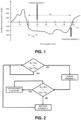
Fig. 1 illustrates a graph showing the available energy level over time for an energy management system according to embodiments of the invention. -
Fig. 2 illustrates a scheme for optimal use of solar energy according to embodiments of the invention. -
Fig. 3 illustrates a graph showing the available energy level over time for an energy management system according to embodiments of the invention. - In the description different embodiments will be used to describe the invention. Therefore reference will be made to different drawings. It has to be understood that these drawings are intended to be non-limiting, the invention is only limited by the claims. The drawings are thus for illustrative purposes, the size of some of the elements in the drawings may be exaggerated for clarity purposes.
- The term "comprising" is not to be interpreted as limiting the invention in any way. The term "comprising", used in the claims, is not intended to be restricted to what means is described thereafter; it does not exclude other elements, parts or steps.
- The term "connected" as used in the claims and in the description has not to be interpreted as being restricted to direct connections, unless otherwise specified. Thus, part A being connected to part B is not limited to part A being in direct contact to part B, but also includes indirect contact between part A and part B, in other words also includes the case where intermediate parts are present in between part A and part B.
- The present invention provides a method for optimal use of solar energy in a building. The method comprises measuring the amount of local solar energy generation, monitoring energy consumption in the building, and monitoring the difference between the energy consumption and the generated solar energy, resulting in the available energy level. The method furthermore comprises, when the available energy level is below a predetermined threshold for at least a predetermined time duration, sending a signal to a gateway for activating a first electric or electronic appliance.
- An advantage of a method according to embodiments of the invention is that solar energy is used when it is generated, which prevents too much solar energy being fed into the electricity grid. Users can, in that way, significantly save on the energy costs they have to pay to electricity providers. A user can him- or herself determine which electric or electronic appliances have to be activated when the available energy level is high enough, or in other words, when more solar energy is generated than energy is used at that time.
- A method according to embodiments of the invention makes us of a predetermined time duration, i.e. of sort of a waiting time to protect the devices from turning on and/or off too often. Without that logic appliances can be damaged of flipping on and off too many times in a short period of time.
- The present invention will hereinafter be described by means of different embodiments. It has to be understood that these embodiments are only for the ease of understanding the invention and are not intended to limit the invention in any way.
- An energy management system according to embodiments of the invention comprises a gateway for controlling at least one electric or electronic appliance. The gateway is located at a central location in the building. The energy management system furthermore comprises a digital meter. When a user has solar panels on his building, solar energy is generated as soon as the sun is shining on the panels. At the same time, within the building, energy is used from household appliances, heating or cooling, .... The digital meter measures the local solar energy generation over time. At the same time, the digital meter is monitoring the energy consumption in the building over time. According to embodiments of the invention, the digital meter is adapted to determine and monitor the difference between the energy consumption and the generated solar energy. Subtracting the generated solar energy from the energy consumption results in the available energy level EA at a particular moment in time.
-
Fig. 1 shows an example of the available energy level EA over time. As long as the available energy level EA is higher than zero, more energy is used than there is solar energy generated by the solar panels. When the solar energy generated by the solar panels becomes, at a certain moment in time, higher than the energy consumed at that moment, the available energy level becomes lower than zero. From that moment on, the generated solar energy that is not consumed at that moment, disappears to the electricity grid. Although some digital meters compensate for the solar energy going to the electricity grid, it would still be better to use the solar energy at the moment that it is generated. - Therefore, according to the invention, when enough excess solar energy is available, or in other words, when the available energy level EA is lower than a predetermined threshold ETH for a predetermined time duration TSET, a signal will be sent from the digital meter to the gateway indicating that a first electric or electronic appliance can be activated (see
Fig. 2 ). - In the gateway, a user or installer can at the time of installation and by means of the configuration software, determine which electric or electronic appliance needs to be activated upon receiving a signal from the digital meter that the available energy level EA is lower than a predetermined threshold ETH for a predetermined time duration TSET. Any suitable electric or electronic appliance can be activated in that way, such as, for example but not limited to, a washing machine, a dryer, a dish washer, .... It has to be noted that the electric or electronic appliances that are activated in that way will mostly be additional to the electric or electronic appliances that run automatically all day or part of the day, such as heating, cooling, lighting and so on. However, also such appliances could, if preferred by a user, be activated in the above described way, although this will not be the standard use of an energy management system according to embodiments of the invention.
- Further, also the threshold ETH for the available energy level EA and the predetermined time duration TSET are set in the programming software in the gateway. This can be done during installation of the energy management system or at any other time, whenever required by a user. In practice, the digital meter frequently sends signals or data to the gateway. When, in the gateway, it is monitored that the available energy level EA is lower than a predetermined threshold ETH for a predetermined time duration TSET, the gateway will send a signal to the electric or electronic appliance to activate it.
- According to embodiments of the invention, user ports of the digital meter may be connected to the gateway via the P1 user port. This may be done by any suitable cable as known by a person skilled in the art, such as, for example, an RJ12 cable. Hence, the signals sent from the digital meter are sent to the P user port of the gateway.
- Hence, in the example of
Fig. 1 , the threshold ETH is set at -300 Watt and the time duration TSET is set at 15 minutes. This means that, as from the moment that the available energy level EA is at -300 Watt, the time duration is counted. If the available energy level EA is below -300 Watt for at least 15 minutes, the gateway will activateappliance 1. - As from the time that the available energy level EA is less than 15 min below the threshold ETH, the gateway will send a signal to the electric or electronic appliance for being deactivated. However, according to embodiments of the invention, the programming software in the gateway may be adapted to, if necessary, keep the electric or electronic appliance switched on for a predetermined time period before shutting off, so that any program still running can be properly finished.
- In the example of
Fig. 1 , the total time TEA the available energy level EA was below the threshold ETH is about 70 minutes. After the appliance has been switched on , the appliance could run for 70 minutes, unless the program of the appliance was already finished. Signals are kept being sent from the digital meter to the gateway. After every new time frame of 15 minutes it is evaluated whether the past 15 minutes the available energy level EA was the whole time frame below the threshold value ETH. When this is no longer the case, the gateway will deactivate the electric or electronic appliance, if the type of electric or electronic appliances allows to. If not, the gateway will deactivate the appliance after the program on the appliance has finished. - According to further embodiments or the invention but not necessarily, the energy management system may further comprise a smart plug that is plugged into a socket outlet, and in which the electric or electronic appliance is plugged in. Upon monitoring that the available energy level EA is lower than a predetermined threshold ETH for a predetermined time duration TSET, the gateway will send a signal to the smart plug and the smart plug will switch the electric or electronic appliance on. Similarly, when the available energy level EA is no longer below the predetermined threshold ETH for a predetermined time TSET, the smart plug will, upon receiving a signal from the gateway, switch off the electric or electronic appliance.
- According to embodiments of the invention, more than one electric or electronic appliance can be activated, as long as enough solar energy is generated. This is illustrated in
Fig. 3 . The generated solar energy and the energy consumption in the building are monitored by the digital meter. The digital meter sends signals or data to the P1 user port of the gateway. The signals are indicative of the available energy level EA. When it is detected by the gateway that the available energy level EA is below the predetermined threshold ETH for a predetermined time TSET, the gateway will send a signal directly to a first electric or electronic appliance or via a smart plug in which the electric or electronic appliance is plugged in, for activating the first electric or electronic appliance. Monitoring of the available energy level EA keeps going on. If after the predetermined time duration TSET, the available energy level EA is still below the predetermined threshold value ETH, a second electric or electronic appliance can be activated by sending a signal from the gateway directly to the second electric or electronic appliance or via a smart plug into which the second electric or electronic appliance is plugged in. This can be repeated for as long as the available energy level EA is below the predetermined threshold value ETH and for as many appliances as are programmed in the programming software in the gateway. - According to embodiments of the invention, the order in which the different electric or electronic appliances need to be activated according to a user preferences can be programmed in the programming software in the gateway. This can be done during installation of the energy management system or can be done at any other time, whenever this is required for a user.
- When it is detected that the available energy level EA is no longer below the predetermined threshold value ETH for the predetermined time duration TSET, the gateway will send a signal directly to the electric or electronic appliances or via a smart plug into which the electric or electronic appliance is plugged in, to deactivate or switch off the electric or electronic appliance.
- In the above example, the different predetermined time durations TSET for different electric or electronic appliances are all the same. However, according to embodiments of the invention, the different predetermined time durations TSET for the different electric or electronic appliances can also be different from each other. For example, TSET for activating the first appliance can be 15 minutes, while TSET for activating the second appliance can be 20 minutes, TSET for activating the third appliance can be 30 minutes, and so on.
- Similarly, also the predetermined threshold value ETH can be different for the different appliances. For example, ETH can be -300 Watt for a first appliances, but can be set at -500 Watt for a second appliances and for any further appliance.
- According to further embodiments of the invention, the gateway may further be adapted to link the decision to activate of the first and/or further electric or electronic appliances with external information, such as, for example, weather forecast. For example, if the available energy level EA is below the predetermined threshold ETH for the predetermined time duration TSET, but the weather forecast predicts that within a few moment the sun will no longer shine and it will be raining for the rest of the day, the gateway can decide not to send a signal for activating the electric or electronic appliance. The scope of the invention is defined by the appended claims.
Claims (12)
- Method for optimal use of solar energy in a building, the method comprising:- measuring the amount of local solar energy generation by means of a digital meter,- monitoring energy consumption in the building by means of the digital meter, characterized in that the method furthermore comprises- determining the difference between the energy consumption and the generated solar energy by subtracting the generated solar energy from the energy consumption which results in the available energy level (EA), and monitoring that difference,- sending signals from the digital meter to a gateway, the signals being indicative of the available energy level (EA),- monitoring the available energy level (EA), and- upon monitoring that the available energy level (EA) is below a predetermined threshold (ETH) for at least a predetermined time duration (TSET), sending a signal from the gateway to a first electric or electronic appliance for activating the first electric or electronic appliance, the predetermined threshold (ETH) and the predetermined time duration (TSET) being programmed in the gateway.
- Method according to claim 1, wherein sending a signal to the gateway is done by sending a signal from a user port of a digital meter to a P1 user port of the gateway.
- Method according to claim 1 or 2, wherein the method further comprises:a) after activating the first electric or electronic appliance, and when the available energy level (EA) is still below the predetermined threshold for at least a further predetermined time duration, sending a signal to a gateway for activating a further electric or electronic appliance, andb) as long as the available energy level is below the predetermined threshold for a further predetermined time, repeating step a).
- Method according to any of the previous claims, wherein the method further comprises:- whenever the available energy level (EA) is no longer below the predetermined threshold, sending a signal to the gateway for turning off at least one of the first or further electric or electronic appliances.
- Method according to claim 4 or, wherein the method further comprises:- keeping at least one of the first or further electric or electronic appliance turned on for a predetermined time period before turning off, so that any program still running can be properly finished.
- Method according to any of the previous claims, wherein activating a first electric or electronic device comprising sending a signal from the gateway to a smart plug into which the electric or electronic appliance is plugged in, after which the plug switches the electric or electronic appliance on.
- An energy management system for controlling solar energy usage of at least one electric or electronic appliance in a building, the energy management system comprising:- a gateway for controlling the at least one electric or electronic appliance, and- a digital meter for measuring local solar energy generation and for monitoring the energy consumption in the building,characterized in that the digital meter is adapted for:- determining and monitoring the difference between the energy consumption and the generated solar energy determined by subtracting the generated solar energy from the energy consumption which results in the available energy level (EA), and- sending a signal to the gateway for activating a first electric or electronic appliance when the available energy level (EA) is below a predetermined threshold for at least a predetermined time duration, the predetermined threshold and the predetermined time duration being programmed in the gateway.
- Energy management system according to claim 7, wherein a user port of the digital meter is connected to the gateway via the P1 user port.
- Energy management system according to claim 7 or 8, further comprising at least one smart plug for switching the at least one electric or electronic appliance on or off upon receiving a signal from the gateway.
- Energy management system according to any of claims 7 to 9, wherein the gateway is further adapted for:a) after activating the first electric or electronic appliance, and when the available energy level (EA) is still below the predetermined threshold for at least a further predetermined time duration, sending a signal to a further electric or electronic appliance for activating the further electric or electronic appliance, and forb) as long as the available energy level is below the predetermined threshold for a further predetermined time, repeating step a).
- Energy management system according to any of claims 7 to 10, wherein the gateway is further adapted to, whenever the available energy level (EA) is no longer below the predetermined threshold, send a signal to the gateway for turning off at least one of the first or further electric or electronic appliances.
- Energy management system according to claim 11, wherein the gateway is further adapted to keep at least one of the first or further electric or electronic appliances turned on for a predetermined time period before turning off, so that any program still running can be properly finished.
Applications Claiming Priority (1)
| Application Number | Priority Date | Filing Date | Title |
|---|---|---|---|
| BE20205489A BE1028446B1 (en) | 2020-06-30 | 2020-06-30 | METHOD AND ENERGY MANAGEMENT SYSTEM FOR OPTIMAL USE OF SOLAR ENERGY |
Publications (3)
| Publication Number | Publication Date |
|---|---|
| EP3933724A2 EP3933724A2 (en) | 2022-01-05 |
| EP3933724A3 EP3933724A3 (en) | 2022-01-12 |
| EP3933724B1 true EP3933724B1 (en) | 2025-04-09 |
Family
ID=72752242
Family Applications (1)
| Application Number | Title | Priority Date | Filing Date |
|---|---|---|---|
| EP21182675.5A Active EP3933724B1 (en) | 2020-06-30 | 2021-06-30 | Method and energy management system for optimal use of solar energy |
Country Status (3)
| Country | Link |
|---|---|
| EP (1) | EP3933724B1 (en) |
| BE (1) | BE1028446B1 (en) |
| DK (1) | DK3933724T3 (en) |
Family Cites Families (2)
| Publication number | Priority date | Publication date | Assignee | Title |
|---|---|---|---|---|
| EP2943842B1 (en) | 2013-01-14 | 2019-03-06 | Abb Ag | Energy management gateway |
| EP2946568B1 (en) | 2014-04-09 | 2016-12-14 | Smappee NV | Energy management system |
-
2020
- 2020-06-30 BE BE20205489A patent/BE1028446B1/en active IP Right Grant
-
2021
- 2021-06-30 DK DK21182675.5T patent/DK3933724T3/en active
- 2021-06-30 EP EP21182675.5A patent/EP3933724B1/en active Active
Also Published As
| Publication number | Publication date |
|---|---|
| EP3933724A2 (en) | 2022-01-05 |
| BE1028446B1 (en) | 2022-01-31 |
| BE1028446A1 (en) | 2022-01-27 |
| EP3933724A3 (en) | 2022-01-12 |
| DK3933724T3 (en) | 2025-06-16 |
Similar Documents
| Publication | Publication Date | Title |
|---|---|---|
| US10108915B2 (en) | Apparatus and method for controlling utility consumption | |
| US8527107B2 (en) | Method and apparatus for effecting controlled restart of electrical servcie with a utility service area | |
| US6493643B1 (en) | Method for the energy management in a domestic environment | |
| US9685784B2 (en) | Network system for a component | |
| JP4257057B2 (en) | Apparatus, system and method for monitoring household appliances | |
| US8575783B2 (en) | Solar panel as infrared signal receiver and processor | |
| CN102375444A (en) | Appliance incorporating load selectivity without employment of smart meters | |
| EP2587727B1 (en) | Network system | |
| WO2021137720A1 (en) | Method for monitoring and managing electrical power consumption | |
| EP2048758A2 (en) | Power supply apparatus, power management server, power management system, power supply method | |
| US20240171001A1 (en) | Energy management system | |
| CN107743671A (en) | Memory cell, storage system and the method for controlling storage system of consumer | |
| EP3933724B1 (en) | Method and energy management system for optimal use of solar energy | |
| US20120101646A1 (en) | Interactive system for price-point control of power consumption | |
| JP7824233B2 (en) | Load detection and prioritization for energy management systems | |
| KR20140017084A (en) | Managing system and method and apparatus of the payback system for reduction of electric power consumption | |
| JP2018078713A (en) | Device control apparatus, device control method, and program | |
| FR2677469A1 (en) | PROCESS FOR MANAGING THE PRICING OF ELECTRICAL ENERGY IN A NETWORK WITHIN A PREMISES. | |
| WO2016185759A1 (en) | Device control system and control method | |
| US20220131376A1 (en) | Systems and methods for a recharging activated demand sharing system for an electric vehicle | |
| CN121079859A (en) | Load control | |
| KR101588062B1 (en) | Home appliance, method for controlling the home appliance, newtwork system and controlling method thereof | |
| Martin | Knowledge is power: Energy monitoring guide | |
| EP2943842A1 (en) | Energy management gateway | |
| JPWO2017145287A1 (en) | Management system and management method |
Legal Events
| Date | Code | Title | Description |
|---|---|---|---|
| PUAI | Public reference made under article 153(3) epc to a published international application that has entered the european phase |
Free format text: ORIGINAL CODE: 0009012 |
|
| STAA | Information on the status of an ep patent application or granted ep patent |
Free format text: STATUS: THE APPLICATION HAS BEEN PUBLISHED |
|
| PUAL | Search report despatched |
Free format text: ORIGINAL CODE: 0009013 |
|
| AK | Designated contracting states |
Kind code of ref document: A2 Designated state(s): AL AT BE BG CH CY CZ DE DK EE ES FI FR GB GR HR HU IE IS IT LI LT LU LV MC MK MT NL NO PL PT RO RS SE SI SK SM TR |
|
| AK | Designated contracting states |
Kind code of ref document: A3 Designated state(s): AL AT BE BG CH CY CZ DE DK EE ES FI FR GB GR HR HU IE IS IT LI LT LU LV MC MK MT NL NO PL PT RO RS SE SI SK SM TR |
|
| RIC1 | Information provided on ipc code assigned before grant |
Ipc: G06Q 50/06 20120101ALI20211207BHEP Ipc: G06Q 10/06 20120101ALI20211207BHEP Ipc: G06Q 10/04 20120101AFI20211207BHEP |
|
| STAA | Information on the status of an ep patent application or granted ep patent |
Free format text: STATUS: REQUEST FOR EXAMINATION WAS MADE |
|
| 17P | Request for examination filed |
Effective date: 20220712 |
|
| RBV | Designated contracting states (corrected) |
Designated state(s): AL AT BE BG CH CY CZ DE DK EE ES FI FR GB GR HR HU IE IS IT LI LT LU LV MC MK MT NL NO PL PT RO RS SE SI SK SM TR |
|
| P01 | Opt-out of the competence of the unified patent court (upc) registered |
Effective date: 20230526 |
|
| GRAP | Despatch of communication of intention to grant a patent |
Free format text: ORIGINAL CODE: EPIDOSNIGR1 |
|
| STAA | Information on the status of an ep patent application or granted ep patent |
Free format text: STATUS: GRANT OF PATENT IS INTENDED |
|
| RIC1 | Information provided on ipc code assigned before grant |
Ipc: H02J 3/14 20060101ALI20250122BHEP Ipc: G06Q 50/06 20120101ALI20250122BHEP Ipc: G06Q 10/063 20230101ALI20250122BHEP Ipc: G06Q 10/04 20120101AFI20250122BHEP |
|
| GRAS | Grant fee paid |
Free format text: ORIGINAL CODE: EPIDOSNIGR3 |
|
| INTG | Intention to grant announced |
Effective date: 20250130 |
|
| GRAA | (expected) grant |
Free format text: ORIGINAL CODE: 0009210 |
|
| STAA | Information on the status of an ep patent application or granted ep patent |
Free format text: STATUS: THE PATENT HAS BEEN GRANTED |
|
| AK | Designated contracting states |
Kind code of ref document: B1 Designated state(s): AL AT BE BG CH CY CZ DE DK EE ES FI FR GB GR HR HU IE IS IT LI LT LU LV MC MK MT NL NO PL PT RO RS SE SI SK SM TR |
|
| REG | Reference to a national code |
Ref country code: GB Ref legal event code: FG4D |
|
| REG | Reference to a national code |
Ref country code: CH Ref legal event code: EP |
|
| REG | Reference to a national code |
Ref country code: DE Ref legal event code: R096 Ref document number: 602021028790 Country of ref document: DE |
|
| REG | Reference to a national code |
Ref country code: IE Ref legal event code: FG4D |
|
| REG | Reference to a national code |
Ref country code: DK Ref legal event code: T3 Effective date: 20250610 |
|
| REG | Reference to a national code |
Ref country code: NL Ref legal event code: FP |
|
| PGFP | Annual fee paid to national office [announced via postgrant information from national office to epo] |
Ref country code: DE Payment date: 20250624 Year of fee payment: 5 |
|
| PGFP | Annual fee paid to national office [announced via postgrant information from national office to epo] |
Ref country code: LU Payment date: 20250620 Year of fee payment: 5 Ref country code: NL Payment date: 20250623 Year of fee payment: 5 Ref country code: BE Payment date: 20250619 Year of fee payment: 5 |
|
| PGFP | Annual fee paid to national office [announced via postgrant information from national office to epo] |
Ref country code: FR Payment date: 20250620 Year of fee payment: 5 |
|
| REG | Reference to a national code |
Ref country code: AT Ref legal event code: MK05 Ref document number: 1784205 Country of ref document: AT Kind code of ref document: T Effective date: 20250409 |
|
| PG25 | Lapsed in a contracting state [announced via postgrant information from national office to epo] |
Ref country code: FI Free format text: LAPSE BECAUSE OF FAILURE TO SUBMIT A TRANSLATION OF THE DESCRIPTION OR TO PAY THE FEE WITHIN THE PRESCRIBED TIME-LIMIT Effective date: 20250409 Ref country code: ES Free format text: LAPSE BECAUSE OF FAILURE TO SUBMIT A TRANSLATION OF THE DESCRIPTION OR TO PAY THE FEE WITHIN THE PRESCRIBED TIME-LIMIT Effective date: 20250409 Ref country code: PT Free format text: LAPSE BECAUSE OF FAILURE TO SUBMIT A TRANSLATION OF THE DESCRIPTION OR TO PAY THE FEE WITHIN THE PRESCRIBED TIME-LIMIT Effective date: 20250811 |
|
| PGFP | Annual fee paid to national office [announced via postgrant information from national office to epo] |
Ref country code: DK Payment date: 20250723 Year of fee payment: 5 |
|
| REG | Reference to a national code |
Ref country code: LT Ref legal event code: MG9D |
|
| PG25 | Lapsed in a contracting state [announced via postgrant information from national office to epo] |
Ref country code: NO Free format text: LAPSE BECAUSE OF FAILURE TO SUBMIT A TRANSLATION OF THE DESCRIPTION OR TO PAY THE FEE WITHIN THE PRESCRIBED TIME-LIMIT Effective date: 20250709 Ref country code: GR Free format text: LAPSE BECAUSE OF FAILURE TO SUBMIT A TRANSLATION OF THE DESCRIPTION OR TO PAY THE FEE WITHIN THE PRESCRIBED TIME-LIMIT Effective date: 20250710 |
|
| PG25 | Lapsed in a contracting state [announced via postgrant information from national office to epo] |
Ref country code: PL Free format text: LAPSE BECAUSE OF FAILURE TO SUBMIT A TRANSLATION OF THE DESCRIPTION OR TO PAY THE FEE WITHIN THE PRESCRIBED TIME-LIMIT Effective date: 20250409 |
|
| PG25 | Lapsed in a contracting state [announced via postgrant information from national office to epo] |
Ref country code: BG Free format text: LAPSE BECAUSE OF FAILURE TO SUBMIT A TRANSLATION OF THE DESCRIPTION OR TO PAY THE FEE WITHIN THE PRESCRIBED TIME-LIMIT Effective date: 20250409 |
|
| PGFP | Annual fee paid to national office [announced via postgrant information from national office to epo] |
Ref country code: GB Payment date: 20250724 Year of fee payment: 5 |
|
| PG25 | Lapsed in a contracting state [announced via postgrant information from national office to epo] |
Ref country code: HR Free format text: LAPSE BECAUSE OF FAILURE TO SUBMIT A TRANSLATION OF THE DESCRIPTION OR TO PAY THE FEE WITHIN THE PRESCRIBED TIME-LIMIT Effective date: 20250409 |
|
| PG25 | Lapsed in a contracting state [announced via postgrant information from national office to epo] |
Ref country code: AT Free format text: LAPSE BECAUSE OF FAILURE TO SUBMIT A TRANSLATION OF THE DESCRIPTION OR TO PAY THE FEE WITHIN THE PRESCRIBED TIME-LIMIT Effective date: 20250409 |
|
| PG25 | Lapsed in a contracting state [announced via postgrant information from national office to epo] |
Ref country code: RS Free format text: LAPSE BECAUSE OF FAILURE TO SUBMIT A TRANSLATION OF THE DESCRIPTION OR TO PAY THE FEE WITHIN THE PRESCRIBED TIME-LIMIT Effective date: 20250709 |
|
| PG25 | Lapsed in a contracting state [announced via postgrant information from national office to epo] |
Ref country code: IS Free format text: LAPSE BECAUSE OF FAILURE TO SUBMIT A TRANSLATION OF THE DESCRIPTION OR TO PAY THE FEE WITHIN THE PRESCRIBED TIME-LIMIT Effective date: 20250809 |
|
| PG25 | Lapsed in a contracting state [announced via postgrant information from national office to epo] |
Ref country code: LV Free format text: LAPSE BECAUSE OF FAILURE TO SUBMIT A TRANSLATION OF THE DESCRIPTION OR TO PAY THE FEE WITHIN THE PRESCRIBED TIME-LIMIT Effective date: 20250409 |
|
| REG | Reference to a national code |
Ref country code: DE Ref legal event code: R097 Ref document number: 602021028790 Country of ref document: DE |
|
| PG25 | Lapsed in a contracting state [announced via postgrant information from national office to epo] |
Ref country code: SM Free format text: LAPSE BECAUSE OF FAILURE TO SUBMIT A TRANSLATION OF THE DESCRIPTION OR TO PAY THE FEE WITHIN THE PRESCRIBED TIME-LIMIT Effective date: 20250409 |
|
| PG25 | Lapsed in a contracting state [announced via postgrant information from national office to epo] |
Ref country code: CZ Free format text: LAPSE BECAUSE OF FAILURE TO SUBMIT A TRANSLATION OF THE DESCRIPTION OR TO PAY THE FEE WITHIN THE PRESCRIBED TIME-LIMIT Effective date: 20250409 |
|
| PG25 | Lapsed in a contracting state [announced via postgrant information from national office to epo] |
Ref country code: EE Free format text: LAPSE BECAUSE OF FAILURE TO SUBMIT A TRANSLATION OF THE DESCRIPTION OR TO PAY THE FEE WITHIN THE PRESCRIBED TIME-LIMIT Effective date: 20250409 |
|
| PG25 | Lapsed in a contracting state [announced via postgrant information from national office to epo] |
Ref country code: SK Free format text: LAPSE BECAUSE OF FAILURE TO SUBMIT A TRANSLATION OF THE DESCRIPTION OR TO PAY THE FEE WITHIN THE PRESCRIBED TIME-LIMIT Effective date: 20250409 Ref country code: RO Free format text: LAPSE BECAUSE OF FAILURE TO SUBMIT A TRANSLATION OF THE DESCRIPTION OR TO PAY THE FEE WITHIN THE PRESCRIBED TIME-LIMIT Effective date: 20250409 |
|
| REG | Reference to a national code |
Ref country code: CH Ref legal event code: H13 Free format text: ST27 STATUS EVENT CODE: U-0-0-H10-H13 (AS PROVIDED BY THE NATIONAL OFFICE) Effective date: 20260127 |
|
| PG25 | Lapsed in a contracting state [announced via postgrant information from national office to epo] |
Ref country code: IT Free format text: LAPSE BECAUSE OF FAILURE TO SUBMIT A TRANSLATION OF THE DESCRIPTION OR TO PAY THE FEE WITHIN THE PRESCRIBED TIME-LIMIT Effective date: 20250409 |
|
| PG25 | Lapsed in a contracting state [announced via postgrant information from national office to epo] |
Ref country code: MC Free format text: LAPSE BECAUSE OF FAILURE TO SUBMIT A TRANSLATION OF THE DESCRIPTION OR TO PAY THE FEE WITHIN THE PRESCRIBED TIME-LIMIT Effective date: 20250409 |
|
| PLBE | No opposition filed within time limit |
Free format text: ORIGINAL CODE: 0009261 |
|
| STAA | Information on the status of an ep patent application or granted ep patent |
Free format text: STATUS: NO OPPOSITION FILED WITHIN TIME LIMIT |
|
| REG | Reference to a national code |
Ref country code: CH Ref legal event code: L10 Free format text: ST27 STATUS EVENT CODE: U-0-0-L10-L00 (AS PROVIDED BY THE NATIONAL OFFICE) Effective date: 20260218 |
|
| 26N | No opposition filed |
Effective date: 20260112 |
|
| PG25 | Lapsed in a contracting state [announced via postgrant information from national office to epo] |
Ref country code: IE Free format text: LAPSE BECAUSE OF NON-PAYMENT OF DUE FEES Effective date: 20250630 |
|
| PG25 | Lapsed in a contracting state [announced via postgrant information from national office to epo] |
Ref country code: CH Free format text: LAPSE BECAUSE OF NON-PAYMENT OF DUE FEES Effective date: 20250630 |