EP3933644A1 - Consensus method, apparatus, and system for blockchain based on byzantine fault tolerance algorithm - Google Patents
Consensus method, apparatus, and system for blockchain based on byzantine fault tolerance algorithm Download PDFInfo
- Publication number
- EP3933644A1 EP3933644A1 EP21181533.7A EP21181533A EP3933644A1 EP 3933644 A1 EP3933644 A1 EP 3933644A1 EP 21181533 A EP21181533 A EP 21181533A EP 3933644 A1 EP3933644 A1 EP 3933644A1
- Authority
- EP
- European Patent Office
- Prior art keywords
- consensus
- proposal
- hash
- digest
- node
- Prior art date
- Legal status (The legal status is an assumption and is not a legal conclusion. Google has not performed a legal analysis and makes no representation as to the accuracy of the status listed.)
- Granted
Links
Images


Classifications
-
- G—PHYSICS
- G06—COMPUTING OR CALCULATING; COUNTING
- G06F—ELECTRIC DIGITAL DATA PROCESSING
- G06F21/00—Security arrangements for protecting computers, components thereof, programs or data against unauthorised activity
- G06F21/60—Protecting data
- G06F21/64—Protecting data integrity, e.g. using checksums, certificates or signatures
-
- G—PHYSICS
- G06—COMPUTING OR CALCULATING; COUNTING
- G06F—ELECTRIC DIGITAL DATA PROCESSING
- G06F16/00—Information retrieval; Database structures therefor; File system structures therefor
- G06F16/20—Information retrieval; Database structures therefor; File system structures therefor of structured data, e.g. relational data
- G06F16/23—Updating
- G06F16/2365—Ensuring data consistency and integrity
-
- G—PHYSICS
- G06—COMPUTING OR CALCULATING; COUNTING
- G06F—ELECTRIC DIGITAL DATA PROCESSING
- G06F16/00—Information retrieval; Database structures therefor; File system structures therefor
- G06F16/20—Information retrieval; Database structures therefor; File system structures therefor of structured data, e.g. relational data
- G06F16/23—Updating
- G06F16/2379—Updates performed during online database operations; commit processing
-
- G—PHYSICS
- G06—COMPUTING OR CALCULATING; COUNTING
- G06Q—INFORMATION AND COMMUNICATION TECHNOLOGY [ICT] SPECIALLY ADAPTED FOR ADMINISTRATIVE, COMMERCIAL, FINANCIAL, MANAGERIAL OR SUPERVISORY PURPOSES; SYSTEMS OR METHODS SPECIALLY ADAPTED FOR ADMINISTRATIVE, COMMERCIAL, FINANCIAL, MANAGERIAL OR SUPERVISORY PURPOSES, NOT OTHERWISE PROVIDED FOR
- G06Q40/00—Finance; Insurance; Tax strategies; Processing of corporate or income taxes
- G06Q40/04—Trading; Exchange, e.g. stocks, commodities, derivatives or currency exchange
-
- H—ELECTRICITY
- H04—ELECTRIC COMMUNICATION TECHNIQUE
- H04L—TRANSMISSION OF DIGITAL INFORMATION, e.g. TELEGRAPHIC COMMUNICATION
- H04L63/00—Network architectures or network communication protocols for network security
- H04L63/12—Applying verification of the received information
-
- H—ELECTRICITY
- H04—ELECTRIC COMMUNICATION TECHNIQUE
- H04L—TRANSMISSION OF DIGITAL INFORMATION, e.g. TELEGRAPHIC COMMUNICATION
- H04L9/00—Cryptographic mechanisms or cryptographic arrangements for secret or secure communications; Network security protocols
- H04L9/32—Cryptographic mechanisms or cryptographic arrangements for secret or secure communications; Network security protocols including means for verifying the identity or authority of a user of the system or for message authentication, e.g. authorization, entity authentication, data integrity or data verification, non-repudiation, key authentication or verification of credentials
- H04L9/3236—Cryptographic mechanisms or cryptographic arrangements for secret or secure communications; Network security protocols including means for verifying the identity or authority of a user of the system or for message authentication, e.g. authorization, entity authentication, data integrity or data verification, non-repudiation, key authentication or verification of credentials using cryptographic hash functions
- H04L9/3239—Cryptographic mechanisms or cryptographic arrangements for secret or secure communications; Network security protocols including means for verifying the identity or authority of a user of the system or for message authentication, e.g. authorization, entity authentication, data integrity or data verification, non-repudiation, key authentication or verification of credentials using cryptographic hash functions involving non-keyed hash functions, e.g. modification detection codes [MDCs], MD5, SHA or RIPEMD
-
- G—PHYSICS
- G06—COMPUTING OR CALCULATING; COUNTING
- G06Q—INFORMATION AND COMMUNICATION TECHNOLOGY [ICT] SPECIALLY ADAPTED FOR ADMINISTRATIVE, COMMERCIAL, FINANCIAL, MANAGERIAL OR SUPERVISORY PURPOSES; SYSTEMS OR METHODS SPECIALLY ADAPTED FOR ADMINISTRATIVE, COMMERCIAL, FINANCIAL, MANAGERIAL OR SUPERVISORY PURPOSES, NOT OTHERWISE PROVIDED FOR
- G06Q20/00—Payment architectures, schemes or protocols
- G06Q20/38—Payment protocols; Details thereof
- G06Q20/382—Payment protocols; Details thereof insuring higher security of transaction
- G06Q20/3827—Use of message hashing
-
- G—PHYSICS
- G06—COMPUTING OR CALCULATING; COUNTING
- G06Q—INFORMATION AND COMMUNICATION TECHNOLOGY [ICT] SPECIALLY ADAPTED FOR ADMINISTRATIVE, COMMERCIAL, FINANCIAL, MANAGERIAL OR SUPERVISORY PURPOSES; SYSTEMS OR METHODS SPECIALLY ADAPTED FOR ADMINISTRATIVE, COMMERCIAL, FINANCIAL, MANAGERIAL OR SUPERVISORY PURPOSES, NOT OTHERWISE PROVIDED FOR
- G06Q20/00—Payment architectures, schemes or protocols
- G06Q20/38—Payment protocols; Details thereof
- G06Q20/389—Keeping log of transactions for guaranteeing non-repudiation of a transaction
-
- H—ELECTRICITY
- H04—ELECTRIC COMMUNICATION TECHNIQUE
- H04L—TRANSMISSION OF DIGITAL INFORMATION, e.g. TELEGRAPHIC COMMUNICATION
- H04L9/00—Cryptographic mechanisms or cryptographic arrangements for secret or secure communications; Network security protocols
- H04L9/50—Cryptographic mechanisms or cryptographic arrangements for secret or secure communications; Network security protocols using hash chains, e.g. blockchains or hash trees
Definitions
- the present file relates to the field of computer technologies, and in particular, to a consensus method, apparatus, and system for a blockchain based on a Byzantine fault tolerance algorithm.
- a consensus protocol is configured to allow nodes in a blockchain, which are distributed around the world, to form a consensus.
- a packaged transaction set may be copied, through a consensus protocol, to other nodes in a network that participate in the consensus to ensure that most nodes have consistent data copies.
- Each consensus node performs transaction execution based on the consistent transaction set and generates a new block. After the new block is generated, a consensus on a next transaction set is continued and the above process is repeated.
- the consensus protocol can ensure that most nodes have the same transaction set after the consensus ends, but it cannot guarantee that a consistent block is generated based on input of the same transaction set.
- a consensus method, apparatus, and system for a blockchain based on a Byzantine fault tolerance algorithm are provided in embodiments of the present specification, for ensuing that nodes participating in a consensus reach a consensus based on a consistent last block.
- a consensus method for a blockchain based on a Byzantine fault tolerance algorithm is further provided in the embodiments of the present specification, including:
- a consensus method for a blockchain based on a Byzantine fault tolerance algorithm is further provided in the embodiments of the present specification, including:
- a consensus method for a blockchain based on a Byzantine fault tolerance algorithm is further provided in the embodiments of the present specification, including:
- a consensus method for a blockchain based on a Byzantine fault tolerance algorithm is further provided in the embodiments of the present specification, including:
- a consensus system for a blockchain based on a Byzantine fault tolerance algorithm including: a first consensus node and a second consensus node, wherein the first consensus node is configured to initiate a consensus proposal including a first proposal digest generated based on a first last block hash maintained by the first consensus node; and the second consensus node is configured to, in response to the consensus proposal, generate a second proposal digest based on a second last block hash maintained by the second consensus node; not participate in a consensus on the consensus proposal if it is detected that the first proposal digest does not match the second proposal digest; and otherwise, participate in the consensus on the consensus proposal, wherein the first last block hash and the second last block hash are hash values of the closest N blocks previous to the latest block in distributed ledgers maintained by the first consensus node and the second consensus node, respectively, and N is a positive integer.
- a consensus apparatus for a blockchain based on a Byzantine fault tolerance algorithm is further provided in the embodiments of the present specification, including:
- a consensus apparatus for a blockchain based on a Byzantine fault tolerance algorithm is further provided in the embodiments of the present specification, including:
- An electronic device is further provided in the embodiments of the present specification, including:
- a computer-readable storage medium having a computer program stored thereon is further provided in the embodiments of the present specification, wherein the computer program, when executed, implements the following operation:
- An electronic device is further provided in the embodiments of the present specification, including:
- a computer-readable storage medium having a computer program stored thereon is further provided in the embodiments of the present specification, wherein the computer program, when executed, implements the following operations:
- a function of reaching a consensus on a last block hash is introduced into a consensus protocol based on a Byzantine fault tolerance algorithm, so that a consensus node can judge whether it is forked or a node that initiates the consensus is forked, and decide whether to participate in the consensus, thereby ensuring that nodes participating in the consensus reach a consensus based on a consistent last block.
- the consensus protocol can ensure that most nodes have the same transaction set after the consensus ends, but it cannot guarantee that nodes can generate a consistent block based on input of the same transaction set after execution of the transaction. For example, in a new round of consensus, if the last block is forked, neither a forked node nor an unforked node can judge in time whether it is forked, and they may continue to participate in the consensus, which affects the consistency of blocks generated by the nodes.
- the present specification provides a consensus method for a blockchain based on a Byzantine fault tolerance algorithm, in which a function of reaching a consensus on a last block hash is introduced into a consensus protocol, so that a consensus node can judge in time whether itself is forked or a node that initiates the consensus is forked, and decide whether to participate in the consensus, thereby ensuring that nodes participating in the consensus reach a consensus based on a consistent last block.
- FIG. 1 is a schematic flowchart of a consensus method for a blockchain based on a Byzantine fault tolerance algorithm according to an embodiment of the present specification. Referring to FIG. 1 , the method may specifically include the following steps.
- a first consensus node of a consortium blockchain initiates a consensus proposal including a first proposal digest generated based on a first last block hash maintained by the first consensus node.
- a second consensus node of the consortium blockchain responds to the consensus proposal and generates a second proposal digest based on a second last block hash maintained by the second consensus node.
- the first consensus node refers to a node that initiates the consensus proposal in the consortium blockchain
- the second consensus node refers to a node that may participate in the consensus in the consortium blockchain.
- the first consensus node is a master node
- the second consensus node is a slave node.
- step 106 the second consensus node does not participate in the consensus on the consensus proposal if it is detected that the first proposal digest does not match the second proposal digest.
- the first last block hash and the second last block hash are hash values of the closest N blocks previous to the latest block in distributed ledgers maintained by the first consensus node and the second consensus node, respectively, and N is a positive integer.
- a last block hash may be a hash value of a previous block of the latest block, that is, the first last block hash is a hash value of a previous block of the latest block in the distributed ledger maintained by the first consensus node; and the second last block hash is a hash value of a previous block of the latest block in the distributed ledger maintained by the second consensus node.
- the embodiment of the present specification shows a specific implementation of the above last block hash herein.
- the last block hash may also be implemented in other manners, which is not limited in the embodiment of the present application.
- a previous block of the latest block is introduced into the consensus protocol, and a hash value of the previous block of the latest block is adjacent to the latest block, based on which a fork between the two can be avoided.
- verifying the consistency of the hash value of the previous block of the latest block can ensure the consistency of last blocks, and therefore, the amount of data required for matching can be reduced.
- a first implementation of the introduction of the last block hash may be as follows.
- a calculation method of the proposal digest is modified, and a last block hash is added to serve as a calculation element of the proposal digest together with a transaction hash.
- the first proposal digest is generated based on the first last block hash and a first transaction hash of a transaction set needing to be proposed by the first consensus node; similarly, the second proposal digest may also be generated based on the second last block hash and a second transaction hash of the transaction set determined by the second consensus node.
- the first implementation manner may specifically be as follows.
- the first consensus node reads a hash value of a previous block from a block header of the latest block in the distributed ledger maintained by this node, the hash value being recorded as a first last block hash; then generates the first proposal digest based on the first last block hash and a transaction set needing to be proposed, and adds the first proposal digest and the transaction set needing to be proposed to the consensus proposal.
- the second consensus node After receiving the consensus proposal, the second consensus node reads a hash value of a previous block from a block header of the latest block in the distributed ledger maintained by this node, the hash value being recorded as a second last block hash; then re-generates, based on the second last block hash and the transaction set needing to be proposed, a proposal digest which is recorded as a second proposal digest, and detects whether the first proposal digest matches the second proposal digest, if yes, participates in a consensus on the transaction set needing to be proposed, and if it is detected that the first proposal digest does not match the second proposal digest, does not participate in a consensus on the consensus proposal.
- the method for introducing the last block hash may be a calculation method for modifying a proposal digest Digest in a Preprepare message (that is, proposal message) of a Byzantine Fault
- Tolerance pbft consensus algorithm as agreed in a consensus protocol, in which the last block hash is introduced therein as a calculation variable to generate a new proposal digest.
- Specific examples may be as follows.
- the first consensus node determines a first transaction hash of the transaction set; and a first proposal digest is generated based on the first transaction hash and the first last block hash.
- a calculation logic thereof includes:
- a Preprepare message is generated and broadcast to initiate a consensus proposal.
- a message format of the Preprepare message is:
- the second consensus node may generate, according to the above methods for calculating the proposal digest Digest and the Preprepare message, a second proposal digest based on a transaction hash of a transaction set and the second last block hash.
- the re-generated second proposal digest is compared with the first proposal digest in the consensus proposal, and if it is detected that the second proposal digest does not match the first proposal digest, it is determined that the first last block hash does not match the second last block hash. In other words, the last block of the second consensus node is inconsistent with the last block of the first consensus node, so the second consensus node does not participate in this consensus.
- the first consensus node and the second consensus node may take a root hash of a Merkel tree as a root hash of the transaction set by calculating the Merkel tree of the transaction set.
- the first transaction hash is a root hash value of the Merkel tree corresponding to the transaction set determined by the first consensus node
- the second transaction hash is a root hash value of the Merkel tree corresponding to the transaction set in the consensus proposal determined by the second consensus node.
- a second implementation of the introduction of the last block hash may be as follows: Under a data structure of an existing consensus proposal, a calculation method of the proposal digest is modified, and the last block hash is used as a new calculation element to replace a current calculation element of the proposal digest. The first proposal digest is generated based on the first last block hash; and similarly, the second proposal digest may also be generated based on the second last block hash.
- the second implementation manner may specifically be as follows.
- the first consensus node reads a hash value of a previous block from a block header of the latest block in the distributed ledger maintained by this node, the hash value being recorded as a first last block hash; then generates the first proposal digest based on the first last block hash, and adds the first proposal digest and the transaction set needing to be proposed to the consensus proposal.
- the second consensus node After receiving the consensus proposal, the second consensus node reads a hash value of a previous block from a block header of the latest block in the distributed ledger maintained by this node, the hash value being recorded as a second last block hash; then re-generates, based on the second last block hash, a proposal digest which is recorded as a second proposal digest, and detects whether the first proposal digest matches the second proposal digest, if yes, participates in a consensus on the transaction set needing to be proposed, and if it is detected that the first proposal digest does not match the second proposal digest, does not participate in a consensus on the consensus proposal.
- the embodiment of the present specification shows two specific implementations of the introduction of the last block hash herein.
- the introduction of the last block hash may also be implemented in other manners, which is not limited in the embodiment of the present application.
- only the calculation method of the proposal digest is modified, and the last block hash is used as a variable for calculating the proposal digest. This method makes a small number of modifications to the existing framework and is easy to be popularized.
- this embodiment further provides a calculation method of the proposal digest, which is specifically as follows.
- the first consensus node For a first proposal digest, the first consensus node first determines a transaction set (recorded as a first transaction set) and calculates a hash value of the first transaction set (recorded as a first transaction hash); and then generates the first proposal digest based on the first last block hash and the first transaction hash of the transaction set determined by the first consensus node.
- the first consensus node may place the first transaction set in the consensus proposal and broadcast it to other nodes.
- the second consensus node may parse the consensus proposal and learn that an object of the consensus proposal is the first transaction set.
- the transaction set included in the consensus proposal may not be the first transaction set, but another transaction set (recorded as a second transaction set), and an object of the consensus proposal determined by the second consensus node is the second transaction set. Therefore, if the second consensus node uses the first transaction hash calculated by the first consensus node to calculate a second proposal digest, the second transaction set may be written into the block, resulting in that a transaction set expected to be proposed by the first consensus node is inconsistent with a transaction set actually proposed.
- the second consensus node first determines the transaction set needing to be proposed included in the consensus proposal, then recalculates a second transaction hash of the transaction set in the consensus proposal, and generates the second proposal digest based on the second transaction hash of the transaction set in the consensus proposal and the second last block hash.
- the embodiment of the present specification shows a specific implementation of the calculation method of the proposal digest herein.
- the calculation method of the proposal digest may also be implemented in other manners, which is not limited in the embodiment of the present application.
- the proposal digest is calculated by the first consensus node and the second consensus node respectively for a transaction set needing to be proposed determined respectively, so as to avoid the inconsistency between the transaction set expected to be proposed by the first consensus node and the transaction set actually proposed.
- the consensus protocol may also agree to write the transaction hashes of the proposed transaction sets into the consensus proposal or into the proposal digest, and the step of transaction hash matching is first performed to verify the consistency of the transaction set in advance.
- the first consensus node writes the first transaction hash into the first proposal digest after calculating the first proposal digest.
- the second consensus node calculates the second transaction hash based on the calculation method of the proposal digest, and matches the second transaction hash with the first transaction hash in the first proposal digest. If it is detected that the first transaction hash does not match the second transaction hash, it indicates that the transaction set expected to be proposed by the first consensus node is inconsistent with the transaction set actually proposed, and the second consensus node does not participate in a consensus on the consensus proposal. If it is detected that the first transaction hash matches the second transaction hash, it indicates that the transaction set expected to be proposed by the first consensus node is consistent with the transaction set actually proposed, and the step of generating the second proposal digest may be continued.
- the embodiment of the present specification shows a specific implementation of the step of transaction hash matching herein.
- the step of transaction hash matching may also be implemented in other manners, which is not limited in the embodiment of the present application.
- the first transaction hash calculated by the first consensus node is written into the first proposal digest, so that before the second consensus node performs matching in the dimension of the proposal digest, it is first judged, for the matching in the dimension of the transaction hashes of the transaction sets and based on a matching result, whether the transaction set expected to be proposed by the first consensus node is consistent with the transaction set actually proposed, and it is then judged whether there is a need to further perform matching in the dimension of the proposal digest, so as to avoid a waste of resources caused by useless matching of the proposal digest.
- a function of reaching a consensus on a last block hash is introduced into a consensus protocol based on a Byzantine fault tolerance algorithm, so that a consensus node can judge whether itself is forked or a node that initiates the consensus is forked, and decide whether to participate in the consensus, thereby ensuring that nodes participating in the consensus reach a consensus based on a consistent last block.
- FIG. 2 is a schematic flowchart of a consensus method for a blockchain based on a Byzantine fault tolerance algorithm according to another embodiment of the present specification. Referring to FIG. 2 , the method may specifically include the following steps.
- a first consensus node of a consortium blockchain initiates a consensus proposal including a first proposal digest generated based on a first last block hash maintained by the first consensus node.
- a second consensus node of the consortium blockchain responds to the consensus proposal and generates a second proposal digest based on a second last block hash maintained by the second consensus node.
- step 206 the second consensus node participates in a consensus on the consensus proposal if it is detected that the first proposal digest matches the second proposal digest.
- the first last block hash and the second last block hash are hash values of the closest N blocks previous to the latest block in distributed ledgers maintained by the first consensus node and the second consensus node, respectively, and N is a positive integer.
- the first last block hash is a hash value of a previous block of the latest block in the distributed ledger maintained by the first consensus node; and the second last block hash is a hash value of a previous block of the latest block in the distributed ledger maintained by the second consensus node.
- the first proposal digest is generated based on the first last block hash and a first transaction hash of a transaction set needing to be proposed by the first consensus node.
- the consensus proposal further includes the transaction set needing to be proposed, and step 204 specifically includes: generating the second proposal digest based on a second transaction hash of the transaction set in the consensus proposal and the second last block hash.
- the first transaction hash is a root hash value of a Merkel tree corresponding to the transaction set determined by the first consensus node; and the second transaction hash is a root hash value of a Merkel tree corresponding to a transaction set that is in the consensus proposal and determined by the second consensus node.
- the first proposal digest carries the first transaction hash
- the method before generating a second proposal digest, the method further includes:
- the method further includes: not participating in, by the second consensus node, the consensus on the consensus proposal if it is detected that the first proposal digest does not match the second proposal digest.
- a function of reaching a consensus on a last block hash is introduced into a consensus protocol based on a Byzantine fault tolerance algorithm, so that a consensus node can judge whether it is forked or a node that initiates the consensus is forked, and decide whether to participate in the consensus, thereby ensuring that nodes participating in the consensus reach a consensus based on a consistent last block.
- the embodiment of the present specification corresponds to the embodiment corresponding to FIG. 1 , and the implementations of the steps are also correspondingly similar, so the embodiment of the present specification is not described in detail herein again.
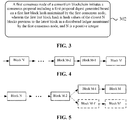
- FIG. 3 is a schematic flowchart of a consensus method for a blockchain based on a Byzantine fault tolerance algorithm according to yet another embodiment of the present specification.
- the method may be performed by a first consensus node that initiates a consensus proposal in a consortium blockchain.
- the method may specifically include the following step.
- a first consensus node of a consortium blockchain initiates a consensus proposal including a first proposal digest generated based on a first last block hash maintained by the first consensus node.
- the first last block hash is hash values of the closest N blocks previous to the latest block in a distributed ledger maintained by the first consensus node, and N is a positive integer.
- step 302 An implementation of step 302 is described below in detail.
- step 302 may specifically be as follows: under a data structure of an existing consensus proposal, a calculation method of the proposal digest is modified, and a last block hash is added to serve as a calculation element of the proposal digest together with a transaction hash.
- the implementation may specifically include the following steps.
- step S1 a transaction set needing to be proposed is determined.
- a request initiated by a client is placed in a transaction pool.
- the first consensus node captures a certain number of transactions from the transaction pool, the certain number of transactions being recorded as a transaction set.
- step S2 a first last block hash maintained by the first consensus node is determined, the first last block hash is hash values of the closest N blocks previous to the latest block in a distributed ledger maintained by the first consensus node, and N is a positive integer.
- the distributed ledger maintained by the first consensus node includes block 1 ... block N ... block M-1, and block M, where block M is the latest block generated in the consortium blockchain, that is, the latest block maintained by the first consensus node.
- the first last block hash refers to a hash value or hash values of the closest one or more blocks before block M.
- an implementation of step S2 may specifically be as follows: a hash value of a previous block of the latest block maintained by the first consensus node is determined; and the hash value of the previous block is used as the first last block hash. That is, in this implementation, a hash value of a block closest to the latest block, for example, previous block M-1 of the latest block M in FIG. 4 , is selected, and the hash value of block M-1 is used as the first last block hash.
- step S2 hashes of a plurality of previous closest blocks may also be used, for example, hashes of all blocks previous to the latest block are used, which is not limited herein.
- the reason why the last block hash is introduced as a basis for judging whether a node is forked in the embodiment of the present specification is that a forked node and an unforked node have different last block hashes.
- the last block hashes of the unforked node are block 1 to block M-2 and block M-1
- the last block hashes of the forked node are block 1 to block M-2 and block M-1'.
- a hash value of a previous block recorded in a block header of block M refers to a hash value of block M-1
- a hash value of a previous block recorded in a block header of block M' refers to a hash value of the block M-1'; the two are different. Therefore, it can be used as a basis for judging whether a node is forked or not.
- step S2 shows a specific implementation of step S2 herein.
- step S2 may also be implemented in other manners, which is not limited in the embodiment of the present application.
- the hash value or hash values of one or more closest blocks previous to the latest block maintained by the nodes are used as the last block hashes, so that it can be judged whether the present node or a node initiating a consensus is forked.
- step S3 based on the transaction set and the first last block hash, a proposal digest is generated and a consensus proposal is initiated.
- a proposal digest is generated and a consensus proposal is initiated.
- One implementation thereof may be as follows.
- a first transaction hash of the transaction set is determined.
- a proposal digest is generated based on the first transaction hash and the first last block hash.
- a proposal message is generated and broadcast to initiate a consensus proposal.
- a specific calculation method, a specific data structure, and a specific message format of the proposal digest and the proposal message may be determined to adapt to a type of the consortium blockchain and a type of a consensus algorithm used, which are not limited herein.
- a proposal message generally includes a transaction that succeeds in service verification of the consensus master node.
- the calculation method of the proposal digest may be modified to introduce the last block hash into a calculation formula of the proposal digest.
- step 302 may be as follows: under a data structure of an existing consensus proposal, a calculation method of the proposal digest is modified, and the last block hash is used as a new calculation element to replace a current calculation element of the proposal digest.
- the implementation may specifically include the following steps: In step S1', a transaction set needing to be proposed is determined.
- step S2' a first last block hash maintained by the first consensus node is determined, the first last block hash is hash values of the closest N blocks previous to the latest block in a distributed ledger maintained by the first consensus node, and N is a positive integer.
- step S1' and step S2' respectively correspond to step S1 and step S2 of the previous implementation, and have correspondingly similar implementations, so details are not described herein again.
- step S3' based on the first last block hash, a proposal digest is generated and a consensus proposal is initiated.
- step S3' its implementation has been described in detail in the embodiment corresponding to FIG. 1 , so it is not repeated herein.
- step 302 shows two specific implementations of step 302 herein.
- step 302 may also be implemented in other manners, which is not limited in the embodiment of the present application.
- only the calculation method of the proposal digest is modified, and the last block hash is used as a variable for calculating the proposal digest. This method makes a small number of modifications to the existing framework and is easy to be popularized.
- the first last block hash is a hash value of a previous block of the latest block in the distributed ledger maintained by the first consensus node.
- the first transaction hash is a root hash value of a Merkel tree corresponding to the transaction set determined by the first consensus node.
- the first consensus node may also write the first transaction hash in the first proposal digest for the second consensus node to verify whether the transaction set corresponding to the first transaction hash is consistent with the transaction set targeted by the consensus proposal.
- a function of reaching a consensus on a last block hash is introduced into a consensus protocol, so that a consensus node can judge in time whether itself is forked or a node that initiates the consensus is forked, and decide whether to participate in the consensus, thereby ensuring that nodes participating in the consensus reach a consensus based on a consistent last block, and avoiding aggravating block forking.
- the embodiment of the present specification is an embodiment for the first consensus node, and its specific implementation has been described in the embodiment corresponding to FIG. 1 . Therefore, only a brief description is given herein.
- FIG. 6 is a schematic flowchart of a consensus method for a blockchain based on a Byzantine fault tolerance algorithm according to yet another embodiment of the present specification.
- the method may be performed by a second consensus node of a consortium blockchain.
- the method may specifically include the following steps.
- a second consensus node of a consortium blockchain receives a consensus proposal initiated by a first consensus node of the consortium blockchain, the consensus proposal including a first proposal digest generated based on a first last block hash maintained by the first consensus node, the first last block hash being hash values of the closest N blocks previous to the latest block in a distributed ledger maintained by the first consensus node, and N being a positive integer.
- a second proposal digest is generated based on a second last block hash maintained by the second consensus node, the second last block hash being hash values of the closest N blocks previous to the latest block in a distributed ledger maintained by the second consensus node, and N being a positive integer.
- blocks in the consortium blockchain maintained by the second consensus node include block 1 ... block M-2, block M-1, and block M, where block M is the latest block generated in the consortium blockchain, that is, the latest block maintained by the second consensus node.
- the second last block hash refers to a hash value or hash values of the closest one or more blocks previous to block M.
- step 604 also has at least two implementations.
- a first implementation of step 604 may be as follows: under a data structure of an existing consensus proposal, a calculation method of the proposal digest is modified, and a last block hash is added to serve as a calculation element of the proposal digest together with a transaction hash.
- Specific examples may be as follows: after the consensus proposal is received, a hash value of a previous block of the latest block maintained by the second consensus node is determined; and the hash value of the previous block is used as the second last block hash. That is, in this implementation, a hash value of one of a plurality of last blocks that is closest to the latest block, for example, previous block M-1 of the latest block M in FIG. 5 , is selected, and the hash value of block M-1 is taken as the second last block hash.
- hashes of a plurality of last blocks may also be used, for example, hashes of all blocks previous to the latest block are used, which is not limited herein.
- the last block selected by the first consensus node and the last block selected by the second consensus node correspond to each other, including the selected last blocks being equal in number, identifiers of the selected last blocks in respective distributed ledgers being correspondingly identical, and so on.
- the first consensus node selects all blocks previous to the latest block
- the second consensus node may also correspondingly select all blocks previous to the latest block.
- the first consensus node selects only a previous block of the latest block, and the second consensus node may also correspondingly select a previous block of the latest block.
- a second implementation of step 604 may be as follows: under a data structure of an existing consensus proposal, a calculation method of the proposal digest is modified, and the last block hash is used as a new calculation element to replace a current calculation element of the proposal digest.
- Specific examples may be as follows: after receiving the consensus proposal, the second consensus node reads a hash value of a previous block from a block header of the latest block in the distributed ledger maintained by this node, the hash value being recorded as a second last block hash; then re-generates a proposal digest based on the second last block hash, the proposal digest being recorded as a second proposal digest.
- step 604 shows two specific implementations of step 604 herein.
- step 604 may also be implemented in other manners, which is not limited in the embodiment of the present application.
- only the calculation method of the proposal digest is modified, and the last block hash is used as a variable for calculating the proposal digest. This method makes a small number of modifications to the existing framework and is easy to be popularized.
- step 606 a consensus on the consensus proposal is not participated in if it is detected that the first proposal digest does not match the second proposal digest; and otherwise, the consensus on the consensus proposal is participated in.
- the second consensus node parses the first proposal digest and the transaction set needing to be proposed from the proposal message; then, recalculates a second transaction hash of the transaction set, and generates a second proposal digest based on the second transaction hash and the second last block hash maintained by the second consensus node; then, detects whether the first proposal digest matches the second proposal digest, and if they do not match each other, confirms that one of the first consensus node and the second consensus node is a forked node and the other is an unforked node, and refuses to participate in this consensus; and otherwise, confirms that last block results of the two are the same and participates in this consensus.
- the second last block hash is a hash value of a previous block of the latest block in a distributed ledger maintained by the second consensus node.
- the consensus proposal further includes the transaction set needing to be proposed, and the second proposal digest is generated based on the second transaction hash of the transaction set in the consensus proposal and the second last block hash.
- the second transaction hash is a root hash value of a Merkel tree corresponding to a transaction set that is in the consensus proposal and determined by the second consensus node.
- the first proposal digest carries the first transaction hash, and before the second proposal digest is generated, the consensus on the consensus proposal is not participated in if it is detected that the first transaction hash does not match the second transaction hash; and the step of generating the second proposal digest is continued if it is detected that the first transaction hash matches the second transaction hash.
- a function of reaching a consensus on a last block hash is introduced into a consensus protocol, so that a node can judge in time whether itself is forked or a node that initiates the consensus is forked, and decide whether to participate in the consensus, thereby ensuring that nodes participating in the consensus reach a consensus based on a consistent last block, and avoiding aggravating block forking.
- a consensus system for a blockchain based on a Byzantine fault tolerance algorithm is further provided.
- the system includes: a first consensus node and a second consensus node.
- the first consensus node is configured to initiate a consensus proposal including a first proposal digest generated based on a first last block hash maintained by the first consensus node.
- the second consensus node is configured to respond to the consensus proposal and generate a second proposal digest based on a second last block hash maintained by the second consensus node; not participate in a consensus on the consensus proposal if it is detected that the first proposal digest does not match the second proposal digest; and otherwise, participate in the consensus on the consensus proposal.
- the first last block hash and the second last block hash are hash values of the closest N blocks previous to the latest block in distributed ledgers maintained by the first consensus node and the second consensus node, respectively, and N is a positive integer.
- the first last block hash is a hash value of a previous block of the latest block in the distributed ledger maintained by the first consensus node; and the second last block hash is a hash value of a previous block of the latest block in the distributed ledger maintained by the second consensus node.
- the first proposal digest is generated based on the first last block hash and a first transaction hash of a transaction set needing to be proposed by the first consensus node.
- the consensus proposal further includes the transaction set needing to be proposed, and the second consensus node is configured to: generate the second proposal digest based on a second transaction hash of the transaction set in the consensus proposal and the second last block hash.
- the first transaction hash is a root hash value of a Merkel tree corresponding to the transaction set determined by the first consensus node; and the second transaction hash is a root hash value of a Merkel tree corresponding to a transaction set that is in the consensus proposal and determined by the second consensus node.
- the first proposal digest carries the first transaction hash
- the second consensus node does not participate in the consensus on the consensus proposal if it is detected that the first transaction hash does not match the second transaction hash
- the step of generating the second proposal digest is continued if it is detected that the first transaction hash matches the second transaction hash.
- the second consensus node participates in the consensus on the consensus proposal if it is detected that the first proposal digest matches the second proposal digest.
- FIG. 7 is a schematic structural diagram of a consensus apparatus for a blockchain based on a Byzantine fault tolerance algorithm according to an embodiment of the present specification.
- the apparatus may include the following modules.
- Proposal module 701 is configured to initiate a consensus proposal including a first proposal digest generated based on a first last block hash maintained by the first consensus node of a consortium blockchain.
- the first last block hash is hash values of the closest N blocks previous to the latest block in a distributed ledger maintained by the first consensus node, and N is a positive integer.
- proposal module 701 includes:
- proposal module 701 includes:
- the first last block hash is a hash value of a previous block of the latest block in the distributed ledger maintained by the first consensus node.
- the first proposal digest is generated based on the first last block hash and a first transaction hash of a transaction set determined by the first consensus node.
- the consensus proposal further includes the transaction set needing to be proposed.
- the first transaction hash is a root hash value of a Merkel tree corresponding to the transaction set determined by the first consensus node.
- FIG. 8 is a schematic structural diagram of a consensus apparatus for a blockchain based on a Byzantine fault tolerance algorithm according to another embodiment of the present specification.
- the apparatus may include the following modules.
- Receiving module 801 is configured to receive a consensus proposal initiated by a first consensus node of a consortium blockchain, the consensus proposal including a first proposal digest generated based on a first last block hash maintained by the first consensus node, the first last block hash being hash values of the closest N blocks previous to the latest block in a distributed ledger maintained by the first consensus node, and N being a positive integer.
- Responding module 802 is configured to respond to the consensus proposal and generate a second proposal digest based on a second last block hash maintained by a second consensus node of the consortium blockchain, the second last block hash being hash values of the closest N blocks previous to the latest block in a distributed ledger maintained by the second consensus node, and N being a positive integer.
- Processing module 803 is configured to not participate in a consensus on the consensus proposal if it is detected that the first proposal digest does not match the second proposal digest; and otherwise, participate in the consensus on the consensus proposal.
- the second last block hash is a hash value of a previous block of the latest block in a distributed ledger maintained by the second consensus node.
- the consensus proposal further includes the transaction set needing to be proposed
- responding module 802 is configured to generate the second proposal digest based on a second transaction hash of the transaction set in the consensus proposal and the second last block hash.
- the second transaction hash is a root hash value of a Merkel tree corresponding to a transaction set that is in the consensus proposal and determined by the second consensus node.
- the first proposal digest carries the first transaction hash
- responding module 802 does not participate in the consensus on the consensus proposal if it is detected that the first transaction hash does not match the second transaction hash; and the step of generating the second proposal digest is continued if it is detected that the first transaction hash matches the second transaction hash.
- processing module 803 participates in the consensus on the consensus proposal if it is detected that the first proposal digest matches the second proposal digest.
- the apparatus embodiments corresponding to FIG. 7 and FIG. 8 are similar to the above method embodiments, and related content thereof has been described in detail in the method embodiments, so details are not described herein again.
- a function of reaching a consensus on a last block hash is introduced into a consensus protocol, so that a node can judge in time whether itself is forked or a node that initiates the consensus is forked, and decide whether to participate in the consensus, thereby ensuring that nodes participating in the consensus reach a consensus based on a consistent last block, and avoiding aggravating block forking.
- the components are logically divided according to the functions to be implemented by the components, but the present specification is not limited thereto, and the components may be redivided or combined as required.
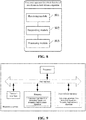
- FIG. 9 is a schematic structural diagram of an electronic device according to an embodiment of the present specification.
- the electronic device includes a processor, an internal bus, a network interface, a memory, and a non-volatile memory, and certainly may further include hardware necessary to other services.
- the processor reads a corresponding computer program from the non-volatile memory, loads the computer program to the internal memory, and then runs the computer program to logically form a consensus apparatus for a blockchain based on a Byzantine fault tolerance algorithm.
- the present specification does not exclude other implementations, such as a logical device or a combination of hardware and software. That is, an entity for performing the following processing procedure is not limited to the logical units, but may also be hardware or a logical device.
- the network interface, the processor, and the memory may be connected to each other by using a bus system.
- the bus may be an Industry Standard Architecture (ISA) bus, a Peripheral Component Interconnect (PCI) bus, an Extended Industry Standard Architecture (EISA) bus, or the like.
- ISA Industry Standard Architecture
- PCI Peripheral Component Interconnect
- EISA Extended Industry Standard Architecture
- the bus may be classified into an address bus, a data bus, a control bus, and the like.
- the bus is represented only by a double-sided arrow in FIG. 9 , but it does not mean that there is only one bus or one type of bus.
- the memory is configured to store a program.
- the program may include program code, and the program code includes a computer operation instruction.
- the memory may include a read-only memory and a random access memory, and provides instructions and data to the processor.
- the memory may include a high-speed random access memory (RAM), and may also include a non-volatile memory, such as at least one disk memory.
- the processor is configured to execute the program stored in the memory, and specifically perform:
- the methods executed by the consensus apparatuses for a blockchain based on a Byzantine fault tolerance algorithm or a Master node disclosed in the embodiments shown in FIG. 7 to FIG. 8 of the present specification may be applied to the processor, or implemented by the processor.
- the processor may be an integrated circuit chip and have a signal processing capability.
- the steps of the foregoing method may be implemented by using a hardware integrated logic circuit in the processor or instructions in the form of software.
- the above processor may be a general-purpose processor, including a Central Processing Unit (CPU), a Network Processor (NP), and the like; or may be a Digital Signal Processor (DSP), an Application Specific Integrated Circuit (ASIC), a Field-Programmable Gate Array (FPGA), or another programmable logic device, discrete gate or transistor logic device, or discrete hardware component.
- the methods, steps, and logical block diagrams disclosed in the embodiments of the present specification may be implemented or performed.
- the general-purpose processor may be a microprocessor, or the processor may be any conventional processor or the like.
- the steps in the methods disclosed in the embodiments of the present specification may be directly implemented by a hardware decoding processor, or may be implemented by a combination of hardware and software modules in a decoding processor.
- the software module may be located in a mature storage medium in the art, such as a random-access memory, a flash memory, a read-only memory, a programmable read-only memory, an electrically erasable programmable memory, or a register.
- the storage medium is located in the memory.
- the processor reads information in the memory, and completes the steps of the method by using hardware thereof.
- the consensus apparatus for a blockchain based on a Byzantine fault tolerance algorithm may further perform the methods in FIG. 1 to FIG. 6 , and implement the method performed by the master node.
- a computer-readable storage medium stores one or more programs, and the one or more programs, when executed by an electronic device including a plurality of application programs, cause the electronic device to perform the consensus methods for a blockchain based on a Byzantine fault tolerance algorithm provided in the embodiments corresponding to FIG. 1 to FIG. 6 .
- the embodiments of the present specification may be provided as a method, a system, or a computer program product. Therefore, the present specification may be in the form of a complete hardware embodiment, a complete software embodiment, or an embodiment combining software and hardware. Moreover, the present specification may be in the form of a computer program product that is implemented on one or more computer-usable storage media (including, but not limited to, a disk memory, a CD-ROM, an optical memory, and the like) including computer-usable program code.
- computer-usable storage media including, but not limited to, a disk memory, a CD-ROM, an optical memory, and the like
- These computer program instructions may also be stored in a computer-readable memory that can direct a computer or another programmable data processing device to work in a specific manner, so that the instructions stored in this computer-readable memory produce an article of manufacture including an instruction apparatus which implements the functions specified in one or more flows of the flowcharts and/or one or more blocks of the block diagrams.
- These computer program instructions can also be loaded onto a computer or another programmable data processing device, so that a series of operation steps are performed on the computer or another programmable device to produce computer-implemented processing, so that the instructions executed on the computer or another programmable device provide steps for implementing the functions specified in one or more flows of the flowcharts and/or one or more blocks of the block diagrams.
- the computing device includes one or more central processing units (CPUs), an input/output interface, a network interface, and a memory.
- CPUs central processing units
- input/output interface input/output interface
- network interface network interface
- memory a memory
- the memory may include a volatile memory, a RAM, and/or a non-volatile memory in computer-readable media, e.g., a ROM or a flash RAM.
- a volatile memory e.g., a ROM or a flash RAM.
- a non-volatile memory e.g., a ROM or a flash RAM.
- the memory is an example of the computer-readable medium.
- the computer-readable medium includes permanent and non-permanent, removable and non-removable media, which may implement storage of information by using any method or technology.
- the information may be a computer readable instruction, a data structure, a module of a program, or other data.
- Examples of computer storage media include, but are not limited to, a phase change memory (PRAM), a static random access memory (SRAM), a dynamic random access memory (DRAM), other type of random access memory (RAM), a read-only memory (ROM), an electrically erasable programmable read-only memory (EEPROM), a flash memory or other memory technology, a compact disc read-only memory (CD-ROM), a digital versatile disc (DVD) or other optical storage, a cassette magnetic tape, tape and disk storage or other magnetic storage device, or any other non-transmission media, which may be configured to store information accessible by a computing device.
- the computer-readable medium does not include transitory computer readable media (transitory media), such as a modulated data signal and a carrier.
- the embodiments of the present specification may be provided as a method, a system, or a computer program product. Therefore, the present specification may be in the form of a complete hardware embodiment, a complete software embodiment, or an embodiment combining software and hardware. Moreover, the present specification may be in the form of a computer program product that is implemented on one or more computer-usable storage media (including, but not limited to, a disk memory, a CD-ROM, an optical memory, and the like) including computer-usable program code.
- computer-usable storage media including, but not limited to, a disk memory, a CD-ROM, an optical memory, and the like
Landscapes
- Engineering & Computer Science (AREA)
- Computer Security & Cryptography (AREA)
- Theoretical Computer Science (AREA)
- Business, Economics & Management (AREA)
- Physics & Mathematics (AREA)
- General Physics & Mathematics (AREA)
- General Engineering & Computer Science (AREA)
- Computer Networks & Wireless Communication (AREA)
- Signal Processing (AREA)
- Accounting & Taxation (AREA)
- Databases & Information Systems (AREA)
- Finance (AREA)
- Data Mining & Analysis (AREA)
- Strategic Management (AREA)
- Computer Hardware Design (AREA)
- General Business, Economics & Management (AREA)
- Economics (AREA)
- Marketing (AREA)
- Computing Systems (AREA)
- Technology Law (AREA)
- Development Economics (AREA)
- Health & Medical Sciences (AREA)
- Bioethics (AREA)
- General Health & Medical Sciences (AREA)
- Software Systems (AREA)
- Hardware Redundancy (AREA)
- Information Retrieval, Db Structures And Fs Structures Therefor (AREA)
- Retry When Errors Occur (AREA)
Abstract
Description
- The present file relates to the field of computer technologies, and in particular, to a consensus method, apparatus, and system for a blockchain based on a Byzantine fault tolerance algorithm.
- A consensus protocol is configured to allow nodes in a blockchain, which are distributed around the world, to form a consensus. In an existing blockchain system, a packaged transaction set may be copied, through a consensus protocol, to other nodes in a network that participate in the consensus to ensure that most nodes have consistent data copies. Each consensus node performs transaction execution based on the consistent transaction set and generates a new block. After the new block is generated, a consensus on a next transaction set is continued and the above process is repeated. The consensus protocol can ensure that most nodes have the same transaction set after the consensus ends, but it cannot guarantee that a consistent block is generated based on input of the same transaction set.
- Therefore, a more reliable solution is needed.
- A consensus method, apparatus, and system for a blockchain based on a Byzantine fault tolerance algorithm are provided in embodiments of the present specification, for ensuing that nodes participating in a consensus reach a consensus based on a consistent last block.
- A consensus method for a blockchain based on a Byzantine fault tolerance algorithm is further provided in the embodiments of the present specification, including:
- initiating, by a first consensus node of a consortium blockchain, a consensus proposal including a first proposal digest generated based on a first last block hash maintained by the first consensus node;
- in response to the consensus proposal, generating, by a second consensus node of the consortium blockchain, a second proposal digest based on a second last block hash maintained by the second consensus node; and
- not participating in, by the second consensus node, a consensus on the consensus proposal if it is detected that the first proposal digest does not match the second proposal digest,
- wherein the first last block hash and the second last block hash are hash values of the closest N blocks previous to the latest block in distributed ledgers maintained by the first consensus node and the second consensus node, respectively, and N is a positive integer.
- A consensus method for a blockchain based on a Byzantine fault tolerance algorithm is further provided in the embodiments of the present specification, including:
- initiating, by a first consensus node of a consortium blockchain, a consensus proposal including a first proposal digest generated based on a first last block hash maintained by the first consensus node;
- in response to the consensus proposal, generating, by a second consensus node of the consortium blockchain, a second proposal digest based on a second last block hash maintained by the second consensus node; and
- participating in, by the second consensus node, a consensus on the consensus proposal if it is detected that the first proposal digest matches the second proposal digest,
- wherein the first last block hash and the second last block hash are hash values of the closest N blocks previous to the latest block in distributed ledgers maintained by the first consensus node and the second consensus node, respectively, and N is a positive integer.
- A consensus method for a blockchain based on a Byzantine fault tolerance algorithm is further provided in the embodiments of the present specification, including:
- initiating, by a first consensus node of a consortium blockchain, a consensus proposal including a first proposal digest generated based on a first last block hash maintained by the first consensus node,
- wherein the first last block hash is hash values of the closest N blocks previous to the latest block in a distributed ledger maintained by the first consensus node, and N is a positive integer.
- A consensus method for a blockchain based on a Byzantine fault tolerance algorithm is further provided in the embodiments of the present specification, including:
- receiving, by a second consensus node of a consortium blockchain, a consensus proposal initiated by a first consensus node of the consortium blockchain, the consensus proposal including a first proposal digest generated based on a first last block hash maintained by the first consensus node, the first last block hash being hash values of the closest N blocks previous to the latest block in a distributed ledger maintained by the first consensus node, and N being a positive integer;
- in response to the consensus proposal, generating a second proposal digest based on a second last block hash maintained by the second consensus node, the second last block hash being hash values of the closest N blocks previous to the latest block in a distributed ledger maintained by the second consensus node, and N being a positive integer; and
- not participating in a consensus on the consensus proposal if it is detected that the first proposal digest does not match the second proposal digest; and otherwise, participating in the consensus on the consensus proposal.
- A consensus system for a blockchain based on a Byzantine fault tolerance algorithm is further provided in the embodiments of the present specification, including: a first consensus node and a second consensus node, wherein
the first consensus node is configured to initiate a consensus proposal including a first proposal digest generated based on a first last block hash maintained by the first consensus node; and
the second consensus node is configured to, in response to the consensus proposal, generate a second proposal digest based on a second last block hash maintained by the second consensus node; not participate in a consensus on the consensus proposal if it is detected that the first proposal digest does not match the second proposal digest; and otherwise, participate in the consensus on the consensus proposal,
wherein the first last block hash and the second last block hash are hash values of the closest N blocks previous to the latest block in distributed ledgers maintained by the first consensus node and the second consensus node, respectively, and N is a positive integer. - A consensus apparatus for a blockchain based on a Byzantine fault tolerance algorithm is further provided in the embodiments of the present specification, including:
- a proposal module configured to initiate a consensus proposal including a first proposal digest generated based on a first last block hash maintained by the first consensus node of a consortium blockchain,
- wherein the first last block hash is hash values of the closest N blocks previous to the latest block in a distributed ledger maintained by the first consensus node, and N is a positive integer.
- A consensus apparatus for a blockchain based on a Byzantine fault tolerance algorithm is further provided in the embodiments of the present specification, including:
- a receiving module configured to receive a consensus proposal initiated by a first consensus node of a consortium blockchain, the consensus proposal including a first proposal digest generated based on a first last block hash maintained by the first consensus node, the first last block hash being hash values of the closest N blocks previous to the latest block in a distributed ledger maintained by the first consensus node, and N being a positive integer;
- a responding module configured to, in response to the consensus proposal, generate a second proposal digest based on a second last block hash maintained by a second consensus node of the consortium blockchain, the second last block hash being hash values of the closest N blocks previous to the latest block in a distributed ledger maintained by the second consensus node, and N being a positive integer; and
- a processing module configured to not participate in a consensus on the consensus proposal if it is detected that the first proposal digest does not match the second proposal digest; and otherwise, participate in the consensus on the consensus proposal.
- An electronic device is further provided in the embodiments of the present specification, including:
- a processor; and
- a memory arranged to store computer-executable instructions which, when executed, cause the processor to perform the following operation:
- initiating a consensus proposal including a first proposal digest generated based on a first last block hash maintained by the first consensus node of the consortium blockchain,
- wherein the first last block hash is hash values of the closest N blocks previous to the latest block in a distributed ledger maintained by the first consensus node, and N is a positive integer.
- A computer-readable storage medium having a computer program stored thereon is further provided in the embodiments of the present specification, wherein the computer program, when executed, implements the following operation:
- initiating a consensus proposal including a first proposal digest generated based on a first last block hash maintained by the first consensus node of the consortium blockchain,
- wherein the first last block hash is hash values of the closest N blocks previous to the latest block in a distributed ledger maintained by the first consensus node, and N is a positive integer.
- An electronic device is further provided in the embodiments of the present specification, including:
- a processor; and
- a memory arranged to store computer-executable instructions which, when executed, cause the processor to perform the following operation:
- receiving a consensus proposal initiated by a first consensus node of a consortium blockchain, the consensus proposal including a first proposal digest generated based on a first last block hash maintained by the first consensus node, the first last block hash being hash values of the closest N blocks previous to the latest block in a distributed ledger maintained by the first consensus node, and N being a positive integer;
- in response to the consensus proposal, generating a second proposal digest based on a second last block hash maintained by a second consensus node of the consortium blockchain, the second last block hash being hash values of the closest N blocks previous to the latest block in a distributed ledger maintained by the second consensus node, and N being a positive integer; and
- not participating in a consensus on the consensus proposal if it is detected that the first proposal digest does not match the second proposal digest; and otherwise, participating in the consensus on the consensus proposal.
- A computer-readable storage medium having a computer program stored thereon is further provided in the embodiments of the present specification, wherein the computer program, when executed, implements the following operations:
- receiving a consensus proposal initiated by a first consensus node of a consortium blockchain, the consensus proposal including a first proposal digest generated based on a first last block hash maintained by the first consensus node, the first last block hash being hash values of the closest N blocks previous to the latest block in a distributed ledger maintained by the first consensus node, and N being a positive integer;
- in response to the consensus proposal, generating a second proposal digest based on a second last block hash maintained by a second consensus node of the consortium blockchain, the second last block hash being hash values of the closest N blocks previous to the latest block in a distributed ledger maintained by the second consensus node, and N being a positive integer; and
- not participating in a consensus on the consensus proposal if it is detected that the first proposal digest does not match the second proposal digest; and otherwise, participating in the consensus on the consensus proposal.
- According to an embodiment of the present specification, a function of reaching a consensus on a last block hash is introduced into a consensus protocol based on a Byzantine fault tolerance algorithm, so that a consensus node can judge whether it is forked or a node that initiates the consensus is forked, and decide whether to participate in the consensus, thereby ensuring that nodes participating in the consensus reach a consensus based on a consistent last block.
- The accompanying drawings described here are intended to provide a further understanding of the present specification, and constitute a part of the present specification. Illustrative embodiments of the present specification and descriptions thereof are intended to explain the present specification, and do not constitute an improper limitation on the present specification. In the accompanying drawings:
-
FIG. 1 is a schematic flowchart of a consensus method for a blockchain based on a Byzantine fault tolerance algorithm according to an embodiment of the present specification; -
FIG. 2 is a schematic flowchart of a consensus method for a blockchain based on a Byzantine fault tolerance algorithm according to another embodiment of the present specification; -
FIG. 3 is a schematic flowchart of a consensus method for a blockchain based on a Byzantine fault tolerance algorithm according to yet another embodiment of the present specification; -
FIG. 4 is a schematic diagram of a distributed ledger maintained by a first consensus node according to an embodiment of the present specification; -
FIG. 5 is a schematic diagram of a distributed ledger maintained by a second consensus node according to an embodiment of the present specification; -
FIG. 6 is a schematic flowchart of a consensus method for a blockchain based on a Byzantine fault tolerance algorithm according to yet another embodiment of the present specification; -
FIG. 7 is a schematic structural diagram of a consensus apparatus for a blockchain based on a Byzantine fault tolerance algorithm according to an embodiment of the present specification; -
FIG. 8 is a schematic structural diagram of a consensus method for a blockchain based on a Byzantine fault tolerance algorithm according to another embodiment of the present specification; and -
FIG. 9 is a schematic structural diagram of an electronic device according to an embodiment of the present specification. - In order to make the objectives, technical solutions, and advantages of the present specification clearer, the technical solutions of the present specification will be clearly and completely described below with reference to specific embodiments of the present specification and the corresponding accompanying drawings. It is apparent that the described embodiments are only a part, rather than all, of the embodiments of the present specification. All other embodiments obtained by those of ordinary skill in the art based on the embodiments of the present specification without creative efforts fall within the protection scope of the present file.
- As stated in the Background, the consensus protocol can ensure that most nodes have the same transaction set after the consensus ends, but it cannot guarantee that nodes can generate a consistent block based on input of the same transaction set after execution of the transaction. For example, in a new round of consensus, if the last block is forked, neither a forked node nor an unforked node can judge in time whether it is forked, and they may continue to participate in the consensus, which affects the consistency of blocks generated by the nodes. Based on this, the present specification provides a consensus method for a blockchain based on a Byzantine fault tolerance algorithm, in which a function of reaching a consensus on a last block hash is introduced into a consensus protocol, so that a consensus node can judge in time whether itself is forked or a node that initiates the consensus is forked, and decide whether to participate in the consensus, thereby ensuring that nodes participating in the consensus reach a consensus based on a consistent last block.
- The technical solutions provided in the embodiments of the present specification are described in detail below with reference to the accompanying drawings.
-
FIG. 1 is a schematic flowchart of a consensus method for a blockchain based on a Byzantine fault tolerance algorithm according to an embodiment of the present specification. Referring toFIG. 1 , the method may specifically include the following steps. - In
step 102, a first consensus node of a consortium blockchain initiates a consensus proposal including a first proposal digest generated based on a first last block hash maintained by the first consensus node. - In
step 104, a second consensus node of the consortium blockchain responds to the consensus proposal and generates a second proposal digest based on a second last block hash maintained by the second consensus node. - The first consensus node refers to a node that initiates the consensus proposal in the consortium blockchain, and the second consensus node refers to a node that may participate in the consensus in the consortium blockchain. For example, in a consortium blockchain with a master-slave relationship, the first consensus node is a master node, and the second consensus node is a slave node.
- In
step 106, the second consensus node does not participate in the consensus on the consensus proposal if it is detected that the first proposal digest does not match the second proposal digest. - The first last block hash and the second last block hash are hash values of the closest N blocks previous to the latest block in distributed ledgers maintained by the first consensus node and the second consensus node, respectively, and N is a positive integer.
- Preferably, a last block hash may be a hash value of a previous block of the latest block, that is, the first last block hash is a hash value of a previous block of the latest block in the distributed ledger maintained by the first consensus node; and the second last block hash is a hash value of a previous block of the latest block in the distributed ledger maintained by the second consensus node.
- The embodiment of the present specification shows a specific implementation of the above last block hash herein. Of course, it should be understood that the last block hash may also be implemented in other manners, which is not limited in the embodiment of the present application. Based on this, in the embodiment of the present specification, a previous block of the latest block is introduced into the consensus protocol, and a hash value of the previous block of the latest block is adjacent to the latest block, based on which a fork between the two can be avoided. In addition, verifying the consistency of the hash value of the previous block of the latest block can ensure the consistency of last blocks, and therefore, the amount of data required for matching can be reduced.
- The following is a detailed description of the method for introducing the last block hash.
- A first implementation of the introduction of the last block hash may be as follows.
- Under a data structure of an existing consensus proposal, a calculation method of the proposal digest is modified, and a last block hash is added to serve as a calculation element of the proposal digest together with a transaction hash. The first proposal digest is generated based on the first last block hash and a first transaction hash of a transaction set needing to be proposed by the first consensus node; similarly, the second proposal digest may also be generated based on the second last block hash and a second transaction hash of the transaction set determined by the second consensus node.
- The first implementation manner may specifically be as follows.
- The first consensus node reads a hash value of a previous block from a block header of the latest block in the distributed ledger maintained by this node, the hash value being recorded as a first last block hash; then generates the first proposal digest based on the first last block hash and a transaction set needing to be proposed, and adds the first proposal digest and the transaction set needing to be proposed to the consensus proposal.
- After receiving the consensus proposal, the second consensus node reads a hash value of a previous block from a block header of the latest block in the distributed ledger maintained by this node, the hash value being recorded as a second last block hash; then re-generates, based on the second last block hash and the transaction set needing to be proposed, a proposal digest which is recorded as a second proposal digest, and detects whether the first proposal digest matches the second proposal digest, if yes, participates in a consensus on the transaction set needing to be proposed, and if it is detected that the first proposal digest does not match the second proposal digest, does not participate in a consensus on the consensus proposal.
- The method for introducing the last block hash may be a calculation method for modifying a proposal digest Digest in a Preprepare message (that is, proposal message) of a Byzantine Fault
- Tolerance pbft consensus algorithm as agreed in a consensus protocol, in which the last block hash is introduced therein as a calculation variable to generate a new proposal digest. Specific examples may be as follows.
- In S1, a proposal digest Digest is calculated.
- The first consensus node determines a first transaction hash of the transaction set; and a first proposal digest is generated based on the first transaction hash and the first last block hash. A calculation logic thereof includes:
      struct ConsensusDigest {
        Digest tx_root_hash;
        Digest last_block_hash; };
    In S2, a Preprepare message is calculated.
    struct PreprepareMessage {
        View v;
        Seq seq;
        Digenst d; // proposal digest
    Batch batch; // set of several transactions
    };
Under a data structure of an existing consensus proposal, a calculation method of the proposal digest is modified, and the last block hash is used as a new calculation element to replace a current calculation element of the proposal digest. The first proposal digest is generated based on the first last block hash; and similarly, the second proposal digest may also be generated based on the second last block hash.
generating the second proposal digest based on a second transaction hash of the transaction set in the consensus proposal and the second last block hash.
- not participating in the consensus on the consensus proposal if it is detected that the first transaction hash does not match the second transaction hash; and
- continuing the step of generating the second proposal digest if it is detected that the first transaction hash matches the second transaction hash.
not participating in, by the second consensus node, the consensus on the consensus proposal if it is detected that the first proposal digest does not match the second proposal digest.
under a data structure of an existing consensus proposal, a calculation method of the proposal digest is modified, and a last block hash is added to serve as a calculation element of the proposal digest together with a transaction hash.
a hash value of a previous block of the latest block maintained by the first consensus node is determined; and the hash value of the previous block is used as the first last block hash. That is, in this implementation, a hash value of a block closest to the latest block, for example, previous block M-1 of the latest block M in
under a data structure of an existing consensus proposal, a calculation method of the proposal digest is modified, and the last block hash is used as a new calculation element to replace a current calculation element of the proposal digest.
In step S1', a transaction set needing to be proposed is determined.
after the consensus proposal is received, a hash value of a previous block of the latest block maintained by the second consensus node is determined; and the hash value of the previous block is used as the second last block hash. That is, in this implementation, a hash value of one of a plurality of last blocks that is closest to the latest block, for example, previous block M-1 of the latest block M in
after receiving the consensus proposal, the second consensus node reads a hash value of a previous block from a block header of the latest block in the distributed ledger maintained by this node, the hash value being recorded as a second last block hash; then re-generates a proposal digest based on the second last block hash, the proposal digest being recorded as a second proposal digest.
generate the second proposal digest based on a second transaction hash of the transaction set in the consensus proposal and the second last block hash.
- a first determination module configured to determine a transaction set needing to be proposed;
- a second determination module configured to determine a first last block hash maintained by the first consensus node, the first last block hash being hash values of the closest N blocks previous to the latest block in a distributed ledger maintained by the first consensus node, and N being a positive integer; and
- a processing module configured to, based on the transaction set and the first last block hash, generate a proposal digest and initiate a consensus proposal.
- a third determination module configured to determine a transaction set needing to be proposed;
- a fourth determination module configured to determine a first last block hash maintained by the first consensus node, the first last block hash being hash values of the closest N blocks previous to the latest block in a distributed ledger maintained by the first consensus node, and N being a positive integer; and
- a processing module configured to generate a proposal digest based on the first last block hash, and initiate a consensus proposal based on the proposal digest and the transaction set.
- initiating, by a first consensus node of a consortium blockchain, a consensus proposal including a first proposal digest generated based on a first last block hash maintained by the first consensus node;
- wherein the first last block hash is hash values of the closest N blocks previous to the latest block in a distributed ledger maintained by the first consensus node, and N is a positive integer; or,
- receiving, by a second consensus node of a consortium blockchain, a consensus proposal initiated by a first consensus node of the consortium blockchain, the consensus proposal including a first proposal digest generated based on a first last block hash maintained by the first consensus node, the first last block hash being hash values of the closest N blocks previous to the latest block in a distributed ledger maintained by the first consensus node, and N being a positive integer;
- in response to the consensus proposal, generating a second proposal digest based on a second last block hash maintained by the second consensus node, the second last block hash being hash values of the closest N blocks previous to the latest block in a distributed ledger maintained by the second consensus node, and N being a positive integer; and
- not participating in a consensus on the consensus proposal if it is detected that the first proposal digest does not match the second proposal digest; and otherwise, participating in the consensus on the consensus proposal.
Claims (15)
- A consensus method for a blockchain based on a Byzantine fault tolerance algorithm, comprising:initiating, by a first consensus node of a consortium blockchain, a consensus proposal comprising a first proposal digest generated based on a first last block hash maintained by the first consensus node;in response to the consensus proposal, generating, by a second consensus node of the consortium blockchain, a second proposal digest based on a second last block hash maintained by the second consensus node; andnot participating in, by the second consensus node, a consensus on the consensus proposal if it is detected that the first proposal digest does not match the second proposal digest;wherein the first last block hash and the second last block hash are hash values of the closest N blocks previous to the latest block in distributed ledgers maintained by the first consensus node and the second consensus node, respectively, and N is a positive integer.
- The method according to claim 1, wherein
the first last block hash is a hash value of a previous block of the latest block in the distributed ledger maintained by the first consensus node; and
the second last block hash is a hash value of a previous block of the latest block in the distributed ledger maintained by the second consensus node. - The method according to claim 1, wherein the first proposal digest is generated based on the first last block hash and a first transaction hash of a transaction set needing to be proposed by the first consensus node; and
wherein the consensus proposal further comprises the transaction set needing to be proposed, and the generating a second proposal digest based on a second last block hash maintained by the second consensus node comprises:
generating the second proposal digest based on a second transaction hash of the transaction set in the consensus proposal and the second last block hash. - The method according to claim 3, wherein
the first transaction hash is a root hash value of a Merkel tree corresponding to the transaction set determined by the first consensus node; and
the second transaction hash is a root hash value of a Merkel tree corresponding to a transaction set that is in the consensus proposal and determined by the second consensus node. - The method according to claim 3, wherein the first proposal digest carries the first transaction hash, and before generating a second proposal digest, the method further comprises:not participating in the consensus on the consensus proposal if it is detected that the first transaction hash does not match the second transaction hash; andcontinuing the step of generating the second proposal digest if it is detected that the first transaction hash matches the second transaction hash.
- The method according to claim 1, further comprising:
participating in, by the second consensus node, the consensus on the consensus proposal if it is detected that the first proposal digest matches the second proposal digest. - A consensus method for a blockchain based on a Byzantine fault tolerance algorithm, comprising:initiating, by a first consensus node of a consortium blockchain, a consensus proposal comprising a first proposal digest generated based on a first last block hash maintained by the first consensus node;in response to the consensus proposal, generating, by a second consensus node of the consortium blockchain, a second proposal digest based on a second last block hash maintained by the second consensus node; andparticipating in, by the second consensus node, a consensus on the consensus proposal if it is detected that the first proposal digest matches the second proposal digest,wherein the first last block hash and the second last block hash are hash values of the closest N blocks previous to the latest block in distributed ledgers maintained by the first consensus node and the second consensus node, respectively, and N is a positive integer.
- The method according to claim 7, wherein
the first last block hash is a hash value of a previous block of the latest block in the distributed ledger maintained by the first consensus node; and
the second last block hash is a hash value of a previous block of the latest block in the distributed ledger maintained by the second consensus node. - The method according to claim 7, wherein
the first proposal digest is generated based on the first last block hash and a first transaction hash of a transaction set needing to be proposed by the first consensus node; and
wherein the consensus proposal further comprises the transaction set needing to be proposed, and the generating a second proposal digest based on a second last block hash maintained by the second consensus node comprises:
generating the second proposal digest based on a second transaction hash of the transaction set in the consensus proposal and the second last block hash. - The method according to claim 9, wherein
the first transaction hash is a root hash value of a Merkel tree corresponding to the transaction set determined by the first consensus node; and
the second transaction hash is a root hash value of a Merkel tree corresponding to a transaction set that is in the consensus proposal and determined by the second consensus node. - The method according to claim 9, wherein
the first proposal digest carries the first transaction hash, and before generating a second proposal digest, the method further comprises:
not participating in the consensus on the consensus proposal if it is detected that the first transaction hash does not match the second transaction hash; and
continuing the step of generating the second proposal digest if it is detected that the first transaction hash matches the second transaction hash. - The method according to claim 7, further comprising:
not participating in, by the second consensus node, the consensus on the consensus proposal if it is detected that the first proposal digest does not match the second proposal digest. - A consensus method for a blockchain based on a Byzantine fault tolerance algorithm, comprising:initiating, by a first consensus node of a consortium blockchain, a consensus proposal comprising a first proposal digest generated based on a first last block hash maintained by the first consensus node,wherein the first last block hash is hash values of the closest N blocks previous to the latest block in a distributed ledger maintained by the first consensus node, and N is a positive integer.
- A consensus method for a blockchain based on a Byzantine fault tolerance algorithm, comprising:receiving, by a second consensus node of a consortium blockchain, a consensus proposal initiated by a first consensus node of the consortium blockchain, the consensus proposal comprising a first proposal digest generated based on a first last block hash maintained by the first consensus node, the first last block hash being hash values of the closest N blocks previous to the latest block in a distributed ledger maintained by the first consensus node, and N being a positive integer;in response to the consensus proposal, generating a second proposal digest based on a second last block hash maintained by the second consensus node, the second last block hash being hash values of the closest N blocks previous to the latest block in a distributed ledger maintained by the second consensus node, and N being a positive integer; andnot participating in a consensus on the consensus proposal if it is detected that the first proposal digest does not match the second proposal digest; and otherwise, participating in the consensus on the consensus proposal.
- An electronic device, comprising:a processor; anda memory arranged to store computer-executable instructions which, when executed, cause the processor to perform the method of any of claims 1-14.
Applications Claiming Priority (1)
| Application Number | Priority Date | Filing Date | Title |
|---|---|---|---|
| CN202010630539.0A CN111523901B (en) | 2020-07-03 | 2020-07-03 | Block chain consensus method, device and system based on Byzantine fault-tolerant algorithm |
Publications (2)
| Publication Number | Publication Date |
|---|---|
| EP3933644A1 true EP3933644A1 (en) | 2022-01-05 |
| EP3933644B1 EP3933644B1 (en) | 2025-02-19 |
Family
ID=71910157
Family Applications (1)
| Application Number | Title | Priority Date | Filing Date |
|---|---|---|---|
| EP21181533.7A Active EP3933644B1 (en) | 2020-07-03 | 2021-06-24 | Consensus method, apparatus, and system for blockchain based on byzantine fault tolerance algorithm |
Country Status (3)
| Country | Link |
|---|---|
| US (1) | US11874820B2 (en) |
| EP (1) | EP3933644B1 (en) |
| CN (2) | CN112700248B (en) |
Families Citing this family (7)
| Publication number | Priority date | Publication date | Assignee | Title |
|---|---|---|---|---|
| CN112685796B (en) * | 2021-03-12 | 2021-06-18 | 腾讯科技(深圳)有限公司 | A blockchain-based block consensus method and related equipment |
| CN112988470B (en) * | 2021-04-27 | 2021-09-07 | 支付宝(杭州)信息技术有限公司 | Consensus method, consensus node and system in alliance chain |
| CN116506294B (en) * | 2022-01-19 | 2025-11-25 | 腾讯科技(深圳)有限公司 | Consensus network optimization methods, apparatus, computer equipment, and storage media |
| CN117221337A (en) * | 2022-06-02 | 2023-12-12 | 腾讯科技(深圳)有限公司 | Blockchain consensus methods, devices, media and electronic equipment |
| CN115378715A (en) * | 2022-08-24 | 2022-11-22 | 河北中废通网络技术有限公司 | Block chain-based chain type information encryption transmission method and device |
| CN116319814B (en) * | 2023-03-07 | 2025-12-12 | 清华大学 | Methods and apparatus for processing non-deterministic transactions in blockchain |
| CN116405502B (en) * | 2023-04-14 | 2025-07-29 | 中诚区块链研究院(南京)有限公司 | Improved optimization PBFT consensus method and system applied to alliance chain |
Citations (2)
| Publication number | Priority date | Publication date | Assignee | Title |
|---|---|---|---|---|
| CN109766673A (en) * | 2019-01-18 | 2019-05-17 | 四川大学 | A consortium audio and video copyright blockchain system and method for uploading audio and video copyright to the chain |
| WO2020004252A1 (en) * | 2018-06-25 | 2020-01-02 | 日本電信電話株式会社 | Number management system, number management method, and number management device |
Family Cites Families (9)
| Publication number | Priority date | Publication date | Assignee | Title |
|---|---|---|---|---|
| US20180083786A1 (en) * | 2016-09-22 | 2018-03-22 | Google Inc. | Methods and systems of performing tamper-evident logging using block lattices |
| CN106850536B (en) * | 2016-11-30 | 2020-01-07 | 北京瑞卓喜投科技发展有限公司 | Block chain consensus method and system |
| CN107196989B (en) * | 2017-03-21 | 2019-08-09 | 阿里巴巴集团控股有限公司 | A service request processing method and device |
| CN107040594B (en) * | 2017-04-12 | 2020-04-10 | 山大地纬软件股份有限公司 | Method and device for allowing block chain node to be admitted based on PBFT |
| WO2019142049A1 (en) * | 2018-01-17 | 2019-07-25 | Geeq Corporation | Blockchain methods, nodes, systems and products |
| CN109936457B (en) * | 2019-02-20 | 2022-04-26 | 深圳前海微众银行股份有限公司 | Block chain multi-party witness method, device, equipment and computer readable storage medium |
| SG11202004685RA (en) * | 2019-06-05 | 2020-06-29 | Alibaba Group Holding Ltd | Consensus system and method |
| CN110247774A (en) * | 2019-06-28 | 2019-09-17 | 深圳市网心科技有限公司 | A kind of the common recognition method and relevant device of block chain data |
| CN110708171B (en) * | 2019-12-13 | 2020-06-12 | 腾讯科技(深圳)有限公司 | Blockchain consensus voting method, device, equipment and storage medium |
-
2020
- 2020-07-03 CN CN202110142930.0A patent/CN112700248B/en active Active
- 2020-07-03 CN CN202010630539.0A patent/CN111523901B/en active Active
-
2021
- 2021-06-22 US US17/354,101 patent/US11874820B2/en active Active
- 2021-06-24 EP EP21181533.7A patent/EP3933644B1/en active Active
Patent Citations (2)
| Publication number | Priority date | Publication date | Assignee | Title |
|---|---|---|---|---|
| WO2020004252A1 (en) * | 2018-06-25 | 2020-01-02 | 日本電信電話株式会社 | Number management system, number management method, and number management device |
| CN109766673A (en) * | 2019-01-18 | 2019-05-17 | 四川大学 | A consortium audio and video copyright blockchain system and method for uploading audio and video copyright to the chain |
Non-Patent Citations (2)
| Title |
|---|
| NIDA KHAN: "FAST", BLOCKCHAIN-ENABLED NETWORKED SENSOR SYSTEMS, ACM, 2 PENN PLAZA, SUITE 701NEW YORKNY10121-0701USA, 4 November 2018 (2018-11-04), pages 1 - 6, XP058418323, ISBN: 978-1-4503-6050-0, DOI: 10.1145/3282278.3282279 * |
| ZENG CHEN ET AL: "Pinocchio: A Blockchain-Based Algorithm for Sensor Fault Tolerance in Low Trust Environment", 2020 IEEE INTERNATIONAL PARALLEL AND DISTRIBUTED PROCESSING SYMPOSIUM WORKSHOPS (IPDPSW), IEEE, 18 May 2020 (2020-05-18), pages 416 - 425, XP033799475, DOI: 10.1109/IPDPSW50202.2020.00077 * |
Also Published As
| Publication number | Publication date |
|---|---|
| CN112700248A (en) | 2021-04-23 |
| CN112700248B (en) | 2022-09-02 |
| US20220004536A1 (en) | 2022-01-06 |
| CN111523901A (en) | 2020-08-11 |
| EP3933644B1 (en) | 2025-02-19 |
| US11874820B2 (en) | 2024-01-16 |
| CN111523901B (en) | 2020-12-04 |
Similar Documents
| Publication | Publication Date | Title |
|---|---|---|
| EP3933644B1 (en) | Consensus method, apparatus, and system for blockchain based on byzantine fault tolerance algorithm | |
| TWI714847B (en) | Method, device and electronic equipment for processing consensus request in blockchain consensus network | |
| EP3934162B1 (en) | Blockchain consensus method and device and electronic equipment | |
| EP3934165A1 (en) | Consensus method of consortium blockchain, and consortium blockchain system | |
| EP3848844A1 (en) | Method and apparatus for data synchronization of multiple nodes, and computer device | |
| TW202022592A (en) | Screen recording evidence obtaining method and system based on block chain and electronic equipment | |
| CN112887436B (en) | Consensus method, consensus node and block chain system of pipeline mode | |
| WO2020092809A1 (en) | Monitoring device components using distributed ledger | |
| EP3934163A1 (en) | Methods and consensus nodes for block generation | |
| CN112037061A (en) | Processing method and device for transactions in block chain, electronic equipment and storage medium | |
| WO2021184878A1 (en) | Node management method for block chain system, node, and computational device | |
| CN112991067B (en) | Block chain consensus method, device and system | |
| CN106547648A (en) | Backup data processing method and device | |
| EP3934166B1 (en) | Byzantine fault tolerance algorithm-based blockchain consensus method, apparatus, and system | |
| CN107181636A (en) | Health examination method and device in a kind of SiteServer LBS | |
| US12556398B2 (en) | Method for simultaneous execution of transactions on a blockchain via a coin set model | |
| US20250392486A1 (en) | Transaction proposal methods and consensus nodes in blockchain systems, and blockchain systems | |
| CN116128505A (en) | Method and device for consensus of block chain network and electronic equipment | |
| CN116938475B (en) | Ring signature method, device, equipment and storage medium | |
| HK40035745B (en) | Block chain consensus method, device and system based on byzantine fault- tolerant algorithm | |
| HK40035745A (en) | Block chain consensus method, device and system based on byzantine fault- tolerant algorithm | |
| HK40035817A (en) | Block chain consensus method, device and system based on byzantine fault-tolerant algorithm | |
| CN112445761A (en) | File checking method and device and storage medium | |
| CN115049402A (en) | Transaction risk parameter calculation method, block chain verification node and storage medium | |
| CN120196788A (en) | Blockchain-based data processing method, device, equipment and readable medium |
Legal Events
| Date | Code | Title | Description |
|---|---|---|---|
| PUAI | Public reference made under article 153(3) epc to a published international application that has entered the european phase |
Free format text: ORIGINAL CODE: 0009012 |
|
| STAA | Information on the status of an ep patent application or granted ep patent |
Free format text: STATUS: THE APPLICATION HAS BEEN PUBLISHED |
|
| AK | Designated contracting states |
Kind code of ref document: A1 Designated state(s): AL AT BE BG CH CY CZ DE DK EE ES FI FR GB GR HR HU IE IS IT LI LT LU LV MC MK MT NL NO PL PT RO RS SE SI SK SM TR |
|
| B565 | Issuance of search results under rule 164(2) epc |
Effective date: 20211126 |
|
| STAA | Information on the status of an ep patent application or granted ep patent |
Free format text: STATUS: REQUEST FOR EXAMINATION WAS MADE |
|
| 17P | Request for examination filed |
Effective date: 20220629 |
|
| RBV | Designated contracting states (corrected) |
Designated state(s): AL AT BE BG CH CY CZ DE DK EE ES FI FR GB GR HR HU IE IS IT LI LT LU LV MC MK MT NL NO PL PT RO RS SE SI SK SM TR |
|
| GRAP | Despatch of communication of intention to grant a patent |
Free format text: ORIGINAL CODE: EPIDOSNIGR1 |
|
| STAA | Information on the status of an ep patent application or granted ep patent |
Free format text: STATUS: GRANT OF PATENT IS INTENDED |
|
| RIC1 | Information provided on ipc code assigned before grant |
Ipc: H04L 9/32 20060101ALI20231130BHEP Ipc: G06F 21/64 20130101AFI20231130BHEP |
|
| INTG | Intention to grant announced |
Effective date: 20231214 |
|
| GRAJ | Information related to disapproval of communication of intention to grant by the applicant or resumption of examination proceedings by the epo deleted |
Free format text: ORIGINAL CODE: EPIDOSDIGR1 |
|
| STAA | Information on the status of an ep patent application or granted ep patent |
Free format text: STATUS: REQUEST FOR EXAMINATION WAS MADE |
|
| GRAP | Despatch of communication of intention to grant a patent |
Free format text: ORIGINAL CODE: EPIDOSNIGR1 |
|
| STAA | Information on the status of an ep patent application or granted ep patent |
Free format text: STATUS: GRANT OF PATENT IS INTENDED |
|
| INTC | Intention to grant announced (deleted) | ||
| INTG | Intention to grant announced |
Effective date: 20240506 |
|
| GRAJ | Information related to disapproval of communication of intention to grant by the applicant or resumption of examination proceedings by the epo deleted |
Free format text: ORIGINAL CODE: EPIDOSDIGR1 |
|
| STAA | Information on the status of an ep patent application or granted ep patent |
Free format text: STATUS: REQUEST FOR EXAMINATION WAS MADE |
|
| GRAP | Despatch of communication of intention to grant a patent |
Free format text: ORIGINAL CODE: EPIDOSNIGR1 |
|
| STAA | Information on the status of an ep patent application or granted ep patent |
Free format text: STATUS: GRANT OF PATENT IS INTENDED |
|
| INTC | Intention to grant announced (deleted) | ||
| INTG | Intention to grant announced |
Effective date: 20240917 |
|
| GRAS | Grant fee paid |
Free format text: ORIGINAL CODE: EPIDOSNIGR3 |
|
| GRAA | (expected) grant |
Free format text: ORIGINAL CODE: 0009210 |
|
| STAA | Information on the status of an ep patent application or granted ep patent |
Free format text: STATUS: THE PATENT HAS BEEN GRANTED |
|
| P01 | Opt-out of the competence of the unified patent court (upc) registered |
Free format text: CASE NUMBER: APP_814/2025 Effective date: 20250108 |
|
| AK | Designated contracting states |
Kind code of ref document: B1 Designated state(s): AL AT BE BG CH CY CZ DE DK EE ES FI FR GB GR HR HU IE IS IT LI LT LU LV MC MK MT NL NO PL PT RO RS SE SI SK SM TR |
|
| REG | Reference to a national code |
Ref country code: GB Ref legal event code: FG4D |
|
| REG | Reference to a national code |
Ref country code: CH Ref legal event code: EP |
|
| REG | Reference to a national code |
Ref country code: IE Ref legal event code: FG4D |
|
| REG | Reference to a national code |
Ref country code: DE Ref legal event code: R096 Ref document number: 602021026259 Country of ref document: DE |
|
| REG | Reference to a national code |
Ref country code: NL Ref legal event code: MP Effective date: 20250219 |
|
| PG25 | Lapsed in a contracting state [announced via postgrant information from national office to epo] |
Ref country code: RS Free format text: LAPSE BECAUSE OF FAILURE TO SUBMIT A TRANSLATION OF THE DESCRIPTION OR TO PAY THE FEE WITHIN THE PRESCRIBED TIME-LIMIT Effective date: 20250519 |
|
| PG25 | Lapsed in a contracting state [announced via postgrant information from national office to epo] |
Ref country code: FI Free format text: LAPSE BECAUSE OF FAILURE TO SUBMIT A TRANSLATION OF THE DESCRIPTION OR TO PAY THE FEE WITHIN THE PRESCRIBED TIME-LIMIT Effective date: 20250219 |
|
| PG25 | Lapsed in a contracting state [announced via postgrant information from national office to epo] |
Ref country code: PL Free format text: LAPSE BECAUSE OF FAILURE TO SUBMIT A TRANSLATION OF THE DESCRIPTION OR TO PAY THE FEE WITHIN THE PRESCRIBED TIME-LIMIT Effective date: 20250219 |
|
| PGFP | Annual fee paid to national office [announced via postgrant information from national office to epo] |
Ref country code: DE Payment date: 20250402 Year of fee payment: 5 |
|
| PG25 | Lapsed in a contracting state [announced via postgrant information from national office to epo] |
Ref country code: ES Free format text: LAPSE BECAUSE OF FAILURE TO SUBMIT A TRANSLATION OF THE DESCRIPTION OR TO PAY THE FEE WITHIN THE PRESCRIBED TIME-LIMIT Effective date: 20250219 |
|
| REG | Reference to a national code |
Ref country code: LT Ref legal event code: MG9D |
|
| PG25 | Lapsed in a contracting state [announced via postgrant information from national office to epo] |
Ref country code: NO Free format text: LAPSE BECAUSE OF FAILURE TO SUBMIT A TRANSLATION OF THE DESCRIPTION OR TO PAY THE FEE WITHIN THE PRESCRIBED TIME-LIMIT Effective date: 20250519 Ref country code: IS Free format text: LAPSE BECAUSE OF FAILURE TO SUBMIT A TRANSLATION OF THE DESCRIPTION OR TO PAY THE FEE WITHIN THE PRESCRIBED TIME-LIMIT Effective date: 20250619 |
|
| PG25 | Lapsed in a contracting state [announced via postgrant information from national office to epo] |
Ref country code: NL Free format text: LAPSE BECAUSE OF FAILURE TO SUBMIT A TRANSLATION OF THE DESCRIPTION OR TO PAY THE FEE WITHIN THE PRESCRIBED TIME-LIMIT Effective date: 20250219 |
|
| PG25 | Lapsed in a contracting state [announced via postgrant information from national office to epo] |
Ref country code: HR Free format text: LAPSE BECAUSE OF FAILURE TO SUBMIT A TRANSLATION OF THE DESCRIPTION OR TO PAY THE FEE WITHIN THE PRESCRIBED TIME-LIMIT Effective date: 20250219 |
|
| PG25 | Lapsed in a contracting state [announced via postgrant information from national office to epo] |
Ref country code: LV Free format text: LAPSE BECAUSE OF FAILURE TO SUBMIT A TRANSLATION OF THE DESCRIPTION OR TO PAY THE FEE WITHIN THE PRESCRIBED TIME-LIMIT Effective date: 20250219 Ref country code: PT Free format text: LAPSE BECAUSE OF FAILURE TO SUBMIT A TRANSLATION OF THE DESCRIPTION OR TO PAY THE FEE WITHIN THE PRESCRIBED TIME-LIMIT Effective date: 20250620 |
|
| PG25 | Lapsed in a contracting state [announced via postgrant information from national office to epo] |
Ref country code: GR Free format text: LAPSE BECAUSE OF FAILURE TO SUBMIT A TRANSLATION OF THE DESCRIPTION OR TO PAY THE FEE WITHIN THE PRESCRIBED TIME-LIMIT Effective date: 20250520 Ref country code: BG Free format text: LAPSE BECAUSE OF FAILURE TO SUBMIT A TRANSLATION OF THE DESCRIPTION OR TO PAY THE FEE WITHIN THE PRESCRIBED TIME-LIMIT Effective date: 20250219 |
|
| REG | Reference to a national code |
Ref country code: AT Ref legal event code: MK05 Ref document number: 1768995 Country of ref document: AT Kind code of ref document: T Effective date: 20250219 |
|
| PG25 | Lapsed in a contracting state [announced via postgrant information from national office to epo] |
Ref country code: SE Free format text: LAPSE BECAUSE OF FAILURE TO SUBMIT A TRANSLATION OF THE DESCRIPTION OR TO PAY THE FEE WITHIN THE PRESCRIBED TIME-LIMIT Effective date: 20250219 |
|
| PG25 | Lapsed in a contracting state [announced via postgrant information from national office to epo] |
Ref country code: SM Free format text: LAPSE BECAUSE OF FAILURE TO SUBMIT A TRANSLATION OF THE DESCRIPTION OR TO PAY THE FEE WITHIN THE PRESCRIBED TIME-LIMIT Effective date: 20250219 |
|
| PG25 | Lapsed in a contracting state [announced via postgrant information from national office to epo] |
Ref country code: DK Free format text: LAPSE BECAUSE OF FAILURE TO SUBMIT A TRANSLATION OF THE DESCRIPTION OR TO PAY THE FEE WITHIN THE PRESCRIBED TIME-LIMIT Effective date: 20250219 |
|
| PG25 | Lapsed in a contracting state [announced via postgrant information from national office to epo] |
Ref country code: IT Free format text: LAPSE BECAUSE OF FAILURE TO SUBMIT A TRANSLATION OF THE DESCRIPTION OR TO PAY THE FEE WITHIN THE PRESCRIBED TIME-LIMIT Effective date: 20250219 |
|
| PG25 | Lapsed in a contracting state [announced via postgrant information from national office to epo] |
Ref country code: AT Free format text: LAPSE BECAUSE OF FAILURE TO SUBMIT A TRANSLATION OF THE DESCRIPTION OR TO PAY THE FEE WITHIN THE PRESCRIBED TIME-LIMIT Effective date: 20250219 |
|
| PG25 | Lapsed in a contracting state [announced via postgrant information from national office to epo] |
Ref country code: EE Free format text: LAPSE BECAUSE OF FAILURE TO SUBMIT A TRANSLATION OF THE DESCRIPTION OR TO PAY THE FEE WITHIN THE PRESCRIBED TIME-LIMIT Effective date: 20250219 Ref country code: CZ Free format text: LAPSE BECAUSE OF FAILURE TO SUBMIT A TRANSLATION OF THE DESCRIPTION OR TO PAY THE FEE WITHIN THE PRESCRIBED TIME-LIMIT Effective date: 20250219 |
|
| PG25 | Lapsed in a contracting state [announced via postgrant information from national office to epo] |
Ref country code: RO Free format text: LAPSE BECAUSE OF FAILURE TO SUBMIT A TRANSLATION OF THE DESCRIPTION OR TO PAY THE FEE WITHIN THE PRESCRIBED TIME-LIMIT Effective date: 20250219 |
|
| PG25 | Lapsed in a contracting state [announced via postgrant information from national office to epo] |
Ref country code: SK Free format text: LAPSE BECAUSE OF FAILURE TO SUBMIT A TRANSLATION OF THE DESCRIPTION OR TO PAY THE FEE WITHIN THE PRESCRIBED TIME-LIMIT Effective date: 20250219 |
|
| REG | Reference to a national code |
Ref country code: DE Ref legal event code: R097 Ref document number: 602021026259 Country of ref document: DE |
|
| PLBE | No opposition filed within time limit |
Free format text: ORIGINAL CODE: 0009261 |
|
| STAA | Information on the status of an ep patent application or granted ep patent |
Free format text: STATUS: NO OPPOSITION FILED WITHIN TIME LIMIT |
|
| REG | Reference to a national code |
Ref country code: CH Ref legal event code: L10 Free format text: ST27 STATUS EVENT CODE: U-0-0-L10-L00 (AS PROVIDED BY THE NATIONAL OFFICE) Effective date: 20251231 |
|
| REG | Reference to a national code |
Ref country code: CH Ref legal event code: H13 Free format text: ST27 STATUS EVENT CODE: U-0-0-H10-H13 (AS PROVIDED BY THE NATIONAL OFFICE) Effective date: 20260127 |
|
| 26N | No opposition filed |
Effective date: 20251120 |
|
| PG25 | Lapsed in a contracting state [announced via postgrant information from national office to epo] |
Ref country code: MC Free format text: LAPSE BECAUSE OF FAILURE TO SUBMIT A TRANSLATION OF THE DESCRIPTION OR TO PAY THE FEE WITHIN THE PRESCRIBED TIME-LIMIT Effective date: 20250219 |
|
| PG25 | Lapsed in a contracting state [announced via postgrant information from national office to epo] |
Ref country code: LU Free format text: LAPSE BECAUSE OF NON-PAYMENT OF DUE FEES Effective date: 20250624 |
|
| GBPC | Gb: european patent ceased through non-payment of renewal fee |
Effective date: 20250624 |
|
| REG | Reference to a national code |
Ref country code: BE Ref legal event code: MM Effective date: 20250630 |
|
| PG25 | Lapsed in a contracting state [announced via postgrant information from national office to epo] |
Ref country code: GB Free format text: LAPSE BECAUSE OF NON-PAYMENT OF DUE FEES Effective date: 20250624 |
|
| PG25 | Lapsed in a contracting state [announced via postgrant information from national office to epo] |
Ref country code: IE Free format text: LAPSE BECAUSE OF NON-PAYMENT OF DUE FEES Effective date: 20250624 |
|
| PG25 | Lapsed in a contracting state [announced via postgrant information from national office to epo] |
Ref country code: BE Free format text: LAPSE BECAUSE OF NON-PAYMENT OF DUE FEES Effective date: 20250630 |
|
| PG25 | Lapsed in a contracting state [announced via postgrant information from national office to epo] |
Ref country code: FR Free format text: LAPSE BECAUSE OF NON-PAYMENT OF DUE FEES Effective date: 20250630 |
|
| PG25 | Lapsed in a contracting state [announced via postgrant information from national office to epo] |
Ref country code: CH Free format text: LAPSE BECAUSE OF NON-PAYMENT OF DUE FEES Effective date: 20250630 |