EP3930849B1 - Thiazole derivatives as protein secretion inhibitors - Google Patents
Thiazole derivatives as protein secretion inhibitors Download PDFInfo
- Publication number
- EP3930849B1 EP3930849B1 EP20715580.5A EP20715580A EP3930849B1 EP 3930849 B1 EP3930849 B1 EP 3930849B1 EP 20715580 A EP20715580 A EP 20715580A EP 3930849 B1 EP3930849 B1 EP 3930849B1
- Authority
- EP
- European Patent Office
- Prior art keywords
- thiazol
- compound
- pyrrole
- mmol
- pyridin
- Prior art date
- Legal status (The legal status is an assumption and is not a legal conclusion. Google has not performed a legal analysis and makes no representation as to the accuracy of the status listed.)
- Active
Links
Classifications
-
- C—CHEMISTRY; METALLURGY
- C07—ORGANIC CHEMISTRY
- C07D—HETEROCYCLIC COMPOUNDS
- C07D417/00—Heterocyclic compounds containing two or more hetero rings, at least one ring having nitrogen and sulfur atoms as the only ring hetero atoms, not provided for by group C07D415/00
- C07D417/14—Heterocyclic compounds containing two or more hetero rings, at least one ring having nitrogen and sulfur atoms as the only ring hetero atoms, not provided for by group C07D415/00 containing three or more hetero rings
-
- A—HUMAN NECESSITIES
- A61—MEDICAL OR VETERINARY SCIENCE; HYGIENE
- A61K—PREPARATIONS FOR MEDICAL, DENTAL OR TOILETRY PURPOSES
- A61K31/00—Medicinal preparations containing organic active ingredients
- A61K31/33—Heterocyclic compounds
- A61K31/395—Heterocyclic compounds having nitrogen as a ring hetero atom, e.g. guanethidine or rifamycins
- A61K31/435—Heterocyclic compounds having nitrogen as a ring hetero atom, e.g. guanethidine or rifamycins having six-membered rings with one nitrogen as the only ring hetero atom
- A61K31/44—Non condensed pyridines; Hydrogenated derivatives thereof
- A61K31/4427—Non condensed pyridines; Hydrogenated derivatives thereof containing further heterocyclic ring systems
- A61K31/4439—Non condensed pyridines; Hydrogenated derivatives thereof containing further heterocyclic ring systems containing a five-membered ring with nitrogen as a ring hetero atom, e.g. omeprazole
-
- A—HUMAN NECESSITIES
- A61—MEDICAL OR VETERINARY SCIENCE; HYGIENE
- A61K—PREPARATIONS FOR MEDICAL, DENTAL OR TOILETRY PURPOSES
- A61K31/00—Medicinal preparations containing organic active ingredients
- A61K31/33—Heterocyclic compounds
- A61K31/395—Heterocyclic compounds having nitrogen as a ring hetero atom, e.g. guanethidine or rifamycins
- A61K31/435—Heterocyclic compounds having nitrogen as a ring hetero atom, e.g. guanethidine or rifamycins having six-membered rings with one nitrogen as the only ring hetero atom
- A61K31/44—Non condensed pyridines; Hydrogenated derivatives thereof
- A61K31/4427—Non condensed pyridines; Hydrogenated derivatives thereof containing further heterocyclic ring systems
- A61K31/444—Non condensed pyridines; Hydrogenated derivatives thereof containing further heterocyclic ring systems containing a six-membered ring with nitrogen as a ring heteroatom, e.g. amrinone
-
- A—HUMAN NECESSITIES
- A61—MEDICAL OR VETERINARY SCIENCE; HYGIENE
- A61P—SPECIFIC THERAPEUTIC ACTIVITY OF CHEMICAL COMPOUNDS OR MEDICINAL PREPARATIONS
- A61P25/00—Drugs for disorders of the nervous system
- A61P25/28—Drugs for disorders of the nervous system for treating neurodegenerative disorders of the central nervous system, e.g. nootropic agents, cognition enhancers, drugs for treating Alzheimer's disease or other forms of dementia
-
- A—HUMAN NECESSITIES
- A61—MEDICAL OR VETERINARY SCIENCE; HYGIENE
- A61P—SPECIFIC THERAPEUTIC ACTIVITY OF CHEMICAL COMPOUNDS OR MEDICINAL PREPARATIONS
- A61P29/00—Non-central analgesic, antipyretic or antiinflammatory agents, e.g. antirheumatic agents; Non-steroidal antiinflammatory drugs [NSAID]
-
- A—HUMAN NECESSITIES
- A61—MEDICAL OR VETERINARY SCIENCE; HYGIENE
- A61P—SPECIFIC THERAPEUTIC ACTIVITY OF CHEMICAL COMPOUNDS OR MEDICINAL PREPARATIONS
- A61P35/00—Antineoplastic agents
-
- A—HUMAN NECESSITIES
- A61—MEDICAL OR VETERINARY SCIENCE; HYGIENE
- A61P—SPECIFIC THERAPEUTIC ACTIVITY OF CHEMICAL COMPOUNDS OR MEDICINAL PREPARATIONS
- A61P37/00—Drugs for immunological or allergic disorders
-
- C—CHEMISTRY; METALLURGY
- C07—ORGANIC CHEMISTRY
- C07D—HETEROCYCLIC COMPOUNDS
- C07D277/00—Heterocyclic compounds containing 1,3-thiazole or hydrogenated 1,3-thiazole rings
- C07D277/02—Heterocyclic compounds containing 1,3-thiazole or hydrogenated 1,3-thiazole rings not condensed with other rings
- C07D277/08—Heterocyclic compounds containing 1,3-thiazole or hydrogenated 1,3-thiazole rings not condensed with other rings having one double bond between ring members or between a ring member and a non-ring member
- C07D277/12—Heterocyclic compounds containing 1,3-thiazole or hydrogenated 1,3-thiazole rings not condensed with other rings having one double bond between ring members or between a ring member and a non-ring member with hetero atoms or with carbon atoms having three bonds to hetero atoms with at the most one bond to halogen, e.g. ester or nitrile radicals, directly attached to ring carbon atoms
- C07D277/18—Nitrogen atoms
-
- C—CHEMISTRY; METALLURGY
- C07—ORGANIC CHEMISTRY
- C07D—HETEROCYCLIC COMPOUNDS
- C07D401/00—Heterocyclic compounds containing two or more hetero rings, having nitrogen atoms as the only ring hetero atoms, at least one ring being a six-membered ring with only one nitrogen atom
- C07D401/02—Heterocyclic compounds containing two or more hetero rings, having nitrogen atoms as the only ring hetero atoms, at least one ring being a six-membered ring with only one nitrogen atom containing two hetero rings
- C07D401/06—Heterocyclic compounds containing two or more hetero rings, having nitrogen atoms as the only ring hetero atoms, at least one ring being a six-membered ring with only one nitrogen atom containing two hetero rings linked by a carbon chain containing only aliphatic carbon atoms
-
- C—CHEMISTRY; METALLURGY
- C07—ORGANIC CHEMISTRY
- C07D—HETEROCYCLIC COMPOUNDS
- C07D413/00—Heterocyclic compounds containing two or more hetero rings, at least one ring having nitrogen and oxygen atoms as the only ring hetero atoms
- C07D413/14—Heterocyclic compounds containing two or more hetero rings, at least one ring having nitrogen and oxygen atoms as the only ring hetero atoms containing three or more hetero rings
-
- C—CHEMISTRY; METALLURGY
- C07—ORGANIC CHEMISTRY
- C07D—HETEROCYCLIC COMPOUNDS
- C07D417/00—Heterocyclic compounds containing two or more hetero rings, at least one ring having nitrogen and sulfur atoms as the only ring hetero atoms, not provided for by group C07D415/00
- C07D417/02—Heterocyclic compounds containing two or more hetero rings, at least one ring having nitrogen and sulfur atoms as the only ring hetero atoms, not provided for by group C07D415/00 containing two hetero rings
- C07D417/12—Heterocyclic compounds containing two or more hetero rings, at least one ring having nitrogen and sulfur atoms as the only ring hetero atoms, not provided for by group C07D415/00 containing two hetero rings linked by a chain containing hetero atoms as chain links
Definitions
- the present disclosure relates to compounds and their use in treating cancer, inflammation, an autoimmune disease, an immune-related disease, a neurodegenerative disease or an inflammatory disease.
- Protein translocation into the endoplasmic reticulum constitutes the first step of protein secretion.
- ER protein import is essential in all eukaryotic cells and is particularly important in fast-growing tumor cells.
- the process of protein secretion can serve as a target both for potential cancer drugs and for bacterial virulence factors. See Kalies and Römisch, Traffic, 16(10):1027-1038 (2015 ).
- Protein transport to the ER is initiated in the cytosol when N-terminal hydrophobic signal peptides protrude from the ribosome. Binding of signal recognition particle ("SRP") to the signal sequence allows targeting of the ribosome-nascent chain-SRP complex to the ER membrane where contact of SRP with its receptor triggers handing over of the signal peptide to Sec61.
- Sec61 is an ER membrane protein translocator (aka translocon) that is doughnut-shaped with 3 major subunits (heterotrimeric). It includes a "plug,” which blocks transport into or out of the ER.
- the plug is displaced when the hydrophobic region of a nascent polypeptide interacts with the "seam" region of Sec61, allowing translocation of the polypeptide into the ER lumen.
- short proteins ⁇ 160 amino acids
- proteins smaller than 120 amino acids are obliged to use this pathway.
- Some of the translocation competence is maintained by the binding of calmodulin to the signal sequence.
- the signal peptide or signal anchor Upon arrival at the Sec61 channel, the signal peptide or signal anchor intercalates between transmembrane domains ("TMDs") 2 and 7 of Sec61 ⁇ , which form the lateral portion of the gate, allowing the channel to open for soluble secretory proteins.
- TMDs transmembrane domains
- Sec61 ⁇ As the Sec61 channel consists of 10 TMDs (Sec61 ⁇ ) surrounded by a hydrophobic clamp formed by Sec61 ⁇ , channel opening is dependent on conformational changes that involve practically all TMDs.
- Inhibition of protein transport across the ER membrane has the potential to treat or prevent diseases, such as the growth of cancer cells and inflammation.
- Known secretion inhibitors which range from broad-spectrum to highly substrate-specific, can interfere with virtually any stage of this multistep process, and even with transport of endocytosed antigens into the cytosol for cross-presentation. These inhibitors interact with the signal peptide, chaperones, or the Sec61 channel to block substrate binding or to prevent the
- protein secretion inhibitors include, calmodulin inhibitors (e.g., E6 Berbamine and Ophiobolin A), Lanthanum, sterols, cyclodepsipeptides (e.g., HUN-7293, CAM741, NFI028, Cotrainsin, Apratoxin A, Decatransin, Valinomycin), CADA, Mycolactone, Eeyarestatin I ("ESI”), and Exotoxin A.
- calmodulin inhibitors e.g., E6 Berbamine and Ophiobolin A
- Lanthanum sterols
- cyclodepsipeptides e.g., HUN-7293, CAM741, NFI028, Cotrainsin, Apratoxin A, Decatransin, Valinomycin
- CADA CADA
- Mycolactone eyarestatin I
- Eeyarestatin I Eeyarestatin I
- Kalies et al, Traffic 2015, vol. 16, p. 1027-1038 discloses small compounds as protein secretion inhibitors.
- L 1 is a bond, C 1-6 alkylene, or , wherein - - - indicates a double bond, a triple bond, or a fused cyclopropyl
- B is C 0-3 alkylene-X
- X is an aromatic or nonaromatic C 4-10 carbocycle, or an aromatic or nonaromatic 4-10 membered heterocycle having 1-3 ring heteroatoms selected from N, O, and S
- L 1 is a bond. In various embodiments, L 1 is C 1-6 alkylene. In some cases, L 1 is CH 2 , CH 2 CH 2 , C(CH 3 ) 2 , C(CH 3 ) 2 CH 2 , or C(CH 3 ) 2 CH 2 CH 2 . In various embodiments, L 1 is In some cases, L 1 is In some cases, L 1 is In some cases, L 1 is In some cases, L 1 is In various cases, L 1 is In various embodiments, - - - indicates a double bond. In some cases, the double bond is further substituted with C 1-3 alkyl. In various embodiments, - - - indicates a triple bond. In various embodiments, - - - indicates a fused cyclopropyl, e.g.,
- B is C 1-3 alkylene-X. In various embodiments, B is X. In various embodiments, X is pyrrolidinyl, cyclobutyl, cyclopentyl, cyclohexyl, cyclohexenyl, phenyl, piperidinyl, pyridinyl, piperazinyl, tetrahydrofuranyl, furanyl, tetrahydropyranyl, quinolinyl, morpholinyl, pyrrolidonyl, pyrimidinyl, pyridazinyl, indenyl, dihydroindenyl, dihydrobenzofuranyl, chromanyl, isochromanyl, dihydroisoquinolinyl, or indolyl.
- L 1 -B is selected from the group consisting of and
- L 1 -B is selected from the group consisting of
- R 2 is H.
- L 2 is C 0 alkylene. In various embodiments, L 2 is C 1 alkylene. In various embodiments, L 2 is C 2 alkylene. In various embodiments, L 2 is C 3 alkylene.
- n is 0. In various embodiments, m is 1 or 2.
- R 4 is C 1-3 alkyl. In some cases, R 4 is methyl or ethyl. In various embodiments, R 4 is halo. In some cases, R 4 is F. In some cases, R 4 is Cl. In various embodiments, R 4 is C 2-3 alkynyl. In some cases, R 4 is C 2 alkynyl. In various embodiments, R 4 is C 1-3 haloalkyl. In some cases R 4 is CF 3 . In various embodiments, R 4 is C 1-3 alkoxy. In some cases, R 4 is methoxy. In various embodiments, R 4 is NHC 1-3 alkylene-aryl. In some cases, R 4 is NH-CH 2 -phenyl.
- n is 2, and one R 4 is halo, and the other R 4 is halo or methyl.
- the compound or salt has a structure of Formula (IIIA):
- L 1 -B is selected from the group consisting of
- L 1 -B is selected from the group consisting of
- the compound or salt is selected from the group consisting of
- the disclosure further provides the compounds listed in Table A, or a pharmaceutically salt thereof.
- the compound or salt is selected from A1-A210.
- the compound or salt is selected from A211-A403.
- Further described are the compounds listed in Table B, or a pharmaceutically acceptable salt thereof, such as the compound or salt is selected from B1-B29.
- the compound or salt is selected from the group consisting of and In some cases, the compound or salt is selected from the group consisting of and
- compositions comprising the compound or salt described herein and a pharmaceutically acceptable carrier.
- the protein is a checkpoint protein.
- the protein is a cell-surface protein, endoplasmic reticulum associated protein, or secreted protein involved in regulation of anti-tumor immune response.
- the protein is at least one of PD-1, PD-L1, TIM-1, LAG-3, CTLA4, BTLA, OX-40, B7H1, B7H4, CD137, CD47, CD96, CD73, CD40, VISTA, TIGIT, LAIR1, CD160, 2B4, TGFR ⁇ and combinations thereof.
- the protein is selected from the group consisting of HER3, TNF ⁇ , IL2, and PD1.
- the contacting comprises administering the compound or the composition to a subject in need thereof.
- the disclosure also provides compounds for use in treating inflammation.
- the disclosure further provides compounds for use in treating cancer.
- the cancer is melanoma, multiple myeloma, prostate cancer, lung cancer, pancreatic cancer, squamous cell carcinoma, leukemia, lymphoma, a neuroendocrine tumor, bladder cancer, or colorectal cancer.
- the cancer is selected from the group consisting of prostate, lung, bladder, colorectal, and multiple myeloma.
- the cancer is non-small cell lung carcinoma, squamous cell carcinoma, leukemia, acute myelogenous leukemia, chronic myelogenous leukemia, lymphoma, NPM/ALK-transformed anaplastic large cell lymphoma, diffuse large B cell lymphoma, neuroendocrine tumors, breast cancer, mantle cell lymphoma, renal cell carcinoma, rhabdomyosarcoma, ovarian cancer, endometrial cancer, small cell carcinoma, adenocarcinoma, gastric carcinoma, hepatocellular carcinoma, pancreatic cancer, thyroid carcinoma, anaplastic large cell lymphoma, hemangioma, or head and neck cancer.
- the cancer is a solid tumor.
- the cancer is head and neck cancer, squamous cell carcinoma, gastric carcinoma, or pancreatic cancer.
- the autoimmune disease is psoriasis, dermatitis, systemic scleroderma, sclerosis, Crohn's disease, ulcerative colitis; respiratory distress syndrome, meningitis; encephalitis; uveitis; colitis; glomerulonephritis; eczema, asthma, chronic inflammation; atherosclerosis; leukocyte adhesion deficiency; rheumatoid arthritis; systemic lupus erythematosus (SLE); diabetes mellitus; multiple sclerosis; Reynaud's syndrome; autoimmune thyroiditis; allergic encephalomyelitis; Sjorgen's syndrome; juvenile onset diabetes; tuberculosis, sarcoidosis, polymyositis, granulomatosis and vasculitis; pernicious anemia (Addison's disease); diseases involving leukocyte diapedesis; central nervous
- the disclosure also provides compounds for use in the treatment of an immune-related disease.
- the immune-related disease is rheumatoid arthritis, lupus, inflammatory bowel disease, multiple sclerosis, or Crohn's disease.
- the neurodegenerative disease is multiple sclerosis.
- the inflammatory disease is bronchitis, conjunctivitis, myocarditis, pancreatitis, chronic cholecstitis, bronchiectasis, aortic valve stenosis, restenosis, psoriasis or arthritis.
- the compounds described herein can be used to treat or prevent diseases associated with excessive protein secretion, such as inflammation and cancer, improving the quality of life for afflicted individuals.
- the compound has a structure of Formula (IIIA):
- the compounds described herein inhibit protein secretion by binding to and disabling components of the translocon, including but not limited to Sec61, and in some cases, disrupting in a sequence specific fashion interactions between the nascent signaling sequence of translated proteins with components of the translocon including but not limited to Sec61.
- the compounds described herein can advantageously inhibit the secretion of a protein of interest with an IC50 of up to 5 ⁇ M, or up to 3 ⁇ M, or up to 1 ⁇ M.
- the compounds disclosed herein can inhibit the secretion of TNF ⁇ with an IC50 of up to 5 ⁇ M, or up to 3 ⁇ M, or up to 1 ⁇ M.
- the compounds disclosed herein can inhibit the secretion of Her3 with an IC50 of up to 5 ⁇ M, or up to 3 ⁇ M, or up to 1 ⁇ M.
- the compounds disclosed herein can inhibit the secretion of IL2 with an IC50 of up to 5 ⁇ M, or up to 3 ⁇ M, or up to 1 ⁇ M.
- the compounds disclosed herein can inhibit the secretion of PD-1 with an IC50 of up to 5 ⁇ M, or up to 3 ⁇ M, or up to 1 ⁇ M.
- alkyl refers to straight chained and branched saturated hydrocarbon groups containing one to thirty carbon atoms, for example, one to twenty carbon atoms, or one to ten carbon atoms.
- C n means the alkyl group has "n" carbon atoms.
- C 4 alkyl refers to an alkyl group that has 4 carbon atoms.
- C 1-6 alkyl refers to an alkyl group having a number of carbon atoms encompassing the entire range (i.e., 1 to 6 carbon atoms), as well as all subgroups (e.g., 1-5, 2-5, 1-4, 2-5, 1, 2, 3, 4, 5, and 6 carbon atoms).
- alkyl groups include, methyl, ethyl, n-propyl, isopropyl, n-butyl, sec-butyl (2-methylpropyl), and t-butyl (1,1-dimethylethyl).
- an alkyl group can be an unsubstituted alkyl group or a substituted alkyl group.
- alkylene refers to a bivalent saturated aliphatic radical.
- C n means the alkylene group has "n" carbon atoms.
- C 1-6 alkylene refers to an alkylene group having a number of carbon atoms encompassing the entire range, as well as all subgroups, as previously described for "alkyl” groups.
- alkene or “alkenyl” is defined identically as “alkyl” except for containing at least one carbon-carbon double bond, and having two to thirty carbon atoms, for example, two to twenty carbon atoms, or two to ten carbon atoms.
- C n means the alkenyl group has "n" carbon atoms.
- C 4 alkenyl refers to an alkenyl group that has 4 carbon atoms.
- C 2-7 alkenyl refers to an alkenyl group having a number of carbon atoms encompassing the entire range (i.e., 2 to 7 carbon atoms), as well as all subgroups (e.g., 2-6, 2-5, 3-6, 2, 3, 4, 5, 6, and 7 carbon atoms).
- alkenyl groups include ethenyl, 1-propenyl, 2-propenyl, and butenyl.
- an alkenyl group can be an unsubstituted alkenyl group or a substituted alkenyl group.
- an alkenyl group can be a cis-alkenyl or trans-alkenyl.
- alkyne or “alkynyl” is defined identically as “alkyl” except for containing at least one carbon-carbon triple bond, and having two to thirty carbon atoms, for example, two to twenty carbon atoms, or two to ten carbon atoms.
- C n means the alkynyl group has "n" carbon atoms.
- C 4 alkynyl refers to an alkynyl group that has 4 carbon atoms.
- C 2-7 alkynyl refers to an alkynyl group having a number of carbon atoms encompassing the entire range (i.e., 2 to 7 carbon atoms), as well as all subgroups (e.g., 2-6, 2-5, 3-6, 2, 3, 4, 5, 6, and 7 carbon atoms).
- Specifically contemplated alkynyl groups include ethynyl, 1-propynyl, 2-propynyl, and butynyl.
- an alkynyl group can be an unsubstituted alkynyl group or a substituted alkynyl group.
- the term “carbocycle” refers to an aromatic or nonaromatic ring in which each atom of the ring is carbon.
- a carbocycle can include, for example, from three to ten carbon atoms, four to eight carbon atoms, or five to six carbon atoms.
- the term “carbocycle” also includes polycyclic ring systems having two or more cyclic rings in which two or more carbons are common to two adjoining rings wherein at least one of the rings is carbocyclic, e.g., the other cyclic rings can be cycloalkyls, cycloalkenyls, aryls, heteroaryls, and/or heterocycles.
- cycloalkyl specifically refers to a non-aromatic carbocycle.
- C n means the cycloalkyl group has "n" carbon atoms.
- C 5 cycloalkyl refers to a cycloalkyl group that has 5 carbon atoms in the ring.
- C 5-8 cycloalkyl refers to cycloalkyl groups having a number of carbon atoms encompassing the entire range (i.e., 5 to 10 carbon atoms), as well as all subgroups (e.g., 5-10, 5-9, 5-8, 5-6, 6-8, 7-8, 5-7, 5, 6, 7, 8, 9 and 10 carbon atoms).
- Nonlimiting examples of cycloalkyl groups include cyclopropyl, cyclobutyl, cyclopentyl, cyclohexyl, cycloheptyl, and cyclooctyl. Unless otherwise indicated, a cycloalkyl group can be an unsubstituted cycloalkyl group or a substituted cycloalkyl group.
- aryl refers to an aromatic carbocycle, and can be monocyclic or polycyclic (e.g., fused bicyclic and fused tricyclic) carbocyclic aromatic ring systems.
- aryl groups include, but are not limited to, phenyl, naphthyl, tetrahydronaphthyl, phenanthrenyl, biphenylenyl, indanyl, indenyl, anthracenyl, fluorenyl, tetralinyl.
- an aryl group can be an unsubstituted aryl group or a substituted aryl group.
- heterocycle is defined similarly as carbocycle, except the ring contains one to four heteroatoms independently selected from oxygen, nitrogen, and sulfur.
- a heterocycle can be a 5-10 membered ring having 1 or 2 heteroatoms selected from N, O, and S.
- a heterocycle can be a 5-6 membered ring having 1 or 2 ring heteroatoms selected from N, O, and S.
- Nonlimiting examples of heterocycle groups include piperdine, tetrahydrofuran, tetrahydropyran, dihydrofuran, morpholine, oxazepaneyl, thiazole, pyrrole, and pyridine.
- Heterocyclic groups optionally can be further N-substituted as described herein.
- heteroaryl refers to an aromatic heterocycle, and can be monocyclic or polycyclic (e.g., fused bicyclic and fused tricyclic) aromatic ring systems, wherein one to four-ring atoms are selected from oxygen, nitrogen, or sulfur, and the remaining ring atoms are carbon, said ring system being joined to the remainder of the molecule by any of the ring atoms.
- heteroaryl groups include, but are not limited to, pyridyl, pyridazinyl, pyrazinyl, pyrimidinyl, pyrrolyl, pyrazolyl, imidazolyl, thiazolyl, tetrazolyl, oxazolyl, isooxazolyl, thiadiazolyl, oxadiazolyl, furanyl, thienyl, quinolinyl, isoquinolinyl, benzoxazolyl, benzimidazolyl, benzofuranyl, benzothiazolyl, triazinyl, triazolyl, purinyl, pyrazinyl, purinyl, indolinyl, phthalzinyl, indazolyl, quinolinyl, isoquinolinyl, cinnolinyl, quinazolinyl, naphthyridinyl, pyridopyridinyl
- hydroxy or "hydroxyl” as used herein refers to an "-OH” group. Accordingly, a “hydroxyalkyl” refers to an alkyl group substituted with one or more - OH groups.
- alkoxy or "alkoxyl” refers to a “-O-alkyl” group.
- halo is defined as fluoro, chloro, bromo, and iodo. Accordingly, a “haloalkyl” refers to an alkyl group substituted with one or more halo atoms. A “haloalkoxy” refers to an alkoxy group that is substituted with one or more halo atoms.
- a “substituted” functional group e.g., a substituted alkyl, cycloalkyl, aryl, or heteroaryl is a functional group having at least one hydrogen radical that is substituted with a non-hydrogen radical (i.e., a substituent).
- non-hydrogen radicals include, but are not limited to, alkyl, cycloalkyl, alkenyl, cycloalkenyl, alkynyl, ether, aryl, O-alkylene aryl, N-alkylene aryl, alkylene aryl, heteroaryl, heterocycloalkyl, hydroxy, hydroxyalkyl, haloalkoxy, amido, oxy (or oxo), alkoxy, ester, thioester, acyl, carboxyl, cyano, nitro, amino, sulfhydryl, and halo.
- the substituents can be bound to the same carbon or two or more different carbon atoms.
- L 1 is a bond, C 1-6 alkylene, or wherein - - - indicates a double bond, a triple bond, or a fused cyclopropyl
- B is C 0-3 alkylene-X
- X is an aromatic or nonaromatic C 4-10 carbocycle, or an aromatic or nonaromatic 4-10 membered heterocycle having 1-3 ring heteroatoms selected from N, O, and S
- L 1 is a bond, C 1-6 alkylene, or wherein - - - indicates a double bond, a triple bond, or a fused cyclopropyl (e.g., ).
- L 1 is a bond
- L 1 is C 1-6 alkylene. In various cases, L 1 is CH 2 , CH 2 CH 2 , C(CH 3 ) 2 , C(CH 3 ) 2 CH 2 , or C(CH 3 ) 2 CH 2 CH 2 .
- L 1 is In various cases, L 1 is In various cases, L 1 is In various cases, L 1 is In various cases, L 1 is In various cases, L 1 is In various cases, - - - indicates a double bond.
- the double bond can be further substituted, for example, with C 1-3 alkyl, e.g., methyl, ethyl, n-propyl, or isopropyl.
- the double bond is substituted with a methyl.
- the double bond orientation can be cis or trans, or when substituted, E- or Z-.
- - - - indicates a triple bond.
- - - - indicates a fused cyclopropyl, e.g.,
- B is C 0-3 alkylene-X, for example, X, C 1 alkylene-X, C 2 alkylene-X, or C 3 alkylene-X. In various cases, B is C 1-3 alkylene-X. In various cases, B is X.
- X is an aromatic or nonaromatic C 4-10 carbocycle, or an aromatic or nonaromatic 4-10 membered heterocycle having 1-3 ring heteroatoms selected from N, O, and S.
- X is aromatic or nonaromatic C 4-7 carbocycle, or an aromatic or nonaromatic 4-9 membered heterocycle having 1 ring heteroatom.
- X is an aromatic C 6-10 carbocycle, e.g., phenyl or naphthyl.
- X is an aromatic C 6-7 carbocycle, e.g., phenyl.
- X is a nonaromatic C 4-10 carbocycle, e.g., cyclobutyl, cyclohexanyl, or cyclohexenyl. In various cases, X is a nonaromatic C 4-7 carbocycle. In various cases, X is an aromatic 6-10 membered heterocycle having 1-3 ring heteroatoms selected from N, O, and S. In various cases, X is a nonaromatic 4-10 membered heterocycle having 1-3 ring heteroatoms selected from N, O, and S. In various cases, X is an aromatic 6-9 membered heterocycle having 1 ring heteroatom. In various cases, X is a nonaromatic 4-9 membered heterocycle having 1 ring heteroatom.
- Suitable X include, but are not limited to, pyrrolidinyl, cyclobutyl, cyclopentyl, cyclohexyl, cyclohexenyl, phenyl, piperidinyl, pyridinyl, piperazinyl, tetrahydrofuranyl, furanyl, tetrahydropyranyl, quinolinyl, morpholinyl, pyrrolidonyl, pyrimidinyl, pyridazinyl, indenyl, dihydroindenyl, dihydrobenzofuranyl, chromanyl, isochromanyl, dihydroisoquinolinyl, or indolyl.
- X can be substituted with 1-3 G. In various cases, X is substituted with 1 G. In various cases, X is substituted with 2 G. In various cases, X is substituted with 3 G.
- each R N independently is H or C 1-4 alkyl.
- G is halo, e.g., F, Cl, or Br.
- G is OH.
- G O.
- G is CN.
- G is NO 2 .
- G is N(R N ) 2 , e.g., NH 2 , NHC 1-3 alkyl, or N(C 1-3 alkyl) 2 .
- G is N(R N )C(O)C 1-3 alkyl, e.g., NHC(O)CH 3 .
- G is C 1-3 alkyl, e.g., methyl, ethyl, n-propyl, or isopropyl.
- G is C 1-3 alkoxy, e.g., methoxy, ethoxy, n-propoxy, or isopropoxy.
- G is C 1-3 haloalkyl, such as CF 3 , CHF 2 , or CH 2 F.
- G is C 1-3 haloalkoxy, e.g., OCF 3 , OCH 2 CF 3 , or OCF 2 CF 3 .
- G is C(O)C 1-3 alkyl, e.g., C(O)CH 3 , C(O)CH 2 CH 3 , or C(O)CH 2 CH 2 CH 3 .
- G is S(O 2 )-Z.
- G is C(O)-Z.
- G is C(O)N(R N ) 2 , e.g., C(O)NH 2 , C(O)NHC 1-3 alkyl, or C(O)N(C 1-3 alkyl) 2 .
- G is silyl ether, e.g. tert-butyldiphenylsilyl ether.
- G is [O] 0-1 -C 0-3 alkylene-Z, e.g., O-C 1-3 alkylene-Z, O-Z, C 1-3 alkylene-Z, or Z.
- Z is aromatic or nonaromatic C 3-10 carbocycle, or aromatic or nonaromatic 4-10 membered heterocycle having 1-3 heteroatoms selected from the group consisting of N, O, and S.
- Z is aromatic C 6-10 carbocycle, e.g., phenyl or naphthyl.
- Z is nonaromatic C 3-10 carbocycle, e.g., cyclopropyl, cyclobutyl, cyclopropyl, or cyclohexanyl.
- Z is aromatic 6-10 membered heterocycle having 1-3 heteroatoms selected from the group consisting of N, O, and S.
- Z is nonaromatic 4-10 membered heterocycle having 1-3 heteroatoms selected from the group consisting of N, O, and S.
- Suitable Z include, but are not limited to, pyrrolidinyl, cyclobutyl, cyclopentyl, cyclohexyl, cyclohexenyl, phenyl, piperidinyl, pyridinyl, piperazinyl, tetrahydrofuranyl, furanyl, tetrahydropyranyl, quinolinyl, morpholinyl, pyrrolidonyl, pyrimidinyl, pyridazinyl, indenyl, dihydroindenyl, dihydrobenzofuranyl, chromanyl, isochromanyl, dihydroisoquinolinyl, or indolyl.
- Z is substituted with 1-3 E. In some embodiments, Z is not substituted. In various cases, Z is substituted with 1 E. In various cases, Z is substituted
- E is C 1-3 alkyl, e.g., methyl, ethyl, n-propyl, or isopropyl.
- E is C 1-3 alkoxy, e.g., methoxy, ethoxy, n-propoxy, or isopropoxy.
- E O.
- E is C 1-3 haloalkoxy, e.g., OCF 3 , OCH 2 CF 3 , or OCF 2 CF 3 .
- E is CN.
- E is halo, e.g., F, Cl, or Br.
- L 1 -B is selected from the group consisting of and wherein X is as described herein.
- X is aromatic or nonaromatic C 4-7 carbocycle, or an aromatic or nonaromatic 4-9 membered heterocycle having 1 ring heteroatom.
- X is substituted with 1-3 G, wherein G can be as described herein.
- R 2 is H.
- L 2 is C 0-3 alkylene. In various cases, L 2 is a bond (i.e., C 0 alkylene). In various cases, L 2 is C 1 alkylene. In various cases, L 2 is C 2 alkylene. In various cases, L 2 is C 3 alkylene.
- m is 0 to 2. In various cases, m is 0. In various cases, m is 1. In various cases, m is 2. In various cases, m is 1 or 2.
- each R 4 independently is C 1-3 alkyl, C 2-3 alkynyl, C 1-3 haloalkyl, C 1-3 alkoxy, halo, or NHC 1-3 alkylene-aryl.
- At least one R 4 is C 1-3 alkyl, e.g., methyl, ethyl, n-propyl, or isopropyl. In various cases, at least one R 4 is methyl or ethyl. In some embodiments, at least one R 4 is C 2-3 alkynyl. In various cases, at least one R 4 is C 2 alkynyl. In various cases, at least one R 4 is C 3 alkynyl. In some embodiments, at least one R 4 is C 1-3 haloalkyl, e.g., CF 3 , CHF 2 , or CH 2 F. In various cases, at least one R 4 is CF 3 .
- At least one R 4 is C 1-3 alkoxy, e.g., methoxy, ethoxy, n-propoxy, or isopropoxy. In various cases, at least one R 4 is methoxy. In some embodiments, at least one R 4 is halo, e.g., F, Cl, or Br. In various cases, at least one R 4 is F. In various cases, at least one R 4 is Cl. In some embodiments, NHC 1-3 alkylene-aryl. In various cases, at least one R 4 is NH-CH 2 -phenyl.
- one R 4 is halo, and the other R 4 is halo or methyl. In various cases, one R 4 is halo, and the other R 4 is halo. For example, in various cases, one R 4 is F, and the other R 4 is F. In various cases, one R 4 is halo, and the other R 4 is methyl. For example, in various cases, one R 4 is F, and the other R 4 is methyl.
- the compound has a structure of Formula (IIIA): wherein each of L 1 -B and R 3 are as described herein.
- L 1 -B is selected from the group consisting of
- L 1 -B is selected from the group consisting of
- L 1 -B is selected from the group consisting of
- L 1 -B is selected from the group consisting of
- Examples of compounds according to Formula(III) of the disclosure are shown in Table A, below, as compounds A1-A403.
- a compound of the disclosure is one of A1-A210. Additional compounds are shown in Table B, below, as compounds B1-B29.
- the compound is selected from a compound listed in Table A, or a pharmaceutically acceptable salt thereof.
- the compound or salt is selected from A1-A210.
- the compound or salt is selected from A211-A403.
- the compound is selected from the group consisting of and
- the compound or salt is selected from the group consisting of and The chemical structures having one or more stereocenters depicted with dashed and bold wedged bonds (i.e., and ) are meant to indicate absolute stereochemistry of the stereocenter(s) present in the chemical structure. Bonds symbolized by a simple line do not indicate a stereo-preference.
- Bonds symbolized by dashed or bold straight bonds are meant to indicate a relative stereochemistry of the stereocenter(s) present in the chemical structure.
- chemical structures that include one or more stereocenters which are illustrated herein without indicating absolute or relative stereochemistry, encompass all possible stereoisomeric forms of the compound (e.g., diastereomers, enantiomers) and mixtures thereof. Structures with a single bold or dashed wedged line, and at least one additional simple line, encompass a single enantiomeric series of all possible diastereomers.
- the chemical structures having alkenyl groups are meant to encompass both cis and trans orientations, or when substituted, E- and Z-isomers of the chemical structure.
- the synthetic processes disclosed herein can tolerate a wide variety of functional groups; therefore, various substituted starting materials can be used.
- the processes generally provide the desired final compound at or near the end of the overall process, although it may be desirable in certain instances to further convert the compound to a pharmaceutically acceptable salt thereof.
- the compounds of Formula (III) can be synthesized in line with the examples shown below.
- the compounds can be prepared by alkylation of the appropriate amine having a carboxyl group, with appropriate protecting groups as necessary.
- the intermediate can be saponified, for example, to expose a reactive carboxylate. Then, amide coupling between the appropriate amine and the free carboxylate can occur.
- the amine for the amide coupling noted above can be prepared via known synthetic techniques using appropriate starting materials and protecting groups, as necessary.
- the compounds disclosed herein can inhibit protein secretion of a protein of interest.
- the compounds disclosed herein can interfere with the Sec61 protein secretion machinery of a cell.
- a compound as disclosed herein inhibits secretion of one or more of TNF ⁇ , IL2, Her3, and PD-1, or each of TNF ⁇ , IL2, Her3, and PD-1. Protein secretion activity can be assessed in a manner as described in the Examples section below.
- inhibitor is meant to describe a compound that blocks or reduces an activity of a pharmacological target (for example, a compound that inhibits Sec61 function in the protein secretion pathway).
- a pharmacological target for example, a compound that inhibits Sec61 function in the protein secretion pathway.
- An inhibitor can act with competitive, uncompetitive, or noncompetitive inhibition.
- An inhibitor can bind reversibly or irreversibly, and therefore, the term includes compounds that are suicide substrates of a protein or enzyme.
- An inhibitor can modify one or more sites on or near the active site of the protein, or it can cause a conformational change elsewhere on the enzyme.
- the term inhibitor is used more broadly herein than scientific literature so as to also encompass other classes of pharmacologically or therapeutically useful agents, such as agonists, antagonists, stimulants, co-factors.
- a cell is contacted with a compound described herein (i.e., the compounds of Formula (III), the compounds listed in Table A and compound B2, and pharmaceutically acceptable salts of any of the foregoing), or pharmaceutical composition thereof, in an amount effective to inhibit secretion of the protein of interest.
- a compound described herein i.e., the compounds of Formula (III), the compounds listed in Table A and compound B2, and pharmaceutically acceptable salts of any of the foregoing
- the cell is contacted in vitro.
- the cell is contacted in vivo.
- the contacting includes administering the compound or pharmaceutical composition to a subject.
- Sec61 inhibition has been suggested for the treatment or prevention of inflammation and/or cancer in a subject. Therefore, pharmaceutical compositions for Sec61 specific compounds, provide a means of administering a drug to a subject and treating these conditions.
- the terms "treat,” “treating,” “treatment,” refer to eliminating, reducing, or ameliorating a disease or condition, and/or symptoms associated therewith. Although not precluded, treating a disease or condition does not require that the disease, condition, or symptoms associated therewith be completely eliminated.
- the terms “treat,” “treating,” “treatment,” may include “prophylactic treatment,” which refers to reducing the probability of redeveloping a disease or condition, or of a recurrence of a previously-controlled disease or condition, in a subject who does not have, but is at risk of or is susceptible to, redeveloping a disease or condition or a recurrence of the disease or condition.
- prophylaxis or phase prophylaxis contemplate administering a therapeutically effective amount of a compound of the disclosure to an individual in need of such treatment.
- treatment also includes relapse prophylaxis or phase prophylaxis, as well as the treatment of acute or chronic signs, symptoms and/or malfunctions.
- the treatment can be orientated symptomatically, for example, to suppress symptoms. It can be effected over a short period, be oriented over a medium term, or can be a long-term treatment, for example within the context of a maintenance therapy.
- a condition such as a local recurrence (e.g., pain)
- a disease such as cancer, a syndrome complex such as heart failure or any other medical condition
- administration of a composition which reduces the frequency of, or delays the onset of, symptoms of a medical condition in a subject relative to a subject which does not receive the composition.
- prevention of cancer includes, for example, reducing the number of detectable cancerous growths in a population of patients receiving a prophylactic treatment relative to an untreated control population, and/or delaying the appearance of detectable cancerous growths in a treated population versus an untreated control population, e.g., by a statistically and/or clinically significant amount.
- patient and “subject” may be used interchangeably and mean animals, such as dogs, cats, cows, horses, and sheep (i.e., non-human animals) and humans. Particular patients are mammals (e.g., humans). The term patient includes males and females.
- cancers that can be treated using the compounds and compositions described herein include, but are not limited to melanoma, multiple myeloma, prostate, lung, non small cell lung carconimoa (NSCLC), squamous cell carcinoma, leukemia, acute myelogenous leukemia, chronic myelogenous leukemia, lymphoma, NPM/ALK-transformed anaplastic large cell lymphoma, renal cell carcinoma, rhabdomyosarcoma, ovarian cancer, endometrial cancer, small cell carcinoma, adenocarcinoma, gastric carcinoma, hepatocellular carcinoma, pancreatic cancer, thyroid carcinoma, anaplastic large cell lymphoma, hemangioma, head and neck cancer, bladder, and colorectal cancer
- the compounds described herein are also contemplated to be used in the prevention and/or treatment of a multitude of diseases including, but not limited to, proliferative diseases, neurotoxic/degenerative diseases, ischemic conditions, autoimmune and autoinflammatory disorders, inflammation, immune-related diseases, HIV, cancers, organ graft rejection, septic shock, viral and parasitic infections, conditions associated with acidosis, macular degeneration, pulmonary conditions, muscle wasting diseases, fibrotic diseases, bone and hair growth diseases.
- diseases including, but not limited to, proliferative diseases, neurotoxic/degenerative diseases, ischemic conditions, autoimmune and autoinflammatory disorders, inflammation, immune-related diseases, HIV, cancers, organ graft rejection, septic shock, viral and parasitic infections, conditions associated with acidosis, macular degeneration, pulmonary conditions, muscle wasting diseases, fibrotic diseases, bone and hair growth diseases.
- proliferative diseases or conditions include diabetic retinopathy, macular degeneration, diabetic nephropathy, glomerulosclerosis, IgA nephropathy, cirrhosis, biliary atresia, congestive heart failure, scleroderma, radiation-induced fibrosis, and lung fibrosis (idiopathic pulmonary fibrosis, collagen vascular disease, sarcoidosis, interstitial lung diseases and extrinsic lung disorders).
- diabetic retinopathy macular degeneration
- diabetic nephropathy glomerulosclerosis
- IgA nephropathy cirrhosis
- biliary atresia congestive heart failure
- scleroderma radiation-induced fibrosis
- lung fibrosis idiopathic pulmonary fibrosis, collagen vascular disease, sarcoidosis, interstitial lung diseases and extrinsic lung disorders.
- Inflammatory diseases include acute (e.g., bronchitis, conjunctivitis, myocarditis, pancreatitis) and chronic conditions (e.g., chronic cholecstitis, bronchiectasis, aortic valve stenosis, restenosis, psoriasis and arthritis), along with conditions associated with inflammation such as fibrosis, infection and ischemia.
- acute e.g., bronchitis, conjunctivitis, myocarditis, pancreatitis
- chronic conditions e.g., chronic cholecstitis, bronchiectasis, aortic valve stenosis, restenosis, psoriasis and arthritis
- conditions associated with inflammation such as fibrosis, infection and ischemia.
- Immunodeficiency disorders occur when a part of the immune system is not working properly or is not present. They can affect B lymophyctes, T lymphocytes, or phagocytes and be either inherited (e.g., IgA deficiency, severe combined immunodeficiency (SCID), thymic dysplasia and chronic granulomatous) or acquired (e.g., acquired immunodeficiency syndrome (AIDS), human immunodeficiency virus (HIV) and drug-induced immunodeficiencies).
- Immune-related conditions include allergic disorders such as allergies, asthma and atopic dermatitis like eczema.
- immune-related conditions include lupus, rheumatoid arthritis, scleroderma, ankylosing spondylitis, dermatomyositis, psoriasis, multiple sclerosis and inflammatory bowel disease (such as ulcerative colitis and Crohn's disease).
- Tissue/organ graft rejection occurs when the immune system mistakenly attacks the cells being introduced to the host's body.
- Graft versus host disease resulting from allogenic transplantation, arises when the T cells from the donor tissue go on the offensive and attack the host's tissues.
- autoimmune disease, transplant rejection and GVHD modulating the immune system by treating the subject with a compound or composition of the disclosure could be beneficial.
- autoimmune disease is a disease or disorder arising from and directed against an individual's own tissues.
- autoimmune diseases include, but are not limited to, inflammatory responses such as inflammatory skin diseases including psoriasis and dermatitis (e.g., atopic dermatitis); systemic scleroderma and sclerosis; responses associated with inflammatory bowel disease (such as Crohn's disease and ulcerative colitis); respiratory distress syndrome (including adult respiratory distress syndrome(ARDS)); dermatitis; meningitis; encephalitis; uveitis; colitis; glomerulonephritis; allergic conditions such as eczema and asthma and other conditions involving infiltration of T cells and chronic inflammatory responses; atherosclerosis; leukocyte adhesion deficiency; rheumatoid arthritis; systemic lupus erythematosus (SLE); diabetes mellitus (e.g., Type I diabetes mellitus or insulin dependent diabetes mellitus); multiple sclerosis; Reynaud's syndrome; autoimmune thyroiditis; allergic encephalomy
- Neurodegenerative diseases and conditions includes, but not limited to, stroke, ischemic damage to the nervous system, neural trauma (e.g., percussive brain damage, spinal cord injury, and traumatic damage to the nervous system), multiple sclerosis and other immune-mediated neuropathies (e.g., Guillain-Barre syndrome and its variants, acute motor axonal neuropathy, acute inflammatory demyelinating polyneuropathy, and Fisher Syndrome), HIV/AIDS dementia complex, axonomy, diabetic neuropathy, Parkinson's disease, Huntington's disease, multiple sclerosis, bacterial, parasitic, fungal, and viral meningitis, encephalitis, vascular dementia, multi-infarct dementia, Lewy body dementia, frontal lobe dementia such as Pick's disease, subcortical dementias (such as Huntington or progressive supranuclear palsy), focal cortical atrophy syndromes (such as primary
- compositions which include one or more of the compounds provided herein. Also described are the pharmaceutical compositions themselves. Pharmaceutical compositions typically include a pharmaceutically acceptable carrier. Thus, described herein are pharmaceutical compositions that include a compound described herein (i.e., a compound of Formula (III), or a compound listed in Table A, or a pharmaceutically acceptable salt thereof), as previously described herein, and one or more pharmaceutically acceptable carriers.
- a compound described herein i.e., a compound of Formula (III), or a compound listed in Table A, or a pharmaceutically acceptable salt thereof
- phrases "pharmaceutically acceptable” is employed herein to refer to those ligands, materials, compositions, and/or dosage forms which are, within the scope of sound medical judgment, suitable for use in contact with the tissues of human beings and animals without excessive toxicity, irritation, allergic response, or other problem or complication, commensurate with a reasonable benefit/risk ratio.
- pharmaceutically acceptable carrier means a pharmaceutically acceptable material, composition, or vehicle, such as a liquid or solid filler, diluent, excipient, solvent or encapsulating material.
- pharmaceutically acceptable carrier includes buffer, sterile water for injection, solvents, dispersion media, coatings, antibacterial and antifungal agents, isotonic and absorption delaying agents, compatible with pharmaceutical administration. Each carrier must be “acceptable” in the sense of being compatible with the other ingredients of the composition and not injurious to the patient.
- materials which can serve as pharmaceutically acceptable carriers include: (1) sugars, such as lactose, glucose, and sucrose; (2) starches, such as corn starch, potato starch, and substituted or unsubstituted ⁇ -cyclodextrin; (3) cellulose, and its derivatives, such as sodium carboxymethyl cellulose, ethyl cellulose, and cellulose acetate; (4) powdered tragacanth; (5) malt; (6) gelatin; (7) talc; (8) excipients, such as cocoa butter and suppository waxes; (9) oils, such as peanut oil, cottonseed oil, safflower oil, sesame oil, olive oil, corn oil, and soybean oil; (10) glycols, such as propylene glycol; (11) polyols, such as glycerin, sorbitol, mannitol, and polyethylene glycol; (12) esters, such as ethyl oleate and ethyl laurate;
- pharmaceutically acceptable salt refers to the relatively non-toxic, inorganic and organic acid addition salts of a compound provided herein. These salts can be prepared in situ during the final isolation and purification of a compound provided herein, or by separately reacting the compound in its free base form with a suitable organic or inorganic acid, and isolating the salt thus formed.
- Representative salts include the hydrobromide, hydrochloride, sulfate, bisulfate, phosphate, nitrate, acetate, valerate, oleate, palmitate, stearate, laurate, benzoate, lactate, phosphate, tosylate, citrate, maleate, fumarate, succinate, tartrate, naphthylate, mesylate, glucoheptonate, lactobionate, laurylsulphonate salts, and amino acid salts.
- sulfate bisulfate
- phosphate nitrate
- acetate valerate
- oleate palmitate
- stearate laurate
- benzoate lactate
- phosphate tosylate
- citrate maleate
- fumarate succinate
- tartrate naphthylate
- mesylate glucoheptonate
- lactobionate lactobionate
- laurylsulphonate salts amino acid salts
- a compound provided herein may contain one or more acidic functional groups and, thus, is capable of forming pharmaceutically acceptable salts with pharmaceutically acceptable bases.
- pharmaceutically acceptable salts refers to the relatively non-toxic inorganic and organic base addition salts of a compound provided herein. These salts can likewise be prepared in situ during the final isolation and purification of the compound, or by separately reacting the purified compound in its free acid form with a suitable base, such as the hydroxide, carbonate, or bicarbonate of a pharmaceutically acceptable metal cation, with ammonia, or with a pharmaceutically acceptable organic primary, secondary, or tertiary amine.
- Representative alkali or alkaline earth salts include the lithium, sodium, potassium, calcium, magnesium, and aluminum salts.
- Representative organic amines useful for the formation of base addition salts include ethylamine, diethylamine, ethylenediamine, ethanolamine, diethanolamine, piperazine (see, for example, Berge et al., supra).
- wetting agents such as sodium lauryl sulfate and magnesium stearate, as well as coloring agents, release agents, coating agents, sweetening, flavoring, and perfuming agents, preservatives and antioxidants can also be present in the compositions.
- antioxidants examples include: (1) water soluble antioxidants, such as ascorbic acid, cysteine hydrochloride, sodium bisulfate, sodium metabisulfite, sodium sulfite; (2) oil-soluble antioxidants, such as ascorbyl palmitate, butylated hydroxyanisole (BHA), butylated hydroxytoluene (BHT), lecithin, propyl gallate, alpha-tocopherol; and (3) metal chelating agents, such as citric acid, ethylenediamine tetraacetic acid (EDTA), sorbitol, tartaric acid, phosphoric acid.
- water soluble antioxidants such as ascorbic acid, cysteine hydrochloride, sodium bisulfate, sodium metabisulfite, sodium sulfite
- oil-soluble antioxidants such as ascorbyl palmitate, butylated hydroxyanisole (BHA), butylated hydroxytoluene (BHT), lecithin, propyl gallate, alpha-to
- a pharmaceutical composition may also contain adjuvants such as preservatives, wetting agents, emulsifying agents, and dispersing agents. Prevention of the action of microorganisms may be ensured by the inclusion of various antibacterial and antifungal agents, for example, paraben, chlorobutanol, phenol sorbic acid,. It may also be desirable to include tonicity-adjusting agents, such as sugars into the compositions. In addition, prolonged absorption of the injectable pharmaceutical form may be brought about by the inclusion of agents which delay absorption such as aluminum monostearate and gelatin.
- delayed absorption of a parenterally administered compound can be accomplished by dissolving or suspending the compound in an oil vehicle.
- compositions prepared as described herein can be administered in various forms, depending on the disorder to be treated and the age, condition, and body weight of the patient, as is well known in the art.
- the compositions may be formulated as tablets, capsules, granules, powders, or syrups; or for parenteral administration, they may be formulated as injections (intravenous, intramuscular, or subcutaneous), drop infusion preparations, or suppositories.
- injections intravenous, intramuscular, or subcutaneous
- drop infusion preparations or suppositories.
- ophthalmic mucous membrane route they may be formulated as eye drops or eye ointments.
- compositions can be prepared by conventional means in conjunction with the methods described herein, and, if desired, the active ingredient may be mixed with any conventional additive or excipient, such as a binder, a disintegrating agent, a lubricant, a corrigent, a solubilizing agent, a suspension aid, an emulsifying agent, or a coating agent.
- compositions suitable for oral administration may be in the form of capsules (e.g., gelatin capsules), cachets, pills, tablets, lozenges (using a flavored basis, usually sucrose and acacia or tragacanth), powders, troches, granules, or as a solution or a suspension in an aqueous or non-aqueous liquid, or as an oil-in-water or water-in-oil liquid emulsion, or as an elixir or syrup, or as pastilles (using an inert matrix, such as gelatin and glycerin, or sucrose and acacia) and/or as mouthwashes, each containing a predetermined amount of a compound provided herein as an active ingredient.
- a composition may also be administered as a bolus, electuary, or paste.
- Oral compositions generally include an inert diluent or an edible carrier.
- compositions can be included as part of an oral composition.
- the active ingredient can be mixed with one or more pharmaceutically acceptable carriers, such as sodium citrate or dicalcium phosphate, and/or any of the following: (1) fillers or extenders, such as starches, cyclodextrins, lactose, sucrose, saccharin, glucose, mannitol, and/or silicic acid; (2) binders, such as, for example, carboxymethylcellulose, microcrystalline cellulose, gum tragacanth, alginates, gelatin, polyvinyl pyrrolidone, sucrose, and/or acacia; (3) humectants, such as glycerol; (4) disintegrating agents, such as agar-agar, calcium carbonate, potato, corn, or tapioca starch, alginic acid, Primogel, certain silicate
- fillers or extenders such as starches, cyclodextrins, lactose, sucrose, saccharin, glucose, manni
- compositions may also comprise buffering agents.
- Solid compositions of a similar type may also be employed as fillers in soft and hard-filled gelatin capsules using such excipients as lactose or milk sugars, as well as high molecular weight polyethylene glycols.
- a tablet may be made by compression or molding, optionally with one or more accessory ingredients.
- Compressed tablets may be prepared using binder (for example, gelatin or hydroxypropylmethyl cellulose), lubricant, inert diluent, preservative, disintegrant (for example, sodium starch glycolate or cross-linked sodium carboxymethyl cellulose), surface-active or dispersing agent.
- Molded tablets may be made by molding in a suitable machine a mixture of a powdered compound moistened with an inert liquid diluent.
- Tablets, and other solid dosage forms may optionally be scored or prepared with coatings and shells, such as enteric coatings and other coatings well known in the pharmaceutical-formulating art. They may also be formulated so as to provide slow or controlled release of the active ingredient therein using, for example, hydroxypropylmethyl cellulose in varying proportions to provide the desired release profile, other polymer matrices, liposomes, microspheres, and/or nanoparticles.
- compositions may be sterilized by, for example, filtration through a bacteria-retaining filter, or by incorporating sterilizing agents in the form of sterile solid compositions which can be dissolved in sterile water, or some other sterile injectable medium immediately before use.
- These compositions may also optionally contain opacifying agents and may be of a composition that they release the active ingredient(s) only, or preferentially, in a certain portion of the gastrointestinal tract, optionally, in a delayed manner.
- embedding compositions which can be used include polymeric substances and waxes.
- the active ingredient can also be in micro-encapsulated form, if appropriate, with one or more of the above-described excipients.
- Liquid dosage forms for oral administration include pharmaceutically acceptable emulsions, microemulsions, solutions, suspensions, syrups, and elixirs.
- the liquid dosage forms may contain inert diluents commonly used in the art, such as, for example, water or other solvents, solubilizing agents, and emulsifiers such as ethyl alcohol, isopropyl alcohol, ethyl carbonate, ethyl acetate, benzyl alcohol, benzyl benzoate, propylene glycol, 1,3-butylene glycol, oils (in particular, cottonseed, groundnut, corn, germ, olive, castor, and sesame oils), glycerol, tetrahydrofuryl alcohol, polyethylene glycols, and fatty acid esters of sorbitan, and mixtures thereof.
- inert diluents commonly used in the art, such as, for example, water or other solvents, solubilizing agents, and e
- the oral compositions can also include adjuvants such as wetting agents, emulsifying and suspending agents, sweetening, flavoring, coloring, perfuming, and preservative agents.
- adjuvants such as wetting agents, emulsifying and suspending agents, sweetening, flavoring, coloring, perfuming, and preservative agents.
- Suspensions in addition to the active compound(s) may contain suspending agents as, for example, ethoxylated isostearyl alcohols, polyoxyethylene sorbitol and sorbitan esters, microcrystalline cellulose, aluminum metahydroxide, bentonite, agar-agar and tragacanth, and mixtures thereof.
- suspending agents as, for example, ethoxylated isostearyl alcohols, polyoxyethylene sorbitol and sorbitan esters, microcrystalline cellulose, aluminum metahydroxide, bentonite, agar-agar and tragacanth, and mixtures thereof.
- compositions suitable for parenteral administration can include one or more compounds provided herein in combination with one or more pharmaceutically acceptable sterile aqueous or nonaqueous solutions, dispersions, suspensions or emulsions, or sterile powders which may be reconstituted into sterile injectable solutions or dispersions just prior to use, which may contain antioxidants, buffers, bacteriostats, solutes which render the composition isotonic with the blood of the intended recipient or suspending or thickening agents.
- aqueous and nonaqueous carriers examples include water for injection (e.g., sterile water for injection), bacteriostatic water, ethanol, polyols (such as glycerol, propylene glycol, polyethylene glycol such as liquid polyethylene glycol), sterile buffer (such as citrate buffer), and suitable mixtures thereof, vegetable oils, such as olive oil, injectable organic esters, such as ethyl oleate, and Cremophor EL TM (BASF, Parsippany, NJ).
- the composition must be sterile and should be fluid to the extent that easy syringability exists. Proper fluidity can be maintained, for example, by the use of coating materials, such as lecithin, by the maintenance of the required particle size in the case of dispersions, and by the use of surfactants.
- the composition should be stable under the conditions of manufacture and storage and must be preserved against the contaminating action of microorganisms such as bacteria and fungi.
- microorganisms such as bacteria and fungi.
- Prevention of the action of microorganisms can be achieved by various antibacterial and antifungal agents, for example, parabens, chlorobutanol, phenol, ascorbic acid, thimerosal.
- isotonic agents for example, sugars, polyalcohols such as mannitol, sorbitol, and sodium chloride in the composition.
- Prolonged absorption of the injectable compositions can be brought about by including in the composition an agent that delays absorption, for example, aluminum monostearate and gelatin.
- Sterile injectable solutions can be prepared by incorporating the active compound in the required amount in an appropriate solvent with one or a combination of ingredients enumerated above, as required, followed by filtered sterilization.
- dispersions are prepared by incorporating the active compound into a sterile vehicle, which contains a basic dispersion medium and the required other ingredients from those enumerated above.
- the methods of preparation are freeze-drying (lyophilization), which yields a powder of the active ingredient plus any additional desired ingredient from a previously sterile-filtered solution thereof.
- Injectable depot forms can be made by forming microencapsule or nanoencapsule matrices of a compound provided herein in biodegradable polymers such as polylactide-polyglycolide. Depending on the ratio of drug to polymer, and the nature of the particular polymer employed, the rate of drug release can be controlled. Examples of other biodegradable polymers include poly(orthoesters) and poly(anhydrides). Depot injectable compositions are also prepared by entrapping the drug in liposomes,microemulsions or nanoemulsions, which are compatible with body tissue.
- biodegradable polymers such as polylactide-polyglycolide.
- Depot injectable compositions are also prepared by entrapping the drug in liposomes,microemulsions or nanoemulsions, which are compatible with body tissue.
- the compounds can be delivered in the form of an aerosol spray from a pressured container or dispenser that contains a suitable propellant, e.g., a gas such as carbon dioxide, or a nebulizer.
- a suitable propellant e.g., a gas such as carbon dioxide, or a nebulizer.
- intranasal delivery can be accomplished, as described in, inter alia, Hamajima et al., Clin. Immunol. Immunopathol., 88(2), 205-10 (1998 ).
- liposomes e.g., as described in U.S. Patent No. 6,472,375
- microencapsulation and nanoencapsulation can also be used.
- Biodegradable targetable microparticle delivery systems or biodegradable targetable nanoparticle delivery systems can also be used (e.g., as described in U.S. Patent No. 6,471,996 ).
- Systemic administration of a therapeutic compound as described herein can also be by transmucosal or transdermal means.
- Dosage forms for the topical or transdermal administration of a compound provided herein include powders, sprays, ointments, pastes, creams, lotions, gels, solutions, patches, and inhalants.
- the active component may be mixed under sterile conditions with a pharmaceutically acceptable carrier, and with any preservatives, buffers, or propellants which may be required.
- penetrants appropriate to the barrier to be permeated are used in the composition.
- Such penetrants are generally known in the art, and include, for example, for transmucosal administration, detergents, bile salts, and fusidic acid derivatives.
- Transmucosal administration can be accomplished through the use of nasal sprays or suppositories.
- the active compounds are formulated into ointments, salves, gels, or creams as generally known in the art.
- the ointments, pastes, creams, and gels may contain, in addition to one or more compounds provided herein, excipients, such as animal and vegetable fats, oils, waxes, paraffins, starch, tragacanth, cellulose derivatives, polyethylene glycols, silicones, bentonites, silicic acid, talc, and zinc oxide, or mixtures thereof.
- excipients such as animal and vegetable fats, oils, waxes, paraffins, starch, tragacanth, cellulose derivatives, polyethylene glycols, silicones, bentonites, silicic acid, talc, and zinc oxide, or mixtures thereof.
- Powders and sprays can contain, in addition to a compound provided herein, excipients such as lactose, talc, silicic acid, aluminum hydroxide, calcium silicates, and polyamide powder, or mixtures of these substances.
- Sprays can additionally contain customary propellants, such as chlorofluorohydrocarbons and volatile unsubstituted hydrocarbons, such as butane and propane.
- a compound provided herein can be administered by aerosol. This is accomplished by preparing an aqueous aerosol, liposomal preparation, or solid particles containing a compound or composition provided herein.
- a nonaqueous (e.g., fluorocarbon propellant) suspension could be used.
- sonic nebulizers are used because they minimize exposing the agent to shear, which can result in degradation of the compound.
- an aqueous aerosol can be made by formulating an aqueous solution or suspension of the agent together with conventional pharmaceutically acceptable carriers and stabilizers.
- the carriers and stabilizers vary with the requirements of the particular composition, but typically include nonionic surfactants (TWEEN ® (polysorbates), PLURONIC ® (poloxamers), sorbitan esters, lecithin, CREMOPHOR ® (polyethoxylates)), pharmaceutically acceptable co-solvents such as polyethylene glycol, innocuous proteins like serum albumin, sorbitan esters, oleic acid, lecithin, amino acids such as glycine, buffers, salts, sugars, or sugar alcohols. Aerosols generally are prepared from isotonic solutions.
- Transdermal patches have the added advantage of providing controlled delivery of a compound provided herein to the body.
- dosage forms can be made by dissolving or dispersing the agent in the proper medium.
- Absorption enhancers can also be used to increase the flux of the compound across the skin. The rate of such flux can be controlled by either providing a rate controlling membrane or dispersing the compound in a polymer matrix or gel.
- compositions presented as a suppository can be prepared by mixing one or more compounds provided herein with one or more suitable nonirritating excipients or carriers comprising, for example, cocoa butter, glycerides, polyethylene glycol, a suppository wax or a salicylate, which is solid at room temperature, but liquid at body temperature and, therefore, will melt in the rectum or vaginal cavity and release the active agent.
- suitable nonirritating excipients or carriers comprising, for example, cocoa butter, glycerides, polyethylene glycol, a suppository wax or a salicylate, which is solid at room temperature, but liquid at body temperature and, therefore, will melt in the rectum or vaginal cavity and release the active agent.
- Compositions which are suitable for vaginal administration also include pessaries, tampons, creams, gels, pastes, foams, or spray compositions containing such carriers as are known in the art to be appropriate.
- the therapeutic compounds are prepared with carriers that will protect the therapeutic compounds against rapid elimination from the body, such as a controlled release composition, including implants and microencapsulated delivery systems.
- a controlled release composition including implants and microencapsulated delivery systems.
- Biodegradable, biocompatible polymers can be used, such as ethylene vinyl acetate, polyanhydrides, polyglycolic acid, collagen, polyorthoesters, and polylactic acid.
- Such compositions can be prepared using standard techniques, or obtained commercially, e.g., from Alza Corporation and Nova Pharmaceuticals, Inc.
- Liposomal suspensions (including liposomes targeted to selected cells with monoclonal antibodies to cellular antigens) can also be used as pharmaceutically acceptable carriers. These can be prepared according to methods known to those skilled in the art, for example, as described in U.S. Patent No. 4,522,811 .
- the preparations of one or more compounds provided herein may be given orally, parenterally, topically, or rectally. They are, of course, given by forms suitable for each administration route. For example, they are administered in tablets or capsule form, by injection, inhalation, eye lotion, ointment, suppository, infusion; topically by lotion or ointment; and rectally by suppositories. In some embodiments, administration is oral.
- parenteral administration and “administered parenterally” as used herein means modes of administration other than enteral and topical administration, usually by injection, and includes, without limitation, intravenous, intramuscular, intraarterial, intrathecal, intracapsular, intraorbital, intracardiac, intradermal, intraperitoneal, transtracheal, subcutaneous, subcuticular, intraarticular, subcapsular, subarachnoid, intraspinal and intrastemal injection, and infusion.
- systemic administration means the administration of a ligand, drug, or other material via route other than directly into the central nervous system, such that it enters the patient's system and thus, is subject to metabolism and other like processes, for example, subcutaneous administration.
- a compound provided herein may be administered to humans and other animals for therapy by any suitable route of administration, including orally, nasally, as by, for example, a spray, rectally, intravaginally, parenterally, intracistemally, and topically, as by powders, ointments or drops, including buccally and sublingually.
- a compound provided herein which may be used in a suitable hydrated form, and/or the pharmaceutical compositions provided herein, is formulated into a pharmaceutically acceptable dosage form by conventional methods known to those of skill in the art.
- the pharmaceutical composition is an oral solution or a parenteral solution.
- Another embodiment is a freeze-dried preparation that can be reconstituted prior to administration. As a solid, this composition may also include tablets, capsules or powders.
- compositions provided herein may be varied so as to obtain "therapeutically effective amount,” which is an amount of the active ingredient effective to achieve the desired therapeutic response for a particular patient, composition, and mode of administration, without being toxic to the patient.
- compositions provided herein can be provided in an aqueous solution containing about 0.1-10% w/v of a compound disclosed herein, among other substances, for parenteral administration. Typical dose ranges can include from about 0.01 to about 50 mg/kg of body weight per day, given in 1-4 divided doses. Each divided dose may contain the same or different compounds.
- the dosage will be a therapeutically effective amount depending on several factors including the overall health of a patient, and the composition and route of administration of the selected compound(s).
- Dosage forms or compositions containing a compound as described herein in the range of 0.005% to 100% with the balance made up from non-toxic carrier may be prepared. Methods for preparation of these compositions are known to those skilled in the art.
- the contemplated compositions may contain 0.001%-100% active ingredient, in one embodiment 0.1-95%, in another embodiment 75-85%.
- a daily dosage of from 0.01 to 2000 mg of the compound is recommended for an adult human patient, and this may be administered in a single dose or in divided doses.
- the amount of active ingredient which can be combined with a carrier material to produce a single dosage form will generally be that amount of the compound which produces a therapeutic effect.
- the pharmaceutical composition may be administered at once, or may be divided into a number of smaller doses to be administered at intervals of time. It is also noted that the dose of the compound can be varied over time. It is understood that the precise dosage and duration of treatment is a function of the disease being treated and may be determined empirically using known testing protocols or by extrapolation from in vivo or in vitro test data. It is to be noted that concentrations and dosage values may also vary with the severity of the condition to be alleviated.
- the precise time of administration and/or amount of the composition that will yield the most effective results in terms of efficacy of treatment in a given patient will depend upon the activity, pharmacokinetics, and bioavailability of a particular compound, physiological condition of the patient (including age, sex, disease type and stage, general physical condition, responsiveness to a given dosage, and type of medication), route of administration.
- physiological condition of the patient including age, sex, disease type and stage, general physical condition, responsiveness to a given dosage, and type of medication
- route of administration can be used as the basis for fine-tuning the treatment, e.g., determining the optimum time and/or amount of administration, which will require no more than routine experimentation consisting of monitoring the patient and adjusting the dosage and/or timing.
- compositions can be included in a container, pack, or dispenser together with instructions for administration.
- Methyl 1H-pyrrole-2-carboxylate (357 mg, 2.86 mmol, 1.0 equiv) was added, and the reaction mixture was allowed to stir at room temperature for 30 min. After 30 min, the solution of crude activated alcohol was slowly added to the pyrrole solution in four portions over 1 h. The resulting solution was allowed to stir at room temperature overnight. The next morning, the reaction mixture was diluted with DCM (150 mL) and washed with water (3 x 150 mL). The organic layer was dried over Na 2 SO 4 , filtered and concentrated in vacuo. The resulting crude material was purified via silica gel chromatography (10-40% EtOAc in hexanes) to yield the desired product.
- Methyl 1H-pyrrole-2-carboxylate (1 g, 8 mmol, 1 equiv) and 4-(hydroxymethyl)pyrrolidin-2-one (1.38 g, 12 mmol, 1.5 equiv) were dissolved in dry THF (16 mL) followed by addition of CMBP (2.85g, 11.6 mmol, 1.45 equiv) under Ar. The tube was sealed and heated to 60°C overnight. The next morning, the THF was removed under reduced pressure and the crude mixture was purified via silica gel chromatography (1-5% methanol in DCM), which yielded the desired product mixed with tributylphosphine oxide. This mixture washed with hexane and filtered to provide the pure desired product.
- the organic layer was washed with brine (2 x 100 mL), and the combined aqueous layers were extracted with DCM (1 ⁇ 100 mL). The combined organic layers were dried over Na 2 SO 4 , filtered and concentrated in vacuo. The resulting material was purified by silica gel chromatography to yield the desired product.
- Step 2 Aniline acylation
- 1-(2-aminothiazol-4-yl)ethan-1-one (1.0 g, 2.06 mmol, 1 equiv) was suspended in neat Boc 2 O (1.79g, 8.24mmol, 4 equiv) at 60°C, then a catalytic amount of DMAP (0.024g; 0.02 mmol, 0.01 equiv) was added. Gas evolution started. The reaction mixture was left stirring overnight at 60 °C. The reaction mixture was concentrated and directly used into column chromatography. The resulting crude product was purified via silica gel chromatography (10-50% EtOAc in hexanes) to yield the desired product.
- reaction mixture was again purged with Ar (g) and then tube was closed and heated overnight at 80 °C. The next morning, the solvent was evaporated and the resulting crude product was purified via silica gel chromatography (0-2% EtOAc in hexanes) to yield the desired product.
- Di-tert-butyl azodicarboxylate (0.319 g, 1.38 mmol, 1.5 eq.) was added portion-wise to a solution of starting material (0.207g, 0.92 mmol, 1.0 eq.), phthalimide (0.163g; 1.11 mmol, 1.2 eq.), and PPh 3 (0.363g, 1.38 mmol, 1.5 eq.) in Me-THF (10 mL) at room temperature under N 2 (g). The reaction mixture was stirred at room temperature overnight. The next morning, the solution was diluted with DCM (10 mL) and washed with 10 percent aqueous solution of K 2 CO 3 (2 x 20 mL). The organic layer was dried over MgSO 4 , filtered and evaporated to dryness. The resulting crude product was purified by silica gel chromatography (EtOAc: hexane 1:9 to 1:4) to yield the desired product.
- EtOAc silica gel chromatography
- the reaction mixture was filtered on a sintered funnel and the filtrate was quenched by the addition of saturated NH 4 Cl (30 mL).
- the mixture was extracted with DCM (4 ⁇ 40 mL)and the organic layers were separated, and washed with brine.
- the organic layer was then dried with MgSO4, filtered and concentrated to dryness. The resulting crude material was used in the next step without further purification.
- HBr 50% solusion in water, 45 mL was poured into the round-bottom flask containing crude diazoketone (1.5g, 8.56 mmol, 1.0 eq). The reaction mixture was allowed to be stirred at room temperature for 17 h. After this time, the reaction mixture was quenched with NaHCO 3 sat. solution (100 mL). The mixture was extracted with DCM (4 ⁇ 30 mL) and the organic layers were separated, washed with brine, dried with MgSO 4 filtered and concentrated to dryness. The resulting crude material was used without further purification.
- alkyne 500 mg, 4.85 mmol, 1.0 eq.
- MeOH 0.441 ml, 9.709 mmol, 2 eq.
- dry THF 5 mL
- Aryl bromide (1.39 g, 6.09 mmol, 1.0 eq), vinyl boronic pinacol ester (1.06 ml, 6.09 mmol, 1.0 eq) and TEA (1.69 ml, 12.19 mmol, 2.0 eq) were dissolved in toluene (24.5 mL).
- the mixture was purged with argon for 5 min.
- Pd(tBu 3 P) 2 (0.156 g, 0.30 mmol, 0.05 eq) was added, and the reaction mixture was purged for 2 min with argon.
- the pressure vessel was closed, and the reaction was heated at 90 C for two hours.
- LCMS analysis showed consumption of starting material and formation of desired product.
- reaction was cooled down to the room temperature and filtered through a plug of Celite. The filtrate was evaporated, and the desired product was recrystallized from Et 2 O and washed with pentane. In case of necessity, additional purification by flash chromatography on silica (Hex/EtOAc) was performed.
- Step 1A Suzuki Coupling Procedure
- Step 1A Reverse Suzuki Coupling
- the resulting solution was extracted with ethyl acetate (3 ⁇ 30 mL) and washed with brine (2 ⁇ 30 mL). The combined organic layers were dried over Na 2 SO 4 , filtered and concentrated in vacuo. The resulting crude material was purified via silica gel chromatography to yield the desired product.
- the reaction mixture was poured into DCM (150 mL) and quenched by the addition of NH 3 .H 2 O (20 mL), washed with H 2 O (1 ⁇ 50 mL) and brine (3 ⁇ 50 mL). The organic layer was dried over Na 2 SO 4 , filtered and concentrated in vacuo. The resulting crude material was purified via silica gel chromatography to yield the desired product.
- a vial with stir bar was charged with amine (1.4 g, 9.7 mmol, 1.2 equiv), Cs 2 CO 3 (3.2 g, 9.7 mmol, 1.2 equiv), Pd(OAc) 2 (180 mg, 0.81 mmol, 0.1 equiv), and BINAP (510 mg, 0.81 mmol, 0.1 equiv).
- the vial was evacuated and backflushed with nitrogen. Freshly sparged toluene (15 mL) was added, followed by bromobenzene (0.85 mL, 8.1 mmol, 1.0 equiv). The reaction mixture was capped and allowed to stir at 100 C overnight.
- reaction mixture was stirred at 90°C overnight. The next morning, the reaction mixture was cooled to room temperature and quenched by H 2 O (50 mL). The resulting solution was extracted with (3 ⁇ 50 mL) of ethyl acetate. The combined organic layers were dried over Na 2 SO 4 , filtered and concentrated in vacuo. The resulting crude material was purified via prep-TLC to yield the desired product.
- Step 1A Route B-1 (Bromoketone Synthesis)
- Ketone (730mg, 4.15 mmol, 1.0 equiv) was dissolved in dry THF (10ml) followed by slow (1h) dropwise addition of pyrrolidone hydrotribromide (2468 mg, 4.98 mmol, 1.2 equiv) in THF (15 ml). Reaction was stirred overnight at rt, the solid residue was filtered off and filtrate was evaporated. The oily residue was dissolved in Et 2 O (50ml), washed with saturated NaHCO 3 (20ml), water (20ml) and brine (20ml). Organic layer was separated, dried by MgSO 4 and evaporated to yield crude product which was further purified by flash chromatography on silica gel.
- Step 1B Route B-2 (Chloroketone Synthesis)
- N-(2-(4-pyridinylethyl)-2-(trichloroacetyl)pyrrole (0.53 g, 1.67 mmol, 1.0 eq)
- amine 0.34 g, 1.67 mmol, 1.0 eq
- NaHCO 3 0.11 g, 10.9 mmol, 6. 5eq
- the reaction mixture was heated at 150 °C for 17h. After this time, the NMP was evaporated, and the resulting crude material was purified on pTLC (60% EtOAc in hexanes).
- LCMS (+ESI): calc. [M+H] + 396; found 397.
- the enantiomers were resolved via SFC (Chiralpak IF 3, 5% MeOH+TEA in CO 2 ).
- a 20 mL microwave vial (G30) with stir bar was charged with acid (109.95 mg, 0.544 mmol, 1.3 equiv), amine (116 mg, 0.418 mmol, 1.0 equiv), BTFFH (224.83 mg, 0.711 mmol, 1.7 equiv) and DMF (8.0 mL, 0.052 M).
- DIPEA 0.474 mL, 2.719 mmol, 6.5 equiv
- the reaction mixture was stirred at 150 C for 1 h.
- the reaction mixture was poured into EtOAc (50 mL) and washed with 1:1 a saturated NaHCO 3 : brine (2 ⁇ 20 mL). The combined aqueous layers were extracted with EtOAc (1 ⁇ 50 mL), and the combined organic layers were dried over Na 2 SO 4 , filtered and concentrated in vacuo. The resulting crude material was purified via silica gel chromatography to yield the desired product.
- a vial with stir bar was charged with aryl bromide (127 mg, 0.248 mmol, 1.0 equiv), sodium carbonate (79 mg, 0.745 mmol, 3.0 equiv), and Pd/C (10 wt%, 26 mg, 0.1 equiv).
- the vial was evacuated and backflushed with hydrogen.
- reaction mixture was cooled down to the room temperature and palladium residues were filtered off through celite and washed with EtOAc. The resulting filtrate was extracted with water and brine. Organic phase was dried over MgSO 4 , filtered and evaporated to dryness. The resulting crude material was purified via preparative HPLC to yield the desired product.
- Flp-In 293 T-REx TM cells were transfected with pcDNA TM 5/FRT/TO plasmid inserted with cDNA encoding Gaussia Luciferase fused to the 3' end of cDNA encoding PD1 signal sequence plus 10 amino acids (N-MQIPQAPWPVVWAVLQLGWRPGWFLDSPDR-C) (SEQ ID NO: 1).
- Transfected cells were selected for resistance to the selectable markers Hygromycin and Blasticidin to create a stable cell line that contained the PD1-ss+10aa/Gaussia Luciferase cDNA insert whose expression was regulated under the T-REx TM system.
- results for select compounds provided herein are shown in Table 1, below.
- the assay data refers to a mixture of stereoisomers.
- T-REx TM cells were transfected with pcDNA TM 5/FRT/TO plasmid inserted with cDNA encoding Gaussia Luciferase fused to the 3' end of cDNA encoding full length TNF ⁇ (amino acids 1-233).
- Transfected cells were selected for resistance to the selectable markers Hygromycin and Blasticidin to create a stable cell line that contained the TNF ⁇ -FL/Gaussia Luciferase cDNA insert whose expression was regulated under the T-REx TM system. The day before assay, cells were trypsinized and plated in 384-well tissue culture plates.
- results for select compounds provided herein are shown in Table 1, below.
- the assay data refers to a mixture of stereoisomers.
- Flp-In 293 T-REx TM cells were transfected with pcDNA TM 5/FRT/TO plasmid inserted with cDNA encoding Gaussia Luciferase fused to the 3' end of cDNA encoding HER3 signal sequence plus 4 amino acids (N- MRANDALQVLGLLFSLARGSEVG-C) (SEQ ID NO: 2).
- Transfected cells were selected for resistance to the selectable markers Hygromycin and Blasticidin to create a stable cell line that contained the HER3-ss+4aa/Gaussia Luciferase cDNA insert whose expression was regulated under the T-REx TM system.
- results for select compounds provided herein are shown in Table 1.
- the assay data refers to a mixture of stereoisomers.
- Flp-In 293 T-REx TM cells were transfected with pcDNA TM 5/FRT/TO plasmid inserted with cDNA encoding Gaussia Luciferase fused to the 3' end of cDNA encoding full length IL-2 (amino acids 1-153). Transfected cells were selected for resistance to the selectable markers Hygromycin and Blasticidin to create a stable cell line that contained the IL-2-FL/Gaussia Luciferase cDNA insert whose expression was regulated under the T-REx TM system. The day before assay, cells were trypsinized and plated in 384-well tissue culture plates.
- results for select compounds provided herein are shown in Table 1, below.
- the assay data refers to a mixture of stereoisomers.
- the human multiple myeloma cell line NCI-H929 was cultured in Advanced RPMI 1640 media (Gibco ® ) supplemented with 6% fetal bovine serum, 2mM Glutamine, and 1x Penicillin/Streptomycin.
- Advanced RPMI 1640 media Gibco ®
- cells were resuspended in RPMI 1640 media supplemented with 10% fetal bovine serum, 2mM Glutamine, and 1x Penicillin/Streptmycin and plated in 384-well tissue culture plates and treated with compound dilutions in DMSO/media. Plates were incubated at 37°C, 5% CO 2 for 48 hours. After 48 hours, Celltiter-Glo ® (Promega) was added to each well and luciferase signal was quantified using Tecan Infinite M1000 Pro for cell viability determination.
- results for select compounds provided herein are shown in Table 1, below.
- the assay data refers to a mixture of stereoisomers.
- the human multiple myeloma cell line U266B1 was cultured in RPMI 1640 media supplemented with 10% fetal bovine serum, 2mM Glutamine, and 1x Penicillin/Streptomycin. Cells were plated in 384-well tissue culture plates and treated with compound dilutions in DMSO/media. Plates were incubated at 37°C, 5% CO 2 for 48 hours. After 48 hours, Celltiter-Glo ® (Promega) was added to each well and luciferase signal was quantified using Tecan Infinite M1000 Pro for cell viability determination.
- Table 1 Compound ID 24hr Dox Inducible PD1ssGluc 293FRT/TO: Mean IC50 (nM) 24hr Dox Inducible TNFaFLGluc 293FRT/TO: Mean IC50 (nM) 24hr Dox Inducible Her3(ss+4)Glu c 293FRT/TO: Mean IC50 (nM) 24hr Dox Inducible IL2FLGluc 293FRTITO: Mean IC50 (nM) 48hr H929 Viability Celltiter-Glo: Mean EC50 (nM) 48hr U266 Viability Celltiter-Glo: Mean EC50 (nM) A1 24 401 55 93 1877 I.A.
- A290 261 4023 648 1401 15162 20793 A291 918 I.A. 5277 6718 I.A.
- A354 6 54 16 21 901 I.A. A355 524 9744 3810 11319 22265 17198 A356 35 14435 5412 I.A. I.A. 23817 A357 12 7478 2306 9073 10744 17903 A358 29 3572 443 765 17872 I.A. A359 11 83 13 15 382 I.A. Ref. B1 1889 I.A. 4319 6285 I.A. I.A. B2 1974 I.A. 12125 8420 I.A. I.A. Ref. B3 2841 I.A. 4240 2925 I.A. I.A. Ref. B4 3015 I.A. 11210 22501 I.A. I.A. Ref.
Landscapes
- Chemical & Material Sciences (AREA)
- Organic Chemistry (AREA)
- Health & Medical Sciences (AREA)
- Animal Behavior & Ethology (AREA)
- Veterinary Medicine (AREA)
- Public Health (AREA)
- General Health & Medical Sciences (AREA)
- Life Sciences & Earth Sciences (AREA)
- Medicinal Chemistry (AREA)
- Pharmacology & Pharmacy (AREA)
- Chemical Kinetics & Catalysis (AREA)
- General Chemical & Material Sciences (AREA)
- Nuclear Medicine, Radiotherapy & Molecular Imaging (AREA)
- Bioinformatics & Cheminformatics (AREA)
- Engineering & Computer Science (AREA)
- Neurology (AREA)
- Biomedical Technology (AREA)
- Neurosurgery (AREA)
- Epidemiology (AREA)
- Pain & Pain Management (AREA)
- Immunology (AREA)
- Hospice & Palliative Care (AREA)
- Psychiatry (AREA)
- Rheumatology (AREA)
- Pharmaceuticals Containing Other Organic And Inorganic Compounds (AREA)
- Plural Heterocyclic Compounds (AREA)
- Nitrogen Condensed Heterocyclic Rings (AREA)
- Nitrogen And Oxygen Or Sulfur-Condensed Heterocyclic Ring Systems (AREA)
- Medicines That Contain Protein Lipid Enzymes And Other Medicines (AREA)
Description
- The present disclosure relates to compounds and their use in treating cancer, inflammation, an autoimmune disease, an immune-related disease, a neurodegenerative disease or an inflammatory disease.
- Protein translocation into the endoplasmic reticulum ("ER") constitutes the first step of protein secretion. ER protein import is essential in all eukaryotic cells and is particularly important in fast-growing tumor cells. Thus, the process of protein secretion can serve as a target both for potential cancer drugs and for bacterial virulence factors. See Kalies and Römisch, Traffic, 16(10):1027-1038 (2015).
- Protein transport to the ER is initiated in the cytosol when N-terminal hydrophobic signal peptides protrude from the ribosome. Binding of signal recognition particle ("SRP") to the signal sequence allows targeting of the ribosome-nascent chain-SRP complex to the ER membrane where contact of SRP with its receptor triggers handing over of the signal peptide to Sec61. Sec61 is an ER membrane protein translocator (aka translocon) that is doughnut-shaped with 3 major subunits (heterotrimeric). It includes a "plug," which blocks transport into or out of the ER. The plug is displaced when the hydrophobic region of a nascent polypeptide interacts with the "seam" region of Sec61, allowing translocation of the polypeptide into the ER lumen. In mammals, only short proteins (<160 amino acids) can enter the ER posttranslationally, and proteins smaller than 120 amino acids are obliged to use this pathway. Some of the translocation competence is maintained by the binding of calmodulin to the signal sequence. Upon arrival at the Sec61 channel, the signal peptide or signal anchor intercalates between transmembrane domains ("TMDs") 2 and 7 of Sec61α, which form the lateral portion of the gate, allowing the channel to open for soluble secretory proteins. As the Sec61 channel consists of 10 TMDs (Sec61α) surrounded by a hydrophobic clamp formed by Sec61γ, channel opening is dependent on conformational changes that involve practically all TMDs.
- Inhibition of protein transport across the ER membrane has the potential to treat or prevent diseases, such as the growth of cancer cells and inflammation. Known secretion inhibitors, which range from broad-spectrum to highly substrate-specific, can interfere with virtually any stage of this multistep process, and even with transport of endocytosed antigens into the cytosol for cross-presentation. These inhibitors interact with the signal peptide, chaperones, or the Sec61 channel to block substrate binding or to prevent the
- conformational changes needed for protein import into the ER. Examples of protein secretion inhibitors include, calmodulin inhibitors (e.g., E6 Berbamine and Ophiobolin A), Lanthanum, sterols, cyclodepsipeptides (e.g., HUN-7293, CAM741, NFI028, Cotrainsin, Apratoxin A, Decatransin, Valinomycin), CADA, Mycolactone, Eeyarestatin I ("ESI"), and Exotoxin A. However, the above secretion inhibitors suffer from one or more of the following: lack selectivity for the Sec61 channel, challenging manufacture due to structural complexity, and molecular weight limited administration, bio-availability and distribution.
- Kalies et al, Traffic 2015, vol. 16, p. 1027-1038 discloses small compounds as protein secretion inhibitors.
- Thus, a need exits for new inhibitors of protein secretion.
- Provided herein are compounds having a structure of Formula (III), or a pharmaceutically acceptable salt thereof:


- In various embodiments, L1 is a bond. In various embodiments, L1 is C1-6alkylene. In some cases, L1 is CH2, CH2CH2, C(CH3)2, C(CH3)2CH2, or C(CH3)2CH2CH2. In various embodiments, L1 is


- In various embodiments, B is C1-3alkylene-X. In various embodiments, B is X. In various embodiments, X is pyrrolidinyl, cyclobutyl, cyclopentyl, cyclohexyl, cyclohexenyl, phenyl, piperidinyl, pyridinyl, piperazinyl, tetrahydrofuranyl, furanyl, tetrahydropyranyl, quinolinyl, morpholinyl, pyrrolidonyl, pyrimidinyl, pyridazinyl, indenyl, dihydroindenyl, dihydrobenzofuranyl, chromanyl, isochromanyl, dihydroisoquinolinyl, or indolyl.
- In various embodiments, L1-B is selected from the group consisting of


- In some cases, L1-B is selected from the group consisting of


- In various embodiments, L1-B is selected from the group consisting of





- In all embodiments, R2 is H.
- In various embodiments, L2 is C0alkylene. In various embodiments, L2 is C1alkylene. In various embodiments, L2 is C2alkylene. In various embodiments, L2 is C3alkylene.
- In various embodiments, m is 0. In various embodiments, m is 1 or 2.
- In various embodiments, R4 is C1-3alkyl. In some cases, R4 is methyl or ethyl. In various embodiments, R4 is halo. In some cases, R4 is F. In some cases, R4 is Cl. In various embodiments, R4 is C2-3alkynyl. In some cases, R4 is C2alkynyl. In various embodiments, R4 is C1-3haloalkyl. In some cases R4 is CF3. In various embodiments, R4 is C1-3alkoxy. In some cases, R4 is methoxy. In various embodiments, R4 is NHC1-3alkylene-aryl. In some cases, R4 is NH-CH2-phenyl.
- In various embodiments, m is 2, and one R4 is halo, and the other R4 is halo or methyl.
- In various embodiments, the compound or salt has a structure of Formula (IIIA):

- In various embodiments, L1-B is selected from the group consisting of





- In some cases, L1-B is selected from the group consisting of



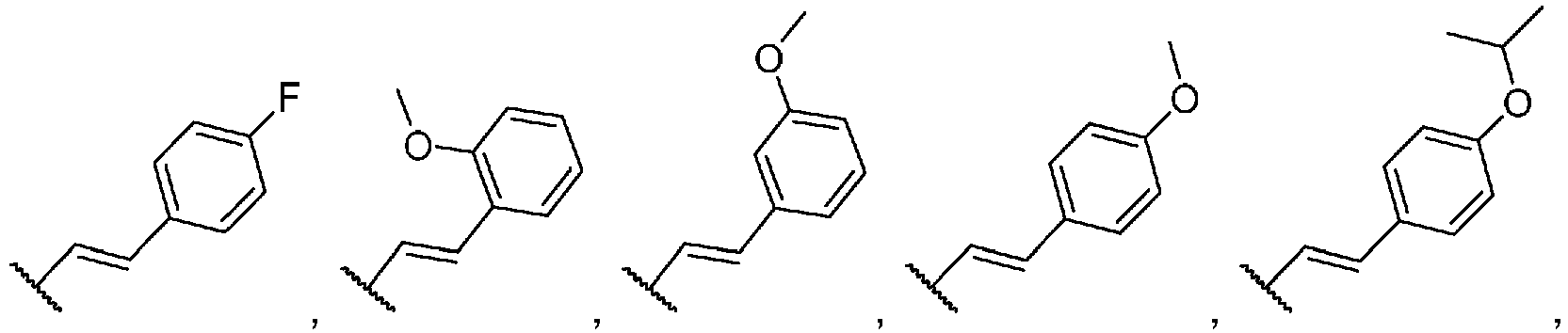





- In some cases, the compound or salt is selected from the group consisting of


- The disclosure further provides the compounds listed in Table A, or a pharmaceutically salt thereof. In some embodiments, the compound or salt is selected from A1-A210. In some embodiments, the compound or salt is selected from A211-A403. Further described are the compounds listed in Table B, or a pharmaceutically acceptable salt thereof, such as the compound or salt is selected from B1-B29. In some cases, the compound or salt is selected from the group consisting of


- Also described are pharmaceutical compositions comprising the compound or salt described herein and a pharmaceutically acceptable carrier.
- Further described are methods of inhibiting protein secretion in a cell comprising contacting the cell with the compound, salt, or pharmaceutical composition described herein in an amount effective to inhibit secretion. In some descriptions, the protein is a checkpoint protein. In some descriptions, the protein is a cell-surface protein, endoplasmic reticulum associated protein, or secreted protein involved in regulation of anti-tumor immune response. In various descriptions, the protein is at least one of PD-1, PD-L1, TIM-1, LAG-3, CTLA4, BTLA, OX-40, B7H1, B7H4, CD137, CD47, CD96, CD73, CD40, VISTA, TIGIT, LAIR1, CD160, 2B4, TGFRβ and combinations thereof. In some descriptions, the protein is selected from the group consisting of HER3, TNFα, IL2, and PD1. In some descriptions, the contacting comprises administering the compound or the composition to a subject in need thereof.
- The disclosure also provides compounds for use in treating inflammation.
- The disclosure further provides compounds for use in treating cancer. In some embodiments, the cancer is melanoma, multiple myeloma, prostate cancer, lung cancer, pancreatic cancer, squamous cell carcinoma, leukemia, lymphoma, a neuroendocrine tumor, bladder cancer, or colorectal cancer. In some cases, the cancer is selected from the group consisting of prostate, lung, bladder, colorectal, and multiple myeloma. In some cases, the cancer is non-small cell lung carcinoma, squamous cell carcinoma, leukemia, acute myelogenous leukemia, chronic myelogenous leukemia, lymphoma, NPM/ALK-transformed anaplastic large cell lymphoma, diffuse large B cell lymphoma, neuroendocrine tumors, breast cancer, mantle cell lymphoma, renal cell carcinoma, rhabdomyosarcoma, ovarian cancer, endometrial cancer, small cell carcinoma, adenocarcinoma, gastric carcinoma, hepatocellular carcinoma, pancreatic cancer, thyroid carcinoma, anaplastic large cell lymphoma, hemangioma, or head and neck cancer. In various cases, the cancer is a solid tumor. In various cases, the cancer is head and neck cancer, squamous cell carcinoma, gastric carcinoma, or pancreatic cancer.
- Further provided are compounds for use in treating an autoimmune disease. In some embodiments, the autoimmune disease is psoriasis, dermatitis, systemic scleroderma, sclerosis, Crohn's disease, ulcerative colitis; respiratory distress syndrome, meningitis; encephalitis; uveitis; colitis; glomerulonephritis; eczema, asthma, chronic inflammation; atherosclerosis; leukocyte adhesion deficiency; rheumatoid arthritis; systemic lupus erythematosus (SLE); diabetes mellitus; multiple sclerosis; Reynaud's syndrome; autoimmune thyroiditis; allergic encephalomyelitis; Sjorgen's syndrome; juvenile onset diabetes; tuberculosis, sarcoidosis, polymyositis, granulomatosis and vasculitis; pernicious anemia (Addison's disease); diseases involving leukocyte diapedesis; central nervous system (CNS) inflammatory disorder; multiple organ injury syndrome; hemolytic anemia; myasthenia gravis; antigen-antibody complex mediated diseases; anti-glomerular basement membrane disease; antiphospholipid syndrome; allergic neuritis; Graves' disease; Lambert-Eaton myasthenic syndrome; pemphigoid bullous; pemphigus; autoimmune polyendocrinopathies; Reiter's disease; stiff-man syndrome; Behcet disease; giant cell arteritis; immune complex nephritis; IgA nephropathy; IgM polyneuropathies; immune thrombocytopenic purpura (ITP) or autoimmune thrombocytopenia.
- The disclosure also provides compounds for use in the treatment of an immune-related disease. In some embodiments, the immune-related disease is rheumatoid arthritis, lupus, inflammatory bowel disease, multiple sclerosis, or Crohn's disease.
- Further provided are compounds for use in treating a neurodegenerative disease. In some cases, the neurodegenerative disease is multiple sclerosis.
- Also provided are compounds for use in treating an inflammatory disease. In some embodiments, the inflammatory disease is bronchitis, conjunctivitis, myocarditis, pancreatitis, chronic cholecstitis, bronchiectasis, aortic valve stenosis, restenosis, psoriasis or arthritis.
- Further aspects and advantages will be apparent to those of ordinary skill in the art from a review of the following detailed description. The description hereafter includes specific embodiments with the understanding that the disclosure is illustrative, and is not intended to limit the disclosure to the specific embodiments described herein.
- Provided herein are compounds that inhibit protein secretion. The compounds described herein can be used to treat or prevent diseases associated with excessive protein secretion, such as inflammation and cancer, improving the quality of life for afflicted individuals.
- Compounds disclosed herein can have a structure of Formula (III):

- In some cases, the compound has a structure of Formula (IIIA):

- Without being bound by any particular theory, the compounds described herein inhibit protein secretion by binding to and disabling components of the translocon, including but not limited to Sec61, and in some cases, disrupting in a sequence specific fashion interactions between the nascent signaling sequence of translated proteins with components of the translocon including but not limited to Sec61.
- The compounds described herein can advantageously inhibit the secretion of a protein of interest with an IC50 of up to 5 µM, or up to 3µM, or up to 1 µM. In various cases, the compounds disclosed herein can inhibit the secretion of TNFα with an IC50 of up to 5 µM, or up to 3µM, or up to 1 µM. In various cases, the compounds disclosed herein can inhibit the secretion of Her3 with an IC50 of up to 5 µM, or up to 3µM, or up to 1 µM. In some cases, the compounds disclosed herein can inhibit the secretion of IL2 with an IC50 of up to 5 µM, or up to 3µM, or up to 1 µM. In various cases, the compounds disclosed herein can inhibit the secretion of PD-1 with an IC50 of up to 5 µM, or up to 3µM, or up to 1 µM.
- As used herein, the term "alkyl" refers to straight chained and branched saturated hydrocarbon groups containing one to thirty carbon atoms, for example, one to twenty carbon atoms, or one to ten carbon atoms. The term Cn means the alkyl group has "n" carbon atoms. For example, C4alkyl refers to an alkyl group that has 4 carbon atoms. C1-6alkyl refers to an alkyl group having a number of carbon atoms encompassing the entire range (i.e., 1 to 6 carbon atoms), as well as all subgroups (e.g., 1-5, 2-5, 1-4, 2-5, 1, 2, 3, 4, 5, and 6 carbon atoms). Nonlimiting examples of alkyl groups include, methyl, ethyl, n-propyl, isopropyl, n-butyl, sec-butyl (2-methylpropyl), and t-butyl (1,1-dimethylethyl). Unless otherwise indicated, an alkyl group can be an unsubstituted alkyl group or a substituted alkyl group.
- As used herein, the term "alkylene" refers to a bivalent saturated aliphatic radical. The term Cn means the alkylene group has "n" carbon atoms. For example, C1-6alkylene refers to an alkylene group having a number of carbon atoms encompassing the entire range, as well as all subgroups, as previously described for "alkyl" groups.
- As used herein, the term "alkene" or "alkenyl" is defined identically as "alkyl" except for containing at least one carbon-carbon double bond, and having two to thirty carbon atoms, for example, two to twenty carbon atoms, or two to ten carbon atoms. The term Cn means the alkenyl group has "n" carbon atoms. For example, C4alkenyl refers to an alkenyl group that has 4 carbon atoms. C2-7alkenyl refers to an alkenyl group having a number of carbon atoms encompassing the entire range (i.e., 2 to 7 carbon atoms), as well as all subgroups (e.g., 2-6, 2-5, 3-6, 2, 3, 4, 5, 6, and 7 carbon atoms). Specifically contemplated alkenyl groups include ethenyl, 1-propenyl, 2-propenyl, and butenyl. Unless otherwise indicated, an alkenyl group can be an unsubstituted alkenyl group or a substituted alkenyl group. Unless otherwise indicated, an alkenyl group can be a cis-alkenyl or trans-alkenyl.
- As used herein, the term "alkyne" or "alkynyl" is defined identically as "alkyl" except for containing at least one carbon-carbon triple bond, and having two to thirty carbon atoms, for example, two to twenty carbon atoms, or two to ten carbon atoms. The term Cn means the alkynyl group has "n" carbon atoms. For example, C4alkynyl refers to an alkynyl group that has 4 carbon atoms. C2-7alkynyl refers to an alkynyl group having a number of carbon atoms encompassing the entire range (i.e., 2 to 7 carbon atoms), as well as all subgroups (e.g., 2-6, 2-5, 3-6, 2, 3, 4, 5, 6, and 7 carbon atoms). Specifically contemplated alkynyl groups include ethynyl, 1-propynyl, 2-propynyl, and butynyl. Unless otherwise indicated, an alkynyl group can be an unsubstituted alkynyl group or a substituted alkynyl group.
- As used herein, the term "carbocycle" refers to an aromatic or nonaromatic ring in which each atom of the ring is carbon. A carbocycle can include, for example, from three to ten carbon atoms, four to eight carbon atoms, or five to six carbon atoms. As used herein, the term "carbocycle" also includes polycyclic ring systems having two or more cyclic rings in which two or more carbons are common to two adjoining rings wherein at least one of the rings is carbocyclic, e.g., the other cyclic rings can be cycloalkyls, cycloalkenyls, aryls, heteroaryls, and/or heterocycles.
- As used herein, the term "cycloalkyl" specifically refers to a non-aromatic carbocycle. The term Cn means the cycloalkyl group has "n" carbon atoms. For example, C5 cycloalkyl refers to a cycloalkyl group that has 5 carbon atoms in the ring. C5-8 cycloalkyl refers to cycloalkyl groups having a number of carbon atoms encompassing the entire range (i.e., 5 to 10 carbon atoms), as well as all subgroups (e.g., 5-10, 5-9, 5-8, 5-6, 6-8, 7-8, 5-7, 5, 6, 7, 8, 9 and 10 carbon atoms). Nonlimiting examples of cycloalkyl groups include cyclopropyl, cyclobutyl, cyclopentyl, cyclohexyl, cycloheptyl, and cyclooctyl. Unless otherwise indicated, a cycloalkyl group can be an unsubstituted cycloalkyl group or a substituted cycloalkyl group.
- As used herein, the term "aryl" refers to an aromatic carbocycle, and can be monocyclic or polycyclic (e.g., fused bicyclic and fused tricyclic) carbocyclic aromatic ring systems. Examples of aryl groups include, but are not limited to, phenyl, naphthyl, tetrahydronaphthyl, phenanthrenyl, biphenylenyl, indanyl, indenyl, anthracenyl, fluorenyl, tetralinyl. Unless otherwise indicated, an aryl group can be an unsubstituted aryl group or a substituted aryl group.
- As used herein, the term "heterocycle" is defined similarly as carbocycle, except the ring contains one to four heteroatoms independently selected from oxygen, nitrogen, and sulfur. For example, a heterocycle can be a 5-10 membered ring having 1 or 2 heteroatoms selected from N, O, and S. As another example, a heterocycle can be a 5-6 membered ring having 1 or 2 ring heteroatoms selected from N, O, and S. Nonlimiting examples of heterocycle groups include piperdine, tetrahydrofuran, tetrahydropyran, dihydrofuran, morpholine, oxazepaneyl, thiazole, pyrrole, and pyridine. Carbocyclic and heterocyclic groups can be saturated or partially unsaturated ring systems optionally substituted with, for example, one to three groups, independently selected alkyl, alkoxy, alkyleneOH, C(O)NH2, NH2, oxo (=O), aryl, haloalkyl, haloalkoxy, C(O)-alkyl, SO2alkyl, halo, OH, NHC1-3alkylene-aryl, OC1-3alkylene-aryl, C1-3alkylene-aryl, and C3-6heterocycloalkyl having 1-3 heteroatoms selected from N, O, and S. Heterocyclic groups optionally can be further N-substituted as described herein.
- As used herein, the term "heteroaryl" refers to an aromatic heterocycle, and can be monocyclic or polycyclic (e.g., fused bicyclic and fused tricyclic) aromatic ring systems, wherein one to four-ring atoms are selected from oxygen, nitrogen, or sulfur, and the remaining ring atoms are carbon, said ring system being joined to the remainder of the molecule by any of the ring atoms. Nonlimiting examples of heteroaryl groups include, but are not limited to, pyridyl, pyridazinyl, pyrazinyl, pyrimidinyl, pyrrolyl, pyrazolyl, imidazolyl, thiazolyl, tetrazolyl, oxazolyl, isooxazolyl, thiadiazolyl, oxadiazolyl, furanyl, thienyl, quinolinyl, isoquinolinyl, benzoxazolyl, benzimidazolyl, benzofuranyl, benzothiazolyl, triazinyl, triazolyl, purinyl, pyrazinyl, purinyl, indolinyl, phthalzinyl, indazolyl, quinolinyl, isoquinolinyl, cinnolinyl, quinazolinyl, naphthyridinyl, pyridopyridinyl, indolyl, 3H-indolyl, pteridinyl, and quinooxalinyl. Unless otherwise indicated, a heteroaryl group can be an unsubstituted heteroaryl group or a substituted heteroaryl group.
- As used herein, the term "hydroxy" or "hydroxyl" as used herein refers to an "-OH" group. Accordingly, a "hydroxyalkyl" refers to an alkyl group substituted with one or more - OH groups.
- As used herein, the term "alkoxy" or "alkoxyl" refers to a "-O-alkyl" group.
- As used herein, the term "halo" is defined as fluoro, chloro, bromo, and iodo. Accordingly, a "haloalkyl" refers to an alkyl group substituted with one or more halo atoms. A "haloalkoxy" refers to an alkoxy group that is substituted with one or more halo atoms.
- A "substituted" functional group (e.g., a substituted alkyl, cycloalkyl, aryl, or heteroaryl) is a functional group having at least one hydrogen radical that is substituted with a non-hydrogen radical (i.e., a substituent). Examples of non-hydrogen radicals (or substituents) include, but are not limited to, alkyl, cycloalkyl, alkenyl, cycloalkenyl, alkynyl, ether, aryl, O-alkylene aryl, N-alkylene aryl, alkylene aryl, heteroaryl, heterocycloalkyl, hydroxy, hydroxyalkyl, haloalkoxy, amido, oxy (or oxo), alkoxy, ester, thioester, acyl, carboxyl, cyano, nitro, amino, sulfhydryl, and halo. When a substituted alkyl group includes more than one non-hydrogen radical, the substituents can be bound to the same carbon or two or more different carbon atoms.
- Provided herein are compounds having a structure of Formula (III), or a pharmaceutically acceptable salt thereof:


- As provided herein, L1 is a bond, C1-6alkylene, or


- In some embodiments, L1 is a bond.
- In some embodiments, L1 is C1-6alkylene. In various cases, L1 is CH2, CH2CH2, C(CH3)2, C(CH3)2CH2, or C(CH3)2CH2CH2.
- In some embodiments, L1 is





- As provided herein, B is C0-3alkylene-X, for example, X, C1alkylene-X, C2alkylene-X, or C3alkylene-X. In various cases, B is C1-3alkylene-X. In various cases, B is X.
- As provided herein, X is an aromatic or nonaromatic C4-10carbocycle, or an aromatic or nonaromatic 4-10 membered heterocycle having 1-3 ring heteroatoms selected from N, O, and S. In some embodiments, X is aromatic or nonaromatic C4-7 carbocycle, or an aromatic or nonaromatic 4-9 membered heterocycle having 1 ring heteroatom. In various cases, X is an aromatic C6-10carbocycle, e.g., phenyl or naphthyl. In various cases, X is an aromatic C6-7 carbocycle, e.g., phenyl. In various cases, X is a nonaromatic C4-10carbocycle, e.g., cyclobutyl, cyclohexanyl, or cyclohexenyl. In various cases, X is a nonaromatic C4-7carbocycle. In various cases, X is an aromatic 6-10 membered heterocycle having 1-3 ring heteroatoms selected from N, O, and S. In various cases, X is a nonaromatic 4-10 membered heterocycle having 1-3 ring heteroatoms selected from N, O, and S. In various cases, X is an aromatic 6-9 membered heterocycle having 1 ring heteroatom. In various cases, X is a nonaromatic 4-9 membered heterocycle having 1 ring heteroatom.
- Examples of suitable X include, but are not limited to, pyrrolidinyl, cyclobutyl, cyclopentyl, cyclohexyl, cyclohexenyl, phenyl, piperidinyl, pyridinyl, piperazinyl, tetrahydrofuranyl, furanyl, tetrahydropyranyl, quinolinyl, morpholinyl, pyrrolidonyl, pyrimidinyl, pyridazinyl, indenyl, dihydroindenyl, dihydrobenzofuranyl, chromanyl, isochromanyl, dihydroisoquinolinyl, or indolyl.
- X can be substituted with 1-3 G. In various cases, X is substituted with 1 G. In various cases, X is substituted with 2 G. In various cases, X is substituted with 3 G. Each G can be independently selected from the group consisting of halo, OH, =O, CN, NO2, N(RN)2, N(RN)C(O)C1-3alkyl, C1-3alkyl, C1-3alkoxy, C1-3 haloalkyl, C1-3 haloalkoxy, C(O)C1-3alkyl, S(O2)-Z, C(O)-Z, C(O)N(RN)2, silyl ether, and [O]0-1-C0-3alkylene-Z. As provided herein, each RN independently is H or C1-4alkyl.
- In various cases, G is halo, e.g., F, Cl, or Br. In various cases, G is OH. In various cases, G is =O. In various cases, G is CN. In various cases, G is NO2. In various cases, G is N(RN)2, e.g., NH2, NHC1-3alkyl, or N(C1-3alkyl)2. In various cases, G is N(RN)C(O)C1-3alkyl, e.g., NHC(O)CH3. In various cases, G is C1-3alkyl, e.g., methyl, ethyl, n-propyl, or isopropyl. In various cases, G is C1-3alkoxy, e.g., methoxy, ethoxy, n-propoxy, or isopropoxy. In various cases, G is C1-3 haloalkyl, such as CF3, CHF2, or CH2F. In various cases, G is C1-3 haloalkoxy, e.g., OCF3, OCH2CF3, or OCF2CF3. In various cases, G is C(O)C1-3alkyl, e.g., C(O)CH3, C(O)CH2CH3, or C(O)CH2CH2CH3. In various cases, G is S(O2)-Z. In various cases, G is C(O)-Z. In various cases, G is C(O)N(RN)2, e.g., C(O)NH2, C(O)NHC1-3alkyl, or C(O)N(C1-3alkyl)2. In various cases, G is silyl ether, e.g. tert-butyldiphenylsilyl ether. In various cases, G is [O]0-1-C0-3alkylene-Z, e.g., O-C1-3alkylene-Z, O-Z, C1-3alkylene-Z, or Z.
- As provided herein, Z is aromatic or nonaromatic C3-10carbocycle, or aromatic or nonaromatic 4-10 membered heterocycle having 1-3 heteroatoms selected from the group consisting of N, O, and S. In some embodiments, Z is aromatic C6-10carbocycle, e.g., phenyl or naphthyl. In some embodiments, Z is nonaromatic C3-10carbocycle, e.g., cyclopropyl, cyclobutyl, cyclopropyl, or cyclohexanyl. In some embodiments, Z is aromatic 6-10 membered heterocycle having 1-3 heteroatoms selected from the group consisting of N, O, and S. In some embodiments, Z is nonaromatic 4-10 membered heterocycle having 1-3 heteroatoms selected from the group consisting of N, O, and S.
- Examples of suitable Z include, but are not limited to, pyrrolidinyl, cyclobutyl, cyclopentyl, cyclohexyl, cyclohexenyl, phenyl, piperidinyl, pyridinyl, piperazinyl, tetrahydrofuranyl, furanyl, tetrahydropyranyl, quinolinyl, morpholinyl, pyrrolidonyl, pyrimidinyl, pyridazinyl, indenyl, dihydroindenyl, dihydrobenzofuranyl, chromanyl, isochromanyl, dihydroisoquinolinyl, or indolyl.
- In some embodiments, Z is substituted with 1-3 E. In some embodiments, Z is not substituted. In various cases, Z is substituted with 1 E. In various cases, Z is substituted
- with 2 E. In various cases, Z is substituted with 3 E. Each E can be independently selected from C1-3alkyl, C1-3alkoxy, =O, C1-3haloalkoxy, CN, and halo.
- In various cases, E is C1-3alkyl, e.g., methyl, ethyl, n-propyl, or isopropyl. In various cases, E is C1-3alkoxy, e.g., methoxy, ethoxy, n-propoxy, or isopropoxy. In various cases, E is =O. In various cases, E is C1-3haloalkoxy, e.g., OCF3, OCH2CF3, or OCF2CF3. In various cases, E is CN. In various cases, E is halo, e.g., F, Cl, or Br.
- In some embodiments, L1-B is selected from the group consisting of

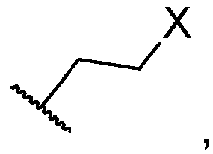

- As provided herein, R2 is H.
- As provided herein, L2 is C0-3alkylene. In various cases, L2 is a bond (i.e., C0alkylene). In various cases, L2 is C1alkylene. In various cases, L2 is C2alkylene. In various cases, L2 is C3alkylene.
- As provided herein, m is 0 to 2. In various cases, m is 0. In various cases, m is 1. In various cases, m is 2. In various cases, m is 1 or 2.
- As provided herein, each R4 independently is C1-3alkyl, C2-3alkynyl, C1-3haloalkyl, C1-3alkoxy, halo, or NHC1-3alkylene-aryl.
- In some embodiments, at least one R4 is C1-3alkyl, e.g., methyl, ethyl, n-propyl, or isopropyl. In various cases, at least one R4 is methyl or ethyl. In some embodiments, at least one R4 is C2-3alkynyl. In various cases, at least one R4 is C2alkynyl. In various cases, at least one R4 is C3alkynyl. In some embodiments, at least one R4 is C1-3haloalkyl, e.g., CF3, CHF2, or CH2F. In various cases, at least one R4 is CF3. In some embodiments, at least one R4 is C1-3alkoxy, e.g., methoxy, ethoxy, n-propoxy, or isopropoxy. In various cases, at least one R4 is methoxy. In some embodiments, at least one R4 is halo, e.g., F, Cl, or Br. In various cases, at least one R4 is F. In various cases, at least one R4 is Cl. In some embodiments, NHC1-3alkylene-aryl. In various cases, at least one R4 is NH-CH2-phenyl.
- In some embodiments, one R4 is halo, and the other R4 is halo or methyl. In various cases, one R4 is halo, and the other R4 is halo. For example, in various cases, one R4 is F, and the other R4 is F. In various cases, one R4 is halo, and the other R4 is methyl. For example, in various cases, one R4 is F, and the other R4 is methyl.
- In some embodiments, the compound has a structure of Formula (IIIA):

- In some embodiments, L1-B is selected from the group consisting of




- In some embodiments, L1-B is selected from the group consisting of





- In some embodiments, L1-B is selected from the group consisting of




- In some embodiments, L1-B is selected from the group consisting of




- Examples of compounds according to Formula(III) of the disclosure are shown in Table A, below, as compounds A1-A403. In some embodiments, a compound of the disclosure is one of A1-A210. Additional compounds are shown in Table B, below, as compounds B1-B29.
Table A A1 
A2 
A3 
A4 
A5 
A6 
A7 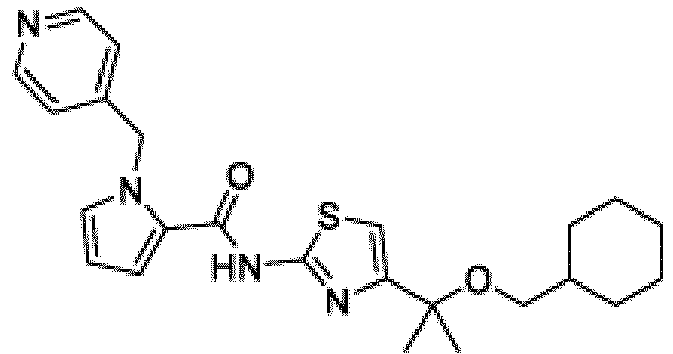
A8 
A9 
A10 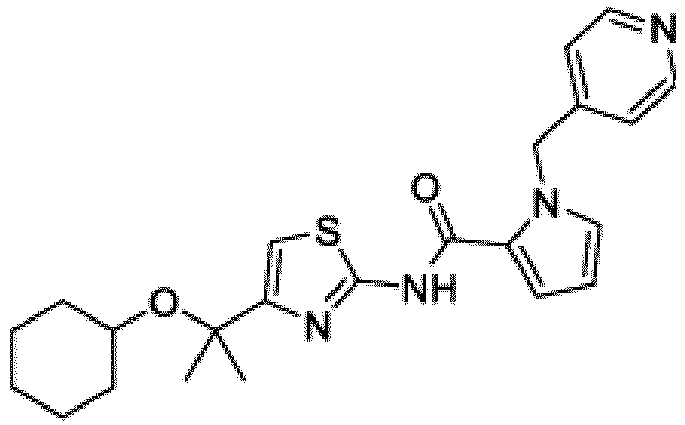
A11 
A12 
A13 
A14 
A15 
A16 
A17 
A18 
A19 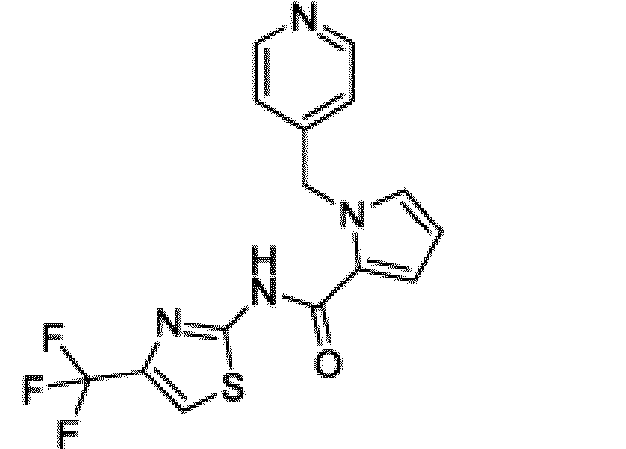
A20 
A21 
A22 
A23 
A24 
A25 
A26 
A27 
A28 
A29 
A30 
A31 
A32 
A33 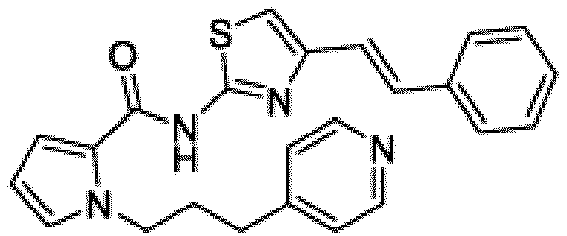
A34 
A35 
A36 
A37 
A38 
A39 
A40 
A41 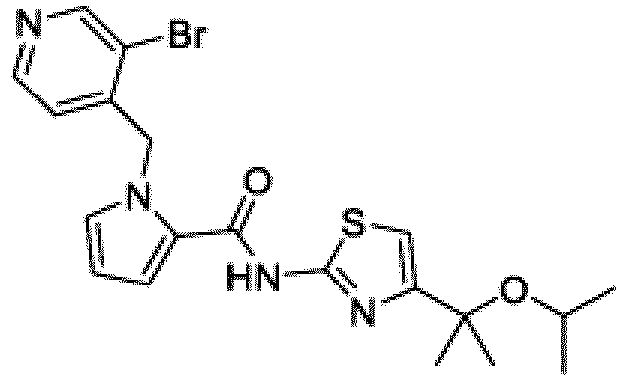
A42 
A43 
A44 
A45 
A46 
A47 
A48 
A49 
A50 
A51 
A52 
A53 
A54 
A55 
A56 
A57 
A58 
A59 
A60 
A61 
A62 
A63 
A64 
A65 
A66 
A67 
A68 
A69 
A70 
A71 
A72 
A73 
A74 
A75 
A76 
A77 
A78 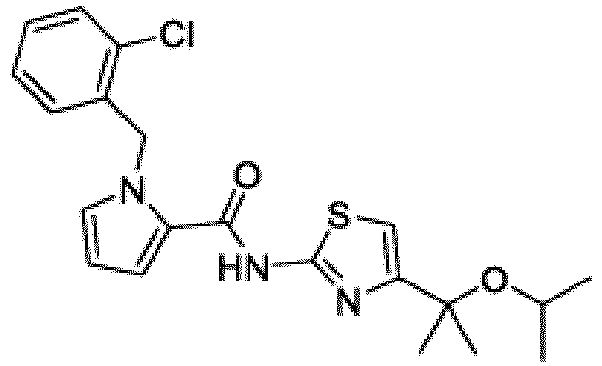
A79 
A80 
A81 
A82 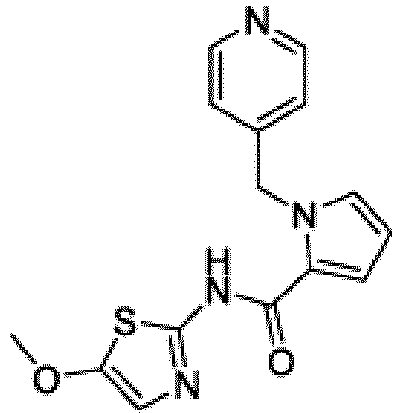
A83 
A84 
A85 
A86 
A87 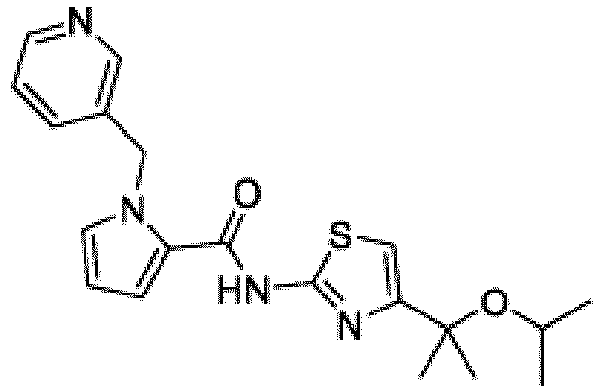
A88 
A89 
A90 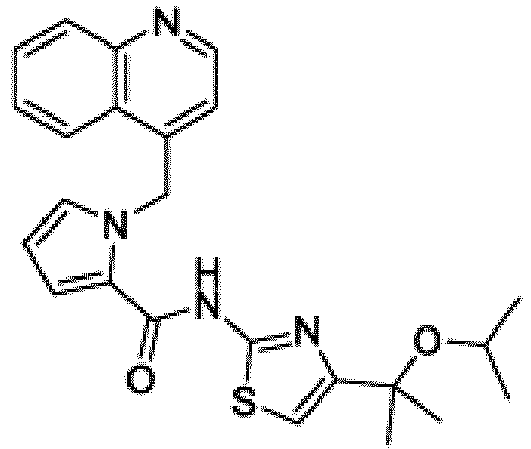
A91 
A92 
A93 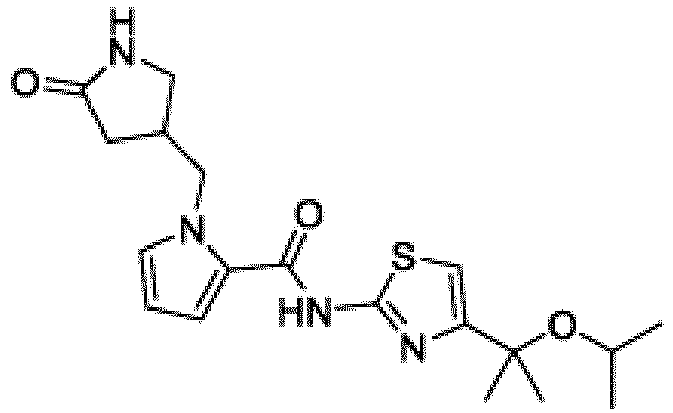
A94 
A95 
A96 
A97 
A98 
A99 
A100 
A101 
A102 
A103 
A104 
A105 
A106 
A107 
A108 
A109 
A110 
A111 
A112 
A113 
A114 
A115 
A116 
A117 
A118 
A119 
A120 
A121 
A122 
A123 
A124 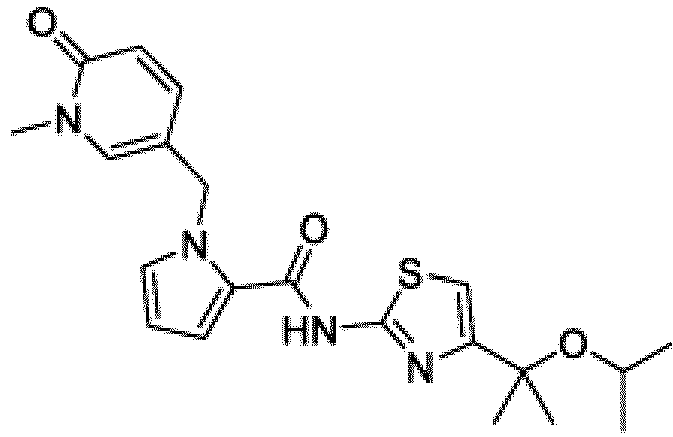
A126 
A126 
A127 
A129 
A129 
A130 
A131 
A132 
A133 
A134 
A135 
A136 
A137 
A138 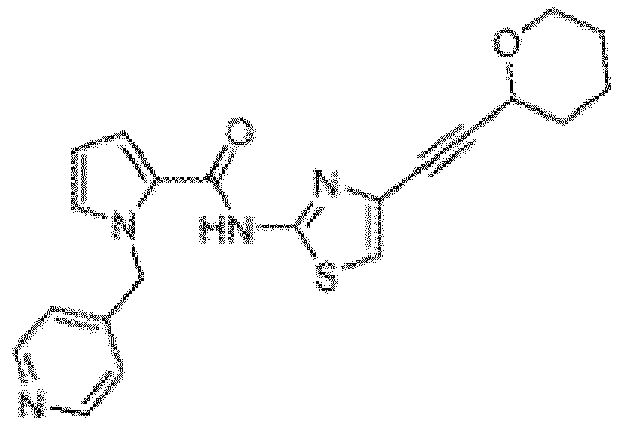
A139 
A140 
A141 
A142 
A143 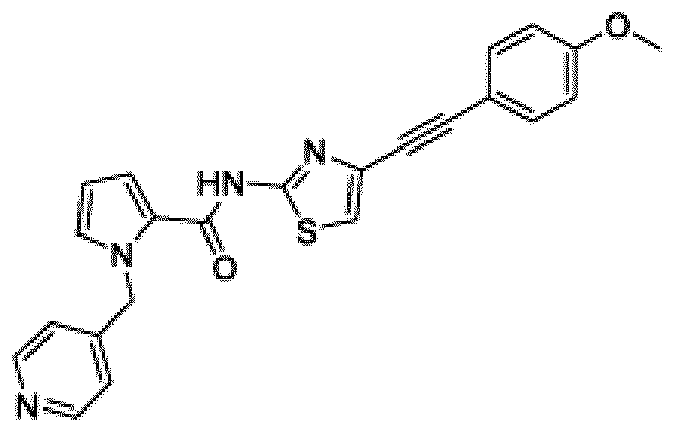
A144 
A145 
A146 
A147 
A148 
A149 
A150 
A151 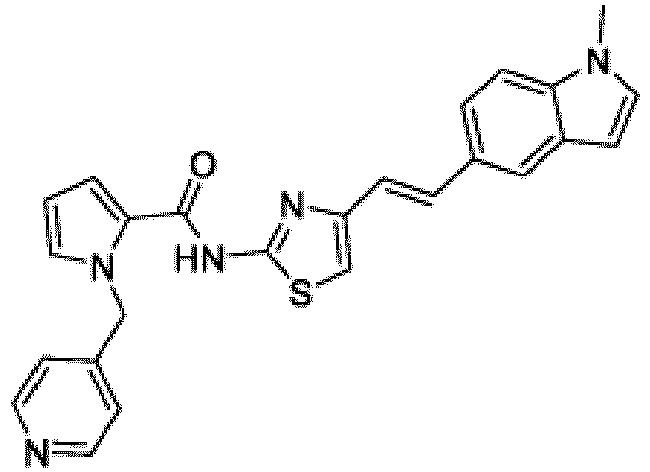
A152 
A153 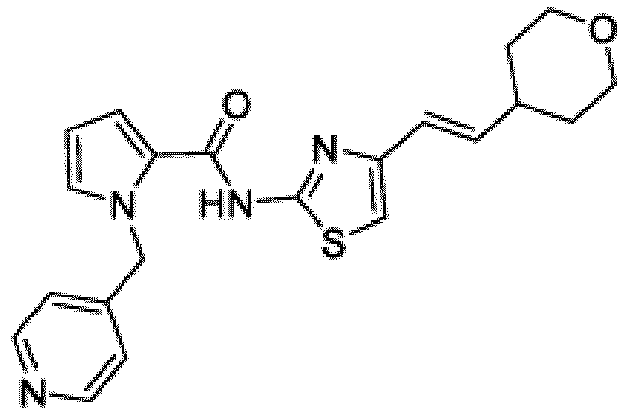
A154 
A165 
A156 
A167 
A158 
A159 
A160 
A161 
A162 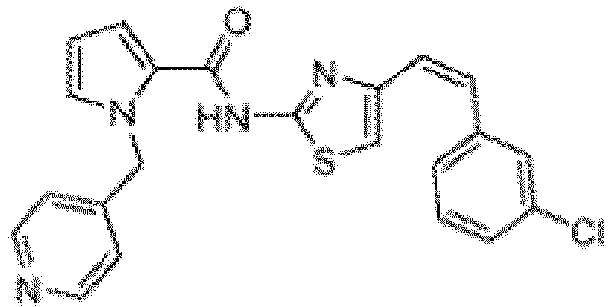
A163 
A164 
A165 
A166 
A167 
A168 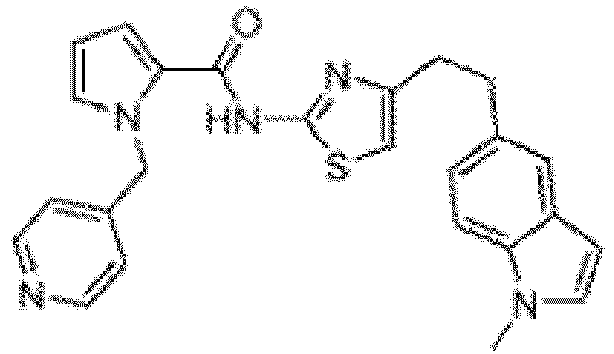
A169 
A170 
A171 
A172 
A173 
A174 
A175 
A176 
A177 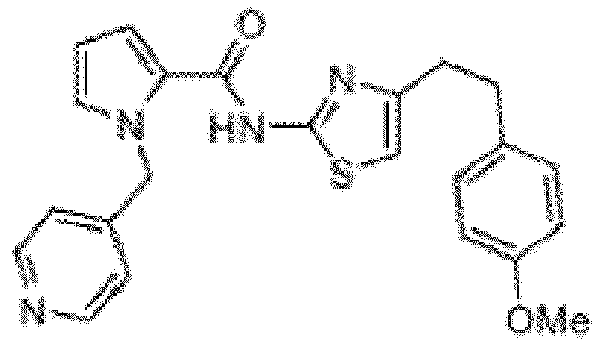
A178 
A179 
A180 
A181 
A182 
A183 
A184 
A185 
A186 
A187 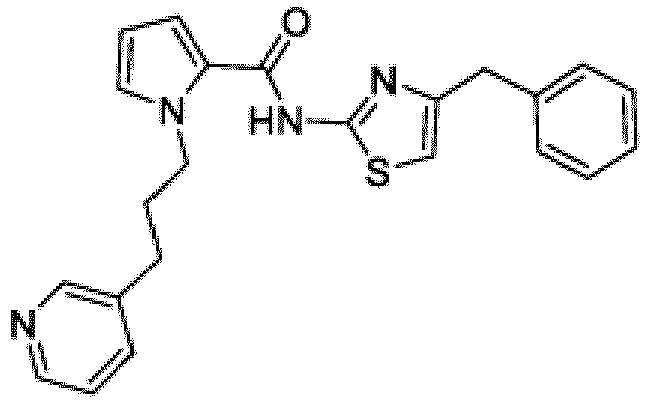
A188 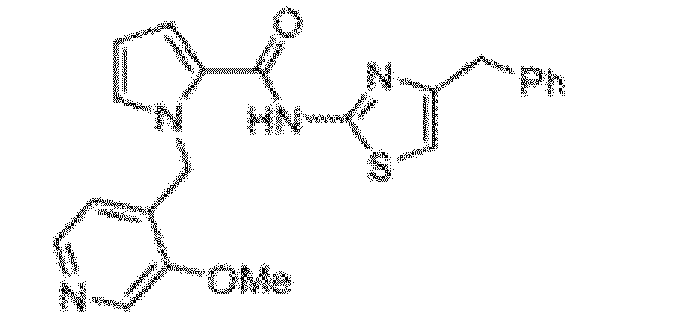
A189 
A190 
A191 
A192 
A193 
A194 
A195 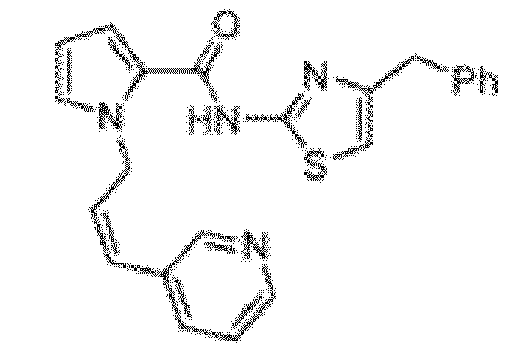
A196 
A197 
A198 
A199 
A200 
A201 
A202 
A203 
A204 
A205 
A206 
A207 
A208 
A209 
A210 
A211 
A212 
A213 
A214 
A215 
A216 
A217 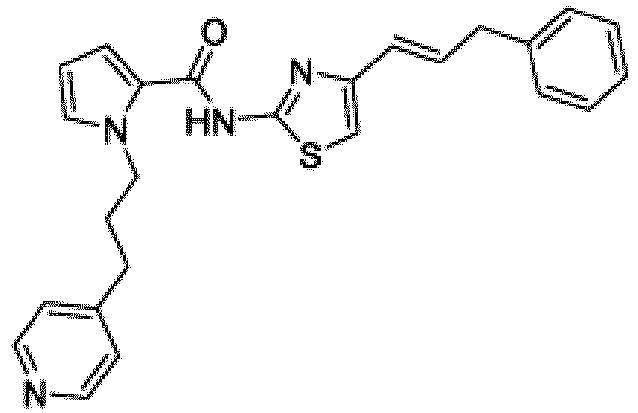
A218 
A219 
A220 
A221 
A222 
A223 
A224 
A226 
A226 
A227 
A228 
A229 
A230 
A231 
A232 
A233 
A234 
A235 
A236 
A237 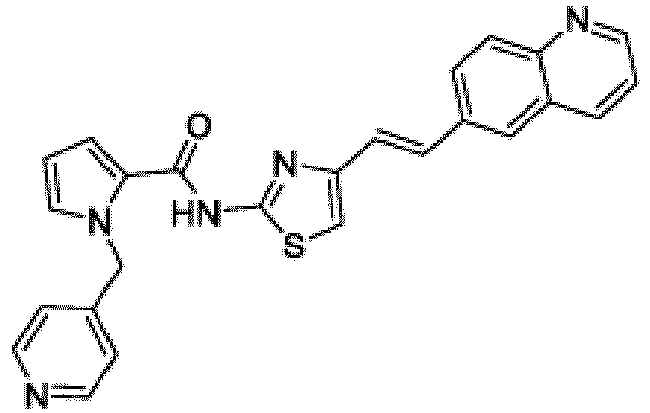
A238 
A239 
A240 
A241 
A242 
A243 
A244 
A245 
A246 
A247 
A248 
A249 
A250 
A251 
A252 
A253 
A254 
A255 
A256 
A267 
A258 
A259 
A260 
A261 
A262 
A263 
A264 
A265 
A266 
A267 
A268 
A269 
A270 
A271 
A272 
A273 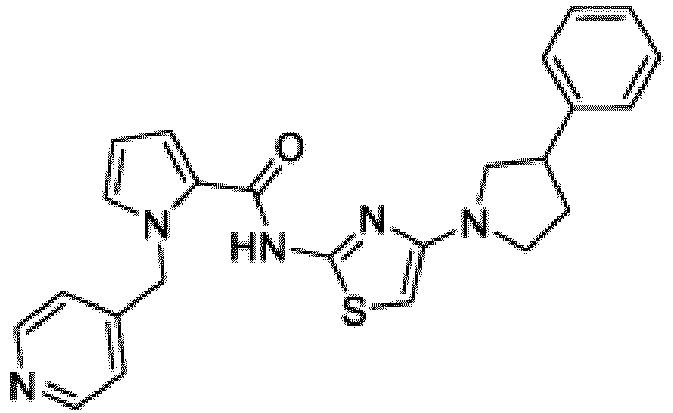
A274 
A275 
A276 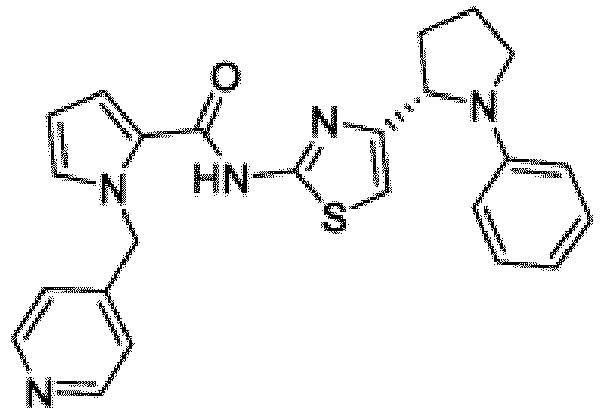
A277 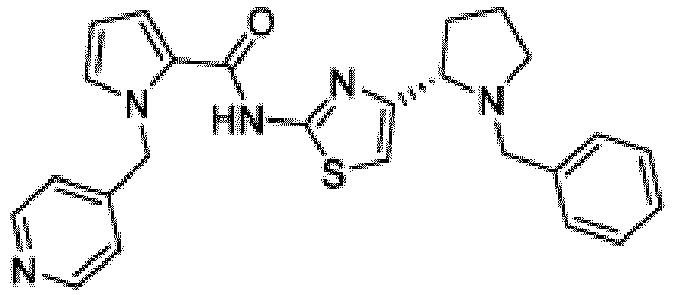
A278 
A279 
A280 
A281 
A282 
A283 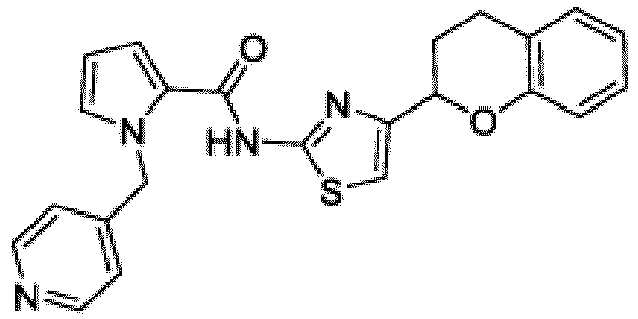
A284 
A285 
A286 
A287 
A288 
A289 
A290 
A291 
A292 
A293 
A294 
A295 
A296 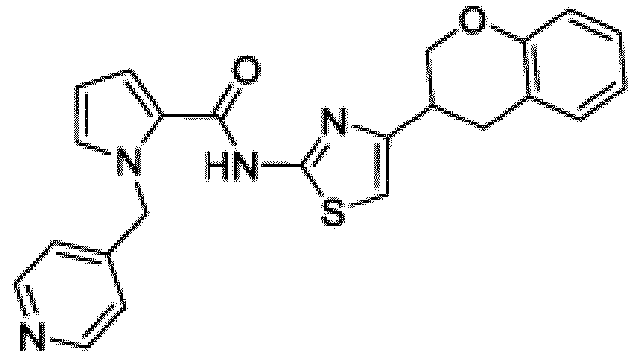
A297 
A298 
A299 
A300 
A301 
A302 
A303 
A304 
A305 
A306 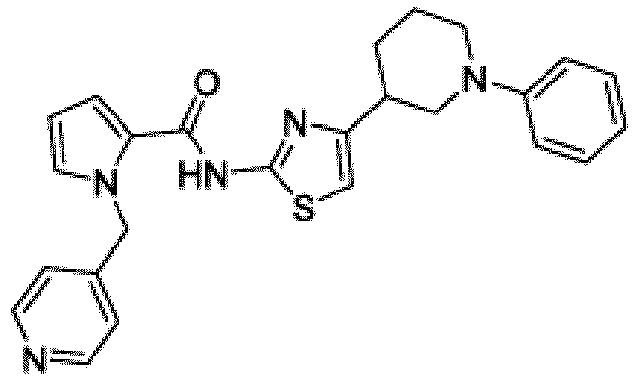
A307 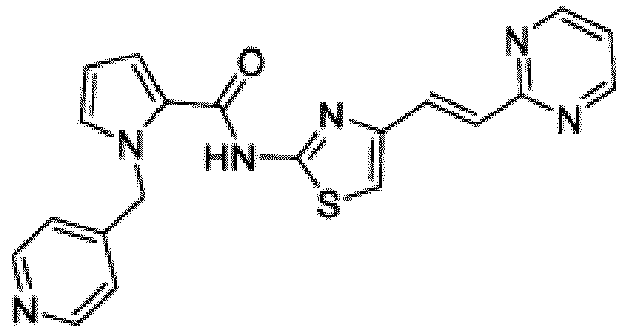
A308 
A309 
A310 
A311 
A312 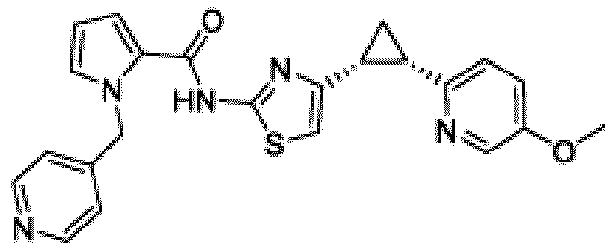
A313 
A314 
A315 
A316 
A317 
A318 
A319 
A320 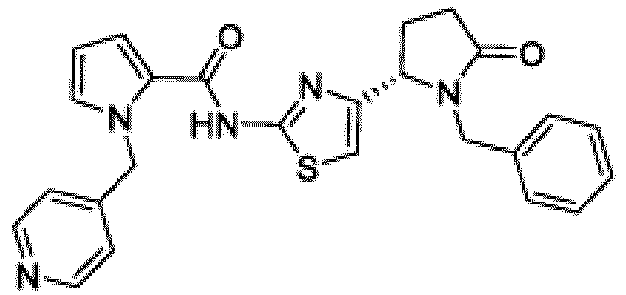
A321 
A322 
A323 
A324 
A326 
A326 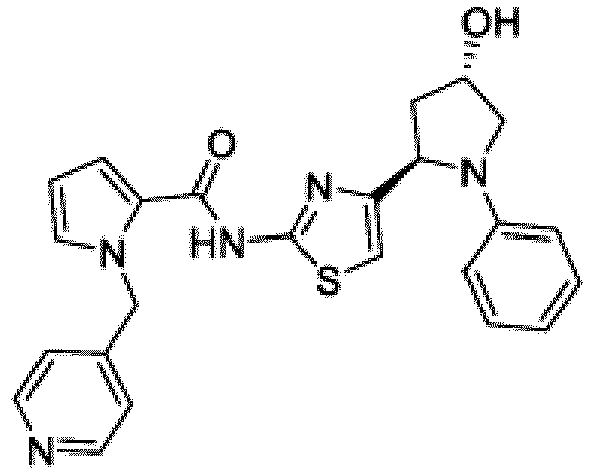
A327 
A328 
A329 
A330 
A331 
A332 
A333 
A334 
A335 
A336 
A337 
A338 
A339 
A340 
A341 
A342 
A343 
A344 
A346 
A346 
A347 
A348 
A349 
A350 
A351 
A352 
A353 
A354 
A355 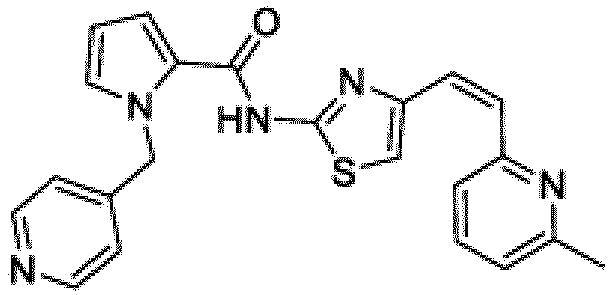
A356 
A357 
A358 
A359 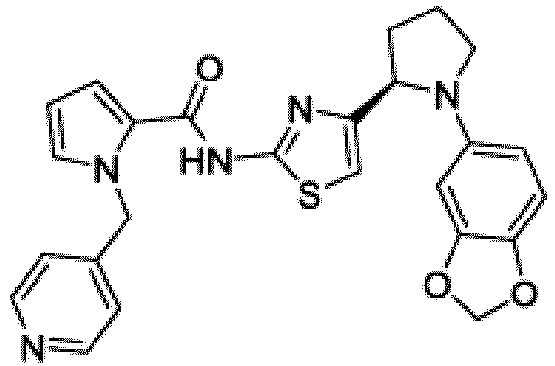
A360 
A361 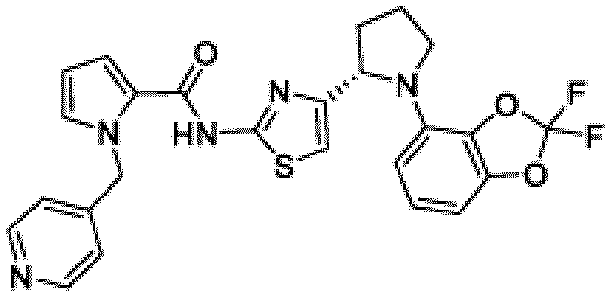
A362 
A363 
A364 
A356 
A366 
A367 
A368 
A369 
A370 
A371 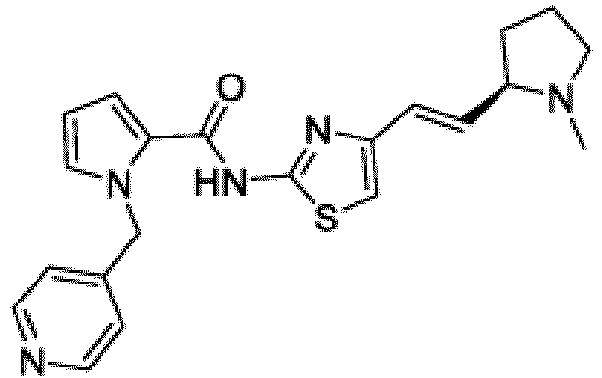
A372 
A373 
A374 
A375 
A376 
A377 
A378 
A379 
A380 
A381 
A382 
A383 
A384 
A385 
A386 
A367 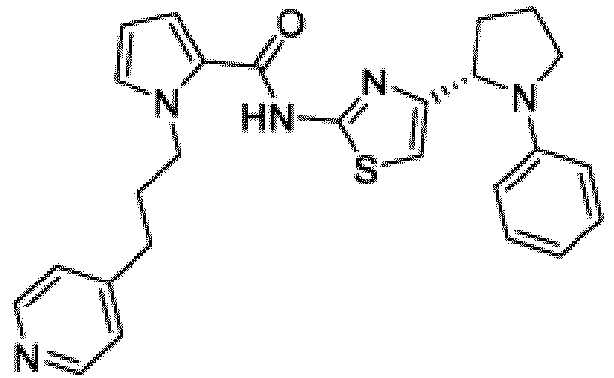
A388 
A389 
A390 
A391 
A392 
A393 
A394 
A395 
A396 
A397 
A398 
A399 
A400 
A401 
A402 
A403 
Table B Ref. B1 
B2 
Ref. B3 
Ref. B4 
Ref. B5 
Ref. B6 
Ref. B7 
Ref. B8 
Ref. B9 
Ref. B10 
Ref. B11 
Ref. B12 
Ref. B13 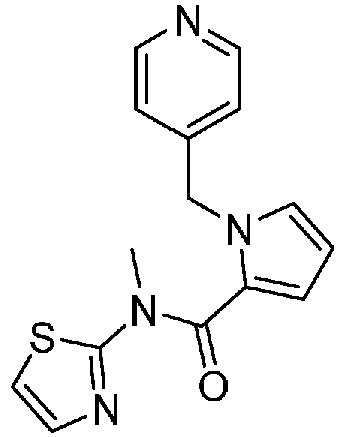
Ref. B14 
Ref. B15 
Ref. B16 
Ref. B17 
Ref. B18 
Ref. B19 
Ref. B20 
Ref. B21 
Ref. B22 
Ref. B23 
Ref. B24 
Ref. B25 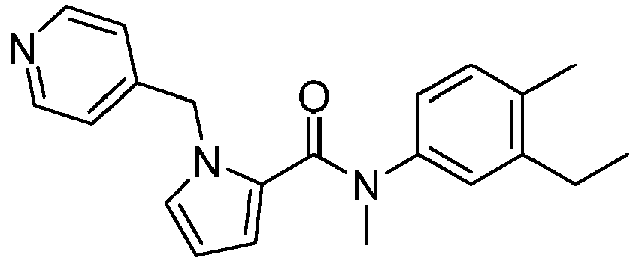
Ref. B26 
Ref. B27 
Ref. B28 
Ref. B29 
- In embodiments, the compound is selected from a compound listed in Table A, or a pharmaceutically acceptable salt thereof. In some embodiments, the compound or salt is selected from A1-A210. In some embodiments, the compound or salt is selected from A211-A403. In some cases, the compound is selected from the group consisting of


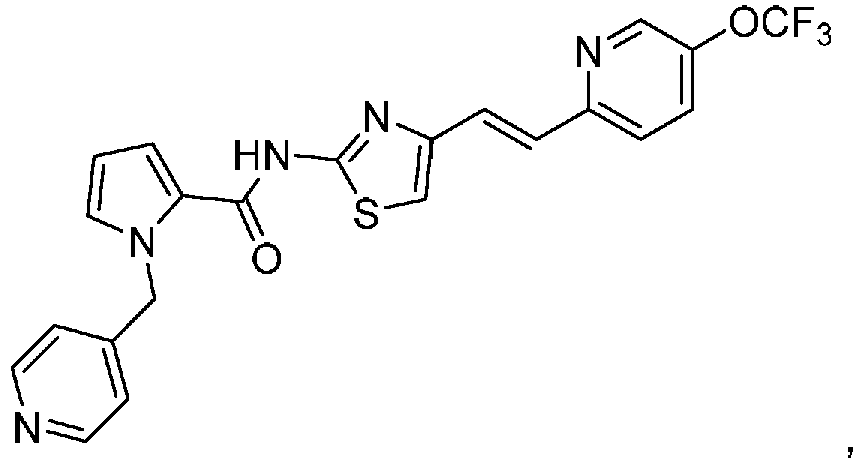


 and
and ) are meant to indicate absolute stereochemistry of the stereocenter(s) present in the chemical structure. Bonds symbolized by a simple line do not indicate a stereo-preference. Bonds symbolized by dashed or bold straight bonds (i.e.,
 and
and ) are meant to indicate a relative stereochemistry of the stereocenter(s) present in the chemical structure. Unless otherwise indicated to the contrary, chemical structures that include one or more stereocenters which are illustrated herein without indicating absolute or relative stereochemistry, encompass all possible stereoisomeric forms of the compound (e.g., diastereomers, enantiomers) and mixtures thereof. Structures with a single bold or dashed wedged line, and at least one additional simple line, encompass a single enantiomeric series of all possible diastereomers. Similarly, the chemical structures having alkenyl groups are meant to encompass both cis and trans orientations, or when substituted, E- and Z-isomers of the chemical structure.
- The compounds provided herein can be synthesized using conventional
- techniques readily available starting materials known to those skilled in the art. In general, the compounds provided herein are conveniently obtained via standard organic chemistry synthesis methods.
- Although not limited to any one or several sources, classic texts such as Smith, M. B., March, J., March' s Advanced Organic Chemistry: Reactions, Mechanisms, and Structure, 5th edition, John Wiley & Sons: New York, 2001 ; and Greene, T.W., Wuts, P.G. M., Protective Groups in Organic Synthesis, 3rd edition, John Wiley & Sons: New York, 1999, are useful and recognized reference textbooks of organic synthesis known to those in the art. The following descriptions of synthetic methods are designed to illustrate, but not to limit, general procedures for the preparation of compounds of the present disclosure.
- The synthetic processes disclosed herein can tolerate a wide variety of functional groups; therefore, various substituted starting materials can be used. The processes generally provide the desired final compound at or near the end of the overall process, although it may be desirable in certain instances to further convert the compound to a pharmaceutically acceptable salt thereof.
- In general, the compounds of Formula (III) can be synthesized in line with the examples shown below. For example, the compounds can be prepared by alkylation of the appropriate amine having a carboxyl group, with appropriate protecting groups as necessary. The intermediate can be saponified, for example, to expose a reactive carboxylate. Then, amide coupling between the appropriate amine and the free carboxylate can occur.
- The amine for the amide coupling noted above can be prepared via known synthetic techniques using appropriate starting materials and protecting groups, as necessary.
- Further modifications can be performed, e.g., to introduce additional substituents such as halo groups or alkyl groups.
- The compounds disclosed herein (i.e., the compounds of Formula (III), the compounds listed in Table A and pharmaceutically acceptable salts of any of the foregoing) can inhibit protein secretion of a protein of interest. The compounds disclosed herein can interfere with the Sec61 protein secretion machinery of a cell. In some cases, a compound as disclosed herein inhibits secretion of one or more of TNFα, IL2, Her3, and PD-1, or each of TNFα, IL2, Her3, and PD-1. Protein secretion activity can be assessed in a manner as described in the Examples section below.
- As used herein, the term "inhibitor" is meant to describe a compound that blocks or reduces an activity of a pharmacological target (for example, a compound that inhibits Sec61 function in the protein secretion pathway). An inhibitor can act with competitive, uncompetitive, or noncompetitive inhibition. An inhibitor can bind reversibly or irreversibly, and therefore, the term includes compounds that are suicide substrates of a protein or enzyme. An inhibitor can modify one or more sites on or near the active site of the protein, or it can cause a conformational change elsewhere on the enzyme. The term inhibitor is used more broadly herein than scientific literature so as to also encompass other classes of pharmacologically or therapeutically useful agents, such as agonists, antagonists, stimulants, co-factors.
- Thus, described herein are methods of inhibiting protein secretion in a cell. In these methods, a cell is contacted with a compound described herein (i.e., the compounds of Formula (III), the compounds listed in Table A and compound B2, and pharmaceutically acceptable salts of any of the foregoing), or pharmaceutical composition thereof, in an amount effective to inhibit secretion of the protein of interest. In some descriptions, the cell is contacted in vitro. In various descriptions, the cell is contacted in vivo. In various descriptions, the contacting includes administering the compound or pharmaceutical composition to a subject.
- The biological consequences of Sec61 inhibition are numerous. For example, Sec61 inhibition has been suggested for the treatment or prevention of inflammation and/or cancer in a subject. Therefore, pharmaceutical compositions for Sec61 specific compounds, provide a means of administering a drug to a subject and treating these conditions. As used herein, the terms "treat," "treating," "treatment," refer to eliminating, reducing, or ameliorating a disease or condition, and/or symptoms associated therewith. Although not precluded, treating a disease or condition does not require that the disease, condition, or symptoms associated therewith be completely eliminated. As used herein, the terms "treat," "treating," "treatment," may include "prophylactic treatment," which refers to reducing the probability of redeveloping a disease or condition, or of a recurrence of a previously-controlled disease or condition, in a subject who does not have, but is at risk of or is susceptible to, redeveloping a disease or condition or a recurrence of the disease or condition. The term "treat" and synonyms contemplate administering a therapeutically effective amount of a compound of the disclosure to an individual in need of such treatment. Within the meaning of the disclosure, "treatment" also includes relapse prophylaxis or phase prophylaxis, as well as the treatment of acute or chronic signs, symptoms and/or malfunctions. The treatment can be orientated symptomatically, for example, to suppress symptoms. It can be effected over a short period, be oriented over a medium term, or can be a long-term treatment, for example within the context of a maintenance therapy. As used herein, the terms "prevent," "preventing," "prevention," are art-recognized, and when used in relation to a condition, such as a local recurrence (e.g., pain), a disease such as cancer, a syndrome complex such as heart failure or any other medical condition, is well understood in the art, and includes administration of a composition which reduces the frequency of, or delays the onset of, symptoms of a medical condition in a subject relative to a subject which does not receive the composition. Thus, prevention of cancer includes, for example, reducing the number of detectable cancerous growths in a population of patients receiving a prophylactic treatment relative to an untreated control population, and/or delaying the appearance of detectable cancerous growths in a treated population versus an untreated control population, e.g., by a statistically and/or clinically significant amount. As used herein, the terms "patient" and "subject" may be used interchangeably and mean animals, such as dogs, cats, cows, horses, and sheep (i.e., non-human animals) and humans. Particular patients are mammals (e.g., humans). The term patient includes males and females.
- Inhibition of Sec61-mediated secretion of inflammatory proteins (e.g., TNFα) can disrupt inflammation signaling. Thus, provided herein is the use of a compound described herein, (i.e., a compound of Formula (III), or a compound listed in Table A), or a pharmaceutically acceptable salt thereof in treating inflammation.
- Further, the viability of cancer cells relies upon increased protein secretion into the ER for survival. Therefore, non-selective or partially selective inhibition of Sec61 mediated protein secretion may inhibit tumor growth. Alternatively, in the immune-oncology setting, selective secretion inhibitors of known secreted immune checkpoints proteins (e.g., PD-1, TIM-3, LAG3) can result in activation of the immune system to against various cancers.
- Accordingly, also provided herein is the use of a compound described herein, (i.e., a compound of Formula (III), or a compound listed in Table A), or a pharmaceutically acceptable salt thereof in treating cancer. Specifically contemplated cancers that can be treated using the compounds and compositions described herein include, but are not limited to melanoma, multiple myeloma, prostate, lung, non small cell lung carconimoa (NSCLC), squamous cell carcinoma, leukemia, acute myelogenous leukemia, chronic myelogenous leukemia, lymphoma, NPM/ALK-transformed anaplastic large cell lymphoma, renal cell carcinoma, rhabdomyosarcoma, ovarian cancer, endometrial cancer, small cell carcinoma, adenocarcinoma, gastric carcinoma, hepatocellular carcinoma, pancreatic cancer, thyroid carcinoma, anaplastic large cell lymphoma, hemangioma, head and neck cancer, bladder, and colorectal cancers.
- The compounds described herein are also contemplated to be used in the prevention and/or treatment of a multitude of diseases including, but not limited to, proliferative diseases, neurotoxic/degenerative diseases, ischemic conditions, autoimmune and autoinflammatory disorders, inflammation, immune-related diseases, HIV, cancers, organ graft rejection, septic shock, viral and parasitic infections, conditions associated with acidosis, macular degeneration, pulmonary conditions, muscle wasting diseases, fibrotic diseases, bone and hair growth diseases.
- Examples of proliferative diseases or conditions include diabetic retinopathy, macular degeneration, diabetic nephropathy, glomerulosclerosis, IgA nephropathy, cirrhosis, biliary atresia, congestive heart failure, scleroderma, radiation-induced fibrosis, and lung fibrosis (idiopathic pulmonary fibrosis, collagen vascular disease, sarcoidosis, interstitial lung diseases and extrinsic lung disorders).
- Inflammatory diseases include acute (e.g., bronchitis, conjunctivitis, myocarditis, pancreatitis) and chronic conditions (e.g., chronic cholecstitis, bronchiectasis, aortic valve stenosis, restenosis, psoriasis and arthritis), along with conditions associated with inflammation such as fibrosis, infection and ischemia.
- Immunodeficiency disorders occur when a part of the immune system is not working properly or is not present. They can affect B lymophyctes, T lymphocytes, or phagocytes and be either inherited (e.g., IgA deficiency, severe combined immunodeficiency (SCID), thymic dysplasia and chronic granulomatous) or acquired (e.g., acquired immunodeficiency syndrome (AIDS), human immunodeficiency virus (HIV) and drug-induced immunodeficiencies). Immune-related conditions include allergic disorders such as allergies, asthma and atopic dermatitis like eczema. Other examples of such immune-related conditions include lupus, rheumatoid arthritis, scleroderma, ankylosing spondylitis, dermatomyositis, psoriasis, multiple sclerosis and inflammatory bowel disease (such as ulcerative colitis and Crohn's disease).
- Tissue/organ graft rejection occurs when the immune system mistakenly attacks the cells being introduced to the host's body. Graft versus host disease (GVHD), resulting from allogenic transplantation, arises when the T cells from the donor tissue go on the offensive and attack the host's tissues. In all three circumstances, autoimmune disease, transplant rejection and GVHD, modulating the immune system by treating the subject with a compound or composition of the disclosure could be beneficial.
- Also provided herein is the use of a compound described herein, (i.e., a compound of Formula (III), or a compound listed in Table A), or a pharmaceutically acceptable salt thereof in treating an autoimmune disease in a patient comprising administering a therapeutically effective amount of the compound described herein. An "autoimmune disease" as used herein is a disease or disorder arising from and directed against an individual's own tissues. Examples of autoimmune diseases include, but are not limited to, inflammatory responses such as inflammatory skin diseases including psoriasis and dermatitis (e.g., atopic dermatitis); systemic scleroderma and sclerosis; responses associated with inflammatory bowel disease (such as Crohn's disease and ulcerative colitis); respiratory distress syndrome (including adult respiratory distress syndrome(ARDS)); dermatitis; meningitis; encephalitis; uveitis; colitis; glomerulonephritis; allergic conditions such as eczema and asthma and other conditions involving infiltration of T cells and chronic inflammatory responses; atherosclerosis; leukocyte adhesion deficiency; rheumatoid arthritis; systemic lupus erythematosus (SLE); diabetes mellitus (e.g., Type I diabetes mellitus or insulin dependent diabetes mellitus); multiple sclerosis; Reynaud's syndrome; autoimmune thyroiditis; allergic encephalomyelitis; Sjorgen's syndrome; juvenile onset diabetes; and immune responses associated with acute and delayed hypersensitivity mediated by cytokines and T-lymphocytes typically found in tuberculosis, sarcoidosis, polymyositis, granulomatosis and vasculitis; pernicious anemia (Addison's disease); diseases involving leukocyte diapedesis; central nervous system (CNS) inflammatory disorder; multiple organ injury syndrome; hemolytic anemia (including, but not limited to cryoglobinemia or Coombs positive anemia); myasthenia gravis; antigen-antibody complex mediated diseases; anti-glomerular basement membrane disease; antiphospholipid syndrome; allergic neuritis; Graves' disease; Lambert-Eaton myasthenic syndrome; pemphigoid bullous; pemphigus; autoimmune polyendocrinopathies; Reiter's disease; stiff-man syndrome; Behcet disease; giant cell arteritis; immune complex nephritis; IgA nephropathy; IgM polyneuropathies; immune thrombocytopenic purpura (ITP) or autoimmune thrombocytopenia. Compounds provided herein may be useful for the treatment of conditions associated with inflammation, including, but not limited to COPD, psoriasis, asthma, bronchitis, emphysema, and cystic fibrosis.
- Also provided herein is the use of a compound as disclosed herein for the treatment of neurodegenerative diseases. Neurodegenerative diseases and conditions includes, but not limited to, stroke, ischemic damage to the nervous system, neural trauma (e.g., percussive brain damage, spinal cord injury, and traumatic damage to the nervous system), multiple sclerosis and other immune-mediated neuropathies (e.g., Guillain-Barre syndrome and its variants, acute motor axonal neuropathy, acute inflammatory demyelinating polyneuropathy, and Fisher Syndrome), HIV/AIDS dementia complex, axonomy, diabetic neuropathy, Parkinson's disease, Huntington's disease, multiple sclerosis, bacterial, parasitic, fungal, and viral meningitis, encephalitis, vascular dementia, multi-infarct dementia, Lewy body dementia, frontal lobe dementia such as Pick's disease, subcortical dementias (such as Huntington or progressive supranuclear palsy), focal cortical atrophy syndromes (such as primary aphasia), metabolic-toxic dementias (such as chronic hypothyroidism or B12 deficiency), and dementias caused by infections (such as syphilis or chronic meningitis).
- Further guidance for using compounds and compositions described herein (i.e., a compound of Formula (III), or a compound listed in Table A, or a pharmaceutically acceptable salt thereof) for inhibiting protein secretion can be found in the Examples section, below.
- Described herein is the manufacture and use of pharmaceutical compositions, which include one or more of the compounds provided herein. Also described are the pharmaceutical compositions themselves. Pharmaceutical compositions typically include a pharmaceutically acceptable carrier. Thus, described herein are pharmaceutical compositions that include a compound described herein (i.e., a compound of Formula (III), or a compound listed in Table A, or a pharmaceutically acceptable salt thereof), as previously described herein, and one or more pharmaceutically acceptable carriers.
- The phrase "pharmaceutically acceptable" is employed herein to refer to those ligands, materials, compositions, and/or dosage forms which are, within the scope of sound medical judgment, suitable for use in contact with the tissues of human beings and animals without excessive toxicity, irritation, allergic response, or other problem or complication, commensurate with a reasonable benefit/risk ratio.
- The phrase "pharmaceutically acceptable carrier" as used herein means a pharmaceutically acceptable material, composition, or vehicle, such as a liquid or solid filler, diluent, excipient, solvent or encapsulating material. As used herein the language "pharmaceutically acceptable carrier" includes buffer, sterile water for injection, solvents, dispersion media, coatings, antibacterial and antifungal agents, isotonic and absorption delaying agents, compatible with pharmaceutical administration. Each carrier must be "acceptable" in the sense of being compatible with the other ingredients of the composition and not injurious to the patient. Some examples of materials which can serve as pharmaceutically acceptable carriers include: (1) sugars, such as lactose, glucose, and sucrose; (2) starches, such as corn starch, potato starch, and substituted or unsubstituted β-cyclodextrin; (3) cellulose, and its derivatives, such as sodium carboxymethyl cellulose, ethyl cellulose, and cellulose acetate; (4) powdered tragacanth; (5) malt; (6) gelatin; (7) talc; (8) excipients, such as cocoa butter and suppository waxes; (9) oils, such as peanut oil, cottonseed oil, safflower oil, sesame oil, olive oil, corn oil, and soybean oil; (10) glycols, such as propylene glycol; (11) polyols, such as glycerin, sorbitol, mannitol, and polyethylene glycol; (12) esters, such as ethyl oleate and ethyl laurate; (13) agar; (14) buffering agents, such as magnesium hydroxide and aluminum hydroxide; (15) alginic acid; (16) pyrogen-free water; (17) isotonic saline; (18) Ringer's solution; (19) ethyl alcohol; (20) phosphate buffer solutions; and (21) other non-toxic compatible substances employed in pharmaceutical compositions. In certain embodiments, pharmaceutical compositions provided herein are non-pyrogenic, i.e., do not induce significant temperature elevations when administered to a patient.
- The term "pharmaceutically acceptable salt" refers to the relatively non-toxic, inorganic and organic acid addition salts of a compound provided herein. These salts can be prepared in situ during the final isolation and purification of a compound provided herein, or by separately reacting the compound in its free base form with a suitable organic or inorganic acid, and isolating the salt thus formed. Representative salts include the hydrobromide, hydrochloride, sulfate, bisulfate, phosphate, nitrate, acetate, valerate, oleate, palmitate, stearate, laurate, benzoate, lactate, phosphate, tosylate, citrate, maleate, fumarate, succinate, tartrate, naphthylate, mesylate, glucoheptonate, lactobionate, laurylsulphonate salts, and amino acid salts. (See, for example, Berge et al. (1977) "Pharmaceutical Salts", J. Pharm. Sci. 66: 1-19.)
- In some embodiments, a compound provided herein may contain one or more acidic functional groups and, thus, is capable of forming pharmaceutically acceptable salts with pharmaceutically acceptable bases. The term "pharmaceutically acceptable salts" in these instances refers to the relatively non-toxic inorganic and organic base addition salts of a compound provided herein. These salts can likewise be prepared in situ during the final isolation and purification of the compound, or by separately reacting the purified compound in its free acid form with a suitable base, such as the hydroxide, carbonate, or bicarbonate of a pharmaceutically acceptable metal cation, with ammonia, or with a pharmaceutically acceptable organic primary, secondary, or tertiary amine. Representative alkali or alkaline earth salts include the lithium, sodium, potassium, calcium, magnesium, and aluminum salts. Representative organic amines useful for the formation of base addition salts include ethylamine, diethylamine, ethylenediamine, ethanolamine, diethanolamine, piperazine (see, for example, Berge et al., supra).
- Wetting agents, emulsifiers, and lubricants, such as sodium lauryl sulfate and magnesium stearate, as well as coloring agents, release agents, coating agents, sweetening, flavoring, and perfuming agents, preservatives and antioxidants can also be present in the compositions.
- Examples of pharmaceutically acceptable antioxidants include: (1) water soluble antioxidants, such as ascorbic acid, cysteine hydrochloride, sodium bisulfate, sodium metabisulfite, sodium sulfite; (2) oil-soluble antioxidants, such as ascorbyl palmitate, butylated hydroxyanisole (BHA), butylated hydroxytoluene (BHT), lecithin, propyl gallate, alpha-tocopherol; and (3) metal chelating agents, such as citric acid, ethylenediamine tetraacetic acid (EDTA), sorbitol, tartaric acid, phosphoric acid.
- A pharmaceutical composition may also contain adjuvants such as preservatives, wetting agents, emulsifying agents, and dispersing agents. Prevention of the action of microorganisms may be ensured by the inclusion of various antibacterial and antifungal agents, for example, paraben, chlorobutanol, phenol sorbic acid,. It may also be desirable to include tonicity-adjusting agents, such as sugars into the compositions. In addition, prolonged absorption of the injectable pharmaceutical form may be brought about by the inclusion of agents which delay absorption such as aluminum monostearate and gelatin.
- In some cases, in order to prolong the effect of one or more compounds provided herein, it is desirable to slow the absorption of the compound from subcutaneous or intramuscular injection. For example, delayed absorption of a parenterally administered compound can be accomplished by dissolving or suspending the compound in an oil vehicle.
- Compositions prepared as described herein can be administered in various forms, depending on the disorder to be treated and the age, condition, and body weight of the patient, as is well known in the art. For example, where the compositions are to be administered orally, they may be formulated as tablets, capsules, granules, powders, or syrups; or for parenteral administration, they may be formulated as injections (intravenous, intramuscular, or subcutaneous), drop infusion preparations, or suppositories. For application by the ophthalmic mucous membrane route, they may be formulated as eye drops or eye ointments. These compositions can be prepared by conventional means in conjunction with the methods described herein, and, if desired, the active ingredient may be mixed with any conventional additive or excipient, such as a binder, a disintegrating agent, a lubricant, a corrigent, a solubilizing agent, a suspension aid, an emulsifying agent, or a coating agent.
- Compositions suitable for oral administration may be in the form of capsules (e.g., gelatin capsules), cachets, pills, tablets, lozenges (using a flavored basis, usually sucrose and acacia or tragacanth), powders, troches, granules, or as a solution or a suspension in an aqueous or non-aqueous liquid, or as an oil-in-water or water-in-oil liquid emulsion, or as an elixir or syrup, or as pastilles (using an inert matrix, such as gelatin and glycerin, or sucrose and acacia) and/or as mouthwashes, each containing a predetermined amount of a compound provided herein as an active ingredient. A composition may also be administered as a bolus, electuary, or paste. Oral compositions generally include an inert diluent or an edible carrier.
- Pharmaceutically compatible binding agents, and/or adjuvant materials can be included as part of an oral composition. In solid dosage forms for oral administration (capsules, tablets, pills, dragees, powders, granules), the active ingredient can be mixed with one or more pharmaceutically acceptable carriers, such as sodium citrate or dicalcium phosphate, and/or any of the following: (1) fillers or extenders, such as starches, cyclodextrins, lactose, sucrose, saccharin, glucose, mannitol, and/or silicic acid; (2) binders, such as, for example, carboxymethylcellulose, microcrystalline cellulose, gum tragacanth, alginates, gelatin, polyvinyl pyrrolidone, sucrose, and/or acacia; (3) humectants, such as glycerol; (4) disintegrating agents, such as agar-agar, calcium carbonate, potato, corn, or tapioca starch, alginic acid, Primogel, certain silicates, and sodium carbonate; (5) solution retarding agents, such as paraffin; (6) absorption accelerators, such as quaternary ammonium compounds; (7) wetting agents, such as, for example, acetyl alcohol and glycerol monostearate; (8) absorbents, such as kaolin and bentonite clay; (9) lubricants, such a talc, calcium stearate, magnesium stearate, Sterotes, solid polyethylene glycols, sodium lauryl sulfate, and mixtures thereof; (10) a glidant, such as colloidal silicon dioxide; (11) coloring agents; and (12) a flavoring agent such as peppermint, methyl salicylate, or orange flavoring. In the case of capsules, tablets, and pills, the pharmaceutical compositions may also comprise buffering agents. Solid compositions of a similar type may also be employed as fillers in soft and hard-filled gelatin capsules using such excipients as lactose or milk sugars, as well as high molecular weight polyethylene glycols.
- A tablet may be made by compression or molding, optionally with one or more accessory ingredients. Compressed tablets may be prepared using binder (for example, gelatin or hydroxypropylmethyl cellulose), lubricant, inert diluent, preservative, disintegrant (for example, sodium starch glycolate or cross-linked sodium carboxymethyl cellulose), surface-active or dispersing agent. Molded tablets may be made by molding in a suitable machine a mixture of a powdered compound moistened with an inert liquid diluent.
- Tablets, and other solid dosage forms, such as dragees, capsules, pills, and granules, may optionally be scored or prepared with coatings and shells, such as enteric coatings and other coatings well known in the pharmaceutical-formulating art. They may also be formulated so as to provide slow or controlled release of the active ingredient therein using, for example, hydroxypropylmethyl cellulose in varying proportions to provide the desired release profile, other polymer matrices, liposomes, microspheres, and/or nanoparticles. They may be sterilized by, for example, filtration through a bacteria-retaining filter, or by incorporating sterilizing agents in the form of sterile solid compositions which can be dissolved in sterile water, or some other sterile injectable medium immediately before use. These compositions may also optionally contain opacifying agents and may be of a composition that they release the active ingredient(s) only, or preferentially, in a certain portion of the gastrointestinal tract, optionally, in a delayed manner. Examples of embedding compositions which can be used include polymeric substances and waxes. The active ingredient can also be in micro-encapsulated form, if appropriate, with one or more of the above-described excipients.
- Liquid dosage forms for oral administration include pharmaceutically acceptable emulsions, microemulsions, solutions, suspensions, syrups, and elixirs. In addition to the active ingredient, the liquid dosage forms may contain inert diluents commonly used in the art, such as, for example, water or other solvents, solubilizing agents, and emulsifiers such as ethyl alcohol, isopropyl alcohol, ethyl carbonate, ethyl acetate, benzyl alcohol, benzyl benzoate, propylene glycol, 1,3-butylene glycol, oils (in particular, cottonseed, groundnut, corn, germ, olive, castor, and sesame oils), glycerol, tetrahydrofuryl alcohol, polyethylene glycols, and fatty acid esters of sorbitan, and mixtures thereof.
- Besides inert diluents, the oral compositions can also include adjuvants such as wetting agents, emulsifying and suspending agents, sweetening, flavoring, coloring, perfuming, and preservative agents.
- Suspensions, in addition to the active compound(s) may contain suspending agents as, for example, ethoxylated isostearyl alcohols, polyoxyethylene sorbitol and sorbitan esters, microcrystalline cellulose, aluminum metahydroxide, bentonite, agar-agar and tragacanth, and mixtures thereof.
- Pharmaceutical compositions suitable for parenteral administration can include one or more compounds provided herein in combination with one or more pharmaceutically acceptable sterile aqueous or nonaqueous solutions, dispersions, suspensions or emulsions, or sterile powders which may be reconstituted into sterile injectable solutions or dispersions just prior to use, which may contain antioxidants, buffers, bacteriostats, solutes which render the composition isotonic with the blood of the intended recipient or suspending or thickening agents.
- Examples of suitable aqueous and nonaqueous carriers which may be employed in the pharmaceutical compositions provided herein include water for injection (e.g., sterile water for injection), bacteriostatic water, ethanol, polyols (such as glycerol, propylene glycol, polyethylene glycol such as liquid polyethylene glycol), sterile buffer (such as citrate buffer), and suitable mixtures thereof, vegetable oils, such as olive oil, injectable organic esters, such as ethyl oleate, and Cremophor EL™ (BASF, Parsippany, NJ). In all cases, the composition must be sterile and should be fluid to the extent that easy syringability exists. Proper fluidity can be maintained, for example, by the use of coating materials, such as lecithin, by the maintenance of the required particle size in the case of dispersions, and by the use of surfactants.
- The composition should be stable under the conditions of manufacture and storage and must be preserved against the contaminating action of microorganisms such as bacteria and fungi. Prevention of the action of microorganisms can be achieved by various antibacterial and antifungal agents, for example, parabens, chlorobutanol, phenol, ascorbic acid, thimerosal. In many cases, it will be preferable to include isotonic agents, for example, sugars, polyalcohols such as mannitol, sorbitol, and sodium chloride in the composition. Prolonged absorption of the injectable compositions can be brought about by including in the composition an agent that delays absorption, for example, aluminum monostearate and gelatin.
- Sterile injectable solutions can be prepared by incorporating the active compound in the required amount in an appropriate solvent with one or a combination of ingredients enumerated above, as required, followed by filtered sterilization. Generally, dispersions are prepared by incorporating the active compound into a sterile vehicle, which contains a basic dispersion medium and the required other ingredients from those enumerated above. In the case of sterile powders for the preparation of sterile injectable solutions, the methods of preparation are freeze-drying (lyophilization), which yields a powder of the active ingredient plus any additional desired ingredient from a previously sterile-filtered solution thereof.
- Injectable depot forms can be made by forming microencapsule or nanoencapsule matrices of a compound provided herein in biodegradable polymers such as polylactide-polyglycolide. Depending on the ratio of drug to polymer, and the nature of the particular polymer employed, the rate of drug release can be controlled. Examples of other biodegradable polymers include poly(orthoesters) and poly(anhydrides). Depot injectable compositions are also prepared by entrapping the drug in liposomes,microemulsions or nanoemulsions, which are compatible with body tissue.
- For administration by inhalation, the compounds can be delivered in the form of an aerosol spray from a pressured container or dispenser that contains a suitable propellant, e.g., a gas such as carbon dioxide, or a nebulizer. Such methods include those described in
U.S. Patent No. 6,468,798 . Additionally, intranasal delivery can be accomplished, as described in, inter alia, Hamajima et al., Clin. Immunol. Immunopathol., 88(2), 205-10 (1998). Liposomes (e.g., as described inU.S. Patent No. 6,472,375 ), microencapsulation and nanoencapsulation can also be used. Biodegradable targetable microparticle delivery systems or biodegradable targetable nanoparticle delivery systems can also be used (e.g., as described inU.S. Patent No. 6,471,996 ). - Systemic administration of a therapeutic compound as described herein can also be by transmucosal or transdermal means. Dosage forms for the topical or transdermal administration of a compound provided herein include powders, sprays, ointments, pastes, creams, lotions, gels, solutions, patches, and inhalants. The active component may be mixed under sterile conditions with a pharmaceutically acceptable carrier, and with any preservatives, buffers, or propellants which may be required. For transmucosal or transdermal administration, penetrants appropriate to the barrier to be permeated are used in the composition. Such penetrants are generally known in the art, and include, for example, for transmucosal administration, detergents, bile salts, and fusidic acid derivatives. Transmucosal administration can be accomplished through the use of nasal sprays or suppositories. For transdermal administration, the active compounds are formulated into ointments, salves, gels, or creams as generally known in the art.
- The ointments, pastes, creams, and gels may contain, in addition to one or more compounds provided herein, excipients, such as animal and vegetable fats, oils, waxes, paraffins, starch, tragacanth, cellulose derivatives, polyethylene glycols, silicones, bentonites, silicic acid, talc, and zinc oxide, or mixtures thereof.
- Powders and sprays can contain, in addition to a compound provided herein, excipients such as lactose, talc, silicic acid, aluminum hydroxide, calcium silicates, and polyamide powder, or mixtures of these substances. Sprays can additionally contain customary propellants, such as chlorofluorohydrocarbons and volatile unsubstituted hydrocarbons, such as butane and propane.
- A compound provided herein can be administered by aerosol. This is accomplished by preparing an aqueous aerosol, liposomal preparation, or solid particles containing a compound or composition provided herein. A nonaqueous (e.g., fluorocarbon propellant) suspension could be used. In some embodiments, sonic nebulizers are used because they minimize exposing the agent to shear, which can result in degradation of the compound.
- Ordinarily, an aqueous aerosol can be made by formulating an aqueous solution or suspension of the agent together with conventional pharmaceutically acceptable carriers and stabilizers. The carriers and stabilizers vary with the requirements of the particular composition, but typically include nonionic surfactants (TWEEN® (polysorbates), PLURONIC® (poloxamers), sorbitan esters, lecithin, CREMOPHOR® (polyethoxylates)), pharmaceutically acceptable co-solvents such as polyethylene glycol, innocuous proteins like serum albumin, sorbitan esters, oleic acid, lecithin, amino acids such as glycine, buffers, salts, sugars, or sugar alcohols. Aerosols generally are prepared from isotonic solutions.
- Transdermal patches have the added advantage of providing controlled delivery of a compound provided herein to the body. Such dosage forms can be made by dissolving or dispersing the agent in the proper medium. Absorption enhancers can also be used to increase the flux of the compound across the skin. The rate of such flux can be controlled by either providing a rate controlling membrane or dispersing the compound in a polymer matrix or gel.
- The pharmaceutical compositions can also be prepared in the form of suppositories or retention enemas for rectal and/or vaginal delivery. Compositions presented as a suppository can be prepared by mixing one or more compounds provided herein with one or more suitable nonirritating excipients or carriers comprising, for example, cocoa butter, glycerides, polyethylene glycol, a suppository wax or a salicylate, which is solid at room temperature, but liquid at body temperature and, therefore, will melt in the rectum or vaginal cavity and release the active agent. Compositions which are suitable for vaginal administration also include pessaries, tampons, creams, gels, pastes, foams, or spray compositions containing such carriers as are known in the art to be appropriate.
- In one embodiment, the therapeutic compounds are prepared with carriers that will protect the therapeutic compounds against rapid elimination from the body, such as a controlled release composition, including implants and microencapsulated delivery systems. Biodegradable, biocompatible polymers can be used, such as ethylene vinyl acetate, polyanhydrides, polyglycolic acid, collagen, polyorthoesters, and polylactic acid. Such compositions can be prepared using standard techniques, or obtained commercially, e.g., from Alza Corporation and Nova Pharmaceuticals, Inc. Liposomal suspensions (including liposomes targeted to selected cells with monoclonal antibodies to cellular antigens) can also be used as pharmaceutically acceptable carriers. These can be prepared according to methods known to those skilled in the art, for example, as described in
U.S. Patent No. 4,522,811 . - As described above, the preparations of one or more compounds provided herein may be given orally, parenterally, topically, or rectally. They are, of course, given by forms suitable for each administration route. For example, they are administered in tablets or capsule form, by injection, inhalation, eye lotion, ointment, suppository, infusion; topically by lotion or ointment; and rectally by suppositories. In some embodiments, administration is oral.
- The phrases "parenteral administration" and "administered parenterally" as used herein means modes of administration other than enteral and topical administration, usually by injection, and includes, without limitation, intravenous, intramuscular, intraarterial, intrathecal, intracapsular, intraorbital, intracardiac, intradermal, intraperitoneal, transtracheal, subcutaneous, subcuticular, intraarticular, subcapsular, subarachnoid, intraspinal and intrastemal injection, and infusion.
- The phrases "systemic administration", "administered systemically", "peripheral administration", and "administered peripherally" as used herein mean the administration of a ligand, drug, or other material via route other than directly into the central nervous system, such that it enters the patient's system and thus, is subject to metabolism and other like processes, for example, subcutaneous administration.
- A compound provided herein may be administered to humans and other animals for therapy by any suitable route of administration, including orally, nasally, as by, for example, a spray, rectally, intravaginally, parenterally, intracistemally, and topically, as by powders, ointments or drops, including buccally and sublingually. Regardless of the route of administration selected, a compound provided herein, which may be used in a suitable hydrated form, and/or the pharmaceutical compositions provided herein, is formulated into a pharmaceutically acceptable dosage form by conventional methods known to those of skill in the art. In another embodiment, the pharmaceutical composition is an oral solution or a parenteral solution. Another embodiment is a freeze-dried preparation that can be reconstituted prior to administration. As a solid, this composition may also include tablets, capsules or powders.
- Actual dosage levels of the active ingredients in the pharmaceutical compositions provided herein may be varied so as to obtain "therapeutically effective amount," which is an amount of the active ingredient effective to achieve the desired therapeutic response for a particular patient, composition, and mode of administration, without being toxic to the patient.
- The concentration of a compound provided herein in a pharmaceutically acceptable mixture will vary depending on several factors, including the dosage of the compound to be administered, the pharmacokinetic characteristics of the compound(s) employed, and the route of administration. In some embodiments, the compositions provided herein can be provided in an aqueous solution containing about 0.1-10% w/v of a compound disclosed herein, among other substances, for parenteral administration. Typical dose ranges can include from about 0.01 to about 50 mg/kg of body weight per day, given in 1-4 divided doses. Each divided dose may contain the same or different compounds. The dosage will be a therapeutically effective amount depending on several factors including the overall health of a patient, and the composition and route of administration of the selected compound(s).
- Dosage forms or compositions containing a compound as described herein in the range of 0.005% to 100% with the balance made up from non-toxic carrier may be prepared. Methods for preparation of these compositions are known to those skilled in the art. The contemplated compositions may contain 0.001%-100% active ingredient, in one embodiment 0.1-95%, in another embodiment 75-85%. Although the dosage will vary depending on the symptoms, age and body weight of the patient, the nature and severity of the disorder to be treated or prevented, the route of administration and the form of the drug, in general, a daily dosage of from 0.01 to 2000 mg of the compound is recommended for an adult human patient, and this may be administered in a single dose or in divided doses. The amount of active ingredient which can be combined with a carrier material to produce a single dosage form will generally be that amount of the compound which produces a therapeutic effect.
- The pharmaceutical composition may be administered at once, or may be divided into a number of smaller doses to be administered at intervals of time. It is also noted that the dose of the compound can be varied over time. It is understood that the precise dosage and duration of treatment is a function of the disease being treated and may be determined empirically using known testing protocols or by extrapolation from in vivo or in vitro test data. It is to be noted that concentrations and dosage values may also vary with the severity of the condition to be alleviated. It is to be further understood that for any particular patient, specific dosage regimens should be adjusted over time according to the individual need and the professional judgment of the person administering or supervising the administration of the compositions, and that the concentration ranges set forth herein are exemplary only and are not intended to limit the scope or practice of the claimed compositions.
- The precise time of administration and/or amount of the composition that will yield the most effective results in terms of efficacy of treatment in a given patient will depend upon the activity, pharmacokinetics, and bioavailability of a particular compound, physiological condition of the patient (including age, sex, disease type and stage, general physical condition, responsiveness to a given dosage, and type of medication), route of administration. However, the above guidelines can be used as the basis for fine-tuning the treatment, e.g., determining the optimum time and/or amount of administration, which will require no more than routine experimentation consisting of monitoring the patient and adjusting the dosage and/or timing.
- The pharmaceutical compositions can be included in a container, pack, or dispenser together with instructions for administration.
- In jurisdictions that forbid the patenting of methods that are practiced on the human body, the meaning of "administering" of a composition to a human subject shall be restricted to prescribing a controlled substance that a human subject will self-administer by any technique (e.g., orally, inhalation, topical application, injection, insertion). The broadest reasonable interpretation that is consistent with laws or regulations defining patentable subject matter is intended. In jurisdictions that do not forbid the patenting of methods that are practiced on the human body, the "administering" of compositions includes both methods practiced on the human body and also the foregoing activities.
- It is to be understood that while the disclosure is read in conjunction with the detailed description thereof, the foregoing description is intended to illustrate and not limit the scope of the disclosure, which is defined by the scope of the appended claims. Other aspects, advantages, and modifications are within the scope of the following claims.
- The following examples are provided for illustration and are not intended to limit the scope of the disclosure in any way.
- As used throughout these examples, common organic abbreviations are defined as follows:


-

- A 100 mL roundbottom flask with stir bar was charged with methyl 1H-pyrrole-2-carboxylate (581 mg, 4.65 mmol, 1.1 equiv), 4-(2-bromoethyl)pyridine (786 mg, 4.22 mmol, 1.0 equiv), K2CO3 (1.75 g, 12.7 mmol, 3.0 equiv) and DMF (20 mL). The resulting reaction mixture was stirred at room temperature for 2 days. After this time, the reaction mixture was diluted with DCM (200 mL) and washed with water (3 x 200 mL). The organic layer was dried over Na2SO4, filtered and concentrated in vacuo. The resulting crude material was purified via silica gel chromatography (50-100% EtOAc in hexanes) to yield the desired product.
- The following intermediate compounds were synthesized in a similar manner:
Intermediate for: Product name A41 methyl 1-((3-bromopyridin-4-yl)methyl)-1H-pyrrole-2-carboxylate A100 ethyl 1-(pyridin-4-ylmethyl)-1H-pyrazole-3-carboxylate A112 ethyl1-(pyridin-4-ylmethyl)-1H-pyrazole-5-carboxylate A122 methyl1-(pyridin-4-ylmethyl)-1H-pyrrole-3-carboxylate A87 methyl1-(pyridin-3-ylmethyl)-1H-pyrrole-2-carboxylate A102 methyl6-oxo-1-(pyridin-4-ylmethyl)piperidine-2-carboxylate A103 methyl3-methyl-1-(pyridin-4-ylmethyl)-1H-pyrazole-5-carboxylate A104 methyl1-(pyridin-4-ylmethyl)-1H-imidazole-5-carboxylate A106 methyl6-oxo-1-(pyridin-4-ylmethyl)-1,6-dihydropyridine-2-carboxylate A108 methyl1-(pyridin-4-ylmethyl)-1H-imidazole-2-carboxylate A86 methyl 3-chloro-1-(pyridin-4-ylmethyl)-1 H-pyrrole-2-carboxylate A88 methyl3-methyl-1-(pyridin-4-ylmethyl)-1H-pyrrole-2-carboxylate A24 methyl1-((3-methylpyridin-4-yl)methyl)-1H-pyrrole-2-carboxylate A48 methyl4-methyl-1-(pyridin-4-ylmethyl)-1H-pyrrole-2-carboxylate A76 methyl 5-methyl-1-(pyridin-4-ylmethyl)-1H-pyrrole-2-carboxylate A83 methyl1-((2-methylpyridin-4-yl)methyl)-1H-pyrrole-2-carboxylate A125 methyl 1-((2-methoxypyridin-4-yl)methyl)-1H-pyrrole-2-carboxylate A211 methyl 1-((3-methoxypyridin-4-yl)methyl)-1H-pyrrole-2-carboxylate A214 methyl1-((3-(trifluoromethyl)pyridin-4-yl)methyl)-1H-pyrrole-2-carboxylate A212 and A190 methyl1-((3-bromopyridin-4-yl)methyl)-1H-pyrrole-2-carboxylate A221 methyl1-(3-(pyridin-4-yl)allyl)-1H-pyrrole-2-carboxylate A238 and A318 methyl 1-((3-chloropyridin-4-yl)methyl)-1H-pyrrole-2-carboxylate A243 methyl 1-(3-(3-fluoropyridin-4-yl)propyl)-1H-pyrrole-2-carboxylate A360 methyl1-((3-fluoro-5-methylpyridin-4-yl)methyl)-1H-pyrrole-2-carboxylate -

- A roundbottom flask with stir bar was charged with NaH (210 mg, 60 wt%, 5.13 mmol, 1.2 equiv) and DMF (20 mL). Methyl 1H-pyrrole-2-carboxylate (535 mg, 4.27 mmol, 1.0 equiv) was slowly added to the reaction mixture, and the solution was stirred at room temperature for 30 min. After 30 min, (3-bromopropyl)benzene (936 mg, 4.70 mmol, 1.1 equiv) was added, and the reaction mixture was allowed to stir at room temperature overnight. The next morning, the reaction mixture was diluted with DCM (200 mL) and washed with water (3 x 200 mL). The organic layer was dried over Na2SO4, filtered and concentrated in vacuo. The resulting crude material was purified via silica gel chromatography (0-15% EtOAc in hexanes) to yield the desired product.
- The following intermediate compounds were synthesized in a similar manner:
Intermediate for: Product name A190 methyl 1-(3-(pyridin-3-yl)propyl)-1H-pyrrole-2-carboxylate A101 methyl 1-(3-(1-acetylpiperidin-4-yl)propyl)-1H-pyrrole-2-carboxylate ) A68 methyl 1-(3-(2-chlorophenyl)propyl)-1H-pyrrole-2-carboxylate A44 methyl 1-(4-(pyridin-4-yl)butyl)-1H-pyrrole-2-carboxylate A126 benzyl 4-((2-(methoxycarbonyl)-1H-pyrrol-1-yl)methyl)piperidine-1-carboxylate A11 methyl 1-(3-(pyridin-4-yl)propyl)-1H-pyrrole-2-carboxylate A71 methyl 1-((tetrahydro-2H-pyran-4-yl)methyl)-1H-pyrrole-2-carboxylate A128 and A129 tert-butyl 4-((2-(methoxycarbonyl)-1H-pyrrol-1-yl)methyl)piperidine-1-carboxylate A78 methyl 1-(2-chlorobenzyl)-1H-pyrrole-2-carboxylate A79 methyl 1-benzyl-1H-pyrrole-2-carboxylate A84 methyl 1-(4-(methylsulfonyl)benzyl)-1H-pyrrole-2-carboxylate A80 methyl 1-(4-cyanobenzyl)-1H-pyrrole-2-carboxylate A53 methyl 1-(4-nitrobenzyl)-1H-pyrrole-2-carboxylate A187 and A190 methyl 1-(3-(pyridin-3-yl)propyl)-1H-pyrrole-2-carboxylate A256 methyl 1-((3,5difluoropyridin-4-yl)methyl)-1H-pyrrole-2-carboxylate A226 methyl 1-(2-((tert-butyldimethylsilyl)oxy)ethyl)-1H-pyrrole-2-carboxylate -

- A 40 mL scintillation vial with stir bar was charged with quinolin-4-ylmethanol (500 mg, 3.14 mmol, 1.1 equiv) and DMF (7 mL). Triethylamine (0.65 mL, 4.71 mmol, 1.5 equiv) was added to the reaction mixture, followed by the slow addition of mesyl chloride (0.269 mL, 3.45 mmol, 1.2 equiv) at room temperature. The reaction mixture was allowed to stir at room temperature overnight. The next morning, in a separate flask, a slurry of NaH (140 mg, 3.43 mmol, 60 wt%, 1.2 equiv) and DMF (7 mL) was prepared. Methyl 1H-pyrrole-2-carboxylate (357 mg, 2.86 mmol, 1.0 equiv) was added, and the reaction mixture was allowed to stir at room temperature for 30 min. After 30 min, the solution of crude activated alcohol was slowly added to the pyrrole solution in four portions over 1 h. The resulting solution was allowed to stir at room temperature overnight. The next morning, the reaction mixture was diluted with DCM (150 mL) and washed with water (3 x 150 mL). The organic layer was dried over Na2SO4, filtered and concentrated in vacuo. The resulting crude material was purified via silica gel chromatography (10-40% EtOAc in hexanes) to yield the desired product.
- The following intermediate compounds were synthesized in a similar manner:
Intermediate for: Product name A25 methyl 1-((3-fluoropyridin-4-yl)methyl)-1H-pyrrole-2-carboxylate A90 methyl 1-(quinolin-4-ylmethyl)-1H-pyrrole-2-carboxylate A124 methyl 1-((1-methyl-6-oxo-1,6-dihydropyridin-3-yl)methyl)-1H-pyrrole-2-carboxylate A69 methyl 1-(pyridazin-4-ylmethyl)-1H-pyrrole-2-carboxylate A127 methyl 1-((1-methyl-2-oxo-1,2-dihydropyridin-4-yl)methyl)-1 H-pyrrole-2-carboxylate A97 methyl 1-((2,6-dimethylpyridin-4-yl)methyl)-1H-pyrrole-2-carboxylate A36 methyl 1-((2,6-difluoropyridin-4-yl)methyl)-1H-pyrrole-2-carboxylate -

- Methyl 4-formyl-1H-pyrrole-2-carboxylate (2 g, 13 mmol, 1 equiv) was dissolved in DMF (65 mL), and Cs2CO3 (6.37 g, 19 mmol, 1.5 equiv) and (bromomethyl)pyridine hydrobromide (3.3g, 13 mmol, 1.0 equiv) were added. The resulting reaction mixture was stirred at room temperature overnight. The next morning, the reaction mixture was diluted with water (20 mL) and extracted with EtOAc (4 x 30mL). The organic layer was dried over Mg2SO4, filtered and concentrated in vacuo. The resulting crude product was purified via silica gel chromatography (25-100% EtOAc in hexanes) to yield the desired product.
- The following intermediate compounds were synthesized in a similar manner:
Intermediate for: Product name A105 methyl 5-formyl-1-(pyridin-4-ylmethyl)-1H-pyrrole-2-carboxylate A109 methyl 4-formyl-1-(pyridin-4-ylmethyl)-1H-pyrrole-2-carboxylate -

- 2-(trichloroacetyl)pyrrole (1.0 g, 4.71 mmol, 1.0 eq), triphenylphosphine (0.527 g, 6.12 mmol, 1.3 equiv) and 1-(4-pyridinyl)ethanol (0.638 g, 5.18 mmol, 1.10 eq) were dissoled in anhydrous THF (15.8 mL, 0.3 M). Then di-tertbutylazodicarboxylate (DBAD) (1.463 g, 6.35 mmol, 1.35 eq) dissolved in anhydrous THF (2 mL) was added under argon atmosphere. The reaction was allowed to stir at room temperature overnight. The next morning, the THF was evaporated under reduced preassure and the resulting crude material was purified via silica gel chromatography (0-100% EtOAc in DCM) to give the desired product.
-

- Methyl 1H-pyrrole-2-carboxylate (1 g, 8 mmol, 1 equiv) and 4-(hydroxymethyl)pyrrolidin-2-one (1.38 g, 12 mmol, 1.5 equiv) were dissolved in dry THF (16 mL) followed by addition of CMBP (2.85g, 11.6 mmol, 1.45 equiv) under Ar. The tube was sealed and heated to 60°C overnight. The next morning, the THF was removed under reduced pressure and the crude mixture was purified via silica gel chromatography (1-5% methanol in DCM), which yielded the desired product mixed with tributylphosphine oxide. This mixture washed with hexane and filtered to provide the pure desired product.
-

- A 40 mL vial with stir bar was charged with methyl prolinate hydrochloride (500 mg, 3.02 mmol, 1.0 equiv) and DCM (15 mL, 0.2 M). Triethylamine (1.7 mL, 12.1 mmol, 4.0 equiv) was slowly added at room temperature. 4-(bromomethyl)pyridine hydrobromide (840 mg, 3.32 mmol, 1.1 equiv) was added portion-wise over 1 h. The resulting reaction mixture was allowed to stir at room temperature overnight. The next morning, the reaction mixture was concentrated in vacuo and the resulting crude product was purified via silica gel chromatography (50-100% EtOAc in hexanes) to yield the desired product.
-

- Methyl 1-((5-oxopyrrolidin-3-yl)methyl)-1H-pyrrole-2-carboxylate (100 mg, 0.45 mmol, 1.0 equiv) was dissolved in THF, and cooled to 0 °C. NaH (21.6 mg, 0.54 mmol, 1.2 equiv) was added, and the reaction stirred at 0 °C for 15 min. After this time, Mel (127.8 mg, 0.9 mmol, 2.0 equiv) was added, and the reaction mixture was warmed to room temperature for 30 min. After 30 min at room temperature, the reaction was quenched with water (5 mL) and concentrated in vacuo to yield the desired product.
-

- A 20 mL vial with stir bar was charged with bromide (461 mg, 1.56 mmol, 1.0 equiv), Cs2CO3 (611 mg, 1.87 mmol, 1.2 equiv), and BrettPhos Pd G3 (142 mg, 0.156 mmol, 0.1 equiv). The vial was evacuated and backflushed with nitrogen. Freshly-sparged tBuOH (7 mL) was added, followed by benzylamine (0.2 mL, 1.87 mmol, 1.2 equiv). The vial was capped, and the reaction mixture was allowed to stir at 80 C overnight. The next morning, the reaction mixture was cooled to room temperature and diluted with DCM (100 mL). The organic layer was washed with brine (2 x 100 mL), and the combined aqueous layers were extracted with DCM (1 × 100 mL). The combined organic layers were dried over Na2SO4, filtered and concentrated in vacuo. The resulting material was purified by silica gel chromatography to yield the desired product.
-

- A roundbottom flask with stir bar was charged with silyl ether (1.74 g, 6.14 mmol, 1.0 equiv) and THF (20 mL). The reaction mixture was cooled to 0 C, and triethylamine trihydrofluoride (5.00 mL, 30.7 mmol, 5.0 equiv) was added at 0 C. The reaction mixture was allowed to warm to room temperature overnight. The next morning, the reaction mixture was diluted with DCM (150 mL) and washed with saturated NaHCO3 (2 x 150 mL). The combined aqueous layers were extracted with DCM (1 × 150 mL), and the combined organic layers were dried over Na2SO4, filtered and concentrated in vacuo. The resulting material was used in the next step without further purification.
- A roundbottom flask with stir bar was charged with alcohol (2.30 g, 13.6 mmol, 1.0 equiv), pyridin-4-ol (1.29 g, 13.6 mmol, 1.0 equiv), and polymer-bound PPh3 (3 mmol/g loading, 9.05 g, 27.2 mmol, 2.0 equiv) and THF (30 mL). The reaction mixture was cooled to 0 C. DIAD (5.34 mL, 27.2 mmol, 2.0 equiv) was slowly added at 0 C, and the reaction mixture was allowed to warm to room temperature overnight. The next morning, the reaction mixture filtered through a plug of Celite and washed with EtOAc. The filtrate was concentrated in vacuo, and the resulting crude material was purified via silica gel chromatography to yield the desired product.
-
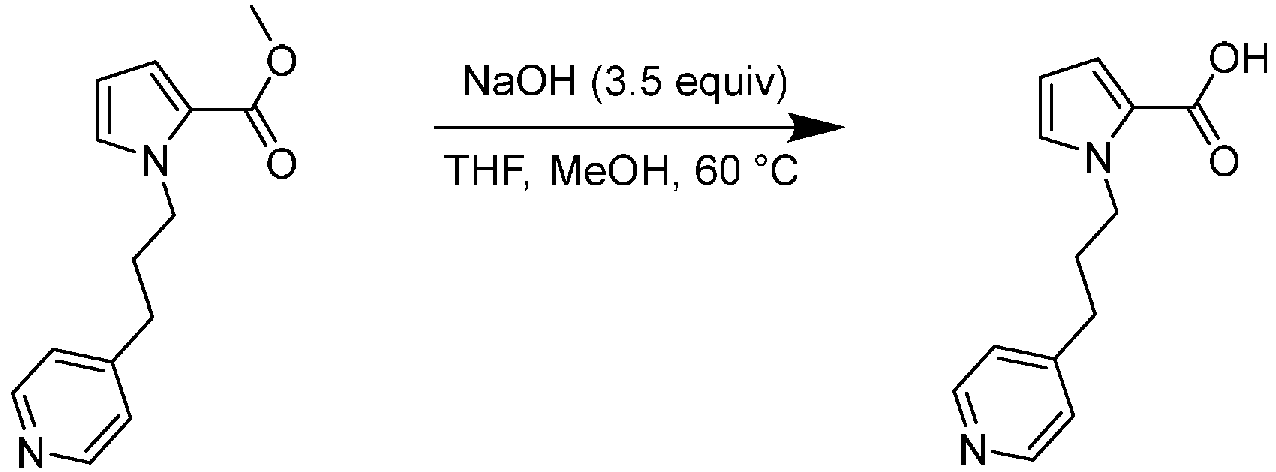
- A 40 mL vial with stir bar was charged with methyl 1-(3-(pyridin-4-yl)propyl)-1H-pyrrole-2-carboxylate (559 mg, 2.29 mmol, 1.0 equiv). MeOH (4 mL) and THF (4 mL) were added, followed by NaOH (1.6 mL, 5.0 M in water, 3.5 equiv). The resulting solution was heated at 60 0C overnight. The next morning, the solvents were removed in vacuo and the resulting aqueous solution was acidified to ~ pH 3 via addition of 1 M HCl. The resulting precipitate was filtered and collected, and any residual water was removed in vacuo to yield the desired product.
- The following compounds were prepared in a similar manner:
Intermediate for: Compound name A190 1-(3-(pyridin-3-yl)propyl)-1H-pyrrole-2-carboxylic acid A41 1-((3-bromopyridin-4-yl)methyl)-1H-pyrrole-2-carboxylic acid A101 1-(3-(1-acetylpiperidin-4-yl)propyl)-1H-pyrrole-2-carboxylic acid A68 1-(3-(2-chlorophenyl)propyl)-1H-pyrrole-2-carboxylic acid A64 1-(3-phenylpropyl)-1H-pyrrole-2-carboxylicacid A100 1-(pyridin-4-ylmethyl)-1H-pyrazole-3-carboxylic acid A44 1-(4-(pyridin-4-yl)butyl)-1H-pyrrole-2-carboxylic acid A25 1-((3-fluoropyridin-4-yl)methyl)-1H-pyrrole-2-carboxylicacid A112 1-(pyridin-4-ylmethyl)-1H-pyrazole-5-carboxylic acid A91 1-(2-(pyridin-4-yl)ethyl)-1H-pyrrole-2-carboxylic acid A90 1-(quinolin-4-ylmethyl)-1H-pyrrole-2-carboxylic acid A122 1-(pyridin-4-ylmethyl)-1H-pyrrole-3-carboxylic acid A124 1-((1-methyl-6-oxo-1,6-dihydropyridin-3-yl)methyl)-1H-pyrrole-2-carboxylic acid A69 1-(pyridazin-4-ylmethyl)-1H-pyrrole-2-carboxylic acid A126 1-((1-((benzyloxy)carbonyl)piperidin-4-yl)methyl)-1H-pyrrole-2-carboxylic acid A127 1-((1-methyl-2-oxo-1,2-dihydropyridin-4-yl)methyl)-1H-pyrrole-2-carboxylic acid A71 1-((tetrahydro-2H-pyran-4-yl)methyl)-1H-pyrrole-2-carboxylic acid A128 1-((1-acetylpiperidin-4-yl)methyl)-1H-pyrrole-2-carboxylic acid A129 1-((1-methylpiperidin-4-yl)methyl)-1H-pyrrole-2-carboxylic acid A130 (pyridin-4-ylmethyl)-L-proline A87 1-(pyridin-3-ylmethyl)-1H-pyrrole-2-carboxylic acid A16 1-(pyridin-4-ylmethyl)-1H-pyrrole-2-carboxylic acid A78 1-(2-chlorobenzyl)-1H-pyrrole-2-carboxylicacid A79 1-benzyl-1H-pyrrole-2-carboxylic acid A211 1-((3-methoxypyridin-4-yl)methyl)-1H-pyrrole-2-carboxylic acid A214 1-((3-(trifluoromethyl)pyridin-4-yl)methyl)-1H-pyrrole-2-carboxylicacid A187 and A190 1-(3-(pyridin-3-yl)propyl)-1H-pyrrole-2-carboxylic acid A212 and A213 1-((3-(benzylamino)pyridin-4-yl)methyl)-1H-pyrrole-2-carboxylicacid A221 1-(3-(pyridin-4-yl)allyl)-1H-pyrrole-2-carboxylic acid A226 1-(2-(pyridin-4-yloxy)ethyl)-1H-pyrrole-2-carboxylic acid A238 and A318 1-((3-chloropyridin-4-yl)methyl)-1H-pyrrole-2-carboxylic acid -

- To the solution of methyl ester (0.210 g, 0.85 mmol, 1.0 eq.) in THF/water and few drops of MeOH was added LiOH monohydrate (0.177 g, 4.00 mmol, 5.0 eq.). Reaction was continued at 40°C for 18 hours. The next morning, the THF was evaporated, and the water layer was acidified to ~ pH 4-5 via addition of 1 M HCl. The water layer was then evaporated, and the crude product was purified by ionic resin (Amberlite IR 120) to give the desired product.
- The following compounds were prepared in a similar manner:
Intermediate for: Compound name A210 1-((1-methyl-5-oxopyrrolidin-3-yl)methyl)-1H-pyrrole-2-carboxylic acid A93 1-((5-oxopyrrolidin-3-yl)methyl)-1H-pyrrole-2-carboxylic acid A104 1-(pyridin-4-ylmethyl)-1H-imidazole-5-carboxylic acid A105 5-carbamoyl-1-(pyridin-4-ylmethyl)-1H-pyrrole-2-carboxylic acid A107 5-(dimethylcarbamoyl)-1-(pyridin-4-ylmethyl)-1H-pyrrole-2-carboxylic acid A109 4-carbamoyl-1-(pyridin-4-ylmethyl)-1H-pyrrole-2-carboxylic acid A110 5-(hydroxymethyl)-1-(pyridin-4-ylmethyl)-1H-pyrrole-2-carboxylic acid A111 4-(dimethylcarbamoyl)-1-(pyridin-4-ylmethyl)-1H-pyrrole-2-carboxylic acid A113 4-(hydroxymethyl)-1-(pyridin-4-ylmethyl)-1H-pyrrole-2-carboxylic acid A86 3-chloro-1-(pyridin-4-ylmethyl)-1H-pyrrole-2-carboxylic acid A70 1-((2-fluoro-6-methoxypyridin-4-yl)methyl)-1H-pyrrole-2-carboxylic acid A97 1-((2,6-dimethylpyridin-4-yl)methyl)-1H-pyrrole-2-carboxylic acid A36 1-((2,6-difluoropyridin-4-yl)methyl)-1H-pyrrole-2-carboxylic acid A48 4-methyl-1-(pyridin-4-ylmethyl)-1H-pyrrole-2-carboxylic acid A53 1-(4-nitrobenzyl)-1H-pyrrole-2-carboxylic acid A256 1-((3,5-difluoropyridin-4-yl)methyl)-1H-pyrrole-2-carboxylic acid A210 1-((1-methyl-5-oxopyrrolidin-3-yl)methyl)-1H-pyrrole-2-carboxylic acid A360 1-((3-fluoro-5-methylpyridin-4-yl)methyl)-1H-pyrrole-2-carboxylic acid -
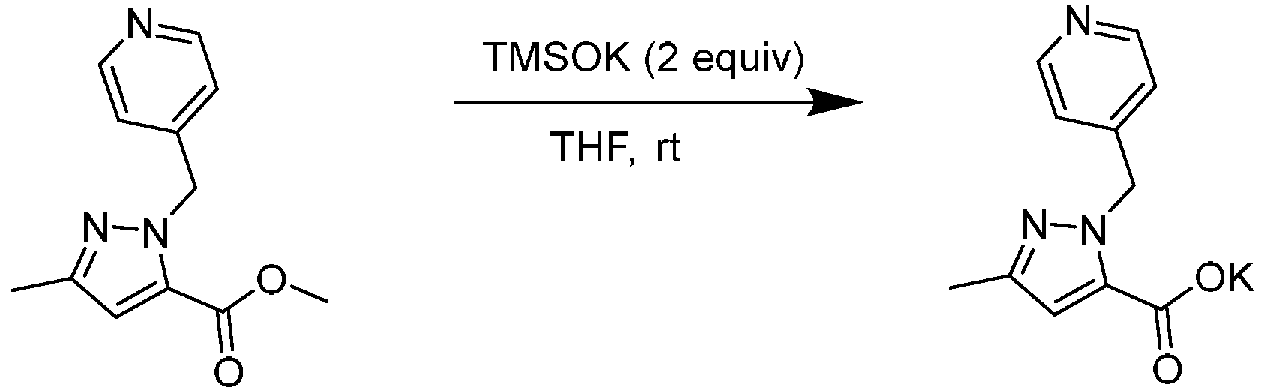
- To a solution of methyl ester (0.175 g, 0.76 mmol, 1.0 eq) THF (5.8 mL), potassium trimethylsiolate (0.194 g, 1.51 mmol, 2.0 eq) was added portion-wise. The reaction mixture was stirred at room temperature for 4 h. After this time, the precipitate was filtered, collected and dried under vacuum. The desired product was obtained as the potassium salt.
- The following compounds were prepared in a similar manner:
Intermediate for: Compound name A103 3-methyl-1-(pyridin-4-ylmethyl)-1H-pyrazole-5-carboxylic acid A106 6-oxo-1-(pyridin-4-ylmethyl)-1,6-dihydropyridine-2-carboxylic acid A108 1-(pyridin-4-ylmethyl)-1H-imidazole-2-carboxylic acid A88 3-methyl-1-(pyridin-4-ylmethyl)-1H-pyrrole-2-carboxylic acid A84 1-(4-(methylsulfonyl)benzyl)-1H-pyrrole-2-carboxylic acid A24 1-((3-methylpyridin-4-yl)methyl)-1H-pyrrole-2-carboxylic acid A76 5-methyl-1-(pyridin-4-ylmethyl)-1H-pyrrole-2-carboxylic acid A83 1-((2-methylpyridin-4-yl)methyl)-1H-pyrrole-2-carboxylic acid A125 1-((2-methoxypyridin-4-yl)methyl)-1H-pyrrole-2-carboxylic acid A80 1-(4-cyanobenzyl)-1H-pyrrole-2-carboxylic acid A243 1-(3-(3-fluoropyridin-4-yl)propyl)-1H-pyrrole-2-carboxylic acid - Synthesis of the intermediates for A114 and A99 followed the scheme below:

- 1-(4-nitrobenzyl)-1H-pyrrole-2-carboxylic acid (0.200 g, 0.81 mmol, 1.0 eq.) was dissolved in methanol (10 mL). Then, Pd/C (10 wt%, 0.414 g, 0.41 mmol, 0.5 eq.) was added and reaction was continued under hydrogen atmosphere overnight at room temperature. The next morning, the reaction mixture was filtered through Celite and washed with EtOAc. The filtrate was concentrated to give the desired product, which was used in the next step without further purification.
-

- 1-(4-acetamidobenzyl)-1H-pyrrole-2-carboxylic acid (0.150 g, 0.69 mmol, 1.0 eq.) was dissolved in ethanol (5 mL). Then, acetic anhydride (0.069 mL, 0.73 mmol, 1.05 eq.) was added, and reaction was stirred overnight at room temperature. The next morning, the volatile materials were evaporated. Water was added, and solution was acidified to pH 4 with 4N HCl. The resulting precipitate was filtered off and dried to yield the desired product (Intermediate for A114).
-
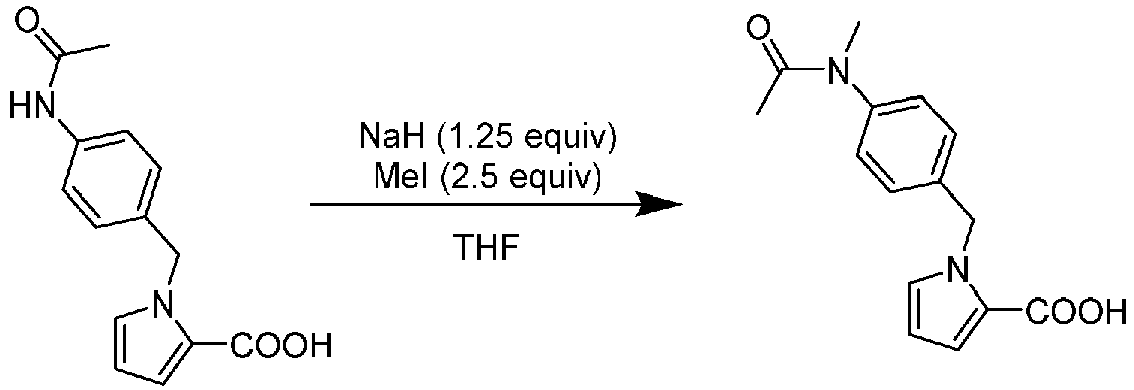
- A solution of 1-(4-acetamidobenzyl)-1H-pyrrole-2-carboxylic acid (0.163 g, 0,63 mmol, 1.0 eq) in THF (4 mL) was added dropwise to a slurry of NaH (0.032 g, 0.79 mmol, 1.25 eq) in THF (4 mL) at 0 °C. The mixture was stirred at this temperature for 30 min. After this time, Mel (0.098 ml, 1.58 mmol, 2.5 eq) was added dropwise to the reactinon mixture at 0 °C. The reaction mixture was allowed to warm to room temperature overnight. The next morning, the THF was evaporated, and the resulting material was diluted with water. The aqueous layer was extracted with EtOAc (3 x 30 mL). The aqueous layer was then acidified to pH 4 with 4 N HCl, and the resulting precipitate was filtered off and dried to yield the desired product (Intermediate for A99)
-
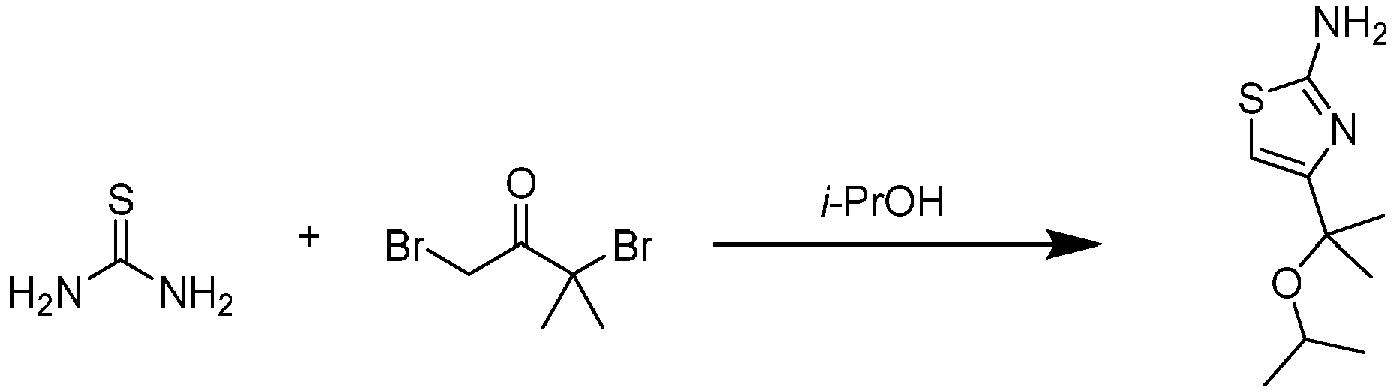
- A 100 mL roundbottom flask with stir bar was charged with 1,3-dibromo-3-methylbutan-2-one (1.95 g, 7.99 mmol, 1.0 equiv) and isopropanol (40 mL, 0.2 M). Thiourea (669 mg, 8.79 mmol, 1.1 equiv) was added, and the reaction mixture was stirred at room temperature overnight. The next morning, the solvent was evaporated, and the reaction mixture was diluted with DCM (100 mL). The organic layer was washed with saturated NaHCO3 (3 x 100 mL), and subsequently dried over Na2SO4. The organic layer was filtered and concentrated in vacuo. The resulting crude material was purified via silica gel chromatography (0-50% EtOAc in hexanes) to yield the desired product.
Intermediate for: Compound name A28 4-(1-isopropoxyethyl)thiazol-2-amine A20 4-(1-isopropoxyethyl)-5-methylthiazol-2-amine A15 4-(2-(2,2,2-trifluoroethoxy)propan-2-yl)thiazol-2-amine A37 4-(2-isopropoxypropan-2-yl)-5-methylthiazol-2-amine A27 4-(2-ethoxypropan-2-yl)thiazol-2-amine A59 4-(isopropoxymethyl)thiazol-2-amine -

- A 40 mL vial with stir bar was charged with 1,3-dibromo-3-methylbutan-2-one (600 mg, 2.46 mmol, 1.0 equiv) and acetone (8 mL, 0.2 M). (Tetrahydro-2H-pyran-2-yl)methanol (4.17 mL, 36.9 mmol, 15 equiv) was added, followed by thiourea (206 mg, 2.71 mmol, 1.1 equiv), and the reaction mixture was stirred at room temperature overnight. The next morning, the reaction mixture was diluted with DCM (100 mL). The organic layer was washed with saturated NaHCO3 (3 x 100 mL), and subsequently dried over Na2SO4. The organic layer was filtered and concentrated in vacuo. The resulting crude material was purified via silica gel chromatography (40-80% EtOAc in hexanes) to yield the desired product.
Intermediate for: Compound name A2 4-(2-(1-(3-chlorophenyl)ethoxy)propan-2-yl)thiazol-2-amine A8 4-(2-(1-(2-chlorophenyl)ethoxy)propan-2-yl)thiazol-2-amine A5 4-(2-(1-(4-chlorophenyl)ethoxy)propan-2-yl)thiazol-2-amine A4 4-(2-(1-(3-methoxyphenyl)ethoxy)propan-2-yl)thiazol-2-amine A40 4-(2-((tetrahydro-2H-pyran-4-yl)methoxy)propan-2-yl)thiazol-2-amine A18 (R)-4-(2-(1-phenylethoxy)propan-2-yl)thiazol-2-amine A1 (S)-4-(2-(1-phenylethoxy)propan-2-yl)thiazol-2-amine Ref. B3 4-(2-(2-tosylethoxy)propan-2-yl)thiazol-2-amine A7 4-(2-(cyclohexylmethoxy)propan-2-yl)thiazol-2-amine A10 4-(2-(cyclohexyloxy)propan-2-yl)thiazol-2-amine A9 4-(2-(benzyloxy)propan-2-yl)thiazol-2-amine - Synthesis of these intermediates followed the scheme below:

- A 100 mL roundbottom flask was charged with benzyltriphenylphosphonium chloride (3.41 g, 8.76 mmol, 2.0 equiv) and THF (20 mL, 0.2 M). Potassium tert-butoxide (1.03 g, 9.20 mmol, 2.1 equiv) was added, and the reaction mixture was allowed to stir at room temperature for 15 min. Tert-butyl (4-formylthiazol-2-yl)carbamate (1.00 g, 4.38 mmol, 1.0 equiv) was then added, and the reaction mixture was allowed to stir at room temperature overnight. The next morning, the solvent was removed in vacuo, and the resulting material was taken up in DCM (100 mL). The organic layer was washed with saturated NH4Cl (3 x 100 mL). The organic layer was then dried over Na2SO4, filtered and concentrated in vacuo. The resulting crude material was purified via silica gel chromatography (0-10% EtOAc in hexanes) to yield the desired cis- and trans- isomers separately.
-

- A 20 mL scintillation vial with stir bar was charged with tert-butyl (4-styrylthiazol-2-yl)carbamate (187 mg, 0.618 mmol, 1.0 equiv) and Pd/C (10 wt%, 66 mg, 0.0618 mmol, 0.1 equiv). The solids were evacuated and backflushed with hydrogen (1 atm, 3x). Methanol (5 mL, 0.1 M) was added to the reaction mixture, and the resulting suspension was stirred at room temperature overnight. The next morning, the solids were filtered off, and the resulting crude material was purified via silica gel chromatography (0-30% EtOAc in hexanes) to yield the desired product.
-

- A 20 mL scintillation vial with stir bar was charged with tert-butyl (4-styrylthiazol-2-yl)carbamate (176 mg, 0.582 mmol). DCM (2.7 mL) and TFA (600 uL, 20 vol%) were added, and the reaction mixture was stirred at room temperature overnight. The next morning, the reaction mixture was diluted with DCM (50 mL) and washed with saturated NaHCO3 (3 x 50 mL). The organic layer was dried over Na2SO4, filtered and concentrated in vacuo. The resulting product was used in the next step without further purification.
- The following compounds were prepared in a similar manner:
Intermediate for: Compound name A13 4-phenethylthiazol-2-amine A12 4-styrylthiazol-2-amine - Synthesis of this intermediate followed the scheme, below:

-

- 1-(2-aminothiazol-4-yl)ethan-1-one (1.0 g, 2.06 mmol, 1 equiv) was suspended in neat Boc2O (1.79g, 8.24mmol, 4 equiv) at 60°C, then a catalytic amount of DMAP (0.024g; 0.02 mmol, 0.01 equiv) was added. Gas evolution started. The reaction mixture was left stirring overnight at 60 °C. The reaction mixture was concentrated and directly used into column chromatography. The resulting crude product was purified via silica gel chromatography (10-50% EtOAc in hexanes) to yield the desired product.
-

- DAST (0.456 g, 2.83 mmol, 3.0 equiv) was mixed with ketone (0.323 g, 0.943 mmol, 1.0 equiv) and left stirring at 50°C for 2 days. After this time, the reaction mixture was diluted with DCM (15 mL), and carefully washed with NaHCO3 (2 x 15 mL). The organic layer was dried over MgSO4, filtered and concentrated in vacuo. The resulting crude product was used in the next step without further purification.
-

- Tert-butyl (tert-butoxycarbonyl)(4-(1,1-difluoroethyl)thiazol-2-yl)carbamate (0.38 g, 1.04 mmol, 1.0 equiv) was dissolved in HCl in dioxane (4M, 20 mL) and heated to 50 °C overnight. The next morning, the volatile materials were removed under reduced pressure and the crude product was used in the next step without further purification.
- Synthesis of the intermediate for A132 followed the scheme, below:

-

- A solution of tert-Butyl (4-bromo-5-formylthiazol-2-yl)carbamate (0.500 g, 1.79 mmol, 1.0 equiv), phenylacetylene (0.573 g, 3.13 mmol, 1.75 equiv) and DABCO (1.005 g, 8.96 mmol, 5.0 equiv) in anhydrous THF (15.0 mL) was purged three times with Ar (g), then Cul (0.003 g, 0.02 mmol, 0.01 equiv) and Pd(PPh3)2Cl2 (0.025 g, 0.04 mmol, 0.02 eq) were added. The reaction mixture was again purged with Ar (g) and then tube was closed and heated overnight at 80 °C. The next morning, the solvent was evaporated and the resulting crude product was purified via silica gel chromatography (0-2% EtOAc in hexanes) to yield the desired product.
-

- Tert-butyl (4-(phenylethynyl)thiazol-2-yl)carbamate (0.269 g, 0.96 mmol, 1.0 equiv) was dissolved in DCM (8.1 mL), and the solution was cooled to 0 0C. TFA (1.22 mL, 9.64 mmol, 10.0 eq) was added at 0 0C. TLC showed no reaction progress so another portion of TFA (1.22 mL, 9.64 mmol, 10.0 eq) was added after 2h. The reaction mixture was stirred at room temperature for the next 17 h. After this time, the reaction mixture was was cooled down to 0 0C, basified with NaHCO3 sat. solution (50 mL) and extracted with DCM (3x30 mL). The organic phases were combined, dried over MgSO4, filtered and evaporated to dryness. Solid residues were washed with pentane and drop of DCM to obtain the desired product, which was used in the next reaction without further purification.
- The following compounds were deprotected in a similar manner:
Intermediate for: Compound Name Ref. B22 N-(2-(2-amino-5-methylthiazol-4-yl)ethyl)acetamide A96 4-((4-(ethylsulfonyl)piperazin-1-yl)methyl)thiazol-2-amine A92 5-ethyl-4-((4-(ethylsulfonyl)piperazin-1-yl)methyl)thiazol-2-amine - Synthesis of intermediate for B22 followed the scheme, below

- Methyl 2-(2-amino-5-methylthiazol-4-yl)acetate (1.0 g, 5.37 mmol, 1.0 eq.) was dissolved in DCM (10 mL) , then di-tert-butyl dicarbonate (1.41 g, 6.44 mmol, 1.0 eq.) was added followed by TEA (0.90 mL, 6.44 mmol, 1.2 eq.) and DMAP (0.171 g, 1.34 mmol, 0.25 eq.). The reaction was stirred at room temterature overnight. The next morning, the reaction was diluted with DCM (50 mL) and washed with water (2x20 mL). The organic layer was dried over MgSO4, filtered and evaporated. The resulting crude material was purified by FC eluting with hexanes/EtOAc to yield the desired product.
- The following compound was protected in a similar manner:
Intemediate for: Compound Name A92 methyl 2-((tert-butoxycarbonyl)amino)-5-ethylthiazole-4-carboxylate -

- LiBH4 in THF (0.3 mL, 2 N, 0.6 mmol, 0.6 eq) was added via syringe to a stirred solution of methyl 2-(2-((tert-butoxycarbonyl)amino)-5-methylthiazol-4-yl)acetate (0.285 g, 1.0 mmol, 1.0 eq.) in anhydrous THF (2.0 mL). The reaction was then slowly heated to reflux (initial exotherm). Reaction was continued under reflux for 16 h. After this time, the reaction was cooled down to 0°C and quenched with water (10 mL). The aqueous layer was extracted with EtOAc (4 x 30 mL) and the organic layer was dried over MgSO4, filtered and evaporated. The resulting crude product was purified by silica gel chromatography (EtOAc: hexane 1:9 to 2:1) to yield the desired product.
-

- Di-tert-butyl azodicarboxylate (0.319 g, 1.38 mmol, 1.5 eq.) was added portion-wise to a solution of starting material (0.207g, 0.92 mmol, 1.0 eq.), phthalimide (0.163g; 1.11 mmol, 1.2 eq.), and PPh3 (0.363g, 1.38 mmol, 1.5 eq.) in Me-THF (10 mL) at room temperature under N2 (g). The reaction mixture was stirred at room temperature overnight. The next morning, the solution was diluted with DCM (10 mL) and washed with 10 percent aqueous solution of K2CO3 (2 x 20 mL). The organic layer was dried over MgSO4, filtered and evaporated to dryness. The resulting crude product was purified by silica gel chromatography (EtOAc: hexane 1:9 to 1:4) to yield the desired product.
-

- Tert-butyl (4-(2-(1,3-dioxoisoindolin-2-yl)ethyl)-5-methylthiazol-2-yl)carbamate (0.170 g, 1.0 eq.) was dissolved in 2 mL of EtOH. Then, hydrazine monohydrate (0.617 g, 30.0 eq.) was added at 0°C. Reaction was continued at room temperature for 17 hours. The resulting mixture was concentrated and then diluted with DCM (20 mL) and washed with water (2 x 10 mL). The organic layers were combined, dried over MgSO4, filtered and concentrated in vacuo. The resulting crude product was used in the next step without further purification.
-

- Tert-butyl (4-(2-aminoethyl)-5-methylthiazol-2-yl)carbamate (0.077 g, 0.30 mmol, 1.0 eq.) was dissolved in 2 mL of DCM. Then, TEA (0.125 mL, 0.90 mmol, 3.0 eq.) was added, followed by acetyl chloride (0.032 mL, 0.45 mmol, 1.5 eq.) at 0°C. The reaction was continued at room temperature for 17 hours. The resulting mixture was diluted with water (3 mL) and extracted with DCM (3 x 10 mL). The combined organic layers were dried over MgSO4, filtered and concentrated in vacuo. The resulting crude product was used to the next step without further purification.
- See General Boc Deprotection Procedure, above.
- Synthesis of intermediate for A92 followed the scheme, below.

- See General Boc Protection Procedure, above.
-

- Dried starting material (0.780 g, 2.72 mmol, 1.0 eq.) was dissolved in DCM (8 mL) and diisobutylaluminum hydride (1M in DCM, 8.17 mL, 8.17 mmol, 3.0 eq.) was added at - 78°C to the solution. It was stirred for 5 h. After 5 h, the solution was quenched with methanol and 1N HCl. After the temperature of the reaction mixture was elevated to room temperature, water was added (15 mL) and extracted with DCM (3 x 20 mL). The organic layer was dried over MgSO4, filtered and evaporated. The resulting crude product was used in the next step without further purification.
- Synthesis of intermediate for A96 followed the scheme, below
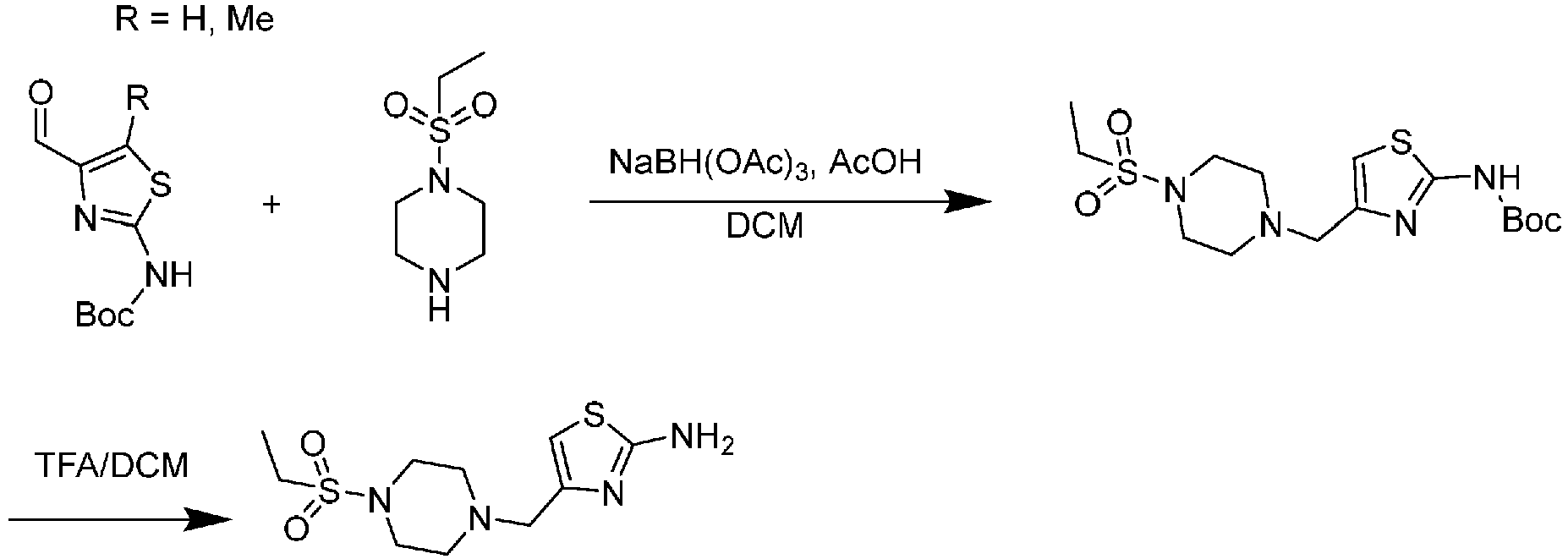
-

- To a stirred solution of 1-(ethanesulfonyl)piperazine (0.500g, 2.8 mmol, 1.0 equiv), in 7 mL of DCM at room temperature was added (4-formylthiazol-2-yl)carbamic acid tert-butyl ester (0.650g, 3.65 mmol, 1.3 equiv). The mixture was then treated with sodium triacetoxyborohydride (0.773g, 3.65 mmol, 1.3 equiv) and a catalytic amount of acetic acid. The reaction was allowed to stir for about 15 hours. The resulting mixture was diluted with NaHCO3 (40 mL) and extracted with DCM (3 x 30 mL). The organic layers were combined, dried over MgSO4, filtered and concentrated in vacuo. The resulting crude material was purified via silica gel chromatography (0-100% EtOAc in hexanes) to give desired product.
- The following compounds were prepared in a similar manner:
Intermediate for: Compound Name A92 tert-butyl (5-ethyl-4-((4-(ethylsulfonyl)piperazin-1-yl)methyl)thiazol-2-yl)carbamate - See General Boc Deprotection Procedure, above.
- Synthesis of the intermediate for A209 was prepared according to the scheme, below:

-

- To a solution of NaOH solid (0.569 g, 14.23 mmol, 1.0 eq.) and acetone (4.22 mL, 56.9 mmol, 4.0 eq.) was added water and ethanol. The aldehyde (2.0 g, 14.23 mmol, 1.0 eq.) was added dropwise within 20 min at 0°C. The reaction mixture was allowed to warm to room temperature and was stirred. TLC analysis indicated completion of the reaction after 2 h. After this time, the reaction mixture was quenched with aqueous HCl (1N), adjusted the pH to 6, and then evaporated to remove the residual ethanol. The residue was extracted by ethyl acetate (3 x 40 mL). The combined organic phase was washed with brine (2 x 15 mL), dried over MgSO4 and concentrated under reduced pressure to yield the desired product, which was used without further purification in the next step.
-

- To a solution of enone (1.91 g, 10.57 mmol, 1.0 eq.) in 60 mL ACN:toluene (1:1) was added methanesulfonic acid (1.72 mL, 26.44 mmol, 2.5 eq.) and NBS (1.98g, 11.1 mmol, 1.05 eq.) and heated to 85°C for 6 hours. Sat. NaHCO3 (70 mL) and EtOAc (4 x 30 mL) were added to the above mixture. The organic layer was separated, dried over magnesium sulfate and evaporated. The resulting crude material was purified via silica gel chromatography (0-25% EtOAc in hexanes) to yield the desired product.
-

- Thiourea (0.442g, 5.81 mmol, 1.1 eq.) was dissolved in absolute ethanol (20 mL). To this solution were added starting material (1.37g, 5.28 mmol, 1.0 eq.). The mixture was refluxed for 3 hours. After this time, the solution was cooled down, and the ethanol was evaporated. Water was added and the resulting solution was basified to pH 10. The aqueous layer was extracted with EtOAc (4 x 30 mL), and the combined organic layers were dried over MgSO4, filtered and evaporated. The resulting crude product was used in the next step without further purification.
- Synthesis of intermediate for A21 followed the scheme, below

-

- To a stirred solusion of 2-phenylpropionoic acid (1.0 g, 6.62 mmol, 1.0 eq) in DCM (20 mL) at 0 0C were added 4 Å molecular sieves and 1-chloro-N,N,2-trimethyl-1-propenylamine (0.99 mL, 7.54 mmol, 1.14 eq). After 15 min, the reaction mixture was cooled to -20 0C and slowly added to a solution of TMS-diazomethane (3.47 mL, 21.9 mmol, 2.9 eq) in DCM. The reaction mixture was allowed to warm to room temperature and stirred overnight. The reaction mixture was filtered on a sintered funnel and the filtrate was quenched by the addition of saturated NH4Cl (30 mL). The mixture was extracted with DCM (4 × 40 mL)and the organic layers were separated, and washed with brine. The organic layer was then dried with MgSO4, filtered and concentrated to dryness. The resulting crude material was used in the next step without further purification.
-

- HBr (40% solusion in water, 45 mL) was poured into the round-bottom flask containing crude diazoketone (1.5g, 8.56 mmol, 1.0 eq). The reaction mixture was allowed to be stirred at room temperature for 17 h. After this time, the reaction mixture was quenched with NaHCO3 sat. solution (100 mL). The mixture was extracted with DCM (4 × 30 mL) and the organic layers were separated, washed with brine, dried with MgSO4 filtered and concentrated to dryness. The resulting crude material was used without further purification.
-

- To a solution of crude bromoketone (1.03g , 4.52 mmol, 1.0 eq) in MeOH (10.3 mL), thiourea (0.344g, 4.52 mmol, 1.0 eq) was added. The reaction mixture was allowed to be stirred overnight. LCMS analysis showed consumption of SM and formation of a new product. The next morning, the MeOH was evaporated and crude product was purified by preparatory HPLC (C18 column-prep Mobile phase: ACN + 0.1% FA, H2O + 0.1% FA) to yield the desired product.
-

- Cul (24.36 mg, 0.243 mmol, 0.05 eq.), XantPhos (140 mg, 0.243 mmol, 0.05 eq.), and NaOtBu (46.6 mg, 0.485 mmol, 0.10 eq.) were mixed in a dry THF (20 mL) in a flame dried Schlenk under argon. The reaction mixture was stirred at room temperature for 30 min. Then B2pin2 (1.35g, 5.34 mmol, 1.1 eq.) solution in dry THF (10 mL) was added to mixture and stirred for further 10 min. Then alkyne (500 mg, 4.85 mmol, 1.0 eq.), MeOH (0.441 ml, 9.709 mmol, 2 eq.), and dry THF (5 mL) were added successively. The resulting mixture was stirred for 18 h at room temperature, filtered through Celite and evaporated to dryness. The crude product was purified by column chromatography on silica (Hex/EtOAc) to yield pure product.
-

- Anhydrous CrCl2 (950 mg, 7.73 mmol, 8 eq.) was suspended in THF (10 mL) under an argon atmosphere. A solution of aldehyde (150 mg, 0.96 mmol, 1.0 eq.) and dichloromethylboronic ester (407 mg, 1.93 mmol, 2 eq.) in THF (5 mL) and a THF solution of Lil (517 mg, 3.86 mmol, 4 eq.) were added at 25 °C to the suspension successively. After being stirred at 25 °C for 16 h, the reaction mixture was poured into water (25 mL) and extracted with ether (3x10 mL). The combined extracts were dried over Na2SO4 and concentrated. Crude product was pure enough to be used in the next step.
- The following compounds were prepared via a similar method:
Precursor for Intermediate for Compound name A155 4,4,5,5-tetramethyl-2-(2-(tetrahydro-2H-pyran-2-yl)vinyl)-1,3,2-dioxaborolane A254 2-(2-((1s,4s)-4-methoxycyclohexyl)vinyl)-4,4,5,5-tetramethyl-1,3,2-dioxaborolane A253 2-(2-((1r,4r)-4-methoxycyclohexyl)vinyl)-4,4,5,5-tetramethyl-1,3,2-dioxaborolane -

- Aryl bromide (1.39 g, 6.09 mmol, 1.0 eq), vinyl boronic pinacol ester (1.06 ml, 6.09 mmol, 1.0 eq) and TEA (1.69 ml, 12.19 mmol, 2.0 eq) were dissolved in toluene (24.5 mL). The mixture was purged with argon for 5 min. After that time Pd(tBu3P)2 (0.156 g, 0.30 mmol, 0.05 eq) was added, and the reaction mixture was purged for 2 min with argon. The pressure vessel was closed, and the reaction was heated at 90 C for two hours. LCMS analysis showed consumption of starting material and formation of desired product. The reaction was cooled down to the room temperature and filtered through a plug of Celite. The filtrate was evaporated, and the desired product was recrystallized from Et2O and washed with pentane. In case of necessity, additional purification by flash chromatography on silica (Hex/EtOAc) was performed.
- The following compounds were prepared via a similar method:
Precursor for Intermediate for Compound Name A248 2-(4-cyclopropoxystyryl)-4,4,5,5-tetramethyl-1,3,2-dioxaborolane A247 4,4,5,5-tetramethyl-2-(1-phenylprop-1-en-2-yl)-1,3,2-dioxaborolane A246 N,N-dimethyl-4-(2-(4,4,5,5-tetramethyl-1,3,2-dioxaborolan-2-yl)vinyl)benzamide A245 N-methyl-N-(4-(2-(4,4,5,5-tetramethyl-1,3,2-dioxaborolan-2-yl)vinyl)phenyl)acetamide A241 2-(2-fluoro-4-methoxystyryl)-4,4,5,5-tetramethyl-1,3,2-dioxaborolane A240 2-(3-fluoro-4-methoxystyryl)-4,4,5,5-tetramethyl-1,3,2-dioxaborolane A150 5-(2-(4,4,5,5-tetramethyl-1,3,2-dioxaborolan-2-yl)vinyl)-1H-indole A239 N-methyl-4-(2-(4,4,5,5-tetramethyl-1,3,2-dioxaborolan-2-yl)vinyl)benzamide A237 6-(2-(4,4,5,5-tetramethyl-1,3,2-dioxaborolan-2-yl)vinyl)quinoline A236 2-(4-isopropoxystyryl)-4,4,5,5-tetramethyl-1,3,2-dioxaborolane A235 2-(2-(2,2-difluorobenzo[d][1,3]dioxol-5-yl)vinyl)-4,4,5,5-tetramethyl-1,3,2-dioxaborolane A234 2-(2-(benzo[d][1,3]dioxol-5-yl)vinyl)-4,4,5,5-tetramethyl-1,3,2-dioxaborolane A233 1-(4-(2-(4,4,5,5-tetramethyl-1,3,2-dioxaborolan-2-yl)vinyl)phenyl)piperidine A232 and A222 2-(2-(furan-3-yl)vinyl)-4,4,5,5-tetramethyl-1,3,2-dioxaborolane A230 4-(4-(2-(4,4,5,5-tetramethyl-1,3,2-dioxaborolan-2-yl)vinyl)phenyl)morpholine A229 N,N-dimethyl-4-(2-(4,4,5,5-tetramethyl-1,3,2-dioxaborolan-2-yl)vinyl)aniline A151 1-methyl-5-(2-(4,4,5,5-tetramethyl-1,3,2-dioxaborolan-2-yl)vinyl)-1H-indole A366 and A307 tert-butyl (4-(2-(4,4,5,5-tetramethyl-1,3,2-dioxaborolan-2-yl)vinyl)thiazol-2-yl)carbamate -

- A 20 mL vial with stir bar was charged with bromide (1.3 g, 5.9 mmol, 1.0 equiv) and Pd(dtfp)Cl2 (380 mg, 0.59 mmol, 0.1 equiv). The vial was evacuated and backflushed with nitrogen. Freshly-sparged toluene (5 mL) was added, followed by vinyl pinacol boronic ester (3.5 mL, 21 mmol, 3.5 equiv) and NEt3 (1.6 mL, 12 mmol, 2.0 equiv). The vial was capped, and the reaction mixture was allowed to stir at 100 C overnight. The next morning, the reaction mixture was cooled to room temperature and diluted with EtOAc (100 mL). The organic layer was washed with brine (2 × 100 mL), and the combined aqueous layers were extracted with EtOAc (1 × 100 mL). The combined organic layers were dried over Na2SO4, filtered and concentrated in vacuo. The resulting crude material was purified by either silca gel chromatography or RP-silica gel chromatography (C18) to yield the desired product.
- The following compounds were prepared via a similar method:
Precursor for Intermediate for Compound Name A358 3,5-difluoro-2-(2-(4,4,5,5-tetramethyl-1,3,2-dioxaborolan-2-yl)vinyl)pyridine A357 5-methyl-2-(2-(4,4,5,5-tetramethyl-1,3,2-dioxaborolan-2-yl)vinyl)pyridine A356 2-methyl-6-(2-(4,4,5,5-tetramethyl-1,3,2-dioxaborolan-2-yl)vinyl)pyridine A347 3-methyl-2-(2-(4,4,5,5-tetramethyl-1,3,2-dioxaborolan-2-yl)vinyl)pyridine A342 5-fluoro-2-(2-(4,4,5,5-tetramethyl-1,3,2-dioxaborolan-2-yl)vinyl)pyridine A341 6-(2-(4,4,5,5-tetramethyl-1,3,2-dioxaborolan-2-yl)vinyl)nicotinonitrile A327 2-(2-(4,4,5,5-tetramethyl-1,3,2-dioxaborolan-2-yl)vinyl)-5-(trifluoromethoxy)pyridine A304 2-(4-cyclopropoxy-2-fluorostyryl)-4,4,5,5-tetramethyl-1,3,2-dioxaborolane A299 3-fluoro-5-methoxy-2-(2-(4,4,5,5-tetramethyl-1,3,2-dioxaborolan-2-yl)vinyl)pyridine - The reactions followed the general reaction scheme, below:

-

- A vial with stir bar was charged with bromide (388 mg, 1.39 mmol, 1.0 equiv), boronic ester (437 mg, 1.53 mmol, 1.1 equiv), potassium phosphate (589 mg, 2.78 mmol, 2.0 equiv) and Pd(PPh3)2Cl2 (97.4 mg, 0.139 mmol, 0.1 equiv). The vial was evacuated and backflushed with nitrogen. 15% water in DMF (sparged with nitrogen for 1 h, 4 mL, 0.4 M) was added. The vial was capped, and the reaction mixture was stirred at 100 C overnight. The next morning, the reaction mixture was poured into EtOAc (50 mL) and washed with 1:1 water:brine (2 × 50 mL). The combined aqueous layers were extracted with EtOAc (1 × 50 mL). The combined organic layers were dried over Na2SO4, filtered and concentrated in vacuo. The resulting crude material was purified by silica gel chromatography to yield the desired product.
- The following compounds were prepared via the same method:
Intermediate for Compound Name A269 tert-butyl (4-(2-(5-methoxypyridin-2-yl)vinyl)thiazol-2-yl)carbamate A155 tert-butyl (4-(2-(tetrahydro-2H-pyran-2-yl)vinyl)thiazol-2-yl)carbamate A254 tert-butyl (4-(2-((1s,4s)-4-methoxycyclohexyl)vinyl)thiazol-2-yl)carbamate A253 tert-butyl (4-(2-((1r,4r)-4-methoxycyclohexyl)vinyl)thiazol-2-yl)carbamate A246 tert-butyl (4-(4-(dimethylcarbamoyl)styryl)thiazol-2-yl)carbamate A245 tert-butyl (4-(4-(N-methylacetamido)styryl)thiazol-2-yl)carbamate A157 tert-butyl (4-(2-(1-acetylpiperidin-4-yl)vinyl)thiazol-2-yl)carbamate A241 tert-butyl (4-(2-fluoro-4-methoxystyryl)thiazol-2-yl)carbamate A240 tert-butyl (4-(3-fluoro-4-methoxystyryl)thiazol-2-yl)carbamate A150 tert-butyl (4-(2-(1H-indol-5-yl)vinyl)thiazol-2-yl)carbamate A239 tert-butyl (4-(4-(methylcarbamoyl)styryl)thiazol-2-yl)carbamate A237 tert-butyl (4-(2-(quinolin-6-yl)vinyl)thiazol-2-yl)carbamate A230 tert-butyl (4-(4-morpholinostyryl)thiazol-2-yl)carbamate A151 tert-butyl (4-(2-(1-methyl-1H-indol-5-yl)vinyl)thiazol-2-yl)carbamate A217 and A218 tert-butyl (4-(3-phenylprop-1-en-1-yl)thiazol-2-yl)carbamate A222 and A232 tert-butyl (4-(2-(furan-3-yl)vinyl)thiazol-2-yl)carbamate A234 tert-butyl (4-(2-(benzo[d][1,3]dioxol-5-yl)vinyl)thiazol-2-yl)carbamate A235 tert-butyl (4-(2-(2,2-difluorobenzo[d][1,3]dioxol-5-yl)vinyl)thiazol-2-yl)carbamate A236 tert-butyl (4-(4-isopropoxystyryl)thiazol-2-yl)carbamate A242 tert-butyl (4-(1H-inden-2-yl)thiazol-2-yl)carbamate A244 tert-butyl (4-(2-(cyclohex-1-en-1-yl)vinyl)thiazol-2-yl)carbamate A247 tert-butyl (4-(1-phenylprop-1-en-2-yl)thiazol-2-yl)carbamate A248 tert-butyl (4-(4-cyclopropoxystyryl)thiazol-2-yl)carbamate A249 tert-butyl (4-(1,2,3,6-tetrahydro-[1,1'-biphenyl]-4-yl)thiazol-2-yl)carbamate A258 tert-butyl (4-(1-phenyl-1,2,3,6-tetrahydropyridin-4-yl)thiazol-2-yl)carbamate A259 tert-butyl (4-(1-benzyl-1,2,3,6-tetrahydropyridin-4-yl)thiazol-2-yl)carbamate A327 tert-butyl (4-(2-(5-(trifluoromethoxy)pyridin-2-yl)vinyl)thiazol-2-yl)carbamate A341 tert-butyl (4-(2-(5-cyanopyridin-2-yl)vinyl)thiazol-2-yl)carbamate A342 tert-butyl (4-(2-(5-fluoropyridin-2-yl)vinyl)thiazol-2-yl)carbamate A343 tert-butyl (4-(2-(5-(trifluoromethyl)pyridin-2-yl)vinyl)thiazol-2-yl)carbamate A272 tert-butyl (4-(2-([1,3]dioxolo[4,5-b]pyridin-5-yl)vinyl)thiazol-2-yl)carbamate A274 tert-butyl (4-(2-([1,3]dioxolo[4,5-b]pyridin-6-yl)vinyl)thiazol-2-yl)carbamate A294 tert-butyl (4-(1,4,5,6-tetrahydro-[1,1'-biphenyl]-3-yl)thiazol-2-yl)carbamate A229 tert-butyl (4-(4-(dimethylamino)styryl)thiazol-2-yl)carbamate A233 tert-butyl (4-(4-(piperidin-1-yl)styryl)thiazol-2-yl)carbamate A223 tert-butyl (4-(4-acetamidostyryl)thiazol-2-yl)carbamate A299 tert-butyl (4-(2-(3-fluoro-5-methoxypyridin-2-yl)vinyl)thiazol-2-yl)carbamate A304 tert-butyl (4-(4-cyclopropoxy-2-fluorostyryl)thiazol-2-yl)carbamate A347 tert-butyl (4-(2-(3-methylpyridin-2-yl)vinyl)thiazol-2-yl)carbamate A356 tert-butyl (4-(2-(6-methylpyridin-2-yl)vinyl)thiazol-2-yl)carbamate A357 tert-butyl (4-(2-(5-methylpyridin-2-yl)vinyl)thiazol-2-yl)carbamate A358 tert-butyl (4-(2-(3,5-difluoropyridin-2-yl)vinyl)thiazol-2-yl)carbamate -

- A vial with stir bar was charged with bromide (51.7 mg, 0.325 mmol, 1.0 equiv), boronic ester (126 mg, 0.358 mmol, 1.1 equiv), K3PO4 (138 mg, 0.650 mmol, 2.0 equiv) and Pd(PPh3)2Cl2 (22.8 mg, 0.0325 mmol, 0.1 equiv). The vial was evacuated and backflushed with nitrogen. Freshly-sparged 15% water in DMF (2 mL) was added, and the vial was capped. The reaction mixture was stirred at 100 C for 2 h. After 2 h, the reaction mixture was cooled to room temperature and poured into EtOAc (50 mL). The resulting solution was washed with brine (2 × 50 mL), and the combined aqueous layers were extracted with EtOAc (1 × 50 mL). The combined organic layers were dried over Na2SO4, filtered and concentrated in vacuo. The resulting crude material was purified via silica gel chromatography.
- The following compounds were prepared via a similar method:
Intermediate for Compound Name A307 tert-butyl (4-(2-(pyrimidin-2-yl)vinyl)thiazol-2-yl)carbamate -

- A 20 mL vial with stir bar was charged with carbamate (270 mg, 0.753 mmol, 1.0 equiv) and DCM (4 mL). TFA (1 mL, 13 mmol, 17 equiv) was added, and the reaction mixture was stirred at room temperature overnight. The next morning, the reaction mixture was poured into DCM (50 mL) and washed with saturated NaHCO3 (2 × 50 mL). The combined aqueous layers were extracted with DCM (1 × 50 mL), and the combined organic layers were dried over Na2SO4, filtered and concentrated in vacuo. The resulting material was used in the next step without further purification.
- The following compounds were prepared via a similar method:
Intermediate for Compound Name A269 4-(2-(5-methoxypyridin-2-yl)vinyl)thiazol-2-amine A155 4-(2-(tetrahydro-2H-pyran-2-yl)vinyl)thiazol-2-amine A254 4-(2-((1s,4s)-4-methoxycyclohexyl)vinyl)thiazol-2-amine A253 4-(2-((1r,4r)-4-methoxycyclohexyl)vinyl)thiazol-2-amine A246 4-(2-(2-aminothiazol-4-yl)vinyl)-N,N-dimethylbenzamide A245 N-(4-(2-(2-aminothiazol-4-yl)vinyl)phenyl)-N-methylacetamide A157 1-(4-(2-(2-aminothiazol-4-yl)vinyl)piperidin-1-yl)ethan-1-one A241 4-(2-fluoro-4-methoxystyryl)thiazol-2-amine A240 4-(3-fluoro-4-methoxystyryl)thiazol-2-amine A150 4-(2-(1H-indol-5-yl)vinyl)thiazol-2-amine A239 4-(2-(2-aminothiazol-4-yl)vinyl)-N-methylbenzamide A237 4-(2-(quinolin-6-yl)vinyl)thiazol-2-amine A230 4-(4-morpholinostyryl)thiazol-2-amine A151 4-(2-(1-methyl-1H-indol-5-yl)vinyl)thiazol-2-amine A217 and A218 4-(3-phenylprop-1-en-1-yl)thiazol-2-amine A222 and A232 4-(2-(furan-3-yl)vinyl)thiazol-2-amine A234 4-(2-(benzo[d][1,3]dioxol-5-yl)vinyl)thiazol-2-amine A235 4-(2-(2,2-difluorobenzo[d][1,3]dioxol-5-yl)vinyl)thiazol-2-amine A236 4-(4-isopropoxystyryl)thiazol-2-amine A242 4-(1H-inden-2-yl)thiazol-2-amine A244 4-(2-(cyclohex-1-en-1-yl)vinyl)thiazol-2-amine A247 4-(1-phenylprop-1-en-2-yl)thiazol-2-amine A248 4-(4-cyclopropoxystyryl)thiazol-2-amine A249 4-(1,2,3,6-tetrahydro-[1,1'-biphenyl]-4-yl)thiazol-2-amine A258 4-(1-phenyl-1,2,3,6-tetrahydropyridin-4-yl)thiazol-2-amine A259 4-(1-benzyl-1,2,3,6-tetrahydropyridin-4-yl)thiazol-2-amine A327 4-(2-(5-(trifluoromethoxy)pyridin-2-yl)vinyl)thiazol-2-amine A341 6-(2-(2-aminothiazol-4-yl)vinyl)nicotinonitrile A342 4-(2-(5-fluoropyridin-2-yl)vinyl)thiazol-2-amine A343 4-(2-(5-(trifluoromethyl)pyridin-2-yl)vinyl)thiazol-2-amine A272 4-(2-([1,3]dioxolo[4,5-b]pyridin-5-yl)vinyl)thiazol-2-amine A274 4-(2-([1,3]dioxolo[4,5-b]pyridin-6-yl)vinyl)thiazol-2-amine A294 4-(1,4,5,6-tetrahydro-[1,1'-biphenyl]-3-yl)thiazol-2-amine A366 4-(2-(pyridazin-3-yl)vinyl)thiazol-2-amine A229 4-(4-(dimethylamino)styryl)thiazol-2-amine A233 4-(4-(piperidin-1-yl)styryl)thiazol-2-amine A307 4-(2-(pyrimidin-2-yl)vinyl)thiazol-2-amine A223 N-(4-(2-(2-aminothiazol-4-yl)vinyl)phenyl)acetamide A299 4-(2-(3-fluoro-5-methoxypyridin-2-yl)vinyl)thiazol-2-amine A304 4-(4-cyclopropoxy-2-fluorostyryl)thiazol-2-amine A347 4-(2-(3-methylpyridin-2-yl)vinyl)thiazol-2-amine A356 4-(2-(6-methylpyridin-2-yl)vinyl)thiazol-2-amine A357 4-(2-(5-methylpyridin-2-yl)vinyl)thiazol-2-amine A358 4-(2-(3,5-difluoropyridin-2-yl)vinyl)thiazol-2-amine -
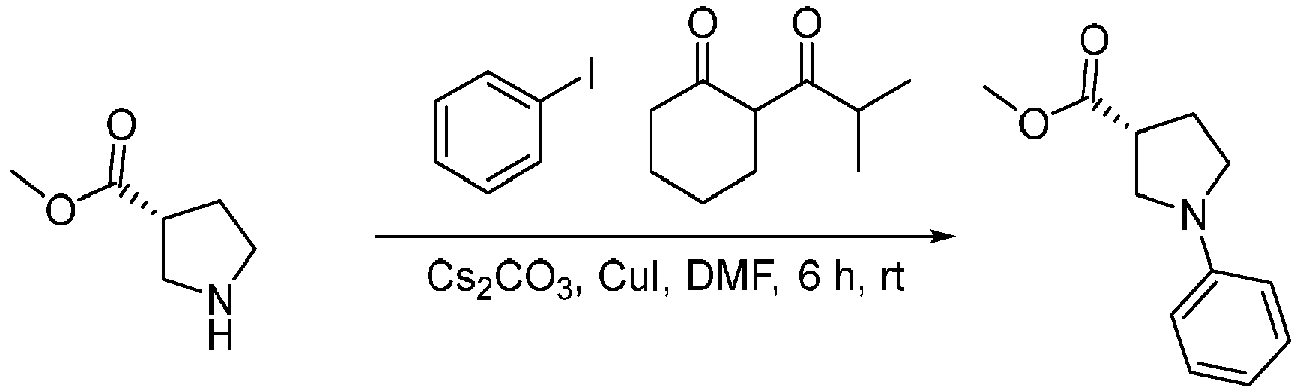
- A 100 mL roundbottom flask with stir bar was charged with D-proline ester (1.00 g, 7.7 mmol, 1.00 equiv), iodobenzene (1.90 g, 9.3 mmol, 1.2 equiv), 2-(2-methylpropanoyl)cyclohexan-1-one (521 mg, 3.1 mmol, 0.4 equiv), Cs2CO3 (7.57 g, 23.227 mmol, 3 equiv), Cul (147.45 mg, 0.774 mmol, 0.1 equiv) and DMF (30 mL, 0.26 M) under nitrogen atmosphere, the vial was capped and placed in an 50°C bath. The reaction mixture was stirred at 50 °C overnight. The next morning, the reaction mixture was poured into DCM (200 mL) and washed with brine (3 × 100 mL). The organic layer was dried over Na2SO4, filtered and concentrated in vacuo. The resulting crude material was purified via silica gel chromatography to yield the desired product.
- The following compounds were prepared via a similar method:
Precursor for Intermediate for Compound name A290 methyl (R)-1-phenylpyrrolidine-3-carboxylate -

- A 40 mL vial with stir bar was charged with D-proline (1.43 g, 12.4 mmol, 2.5 equiv), aryl bromide (1.00 g, 4.97 mmol, 1.0 equiv), Cul (189 mg, 0.994 mmol, 0.2 equiv) and K3PO4 (4.22 g, 19.9 mmol, 4.0 equiv). The vial was evacuated and backflushed with nitrogen. Freshly-sparged DMSO (6 mL) was added. The vial was capped, and the reaction mixture was allowed to stir at 100 C overnight. The next morning, the reaction mixture was cooled to 60 C and diluted with DMF (10 mL). Mel (1.55 mL, 24.8 mmol, 5.0 equiv) was added, and the reaction mixture was allowed to stir at 60 C for 2 h. After 2 h, the reaction mixture was poured into EtOAc (150 mL) and washed with brine (2 × 150 mL). The combined aqueous layers were extracted with EtOAc (1 × 50 mL). The combined organic layers were dried over Na2SO4, filtered and concentrated in vacuo. The resulting crude material was purified via silica gel chromatography to yield the desired product.
- The following compounds were prepared via a similar method:
Precursor for Intermediate for Compound name A328 methyl (2,2-difluorobenzo[d][1,3]dioxol-5-yl)-D-prolinate -

- A 100 mL roundbottom flask with stir bar was charged with D-proline ester (500 mg, 3.2 mmol, 1.00 equiv), iodobenzene (649 mg, 3.181 mmol, 1.00 equiv), methyl[2-(methylamino)ethyl]amine (280 mg, 3.2 mmol, 1 equiv), Cul (303 mg, 1.6 mmol, 0.5 equiv), Cs2CO3 (2.59 g, 8.0 mmol, 2.5 equiv) and dioxane (20 mL, 0.16 M) under nitrogen atmosphere, the vial was capped and placed in an 25°C bath. The reaction mixture was stirred at 25°C overnight. The next morning, the reaction mixture was poured into DCM (80 mL) and washed with brine (2 × 40 mL). The organic layer was dried over Na2SO4, filtered and concentrated in vacuo. The resulting crude material was purified via silica gel chromatography to yield the desired product.
-

- A 100 mL roundbottom flask with stir bar was charged with pyrrolidine ester (1.50 g, 11.6 mmol, 1.00 equiv), TEA (3.53 g, 34 mmol, 3.00 equiv) and DCM (20 mL, 0.58 M). Benzyl bromide (2.38 g, 14.0 mmol, 1.20 equiv) was added, and the vial was capped and placed in a 25°C bath. The reaction mixture was stirred at 25°C for 2 h. The reaction mixture was poured into DCM (50 mL) and washed with H2O (3 × 50 mL). The organic layer was dried over Na2SO4, filtered and concentrated in vacuo. The resulting crude material was purified via silica gel chromatography to yield the desired product.
- The following compounds were prepared via a similar method:
Precursor for Intermediate for Compound Name A277 methyl benzyl-D-prolinate A278 methyl benzyl-L-prolinate A291 methyl (R)-1-benzylpyrrolidine-3-carboxylate A302 methyl 1-benzylpiperidine-4-carboxylate -

- A 50 mL roundbottom flask with stir bar was charged with D-proline ester (880 mg, 6.1 mmol, 1.00 equiv), benzyl bromide (1.15 g, 6.7 mmol, 1.09 equiv) and THF (12 mL, 0.51 M). NaH (60%, 369 mg, 9.2 mmol,1.5 equiv) was added in portions at 0°C. The vial was capped and placed in an 25°C bath. The reaction mixture was stirred at 25°C for 5h. The reaction mixture was quenched by NH4Cl (aq) (25 mL). The resulting solution was extracted with ethyl acetate (3 × 30 mL) and washed with brine (2 × 30 mL). The combined organic layers were dried over Na2SO4, filtered and concentrated in vacuo. The resulting crude material was purified via silica gel chromatography to yield the desired product.
-

- A 100 mL roundbottom flask with stir bar was charged with pyrrolidine ester (2.00 g, 4.4 mmol, 1.00 equiv), phenyl boronic acid (1.59 g, 13.0 mmol, 3 equiv), Cu(OAc)2 (2.37 g, 13.0 mmol, 3 equiv), TEA (2.20 g, 21.8 mmol, 5 equiv) and DCM (30 mL, 0.15 M) under nitrogen atmosphere. The reaction flask was then vacuumed and flushed with oxygen, and the sequence was repeated twice. The vial was capped and placed in a 25°C bath. The reaction mixture was stirred at 25°C for 48 h under oxygen atmosphere using an oxygen balloon. The reaction mixture was poured into DCM (150 mL) and quenched by the addition of NH3.H2O (20 mL), washed with H2O (1 × 50 mL) and brine (3 × 50 mL). The organic layer was dried over Na2SO4, filtered and concentrated in vacuo. The resulting crude material was purified via silica gel chromatography to yield the desired product.
- The following compounds were prepared via a similar method:
Precursor for Intermediate for Compound Name A332 methyl (R)-1-phenylpiperidine-2-carboxylate A333 methyl (2R,4S)-4-methoxy-1-phenylpyrrolidine-2-carboxylate A334 methyl (2R,3S)-3-methoxy-1-phenylpyrrolidine-2-carboxylate A336 methyl (R)-1-phenylazetidine-2-carboxylate A337 methyl (R)-4-phenylmorpholine-3-carboxylate A339 methyl (R)-4,4-difluoro-1-phenylpyrrolidine-2-carboxylate A344 and A352 methyl (2R,3S)-3-((tert-butyldiphenylsilyl)oxy)-1-phenylpyrrolidine-2-carboxylate A345 methyl (2R,3R)-3-methoxy-1-phenylpyrrolidine-2-carboxylate A346 methyl (2R,4R)-4-isopropoxy-1-phenylpyrrolidine-2-carboxylate A351 and A353 methyl (2R,3R)-3-((tert-butyldiphenylsilyl)oxy)-1-phenylpyrrolidine-2-carboxylate A354 methyl (2R,4R)-4-(cyclohexyloxy)-1-phenylpyrrolidine-2-carboxylate A306 methyl 1-phenylpiperidine-3-carboxylate A338 methyl (R)-2-methyl-1-phenylpyrrolidine-2-carboxylate -

- A vial with stir bar was charged with amine (1.4 g, 9.7 mmol, 1.2 equiv), Cs2CO3 (3.2 g, 9.7 mmol, 1.2 equiv), Pd(OAc)2 (180 mg, 0.81 mmol, 0.1 equiv), and BINAP (510 mg, 0.81 mmol, 0.1 equiv). The vial was evacuated and backflushed with nitrogen. Freshly sparged toluene (15 mL) was added, followed by bromobenzene (0.85 mL, 8.1 mmol, 1.0 equiv). The reaction mixture was capped and allowed to stir at 100 C overnight. The next morning, the reaction mixture was cooled to room temperature and poured into EtOAc (100 mL). The organic layer was washed with brine (2 × 100 mL) and the combined aqueous layers were extracted with EtOAc (1 × 100 mL). The combined organic layers were dried over Na2SO4, filtered and concentrated in vacuo. The resulting crude material was purified via silica gel chromatography to yield the desired product.
- The following compounds were prepared via a similar method:
Precursor for Intermediate for Compound name A315 methyl 1-(5-methoxypyridin-2-yl)azetidine-3-carboxylate A361 methyl (2,2-difluorobenzo[d][1,3]dioxol-4-yl)-D-prolinate A362 methyl benzo[d][1,3]dioxoi-d-yl-D-prolinate -

- A 250 mL roundbottom flask with stir bar was charged with pyrrolidine ester (2.40 g, 6.257 mmol, 1.00 equiv), iodobenzene (1.91 g, 9.362 mmol, 1.50 equiv), Cs2CO3 (6.10 g, 18.722 mmol, 2.99 equiv), XPhOS (595.00 mg, 1.248 mmol, 0.20 equiv), XPhOS Pd G3 (1.06 g, 1.252 mmol, 0.20 equiv) and dioxane (20 mL, 0.16 M) under nitrogen atmosphere, the vial was capped and placed in an 90°C bath. The reaction mixture was stirred at 90°C overnight. The next morning, the reaction mixture was cooled to room temperature and quenched by H2O (50 mL). The resulting solution was extracted with (3 × 50 mL) of ethyl acetate. The combined organic layers were dried over Na2SO4, filtered and concentrated in vacuo. The resulting crude material was purified via prep-TLC to yield the desired product.
- The following compounds were prepared via a similar method:
Precursor for Intermediate for Compound Name A323 and A326 methyl (2R,4S)-4-((tert-butyldiphenylsilyl)oxy)-1-phenylpyrrolidine-2-carboxylate A322 and A321 methyl (2R,4R)-4-((tert-butyldiphenylsilyl)oxy)-1-phenylpyrrolidine-2-carboxylate -

- A vial with stir bar was charged with methyl D-prolinate hydrochloride (100 mg, 0.604 mmol, 1.0 equiv), DIPEA (0.11 mL, 0.604 mmol, 1.0 equiv), cyclohexanone (62.6 uL, 0.604 mmol, 1.0 equiv) and DMF (1 mL). The reaction mixture was cooled to 0 C. Na(OAc)3BH () was added, and the reaction mixture was allowed to warm to room temperature overnight. The next morning, the reaction mixture was diluted with EtOAc (50 mL) and washed with saturated NaHCO3 (3 × 50 mL). The combined aqueous layers were extracted with EtOAc (1 × 50 mL), and the combined organic layers were dried over Na2SO4, filtered and concentrated in vacuo. The resulting material was used without further purification in the next step.
-

- A 250 mL roundbottom flask with stir bar was charged with pyrrolidine ester (4.00 g, 24 mmol, 1.00 equiv), TEA (8.40 mL, 60 mmol, 2.50 equiv) and DCM (100 mL, 0.24 M). Benzoyl chloride (2.8 mL, 24 mmol, 1.01 eq) was added, and the vial was capped and placed in a 0°C bath. The reaction mixture was stirred at 25°C overnight. The next morning, the reaction mixture was poured into DCM (50 mL) and washed with H2O (2 × 70 mL). The organic layer was dried over Na2SO4, filtered and concentrated in vacuo. The resulting crude material was purified via silica gel chromatography to yield the desired product.
- The reactions followed the general reaction scheme, below:

- In accordance with this procedure, compounds having a single stereocenter were prepared and evaluated as a single enantiomer. Unless indicated otherwise, compounds having two stereocenters were prepared and evaluated as a single diastereomer, but as a mixture of enantiomers. Each of compounds A321-A323, A325, A326, A333, A334, A344-A346, and A351-A354 (having two stereocenters) where prepared and evaluated as pure diastereomers and pure enantiomers.
- Route B-1 followed the general reaction scheme, below:

-

- Solid NaOH (0.356g, 8.89mmol, 1.0eq) was dissolved in the mixture of acetone (2.63mL, 35.57mmol, 4.0eq), water (12.5mL) and EtOH (6.3mL). Then the 4-chlorobenzaldehyde (1.250g, 8.89mmol, 1.0eq) was added dropwise within 20 min at 0 °C. The reaction mixture was allowed to warm to room temperature and was stirred until TLC analysis indicated completion of the reaction (0.5-2 h). The reaction mixture was quenched with aqueous HCl (1 N), adjusted the pH to 6 and evaporated to remove the residual EtOH and acetone. The residue was extracted by EtOAc (3 × 40 mL). The combined organic phases were washed with brine (50 mL), dried over anhydrous Na2SO4 and concentrated under reduced pressure. Crude product was purified by column chromatography on silica gel.
- The following compounds were prepared via a similar method:
Intermediate for Compound name A161 4-(2-chlorophenyl)but-3-en-2-one A159 4-(3-methoxyphenyl)but-3-en-2-one A160 4-(4-methoxyphenyl)but-3-en-2-one A152 4-cyclohexylbut-3-en-2-one A219 4-(4-(trifluoromethyl)phenyl)but-3-en-2-one A220 4-(4-fluorophenyl)but-3-en-2-one A224 and A231 4-(3-oxobut-1-en-1-yl)benzonitrile A227 4-(4-nitrophenyl)but-3-en-2-one A251 5-phenylhex-3-en-2-one A252 4-phenylpent-3-en-2-one A297 1-phenylpent-1-en-3-one A209 4-(3-chlorophenyl)but-3-en-2-one A163 4-(4-chlorophenyl)but-3-en-2-one A223 N-(4-(3-oxobut-1-en-1-yl)phenyl)acetamide -

- Diethyl (2-oxopropyl)-phosphonate (1.34 mL, 6.97 mmol, 1.5 equiv) was added to a slurry of NaH (250 mg of a 60 % mineral oil suspension, 6.51 mmol, 1.4 equiv) in THF (10.3 mL) at 0°C, and stirred for 1 hr. Aldehyde (0.5ml, 4.65 mmol, 1.0 equiv) was added dropwise, the cooling bath was removed and the resulting solution stirred for an additional 1.5 hr at room temperature. H2O (10 mL) was added and the layers were separated. The aqueous phase was extracted with Et2O (3 × 10 mL), and the combined organic extracts were dried (MgSO4) and concentrated under reduced pressure. The crude residue was purified by flash chromatography.
- The following compounds were prepared via a similar method:
Intermediate for Compound name A158 4-(2-methoxyphenyl)but-3-en-2-one A153 4-(tetrahydro-2H-pyran-4-yl)but-3-en-2-one A166 4-(pyridin-4-yl)but-3-en-2-one A165 4-(pyridin-3-yl)but-3-en-2-one A164 4-(pyridin-2-yl)but-3-en-2-one -

- Ketone (730mg, 4.15 mmol, 1.0 equiv) was dissolved in dry THF (10ml) followed by slow (1h) dropwise addition of pyrrolidone hydrotribromide (2468 mg, 4.98 mmol, 1.2 equiv) in THF (15 ml). Reaction was stirred overnight at rt, the solid residue was filtered off and filtrate was evaporated. The oily residue was dissolved in Et2O (50ml), washed with saturated NaHCO3 (20ml), water (20ml) and brine (20ml). Organic layer was separated, dried by MgSO4 and evaporated to yield crude product which was further purified by flash chromatography on silica gel.
- The following compounds were prepared via a similar method:
Intermediate for Compound Name A161 1-bromo-4-(2-chlorophenyl)but-3-en-2-one A159 1-bromo-4-(3-methoxyphenyl)but-3-en-2-one A160 1-bromo-4-(4-methoxyphenyl)but-3-en-2-one A154 1-bromo-4-(tetrahydro-2H-pyran-3-yl)but-3-en-2-one A158 1-bromo-4-(2-methoxyphenyl)but-3-en-2-one A152 1-bromo-4-cyclohexylbut-3-en-2-one A153 1-bromo-4-(tetrahydro-2H-pyran-4-yl)but-3-en-2-one A219 1-bromo-4-(4-(trifluoromethyl)phenyl)but-3-en-2-one A220 1-bromo-4-(4-fluorophenyl)but-3-en-2-one A166 1-bromo-4-(pyridin-4-yl)but-3-en-2-one A224 4-(4-bromo-3-oxobut-1-en-1-yl)benzonitrile A227 1-bromo-4-(4-nitrophenyl)but-3-en-2-one A165 1-bromo-4-(pyridin-3-yl)but-3-en-2-one A164 1-bromo-4-(pyridin-2-yl)but-3-en-2-one A251 1-bromo-5-phenylhex-3-en-2-one A252 1-bromo-4-phenylpent-3-en-2-one A297 4-bromo-1-phenylpent-1-en-3-one A209 1-bromo-4-(3-chlorophenyl)but-3-en-2-one A163 1-bromo-4-(4-chlorophenyl)but-3-en-2-one A225 1-bromo-3,3-dimethyl-5-phenylpentan-2-one A228 1-bromo-3,3-dimethyl-4-phenoxybutan-2-one A257 1-bromo-3-methyl-3-(pyridin-2-ylmethoxy)butan-2-one A260 1-bromo-3,3-dimethyl-4-(pyridin-2-yloxy)butan-2-one A215 and A194 2-bromo-1-((1S,2S)-2-phenylcyclopropyl)ethan-1-one A223 N-(4-(4-bromo-3-oxobut-1-en-1-yl)phenyl)acetamide - Route B-2 followed the general reaction scheme, below:

-

- A roundbottom flask with stir bar was charged with starting material (0.50 g, 2.4 5mmol, 1.0 equiv) dissolved in THF (6.1 mL) under Ar atmosphere. Then to reaction mixture was added chloroiodomethane (0.71 mL, 9.79 mmol, 4.0 equiv). When the flask was cooled to -72°C, solution of LDA (12.24 mL, 12.24 mmol, 5.0 equiv, 1M in THF) was added dropwise maintaining the temperature below -68°C. Upon completion of the addition, the solution was stirred at -72°C for 15 min. An acetic acid solution (1.4 mL in 1.4 mL of THF) was added dropwise at a rate sufficient to keep the internal temperature below -60°C and the reaction mixture was stirred for 1 hour while flask was slowly allowed to warm. Then toluene (6 mL) was added and when temperature reached -20°C, a portion of water (15 mL) was slowly added and the solution was stirred for 20 minutes. Layers were separated and the organic layer was washed with NaHCO3 (2 × 100 ml), dried over MgSO4, filtered and concentrated. The crude product was purified by flash chromatography on silica gel using Hex/EtOAc as eluent.
- The following compounds were prepared in a similar way:
Intermediate for Compound Name A263 1-(1-(benzyloxy)cyclopropyl)-2-chloroethan-1-one A292 2-chloro-1-((1R,3R)-3-phenylcyclopentyl)ethan-1-one A293 1-chloro-3,3-dimethyl-5-phenylpent-4-en-2-one A305 2-chloro-1-((1S,3R)-3-phenylcyclopentyl)ethan-1-one A310 2-chloro-1-(5-phenyltetrahydrofuran-2-yl)ethan-1-one A306 2-chloro-1-(1-phenylpiperidin-3-yl)ethan-1-one A338 (R)-2-chloro-1-(2-methyl-1-phenylpyrrolidin-2-yl)ethan-1-one -

- A 20 mL vial with stir bar was charged with methyl ester (182 mg, 0.887 mmol, 1.0 equiv), sodium 2-chloroacetate (155 mg, 1.33 mmol, 1.5 equiv), triethylamine (0.124 mL, 0.887 mmol, 1.0 equiv) and THF (1.0 mL, 0.2 M). The reaction mixture was cooled to 0 C, and tert-butylmagnesium chloride (1.0 M in THF, 2.7 mL, 2.70 mmol, 3.0 equiv) was added. The reaction mixture was allowed to warm to room temperature overnight. The next morning, the reaction mixture was poured into EtOAc (50 mL). The organic layer was washed with saturated NaHCO3 (2 × 50 mL). The combined aqueous layers were extracted with EtOAc (1 × 50 mL), and the combined organic layers were dried over Na2SO4, filtered and concentrated in vacuo. The resulting crude material was used in the next step without further purification.
- The following compounds were prepared in a similar way:
Intermediate for Compound Name A309 2-chloro-1-((1s,3s)-3-((5-methoxypyridin-2-yl)oxy)cyclobutyl)ethan-1-one A314 2-chloro-1-((1r,3r)-3-((5-methoxypyridin-2-yl)oxy)cyclobutyl)ethan-1-one A316 2-chloro-1-(1-phenylazetidin-3-yl)ethan-1-one A329 2-chloro-1-((1r,3r)-3-phenoxycyclobutyl)ethan-1-one A330 2-chloro-1-(1s,3s)-3-phenoxycyclobutyl)ethan-1-one A300 2-chloro-1-((1S,2S)-2-phenylcyclopentyl)ethan-1-one A301 2-chloro-1-((1S,2R)-2-phenylcyclopentyl)ethan-1-one A268 and A287 2-chloro-1-(3-phenylcyclobutyl)ethan-1-one A281 and A284 2-chloro-1-(2,3-dihydro-1H-inden-2-yl)ethan-1-one A282 and A285 2-chloro-1-(1-phenylpiperidin-4-yl)ethan-1-one A283 and A286 2-chloro-1-(chroman-2-yl)ethan-1-one A302 1-(1-benzylpiperidin-4-yl)-2-chloroethan-1-one A318 and A275 (R)-2-chloro-1-(1-phenylpyrrolidin-2-yl)ethan-1-one A328 (R)-2-chloro-1-(1-(2,2-difluorobenzo[d][1,3]dioxol-5-yl)pyrrolidin-2-yl)ethan-1-one A359 (R)-1-(1-(benzo[d][1,3]dioxol-5-yl)pyrrolidin-2-yl)-2-chloroethan-1-one A365 (R)-2-chloro-1-(1-cyclohexylpyrrolidin-2-yl)ethan-1-one A262 1-chloro-3,3-dimethyl-5-(pyridin-2-yl)pentan-2-one A270 2-chloro-1-((1S,3R)-3-phenylcyclohexyl)ethan-1-one A271 2-chloro-1-((1R,3R)-3-phenylcyclohexyl)ethan-1-one A276 (S)-2-chloro-1-(1-phenylpyrrolidin-2-yl)ethan-1-one A277 (R)-1-(1-benzylpyrrolidin-2-yl)-2-chloroethan-1-one A278 (S)-1-(1-benzylpyrrolidin-2-yl)-2-chloroethan-1-one A279 (S)-1-(1-benzylpyrrolidin-3-yl)-2-chloroethan-1-one A288 2-chloro-1-(2,3-dihydrobenzofuran-2-yl)ethan-1-one A289 (S)-2-chloro-1-(1-phenylpyrrolidin-3-yl)ethan-1-one A290 (R)-2-chloro-1-(1-phenylpyrrolidin-3-yl)ethan-1-one A291 (R)-1-(1-benzylpyrrolidin-3-yl)-2-chloroethan-1-one A200 2-chloro-1-((1S,2R)-2-phenylcyclopropyl)ethan-1-one A296 2-chloro-1-(chroman-3-yl)ethan-1-one A298 2-chloro-1-((1S,2R)-2-phenylcyclohexyl)ethan-1-one A303 2-chloro-1-((1S,2S)-2-phenylcyclohexyl)ethan-1-one A313 (R)-1-(1-benzoylpyrrolidin-2-yl)-2-chloroethan-1-one A315 2-chloro-1-(1-(5-methoxypyridin-2-yl)azetidin-3-yl)ethan-1-one A319 (R)-5-(2-chloroacetyl)-1-phenylpyrrolidin-2-one A320 (R)-1-benzyl-5-(2-chloroacetyl)pyrrolidin-2-one A322 and A321 1-((2R,4R)-4-((tert-butyldiphenylsilyl)oxy)-1-phenylpyrrolidin-2-yl)-2-chloroethan-1-one A323 and A326 1-((2R,4S)-4-((tert-butyldiphenylsilyl)oxy)-1-phenylpyrrolidin-2-yl)-2-chloroethan-1-one A324 2-chloro-1-((1S,2R)-2-phenylcyclobutyl)ethan-1-one A325 2-chloro-1-((2R,4R)-4-methoxy-1-phenylpyrrolidin-2-yl)ethan-1-one A331 2-chloro-1-((1S,2S)-2-phenylcyclobutyl)ethan-1-one A332 (R)-2-chloro-1-(1-phenylpiperidin-2-yl)ethan-1-one A333 2-chloro-1-((2R,4S)-4-methoxy-1-phenylpyrrolidin-2-yl)ethan-1-one A334 2-chloro-1-((2R,3S)-3-methoxy-1-phenylpyrrolidin-2-yl)ethan-1-one A336 (R)-2-chloro-1-(1-phenylazetidin-2-yl)ethan-1-one A337 (R)-2-chloro-1-(4-phenylmorpholin-3-yl)ethan-1-one A339 (R)-2-chloro-1-(4,4-difluoro-1-phenylpyrrolidin-2-yl)ethan-1-one A344 and A352 2-chloro-1-((2R,3S)-3-hydroxy-1-phenylpyrrolidin-2-yl)ethan-1-one A345 2-chloro-1-((2R,3R)-3-methoxy-1-phenylpyrrolidin-2-yl)ethan-1-one A346 2-chloro-1-((2R,4R)-4-isopropoxy-1-phenylpyrrolidin-2-yl)ethan-1-one A349 2-chloro-1-((1s,3s)-3-(pyridin-2-yl)cyclobutyl)ethan-1-one A350 2-chloro-1-((1r,3r)-3-(pyridin-2-yl)cyclobutyl)ethan-1-one A351 and A353 2-chloro-1-((2R,3R)-3-hydroxy-1-phenylpyrrolidin-2-yl)ethan-1-one A354 2-chloro-1-((2R,4R)-4-(cyclohexyloxy)-1-phenylpyrrolidin-2-yl)ethan-1-one A361 (R)-2-chloro-1-(1-(2,2-difluorobenzo[d][1,3]dioxol-4-yl)pyrrolidin-2-yl)ethan-1-one A362 (R)-1-(1-(benzo[d][1,3]dioxol-4-yl)pyrrolidin-2-yl)-2-chloroethan-1-one A363 2-chloro-1-((1r,3r)-3-fluoro-3-(pyridin-2-yl)cyclobutyl)ethan-1-one A364 2-chloro-1-((1s,3s)-3-fluoro-3-(pyridin-2-yl)cyclobutyl)ethan-1-one -

- A 20 mL vial with stir bar was charged with bromoketone (307 mg, 1.28 mmol, 1.0 equiv), thiourea (108 mg, 1.41 mmol, 1.1 equiv) and EtOH (7 mL). The resulting solution was stirred at 80 C overnight. The next morning, the resulting solution was cooled and poured into EtOAc (100 mL). The mixture was washed with saturated NaHCO3 (2 × 100 mL), and the combined aqueous layers were extracted with EtOAc (1 × 100 mL). The combined organic layers were dried over Na2SO4, filtered and concentrated in vacuo. The resulting crude material was purified via silica gel chromatography to yield the desired product.
- The following compounds were prepared via a similar method:
Intermediate for Compound Name A161 4-(2-chlorostyryl)thiazol-2-amine A159 4-(3-methoxystyryl)thiazol-2-amine A160 4-(4-methoxystyryl)thiazol-2-amine A154 4-(2-(tetrahydro-2H-pyran-3-yl)vinyl)thiazol-2-amine A158 4-(2-methoxystyryl)thiazol-2-amine A152 4-(2-cyclohexylvinyl)thiazol-2-amine A153 4-(2-(tetrahydro-2H-pyran-4-yl)vinyl)thiazol-2-amine A219 4-(4-(trifluoromethyl)styryl)thiazol-2-amine A220 4-(4-fluorostyryl)thiazol-2-amine A166 4-(2-(pyridin-4-yl)vinyl)thiazol-2-amine A224 4-(2-(2-aminothiazol-4-yl)vinyl)benzonitrile A227 4-(4-nitrostyryl)thiazol-2-amine A165 4-(2-(pyridin-3-yl)vinyl)thiazol-2-amine A164 4-(2-(pyridin-2-yl)vinyl)thiazol-2-amine A251 4-(3-phenylbut-1-en-1-yl)thiazol-2-amine A252 4-(2-phenylprop-1-en-1-yl)thiazol-2-amine A297 5-methyl-4-styrylthiazol-2-amine A209 4-(3-chlorostyryl)thiazol-2-amine A163 4-(4-chlorostyryl)thiazol-2-amine A225 4-(2-methyl-4-phenylbutan-2-yl)thiazol-2-amine A228 4-(2-methyl-1-phenoxypropan-2-yl)thiazol-2-amine A257 4-(2-(pyridin-2-ylmethoxy)propan-2-yl)thiazol-2-amine A260 4-(2-methyl-1-(pyridin-2-yloxy)propan-2-yl)thiazol-2-amine A215 and A194 4-((1R,2R)-2-phenylcyclopropyl)thiazol-2-amine A263 4-(1-(benzyloxy)cyclopropyl)thiazol-2-amine A292 4-((1R,3R)-3-phenylcyclopentyl)thiazol-2-amine A293 4-(2-methyl-4-phenylbut-3-en-2-yl)thiazol-2-amine A305 4-((1S,3R)-3-phenylcyclopentyl)thiazol-2-amine A309 4-((1s,3s)-3-((5-methoxypyridin-2-yl)oxy)cyclobutyl)thiazol-2-amine A314 4-((1r,3r)-3-((5-methoxypyridin-2-yl)oxy)cyclobutyl)thiazol-2-amine A316 4-(1-phenylazetidin-3-yl)thiazol-2-amine A329 4-((1r,3r)-3-phenoxycyclobutyl)thiazol-2-amine A330 4-((1s,3s)-3-phenoxycyclobutyl)thiazol-2-amine A300 4-((1S,2S)-2-phenylcyclopentyl)thiazol-2-amine A301 4-((1S,2R)-2-phenylcyclopentyl)thiazol-2-amine A310 4-(5-phenyltetrahydrofuran-2-yl)thiazol-2-amine A268 and A287 4-(3-phenylcyclobutyl)thiazol-2-amine A281 and A284 4-(2,3-dihydro-1H-inden-2-yl)thiazol-2-amine A282 and A285 4-(1-phenylpiperidin-4-yl)thiazol-2-amine A283 and A286 4-(chroman-2-yl)thiazol-2-amine A302 4-(1-benzylpiperidin-4-yl)thiazol-2-amine A306 4-(1-phenylpiperidin-3-yl)thiazol-2-amine A318 and A275 (R)-4-(1-phenylpyrrolidin-2-yl)thiazol-2-amine A328 (R)-4-(1-(2,2-difluorobenzo[d][1,3]dioxol-5-yl)pyrrolidin-2-yl)thiazol-2-amine A359 (R)-4-(1-(benzo[d][1,3]dioxol-5-yl)pyrrolidin-2-yl)thiazol-2-amine A365 (R)-4-(1-cyclohexylpyrrolidin-2-yl)thiazol-2-amine A262 4-(2-methyl-4-(pyridin-2-yl)butan-2-yl)thiazol-2-amine A270 4-((1S,3R)-3-phenylcyclohexyl)thiazol-2-amine A271 4-((1R,3R)-3-phenylcyclohexyl)thiazol-2-amine A276 (S 4-(1-phenylpyrrolidin-2-yl)thiazol-2-amine A277 (R)-4-(1-benzylpyrrolidin-2-yl)thiazol-2-amine A278 (S-4-(1-benzylpyrrolidin-2-yl)thiazol-2-amine A279 (S)-4-(1-benzylpyrrolidin-3-yl)thiazol-2-amine A288 4-(2,3-dihydrobenzofuran-2-yl)thiazol-2-amine A289 (S)-4-(1-phenylpyrrolidin-3-yl)thiazol-2-amine A290 (R)-4-(1-phenylpyrrolidin-3-yl)thiazol-2-amine A291 (R)-4-(1-benzylpyrrolidin-3-yl)thiazol-2-amine A200 4-((1S,2R)-2-phenylcyclopropyl)thiazol-2-amine A296 4-(chroman-3-yl)thiazol-2-amine A298 4-((1S,2R)-2-phenylcyclohexyl)thiazol-2-amine A303 4-((1S,2S)-2-phenylcyclohexyl)thiazol-2-amine A313 (R)-(2-(2-aminothiazol-4-yl)pyrrolidin-1-yl)(phenyl)methanone A315 4-(1-(5-methoxypyridin-2-yl)azetidin-3-yl)thiazol-2-amine A319 (R)-5-(2-aminothiazol-4-yl)-1-phenylpyrrolidin-2-one A320 (R)-5-(2-aminothiazol-4-yl)-1-benzylpyrrolidin-2-one A322 and A321 4-((2R,4R)-4-((tert-butyldiphenylsilyl)oxy)-1-phenylpyrrolidin-2-yl)thiazol-2-amine A323 and A326 4-((2R,4S)-4-((tert-butyldiphenylsilyl)oxy)-1-phenylpyrrolidin-2-yl)thiazol-2-amine A324 4-((1S,2R)-2-phenylcyclobutyl)thiazol-2-amine A325 4-((2R,4R)-4-methoxy-1-phenylpyrrolidin-2-yl)thiazol-2-amine A331 4-((1S,2S)-2-phenylcyclobutyl)thiazol-2-amine A332 (R)-4-(1-phenylpiperidin-2-yl)thiazol-2-amine A333 4-((2R,4S)-4-methoxy-1-phenylpyrrolidin-2-yl)thiazol-2-amine A334 4-((2S,3S)-3-methoxy-1-phenylpyrrolidin-2-yl)thiazol-2-amine A336 (R)-4-(1-phenylazetidin-2-yl)thiazol-2-amine A337 (S)-4-(4-phenylmorpholin-3-yl)thiazol-2-amine A338 (R)-4-(2-methyl-1-phenylpyrrolidin-2-yl)thiazol-2-amine A339 (R)-4-(4,4-difluoro-1-phenylpyrrolidin-2-yl)thiazol-2-amine A344 and A352 (2S,3S)-2-(2-aminothiazol-4-yl)-1-phenylpyrrolidin-3-ol A345 4-((2S,3R)-3-methoxy-1-phenylpyrrolidin-2-yl)thiazol-2-amine A346 4-((2R,4R)-4-isopropoxy-1-phenylpyrrolidin-2-yl)thiazol-2-amine A349 4-((1s,3s)-3-(pyridin-2-yl)cyclobutyl)thiazol-2-amine A350 4-((1r,3r)-3-(pyridin-2-yl)cyclobutyl)thiazol-2-amine A351 and A353 (2S,3R)-2-(2-aminothiazol-4-yl)-1-phenylpyrrolidin-3-ol A354 4-((2R,4R)-4-(cyclohexyloxy)-1-phenylpyrrolidin-2-yl)thiazol-2-amine A361 (R)-4-(1-(2,2-difluorobenzo[d][1,3]dioxol-4-yl)pyrrolidin-2-yl)thiazol-2-amine A362 (R)-4-(1-(benzo[d][1,3]dioxol-4-yl)pyrrolidin-2-yl)thiazol-2-amine A363 4-((1r,3r)-3-fluoro-3-(pyridin-2-yl)cyclobutyl)thiazol-2-amine A364 4-((1s,3s)-3-fluoro-3-(pyridin-2-yl)cyclobutyl)thiazol-2-amine A223 N-(4-(2-(2-aminothiazol-4-yl)vinyl)phenyl)acetamide - The reactions followed the general reaction scheme, below:

-

- A 50 mL vial with stir bar was charged with thiazole (300 mg, 1.08 mmol, 1.0 equiv), amine (869 mg, 5.39 mmol, 5.0 equiv) and DMF (9.0 mL, 0.12 M) under nitrogen atmosphere, the vial was capped and placed in an 100°C bath. The reaction mixture was stirred at 100°C for 4 h. The reaction mixture was cooled to room temperature and quenched by H2O (50 mL). The resulting solution was extracted with ethyl acetate (3 × 40 mL) and washed with brine (3 × 40 mL). The organic layer was then dried over Na2SO4, filtered and concentrated in vacuo. The resulting crude material was purified via prep-TLC to yield the desired product.
- The following compounds were prepared via a similar method:
Intermediate for Compound name A261 tert-butyl (4-(4-phenylpiperidin-1-yl)thiazol-2-yl)carbamate A264 tert-butyl (4-(piperidin-1-yl)thiazol-2-yl)carbamate A265 tert-butyl (4-(3-phenylpiperidin-1-yl)thiazol-2-yl)carbamate A266 tert-butyl (4-(4-phenylpiperazin-1-yl)thiazol-2-yl)carbamate A273 tert-butyl (4-(3-phenylpyrrolidin-1-yl)thiazol-2-yl)carbamate -

- A 20 mL vial with stir bar was charged with thiazole (90 mg, 0.25 mmol, 1.00 equiv) and DCM (2.0 mL, 0.125 M). TFA (2 mL, 27.0 mmol, 108 equiv) was added, and the vial was capped and placed in a 25°C bath. The reaction mixture was stirred at 25°C for 1 h. The resulting mixture was concentrated under vacuum and quenched by sat. NaHCO3 (aq) (10 mL). The combined aqueous layers were extracted with EtOAc (4 × 20 mL), the combined organic layers were dried over Na2SO4, filtered and concentrated in vacuo. The resulting crude material was used directly for next step.
- The following compounds were prepared via a similar method:
Intermediate for Compound Name A261 4-(4-phenylpiperidin-1-yl)thiazol-2-amine A264 4-(piperidin-1-yl)thiazol-2-amine A265 4-(3-phenylpiperidin-1-yl)thiazol-2-amine A266 4-(4-phenylpiperazin-1-yl)thiazol-2-amine A273 4-(3-phenylpyrrolidin-1-yl)thiazol-2-amine - Synthesis of A74 and A49 followed the scheme, below.

- N-(2-(4-pyridinylethyl)-2-(trichloroacetyl)pyrrole (0.53 g, 1.67 mmol, 1.0 eq), amine (0.334 g, 1.67 mmol, 1.0 eq) and NaHCO3 (0.911 g, 10.9 mmol, 6. 5eq) were taken up in NMP (6.5 mL). The reaction mixture was heated at 150 °C for 17h. After this time, the NMP was evaporated, and the resulting crude material was purified on pTLC (60% EtOAc in hexanes). LCMS (+ESI): calc. [M+H]+= 396; found 397. The enantiomers were resolved via SFC (Chiralpak IF 3, 5% MeOH+TEA in CO2).
- Synthesis of A71 followed the scheme, below

- A 20 mL vial with stir bar was charged with acid (71.3 mg, 0.341 mmol, 1.0 equiv), amine (115 mg, 0.574 mmol, 1.7 equiv), sodium bicarbonate (115 mg, 1.36 mmol, 4.0 equiv) and HATU (143 mg, 0.375 mmol, 1.1 equiv). DMF (2 mL) was added, and the vial was capped and placed in an 80 0C bath. The reaction mixture was stirred at 80 0C overnight. The next morning, the reaction mixture was poured into DCM (50 mL) and washed with 0.5 M NaOH (2 × 50 mL), followed by water (1 × 50 mL). The organic layer was then dried over Na2SO4, filtered and concentrated in vacuo. The resulting crude material was purified via silica gel chromatography (20-50% EtOAc in hexanes) to yield the desired product. LCMS (+ESI): calc. [M+H]+= 392; found 392.
- The following compounds were prepared in a similar manner:
Compound Compound name Exact mass [M] Observed molecular ion [M+H] A1 (S)-N-(4-(2-(1-phenylethoxy)propan-2-yl)thiazol-2-yl)-1-(pyridin-4-ylmethyl)-1H-pyrrole-2-carboxamide 446 447 A16 N-(4-(2-isopropoxypropan-2-yl)thiazol-2-yl)-1-(pyridin-4-ylmethyl)-1H-pyrrole-2-carboxamide 384 385 A2 N-(4-(2-(1-(3-chlorophenyl)ethoxy)propan-2-yl)thiazol-2-yl)-1-(pyridin-4-ylmethyl)-1H-pyrrole-2-carboxamide 480 481 A3 N-(4-(2-(1-phenylethoxy)propan-2-yl)thiazol-2-yl)-1-(pyridin-4-ylmethyl)-1H-pyrrole-2-carboxamide 446 447 A4 N-(4-(2-(1-(3-methoxyphenyl)ethoxy)propan-2-yl)thiazol-2-yl)-1-(pyridin-4-ylmethyl)-1H-pyrrole-2-carboxamide 476 477 A5 N-(4-(2-(1-(4-chlorophenyl)ethoxy)propan-2-yl)thiazol-2-yl)-1-(pyridin-4-ylmethyl)-1H-pyrrole-2-carboxamide 480 481 A6 (S)-N-(4-(2-(1-phenylethoxy)propan-2-yl)thiazol-2-yl)-1-(3-(pyridin-4-yl)propyl)-1H-pyrrole-2-carboxamide 474 475 A7 N-(4-(2-(cyclohexylmethoxy)propan-2-yl)thiazol-2-yl)-1-(pyridin-4-ylmethyl)-1 H-pyrrole-2-carboxamide 438 439 A8 N-(4-(2-(1-(2-chlorophenyl)ethoxy)propan-2-yl)thiazol-2-yl)-1-(pyridin-4-ylmethyl)-1H-pyrrole-2-carboxamide 480 481 A9 N-(4-(2-(benzyloxy)propan-2-yl)thiazol-2-yl)-1-(pyridin-4-ylmethyl)-1H-pyrrole-2-carboxamide 432 433 A10 N-(4-(2-(cyclohexyloxy)propan-2-yl)thiazol-2-yl)-1-(pyridin-4-ylmethyl)-1H-pyrrole-2-carboxamide 424 425 A11 N-(4-(2-isopropoxypropan-2-yl)thiazol-2-yl)-1-(3-(pyridin-4-yl)propyl)-1H-pyrrole-2-carboxamide 412 413 A12 1-(pyridin-4-ylmethyl)-N-(4-styrylthiazol-2-yl)-1H-pyrrole-2-carboxamide 386 387 A13 N-(4-phenethylthiazol-2-yl)-1-(pyridin-4-ylmethyl)-1H-pyrrole-2-carboxamide 388 389 A14 1-(pyridin-4-ylmethyl)-N-(4-styrylthiazol-2-yl)-1H-pyrrole-2-carboxamide 386 387 A15 1-(pyridin-4-ylmethyl)-N-(4-(2-(2,2,2-trifluoroethoxy)propan-2-yl)thiazol-2-yl)-1H-pyrrole-2-carboxamide 424 425 A18 (R)-N-(4-(2-(1-phenylethoxy)propan-2-yl)thiazol-2-yl)-1-(pyridin-4-ylmethyl)-1H-pyrrole-2-carboxamide 446 447 A21 N-(4-(1-phenylethyl)thiazol-2-yl)-1-(pyridin-4-ylmethyl)-1H-pyrrole-2-carboxamide 388 389 A22 N-(4,4-dimethyl-5,6-dihydro-4H-cyclopenta[d]thiazol-2-yl)-1-(pyridin-4-ylmethyl)-1H-pyrrole-2-carboxamide 352 353 A25 1-((3-fluoropyridin-4-yl)methyl)-N-(4-(2-isopropoxypropan-2-yl)thiazol-2-yl)-1H-pyrrole-2-carboxamide 402 403 A26 N-(4-isopropylthiazol-2-yl)-1-(pyridin-4-ylmethyl)-1H-pyrrole-2-carboxamide 326 327 A27 N-(4-(2-ethoxypropan-2-yl)thiazol-2-yl)-1-(pyridin-4-ylmethyl)-1H-pyrrole-2-carboxamide 370 371 A32 N-(4-ethyl-5-methylthiazol-2-yl)-1-(pyridin-4-ylmethyl)-1 H-pyrrole-2-carboxamide 326 327 A33 1-(3-(pyridin-4-yl)propyl)-N-(4-styrylthiazol-2-yl)-1 H-pyrrole-2-carboxamide 414 415 A34 N-(5-benzylthiazol-2-yl)-1-(pyridin-4-ylmethyl)-1H-pyrrole-2-carboxamide 374 375 A37 N-(4-(2-isopropoxypropan-2-yl)-5-methylthiazol-2-yl)-1-(pyridin-4-ylmethyl)-1H-pyrrole-2-carboxamide 398 399 A39 1-(pyridin-4-ylmethyl)-N-(4-(2-((tetrahydro-2H-pyran-2-yl)methoxy)propan-2-yl)thiazol-2-yl)-1H-pyrrole-2-carboxamide 440 441 A40 1-(pyridin-4-ylmethyl)-N-(4-(2-((tetrahydro-2H-pyran-4-yl)methoxy)propan-2-yl)thiazol-2-yl)-1H-pyrrole-2-carboxamide 440 441 A41 1-((3-bromopyridin-4-yl)methyl)-N-(4-(2-isopropoxypropan-2-yl)thiazol-2-yl)-1H-pyrrole-2-carboxamide 462 463 A44 N-(4-(2-isopropoxypropan-2-yl)thiazol-2-yl)-1-(4-(pyridin-4-yl)butyl)-1H-pyrrole-2-carboxamide 426 427 A45 N-(4-(tert-butyl)thiazol-2-yl)-1-(pyridin-4-ylmethyl)-1H-pyrrole-2-carboxamide 340 341 A50 N-(benzo[d]thiazol-2-yl)-1-(pyridin-4-ylmethyl)-1H-pyrrole-2-carboxamide 334 335 A58 N-(4,5-dimethylthiazol-2-yl)-1-(pyridin-4-ylmethyl)-1H-pyrrole-2-carboxamide 312 313 A59 N-(4-(isopropoxymethyl)thiazol-2-yl)-1-(pyridin-4-ylmethyl)-1H-pyrrole-2-carboxamide 356 357 A64 N-(4-(2-isopropoxypropan-2-yl)thiazol-2-yl)-1-(3-phenylpropyl)-1H-pyrrole-2-carboxamide 411 412 A66 1-((3-chloropyridin-4-yl)methyl)-N-(4-ethyl-5-methylthiazol-2-yl)-1H-pyrrole-2-carboxamide 360 361 A68 1-(3-(2-chlorophenyl)propyl)-N-(4-(2-isopropoxypropan-2-yl)thiazol-2-yl)-1H-pyrrole-2-carboxamide 445 446 A69 N-(4-(2-isopropoxypropan-2-yl)thiazol-2-yl)-1-(pyridazin-4-ylmethyl)-1H-pyrrole-2-carboxamide 385 386 Ref. B3 1-(pyridin-4-ylmethyl)-N-(4-(2-(2-tosylethoxy)propan-2-yl)thiazol-2-yl)-1H-pyrrole-2-carboxamide 524 525 Ref. B4 N-(5-(tert-butyl)isoxazol-3-yl)-1-(pyridin-4-ylmethyl)-1H-pyrrole-2-carboxamide 324 325 A77 N-(4-(tert-butyl)thiazol-2-yl)-1-((3-chloropyridin-4-yl)methyl)-1H-pyrrole-2-carboxamide 374 375 A78 1-(2-chlorobenzyl)-N-(4-(2-isopropoxypropan-2-yl)thiazol-2-yl)-1H-pyrrole-2-carboxamide 417 418 A79 1-benzyl-N-(4-(2-isopropoxypropan-2-yl)thiazol-2-yl)-1H-pyrrole-2-carboxamide 383 384 Ref. B5 N-(4-isopropyloxazol-2-yl)-1-(pyridin-4-ylmethyl)-1H-pyrrole-2-carboxamide 310 311 A87 N-(4-(2-isopropoxypropan-2-yl)thiazol-2-yl)-1-(pyridin-3-ylmethyl)-1H-pyrrole-2-carboxamide 384 385 Ref. B7 1-(2-chlorobenzyl)-N-(4-ethyl-5-methylthiazol-2-yl)-1H-pyrrole-2-carboxamide 359 360 Ref. B8 N-(5-methylisoxazol-3-yl)-1-(pyridin-4-ylmethyl)-1H-pyrrole-2-carboxamide 282 283 Ref. B9 1-benzyl-N-(4-ethyl-5-methylthiazol-2-yl)-1H-pyrrole-2-carboxamide 325 326 A90 N-(4-(2-isopropoxypropan-2-yl)thiazol-2-yl)-1-(quinolin-4-ylmethyl)-1H-pyrrole-2-carboxamide 434 435 A91 N-(4-(2-isopropoxypropan-2-yl)thiazol-2-yl)-1-(2-(pyridin-4-yl)ethyl)-1H-pyrrole-2-carboxamide 398 399 Ref. B11 N-(4-(tert-butyl)thiazol-2-yl)-1-(2-chlorobenzyl)-1H-pyrrole-2-carboxamide 373 374 A100 N-(4-(2-isopropoxypropan-2-yl)thiazol-2-yl)-1-(pyridin-4-ylmethyl)-1H-pyrazole-3-carboxamide 385 386 A101 1-(3-(1-acetylpiperidin-4-yl)propyl)-N-(4-(2-isopropoxypropan-2-yl)thiazol-2-yl)-1H-pyrrole-2-carboxamide 460 461 A106 N-(4-(2-isopropoxypropan-2-yl)thiazol-2-yl)-6-oxo-1-(pyridin-4-ylmethyl)-1,6-dihydropyridine-2-carboxamide 412 411 [M-H]- A112 N-(4-(2-isopropoxypropan-2-yl)thiazol-2-yl)-1-(pyridin-4-ylmethyl)-1H-pyrazole-5-carboxamide 385 386 A113 4-(hydroxymethyl)-N-(4-(2-isopropoxypropan-2-yl)thiazol-2-yl)-1-(pyridin-4-ylmethyl)-1H-pyrrole-2-carboxamide 414 415 Ref. B12 N-(4-(2-isopropoxypropan-2-yl)thiazol-2-yl)-2-(5-(pyridin-4-ylmethyl)-1H-pyrrol-2-yl)acetamide 398 399 A117 N-((4-isopropylthiazol-2-yl)methyl)-1-(pyridin-4-ylmethyl)-1H-pyrrole-2-carboxamide 340 341 A122 N-(4-(2-isopropoxypropan-2-yl)thiazol-2-yl)-1-(pyridin-4-ylmethyl)-1H-pyrrole-3-carboxamide 384 385 A124 N-(4-(2-isopropoxypropan-2-yl)thiazol-2-yl)-1-((1-methyl-6-oxo-1,6-dihydropyridin-3-yl)methyl)-1H-pyrrole-2-carboxamide 414 415 A125 N-(4-(2-isopropoxypropan-2-yl)thiazol-2-yl)-1-((2-methoxypyridin-4-yl)methyl)-1H-pyrrole-2-carboxamide 414 415 Ref. B20 (S)-1-isonicotinoyl-N-(4-isopropylthiazol-2-yl)pyrrolidine-2-carboxamide 344 345 Ref. B21 (R)-1-isonicotinoyl-N-(4-isopropylthiazol-2-yl)pyrrolidine-2-carboxamide 344 345 A126 benzyl 4-((2-((4-(2-isopropoxypropan-2-yl)thiazol-2-yl)carbamoyl)-1H-pyrrol-1-yl)methyl)piperidine-1-carboxylate 524 525 Ref. B22 N-(4-(2-acetamidoethyl)-5-methylthiazol-2-yl)-1-(pyridin-4-ylmethyl)-1H-pyrrole-2-carboxamide 383 384 Ref. B23 N-((1S,2R)-2-(tert-butyl)cyclopropyl)-1-(pyridin-4-ylmethyl)-1H-pyrrole-2-carboxamide 297 298 A127 N-(4-(2-isopropoxypropan-2-yl)thiazol-2-yl)-1-((1-methyl-2-oxo-1,2-dihydropyridin-4-yl)methyl)-1H-pyrrole-2-carboxamide 414 415 Intermediate for Ref. B24 tert-butyl (R)-2-((4-ethyl-5-methylthiazol-2-yl)carbamoyl)pyrrolidine-1-carboxylate 339 340 Ref. B25 N-(3-ethyl-4-methylphenyl)-N-methyl-1-(pyridin-4-ylmethyl)-1H-pyrrole-2-carboxamide 333 334 A128 1-((1-acetylpiperidin-4-yl)methyl)-N-(4-(2-isopropoxypropan-2-yl)thiazol-2-yl)-1H-pyrrole-2-carboxamide 432 433 A129 N-(4-(2-isopropoxypropan-2-yl)thiazol-2-yl)-1-((1-methylpiperidin-4-yl)methyl)-1H-pyrrole-2-carboxamide 404 405 Ref. B26 (S)-N-(4-ethyl-5-methylthiazol-2-yl)-1-(pyridin-4-ylmethyl)pyrrolidine-2-carboxamide 330 331 A130 (S)-N-(4-(2-isopropoxypropan-2-yl)thiazol-2-yl)-1-(pyridin-4-ylmethyl)pyrrolidine-2-carboxamide 388 389 A131 N-(4-ethyl-5-methylthiazol-2-yl)-1-(pyridin-3-ylmethyl)-1H-pyrrole-2-carboxamide 326 327 Ref. B27 1-benzyl-N-(4-(tert-butyl)thiazol-2-yl)-1H-pyrrole-2-carboxamide 339 340 Ref. B11 N-(4-(tert-butyl)thiazol-2-yl)-1-(2-chlorobenzyl)-1H-pyrrole-2-carboxamide 373 374 Ref. B28 N-(4-(tert-butyl)thiazol-2-yl)-5-chloro-1-(pyridin-4-ylmethyl)-1H-indole-2-carboxamide 424 425 Ref. B29 5-chloro-N-(4-ethyl-5-methylthiazol-2-yl)-1-(pyridin-4-ylmethyl)-1H-indole-2-carboxamide 410 411 A293 N-(4-(2-methyl-4-phenylbut-3-en-2-yl)thiazol-2-yl)-1-(pyridin-4-ylmethyl)-1H-pyrrole-2-carboxamide 428 429 A292 N-(4-((1R,3R)-3-phenylcyclopentyl)thiazol-2-yl)-1-(pyridin-4-ylmethyl)-1H-pyrrole-2-carboxamide 428 429 A280 N-(4-(2-isopropoxypropan-2-yl)thiazol-2-yl)-2-(pyridin-4-ylmethyl)benzamide 395 396 A269 N-(4-(2-(5-methoxypyridin-2-yl)vinyl)thiazol-2-yl)-1-(pyridin-4-ylmethyl)-1H-pyrrole-2-carboxamide 417 418 A263 N-(4-(1-(benzyloxy)cyclopropyl)thiazol-2-yl)-1-(pyridin-4-ylmethyl)-1H-pyrrole-2-carboxamide 430 431 A155 1-(pyridin-4-ylmethyl)-N-(4-(2-(tetrahydro-2H-pyran-2-yl)vinyl)thiazol-2-yl)-1H-pyrrole-2-carboxamide 394 395 A256 1-((3,5-difluoropyridin-4-yl)methyl)-N-(4-(2-isopropoxypropan-2-yl)thiazol-2-yl)-1H-pyrrole-2-carboxamide 420 421 A254 N-(4-(2-((1s,4s)-4-methoxycyclohexyl)vinyl)thiazol-2-yl)-1-(pyridin-4-ylmethyl)-1H-pyrrole-2-carboxamide 422 423 A253 N-(4-(2-((1r,4r)-4-methoxycyclohexyl)vinyl)thiazol-2-yl)-1-(pyridin-4-ylmethyl)-1H-pyrrole-2-carboxamide 422 423 A250 1-((3-ethylpyridin-4-yl)methyl)-N-(4-(2-isopropoxypropan-2-yl)thiazol-2-yl)-1H-pyrrole-2-carboxamide 412 413 A243 1-(3-(3-fluoropyridin-4-yl)propyl)-N-(4-(2-isopropoxypropan-2-yl)thiazol-2-yl)-1H-pyrrole-2-carboxamide 430 431 A241 N-(4-(2-fluoro-4-methoxystyryl)thiazol-2-yl)-1-(pyridin-4-ylmethyl)-1H-pyrrole-2-carboxamide 434 435 A240 N-(4-(3-fluoro-4-methoxystyryl)thiazol-2-yl)-1-(pyridin-4-ylmethyl)-1H-pyrrole-2-carboxamide 434 435 A238 1-((3-chloropyridin-4-yl)methyl)-N-(4-(2-isopropoxypropan-2-yl)thiazol-2-yl)-1H-pyrrole-2-carboxamide 418 419 A165 N-(4-(2-(pyridin-3-yl)vinyl)thiazol-2-yl)-1-(pyridin-4-ylmethyl)-1H-pyrrole-2-carboxamide 387 388 A224 N-(4-(4-cyanostyryl)thiazol-2-yl)-1-(pyridin-4-ylmethyl)-1H-pyrrole-2-carboxamide 411 410 [M-H]- A166 N-(4-(2-(pyridin-4-yl)vinyl)thiazol-2-yl)-1-(pyridin-4-ylmethyl)-1H-pyrrole-2-carboxamide 387 388 A220 N-(4-(4-fluorostyryl)thiazol-2-yl)-1-(pyridin-4-ylmethyl)-1H-pyrrole-2-carboxamide 404 405 A219 1-(pyridin-4-ylmethyl)-N-(4-(4-(trifluoromethyl)styryl)thiazol-2-yl)-1H-pyrrole-2-carboxamide 454 455 A153 1-(pyridin-4-ylmethyl)-N-(4-(2-(tetrahydro-2H-pyran-4-yl)vinyl)thiazol-2-yl)-1H-pyrrole-2-carboxamide 394 395 A152 N-(4-(2-cyclohexylvinyl)thiazol-2-yl)-1-(pyridin-4-ylmethyl)-1 H-pyrrole-2-carboxamide 392 393 A158 N-(4-(2-methoxystyryl)thiazol-2-yl)-1-(pyridin-4-ylmethyl)-1H-pyrrole-2-carboxamide 416 417 A160 N-(4-(4-methoxystyryl)thiazol-2-yl)-1-(pyridin-4-ylmethyl)-1H-pyrrole-2-carboxamide 416 418 A154 1-(pyridin-4-ylmethyl)-N-(4-(2-(tetrahydro-2H-pyran-3-yl)vinyl)thiazol-2-yl)-1H-pyrrole-2-carboxamide 394 395 A159 N-(4-(3-methoxystyryl)thiazol-2-yl)-1-(pyridin-4-ylmethyl)-1H-pyrrole-2-carboxamide 416 417 A161 N-(4-(2-chlorostyryl)thiazol-2-yl)-1-(pyridin-4-ylmethyl)-1H-pyrrole-2-carboxamide 420 421 A163 N-(4-(4-chlorostyryl)thiazol-2-yl)-1-(pyridin-4-ylmethyl)-1H-pyrrole-2-carboxamide 420 421 A209 N-(4-(3-chlorostyryl)thiazol-2-yl)-1-(pyridin-4-ylmethyl)-1H-pyrrole-2-carboxamide 420 421 A210 N-(4-(2-isopropoxypropan-2-yl)thiazol-2-yl)-1-((1-methyl-5-oxopyrrolidin-3-yl)methyl)-1 H-pyrrole-2-carboxamide 404 405 A300 N-(4-((1S,2S)-2-phenylcyclopentyl)thiazol-2-yl)-1-(pyridin-4-ylmethyl)-1H-pyrrole-2-carboxamide 428 429 A301 N-(4-((1S,2R)-2-phenylcyclopentyl)thiazol-2-yl)-1-(pyridin-4-ylmethyl)-1H-pyrrole-2-carboxamide 428 429 A305 N-(4-(1S,3R)-3-phenylcyclopentyl)thiazol-2-yl)-1-(pyridin-4-ylmethyl)-1H-pyrrole-2-carboxamide 428 429 A306 N-(4-(1-phenylpiperidin-3-yl)thiazol-2-yl)-1-(pyridin-4-ylmethyl)-1H-pyrrole-2-carboxamide 443 444 A310 N-(4-(5-phenyltetrahydrofuran-2-yl)thiazol-2-yl)-1-(pyridin-4-ylmethyl)-1H-pyrrole-2-carboxamide 430 431 A184 N-(4-benzylthiazol-2-yl)-1-(3-(pyridin-4-yl)propyl)-1H-pyrrole-2-carboxamide 402 403 A187 N-(4-benzylthiazol-2-yl)-1-(3-(pyridin-3-yl)propyl)-1H-pyrrole-2-carboxamide 402 403 A190 N-(4-(2-isopropoxypropan-2-yl)thiazol-2-yl)-1-(3-(pyridin-3-yl)propyl)-1H-pyrrole-2-carboxamide 412 413 A211 N-(4-(2-isopropoxypropan-2-yl)thiazol-2-yl)-1-((3-methoxypyridin-4-yl)methyl)-1H-pyrrole-2-carboxamide 414 415 A194 N-(4-((1S,2S)-2-phenylcyclopropyl)thiazol-2-yl)-1-(pyridin-4-ylmethyl)-1H-pyrrole-2-carboxamide 400 401 A212 1-((3-(benzylamino)pyridin-4-yl)methyl)-N-(4-(2-isopropoxypropan-2-yl)thiazol-2-yl)-1H-pyrrole-2-carboxamide 489 490 A213 1-((3-(benzylamino)pyridin-4-yl)methyl)-N-(4-benzylthiazol-2-yl)-1H-pyrrole-2-carboxamide 479 480 A214 N-(4-(2-isopropoxypropan-2-yl)thiazol-2-yl)-1-((3-(trifluoromethyl)pyridin-4-yl)methyl)-1H-pyrrole-2-carboxamide 452 453 A215 N-(4-((1R,2R)-2-phenylcyclopropyl)thiazol-2-yl)-1-(3-(pyridin-4-yl)propyl)-1H-pyrrole-2-carboxamide 428 429 A216 N-(4-phenylthiazol-2-yl)-1-(pyridin-4-ylmethyl)-1 H-pyrrole-2-carboxamide 360 361 A217 N-(4-(3-phenylprop-1-en-1-yl)thiazol-2-yl)-1-(3-(pyridin-4-yl)propyl)-1H-pyrrole-2-carboxamide 428 429 A218 N-(4-(3-phenylprop-1-en-1-yl)thiazol-2-yl)-1-(pyridin-4-ylmethyl)-1H-pyrrole-2-carboxamide 400 401 A221 N-(4-(2-isopropoxypropan-2-yl)thiazol-2-yl)-1-(3-(pyridin-4-yl)allyl)-1H-pyrrole-2-carboxamide 410 411 A222 N-(4-(2-(furan-3-yl)vinyl)thiazol-2-yl)-1-(pyridin-4-ylmethyl)-1H-pyrrole-2-carboxamide 376 377 A225 N-(4-(2-methyl-4-phenylbutan-2-yl)thiazol-2-yl)-1-(pyridin-4-ylmethyl)-1H-pyrrole-2-carboxamide 430 431 A226 N-(4-(2-isopropoxypropan-2-yl)thiazol-2-yl)-1-(2-(pyridin-4-yloxy)ethyl)-1 H-pyrrole-2-carboxamide 414 415 A232 N-(4-(2-(furan-3-yl)vinyl)thiazol-2-yl)-1-(3-(pyridin-4-yl)propyl)-1H-pyrrole-2-carboxamide 404 405 A234 N-(4-(2-(benzo[d][1,3]dioxol-5-yl)vinyl)thiazol-2-yl)-1-(pyridin-4-ylmethyl)-1H-pyrrole-2-carboxamide 430 431 A235 N-(4-(2-(2,2-difluorobenzo[d][1,3]dioxol-5-yl)vinyl)thiazol-2-yl)-1-(pyridin-4-ylmethyl)-1H-pyrrole-2-carboxamide 466 467 A236 N-(4-(4-isopropoxystyryl)thiazol-2-yl)-1-(pyridin-4-ylmethyl)-1H-pyrrole-2-carboxamide 444 445 A242 N-(4-(1H-inden-2-yl)thiazol-2-yl)-1-(pyridin-4-ylmethyl)-1H-pyrrole-2-carboxamide 398 399 A244 N-(4-(2-(cyclohex-1-en-1-yl)vinyl)thiazol-2-yl)-1-(pyridin-4-ylmethyl)-1H-pyrrole-2-carboxamide 390 391 A247 N-(4-(1-phenylprop-1-en-2-yl)thiazol-2-yl)-1-(pyridin-4-ylmethyl)-1H-pyrrole-2-carboxamide 400 401 A248 N-(4-(4-cyclopropoxystyryl)thiazol-2-yl)-1-(pyridin-4-ylmethyl)-1H-pyrrole-2-carboxamide 442 443 A249 1-(pyridin-4-ylmethyl)-N-(4-(1,2,3,6-tetrahydro-[1,1'-biphenyl]-4-yl)thiazol-2-yl)-1H-pyrrole-2-carboxamide 440 441 A223 N-(4-(4-acetamidostyryl)thiazol-2-yl)-1-(pyridin-4-ylmethyl)-1H-pyrrole-2-carboxamide 443 444 Intermediate for A228 N-(4-(1 -(2-bromophenoxy)-2-methylpropan-2-yl)thiazol-2-yl)-1-(pyridin-4-ylmethyl)-1H-pyrrole-2-carboxamide 510 511 Intermediate for A231 N-(4-(4-cyanostyryl)thiazol-2-yl)-1-(pyridin-4-ylmethyl)-1H-pyrrole-2-carboxamide 411 410 [M-H]- - Synthesis of A103 followed the scheme, below:

- To the solution of potassium salt of acid (0.145 g, 0.57 mmol, 1.0 equiv), DIPEA (0.395 mL, 2.27 mmol, 4.0 equiv) and HATU (0.266 g, 0.70 mmol, 1.23 equiv) in DMF (2.9 mL) were added. After 15 min, amine (0.114 g, 0.57 mmol, 1.0 equiv) was added. The reaction was allowed to stir at 80 0C overnight. The next morning, the reaction mixture was diluted wth EtOAc (50 mL) and washed with saturated NaHCO3 (2 × 50 mL), followed by water (1 × 50 mL). The organic layer was then dried over MgSO4, filtered and concentrated in vacuo. The crude product was purified via silica gel chromatography eluting with EtOAc. LCMS (+ESI): calc. [M+H]+= 400; found 400.
- The following compounds were prepared in a similar manner:
Compound Compound name Exact mass [M] Observed molecular ion [M+H] A19 1-(pyridin-4-ylmethyl)-N-(4-(trifluoromethyl)thiazol-2-yl)-1H-pyrrole-2-carboxamide 352 353 A20 N-(4-(1-isopropoxyethyl)-5-methylthiazol-2-yl)-1-(pyridin-4-ylmethyl)-1H-pyrrole-2-carboxamide 384 385 A35 N-(4-ethylthiazol-2-yl)-1-(pyridin-4-ylmethyl)-1H-pyrrole-2-carboxamide 312 313 A53 N-(4-(2-isopropoxypropan-2-yl)thiazol-2-yl)-1-(4-nitrobenzyl)-1H-pyrrole-2-carboxamide 428 429 A63 N-(4-methylthiazol-2-yl)-1-(pyridin-4-ylmethyl)-1H-pyrrole-2-carboxamide 298 299 A67 N-(4-(1-methylcyclopropyl)thiazol-2-yl)-1-(pyridin-4-ylmethyl)-1H-pyrrole-2-carboxamide 338 339 A72 N-(5-methylthiazol-2-yl)-1-(pyridin-4-ylmethyl)-1H-pyrrole-2-carboxamide 298 299 A76 N-(4-(2-isopropoxypropan-2-yl)thiazol-2-yl)-5-methyl-1-(pyridin-4-ylmethyl)-1H-pyrrole-2-carboxamide 398 399 A86 3-chloro-N-(4-(2-isopropoxypropan-2-yl)thiazol-2-yl)-1-(pyridin-4-ylmethyl)-1H-pyrrole-2-carboxamide 418 419 A88 N-(4-(2-isopropoxypropan-2-yl)thiazol-2-yl)-3-methyl-1-(pyridin-4-ylmethyl)-1H-pyrrole-2-carboxamide 398 399 Ref. B10 N-(3-ethyl-4-methylphenyl)-1-(pyridin-4-ylmethyl)-1H-pyrrole-2-carboxamide 319 320 A92 N-(5-ethyl-4-((4-(ethylsulfonyl)piperazin-1-yl)methyl)thiazol-2-yl)-1-(pyridin-4-ylmethyl)-1H-pyrrole-2-carboxamide 502 503 A109 N2-(4-(2-isopropoxypropan-2-yl)thiazol-2-yl)-1-(pyridin-4-ylmethyl)-1H-pyrrole-2,4-dicarboxamide 427 428 - Synthesis of A97 followed the scheme, below:
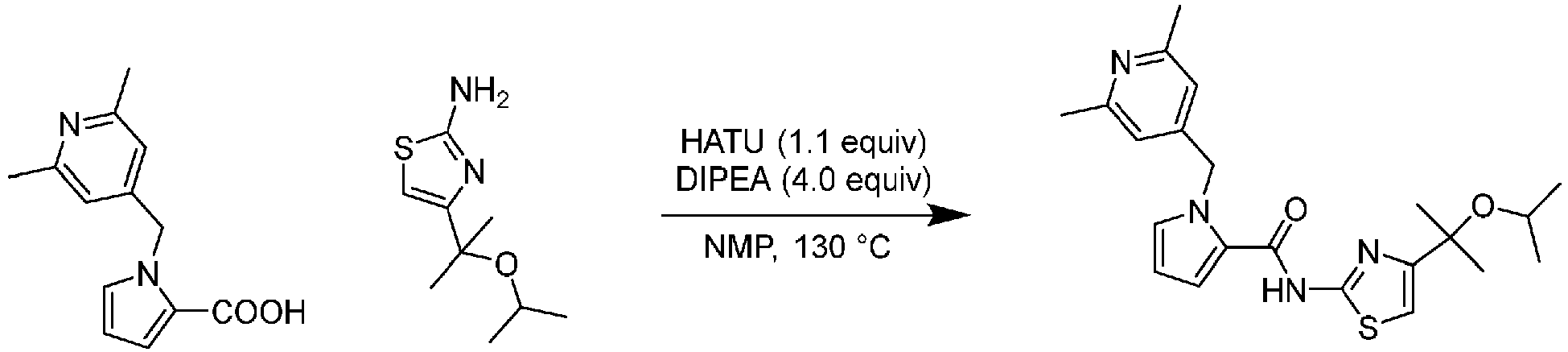
- To the solution of the acid (0.090 g, 0.39 mmol, 1.0 equiv) in NMP (1 mL) were added HATU (0.163 g, 0.43 mmol, 1.1 equiv), DIPEA (0.272 mL, 1.56 mmol, 4.0 equiv) and amine (0.117 g, 0.59 mmol, 1.5 eq.). Reaction was continued either with conventional heating or in the microwave at 130°C for 1 h. After that the reaction mixture was diluted with EtOAc (50 mL) and washed with saturated NaHCO3 (2 × 50 mL), followed by water (1 × 50 mL). The organic layer was then dried over MgSO4, filtered and concentrated in vacuo. Crude product was purified via silica gel chromatography (1-10% MeOH in DCM). LCMS (+ESI): calc. [M+H]+= 413; found 413.
- The following compounds were prepared in a similar manner:
Compound Compound name Exact mass [M] Observed molecular ion [M+H] Heating Protocol A17 N-(4-benzylthiazol-2-yl)-1-(pyridin-4-ylmethyl)-1H-pyrrole-2-carboxamide 374 375 conventional heating, 130 0C A24 N-(4-(2-isopropoxypropan-2-yl)thiazol-2-yl)-1-((3-methylpyridin-4-yl)methyl)-1H-pyrrole-2-carboxamide 398 399 conventional heating, 100 0C A28 N-(4-(1-isopropoxyethyl)thiazol-2-yl)-1-(pyridin-4-ylmethyl)-1H-pyrrole-2-carboxamide 370 371 microwave heating, 130 0C A29 N-(4-(1,1-difluoroethyl)thiazol-2-yl)-1-(pyridin-4-ylmethyl)-1H-pyrrole-2-carboxamide 348 349 conventional heating, 100°C A36 1-((2,6-difluoropyridin-4-yl)methyl)-N-(4-(2-isopropoxypropan-2-yl)thiazol-2-yl)-1H-pyrrole-2-carboxamide 420 421 microwave heating, 130 0C A48 N-(4-(2-isopropoxypropan-2-yl)thiazol-2-yl)-4-methyl-1-(pyridin-4-ylmethyl)-1H-pyrrole-2-carboxamide 398 399 microwave heating, 130 0C A49 (R)-N-(4-(2-isopropoxypropan-2-yl)thiazol-2-yl)-1-(1-(pyridin-4-yl)ethyl)-1H-pyrrole-2-carboxamide 398 397 [M-H]- conventional heating, 150 °C A70 1-((2-fluoro-6-methoxypyridin-4-yl)methyl)-N-(4-(2-isopropoxypropan-2-yl)thiazol-2-yl)-1H-pyrrole-2-carboxamide 432 433 microwave heating, 130 0C A74 (S)-N-(4-(2-isopropoxypropan-2-yl)thiazol-2-yl)-1-(1-(pyridin-4-yl)ethyl)-1H-pyrrole-2-carboxamide 398 399 conventional heating, 150°C A80 1-(4-cyanobenzyl)-N-(4-(2-isopropoxypropan-2-yl)thiazol-2-yl)-1H-pyrrole-2-carboxamide 408 407 [M-H]- conventional heating, 100°C A83 N-(4-(2-isopropoxypropan-2-yl)thiazol-2-yl)-1-((2-methylpyridin-4-yl)methyl)-1H-pyrrole-2-carboxamide 398 399 conventional heating, 100°C A84 N-(4-(2-isopropoxypropan-2-yl)thiazol-2-yl)-1-(4-(methylsulfonyl)benzyl)-1H-pyrrole-2-carboxamide 461 462 conventional heating, 100°C A93 N-(4-(2-isopropoxypropan-2-yl)thiazol-2-yl)-1-((5-oxopyrrolidin-3-yl)methyl)-1H-pyrrole-2-carboxamide 390 392 conventional heating, 60°C A96 N-(4-((4-(ethylsulfonyl)piperazin-1-yl)methyl)thiazol-2-yl)-1-(pyridin-4-ylmethyl)-1H-pyrrole-2-carboxamide 474 475 microwave heating, 130 0C A99 N-(4-(2-isopropoxypropan-2-yl)thiazol-2-yl)-1-(4-(N-methylacetamido)benzyl)-1H-pyrrole-2-carboxamide 454 455 microwave heating, 130 0C A102 N-(4-(2-isopropoxypropan-2-yl)thiazol-2-yl)-6-oxo-1-(pyridin-4-ylmethyl)piperidine-2-carboxamide 416 417 microwave heating, 130 0C A104 N-(4-(2-isopropoxypropan-2-yl)thiazol-2-yl)-1-(pyridin-4-ylmethyl)-1H-imidazole-5-carboxamide 385 387 microwave heating, 130 0C A105 N-(4-(2-isopropoxypropan-2-yl)thiazol-2-yl)-1-(pyridin-4-ylmethyl)-1H-pyrrole-2,5-dicarboxamide 427 429 microwave heating, 130 0C A107 N2-(4-(2-isopropoxypropan-2-yl)thiazol-2-yl)-N5,N5-dimethyl-1-(pyridin-4-ylmethyl)-1H-pyrrole-2,5-dicarboxamide 455 456 microwave heating, 130 0C A108 N-(4-(2-isopropoxypropan-2-yl)thiazol-2-yl)-1-(pyridin-4-ylmethyl)-1H-imidazole-2-carboxamide 385 386 conventional heating, 130°C A110 5-(hydroxymethyl)-N-(4-(2-isopropoxypropan-2-yl)thiazol-2-yl)-1-(pyridin-4-ylmethyl)-1H-pyrrole-2-carboxamide 414 415 microwave heating, 130 0C A111 N2-(4-(2-isopropoxypropan-2-yl)thiazol-2-yl)-N4,N4-dimethyl-1-(pyridin-4-ylmethyl)-1H-pyrrole-2,4-dicarboxamide 455 457 conventional heating, 130°C A114 1-(4-acetamidobenzyl)-N-(4-(2-isopropoxypropan-2-yl)thiazol-2-yl)-1H-pyrrole-2-carboxamide 440 441 microwave heating, 130 0C -

- A 20 mL vial with stir bar was charged with acid (100 mg, 0.495 mmol, 1.1 equiv), amine (97.2 mg, 0.450 mmol, 1.0 equiv), BTFFH (156 mg, 0.495 mmol, 1.1 equiv) and DMF (1.0 mL, 0.4 M). DIPEA (160 uL, 0.899 mmol, 2.0 equiv) was added, and the vial was capped and placed in a 100 C bath. The reaction mixture was stirred at 100 C overnight. The next morning, the reaction mixture was poured into EtOAc (50 mL) and washed with 1:1 1 M NaOH:brine (2 x 50 mL). The combined aqueous layers were extracted with EtOAc (1 × 50 mL), and the combined organic layers were dried over Na2SO4, filtered and concentrated in vacuo. The resulting crude material was purified via silica gel chromatography to yield the desired product.
- The following compounds were prepared via a similar method:
Compound Observed molecular ion A246 458 A245 458 A157 364 A150 364 A239 444 A230 364 A151 364 A227 430 A307 389 A314 462 A316 416 A330 431 A329 431 A255 443 A258 442 A259 456 A268 415 A281 401 A282 444 A283 417 A284 429 A285 472 A286 445 A287 443 A302 458 A318 464 A327 472 A328 510 A341 413 A342 406 A343 456 A359 474 A365 436 A366 389 Intermediate for A317 454 -

- A 20 mL microwave vial (G30) with stir bar was charged with acid (109.95 mg, 0.544 mmol, 1.3 equiv), amine (116 mg, 0.418 mmol, 1.0 equiv), BTFFH (224.83 mg, 0.711 mmol, 1.7 equiv) and DMF (8.0 mL, 0.052 M). DIPEA (0.474 mL, 2.719 mmol, 6.5 equiv) was added, and the vial was capped and placed in a microwave reactor at 150 C. The reaction mixture was stirred at 150 C for 1 h. The reaction mixture was poured into EtOAc (50 mL) and washed with 1:1 a saturated NaHCO3: brine (2 × 20 mL). The combined aqueous layers were extracted with EtOAc (1 × 50 mL), and the combined organic layers were dried over Na2SO4, filtered and concentrated in vacuo. The resulting crude material was purified via silica gel chromatography to yield the desired product.
- The following compounds were prepared via a similar method:
Compound Observed molecular ion A309 462 A315 447 -

- A 25 mL vial with stir bar was charged with acid (110.00 mg, 0.544 mmol, 1.00 equiv), amine (162.80 mg, 0.707 mmol, 1.30 equiv), NMI (156.30 mg, 1.904 mmol, 3.50 equiv) and ACN (4.0 mL, 0.14 M). TCFH (184.60 mg, 0.660 mmol, 1.21 equiv) was added, and the vial was capped and placed in a 25°C bath. The reaction mixture was stirred at 25°C overnight. The next morning, the reaction mixture was poured into EtOAc (30 mL) and washed with brine (2 × 30 mL). The combined aqueous layers were extracted with EtOAc (1 × 30 mL), and the combined organic layers were dried over Na2SO4, filtered and concentrated in vacuo. The resulting crude material was purified via silica gel chromatography & Prep-HPLC or RP column to yield the desired product.
- The following compounds were prepared via a similar method:
Compound Observed molecular ion A251 415 A252 401 A257 434 A260 434 A262 432 A267 416 A270 443 A271 443 A272 432 A274 432 A275 430 A276 430 A277 444 A278 444 A279 444 A288 403 A289 430 A290 430 A291 444 A294 441 A200 401 A296 417 A297 401 A298 443 A299 436 A303 443 A304 461 A311 432 A312 432 A313 458 A319 444 A320 458 Intermediate for A321 684 A322 684 A323 684 A324 415 A325 460 Intermediate for A326 684 A331 415 A332 444 A333 460 A334 460 A335 450 A336 416 A337 446 A338 444 A339 466 Intermediate for A344 684 A345 460 A346 488 A347 402 A349 416 A350 416 Intermediate for A351 684 A352 684 A353 684 A354 528 A355 402 A356 402 A357 402 A358 424 A360 417 A361 510 A362 474 A363 434 A364 434 -

- A 25 mL vial with stir bar was charged with acid (54.60 mg, 0.27 mmol, 1.00 equiv), EDCI (77.70 mg, 0.41 mmol, 1.50 equiv), DIEA (104.60 mg, 0.81 mmol, 3.00 equiv), DMAP (10.00 mg, 0.08 mmol, 0.30 equiv) and DCM (4.0 mL, 0.068 M). Amine (70.00 mg, 0.27 mmol, 1.00 equiv) was added, and the vial was capped and placed in a 25°C bath. The reaction mixture was stirred at 25°C for 4 h. The resulting solution was concentrated in vacuo. The resulting crude material was purified via silica gel chromatography & Prep-HPLC or RP column to yield the desired product.
- The following compounds were prepared via a similar method:
Compound Observed molecular ion A261 444 A264 368 A265 444 A266 445 A273 430 -

- A vial with stir bar was chaged with amine (1.0 g, 5.59 mmol, 1.0 equiv) and DCM (10 mL). BTFFH (2.7 g, 8.4 mmol, 1.5 equiv), DIPEA (4.4 mL, 25 mmol, 4.5 equiv) and acid (1.5 g, 7.26 mmol, 1.1 equiv) were added. The reaction mixture was sealed and stirred at 80 C for 20 h. After this time, the reaction mixture was poured into water (100 mL). The water layer was extracted with EtOAc (2 × 100 mL), and the combined organic layers were washed with water (3 × 100 mL). The combined organic layers were then dred over MgSO4, filtered and concentrated in vacuo. The resulting crude material was purified via silica gel chromatography, followed by recrystallization from hot EtOH.
- Synthesis of A30 followed the scheme, below:

- A 20 mL scintillation vial with stir bar was charged with N-(4-(2-isopropoxypropan-2-yl)thiazol-2-yl)-1-(pyridin-4-ylmethyl)-1H-pyrrole-2-carboxamide (131 mg, 0.341 mmol, 1.0 equiv) and CCl4 (2 mL, 0.2 M). N-bromosuccinimide (66.7 mg, 0.375 mmol, 1.1 equiv) was added, and the reaction mixture was stirred at room temperature overnight. The next morning, the solvent was evaporated, and the crude material was purified directly via silica gel chromatography (70-100% EtOAc in hexanes) to yield the desired product. LCMS (+ESI): calc. [M+H]+= 463; found 463.
- Synthesis of A126 followed the scheme, below:

- A 4 mL vial with stir bar was charged with benzyl 4-((2-((4-(2-isopropoxypropan-2-yl)thiazol-2-yl)carbamoyl)-1H-pyrrol-1-yl)methyl)piperidine-1-carboxylate (28 mg, 0.053 mmol, 1.0 equiv) and Pd/C (10 wt%, 5.7 mg, 0.0053 mmol, 0.1 equiv). The solids were evacuated and backflushed with hydrogen (1 atm, 3x). Methanol (0.5 mL, 0.1 M) was added, and the reaction mixture was heated to 60 0C over 3 days. After 3 days, the reaction mixture was filtered and concentrated in vacuo. The resulting crude material was purified via
- silica gel chromatography (5% MeOH in DCM with 1% NEt3) to yield the desired product. LCMS (+ESI): calc. [M+H]+= 391; found 391.
- Synthesis of B24 followed the scheme, below:

-
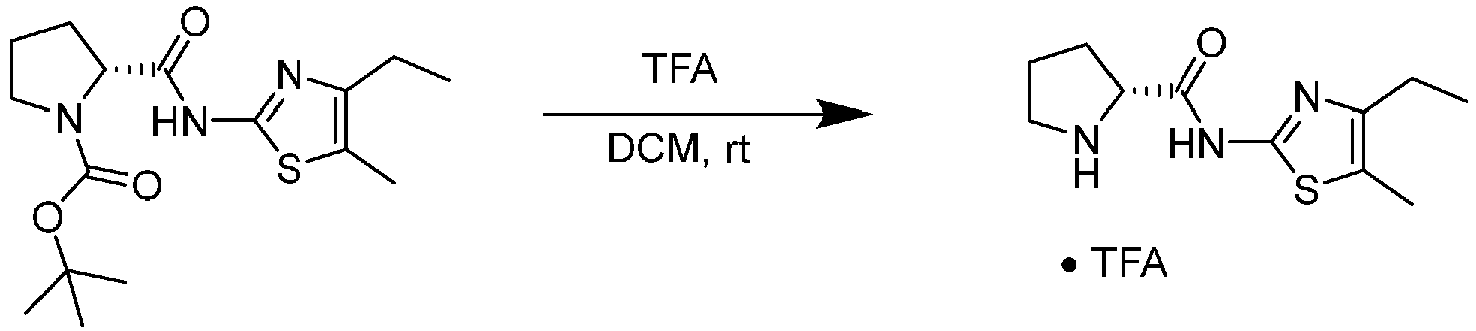
- A 20 mL scintillation vial with stir bar was charged with tert-butyl (R)-2-((4-ethyl-5-methylthiazol-2-yl)carbamoyl)pyrrolidine-1-carboxylate (196 mg, 0.577 mmol, 1.0 equiv). DCM (2.4 mL) and TFA (600 uL, 20 vol%) were added, and the reaction mixture was stirred at room temperature overnight. The next morning, the reaction mixture was concentrated in vacuo. The resulting product was used directly in the next step without further purification.
-

- A vial with stir bar was charged with (R)-N-(4-ethyl-5-methylthiazol-2-yl)pyrrolidine-2-carboxamide 2,2,2-trifluoroacetate (204 mg, 0.577 mmol, 1.0 equiv) and methanol (2.4 mL, 0.2 M). Isonicotinaldehyde (0.326 mL, 6.46 mmol, 6.0 equiv) was added, followed by acetic acid (0.149 mL, 2.60 mmol, 4.5 equiv). The reaction mixture was cooled to 0 °C. Sodium cyanoborohydride (218 mg, 3.46 mmol, 6.0 equiv) was slowly added at 0 0C, and the reaction was warmed to room temperature overnight. The next morning, the reaction mixture was diluted with DCM (50 mL) and washed with saturated NaHCO3 (3 × 50 mL). The organic layer was dried over Na2SO4, filtered and concentrated in vacuo. The resulting crude material was purified via silica gel chromatography (5% MeOH in DCM with 1% NEt3) to yield the desired product. LCMS (+ESI): calc. [M+H]+= 331; found 331.
- Synthesis of A85 followed the scheme, below:

- Amide (100 mg, 0.26 mmol, 1 equiv) was dissolved in DCM (2.6mL). mCPBA (64.1 mg, 0.28 mmol, 1.1 equiv) was added at room temperature, and the reaction mixture was stirred overnight. The next morning, the solvent was evaporated, and the resulting crude material was purified via pTLC (3% NEt3 in EtOAc), followed by trituration with Et2O and filtration, to yield the desired product. LCMS (+ESI): calc. [M+H]+= 401; found 401.
- Synthesis of Compound A228 followed the scheme, below:

- A vial with stir bar was charged with aryl bromide (127 mg, 0.248 mmol, 1.0 equiv), sodium carbonate (79 mg, 0.745 mmol, 3.0 equiv), and Pd/C (10 wt%, 26 mg, 0.1 equiv). The vial was evacuated and backflushed with hydrogen. EtOH (1 mL) was added, and the solution was allowed to stir at room temperature for 1 h. After 1 h, the solution was filtered through a plug of Celite, and the reaction mixture was concentrated in vacuo to yield the desired product (obs. [M+H] = 433).
- Synthesis of Compound A231 followed the scheme, below:

- A vial with stir bar was charged with nitrile (20 mg, 0.0486 mmol, 1.0 equiv) in 1:1 DMSO:MeOH (1 mL). NaOH (1.0 M in water, 97 uL, 0.097 mmol, 2.0 equiv) was added, followed by H2O2 (30 wt% in water, 83 uL, 0.729 mmol, 15 equiv). The reaction mixture was allowed to stir at room temperature overnight. The next morning, the reaction mixture was poured into DCM (50 mL) and washed with saturated NaHCO3 (2 × 50 mL). The combined aqueous layers were extracted with DCM (1 × 50 mL), and the combined organic layers were dried over Na2SO4, filtered and concentrated in vacuo to yield the desired product (obs. [M+H] = 430).
- Synthesis of Compound A317 followed the scheme, below:

- A vial with stir bar was charged with piperidine (74 mg, 0.208 mmol, 1.0 equiv), K2CO3 (201 mg, 1.46 mmol, 7 equiv), 2-fluoropyridine (36 uL, 0.416 mmol, 2.0 equiv) and DMSO (1 mL). The vial was capped and stirred at 100 C overnight. The next morning, the reaction mixture was poured into 10% MeOH in DCM (50 mL). The organic layer was washed with saturated NaHCO3 (2 × 50 mL), and the combined aqueous layers were extracted with 10% MeOH in DCM (1 × 50 mL). The combined organic layers were dried over Na2SO4, filtered and concentrated in vacuo. The resulting crude material was purified via silica gel chromatography to yield the desired product (obs. [M+H] = 431).
- Synthesis of Compound A344 followed the scheme, below:

- A 50 mL roundbottom flask with stir bar was charged with TBDPS-SM (220 mg, 0.322 mmol, 1.00 equiv), TBAF (841 mg, 3.22 mmol, 10 equiv) and THF (10.0 mL, 0.032 M). The vial was capped and placed in a 40°C bath. The reaction mixture was stirred at 40°C for 5h. The reaction mixture was cooled to room temperature and quenched by H2O (30 mL). The resulting solution was extracted with (3 × 30 mL) of ethyl acetate and washed with (2x 30 mL) of brine. The organic layer was then dried over Na2SO4, filtered and concentrated in vacuo. The resulting crude material was purified via silica gel chromatography & Prep-HPLC or RP column to yield the desired product. (obs. [M+H] = 446).
- The following compounds were prepared via a similar method:
Compound Observed molecular ion A326 446 A344 446 A351 446 -

- Acetylene (0.082 g, 0.28 mmol, 2.0 eq.), Cul (0.0236 g, 0.12 mmol, 0.3 eq.) and Pd(PPh3)2Cl2 (0.029 g, 0.04 mmol, 0.1 eq.) were added in succession, under Ar, to the degassed solution of starting material (0.150 g, 0.41 mmol, 1.0 eq.) in TEA (1 mL). Reaction was continued at 80°C for 3h. Solution was filtered through Celite and washed with ethyl acetate. Filtrate was evaporated and crude product purified via FCC with hexane/ethyl acetate as eluent. In case of necessity final product was repurified by prep. HPLC
- The following compounds were prepared in an analogous manner:
Compound Observed molecular ion A142 415 A141 415 A144 419 A143 415 -

- A 20 mL vial with stir bar was charged with boronic ester (70 mg, 0.26 mmol, 1.0 equiv), bromide (93 mg, 0.26 mmol, 1.0 equiv), K3PO4 (109 mg, 0.51 mmol, 2.0 equiv) and solution of 15% water in DMF (3.0 mL). The mixture was purged with argon for 5 min. After that time, Pd(PPh3)2Cl2 (18 mg, 0.03 mmol, 0.10 equiv) was added, the vial was capped, purged with argon for 2 min and placed in a 90 C bath for 2 hours. Then reaction mixture was cooled down to the room temperature and palladium residues were filtered off through celite and washed with EtOAc. The resulting filtrate was extracted with water and brine. Organic phase was dried over MgSO4, filtered and evaporated to dryness. The resulting crude material was purified via preparative HPLC to yield the desired product.
- The following compounds were prepared in an analogous manner:
Compound Observed molecular ion A164 388 A229 430 A237 438 -

- Reaction was carried out in H-cube. Conditions: 10% Pd/C , 60°C, 30 bar, THF, dilution 0.05M. The resulting crude material was purified via preparative HPLC to yield the desired product.
- The following compounds were prepared in an analogous manner:
Compound Observed molecular ion A179 423 A178 424 - Starting material (0.055 g, 0.13 mmol, 1.0 eq), Pd (0.21g, 10% on activated carbon) were mixed in ethanol. Reaction mixture was flushed with Ar, connected to H2 ballon (1 atm) and stirred overnight at 40°C. The catalyst was removed by filtration, the filtrate was evaporated and the crude material was purified by preparative HPLC to yield the desired product.
- The following compounds were prepared in an analogous manner:
Compound Observed molecular ion A180 423 A176 419 - Flp-In 293 T-REx™ cells were transfected with pcDNA™5/FRT/TO plasmid inserted with cDNA encoding Gaussia Luciferase fused to the 3' end of cDNA encoding PD1 signal sequence plus 10 amino acids (N-MQIPQAPWPVVWAVLQLGWRPGWFLDSPDR-C) (SEQ ID NO: 1). Transfected cells were selected for resistance to the selectable markers Hygromycin and Blasticidin to create a stable cell line that contained the PD1-ss+10aa/Gaussia Luciferase cDNA insert whose expression was regulated under the T-REx™ system. The day before assay, cells were trypsinized and plated in 384-well tissue culture plates. The next day, compound dilutions in DMSO/media containing doxycycline were added to the wells and incubated at 37°C, 5% CO2. 24 hours later, coelenterazine substrate was added to each well and luciferase signal was quantified using Tecan Infinite M1000 Pro for potency determination.
- Results for select compounds provided herein are shown in Table 1, below. For chemical structures that include one or more stereoisomers, but are illustrated without indicating stereochemistry, the assay data refers to a mixture of stereoisomers.
- Flp-In 293 T-REx™ cells were transfected with pcDNA™5/FRT/TO plasmid inserted with cDNA encoding Gaussia Luciferase fused to the 3' end of cDNA encoding full length TNFα (amino acids 1-233). Transfected cells were selected for resistance to the selectable markers Hygromycin and Blasticidin to create a stable cell line that contained the TNFα-FL/Gaussia Luciferase cDNA insert whose expression was regulated under the T-REx™ system. The day before assay, cells were trypsinized and plated in 384-well tissue culture plates. The next day, compound dilutions in DMSO/media containing doxycycline were added to the wells and incubated at 37°C, 5% CO2. 24 hours later, coelenterazine substrate was added to each well and luciferase signal was quantified using Tecan Infinite M1000 Pro for potency determination.
- Results for select compounds provided herein are shown in Table 1, below. For chemical structures that include one or more stereoisomers, but are illustrated without indicating stereochemistry, the assay data refers to a mixture of stereoisomers.
- Flp-In 293 T-REx™ cells were transfected with pcDNA™5/FRT/TO plasmid inserted with cDNA encoding Gaussia Luciferase fused to the 3' end of cDNA encoding HER3 signal sequence plus 4 amino acids (N- MRANDALQVLGLLFSLARGSEVG-C) (SEQ ID NO: 2). Transfected cells were selected for resistance to the selectable markers Hygromycin and Blasticidin to create a stable cell line that contained the HER3-ss+4aa/Gaussia Luciferase cDNA insert whose expression was regulated under the T-REx™ system. The day before assay, cells were trypsinized and plated in 384-well tissue culture plates. The next day, compound dilutions in DMSO/media containing doxycycline were added to the wells and incubated at 37°C, 5% CO2. 24 hours later, coelenterazine substrate was added to each well and luciferase signal was quantified using Tecan Infinite M1000 Pro for potency determination.
- Results for select compounds provided herein are shown in Table 1. For chemical structures that include one or more stereoisomers, but are illustrated without indicating stereochemistry, the assay data refers to a mixture of stereoisomers.
- Flp-In 293 T-REx™ cells were transfected with pcDNA™5/FRT/TO plasmid inserted with cDNA encoding Gaussia Luciferase fused to the 3' end of cDNA encoding full length IL-2 (amino acids 1-153). Transfected cells were selected for resistance to the selectable markers Hygromycin and Blasticidin to create a stable cell line that contained the IL-2-FL/Gaussia Luciferase cDNA insert whose expression was regulated under the T-REx™ system. The day before assay, cells were trypsinized and plated in 384-well tissue culture plates. The next day, compound dilutions in DMSO/media containing doxycycline were added to the wells and incubated at 37°C, 5% CO2. 24 hours later, coelenterazine substrate was added to each well and luciferase signal was quantified using Tecan Infinite M1000 Pro for potency determination.
- Results for select compounds provided herein are shown in Table 1, below. For chemical structures that include one or more stereoisomers, but are illustrated without indicating stereochemistry, the assay data refers to a mixture of stereoisomers.
- The human multiple myeloma cell line NCI-H929 was cultured in Advanced RPMI 1640 media (Gibco®) supplemented with 6% fetal bovine serum, 2mM Glutamine, and 1x Penicillin/Streptomycin. On the day of assay, cells were resuspended in RPMI 1640 media supplemented with 10% fetal bovine serum, 2mM Glutamine, and 1x Penicillin/Streptmycin and plated in 384-well tissue culture plates and treated with compound dilutions in DMSO/media. Plates were incubated at 37°C, 5% CO2 for 48 hours. After 48 hours, Celltiter-Glo® (Promega) was added to each well and luciferase signal was quantified using Tecan Infinite M1000 Pro for cell viability determination.
- Results for select compounds provided herein are shown in Table 1, below. For chemical structures that include one or more stereoisomers, but are illustrated without indicating stereochemistry, the assay data refers to a mixture of stereoisomers.
- The human multiple myeloma cell line U266B1 was cultured in RPMI 1640 media supplemented with 10% fetal bovine serum, 2mM Glutamine, and 1x Penicillin/Streptomycin. Cells were plated in 384-well tissue culture plates and treated with compound dilutions in DMSO/media. Plates were incubated at 37°C, 5% CO2 for 48 hours. After 48 hours, Celltiter-Glo® (Promega) was added to each well and luciferase signal was quantified using Tecan Infinite M1000 Pro for cell viability determination.
- Results for select compounds provided herein are shown in Table 1, below. For chemical structures that include one or more stereoisomers, but are illustrated without indicating stereochemistry, the assay data refers to a mixture of stereoisomers.
Table 1 Compound ID 24hr Dox Inducible PD1ssGluc 293FRT/TO: Mean IC50 (nM) 24hr Dox Inducible TNFaFLGluc 293FRT/TO: Mean IC50 (nM) 24hr Dox Inducible Her3(ss+4)Glu c 293FRT/TO: Mean IC50 (nM) 24hr Dox Inducible IL2FLGluc 293FRTITO: Mean IC50 (nM) 48hr H929 Viability Celltiter-Glo: Mean EC50 (nM) 48hr U266 Viability Celltiter-Glo: Mean EC50 (nM) A1 24 401 55 93 1877 I.A. A2 29 391 62 105 1612 22304 A3 36 580 99 144 2910 I.A. A4 38 377 91 148 2774 I.A. A5 43 810 102 145 2435 23887 A6 46 541 88 78 2167 6225 A7 58 808 93 71 3850 I.A. A8 58 420 174 165 3892 7869 A9 104 1623 202 197 9461 I.A. A10 105 1579 195 158 15609 I.A. A11 115 2392 128 61 8690 I.A. A12 139 1755 338 566 18613 I.A. A13 148 3305 382 648 18783 I.A. A14 153 5107 568 1048 I.A. I.A. A15 169 5428 318 110 16591 I.A. A16 185 5013 377 266 > 23900 I.A. A17 191 2235 560 804 20766 I.A. A18 226 1353 461 718 15092 I.A. A19 246 8535 492 529 I.A. I.A. A20 248 7166 510 351 I.A. I.A. A21 259 3676 590 502 > 24966 I.A. A22 271 8832 503 460 I.A. I.A. A23 290 5472 447 429 I.A. I.A. A24 303 11685 619 477 I.A. I.A. A25 314 9977 692 490 I.A. I.A. A26 319 10684 817 759 I.A. I.A. A27 445 9525 822 320 I.A. I.A. A28 462 3953 752 401 I.A. I.A. A29 488 19613 1243 935 I.A. I.A. A30 552 11818 809 927 22722 I.A. A31 596 11814 1629 1340 I.A. I.A. A32 633 > 20334 1331 1977 I.A. I.A. A33 663 I.A. 1623 2469 8992 6888 A34 674 I.A. 2419 4239 I.A. I.A. A35 692 I.A. 1938 2299 I.A. I.A. A36 698 20987 1137 896 I.A. I.A. A37 703 12119 1236 1074 I.A. I.A. A38 706 14775 1199 1407 I.A. I.A. A39 723 13069 1492 1339 I.A. I.A. A40 858 12581 1562 1206 I.A. I.A. A41 878 11999 2392 1981 9523 I.A. A42 939 I.A. 2176 3791 I.A. I.A. A43 942 I.A. 2214 2672 I.A. I.A. A44 963 13290 1484 837 > 24839 I.A. A45 965 13802 1645 869 I.A. I.A. A46 1075 17825 2985 890 I.A. I.A. A47 1093 24952 2210 3111 I.A. I.A. A48 1186 I.A. 2689 2217 I.A. I.A. A49 1211 23621 2583 1891 I.A. I.A. A50 1288 I.A. 2932 1450 I.A. I.A. A51 1300 I.A. 3423 2978 I.A. I.A. A52 1357 I.A. 2835 1946 I.A. I.A. A53 1377 19100 1915 1200 17330 I.A. A54 1383 I.A. 4048 4448 I.A. I.A. A55 1386 I.A. 3160 3990 I.A. I.A. A56 1419 I.A. 5312 6466 I.A. I.A. A57 1419 I.A. 4203 4930 I.A. I.A. A58 1503 I.A. 3530 7057 I.A. I.A. A59 1508 16636 11948 3625 I.A. I.A. A60 1566 I.A. 3751 2694 I.A. I.A. A61 1672 I.A. 3406 2381 I.A. I.A. A62 1694 I.A. 4298 5074 I.A. I.A. A63 1717 I.A. 10594 I.A. I.A. I.A. A64 1732 I.A. 3483 2724 23220 I.A. A65 1787 I.A. 4134 11229 I.A. I.A. A66 1840 I.A. 4152 4783 I.A. I.A. A67 1880 I.A. 3242 2083 I.A. I.A. A68 2072 I.A. 2725 2762 I.A. I.A. A69 2079 I.A. 6216 4171 I.A. I.A. A70 2229 I.A. 9390 5674 I.A. I.A. A71 2281 I.A. 5441 3541 I.A. I.A. A72 2466 I.A. 6107 22362 I.A. I.A. A73 2472 I.A. 7277 2023 I.A. I.A. A74 2573 I.A. 5389 4219 I.A. I.A. A75 2676 I.A. 15290 6945 I.A. I.A. A76 2725 I.A. 12510 3989 I.A. I.A. A77 3048 I.A. 4681 3099 24963 I.A. A78 3163 I.A. 7876 6375 20890 I.A. A79 3175 I.A. 5256 4146 24882 I.A. A80 4218 I.A. 7884 3532 21927 I.A. A81 4624 I.A. 23015 I.A. I.A. I.A. A82 4663 I.A. I.A. I.A. I.A. I.A. A83 5369 I.A. I.A. 4517 I.A. I.A. A84 6339 I.A. I.A. 5819 I.A. I.A. A85 7540 I.A. I.A. I.A. I.A. I.A. A86 7995 I.A. I.A. I.A. I.A. I.A. A87 8134 I.A. I.A. 8589 I.A. I.A. A88 9653 I.A. I.A. I.A. I.A. I.A. A89 9847 I.A. I.A. I.A. I.A. I.A. A90 10049 I.A. I.A. I.A. 16900 I.A. A91 11947 I.A. I.A. > 21571 I.A. I.A. A92 13137 I.A. I.A. I.A. I.A. I.A. A93 13225 I.A. I.A. I.A. I.A. I.A. A94 14615 I.A. I.A. I.A. I.A. I.A. A95 14671 I.A. I.A. I.A. I.A. I.A. A96 15672 I.A. I.A. I.A. I.A. I.A. A97 18860 I.A. I.A. I.A. I.A. I.A. A98 19562 I.A. I.A. I.A. I.A. I.A. A99 19876 I.A. I.A. I.A. I.A. I.A. A100 24597 I.A. I.A. I.A. 24583 I.A. A101 I.A. I.A. I.A. I.A. I.A. I.A. A102 I.A. I.A. I.A. I.A. I.A. I.A. A103 I.A. I.A. I.A. I.A. I.A. I.A. A104 I.A. I.A. I.A. I.A. I.A. I.A. A105 I.A. I.A. I.A. I.A. I.A. I.A. A106 I.A. I.A. I.A. I.A. I.A. I.A. A107 I.A. I.A. I.A. I.A. I.A. I.A. A108 I.A. I.A. I.A. 7270 I.A. I.A. A109 I.A. I.A. I.A. I.A. 19462 I.A. A110 I.A. I.A. I.A. I.A. I.A. I.A. A111 I.A. I.A. I.A. I.A. I.A. I.A. A112 I.A. I.A. I.A. I.A. I.A. I.A. A113 I.A. I.A. I.A. I.A. I.A. I.A. A114 I.A. I.A. I.A. I.A. I.A. I.A. A115 I.A. I.A. I.A. I.A. I.A. I.A. A116 I.A. I.A. I.A. I.A. I.A. I.A. A117 I.A. I.A. I.A. I.A. I.A. I.A. A118 I.A. I.A. I.A. I.A. I.A. I.A. A119 I.A. I.A. I.A. I.A. I.A. I.A. A120 I.A. I.A. I.A. I.A. I.A. I.A. A121 I.A. I.A. I.A. I.A. I.A. I.A. A122 I.A. I.A. I.A. I.A. I.A. I.A. A123 I.A. I.A. I.A. I.A. I.A. I.A. A124 I.A. I.A. I.A. I.A. I.A. I.A. A125 I.A. I.A. I.A. I.A. I.A. I.A. A126 I.A. I.A. I.A. I.A. I.A. I.A. A127 I.A. I.A. I.A. I.A. I.A. I.A. A128 I.A. I.A. I.A. I.A. I.A. I.A. A129 I.A. I.A. I.A. I.A. I.A. I.A. A130 I.A. I.A. I.A. I.A. I.A. A131 I.A. I.A. I.A. I.A. I.A. I.A. A132 150 1205 417 744 8853 9337 A141 277 1824 651 1579 7720 13093 A142 241 5410 565 1050 I.A. I.A. A143 89 1576 423 617 15198 > 19801 A144 151 905 395 748 6860 10419 A150 122 14109 505 1284 I.A. I.A. A151 90 7132 386 691 I.A. I.A. A152 85 1577 280 854 10982 I.A. A153 902 I.A. 1553 4071 I.A. I.A. A154 694 11452 2605 5419 I.A. I.A. A155 232 15896 2140 4371 I.A. I.A. A157 9056 I.A. 13449 I.A. I.A. I.A. A158 293 2419 993 1474 15714 I.A. A159 247 9007 948 2648 5708 16244 A160 51 1736 259 374 9097 I.A. A161 134 2866 523 1072 5282 10879 A163 59 2469 305 652 7606 24495 A164 98 23683 8397 6770 17673 I.A. A165 1648 I.A. 9828 10751 11086 I.A. A166 13483 I.A. I.A. I.A. I.A. I.A. A176 272 2871 643 1196 20801 I.A. A178 152 929 367 500 9271 19881 A179 211 3584 541 1172 5752 10566 A180 57 736 156 281 7184 6464 A184 448 2412 807 1076 11804 13340 A187 10403 I.A. > 21927 11563 18316 I.A. A190 5230 I.A. > 18142 3437 I.A. I.A. A194 280 2302 600 1143 6669 15986 A200 140 1610 332 251 15743 I.A. A209 232 4740 578 1238 I.A. I.A. A210 I.A. I.A. I.A. I.A. I.A. I.A. A211 10036 I.A. I.A. 8313 I.A. I.A. A212 4736 I.A. 4203 4574 2992 3758 A213 12086 I.A. 4939 6049 13827 17695 A214 4555 I.A. 6695 6451 I.A. I.A. A215 443 2492 720 1248 13059 I.A. A216 318 18750 1910 1560 I.A. I.A. A217 245 3527 425 943 > 21505 I.A. A218 131 3028 315 779 17100 I.A. A219 48 946 234 443 8601 13720 A220 86 3750 329 628 I.A. I.A. A221 I.A. I.A. I.A. I.A. I.A. I.A. A222 348 7703 1803 2274 19070 I.A. A223 513 I.A. 3123 8038 22325 I.A. A224 141 I.A. 296 I.A. 20548 I.A. A225 324 3837 558 486 8894 I.A. A226 302 7083 426 320 11938 I.A. A227 53 1895 379 625 8946 > 21399 A228 335 3593 730 933 9252 I.A. A229 66 4585 568 1053 24853 I.A. A230 1030 I.A. I.A. I.A. 12200 I.A. A231 506 11158 I.A. 7068 16805 I.A. A232 2992 21463 14886 8603 13366 19711.9 A233 56 2223 304 633 5786 I.A. A234 63 I.A. 216 341 4487 I.A. A235 63 I.A. 145 237 4150 I.A. A236 87 3239 535 1009 7704 I.A. A237 288 I.A. 1119 1869 18678 I.A. A238 643 18327 1569 1199 I.A. I.A. A239 1508 I.A. I.A. I.A. I.A. I.A. A240 55 7787 271 445 11770 I.A. A241 27 1315 179 324 8366 I.A. A242 281 I.A. 596 I.A. I.A. I.A. A243 178 2361 199 136 14831 I.A. A244 81 1434 225 648 17677 17388 A245 3181 22193 I.A. 14097 9057 17491 A246 526 I.A. 21868 I.A. 14039 10279 A247 146 2322 377 788 I.A. I.A. A248 38 1505 152 211 I.A. I.A. A249 163 1408 545 881 19865 14445 A266 5275 I.A. 15664 7395 I.A. I.A. A251 125 1418 344 549 11677 I.A. A252 530 6928 1130 1281 13981 I.A. A253 220 4197 672 1577 10753 15630 A254 74 1528 189 554 4096 4134 A255 102 1329 250 477 7209 18137 A256 2154 I.A. 4042 2866 I.A. I.A. A257 1880 24844 4007 3628 I.A. I.A. A258 701 I.A. 6400 14529 23776 I.A. A259 516 I.A. 7112 10534 I.A. I.A. A260 478 4612 974 950 10916 I.A. A261 2247 I.A. 2020 I.A. I.A. I.A. A262 1461 24182 3142 3121 I.A. I.A. A263 381 5222 958 1042 21543 I.A. A264 I.A. I.A. I.A. I.A. I.A. I.A. A265 9061 I.A. I.A. 7301 I.A. I.A. A266 6254 I.A. 9004 I.A. I.A. I.A. A267 15392 I.A. I.A. I.A. I.A. I.A. A268 52 821 129 291 7293 I.A. A269 13 20294 1574 2922 > 21583 I.A. A270 161 1736 463 599 10427 I.A. A271 316 2871 912 951 15481 I.A. A272 261 I.A. 1723 I.A. I.A. I.A. A273 I.A. I.A. I.A. I.A. I.A. I.A. A274 363 22284 2549 3743 23859 I.A. A275 15 147 32 29 1471 I.A. A276 287 2471 859 1498 19371 > 25825 A277 325 4062 819 769 18670 I.A. A278 538 4997 1131 1270 > 23903 I.A. A279 1135 I.A. 4201 4968 I.A. I.A. A280 12714 I.A. I.A. I.A. I.A. I.A. A281 244 1949 817 1157 11028 I.A. A282 324 4660 864 1505 7076 12488 A283 1347 7181 3073 3865 22965 I.A. A284 767 4072 1241 2316 4920 6104 A285 1228 16138 1836 2861 17813 16722 A286 1283 6173 2423 3934 9574 15733 A287 88 1155 181 376 5058 I.A. A288 440 3028 1261 1537 23925 I.A. A289 201 3610 512 856 22030 I.A. A290 261 4023 648 1401 15162 20793 A291 918 I.A. 5277 6718 I.A. 22471 A292 211 2512 471 835 19006 I.A. A293 367 3647 632 619 11427 I.A. A294 499 4443 1052 939 I.A. I.A. A295 5 3563 692 846 18308 18864 A296 655 10290 1207 1146 I.A. I.A. A297 66 2823 251 687 I.A. I.A. A298 260 1665 482 450 13470 I.A. A299 7 I.A. 214 219 I.A. I.A. A300 328 2417 589 450 10475 I.A. A301 43 242 54 64 2769 I.A. A302 1978 I.A. 6167 10583 I.A. I.A. A303 104 554 125 69 4504 I.A. A304 20 236 108 178 6272 14342 A305 196 2182 414 657 12398 I.A. A306 184 1790 495 489 11172 I.A. A307 679 I.A. 8812 I.A. I.A. I.A. A308 879 13504 1687 2369 17207 I.A. A309 24 721 71 199 6109 14751 A310 2121 24571 5439 6992 I.A. I.A. A311 175 3333 510 874 6023 6225 A312 197 4132 646 1140 I.A. I.A. A313 3857 I.A. 7898 6361 I.A. I.A. A314 47 1466 145 424 9984 15995 A315 253 8030 827 1418 I.A. I.A. A316 117 3166 313 762 I.A. I.A. A317 25 427 64 57 2543 I.A. A318 49 817 97 184 6044 I.A. A319 1312 16038 2722 1845 I.A. I.A. A320 10354 I.A. I.A. I.A. I.A. I.A. A321 215 4169 902 948 9727 I.A. A322 3 14 9 9 315 I.A. A323 7 11 13 10 118 I.A. A324 289 3013 582 475 11328 I.A. A325 26 206 46 58 3622 I.A. A326 59 308 201 126 4999 I.A. A327 16 4487 469 999 15077 I.A. A328 9 105 12 14 381 16540 A329 202 3163 342 739 22796 I.A. A330 218 3924 475 1023 19250 I.A. A331 64 423 82 178 4719 I.A. A332 64 516 97 82 4292 I.A. A333 21 165 42 27 1480 I.A. A334 80 775 138 110 6472 9048 A335 130 3009 411 752 11424 I.A. A336 374 1347 835 334 17862 I.A. A337 190 2849 548 379 21456 I.A. A338 205 1853 264 345 14844 I.A. A339 18 226 29 13 1312 I.A. A340 I.A. I.A. I.A. I.A. I.A. I.A. A341 47 I.A. I.A. I.A. I.A. I.A. A342 68 I.A. 952 1396 23747 I.A. A343 17 3622 492 1149 7178 15932 A344 971 8859 2027 1348 I.A. I.A. A345 11 100 22 23 720 I.A. A346 17 92 22 20 972 I.A. A347 42 13107 6013 9581 23803 20318 A348 I.A. I.A. I.A. I.A. 16970 18342 A349 364 6624 1262 1700 12532 I.A. A350 707 14883 2394 I.A. I.A. I.A. A351 167 954 450 259 7502 I.A. A352 8 62 19 16 452 I.A. A353 5 13 12 11 303 I.A. A354 6 54 16 21 901 I.A. A355 524 9744 3810 11319 22265 17198 A356 35 14435 5412 I.A. I.A. 23817 A357 12 7478 2306 9073 10744 17903 A358 29 3572 443 765 17872 I.A. A359 11 83 13 15 382 I.A. Ref. B1 1889 I.A. 4319 6285 I.A. I.A. B2 1974 I.A. 12125 8420 I.A. I.A. Ref. B3 2841 I.A. 4240 2925 I.A. I.A. Ref. B4 3015 I.A. 11210 22501 I.A. I.A. Ref. B5 3238 I.A. 12572 10554 I.A. I.A. Ref. B6 6655 I.A. I.A. I.A. I.A. I.A. Ref. B7 9074 I.A. 19959 24269 I.A. I.A. Ref. B8 9099 I.A. I.A. I.A. I.A. I.A. Ref. B9 9426 I.A. I.A. I.A. I.A. I.A. Ref. B10 11853 I.A. I.A. I.A. I.A. I.A. Ref. B11 22747 I.A. 5565 I.A. I.A. I.A. Ref. B12 I.A. I.A. I.A. I.A. I.A. I.A. Ref. B13 I.A. I.A. I.A. I.A. I.A. I.A. Ref. B14 I.A. I.A. I.A. I.A. I.A. I.A. Ref. B15 I.A. I.A. I.A. I.A. I.A. I.A. Ref. B16 I.A. I.A. I.A. I.A. I.A. I.A. Ref. B17 I.A. I.A. I.A. I.A. I.A. I.A. Ref. B18 I.A. I.A. I.A. I.A. I.A. I.A. Ref. B19 I.A. I.A. I.A. I.A. I.A. I.A. Ref. B20 I.A. I.A. I.A. I.A. I.A. I.A. Ref. B21 I.A. I.A. I.A. I.A. I.A. I.A. Ref. B22 I.A. I.A. I.A. I.A. I.A. I.A. Ref. B23 I.A. I.A. I.A. I.A. I.A. I.A. Ref. B24 I.A. I.A. I.A. I.A. I.A. I.A. Ref. B25 I.A. I.A. I.A. I.A. I.A. I.A. Ref. B26 I.A. I.A. I.A. I.A. I.A. I.A. Ref. B27 I.A. I.A. I.A. I.A. I.A. I.A. Ref. B28 I.A. I.A. NT I.A. 23450 I.A. Ref. B29 I.A. I.A. NT I.A. I.A. I.A. I.A. indicates IC50 > 25 µM; NT indicates not tested.
Claims (16)
- A compound having a structure of Formula (III): wherein:
 L1 is a bond, C1-6alkylene, or
 wherein - - - indicates a double bond, a triple bond, or a fused cyclopropyl;B is C0-3alkylene-X;X is an aromatic or nonaromatic C4-10carbocycle, or an aromatic or nonaromatic 4-10 membered heterocycle having 1-3 ring heteroatoms selected from N, O, and S;X is substituted with 1-3 G;Each G is independently selected from the group consisting of halo, OH, =O, CN, NO2, N(RN)2, N(RN)C(O)C1-3alkyl, C1-3alkyl, C1-3alkoxy, C1-3 haloalkyl, C1-3 haloalkoxy, C(O)C1-3alkyl, S(O2)-Z, C(O)-Z, C(O)N(RN)2, silyl ether, and [O]0-1-C0-3alkylene-Z;each RN independently is H or C1-4alkyl;Z is aromatic or nonaromatic C3-10carbocycle, or aromatic or nonaromatic 4-10 membered heterocycle having 1-3 heteroatoms selected from the group consisting of N, O, and S;Z is optionally substituted with 1-3 E; and,each E independently is selected from C1-3alkyl, C1-3alkoxy, =O, C1-3haloalkoxy, CN, and haloR2 is H;L2 is C0-3alkylene;m is 0 to 2; andeach R4 independently is C1-3alkyl, C2-3alkynyl, C1-3haloalkyl, C1-3alkoxy, halo, or NHC1-3alkylene-aryl;or a pharmaceutically acceptable salt thereof,wherein the compound or salt thereof is not N-[4-[(3-methyl-1-piperidinyl)methyl]2-thiazolyl)-1-(4-pyridinylmethyl)-1H-pyrrole-2-carboxamide.
 - The compound or salt of claim 1, wherein L1 is a bond or is

- The compound or salt of any one of claims 1-2, wherein X is pyrrolidinyl, cyclobutyl, cyclopentyl, cyclohexyl, cyclohexenyl, phenyl, piperidinyl, pyridinyl, piperazinyl, tetrahydrofuranyl, furanyl, tetrahydropyranyl, quinolinyl, morpholinyl, pyrrolidonyl, pyrimidinyl, pyridazinyl, indenyl, dihydroindenyl, dihydrobenzofuranyl, chromanyl, isochromanyl, dihydroisoquinolinyl, or indolyl.
- The compound or salt of claim 1, wherein L1-B is selected from the group consisting of:





- The compound or salt of claim 1, wherein L1-B is selected from the group consisting of:.


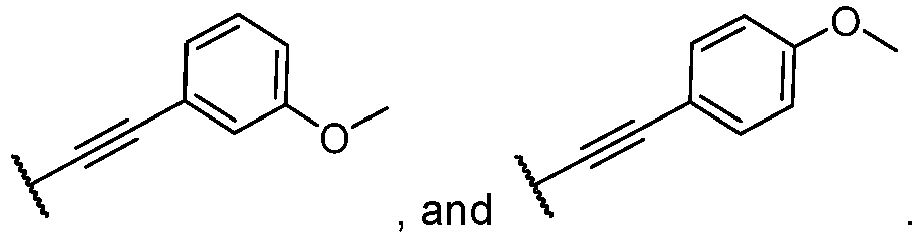
- The compound or salt of any one of claims 1-5, wherein L2 is C1alkylene.
- The compound or salt of any one of claims 1-6, wherein m is 1 or 2.
- The compound or salt of claim 1, having the structure of Formula (IIIA):





- The compound or salt of claim 1, having the structure of Formula (IIIA):


- The compound or salt of claim 1, wherein the compound or salt is selected from the group consisting of:


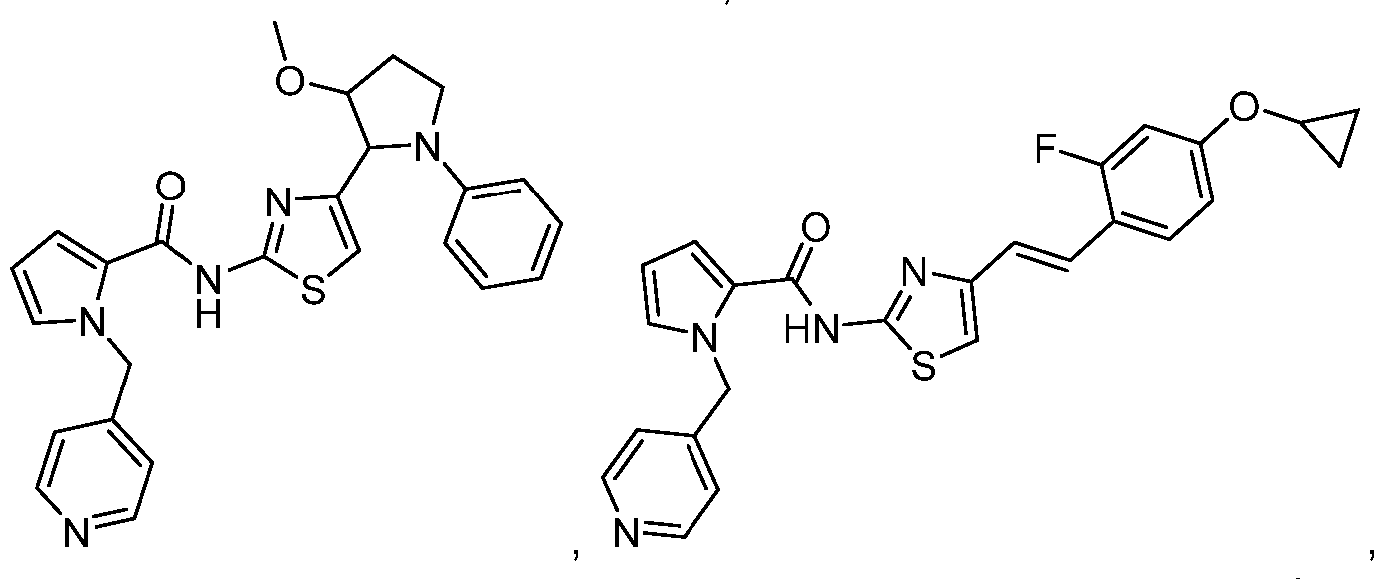


- A compound listed in Table A, or a pharmaceutically salt thereof.
Table A A1 
A2 
A3 
A4 
A5 
A6 
A7 
A8 
A9 
A10 
A11 
A12 
A13 
A14 
A15 
A16 
A17 
A18 
A19 
A20 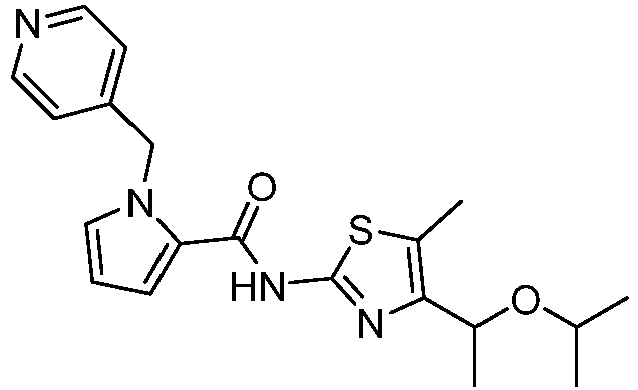
A21 
A22 
A23 
A24 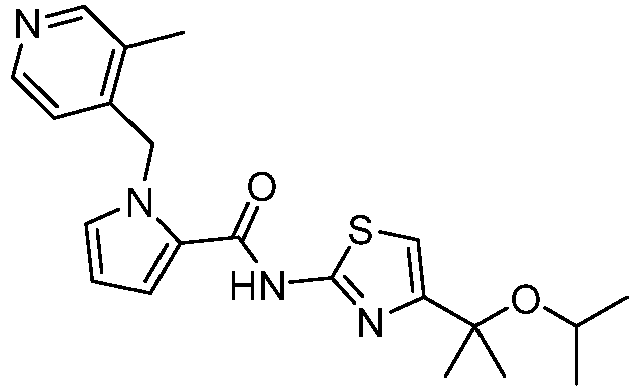
A25 
A26 
A27 
A28 
A29 
A30 
A31 
A32 
A33 
A34 
A35 
A36 
A37 
A38 
A39 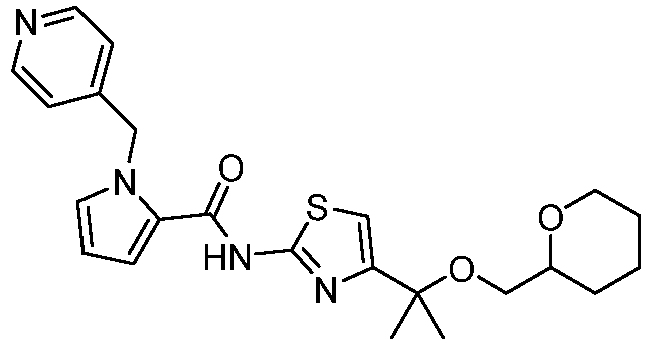
A40 
A41 
A42 
A43 
A44 
A45 
A46 
A47 
A48 
A49 
A50 
A51 
A52 
A53 
A54 
A55 
A56 
A57 
A58 
A59 
A60 
A61 
A62 
A63 
A64 
A65 
A66 
A67 
A68 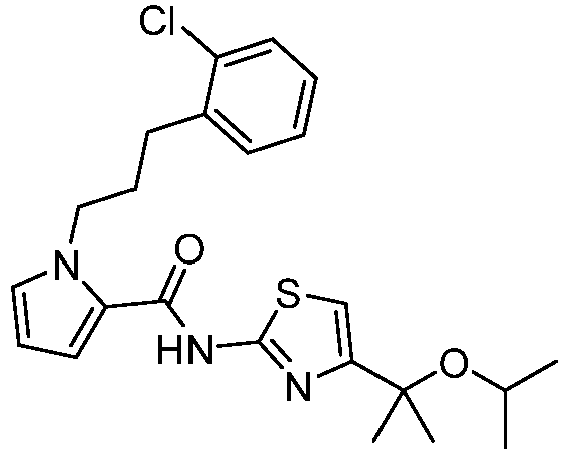
A69 
A70 
A71 
A72 
A73 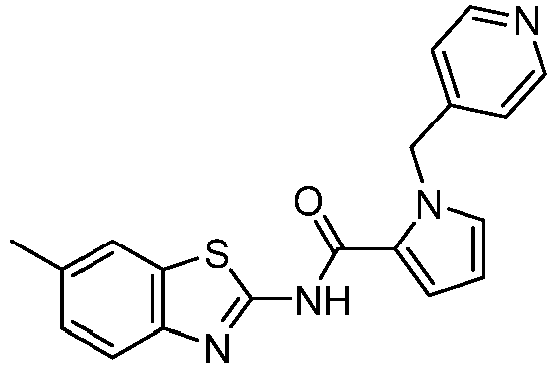
A74 
A75 
A76 
A77 
A78 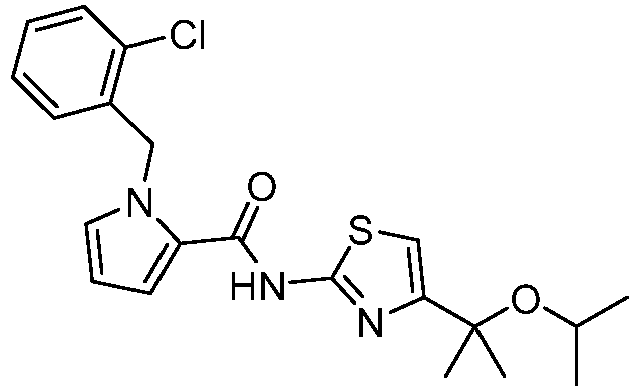
A79 
A80 
A81 
A82 
A83 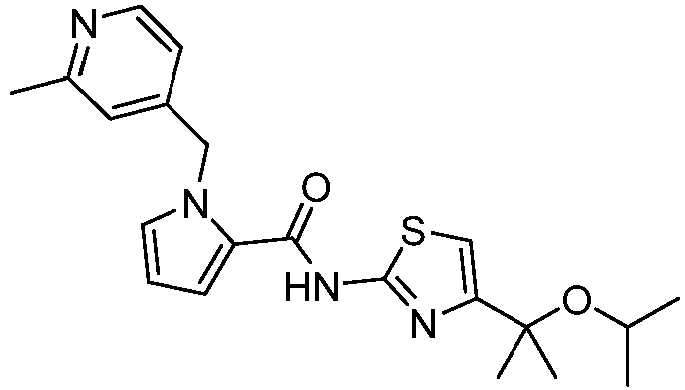
A84 
A85 
A86 
A87 
A88 
A89 
A90 
A91 
A92 
A93 
A94 
A95 
A96 
A97 
A98 
A99 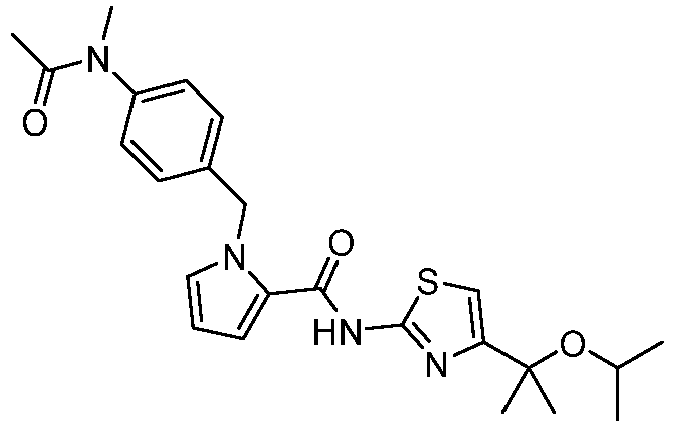
A100 
A101 
A102 
A103 
A104 
A105 
A106 
A107 
A108 
A109 
A110 
A111 
A112 
A113 
A114 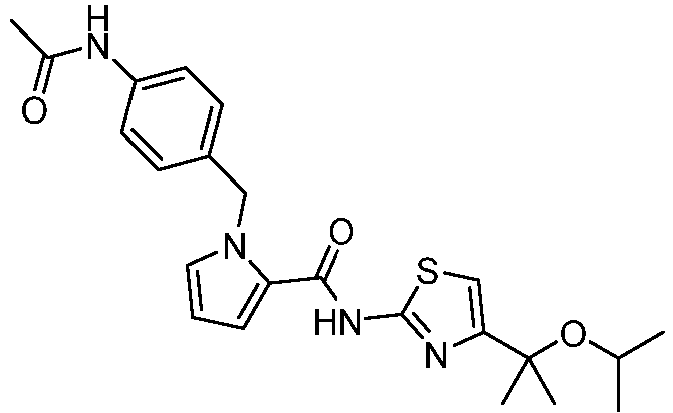
A115 
A116 
A117 
A118 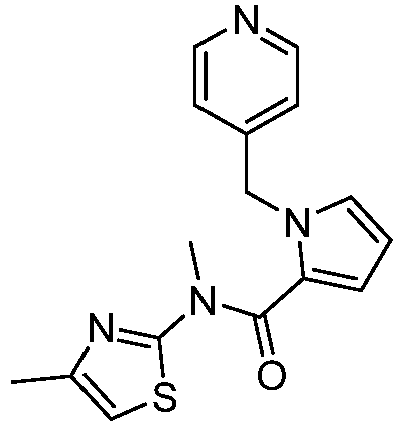
A119 
A120 
A121 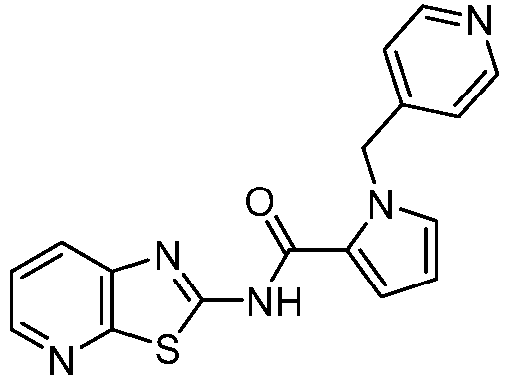
A122 
A123 
A124 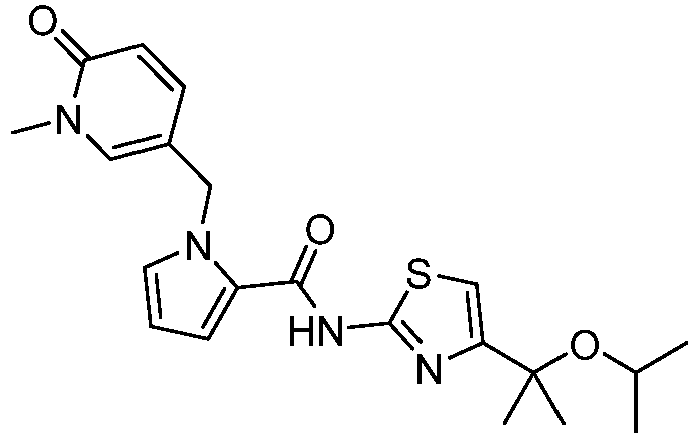
A125 
A126 
A127 
A128 
A129 
A130 
A131 
A132 
A133 
A134 
A135 
A136 
A137 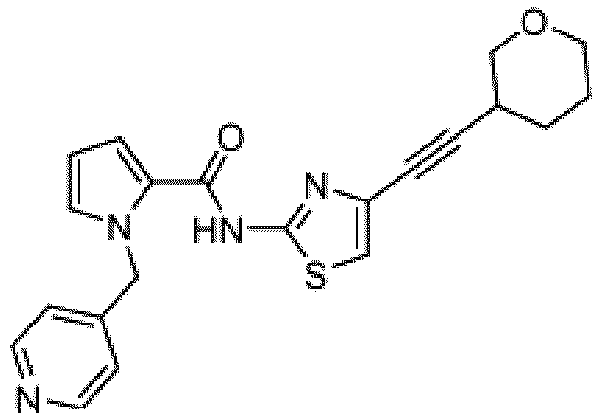
A138 
A139 
A140 
A141 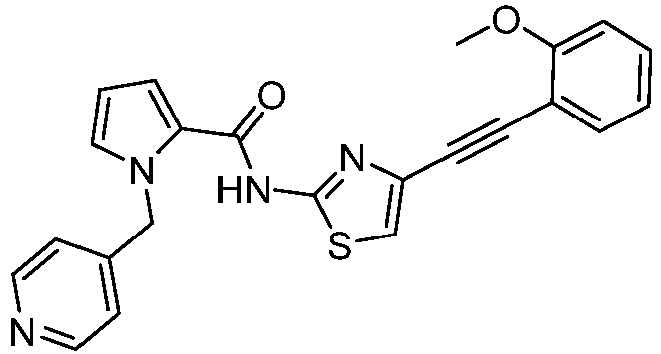
A142 
A143 
A144 
A145 
A146 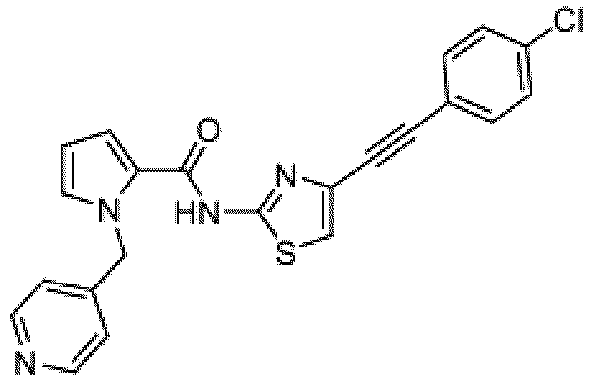
A147 
A148 
A149 
A150 
A151 
A152 
A153 
A154 
A155 
A156 
A157 
A158 
A159 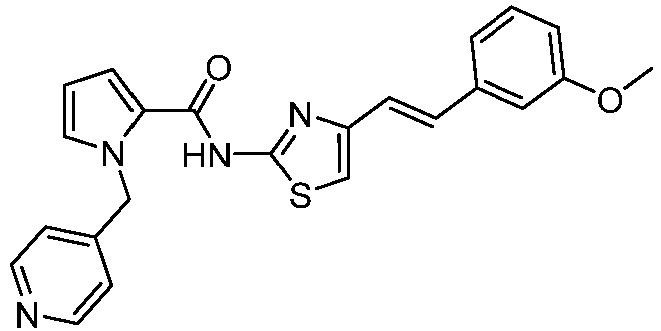
A160 
A161 
A162 
A163 
A164 
A165 
A166 
A167 
A168 
A169 
A170 
A171 
A172 
A173 
A174 
A175 
A176 
A177 
A178 
A179 
A180 
A181 
A182 
A183 
A184 
A185 
A186 
A187 
A188 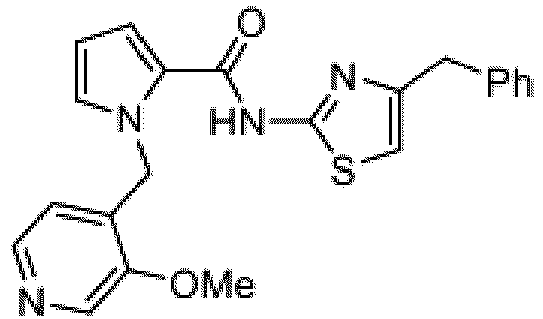
A189 
A190 
A191 
A192 
A193 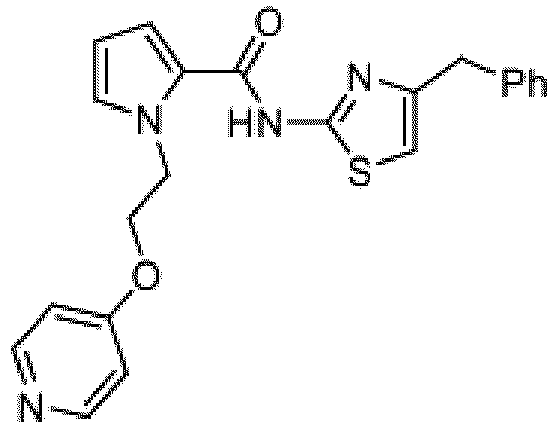
A194 
A195 
A196 
A197 
A198 
A199 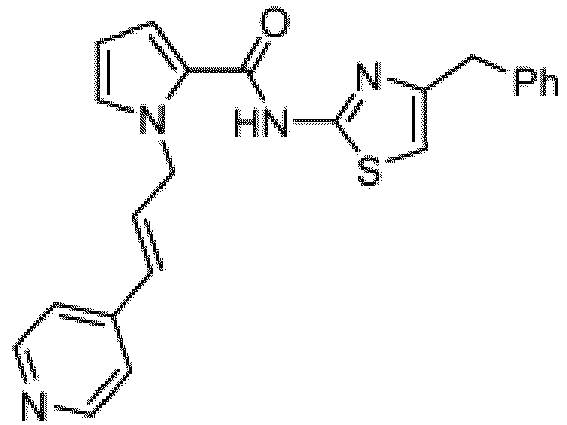
A200 
A201 
A202 
A203 
A204 
A205 
A206 
A207 
A208 
A209 
A210 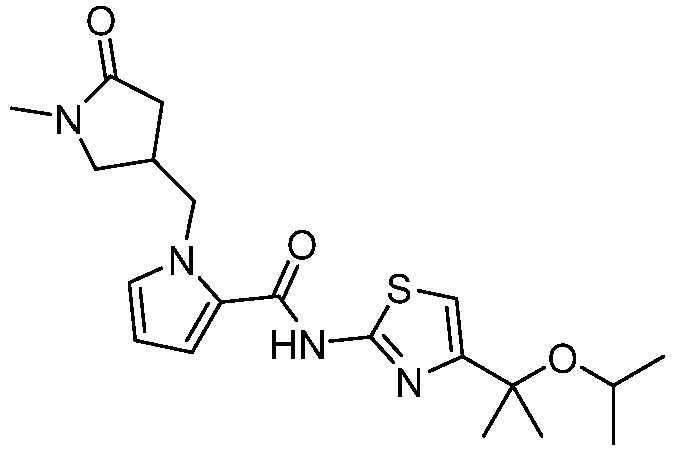
A211 
A212 
A213 
A214 
A215 
A216 
A217 
A218 
A219 
A220 
A221 
A222 
A223 
A224 
A225 
A226 
A227 
A228 
A229 
A230 
A231 
A232 
A233 
A234 
A235 
A236 
A237 
A238 
A239 
A240 
A241 
A242 
A243 
A244 
A245 
A246 
A247 
A248 
A249 
A250 
A251 
A252 
A253 
A254 
A255 
A256 
A257 
A258 
A259 
A260 
A261 
A262 
A263 
A264 
A265 
A266 
A267 
A268 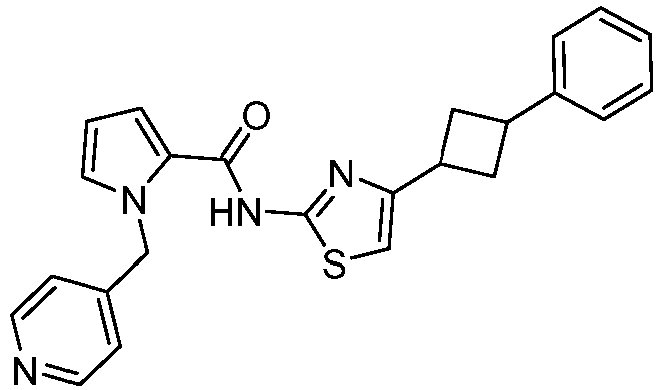
A269 
A270 
A271 
A272 
A273 
A274 
A275 
A276 
A277 
A278 
A279 
A280 
A281 
A282 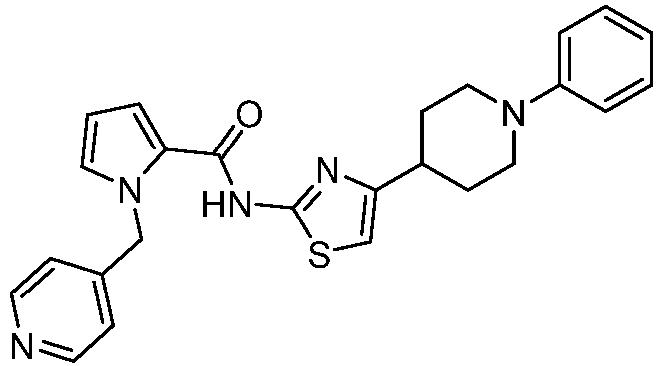
A283 
A284 
A285 
A286 
A287 
A288 
A289 
A290 
A291 
A292 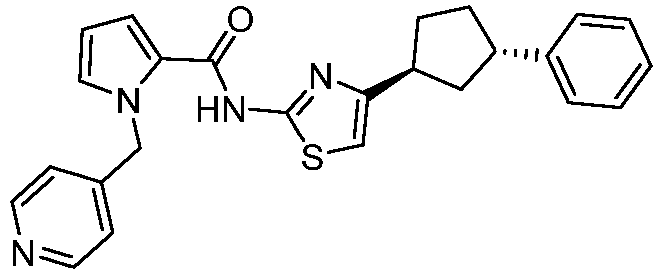
A293 
A294 
A295 
A296 
A297 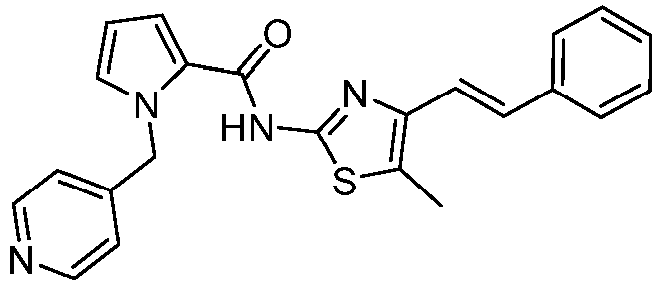
A298 
A299 
A300 
A301 
A302 
A303 
A304 
A305 
A306 
A307 
A308 
A309 
A310 
A311 
A312 
A313 
A314 
A315 
A316 
A317 
A318 
A319 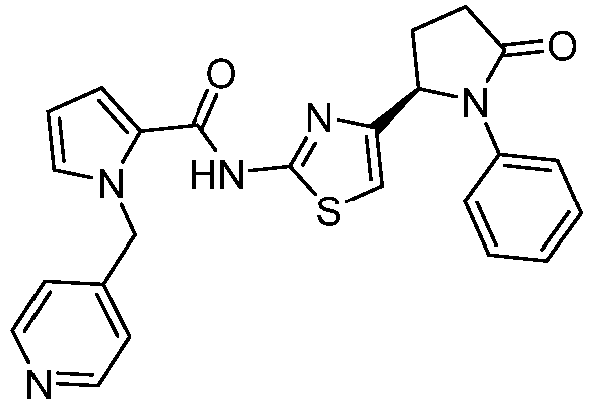
A320 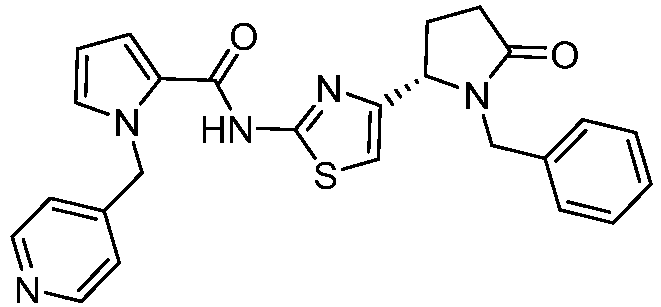
A321 
A322 
A323 
A324 
A325 
A326 
A327 
A328 
A329 
A330 
A331 
A332 
A333 
A334 
A335 
A336 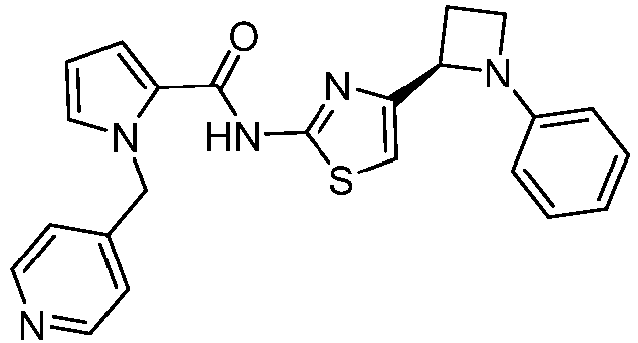
A337 
A338 
A339 
A340 
A341 
A342 
A343 
A344 
A345 
A346 
A347 
A348 
A349 
A350 
A351 
A352 
A353 
A354 
A355 
A356 
A357 
A358 
A359 
A360 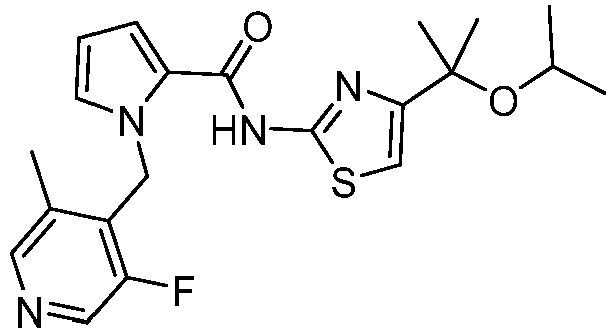
A361 
A362 
A363 
A364 
A356 
A366 
A367 
A368 
A369 
A370 
A371 
A372 
A373 
A374 
A375 
A376 
A377 
A378 
A379 
A380 
A381 
A382 
A383 
A384 
A385 
A386 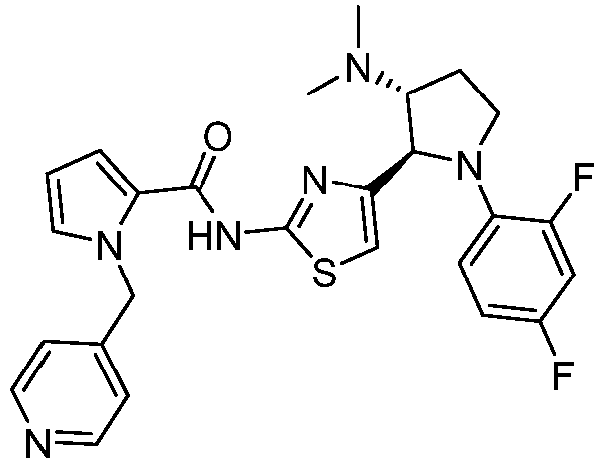
A387 
A388 
A389 
A390 
A391 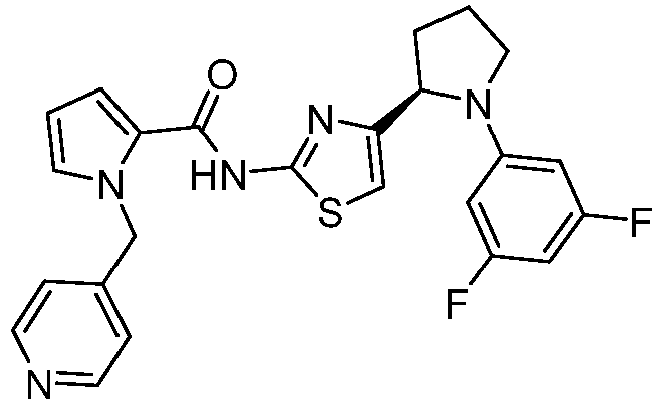
A392 
A393 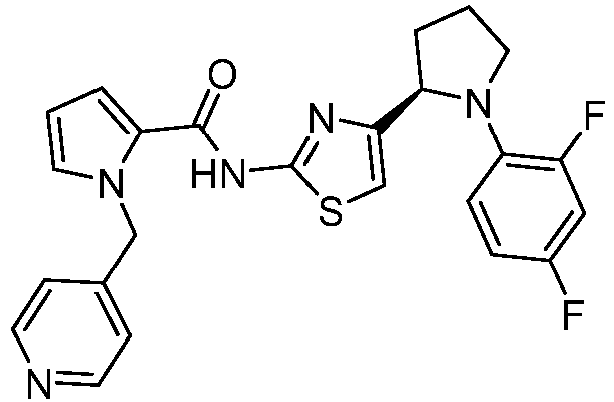
A394 
A395 
A396 
A397 
A398 
A399 
A400 
A401 
A402 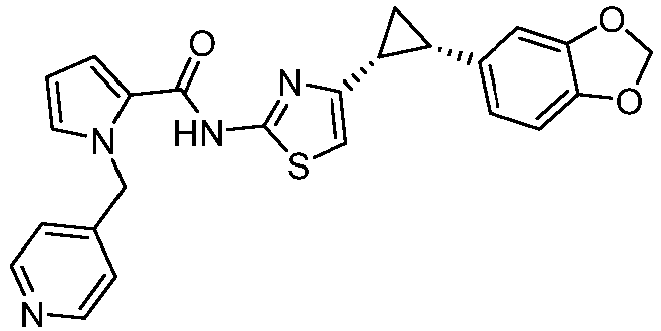
A403 
- The compound or salt of claim 11, wherein the compound or salt is selected from the group consisting of:


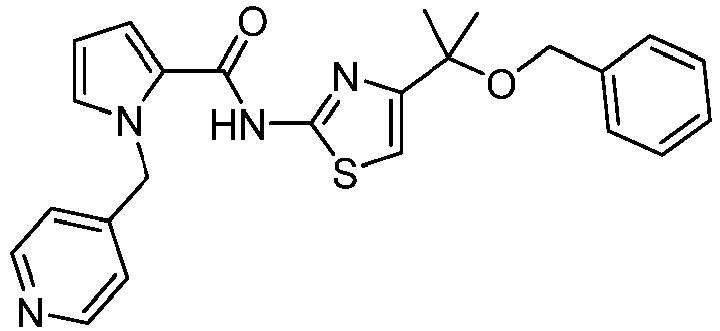


- The compound or salt of any one of claims 1 to 12 for use in treating inflammation or an autoimmune disease or an immune-related disease or a neurodegenerative disease or an inflammatory disease.
- The compound or salt of any one of claims 1 to 12 for use in treating cancer.
- The compound or salt for use of claim 14, wherein the cancer is melanoma, multiple myeloma, prostate cancer, lung cancer, pancreatic cancer, squamous cell carcinoma, leukemia, lymphoma, a neuroendocrine tumor, bladder cancer, or colorectal cancer or the cancer is non-small cell lung carcinoma, squamous cell carcinoma, leukemia, acute myelogenous leukemia, chronic myelogenous leukemia, lymphoma, NPM/ALK-transformed anaplastic large cell lymphoma, diffuse large B cell lymphoma, neuroendocrine tumors, breast cancer, mantle cell lymphoma, renal cell carcinoma, rhabdomyosarcoma, ovarian cancer, endometrial cancer, small cell carcinoma, adenocarcinoma, gastric carcinoma, hepatocellular carcinoma, pancreatic cancer, thyroid carcinoma, anaplastic large cell lymphoma, hemangioma, or head and neck cancer.
- The compound or salt for use of claim 14, wherein the cancer is a solid tumor.
Applications Claiming Priority (2)
| Application Number | Priority Date | Filing Date | Title |
|---|---|---|---|
| US201962812013P | 2019-02-28 | 2019-02-28 | |
| PCT/US2020/020419 WO2020176863A1 (en) | 2019-02-28 | 2020-02-28 | Thiazole derivatives as protein secretion inhibitors |
Publications (2)
| Publication Number | Publication Date |
|---|---|
| EP3930849A1 EP3930849A1 (en) | 2022-01-05 |
| EP3930849B1 true EP3930849B1 (en) | 2025-02-19 |
Family
ID=70057287
Family Applications (1)
| Application Number | Title | Priority Date | Filing Date |
|---|---|---|---|
| EP20715580.5A Active EP3930849B1 (en) | 2019-02-28 | 2020-02-28 | Thiazole derivatives as protein secretion inhibitors |
Country Status (13)
| Country | Link |
|---|---|
| US (1) | US20220153732A1 (en) |
| EP (1) | EP3930849B1 (en) |
| JP (1) | JP2022522014A (en) |
| KR (1) | KR20210143783A (en) |
| CN (1) | CN113993587A (en) |
| AU (1) | AU2020228307A1 (en) |
| BR (1) | BR112021017049A2 (en) |
| CA (1) | CA3131930A1 (en) |
| IL (1) | IL285908A (en) |
| MX (1) | MX2021010314A (en) |
| SG (1) | SG11202109392YA (en) |
| TW (1) | TWI845624B (en) |
| WO (1) | WO2020176863A1 (en) |
Families Citing this family (14)
| Publication number | Priority date | Publication date | Assignee | Title |
|---|---|---|---|---|
| EP4192828A1 (en) | 2020-08-04 | 2023-06-14 | Nura Bio, Inc. | Substituted pyridine derivatives as sarm1 inhibitors |
| IL300736A (en) * | 2020-08-31 | 2023-04-01 | Kezar Life Sciences | Protein secretion inhibitors |
| US11945796B2 (en) | 2020-09-16 | 2024-04-02 | Nura Bio, Inc. | Substituted pyridine derivatives as SARM1 inhibitors |
| US20240109853A1 (en) * | 2020-09-24 | 2024-04-04 | Shanghai Yao Yuan Biotechnology Co., Ltd. | Alpha protein kinase 1 inhibitors and methods of use |
| US20250042850A1 (en) * | 2021-01-25 | 2025-02-06 | Athos Therapeutics, Inc. | Pharmaceutical compounds and methods of making and using the same |
| CN113149881B (en) * | 2021-03-04 | 2022-07-19 | 宁波大学 | Chiral derivatization reagent and preparation method and application thereof |
| WO2022222888A1 (en) * | 2021-04-19 | 2022-10-27 | Shanghai Yao Yuan Biotechnology Co., Ltd. | Alpha protein kinase 1 inhibitors for use in treating kawasaki disease |
| JP2024528041A (en) * | 2021-07-27 | 2024-07-26 | ゲート バイオサイエンス インコーポレイテッド | Protein Secretion Inhibitors |
| TW202313009A (en) * | 2021-07-28 | 2023-04-01 | 美商努拉生物科技公司 | Substituted pyridine derivatives as sarm1 inhibitors |
| US20250241908A1 (en) * | 2022-01-29 | 2025-07-31 | Shanghai Yao Yuan Biotechnology Co., Ltd. | Alpha protein kinase 1 inhibitors for use in treating atherosclerosis and related diseases |
| US20250171434A1 (en) * | 2022-02-28 | 2025-05-29 | Kezar Life Sciences, Inc. | Sec61 inhibitors and use thereof |
| JP2025523617A (en) * | 2022-06-29 | 2025-07-23 | シャンハイ・ヤオ・ユアン・バイオテクノロジー・カンパニー・リミテッド | Alpha protein kinase 1 inhibitors for the treatment of kidney and kidney-related diseases |
| CN121986099A (en) * | 2023-04-05 | 2026-05-05 | 摩玛治疗公司 | Semi-saturated bicyclic derivatives and related applications |
| WO2025178972A1 (en) * | 2024-02-20 | 2025-08-28 | Quantx Biosciences Us, Inc. | Fused bicyclic heterocyclic or heteroaryl amide compounds |
Family Cites Families (11)
| Publication number | Priority date | Publication date | Assignee | Title |
|---|---|---|---|---|
| US4522811A (en) | 1982-07-08 | 1985-06-11 | Syntex (U.S.A.) Inc. | Serial injection of muramyldipeptides and liposomes enhances the anti-infective activity of muramyldipeptides |
| US5858784A (en) | 1991-12-17 | 1999-01-12 | The Regents Of The University Of California | Expression of cloned genes in the lung by aerosol- and liposome-based delivery |
| US6042820A (en) | 1996-12-20 | 2000-03-28 | Connaught Laboratories Limited | Biodegradable copolymer containing α-hydroxy acid and α-amino acid units |
| US6472375B1 (en) | 1998-04-16 | 2002-10-29 | John Wayne Cancer Institute | DNA vaccine and methods for its use |
| US7265134B2 (en) * | 2001-08-17 | 2007-09-04 | Merck & Co., Inc. | Tyrosine kinase inhibitors |
| JP4638355B2 (en) * | 2003-12-26 | 2011-02-23 | 協和発酵キリン株式会社 | Thiazole derivative |
| CN1989131A (en) * | 2004-03-30 | 2007-06-27 | 希龙公司 | Substituted thiophene derivatives as anti-cancer agents |
| MX2011009213A (en) * | 2009-03-02 | 2011-12-14 | Sirtris Pharmaceuticals Inc | 8-substituted quinolines and related analogs as sirtuin modulators. |
| EP2424841A1 (en) * | 2009-04-27 | 2012-03-07 | Elan Pharmaceuticals Inc. | Pyridinone antagonists of alpha-4 integrins |
| WO2014145642A2 (en) * | 2013-03-15 | 2014-09-18 | The Johns Hopkins University | Nrf2 small molecule inhibitors for cancer therapy |
| US10344026B2 (en) * | 2017-01-18 | 2019-07-09 | Nantbio, Inc. | Compositions and methods of targeting mutant K-ras |
-
2020
- 2020-02-28 EP EP20715580.5A patent/EP3930849B1/en active Active
- 2020-02-28 CA CA3131930A patent/CA3131930A1/en active Pending
- 2020-02-28 WO PCT/US2020/020419 patent/WO2020176863A1/en not_active Ceased
- 2020-02-28 JP JP2021550242A patent/JP2022522014A/en active Pending
- 2020-02-28 KR KR1020217031075A patent/KR20210143783A/en not_active Ceased
- 2020-02-28 AU AU2020228307A patent/AU2020228307A1/en not_active Abandoned
- 2020-02-28 CN CN202080031854.XA patent/CN113993587A/en active Pending
- 2020-02-28 SG SG11202109392YA patent/SG11202109392YA/en unknown
- 2020-02-28 MX MX2021010314A patent/MX2021010314A/en unknown
- 2020-02-28 US US17/434,029 patent/US20220153732A1/en active Pending
- 2020-02-28 BR BR112021017049A patent/BR112021017049A2/en not_active IP Right Cessation
- 2020-03-02 TW TW109106786A patent/TWI845624B/en not_active IP Right Cessation
-
2021
- 2021-08-26 IL IL285908A patent/IL285908A/en unknown
Non-Patent Citations (1)
| Title |
|---|
| VAN PUYENBROECK VICTOR ET AL: "Inhibitors of protein translocation across membranes of the secretory pathway: novel antimicrobial and anticancer agents", CMLS CELLULAR AND MOLECULAR LIFE SCIENCES, BIRKHAUSER VERLAG, HEIDELBERG, DE, vol. 75, no. 9, 5 January 2018 (2018-01-05), pages 1541 - 1558, XP036478836, ISSN: 1420-682X, [retrieved on 20180105], DOI: 10.1007/S00018-017-2743-2 * |
Also Published As
| Publication number | Publication date |
|---|---|
| IL285908A (en) | 2021-10-31 |
| CA3131930A1 (en) | 2020-09-03 |
| US20220153732A1 (en) | 2022-05-19 |
| JP2022522014A (en) | 2022-04-13 |
| SG11202109392YA (en) | 2021-09-29 |
| CN113993587A (en) | 2022-01-28 |
| TWI845624B (en) | 2024-06-21 |
| MX2021010314A (en) | 2021-11-12 |
| AU2020228307A1 (en) | 2021-09-23 |
| TW202045489A (en) | 2020-12-16 |
| KR20210143783A (en) | 2021-11-29 |
| BR112021017049A2 (en) | 2022-02-08 |
| WO2020176863A1 (en) | 2020-09-03 |
| EP3930849A1 (en) | 2022-01-05 |
Similar Documents
| Publication | Publication Date | Title |
|---|---|---|
| TWI845624B (en) | Protein secretion inhibitors | |
| US9896452B2 (en) | Substituted prolines/piperidines as orexin receptor antagonists | |
| US20250161304A1 (en) | Methods for Treating Cancer Using Pyrimidine and Pyridine Compounds with BTK Inhibitory Activity | |
| US20240300964A1 (en) | Compositions and methods for inhibition of ras | |
| JP5997265B2 (en) | Pyridine-2-amide useful as a CB2 agonist | |
| AU2011316199B2 (en) | Pyrrolidinones as MetAP2 inhibitors | |
| JP6931003B2 (en) | Quinoline-2-one derivative | |
| KR102780243B1 (en) | Method for treating multiple sclerosis using pyrimidines and pyridine compounds having BTK inhibitory activity | |
| EA016782B1 (en) | Pyridazinone derivates | |
| CN1633420A (en) | Thiazolidine-4-carbonitriles and analogues and their use as dipeptidyl-peptidas inhibitors | |
| US9440982B2 (en) | Substituted prolines/piperidines as orexin receptor antagonists | |
| WO2015123355A1 (en) | Substituted prolines / piperidines as orexin receptor antagonists | |
| CA3190441A1 (en) | Protein secretion inhibitors | |
| TW202317531A (en) | Six-membered aryl or heteroaryl amides, and composition and use thereof | |
| HK1063782A (en) | Quinuclidines-substituted-multi-cyclic-hete for the treatment of disease |
Legal Events
| Date | Code | Title | Description |
|---|---|---|---|
| STAA | Information on the status of an ep patent application or granted ep patent |
Free format text: STATUS: UNKNOWN |
|
| STAA | Information on the status of an ep patent application or granted ep patent |
Free format text: STATUS: THE INTERNATIONAL PUBLICATION HAS BEEN MADE |
|
| PUAI | Public reference made under article 153(3) epc to a published international application that has entered the european phase |
Free format text: ORIGINAL CODE: 0009012 |
|
| STAA | Information on the status of an ep patent application or granted ep patent |
Free format text: STATUS: REQUEST FOR EXAMINATION WAS MADE |
|
| 17P | Request for examination filed |
Effective date: 20210917 |
|
| AK | Designated contracting states |
Kind code of ref document: A1 Designated state(s): AL AT BE BG CH CY CZ DE DK EE ES FI FR GB GR HR HU IE IS IT LI LT LU LV MC MK MT NL NO PL PT RO RS SE SI SK SM TR |
|
| DAV | Request for validation of the european patent (deleted) | ||
| DAX | Request for extension of the european patent (deleted) | ||
| STAA | Information on the status of an ep patent application or granted ep patent |
Free format text: STATUS: EXAMINATION IS IN PROGRESS |
|
| 17Q | First examination report despatched |
Effective date: 20230828 |
|
| GRAP | Despatch of communication of intention to grant a patent |
Free format text: ORIGINAL CODE: EPIDOSNIGR1 |
|
| STAA | Information on the status of an ep patent application or granted ep patent |
Free format text: STATUS: GRANT OF PATENT IS INTENDED |
|
| INTG | Intention to grant announced |
Effective date: 20240917 |
|
| GRAS | Grant fee paid |
Free format text: ORIGINAL CODE: EPIDOSNIGR3 |
|
| GRAA | (expected) grant |
Free format text: ORIGINAL CODE: 0009210 |
|
| STAA | Information on the status of an ep patent application or granted ep patent |
Free format text: STATUS: THE PATENT HAS BEEN GRANTED |
|
| AK | Designated contracting states |
Kind code of ref document: B1 Designated state(s): AL AT BE BG CH CY CZ DE DK EE ES FI FR GB GR HR HU IE IS IT LI LT LU LV MC MK MT NL NO PL PT RO RS SE SI SK SM TR |
|
| REG | Reference to a national code |
Ref country code: GB Ref legal event code: FG4D |
|
| REG | Reference to a national code |
Ref country code: CH Ref legal event code: EP |
|
| REG | Reference to a national code |
Ref country code: IE Ref legal event code: FG4D |
|
| REG | Reference to a national code |
Ref country code: DE Ref legal event code: R096 Ref document number: 602020046281 Country of ref document: DE |
|
| REG | Reference to a national code |
Ref country code: NL Ref legal event code: MP Effective date: 20250219 |
|
| PG25 | Lapsed in a contracting state [announced via postgrant information from national office to epo] |
Ref country code: RS Free format text: LAPSE BECAUSE OF FAILURE TO SUBMIT A TRANSLATION OF THE DESCRIPTION OR TO PAY THE FEE WITHIN THE PRESCRIBED TIME-LIMIT Effective date: 20250519 |
|
| PG25 | Lapsed in a contracting state [announced via postgrant information from national office to epo] |
Ref country code: FI Free format text: LAPSE BECAUSE OF FAILURE TO SUBMIT A TRANSLATION OF THE DESCRIPTION OR TO PAY THE FEE WITHIN THE PRESCRIBED TIME-LIMIT Effective date: 20250219 |
|
| PG25 | Lapsed in a contracting state [announced via postgrant information from national office to epo] |
Ref country code: PL Free format text: LAPSE BECAUSE OF FAILURE TO SUBMIT A TRANSLATION OF THE DESCRIPTION OR TO PAY THE FEE WITHIN THE PRESCRIBED TIME-LIMIT Effective date: 20250219 |
|
| PG25 | Lapsed in a contracting state [announced via postgrant information from national office to epo] |
Ref country code: ES Free format text: LAPSE BECAUSE OF FAILURE TO SUBMIT A TRANSLATION OF THE DESCRIPTION OR TO PAY THE FEE WITHIN THE PRESCRIBED TIME-LIMIT Effective date: 20250219 |
|
| REG | Reference to a national code |
Ref country code: LT Ref legal event code: MG9D |
|
| PG25 | Lapsed in a contracting state [announced via postgrant information from national office to epo] |
Ref country code: IS Free format text: LAPSE BECAUSE OF FAILURE TO SUBMIT A TRANSLATION OF THE DESCRIPTION OR TO PAY THE FEE WITHIN THE PRESCRIBED TIME-LIMIT Effective date: 20250619 Ref country code: NO Free format text: LAPSE BECAUSE OF FAILURE TO SUBMIT A TRANSLATION OF THE DESCRIPTION OR TO PAY THE FEE WITHIN THE PRESCRIBED TIME-LIMIT Effective date: 20250519 |
|
| PG25 | Lapsed in a contracting state [announced via postgrant information from national office to epo] |
Ref country code: NL Free format text: LAPSE BECAUSE OF FAILURE TO SUBMIT A TRANSLATION OF THE DESCRIPTION OR TO PAY THE FEE WITHIN THE PRESCRIBED TIME-LIMIT Effective date: 20250219 |
|
| PG25 | Lapsed in a contracting state [announced via postgrant information from national office to epo] |
Ref country code: HR Free format text: LAPSE BECAUSE OF FAILURE TO SUBMIT A TRANSLATION OF THE DESCRIPTION OR TO PAY THE FEE WITHIN THE PRESCRIBED TIME-LIMIT Effective date: 20250219 |
|
| PG25 | Lapsed in a contracting state [announced via postgrant information from national office to epo] |
Ref country code: LV Free format text: LAPSE BECAUSE OF FAILURE TO SUBMIT A TRANSLATION OF THE DESCRIPTION OR TO PAY THE FEE WITHIN THE PRESCRIBED TIME-LIMIT Effective date: 20250219 Ref country code: PT Free format text: LAPSE BECAUSE OF FAILURE TO SUBMIT A TRANSLATION OF THE DESCRIPTION OR TO PAY THE FEE WITHIN THE PRESCRIBED TIME-LIMIT Effective date: 20250620 |
|
| PG25 | Lapsed in a contracting state [announced via postgrant information from national office to epo] |
Ref country code: GR Free format text: LAPSE BECAUSE OF FAILURE TO SUBMIT A TRANSLATION OF THE DESCRIPTION OR TO PAY THE FEE WITHIN THE PRESCRIBED TIME-LIMIT Effective date: 20250520 Ref country code: BG Free format text: LAPSE BECAUSE OF FAILURE TO SUBMIT A TRANSLATION OF THE DESCRIPTION OR TO PAY THE FEE WITHIN THE PRESCRIBED TIME-LIMIT Effective date: 20250219 |
|
| REG | Reference to a national code |
Ref country code: AT Ref legal event code: MK05 Ref document number: 1767763 Country of ref document: AT Kind code of ref document: T Effective date: 20250219 |
|
| PG25 | Lapsed in a contracting state [announced via postgrant information from national office to epo] |
Ref country code: SE Free format text: LAPSE BECAUSE OF FAILURE TO SUBMIT A TRANSLATION OF THE DESCRIPTION OR TO PAY THE FEE WITHIN THE PRESCRIBED TIME-LIMIT Effective date: 20250219 |
|
| REG | Reference to a national code |
Ref country code: CH Ref legal event code: PL |
|
| PG25 | Lapsed in a contracting state [announced via postgrant information from national office to epo] |
Ref country code: SM Free format text: LAPSE BECAUSE OF FAILURE TO SUBMIT A TRANSLATION OF THE DESCRIPTION OR TO PAY THE FEE WITHIN THE PRESCRIBED TIME-LIMIT Effective date: 20250219 |
|
| PG25 | Lapsed in a contracting state [announced via postgrant information from national office to epo] |
Ref country code: DK Free format text: LAPSE BECAUSE OF FAILURE TO SUBMIT A TRANSLATION OF THE DESCRIPTION OR TO PAY THE FEE WITHIN THE PRESCRIBED TIME-LIMIT Effective date: 20250219 |
|
| PG25 | Lapsed in a contracting state [announced via postgrant information from national office to epo] |
Ref country code: LU Free format text: LAPSE BECAUSE OF NON-PAYMENT OF DUE FEES Effective date: 20250228 Ref country code: IT Free format text: LAPSE BECAUSE OF FAILURE TO SUBMIT A TRANSLATION OF THE DESCRIPTION OR TO PAY THE FEE WITHIN THE PRESCRIBED TIME-LIMIT Effective date: 20250219 |
|
| PG25 | Lapsed in a contracting state [announced via postgrant information from national office to epo] |
Ref country code: AT Free format text: LAPSE BECAUSE OF FAILURE TO SUBMIT A TRANSLATION OF THE DESCRIPTION OR TO PAY THE FEE WITHIN THE PRESCRIBED TIME-LIMIT Effective date: 20250219 |
|
| PG25 | Lapsed in a contracting state [announced via postgrant information from national office to epo] |
Ref country code: CH Free format text: LAPSE BECAUSE OF NON-PAYMENT OF DUE FEES Effective date: 20250228 |
|
| PG25 | Lapsed in a contracting state [announced via postgrant information from national office to epo] |
Ref country code: EE Free format text: LAPSE BECAUSE OF FAILURE TO SUBMIT A TRANSLATION OF THE DESCRIPTION OR TO PAY THE FEE WITHIN THE PRESCRIBED TIME-LIMIT Effective date: 20250219 Ref country code: CZ Free format text: LAPSE BECAUSE OF FAILURE TO SUBMIT A TRANSLATION OF THE DESCRIPTION OR TO PAY THE FEE WITHIN THE PRESCRIBED TIME-LIMIT Effective date: 20250219 |
|
| PG25 | Lapsed in a contracting state [announced via postgrant information from national office to epo] |
Ref country code: RO Free format text: LAPSE BECAUSE OF FAILURE TO SUBMIT A TRANSLATION OF THE DESCRIPTION OR TO PAY THE FEE WITHIN THE PRESCRIBED TIME-LIMIT Effective date: 20250219 |
|
| PG25 | Lapsed in a contracting state [announced via postgrant information from national office to epo] |
Ref country code: SK Free format text: LAPSE BECAUSE OF FAILURE TO SUBMIT A TRANSLATION OF THE DESCRIPTION OR TO PAY THE FEE WITHIN THE PRESCRIBED TIME-LIMIT Effective date: 20250219 |
|
| REG | Reference to a national code |
Ref country code: DE Ref legal event code: R097 Ref document number: 602020046281 Country of ref document: DE |
|
| REG | Reference to a national code |
Ref country code: BE Ref legal event code: MM Effective date: 20250228 |
|
| PG25 | Lapsed in a contracting state [announced via postgrant information from national office to epo] |
Ref country code: MC Free format text: LAPSE BECAUSE OF FAILURE TO SUBMIT A TRANSLATION OF THE DESCRIPTION OR TO PAY THE FEE WITHIN THE PRESCRIBED TIME-LIMIT Effective date: 20250219 |
|
| PLBE | No opposition filed within time limit |
Free format text: ORIGINAL CODE: 0009261 |
|
| STAA | Information on the status of an ep patent application or granted ep patent |
Free format text: STATUS: NO OPPOSITION FILED WITHIN TIME LIMIT |
|
| PG25 | Lapsed in a contracting state [announced via postgrant information from national office to epo] |
Ref country code: BE Free format text: LAPSE BECAUSE OF NON-PAYMENT OF DUE FEES Effective date: 20250228 |
|
| PG25 | Lapsed in a contracting state [announced via postgrant information from national office to epo] |
Ref country code: IE Free format text: LAPSE BECAUSE OF NON-PAYMENT OF DUE FEES Effective date: 20250228 |
|
| 26N | No opposition filed |
Effective date: 20251120 |
|
| PGFP | Annual fee paid to national office [announced via postgrant information from national office to epo] |
Ref country code: GB Payment date: 20260227 Year of fee payment: 7 |
|
| PGFP | Annual fee paid to national office [announced via postgrant information from national office to epo] |
Ref country code: DE Payment date: 20260227 Year of fee payment: 7 |
|
| PGFP | Annual fee paid to national office [announced via postgrant information from national office to epo] |
Ref country code: FR Payment date: 20260227 Year of fee payment: 7 |
|
| REG | Reference to a national code |
Ref country code: DE Ref legal event code: R081 Ref document number: 602020046281 Country of ref document: DE Owner name: ENODIA THERAPEUTICS SAS, FR Free format text: FORMER OWNER: KEZAR LIFE SCIENCES, SOUTH SAN FRANCISCO, CA, US |