EP3930375A1 - Method and device for data transmission - Google Patents
Method and device for data transmission Download PDFInfo
- Publication number
- EP3930375A1 EP3930375A1 EP21189751.7A EP21189751A EP3930375A1 EP 3930375 A1 EP3930375 A1 EP 3930375A1 EP 21189751 A EP21189751 A EP 21189751A EP 3930375 A1 EP3930375 A1 EP 3930375A1
- Authority
- EP
- European Patent Office
- Prior art keywords
- information
- data packets
- receiver
- transmission
- transmitter
- Prior art date
- Legal status (The legal status is an assumption and is not a legal conclusion. Google has not performed a legal analysis and makes no representation as to the accuracy of the status listed.)
- Granted
Links
Images

Classifications
-
- H—ELECTRICITY
- H04—ELECTRIC COMMUNICATION TECHNIQUE
- H04L—TRANSMISSION OF DIGITAL INFORMATION, e.g. TELEGRAPHIC COMMUNICATION
- H04L43/00—Arrangements for monitoring or testing data switching networks
- H04L43/08—Monitoring or testing based on specific metrics, e.g. QoS, energy consumption or environmental parameters
- H04L43/0823—Errors, e.g. transmission errors
-
- H—ELECTRICITY
- H04—ELECTRIC COMMUNICATION TECHNIQUE
- H04L—TRANSMISSION OF DIGITAL INFORMATION, e.g. TELEGRAPHIC COMMUNICATION
- H04L1/00—Arrangements for detecting or preventing errors in the information received
- H04L1/08—Arrangements for detecting or preventing errors in the information received by repeating transmission, e.g. Verdan system
-
- H—ELECTRICITY
- H04—ELECTRIC COMMUNICATION TECHNIQUE
- H04L—TRANSMISSION OF DIGITAL INFORMATION, e.g. TELEGRAPHIC COMMUNICATION
- H04L1/00—Arrangements for detecting or preventing errors in the information received
- H04L1/12—Arrangements for detecting or preventing errors in the information received by using return channel
- H04L1/16—Arrangements for detecting or preventing errors in the information received by using return channel in which the return channel carries supervisory signals, e.g. repetition request signals
- H04L1/18—Automatic repetition systems, e.g. Van Duuren systems
- H04L1/1812—Hybrid protocols; Hybrid automatic repeat request [HARQ]
-
- H—ELECTRICITY
- H04—ELECTRIC COMMUNICATION TECHNIQUE
- H04L—TRANSMISSION OF DIGITAL INFORMATION, e.g. TELEGRAPHIC COMMUNICATION
- H04L1/00—Arrangements for detecting or preventing errors in the information received
- H04L1/12—Arrangements for detecting or preventing errors in the information received by using return channel
- H04L1/16—Arrangements for detecting or preventing errors in the information received by using return channel in which the return channel carries supervisory signals, e.g. repetition request signals
- H04L1/18—Automatic repetition systems, e.g. Van Duuren systems
- H04L1/1829—Arrangements specially adapted for the receiver end
- H04L1/1864—ARQ related signaling
-
- H—ELECTRICITY
- H04—ELECTRIC COMMUNICATION TECHNIQUE
- H04L—TRANSMISSION OF DIGITAL INFORMATION, e.g. TELEGRAPHIC COMMUNICATION
- H04L1/00—Arrangements for detecting or preventing errors in the information received
- H04L1/12—Arrangements for detecting or preventing errors in the information received by using return channel
- H04L1/16—Arrangements for detecting or preventing errors in the information received by using return channel in which the return channel carries supervisory signals, e.g. repetition request signals
- H04L1/18—Automatic repetition systems, e.g. Van Duuren systems
- H04L1/1867—Arrangements specially adapted for the transmitter end
- H04L1/189—Transmission or retransmission of more than one copy of a message
-
- H—ELECTRICITY
- H04—ELECTRIC COMMUNICATION TECHNIQUE
- H04L—TRANSMISSION OF DIGITAL INFORMATION, e.g. TELEGRAPHIC COMMUNICATION
- H04L5/00—Arrangements affording multiple use of the transmission path
- H04L5/003—Arrangements for allocating sub-channels of the transmission path
- H04L5/0053—Allocation of signalling, i.e. of overhead other than pilot signals
- H04L5/0055—Physical resource allocation for ACK/NACK
-
- H—ELECTRICITY
- H04—ELECTRIC COMMUNICATION TECHNIQUE
- H04W—WIRELESS COMMUNICATION NETWORKS
- H04W28/00—Network traffic management; Network resource management
- H04W28/02—Traffic management, e.g. flow control or congestion control
- H04W28/0231—Traffic management, e.g. flow control or congestion control based on communication conditions
- H04W28/0236—Traffic management, e.g. flow control or congestion control based on communication conditions radio quality, e.g. interference, losses or delay
-
- H—ELECTRICITY
- H04—ELECTRIC COMMUNICATION TECHNIQUE
- H04W—WIRELESS COMMUNICATION NETWORKS
- H04W28/00—Network traffic management; Network resource management
- H04W28/02—Traffic management, e.g. flow control or congestion control
- H04W28/0268—Traffic management, e.g. flow control or congestion control using specific QoS parameters for wireless networks, e.g. QoS class identifier [QCI] or guaranteed bit rate [GBR]
-
- H—ELECTRICITY
- H04—ELECTRIC COMMUNICATION TECHNIQUE
- H04W—WIRELESS COMMUNICATION NETWORKS
- H04W28/00—Network traffic management; Network resource management
- H04W28/02—Traffic management, e.g. flow control or congestion control
- H04W28/04—Error control
-
- H—ELECTRICITY
- H04—ELECTRIC COMMUNICATION TECHNIQUE
- H04W—WIRELESS COMMUNICATION NETWORKS
- H04W28/00—Network traffic management; Network resource management
- H04W28/02—Traffic management, e.g. flow control or congestion control
- H04W28/06—Optimizing the usage of the radio link, e.g. header compression, information sizing, discarding information
-
- H—ELECTRICITY
- H04—ELECTRIC COMMUNICATION TECHNIQUE
- H04W—WIRELESS COMMUNICATION NETWORKS
- H04W72/00—Local resource management
- H04W72/50—Allocation or scheduling criteria for wireless resources
- H04W72/535—Allocation or scheduling criteria for wireless resources based on resource usage policies
Definitions
- the disclosure relates to the field of communications, and more particularly to a method and device for data transmission.
- a transmitter In a 5 Generation (5G) mobile communication technology, there are higher requirements on the transmission latency, reliability of data packets and the like. Particularly, for an Ultra-Reliable Low-latency Communication (URLLC) service, a relatively short transmission latency and relatively high transmission reliability are required.
- LTE Long Term Evolution
- HARQ Hybrid Automatic Repeat reQuest
- HARQ Hybrid Automatic Repeat reQuest
- the receiver Since the receiver requires a certain time for data detection over the data packet and transmission of the feedback information, such a "transmitting-waiting-transmitting" data transmission mechanism may result in relatively long transmission latency. Meanwhile, when the transmitter transmits the data packet only once, a probability that the feedback information transmitted by the receiver contains Negative ACKnowledgment (NACK) information is usually higher, and thus it is also difficult to ensure data transmission reliability with the above data transmission mechanism.
- NACK Negative ACKnowledgment
- the disclosure discloses a method and device for data transmission, so as to improve the reliability of the data transmission.
- the disclosure provides a method for data transmission, which may include the following operations.
- the transmitter Before a transmitter receives feedback information, the transmitter continuously transmits multiple data packets carrying same information to a receiver, wherein the feedback information carries indication information for indicating whether the receiver correctly receives at least part of the multiple data packets.
- the transmitter receives the feedback information transmitted by the receiver.
- the transmitter transmits subsequent data according to the feedback information.
- the transmitter may continuously transmit the multiple data packets carrying the same information to the receiver until the transmitter receives the feedback information transmitted by the receiver, and then the transmitter determines subsequent data transmission according to the feedback information.
- the transmitter since the transmitter keeps transmitting the data packets carrying the same information to the receiver, the reliability of the data transmission may be improved.
- the transmitter may keep transmitting the multiple data packets carrying the same information to the receiver, so that data transmission latency may be shortened. For example, when the receiver has not correctly received a first data packet and the subsequent data packets carrying the same information have been transmitted to the receiver by the transmitter, the receiver may re-detect the subsequent data packets carrying the same information immediately, without waiting the transmitter to retransmit the data packet carrying the same information after the receiver transmits the feedback information to the transmitter, like an existing data transmission mechanism.
- the operation that the transmitter continuously transmits the multiple data packets carrying the same information to the receiver may include that: the transmitter continuously transmits the multiple data packets to the receiver based on a transmission pattern corresponding to each of the multiple data packets.
- each of the multiple data packets carrying the same information may correspond to a transmission pattern, so that the transmitter may transmit the multiple data packets in a more flexible manner.
- the operation that the transmitter continuously transmits the multiple data packets carrying the same information to the receiver may include that: the transmitter transmits the multiple data packets to the receiver based on at least two transmission patterns.
- the transmitter may transmit the multiple data packets carrying the same information to the receiver based on different transmission patterns. Since diversified transmission patterns may improve diversity of data packet transmission manners, a probability that the receiver correctly receives the data packets may be improved.
- the feedback information may carry transmission information of a target data packet in the multiple data packets
- the operation that the transmitter transmits the subsequent data according to the feedback information may include the following actions.
- the transmitter determines a transmission pattern corresponding to the target data packet according to the transmission information of the target data packet.
- the transmitter determines a transmission pattern for transmission of the subsequent data according to the transmission pattern corresponding to the target data packet.
- the transmitter transmits the subsequent data with the transmission pattern for transmission of the subsequent data.
- the receiver carries the transmission information of the target data packet into the feedback information, such that the transmitter may adjust the transmission pattern used for subsequent data transmission according to the transmission information of the target data packet.
- the feedback information may carry at least one of the transmission pattern corresponding to the target data packet in the multiple data packets or a transmission sequence number of the target data packet.
- the receiver carries the transmission sequence number, corresponding to the target data packet, of the target data packet into the feedback information to enable the transmitter to determine whether the receiver correctly receives the target data packet.
- the receiver carries at least one of the transmission pattern corresponding to the target data packet or the transmission sequence number of the target data packet in the feedback information, such that the transmitter may adjust regulate the transmission pattern used for subsequent data transmission according to at least one of the transmission pattern corresponding to the target data packet or the transmission sequence number of the target data packet.
- the target data packet may include one of the following data packets: a data packet which is not correctly received by the receiver; a data packet which is correctly received by the receiver; a data packet which is transmitted on a channel with best channel quality in at least one channel used for transmission of the multiple data packets; a data packet which is transmitted on a channel with worst channel quality in the at least one channel used for transmission of the multiple data packets; a data packet with a worst detection error rate in the multiple data packets; or a data packet with a best detection error rate in the multiple data packets.
- the receiver carries at least one of the transmission pattern corresponding to the target data packet or the transmission sequence number of the target data packet in the feedback information, such that the transmitter may adjust the transmission pattern used for subsequent data transmission according to at least one of the transmission pattern corresponding to the target data packet or the transmission sequence number of the target data packet.
- the transmission pattern may be formed by at least one of the following transmission information: HARQ redundancy version information, frequency-domain resource information, time-domain resource information, beamforming vector information, subcarrier spacing information, duration information of the data transmission, pilot sequence information or scrambling sequence information.
- the transmission pattern may include at least one of transmission information, so that the data transmission mechanism may be more diversified.
- the transmission pattern corresponding to each of the multiple data packets may be predetermined by the transmitter and the receiver; or the transmission pattern corresponding to each of the multiple data packets may be indicated to the receiver by the transmitter through signaling.
- the transmitter and the receiver may predetermine the transmission patterns or obtain the transmission patterns through signaling interaction, so that the transmitter and the receiver may acquire the transmission patterns in a more flexible manner.
- the feedback information may carry indication information for indicating whether the receiver correctly receives a specified data packet in the multiple data packets transmitted by the transmitter, and the specified data packet has a preset timing relationship with the feedback information.
- the feedback information is configured to indicate whether the data packet having the preset timing relationship with the feedback information is correctly received by the receiver, so that the data transmission mechanism in the solution is more flexible.
- the preset timing relationship may be a timing relationship predetermined by the transmitter and the receiver, or the preset timing relationship may be indicated to the receiver by the transmitter through signaling.
- the transmitter and the receiver may determine the preset timing relationship in a predetermination manner or obtain the preset timing relationship through the signaling interaction, so that the transmitter and the receiver may acquire the preset timing relationship in a more flexible manner.
- the feedback information may carry any one of the following indication information: indication information for indicating whether the receiver correctly receives the first data packet in the multiple data packets, the first data packet being any data packet in the multiple data packets; indication information for indicating whether the receiver correctly receives at least two data packets in the multiple data packets; or indication information for indicating whether the receiver correctly receives the information contained carried in the multiple data packets.
- the receiver may transmit different types of feedback information to the transmitter to improve flexibility of the data transmission mechanism.
- the operation that the transmitter transmits the subsequent data according to the feedback information may include the following operations. Responsive to determining that the feedback information is ACKnowledgment (ACK) information, the transmitter stops transmitting a data packet carrying the same information as that of the multiple data packets. Responsive to determining that the feedback information is NACK information, the transmitter transmits the data packet carrying the same information as that of the multiple data packets.
- ACK ACKnowledgment
- NACK the transmitter transmits the data packet carrying the same information as that of the multiple data packets.
- the receiver may transmit the feedback information to the transmitter, such that the transmitter may timely adjust subsequent data transmission according to the feedback information.
- the operation that the transmitter retransmits the data packet carrying the information the same as that of the multiple data packets may include the following action.
- the transmitter stops transmitting the data packet carrying the information the same as that of the multiple data packets.
- the transmitter stops transmitting the data packet carrying the information the same as that of the multiple data packets, so that a data transmission overhead is saved.
- the method may further include the following operations.
- the transmitter transmits a scheduling signaling to the receiver, wherein the scheduling signaling is configured to indicate the receiver to receive the multiple data packets, or the transmitter transmits multiple scheduling signalings to the receiver, wherein the multiple scheduling signalings are in one-to-one correspondence with the multiple data packets and each scheduling signaling is configured to indicate the receiver to receive the data packet corresponding to the scheduling signaling.
- the method when the transmitter is a base station, before the operation that the transmitter continuously transmits the multiple data packets carrying the same information to the receiver, the method further includes the following operations.
- the transmitter transmits Downlink Control Information (DCI) to the receiver, wherein the DCI is configured to indicate the receiver to receive the multiple data packets, or the transmitter transmits multiple DCI to the receiver, wherein the DCI is in one-to-one correspondence with the multiple data packets and the DCI is configured to indicate the receiver to receive the data packet corresponding to each scheduling signaling.
- DCI Downlink Control Information
- the disclosure provides a method for data transmission, which may include the following operations.
- a receiver receives multiple data packets continuously transmitted by a transmitter and carrying the same information, wherein feedback information carries indication information for indicating whether the receiver correctly receives at least part of the multiple data packets.
- the receiver detects the at least part of data packets in the multiple data packets to determine a detection result of the at least part of data packets.
- the receiver determines the feedback information for the at least part of the multiple data packets according to the detection result of the at least part of the multiple data packets, wherein feedback information carries the indication information for indicating whether the receiver correctly receives the at least part of the multiple data packets .
- the receiver transmits the feedback information to the transmitter.
- the transmitter may continuously transmit the multiple data packets carrying the same information to the receiver until the transmitter receives the feedback information transmitted by the receiver, and then the transmitter determines subsequent data transmission according to the feedback information.
- the transmitter since the transmitter keeps transmitting the data packets carrying the same information to the receiver, the reliability of the data transmission may be improved.
- the transmitter may keep transmitting the multiple data packets carrying the same information to the receiver, so that data transmission latency may be shortened. For example, when the receiver has not correctly received a first data packet and the subsequent data packets carrying the same information have been transmitted to the receiver by the transmitter, the receiver may re-detect the subsequent data packets carrying the same information immediately, without waiting the transmitter to retransmit the data packet carrying the same information after the receiver transmits the feedback information to the transmitter, like an existing data transmission mechanism.
- the operation that the receiver receives the multiple data packets continuously transmitted by the transmitter and carrying the same information may include the following action.
- the receiver receives the multiple data packets continuously transmitted by the transmitter and carrying the same information based on a transmission pattern corresponding to each of the multiple data packets.
- each of the multiple data packets carrying the same information may correspond to a transmission pattern, so that the transmitter may transmit the multiple data packets in a more flexible manner.
- the operation that the receiver receives the multiple data packets continuously transmitted by the transmitter and carrying the same information may include the following action.
- the receiver receives the multiple data packets transmitted by the transmitter and carrying the same information based on at least two transmission patterns.
- the transmitter may transmit the multiple data packets carrying the same information to the receiver based on different transmission patterns. Since diversified transmission patterns may improve diversity of data packet transmission manners, a probability that the receiver correctly receives the data packets is improved.
- the operation that the receiver transmits the feedback information to the transmitter may include the following action.
- the receiver transmits the feedback information to the transmitter, wherein the feedback information carries information for indicating at least one of a transmission pattern corresponding to a target data packet in the multiple data packets or a transmission sequence number of the target data packet.
- the receiver carries the transmission sequence number, corresponding to the target data packet, of the target data packet into the feedback information to enable the transmitter to determine whether the receiver correctly receives the target data packet.
- the receiver contains at least one of the transmission pattern corresponding to the target data packet or the transmission sequence number of the target data packet in the feedback information, such that the transmitter may adjust a transmission pattern used for subsequent data transmission according to at least one of the transmission pattern corresponding to the target data packet or the transmission sequence number of the target data packet.
- the target data packet may include any one of the following data packets: a data packet which is not correctly received by the receiver; a data packet which is correctly received by the receiver; a data packet which is transmitted on a channel with best channel quality in at least one channel used for transmission of the multiple data packets; a data packet which is transmitted on a channel with worst channel quality in the at least one channel used for transmission of the multiple data packets; a data packet with a worst detection error rate in the multiple data packets; or a data packet with a best detection error rate in the multiple data packets.
- the receiver carries at least one of the transmission pattern corresponding to the target data packet or the transmission sequence number of the target data packet in the feedback information, such that the transmitter may adjust the transmission pattern used for subsequent data transmission according to at least one of the transmission pattern corresponding to the target data packet or the transmission sequence number of the target data packet.
- the transmission pattern corresponding to each of the multiple data packets may be predetermined by the transmitter and the receiver, or the transmission pattern corresponding to each of the multiple data packets may be indicated to the receiver by the transmitter through signaling.
- the transmission pattern may be formed by at least one of the following transmission information: HARQ redundancy version information, frequency-domain resource information, time-domain resource information, beamforming vector information, subcarrier spacing information, duration information of the data transmission, pilot sequence information or scrambling sequence information.
- the transmission pattern may include at least one of transmission information, so that the data transmission mechanism may be more diversified.
- the transmission pattern corresponding to each of the multiple data packets may be predetermined by the transmitter and the receiver; or the transmission pattern corresponding to each data packet in the multiple data packets may be transmitted to the receiver by the transmitter through the signaling.
- the transmitter and the receiver may predetermine the transmission patterns or obtain the transmission patterns through signaling interaction, so that the transmitter and the receiver may acquire the transmission patterns in a more flexible manner.
- the operation that the receiver transmits the feedback information to the transmitter may include the following action.
- the receiver transmits the feedback information to the transmitter, wherein the feedback information carries indication information for indicating whether the receiver correctly receives a specified data packet in the multiple data packets transmitted by the transmitter and the specified data packet has a preset timing relationship with the feedback information.
- the feedback information is configured to indicate whether the data packet having the preset timing relationship with the feedback information is correctly received by the receiver, so that the data transmission mechanism in the solution is more flexible.
- the preset timing relationship may be a timing relationship predetermined by the transmitter and the receiver, or the preset timing relationship may be indicated to the receiver by the transmitter through signaling.
- the transmitter and the receiver may determine the preset timing relationship in a predetermination manner or obtain the preset timing relationship through the signaling interaction, so that the transmitter and the receiver may acquire the preset timing relationship in a more flexible manner.
- the feedback information may carry any one of the following indication information: indication information for indicating whether the receiver correctly receives a first data packet in the multiple data packets, the first data packet being any data packet in the multiple data packets; indication information for indicating whether the receiver correctly receives at least two data packets in the multiple data packets; or indication information for indicating whether the receiver correctly receives the information carried in the multiple data packets.
- the receiver may transmit different types of feedback information to the transmitter to improve flexibility of the data transmission mechanism.
- the operation that the receiver transmits the feedback information to the transmitter may include the following action.
- the receiver transmits the feedback information carrying ACK information to the transmitter, or the receiver transmits the feedback information carrying NACK information to the transmitter.
- the method may further include the following operations.
- the receiver receives a scheduling signaling transmitted by the transmitter, wherein the scheduling signaling is configured to indicate the receiver to receive the multiple data packets transmitted by the transmitter.
- the receiver receives multiple scheduling signalings, wherein the multiple scheduling signalings are in one-to-one correspondence with the multiple data packets and each scheduling signaling is configured to indicate the receiver to receive the data packet corresponding to the scheduling signaling.
- the operation that the receiver detects the at least part of data packets in the multiple data packets may include the following action.
- the receiver detects each data packet in the multiple data packets, or the receiver performs joint detection on at least two data packets in the multiple data packets.
- the receiver may independently detect the multiple data packets transmitted by the transmitter or perform joint detection on the at least part of data packets in the multiple data packets, so that the receiver may detect the data packets in diversified manners to improve the flexibility of the data packet detection.
- the method before the operation that the receiver receives the multiple data packets continuously transmitted by the transmitter and carrying the same information, the method further includes the following action.
- the receiver receives DCI, wherein the DCI is configured to indicate the receiver to receive the multiple data packets transmitted by the transmitter, or the receiver receives multiple DCI, wherein the multiple DCI is in one-to-one correspondence with the multiple data packets and each DCI is configured to indicate the receiver to receive the data packet corresponding to the DCI.
- the feedback information is configured to indicate whether the receiver correctly receives any one of the multiple data packets, or the feedback information is configured to indicate whether the receiver correctly receives at least two data packets in the multiple data packets.
- the receiver may transmit different types of feedback information to the transmitter to improve the flexibility of the data transmission mechanism.
- the feedback information is configured to indicate whether the receiver correctly receives the information in the multiple data packets.
- the receiver may transmit the feedback information to the transmitter, such that the transmitter may timely adjust the subsequent data transmission condition according to the feedback information.
- the feedback information carries at least one of the transmission pattern corresponding to the target data packet in the multiple data packets or the transmission sequence number of the target data packet.
- the receiver carries at least one of the transmission pattern corresponding to the target data packet or the transmission sequence number of the target data packet into the feedback information, such that the transmitter may determine whether the receiver correctly receive the target data packet.
- the method may further include the following operation.
- the receiver receives indication information for the transmission pattern transmitted by the transmitter, wherein the indication information for the transmission pattern is configured to indicate a transmission pattern used by the transmitter for transmission of a subsequent data packet and the transmission pattern used for transmission of the subsequent data packet is determined by the transmitter based on the transmission pattern corresponding to the target data packet in the multiple data packets.
- the receiver receives the subsequent data packet transmitted by the transmitter with the transmission pattern used for transmission of the subsequent data packet.
- the target data packet includes any one of the following data packets: a data packet which is not correctly received by the receiver; a data packet which is correctly received by the receiver; a data packet which is transmitted on the channel with best channel quality in the at least one channel used for transmission of the multiple data packets; a data packet which is transmitted on the channel with worst channel quality in the at least one channel used for transmission of the multiple data packets; a data packet with the worst detection error rate in the multiple data packets; or a data packet with the best detection error rate in the multiple data packets.
- the receiver carries at least one of the transmission pattern corresponding to the target data packet or the transmission sequence number of the target data packet in the feedback information, such that the transmitter may adjust the transmission pattern used for subsequent data transmission according to at least one of the transmission pattern corresponding to the target data packet or the transmission sequence number of the target data packet.
- the operation that the receiver transmits the feedback information to the transmitter includes the following actions.
- the receiver transmits the ACK information to the transmitter as the feedback information to enable the transmitter to stop transmitting a data packet carrying the same information as that of the multiple data packets.
- the receiver transmits the NACK information to the transmitter as the feedback information to enable the transmitter to retransmit the data packet carrying the same information as that of the multiple data packets.
- the receiver may transmit the feedback information to the transmitter, such that the transmitter may timely adjust the subsequent data transmission condition according to the feedback information.
- the transmission pattern is formed by at least one of the following transmission information: HARQ redundancy version information, frequency-domain resource information, time-domain resource information, beamforming vector information, subcarrier spacing information, duration information of the data transmission, pilot sequence information or scrambling sequence information.
- the disclosure provides a device for data transmission.
- the device includes modules configured to execute the method in the first aspect.
- the disclosure provides a device for data transmission.
- the device includes modules configured to execute the method in the second aspect.
- the disclosure provides a device for data transmission.
- the device includes a memory, a processor, an input/output interface, a communication interface and a bus system.
- the memory, the processor, the input/output interface and the communication interface are connected through the system bus.
- the memory may be configured to store an instruction.
- the processor may be configured to execute the instruction stored in the memory, and when the instruction is executed, the processor may execute the method according to the first aspect through the communication interface and control the input/output interface to receive input data and information and output data such as an operation result.
- the disclosure provides a device for data transmission.
- the device includes a memory, a processor, an input/output interface, a communication interface and a bus system.
- the memory, the processor, the input/output interface and the communication interface are connected through the system bus.
- the memory may be configured to store an instruction.
- the processor may be configured to execute the instruction stored in the memory, and when the instruction is executed, the processor executes the method according to the second aspect through the communication interface and controls the input/output interface to receive input data and information and output data such as an operation result.
- the disclosure provides a computer-readable storage medium.
- the computer-readable storage medium may be configured to store a program code for a search request transmission method, and the program code may be configured to execute method instructions in the first aspect.
- the disclosure provides a computer-readable storage medium.
- the computer-readable storage medium may be configured to store a program code for a search request transmission method, and the program code may be configured to execute method instructions in the second aspect.
- the preset timing relationship may refer to a fixed period of time between a moment when the receiver transmits the feedback information to the transmitter and a moment when the receiver receives the specified data packet.
- the feedback information may be configured to indicate whether the receiver correctly receives at least part of the multiple data packets.
- the multiple data packets carrying the same information may refer to multiple data packets carrying the same content.
- the transmission information of the target data packet may be configured to indicate the transmission pattern of the target data packet.
- such a data transmission mechanism that the transmitter continuously transmits the multiple data packets carrying the same information to the receiver until the transmitter receives the feedback information transmitted by the receiver and then determines subsequent data transmission according to the feedback information is adopted, so that the reliability of the data transmission may be improved.
- GSM Global System of Mobile Communication
- CDMA Code Division Multiple Access
- WCDMA Wideband Code Division Multiple Access
- GPRS General Packet Radio Service
- UE User Equipment
- RAN Radio Access Network
- the UE may be a mobile terminal, for example, a mobile phone (or called as a "cellular" phone) and a computer with a mobile terminal, may be, for example, a portable, pocket, handheld, computer-embedded or vehicle-mounted mobile device and performs language and/or data exchange with the RAN.
- a base station may be a Base Transceiver Station (BTS) in the GSM or CDMA, may also be a Node B in WCDMA and may further be an Evolutional Node B (eNB or e-NodeB) in LTE.
- BTS Base Transceiver Station
- eNB Evolutional Node B
- LTE Long Term Evolution
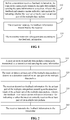
- FIG. 1 is a schematic flowchart of a method for data transmission according to an embodiment of the disclosure. The method illustrated in FIG. 1 includes the following operations.
- the transmitter before a transmitter receives feedback information, the transmitter continuously transmits multiple data packets carrying the same information to a receiver, wherein the feedback information carries indication information for indicating whether the receiver correctly receives at least part of the multiple data packets.
- the transmitter receives the feedback information transmitted by the receiver.
- the transmitter transmits subsequent data according to the feedback information.
- the transmitter may continuously transmit the multiple data packets including the same content to the receiver until the transmitter receives the feedback information transmitted by the receiver, and the transmitter transmits subsequent data according to the feedback information.
- the transmitter may be a network-side device or a terminal device and the receiver may be a network-side device or a terminal device. That is, the transmitter and the receiver may be applied to a Device-to-Device (D2D) communication system. The transmitter and the receiver may also be applied to a cellular communication system. There are no specific limits made thereto in the disclosure.
- D2D Device-to-Device
- the transmitter may continuously transmit the multiple data packets carrying the same information to the receiver until the transmitter receives the feedback information transmitted by the receiver, and then the transmitter determines subsequent data transmission according to the feedback information.
- the transmitter since the transmitter keeps transmitting the data packets carrying the same information to the receiver, the reliability of the data transmission may be improved.
- the transmitter may keep transmitting the multiple data packets carrying the same information to the receiver, so that data transmission latency may be shortened. For example, when the receiver has not correctly received a first data packet and the subsequent data packets carrying the same information have been transmitted to the receiver by the transmitter, the receiver may re-detect the subsequent data packets carrying the same information immediately, without waiting the transmitter to retransmit the data packet carrying the same information after the receiver transmits the feedback information to the transmitter, like an existing data transmission mechanism.
- the operation that the transmitter continuously transmits the multiple data packets carrying the same information to the receiver includes that: the transmitter continuously transmits the multiple data packets to the receiver based on a transmission pattern respectively corresponding to each of the multiple data packets.
- each of the multiple data packets may correspond to a transmission pattern.
- the transmission pattern corresponding to each data packet in the multiple data packets may be the same and may also be different.
- each data packet in the multiple data packets carrying the same information may correspond to a transmission pattern, so that the transmitter may transmit the multiple data packets in a more flexible manner.
- the operation that the transmitter continuously transmits the multiple data packets carrying the same information to the receiver includes that: the transmitter continuously transmits the multiple data packets to the receiver based on at least two transmission patterns.
- the transmitter when transmitting the multiple data packets, may transmit the multiple data packets based on different transmission patterns.
- the transmitter transmits three data packets carrying the same information to the receiver based on two different transmission patterns (for example, a transmission pattern 1 and a transmission pattern 2).
- the transmission pattern 1 may be used for transmission of the first data packet
- the transmission pattern 2 may be used for transmission of the second data packet
- the transmission pattern 1 may be used for transmission of the third data packet.
- the transmission pattern 1 may be used for transmission of the first data packet and the third data packet
- the transmission pattern 2 may be used for transmission of the second data packet.
- the transmitter transmits the three same data packets to the receiver based on the two different transmission patterns (for example, the transmission pattern 1 and the transmission pattern 2), which is merely as an example and there are no specific limits made to a sequential combination of the transmission patterns used for transmission of the multiple data packets in the disclosure.
- the transmitter may transmit the multiple data packets carrying the same information to the receiver based on different transmission patterns. Since diversified transmission patterns may improve diversity of data packet transmission manners, a probability that the receiver correctly receives the data packets is improved.
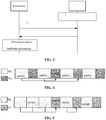
- FIG. 2 is a schematic flowchart of a method for data transmission according to an embodiment of the disclosure. The method illustrated in FIG. 2 includes the following operations.
- a receiver receives multiple data packets continuously transmitted by a transmitter and carrying the same information.
- the receiver detects at least part of the multiple data packets to determine a detection result of at least part of the multiple data packets.
- the receiver determines feedback information for the at least part of the multiple data packets according to the detection result of the at least part of the multiple data packets, wherein the feedback information carries indication information for indicating whether the receiver correctly receives the at least part of the multiple data packets.
- the receiver transmits the feedback information to the transmitter.
- the receiver may receive the multiple data packets which are continuously transmitted by the transmitter and carry the same content, and detect the at least part of the multiple data packets to determine the detection result of the at least part of data packets. Then, the receiver may transmit the feedback information to the transmitter according to the detection result to notify the transmitter whether the receiver correctly receives the information in the multiple data packets.
- the operations that the receiver receives the data packets and that the receiver detects the received data packets may be two independent processes. That is, the receiver may not detect all data packets in the received multiple data packets.
- the receiver may detect a data packet that is transmitted by the transmitter in a time period when the ACK information is not received and carries a same content as that of the multiple data packets.
- the transmitter continuously transmits three data packets carrying the same information to the receiver and the receiver transmits feedback information carrying ACK information to the transmitter for the second data packet in the three data packets. Since the receiver transmits the feedback information with a latency, the transmitter, in such case, may have transmitted the third data packet to the receiver.
- the receiver may receive the third data packet and detect the third data packet (for example, the receiver is required to acquire a transmission effect of the third data packet transmitted through a transmission pattern corresponding to the third data packet).
- the receiver may also receive the third data packet only but not detect the third data packet.
- the transmitter may be a network-side device or a terminal device and the receiver may be a network-side device or a terminal device. There are no specific limits made thereto in the disclosure.
- the transmitter may continuously transmit the multiple data packets carrying the same information to the receiver until the transmitter receives the feedback information transmitted by the receiver, and then the transmitter determines subsequent data transmission according to the feedback information.
- the transmitter since the transmitter keeps transmitting the data packets carrying the same information to the receiver, the reliability of the data transmission may be improved.
- the transmitter may keep transmitting the multiple data packets carrying the same information to the receiver, so that data transmission latency may be shortened. For example, when the receiver has not correctly received a first data packet and the subsequent data packets carrying the same information have been transmitted to the receiver by the transmitter, the receiver may re-detect the subsequent data packets carrying the same information immediately, without waiting the transmitter to retransmit the data packet carrying the same information after the receiver transmits the feedback information to the transmitter, like an existing data transmission mechanism.
- the operation that the receiver receives the multiple data packets continuously transmitted by the transmitter and carrying the same information may include the following action.
- the receiver receives the multiple data packets that are continuously transmitted by the transmitter and carries the same information based on a transmission pattern respectively corresponding to each of the multiple data packets.
- each of the multiple data packets received by the receiver from the transmitter and including the same content may correspond to a transmission pattern.
- each of the multiple data packets carrying the same information may correspond to a transmission pattern, so that the transmitter may transmit the multiple data packets in a more flexible manner.
- the operation that the receiver receives the multiple data packets continuously transmitted by the transmitter and carrying the same information may include the following action.
- the receiver receives the multiple data packets transmitted by the transmitter and carrying the same information based on at least two transmission patterns.
- the receiver when receiving the multiple data packets transmitted by the transmitter, may receive the multiple data packets based on different transmission patterns.
- the receiver receives three data packets transmitted by the transmitter and carrying the same information based on two different transmission patterns (for example, a transmission pattern 1 and a transmission pattern 2).
- the receiver may receive the first data packet based on the transmission pattern 1, the receiver may receive the second data packet based on the transmission pattern 2 and the receiver may receive the third data packet based on the transmission pattern 2.
- the receiver receives the three same data packets from the transmitter based on the two different transmission patterns (for example, the transmission pattern 1 and the transmission pattern 2), which is merely as an example and there are no specific limits made to a sequential combination of the transmission patterns used for transmission of the multiple data packets in the disclosure.
- the receiver may receive the multiple data packets transmitted by the transmitter and carrying the same information based on different transmission patterns. Since diversified transmission patterns may improve diversity of data packet transmission manners, a probability that the receiver correctly receives the data packets is improved.
- the operation that the receiver detects the at least part of the multiple data packets may include the following action.
- the receiver detects each of the multiple data packets, or the receiver performs joint detection on at least two data packets in the multiple data packets.
- the receiver may detect each data packet in the multiple data packets transmitted by the transmitter to determine a detection result of each data packet.
- the receiver may perform joint detection on a group of data packets (i.e., at least two data packets) in the multiple data packets to determine a detection result of the group of the data packets.
- the receiver may independently detect each of the multiple data packets and the receiver may also perform joint detection on the at least part of the multiple data packets. There are no specific limits made to a method by which the receiver detects the multiple data packets in the disclosure.
- the receiver may independently detect the multiple data packets transmitted by the transmitter or perform joint detection on the at least part of data packets in the multiple data packets, so that the receiver may detect the data packets in diversified manners to improve the flexibility of data packet detection.
- FIG. 3 is a schematic flowchart of a method for data transmission according to another embodiment of the disclosure. It should be understood that FIG. 3 illustrates detailed actions or operations of the method for data transmission. However, these actions or operations are only examples. Other operations or transformations of each operation in FIG. 3 may also be executed in the embodiment of the disclosure. In addition, each operation in FIG. 3 may be executed in a sequence different from that illustrated in FIG. 3 and not all the operations in FIG. 3 may be executed. The operations illustrated in FIG. 3 will be specifically described below.
- a receiver receives a scheduling signaling.
- a transmitter may transmit a scheduling signaling to the receiver to indicate the receiver to receive multiple data packets.
- the transmitter may also transmit multiple scheduling signalings to the receiver. Since the multiple scheduling signalings are in one-to-one correspondence with the multiple data packets, each scheduling signaling may indicate the receiver to receive the data packet corresponding to the scheduling signaling.
- the receiver may receive a DCI transmitted by the base station.
- the DCI may be configured to indicate the receiver to receive the multiple data packets transmitted by the transmitter. That is, the base station may schedule the receiver to receive the multiple data packets through the DCI.
- the receiver may receive multiple DCI transmitted by the base station.
- Each of the multiple DCI corresponds to one of the multiple data packets and each DCI may be configured to indicate the receiver to receive the data packet corresponding to the DCI. That is, the base station may schedule the receiver to receive the multiple data packets through the multiple DCI, and each DCI may be configured to schedule the receiver to receive the data packet corresponding to the DCI.
- the transmitter when the transmitter is the base station, the transmitter may transmit the DCI to the receiver.
- the base station When the transmitter is not the base station, the base station may transmit the DCI to the receiver. That is, this is similar to the condition that a base station transmits scheduling information to a receiver (terminal) in a D2D communication system.
- a transmitter continuously transmits multiple data packets carrying the same information to the receiver.
- the transmitter continuously transmits the multiple data packets carrying the same information to the receiver until the transmitter receives feedback information transmitted by the receiver.
- the multiple data packets carrying the same information may refer to multiple data packets carrying the same information. That is, information bits of parts of a destination Internet Protocol (IP) address, a source IP address, payload data and the like in the multiple data packets are the same.
- IP Internet Protocol
- the transmitter may be a network-side device or a terminal device and the receiver may be a network-side device or a terminal device. There are no specific limits made thereto in the disclosure.
- the multiple data packets are transmitted by use of a transmission pattern respectively corresponding to each of the multiple data packets.
- the transmission pattern corresponding to each data packet is predetermined by the transmitter and the receiver.
- the transmission pattern corresponding to each data packet is transmitted to the receiver by the transmitter through the signaling.
- the transmission pattern corresponding to each of the multiple data packets may be predetermined by the transmitter and the receiver.
- time-frequency resources used for transmission of the multiple data packets may be time-frequency resources that adopt a fixed frequency hopping pattern on continuous subframes.
- the transmission pattern corresponding to each of the multiple data packets is transmitted to the receiver by the transmitter through the signaling.
- the transmitter may carry the transmission pattern corresponding to each data packet in high-layer signaling or DCI for transmitting to the receiver.
- the transmitter may transmit the multiple data packets based on a transmission pattern and the transmitter may transmit the multiple data packets based on multiple transmission patterns. There are no specific limits made thereto in the disclosure.
- the operation that the transmitter continuously transmits the multiple data packets carrying the same information to the receiver includes the following action.
- the transmitter transmits three same data packets to the receiver based on two different transmission patterns (for example, a transmission pattern 1 and a transmission pattern 2).
- the transmission pattern 1 may be used for transmission of the first data packet
- the transmission pattern 2 may be used for transmission of the second data packet
- the transmission pattern 1 may be used for transmission of the third data packet.
- the transmission pattern 1 may be used for transmission of the first data packet and the third data packet
- the transmission pattern 2 may be used for transmission of the second data packet.
- the transmitter transmits the three same data packets to the receiver based on the two different transmission patterns (for example, the transmission pattern 1 and the transmission pattern 2), which is merely as an example and there are no specific limits made to a sequential combination of the transmission patterns used for transmission of the multiple data packets in the disclosure.
- the receiver transmits feedback information to the transmitter.
- the feedback information carries indication information configured to indicate whether the receiver correctly receives the first data packet in the multiple data packets.
- the first data packet may be any data packet in the multiple data packets.
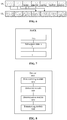
- FIG. 4 is a schematic diagram of UL and DL data transmission in a TDD manner according to another embodiment of the disclosure.
- the method for data transmission will be described below with UL and DL data transmission in the TDD manner in FIG. 4 as an example in detail.
- the transmitter transmits a data packet and a relatively long feedback latency is required for reception of feedback information corresponding to the data packet.
- feedback information for a first data packet time when the transmitter transmits the first data packet 1 in FIG. 4
- transmitted by the transmitter through a DL may be received (referring to time when the transmitter receives a NACK message in FIG. 4 ) after transmission time of an Nth data packet (time when the transmitter transmits the Nth data packet 1 in FIG. 4 ).
- the transmitter when transmitting data, is not required to determine whether to retransmit a second data packet 1 according to the feedback information for the first data packet 1.
- the transmitter may continuously transmit the data packet 1 in a time period when the feedback information for the first data packet 1 is not received until receiving the feedback information, transmitted by the receiver through a UL, for the first data packet 1.
- the transmitter may continue transmitting (retransmit) the data packet 1.
- the transmitter may stop transmitting the data packet 1 and, in such case, the transmitter may transmit a new data packet (referring to a data packet 2 in FIG. 4 ).
- the feedback information inlcudes indication information configured to indicate whether the receiver correctly receives at least two data packets in the multiple data packets.
- the receiver may perform joint detect on the multiple data packets to acquire the content of the data packets only after receiving the multiple data packets transmitted by the transmitter and carrying the same information.
- the feedback information transmitted to the transmitter by the receiver may be feedback information for the any three data packets in the multiple data packets. That is, when the receiver correctly receives the any three data packets in the multiple data packets, the receiver may transmit ACK information to the transmitter. When the receiver does not correctly receive the any three data packets in the multiple data packets, the receiver may transmit NACK information to the transmitter.
- the feedback information carries indication information configured to indicate whether the receiver correctly receives the information in the multiple data packets.
- the multiple data packets carrying the same information may be understood that data packets carrying the same information are transmitted for many times. Therefore, from this point of view, the feedback information may indicate whether the receiver correctly receives the information included in the data packets.
- the feedback information carries at least one of a transmission pattern corresponding to a target data packet in the multiple data packets or a transmission sequence number of the target data packet.
- FIG. 5 is a schematic diagram of UL and DL data transmission in a TDD manner according to another embodiment of the disclosure.
- the method for data transmission will be described below with UL and DL data transmission in the TDD manner in FIG. 5 as an example in detail.
- the transmitter may continuously transmit multiple data packets (referring to data packets 1 in FIG. 5 ) carrying the same information through a DL and the receiver may transmit feedback information to the transmitter through a UL according to a detection result of the data packets (the data packets 1) transmitted for many times. Descriptions will be made in FIG. 5 regarding whether the receiver correctly receives three data packets 1 transmitted by the transmitter as an example.
- the receiver may transmit NACK information to the transmitter as the feedback information.
- the receiver may carry a transmission sequence number (referring to R2 illustrated in FIG. 5 ) corresponding to worst channel quality in the three data packets transmitted by the transmitter into the NACK information.
- the transmitter may retransmit the data packet corresponding to the sequence number based on a transmission pattern corresponding to the data packet.
- the receiver may transmit ACK information to the transmitter and, in such case, the transmitter may transmit a new data packet (referring to a data packet 2 in FIG. 5 ).
- the receiver may transmit the ACK information (not illustrated in FIG. 5 ) to the transmitter. In such case, the transmitter may transmit the new data packet.
- FIG. 6 is a schematic diagram of UL and DL data transmission in an FDD manner according to another embodiment of the disclosure.
- the method for data transmission will be described below with UL and DL data transmission in the FDD manner in FIG. 6 as an example in detail.
- the transmitter may continuously transmit data packets (data packets 1) carrying the same information for many times (for example, 5 times in FIG. 6 ) on a DL subframe.
- the receiver after receiving N continuous (for example, 3 in FIG. 6 ) data packets, performs joint detect on the N data packets. Assume that the second data packet 1, third data packet 1 and fourth data packet 1 illustrated in FIG. 6 include all HARQ redundancy versions of the data packet 1.
- the receiver may perform joint detect on the data packet 1 only after receiving the three HARQ redundancy versions of the data packet 1. Therefore, when the receiver transmits feedback information to the transmitter through a UL, the feedback information is configured to indicate whether the receiver correctly receives all the HARQ redundancy versions of the data packet 1.
- the transmitter when receiving NACK information, may continue transmitting the data packet 1.
- the transmitter when receiving ACK information, may stop transmitting the data packet and transmit a new data packet 2.
- the feedback information carries indication information configured to indicate whether the receiver correctly receives a specified data packet in the multiple data packets transmitted by the transmitter.
- the specified data packet may be a data packet having a preset timing relationship with the feedback information.
- the feedback information is configured to indicate whether the specified data packet in the multiple data packets is correctly received by the receiver.
- the feedback information and the specified data packet have the preset timing relationship.
- the preset timing relationship may refer to a fixed time period between a moment when the receiver transmits the feedback information to the transmitter and a moment when the receiver receives the specified data packet.
- the preset timing relationship between the feedback information and the specified data packet will be described with the condition that the feedback information and the specified data packet are spaced by a predetermined fixed number of transmission time intervals as an example. It should be understood that the preset timing relationship of the embodiment of the disclosure is not limited thereto.
- the predetermined fixed number of the transmission time intervals between the feedback information and the specified data packet is 3. That is, there are three transmission time intervals between the feedback information and the specified data packet.
- the feedback information is configured to indicate whether the data packet at three transmission time intervals before the feedback information is correctly received by the receiver.
- the preset timing relationship is a timing relationship predetermined by the transmitter and the receiver. In an alternative embodiment, the preset timing relationship is indicated to the receiver by the transmitter through signaling.
- the preset timing relationship predetermined by the transmitter and the receiver may refer to that the transmitter and the receiver determine the preset timing relationship through a protocol and may also refer to that the preset timing relationship is manually set in the transmitter and the receiver.
- That the preset timing relationship is transmitted to the receiver by the transmitter through the signaling may refer to that the transmitter transmits the signaling to the receiver, the signaling including the preset timing relationship.
- the transmitter when the transmitter is a base station, the transmitter may transmit DCI to the receiver and the DCI carries the preset timing relationship.
- the preset timing relationship is transmitted to the receiver by the transmitter, may also be transmitted to the transmitter and the receiver by the base station respectively and may further be transmitted to the base station by the transmitter and then transmitted to the receiver by the base station.
- the preset timing relationship is transmitted to the receiver by the transmitter, may also be transmitted to the transmitter and the receiver by the base station respectively and may further be transmitted to the base station by the transmitter and then transmitted to the receiver by the base station.
- the transmitter transmits subsequent data according to the feedback information.
- the operation that the transmitter transmits the subsequent data according to the feedback information carries the following action.
- the transmitter determines a transmission pattern corresponding to a target data packet according to feedback information.
- the transmitter determines a transmission pattern used for transmission of the subsequent data according to the transmission pattern corresponding to the target data packet.
- the transmitter transmits the subsequent data with the transmission pattern used for transmission of the subsequent data.
- the target data packet includes any one of the following data packets: a data packet which is not correctly received by the receiver; a data packet which is correctly received by the receiver; a data packet which is transmitted on a channel with best channel quality in at least one channel used for transmission of the multiple data packets; a data packet which is transmitted on a channel with worst channel quality in the at least one channel used for transmission of the multiple data packets; a data packet with a worst detection error rate in the multiple data packets; or a data packet with a best detection error rate in the multiple data packets.
- the target data packet may include any one of the following data packets: the data packet which is not correctly received by the receiver, the data packet which is transmitted on the channel with worst channel quality in the at least one channel used for transmission of the multiple data packets or the data packet with the best detection error rate in the multiple data packets.
- the target data packet may include any one of the following data packets: the data packet which is correctly received by the receiver, the data packet which is transmitted on the channel with best channel quality in the at least one channel used for transmission of the multiple data packets or the data packet with the worst detection error rate in the multiple data packets.
- the target data packet when the target data packet includes the data packet which is transmitted on the channel with worst channel quality in the at least one channel used for transmission of the multiple data packets, at least one of the transmission pattern corresponding to the target data packet or the transmission sequence number of the target data packet may also be included in the ACK information. That is, although the target data packet is correctly received by the receiver, the channel quality of the channel used for transmission of the data packet is worst. There are no specific limits made to including different types of target data packets into the ACK information or the NACK information in the disclosure.
- the target data packet may further include a data packet which is transmitted on the channel with relatively poor channel quality in the channels used by the transmitter for transmission of the multiple data packets. That is, a first channel quality threshold may be set on a receiver side. When channel quality of any channel in the channels used for transmission of the data packets is lower than the channel quality threshold, the data packet transmitted on the channel may be determined as the target data packet.
- the target data packet may further include a data packet which is transmitted on the channel with relatively higher channel quality in the channels used by the transmitter for transmission of the multiple data packets. That is, a second channel quality threshold may also be set on the receiver side. When the channel quality of any channel in the channels used for transmission of the data packets is higher than the channel quality threshold, the data packet transmitted on the channel may be determined as the target data packet.
- first channel quality threshold and the second channel quality threshold may be the same or the first channel quality threshold may also be lower than the second channel quality threshold.
- the target data packet may further include a data packet with a relatively high detection error rate in the multiple data packets detected by the receiver. That is, a first detection error rate threshold may be set on the receiver side. When a detection error rate of any of the multiple data packets is higher than the first detection error rate threshold, the data packet may be determined as the target data packet.
- the target data packet may further include a data packet with a relatively low detection error rate in the multiple data packets detected by the receiver. That is, a second detection error rate threshold may be set on the receiver side. When the detection error rate of any of the multiple data packets is lower than the second detection error rate threshold, the data packet may be determined as the target data packet.
- first detection error rate threshold and the second detection error rate threshold may be the same or the first detection error rate threshold may also be higher than the second detection error rate threshold.
- a type of the target data packet in the feedback information may be stored in the transmitter and the receiver in form of predetermination by the transmitter and the receiver.
- a type identifier corresponding to the target data packet may also be stored in the transmitter and the receiver.
- the feedback information carries the type identifier of the data packet, so that the transmitter and the receiver may adjust the transmission patterns for the subsequent data packets according to the transmission pattern corresponding to the target data packet.
- the operation that the transmitter transmits the subsequent data according to the feedback information includes the following action.
- the feedback information is ACK information
- the transmitter stops transmitting a data packet carrying the same information as that of the multiple data packets.
- the feedback information is NACK information
- the transmitter transmits the data packet carrying the same information as that of the multiple data packets.
- the transmitter stops transmitting the data packet carrying the same information as that of the multiple data packets, the transmitter may transmit a new data packet (i.e., a data packet carrying information different from that of the multiple data packets) to the receiver and the transmitter may also stop transmitting data to the receiver.
- a new data packet i.e., a data packet carrying information different from that of the multiple data packets
- the method further includes the following operations.
- the transmitter stops transmitting the data packet carrying the same information as that of the multiple data packets.
- the transmitter stops transmitting the data packet carrying the same content as that of the multiple data packets.
- the transmitter may transmit a new data packet (i.e., a data packet carrying a content different from that of the multiple data packets) to the receiver and the transmitter may also stop transmitting data to the receiver.
- the transmitter may also stop transmitting the data packet carrying the same content as that of the multiple data packets to the receiver.
- the transmission pattern is formed by at least one of the following transmission information: HARQ redundancy version information, frequency-domain resource information, time-domain resource information, beamforming vector information, subcarrier spacing information, duration information of the data transmission, pilot sequence information or scrambling sequence information.
- FIG. 7 to FIG. 10 may implement each operation in FIG. 3 and will not be elaborated herein for avoiding repetitions.
- FIG. 7 is a schematic block diagram of a device for data transmission according to an embodiment of the disclosure.
- the device 700 illustrated in FIG. 7 includes a first transmitting module 710, a receiving module 720 and a first processing module 730.
- the first transmitting module 710 is configured to continuously transmit multiple data packets carrying the same information to a receiver before feedback information is received, wherein the feedback information carrying indication information for indicating whether the receiver correctly receives at least part of the multiple data packets.
- the receiving module 720 is configured to receive the feedback information transmitted by the receiver.
- the first processing module 730 is configured to transmit subsequent data according to the feedback information.
- a transmitter may continuously transmit the multiple data packets carrying the same information to the receiver until the transmitter receives the feedback information transmitted by the receiver, and then the transmitter determines subsequent data transmission according to the feedback information.
- the transmitter since the transmitter keeps transmitting the data packets carrying the same information to the receiver, the reliability of the data transmission may be improved.
- the transmitter may keep transmitting the multiple data packets carrying the same information to the receiver, so that data transmission latency may be shortened. For example, when the receiver has not correctly received a first data packet and the subsequent data packets carrying the same information have been transmitted to the receiver by the transmitter, the receiver may re-detect the subsequent data packets carrying the same information immediately, without waiting the transmitter to retransmit the data packet carrying the same information after the receiver transmits the feedback information to the transmitter, like an existing data transmission mechanism.
- the first transmitting module may be specifically configured to continuously transmit the multiple data packets to the receiver based on a transmission pattern respectively corresponding to each of the multiple data packets.
- the first transmitting module may further be specifically configured to transmit the multiple data packets to the receiver based on at least two transmission patterns.
- the feedback information carries transmission information of a target data packet in the multiple data packets.
- the first processing module may be specifically configured to determine the transmission pattern corresponding to the target data packet according to the transmission information of the target data packet, determine a transmission pattern for transmission of the subsequent data according to the transmission pattern corresponding to the target data packet and transmit the subsequent data with the transmission pattern for transmission of the subsequent data.
- the transmission information of the target data packet may include at least one of a transmission pattern corresponding to the target data packet or a transmission sequence number of the target data packet.
- the target data packet may include any one of the following data packets: a data packet which is not correctly received by the receiver; a data packet which is correctly received by the receiver; a data packet which is transmitted on a channel with best channel quality in at least one channel used for transmission of the multiple data packets; a data packet which is transmitted on a channel with worst channel quality in the at least one channel used for transmission of the multiple data packets; a data packet with a worst detection error rate in the multiple data packets; or a data packet with a best detection error rate in the multiple data packets.
- the transmission information in the transmission pattern may include at least one of: HARQ redundancy version information, frequency-domain resource information, time-domain resource information, beamforming vector information, subcarrier spacing information, duration information of the data transmission, pilot sequence information or scrambling sequence information.
- the transmission pattern corresponding to each of the multiple data packets may be predetermined by the transmitter and the receiver. In an alternative embodiment, the transmission pattern corresponding to each of the multiple data packets may be transmitted to the receiver by the transmitter through the signaling.
- the feedback information may carry indication information for indicating whether the receiver correctly receives a specified data packet in the multiple data packets transmitted by the transmitter.
- the specified data packet may be a data packet having a preset timing relationship with the feedback information.
- the preset timing relationship may be a timing relationship predetermined by the transmitter and the receiver. In an alternative embodiment, the preset timing relationship may be indicated to the receiver by the transmitter through signaling.
- the feedback information may carry any one of the following indication information: indication information for indicating whether the receiver correctly receives the first data packet in the multiple data packets, the first data packet being any data packet in the multiple data packets; indication information for indicating whether the receiver correctly receives at least two data packets in the multiple data packets; or indication information for indicating whether the receiver correctly receives the information contained in the multiple data packets or not.
- the first processing module may further be specifically configured to, responsive to determining that the feedback information carries ACK information, stop transmitting a data packet carrying the same information as that of the multiple data packets and, responsive to determining that the feedback information carries NACK information, transmit the data packet carrying the same information as that of the multiple data packets.
- the device may further include a second processing module.
- the second processing module may be configured to, when the number of the transmitted multiple data packets is more than or equal to a preset threshold value, stop transmitting the data packet carrying the same information as that of the multiple data packets.
- the device may further include a second transmitting module.
- the second transmitting module may be configured to transmit a scheduling signaling to the receiver, wherein the scheduling signaling may be configured to indicate the receiver to receive the multiple data packets, or transmit multiple scheduling signalings to the receiver, wherein the multiple scheduling signalings may be in one-to-one correspondence with the multiple data packets and each scheduling signaling may be configured to indicate the receiver to receive the data packet corresponding to the scheduling signaling.
- FIG. 8 is a schematic block diagram of a device for data transmission according to another embodiment of the disclosure.
- the device 800 illustrated in FIG. 8 includes a first receiving module 810, a detection module 820, a determination module 830 and a transmitting module 840.
- the first receiving module 810 is configured to receive multiple data packets continuously transmitted by a transmitter and carrying the same information.
- the detection module 820 is configured to detect at least part of the multiple data packets to determine a detection result of the at least part of the multiple data packets.
- the determination module 830 is configured to determine feedback information for the at least part of the multiple data packets according to the detection result of the at least part of the multiple data packets.
- the feedback information carries indication information configured to indicate whether the receiver correctly receives the at least part of the multiple data packets.
- the transmitting module 840 is configured to transmit the feedback information to the transmitter.
- the transmitter may continuously transmit the multiple data packets carrying the same information to a receiver until the transmitter receives the feedback information transmitted by the receiver, and then the transmitter determines subsequent data transmission according to the feedback information.
- the transmitter since the transmitter keeps transmitting the data packets carrying the same information to the receiver, the reliability of the data transmission may be improved.
- the transmitter may keep transmitting the multiple data packets carrying the same information to the receiver, so that data transmission latency may be shortened. For example, when the receiver has not correctly received a first data packet and the subsequent data packets carrying the same information have been transmitted to the receiver by the transmitter, the receiver may re-detect the subsequent data packets carrying the same information immediately, without waiting the transmitter to retransmit the data packet carrying the same information after the receiver transmits the feedback information to the transmitter, like an existing data transmission mechanism.
- the first receiving module may be specifically configured to receive the multiple data packets continuously transmitted by the transmitter and carrying the same information based on a transmission pattern respectively corresponding to each of the multiple data packets.
- the first receiving module may further be specifically configured to receive the multiple data packets transmitted by the transmitter and carrying the same information based on at least two transmission patterns.
- the transmitting module may be specifically configured to transmit the feedback information to the transmitter, wherein the feedback information carries information for indicating at least one of a transmission pattern corresponding to a target data packet in the multiple data packets or a transmission sequence number of the target data packet.
- the target data packet may include any one of the following data packets: a data packet which is not correctly received by the receiver; a data packet which is correctly received by the receiver; a data packet which is transmitted on a channel with best channel quality in at least one channel used for transmission of the multiple data packets; a data packet which is transmitted on a channel with worst channel quality in the at least one channel used for transmission of the multiple data packets; a data packet with a worst detection error rate in the multiple data packets; or a data packet with a best detection error rate in the multiple data packets.
- the transmission pattern may be formed by at least one of the following transmission information: HARQ redundancy version information, frequency-domain resource information, time-domain resource information, beamforming vector information, subcarrier spacing information, duration information of the data transmission, pilot sequence information or scrambling sequence information.
- the transmission pattern corresponding to each of the multiple data packets may be predetermined by the transmitter and the receiver. In an alternative embodiment, the transmission pattern corresponding to each of the multiple data packets may be transmitted to the receiver by the transmitter through the signaling.
- the transmitting module may further be specifically configured to transmit the feedback information to the transmitter, wherein the feedback information carries indication information for indicating whether the receiver correctly receives a specified data packet in the multiple data packets transmitted by the transmitter and the specified data packet has a preset timing relationship with the feedback information.
- the preset timing relationship may be a timing relationship predetermined by the transmitter and the receiver. In an alternative embodiment, the preset timing relationship may be indicated to the receiver by the transmitter through signaling.
- the feedback information may carry any one of the following indication information: indication information for indicating whether the receiver correctly receives the first data packet in the multiple data packets, the first data packet being any data packet in the multiple data packets; indication information for indicating whether the receiver correctly receives at least two data packets in the multiple data packets; or indication information for indicating whether the receiver correctly receives the information in the multiple data packets.
- the device may further include a second receiving module.
- the second receiving module may be configured to receive a scheduling signaling transmitted by the transmitter, wherein the scheduling signaling is configured to indicate the receiver to receive the multiple data packets, or receive multiple scheduling signalings, wherein the multiple scheduling signalings are in one-to-one correspondence with the multiple data packets and each scheduling signaling is configured to indicate the receiver to receive the data packet corresponding to the scheduling signaling.
- the detection module may further be specifically configured to detect each data packet in the multiple data packets or perform joint detection on at least two data packets in the multiple data packets.
- FIG. 9 is a schematic block diagram of a device for data transmission according to another embodiment of the disclosure.
- the device 900 illustrated in FIG. 9 includes a memory 910, a processor 920, an input/output interface 930, a communication interface 940 and a bus system 950.
- the memory 910, the processor 920, the input/output interface 930 and the communication interface 940 are connected through the bus system 950.
- the memory 910 may be configured to store an instruction.
- the processor 920 may be configured to execute the instruction stored in the memory 910 to control the input/output interface 930 to receive input data and information and output data such as an operation result and control the communication interface 940 to transmit a signal.
- the communication interface 940 may be configured to continuously transmit multiple data packets carrying the same information to a receiver.
- the communication interface 940 may be further configured to receive feedback information transmitted by the receiver, wherein the feedback information may be configured to indicate whether the receiver correctly receives at least part of the multiple data packets.
- the processor 920 may be configured to transmit subsequent data according to the feedback information.
- the processor 920 may adopt a universal Central Processing Unit (CPU), a microprocessor, an Application Specific Integrated Circuit (ASIC) or one or more integrated circuits, and may be configured to execute a related program to implement the technical solution provided in the embodiments of the disclosure.
- CPU Central Processing Unit
- ASIC Application Specific Integrated Circuit
- the communication interface 940 uses, for example, but not limited to, a transceiver device such as a transceiver to implement communication between the mobile terminal 900 and another device or a communication network.
- a transceiver device such as a transceiver to implement communication between the mobile terminal 900 and another device or a communication network.
- the memory 910 may include a Read-Only Memory (ROM) and a Random Access Memory (RAM) and provides an instruction and data to the processor 920.
- a part of the processor 920 may further include a nonvolatile RAM.
- the processor 920 may further store information of a device type.
- the bus system 950 may include a data bus, and may further include a power bus, a control bus, a state signal bus and the like. However, for clear description, various buses in the figure are marked as the bus system 950.
- each operation of the method may be completed by an integrated logic circuit of hardware in the processor 920 or an instruction in a software form.
- the method for data transmission disclosed in combination with the embodiments of the disclosure may be directly embodied to be executed and completed by a hardware processor or executed and completed by a combination of hardware and software modules in the processor.
- the software module may be located in a mature storage medium in this field such as a RAM, a flash memory, a ROM, a Programmable ROM (PROM) or Electrically Erasable PROM (EEPROM) and a register.
- the storage medium is located in the memory 910.
- the processor 920 reads information in the memory 910 and completes the operations of the method in combination with hardware. No more detailed descriptions will be made herein to avoid repetitions.
- a transmitter may continuously transmit the multiple data packets carrying the same information to the receiver until the transmitter receives the feedback information transmitted by the receiver, and then the transmitter determines subsequent data transmission according to the feedback information.
- the transmitter since the transmitter keeps transmitting the data packets carrying the same information to the receiver, the reliability of the data transmission may be improved.
- the transmitter may keep transmitting the multiple data packets carrying the same information to the receiver, so that data transmission latency may be shortened. For example, when the receiver has not correctly received a first data packet and the subsequent data packets carrying the same information have been transmitted to the receiver by the transmitter, the receiver may re-detect the subsequent data packets carrying the same information immediately, without waiting the transmitter to retransmit the data packet carrying the same information after the receiver transmits the feedback information to the transmitter, like an existing data transmission mechanism.
- the communication interface may be specifically configured to continuously transmit the multiple data packets to the receiver based on a transmission pattern respectively corresponding to each of the multiple data packets.
- the communication interface may further be specifically configured to continuously transmit the multiple data packets to the receiver based on at least two transmission patterns.
- the feedback information may carry transmission information of a target data packet in the multiple data packets.
- a first processing module may be specifically configured to determine the transmission pattern corresponding to the target data packet according to the transmission information of the target data packet, determine a transmission pattern for transmission of the subsequent data according to the transmission pattern corresponding to the target data packet and transmit the subsequent data with the transmission pattern for transmission of the subsequent data.
- the transmission information of the target data packet may include at least one of a transmission pattern corresponding to the target data packet or a transmission sequence number of the target data packet.
- the target data packet may include any one of the following data packets: a data packet which is not correctly received by the receiver; a data packet which is correctly received by the receiver; a data packet which is transmitted on a channel with best channel quality in at least one channel used for transmission of the multiple data packets; a data packet which is transmitted on a channel with worst channel quality in the at least one channel used for transmission of the multiple data packets; a data packet with a worst detection error rate in the multiple data packets; or a data packet with a best detection error rate in the multiple data packets.
- the transmission information in the transmission pattern may include at least one of: HARQ redundancy version information, frequency-domain resource information, time-domain resource information, beamforming vector information, subcarrier spacing information, duration information of the data transmission, pilot sequence information or scrambling sequence information.
- the transmission pattern corresponding to each of the multiple data packets may be predetermined by the transmitter and the receiver, or the transmission pattern corresponding to each of the multiple data packets may be transmitted to the receiver by the transmitter through the signaling.
- the feedback information may carry indication information configured to indicate whether the receiver correctly receives a specified data packet in the multiple data packets transmitted by the transmitter.
- the specified data packet may be a data packet having a preset timing relationship with the feedback information.
- the preset timing relationship may be a timing relationship predetermined by the transmitter and the receiver, or the preset timing relationship may be indicated to the receiver by the transmitter through signaling.
- the feedback information may carry any one of the following indication information: indication information for indicating whether the receiver correctly receives the first data packet in the multiple data packets, the first data packet being any data packet in the multiple data packets; indication information for indicating whether the receiver correctly receives at least two data packets in the multiple data packets; or indication information for indicating whether the receiver correctly receives the information in the multiple data packets.
- the processor may further be specifically configured to, responsive to determining that the feedback information carries ACK information, stop transmitting a data packet carrying the same information as that of the multiple data packets and, responsive to determining that the feedback information carries NACK information, transmit the data packet carrying the same information as that of the multiple data packets.
- the processor may further be configured to, when the number of the multiple data packets transmitted by the transmitter is more than or equal to a preset threshold value, stop transmitting the data packet carrying the same information as that of the multiple data packets.
- the communication interface may be configured to transmit a scheduling signaling to the receiver, wherein the scheduling signaling is configured to indicate the receiver to receive the multiple data packets, or transmit multiple scheduling signalings to the receiver, wherein the multiple scheduling signalings are in one-to-one correspondence with the multiple data packets and each scheduling signaling is configured to indicate the receiver to receive the data packet corresponding to the scheduling signaling.
- the communication interface may be specifically configured to continuously transmit the multiple data packets to the receiver based on the transmission pattern respectively corresponding to each of the multiple data packets.
- the communication interface may further be specifically configured to continuously transmit the multiple data packets to the receiver based on the at least two transmission patterns.
- the feedback information may carry the transmission information of the target data packet in the multiple data packets.
- the first processing module may be specifically configured to determine the transmission pattern corresponding to the target data packet according to the transmission information of the target data packet, determine the transmission pattern for transmission of the subsequent data according to the transmission pattern corresponding to the target data packet and transmit the subsequent data with the transmission pattern for transmission of the subsequent data.
- the transmission information of the target data packet may include at least one of the transmission pattern corresponding to the target data packet or the transmission sequence number of the target data packet.
- the target data packet may include any data packet in the following data packets: the data packet which is not correctly received by the receiver; the data packet which is correctly received by the receiver; the data packet which is transmitted on the channel with best channel quality in the at least one channel used for transmission of the multiple data packets; the data packet which is transmitted on the channel with worst channel quality in the at least one channel used for transmission of the multiple data packets; the data packet with the worst detection error rate in the multiple data packets; or the data packet with the best detection error rate in the multiple data packets.
- the transmission information in the transmission pattern may include at least one of: the HARQ redundancy version information, the frequency-domain resource information, the time-domain resource information, the beamforming vector information, the subcarrier spacing information, the duration information of the data transmission, the pilot sequence information or the scrambling sequence information.
- the transmission pattern corresponding to each of the multiple data packets may be predetermined by the transmitter and the receiver, or the transmission pattern corresponding to each of the multiple data packets may be transmitted to the receiver by the transmitter through the signaling.
- the feedback information may carry indication information configured to indicate whether the receiver correctly receives the specified data packet in the multiple data packets transmitted by the transmitter.
- the specified data packet may be the data packet having the preset timing relationship with the feedback information.
- the preset timing relationship may be a timing relationship predetermined by the transmitter and the receiver, or the preset timing relationship may be transmitted to the receiver by the transmitter through the signaling.
- the feedback information may carry any one of the following indication information: the indication information for indicating whether the receiver correctly receives the first data packet in the multiple data packets, the first data packet being any data packet in the multiple data packets; the indication information for indicating whether the receiver correctly receives at least two of the multiple data packets; or the indication information for indicating whether the receiver correctly receives the information in the multiple data packets.
- the processor may further be specifically configured to, responsive to determining that the feedback information carries the ACK information, stop transmitting the data packet carrying the same information as that of the multiple data packets and, responsive to determining that the feedback information carries the NACK information, transmit the data packet carrying the same information as that of the multiple data packets.
- the processor may further be specifically configured to, when the number of the multiple data packets transmitted by the transmitter is more than or equal to the preset threshold, stop transmitting the data packet carrying the same information as that of the multiple data packets.
- the communication interface may configured to transmit a the scheduling signaling to the receiver, wherein the scheduling signaling may be configured to indicate the receiver to receive the multiple data packets, or transmit the multiple scheduling signalings to the receiver, wherein the multiple scheduling signalings may be in one-to-one correspondence with the multiple data packets and each scheduling signaling may be configured to indicate the receiver to receive the data packet corresponding to the scheduling signaling.
- FIG. 10 is a schematic block diagram of a device for data transmission according to another embodiment of the disclosure.
- the device 1000 illustrated in FIG. 10 includes a memory 1010, a processor 1020, an input/output interface 1030, a communication interface 1040 and a bus system 1050.
- the memory 1010, the processor 1020, the input/output interface 1030 and the communication interface 1040 are connected through the bus system 1050.
- the memory 1010 may be configured to store an instruction.
- the processor 1020 may be configured to execute the instruction stored in the memory 1010 to control the input/output interface 1030 to receive input data and information and output data such as an operation result and control the communication interface 1040 to transmit a signal.
- the communication interface 1040 may be configured to receive multiple data packets continuously transmitted by a transmitter and carrying the same information.
- the processor 1020 may be configured to detect at least part of the multiple data packets to determine a detection result of the at least part of data packets and determine feedback information for the at least part of data packets according to the detection result of the at least part of data packets.
- the communication interface 1040 may further be configured to transmit the feedback information to the transmitter.
- the feedback information may be configured to indicate whether a receiver correctly receives the at least part of the multiple data packets.
- the processor 1020 may adopt a universal CPU, a microprocessor, an ASIC or one or more integrated circuits, and may be configured to execute a related program to implement the technical solution provided in the embodiment of the disclosure.
- the communication interface 1040 uses, for example, but not limited to, a transceiver device such as a transceiver to implement communication between the mobile terminal 1000 and another device or a communication network.
- a transceiver device such as a transceiver to implement communication between the mobile terminal 1000 and another device or a communication network.
- the memory 1010 may include a ROM and a RAM and provides an instruction and data for the processor 1020.
- a part of the processor 1020 may further include a nonvolatile RAM.
- the processor 1020 may further store information of a device type.
- the bus system 1050 may include a data bus, and may further include a power bus, a control bus, a state signal bus and the like. However, for clear description, various buses in the figure are marked as the bus system 1050.
- each operation of the method may be completed by an integrated logic circuit of hardware in the processor 1020 or an instruction in a software form.
- the method for data transmission disclosed in combination with the embodiments of the disclosure may be directly embodied to be executed and completed by a hardware processor or executed and completed by a combination of hardware and software modules in the processor.
- the software module may be located in a mature storage medium in this field such as a RAM, a flash memory, a ROM, a Programmable ROM (PROM) or Electrically Erasable PROM (EEPROM) and a register.
- the storage medium is located in the memory 1010, and the processor 1020 reads information in the memory 1010, and completes the operations of the method in combination with hardware. No more detailed descriptions will be made herein to avoid repetitions.
- the communication interface may be specifically configured to receive the multiple data packets continuously transmitted by the transmitter and carrying the same information based on a transmission pattern respectively corresponding to each of the multiple data packets.
- the communication interface may further be specifically configured to receive the multiple data packets transmitted by the transmitter and carrying the same information based on at least two transmission patterns.
- the communication interface may be specifically configured to transmit the feedback information to the transmitter, wherein the feedback information may carry information configured to indicate at least one of a transmission pattern corresponding to a target data packet in the multiple data packets or a transmission sequence number of the target data packet.
- the target data packet may include any one of the following data packets: a data packet which is not correctly received by the receiver; a data packet which is correctly received by the receiver; a data packet which is transmitted on a channel with best channel quality in at least one channel used for transmission of the multiple data packets; a data packet which is transmitted on a channel with worst channel quality in the at least one channel used for transmission of the multiple data packets; a data packet with a worst detection error rate in the multiple data packets; or a data packet with a best detection error rate in the multiple data packets.
- the transmission pattern may be formed by at least one of the following transmission information: HARQ redundancy version information, frequency-domain resource information, time-domain resource information, beamforming vector information, subcarrier spacing information, duration information of the data transmission, pilot sequence information or scrambling sequence information.
- the transmission pattern corresponding to each data packet in the multiple data packets may be predetermined by the transmitter and the receiver, or the transmission pattern corresponding to each data packet in the multiple data packets may be indicated to the receiver by the transmitter through signaling.
- the communication interface may further be specifically configured to transmit the feedback information to the transmitter.
- the feedback information may carry indication information configured to indicate whether the receiver correctly receives a specified data packet in the multiple data packets transmitted by the transmitter and the specified data packet may be a data packet having a preset timing relationship with the feedback information.
- the preset timing relationship may be a timing relationship predetermined by the transmitter and the receiver, or the preset timing relationship may be transmitted to the receiver by the transmitter through the signaling.
- the feedback information may carry any one of the following indication information: the indication information for indicating whether the receiver correctly receives the first data packet in the multiple data packets, the first data packet being any data packet in the multiple data packets; the indication information for indicating whether the receiver correctly receives the at least two data packets in the multiple data packets; or the indication information for indicating whether the receiver correctly receives the information in the multiple data packets.
- the communication interface may further be configured to receive a scheduling signaling transmitted by the transmitter, wherein the scheduling signaling may be configured to indicate the receiver to receive the multiple data packets, or receive multiple scheduling signalings, wherein the multiple scheduling signalings may be in one-to-one correspondence with the multiple data packets and each scheduling signaling may be configured to indicate the receiver to receive the data packet corresponding to the scheduling signaling.
- the processor may further be specifically configured to detect each data packet in the multiple data packets or perform joint dection on at least two of the multiple data packets.
- B corresponding to A represents that B is associated with A and B may be determined according to A. It is also to be understood that determining B according to A does not mean that B is determined only according to A and B may also be determined according to A and/or other information.
- a sequence number of each process does not mean an execution sequence and the execution sequence of each process should be determined by its function and an internal logic and should not form any limit to an implementation process of the embodiments of the disclosure.
- the disclosed system, device and method may be implemented in another manner.
- the device embodiment described above is only schematic, and for example, division of the units is only logic function division, and other division manners may be adopted during practical implementation.
- multiple units or components may be combined or integrated into another system, or some characteristics may be neglected or not executed.
- coupling or direct coupling or communication connection between each displayed or discussed component may be indirect coupling or communication connection, implemented through some interfaces, of the device or the units, and may be electrical and mechanical or adopt other forms.
- the units described as separate parts may or may not be physically separated, and parts displayed as units may or may not be physical units, and namely may be located in the same place, or may also be distributed to multiple network units. Part or all of the units may be selected to achieve the purpose of the solutions of the embodiments according to a practical requirement.
- each function unit in each embodiment of the disclosure may be integrated into a processing unit, each unit may also exist independently, and two or more than two units may also be integrated into a unit.
- the function may also be stored in a computer-readable storage medium.
- the technical solutions of the disclosure substantially or parts making contributions to the conventional art or part of the technical solutions may be embodied in form of software product, and the computer software product is stored in a storage medium, including a plurality of instructions configured to enable a computer device (which may be a personal computer, a server, a network device or the like) to execute all or part of the operations of the method in each embodiment of the disclosure.
- the abovementioned storage medium includes: various media capable of storing program codes such as a U disk, a mobile hard disk, a ROM, a RAM, a magnetic disk or an optical disk.
Landscapes
- Engineering & Computer Science (AREA)
- Signal Processing (AREA)
- Computer Networks & Wireless Communication (AREA)
- Environmental & Geological Engineering (AREA)
- Mobile Radio Communication Systems (AREA)
- Detection And Prevention Of Errors In Transmission (AREA)
- Communication Control (AREA)
Abstract
Description
- The disclosure relates to the field of communications, and more particularly to a method and device for data transmission.
- In a 5 Generation (5G) mobile communication technology, there are higher requirements on the transmission latency, reliability of data packets and the like. Particularly, for an Ultra-Reliable Low-latency Communication (URLLC) service, a relatively short transmission latency and relatively high transmission reliability are required. In an existing data transmission mechanism of Long Term Evolution (LTE), a transmitter, after transmitting a data packet, is required to wait for feedback information transmitted by a receiver and then determine whether it is necessary to perform Hybrid Automatic Repeat reQuest (HARQ) retransmission on the data packet according to the feedback information. Since the receiver requires a certain time for data detection over the data packet and transmission of the feedback information, such a "transmitting-waiting-transmitting" data transmission mechanism may result in relatively long transmission latency. Meanwhile, when the transmitter transmits the data packet only once, a probability that the feedback information transmitted by the receiver contains Negative ACKnowledgment (NACK) information is usually higher, and thus it is also difficult to ensure data transmission reliability with the above data transmission mechanism.
- The disclosure discloses a method and device for data transmission, so as to improve the reliability of the data transmission.
- According to a first aspect, the disclosure provides a method for data transmission, which may include the following operations. Before a transmitter receives feedback information, the transmitter continuously transmits multiple data packets carrying same information to a receiver, wherein the feedback information carries indication information for indicating whether the receiver correctly receives at least part of the multiple data packets. The transmitter receives the feedback information transmitted by the receiver. The transmitter transmits subsequent data according to the feedback information.
- In the solution, the transmitter may continuously transmit the multiple data packets carrying the same information to the receiver until the transmitter receives the feedback information transmitted by the receiver, and then the transmitter determines subsequent data transmission according to the feedback information. In such a data transmission mechanism, since the transmitter keeps transmitting the data packets carrying the same information to the receiver, the reliability of the data transmission may be improved.
- Meanwhile, according to the data transmission mechanism, during the procedure that the receiver performs data detection on the data packets and transmits the feedback information, the transmitter may keep transmitting the multiple data packets carrying the same information to the receiver, so that data transmission latency may be shortened. For example, when the receiver has not correctly received a first data packet and the subsequent data packets carrying the same information have been transmitted to the receiver by the transmitter, the receiver may re-detect the subsequent data packets carrying the same information immediately, without waiting the transmitter to retransmit the data packet carrying the same information after the receiver transmits the feedback information to the transmitter, like an existing data transmission mechanism.
- In combination with the first aspect, in a possible implementation mode of the first aspect, the operation that the transmitter continuously transmits the multiple data packets carrying the same information to the receiver may include that: the transmitter continuously transmits the multiple data packets to the receiver based on a transmission pattern corresponding to each of the multiple data packets.
- In the solution, each of the multiple data packets carrying the same information may correspond to a transmission pattern, so that the transmitter may transmit the multiple data packets in a more flexible manner.
- In combination with the first aspect or any abovementioned possible implementation mode, in a possible implementation mode of the first aspect, the operation that the transmitter continuously transmits the multiple data packets carrying the same information to the receiver may include that: the transmitter transmits the multiple data packets to the receiver based on at least two transmission patterns.
- In the solution, the transmitter may transmit the multiple data packets carrying the same information to the receiver based on different transmission patterns. Since diversified transmission patterns may improve diversity of data packet transmission manners, a probability that the receiver correctly receives the data packets may be improved.
- In combination with the first aspect or any abovementioned possible implementation mode, in a possible implementation mode of the first aspect, the feedback information may carry transmission information of a target data packet in the multiple data packets, and the operation that the transmitter transmits the subsequent data according to the feedback information may include the following actions. The transmitter determines a transmission pattern corresponding to the target data packet according to the transmission information of the target data packet. The transmitter determines a transmission pattern for transmission of the subsequent data according to the transmission pattern corresponding to the target data packet. The transmitter transmits the subsequent data with the transmission pattern for transmission of the subsequent data.
- In the solution, the receiver carries the transmission information of the target data packet into the feedback information, such that the transmitter may adjust the transmission pattern used for subsequent data transmission according to the transmission information of the target data packet.
- In combination with the first aspect or any abovementioned possible implementation mode, in a possible implementation mode of the first aspect, the feedback information may carry at least one of the transmission pattern corresponding to the target data packet in the multiple data packets or a transmission sequence number of the target data packet.
- In the solution, the receiver carries the transmission sequence number, corresponding to the target data packet, of the target data packet into the feedback information to enable the transmitter to determine whether the receiver correctly receives the target data packet. The receiver carries at least one of the transmission pattern corresponding to the target data packet or the transmission sequence number of the target data packet in the feedback information, such that the transmitter may adjust regulate the transmission pattern used for subsequent data transmission according to at least one of the transmission pattern corresponding to the target data packet or the transmission sequence number of the target data packet.
- In combination with the first aspect or any abovementioned possible implementation mode, in a possible implementation mode of the first aspect, the target data packet may include one of the following data packets: a data packet which is not correctly received by the receiver; a data packet which is correctly received by the receiver; a data packet which is transmitted on a channel with best channel quality in at least one channel used for transmission of the multiple data packets; a data packet which is transmitted on a channel with worst channel quality in the at least one channel used for transmission of the multiple data packets; a data packet with a worst detection error rate in the multiple data packets; or a data packet with a best detection error rate in the multiple data packets.
- In the solution, the receiver carries at least one of the transmission pattern corresponding to the target data packet or the transmission sequence number of the target data packet in the feedback information, such that the transmitter may adjust the transmission pattern used for subsequent data transmission according to at least one of the transmission pattern corresponding to the target data packet or the transmission sequence number of the target data packet.
- In combination with the first aspect or any abovementioned possible implementation mode, in a possible implementation mode of the first aspect, the transmission pattern may be formed by at least one of the following transmission information: HARQ redundancy version information, frequency-domain resource information, time-domain resource information, beamforming vector information, subcarrier spacing information, duration information of the data transmission, pilot sequence information or scrambling sequence information.
- In the solution, the transmission pattern may include at least one of transmission information, so that the data transmission mechanism may be more diversified.
- In combination with the first aspect or any abovementioned possible implementation mode, in a possible implementation mode of the first aspect, the transmission pattern corresponding to each of the multiple data packets may be predetermined by the transmitter and the receiver; or the transmission pattern corresponding to each of the multiple data packets may be indicated to the receiver by the transmitter through signaling.
- In the solution, the transmitter and the receiver may predetermine the transmission patterns or obtain the transmission patterns through signaling interaction, so that the transmitter and the receiver may acquire the transmission patterns in a more flexible manner.
- In combination with the first aspect or any abovementioned possible implementation mode, in a possible implementation mode of the first aspect, the feedback information may carry indication information for indicating whether the receiver correctly receives a specified data packet in the multiple data packets transmitted by the transmitter, and the specified data packet has a preset timing relationship with the feedback information.
- In the solution, the feedback information is configured to indicate whether the data packet having the preset timing relationship with the feedback information is correctly received by the receiver, so that the data transmission mechanism in the solution is more flexible.
- In combination with the first aspect or any abovementioned possible implementation mode, in a possible implementation mode of the first aspect, the preset timing relationship may be a timing relationship predetermined by the transmitter and the receiver, or the preset timing relationship may be indicated to the receiver by the transmitter through signaling.
- In the solution, the transmitter and the receiver may determine the preset timing relationship in a predetermination manner or obtain the preset timing relationship through the signaling interaction, so that the transmitter and the receiver may acquire the preset timing relationship in a more flexible manner.
- In combination with the first aspect or any abovementioned possible implementation mode, in a possible implementation mode of the first aspect, the feedback information may carry any one of the following indication information: indication information for indicating whether the receiver correctly receives the first data packet in the multiple data packets, the first data packet being any data packet in the multiple data packets; indication information for indicating whether the receiver correctly receives at least two data packets in the multiple data packets; or indication information for indicating whether the receiver correctly receives the information contained carried in the multiple data packets.
- In the solution, the receiver may transmit different types of feedback information to the transmitter to improve flexibility of the data transmission mechanism.
- In combination with the first aspect or any abovementioned possible implementation mode, in a possible implementation mode of the first aspect, the operation that the transmitter transmits the subsequent data according to the feedback information may include the following operations. Responsive to determining that the feedback information is ACKnowledgment (ACK) information, the transmitter stops transmitting a data packet carrying the same information as that of the multiple data packets. Responsive to determining that the feedback information is NACK information, the transmitter transmits the data packet carrying the same information as that of the multiple data packets.
- In the solution, the receiver may transmit the feedback information to the transmitter, such that the transmitter may timely adjust subsequent data transmission according to the feedback information.
- In combination with the first aspect or any abovementioned possible implementation mode, in a possible implementation mode of the first aspect, when the feedback information is the NACK information, the operation that the transmitter retransmits the data packet carrying the information the same as that of the multiple data packets may include the following action. When the number of transmissions of the multiple data packets by the transmitter exceed a preset number of transmissions, the transmitter stops transmitting the data packet carrying the information the same as that of the multiple data packets.
- In the solution, when a number of transmissions of the multiple data packets by the transmitter exceed a preset number of transmissions, the transmitter stops transmitting the data packet carrying the information the same as that of the multiple data packets, so that a data transmission overhead is saved.
- In combination with the first aspect or any abovementioned possible implementation mode, in a possible implementation mode of the first aspect, before the operation that the transmitter continuously transmits the multiple data packets carrying the same information to the receiver, the method may further include the following operations. The transmitter transmits a scheduling signaling to the receiver, wherein the scheduling signaling is configured to indicate the receiver to receive the multiple data packets, or the transmitter transmits multiple scheduling signalings to the receiver, wherein the multiple scheduling signalings are in one-to-one correspondence with the multiple data packets and each scheduling signaling is configured to indicate the receiver to receive the data packet corresponding to the scheduling signaling.
- In the solution, diversified scheduling manners are adopted for the receiver, so that the flexibility of the data transmission mechanism is improved.
- In combination with the first aspect or any abovementioned possible implementation mode, in a possible implementation mode of the first aspect, when the transmitter is a base station, before the operation that the transmitter continuously transmits the multiple data packets carrying the same information to the receiver, the method further includes the following operations. The transmitter transmits Downlink Control Information (DCI) to the receiver, wherein the DCI is configured to indicate the receiver to receive the multiple data packets, or the transmitter transmits multiple DCI to the receiver, wherein the DCI is in one-to-one correspondence with the multiple data packets and the DCI is configured to indicate the receiver to receive the data packet corresponding to each scheduling signaling.
- In the solution, diversified scheduling manners are adopted for the receiver, so that the flexibility of the data transmission mechanism is improved.
- According to a second aspect, the disclosure provides a method for data transmission, which may include the following operations. A receiver receives multiple data packets continuously transmitted by a transmitter and carrying the same information, wherein feedback information carries indication information for indicating whether the receiver correctly receives at least part of the multiple data packets. The receiver detects the at least part of data packets in the multiple data packets to determine a detection result of the at least part of data packets. The receiver determines the feedback information for the at least part of the multiple data packets according to the detection result of the at least part of the multiple data packets, wherein feedback information carries the indication information for indicating whether the receiver correctly receives the at least part of the multiple data packets .The receiver transmits the feedback information to the transmitter.
- In the solution, the transmitter may continuously transmit the multiple data packets carrying the same information to the receiver until the transmitter receives the feedback information transmitted by the receiver, and then the transmitter determines subsequent data transmission according to the feedback information. In such a data transmission mechanism, since the transmitter keeps transmitting the data packets carrying the same information to the receiver, the reliability of the data transmission may be improved.
- Meanwhile, according to the data transmission mechanism, during the procedure that the receiver performs data detection on the data packets and transmits the feedback information, the transmitter may keep transmitting the multiple data packets carrying the same information to the receiver, so that data transmission latency may be shortened. For example, when the receiver has not correctly received a first data packet and the subsequent data packets carrying the same information have been transmitted to the receiver by the transmitter, the receiver may re-detect the subsequent data packets carrying the same information immediately, without waiting the transmitter to retransmit the data packet carrying the same information after the receiver transmits the feedback information to the transmitter, like an existing data transmission mechanism.
- In combination with the second aspect, in a possible implementation mode of the second aspect, the operation that the receiver receives the multiple data packets continuously transmitted by the transmitter and carrying the same information may include the following action. The receiver receives the multiple data packets continuously transmitted by the transmitter and carrying the same information based on a transmission pattern corresponding to each of the multiple data packets.
- In the solution, each of the multiple data packets carrying the same information may correspond to a transmission pattern, so that the transmitter may transmit the multiple data packets in a more flexible manner.
- In combination with the second aspect or any abovementioned possible implementation mode, in a possible implementation mode of the second aspect, the operation that the receiver receives the multiple data packets continuously transmitted by the transmitter and carrying the same information may include the following action. The receiver receives the multiple data packets transmitted by the transmitter and carrying the same information based on at least two transmission patterns.
- In the solution, the transmitter may transmit the multiple data packets carrying the same information to the receiver based on different transmission patterns. Since diversified transmission patterns may improve diversity of data packet transmission manners, a probability that the receiver correctly receives the data packets is improved.
- In combination with the second aspect or any abovementioned possible implementation mode, in a possible implementation mode of the second aspect, the operation that the receiver transmits the feedback information to the transmitter may include the following action. The receiver transmits the feedback information to the transmitter, wherein the feedback information carries information for indicating at least one of a transmission pattern corresponding to a target data packet in the multiple data packets or a transmission sequence number of the target data packet.
- In the solution, the receiver carries the transmission sequence number, corresponding to the target data packet, of the target data packet into the feedback information to enable the transmitter to determine whether the receiver correctly receives the target data packet. The receiver contains at least one of the transmission pattern corresponding to the target data packet or the transmission sequence number of the target data packet in the feedback information, such that the transmitter may adjust a transmission pattern used for subsequent data transmission according to at least one of the transmission pattern corresponding to the target data packet or the transmission sequence number of the target data packet.
- In combination with the second aspect or any abovementioned possible implementation mode, in a possible implementation mode of the second aspect, the target data packet may include any one of the following data packets: a data packet which is not correctly received by the receiver; a data packet which is correctly received by the receiver; a data packet which is transmitted on a channel with best channel quality in at least one channel used for transmission of the multiple data packets; a data packet which is transmitted on a channel with worst channel quality in the at least one channel used for transmission of the multiple data packets; a data packet with a worst detection error rate in the multiple data packets; or a data packet with a best detection error rate in the multiple data packets.
- In the solution, the receiver carries at least one of the transmission pattern corresponding to the target data packet or the transmission sequence number of the target data packet in the feedback information, such that the transmitter may adjust the transmission pattern used for subsequent data transmission according to at least one of the transmission pattern corresponding to the target data packet or the transmission sequence number of the target data packet.
- In combination with the second aspect or any abovementioned possible implementation mode, in a possible implementation mode of the second aspect, the transmission pattern corresponding to each of the multiple data packets may be predetermined by the transmitter and the receiver, or the transmission pattern corresponding to each of the multiple data packets may be indicated to the receiver by the transmitter through signaling.
- In combination with the second aspect or any abovementioned possible implementation mode, in a possible implementation mode of the second aspect, the transmission pattern may be formed by at least one of the following transmission information: HARQ redundancy version information, frequency-domain resource information, time-domain resource information, beamforming vector information, subcarrier spacing information, duration information of the data transmission, pilot sequence information or scrambling sequence information.
- In the solution, the transmission pattern may include at least one of transmission information, so that the data transmission mechanism may be more diversified.
- In combination with the second aspect or any abovementioned possible implementation mode, in a possible implementation mode of the second aspect, the transmission pattern corresponding to each of the multiple data packets may be predetermined by the transmitter and the receiver; or the transmission pattern corresponding to each data packet in the multiple data packets may be transmitted to the receiver by the transmitter through the signaling.
- In the solution, the transmitter and the receiver may predetermine the transmission patterns or obtain the transmission patterns through signaling interaction, so that the transmitter and the receiver may acquire the transmission patterns in a more flexible manner.
- In combination with the second aspect or any abovementioned possible implementation mode, in a possible implementation mode of the second aspect, the operation that the receiver transmits the feedback information to the transmitter may include the following action. The receiver transmits the feedback information to the transmitter, wherein the feedback information carries indication information for indicating whether the receiver correctly receives a specified data packet in the multiple data packets transmitted by the transmitter and the specified data packet has a preset timing relationship with the feedback information.
- In the solution, the feedback information is configured to indicate whether the data packet having the preset timing relationship with the feedback information is correctly received by the receiver, so that the data transmission mechanism in the solution is more flexible.
- In combination with the second aspect or any abovementioned possible implementation mode, in a possible implementation mode of the second aspect, the preset timing relationship may be a timing relationship predetermined by the transmitter and the receiver, or the preset timing relationship may be indicated to the receiver by the transmitter through signaling.
- In the solution, the transmitter and the receiver may determine the preset timing relationship in a predetermination manner or obtain the preset timing relationship through the signaling interaction, so that the transmitter and the receiver may acquire the preset timing relationship in a more flexible manner.
- In combination with the second aspect or any abovementioned possible implementation mode, in a possible implementation mode of the second aspect, the feedback information may carry any one of the following indication information: indication information for indicating whether the receiver correctly receives a first data packet in the multiple data packets, the first data packet being any data packet in the multiple data packets; indication information for indicating whether the receiver correctly receives at least two data packets in the multiple data packets; or indication information for indicating whether the receiver correctly receives the information carried in the multiple data packets.
- In the solution, the receiver may transmit different types of feedback information to the transmitter to improve flexibility of the data transmission mechanism.
- In combination with the second aspect or any abovementioned possible implementation mode, in a possible implementation mode of the second aspect, the operation that the receiver transmits the feedback information to the transmitter may include the following action. The receiver transmits the feedback information carrying ACK information to the transmitter, or the receiver transmits the feedback information carrying NACK information to the transmitter.
- In combination with the second aspect or any abovementioned possible implementation mode, in a possible implementation mode of the second aspect, before the operation that the receiver receives the multiple data packets continuously transmitted by the transmitter and carrying the same information, the method may further include the following operations. The receiver receives a scheduling signaling transmitted by the transmitter, wherein the scheduling signaling is configured to indicate the receiver to receive the multiple data packets transmitted by the transmitter. Alternatively, the receiver receives multiple scheduling signalings, wherein the multiple scheduling signalings are in one-to-one correspondence with the multiple data packets and each scheduling signaling is configured to indicate the receiver to receive the data packet corresponding to the scheduling signaling.
- In the solution, diversified scheduling manners are adopted for the receiver, so that the flexibility of the data transmission mechanism is improved.
- In combination with the second aspect or any abovementioned possible implementation mode, in possible implementation mode of the second aspect, the operation that the receiver detects the at least part of data packets in the multiple data packets may include the following action. The receiver detects each data packet in the multiple data packets, or the receiver performs joint detection on at least two data packets in the multiple data packets.
- In the solution, the receiver may independently detect the multiple data packets transmitted by the transmitter or perform joint detection on the at least part of data packets in the multiple data packets, so that the receiver may detect the data packets in diversified manners to improve the flexibility of the data packet detection.
- In combination with the second aspect or any abovementioned possible implementation mode, in a possible implementation mode of the second aspect, before the operation that the receiver receives the multiple data packets continuously transmitted by the transmitter and carrying the same information, the method further includes the following action. The receiver receives DCI, wherein the DCI is configured to indicate the receiver to receive the multiple data packets transmitted by the transmitter, or the receiver receives multiple DCI, wherein the multiple DCI is in one-to-one correspondence with the multiple data packets and each DCI is configured to indicate the receiver to receive the data packet corresponding to the DCI.
- In the solution, diversified scheduling manners are adopted for the receiver, so that the flexibility of the data transmission mechanism is improved.
- In combination with the second aspect or any abovementioned possible implementation mode, in a possible implementation mode of the second aspect, the feedback information is configured to indicate whether the receiver correctly receives any one of the multiple data packets, or the feedback information is configured to indicate whether the receiver correctly receives at least two data packets in the multiple data packets.
- In the solution, the receiver may transmit different types of feedback information to the transmitter to improve the flexibility of the data transmission mechanism.
- In combination with the second aspect or any abovementioned possible implementation mode, in a possible implementation mode of the second aspect, the feedback information is configured to indicate whether the receiver correctly receives the information in the multiple data packets.
- In the solution, the receiver may transmit the feedback information to the transmitter, such that the transmitter may timely adjust the subsequent data transmission condition according to the feedback information.
- In combination with the second aspect or any abovementioned possible implementation mode, in a possible implementation mode of the second aspect, the feedback information carries at least one of the transmission pattern corresponding to the target data packet in the multiple data packets or the transmission sequence number of the target data packet.
- In the solution, the receiver carries at least one of the transmission pattern corresponding to the target data packet or the transmission sequence number of the target data packet into the feedback information, such that the transmitter may determine whether the receiver correctly receive the target data packet.
- In combination with the second aspect or any abovementioned possible implementation mode, in a possible implementation mode of the second aspect, the method may further include the following operation. The receiver receives indication information for the transmission pattern transmitted by the transmitter, wherein the indication information for the transmission pattern is configured to indicate a transmission pattern used by the transmitter for transmission of a subsequent data packet and the transmission pattern used for transmission of the subsequent data packet is determined by the transmitter based on the transmission pattern corresponding to the target data packet in the multiple data packets. The receiver receives the subsequent data packet transmitted by the transmitter with the transmission pattern used for transmission of the subsequent data packet.
- In combination with the second aspect or any abovementioned possible implementation mode, in a possible implementation mode of the second aspect, the target data packet includes any one of the following data packets: a data packet which is not correctly received by the receiver; a data packet which is correctly received by the receiver; a data packet which is transmitted on the channel with best channel quality in the at least one channel used for transmission of the multiple data packets; a data packet which is transmitted on the channel with worst channel quality in the at least one channel used for transmission of the multiple data packets; a data packet with the worst detection error rate in the multiple data packets; or a data packet with the best detection error rate in the multiple data packets.
- In the solution, the receiver carries at least one of the transmission pattern corresponding to the target data packet or the transmission sequence number of the target data packet in the feedback information, such that the transmitter may adjust the transmission pattern used for subsequent data transmission according to at least one of the transmission pattern corresponding to the target data packet or the transmission sequence number of the target data packet.
- In combination with the second aspect or any abovementioned possible implementation mode, in a possible implementation mode of the second aspect, the operation that the receiver transmits the feedback information to the transmitter includes the following actions. The receiver transmits the ACK information to the transmitter as the feedback information to enable the transmitter to stop transmitting a data packet carrying the same information as that of the multiple data packets. The receiver transmits the NACK information to the transmitter as the feedback information to enable the transmitter to retransmit the data packet carrying the same information as that of the multiple data packets.
- In the solution, the receiver may transmit the feedback information to the transmitter, such that the transmitter may timely adjust the subsequent data transmission condition according to the feedback information.
- In combination with the second aspect or any abovementioned possible implementation mode, in a possible implementation mode of the second aspect, the transmission pattern is formed by at least one of the following transmission information: HARQ redundancy version information, frequency-domain resource information, time-domain resource information, beamforming vector information, subcarrier spacing information, duration information of the data transmission, pilot sequence information or scrambling sequence information.
- According to a third aspect, the disclosure provides a device for data transmission. The device includes modules configured to execute the method in the first aspect.
- According to a fourth aspect, the disclosure provides a device for data transmission. The device includes modules configured to execute the method in the second aspect.
- According to a fifth aspect, the disclosure provides a device for data transmission. The device includes a memory, a processor, an input/output interface, a communication interface and a bus system. The memory, the processor, the input/output interface and the communication interface are connected through the system bus. The memory may be configured to store an instruction. The processor may be configured to execute the instruction stored in the memory, and when the instruction is executed, the processor may execute the method according to the first aspect through the communication interface and control the input/output interface to receive input data and information and output data such as an operation result.
- According to a sixth aspect, the disclosure provides a device for data transmission. The device includes a memory, a processor, an input/output interface, a communication interface and a bus system. The memory, the processor, the input/output interface and the communication interface are connected through the system bus. The memory may be configured to store an instruction. The processor may be configured to execute the instruction stored in the memory, and when the instruction is executed, the processor executes the method according to the second aspect through the communication interface and controls the input/output interface to receive input data and information and output data such as an operation result.
- According to a seventh aspect, the disclosure provides a computer-readable storage medium. The computer-readable storage medium may be configured to store a program code for a search request transmission method, and the program code may be configured to execute method instructions in the first aspect.
- According to an eighth aspect, the disclosure provides a computer-readable storage medium. The computer-readable storage medium may be configured to store a program code for a search request transmission method, and the program code may be configured to execute method instructions in the second aspect.
- In some implementation modes, the preset timing relationship may refer to a fixed period of time between a moment when the receiver transmits the feedback information to the transmitter and a moment when the receiver receives the specified data packet.
- In some implementation modes, the feedback information may be configured to indicate whether the receiver correctly receives at least part of the multiple data packets.
- In some implementation modes, the multiple data packets carrying the same information may refer to multiple data packets carrying the same content.
- In some implementation modes, the transmission information of the target data packet may be configured to indicate the transmission pattern of the target data packet.
- According to the disclosure, such a data transmission mechanism that the transmitter continuously transmits the multiple data packets carrying the same information to the receiver until the transmitter receives the feedback information transmitted by the receiver and then determines subsequent data transmission according to the feedback information is adopted, so that the reliability of the data transmission may be improved.
- In order to describe the technical solutions of the embodiments of the disclosure more clearly, the drawings required to be used in the embodiments of the disclosure will be simply introduced below. It is apparent that the drawings described below are only some embodiments of the disclosure. Other drawings may further be obtained by those of ordinary skill in the art according to these drawings without creative work.
-
FIG. 1 is a schematic flowchart of a method for data transmission according to an embodiment of the disclosure. -
FIG. 2 is a schematic flowchart of a method for data transmission according to another embodiment of the disclosure. -
FIG. 3 is a schematic flowchart of a method for data transmission according to another embodiment of the disclosure. -
FIG. 4 is a schematic diagram of Uplink (UL) and Downlink (DL) data transmission in a Time Division Duplexing (TDD) manner according to another embodiment of the disclosure. -
FIG. 5 is a schematic diagram of UL and DL data transmission in a TDD manner according to another embodiment of the disclosure. -
FIG. 6 is a schematic diagram of UL and DL data transmission in a Frequency Division Duplexing (FDD) manner according to another embodiment of the disclosure. -
FIG. 7 is a schematic block diagram of a device for data transmission according to an embodiment of the disclosure. -
FIG. 8 is a schematic block diagram of a device for data transmission according to another embodiment of the disclosure. -
FIG. 9 is a schematic block diagram of a device for data transmission according to another embodiment of the disclosure. -
FIG. 10 is a schematic block diagram of a device for data transmission according to another embodiment of the disclosure. - The technical solutions in the embodiments of the disclosure will be clearly and completely described below in combination with the drawings in the embodiments of the disclosure. It is apparent that the described embodiments are not all embodiments but part of embodiments of the disclosure. All other embodiments obtained by those of ordinary skill in the art based on the embodiments in the disclosure without creative work shall fall within the scope of protection of the disclosure.
- It should be understood that the technical solutions of the disclosure may be applied to various communication systems, for example, a Global System of Mobile Communication (GSM), a Code Division Multiple Access (CDMA) system, a Wideband Code Division Multiple Access (WCDMA) system, a General Packet Radio Service (GPRS) and LTE.
- It is also to be understood that User Equipment (UE) may also be called a mobile terminal, a mobile user device and the like and may communicate with one or more core networks through, for example, a Radio Access Network (RAN). The UE may be a mobile terminal, for example, a mobile phone (or called as a "cellular" phone) and a computer with a mobile terminal, may be, for example, a portable, pocket, handheld, computer-embedded or vehicle-mounted mobile device and performs language and/or data exchange with the RAN.
- A base station may be a Base Transceiver Station (BTS) in the GSM or CDMA, may also be a Node B in WCDMA and may further be an Evolutional Node B (eNB or e-NodeB) in LTE. There are no limits made in the disclosure. However, for convenient description, descriptions will be made in the following embodiments with a Node B as an example.
-
FIG. 1 is a schematic flowchart of a method for data transmission according to an embodiment of the disclosure. The method illustrated inFIG. 1 includes the following operations. - In 110, before a transmitter receives feedback information, the transmitter continuously transmits multiple data packets carrying the same information to a receiver, wherein the feedback information carries indication information for indicating whether the receiver correctly receives at least part of the multiple data packets.
- In 120, the transmitter receives the feedback information transmitted by the receiver.
- In 130, the transmitter transmits subsequent data according to the feedback information.
- Specifically, the transmitter may continuously transmit the multiple data packets including the same content to the receiver until the transmitter receives the feedback information transmitted by the receiver, and the transmitter transmits subsequent data according to the feedback information.
- It should be understood that the transmitter may be a network-side device or a terminal device and the receiver may be a network-side device or a terminal device. That is, the transmitter and the receiver may be applied to a Device-to-Device (D2D) communication system. The transmitter and the receiver may also be applied to a cellular communication system. There are no specific limits made thereto in the disclosure.
- In the solution, the transmitter may continuously transmit the multiple data packets carrying the same information to the receiver until the transmitter receives the feedback information transmitted by the receiver, and then the transmitter determines subsequent data transmission according to the feedback information. In such a data transmission mechanism, since the transmitter keeps transmitting the data packets carrying the same information to the receiver, the reliability of the data transmission may be improved.
- Meanwhile, according to the data transmission mechanism, during the procedure that the receiver performs data detection on the data packets and transmits the feedback information, the transmitter may keep transmitting the multiple data packets carrying the same information to the receiver, so that data transmission latency may be shortened. For example, when the receiver has not correctly received a first data packet and the subsequent data packets carrying the same information have been transmitted to the receiver by the transmitter, the receiver may re-detect the subsequent data packets carrying the same information immediately, without waiting the transmitter to retransmit the data packet carrying the same information after the receiver transmits the feedback information to the transmitter, like an existing data transmission mechanism.
- In at least one embodiment, the operation that the transmitter continuously transmits the multiple data packets carrying the same information to the receiver includes that: the transmitter continuously transmits the multiple data packets to the receiver based on a transmission pattern respectively corresponding to each of the multiple data packets.
- Specifically, each of the multiple data packets may correspond to a transmission pattern. The transmission pattern corresponding to each data packet in the multiple data packets may be the same and may also be different.
- In the solution, each data packet in the multiple data packets carrying the same information may correspond to a transmission pattern, so that the transmitter may transmit the multiple data packets in a more flexible manner.
- In at least one embodiment, the operation that the transmitter continuously transmits the multiple data packets carrying the same information to the receiver includes that: the transmitter continuously transmits the multiple data packets to the receiver based on at least two transmission patterns.
- Specifically, the transmitter, when transmitting the multiple data packets, may transmit the multiple data packets based on different transmission patterns.
- For example, the transmitter transmits three data packets carrying the same information to the receiver based on two different transmission patterns (for example, a transmission pattern 1 and a transmission pattern 2). The transmission pattern 1 may be used for transmission of the first data packet, the transmission pattern 2 may be used for transmission of the second data packet and the transmission pattern 1 may be used for transmission of the third data packet. In an alternative example, the transmission pattern 1 may be used for transmission of the first data packet and the third data packet, and the transmission pattern 2 may be used for transmission of the second data packet.
- It should be understood that as described above, the transmitter transmits the three same data packets to the receiver based on the two different transmission patterns (for example, the transmission pattern 1 and the transmission pattern 2), which is merely as an example and there are no specific limits made to a sequential combination of the transmission patterns used for transmission of the multiple data packets in the disclosure.
- In the solution, the transmitter may transmit the multiple data packets carrying the same information to the receiver based on different transmission patterns. Since diversified transmission patterns may improve diversity of data packet transmission manners, a probability that the receiver correctly receives the data packets is improved.
-
FIG. 2 is a schematic flowchart of a method for data transmission according to an embodiment of the disclosure. The method illustrated inFIG. 2 includes the following operations. - In 210, a receiver receives multiple data packets continuously transmitted by a transmitter and carrying the same information.
- In 220, the receiver detects at least part of the multiple data packets to determine a detection result of at least part of the multiple data packets.
- In 230, the receiver determines feedback information for the at least part of the multiple data packets according to the detection result of the at least part of the multiple data packets, wherein the feedback information carries indication information for indicating whether the receiver correctly receives the at least part of the multiple data packets.
- In 240, the receiver transmits the feedback information to the transmitter.
- Specifically, the receiver may receive the multiple data packets which are continuously transmitted by the transmitter and carry the same content, and detect the at least part of the multiple data packets to determine the detection result of the at least part of data packets. Then, the receiver may transmit the feedback information to the transmitter according to the detection result to notify the transmitter whether the receiver correctly receives the information in the multiple data packets.
- It is to be noted that the operations that the receiver receives the data packets and that the receiver detects the received data packets may be two independent processes. That is, the receiver may not detect all data packets in the received multiple data packets.
- When the receiver transmits feedback information for any one of the multiple data packets to the transmitter and the feedback information contains ACK information, the receiver may detect a data packet that is transmitted by the transmitter in a time period when the ACK information is not received and carries a same content as that of the multiple data packets.
- For example, the transmitter continuously transmits three data packets carrying the same information to the receiver and the receiver transmits feedback information carrying ACK information to the transmitter for the second data packet in the three data packets. Since the receiver transmits the feedback information with a latency, the transmitter, in such case, may have transmitted the third data packet to the receiver. The receiver may receive the third data packet and detect the third data packet (for example, the receiver is required to acquire a transmission effect of the third data packet transmitted through a transmission pattern corresponding to the third data packet). The receiver may also receive the third data packet only but not detect the third data packet.
- It should be understood that that the transmitter may be a network-side device or a terminal device and the receiver may be a network-side device or a terminal device. There are no specific limits made thereto in the disclosure.
- In the solution, the transmitter may continuously transmit the multiple data packets carrying the same information to the receiver until the transmitter receives the feedback information transmitted by the receiver, and then the transmitter determines subsequent data transmission according to the feedback information. In such a data transmission mechanism, since the transmitter keeps transmitting the data packets carrying the same information to the receiver, the reliability of the data transmission may be improved.
- Meanwhile, according to the data transmission mechanism, during the procedure that the receiver performs data detection on the data packets and transmits the feedback information, the transmitter may keep transmitting the multiple data packets carrying the same information to the receiver, so that data transmission latency may be shortened. For example, when the receiver has not correctly received a first data packet and the subsequent data packets carrying the same information have been transmitted to the receiver by the transmitter, the receiver may re-detect the subsequent data packets carrying the same information immediately, without waiting the transmitter to retransmit the data packet carrying the same information after the receiver transmits the feedback information to the transmitter, like an existing data transmission mechanism..
- In at least one embodiment, the operation that the receiver receives the multiple data packets continuously transmitted by the transmitter and carrying the same information may include the following action. The receiver receives the multiple data packets that are continuously transmitted by the transmitter and carries the same information based on a transmission pattern respectively corresponding to each of the multiple data packets.
- Specifically, each of the multiple data packets received by the receiver from the transmitter and including the same content may correspond to a transmission pattern.
- In the solution, each of the multiple data packets carrying the same information may correspond to a transmission pattern, so that the transmitter may transmit the multiple data packets in a more flexible manner.
- In at least one embodiment, the operation that the receiver receives the multiple data packets continuously transmitted by the transmitter and carrying the same information may include the following action. The receiver receives the multiple data packets transmitted by the transmitter and carrying the same information based on at least two transmission patterns.
- Specifically, the receiver, when receiving the multiple data packets transmitted by the transmitter, may receive the multiple data packets based on different transmission patterns.
- For example, the receiver receives three data packets transmitted by the transmitter and carrying the same information based on two different transmission patterns (for example, a transmission pattern 1 and a transmission pattern 2). The receiver may receive the first data packet based on the transmission pattern 1, the receiver may receive the second data packet based on the transmission pattern 2 and the receiver may receive the third data packet based on the transmission pattern 2.
- It should be understood that as described above, the receiver receives the three same data packets from the transmitter based on the two different transmission patterns (for example, the transmission pattern 1 and the transmission pattern 2), which is merely as an example and there are no specific limits made to a sequential combination of the transmission patterns used for transmission of the multiple data packets in the disclosure.
- In the solution, the receiver may receive the multiple data packets transmitted by the transmitter and carrying the same information based on different transmission patterns. Since diversified transmission patterns may improve diversity of data packet transmission manners, a probability that the receiver correctly receives the data packets is improved.
- In at least one embodiment, the operation that the receiver detects the at least part of the multiple data packets may include the following action. The receiver detects each of the multiple data packets, or the receiver performs joint detection on at least two data packets in the multiple data packets.
- Specifically, the receiver may detect each data packet in the multiple data packets transmitted by the transmitter to determine a detection result of each data packet. In an alternative example, the receiver may perform joint detection on a group of data packets (i.e., at least two data packets) in the multiple data packets to determine a detection result of the group of the data packets.
- It should be understood that the receiver may independently detect each of the multiple data packets and the receiver may also perform joint detection on the at least part of the multiple data packets. There are no specific limits made to a method by which the receiver detects the multiple data packets in the disclosure.
- In the solution, the receiver may independently detect the multiple data packets transmitted by the transmitter or perform joint detection on the at least part of data packets in the multiple data packets, so that the receiver may detect the data packets in diversified manners to improve the flexibility of data packet detection.
- The method for data transmission according to the embodiments of the disclosure will be introduced below in combination with a specific method flow in detail.
FIG. 3 is a schematic flowchart of a method for data transmission according to another embodiment of the disclosure. It should be understood thatFIG. 3 illustrates detailed actions or operations of the method for data transmission. However, these actions or operations are only examples. Other operations or transformations of each operation inFIG. 3 may also be executed in the embodiment of the disclosure. In addition, each operation inFIG. 3 may be executed in a sequence different from that illustrated inFIG. 3 and not all the operations inFIG. 3 may be executed. The operations illustrated inFIG. 3 will be specifically described below. - In 310, a receiver receives a scheduling signaling.
- Specifically, a transmitter may transmit a scheduling signaling to the receiver to indicate the receiver to receive multiple data packets. The transmitter may also transmit multiple scheduling signalings to the receiver. Since the multiple scheduling signalings are in one-to-one correspondence with the multiple data packets, each scheduling signaling may indicate the receiver to receive the data packet corresponding to the scheduling signaling.
- For example, when the transmitter is a base station, the receiver may receive a DCI transmitted by the base station. The DCI may be configured to indicate the receiver to receive the multiple data packets transmitted by the transmitter. That is, the base station may schedule the receiver to receive the multiple data packets through the DCI.
- The receiver may receive multiple DCI transmitted by the base station. Each of the multiple DCI corresponds to one of the multiple data packets and each DCI may be configured to indicate the receiver to receive the data packet corresponding to the DCI. That is, the base station may schedule the receiver to receive the multiple data packets through the multiple DCI, and each DCI may be configured to schedule the receiver to receive the data packet corresponding to the DCI.
- It is to be noted that, when the transmitter is the base station, the transmitter may transmit the DCI to the receiver. When the transmitter is not the base station, the base station may transmit the DCI to the receiver. That is, this is similar to the condition that a base station transmits scheduling information to a receiver (terminal) in a D2D communication system.
- In 320, a transmitter continuously transmits multiple data packets carrying the same information to the receiver.
- Specifically, the transmitter continuously transmits the multiple data packets carrying the same information to the receiver until the transmitter receives feedback information transmitted by the receiver.
- The multiple data packets carrying the same information may refer to multiple data packets carrying the same information. That is, information bits of parts of a destination Internet Protocol (IP) address, a source IP address, payload data and the like in the multiple data packets are the same.
- It should be understood that that the transmitter may be a network-side device or a terminal device and the receiver may be a network-side device or a terminal device. There are no specific limits made thereto in the disclosure.
- In at least one embodiment, the multiple data packets are transmitted by use of a transmission pattern respectively corresponding to each of the multiple data packets. The transmission pattern corresponding to each data packet is predetermined by the transmitter and the receiver. In an alternative embodiment, the transmission pattern corresponding to each data packet is transmitted to the receiver by the transmitter through the signaling.
- Specifically, the transmission pattern corresponding to each of the multiple data packets may be predetermined by the transmitter and the receiver. For example, time-frequency resources used for transmission of the multiple data packets may be time-frequency resources that adopt a fixed frequency hopping pattern on continuous subframes. The transmission pattern corresponding to each of the multiple data packets is transmitted to the receiver by the transmitter through the signaling. For example, the transmitter may carry the transmission pattern corresponding to each data packet in high-layer signaling or DCI for transmitting to the receiver.
- It should be understood that the transmitter may transmit the multiple data packets based on a transmission pattern and the transmitter may transmit the multiple data packets based on multiple transmission patterns. There are no specific limits made thereto in the disclosure.
- In at least one embodiment, the operation that the transmitter continuously transmits the multiple data packets carrying the same information to the receiver includes the following action. The transmitter continuously transmits the multiple data packets to the receiver based on at least two transmission patterns.
- For example, the transmitter transmits three same data packets to the receiver based on two different transmission patterns (for example, a transmission pattern 1 and a transmission pattern 2). The transmission pattern 1 may be used for transmission of the first data packet, the transmission pattern 2 may be used for transmission of the second data packet and the transmission pattern 1 may be used for transmission of the third data packet. In an alternative example, the transmission pattern 1 may be used for transmission of the first data packet and the third data packet, and the transmission pattern 2 may be used for transmission of the second data packet.
- It should be understood that as described above, the transmitter transmits the three same data packets to the receiver based on the two different transmission patterns (for example, the transmission pattern 1 and the transmission pattern 2), which is merely as an example and there are no specific limits made to a sequential combination of the transmission patterns used for transmission of the multiple data packets in the disclosure.
- In 320, the receiver transmits feedback information to the transmitter.
- In at least one embodiment, the feedback information carries indication information configured to indicate whether the receiver correctly receives the first data packet in the multiple data packets. The first data packet may be any data packet in the multiple data packets.
-
FIG. 4 is a schematic diagram of UL and DL data transmission in a TDD manner according to another embodiment of the disclosure. The method for data transmission will be described below with UL and DL data transmission in the TDD manner inFIG. 4 as an example in detail. Assume that the transmitter transmits a data packet and a relatively long feedback latency is required for reception of feedback information corresponding to the data packet. As illustrated inFIG. 4 , feedback information for a first data packet (time when the transmitter transmits the first data packet 1 inFIG. 4 ) transmitted by the transmitter through a DL may be received (referring to time when the transmitter receives a NACK message inFIG. 4 ) after transmission time of an Nth data packet (time when the transmitter transmits the Nth data packet 1 inFIG. 4 ). That is, the transmitter, when transmitting data, is not required to determine whether to retransmit a second data packet 1 according to the feedback information for the first data packet 1. The transmitter may continuously transmit the data packet 1 in a time period when the feedback information for the first data packet 1 is not received until receiving the feedback information, transmitted by the receiver through a UL, for the first data packet 1. When the feedback information, received by the transmitter, for the first data packet 1 is NACK information, the transmitter may continue transmitting (retransmit) the data packet 1. When the feedback information, received by the transmitter, for the first data packet 1 is ACK information, the transmitter may stop transmitting the data packet 1 and, in such case, the transmitter may transmit a new data packet (referring to a data packet 2 inFIG. 4 ). - In at least one embodiment, the feedback information inlcudes indication information configured to indicate whether the receiver correctly receives at least two data packets in the multiple data packets.
- Specifically, the receiver may perform joint detect on the multiple data packets to acquire the content of the data packets only after receiving the multiple data packets transmitted by the transmitter and carrying the same information. For example, when the receiver may analyze the content of the data packets only after receiving any three data packets in the multiple data packets transmitted by the transmitter, the feedback information transmitted to the transmitter by the receiver may be feedback information for the any three data packets in the multiple data packets. That is, when the receiver correctly receives the any three data packets in the multiple data packets, the receiver may transmit ACK information to the transmitter. When the receiver does not correctly receive the any three data packets in the multiple data packets, the receiver may transmit NACK information to the transmitter.
- In at least one embodiment, the feedback information carries indication information configured to indicate whether the receiver correctly receives the information in the multiple data packets.
- Specifically, the multiple data packets carrying the same information may be understood that data packets carrying the same information are transmitted for many times. Therefore, from this point of view, the feedback information may indicate whether the receiver correctly receives the information included in the data packets.
- In at least one embodiment, the feedback information carries at least one of a transmission pattern corresponding to a target data packet in the multiple data packets or a transmission sequence number of the target data packet.
-
FIG. 5 is a schematic diagram of UL and DL data transmission in a TDD manner according to another embodiment of the disclosure. The method for data transmission will be described below with UL and DL data transmission in the TDD manner inFIG. 5 as an example in detail. As illustrated inFIG. 5 , the transmitter may continuously transmit multiple data packets (referring to data packets 1 inFIG. 5 ) carrying the same information through a DL and the receiver may transmit feedback information to the transmitter through a UL according to a detection result of the data packets (the data packets 1) transmitted for many times. Descriptions will be made inFIG. 5 regarding whether the receiver correctly receives three data packets 1 transmitted by the transmitter as an example. When the receiver does not correctly receive the three data packets 1 transmitted by the transmitter, the receiver may transmit NACK information to the transmitter as the feedback information. The receiver may carry a transmission sequence number (referring to R2 illustrated inFIG. 5 ) corresponding to worst channel quality in the three data packets transmitted by the transmitter into the NACK information. The transmitter may retransmit the data packet corresponding to the sequence number based on a transmission pattern corresponding to the data packet. When the receiver correctly receives the data packet 1 which is retransmitted by the transmitter and corresponds to the sequence number R2, the receiver may transmit ACK information to the transmitter and, in such case, the transmitter may transmit a new data packet (referring to a data packet 2 inFIG. 5 ). When the receiver correctly receives the three data packets 1 transmitted by the transmitter, the receiver may transmit the ACK information (not illustrated inFIG. 5 ) to the transmitter. In such case, the transmitter may transmit the new data packet. -
FIG. 6 is a schematic diagram of UL and DL data transmission in an FDD manner according to another embodiment of the disclosure. The method for data transmission will be described below with UL and DL data transmission in the FDD manner inFIG. 6 as an example in detail. As illustrated inFIG. 6 , the transmitter may continuously transmit data packets (data packets 1) carrying the same information for many times (for example, 5 times inFIG. 6 ) on a DL subframe. The receiver, after receiving N continuous (for example, 3 inFIG. 6 ) data packets, performs joint detect on the N data packets. Assume that the second data packet 1, third data packet 1 and fourth data packet 1 illustrated inFIG. 6 include all HARQ redundancy versions of the data packet 1. That is, the receiver may perform joint detect on the data packet 1 only after receiving the three HARQ redundancy versions of the data packet 1. Therefore, when the receiver transmits feedback information to the transmitter through a UL, the feedback information is configured to indicate whether the receiver correctly receives all the HARQ redundancy versions of the data packet 1. The transmitter, when receiving NACK information, may continue transmitting the data packet 1. The transmitter, when receiving ACK information, may stop transmitting the data packet and transmit a new data packet 2. - In at least one embodiment, the feedback information carries indication information configured to indicate whether the receiver correctly receives a specified data packet in the multiple data packets transmitted by the transmitter. The specified data packet may be a data packet having a preset timing relationship with the feedback information.
- Specifically, the feedback information is configured to indicate whether the specified data packet in the multiple data packets is correctly received by the receiver. The feedback information and the specified data packet have the preset timing relationship. The preset timing relationship may refer to a fixed time period between a moment when the receiver transmits the feedback information to the transmitter and a moment when the receiver receives the specified data packet.
- The preset timing relationship between the feedback information and the specified data packet will be described with the condition that the feedback information and the specified data packet are spaced by a predetermined fixed number of transmission time intervals as an example. It should be understood that the preset timing relationship of the embodiment of the disclosure is not limited thereto.
- Assume that the predetermined fixed number of the transmission time intervals between the feedback information and the specified data packet is 3. That is, there are three transmission time intervals between the feedback information and the specified data packet. When the transmitter receives the feedback information, the feedback information is configured to indicate whether the data packet at three transmission time intervals before the feedback information is correctly received by the receiver.
- In at least one embodiment, the preset timing relationship is a timing relationship predetermined by the transmitter and the receiver. In an alternative embodiment, the preset timing relationship is indicated to the receiver by the transmitter through signaling.
- Specifically, the preset timing relationship predetermined by the transmitter and the receiver may refer to that the transmitter and the receiver determine the preset timing relationship through a protocol and may also refer to that the preset timing relationship is manually set in the transmitter and the receiver.
- That the preset timing relationship is transmitted to the receiver by the transmitter through the signaling may refer to that the transmitter transmits the signaling to the receiver, the signaling including the preset timing relationship. For example, when the transmitter is a base station, the transmitter may transmit DCI to the receiver and the DCI carries the preset timing relationship.
- It should be understood that, when both of the transmitter and the receiver are terminals (it can be understood that the transmitter and the receiver perform D2D communication), the preset timing relationship is transmitted to the receiver by the transmitter, may also be transmitted to the transmitter and the receiver by the base station respectively and may further be transmitted to the base station by the transmitter and then transmitted to the receiver by the base station. There are no specific limits made to a configuration manner for preset timing information in the disclosure.
- In 330, the transmitter transmits subsequent data according to the feedback information.
- In at least one embodiment, the operation that the transmitter transmits the subsequent data according to the feedback information carries the following action. The transmitter determines a transmission pattern corresponding to a target data packet according to feedback information. The transmitter determines a transmission pattern used for transmission of the subsequent data according to the transmission pattern corresponding to the target data packet. The transmitter transmits the subsequent data with the transmission pattern used for transmission of the subsequent data.
- In at least one embodiment, the target data packet includes any one of the following data packets: a data packet which is not correctly received by the receiver; a data packet which is correctly received by the receiver; a data packet which is transmitted on a channel with best channel quality in at least one channel used for transmission of the multiple data packets; a data packet which is transmitted on a channel with worst channel quality in the at least one channel used for transmission of the multiple data packets; a data packet with a worst detection error rate in the multiple data packets; or a data packet with a best detection error rate in the multiple data packets.
- Specifically, when the receiver carries at least one of the transmission pattern corresponding to the target data packet or the transmission sequence number of the target data packet in the feedback information (NACK information), the target data packet may include any one of the following data packets: the data packet which is not correctly received by the receiver, the data packet which is transmitted on the channel with worst channel quality in the at least one channel used for transmission of the multiple data packets or the data packet with the best detection error rate in the multiple data packets.
- Specifically, when the receiver carries at least one of the transmission pattern corresponding to the target data packet or the transmission sequence number of the target data packet in the feedback information (ACK information), the target data packet may include any one of the following data packets: the data packet which is correctly received by the receiver, the data packet which is transmitted on the channel with best channel quality in the at least one channel used for transmission of the multiple data packets or the data packet with the worst detection error rate in the multiple data packets.
- It should be understood that, when the target data packet includes the data packet which is transmitted on the channel with worst channel quality in the at least one channel used for transmission of the multiple data packets, at least one of the transmission pattern corresponding to the target data packet or the transmission sequence number of the target data packet may also be included in the ACK information. That is, although the target data packet is correctly received by the receiver, the channel quality of the channel used for transmission of the data packet is worst. There are no specific limits made to including different types of target data packets into the ACK information or the NACK information in the disclosure.
- In at least one embodiment, the target data packet may further include a data packet which is transmitted on the channel with relatively poor channel quality in the channels used by the transmitter for transmission of the multiple data packets. That is, a first channel quality threshold may be set on a receiver side. When channel quality of any channel in the channels used for transmission of the data packets is lower than the channel quality threshold, the data packet transmitted on the channel may be determined as the target data packet. Similarly, the target data packet may further include a data packet which is transmitted on the channel with relatively higher channel quality in the channels used by the transmitter for transmission of the multiple data packets. That is, a second channel quality threshold may also be set on the receiver side. When the channel quality of any channel in the channels used for transmission of the data packets is higher than the channel quality threshold, the data packet transmitted on the channel may be determined as the target data packet.
- It should be understood that the first channel quality threshold and the second channel quality threshold may be the same or the first channel quality threshold may also be lower than the second channel quality threshold.
- In at least one embodiment, the target data packet may further include a data packet with a relatively high detection error rate in the multiple data packets detected by the receiver. That is, a first detection error rate threshold may be set on the receiver side. When a detection error rate of any of the multiple data packets is higher than the first detection error rate threshold, the data packet may be determined as the target data packet. Similarly, the target data packet may further include a data packet with a relatively low detection error rate in the multiple data packets detected by the receiver. That is, a second detection error rate threshold may be set on the receiver side. When the detection error rate of any of the multiple data packets is lower than the second detection error rate threshold, the data packet may be determined as the target data packet.
- It should be understood that the first detection error rate threshold and the second detection error rate threshold may be the same or the first detection error rate threshold may also be higher than the second detection error rate threshold.
- It is also to be understood that a type of the target data packet in the feedback information may be stored in the transmitter and the receiver in form of predetermination by the transmitter and the receiver. A type identifier corresponding to the target data packet may also be stored in the transmitter and the receiver. The feedback information carries the type identifier of the data packet, so that the transmitter and the receiver may adjust the transmission patterns for the subsequent data packets according to the transmission pattern corresponding to the target data packet. There are no specific limits made to a manner in which the transmitter and the receiver acquire the type of the target data packet in the disclosure.
- In at least one embodiment, the operation that the transmitter transmits the subsequent data according to the feedback information includes the following action. When the feedback information is ACK information, the transmitter stops transmitting a data packet carrying the same information as that of the multiple data packets. When the feedback information is NACK information, the transmitter transmits the data packet carrying the same information as that of the multiple data packets.
- It is to be noted that, when the feedback information is the ACK information, the transmitter stops transmitting the data packet carrying the same information as that of the multiple data packets, the transmitter may transmit a new data packet (i.e., a data packet carrying information different from that of the multiple data packets) to the receiver and the transmitter may also stop transmitting data to the receiver. There are no specific limits made thereto in the disclosure.
- In at least one embodiment, the method further includes the following operations. When a number of transmissions of the multiple data packets by the transmitter is more than or equal to a preset threshold, the transmitter stops transmitting the data packet carrying the same information as that of the multiple data packets.
- Specifically, when the number of transmissions of the data packet carrying the same information as that of the multiple data packets by the transmitter is more than or equal to a preset number of transmissions, that is, when the number of transmissions of the data packet carrying the same information as that of the multiple data packets by the transmitter exceeds the preset number of transmissions, the transmitter stops transmitting the data packet carrying the same content as that of the multiple data packets. The transmitter may transmit a new data packet (i.e., a data packet carrying a content different from that of the multiple data packets) to the receiver and the transmitter may also stop transmitting data to the receiver.
- It is to be noted that during the procedure that the transmitter transmits the multiple data packets to the receiver, when the feedback information received by the transmitter from the receiver is the NACK information (i.e., feedback information carrying the NACK information) and when the number of the multiple data packets transmitted by the transmitter is more than or equal to the preset threshold, the transmitter may also stop transmitting the data packet carrying the same content as that of the multiple data packets to the receiver.
- In at least one embodiment, the transmission pattern is formed by at least one of the following transmission information: HARQ redundancy version information, frequency-domain resource information, time-domain resource information, beamforming vector information, subcarrier spacing information, duration information of the data transmission, pilot sequence information or scrambling sequence information.
- The method for data transmission according to the embodiments of the disclosure is described above in combination with
FIG. 1 to FIG. 6 in detail. A device for data transmission according to the embodiments of the disclosure will be described below in combination withFIG. 7 to FIG. 10 in detail. It should be understood that the device illustrated inFIG. 7 to FIG. 10 may implement each operation inFIG. 3 and will not be elaborated herein for avoiding repetitions. -
FIG. 7 is a schematic block diagram of a device for data transmission according to an embodiment of the disclosure. The device 700 illustrated inFIG. 7 includes afirst transmitting module 710, a receiving module 720 and a first processing module 730. - The
first transmitting module 710 is configured to continuously transmit multiple data packets carrying the same information to a receiver before feedback information is received, wherein the feedback information carrying indication information for indicating whether the receiver correctly receives at least part of the multiple data packets. - The receiving module 720 is configured to receive the feedback information transmitted by the receiver.
- The first processing module 730 is configured to transmit subsequent data according to the feedback information.
- In the solution, a transmitter may continuously transmit the multiple data packets carrying the same information to the receiver until the transmitter receives the feedback information transmitted by the receiver, and then the transmitter determines subsequent data transmission according to the feedback information. In such a data transmission mechanism, since the transmitter keeps transmitting the data packets carrying the same information to the receiver, the reliability of the data transmission may be improved.
- Meanwhile, according to the data transmission mechanism, during the procedure that the receiver performs data detection on the data packets and transmits the feedback information, the transmitter may keep transmitting the multiple data packets carrying the same information to the receiver, so that data transmission latency may be shortened. For example, when the receiver has not correctly received a first data packet and the subsequent data packets carrying the same information have been transmitted to the receiver by the transmitter, the receiver may re-detect the subsequent data packets carrying the same information immediately, without waiting the transmitter to retransmit the data packet carrying the same information after the receiver transmits the feedback information to the transmitter, like an existing data transmission mechanism..
- In at least one embodiment, the first transmitting module may be specifically configured to continuously transmit the multiple data packets to the receiver based on a transmission pattern respectively corresponding to each of the multiple data packets.
- In at least one embodiment, the first transmitting module may further be specifically configured to transmit the multiple data packets to the receiver based on at least two transmission patterns.
- In at least one embodiment, the feedback information carries transmission information of a target data packet in the multiple data packets. The first processing module may be specifically configured to determine the transmission pattern corresponding to the target data packet according to the transmission information of the target data packet, determine a transmission pattern for transmission of the subsequent data according to the transmission pattern corresponding to the target data packet and transmit the subsequent data with the transmission pattern for transmission of the subsequent data.
- In at least one embodiment, the transmission information of the target data packet may include at least one of a transmission pattern corresponding to the target data packet or a transmission sequence number of the target data packet.
- In at least one embodiment, the target data packet may include any one of the following data packets: a data packet which is not correctly received by the receiver; a data packet which is correctly received by the receiver; a data packet which is transmitted on a channel with best channel quality in at least one channel used for transmission of the multiple data packets; a data packet which is transmitted on a channel with worst channel quality in the at least one channel used for transmission of the multiple data packets; a data packet with a worst detection error rate in the multiple data packets; or a data packet with a best detection error rate in the multiple data packets.
- In at least one embodiment, the transmission information in the transmission pattern may include at least one of: HARQ redundancy version information, frequency-domain resource information, time-domain resource information, beamforming vector information, subcarrier spacing information, duration information of the data transmission, pilot sequence information or scrambling sequence information.
- In at least one embodiment, the transmission pattern corresponding to each of the multiple data packets may be predetermined by the transmitter and the receiver. In an alternative embodiment, the transmission pattern corresponding to each of the multiple data packets may be transmitted to the receiver by the transmitter through the signaling.
- In at least one embodiment, the feedback information may carry indication information for indicating whether the receiver correctly receives a specified data packet in the multiple data packets transmitted by the transmitter. The specified data packet may be a data packet having a preset timing relationship with the feedback information.
- In at least one embodiment, the preset timing relationship may be a timing relationship predetermined by the transmitter and the receiver. In an alternative embodiment, the preset timing relationship may be indicated to the receiver by the transmitter through signaling.
- In at least one embodiment, the feedback information may carry any one of the following indication information: indication information for indicating whether the receiver correctly receives the first data packet in the multiple data packets, the first data packet being any data packet in the multiple data packets; indication information for indicating whether the receiver correctly receives at least two data packets in the multiple data packets; or indication information for indicating whether the receiver correctly receives the information contained in the multiple data packets or not.
- In at least one embodiment, the first processing module may further be specifically configured to, responsive to determining that the feedback information carries ACK information, stop transmitting a data packet carrying the same information as that of the multiple data packets and, responsive to determining that the feedback information carries NACK information, transmit the data packet carrying the same information as that of the multiple data packets.
- In at least one embodiment, the device may further include a second processing module. The second processing module may be configured to, when the number of the transmitted multiple data packets is more than or equal to a preset threshold value, stop transmitting the data packet carrying the same information as that of the multiple data packets.
- In at least one embodiment, the device may further include a second transmitting module. The second transmitting module may be configured to transmit a scheduling signaling to the receiver, wherein the scheduling signaling may be configured to indicate the receiver to receive the multiple data packets, or transmit multiple scheduling signalings to the receiver, wherein the multiple scheduling signalings may be in one-to-one correspondence with the multiple data packets and each scheduling signaling may be configured to indicate the receiver to receive the data packet corresponding to the scheduling signaling.
-
FIG. 8 is a schematic block diagram of a device for data transmission according to another embodiment of the disclosure. Thedevice 800 illustrated inFIG. 8 includes afirst receiving module 810, adetection module 820, adetermination module 830 and atransmitting module 840. - The
first receiving module 810 is configured to receive multiple data packets continuously transmitted by a transmitter and carrying the same information. - The
detection module 820 is configured to detect at least part of the multiple data packets to determine a detection result of the at least part of the multiple data packets. - The
determination module 830 is configured to determine feedback information for the at least part of the multiple data packets according to the detection result of the at least part of the multiple data packets. The feedback information carries indication information configured to indicate whether the receiver correctly receives the at least part of the multiple data packets. - The transmitting
module 840 is configured to transmit the feedback information to the transmitter. - In the solution, the transmitter may continuously transmit the multiple data packets carrying the same information to a receiver until the transmitter receives the feedback information transmitted by the receiver, and then the transmitter determines subsequent data transmission according to the feedback information. In such a data transmission mechanism, since the transmitter keeps transmitting the data packets carrying the same information to the receiver, the reliability of the data transmission may be improved.
- Meanwhile, according to the data transmission mechanism, during the procedure that the receiver performs data detection on the data packets and transmits the feedback information, the transmitter may keep transmitting the multiple data packets carrying the same information to the receiver, so that data transmission latency may be shortened. For example, when the receiver has not correctly received a first data packet and the subsequent data packets carrying the same information have been transmitted to the receiver by the transmitter, the receiver may re-detect the subsequent data packets carrying the same information immediately, without waiting the transmitter to retransmit the data packet carrying the same information after the receiver transmits the feedback information to the transmitter, like an existing data transmission mechanism..
- In at least one embodiment, the first receiving module may be specifically configured to receive the multiple data packets continuously transmitted by the transmitter and carrying the same information based on a transmission pattern respectively corresponding to each of the multiple data packets.
- In at least one embodiment, the first receiving module may further be specifically configured to receive the multiple data packets transmitted by the transmitter and carrying the same information based on at least two transmission patterns.
- In at least one embodiment, the transmitting module may be specifically configured to transmit the feedback information to the transmitter, wherein the feedback information carries information for indicating at least one of a transmission pattern corresponding to a target data packet in the multiple data packets or a transmission sequence number of the target data packet.
- In at least one embodiment, the target data packet may include any one of the following data packets: a data packet which is not correctly received by the receiver; a data packet which is correctly received by the receiver; a data packet which is transmitted on a channel with best channel quality in at least one channel used for transmission of the multiple data packets; a data packet which is transmitted on a channel with worst channel quality in the at least one channel used for transmission of the multiple data packets; a data packet with a worst detection error rate in the multiple data packets; or a data packet with a best detection error rate in the multiple data packets.
- In at least one embodiment, the transmission pattern may be formed by at least one of the following transmission information: HARQ redundancy version information, frequency-domain resource information, time-domain resource information, beamforming vector information, subcarrier spacing information, duration information of the data transmission, pilot sequence information or scrambling sequence information.
- In at least one embodiment, the transmission pattern corresponding to each of the multiple data packets may be predetermined by the transmitter and the receiver. In an alternative embodiment, the transmission pattern corresponding to each of the multiple data packets may be transmitted to the receiver by the transmitter through the signaling.
- In at least one embodiment, the transmitting module may further be specifically configured to transmit the feedback information to the transmitter, wherein the feedback information carries indication information for indicating whether the receiver correctly receives a specified data packet in the multiple data packets transmitted by the transmitter and the specified data packet has a preset timing relationship with the feedback information.
- In at least one embodiment, the preset timing relationship may be a timing relationship predetermined by the transmitter and the receiver. In an alternative embodiment, the preset timing relationship may be indicated to the receiver by the transmitter through signaling.
- In at least one embodiment, the feedback information may carry any one of the following indication information: indication information for indicating whether the receiver correctly receives the first data packet in the multiple data packets, the first data packet being any data packet in the multiple data packets; indication information for indicating whether the receiver correctly receives at least two data packets in the multiple data packets; or indication information for indicating whether the receiver correctly receives the information in the multiple data packets.
- In at least one embodiment, the device may further include a second receiving module. The second receiving module may be configured to receive a scheduling signaling transmitted by the transmitter, wherein the scheduling signaling is configured to indicate the receiver to receive the multiple data packets, or receive multiple scheduling signalings, wherein the multiple scheduling signalings are in one-to-one correspondence with the multiple data packets and each scheduling signaling is configured to indicate the receiver to receive the data packet corresponding to the scheduling signaling.
- In at least one embodiment, the detection module may further be specifically configured to detect each data packet in the multiple data packets or perform joint detection on at least two data packets in the multiple data packets.
-
FIG. 9 is a schematic block diagram of a device for data transmission according to another embodiment of the disclosure. The device 900 illustrated inFIG. 9 includes a memory 910, a processor 920, an input/output interface 930, a communication interface 940 and a bus system 950. The memory 910, the processor 920, the input/output interface 930 and the communication interface 940 are connected through the bus system 950. The memory 910 may be configured to store an instruction. The processor 920 may be configured to execute the instruction stored in the memory 910 to control the input/output interface 930 to receive input data and information and output data such as an operation result and control the communication interface 940 to transmit a signal. - The communication interface 940 may be configured to continuously transmit multiple data packets carrying the same information to a receiver.
- The communication interface 940 may be further configured to receive feedback information transmitted by the receiver, wherein the feedback information may be configured to indicate whether the receiver correctly receives at least part of the multiple data packets.
- The processor 920 may be configured to transmit subsequent data according to the feedback information.
- It should be understood that in the embodiment of the disclosure, the processor 920 may adopt a universal Central Processing Unit (CPU), a microprocessor, an Application Specific Integrated Circuit (ASIC) or one or more integrated circuits, and may be configured to execute a related program to implement the technical solution provided in the embodiments of the disclosure.
- It is also to be understood that the communication interface 940 uses, for example, but not limited to, a transceiver device such as a transceiver to implement communication between the mobile terminal 900 and another device or a communication network.
- The memory 910 may include a Read-Only Memory (ROM) and a Random Access Memory (RAM) and provides an instruction and data to the processor 920. A part of the processor 920 may further include a nonvolatile RAM. For example, the processor 920 may further store information of a device type.
- The bus system 950 may include a data bus, and may further include a power bus, a control bus, a state signal bus and the like. However, for clear description, various buses in the figure are marked as the bus system 950.
- In an implementation process, each operation of the method may be completed by an integrated logic circuit of hardware in the processor 920 or an instruction in a software form. The method for data transmission disclosed in combination with the embodiments of the disclosure may be directly embodied to be executed and completed by a hardware processor or executed and completed by a combination of hardware and software modules in the processor. The software module may be located in a mature storage medium in this field such as a RAM, a flash memory, a ROM, a Programmable ROM (PROM) or Electrically Erasable PROM (EEPROM) and a register. The storage medium is located in the memory 910. The processor 920 reads information in the memory 910 and completes the operations of the method in combination with hardware. No more detailed descriptions will be made herein to avoid repetitions.
- In the solution, a transmitter may continuously transmit the multiple data packets carrying the same information to the receiver until the transmitter receives the feedback information transmitted by the receiver, and then the transmitter determines subsequent data transmission according to the feedback information. In such a data transmission mechanism, since the transmitter keeps transmitting the data packets carrying the same information to the receiver, the reliability of the data transmission may be improved.
- Meanwhile, according to the data transmission mechanism, during the procedure that the receiver performs data detection on the data packets and transmits the feedback information, the transmitter may keep transmitting the multiple data packets carrying the same information to the receiver, so that data transmission latency may be shortened. For example, when the receiver has not correctly received a first data packet and the subsequent data packets carrying the same information have been transmitted to the receiver by the transmitter, the receiver may re-detect the subsequent data packets carrying the same information immediately, without waiting the transmitter to retransmit the data packet carrying the same information after the receiver transmits the feedback information to the transmitter, like an existing data transmission mechanism..
- In at least one embodiment, the communication interface may be specifically configured to continuously transmit the multiple data packets to the receiver based on a transmission pattern respectively corresponding to each of the multiple data packets.
- In at least one embodiment, the communication interface may further be specifically configured to continuously transmit the multiple data packets to the receiver based on at least two transmission patterns.
- In at least one embodiment, the feedback information may carry transmission information of a target data packet in the multiple data packets. A first processing module may be specifically configured to determine the transmission pattern corresponding to the target data packet according to the transmission information of the target data packet, determine a transmission pattern for transmission of the subsequent data according to the transmission pattern corresponding to the target data packet and transmit the subsequent data with the transmission pattern for transmission of the subsequent data.
- In at least one embodiment, the transmission information of the target data packet may include at least one of a transmission pattern corresponding to the target data packet or a transmission sequence number of the target data packet.
- In at least one embodiment, the target data packet may include any one of the following data packets: a data packet which is not correctly received by the receiver; a data packet which is correctly received by the receiver; a data packet which is transmitted on a channel with best channel quality in at least one channel used for transmission of the multiple data packets; a data packet which is transmitted on a channel with worst channel quality in the at least one channel used for transmission of the multiple data packets; a data packet with a worst detection error rate in the multiple data packets; or a data packet with a best detection error rate in the multiple data packets.
- In at least one embodiment, the transmission information in the transmission pattern may include at least one of: HARQ redundancy version information, frequency-domain resource information, time-domain resource information, beamforming vector information, subcarrier spacing information, duration information of the data transmission, pilot sequence information or scrambling sequence information.
- In at least one embodiment, the transmission pattern corresponding to each of the multiple data packets may be predetermined by the transmitter and the receiver, or the transmission pattern corresponding to each of the multiple data packets may be transmitted to the receiver by the transmitter through the signaling.
- In at least one embodiment, the feedback information may carry indication information configured to indicate whether the receiver correctly receives a specified data packet in the multiple data packets transmitted by the transmitter. The specified data packet may be a data packet having a preset timing relationship with the feedback information.
- In at least one embodiment, the preset timing relationship may be a timing relationship predetermined by the transmitter and the receiver, or the preset timing relationship may be indicated to the receiver by the transmitter through signaling.
- In at least one embodiment, the feedback information may carry any one of the following indication information: indication information for indicating whether the receiver correctly receives the first data packet in the multiple data packets, the first data packet being any data packet in the multiple data packets; indication information for indicating whether the receiver correctly receives at least two data packets in the multiple data packets; or indication information for indicating whether the receiver correctly receives the information in the multiple data packets.
- In at least one embodiment, the processor may further be specifically configured to, responsive to determining that the feedback information carries ACK information, stop transmitting a data packet carrying the same information as that of the multiple data packets and, responsive to determining that the feedback information carries NACK information, transmit the data packet carrying the same information as that of the multiple data packets.
- In at least one embodiment, the processor may further be configured to, when the number of the multiple data packets transmitted by the transmitter is more than or equal to a preset threshold value, stop transmitting the data packet carrying the same information as that of the multiple data packets.
- In at least one embodiment, the communication interface may be configured to transmit a scheduling signaling to the receiver, wherein the scheduling signaling is configured to indicate the receiver to receive the multiple data packets, or transmit multiple scheduling signalings to the receiver, wherein the multiple scheduling signalings are in one-to-one correspondence with the multiple data packets and each scheduling signaling is configured to indicate the receiver to receive the data packet corresponding to the scheduling signaling.
- In at least one embodiment, the communication interface may be specifically configured to continuously transmit the multiple data packets to the receiver based on the transmission pattern respectively corresponding to each of the multiple data packets.
- In at least one embodiment, the communication interface may further be specifically configured to continuously transmit the multiple data packets to the receiver based on the at least two transmission patterns.
- In at least one embodiment, the feedback information may carry the transmission information of the target data packet in the multiple data packets. The first processing module may be specifically configured to determine the transmission pattern corresponding to the target data packet according to the transmission information of the target data packet, determine the transmission pattern for transmission of the subsequent data according to the transmission pattern corresponding to the target data packet and transmit the subsequent data with the transmission pattern for transmission of the subsequent data.
- In at least one embodiment, the transmission information of the target data packet may include at least one of the transmission pattern corresponding to the target data packet or the transmission sequence number of the target data packet.
- In at least one embodiment, the target data packet may include any data packet in the following data packets: the data packet which is not correctly received by the receiver; the data packet which is correctly received by the receiver; the data packet which is transmitted on the channel with best channel quality in the at least one channel used for transmission of the multiple data packets; the data packet which is transmitted on the channel with worst channel quality in the at least one channel used for transmission of the multiple data packets; the data packet with the worst detection error rate in the multiple data packets; or the data packet with the best detection error rate in the multiple data packets.
- In at least one embodiment, the transmission information in the transmission pattern may include at least one of: the HARQ redundancy version information, the frequency-domain resource information, the time-domain resource information, the beamforming vector information, the subcarrier spacing information, the duration information of the data transmission, the pilot sequence information or the scrambling sequence information.
- In at least one embodiment, the transmission pattern corresponding to each of the multiple data packets may be predetermined by the transmitter and the receiver, or the transmission pattern corresponding to each of the multiple data packets may be transmitted to the receiver by the transmitter through the signaling.
- In at least one embodiment, the feedback information may carry indication information configured to indicate whether the receiver correctly receives the specified data packet in the multiple data packets transmitted by the transmitter. The specified data packet may be the data packet having the preset timing relationship with the feedback information.
- In at least one embodiment, the preset timing relationship may be a timing relationship predetermined by the transmitter and the receiver, or the preset timing relationship may be transmitted to the receiver by the transmitter through the signaling.
- In at least one embodiment, the feedback information may carry any one of the following indication information: the indication information for indicating whether the receiver correctly receives the first data packet in the multiple data packets, the first data packet being any data packet in the multiple data packets; the indication information for indicating whether the receiver correctly receives at least two of the multiple data packets; or the indication information for indicating whether the receiver correctly receives the information in the multiple data packets.
- In at least one embodiment, the processor may further be specifically configured to, responsive to determining that the feedback information carries the ACK information, stop transmitting the data packet carrying the same information as that of the multiple data packets and, responsive to determining that the feedback information carries the NACK information, transmit the data packet carrying the same information as that of the multiple data packets.
- In at least one embodiment, the processor may further be specifically configured to, when the number of the multiple data packets transmitted by the transmitter is more than or equal to the preset threshold, stop transmitting the data packet carrying the same information as that of the multiple data packets.
- In at least one embodiment, the communication interface may configured to transmit a the scheduling signaling to the receiver, wherein the scheduling signaling may be configured to indicate the receiver to receive the multiple data packets, or transmit the multiple scheduling signalings to the receiver, wherein the multiple scheduling signalings may be in one-to-one correspondence with the multiple data packets and each scheduling signaling may be configured to indicate the receiver to receive the data packet corresponding to the scheduling signaling.
-
FIG. 10 is a schematic block diagram of a device for data transmission according to another embodiment of the disclosure. The device 1000 illustrated inFIG. 10 includes amemory 1010, a processor 1020, an input/output interface 1030, a communication interface 1040 and a bus system 1050. Thememory 1010, the processor 1020, the input/output interface 1030 and the communication interface 1040 are connected through the bus system 1050. Thememory 1010 may be configured to store an instruction. The processor 1020 may be configured to execute the instruction stored in thememory 1010 to control the input/output interface 1030 to receive input data and information and output data such as an operation result and control the communication interface 1040 to transmit a signal. - The communication interface 1040 may be configured to receive multiple data packets continuously transmitted by a transmitter and carrying the same information.
- The processor 1020 may be configured to detect at least part of the multiple data packets to determine a detection result of the at least part of data packets and determine feedback information for the at least part of data packets according to the detection result of the at least part of data packets.
- The communication interface 1040 may further be configured to transmit the feedback information to the transmitter. The feedback information may be configured to indicate whether a receiver correctly receives the at least part of the multiple data packets.
- It should be understood that in the embodiment of the disclosure, the processor 1020 may adopt a universal CPU, a microprocessor, an ASIC or one or more integrated circuits, and may be configured to execute a related program to implement the technical solution provided in the embodiment of the disclosure.
- It is also to be understood that the communication interface 1040 uses, for example, but not limited to, a transceiver device such as a transceiver to implement communication between the mobile terminal 1000 and another device or a communication network.
- The
memory 1010 may include a ROM and a RAM and provides an instruction and data for the processor 1020. A part of the processor 1020 may further include a nonvolatile RAM. For example, the processor 1020 may further store information of a device type. - The bus system 1050 may include a data bus, and may further include a power bus, a control bus, a state signal bus and the like. However, for clear description, various buses in the figure are marked as the bus system 1050.
- In an implementation process, each operation of the method may be completed by an integrated logic circuit of hardware in the processor 1020 or an instruction in a software form. The method for data transmission disclosed in combination with the embodiments of the disclosure may be directly embodied to be executed and completed by a hardware processor or executed and completed by a combination of hardware and software modules in the processor. The software module may be located in a mature storage medium in this field such as a RAM, a flash memory, a ROM, a Programmable ROM (PROM) or Electrically Erasable PROM (EEPROM) and a register. The storage medium is located in the
memory 1010, and the processor 1020 reads information in thememory 1010, and completes the operations of the method in combination with hardware. No more detailed descriptions will be made herein to avoid repetitions. - In at least one embodiment, the communication interface may be specifically configured to receive the multiple data packets continuously transmitted by the transmitter and carrying the same information based on a transmission pattern respectively corresponding to each of the multiple data packets.
- In at least one embodiment, the communication interface may further be specifically configured to receive the multiple data packets transmitted by the transmitter and carrying the same information based on at least two transmission patterns.
- In at least one embodiment, the communication interface may be specifically configured to transmit the feedback information to the transmitter, wherein the feedback information may carry information configured to indicate at least one of a transmission pattern corresponding to a target data packet in the multiple data packets or a transmission sequence number of the target data packet.
- In at least one embodiment, the target data packet may include any one of the following data packets: a data packet which is not correctly received by the receiver; a data packet which is correctly received by the receiver; a data packet which is transmitted on a channel with best channel quality in at least one channel used for transmission of the multiple data packets; a data packet which is transmitted on a channel with worst channel quality in the at least one channel used for transmission of the multiple data packets; a data packet with a worst detection error rate in the multiple data packets; or a data packet with a best detection error rate in the multiple data packets.
- In at least one embodiment, the transmission pattern may be formed by at least one of the following transmission information: HARQ redundancy version information, frequency-domain resource information, time-domain resource information, beamforming vector information, subcarrier spacing information, duration information of the data transmission, pilot sequence information or scrambling sequence information.
- In at least one embodiment, the transmission pattern corresponding to each data packet in the multiple data packets may be predetermined by the transmitter and the receiver, or the transmission pattern corresponding to each data packet in the multiple data packets may be indicated to the receiver by the transmitter through signaling.
- In at least one embodiment, the communication interface may further be specifically configured to transmit the feedback information to the transmitter. The feedback information may carry indication information configured to indicate whether the receiver correctly receives a specified data packet in the multiple data packets transmitted by the transmitter and the specified data packet may be a data packet having a preset timing relationship with the feedback information.
- In at least one embodiment, the preset timing relationship may be a timing relationship predetermined by the transmitter and the receiver, or the preset timing relationship may be transmitted to the receiver by the transmitter through the signaling.
- In at least one embodiment, the feedback information may carry any one of the following indication information: the indication information for indicating whether the receiver correctly receives the first data packet in the multiple data packets, the first data packet being any data packet in the multiple data packets; the indication information for indicating whether the receiver correctly receives the at least two data packets in the multiple data packets; or the indication information for indicating whether the receiver correctly receives the information in the multiple data packets.
- In at least one embodiment, the communication interface may further be configured to receive a scheduling signaling transmitted by the transmitter, wherein the scheduling signaling may be configured to indicate the receiver to receive the multiple data packets, or receive multiple scheduling signalings, wherein the multiple scheduling signalings may be in one-to-one correspondence with the multiple data packets and each scheduling signaling may be configured to indicate the receiver to receive the data packet corresponding to the scheduling signaling.
- In at least one embodiment, the processor may further be specifically configured to detect each data packet in the multiple data packets or perform joint dection on at least two of the multiple data packets.
- It should be understood that in the embodiments of the disclosure, "B corresponding to A" represents that B is associated with A and B may be determined according to A. It is also to be understood that determining B according to A does not mean that B is determined only according to A and B may also be determined according to A and/or other information.
- It should be understood that term "and/or" in the disclosure is only an association relationship for describing associated objects and represents that three relationships may exist. For example, A and/or B may represent three conditions: i.e., independent existence of A, existence of both A and B and independent existence of B. In addition, the character "/" in the disclosure usually represents that previous and next associated objects form an "or" relationship.
- It should be understood that in various embodiments of the disclosure, a sequence number of each process does not mean an execution sequence and the execution sequence of each process should be determined by its function and an internal logic and should not form any limit to an implementation process of the embodiments of the disclosure.
- Those of ordinary skill in the art may realize that the units and algorithm operations of each example described in combination with the embodiments disclosed in the disclosure may be implemented by electronic hardware or a combination of computer software and the electronic hardware. Whether these functions are executed in a hardware or software manner depends on specific applications and design constraints of the technical solutions. Professionals may realize the described functions for each specific application by use of different methods, but such realization shall fall within the scope of the disclosure.
- Those skilled in the art may clearly learn about that specific working processes of the system, device and unit described above may refer to the corresponding processes in the method embodiment and will not be elaborated herein for convenient and brief description.
- In some embodiments provided by the disclosure, it should be understood that the disclosed system, device and method may be implemented in another manner. For example, the device embodiment described above is only schematic, and for example, division of the units is only logic function division, and other division manners may be adopted during practical implementation. For example, multiple units or components may be combined or integrated into another system, or some characteristics may be neglected or not executed. In addition, coupling or direct coupling or communication connection between each displayed or discussed component may be indirect coupling or communication connection, implemented through some interfaces, of the device or the units, and may be electrical and mechanical or adopt other forms.
- The units described as separate parts may or may not be physically separated, and parts displayed as units may or may not be physical units, and namely may be located in the same place, or may also be distributed to multiple network units. Part or all of the units may be selected to achieve the purpose of the solutions of the embodiments according to a practical requirement.
- In addition, each function unit in each embodiment of the disclosure may be integrated into a processing unit, each unit may also exist independently, and two or more than two units may also be integrated into a unit.
- When being realized in form of software functional unit and sold or used as an independent product, the function may also be stored in a computer-readable storage medium. Based on such an understanding, the technical solutions of the disclosure substantially or parts making contributions to the conventional art or part of the technical solutions may be embodied in form of software product, and the computer software product is stored in a storage medium, including a plurality of instructions configured to enable a computer device (which may be a personal computer, a server, a network device or the like) to execute all or part of the operations of the method in each embodiment of the disclosure. The abovementioned storage medium includes: various media capable of storing program codes such as a U disk, a mobile hard disk, a ROM, a RAM, a magnetic disk or an optical disk.
- The above is only the specific implementation mode of the disclosure and not intended to limit the scope of protection of the disclosure. Any variations or replacements apparent to those skilled in the art within the technical scope disclosed by the disclosure shall fall within the scope of protection of the disclosure. Therefore, the scope of protection of the disclosure shall be subject to the scope of protection of the claims.
Claims (15)
- A method for data transmission, characterized in that the method comprises:continuously transmitting (110), by a transmitter, multiple data packets carrying same information to a receiver based on different transmission patterns; andstopping transmitting, by the transmitter, the data packet in the multiple data packets carrying the same information when at least one of the following conditions is met:i) a number of the data packets transmitted is more than or equal to a preset threshold value, orii) feedback information from the receiver is received, wherein the feedback information indicates whether at least part of the multiple data packets is received correctly.
- The method of claim 1, wherein each of the multiple data packets corresponds to a transmission pattern, and the transmission patterns corresponding to the multiple data packets are different from each other.
- The method of claim 2, wherein the transmission pattern is formed by at least one of the following transmission information:
Hybrid Automatic Repeat reQuest, HARQ, redundancy version information, frequency-domain resource information, time-domain resource information, beamforming vector information, subcarrier spacing information, duration information of the data transmission, pilot sequence information or scrambling sequence information. - The method of claim 2, wherein the transmission pattern corresponding to each of the multiple data packets is predetermined by the transmitter and the receiver.
- A method for data transmission, characterized in that the method comprises:continuously receiving (210), by a receiver, multiple data packets carrying same information from a transmitter based on different transmission patterns; andstopping receiving the data packet in the multiple data packets carrying the same information when at least one of the following conditions is met:i) a number of the data packets received is more than or equal to a preset threshold value, orii) feedback information is transmitted, wherein the feedback information indicates whether at least part of the multiple data packets is received correctly.
- The method of claim 5, wherein each of the multiple data packets corresponds to a transmission pattern, and the transmission patterns corresponding to the multiple data packets are different from each other.
- The method of claim 6, wherein the transmission pattern is formed by at least one of the following transmission information:
Hybrid Automatic Repeat reQuest, HARQ, redundancy version information, frequency-domain resource information, time-domain resource information, beamforming vector information, subcarrier spacing information, duration information of the data transmission, pilot sequence information or scrambling sequence information. - The method of claim 6, wherein the transmission pattern corresponding to each of the multiple data packets is predetermined by the transmitter and the receiver.
- A device for data transmission, characterized in that the device comprises:a first transmitting module (710), configured to continuously transmit multiple data packets carrying same information to a receiver based on different transmission patterns; anda second processing module, configured to stop transmitting the data packet in the multiple data packets carrying the same information when at least one of the following conditions is met:i) a number of the data packets transmitted is more than or equal to a preset threshold value, orii) feedback information from the receiver is received, wherein the feedback information indicates whether at least part of the multiple data packets is received correctly.
- The device of claim 9, wherein each of the multiple data packets corresponds to a transmission pattern, and the transmission patterns corresponding to the multiple data packets are different from each other.
- The device of claim 10, wherein the transmission pattern is formed by at least one of the following transmission information:
Hybrid Automatic Repeat reQuest, HARQ, redundancy version information, frequency-domain resource information, time-domain resource information, beamforming vector information, subcarrier spacing information, duration information of the data transmission, pilot sequence information or scrambling sequence information. - The device of claim 10, wherein the transmission pattern corresponding to each of the multiple data packets is predetermined by a transmitter and the receiver.
- A device for data transmission, characterized in that the device comprises:a first receiving module (810), configured to continuously receive multiple data packets carrying same information from a transmitter based on different transmission patterns; andstop receiving the data packet in the multiple data packets carrying the same information when at least one of the following conditions is met:i) a number of the data packets received is more than or equal to a preset threshold value, orii) feedback information is transmitted, wherein the feedback information indicates whether at least part of the multiple data packets is received correctly.
- The device of claim 13, wherein each of the multiple data packets corresponds to a transmission pattern, and the transmission patterns corresponding to the multiple data packets are different from each other and predetermined by the transmitter and a receiver.
- The device of claim 14, wherein the transmission pattern is formed by at least one of the following transmission information:
Hybrid Automatic Repeat reQuest, HARQ, redundancy version information, frequency-domain resource information, time-domain resource information, beamforming vector information, subcarrier spacing information, duration information of the data transmission, pilot sequence information or scrambling sequence information.
Priority Applications (2)
| Application Number | Priority Date | Filing Date | Title |
|---|---|---|---|
| EP21189751.7A EP3930375B1 (en) | 2016-06-17 | 2016-06-17 | Method and device for data transmission |
| FIEP21189751.7T FI3930375T3 (en) | 2016-06-17 | 2016-06-17 | Method and device for data transmission |
Applications Claiming Priority (3)
| Application Number | Priority Date | Filing Date | Title |
|---|---|---|---|
| EP21189751.7A EP3930375B1 (en) | 2016-06-17 | 2016-06-17 | Method and device for data transmission |
| EP16905091.1A EP3432635B1 (en) | 2016-06-17 | 2016-06-17 | Method and device for data transmission |
| PCT/CN2016/086210 WO2017214976A1 (en) | 2016-06-17 | 2016-06-17 | Method and device for data transmission |
Related Parent Applications (1)
| Application Number | Title | Priority Date | Filing Date |
|---|---|---|---|
| EP16905091.1A Division EP3432635B1 (en) | 2016-06-17 | 2016-06-17 | Method and device for data transmission |
Publications (2)
| Publication Number | Publication Date |
|---|---|
| EP3930375A1 true EP3930375A1 (en) | 2021-12-29 |
| EP3930375B1 EP3930375B1 (en) | 2023-06-07 |
Family
ID=60663804
Family Applications (2)
| Application Number | Title | Priority Date | Filing Date |
|---|---|---|---|
| EP16905091.1A Active EP3432635B1 (en) | 2016-06-17 | 2016-06-17 | Method and device for data transmission |
| EP21189751.7A Active EP3930375B1 (en) | 2016-06-17 | 2016-06-17 | Method and device for data transmission |
Family Applications Before (1)
| Application Number | Title | Priority Date | Filing Date |
|---|---|---|---|
| EP16905091.1A Active EP3432635B1 (en) | 2016-06-17 | 2016-06-17 | Method and device for data transmission |
Country Status (10)
| Country | Link |
|---|---|
| US (2) | US11102098B2 (en) |
| EP (2) | EP3432635B1 (en) |
| JP (1) | JP7005514B2 (en) |
| KR (1) | KR20190018615A (en) |
| CN (3) | CN111787569B (en) |
| CA (1) | CA3043347A1 (en) |
| ES (1) | ES2893812T3 (en) |
| FI (1) | FI3930375T3 (en) |
| TW (1) | TW201801489A (en) |
| WO (1) | WO2017214976A1 (en) |
Families Citing this family (9)
| Publication number | Priority date | Publication date | Assignee | Title |
|---|---|---|---|---|
| CN109479066B (en) * | 2016-07-19 | 2024-01-23 | 日本电气株式会社 | Method and apparatus for performing communication |
| CN110059111B (en) * | 2019-04-17 | 2022-02-01 | 珠海金山网络游戏科技有限公司 | Data calling method and device, computing equipment and storage medium |
| US11005802B1 (en) * | 2020-06-25 | 2021-05-11 | Sony Corporation | Importance determination for undelivered messages |
| CN112673586B (en) * | 2020-12-08 | 2022-10-28 | 华为技术有限公司 | Data packet processing method and device |
| CN116671228B (en) * | 2020-12-31 | 2025-12-16 | 华为技术有限公司 | Data transmission method, device and system |
| CN115515159B (en) * | 2021-06-23 | 2025-03-18 | 华为技术有限公司 | A communication method and device |
| US12348320B2 (en) | 2021-12-29 | 2025-07-01 | Qualcomm Incorporated | Semi-persistent scheduling timer for reliable transmission |
| CN114446489B (en) * | 2022-02-10 | 2025-07-22 | 郑州市骨科医院 | Remote management method and system for medication feedback information of patient |
| CN117641379A (en) * | 2022-08-09 | 2024-03-01 | 华为技术有限公司 | A communication method, communication device and communication system |
Family Cites Families (82)
| Publication number | Priority date | Publication date | Assignee | Title |
|---|---|---|---|---|
| JPS62239735A (en) * | 1986-04-11 | 1987-10-20 | Iwatsu Electric Co Ltd | Data transmission system |
| JP3490425B2 (en) * | 2002-03-14 | 2004-01-26 | 松下電器産業株式会社 | Receiving device and receiving method |
| US8885688B2 (en) * | 2002-10-01 | 2014-11-11 | Qualcomm Incorporated | Control message management in physical layer repeater |
| US7321580B1 (en) * | 2002-10-18 | 2008-01-22 | Bbn Technologies Corp. | Directional carrier sense medium access for wireless nodes |
| US7616698B2 (en) * | 2003-11-04 | 2009-11-10 | Atheros Communications, Inc. | Multiple-input multiple output system and method |
| KR100723804B1 (en) * | 2004-12-15 | 2007-05-31 | 삼성전자주식회사 | Apparatus and method for preventing call cutting in smart antenna communication system |
| WO2006133269A2 (en) * | 2005-06-07 | 2006-12-14 | Widefi, Inc. | Control message management in physical layer repeater |
| US8238235B2 (en) * | 2005-06-21 | 2012-08-07 | Toshiba America Research, Inc. | Admission control for contention-based access to a wireless communication medium |
| WO2007074452A2 (en) * | 2005-12-29 | 2007-07-05 | Celeno Communications Ltd. | Method, apparatus and system of spatial division multiple access communication in a wireless local area network |
| WO2007086131A1 (en) * | 2006-01-27 | 2007-08-02 | Fujitsu Limited | Base station, wireless communication system, and pilot pattern deciding method |
| EA012923B1 (en) * | 2006-02-13 | 2010-02-26 | Сименс Акциенгезелльшафт | Method for transmitting data in packets in a radio communications system |
| WO2008029792A1 (en) * | 2006-09-08 | 2008-03-13 | Kyocera Corporation | Radio communication system, base station device, radio communication terminal, and radio communication method |
| EP1936853B1 (en) * | 2006-12-20 | 2018-11-21 | Panasonic Intellectual Property Corporation of America | Avoidance of feedback collision in mobile communications |
| CN101119183A (en) | 2007-09-06 | 2008-02-06 | 上海华为技术有限公司 | Retransmission control method and transmission device |
| CN101388756B (en) | 2007-09-11 | 2013-01-09 | 电信科学技术研究院 | Data package transmission method and apparatus |
| US8359041B2 (en) * | 2008-02-15 | 2013-01-22 | Futurewei Technologies, Inc. | System and method for adaptively controlling feedback information |
| JP2009253548A (en) * | 2008-04-03 | 2009-10-29 | Sharp Corp | Transmission device, reception device, communication system, transmitting method and receiving method |
| TWI387256B (en) * | 2008-04-15 | 2013-02-21 | Innovative Sonic Ltd | Method and apparatus for improving transmission time interval bundling |
| US8634333B2 (en) | 2008-05-07 | 2014-01-21 | Qualcomm Incorporated | Bundling of ACK information in a wireless communication system |
| TWI405445B (en) * | 2008-08-15 | 2013-08-11 | Innovative Sonic Ltd | Method and apparatus of handling tti bundling |
| US8910006B2 (en) * | 2008-09-12 | 2014-12-09 | Infineon Technologies Ag | Systems and methods for regulating delay between network interfaces |
| US20100098042A1 (en) * | 2008-10-21 | 2010-04-22 | Paul Wilkinson Dent | Using the same multiplexed radio resource for pilot and information signals |
| US8411626B2 (en) * | 2008-10-22 | 2013-04-02 | Innovative Sonic Limited | Method and apparatus for handling UL-SCH transmission |
| PL2351250T3 (en) * | 2008-11-18 | 2019-04-30 | Viasat Inc | Efficient control signaling over shared communication channels with wide dynamic range |
| CN101765147A (en) | 2008-12-25 | 2010-06-30 | 大唐移动通信设备有限公司 | Method and device for transmitting data packet under high-speed transmission environment |
| US8560696B2 (en) * | 2009-04-28 | 2013-10-15 | Intel Corporation | Transmission of advanced-MAP information elements in mobile networks |
| US8520625B2 (en) * | 2009-05-27 | 2013-08-27 | At&T Intellctual Property I, L.P. | Transmit antenna subset selection for retransmission |
| US8995365B2 (en) * | 2009-08-25 | 2015-03-31 | Interdigital Patent Holdings, Inc. | Method and apparatus for managing group communications |
| CN102036299A (en) * | 2009-09-29 | 2011-04-27 | 华为技术有限公司 | Uplink hybrid automatic repeat request (HARQ) method and device in transparent relay network |
| WO2011121925A1 (en) * | 2010-03-29 | 2011-10-06 | パナソニック株式会社 | Terminal apparatus, base station apparatus, pilot transmitting method, and propagation path estimating method |
| JP5590141B2 (en) * | 2010-11-12 | 2014-09-17 | 富士通株式会社 | Base station, mobile station, control method and communication system |
| CN102098145B (en) | 2011-01-27 | 2017-02-01 | 中兴通讯股份有限公司 | Method and device for transmitting uplink acknowledgment message |
| EP2688336B1 (en) * | 2011-03-18 | 2017-11-29 | Fujitsu Limited | Retransmission using tti bundling |
| US8891548B2 (en) * | 2011-03-22 | 2014-11-18 | Interdigital Patent Holdings, Inc. | Method and apparatus for data transmissions in a wireless network |
| WO2011103836A2 (en) * | 2011-04-18 | 2011-09-01 | 华为终端有限公司 | Data retransmission method, apparatus and system |
| EP2557724B1 (en) * | 2011-08-08 | 2013-10-02 | BlackBerry Limited | System and method to increase link adaptation performance with multi-level feedback |
| CN102489033A (en) | 2011-11-18 | 2012-06-13 | 大连得达科技发展有限公司 | Denitrification upward flowing type biofilter |
| US9019908B2 (en) * | 2011-11-30 | 2015-04-28 | Qualcomm Incorporated | Apparatus and method for power adjustment for link imbalances |
| US9160511B2 (en) * | 2012-01-30 | 2015-10-13 | Qualcomm Incorporated | Cyclic prefix in evolved multimedia broadcast multicast service with high transmit power |
| CN103248464B (en) | 2012-02-13 | 2016-04-13 | 电信科学技术研究院 | Uplink data transmission method and device |
| US8687808B2 (en) * | 2012-04-10 | 2014-04-01 | Comtech Ef Data Corp. | Method and system for self synchronizing cryptographic parameters |
| CN103378932B (en) * | 2012-04-26 | 2016-08-10 | 华为技术有限公司 | Data transmission method, subscriber equipment and base station |
| CN104254996B (en) * | 2012-04-27 | 2018-08-10 | Lg 电子株式会社 | TTI binding method in wireless access system and its equipment |
| US9456458B2 (en) * | 2012-05-09 | 2016-09-27 | Broadcom Corporation | Method and apparatus for prioritizing an uplink resource request |
| US20130343273A1 (en) | 2012-06-26 | 2013-12-26 | Qualcomm Incorporated | Enhanced tti bundling with flexible harq merging |
| US8839079B2 (en) * | 2012-08-20 | 2014-09-16 | Qualcomm Incorporated | Methods and apparatuses for saving power during transport block decoding in UMTS systems |
| US9531499B2 (en) * | 2012-09-19 | 2016-12-27 | Qualcomm Incorporated | Methods and apparatus for dynamic transmission of retransmission requests |
| US9408209B2 (en) * | 2012-10-25 | 2016-08-02 | Qualcomm Incorporated | Method and apparatus for enhanced RLC PDU transmission techniques |
| CN103248484B (en) | 2013-04-03 | 2015-09-09 | 张泽 | Access control system and method |
| US20160117463A1 (en) * | 2013-06-04 | 2016-04-28 | President And Fellows Of Harvard College | Medical sensor providing audio communication tones |
| CN104244191B (en) | 2013-06-14 | 2018-04-13 | 中国普天信息产业股份有限公司 | A kind of control group exhales the method that Data duplication transmits |
| CN104348573B (en) | 2013-07-25 | 2019-03-15 | 中兴通讯股份有限公司 | A method, system and device for transmitting system information |
| CN105264809B (en) * | 2013-07-30 | 2020-01-31 | 华为技术有限公司 | Data transmission method, base station and user equipment |
| WO2015050417A1 (en) * | 2013-10-06 | 2015-04-09 | 엘지전자 주식회사 | Method and apparatus for transceiving signal from device-to-device terminal in wireless communication system |
| CN105191459B (en) * | 2014-03-21 | 2020-06-02 | 华为技术有限公司 | Data transmission device and method in direct communication |
| WO2015145592A1 (en) * | 2014-03-25 | 2015-10-01 | 富士通株式会社 | Wireless communication system, terminal, base station, and processing method |
| CN106233811B (en) * | 2014-04-10 | 2019-10-18 | Lg 电子株式会社 | Retransmission method and device thereof when sharing transmission opportunities in wireless LAN system |
| US9973959B2 (en) * | 2014-04-16 | 2018-05-15 | Telefonaktiebolaget L M Ericsson (Publ) | Method and apparatus for controlling cell aggregation |
| US9503888B2 (en) * | 2014-04-17 | 2016-11-22 | Qualcomm Incorporated | Enhanced timer handling mechanism |
| EP3419201A1 (en) * | 2014-06-24 | 2018-12-26 | Huawei Technologies Co., Ltd. | Method and apparatus for multiple access in a wireless communication system |
| US9310464B2 (en) * | 2014-07-09 | 2016-04-12 | Deere & Company | Determining location of a receiver with a multi-subcarrier signal |
| CN104184551B (en) * | 2014-08-07 | 2018-01-05 | 西安交通大学 | A kind of cross-layer dynamic threshold method of adjustment of combination AMC and HARQ |
| US20160050686A1 (en) * | 2014-08-13 | 2016-02-18 | Qualcomm Incorporated | Managing Transmitter Collisions |
| US9749986B2 (en) * | 2014-08-28 | 2017-08-29 | Apple Inc. | Paging mechanisms for link-budget-limited user devices |
| US20160112908A1 (en) * | 2014-10-17 | 2016-04-21 | Qualcomm Incorporated | Inter radio access technology measurement based power conservation |
| US10367621B2 (en) | 2014-10-27 | 2019-07-30 | Qualcomm Incorporated | Fountain HARQ for reliable low latency communication |
| EP3214772A4 (en) * | 2014-10-31 | 2017-10-25 | Huawei Technologies Co., Ltd. | Beam adjustment method, user equipment, and base station |
| US10314070B2 (en) * | 2015-01-23 | 2019-06-04 | Lg Electronics Inc. | Method of transmitting/receiving signal in wireless communication system supporting machine type communication and device therefor |
| WO2016118765A1 (en) * | 2015-01-25 | 2016-07-28 | Titus Lo | Collaborative transmission by mobile devices |
| WO2016126119A1 (en) * | 2015-02-04 | 2016-08-11 | 엘지전자 주식회사 | Method for transmitting and receiving signal in wireless communication system, and apparatus therefor |
| WO2016125989A1 (en) * | 2015-02-04 | 2016-08-11 | 엘지전자(주) | Apparatus and method for transreceiving broadcast signals |
| US20160262185A1 (en) * | 2015-03-03 | 2016-09-08 | Intel IP Corporation | Orthogonal frequency division multiple access based distributed channel access |
| CN107736059B (en) * | 2015-06-17 | 2021-02-09 | 瑞典爱立信有限公司 | Signal detection method in system with sparse synchronization signal rate |
| US10021583B2 (en) * | 2015-07-08 | 2018-07-10 | Qualcomm Incoporated | Beam splitting systems and methods |
| CN108352934B (en) * | 2015-11-06 | 2021-01-12 | 华为技术有限公司 | Method and base station for transmitting downlink data |
| EP3378178B1 (en) * | 2015-11-18 | 2020-07-22 | Telefonaktiebolaget LM Ericsson (PUBL) | Toggling based indicator of reception success |
| US9948486B2 (en) * | 2016-02-05 | 2018-04-17 | Qualcomm Incorporated | Phase-shift-keying (PSK) pilot |
| CN108702271B (en) * | 2016-02-26 | 2021-02-23 | 杜塞尔多夫华为技术有限公司 | Transmitting and receiving apparatus processing composite pilot signal |
| KR101953969B1 (en) * | 2016-04-01 | 2019-03-04 | 아서스테크 컴퓨터 인코포레이션 | Method and apparatus for improving a transmission using a configured resource in a wireless communication system |
| US10382169B2 (en) * | 2016-04-01 | 2019-08-13 | Huawei Technologies Co., Ltd. | HARQ systems and methods for grant-free uplink transmissions |
| US10470171B2 (en) * | 2016-04-01 | 2019-11-05 | Huawei Technologies Co., Ltd. | System and method for partitioning resources for joint decoding in the downlink |
| US10367677B2 (en) * | 2016-05-13 | 2019-07-30 | Telefonaktiebolaget Lm Ericsson (Publ) | Network architecture, methods, and devices for a wireless communications network |
-
2016
- 2016-06-17 US US16/091,168 patent/US11102098B2/en active Active
- 2016-06-17 KR KR1020187030491A patent/KR20190018615A/en not_active Withdrawn
- 2016-06-17 CA CA3043347A patent/CA3043347A1/en not_active Abandoned
- 2016-06-17 ES ES16905091T patent/ES2893812T3/en active Active
- 2016-06-17 EP EP16905091.1A patent/EP3432635B1/en active Active
- 2016-06-17 EP EP21189751.7A patent/EP3930375B1/en active Active
- 2016-06-17 WO PCT/CN2016/086210 patent/WO2017214976A1/en not_active Ceased
- 2016-06-17 CN CN202010469195.XA patent/CN111787569B/en active Active
- 2016-06-17 JP JP2018554748A patent/JP7005514B2/en active Active
- 2016-06-17 FI FIEP21189751.7T patent/FI3930375T3/en active
- 2016-06-17 CN CN201680084426.7A patent/CN108886704B/en active Active
- 2016-06-17 CN CN202010470489.4A patent/CN111786749B/en active Active
-
2017
- 2017-06-05 TW TW106118609A patent/TW201801489A/en unknown
-
2021
- 2021-08-03 US US17/393,244 patent/US12113689B2/en active Active
Non-Patent Citations (4)
| Title |
|---|
| LG ELECTRONICS: "Discussion on PUSCH transmissions for MTC", vol. RAN WG1, no. Fukuoka, Japan; 20150525 - 20150529, 16 May 2015 (2015-05-16), XP050972163, Retrieved from the Internet <URL:http://www.3gpp.org/ftp/tsg_ran/WG1_RL1/TSGR1_81/Docs/> [retrieved on 20150516] * |
| NOKIA ET AL: "On Hybrid ARQ functionality for NR", vol. RAN WG2, no. Nanjing, China; 20160523 - 20160527, 22 May 2016 (2016-05-22), XP051104947, Retrieved from the Internet <URL:http://www.3gpp.org/ftp/Meetings_3GPP_SYNC/RAN2/Docs/> [retrieved on 20160522] * |
| SONY: "Lower Complexity Antenna Diversity for MTC Devices", vol. RAN WG1, no. Fukuoka, Japan; 20150525 - 20150529, 16 May 2015 (2015-05-16), XP050972555, Retrieved from the Internet <URL:http://www.3gpp.org/ftp/tsg_ran/WG1_RL1/TSGR1_81/Docs/> [retrieved on 20150516] * |
| ZTE ET AL: "Consideration on URLLC in NR frame structure", vol. RAN WG1, no. Nanjing, China; 20160523 - 20160527, 14 May 2016 (2016-05-14), XP051089856, Retrieved from the Internet <URL:http://www.3gpp.org/ftp/tsg_ran/WG1_RL1/TSGR1_85/Docs/> [retrieved on 20160514] * |
Also Published As
| Publication number | Publication date |
|---|---|
| CN108886704B (en) | 2020-06-26 |
| CN111786749B (en) | 2022-01-28 |
| ES2893812T3 (en) | 2022-02-10 |
| JP7005514B2 (en) | 2022-01-21 |
| US12113689B2 (en) | 2024-10-08 |
| CN111787569A (en) | 2020-10-16 |
| CN111787569B (en) | 2023-01-03 |
| CN108886704A (en) | 2018-11-23 |
| FI3930375T3 (en) | 2023-07-18 |
| TW201801489A (en) | 2018-01-01 |
| JP2019526946A (en) | 2019-09-19 |
| EP3432635A4 (en) | 2020-01-01 |
| EP3432635B1 (en) | 2021-09-01 |
| CA3043347A1 (en) | 2017-12-21 |
| EP3930375B1 (en) | 2023-06-07 |
| HK1257348A1 (en) | 2019-10-18 |
| CN111786749A (en) | 2020-10-16 |
| WO2017214976A1 (en) | 2017-12-21 |
| US20190132228A1 (en) | 2019-05-02 |
| US20210385142A1 (en) | 2021-12-09 |
| US11102098B2 (en) | 2021-08-24 |
| KR20190018615A (en) | 2019-02-25 |
| EP3432635A1 (en) | 2019-01-23 |
Similar Documents
| Publication | Publication Date | Title |
|---|---|---|
| US12113689B2 (en) | Method and device for data transmission | |
| US11025396B2 (en) | Method and device for transmitting data | |
| US12284134B2 (en) | Method and apparatus for fallback operation for semi-static HARQ-ACK codebook determination | |
| TWI696360B (en) | Method for feeding back ack/nack information, terminal equipment and network equipment | |
| EP3598682B1 (en) | Method and apparatus for uplink data transmission | |
| EP3490182B1 (en) | Hybrid automatic repeat request method and system | |
| CN113796032A (en) | Method and device for semi-static HARQ-ACK codebook determination | |
| US20240260040A1 (en) | Information transmission method and apparatus, device, and storage medium | |
| CN114285531A (en) | Sending method, receiving method and device of feedback information | |
| CN111727576B (en) | Uplink transmission method, device, access network equipment, terminal and storage medium | |
| WO2018170907A1 (en) | Communication method, terminal and network device | |
| HK1257348B (en) | Method and device for data transmission | |
| WO2023039994A1 (en) | Information feedback method and apparatus, device, and medium | |
| CN111954261A (en) | Uplink harq sending method and related products | |
| HK40001074A (en) | Method of transmitting feedback information, terminal equipment and base station |
Legal Events
| Date | Code | Title | Description |
|---|---|---|---|
| PUAI | Public reference made under article 153(3) epc to a published international application that has entered the european phase |
Free format text: ORIGINAL CODE: 0009012 |
|
| STAA | Information on the status of an ep patent application or granted ep patent |
Free format text: STATUS: THE APPLICATION HAS BEEN PUBLISHED |
|
| AC | Divisional application: reference to earlier application |
Ref document number: 3432635 Country of ref document: EP Kind code of ref document: P |
|
| AK | Designated contracting states |
Kind code of ref document: A1 Designated state(s): AL AT BE BG CH CY CZ DE DK EE ES FI FR GB GR HR HU IE IS IT LI LT LU LV MC MK MT NL NO PL PT RO RS SE SI SK SM TR |
|
| B565 | Issuance of search results under rule 164(2) epc |
Effective date: 20211103 |
|
| STAA | Information on the status of an ep patent application or granted ep patent |
Free format text: STATUS: REQUEST FOR EXAMINATION WAS MADE |
|
| 17P | Request for examination filed |
Effective date: 20220627 |
|
| RBV | Designated contracting states (corrected) |
Designated state(s): AL AT BE BG CH CY CZ DE DK EE ES FI FR GB GR HR HU IE IS IT LI LT LU LV MC MK MT NL NO PL PT RO RS SE SI SK SM TR |
|
| GRAP | Despatch of communication of intention to grant a patent |
Free format text: ORIGINAL CODE: EPIDOSNIGR1 |
|
| STAA | Information on the status of an ep patent application or granted ep patent |
Free format text: STATUS: GRANT OF PATENT IS INTENDED |
|
| RIC1 | Information provided on ipc code assigned before grant |
Ipc: H04L 1/18 20060101ALI20221121BHEP Ipc: H04L 1/08 20060101ALI20221121BHEP Ipc: H04L 1/00 20060101ALI20221121BHEP Ipc: H04W 28/04 20090101AFI20221121BHEP |
|
| GRAJ | Information related to disapproval of communication of intention to grant by the applicant or resumption of examination proceedings by the epo deleted |
Free format text: ORIGINAL CODE: EPIDOSDIGR1 |
|
| STAA | Information on the status of an ep patent application or granted ep patent |
Free format text: STATUS: REQUEST FOR EXAMINATION WAS MADE |
|
| INTG | Intention to grant announced |
Effective date: 20221221 |
|
| GRAP | Despatch of communication of intention to grant a patent |
Free format text: ORIGINAL CODE: EPIDOSNIGR1 |
|
| STAA | Information on the status of an ep patent application or granted ep patent |
Free format text: STATUS: GRANT OF PATENT IS INTENDED |
|
| INTC | Intention to grant announced (deleted) | ||
| INTG | Intention to grant announced |
Effective date: 20230126 |
|
| GRAS | Grant fee paid |
Free format text: ORIGINAL CODE: EPIDOSNIGR3 |
|
| GRAA | (expected) grant |
Free format text: ORIGINAL CODE: 0009210 |
|
| STAA | Information on the status of an ep patent application or granted ep patent |
Free format text: STATUS: THE PATENT HAS BEEN GRANTED |
|
| AC | Divisional application: reference to earlier application |
Ref document number: 3432635 Country of ref document: EP Kind code of ref document: P |
|
| AK | Designated contracting states |
Kind code of ref document: B1 Designated state(s): AL AT BE BG CH CY CZ DE DK EE ES FI FR GB GR HR HU IE IS IT LI LT LU LV MC MK MT NL NO PL PT RO RS SE SI SK SM TR |
|
| REG | Reference to a national code |
Ref country code: GB Ref legal event code: FG4D |
|
| REG | Reference to a national code |
Ref country code: CH Ref legal event code: EP Ref country code: AT Ref legal event code: REF Ref document number: 1578325 Country of ref document: AT Kind code of ref document: T Effective date: 20230615 Ref country code: DE Ref legal event code: R096 Ref document number: 602016080298 Country of ref document: DE |
|
| P01 | Opt-out of the competence of the unified patent court (upc) registered |
Effective date: 20230525 |
|
| REG | Reference to a national code |
Ref country code: FI Ref legal event code: FGE |
|
| REG | Reference to a national code |
Ref country code: LT Ref legal event code: MG9D |
|
| REG | Reference to a national code |
Ref country code: NL Ref legal event code: MP Effective date: 20230607 |
|
| PG25 | Lapsed in a contracting state [announced via postgrant information from national office to epo] |
Ref country code: SE Free format text: LAPSE BECAUSE OF FAILURE TO SUBMIT A TRANSLATION OF THE DESCRIPTION OR TO PAY THE FEE WITHIN THE PRESCRIBED TIME-LIMIT Effective date: 20230607 Ref country code: NO Free format text: LAPSE BECAUSE OF FAILURE TO SUBMIT A TRANSLATION OF THE DESCRIPTION OR TO PAY THE FEE WITHIN THE PRESCRIBED TIME-LIMIT Effective date: 20230907 Ref country code: ES Free format text: LAPSE BECAUSE OF FAILURE TO SUBMIT A TRANSLATION OF THE DESCRIPTION OR TO PAY THE FEE WITHIN THE PRESCRIBED TIME-LIMIT Effective date: 20230607 |
|
| PG25 | Lapsed in a contracting state [announced via postgrant information from national office to epo] |
Ref country code: RS Free format text: LAPSE BECAUSE OF FAILURE TO SUBMIT A TRANSLATION OF THE DESCRIPTION OR TO PAY THE FEE WITHIN THE PRESCRIBED TIME-LIMIT Effective date: 20230607 Ref country code: NL Free format text: LAPSE BECAUSE OF FAILURE TO SUBMIT A TRANSLATION OF THE DESCRIPTION OR TO PAY THE FEE WITHIN THE PRESCRIBED TIME-LIMIT Effective date: 20230607 Ref country code: LV Free format text: LAPSE BECAUSE OF FAILURE TO SUBMIT A TRANSLATION OF THE DESCRIPTION OR TO PAY THE FEE WITHIN THE PRESCRIBED TIME-LIMIT Effective date: 20230607 Ref country code: LT Free format text: LAPSE BECAUSE OF FAILURE TO SUBMIT A TRANSLATION OF THE DESCRIPTION OR TO PAY THE FEE WITHIN THE PRESCRIBED TIME-LIMIT Effective date: 20230607 Ref country code: HR Free format text: LAPSE BECAUSE OF FAILURE TO SUBMIT A TRANSLATION OF THE DESCRIPTION OR TO PAY THE FEE WITHIN THE PRESCRIBED TIME-LIMIT Effective date: 20230607 Ref country code: GR Free format text: LAPSE BECAUSE OF FAILURE TO SUBMIT A TRANSLATION OF THE DESCRIPTION OR TO PAY THE FEE WITHIN THE PRESCRIBED TIME-LIMIT Effective date: 20230908 |
|
| PG25 | Lapsed in a contracting state [announced via postgrant information from national office to epo] |
Ref country code: SK Free format text: LAPSE BECAUSE OF FAILURE TO SUBMIT A TRANSLATION OF THE DESCRIPTION OR TO PAY THE FEE WITHIN THE PRESCRIBED TIME-LIMIT Effective date: 20230607 |
|
| PG25 | Lapsed in a contracting state [announced via postgrant information from national office to epo] |
Ref country code: IS Free format text: LAPSE BECAUSE OF FAILURE TO SUBMIT A TRANSLATION OF THE DESCRIPTION OR TO PAY THE FEE WITHIN THE PRESCRIBED TIME-LIMIT Effective date: 20231007 |
|
| PG25 | Lapsed in a contracting state [announced via postgrant information from national office to epo] |
Ref country code: SM Free format text: LAPSE BECAUSE OF FAILURE TO SUBMIT A TRANSLATION OF THE DESCRIPTION OR TO PAY THE FEE WITHIN THE PRESCRIBED TIME-LIMIT Effective date: 20230607 Ref country code: SK Free format text: LAPSE BECAUSE OF FAILURE TO SUBMIT A TRANSLATION OF THE DESCRIPTION OR TO PAY THE FEE WITHIN THE PRESCRIBED TIME-LIMIT Effective date: 20230607 Ref country code: RO Free format text: LAPSE BECAUSE OF FAILURE TO SUBMIT A TRANSLATION OF THE DESCRIPTION OR TO PAY THE FEE WITHIN THE PRESCRIBED TIME-LIMIT Effective date: 20230607 Ref country code: PT Free format text: LAPSE BECAUSE OF FAILURE TO SUBMIT A TRANSLATION OF THE DESCRIPTION OR TO PAY THE FEE WITHIN THE PRESCRIBED TIME-LIMIT Effective date: 20231009 Ref country code: IS Free format text: LAPSE BECAUSE OF FAILURE TO SUBMIT A TRANSLATION OF THE DESCRIPTION OR TO PAY THE FEE WITHIN THE PRESCRIBED TIME-LIMIT Effective date: 20231007 Ref country code: EE Free format text: LAPSE BECAUSE OF FAILURE TO SUBMIT A TRANSLATION OF THE DESCRIPTION OR TO PAY THE FEE WITHIN THE PRESCRIBED TIME-LIMIT Effective date: 20230607 Ref country code: CZ Free format text: LAPSE BECAUSE OF FAILURE TO SUBMIT A TRANSLATION OF THE DESCRIPTION OR TO PAY THE FEE WITHIN THE PRESCRIBED TIME-LIMIT Effective date: 20230607 |
|
| REG | Reference to a national code |
Ref country code: CH Ref legal event code: PL |
|
| REG | Reference to a national code |
Ref country code: BE Ref legal event code: MM Effective date: 20230630 |
|
| PG25 | Lapsed in a contracting state [announced via postgrant information from national office to epo] |
Ref country code: PL Free format text: LAPSE BECAUSE OF FAILURE TO SUBMIT A TRANSLATION OF THE DESCRIPTION OR TO PAY THE FEE WITHIN THE PRESCRIBED TIME-LIMIT Effective date: 20230607 |
|
| PG25 | Lapsed in a contracting state [announced via postgrant information from national office to epo] |
Ref country code: LU Free format text: LAPSE BECAUSE OF NON-PAYMENT OF DUE FEES Effective date: 20230617 |
|
| REG | Reference to a national code |
Ref country code: DE Ref legal event code: R097 Ref document number: 602016080298 Country of ref document: DE |
|
| PG25 | Lapsed in a contracting state [announced via postgrant information from national office to epo] |
Ref country code: MC Free format text: LAPSE BECAUSE OF FAILURE TO SUBMIT A TRANSLATION OF THE DESCRIPTION OR TO PAY THE FEE WITHIN THE PRESCRIBED TIME-LIMIT Effective date: 20230607 |
|
| REG | Reference to a national code |
Ref country code: IE Ref legal event code: MM4A |
|
| PG25 | Lapsed in a contracting state [announced via postgrant information from national office to epo] |
Ref country code: MC Free format text: LAPSE BECAUSE OF FAILURE TO SUBMIT A TRANSLATION OF THE DESCRIPTION OR TO PAY THE FEE WITHIN THE PRESCRIBED TIME-LIMIT Effective date: 20230607 Ref country code: LU Free format text: LAPSE BECAUSE OF NON-PAYMENT OF DUE FEES Effective date: 20230617 |
|
| PLBE | No opposition filed within time limit |
Free format text: ORIGINAL CODE: 0009261 |
|
| STAA | Information on the status of an ep patent application or granted ep patent |
Free format text: STATUS: NO OPPOSITION FILED WITHIN TIME LIMIT |
|
| PG25 | Lapsed in a contracting state [announced via postgrant information from national office to epo] |
Ref country code: IE Free format text: LAPSE BECAUSE OF NON-PAYMENT OF DUE FEES Effective date: 20230617 |
|
| PG25 | Lapsed in a contracting state [announced via postgrant information from national office to epo] |
Ref country code: IE Free format text: LAPSE BECAUSE OF NON-PAYMENT OF DUE FEES Effective date: 20230617 Ref country code: DK Free format text: LAPSE BECAUSE OF FAILURE TO SUBMIT A TRANSLATION OF THE DESCRIPTION OR TO PAY THE FEE WITHIN THE PRESCRIBED TIME-LIMIT Effective date: 20230607 Ref country code: CH Free format text: LAPSE BECAUSE OF NON-PAYMENT OF DUE FEES Effective date: 20230630 |
|
| PG25 | Lapsed in a contracting state [announced via postgrant information from national office to epo] |
Ref country code: SI Free format text: LAPSE BECAUSE OF FAILURE TO SUBMIT A TRANSLATION OF THE DESCRIPTION OR TO PAY THE FEE WITHIN THE PRESCRIBED TIME-LIMIT Effective date: 20230607 |
|
| 26N | No opposition filed |
Effective date: 20240308 |
|
| GBPC | Gb: european patent ceased through non-payment of renewal fee |
Effective date: 20230907 |
|
| PG25 | Lapsed in a contracting state [announced via postgrant information from national office to epo] |
Ref country code: SI Free format text: LAPSE BECAUSE OF FAILURE TO SUBMIT A TRANSLATION OF THE DESCRIPTION OR TO PAY THE FEE WITHIN THE PRESCRIBED TIME-LIMIT Effective date: 20230607 Ref country code: IT Free format text: LAPSE BECAUSE OF FAILURE TO SUBMIT A TRANSLATION OF THE DESCRIPTION OR TO PAY THE FEE WITHIN THE PRESCRIBED TIME-LIMIT Effective date: 20230607 Ref country code: BE Free format text: LAPSE BECAUSE OF NON-PAYMENT OF DUE FEES Effective date: 20230630 |
|
| PG25 | Lapsed in a contracting state [announced via postgrant information from national office to epo] |
Ref country code: GB Free format text: LAPSE BECAUSE OF NON-PAYMENT OF DUE FEES Effective date: 20230907 |
|
| PG25 | Lapsed in a contracting state [announced via postgrant information from national office to epo] |
Ref country code: GB Free format text: LAPSE BECAUSE OF NON-PAYMENT OF DUE FEES Effective date: 20230907 Ref country code: FR Free format text: LAPSE BECAUSE OF NON-PAYMENT OF DUE FEES Effective date: 20230807 |
|
| PG25 | Lapsed in a contracting state [announced via postgrant information from national office to epo] |
Ref country code: BG Free format text: LAPSE BECAUSE OF FAILURE TO SUBMIT A TRANSLATION OF THE DESCRIPTION OR TO PAY THE FEE WITHIN THE PRESCRIBED TIME-LIMIT Effective date: 20230607 |
|
| PG25 | Lapsed in a contracting state [announced via postgrant information from national office to epo] |
Ref country code: BG Free format text: LAPSE BECAUSE OF FAILURE TO SUBMIT A TRANSLATION OF THE DESCRIPTION OR TO PAY THE FEE WITHIN THE PRESCRIBED TIME-LIMIT Effective date: 20230607 |
|
| REG | Reference to a national code |
Ref country code: AT Ref legal event code: UEP Ref document number: 1578325 Country of ref document: AT Kind code of ref document: T Effective date: 20230607 |
|
| PGFP | Annual fee paid to national office [announced via postgrant information from national office to epo] |
Ref country code: FI Payment date: 20250619 Year of fee payment: 10 |
|
| PGFP | Annual fee paid to national office [announced via postgrant information from national office to epo] |
Ref country code: DE Payment date: 20250625 Year of fee payment: 10 |
|
| PGFP | Annual fee paid to national office [announced via postgrant information from national office to epo] |
Ref country code: AT Payment date: 20250620 Year of fee payment: 10 |
|
| PG25 | Lapsed in a contracting state [announced via postgrant information from national office to epo] |
Ref country code: CY Free format text: LAPSE BECAUSE OF FAILURE TO SUBMIT A TRANSLATION OF THE DESCRIPTION OR TO PAY THE FEE WITHIN THE PRESCRIBED TIME-LIMIT; INVALID AB INITIO Effective date: 20160617 |
|
| PG25 | Lapsed in a contracting state [announced via postgrant information from national office to epo] |
Ref country code: HU Free format text: LAPSE BECAUSE OF FAILURE TO SUBMIT A TRANSLATION OF THE DESCRIPTION OR TO PAY THE FEE WITHIN THE PRESCRIBED TIME-LIMIT; INVALID AB INITIO Effective date: 20160617 |
|
| PG25 | Lapsed in a contracting state [announced via postgrant information from national office to epo] |
Ref country code: TR Free format text: LAPSE BECAUSE OF FAILURE TO SUBMIT A TRANSLATION OF THE DESCRIPTION OR TO PAY THE FEE WITHIN THE PRESCRIBED TIME-LIMIT Effective date: 20230607 |