EP3929161A1 - Method for adsorbing nitrates by means of active modified silica from rice straw ash - Google Patents
Method for adsorbing nitrates by means of active modified silica from rice straw ash Download PDFInfo
- Publication number
- EP3929161A1 EP3929161A1 EP20759616.4A EP20759616A EP3929161A1 EP 3929161 A1 EP3929161 A1 EP 3929161A1 EP 20759616 A EP20759616 A EP 20759616A EP 3929161 A1 EP3929161 A1 EP 3929161A1
- Authority
- EP
- European Patent Office
- Prior art keywords
- modified silica
- silica
- water
- rice straw
- nitrates
- Prior art date
- Legal status (The legal status is an assumption and is not a legal conclusion. Google has not performed a legal analysis and makes no representation as to the accuracy of the status listed.)
- Granted
Links
Images




Classifications
-
- C—CHEMISTRY; METALLURGY
- C02—TREATMENT OF WATER, WASTE WATER, SEWAGE, OR SLUDGE
- C02F—TREATMENT OF WATER, WASTE WATER, SEWAGE, OR SLUDGE
- C02F1/00—Treatment of water, waste water, or sewage
- C02F1/28—Treatment of water, waste water, or sewage by sorption
-
- C—CHEMISTRY; METALLURGY
- C02—TREATMENT OF WATER, WASTE WATER, SEWAGE, OR SLUDGE
- C02F—TREATMENT OF WATER, WASTE WATER, SEWAGE, OR SLUDGE
- C02F1/00—Treatment of water, waste water, or sewage
- C02F1/28—Treatment of water, waste water, or sewage by sorption
- C02F1/281—Treatment of water, waste water, or sewage by sorption using inorganic sorbents
-
- B—PERFORMING OPERATIONS; TRANSPORTING
- B01—PHYSICAL OR CHEMICAL PROCESSES OR APPARATUS IN GENERAL
- B01J—CHEMICAL OR PHYSICAL PROCESSES, e.g. CATALYSIS OR COLLOID CHEMISTRY; THEIR RELEVANT APPARATUS
- B01J20/00—Solid sorbent compositions or filter aid compositions; Sorbents for chromatography; Processes for preparing, regenerating or reactivating thereof
- B01J20/02—Solid sorbent compositions or filter aid compositions; Sorbents for chromatography; Processes for preparing, regenerating or reactivating thereof comprising inorganic material
- B01J20/10—Solid sorbent compositions or filter aid compositions; Sorbents for chromatography; Processes for preparing, regenerating or reactivating thereof comprising inorganic material comprising silica or silicate
-
- B—PERFORMING OPERATIONS; TRANSPORTING
- B01—PHYSICAL OR CHEMICAL PROCESSES OR APPARATUS IN GENERAL
- B01J—CHEMICAL OR PHYSICAL PROCESSES, e.g. CATALYSIS OR COLLOID CHEMISTRY; THEIR RELEVANT APPARATUS
- B01J20/00—Solid sorbent compositions or filter aid compositions; Sorbents for chromatography; Processes for preparing, regenerating or reactivating thereof
- B01J20/02—Solid sorbent compositions or filter aid compositions; Sorbents for chromatography; Processes for preparing, regenerating or reactivating thereof comprising inorganic material
- B01J20/10—Solid sorbent compositions or filter aid compositions; Sorbents for chromatography; Processes for preparing, regenerating or reactivating thereof comprising inorganic material comprising silica or silicate
- B01J20/103—Solid sorbent compositions or filter aid compositions; Sorbents for chromatography; Processes for preparing, regenerating or reactivating thereof comprising inorganic material comprising silica or silicate comprising silica
-
- B—PERFORMING OPERATIONS; TRANSPORTING
- B01—PHYSICAL OR CHEMICAL PROCESSES OR APPARATUS IN GENERAL
- B01J—CHEMICAL OR PHYSICAL PROCESSES, e.g. CATALYSIS OR COLLOID CHEMISTRY; THEIR RELEVANT APPARATUS
- B01J20/00—Solid sorbent compositions or filter aid compositions; Sorbents for chromatography; Processes for preparing, regenerating or reactivating thereof
- B01J20/30—Processes for preparing, regenerating, or reactivating
- B01J20/32—Impregnating or coating ; Solid sorbent compositions obtained from processes involving impregnating or coating
- B01J20/3202—Impregnating or coating ; Solid sorbent compositions obtained from processes involving impregnating or coating characterised by the carrier, support or substrate used for impregnation or coating
- B01J20/3204—Inorganic carriers, supports or substrates
-
- B—PERFORMING OPERATIONS; TRANSPORTING
- B01—PHYSICAL OR CHEMICAL PROCESSES OR APPARATUS IN GENERAL
- B01J—CHEMICAL OR PHYSICAL PROCESSES, e.g. CATALYSIS OR COLLOID CHEMISTRY; THEIR RELEVANT APPARATUS
- B01J20/00—Solid sorbent compositions or filter aid compositions; Sorbents for chromatography; Processes for preparing, regenerating or reactivating thereof
- B01J20/30—Processes for preparing, regenerating, or reactivating
- B01J20/32—Impregnating or coating ; Solid sorbent compositions obtained from processes involving impregnating or coating
- B01J20/3214—Impregnating or coating ; Solid sorbent compositions obtained from processes involving impregnating or coating characterised by the method for obtaining this coating or impregnating
- B01J20/3217—Resulting in a chemical bond between the coating or impregnating layer and the carrier, support or substrate, e.g. a covalent bond
-
- B—PERFORMING OPERATIONS; TRANSPORTING
- B01—PHYSICAL OR CHEMICAL PROCESSES OR APPARATUS IN GENERAL
- B01J—CHEMICAL OR PHYSICAL PROCESSES, e.g. CATALYSIS OR COLLOID CHEMISTRY; THEIR RELEVANT APPARATUS
- B01J20/00—Solid sorbent compositions or filter aid compositions; Sorbents for chromatography; Processes for preparing, regenerating or reactivating thereof
- B01J20/30—Processes for preparing, regenerating, or reactivating
- B01J20/32—Impregnating or coating ; Solid sorbent compositions obtained from processes involving impregnating or coating
- B01J20/3231—Impregnating or coating ; Solid sorbent compositions obtained from processes involving impregnating or coating characterised by the coating or impregnating layer
- B01J20/3242—Layers with a functional group, e.g. an affinity material, a ligand, a reactant or a complexing group
- B01J20/3244—Non-macromolecular compounds
- B01J20/3246—Non-macromolecular compounds having a well defined chemical structure
- B01J20/3257—Non-macromolecular compounds having a well defined chemical structure the functional group or the linking, spacer or anchoring group as a whole comprising at least one of the heteroatoms nitrogen, oxygen or sulfur together with at least one silicon atom, these atoms not being part of the carrier as such
-
- B—PERFORMING OPERATIONS; TRANSPORTING
- B01—PHYSICAL OR CHEMICAL PROCESSES OR APPARATUS IN GENERAL
- B01J—CHEMICAL OR PHYSICAL PROCESSES, e.g. CATALYSIS OR COLLOID CHEMISTRY; THEIR RELEVANT APPARATUS
- B01J20/00—Solid sorbent compositions or filter aid compositions; Sorbents for chromatography; Processes for preparing, regenerating or reactivating thereof
- B01J20/30—Processes for preparing, regenerating, or reactivating
- B01J20/32—Impregnating or coating ; Solid sorbent compositions obtained from processes involving impregnating or coating
- B01J20/3291—Characterised by the shape of the carrier, the coating or the obtained coated product
- B01J20/3293—Coatings on a core, the core being particle or fiber shaped, e.g. encapsulated particles, coated fibers
-
- B—PERFORMING OPERATIONS; TRANSPORTING
- B01—PHYSICAL OR CHEMICAL PROCESSES OR APPARATUS IN GENERAL
- B01J—CHEMICAL OR PHYSICAL PROCESSES, e.g. CATALYSIS OR COLLOID CHEMISTRY; THEIR RELEVANT APPARATUS
- B01J2220/00—Aspects relating to sorbent materials
- B01J2220/40—Aspects relating to the composition of sorbent or filter aid materials
- B01J2220/48—Sorbents characterised by the starting material used for their preparation
- B01J2220/4875—Sorbents characterised by the starting material used for their preparation the starting material being a waste, residue or of undefined composition
-
- C—CHEMISTRY; METALLURGY
- C02—TREATMENT OF WATER, WASTE WATER, SEWAGE, OR SLUDGE
- C02F—TREATMENT OF WATER, WASTE WATER, SEWAGE, OR SLUDGE
- C02F2101/00—Nature of the contaminant
- C02F2101/10—Inorganic compounds
- C02F2101/16—Nitrogen compounds, e.g. ammonia
- C02F2101/163—Nitrates
Definitions
- the present invention relates to a method for the adsorption of nitrates in water or aqueous solutions by means of active modified silica from rice straw ash.
- Nitrates pollution is currently an increasing problem that affects both the quality of both surface and underground waters.
- the use of chemical fertilizers has increased considerably over the last decades, causing noxious environmental processes, including contamination of the aqueous resources.
- This water contamination can have effects on human health by their ingestion, either dissolved in water or in foods. Consumption of water with high concentrations in nitrates poses a health hazard, since nitrates can form nitrosamines and nitrosamides, potentially carcinogenic compounds.
- Silica particles are widely used in many fields as fillers, catalyst carriers, biological and medicinal materials. In order to improve the application performance, their surfaces generally need to be modified by functional chemical groups. The surface of the silica particles can be modified by different processes and one of the most attractive is the organofunctionalization, where the modifying and coupling agent is an organic group.
- a possible coupling agent can be 3-aminopropyltriethoxysilane (APTES) since it allows for attachment of molecules through its terminal amines and also exhibits self-assembly.
- APTES 3-aminopropyltriethoxysilane
- the Stöber method is a widely used method for the synthesis of nanoparticles such as silica, where tetraethyl orthosilicate (TEOS) and other silicates are combined in a mixture of water, ethanol and ammonia and stirred to form particles whose size depends on the concentration of the solvents and the silicate additives.
- TEOS tetraethyl orthosilicate
- WO2012025943A1 discloses a method for water purification using as filters, rice straw ash functionalized with an aqueous solution of 3-Aminopropyltriethoxysilane (APTES) to obtain RHA (rice straw ash), and then is heated to obtain pre-treated RHA to which a disinfectant is added.
- APTES 3-Aminopropyltriethoxysilane
- silane-treated silica filter media such as rice husk ash
- rice straw ash functionalized with, among others, 3-aminopropyltrimethoxysilane for use in filters used for protein filtration.
- silica particles can be optionally treated with TEOS, while APTES is then added which modifies the surface of the silica and the active.
- the silica obtained allows the adsorption of the nitrates present ( FIG. 1 ) between 30 and 98%.
- TEOS tetraethyl orthosilicate
- APTES refers to the compound 3-aminopropyltriethoxysilane.
- APIMS refers to the compound 3-aminopropyltrimethoxysilane.
- rice silica is used with an equivalent meaning to "rice straw silica” and “rice straw ash silica”, and are used interchangeably.
- Coffee straw ash refers to the residue that results from burning rice straw.
- Ammonia refers to ammonia as an aqueous solution, from a solution of the ammonium chloride salt in water
- Root temperature refers to a temperature between 5 and 35°C, more preferably between 15°C and 30°C.
- Average speed refers herein to a speed between 400 and 600 rpm, and preferably between 450 and 550 rpm, more preferably 500 rpm.
- water nitrates has a general meaning, encompassing aqueous solutions, and is therefore used equivalently to the expression “water nitrates or aqueous solutions nitrates”. Both expressions are also equivalent to “nitrates in water” or “nitrates in water or in aqueous solutions”.
- room temperature refers to a temperature between 10 and 35°C, preferably between 15 and 30°C.
- the present invention relates to a method for the adsorption of nitrates in water by means of active modified silica from rice straw ash.
- a first aspect of the invention relates to a method for the adsorption of nitrates in water or aqueous solutions by means of active modified silica from rice straw ash, which comprises the following steps:
- step a) the rice straw silica is added to a mixture of alcohol and water under continuous stirring.
- step a) the ratio rice straw ash silica to alcohol and water mixture is between 100 and 200 mL of liquid per gram of silica, more preferably 120 mL of liquid per gram of silica (120/1).
- the alcohol/water volume ratio in step a) is between 3/1 to 6/1, more preferably 5/1.
- the alcohol in step a) can be selected from ethanol and methanol.
- the alcohol is ethanol.
- step b) the catalyst is added preferably at room temperature as defined above, and preferably between 15 and 30°C, both temperatures included.
- the catalyst that is added in step b) is selected from ammonia, ammonium acetate, ammonium carbonate, magnesium oxide, calcium hydroxide, triethanolamine and dicyclohexylamine. More preferably, this compound is ammonia.
- the proportion of catalyst compound may be between 0.05-1.5% (v/v) [percentage of the volume of the compound with respect to the total volume], preferably 0.1-0.8% (v/v) and more preferably 0.15-0.25% (v/v).
- an alkoxysilane compound can be added in step b), which can be tetraethyl orthosilicate, trimethoxysilane or methyltriethoxysilane.
- the alkoxysilane compound is tetraethyl orthosilicate.
- the alkoxysilane compound can be present in a proportion between 0,0-6.0%, preferably 0.0-4.5% and more preferably between 0-3% (v/v), [percentage of the compound volume with respect to the total volume].
- step b) the mixture is kept under stirring for a time between 2 and 5 hours, preferably 2 to 4 hours and more preferably 3 hours.
- the stirring of step b) is carried out magnetically at a speed of 500 rpm for a time between 2 and 5 hours, preferably 2 to 4 hours and more preferably 3 hours.
- the aminoalkoxysilane of step c) is selected from 3-aminopropyltriethoxysilane and 3-aminopropyltrimethoxysilane.
- the ratio of aminoalkoxysilane compound can be 2 mL per gram of silica (2/1) and more preferably 1 mL per gram of silica (1/1).
- step c) the mixture from step b) can be kept stirred at an average speed of 400-600 rpm, preferably 500 rpm.
- the stirring time in this stage is between 2 and 12 hours, preferably between 3 and 9 hours, and more preferably between 5 and 7 hours.
- the stirring of step c) is carried out magnetically at a speed of 500 rpm for a time between 2 and 12 hours, preferably between 3 and 9 hours, and more preferably between 5 and 7 hours.
- the method further comprises a step of decantation and air drying between steps c) and d), of the modified silica obtained.
- the volume of acid treatment in step d) can be between 6-20 times the mass of modified silica used, more preferably between 10-15 times the mass of modified silica used.
- the acid in step d) is selected from hydrochloric acid and acetic acid.
- the acid is hydrochloric acid.
- Hydrochloric acid can be in a concentration between 0.05-2M, preferably 0.05-0.6M, and more preferably between 0.08 and 0.2M, in a proportion 6-20 times the mass of silica, preferably 8 -15 times and more preferably 10 mL of acid per gram of modified silica.
- the material obtained is treated for a time of 1 to 5 hours, preferably 2 to 3 hours, without heating.
- the water or aqueous solution from which the nitrates are to be removed is passed through a column containing the active modified silica obtained in step d), such that the flow of the water or aqueous solution passing through the solid is 2 to 40 mL/min, more preferably 5 to 15 mL/min. 1 mL aliquots of can be collected every 30 seconds and measured by ultraviolet visible spectrophotometry at 220 nm.
- the method comprises:
- the rice straw Prior to the method of the invention, the rice straw is burned by a known process.
- the burning process occurs by raising the temperature up to 500°C.
- the burn time can last up to 8 hours.
- the burned rice straw is previously obtained under conditions that can be, for example: burning the straw by means of a temperature ramp up to approximately 500°C in a time of 5 hours and with a total heat treatment of up to 8 hours.
- a particular example with the rise in temperature and times is shown in figure 3 : The temperature is raised at a rate of 5°C/minute, maintaining a temperature of 180°C for one hour, again raised to 310°C at a rate of 5°C/minute and maintained at 310°C for one hour, and continued to be raised at 5°C/minute up to 450°C, maintaining 4 hours at this temperature, to then decrease to 5°C/minute lowering speed.
- Example 1 Method for obtaining ash from rice straw wastes
- the first decomposition stage ensures the complete removal of moisture (up to T1)
- the second stage ensures the removal of volatiles (up to T2)
- the third stage ensures the oxidation of the fixed carbon (above T3).
- T3 can be defined as the minimum temperature that implies a complete combustion of the rice straw and therefore a maximized amount of ash in the amorphous state.
- Example 2 Method for obtaining ash from rice wastes
- the products were collected by decantation and air drying, then the material was acidified by continuous recirculation, to protonate the positively charged amino groups responsible for anion adsorption.
- Recirculation was carried out taking into account the following ratio: 1 g of the material obtained in 10 ml of 0.1 M HCI for 2-3 hours without heating.
- the nitrate-containing silica residues will be delivered to a ceramic company for later inclusion in the manufacturing processes.
- the study and characterization of the surface morphology of the ash was carried out by means of scanning electron microscopy (SEM) and through energy dispersive X-ray spectrometry (EDS) analysis, elemental mapping of the surface of the materials was made possible, as well as qualitative and quantitative reading of the chemical elements.
- SEM-EDS equipment SEM HITACHI S4800 was used for the analyses. The samples were mounted on metal supports that were subsequently coated with a layer of platinum and gold for 2 minutes. The analyses were carried out at room temperature with a voltage of 20 kV.
- Table 1 Quantification of the main surface elements of ash of rice straw. Spectra 1 Element Series Unn. C [wt.%] Norm. C [wt. %] Atom. C [at. %] Error [wt.%] Oxygen K-series 20,28 56,42 70,96 3,0 Magnesium K-series 1,32 3,67 3,04 0,1 Silicon K-series 9,71 27,01 19,36 0,4 Potassium K-series 4,63 12,90 6,64 0,2 Total 35,94 100,00 100,00
- the rice straw ashes have an irregular and lamellar surface morphology, where the fibrous structure of the straw, which remained even after burning, can also be observed. It is not possible to visualise pores on the surface of the material.
- the EDS result for this sample showed Si, O, K and Mg as the main components, with silicon and oxygen being the major components.
- FT-IR Fourier Transform Infrared Spectroscopy
- Figure 7 presents the results of the FT-IR infrared analysis for the purpose of comparing the spectra of commercial silica, rice silica and rice ash.
- the three samples show very similar profiles, with the main adsorption bands at 1066 cm -1 and 809 cm -1 , these bands represent vibrations for the Si-OH and Si-O-Si groups respectively, which indicates the main functional groups present on the surface and composition of the material.
- Figure 8 presents the results of the infrared analyses for the modified and unmodified rice silica, and the characteristic bands 1525 cm -1 and 1637 cm -1 can be observed, which correspond to the vibrations of the N-H bond of the amino groups of modified silica.
- the solution was transferred from the vial into test tubes, centrifuged for 30 minutes at a rotation of 6000 rpm (to avoid suspended particles in the solution) and then absorbance measurements were made in a Carry 60 UV-Vis Spectrophotometer (Agilent technologies). For all tests, a measurement of distilled water is initially performed for the baseline and the 25 mg / L nitrate solution is also measured for use as a standard.
- the absorbance values of the pollutant must be selected, which for nitrates is 220 nm and it has a higher absorbance value, for example, 700 nm, for the correction of the baseline.
- the contribution of the values of the blanks made with distilled water was taken into account it counts. These values are discounted from the absorbance values.
- the amount of nitrates adsorbed was calculated according to the value obtained for the nitrate standard and the value obtained for the solution that remained 40 minutes in contact with the adsorbent.
- the adsorption values are reproducible and the functionalization process is efficient for the application of rice silica as a nitrate adsorbent.
Landscapes
- Chemical & Material Sciences (AREA)
- Organic Chemistry (AREA)
- Analytical Chemistry (AREA)
- Chemical Kinetics & Catalysis (AREA)
- Inorganic Chemistry (AREA)
- Life Sciences & Earth Sciences (AREA)
- Hydrology & Water Resources (AREA)
- Engineering & Computer Science (AREA)
- Environmental & Geological Engineering (AREA)
- Water Supply & Treatment (AREA)
- Solid-Sorbent Or Filter-Aiding Compositions (AREA)
- Silicon Compounds (AREA)
Abstract
(a) adding silica from rice straw ash to a mixture of alcohol and water, obtaining a suspension,
(b) adding the catalyst to the suspension of step (a) and keeping under stirring at room temperature,
(c) adding an aminoalkoxysilane compound to the mixture of step (b) keeping under stirring, at room temperature, obtaining modified silica,
(d) treating the modified silica obtained in step (c) with an acid, by means of continuous recirculation, obtaining active modified silica; and
(e) putting the active modified silica obtained in step (d) in contact with the water from which nitrates are to be removed.
Description
- The present invention relates to a method for the adsorption of nitrates in water or aqueous solutions by means of active modified silica from rice straw ash.
- Nitrates pollution is currently an increasing problem that affects both the quality of both surface and underground waters. The use of chemical fertilizers has increased considerably over the last decades, causing noxious environmental processes, including contamination of the aqueous resources. This water contamination can have effects on human health by their ingestion, either dissolved in water or in foods. Consumption of water with high concentrations in nitrates poses a health hazard, since nitrates can form nitrosamines and nitrosamides, potentially carcinogenic compounds.
- Silica particles are widely used in many fields as fillers, catalyst carriers, biological and medicinal materials. In order to improve the application performance, their surfaces generally need to be modified by functional chemical groups. The surface of the silica particles can be modified by different processes and one of the most attractive is the organofunctionalization, where the modifying and coupling agent is an organic group. A possible coupling agent can be 3-aminopropyltriethoxysilane (APTES) since it allows for attachment of molecules through its terminal amines and also exhibits self-assembly. On the other hand, the Stöber method is a widely used method for the synthesis of nanoparticles such as silica, where tetraethyl orthosilicate (TEOS) and other silicates are combined in a mixture of water, ethanol and ammonia and stirred to form particles whose size depends on the concentration of the solvents and the silicate additives.
-
WO2012025943A1 discloses a method for water purification using as filters, rice straw ash functionalized with an aqueous solution of 3-Aminopropyltriethoxysilane (APTES) to obtain RHA (rice straw ash), and then is heated to obtain pre-treated RHA to which a disinfectant is added. - The documents "Humic acids removal from water by aminopropyl functionalized rice husk ash"; Journal of Hazardous Materials; 2010; Volume 184, issues 1-3, Pages 115-781, and "Evaluation of a rice husk filter system for rainwater treatment Andrés Suárez, Paola Mesa, Victor Bravo and Andrés Prieto; MUTIS, Vol 5 (1) pp. 21-27, January-June, 2015; DOI: http://www.pp//10.21789/22561498.1015; refer to rice husk. In the first one, it is thermally pretreated with HCI at 700°C and chemically modified with APTES for use as an adsorbent suitable for humic acids of water. While in the second describes the use of rice husks to filter water without any rice husk functionalization treatment.
- The use of silane-treated silica filter media, such as rice husk ash, is described in patent application
US2007267349A1 . In one of the examples, it relates to rice straw ash functionalized with, among others, 3-aminopropyltrimethoxysilane for use in filters used for protein filtration. - In the present invention, the modification of rice silica is described. The silica particles can be optionally treated with TEOS, while APTES is then added which modifies the surface of the silica and the active. The silica obtained allows the adsorption of the nitrates present (
FIG. 1 ) between 30 and 98%. - In this document, the acronym "TEOS" refers to tetraethyl orthosilicate.
- The acronym "APTES" refers to the compound 3-aminopropyltriethoxysilane.
- The acronym "APTMS" refers to the compound 3-aminopropyltrimethoxysilane.
- In this specification, the term "rice silica" is used with an equivalent meaning to "rice straw silica" and "rice straw ash silica", and are used interchangeably.
- "Rice straw ash" refers to the residue that results from burning rice straw.
- "Ammonia" as used in the present invention refers to ammonia as an aqueous solution, from a solution of the ammonium chloride salt in water
- In this invention "Room temperature" refers to a temperature between 5 and 35°C, more preferably between 15°C and 30°C.
- "Average speed" refers herein to a speed between 400 and 600 rpm, and preferably between 450 and 550 rpm, more preferably 500 rpm.
- In this document the expression "water nitrates" has a general meaning, encompassing aqueous solutions, and is therefore used equivalently to the expression "water nitrates or aqueous solutions nitrates". Both expressions are also equivalent to "nitrates in water" or "nitrates in water or in aqueous solutions".
- In this document the term "room temperature" refers to a temperature between 10 and 35°C, preferably between 15 and 30°C.
- The present invention relates to a method for the adsorption of nitrates in water by means of active modified silica from rice straw ash.
- A first aspect of the invention relates to a method for the adsorption of nitrates in water or aqueous solutions by means of active modified silica from rice straw ash, which comprises the following steps:
- a) adding silica from rice straw ash to a mixture of alcohol and water obtaining a suspension,
- b) adding the catalyst to the suspension of step a) and keeping under stirring at room temperature,
- c) adding an aminoalkoxysilane compound to the mixture of step b) and keeping under stirring, at room temperature, obtaining modified silica,
- d) treatment by continuous recirculation of the modified silica obtained in step c) with an acid, obtaining active modified silica,
- e) contacting the active modified silica obtained in step d) with the water from which the nitrates are to be removed.
- It is important to highlight that the synthetic stages take place at room temperature (considered as a wide range between 10°C and 35°C, preferably 15°C to 30°C) since there is no need for extra energy consumption or instrumentation etc. to heat or cool the solutions.
- In step a) the rice straw silica is added to a mixture of alcohol and water under continuous stirring.
- In step a) the ratio rice straw ash silica to alcohol and water mixture is between 100 and 200 mL of liquid per gram of silica, more preferably 120 mL of liquid per gram of silica (120/1).
- In a particular embodiment, the alcohol/water volume ratio in step a) is between 3/1 to 6/1, more preferably 5/1.
- The alcohol in step a) can be selected from ethanol and methanol. In a preferred embodiment, the alcohol is ethanol.
- In step b) the catalyst is added preferably at room temperature as defined above, and preferably between 15 and 30°C, both temperatures included.
- The catalyst that is added in step b) is selected from ammonia, ammonium acetate, ammonium carbonate, magnesium oxide, calcium hydroxide, triethanolamine and dicyclohexylamine. More preferably, this compound is ammonia.
- In step b) the proportion of catalyst compound may be between 0.05-1.5% (v/v) [percentage of the volume of the compound with respect to the total volume], preferably 0.1-0.8% (v/v) and more preferably 0.15-0.25% (v/v).
- Optionally, an alkoxysilane compound can be added in step b), which can be tetraethyl orthosilicate, trimethoxysilane or methyltriethoxysilane. Preferably, the alkoxysilane compound is tetraethyl orthosilicate. The alkoxysilane compound can be present in a proportion between 0,0-6.0%, preferably 0.0-4.5% and more preferably between 0-3% (v/v), [percentage of the compound volume with respect to the total volume].
- In a particular embodiment, in step b) the mixture is kept under stirring for a time between 2 and 5 hours, preferably 2 to 4 hours and more preferably 3 hours.
In a further particular embodiment, the stirring of step b) is carried out magnetically at a speed of 500 rpm for a time between 2 and 5 hours, preferably 2 to 4 hours and more preferably 3 hours.
In another particular embodiment, the aminoalkoxysilane of step c) is selected from 3-aminopropyltriethoxysilane and 3-aminopropyltrimethoxysilane. - The ratio of aminoalkoxysilane compound can be 2 mL per gram of silica (2/1) and more preferably 1 mL per gram of silica (1/1).
- In step c) the mixture from step b) can be kept stirred at an average speed of 400-600 rpm, preferably 500 rpm.
The stirring time in this stage is between 2 and 12 hours, preferably between 3 and 9 hours, and more preferably between 5 and 7 hours.
In a particular embodiment, the stirring of step c) is carried out magnetically at a speed of 500 rpm for a time between 2 and 12 hours, preferably between 3 and 9 hours, and more preferably between 5 and 7 hours. - In another particular embodiment, the method further comprises a step of decantation and air drying between steps c) and d), of the modified silica obtained.
- The volume of acid treatment in step d) can be between 6-20 times the mass of modified silica used, more preferably between 10-15 times the mass of modified silica used.
In a particular embodiment, the acid in step d) is selected from hydrochloric acid and acetic acid. Preferably the acid is hydrochloric acid. Hydrochloric acid can be in a concentration between 0.05-2M, preferably 0.05-0.6M, and more preferably between 0.08 and 0.2M, in a proportion 6-20 times the mass of silica, preferably 8 -15 times and more preferably 10 mL of acid per gram of modified silica. - In the continuous treatment carried out in step d), the material obtained is treated for a time of 1 to 5 hours, preferably 2 to 3 hours, without heating.
In a particular embodiment, in step e), the water or aqueous solution from which the nitrates are to be removed is passed through a column containing the active modified silica obtained in step d), such that the flow of the water or aqueous solution passing through the solid is 2 to 40 mL/min, more preferably 5 to 15 mL/min. 1 mL aliquots of can be collected every 30 seconds and measured by ultraviolet visible spectrophotometry at 220 nm. - According to particular embodiments, the method comprises:
- a) adding silica from rice straw ash to a mixture of alcohol and water in a proportion between 100 and 200 mL of liquid per gram of silica, more preferably 120 ml of liquid for each gram of silica (120/1), obtaining a suspension,
- b) adding catalyst to the suspension of step a) in a proportion between 0.05-1.5% (v/v) [percentage of the compound volume with respect to the total volume], preferably 0.1-1.8% (v/v) and more preferably 0.15-0.25% (v/v) and an alkoxysilane compound in a proportion between 0.0-6.0%, preferably 0.0-4.5% and more preferably between 0-3% (v/v) to the suspension of step a) and keep under stirring for a time between 2 and 5 hours, preferably 2 to 4 hours and more preferably 3 hours at a speed of 500 rpm and room temperature,
- c) adding an aminoalkoxysilane compound in the
proportion 2 mL per gram of silica (2/1) and more preferably 1 mL for each gram of silica (1/1) to the mixture of step b) and keep stirring for an interval between 2 and 12 hours, preferably between 3 and 9 hours, and more preferably between 5 and 7 hours, at 500 rpm and room temperature, after which the modified silica is decanted and dried in air, - d) treatment by continuous recirculation (
Figure 11 ) of the modified silica obtained in step c) with hydrochloric acid between 0.05-2M, preferably 0.05-0.6M, and more preferably between 0.08 and 0, 2 M, in proportion 6-20 times the mass of silica, preferably 8-15 times and more preferably 10 mL of acid per gram of silica c), obtaining the active modified silica, - e) the water or aqueous solution from which the nitrates are to be removed is passed through a column containing the active modified silica obtained in step d), such that the flow of the water or aqueous solution that passes through of the solid is 5 to 40 mL/min, more preferably 10 to 20 mL/min. 1 mL aliquots can be collected every 30 seconds and measured by ultraviolet visible spectrophotometry at 220 nm.
- Prior to the method of the invention, the rice straw is burned by a known process. The burning process occurs by raising the temperature up to 500°C. The burn time can last up to 8 hours.
- To carry out the process of the invention, the burned rice straw is previously obtained under conditions that can be, for example: burning the straw by means of a temperature ramp up to approximately 500°C in a time of 5 hours and with a total heat treatment of up to 8 hours. A particular example with the rise in temperature and times is shown in
figure 3 : The temperature is raised at a rate of 5°C/minute, maintaining a temperature of 180°C for one hour, again raised to 310°C at a rate of 5°C/minute and maintained at 310°C for one hour, and continued to be raised at 5°C/minute up to 450°C, maintaining 4 hours at this temperature, to then decrease to 5°C/minute lowering speed. - In order to assist in a better understanding of the features of the invention, a set of drawings is attached as an integral part of said description in which the following has been illustrated for illustrative purposes:
-
Figure 1 : Shows a diagram of the silica modification steps, according to a particular embodiment. -
Figure 2 : Shows a graph of the thermal decomposition profile of rice straw with the thermogravimetry technique(TGA). -
Figure 3 : Shows a graph of temperature and burning times of rice straw. -
Figure 4 : Shows SEM images of the study by (180x, 500x, 500x) for rice straw ash. -
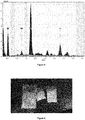
Figure 5 : Shows a graph of the elemental mapping of the rice straw ash surface. -
Figure 6 : Shows active modified silica from rice straw. -
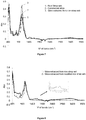
Figure 7 : Shows the infrared spectra of rice straw ash, commercial silica, and silica extracted from rice straw ash. -
Figure 8 : Shows the infrared spectrum for silica and modified silica. -
Figure 9 : Shows the results from the continuous adsorption test using a well water sample with a nitrate concentration of 45.67 ppm. -
Figure 10 : Shows the results from the continuous adsorption test using a waste water sample with a nitrate concentration of 172.24 ppm. -
Figure 11 : Continuous recirculation set-up of the analysis system. - The invention will be illustrated below by means of tests that demonstrate the effectiveness of the product of the invention.
- The valorisation of rice straw waste is carried out according to a controlled temperature system according to the following characteristics:
- Obtaining a thermal decomposition profile of rice straw with the TGA technique(Thermogravimetry). Decomposition rate of 5°C/min in an oxidizing atmosphere (
Figure 2 ) - Definition of temperature ranges and burning times to ensure that high quality ashes are obtained (
figure 3 ). - Thus, the first decomposition stage ensures the complete removal of moisture (up to T1), the second stage ensures the removal of volatiles (up to T2) and the third stage ensures the oxidation of the fixed carbon (above T3). Thus, T3 can be defined as the minimum temperature that implies a complete combustion of the rice straw and therefore a maximized amount of ash in the amorphous state.
- 2.0 g of rice silica, derived from rice straw ash, was added to a mixture of 200 ml of ethanol and 40 ml of distilled water, under continuous stirring. Then a solution of 5.0 ml ammonia (30% by volume) and between 0 and 6.0 ml of TEOS (tetraethyl orthosilicate) were added to the suspension. The reaction was allowed to continue for 3 hours under stirring. Then 2.0 ml of APTES (3-aminopropyltriethoxysilane) was added and the mixture was stirred for 6 hours at room temperature, until the solution turned white and the sol-gel was formed. After the reaction was completed, the products were collected by decantation and air drying, then the material was acidified by continuous recirculation, to protonate the positively charged amino groups responsible for anion adsorption. Recirculation was carried out taking into account the following ratio: 1 g of the material obtained in 10 ml of 0.1 M HCI for 2-3 hours without heating. The nitrate-containing silica residues will be delivered to a ceramic company for later inclusion in the manufacturing processes.
- The study and characterization of the surface morphology of the ash was carried out by means of scanning electron microscopy (SEM) and through energy dispersive X-ray spectrometry (EDS) analysis, elemental mapping of the surface of the materials was made possible, as well as qualitative and quantitative reading of the chemical elements. A SEM-EDS equipment (SEM HITACHI S4800) was used for the analyses. The samples were mounted on metal supports that were subsequently coated with a layer of platinum and gold for 2 minutes. The analyses were carried out at room temperature with a voltage of 20 kV.
- The study using (SEM) and (EDS) for rice straw ash is shown in sequence in
Figures 4 and5 and Table 1.Table 1: Quantification of the main surface elements of ash of rice straw. Spectra 1Element Series Unn. C [wt.%] Norm. C [wt. %] Atom. C [at. %] Error [wt.%] Oxygen K- series 20,28 56,42 70,96 3,0 Magnesium K- series 1,32 3,67 3,04 0,1 Silicon K-series 9,71 27,01 19,36 0,4 Potassium K- series 4,63 12,90 6,64 0,2 Total 35,94 100,00 100,00 - The rice straw ashes have an irregular and lamellar surface morphology, where the fibrous structure of the straw, which remained even after burning, can also be observed. It is not possible to visualise pores on the surface of the material. The EDS result for this sample showed Si, O, K and Mg as the main components, with silicon and oxygen being the major components.
- To evaluate the functional groups present in the samples of ash, rice silica and commercial silica, Fourier Transform Infrared Spectroscopy (FT-IR) analysis was performed. A Carry 630 FT-IR equipment (Agilent) was used. The spectrum was obtained with a resolution of 4 cm-1 in the range 4000-600 cm-1.
-
Figure 7 presents the results of the FT-IR infrared analysis for the purpose of comparing the spectra of commercial silica, rice silica and rice ash. - The three samples show very similar profiles, with the main adsorption bands at 1066 cm-1 and 809 cm-1, these bands represent vibrations for the Si-OH and Si-O-Si groups respectively, which indicates the main functional groups present on the surface and composition of the material.
-
Figure 8 presents the results of the infrared analyses for the modified and unmodified rice silica, and the characteristic bands 1525 cm-1 and 1637 cm-1 can be observed, which correspond to the vibrations of the N-H bond of the amino groups of modified silica. - Material contact tests were carried out with nitrate concentrations, and a second test with distilled water (considered as blank). Real water samples have also been processed.
- 5 ml vials were used with approximately 100 mg of the adsorbent material (active modified silica), 2 ml of distilled water for blank and 2 ml of the solution containing nitrates. A stir bar was introduced into all the vials, and they were left on the magnetic stirrer, under constant stirring for 1 hour.
- After 40 minutes of contact, the solution was transferred from the vial into test tubes, centrifuged for 30 minutes at a rotation of 6000 rpm (to avoid suspended particles in the solution) and then absorbance measurements were made in a
Carry 60 UV-Vis Spectrophotometer (Agilent technologies). For all tests, a measurement of distilled water is initially performed for the baseline and the 25 mg / L nitrate solution is also measured for use as a standard. - To calculate the percentage of adsorption, the absorbance values of the pollutant must be selected, which for nitrates is 220 nm and it has a higher absorbance value, for example, 700 nm, for the correction of the baseline. The contribution of the values of the blanks made with distilled water was taken into account it counts. These values are discounted from the absorbance values.
- The amount of nitrates adsorbed was calculated according to the value obtained for the nitrate standard and the value obtained for the solution that remained 40 minutes in contact with the adsorbent.
- On the other hand, a continuous test was also carried out using the set-up of
Figure 11 without recirculating the sample. In this case, about 150 mL of sample was passed through the active modified silica, which was retained in a column as specified below. Progressively, sample aliquots were collected every 30 seconds and were analysed by ultraviolet visible spectroscopy, observing that there was a greater adsorption for the first aliquots, which decreased as the silica became saturated. These data can be observed inFigures 9 and10 , in which two types of samples with different concentrations of nitrates are used. - The adsorption values are reproducible and the functionalization process is efficient for the application of rice silica as a nitrate adsorbent.
Claims (13)
- A method for adsorbing nitrates in water using active modified silica from rice straw ash, which comprises the following steps:a) adding silica from rice straw ash to a mixture of alcohol and water obtaining a suspension,b) adding the catalyst to the suspension of step a) and keeping under stirring at room temperature,c) adding an aminoalkoxysilane compound to the mixture of step b) and keeping under stirring, at room temperature, obtaining modified silica,d) treatment by continuous recirculation of the modified silica obtained in step c) with an acid, obtaining active modified silica,e) contacting the active modified silica obtained in step d) with the water from which the nitrates are to be removed.
- The method according to claim 1, wherein the alcohol/water volume ratio in step a) is from 3/1 to 6/1.
- The method according to claim 1, wherein the alcohol of step a) is selected from ethanol and methanol.
- The method according to the preceding claim, wherein the alcohol is ethanol.
- The method according to claim 1, wherein the catalyst to be added in step b) is selected from ammonia, ammonium acetate, ammonium carbonate, magnesium oxide, calcium hydroxide, triethanolamine and dicyclohexylamine.
- The method according to the preceding claim, wherein the catalyst is ammonia.
- The method according to claim 1, wherein in step b) an alkoxysilane compound selected from tetraethyl orthosilicate, trimethoxysilane and methyltriethoxysilane is added.
- The method according to the preceding claim, wherein the alkoxysilane compound is tetraethyl orthosilicate.
- The method according to claim 1, wherein the aminoalkoxysilane of step c) is selected from 3-aminopropyltriethoxysilane and 3-aminopropyltrimethoxysilane.
- The method according to claim 1, further comprising a decanting and air-drying step between step c) and d) of the obtained modified silica.
- The method according to claim 1, wherein the volume of acid treatment in step d) is between 10-15 times the mass of modified silica used.
- The method according to claim 1, wherein the acid in step d) is selected from hydrochloric acid and acetic acid.
- The method according to claim 1, wherein the acid is hydrochloric acid.
Applications Claiming Priority (2)
| Application Number | Priority Date | Filing Date | Title |
|---|---|---|---|
| ES201930133A ES2727673B2 (en) | 2019-02-18 | 2019-02-18 | NITRATE ADSORPTION PROCEDURE BY ACTIVE MODIFIED SILICE FROM RICE STRAW ASH |
| PCT/ES2020/070099 WO2020169862A1 (en) | 2019-02-18 | 2020-02-14 | Method for adsorbing nitrates by means of active modified silica from rice straw ash |
Publications (4)
| Publication Number | Publication Date |
|---|---|
| EP3929161A1 true EP3929161A1 (en) | 2021-12-29 |
| EP3929161A4 EP3929161A4 (en) | 2022-11-02 |
| EP3929161C0 EP3929161C0 (en) | 2024-10-02 |
| EP3929161B1 EP3929161B1 (en) | 2024-10-02 |
Family
ID=68172294
Family Applications (1)
| Application Number | Title | Priority Date | Filing Date |
|---|---|---|---|
| EP20759616.4A Active EP3929161B1 (en) | 2019-02-18 | 2020-02-14 | Method for adsorbing nitrates by means of active modified silica from rice straw ash |
Country Status (3)
| Country | Link |
|---|---|
| EP (1) | EP3929161B1 (en) |
| ES (1) | ES2727673B2 (en) |
| WO (1) | WO2020169862A1 (en) |
Families Citing this family (4)
| Publication number | Priority date | Publication date | Assignee | Title |
|---|---|---|---|---|
| US11571681B2 (en) | 2020-02-05 | 2023-02-07 | King Fahd University Of Petroleum And Minerals | Aminated siliceous adsorbent from rice husk ash and a method of capturing carbon dioxide |
| CN114733567A (en) * | 2022-04-22 | 2022-07-12 | 西南科技大学 | Preparation method of organic layered double-metal silicate |
| CN115925376B (en) * | 2022-09-06 | 2023-06-16 | 安徽省城建设计研究总院股份有限公司 | Modified cement-based vertical barrier material and preparation method thereof |
| CN119175071B (en) * | 2024-11-22 | 2025-01-24 | 成都升力科技有限责任公司 | A modified enhanced molecular sieve and its application in hydrocarbon dehydration |
Family Cites Families (5)
| Publication number | Priority date | Publication date | Assignee | Title |
|---|---|---|---|---|
| US7264728B2 (en) | 2002-10-01 | 2007-09-04 | Dow Corning Corporation | Method of separating components in a sample using silane-treated silica filter media |
| EP2405982B1 (en) * | 2009-03-09 | 2013-12-18 | Dow Corning Corporation | Methods for removing vicinal diols from lactic acid fermentation broth |
| WO2012025943A1 (en) * | 2010-08-27 | 2012-03-01 | Tata Consultancy Services Limited | Method for purifying water by contacting water with a porous rice husk ash and clay mixture and apparatus therefor |
| CN104607150B (en) * | 2015-01-22 | 2017-02-22 | 福州大学 | Multi-ion adsorption material prepared by inorganic ion doping and large-steric-hindrance organic modification |
| WO2017087836A1 (en) * | 2015-11-18 | 2017-05-26 | Imerys Filtration Minerals, Inc. | Cationic composite silicate filter aids |
-
2019
- 2019-02-18 ES ES201930133A patent/ES2727673B2/en active Active
-
2020
- 2020-02-14 WO PCT/ES2020/070099 patent/WO2020169862A1/en not_active Ceased
- 2020-02-14 EP EP20759616.4A patent/EP3929161B1/en active Active
Also Published As
| Publication number | Publication date |
|---|---|
| EP3929161C0 (en) | 2024-10-02 |
| WO2020169862A1 (en) | 2020-08-27 |
| ES2727673A1 (en) | 2019-10-17 |
| ES2727673A8 (en) | 2019-10-24 |
| EP3929161B1 (en) | 2024-10-02 |
| EP3929161A4 (en) | 2022-11-02 |
| ES2727673B2 (en) | 2021-03-03 |
Similar Documents
| Publication | Publication Date | Title |
|---|---|---|
| EP3929161B1 (en) | Method for adsorbing nitrates by means of active modified silica from rice straw ash | |
| Rodrigues et al. | Adsorption of amoxicillin onto high surface area–activated carbons based on olive biomass: kinetic and equilibrium studies | |
| Salman et al. | Adsorption of humic acid on bentonite | |
| Liu et al. | Synthesis of polyethyleneimine capped carbon dots for preconcentration and slurry sampling analysis of trace chromium in environmental water samples | |
| Lee et al. | Investigation of the mechanism of chromium removal in (3-aminopropyl) trimethoxysilane functionalized mesoporous silica | |
| DE2357184A1 (en) | PROCESS FOR THE PRODUCTION OF ORGANICALLY MODIFIED SILICON DIOXIDES | |
| Gübbük et al. | Synthesis, characterization, and sorption properties of silica gel-immobilized Schiff base derivative | |
| CN117074384B (en) | A method for detecting tetracycline in meat products based on copper activation-upconversion-bismuth molybdate sensing system | |
| Budnyak et al. | Adsorption of V (V), Mo (VI) and Cr (VI) oxoanions by chitosan–silica composite synthesized by Mannich reaction | |
| CN113278417A (en) | Sulfur-nitrogen co-doped carbon quantum dot fluorescent probe and preparation method and application thereof | |
| Cestari et al. | A new elemental analysis method based on thermogravimetric data and applied to alkoxysilane immobilized on silicas | |
| Abdolmohammad-Zadeh et al. | Silica-coated Mn3O4 nanoparticles coated with an ionic liquid for use in solid phase extraction of silver (I) ions prior to their determination by AAS: H. Abdolmohammad-Zadeh, Z. Javan | |
| Zhang et al. | High-performance ratiometric fluorescence detection and removal of tetracycline in milk based on CDs@ ZSM-5: Eu3+ | |
| CN112763419B (en) | Hydrogen sulfide photo-thermal detection method of perovskite nano composite material modified based on SBE-beta-CD | |
| Li et al. | A novel method of the separation/preconcentration and determination of trace molybdenum (VI) in water samples using microcrystalline triphenylmethane loaded with salicyl fluorone | |
| Khan et al. | Alginate-coated cobalt ferrite nanocomposite for preconcentration of heavy metals using dispersive solid phase extraction | |
| CN108579690B (en) | A kind of preparation method of high-efficiency amine-based functionalized carbon composite adsorbent | |
| Moradi et al. | Wurtzite Cu2SnS3 nanoflakes modified with tannic acid for dispersive solid phase extraction of aflatoxin B1, B2, G1 and G2 followed by HPLC-FLD | |
| CN112371135A (en) | Preparation method of CuAl-LDH/SnS/GO composite material for removing glyphosate | |
| Banitalebi et al. | A Highly Sensitive Fluorescent Probe Based on Organically Functionalized graphene Oxide-Silica for the Determination of Hg2+ in aqueous Medium | |
| WO2018210410A1 (en) | Removal of silanols from water | |
| CN105004626A (en) | A high-sensitivity ammonia gas sensor and its preparation method | |
| CN113199035B (en) | Gold nanoparticle-gold nanocluster composite material and preparation method and application thereof | |
| CN118439593B (en) | Method for preparing iodine-nitrogen doped carbon quantum dots based on solvent-free pyrolysis method, product and application | |
| CN112552905A (en) | Rose red fluorescent carbon dot and preparation method and application thereof |
Legal Events
| Date | Code | Title | Description |
|---|---|---|---|
| STAA | Information on the status of an ep patent application or granted ep patent |
Free format text: STATUS: THE INTERNATIONAL PUBLICATION HAS BEEN MADE |
|
| PUAI | Public reference made under article 153(3) epc to a published international application that has entered the european phase |
Free format text: ORIGINAL CODE: 0009012 |
|
| STAA | Information on the status of an ep patent application or granted ep patent |
Free format text: STATUS: REQUEST FOR EXAMINATION WAS MADE |
|
| 17P | Request for examination filed |
Effective date: 20210916 |
|
| AK | Designated contracting states |
Kind code of ref document: A1 Designated state(s): AL AT BE BG CH CY CZ DE DK EE ES FI FR GB GR HR HU IE IS IT LI LT LU LV MC MK MT NL NO PL PT RO RS SE SI SK SM TR |
|
| DAV | Request for validation of the european patent (deleted) | ||
| DAX | Request for extension of the european patent (deleted) | ||
| A4 | Supplementary search report drawn up and despatched |
Effective date: 20221006 |
|
| RIC1 | Information provided on ipc code assigned before grant |
Ipc: B01J 20/32 20060101ALI20220929BHEP Ipc: C02F 101/16 20060101ALI20220929BHEP Ipc: B01J 20/10 20060101ALI20220929BHEP Ipc: C02F 1/28 20060101AFI20220929BHEP |
|
| GRAP | Despatch of communication of intention to grant a patent |
Free format text: ORIGINAL CODE: EPIDOSNIGR1 |
|
| STAA | Information on the status of an ep patent application or granted ep patent |
Free format text: STATUS: GRANT OF PATENT IS INTENDED |
|
| INTG | Intention to grant announced |
Effective date: 20240507 |
|
| GRAS | Grant fee paid |
Free format text: ORIGINAL CODE: EPIDOSNIGR3 |
|
| GRAA | (expected) grant |
Free format text: ORIGINAL CODE: 0009210 |
|
| STAA | Information on the status of an ep patent application or granted ep patent |
Free format text: STATUS: THE PATENT HAS BEEN GRANTED |
|
| AK | Designated contracting states |
Kind code of ref document: B1 Designated state(s): AL AT BE BG CH CY CZ DE DK EE ES FI FR GB GR HR HU IE IS IT LI LT LU LV MC MK MT NL NO PL PT RO RS SE SI SK SM TR |
|
| REG | Reference to a national code |
Ref country code: GB Ref legal event code: FG4D |
|
| REG | Reference to a national code |
Ref country code: CH Ref legal event code: EP |
|
| REG | Reference to a national code |
Ref country code: IE Ref legal event code: FG4D |
|
| REG | Reference to a national code |
Ref country code: DE Ref legal event code: R096 Ref document number: 602020038726 Country of ref document: DE |
|
| U01 | Request for unitary effect filed |
Effective date: 20241026 |
|
| RAP4 | Party data changed (patent owner data changed or rights of a patent transferred) |
Owner name: UNIVERSITA DEGLI STUDI DI GENOVA Owner name: UNIVERSITAT DE VALENCIA Owner name: UNIVERSITAT POLITECNICA DE VALENCIA |
|
| U07 | Unitary effect registered |
Designated state(s): AT BE BG DE DK EE FI FR IT LT LU LV MT NL PT RO SE SI Effective date: 20241127 |
|
| U20 | Renewal fee for the european patent with unitary effect paid |
Year of fee payment: 6 Effective date: 20250221 |
|
| PG25 | Lapsed in a contracting state [announced via postgrant information from national office to epo] |
Ref country code: HR Free format text: LAPSE BECAUSE OF FAILURE TO SUBMIT A TRANSLATION OF THE DESCRIPTION OR TO PAY THE FEE WITHIN THE PRESCRIBED TIME-LIMIT Effective date: 20241002 Ref country code: IS Free format text: LAPSE BECAUSE OF FAILURE TO SUBMIT A TRANSLATION OF THE DESCRIPTION OR TO PAY THE FEE WITHIN THE PRESCRIBED TIME-LIMIT Effective date: 20250202 |
|
| PG25 | Lapsed in a contracting state [announced via postgrant information from national office to epo] |
Ref country code: ES Free format text: LAPSE BECAUSE OF FAILURE TO SUBMIT A TRANSLATION OF THE DESCRIPTION OR TO PAY THE FEE WITHIN THE PRESCRIBED TIME-LIMIT Effective date: 20241002 |
|
| PG25 | Lapsed in a contracting state [announced via postgrant information from national office to epo] |
Ref country code: NO Free format text: LAPSE BECAUSE OF FAILURE TO SUBMIT A TRANSLATION OF THE DESCRIPTION OR TO PAY THE FEE WITHIN THE PRESCRIBED TIME-LIMIT Effective date: 20250102 |
|
| PG25 | Lapsed in a contracting state [announced via postgrant information from national office to epo] |
Ref country code: GR Free format text: LAPSE BECAUSE OF FAILURE TO SUBMIT A TRANSLATION OF THE DESCRIPTION OR TO PAY THE FEE WITHIN THE PRESCRIBED TIME-LIMIT Effective date: 20250103 |
|
| PG25 | Lapsed in a contracting state [announced via postgrant information from national office to epo] |
Ref country code: CZ Free format text: LAPSE BECAUSE OF FAILURE TO SUBMIT A TRANSLATION OF THE DESCRIPTION OR TO PAY THE FEE WITHIN THE PRESCRIBED TIME-LIMIT Effective date: 20241002 Ref country code: PL Free format text: LAPSE BECAUSE OF FAILURE TO SUBMIT A TRANSLATION OF THE DESCRIPTION OR TO PAY THE FEE WITHIN THE PRESCRIBED TIME-LIMIT Effective date: 20241002 |
|
| PG25 | Lapsed in a contracting state [announced via postgrant information from national office to epo] |
Ref country code: RS Free format text: LAPSE BECAUSE OF FAILURE TO SUBMIT A TRANSLATION OF THE DESCRIPTION OR TO PAY THE FEE WITHIN THE PRESCRIBED TIME-LIMIT Effective date: 20250102 |
|
| PG25 | Lapsed in a contracting state [announced via postgrant information from national office to epo] |
Ref country code: SM Free format text: LAPSE BECAUSE OF FAILURE TO SUBMIT A TRANSLATION OF THE DESCRIPTION OR TO PAY THE FEE WITHIN THE PRESCRIBED TIME-LIMIT Effective date: 20241002 |
|
| PG25 | Lapsed in a contracting state [announced via postgrant information from national office to epo] |
Ref country code: SK Free format text: LAPSE BECAUSE OF FAILURE TO SUBMIT A TRANSLATION OF THE DESCRIPTION OR TO PAY THE FEE WITHIN THE PRESCRIBED TIME-LIMIT Effective date: 20241002 |
|
| PLBE | No opposition filed within time limit |
Free format text: ORIGINAL CODE: 0009261 |
|
| STAA | Information on the status of an ep patent application or granted ep patent |
Free format text: STATUS: NO OPPOSITION FILED WITHIN TIME LIMIT |
|
| 26N | No opposition filed |
Effective date: 20250703 |
|
| PG25 | Lapsed in a contracting state [announced via postgrant information from national office to epo] |
Ref country code: MC Free format text: LAPSE BECAUSE OF FAILURE TO SUBMIT A TRANSLATION OF THE DESCRIPTION OR TO PAY THE FEE WITHIN THE PRESCRIBED TIME-LIMIT Effective date: 20241002 |
|
| REG | Reference to a national code |
Ref country code: CH Ref legal event code: PL |
|
| PG25 | Lapsed in a contracting state [announced via postgrant information from national office to epo] |
Ref country code: CH Free format text: LAPSE BECAUSE OF NON-PAYMENT OF DUE FEES Effective date: 20250228 |
|
| GBPC | Gb: european patent ceased through non-payment of renewal fee |
Effective date: 20250214 |
|
| PG25 | Lapsed in a contracting state [announced via postgrant information from national office to epo] |
Ref country code: GB Free format text: LAPSE BECAUSE OF NON-PAYMENT OF DUE FEES Effective date: 20250214 |
|
| PG25 | Lapsed in a contracting state [announced via postgrant information from national office to epo] |
Ref country code: IE Free format text: LAPSE BECAUSE OF NON-PAYMENT OF DUE FEES Effective date: 20250214 |
|
| U20 | Renewal fee for the european patent with unitary effect paid |
Year of fee payment: 7 Effective date: 20260225 |