EP3928769B1 - Co-crystalline efinaconazole, and method for producing same - Google Patents
Co-crystalline efinaconazole, and method for producing same Download PDFInfo
- Publication number
- EP3928769B1 EP3928769B1 EP20870034.4A EP20870034A EP3928769B1 EP 3928769 B1 EP3928769 B1 EP 3928769B1 EP 20870034 A EP20870034 A EP 20870034A EP 3928769 B1 EP3928769 B1 EP 3928769B1
- Authority
- EP
- European Patent Office
- Prior art keywords
- efinaconazole
- crystal
- coformer
- crystallization product
- polyethylene glycol
- Prior art date
- Legal status (The legal status is an assumption and is not a legal conclusion. Google has not performed a legal analysis and makes no representation as to the accuracy of the status listed.)
- Active
Links
Images











Classifications
-
- A—HUMAN NECESSITIES
- A61—MEDICAL OR VETERINARY SCIENCE; HYGIENE
- A61K—PREPARATIONS FOR MEDICAL, DENTAL OR TOILETRY PURPOSES
- A61K9/00—Medicinal preparations characterised by special physical form
- A61K9/14—Particulate form, e.g. powders, Processes for size reducing of pure drugs or the resulting products, Pure drug nanoparticles
- A61K9/141—Intimate drug-carrier mixtures characterised by the carrier, e.g. ordered mixtures, adsorbates, solid solutions, eutectica, co-dried, co-solubilised, co-kneaded, co-milled, co-ground products, co-precipitates, co-evaporates, co-extrudates, co-melts; Drug nanoparticles with adsorbed surface modifiers
- A61K9/145—Intimate drug-carrier mixtures characterised by the carrier, e.g. ordered mixtures, adsorbates, solid solutions, eutectica, co-dried, co-solubilised, co-kneaded, co-milled, co-ground products, co-precipitates, co-evaporates, co-extrudates, co-melts; Drug nanoparticles with adsorbed surface modifiers with organic compounds
-
- A—HUMAN NECESSITIES
- A61—MEDICAL OR VETERINARY SCIENCE; HYGIENE
- A61K—PREPARATIONS FOR MEDICAL, DENTAL OR TOILETRY PURPOSES
- A61K31/00—Medicinal preparations containing organic active ingredients
- A61K31/33—Heterocyclic compounds
- A61K31/395—Heterocyclic compounds having nitrogen as a ring hetero atom, e.g. guanethidine or rifamycins
- A61K31/435—Heterocyclic compounds having nitrogen as a ring hetero atom, e.g. guanethidine or rifamycins having six-membered rings with one nitrogen as the only ring hetero atom
- A61K31/44—Non condensed pyridines; Hydrogenated derivatives thereof
- A61K31/445—Non condensed piperidines, e.g. piperocaine
- A61K31/4523—Non condensed piperidines, e.g. piperocaine containing further heterocyclic ring systems
- A61K31/454—Non condensed piperidines, e.g. piperocaine containing further heterocyclic ring systems containing a five-membered ring with nitrogen as a ring hetero atom, e.g. pimozide, domperidone
-
- A—HUMAN NECESSITIES
- A61—MEDICAL OR VETERINARY SCIENCE; HYGIENE
- A61K—PREPARATIONS FOR MEDICAL, DENTAL OR TOILETRY PURPOSES
- A61K9/00—Medicinal preparations characterised by special physical form
- A61K9/14—Particulate form, e.g. powders, Processes for size reducing of pure drugs or the resulting products, Pure drug nanoparticles
- A61K9/141—Intimate drug-carrier mixtures characterised by the carrier, e.g. ordered mixtures, adsorbates, solid solutions, eutectica, co-dried, co-solubilised, co-kneaded, co-milled, co-ground products, co-precipitates, co-evaporates, co-extrudates, co-melts; Drug nanoparticles with adsorbed surface modifiers
- A61K9/146—Intimate drug-carrier mixtures characterised by the carrier, e.g. ordered mixtures, adsorbates, solid solutions, eutectica, co-dried, co-solubilised, co-kneaded, co-milled, co-ground products, co-precipitates, co-evaporates, co-extrudates, co-melts; Drug nanoparticles with adsorbed surface modifiers with organic macromolecular compounds
-
- A—HUMAN NECESSITIES
- A61—MEDICAL OR VETERINARY SCIENCE; HYGIENE
- A61P—SPECIFIC THERAPEUTIC ACTIVITY OF CHEMICAL COMPOUNDS OR MEDICINAL PREPARATIONS
- A61P17/00—Drugs for dermatological disorders
-
- A—HUMAN NECESSITIES
- A61—MEDICAL OR VETERINARY SCIENCE; HYGIENE
- A61P—SPECIFIC THERAPEUTIC ACTIVITY OF CHEMICAL COMPOUNDS OR MEDICINAL PREPARATIONS
- A61P31/00—Antiinfectives, i.e. antibiotics, antiseptics, chemotherapeutics
- A61P31/10—Antimycotics
-
- C—CHEMISTRY; METALLURGY
- C07—ORGANIC CHEMISTRY
- C07C—ACYCLIC OR CARBOCYCLIC COMPOUNDS
- C07C37/00—Preparation of compounds having hydroxy or O-metal groups bound to a carbon atom of a six-membered aromatic ring
- C07C37/68—Purification; separation; Use of additives, e.g. for stabilisation
- C07C37/70—Purification; separation; Use of additives, e.g. for stabilisation by physical treatment
- C07C37/84—Purification; separation; Use of additives, e.g. for stabilisation by physical treatment by crystallisation
-
- C—CHEMISTRY; METALLURGY
- C07—ORGANIC CHEMISTRY
- C07C—ACYCLIC OR CARBOCYCLIC COMPOUNDS
- C07C39/00—Compounds having at least one hydroxy or O-metal group bound to a carbon atom of a six-membered aromatic ring
- C07C39/02—Compounds having at least one hydroxy or O-metal group bound to a carbon atom of a six-membered aromatic ring monocyclic with no unsaturation outside the aromatic ring
- C07C39/08—Dihydroxy benzenes; Alkylated derivatives thereof
-
- C—CHEMISTRY; METALLURGY
- C07—ORGANIC CHEMISTRY
- C07C—ACYCLIC OR CARBOCYCLIC COMPOUNDS
- C07C51/00—Preparation of carboxylic acids or their salts, halides or anhydrides
- C07C51/42—Separation; Purification; Stabilisation; Use of additives
- C07C51/43—Separation; Purification; Stabilisation; Use of additives by change of the physical state, e.g. crystallisation
-
- C—CHEMISTRY; METALLURGY
- C07—ORGANIC CHEMISTRY
- C07C—ACYCLIC OR CARBOCYCLIC COMPOUNDS
- C07C55/00—Saturated compounds having more than one carboxyl group bound to acyclic carbon atoms
- C07C55/02—Dicarboxylic acids
- C07C55/06—Oxalic acid
-
- C—CHEMISTRY; METALLURGY
- C07—ORGANIC CHEMISTRY
- C07C—ACYCLIC OR CARBOCYCLIC COMPOUNDS
- C07C55/00—Saturated compounds having more than one carboxyl group bound to acyclic carbon atoms
- C07C55/02—Dicarboxylic acids
- C07C55/06—Oxalic acid
- C07C55/07—Salts thereof
-
- C—CHEMISTRY; METALLURGY
- C07—ORGANIC CHEMISTRY
- C07C—ACYCLIC OR CARBOCYCLIC COMPOUNDS
- C07C55/00—Saturated compounds having more than one carboxyl group bound to acyclic carbon atoms
- C07C55/02—Dicarboxylic acids
- C07C55/08—Malonic acid
-
- C—CHEMISTRY; METALLURGY
- C07—ORGANIC CHEMISTRY
- C07C—ACYCLIC OR CARBOCYCLIC COMPOUNDS
- C07C57/00—Unsaturated compounds having carboxyl groups bound to acyclic carbon atoms
- C07C57/02—Unsaturated compounds having carboxyl groups bound to acyclic carbon atoms with only carbon-to-carbon double bonds as unsaturation
- C07C57/13—Dicarboxylic acids
- C07C57/15—Fumaric acid
-
- C—CHEMISTRY; METALLURGY
- C07—ORGANIC CHEMISTRY
- C07C—ACYCLIC OR CARBOCYCLIC COMPOUNDS
- C07C59/00—Compounds having carboxyl groups bound to acyclic carbon atoms and containing any of the groups OH, O—metal, —CHO, keto, ether, groups, groups, or groups
- C07C59/235—Saturated compounds containing more than one carboxyl group
- C07C59/245—Saturated compounds containing more than one carboxyl group containing hydroxy or O-metal groups
- C07C59/265—Citric acid
-
- C—CHEMISTRY; METALLURGY
- C07—ORGANIC CHEMISTRY
- C07C—ACYCLIC OR CARBOCYCLIC COMPOUNDS
- C07C59/00—Compounds having carboxyl groups bound to acyclic carbon atoms and containing any of the groups OH, O—metal, —CHO, keto, ether, groups, groups, or groups
- C07C59/40—Unsaturated compounds
- C07C59/42—Unsaturated compounds containing hydroxy or O-metal groups
- C07C59/48—Unsaturated compounds containing hydroxy or O-metal groups containing six-membered aromatic rings
-
- C—CHEMISTRY; METALLURGY
- C07—ORGANIC CHEMISTRY
- C07D—HETEROCYCLIC COMPOUNDS
- C07D213/00—Heterocyclic compounds containing six-membered rings, not condensed with other rings, with one nitrogen atom as the only ring hetero atom and three or more double bonds between ring members or between ring members and non-ring members
- C07D213/02—Heterocyclic compounds containing six-membered rings, not condensed with other rings, with one nitrogen atom as the only ring hetero atom and three or more double bonds between ring members or between ring members and non-ring members having three double bonds between ring members or between ring members and non-ring members
- C07D213/04—Heterocyclic compounds containing six-membered rings, not condensed with other rings, with one nitrogen atom as the only ring hetero atom and three or more double bonds between ring members or between ring members and non-ring members having three double bonds between ring members or between ring members and non-ring members having no bond between the ring nitrogen atom and a non-ring member or having only hydrogen or carbon atoms directly attached to the ring nitrogen atom
- C07D213/60—Heterocyclic compounds containing six-membered rings, not condensed with other rings, with one nitrogen atom as the only ring hetero atom and three or more double bonds between ring members or between ring members and non-ring members having three double bonds between ring members or between ring members and non-ring members having no bond between the ring nitrogen atom and a non-ring member or having only hydrogen or carbon atoms directly attached to the ring nitrogen atom with hetero atoms or with carbon atoms having three bonds to hetero atoms with at the most one bond to halogen, e.g. ester or nitrile radicals, directly attached to ring carbon atoms
- C07D213/78—Carbon atoms having three bonds to hetero atoms, with at the most one bond to halogen, e.g. ester or nitrile radicals
- C07D213/81—Amides; Imides
- C07D213/82—Amides; Imides in position 3
-
- C—CHEMISTRY; METALLURGY
- C07—ORGANIC CHEMISTRY
- C07D—HETEROCYCLIC COMPOUNDS
- C07D401/00—Heterocyclic compounds containing two or more hetero rings, having nitrogen atoms as the only ring hetero atoms, at least one ring being a six-membered ring with only one nitrogen atom
- C07D401/02—Heterocyclic compounds containing two or more hetero rings, having nitrogen atoms as the only ring hetero atoms, at least one ring being a six-membered ring with only one nitrogen atom containing two hetero rings
- C07D401/06—Heterocyclic compounds containing two or more hetero rings, having nitrogen atoms as the only ring hetero atoms, at least one ring being a six-membered ring with only one nitrogen atom containing two hetero rings linked by a carbon chain containing only aliphatic carbon atoms
-
- C—CHEMISTRY; METALLURGY
- C08—ORGANIC MACROMOLECULAR COMPOUNDS; THEIR PREPARATION OR CHEMICAL WORKING-UP; COMPOSITIONS BASED THEREON
- C08G—MACROMOLECULAR COMPOUNDS OBTAINED OTHERWISE THAN BY REACTIONS ONLY INVOLVING UNSATURATED CARBON-TO-CARBON BONDS
- C08G65/00—Macromolecular compounds obtained by reactions forming an ether link in the main chain of the macromolecule
- C08G65/34—Macromolecular compounds obtained by reactions forming an ether link in the main chain of the macromolecule from hydroxy compounds or their metallic derivatives
-
- C—CHEMISTRY; METALLURGY
- C07—ORGANIC CHEMISTRY
- C07B—GENERAL METHODS OF ORGANIC CHEMISTRY; APPARATUS THEREFOR
- C07B2200/00—Indexing scheme relating to specific properties of organic compounds
- C07B2200/13—Crystalline forms, e.g. polymorphs
Definitions
- the present invention relates to a co-crystalline form of efinaconazole and a method for preparing the same.
- External antifungal agents including amorolfine, ciclopirox, and efinaconazole, have been used to treat onychomycosis.
- Amorolfine and efinaconazole exhibit antifungal activities to inhibit the synthesis of ergosterol, an essential constituent of the fungal cell membrane.
- Ciclopirox exhibits antifungal activity to block the biosynthesis of DNA, RNA, and protein by interfering with Na + /K + ATPase carrying substances (e.g., amino acids) or ions (e.g., potassium ions) essential for cells in the fungal cell membrane.
- efinaconazole (CAS No. 164650-44-6 ) is a triazole compound with proven therapeutic activity for onychomycosis.
- Formulations useful for topical delivery of efinaconazole and other triazole antifungal drugs for the treatment of onychomycosis are described, for example, in U.S. Pat. No. 8,486,978 (Patent Document 1).
- efinaconazole needs to be converted to a stable crystalline form of efinaconazole for use as an active ingredient of a pharmaceutical composition.
- WO 2016/116919 A1 relates to crystalline forms of efinaconazole and processes for their preparation.
- crystalline efinaconazole forms designated as Form A, Form B and Form C and further crystalline efinaconazole p-toluenesulfonate salt, designated as Form I, and a process for its preparation are described.
- CN 106 995 434 A describes a crystal form of a triazole antifungal agent and a preparation method of the crystal form.
- the crystal form includes a crystal form I, and a crystal form II.
- An X-ray powder diffraction pattern of the crystal form I has peaks at positions of 2 theta of about 7.75, 12.58, 15.27, 18.98 degrees
- an X-ray powder diffraction pattern of the crystal form II has peaks at positions of 2 theta of about 7.68, 11.41, 15.39, and 18.92 degrees.
- WO 2018/036416 A1 relates to an efinaconazole preparation method, a crystal form M of efinaconazole, and a crystal form M preparation method.
- WO 2016/193 917 A1 relates to a process for the preparation of efinaconazole and salts thereof.
- Patent Document 3 Many methods for preparing polymorphs and p-toluenesulfonate of efinaconazole have been reported thus far (see, for example, U.S. Pat. No. 5,620,994 (Patent Document 3)).
- the present inventors have conducted research on a method for preparing a co-crystalline form of efinaconazole, a therapeutic agent for onychomycosis, that can be prepared into a formulation stable to heat and one or more other ingredients of the composition.
- the present invention has been made in an effort to solve the problems of the prior art and provides a co-crystallization product of efinaconazole and a pharmaceutically acceptable coformer forming a co-crystalline phase, wherein the coformer is polyethylene glycol-6000.
- the coformer is polyethylene glycol-6000 and the powder X-ray diffraction (XRD) spectrum of the co-crystallization product has peaks at diffraction angles (2 ⁇ ) of 7.78°, 11.50°, 13.85°, 15.49°, 16.79°, 18.97°, 19.22°, 23.57°, 26.18°, and 27.09°.
- XRD powder X-ray diffraction
- the differential scanning calorimetry (DSC) thermogram of the co-crystallization product has maximum endothermic peaks at 61.62 °C and 78.78 °C.
- the coformer is caffeic acid and the powder X-ray diffraction (XRD) spectrum of the co-crystallization product has peaks at diffraction angles (2 ⁇ ) of 13.65°, 14.22°, 15.90°, 17.51°, 17.71°, 19.91°, 20.32°, 20.96°, 24.50°, 25.82°, 26.70°, 27.12°, 27.46°, 30.13°, 33.58°, 35.76°, and 36.59°.
- XRD powder X-ray diffraction
- the differential scanning calorimetry (DSC) thermogram of the co-crystallization product has maximum endothermic peaks at 66.45 °C and 179.9 °C.
- the present invention also provides an oral or parenteral pharmaceutical composition for use in the treatment of onychomycosis including a co-crystallization product of efinaconazole and a pharmaceutically acceptable coformer forming a co-crystalline phase, wherein the coformer is polyethylene glycol-6000, as an active ingredient.
- the present invention also provides a method for preparing a co-crystallization product of efinaconazole including dissolving efinaconazole and a pharmaceutically acceptable coformer in an organic solvent to prepare a mixed solution and evaporating the mixed solution to remove the solvent, wherein the coformer is polyethylene glycol-6000.
- the mixed solution is prepared with stirring or under heating.
- the organic solvent is methanol, ethanol, isopropyl alcohol, n-propanol, isoamyl alcohol, acetone, ethyl methyl ketone, methyl isobutyl ketone, ethyl acetate, n-propyl acetate, n-butyl acetate, t-butyl acetate, toluene, dichloromethane, acetonitrile or a mixture thereof.
- the coformer is selected from polyethylene glycol, nicotinamide, fumaric acid, hydroquinone, malonic acid, caffeic acid, and mixtures thereof.
- the coformer is selected from citric acid, oxalic acid, and a mixture thereof.
- the co-crystallization product of efinaconazole according to the present invention meets all requirements for use as an active ingredient of the pharmaceutical composition and is highly stable to heat and other one or more other ingredients of the composition. Therefore, the co-crystallization product of efinaconazole according to the present invention is suitable for use in the preparation of pharmaceuticals.
- the method of the present invention enables the preparation of the co-crystallization product of efinaconazole in a simple and easy manner on a commercial scale.
- One aspect of the present invention is directed to a co-crystallization product of efinaconazole and a pharmaceutically acceptable coformer forming a co-crystalline phase, wherein the coformer is polyethylene glycol-6000.
- a co-formed product is composed of two or more components and exhibits unique physical properties different from those of the individual components, just like a single material. Co-formed products are divided into co-amorphous products and co-crystals.
- co-crystal refers to a crystal structure of two or more different molecules in a specific stoichiometric ratio within one crystal lattice. Intermolecular bonds in co-crystals are distinguished from those in salts and mixtures.
- a co-crystal is a crystalline solid that is rich in functional groups (for example, O, OH, and N) capable of hydrogen bonding or has a new crystal structure through hydrogen bonding with a coformer in a regular ratio.
- coformer refers to an inactive molecule constituting a co-crystal of a drug.
- efinaconazole needs to be converted to a stable crystalline form of efinaconazole for use as an active ingredient of a pharmaceutical composition due to its instability. Since a co-crystal of a drug forms a crystal structure through a new hydrogen bond between two or more molecules, the solubility and dissolution rate of the drug can be increased while maintaining the stable state of the co-crystal, and as a result, the uptake of the drug is altered, leading to a change in the bioavailability of the drug.
- the present inventors have found that a co-crystal of efinaconazole meets requirements in terms of physical properties for use as an active ingredient and has good thermal stability.
- the present invention has been accomplished based on this finding.
- the coformer is polyethylene glycol-6000.
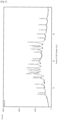
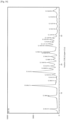
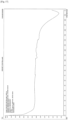
- Figs. 1 and 2 are powder XRD patterns of co-crystals of efinaconazole.
- Figure 1 is according to the present invention
- Figure 2 is for reference.
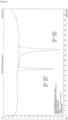
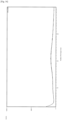
- Figs. 3 and 4 are DSC thermograms of co-crystals of efinaconazole.
- Figure 3 is according to the present invention
- Figure 4 is for reference.
- Figs. 1 to 4 reveal that the co-crystals of efinaconazole exhibit completely different tendencies from a crystalline form or p-toluenesulfonate of efinaconazole.
- the co-crystal of efinaconazole and polyethylene glycol has a crystal structure that exhibits characteristic peaks at diffraction angles (20, I/I0 >10%) of 7.78°, 11.50°, 13.85°, 15.49°, 16.79°, 18.97°, 19.22°, 23.57°, 26.18°, and 27.09° in its powder XRD pattern.
- the differential scanning calorimetry (DSC) thermogram of the co-crystal of efinaconazole and polyethylene glycol has maximum endothermic peaks at 61.62 °C and 78.78 °C.
- the co-crystal of efinaconazole and caffeic acid has a crystal structure that exhibits characteristic peaks at diffraction angles (2 ⁇ , I/I0 >10%) of 13.65°, 14.22°, 15.90°, 17.51°, 17.71°, 19.91°, 20.32°, 20.96°, 24.50°, 25.82°, 26.70°, 27.12°, 27.46°, 30.13°, 33.58°, 35.76°, and 36.59° in its powder XRD pattern.
- the differential scanning calorimetry (DSC) thermogram of the co-crystal of efinaconazole and caffeic acid has maximum endothermic peaks at 66.45 °C and 179.9 °C.
- Figs. 5 and 6 are for reference and show a powder XRD pattern and a DSC thermogram of the crystalline form of efinaconazole.
- the co-crystal of efinaconazole according to the present invention has excellent stability to a solution and temperature, which was confirmed through comparative experiments.
- the co-crystal of efinaconazole according to the present invention meets all requirements (that is, requirements in terms of chemical purity of the crystal and stability to a solution and temperature) for use as an active ingredient of the pharmaceutical composition.
- a further aspect of the present invention is directed to a pharmaceutical composition for treating onychomycosis which includes the co-crystallization product of efinaconazole as an active pharmaceutical ingredient (API) and can be pharmaceutically formulated.
- API active pharmaceutical ingredient
- the pharmaceutical composition of the present invention may further include one or more excipients, in addition to the co-crystal of efinaconazole as an active ingredient.
- excipients include carriers, adjuvants, and diluents.
- the pharmaceutical composition of the present invention is formulated into general pharmaceutical preparations for oral or parenteral administration by suitable techniques known in the art.
- the co-crystalline form of efinaconazole is a new solid drug that can be stably administered orally rather than an agent that is used by external application.
- the co-crystalline form of efinaconazole is considered very useful as an optimal pharmaceutical raw material whose utilization can be maximized.
- Another aspect of the present invention is directed to a method for preparing the co-crystal of efinaconazole.
- the co-crystal of efinaconazole can be prepared in an easy way. A detailed description of the method is given in the following.
- At least one acceptable coformer wherein the coformer is polyethylene glycol-6000, is dissolved in an organic solvent to prepare a mixed solution.
- the organic solvent may be selected from methanol, ethanol, isopropyl alcohol, n-propanol, isoamyl alcohol, acetone, ethyl methyl ketone, methyl isobutyl ketone, ethyl acetate, n-propyl acetate, n-butyl acetate, t-butyl acetate, toluene, dichloromethane, acetonitrile, and mixtures thereof.
- the organic solvent is preferably selected from dichloromethane, acetonitrile, methanol, and mixtures thereof.
- the order of addition of the efinaconazole and the co-crystal forming agent to the organic solvent is not particularly limited.
- the efinaconazole and the coformer are dissolved with sufficient stirring. If needed, the efinaconazole and the coformer are dissolved under heating. It is preferable to completely dissolve the efinaconazole and the coformer.
- a further aspect described herein, but not part of the present invention is directed to a co-amorphous product of efinaconazole and a pharmaceutically acceptable coformer forming a co-amorphous phase.
- the coformer may be selected from citric acid, oxalic acid, and a mixture thereof.
- amorphous forms have higher solubility and bioavailability but lower stability than crystalline forms.
- the co-amorphous product is highly stable and bioavailable compared to the crystalline form of pure efinaconazole, which will be more fully understood with reference to the following examples.
- Efinaconazole (1 g) was dissolved in acetonitrile (5 mL) with stirring at room temperature.
- Polyethylene glycol-6000 (1 g) was added to the solution, followed by stirring for 1 h.
- the solvent was distilled off under reduced pressure.
- Spontaneous formation of a co-crystal of efinaconazole and polyethylene glycol-6000 was observed within a short time. After drying under vacuum, the crystal was recovered in a yield of 95%. The purity of the crystal was 99.5%.
- a powder X-ray diffraction (XRD) spectrum and a differential scanning calorimetry thermogram of the co-crystal of efinaconazole and polyethylene glycol-6000 are shown in Figs. 1 and 3 , respectively.
- Efinaconazole (1 g) was dissolved in methanol (5 mL) with stirring at room temperature.
- Caffeic acid (1 g) was added to the solution, followed by stirring for 1 h.
- the solvent was distilled off under reduced pressure. Spontaneous formation of a co-crystal of efinaconazole and caffeic acid was observed within a short time. After drying under vacuum, the crystal was recovered in a yield of 92%. The purity of the crystal was 99.5%.
- a powder X-ray diffraction (XRD) spectrum and a differential scanning calorimetry thermogram of the co-crystal of efinaconazole and caffeic acid are shown in Figs. 2 and 4 , respectively.
- Efinaconazole (1 g) was dissolved in acetonitrile (5 mL) with stirring at room temperature. Nicotinamide (1 g) was added to the solution, followed by stirring for 1 h. The solvent was distilled off under reduced pressure. Spontaneous formation of a co-crystal of efinaconazole and nicotinamide was observed within a short time. After drying under vacuum, the crystal was recovered in a yield of 95%.
- a powder X-ray diffraction (XRD) spectrum and a differential scanning calorimetry thermogram of the co-crystal of efinaconazole and nicotinamide are shown in Figs. 8 and 9 , respectively.
- Efinaconazole (0.9 g) was dissolved in tetrahydrofuran (7.2 mL) with stirring at room temperature. Fumaric acid (0.3 g) was added to the solution, followed by stirring for 1 h. The solvent was distilled off under reduced pressure. Spontaneous formation of a co-crystal of efinaconazole and fumaric acid was observed within a short time. After drying under vacuum, the crystal was recovered in a yield of 90%.
- a powder X-ray diffraction (XRD) spectrum and a differential scanning calorimetry thermogram of the co-crystal of efinaconazole and fumaric acid are shown in Figs. 10 and 11 , respectively.
- Efinaconazole (1 g) was dissolved in methanol (5 mL) with stirring at room temperature. Hydroquinone (1 g) was added to the solution, followed by stirring for 1 h. The solvent was distilled off under reduced pressure. Spontaneous formation of a co-crystal of efinaconazole and hydroquinone was observed within a short time. After drying under vacuum, the crystal was recovered in a yield of 90%.
- a powder X-ray diffraction (XRD) spectrum and a differential scanning calorimetry thermogram of the co-crystal of efinaconazole and hydroquinone are shown in Figs. 12 and 13 , respectively.
- the XRD data of the co-crystal were different from those of efinaconazole and the DSC thermogram of the co-crystal had a maximum endothermic peak at 58.29 °C, indicating that the co-crystal is a novel material having different physicochemical properties from efinaconazole.
- Efinaconazole (1 g) was dissolved in methanol (5 mL) with stirring at room temperature. Citric acid (1 g) was added to the solution, followed by stirring for 1 h. The solvent was distilled off under reduced pressure. Spontaneous formation of a co-amorphous form of efinaconazole and citric acid was observed within a short time. After drying under vacuum, the co-amorphous form was recovered in a yield of 97%.
- a powder X-ray diffraction (XRD) spectrum and a differential scanning calorimetry thermogram of the co-amorphous form of efinaconazole and citric acid are shown in Figs. 14 and 15 , respectively.
- Efinaconazole (1 g) was dissolved in methanol (5 mL) with stirring at room temperature. Oxalic acid (1 g) was added to the solution, followed by stirring for 1 h. The solvent was distilled off under reduced pressure. Spontaneous formation of a co-amorphous form of efinaconazole and oxalic acid was observed within a short time. After drying under vacuum, the co-amorphous form was recovered in a yield of 92%.
- a powder X-ray diffraction (XRD) spectrum and a differential scanning calorimetry thermogram of the co-amorphous form of efinaconazole and oxalic acid are shown in Figs. 16 and 17 , respectively.
- Efinaconazole (1 g) was dissolved in methanol (5 mL) with stirring at room temperature. Malonic acid (1 g) was added to the solution, followed by stirring for 1 h. The solvent was distilled off under reduced pressure. Spontaneous formation of a co-crystal of efinaconazole and malonic acid was observed within a short time. After drying under vacuum, the crystal was recovered in a yield of 90%.
- a powder X-ray diffraction (XRD) spectrum and a differential scanning calorimetry thermogram of the co-crystal of efinaconazole and malonic acid are shown in Figs. 18 and 19 , respectively.
- the XRD data of the co-crystal were different from those of efinaconazole and the DSC thermogram of the co-crystal had a maximum endothermic peak at 148.05 °C, indicating that the co-crystal is a novel material having different physicochemical properties from efinaconazole.
- Example 1 After the co-crystalline form of efinaconazole prepared in Example 1 was dissolved in a solution and allowed to stand at different temperatures (at room temperature and in an oven at 65 °C) for different periods of time (1 week, 2 weeks, and 4 weeks), its purities were determined by high-performance liquid chromatography (HPLC).
- HPLC high-performance liquid chromatography
- the co-crystal of efinaconazole was more stable in the temperatures and the solution than efinaconazole, thus being more suitable for drug preparation.
- the co-crystal of efinaconazole is considered as a novel material that meets all requirements for use as an active ingredient of a pharmaceutical composition.
- the co-crystal of efinaconazole prepared in Example 1 was administered orally to 6 beagle dogs.
- a bioavailability as high as 36% was achieved even with a small dose (3 mg) of the co-crystal of efinaconazole and no adverse reactions were observed in the beagle dogs, demonstrating the safety of the co-crystal of efinaconazole.
- the oral bioavailability of the co-crystal of efinaconazole was compared with those of other antifungals. The results are shown in Table 2. As can be seen from the results in Table 2, the bioavailability of the co-crystal of efinaconazole was higher than those of other antifungals, including itraconazole, despite the small dose of the co-crystal of efinaconazole. Therefore, oral administration of the co-crystal of efinaconazole is expected to be therapeutically very effective.
Landscapes
- Chemical & Material Sciences (AREA)
- Organic Chemistry (AREA)
- Health & Medical Sciences (AREA)
- Medicinal Chemistry (AREA)
- General Health & Medical Sciences (AREA)
- Veterinary Medicine (AREA)
- Public Health (AREA)
- Pharmacology & Pharmacy (AREA)
- Animal Behavior & Ethology (AREA)
- Life Sciences & Earth Sciences (AREA)
- Engineering & Computer Science (AREA)
- Bioinformatics & Cheminformatics (AREA)
- Chemical Kinetics & Catalysis (AREA)
- Nuclear Medicine, Radiotherapy & Molecular Imaging (AREA)
- General Chemical & Material Sciences (AREA)
- Epidemiology (AREA)
- Oncology (AREA)
- Communicable Diseases (AREA)
- Dermatology (AREA)
- Crystallography & Structural Chemistry (AREA)
- Oil, Petroleum & Natural Gas (AREA)
- Polymers & Plastics (AREA)
- Pharmaceuticals Containing Other Organic And Inorganic Compounds (AREA)
- Plural Heterocyclic Compounds (AREA)
Description
- The present invention relates to a co-crystalline form of efinaconazole and a method for preparing the same.
- External antifungal agents, including amorolfine, ciclopirox, and efinaconazole, have been used to treat onychomycosis. Amorolfine and efinaconazole exhibit antifungal activities to inhibit the synthesis of ergosterol, an essential constituent of the fungal cell membrane. Ciclopirox exhibits antifungal activity to block the biosynthesis of DNA, RNA, and protein by interfering with Na+/K+ ATPase carrying substances (e.g., amino acids) or ions (e.g., potassium ions) essential for cells in the fungal cell membrane.
- Among these drugs, efinaconazole (CAS No. 164650-44-6) is a triazole compound with proven therapeutic activity for onychomycosis.
- Formulations useful for topical delivery of efinaconazole and other triazole antifungal drugs for the treatment of onychomycosis are described, for example, in
U.S. Pat. No. 8,486,978 (Patent Document 1). - However, some formulations containing the triazole active ingredients exhibit varying degrees of instability during storage.
- That is, certain formulations are known to exhibit discoloration within storage periods as short as 1 or 2 days, resulting in solutions ranging in color from yellow to deep red or brown (
KR2016-0068812 A - Due to its instability, efinaconazole needs to be converted to a stable crystalline form of efinaconazole for use as an active ingredient of a pharmaceutical composition.
-
WO 2016/116919 A1 relates to crystalline forms of efinaconazole and processes for their preparation. In particular, crystalline efinaconazole forms designated as Form A, Form B and Form C and further crystalline efinaconazole p-toluenesulfonate salt, designated as Form I, and a process for its preparation are described. -
CN 106 995 434 A describes a crystal form of a triazole antifungal agent and a preparation method of the crystal form. The crystal form includes a crystal form I, and a crystal form II. An X-ray powder diffraction pattern of the crystal form I has peaks at positions of 2 theta of about 7.75, 12.58, 15.27, 18.98 degrees, and an X-ray powder diffraction pattern of the crystal form II has peaks at positions of 2 theta of about 7.68, 11.41, 15.39, and 18.92 degrees. -
WO 2018/036416 A1 relates to an efinaconazole preparation method, a crystal form M of efinaconazole, and a crystal form M preparation method. -
WO 2016/193 917 A1 relates to a process for the preparation of efinaconazole and salts thereof. - Many methods for preparing polymorphs and p-toluenesulfonate of efinaconazole have been reported thus far (see, for example,
U.S. Pat. No. 5,620,994 (Patent Document 3)). - However, polymorphs and p-toluenesulfonate of efinaconazole are not satisfactory in terms of stability. The development of stable forms of efinaconazole is still one of the challenging issues in this field.
- Thus, there exists a need for a stabilized formulation of efinaconazole. The present inventors have conducted research on a method for preparing a co-crystalline form of efinaconazole, a therapeutic agent for onychomycosis, that can be prepared into a formulation stable to heat and one or more other ingredients of the composition.
- (Patent Document 1)
U.S. Pat. No. 8,486,978 B2 (July 16, 2013 ) - (Patent Document 2)
Korean Patent Publication No. 2016-0068812 A (June 15, 2016 - (Patent Document 3)
U.S. Pat. No. 5,620,994 A (April 15, 1997 ) - It is an object of the present invention to provide a novel co-crystalline form of efinaconazole and a method for preparing the same.
- The present invention has been made in an effort to solve the problems of the prior art and provides a co-crystallization product of efinaconazole and a pharmaceutically acceptable coformer forming a co-crystalline phase, wherein the coformer is polyethylene glycol-6000.
- In the present invention, the coformer is polyethylene glycol-6000 and the powder X-ray diffraction (XRD) spectrum of the co-crystallization product has peaks at diffraction angles (2θ) of 7.78°, 11.50°, 13.85°, 15.49°, 16.79°, 18.97°, 19.22°, 23.57°, 26.18°, and 27.09°.
- In the present invention, the differential scanning calorimetry (DSC) thermogram of the co-crystallization product has maximum endothermic peaks at 61.62 °C and 78.78 °C.
- Further described herein, but not part of the present invention, the coformer is caffeic acid and the powder X-ray diffraction (XRD) spectrum of the co-crystallization product has peaks at diffraction angles (2θ) of 13.65°, 14.22°, 15.90°, 17.51°, 17.71°, 19.91°, 20.32°, 20.96°, 24.50°, 25.82°, 26.70°, 27.12°, 27.46°, 30.13°, 33.58°, 35.76°, and 36.59°.
- Further described herein, but not part of the present invention, the differential scanning calorimetry (DSC) thermogram of the co-crystallization product has maximum endothermic peaks at 66.45 °C and 179.9 °C.
- The present invention also provides an oral or parenteral pharmaceutical composition for use in the treatment of onychomycosis including a co-crystallization product of efinaconazole and a pharmaceutically acceptable coformer forming a co-crystalline phase, wherein the coformer is polyethylene glycol-6000, as an active ingredient.
- The present invention also provides a method for preparing a co-crystallization product of efinaconazole including dissolving efinaconazole and a pharmaceutically acceptable coformer in an organic solvent to prepare a mixed solution and evaporating the mixed solution to remove the solvent, wherein the coformer is polyethylene glycol-6000.
- In the present invention, the mixed solution is prepared with stirring or under heating.
- In the present invention, the organic solvent is methanol, ethanol, isopropyl alcohol, n-propanol, isoamyl alcohol, acetone, ethyl methyl ketone, methyl isobutyl ketone, ethyl acetate, n-propyl acetate, n-butyl acetate, t-butyl acetate, toluene, dichloromethane, acetonitrile or a mixture thereof.
- Further described herein, but not part of the present invention, the coformer is selected from polyethylene glycol, nicotinamide, fumaric acid, hydroquinone, malonic acid, caffeic acid, and mixtures thereof.
- Further described herein, but not part of the present invention, is a co-amorphous product of efinaconazole and a pharmaceutically acceptable coformer forming a co-amorphous phase.
- Further described herein, but not part of the present invention, the coformer is selected from citric acid, oxalic acid, and a mixture thereof.
- The co-crystallization product of efinaconazole according to the present invention meets all requirements for use as an active ingredient of the pharmaceutical composition and is highly stable to heat and other one or more other ingredients of the composition. Therefore, the co-crystallization product of efinaconazole according to the present invention is suitable for use in the preparation of pharmaceuticals. In addition, the method of the present invention enables the preparation of the co-crystallization product of efinaconazole in a simple and easy manner on a commercial scale.
-
-
Fig. 1 is a powder XRD pattern of a co-crystal of efinaconazole and polyethylene glycol-6000. -
Fig. 2 is for reference and shows a powder XRD pattern of a co-crystal of efinaconazole and caffeic acid. -
Fig. 3 is a DSC thermogram of a co-crystal of efinaconazole and polyethylene glycol-6000. -
Fig. 4 is for reference and shows a DSC thermogram of a co-crystal of efinaconazole and caffeic acid. -
Fig. 5 is for reference and shows a powder XRD pattern of a crystalline form of efinaconazole. -
Fig. 6 is for reference and shows a DSC thermogram of a crystalline form of efinaconazole. -
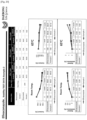
Fig. 7 shows graphs comparing the stability of a crystalline form of efinaconazole with that of a co-crystal of efinaconazole and polyethylene glycol. -
Fig. 8 is for reference and shows a powder XRD pattern of a co-crystal of efinaconazole and nicotinamide. -
Fig. 9 is for reference and shows a DSC thermogram of a co-crystal of efinaconazole and nicotinamide. -
Fig. 10 is for reference and shows a powder XRD pattern of a co-crystal of efinaconazole and fumaric acid. -
Fig. 11 is for reference and shows a DSC thermogram of a co-crystal of efinaconazole and fumaric acid. -
Fig. 12 is for reference and shows a powder XRD pattern of a co-crystal of efinaconazole and hydroquinone. -
Fig. 13 is for reference and shows a DSC thermogram of a co-crystal of efinaconazole and hydroquinone. -
Fig. 14 is for reference and shows a powder XRD pattern of a co-amorphous form of efinaconazole and citric acid. -
Fig. 15 is for reference and shows a DSC thermogram of a co-amorphous form of efinaconazole and citric acid. -
Fig. 16 is for reference and shows a powder XRD pattern of a co-amorphous form of efinaconazole and oxalic acid. -
Fig. 17 is for reference and shows a DSC thermogram of a co-amorphous form of efinaconazole and oxalic acid. -
Fig. 18 is for reference and shows a powder XRD pattern of a co-crystal of efinaconazole and malonic acid. -
Fig. 19 is for reference and shows a DSC thermogram of a co-crystal of efinaconazole and malonic acid. -
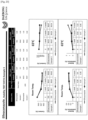
Fig. 20 is for reference and shows graphs comparing the stability of a crystalline form of efinaconazole with that of a co-crystal of efinaconazole and caffeic acid. -
Fig. 21 is for reference and shows graphs comparing the stability of a crystalline form of efinaconazole with that of a co-crystal of efinaconazole and nicotinamide. -
Fig. 22 is for reference and shows graphs comparing the stability of a crystalline form of efinaconazole with that of a co-crystal of efinaconazole and fumaric acid. -
Fig. 23 is for reference and shows graphs comparing the stability of a crystalline form of efinaconazole with that of a co-crystal of efinaconazole and hydroquinone. -
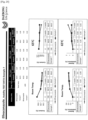
Fig. 24 is for reference and shows graphs comparing the stability of a co-amorphous form of efinaconazole with that of a co-crystal of efinaconazole and citric acid. -
Fig. 25 is for reference and shows graphs comparing the stability of a co-amorphous form of efinaconazole with that of a co-crystal of efinaconazole and oxalic acid. -
Fig. 26 is for reference and shows graphs comparing the stability of a crystalline form of efinaconazole with that of a co-crystal of efinaconazole and malonic acid. - The present invention will now be described in detail.
- One aspect of the present invention is directed to a co-crystallization product of efinaconazole and a pharmaceutically acceptable coformer forming a co-crystalline phase, wherein the coformer is polyethylene glycol-6000.
- A co-formed product is composed of two or more components and exhibits unique physical properties different from those of the individual components, just like a single material. Co-formed products are divided into co-amorphous products and co-crystals.
- The term "co-crystal" refers to a crystal structure of two or more different molecules in a specific stoichiometric ratio within one crystal lattice. Intermolecular bonds in co-crystals are distinguished from those in salts and mixtures. A co-crystal is a crystalline solid that is rich in functional groups (for example, O, OH, and N) capable of hydrogen bonding or has a new crystal structure through hydrogen bonding with a coformer in a regular ratio.
- The term "coformer" refers to an inactive molecule constituting a co-crystal of a drug.
- As described above, efinaconazole needs to be converted to a stable crystalline form of efinaconazole for use as an active ingredient of a pharmaceutical composition due to its instability. Since a co-crystal of a drug forms a crystal structure through a new hydrogen bond between two or more molecules, the solubility and dissolution rate of the drug can be increased while maintaining the stable state of the co-crystal, and as a result, the uptake of the drug is altered, leading to a change in the bioavailability of the drug.
- Although the existence of some co-crystallization products is already known, their proportion is less than 1% of all general organic compounds. Studies on co-crystallization products are still in the early stages, and particularly, no research has been conducted on co-crystallization products of efinaconazole.
- Under such circumstances, the present inventors have found that a co-crystal of efinaconazole meets requirements in terms of physical properties for use as an active ingredient and has good thermal stability. The present invention has been accomplished based on this finding.
- The coformer is polyethylene glycol-6000.
-
Figs. 1 and2 are powder XRD patterns of co-crystals of efinaconazole.Figure 1 is according to the present inventionFigure 2 is for reference.Figs. 3 and4 are DSC thermograms of co-crystals of efinaconazole.Figure 3 is according to the present invention,Figure 4 is for reference. -
Figs. 1 to 4 reveal that the co-crystals of efinaconazole exhibit completely different tendencies from a crystalline form or p-toluenesulfonate of efinaconazole. - That is, the co-crystal of efinaconazole and polyethylene glycol has a crystal structure that exhibits characteristic peaks at diffraction angles (20, I/I0 >10%) of 7.78°, 11.50°, 13.85°, 15.49°, 16.79°, 18.97°, 19.22°, 23.57°, 26.18°, and 27.09° in its powder XRD pattern.
- The differential scanning calorimetry (DSC) thermogram of the co-crystal of efinaconazole and polyethylene glycol has maximum endothermic peaks at 61.62 °C and 78.78 °C.
- The co-crystal of efinaconazole and caffeic acid has a crystal structure that exhibits characteristic peaks at diffraction angles (2θ, I/I0 >10%) of 13.65°, 14.22°, 15.90°, 17.51°, 17.71°, 19.91°, 20.32°, 20.96°, 24.50°, 25.82°, 26.70°, 27.12°, 27.46°, 30.13°, 33.58°, 35.76°, and 36.59° in its powder XRD pattern.
- The differential scanning calorimetry (DSC) thermogram of the co-crystal of efinaconazole and caffeic acid has maximum endothermic peaks at 66.45 °C and 179.9 °C.
- These differences can be understood with reference to
Figs. 5 and6 .Figs. 5 and6 are for reference and show a powder XRD pattern and a DSC thermogram of the crystalline form of efinaconazole. - The analyses reveal that the co-crystal of efinaconazole according to the present invention is a novel material having physicochemical properties entirely different from those of existing crystalline forms of efinaconazole.
- As shown in
Fig. 7 , the co-crystal of efinaconazole according to the present invention has excellent stability to a solution and temperature, which was confirmed through comparative experiments. - The co-crystal of efinaconazole according to the present invention meets all requirements (that is, requirements in terms of chemical purity of the crystal and stability to a solution and temperature) for use as an active ingredient of the pharmaceutical composition.
- A further aspect of the present invention is directed to a pharmaceutical composition for treating onychomycosis which includes the co-crystallization product of efinaconazole as an active pharmaceutical ingredient (API) and can be pharmaceutically formulated.
- The pharmaceutical composition of the present invention may further include one or more excipients, in addition to the co-crystal of efinaconazole as an active ingredient. Examples of the excipients include carriers, adjuvants, and diluents. The pharmaceutical composition of the present invention is formulated into general pharmaceutical preparations for oral or parenteral administration by suitable techniques known in the art.
- Particularly, the co-crystalline form of efinaconazole is a new solid drug that can be stably administered orally rather than an agent that is used by external application. Thus, the co-crystalline form of efinaconazole is considered very useful as an optimal pharmaceutical raw material whose utilization can be maximized.
- Another aspect of the present invention is directed to a method for preparing the co-crystal of efinaconazole.
- The co-crystal of efinaconazole can be prepared in an easy way. A detailed description of the method is given in the following.
- First, at least one acceptable coformer, wherein the coformer is polyethylene glycol-6000, is dissolved in an organic solvent to prepare a mixed solution.
- The organic solvent may be selected from methanol, ethanol, isopropyl alcohol, n-propanol, isoamyl alcohol, acetone, ethyl methyl ketone, methyl isobutyl ketone, ethyl acetate, n-propyl acetate, n-butyl acetate, t-butyl acetate, toluene, dichloromethane, acetonitrile, and mixtures thereof. The organic solvent is preferably selected from dichloromethane, acetonitrile, methanol, and mixtures thereof.
- The order of addition of the efinaconazole and the co-crystal forming agent to the organic solvent is not particularly limited. The efinaconazole and the coformer are dissolved with sufficient stirring. If needed, the efinaconazole and the coformer are dissolved under heating. It is preferable to completely dissolve the efinaconazole and the coformer.
- A further aspect described herein, but not part of the present invention is directed to a co-amorphous product of efinaconazole and a pharmaceutically acceptable coformer forming a co-amorphous phase.
- The coformer may be selected from citric acid, oxalic acid, and a mixture thereof.
- Generally, amorphous forms have higher solubility and bioavailability but lower stability than crystalline forms. Surprisingly, the co-amorphous product is highly stable and bioavailable compared to the crystalline form of pure efinaconazole, which will be more fully understood with reference to the following examples.
- The present invention will be more specifically explained with reference to the following examples. However, it is to be noted that these examples are not intended to limit the scope of the invention.
- Efinaconazole (1 g) was dissolved in acetonitrile (5 mL) with stirring at room temperature. Polyethylene glycol-6000 (1 g) was added to the solution, followed by stirring for 1 h. The solvent was distilled off under reduced pressure. Spontaneous formation of a co-crystal of efinaconazole and polyethylene glycol-6000 was observed within a short time. After drying under vacuum, the crystal was recovered in a yield of 95%. The purity of the crystal was 99.5%. A powder X-ray diffraction (XRD) spectrum and a differential scanning calorimetry thermogram of the co-crystal of efinaconazole and polyethylene glycol-6000 are shown in
Figs. 1 and3 , respectively. - Efinaconazole (1 g) was dissolved in methanol (5 mL) with stirring at room temperature. Caffeic acid (1 g) was added to the solution, followed by stirring for 1 h. The solvent was distilled off under reduced pressure. Spontaneous formation of a co-crystal of efinaconazole and caffeic acid was observed within a short time. After drying under vacuum, the crystal was recovered in a yield of 92%. The purity of the crystal was 99.5%.
- A powder X-ray diffraction (XRD) spectrum and a differential scanning calorimetry thermogram of the co-crystal of efinaconazole and caffeic acid are shown in
Figs. 2 and4 , respectively. - Efinaconazole (1 g) was dissolved in acetonitrile (5 mL) with stirring at room temperature. Nicotinamide (1 g) was added to the solution, followed by stirring for 1 h. The solvent was distilled off under reduced pressure. Spontaneous formation of a co-crystal of efinaconazole and nicotinamide was observed within a short time. After drying under vacuum, the crystal was recovered in a yield of 95%.
- A powder X-ray diffraction (XRD) spectrum and a differential scanning calorimetry thermogram of the co-crystal of efinaconazole and nicotinamide are shown in
Figs. 8 and9 , respectively. - Efinaconazole (0.9 g) was dissolved in tetrahydrofuran (7.2 mL) with stirring at room temperature. Fumaric acid (0.3 g) was added to the solution, followed by stirring for 1 h. The solvent was distilled off under reduced pressure. Spontaneous formation of a co-crystal of efinaconazole and fumaric acid was observed within a short time. After drying under vacuum, the crystal was recovered in a yield of 90%.
- A powder X-ray diffraction (XRD) spectrum and a differential scanning calorimetry thermogram of the co-crystal of efinaconazole and fumaric acid are shown in
Figs. 10 and11 , respectively. - Efinaconazole (1 g) was dissolved in methanol (5 mL) with stirring at room temperature. Hydroquinone (1 g) was added to the solution, followed by stirring for 1 h. The solvent was distilled off under reduced pressure. Spontaneous formation of a co-crystal of efinaconazole and hydroquinone was observed within a short time. After drying under vacuum, the crystal was recovered in a yield of 90%. A powder X-ray diffraction (XRD) spectrum and a differential scanning calorimetry thermogram of the co-crystal of efinaconazole and hydroquinone are shown in
Figs. 12 and13 , respectively. The XRD data of the co-crystal were different from those of efinaconazole and the DSC thermogram of the co-crystal had a maximum endothermic peak at 58.29 °C, indicating that the co-crystal is a novel material having different physicochemical properties from efinaconazole. - Efinaconazole (1 g) was dissolved in methanol (5 mL) with stirring at room temperature. Citric acid (1 g) was added to the solution, followed by stirring for 1 h. The solvent was distilled off under reduced pressure. Spontaneous formation of a co-amorphous form of efinaconazole and citric acid was observed within a short time. After drying under vacuum, the co-amorphous form was recovered in a yield of 97%. A powder X-ray diffraction (XRD) spectrum and a differential scanning calorimetry thermogram of the co-amorphous form of efinaconazole and citric acid are shown in
Figs. 14 and15 , respectively. The XRD data of the co-amorphous form were different from those of efinaconazole and no diffraction angle (2θ) and maximum endothermic peak were observed, demonstrating that the product was amorphous. These results indicate that the product is a novel material having different physicochemical properties from efinaconazole. - Efinaconazole (1 g) was dissolved in methanol (5 mL) with stirring at room temperature. Oxalic acid (1 g) was added to the solution, followed by stirring for 1 h. The solvent was distilled off under reduced pressure. Spontaneous formation of a co-amorphous form of efinaconazole and oxalic acid was observed within a short time. After drying under vacuum, the co-amorphous form was recovered in a yield of 92%. A powder X-ray diffraction (XRD) spectrum and a differential scanning calorimetry thermogram of the co-amorphous form of efinaconazole and oxalic acid are shown in
Figs. 16 and17 , respectively. The XRD data of the co-amorphous form were different from those of efinaconazole and no diffraction angle (2θ) and maximum endothermic peak were observed, demonstrating that the product was amorphous. These results indicate that the product is a novel material having different physicochemical properties from efinaconazole. - Efinaconazole (1 g) was dissolved in methanol (5 mL) with stirring at room temperature. Malonic acid (1 g) was added to the solution, followed by stirring for 1 h. The solvent was distilled off under reduced pressure. Spontaneous formation of a co-crystal of efinaconazole and malonic acid was observed within a short time. After drying under vacuum, the crystal was recovered in a yield of 90%. A powder X-ray diffraction (XRD) spectrum and a differential scanning calorimetry thermogram of the co-crystal of efinaconazole and malonic acid are shown in
Figs. 18 and19 , respectively. The XRD data of the co-crystal were different from those of efinaconazole and the DSC thermogram of the co-crystal had a maximum endothermic peak at 148.05 °C, indicating that the co-crystal is a novel material having different physicochemical properties from efinaconazole. - The stabilities of the co-crystals of efinaconazole to temperature and a solution were evaluated and compared by the following experimental method.
- After the co-crystalline form of efinaconazole prepared in Example 1 was dissolved in a solution and allowed to stand at different temperatures (at room temperature and in an oven at 65 °C) for different periods of time (1 week, 2 weeks, and 4 weeks), its purities were determined by high-performance liquid chromatography (HPLC).
- The results are shown in Table 1 and
Fig. 7 .[Table 1] Solution (10%) Temp. (°C) After 1 week After 2 weeks After 4 weeks HPLC (%) Related substances (%) HPLC (%) Related substances (%) HPLC (%) Related substances (%) Efinaconazole Room temp. 99.73 0.27 99.61 0.39 99.60 0.40 Example 1 99.79 0.21 99.80 0.20 99.79 0.21 Efinaconazole 65 99.55 0.45 99.46 0.54 98.47 1.53 Example 1 99.80 0.18 99.81 0.19 99.30 0.70 - As can be seen from the results in Table 1 and
Fig. 7 , the co-crystal of efinaconazole was more stable in the temperatures and the solution than efinaconazole, thus being more suitable for drug preparation. In addition, the co-crystal of efinaconazole is considered as a novel material that meets all requirements for use as an active ingredient of a pharmaceutical composition. - For a non-clinical trial, the co-crystal of efinaconazole prepared in Example 1 was administered orally to 6 beagle dogs. As a result, a bioavailability as high as 36% was achieved even with a small dose (3 mg) of the co-crystal of efinaconazole and no adverse reactions were observed in the beagle dogs, demonstrating the safety of the co-crystal of efinaconazole.
- For reference, the oral bioavailability of the co-crystal of efinaconazole was compared with those of other antifungals. The results are shown in Table 2. As can be seen from the results in Table 2, the bioavailability of the co-crystal of efinaconazole was higher than those of other antifungals, including itraconazole, despite the small dose of the co-crystal of efinaconazole. Therefore, oral administration of the co-crystal of efinaconazole is expected to be therapeutically very effective.
[Table 2] Triazole antifungal Voriconazole Itraconazole Efinaconazole + Coformer Routes of administration Oral Oral Oral Dose 200mg 100mg 3mg Oral Bioavailability (%) 96% 55% 36%
Claims (7)
- A co-crystallization product of efinaconazole and a pharmaceutically acceptable coformer forming a co-crystalline phase, wherein the coformer is polyethylene glycol-6000.
- The co-crystallization product of efinaconazole according to claim 1, wherein the coformer is polyethylene glycol-6000 and the powder X-ray diffraction (XRD) spectrum of the co-crystallization product has peaks at diffraction angles (2θ) of 7.78°, 11.50°, 13.85°, 15.49°, 16.79°, 18.97°, 19.22°, 23.57°, 26.18°, and 27.09°.
- The co-crystallization product of efinaconazole according to claim 2, wherein the differential scanning calorimetry (DSC) thermogram of the co-crystallization product has maximum endothermic peaks at 61.62 °C and 78.78 °C.
- An oral or parenteral pharmaceutical composition for use in the treatment of onychomycosis comprising, as an active ingredient, the co-crystallization product of efinaconazole according to any one of claims 1 to 3.
- A method for preparing a co-crystallization product of efinaconazole comprising dissolving efinaconazole and a pharmaceutically acceptable coformer in an organic solvent to prepare a mixed solution and evaporating the mixed solution to remove the solvent, wherein the coformer is polyethylene glycol-6000.
- The method according to claim 5, wherein the mixed solution is prepared with stirring or under heating.
- The method according to claim 5, wherein the organic solvent is methanol, ethanol, isopropyl alcohol, n-propanol, isoamyl alcohol, acetone, ethyl methyl ketone, methyl isobutyl ketone, ethyl acetate, n-propyl acetate, n-butyl acetate, t-butyl acetate, toluene, dichloromethane, acetonitrile or a mixture thereof.
Priority Applications (1)
| Application Number | Priority Date | Filing Date | Title |
|---|---|---|---|
| EP25182266.4A EP4592277A3 (en) | 2019-09-26 | 2020-09-25 | Co-crystalline efinaconazole, and method for producing same |
Applications Claiming Priority (2)
| Application Number | Priority Date | Filing Date | Title |
|---|---|---|---|
| KR20190118646 | 2019-09-26 | ||
| PCT/KR2020/013163 WO2021060949A1 (en) | 2019-09-26 | 2020-09-25 | Co-crystalline efinaconazole, and method for producing same |
Related Child Applications (1)
| Application Number | Title | Priority Date | Filing Date |
|---|---|---|---|
| EP25182266.4A Division EP4592277A3 (en) | 2019-09-26 | 2020-09-25 | Co-crystalline efinaconazole, and method for producing same |
Publications (4)
| Publication Number | Publication Date |
|---|---|
| EP3928769A1 EP3928769A1 (en) | 2021-12-29 |
| EP3928769A4 EP3928769A4 (en) | 2022-08-24 |
| EP3928769B1 true EP3928769B1 (en) | 2025-06-18 |
| EP3928769C0 EP3928769C0 (en) | 2025-06-18 |
Family
ID=75165118
Family Applications (2)
| Application Number | Title | Priority Date | Filing Date |
|---|---|---|---|
| EP20870034.4A Active EP3928769B1 (en) | 2019-09-26 | 2020-09-25 | Co-crystalline efinaconazole, and method for producing same |
| EP25182266.4A Pending EP4592277A3 (en) | 2019-09-26 | 2020-09-25 | Co-crystalline efinaconazole, and method for producing same |
Family Applications After (1)
| Application Number | Title | Priority Date | Filing Date |
|---|---|---|---|
| EP25182266.4A Pending EP4592277A3 (en) | 2019-09-26 | 2020-09-25 | Co-crystalline efinaconazole, and method for producing same |
Country Status (6)
| Country | Link |
|---|---|
| US (2) | US12325694B2 (en) |
| EP (2) | EP3928769B1 (en) |
| JP (2) | JP2021054781A (en) |
| KR (1) | KR102513523B1 (en) |
| CN (1) | CN113795484B (en) |
| WO (1) | WO2021060949A1 (en) |
Families Citing this family (2)
| Publication number | Priority date | Publication date | Assignee | Title |
|---|---|---|---|---|
| KR102301743B1 (en) * | 2020-12-29 | 2021-09-13 | 대봉엘에스 주식회사 | Oral pharmaceutical composition comprsing efinaconazole |
| KR102851644B1 (en) * | 2021-07-28 | 2025-08-28 | 대봉엘에스 주식회사 | Coforms of vonoprazan, and method for preparing the same |
Family Cites Families (20)
| Publication number | Priority date | Publication date | Assignee | Title |
|---|---|---|---|---|
| UA41365C2 (en) | 1993-05-10 | 2001-09-17 | Какєн Фармасьютікал Ко., Лтд | Derivatives of azolylamine and fungicide agent basED THEREON |
| US7049283B2 (en) | 2000-12-06 | 2006-05-23 | Novartis Ag | Pharmaceutical compositions for the oral delivery of pharmacologically active agents |
| EP1511490A4 (en) * | 2002-05-31 | 2009-03-11 | Transform Pharmaceuticals Inc | Novel conazole crystalline forms and related processes, pharmaceutical compositions and methods |
| CA2514733A1 (en) * | 2003-02-28 | 2004-09-16 | Transform Pharmaceuticals, Inc. | Pharmaceutical co-crystal compositions of drugs such as carbamazepine, celecoxib, olanzapine, itraconazole, topiramate, modafinil, 5-fluorouracil, hydrochlorothiazide, acetaminophen, aspirin, flurbiprofen, phenytoin and ibuprofen |
| JP5017103B2 (en) * | 2004-06-17 | 2012-09-05 | トランスフオーム・フアーマシユーチカルズ・インコーポレーテツド | Pharmaceutical co-crystal composition and related methods of use |
| EP2139885B1 (en) * | 2007-03-23 | 2010-12-08 | Syngenta Limited | Co-crystals of propiconazole |
| GB0817513D0 (en) * | 2008-09-24 | 2008-10-29 | Syngenta Ltd | Co-crystals |
| US8039494B1 (en) | 2010-07-08 | 2011-10-18 | Dow Pharmaceutical Sciences, Inc. | Compositions and methods for treating diseases of the nail |
| WO2013084130A1 (en) * | 2011-12-06 | 2013-06-13 | Basf Se | Multicomponent crystalline system of voriconazole with fumaric acid |
| WO2014016848A2 (en) * | 2012-07-24 | 2014-01-30 | Laurus Labs Private Limited | Solid forms of tyrosine kinase inhibitors, process for the preparation and their pharmaceutical composition thereof |
| KR102320051B1 (en) | 2013-10-03 | 2021-10-29 | 다우 파마슈티컬 사이언시즈, 인코포레이티드 | Stabilized efinaconazole compositions |
| CA3052643A1 (en) * | 2013-11-22 | 2015-05-28 | Bausch Health Ireland Limited | Anti-infective methods, compositions, and devices |
| JP2015212249A (en) * | 2014-05-05 | 2015-11-26 | アナコール ファーマシューティカルズ,インコーポレイテッド | Compound and nail polish |
| EP3247399A4 (en) * | 2015-01-20 | 2018-09-05 | Wavelength Enterprises Ltd | Crystalline forms of efinaconazole |
| WO2016193917A1 (en) * | 2015-06-04 | 2016-12-08 | Glenmark Pharmaceuticals Limited | Process for the preparation of efinaconazole |
| WO2017049105A1 (en) | 2015-09-16 | 2017-03-23 | Cidara Therapeutics, Inc. | Formulations for treating fungal infections |
| CN106995434A (en) * | 2016-01-25 | 2017-08-01 | 广东东阳光药业有限公司 | A kind of crystal form of triazole antifungal drug and preparation method thereof |
| WO2017168174A1 (en) * | 2016-04-02 | 2017-10-05 | N4 Pharma Uk Limited | New pharmaceutical forms of sildenafil |
| WO2018036416A1 (en) * | 2016-08-26 | 2018-03-01 | 山东特珐曼药业有限公司 | Efinaconazole preparation method and crystal form m of efinaconazole |
| JPWO2018110693A1 (en) * | 2016-12-16 | 2019-10-24 | 株式会社カネカ | Treatment for onychomycosis |
-
2019
- 2019-12-23 JP JP2019231277A patent/JP2021054781A/en active Pending
-
2020
- 2020-09-25 WO PCT/KR2020/013163 patent/WO2021060949A1/en not_active Ceased
- 2020-09-25 CN CN202080023607.5A patent/CN113795484B/en active Active
- 2020-09-25 KR KR1020217026859A patent/KR102513523B1/en active Active
- 2020-09-25 JP JP2021550105A patent/JP7265290B2/en active Active
- 2020-09-25 US US17/428,426 patent/US12325694B2/en active Active
- 2020-09-25 EP EP20870034.4A patent/EP3928769B1/en active Active
- 2020-09-25 EP EP25182266.4A patent/EP4592277A3/en active Pending
-
2025
- 2025-05-20 US US19/213,208 patent/US20250276956A1/en active Pending
Also Published As
| Publication number | Publication date |
|---|---|
| EP4592277A2 (en) | 2025-07-30 |
| JP2022526478A (en) | 2022-05-25 |
| CN113795484B (en) | 2024-07-09 |
| EP3928769A4 (en) | 2022-08-24 |
| EP3928769A1 (en) | 2021-12-29 |
| US20250276956A1 (en) | 2025-09-04 |
| US12325694B2 (en) | 2025-06-10 |
| KR102513523B1 (en) | 2023-03-23 |
| JP7265290B2 (en) | 2023-04-26 |
| EP3928769C0 (en) | 2025-06-18 |
| US20220194919A1 (en) | 2022-06-23 |
| EP4592277A3 (en) | 2025-10-29 |
| CN113795484A (en) | 2021-12-14 |
| WO2021060949A1 (en) | 2021-04-01 |
| KR20210113394A (en) | 2021-09-15 |
| JP2021054781A (en) | 2021-04-08 |
Similar Documents
| Publication | Publication Date | Title |
|---|---|---|
| US20250276956A1 (en) | Co-crystalline form of efinaconazole and method for preparing the same | |
| JP6479970B2 (en) | New crystals of uracil compounds | |
| JP2023506691A5 (en) | ||
| EP3626241A1 (en) | N-benzenesulfonylbenzamide compound for inhibiting bcl-2 protein and composition and use thereof | |
| CN107163027A (en) | Crystalline form of pyridylaminopyrimidine derivative mesylate and its preparation and application | |
| RU2433995C2 (en) | Stable biologically active complex of salts of o-acetylsalicylic acid with basic amino acids and glycine | |
| CN104098570A (en) | Crystal form of Ticagrelor Brilinta and preparation method and purpose thereof | |
| CN109651377B (en) | Compound for treating cancer and application thereof | |
| EP3766880B1 (en) | Solid form of dihydropyrimidine compound and preparation method therefor and use thereof | |
| AU2013249197A1 (en) | Methods of producing anamorelin hydrochloride having controlled chloride content | |
| CN114075170B (en) | Osimertinib pharmaceutical salt and preparation method thereof | |
| JP4015954B2 (en) | Suplatast tosilate crystal | |
| CN113234028A (en) | 5-fluorouracil and sarcosine cocrystal and preparation method and application thereof | |
| EP2851363B1 (en) | Agomelatine acid radical composite, and preparation method and application thereof | |
| CN120774918A (en) | Protein degradation agent compound and preparation method, pharmaceutical composition and application thereof | |
| EP3702350A1 (en) | Crystalline form of alkynyl pyridine prolyl hydroxylase inhibitor and method for preparing same | |
| CN101353343A (en) | Preparation method of high-purity noratrexed hydrochloride dihydrate | |
| EP3929178A1 (en) | Crystal form of valnemulin hydrochloride hydrate, preparation method therefor, and pharmaceutical composition containing crystal form | |
| EP3351542B1 (en) | New crystal of piperazine compound | |
| US12606518B2 (en) | Crystalline form of L-serine and process of preparing same | |
| EP4509502A1 (en) | Crystal form of fgfr4 selective inhibitor compound, and preparation method therefor and use thereof | |
| EP4431515A1 (en) | Novel crystal forms of peptide boric acid compound and preparation methods therefor | |
| CN110407833B (en) | Deuterated Vissturtib compound and application thereof | |
| JP2022550031A (en) | Amorphous Efinaconazole Solid Dispersion | |
| EP3342778B1 (en) | Crystal form of fludarabine phosphat, preparation method therefor, and application thereof |
Legal Events
| Date | Code | Title | Description |
|---|---|---|---|
| STAA | Information on the status of an ep patent application or granted ep patent |
Free format text: STATUS: THE INTERNATIONAL PUBLICATION HAS BEEN MADE |
|
| PUAI | Public reference made under article 153(3) epc to a published international application that has entered the european phase |
Free format text: ORIGINAL CODE: 0009012 |
|
| STAA | Information on the status of an ep patent application or granted ep patent |
Free format text: STATUS: REQUEST FOR EXAMINATION WAS MADE |
|
| 17P | Request for examination filed |
Effective date: 20210825 |
|
| AK | Designated contracting states |
Kind code of ref document: A1 Designated state(s): AL AT BE BG CH CY CZ DE DK EE ES FI FR GB GR HR HU IE IS IT LI LT LU LV MC MK MT NL NO PL PT RO RS SE SI SK SM TR |
|
| REG | Reference to a national code |
Free format text: PREVIOUS MAIN CLASS: A61K0009140000 Ipc: C07D0401060000 Ref country code: DE Ref legal event code: R079 Ref document number: 602020053057 Country of ref document: DE |
|
| A4 | Supplementary search report drawn up and despatched |
Effective date: 20220722 |
|
| RIC1 | Information provided on ipc code assigned before grant |
Ipc: C07D 213/82 20060101ALI20220718BHEP Ipc: C07C 55/06 20060101ALI20220718BHEP Ipc: A61K 31/454 20060101ALI20220718BHEP Ipc: A61K 9/14 20060101ALI20220718BHEP Ipc: C07C 59/265 20060101ALI20220718BHEP Ipc: C07C 57/15 20060101ALI20220718BHEP Ipc: C07C 55/08 20060101ALI20220718BHEP Ipc: C07C 39/08 20060101ALI20220718BHEP Ipc: A61P 31/10 20060101ALI20220718BHEP Ipc: A61P 17/00 20060101ALI20220718BHEP Ipc: C07D 401/06 20060101AFI20220718BHEP |
|
| DAV | Request for validation of the european patent (deleted) | ||
| DAX | Request for extension of the european patent (deleted) | ||
| STAA | Information on the status of an ep patent application or granted ep patent |
Free format text: STATUS: EXAMINATION IS IN PROGRESS |
|
| 17Q | First examination report despatched |
Effective date: 20230925 |
|
| GRAP | Despatch of communication of intention to grant a patent |
Free format text: ORIGINAL CODE: EPIDOSNIGR1 |
|
| STAA | Information on the status of an ep patent application or granted ep patent |
Free format text: STATUS: GRANT OF PATENT IS INTENDED |
|
| INTG | Intention to grant announced |
Effective date: 20250203 |
|
| GRAS | Grant fee paid |
Free format text: ORIGINAL CODE: EPIDOSNIGR3 |
|
| GRAA | (expected) grant |
Free format text: ORIGINAL CODE: 0009210 |
|
| STAA | Information on the status of an ep patent application or granted ep patent |
Free format text: STATUS: THE PATENT HAS BEEN GRANTED |
|
| AK | Designated contracting states |
Kind code of ref document: B1 Designated state(s): AL AT BE BG CH CY CZ DE DK EE ES FI FR GB GR HR HU IE IS IT LI LT LU LV MC MK MT NL NO PL PT RO RS SE SI SK SM TR |
|
| REG | Reference to a national code |
Ref country code: GB Ref legal event code: FG4D |
|
| REG | Reference to a national code |
Ref country code: CH Ref legal event code: EP |
|
| REG | Reference to a national code |
Ref country code: DE Ref legal event code: R096 Ref document number: 602020053057 Country of ref document: DE |
|
| REG | Reference to a national code |
Ref country code: CH Ref legal event code: EP |
|
| REG | Reference to a national code |
Ref country code: IE Ref legal event code: FG4D |
|
| U01 | Request for unitary effect filed |
Effective date: 20250717 |
|
| U07 | Unitary effect registered |
Designated state(s): AT BE BG DE DK EE FI FR IT LT LU LV MT NL PT RO SE SI Effective date: 20250723 |
|
| PG25 | Lapsed in a contracting state [announced via postgrant information from national office to epo] |
Ref country code: GR Free format text: LAPSE BECAUSE OF FAILURE TO SUBMIT A TRANSLATION OF THE DESCRIPTION OR TO PAY THE FEE WITHIN THE PRESCRIBED TIME-LIMIT Effective date: 20250919 Ref country code: NO Free format text: LAPSE BECAUSE OF FAILURE TO SUBMIT A TRANSLATION OF THE DESCRIPTION OR TO PAY THE FEE WITHIN THE PRESCRIBED TIME-LIMIT Effective date: 20250918 |
|
| PG25 | Lapsed in a contracting state [announced via postgrant information from national office to epo] |
Ref country code: HR Free format text: LAPSE BECAUSE OF FAILURE TO SUBMIT A TRANSLATION OF THE DESCRIPTION OR TO PAY THE FEE WITHIN THE PRESCRIBED TIME-LIMIT Effective date: 20250618 |
|
| PG25 | Lapsed in a contracting state [announced via postgrant information from national office to epo] |
Ref country code: RS Free format text: LAPSE BECAUSE OF FAILURE TO SUBMIT A TRANSLATION OF THE DESCRIPTION OR TO PAY THE FEE WITHIN THE PRESCRIBED TIME-LIMIT Effective date: 20250918 |
|
| U20 | Renewal fee for the european patent with unitary effect paid |
Year of fee payment: 6 Effective date: 20250917 |
|
| PG25 | Lapsed in a contracting state [announced via postgrant information from national office to epo] |
Ref country code: IS Free format text: LAPSE BECAUSE OF FAILURE TO SUBMIT A TRANSLATION OF THE DESCRIPTION OR TO PAY THE FEE WITHIN THE PRESCRIBED TIME-LIMIT Effective date: 20251018 |
|
| PG25 | Lapsed in a contracting state [announced via postgrant information from national office to epo] |
Ref country code: SM Free format text: LAPSE BECAUSE OF FAILURE TO SUBMIT A TRANSLATION OF THE DESCRIPTION OR TO PAY THE FEE WITHIN THE PRESCRIBED TIME-LIMIT Effective date: 20250618 |
|
| PG25 | Lapsed in a contracting state [announced via postgrant information from national office to epo] |
Ref country code: CZ Free format text: LAPSE BECAUSE OF FAILURE TO SUBMIT A TRANSLATION OF THE DESCRIPTION OR TO PAY THE FEE WITHIN THE PRESCRIBED TIME-LIMIT Effective date: 20250618 |
|
| PG25 | Lapsed in a contracting state [announced via postgrant information from national office to epo] |
Ref country code: PL Free format text: LAPSE BECAUSE OF FAILURE TO SUBMIT A TRANSLATION OF THE DESCRIPTION OR TO PAY THE FEE WITHIN THE PRESCRIBED TIME-LIMIT Effective date: 20250618 |
|
| PG25 | Lapsed in a contracting state [announced via postgrant information from national office to epo] |
Ref country code: SK Free format text: LAPSE BECAUSE OF FAILURE TO SUBMIT A TRANSLATION OF THE DESCRIPTION OR TO PAY THE FEE WITHIN THE PRESCRIBED TIME-LIMIT Effective date: 20250618 |
|
| PG25 | Lapsed in a contracting state [announced via postgrant information from national office to epo] |
Ref country code: ES Free format text: LAPSE BECAUSE OF FAILURE TO SUBMIT A TRANSLATION OF THE DESCRIPTION OR TO PAY THE FEE WITHIN THE PRESCRIBED TIME-LIMIT Effective date: 20250618 |
|
| PLBE | No opposition filed within time limit |
Free format text: ORIGINAL CODE: 0009261 |
|
| STAA | Information on the status of an ep patent application or granted ep patent |
Free format text: STATUS: NO OPPOSITION FILED WITHIN TIME LIMIT |
|
| REG | Reference to a national code |
Ref country code: CH Ref legal event code: L10 Free format text: ST27 STATUS EVENT CODE: U-0-0-L10-L00 (AS PROVIDED BY THE NATIONAL OFFICE) Effective date: 20260430 |
|
| REG | Reference to a national code |
Ref country code: CH Ref legal event code: H13 Free format text: ST27 STATUS EVENT CODE: U-0-0-H10-H13 (AS PROVIDED BY THE NATIONAL OFFICE) Effective date: 20260504 |