EP3926147B1 - Exhaust collector system and installation method - Google Patents
Exhaust collector system and installation method Download PDFInfo
- Publication number
- EP3926147B1 EP3926147B1 EP21175828.9A EP21175828A EP3926147B1 EP 3926147 B1 EP3926147 B1 EP 3926147B1 EP 21175828 A EP21175828 A EP 21175828A EP 3926147 B1 EP3926147 B1 EP 3926147B1
- Authority
- EP
- European Patent Office
- Prior art keywords
- tunnel
- exhaust collector
- exhaust
- gas turbine
- diffuser
- Prior art date
- Legal status (The legal status is an assumption and is not a legal conclusion. Google has not performed a legal analysis and makes no representation as to the accuracy of the status listed.)
- Active
Links
Images



Classifications
-
- F—MECHANICAL ENGINEERING; LIGHTING; HEATING; WEAPONS; BLASTING
- F01—MACHINES OR ENGINES IN GENERAL; ENGINE PLANTS IN GENERAL; STEAM ENGINES
- F01D—NON-POSITIVE DISPLACEMENT MACHINES OR ENGINES, e.g. STEAM TURBINES
- F01D25/00—Component parts, details, or accessories, not provided for in, or of interest apart from, other groups
- F01D25/24—Casings; Casing parts, e.g. diaphragms, casing fastenings
-
- F—MECHANICAL ENGINEERING; LIGHTING; HEATING; WEAPONS; BLASTING
- F02—COMBUSTION ENGINES; HOT-GAS OR COMBUSTION-PRODUCT ENGINE PLANTS
- F02C—GAS-TURBINE PLANTS; AIR INTAKES FOR JET-PROPULSION PLANTS; CONTROLLING FUEL SUPPLY IN AIR-BREATHING JET-PROPULSION PLANTS
- F02C6/00—Plural gas-turbine plants; Combinations of gas-turbine plants with other apparatus; Adaptations of gas-turbine plants for special use
-
- F—MECHANICAL ENGINEERING; LIGHTING; HEATING; WEAPONS; BLASTING
- F01—MACHINES OR ENGINES IN GENERAL; ENGINE PLANTS IN GENERAL; STEAM ENGINES
- F01D—NON-POSITIVE DISPLACEMENT MACHINES OR ENGINES, e.g. STEAM TURBINES
- F01D25/00—Component parts, details, or accessories, not provided for in, or of interest apart from, other groups
- F01D25/28—Supporting or mounting arrangements, e.g. for turbine casing
-
- F—MECHANICAL ENGINEERING; LIGHTING; HEATING; WEAPONS; BLASTING
- F01—MACHINES OR ENGINES IN GENERAL; ENGINE PLANTS IN GENERAL; STEAM ENGINES
- F01D—NON-POSITIVE DISPLACEMENT MACHINES OR ENGINES, e.g. STEAM TURBINES
- F01D25/00—Component parts, details, or accessories, not provided for in, or of interest apart from, other groups
- F01D25/30—Exhaust heads, chambers, or the like
-
- F—MECHANICAL ENGINEERING; LIGHTING; HEATING; WEAPONS; BLASTING
- F01—MACHINES OR ENGINES IN GENERAL; ENGINE PLANTS IN GENERAL; STEAM ENGINES
- F01D—NON-POSITIVE DISPLACEMENT MACHINES OR ENGINES, e.g. STEAM TURBINES
- F01D9/00—Stators
- F01D9/02—Nozzles; Nozzle boxes; Stator blades; Guide conduits, e.g. individual nozzles
-
- F—MECHANICAL ENGINEERING; LIGHTING; HEATING; WEAPONS; BLASTING
- F02—COMBUSTION ENGINES; HOT-GAS OR COMBUSTION-PRODUCT ENGINE PLANTS
- F02C—GAS-TURBINE PLANTS; AIR INTAKES FOR JET-PROPULSION PLANTS; CONTROLLING FUEL SUPPLY IN AIR-BREATHING JET-PROPULSION PLANTS
- F02C7/00—Features, components parts, details or accessories, not provided for in, or of interest apart form groups F02C1/00 - F02C6/00; Air intakes for jet-propulsion plants
-
- F—MECHANICAL ENGINEERING; LIGHTING; HEATING; WEAPONS; BLASTING
- F05—INDEXING SCHEMES RELATING TO ENGINES OR PUMPS IN VARIOUS SUBCLASSES OF CLASSES F01-F04
- F05D—INDEXING SCHEME FOR ASPECTS RELATING TO NON-POSITIVE-DISPLACEMENT MACHINES OR ENGINES, GAS-TURBINES OR JET-PROPULSION PLANTS
- F05D2220/00—Application
- F05D2220/30—Application in turbines
- F05D2220/32—Application in turbines in gas turbines
-
- F—MECHANICAL ENGINEERING; LIGHTING; HEATING; WEAPONS; BLASTING
- F05—INDEXING SCHEMES RELATING TO ENGINES OR PUMPS IN VARIOUS SUBCLASSES OF CLASSES F01-F04
- F05D—INDEXING SCHEME FOR ASPECTS RELATING TO NON-POSITIVE-DISPLACEMENT MACHINES OR ENGINES, GAS-TURBINES OR JET-PROPULSION PLANTS
- F05D2230/00—Manufacture
- F05D2230/80—Repairing, retrofitting or upgrading methods
-
- F—MECHANICAL ENGINEERING; LIGHTING; HEATING; WEAPONS; BLASTING
- F05—INDEXING SCHEMES RELATING TO ENGINES OR PUMPS IN VARIOUS SUBCLASSES OF CLASSES F01-F04
- F05D—INDEXING SCHEME FOR ASPECTS RELATING TO NON-POSITIVE-DISPLACEMENT MACHINES OR ENGINES, GAS-TURBINES OR JET-PROPULSION PLANTS
- F05D2240/00—Components
- F05D2240/10—Stators
- F05D2240/12—Fluid guiding means, e.g. vanes
-
- F—MECHANICAL ENGINEERING; LIGHTING; HEATING; WEAPONS; BLASTING
- F05—INDEXING SCHEMES RELATING TO ENGINES OR PUMPS IN VARIOUS SUBCLASSES OF CLASSES F01-F04
- F05D—INDEXING SCHEME FOR ASPECTS RELATING TO NON-POSITIVE-DISPLACEMENT MACHINES OR ENGINES, GAS-TURBINES OR JET-PROPULSION PLANTS
- F05D2240/00—Components
- F05D2240/60—Shafts
-
- F—MECHANICAL ENGINEERING; LIGHTING; HEATING; WEAPONS; BLASTING
- F05—INDEXING SCHEMES RELATING TO ENGINES OR PUMPS IN VARIOUS SUBCLASSES OF CLASSES F01-F04
- F05D—INDEXING SCHEME FOR ASPECTS RELATING TO NON-POSITIVE-DISPLACEMENT MACHINES OR ENGINES, GAS-TURBINES OR JET-PROPULSION PLANTS
- F05D2250/00—Geometry
- F05D2250/20—Three-dimensional
- F05D2250/29—Three-dimensional machined; miscellaneous
- F05D2250/292—Three-dimensional machined; miscellaneous tapered
-
- F—MECHANICAL ENGINEERING; LIGHTING; HEATING; WEAPONS; BLASTING
- F05—INDEXING SCHEMES RELATING TO ENGINES OR PUMPS IN VARIOUS SUBCLASSES OF CLASSES F01-F04
- F05D—INDEXING SCHEME FOR ASPECTS RELATING TO NON-POSITIVE-DISPLACEMENT MACHINES OR ENGINES, GAS-TURBINES OR JET-PROPULSION PLANTS
- F05D2250/00—Geometry
- F05D2250/30—Arrangement of components
- F05D2250/32—Arrangement of components according to their shape
- F05D2250/324—Arrangement of components according to their shape divergent
-
- F—MECHANICAL ENGINEERING; LIGHTING; HEATING; WEAPONS; BLASTING
- F05—INDEXING SCHEMES RELATING TO ENGINES OR PUMPS IN VARIOUS SUBCLASSES OF CLASSES F01-F04
- F05D—INDEXING SCHEME FOR ASPECTS RELATING TO NON-POSITIVE-DISPLACEMENT MACHINES OR ENGINES, GAS-TURBINES OR JET-PROPULSION PLANTS
- F05D2250/00—Geometry
- F05D2250/90—Variable geometry
-
- Y—GENERAL TAGGING OF NEW TECHNOLOGICAL DEVELOPMENTS; GENERAL TAGGING OF CROSS-SECTIONAL TECHNOLOGIES SPANNING OVER SEVERAL SECTIONS OF THE IPC; TECHNICAL SUBJECTS COVERED BY FORMER USPC CROSS-REFERENCE ART COLLECTIONS [XRACs] AND DIGESTS
- Y02—TECHNOLOGIES OR APPLICATIONS FOR MITIGATION OR ADAPTATION AGAINST CLIMATE CHANGE
- Y02E—REDUCTION OF GREENHOUSE GAS [GHG] EMISSIONS, RELATED TO ENERGY GENERATION, TRANSMISSION OR DISTRIBUTION
- Y02E20/00—Combustion technologies with mitigation potential
- Y02E20/16—Combined cycle power plant [CCPP], or combined cycle gas turbine [CCGT]
Definitions
- the annular wall of the tunnel may have a frustoconical shape, a curved annular shape, a stepped annular shape (e.g., annular wall with a plurality of steps in diameter), or a combination thereof.
- the retrofit kit enables exhaust collectors designed for a larger gas turbine engine to be used on other models of gas turbine engines (e.g., smaller engines), or vice versa, without the need for complex modifications to the exhaust collector enclosure or other package enclosures of the gas turbine engine power plant.
- the retrofit kit may enable the tunnel to mount directly between an existing exhaust collector and gas turbine frame.
- a retrofit kit is presently contemplated for a gas turbine engine, the disclosed embodiments are not limited to a retrofit kit.
- FIG. 2 illustrates a perspective view of an example of an exhaust collector 30 of the gas turbine system 10, where the exhaust collector 30 is coupled to a tunnel 32 (e.g., an exhaust collector tunnel or shaft coupling tunnel).
- a tunnel 32 e.g., an exhaust collector tunnel or shaft coupling tunnel.
- Components of the gas turbine engine system 10, such as the exhaust collector 30, may be disposed in one or more frames 34.
- the exhaust collector 30 is coupled to a diffuser 36, which is downstream of the turbine 12 relative to an inlet axis (i.e., turbine axis 38).
- the exhaust collector 30 is disposed within an exhaust collector frame 34 (e.g., enclosure) which includes a right wall 48, a top wall 50, a left wall 52, a bottom wall 54, a back wall 56, and a front wall 58.
- a diverging section 60 e.g., a diverging annular wall or diverging wall
- the diverging section 60 may have a constant or substantially constant angle (e.g., deflector section or frustoconical wall) and/or a variable angle (e.g., a curved annular wall, such as a bell shape) relative to the longitudinal axis 44.
- a diameter 98 (e.g., inner or outer diameter) of the tunnel 32 may be any suitable size, such as between 14 to 54 inches, 20 to 48 inches, 24 to 44 inches, or any specific diameter therebetween, while a diameter 100 (e.g., inner or outer diameter) of the diffuser 36 may be any suitable size, such as between 34 to 136 inches, 48 to 122 inches, 60 to 110 inches, or any specific diameter therebetween.
- FIG. 7 is a partial cross-sectional view of an alternate embodiment of the diffuser connection assembly 89, which may be used with the tapered tunnel 32 of FIG. 5 or the tunnels 32 illustrated in FIGS. 3 and 8 .
- the diffuser connection assembly 89 may include a lip 93 that is connected (e.g., via a welded connection) to the outer surface 41 of the diffuser 36.
- the lip 93 e.g., annular lip
- the lip 93 also may include the seal segments 92 arranged circumferentially around the outer surface 41 of the diffuser 36.
- the diameter 98 (e.g., inner or outer diameter) of the first end 76 of the tunnel 32 may be any suitable size, such as between 12 to 50 inches, 18 to 44 inches, 22 to 40 inches, or any specific diameter therebetween, while the diameter 106 (e.g., inner or outer diameter) of the second end 79 of the tunnel 32 may be any suitable size, such as between 8 to 48 inches, 14 to 42 inches, 20 to 38 inches, or any specific diameter therebetween.
- the diameter 100 (e.g., inner or outer diameter) of the diffuser 36 may be any suitable size, such as between 34 to 136 inches, 48 to 122 inches, 60 to 110 inches, or any specific diameter therebetween.
- the tunnel 32 and the diffuser 36 are not directly coupled together via radial struts, couplings, or other support structures, thereby enabling the tunnel 32 to be removed more readily from the exhaust collector frame 34.
- FIG. 9 illustrates a method 200 of removing portions (e.g., the first tunnel 32 and the first diffuser 36) of the exhaust collector assembly 14 in preparation of retrofitting using one of the retrofit kits of FIGS. 2-8 in accordance with the embodiments disclosed herein.
- the method 200 includes disengaging (block 202) the power turbine 12 and the tunnel 32.
- the method 200 includes detaching (block 204) the back wall 56 of the package's enclosure 30. By removing the back wall 56 of the exhaust enclosure 30, the tunnel 32 and the diffuser 36 can be removed from the exhaust enclosure 30.
- the method 200 includes uncoupling (block 206) the tunnel 32 from the diverging section 60 (e.g., deflector section).
- FIG. 10 illustrates a method 300 of installing one of the retrofit kits of FIGS. 2-8 (e.g., installing a different replacement tunnel 32 and a different replacement diffuser 36 after performing the method 200 of FIG. 9 ) to modify the exhaust collector assembly 14 of FIG. 1 in accordance with the embodiments disclosed herein.
- the method 300 may include installing (block 302) the replacement diffuser 36 into the exhaust enclosure 30.
- the method 300 further includes coupling (block 304) the replacement diffuser 36 into place by securing the smaller diameter end 46 of the diffuser 36 to the turbine frame 66 by bolting the diffuser 36 to the turbine frame 66 via one or more bolt and flange connections or brackets.
- the method 300 includes engaging (block 306) the replacement seal 92 of the replacement diffuser 36.
- a retrofit kit including the tunnel that enables a particular exhaust system (e.g., an exhaust collector) designed for a larger turbine engine to be used with a different turbine engine by changing an interface between the tunnel and a turbine frame.
- the retrofit kit includes one or more diffusers having different sizes and interfaces, the tunnel and one or more seal assemblies to reduce leakage of exhaust gas.
- the tunnel may have straight, tapered, curved, stepwise, or other suitably shaped walls to fit between the exhaust collector and the turbine frame.
Landscapes
- Engineering & Computer Science (AREA)
- Mechanical Engineering (AREA)
- General Engineering & Computer Science (AREA)
- Chemical & Material Sciences (AREA)
- Combustion & Propulsion (AREA)
- Turbine Rotor Nozzle Sealing (AREA)
- Exhaust Silencers (AREA)
- Supercharger (AREA)
Description
- The subject matter disclosed herein relates to turbine systems, and more particularly to systems and methods for turbine systems with an exhaust collector.
- Power generation plants, such as combined cycle power plants, often incorporate a gas turbine engine. The gas turbine engine combusts a fuel to generate hot combustion gases, which flow through a turbine to drive a load, e.g., an electrical generator. At high velocities and temperatures, an exhaust gas exits the turbine and enters an exhaust collector. Unfortunately, exhaust collectors are generally useable only with one type of turbine engine.
US8511984B2 relates to a gas turbine engine exhaust diffuser and collector.
CN105026697B relates to a radial diffuser exhaust system. The radial diffuser gas extraction system used for gas-turbine units. The radial diffuser gas extraction system may include the radial diffuser being positioned in asymmetric exhaust collector. An asymmetric exhaust collector may include a closed end room and an exhaust end room. The closed end room can have first size, and exhaust end room can have the second size, and first size is smaller than the second size. - In a first aspect of the invention, a system is provided as set forth in claim 1.
- In a second aspect of the invention a method is provided as set forth in claim 11.
- These and other features, aspects, and advantages of the present invention will become better understood when the following detailed description is read with reference to the accompanying drawings in which like characters represent like parts throughout the drawings, wherein:
-
FIG. 1 is a diagram of an example of a gas turbine power plant having an exhaust collector assembly, which can be modified (e.g., retrofit) with a plurality of different tunnels, diffusers, seals, and mounts; -
FIG. 2 is a cross-sectional view of an example of the exhaust collector assembly ofFIG. 1 , illustrating a retrofit kit having a tunnel that can be used to retrofit the exhaust collector assembly which is not covered by the claims; -
FIG. 3 is a partial cross-sectional view of the exhaust collector assembly ofFIG. 2 , illustrating an embodiment of a turbine connection assembly; -
FIG. 4 is a partial cross-sectional view of the exhaust collector assembly ofFIG. 2 , illustrating an embodiment of a diffuser connection assembly; -
FIG. 5 is a cross-sectional view of an embodiment of the exhaust collector assembly ofFIG. 1 , illustrating a retrofit kit having a tunnel (e.g., variable diameter tunnel) that can be used to retrofit the exhaust collector assembly; -
FIG. 6 is a partial cross-sectional view of the exhaust collector assembly ofFIG. 5 , illustrating an embodiment of a turbine connection assembly; -
FIG. 7 is a partial cross-sectional view of the exhaust collector assembly ofFIG. 5 , illustrating an embodiment of a diffuser connection assembly; -
FIG. 8 is a cross-sectional view of an embodiment of the exhaust collector assembly ofFIG. 1 , illustrating a retrofit kit having a tunnel (e.g., stepped tunnel) that can be used to retrofit the exhaust collector assembly; -
FIG. 9 is flow chart of a method of removing portions of the exhaust collector assembly in preparation of retrofitting using one of the retrofit kits ofFIGS. 2-8 ; and -
FIG. 10 is flow chart of a method of installing one of the retrofit kits ofFIGS. 2-8 to modify the exhaust collector assembly ofFIG. 1 . - One or more specific embodiments of the present invention will be described below. In an effort to provide a concise description of these embodiments, all features of an actual implementation may not be described in the specification. It should be appreciated that in the development of any such actual implementation, as in any engineering or design project, numerous implementation-specific decisions must be made to achieve the developers' specific goals, such as compliance with system-related and business-related constraints, which may vary from one implementation to another. Moreover, it should be appreciated that such a development effort might be complex and time consuming, but would nevertheless be a routine undertaking of design, fabrication, and manufacture for those of ordinary skill having the benefit of this disclosure.
- When introducing elements of various embodiments of the present subject matter, the articles "a," "an," "the," and "said" are intended to mean that there are one or more of the elements. The terms "comprising," "including," and "having" are intended to be inclusive and mean that there may be additional elements other than the listed elements.
- The disclosed embodiments include a retrofit kit for use with an exhaust collector of a gas turbine engine system. The retrofit kit includes one or more diffusers having different sizes and interfaces, a tunnel coupled to a diverging section (e.g., a conical section, deflector section) of the exhaust collector and the turbine frame via a combination of a coupling structure (e.g., bolts, brackets) and one or more enlarged seal assemblies (e.g., circumferential groove, circumferential seal segments, bolts, etc.). The tunnel may pass through a diffuser section of the gas turbine engine such that the tunnel is concentric with the diffuser section. That is, the tunnel (e.g., bore) may be thermally insulated and coupled to an exhaust collector frame, extend into a collector chamber, pass through the exhaust diffuser, and couple with the gas turbine engine. The tunnel may surround a linkage (e.g., shaft coupling of gas turbine and load shafts), thermally insulating the linkage from hot gases. The tunnel may be a retrofit or an original component of the gas turbine engine. For example, the disclosed embodiments include a retrofit kit including an exhaust collector tunnel that enables a particular exhaust system (e.g., an exhaust collector) designed for a larger turbine engine to be used with a different turbine engine by changing an interface between the exhaust collector tunnel and a gas turbine frame used to couple the tunnel to the gas turbine engine.
- The retrofit kit uses one or more seal carriers to reduce leakage of exhaust gas. The tunnel has a geometry designed to transition from the gas turbine engine to the diverging section (e.g., conical section, deflector section) of the exhaust collector. For some embodiments of the gas turbine engine, the geometry of the tunnel may be cylindrical (e.g., a straight annular wall) from the gas turbine engine to the diverging section. However, for other embodiments of the gas turbine engine, the geometry of the tunnel may be variable (e.g., variable diameter annular wall) from the gas turbine engine to the diverging section. For example, the annular wall of the tunnel may gradually increase or decrease from the gas turbine engine to the diverging section. The annular wall of the tunnel may have a frustoconical shape, a curved annular shape, a stepped annular shape (e.g., annular wall with a plurality of steps in diameter), or a combination thereof. As a result, the retrofit kit enables exhaust collectors designed for a larger gas turbine engine to be used on other models of gas turbine engines (e.g., smaller engines), or vice versa, without the need for complex modifications to the exhaust collector enclosure or other package enclosures of the gas turbine engine power plant. For example, the retrofit kit may enable the tunnel to mount directly between an existing exhaust collector and gas turbine frame. Although a retrofit kit is presently contemplated for a gas turbine engine, the disclosed embodiments are not limited to a retrofit kit.
- Turning now to the drawing and referring first to
FIG. 1 , a diagram of a gas turbineengine power plant 10 is illustrated. A gas turbine engine 12 (or gas turbine), for example an aeroderivative gas turbine engine, is coupled to anexhaust collector assembly 14. The diagram also depicts anelectrical generator 16 coupled to theturbine engine 12 through a linkage 18 (e.g., rotary coupling or shaft coupling). Thegas turbine engine 12,exhaust collector assembly 14, andelectrical generator 16 may be securely attached to askid platform 20. Clean air for combustion may be supplied by an air intake andfiltration system 22. The air is compressed in a compressor section of thegas turbine engine 12 and mixed with a liquid fuel or gas fuel, such as natural gas. The fuel-air mixture is then combusted in a combustion chamber of thegas turbine engine 12. Hot pressurized gas resulting from the combustion of the fuel-air mixture then passes through a plurality of turbine blades in thegas turbine engine 12. The hot pressurized gas will cause the turbine blades to rotate, causing the rotation of thelinkage 18. The rotation of thelinkage 18 may drive a load, such as theelectrical generator 16, as illustrated. - In one embodiment, the hot gas exits the
gas turbine engine 12 in an axial direction and enters theexhaust collector assembly 14 downstream of thegas turbine engine 12. Thegas turbine engine 12 converts a portion of the energy in the hot gas into rotary motion. However, some useful energy may still remain in the hot exhaust gas. Accordingly, theexhaust collector assembly 14 may capture and route the hot exhaust gas for further use, for example, by a heat recovery steam generator (HRSG). The HRSG may use the hot exhaust gas to generate steam for use in a steam generator and/or other equipment in thepower plant 10. The hot gas exiting into theexhaust collector assembly 14 may be flowing at high velocities and contain high temperatures. By using the embodiments described in more detail with respect toFIGS. 2-10 below, theexhaust collector assembly 14 that was designed for a first gas turbine engine (e.g., a first power turbine) may be used with a second gas turbine engine (e.g., a second power turbine). The first and second gas turbine engines may different in model number, physical size, power output, and geometry of the turbine outlet or connection with an exhaust collector. However, the disclosed embodiments address these differences by adapting or retrofitting theexhaust collector assembly 14 for use with any desired gas turbine engine. -
FIG. 2 illustrates a perspective view of an example of anexhaust collector 30 of thegas turbine system 10, where theexhaust collector 30 is coupled to a tunnel 32 (e.g., an exhaust collector tunnel or shaft coupling tunnel). For clarity of illustration of the features of thetunnel 32, the entirety of theturbine 12, thelinkage 18, the air intake andfiltration system 22 of thegas turbine system 10 are not shown inFIG. 2 . Components of the gasturbine engine system 10, such as theexhaust collector 30, may be disposed in one or more frames 34. Theexhaust collector 30 is coupled to adiffuser 36, which is downstream of theturbine 12 relative to an inlet axis (i.e., turbine axis 38). Thediffuser 36 is configured to couple to an outer wall (e.g., defining outer boundary of the exhaust flow path) of theturbine 12, while thetunnel 32 is configured to couple to an inner wall (e.g., defining an inner boundary of the exhaust flow path) of theturbine 12. - The illustrated
exhaust diffuser 36 has anannular wall 40, which gradually increases in diameter in adownstream direction 42 of the exhaust flow from thegas turbine engine 12 toward theexhaust collector 30. Theannular wall 40 may be described as a diverging or expanding annular wall, which diverges away from alongitudinal axis 44 in thedownstream direction 42 of exhaust flow. Theannular wall 40 may expand linearly (e.g., frustoconical wall) and/or curvilinearly (e.g., curved annular wall or bell shaped wall). The smaller diameter end 46 of thediffuser 36 is coupled to the gas turbine engine 12 (portion shown). Thediffuser 36 diffuses (e.g., spreads out and reduces velocity of) an axial flow of the exhaust gas flowing from thegas turbine engine 12. Theexhaust collector 30 receives the exhaust flow along the inlet axis from thediffuser 36 into acollector chamber 37. - The
exhaust collector 30 is disposed within an exhaust collector frame 34 (e.g., enclosure) which includes aright wall 48, atop wall 50, aleft wall 52, abottom wall 54, aback wall 56, and afront wall 58. A diverging section 60 (e.g., a diverging annular wall or diverging wall) may project axially out of theleft wall 52 and into theexhaust collector 30. The divergingsection 60 may have a constant or substantially constant angle (e.g., deflector section or frustoconical wall) and/or a variable angle (e.g., a curved annular wall, such as a bell shape) relative to thelongitudinal axis 44. For example, the angle may be approximately 20 to 70 degrees, 30 to 60 degrees, or 40 to 50 degrees. The divergingsection 60 may be used, for example, to radially disperse some of the gas flow, such that the gas flow does not directly impinge against theleft wall 52 in the same axial direction. As illustrated, the divergingsection 60 diverges in thedownstream direction 42 along thelongitudinal axis 44, thereby gradually redirecting the exhaust flow from anaxial direction 62 to a radial direction 64. - The
tunnel 32 may be thermally insulated and coupled to the divergingsection 60, extend into theexhaust collector 30, pass through thediffuser 36, and couple to thegas turbine engine 12 via a turbine frame 66 (seeFIG. 3 ). The thermally-insulatedtunnel 32 may include anannular wall 33 having one or more walls or layers made of the same or different materials. For example, theannular wall 33 may include an innerannular wall 68, an outerannular wall 70, and one or more layers ofinsulation 69 between the inner and outerannular walls tunnel 32 may be coaxial with thelongitudinal axis 42, e.g., approximately at the axial center of the inside hollow region of thediffuser 36. Thetunnel 32 may pass through adiffuser opening 72 on one end and couple to the turbine frame 66. Thetunnel 32 may surround the linkage 18 (e.g., shaft coupling of shafts 17 and 19), thermally insulating thelinkage 18 from the hot gas. The shaft 17 may be coupled to thegas turbine engine 12, while theshaft 19 may be coupled to a load, e.g., theelectrical generator 16. - The
tunnel 32 may be removably coupled to the divergingsection 60 and thediffuser opening 72. By removing thetunnel 32, other tunnels (seeFIGS. 5 and8 ) may replace thetunnel 32, which results in a changedinterface 74 between thetunnel 32 and theturbine 12. By changing theinterface 74, thevarious tunnels 32 enable theexhaust collector 30 to be used with a multitude of gas turbine engines by retrofitting the divergingsection 60 of theexhaust collector 30 to thegas turbine engine 12. For example, the same divergingsection 60 may be used in theexhaust collector 30 for various differentgas turbine engines 12, while thetunnel 32 varies in geometry to transition from the same divergingsection 60 to different geometries of the differentgas turbine engines 12. Indeed, selecting theappropriate tunnel 32 may expand the interface (e.g., larger diameter) or decrease the interface (e.g., smaller diameter) between thetunnel 32 and thegas turbine engine 12, so that the particulargas turbine engine 12 is suited for use theexhaust collector 30. Accordingly, depending on the geometry at the gas turbine engine 12 (e.g., larger or smaller diameter), thetunnel 32 may have a variety of shapes of theannular wall 33. - As discussed above, the
annular wall 33 of thetunnel 32 has a variable diameter (e.g., a converging or diverging annular wall) in theflow direction 42 from thegas turbine engine 12 to the divergingsection 60. For example, a variable diameterannular wall 33 may include a linearly variable annular wall (e.g., frustoconical wall), a curvilinearly variable annular wall (e.g., a curved annular wall), or a stepwise variable annular wall (e.g., annular wall having a plurality of steps in different diameters). Depending on the particular application, theannular wall 33 may have any one or more of the foregoing geometries in various combinations with one another. In the illustrated embodiment, thetunnel 32 has a substantially straight or uniform geometry (e.g., cylindrical wall 33) with a constant or substantially constant diameter (e.g., a diameter that deviates less than one percent) and positioned coaxial with thelongitudinal axis 44. Thetunnel 32 is removably coupled to the divergingsection 60 and the turbine frame 66. At the divergingsection 60, a first end 76 of thetunnel 32 is secured to the divergingsection 60 via a set of tunnel flanges 78 (e.g., circumferentially spaced flanges and/or annular flanges). The tunnel flanges 78 are bolted to the divergingsection 60 and used to secure these components together via a suitable number of fasteners, e.g., threadedbolts 75. Thetunnel 32 passes through thediffuser 36, and asecond end 79 of thetunnel 32 is secured to the turbine frame 66 via aturbine connection assembly 77. A partial cross-sectional view of theturbine connection assembly 77 is illustrated inFIG. 3 . Theturbine connection assembly 77 may include a set of turbine frame flanges 80 (e.g., circumferentially spaced flanges and/or annular flanges). Thesecond end 79 of thetunnel 32 is bolted to the turbine frame 66 and used to secure thesecond end 79 of thetunnel 32 to the turbine frame 66. Thesecond end 79 of thetunnel 32 may include a first seal 82 (e.g., a circumferential or annular seal) that is disposed in an opening within a first seal groove 86 (e.g., a circumferential or annular seal groove). The seal 82 may include one or more segments 84 (e.g., circumferential seal segments), which are arranged circumferentially about thelongitudinal axis 44 to make a 360 degree structure (e.g., annular seal). The seal 82 may uncoupled at the groove end so it may move freely within the opening of thefirst seal groove 86. The seal 82 may reduce the leakage of the hot exhaust gases and reduce the possibility of the hot exhaust gases entering thetunnel 32. - The
diffuser 36 is coupled to theexhaust collector frame 34 via adiffuser connection assembly 89. A partial cross-sectional view of thediffuser connection assembly 89 is illustrated inFIG. 4 . Thediffuser connection assembly 89 may include a set of exhaust enclosure flanges 88 (e.g., circumferentially spaced flanges and/or annular flanges). Theexhaust enclosure flanges 88 are fastened via a plurality of fasteners (e.g., threaded bolts 75) to theexhaust collector frame 34 and are used to secure these components together. Theexhaust enclosure flanges 88 may include a second seal groove 90 (e.g., circumferential or annular seal groove). One or more second seal segments 92 (e.g., circumferential seal segments), disposed along anouter surface 41 of thediffuser 36, may be fastened (e.g., via threaded bolts) into thesecond seal segment 92 to reduce leakage of hot exhaust gases. Thesecond seal segments 92 may be disposed circumferentially around thediffuser 36 to create a 360 degree structure (e.g., annular seal). Thediffuser 36 may also be coupled to turbine frame 66 upstream of theexhaust enclosure flanges 88 via a set of outer diffuser flanges 95 (e.g., circumferentially spaced flanges and/or annular flanges). Theouter diffuser flanges 95 are fastened to an outerturbine flange connection 96 via a plurality of fasteners (e.g., threaded bolts 75) to secure these components together. - As discussed above, the
tunnel 32 passes through thediffuser 36. In the illustrated embodiment, thetunnel 32 and thediffuser 36 are not directly coupled together via radial struts, couplings, or other support structures. A lack of radial struts, couplings, and other support structures enables thetunnel 32 to be removed more readily from theexhaust collector frame 34. The tunnel's 32 relative size to thediffuser 36 may also enable thetunnel 32 to be more easily removed. In one embodiment, a diameter 98 (e.g., inner or outer diameter) of thetunnel 32 may be any suitable size, such as between 14 to 54 inches, 20 to 48 inches, 24 to 44 inches, or any specific diameter therebetween, while a diameter 100 (e.g., inner or outer diameter) of thediffuser 36 may be any suitable size, such as between 34 to 136 inches, 48 to 122 inches, 60 to 110 inches, or any specific diameter therebetween. -
FIG. 5 is a cross-sectional view of theexhaust collector 30 of thegas turbine system 10 ofFIGS. 1 and2 , wherein theexhaust collector 30 is modified (e.g., retrofitted) with an alternate embodiment of thetunnel 32. The components of theexhaust collector frame 34 and the divergingsection 60 are substantially the same as those described above with reference toFIG. 2 and thus, the discussion of these components is not repeated. In the illustrated embodiment, thetunnel 32 has a taperedshape 102 along theannular wall 33 from the first end 76 of thetunnel 32 to thesecond end 79 of thetunnel 32. Anangle 104 of the taperedshape 102 may be approximately 2 to 40, 3 to 35, 4 to 30, or 5 to 25 degrees along theannular wall 33. In certain embodiments, theangle 104 may be greater than a minimum angle of 1, 2, or 3 degrees and less than a maximum angle of 10, 15, 20, 25, or 30 degrees, or any combination of these minimum and maximum angles. Theangle 104 may be constant or substantially constant (e.g., deviation less than 1 degree) along a portion or an entirety of the length (e.g., at least 10, 20, 30, 40, 50, 60, 70, 80, 90, or 100 percent of the length) between the first end 76 and thesecond end 79. If theangle 104 is constant or substantially constant, then theannular wall 33 of thetunnel 32 may be described as a tapered annular wall (or a tapered annular wall portion if less than the entire length of the annular wall 33). Alternatively or additionally, theangle 104 may be variable (e.g., varying in a curvilinear manner by at least 2, 3, 4, 5, 6, 7, 8, 9, or 10 degrees) along a portion or an entirety of the length (e.g., at least 10, 20, 30, 40, 50, 60, 70, 80, 90, or 100 percent of the length) between the first end 76 and the second end 76. For example, if theangle 104 varies in a curvilinear manner, then theannular wall 33 of thetunnel 32 may be described as a curved annular wall (or a curved annular wall portion if less than the entire length of the annular wall 33). Theannular wall 33 may reduce and/or diffuse stress along thetunnel 32 by improving the capacity of the expected high stress areas of thewalls tunnel 32 may be coupled to the divergingsection 60, as discussed above with reference toFIG. 2 . That is, the first end 76 of thetunnel 32 may be coupled to the divergingsection 60 via the set of tunnel flanges 78 (e.g., circumferentially spaced flanges and/or annular flanges). -
FIG. 6 is a partial cross-sectional view of an alternate embodiment of theturbine connection assembly 77, which may be used with the taperedtunnel 32 ofFIG. 5 or thetunnels 32 illustrated inFIGS. 3 and8 . In the illustrated embodiment, thesecond end 79 of the taperedtunnel 32 may be coupled to theturbine frame bracket 80 via the one or more fasteners (e.g., threaded bolts 75). Thesecond end 79 of thetunnel 32 and theturbine frame bracket 80 may form a first seal groove 86 (e.g., annular seal groove) for receiving the seal 82 (e.g., annular seal or circumferentially segmented seal). For example, the seal 82 may include a plurality of circumferential seal segments that are held in place in part due to the force of theturbine frame bracket 80. -
FIG. 7 is a partial cross-sectional view of an alternate embodiment of thediffuser connection assembly 89, which may be used with the taperedtunnel 32 ofFIG. 5 or thetunnels 32 illustrated inFIGS. 3 and8 . Thediffuser connection assembly 89 may include alip 93 that is connected (e.g., via a welded connection) to theouter surface 41 of thediffuser 36. The lip 93 (e.g., annular lip) extends circumferentially around theouter surface 41 of thediffuser 36. Thelip 93 also may include theseal segments 92 arranged circumferentially around theouter surface 41 of thediffuser 36. Thediffuser connection assembly 89 includes at least two diffuser brackets 94 (e.g., circumferentially spaced brackets and/or annular brackets) to create groove 90 (e.g., annular seal groove) that receives theseal segments 92. Thediffuser brackets 94 may be coupled together via the fasteners, e.g., threadedbolt 75. Thediffuser brackets 94 may also be coupled to theexhaust enclosure flange 88. - Referring again to
FIG. 5 , the first end 76 of thetunnel 32 has a diameter 98 (e.g., inner or outer diameter) sized differently (e.g., larger) than a diameter 106 (e.g., inner or outer diameter) of thesecond end 79 of thetunnel 32. Thus, theannular wall 33 of thetunnel 32 has a variable diameter between the first and second ends 77 and 79. The taperedtunnel 32 enables a changed interface between thesecond end 79 of thetunnel 32 and the turbine frame 66. For example, a ratio of the diameter 98 (e.g., inner or outer diameter) at the first end 76 relative to the diameter 106 (e.g., inner or outer diameter) at thesecond end 79 is greater than 1, such as at least equal to or greater than 1.05, 1.1, 1.15, 1.2, 1.25, 1.3, 1.45, or 1.5. The taperedtunnel 32 enables the diverging section 60 (e.g., the same diverging section asFIG. 2 ) to be used with adifferent diffuser 36 of a different gas turbine engine 12 (e.g., a low power turbine or other suitable turbine engine). For example, thediameter 106 and theangle 104 may be specifically selected to enable a retrofit with a differentgas turbine engine 12 and/or adifferent diffuser 36. Accordingly, a ratio of a diameter 100 (e.g., inner or outer diameter) of thediffuser 36 relative to the diameter 106 (e.g., inner or outer diameter) at thesecond end 79 may be equal to or greater than 1.5, 1.75, 2, 2.25, 2.5, 2.75, or 3, for example. - In the illustrated embodiment, the diameter 98 (e.g., inner or outer diameter) of the first end 76 of the
tunnel 32 may be any suitable size, such as between 12 to 50 inches, 18 to 44 inches, 22 to 40 inches, or any specific diameter therebetween, while the diameter 106 (e.g., inner or outer diameter) of thesecond end 79 of thetunnel 32 may be any suitable size, such as between 8 to 48 inches, 14 to 42 inches, 20 to 38 inches, or any specific diameter therebetween. In the illustrated embodiment, the diameter 100 (e.g., inner or outer diameter) of thediffuser 36 may be any suitable size, such as between 34 to 136 inches, 48 to 122 inches, 60 to 110 inches, or any specific diameter therebetween. As discussed above, thetunnel 32 and thediffuser 36 are not directly coupled together via radial struts, couplings, or other support structures, thereby enabling thetunnel 32 to be removed more readily from theexhaust collector frame 34. -
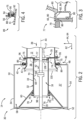
FIG. 8 is a cross-sectional view of theexhaust collector 30 of thegas turbine system 10 ofFIGS. 1 ,2 , and5 , wherein theexhaust collector 30 is modified (e.g., retrofitted) with an alternate embodiment of thetunnel 32. The components of theexhaust collector frame 34 and the divergingsection 60 are substantially the same as those described above with reference toFIGS. 2 and5 and thus, the discussion of these components is not repeated. In the illustrated embodiment, theexhaust collector 30 ofFIG. 8 has theturbine connection assembly 77 as illustrated inFIG. 9 and thediffuser connection assembly 89 as illustrated inFIG. 10 . However, in some embodiments, theexhaust collector 30 ofFIG. 8 may have theturbine connection assembly 77 as illustrated inFIG. 3 and/or thediffuser connection assembly 89 as illustrated inFIG. 4 . - In the illustrated embodiment, the
tunnel 32 has a step portion 108 (e.g., an annular step or abrupt diameter change, such as a stepped wall portion) along theannular wall 33 between the first end 76 of thetunnel 32 and thesecond end 79 of thetunnel 32. Thestep portion 108 transitions betweenadjacent wall portions annular wall 33 of thetunnel 32. AlthoughFIG. 8 illustrates only onestep portion 108, embodiments of thetunnel 32 may include any number of step portions 108 (e.g., 1, 2, 3, 4, 5, 6, or more annular steps) betweenadjacent wall portions adjacent wall portions 107 and/or 109 may be cylindrical or tapered. Eachstep portion 108, such as theillustrated step portion 108, may change (e.g., reduce) the diameter of theannular wall 33 by some dimension or percentage from thewall portion 107 to thewall portion 109. For example, eachstep portion 108 may reduce a diameter 110 (e.g., inner or outer diameter) of theannular wall 33 by at least 1, 2, 3, 4, 5, 6, 7, 8, 9, 10, or more inches, or by at least 1, 2, 3, 4, 5, 6, 7, 8, 9, 10, or more percent relative to the diameter of the annular wall 33 (e.g., at wall portion 107) immediately before thestep portion 108. In some embodiments, thestep portion 108 may reduce thediameter 110 to be the same as thediameter 106 at thesecond end 79, or thestep portion 108 may reduce thediameter 110 such than theangle 104 of thewall portion 107 is less than or equal to approximately 1, 2, 3, 4, 5, 6, 7, 8, 9, or 10 degrees. Furthermore, thestep portion 108 may have an angle 111 (e.g., an acute angle) relative to thelongitudinal axis 44, such as between 15 to 90 degrees, 20 to 75 degrees, 30 to 60 degrees, or 40 to 50 degrees. In some embodiments, theangle 111 of thestep portion 108 may be substantially the same as anangle 61 of the divergingsection 60, wherein theangle 61 is also measured relative to thelongitudinal axis 44. However, theangle 111 of thestep portion 108 may be different than theangle 61 of the divergingsection 60, such as a greater angle to more rapidly transition to thesmaller diameter 110. - Similar to the embodiment shown in
FIG. 5 , the first end 76 of thetunnel 32 has a larger diameter 98 (e.g., inner or outer diameter) relative to the diameter 106 (e.g., inner or outer diameter) of thesecond end 79 of thetunnel 32. Accordingly, thestep portion 108 enables a changed interface between thesecond end 79 of thetunnel 32 and the frame 66. In the illustrated embodiment, the first end 76 of thetunnel 32 has a diameter 90 (e.g., inner or outer diameter) between 12 to 50 inches, 18 to 44 inches, 22 to 40 inches, or any specific diameter therebetween. At thefirst step 108, the tunnel diameter is reduced and has atunnel diameter 110 between 20.3 cm to 121.9 cm (8 to 48 inches, 14 to 42 inches, 20 to 38 inches), or any specific diameter therebetween. Theinner diameter 106 of thesecond end 79 of thetunnel 32 is between 25.4 cm to 116.8 cm (10 to 46 inches, 16 to 40 inches, 22 to 36 inches), or any specific diameter therebetween. The illustrated tunnel 32 (e.g., stepped tunnel) is disposed between the divergingsection 60 and adifferent diffuser 36 of a differentgas turbine engine 12. In the illustrated embodiment, thesecond diffuser 36 has a diameter 100 (e.g., inner or outer diameter) which may be any suitable size, such as between 86.4 cm to 345.4 cm (34 to 136 inches, 48 to 122 inches, 60 to 110 inches), or any specific diameter therebetween. -
FIG. 9 illustrates amethod 200 of removing portions (e.g., thefirst tunnel 32 and the first diffuser 36) of theexhaust collector assembly 14 in preparation of retrofitting using one of the retrofit kits ofFIGS. 2-8 in accordance with the embodiments disclosed herein. Themethod 200 includes disengaging (block 202) thepower turbine 12 and thetunnel 32. Themethod 200 includes detaching (block 204) theback wall 56 of the package'senclosure 30. By removing theback wall 56 of theexhaust enclosure 30, thetunnel 32 and thediffuser 36 can be removed from theexhaust enclosure 30. Themethod 200 includes uncoupling (block 206) thetunnel 32 from the diverging section 60 (e.g., deflector section). Uncoupling thetunnel 32 may include unbolting the first end 76 of thetunnel 32 from the diverging section 60 (e.g., deflector section). Themethod 200 includes disengaging the seals 82 of thetunnel 32. Disengaging the seals 82 may include disassembling theturbine frame 80 from thesecond end 79 of thetunnel 32. Themethod 200 includes removing the installed tunnel 32 (block 208) from theexhaust collector 30 along theaxis 38. Themethod 200 includes uncoupling (block 210) thediffuser 36 from theturbine 12. Uncoupling thediffuser 36 may include disassembling thediffuser brackets 94 from theexhaust enclosure flanges 88. The method includes disengaging (block 212) thediffuser seal 92. Themethod 200 includes removing the installeddiffuser 36 along theaxis 38. -
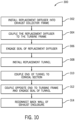
FIG. 10 illustrates amethod 300 of installing one of the retrofit kits ofFIGS. 2-8 (e.g., installing adifferent replacement tunnel 32 and adifferent replacement diffuser 36 after performing themethod 200 ofFIG. 9 ) to modify theexhaust collector assembly 14 ofFIG. 1 in accordance with the embodiments disclosed herein. Themethod 300 may include installing (block 302) thereplacement diffuser 36 into theexhaust enclosure 30. Themethod 300 further includes coupling (block 304) thereplacement diffuser 36 into place by securing the smaller diameter end 46 of thediffuser 36 to the turbine frame 66 by bolting thediffuser 36 to the turbine frame 66 via one or more bolt and flange connections or brackets. Themethod 300 includes engaging (block 306) thereplacement seal 92 of thereplacement diffuser 36. Themethod 300 includes installing (block 308) thereplacement tunnel 32. Themethod 300 includes coupling (block 310) the first end 76 of thetunnel 32 to the diverging section 60 (e.g., deflector section). Coupling the first end 76 of thetunnel 32 to the diverging section 60 (e.g., deflector section) may include bolting the first end 76 of thetunnel 32 to one ormore tunnel flanges 78 at the divergingsection 60. Themethod 300 includes engaging (block 312) the seals 82 at the oppositesecond end 79 of thetunnel 32. Once thetunnel 32 is installed, themethod 300 includes replacing (block 314) theback wall 56 of theexhaust enclosure 30. The foregoingmethods exhaust collector assembly 14 to change between any of the embodiments shown inFIGS. 1-8 , such that theexhaust collector assembly 14 can be used with any desired gas turbine engine 12 (e.g., switch between different sizes, models, types, etc. having different dimensions at the connection to the exhaust collector assembly 14). - Technical effects of the invention include the ability to use a retrofit kit including the tunnel that enables a particular exhaust system (e.g., an exhaust collector) designed for a larger turbine engine to be used with a different turbine engine by changing an interface between the tunnel and a turbine frame. The retrofit kit includes one or more diffusers having different sizes and interfaces, the tunnel and one or more seal assemblies to reduce leakage of exhaust gas. The tunnel may have straight, tapered, curved, stepwise, or other suitably shaped walls to fit between the exhaust collector and the turbine frame. As a result, the retrofit kit enables exhaust collectors designed for a larger gas turbine engine to be used on other models of gas turbine engines without the need for extensive modifications to the exhaust collector frame or other enclosures for various components of the gas turbine engine power plant.
- This written description uses examples to disclose the invention. The scope of the invention is defined by the claims.
Claims (12)
- A system, comprising:an exhaust collector tunnel (32) configured to mount inside an exhaust collector (30) of a gas turbine (12), wherein the exhaust collector tunnel (32) comprises a tunnel wall (33) configured to extend around a turbine shaft (17, 19) of the gas turbine (12);wherein the exhaust collector tunnel (32) comprises a first end portion (79) configured to at least partially extend into an exhaust diffuser (36) and a second end portion (76) configured to couple to a diverging section (60) of the exhaust collector (30), and the diverging section (60) is disposed downstream from the exhaust diffuser (36);wherein, when the system is in operation, an exhaust flow path extends through the exhaust diffuser (36), along the tunnel wall (33) of the exhaust collector tunnel (32), and along the diverging section (60);wherein the tunnel wall (33) has a variable diameter (98) along at least a portion of a length of the exhaust collector tunnel (32); andwherein the variable diameter (98) comprises a tapered wall portion (102) having an angle (104) relative to a longitudinal axis (42) of the exhaust collector tunnel (32), the angle (104) is less than or equal to 30 degrees, and a second wall portion having an angle different than the tapered wall portion, and the tapered wall portion (102) extends along at least 10 percent of the length of the exhaust collector tunnel (32).
- The system of claim 1, wherein the variable diameter (98) is configured to enable a retrofit of the exhaust collector (30) to fit a geometry of the gas turbine (12).
- The system of claim 2, wherein the exhaust collector tunnel (32) is configured to replace a different exhaust collector tunnel (32) to enable connection of the exhaust collector (30) with the gas turbine (12), and the different exhaust collector tunnel (32) is not configured to connect with the gas turbine (12).
- The system of claim 1, wherein the diverging section (60) comprises a deflector section.
- The system of claim 1, comprising the exhaust collector (30) having the exhaust diffuser (36) and the diverging section (60).
- The system of claim 5, comprising the gas turbine (12) configured to couple to the exhaust collector (30).
- The system of claim 1, wherein the tapered wall portion (102) comprises a substantially constant angle (104) relative to a longitudinal axis (44) of the exhaust collector tunnel (32).
- The system of claim 1, wherein the tapered wall portion (102) comprises a variable angle (104) relative to a longitudinal axis (44) of the exhaust collector tunnel (32).
- The system of claim 1, wherein the tapered wall portion (102) extends along at least 50 percent of the length of the exhaust collector tunnel (32).
- The system of claim 1, wherein the variable diameter (98) comprises a stepped wall portion (108).
- A method, comprising:
installing a system with an exhaust collector tunnel (32) according to claim 1, inside an exhaust collector (30) of a gas turbine (12). - The method of claim 11, comprising:
removing a different exhaust collector tunnel from the exhaust collector (30) prior to installing the exhaust collector tunnel (32), wherein the different exhaust collector tunnel is configured to fit another gas turbine (12) different from the gas turbine (12).
Applications Claiming Priority (1)
| Application Number | Priority Date | Filing Date | Title |
|---|---|---|---|
| PL434311A PL434311A1 (en) | 2020-06-15 | 2020-06-15 | Exhaust manifold conversion system and method |
Publications (2)
| Publication Number | Publication Date |
|---|---|
| EP3926147A1 EP3926147A1 (en) | 2021-12-22 |
| EP3926147B1 true EP3926147B1 (en) | 2024-07-10 |
Family
ID=76137911
Family Applications (1)
| Application Number | Title | Priority Date | Filing Date |
|---|---|---|---|
| EP21175828.9A Active EP3926147B1 (en) | 2020-06-15 | 2021-05-25 | Exhaust collector system and installation method |
Country Status (6)
| Country | Link |
|---|---|
| US (2) | US11598224B2 (en) |
| EP (1) | EP3926147B1 (en) |
| JP (1) | JP7763602B2 (en) |
| KR (1) | KR20210155764A (en) |
| CN (1) | CN113803165B (en) |
| PL (1) | PL434311A1 (en) |
Families Citing this family (1)
| Publication number | Priority date | Publication date | Assignee | Title |
|---|---|---|---|---|
| JP7617791B2 (en) * | 2021-03-26 | 2025-01-20 | 三菱重工業株式会社 | Method for adjusting curvature of stationary vane segment, method for manufacturing stationary body of axial flow rotating machine, and tool for adjusting curvature of stationary vane segment |
Family Cites Families (16)
| Publication number | Priority date | Publication date | Assignee | Title |
|---|---|---|---|---|
| US3860359A (en) * | 1973-07-30 | 1975-01-14 | Curtiss Wright Corp | Mounting system for gas turbine power unit |
| GB2475448B8 (en) * | 2005-08-04 | 2015-12-16 | Rolls Royce Power Eng | Gas turbine exhaust diffuser |
| US8511984B2 (en) * | 2009-10-16 | 2013-08-20 | General Electric Company | Gas turbine engine exhaust diffuser and collector |
| JP5331715B2 (en) | 2010-01-07 | 2013-10-30 | 株式会社日立製作所 | Gas turbine, exhaust diffuser, and gas turbine plant modification method |
| US20140026999A1 (en) * | 2012-07-25 | 2014-01-30 | Solar Turbines Incorporated | Exhaust diffuser for a gas turbine engine having curved and offset struts |
| US20140047813A1 (en) * | 2012-08-17 | 2014-02-20 | Solar Turbines Incorporated | Exhaust collector with radial and circumferential flow breaks |
| ITFI20120221A1 (en) * | 2012-10-22 | 2014-04-23 | Nuovo Pignone Srl | "EXHAUST GAS COLLECTOR AND GAS TURBINE" |
| US9644496B2 (en) | 2013-03-13 | 2017-05-09 | General Electric Company | Radial diffuser exhaust system |
| US20140348647A1 (en) * | 2013-05-24 | 2014-11-27 | Solar Turbines Incorporated | Exhaust diffuser for a gas turbine engine exhaust system |
| WO2015127944A1 (en) * | 2014-02-26 | 2015-09-03 | Volvo Truck Corporation | A turbocompound unit |
| US10036267B2 (en) | 2015-11-24 | 2018-07-31 | General Electric Company | System of supporting turbine diffuser outlet |
| US10563543B2 (en) | 2016-05-31 | 2020-02-18 | General Electric Company | Exhaust diffuser |
| EP3354868A1 (en) | 2017-01-30 | 2018-08-01 | General Electric Company | Asymmetric gas turbine exhaust diffuser |
| EP3418525A1 (en) * | 2017-06-22 | 2018-12-26 | General Electric Company | Backflow prevention system for a gas turbine engine |
| US20190170010A1 (en) * | 2017-12-04 | 2019-06-06 | General Electric Company | Methods, systems and apparatus relating to turbine engine exhaust diffusers |
| PL243501B1 (en) * | 2018-12-28 | 2023-09-04 | Gen Electric | Gas turbine system and method of installing a modular exhaust manifold |
-
2020
- 2020-06-15 PL PL434311A patent/PL434311A1/en unknown
-
2021
- 2021-05-19 CN CN202110547504.5A patent/CN113803165B/en active Active
- 2021-05-25 EP EP21175828.9A patent/EP3926147B1/en active Active
- 2021-05-25 US US17/329,820 patent/US11598224B2/en active Active
- 2021-06-01 JP JP2021092219A patent/JP7763602B2/en active Active
- 2021-06-10 KR KR1020210075344A patent/KR20210155764A/en active Pending
-
2023
- 2023-01-25 US US18/101,564 patent/US11873728B2/en active Active
Also Published As
| Publication number | Publication date |
|---|---|
| CN113803165B (en) | 2025-07-01 |
| US11873728B2 (en) | 2024-01-16 |
| EP3926147A1 (en) | 2021-12-22 |
| CN113803165A (en) | 2021-12-17 |
| US20210388740A1 (en) | 2021-12-16 |
| JP7763602B2 (en) | 2025-11-04 |
| PL434311A1 (en) | 2021-12-20 |
| KR20210155764A (en) | 2021-12-23 |
| US20230184138A1 (en) | 2023-06-15 |
| US11598224B2 (en) | 2023-03-07 |
| JP2021195952A (en) | 2021-12-27 |
Similar Documents
| Publication | Publication Date | Title |
|---|---|---|
| US9341074B2 (en) | Active clearance control manifold system | |
| US6116013A (en) | Bolted gas turbine combustor transition coupling | |
| US6428272B1 (en) | Bolted joint for rotor disks and method of reducing thermal gradients therein | |
| US20120034064A1 (en) | Contoured axial-radial exhaust diffuser | |
| US8511984B2 (en) | Gas turbine engine exhaust diffuser and collector | |
| US11873728B2 (en) | Exhaust collector conversion system and method | |
| EP3095970B1 (en) | System and method for provision of blade access in turbomachines | |
| CN212389386U (en) | Diffuser flexure seal assembly | |
| EP1217231A1 (en) | Bolted joint for rotor disks and method of reducing thermal gradients therein | |
| CN107023336B (en) | Systems and methods for turbo diffusers | |
| CN106907197B (en) | System for supporting turbine diffuser exit | |
| CN106870163A (en) | The system for supporting turbine diffuser | |
| US10612409B2 (en) | Active clearance control collector to manifold insert | |
| EP3159501A1 (en) | Flow engine comprising an outlet arrangement | |
| CN107366559A (en) | System and method for gas-turbine unit | |
| US10260360B2 (en) | Transition duct assembly | |
| JP2017096276A (en) | System supporting turbine diffuser |
Legal Events
| Date | Code | Title | Description |
|---|---|---|---|
| PUAI | Public reference made under article 153(3) epc to a published international application that has entered the european phase |
Free format text: ORIGINAL CODE: 0009012 |
|
| STAA | Information on the status of an ep patent application or granted ep patent |
Free format text: STATUS: THE APPLICATION HAS BEEN PUBLISHED |
|
| AK | Designated contracting states |
Kind code of ref document: A1 Designated state(s): AL AT BE BG CH CY CZ DE DK EE ES FI FR GB GR HR HU IE IS IT LI LT LU LV MC MK MT NL NO PL PT RO RS SE SI SK SM TR |
|
| B565 | Issuance of search results under rule 164(2) epc |
Effective date: 20211122 |
|
| STAA | Information on the status of an ep patent application or granted ep patent |
Free format text: STATUS: REQUEST FOR EXAMINATION WAS MADE |
|
| 17P | Request for examination filed |
Effective date: 20220309 |
|
| RBV | Designated contracting states (corrected) |
Designated state(s): AL AT BE BG CH CY CZ DE DK EE ES FI FR GB GR HR HU IE IS IT LI LT LU LV MC MK MT NL NO PL PT RO RS SE SI SK SM TR |
|
| STAA | Information on the status of an ep patent application or granted ep patent |
Free format text: STATUS: EXAMINATION IS IN PROGRESS |
|
| 17Q | First examination report despatched |
Effective date: 20230526 |
|
| RAP1 | Party data changed (applicant data changed or rights of an application transferred) |
Owner name: GENERAL ELECTRIC TECHNOLOGY GMBH |
|
| GRAP | Despatch of communication of intention to grant a patent |
Free format text: ORIGINAL CODE: EPIDOSNIGR1 |
|
| STAA | Information on the status of an ep patent application or granted ep patent |
Free format text: STATUS: GRANT OF PATENT IS INTENDED |
|
| INTG | Intention to grant announced |
Effective date: 20240405 |
|
| GRAS | Grant fee paid |
Free format text: ORIGINAL CODE: EPIDOSNIGR3 |
|
| GRAA | (expected) grant |
Free format text: ORIGINAL CODE: 0009210 |
|
| STAA | Information on the status of an ep patent application or granted ep patent |
Free format text: STATUS: THE PATENT HAS BEEN GRANTED |
|
| AK | Designated contracting states |
Kind code of ref document: B1 Designated state(s): AL AT BE BG CH CY CZ DE DK EE ES FI FR GB GR HR HU IE IS IT LI LT LU LV MC MK MT NL NO PL PT RO RS SE SI SK SM TR |
|
| REG | Reference to a national code |
Ref country code: CH Ref legal event code: EP |
|
| REG | Reference to a national code |
Ref country code: DE Ref legal event code: R096 Ref document number: 602021015359 Country of ref document: DE |
|
| REG | Reference to a national code |
Ref country code: LT Ref legal event code: MG9D |
|
| REG | Reference to a national code |
Ref country code: NL Ref legal event code: MP Effective date: 20240710 |
|
| PG25 | Lapsed in a contracting state [announced via postgrant information from national office to epo] |
Ref country code: PT Free format text: LAPSE BECAUSE OF FAILURE TO SUBMIT A TRANSLATION OF THE DESCRIPTION OR TO PAY THE FEE WITHIN THE PRESCRIBED TIME-LIMIT Effective date: 20241111 |
|
| REG | Reference to a national code |
Ref country code: AT Ref legal event code: MK05 Ref document number: 1702194 Country of ref document: AT Kind code of ref document: T Effective date: 20240710 |
|
| PG25 | Lapsed in a contracting state [announced via postgrant information from national office to epo] |
Ref country code: NL Free format text: LAPSE BECAUSE OF FAILURE TO SUBMIT A TRANSLATION OF THE DESCRIPTION OR TO PAY THE FEE WITHIN THE PRESCRIBED TIME-LIMIT Effective date: 20240710 |
|
| PG25 | Lapsed in a contracting state [announced via postgrant information from national office to epo] |
Ref country code: PT Free format text: LAPSE BECAUSE OF FAILURE TO SUBMIT A TRANSLATION OF THE DESCRIPTION OR TO PAY THE FEE WITHIN THE PRESCRIBED TIME-LIMIT Effective date: 20241111 Ref country code: NL Free format text: LAPSE BECAUSE OF FAILURE TO SUBMIT A TRANSLATION OF THE DESCRIPTION OR TO PAY THE FEE WITHIN THE PRESCRIBED TIME-LIMIT Effective date: 20240710 |
|
| PG25 | Lapsed in a contracting state [announced via postgrant information from national office to epo] |
Ref country code: NO Free format text: LAPSE BECAUSE OF FAILURE TO SUBMIT A TRANSLATION OF THE DESCRIPTION OR TO PAY THE FEE WITHIN THE PRESCRIBED TIME-LIMIT Effective date: 20241010 |
|
| PG25 | Lapsed in a contracting state [announced via postgrant information from national office to epo] |
Ref country code: GR Free format text: LAPSE BECAUSE OF FAILURE TO SUBMIT A TRANSLATION OF THE DESCRIPTION OR TO PAY THE FEE WITHIN THE PRESCRIBED TIME-LIMIT Effective date: 20241011 Ref country code: FI Free format text: LAPSE BECAUSE OF FAILURE TO SUBMIT A TRANSLATION OF THE DESCRIPTION OR TO PAY THE FEE WITHIN THE PRESCRIBED TIME-LIMIT Effective date: 20240710 Ref country code: PL Free format text: LAPSE BECAUSE OF FAILURE TO SUBMIT A TRANSLATION OF THE DESCRIPTION OR TO PAY THE FEE WITHIN THE PRESCRIBED TIME-LIMIT Effective date: 20240710 |
|
| PG25 | Lapsed in a contracting state [announced via postgrant information from national office to epo] |
Ref country code: BG Free format text: LAPSE BECAUSE OF FAILURE TO SUBMIT A TRANSLATION OF THE DESCRIPTION OR TO PAY THE FEE WITHIN THE PRESCRIBED TIME-LIMIT Effective date: 20240710 |
|
| PG25 | Lapsed in a contracting state [announced via postgrant information from national office to epo] |
Ref country code: LV Free format text: LAPSE BECAUSE OF FAILURE TO SUBMIT A TRANSLATION OF THE DESCRIPTION OR TO PAY THE FEE WITHIN THE PRESCRIBED TIME-LIMIT Effective date: 20240710 |
|
| PG25 | Lapsed in a contracting state [announced via postgrant information from national office to epo] |
Ref country code: IS Free format text: LAPSE BECAUSE OF FAILURE TO SUBMIT A TRANSLATION OF THE DESCRIPTION OR TO PAY THE FEE WITHIN THE PRESCRIBED TIME-LIMIT Effective date: 20241110 Ref country code: AT Free format text: LAPSE BECAUSE OF FAILURE TO SUBMIT A TRANSLATION OF THE DESCRIPTION OR TO PAY THE FEE WITHIN THE PRESCRIBED TIME-LIMIT Effective date: 20240710 |
|
| PG25 | Lapsed in a contracting state [announced via postgrant information from national office to epo] |
Ref country code: HR Free format text: LAPSE BECAUSE OF FAILURE TO SUBMIT A TRANSLATION OF THE DESCRIPTION OR TO PAY THE FEE WITHIN THE PRESCRIBED TIME-LIMIT Effective date: 20240710 |
|
| PG25 | Lapsed in a contracting state [announced via postgrant information from national office to epo] |
Ref country code: ES Free format text: LAPSE BECAUSE OF FAILURE TO SUBMIT A TRANSLATION OF THE DESCRIPTION OR TO PAY THE FEE WITHIN THE PRESCRIBED TIME-LIMIT Effective date: 20240710 Ref country code: RS Free format text: LAPSE BECAUSE OF FAILURE TO SUBMIT A TRANSLATION OF THE DESCRIPTION OR TO PAY THE FEE WITHIN THE PRESCRIBED TIME-LIMIT Effective date: 20241010 |
|
| PG25 | Lapsed in a contracting state [announced via postgrant information from national office to epo] |
Ref country code: RS Free format text: LAPSE BECAUSE OF FAILURE TO SUBMIT A TRANSLATION OF THE DESCRIPTION OR TO PAY THE FEE WITHIN THE PRESCRIBED TIME-LIMIT Effective date: 20241010 Ref country code: PL Free format text: LAPSE BECAUSE OF FAILURE TO SUBMIT A TRANSLATION OF THE DESCRIPTION OR TO PAY THE FEE WITHIN THE PRESCRIBED TIME-LIMIT Effective date: 20240710 Ref country code: NO Free format text: LAPSE BECAUSE OF FAILURE TO SUBMIT A TRANSLATION OF THE DESCRIPTION OR TO PAY THE FEE WITHIN THE PRESCRIBED TIME-LIMIT Effective date: 20241010 Ref country code: LV Free format text: LAPSE BECAUSE OF FAILURE TO SUBMIT A TRANSLATION OF THE DESCRIPTION OR TO PAY THE FEE WITHIN THE PRESCRIBED TIME-LIMIT Effective date: 20240710 Ref country code: IS Free format text: LAPSE BECAUSE OF FAILURE TO SUBMIT A TRANSLATION OF THE DESCRIPTION OR TO PAY THE FEE WITHIN THE PRESCRIBED TIME-LIMIT Effective date: 20241110 Ref country code: HR Free format text: LAPSE BECAUSE OF FAILURE TO SUBMIT A TRANSLATION OF THE DESCRIPTION OR TO PAY THE FEE WITHIN THE PRESCRIBED TIME-LIMIT Effective date: 20240710 Ref country code: GR Free format text: LAPSE BECAUSE OF FAILURE TO SUBMIT A TRANSLATION OF THE DESCRIPTION OR TO PAY THE FEE WITHIN THE PRESCRIBED TIME-LIMIT Effective date: 20241011 Ref country code: FI Free format text: LAPSE BECAUSE OF FAILURE TO SUBMIT A TRANSLATION OF THE DESCRIPTION OR TO PAY THE FEE WITHIN THE PRESCRIBED TIME-LIMIT Effective date: 20240710 Ref country code: ES Free format text: LAPSE BECAUSE OF FAILURE TO SUBMIT A TRANSLATION OF THE DESCRIPTION OR TO PAY THE FEE WITHIN THE PRESCRIBED TIME-LIMIT Effective date: 20240710 Ref country code: BG Free format text: LAPSE BECAUSE OF FAILURE TO SUBMIT A TRANSLATION OF THE DESCRIPTION OR TO PAY THE FEE WITHIN THE PRESCRIBED TIME-LIMIT Effective date: 20240710 Ref country code: AT Free format text: LAPSE BECAUSE OF FAILURE TO SUBMIT A TRANSLATION OF THE DESCRIPTION OR TO PAY THE FEE WITHIN THE PRESCRIBED TIME-LIMIT Effective date: 20240710 |
|
| REG | Reference to a national code |
Ref country code: DE Ref legal event code: R097 Ref document number: 602021015359 Country of ref document: DE |
|
| PG25 | Lapsed in a contracting state [announced via postgrant information from national office to epo] |
Ref country code: RO Free format text: LAPSE BECAUSE OF FAILURE TO SUBMIT A TRANSLATION OF THE DESCRIPTION OR TO PAY THE FEE WITHIN THE PRESCRIBED TIME-LIMIT Effective date: 20240710 Ref country code: DK Free format text: LAPSE BECAUSE OF FAILURE TO SUBMIT A TRANSLATION OF THE DESCRIPTION OR TO PAY THE FEE WITHIN THE PRESCRIBED TIME-LIMIT Effective date: 20240710 Ref country code: SM Free format text: LAPSE BECAUSE OF FAILURE TO SUBMIT A TRANSLATION OF THE DESCRIPTION OR TO PAY THE FEE WITHIN THE PRESCRIBED TIME-LIMIT Effective date: 20240710 |
|
| PG25 | Lapsed in a contracting state [announced via postgrant information from national office to epo] |
Ref country code: EE Free format text: LAPSE BECAUSE OF FAILURE TO SUBMIT A TRANSLATION OF THE DESCRIPTION OR TO PAY THE FEE WITHIN THE PRESCRIBED TIME-LIMIT Effective date: 20240710 |
|
| PG25 | Lapsed in a contracting state [announced via postgrant information from national office to epo] |
Ref country code: CZ Free format text: LAPSE BECAUSE OF FAILURE TO SUBMIT A TRANSLATION OF THE DESCRIPTION OR TO PAY THE FEE WITHIN THE PRESCRIBED TIME-LIMIT Effective date: 20240710 |
|
| PG25 | Lapsed in a contracting state [announced via postgrant information from national office to epo] |
Ref country code: SK Free format text: LAPSE BECAUSE OF FAILURE TO SUBMIT A TRANSLATION OF THE DESCRIPTION OR TO PAY THE FEE WITHIN THE PRESCRIBED TIME-LIMIT Effective date: 20240710 |
|
| PLBE | No opposition filed within time limit |
Free format text: ORIGINAL CODE: 0009261 |
|
| STAA | Information on the status of an ep patent application or granted ep patent |
Free format text: STATUS: NO OPPOSITION FILED WITHIN TIME LIMIT |
|
| 26N | No opposition filed |
Effective date: 20250411 |
|
| PGFP | Annual fee paid to national office [announced via postgrant information from national office to epo] |
Ref country code: DE Payment date: 20250423 Year of fee payment: 5 |
|
| PGFP | Annual fee paid to national office [announced via postgrant information from national office to epo] |
Ref country code: IT Payment date: 20250423 Year of fee payment: 5 |
|
| PG25 | Lapsed in a contracting state [announced via postgrant information from national office to epo] |
Ref country code: SE Free format text: LAPSE BECAUSE OF FAILURE TO SUBMIT A TRANSLATION OF THE DESCRIPTION OR TO PAY THE FEE WITHIN THE PRESCRIBED TIME-LIMIT Effective date: 20240710 |
|
| REG | Reference to a national code |
Ref country code: CH Ref legal event code: H13 Free format text: ST27 STATUS EVENT CODE: U-0-0-H10-H13 (AS PROVIDED BY THE NATIONAL OFFICE) Effective date: 20251223 |
|
| PG25 | Lapsed in a contracting state [announced via postgrant information from national office to epo] |
Ref country code: LU Free format text: LAPSE BECAUSE OF NON-PAYMENT OF DUE FEES Effective date: 20250525 |
|
| PG25 | Lapsed in a contracting state [announced via postgrant information from national office to epo] |
Ref country code: CH Free format text: LAPSE BECAUSE OF NON-PAYMENT OF DUE FEES Effective date: 20250531 |
|
| GBPC | Gb: european patent ceased through non-payment of renewal fee |
Effective date: 20250525 |
|
| REG | Reference to a national code |
Ref country code: BE Ref legal event code: MM Effective date: 20250531 |
|
| PG25 | Lapsed in a contracting state [announced via postgrant information from national office to epo] |
Ref country code: MC Free format text: LAPSE BECAUSE OF FAILURE TO SUBMIT A TRANSLATION OF THE DESCRIPTION OR TO PAY THE FEE WITHIN THE PRESCRIBED TIME-LIMIT Effective date: 20240710 |
|
| PG25 | Lapsed in a contracting state [announced via postgrant information from national office to epo] |
Ref country code: GB Free format text: LAPSE BECAUSE OF NON-PAYMENT OF DUE FEES Effective date: 20250525 |
|
| PG25 | Lapsed in a contracting state [announced via postgrant information from national office to epo] |
Ref country code: IE Free format text: LAPSE BECAUSE OF NON-PAYMENT OF DUE FEES Effective date: 20250525 |
|
| PG25 | Lapsed in a contracting state [announced via postgrant information from national office to epo] |
Ref country code: BE Free format text: LAPSE BECAUSE OF NON-PAYMENT OF DUE FEES Effective date: 20250531 |
|
| PG25 | Lapsed in a contracting state [announced via postgrant information from national office to epo] |
Ref country code: FR Free format text: LAPSE BECAUSE OF NON-PAYMENT OF DUE FEES Effective date: 20250531 |