EP3920912B1 - Treatment of ciliopathies using inhibitors of glucosylceramide synthase (gcs) - Google Patents
Treatment of ciliopathies using inhibitors of glucosylceramide synthase (gcs) Download PDFInfo
- Publication number
- EP3920912B1 EP3920912B1 EP20709049.9A EP20709049A EP3920912B1 EP 3920912 B1 EP3920912 B1 EP 3920912B1 EP 20709049 A EP20709049 A EP 20709049A EP 3920912 B1 EP3920912 B1 EP 3920912B1
- Authority
- EP
- European Patent Office
- Prior art keywords
- compound
- syndrome
- mmol
- halogen
- quinuclidin
- Prior art date
- Legal status (The legal status is an assumption and is not a legal conclusion. Google has not performed a legal analysis and makes no representation as to the accuracy of the status listed.)
- Active
Links
Images










Classifications
-
- A—HUMAN NECESSITIES
- A61—MEDICAL OR VETERINARY SCIENCE; HYGIENE
- A61K—PREPARATIONS FOR MEDICAL, DENTAL OR TOILETRY PURPOSES
- A61K31/00—Medicinal preparations containing organic active ingredients
- A61K31/33—Heterocyclic compounds
- A61K31/395—Heterocyclic compounds having nitrogen as a ring hetero atom, e.g. guanethidine or rifamycins
- A61K31/435—Heterocyclic compounds having nitrogen as a ring hetero atom, e.g. guanethidine or rifamycins having six-membered rings with one nitrogen as the only ring hetero atom
- A61K31/439—Heterocyclic compounds having nitrogen as a ring hetero atom, e.g. guanethidine or rifamycins having six-membered rings with one nitrogen as the only ring hetero atom the ring forming part of a bridged ring system, e.g. quinuclidine
-
- A—HUMAN NECESSITIES
- A61—MEDICAL OR VETERINARY SCIENCE; HYGIENE
- A61P—SPECIFIC THERAPEUTIC ACTIVITY OF CHEMICAL COMPOUNDS OR MEDICINAL PREPARATIONS
- A61P43/00—Drugs for specific purposes, not provided for in groups A61P1/00-A61P41/00
Definitions
- This invention relates to methods for treating ciliopathies, such as Bardet-Biedl syndrome (BBS) and Joubert syndrome, using quinuclidine compounds of formula (I) as defined in the claims.
- ciliopathies such as Bardet-Biedl syndrome (BBS) and Joubert syndrome
- Any reference to a method of treatment of the human or animal body by therapy using an active compound is to be understood as a reference to said compound for use in said method.
- the ciliopathies are a group of diseases/disorders associated with genetic mutations encoding defective proteins, which result in abnormal formation and function of cilia.
- Cilia are a component of most types of cells in the body. Thus, abnormalities in the formation and function of cilia can result in a collection of features including, but not limited to, retinal degeneration, renal disease and cerebral abnormalities.
- Some of the diseases/disorders resulting from these ciliopathies include Joubert syndrome, Meckel-Gruber syndrome, Senior-Loken syndrome, Orofaciodigital syndrome type I, Leber's congenital amaurosis, Bardet-Biedl syndrome (BBS), Alström syndrome, Jeune asphyxiating thoracic dystrophy, Ellis van Creveld syndrome, Sensenbrenner syndrome, primary ciliary dyskinesia (also known as Kartagener Syndrome) and a range of other diseases and disorders.
- BBS has a high unmet clinical need and there are currently no approved therapeutic options for BBS patients.
- BBS is a rare autosomal recessive multisystemic genetic disease with a prevalence in the US and northern Europe of 1:160,000.
- BBS can result from mutations in at least 21 different genes, although mutations in BBS1, BBS2, and BBS10 account for around 50% of cases.
- Genes affected in BBS are required for the assembly of the BBSome, which is a component of the basal body and is involved in formation, maintenance, and function of the primary cilium. Together, the primary cilium and its anchoring structure, the basal body, are essential for the proper functioning of many key biological signaling pathways.
- BBS1 BBS2, BBS4, BBS5, BBS7, BBS8, BBS9, and BBS18
- BBS1 BBS2, BBS4, BBS5, BBS7, BBS8, BBS9, and BBS18
- BBS1 BBS2, BBS4, BBS5, BBS7, BBS8, BBS9, and BBS18
- the functions of these BBS proteins are partially overlapping, and this is consistent with the phenotypic similarities observed with mutations in distinct BBS genes.
- Research has shown that loss of different BBS protein functions can result in the same phenotypic deficiency, while more than one BBS gene or protein can be targeted to achieve the same therapeutic effect.
- BBS10 and BBS12 in differentiating preadipocytes promotes adipogenesis and fat accumulation ( Marion, V et al., Proc. Natl. Acad. Sci. USA, 106(6):1820-26 (2009 ); Aksanov, et al., Cell Mol. Life Sci., 71(17):3381-92 (2014 )).
- Loss of BBS1 and BBS4 results in defects in the localization of specific proteins and a failure of the olfactory epithelium to fully develop cilia ( Kulaga HM, et al., Nature Genetics, 36(9):944-48 (2004 )).
- BBS8 results in reduced response to olfactory stimuli combined with a loss of cilia in the olfactory sensory neuron and mislocalization of cilia related proteins ( Tadenev AL et al., Proc. Natl. Acad. Sci. USA, 108(25):10320-25 (2011 )).
- BBS2 deletion decreases adenylate cyclase III activity in the main olfactory epithelium, and the same is observed in BB1 , BBS4 and BBS8 null mice. This effect is improved by glucosyl ceramide synthase (GCS) inhibitor treatment.
- GCS glucosyl ceramide synthase
- BBS cone-rod dystrophy with childhood-onset vision loss preceded by night blindness, postaxial polydactyly, truncal obesity that is established during infancy and maintained through adulthood, kidney abnormalities and learning difficulties, as well as many secondary features including anosmia and hepatic involvement.
- Ciliary dysfunction leads to a loss of key signaling pathways required for proper cellular function and has been shown to be directly related to the loss of vision, increased adipogenesis, and hyperphagia in this patient population. To date, no obvious genotype-phenotype correlation has been identified ( See Haws R. et al, New Horizons in Translational Medicine, 2015, 2:102-109 ).
- the current standard of care for BBS is management of clinical symptoms and supportive care for both patient and care giver.
- BBS oligonucleotide therapeutics
- Gene therapy efforts to target the olfaction and retinal defects of BBS have met only modest success.
- adenoviral-mediated expression of IFT88 restores cilia in the olfactory epithelium and improves olfactory response ( McIntyre et al., Nature Med., 18(9):1423-28 (2012 )).
- Similar studies in BBS1 mutant mice showed that AAV-mediated delivery of wild-type BBS1 restores cilia in the olfactory sensory neurons and restored olfactory response.
- Sphingolipids and glycosphingolipids are key bioreactive molecules crucial for the regulation of important cellular processes, including differentiation, proliferation, senescence, and cell-to-cell interactions. They are also central constituents of cilia structure and they contribute to ciliary signaling.
- the gangliosides GM1 and GM3 characterize distinct lipid micro-domains within the apical membrane of epithelial cells, and ceramide is known to be enriched in the centrosomal/periocentriolar cellular compartment. Ceramide also regulates the formation of primary cilia, and recent work suggests that cilium length may be regulated by the size or ceramide content of the cilia base and its lipid flux to the cilium ( Janich P. et al., FEBS Letters, 581(-):1783-1787 (2007 )).
- the present application provides a compound for use in a method for preventing or delaying the onset and/or development of a ciliopathy in a subject diagnosed as being at risk of developing said ciliopathy, the method comprising administering to the subject an effective amount of a quinuclidine compound as described herein, e.g., a compound according to Formula I.
- the phrase “in a method of treating or preventing” is meant to be equivalent to the phrase “in the treatment or prevention of” (such as in the phrase “in the treatment or prevention of pain”).
- the singular form “a”, “an” and “the” include plural references unless the context clearly dictates otherwise.
- the term “a cell” includes a plurality of cells, including mixtures thereof.
- the term “or” is understood to be inclusive.
- the term “including” is used herein to mean, and is used interchangeably with, the phrase “including but not limited to”.
- compositions and methods are intended to mean that the compositions and methods include the recited elements, but not excluding others.
- Consisting essentially of when used to define compositions and methods, shall mean excluding other elements of any essential significance to the combination for the stated purpose. Thus, a composition consisting essentially of the elements as defined herein would not exclude trace contaminants from the isolation and purification method and pharmaceutically acceptable carriers, such as phosphate buffered saline, preservatives and the like.
- Consisting of shall mean excluding more than trace elements of other ingredients and substantial method steps for administering the compositions of this invention or process steps to produce a composition or achieve an intended result. Embodiments defined by each of these transition terms are within the scope of this invention. Use of the term “comprising” herein is intended to encompass “consisting essentially of” and “consisting of”.
- ciliopathy refers to a disease characterized by cilial dysfunction.
- cilial dysfunction is meant the abnormal formation and/or function of cilia, including abnormal cilial location.
- Cilial dysfunction may affect the extracellular and/or intracellular portions of the cilia and it may be characterized by structural and/or functional irregularities.
- a “subject,” “individual” or “patient” is used interchangeably herein, and refers to a vertebrate, such as a mammal.
- Mammals include, but are not limited to, murines, rats, rabbit, simians, bovines, ovine, porcine, canines, felines, farm animals, sport animals, pets, equines, primates, and humans.
- the mammals include horses, dogs, and cats.
- the mammal is a human.
- administering is defined herein as a means of providing an agent or a composition containing the agent to a subject in a manner that results in the agent being inside the subject's body.
- Such an administration can be by any route including, without limitation, oral, transdermal (e.g. vagina, rectum, oral mucosa), by injection ( e.g. subcutaneous, intravenous, parenterally, intraperitoneally, into the CNS), or by inhalation (e.g. oral or nasal).
- Pharmaceutical preparations are, of course, given by forms suitable for each administration route.
- Treating" or “treatment” of a disease includes: (1) inhibiting the disease, i.e. arresting or reducing the development of the disease or its clinical symptoms; and/or (2) relieving the disease, i.e. causing regression of the disease or its clinical symptoms.
- Preventing or “prevention” of a disease includes causing the clinical symptoms of the disease not to develop in a patient that may be predisposed to the disease but does not yet experience or display symptoms of the disease.
- the term "suffering” as it relates to the term “treatment” refers to a patient or individual who has been diagnosed with the disease.
- the term “suffering” as it relates to the term “prevention” refers to a patient or individual who is predisposed to the disease.
- a patient may also be referred to being "at risk of suffering” from a disease because of a history of disease in their family lineage or because of the presence of genetic mutations associated with the disease.
- a patient at risk of a disease has not yet developed all or some of the characteristic pathologies of the disease.
- an “effective amount” or “therapeutically effective amount” is an amount sufficient to effect beneficial or desired results.
- An effective amount can be administered in one or more administrations, applications or dosages. Such delivery is dependent on a number of variables including the time period for which the individual dosage unit is to be used, the bioavailability of the therapeutic agent, and the route of administration. It is understood, however, that specific dose levels of the therapeutic agents of the present invention for any particular subject depends upon a variety of factors including, for example, the activity of the specific compound employed, the age, body weight, general health, sex, and diet of the subject, the time of administration, the rate of excretion, the drug combination, and the severity of the particular disorder being treated and form of administration. Treatment dosages generally may be titrated to optimize safety and efficacy.
- dosage-effect relationships from in vitro and/or in vivo tests initially can provide useful guidance on the proper doses for patient administration.
- one will desire to administer an amount of the compound that is effective to achieve a serum level commensurate with the concentrations found to be effective in vitro. Determination of these parameters is well within the skill of the art. These considerations, as well as effective formulations and administration procedures are well known in the art and are described in standard textbooks.
- terapéuticaally effective amount is an amount sufficient to treat ( e.g. improve) one or more symptoms associated with a ciliopathy in vivo.
- the term "pharmaceutically acceptable excipient” encompasses any of the standard pharmaceutical excipients, including carriers such as a phosphate buffered saline solution, water, and emulsions, such as an oil/water or water/oil emulsion, and various types of wetting agents.
- Pharmaceutical compositions also can include stabilizers and preservatives.
- carriers, stabilizers and adjuvants see Remington's Pharmaceutical Sciences (20th ed., Mack Publishing Co. 2000 ).
- C 1-3 -alkyl saturated linear or branched free radical consisting essentially of 1 to 3 (or 4) carbon atoms and a corresponding number of hydrogen atoms.
- C 2-6 -alkynyl means an unsaturated linear or branched free radical consisting essentially of 2 to 6 carbon atoms and a corresponding number of hydrogen atoms, which free radical comprises at least one carbon-carbon triple bond.
- exemplary C 2-6 -alkynyl groups include ethynyl, prop-1-ynyl, prop-2-ynyl, but-1-ynyl, and 3-methyl-but-1-ynyl.
- Other C 2-6 -alkynyl groups will be readily apparent to those of skill in the art given the benefit of the present disclosure.
- C 1-3 -alkyloxy "C 1-4 -alkyloxy”, and the like, have an equivalent meaning, i.e. a saturated linear or branched free radical consisting essentially of 1 to 3 (or 4) carbon atoms (and a corresponding number of hydrogen atoms) and an oxygen atom, wherein the group is attached via the oxygen atom.
- C 2-6 -alkenyloxy means an unsaturated linear or branched free radical consisting essentially of 2 to 6 carbon atoms (and a corresponding number of hydrogen atoms) and an oxygen atom, which free radical comprises at least one carbon-carbon double bond.
- a C 2-6 -alkenyloxy group is attached via the oxygen atom.
- An exemplary C 2-6 -alkenyloxy group is ethenyloxy; others will be readily apparent to those of skill in the art given the benefit of the present disclosure.
- nitro means an -NO 2 radical which is attached via its nitrogen atom.
- hydroxy and “hydroxyl” mean an -OH radical which is attached via its oxygen atom.
- thio means an -SH radical which is attached via its sulphur atom.
- amino means a free radical having a nitrogen atom and 1 or 2 hydrogen atoms.
- amino generally refers to primary and secondary amines.
- a tertiary amine is represented by the general formula RR'N-, wherein R and R' are carbon radicals that may or may not be identical.
- RR'N- a tertiary amine
- the term “amino” generally may be used herein to describe a primary, secondary, or tertiary amine, and those of skill in the art will readily be able to ascertain the identification of which in view of the context in which this term is used in the present disclosure.
- a listing of chemical groups in any definition of a variable herein includes definitions of that variable as any single group or combination of listed groups.
- the recitation of an embodiment for a variable or aspect herein includes that embodiment as any single embodiment or in combination with any other embodiments or portions thereof.
- the present invention relates to quinuclidine compounds for use in therapeutic methods relating to ciliopathies, as further defined in the claims.
- the invention relates to said uses of a quinuclidine compound (Compound 1) according to formula (I), or a pharmaceutically acceptable salt thereof, wherein:
- the present disclosure further relates to the uses of compounds according to formula (I) which are defined as follows: 1.1 Compound 1, wherein R 1 is selected from hydrogen, halogen, cyano, nitro, hydroxy, thio, amino, C 1-6 -alkyl, C 1-6 -alkyloxy, wherein said alkyl or alkyloxy is optionally substituted with one or more (e.g., 1, 2 or 3) groups selected from halogen, cyano, nitro, hydroxy, thio or amino; 1.2 Compound 1, wherein R 1 is selected from hydrogen, halogen, C 1-6 -alkyl, C 1-6 -alkyloxy, wherein said alkyl or alkyloxy is optionally substituted with one or more (e.g., 1, 2 or 3) groups selected from halogen, cyano, nitro, hydroxy, thio or amino; 1.3 Compound 1, wherein R 1 is selected from hydrogen, halogen, C 1-4
- R 4 , R 5 and R 6 are each independently selected from hydrogen, halogen, C 1-3 -alkyl, and C 1-3 -alkyloxy, wherein said alkyl or alkyloxy is optionally substituted by one or more ( e.g.
- R 4 , R 5 and R 6 are each independently selected from hydrogen, halogen, C 1-3 -alkyl, and C 1-3 -alkyloxy, wherein said alkyl or alkyloxy is optionally substituted by one or more ( e.g.
- R 4 , R 5 and R 6 are each independently selected from hydrogen, halogen, C 1-3 -alkyl, and C 1-3 -alkyloxy, wherein said alkyl or alkyloxy is optionally substituted by one or more ( e.g.
- R 4 , R 5 and R 6 are each independently selected from halogen, C 1-3 -alkyl, and C 1-3 -alkyloxy, wherein said alkyl or alkyloxy is optionally substituted by one or more ( e.g. 1, 2 or 3) groups selected from halogen and C 1-3 -alkyloxy 1.24 Compound 1, or any of 1.19-1.23, R 4 is selected from hydrogen, halogen, C 1-3 -alkyl, and C 1-3 -alkyloxy, wherein said alkyl or alkyloxy is optionally substituted by one or more ( e.g.
- R 4 is selected from halogen (e.g., fluorine), C 1-3 -alkyl (e.g., methyl), and C 1-3 -alkyloxy (e.g., methoxy or ethoxy), wherein said alkyl or alkyloxy is optionally substituted by one or more ( e.g.
- R 4 is selected from halogen (e.g., fluorine) and C 1-3 -alkyloxy (e.g., methoxy or ethoxy), wherein said alkyloxy is optionally substituted by one or more ( e.g. 1, 2 or 3) groups selected from halogen and C 1-3 -alkyloxy (e.g., methoxy or ethoxy); 1.27 Compound 1.26, R 4 is fluorine or C 1-3 -alkyloxy (e.g., ethoxy), optionally substituted by one or more ( e.g.
- Presently disclosed compounds that are acidic in nature are generally capable of forming a wide variety of different salts with various inorganic and/or organic bases.
- such salts are generally pharmaceutically acceptable for administration to animals and humans, it is often desirable in practice to initially isolate a compound from the reaction mixture as a pharmaceutically unacceptable salt and then simply convert the latter back to the free acid compound by treatment with an acidic reagent, and subsequently convert the free acid to a pharmaceutically acceptable base addition salt.
- These base addition salts can be readily prepared using conventional techniques, e.g.
- Bases which can be used to prepare the pharmaceutically acceptable base addition salts of quinuclidine compounds are those which can form non-toxic base addition salts, e.g. salts containing pharmacologically acceptable cations, such as, alkali metal cations (e.g. potassium and sodium), alkaline earth metal cations (e.g. calcium and magnesium), ammonium or other water-soluble amine addition salts such as N -methylglucamine (meglumine), lower alkanolammonium, and other such bases of organic amines.
- pharmacologically acceptable cations such as, alkali metal cations (e.g. potassium and sodium), alkaline earth metal cations (e.g. calcium and magnesium), ammonium or other water-soluble amine addition salts such as N -methylglucamine (meglumine), lower alkanolammonium, and other such bases of organic amines.
- the pharmaceutically acceptable salt is a succinate salt.
- the pharmaceutically acceptable salt is a 2-hydroxysuccinate salt, e.g. an (S)-2-hydroxysuccinate salt.
- the pharmaceutically acceptable salt is a hydrochloride salt (i.e. a salt with HCl).
- the pharmaceutically acceptable salt is a malate salt.
- the present disclosure further embraces stereoisomers and mixture of stereoisomers of compounds 1 and 1.1-1.73.
- Stereoisomers e.g. cis and trans isomers
- optical isomers of a presently disclosed compound e.g. R- and S - enantiomers
- racemic, diastereomeric and other mixtures of such isomers are within the scope of the present disclosure.
- the quinuclidin-3-yl group of a quinuclidine compound as defined herein has the R - configuration. Accordingly, the quinuclidine compound may be selected from the group consisting of compounds of formulae (Ia) to (XIIa): and the pharmaceutically acceptable salts thereof.
- the quinuclidin-3-yl group of the quinuclidine compound as defined herein has the S - configuration. Accordingly, the quinuclidine compound may be selected from the group consisting of compounds of formulae (Ib) to (XIIb): and the pharmaceutically acceptable salts thereof.
- the quinuclidine compound is a compound of formula (Xb) or a pharmaceutically acceptable salt thereof. In another embodiment the quinuclidine compound is a compound of formula (XIIb) or a pharmaceutically acceptable salt thereof.
- the quinuclidin-3-yl group of the quinuclidine compound as defined herein exists in a mixture of isomers having the R - and S - configurations.
- the quinuclidine compound may be a mixture of compounds selected from the group consisting of compounds of formulae (Ia) and (Ib), (IIa) and (IIb), (IIIa) and (IIIb), (IVa) and (IVb), (Va) and (Vb), (VIa) and (VIb), (VIIa) and (VIIb), (VIIIa) and (VIIIb), (IXa) and (IXb), (Xa) and (Xb), (XIa) and (XIb), and (XIIa) and (XIIb), and (XIIa) and (XIIb), and the pharmaceutically acceptable salts thereof.
- the quinuclidine compound is present as a racemic mixture, e.g. the R - and S - isomers of the quinuclidin-3-yl group are present in about equal amounts.
- the quinuclidine compound is present as a mixture of isomers having the R- and S- configurations, wherein the R- and S - isomers are present in different amounts.
- the S- isomer is present in an enantiomeric excess of at least about 5%, 10%, 25%, 40%, 70%, 80%, 90%, 95%, 97%, 98% or 99%, e.g. about 100%.
- the R- isomer is present in an enantiomeric excess of at least about 5%, 10%, 25%, 40%, 70%, 80%, 90%, 95%, 97%, 98% or 99%, e.g. about 100%.
- Tautomers exist as mixtures of a tautomeric set in solution. In solid form, usually one tautomer predominates. Even though one tautomer may be described, all tautomers are within the scope of the present disclosure.
- Atropisomers are also within the scope of the present disclosure. Atropisomers refer to compounds that can be separated into rotationally restricted isomers.
- Isotopically-labeled compounds are also within the scope of the present disclosure.
- an "isotopically-labeled compound” refers to a presently disclosed compound including pharmaceutical salts and prodrugs thereof, each as described herein, in which one or more atoms are replaced by an atom having an atomic mass or mass number different from the atomic mass or mass number usually found in nature.
- isotopes that can be incorporated into compounds presently disclosed include isotopes of hydrogen, carbon, nitrogen, oxygen, phosphorous, fluorine and chlorine, such as 2 H, 3 H, 13 C, 14 C, 15 N, 18 O, 17 O, 31 P, 32 P, 35 S, 18 F, and 36 Cl, respectively.
- quinuclidine compounds, and pharmaceutical compositions containing them, described herein are useful in therapy, in particular in the therapeutic treatment of ciliopathies in a subject, as defined in the claims.
- Subjects to be treated according to the methods described herein include vertebrates, such as mammals.
- the mammal is a human patient.
- a quinuclidine compound as described herein e.g., a compound according to Formula I or any of II-XII, Ia-XIIa or Ib-XIIb, or any of Compounds 1 or 1.1 to 1.73, for use in a method of treating a ciliopathy in a subject.
- genetic diseases and disorders can have multiple genetic causes (e.g., mutations), and patients may have multiple mutations each of which may, under some circumstances, be sufficient to cause the disease or disorder, without it being subject to proof that a particular mutation causes a particular disease or disorder in a particular patient.
- BBS Bardet-Biedl syndrome
- the ciliopathy is selected from BBS and Meckel-Gruber syndrome.
- the ciliopathy is BBS.
- the ciliopathy is Meckel-Gruber syndrome.
- Joubert syndrome is a rare autosomal recessive genetic disorder that affects the cerebellum. It is characterised by hypotonia, ataxia, psychomotor delay, irregular breathing pattern and oculomotor apraxia. Joubert syndrome shares phenotypic and genotypic overlap with Senior-Loken syndrome, a rare autosomal recessive disorder characterized by nephronophthisis and progressive eye disease (Waters et al., Ibid ).
- the ciliopathy is selected from Joubert syndrome and Senior-Loken syndrome.
- the ciliopathy is Joubert syndrome.
- the ciliopathy is Senior-Loken syndrome.
- Orofaciodigital syndrome type 1 also called Papillon-League and Psaume syndrome, is a rare X-linked congenital disorder. Mutations in the OFD1 gene have been described in Orofaciodigital syndrome type 1 patients. OFD1 encodes a centrosomal protein localised at the basal bodies at the origin of primary cilia and OFD1 localizes to both centrosomes and basal bodies within the human genetic cellular structure. Diminished ciliogenesis has been observed with disease-associated mutations (Waters et al., Ibid ).
- Leber's congenital amaurosis is a severe retinal dystrophy, which presents within the first year of life. Frequently, visual function is poor and often accompanied by nystagmus, sluggish or near-absent pupillary responses, photophobia, hyperopia and keratoconus (Waters et al., Ibid ).
- Alström syndrome is a rare autosomal recessive disease characterized by multiorgan dysfunction, including cone-rod dystrophy, obesity, progressive sensorineural hearing impairment and dilated cardiomyopathy. Alström syndrome is caused by mutations in the gene ALMS1 which encodes a protein that localises specifically to the proximal ends of centrioles and basal bodies (Waters et al., Ibid ). The ALMS1 protein is involved in ciliary function, cell cycle control and intracellular transport.
- Jeune asphyxiating thoracic dystrophy is a rare autosomal recessive chondrodysplasia that affects the way a child's cartilage and bones develop. Jeune syndrome may be caused by mutations in IFT80, which has been shown to localise to the basal body of cilia in a murine chondrocytic cell line (Waters et al., Ibid ).
- Ellis van Creveld syndrome is a rare chondroectodermal dysplasia characterized by skeletal anomalies including post-axial polydactyly, short ribs, cleft palate and malformation of the wrist bones. It may be caused by mutations in EVC1 or EVC2.
- the EVC protein has been shown to localise to the base of the primary cilium of chondrocytes (Waters et al., Ibid).
- Sensenbrenner syndrome also known as cranioectodermal dysplasia
- IFT122, IFT43 or WDR35 all of which code for cilliary proteins (Waters et al., Ibid ).
- Primary ciliary dyskinesia (also known as Kartagener Syndrome) is a rare autosomal recessive disorder that causes defects in the action of cilia lining the respiratory tract (lower and upper, sinuses, Eustachian tube, middle ear), the fallopian tube, and the flagella of sperm cells.
- the methods of the invention may be beneficial for subjects who have been diagnosed with a ciliopathy but are not yet experiencing the typical symptoms associated with the disease state. Methods of the invention may also be beneficial for subjects who are at risk of developing a ciliopathy due to, for example, a mutation in the subject or the subject's family lineage known to cause a ciliopathy.
- the subject has been diagnosed as being at risk of developing said ciliopathy, and the method prevents or delays the onset and/or development of the ciliopathy in the subject.
- the subject has been diagnosed as being at risk of developing said ciliopathy by virtue of having a mutation in a gene as described herein.
- the present invention provides a compound for use in a method (Method 2) for treating a disease or disorder selected from obesity, liver disease, retinal degeneration, olfactory dysfunction, hyperlipedemia, type 2 diabetes, and metabolic syndrome, in a subject suffering from a ciliopathy, the method comprising administering to the subject an effective amount of a quinuclidine compound as described herein, e.g., a compound according to Formula I or any of II-XII, Ia-XIIa or Ib-XIIb, or any of Compounds 1 or 1.1 to 1.73.
- a quinuclidine compound as described herein, e.g., a compound according to Formula I or any of II-XII, Ia-XIIa or Ib-XIIb, or any of Compounds 1 or 1.1 to 1.73.
- the present invention provides a compound for use in a method (Method 3) for use in preventing or delaying the onset and/or development of a ciliopathy in a subject diagnosed as being at risk of developing said ciliopathy,
- sugars including monosaccharides, di-, tri-, tetra-, and oligosaccharides; derivatized sugars such as alditols, aldonic acids, esterified sugars and the like; and polysaccharides or sugar polymers), which can be present singly or in combination, comprising alone or in combination 1 to 99.99% by weight or volume.
- exemplary protein excipients include serum albumin such as human serum albumin (HSA), recombinant human albumin (rHA), gelatin, casein, and the like.
- amino acid/antibody components which can also function in a buffering capacity, include alanine, glycine, arginine, betaine, histidine, glutamic acid, aspartic acid, cysteine, lysine, leucine, isoleucine, valine, methionine, phenylalanine, aspartame, and the like.
- Carbohydrate excipients are also intended within the scope of this invention, examples of which include but are not limited to monosaccharides such as fructose, maltose, galactose, glucose, D-mannose, sorbose, and the like; disaccharides, such as lactose, sucrose, trehalose, cellobiose, and the like; polysaccharides, such as raffinose, melezitose, maltodextrins, dextrans, starches, and the like; and alditols, such as mannitol, xylitol, maltitol, lactitol, xylitol sorbitol (glucitol) and myoinositol.
- monosaccharides such as fructose, maltose, galactose, glucose, D-mannose, sorbose, and the like
- disaccharides such as lactose, sucrose
- Carriers which may be used include a buffer or a pH adjusting agent; typically, the buffer is a salt prepared from an organic acid or base.
- Representative buffers include organic acid salts such as salts of citric acid, ascorbic acid, gluconic acid, carbonic acid, tartaric acid, succinic acid, acetic acid, or phthalic acid; Tris, tromethamine hydrochloride, or phosphate buffers.
- Additional carriers include polymeric excipients/additives such as polyvinylpyrrolidones, ficolls (a polymeric sugar), dextrates ( e.g.
- cyclodextrins such as 2-hydroxypropyl- ⁇ -cyclodextrin
- polyethylene glycols such as 2-hydroxypropyl- ⁇ -cyclodextrin
- flavoring agents such as 2-hydroxypropyl- ⁇ -cyclodextrin
- antimicrobial agents such as "STYPES”
- sweeteners such as "STYPES”
- antioxidants such as "TWEEN 20" and "TWEEN 80”
- surfactants e.g. polysorbates such as "TWEEN 20" and "TWEEN 80”
- lipids e.g. phospholipids, fatty acids
- steroids e.g. cholesterol
- chelating agents e.g. EDTA
- Further therapies for proteinopathies which may be combined with the methods described herein include psychosocial interventions, behavioural interventions, reminiscence therapy, validation therapy, supportive psychotherapy, sensory integration, cognitive retraining, rehabilitation, speech therapy, and the like.
- Other interventions include surgery, rehabilitation, and diet management.
- a presently disclosed compound can be formulated as a pharmaceutical composition for oral, buccal, parenteral (e.g. intravenous, intramuscular or subcutaneous), topical, rectal or intranasal administration or in a form suitable for administration by inhalation or insufflation.
- the quinuclidine compound or pharmaceutical composition is formulated for systemic administration, e.g. via a non-parenteral route.
- the quinuclidine compound or pharmaceutical composition is formulated for oral administration, e.g. in solid form.
- Such modes of administration and the methods for preparing appropriate pharmaceutical compositions are described, for example, in Gibaldi's Drug Delivery Systems in Pharmaceutical Care (1st ed., American Society of Health-System Pharmacists 2007 ).
- the pharmaceutical compositions can be formulated so as to provide slow, extended, or controlled release of the active ingredient therein using, for example, hydroxypropylmethyl cellulose in varying proportions to provide the desired release profile, other polymer matrices, liposomes and/or microspheres.
- the pharmaceutical compositions can also optionally contain opacifying agents and may be of a composition that releases the active ingredient(s) only, or preferentially, in a certain portion of the gastrointestinal tract, optionally, in a delayed manner, e.g. by using an enteric coating.
- Examples of embedding compositions include polymeric substances and waxes.
- the active ingredient can also be in micro-encapsulated form, if appropriate, with one or more pharmaceutically acceptable carriers, excipients, or diluents well known in the art (see, e.g. , Remington's).
- the compounds presently disclosed may be formulated for sustained delivery according to methods well known to those of ordinary skill in the art. Examples of such formulations can be found in United States Patents 3,119,742 ; 3,492,397 ; 3,538,214 ; 4,060,598 ; and 4,173,626 .
- the active ingredient is mixed with one or more pharmaceutically acceptable carriers, excipients, or diluents, such as sodium citrate or dicalcium phosphate, and/or any of the following: (1) fillers or extenders, such as starches, lactose, sucrose, glucose, mannitol, microcrystalline cellulose, calcium phosphate and/or silicic acid; (2) binders, such as, for example, carboxymethylcellulose, alginates, gelatin, pregelatinized maize starch, polyvinyl pyrrolidone, hydroxypropyl methylcellulose, sucrose and/or acacia; (3) humectants, such as glycerol; (4) disintegrating agents, such as agar-agar, calcium carbonate, sodium starch glycolate, potato or tapioca starch, alginic acid, certain silicates, and sodium
- compositions can also comprise buffering agents.
- Solid compositions of a similar type can also be prepared using fillers in soft and hard-filled gelatin capsules, and excipients such as lactose or milk sugars, as well as high molecular weight polyethylene glycols and the like.
- a tablet can be made by compression or molding, optionally with one or more accessory ingredients.
- Compressed tablets can be prepared using binders (for example, gelatin or hydroxypropylmethyl cellulose), lubricants, inert diluents, preservatives, disintegrants (for example, sodium starch glycolate or cross-linked sodium carboxymethyl cellulose), surface-actives, and/ or dispersing agents.
- Molded tablets can be made by molding in a suitable machine a mixture of the powdered active ingredient moistened with an inert liquid diluent.
- the tablets and other solid dosage forms, such as dragees, capsules, pills, and granules can optionally be scored or prepared with coatings and shells, such as enteric coatings and other coatings well known in the art.
- the pharmaceutical compositions are administered orally in a liquid form.
- Liquid dosage forms for oral administration of an active ingredient include pharmaceutically acceptable emulsions, microemulsions, solutions, suspensions, syrups and elixirs.
- Liquid preparations for oral administration may be presented as a dry product for constitution with water or other suitable vehicle before use.
- the liquid dosage forms can contain inert diluents commonly used in the art, such as, for example, water or other solvents, solubilizing agents and emulsifiers, such as ethyl alcohol, isopropyl alcohol, ethyl carbonate, ethyl acetate, benzyl alcohol, benzyl benzoate, propylene glycol, 1,3-butylene glycol, oils ( e.g. cottonseed, groundnut, corn, germ, olive, castor and sesame oils), glycerol, tetrahydrofuryl alcohol, polyethylene glycols and fatty acid esters of sorbitan, and mixtures thereof.
- inert diluents commonly used in the art, such as, for example, water or other solvents, solubilizing agents and emulsifiers, such as ethyl alcohol, isopropyl alcohol, ethyl carbonate, ethyl acetate, benzyl alcohol
- the liquid pharmaceutical compositions can include adjuvants such as wetting agents, emulsifying and suspending agents, sweetening, flavoring, coloring, perfuming and preservative agents, and the like.
- Suspensions in addition to the active ingredient(s) can contain suspending agents such as, but not limited to, ethoxylated isostearyl alcohols, polyoxyethylene sorbitol and sorbitan esters, microcrystalline cellulose, aluminum metahydroxide, bentonite, agar-agar and tragacanth, and mixtures thereof.
- Suitable liquid preparations may be prepared by conventional means with a pharmaceutically acceptable additive(s) such as a suspending agent (e.g.
- sorbitol syrup methyl cellulose or hydrogenated edible fats
- emulsifying agent e.g. lecithin or acacia
- non-aqueous vehicle e.g. almond oil, oily esters or ethyl alcohol
- preservative e.g. methyl or propyl p-hydroxybenzoates or sorbic acid
- the active ingredient(s) can also be administered as a bolus, electuary, or paste.
- the composition may take the form of tablets or lozenges formulated in a conventional manner.
- the pharmaceutical compositions are administered by non-oral means such as by topical application, transdermal application, injection, and the like.
- the pharmaceutical compositions are administered parenterally by injection, infusion, or implantation (e.g. intravenous, intramuscular, intra-arterial, subcutaneous, and the like).
- Presently disclosed compounds may be formulated for parenteral administration by injection, including using conventional catheterization techniques or infusion.
- Formulations for injection may be presented in unit dosage form, e.g. in ampules or in multi-dose containers, with an added preservative.
- the compositions may take such forms as suspensions, solutions or emulsions in oily or aqueous vehicles, and may contain a formulating agent such as a suspending, stabilizing and/or dispersing agent recognized by those of skill in the art.
- the active ingredient may be in powder form for reconstitution with a suitable vehicle, e.g. sterile pyrogen-free water, before use.
- compositions may be administered directly to the central nervous system. Accordingly, in certain embodiments the compositions are administered directly to the central nervous system so as to avoid the blood brain barrier.
- the composition can be administered via direct spinal cord injection.
- the composition is administered by intrathecal injection.
- the composition is administered via intracerebroventricular injection.
- the composition is administered into a cerebral lateral ventricle.
- the composition is administered into both cerebral lateral ventricles.
- the composition is administered via intrahippocampal injection.
- the compositions may be administered in one injection or in multiple injections. In other embodiments, the composition is administered to more than one location ( e.g. to two sites in the central nervous system).
- the pharmaceutical compositions can be in the form of sterile injections.
- the pharmaceutical compositions can be sterilized by, for example, filtration through a bacteria-retaining filter, or by incorporating sterilizing agents in the form of sterile solid compositions which can be dissolved in sterile water, or some other sterile injectable medium immediately before use.
- the active ingredient is dissolved or suspended in a parenterally acceptable liquid vehicle.
- exemplary vehicles and solvents include, but are not limited to, water, water adjusted to a suitable pH by addition of an appropriate amount of hydrochloric acid, sodium hydroxide or a suitable buffer, 1,3-butanediol, Ringer's solution and isotonic sodium chloride solution.
- the pharmaceutical composition can also contain one or more preservatives, for example, methyl, ethyl or n-propyl p-hydroxybenzoate.
- a dissolution enhancing or solubilising agent can be added or the solvent can contain 10-60% w/w of propylene glycol or the like.
- the pharmaceutical compositions can contain one or more pharmaceutically acceptable sterile isotonic aqueous or nonaqueous solutions, dispersions, suspensions or emulsions, or sterile powders, which can be reconstituted into sterile injectable solutions or dispersions just prior to use.
- Such pharmaceutical compositions can contain antioxidants; buffers; bacteriostats; solutes, which render the formulation isotonic with the blood of the intended recipient; suspending agents; thickening agents; preservatives; and the like.
- aqueous and nonaqueous carriers examples include water, ethanol, polyols (such as glycerol, propylene glycol, polyethylene glycol, and the like), and suitable mixtures thereof, vegetable oils, such as olive oil, and injectable organic esters, such as ethyl oleate.
- polyols such as glycerol, propylene glycol, polyethylene glycol, and the like
- vegetable oils such as olive oil
- injectable organic esters such as ethyl oleate.
- Proper fluidity can be maintained, for example, by the use of coating materials, such as lecithin, by the maintenance of the required particle size in the case of dispersions, and by the use of surfactants.
- Controlled release parenteral compositions can be in form of aqueous suspensions, microspheres, microcapsules, magnetic microspheres, oil solutions, oil suspensions, emulsions, or the active ingredient can be incorporated in biocompatible carrier(s), liposomes, nanoparticles, implants or infusion devices.
- Materials for use in the preparation of microspheres and/or microcapsules include, but are not limited to, biodegradable/bioerodible polymers such as polyglactin, poly-(isobutyl cyanoacrylate), poly(2-hydroxyethyl-L-glutamine) and poly(lactic acid).
- Biocompatible carriers which can be used when formulating a controlled release parenteral formulation include carbohydrates such as dextrans, proteins such as albumin, lipoproteins or antibodies.
- Materials for use in implants can be non-biodegradable, e.g. polydimethylsiloxane, or biodegradable such as, e.g. , poly(caprolactone), poly(lactic acid), poly(glycolic acid) or poly(ortho esters).
- a presently disclosed compound may be formulated as an ointment or cream.
- Presently disclosed compounds may also be formulated in rectal compositions such as suppositories or retention enemas, e.g. containing conventional suppository bases such as cocoa butter or other glycerides.
- presently disclosed compounds may be conveniently delivered in the form of a solution or suspension from a pump spray container that is squeezed or pumped by the patient or as an aerosol spray presentation from a pressurized container or a nebulizer, with the use of a suitable propellant, e.g. dichlorodifluoromethane, trichlorofluoromethane, dichlorotetrafluoroethane, carbon dioxide or other suitable gas.
- a suitable propellant e.g. dichlorodifluoromethane, trichlorofluoromethane, dichlorotetrafluoroethane, carbon dioxide or other suitable gas.
- the dosage unit may be determined by providing a valve to deliver a metered amount.
- the pressurized container or nebulizer may contain a solution or suspension of the presently disclosed compound.
- Capsules and cartridges for use in an inhaler or insufflator may be formulated containing a powder mix of a presently disclosed compound and a suitable powder base such as lactose or starch.
- the agents and compositions described herein are administered in an effective amount or quantity sufficient to treat or prevent a ciliopathy in a subject.
- the dose can be adjusted within this range based on, e.g. , age, physical condition, body weight, sex, diet, time of administration, and other clinical factors. Determination of an effective amount is well within the capability of those skilled in the art.
- a proposed dose of a quinuclidine compound as described herein for oral, parenteral or buccal administration to the average adult human for the treatment of a ciliopathy is about 0.1 mg to about 2000 mg.
- the proposed dose is from about 0.2 mg to about 1000 mg of the active ingredient per unit dose. Irrespective of the amount of the proposed dose, administration of the compound can occur, for example, 1 to 4 times per day.
- the dose for oral administration is about 0.5 to about 2000 mg, e.g. about 1 to about 750 mg.
- the dose for direct administration into the central nervous system is about 1 ⁇ g to about 1 mg, e.g. about 5 ⁇ g to about 0.5 mg, or about 10 ⁇ g to about 0.1 mg.
- Aerosol formulations for the treatment or prevention of the conditions referred to above in the average adult human may be arranged so that each metered dose or "puff" of aerosol contains about 1 mg to about 10 g, e.g. about 2 mg to about 1 g of a presently disclosed compound.
- Administration may be several times daily, for example 2, 3, 4 or 8 times, giving for example, 1, 2 or 3 doses each time.
- administration may be by a single daily dose of 5 mg, 10 mg, 15 mg or 20 mg.
- administration may be by a single daily dose of 2, 5, 15, 25, 50, 100, or 150 mg.
- the invention provides a dosage form or pharmaceutical composition as described herein for use in therapy, e.g. for use in a method as defined herein.
- the crude acyl azide was further dried via coevaporation with toluene and then taken up in toluene ( ⁇ 0.1 M).
- the stirred solution was refluxed for 2-2.5 hours, cooled and treated with an alcohol component (1.25-2 equivalents).
- the reaction was heated at reflux overnight and then concentrated.
- the residue was taken up in either ethyl acetate or chloroform and washed with aqueous sodium carbonate, (Na 2 SO 4 ) and concentrated.
- the crude product was purified by flash chromatography over silica using chloroform/methanol (less polar carbamates) or chloroform/methanol/ammonia (more polar carbamates) solvent gradients.
- the organic layer was combined with a backextract of the aqueous layer (ethyl acetate, 1 x 75 mL), dried (Na 2 SO 4 ) and concentrated.
- the resulting amber oil was purified by flash chromatography using a hexane/ethyl acetate gradient to afford ethyl 2-(2-(4-fluorophenyl)thiazol-4-yl)acetate as a low melting, nearly colourless solid (13.58 g, 89%).
- the resulting amber oil was purified by flash chromatography using a hexane/ethyl acetate gradient to afford 2-(5-bromothiophen-3-yl)propan-2-ol as a pale amber oil (8.05 g, 64%).
- the resulting amber oil was purified by flash chromatography using a methylene chloride/methanol/ammonia gradient to afford a mixture of 2-(5-bromothiophen-3-yl)propan-2-amine and triphenylphosphine oxide ( ⁇ 70/30 ratio) as a viscous amber oil (1.32 g, 17%).
- the resulting dirty yellow gum was purified by flash chromatography using a chloroform/methanol/ammonia gradient to afford quinuclidin-3-yl (1-(5-bromothiophen-3-yl)cyclopropyl)carbamate as an off-white solid (0.305 g, 49%).
- the suspension was cooled to -78 °C and treated, dropwise, with a 3.0 M solution of methyllithium in diethyl ether (7.2 mL, 21.6 mmol). Following addition, the reaction was stirred at -78 °C for 1 hour before adding a solution of the above arylborate (1.83 g, 7.20 mmol) in tetrahydrofuran (20 mL). The mixture was maintained at -78 °C for 2 hours and then allowed to warm to room temperature. At this time, the reaction was quenched by the addition of aqueous ammonium hydroxide (10 mL) and filtered through a plug of Celite.
- Step 1 Dimethylation with methyl iodide
- a 3N RB flask was equipped with a thermometer, an addition funnel and a nitrogen inlet.
- the flask was flushed with nitrogen and potassium tert-butoxide (MW 112.21, 75.4 mmol, 8.46 g, 4.0 equiv., white powder) was weighed out and added to the flask via a powder funnel followed by the addition of THF (60 mL).
- Most of the potassium tert-butoxide dissolved to give a cloudy solution. This mixture was cooled in an ice-water bath to 0-2°C (internal temperature).
- the starting ester (MW 265.3, 18.85 mmol, 5.0 g, 1.0 equiv.) was dissolved in THF (18 mL + 2 mL as rinse) and transferred to the addition funnel. This solution was added dropwise to the cooled mixture over a period of 25-30 min, keeping the internal temperature below 5°C during the addition. The reaction mixture was cooled back to 0-2°C.
- a solution of methyl iodide (MW 141.94, 47.13 mmol, 6.7 g, 2.5 equiv.) in THF (6 mL) was prepared and transferred to the addition funnel.
- the flask containing the methyl iodide solution was then rinsed with THF (1.5 mL) which was then transferred to the addition funnel already containing the clear colorless solution of methyl iodide in THF.
- This solution was added carefully dropwise to the dark brown reaction mixture over a period of 30-40 min, keeping the internal temperature below 10°C at all times during the addition.
- the slightly turbid mixture was stirred for an additional 1 h during which time the internal temperature dropped to 0-5°C.
- the reaction mixture was quenched with the slow dropwise addition of 5.0M aqueous HCl (8 mL) over a period of 5-7 min. The internal temperature was maintained below 20°C during this addition.
- Step 2 Hydrolysis of the ethyl ester with LiOH monohydrate
- Step 3 Formation of hydroxamic acid with NH 2 OH.HCl
- the carboxylic acid (MW 265.3, 18.85 mmol, 5.0 g, 1.0 equiv.) was weighed and transferred to a 25 mL 1N RB flask under nitrogen. THF (5.0 mL) was added and the acid readily dissolved to give a clear dark yellow to brown solution. The solution was cooled to 0-2°C (bath temperature) in an ice-bath and N, N'-carbonyldiimidazole (CDI; MW 162.15, 20.74 mmol, 3.36 g, 1.1 equiv.) was added slowly in small portions over a period of 10-15 minutes. The ice-bath was removed and the solution was stirred at room temperature for 1 h.
- CDI N, N'-carbonyldiimidazole
- Step 3 continued: Conversion of hydroxamic acid to cyclic intermediate (not isolated)
- the crude hydroxamic acid (MW 280.32, 5.1 g) was transferred to a 250 mL 1N RB flask with a nitrogen inlet. A stir bar was added followed by the addition of acetonitrile (50 mL). The solid was insoluble in acetonitrile. The yellow heterogeneous mixture was stirred for 2-3 minutes under nitrogen and CDI (MW 162.15, 20.74 mmol, 3.36 g, 1.1 equiv.) was added in a single portion at room temperature. No exotherm was observed. The solid immediately dissolved and the clear yellow solution was stirred at room temperature for 2-2.5 h. After 2-2.5 h, an aliquot was analyzed by HPLC and LC/MS which showed conversion of the hydroxamic acid to the desired cyclic intermediate.
- the acetonitrile was then evaporated in vacuo to give the crude cyclic intermediate as reddish thick oil.
- the oil was taken up in toluene (60 mL) and the reddish mixture was heated to reflux for 2 hours during which time, the cyclic intermediate released CO 2 and rearranged to the isocyanate (see below).
- Step 3 Conversion of the isocyanate to the free base
- reaction mixture was cooled to 50-60°C and (S)-(+)-quinuclidinol (MW 127.18, 28.28 mmol, 3.6 g, 1.5 equiv.) was added to the mixture as a solid in a single portion.
- the mixture was re-heated to reflux for 18 h. After 18 h, an aliquot was analyzed by HPLC and LC/MS which showed complete conversion of the isocyanate to the desired product.
- the reaction mixture was transferred to a separatory funnel and toluene (25 mL) was added. The mixture was washed with water (2 x 40 mL) and the water layers were separated.
- the combined water layers were re-extracted with toluene (30 mL) and the water layer was discarded.
- the combined toluene layers were extracted with 1N HCl (2 x 60 mL) and the toluene layer (containing the O-acyl impurity) was discarded.
- the combined HCl layers were transferred to a 500 mL Erlenmeyer flask equipped with a stir bar. This stirring clear yellow/reddish orange solution was basified to pH 10-12 by the dropwise addition of 50% w/w aqueous NaOH. The desired free base precipitated out of solution as a dirty yellow gummy solid which could trap the stir bar.
- Step 3 Recrystallization of the crude free base
- the beige to tan colored crude free base was weighed and re-crystallized from heptane/isopropyl acetate (3:1, 9.0 mL of solvent/g of crude free base). The appropriate amount of heptane/isopropyl acetate was added to the crude free base along with a stir bar and the mixture was heated to reflux for 10 min (free base was initially partially soluble but dissolved to give a clear reddish orange solution when heated to reflux). The heat source was removed and the mixture was allowed to cool to room temperature with stirring when a white precipitate formed.
- Crystalline salts of (S)-Quinuclidin-3-yl (2-(2-(4-fluorophenyl)thiazol-4-yl)propan-2-yl)carbamate may be formed from the free base prepared as described in Example 23.
- the free base of (S)-Quinuclidin-3-yl (2-(2-(4-fluorophenyl)thiazol-4-yl)propan-2-yl)carbamate (about 50 mmol) is dissolved IPA (140 ml) at room temperature and filtered. The filtrate is added into a 1 L r.b. flask which is equipped with an overhead stirrer and nitrogen in/outlet. L-malic acid (about 50 mmol) is dissolved in IPA (100 + 30 ml) at room temperature and filtered. The filtrate is added into the above 1 Liter flask. The resulting solution is stirred at room temperature (with or without seeding) under nitrogen for 4 to 24 hours. During this period of time crystals form. The product is collected by filtration and washed with a small amount of IPA (30 ml). The crystalline solid is dried in a vacuum oven at 55 °C for 72 hours to yield the desired malate salt.
- Crystal forms of other salts e.g . acid addition salts with succinic acid or HCl, may be prepared in an analogous manner.
- a Bbs2 - / - mouse model has been described by Nishimura DY et al. (Proc Natl Acad Sci, 101:16588-16593 (2004 )) with exons 5-14 of Bbs2 replaced with a neomycin cassette. Mice were backcrossed into 129/SvJ background. Treated Bbs2 - / - mice were fed ad libitum with 0.033% w/w of Compound 1 incorporated in feed from the age of 1 month to 6 months. Bbs2 - / - and Wt control animals were fed regular 5053 chow (LabDiet). To establish metabolic disease, Bbs2 - / - mice were left untreated until four-months of age, and then treated with Compound 1 incorporated into feed for the fifth and sixth months.
- Wild type and Bbs2 - / - kidney epithelium cell lines were established and maintained as described previously (See Natoli T et al., Nat Med, 16:788-792 (2010 ); and Humes HD. et al., Am J Kidney Dis, 39:1078-1087(2002 )).
- Cells were cultured on collagen I coated glass slides in DMEM containing 1% penicillin/streptomycin, 10% FBS. To determine the effect of compounds on cilia and lipid localization, cells were cultured in serum free media for 24 hours followed by the addition of Compound 1 for 6-24 hours.
- Cells were then fixed with 4% paraformaldehyde followed by immunofluorescence with anti-GM3 (Creative Biolabs), anti-ceramide (Sigma Aldrich), anti-GM1 (Invitrogen), and anti-acetylated tubulin (Cell Signaling) antibodies. Cilia length was quantified using Metamorph software.
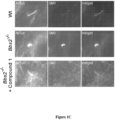
- GM3 was enriched in the primary cilia of Bbs2 - / - cells as compared to Wt. An elevation of ceramide level in cytoplasm in Bbs2 - / - cell compared to Wt mice was also found. GM1 did not localize to cilia but to vesicle compartments within the cells ( Figure 1B ).
- Bbs2 - / - mice were treated with 0.033% w/w of Compound 1 in feed from 1 to 6 months of age. This treatment resulted in reduction of the levels of GL1 in the brain, kidney, liver and serum, suggesting sufficient target engagement ( Figure 2 ) (*p ⁇ 0.05).
- Body composition was analyzed using an EchoMRI TM . Measurements of the fat mass and of lean mass were recorded and percent of body fat was calculated. Body composition was calculated using the following formula: fat mass / (fat mass + lean mass).
- Food weights were recorded from the food hopper and bedding. Average food consumption per animal per day was estimated using the following formula: [(food weight at start of period-(food weight at end of period in hopper - food weight at end of period in bedding)] / # animals in the cage / # days of observation.
- Paraffin-embedded samples of brain tissue from Wt and Bbs2 - / - mice were cut and 4 micrometer sections were boiled in Antigen Retrieval solution (DAKO) in a pressure cooker to unmask antigens. Sections were blocked for 1 hour with 3% BSA followed by incubation with primary antibodies to adenylate cyclase III (Santa Cruz Biotechnology) diluted in 3% BSA overnight at 4°C. Alexa Fluor 488 secondary antibody (Invitrogen) was used at the dilution 1: 1000. Images were acquired on a Leica DM5500B microscope fitted with x40 and x60 objectives using Leica Application Suite Advance Fluorescence software (Leica Microsystems).
- Serum leptin a hormone excreted by the adipose tissue, is elevated in Bbs2 - / - mice as compared to wild type animals. Upon treatment with Compound 1, serum leptin is reduced to wild type levels ( Figure 3A ).
- sequencing libraries were generated using the TruSeq Stranded mRNA Library Prep Kit as per the manufacturer recommendations (Illumina). Sequencing was performed using High Output NextSeq 500/550 v2.5 kits on an Illumina NextSeq 500 platform (2x75 bp paired-end reads).
- Obesity is a cardinal clinical feature of ciliopathies like BBS ( Beales, P., Curr. Opin. Genet. Dev., 15:315-323 (2005 )).
- RNA sequencing analyzes were performed on adipose tissues from Wt, Bbs2 - / - and Bbs2 - / - treated with Compound 1 mice.
- the heatmap analysis of differentially expressed mRNA in adipose tissues from Wt, Bbs2 - / - and Bbs2 - / - + Compound 1 groups showed 81 differentially expressed genes in the adipogenesis pathway.
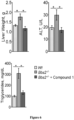
- Triglyceride and ALT levels were measured using a VetACETM analyzer (Alfa Wasserman, West Coldwell, NJ).
- OCT optical coherence tomography
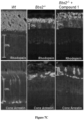
- Paraffin-embedded samples of eyes from Wt and Bbs2 - / - mice were prepared and analysed as described supra.
- the primary antibodies used were rhodopsin (Thermo Scientific) and cone arrestin (EMD Millipore).
- Paraffin-embedded samples of nasal cavities from Wt and Bbs2 - / - mice were prepared and analysed as described supra.
- the primary antibodies used were acetylated tubulin (Cell Signaling Technology), cytokeratin 14 (Protein Tech), SRY-Box 2 (Cell Signaling Technology), doublecortin (Cell Signaling Technology), and olfactory marker protein (Wako).
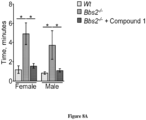
- the main olfactory epithelium is a multi-cellular layer comprised of four distinct cell layers: basal cells (stem cells), supporting cells, immature neurons, and mature neurons, which are capable of regeneration through the differentiation of stem cells into mature neurons ( McIntyre J et al., Nat Med, 18:1423-1428 (2012 )).
- This differentiation process was impaired in the Bbs2 - / - mice as demonstrated by the accumulation of immature neurons and the reduction of mature neurons.
- Treatment with Compound 1 resulted in the correction of this phenotype to resemble that of wild type animals ( Figure 9 ).
- Inhibition of glucosylceramide synthase activity can be measured with one or more assays.
- a first assay is a microsomal assay that directly measures the conversion of ceramide to glucosylceramide by HPLC. Microsomes are a source of glucosylceramide synthase activity in the microsomal assay.
- a second assay is a cell based, phenotypic assay that monitors cell surface expression of the downstream lipid GM3 by antibody mediated immunofluorescence. Specific protocols are provided below.
- An enzyme assay using microsomes as a source of glucosylceramide synthase activity Fluorescent ceramide substrate is delivered to membrane-bound enzyme as a complex with albumin. After reaction, ceramide and glucosylceramide are separated and quantitated by reverse-phase HPLC with fluorescence detection. Enzymatic activity is assessed using a fluorescent labeled substrate and microsomes as a source of glucosylceramide synthase.
- C 6 -NBD-Ceramide is complexed with albumin for delivery to microsomes that are isolated according to the procedure described below. The final concentration of C 6 -NBD-Ceramide in the stock solution is 0.5 mM; the final concentration of BSA is 0.5 mM. Separation and quantitation of substrate and product (glucosylceramide) are achieved by reverse-phase HPLC with fluorescence detection.
- Microsomes are isolated from A375 human melanoma cells. Eight to ten million cells are harvested by trypsinization and washed with ice cold PBS. Cells are resuspended in ice-cold lysis buffer containing protease inhibitors. Cell lysate is sonicated on ice using a probe sonicator. After sonication, the cell lysate is separated from debris by centrifugation at 10,000g for 10 minutes at 4°C. The supernatant is removed and cleared by additional centrifugation at 100,000g for 1 hour at 4°C. The pellet is then resuspended in the lysis buffer, aliquoted and stored at -80°C prior to use.
- substrates at 2x of their Km fluorescent ceramide and UDP-glucose, 3 ⁇ M and 4 ⁇ M respectively
- microsomes (1:50 dilution) are combined 1:1 and incubated at room temperature for 1 hour in the dark on a plate shaker.
- the reaction is stopped by the addition of 150 ⁇ L of 100 ⁇ M C 8 -ceramide in 50% aq. isopropanol; 10 ⁇ L of the final mix is analyzed on HPLC (with fluorescence detector).
- the mobile phase is 1% formic acid added to 81% methanol/19% water with flow rate 0.5 mL/min.
- NBD-C 6 -GluCer had a retention time of about 1.7 min and NBD-C 6 -Cer elutes from the column after about 2.1 min. Both peaks are separated from each other and the baseline and were integrated automatically by the HPLC software. The percent conversion of substrate to product is used as the readout for inhibitor testing.
- Cell surface GM3 expression is determined by antibody mediated fluorescence.
- Compounds are diluted in media and plated in 384 well plates in DMSO.
- B16 and C32 cells are assayed at densities of 20,000 cells/ml and 62,500 cells/ml, respectively, per well.
- Each titration curve contains 10 points that are assayed in duplicate on each test run.
- the plates are incubated for 48 hours at 37 °C, 5% CO2, and are then washed once with TBS.
- Example 13 Pharmacokinetics of Compound 2 in healthy human volunteers
- Compound 2 is also known as venglustat.
- Study 1 was a 2-part single-center trial in healthy adult male volunteers. Part 1 was a double-blind, randomized, placebo-controlled sequential ascending single-dose study of Compound 2 for safety, tolerability, and PK. Part 2 was an open-label, single-cohort, randomized, 2-sequence, 2-period, 2-treatment crossover study of Compound 2 for PK with and without a high-fat meal.
- Part 1 the subjects were randomized to receive 2, 5, 15, 25, 50, 100, or 150 mg of Compound 2 (L-malic salt form) or matching placebo on the morning of the first day after at least a 10-hour fast.
- the subjects were randomized to receive a single oral dose of 5 mg Compound 2 either while fasting (at least 10 hours before and 4 hours after administration) or 30 minutes after a standardized high-fat breakfast ( ⁇ 815 kcal). After a 7-day washout period, participants were crossed over to the other condition.
- Study 2 was a single-center, double-blind, randomized, placebo-controlled, sequential ascending repeated-dose study of the safety, tolerability, PK, and pharmacodynamics of Compound 2 in healthy adult male and female volunteers.
- the study enrolled and randomized 36 healthy adults (19 men and 17 women) (n 9 each to group). The subjects were randomized to receive once-daily doses of Compound 2 at 5, 10, or 20 mg (provided as 5-mg capsules of the L-malic salt form) or placebo for 14 days after at least a 10-hour fast.
- Blood was sampled for plasma concentrations of Compound 2 as follows: Day 1 at 0, 0.5, 1, 2, 3, 4, 5, 6, 8, 10, 12, and 16 hours post-dose; On Days 2-5, 8, 11, and 13, at 0 h; On Day 14, at 0.5, 1, 2, 3, 4, 5, 6, 8, 10, 12 hours post-dose; On Days 15-17, at 24, 48, and 72 hours, respectively, after the Day 14 dose.
- Urine samples were collected for analysis of Compound 2 concentrations on Day 1 (0 hour post-dose) and continuously on Day 14 from 0-24 hours post-dose.
- Pharmacodynamic endpoints (plasma GL-1, GL-3, and GM3 concentrations) were assessed on Days 1-5, 8, 11, 13, and 14, at 0 hours post-dose; and on Day 15, at 24 hours after the Day 14 dose.
- Plasma GL-1, GL-3, and GM3 in placebo recipients remained similar to baseline throughout, whereas plasma GL-1 and GM3 levels decreased from baseline time- and dose-dependently across the 3 Compound 2 dose groups, as shown in the following table (Point estimates of treatment ratios for glucosylceramide (GL-1), globostriaosylceramide (GL-3), and GM3 ganglioside (GM3) on Day 15 in the repeated ascending dose study): Parameter Comparison Estimate 90% Confidence Interval GL-1 5 mg vs placebo 0.39 0.29-0.50 10 mg vs placebo 0.32 0.25-0.42 20 mg vs placebo 0.23 0.17-0.30 GL-3 5 mg vs placebo 0.61 0.47-0.79 10 mg vs placebo 0.69 0.53-0.89 20 mg vs placebo 0.67 0.51-0.89 GM3 5 mg vs placebo 0.56 0.45-0.70 10 mg vs placebo 0.49 0.39-0.60 20 mg vs placebo 0.40 0.32-0.50
- GM3 Maximal sustained GM3 decreases occurred across all Compound 2 dose groups starting on Day 13. Mean Day 15 plasma GM3 levels were 42.7%, 49.4%, and 57.8% of baseline for the 5-, 10-, and 20-mg dose groups, respectively. GM3 was below the LLOQ at Day 15 in 1 and 2 subjects in the 10- and 20-mg dose groups, respectively.
- Plasma GL-3 also decreased with time in all Compound 2 dose groups, but variable and low baseline GL-3 values relative to LLOQ limited mean calculated GL-3 reductions.
- GL-3 values were below LLOQ in 1, 3, 1, and 6 subjects, respectively, at baseline and in 4, 9, 7, and 9 subjects, respectively, at Day 15.
- TEAEs treatment-emergent adverse events
- SAEs serious adverse events
Landscapes
- Health & Medical Sciences (AREA)
- Pharmacology & Pharmacy (AREA)
- Veterinary Medicine (AREA)
- Chemical & Material Sciences (AREA)
- Public Health (AREA)
- General Health & Medical Sciences (AREA)
- Medicinal Chemistry (AREA)
- Animal Behavior & Ethology (AREA)
- Life Sciences & Earth Sciences (AREA)
- Chemical Kinetics & Catalysis (AREA)
- Organic Chemistry (AREA)
- Nuclear Medicine, Radiotherapy & Molecular Imaging (AREA)
- General Chemical & Material Sciences (AREA)
- Engineering & Computer Science (AREA)
- Bioinformatics & Cheminformatics (AREA)
- Epidemiology (AREA)
- Pharmaceuticals Containing Other Organic And Inorganic Compounds (AREA)
Description
- This application is an international application which claims priority to and the benefit of
U.S. Provisional Application No. 62/800,993, filed on February 4, 2019 U.S. Provisional Application No. 62/851,430, filed on May 22, 2019 - This invention relates to methods for treating ciliopathies, such as Bardet-Biedl syndrome (BBS) and Joubert syndrome, using quinuclidine compounds of formula (I) as defined in the claims.
- Any reference to a method of treatment of the human or animal body by therapy using an active compound is to be understood as a reference to said compound for use in said method.
- The ciliopathies are a group of diseases/disorders associated with genetic mutations encoding defective proteins, which result in abnormal formation and function of cilia. Cilia are a component of most types of cells in the body. Thus, abnormalities in the formation and function of cilia can result in a collection of features including, but not limited to, retinal degeneration, renal disease and cerebral abnormalities. Some of the diseases/disorders resulting from these ciliopathies include Joubert syndrome, Meckel-Gruber syndrome, Senior-Loken syndrome, Orofaciodigital syndrome type I, Leber's congenital amaurosis, Bardet-Biedl syndrome (BBS), Alström syndrome, Jeune asphyxiating thoracic dystrophy, Ellis van Creveld syndrome, Sensenbrenner syndrome, primary ciliary dyskinesia (also known as Kartagener Syndrome) and a range of other diseases and disorders.
- For example, among the ciliopathies, BBS has a high unmet clinical need and there are currently no approved therapeutic options for BBS patients. BBS is a rare autosomal recessive multisystemic genetic disease with a prevalence in the US and northern Europe of 1:160,000. BBS can result from mutations in at least 21 different genes, although mutations in BBS1, BBS2, and BBS10 account for around 50% of cases. Genes affected in BBS are required for the assembly of the BBSome, which is a component of the basal body and is involved in formation, maintenance, and function of the primary cilium. Together, the primary cilium and its anchoring structure, the basal body, are essential for the proper functioning of many key biological signaling pathways. The loss of a properly formed BBSome results in the global loss of cilia that manifests in multiple clinical features. Eight BBS proteins (BBS1, BBS2, BBS4, BBS5, BBS7, BBS8, BBS9, and BBS18) assemble to form the BBSome complex. The functions of these BBS proteins are partially overlapping, and this is consistent with the phenotypic similarities observed with mutations in distinct BBS genes. Research has shown that loss of different BBS protein functions can result in the same phenotypic deficiency, while more than one BBS gene or protein can be targeted to achieve the same therapeutic effect. For example, in vitro suppression of BBS4, BBS10 and BBS12 in differentiating preadipocytes promotes adipogenesis and fat accumulation (Marion, V et al., Proc. Natl. Acad. Sci. USA, 106(6):1820-26 (2009); Aksanov, et al., Cell Mol. Life Sci., 71(17):3381-92 (2014)). Loss of BBS1 and BBS4 results in defects in the localization of specific proteins and a failure of the olfactory epithelium to fully develop cilia (Kulaga HM, et al., Nature Genetics, 36(9):944-48 (2004)). In addition, loss of BBS8 results in reduced response to olfactory stimuli combined with a loss of cilia in the olfactory sensory neuron and mislocalization of cilia related proteins (Tadenev AL et al., Proc. Natl. Acad. Sci. USA, 108(25):10320-25 (2011)). Finally, it has been found that BBS2 deletion decreases adenylate cyclase III activity in the main olfactory epithelium, and the same is observed in BB1, BBS4 and BBS8 null mice. This effect is improved by glucosyl ceramide synthase (GCS) inhibitor treatment.
- The main features of BBS are cone-rod dystrophy with childhood-onset vision loss preceded by night blindness, postaxial polydactyly, truncal obesity that is established during infancy and maintained through adulthood, kidney abnormalities and learning difficulties, as well as many secondary features including anosmia and hepatic involvement. Ciliary dysfunction leads to a loss of key signaling pathways required for proper cellular function and has been shown to be directly related to the loss of vision, increased adipogenesis, and hyperphagia in this patient population. To date, no obvious genotype-phenotype correlation has been identified (See Haws R. et al, New Horizons in Translational Medicine, 2015, 2:102-109). The current standard of care for BBS is management of clinical symptoms and supportive care for both patient and care giver.
- Targeting BBS through such therapeutic modalities as gene therapy and oligonucleotide therapeutics has been difficult due to the fact that many different genes can be mutated in BBS. Gene therapy efforts to target the olfaction and retinal defects of BBS have met only modest success. In the ORPK mouse model, adenoviral-mediated expression of IFT88 restores cilia in the olfactory epithelium and improves olfactory response (McIntyre et al., Nature Med., 18(9):1423-28 (2012)). Similar studies in BBS1 mutant mice showed that AAV-mediated delivery of wild-type BBS1 restores cilia in the olfactory sensory neurons and restored olfactory response. However, the 60 to 90-day turnover of these sensory neurons, combined with the inability to perform multiple administrations of AAV gene therapy vectors, limits application of this approach. In addition, such intra-nasal delivery only reaches cells exposed to the apical surface of the olfactory epithelium, but not the deeper immature neurons (Williams CL et al., Molecular Therapy, 25(4): 904-916 (2017)). The genetic heterogeneity of BBS would require correction of each individual genetic defect so that dosage and toxicity would have to be established for each individual gene-specific therapeutic. Conversely, targeting of the cilia defect that underlies BBS irrespective of genetic lesion represents a treatment modality capable of improving multiple manifestations of BBS.
- Sphingolipids and glycosphingolipids are key bioreactive molecules crucial for the regulation of important cellular processes, including differentiation, proliferation, senescence, and cell-to-cell interactions. They are also central constituents of cilia structure and they contribute to ciliary signaling. The gangliosides GM1 and GM3 characterize distinct lipid micro-domains within the apical membrane of epithelial cells, and ceramide is known to be enriched in the centrosomal/periocentriolar cellular compartment. Ceramide also regulates the formation of primary cilia, and recent work suggests that cilium length may be regulated by the size or ceramide content of the cilia base and its lipid flux to the cilium (Janich P. et al., FEBS Letters, 581(-):1783-1787 (2007)).
- Guanghu Wang, Journal of Lipid Research, vol. 50, no. 10, 8 October 2009, pages 2103-2110 discloses the role of ceramide in the formation of cilia.
-
WO 2014/043068 discloses compounds which fall under the general Formula (I) as defined in the claims, as well as disorders in which glucosyl ceramide synthase (GCS) is involved. - The quinuclidine compounds described herein have activity as inhibitors of the enzyme glucosylceramide synthase (GCS). Such compounds have a utility in the treatment of conditions including lysosomal storage diseases such as Gaucher disease (e.g.
WO2012/129084 ), proteinopathies such as Alzheimer's disease (e.g.WO2016/145046 ), and cystic diseases such as polycystic kidney disease (e.g.WO2014/152215 ). It has been suggested that quinuclidine compounds might act in these treatments either by reducing glycolipid levels, e.g. in the case of Gaucher disease, or by reducing protein aggregation, e.g. in the case of Alzheimer's disease, or by apoptosis, e.g. in the case of polycystic kidney disease. The effect of these quinuclidine compounds on cilia, e.g. on abnormal cilia associated with a ciliopathy, have not previously been reported. - There is a real need in the art to develop therapeutics effective in alleviating or managing the symptoms associated with ciliopathies, particularly ciliopathies such as BBS and Joubert syndrome. There is also a particular need to develop therapeutics effective in treating the underlying pathophysiology of ciliopathies.
- The present invention relates to a quinuclidine compound (Compound 1) according to formula (I),

- R1 is selected from hydrogen, halogen (e.g., fluorine), cyano, nitro, hydroxy, thio, amino, C1-6-alkyl (e.g., methyl or ethyl), C2-6-alkenyl, C2-6-alkynyl, C1-6-alkyloxy, C2-6-alkenyloxy, and C2-6-alkynyloxy, wherein said alkyl, alkenyl, alkynyl, alkyloxy, alkenyloxy, or alkynyloxy is optionally substituted with one or more (e.g., 1, 2 or 3) groups selected from halogen, cyano, nitro, hydroxy, thio or amino;
- R2 and R3 are independently selected from C1-3-alkyl, optionally substituted by one or more (e.g. 1, 2 or 3) halogens, or R2 and R3 together form a cyclopropyl or cyclobutyl group, optionally substituted by one or more (e.g. 1 or 2) halogens;
- R4, R5 and R6 are each independently selected from hydrogen, halogen, nitro, hydroxy, thio, amino, C1-6-alkyl, and C1-6-alkyloxy, wherein said alkyl or alkyloxy is optionally substituted by one or more (e.g. 1, 2 or 3) groups selected from halogen, hydroxy, cyano, and C1-6-alkyloxy; and
- A is a 5- or 6-membered aryl or heteroaryl group, optionally substituted with 1, 2 or 3 groups independently selected from a halogen, hydroxy, thio, amino, nitro, C1-6alkoxy or C1-6alkyl.
- In a first aspect the present application provides a compound for use in a method for treating a ciliopathy in a subject in need thereof, the method comprising administering to the subject an effective amount of a quinuclidine compound as described herein, e.g., a compound according to Formula I. In a second aspect, the present application provides a compound for use in a method for treating a disease or disorder selected from obesity, liver disease, retinal degeneration, olfactory dysfunction, hyperlipedemia,
type 2 diabetes, and metabolic syndrome, in a subject suffering from a ciliopathy, the method comprising administering to the subject an effective amount of a quinuclidine compound as described herein, e.g., a compound according to Formula I. In a third aspect, the present application provides a compound for use in a method for preventing or delaying the onset and/or development of a ciliopathy in a subject diagnosed as being at risk of developing said ciliopathy, the method comprising administering to the subject an effective amount of a quinuclidine compound as described herein, e.g., a compound according to Formula I. - Additional features and advantages of compounds, compositions and methods disclosed herein will be apparent from the following detailed description.
-
-
Figure 1A refers to the quantification of cilia length in Wt and Bbs2 -/- immortalized kidney epithelial cells. -
Figure 1B refers to the immunofluorescence analysis of GSL localization in Wt and Bbs2 -/immortalized kidney epithelial cells. -
Figure 1C refers to the effect of treatment withCompound 1 on cilia length and GM3 ciliary levels in Wt and Bbs2 -/- immortalized kidney epithelial cells. -
Figure 2 refers to the effect on glucosylceramide (GlcCer or GL1) levels in multiple different tissues in Wt and in the Bbs2 -/- mouse model upon treatment withCompound 1. -
Figure 3A refers to the changes in metabolic parameters, including food consumption, body weight, body fat percentage and serum leptin, as measured in Wt mice, Bbs2 -/- mice and Bbs2- / - mice treated withCompound 1 from the age of 1-month to 6-months. -
Figure 3B refers to representative H&E stained white adipose tissue (top) and quantification of adipocyte cell volume (bottom) from Wt mice, Bbs2 -/- mice and Bbs2 -/- mice treated withCompound 1 from the age of 1-month to 6-months. -
Figure 3C refers to mRNA analysis of pro-adipogenic genes in white adipose tissue from Wt mice, Bbs2 -/- mice and Bbs2 -/- mice treated withcompound 1 from the age of 1-month to 6-months. -
Figure 4A refers to the effect of short-term treatment withCompound 1 on metabolic parameters including body weight, body fat percentage and serum leptin as measured in Bbs2 -/- mice with established metabolic disease (mice from the age of 4 months to 6 months). -
Figure 4B refers to representative H&E stained white adipose tissue and quantification of adipocyte cell volume from Wt mice, Bbs2 -/- mice with established metabolic disease (mice from the age of 4 months to 6 months), and Bbs2 -/- mice with established metabolic disease treated withCompound 1 in a short-term treatment (from 4-months to 6-months). -
Figure 5 refers to the analysis of cilia in the hypothalamus of Wt mice, Bbs2 -/- mice and Bbs2 -/- mice treated with ofCompound 1 in feed. -
Figure 6 refers to changes in liver parameters including liver weight, serum ALT and serum triglycerides as measured in Wt mice, Bbs2 -/- mice and Bbs2 -/- mice treated withCompound 1 from the age of 1-month to 6-months. -
Figure 7A refers to analysis of the outer nuclear layer (ONL) thickness by optical coherence tomography in Wt mice and Bbs2 -/- mice. -
Figure 7B refers to the analysis on the outer nuclear layer (ONL)/inner nuclear layer (INL) ratio of Wt mice, Bbs2 -/- mice and Bbs2 -/- mice treated withCompound 1 from the age of 1-month to 6-months. -
Figure 7C refers to the analysis of the expression of rhodopsin (top) and cone arrestin (bottom) - specific for rods and cones, respectively - in eye sections of Wt mice, Bbs2 -/- mice and Bbs2 -/- mice treated withCompound 1 from the age of 1-month to 6-months. -
Figure 8A refers to the results of the in vivo buried treat test utilized to measure the latency time to uncover a hidden treat in Wt mice, Bbs2 -/- mice and Bbs2 -/- mice treated withCompound 1 from the age of 1-month to 6-months. -
Figure 8B refers to the analysis of acetylated tubulin, a marker of cilia, in nasal cavity sections of Wt mice, Bbs2 -/- mice and Bbs2 -/- mice treated withCompound 1 from the age of 1-month to 6-months. -
Figure 8C refers to the analysis of adenylate cyclase III, a marker of odorant signaling, in nasal cavity sections of Wt mice, Bbs2 -/- mice and Bbs2 -/- mice treated withCompound 1 from the age of 1-month to 6-months. -
Figure 9 refers to the analysis of markers of cellular layers of the main olefactory epithelium (MOE) - namely the horizontal basal cells (CK14, cytokeratin 14), globose basal cells and supporting cells (Sox2, SRY-Box 2), immature neurons (Dcx, doublecortin) and mature neurons (OMP, olfactory marker protein) - in nasal cavity sections of Wt mice, Bbs2 -/- mice and Bbs2 -/- mice treated withCompound 1 from the age of 1-month to 6-months. -
Figure 10A refers to an in vitro assay of human adipocyte differentiation, showing the accumulation of lipids (spheres) in mature adipocytes upon knock-down of BBS1, BBS2, and BBS10 genes with siRNA. -
Figure 10B refers to an in vitro assay of human adipocyte differentiation, showing that leptin concentrations in adipocyte conditioned medium is higher after knock-down of BBS genes. -
Figure 10C refers to an in vitro assay of human adipocyte differentiation, showing a dose-dependent effect on the accumulation of lipids (spheres) by treatment with Compound 1 (at 1.25-10 µM). -
Figure 10D refers to an in vitro assay of human adipocyte differentiation, showing a dose-dependent effect on the secretion of leptin by treatment with Compound 1 (at 1.25-10 µM). - Although specific embodiments of the present disclosure will now be described with reference to the preparations and schemes, it should be understood that such embodiments are by way of example only and merely illustrative of but a small number of the many possible specific embodiments which can represent applications of the principles of the present disclosure. The scope of the invention is defined by the claims.
- Unless defined otherwise, all technical and scientific terms used herein have the same meanings as commonly understood by one of ordinary skill in the art to which this disclosure belongs. Although any methods and materials similar or equivalent to those described herein can be used in the practice or testing of the present invention, exemplary methods, devices, and materials are now described.
- Nothing herein is to be construed as an admission that the invention is not entitled to antedate such disclosure by virtue of prior invention.
- The practice of the present disclosure will employ, unless otherwise indicated, conventional techniques of tissue culture, immunology, molecular biology, microbiology, cell biology and recombinant DNA, which are within the skill of the art.
- All numerical designations, e.g., pH, temperature, time, concentration, molecular weight, including ranges, are approximations which are varied ( + ) or ( - ) by increments of 0.1 or 1.0, where appropriate. It is to be understood, although not always explicitly stated, that all numerical designations are preceded by the term "about". It also is to be understood, although not always explicitly stated, that the reagents described herein are merely exemplary.
- As used herein, the term "optionally substituted" is meant to be equivalent to the phrase "non-substituted or substituted by."
- As used herein, the phrase "in a method of treating or preventing" (such as in the phrase "in a method of treating or preventing pain") is meant to be equivalent to the phrase "in the treatment or prevention of" (such as in the phrase "in the treatment or prevention of pain"). As used in the specification and claims, the singular form "a", "an" and "the" include plural references unless the context clearly dictates otherwise. For example, the term "a cell" includes a plurality of cells, including mixtures thereof. Unless specifically stated or obvious from context, as used herein, the term "or" is understood to be inclusive. The term "including" is used herein to mean, and is used interchangeably with, the phrase "including but not limited to".
- As used herein, the term "comprising" or "comprises" is intended to mean that the compositions and methods include the recited elements, but not excluding others. "Consisting essentially of" when used to define compositions and methods, shall mean excluding other elements of any essential significance to the combination for the stated purpose. Thus, a composition consisting essentially of the elements as defined herein would not exclude trace contaminants from the isolation and purification method and pharmaceutically acceptable carriers, such as phosphate buffered saline, preservatives and the like. "Consisting of" shall mean excluding more than trace elements of other ingredients and substantial method steps for administering the compositions of this invention or process steps to produce a composition or achieve an intended result. Embodiments defined by each of these transition terms are within the scope of this invention. Use of the term "comprising" herein is intended to encompass "consisting essentially of" and "consisting of".
- The term "ciliopathy" refers to a disease characterized by cilial dysfunction. By "cilial dysfunction" is meant the abnormal formation and/or function of cilia, including abnormal cilial location. Cilial dysfunction may affect the extracellular and/or intracellular portions of the cilia and it may be characterized by structural and/or functional irregularities.
- A "subject," "individual" or "patient" is used interchangeably herein, and refers to a vertebrate, such as a mammal. Mammals include, but are not limited to, murines, rats, rabbit, simians, bovines, ovine, porcine, canines, felines, farm animals, sport animals, pets, equines, primates, and humans. In one embodiment, the mammals include horses, dogs, and cats. In one embodiment, the mammal is a human.
- "Administering" is defined herein as a means of providing an agent or a composition containing the agent to a subject in a manner that results in the agent being inside the subject's body. Such an administration can be by any route including, without limitation, oral, transdermal (e.g. vagina, rectum, oral mucosa), by injection (e.g. subcutaneous, intravenous, parenterally, intraperitoneally, into the CNS), or by inhalation (e.g. oral or nasal). Pharmaceutical preparations are, of course, given by forms suitable for each administration route.
- "Treating" or "treatment" of a disease includes: (1) inhibiting the disease, i.e. arresting or reducing the development of the disease or its clinical symptoms; and/or (2) relieving the disease, i.e. causing regression of the disease or its clinical symptoms.
- "Preventing" or "prevention" of a disease includes causing the clinical symptoms of the disease not to develop in a patient that may be predisposed to the disease but does not yet experience or display symptoms of the disease.
- The term "suffering" as it relates to the term "treatment" refers to a patient or individual who has been diagnosed with the disease. The term "suffering" as it relates to the term "prevention" refers to a patient or individual who is predisposed to the disease. A patient may also be referred to being "at risk of suffering" from a disease because of a history of disease in their family lineage or because of the presence of genetic mutations associated with the disease. A patient at risk of a disease has not yet developed all or some of the characteristic pathologies of the disease.
- An "effective amount" or "therapeutically effective amount" is an amount sufficient to effect beneficial or desired results. An effective amount can be administered in one or more administrations, applications or dosages. Such delivery is dependent on a number of variables including the time period for which the individual dosage unit is to be used, the bioavailability of the therapeutic agent, and the route of administration. It is understood, however, that specific dose levels of the therapeutic agents of the present invention for any particular subject depends upon a variety of factors including, for example, the activity of the specific compound employed, the age, body weight, general health, sex, and diet of the subject, the time of administration, the rate of excretion, the drug combination, and the severity of the particular disorder being treated and form of administration. Treatment dosages generally may be titrated to optimize safety and efficacy. Typically, dosage-effect relationships from in vitro and/or in vivo tests initially can provide useful guidance on the proper doses for patient administration. In general, one will desire to administer an amount of the compound that is effective to achieve a serum level commensurate with the concentrations found to be effective in vitro. Determination of these parameters is well within the skill of the art. These considerations, as well as effective formulations and administration procedures are well known in the art and are described in standard textbooks.
- Consistent with this definition, as used herein, the term "therapeutically effective amount" is an amount sufficient to treat (e.g. improve) one or more symptoms associated with a ciliopathy in vivo.
- As used herein, the term "pharmaceutically acceptable excipient" encompasses any of the standard pharmaceutical excipients, including carriers such as a phosphate buffered saline solution, water, and emulsions, such as an oil/water or water/oil emulsion, and various types of wetting agents. Pharmaceutical compositions also can include stabilizers and preservatives. For examples of carriers, stabilizers and adjuvants, see Remington's Pharmaceutical Sciences (20th ed., Mack Publishing Co. 2000).
- As used herein, the term "pharmaceutically acceptable salt" means a pharmaceutically acceptable acid addition salt or a pharmaceutically acceptable base addition salt of a currently disclosed compound that may be administered without any resultant substantial undesirable biological effect(s) or any resultant deleterious interaction(s) with any other component of a pharmaceutical composition in which it may be contained.
- As used herein, the term "C1-6-alkyl" means a saturated linear or branched free radical consisting essentially of 1 to 6 carbon atoms and a corresponding number of hydrogen atoms. Exemplary C1-6-alkyl groups include methyl, ethyl, n-propyl, isopropyl, n-butyl, and isobutyl. Other C1-6-alkyl groups will be readily apparent to those of skill in the art given the benefit of the present disclosure. The terms "C1-3-alkyl", "C1-4-alkyl", etc., have equivalent meanings, i.e., saturated linear or branched free radical consisting essentially of 1 to 3 (or 4) carbon atoms and a corresponding number of hydrogen atoms.
- As used herein, the term "C2-6-alkenyl" means an unsaturated linear or branched free radical consisting essentially of 2 to 6 carbon atoms and a corresponding number of hydrogen atoms, which free radical comprises at least one carbon-carbon double bond. Exemplary C2-6-alkenyl groups include ethenyl, prop-1-enyl, prop-2-enyl, isopropenyl, but-1-enyl, 2-methyl-prop-1-enyl, and 2-methyl-prop-2-enyl. Other C2-6-alkenyl groups will be readily apparent to those of skill in the art given the benefit of the present disclosure.
- As used herein, the term "C2-6-alkynyl" means an unsaturated linear or branched free radical consisting essentially of 2 to 6 carbon atoms and a corresponding number of hydrogen atoms, which free radical comprises at least one carbon-carbon triple bond. Exemplary C2-6-alkynyl groups include ethynyl, prop-1-ynyl, prop-2-ynyl, but-1-ynyl, and 3-methyl-but-1-ynyl. Other C2-6-alkynyl groups will be readily apparent to those of skill in the art given the benefit of the present disclosure.
- As used herein, the term "C1-6-alkyloxy" means a saturated linear or branched free radical consisting essentially of 1 to 6 carbon atoms (and a corresponding number of hydrogen atoms) and an oxygen atom. A C1-6-alkyloxy group is attached via the oxygen atom. Exemplary C1-6-alkyloxy groups include methyloxy, ethyloxy, n-propyloxy, isopropyloxy, n-butyloxy, and isobutyloxy. Other C1-6-alkyloxy groups will be readily apparent to those of skill in the art given the benefit of the present disclosure. The terms "C1-3-alkyloxy", "C1-4-alkyloxy", and the like, have an equivalent meaning, i.e. a saturated linear or branched free radical consisting essentially of 1 to 3 (or 4) carbon atoms (and a corresponding number of hydrogen atoms) and an oxygen atom, wherein the group is attached via the oxygen atom.
- As used herein, the term "C2-6-alkenyloxy" means an unsaturated linear or branched free radical consisting essentially of 2 to 6 carbon atoms (and a corresponding number of hydrogen atoms) and an oxygen atom, which free radical comprises at least one carbon-carbon double bond. A C2-6-alkenyloxy group is attached via the oxygen atom. An exemplary C2-6-alkenyloxy group is ethenyloxy; others will be readily apparent to those of skill in the art given the benefit of the present disclosure.
- As used herein, the term "C2-6-alkynyloxy" means an unsaturated linear or branched free radical consisting essentially of 2 to 6 carbon atoms (and a corresponding number of hydrogen atoms) and an oxygen atom, which free radical comprises at least one carbon-carbon triple bond. A C2-6-alkenyloxy group is attached via the oxygen atom. An exemplary C2-6-alkenyloxy group is ethynyloxy; others will be readily apparent to those of skill in the art given the benefit of the present disclosure.
- As used herein, the term "heteroaryl" means an aromatic free radical having 5 or 6 atoms (i.e. ring atoms) that form a ring, wherein 1 to 5 of the ring atoms are carbon and the remaining 1 to 5 ring atom(s) (i.e. hetero ring atom(s)) is selected independently from the group consisting of nitrogen, sulfur, and oxygen. Exemplary 5-membered heteroaryl groups include furyl, thienyl, thiazolyl (e.g. thiazol-2-yl), pyrazolyl, isothiazolyl, oxazolyl, isoxazolyl, pyrrolyl, triazolyl, imidazolyl, oxadiazolyl and thiadiazolyl. Exemplary 6-membered heteroaryl groups include pyridyl, pyrimidyl, pyrazinyl, pyridazinyl, 1,2,4-triazinyl, benzoxazolyl, benzothiazolyl, benzisothiazolyl, benzisoxazolyl, and benzimidazolyl. Other heteroaryl groups will be readily apparent to those of skill in the art given the benefit of the present disclosure. In general, the heteroaryl group typically is attached to the main structure via a carbon atom. However, those of skill in the art will realize that certain other atoms, e.g. hetero ring atoms, can be attached to the main structure.
- As used herein, the term "aryl" means an aromatic free radical having 5 or 6 atoms (i.e. ring atoms) that form a ring, wherein all of the ring atoms are carbon. An exemplary aryl group is a phenyl group.
- As used herein, the term "aliphatic" means a non-aromatic compound containing carbon and hydrogen atoms, e.g. containing 1 to 9 carbon atoms. Aliphatic compounds may be straight-chained or branched, may contain one or more ring structures, and may contain one or more carbon-carbon double bonds (provided that the compound does not contain an unsaturated ring structure having aromatic character). Examples of aliphatic compounds include ethane, propylene, cyclobutane, and cyclohexadiene.
- As used herein, the terms "halo" and "halogen" mean fluorine, chlorine, bromine, or iodine. These terms are used interchangeably and may refer to a halogen free radical group or to a halogen atom as such. Those of skill in the art will readily be able to ascertain the identification of which in view of the context in which this term is used in the present disclosure.
- As used herein, the term "cyano" means a free radical having a carbon atom linked to a nitrogen atom via a triple bond. The cyano radical is attached via its carbon atom.
- As used herein, the term "nitro" means an -NO2 radical which is attached via its nitrogen atom.
- As used herein, the terms "hydroxy" and "hydroxyl" mean an -OH radical which is attached via its oxygen atom. The term "thio" means an -SH radical which is attached via its sulphur atom.
- As used herein, the term "amino" means a free radical having a nitrogen atom and 1 or 2 hydrogen atoms. As such, the term "amino" generally refers to primary and secondary amines. In that regard, as used herein, a tertiary amine is represented by the general formula RR'N-, wherein R and R' are carbon radicals that may or may not be identical. Nevertheless, the term "amino" generally may be used herein to describe a primary, secondary, or tertiary amine, and those of skill in the art will readily be able to ascertain the identification of which in view of the context in which this term is used in the present disclosure.
- As used herein, the term and "oxo" means an oxygen radical which is attached via a double bond. Where an atom bonded to this oxygen is a carbon atom, the bond is a carbon-oxygen double bond which may be denoted as -(C=O)- and which may be referred to as a ketone. The recitation of a listing of chemical groups in any definition of a variable herein includes definitions of that variable as any single group or combination of listed groups. The recitation of an embodiment for a variable or aspect herein includes that embodiment as any single embodiment or in combination with any other embodiments or portions thereof.
- The following abbreviations are used herein:
- br
- Broad signal
- CDI
- Carbonyldiimidazole
- CNS
- Central Nervous System
- d
- Doublet
- DAPI
- 4',6-diamidino-2-phenylindole
- dd
- Doublet of doublets
- DME
- Dimethoxyethane
- DMEM
- Dulbecco Modified Eagle Medium
- DMSO-d6
- Dimethyl sulfoxide-d6
- DMF
- Dimethylformamide
- DNA
- Deoxyribonucleic acid
- DTBZ
- Carbon-11 dihydrotetrabenazine
- EDTA
- Ethylenediaminetetraacetic acid
- ELISA
- Enzyme-linked Immunosorbent Assay
- Et2O
- Diethyl ether
- EtMgBr
- Ethylmagnesium bromide
- EtOAc
- Ethyl acetate
- GL1
- Glucosylceramide (GlcCer)
- GM1
- Monosialotetrahexosylganglioside
- GM3
- Monosialodihexosylganglioside
- GSL
- Glycosphingolipid
- H&E
- Hematoxylin and eosin stain
- HPLC
- High pressure/performance liquid chromatography
- HSA
- Human serum albumin
- IPA
- Isopropyl alcohol
- J
- Coupling constant
- LCMS
- Liquid chromatography mass spectrometry
- m
- Multiplet
- ppm
- Parts per million
- rHA
- Recombinant human albumin
- s
- Singlet
- TBME
- Tert-Butyl Methyl Ether
- THF
- Tetrahydrofuran
- Tris
- Tris(hydroxymethyl)aminomethane
- TWEEN20
-
Polysorbate 20 - TWEEN80
-
Polysorbate 80 - Wt
- Wild type
- UPLCMS
- Ultra performance liquid chromatography mass spectrometry
- The present invention relates to quinuclidine compounds for use in therapeutic methods relating to ciliopathies, as further defined in the claims. In all of its various aspects, the invention relates to said uses of a quinuclidine compound (Compound 1) according to formula (I),

- R1 is selected from hydrogen, halogen (e.g., fluorine), cyano, nitro, hydroxy, thio, amino, C1-6-alkyl (e.g., methyl or ethyl), C2-6-alkenyl, C2-6-alkynyl, C1-6-alkyloxy, C2-6-alkenyloxy, and C2-6-alkynyloxy, wherein said alkyl, alkenyl, alkynyl, alkyloxy, alkenyloxy, or alkynyloxy is optionally substituted with one or more (e.g., 1, 2 or 3) groups selected from halogen, cyano, nitro, hydroxy, thio or amino;
- R2 and R3 are independently selected from C1-3-alkyl, optionally substituted by one or more (e.g. 1, 2 or 3) halogens, or R2 and R3 together form a cyclopropyl or cyclobutyl group, optionally substituted by one or more (e.g. 1 or 2) halogens;
- R4, R5 and R6 are each independently selected from hydrogen, halogen, nitro, hydroxy, thio, amino, C1-6-alkyl, and C1-6-alkyloxy, wherein said alkyl or alkyloxy is optionally substituted by one or more (e.g. 1, 2 or 3) groups selected from halogen, hydroxy, cyano, and C1-6-alkyloxy; and
- A is a 5- or 6-membered aryl or heteroaryl group (e.g., phenyl or thiazolyl), optionally substituted with 1, 2 or 3 groups independently selected from halogen, hydroxy, thio, amino, nitro, C1-6alkoxy and C1-6alkyl.
- In further embodiments of the any aspects of the present invention, the present disclosure further relates to the uses of compounds according to formula (I) which are defined as follows:
1.1Compound 1, wherein R1 is selected from hydrogen, halogen, cyano, nitro, hydroxy, thio, amino, C1-6-alkyl, C1-6-alkyloxy, wherein said alkyl or alkyloxy is optionally substituted with one or more (e.g., 1, 2 or 3) groups selected from halogen, cyano, nitro, hydroxy, thio or amino;
1.2Compound 1, wherein R1 is selected from hydrogen, halogen, C1-6-alkyl, C1-6-alkyloxy, wherein said alkyl or alkyloxy is optionally substituted with one or more (e.g., 1, 2 or 3) groups selected from halogen, cyano, nitro, hydroxy, thio or amino;
1.3Compound 1, wherein R1 is selected from hydrogen, halogen, C1-4-alkyl, C1-4-alkyloxy, wherein said alkyl or alkyloxy is optionally substituted with one or more (e.g., 1, 2 or 3) groups selected from halogen, cyano, nitro, hydroxy, thio or amino;
1.4Compound 1, wherein R1 is selected from hydrogen, halogen, C1-4-alkyl, C1-4-alkyloxy, wherein said alkyl or alkyloxy is optionally substituted with one or more (e.g., 1, 2 or 3, or 1 or 2) groups selected from cyano, nitro, hydroxy, thio or amino;
1.5Compound 1, wherein R1 is selected from hydrogen, halogen, and C1-4-alkyl, wherein said alkyl is optionally substituted with one or more (e.g., 1 or 2) groups selected from halogen, hydroxy, thio or amino;
1.6Compound 1, wherein R1 is selected from hydrogen, fluorine, methyl and ethyl, wherein said methyl or ethyl is optionally substituted with 1 or 2 groups selected from halogen, hydroxy, thio or amino;
1.7Compound 1, wherein R1 is selected from hydrogen and methyl, wherein said methyl is optionally substituted with 1 or 2 halogens;
1.8Compound 1, wherein R1 is hydrogen;
1.9Compound 1, or any of 1.1-1.8, wherein R1 is not attached to the nitrogen atom of the quinuclidine moiety;
1.10Compound 1, or any of 1.1-1.9, wherein R2 and R3 are each independently C1-3-alkyl, optionally substituted by one or more (e.g. 1, 2 or 3) halogens;
1.11 Compound 1.11, wherein R2 and R3 are each independently methyl or ethyl, optionally substituted by 1 or 2 halogens;
1.12 Compound 1.11, wherein R2 and R3 are each independently selected from methyl and ethyl, optionally substituted by one or more fluorines, e.g., 1, 2 or 4 fluorines;
1.13 Compound 1.11, wherein R2 and R3 are each independently methyl substituted with 0, 1, 2 or 3 fluorines;
1.14 Compound 1.11, wherein R2 and R3 are each methyl or trifluoromethyl;
1.15 Compound 1.11, R2 and R3 are each methyl;
1.16Compound 1, or any of 1.1-1.9, wherein R2 and R3 together form a cyclopropyl or cyclobutyl group, optionally substituted by one or more (e.g. 1 or 2) halogens;
1.17 Compound 1.16, wherein R2 and R3 together form a cyclopropyl group;
1.18Compound 1 or any of 1.1-1.9, wherein R2 and R3 are each methyl or R2 and R3 together form a cyclopropyl group;
1.19Compound 1, or any of 1.1-1.9, wherein R4, R5 and R6 are each independently selected from hydrogen, halogen, C1-6-alkyl, and C1-6-alkyloxy, wherein said alkyl or alkyloxy is optionally substituted by one or more (e.g. 1, 2 or 3) groups selected from halogen, hydroxy, cyano, and C1-6-alkyloxy;
1.20Compound 1, or any of 1.1-1.9, wherein R4, R5 and R6 are each independently selected from hydrogen, halogen, C1-3-alkyl, and C1-3-alkyloxy, wherein said alkyl or alkyloxy is optionally substituted by one or more (e.g. 1, 2 or 3) groups selected from halogen, hydroxy, cyano, and C1-3-alkyloxy;
1.21 Compound 1.19, wherein R4, R5 and R6 are each independently selected from hydrogen, halogen, C1-3-alkyl, and C1-3-alkyloxy, wherein said alkyl or alkyloxy is optionally substituted by one or more (e.g. 1, 2 or 3) groups selected from halogen, cyano, and C1-3-alkyloxy;
1.22 Compound 1.19, wherein R4, R5 and R6 are each independently selected from hydrogen, halogen, C1-3-alkyl, and C1-3-alkyloxy, wherein said alkyl or alkyloxy is optionally substituted by one or more (e.g. 1, 2 or 3) groups selected from halogen and C1-3-alkyloxy;
1.23 Compound 1.19, wherein R4, R5 and R6 are each independently selected from halogen, C1-3-alkyl, and C1-3-alkyloxy, wherein said alkyl or alkyloxy is optionally substituted by one or more (e.g. 1, 2 or 3) groups selected from halogen and C1-3-alkyloxy
1.24Compound 1, or any of 1.19-1.23, R4 is selected from hydrogen, halogen, C1-3-alkyl, and C1-3-alkyloxy, wherein said alkyl or alkyloxy is optionally substituted by one or more (e.g. 1, 2 or 3) groups selected from halogen and C1-3-alkyloxy;
1.25 Compound 1.24, R4 is selected from halogen (e.g., fluorine), C1-3-alkyl (e.g., methyl), and C1-3-alkyloxy (e.g., methoxy or ethoxy), wherein said alkyl or alkyloxy is optionally substituted by one or more (e.g. 1, 2 or 3) groups selected from halogen and C1-3-alkyloxy (e.g., methoxy or ethoxy);
1.26 Compound 1.26, R4 is selected from halogen (e.g., fluorine) and C1-3-alkyloxy (e.g., methoxy or ethoxy), wherein said alkyloxy is optionally substituted by one or more (e.g. 1, 2 or 3) groups selected from halogen and C1-3-alkyloxy (e.g., methoxy or ethoxy);
1.27 Compound 1.26, R4 is fluorine or C1-3-alkyloxy (e.g., ethoxy), optionally substituted by one or more (e.g. 1, 2 or 3) groups selected from halogen and C1-3-alkyloxy (e.g., methoxy);
1.28 Compound 1.26, wherein R4 is fluorine or ethoxy optionally substituted by one or more (e.g. 1, 2 or 3) C1-3-alkyloxy (e.g., methoxy);
1.29Compound 1, or any of 1.19-1.28, wherein R6 is hydrogen;
1.30Compound 1, or any of 1.19-1.28, wherein R5 and R6 are each hydrogen;
1.31Compound 1, or any of 1.19-1.28, R5 and R6 are each hydrogen, and R4 is fluorine or C1-3-alkyloxy (e.g., ethoxy), optionally substituted by one or more (e.g. 1, 2 or 3) groups selected from halogen and C1-3-alkyloxy (e.g., methoxy);
1.32 Compound 1.31, wherein R5 and R6 are each hydrogen, and R4 is fluorine or ethoxy optionally substituted by one or more (e.g. 1, 2 or 3) C1-3-alkyloxy (e.g., methoxy);
1.33 Compound 1.32, wherein R5 and R6 are each hydrogen, and R4 is fluorine or ethoxy substituted with methoxy (e.g., 2-methoxyethoxy);
1.34 Compound 1.32, wherein R4 is fluorine or 2-methoxyethoxy;
1.35Compound 1, or any of 1.1-1.34, wherein at least one of R4, R5 and R6 is not hydrogen;
1.36Compound 1, or any of 1.1-1.35, wherein R6 is hydrogen, and R4 and R5 are positioned at the 2, 4 or 6 positions of the phenyl ring to which they are attached (i.e, ortho or para to the A substituent);
1.37Compound 1, or any of 1.1-1.35, wherein R6 is hydrogen, and R4 and R5 are positioned independently at the 2 and 3 (i.e., adjacent ortho and meta), 3 and 4 (i.e. adjacent meta and para), or 3 and 5 positions (i.e., meta) of the phenyl ring to which they are attached (with respect to the A substituent);
1.38Compound 1, or any of 1.1-1.35, wherein R6 is hydrogen, and R4 and R5 are positioned at the 3 and 5 positions (i.e., meta) of the phenyl ring to which they are attached (with respect to the A substituent);
1.39Compound 1, or any of 1.1-1.35, wherein R5 and R6 are hydrogen, and R4 is positioned at the 2, 3 or 4 position of the phenyl ring to which it is attached (e.g., ortho, meta or para or to the A substituent);
1.40Compound 1, or any of 1.1-1.35, wherein R5 and R6 are hydrogen, and R4 is positioned at the 2 or 4 position of the phenyl ring to which it is attached (e.g., ortho or para to the A substituent);
1.41Compound 1, or any of 1.1-1.35, wherein R5 and R6 are hydrogen, and R4 is positioned at the 4 position of the phenyl ring to which it is attached (e.g., para to the A substituent);
1.42Compound 1, or any of 1.1-1.35, wherein none of R4, R5 and R6 are hydrogen, and each of R4, R5 and R6 are independently positioned at the 2, 4 or 6 positions of the phenyl ring to which they are attached (i.e, ortho or para to the A substituent);
1.43Compound 1, or any of 1.1-1.42, wherein R4 is positioned at the 4-position of the phenyl ring to which it is attached (i.e., para to the A substituent);
1.44Compound 1, or any of 1.1-1.43, wherein A is a 6-membered aryl group, a 5-membered heteroaryl group (e.g., containing 1, 2 or 3 heteratoms in the heteroaryl ring selected from N, O and S), or a 6-membered heteroaryl group (e.g., containing 1, 2 or 3 nitrogen atoms in the heteroaryl ring);
1.45 Compound 1.44, wherein A is a 6-membered aryl group or a 5-membered heteroaryl group (e.g., containing 1, 2 or 3 heteratoms in the heteroaryl ring selected from N, O and S), optionally wherein the 5-membered heteroaryl group contains 1 or 2 heteroatoms selected from N and S (e.g., one N and/or one S);
1.46 Compound 1.44 or 1.45, wherein A is selected from the group consisting of phenyl, furyl, thienyl, thiazolyl, pyrazolyl, isothiazolyl, oxazolyl, isoxazolyl, pyrrolyl, triazolyl, imidazolyl, oxadiazolyl and thiadiazolyl;
1.47 Compound 1.46, wherein A is selected from the group consisting of phenyl, thienyl, thiazolyl, pyrrolyl, and imidazolyl;
1.48 Compound 1.46, wherein A is selected from the group consisting of phenyl and thiazolyl, e.g., 2-thiazol-4-yl or 4-thiazol-2-yl;
1.49Compound 1, or any of 1.1-1.48, wherein A is unsubstituted
1.50Compound 1, or any of 1.1-1.48, wherein A is substituted with one or more (e.g., 1, 2 or 3) groups independently selected from a halogen, hydroxy, thio, amino, nitro, C1-6alkoxy and C1-6alkyl (e.g., methyl);
1.51 Compound 1.50, wherein A is thiazolyl substited with one halogen (e.g, fluorine), or C1-6alkyl (e.g., methyl);
1.52 Compound 1.50, wherein A is phenyl substituted with 1, 2 or 3 groups independently selected from halogen (e.g, fluorine) and C1-6alkyl (e.g., methyl);
1.53 Compound 1.52, wherein A is phenyl substituted with 1 or 2 fluorines or methyl groups;
1.54Compound 1, or any of 1.1-1.53 wherein the two groups attached to the A substituent (i.e., the phenyl ring (-(C6H2R4R5R6)) and the -C(R2R3)- group) are positioned in a 1,2-, 1,3- or 1,4- relationship to each other (i.e., ortho, meta, or para);
1.55 Compound 1.54, wherein the two groups attached to the A substituent are positioned in a 1,3-relationship to each other (i.e, meta);
1.56 Compound 1.54, wherein the two groups attached to the A substituent are positioned in a 1,4-relationship to each other (i.e, para);
1.57 Any of Compounds 1.54 to 1.56, wherein the A substituent is a 5-membered heteroaryl group and at least one of the two groups attached to the A substituent (i.e., the phenyl ring (-(C6H2R4R5R6)) or the -C(R2R3)- group) is attached to a carbon atom of the heteroaryl ring, optionally wherein both of such groups are attached to carbon atoms of the heteroaryl ring;
1.58Compound 1, or any of 1.1-1.57, wherein the Compound of Formula I can be represented by any one or more of the following substructures:

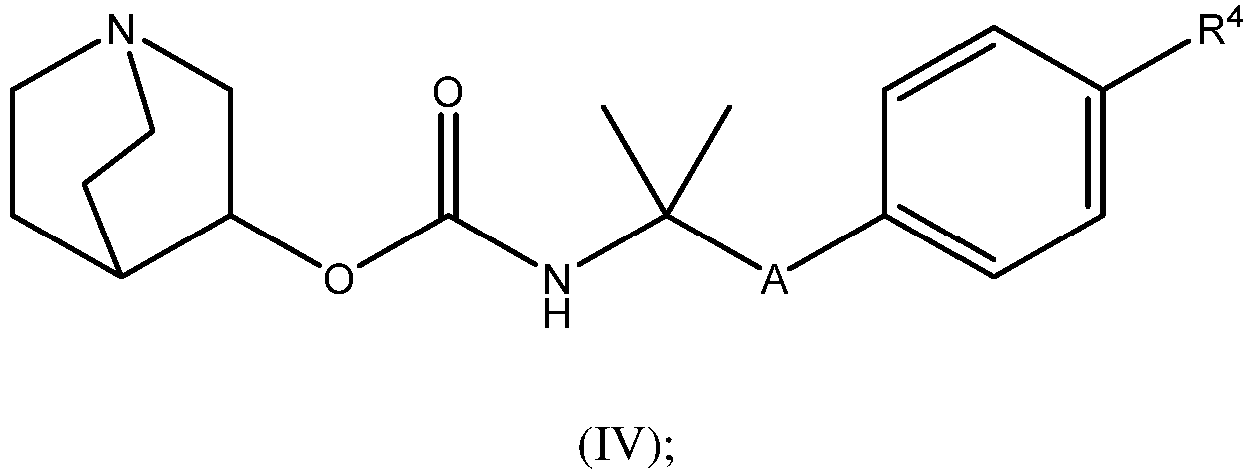


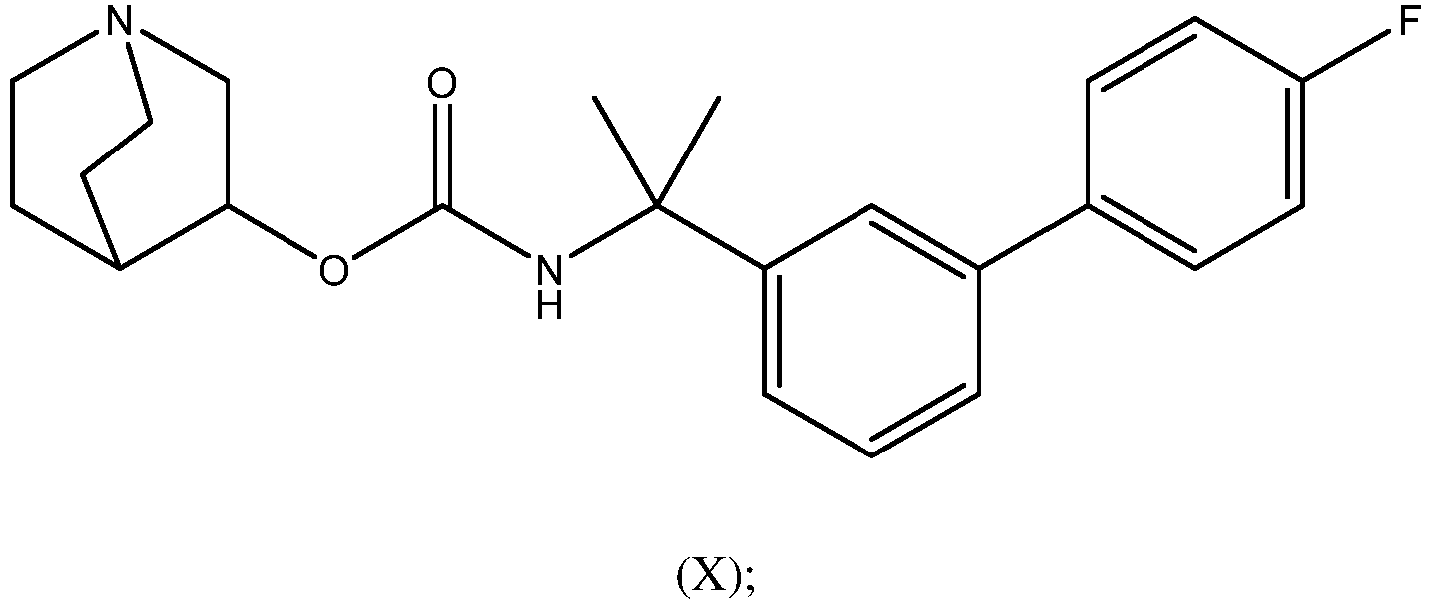
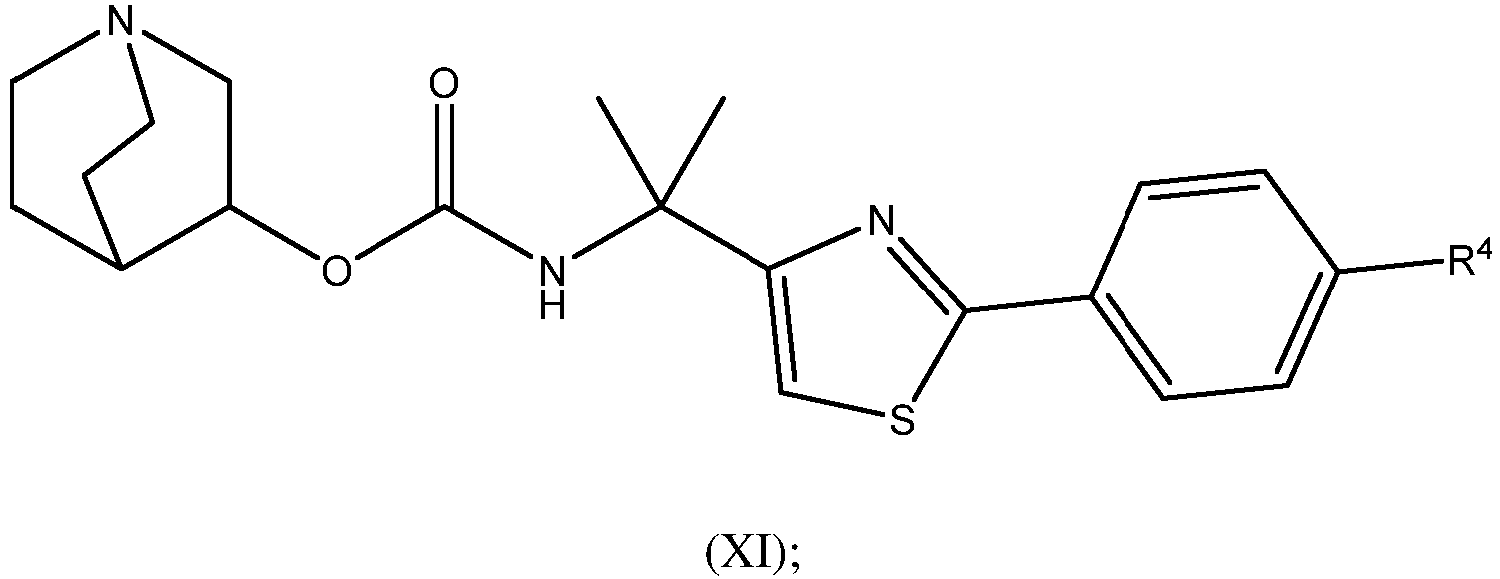

1.59Compound 1, or any of 1.1-1.58, wherein the compound of Formula I, or any of Formulas II to XII, has the (S) configuration;
1.60Compound 1, or any of 1.1-1.58, wherein the compound of Formula I, or any of Formulas II to XII, has the (R) configuration;
1.61Compound 1, or any of 1.1-1.60, wherein the compound of Formula I, or any of Formulas II to XII, has an enantiomeric excess (e.g., of the (S) configuration) of at least 90%, e.g., at least 92%, 94%, 95%, 96%, 97%, 98%, 99%, 99.5% or 99.9%;
1.62Compound 1, or any of 1.1-1.58, wherein the compound of Formula I, or any of Formulas II to XII, is racemic (i.e., appromxiamtely a 50:50 ratio of enantiomers), or is a mixture of enantiomers of some other ratio (e.g., less than 50:50 or greater than 50:50);
1.63Compound 1, or any of 1.1-1.62, wherein the Compound of Formula I is selected from the group consisting of:Compound No. Compound 1 Quinuclidin-3-yl (2-(4'-fluoro-[1,1'-biphenyl]-3-yl)propan-2-yl)carbamate 2 (S)-quinuclidin-3-yl (2-(2-(4-fluorophenyl)thiazol-4-yl)propan-2-yl)carbamate 3 (S)-quinuclidin-3-yl (2-(4'-(2-methoxyethoxy)-[1,1'-biphenyl]-4-yl)propan-2-yl)carbamate 4 1-azabicyclo[2.2.2]oct-3-yl [2-(biphenyl-3-yl)propan-2-yl]carbamate 5 (S)-quinuclidin-3-yl 2-(biphenyl-4-yl)propan-2-ylcarbamate 6 Quinuclidin-3-yl 1-(biphenyl-4-yl)cyclopropylcarbamate 7 (S)-quinuclidin-3-yl 1-(4'-fluorobiphenyl-4-yl)cyclopropylcarbamate 8 (S)-1-azabicyclo[2.2.2]oct-3-yl [1-(2',4'-difluorobiphenyl-4-yl)cyclopropyl]carbamate 9 1-azabicyclo[2.2.2]oct-3-yl [1-(4'-methoxybiphenyl-4-yl)cyclopropyl]carbamate 10 Quinuclidin-3-yl 2-(5-(4-fluorophenyl)thiophen-3-yl)propan-2-ylcarbamate 11 (S)-quinuclidin-3-yl 2-(3-(4-fluorophenyl)isothiazol-5-yl)propan-2-ylcarbamate 12 (S)-quinuclidin-3-yl 2-(4-(4-fluorophenyl)thiazol-2-yl)propan-2-ylcarbamate 13 Quinuclidin-3-yl (2-(4'-(2-methoxyethoxy)-[1,1'-biphenyl]-4-yl)propan-2-yl)carbamate 14 (S)-quinuclidin-3-yl (2-(3'-(2-methoxyethoxy)-[1,1'-biphenyl]-4-yl)propan-2-yl)carbamate 15 Quinuclidin-3-yl (2-(4'-(2-methoxyethoxy)-[1,1'-biphenyl]-3-yl)propan-2-yl)carbamate 16 Quinuclidin-3-yl (2-(4'-(3-methoxypropoxy)-[1,1'-biphenyl]-4-yl)propan-2-yl)carbamate 17 Quinuclidin-3-yl (2-(4'-(hydroxymethyl)-[1,1'-biphenyl]-4-yl)propan-2-yl)carbamate 18 Quinuclidin-3-yl (2-(4'-(2-hydroxyethyl)-[1,1'-biphenyl]-4-yl)propan-2-yl)carbamate 19 Quinuclidin-3-yl (2-(2-(4-(3-methoxypropoxy)phenyl)thiazol-4-yl)propan-2-yl)carbamate 20 Quinuclidin-3-yl (2-(2-(4-(2-methoxyethoxy)phenyl)thiazol-4-yl)propan-2-yl)carbamate 21 Quinuclidin-3-yl 2-(5-(4-(2-methoxyethoxy)phenyl)pyridin-2-yl)propan-2-ylcarbamate 22 Quinuclidin-3-yl (2-(4'-(3-cyanopropoxy)-[1,1'-biphenyl]-4-yl)propan-2-yl)carbamate 23 Quinuclidin-3-yl (2-(4'-(cyanomethoxy)-[1,1'-biphenyl]-4-yl)propan-2-yl)carbamate
1.64Compound 1, or any of 1.1-1.63, wherein the compound is selected from quinuclidin-3-yl (2-(4'-fluoro-[1,1'-biphenyl]-3-yl)propan-2-yl)carbamate, (S)-quinuclidin-3-yl (2-(2-(4-fluorophenyl)thiazol-4-yl)propan-2-yl)carbamate, and (S)-quinuclidin-3-yl (2-(4'-(2-methoxyethoxy)-[1,1'-biphenyl]-4-yl)propan-2-yl)carbamate;
1.65Compound 1, or any of 1.1-1.63, wherein the compound is quinuclidin-3-yl (2-(4'-fluoro-[1,1'-biphenyl]-3-yl)propan-2-yl)carbamate;
1.66Compound 1 or any of 1.1-1.63, wherein the compound is quinuclidin-3-yl (2-(2-(4-fluorophenyl)thiazol-4-yl)propan-2-yl)carbamate;
1.67Compound 1, or any of 1.1-1.66, wherein the Compound of Formula I, or any of II to XII, is in free base form;
1.68Compound 1, or any of 1.1-1.66, wherein the Compound of Formula I, or any of II to XII, is in pharmaceutically acceptable salt form;
1.69 Compound 1.68, wherein said salt form is an acid addition salt form;
1.70 Compound 1.69, wherein said acid addition salt form is a salt selected from the hydrochloride, hydrobromide, hydroiodide, nitrate, sulfate, bisulfate, phosphate, acid phosphate, acetate, lactate, citrate, acid citrate, tartrate, bitartrate, succinate, hydroxysuccincate, malate, maleate, fumarate, gluconate, saccharate, benzoate, methanesulfonate, and pamoate;
1.71 Compound 1.70, wherein the acid addition salt form is selected from hydrochloride, hydroxysuccinate (e.g., 2-hydroxysuccinate), and malate;
1.72 Compound 1.68, wherein said salt form is a base addition salt form;
1.73Compound 1, or any of 1.1-1.72, wherein the compound is (S)-quinuclidin-3-yl (2-(2-(4-fluorophenyl)thiazol-4-yl)propan-2-yl)carbamate in malate salt form.
174 - Presently disclosed compounds, e.g., any of
Compounds 1 or 1.1-1.73 that are basic in nature are generally capable of forming a wide variety of different salts with various inorganic and/or organic acids. Although such salts are generally pharmaceutically acceptable for administration to animals and humans, it is often desirable in practice to initially isolate a compound from the reaction mixture as a pharmaceutically unacceptable salt and then simply convert the latter back to the free base compound by treatment with an alkaline reagent, and subsequently convert the free base to a pharmaceutically acceptable acid addition salt. The acid addition salts of the base compounds can be readily prepared using conventional techniques, e.g. by treating the base compound with a substantially equivalent amount of the chosen mineral or organic acid in an aqueous solvent medium or in a suitable organic solvent such as, for example, methanol or ethanol. Upon careful evaporation of the solvent, the desired solid salt is obtained. Presently disclosed compounds that are positively charged, e.g. containing a quaternary ammonium, may also form salts with the anionic component of various inorganic and/or organic acids. - Acids which can be used to prepare pharmaceutically acceptable salts of quinuclidine compounds are those which can form non-toxic acid addition salts, e.g. salts containing pharmacologically acceptable anions, such as chloride, bromide, iodide, nitrate, sulfate or bisulfate, phosphate or acid phosphate, acetate, lactate, citrate or acid citrate, tartrate or bitartrate, succinate, malate, maleate, fumarate, gluconate, saccharate, benzoate, methanesulfonate and pamoate [i.e. 1,1'-methylene-bis-(2-hydroxy-3-naphthoate)] salts.
- Presently disclosed compounds that are acidic in nature, e.g. compounds containing a thiol moiety, are generally capable of forming a wide variety of different salts with various inorganic and/or organic bases. Although such salts are generally pharmaceutically acceptable for administration to animals and humans, it is often desirable in practice to initially isolate a compound from the reaction mixture as a pharmaceutically unacceptable salt and then simply convert the latter back to the free acid compound by treatment with an acidic reagent, and subsequently convert the free acid to a pharmaceutically acceptable base addition salt. These base addition salts can be readily prepared using conventional techniques, e.g. by treating the corresponding acidic compounds with an aqueous solution containing the desired pharmacologically acceptable cations, and then evaporating the resulting solution to dryness, e.g. under reduced pressure. Alternatively, they also can be prepared by mixing lower alkanolic solutions of the acidic compounds and the desired alkali metal alkoxide together, and then evaporating the resulting solution to dryness in the same manner as before. In either case, stoichiometric quantities of reagents may be employed in order to ensure completeness of reaction and maximum product yields of the desired solid salt.
- Bases which can be used to prepare the pharmaceutically acceptable base addition salts of quinuclidine compounds are those which can form non-toxic base addition salts, e.g. salts containing pharmacologically acceptable cations, such as, alkali metal cations (e.g. potassium and sodium), alkaline earth metal cations (e.g. calcium and magnesium), ammonium or other water-soluble amine addition salts such as N-methylglucamine (meglumine), lower alkanolammonium, and other such bases of organic amines.
- In one embodiment, the pharmaceutically acceptable salt is a succinate salt. In another embodiment, the pharmaceutically acceptable salt is a 2-hydroxysuccinate salt, e.g. an (S)-2-hydroxysuccinate salt. In another embodiment, the pharmaceutically acceptable salt is a hydrochloride salt (i.e. a salt with HCl). In another embodiment, the pharmaceutically acceptable salt is a malate salt.
- The present disclosure further embraces stereoisomers and mixture of stereoisomers of
compounds 1 and 1.1-1.73. - Stereoisomers (e.g. cis and trans isomers) and all optical isomers of a presently disclosed compound (e.g. R- and S- enantiomers), as well as racemic, diastereomeric and other mixtures of such isomers are within the scope of the present disclosure.
- In one embodiment, the quinuclidin-3-yl group of a quinuclidine compound as defined herein has the R- configuration. Accordingly, the quinuclidine compound may be selected from the group consisting of compounds of formulae (Ia) to (XIIa):


- In another embodiment, the quinuclidin-3-yl group of the quinuclidine compound as defined herein has the S- configuration. Accordingly, the quinuclidine compound may be selected from the group consisting of compounds of formulae (Ib) to (XIIb):


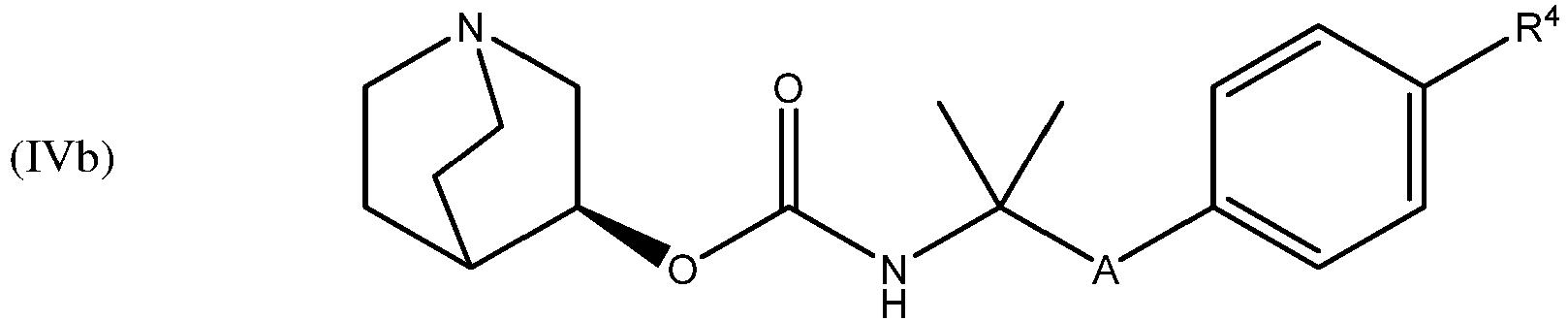


- In one embodiment the quinuclidine compound is a compound of formula (Xb) or a pharmaceutically acceptable salt thereof. In another embodiment the quinuclidine compound is a compound of formula (XIIb) or a pharmaceutically acceptable salt thereof.
- In one embodiment, the quinuclidin-3-yl group of the quinuclidine compound as defined herein exists in a mixture of isomers having the R- and S- configurations. For example, the quinuclidine compound may be a mixture of compounds selected from the group consisting of compounds of formulae (Ia) and (Ib), (IIa) and (IIb), (IIIa) and (IIIb), (IVa) and (IVb), (Va) and (Vb), (VIa) and (VIb), (VIIa) and (VIIb), (VIIIa) and (VIIIb), (IXa) and (IXb), (Xa) and (Xb), (XIa) and (XIb), and (XIIa) and (XIIb), and the pharmaceutically acceptable salts thereof. In one embodiment the quinuclidine compound is present as a racemic mixture, e.g. the R- and S- isomers of the quinuclidin-3-yl group are present in about equal amounts. In another embodiment the quinuclidine compound is present as a mixture of isomers having the R- and S- configurations, wherein the R- and S- isomers are present in different amounts. In one embodiment the S- isomer is present in an enantiomeric excess of at least about 5%, 10%, 25%, 40%, 70%, 80%, 90%, 95%, 97%, 98% or 99%, e.g. about 100%. In another embodiment, the R- isomer is present in an enantiomeric excess of at least about 5%, 10%, 25%, 40%, 70%, 80%, 90%, 95%, 97%, 98% or 99%, e.g. about 100%.
- Methods for preparing enantioenriched and/or enantiopure quinuclidine compounds would be apparent to the person of skill in the art based on the present disclosure.
- The compounds presently disclosed can exist in several tautomeric forms, including the enol and imine form, and the keto and enamine form and geometric isomers and mixtures thereof. Tautomers exist as mixtures of a tautomeric set in solution. In solid form, usually one tautomer predominates. Even though one tautomer may be described, all tautomers are within the scope of the present disclosure.
- Atropisomers are also within the scope of the present disclosure. Atropisomers refer to compounds that can be separated into rotationally restricted isomers.
- Isotopically-labeled compounds are also within the scope of the present disclosure. As used herein, an "isotopically-labeled compound" refers to a presently disclosed compound including pharmaceutical salts and prodrugs thereof, each as described herein, in which one or more atoms are replaced by an atom having an atomic mass or mass number different from the atomic mass or mass number usually found in nature. Examples of isotopes that can be incorporated into compounds presently disclosed include isotopes of hydrogen, carbon, nitrogen, oxygen, phosphorous, fluorine and chlorine, such as 2H, 3H, 13C, 14C, 15N, 18O, 17O, 31P, 32P, 35S, 18F, and 36Cl, respectively.
- The quinuclidine compounds, and pharmaceutical compositions containing them, described herein are useful in therapy, in particular in the therapeutic treatment of ciliopathies in a subject, as defined in the claims.
- Subjects to be treated according to the methods described herein include vertebrates, such as mammals. In particular embodiments the mammal is a human patient.
- In a first aspect, the present invention provides a compound as defined in the claims for use in a method (Method 1) for treating a ciliopathy in a subject in need thereof, the method comprising administering to the subject an effective amount of a quinuclidine compound as described herein, e.g., a compound according to Formula I or any of II-XII, Ia-XIIa or Ib-XIIb, or any of
Compounds 1 or 1.1 to 1.73. - Also provided is a quinuclidine compound as described herein, e.g., a compound according to Formula I or any of II-XII, Ia-XIIa or Ib-XIIb, or any of
Compounds 1 or 1.1 to 1.73, for use in a method of treating a ciliopathy in a subject. - The term "diagnosed to have a particular genetic mutation" means that a subject or patient has been tested, e.g., by DNA or RNA sequencing, protein profiling, or other suitable means, and found to have the mutation in question. However, as discussed further below, many genetic diseases and disorders can have multiple genetic causes (e.g., mutations), and patients may have multiple mutations each of which may, under some circumstances, be sufficient to cause the disease or disorder, without it being subject to proof that a particular mutation causes a particular disease or disorder in a particular patient.
- Bardet-Biedl syndrome (BBS) is a rare autosomal recessive multisystemic genetic disease (See Waters et al., Pediatr. Nephrol., 2011, 26:1039-1056). BBS has a prevalence in the US and northern Europe of 1:160,000. Primary features of BBS include rod-cone dystrophy, polydactyly, obesity, learning disabilities, hypogonadism and renal anomalies. BBS can result from mutations in at least 21 different genes, although mutations in BBS1, BBS2, and BBS10 account for around 50% of cases. Genes affected in BBS are required for the assembly of the BBSome, a macromolecular complex which is a component of the basal body and is involved in formation, maintenance, and function of the primary cilium.
- Meckel-Gruber syndrome is an autosomal recessive lethal malformation which overlaps phenotypically with other ciliopathies (Waters et al., Ibid). Clinical features include occipital encephalocele and other posterior fossa defects, cystic dysplastic kidneys, hepatic bile duct proliferation and polydactyly. Meckel-Gruber syndrome is caused by mutations in several genes including MKS1, MKS3, CEP290, RPGRIPIL, CC2D2A and TMEM216. Mutations in MKS1 have also been implicated in BBS.
- Accordingly, in embodiments the ciliopathy is selected from BBS and Meckel-Gruber syndrome. In one embodiment, the ciliopathy is BBS. In another embodiment, the ciliopathy is Meckel-Gruber syndrome.
- Joubert syndrome is a rare autosomal recessive genetic disorder that affects the cerebellum. It is characterised by hypotonia, ataxia, psychomotor delay, irregular breathing pattern and oculomotor apraxia. Joubert syndrome shares phenotypic and genotypic overlap with Senior-Loken syndrome, a rare autosomal recessive disorder characterized by nephronophthisis and progressive eye disease (Waters et al., Ibid).
- Accordingly, in embodiments the ciliopathy is selected from Joubert syndrome and Senior-Loken syndrome. In one embodiment, the ciliopathy is Joubert syndrome. In another embodiment, the ciliopathy is Senior-Loken syndrome.
-
Orofaciodigital syndrome type 1, also called Papillon-League and Psaume syndrome, is a rare X-linked congenital disorder. Mutations in the OFD1 gene have been described inOrofaciodigital syndrome type 1 patients. OFD1 encodes a centrosomal protein localised at the basal bodies at the origin of primary cilia and OFD1 localizes to both centrosomes and basal bodies within the human genetic cellular structure. Diminished ciliogenesis has been observed with disease-associated mutations (Waters et al., Ibid). - Leber's congenital amaurosis is a severe retinal dystrophy, which presents within the first year of life. Frequently, visual function is poor and often accompanied by nystagmus, sluggish or near-absent pupillary responses, photophobia, hyperopia and keratoconus (Waters et al., Ibid).
- Alström syndrome is a rare autosomal recessive disease characterized by multiorgan dysfunction, including cone-rod dystrophy, obesity, progressive sensorineural hearing impairment and dilated cardiomyopathy. Alström syndrome is caused by mutations in the gene ALMS1 which encodes a protein that localises specifically to the proximal ends of centrioles and basal bodies (Waters et al., Ibid). The ALMS1 protein is involved in ciliary function, cell cycle control and intracellular transport.
- Jeune asphyxiating thoracic dystrophy (Jeune syndrome) is a rare autosomal recessive chondrodysplasia that affects the way a child's cartilage and bones develop. Jeune syndrome may be caused by mutations in IFT80, which has been shown to localise to the basal body of cilia in a murine chondrocytic cell line (Waters et al., Ibid).
- Ellis van Creveld syndrome is a rare chondroectodermal dysplasia characterized by skeletal anomalies including post-axial polydactyly, short ribs, cleft palate and malformation of the wrist bones. It may be caused by mutations in EVC1 or EVC2. The EVC protein has been shown to localise to the base of the primary cilium of chondrocytes (Waters et al., Ibid). Sensenbrenner syndrome (also known as cranioectodermal dysplasia) is an autosomal recessive disorder which is similar to Ellis van Creveld syndrome. It may be caused by mutations in IFT122, IFT43 or WDR35, all of which code for cilliary proteins (Waters et al., Ibid).
- Primary ciliary dyskinesia (also known as Kartagener Syndrome) is a rare autosomal recessive disorder that causes defects in the action of cilia lining the respiratory tract (lower and upper, sinuses, Eustachian tube, middle ear), the fallopian tube, and the flagella of sperm cells.
- The methods of the invention may be beneficial for subjects who have been diagnosed with a ciliopathy but are not yet experiencing the typical symptoms associated with the disease state. Methods of the invention may also be beneficial for subjects who are at risk of developing a ciliopathy due to, for example, a mutation in the subject or the subject's family lineage known to cause a ciliopathy. In one embodiment of the methods described herein, the subject has been diagnosed as being at risk of developing said ciliopathy, and the method prevents or delays the onset and/or development of the ciliopathy in the subject. In embodiments, the subject has been diagnosed as being at risk of developing said ciliopathy by virtue of having a mutation in a gene as described herein.
- In a second aspect, the present invention provides a compound for use in a method (Method 2) for treating a disease or disorder selected from obesity, liver disease, retinal degeneration, olfactory dysfunction, hyperlipedemia,
type 2 diabetes, and metabolic syndrome, in a subject suffering from a ciliopathy, the method comprising administering to the subject an effective amount of a quinuclidine compound as described herein, e.g., a compound according to Formula I or any of II-XII, Ia-XIIa or Ib-XIIb, or any ofCompounds 1 or 1.1 to 1.73. - Also provided is a quinuclidine compound as described herein, e.g., a compound according to Formula I or any of II-XII, Ia-XIIa or Ib-XIIb, or any of
Compounds 1 or 1.1 to 1.73, for use in a method for treating a disease or disorder selected from obesity, liver disease, retinal degeneration, olfactory dysfunction, hyperlipedemia,type 2 diabetes, and metabolis syndrome, in a subject suffering from a ciliopathy. - In a third aspect, the present invention provides a compound for use in a method (Method 3) for use in preventing or delaying the onset and/or development of a ciliopathy in a subject diagnosed as being at risk of developing said ciliopathy,
- A pharmaceutical composition or dosage form of the invention can include an agent and another carrier, e.g. compound or composition, inert or active, such as a detectable agent, label, adjuvant, diluent, binder, stabilizer, buffers, salts, lipophilic solvents, preservative, adjuvant or the like. Carriers also include pharmaceutical excipients and additives, for example, proteins, peptides, amino acids, lipids, and carbohydrates (e.g. sugars, including monosaccharides, di-, tri-, tetra-, and oligosaccharides; derivatized sugars such as alditols, aldonic acids, esterified sugars and the like; and polysaccharides or sugar polymers), which can be present singly or in combination, comprising alone or in
combination 1 to 99.99% by weight or volume. Exemplary protein excipients include serum albumin such as human serum albumin (HSA), recombinant human albumin (rHA), gelatin, casein, and the like. Representative amino acid/antibody components, which can also function in a buffering capacity, include alanine, glycine, arginine, betaine, histidine, glutamic acid, aspartic acid, cysteine, lysine, leucine, isoleucine, valine, methionine, phenylalanine, aspartame, and the like. Carbohydrate excipients are also intended within the scope of this invention, examples of which include but are not limited to monosaccharides such as fructose, maltose, galactose, glucose, D-mannose, sorbose, and the like; disaccharides, such as lactose, sucrose, trehalose, cellobiose, and the like; polysaccharides, such as raffinose, melezitose, maltodextrins, dextrans, starches, and the like; and alditols, such as mannitol, xylitol, maltitol, lactitol, xylitol sorbitol (glucitol) and myoinositol. - Carriers which may be used include a buffer or a pH adjusting agent; typically, the buffer is a salt prepared from an organic acid or base. Representative buffers include organic acid salts such as salts of citric acid, ascorbic acid, gluconic acid, carbonic acid, tartaric acid, succinic acid, acetic acid, or phthalic acid; Tris, tromethamine hydrochloride, or phosphate buffers. Additional carriers include polymeric excipients/additives such as polyvinylpyrrolidones, ficolls (a polymeric sugar), dextrates (e.g. cyclodextrins, such as 2-hydroxypropyl-β-cyclodextrin), polyethylene glycols, flavoring agents, antimicrobial agents, sweeteners, antioxidants, antistatic agents, surfactants (e.g. polysorbates such as "
TWEEN 20" and "TWEEN 80"), lipids (e.g. phospholipids, fatty acids), steroids (e.g. cholesterol), and chelating agents (e.g. EDTA). - Further therapies for proteinopathies which may be combined with the methods described herein include psychosocial interventions, behavioural interventions, reminiscence therapy, validation therapy, supportive psychotherapy, sensory integration, cognitive retraining, rehabilitation, speech therapy, and the like. Other interventions include surgery, rehabilitation, and diet management.
- The presently disclosed quinuclidine compounds and pharmaceutical compositions can be used in an animal or human. Thus, a presently disclosed compound can be formulated as a pharmaceutical composition for oral, buccal, parenteral (e.g. intravenous, intramuscular or subcutaneous), topical, rectal or intranasal administration or in a form suitable for administration by inhalation or insufflation. In particular embodiments, the quinuclidine compound or pharmaceutical composition is formulated for systemic administration, e.g. via a non-parenteral route. In one embodiment, the quinuclidine compound or pharmaceutical composition is formulated for oral administration, e.g. in solid form. Such modes of administration and the methods for preparing appropriate pharmaceutical compositions are described, for example, in Gibaldi's Drug Delivery Systems in Pharmaceutical Care (1st ed., American Society of Health-System Pharmacists 2007).
- The pharmaceutical compositions can be formulated so as to provide slow, extended, or controlled release of the active ingredient therein using, for example, hydroxypropylmethyl cellulose in varying proportions to provide the desired release profile, other polymer matrices, liposomes and/or microspheres. The pharmaceutical compositions can also optionally contain opacifying agents and may be of a composition that releases the active ingredient(s) only, or preferentially, in a certain portion of the gastrointestinal tract, optionally, in a delayed manner, e.g. by using an enteric coating. Examples of embedding compositions include polymeric substances and waxes. The active ingredient can also be in micro-encapsulated form, if appropriate, with one or more pharmaceutically acceptable carriers, excipients, or diluents well known in the art (see, e.g., Remington's). The compounds presently disclosed may be formulated for sustained delivery according to methods well known to those of ordinary skill in the art. Examples of such formulations can be found in
United States Patents 3,119,742 ;3,492,397 ;3,538,214 ;4,060,598 ; and4,173,626 . - In solid dosage forms for oral administration (e.g. capsules, tablets, pills, dragees, powders, granules and the like), the active ingredient is mixed with one or more pharmaceutically acceptable carriers, excipients, or diluents, such as sodium citrate or dicalcium phosphate, and/or any of the following: (1) fillers or extenders, such as starches, lactose, sucrose, glucose, mannitol, microcrystalline cellulose, calcium phosphate and/or silicic acid; (2) binders, such as, for example, carboxymethylcellulose, alginates, gelatin, pregelatinized maize starch, polyvinyl pyrrolidone, hydroxypropyl methylcellulose, sucrose and/or acacia; (3) humectants, such as glycerol; (4) disintegrating agents, such as agar-agar, calcium carbonate, sodium starch glycolate, potato or tapioca starch, alginic acid, certain silicates, and sodium carbonate; (5) solution retarding agents, such as paraffin; (6) absorption accelerators, such as quaternary ammonium compounds; (7) wetting agents, such as, for example, sodium lauryl sulphate, acetyl alcohol and glycerol monostearate; (8) absorbents, such as kaolin and bentonite clay; (9) lubricants, such as talc, silica, calcium stearate, magnesium stearate, solid polyethylene glycols, sodium lauryl sulfate, and mixtures thereof; and (10) coloring agents. In the case of capsules, tablets, and pills, the pharmaceutical compositions can also comprise buffering agents. Solid compositions of a similar type can also be prepared using fillers in soft and hard-filled gelatin capsules, and excipients such as lactose or milk sugars, as well as high molecular weight polyethylene glycols and the like.
- A tablet can be made by compression or molding, optionally with one or more accessory ingredients. Compressed tablets can be prepared using binders (for example, gelatin or hydroxypropylmethyl cellulose), lubricants, inert diluents, preservatives, disintegrants (for example, sodium starch glycolate or cross-linked sodium carboxymethyl cellulose), surface-actives, and/ or dispersing agents. Molded tablets can be made by molding in a suitable machine a mixture of the powdered active ingredient moistened with an inert liquid diluent. The tablets and other solid dosage forms, such as dragees, capsules, pills, and granules, can optionally be scored or prepared with coatings and shells, such as enteric coatings and other coatings well known in the art.
- In embodiments, the pharmaceutical compositions are administered orally in a liquid form. Liquid dosage forms for oral administration of an active ingredient include pharmaceutically acceptable emulsions, microemulsions, solutions, suspensions, syrups and elixirs. Liquid preparations for oral administration may be presented as a dry product for constitution with water or other suitable vehicle before use. In addition to the active ingredient, the liquid dosage forms can contain inert diluents commonly used in the art, such as, for example, water or other solvents, solubilizing agents and emulsifiers, such as ethyl alcohol, isopropyl alcohol, ethyl carbonate, ethyl acetate, benzyl alcohol, benzyl benzoate, propylene glycol, 1,3-butylene glycol, oils (e.g. cottonseed, groundnut, corn, germ, olive, castor and sesame oils), glycerol, tetrahydrofuryl alcohol, polyethylene glycols and fatty acid esters of sorbitan, and mixtures thereof. In addition to inert diluents, the liquid pharmaceutical compositions can include adjuvants such as wetting agents, emulsifying and suspending agents, sweetening, flavoring, coloring, perfuming and preservative agents, and the like. Suspensions, in addition to the active ingredient(s) can contain suspending agents such as, but not limited to, ethoxylated isostearyl alcohols, polyoxyethylene sorbitol and sorbitan esters, microcrystalline cellulose, aluminum metahydroxide, bentonite, agar-agar and tragacanth, and mixtures thereof. Suitable liquid preparations may be prepared by conventional means with a pharmaceutically acceptable additive(s) such as a suspending agent (e.g. sorbitol syrup, methyl cellulose or hydrogenated edible fats); emulsifying agent (e.g. lecithin or acacia); non-aqueous vehicle (e.g. almond oil, oily esters or ethyl alcohol); and/or preservative (e.g. methyl or propyl p-hydroxybenzoates or sorbic acid). The active ingredient(s) can also be administered as a bolus, electuary, or paste.
- For buccal administration, the composition may take the form of tablets or lozenges formulated in a conventional manner.
- In embodiments, the pharmaceutical compositions are administered by non-oral means such as by topical application, transdermal application, injection, and the like. In related embodiments, the pharmaceutical compositions are administered parenterally by injection, infusion, or implantation (e.g. intravenous, intramuscular, intra-arterial, subcutaneous, and the like).
- Presently disclosed compounds may be formulated for parenteral administration by injection, including using conventional catheterization techniques or infusion. Formulations for injection may be presented in unit dosage form, e.g. in ampules or in multi-dose containers, with an added preservative. The compositions may take such forms as suspensions, solutions or emulsions in oily or aqueous vehicles, and may contain a formulating agent such as a suspending, stabilizing and/or dispersing agent recognized by those of skill in the art. Alternatively, the active ingredient may be in powder form for reconstitution with a suitable vehicle, e.g. sterile pyrogen-free water, before use.
- The pharmaceutical compositions may be administered directly to the central nervous system. Accordingly, in certain embodiments the compositions are administered directly to the central nervous system so as to avoid the blood brain barrier. In some embodiments, the composition can be administered via direct spinal cord injection. In embodiments, the composition is administered by intrathecal injection. In some embodiments, the composition is administered via intracerebroventricular injection. In embodiments, the composition is administered into a cerebral lateral ventricle. In embodiments, the composition is administered into both cerebral lateral ventricles. In additional embodiments, the composition is administered via intrahippocampal injection. The compositions may be administered in one injection or in multiple injections. In other embodiments, the composition is administered to more than one location (e.g. to two sites in the central nervous system).
- The pharmaceutical compositions can be in the form of sterile injections. The pharmaceutical compositions can be sterilized by, for example, filtration through a bacteria-retaining filter, or by incorporating sterilizing agents in the form of sterile solid compositions which can be dissolved in sterile water, or some other sterile injectable medium immediately before use. To prepare such a composition, the active ingredient is dissolved or suspended in a parenterally acceptable liquid vehicle. Exemplary vehicles and solvents include, but are not limited to, water, water adjusted to a suitable pH by addition of an appropriate amount of hydrochloric acid, sodium hydroxide or a suitable buffer, 1,3-butanediol, Ringer's solution and isotonic sodium chloride solution. The pharmaceutical composition can also contain one or more preservatives, for example, methyl, ethyl or n-propyl p-hydroxybenzoate. To improve solubility, a dissolution enhancing or solubilising agent can be added or the solvent can contain 10-60% w/w of propylene glycol or the like.
- The pharmaceutical compositions can contain one or more pharmaceutically acceptable sterile isotonic aqueous or nonaqueous solutions, dispersions, suspensions or emulsions, or sterile powders, which can be reconstituted into sterile injectable solutions or dispersions just prior to use. Such pharmaceutical compositions can contain antioxidants; buffers; bacteriostats; solutes, which render the formulation isotonic with the blood of the intended recipient; suspending agents; thickening agents; preservatives; and the like.
- Examples of suitable aqueous and nonaqueous carriers, which can be employed in the pharmaceutical compositions of the invention include water, ethanol, polyols (such as glycerol, propylene glycol, polyethylene glycol, and the like), and suitable mixtures thereof, vegetable oils, such as olive oil, and injectable organic esters, such as ethyl oleate. Proper fluidity can be maintained, for example, by the use of coating materials, such as lecithin, by the maintenance of the required particle size in the case of dispersions, and by the use of surfactants. In some embodiments, in order to prolong the effect of an active ingredient, it is desirable to slow the absorption of the compound from subcutaneous or intramuscular injection. This can be accomplished by the use of a liquid suspension of crystalline or amorphous material having poor water solubility. The rate of absorption of the active ingredient then depends upon its rate of dissolution which, in turn, can depend upon crystal size and crystalline form. Alternatively, delayed absorption of a parenterally-administered active ingredient is accomplished by dissolving or suspending the compound in an oil vehicle. In addition, prolonged absorption of the injectable pharmaceutical form can be brought about by the inclusion of agents that delay absorption such as aluminum monostearate and gelatin.
- Controlled release parenteral compositions can be in form of aqueous suspensions, microspheres, microcapsules, magnetic microspheres, oil solutions, oil suspensions, emulsions, or the active ingredient can be incorporated in biocompatible carrier(s), liposomes, nanoparticles, implants or infusion devices. Materials for use in the preparation of microspheres and/or microcapsules include, but are not limited to, biodegradable/bioerodible polymers such as polyglactin, poly-(isobutyl cyanoacrylate), poly(2-hydroxyethyl-L-glutamine) and poly(lactic acid). Biocompatible carriers which can be used when formulating a controlled release parenteral formulation include carbohydrates such as dextrans, proteins such as albumin, lipoproteins or antibodies. Materials for use in implants can be non-biodegradable, e.g. polydimethylsiloxane, or biodegradable such as, e.g., poly(caprolactone), poly(lactic acid), poly(glycolic acid) or poly(ortho esters).
- For topical administration, a presently disclosed compound may be formulated as an ointment or cream. Presently disclosed compounds may also be formulated in rectal compositions such as suppositories or retention enemas, e.g. containing conventional suppository bases such as cocoa butter or other glycerides.
- For intranasal administration or administration by inhalation, presently disclosed compounds may be conveniently delivered in the form of a solution or suspension from a pump spray container that is squeezed or pumped by the patient or as an aerosol spray presentation from a pressurized container or a nebulizer, with the use of a suitable propellant, e.g. dichlorodifluoromethane, trichlorofluoromethane, dichlorotetrafluoroethane, carbon dioxide or other suitable gas. In the case of a pressurized aerosol, the dosage unit may be determined by providing a valve to deliver a metered amount. The pressurized container or nebulizer may contain a solution or suspension of the presently disclosed compound. Capsules and cartridges (made, for example, from gelatin) for use in an inhaler or insufflator may be formulated containing a powder mix of a presently disclosed compound and a suitable powder base such as lactose or starch.
- Generally, the agents and compositions described herein are administered in an effective amount or quantity sufficient to treat or prevent a ciliopathy in a subject. Typically, the dose can be adjusted within this range based on, e.g., age, physical condition, body weight, sex, diet, time of administration, and other clinical factors. Determination of an effective amount is well within the capability of those skilled in the art.
- A proposed dose of a quinuclidine compound as described herein for oral, parenteral or buccal administration to the average adult human for the treatment of a ciliopathy is about 0.1 mg to about 2000 mg. In certain embodiments, the proposed dose is from about 0.2 mg to about 1000 mg of the active ingredient per unit dose. Irrespective of the amount of the proposed dose, administration of the compound can occur, for example, 1 to 4 times per day. In one embodiment the dose for oral administration is about 0.5 to about 2000 mg, e.g. about 1 to about 750 mg. In one embodiment the dose for direct administration into the central nervous system is about 1 µg to about 1 mg, e.g. about 5 µg to about 0.5 mg, or about 10 µg to about 0.1 mg. Aerosol formulations for the treatment or prevention of the conditions referred to above in the average adult human may be arranged so that each metered dose or "puff" of aerosol contains about 1 mg to about 10 g, e.g. about 2 mg to about 1 g of a presently disclosed compound. Administration may be several times daily, for example 2, 3, 4 or 8 times, giving for example, 1, 2 or 3 doses each time. In some embodiments, administration may be by a single daily dose of 5 mg, 10 mg, 15 mg or 20 mg. In some embodiments, administration may be by a single daily dose of 2, 5, 15, 25, 50, 100, or 150 mg.
- In other aspects, the invention provides a dosage form or pharmaceutical composition as described herein for use in therapy, e.g. for use in a method as defined herein.
- Having been generally described herein, the follow examples are provided to further illustrate this invention.
- To a suspension of amine hydrochloride (1 equivalent) and triethylamine (3-4 equivalents) in a THF (concentration ~ 0.2M) at room temperature was added triphosgene (0.35 equivalents). The reaction mixture was stirred for 10 min and small amount of ether (1-2 mL) was added. The triethylammonium salt was filtered off to afford a clear solution of isocyanate in THF/ether.
- To a solution of alcohol (1.5 equivalents) in THF (concentration ~ 0.2M) at room temperature was added NaH [60%, oil] (1.5 equivalents). The reaction mixture was stirred for 15 min and the above solution (isocyanate in THF/ether) was added dropwise. In a standard workup, the reaction was quenched with brine. The solution was extracted with EtOAc and the organic layer was dried over Na2SO4, filtered and concentrated. The crude material was purified on combiflash (SiO2 cartridge, CHCl3 and 2N NH3 in MeOH) to afford the corresponding carbamate.
- A suspension of CeCl3 (4 equivalents) in THF (concentration ~ 0.2M) was stirred at room temperature for 1 h. The suspension was cooled to -78°C and MeLi/Ether [1.6M] (4 equivalents) was added dropwise. The organocerium complex was allowed to form for a period of 1 h and a solution of nitrile (1 equivalent) in THF (concentration 2.0M) was added dropwise. The reaction mixture was warmed up to room temperature and stirred for 18 h. The solution was cooled to 0 °C and quenched with water (~ 1 mL) followed by addition of 50% aqueous solution of ammonium hydroxide (~3 mL) until precipitated formed and settled to the bottom of the flask. The mixture was filtered through a pad of celite and concentrated. The crude material was treated with a solution of HCl/dioxane [4.0M]. The intermediate arylpropan-2-amine hydrochloride was triturated in ether and used as is for the next step. Alternatively, the crude free base amine was purified on combiflash (SiO2 cartridge, CHCl3 and 2N NH3 in MeOH) to afford the corresponding arylpropylamine.
- To a solution of aryl halide (1 equivalent) in a mixture of DME/water [4:1] (concentration ~ 0.2M) was added boronic acid (2 equivalents), palladium catalyst (0.1-0.25 equivalent) and sodium carbonate (2 equivalents). The reaction mixture was microwaved 25 min at 150°C. After filtering through a celite plug and concentrating, the crude product was purified on combiflash (SiO2 cartridge, CHCl3 and 2N NH3 in MeOH) to afford the corresponding coupling adduct.
- Alternatively: To a solution of aryl halide (1 equivalent) in a mixture of toluene/water [20:1] (concentration ~ 0.2 M) was added boronic acid (1.3-2.5 equivalents), palladium catalyst (0.05-0.15 equivalent), tricyclohexylphosphine (0.15-0.45 equivalent) and potassium phosphate (5 equivalents). The reaction mixture was microwaved 25 min at 150 °C. After filtering through a celite plug and concentrating, the crude product was purified on combiflash (SiO2 cartridge, CHCl3 and 2N NH3 in MeOH) to afford the corresponding coupling adduct.
- To a mixture of aryl nitrile (1 equivalent) and Ti(Oi-Pr)4 (1.7 equivalents) stirring at -70°C, was added dropwise EtMgBr [3.0 M in ether] (1.1 equivalents). The reaction mixture was allowed to warm to 25°C and stirred for 1 h. To the above mixture was added BF3·Et20 (3 equivalents) dropwise at 25°C. After the addition, the mixture was stirred for another 2 h, and then quenched with aqueous HCI [2M]. The resulting solution was then basified by adding aqueous NaOH [2M]. The organic material was extracted with ethyl ether. The organic layers were combined, dried over Na2SO4, filtered and concentrated. The crude material was purified by silica gel column chromatography (eluting with petroleum ether/EtOAc: 10/1 to 1/1) to give the corresponding 1-aryl-cyclopropanamine.
- To a stirred solution of the aryl halide component (1 equivalent) in 5:1 (v/v) dioxane/water (~0.15 M) or 5:1 (v/v) N,N-dimethylformamide (~0.15 M), was added the arylboronate or arylboronic acid component (1-1.5 equivalents), sodium carbonate (2-3 equivalents) and [1,1'-bis(diphenylphosphino)ferrocene]dichloropalladium(II) (0.05 equivalents). The mixture was heated (90 °C) overnight and then filtered through a plug of Celite. The Celite was rinsed with ethyl acetate and the combined filtrate was washed with brine, dried (Na2SO4) and concentrated. The residue was purified by flash chromatography over silica.
- To a stirred solution of the carboxylic acid component (1 equivalent) in tetrahydrofuran (~0.1 M) was added triethylamine (2 equivalents). The reaction was cooled (0 °C) and treated with isobutyl chloroformate (1.5 equivalents). After 1 hour at 0 °C, a solution of sodium azide (2 equivalents) in water (~1 M) was added and the reaction was allowed to warm to room temperature. After overnight stirring, the reaction was diluted with water and extracted with ethyl acetate. The combined extracts were washed with aqueous sodium bicarbonate solution and brine, dried (Na2SO4) and concentrated. The crude acyl azide was further dried via coevaporation with toluene and then taken up in toluene (~0.1 M). The stirred solution was refluxed for 2-2.5 hours, cooled and treated with an alcohol component (1.25-2 equivalents). The reaction was heated at reflux overnight and then concentrated. The residue was taken up in either ethyl acetate or chloroform and washed with aqueous sodium carbonate, (Na2SO4) and concentrated. The crude product was purified by flash chromatography over silica using chloroform/methanol (less polar carbamates) or chloroform/methanol/ammonia (more polar carbamates) solvent gradients.
- Using General Procedure C, 1-azabicyclo[2.2.2]oct-3-yl [2-(3-bromophenyl)propan-2-yl]carbamate (600 mg, 1.63 mmol), 4-fluorophenyl boronic acid (457 mg, 3.27 mmol) and palladium (II) acetate gave the title compound as a white solid (373 mg; 60%). 1H NMR (400 MHz, CDCl3) δ 7.56 (s, 1H), 7.52 (dd, J = 5.4, 8.4 Hz, 2H), 7.42-7.38 (m, 3H), 7.12 (m, 2H), 5.18 (5, 1H), 4.62 (s, 1H), 2.66 (m, 6H), 1.72 (s, 6H), 2.01-0.83 (m, 5H) ppm. 13C NMR (100 MHz, CDCl3) δ 125.0, 124.0, 123.8, 116.0, 116.0, 71.3, 55.9, 55.5, 47.6, 46.7, 29.6, 25.6, 24.8, 19.8 ppm. Purity: 98.0% UPLCMS (210 nm); retention time 0.95 min; (M+1) 382.9. Anal. Calcd. for C23H27FN2O2·0.37(CHCl3): C, 65.86; H, 6.47; N, 6.57. Found: C, 65.85; H, 6.69; N, 6.49.
- To a stirred solution of 4-fluorothiobenzamide (8.94 g, 57.6 mmol) in ethanol (70 mL) was added ethyl 4-chloroacetoacetate (7.8 mL, 58 mmol). The reaction was heated at reflux for 4 hours, treated with an addition aliquot of ethyl 4-chloroacetoacetate (1.0 mL, 7.4 mmol) and refluxed for an additional 3.5 hours. The reaction was then concentrated and the residue was partitioned between ethyl acetate (200 mL) and aqueous NaHCO3 (200 mL). The organic layer was combined with a backextract of the aqueous layer (ethyl acetate, 1 x 75 mL), dried (Na2SO4) and concentrated. The resulting amber oil was purified by flash chromatography using a hexane/ethyl acetate gradient to afford ethyl 2-(2-(4-fluorophenyl)thiazol-4-yl)acetate as a low melting, nearly colourless solid (13.58 g, 89%).
- To a stirred solution of ethyl 2-(2-(4-fluorophenyl)thiazol-4-yl)acetate (6.28 g, 23.7 mmol) in DMF (50 mL) was added sodium hydride [60% dispersion in mineral oil] (2.84 g, 71.0 mmol). The frothy mixture was stirred for 15 minutes before cooling in an ice bath and adding iodomethane (4.4 mL, 71 mmol). The reaction was stirred overnight, allowing the cooling bath to slowly warm to room temperature. The mixture was then concentrated and the residue partitioned between ethyl acetate (80 mL) and water (200 mL). The organic layer was washed with a second portion of water (1 x 200 mL), dried (Na2SO4) and concentrated. The resulting amber oil was purified by flash chromatography using a hexane/ethyl acetate gradient to afford ethyl 2-(2-(4-fluorophenyl)thiazol-4-yl)-2-methylpropanoate as a colourless oil (4.57 g, 66%).
- To a stirred solution of ethyl 2-(2-(4-fluorophenyl)thiazol-4-yl)-2-methylpropanoate (4.56 g, 15.5 mmol) in 1:1:1 THF/ethanol/water (45 mL) was added lithium hydroxide monohydrate (2.93 g, 69.8 mmol). The reaction was stirred overnight, concentrated and redissolved in water (175 mL). The solution was washed with ether (1 x 100 mL), acidified by the addition of 1.0 N HCl (80 mL) and extracted with ethyl acetate (2 x 70 mL). The combined extracts were dried (Na2SO4) and concentrated to afford 2-(2-(4-fluorophenyl)thiazol-4-yl)-2-methylpropanoic acid as a white solid (4.04 g, 98%). This material was used in the next step without purification.
- To a stirred and cooled (0 °c) solution of 2-(2-(4-fluorophenyl)thiazol-4-yl)-2-methylpropanoic acid (4.02 g, 15.2 mmol) in THF (100 mL) was added trimethylamine (4.2 mL, 30 mmol) followed by isobutyl chloroformate (3.0 mL, 23 mmol). The reaction was stirred cold for another 1 hour before adding a solution of sodium azide (1.98 g, 30.5 mmol) in water (20 mL). The reaction was stirred overnight, allowing the cooling bath to slowly warm to room temperature. The mixture was then diluted with water (100 mL) and extracted with ethyl acetate (2 x 60 mL). The combined extracts were washed with aqueous NaHCO3 (1 x 150 mL) and brine (1 x 100 mL), dried (Na2SO4) and concentrated. After coevaporating with toluene (2 x 50 mL), the resulting white solid was taken up in toluene (100 mL) and refluxed for 4 hours. (S)-3-quinuclidinol (3.87 g, 30.4 mmol) was then added and reflux was continued overnight. The reaction was concentrated and the residue partitioned between ethyl acetate (100 mL) and aqueous NaHCO3 (150 mL). The organic layer was washed with water (1 x 150 mL), dried (Na2SO4) and concentrated. The resulting off-white solid was purified by flash chromatography using a chloroform/methanol/ammonia gradient to afford the title compound as a white solid (4.34 g, 73%). 1H NMR (400 MHz, CDCl3) δ 7.96-7.88 (m, 2H), 7.16-7.04 (m, 3H), 5.55 (br s, 1H), 4.69-4.62 (m, 1H), 3.24-3.11 (m, 1H), 3.00-2.50 (m, 5H), 2.01-1.26 (m, 11H) ppm. 13C NMR (400 MHz, CDCl3) δ 166.4, 165.1, 163.8 (d, J=250.3 Hz), 162.9, 155.0, 130.1 (d, J=3.3 Hz), 128.4 (d, J= 8.5 Hz), 115.9 (d, J= 22.3 Hz), 112.5, 71.2, 55.7, 54.2, 47.5, 46.5, 28.0, 25.5, 24.7, 19.6 ppm. Purity: 100 % UPLCMS (210 nm & 254 nm); retention time 0.83 min; (M+1) 390.
- Using General Procedure E and the reaction inputs ethyl 2-(4-bromophenyl)-2-methylpropanoate and 4-(2-methoxyethoxy)phenylboronic acid, ethyl 2-(4'-(2-methoxyethoxy)-[1,1'-biphenyl]-4-yl)-2-methylpropanoate was prepared as an off-white solid. To a stirred solution of this compound (3.01 g, 8.78 mmol) in 1:1:1 (v/v/v) tetrahydrofuran/ethanol/water (45 mL) was added lithium hydroxide monohydrate (1.47 g, 61.4 mmol). The mixture was heated at reflux overnight and then concentrated. The residue was dissolved in water, treated with 1N hydrochloric acid (65 mL) and extracted with ethyl acetate. The combined organic layers were washed with brine, dried (Na2SO4) and concentrated to afford 2-(4'-(2-methoxyethoxy)-[1,1'-biphenyl]-4-yl)-2- methylpropanoic acid as a white solid (2.75 g, 100%). This intermediate and (S)-quinuclidin-3-ol were reacted according to General Procedure F to generate the title compound as a colourless, glassy solid. 1H NMR (400 MHz, DMSO-d6 ) δ 7.62-7.29 (m, 7H), 7.01 (d, J = 8.9 Hz, 2H), 4.47-4.37 (m, 1H), 4.17-4.08 (m, 2H), 3.72-3.62 (m, 2H), 3.32 (s, 3H), 3.09-2.25 (m, 6H), 2.05-1.18 (m, 11H) ppm. 13C NMR (100 MHz, DMSO-d6 ) δ 157.9, 154.5, 146.7, 137.4, 132.5, 127.5, 125.7, 125.2, 114.8, 70.4, 70.0, 66.9, 58.2, 55.4, 54.2, 46.9, 45.9, 29.4, 25.3, 24.2, 19.2 ppm. Purity: 100%, 100% (210 & 254 nm) UPLCMS; retention time: 0.87 min; (M+H+) 439.5.
- Using General Procedure C, 1-azabicyclo[2.2.2]oct-3-yl [2-(3-bromophenyl)propan-2-yl]carbamate (600 mg, 1.63 mmol), phenylboronic acid (398 mg, 3.27 mmol) and palladium (II) acetate gave the title compound as a white solid (379 mg, 64%). 1H NMR (400 MHz, CDCl3) δ 7.61 (s, 1H), 7.56 (d, J= 7.4 Hz, 2H), 7.50-7.38 (m, 4H), 7.34 (m, 2H), 5.16 (s, 1H), 4.63 (s, 1H), 3.39-2.09 (m, 6H), 1.72 (s, 6H), 2.02-0.73 (m, 5H) ppm. 13C NMR (100 MHz, CDCl3) δ 154.8, 147.8, 141.6, 129.0, 129.0, 128.6, 127.5, 125.8, 125.0, 124.0, 71.6, 71.3, 55.9, 55.5, 47.6, 46.8, 31.5, 30.2, 30.0, 29.5, 25.6, 24.8, 19.8 ppm. Purity: 99% UPLCMS (210 nm); retention time 0.84 min; (M+1) 365.0. Anal. Calcd. for C23H28N2O2·0.29(CHCl3): C, 70.02; H, 7.14; N, 7.01. Found: C, 70.02; H, 7.37; N, 6.84.
- Using General Procedure B, bromobenzonitrile (2.00 g, 11.0 mmol) was converted to the corresponding 2-(4-bromophenyl)propan-2-amine (1.20 g, 51%) as a brown oil.
- Using General Procedure A, 2-(4-bromophenyl)propan-2-amine (1.0 g, 4.7 mmol) and (S)-quinuclidin-3-ol gave (S)-quinuclidin-3-yl 2-(4-bromophenyl)propan-2-ylcarbamate (1.0 g, 58%) as a brown oil.
- Using General Procedure C, the above bromide (200 mg, 0.540 mmol), phenylboronic acid (133 mg, 1.10 mmol) and [PdCl2(pddf)]CH2Cl2 gave the title compound as a white solid (70 mg, 35%). 1H NMR (500 MHz, CDCl3) δ 7.60-7.53 (m, 4H), 7.47 (d, J = 8.5 Hz, 2H), 7.42 (t, J = 7.5 Hz, 2H), 7.33 (t, J = 7.5 Hz, 1H), 5.26 (br s, 1H), 4.64 (m, 1H), 3.33-3.15 (m, 1H), 3.10-2.45 (m, 5H), 2.40-1.80 (m, 2H), 1.78-1.58 (m, 7H), 1.55-1.33 (m, 2H) ppm. 13C NMR (125 MHz, CDCl3) δ 154.5, 146.1, 140.8, 139.5, 128.7, 127.2, 127.1, 127.1, 125.2, 70.9, 55.5, 55.1, 47.4, 46.4, 31.1, 29.5, 25.3, 24.5, 19.5 ppm. Purity: 100 % LCMS (214 nm & 254 nm); retention time 1.56 min; (M+1) 365.
- Using General Procedure D, bromobenzonitrile (3.00 g, 16.5 mmol) was converted to the corresponding 1-(4-bromophenyl)cyclopropanamine (1.80 g, 51%) as a yellow solid.
- Using General Procedure A, 1-(4-bromophenyl)cyclopropanamine (1.0 g, 4.7 mmol) and quinuclidin-3-ol gave quinuclidin-3-yl 1-(4-bromophenyl)cyclopropyl-carbamate (1.3 g, 75%) as a white semi-solid.
- Using General Procedure C, the above carbamate (400 mg, 1.12 mmol), phenylboronic acid (267 mg, 2.22 mmol) and [PdCl2(pddf)]CH2Cl2 the title compound as a viscous oil (100 mg, 25%). 1H NMR (500 MHz, CDCl3) δ 7.47 (d, J= 7.5 Hz, 2H), 7.43 (d, J= 8.0 Hz, 2H), 7.33 (t, J= 7.5 Hz, 2H), 7.26-7.15 (m, 3H), 5.93 (br s, 0.6H), 5.89 (br s, 0.4H), 4.67 (m, 1H), 3.20-3.06 (m, 1H), 2.88-2.42 (m, 5H), 1.98-1.08 (m, 9H) ppm. 13C NMR (125 MHz, CDCl3) δ 155.0, 141.0, 139.7, 138.2, 127.7, 126.1, 126.0, 124.8, 124.1, 70.0, 54.5, 46.3, 45.4, 34.1, 24.3, 23.2, 18.3, 17.0 ppm. Purity: 100 % LCMC (214 nm & 254 nm); retention time 1.52 min; (M+1) 363.
- Using General Procedure C, (S)-quinuclidin-3-yl 1-(4-bromophenyl)cyclopropyl carbamate, 4-F-phenylboronic acid and [PdCl2(pddf)]CH2Cl2 gave the title compound as a white solid (45%). 1H NMR (500 MHz, DMSO-d 6) δ 8.06-7.83 (d, 1H), 7.69-7.66 (m, 2H), 7.59-7.55 (m, 2H), 7.29-7.22 (m, 4H), 4.56-4.54 (m, 1H), 3.13-2.32 (m, 6H), 1.91-1.19 (m, 9H) ppm. 13C NMR (125 MHz, DMSO-d 6) δ 163.2, 161.2, 156.4, 143.7, 136.9, 128.9, 128.8, 126.8, 125.6, 116.2, 116.0, 70.7, 55.8, 47.4, 46.4, 34.8, 25.7, 24.6, 19.6, 18.7, 18.6 ppm. Purity: > 97 % LCMS (214 nm & 254 nm); retention time 1.96 min; (M+1) 381.2.
- Using General Procedure C, (S)-quinuclidin-3-yl 1-(4-bromophenyl)cyclopropylcarbamate (0.446 g, 1.22 mmol), 2,4-difluorophenyl boronic acid (0.386 g, 2.44 mmol) and Pd(OAc)2 (0.015 g, 0.067 mmol) gave the title compound as a tan solid (0.111 g, 23%). 1H NMR (CDCl3) δ 7.43 (dd, J = 8.4, 1.6 Hz, 2H), 7.40-7.33 (m, 1H), 7.31 (d, J = 7.7 Hz, 2H), 6.99-6.81 (m, 2H), 5.54 (d, J = 48.0 Hz, 1H), 4.82-4.65 (m, 1H), 3.30-3.07 (m, 1H), 2.98-2.44 (m, 5H), 1.97 (d, J = 32.7 Hz, 1H), 1.83 (d, J = 10.3 Hz, 1H), 1.64 (s, 1H), 1.52 (s, 1H), 1.39 (s, 1H), 1.31 (d, J = 6.8 Hz, 4H) ppm. 13C NMR major rotomer (CDCl3) δ 162.2 (dd, J = 12.8, 249.1 Hz), 159.8 (dd, J = 11.8, 251.0 Hz), 156.9, 156.0, 142.6, 133.1, 131.3 (m), 128.9, 125.6, 124.9, 111.5 (dd, J = 3.9, 21.2 Hz) 104.4 (dd, J = 25.2, 29.4 Hz), 72.1, 71.6, 55.7, 47.4, 46.5, 35.7, 35.3, 25.5, 24.6, 24.4, 19.5, 18.1 ppm. Purity: LCMS > 99.3 % (214 nm & 254 nm); retention time 0.90 min; (M+1) 399.0.
- Using General Procedure C, quinuclidin-3-yl 1-(4-bromophenyl)cyclopropylcarbamate (0.485 g, 1.33 mmol), 4-methoxyphenyl boronic acid (0.404 g, 2.66 mmol) and Pd(OAc)2 (0.016 g, 0.071 mmol) gave the title compound as a grey solid (0.337 mg, 65%). 1H NMR (CDCl3) δ 7.48 (dd, J = 8.6, 5.5 Hz, 4H), 7.29 (d, J = 7.6 Hz, 2H), 6.96 (d, J = 8.8 Hz, 2H), 5.58 (d, J = 48.7 Hz, 1H), 4.83-4.63 (m, 1H), 3.84 (s, 3H), 3.20 (dd, J = 24.0, 15.5 Hz, 1H), 2.97-2.42 (m, 5H), 1.97 (d, J = 30.9 Hz, 1H), 1.81 (s, 1H), 1.75-1.33 (m, 3H), 1.28 (d, J = 6.8 Hz, 4H) ppm. 13C NMR major rotomer (CDCl3) δ 159.1, 156.0, 141.4, 139.0, 133.4, 128.0, 126.7, 125.9, 114.2, 71.5, 55.7, 55.3, 47.4, 46.5, 35.3, 25.5, 24.6, 19.6, 17.8 ppm. Purity: LCMS >97.1 % (214 nm & 254 nm); retention time 0.88 min; (M+1) 393.4.
- To a stirred and cooled (0 °C) solution of ethyl 5-bromothiophene-3-carboxylate (13.30 g, 56.57 mmol) in THF (100 mL) was added a solution of methylmagnesium bromide in diethyl ether [3.0 M] (55.0 mL, 165 mmol), dropwise over 20 minutes. After 2 hours, the reaction solution was concentrated. The residue was taken up in aqueous NH4Cl (200 mL) and extracted with ethyl acetate (2 x 100 mL). The combined extracts were dried (Na2SO4) and concentrated. The resulting amber oil was purified by flash chromatography using a hexane/ethyl acetate gradient to afford 2-(5-bromothiophen-3-yl)propan-2-ol as a pale amber oil (8.05 g, 64%).
- To a stirred solution of 2-(5-bromothiophen-3-yl)propan-2-ol (8.03 g, 36.3 mmol) in methylene chloride (80 mL) was added sodium azide (7.08 g, 109 mmol) followed by trifluoroacetic acid (8.0 mL; dropwise over 5-6 minutes). The thickening suspension was stirred for 1.5 hour before diluting with water (350 mL) and extracting with ethyl acetate (1 x 200 mL). The organic layer was washed with aqueous NaHCO3 (1 x 250 mL), dried (Na2SO4) and concentrated to afford the crude azide product. To a stirred solution of this material in THF (160 mL) was added water (11 mL) followed by triphenylphosphine (23.8 g, 90.7 mmol). The reaction was stirred for 2 days before concentrating. The resulting residue was dissolved in ethyl acetate (250 mL) and extracted with 1 N aqueous HCl (4 x 75 mL). The combined extracts were basified with concentrated NH4OH and extracted with ethyl acetate (2 x 100 mL). These extracts were, in turn, dried (Na2SO4) and concentrated. The resulting amber oil was purified by flash chromatography using a methylene chloride/methanol/ammonia gradient to afford a mixture of 2-(5-bromothiophen-3-yl)propan-2-amine and triphenylphosphine oxide (~70/30 ratio) as a viscous amber oil (1.32 g, 17%).
- To a stirred solution of 3-quinuclidinol (3.00 g, 23.6 mmol) in THF (100 mL) was added 4-nitrophenyl chloroformate (5.94 g, 29.5). After stirring for 4 hours, the precipitate was filtered off, rinsed with THF and air dried on the frit under house vacuum. The filtercake was dissolved in ethyl acetate (150 mL) and washed with aqueous NaHCO3 (1 x 150 mL) and water (2 x 150 mL). The organic layer was dried (Na2SO4) and concentrated to afford crude 4-nitrophenyl quinuclidin-3-yl carbonate product, which was used in the next step without purification.
- To a stirred solution of 2-(5-bromothiophen-3-yl)propan-2-amine (0.366 g, 1.66 mmol) in THF (10 mL) was added 4-nitrophenyl quinuclidin-3-yl carbonate (0.571 g, 1.95 mmol) and a few granules of 4-(dimethylamino)pyridine. The mixture was refluxed overnight, concentrated and partitioned between ethyl acetate (50 mL) and aqueous NaHCO3 (50 mL). The organic layer was washed again with aqueous NaHCO3 (1 x 50 mL), dried (Na2SO4) and concentrated. The resulting dirty yellow gum was purified by flash chromatography using a chloroform/methanol/ammonia gradient to afford quinuclidin-3-yl (1-(5-bromothiophen-3-yl)cyclopropyl)carbamate as an off-white solid (0.305 g, 49%).
- Using General Procedure C, quinuclidin-3-yl (1-(5-bromothiophen-3-yl)cyclopropyl)carbamate (0.227 g, 0.742 mmol), 4-fluorophenyl boronic acid (0.208 g, 1.49 mmol), tricyclohexylphosphine (0.021 g, 0.075 mmol), potassium phosphate (0.866, 4.08 mmol) and palladium acetate (8.0 mg, 36 µmol) gave the title compound as a grey solid (0.142 g, 49%). 1H NMR (400 MHz, CDCl3) δ 7.60-7.45 (m, 2H), 7.24-7.19 (m, 1H), 7.10-6.97 (m, 3H), 5.23 (br s, 1H), 4.72-4.61 (m, 1H), 3.30-3.04 (m, 1H), 3.03-2.25 (m, 5H), 2.09-1.02 (m, 11H) ppm. 13C NMR (400 MHz, CDCl3) δ 162.3 (d, J = 247.1 Hz), 154.5, 149.8, 143.6, 130.7, 127.4 (d, J = 8.1 Hz), 121.8, 118.9, 115.8 (d, J = 21.6 Hz), 70.8, 55.5, 53.4, 47.3, 46.4, 29.0, 25.4, 24.4, 19.4 ppm. Purity: 95.8 % UPLCMS (210 nm & 254 nm); retention time 0.90 min; (M+1) 389.
- To stirred solution of 2-(3-(4-fluorophenyl)isothiazol-5-yl)propan-2-amine (1.21 g, 5.12 mmol) in toluene was added a solution of phosgene in toluene [~1.9 M] (10.8 mL, 20.5 mmol). The reaction was heated at reflux for two hours and then concentrated. The residue was coevaporated with toluene (2 x 15 mL) to afford the crude isocyanate intermediate as golden oil. This material was taken up in toluene (10 mL) and treated with (S)-3-quinuclidinol (0.749 g, 5.89 mmol). The reaction was heated at reflux overnight and concentrated. The residue was purified by flash chromatography using a chloroform/methanol/ammonia gradient to afford the title compound as a white solid (0.971 g, 49%). 1H NMR (400 MHz, DMSO-d 6) δ 8.09-8.00 (m, 2H), 7.87 (br s, 1H), 7.75 (s, 1H), 7.35-7.25 (m, 2H), 4.54-4.45 (m, 1H), 3.14-2.92 (m, 1H), 2.87-2.17 (m, 5H), 1.98-0.98 (m, 11H) ppm. 13C NMR (400 MHz, DMSO-d 6) δ 180.1, 165.6, 162.6 (d, J = 246.4 Hz), 154.7, 131.2 (d, J = 3.0 Hz), 128.7 (d, J = 8.4 Hz), 118.2, 115.7 (d, J = 21.8 Hz), 70.6, 55.3, 52.8, 46.9, 45.9, 29.9, 25.2, 24.2, 19.2 ppm. Purity: 100 % UPLCMS (210 nm & 254 nm); retention time 0.82 min; (M+1) 390.
- To a stirred solution of ethyl 3-amino-3-thioxopropanoate (20.00g, 135.9 mmol) in ethanol (120 mL) was added 2-bromo-4'-fluoroacetophenone (29.49 g, 135.9 mmol). The mixture was refluxed for 1 hour, concentrated and partitioned between ethyl acetate (300 mL) and aqueous NaHCO3 (400 mL). The organic layer was combined with a backextract of the aqueous layer (ethyl acetate, 1 x 100 mL), dried (Na2SO4) and concentrated. The resulting light brown solid was purified by flash chromatography using a hexane/ethyl acetate gradient to afford ethyl 2-(4-(4-fluorophenyl)thiazol-2-yl)acetate as an off-white solid (29.92 g, 83%).
- To a stirred and cooled (-78 °C) solution of ethyl 2-(4-(4-fluorophenyl)thiazol-2-yl)acetate (10.00 g, 37.69 mmol) in THF (250 mL) was added a solution of potassium t-butoxide in THF [1.0 M] (136 mL, 136 mmol), dropwise over 15 minutes, followed by 18-crown-6 (1.6 mL, 7.5 mmol). After an additional 30 minutes at -78 °C, iodomethane (8.5 mL) was added, dropwise over 5 minutes. The reaction was stirred cold for another 2 hours before pouring into water (450 mL) and extracting with ethyl acetate (2 x 150 mL). The combined extracts were washed with brine (1 x 200 mL), dried (Na2SO4) and concentrated. The resulting brown oil was purified by flash chromatography using a hexane/ethyl acetate gradient to afford ethyl 2-(4-(4-fluorophenyl)thiazol-2-yl)-2-methylpropanoate as a pale amber oil (8.64 g, 78%).
- To a stirred solution of ethyl 2-(4-(4-fluorophenyl)thiazol-2-yl)-2-methylpropanoate (0.900 g, 3.07 mmol) in 1:1:1 THF/ethanol/water (15 mL) was added lithium hydroxide monohydrate (0.451 g, 10.7 mmol). After overnight stirring, the reaction was concentrated and redissolved in water (80 mL). The solution was washed with ether (1 x 50 mL), acidified with the addition of 1N HCl (15 mL) and extracted with ethyl acetate (2 x 50 mL). The combined extracts were dried (Na2SO4) and concentrated to afford 2-(4-(4-fluorophenyl)thiazol-2-yl)-2-methylpropanoic acid as a pale golden solid (0.808 g, 99%).
- To stirred and cooled (0 °C) solution of 2-(4-(4-fluorophenyl)thiazol-2-yl)-2-methylpropanoic acid ( 0.784 g, 2.96 mmol) in THF (25 mL) was added triethylamine (0.82 mL, 5.9 mmol) followed by isobutyl chloroformate (0.58 mL, 4.4 mmol). The reaction was stirred cold for another 1 hour before adding a solution of sodium azide (0.385 g, 5.92 mmol) in water (7 mL). The reaction was stirred overnight, allowing the cooling bath to slowly warm to room temperature. The mixture was then diluted with water (100 mL) and extracted with ethyl acetate (2 x 60 mL). The combined extracts were washed with aqueous NaHCO3 (1 x 150 mL) and brine (1 x 100 mL), dried (Na2SO4) and concentrated. After coevaporating with toluene (2 x 30 mL), the resulting off-white solid was taken up in toluene (25 mL) and refluxed for 4 hours. (S)-3-quinuclidinol (0.753 g, 5.92 mmol) was then added and reflux was continued for 3 hours. The reaction was concentrated and the residue was purified by flash chromatography using a chloroform/methanol/ammonia gradient to afford the title compound as a white solid (0.793 g, 69%). 1H NMR (400 MHz, CDCl3) δ 7.90-7.81 (m, 2H), 7.32 (s, 1H), 7.14-7.05 (m, 2H), 5.76 (br s, 1H), 4.72-4.65 (m, 1H), 3.26-3.10 (m, 1H), 3.03-2.37 (m, 5H), 2.05-1.23 (m, 11H) ppm. 13C NMR (400 MHz, CDCl3) δ 177.6, 162.6 (d, J = 248.4 Hz), 154.8, 153.6, 130.8 (d, J = 3.2 Hz), 128.1 (d, J = 8.1 Hz), 115.9 (d, J = 21.7 Hz), 112.2, 71.6, 55.7, 47.4, 46.5, 29.1, 25.4, 24.7, 19.6 ppm. Purity: 100 % UPLCMS (210 nm & 254 nm); retention time 0.82 min; (M+1) 390.
- Using General Procedure F and the reaction inputs 2-(4'-(2-methoxyethoxy)-[1,1'-biphenyl]-4-yl)-2-methylpropanoic acid (prepared as described in Example 3) and quinuclidin-3-ol, the title compound was generated as a colourless, glassy solid (23%). NMR data matched that of Example 3. Purity: 100%, 99.1% (210 & 254 nm) UPLCMS; retention time: 0.87 min; (M+H+) 439.0.
- Exchanging 4-(2-methoxyethoxy)phenylboronic acid for 3-(2-methoxyethoxy)phenylboronic acid, the reaction sequence outlined in Example 3 was used to prepare 2-(3'-(2-methoxyethoxy)-[1,1'-biphenyl]-4-yl)-2-methylpropanoic acid. This intermediate and quinuclidin-3-ol were reacted according to General Procedure F to generate the title compound as a glassy, colourless solid. 1H NMR (400 MHz, DMSO-d6 ) δ 7.63-7.31 (m, 6H), 7.24-7.10 (m, 2H), 6.92 (dd, J = 8.2, 1.9 Hz, 1H), 4.51-4.34 (m, 1H), 4.21-4.08 (m, 2H), 3.72-3.64 (m, 2H), 3.32 (s, 3H), 3.09-2.26 (m, 5H), 2.04-1.22 (m, 9H) ppm. 13C NMR (100 MHz, DMSO-d6 ) δ 158.9, 154.6, 147.6, 141.5, 137.6, 129.9, 126.3, 125.2, 118.9, 113.2, 112.5, 70.4, 70.0, 66.9, 58.2, 55.4, 54.2, 46.9, 45.9, 29.4, 25.3, 24.2, 19.2 ppm. Purity: 100%, 100% (210 & 254 nm) UPLCMS; retention time: 0.91 min; 15 (M+H+) 439.4.
- Exchanging ethyl 2-(4-bromophenyl)-2-methylpropanoate for ethyl 2-(3-bromophenyl)-2-methylpropanoate, the reaction sequence outlined in Example 3 was used to prepare 2- (4'-(2-methoxyethoxy)-[1,1'-biphenyl]-3-yl)-2-methylpropanoic acid. This intermediate and quinuclidin-3-ol were reacted according to General Procedure F to generate the title compound as a yellow solid. 1H NMR (400 MHz, DMSO-d6 ) δ 7.62-7.20 (m, 7H), 7.03 (d, J = 8.7 Hz, 2H), 4.48-4.35 (m, 2H), 4.18-4.08 (m, 2H), 3.72-3.62 (m, 2H), 3.32 (s, 3H), 3.10-2.19 (m, 6H), 2.10-1.10 (m, 11H) ppm. 13C NMR (100 MHz, DMSO-d6 ) δ 158.0, 154.6, 148.8, 139.5, 133.1, 128.5, 127.7, 123.8, 123.2, 122.7, 114.8, 70.4, 69.9, 67.0, 58.2, 55.3, 54.5, 47.0, 45.9, 29.4, 25.3, 24.2, 19.2 ppm. Purity: 97.4%, 94.6% (210 & 254 nm) UPLCMS; retention time: 0.88 min; (M+H+) 439.3.
- To a stirred solution of 4-iodophenol (10.05 g, 45.68 mmol) in acetonitrile (100 mL) was added potassium carbonate (6.95 g, 50.2 mmol) and 1-chloro-3-methoxypropane (6.4 mL, 57.1 mmol). The mixture was heated at reflux overnight and then concentrated. The residue was taken up in water and extracted with ethyl acetate. The combined extracts were washed with aqueous sodium bicarbonate solution, dried (Na2SO4) and concentrated. The crude material was purified by flash chromatography over silica using a hexane/ethyl acetate eluent to afford 1-iodo-4-(3-methoxypropoxy)benzene as a colourless oil (4.39 g, 33%). This intermediate and ethyl 2-methyl-2-(4-(4,4,5,5-tetramethyl-1,3,2-dioxaborolan-2-yl)phenyl)propanoate were reacted according to General Procedure E to generate ethyl 2-(4'-(3-methoxypropoxy)-[1,1'-biphenyl]-4-yl)-2-methylpropanoate. To a stirred solution of this compound (0.693 g, 1.94 mmol) in 1:1:1 (v/v/v) tetrahydrofuran/ethanol/water (10 mL) was added lithium hydroxide monohydrate (0.326 g, 7.77 mmol). The mixture was heated at reflux overnight and then concentrated. The residue was dissolved in water, treated with 1N hydrochloric acid (10 mL) and extracted with ethyl acetate. The combined organic layers were washed with brine, dried (Na2SO4) and concentrated to afford 2-(4'-(3-methoxypropoxy)-[1,1'-biphenyl]-4-yl)-2-methylpropanoic acid as a waxy, off-white solid (0.630 g, 99%). This intermediate and quinuclidin-3-ol were reacted according to General Procedure F to generate the title compound as a glassy, colourless solid (62%). 1H NMR (400 MHz, DMSO-d6 ) δ 7.61-7.29 (m, 7H), 7.00 (d, J= 8.8 Hz, 2H), 4.47-4.36 (m, 1H), 4.05 (t, J= 6.4 Hz, 2H), 3.48 (t, J=6.3 Hz, 2H), 3.26 (s, 3H), 3.10-2.25 (m, 6H), 2.04-1.74 (m, 4H), 1.65-1.23 (m, 9H) ppm.13C NMR (100 MHz, DMSO-d6) δ 158.0, 154.5, 146.7, 137.4, 132.4, 127.5, 125.7, 125.2, 114.8, 69.9, 68.5, 64.6, 57.9, 55.4, 54.2, 46.9, 46.0, 29.4, 29.0, 25.2, 24.1, 19.2 ppm. Purity: 97.7%, 98.2% (210 & 254 nm) UPLCMS; retention time: 0.96 min; (M+H+) 453.5.
- Using General Procedure E and the reaction inputs ethyl 2-(4-bromophenyl)-2-methylpropanoate and 4-formylphenylboronic acid, ethyl 2-(4'-formyl-[1,1'-biphenyl]-4-yl)-2-methylpropanoate was prepared as a pale amber solid. This intermediate and quinuclidin-3-ol were reacted according to General Procedure F to generate quinuclidin-3-yl (2-(4'-formyl-[1,1'-biphenyl]-4-yl)propan-2-yl)carbamate as foamy, yellow solid. To a stirred solution of this material (0.755 g, 1.92 mmol) in 2:1 (v/v) tetrahydrofuran/ethanol (15 mL) was added sodium borohydride (0.073 g, 1.93 mmol). After 45 minutes, the reaction was diluted with water and extracted with chloroform. The combined extracts were dried (Na2SO4) and concentrated onto silica. Flash chromatography over silica using a chloroform/methanol/ammonia eluent provided the title compound as a white solid (0.323 g, 43%). 1H NMR (400 MHz, DMSO-d6 ) δ 7.66-7.29 (m, 9H), 5.18 (t, J= 5.7 Hz, 1H), 4.53 (d, J= 5.7 Hz, 2H), 4.46-4.37 (m, 1H), 3.11-2.19 (m, 6H), 2.11-1.10 (m, 11H) ppm. 13C NMR (100 MHz, DMSO-d6 ) δ 154.7, 147.3, 141.5, 138.4, 137.7, 127.0, 126.2, 126.1, 125.3, 70.0, 62.6, 55.4, 54.2, 46.9, 45.9, 29.4, 25.3, 24.2, 19.2 ppm. Purity: 97.5%, 99.1 % (210 & 254 nm) UPLCMS; retention time: 0.73 min; (M+H+) 395.
- Using General Procedure E and the reaction inputs 1-(2-(benzyloxy)ethyl)-4-bromobenzene and ethyl 2-methyl-2-(4-( 4,4,5,5-tetramethyl-1,3,2-dioxaborolan-2-yl)phenyl)propanoate, ethyl 2-(4'-(2-(benzyloxy)ethyl)-[1,1'-biphenyl]-4-yl)-2-methylpropanoate was prepared as a colourless gum. To a stirred solution of this compound (1.34 g, 3.33 mmol) in 1:1:1 (v/v/v) tetrahydrofuran/ethanol/water (18 mL) was added lithium hydroxide monohydrate (0.698 g, 16.6 mmol). After heating at reflux overnight, the reaction was concentrated and partitioned between water and diethyl ether. The resulting emulsion was extracted repeatedly with 0.2 N aqueous sodium hydroxide solution (5 x 50 mL). The clear portion of the aqueous layer was removed each time. The combined aqueous layers were then treated with 1.0 N hydrochloric acid (80 mL) and the resulting suspension of white solid was extracted with ethyl acetate. The combined organic layers were dried (Na2SO4) and concentrated to afford 2-(4'-(2-(benzyloxy)ethyl)-[1,1'-biphenyl]-4-yl)-2-methylpropanoic acid as a white solid (1.20 g, 96%). This compound and quinuclidin-3-ol were reacted according to General Procedure F to generate quinuclidin-3-yl (2-(4'-(2-benzyloxyethyl)-[1,1'-biphenyl]-4-yl)propan-2-yl)carbamate. To a stirred solution of this material (0.435 g, 0.806 mmol) in methanol was added 1.0 N hydrochloric acid (1 mL) and 10% palladium on carbon (50% water; 0.087 g). The mixture was cycled between vacuum and a nitrogen purge several times, refilling with hydrogen after the last evacuation. After 1.25 hours the reaction was filtered through Celite and concentrated. The residue was taken up in aqueous sodium carbonate solution and extracted with 4: 1 (v/v) chloroform/isopropanol. The combined extracts were dried (Na2SO4) and concentrated onto silica. Flash chromatography over silica using a chloroform/methanol/ammonia gradient provided the purified title compound as a colourless solid. 1H NMR (400 MHz, DMSO-d6 ) δ 7.85-7.63 (m, 1H), 7.63-7.19 (m, 8H), 4.78-4.62 (m, 2H), 3.71-2.78 (m, 8H), 2.76 (t, J= 6.8 Hz, 2H), 2.26-1.96 (m, 2H), 1.96-1.40 (m, 9H) ppm. 13C NMR (100 MHz, DMSO-d6 ) δ 153.8, 146.8, 138.7, 137.9, 137.6, 129.4, 126.3, 126.1, 125.3, 66.2, 62.1, 54.4, 52.8, 45.4, 44.5, 38.6, 29.5, 29.2, 24.0, 19.9, 16.6 ppm. Purity: 100%, 100% (210 & 254 nm) UPLCMS; retention time: 0.75 min; (M+H+) 409.
- To a stirred suspension of 4-methoxythiobenzamide (9.99 g, 59.7 mmol) in ethanol (75mL) was added ethyl 4-chloroacetoacetate (8.1 mL, 60 mmol). The mixture was heated at reflux for 4 hours before cooling, adding additional ethyl 4-chloroacetoacetate (0.81 mL, 6.0 mmol) and returning to reflux. After 4 more hours of heating the reaction was concentrated and partitioned between ethyl acetate and aqueous sodium bicarbonate solution. The organic layer was combined with additional ethyl acetate extracts, dried (Na2SO4) and concentrated. The crude product was purified by flash chromatography over silica using a hexane/ethyl acetate gradient to afford ethyl 2-(2-(4-methoxyphenyl)thiazol-4-yl)acetate as a pale amber oil (14.51 g, 87%). To a stirred solution of this compound (14.48 g, 52.2 mmol) in N,N-dimethylformamide (125 mL) was added sodium hydride (60% dispersion in mineral oil; 6.27 g, 157 mmol), portion wise over 15 minutes. The resulting red suspension was cooled (0 °C) and treated, dropwise over 10 minutes, with iodomethane (9.80 mL, 157 mmol). The cooling bath was removed and the reaction was allowed to stir 4 hours before concentrating and partitioning the residue between ethyl acetate and water. The organic layer was washed twice more with water, dried (Na2SO4) and concentrated. The residue was purified by flash chromatography over silica using a hexane/ethyl acetate gradient to afford ethyl 2-(2-(4-methoxyphenyl)thiazol-4-yl)-2-methylpropanoate as a pale amber oil (14.12 g, 89%). To a stirred solution of this intermediate (14.12 g, 46.24 mmol) in methylene chloride (250 mL) was added boron tribromide (11.0 mL, 116 mmol), dropwise over 5 minutes. After stirring overnight, the reaction was quenched by the slow addition of methanol (~20 mL) and then concentrated. The residue was taken up in methanol (250 mL) and concentrated sulfuric acid (7.0 mL). The stirred solution was heated at reflux for 2 hours, concentrated and partitioned between ethyl acetate and aqueous sodium bicarbonate solution. The organic layer was combined with a second ethyl acetate extract of the aqueous layer, dried (Na2SO4) and concentrated to afford methyl 2-(2-(4-hydroxyphenyl)thiazol-4-yl)-2-methylpropanoate as a white solid (12.56 g, 98%). To a stirred solution of 1-bromo-3-methoxypropane (1.66 g, 10.8 mmol) in acetone (30 mL) was added the phenol intermediate (2.00 g, 7.21 mmol) and potassium carbonate (1.25 g, 9.04 mmol). The mixture was heated overnight at reflux, filtered and concentrated. The residue was purified by flash chromatography over silica using a hexane/ethyl acetate gradient to afford methyl 2-(2-(4-(3-methoxypropoxy)phenyl)thiazol-4-yl)-2-methylpropanoate as a faint amber gum (2.47 g, 98%). To a stirred solution of this compound (2.45 g, 7.01 mmol) in 1:1:1 (v/v/v) tetrahydrofuran/ethanol/water (45 mL) was added lithium hydroxide monohydrate (1.47 g, 35.0 mmol). After overnight stirring, the reaction was concentrated and partitioned between water and diethyl ether. The aqueous layer was treated with 1.0 N hydrochloric acid (40 mL) and extracted with ethyl acetate. The combined extracts were dried (Na2SO4) and concentrated to afford 2-(2-(4-(3-methoxypropoxy)phenyl)thiazol-4-yl)-2-methylpropanoic acid as a white solid (2.19 g, 40 93%). This compound and quinuclidin-3-ol were reacted according to General Procedure F to generate the title compound as a soft, faint amber solid. 1H NMR (400 MHz, DMSO-d6 ) δ 7.82 (d, J = 8.9 Hz, 2H), 7.36 (br s, 1H), 7.24 (br s, 1H), 7.03 (d, J = 8.9 Hz, 2H), 4.49-4.41 (m, 1H), 4.07 (t, J = 6.4 Hz, 2H), 3.48 (t, J = 6.4 Hz, 2H), 3.26 (s, 3H), 3.09-2.26 (m, 6H), 2.02-1.91 (m, 2H), 1.91-1.03 (m, 11H) ppm. 13C NMR (100 MHz, DMSO-d6) δ 165.8, 162.4, 160.0, 154.6, 127.5, 126.1, 114.9, 112.1, 70.1, 68.4, 64.8, 57.9, 55.4, 53.5, 46.9, 45.9, 28.9, 28.3, 25.2, 24.2, 19.2 ppm. Purity: 100%, 100% (210 & 254 nm) UPLCMS; retention time: 0.87 min; (M+H+) 460.
- To a stirred solution of 2-bromoethyl methyl ether (1.88 g, 13.5 mmol) in acetone was added methyl 2-(2-(4-hydroxyphenyl)thiazol-4-yl)-2-methylpropanoate (prepared as described in Example 19, 2.00 g, 7.21 mmol) and potassium carbonate (1.56 g, 11.3 mmol). After heating at reflux overnight, the mixture was treated with additional 2-bromo ethyl methyl ether (1.88 g, 13.5 mmol) and potassium carbonate (1.56 g, 11.3 mmol). The reaction was heated at reflux for a second night, filtered and concentrated. The residue was purified by flash chromatography over silica using a hexane/ethyl acetate gradient to afford methyl 2-(2-(4-(2-methoxyethoxy)phenyl)thiazol-4-yl)-2-methylpropanoate as a white solid (2.71 g, 90%). To a stirred solution of this compound (2.71 g, 8.08 mmol) in 1:1:1 (v/v/v) tetrahydrofuran/ethanol/water (50 mL) was added lithium hydroxide monohydrate (1.70 g, 40.5 mmol). After overnight stirring, the reaction was concentrated and partitioned between water and diethyl ether. The aqueous layer was treated with 1.0 N hydrochloric acid (41 mL) and extracted with ethyl acetate. The combined extracts were dried (Na2SO4) and concentrated to afford 2-(2-(4-(2-methoxyethoxy)phenyl)thiazol-4-yl)-2-methylpropanoic acid as a white solid (2.57 g, 99%). This compound and quinuclidin-3-ol were reacted according to General Procedure F to generate the title compound as a pale amber solid. 1H NMR (400 MHz, DMSO-d6 ) δ 7.82 (d, J = 8.8 Hz, 2H), 7.36 (br s, 1H), 7.24 (br s, 1H), 7.04 (d, J = 8.8 Hz, 2H), 4.49-4.41 (m, 1H), 4.19-4.12 (m, 2H), 3.71-3.65 (m, 2H), 3.32 (s, 3H), 3.11-2.87 (m, 1H), 2.86-2.19 (m, 5H), 1.92-1.16 (m, 11H) ppm. 13C NMR (100 MHz, DMSO-d6 ) δ 165.7, 162.9, 159.9, 154.6, 127.5, 126.2, 114.9, 112.2, 70.3, 70.1, 67.1, 58.2, 55.4, 53.5, 46.9, 45.9, 28.3, 25.2, 24.3, 19.2 ppm. Purity: 100%, 100% (210 & 254 nm) UPLCMS; retention time: 0.85 min; (M+H+) 446.
- Using General Procedure E and the reaction inputs 5-bromopicolinonitrile and 2-(4-(2-methoxyethoxy)phenyl)-4,4,5,5-tetramethyl-1,3,2-dioxaborolane, 5-(4-(2-methoxyethoxy)phenyl)picolinonitrile was prepared. Cercium trichloride (8.05 g, 21.6 mmol) was loaded into a flask and dried by heating (170 °C) under vacuum for 3 hours. The solid was taken up in tetrahydrofuran (20 mL) and stirred vigorously for 30 minutes. The suspension was cooled to -78 °C and treated, dropwise, with a 3.0 M solution of methyllithium in diethyl ether (7.2 mL, 21.6 mmol). Following addition, the reaction was stirred at -78 °C for 1 hour before adding a solution of the above arylborate (1.83 g, 7.20 mmol) in tetrahydrofuran (20 mL). The mixture was maintained at -78 °C for 2 hours and then allowed to warm to room temperature. At this time, the reaction was quenched by the addition of aqueous ammonium hydroxide (10 mL) and filtered through a plug of Celite. The filtrate was extracted with ethyl acetate and the combined extracts were washed with brine, dried (Na2SO4) and concentrated. The residue was purified by flash chromatography over silica using ethyl acetate eluent to afford 2-(5-(4-(2-methoxyethoxy)phenyl)pyridin-2-yl)propan-2-amine as a yellow solid (0.800 g, 39%). To a stirred suspension of this intermediate (0.500 g, 1.75 mmol) in water (10 mL) and concentrated hydrochloric acid (0.44 mL) was added toluene (10 mL). The mixture was cooled (0 °C) and treated with, simultaneously over 1 hour, solutions of triphosgene (0.776 g, 2.62 mmol) in toluene (10 mL) and sodium bicarbonate (2.2 g, 26 mmol) in water (20 mL). Following the additions, the reaction was stirred for an additional 30 minutes before the upper toluene layer was removed and dried (N a2SO4). At the same time, a stirred solution of quinuclidin-3-ol (0.445 g, 3.64 mmol) in tetrahydrofuran (10 mL) was treated with sodium hydride (60% dispersion in mineral oil; 0.154 g, 3.85 mmol). This mixture was stirred for 5 minutes and then added to the solution of crude isocyanate in toluene. The reaction was stirred for 10 minutes, quenched with the addition of brine (5 mL) and extracted with ethyl acetate. The combined extracts were dried (Na2SO4) and concentrated. The residue was purified by flash chromatography over reversed phase silica to afford the title compound as a light yellow solid (0.100 g, 13%). 1H NMR (500 MHz, CDCl3) δ 8.70-8.70 (d, J = 2.0 Hz, 1H), 7.83-7.81 (m, 1H), 7.49-7.47 (d, J = 9.0 Hz, 2H), 7.45-7.43 (d, J = 8.0 Hz, 1H), 7.03-7.01 (d, J = 8.5 Hz, 2H), 6.63 (br s, 1H), 4.68-4.66 (m, 1H), 4.16 (t, J = 5.0 Hz, 2H), 3.77 (t, J = 5.0 Hz, 2H), 3.45 (s, 3H), 3.19-2.70 (m, 6H), 2.15-1.89 (m, 2H), 1.76 (s, 6H), 1.73-1.36 (m, 3H) ppm. 13C NMR (125 MHz, CDCl3) δ 162.7, 158.9, 154.9, 145.9, 134.8, 134.3, 130.1, 128.1, 119.2, 115.2, 71.0, 70.8, 67.4, 59.2, 55.9, 55.7, 47.4, 46.5, 46.4, 27.9, 25.4, 24.6, 19.5 ppm. Purity: >99% (214 & 254 nm) LCMS; retention time: 1.32 min; (M+H+) 440.2.
- To a stirred solution of 4-bromophenol (17.1 g, 98.8 mmol) in acetonitrile (150 mL) was added 1-bromobutylnitrile (12.3 mL, 124 mmol) and potassium carbonate (15.0 g, 109 mmol). The mixture was heated to reflux overnight, cooled and concentrated. The residue was taken up in water and extracted with ethyl acetate. The combined extracts were dried (Na2SO4) and concentrated and the crude material was purified by flash chromatography over silica using a hexane/ethyl acetate eluent to afford 4-(4-bromophenoxy)butanenitrile as a white solid (20.8 g, 88%). To a stirred solution of this product in N,N-dimethylformamide (100 mL), was added bis(pinacolato)diboron (4.60 g, 18.1 mmol), potassium acetate (7.41 g, 75.5 mmol) and [1,1'-bis(diphenylphosphino)ferrocene]-dichloropalladium(II) complex with dichloromethane (0.616 g, 1.04 mmol). The mixture was heated to reflux overnight and then concentrated. The residue was taken up in ethyl acetate and washed with water and brine. The organic layer was dried (Na2SO4) and concentrated and the crude product was purified by flash chromatography over silica using a hexane/ethyl acetate eluent to afford 4-(4-(4,4,5,5-tetramethyl-1,3,2-dioxaborolan-2-yl)phenoxy)butanenitrile as a white solid (3.43 g, 79%). This product and quinuclidin-3-yl (2-(4-bromophenyl)propan-2-yl)carbamate (prepared by reacting quinuclidin-3-ol and 2-(4-bromophenyl)propan-2-amine using General Procedure F) were reacted according to General Procedure E to generate the title compound as a white solid. 1H NMR (400 MHz, DMSO-d6 ) δ 7.67-7.26 (m, 7H), 7.02 (d, J = 8.8 Hz, 2H), 4.50-4.33 (m, 1H), 4.08 (t, J = 6.0 Hz, 2H), 3.14-2.18 (m, 8H), 2.04 (quin, J = 6.7 Hz, 2H), 1.94-1.70 (m, 11H) ppm. 13C NMR (100 MHz, DMSO-d6 ) δ 157.7, 154.5, 146.8, 137.4, 132.7, 127.6, 125.7, 125.2, 120.2, 114.9, 70.0, 65.8, 55.4, 54.2, 46.9, 45.9, 29.4, 25.3, 24.7, 24.2, 19.2, 13.4 ppm. Purity: 100%, 98.9% (210 & 254 nm) UPLCMS; retention time: 0.88 min; (M+H+) 448.6.
- Using General Procedure E and the reaction inputs quinuclidin-3-yl (2-(4-bromophenyl)propan-2-yl)carbamate (prepared by reacting quinuclidin-3-ol and 2-(4-bromophenyl)propan-2-amine using General Procedure F) and 4-(cyanomethoxy)phenylboronic acid, the title compound was prepared as a pale amber solid. 1H NMR (400 MHz, DMSO-d6 ) δ 7.65 (d, J= 8.2 Hz, 2H), 7.60-7.31 (m, 5H), 7.15 (d, J = 8.9 Hz, 2H), 5.21 (s, 2H), 4.53-4.30 (m, 1H), 3.18-2.19 (m, 6H), 2.05-1.18 (m, 11H) ppm. 13C NMR (100 MHz, DMSO-d6 ) δ 155.8, 154.6, 147.2, 137.2, 134.4, 127.8, 126.0, 125.3, 116.7, 115.3, 70.0, 55.4, 54.2, 53.5, 46.9, 45.9, 29.4, 25.2, 24.2, 19.2 ppm. Purity: 100%, 100% (210 & 254 nm) UPLCMS; retention time: 0.85 min; (M+H+) 420.3.
-

- A 3N RB flask was equipped with a thermometer, an addition funnel and a nitrogen inlet. The flask was flushed with nitrogen and potassium tert-butoxide (MW 112.21, 75.4 mmol, 8.46 g, 4.0 equiv., white powder) was weighed out and added to the flask via a powder funnel followed by the addition of THF (60 mL). Most of the potassium tert-butoxide dissolved to give a cloudy solution. This mixture was cooled in an ice-water bath to 0-2°C (internal temperature). In a separate flask, the starting ester (MW 265.3, 18.85 mmol, 5.0 g, 1.0 equiv.) was dissolved in THF (18 mL + 2 mL as rinse) and transferred to the addition funnel. This solution was added dropwise to the cooled mixture over a period of 25-30 min, keeping the internal temperature below 5°C during the addition. The reaction mixture was cooled back to 0-2°C. In a separate flask, a solution of methyl iodide (MW 141.94, 47.13 mmol, 6.7 g, 2.5 equiv.) in THF (6 mL) was prepared and transferred to the addition funnel. The flask containing the methyl iodide solution was then rinsed with THF (1.5 mL) which was then transferred to the addition funnel already containing the clear colorless solution of methyl iodide in THF. This solution was added carefully dropwise to the dark brown reaction mixture over a period of 30-40 min, keeping the internal temperature below 10°C at all times during the addition. After the addition was complete, the slightly turbid mixture was stirred for an additional 1 h during which time the internal temperature dropped to 0-5°C. After stirring for an hour at 0-5°C, the reaction mixture was quenched with the slow dropwise addition of 5.0M aqueous HCl (8 mL) over a period of 5-7 min. The internal temperature was maintained below 20°C during this addition. After the addition, water (14 mL) was added and the mixture was stirred for 2-3 min. The stirring was stopped and the two layers were allowed to separate. The two layers were then transferred to a 250 mL 1N RB flask and the THF was evaporated in vacuo as much as possible to obtain a biphasic layer of THF/product and water. The two layers were allowed to separate. A THF solution of the Step1 product was used in the next reaction.
-

- The crude ester in THF was added to the reaction flask. Separately, LiOH.H2O (MW 41.96, 75.0 mmol, 3.15 grams, 2.2 equiv.) was weighed out in a 100 mL beaker to which a stir bar was added. Water (40 mL) was added and the mixture was stirred till all the solid dissolved to give a clear colorless solution. This aqueous solution was then added to the 250 mL RB flask containing the solution of the ester in tetrahydrofuran (THF). A condenser was attached to the neck of the flask and a nitrogen inlet was attached at the top of the condenser. The mixture was heated at reflux for 16 hours. After 16 hours, the heating was stopped and the mixture was cooled to room temperature. The THF was evaporated in vacuo to obtain a brown solution. An aliquot of the brown aqueous solution was analyzed by HPLC and LC/MS for complete hydrolysis of the ethyl ester. Water (15 mL) was added and this aqueous basic solution was extracted with TBME (2 x 40 mL) to remove the t-butyl ester. The aqueous basic layer was cooled in an ice-water bath to 0-10°C and acidified with dropwise addition of concentrated HCl to pH ~ 1 with stirring. To this gummy solid in the aqueous acidic solution was added TBME (60 mL) and the mixture was shaken and then stirred vigorously to dissolve all the acid into the TBME layer. The two layers were transferred to a separatory funnel and the TBME layer was separated out. The pale yellow aqueous acidic solution was re-extracted with TBME (40 mL) and the TBME layer was separated and combined with the previous TBME layer. The aqueous acidic layer was discarded. The combined TBME layers are dried over anhydrous Na2SO4, filtered and evaporated in vacuo to remove TBME and obtain the crude acid as an orange/dark yellow oil that solidified under high vacuum to a dirty yellow colored solid. The crude acid was weighed out and crystallized by heating it in heptane/TBME (3:1, 5 mL/g of crude) to give the acid as a yellow solid.
-

- The carboxylic acid (MW 265.3, 18.85 mmol, 5.0 g, 1.0 equiv.) was weighed and transferred to a 25 mL 1N RB flask under nitrogen. THF (5.0 mL) was added and the acid readily dissolved to give a clear dark yellow to brown solution. The solution was cooled to 0-2°C (bath temperature) in an ice-bath and N, N'-carbonyldiimidazole (CDI; MW 162.15, 20.74 mmol, 3.36 g, 1.1 equiv.) was added slowly in small portions over a period of 10-15 minutes. The ice-bath was removed and the solution was stirred at room temperature for 1 h. After 1 h of stirring, the solution was again cooled in an ice-water bath to 0-2°C (bath temperature). Hydroxylamine hydrochloride (NH2OH.HCl; MW 69.49, 37.7 mmol, 2.62 g, 2.0 equiv.) was added slowly in small portions as a solid over a period of 3-5 minutes as this addition was exothermic. After the addition was complete, water (1.0 mL) was added to the heterogeneous mixture dropwise over a period of 2 minutes and the reaction mixture was stirred at 0-10°C in the ice-water bath for 5 minutes. The cooling bath was removed and the reaction mixture was stirred under nitrogen at room temperature overnight for 20-22 h. The solution became clear as all of the NH2OH.HCl dissolved. After 20-22 h, an aliquot of the reaction mixture was analyzed by High Pressure Liquid Chromatography (HPLC). The THF was then evaporated in vacuo and the residue was taken up in dichloromethane (120 mL) and water (60 mL). The mixture was transferred to a separatory funnel where it was shaken and the two layers allowed to separate. The water layer was discarded and the dichloromethane layer was washed with 1N hydrochloride (HCl; 60 mL). The acid layer was discarded. The dichloromethane layer was dried over anhydrous Na2SO4, filtered and the solvent evaporated in vacuo to obtain the crude hydroxamic acid as a pale yellow solid that was dried under high vacuum overnight.
-

- The crude hydroxamic acid (MW 280.32, 5.1 g) was transferred to a 250 mL 1N RB flask with a nitrogen inlet. A stir bar was added followed by the addition of acetonitrile (50 mL). The solid was insoluble in acetonitrile. The yellow heterogeneous mixture was stirred for 2-3 minutes under nitrogen and CDI (MW 162.15, 20.74 mmol, 3.36 g, 1.1 equiv.) was added in a single portion at room temperature. No exotherm was observed. The solid immediately dissolved and the clear yellow solution was stirred at room temperature for 2-2.5 h. After 2-2.5 h, an aliquot was analyzed by HPLC and LC/MS which showed conversion of the hydroxamic acid to the desired cyclic intermediate.
- The acetonitrile was then evaporated in vacuo to give the crude cyclic intermediate as reddish thick oil. The oil was taken up in toluene (60 mL) and the reddish mixture was heated to reflux for 2 hours during which time, the cyclic intermediate released CO2 and rearranged to the isocyanate (see below).

-

- The reaction mixture was cooled to 50-60°C and (S)-(+)-quinuclidinol (MW 127.18, 28.28 mmol, 3.6 g, 1.5 equiv.) was added to the mixture as a solid in a single portion. The mixture was re-heated to reflux for 18 h. After 18 h, an aliquot was analyzed by HPLC and LC/MS which showed complete conversion of the isocyanate to the desired product. The reaction mixture was transferred to a separatory funnel and toluene (25 mL) was added. The mixture was washed with water (2 x 40 mL) and the water layers were separated. The combined water layers were re-extracted with toluene (30 mL) and the water layer was discarded. The combined toluene layers were extracted with 1N HCl (2 x 60 mL) and the toluene layer (containing the O-acyl impurity) was discarded. The combined HCl layers were transferred to a 500 mL Erlenmeyer flask equipped with a stir bar. This stirring clear yellow/reddish orange solution was basified to pH 10-12 by the dropwise addition of 50% w/w aqueous NaOH. The desired free base precipitated out of solution as a dirty yellow gummy solid which could trap the stir bar. To this mixture was added isopropyl acetate (100 mL) and the mixture was stirred vigorously for 5 minutes when the gummy solid went into isopropyl acetate. The stirring was stopped and the two layers were allowed to separate. The yellow isopropyl acetate layer was separated and the basic aqueous layer was re-extracted with isopropyl acetate (30 mL). The basic aqueous layer was discarded and the combined isopropyl acetate layers were dried over anhydrous Na2SO4, filtered into a pre-weighed RB flask and the solvent evaporated in vacuo to obtain the crude free base as beige to tan solid that was dried under high vacuum overnight.
- The beige to tan colored crude free base was weighed and re-crystallized from heptane/isopropyl acetate (3:1, 9.0 mL of solvent/g of crude free base). The appropriate amount of heptane/isopropyl acetate was added to the crude free base along with a stir bar and the mixture was heated to reflux for 10 min (free base was initially partially soluble but dissolved to give a clear reddish orange solution when heated to reflux). The heat source was removed and the mixture was allowed to cool to room temperature with stirring when a white precipitate formed. After stirring at room temperature for 3-4 h, the precipitate was filtered off under hose vacuum using a Buchner funnel, washed with heptane (20 mL) and dried under hose vacuum on the Buchner funnel overnight. The precipitate was the transferred to a crystallizing dish and dried at 55°C overnight in a vacuum oven. 1H NMR (400 MHz, CDCl3) δ 8.04 - 7.83 (m, 2H), 7.20 - 6.99 (m, 3H), 5.53 (s, 1H), 4.73 - 4.55 (m, 1H), 3.18 (dd, J = 14.5, 8.4 Hz, 1H), 3.05 - 2.19 (m, 5H), 2.0 - 1.76 (m, 11H) ppm. 13C NMR (100 MHz, CDCl3) δ 166.38, 165.02, 162.54, 162.8-155.0 (d, C-F), 130.06, 128.43, 128.34, 116.01, 115.79, 112.46, 71.18, 55.70, 54.13, 47.42, 46.52, 27.94, 25.41, 24.67, 19.58 ppm.
- Crystalline salts of (S)-Quinuclidin-3-yl (2-(2-(4-fluorophenyl)thiazol-4-yl)propan-2-yl)carbamate may be formed from the free base prepared as described in Example 23.
- For example, the free base of (S)-Quinuclidin-3-yl (2-(2-(4-fluorophenyl)thiazol-4-yl)propan-2-yl)carbamate (about 50 mmol) is dissolved IPA (140 ml) at room temperature and filtered. The filtrate is added into a 1 L r.b. flask which is equipped with an overhead stirrer and nitrogen in/outlet. L-malic acid (about 50 mmol) is dissolved in IPA (100 + 30 ml) at room temperature and filtered. The filtrate is added into the above 1 Liter flask. The resulting solution is stirred at room temperature (with or without seeding) under nitrogen for 4 to 24 hours. During this period of time crystals form. The product is collected by filtration and washed with a small amount of IPA (30 ml). The crystalline solid is dried in a vacuum oven at 55 °C for 72 hours to yield the desired malate salt.
- Crystal forms of other salts, e.g. acid addition salts with succinic acid or HCl, may be prepared in an analogous manner.
- A Bbs2 -/- mouse model has been described by Nishimura DY et al. (Proc Natl Acad Sci, 101:16588-16593 (2004)) with exons 5-14 of Bbs2 replaced with a neomycin cassette. Mice were backcrossed into 129/SvJ background. Treated Bbs2 -/- mice were fed ad libitum with 0.033% w/w of
Compound 1 incorporated in feed from the age of 1 month to 6 months. Bbs2 -/- and Wt control animals were fed regular 5053 chow (LabDiet). To establish metabolic disease, Bbs2 -/- mice were left untreated until four-months of age, and then treated withCompound 1 incorporated into feed for the fifth and sixth months. - Wild type and Bbs2 -/- kidney epithelium cell lines were established and maintained as described previously (See Natoli T et al., Nat Med, 16:788-792 (2010); and Humes HD. et al., Am J Kidney Dis, 39:1078-1087(2002)). Cells were cultured on collagen I coated glass slides in DMEM containing 1% penicillin/streptomycin, 10% FBS. To determine the effect of compounds on cilia and lipid localization, cells were cultured in serum free media for 24 hours followed by the addition of
Compound 1 for 6-24 hours. Cells were then fixed with 4% paraformaldehyde followed by immunofluorescence with anti-GM3 (Creative Biolabs), anti-ceramide (Sigma Aldrich), anti-GM1 (Invitrogen), and anti-acetylated tubulin (Cell Signaling) antibodies. Cilia length was quantified using Metamorph software. - To investigate the mechanism of action of quinuclidine compounds as described herein on cilia structure and signaling, we used immortalized kidney epithelial cells from Wt and the Bbs2 -/- mice. First, the effect of the mutation on cilia length was analyzed and it was found that Bbs2 -/- cells have shorter cilia compared to Wt cells (
Figure 1A ). Next, specific levels of the glycosphingolipids (GSLs), GM3, GM1, and ceramide, in Wt and Bbs2 -/- cells were investigated. Immunofluorescence analysis showed that GM3 and ceramide were localized to the primary cilia (Figure 1B ). GM3 was enriched in the primary cilia of Bbs2 -/- cells as compared to Wt. An elevation of ceramide level in cytoplasm in Bbs2 -/- cell compared to Wt mice was also found. GM1 did not localize to cilia but to vesicle compartments within the cells (Figure 1B ). - Finally, the effect of treatment with
Compound 1 on GSL distribution in the Wt and Bbs2 -/- cells was studied. This treatment withCompound 1 had the most profound effect on distribution of GM3. The treatment elongates cilia and restores GM3 localization similar to what is observed in Wt cells (Figure 1C ). Collectively this data demonstrated that Bbs2 -/- cells are characterized by shorter cilia with mislocalized GSLs as compared to wild type cells and that treatment with a quinuclidine compound such asCompound 1 can restore cilia length and GM3 localization similar to what is observed in wild type cells. - Quantitative analysis of glycosylceramide was performed by liquid chromatography and tandem mass spectrometry (LC/MS/MS). Briefly, 100 mg of tissue were homogenized in 1 ml of water with Mini Beadbeater (BioSpec Products, Inc., Bartlesville, OK). 10 µl of homogenate was extracted with 1 ml of 90% of 96:2:1:1 acetonitrile/methanol/acetic acid/water (v/v/v/v) (mobile phase A) and 10% of 98:1:1 methanol/acetic acid/water (v/v/v) (mobile phase B); both contained 5 mM ammonium acetate. The samples were placed on a VX-2500 tube vortexer (VWR International, LLC, MA) for 5 min and then centrifuged for 4 min at 8,400 rpm (Beckman Coulter, Inc., IN). The resultant supernatant was transferred into HPLC vials for analysis. Glycosylceramide was collected using an Acquity UPLC (Waters Corp., Milford, MA) coupled to an AB Sciex API 5000 triple quadrupole mass spectrometer (Applied Biosystems, Foster City, CA). Glucosylceramide (GL1) and galactosylceramide were separated by normal phase LC using 2.1 mm x 150 mm Waters Atlantis HILIC Silica column. Quantitation was performed using GL1 standard (Glucocerebrosides, Gaucher's spleen; Matreya, LLC, Pleasant Gap, PA).
- Preclinical in vivo efficacy studies were conducted in the Bbs2 -/- mouse model of BBS with the
Compound 1. The Bbs2 -/- mouse model of BBS recapitulates the major clinical features of human BBS including obesity, retinal degeneration, neurological and skeletal abnormalities, hepatic manifestations, and anosmia. To determine the therapeutic benefit of quinuclidine compounds as described herein in treating BBS, Bbs2 -/- mice were treated with 0.033% w/w ofCompound 1 in feed from 1 to 6 months of age. This treatment resulted in reduction of the levels of GL1 in the brain, kidney, liver and serum, suggesting sufficient target engagement (Figure 2 ) (*p<0.05). - Body composition was analyzed using an EchoMRI™. Measurements of the fat mass and of lean mass were recorded and percent of body fat was calculated. Body composition was calculated using the following formula: fat mass / (fat mass + lean mass).
- Food weights were recorded from the food hopper and bedding. Average food consumption per animal per day was estimated using the following formula: [(food weight at start of period-(food weight at end of period in hopper - food weight at end of period in bedding)] / # animals in the cage / # days of observation.
- Blood was collected during necropsy and incubated for 15 minutes at room temperature to allow clot formation. Clot was removed by centrifugation at 15,000 rpm for 5 minutes to collect serum. Leptin ELISA kit (R&D Systems) was used to measure leptin concentrations according to the manufacturer's instructions.
- Total RNA was isolated from homogenized adipose tissue dissected from 6-month old mice using TRizol and chloroform extraction followed by the RNAeasy Mini Kit Purification (Qiagen), quantified using the NanoDrop 2300 system, and was reverse transcribed using High Capacity cDNA Reverse Transcription Kit (Applied Biosystems). Primers for Fas and Srebf1 were purchased from Applied Biosystems. Quantitative PCR was performed in duplicate for each sample on an Applied Biosystems RT-PCR machine using Taqman Universal Master Mix (Thermo Fisher) according to the manufacturer's instructions. Relative amounts of mRNA were determined using the Comparative CT Method for quantification and were normalized to GAPDH mRNA levels.
- Automated digital image analysis was performed on whole adipose tissues using Visiopharm Image Analysis software (DK-2970 Hoersholm, Denmark, version 6.9.1). Two custom-written applications were created and run consecutively for each digital image. The first application detected adipose tissue using threshold classification and outlined the area as a Region of Interest (ROI). The second application used threshold to classify the tissue inside the ROI into three categories: Cytoplasm (cytoplasmic membrane), Adipose (Adipocyte), and Other (unwanted artifacts, large vessels, other tissue). Post processing steps included enclosing adipose with cytoplasm and selecting adequate adipose cells for counting by removing any adipose with a form factor less than 0.5.
- Paraffin-embedded samples of brain tissue from Wt and Bbs2 -/- mice were cut and 4 micrometer sections were boiled in Antigen Retrieval solution (DAKO) in a pressure cooker to unmask antigens. Sections were blocked for 1 hour with 3% BSA followed by incubation with primary antibodies to adenylate cyclase III (Santa Cruz Biotechnology) diluted in 3% BSA overnight at 4°C. Alexa Fluor 488 secondary antibody (Invitrogen) was used at the dilution 1: 1000. Images were acquired on a Leica DM5500B microscope fitted with x40 and x60 objectives using Leica Application Suite Advance Fluorescence software (Leica Microsystems).
- We evaluated the effect of quinuclidine compounds as described herein on metabolic parameters in Bbs2 -/- mice. Metabolic abnormalities in BBS patients are one of the leading causes of morbidity and are known to contribute to many secondary features of the disease. This Example illustrates that treatment with
Compound 1 resulted in a significant decrease in food consumption, body weight, and body fat (Figure 3A ) (*p<0.05). - Serum leptin, a hormone excreted by the adipose tissue, is elevated in Bbs2 -/- mice as compared to wild type animals. Upon treatment with
Compound 1, serum leptin is reduced to wild type levels (Figure 3A ). - It has been suggested that obesity in BBS is associated with two components, a peripheral component and a CNS related component (See Marion V. et al., Cell Met., 16:363-377 (2012)). To analyze the role of a peripheral system component in BBS related obesity, the effect of treatment on adipogenesis in the Bbs2 -/- mice was examined. Analysis of white adipose tissue from Bbs2 -/- mice provided a heterogeneous population of adipocytes with a significant increase in adipocyte size as compared to wild type control. Treatment with
Compound 1 resulted in a reduction of adipocyte size (Figure 3B ) (*p<0.05). The increase of adipocyte size in Bbs2 -/- mice correlates with increased expression of pro-adipogenic gene Srebf1, which is corrected upon treatment to the levels observed in Wt control (Figure 3C ) (*p<0.05). - To determine if treatment with quinuclidine compounds as described herein had an effect on the metabolic parameters in animals with established disease, Bbs2 -/- mice were treated with feed containing 0.033% w/w of
Compound 1 for two months starting at 4 months of age. As shown inFigure 4A , this treatment resulted in decreased body weight, body fat and serum leptin compared to untreated control animals after one month of treatment. Analysis of adipose tissue at the terminal time point after the two-month treatment also provided a decrease of adipocyte size (Figure 4B ) (*p<0.05). These data suggest that treatment can have an effect in a patient population with established disease, e.g. in obese patients. - It has been suggested that the CNS component of obesity is associated with the loss of cilia in the hypothalamus which results in a decrease in leptin signaling and an increase of food consumption (See Guo, et al., PLOS., DOI:10. 1371 (2016)). In view of this, the cilia in the hypothalamus were also analyzed. A loss of cilia in Bbs2 -/- mice was found compared to wild type. This finding was consistent with the increased food consumption observed in this mouse model (supra). Moreover, it was found that treatment with
Compound 1 preserved the hypothalamic cilia (Figure 5 ) in Bbs2 -/- mice. Combined, these data suggest that treatment can have an effect on both the peripheral and CNS components of obesity associated with BBS. - Total RNA was isolated from previously flash frozen adipose tissue dissected from four six-month old Wt (Wt#1-4), Bbs2 -/- (Bbs#1-4) or Bbs2 -/- treated with 0.033% w/w of Compound 1 (Bbs+ Cmpd1#1-4) in feed from 1 to 6 months of age using TRIzol (Thermo Fisher Scientific) and chloroform extractions. RNA samples were further purified with RNAeasy Mini Kit (Qiagen) to remove genomic DNA. The concentration and purity of RNA was assessed with a NanoDrop 8000 microspectrophotometer (Thermo Fisher Scientific). RNA integrity was then evaluated with a 4200 TapeStation System (Agilent Technologies).
- The sequencing libraries were generated using the TruSeq Stranded mRNA Library Prep Kit as per the manufacturer recommendations (Illumina). Sequencing was performed using
High Output NextSeq 500/550 v2.5 kits on anIllumina NextSeq 500 platform (2x75 bp paired-end reads). - Data analysis was performed with Array Studio V10.1 (Omicsoft Corporation, a Qiagen company) and mapped to Genome Reference Consortium Mouse Build 38. Heatmaps are generated using a Center Scale normalization algorithm on median normalized
Log 2 expression values as per the software developer (Omicsoft). - Obesity is a cardinal clinical feature of ciliopathies like BBS (Beales, P., Curr. Opin. Genet. Dev., 15:315-323 (2005)). To better understand the role of
Compound 1 on adipogenesis, RNA sequencing analyzes were performed on adipose tissues from Wt, Bbs2 -/- and Bbs2 -/- treated withCompound 1 mice. The heatmap analysis of differentially expressed mRNA in adipose tissues from Wt, Bbs2 -/- and Bbs2 -/- +Compound 1 groups showed 81 differentially expressed genes in the adipogenesis pathway. - Similar analyses were performed for genes involved in glycosphingolipids pathway and genes involved in the formation and homeostasis of the primary cilium also referred herein to as ciliogenesis. Heatmaps showed 33 and 52 differentially expressed genes in the glycosphingolipid and ciliary pathways, respectively.
- These data suggest that treatment with
Compound 1 normalizes the expression of genes in dysregulated pathways involved in adipogenesis, ciliogenesis and genes involved in sphingolipid homeostasis that are dysregulated in adipose tissue associated with BBS. - Triglyceride and ALT levels were measured using a VetACETM analyzer (Alfa Wasserman, West Coldwell, NJ).
- Effect of treatment with
Compound 1 on liver abnormalities in Bbs2 -/- mice was also investigated. It has been shown that BBS patients develop a liver phenotype that is strongly associated with obesity (See Day et al., Clin. Genet., 89:507-509 (2015)). Similar to these patients, Bbs2 -/- mice were characterized as having several liver abnormalities including elevation in liver weight, serum ALT and triglycerides that were normalized upon treatment with Compound 1 (Figure 6 ). These data suggest that the effect of treatment with quinuclidine compounds as described herein can also improve the liver phenotype associated with obesity. - A non-invasive imaging technique, optical coherence tomography (OCT) using the Bioptigen Envisu R2200 instrument, was used to generate a cross-sectional image of the retina with 2 micron resolution to measure the thickness of the retinal cell layers in vivo.
- Paraffin-embedded samples of eyes from Wt and Bbs2 -/- mice were prepared and analysed as described supra. The primary antibodies used were rhodopsin (Thermo Scientific) and cone arrestin (EMD Millipore).
- Several mouse models of BBS have shown progressive retinal degeneration that leads to blindness early in life (See Tobin JL et al., Pediatr. Nephrol., 7:926-936 (2007) and Nishimura DY et al., Ibid). It was found that the Bbs2 -/- mouse model as described by Nishimura was also characterized by tremendous degeneration of outer nuclear layer (ONL), reduction in the number of rods and cones, and an increased level of apoptosis in the retina. These changes were found to be progressive and observed at early stages in the Bbs2 -/- animals (
Figure 7A ). Treatment withCompound 1 for 5 months from one month of age resulted in approximately a 2-fold increase in the thickness of the ONL (Figure 7B ) (*p<0.05). Improvement of the cellular architecture of the retina evident by partial restoration/preservation of rod-cone specific staining (Figure 7C ) was also observed with treatment withCompound 1. - Animal olfaction was tested using a protocol adapted from Yang M. et al. (Curr Protoc Neurosci, DOI:10.1002/0471142301.ns0824s48 (2009)). Before testing, animals were acclimatised for three days and then fasted for 18 hours in cage with Alpha Dri bedding. Treat (Bioserv Supreme Mini-Treats, Chocolate flavor) was buried 1 cm deep in a clean cage with 3 cm deep bedding. Animals were placed in cage and time was recorded when treat was found and bitten into. If the subject failed to find the buried food after 10 minutes have elapsed, the test was stopped and latency score was recorded as 10 min.
- Paraffin-embedded samples of nasal cavities from Wt and Bbs2 -/- mice were prepared and analysed as described supra. The primary antibodies used were acetylated tubulin (Cell Signaling Technology), cytokeratin 14 (Protein Tech), SRY-Box 2 (Cell Signaling Technology), doublecortin (Cell Signaling Technology), and olfactory marker protein (Wako).
- It was found that treatment with quinuclidine compounds as described herein preserved cilia in the main olfactory epithelium (MOE). Improvements in olfaction were assessed in vivo with olfactory a functional test based on the determination of time to find a buried treat. Bbs2 -/- mice had an olfaction defect compared to Wt animals that was restored by treatment with Compound 1 (
Figure 8A ) (*p<0.05). - Upon histological examination and immunofluorescence analysis significant reduction of ciliary specific staining (acTubulin) in the MOE in Bbs2 -/- mice as compared to Wt control (
Figure 8B ) was observed. There was no obvious abnormality in respiratory epithelium (data not show) found in Bbs2 -/- mice. - Treatment with
Compound 1 resulted in improved olfaction that correlated with a preservation/restoration of the cilia in the MOE (Figure 8B ). In agreement with the in vivo data, the MOE of Bbs2 -/- mice was characterized by a decreased amount of adenylate cyclase III (ACIII), the enzyme that is initiating the odorant signaling cascade. Treatment resulted in an increase in ACIII suggesting activation of the odorant signaling cascade (Figure 8C ). Further investigation along these same lines also provided the effect of treatment with quinuclidine compounds as described herein on cellular differentiation in MOE. The main olfactory epithelium is a multi-cellular layer comprised of four distinct cell layers: basal cells (stem cells), supporting cells, immature neurons, and mature neurons, which are capable of regeneration through the differentiation of stem cells into mature neurons (McIntyre J et al., Nat Med, 18:1423-1428 (2012)). This differentiation process was impaired in the Bbs2 -/- mice as demonstrated by the accumulation of immature neurons and the reduction of mature neurons. Treatment withCompound 1 resulted in the correction of this phenotype to resemble that of wild type animals (Figure 9 ). These data suggested that the mechanism of action of quinuclidine compounds as described herein is through the regulation of differentiation. - The results presented in the above examples provide the effects of quinuclidine compounds as described herein on ciliopathies in vivo and successfully demonstrate the therapeutic potential of administering the quinuclidine compounds described herein for treating ciliopathies.
- In order to examine the effect of
Compound 1 on other mutations, we developed an in vitro differentiation assay in human preadipocyte cells. The BBS genes BBS1, BBS2, or BBS10 were knocked-down in cells using siRNA. For this, human preadipocytes SQ cells (Lonza) were plated in PGM-2 Preadipocyte Growth Medium-2 BulletKit, (Lonza) at 30,000 cells/cm2 density and grown at 37 °C overnight. On the next day, cells were transfected with BBS1, BBS2 or BBS10 specific siRNA in OptiMem (Invitrogen) in the presence of Lipofectamine 2000 (Invitrogen) and differentiated in RDM-2 medium (Lonza) for 10 days with or withoutCompound 1 at concentrations of 1.25, 1.5, 5.0 and 10µM (stock ofCompound 1 was prepared in 100% ethanol and diluted with RDM-2 medium to final concentrations before adding to cells). A mixture of nonspecific siRNA (scrambled) was used as a negative control. Media was harvested for leptin analysis with Quantikine ELISA kit (RnD Systems, Inc.) atdays Axiovert 25, Zeiss with LASv4.2, Leica) was used to quantify lipid accumulation, which is evident by the size and quantity of lipid vacuoles in the cells. - We evaluated the effect of quinuclidine compounds as described herein on adipocyte differentiation, as measured by lipid accumulation and leptin secretion. The effect of BBS gene knock-down on adipocyte differentiation is evident by increased accumulation of lipid in cells (
Figure 10A ) and increased secretion of leptin into the media (Figure 10B ). Adipogenesis is shown to be suppressed by treatment withCompound 1, resulting in reduction of lipid accumulation (Figure 10C ) and leptin secretion (Figure 10D ) in a dose-dependent manner. - Inhibition of glucosylceramide synthase activity can be measured with one or more assays. A first assay is a microsomal assay that directly measures the conversion of ceramide to glucosylceramide by HPLC. Microsomes are a source of glucosylceramide synthase activity in the microsomal assay. A second assay is a cell based, phenotypic assay that monitors cell surface expression of the downstream lipid GM3 by antibody mediated immunofluorescence. Specific protocols are provided below.
- An enzyme assay using microsomes as a source of glucosylceramide synthase activity. Fluorescent ceramide substrate is delivered to membrane-bound enzyme as a complex with albumin. After reaction, ceramide and glucosylceramide are separated and quantitated by reverse-phase HPLC with fluorescence detection. Enzymatic activity is assessed using a fluorescent labeled substrate and microsomes as a source of glucosylceramide synthase. C6-NBD-Ceramide is complexed with albumin for delivery to microsomes that are isolated according to the procedure described below. The final concentration of C6-NBD-Ceramide in the stock solution is 0.5 mM; the final concentration of BSA is 0.5 mM. Separation and quantitation of substrate and product (glucosylceramide) are achieved by reverse-phase HPLC with fluorescence detection.
- Microsomes are isolated from A375 human melanoma cells. Eight to ten million cells are harvested by trypsinization and washed with ice cold PBS. Cells are resuspended in ice-cold lysis buffer containing protease inhibitors. Cell lysate is sonicated on ice using a probe sonicator. After sonication, the cell lysate is separated from debris by centrifugation at 10,000g for 10 minutes at 4°C. The supernatant is removed and cleared by additional centrifugation at 100,000g for 1 hour at 4°C. The pellet is then resuspended in the lysis buffer, aliquoted and stored at -80°C prior to use.
- To determine glucosylceramide synthase inhibition, substrates at 2x of their Km (fluorescent ceramide and UDP-glucose, 3 µM and 4 µM respectively) and microsomes (1:50 dilution) are combined 1:1 and incubated at room temperature for 1 hour in the dark on a plate shaker. The reaction is stopped by the addition of 150 µL of 100 µM C8-ceramide in 50% aq. isopropanol; 10 µL of the final mix is analyzed on HPLC (with fluorescence detector). The mobile phase is 1% formic acid added to 81% methanol/19% water with flow rate 0.5 mL/min. Fluorescence is detected with λex= 470 nm and λem= 530 nm. Under these conditions, NBD-C6-GluCer had a retention time of about 1.7 min and NBD-C6-Cer elutes from the column after about 2.1 min. Both peaks are separated from each other and the baseline and were integrated automatically by the HPLC software. The percent conversion of substrate to product is used as the readout for inhibitor testing.
- This is a phenotypic assay that measures GM3 expression in B16 mouse melanoma or C32 human melanoma cells following treatment with test compounds. Cell surface GM3 expression is determined by antibody mediated fluorescence.
- Compounds are diluted in media and plated in 384 well plates in DMSO. B16 and C32 cells are assayed at densities of 20,000 cells/ml and 62,500 cells/ml, respectively, per well. Each titration curve contains 10 points that are assayed in duplicate on each test run. The plates are incubated for 48 hours at 37 °C, 5% CO2, and are then washed once with TBS. Anti-GM3 antibody is added to each well and the plates are then incubated for an additional one hour at room temperature. Plates are subsequently washed twice and incubated for an additional hour with the labeled secondary antibody. Following the final incubation, the plates are washed twice and the fluorescence at λex =D640/20 nm and λem =657 nm is detected on a fluorescent reader.
- Individual assay results of certain exemplified compounds in these assays are presented in the Table below. The results of the microsomal assays are expressed as "GCS IC50", which represents the concentration of the compound causing 50% inhibition of glucosylceramide synthase activity. The results of the cell-based assays are expressed as "GM3 B16 IC50" or "GM3 C32 IC50" for the B16 assay and the C32 assay, respectively. These values represent the concentration of the compound causing 50% inhibition of GM3 expression on the cell surface.
Compound No. GCS IC50 (mM) GM3 B16 IC50 (mM) GM3 C32 IC50 (mM) 1 0.0019 0.0156 0.0021 2 0.0601 0.1068 0.0096 3 0.00414 0.0437 0.00131 4 0.0015 0.0116 0.0008 5 0.0012 0.0193 0.0003 6 0.0028 0.0181 0.0006 7 0.0014 0.0081 0.0004 8 0.0010 0.0075 0.0004 9 0.0014 0.0168 0.0004 10 0.0064 0.0213 0.0022 11 0.0149 0.0819 0.0018 12 0.0203 0.0878 0.0037 13 0.0035 0.0386 0.0007 14 0.0104 0.1096 0.0053 15 0.0267 0.0295 0.0049 16 0.0024 0.0666 0.0016 17 0.4544 0.8786 0.0216 18 0.1480 0.6555 0.0223 19 0.1701 0.1972 0.0426 20 0.3601 0.1065 0.0198 21 0.0506 0.2658 0.0111 22 0.0096 0.0865 0.0032 23 0.0026 0.0477 0.0008 - These comparative results demonstrate that compounds according to the present disclosure have comparable in-vitro activity as inhibitors of GCS, and as a result, are expected to demonstrate similar in-vivo benefits.
- Two
Phase 1 clinical studies were conducted to assess the pharmacokinetics, pharmacodynamics, safety and tolerability ofCompound 2 in healthy, human volunteers in the presence and absence of food.Compound 2 is also known as venglustat. -
Study 1 was a 2-part single-center trial in healthy adult male volunteers.Part 1 was a double-blind, randomized, placebo-controlled sequential ascending single-dose study ofCompound 2 for safety, tolerability, and PK.Part 2 was an open-label, single-cohort, randomized, 2-sequence, 2-period, 2-treatment crossover study ofCompound 2 for PK with and without a high-fat meal. -
Part 1 of the study enrolled and randomized 55 healthy men (placebo, n=14; 2-, 5-, 15, 25-, 50, and 100-mg doses, n=6 each; 150-mg dose, n=5). Eight healthy men participated inPart 2. - In
Part 1 the subjects were randomized to receive 2, 5, 15, 25, 50, 100, or 150 mg of Compound 2 (L-malic salt form) or matching placebo on the morning of the first day after at least a 10-hour fast. InPart 2, the subjects were randomized to receive a single oral dose of 5mg Compound 2 either while fasting (at least 10 hours before and 4 hours after administration) or 30 minutes after a standardized high-fat breakfast (~815 kcal). After a 7-day washout period, participants were crossed over to the other condition. - In
Study 1,Part 1, blood was sampled for plasma concentrations ofCompound 2 at the time of study drug administration (0 hour) and 0.5, 1, 2, 3, 4, 5, 6, 8, 10, 12, 16, 24, 48, 72, and 96 hours post-dose. Urine samples were collected for analysis ofCompound 2 concentrations beginning 2 hours before study drug administration through 48 hours afterward. - In
Study 1,Part 2, blood was sampled for plasma concentrations ifCompound 2 at 0, 0.5, 1, 2, 3, 4, 5, 6, 8, 10, 12, 16, 24, and 48 hours post-dose. - From
Part 1, it was found that following single oral doses of 2 to 150 mg doses ofCompound 2, maximal plasma concentration (Cmax) occurred at a median time of 3-5.5 hours before plasma concentrations began to decline exponentially, with a geometric mean t1/2 of 28.9 hours. Exposure increased close to dose-proportionally throughout the dose range: a 75-fold dose increase resulted in 97.3-, 89.2-, and 85.9-fold increases in geometric mean Cmax, AUClast, and AUCinf values, respectively. PK results are shown in the following table (AUC= area under the time concentration curve, either to last measurable concentration or extrapolated to infinity; t1/2 = terminal half-life; CL/F = apparent total clearance from plasma; CV = coefficient of variation; SD = standard deviation; tmax = time to Cmax; Vss/F = apparent volume of distribution at steady state):Parameter 2 mg (N=6) 5 mg (N=6) 15 mg (N=6) 25 mg (N=6) 50 mg (N=6) 100 mg (N=6) 150 mg (N=5) Cmax, ng/mL Mean (SD) 5.7 (1.2) 14.7 (1.61) 53.0 (16.7) 84.4 (31.8) 181 (56) 374 (38) 529 (109) Geometric mean (CV) 5.6 (21.4) 14.6 (10.9) 50.7 (31.5) 79.9 (37.7) 173 (31) 372 (10.3) 520 (21) tmax, median h (range) 3.50 (3.00-8.00) 5.50 (4.00-8.00) 3.50 (2.00-5.00) 5.00 (4.00-8.00) 4.00 (3.00-6.00) 3.00 (2.00-4.00) 4.00 (1.00-8.00) AUClast, ng•h/mL Mean (SD) 214 (52) 560 (71) 1,830 (520) 3,380 (1100) 6,310 (1880) 13,000 (2330) 18,600 (5480) Geometric mean (CV) 209 (24.3) 556 (12.7) 1,760 (29) 3,240 (33) 6,070 (30) 12,800 (18) 18,000 (30) AUCinf, ng•h/mL Mean (SD) 243 (61) 652 (122) 2,070 (600) 3,810 (1,080) 7,130 (2,320) 14,400 (3,010) 20,600 (6,640) Geometric mean (CV) 237 (25) 643 (19) 1,990 (29) 3,690 (28) 6,800 (33) 14,100 (21) 19,900 (32) t1/2, h Mean (SD) 29.2 (43) 33.3 (8.1) 29.7 (7.1) 30.2 (5.5) 28.9 (5.3) 27.8 (3.6) 26.9 (5.7) Geometric mean (CV) 28.9 (14.8) 32.5 (24.4) 29.0 (24.0) 29.8 (18.1) 28.5 (18.4) 27.6 (12.8) 26.4 (21.3) CL/F, L/h Mean (SD) 6.43 (1.41) 5.86 (1.01) 5.85 (1.89) 5.18 (1.31) 5.75 (2.01) 5.38 (1.25) 5.80 (1.55) Geometric mean (CV) 6.3 (22.0) 5.8 (17.3) 5.6 (32.2) 5.0 (25.3) 5.5 (34.9) 5.3 (23.4) 5.6 (26.7) Vss/F, L Mean (SD) 275 (54) 274 (30) 245 (81) 240 (78) 239 (62) 213 (22) 228 (50) Geometric mean (CV) 270 (20) 273 (11) 233 (33) 228 (33) 232 (26) 212 (10) 223 (22) - From
Part 2, it was found that administration of a 5 mg dose with a high-fat meal had no effect onCompound 2 exposure compared with fasting conditions. Median tmax was 6.00 hours whether fed or fasting. Fed/fasted geometric mean ratios were 0.92 and 0.91 for Cmax and AUClast, respectively. Within-subject variability (i.e., fed vs fasted) accounted for less than half the total subject variability. -
Study 2 was a single-center, double-blind, randomized, placebo-controlled, sequential ascending repeated-dose study of the safety, tolerability, PK, and pharmacodynamics ofCompound 2 in healthy adult male and female volunteers. - The study enrolled and randomized 36 healthy adults (19 men and 17 women) (n=9 each to group). The subjects were randomized to receive once-daily doses of
Compound 2 at 5, 10, or 20 mg (provided as 5-mg capsules of the L-malic salt form) or placebo for 14 days after at least a 10-hour fast. - Blood was sampled for plasma concentrations of
Compound 2 as follows:Day 1 at 0, 0.5, 1, 2, 3, 4, 5, 6, 8, 10, 12, and 16 hours post-dose; On Days 2-5, 8, 11, and 13, at 0 h; On Day 14, at 0.5, 1, 2, 3, 4, 5, 6, 8, 10, 12 hours post-dose; On Days 15-17, at 24, 48, and 72 hours, respectively, after the Day 14 dose. Urine samples were collected for analysis ofCompound 2 concentrations on Day 1 (0 hour post-dose) and continuously on Day 14 from 0-24 hours post-dose. Pharmacodynamic endpoints (plasma GL-1, GL-3, and GM3 concentrations) were assessed on Days 1-5, 8, 11, 13, and 14, at 0 hours post-dose; and on Day 15, at 24 hours after the Day 14 dose. - It was found that in subjects receiving 5, 10, or 20 mg of
Compound 2 once daily for 14 days, plasma Cmax occurred at a median time of 2-5 hours post-dose onDays 1 and 14. Ctrough values reached a plateau afterDay 5.Compound 2 exposure increased close to dose-proportionally over the dose range of 5-20 mg: this 4-fold dose increase resulted in 3.76- and 3.69-fold increases in geometric mean Cmax and AUC0-24 values on Day 14, respectively. PK results from Study 2 are summarized in the following table:Day 1 Parameter 5 mg (N=9) 10 mg (N=9) 20 mg (N=9) Cmax, ng/mL Mean (SD) 18.5 (3.2) 38.5 (7.4) 68.0 (15.7) Geometric mean (CV) 18.2 (17.3) 37.8 (19.3) 66.5 (23.1) tmax, median h (range) 5.00 (2.00-8.17) 3.00 (2.00-5.00) 3.07 (2.00-6.00) AUC0-24, ngeh/mL Mean (SD) 296 (54) 635 (132) 1,100 (211) Geometric mean (CV) 292 (18) 623 (21) 1,080 (19) Day 14 Cmax, ng/mL Mean (SD) 37.0 (6.4) 89.7 (29.1) 142 (40) Geometric mean (CV) 36.5 (17.2) 86.0 (32.5) 137 (28.3) tmax, median h (range) 3.00 (2.00-6.00) 2.00 (2.00-6.00) 3.00 (2.00-8.00) AUC0-24, ngeh/mL Mean (SD) 642 (121) 1,550 (464) 2,420 (705) Geometric mean (CV) 632 (19) 1,490 (30) 2,340 (29) Ctrough, ng/mL Mean (SD) 19.4 (4.0) 49.9 (19.3) 73.3 (24.4) Geometric mean (CV) 19.0 (20.5) 47.5 (38.7) 69.9 (33.2) t1/2, h Mean (SD) 29.3 (4.6) 31.3 (3.3) 35.0 (6.3) Geometric mean (CV) 29.0 (15.8) 31.2 (10.5) 34.5 (18.0) CLss/F, L/h Mean (SD) 5.98 (1.17) 5.13 (1.25) 6.58 (1.70) Geometric mean (CV) 5.9 (19.5) 5.0 (24.4) 6.4 (25.8) CLR(0-24), L/h Mean (SD) 1.55 (0.68) 1.49 (0.41) 2.07 (0.58) Geometric mean (CV) NAa (44.0) 1.4 (27.7) 2.0 (28.0) - After 14 once-daily doses of
Compound 2, its 24-hour unchanged urinary excretion fraction (mean fe0-24) ranged between 26.3% and 33.1% without any obvious dose-relatedness. Mean CLR(0-24) ranged between 1.49 L/h and 2.07 L/h, approximately 3.18-3.86-fold lower than observed plasma CL/F. - Plasma GL-1, GL-3, and GM3 in placebo recipients remained similar to baseline throughout, whereas plasma GL-1 and GM3 levels decreased from baseline time- and dose-dependently across the 3
Compound 2 dose groups, as shown in the following table (Point estimates of treatment ratios for glucosylceramide (GL-1), globostriaosylceramide (GL-3), and GM3 ganglioside (GM3) on Day 15 in the repeated ascending dose study):Parameter Comparison Estimate 90% Confidence Interval GL-1 5 mg vs placebo 0.39 0.29-0.50 10 mg vs placebo 0.32 0.25-0.42 20 mg vs placebo 0.23 0.17-0.30 GL-3 5 mg vs placebo 0.61 0.47-0.79 10 mg vs placebo 0.69 0.53-0.89 20 mg vs placebo 0.67 0.51-0.89 GM3 5 mg vs placebo 0.56 0.45-0.70 10 mg vs placebo 0.49 0.39-0.60 20 mg vs placebo 0.40 0.32-0.50 - Maximal sustained effects on GL-1 occurred on Day 11 in the 5- and 10-mg groups and by Day 8 in the 20-mg group. Mean calculated GL-1 reductions from baseline at Day 15 were 41.9%, 69.6%, and 74.6% in the respective 5-, 10- and 20-mg groups. GL-1 values were below the lower limit quantification (LLOQ) at baseline in 1 5-
mg Compound 2 recipient and at Day 15 in 3, 5, and 9 subjects in the 5-, 10-, and 20-mg groups, respectively. - Maximal sustained GM3 decreases occurred across all
Compound 2 dose groups starting onDay 13. Mean Day 15 plasma GM3 levels were 42.7%, 49.4%, and 57.8% of baseline for the 5-, 10-, and 20-mg dose groups, respectively. GM3 was below the LLOQ at Day 15 in 1 and 2 subjects in the 10- and 20-mg dose groups, respectively. - Plasma GL-3 also decreased with time in all
Compound 2 dose groups, but variable and low baseline GL-3 values relative to LLOQ limited mean calculated GL-3 reductions. In the placebo, 5-, 10-, and 20-mg dose groups, GL-3 values were below LLOQ in 1, 3, 1, and 6 subjects, respectively, at baseline and in 4, 9, 7, and 9 subjects, respectively, at Day 15. - Mean estimated plasma GL-1 reductions from baseline (90% CI) attributable to Compound 2 Ctrough in the 5, 10, and 20 mg dose groups (19.0, 47.5, and 69.9 ng/mL, respectively) were 67.0% (54.4-79.7%), 74.4% (63.7-85.2%), and 76.3% (64.8-87.8%), respectively.
- In these studies,
Compound 2 exposure in healthy subjects (Cmax and AUC) was close-to-dose-proportional when administered as single doses ranging from 2-150 mg or as repeated, once-daily doses ranging from 5-20 mg for 14 days. Compared with fasting, a high-fat meal had no effect on exposure in subjects who received a single 5-mg dose. With repeated once-daily doses from 5-20 mg, steady state was achieved within 5 days; neither age nor gender affected accumulation. Pharmacodynamically, repeated once-daily doses ofCompound 2 reduced plasma concentrations of GL-1 and GM3 in a time- and dose-dependent manner, consistent with Compound 2-mediated GCS inhibition, although baseline levels of GL-3 were too low to be useful as a pharmacodynamic biomarker. The dose-dependent GL-1 reduction corroborated the intended mechanism of action of Compound 2: inhibition of GL-1 formation from ceramide by GCS. - In all studies, safety profile was assessed by monitoring treatment-emergent adverse events (TEAEs) through 10 days after last dose of study medication, including serious adverse events [SAEs]), ECG monitoring, laboratory values, and physical examinations.
- There were no deaths, SAEs, severe TEAEs, or TEAEs leading to study discontinuation in any of the studies.
- No clinically relevant hematologic or biochemical abnormalities were reported in any of the studies. Vital signs showed no relevant changes from baseline in any of the studies. ECG parameters showed no relevant changes in the single ascending dose and food effect studies; in the multiple ascending dose study no ECG parameters changed statistically significantly from average baseline versus placebo in recipients of
Compound 2 at any dose. - It is to be understood that while the invention has been described in conjunction with the above embodiments, that the foregoing description and examples are intended to illustrate the scope of the invention. Other aspects, advantages and modifications within the scope of the invention as defined by the claims will be apparent to those skilled in the art to which the invention pertains.
- In addition, where features or aspects of the invention are described in terms of Markush groups, those skilled in the art will recognize that the invention is also thereby described in terms of any individual member or subgroup of members of the Markush group.
Claims (14)
- A compound for use in a method for(a) treating a ciliopathy in a subject in need thereof,(b) treating a disease or disorder selected from obesity, liver disease, retinal degeneration, olfactory dysfunction, hyperlipedemia, type 2 diabetes, and metabolic syndrome, in a subject suffering from a ciliopathy, or(c) preventing or delaying the onset and/or development of a ciliopathy in a subject diagnosed as being at risk of developing said ciliopathy,wherein the compound is a compound of formula (I),
 or a pharmaceutically acceptable salt thereof, wherein:R1 is selected from hydrogen, halogen (e.g., fluorine), cyano, nitro, hydroxy, thio, amino, C1-6-alkyl (e.g., methyl or ethyl), C2-6-alkenyl, C2-6-alkynyl, C1-6-alkyloxy, C2-6-alkenyloxy, and C2-6-alkynyloxy, wherein said alkyl, alkenyl, alkynyl, alkyloxy, alkenyloxy, or alkynyloxy is optionally substituted with one or more (e.g., 1, 2 or 3) groups selected from halogen, cyano, nitro, hydroxy, thio or amino;R2 and R3 are independently selected from C1-3-alkyl, optionally substituted by one or more (e.g. 1, 2 or 3) halogens, or R2 and R3 together form a cyclopropyl or cyclobutyl group, optionally substituted by one or more (e.g. 1 or 2) halogens;R4, R5 and R6 are each independently selected from hydrogen, halogen, nitro, hydroxy, thio, amino, C1-6-alkyl, and C1-6-alkyloxy, wherein said alkyl or alkyloxy is optionally substituted by one or more (e.g. 1, 2 or 3) groups selected from halogen, hydroxy, cyano, and C1-6-alkyloxy; andA is a 5- or 6-membered aryl or heteroaryl group (e.g., phenyl or thiazolyl), optionally substituted with 1, 2 or 3 groups independently selected from halogen, hydroxy, thio, amino, nitro, C1-6alkoxy and C1-6alkyl.
 - The compound for use of claim 1, wherein:(a) R1 is selected from hydrogen, fluorine, methyl and ethyl, wherein said methyl or ethyl is optionally substituted by 1 or 2 groups selected from halogen, hydroxy, thio or amino;(b) R2 and R3 are each independently selected from methyl and ethyl groups, optionally substituted with one or more fluorines;(c) R4 is selected from a halogen (e.g., fluorine), C1-3-alkyl (e.g., methyl) and C1-3-alkyloxy (e.g., methoxy or ethoxy), wherein said alkyl or alkyoxy is optionally substituted by one or more (e.g., 1, 2 or 3) groups selected from a halogen and C1-3-alkyloxy (e.g., methoxy or ethoxy);(d) R5 and R6 are each hydrogen;(e) R4 is fluorine or 2-methoxyethoxy, and R5 and R6 are hydrogen; and/or(f) R4 is positioned at the 4-position of the phenyl ring to which it is attached (i.e., para to the A substituent).
- The compound for use of claim 1 or claim 2, wherein A is phenyl, optionally substituted with 1, 2 or 3 groups independently selected from halogen, hydroxy, thio, amino, nitro, C1-6alkoxy and C1-6alkyl (e.g., methyl), optionally wherein the two groups attached to the A substituent are positioned in a 1,3- or a 1,4- relationship to each other (i.e., meta or para).
- The compound for use of claim 1 or claim 2, wherein A is a 5-membered heteroaryl group which contains 1 or 2 heteroatoms selected from N and S, optionally wherein the two groups attached to the A substituent are positioned in a 1,3- relationship to each other (i.e., meta).
- The compound for use of any one of claims 1 to 4, wherein said compound is a compound of formula (II), (III), (IV), (V), (VI), (VII), or (VIII),
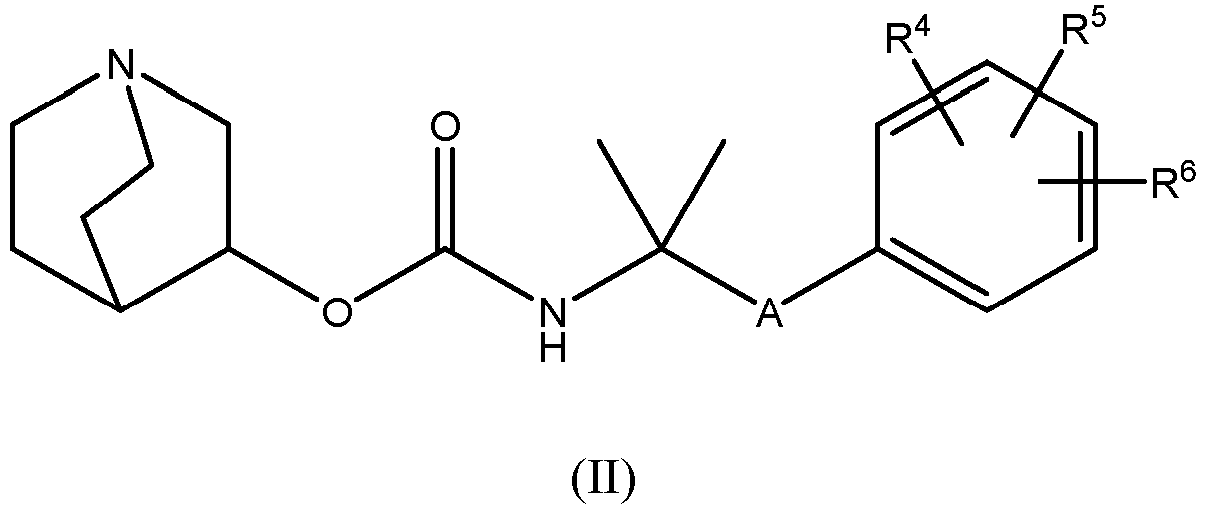
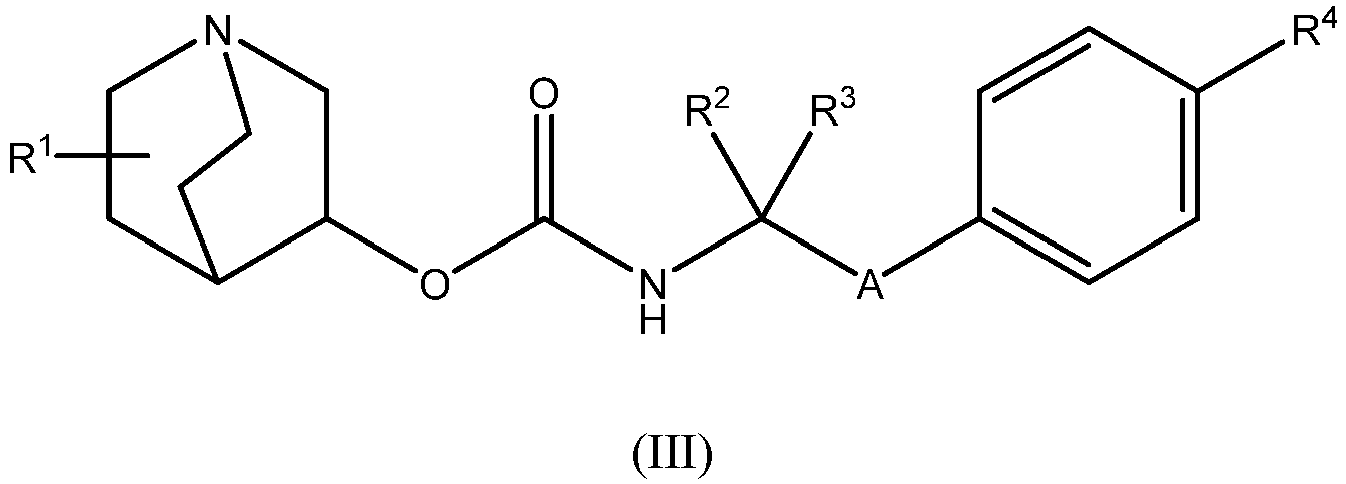


- The compound for use of any one of claims 1 to 5, wherein said compound is a compound of formula (IX) or (XI),


- The compound for use of any one of claims 1 to 6, wherein said compound is selected from: quinuclidin-3-yl (2-(4'-fluoro-[1,1'-biphenyl]-3-yl)propan-2-yl)carbamate; (S)-quinuclidin-3-yl (2-(2-(4-fluorophenyl)thiazol-4-yl)propan-2-yl)carbamate; (S)-quinuclidin-3-yl (2-(4'-(2-methoxyethoxy)-[1,1'-biphenyl]-4-yl)propan-2-yl)carbamate; and the pharmaceutically acceptable salts thereof.
- The compound for use of any one of claims 1 to 7, wherein the compound is (S)-quinuclidin-3-yl (2-(2-(4-fluorophenyl)thiazol-4-yl)propan-2-yl)carbamate in malate salt form.
- The compound for use of any one of claims 1 to 8, wherein the ciliopathy is selected from Joubert syndrome, Meckel-Gruber syndrome, Senior-Loken syndrome, Orofaciodigital syndrome type I, Leber's congenital amaurosis, Bardet-Biedl syndrome (BBS), Alström syndrome, Jeune asphyxiating thoracic dystrophy, Ellis van Creveld syndrome, Sensenbrenner syndrome and primary ciliary dyskinesia.
- The compound for use of claim 9, wherein the ciliopathy is selected from BBS, Joubert symdrome, Meckel-Gruber syndrome, and Senior-Loken syndrome.
- The compound for use of claim 9 or claim 10, wherein the ciliopathy is BBS.
- The compound for use of any one of claims 1 to 11, wherein said subject is a mammal, e.g. a human.
- The compound for use of any one of claims 1 to 12, wherein said compound, or pharmaceutically acceptable salt thereof, is administered by systemic administration, e.g. via a non-parenteral route.
- The compound for use of claim 13, wherein said compound, or pharmaceutically acceptable salt thereof, is administered orally.
Applications Claiming Priority (3)
| Application Number | Priority Date | Filing Date | Title |
|---|---|---|---|
| US201962800993P | 2019-02-04 | 2019-02-04 | |
| US201962851430P | 2019-05-22 | 2019-05-22 | |
| PCT/US2020/016588 WO2020163337A1 (en) | 2019-02-04 | 2020-02-04 | Treatment of ciliopathies using inhibitors of glucosylceramide synthase (gcs) |
Publications (2)
| Publication Number | Publication Date |
|---|---|
| EP3920912A1 EP3920912A1 (en) | 2021-12-15 |
| EP3920912B1 true EP3920912B1 (en) | 2025-06-11 |
Family
ID=69740838
Family Applications (1)
| Application Number | Title | Priority Date | Filing Date |
|---|---|---|---|
| EP20709049.9A Active EP3920912B1 (en) | 2019-02-04 | 2020-02-04 | Treatment of ciliopathies using inhibitors of glucosylceramide synthase (gcs) |
Country Status (10)
| Country | Link |
|---|---|
| US (1) | US12527776B2 (en) |
| EP (1) | EP3920912B1 (en) |
| JP (1) | JP7633169B2 (en) |
| CN (1) | CN114040762A (en) |
| AU (1) | AU2020218185B2 (en) |
| ES (1) | ES3040555T3 (en) |
| HU (1) | HUE072626T2 (en) |
| PL (1) | PL3920912T3 (en) |
| PT (1) | PT3920912T (en) |
| WO (1) | WO2020163337A1 (en) |
Families Citing this family (10)
| Publication number | Priority date | Publication date | Assignee | Title |
|---|---|---|---|---|
| MA37975B2 (en) | 2012-09-11 | 2021-03-31 | Genzyme Corp | Glucosylceramide synthase inhibitors |
| US12527776B2 (en) | 2019-02-04 | 2026-01-20 | Genzyme Corporation | Treatment of ciliopathies using inhibitors of glucosylceramide synthase (GCS) |
| EP4100009A1 (en) | 2020-02-03 | 2022-12-14 | Genzyme Corporation | Methods for treating neurological symptoms associated with lysosomal storage diseases |
| KR20230043024A (en) | 2020-07-24 | 2023-03-30 | 젠자임 코포레이션 | Pharmaceutical composition comprising benglustat |
| WO2022169004A1 (en) * | 2021-02-05 | 2022-08-11 | 연세대학교 산학협력단 | Composition for promoting ciliogenesis comprising novel fabp4 inhibitor as active ingredient |
| EP4201403A1 (en) | 2021-12-21 | 2023-06-28 | Som Innovation Biotech, S.L. | Compounds tirapazamine and quazinone for use in the treatment of gm2 gangliosidoses |
| CN115350278A (en) * | 2022-07-11 | 2022-11-18 | 清华大学 | Use of agent for increasing intracellular sphingolipid content in preparation of medicine for treating diseases related to ciliary abnormality |
| KR20250106321A (en) | 2022-12-01 | 2025-07-09 | 젠자임 코포레이션 | Benglustat in combination with strong or moderate CYP3A4 inhibitors |
| WO2025178019A1 (en) * | 2024-02-19 | 2025-08-28 | 国立大学法人大阪大学 | Pharmaceutical composition for treating ciliopathy |
| WO2025262570A1 (en) | 2024-06-17 | 2025-12-26 | Genzyme Corporation | Venglustat as an inhibitor of glucosylceramide synthase in subjects having hepatic impairment |
Citations (2)
| Publication number | Priority date | Publication date | Assignee | Title |
|---|---|---|---|---|
| WO2016145046A1 (en) * | 2015-03-10 | 2016-09-15 | Genzyme Corporation | Methods for treating proteinopathies |
| US20190015380A1 (en) * | 2017-07-17 | 2019-01-17 | Children's Hospital Medical Center | Cns-accessible pharmacological chaperones for treatment of acid beta-glucosidase-related disease states |
Family Cites Families (96)
| Publication number | Priority date | Publication date | Assignee | Title |
|---|---|---|---|---|
| GB725228A (en) | 1952-06-19 | 1955-03-02 | Roche Products Ltd | Substituted carbamic acid esters and process for the manufacture thereof |
| BE640616A (en) | 1962-12-19 | |||
| NL130759C (en) | 1965-10-07 | |||
| US3492397A (en) | 1967-04-07 | 1970-01-27 | Warner Lambert Pharmaceutical | Sustained release dosage in the pellet form and process thereof |
| US4060598A (en) | 1967-06-28 | 1977-11-29 | Boehringer Mannheim G.M.B.H. | Tablets coated with aqueous resin dispersions |
| US3538214A (en) | 1969-04-22 | 1970-11-03 | Merck & Co Inc | Controlled release medicinal tablets |
| US4173626A (en) | 1978-12-11 | 1979-11-06 | Merck & Co., Inc. | Sustained release indomethacin |
| US4593034A (en) | 1984-04-06 | 1986-06-03 | A. H. Robins Company, Inc. | 2-alkoxy-N-(1-azabicyclo[2.2.2]oct-3-yl)benzamides and thiobenzamides |
| US4683195A (en) | 1986-01-30 | 1987-07-28 | Cetus Corporation | Process for amplifying, detecting, and/or-cloning nucleic acid sequences |
| IE62231B1 (en) | 1987-12-24 | 1995-01-11 | Wyeth John & Brother Ltd | Heterocyclic compounds |
| DE3878235T2 (en) | 1988-08-04 | 1993-06-03 | Synthelabo | ANTISCHIZOPHREN EFFECTIVE S-N- (1-AZABICYCLO (2.2.2.) OCT-3-YL) BENZAMIDES AND THIOBENZAMIDES. |
| US5549892A (en) | 1988-12-23 | 1996-08-27 | Genzyme Corporation | Enhanced in vivo uptake of glucocerebrosidase |
| US5236838A (en) | 1988-12-23 | 1993-08-17 | Genzyme Corporation | Enzymatically active recombinant glucocerebrosidase |
| IT1228293B (en) | 1989-02-06 | 1991-06-07 | Angeli Inst Spa | BENZODERIVATES OF HETEROCYCLIC COMPOUNDS CONTAINING NITROGEN. |
| DK443489D0 (en) | 1989-09-08 | 1989-09-08 | Ferrosan As | SUBSTITUTED URINARY COMPOUNDS, THEIR PREPARATION AND USE |
| US5272071A (en) | 1989-12-22 | 1993-12-21 | Applied Research Systems Ars Holding N.V. | Method for the modification of the expression characteristics of an endogenous gene of a given cell line |
| GB9106571D0 (en) | 1991-03-27 | 1991-05-15 | Erba Carlo Spa | Derivatives of substituted imidazol-2-one and process for their preparation |
| US5968502A (en) | 1991-11-05 | 1999-10-19 | Transkaryotic Therapies, Inc. | Protein production and protein delivery |
| DE4326510A1 (en) | 1993-08-06 | 1995-02-09 | Bayer Ag | Process for the preparation of cyclohexene derivatives |
| WO1995021820A1 (en) | 1994-02-10 | 1995-08-17 | Yamanouchi Pharmaceutical Co., Ltd. | Novel carbamate derivative and medicinal composition containing the same |
| JPH08198751A (en) | 1995-01-19 | 1996-08-06 | Yamanouchi Pharmaceut Co Ltd | Carbamate derivative |
| US5668144A (en) | 1995-11-08 | 1997-09-16 | American Home Products Corporation | 1-azabicyclopheptane derivatives |
| SE9600683D0 (en) | 1996-02-23 | 1996-02-23 | Astra Ab | Azabicyclic esters of carbamic acids useful in therapy |
| TR199900185T2 (en) | 1996-07-29 | 1999-04-21 | Pharmacia & Upjohn Ab | Aricycloalkane carboxylic esters, their use, pharmacological compositions. |
| US6066626A (en) | 1997-10-29 | 2000-05-23 | Genzyme Corporation | Compositions and method for treating lysosomal storage disease |
| US5985836A (en) | 1998-07-31 | 1999-11-16 | Bayer Corporation | Alpha-1 proteinase inhibitor binding peptides |
| CN1332726A (en) | 1998-11-02 | 2002-01-23 | 卫福有限公司 | Pyrrolidine compounds and pharmaceutical use thereof |
| US6953855B2 (en) | 1998-12-11 | 2005-10-11 | Targacept, Inc. | 3-substituted-2(arylalkyl)-1-azabicycloalkanes and methods of use thereof |
| WO2000058313A1 (en) | 1999-03-29 | 2000-10-05 | Neurogen Corporation | 4-substituted quinoline derivatives as gaba receptor ligands |
| FR2791678B1 (en) | 1999-03-30 | 2001-05-04 | Synthelabo | 1,4-DIAZABICYCLO [3.2.2] NONANE-4-CARBOXYLATES AND -CARBOXAMIDES DERIVATIVES, THEIR PREPARATION AND THEIR THERAPEUTIC APPLICATION |
| WO2001057008A1 (en) | 2000-02-07 | 2001-08-09 | Abbott Gesellschaft Mit Beschrankter Haftung & Company Kommanditgesellschaft | 2-benzothiazolyl urea derivatives and their use as protein kinase inhibitors |
| GB0010955D0 (en) | 2000-05-05 | 2000-06-28 | Novartis Ag | Organic compounds |
| AU6610001A (en) | 2000-06-27 | 2002-01-08 | S A L V A T Lab Sa | Carbamates derived from arylalkylamines |
| KR100827937B1 (en) | 2000-07-19 | 2008-05-09 | 유니티카 가부시끼가이샤 | Physiologically functional foods or cosmetics containing sphingoglycolipids and methods for preparing the same |
| WO2002016356A2 (en) | 2000-08-18 | 2002-02-28 | Pharmacia & Upjohn Company | Quinuclidine-substituted aryl moieties for treatment of disease (nicotinic acetylcholine receptor ligands) |
| AU2001284646A1 (en) | 2000-08-21 | 2002-03-04 | Pharmacia And Upjohn Company | Quinuclidine-substituted heteroaryl moieties for treatment of disease |
| HUP0303529A3 (en) | 2000-12-22 | 2008-03-28 | Almirall Ag | New quinuclidine carbamate derivatives, process for their preparation and pharmaceutical compositions containing them and their use |
| ES2275808T3 (en) | 2001-02-06 | 2007-06-16 | Pfizer Products Inc. | PHARMACEUTICAL COMPOSITIONS FOR THE TREATMENT OF CNS DISORDERS AND OTHER DISORDERS. |
| JP2003267977A (en) | 2002-03-14 | 2003-09-25 | Yamanouchi Pharmaceut Co Ltd | Quinuclidine derivative |
| DE10211415A1 (en) | 2002-03-15 | 2003-09-25 | Bayer Ag | New azabicycloalkyl carboxylic acid N-biarylamides, are alpha-7-nicotinic acetylcholine receptor ligands useful for improving attention, concentration, learning and/or memory performance |
| ES2203327B1 (en) | 2002-06-21 | 2005-06-16 | Almirall Prodesfarma, S.A. | NEW QUINUCLIDINE CARBAMATES AND PHARMACEUTICAL COMPOSITIONS CONTAINING THEM. |
| US7985760B2 (en) | 2002-07-17 | 2011-07-26 | Actelion Pharmaceuticals Ltd. | Piperidinetriol derivatives as inhibitors of glycosyceramid synthase |
| JPWO2004011430A1 (en) | 2002-07-25 | 2005-11-24 | アステラス製薬株式会社 | Sodium channel inhibitor |
| SE0202430D0 (en) | 2002-08-14 | 2002-08-14 | Astrazeneca Ab | New Compounds |
| ES2462545T3 (en) | 2002-12-06 | 2014-05-23 | The Feinstein Institute For Medical Research | A procedure for the determination of a selective cholinergic agonist for a nicotinic alpha7 receptor |
| WO2004056744A1 (en) | 2002-12-23 | 2004-07-08 | Janssen Pharmaceutica N.V. | Adamantyl acetamides as hydroxysteroid dehydrogenase inhibitors |
| US20050031683A1 (en) | 2003-08-04 | 2005-02-10 | Ashish Kapoor | Solid pharmaceutical composition |
| TW200529860A (en) | 2003-12-22 | 2005-09-16 | Astrazeneca Ab | Nicotinic acetylcholine receptor ligands |
| GB0400812D0 (en) | 2004-01-14 | 2004-02-18 | Celltech R&D Ltd | Novel compounds |
| JP2007186422A (en) | 2004-01-28 | 2007-07-26 | Astellas Pharma Inc | Aryl sulfide derivatives |
| WO2006002375A2 (en) | 2004-06-23 | 2006-01-05 | The Feinstein Institute For Medical Research | Method of treating ileus by pharmacological activation of cholinergic receptors |
| JP2008519840A (en) | 2004-11-10 | 2008-06-12 | ジェンザイム・コーポレイション | How to treat diabetes |
| US20090131470A1 (en) | 2005-06-11 | 2009-05-21 | Vernalis R & D Limited | Pyrazole-substituted benzimidazole derivatives for use in the treatment of cancer and autoimmune disorders |
| KR20080048550A (en) | 2005-09-23 | 2008-06-02 | 메모리 파마슈티칼스 코포레이션 | Indazole, benzothiazole, benzoisothiazole, benzisoxazole, pyrazolopyridine, isothiazolopyridine, and their preparation and use |
| SG131819A1 (en) | 2005-11-07 | 2007-05-28 | Chikka Pte Ltd | Buddy-based cross-carrier messaging system |
| US20090170847A1 (en) | 2006-01-23 | 2009-07-02 | Seung Chul Lee | Imidazopyridine Derivatives Inhibiting Protein Kinase Activity, Method for the Preparation Thereof and Pharmaceutical Composition Containing Same |
| WO2007100430A2 (en) | 2006-01-27 | 2007-09-07 | Yale University | Cytisine and acetylcholine analogs and methods of treating mood disorders |
| US7840109B2 (en) | 2006-08-14 | 2010-11-23 | Adc Telecommunications, Inc. | Factory spliced cable assembly |
| BRPI0806972A2 (en) | 2007-02-09 | 2014-04-08 | Astellas Pharma Inc | CYCLIC COMPOUND CONTAINING AZO BRIDGE |
| EP2137156B1 (en) | 2007-03-09 | 2013-08-28 | Green Cross Corporation | Orally bioavailable prodrugs of (+)-3-hydroxymorphinan for parkinson's disease prevention or treatment |
| MX2009010557A (en) | 2007-03-30 | 2009-11-19 | Amicus Therapeutics Inc | Method for the treatment of fabry disease using pharmacological chaperones. |
| AU2008266960A1 (en) | 2007-06-20 | 2008-12-24 | Merck Sharp & Dohme Corp. | Diphenyl substituted alkanes |
| EP2211856A4 (en) | 2007-11-29 | 2011-02-09 | Hospital For Sick Children | COMPOSITIONS AND METHODS FOR TREATING LYSOSOMAL DISEASES |
| JP2011529500A (en) | 2008-07-28 | 2011-12-08 | ジェンザイム コーポレーション | Glucosylceramide synthase inhibition for the treatment of collapsing glomerulopathy and other glomerular diseases |
| EP2154136A1 (en) | 2008-08-08 | 2010-02-17 | CHIESI FARMACEUTICI S.p.A. | Quinuclidine carbonate derivatives and medicinal compositions thereof |
| WO2010091164A1 (en) | 2009-02-06 | 2010-08-12 | Exelixis, Inc. | Inhibitors of glucosylceramide synthase |
| WO2010091104A1 (en) | 2009-02-06 | 2010-08-12 | Exelixis, Inc. | Glucosylceramide synthase inhibitors |
| WO2010121963A1 (en) | 2009-04-21 | 2010-10-28 | Nerviano Medical Sciences S.R.L. | Resorcinol derivatives as hsp90 inhibitors |
| AR077468A1 (en) | 2009-07-09 | 2011-08-31 | Array Biopharma Inc | PIRAZOLO COMPOUNDS (1,5-A) PYRIMIDINE SUBSTITUTED AS TRK-QUINASA INHIBITORS |
| JP2012533601A (en) | 2009-07-23 | 2012-12-27 | ノバルティス アーゲー | Use of an azabicycloalkyl derivative or a pyrrolidin-2-one derivative for the treatment or prevention of ataxia |
| EP2470199B1 (en) | 2009-08-28 | 2019-05-22 | Icahn School of Medicine at Mount Sinai | Dose escalation enzyme replacement therapy for treating acid sphingomyelinase deficiency |
| US20110183938A1 (en) | 2009-12-16 | 2011-07-28 | Genentech, Inc. | 1,7-diazacarbazoles and methods of use |
| PT2568970T (en) | 2010-05-10 | 2019-02-11 | Lesvi Laboratorios Sl | Stable pharmaceutical formulations containing an antihistaminic |
| RU2436782C1 (en) | 2010-06-10 | 2011-12-20 | Новосибирский институт органической химии им. Н.Н. Ворожцова Сибирского отделения Российской академии наук (НИОХ СО РАН) | 2-METHOXY-4[(3aR,7aS)-3,3,6-TRIMETHYL-1,3,3a,4,5,7a-HEXAHYDRO-2-BENZOFURAN-1-YL]PHENOL - NOVEL AGENT FOR TREATING PARKINSON'S DISEASE |
| RU2643807C1 (en) | 2010-11-12 | 2018-02-06 | Сионоги Энд Ко., Лтд. | Crystals of 6,7-unsaturated-7-carbamoylmorphinane derivatives and method of their production |
| CN103917094B (en) | 2011-03-18 | 2016-11-09 | 建新公司 | Glucosylceramide Synthase Inhibitors |
| JP2014520126A (en) | 2011-06-22 | 2014-08-21 | イソケム | Method for producing solifenacin and salts thereof |
| US9845327B2 (en) | 2011-06-22 | 2017-12-19 | The General Hospital Corporation | Treatment of proteinopathies |
| EP2895187A4 (en) | 2012-09-11 | 2015-12-02 | Hospira Australia Pty Ltd | DAPTOMYCIN FORMULATIONS AND USES THEREOF |
| MA37975B2 (en) | 2012-09-11 | 2021-03-31 | Genzyme Corp | Glucosylceramide synthase inhibitors |
| TW201900625A (en) | 2013-03-15 | 2019-01-01 | 美商健臻公司 | Method for preparing glucosylceramide synthesis enzyme inhibitor |
| JO3713B1 (en) | 2013-03-15 | 2021-01-31 | Genzyme Corp | SALT FORMS OF (S)-Quinuclidin-3-yl (2-(2-(4-fluorophenyl)thiazol-4-yl)propan-2-yl)carbamate |
| ES2871416T3 (en) | 2013-12-11 | 2021-10-28 | Genzyme Corp | Glucosylceramide synthase inhibitors |
| JP6895963B2 (en) | 2015-11-18 | 2021-06-30 | ジェンザイム・コーポレーション | Biomarkers for polycystic kidney disease and their use |
| WO2017135753A1 (en) | 2016-02-05 | 2017-08-10 | 경북대학교 산학협력단 | Pharmaceutical composition containing stem cell in which vascular endothelial growth factor is overexpressed as effective ingredient for preventing or treating neurodegenerative disease |
| WO2017192841A1 (en) | 2016-05-04 | 2017-11-09 | Lysosomal Therapeutics Inc. | Methods of treatment and combination therapies using gcase activator heterobicyclic and related compounds |
| EP3318277A1 (en) | 2016-11-04 | 2018-05-09 | Institut du Cerveau et de la Moelle Epiniere-ICM | Inhibitors of glucosylceramide synthase for the treatment of motor neuron diseases |
| US12472144B2 (en) | 2017-08-08 | 2025-11-18 | Amneal Pharmaceuticals Llc | Pharmaceutical composition comprising eliglustat |
| US10519157B2 (en) | 2018-02-09 | 2019-12-31 | X-Cutag Therapeutics, Inc. | Deuterated compounds for treating Fabry, Gaucher, Parkinson's and related diseases and conditions, and compositions and methods thereof |
| WO2020163244A1 (en) | 2019-02-04 | 2020-08-13 | Genzyme Corporation | Methods for treating symptoms and disorders associated with lysosomal storage diseases |
| AU2020218158B2 (en) | 2019-02-04 | 2023-08-03 | Prilenia Neurotherapeutics Ltd. | Low dose pridopidine for Parkinson's Disease and other diseases associated with parkinsonism |
| US12527776B2 (en) | 2019-02-04 | 2026-01-20 | Genzyme Corporation | Treatment of ciliopathies using inhibitors of glucosylceramide synthase (GCS) |
| WO2021061701A1 (en) | 2019-09-25 | 2021-04-01 | Teva Pharmaceuticals International Gmbh | Solid state forms of lucerastat salts and process for preparation thereof |
| EP4100009A1 (en) | 2020-02-03 | 2022-12-14 | Genzyme Corporation | Methods for treating neurological symptoms associated with lysosomal storage diseases |
| KR20230043024A (en) | 2020-07-24 | 2023-03-30 | 젠자임 코포레이션 | Pharmaceutical composition comprising benglustat |
| MX2023001285A (en) | 2020-07-30 | 2023-02-22 | Genzyme Corp | Methods for reducing glycosphingolipid concentration in brain tissue and methods of treatment of neurodegenerative diseases involving the same. |
-
2020
- 2020-02-04 US US17/428,502 patent/US12527776B2/en active Active
- 2020-02-04 EP EP20709049.9A patent/EP3920912B1/en active Active
- 2020-02-04 WO PCT/US2020/016588 patent/WO2020163337A1/en not_active Ceased
- 2020-02-04 ES ES20709049T patent/ES3040555T3/en active Active
- 2020-02-04 HU HUE20709049A patent/HUE072626T2/en unknown
- 2020-02-04 CN CN202080025851.5A patent/CN114040762A/en active Pending
- 2020-02-04 JP JP2021545384A patent/JP7633169B2/en active Active
- 2020-02-04 PL PL20709049.9T patent/PL3920912T3/en unknown
- 2020-02-04 AU AU2020218185A patent/AU2020218185B2/en active Active
- 2020-02-04 PT PT207090499T patent/PT3920912T/en unknown
Patent Citations (2)
| Publication number | Priority date | Publication date | Assignee | Title |
|---|---|---|---|---|
| WO2016145046A1 (en) * | 2015-03-10 | 2016-09-15 | Genzyme Corporation | Methods for treating proteinopathies |
| US20190015380A1 (en) * | 2017-07-17 | 2019-01-17 | Children's Hospital Medical Center | Cns-accessible pharmacological chaperones for treatment of acid beta-glucosidase-related disease states |
Also Published As
| Publication number | Publication date |
|---|---|
| CN114040762A (en) | 2022-02-11 |
| PT3920912T (en) | 2025-09-09 |
| US20220110922A1 (en) | 2022-04-14 |
| HUE072626T2 (en) | 2025-11-28 |
| AU2020218185B2 (en) | 2025-01-23 |
| EP3920912A1 (en) | 2021-12-15 |
| AU2020218185A1 (en) | 2021-08-26 |
| JP2022519131A (en) | 2022-03-18 |
| WO2020163337A1 (en) | 2020-08-13 |
| US12527776B2 (en) | 2026-01-20 |
| CA3128043A1 (en) | 2020-08-13 |
| JP7633169B2 (en) | 2025-02-19 |
| PL3920912T3 (en) | 2025-11-12 |
| ES3040555T3 (en) | 2025-11-03 |
Similar Documents
| Publication | Publication Date | Title |
|---|---|---|
| US12527776B2 (en) | Treatment of ciliopathies using inhibitors of glucosylceramide synthase (GCS) | |
| CN103037692B (en) | Methods for inhibiting muscle atrophy | |
| JP2020189873A (en) | Amorphous and crystalline GENZ112638 hemi tartrate as an inhibitor of glucosylceramide synthase | |
| US12083115B2 (en) | Methods for treating neurological symptoms associated with lysosomal storage diseases | |
| JP2018076332A (en) | EFFECTIVE AMOUNTS OF (3aR)-1,3a,8-TRIMETHYL-1,2,3,3a,8,8a-HEXAHYDROPYRROLO[2,3-b]INDOL-5-YL PHENYLCARBAMATE AND METHODS OF USING THE SAME | |
| AU2020218496B2 (en) | Methods for treating symptoms and disorders associated with lysosomal storage diseases | |
| CA3128043C (en) | Treatment of ciliopathies using inhibitors of glucosylceramide synthase (gcs) | |
| CN1720051A (en) | Fat regulation | |
| US11911442B2 (en) | Use of soluble pro(renin) receptor to treat metabolic disorders and related conditions | |
| EP3991795A1 (en) | Novel use of nicotinamide mononucleotide (nmn) and nicotinamide riboside (nr) | |
| RU2829786C2 (en) | Methods of treating symptoms and disorders associated with lysosomal storage diseases | |
| CA3128041C (en) | Methods for treating symptoms and disorders associated with lysosomal storage diseases | |
| RU2824599C2 (en) | Methods of treating symptoms and disorders associated with lysosomal storage diseases | |
| JP2025515507A (en) | Methods for Producing Insulin-Producing Cells |
Legal Events
| Date | Code | Title | Description |
|---|---|---|---|
| STAA | Information on the status of an ep patent application or granted ep patent |
Free format text: STATUS: UNKNOWN |
|
| STAA | Information on the status of an ep patent application or granted ep patent |
Free format text: STATUS: THE INTERNATIONAL PUBLICATION HAS BEEN MADE |
|
| PUAI | Public reference made under article 153(3) epc to a published international application that has entered the european phase |
Free format text: ORIGINAL CODE: 0009012 |
|
| STAA | Information on the status of an ep patent application or granted ep patent |
Free format text: STATUS: REQUEST FOR EXAMINATION WAS MADE |
|
| 17P | Request for examination filed |
Effective date: 20210903 |
|
| AK | Designated contracting states |
Kind code of ref document: A1 Designated state(s): AL AT BE BG CH CY CZ DE DK EE ES FI FR GB GR HR HU IE IS IT LI LT LU LV MC MK MT NL NO PL PT RO RS SE SI SK SM TR |
|
| DAV | Request for validation of the european patent (deleted) | ||
| DAX | Request for extension of the european patent (deleted) | ||
| STAA | Information on the status of an ep patent application or granted ep patent |
Free format text: STATUS: EXAMINATION IS IN PROGRESS |
|
| 17Q | First examination report despatched |
Effective date: 20230703 |
|
| GRAP | Despatch of communication of intention to grant a patent |
Free format text: ORIGINAL CODE: EPIDOSNIGR1 |
|
| STAA | Information on the status of an ep patent application or granted ep patent |
Free format text: STATUS: GRANT OF PATENT IS INTENDED |
|
| INTG | Intention to grant announced |
Effective date: 20241203 |
|
| GRAS | Grant fee paid |
Free format text: ORIGINAL CODE: EPIDOSNIGR3 |
|
| RAP3 | Party data changed (applicant data changed or rights of an application transferred) |
Owner name: GENZYME CORPORATION |
|
| GRAA | (expected) grant |
Free format text: ORIGINAL CODE: 0009210 |
|
| STAA | Information on the status of an ep patent application or granted ep patent |
Free format text: STATUS: THE PATENT HAS BEEN GRANTED |
|
| P01 | Opt-out of the competence of the unified patent court (upc) registered |
Free format text: CASE NUMBER: APP_16390/2025 Effective date: 20250403 |
|
| AK | Designated contracting states |
Kind code of ref document: B1 Designated state(s): AL AT BE BG CH CY CZ DE DK EE ES FI FR GB GR HR HU IE IS IT LI LT LU LV MC MK MT NL NO PL PT RO RS SE SI SK SM TR |
|
| REG | Reference to a national code |
Ref country code: GB Ref legal event code: FG4D |
|
| REG | Reference to a national code |
Ref country code: CH Ref legal event code: EP |
|
| REG | Reference to a national code |
Ref country code: DE Ref legal event code: R096 Ref document number: 602020052587 Country of ref document: DE |
|
| REG | Reference to a national code |
Ref country code: IE Ref legal event code: FG4D |
|
| REG | Reference to a national code |
Ref country code: PT Ref legal event code: SC4A Ref document number: 3920912 Country of ref document: PT Date of ref document: 20250909 Kind code of ref document: T Free format text: AVAILABILITY OF NATIONAL TRANSLATION Effective date: 20250903 |
|
| REG | Reference to a national code |
Ref country code: NL Ref legal event code: FP |
|
| PG25 | Lapsed in a contracting state [announced via postgrant information from national office to epo] |
Ref country code: FI Free format text: LAPSE BECAUSE OF FAILURE TO SUBMIT A TRANSLATION OF THE DESCRIPTION OR TO PAY THE FEE WITHIN THE PRESCRIBED TIME-LIMIT Effective date: 20250611 |
|
| REG | Reference to a national code |
Ref country code: LT Ref legal event code: MG9D |
|
| PG25 | Lapsed in a contracting state [announced via postgrant information from national office to epo] |
Ref country code: NO Free format text: LAPSE BECAUSE OF FAILURE TO SUBMIT A TRANSLATION OF THE DESCRIPTION OR TO PAY THE FEE WITHIN THE PRESCRIBED TIME-LIMIT Effective date: 20250911 |
|
| PG25 | Lapsed in a contracting state [announced via postgrant information from national office to epo] |
Ref country code: BG Free format text: LAPSE BECAUSE OF FAILURE TO SUBMIT A TRANSLATION OF THE DESCRIPTION OR TO PAY THE FEE WITHIN THE PRESCRIBED TIME-LIMIT Effective date: 20250611 |
|
| PG25 | Lapsed in a contracting state [announced via postgrant information from national office to epo] |
Ref country code: HR Free format text: LAPSE BECAUSE OF FAILURE TO SUBMIT A TRANSLATION OF THE DESCRIPTION OR TO PAY THE FEE WITHIN THE PRESCRIBED TIME-LIMIT Effective date: 20250611 |
|
| PG25 | Lapsed in a contracting state [announced via postgrant information from national office to epo] |
Ref country code: RS Free format text: LAPSE BECAUSE OF FAILURE TO SUBMIT A TRANSLATION OF THE DESCRIPTION OR TO PAY THE FEE WITHIN THE PRESCRIBED TIME-LIMIT Effective date: 20250911 |
|
| PG25 | Lapsed in a contracting state [announced via postgrant information from national office to epo] |
Ref country code: LV Free format text: LAPSE BECAUSE OF FAILURE TO SUBMIT A TRANSLATION OF THE DESCRIPTION OR TO PAY THE FEE WITHIN THE PRESCRIBED TIME-LIMIT Effective date: 20250611 |
|
| REG | Reference to a national code |
Ref country code: GR Ref legal event code: EP Ref document number: 20250401806 Country of ref document: GR Effective date: 20251009 |
|
| REG | Reference to a national code |
Ref country code: ES Ref legal event code: FG2A Ref document number: 3040555 Country of ref document: ES Kind code of ref document: T3 Effective date: 20251103 |
|
| REG | Reference to a national code |
Ref country code: HU Ref legal event code: AG4A Ref document number: E072626 Country of ref document: HU |
|
| PG25 | Lapsed in a contracting state [announced via postgrant information from national office to epo] |
Ref country code: IS Free format text: LAPSE BECAUSE OF FAILURE TO SUBMIT A TRANSLATION OF THE DESCRIPTION OR TO PAY THE FEE WITHIN THE PRESCRIBED TIME-LIMIT Effective date: 20251011 |
|
| PGFP | Annual fee paid to national office [announced via postgrant information from national office to epo] |
Ref country code: GB Payment date: 20251211 Year of fee payment: 7 |
|
| PG25 | Lapsed in a contracting state [announced via postgrant information from national office to epo] |
Ref country code: SM Free format text: LAPSE BECAUSE OF FAILURE TO SUBMIT A TRANSLATION OF THE DESCRIPTION OR TO PAY THE FEE WITHIN THE PRESCRIBED TIME-LIMIT Effective date: 20250611 |
|
| PGFP | Annual fee paid to national office [announced via postgrant information from national office to epo] |
Ref country code: NL Payment date: 20251215 Year of fee payment: 7 Ref country code: FR Payment date: 20251208 Year of fee payment: 7 |
|
| PGFP | Annual fee paid to national office [announced via postgrant information from national office to epo] |
Ref country code: PL Payment date: 20251212 Year of fee payment: 7 |
|
| PG25 | Lapsed in a contracting state [announced via postgrant information from national office to epo] |
Ref country code: EE Free format text: LAPSE BECAUSE OF FAILURE TO SUBMIT A TRANSLATION OF THE DESCRIPTION OR TO PAY THE FEE WITHIN THE PRESCRIBED TIME-LIMIT Effective date: 20250611 |
|
| PG25 | Lapsed in a contracting state [announced via postgrant information from national office to epo] |
Ref country code: SK Free format text: LAPSE BECAUSE OF FAILURE TO SUBMIT A TRANSLATION OF THE DESCRIPTION OR TO PAY THE FEE WITHIN THE PRESCRIBED TIME-LIMIT Effective date: 20250611 |
|
| REG | Reference to a national code |
Ref country code: CH Ref legal event code: U11 Free format text: ST27 STATUS EVENT CODE: U-0-0-U10-U11 (AS PROVIDED BY THE NATIONAL OFFICE) Effective date: 20260301 |
|
| REG | Reference to a national code |
Ref country code: DE Ref legal event code: R097 Ref document number: 602020052587 Country of ref document: DE |
|
| PGFP | Annual fee paid to national office [announced via postgrant information from national office to epo] |
Ref country code: HU Payment date: 20260122 Year of fee payment: 7 |
|
| PGFP | Annual fee paid to national office [announced via postgrant information from national office to epo] |
Ref country code: ES Payment date: 20260310 Year of fee payment: 7 |
|
| PG25 | Lapsed in a contracting state [announced via postgrant information from national office to epo] |
Ref country code: DK Free format text: LAPSE BECAUSE OF FAILURE TO SUBMIT A TRANSLATION OF THE DESCRIPTION OR TO PAY THE FEE WITHIN THE PRESCRIBED TIME-LIMIT Effective date: 20250611 |
|
| PGFP | Annual fee paid to national office [announced via postgrant information from national office to epo] |
Ref country code: DE Payment date: 20251210 Year of fee payment: 7 |
|
| PGFP | Annual fee paid to national office [announced via postgrant information from national office to epo] |
Ref country code: AT Payment date: 20260127 Year of fee payment: 7 |
|
| PGFP | Annual fee paid to national office [announced via postgrant information from national office to epo] |
Ref country code: RO Payment date: 20260112 Year of fee payment: 7 Ref country code: BE Payment date: 20260105 Year of fee payment: 7 Ref country code: IT Payment date: 20260122 Year of fee payment: 7 |
|
| PLBE | No opposition filed within time limit |
Free format text: ORIGINAL CODE: 0009261 |
|
| STAA | Information on the status of an ep patent application or granted ep patent |
Free format text: STATUS: NO OPPOSITION FILED WITHIN TIME LIMIT |
|
| PGFP | Annual fee paid to national office [announced via postgrant information from national office to epo] |
Ref country code: TR Payment date: 20260203 Year of fee payment: 7 |
|
| PGFP | Annual fee paid to national office [announced via postgrant information from national office to epo] |
Ref country code: PT Payment date: 20260203 Year of fee payment: 7 Ref country code: CZ Payment date: 20260119 Year of fee payment: 7 Ref country code: CH Payment date: 20260301 Year of fee payment: 7 |
|
| REG | Reference to a national code |
Ref country code: CH Ref legal event code: L10 Free format text: ST27 STATUS EVENT CODE: U-0-0-L10-L00 (AS PROVIDED BY THE NATIONAL OFFICE) Effective date: 20260423 |
|
| PGFP | Annual fee paid to national office [announced via postgrant information from national office to epo] |
Ref country code: GR Payment date: 20260114 Year of fee payment: 7 |