EP3917527B1 - Compounds and uses thereof - Google Patents
Compounds and uses thereof Download PDFInfo
- Publication number
- EP3917527B1 EP3917527B1 EP20749261.2A EP20749261A EP3917527B1 EP 3917527 B1 EP3917527 B1 EP 3917527B1 EP 20749261 A EP20749261 A EP 20749261A EP 3917527 B1 EP3917527 B1 EP 3917527B1
- Authority
- EP
- European Patent Office
- Prior art keywords
- cancer
- optionally substituted
- compound
- μmol
- mmol
- Prior art date
- Legal status (The legal status is an assumption and is not a legal conclusion. Google has not performed a legal analysis and makes no representation as to the accuracy of the status listed.)
- Active
Links
Images




Classifications
-
- A—HUMAN NECESSITIES
- A61—MEDICAL OR VETERINARY SCIENCE; HYGIENE
- A61K—PREPARATIONS FOR MEDICAL, DENTAL OR TOILETRY PURPOSES
- A61K45/00—Medicinal preparations containing active ingredients not provided for in groups A61K31/00 - A61K41/00
- A61K45/06—Mixtures of active ingredients without chemical characterisation, e.g. antiphlogistics and cardiaca
-
- A—HUMAN NECESSITIES
- A61—MEDICAL OR VETERINARY SCIENCE; HYGIENE
- A61K—PREPARATIONS FOR MEDICAL, DENTAL OR TOILETRY PURPOSES
- A61K31/00—Medicinal preparations containing organic active ingredients
- A61K31/33—Heterocyclic compounds
- A61K31/395—Heterocyclic compounds having nitrogen as a ring hetero atom, e.g. guanethidine or rifamycins
- A61K31/41—Heterocyclic compounds having nitrogen as a ring hetero atom, e.g. guanethidine or rifamycins having five-membered rings with two or more ring hetero atoms, at least one of which being nitrogen, e.g. tetrazole
- A61K31/425—Thiazoles
- A61K31/427—Thiazoles not condensed and containing further heterocyclic rings
-
- A—HUMAN NECESSITIES
- A61—MEDICAL OR VETERINARY SCIENCE; HYGIENE
- A61K—PREPARATIONS FOR MEDICAL, DENTAL OR TOILETRY PURPOSES
- A61K31/00—Medicinal preparations containing organic active ingredients
- A61K31/33—Heterocyclic compounds
- A61K31/395—Heterocyclic compounds having nitrogen as a ring hetero atom, e.g. guanethidine or rifamycins
- A61K31/435—Heterocyclic compounds having nitrogen as a ring hetero atom, e.g. guanethidine or rifamycins having six-membered rings with one nitrogen as the only ring hetero atom
- A61K31/44—Non condensed pyridines; Hydrogenated derivatives thereof
- A61K31/4427—Non condensed pyridines; Hydrogenated derivatives thereof containing further heterocyclic ring systems
- A61K31/444—Non condensed pyridines; Hydrogenated derivatives thereof containing further heterocyclic ring systems containing a six-membered ring with nitrogen as a ring heteroatom, e.g. amrinone
-
- A—HUMAN NECESSITIES
- A61—MEDICAL OR VETERINARY SCIENCE; HYGIENE
- A61K—PREPARATIONS FOR MEDICAL, DENTAL OR TOILETRY PURPOSES
- A61K31/00—Medicinal preparations containing organic active ingredients
- A61K31/33—Heterocyclic compounds
- A61K31/395—Heterocyclic compounds having nitrogen as a ring hetero atom, e.g. guanethidine or rifamycins
- A61K31/435—Heterocyclic compounds having nitrogen as a ring hetero atom, e.g. guanethidine or rifamycins having six-membered rings with one nitrogen as the only ring hetero atom
- A61K31/44—Non condensed pyridines; Hydrogenated derivatives thereof
- A61K31/445—Non condensed piperidines, e.g. piperocaine
- A61K31/4523—Non condensed piperidines, e.g. piperocaine containing further heterocyclic ring systems
- A61K31/454—Non condensed piperidines, e.g. piperocaine containing further heterocyclic ring systems containing a five-membered ring with nitrogen as a ring hetero atom, e.g. pimozide, domperidone
-
- A—HUMAN NECESSITIES
- A61—MEDICAL OR VETERINARY SCIENCE; HYGIENE
- A61K—PREPARATIONS FOR MEDICAL, DENTAL OR TOILETRY PURPOSES
- A61K31/00—Medicinal preparations containing organic active ingredients
- A61K31/33—Heterocyclic compounds
- A61K31/395—Heterocyclic compounds having nitrogen as a ring hetero atom, e.g. guanethidine or rifamycins
- A61K31/535—Heterocyclic compounds having nitrogen as a ring hetero atom, e.g. guanethidine or rifamycins having six-membered rings with at least one nitrogen and one oxygen as the ring hetero atoms, e.g. 1,2-oxazines
- A61K31/5375—1,4-Oxazines, e.g. morpholine
- A61K31/5377—1,4-Oxazines, e.g. morpholine not condensed and containing further heterocyclic rings, e.g. timolol
-
- A—HUMAN NECESSITIES
- A61—MEDICAL OR VETERINARY SCIENCE; HYGIENE
- A61P—SPECIFIC THERAPEUTIC ACTIVITY OF CHEMICAL COMPOUNDS OR MEDICINAL PREPARATIONS
- A61P35/00—Antineoplastic agents
-
- C—CHEMISTRY; METALLURGY
- C07—ORGANIC CHEMISTRY
- C07D—HETEROCYCLIC COMPOUNDS
- C07D417/00—Heterocyclic compounds containing two or more hetero rings, at least one ring having nitrogen and sulfur atoms as the only ring hetero atoms, not provided for by group C07D415/00
- C07D417/02—Heterocyclic compounds containing two or more hetero rings, at least one ring having nitrogen and sulfur atoms as the only ring hetero atoms, not provided for by group C07D415/00 containing two hetero rings
- C07D417/12—Heterocyclic compounds containing two or more hetero rings, at least one ring having nitrogen and sulfur atoms as the only ring hetero atoms, not provided for by group C07D415/00 containing two hetero rings linked by a chain containing hetero atoms as chain links
-
- C—CHEMISTRY; METALLURGY
- C07—ORGANIC CHEMISTRY
- C07D—HETEROCYCLIC COMPOUNDS
- C07D417/00—Heterocyclic compounds containing two or more hetero rings, at least one ring having nitrogen and sulfur atoms as the only ring hetero atoms, not provided for by group C07D415/00
- C07D417/14—Heterocyclic compounds containing two or more hetero rings, at least one ring having nitrogen and sulfur atoms as the only ring hetero atoms, not provided for by group C07D415/00 containing three or more hetero rings
-
- C—CHEMISTRY; METALLURGY
- C07—ORGANIC CHEMISTRY
- C07D—HETEROCYCLIC COMPOUNDS
- C07D471/00—Heterocyclic compounds containing nitrogen atoms as the only ring hetero atoms in the condensed system, at least one ring being a six-membered ring with one nitrogen atom, not provided for by groups C07D451/00 - C07D463/00
- C07D471/02—Heterocyclic compounds containing nitrogen atoms as the only ring hetero atoms in the condensed system, at least one ring being a six-membered ring with one nitrogen atom, not provided for by groups C07D451/00 - C07D463/00 in which the condensed system contains two hetero rings
- C07D471/04—Ortho-condensed systems
-
- C—CHEMISTRY; METALLURGY
- C07—ORGANIC CHEMISTRY
- C07D—HETEROCYCLIC COMPOUNDS
- C07D487/00—Heterocyclic compounds containing nitrogen atoms as the only ring hetero atoms in the condensed system, not provided for by groups C07D451/00 - C07D477/00
- C07D487/02—Heterocyclic compounds containing nitrogen atoms as the only ring hetero atoms in the condensed system, not provided for by groups C07D451/00 - C07D477/00 in which the condensed system contains two hetero rings
- C07D487/04—Ortho-condensed systems
-
- C—CHEMISTRY; METALLURGY
- C07—ORGANIC CHEMISTRY
- C07D—HETEROCYCLIC COMPOUNDS
- C07D491/00—Heterocyclic compounds containing in the condensed ring system both one or more rings having oxygen atoms as the only ring hetero atoms and one or more rings having nitrogen atoms as the only ring hetero atoms, not provided for by groups C07D451/00 - C07D459/00, C07D463/00, C07D477/00 or C07D489/00
- C07D491/02—Heterocyclic compounds containing in the condensed ring system both one or more rings having oxygen atoms as the only ring hetero atoms and one or more rings having nitrogen atoms as the only ring hetero atoms, not provided for by groups C07D451/00 - C07D459/00, C07D463/00, C07D477/00 or C07D489/00 in which the condensed system contains two hetero rings
- C07D491/04—Ortho-condensed systems
- C07D491/044—Ortho-condensed systems with only one oxygen atom as ring hetero atom in the oxygen-containing ring
- C07D491/048—Ortho-condensed systems with only one oxygen atom as ring hetero atom in the oxygen-containing ring the oxygen-containing ring being five-membered
-
- C—CHEMISTRY; METALLURGY
- C07—ORGANIC CHEMISTRY
- C07D—HETEROCYCLIC COMPOUNDS
- C07D491/00—Heterocyclic compounds containing in the condensed ring system both one or more rings having oxygen atoms as the only ring hetero atoms and one or more rings having nitrogen atoms as the only ring hetero atoms, not provided for by groups C07D451/00 - C07D459/00, C07D463/00, C07D477/00 or C07D489/00
- C07D491/02—Heterocyclic compounds containing in the condensed ring system both one or more rings having oxygen atoms as the only ring hetero atoms and one or more rings having nitrogen atoms as the only ring hetero atoms, not provided for by groups C07D451/00 - C07D459/00, C07D463/00, C07D477/00 or C07D489/00 in which the condensed system contains two hetero rings
- C07D491/04—Ortho-condensed systems
- C07D491/044—Ortho-condensed systems with only one oxygen atom as ring hetero atom in the oxygen-containing ring
- C07D491/052—Ortho-condensed systems with only one oxygen atom as ring hetero atom in the oxygen-containing ring the oxygen-containing ring being six-membered
-
- C—CHEMISTRY; METALLURGY
- C07—ORGANIC CHEMISTRY
- C07D—HETEROCYCLIC COMPOUNDS
- C07D491/00—Heterocyclic compounds containing in the condensed ring system both one or more rings having oxygen atoms as the only ring hetero atoms and one or more rings having nitrogen atoms as the only ring hetero atoms, not provided for by groups C07D451/00 - C07D459/00, C07D463/00, C07D477/00 or C07D489/00
- C07D491/02—Heterocyclic compounds containing in the condensed ring system both one or more rings having oxygen atoms as the only ring hetero atoms and one or more rings having nitrogen atoms as the only ring hetero atoms, not provided for by groups C07D451/00 - C07D459/00, C07D463/00, C07D477/00 or C07D489/00 in which the condensed system contains two hetero rings
- C07D491/08—Bridged systems
-
- C—CHEMISTRY; METALLURGY
- C07—ORGANIC CHEMISTRY
- C07D—HETEROCYCLIC COMPOUNDS
- C07D491/00—Heterocyclic compounds containing in the condensed ring system both one or more rings having oxygen atoms as the only ring hetero atoms and one or more rings having nitrogen atoms as the only ring hetero atoms, not provided for by groups C07D451/00 - C07D459/00, C07D463/00, C07D477/00 or C07D489/00
- C07D491/02—Heterocyclic compounds containing in the condensed ring system both one or more rings having oxygen atoms as the only ring hetero atoms and one or more rings having nitrogen atoms as the only ring hetero atoms, not provided for by groups C07D451/00 - C07D459/00, C07D463/00, C07D477/00 or C07D489/00 in which the condensed system contains two hetero rings
- C07D491/10—Spiro-condensed systems
- C07D491/107—Spiro-condensed systems with only one oxygen atom as ring hetero atom in the oxygen-containing ring
-
- C—CHEMISTRY; METALLURGY
- C07—ORGANIC CHEMISTRY
- C07D—HETEROCYCLIC COMPOUNDS
- C07D498/00—Heterocyclic compounds containing in the condensed system at least one hetero ring having nitrogen and oxygen atoms as the only ring hetero atoms
- C07D498/02—Heterocyclic compounds containing in the condensed system at least one hetero ring having nitrogen and oxygen atoms as the only ring hetero atoms in which the condensed system contains two hetero rings
- C07D498/04—Ortho-condensed systems
-
- C—CHEMISTRY; METALLURGY
- C07—ORGANIC CHEMISTRY
- C07D—HETEROCYCLIC COMPOUNDS
- C07D498/00—Heterocyclic compounds containing in the condensed system at least one hetero ring having nitrogen and oxygen atoms as the only ring hetero atoms
- C07D498/02—Heterocyclic compounds containing in the condensed system at least one hetero ring having nitrogen and oxygen atoms as the only ring hetero atoms in which the condensed system contains two hetero rings
- C07D498/08—Bridged systems
-
- A—HUMAN NECESSITIES
- A61—MEDICAL OR VETERINARY SCIENCE; HYGIENE
- A61K—PREPARATIONS FOR MEDICAL, DENTAL OR TOILETRY PURPOSES
- A61K2300/00—Mixtures or combinations of active ingredients, wherein at least one active ingredient is fully defined in groups A61K31/00 - A61K41/00
Definitions
- the invention relates to compounds useful for modulating BRG1- or BRM-associated factors (BAF) complexes.
- BAF BRG1- or BRM-associated factors
- the invention relates to compounds useful for treatment of disorders associated with BAF complex function.
- ATP-dependent chromatin remodeling is a mechanism by which such gene expression occurs.
- the human Switch/Sucrose Non-Fermentable (SWI/SNF) chromatin remodeling complex also known as BAF complex, has two SWI2-like ATPases known as BRG1 (Brahma-related gene-1) and BRM (Brahma).
- BRG1 also known as ATP-dependent chromatin remodeler SMARCA4
- SMARCA4 also known as ATP-dependent chromatin remodeler SMARCA4
- BRG1 is overexpressed in some cancer tumors and is needed for cancer cell proliferation.
- BRM also known as probable global transcription activator SNF2L2 and/or ATP-dependent chromatin remodeler SMARCA2
- SMARCA2 is encoded by the SMARCA2 gene on chromosome 9 and has been shown to be essential for tumor cell growth in cells characterized by loss of BRG1 function mutations. Deactivation of BRG and/or BRM results in downstream effects in cells, including cell cycle arrest and tumor suppression.
- WO 2019/152437 A1 relates to compounds useful for modulating BRG1- or BRM- associated factors (BAF) complexes and the use of the compounds in the treatment of BAF complex-related disorders.
- WO 2021/155321 A2 relates to compounds useful for modulating BRG1 - or BRM-associated factors (BAF) complexes and the use of the compounds in the treatment of BAF complex-related disorders.
- WO 2020/127685 A1 relates to amino-acid anilides and derivatives thereof, to said compounds for use in therapy and to pharmaceutical compositions comprising said compounds.
- the present invention features compounds useful for modulating a BAF complex.
- the compounds are useful for the treatment of disorders associated with an alteration in a BAF complex, e.g., a disorder associated with an alteration in one or both of the BRG1 and BRM proteins.
- the compounds of the invention alone or in combination with other pharmaceutically active agents, can be used for treating such disorders.
- references to methods of treatment in the subsequent paragraphs of this description are to be interpreted as references to the compounds, pharmaceutical compositions and medicaments for use in a method of treatment of the human (or animal) body by therapy (or for diagnosis).
- the invention features a compound having the structure of Formula I:
- X, Y, and Z are CH; X is N and Y and Z are CH; Z is N and X and Y are CH; Y is N and X and Z are CH; X is CH and Y and Z are N; Z is CH and X and y are N; Y is CH and X and Z are N; or X, Y, and Z are N.
- the compound of Formula I has the structure of Formula la: or a pharmaceutically acceptable salt thereof.
- the compound of Formula I has the structure of Formula Ib: or a pharmaceutically acceptable salt thereof.
- the compound of Formula I has the structure of Formula Ic: or a pharmaceutically acceptable salt thereof.
- the compound of Formula I has the structure of Formula Id: or a pharmaceutically acceptable salt thereof.
- R 2 is H.
- R 5 is H. In other embodiments, R 5 is optionally substituted C 1 -C 6 alkyl, e.g., methyl.
- R 3 is H. In some embodiments, R 3 is optionally substituted C 1 -C 6 alkyl, e.g., R 3 is methyl.
- R 4 is H. In other embodiments, R 4 is optionally substituted C 1 -C 6 alkyl, e.g., methyl, tert-butyl, iso-propyl, iso-butyl, or tert-pentyl. In further embodiments, R 4 is optionally substituted C 1 -C 6 heteroalkyl, e.g., In some embodiments, R 4 is
- R 3 is H and R 4 is
- R 3 and R 4 together with the carbon atom to which each is attached, form optionally substituted C 3 -C 6 cycloalkyl.
- R 3 and R 4 together with the carbon atom to which each is attached, form C 3 -C 6 cycloalkyl.
- R 3 and R 4 together with the carbon atom to which each is attached, form
- Het is In further embodiments, Het is
- Het is
- L is absent. In some embodiments, L is optionally substituted C 1 -C 6 alkylene, e.g., L is further embodiments, L is optionally substituted C 1 -C 6 heteroalkylene, e.g., L is In some embodiments, L is In particular embodiments, L is optionally substituted C 2 -C 6 alkenylene, e.g.,
- A is optionally substituted C 6 -C 10 arylene, e.g.,
- A is optionally substituted C 2 -C 9 heteroarylene, e.g.,
- A is optionally substituted C 2 -C 9 heterocyclylene, e.g.,
- A is In some embodiments, A is In some embodiments, A is In some embodiments, A is
- B is H. In other embodiments, B is cyano. In further embodiments, B is optionally substituted C 6 -C 10 aryl, e.g., In still further embodiments, B is optionally substituted C 2 -C 9 heterocyclyl, e.g., In some embodiments, each one of R 9a , R 9b , R 9c , and R 9d is, independently, H, halogen, hydroxyl, optionally substituted C 1-6 alkyl, or optionally substituted C 1-6 heteroalkyl.
- B is mopholino. In some embodiments, B is In some embodiments, B is
- B is optionally substituted C 2 -C 9 heteroaryl, e.g.,
- R 1 is H. In other embodiments, R 1 is optionally substituted C 1 -C 6 acyl, e.g., acetyl. In further embodiments, R' is optionally substituted C 1 -C 6 alkyl, e.g., methyl, tert-butyl, iso-propyl, or In yet other embodiments, R 1 is optionally substituted C 1 -C 6 heteroalkyl, e.g., In some embodiments, R 1 is optionally substituted C 2 -C 9 heterocyclyl, e.g.,
- R 1 is -SO 2 R 6 .
- R 6 is optionally substituted C 1 -C 6 alkyl, e.g., methyl, iso-propyl, or
- R 6 is -NR 7 R 8 .
- R 7 is methyl.
- R 8 is methyl.
- the compound is any one of compounds 1-827 in Table 1. In some embodiments, the compound, or pharmaceutically acceptable salt thereof, has the structure of any one of compounds 1-421 in Table 1.
- the compound is any one of compounds 1-156 in Table 1. In other embodiments, the compound is any one of compounds 157-421 in Table 1. In some embodiments, the compound is any one of compounds 422-827 in Table 1.
- the compound is any one of compounds 1-776 in Table 1. In some embodiments, the compound is any one of compounds 777-819 in Table 1. In some embodiments, the compound is any one of compounds 820-827 in Table 1. Table 1. Compounds of the invention # Compound # Compound 1 415 2 416 3 417 4 418 5 419 6 420 7 421 8 422 9 423 10 424 11 425 12 426 13 427 14 428 15 429 16 430 17 431 18 432 19 433 20 434 21 435 22 436 23 437 24 438 25 439 26 440 27 441 28 442 29 443 30 444 31 445 32 446 33 447 34 448 35 449 36 450 37 451 38 452 39 453 40 454 41 455 42 456 43 457 44 458 45 459 46 460 47 461 48 462 49 463 50 464 51 465 52 466 53 467 54 468 55 469 56 470 57 471 58 472 59 473 60 474 61
- the invention features a pharmaceutical composition including any one of the above compounds and a pharmaceutically acceptable excipient.
- the invention features a method of decreasing the activity of a BAF complex in a cell, the method involving contacting the cell with an effective amount of any of the foregoing compounds or a pharmaceutical composition thereof.
- the cell is a cancer cell.
- the invention features any of the foregoing compounds or a pharmaceutical composition thereof for use in a method of treating cancer in a subject in need thereof, the method comprising administering to the subject an effective amount of the compound or pharmaceutical composition.
- the invention features a method of treating a BAF complex-related disorder in a subject in need thereof, the method involving administering to the subject an effective amount of any of the foregoing compounds or a pharmaceutical composition thereof.
- the BAF complex-related disorder is cancer.
- the invention features a method of inhibiting BRM, the method involving contacting a cell with an effective amount of any of the foregoing compounds or a pharmaceutical composition thereof.
- the cell is a cancer cell.
- the invention features a method of inhibiting BRG1, the method involving contacting the cell with an effective amount of any of the foregoing compounds or a pharmaceutical composition thereof.
- the cell is a cancer cell.
- the invention features a method of inhibiting BRM and BRG1, the method involving contacting the cell with an effective amount of any of the foregoing compounds or a pharmaceutical composition thereof.
- the cell is a cancer cell.
- the invention features a method of treating a disorder related to a BRG1 loss of function mutation in a subject in need thereof, the method involving administering to the subject an effective amount of any of the foregoing compounds or a pharmaceutical composition thereof.
- the disorder related to a BRG1 loss of function mutation is cancer.
- the subject is determined to have a BRG1 loss of function disorder, for example, is determined to have a BRG1 loss of function cancer (for example, the cancer has been determined to include cancer cells with loss of BRG1 function).
- the invention features a method of inducing apoptosis in a cell, the method involving contacting the cell with an effective amount of any of the foregoing compounds or a pharmaceutical composition thereof.
- the cell is a cancer cell.
- the invention features a method of treating cancer in a subject in need thereof, the method including administering to the subject an effective amount of any of the foregoing compounds or a pharmaceutical composition thereof.
- the cancer is non-small cell lung cancer, colorectal cancer, bladder cancer, cancer of unknown primary, glioma, breast cancer, melanoma, non-melanoma skin cancer, endometrial cancer, esophagogastric cancer, pancreatic cancer, hepatobiliary cancer, soft tissue sarcoma, ovarian cancer, head and neck cancer, renal cell carcinoma, bone cancer, non-Hodgkin lymphoma, small-cell lung cancer, prostate cancer, embryonal tumor, germ cell tumor, cervical cancer, thyroid cancer, salivary gland cancer, gastrointestinal neuroendocrine tumor, uterine sarcoma, gastrointestinal stromal tumor, CNS cancer, thymic tumor, Adrenocortical carcinoma, appendiceal cancer, small bowel cancer, or penile cancer.
- the cancer is non-small cell lung cancer, colorectal cancer, bladder cancer, cancer of unknown primary, glioma, breast cancer, melanoma, non-melanoma skin cancer, endometrial cancer, or penile cancer.
- the cancer is a drug resistant cancer or has failed to respond to a prior therapy (e.g., vemurafenib, dacarbazine, a CTLA4 inhibitor, a PD1 inhibitor, interferon therapy, a BRAF inhibitor, a MEK inhibitor, radiotherapy, temozolimide, irinotecan, a CAR-T therapy, herceptin, perjeta, tamoxifen, xeloda, docetaxol, platinum agents such as carboplatin, taxanes such as paclitaxel and docetaxel, ALK inhibitors, MET inihibitors, alimta, abraxane, Adriamycin ® , gemcitabine, avastin, halaven, neratinib, a PARP inhibitor, ARN810, an mTOR inhibitor, topotecan, gemzar, a VEGFR2 inhibitor, a folate receptor antagonist, dem
- a prior therapy e.g.,
- the cancer has or has been determined to have BRG1 mutations. In some embodiments of any of the foregoing methods, the BRG1 mutations are homozygous. In some embodiments of any of the foregoing methods, the cancer does not have, or has been determined not to have, an epidermal growth factor receptor (EGFR) mutation. In some embodiments of any of the foregoing methods, the cancer does not have, or has been determined not to have, an anaplastic lymphoma kinase (ALK) driver mutation. In some embodiments of any of the foregoing methods, the cancer has, or has been determined to have, a KRAS mutation.
- EGFR epidermal growth factor receptor
- ALK anaplastic lymphoma kinase
- the BRG1 mutation is in the ATPase catalytic domain of the protein. In some embodiments of any of the foregoing methods, the BRG1 mutation is a deletion at the C-terminus of BRG1.
- the disclosure provides a method treating a disorder related to BAF (e.g., cancer or viral infections) in a subject in need thereof.
- This method includes contacting a cell with an effective amount of any of the foregoing compounds, or pharmaceutically acceptable salts thereof, or any of the foregoing pharmaceutical compositions.
- the disorder is a viral infection is an infection with a virus of the Retroviridae family such as the lentiviruses (e.g., Human immunodeficiency virus (HIV) and deltaretroviruses (e.g., human T cell leukemia virus I (HTLV-I), human T cell leukemia virus II (HTLV-II)), Hepadnaviridae family (e.g., hepatitis B virus (HBV)), Flaviviridae family (e.g., hepatitis C virus (HCV)), Adenoviridae family (e.g., Human Adenovirus), Herpesviridae family (e.g., Human cytomegalovirus (HCMV), Epstein-Barr virus, herpes simplex virus 1 (HSV-1), herpes simplex virus 2 (HSV-2), human herpesvirus 6 (HHV-6), Herpesvitus K*, CMV, varicella-zoster virus), Pap
- the disclosure provides a method for treating a viral infection in a subject in need thereof.
- This method includes administering to the subject an effective amount of any of the foregoing compounds, or pharmaceutically acceptable salts thereof, or any of the foregoing pharmaceutical compositions.
- the viral infection is an infection with a virus of the Retroviridae family such as the lentiviruses (e.g., Human immunodeficiency virus (HIV) and deltaretroviruses (e.g., human T cell leukemia virus I (HTLV-I), human T cell leukemia virus II (HTLV-II)), Hepadnaviridae family (e.g., hepatitis B virus (HBV)), Flaviviridae family (e.g., hepatitis C virus (HCV)), Adenoviridae family (e.g., Human Adenovirus), Herpesviridae family (e.g., Human cytomegalovirus (HCMV), Epstein-Barr
- HIV Human
- the invention features a method of treating melanoma, prostate cancer, breast cancer, bone cancer, renal cell carcinoma, or a hematologic cancer in a subject in need thereof, the method including administering to the subject an effective amount of any of the foregoing compounds or pharmaceutical compositions thereof.
- the invention features a method of reducing tumor growth of melanoma, prostate cancer, breast cancer, bone cancer, renal cell carcinoma, or a hematologic cancer in a subject in need thereof, the method including administering to the subject an effective amount of any of the foregoing compounds or pharmaceutical compositions thereof.
- the invention features a method of suppressing metastatic progression of melanoma, prostate cancer, breast cancer, bone cancer, renal cell carcinoma, or a hematologic cancer in a subject, the method including administering an effective amount of any of the foregoing compounds or pharmaceutical compositions thereof.
- the invention features a method of suppressing metastatic colonization of melanoma, prostate cancer, breast cancer, bone cancer, renal cell carcinoma, or a hematologic cancer in a subject, the method including administering an effective amount of any of the foregoing compounds or pharmaceutical compositions thereof.
- the invention features a method of reducing the level and/or activity of BRG1 and/or BRM in a melanoma, prostate cancer, breast cancer, bone cancer, renal cell carcinoma, or hematologic cancer cell, the method including contacting the cell with an effective amount of any of the foregoing compounds or pharmaceutical compositions thereof.
- the melanoma, prostate cancer, breast cancer, bone cancer, renal cell carcinoma, or hematologic cell is in a subject.
- the effective amount of the compound reduces the level and/or activity of BRG1 by at least 5% (e.g., 6%, 7%, 8%, 9%, 10%, 15%, 20%, 25%, 30%, 35%, 40%, 45%, 50%, 55%, 60%, 65%, 70%, 75%, 80%, 85%, 90%, or 95%) as compared to a reference. In some embodiments, the effective amount of the compound that reduces the level and/or activity of BRG1 by at least 50% (e.g., 55%, 60%, 65%, 70%, 75%, 80%, 85%, 90%, or 95%) as compared to a reference. In some embodiments, the effective amount of the compound that reduces the level and/or activity of BRG1 by at least 90% (e.g., 91%, 92%, 93%, 94%, 95%, 96%, 97%, 98%, or 99%).
- 5% e.g., 6%, 7%, 8%, 9%, 10%, 15%, 20%, 25%, 30%, 3
- the effective amount of the compound reduces the level and/or activity of BRG1 by at least 5% (e.g., 6%, 7%, 8%, 9%, 10%, 15%, 20%, 25%, 30%, 35%, 40%, 45%, 50%, 55%, 60%, 65%, 70%, 75%, 80%, 85%, 90%, or 95%) as compared to a reference for at least 12 hours (e.g., 14 hours, 16 hours, 18 hours, 20 hours, 22 hours, 24 hours, 30 hours, 36 hours, 48 hours, 72 hours, or more).
- 5% e.g., 6%, 7%, 8%, 9%, 10%, 15%, 20%, 25%, 30%, 35%, 40%, 45%, 50%, 55%, 60%, 65%, 70%, 75%, 80%, 85%, 90%, or 95%) as compared to a reference for at least 12 hours (e.g., 14 hours, 16 hours, 18 hours, 20 hours, 22 hours, 24 hours, 30 hours, 36 hours, 48 hours, 72 hours, or more).
- the effective amount of the compound that reduces the level and/or activity of BRG1 by at least 5% e.g., 6%, 7%, 8%, 9%, 10%, 15%, 20%, 25%, 30%, 35%, 40%, 45%, 50%, 55%, 60%, 65%, 70%, 75%, 80%, 85%, 90%, or 95%) as compared to a reference for at least 4 days (e.g., 5 days, 6 days, 7 days, 14 days, 28 days, or more).
- the effective amount of the compound reduces the level and/or activity of BRM by at least 5% (e.g., 6%, 7%, 8%, 9%, 10%, 15%, 20%, 25%, 30%, 35%, 40%, 45%, 50%, 55%, 60%, 65%, 70%, 75%, 80%, 85%, 90%, or 95%) as compared to a reference. In some embodiments, the effective amount of the compound that reduces the level and/or activity of BRM by at least 50% (e.g., 55%, 60%, 65%, 70%, 75%, 80%, 85%, 90%, or 95%) as compared to a reference. In some embodiments, the effective amount of the compound that reduces the level and/or activity of BRM by at least 90% (e.g., 91%, 92%, 93%, 94%, 95%, 96%, 97%, 98%, or 99%).
- 5% e.g., 6%, 7%, 8%, 9%, 10%, 15%, 20%, 25%, 30%, 35%, 40%
- the effective amount of the compound reduces the level and/or activity of BRM by at least 5% (e.g., 6%, 7%, 8%, 9%, 10%, 15%, 20%, 25%, 30%, 35%, 40%, 45%, 50%, 55%, 60%, 65%, 70%, 75%, 80%, 85%, 90%, or 95%) as compared to a reference for at least 12 hours (e.g., 14 hours, 16 hours, 18 hours, 20 hours, 22 hours, 24 hours, 30 hours, 36 hours, 48 hours, 72 hours, or more).
- 5% e.g., 6%, 7%, 8%, 9%, 10%, 15%, 20%, 25%, 30%, 35%, 40%, 45%, 50%, 55%, 60%, 65%, 70%, 75%, 80%, 85%, 90%, or 95%) as compared to a reference for at least 12 hours (e.g., 14 hours, 16 hours, 18 hours, 20 hours, 22 hours, 24 hours, 30 hours, 36 hours, 48 hours, 72 hours, or more).
- the effective amount of the compound that reduces the level and/or activity of BRM by at least 5% e.g., 6%, 7%, 8%, 9%, 10%, 15%, 20%, 25%, 30%, 35%, 40%, 45%, 50%, 55%, 60%, 65%, 70%, 75%, 80%, 85%, 90%, or 95%) as compared to a reference for at least 4 days (e.g., 5 days, 6 days, 7 days, 14 days, 28 days, or more).
- the subject has cancer.
- the cancer expresses BRG1 and/or BRM protein and/or the cell or subject has been identified as expressing BRG1 and/or BRM.
- the cancer expresses BRG1 protein and/or the cell or subject has been identified as expressing BRG1.
- the cancer expresses BRM protein and/or the cell or subject has been identified as expressing BRM.
- the cancer is melanoma (e.g., uveal melanoma, mucosal melanoma, or cutaneous melanoma).
- the cancer is prostate cancer.
- the cancer is a hematologic cancer, e.g., multiple myeloma, large cell lymphoma, acute T-cell leukemia, acute myeloid leukemia, myelodysplastic syndrome, immunoglobulin A lambda myeloma, diffuse mixed histiocytic and lymphocytic lymphoma, B-cell lymphoma, acute lymphoblastic leukemia (e.g., T-cell acute lymphoblastic leukemia or B-cell acute lymphoblastic leukemia), diffuse large cell lymphoma, or non-Hodgkin's lymphoma.
- hematologic cancer e.g., multiple myeloma, large cell lymphoma, acute T-cell leukemia, acute myeloid leukemia, myelodysplastic syndrome, immunoglobulin A lambda myeloma, diffuse mixed histiocytic and lymphocytic lymphoma, B-cell lymphoma,
- the cancer is breast cancer (e.g., an ER positive breast cancer, an ER negative breast cancer, triple positive breast cancer, or triple negative breast cancer).
- the cancer is a bone cancer (e.g., Ewing's sarcoma).
- the cancer is a renal cell carcinoma (e.g., a Microphthalmia Transcription Factor (MITF) family translocation renal cell carcinoma (tRCC)).
- the cancer is metastatic (e.g., the cancer has spread to the liver).
- the metastatic cancer can include cells exhibiting migration and/or invasion of migrating cells and/or include cells exhibiting endothelial recruitment and/or angiogenesis.
- the cancer harbors a mutation in GNAQ. In some embodiments the cancer harbors a mutation in GNA11. In some embodiments the cancer harbors a mutation in PLCB4. In some embodiments the cancer harbors a mutation in CYSLTR2. In some embodiments the cancer harbors a mutation in BAP1. In some embodiments the cancer harbors a mutation in SF3B1. In some embodiments the cancer harbors a mutation in EIF1AX. In some embodiments the cancer harbors a TFE3 translocation. In some embodiments the cancer harbors a TFEB translocation. In some embodiments the cancer harbors a MITF translocation. In some embodiments the cancer harbors an EZH2 mutation. In some embodiments the cancer harbors a SUZ12 mutation. In some embodiments the cancer harbors an EED mutation.
- the method further includes administering to the subject or contacting the cell with an anticancer therapy, e.g., a chemotherapeutic or cytotoxic agent, immunotherapy, surgery, radiotherapy, thermotherapy, or photocoagulation.
- an anticancer therapy e.g., a chemotherapeutic or cytotoxic agent, immunotherapy, surgery, radiotherapy, thermotherapy, or photocoagulation.
- the anticancer therapy is a chemotherapeutic or cytotoxic agent, e.g., an antimetabolite, antimitotic, antitumor antibiotic, asparagine-specific enzyme, bisphosphonates, antineoplastic, alkylating agent, DNA-Repair enzyme inhibitor, histone deacetylase inhibitor, corticosteroid, demethylating agent, immunomodulatory, janus-associated kinase inhibitor, phosphinositide 3-kinase inhibitor, proteasome inhibitor, or tyrosine kinase inhibitor.
- an anticancer therapy is a chem
- the compound of the invention is used in combination with another anti-cancer therapy used for the treatment of uveal melanoma such as surgery, a MEK inhibitor, and/or a PKC inhibitor.
- the method further comprises performing surgery prior to, subsequent to, or at the same time as administration of the compound of the invention.
- the method further comprises administration of a MEK inhibitor and/or a PKC inhibitor prior to, subsequent to, or at the same time as administration of the compound of the invention.
- the anticancer therapy and the compound of the invention are administered within 28 days of each other and each in an amount that together are effective to treat the subject.
- the subject or cancer has and/or has been identified as having a BRG1 loss of function mutation. In some embodiments, the subject or cancer has and/or has been identified as having a BRM loss of function mutation.
- the cancer is resistant to one or more chemotherapeutic or cytotoxic agents (e.g., the cancer has been determined to be resistant to chemotherapeutic or cytotoxic agents such as by genetic markers, or is likely to be resistant, to chemotherapeutic or cytotoxic agents such as a cancer that has failed to respond to a chemotherapeutic or cytotoxic agent). In some embodiments, the cancer has failed to respond to one or more chemotherapeutic or cytotoxic agents.
- the cancer is resistant or has failed to respond to dacarbazine, temozolomide, cisplatin, treosulfan, fotemustine, IMCgp100, a CTLA-4 inhibitor (e.g., ipilimumab), a PD-1 inhibitor (e.g., Nivolumab or pembrolizumab), a PD-L1 inhibitor (e.g., atezolizumab, avelumab, or durvalumab), a mitogen-activated protein kinase (MEK) inhibitor (e.g., selumetinib, binimetinib, or tametinib), and/or a protein kinase C (PKC) inhibitor (e.g., sotrastaurin or IDE196).
- a CTLA-4 inhibitor e.g., ipilimumab
- a PD-1 inhibitor e.g., Nivolumab or pembroli
- the cancer is resistant to or failed to respond to a previously administered therapeutic used for the treatment of uveal melanoma such as a MEK inhibitor or PKC inhibitor.
- a MEK inhibitor e.g., selumetinib, binimetinib, or tametinib
- PKC protein kinase C
- a number following an atomic symbol indicates that total number of atoms of that element that are present in a particular chemical moiety.
- other atoms such as H atoms, or substituent groups, as described herein, may be present, as necessary, to satisfy the valences of the atoms.
- an unsubstituted C 2 alkyl group has the formula -CH 2 CH 3 .
- a reference to the number of carbon atoms includes the divalent carbon in acetal and ketal groups but does not include the carbonyl carbon in acyl, ester, carbonate, or carbamate groups.
- a reference to the number of oxygen, nitrogen, or sulfur atoms in a heteroaryl group only includes those atoms that form a part of a heterocyclic ring.
- acyl represents a H or an alkyl group that is attached to a parent molecular group through a carbonyl group, as defined herein, and is exemplified by formyl (i.e., a carboxyaldehyde group), acetyl, trifluoroacetyl, propionyl, and butanoyl.
- exemplary unsubstituted acyl groups include from 1 to 6, from 1 to 11, or from 1 to 21 carbons.
- alkyl refers to a branched or straight-chain monovalent saturated aliphatic hydrocarbon radical of 1 to 20 carbon atoms (e.g., 1 to 16 carbon atoms, 1 to 10 carbon atoms, 1 to 6 carbon atoms, or 1 to 3 carbon atoms).
- alkylene is a divalent alkyl group.
- alkenyl refers to a straight chain or branched hydrocarbon residue having a carbon-carbon double bond and having 2 to 20 carbon atoms (e.g., 2 to 16 carbon atoms, 2 to 10 carbon atoms, 2 to 6 carbon atoms, or 2 carbon atoms).
- alkynyl refers to a straight chain or branched hydrocarbon residue having a carbon-carbon triple bond and having 2 to 20 carbon atoms (e.g., 2 to 16 carbon atoms, 2 to 10 carbon atoms, 2 to 6 carbon atoms, or 2 carbon atoms).
- amino represents -N(R N1 ) 2 , wherein each R N1 is, independently, H, OH, NO 2 , N(R N2 ) 2 , SO 2 OR N2 , SO 2 R N2 , SOR N2 , an N-protecting group, alkyl, alkoxy, aryl, arylalkyl, cycloalkyl, acyl (e.g., acetyl, trifluoroacetyl, or others described herein), wherein each of these recited R N1 groups can be optionally substituted; or two R N1 combine to form an alkylene or heteroalkylene, and wherein each R N2 is, independently, H, alkyl, or aryl.
- the amino groups of the invention can be an unsubstituted amino (i.e., -NH 2 ) or a substituted amino (i.e., -N(R N1 ) 2 ).
- aryl refers to an aromatic mono- or polycarbocyclic radical of 6 to 12 carbon atoms having at least one aromatic ring. Examples of such groups include, but are not limited to, phenyl, naphthyl, 1,2,3,4-tetrahydronaphthyl, 1,2-dihydronaphthyl, indanyl, and 1H-indenyl.
- An "arylene” is a divalent aryl group.
- arylalkyl represents an alkyl group substituted with an aryl group.
- exemplary unsubstituted arylalkyl groups are from 7 to 30 carbons (e.g., from 7 to 16 or from 7 to 20 carbons, such as C 1 -C 6 alkyl C 6 -C 10 aryl, C 1 -C 10 alkyl C 6 -C 10 aryl, or C 1 -C 20 alkyl C 6 -C 10 aryl), such as, benzyl and phenethyl.
- the alkyl and the aryl each can be further substituted with 1, 2, 3, or 4 substituent groups as defined herein for the respective groups.
- azido represents a -N 3 group.
- bridged polycycloalkyl refers to a bridged polycyclic group of 5 to 20 carbons, containing from 1 to 3 bridges.
- cyano represents a -CN group.
- Carbocyclyl refers to a non-aromatic C 3 -C 12 monocyclic, bicyclic, or tricyclic structure in which the rings are formed by carbon atoms.
- Carbocyclyl structures include cycloalkyl groups and unsaturated carbocyclyl radicals.
- cycloalkyl refers to a saturated, non-aromatic, and monovalent mono- or polycarbocyclic radical of 3 to 10, preferably 3 to 6 carbon atoms. This term is further exemplified by radicals such as cyclopropyl, cyclobutyl, cyclopentyl, cyclohexyl, cycloheptyl, norbornyl, and adamantyl.
- halo means a fluorine (fluoro), chlorine (chloro), bromine (bromo), or iodine (iodo) radical.
- heteroalkyl refers to an alkyl group, as defined herein, in which one or more of the constituent carbon atoms have been replaced by nitrogen, oxygen, or sulfur.
- the heteroalkyl group can be further substituted with 1, 2, 3, or 4 substituent groups as described herein for alkyl groups.
- Examples of heteroalkyl groups are an "alkoxy" which, as used herein, refers alkyl-O- (e.g., methoxy and ethoxy).
- a heteroalkylene is a divalent heteroalkyl group.
- heteroalkenyl refers to an alkenyl group, as defined herein, in which one or more of the constituent carbon atoms have been replaced by nitrogen, oxygen, or sulfur. In some embodiments, the heteroalkenyl group can be further substituted with 1, 2, 3, or 4 substituent groups as described herein for alkenyl groups. Examples of heteroalkenyl groups are an "alkenoxy" which, as used herein, refers alkenyl-O-.
- a heteroalkenylene is a divalent heteroalkenyl group.
- heteroalkynyl refers to an alkynyl group, as defined herein, in which one or more of the constituent carbon atoms have been replaced by nitrogen, oxygen, or sulfur.
- the heteroalkynyl group can be further substituted with 1, 2, 3, or 4 substituent groups as described herein for alkynyl groups.
- Examples of heteroalkynyl groups are an "alkynoxy" which, as used herein, refers alkynyl-O-.
- a heteroalkynylene is a divalent heteroalkynyl group.
- heteroarylalkyl represents an alkyl group substituted with a heteroaryl group.
- exemplary unsubstituted heteroarylalkyl groups are from 7 to 30 carbons (e.g., from 7 to 16 or from 7 to 20 carbons, such as C 1 -C 6 alkyl C 2 -C 9 heteroaryl, C 1 -C 10 alkyl C 2 -C 9 heteroaryl, or C 1 -C 20 alkyl C 2 -C 9 heteroaryl).
- the alkyl and the heteroaryl each can be further substituted with 1, 2, 3, or 4 substituent groups as defined herein for the respective groups.
- heterocyclyl refers a mono- or polycyclic radical having 3 to 12 atoms having at least one non-aromatic ring containing 1, 2, 3, or 4 ring atoms selected from N, O or S and no aromatic ring conaining any N, O, or S atoms.
- heterocyclyl groups include, but are not limited to, morpholinyl, thiomorpholinyl, furyl, piperazinyl, piperidinyl, pyranyl, pyrrolidinyl, tetrahydropyranyl, tetrahydrofuranyl, and 1,3-dioxanyl.
- a “heterocyclene” is a divalent heterocyclyl group.
- heterocyclylalkyl represents an alkyl group substituted with a heterocyclyl group.
- exemplary unsubstituted heterocyclylalkyl groups are from 7 to 30 carbons (e.g., from 7 to 16 or from 7 to 20 carbons, such as C 1 -C 6 alkyl C 2 -C 9 heterocyclyl, C 1 -C 10 alkyl C 2 -C 9 heterocyclyl, or C 1 -C 20 alkyl C 2 -C 9 heterocyclyl).
- the alkyl and the heterocyclyl each can be further substituted with 1, 2, 3, or 4 substituent groups as defined herein for the respective groups.
- hydroxyalkyl represents alkyl group substituted with an -OH group.
- hydroxyl represents an -OH group.
- N-protecting group represents those groups intended to protect an amino group against undesirable reactions during synthetic procedures. Commonly used N-protecting groups are disclosed in Greene, "Protective Groups in Organic Synthesis,” 3rd Edition (John Wiley & Sons, New York, 1999 ).
- N -protecting groups include, but are not limited to, acyl, aryloyl, or carbamyl groups such as formyl, acetyl, propionyl, pivaloyl, t-butylacetyl, 2-chloroacetyl, 2-bromoacetyl, trifluoroacetyl, trichloroacetyl, phthalyl, o-nitrophenoxyacetyl, ⁇ -chlorobutyryl, benzoyl, 4-chlorobenzoyl, 4-bromobenzoyl, 4-nitrobenzoyl, and chiral auxiliaries such as protected or unprotected D, L, or D, L-amino acids such as alanine, leucine, and phenylalanine; sulfonyl-containing groups such as benzenesulfonyl, and p-toluenesulfonyl; carbamate forming groups such as benzy
- Preferred N-protecting groups are alloc, formyl, acetyl, benzoyl, pivaloyl, t-butylacetyl, alanyl, phenylsulfonyl, benzyl, t-butyloxycarbonyl (Boc), and benzyloxycarbonyl (Cbz).
- nitro represents an -NO 2 group.
- thiol represents an -SH group.
- alkyl, alkenyl, alkynyl, heteroalkyl, heteroalkenyl, heteroalkynyl, carbocyclyl (e.g., cycloalkyl), aryl, heteroaryl, and heterocyclyl groups may be substituted or unsubstituted. When substituted, there will generally be 1 to 4 substituents present, unless otherwise specified.
- Substituents include, for example: alkyl (e.g., unsubstituted and substituted, where the substituents include any group described herein, e.g., aryl, halo, hydroxy), aryl (e.g., substituted and unsubstituted phenyl), carbocyclyl (e.g., substituted and unsubstituted cycloalkyl), halo (e.g., fluoro), hydroxyl, heteroalkyl (e.g., substituted and unsubstituted methoxy, ethoxy, or thioalkoxy), heteroaryl, heterocyclyl, amino (e.g., NH 2 or mono- or dialkyl amino), azido, cyano, nitro, oxo, sulfonyl, or thiol.
- alkyl e.g., unsubstituted and substituted, where the substituents include any group described herein,
- Aryl, carbocyclyl (e.g., cycloalkyl), heteroaryl, and heterocyclyl groups may also be substituted with alkyl (unsubstituted and substituted such as arylalkyl (e.g., substituted and unsubstituted benzyl)).
- Compounds of the invention can have one or more asymmetric carbon atoms and can exist in the form of optically pure enantiomers, mixtures of enantiomers such as, for example, racemates, optically pure diastereoisomers, mixtures of diastereoisomers, diastereoisomeric racemates, or mixtures of diastereoisomeric racemates.
- the optically active forms can be obtained for example by resolution of the racemates, by asymmetric synthesis or asymmetric chromatography (chromatography with a chiral adsorbents or eluant). That is, certain of the disclosed compounds may exist in various stereoisomeric forms.
- Stereoisomers are compounds that differ only in their spatial arrangement.
- Enantiomers are pairs of stereoisomers whose mirror images are not superimposable, most commonly because they contain an asymmetrically substituted carbon atom that acts as a chiral center. "Enantiomer” means one of a pair of molecules that are mirror images of each other and are not superimposable. Diastereomers are stereoisomers that are not related as mirror images, most commonly because they contain two or more asymmetrically substituted carbon atoms and represent the configuration of substituents around one or more chiral carbon atoms. Enantiomers of a compound can be prepared, for example, by separating an enantiomer from a racemate using one or more well-known techniques and methods, such as, for example, chiral chromatography and separation methods based thereon.
- Racemate or “racemic mixture” means a compound containing two enantiomers, wherein such mixtures exhibit no optical activity; i.e., they do not rotate the plane of polarized light.
- Geometric isomer means isomers that differ in the orientation of substituent atoms in relationship to a carbon-carbon double bond, to a cycloalkyl ring, or to a bridged bicyclic system.
- Atoms (other than H) on each side of a carbon- carbon double bond may be in an E (substituents are on opposite sides of the carbon- carbon double bond) or Z (substituents are oriented on the same side) configuration.
- "R,” “S,” “S*,” “R*,” “E,” “Z,” “cis,” and “trans,” indicate configurations relative to the core molecule.
- Certain of the disclosed compounds may exist in atropisomeric forms.
- Atropisomers are stereoisomers resulting from hindered rotation about single bonds where the steric strain barrier to rotation is high enough to allow for the isolation of the conformers.
- the compounds of the invention may be prepared as individual isomers by either isomer-specific synthesis or resolved from an isomeric mixture.
- Conventional resolution techniques include forming the salt of a free base of each isomer of an isomeric pair using an optically active acid (followed by fractional crystallization and regeneration of the free base), forming the salt of the acid form of each isomer of an isomeric pair using an optically active amine (followed by fractional crystallization and regeneration of the free acid), forming an ester or amide of each of the isomers of an isomeric pair using an optically pure acid, amine or alcohol (followed by chromatographic separation and removal of the chiral auxiliary), or resolving an isomeric mixture of either a starting material or a final product using various well known chromatographic methods.
- the stereochemistry of a disclosed compound is named or depicted by structure
- the named or depicted stereoisomer is at least 60%, 70%, 80%, 90%, 99%, or 99.9% by weight relative to the other stereoisomers.
- the depicted or named enantiomer is at least 60%, 70%, 80%, 90%, 99%, or 99.9% by weight optically pure.
- the depicted or named diastereomer is at least 60%, 70%, 80%, 90%, 99%, or 99.9% by weight pure.
- Percent optical purity is the ratio of the weight of the enantiomer or over the weight of the enantiomer plus the weight of its optical isomer. Diastereomeric purity by weight is the ratio of the weight of one diastereomer or over the weight of all the diastereomers.
- the stereochemistry of a disclosed compound is named or depicted by structure, the named or depicted stereoisomer is at least 60%, 70%, 80%, 90%, 99%, or 99.9% by mole fraction pure relative to the other stereoisomers.
- the depicted or named enantiomer is at least 60%, 70%, 80%, 90%, 99%, or 99.9% by mole fraction pure.
- the depicted or named diastereomer is at least 60%, 70%, 80%, 90%, 99%, or 99.9% by mole fraction pure.
- Percent purity by mole fraction is the ratio of the moles of the enantiomer or over the moles of the enantiomer plus the moles of its optical isomer.
- percent purity by moles fraction is the ratio of the moles of the diastereomer or over the moles of the diastereomer plus the moles of its isomer.
- Compounds of the present disclosure also include all of the isotopes of the atoms occurring in the intermediate or final compounds.
- “Isotopes” refers to atoms having the same atomic number but different mass numbers resulting from a different number of neutrons in the nuclei.
- isotopes of hydrogen include tritium and deuterium.
- structures depicted herein are also meant to include compounds that differ only in the presence of one or more isotopically enriched atoms.
- Exemplary isotopes that can be incorporated into compounds of the present invention include isotopes of hydrogen, carbon, nitrogen, oxygen, phosphorus, sulfur, fluorine, chlorine, and iodine, such as 2 H, 3 H, 11 C, 13 C, 14 C, 13 N, 15 N, 15 O, 17 O, 18 O, 32 P, 33 P, 35 S, 18 F, 36 Cl, 123 I and 125 I.
- Isotopically-labeled compounds e.g., those labeled with 3 H and 14 C
- Tritiated (i.e., 3 H) and carbon-14 (i.e., 14 C) isotopes can be useful for their ease of preparation and detectability. Further, substitution with heavier isotopes such as deuterium (i.e., 2 H) may afford certain therapeutic advantages resulting from greater metabolic stability (e.g., increased in vivo half-life or reduced dosage requirements).
- one or more hydrogen atoms are replaced by 2 H or 3 H, or one or more carbon atoms are replaced by 13 C- or 14 C-enriched carbon.
- Positron emitting isotopes such as 15 O, 13 N, 11 C, and 18 F are useful for positron emission tomography (PET) studies to examine substrate receptor occupancy.
- isotopically labeled compounds can generally be prepared by following procedures analogous to those disclosed for compounds of the present invention described herein, by substituting an isotopically labeled reagent for a non-isotopically labeled reagent.
- the terms “about” and “approximately” refer to a value that is within 10% above or below the value being described.
- the term “about 5 nM” indicates a range of from 4.5 to 5.5 nM.
- administration refers to the administration of a composition (e.g., a compound or a preparation that includes a compound as described herein) to a subject or system.
- Administration to an animal subject may be by any appropriate route.
- administration may be bronchial (including by bronchial instillation), buccal, enteral, interdermal, intra-arterial, intradermal, intragastric, intramedullary, intramuscular, intranasal, intraperitoneal, intrathecal, intratumoral, intravenous, intraventricular, mucosal, nasal, oral, rectal, subcutaneous, sublingual, topical, tracheal (including by intratracheal instillation), transdermal, vaginal, and vitreal.
- bronchial including by bronchial instillation
- BAF complex refers to the BRG1- or HBRM-associated factors complex in a human cell.
- BAF complex-related disorder refers to a disorder that is caused or affected by the level of activity of a BAF complex.
- BRG1 loss of function mutation refers to a mutation in BRG1 that leads to the protein having diminished activity (e.g., at least 1% reduction in BRG1 activity, for example 2%, 5%, 10%, 25%, 50%, or 100% reduction in BRG1 activity).
- Exemplary BRG1 loss of function mutations include, but are not limited to, a homozygous BRG1 mutation and a deletion at the C-terminus of BRG1.
- BRG1 loss of function disorder refers to a disorder (e.g., cancer) that exhibits a reduction in BRG1 activity (e.g., at least 1% reduction in BRG1 activity, for example 2%, 5%, 10%, 25%, 50%, or 100% reduction in BRG1 activity).
- cancer refers to a condition caused by the proliferation of malignant neoplastic cells, such as tumors, neoplasms, carcinomas, sarcomas, leukemias, and lymphomas.
- a “combination therapy” or “administered in combination” means that two (or more) different agents or treatments are administered to a subject as part of a defined treatment regimen for a particular disease or condition.
- the treatment regimen defines the doses and periodicity of administration of each agent such that the effects of the separate agents on the subject overlap.
- the delivery of the two or more agents is simultaneous or concurrent and the agents may be co-formulated.
- the two or more agents are not co-formulated and are administered in a sequential manner as part of a prescribed regimen.
- administration of two or more agents or treatments in combination is such that the reduction in a symptom, or other parameter related to the disorder is greater than what would be observed with one agent or treatment delivered alone or in the absence of the other.
- the effect of the two treatments can be partially additive, wholly additive, or greater than additive (e.g., synergistic).
- Sequential or substantially simultaneous administration of each therapeutic agent can be effected by any appropriate route including, but not limited to, oral routes, intravenous routes, intramuscular routes, and direct absorption through mucous membrane tissues.
- the therapeutic agents can be administered by the same route or by different routes. For example, a first therapeutic agent of the combination may be administered by intravenous injection while a second therapeutic agent of the combination may be administered orally.
- determining the level of a protein or RNA is meant the detection of a protein or an RNA, by methods known in the art, either directly or indirectly.
- Directly determining means performing a process (e.g., performing an assay or test on a sample or “analyzing a sample” as that term is defined herein) to obtain the physical entity or value.
- Indirectly determining refers to receiving the physical entity or value from another party or source (e.g., a third party laboratory that directly acquired the physical entity or value).
- Methods to measure protein level generally include, but are not limited to, western blotting, immunoblotting, enzyme-linked immunosorbent assay (ELISA), radioimmunoassay (RIA), immunoprecipitation, immunofluorescence, surface plasmon resonance, chemiluminescence, fluorescent polarization, phosphorescence, immunohistochemical analysis, matrix-assisted laser desorption/ionization time-of-flight (MALDI-TOF) mass spectrometry, liquid chromatography (LC)-mass spectrometry, microcytometry, microscopy, fluorescence activated cell sorting (FACS), and flow cytometry, as well as assays based on a property of a protein including, but not limited to, enzymatic activity or interaction with other protein partners.
- Methods to measure RNA levels are known in the art and include, but are not limited to, quantitative polymerase chain reaction (qPCR) and Northern blot analyses.
- a decrease or increase of a protein or RNA is meant a decrease or increase, respectively, in a protein or RNA level, as compared to a reference (e.g., a decrease or an increase by about 5%, about 10%, about 15%, about 20%, about 25%, about 30%, about 35%, about 40%, about 45%, about 50%, about 55%, about 60%, about 65%, about 70%, about 75%, about 80%, about 85%, about 90%, about 95%, about 100%, about 150%, about 200%, about 300%, about 400%, about 500%, or more; a decrease or an increase of more than about 10%, about 15%, about 20%, about 50%, about 75%, about 100%, or about 200%, as compared to a reference; a decrease or an increase by less than about 0.01-fold, about 0.02-fold, about 0.1-fold, about 0.3-fold, about 0.5-fold, about 0.8-fold, or less; or an increase by more than about 1.2-fold
- decreasing the activity of a BAF complex is meant decreasing the level of an activity related to a BAF complex, or a related downstream effect.
- a non-limiting example of decreasing an activity of a BAF complex is Sox2 activation.
- the activity level of a BAF complex may be measured using any method known in the art, e.g., the methods described in Kadoch et al. Cell, 2013, 153, 71-85 .
- the term “inhibiting BRM” refers to blocking or reducing the level or activity of the ATPase catalytic binding domain or the bromodomain of the protein. BRM inhibition may be determined using methods known in the art, e.g., a BRM ATPase assay, a Nano DSF assay, or a BRM Luciferase cell assay.
- composition represents a composition containing a compound described herein formulated with a pharmaceutically acceptable excipient and appropriate for administration to a mammal, for example a human.
- a pharmaceutical composition is manufactured or sold with the approval of a governmental regulatory agency as part of a therapeutic regimen for the treatment of disease in a mammal.
- compositions can be formulated, for example, for oral administration in unit dosage form (e.g., a tablet, capsule, caplet, gelcap, or syrup); for topical administration (e.g., as a cream, gel, lotion, or ointment); for intravenous administration (e.g., as a sterile solution free of particulate emboli and in a solvent system suitable for intravenous use); or in any other pharmaceutically acceptable formulation.
- unit dosage form e.g., a tablet, capsule, caplet, gelcap, or syrup
- topical administration e.g., as a cream, gel, lotion, or ointment
- intravenous administration e.g., as a sterile solution free of particulate emboli and in a solvent system suitable for intravenous use
- any other pharmaceutically acceptable formulation e.g., for oral administration in unit dosage form (e.g., a tablet, capsule, caplet, gelcap, or syrup); for topical administration (e.g., as
- a "pharmaceutically acceptable excipient,” as used herein, refers to any ingredient other than the compounds described herein (for example, a vehicle capable of suspending or dissolving the active compound) and having the properties of being substantially nontoxic and non-inflammatory in a patient.
- Excipients may include, for example: antiadherents, antioxidants, binders, coatings, compression aids, disintegrants, dyes (colors), emollients, emulsifiers, fillers (diluents), film formers or coatings, flavors, fragrances, glidants (flow enhancers), lubricants, preservatives, printing inks, sorbents, suspensing or dispersing agents, sweeteners, and waters of hydration.
- excipients include, but are not limited to: butylated hydroxytoluene (BHT), calcium carbonate, calcium phosphate (dibasic), calcium stearate, croscarmellose, crosslinked polyvinyl pyrrolidone, citric acid, crospovidone, cysteine, ethylcellulose, gelatin, hydroxypropyl cellulose, hydroxypropyl methylcellulose, lactose, magnesium stearate, maltitol, mannitol, methionine, methylcellulose, methyl paraben, microcrystalline cellulose, polyethylene glycol, polyvinyl pyrrolidone, povidone, pregelatinized starch, propyl paraben, retinyl palmitate, shellac, silicon dioxide, sodium carboxymethyl cellulose, sodium citrate, sodium starch glycolate, sorbitol, starch (corn), stearic acid, sucrose, talc, titanium dioxide, vitamin A, vitamin E, vitamin C,
- the term "pharmaceutically acceptable salt” means any pharmaceutically acceptable salt of a compound, for example, any compound of Formula I.
- Pharmaceutically acceptable salts of any of the compounds described herein may include those that are within the scope of sound medical judgment, suitable for use in contact with the tissues of humans and animals without undue toxicity, irritation, allergic response and are commensurate with a reasonable benefit/risk ratio.
- Pharmaceutically acceptable salts are well known in the art. For example, pharmaceutically acceptable salts are described in: Berge et al., J. Pharmaceutical Sciences 66:1-19, 1977 and in Pharmaceutical Salts: Properties, Selection, and Use, (Eds. P.H. Stahl and C.G. Wermuth), Wiley-VCH, 2008 .
- the salts can be prepared in situ during the final isolation and purification of the compounds described herein or separately by reacting a free base group with a suitable organic acid.
- the compounds of the invention may have ionizable groups so as to be capable of preparation as pharmaceutically acceptable salts.
- These salts may be acid addition salts involving inorganic or organic acids or the salts may, in the case of acidic forms of the compounds of the invention be prepared from inorganic or organic bases.
- the compounds are prepared or used as pharmaceutically acceptable salts prepared as addition products of pharmaceutically acceptable acids or bases.
- Suitable pharmaceutically acceptable acids and bases and methods for preparation of the appropriate salts are well-known in the art. Salts may be prepared from pharmaceutically acceptable non-toxic acids and bases including inorganic and organic acids and bases.
- Representative acid addition salts include acetate, adipate, alginate, ascorbate, aspartate, benzenesulfonate, benzoate, bisulfate, borate, butyrate, camphorate, camphorsulfonate, citrate, cyclopentanepropionate, digluconate, dodecylsulfate, ethanesulfonate, fumarate, glucoheptonate, glycerophosphate, hemisulfate, heptonate, hexanoate, hydrobromide, hydrochloride, hydroiodide, 2-hydroxy-ethanesulfonate, lactobionate, lactate, laurate, lauryl sulfate, malate, maleate, malonate, methanesulfonate, 2-naphthalenesulfonate, nicotinate, nitrate, oleate, oxalate, palmitate, pamoate, pe
- alkali or alkaline earth metal salts include sodium, lithium, potassium, calcium, and magnesium, as well as nontoxic ammonium, quaternary ammonium, and amine cations, including, but not limited to ammonium, tetramethylammonium, tetraethylammonium, methylamine, dimethylamine, trimethylamine, triethylamine, and ethylamine.
- a “reference” is meant any useful reference used to compare protein or RNA levels.
- the reference can be any sample, standard, standard curve, or level that is used for comparison purposes.
- the reference can be a normal reference sample or a reference standard or level.
- a “reference sample” can be, for example, a control, e.g., a predetermined negative control value such as a "normal control” or a prior sample taken from the same subject; a sample from a normal healthy subject, such as a normal cell or normal tissue; a sample (e.g., a cell or tissue) from a subject not having a disease; a sample from a subject that is diagnosed with a disease, but not yet treated with a compound of the invention; a sample from a subject that has been treated by a compound of the invention; or a sample of a purified protein or RNA (e.g., any described herein) at a known normal concentration.
- a control e.g., a predetermined negative control value such as
- reference standard or level is meant a value or number derived from a reference sample.
- a "normal control value” is a pre-determined value indicative of non-disease state, e.g., a value expected in a healthy control subject. Typically, a normal control value is expressed as a range ("between X and Y"), a high threshold ("no higher than X”), or a low threshold ("no lower than X”).
- a subject having a measured value within the normal control value for a particular biomarker is typically referred to as “within normal limits" for that biomarker.
- a normal reference standard or level can be a value or number derived from a normal subject not having a disease or disorder (e.g., cancer); a subject that has been treated with a compound of the invention.
- the reference sample, standard, or level is matched to the sample subject sample by at least one of the following criteria: age, weight, sex, disease stage, and overall health.
- a standard curve of levels of a purified protein or RNA, e.g., any described herein, within the normal reference range can also be used as a reference.
- the term "subject” refers to any organism to which a composition in accordance with the invention may be administered, e.g., for experimental, diagnostic, prophylactic, and/or therapeutic purposes. Typical subjects include any animal (e.g., mammals such as mice, rats, rabbits, non-human primates, and humans). A subject may seek or be in need of treatment, require treatment, be receiving treatment, be receiving treatment in the future, or be a human or animal who is under care by a trained professional for a particular disease or condition.
- animal e.g., mammals such as mice, rats, rabbits, non-human primates, and humans.
- a subject may seek or be in need of treatment, require treatment, be receiving treatment, be receiving treatment in the future, or be a human or animal who is under care by a trained professional for a particular disease or condition.
- the terms “treat,” “treated,” or “treating” mean therapeutic treatment or any measures whose object is to slow down (lessen) an undesired physiological condition, disorder, or disease, or obtain beneficial or desired clinical results.
- Beneficial or desired clinical results include, but are not limited to, alleviation of symptoms; diminishment of the extent of a condition, disorder, or disease; stabilized (i.e., not worsening) state of condition, disorder, or disease; delay in onset or slowing of condition, disorder, or disease progression; amelioration of the condition, disorder, or disease state or remission (whether partial or total); an amelioration of at least one measurable physical parameter, not necessarily discernible by the patient; or enhancement or improvement of condition, disorder, or disease.
- Treatment includes eliciting a clinically significant response without excessive levels of side effects. Treatment also includes prolonging survival as compared to expected survival if not receiving treatment.
- Compounds of the invention may also be used to "prophylactically treat” or “prevent” a disorder, for example, in a subject at increased risk of developing the disorder.
- variants and “derivative” are used interchangeably and refer to naturally-occurring, synthetic, and semi-synthetic analogues of a compound, peptide, protein, or other substance described herein.
- a variant or derivative of a compound, peptide, protein, or other substance described herein may retain or improve upon the biological activity of the original material.
- the present disclosure features compounds useful for the inhibition of BRG1 and/or BRM. These compounds may be used to modulate the activity of a BAF complex, for example, for the treatment of a BAF-related disorder, such as cancer.
- the compound, or pharmaceutically acceptable salt thereof has the structure of Formula I: where each of X, Y, and Z is, independently, N or CH; R 1 is hydrogen, optionally substituted C 1 -C 6 acyl, optionally substituted C 1 -C 6 alkyl, optionally substituted C 1 -C 6 heteroalkyl, optionally substituted C 2 -C 9 heterocyclyl, or -SO 2 R 6 ; each of R 2 , R 3 , and R 5 is, independently, H or optionally substituted C 1 -C 6 alkyl; R 4 is hydrogen, optionally substituted C 1 -C 6 alkyl, or optionally substituted C 1 -C 6 heteroalkyl; R 6 is optionally substituted C 1 -C 6 alkyl or -NR 7 R 8 ; each of R 7 and R 8 is, independently, optionally substituted C 1 -C 6 alkyl; Het is A is optionally substituted C 6 -C 10 arylene, optionally substituted C
- the compound is any one of compounds 1-827 in Table 1. In some embodiments, the compound, or pharmaceutically acceptable salt thereof, has the structure of any one of compounds 1-421 in Table 1. In some embodiments, the compound, or pharmaceutically acceptable salt thereof, has the structure of any one of compounds 1-156 in Table 1. In some embodiments, the compound, or pharmaceutically acceptable salt thereof, has the structure of any one of compounds 157-421 in Table 1. In some embodiments, the compound is any one of compounds 422-827 in Table 1.
- the compound is any one of compounds 1-776 in Table 1. In some embodiments, the compound is any one of compounds 777-819 in Table 1. In some embodiments, the compound is any one of compounds 820-827 in Table 1.
- BAF complex-related disorders include, but are not limited to, BRG1 loss of function mutation-related disorders.
- An aspect of the present invention relates to methods of treating disorders related to BRG1 loss of function mutations such as cancer (e.g., non-small cell lung cancer, colorectal cancer, bladder cancer, cancer of unknown primary, glioma, breast cancer, melanoma, non-melanoma skin cancer, endometrial cancer, or penile cancer) in a subject in need thereof.
- cancer e.g., non-small cell lung cancer, colorectal cancer, bladder cancer, cancer of unknown primary, glioma, breast cancer, melanoma, non-melanoma skin cancer, endometrial cancer, or penile cancer
- the compound is administered in an amount and for a time effective to result in one or more (e.g., two or more, three or more, four or more) of: (a) reduced tumor size, (b) reduced rate of tumor growth, (c) increased tumor cell death (d) reduced tumor progression, (e) reduced number of metastases, (f) reduced rate of metastasis, (g) decreased tumor recurrence (h) increased survival of subject, (i) increased progression free survival of subject.
- one or more e.g., two or more, three or more, four or more
- the compound is administered in an amount and for a time effective to result in one or more (e.g., two or more, three or more, four or more) of: (a) reduced tumor size, (b) reduced rate of tumor growth, (c) increased tumor cell death (d) reduced tumor progression, (e) reduced number of metastases, (f) reduced rate of metastasis, (g) decreased tumor recurrence (h) increased survival of subject, (i) increased
- Treating cancer can result in a reduction in size or volume of a tumor.
- tumor size is reduced by 5% or greater (e.g., 10%, 20%, 30%, 40%, 50%, 60%, 70%, 80%, 90%, or greater) relative to its size prior to treatment.
- Size of a tumor may be measured by any reproducible means of measurement.
- the size of a tumor may be measured as a diameter of the tumor.
- Treating cancer may further result in a decrease in number of tumors.
- tumor number is reduced by 5% or greater (e.g., 10%, 20%, 30%, 40%, 50%, 60%, 70%, 80%, 90%, or greater) relative to number prior to treatment.
- Number of tumors may be measured by any reproducible means of measurement, e.g., the number of tumors may be measured by counting tumors visible to the naked eye or at a specified magnification (e.g., 2x, 3x, 4x, 5x, 10x, or 50x).
- Treating cancer can result in a decrease in number of metastatic nodules in other tissues or organs distant from the primary tumor site.
- the number of metastatic nodules is reduced by 5% or greater (e.g., 10%, 20%, 30%, 40%, 50%, 60%, 70%, 80%, 90% or greater) relative to number prior to treatment.
- the number of metastatic nodules may be measured by any reproducible means of measurement.
- the number of metastatic nodules may be measured by counting metastatic nodules visible to the naked eye or at a specified magnification (e.g., 2x, 10x, or 50x).
- Treating cancer can result in an increase in average survival time of a population of subjects treated according to the present invention in comparison to a population of untreated subjects.
- the average survival time is increased by more than 30 days (more than 60 days, 90 days, or 120 days).
- An increase in average survival time of a population may be measured by any reproducible means.
- An increase in average survival time of a population may be measured, for example, by calculating for a population the average length of survival following initiation of treatment with the compound of the invention.
- An increase in average survival time of a population may also be measured, for example, by calculating for a population the average length of survival following completion of a first round of treatment with a pharmaceutically acceptable salt of the invention.
- Treating cancer can also result in a decrease in the mortality rate of a population of treated subjects in comparison to an untreated population.
- the mortality rate is decreased by more than 2% (e.g., more than 5%, 10%, or 25%).
- a decrease in the mortality rate of a population of treated subjects may be measured by any reproducible means, for example, by calculating for a population the average number of disease-related deaths per unit time following initiation of treatment with a pharmaceutically acceptable salt of the invention.
- a decrease in the mortality rate of a population may also be measured, for example, by calculating for a population the average number of disease-related deaths per unit time following completion of a first round of treatment with a pharmaceutically acceptable salt of the invention.
- Exemplary cancers that may be treated by the invention include, but are not limited to, non-small cell lung cancer, small-cell lung cancer, colorectal cancer, bladder cancer, glioma, breast cancer, melanoma, non-melanoma skin cancer, endometrial cancer, esophagogastric cancer, pancreatic cancer, hepatobiliary cancer, soft tissue sarcoma, ovarian cancer, head and neck cancer, renal cell carcinoma, bone cancer, non-Hodgkin lymphoma, prostate cancer, embryonal tumor, germ cell tumor, cervical cancer, thyroid cancer, salivary gland cancer, gastrointestinal neuroendocrine tumor, uterine sarcoma, gastrointestinal stromal tumor, CNS cancer, thymic tumor, Adrenocortical carcinoma, appendiceal cancer, small bowel cancer and penile cancer.
- the compounds of the invention can be combined with one or more therapeutic agents.
- the therapeutic agent can be one that treats or prophylactically treats any cancer described herein.
- a compound of the invention can be used alone or in combination with an additional therapeutic agent, e.g., other agents that treat cancer or symptoms associated therewith, or in combination with other types of treatment to treat cancer.
- the dosages of one or more of the therapeutic compounds may be reduced from standard dosages when administered alone. For example, doses may be determined empirically from drug combinations and permutations or may be deduced by isobolographic analysis (e.g., Black et al., Neurology 65:S3-S6, 2005 ). In this case, dosages of the compounds when combined should provide a therapeutic effect.
- the second therapeutic agent is a chemotherapeutic agent (e.g., a cytotoxic agent or other chemical compound useful in the treatment of cancer).
- chemotherapeutic agents e.g., a cytotoxic agent or other chemical compound useful in the treatment of cancer.
- alkylating agents include alkylating agents, antimetabolites, folic acid analogs, pyrimidine analogs, purine analogs and related inhibitors, vinca alkaloids, epipodopyyllotoxins, antibiotics, L-Asparaginase, topoisomerase inhibitors, interferons, platinum coordination complexes, anthracenedione substituted urea, methyl hydrazine derivatives, adrenocortical suppressant, adrenocorticosteroides, progestins, estrogens, antiestrogen, androgens, antiandrogen, and gonadotropin-releasing hormone analog.
- 5-fluorouracil 5-FU
- leucovorin LV
- irenotecan oxaliplatin
- capecitabine paclitaxel
- doxetaxel chemotherapeutic agents
- alkylating agents such as thiotepa and cyclosphosphamide
- alkyl sulfonates such as busulfan, improsulfan and piposulfan
- aziridines such as benzodopa, carboquone, meturedopa, and uredopa
- ethylenimines and methylamelamines including altretamine, triethylenemelamine, trietylenephosphoramide, triethiylenethiophosphoramide and trimethylolomelamine
- acetogenins especially bullatacin and bullatacinone
- a camptothecin including the synthetic analogue topotecan
- bryostatin callystatin
- CC-1065 including its
- dynemicin including dynemicin A; bisphosphonates, such as clodronate; an esperamicin; as well as neocarzinostatin chromophore and related chromoprotein enediyne antiobiotic chromophores), aclacinomysins, actinomycin, authramycin, azaserine, bleomycins, cactinomycin, carabicin, caminomycin, carzinophilin, chromomycinis, dactinomycin, daunorubicin, detorubicin, 6-diazo-5-oxo-L-norleucine, Adriamycin ® (doxorubicin, including morpholino-doxorubicin, cyanomorpholino-doxorubicin, 2-pyrrolino-doxorubicin and deoxydoxorubicin), epirubicin,
- Two or more chemotherapeutic agents can be used in a cocktail to be administered in combination with the first therapeutic agent described herein.
- Suitable dosing regimens of combination chemotherapies are known in the art and described in, for example, Saltz et al. (1999) Proc ASCO 18:233a and Douillard et al. (2000) Lancet 355:1041-7 .
- the second therapeutic agent is a therapeutic agent which is a biologic such a cytokine (e.g., interferon or an interleukin (e.g., IL-2)) used in cancer treatment.
- the biologic is an anti-angiogenic agent, such as an anti-VEGF agent, e.g., bevacizumab (Avastin ® ).
- the biologic is an immunoglobulin-based biologic, e.g., a monoclonal antibody (e.g., a humanized antibody, a fully human antibody, an Fc fusion protein or a functional fragment thereof) that agonizes a target to stimulate an anti-cancer response, or antagonizes an antigen important for cancer.
- Such agents include Rituxan (Rituximab); Zenapax (Daclizumab); Simulect (Basiliximab); Synagis (Palivizumab); Remicade (Infliximab); Herceptin (Trastuzumab); Mylotarg (Gemtuzumab ozogamicin); Campath (Alemtuzumab); Zevalin (lbritumomab tiuxetan); Humira (Adalimumab); Xolair (Omalizumab); Bexxar (Tositumomab-I-131); Raptiva (Efalizumab); Erbitux (Cetuximab); Avastin (Bevacizumab); Tysabri (Natalizumab); Actemra (Tocilizumab); Vectibix (Panitumumab); Lucentis (Ranibizumab); Soliris (Eculizumab
- the second agent may be a therapeutic agent which is a non-drug treatment.
- the second therapeutic agent is radiation therapy, cryotherapy, hyperthermia and/or surgical excision of tumor tissue.
- the second agent may be a checkpoint inhibitor.
- the inhibitor of checkpoint is an inhibitory antibody (e.g., a monospecific antibody such as a monoclonal antibody).
- the antibody may be, e.g., humanized or fully human.
- the inhibitor of checkpoint is a fusion protein, e.g., an Fc-receptor fusion protein.
- the inhibitor of checkpoint is an agent, such as an antibody, that interacts with a checkpoint protein.
- the inhibitor of checkpoint is an agent, such as an antibody, that interacts with the ligand of a checkpoint protein.
- the inhibitor of checkpoint is an inhibitor (e.g., an inhibitory antibody or small molecule inhibitor) of CTLA-4 (e.g., an anti-CTLA4 antibody such as ipilimumab/Yervoy or tremelimumab).
- the inhibitor of checkpoint is an inhibitor (e.g., an inhibitory antibody or small molecule inhibitor) of PD-1 (e.g., nivolumab/Opdivo ® ; pembrolizumab/Keytruda ® ; pidilizumab/CT-011).
- the inhibitor of checkpoint is an inhibitor (e.g., an inhibitory antibody or small molecule inhibitor) of PDL1 (e.g., MPDL3280A/RG7446; MEDI4736; MSB0010718C; BMS 936559).
- the inhibitor of checkpoint is an inhibitor (e.g., an inhibitory antibody or Fc fusion or small molecule inhibitor) of PDL2 (e.g., a PDL2/Ig fusion protein such as AMP 224).
- the inhibitor of checkpoint is an inhibitor (e.g., an inhibitory antibody or small molecule inhibitor) of B7-H3 (e.g., MGA271), B7-H4, BTLA, HVEM, TIM3, GAL9, LAG3, VISTA, KIR, 2B4, CD160, CGEN-15049, CHK1, CHK2, A2aR, B-7 family ligands, or a combination thereof.
- B7-H3 e.g., MGA271
- B7-H4 BTLA
- HVEM HVEM
- TIM3 e.g., GAL9, LAG3, VISTA
- KIR IR
- 2B4 CD160
- CGEN-15049 CHK1, CHK2, A2aR, B-7 family ligands, or a combination thereof.
- the first and second therapeutic agents are administered simultaneously or sequentially, in either order.
- the first therapeutic agent may be administered immediately, up to 1 hour, up to 2 hours, up to 3 hours, up to 4 hours, up to 5 hours, up to 6 hours, up to 7 hours, up to, 8 hours, up to 9 hours, up to 10 hours, up to 11 hours, up to 12 hours, up to 13 hours, 14 hours, up to hours 16, up to 17 hours, up 18 hours, up to 19 hours up to 20 hours, up to 21 hours, up to 22 hours, up to 23 hours up to 24 hours or up to 1-7, 1-14, 1-21 or 1-30 days before or after the second therapeutic agent.
- the compounds of the invention are preferably formulated into pharmaceutical compositions for administration to a mammal, preferably, a human, in a biologically compatible form suitable for administration in vivo. Accordingly, in an aspect, the present invention provides a pharmaceutical composition comprising a compound of the invention in admixture with a suitable diluent, carrier, or excipient.
- the compounds of the invention may be used in the form of the free base, in the form of salts, solvates, and as prodrugs. All forms are within the scope of the invention.
- the described compounds or salts, solvates, or prodrugs thereof may be administered to a patient in a variety of forms depending on the selected route of administration, as will be understood by those skilled in the art.
- the compounds of the invention may be administered, for example, by oral, parenteral, buccal, sublingual, nasal, rectal, patch, pump, or transdermal administration and the pharmaceutical compositions formulated accordingly.
- Parenteral administration includes intravenous, intraperitoneal, subcutaneous, intramuscular, transepithelial, nasal, intrapulmonary, intrathecal, rectal, and topical modes of administration. Parenteral administration may be by continuous infusion over a selected period of time.
- a compound of the invention may be orally administered, for example, with an inert diluent or with an assimilable edible carrier, or it may be enclosed in hard or soft shell gelatin capsules, or it may be compressed into tablets, or it may be incorporated directly with the food of the diet.
- a compound of the invention may be incorporated with an excipient and used in the form of ingestible tablets, buccal tablets, troches, capsules, elixirs, suspensions, syrups, and wafers.
- a compound of the invention may also be administered parenterally. Solutions of a compound of the invention can be prepared in water suitably mixed with a surfactant, such as hydroxypropylcellulose.
- Dispersions can also be prepared in glycerol, liquid polyethylene glycols, DMSO, and mixtures thereof with or without alcohol, and in oils. Under ordinary conditions of storage and use, these preparations may contain a preservative to prevent the growth of microorganisms. Conventional procedures and ingredients for the selection and preparation of suitable formulations are described, for example, in Remington's Pharmaceutical Sciences (2003, 20th ed.) and in The United States Pharmacopeia: The National Formulary (USP 24 NF19), published in 1999 .
- the pharmaceutical forms suitable for injectable use include sterile aqueous solutions or dispersions and sterile powders for the extemporaneous preparation of sterile injectable solutions or dispersions.
- compositions for nasal administration may conveniently be formulated as aerosols, drops, gels, and powders.
- Aerosol formulations typically include a solution or fine suspension of the active substance in a physiologically acceptable aqueous or nonaqueous solvent and are usually presented in single or multidose quantities in sterile form in a sealed container, which can take the form of a cartridge or refill for use with an atomizing device.
- the sealed container may be a unitary dispensing device, such as a single dose nasal inhaler or an aerosol dispenser fitted with a metering valve which is intended for disposal after use.
- the dosage form comprises an aerosol dispenser
- a propellant which can be a compressed gas, such as compressed air or an organic propellant, such as fluorochlorohydrocarbon.
- the aerosol dosage forms can also take the form of a pump-atomizer.
- Compositions suitable for buccal or sublingual administration include tablets, lozenges, and pastilles, where the active ingredient is formulated with a carrier, such as sugar, acacia, tragacanth, gelatin, and glycerine.
- Compositions for rectal administration are conveniently in the form of suppositories containing a conventional suppository base, such as cocoa butter.
- a compound described herein may be administered intratumorally, for example, as an intratumoral injection.
- Intratumoral injection is injection directly into the tumor vasculature and is specifically contemplated for discrete, solid, accessible tumors.
- Local, regional, or systemic administration also may be appropriate.
- a compound described herein may advantageously be contacted by administering an injection or multiple injections to the tumor, spaced for example, at approximately, 1 cm intervals.
- the present invention may be used preoperatively, such as to render an inoperable tumor subject to resection.
- Continuous administration also may be applied where appropriate, for example, by implanting a catheter into a tumor or into tumor vasculature.
- the compounds of the invention may be administered to an animal, e.g., a human, alone or in combination with pharmaceutically acceptable carriers, as noted herein, the proportion of which is determined by the solubility and chemical nature of the compound, chosen route of administration, and standard pharmaceutical practice.
- the dosage of the compounds of the invention, and/or compositions comprising a compound of the invention can vary depending on many factors, such as the pharmacodynamic properties of the compound; the mode of administration; the age, health, and weight of the recipient; the nature and extent of the symptoms; the frequency of the treatment, and the type of concurrent treatment, if any; and the clearance rate of the compound in the animal to be treated.
- One of skill in the art can determine the appropriate dosage based on the above factors.
- the compounds of the invention may be administered initially in a suitable dosage that may be adjusted as required, depending on the clinical response. In general, satisfactory results may be obtained when the compounds of the invention are administered to a human at a daily dosage of, for example, between 0.05 mg and 3000 mg (measured as the solid form).
- Dose ranges include, for example, between 10-1000 mg (e.g., 50-800 mg). In some embodiments, 50, 100, 150, 200, 250, 300, 350, 400, 450, 500, 550, 600, 650, 700, 750, 800, 850, 900, 950, or 1000 mg of the compound is administered.
- the dosage amount can be calculated using the body weight of the patient.
- the dose of a compound, or pharmaceutical composition thereof, administered to a patient may range from 0.1-100 mg/kg (e.g., 0.1-50 mg/kg, 0.25-25 mg/kg).
- the dose may range from 0.5-5.0 mg/kg (e.g., 0.5, 1.0, 1.5, 2.0, 2.5, 3.0, 3.5, 4.0, 4.5, or 5.0 mg/kg) or from 5.0-20 mg/kg (e.g., 5.5, 6.0, 6.5, 7.0, 7.5, 8.0, 8.5, 9.0, 9.5, 10, 11, 12, 13, 14, 15, 16, 17, 18, 19, or 20 mg/kg).
- Step 2 Preparation of tert-butyl N-[2-[[4-(3-bromophenyl)thiazol-2-yl]amino]-2-oxoethyl]carbamate (Intermediate D)
- Step 4 Preparation of N-(2-((4-(3-bromophenyl)thiazol-2-yl)amino)-2-oxoethyl)-1-(methylsulfonyl)-1H-pyrrole-3-carboxamide (Intermediate G)
- Step 5 Preparation of 1-(methylsulfonyl)-N-(2-oxo-2-((4-(3-(4,4,5,5-tetramethyl-1,3,2-dioxaborolan-2-yl)phenyl)thiazol-2-yl)amino)ethyl)-1H-pyrrole-3-carboxamide (Intermediate I)
- Step 6 Preparation of N-(2-((4-(3-(2-((dimethylamino)methyl)pyridin-4-yl)phenyl)thiazol-2-yl)amino)-2-oxoethyl)-1-(methylsulfonyl)-1H-pyrrole-3-carboxamide (Compound 1)
- Step 3 Preparation of 4-(3-(4,4,5,5-tetramethyl-1,3,2-dioxaborolan-2-yl)phenyl)thiazol-2-amine (Intermediate H)
- Step 5 Preparation of tert-butyl (2-((4-(3-(1-methyl-1H-pyrazol-3-yl)phenyl)thiazol-2-yl)amino)-2-oxoethyl)carbamate (Intermediate L)
- Step 7 Preparation of 1-isopropyl-N-(2-((4-(3-(1-methyl-1H-pyrazol-3-yl)phenyl)thiazol-2-yl)amino)-2-oxoethyl)-1H-pyrrole-3-carboxamide (Compound 2)
- Step 4 Preparation of tert-butyl (2-((4-(3-cyanophenyl)thiazol-2-yl)amino)-2-oxoethyl)carbamate (Intermediate I)
- Step 6 Preparation of 1-(tert-butyl)-N-(2-((4-(3-cyanophenyl)thiazol-2-yl)amino)-2-oxoethyl)-1H-imidazole-4-carboxamide (Compound 3)
- Step 5 Preparation of tert-butyl N-[2-oxo-2-[[4-[3-(4-pyridyl)phenyl]thiazol-2-yl]amino]ethyl]carbamate (Intermediate L)
- Step 7 Preparation of 1-(methylsulfonyl)-N-(2-oxo-2-((4-(3-(pyridin-4-yl)phenyl)thiazol-2-yl)amino)ethyl)-1H-pyrrole-3-carboxamide (Compound 4)
- Step 1 Preparation of (S)-tert-butyl (4-(methylthio)-1-oxo-1-((4-phenylthiazol-2-yl)amino)butan-2-yl)carbamate (Intermediate C)
- Step 3 Preparation of (S)-1-(methylsulfonyl)-N-(4-(methylthio)-1-oxo-1-((4-phenylthiazol-2-yl)amino)butan-2-yl)-1H-pyrrole-3-carboxamide (Compound 5)
- Step 1 Preparation of tert-butyl (2-((4-bromothiazol-2-yl)amino)-2-oxoethyl)carbamate (Intermediate C)
- Step 3 Preparation of N-(2-((4-bromothiazol-2-yl)amino)-2-oxoethyl)-1-(methylsulfonyl)-1H-pyrrole-3-carboxamide (Intermediate F)
- Step 4 Preparation of 4-[4-(4,4,5,5-tetramethyl-1,3,2-dioxaborolan-2-yl)pyrazol-1-yl]pyridine (Intermediate G)
- Step 5 Preparation of 1-(methylsulfonyl)-N-(2-oxo-2-((4-(1-(pyridin-4-yl)-1 H-pyrazol-4-yl)thiazol-2-yl)amino)ethyl)-1H-pyrrole-3-carboxamide (Compound 6)
- Step 1 Preparation of N-(2-((4-bromothiazol-2-yl)amino)-2-oxoethyl)-1-(tert-butyl)-1H-pyrrole-3-carboxamide (Intermediate D)
- Step 2 Preparation of 2-methyl-7-(4,4,5,5-tetramethyl-1,3,2-dioxaborolan-2-yl)isoquinolin-1(2H)-one (Intermediate H)
- Step 3 Preparation of 2-methyl-7-(4,4,5,5-tetramethyl-1,3,2-dioxaborolan-2-yl)-3,4-dihydroisoquinolin-1(2H)-one (Intermediate E)
- Step 4 Preparation of 1-(tert-butyl)-N-(2-((4-(2-methyl-1-oxo-1,2,3,4-tetrahydroisoquinolin-7-yl)thiazol-2-yl)amino)-2-oxoethyl)-1H-pyrrole-3-carboxamide (Compound 7)
- Step 1 Preparation of N-(2-((4-(3-bromophenyl)thiazol-2-yl)amino)-2-oxoethyl)-1-(tert-butyl)-1H-pyrrole-3-carboxamide (Intermediate C)
- Step 2 Preparation of 1-(tert-butyl)-N-(2-oxo-2-((4-(3-(4,4,5,5-tetramethyl-1,3,2-dioxaborolan-2-yl)phenyl)thiazol-2-yl)amino)ethyl)-1H-pyrrole-3-carboxamide (Intermediate E)
- Step 3 Preparation of 1-(tert-butyl)-N-(2-((4-(3-(1-(2-hydroxy-2-methylpropyl)-1H-pyrazol-3-yl)phenyl)thiazol-2-yl)amino)-2-oxoethyl)-1H-pyrrole-3-carboxamide (Compound 8)
- Step 1 Preparation of N-(2-((4-(3-(2-aminopyridin-4-yl)phenyl)thiazol-2-yl)amino)-2-oxoethyl)-1-(methylsulfonyl)-1H-pyrrole-3-carboxamide (Compound 9)
- N-(2-((4-(3-bromophenyl)thiazol-2-yl)amino)-2-oxoethyl)-1-(methylsulfonyl)-1H-pyrrole-3-carboxamide prepared according the method in Example 1] (50 mg, 96.26 ⁇ mol) and 4-(4,4,5,5-tetramethyl-1,3,2-dioxaborolan-2-yl)pyridin-2-amine (31.78 mg, 144.40 ⁇ mol) in dioxane (2 mL) and H 2 O (0.2 mL) was added K 3 PO 4 (61.30 mg, 288.79 ⁇ mol) and [1,1'-bis(di-tert-butylphosphino)ferrocene]dichloropalladium(II) (12.55 mg, 19.25 ⁇ mol) under N 2 .
- Step 1 Preparation of tert-butyl (2-((4-(3-cis-2,6-dimethylmorpholino)phenyl)thiazol-2-yl)amino)-2-oxoethyl)carbamate (Intermediate C)
- Step 2 Preparation of 2-amino-N-(4-(3-cis-2,6-dimethylmorpholino)phenyl)thiazol-2-yl)acetamide (Intermediate D)
- Step 3 Preparation of N-(2-((4-(3-cis-2,6-dimethylmorpholino)phenyl)thiazol-2-yl)amino)-2-oxoethyl)-1-(methylsulfonyl)-1H-pyrrole-3-carboxamide (Compound 10)
- Step 3 Preparation of (S)-tert-butyl (2-((4-(3-(3-methoxypiperidin-1-yl)phenyl)thiazol-2-yl)amino)-2-oxoethyl)carbamate (Intermediate D)
- Step 4 Preparation of (S)-2-amino-N-(4-(3-(3-methoxypiperidin-1-yl)phenyl)thiazol-2-yl)acetamide (Intermediate E)
- Step 5 Preparation of (S)-N-(2-((4-(3-(3-methoxypiperidin-1-yl)phenyl)thiazol-2-yl)amino)-2-oxoethyl)-1-(methylsulfonyl)-1H-pyrrole-3-carboxamide (Compound 11)
- Step 2 Preparation of 1-methyl-7-(4,4,5,5-tetramethyl-1,3,2-dioxaborolan-2-yl)quinolin-2(1H)-one (Intermediate D)
- Step 3 Preparation of tert-butyl (2-((4-(1-methyl-2-oxo-1,2-dihydroquinolin-7-yl)thiazol-2-yl)amino)-2-oxoethyl)carbamate (Intermediate F)
- Step 4 Preparation of 2-amino-N-(4-(1-methyl-2-oxo-1,2-dihydroquinolin-7-yl)thiazol-2-yl)acetamide (Intermediate G)
- Step 5 Preparation of N-(2-((4-(1-methyl-2-oxo-1,2-dihydroquinolin-7-yl)thiazol-2-yl)amino)-2-oxoethyl)-1-(methylsulfonyl)-1H-pyrrole-3-carboxamide (Compound 12)
- Step 3 Preparation of tert-butyl 1-(4-(3-(2-(2-(1-(methylsulfonyl)-1H-pyrrole-3-carboxamido)acetamido)thiazol-4-yl)phenyl)pyridin-2-yl)cyclopropanecarboxylate (Intermediate F)
- Step 4 Preparation of 1-(4-(3-(2-(2-(1-(methylsulfonyl)-1H-pyrrole-3-carboxamido)acetamido)thiazol-4-yl)phenyl)pyridin-2-yl)cyclopropanecarboxylic acid (Compound 14)
- Step 1 Preparation of 2-(methyl(4-(3-(2-(2-(1-(methylsulfonyl)-1H-pyrrole-3-carboxamido)acetamido)thiazol-4-yl)phenyl)pyridin-2-yl)amino)acetic acid (Compound 15)
- reaction mixture was heated to 70 °C and stirred at 70 °C for 2 h under N 2 .
- the reaction mixture was concentrated under reduced pressure to afford a residue.
- the residue was purified by reverse phase column (FA condition) to afford Compound 15 (60 mg, 97.62 ⁇ mol, 51.78% yield, FA salt) as green solid. This product was a hydrolyzed by-product.
- Step 2 Preparation of N-(2-((4-(3-(2-(methyl(2-(methylamino)-2-oxoethyl)amino)pyridin-4-yl)phenyl)thiazol-2-yl)amino)-2-oxoethyl)-1-(methylsulfonyl)-1H-pyrrole-3-carboxamide (Compound 16)
- Step 2 Preparation of N-(2-((4-(3-(2-(4-methylpiperazin-1-yl)pyridin-4-yl)phenyl)thiazol-2-yl)amino)-2-oxoethyl)-1-(methylsulfonyl)-1H-pyrrole-3-carboxamide (Compound 19)
- Step 1 Preparation of N1-(4-bromopyridin-2-yl)-N2,N2-dimethylethane-1,2-diamine (Intermediate C)
- Step 2 Preparation of N-(2-((4-(3-(2-((2-(dimethylamino)ethyl)amino)pyridin-4-yl)phenyl)thiazol-2-yl)amino)-2-oxoethyl)-1-(methylsulfonyl)-1H-pyrrole-3-carboxamide (Compound 20)
- Step 1 Preparation of N-(2-((4-(3-(2-((2-(dimethylamino)ethyl)(methyl)amino)pyridin-4-yl)phenyl)thiazol-2-yl)amino)-2-oxoethyl)-1-(methylsulfonyl)-1H-pyrrole-3-carboxamide (Compound 21)
- Step 1 Preparation of 1-(tert-butyl)-N-(2-((4-(3-(6-methylpyrimidin-4-yl)phenyl)thiazol-2-yl)amino)-2-oxoethyl)-1H-pyrrole-3-carboxamide (Compound 22)
- Step 1 Preparation of 1-(tert-butyl)-N-(2-((4-(3-(2-methylpyrimidin-4-yl)phenyl)thiazol-2-yl)amino)-2-oxoethyl)-1H-pyrrole-3-carboxamide (Compound 23)
- Step 1 Preparation of tert-butyl ((4-bromopyridin-2-yl)methyl)carbamate (Intermediate G)
- Step 2 Preparation of tert-butyl ((4-(3-(2-(2-(1-(tert-butyl)-1H-pyrrole-3-carboxamido)acetamido)thiazol-4-yl)phenyl)pyridin-2-yl)methyl)carbamate (Intermediate I)
- Step 3 Preparation of N-(2-((4-(3-(2-(aminomethyl)pyridin-4-yl)phenyl)thiazol-2-yl)amino)-2-oxoethyl)-1-(tert-butyl)-1H-pyrrole-3-carboxamide (Compound 24)
- Step 2 Preparation of 1-(tert-butyl)-N-(2-((4-(3-(1-(2-methoxy-2-methylpropyl)-1H-pyrazol-3-yl)phenyl)thiazol-2-yl)amino)-2-oxoethyl)-1H-pyrrole-3-carboxamide (Compound 25)
- the reaction mixture was heated to 75 °C and stirred at 75 °C for 2 h.
- the reaction mixture was poured into H 2 O (2 mL) and extracted with EtOAc (2 mL x 5), the combined organic phase was dried over Na 2 SO 4 , filtered and concentrated under reduced pressure to afford a residue.
- the yellow solid was purified by reverse phase column (FA condition) and lyophilized to afford Compound 25 (3.51 mg, 6.04 ⁇ mol, 6.15% yield, FA salt) as white solid.
- Step 3 Preparation of 1-(tert-butyl)-N-(2-((4-(3-(5-(hydroxymethyl)-1-methyl-1H-pyrazol-3-yl)phenyl)thiazol-2-yl)amino)-2-oxoethyl)-1H-pyrrole-3-carboxamide (Compound 26)
- Step 1 Preparation of tert-butyl 1-(1-methoxy-2-methyl-1-oxopropan-2-yl)-1H-pyrrole-3-carboxylate (Intermediate B)
- Step 4 Preparation of tert-butyl 1-(1-methoxy-2-methylpropan-2-yl)-1H-pyrrole-3-carboxylate (Intermediate F)
- Step 6 Preparation of 1-(1-methoxy-2-methylpropan-2-yl)-N-(2-((4-(3-(1-methyl-1H-pyrazol-3-yl)phenyl)thiazol-2-yl)amino)-2-oxoethyl)-1H-pyrrole-3-carboxamide (Compound 27)
- Step 2 Preparation of 1-(2-hydroxy-2-methylpropyl)-N-(2-((4-(3-(1-methyl-1H-pyrazol-3-yl)phenyl)thiazol-2-yl)amino)-2-oxoethyl)-1H-pyrrole-3-carboxamide (Compound 28)
- Step 4 Preparation of 1-(2-methoxy-2-methylpropyl)-N-(2-((4-(3-(1-methyl-1H-pyrazol-3-yl)phenyl)thiazol-2-yl)amino)-2-oxoethyl)-1H-pyrrole-3-carboxamide (Compound 29)
- Step 2 Preparation of 1-(1-hydroxy-2-methylpropan-2-yl)-N-(2-((4-(3-(1-methyl-1H-pyrazol-3-yl)phenyl)thiazol-2-yl)amino)-2-oxoethyl)-1H-pyrrole-3-carboxamide (Compound 30)
- Step 1 Preparation of N-(2-((4-(3-cyanophenyl)thiazol-2-yl)amino)-2-oxoethyl)-1-methyl-1H-imidazole-5-carboxamide (Compound 31)
- Step 1 Preparation of N-(2-((4-(3-cyanophenyl)thiazol-2-yl)amino)-2-oxoethyl)-1-methyl-1H-pyrazole-5-carboxamide (Compound 32)
- Step 1 Preparation of N-(2-((4-(3-cyanophenyl)thiazol-2-yl)amino)-2-oxoethyl)-1-(methylsulfonyl)-1H-pyrrole-3-carboxamide (Compound 33)
- Step 4 Preparation of N-(2-((4-(3-cyanophenyl)thiazol-2-yl)amino)-2-oxoethyl)-1-(2-cyanopropan-2-yl)-1H-pyrrole-3-carboxamide (Compound 34)
- Step 3 Preparation of 1-(tert-butyl)-N-(2-((4-(3-cyanophenyl)thiazol-2-yl)amino)-2-oxoethyl)-1H-pyrrole-3-carboxamide (Compound 35)
- Step 1 Preparation of 1-(tert-butyl)-N-(2-((4-(3-cyanophenyl)thiazol-2-yl)amino)-2-oxoethyl)-1H-pyrazole-3-carboxamide (Compound 36)
- Step 1 Preparation of 1-(tert-butyl)-N-(2-((4-(3-cyanophenyl)thiazol-2-yl)amino)-2-oxoethyl)-1H-pyrazole-4-carboxamide (Compound 37)
- Step 1 Preparation of methyl 1-(2-((tert-butoxycarbonyl)amino)ethyl)-1H-pyrrole-3-carboxylate (Intermediate C)
- Step 3 Preparation of tert-butyl (2-(3-((2-oxo-2-((4-(3-(pyridin-4-yl)phenyl)thiazol-2-yl)amino)ethyl)carbamoyl)-1H-pyrrol-1-yl)ethyl)carbamate (Intermediate F)
- Step 4 Preparation of 1-(2-aminoethyl)-N-(2-oxo-2-((4-(3-(pyridin-4-yl)phenyl)thiazol-2-yl)amino)ethyl)-1H-pyrrole-3-carboxamide (Compound 38)
- Step 1 Preparation of tert-butyl 4-(3-(methoxycarbonyl)-1H-pyrrol-1-yl)-5,6-dihydropyridine-1(2H)-carboxylate (Intermediate C)
- Step 2 Preparation of tert-butyl 4-(3-(methoxycarbonyl)-1H-pyrrol-1-yl)piperidine-1-carboxylate (Intermediate D)
- Step 4 Preparation of tert-butyl 4-(3-((2-oxo-2-((4-(3-(pyridin-4-yl)phenyl)thiazol-2-yl)amino)ethyl)carbamoyl)-1H-pyrrol-1-yl)piperidine-1-carboxylate (Intermediate G)
- Step 5 Preparation of N-(2-oxo-2-((4-(3-(pyridin-4-yl)phenyl)thiazol-2-yl)amino)ethyl)-1-(piperidin-4-yl)-1H-pyrrole-3-carboxamide (Compound 39)
- Step 3 Preparation of methyl 1-((2-((tert-butoxycarbonyl)amino)ethyl)sulfonyl)-1H-pyrrole-3-carboxylate (Intermediate E)
- Step 4 Preparation of 1-((2-((tert-butoxycarbonyl)amino)ethyl)sulfonyl)-1H-pyrrole-3-carboxylic acid (Intermediate F)
- Step 5 Preparation of tert-butyl (2-((3-((2-oxo-2-((4-(3-(pyridin-4-yl)phenyl)thiazol-2-yl)amino)ethyl)carbamoyl)-1H-pyrrol-1-yl)sulfonyl)ethyl)carbamate (Intermediate H)
- Step 6 Preparation of 1-((2-aminoethyl)sulfonyl)-N-(2-oxo-2-((4-(3-(pyridin-4-yl)phenyl)thiazol-2-yl)amino)ethyl)-1H-pyrrole-3-carboxamide (Compound 40)
- Step 1 Preparation of 1-(tert-butyl)-N-(2-oxo-2-((4-(3-(pyridin-4-yl)phenyl)thiazol-2-yl)amino)ethyl)-1H-pyrrole-3-carboxamide (Compound 41)
- Step 1 Preparation of methyl 1-[2-(tert-butoxycarbonylamino)-1,1-dimethyl-ethyl]pyrrole-3-carboxylate (Intermediate F)
- Step 2 Preparation of 1-[2-(tert-butoxycarbonylamino)-1,1-dimethyl-ethyl]pyrrole-3-carboxylic acid (Intermediate G)
- Step 3 Preparation of tert-butyl (2-methyl-2-(3-((2-oxo-2-((4-(3-(pyridin-4-yl)phenyl)thiazol-2-yl)amino)ethyl)carbamoyl)-1H-pyrrol-1-yl)propyl)carbamate (Intermediate I)
- Step 4 Preparation of 1-(1-amino-2-methylpropan-2-yl)-N-(2-oxo-2-((4-(3-(pyridin-4-yl)phenyl)thiazol-2-yl)amino)ethyl)-1H-pyrrole-3-carboxamide (Compound 42)
- Step 1 Preparation of methyl 1-isopropylsulfonylpyrrole-3-carboxylate (Intermediate C)
- Step 3 Preparation of 1-isopropylsulfonyl-N-[2-oxo-2-[[4-[3-(4-pyridyl)phenyl]thiazol-2-yl]amino]ethyl]pyrrole-3-carboxamide (Compound 43)
- Step 1 Preparation of N-(2-oxo-2-((4-(3-(pyridin-4-yl)phenyl)thiazol-2-yl)amino)ethyl)-1H-pyrazole-4-carboxamide (Intermediate C)
- Step 2 Preparation of 1-(methylsulfonyl)-N-(2-oxo-2-((4-(3-(pyridin-4-yl)phenyl)thiazol-2-yl)amino)ethyl)-1H-pyrazole-4-carboxamide (Compound 44)
- Step 4 Preparation of 1-(methylsulfonyl)-N-(2-oxo-2-((4-(3-(pyridin-4-yl)phenyl)thiazol-2-yl)amino)ethyl)-1H-pyrazole-3-carboxamide (Compound 45)
- Step 1 Preparation of N-(2-oxo-2-((4-(3-(pyridin-4-yl)phenyl)thiazol-2-yl)amino)ethyl)-1H-imidazole-4-carboxamide (Intermediate C)
- Step 2 Preparation of 1-(methylsulfonyl)-N-(2-oxo-2-((4-(3-(pyridin-4-yl)phenyl)thiazol-2-yl)amino)ethyl)-1H-imidazole-4-carboxamide (Compound 46)
- Step 1 Preparation of methyl 1-(N,N-dimethylsulfamoyl)-1H-pyrrole-3-carboxylate (Intermediate B)
- Step 3 Preparation of 1-(N,N-dimethylsulfamoyl)-N-(2-oxo-2-((4-(3-(pyridin-4-yl)phenyl)thiazol-2-yl)amino)ethyl)-1H-pyrrole-3-carboxamide (Compound 47)
- the reaction mixture was filtered and the filter cake was washed with DCM (5 mL) and MeOH (2 mL) to afford a yellow solid.
- the yellow solid was purified by Prep-HPLC (mobile phase: [water (10 mM NH 4 HCO 3 )-acetonitrile]; B%: 23%-56%, 11 min) to afford a yellow solid.
- the yellow solid was further purified by Prep-HPLC (mobile phase: [water (0.225% FA)-acetonitrile]; B%: 20%-50%) to afford Compound 49 (9.2 mg, 19.44 ⁇ mol, 22.47% yield, FA salt) as white solid.
- Step 2 Preparation of 1-acetyl-N-(2-oxo-2-((4-(3-(pyridin-4-yl)phenyl)thiazol-2-yl)amino)ethyl)-1H-pyrrole-3-carboxamide (Compound 50)
- Step 2 Preparation of tert-butyl 3-(4,4,5,5-tetramethyl-1,3,2-dioxaborolan-2-yl)benzylcarbamate (Intermediate D)
- Step 3 Preparation of tert-butyl ((3'-(2-(2-(1-(methylsulfonyl)-1H-pyrrole-3-carboxamido)acetamido)thiazol-4-yl)-[1,1'-biphenyl]-3-yl)methyl)carbamate (Intermediate F)
- Step 4 Preparation of N-(2-((4-(3'-(aminomethyl)-[1,1'-biphenyl]-3-yl)thiazol-2-yl)amino)-2-oxoethyl)-1-(methylsulfonyl)-1H-pyrrole-3-carboxamide (Compound 53)
- the reaction mixture was stirred at 80 °C under N 2 for 16 h.
- the reaction mixture was poured into water (10 mL) and extracted with EtOAc (10 mL x 3), the combined organic layers was dried over anhydrous Na 2 SO 4 then concentrated to afford a brown solid.
- the brown solid was dissolved with DMSO (2 mL) and purified by reversed-phase HPLC (FA), then concentrated and lyophilized to afford Compound 55 (57.31 mg, 110.37 ⁇ mol, 53.35% yield) as an off-white solid.
- Step 2 Preparation of tert-butyl (2-((4-(3-(2-(N-methylacetamido)pyridin-4-yl)phenyl)thiazol-2-yl)amino)-2-oxoethyl)carbamate (Intermediate D)
- Step 3 Preparation of 2-amino-N-(4-(3-(2-(N-methylacetamido)pyridin-4-yl)phenyl)thiazol-2-yl)acetamide (Intermediate E)
- Step 4 Preparation of N-(2-((4-(3-(2-(N-methylacetamido)pyridin-4-yl)phenyl)thiazol-2-yl)amino)-2-oxoethyl)-1-(methylsulfonyl)-1H-pyrrole-3-carboxamide (Compound 57)
- Step 1 Preparation of tert-butyl (2-oxo-2-((4-(3-(4,4,5,5-tetramethyl-1,3,2-dioxaborolan-2-yl)phenyl)thiazol-2-yl)amino)ethyl)carbamate (Intermediate C)
- Step 2 Preparation of tert-butyl (2-((4-(3-(1-methyl-1H-pyrazol-3-yl)phenyl)thiazol-2-yl)amino)-2-oxoethyl)carbamate (Intermediate E)
- Step 3 Preparation of 2-amino-N-(4-(3-(1-methyl-1H-pyrazol-3-yl)phenyl)thiazol-2-yl)acetamide (Intermediate F)
- Step 4 Preparation of 1-(tert-butyl)-N-(2-((4-(3-(1-methyl-1H-pyrazol-3-yl)phenyl)thiazol-2-yl)amino)-2-oxoethyl)-1H-pyrrole-3-carboxamide (Compound 58)
- Step 2 Preparation of (S)-tert-butyl (1-((4-(3-(2-methylpyridin-4-yl)phenyl)thiazol-2-yl)amino)-4-(methylthio)-1-oxobutan-2-yl)carbamate (Intermediate E)
- Step 3 Preparation of (S)-2-amino-N-(4-(3-(2-methylpyridin-4-yl)phenyl)thiazol-2-yl)-4-(methylthio)butanamide (Intermediate F)
- Step 4 Preparation of (S)-N-(1-((4-(3-(2-methylpyridin-4-yl)phenyl)thiazol-2-yl)amino)-4-(methylthio)-1-oxobutan-2-yl)-1-(methylsulfonyl)-1H-pyrrole-3-carboxamide (Compound 59)
- Step 1 Preparation of (S)-tert-butyl (3-methoxy-1-((4-(3-(2-methylpyridin-4-yl)phenyl)thiazol-2-yl)amino)-1-oxopropan-2-yl)carbamate (Intermediate E)
- Step 2 Preparation of (S)-2-amino-3-methoxy-N-(4-(3-(2-methylpyridin-4-yl)phenyl)thiazol-2-yl)propanamide (Intermediate F)
- Step 3 Preparation of (S)-N-(3-methoxy-1-((4-(3-(2-methylpyridin-4-yl)phenyl)thiazol-2-yl)amino)-1-oxopropan-2-yl)-1-(methylsulfonyl)-1H-pyrrole-3-carboxamide (Compound 60)
- Step 2 Preparation of (S)-tert-butyl (1-((4-(3-(2,6-dimethylpyridin-4-yl)phenyl)thiazol-2-yl)amino)-3-methoxy-1-oxopropan-2-yl)carbamate (Intermediate E)
- Step 3 Preparation of (S)-2-amino-N-(4-(3-(2,6-dimethylpyridin-4-yl)phenyl)thiazol-2-yl)-3-methoxypropanamide (Intermediate F)
- Step 4 Preparation of (S)-N-(1-((4-(3-(2,6-dimethylpyridin-4-yl)phenyl)thiazol-2-yl)amino)-3-methoxy-1-oxopropan-2-yl)-1-(methylsulfonyl)-1H-pyrrole-3-carboxamide (Compound 61)
Landscapes
- Chemical & Material Sciences (AREA)
- Organic Chemistry (AREA)
- Health & Medical Sciences (AREA)
- Veterinary Medicine (AREA)
- Medicinal Chemistry (AREA)
- Pharmacology & Pharmacy (AREA)
- Life Sciences & Earth Sciences (AREA)
- Animal Behavior & Ethology (AREA)
- General Health & Medical Sciences (AREA)
- Public Health (AREA)
- Epidemiology (AREA)
- Chemical Kinetics & Catalysis (AREA)
- General Chemical & Material Sciences (AREA)
- Nuclear Medicine, Radiotherapy & Molecular Imaging (AREA)
- Pharmaceuticals Containing Other Organic And Inorganic Compounds (AREA)
- Nitrogen Condensed Heterocyclic Rings (AREA)
- Plural Heterocyclic Compounds (AREA)
- Nitrogen And Oxygen Or Sulfur-Condensed Heterocyclic Ring Systems (AREA)
- Medicines That Contain Protein Lipid Enzymes And Other Medicines (AREA)
- Pyridine Compounds (AREA)
Description
- The invention relates to compounds useful for modulating BRG1- or BRM-associated factors (BAF) complexes. In particular, the invention relates to compounds useful for treatment of disorders associated with BAF complex function.
- Chromatin regulation is essential for gene expression, and ATP-dependent chromatin remodeling is a mechanism by which such gene expression occurs. The human Switch/Sucrose Non-Fermentable (SWI/SNF) chromatin remodeling complex, also known as BAF complex, has two SWI2-like ATPases known as BRG1 (Brahma-related gene-1) and BRM (Brahma). The transcription activator BRG1, also known as ATP-dependent chromatin remodeler SMARCA4, is encoded by the SMARCA4 gene on chromosome 19. BRG1 is overexpressed in some cancer tumors and is needed for cancer cell proliferation. BRM, also known as probable global transcription activator SNF2L2 and/or ATP-dependent chromatin remodeler SMARCA2, is encoded by the SMARCA2 gene on chromosome 9 and has been shown to be essential for tumor cell growth in cells characterized by loss of BRG1 function mutations. Deactivation of BRG and/or BRM results in downstream effects in cells, including cell cycle arrest and tumor suppression.
-
WO 2019/152437 A1 relates to compounds useful for modulating BRG1- or BRM- associated factors (BAF) complexes and the use of the compounds in the treatment of BAF complex-related disorders.WO 2021/155321 A2 relates to compounds useful for modulating BRG1 - or BRM-associated factors (BAF) complexes and the use of the compounds in the treatment of BAF complex-related disorders.WO 2020/127685 A1 relates to amino-acid anilides and derivatives thereof, to said compounds for use in therapy and to pharmaceutical compositions comprising said compounds. - The present invention features compounds useful for modulating a BAF complex. In some embodiments, the compounds are useful for the treatment of disorders associated with an alteration in a BAF complex, e.g., a disorder associated with an alteration in one or both of the BRG1 and BRM proteins. The compounds of the invention, alone or in combination with other pharmaceutically active agents, can be used for treating such disorders.
- The present invention is defined in the appended claims.
- The references to methods of treatment in the subsequent paragraphs of this description are to be interpreted as references to the compounds, pharmaceutical compositions and medicaments for use in a method of treatment of the human (or animal) body by therapy (or for diagnosis).
- In one aspect, the invention features a compound having the structure of Formula I:

- where each of X, Y, and Z is, independently, N or CH;
- R' is H, optionally substituted C1-C6 acyl, optionally substituted C1-C6 alkyl, optionally substituted C1-C6 heteroalkyl, optionally substituted C2-C9 heterocyclyl, or -SO2R6;
- each of R2, R3, and R5 is, independently, H or optionally substituted C1-C6 alkyl;
- R4 is H, optionally substituted C1-C6 alkyl, or optionally substituted C1-C6 heteroalkyl;
- R6 is optionally substituted C1-C6 alkyl or -NR7R8;
- each of R7 and R8 is, independently, optionally substituted C1-C6 alkyl;
- Het is
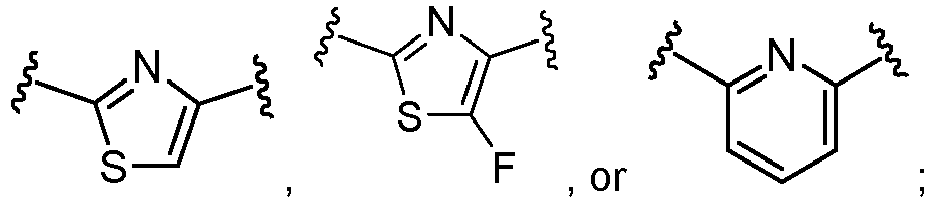
- A is optionally substituted C6-C10 arylene, optionally substituted C2-C9 heterocyclylene, or optionally substituted C2-C9 heteroarylene;
- L is absent, optionally substituted C1-C6 alkylene, optionally substituted C1-C6 heteroalkylene, or optionally substituted C2-C6 alkenylene; and
- B is H, cyano, optionally substituted C6-C10 aryl, optionally substituted C2-C9 heterocyclyl, or optionally substituted C2-C9 heteroaryl, or a pharmaceutically acceptable salt thereof.
- In some embodiments, X, Y, and Z are CH; X is N and Y and Z are CH; Z is N and X and Y are CH; Y is N and X and Z are CH; X is CH and Y and Z are N; Z is CH and X and y are N; Y is CH and X and Z are N; or X, Y, and Z are N.
- In some embodiments, the compound of Formula I has the structure of Formula la:

- In some embodiments, the compound of Formula I has the structure of Formula Ib:

- In some embodiments, the compound of Formula I has the structure of Formula Ic:

- In some embodiments, the compound of Formula I has the structure of Formula Id:

- In some embodiments, R2 is H.
- In some embodiments, R5 is H. In other embodiments, R5 is optionally substituted C1-C6 alkyl, e.g., methyl.
- In some embodiments, R3 is H. In some embodiments, R3 is optionally substituted C1-C6 alkyl, e.g., R3 is methyl.
- In further embodiments, R4 is H. In other embodiments, R4 is optionally substituted C1-C6 alkyl, e.g., methyl, tert-butyl, iso-propyl, iso-butyl, or tert-pentyl. In further embodiments, R4 is optionally substituted C1-C6 heteroalkyl, e.g.,


- In some embodiments, R3 is H and R4 is

- In some embodiments, R3 and R4, together with the carbon atom to which each is attached, form optionally substituted C3-C6 cycloalkyl.
- In some embodients, R3 and R4, together with the carbon atom to which each is attached, form C3-C6 cycloalkyl.
- In some embodiments, R3 and R4, together with the carbon atom to which each is attached, form

- In some embodiments, Het is


- In some embodiments, Het is

- In some embodiments, L is absent. In some embodiments, L is optionally substituted C1-C6 alkylene, e.g., L is


- In some embodiments, A is optionally substituted C6-C10 arylene, e.g.,


- In other embodiments, A is optionally substituted C2-C9 heteroarylene, e.g.,


- In further embodiments, A is optionally substituted C2-C9 heterocyclylene, e.g.,





- In some embodiments, A is


- In some embodiments, B is H. In other embodiments, B is cyano. In further embodiments, B is optionally substituted C6-C10 aryl, e.g.,


- In some embodiments, B is mopholino. In some embodiments, B is


- In yet other embodiments, B is optionally substituted C2-C9 heteroaryl, e.g.,


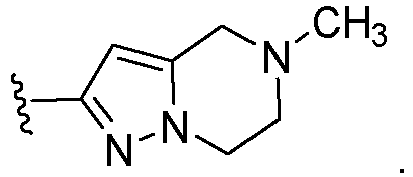
- In certain embodiments, R1 is H. In other embodiments, R1 is optionally substituted C1-C6 acyl, e.g., acetyl. In further embodiments, R' is optionally substituted C1-C6 alkyl, e.g., methyl, tert-butyl, iso-propyl, or


- In further embodiments, R1 is -SO2R6. In some embodiments, R6 is optionally substituted C1-C6 alkyl, e.g., methyl, iso-propyl, or

- In some embodiments, the compound is any one of compounds 1-827 in Table 1. In some embodiments, the compound, or pharmaceutically acceptable salt thereof, has the structure of any one of compounds 1-421 in Table 1.
- In some embodiments, the compound is any one of compounds 1-156 in Table 1. In other embodiments, the compound is any one of compounds 157-421 in Table 1. In some embodiments, the compound is any one of compounds 422-827 in Table 1.
- In some embodiments, the compound is any one of compounds 1-776 in Table 1. In some embodiments, the compound is any one of compounds 777-819 in Table 1. In some embodiments, the compound is any one of compounds 820-827 in Table 1.
Table 1. Compounds of the invention # Compound # Compound 1 
415 
2 
416 
3 
417 
4 
418 
5 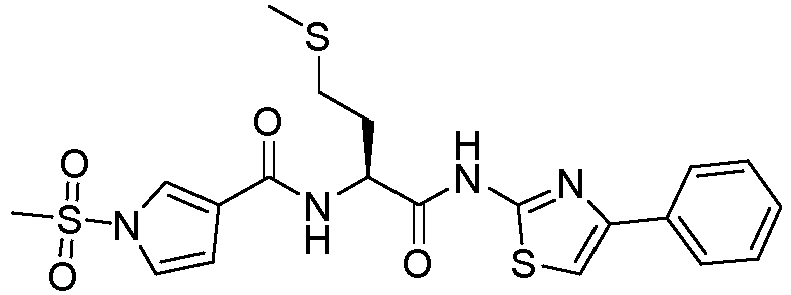
419 
6 
420 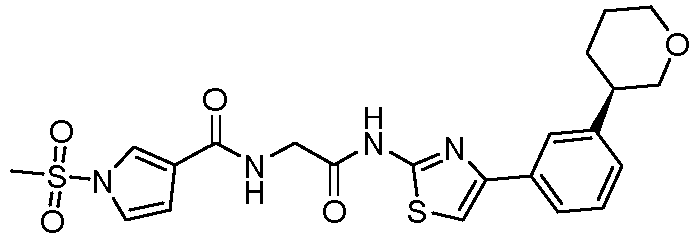
7 
421 
8 
422 
9 
423 
10 
424 
11 
425 
12 
426 
13 
427 
14 
428 
15 
429 
16 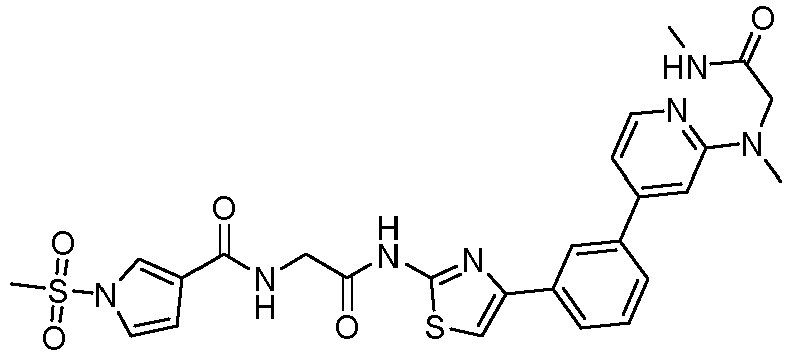
430 
17 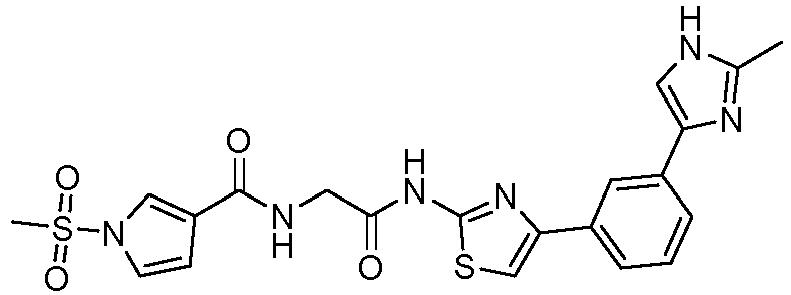
431 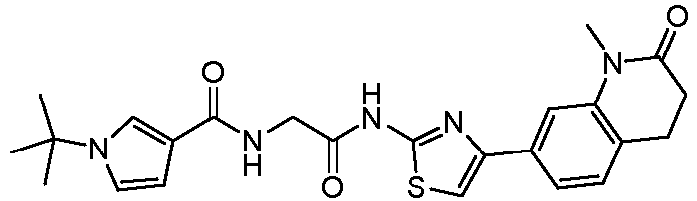
18 
432 
19 
433 
20 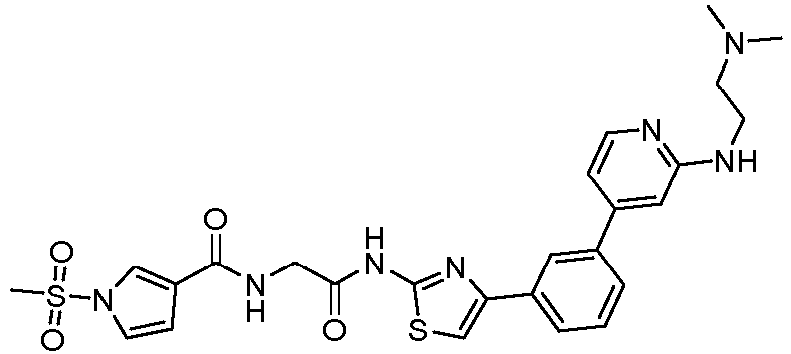
434 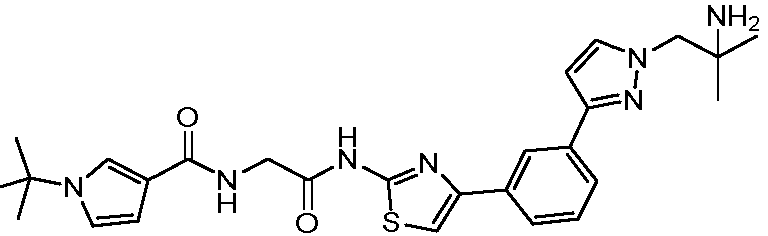
21 
435 
22 
436 
23 
437 
24 
438 
25 
439 
26 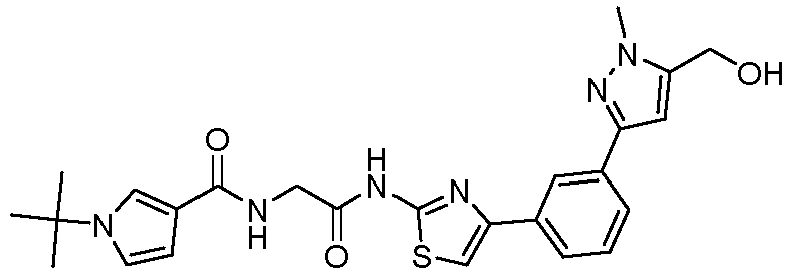
440 
27 
441 
28 
442 
29 
443 
30 
444 
31 
445 
32 
446 
33 
447 
34 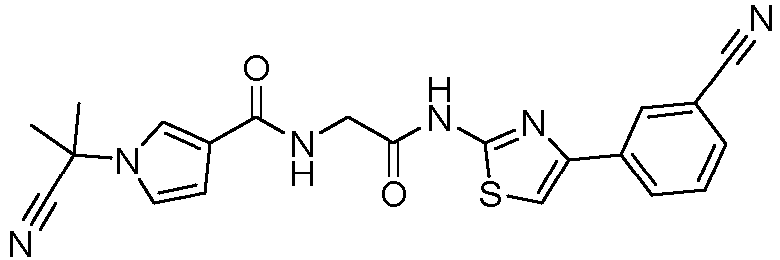
448 
35 
449 
36 
450 
37 
451 
38 
452 
39 
453 
40 
454 
41 
455 
42 
456 
43 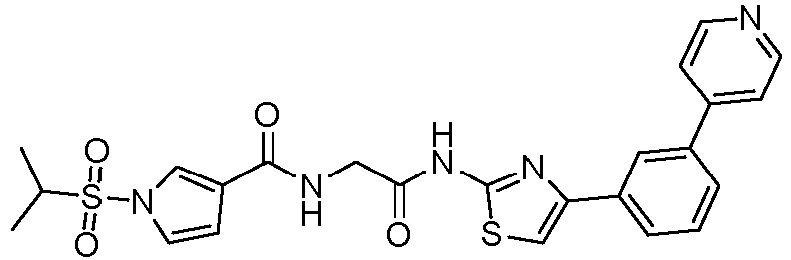
457 
44 
458 
45 
459 
46 
460 
47 
461 
48 
462 
49 
463 
50 
464 
51 
465 
52 
466 
53 
467 
54 
468 
55 
469 
56 
470 
57 
471 
58 
472 
59 
473 
60 
474 
61 
475 
62 
476 
63 
477 
64 
478 
65 
479 
66 
480 
67 
481 
68 
482 
69 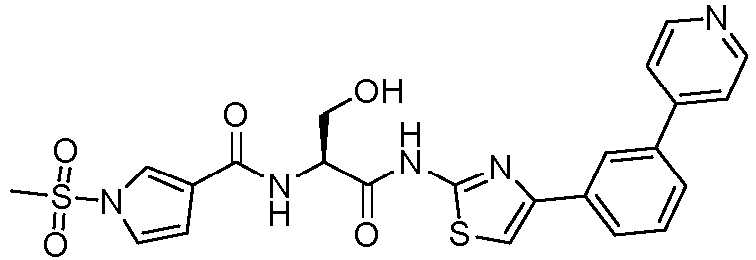
483 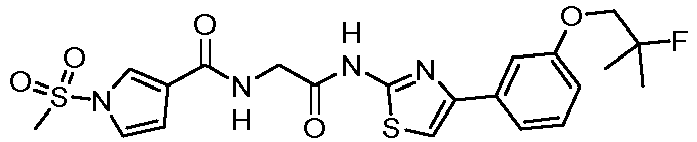
70 
484 
71 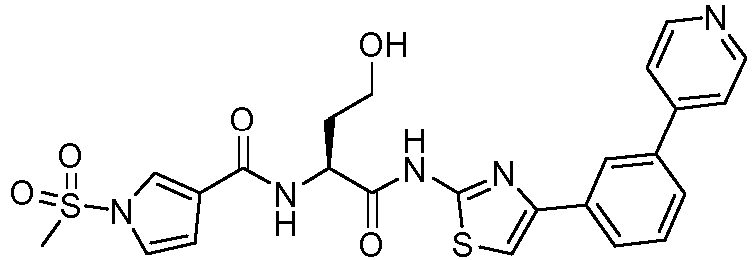
485 
72 
486 
73 
487 
74 
488 
75 
489 
76 
490 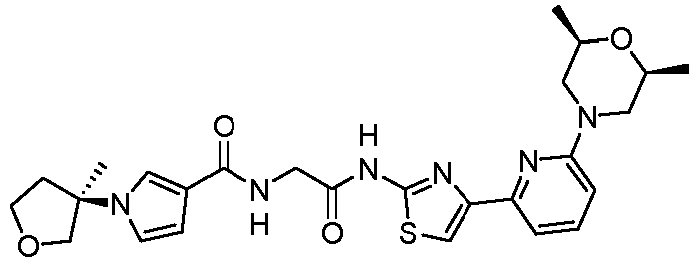
77 
491 
78 
492 
79 
493 
80 
494 
81 
495 
82 
496 
83 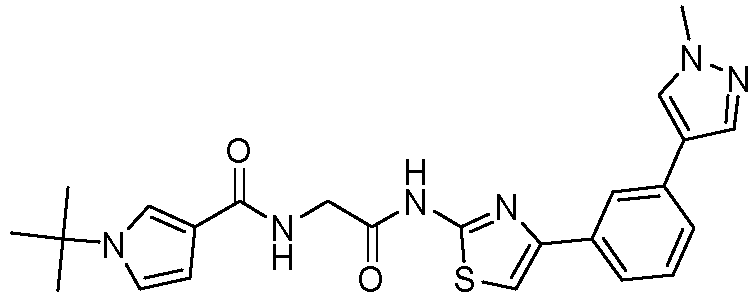
497 
84 
498 
85 
499 
86 
500 
87 
501 
88 
502 
89 
503 
90 
504 
91 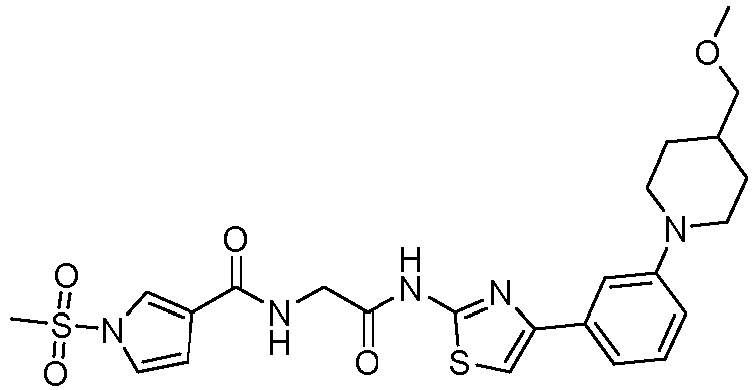
505 
92 
506 
93 
507 
94 
508 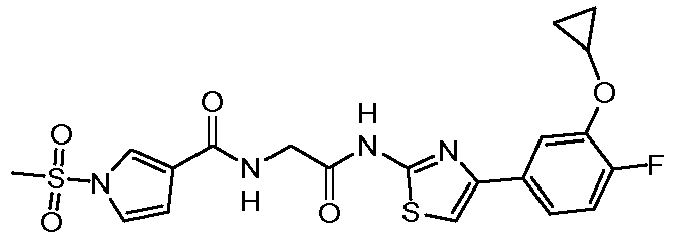
95 
509 
96 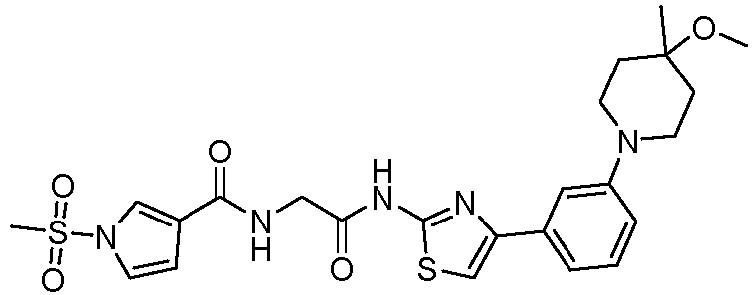
510 
97 
511 
98 
512 
99 
513 
100 
514 
101 
515 
102 
516 
103 
517 
104 
518 
105 
519 
106 
520 
107 
521 
108 
522 
109 
523 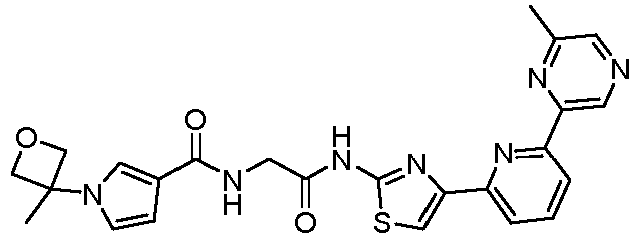
110 
524 
111 
525 
112 
526 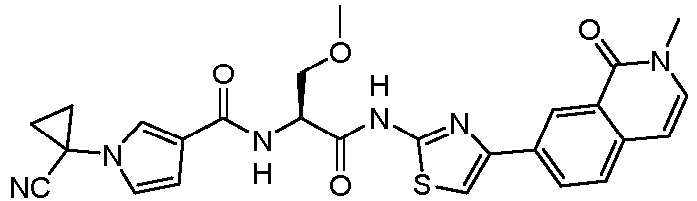
113 
527 
114 
528 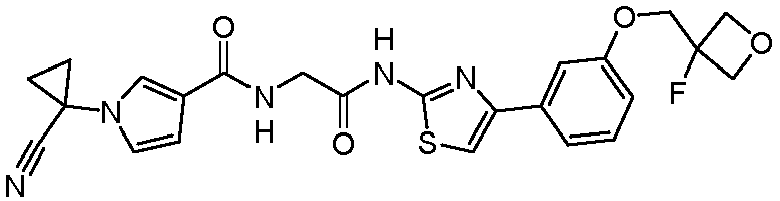
115 
529 
116 
530 
117 
531 
118 
532 
119 
533 
120 
534 
121 
535 
122 
536 
123 
537 
124 
538 
125 
539 
126 
540 
127 
541 
128 
542 
129 
543 
130 
544 
131 
545 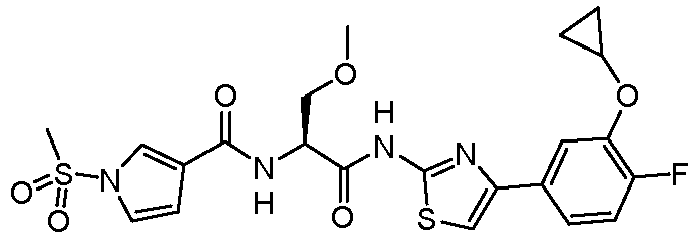
132 
546 
133 
547 
134 
548 
135 
549 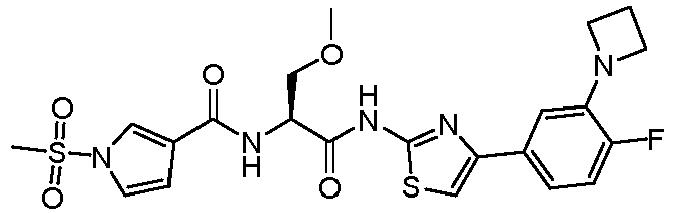
136 
550 
137 
551 
138 
552 
139 
553 
140 
554 
141 
555 
142 
556 
143 
557 
144 
558 
145 
559 
146 
560 
147 
561 
148 
562 
149 
563 
150 
564 
151 
565 
152 
566 
153 
567 
154 
568 
155 
569 
156 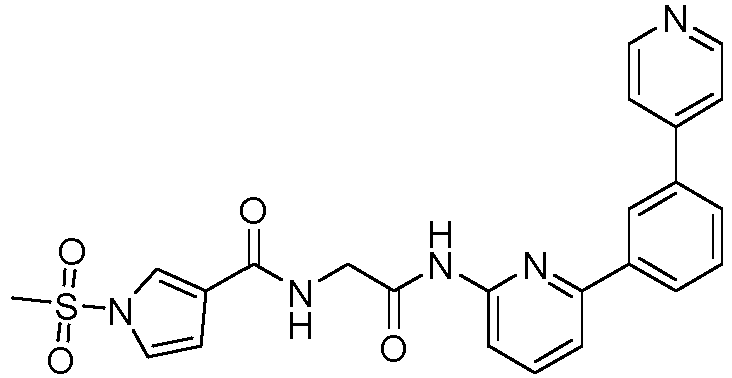
570 
157 
571 
158 
572 
159 
573 
160 
574 
161 
575 
162 
576 
163 
577 
164 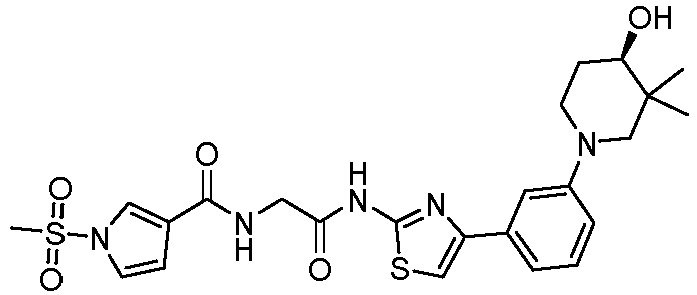
578 
165 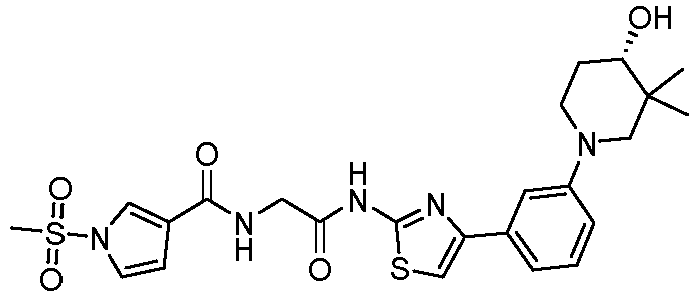
579 
166 
580 
167 
581 
168 
582 
169 
583 
170 
584 
171 
585 
172 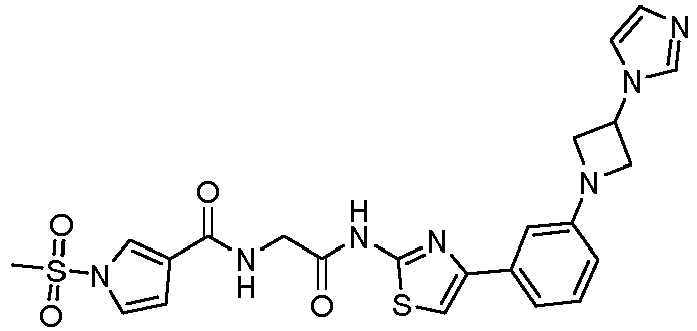
586 
173 
587 
174 
588 
175 
589 
176 
590 
177 
591 
178 
592 
179 
593 
180 
594 
181 
595 
182 
596 
183 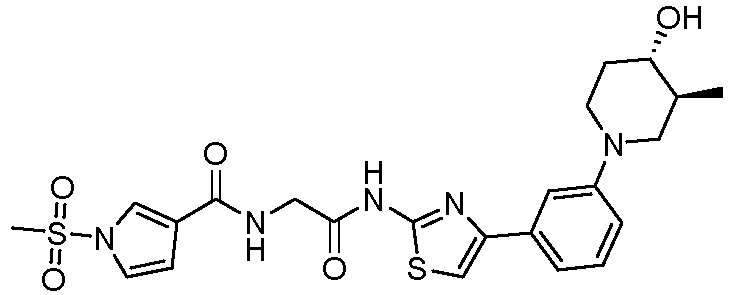
597 
184 
598 
185 
599 
186 
600 
187 
601 
188 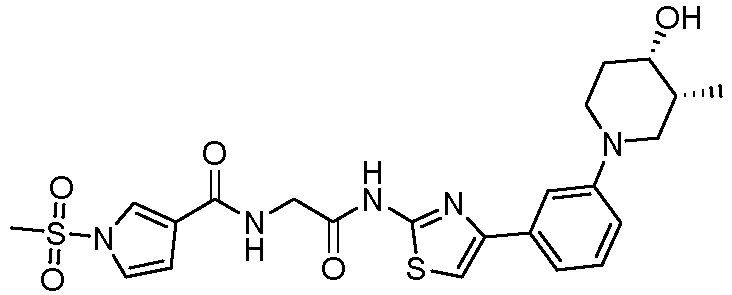
602 
189 
603 
190 
604 
191 
605 
192 
606 
193 
607 
194 
608 
195 
609 
196 
610 
197 
611 
198 
612 
199 
613 
200 
614 
201 
615 
202 
616 
203 
617 
204 
618 
205 
619 
206 
620 
207 
621 
208 
622 
209 
623 
210 
624 
211 
625 
212 
626 
213 
627 
214 
628 
215 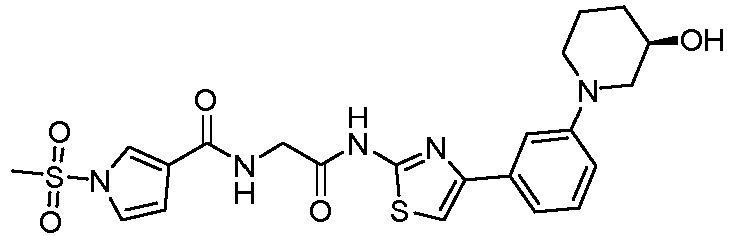
629 
216 
630 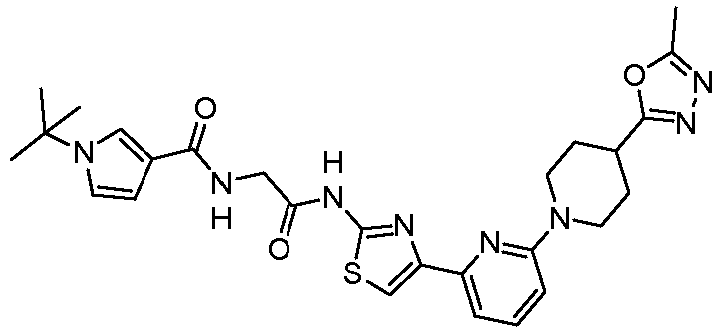
217 
631 
218 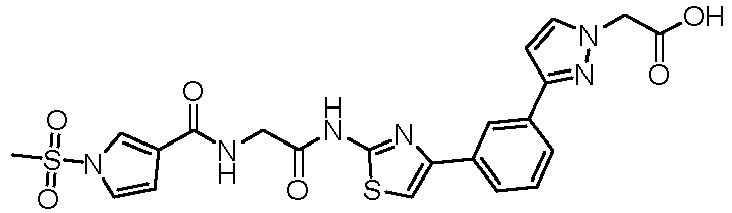
632 
219 
633 
220 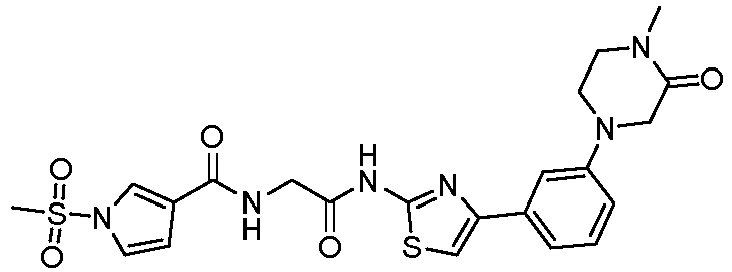
634 
221 
635 
222 
636 
223 
637 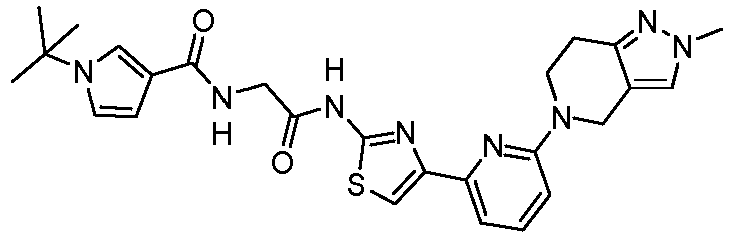
224 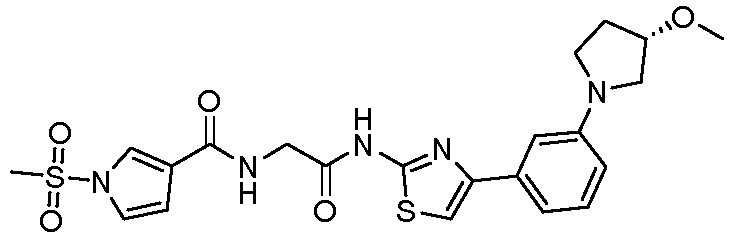
638 
225 
639 
226 
640 
227 
641 
228 
642 
229 
643 
230 
644 
231 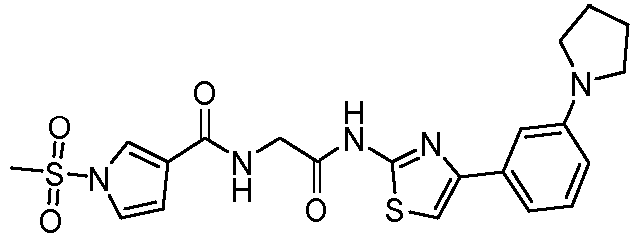
645 
232 
646 
233 
647 
234 
648 
235 
649 
236 
650 
237 
651 
238 
652 
239 
653 
240 
654 
241 
655 
242 
656 
243 
657 
244 
658 
245 
659 
246 
660 
247 
661 
248 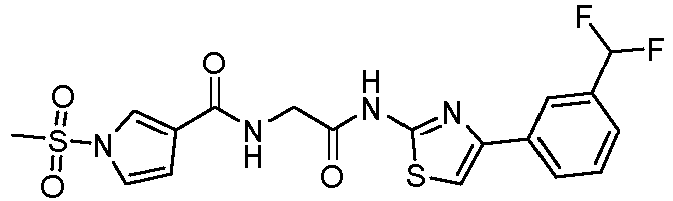
662 
249 
663 
250 
664 
251 
665 
252 
666 
253 
667 
254 
668 
255 
669 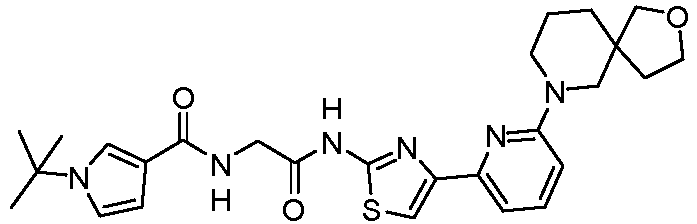
256 
670 
257 
671 
258 
672 
259 
673 
260 
674 
261 
675 
262 
676 
263 
677 
264 
678 
265 
679 
266 
680 
267 
681 
268 
682 
269 
683 
270 
684 
271 
685 
272 
686 
273 
687 
274 
688 
275 
689 
276 
690 
277 
691 
278 
692 
279 
693 
280 
694 
281 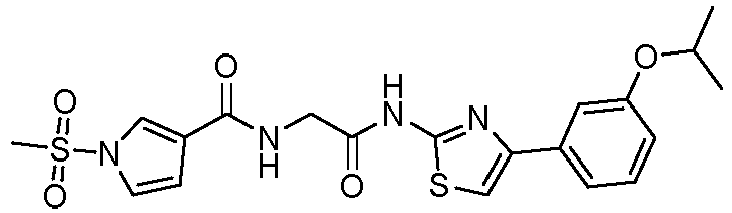
695 
282 
696 
283 
697 
284 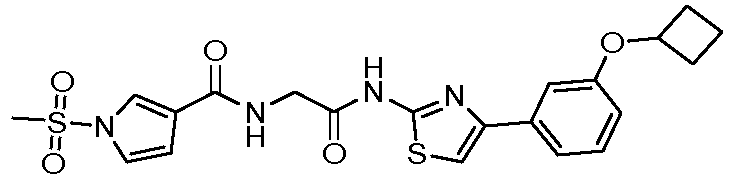
698 
285 
699 
286 
700 
287 
701 
288 
702 
289 
703 
290 
704 
291 
705 
292 
706 
293 
707 
294 
708 
295 
709 
296 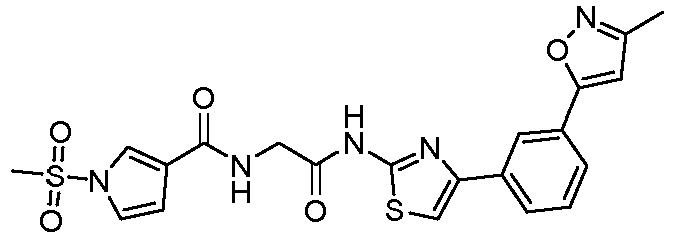
710 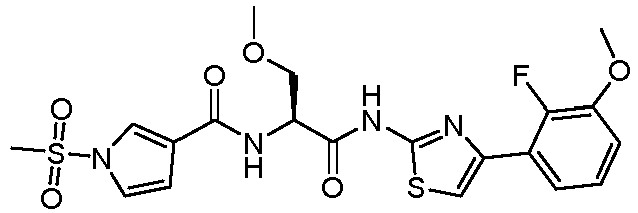
297 
711 
298 
712 
299 
713 
300 
714 
301 
715 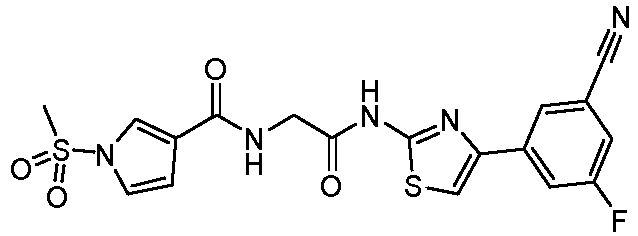
302 
716 
303 
717 
304 
718 
305 
719 
306 
720 
307 
721 
308 
722 
309 
723 
310 
724 
311 
725 
312 
726 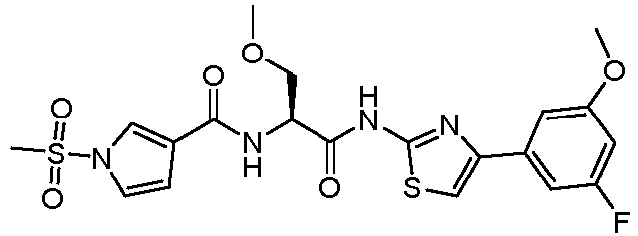
313 
727 
314 
728 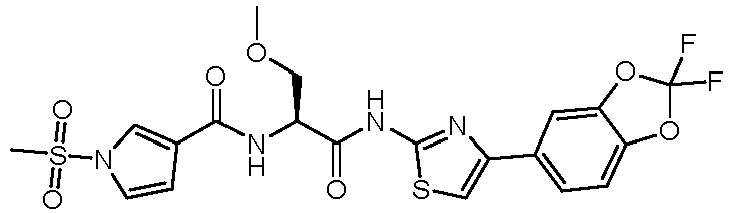
315 
729 
316 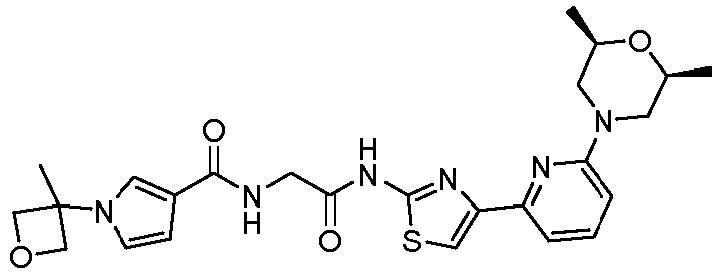
730 
317 
731 
318 
732 
319 
733 
320 
734 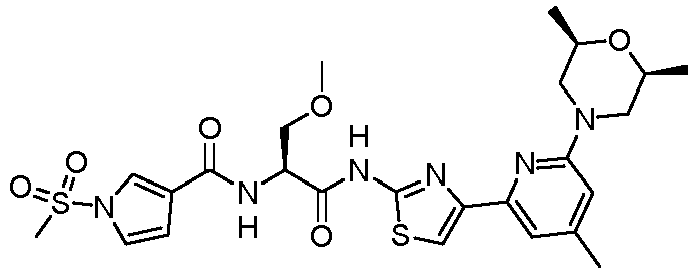
321 
735 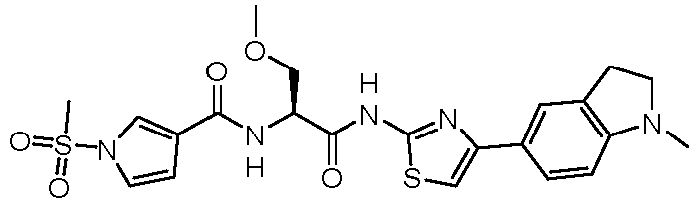
322 
736 
323 
737 
324 
738 
325 
739 
326 
740 
327 
741 
328 
742 
329 
743 
330 
744 
331 
745 
332 
746 
333 
747 
334 
748 
335 
749 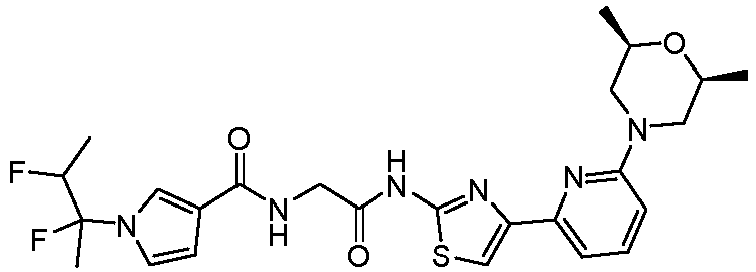
336 
750 
337 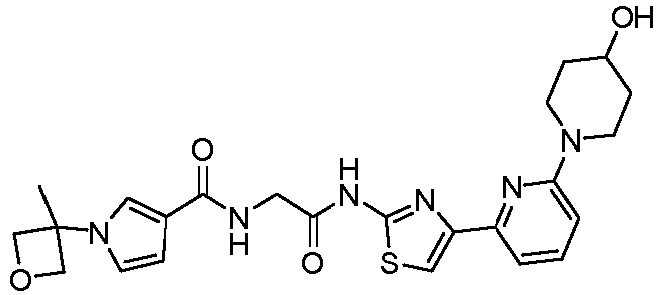
751 
338 
752 
339 
753 
340 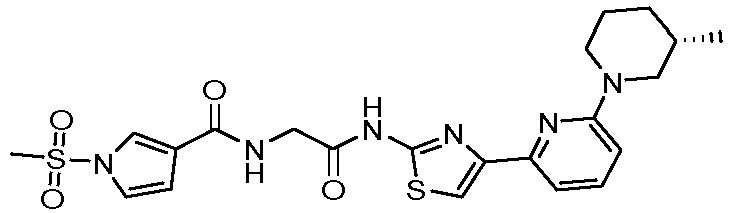
754 
341 
755 
342 
756 
343 
757 
344 
758 
345 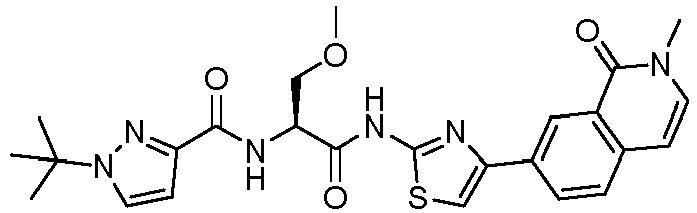
759 
346 
760 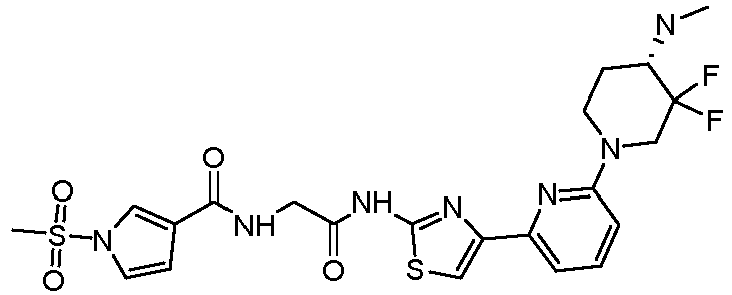
347 
761 
348 
762 
349 
763 
350 
764 
351 
765 
352 
766 
353 
767 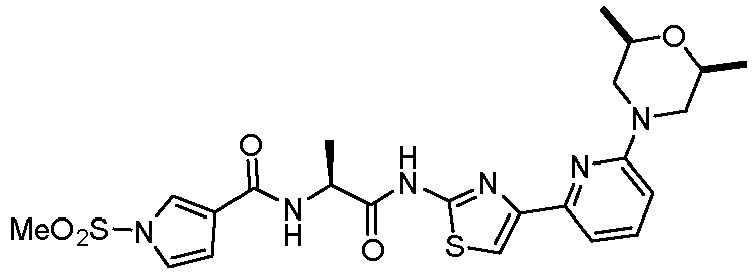
354 
768 
355 
769 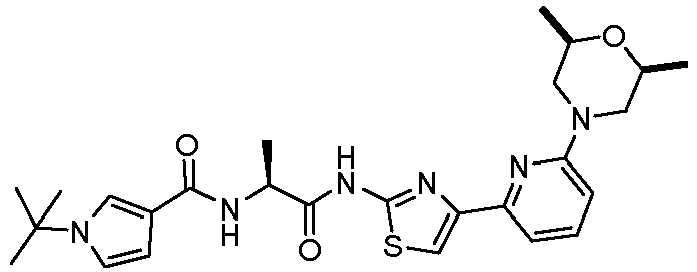
356 
770 
357 
771 
358 
772 
359 
773 
360 
774 
361 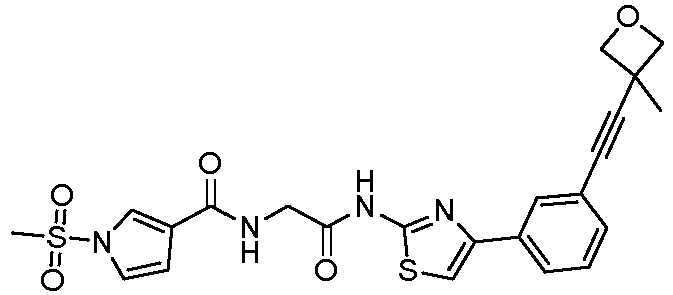
775 
362 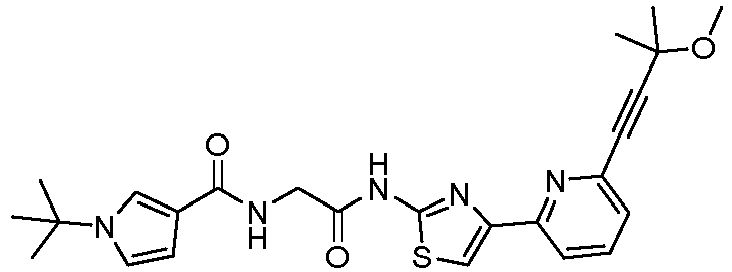
776 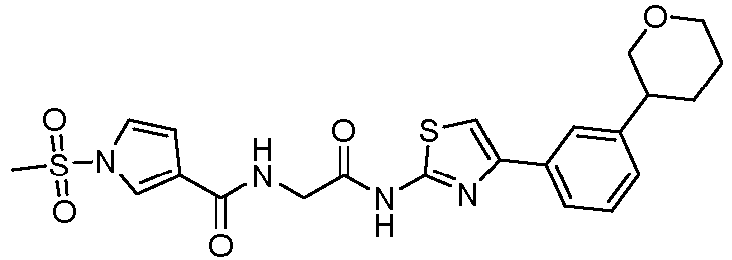
363 
777 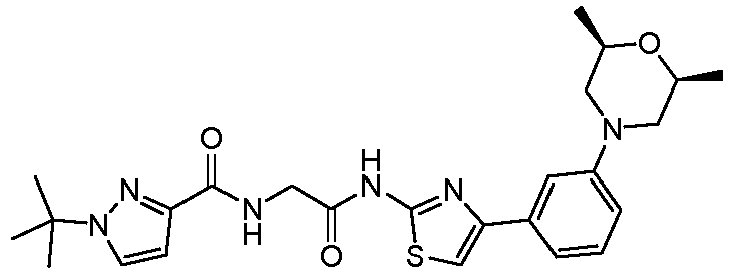
364 
778 
365 
779 
366 
780 
367 
781 
368 
782 
369 
783 
370 
784 
371 
785 
372 
786 
373 
787 
374 
788 
375 
789 
376 
790 
377 
791 
378 
792 
379 
793 
380 
794 
381 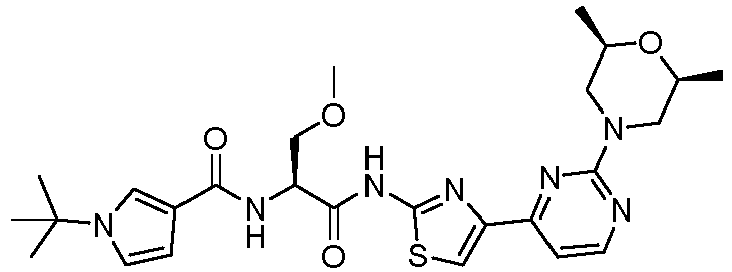
795 
382 
796 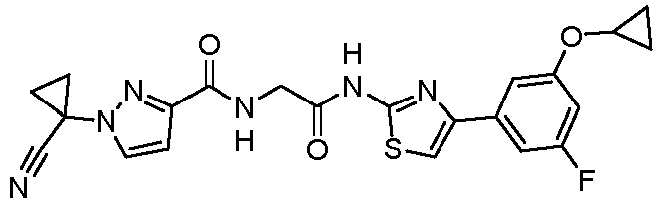
383 
797 
384 
798 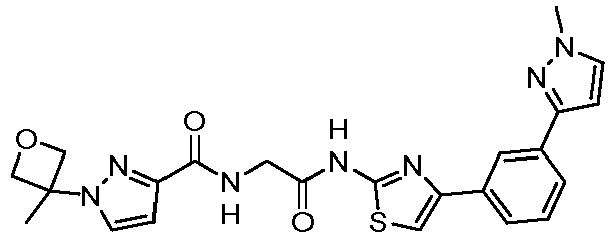
385 
799 
386 
800 
387 
801 
388 
802 
389 
803 
390 
804 
391 
805 
392 
806 
393 
807 
394 
808 
395 
809 
396 
810 
397 
811 
398 
812 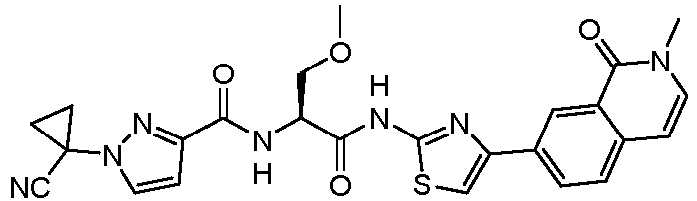
399 
813 
400 
814 
401 
815 
402 
816 
403 
817 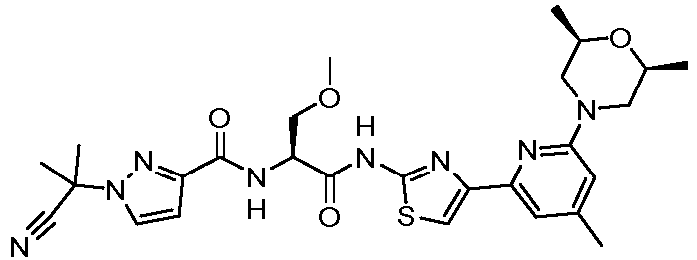
404 
818 
405 
819 
406 
820 
407 
821 
408 
822 
409 
823 
410 
824 
411 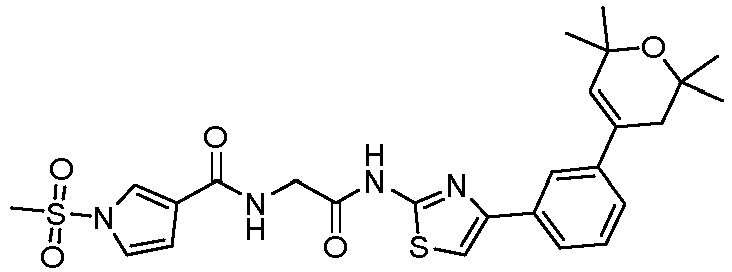
825 
412 
826 
413 
827 
414 
- In another aspect, the invention features a pharmaceutical composition including any one of the above compounds and a pharmaceutically acceptable excipient.
- In another aspect, the invention features a method of decreasing the activity of a BAF complex in a cell, the method involving contacting the cell with an effective amount of any of the foregoing compounds or a pharmaceutical composition thereof.
- In some embodiments, the cell is a cancer cell.
- In another aspect, the invention features any of the foregoing compounds or a pharmaceutical composition thereof for use in a method of treating cancer in a subject in need thereof, the method comprising administering to the subject an effective amount of the compound or pharmaceutical composition.
- In another aspect, the invention features a method of treating a BAF complex-related disorder in a subject in need thereof, the method involving administering to the subject an effective amount of any of the foregoing compounds or a pharmaceutical composition thereof.
- In some embodiments, the BAF complex-related disorder is cancer.
- In a further aspect, the invention features a method of inhibiting BRM, the method involving contacting a cell with an effective amount of any of the foregoing compounds or a pharmaceutical composition thereof. In some embodiments, the cell is a cancer cell.
- In another aspect, the invention features a method of inhibiting BRG1, the method involving contacting the cell with an effective amount of any of the foregoing compounds or a pharmaceutical composition thereof. In some embodiments, the cell is a cancer cell.
- In a further aspect, the invention features a method of inhibiting BRM and BRG1, the method involving contacting the cell with an effective amount of any of the foregoing compounds or a pharmaceutical composition thereof. In some embodiments, the cell is a cancer cell.
- In another aspect, the invention features a method of treating a disorder related to a BRG1 loss of function mutation in a subject in need thereof, the method involving administering to the subject an effective amount of any of the foregoing compounds or a pharmaceutical composition thereof.
- In some embodiments, the disorder related to a BRG1 loss of function mutation is cancer. In other embodiments, the subject is determined to have a BRG1 loss of function disorder, for example, is determined to have a BRG1 loss of function cancer (for example, the cancer has been determined to include cancer cells with loss of BRG1 function).
- In another aspect, the invention features a method of inducing apoptosis in a cell, the method involving contacting the cell with an effective amount of any of the foregoing compounds or a pharmaceutical composition thereof. In some embodiments, the cell is a cancer cell.
- In a further aspect, the invention features a method of treating cancer in a subject in need thereof, the method including administering to the subject an effective amount of any of the foregoing compounds or a pharmaceutical composition thereof.
- In some embodiments of any of the foregoing methods, the cancer is non-small cell lung cancer, colorectal cancer, bladder cancer, cancer of unknown primary, glioma, breast cancer, melanoma, non-melanoma skin cancer, endometrial cancer, esophagogastric cancer, pancreatic cancer, hepatobiliary cancer, soft tissue sarcoma, ovarian cancer, head and neck cancer, renal cell carcinoma, bone cancer, non-Hodgkin lymphoma, small-cell lung cancer, prostate cancer, embryonal tumor, germ cell tumor, cervical cancer, thyroid cancer, salivary gland cancer, gastrointestinal neuroendocrine tumor, uterine sarcoma, gastrointestinal stromal tumor, CNS cancer, thymic tumor, Adrenocortical carcinoma, appendiceal cancer, small bowel cancer, or penile cancer.
- In some embodiments of any of the foregoing methods, the cancer is non-small cell lung cancer, colorectal cancer, bladder cancer, cancer of unknown primary, glioma, breast cancer, melanoma, non-melanoma skin cancer, endometrial cancer, or penile cancer.
- In some embodiments of any of the foregoing methods, the cancer is a drug resistant cancer or has failed to respond to a prior therapy (e.g., vemurafenib, dacarbazine, a CTLA4 inhibitor, a PD1 inhibitor, interferon therapy, a BRAF inhibitor, a MEK inhibitor, radiotherapy, temozolimide, irinotecan, a CAR-T therapy, herceptin, perjeta, tamoxifen, xeloda, docetaxol, platinum agents such as carboplatin, taxanes such as paclitaxel and docetaxel, ALK inhibitors, MET inihibitors, alimta, abraxane, Adriamycin®, gemcitabine, avastin, halaven, neratinib, a PARP inhibitor, ARN810, an mTOR inhibitor, topotecan, gemzar, a VEGFR2 inhibitor, a folate receptor antagonist, demcizumab, fosbretabulin, or a PDL1 inhibitor).
- In some embodiments of any of the foregoing methods, the cancer has or has been determined to have BRG1 mutations. In some embodiments of any of the foregoing methods, the BRG1 mutations are homozygous. In some embodiments of any of the foregoing methods, the cancer does not have, or has been determined not to have, an epidermal growth factor receptor (EGFR) mutation. In some embodiments of any of the foregoing methods, the cancer does not have, or has been determined not to have, an anaplastic lymphoma kinase (ALK) driver mutation. In some embodiments of any of the foregoing methods, the cancer has, or has been determined to have, a KRAS mutation. In some embodiments of any of the foregoing methods, the BRG1 mutation is in the ATPase catalytic domain of the protein. In some embodiments of any of the foregoing methods, the BRG1 mutation is a deletion at the C-terminus of BRG1.
- In another aspect, the disclosure provides a method treating a disorder related to BAF (e.g., cancer or viral infections) in a subject in need thereof. This method includes contacting a cell with an effective amount of any of the foregoing compounds, or pharmaceutically acceptable salts thereof, or any of the foregoing pharmaceutical compositions. In some embodiments, the disorder is a viral infection is an infection with a virus of the Retroviridae family such as the lentiviruses (e.g., Human immunodeficiency virus (HIV) and deltaretroviruses (e.g., human T cell leukemia virus I (HTLV-I), human T cell leukemia virus II (HTLV-II)), Hepadnaviridae family (e.g., hepatitis B virus (HBV)), Flaviviridae family (e.g., hepatitis C virus (HCV)), Adenoviridae family (e.g., Human Adenovirus), Herpesviridae family (e.g., Human cytomegalovirus (HCMV), Epstein-Barr virus, herpes simplex virus 1 (HSV-1), herpes simplex virus 2 (HSV-2), human herpesvirus 6 (HHV-6), Herpesvitus K*, CMV, varicella-zoster virus), Papillomaviridae family (e.g., Human Papillomavirus (HPV, HPV E1)), Parvoviridae family (e.g., Parvovirus B19), Polyomaviridae family (e.g., JC virus and BK virus), Paramyxoviridae family (e.g., Measles virus), Togaviridae family (e.g., Rubella virus). In some embodiments, the disorder is Coffin Siris, Neurofibromatosis (e.g., NF-1, NF-2, or Schwannomatosis), or Multiple Meningioma.
- In another aspect, the disclosure provides a method for treating a viral infection in a subject in need thereof. This method includes administering to the subject an effective amount of any of the foregoing compounds, or pharmaceutically acceptable salts thereof, or any of the foregoing pharmaceutical compositions. In some embodiments, the viral infection is an infection with a virus of the Retroviridae family such as the lentiviruses (e.g., Human immunodeficiency virus (HIV) and deltaretroviruses (e.g., human T cell leukemia virus I (HTLV-I), human T cell leukemia virus II (HTLV-II)), Hepadnaviridae family (e.g., hepatitis B virus (HBV)), Flaviviridae family (e.g., hepatitis C virus (HCV)), Adenoviridae family (e.g., Human Adenovirus), Herpesviridae family (e.g., Human cytomegalovirus (HCMV), Epstein-Barr virus, herpes simplex virus 1 (HSV-1), herpes simplex virus 2 (HSV-2), human herpesvirus 6 (HHV-6), Herpesvitus K*, CMV, varicella-zoster virus), Papillomaviridae family (e.g., Human Papillomavirus (HPV, HPV E1)), Parvoviridae family (e.g., Parvovirus B19), Polyomaviridae family (e.g., JC virus and BK virus), Paramyxoviridae family (e.g., Measles virus), or Togaviridae family (e.g., Rubella virus).
- In another aspect, the invention features a method of treating melanoma, prostate cancer, breast cancer, bone cancer, renal cell carcinoma, or a hematologic cancer in a subject in need thereof, the method including administering to the subject an effective amount of any of the foregoing compounds or pharmaceutical compositions thereof.
- In another aspect, the invention features a method of reducing tumor growth of melanoma, prostate cancer, breast cancer, bone cancer, renal cell carcinoma, or a hematologic cancer in a subject in need thereof, the method including administering to the subject an effective amount of any of the foregoing compounds or pharmaceutical compositions thereof.
- In another aspect, the invention features a method of suppressing metastatic progression of melanoma, prostate cancer, breast cancer, bone cancer, renal cell carcinoma, or a hematologic cancer in a subject, the method including administering an effective amount of any of the foregoing compounds or pharmaceutical compositions thereof.
- In another aspect, the invention features a method of suppressing metastatic colonization of melanoma, prostate cancer, breast cancer, bone cancer, renal cell carcinoma, or a hematologic cancer in a subject, the method including administering an effective amount of any of the foregoing compounds or pharmaceutical compositions thereof.
- In another aspect, the invention features a method of reducing the level and/or activity of BRG1 and/or BRM in a melanoma, prostate cancer, breast cancer, bone cancer, renal cell carcinoma, or hematologic cancer cell, the method including contacting the cell with an effective amount of any of the foregoing compounds or pharmaceutical compositions thereof.
- In some embodiments of any of the above aspects, the melanoma, prostate cancer, breast cancer, bone cancer, renal cell carcinoma, or hematologic cell is in a subject.
- In some embodiments of any of the above aspects, the effective amount of the compound reduces the level and/or activity of BRG1 by at least 5% (e.g., 6%, 7%, 8%, 9%, 10%, 15%, 20%, 25%, 30%, 35%, 40%, 45%, 50%, 55%, 60%, 65%, 70%, 75%, 80%, 85%, 90%, or 95%) as compared to a reference. In some embodiments, the effective amount of the compound that reduces the level and/or activity of BRG1 by at least 50% (e.g., 55%, 60%, 65%, 70%, 75%, 80%, 85%, 90%, or 95%) as compared to a reference. In some embodiments, the effective amount of the compound that reduces the level and/or activity of BRG1 by at least 90% (e.g., 91%, 92%, 93%, 94%, 95%, 96%, 97%, 98%, or 99%).
- In some embodiments, the effective amount of the compound reduces the level and/or activity of BRG1 by at least 5% (e.g., 6%, 7%, 8%, 9%, 10%, 15%, 20%, 25%, 30%, 35%, 40%, 45%, 50%, 55%, 60%, 65%, 70%, 75%, 80%, 85%, 90%, or 95%) as compared to a reference for at least 12 hours (e.g., 14 hours, 16 hours, 18 hours, 20 hours, 22 hours, 24 hours, 30 hours, 36 hours, 48 hours, 72 hours, or more). In some embodiments, the effective amount of the compound that reduces the level and/or activity of BRG1 by at least 5% (e.g., 6%, 7%, 8%, 9%, 10%, 15%, 20%, 25%, 30%, 35%, 40%, 45%, 50%, 55%, 60%, 65%, 70%, 75%, 80%, 85%, 90%, or 95%) as compared to a reference for at least 4 days (e.g., 5 days, 6 days, 7 days, 14 days, 28 days, or more).
- In some embodiments of any of the above aspects, the effective amount of the compound reduces the level and/or activity of BRM by at least 5% (e.g., 6%, 7%, 8%, 9%, 10%, 15%, 20%, 25%, 30%, 35%, 40%, 45%, 50%, 55%, 60%, 65%, 70%, 75%, 80%, 85%, 90%, or 95%) as compared to a reference. In some embodiments, the effective amount of the compound that reduces the level and/or activity of BRM by at least 50% (e.g., 55%, 60%, 65%, 70%, 75%, 80%, 85%, 90%, or 95%) as compared to a reference. In some embodiments, the effective amount of the compound that reduces the level and/or activity of BRM by at least 90% (e.g., 91%, 92%, 93%, 94%, 95%, 96%, 97%, 98%, or 99%).
- In some embodiments, the effective amount of the compound reduces the level and/or activity of BRM by at least 5% (e.g., 6%, 7%, 8%, 9%, 10%, 15%, 20%, 25%, 30%, 35%, 40%, 45%, 50%, 55%, 60%, 65%, 70%, 75%, 80%, 85%, 90%, or 95%) as compared to a reference for at least 12 hours (e.g., 14 hours, 16 hours, 18 hours, 20 hours, 22 hours, 24 hours, 30 hours, 36 hours, 48 hours, 72 hours, or more). In some embodiments, the effective amount of the compound that reduces the level and/or activity of BRM by at least 5% (e.g., 6%, 7%, 8%, 9%, 10%, 15%, 20%, 25%, 30%, 35%, 40%, 45%, 50%, 55%, 60%, 65%, 70%, 75%, 80%, 85%, 90%, or 95%) as compared to a reference for at least 4 days (e.g., 5 days, 6 days, 7 days, 14 days, 28 days, or more).
- In some embodiments, the subject has cancer. In some embodiments, the cancer expresses BRG1 and/or BRM protein and/or the cell or subject has been identified as expressing BRG1 and/or BRM. In some embodiments, the cancer expresses BRG1 protein and/or the cell or subject has been identified as expressing BRG1. In some embodiments, the cancer expresses BRM protein and/or the cell or subject has been identified as expressing BRM. In some embodiments, the cancer is melanoma (e.g., uveal melanoma, mucosal melanoma, or cutaneous melanoma). In some embodiments, the cancer is prostate cancer. In some embodiments, the cancer is a hematologic cancer, e.g., multiple myeloma, large cell lymphoma, acute T-cell leukemia, acute myeloid leukemia, myelodysplastic syndrome, immunoglobulin A lambda myeloma, diffuse mixed histiocytic and lymphocytic lymphoma, B-cell lymphoma, acute lymphoblastic leukemia (e.g., T-cell acute lymphoblastic leukemia or B-cell acute lymphoblastic leukemia), diffuse large cell lymphoma, or non-Hodgkin's lymphoma. In some embodiments, the cancer is breast cancer (e.g., an ER positive breast cancer, an ER negative breast cancer, triple positive breast cancer, or triple negative breast cancer). In some embodiments, the cancer is a bone cancer (e.g., Ewing's sarcoma). In some embodiments, the cancer is a renal cell carcinoma (e.g., a Microphthalmia Transcription Factor (MITF) family translocation renal cell carcinoma (tRCC)). In some embodiments, the cancer is metastatic (e.g., the cancer has spread to the liver). The metastatic cancer can include cells exhibiting migration and/or invasion of migrating cells and/or include cells exhibiting endothelial recruitment and/or angiogenesis. In other embodiments, the migrating cancer is a cell migration cancer. In still other embodiments, the cell migration cancer is a non-metastatic cell migration cancer. The metastatic cancer can be a cancer spread via seeding the surface of the peritoneal, pleural, pericardial, or subarachnoid spaces. Alternatively, the metastatic cancer can be a cancer spread via the lymphatic system, or a cancer spread hematogenously. In some embodiments, the effective amount of an agent that reduces the level and/or activity of BRG1 and/or BRM is an amount effective to inhibit metastatic colonization of the cancer to the liver.
- In some embodiments the cancer harbors a mutation in GNAQ. In some embodiments the cancer harbors a mutation in GNA11. In some embodiments the cancer harbors a mutation in PLCB4. In some embodiments the cancer harbors a mutation in CYSLTR2. In some embodiments the cancer harbors a mutation in BAP1. In some embodiments the cancer harbors a mutation in SF3B1. In some embodiments the cancer harbors a mutation in EIF1AX. In some embodiments the cancer harbors a TFE3 translocation. In some embodiments the cancer harbors a TFEB translocation. In some embodiments the cancer harbors a MITF translocation. In some embodiments the cancer harbors an EZH2 mutation. In some embodiments the cancer harbors a SUZ12 mutation. In some embodiments the cancer harbors an EED mutation.
- In some embodiments, the method further includes administering to the subject or contacting the cell with an anticancer therapy, e.g., a chemotherapeutic or cytotoxic agent, immunotherapy, surgery, radiotherapy, thermotherapy, or photocoagulation. In some embodiments, the anticancer therapy is a chemotherapeutic or cytotoxic agent, e.g., an antimetabolite, antimitotic, antitumor antibiotic, asparagine-specific enzyme, bisphosphonates, antineoplastic, alkylating agent, DNA-Repair enzyme inhibitor, histone deacetylase inhibitor, corticosteroid, demethylating agent, immunomodulatory, janus-associated kinase inhibitor, phosphinositide 3-kinase inhibitor, proteasome inhibitor, or tyrosine kinase inhibitor.
- In some embodiments, the compound of the invention is used in combination with another anti-cancer therapy used for the treatment of uveal melanoma such as surgery, a MEK inhibitor, and/or a PKC inhibitor. For example, in some embodiments, the method further comprises performing surgery prior to, subsequent to, or at the same time as administration of the compound of the invention. In some embodiments, the method further comprises administration of a MEK inhibitor and/or a PKC inhibitor prior to, subsequent to, or at the same time as administration of the compound of the invention.
- In some embodiments, the anticancer therapy and the compound of the invention are administered within 28 days of each other and each in an amount that together are effective to treat the subject.
- In some embodiments, the subject or cancer has and/or has been identified as having a BRG1 loss of function mutation. In some embodiments, the subject or cancer has and/or has been identified as having a BRM loss of function mutation.
- In some embodiments, the cancer is resistant to one or more chemotherapeutic or cytotoxic agents (e.g., the cancer has been determined to be resistant to chemotherapeutic or cytotoxic agents such as by genetic markers, or is likely to be resistant, to chemotherapeutic or cytotoxic agents such as a cancer that has failed to respond to a chemotherapeutic or cytotoxic agent). In some embodiments, the cancer has failed to respond to one or more chemotherapeutic or cytotoxic agents. In some embodiments, the cancer is resistant or has failed to respond to dacarbazine, temozolomide, cisplatin, treosulfan, fotemustine, IMCgp100, a CTLA-4 inhibitor (e.g., ipilimumab), a PD-1 inhibitor (e.g., Nivolumab or pembrolizumab), a PD-L1 inhibitor (e.g., atezolizumab, avelumab, or durvalumab), a mitogen-activated protein kinase (MEK) inhibitor (e.g., selumetinib, binimetinib, or tametinib), and/or a protein kinase C (PKC) inhibitor (e.g., sotrastaurin or IDE196).
- In some embodiments, the cancer is resistant to or failed to respond to a previously administered therapeutic used for the treatment of uveal melanoma such as a MEK inhibitor or PKC inhibitor. For example, in some embodiments, the cancer is resistant to or failed to respond to a mitogen-activated protein kinase (MEK) inhibitor (e.g., selumetinib, binimetinib, or tametinib), and/or a protein kinase C (PKC) inhibitor (e.g., sotrastaurin or IDE196).
- The terminology employed herein is for the purpose of describing particular embodiments and is not intended to be limiting.
- For any of the following chemical definitions, a number following an atomic symbol indicates that total number of atoms of that element that are present in a particular chemical moiety. As will be understood, other atoms, such as H atoms, or substituent groups, as described herein, may be present, as necessary, to satisfy the valences of the atoms. For example, an unsubstituted C2 alkyl group has the formula -CH2CH3. When used with the groups defined herein, a reference to the number of carbon atoms includes the divalent carbon in acetal and ketal groups but does not include the carbonyl carbon in acyl, ester, carbonate, or carbamate groups. A reference to the number of oxygen, nitrogen, or sulfur atoms in a heteroaryl group only includes those atoms that form a part of a heterocyclic ring.
- The term "acyl," as used herein, represents a H or an alkyl group that is attached to a parent molecular group through a carbonyl group, as defined herein, and is exemplified by formyl (i.e., a carboxyaldehyde group), acetyl, trifluoroacetyl, propionyl, and butanoyl. Exemplary unsubstituted acyl groups include from 1 to 6, from 1 to 11, or from 1 to 21 carbons.
- The term "alkyl," as used herein, refers to a branched or straight-chain monovalent saturated aliphatic hydrocarbon radical of 1 to 20 carbon atoms (e.g., 1 to 16 carbon atoms, 1 to 10 carbon atoms, 1 to 6 carbon atoms, or 1 to 3 carbon atoms).
- An alkylene is a divalent alkyl group. The term "alkenyl," as used herein, alone or in combination with other groups, refers to a straight chain or branched hydrocarbon residue having a carbon-carbon double bond and having 2 to 20 carbon atoms (e.g., 2 to 16 carbon atoms, 2 to 10 carbon atoms, 2 to 6 carbon atoms, or 2 carbon atoms).
- The term "alkynyl," as used herein, alone or in combination with other groups, refers to a straight chain or branched hydrocarbon residue having a carbon-carbon triple bond and having 2 to 20 carbon atoms (e.g., 2 to 16 carbon atoms, 2 to 10 carbon atoms, 2 to 6 carbon atoms, or 2 carbon atoms).
- The term "amino," as used herein, represents -N(RN1)2, wherein each RN1 is, independently, H, OH, NO2, N(RN2)2, SO2ORN2, SO2RN2, SORN2, an N-protecting group, alkyl, alkoxy, aryl, arylalkyl, cycloalkyl, acyl (e.g., acetyl, trifluoroacetyl, or others described herein), wherein each of these recited RN1 groups can be optionally substituted; or two RN1 combine to form an alkylene or heteroalkylene, and wherein each RN2 is, independently, H, alkyl, or aryl. The amino groups of the invention can be an unsubstituted amino (i.e., -NH2) or a substituted amino (i.e., -N(RN1)2).
- The term "aryl," as used herein, refers to an aromatic mono- or polycarbocyclic radical of 6 to 12 carbon atoms having at least one aromatic ring. Examples of such groups include, but are not limited to, phenyl, naphthyl, 1,2,3,4-tetrahydronaphthyl, 1,2-dihydronaphthyl, indanyl, and 1H-indenyl. An "arylene" is a divalent aryl group.
- The term "arylalkyl," as used herein, represents an alkyl group substituted with an aryl group. Exemplary unsubstituted arylalkyl groups are from 7 to 30 carbons (e.g., from 7 to 16 or from 7 to 20 carbons, such as C1-C6 alkyl C6-C10 aryl, C1-C10 alkyl C6-C10 aryl, or C1-C20 alkyl C6-C10 aryl), such as, benzyl and phenethyl. In some embodiments, the alkyl and the aryl each can be further substituted with 1, 2, 3, or 4 substituent groups as defined herein for the respective groups.
- The term "azido," as used herein, represents a -N3 group.
- The term "bridged polycycloalkyl," as used herein, refers to a bridged polycyclic group of 5 to 20 carbons, containing from 1 to 3 bridges.
- The term "cyano," as used herein, represents a -CN group.
- The term "carbocyclyl," as used herein, refers to a non-aromatic C3-C12 monocyclic, bicyclic, or tricyclic structure in which the rings are formed by carbon atoms. Carbocyclyl structures include cycloalkyl groups and unsaturated carbocyclyl radicals.
- The term "cycloalkyl," as used herein, refers to a saturated, non-aromatic, and monovalent mono- or polycarbocyclic radical of 3 to 10, preferably 3 to 6 carbon atoms. This term is further exemplified by radicals such as cyclopropyl, cyclobutyl, cyclopentyl, cyclohexyl, cycloheptyl, norbornyl, and adamantyl.
- The term "halo," as used herein, means a fluorine (fluoro), chlorine (chloro), bromine (bromo), or iodine (iodo) radical.
- The term "heteroalkyl," as used herein, refers to an alkyl group, as defined herein, in which one or more of the constituent carbon atoms have been replaced by nitrogen, oxygen, or sulfur. In some embodiments, the heteroalkyl group can be further substituted with 1, 2, 3, or 4 substituent groups as described herein for alkyl groups. Examples of heteroalkyl groups are an "alkoxy" which, as used herein, refers alkyl-O- (e.g., methoxy and ethoxy). A heteroalkylene is a divalent heteroalkyl group. The term "heteroalkenyl," as used herein, refers to an alkenyl group, as defined herein, in which one or more of the constituent carbon atoms have been replaced by nitrogen, oxygen, or sulfur. In some embodiments, the heteroalkenyl group can be further substituted with 1, 2, 3, or 4 substituent groups as described herein for alkenyl groups. Examples of heteroalkenyl groups are an "alkenoxy" which, as used herein, refers alkenyl-O-. A heteroalkenylene is a divalent heteroalkenyl group. The term "heteroalkynyl," as used herein, refers to an alkynyl group, as defined herein, in which one or more of the constituent carbon atoms have been replaced by nitrogen, oxygen, or sulfur. In some embodiments, the heteroalkynyl group can be further substituted with 1, 2, 3, or 4 substituent groups as described herein for alkynyl groups. Examples of heteroalkynyl groups are an "alkynoxy" which, as used herein, refers alkynyl-O-. A heteroalkynylene is a divalent heteroalkynyl group.
- The term "heteroaryl," as used herein, refers to an aromatic mono- or polycyclic radical of 5 to 12 atoms having at least one aromatic ring containing 1, 2, or 3 ring atoms selected from nitrogen, oxygen, and sulfur, with the remaining ring atoms being carbon. One or two ring carbon atoms of the heteroaryl group may be replaced with a carbonyl group. Examples of heteroaryl groups are pyridyl, pyrazoyl, benzooxazolyl, benzoimidazolyl, benzothiazolyl, imidazolyl, oxaxolyl, and thiazolyl. A "heteroarylene" is a divalent heteroaryl group.
- The term "heteroarylalkyl," as used herein, represents an alkyl group substituted with a heteroaryl group. Exemplary unsubstituted heteroarylalkyl groups are from 7 to 30 carbons (e.g., from 7 to 16 or from 7 to 20 carbons, such as C1-C6 alkyl C2-C9 heteroaryl, C1-C10 alkyl C2-C9 heteroaryl, or C1-C20 alkyl C2-C9 heteroaryl). In some embodiments, the alkyl and the heteroaryl each can be further substituted with 1, 2, 3, or 4 substituent groups as defined herein for the respective groups.
- The term "heterocyclyl," as used herein, refers a mono- or polycyclic radical having 3 to 12 atoms having at least one non-aromatic ring containing 1, 2, 3, or 4 ring atoms selected from N, O or S and no aromatic ring conaining any N, O, or S atoms. Examples of heterocyclyl groups include, but are not limited to, morpholinyl, thiomorpholinyl, furyl, piperazinyl, piperidinyl, pyranyl, pyrrolidinyl, tetrahydropyranyl, tetrahydrofuranyl, and 1,3-dioxanyl. A "heterocyclene" is a divalent heterocyclyl group.
- The term "heterocyclylalkyl," as used herein, represents an alkyl group substituted with a heterocyclyl group. Exemplary unsubstituted heterocyclylalkyl groups are from 7 to 30 carbons (e.g., from 7 to 16 or from 7 to 20 carbons, such as C1-C6 alkyl C2-C9 heterocyclyl, C1-C10 alkyl C2-C9 heterocyclyl, or C1-C20 alkyl C2-C9 heterocyclyl). In some embodiments, the alkyl and the heterocyclyl each can be further substituted with 1, 2, 3, or 4 substituent groups as defined herein for the respective groups.
- The term "hydroxyalkyl," as used herein, represents alkyl group substituted with an -OH group.
- The term "hydroxyl," as used herein, represents an -OH group.
- The term "N-protecting group," as used herein, represents those groups intended to protect an amino group against undesirable reactions during synthetic procedures. Commonly used N-protecting groups are disclosed in Greene, "Protective Groups in Organic Synthesis," 3rd Edition (John Wiley & Sons, New York, 1999). N-protecting groups include, but are not limited to, acyl, aryloyl, or carbamyl groups such as formyl, acetyl, propionyl, pivaloyl, t-butylacetyl, 2-chloroacetyl, 2-bromoacetyl, trifluoroacetyl, trichloroacetyl, phthalyl, o-nitrophenoxyacetyl, α-chlorobutyryl, benzoyl, 4-chlorobenzoyl, 4-bromobenzoyl, 4-nitrobenzoyl, and chiral auxiliaries such as protected or unprotected D, L, or D, L-amino acids such as alanine, leucine, and phenylalanine; sulfonyl-containing groups such as benzenesulfonyl, and p-toluenesulfonyl; carbamate forming groups such as benzyloxycarbonyl, p-chlorobenzyloxycarbonyl, p-methoxybenzyloxycarbonyl, p-nitrobenzyloxycarbonyl, 2-nitrobenzyloxycarbonyl, p-bromobenzyloxycarbonyl, 3,4-dimethoxybenzyloxycarbonyl, 3,5-dimethoxybenzyloxycarbonyl, 2,4- 20 dimethoxybenzyloxycarbonyl, 4-methoxybenzyloxycarbonyl, 2-nitro-4,5-dimethoxybenzyloxycarbonyl, 3,4,5-trimethoxybenzyloxycarbonyl, 1-(p-biphenylyl)-1-methylethoxycarbonyl, α,α-dimethyl-3,5-dimethoxybenzyloxycarbonyl, benzhydryloxy carbonyl, t-butyloxycarbonyl, diisopropylmethoxycarbonyl, isopropyloxycarbonyl, ethoxycarbonyl, methoxycarbonyl, allyloxycarbonyl, 2,2,2,-trichloroethoxycarbonyl, phenoxycarbonyl, 4-nitrophenoxy carbonyl, fluorenyl-9-methoxycarbonyl, cyclopentyloxycarbonyl, adamantyloxycarbonyl, cyclohexyloxycarbonyl, and phenylthiocarbonyl, arylalkyl groups such as benzyl, triphenylmethyl, and benzyloxymethyl, and silyl groups, such as trimethylsilyl. Preferred N-protecting groups are alloc, formyl, acetyl, benzoyl, pivaloyl, t-butylacetyl, alanyl, phenylsulfonyl, benzyl, t-butyloxycarbonyl (Boc), and benzyloxycarbonyl (Cbz).
- The term "nitro," as used herein, represents an -NO2 group.
- The term "oxo," as used herein, represents an =O group.
- The term "thiol," as used herein, represents an -SH group.
- The alkyl, alkenyl, alkynyl, heteroalkyl, heteroalkenyl, heteroalkynyl, carbocyclyl (e.g., cycloalkyl), aryl, heteroaryl, and heterocyclyl groups may be substituted or unsubstituted. When substituted, there will generally be 1 to 4 substituents present, unless otherwise specified. Substituents include, for example: alkyl (e.g., unsubstituted and substituted, where the substituents include any group described herein, e.g., aryl, halo, hydroxy), aryl (e.g., substituted and unsubstituted phenyl), carbocyclyl (e.g., substituted and unsubstituted cycloalkyl), halo (e.g., fluoro), hydroxyl, heteroalkyl (e.g., substituted and unsubstituted methoxy, ethoxy, or thioalkoxy), heteroaryl, heterocyclyl, amino (e.g., NH2 or mono- or dialkyl amino), azido, cyano, nitro, oxo, sulfonyl, or thiol. Aryl, carbocyclyl (e.g., cycloalkyl), heteroaryl, and heterocyclyl groups may also be substituted with alkyl (unsubstituted and substituted such as arylalkyl (e.g., substituted and unsubstituted benzyl)).
- Compounds of the invention can have one or more asymmetric carbon atoms and can exist in the form of optically pure enantiomers, mixtures of enantiomers such as, for example, racemates, optically pure diastereoisomers, mixtures of diastereoisomers, diastereoisomeric racemates, or mixtures of diastereoisomeric racemates. The optically active forms can be obtained for example by resolution of the racemates, by asymmetric synthesis or asymmetric chromatography (chromatography with a chiral adsorbents or eluant). That is, certain of the disclosed compounds may exist in various stereoisomeric forms. Stereoisomers are compounds that differ only in their spatial arrangement. Enantiomers are pairs of stereoisomers whose mirror images are not superimposable, most commonly because they contain an asymmetrically substituted carbon atom that acts as a chiral center. "Enantiomer" means one of a pair of molecules that are mirror images of each other and are not superimposable. Diastereomers are stereoisomers that are not related as mirror images, most commonly because they contain two or more asymmetrically substituted carbon atoms and represent the configuration of substituents around one or more chiral carbon atoms. Enantiomers of a compound can be prepared, for example, by separating an enantiomer from a racemate using one or more well-known techniques and methods, such as, for example, chiral chromatography and separation methods based thereon. The appropriate technique and/or method for separating an enantiomer of a compound described herein from a racemic mixture can be readily determined by those of skill in the art. "Racemate" or "racemic mixture" means a compound containing two enantiomers, wherein such mixtures exhibit no optical activity; i.e., they do not rotate the plane of polarized light. "Geometric isomer" means isomers that differ in the orientation of substituent atoms in relationship to a carbon-carbon double bond, to a cycloalkyl ring, or to a bridged bicyclic system. Atoms (other than H) on each side of a carbon- carbon double bond may be in an E (substituents are on opposite sides of the carbon- carbon double bond) or Z (substituents are oriented on the same side) configuration. "R," "S," "S*," "R*," "E," "Z," "cis," and "trans," indicate configurations relative to the core molecule. Certain of the disclosed compounds may exist in atropisomeric forms. Atropisomers are stereoisomers resulting from hindered rotation about single bonds where the steric strain barrier to rotation is high enough to allow for the isolation of the conformers. The compounds of the invention may be prepared as individual isomers by either isomer-specific synthesis or resolved from an isomeric mixture. Conventional resolution techniques include forming the salt of a free base of each isomer of an isomeric pair using an optically active acid (followed by fractional crystallization and regeneration of the free base), forming the salt of the acid form of each isomer of an isomeric pair using an optically active amine (followed by fractional crystallization and regeneration of the free acid), forming an ester or amide of each of the isomers of an isomeric pair using an optically pure acid, amine or alcohol (followed by chromatographic separation and removal of the chiral auxiliary), or resolving an isomeric mixture of either a starting material or a final product using various well known chromatographic methods. When the stereochemistry of a disclosed compound is named or depicted by structure, the named or depicted stereoisomer is at least 60%, 70%, 80%, 90%, 99%, or 99.9% by weight relative to the other stereoisomers. When a single enantiomer is named or depicted by structure, the depicted or named enantiomer is at least 60%, 70%, 80%, 90%, 99%, or 99.9% by weight optically pure. When a single diastereomer is named or depicted by structure, the depicted or named diastereomer is at least 60%, 70%, 80%, 90%, 99%, or 99.9% by weight pure. Percent optical purity is the ratio of the weight of the enantiomer or over the weight of the enantiomer plus the weight of its optical isomer. Diastereomeric purity by weight is the ratio of the weight of one diastereomer or over the weight of all the diastereomers. When the stereochemistry of a disclosed compound is named or depicted by structure, the named or depicted stereoisomer is at least 60%, 70%, 80%, 90%, 99%, or 99.9% by mole fraction pure relative to the other stereoisomers. When a single enantiomer is named or depicted by structure, the depicted or named enantiomer is at least 60%, 70%, 80%, 90%, 99%, or 99.9% by mole fraction pure. When a single diastereomer is named or depicted by structure, the depicted or named diastereomer is at least 60%, 70%, 80%, 90%, 99%, or 99.9% by mole fraction pure. Percent purity by mole fraction is the ratio of the moles of the enantiomer or over the moles of the enantiomer plus the moles of its optical isomer. Similarly, percent purity by moles fraction is the ratio of the moles of the diastereomer or over the moles of the diastereomer plus the moles of its isomer. When a disclosed compound is named or depicted by structure without indicating the stereochemistry, and the compound has at least one chiral center, it is to be understood that the name or structure encompasses either enantiomer of the compound free from the corresponding optical isomer, a racemic mixture of the compound, or mixtures enriched in one enantiomer relative to its corresponding optical isomer. When a disclosed compound is named or depicted by structure without indicating the stereochemistry and has two or more chiral centers, it is to be understood that the name or structure encompasses a diastereomer free of other diastereomers, a number of diastereomers free from other diastereomeric pairs, mixtures of diastereomers, mixtures of diastereomeric pairs, mixtures of diastereomers in which one diastereomer is enriched relative to the other diastereomer(s), or mixtures of diastereomers in which one or more diastereomer is enriched relative to the other diastereomers. The invention embraces all of these forms.
- Compounds of the present disclosure also include all of the isotopes of the atoms occurring in the intermediate or final compounds. "Isotopes" refers to atoms having the same atomic number but different mass numbers resulting from a different number of neutrons in the nuclei. For example, isotopes of hydrogen include tritium and deuterium.
- Unless otherwise stated, structures depicted herein are also meant to include compounds that differ only in the presence of one or more isotopically enriched atoms. Exemplary isotopes that can be incorporated into compounds of the present invention include isotopes of hydrogen, carbon, nitrogen, oxygen, phosphorus, sulfur, fluorine, chlorine, and iodine, such as 2H, 3H, 11C, 13C, 14C, 13N, 15N, 15O, 17O, 18O, 32P, 33P, 35S, 18F, 36Cl, 123I and 125I. Isotopically-labeled compounds (e.g., those labeled with 3H and 14C) can be useful in compound or substrate tissue distribution assays. Tritiated (i.e., 3H) and carbon-14 (i.e., 14C) isotopes can be useful for their ease of preparation and detectability. Further, substitution with heavier isotopes such as deuterium (i.e., 2H) may afford certain therapeutic advantages resulting from greater metabolic stability (e.g., increased in vivo half-life or reduced dosage requirements). In some embodiments, one or more hydrogen atoms are replaced by 2H or 3H, or one or more carbon atoms are replaced by 13C- or 14C-enriched carbon. Positron emitting isotopes such as 15O, 13N, 11C, and 18F are useful for positron emission tomography (PET) studies to examine substrate receptor occupancy. Preparations of isotopically labelled compounds are known to those of skill in the art. For example, isotopically labeled compounds can generally be prepared by following procedures analogous to those disclosed for compounds of the present invention described herein, by substituting an isotopically labeled reagent for a non-isotopically labeled reagent.
- Unless otherwise defined, all technical and scientific terms used herein have the same meaning as commonly understood by one of ordinary skill in the art to which this invention belongs. Methods and materials are described herein for use in the present disclosure; other, suitable methods and materials known in the art can also be used. The materials, methods, and examples are illustrative only and not intended to be limiting. In case of conflict, the present specification, including definitions, will control.
- In this application, unless otherwise clear from context, (i) the term "a" may be understood to mean "at least one"; (ii) the term "or" may be understood to mean "and/or"; and (iii) the terms "comprising" and "including" may be understood to encompass itemized components or steps whether presented by themselves or together with one or more additional components or steps.
- As used herein, the terms "about" and "approximately" refer to a value that is within 10% above or below the value being described. For example, the term "about 5 nM" indicates a range of from 4.5 to 5.5 nM.
- As used herein, the term "administration" refers to the administration of a composition (e.g., a compound or a preparation that includes a compound as described herein) to a subject or system. Administration to an animal subject (e.g., to a human) may be by any appropriate route. For example, in some embodiments, administration may be bronchial (including by bronchial instillation), buccal, enteral, interdermal, intra-arterial, intradermal, intragastric, intramedullary, intramuscular, intranasal, intraperitoneal, intrathecal, intratumoral, intravenous, intraventricular, mucosal, nasal, oral, rectal, subcutaneous, sublingual, topical, tracheal (including by intratracheal instillation), transdermal, vaginal, and vitreal.
- As used herein, the term "BAF complex" refers to the BRG1- or HBRM-associated factors complex in a human cell.
- As used herein, the term "BAF complex-related disorder" refers to a disorder that is caused or affected by the level of activity of a BAF complex.
- As used herein, the term "BRG1 loss of function mutation" refers to a mutation in BRG1 that leads to the protein having diminished activity (e.g., at least 1% reduction in BRG1 activity, for example 2%, 5%, 10%, 25%, 50%, or 100% reduction in BRG1 activity). Exemplary BRG1 loss of function mutations include, but are not limited to, a homozygous BRG1 mutation and a deletion at the C-terminus of BRG1.
- As used herein, the term "BRG1 loss of function disorder" refers to a disorder (e.g., cancer) that exhibits a reduction in BRG1 activity (e.g., at least 1% reduction in BRG1 activity, for example 2%, 5%, 10%, 25%, 50%, or 100% reduction in BRG1 activity).
- The term "cancer" refers to a condition caused by the proliferation of malignant neoplastic cells, such as tumors, neoplasms, carcinomas, sarcomas, leukemias, and lymphomas.
- As used herein, a "combination therapy" or "administered in combination" means that two (or more) different agents or treatments are administered to a subject as part of a defined treatment regimen for a particular disease or condition. The treatment regimen defines the doses and periodicity of administration of each agent such that the effects of the separate agents on the subject overlap. In some embodiments, the delivery of the two or more agents is simultaneous or concurrent and the agents may be co-formulated. In some embodiments, the two or more agents are not co-formulated and are administered in a sequential manner as part of a prescribed regimen. In some embodiments, administration of two or more agents or treatments in combination is such that the reduction in a symptom, or other parameter related to the disorder is greater than what would be observed with one agent or treatment delivered alone or in the absence of the other. The effect of the two treatments can be partially additive, wholly additive, or greater than additive (e.g., synergistic). Sequential or substantially simultaneous administration of each therapeutic agent can be effected by any appropriate route including, but not limited to, oral routes, intravenous routes, intramuscular routes, and direct absorption through mucous membrane tissues. The therapeutic agents can be administered by the same route or by different routes. For example, a first therapeutic agent of the combination may be administered by intravenous injection while a second therapeutic agent of the combination may be administered orally.
- By "determining the level" of a protein or RNA is meant the detection of a protein or an RNA, by methods known in the art, either directly or indirectly. "Directly determining" means performing a process (e.g., performing an assay or test on a sample or "analyzing a sample" as that term is defined herein) to obtain the physical entity or value. "Indirectly determining" refers to receiving the physical entity or value from another party or source (e.g., a third party laboratory that directly acquired the physical entity or value). Methods to measure protein level generally include, but are not limited to, western blotting, immunoblotting, enzyme-linked immunosorbent assay (ELISA), radioimmunoassay (RIA), immunoprecipitation, immunofluorescence, surface plasmon resonance, chemiluminescence, fluorescent polarization, phosphorescence, immunohistochemical analysis, matrix-assisted laser desorption/ionization time-of-flight (MALDI-TOF) mass spectrometry, liquid chromatography (LC)-mass spectrometry, microcytometry, microscopy, fluorescence activated cell sorting (FACS), and flow cytometry, as well as assays based on a property of a protein including, but not limited to, enzymatic activity or interaction with other protein partners. Methods to measure RNA levels are known in the art and include, but are not limited to, quantitative polymerase chain reaction (qPCR) and Northern blot analyses.
- By a "decreased level" or an "increased level" of a protein or RNA is meant a decrease or increase, respectively, in a protein or RNA level, as compared to a reference (e.g., a decrease or an increase by about 5%, about 10%, about 15%, about 20%, about 25%, about 30%, about 35%, about 40%, about 45%, about 50%, about 55%, about 60%, about 65%, about 70%, about 75%, about 80%, about 85%, about 90%, about 95%, about 100%, about 150%, about 200%, about 300%, about 400%, about 500%, or more; a decrease or an increase of more than about 10%, about 15%, about 20%, about 50%, about 75%, about 100%, or about 200%, as compared to a reference; a decrease or an increase by less than about 0.01-fold, about 0.02-fold, about 0.1-fold, about 0.3-fold, about 0.5-fold, about 0.8-fold, or less; or an increase by more than about 1.2-fold, about 1.4-fold, about 1.5-fold, about 1.8-fold, about 2.0-fold, about 3.0-fold, about 3.5-fold, about 4.5-fold, about 5.0-fold, about 10-fold, about 15-fold, about 20-fold, about 30-fold, about 40-fold, about 50-fold, about 100-fold, about 1000-fold, or more). A level of a protein may be expressed in mass/vol (e.g., g/dL, mg/mL, µg/mL, ng/mL) or percentage relative to total protein in a sample.
- By "decreasing the activity of a BAF complex" is meant decreasing the level of an activity related to a BAF complex, or a related downstream effect. A non-limiting example of decreasing an activity of a BAF complex is Sox2 activation. The activity level of a BAF complex may be measured using any method known in the art, e.g., the methods described in Kadoch et al. Cell, 2013, 153, 71-85.
- As used herein, the term "inhibiting BRM" refers to blocking or reducing the level or activity of the ATPase catalytic binding domain or the bromodomain of the protein. BRM inhibition may be determined using methods known in the art, e.g., a BRM ATPase assay, a Nano DSF assay, or a BRM Luciferase cell assay.
- As used herein, the term "LXS196," also known as IDE196, refers to the PKC inhibitor having the structure:

- The term "pharmaceutical composition," as used herein, represents a composition containing a compound described herein formulated with a pharmaceutically acceptable excipient and appropriate for administration to a mammal, for example a human. Typically, a pharmaceutical composition is manufactured or sold with the approval of a governmental regulatory agency as part of a therapeutic regimen for the treatment of disease in a mammal. Pharmaceutical compositions can be formulated, for example, for oral administration in unit dosage form (e.g., a tablet, capsule, caplet, gelcap, or syrup); for topical administration (e.g., as a cream, gel, lotion, or ointment); for intravenous administration (e.g., as a sterile solution free of particulate emboli and in a solvent system suitable for intravenous use); or in any other pharmaceutically acceptable formulation.
- A "pharmaceutically acceptable excipient," as used herein, refers to any ingredient other than the compounds described herein (for example, a vehicle capable of suspending or dissolving the active compound) and having the properties of being substantially nontoxic and non-inflammatory in a patient. Excipients may include, for example: antiadherents, antioxidants, binders, coatings, compression aids, disintegrants, dyes (colors), emollients, emulsifiers, fillers (diluents), film formers or coatings, flavors, fragrances, glidants (flow enhancers), lubricants, preservatives, printing inks, sorbents, suspensing or dispersing agents, sweeteners, and waters of hydration. Exemplary excipients include, but are not limited to: butylated hydroxytoluene (BHT), calcium carbonate, calcium phosphate (dibasic), calcium stearate, croscarmellose, crosslinked polyvinyl pyrrolidone, citric acid, crospovidone, cysteine, ethylcellulose, gelatin, hydroxypropyl cellulose, hydroxypropyl methylcellulose, lactose, magnesium stearate, maltitol, mannitol, methionine, methylcellulose, methyl paraben, microcrystalline cellulose, polyethylene glycol, polyvinyl pyrrolidone, povidone, pregelatinized starch, propyl paraben, retinyl palmitate, shellac, silicon dioxide, sodium carboxymethyl cellulose, sodium citrate, sodium starch glycolate, sorbitol, starch (corn), stearic acid, sucrose, talc, titanium dioxide, vitamin A, vitamin E, vitamin C, and xylitol.
- As used herein, the term "pharmaceutically acceptable salt" means any pharmaceutically acceptable salt of a compound, for example, any compound of Formula I. Pharmaceutically acceptable salts of any of the compounds described herein may include those that are within the scope of sound medical judgment, suitable for use in contact with the tissues of humans and animals without undue toxicity, irritation, allergic response and are commensurate with a reasonable benefit/risk ratio. Pharmaceutically acceptable salts are well known in the art. For example, pharmaceutically acceptable salts are described in: Berge et al., J. Pharmaceutical Sciences 66:1-19, 1977 and in Pharmaceutical Salts: Properties, Selection, and Use, (Eds. P.H. Stahl and C.G. Wermuth), Wiley-VCH, 2008. The salts can be prepared in situ during the final isolation and purification of the compounds described herein or separately by reacting a free base group with a suitable organic acid.
- The compounds of the invention may have ionizable groups so as to be capable of preparation as pharmaceutically acceptable salts. These salts may be acid addition salts involving inorganic or organic acids or the salts may, in the case of acidic forms of the compounds of the invention be prepared from inorganic or organic bases. Frequently, the compounds are prepared or used as pharmaceutically acceptable salts prepared as addition products of pharmaceutically acceptable acids or bases. Suitable pharmaceutically acceptable acids and bases and methods for preparation of the appropriate salts are well-known in the art. Salts may be prepared from pharmaceutically acceptable non-toxic acids and bases including inorganic and organic acids and bases. Representative acid addition salts include acetate, adipate, alginate, ascorbate, aspartate, benzenesulfonate, benzoate, bisulfate, borate, butyrate, camphorate, camphorsulfonate, citrate, cyclopentanepropionate, digluconate, dodecylsulfate, ethanesulfonate, fumarate, glucoheptonate, glycerophosphate, hemisulfate, heptonate, hexanoate, hydrobromide, hydrochloride, hydroiodide, 2-hydroxy-ethanesulfonate, lactobionate, lactate, laurate, lauryl sulfate, malate, maleate, malonate, methanesulfonate, 2-naphthalenesulfonate, nicotinate, nitrate, oleate, oxalate, palmitate, pamoate, pectinate, persulfate, 3-phenylpropionate, phosphate, picrate, pivalate, propionate, stearate, succinate, sulfate, tartrate, thiocyanate, toluenesulfonate, undecanoate, and valerate salts. Representative alkali or alkaline earth metal salts include sodium, lithium, potassium, calcium, and magnesium, as well as nontoxic ammonium, quaternary ammonium, and amine cations, including, but not limited to ammonium, tetramethylammonium, tetraethylammonium, methylamine, dimethylamine, trimethylamine, triethylamine, and ethylamine.
- By a "reference" is meant any useful reference used to compare protein or RNA levels. The reference can be any sample, standard, standard curve, or level that is used for comparison purposes. The reference can be a normal reference sample or a reference standard or level. A "reference sample" can be, for example, a control, e.g., a predetermined negative control value such as a "normal control" or a prior sample taken from the same subject; a sample from a normal healthy subject, such as a normal cell or normal tissue; a sample (e.g., a cell or tissue) from a subject not having a disease; a sample from a subject that is diagnosed with a disease, but not yet treated with a compound of the invention; a sample from a subject that has been treated by a compound of the invention; or a sample of a purified protein or RNA (e.g., any described herein) at a known normal concentration. By "reference standard or level" is meant a value or number derived from a reference sample. A "normal control value" is a pre-determined value indicative of non-disease state, e.g., a value expected in a healthy control subject. Typically, a normal control value is expressed as a range ("between X and Y"), a high threshold ("no higher than X"), or a low threshold ("no lower than X"). A subject having a measured value within the normal control value for a particular biomarker is typically referred to as "within normal limits" for that biomarker. A normal reference standard or level can be a value or number derived from a normal subject not having a disease or disorder (e.g., cancer); a subject that has been treated with a compound of the invention. In preferred embodiments, the reference sample, standard, or level is matched to the sample subject sample by at least one of the following criteria: age, weight, sex, disease stage, and overall health. A standard curve of levels of a purified protein or RNA, e.g., any described herein, within the normal reference range can also be used as a reference.
- As used herein, the term "subject" refers to any organism to which a composition in accordance with the invention may be administered, e.g., for experimental, diagnostic, prophylactic, and/or therapeutic purposes. Typical subjects include any animal (e.g., mammals such as mice, rats, rabbits, non-human primates, and humans). A subject may seek or be in need of treatment, require treatment, be receiving treatment, be receiving treatment in the future, or be a human or animal who is under care by a trained professional for a particular disease or condition.
- As used herein, the terms "treat," "treated," or "treating" mean therapeutic treatment or any measures whose object is to slow down (lessen) an undesired physiological condition, disorder, or disease, or obtain beneficial or desired clinical results. Beneficial or desired clinical results include, but are not limited to, alleviation of symptoms; diminishment of the extent of a condition, disorder, or disease; stabilized (i.e., not worsening) state of condition, disorder, or disease; delay in onset or slowing of condition, disorder, or disease progression; amelioration of the condition, disorder, or disease state or remission (whether partial or total); an amelioration of at least one measurable physical parameter, not necessarily discernible by the patient; or enhancement or improvement of condition, disorder, or disease. Treatment includes eliciting a clinically significant response without excessive levels of side effects. Treatment also includes prolonging survival as compared to expected survival if not receiving treatment. Compounds of the invention may also be used to "prophylactically treat" or "prevent" a disorder, for example, in a subject at increased risk of developing the disorder.
- As used herein, the terms "variant" and "derivative" are used interchangeably and refer to naturally-occurring, synthetic, and semi-synthetic analogues of a compound, peptide, protein, or other substance described herein. A variant or derivative of a compound, peptide, protein, or other substance described herein may retain or improve upon the biological activity of the original material. The details of one or more embodiments of the invention are set forth in the description below. Other features, objects, and advantages of the invention will be apparent from the description and from the claims.
-
-
FIG. 1 is a graph illustrating inhibition of cell proliferation of several cancer cell lines by a BRG1/BRM inhibitor (Compound A). -
FIG. 2A is a graph illustrating inhibition of cell proliferation of uveal melanoma cell line 92-1 by a BRG1/BRM inhibitor (Compound A), a MEK inhibitor (Selumetinib), and a PKC inhibitor (LXS196). -
FIG. 2B is a graph illustrating inhibition of cell proliferation of uveal melanoma cell line MP41 by a BRG1/BRM inhibitor (Compound A), a MEK inhibitor (Selumetinib), and a PKC inhibitor (LXS196). -
FIG. 3 is a graph illustrating inhibition of cell proliferation of several cancer cell lines by a BRG1/BRM inhibitor (Compound 67). -
FIG. 4 is a graph illustrating the area under the curves (AUCs) calculated from dose-response curves for cancer cell lines treated with a BRG1/BRM inhibitor (Compound 67). -
FIG. 5 is a graph illustrating inhibition of cell proliferation of uveal melanoma and non-small cell lung cancer cell lines by a BRG1/BRM inhibitor (compound 67). -
FIG. 6A is a graph illustrating inhibition of cell proliferation of uveal melanoma cell line 92-1 by a BRG1/BRM inhibitor (compound 67), a MEK inhibitor (Selumetinib), and a PKC inhibitor (LXS196). -
FIG. 6B is a graph illustrating inhibition of cell proliferation of uveal melanoma cell line MP41 by a BRG1/BRM inhibitor (compound 67), a MEK inhibitor (Selumetinib), and a PKC inhibitor (LXS196). -
FIG. 7A is a graph illustrating inhibition of cell proliferation of parental and PKC-inhibitor refractory uveal melanoma cell lines by a PKC inhibitor (LXS196). -
FIG. 7B is a graph illustrating inhibition of cell proliferation of parental and PKC-inhibitor refractory uveal melanoma cell lines by a BRG1/BRM inhibitor (compound 67). -
FIG. 8A is a graph illustrating inhibition of tumor growth in mice engrafted with uveal melanoma cell lines by a BRG1/BRM inhibitor (compound 320). -
FIG. 8B is an illustration of the size of tumors from mice engrafted with uveal melanoma cell lines and dosed with a BRG1/BRM inhibitor (compound 320). -
FIG. 8C is a graph illustrating body weight change of mice engrafted with uveal melanoma cell lines and dosed with a BRG1/BRM inhibitor (compound 320). - The present disclosure features compounds useful for the inhibition of BRG1 and/or BRM. These compounds may be used to modulate the activity of a BAF complex, for example, for the treatment of a BAF-related disorder, such as cancer.
- In some embodiments, the compound, or pharmaceutically acceptable salt thereof, has the structure of Formula I:


- In some embodiments, the compound is any one of compounds 1-827 in Table 1. In some embodiments, the compound, or pharmaceutically acceptable salt thereof, has the structure of any one of compounds 1-421 in Table 1. In some embodiments, the compound, or pharmaceutically acceptable salt thereof, has the structure of any one of compounds 1-156 in Table 1. In some embodiments, the compound, or pharmaceutically acceptable salt thereof, has the structure of any one of compounds 157-421 in Table 1. In some embodiments, the compound is any one of compounds 422-827 in Table 1.
- In some embodiments, the compound is any one of compounds 1-776 in Table 1. In some embodiments, the compound is any one of compounds 777-819 in Table 1. In some embodiments, the compound is any one of compounds 820-827 in Table 1.
- Other embodiments, as well as exemplary methods for the synthesis of production of these compounds, are described herein.
- The compounds described herein are useful in the methods of the invention and, while not bound by theory, are believed to exert their ability to modulate the level, status, and/or activity of a BAF complex, i.e., by inhibiting the activity of the BRG1 and/or BRM proteins within the BAF complex in a mammal. BAF complex-related disorders include, but are not limited to, BRG1 loss of function mutation-related disorders.
- An aspect of the present invention relates to methods of treating disorders related to BRG1 loss of function mutations such as cancer (e.g., non-small cell lung cancer, colorectal cancer, bladder cancer, cancer of unknown primary, glioma, breast cancer, melanoma, non-melanoma skin cancer, endometrial cancer, or penile cancer) in a subject in need thereof. In some embodiments, the compound is administered in an amount and for a time effective to result in one or more (e.g., two or more, three or more, four or more) of: (a) reduced tumor size, (b) reduced rate of tumor growth, (c) increased tumor cell death (d) reduced tumor progression, (e) reduced number of metastases, (f) reduced rate of metastasis, (g) decreased tumor recurrence (h) increased survival of subject, (i) increased progression free survival of subject.
- Treating cancer can result in a reduction in size or volume of a tumor. For example, after treatment, tumor size is reduced by 5% or greater (e.g., 10%, 20%, 30%, 40%, 50%, 60%, 70%, 80%, 90%, or greater) relative to its size prior to treatment. Size of a tumor may be measured by any reproducible means of measurement. For example, the size of a tumor may be measured as a diameter of the tumor.
- Treating cancer may further result in a decrease in number of tumors. For example, after treatment, tumor number is reduced by 5% or greater (e.g., 10%, 20%, 30%, 40%, 50%, 60%, 70%, 80%, 90%, or greater) relative to number prior to treatment. Number of tumors may be measured by any reproducible means of measurement, e.g., the number of tumors may be measured by counting tumors visible to the naked eye or at a specified magnification (e.g., 2x, 3x, 4x, 5x, 10x, or 50x).
- Treating cancer can result in a decrease in number of metastatic nodules in other tissues or organs distant from the primary tumor site. For example, after treatment, the number of metastatic nodules is reduced by 5% or greater (e.g., 10%, 20%, 30%, 40%, 50%, 60%, 70%, 80%, 90% or greater) relative to number prior to treatment. The number of metastatic nodules may be measured by any reproducible means of measurement. For example, the number of metastatic nodules may be measured by counting metastatic nodules visible to the naked eye or at a specified magnification (e.g., 2x, 10x, or 50x).
- Treating cancer can result in an increase in average survival time of a population of subjects treated according to the present invention in comparison to a population of untreated subjects. For example, the average survival time is increased by more than 30 days (more than 60 days, 90 days, or 120 days). An increase in average survival time of a population may be measured by any reproducible means. An increase in average survival time of a population may be measured, for example, by calculating for a population the average length of survival following initiation of treatment with the compound of the invention. An increase in average survival time of a population may also be measured, for example, by calculating for a population the average length of survival following completion of a first round of treatment with a pharmaceutically acceptable salt of the invention.
- Treating cancer can also result in a decrease in the mortality rate of a population of treated subjects in comparison to an untreated population. For example, the mortality rate is decreased by more than 2% (e.g., more than 5%, 10%, or 25%). A decrease in the mortality rate of a population of treated subjects may be measured by any reproducible means, for example, by calculating for a population the average number of disease-related deaths per unit time following initiation of treatment with a pharmaceutically acceptable salt of the invention. A decrease in the mortality rate of a population may also be measured, for example, by calculating for a population the average number of disease-related deaths per unit time following completion of a first round of treatment with a pharmaceutically acceptable salt of the invention.
- Exemplary cancers that may be treated by the invention include, but are not limited to, non-small cell lung cancer, small-cell lung cancer, colorectal cancer, bladder cancer, glioma, breast cancer, melanoma, non-melanoma skin cancer, endometrial cancer, esophagogastric cancer, pancreatic cancer, hepatobiliary cancer, soft tissue sarcoma, ovarian cancer, head and neck cancer, renal cell carcinoma, bone cancer, non-Hodgkin lymphoma, prostate cancer, embryonal tumor, germ cell tumor, cervical cancer, thyroid cancer, salivary gland cancer, gastrointestinal neuroendocrine tumor, uterine sarcoma, gastrointestinal stromal tumor, CNS cancer, thymic tumor, Adrenocortical carcinoma, appendiceal cancer, small bowel cancer and penile cancer.
- The compounds of the invention can be combined with one or more therapeutic agents. In particular, the therapeutic agent can be one that treats or prophylactically treats any cancer described herein.
- A compound of the invention can be used alone or in combination with an additional therapeutic agent, e.g., other agents that treat cancer or symptoms associated therewith, or in combination with other types of treatment to treat cancer. In combination treatments, the dosages of one or more of the therapeutic compounds may be reduced from standard dosages when administered alone. For example, doses may be determined empirically from drug combinations and permutations or may be deduced by isobolographic analysis (e.g., Black et al., Neurology 65:S3-S6, 2005). In this case, dosages of the compounds when combined should provide a therapeutic effect.
- In some embodiments, the second therapeutic agent is a chemotherapeutic agent (e.g., a cytotoxic agent or other chemical compound useful in the treatment of cancer). These include alkylating agents, antimetabolites, folic acid analogs, pyrimidine analogs, purine analogs and related inhibitors, vinca alkaloids, epipodopyyllotoxins, antibiotics, L-Asparaginase, topoisomerase inhibitors, interferons, platinum coordination complexes, anthracenedione substituted urea, methyl hydrazine derivatives, adrenocortical suppressant, adrenocorticosteroides, progestins, estrogens, antiestrogen, androgens, antiandrogen, and gonadotropin-releasing hormone analog. Also included is 5-fluorouracil (5-FU), leucovorin (LV), irenotecan, oxaliplatin, capecitabine, paclitaxel and doxetaxel. Non-limiting examples of chemotherapeutic agents include alkylating agents such as thiotepa and cyclosphosphamide; alkyl sulfonates such as busulfan, improsulfan and piposulfan; aziridines such as benzodopa, carboquone, meturedopa, and uredopa; ethylenimines and methylamelamines including altretamine, triethylenemelamine, trietylenephosphoramide, triethiylenethiophosphoramide and trimethylolomelamine; acetogenins (especially bullatacin and bullatacinone); a camptothecin (including the synthetic analogue topotecan); bryostatin; callystatin; CC-1065 (including its adozelesin, carzelesin and bizelesin synthetic analogues); cryptophycins (particularly cryptophycin 1 and cryptophycin 8); dolastatin; duocarmycin (including the synthetic analogues, KW-2189 and CB1-TM1); eleutherobin; pancratistatin; a sarcodictyin; spongistatin; nitrogen mustards such as chlorambucil, chlornaphazine, cholophosphamide, estramustine, ifosfamide, mechlorethamine, mechlorethamine oxide hydrochloride, melphalan, novembichin, phenesterine, prednimustine, trofosfamide, uracil mustard; nitrosureas such as carmustine, chlorozotocin, fotemustine, lomustine, nimustine, and ranimnustine; antibiotics such as the enediyne antibiotics (e.g., calicheamicin, especially calicheamicin gammall and calicheamicin omegall (see, e.g., Agnew, Chem. Intl. Ed Engl. 33:183-186 (1994)); dynemicin, including dynemicin A; bisphosphonates, such as clodronate; an esperamicin; as well as neocarzinostatin chromophore and related chromoprotein enediyne antiobiotic chromophores), aclacinomysins, actinomycin, authramycin, azaserine, bleomycins, cactinomycin, carabicin, caminomycin, carzinophilin, chromomycinis, dactinomycin, daunorubicin, detorubicin, 6-diazo-5-oxo-L-norleucine, Adriamycin® (doxorubicin, including morpholino-doxorubicin, cyanomorpholino-doxorubicin, 2-pyrrolino-doxorubicin and deoxydoxorubicin), epirubicin, esorubicin, idarubicin, marcellomycin, mitomycins such as mitomycin C, mycophenolic acid, nogalamycin, olivomycins, peplomycin, potfiromycin, puromycin, quelamycin, rodorubicin, streptonigrin, streptozocin, tubercidin, ubenimex, zinostatin, zorubicin; anti-metabolites such as methotrexate and 5-fluorouracil (5- FU); folic acid analogues such as denopterin, methotrexate, pteropterin, trimetrexate; purine analogs such as fludarabine, 6-mercaptopurine, thiamiprine, thioguanine; pyrimidine analogs such as ancitabine, azacitidine, 6-azauridine, carmofur, cytarabine, dideoxyuridine, doxifluridine, enocitabine, floxuridine; androgens such as calusterone, dromostanolone propionate, epitiostanol, mepitiostane, testolactone; anti-adrenals such as aminoglutethimide, mitotane, trilostane; folic acid replenisher such as frolinic acid; aceglatone; aldophosphamide glycoside; aminolevulinic acid; eniluracil; amsacrine; bestrabucil; bisantrene; edatraxate; defofamine; demecolcine; diaziquone; elfomithine; elliptinium acetate; an epothilone; etoglucid; gallium nitrate; hydroxyurea; lentinan; lonidainine; maytansinoids such as maytansine and ansamitocins; mitoguazone; mitoxantrone; mopidanmol; nitraerine; pentostatin; phenamet; pirarubicin; losoxantrone; podophyllinic acid; 2-ethylhydrazide; procarbazine; PSK® polysaccharide complex (JHS Natural Products, Eugene, Oreg.); razoxane; rhizoxin; sizofuran; spirogermanium; tenuazonic acid; triaziquone; 2,2',2"-trichlorotriethylamine; trichothecenes (especially T-2 toxin, verracurin A, roridin A and anguidine); urethan; vindesine; dacarbazine; mannomustine; mitobronitol; mitolactol; pipobroman; gacytosine; arabinoside ("Ara-C"); cyclophosphamide; thiotepa; taxoids, e.g., Taxol® paclitaxel (Bristol-Myers Squibb Oncology, Princeton, N.J.), ABraxane®, cremophor-free, albumin-engineered nanoparticle formulation of paclitaxel (American Pharmaceutical Partners, Schaumberg, III.), and Taxotere® doxetaxel (Rhone-Poulenc Rorer, Antony, France); chloranbucil; Gemzar® gemcitabine; 6-thioguanine; mercaptopurine; methotrexate; platinum coordination complexes such as cisplatin, oxaliplatin and carboplatin; vinblastine; platinum; etoposide (VP-16); ifosfamide; mitoxantrone; vincristine; Navelbine® vinorelbine; novantrone; teniposide; edatrexate; daunomycin; aminopterin; xeloda; ibandronate; irinotecan (e.g., CPT-11); topoisomerase inhibitor RFS 2000; difluoromethylornithine (DMFO); retinoids such as retinoic acid; capecitabine; and pharmaceutically acceptable salts, acids or derivatives of any of the above. Two or more chemotherapeutic agents can be used in a cocktail to be administered in combination with the first therapeutic agent described herein. Suitable dosing regimens of combination chemotherapies are known in the art and described in, for example, Saltz et al. (1999) Proc ASCO 18:233a and Douillard et al. (2000) Lancet 355:1041-7.
- In some embodiments, the second therapeutic agent is a therapeutic agent which is a biologic such a cytokine (e.g., interferon or an interleukin (e.g., IL-2)) used in cancer treatment. In some embodiments the biologic is an anti-angiogenic agent, such as an anti-VEGF agent, e.g., bevacizumab (Avastin®). In some embodiments the biologic is an immunoglobulin-based biologic, e.g., a monoclonal antibody (e.g., a humanized antibody, a fully human antibody, an Fc fusion protein or a functional fragment thereof) that agonizes a target to stimulate an anti-cancer response, or antagonizes an antigen important for cancer. Such agents include Rituxan (Rituximab); Zenapax (Daclizumab); Simulect (Basiliximab); Synagis (Palivizumab); Remicade (Infliximab); Herceptin (Trastuzumab); Mylotarg (Gemtuzumab ozogamicin); Campath (Alemtuzumab); Zevalin (lbritumomab tiuxetan); Humira (Adalimumab); Xolair (Omalizumab); Bexxar (Tositumomab-I-131); Raptiva (Efalizumab); Erbitux (Cetuximab); Avastin (Bevacizumab); Tysabri (Natalizumab); Actemra (Tocilizumab); Vectibix (Panitumumab); Lucentis (Ranibizumab); Soliris (Eculizumab); Cimzia (Certolizumab pegol); Simponi (Golimumab); Ilaris (Canakinumab); Stelara (Ustekinumab); Arzerra (Ofatumumab); Prolia (Denosumab); Numax (Motavizumab); ABThrax (Raxibacumab); Benlysta (Belimumab); Yervoy (Ipilimumab); Adcetris (Brentuximab Vedotin); Perjeta (Pertuzumab); Kadcyla (Ado-trastuzumab emtansine); and Gazyva (Obinutuzumab). Also included are antibody-drug conjugates.
- The second agent may be a therapeutic agent which is a non-drug treatment. For example, the second therapeutic agent is radiation therapy, cryotherapy, hyperthermia and/or surgical excision of tumor tissue.
- The second agent may be a checkpoint inhibitor. In one embodiment, the inhibitor of checkpoint is an inhibitory antibody (e.g., a monospecific antibody such as a monoclonal antibody). The antibody may be, e.g., humanized or fully human. In some embodiments, the inhibitor of checkpoint is a fusion protein, e.g., an Fc-receptor fusion protein. In some embodiments, the inhibitor of checkpoint is an agent, such as an antibody, that interacts with a checkpoint protein. In some embodiments, the inhibitor of checkpoint is an agent, such as an antibody, that interacts with the ligand of a checkpoint protein. In some embodiments, the inhibitor of checkpoint is an inhibitor (e.g., an inhibitory antibody or small molecule inhibitor) of CTLA-4 (e.g., an anti-CTLA4 antibody such as ipilimumab/Yervoy or tremelimumab). In some embodiments, the inhibitor of checkpoint is an inhibitor (e.g., an inhibitory antibody or small molecule inhibitor) of PD-1 (e.g., nivolumab/Opdivo®; pembrolizumab/Keytruda®; pidilizumab/CT-011). In some embodiments, the inhibitor of checkpoint is an inhibitor (e.g., an inhibitory antibody or small molecule inhibitor) of PDL1 (e.g., MPDL3280A/RG7446; MEDI4736; MSB0010718C; BMS 936559). In some embodiments, the inhibitor of checkpoint is an inhibitor (e.g., an inhibitory antibody or Fc fusion or small molecule inhibitor) of PDL2 (e.g., a PDL2/Ig fusion protein such as AMP 224). In some embodiments, the inhibitor of checkpoint is an inhibitor (e.g., an inhibitory antibody or small molecule inhibitor) of B7-H3 (e.g., MGA271), B7-H4, BTLA, HVEM, TIM3, GAL9, LAG3, VISTA, KIR, 2B4, CD160, CGEN-15049, CHK1, CHK2, A2aR, B-7 family ligands, or a combination thereof.
- In any of the combination embodiments described herein, the first and second therapeutic agents are administered simultaneously or sequentially, in either order. The first therapeutic agent may be administered immediately, up to 1 hour, up to 2 hours, up to 3 hours, up to 4 hours, up to 5 hours, up to 6 hours, up to 7 hours, up to, 8 hours, up to 9 hours, up to 10 hours, up to 11 hours, up to 12 hours, up to 13 hours, 14 hours, up to
hours 16, up to 17 hours, up 18 hours, up to 19 hours up to 20 hours, up to 21 hours, up to 22 hours, up to 23 hours up to 24 hours or up to 1-7, 1-14, 1-21 or 1-30 days before or after the second therapeutic agent. - The compounds of the invention are preferably formulated into pharmaceutical compositions for administration to a mammal, preferably, a human, in a biologically compatible form suitable for administration in vivo. Accordingly, in an aspect, the present invention provides a pharmaceutical composition comprising a compound of the invention in admixture with a suitable diluent, carrier, or excipient.
- The compounds of the invention may be used in the form of the free base, in the form of salts, solvates, and as prodrugs. All forms are within the scope of the invention. In accordance with the methods of the invention, the described compounds or salts, solvates, or prodrugs thereof may be administered to a patient in a variety of forms depending on the selected route of administration, as will be understood by those skilled in the art. The compounds of the invention may be administered, for example, by oral, parenteral, buccal, sublingual, nasal, rectal, patch, pump, or transdermal administration and the pharmaceutical compositions formulated accordingly. Parenteral administration includes intravenous, intraperitoneal, subcutaneous, intramuscular, transepithelial, nasal, intrapulmonary, intrathecal, rectal, and topical modes of administration. Parenteral administration may be by continuous infusion over a selected period of time.
- A compound of the invention may be orally administered, for example, with an inert diluent or with an assimilable edible carrier, or it may be enclosed in hard or soft shell gelatin capsules, or it may be compressed into tablets, or it may be incorporated directly with the food of the diet. For oral therapeutic administration, a compound of the invention may be incorporated with an excipient and used in the form of ingestible tablets, buccal tablets, troches, capsules, elixirs, suspensions, syrups, and wafers. A compound of the invention may also be administered parenterally. Solutions of a compound of the invention can be prepared in water suitably mixed with a surfactant, such as hydroxypropylcellulose. Dispersions can also be prepared in glycerol, liquid polyethylene glycols, DMSO, and mixtures thereof with or without alcohol, and in oils. Under ordinary conditions of storage and use, these preparations may contain a preservative to prevent the growth of microorganisms. Conventional procedures and ingredients for the selection and preparation of suitable formulations are described, for example, in Remington's Pharmaceutical Sciences (2003, 20th ed.) and in The United States Pharmacopeia: The National Formulary (USP 24 NF19), published in 1999. The pharmaceutical forms suitable for injectable use include sterile aqueous solutions or dispersions and sterile powders for the extemporaneous preparation of sterile injectable solutions or dispersions. In all cases the form must be sterile and must be fluid to the extent that may be easily administered via syringe. Compositions for nasal administration may conveniently be formulated as aerosols, drops, gels, and powders. Aerosol formulations typically include a solution or fine suspension of the active substance in a physiologically acceptable aqueous or nonaqueous solvent and are usually presented in single or multidose quantities in sterile form in a sealed container, which can take the form of a cartridge or refill for use with an atomizing device. Alternatively, the sealed container may be a unitary dispensing device, such as a single dose nasal inhaler or an aerosol dispenser fitted with a metering valve which is intended for disposal after use. Where the dosage form comprises an aerosol dispenser, it will contain a propellant, which can be a compressed gas, such as compressed air or an organic propellant, such as fluorochlorohydrocarbon. The aerosol dosage forms can also take the form of a pump-atomizer. Compositions suitable for buccal or sublingual administration include tablets, lozenges, and pastilles, where the active ingredient is formulated with a carrier, such as sugar, acacia, tragacanth, gelatin, and glycerine. Compositions for rectal administration are conveniently in the form of suppositories containing a conventional suppository base, such as cocoa butter. A compound described herein may be administered intratumorally, for example, as an intratumoral injection. Intratumoral injection is injection directly into the tumor vasculature and is specifically contemplated for discrete, solid, accessible tumors. Local, regional, or systemic administration also may be appropriate. A compound described herein may advantageously be contacted by administering an injection or multiple injections to the tumor, spaced for example, at approximately, 1 cm intervals. In the case of surgical intervention, the present invention may be used preoperatively, such as to render an inoperable tumor subject to resection. Continuous administration also may be applied where appropriate, for example, by implanting a catheter into a tumor or into tumor vasculature.
- The compounds of the invention may be administered to an animal, e.g., a human, alone or in combination with pharmaceutically acceptable carriers, as noted herein, the proportion of which is determined by the solubility and chemical nature of the compound, chosen route of administration, and standard pharmaceutical practice.
- The dosage of the compounds of the invention, and/or compositions comprising a compound of the invention, can vary depending on many factors, such as the pharmacodynamic properties of the compound; the mode of administration; the age, health, and weight of the recipient; the nature and extent of the symptoms; the frequency of the treatment, and the type of concurrent treatment, if any; and the clearance rate of the compound in the animal to be treated. One of skill in the art can determine the appropriate dosage based on the above factors. The compounds of the invention may be administered initially in a suitable dosage that may be adjusted as required, depending on the clinical response. In general, satisfactory results may be obtained when the compounds of the invention are administered to a human at a daily dosage of, for example, between 0.05 mg and 3000 mg (measured as the solid form). Dose ranges include, for example, between 10-1000 mg (e.g., 50-800 mg). In some embodiments, 50, 100, 150, 200, 250, 300, 350, 400, 450, 500, 550, 600, 650, 700, 750, 800, 850, 900, 950, or 1000 mg of the compound is administered.
- Alternatively, the dosage amount can be calculated using the body weight of the patient. For example, the dose of a compound, or pharmaceutical composition thereof, administered to a patient may range from 0.1-100 mg/kg (e.g., 0.1-50 mg/kg, 0.25-25 mg/kg). In exemplary, non-limiting embodiments, the dose may range from 0.5-5.0 mg/kg (e.g., 0.5, 1.0, 1.5, 2.0, 2.5, 3.0, 3.5, 4.0, 4.5, or 5.0 mg/kg) or from 5.0-20 mg/kg (e.g., 5.5, 6.0, 6.5, 7.0, 7.5, 8.0, 8.5, 9.0, 9.5, 10, 11, 12, 13, 14, 15, 16, 17, 18, 19, or 20 mg/kg).
- The following abbreviations are used throughout the Examples below.
- 2-bipy
- 2-(2-pyridyl)pyridine
- Ac
- acetyl
- ACN or MeCN
- acetonitrile
- AcOH
- acetic acid
- Ac2O
- acetic anhydride
- AlMe3
- trimethylaluminum
- aq.
- aqueous
- BINAP
- 2,2'-bis(diphenylphosphino)-1,1'-binaphthalene
- Bn
- benzyl
- Boc
- tert-butoxycarbonyl
- BPin
- 4,4,5,5-tetramethyl-1,3,2-dioxaborolan-2-yl
- B2pin2
- 4,4,5,5-tetramethyl-2-(4,4,5,5-tetramethyl-1,3,2-dioxaborolan-2-yl)-1,3,2-dioxaborolane
- Bu or n-Bu
- butyl
- CDI
- 1,1'-carbonyldiimidazole
- DAST
- (diethylamino)sulfur trifluoride
- DBU
- 1,8-diazabicyclo[5.4.0]undec-7-ene
- DCE or 1,2-DCE
- 1,2-dichloroethane
- DCM
- dichloromethane
- dcpp
- 1,3-bis(dicyclohexylphosphino)propane
- DIAD
- diisopropyl azodicarboxylate
- DIPEA or DIEA
- N.N-diisopropylethylamine
- DMAP
- 4-(dimethylamino)pyridine
- DME
- 1,2-dimethoxyethane
- DMF
- N.N-dimethylformamide
- DMSO
- dimethyl sulfoxide
- EA or EtOAc
- ethyl acetate
- EDCI
- N-(3-dimethylaminopropyl)-N'-ethylcarbodiimide hydrochloride
- EEDQ
- 2-ethoxy-1-ethoxycarbonyl-1,2-dihydroquinoline
- eq
- equivalents
- Et3N or TEA
- triethylamine
- EtOH
- ethyl alcohol
- FA
- formic acid
- Fmoc
- 9-fluorenylmethoxycarbonyl
- Fmoc-OSuc
- 9-fluorenylmethyl N-succinimidyl carbonate
- h
- or hr hour
- HATU
- 1-[bis(dimethylamino)methylene]-1H-1,2,3-triazolo[4,5-b]pyridinium 3-oxid hexafluorophosphate
- HOBt or HOBT
- 1-hydroxybenzotriazole hydrate
- iPr
- Isopropyl
- iPrMgCl
- isopropylmagnesium chloride
- KHMDS
- potassium bis(trimethylsilyl)amide
- KOAc or AcOK
- potassium acetate
- LDA
- lithium diisopropylamide
- LED
- light-emitting diode
- MeMgBr
- methylmagnesium bromide
- MeNH2
- methyl amine
- MeOH
- methyl alcohol
- Me4t-BuXphos
- ditert-butyl-[2,3,4,5-tetramethyl-6-(2,4,6-triisopropylphenyl)phenyl]phosphane
- MsCl
- methanesulfonyl chloride
- MTBE
- tert-butyl methyl ether
- NaHMDS
- sodium bis(trimethylsilyl)amide
- NaOtBu or t-BuONa
- sodium tert-butoxide
- NBS
- N-bromosuccinimide
- n-BuLi
- n-butylithium
- NMP
- 1-methyl-2-pyrrolidinone
- OAc
- acetate
- Pd/C
- palladium on carbon
- PdCl2(dtbpf) or
- dichloro[1,1'-bis(di-t-butylphosphino)ferrocene]palladium(II)
- Pd(dtbpf)Cl2 PdCl2(dppf) Pd(dppf)Cl2
- or [1,1'-bis(diphenylphosphino)ferrocene]dichloropalladium(II)
- Pd2(dba)3
- tris(dibenzylideneacetone)dipalladium(0)
- Pd(PPh3)4
- tetrakis(triphenylphosphine)palladium(0
- Pd(PPh3)2Cl2
- dichlorobis(triphenylphosphine)palladium(II)
- PE
- petroleum ether
- PPh3
- triphenylphosphine
- Pr
- n-propyl
- Py
- pyridine
- rac
- racemic
- Rf
- retention factor
- r.t. or rt
- room temperature
- RuPhos Precat G4
- methanesulfonato(2-dicyclohexylphosphino-2',6'-di-i-propoxy-1,1'-biphenyl)(2'-methylamino-1,1'-biphenyl-2-yl)palladium(II)
- sat.
- saturated
- SFC
- supercritical fluid chromatography
- TBAF
- tetrabutylammonium fluoride
- TBDPS
- tert-butyldiphenylsilyl
- TBS
- tert-butyldimethylsilyl
- t-Bu
- tert-butyl
- t-BuOK
- potassium tert-butoxide
- tBuXphos-Pd-G3 or
- [2-(2-aminophenyl)phenyl]-
- tBuXphos Pd G3
- or methylsulfonyloxypalladium;ditert-butyl-[2-(2,4,6-
- t-BuXphos-Pd (gen3)
- triisopropylphenyl)phenyl]phosphane
- TCFH
- chloro-N,N,N',N'-tetramethylformamidinium hexafluorophosphate
- TFA
- trifluoroacetic acid
- Tf2O
- trifluoromethanesulfonic anhydride
- THF
- tetrahydrofuran
- TLC
- thin layer chromatography
- TMS
- trimethylsilyl
- TMSCHN2
- (diazomethyl)trimethylsilane
- TsOH
- p-toluenesulfonic acid
- Ts
- p-toluenesulfonyl
- Xantphos-Pd-G3
- [2-(2- aminophenyl)phenyl]-methylsulfonyloxy-palladium;(5-diphenylphosphanyl-9,9-dimethyl-xanthen-4-yl)-diphenyl-phosphane
-

-

- To a mixture of 1-(3-bromophenyl)ethanone (473 g, 2.38 mol, 313.25 mL) and thiourea (361.78 g, 4.75 mol) was added I2 (603.14 g, 2.38 mol, 478.68 mL, 1 eq). The mixture was stirred at 110 °C for 16 h. After cooling, the reaction mixture was triturated with MTBE (5 L), and then filtered to remove any unreacted iodine and acetophenone. The filter cake was put in ice water (4 L) and treated with 25% NH3.H2O to pH~9-10. The suspension was stirred at 25°C for 15 min, then filtered and washed with water (1 L) to give wet solid. The wet solid was dissolved in EtOAc (4 L) and washed with sat.NaHCO3 (1 Lx 2) and brine (1 L). The EtOAc layer was dried over Na2SO4, filtered and concentrated under reduced pressure to give a residue. The residue was triturated with PE/EA=100:1 (4 L) at 25°C for 3h, then the suspension was filtered, the filter cake was washed with PE (1 L) and dried in vacuum to give intermediate B (450 g, 1.69 mol, 71.20% yield, 95.93% purity) as a pink solid. LCMS (ESI) m/z [M+H+] = 254.9; 1H NMR (400 MHz, DMSO-d6) δ 7.98-7.97 (m, 1H), 7.80-7.77 (m, 1H), 7.43-7.42 (m, 1H), 7.34 - 7.30 (m, 1H), 7.15 (s, 1H), 7.10 (s, 2H).
-

- To a solution of 2-(tert-butoxycarbonylamino)acetic acid (82.40 g, 470.34 mmol), HATU (178.84 g, 470.34 mmol) and DIEA (151.97 g, 1.18 mol, 204.81 mL) in DCM (1000.00 mL) was added intermediate B (100.00 g, 391.95 mmol), the mixture was stirred at 30 °C for 16 h. The reaction mixture was washed with saturated citric acid (500 mL x 4) and brine (500 mL), dried over Na2SO4, filtered and concentrated under reduced pressure to give a residue. The residue was triturated with MeOH (200.0 mL), filtered and dried in vacuum to give Intermediate D (100 g, 241.89 mmol, 61.71% yield) as a white solid. LCMS (ESI) m/z [M+H]+ = 413.8. 1H NMR (400 MHz, DMSO-d6) δ 12.29 (s, 1H), 8.09 - 8.09 (m, 1H), 7.89 (d, J = 7.6 Hz, 1H), 7.76 (s, 1H), 7.52 - 7.49 (m, 1H), 7.41 - 7.37 (m, 1H), 7.16 - 7.13 (m, 1H), 3.87 - 3.81 (m, 2H), 1.39 (s, 9H).
-

- A mixture of Intermediate D (10 g, 24.25 mmol) in HCl/dioxane (100 mL) was stirred at 30 °C for 2 h. The reaction mixture was concentrated in vacuum to give Intermediate E (8.4 g, crude, HCl) as a white solid, which was used for next step directly. LCMS (ESI) m/z [M+H]+ = 313.8.
-

- To a solution of Intermediate E (8.4 g, 24.09 mmol, HCl), 1-methylsulfonylpyrrole-3-carboxylic acid [prepared according to the method in Example 4] (5.47 g, 28.91 mmol) in DCM (100 mL) was added HATU (10.99 g, 28.91 mmol) and DIEA (18.68 g, 144.56 mmol, 25.18 mL) . The mixture was stirred at 20 °C for 16h. Then the reaction mixture was filtered and washed with MTBE (50 mL x 2) to give a filter cake, the filter cake was dried in vacuum to give Intermediate G (10 g, 20.58mmol, 85.43% yield) a white solid, which was used into the next step without purification. LCMS (ESI) m/z [M+H]+ = 484.8. 1H NMR (400 MHz, DMSO-d6) δ 12.40 - 12.35 (m, 1H), 8.69 - 8.66 (m, 1H), 8.11 -8.10 (m, 1H), 7.92 -7.90 (m, 1H), 7.85 -7.84 (m, 1H), 7.78 (s, 1H), 7.53 -7.51 (m, 1H), 7.42 - 7.38 (m, 1H), 7.32 - 7.30 (m, 1H), 6.78 - 6.77 (m, 1H), 4.14 (d, J = 6.0 Hz,2H), 3.57 (s, 3H).
-
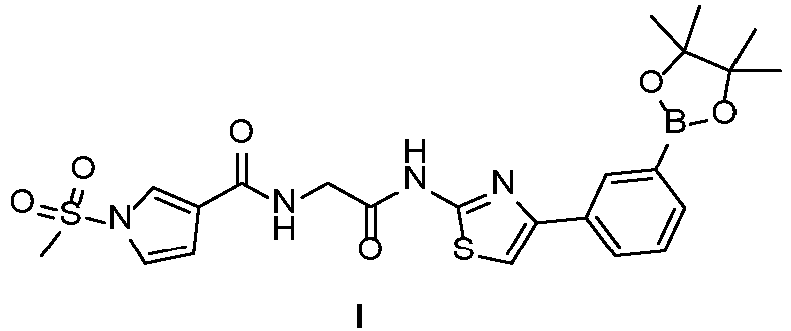
- To a solution of Intermediate G (1.5 g, 3.10 mmol) and 4,4,5,5-tetramethyl-2-(4,4,5,5-tetramethyl-1,3,2-dioxaborolan-2-yl)-1,3,2-dioxaborolane (1.18 g, 4.65 mmol) in dioxane (15 mL) was added Pd(dppf)Cl2 (227.07 mg, 310.33 µmol) and KOAc (913.69 mg, 9.31 mmol). Then the mixture was stirred at 80 °C for 2 h. The reaction mixture was poured into water (100 mL) and extracted with EtOAc (100 mL x 3). The combined organic layer was washed with brine (50 mL), dried over Na2SO4, filtered thought silica gel and concentrated to give a residue. The residue was triturated with solution (PE:EA =1:1,20 mL), filtered and concentrated in vacuum to give Intermediate I (6.5 g, 12.00 mmol, 96.71% yield) as a brown solid. LCMS (ESI) m/z [M+H]+ = 531.2; 1H NMR (400 MHz, DMSO-d6) δ 12.45 (s, 1H), 8.67 (t, J = 6.0 Hz, 1H), 8.29 (s, 1H), 8.01 (br d, J = 7.6 Hz, 1H), 7.84 (s,1H), 7.65 (s, 1H), 7.62 (d, J = 7.2 Hz, 1H), 7.44 (t, J = 7.6 Hz, 1H), 7.31 (t, J = 2.8 Hz, 1H), 6.78 (d, J = 1.6 Hz, 1H), 4.14 (d, J= 6.0 Hz, 2H), 3.57 (s, 3H), 1.31 (s, 12H).
-

- To a mixture of 1-(4-bromo-2-pyridyl)-N,N-dimethyl-methanamine (30 mg, 139.48 µmol), Intermediate I (88.78 mg, 167.37µmol), K3PO4 (118.42 mg, 557.91 µmol) in dioxane (1.5 mL) /H2O (0.2 mL) was added 1,1'-bis(di-tert-butylphosphino)ferrocene]dichloropalladium(II) (9.09 mg, 13.95 µmol), then the reaction mixture was stirred at 100°C for 2 hours under N2. The reaction mixture was diluted with water (10 mL) and extracted with EtOAc (10 mL x 2). The combined organic layers were washed with brine (10 mL x 2), dried over Na2SO4, filtered and concentrated under reduced pressure to give a residue. The residue was purified by Prep-HPLC (mobile phase: [water (0.05% ammonia hydroxide v/v)-acetonitrile]; B%: 22%-52%) and lyophilized to give Compound 1 (12.36 mg, 22.49 µmol, 16.12% yield, 98% purity) as a yellow solid. LCMS (ESI) m/z [M+H]+ = 539.4; 1H NMR (400 MHz, DMSO-d6) δ 12.45(s, 1H), 8.70-8.59 (m, 2H), 8.28 (s, 1H), 8.01 (d, J=8 Hz, 1H), 7.85-7.74 (m, 4H), 7.66-7.58 (m, 2H), 7.32-7.31 (m, 1H), 6.79-6.77 (m, 1H), 4.15(d, J=5.6 Hz, 2H), 3.68 (s, 2H), 3.57 (s, 3H), 2.29 (s, 6H).
-

-

- To a solution of methyl 1H-pyrrole-3-carboxylate (500 mg, 4.00 mmol) in DMF (10 mL) was added NaH (239.74 mg, 5.99 mmol, 60% purity) at 25 °C, then the mixture was stirred at this temperature for 1 h, and then 2-iodopropane (679.29 mg, 4.00 mmol, 399.58 µL) was added. The resulting mixture was stirred at this temperature for 1 h and then quenched by NH4Cl (3 mL), extracted with EtOAc (10 mL x 3). The combined organic layers were washed with brine (20 mL x 2), dried over Na2SO4, filtered and concentrated under reduced pressure to give Intermediate C (0.49 g, 1.22 mmol, 30.43% yield) as yellow oil, which was used into the next step without further purification. LCMS (ESI) m/z [M+H]+ = 168.1.
-

- To a solution of Intermediate C (200 mg, 1.20 mmol) in MeOH (1 mL) and H2O (3 mL) was added NaOH (96.00 mg, 2.40 mmol), then the mixture was stirred at 25 °C for 2 h. The reaction mixture was concentrated in vacuum and then purified by reversed phase (FA condition) and concentrated under reduced pressure to remove acetonitrile. Then the residue was extracted with EtOAc (10 mL x 3). The combined organic layers were dried over Na2SO4, filtered and concentrated under reduced pressure to give Intermediate D (68 mg, 435.89 µmol, 36.32% yield) as a white solid. LCMS (ESI) m/z [M+H]+ = 154.2; 1H NMR (400 MHz, DMSO-d6) δ 11.79-11.48 (m, 1H), 7.44-7.42 (m, 1H), 6.89-6.87 (m, 1H), 6.35 (dd, J = 2.0, 2.8 Hz, 1H), 4.39-4.24 (m, 1H), 1.41-1.34 (m, 6H).
-

- To a solution of 4-(3-bromophenyl)thiazol-2-amine (20 g, 78.39 mmol), 4,4,5,5-tetramethyl-2-(4,4,5,5-tetramethyl-1,3,2-dioxaborolan-2-yl)-1,3,2-dioxaborolane (21.90 g, 86.23 mmol) and Pd(dppf)Cl2 (2 g, 2.73 mmol) in dioxane (300 mL) was added KOAc (23.08 g, 235.17 mmol) under N2, the mixture was stirred at 80 °C for 2 h. The reaction mixture was concentrated under reduced pressure to give a residue. The residue was diluted with water (300 mL) and extracted with EtOAc (200 mL x 3). The combined organic layers were washed with brine (400 mL), dried over Na2SO4, filtered and concentrated under reduced pressure to give a crude Intermediate H (23.69 g, crude) as a brown solid, which was used to the next step without further purification. LCMS (ESI) m/z [M+H]+ = 303.2.
-

- To a solution of Intermediate H (23 g, 76.11 mmol), 3-bromo-1-methyl-pyrazole (12.25 g, 76.11 mmol) and [1,1'-bis(di-tert-butylphosphino)ferrocene]dichloropalladium(II) (3 g, 4.60 mmol) in dioxane (200 mL) and water (50 mL) was added K3PO4 (48.47 g, 228.33 mmol), the mixture was stirred at 80 °C for 4 h. The reaction mixture was concentrated under reduced pressure to give a residue. The residue was purified by column chromatography (SiO2, Petroleum ether / EtOAc = 3:1-2:1) and concentrated under reduced pressure to give Intermediate J (15 g, 58.52 mmol, 76.89% yield) as a gray solid. LCMS (ESI) m/z [M+H]+ = 257.1; 1H NMR (400 MHz, DMSO-d6) δ 8.25-8.24 (m, 1H), 7.73-7.63 (m, 3H), 7.38-7.34 (m, 1H), 7.08-6.06 (m, 3H), 6.69-6.68 (m, 1H), 3.89 (s, 3H).
-

- To a solution of 2-(tert-butoxycarbonylamino)acetic acid (4.10 g, 23.41 mmol), DIEA (6.05 g, 46.82 mmol, 8.15 mL) and HATU (8.90 g, 23.41 mmol) in DCM (40 mL) was added Intermediate J (4 g, 15.61 mmol), the mixture was stirred at 30 °C for 2 h. The reaction mixture was concentrated under reduced pressure to give a residue. The residue was purified by reverse phase (FA) and lyophilized to give Intermediate L (2 g, 4.44 mmol, 28.45% yield) as a brown solid. LCMS (ESI) m/z [M+H]+ =414.1.
-

- The solution of Intermediate L (2 g, 4.84 mmol) in 4 M HCl/dioxane (20 mL) was stirred at 30 °C for 1 hr. The reaction mixture was concentrated under reduced pressure to give a residue. The residue was triturated with MTBE (50.0 mL), then filtered and concentrated under reduced pressure to give Intermediate E (2 g, crude, HCl salt) as a brown solid. LCMS (ESI) m/z [M+H]+ =313.9; 1H NMR (400 MHz, DMSO-d6) δ 12.80 (s, 1H), 8.51 (s, 3H), 8.39 (s, 1H), 7.82-7.72 (m, 4H), 7.47-7.43 (m, 1H), 6.74-6.73 (m, 1H), 3.93-3.90 (m, 5H).
-

- A mixture of Intermediate D (65 mg, 424.34 µmol), Intermediate E (199.47 mg, 636.51 µmol), HOBt (114.68 mg, 848.69 µmol), EDCI (162.69 mg, 848.69 µmol) and DIEA (164.53 mg, 1.27 mmol, 221.74 µL) in DMF (2 mL) was degassed and purged with N2 for 3 times, and then the mixture was stirred at 25 °C for 12 h. The reaction mixture was concentrated in vacuum. The residue was purified by reversed phase (basic condition) and lyophilized to give Compound 2 (64 mg, 142.69 µmol, 33.62% yield) as a yellow solid. LCMS (ESI) m/z [M+H]+= 449.4; 1H NMR (400 MHz, DMSO-d6) δ 12.40 (s, 1H), 8.39 (s, 1H), 8.18-8.16 (m, 1H), 7.83-7.68 (m, 4H), 7.48-7.40 (m, 2H), 6.88-6.86 (m, 1H), 6.73 (d, J = 2.2 Hz, 1H), 6.48 (dd, J = 2.0, 2.8 Hz, 1H), 4.32 (m, 1H), 4.10 (d, J = 5.6 Hz, 2H), 3.91 (s, 3H), 1.39 (d, J = 6.8 Hz, 6H).
-

-
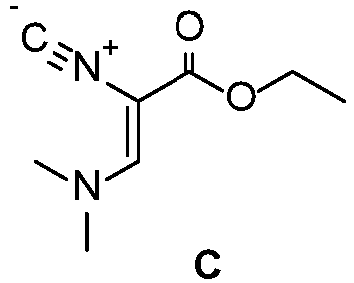
- To a solution of ethyl 2-isocyanoacetate (1 g, 8.84 mmol, 970.87 µL) in EtOH (10 mL) was added 1,1-dimethoxy-N,Ndimethyl-methanamine (2.11 g, 17.68 mmol, 2.35 mL) dropwise at 0 °C, the mixture was stirred at 30 °C for 16 h under N2. The reaction mixture was concentrated to give a residue. The residue was purified by column chromatography (SiO2, Petroleum ether / EtOAc = 30/1 to 10:1) and concentrated to give Intermediate C (1 g, crude) as brown oil. LCMS (ESI) m/z [M+H]+=169.2. 1H NMR (400 MHz, Methanol-d4) δ 7.34-7.31 (s, 1H), 4.20-4.13 (m, 2H), 3.31-3.24 (m, 6H), 1.29-1.25 (m, 3H).
-

- A mixture of Intermediate C (1 g, 5.95 mmol) and 2-methylpropan-2-amine (1.30 g, 17.84 mmol, 1.87 mL) was stirred at 140 °C for 24 h. The reaction mixture was concentrated to give a residue. The crude product was purified by reversed-phase HPLC (0.1% NH3•H2O), the solution was extracted with EtOAc (20 mL x 3), the combined organic layer was washed with brine (50 mL), dried over Na2SO4 and filtered. The filtrate was concentrated to give Intermediate D (200 mg, 847.00 µmol, 14.25% yield) as a yellow oil. LCMS (ESI) m/z [M+H]+= 197.3.
-

- To solution of Intermediate D (80 mg, 407.65 µmol) in H2O (1 mL) and EtOH (1 mL) was added NaOH (16.30 mg, 407.65 µmol), the mixture was stirred at 30 °C for 2 h. The reaction mixture was concentrated in vacuum to give Intermediate E (60 mg, crude) as a yellow solid, which was used for next step directly. LCMS (ESI) m/z [M+H]+= 169.1.
-

- To a solution of 3-(2-aminothiazol-4-yl)benzonitrile (7 g, 34.78 mmol) and 2-(tert-butoxycarbonylamino)acetic acid (9.14 g, 52.17 mmol) in Pyridine (140 mL) was added EDCI (20.00 g, 104.35 mmol), the mixture was stirred at 30 °C for 2 h. The reaction mixture was concentrated to give a residue. The residue was poured into aq. citric acid solution (200 mL), the solution was stirred at 30 °C for 30 min. The mixture was extracted with EtOAc (100 mL x 3), the combined organic layers were washed with brine (200 mL), dried over Na2SO4 and filtered. The filtrate was concentrated to give a residue. The residue was triturated with EtOAc (20 mL), then filtered and dried in vacuum to give Intermediate I (6.6 g, 15.98 mmol, 45.93% yield) as a white solid. LCMS (ESI) m/z [M+H-56]+= 303.0; 1H NMR (400 MHz, DMSO-d6) δ 12.39-12.31 (m, 1H), 8.34-8.29 (m, 1H), 8.25-8.18 (m, 1H), 7.88-7.84 (m, 1H), 7.81-7.76 (m, 1H), 7.70-7.62 (m, 1H), 7.24-7.12 (m, 1H), 3.94-3.80 (m, 2H), 1.48-1.32 (m, 9H).
-

- A mixture of Intermediate I (6.6 g, 18.19 mmol) in HCl/dioxane (70 mL) was stirred at 30 °C for 2 h. The reaction mixture was concentrated to give a residue. The residue was triturated with MTBE (10 mL), then filtered and dried in vacuum to give intermediate F (6.1 g, crude, HCl salt) as a white solid. LCMS (ESI) m/z [M+H]+= 258.9. 1H NMR (400 MHz, Methanol-d4) δ 8.27 (s, 1H), 8.20 (d, J = 8.0 Hz, 1H), 7.66-7.64 (m, 2H), 7.60-7.56 (m, 1H), 4.02 (s, 2H).
-

- To a solution of Intermediate E (60 mg, 356.73 µmol) and intermediate F (52.58 mg, 178.37 µmol, HCl salt) in DCM (2 mL) was added HATU (81.38 mg, 214.04 µmol) and DIEA (115.26 mg, 891.83 µmol, 155.34 µL), the mixture was stirred at 30 °C for 16 h. The reaction mixture was concentrated to give a residue. The residue was purified by Prep-HPLC (mobile phase: [water (0.225%FA)-acetonitrile]; B%: 22%-52%) and lyophilized to give Compound 3 (33.52 mg, 82.06 µmol, 46.01% yield) as a white solid. LCMS (ESI) m/z [M+H]+ =409.2; 1H NMR (400 MHz, DMSO-d6) δ 12.39 (s, 1H), 8.32 (s, 1H), 8.23-8.21 (m, 2H), 7.89-7.86 (m, 3H), 7.78 (d, J=7.6 Hz, 1H), 7.67-7.63 (m, 1H), 4.17 (d, J=6.0 Hz, 2H), 1.53 (s, 9H).
-

-

- To a mixture of 1H-pyrrole-3-carboxylic acid (500 mg, 4.50 mmol) in toluene (15 mL) was added 1,1-di-tert-butoxy-N,N-dimethylmethanamine (3.66 g, 18.00 mmol, 4.32 mL) dropwisely at 80 °C within 20 min. The reaction mixture was stirred at 80 °C for 10 min. The reaction mixture was cooled to room temperature (30°C), diluted with EtOAc (40 mL), washed with H2O (60 mL) and extracted with EtOAc (60 mL x 3). The combined organic layers were washed with brine (30 mL), dried over anhydrous Na2SO4, filtered and concentrated under reduced pressure to afford a residue. The residue was purified by reverse phase column (NH3.H2O condition) and lyophilized to afford Intermediate C (450 mg, 2.69 mmol, 59.80% yield) as yellow solid. 1H NMR (400 MHz, CDCl3) δ 8.52 (br s, 1H), 7.37-7.35 (m, 1H), 6.74-6.72 (m, 1H), 6.62-6.60 (m, 1H), 1.56 (s, 9H).
-

- To a solution of Intermediate C (620 mg, 3.71 mmol) in THF (25 mL) was added KHMDS (1 M, 7.42 mL) slowly at 0 °C under N2. The reaction mixture was stirred at 0 °C for 30 min under N2. Then to the reaction mixture was added methanesulfonyl chloride (509.71 mg, 4.45 mmol, 344.40 µL) slowly at 0 °C under N2. The reaction mixture was warmed to 30 °C and stirred at 30 °C for 16 h under N2. The reaction mixture was poured into H2O (60 mL) slowly and extracted with EtOAc (60 mL x 3). The combined organic layers was washed with brine (30 mL), dried over anhydrous Na2SO4, filtered and concentrated under reduced pressure to afford a residue. The residue was purified by reverse phase column (NH3.H2O condition) to afford Intermediate E (510 mg, 2.01 mmol, 54.19% yield) as yellow solid. LCMS (ESI) m/z[M+Na]+=268.2. 1H NMR (400 MHz, CDCl3) δ 7.65-7.64 (m, 1H), 7.09-7.08 (m, 1H), 6.72-6.71 (m, 1H), 3.21 (s, 3H), 1.56 (s, 9H).
-

- To a solution of Intermediate E (560 mg, 2.28 mmol) in DCM (25 mL) was added TFA (3.85 g, 33.77 mmol, 2.5 mL) slowly at 30 °C. The reaction mixture was stirred at 30 °C for 2 h. The reaction mixture was concentrated under reduced pressure to afford a residue. The residue was purified by reverse phase column (FA condition) to afford Intermediate F (310 mg, 1.57 mmol, 68.57% yield) as white solid. LCMS (ESI) m/z [M+H]+=190.0. 1H NMR (400 MHz, Methanol-d4) δ 7.77-7.76 (m, 1H), 7.24-7.22 (m, 1H), 6.71-6.70 (m, 1H), 3.37 (s, 3H).
-
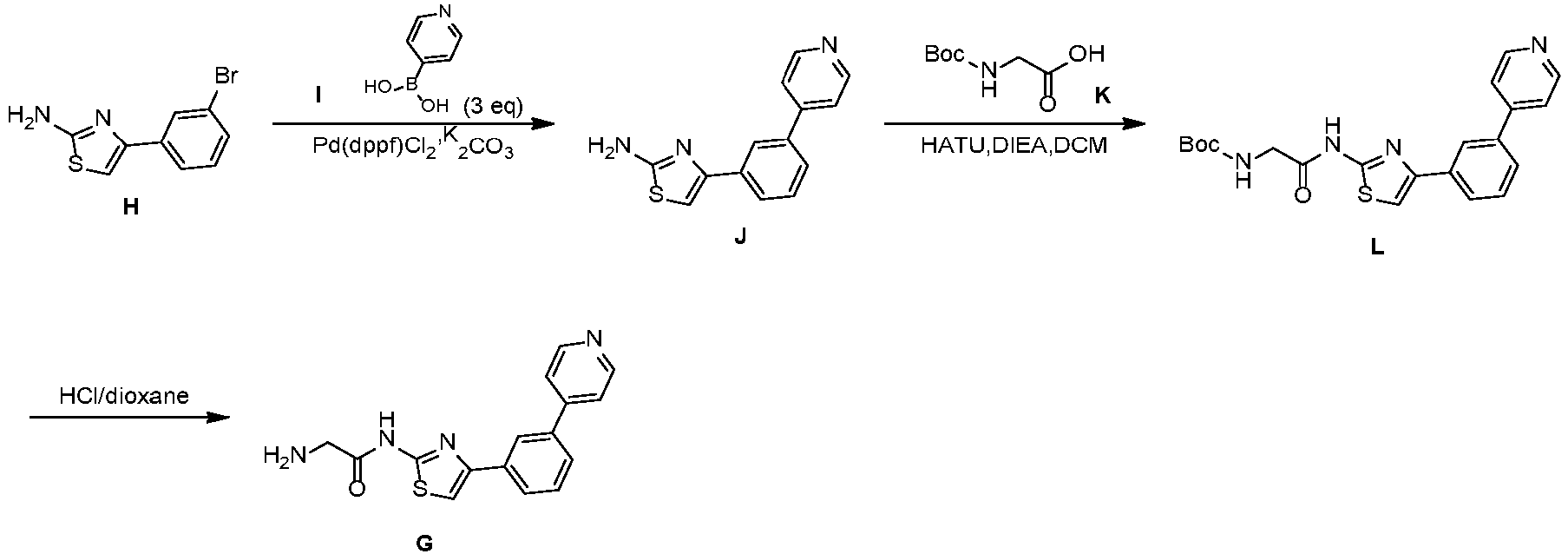
-

- To a solution of 4-(3-bromophenyl)thiazol-2-amine (10 g, 39.20 mmol) , 4-pyridylboronic acid (14.45 g, 117.59 mmol) and K2CO3 (16.25 g, 117.59 mmol) in dioxane (120 mL) and Water (30 mL) was added Pd(dppf)Cl2 (1 g, 1.37 mmol) under N2 , the mixture was stirred at 100 °C for 4 h. The reaction mixture was diluted with water (500 mL), extracted with EtOAc (500 mL) and concentrated under reduced pressure to give a residue. The residue was purified by crystallization from DCM/MTBE=1:20 (200 mL) and filtered to give intermediate J (9.5 g, 36.33 mmol, 92.69% yield) as a brown solid. LCMS (ESI) m/z [M+H]+ = 254.2; 1H NMR (400 MHz, DMSO-d6) δ 8.66 (d, J=6.0 Hz, 2H), 8.19 (s, 1H), 7.90 (d, J=8.0 Hz, 1H), 7.76 - 7.70 (m, 2H), 7.68 (d,J=8.0 Hz, 1H), 7.52 (t, J=8.0 Hz, 1H), 7.21 (s, 1H), 7.11 (s, 2H).
-

- To a solution of 2-(tert-butoxycarbonylamino)acetic acid (9.85 g, 56.25 mmol), HATU (21.39 g, 56.25 mmol) and DIPEA (14.54 g, 112.51 mmol) in DCM (200 mL) was added Intermediate C (9.5 g, 37.50 mmol, 1 eq), the mixture was stirred at 30 °C for 16 h. A precipitate was formed. The reaction mixture was filtered to give a yellow solid. The crude product was triturated with EtOAc (300.0 mL) and MeOH (50.0 mL) and dried in vacuum to give intermediate L (11 g, 25.89 mmol, 69.03% yield) as a white solid. LCMS (ESI) m/z [M+H]+= 411.3. 1H NMR (400 MHz, DMSO-d6) δ 12.32 (br s, 1H), 8.69 - 8.67 (m, 2H), 8.30 (s, 1H), 8.01 (d, J=7.8 Hz, 1H), 7.83 (s, 1H), 7.80 - 7.76 (m, 3H), 7.64 - 7.60 (m, 1H), 7.20 - 7.15 (m, 1H), 3.88 (d, J=6.4 Hz, 2H), 1.44 (s, 9H).
-

- To a solution of Intermediate L (11 g, 26.80 mmol) in MeOH (20 mL) was added 4 M HCl/EtOAc (20 mL). The mixture was stirred at 20 °C for 2 h. The reaction mixture was concentrated under reduced pressure to give a residue. The residue was purified by triturated with EtOAc (200 mL) and MTBE (50 mL) and dried in vacuum to give intermediate G (12 g, HCl salt) a light yellow solid. LCMS (ESI) m/z [M+H]+= 311.3. 1H NMR (400 MHz, Methanol-d4) δ8.92 (d, J=6.8 Hz, 2H), 8.52 - 8.47 (m, 3H), 8.22 (d, J=8.0 Hz, 1H), 7.94 (m, J=8.4 Hz, 1H), 7.75 - 7.66 (m, 2H), 4.04 (s, 2H).
-

- To a mixture of Intermediate F (248.74 mg, 1.31 mmol) in DCM (15 mL) was added DIPEA (708.01 mg, 5.48 mmol, 954.19 µL), HATU (624.88 mg, 1.64 mmol) and 2-amino-N-(4-(3-(pyridin-4-yl)phenyl)thiazol-2-yl)acetamide (380 mg, 1.10 mmol, HCl salt) at 30 °C. The reaction mixture was stirred at 30 °C for 13 h. The reaction mixture was filtered and the filter cake was washed with DCM (50 mL) and MeOH (20 mL) to afford a yellow solid (600 mg). The yellow solid was triturated with EtOH (50 mL) at 30 °C for 15 min and filtered to afford a yellow solid (270 mg). The yellow solid was triturated with MeCN (20 mL) and 10 drops of TFA at 30 °C for 20 min and filtered to afford Compound 4 (257.10 mg, 419.77 µmol, 38.31% yield, TFA salt) as white solid. LCMS (ESI) m/z [M+H]+ = 481.9; 1H NMR (400 MHz, DMSO) δ 12.46 (s, 1H), 8.85 (d, J=5.2 Hz, 2H), 8.71-8.69 (m, 1H), 8.40 (s, 1H), 8.13-8.08 (m, 3H), 7.89-7.84 (m, 3H), 7.68-7.64 (m, 1H), 7.33-7.31 (m, 1H), 6.78-6.77 (m, 1H), 4.15 (d, J=5.6 Hz, 2H), 3.58 (s, 3H).
-

-
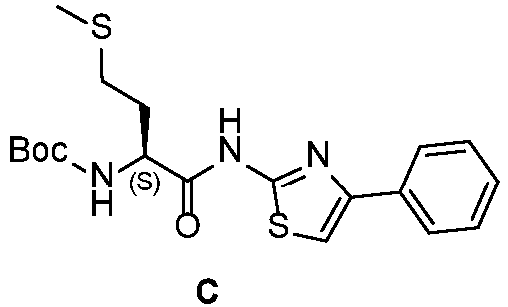
- To a solution of (2S)-2-(tert-butoxycarbonylamino)-4-methylsulfanyl-butanoic acid (5.0 g, 20.05 mmol) in DCM (20.0 mL) was added EEDQ (6.20 g, 25.07 mmol), then 4-phenylthiazol-2-amine (2.95 g, 16.71 mmol) was added to the mixture. The mixture was stirred at 25 °C for 3 h. 10% of Citric acid (800.0 mL) was added and the reaction mixture was extracted with EtOAc (200 mL). The combined organic layers were washed with brine (100 mL), dried over Na2SO4, filtered and concentrated under reduced pressure to give a residue. The residue was purified by column chromatography (SiO2, Petroleum ether / EtOAc = 50/1 to 8:1) to give intermediate C (5.8 g, 14.23 mmol, 85.16% yield) as a white solid. LCMS (ESI) m/z [M+H]+ = 408.0; ee%=100%.
-

- To a solution of intermediate C (5.8 g, 14.23 mmol) in DCM (20.0 mL) was added TFA (4.0 mL). The mixture was stirred at 10 °C for 2 h. The reaction mixture was concentrated under reduced pressure to remove DCM. The crude product intermediate D (7 g, crude, TFA salt) was lyophilized and used into the next step without further purification as a white solid. LCMS (ESI) m/z [M+H]+ = 307.9; ee%=100%.
-

- To a solution of 1-methylsulfonylpyrrole-3-carboxylic acid [prepared according to the method in Example 4] (300 mg, 1.59 mmol) and intermediate D (487.50 mg, 1.59 mmol) in DCM (10 mL) was added DIPEA (614.81 mg, 4.76 mmol, 828.59 µL), EDCI (455.97 mg, 2.38 mmol) and HOBt (321.39 mg, 2.38 mmol) at 30 °C. The reaction mixture was stirred at 30 °C for 3 h. The reaction mixture was concentrated under reduced pressure to afford a residue. The residue was purified by reverse phase column (FA condition) and lyophilized to afford Compound 5 (507.03 mg, 1.05 mmol, 66.35% yield) as white solid. LCMS (ESI) m/z [M+H]+ = 478.9; 1H NMR (400 MHz, Methanol-d4) δ 7.93-7.85 (m, 3H), 7.42-7.35 (m, 3H), 7.30 (d, J=7.2 Hz, 1H), 7.28-7.24 (m, 1H), 6.84-6.82 (m, 1H), 4.90-4.88 (m, 1H), 3.36 (s, 3H), 2.73-2.57 (m, 2H), 2.31-2.11 (m, 5H); ee%=100%.
-

-

- To a solution of 2-(tert-butoxycarbonylamino)acetic acid (14.68 g, 83.78 mmol) and 4-bromothiazol-2-amine (10 g, 55.85 mmol) in pyridine (150 mL) was added EDCI (53.54 g, 279.27 mmol) at 25 °C. The reaction mixture was stirred at 25 °C for 16 h. The reaction mixture was extracted with EtOAc (50 mL x 3). The combined organic phase was washed with brine (50 mL), dried with anhydrous Na2SO4, filtered and concentrated in vacuum. The residue was purified by flash silica gel chromatography (Petroleum ether / EtOAc = 1:0 to 0:1) to give a solid. The solid was triturated with MTBE (20 mL), filtered and dried in vacuum to give Intermediate C (8 g, 21.65 mmol, 38.77% yield) as a white solid. LCMS (ESI) [M+H]+= 336.1/338.1; 1H NMR (400 MHz, DMSO-d6) δ 12.44 (s, 1H), 7.29 (s, 1H), 7.17 (s, 1H), 6.59 - 6.56 (m, 1H), 3.84 (d, J = 6.4 Hz, 2H), 1.39 (s, 9H).
-

- A solution of intermediate C (5 g, 14.87 mmol) in HCl/dioxane (4 M, 50 mL) was stirred at 25 °C for 2 hours. The reaction mixture was filtered and the solid was dried in vacuum to afford Intermediate D (4.2 g, HCl salt) as a yellow solid. LCMS (ESI) m/z [M+H]+= 236.2/238.2.
-

- The solution of 1-methylsulfonylpyrrole-3-carboxylic acid [prepared according to the method in Example 4] (1.67 g, 8.81 mmol), DIEA (2.85 g, 22.01 mmol) and HATU (4.19 g, 11.01 mmol) in DCM (20 mL) was stirred at 25 °C for 5 minutes. Then Intermediate D (2 g, 7.34 mmol) was added at 25 °C. The reaction mixture was stirred at 25 °C for 16 hours. The reaction mixture was filtered to afford a brown solid. The solid was triturated with DCM (5 mL) and then dissolved with DMSO (5 mL) and repurified by reversed-phase HPLC (FA), concentrated and extracted with EtOAc (20 mL x 2), the combined organic layers was dried over anhydrous Na2SO4 and concentrated to afford intermediate F (550 mg, 1.31 mmol, 17.83% yield) as a white solid. LCMS (ESI) [M+H]+=407.1/409.1; 1H NMR (400 MHz, DMSO-d6) δ 12.54 (br s, 1H), 8.69 - 8.67 (m, 1H), 7.83 - 7.83 (m, 1H), 7.33 - 7.28 (m, 2H), 6.76 - 6.75 (m, 1H), 4.10 (d, J = 5.8 Hz, 2H), 3.57 (s, 3H).
-

- To a solution of 4-(4,4,5,5-tetramethyl-1,3,2-dioxaborolan-2-yl)-1H-pyrazole (500 mg, 2.58 mmol) and 4-fluoropyridine (375.28 mg, 2.81 mmol, 1.09 eq, HCl) in DMF (5 mL) was added Cs2CO3 (1.68 g, 5.15 mmol).Then the mixture was stirred at 100 °C for 16 h. The reaction mixture was diluted with brine (10 mL) and then extracted with EtOAc (5 mL x 2). The combined organic layers were dried over anhydrous Na2SO4, filtered and concentrated under reduced pressure to give intermediate G (1.5 g, crude) as yellow oil, which was used directly in the next step. LCMS (ESI) [M+H]+ = 272.1.
-

- To a solution of Intermediate F (100 mg, 245.54 µmol) and intermediate G (332.86 mg, 1.23 mmol) in Dixoane/H2O=4/1 (5 mL) was added K3PO4 (156.36 mg, 736.62 µmol) and [1,1'-bis(di-tert-butylphosphino)ferrocene]dichloropalladium(II) (32.01 mg, 49.11 µmol). The mixture was stirred at 75 °C under N2 for 16 h. To the mixture was added H2O (0.5mL) and a yellow solid was precipitate from the mixture, the solid was filtered to afford the crude product. The crude product was purified by reversed phase (0.1% FA condition) and lyophilized to afford Compound 6 (11.15 mg, 20.62 µmol, 8.40% yield, FA salt) as a white solid. LCMS (ESI) m/z [M+H]+= 472.3; 1H NMR (400 MHz, DMSO-d6) δ 12.41 (br s, 1H), 8.98 (s, 1H), 8.68-8.66 (m, 3H), 8.22 (s, 1H), 7.90-7.88 (m, 2H), 7.85-7.84 (m, 1H), 7.41 (s, 1H), 7.32-7.32(m, 1H), 6.78-6.78 (m, 1H), 4.22-4.07 (m, 2H), 3.66-3.50 (m, 3H).
-

-

- To a solution of 1-tert-butylpyrrole-3-carboxylic acid [prepared according to the method in Example 34] (73.62 mg, 440.29 µmol) in DCM (4 mL) was added EDCI (105.50 mg, 550.36 µmol), DIEA (189.68 mg, 1.47 mmol, 255.63 µL) and HOBt (74.37 mg, 550.36 µmol). Then 2-amino-N-(4-bromothiazol-2-yl)acetamide [prepared according to the method in Example 6] (100 mg, 366.90 µmol, HCl salt) was added. The mixture was stirred at 25 °C for 2 h. Water (20 mL) was added and the reaction mixture was extracted with EtOAc (50 mL x 2). The combined organic layers were washed with brine (20 mL), dried over Na2SO4, filtered and concentrated under reduced pressure to give a residue. The residue was purified by flash silica gel chromatography (EtOAc/Petroleum ether gradient) and concentrated to give Intermediate D (120 mg, 303.55 µmol, 82.73% yield) as a white solid. LCMS (ESI) m/z [M+H]+= 387.0.
-

- A mixture of 7-bromo-2-methyl-isoquinolin-1-one (300 mg, 1.26 mmol), 4,4,5,5-tetramethyl-2-(4,4,5,5-tetramethyl-1,3,2-dioxaborolan-2-yl)-1,3,2-dioxaborolane (351.98 mg, 1.39 mmol), KOAc (371.00 mg, 3.78 mmol) and [1,1'-bis(di-tert-butylphosphino)ferrocene]dichloropalladium(II) (82.12 mg, 126.01 µmol) in dioxane (4 mL) was degassed and purged with N2 for 3 times, and then the mixture was stirred at 80 °C for 2 h under N2 atmosphere. Water (20 mL) was added and the reaction mixture was extracted with EtOAc (50 mL x 2). The combined organic layers were washed with brine (20 mL), dried over Na2SO4, filtered and concentrated under reduced pressure to give Intermediate H (300 mg, crude) as a yellow solid, which was used for the next step without further purification. LCMS (ESI) m/z [M+H]+ = 286.2.
-

- To a solution of Intermediate H (80 mg, 280.56 µmol) in MeOH (5 mL) was added Pd/C (10 mg, 280.56 µmol, 10% purity). The mixture was stirred under H2 (15 psi) at 25°C for 12 hours. The reaction mixture was filtered and concentrated under reduced pressure to give Intermediate E (70 mg, crude) as a white solid, which was used for the next step without further purification. LCMS (ESI) m/z [M+H]+ = 287.8.
-

- A mixture of N-(2-((4-bromothiazol-2-yl)amino)-2-oxoethyl)-1-(tert-butyl)-1H-pyrrole-3-carboxamide (50 mg, 129.78 µmol), Intermediate E (48.45 mg, 168.71 µmol), K3PO4 (82.64 mg, 389.34 µmol) and [1,1'-bis(di-tert-butylphosphino)ferrocene]dichloropalladium(II) (16.92 mg, 25.96 µmol) in dioxane (2 mL) and H2O (0.5 mL) was degassed and purged with N2 for 3 times, and then the mixture was stirred at 80 °C for 2 h under N2 atmosphere. Water (20 mL) was added and the reaction mixture was extracted with EtOAc (50 mL x 2). The combined organic layers were washed with brine (20 mL), dried over Na2SO4, filtered and concentrated under reduced pressure to give a residue. The residue was purified by Prep-HPLC (mobile phase: [water (0.05% ammonia hydroxide v/v)-acetonitrile]; B%: 28%-58%) and lyophilized to give Compound 7 (7 mg, 15.04 µmol, 11.59% yield) as a white solid. LCMS (ESI) m/z [M+H]+=466.2; 1H NMR (400 MHz, DMSO-d6) δ 12.36 (s, 1H), 8.46 (d, J=2.0 Hz, 1H), 8.17-8.14 (m, 1H), 7.98-7.95 (m, 1H), 7.65 (s, 1H), 7.52-7.50 (m, 1H), 7.35 (d, J=8.0 Hz, 1H), 6.97-6.95 (m, 1H), 6.47-6.46 (m, 1H), 4.09 (d, J=5.6 Hz, 2H), 3.58-3.55 (m, 2H), 3.04-2.98 (m, 5H), 1.50 (s, 9H).
-

-

- To a solution of 2-amino-N-[4-(3-bromophenyl)thiazol-2-yl]acetamide (prepared according to the method in Example 1) (2.09 g, 5.98 mmol, HCl salt) in DCM (20 mL) was added EDCI (1.72 g, 8.97 mmol), DIEA (3.86 g, 29.90 mmol, 5.21 mL) and HOBt (1.21 g, 8.97 mmol). The mixture was stirred at 25 °C for 30min, then1-tert-butylpyrrole-3-carboxylic acid [prepared according to the method in Example 34] (1 g, 5.98 mmol) was added at 25°C and stirred for 16 h. The mixture was cooled to 25 °C and concentrated in reduced pressure at 40 °C. The residue was poured into ice-water (20 mL). The aqueous phase was extracted with EtOAc (20 mL x 3). The combined organic phase was washed with brine (20 mL), dried with anhydrous Na2SO4, filtered and concentrated in vacuum to afford a residue. The residue was purified by silica gel column chromatography (Petroleum ether / EtOAc = 1:0, 0:1)) and concentrated to afford Intermediate C (1.5 g, 3.25 mmol, 54.36% yield) as yellow solid. LCMS (ESI) m/z [M+H]+ =463.0; 1H NMR (400 MHz, DMSO-d6) δ 12.37 (s, 1H), 8.24-8.17 (m, 1H), 8.12 (d, J = 1.6 Hz, 1H), 7.95-7.88 (m, 1H), 7.78 (s, 1H), 7.57-7.49 (m, 2H), 7.41 (s, 1H), 6.99-6.97 (m, 1H), 6.48-6.47 (m, 1H), 4.13-4.07 (m, 2H), 1.50 (s, 9H).
-

- A mixture of Intermediate C (500 mg, 1.08 mmol), 4,4,5,5-tetramethyl-2-(4,4,5,5-tetramethyl-1,3,2-dioxaborolan-2-yl)-1,3,2-dioxaborolane (825.59 mg, 3.25 mmol), Pd(dppf)Cl2 (158.59 mg, 216.74 µmol), KOAc (319.08 mg, 3.25 mmol) in dioxane (5 mL) was degassed and purged with N2 for 3 times, and then the mixture was stirred at 80 °C for 4 h under N2 atmosphere. The mixture was cooled to 25 °C and concentrated in reduced pressure at 40 °C. The residue was poured into ice-water (10 mL). The aqueous phase was extracted with EtOAc (10 mL x 3). The combined organic phase was washed with brine (10 mL), dried with anhydrous Na2SO4, filtered and concentrated in vacuum to afford a residue. The residue was purified by silica gel chromatography (Petroleum ether / EtOAc = 10/1, 0/1) and concentrated to afford Intermediate E (500 mg, 973.57 µmol, 89.84% yield) as yellow solid. LCMS (ESI) m/z [M+H]+ = 509.4.
-

- To a mixture of 1-(3-bromopyrazol-1-yl)-2-methyl-propan-2-ol (50 mg, 228.23 µmol) and Intermediate E (116.04 mg, 228.23 µmol) in dioxane (1.2 mL) and H2O (0.3 mL) was added [1,1'-bis(di-tert-butylphosphino)ferrocene]dichloropalladium(II) (29.75 mg, 45.65 µmol) and K3PO4 (145.34 mg, 684.69 µmol) at 25 °C under N2. The reaction mixture was heated to 75 °C and stirred at 75 °C for 2 h. The mixture was cooled to 25 °C and concentrated in reduced pressure at 40 °C. The residue was poured into ice-water (10 mL). The aqueous phase was extracted with EtOAc (10 mL x 3). The combined organic phase was washed with brine (10 mL), dried with anhydrous Na2SO4, filtered and concentrated in vacuum to afford a residue. The residue was purified by reversed phase HPLC (FA) and lyophilized to afford Compound 8 (20.86 mg, 39.67 µmol, 17.38% yield) as yellow solid. LCMS (ESI) m/z [M+H]+ =521.3; 1HNMR (400 MHz, Methanol-d4) δ 8.39-8.30 (m, 1H), 7.87-7.79 (m, 1H), 7.75-7.67 (m, 2H), 7.60-7.56 (m, 1H), 7.46-7.40 (m, 2H), 6.98-6.93 (m, 1H), 6.73-6.67 (m, 1H), 6.60-6.54 (m, 1H), 4.27-4.20 (m, 2H), 4.18-4.12 (m, 2H), 1.57 (s, 9H), 1.22 (s, 6H).
-

-

- To a solution of N-(2-((4-(3-bromophenyl)thiazol-2-yl)amino)-2-oxoethyl)-1-(methylsulfonyl)-1H-pyrrole-3-carboxamide [prepared according the method in Example 1] (50 mg, 96.26 µmol) and 4-(4,4,5,5-tetramethyl-1,3,2-dioxaborolan-2-yl)pyridin-2-amine (31.78 mg, 144.40 µmol) in dioxane (2 mL) and H2O (0.2 mL) was added K3PO4 (61.30 mg, 288.79 µmol) and [1,1'-bis(di-tert-butylphosphino)ferrocene]dichloropalladium(II) (12.55 mg, 19.25 µmol) under N2. The reaction mixture was stirred at 80 °C for 2 h. The reaction mixture was poured into water (5 mL), the solution was extracted with EtOAc (5 mL x 3). The combined organic layer was washed with brine (20 mL), dried over Na2SO4 and filtered. The filtrate was concentrated to give a residue. The residue was purified by Pre-HPLC (mobile phase: [water (0.225%FA)- acetonitrile]; B%: 15%-36%) to give Compound 9 (4.95 mg, 9.97 µmol, 10.36% yield) as a white solid. LCMS (ESI) m/z [M+H]+ = 497.1. 1H NMR (400 MHz, DMSO-d6) δ 12.78-12.43 (m, 1H), 8.69-8.67 (m, 1H), 8.25 (s, 1H), 8.16 (s, 1H), 7.99 (d, J=5.6 Hz,1H), 7.98 (s, 1H), 7.85-7.83 (m, 1H), 7.75 (s, 1H), 7.56-7.55 (m, 2H), 7.30 (s, 1H), 6.81 (dd, J=1.6, 5.4 Hz, 1H), 6.77 (d, J=1.6 Hz, 1H), 6.73 (s, 1H), 5.98 (s, 2H), 4.14 (d, J=6.0 Hz, 2H), 3.56 (s, 3H).
-

-

- A mixture of tert-butyl N-[2-[[4-(3-bromophenyl)thiazol-2-yl]amino]-2-oxo-ethyl]carbamate (400 mg, 970.17 µmol) (prepared according to the method in Example 1), cis-2,6-dimethylmorpholine (167.61 mg, 1.46 mmol), [2-(2-aminophenyl)phenyl]-methylsulfonyloxypalladium;ditert-butyl-[2-(2,4,6-triisopropylphenyl)phenyl]phosphane (77.07 mg, 97.02 µmol) and t-BuONa (279.71 mg, 2.91 mmol) in dioxane (4 mL) was degassed and purged with N2 for 3 times, and then the mixture was stirred at 60 °C for 12 h under N2 atmosphere. Water (20 mL) was added and the reaction mixture was extracted with EtOAc (50 mL x 2). The combined organic layers were washed with brine (20 mL), dried over Na2SO4, filtered and concentrated under reduced pressure to give a residue. The residue was purified by flash silica gel chromatography (Eluent of 10-60% Ethyl acetate/Petroleum ether gradient) and concentrated in vacuum to give Intermediate C (200 mg, 362.77 µmol, 37.39% yield) as yellow oil. LCMS (ESI) m/z [M+H]+ = 447.3.
-

- To a solution of Intermediate C (180 mg, 403.08 µmol) in MeOH (2 mL) was added HCl/dioxane (2 mL). The mixture was stirred at 25 °C for 2 h. The reaction mixture was concentrated under reduced pressure to give Intermediate D (160 mg, crude, HCl salt) as a yellow solid, which was used into the next step without further purification. LCMS (ESI) m/z [M+H]+ = 347.2.
-

- To a solution of 1-methylsulfonylpyrrole-3-carboxylic acid [prepared according to the method in Example 4] (47.43 mg, 250.71 µmol) in DMF (2 mL) was added EDCI (60.08 mg, 313.39 µmol), DIEA (108.01 mg, 835.71 µmol, 145.57 µL) and HOBt (42.35 mg, 313.39 µmol), then Intermediate D (80 mg, 208.93 µmol, HCl salt) was added. The mixture was stirred at 25 °C for 2 h. The reaction mixture was concentrated under reduced pressure to give a residue. The residue was purified by Prep-HPLC (mobile phase: [water (0.075%TFA)- acetonitrile]; B%: 30%-60%) and lyophilized to give Compound 10 (40 mg, 60.79 µmol, 29.10% yield, TFA salt) as a white solid. LCMS (ESI) m/z [M+H]+ = 518.3. 1H NMR (400 MHz, DMSO-d6) δ 12.35 (s, 1H), 8.67-8.65 (m, 1H), 7.84 (s, 1H), 7.61 (s, 1H), 7.44 (s, 1H), 7.36-7.30 (m, 2H), 7.29-7.24 (m, 1H), 6.93 (d, J=8.0 Hz, 1H), 6.79-6.75 (m, 1H), 4.13 (d, J=5.6 Hz, 2H), 3.78-3.67 (m, 2H), 3.62 (d, J=11.0 Hz, 2H), 3.57 (s, 3H), 2.32-2.25 (m, 2H), 1.17 (d, J=6.0 Hz, 6H); ee%=100%.
-

-

- To a solution of tert-butyl (3S)-3-hydroxypiperidine-1-carboxylate (2 g, 9.94 mmol) in THF (20 mL) was added NaH (794.91 mg, 19.87 mmol, 60% purity) at 0°C, and stirred at 0°C for 30 min, then Mel (2.12 g, 14.91 mmol, 927.95 µL) was added to the mixture and stirred at 25°C for 2 h. The mixture was poured into aq. NH4Cl (80 mL), then extracted with EtOAc (30 mL x 3). The combined organic layers were washed with brine (25 mL x 2), dried over Na2SO4, filtered and concentrated under reduced pressure to give Intermediate B (2.14 g, crude) as a black brown oil, which was used to next step without further purification. LCMS (ESI) m/z [M+Na]+ = 237.9.
-

- A solution of Intermediate B (1.78g g, 8.27 mmol) in HCl/dioxane (4 M, 12.82 mL) was stirred at 25°C for 1 h. The reaction mixture was concentrated under vacuum to give Intermediate C (1.2 g, crude, HCl salt) as a black brown solid, which was used to next step without further purification.
1H NMR (400 MHz, methanol-d4) δ 3.63 (s, 1H), 3.39 (s, 3H), 3.27 (s, 1H), 3.22-3.12 (m, 2H), 3.05-3.00 (m, 1H), 2.01-1.94 (m, 2H), 1.76-1.66 (m, 2H). -

- A mixture of tert-butyl N-[2-[[4-(3-bromophenyl)thiazol-2-yl]amino]-2-oxo-ethyl]carbamate (prepared according to the method in Example 1) (250 mg, 606.35 µmol), Intermediate C (137.92 mg, 909.53 µmol, HCl salt), t-BuONa (233.08 mg, 2.43 mmol) and [2-(2- aminophenyl)phenyl]-methylsulfonyloxy-palladium;ditert-butyl-[2-(2,4,6-triisopropylphenyl)phenyl]phosphane (48.17 mg, 60.64 µmol) in dioxane (5 mL) was degassed and purged with N2 for 3 times, and then the mixture was stirred at 70°C for 3 h under N2. The reaction mixture was diluted with water (100 mL) and extracted with EtOAc (150 mL x 3). The combined organic layers were washed with brine (45 mL x 2), dried over Na2SO4, filtered and concentrated under reduced pressure to give a residue. The residue was purified by column chromatography (SiO2, Petroleum ether / EtOAc = 20/1 to 1:1) and concentrated in vacuum to give Intermediate D (340 mg, 723.30 µmol, 59.64% yield) as a white solid. LCMS (ESI) m/z [M+H]+ = 447.5.
-

- A mixture of Intermediate D (300 mg, 671.80 µmol) in HCl/dioxane (4 M, 3 mL) was stirred at 25 °C for 0.5 h under N2. The reaction mixture was concentrated under vacuum to give Intermediate E (300 mg, crude, HCl salt) as a brown solid, which was used to next step directly.
-

- To a solution of Intermediate E (60 mg, 156.70 µmol, HCl salt), 1-methylsulfonylpyrrole-3-carboxylic acid [prepared according to the method in Example 4] (35.57 mg, 188.04 µmol) and DIEA (101.26 mg, 783.48 µmol, 136.46 µL) in DCM (2 mL) was added HOBt (25.41 mg, 188.04 µmol) and EDCI (90.12 mg, 470.09 µmol), the reaction mixture was stirred at 25°C for 2 h. The reaction mixture was concentrated under vacuum to give residue. The residue was purified by Pre-HPLC (mobile phase: [water (0.1%TFA)-acetonitrile]; B%: 20%-40%) and lyophilized to give Compound 11 (88.55 mg, 140.19 µmol, 89.47% yield, TFA salt) as a white solid. LCMS (ESI) m/z [M+H]+ = 518.4. 1H NMR (400MHz, DMSO-d6) δ 8.12-8.00 (m, 2H), 7.83 (s, 1H), 7.62-7.51 (m, 3H), 7.28-7.27 (m, 1H), 6.81-6.80 (m, 1H), 4.26 (s, 2H), 3.80-3.72 (m, 3H), 3.64-3.59 (m, 1H), 3.55-3.51 (m, 1H), 3.48 (s, 3H), 3.38 (s, 3H), 2.28-2.20 (m, 1H), 2.04-1.99 (m, 1H), 1.95-1.87 (m, 2H); ee%=100%.
-

-

- To a solution of 7-bromo-1H-quinolin-2-one (500 mg, 2.23 mmol) in DMF (5 mL) was added NaH (107.11 mg, 2.68 mmol, 60% purity) at 0 °C and stirred at 0 °C for 0.5 h. Then Mel (610mg mg, 4.30 mmol, 267.54 µL) was added at 0 °C and stirred at 25 °C for 1.5 h. The reaction mixture was quenched by addition water (2 mL), and then diluted with EtOAc (15 mL) and extracted with EtOAc (10 mL x 2). The combined organic layers were dried over anhydrous Na2SO4 and filtered and concentrated under reduced pressure to give Intermediate B (400 mg, 1.68 mmol, 75.29% yield) as a brown solid, which was used for the next step directly without further purification. 1H NMR (400 MHz, DMSO-d6) δ 7.91 (d, J = 9.6 Hz, 1H), 7.74 (s, 1H), 7.67 (d, J = 8.4 Hz, 1H), 7.46-7.44 (m, 1H), 6.65 (d, J = 9.2 Hz, 1H), 3.60 (s, 3H).
-

- To a solution of Intermediate B (400 mg, 1.68 mmol) in dioxane (5 mL) was added 4,4,5,5-tetramethyl-2-(4,4,5,5-tetramethyl-1,3,2-dioxaborolan-2-yl)-1,3,2-dioxaborolane (639.96 mg, 2.52 mmol) and KOAc (494.67 mg, 5.04 mmol) and Pd(dppf)Cl2 (122.93 mg, 168.01 µmol). The mixture was stirred at 80 °C for 2 h. The mixture was diluted with water (3 mL) and extracted with EtOAc (20 mL x 2). The combined organic layers were dried over anhydrous Na2SO4 and concentrated in vacuum. The residue was purified by column chromatography (SiO2, Petroleum ether/EtOAc=20/1 to 1:1) and concentrated to give Intermediate D (204 mg, 715.43 µmol, 42.58% yield) as a white solid. LCMS (ESI) m/z [M+H]+ =286.3; 1H NMR (400 MHz, DMSO-d6) δ 7.82 (s, 1H), 7.69-7.65 (m, 2H), 7.56 (d, J = 7.6 Hz, 1H), 6.76 (d, J = 9.6 Hz, 1H), 3.80 (s, 3H), 1.39 (s, 12H).
-

- A mixture of tert-butyl N-[2-[(4-bromothiazol-2-yl)amino]-2-oxo-ethyl]carbamate (prepared according to the method in Example 6) (160 mg, 475.90 µmol), Intermediate D (203.55 mg, 713.85 µmol), K3PO4 (303.05 mg, 1.43 mmol) in dioxane (3 mL) and H2O (0.6 mL) was added [1,1'-bis(di-tert-butylphosphino)ferrocene]dichloropalladium(II) (31.02 mg, 47.59 µmol) was degassed and purged with N2 for 3 times, and then the mixture was stirred at 80 °C for 2 h under N2 atmosphere. The residue was diluted with H2O (10 mL) and extracted with EtOAc (10 mL x 3). The combined organic layers were dried over anhydrous Na2SO4, filtered and concentrated under reduced pressure to give a residue. The residue was purified by flash silica gel chromatography (PE : EtOAc = 1:1 to 0:1) and concentrated to give Intermediate F (140 mg, 336.90 µmol, 70.79% yield) as light yellow solid. LCMS (ESI) m/z [M+H]+ =415.1; 1H NMR (400 MHz, DMSO-d6) δ 12.35 (s, 1H), 7.97 (s, 1H), 7.90-7.88 (m, 2H), 7.80-7.73 (m, 2H), 7.16-7.13 (m, 1H), 6.59 (d, J = 9.6 Hz, 1H), 3.86 (d, J = 6.4 Hz, 2H), 3.66 (s, 3H), 1.38 (s, 9H).
-

- To a solution of Intermediate F (40 mg, 96.51 µmol) in dioxane (0.5 mL) was added HCl/dioxane (4 M, 241.27 µL). The mixture was stirred at 25 °C for 2 h. The reaction mixture was concentrated under reduced pressure to give Intermediate G (35 mg, crude, HCl salt) as yellow solid, which was used to the next step directly. LCMS (ESI) m/z [M+H]+ =315.0.
-

- To a solution of 1-methylsulfonylpyrrole-3-carboxylic acid [prepared according to the method in Example 4] (22.65 mg, 119.72 µmol) in DMF (0.5 mL) was added EDCI (28.69 mg, 149.65 µmol), HOBt (20.22 mg, 149.65 µmol), DIEA (38.68 mg, 299.30 µmol, 52.13 µL) and Intermediate G (35 mg, 99.77 µmol, HCl salt). The mixture was stirred at 25 °C for 2 h. The reaction mixture was diluted with H2O (5 mL) and extracted with EtOAc (5 mL x 3). The combined organic layers were washed with saturated brine (5 mL x 3), dried over anhydrous Na2SO4, filtered and concentrated under reduced pressure to give a residue. The residue was purified by Pre-HPLC (mobile phase: [water (0.05% ammonia hydroxide v/v)-acetonitrile]; B%: 10%-40%) and lyophilized to give Compound 12 (12.98 mg, 26.30 µmol, 26.36% yield) as yellow solid. LCMS (ESI) m/z [M+H]+= 486.0; 1H NMR (400 MHz, DMSO-d6) δ 8.63 (s, 1H), 8.06-7.98 (m, 1H), 7.95-7.73 (m, 5H), 7.31 (s, 1H), 6.78 (s, 1H), 6.60 (d, J = 9.2 Hz, 1H), 4.13 (d, J = 4.4 Hz, 2H), 3.68 (s, 3H), 3.57 (s, 3H).
-

- To a mixture of 1-methylsulfonyl-N-[2-oxo-2-[[4-[3-(4,4,5,5-tetramethyl-1,3,2-dioxaborolan-2-yl)phenyl]thiazol-2-yl]amino]ethyl]pyrrole-3-carboxamide (prepared according to the method in Example 1) (75 mg, 141.40 µmol) and 2-[(4-bromo-2-pyridyl)-methyl-amino]-N,N-dimethylacetamide (38.48 mg, 141.40 µmol) in dioxane (1.6 mL) and H2O (0.4 mL)was added Et3N (42.92 mg, 424.19 µmol, 59.04 µL) and [1,1'-bis(di-tert-butylphosphino)ferrocene]dichloropalladium(II) (9.22 mg, 14.14 µmol) at 30 °C under N2. The reaction mixture was heated to 70 °C and stirred at 70 °C for 2 h under N2. The reaction mixture was concentrated under reduced pressure to afford a residue. The residue was purified by reverse phase column (neutral condition) to afford Compound 13 (39.01 mg, 64.90 µmol, 45.90% yield) as a yellow solid. LCMS (ESI) m/z [M+H]+ = 596.2. 1H NMR (400 MHz, DMSO-d67) δ 12.41 (br s, 1H), 8.73-8.61 (m, 1H), 8.21 (s, 1H), 8.12 (d, J=5.2 Hz, 1H), 7.97 (d, J=7.6 Hz, 1H), 7.85 (s, 1H), 7.80 (s, 1H), 7.68 (d, J=7.6 Hz, 1H), 7.61-7.52 (m, 1H), 7.36-7.27 (m, 1H), 6.92-6.83 (m, 2H), 6.79-6.77 (m, 1H), 4.51 (s, 2H), 4.15 (d, J=5.6 Hz, 2H), 3.57 (s, 3H), 3.12-3.00 (m, 6H), 2.81 (s, 3H).
-

-

- To a solution of 4-bromo-2-methyl-pyridine (1.4 g, 8.14 mmol) in THF (20 mL) was added LDA (2 M, 4.88 mL) at -70°C dropwise. After addition, the mixture was stirred at this temperature for 1 h. Then Boc2O (1.95 g, 8.95 mmol, 2.06 mL) was added dropwise at -70°C. The resulting mixture was stirred at 25°C for 11 h. The reaction mixture was quenched by addition water (30 mL), and extracted with EtOAc (10 mL x 3). The combined organic layers were washed with brine (10 mL x 3), dried over Na2O4, filtered and concentrated under reduced pressure to give a residue. The residue was purified by reversed phase (FA) and lyophilized to give Intermediate B (500 mg, 1.84 mmol, 22.58% yield) as yellow oil. 1H NMR (400 MHz, CDCl3) δ 8.38 (d, J = 5.4 Hz, 1H), 7.50 (d, J = 1.6 Hz, 1H), 7.37 (dd, J = 1.8, 5.4 Hz, 1H), 3.74 (s, 2H), 1.47 (s, 9H).
-
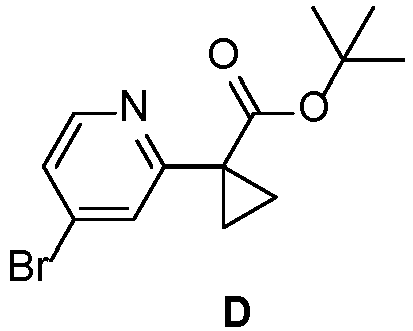
- To a solution of Intermediate B (450 mg, 1.65 mmol) in DMF (5 mL) was added NaH (198.43 mg, 4.96 mmol, 60% purity) at 25 °C. After additional, the mixture was stirred at this temperature for 1 h, and then 1,2-dibromoethane (621.28 mg, 3.31 mmol, 249.51 µL) was added dropwise at 25°C. The resulting mixture was stirred at 25°C for 1 h. The reaction mixture was quenched by addition water (10 mL), and extracted with EtOAc (10 mL x 3). The combined organic layers were washed with brine (10 mL x 3), dried over Na2SO4, filtered and concentrated under reduced pressure to give a residue. The residue was purified by reversed phase (FA) and lyophilized to give Intermediate D (400 mg, 1.34 mmol, 81.13% yield) as yellow oil. LCMS (ESI) m/z [M+H-56]+ = 242.0.
-

- A mixture of Intermediate D (200 mg, 670.75 µmol), 1-methylsulfonyl-N-[2-oxo-2-[[4-[3-(4,4,5,5-tetramethyl-1,3,2-dioxaborolan-2-yl)phenyl]thiazol-2-yl]amino]ethyl]pyrrole-3-carboxamide (prepared according to the method in Example 1) (391.36 mg, 737.83 µmol), K3PO4 (427.14 mg, 2.01 mmol), [1,1'-bis(di-tert-butylphosphino)ferrocene]dichloropalladium(II) (43.72 mg, 67.08 µmol) in dioxane (2 mL) H2O (0.5 mL) was degassed and purged with N2 for 3 times, and then the mixture was stirred at 80 °C for 12 h under N2 atmosphere. The reaction mixture was quenched by addition water (10 mL) and extracted with EtOAc (10 mL x 3). The combined organic layers were washed with NaCl (10 mL x 3), dried over Na2SO4, filtered and concentrated under reduced pressure to give a residue. The residue was purified by reversed phase (FA) and lyophilized to give Intermediate F (200 mg, 321.69 µmol, 47.96% yield) as a yellow solid. LCMS (ESI) m/z [M+H]+ = 622.4.
-

- A mixture of Intermediate F (100 mg, 160.84 µmol), TFA (183.39 mg, 1.61 mmol, 119.09 µL) in DCM (1 mL) was degassed and purged with N2 for 3 times, and then the mixture was stirred at 25 °C for 1 h under N2 atmosphere. The mixture was concentrated to give the residue. The residue was purified by reversed phase (FA) and lyophilized to give Compound 14 (43 mg, 76.02 µmol, 47.27% yield) as a white solid. LCMS (ESI) m/z [M+H]+ = 566.4; 1H NMR (400 MHz, DMSO-d6) δ 12.66-12.27 (m, 1H), 8.72-8.70 (m, 1H), 8.57 (d, J = 5.4 Hz, 1H), 8.28 (s, 1H), 8.02 (d, J = 8.0 Hz, 1H), 7.88-7.83 (m, 3H), 7.76 (d, J = 8.2 Hz, 1H), 7.65-7.57 (m, 2H), 7.32 (dd, J = 2.4, 3.4 Hz, 1H), 6.78 (dd, J= 1.6, 3.4 Hz, 1H), 4.15 (d, J = 5.8 Hz, 2H), 3.58 (s, 3H), 1.61-1.46 (m, 4H).
-

-

- To a mixture of 1-methylsulfonyl-N-[2-oxo-2-[[4-[3-(4,4,5,5-tetramethyl-1,3,2-dioxaborolan-2-yl)phenyl]thiazol-2-yl]amino]ethyl]pyrrole-3-carboxamide (prepared according to the method in Example 1) (100 mg, 188.53 µmol) and 2-[(4-bromo-2-pyridyl)-methyl-amino]-N-methylacetamide (48.66 mg, 188.53 µmol) in dioxane (2 mL) and H2O (0.5 mL)was added [1,1'-bis(di-tert-butylphosphino)ferrocene]dichloropalladium(II) (12.29 mg, 18.85 µmol) and Et3N (57.23 mg, 565.59 µmol, 78.72 µL) at 30 °C under N2. The reaction mixture was heated to 70 °C and stirred at 70 °C for 2 h under N2. The reaction mixture was concentrated under reduced pressure to afford a residue. The residue was purified by reverse phase column (FA condition) to afford Compound 15 (60 mg, 97.62 µmol, 51.78% yield, FA salt) as green solid. This product was a hydrolyzed by-product. LCMS (ESI) m/z [M+H]+ = 569.1; 1H NMR (400 MHz, DMSO-d6) δ 8.70-8.67 (m, 1H), 8.22 (s, 1H), 8.15 (d, J=5.2 Hz, 1H), 7.98 (d, J=7.6 Hz, 1H), 7.88-7.80 (m, 2H), 7.69 (d, J=7.6 Hz, 1H), 7.60-7.54 (m, 1H), 7.35-7.30 (m, 1H), 6.97-6.85 (m, 2H), 6.79-6.77 (m, 1H), 4.29 (s, 2H), 4.15 (d, J=6.0 Hz, 2H), 3.57 (s, 3H), 3.21-3.06 (m, 2H).
-

- To a mixture of Compound 101 (60 mg, 97.62 µmol, FA salt) in DMF (1 mL) was added EDCI (28.07 mg, 146.43 µmol), HOBt (19.78 mg, 146.43 µmol), DIPEA (63.08 mg, 488.10 µmol, 85.01 µL) and methanamine (31.84 mg, 471.58 µmol, 35.78 µL, HCl salt) at 30 °C. The reaction mixture was stirred at 30 °C for 14 h. The reaction mixture was filtered to afford a black solution. The black solution was purified by reverse phase column (neutral condition) to afford Compound 16 (26.92 mg, 44.88 µmol, 45.97% yield) as yellow solid. LCMS (ESI) m/z [M+H]+ = 582.2; 1H NMR (400 MHz, DMSO-d6) δ 12.42 (s, 1H), 8.69-8.66 (m, 1H), 8.21 (s, 1H), 8.15 (d, J=5.6 Hz, 1H), 7.98 (d, J=7.6 Hz, 1H), 7.86-7.84 (m, 1H), 7.79 (s, 1H), 7.78-7.73 (m, 1H), 7.69 (d, J=7.6 Hz, 1H), 7.59-7.55 (m, 1H), 7.33-7.31 (m, 1H), 6.95-6.92 (m, 1H), 6.87 (s, 1H), 6.79-6.77 (m, 1H), 4.20 (s, 2H), 4.16 (d, J=6.0 Hz, 2H), 3.57 (s, 3H), 3.13 (s, 3H), 2.60 (d, J=4.8 Hz, 3H).
-

- To a solution of 4-bromo-2-methyl-1H-imidazole (30 mg, 186.34 µmol) and 1-methylsulfonyl-N-[2-oxo-2-[[4-[3-(4,4,5,5-tetramethyl-1,3,2-dioxaborolan-2-yl)phenyl]thiazol-2-yl]amino]ethyl]pyrrole-3-carboxamide (prepared according to the method in Example 1) (98.84 mg, 186.34 µmol) in dioxane (2 mL)/H2O (0.2 mL) was added K3PO4 (118.66 mg, 559.01 µmol) and [1,1'-bis(di-tert-butylphosphino)ferrocene]dichloropalladium(II) (12.14 mg, 18.63 µmol) under N2. The mixture was stirred at 100°C for 2 h. The reaction mixture was diluted with water (10 mL) and extracted with EtOAc (12 mL x 3). The combined organic layers were washed with brine (10 mL x 2), dried over Na2SO4, filtered and concentrated under reduced pressure to give a residue. The residue was purified by Prep-HPLC (mobile phase: [water (0.1%TFA)-acetonitrile]; B%: 22%-52%) and lyophilized to give Compound 17 (11.21 mg, 22.90 µmol, 12.29% yield) as a gray solid. LCMS (ESI) m/z [M+H]+= 485.0; 1H NMR (400 MHz, Methanol-d4) δ 8.22-8.21 (m, 1H), 8.01-7.99 (m, 1H), 7.83-7.82 (m, 1H), 7.78 (s, 1H), 7.63-7.60 (m, 1H), 7.56-7.51 (m, 2H), 7.28-7.26 (m, 1H), 6.81-6.79 (m, 1H), 4.25 (s, 2H), 3.37 (s, 3H), 2.70 (s, 3H).
-

- A mixture of 4-bromo-1-methyl-imidazole (36.42 mg, 226.23 µmol), 1-methylsulfonyl-N-[2-oxo-2-[[4-[3-(4,4,5,5-tetramethyl-1,3,2-dioxaborolan-2-yl)phenyl]thiazol-2-yl]amino]ethyl]pyrrole-3-carboxamide (prepared according to the method in Example 1) (100 mg, 188.53 µmol), K3PO4 (120.05 mg, 565.59 µmol) and [1,1'-bis(di-tert-butylphosphino)ferrocene]dichloropalladium(II) (24.57 mg, 37.71 µmol) in dioxane (2 mL) and H2O (0.5 mL) was degassed and purged with N2 for 3 times, and then the mixture was stirred at 80 °C for 12 h under N2 atmosphere. Water (20 mL) was added and the reaction mixture was extracted with EtOAc (50 mL x 2). The combined organic layers were washed with brine (20 mL), dried over Na2SO4, filtered and concentrated under reduced pressure to give a residue. The residue was purified by Prep-HPLC (mobile phase: [water (0.075%TFA)-acetonitrile]; B%: 12%-42%) and lyophilized to give Compound 18 (18.25 mg, 30.49 µmol, 16.17% yield, TFA salt) as a white solid. LCMS (ESI) m/z [M+H]+ = 485.1; 1H NMR (400 MHz, DMSO-d6) δ 12.41 (s, 1H), 9.05 (s, 1H), 8.69-8.68 (m, 1H), 8.28 (s, 1H), 8.13 (s, 1H), 7.95 (d, J=8.0 Hz, 1H), 7.85-7.84 (m, 1H), 7.71-7.68 (m, 2H), 7.60-7.56 (m, 1H), 7.32-7.31 (m, 1H), 6.78-6.76 (m, 1H), 4.15 (d, J=5.6 Hz, 2H), 3.90 (s, 3H), 3.57 (s, 3H).
-

-

- To a solution of 4-bromo-2-fluoropyridine (500 mg, 2.84 mmol) and 1-methylpiperazine (313.03 mg, 3.13 mmol, 346.66 µL) in DMSO (5 mL) was added DIPEA (1.10 g, 8.52 mmol, 1.48 mL), then the mixture was stirred at 130°C for 2 h. The reaction mixture was poured into water (50.0 mL) and extracted with EtOAc (30.0 mL x 3). The combined organics were washed with water and brine, dried over Na2SO4, filtered and filtration was evaporated to dryness to give Intermediate C (720 mg, crude) as yellow oil. 1H NMR (400 MHz, Methanol-d4) δ 7.93 (d, J=5.6 Hz, 1H), 7.00 (d, J=1.2 Hz, 1H), 6.83-6.81 (m, 1H), 3.56-3.54 (m, 4H), 2.56-2.49 (m, 4H), 2.33 (s, 3H). LCMS (ESI) m/z [M+H]+ = 258.0.
-

- 1-(methylsulfonyl)-N-(2-oxo-2-((4-(3-(4,4,5,5-tetramethyl-1,3,2-dioxaborolan-2-yl)phenyl)thiazol-2-yl)amino)ethyl)-1H-pyrrole-3-carboxamide (prepared according to the method in Example 1) (60 mg, 113.12 µmol), Intermediate C (86.92 mg, 339.35 µmol), [1,1'-bis(di-tert-butylphosphino)ferrocene]dichloropalladium(II) (14.74 mg, 22.62 µmol) and K3PO4 (96.05 mg, 452.47 µmol) were added into dioxane (1.5 mL) and H2O (0.3 mL), the mixture was purged with N2 three times and then stirred at 80 °C for 2 h. The reaction mixture was filtered and filtration was evaporated to dryness. The residue was purified by Prep-HPLC (mobile phase: [water (0.1% TFA)-acetonitrile]; B%: 8%-38%) and lyophilized to give Compound 19 (33.80 mg, 48.72 µmol, 43.07% yield, TFA salt) as yellow solid. LCMS (ESI) m/z [M+H]+ = 580.2; 1H NMR (400 MHz, Methanol-d4) δ 8.25-8.24 (m, 2H), 8.01 (d, J=8.0 Hz, 1H), 7.84-7.83 (m, 1H), 7.68-7.66 (m, 1H), 7.56-7.52 (m, 2H), 7.29-7.28 (m, 2H), 7.20-7.18 (m, 1H), 6.82-6.80 (m, 1H), 4.26 (s, 2H), 3.86-3.34 (m, 11H), 2.98 (s, 3H).
-

-

- A solution of 4-bromo-2-fluoro-pyridine (1 g, 5.68 mmol) and N',N'-dimethylethane-1,2-diamine (525.94 mg, 5.97 mmol, 651.72 µL) in NMP (5 mL) was stirred at 80 °C for 2 h. The mixture was poured into water (50 mL) and extracted with EtOAc (10 mL x 3). The combined organic layer was washed with water (5 mL x 3) and brine (5 mL x 2), then dried over Na2SO4, filtered and concentrated under vacuum to give Intermediate C (1.2 g, 4.92 mmol, 86.50% yield) as yellow oil. The crude product was used to next step directly without further purification. LCMS (ESI) m/z [M+H]+= 246.2.
-

- To a solution of Intermediate C (60 mg, 245.77 µmol), 1-methylsulfonyl-N-[2-oxo-2-[[4-[3-(4,4,5,5-tetramethyl-1,3,2-dioxaborolan-2-yl)phenyl]thiazol-2-yl]amino]ethyl]pyrrole-3-carboxamide (prepared according to the method in Example 1) (108.64 mg, 204.81 µmol), K3PO4 (130.42 mg, 614.43 µmol) in dioxane (3 mL) and water (0.5 mL) was added [1,1'-bis(di-tert-butylphosphino)ferrocene]dichloropalladium(II) (26.70 mg, 40.96 µmol). The mixture was stirred at 90 °C for 2 h. The reaction was through silica pad and the pad was washed with EtOAc (30 mL), MeOH (30 mL) and DMF (2 mL). The combined organic layer was washed with water (5 mL x 3) and brine (5 mL x 2), then dried over Na2SO4, filtered and concentrated under vacuum. The residue was purified by Prep-HPLC (FA condition) and lyophilized to give Compound 20 (40 mg, 64.98 µmol, 31.73% yield, FA salt) as yellow solid. LCMS (ESI) m/z [M+H]+ = 568.2; 1H NMR (400 MHz, DMSO-d6) δ 12.43 (br s, 1H), 8.70-8.67 (m, 1H), 8.21-8.17 (m, 2H), 8.07 (d, J = 5.4 Hz, 1H), 7.96 (d, J = 7.6 Hz, 1H), 7.86-7.85 (m, 1H), 7.78 (s, 1H), 7.64-7.52 (m, 2H), 7.32-7.30 (m, 1H), 6.86-6.80 (m, 2H), 6.79-6.77 (m, 1H), 6.53-6.42 (m, 1H), 4.15 (d, J = 5.8 Hz, 2H), 3.58 (s, 3H), 3.43 (br d, J = 5.8 Hz, 2H), 2.58-2.54 (m, 2H), 2.29 (s, 6H).
-

-

- To a mixture of 1-methylsulfonyl-N-[2-oxo-2-[[4-[3-(4,4,5,5-tetramethyl-1,3,2-dioxaborolan-2-yl)phenyl]thiazol-2-yl]amino]ethyl]pyrrole-3-carboxamide (prepared according to the method in Example 1) (100 mg, 188.53 µmol) and N'-(4-bromo-2-pyridyl)-N,N,N'-trimethyl-ethane-1,2-diamine (40.56 mg, 157.11 µmol) in dioxane (2 mL) and H2O (0.5 mL) was added K3PO4 (100.05 mg, 471.33 µmol) and [1,1'-bis(di-tert-butylphosphino)ferrocene]dichloropalladium(II) (10.24 mg, 15.71 µmol) at 30 °C. The reaction mixture was heated to 75 °C and stirred at 75 °C for 2 h. The reaction mixture was concentrated under reduced pressure to afford a residue. The residue was purified by Prep-HPLC (mobile phase: [water (0.225%FA)-acetonitrile]; B%: 25%-55%) and lyophilized to give Compound 21 (47.01 mg, 73.26 µmol, 46.63% yield, FA salt) as yellow solid. LCMS (ESI) m/z [M+H]+ = 582.0; 1H NMR (400 MHz, DMSO-d6) δ 12.41 (br s, 1H), 8.70-8.67 (m, 1H), 8.21 (s, 2H), 8.17 (d, J=5.2 Hz, 1H), 7.97 (d, J=8.0 Hz, 1H), 7.86-7.85 (m, 1H), 7.79 (s, 1H), 7.69 (d, J=8.0 Hz, 1H), 7.61-7.52 (m, 1H), 7.33-7.31 (m, 1H), 6.89-6.87 (m, 1H), 6.83 (s, 1H), 6.79-6.77 (m, 1H), 4.16 (d, J=5.6 Hz, 2H), 3.75-3.71 (m, 2H), 3.57 (s, 3H), 3.09 (s, 3H), 2.54 (s, 2H), 2.27 (s, 6H).
-

-

- A mixture of 1-tert-butyl-N-[2-oxo-2-[[4-[3-(4,4,5,5-tetramethyl-1,3,2-dioxaborolan-2-yl)phenyl]thiazol-2-yl]amino]ethyl]pyrrole-3-carboxamide (Prepared according to the method in Example 8) (100 mg, 196.68 µmol), 4-bromo-6-methyl-pyrimidine (51.04 mg, 295.02 µmol), [1,1'-bis(di-tert-butylphosphino)ferrocene]dichloropalladium(II) (12.82 mg, 19.67 µmol), K3PO4 (125.25 mg, 590.04 µmol) in dioxane (2 mL) and H2O (0.4 mL) was degassed and purged with N2 for 3 times, and then the mixture was stirred at 100 °C for 2 h under N2 atmosphere. The reaction mixture was diluted with water (10 mL) and extracted with EtOAc (5 mL x 3). The combined organic layers were washed with brine (5 mL), dried over Na2SO4, filtered though silica gel and concentrated under reduced pressure to give a residue. The residue was triturated with MTBE (5 mL) for 10 min at 20°C. Then the mixture was filtered and washed with MTBE (3 mL) to give a brown solid. Then the solid was dissolved in H2O/CH3CN (4:1, 30 mL) and then lyophilized to give Compound 22 (67.24 mg, 138.96 µmol, 70.65% yield) as a brown solid. LCMS (ESI) m/z [M+H]+ = 475.3; 1H NMR (400 MHz, methanol-d4) δ 9.05 (d, J = 0.8 Hz, 1H), 8.69 (s, 1H), 8.08-8.06 (m, 2H), 7.95 (s, 1H), 7.58-7.54 (m, 3H), 6.96-6.94 (m, 1H), 6.58-6.57 (m, 1H), 4.24 (s, 2H), 2.61 (s, 3H), 1.56 (s, 9H) ppm.
-

-

- A mixture of 1-tert-butyl-N-[2-oxo-2-[[4-[3-(4,4,5,5-tetramethyl-1,3,2-dioxaborolan-2-yl)phenyl]thiazol-2-yl]amino]ethyl]pyrrole-3-carboxamide (prepared according to the method in Example 8) (50 mg, 98.34 µmol), 4-bromo-2-methyl-pyrimidine (25.52 mg, 147.51 µmol), [1,1'-bis(di-tert-butylphosphino)ferrocene]dichloropalladium(II) (6.41 mg, 9.83 µmol), K3PO4 (62.62 mg, 295.02 µmol) in dioxane (1 mL) and H2O (0.2 mL) was degassed and purged with N2 for 3 times, and then the mixture was stirred at 100 °C for 2 h under N2 atmosphere. The reaction mixture was diluted with water (5 mL) and extracted with EtOAc (3 mL x 3). The combined organic layers were washed with brine (3 mL), dried over Na2SO4, filtered and concentrated under reduced pressure to give a residue. The residue was triturated with MTBE (3 mL) for 10 min at 20°C. Then the mixture was filtered and washed with MTBE (3 mL) to give a yellow solid. The solid was dissolved in H2O/CH3CN (4:1, 30 mL) and then lyophilized to give Compound 23 (20.96 mg, 44.17 µmol, 44.91% yield) as a yellow solid. LCMS (ESI) m/z [M+H]+ = 475.3; 1H NMR (400 MHz, Methanol-d4) δ 8.73-8.70 (m, 2H), 8.08 (d, J = 7.6 Hz, 2H), 7.84 (d, J = 5.2 Hz, 1H), 7.59-7.55 (m, 3H), 6.96-6.95 (m, 1H), 6.58-6.57 (m, 1H), 4.24 (s, 2H), 2.76 (s, 3H), 1.57 (s, 9H).
-
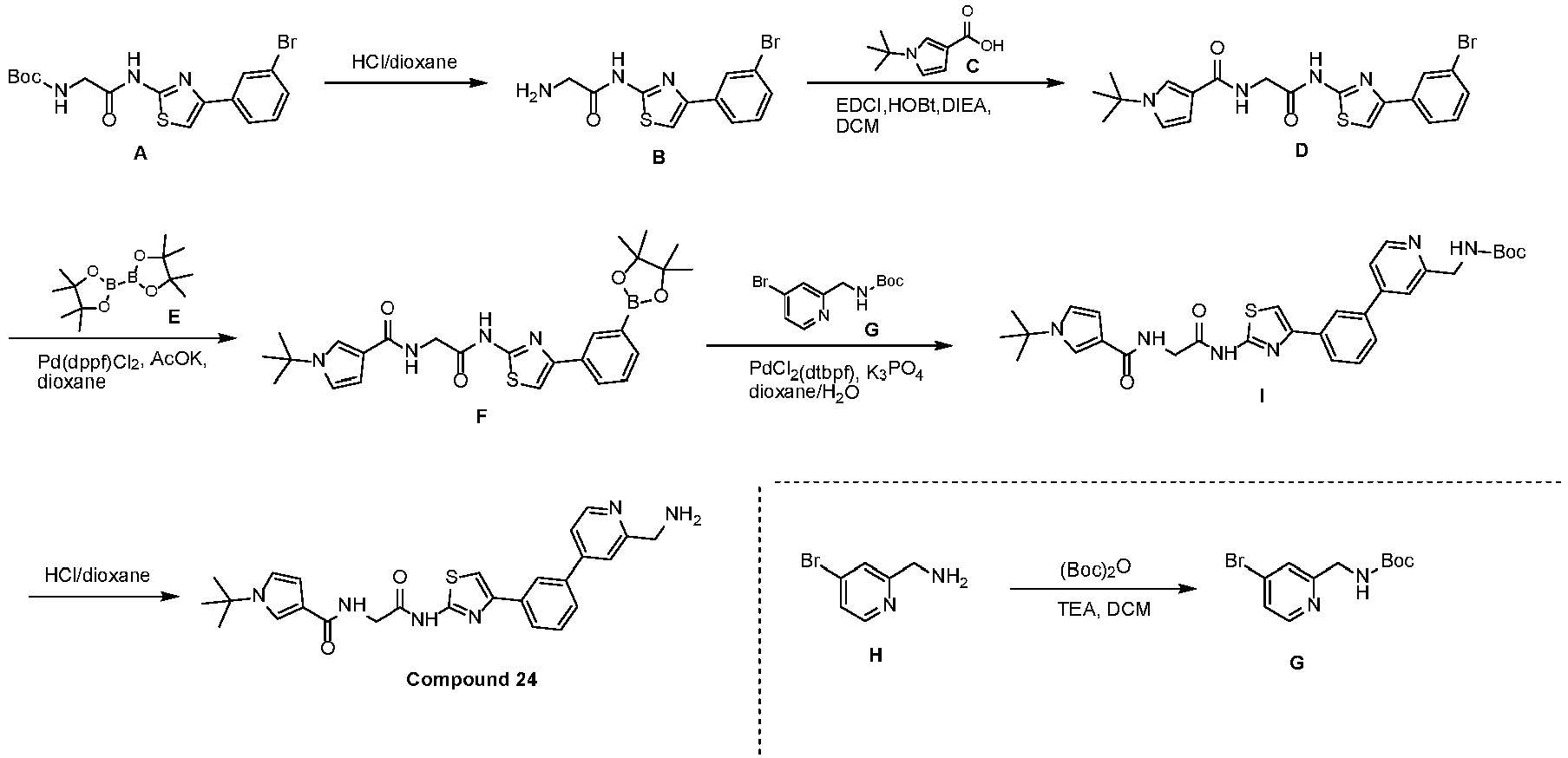
-

- A mixture of (4-bromo-2-pyridyl)methanamine (200 mg, 894.86 µmol, HCl salt), Boc2O (234.36 mg, 1.07 mmol, 246.70 µL), TEA (271.65 mg, 2.68 mmol, 373.66 µL), in DCM (3 mL) was stirred at 25 °C for 4 h. The reaction was diluted with water (5 mL) and extract with DCM (2 mL x 3), the combined organic layer was concentrated in vacuum. The residue was purified by reversed-phase HPLC (0.1% FA condition) and lyophilized to give Intermediate G (150 mg, 475.36 µmol, 53.12% yield) as a white solid. LCMS (ESI) m/z [M+H]+= 289.0.
-

- A mixture of 1-(tert-butyl)-N-(2-oxo-2-((4-(3-(4,4,5,5-tetramethyl-1,3,2-dioxaborolan-2-yl)phenyl)thiazol-2-yl)amino)ethyl)-1H-pyrrole-3-carboxamide [prepared according to the method in 8] (50 mg, 98.34 µmol), Intermediate G (33.89 mg, 118.01 µmol), K3PO4 (62.62 mg, 295.02 µmol), [1,1'-bis(di-tert-butylphosphino)ferrocene]dichloropalladium(II) (6.41 mg, 9.83 µmol) in dioxane (0.5 mL) and H2O (0.25 mL) was degassed and purged with N2 for 3 times, and then the mixture was stirred at 80 °C for 14 h under N2 atmosphere. The reaction was diluted with water (5 mL), filtered to give a solid. The solid was dissolved with DMSO (1 mL) and purified by reversed-phase HPLC (0.1% FA condition) and lyophilized to give Intermediate I (15 mg, 22.17 µmol, 22.54% yield) as yellow oil. LCMS (ESI) m/z [M+H]+ =589.2.
-

- To a solution of Intermediate I (15 mg, 22.17 µmol) in MeOH (0.1 mL) was added HCl/dioxane (0.2 mL). The mixture was stirred at 25 °C for 6 h. The reaction mixture was concentrated in vacuum. The crude product was purified by reversed-phase HPLC (0.1% FA condition) and lyophilized to give Compound 24 (1.65 mg, 2.90 µmol, 13.07% yield, FA salt) as a yellow solid. LCMS (ESI) m/z [M+H]+ =489.1. 1H NMR (400 MHz, Methanol-d4) δ 8.61-8.59 (m, 1H), 8.19 (s, 1H), 7.93 (d, J = 7.6 Hz, 1H), 7.70 (s, 1H), 7.66-7.59 (m, 2H), 7.48-7.43 (m, 3H), 6.87-6.85 (m, 1H), 6.48-6.47 (m, 1H), 4.26 (s, 2H), 4.14 (s, 2H), 1.46 (s, 9H).
-

-

- To a mixture of 1-(3-bromopyrazol-1-yl)-2-methyl-propan-2-ol (200 mg, 912.91 µmol) and Mel (259.15 mg, 1.83 mmol, 113.66 µL) in DMF (2 mL) was added NaH (43.82 mg, 1.10 mmol, 60% purity) in portions at 0 °C. The reaction mixture was warmed to 25 °C and stirred at 25 °C for 2 h. The reaction mixture was poured into saturated NH4Cl aqueous solution (5 mL) and extracted with EtOAc (5 mL x 3). The organic phase was washed with brine (5 mL x2), dried over anhydrous Na2SO4, filtered and concentrated under reduced pressure to afford a residue. The residue was purified by reverse phase column (FA condition) and lyophilized to afford Intermediate B (90 mg, 386.09 µmol, 42.29% yield) as yellow oil. LCMS (ESI) m/z [M+H]+ = 233.9. 1H NMR (400 MHz, CDCl3) δ 7.41 (d, J = 2.4 Hz, 1H), 6.28 (d, J = 2.0 Hz, 1H), 4.10 (s, 2H), 3.25 (s, 3H), 1.16 (s, 6H).
-

- To a mixture of Intermediate B (22.92 mg, 98.34 µmol) and 1-(tert-butyl)-N-(2-oxo-2-((4-(3-(4,4,5,5-tetramethyl-1,3,2-dioxaborolan-2-yl)phenyl)thiazol-2-yl)amino)ethyl)-1H-pyrrole-3-carboxamide [prepared according to the method in 8] (50 mg, 98.34 µmol) in dioxane (0.8 mL) and H2O (0.2 mL) was added K3PO4 (62.62 mg, 295.02 µmol) and [1,1'-bis(di-tert-butylphosphino)ferrocene]dichloropalladium(II) (6.41 mg, 9.83 µmol) at 25 °C under N2. The reaction mixture was heated to 75 °C and stirred at 75 °C for 2 h. The reaction mixture was poured into H2O (2 mL) and extracted with EtOAc (2 mL x 5), the combined organic phase was dried over Na2SO4, filtered and concentrated under reduced pressure to afford a residue. The residue was purified by silica gel column chromatography (PE/EtOAc =3/1-EtOAc) (TLC: EtOAc, Rf =0.7) to afford a yellow solid. The yellow solid was purified by reverse phase column (FA condition) and lyophilized to afford Compound 25 (3.51 mg, 6.04 µmol, 6.15% yield, FA salt) as white solid. LCMS (ESI) m/z [M+H]+ = 535.2; 1H NMR (400 MHz, Methanol-d4) δ 8.50 (s, 1H), 8.34 (s, 1H), 7.83 (d, J = 8.0 Hz, 1H), 7.71 (d, J = 7.6 Hz, 1H), 7.65 (d, J = 2.4 Hz, 1H), 7.59-7.58 (m, 1H), 7.47-7.39 (m, 2H), 6.96-6.94 (m, 1H), 6.68 (d, J = 2.0 Hz, 1H), 6.58-6.57 (m, 1H), 4.24 (s, 2H), 4.21 (s, 2H), 3.30 (br s, 3H), 1.57 (s, 9H), 1.19 (s, 6H).
-

-

- To a solution of methyl 3-bromo-1H-pyrazole-5-carboxylate (500 mg, 2.44 mmol) and Mel (1.73 g, 12.19 mmol, 759.16 µL) in DMF (5 mL) was added K2CO3 (505.61 mg, 3.66 mmol), the mixture was stirred at 60 °C for 2 h. The reaction mixture was diluted with water (50 MI) and extracted with EtOAc (50 mL x 3). The combined organic layers were washed with brine (100 mL), dried over Na2SO4, filtered and concentrated under reduced pressure to give a residue. The residue was purified by column chromatography (SiO2, Petroleum ether / EtOAc = 3/1 to 1:1) and concentrated to give Intermediate B (330 mg, 1.51 mmol, 61.77% yield) as a white solid. LCMS (ESI) m/z [M+H]+=220.8; 1H NMR (400 MHz, DMSO-d6) δ 6.99 (s, 1H), 4.06 (s, 3H), 3.84 (s, 3H).
-

- To a solution of LiAlH4 (110.90 mg, 2.92 mmol) in THF (4 mL) was added the solution of Intermediate B (320 mg, 1.46 mmol) in THF (2 mL) at 0 °C, then the mixture was warmed to 30 °C and stirred at 30 °C for 1 h. The reaction mixture was quenched by
addition EtOAc 10 mL at 0°C, and then diluted with water (0.11 mL) , 15% NaOH solution (0.11 mL), water (0.4 mL) and 2 g Na2SO4, then filtered. The combined organic layers were concentrated under reduced pressure to give a residue. The residue was purified by column chromatography (SiO2, Petroleum ether / EtOAc = 3/1 to 2:1) and concentrated under reduced pressure to give Intermediate C (110 mg, 575.84 µmol, 39.42% yield) as a white solid. LCMS (ESI) m/z [M+H]+= 191.1; 1H NMR (400 MHz, DMSO-d6) δ 6.26 (s, 1H), 5.37-5.34 (m, 1H), 4.45 (d, J = 5.6 Hz, 2H), 3.74 (s, 3H). -

- To a solution of 1-tert-butyl-N-[2-oxo-2-[[4-[3-(4,4,5,5-tetramethyl-1,3,2-dioxaborolan-2-yl)phenyl]thiazol-2-yl]amino]ethyl]pyrrole-3-carboxamide (prepared according to the method in Example 8) (100 mg, 196.68 µmol), Intermediate C (45.09 mg, 236.02 µmol) and [1,1'-bis(di-tert-butylphosphino)ferrocene]dichloropalladium(II) (12.82 mg, 19.67 µmol) in dioxane (1 mL) and Water (0.25 mL) was added K3PO4 (125.25 mg, 590.04 µmol) under N2, the mixture was stirred at 80 °C for 1 h. The reaction mixture was diluted with water (10 mL) and extracted with EtOAc (10 mL x 3). The combined organic layers were washed with brine (20 mL), dried over Na2SO4, filtered and concentrated under reduced pressure to give a residue. The residue was purified by column chromatography (SiO2, Petroleum ether / EtOAc = 0:1) (PE/EtOAc = 0:1, Rf=0.6) and concentrated under reduced pressure to give Compound 26 (23.60 mg, 47.29 µmol, 24.04% yield) as a white solid. LCMS (ESI) m/z [M+H]+=493.4; 1H NMR (400 MHz, Methanol-d4) δ 8.31-8.30 (m, 1H), 7.84-7.82 (m, 1H), 7.69 (d, J = 8.0 Hz, 1H), 7.59-7.58 (m, 1H), 7.43-7.39 (m, 2H), 6.96-6.94 (m, 1H), 6.64 (s, 1H), 6.58-6.57 (m, 1H), 4.67 (s, 2H), 4.24 (s, 2H), 3.93 (s, 3H), 1.56 (s, 9H).
-

-

- To a solution of tert-butyl 1-(2-methoxy-2-oxo-ethyl)pyrrole-3-carboxylate (500 mg, 2.09 mmol) Mel (1.19 g, 8.36 mmol, 520.38 µL) in THF (5 mL) was added NaHMDS (1 M, 10.45 mL) at 0 °C. After addition, the resulting mixture was stirred at 25°C for 1 h. The reaction mixture was quenched by addition water (10 mL), and extracted with EtOAc (10 mL x 3). The combined organic layers were washed with NaCl (10 mL x 3), dried over Na2SO4, filtered and concentrated under reduced pressure to give Intermediate B (440 mg, crude) as yellow oil, which was directly used to next step without further purification. LCMS (ESI) m/z [M+H-56]+ = 212.1.
-

- To a solution of Intermediate B (400 mg, 1.50 mmol) in H2O (2 mL) and MeOH (6 mL) was added NaOH (119.71 mg, 2.99 mmol). The mixture was stirred at 25 °C for 12 h. The residue was purified by reversed phase (FA condition) and lyophilized to give Intermediate C (224 mg, 809.27 µmol, 54.08% yield) as light yellow oil. LCMS (ESI) m/z [M+H-56]+ = 198.1. 1H NMR (400 MHz, DMSO-d6) δ 13.19-13.08 (m, 1H), 7.38-7.36 (m, 1H), 6.93-6.91 (m, 1H), 6.35-6.34 (m, 1H), 1.71 (s, 6H), 1.48 (s, 9H).
-

- To a solution of Intermediate C (200 mg, 789.60 µmol), Et3N (119.85 mg, 1.18 mmol, 164.85 µL) in THF (2 mL) was added isobutyl chloroformate (129.41 mg, 947.52 µmol, 124.43 µL) at 0°C. After additional, the mixture was stirred at this temperature for 1 h, and then NaBH4 (268.83 mg, 7.11 mmol) in MeOH (0.4 mL) was added dropwise at 0°C. The resulting mixture was stirred at 25°C for 1 h. The reaction mixture was quenched by addition water (10 mL) and extracted with EtOAc (10 mL x 3). The combined organic layers were washed with brine (10 mL x 3), dried over Na2SO4, filtered and concentrated under reduced pressure to give a residue. The residue was purified by reversed phase (FA condition) and lyophilized to give Intermediate E (170 mg, 710.38 µmol, 89.97% yield) as a white solid. LCMS (ESI) m/z [M+H-56]+ = 184.1. 1H NMR (400 MHz, DMSO-d6) δ 7.37-7.35 (m, 1H), 6.96-6.90 (m, 1H), 6.31 (dd, J = 1.8, 3.0 Hz, 1H), 5.06-5.53 (m, 1H), 3.48 (d, J = 5.4 Hz, 2H), 1.48 (s, 9H), 1.42 (s, 6H).
-

- To a solution of Intermediate E (90 mg, 376.08 µmol) in THF (1 mL) was added Mel (106.76 mg, 752.16 µmol, 46.83 µL) at 25°C, and then NaH (30.09 mg, 752.16 µmol, 60% purity) was added at 0°C. The resulting mixture was stirred at 25°C for 1 h. The reaction mixture was quenched by addition water (3 mL), and extracted with EtOAc (2 mL x 3). The combined organic layers were washed with brine (2 mL x 3), dried over Na2SO4, filtered and concentrated under reduced pressure to give Intermediate F (130 mg, crude) as a yellow oil which was directly used to next step without further purification. LCMS (ESI) m/z [M+H-56]+ = 198.1. 1H NMR (400 MHz, CDCl3) δ 7.36-7.29 (m, 1H), 6.71-6.70 (m, 1H), 6.45 (dd, J = 1.8, 3.0 Hz, 1H), 3.35 (s, 2H), 3.21 (s, 3H), 1.49-1.43 (m, 15H).
-

- A solution of Intermediate F (130 mg, 513.15 µmol) in HCl/dioxane (4 M, 1.28 mL) was stirred at 25 °C for 2 h. The mixture was concentrated in vacuum to give Intermediate G (50 mg, crude) as yellow oil, which was used to next step without further purification. LCMS (ESI) m/z [M+H]+ = 198.1.
-

- A mixture of Intermediate G (50 mg, 253.51 µmol), 2-amino-N-[4-[3-(1-methylpyrazol-3-yl)phenyl]thiazol-2-yl]acetamide (prepared according to the method in Example 2) (119.17 mg, 340.63 µmol, HCl salt), DIEA (163.82 mg, 1.27 mmol, 220.78 µL), EDCI (97.20 mg, 507.02 µmol) and HOBt (68.51 mg, 507.02 µmol) in DMF (2 mL) was degassed and purged with N2 for 3 times, and then the mixture was stirred at 25 °C for 1 h under N2 atmosphere. The reaction mixture was quenched by addition water (10 mL), and extracted with EtOAc (3 mL x 2). The combined organic layers were washed with brine (3 mL x 2), dried over Na2SO4, filtered and concentrated under reduced pressure to give a residue. The residue was purified by Prep-HPLC (TFA condition) and lyophilized to give Compound 27 (11 mg, 21.88 µmol, 8.63% yield, TFA salt) as brown oil. LCMS (ESI) m/z [M+H]+ = 493.4; 1H NMR (400 MHz, DMSO-d6) δ 12.39 (s, 1H), 8.38 (s, 1H), 8.21-8.20 (m, 1H), 7.85-7.64 (m, 4H), 7.53-7.40 (m, 2H), 6.95-6.94 (m, 1H), 6.73 (d, J = 2.2 Hz, 1H), 6.51-6.44 (m, 1H), 4.10 (br d, J = 6.0 Hz, 2H), 3.90 (s, 3H), 3.22-3.20 (m, 3H), 1.48-1.43 (m, 6H).
-

-

- To a solution of tert-butyl 1-(1-hydroxy-2-methylpropan-2-yl)-1H-pyrrole-3-carboxylate [prepared according to the method described in Example 26](50 mg, 208.93 µmol) in dioxane (0.5 mL) was added HCl/dioxane (4 M, 522.34 µL), then the mixture was stirred at 25 °C for 12 h. The reaction mixture was concentrated under reduced pressure to give Intermediate C (23 mg, crude) as a brown solid. LCMS (ESI) m/z [M+H]+ = 184.1.
-

- A mixture of Intermediate C (20 mg, 109.17 µmol), 2-amino-N-[4-[3-(1-methylpyrazol-3-yl)phenyl]thiazol-2-yl]acetamide (prepared according to the method in Example 2) (51.32 mg, 146.69 µmol, HCl salt), DIEA (42.33 mg, 327.50 µmol, 57.05 µL), HOBt (29.50 mg, 218.34 µmol) and EDCI (41.86 mg, 218.34 µmol) in DMF (1 mL) was degassed and purged with N2 for 3 times, and then the mixture was stirred at 25 °C for 12 h under N2 atmosphere. The reaction mixture was concentrated in vacuum. The residue was purified through Prep-HPLC (FA condition) and lyophilized to give Compound 28 (8 mg, 15.74 µmol, 14.42% yield) as a yellow solid. LCMS (ESI) m/z [M+H]+= 479.2; 1H NMR (400 MHz, DMSO-d6) δ 12.81-11.85 (m, 1H), 8.45 (s, 1H), 8.39 (s, 1H), 8.20-8.18 (m, 1H), 7.84-7.67 (m, 4H), 7.46-7.44 (m, 1H), 7.32 (s, 1H), 6.76-6.71 (m, 2H), 6.48-6.44 (m, 1H), 4.66 (br s, 1H), 4.10 (d, J = 6.0 Hz, 2H), 3.91 (s, 3H), 3.80 (s, 2H), 1.06 (s, 6H).
-

-
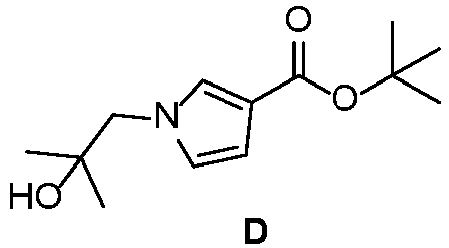
- To a solution of tert-butyl 1-(2-methoxy-2-oxoethyl)-1H-pyrrole-3-carboxylate [prepared according to the method described in Example 27] (500 mg, 2.09 mmol) in THF (3 mL) was added MeMgBr (3 M, 2.79 mL) at 0°C. After addition, the mixture was stirred at 25°C for 12 h. The reaction mixture was quenched by NH4Cl (3 mL), and then extracted with EtOAc (10 mL x 3). The combined organic layers were dried over Na2SO4, filtered and concentrated under reduced pressure to give a residue. The residue was purified by flash silica gel chromatography (Eluent of 0-50% Ethyl acetate / Petroleum ether gradient 40 mL/min) and concentrated to give Intermediate D (202 mg, 774.62 µmol, 37.07% yield) as a light yellow solid. LCMS (ESI) m/z [M+H-56]+= 184.1.
-

- To a solution of Intermediate D (50 mg, 208.93 µmol) in DMF (1 mL) was added NaH (16.71 mg, 417.87 µmol, 60% purity) at 0°C. After additional, the mixture was stirred at this temperature for 1 h, and then Mel (44.48 mg, 313.40 µmol, 19.51 µL) was added at 0°C. The resulting mixture was stirred at 25°C for 1 h. The reaction mixture was quenched by addition water (2 mL), and extracted with EtOAc (5 mL x 3). The combined organic layers were washed with brine (5 mL x 3), dried over Na2SO4, filtered and concentrated under reduced pressure to give Intermediate E (50 mg, crude) as a yellow oil, which was directly used to next step without further purification. LCMS (ESI) m/z [M+H-56]+=198.1.
-

- A mixture of Intermediate E (50 mg, 132.24 µmol) in HCl/dioxane (4 M, 330.59 µL) was stirred at 25 °C for 12 h. The mixture was concentrated in vacuum to give Intermediate F (40 mg, crude) as yellow oil. LCMS (ESI) m/z [M+H]+=198.1.
-

- A mixture of Intermediate F (40 mg, 202.81 µmol), 2-amino-N-[4-[3-(1-methylpyrazol-3-yl)phenyl]thiazol-2-yl]acetamide (prepared according to the method in Example 2) (127.11 mg, 363.34 µmol, HCl salt), EDCI (77.76 mg, 405.62 µmol), HOBt (54.81 mg, 405.62 µmol) and DIEA (131.06 mg, 1.01 mmol, 176.62 µL) in DMF (1 mL) was degassed and purged with N2 for 3 times, and then the mixture was stirred at 25 °C for 1 h under N2 atmosphere. The reaction mixture was quenched by addition water (2 mL), and extracted with EtOAc (1 mL x 3). The combined organic layers were washed with brine (3 mL), dried over Na2SO4, filtered and concentrated under reduced pressure to give a residue. The residue was purified by reversed phase (FA) and lyophilized to give Compound 29 (12 mg, 24.12 µmol, 11.89% yield) as a yellow solid. LCMS (ESI) m/z [M+H]+=493.4. 1H NMR (400 MHz, DMSO-d6) δ 12.53-12.25 (m, 1H), 8.39 (s, 1H), 8.22-8.20 (m, 1H), 7.83-7.68 (m, 4H), 7.46-7.44 (m, 1H), 7.29-7.27 (m, 1H), 6.79-6.70 (m, 2H), 6.51-6.39 (m, 1H), 4.10 (br d, J = 5.8 Hz, 2H), 3.91 (s, 5H), 3.17 (s, 3H), 1.06 (s, 6H).
-

-

- A mixture of tert-butyl 1-(1-hydroxy-2-methylpropan-2-yl)-1H-pyrrole-3-carboxylate [prepared according to the method described in Example 26] (70 mg, 292.51 µmol), HCl/dioxane (4 M, 731.27 µL) was degassed and then the mixture was stirred at 25 °C for 12 h under N2 atmosphere. The mixture was concentrated in vacuum to give Intermediate H (50 mg, crude) as yellow oil. LCMS (ESI) m/z [M+H]+= 184.1.
-

- A mixture of Intermediate H (50 mg, 272.92 µmol), 2-amino-N-[4-[3-(1-methylpyrazol-3-yl)phenyl]thiazol-2-yl]acetamide (prepared according to the method in Example 2) (128.29 mg, 409.38 µmol), DIEA (176.36 mg, 1.36 mmol, 237.68 µL), EDCI (104.64 mg, 545.84 µmol) and HOBt (73.75 mg, 545.84 µmol) in DMF (1 mL) was degassed and purged with N2 for 3 times, and then the mixture was stirred at 25 °C for 1 h under N2 atmosphere. The reaction mixture was quenched by addition water (5 mL), and extracted with EtOAc (3 mL x 2). The combined organic layers were washed with brine (3 mL x 2), dried over Na2SO4, filtered and concentrated under reduced pressure to give a residue. The residue was purified by reversed phase (FA condition) and lyophilized to give Compound 30 (10 mg, 20.90 µmol, 7.66% yield) as a white solid. LCMS (ESI) m/z [M+H]+ =479.3; 1H NMR (400 MHz, DMSO-d6) δ 12.50-12.25 (m, 1H), 8.39 (s, 1H), 8.17-8.15 (m, 1H), 7.87-7.65 (m, 4H), 7.54-7.39 (m, 2H), 6.94-6.92 (m, 1H), 6.73 (d, J = 2.4 Hz, 1H), 6.51-6.42 (m, 1H), 5.08-5.06 (m, 1H), 4.10 (d, J = 6.0 Hz, 2H), 3.91 (s, 3H), 3.49 (d, J = 5.4 Hz, 2H), 1.44 (s, 6H).
-

-

- To a solution of 3-methylimidazole-4-carboxylic acid (24.41 mg, 193.56 µmol) in DCM (1 mL) was added HATU (88.32 mg, 232.28 µmol) and DIEA (125.09 mg, 967.87 µmol, 168.58 µL) and the mixture was stirred at 25°C for 5 min. Then 2-amino-N-[4-(3-cyanophenyl)thiazol-2-yl]acetamide (prepared according to the method in Example 3) (50 mg, 169.63 µmol, HCl salt) was added and the mixture was stirred at 25 °C for 1 h. A white solid was formed and the formed precipitate was collected by filtration. The solid was triturated with MeOH (2 mL), then filtered and dried in vacuum to give Compound 31 (27.74 mg, 75.38 µmol, 44.44% yield) as a white solid. LCMS (ESI) m/z [M+H]+=367.0; 1H NMR (400 MHz, DMSO-d6) δ 8.71-8.68 (m, 1H), 8.33-8.32 (m, 1H), 8.24-8.21 (m, 1H), 7.87 (s, 1H), 7.80-7.77 (m, 2H), 7.67-7.64 (m, 2H), 4.14 (d, J=6.0 Hz, 2H), 3.80 (s, 3H).
-

-

- To a solution of 2-amino-N-[4-(3-cyanophenyl)thiazol-2-yl]acetamide (prepared according to the method in Example 3) (50 mg, 169.63 µmol, HCl salt) in DCM (3 mL) was added 2-methylpyrazole-3-carboxylic acid (21.39 mg, 169.63 µmol) HOBt (22.92 mg, 169.63 µmol), DIEA (65.77 mg, 508.89 µmol, 88.64 µL) and EDCI (39.02 mg, 203.56 µmol). The mixture was stirred at 25 °C for 16 h. The reaction mixture was concentrated to dryness to give a residue. The residue was triturated with MeOH (5mL) at 25 °C for 30 min and filtered and dried in vacuum to afford Compound 32 (22.07 mg, 59.42 µmol, 35.03% yield) as white solid. LCMS (ESI) m/z [M+H]+ = 367.1; 1H NMR (400 MHz, DMSO-d6) δ 12.50 (br s, 1H), 8.93-8.91 (m, 1H), 8.37-8.30 (m, 1H), 8.27-8.21 (m, 1H), 7.89 (s, 1H), 7.83-7.76 (m, 1H), 7.70-7.63 (m, 1H), 7.50 (d, J=2.0 Hz, 1H), 6.94 (d, J=2.0 Hz, 1H), 4.19-4.17 (m, 2H), 4.06 (s, 3H).
-

-
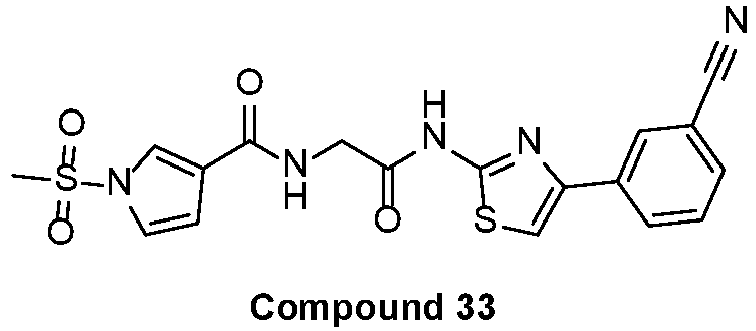
- To the solution of 1-(methylsulfonyl)-1H-pyrrole-3-carboxylic acid [prepared according to the method in Example 4] (21.97 mg, 116.14 µmol), EDCI (33.40 mg, 174.22 µmol), HOBt (23.54 mg, 174.22 µmol) and DIPEA (45.03 mg, 348.43 µmol, 60.69 µL) in DMF (0.5 mL) was added 2-amino-N-[4-(3-cyanophenyl)thiazol-2-yl]acetamide (prepared according to the method in Example 3) (30 mg, 116.14 µmol) at 25 °C. The reaction mixture was stirred at 30 °C for 16 hours. The reaction mixture was poured into water (2 mL), and filtered to afford crude desired compound as white solid. The residue was dissolved in DMSO (2 mL) and purified by Prep-HPLC (mobile phase: [water (0.225% FA)-acetonitrile]; B%: 40%-70%) and lyophilized to give Compound 33 (21.25 mg, 44.29 µmol, 38.14% yield, FA salt) as white solid. LCMS (ESI) m/z [M+H]+ = 430.0; 1H NMR (400 MHz, DMSO-d6) δ 12.43 (br s, 1H), 8.67 - 8.65 (m, 1H), 8.32 (s, 1H), 8.23 (d, J=8.0 Hz, 1H), 7.88 - 7.82 (m, 2H), 7.79 (d, J=7.8 Hz, 1H), 7.67 - 7.65 (m, 1H), 7.31 - 7.30 (m, 1H), 6.77 -6.76 (m, 1H), 4.14 (d, J=5.6 Hz, 2H), 3.57 (s, 3H).
-

-

- A mixture of tert-butyl 1H-pyrrole-3-carboxylate (500 mg, 2.99 mmol), 2-bromoacetonitrile (430.42 mg, 3.59 mmol, 239.12 µL) and benzyltributylammonium chloride (93.28 mg, 299.03 µmol) in THF (10 mL) was stirred at 0°C under N2 atmosphere, then NaH (179.42 mg, 4.49 mmol, 60% purity) was added and the reaction mixture was warmed up to 25°C and stirred for another 2 h. The reaction mixture was poured into NH4Cl (15 mL) and extracted with EtOAc (15 mL x 2), the combined organic layers were washed with brine (10 mL x mL x 2) and then concentrated under vacuum to give residue. The residue was purified by reversed phase HPLC (0.1% FA), the solution was extracted with EtOAc (15 mL x 2), concentrated under vacuum to give Intermediate C (304 mg, 1.36 mmol, 45.35% yield) as black-brown oil. LCMS (ESI) m/z [M+H-56]+ =150.9; 1H NMR (400 MHz, CDCl3) δ 7.29-7.28 (m, 1H), 6.68-6.67 (m, 1H), 6.63-6.62 (m, 1H), 4.82(s, 2H), 1.55 (s, 9H).
-

- To a solution of Intermediate C (304 mg, 1.36 mmol) and Mel (769.93 mg, 5.42 mmol, 337.69 µL) in THF (8 mL) was added NaHMDS (1 M, 6.78 mL) at 0°C, then the reaction mixture was stirred at 25°C for 2 h. The reaction mixture was quenched by addition NH4Cl (25 mL) at 25 °C, and then diluted with water (10 mL) and extracted with EtOAc (10 mL x 2). The combined organic layers were washed with brine (15 mL x 3), dried over Na2SO4, filtered and concentrated under reduced pressure to give a residue. The residue was purified by reversed phase (0.1% FA), then the solution was extracted with EtOAc (10 mL x 2). The combined organic layers were dried over Na2SO4, filtered and concentrated under reduced pressure to give Intermediate D (285 mg, 1.12 mmol, 82.52% yield) as brown oil. LCMS (ESI) m/z [M+H-56]+ = 178.9.
-

- Intermediate D (100 mg, 426.82 µmol) was dissolved in HCl/dioxane (4 M, 1 mL) and the reaction mixture was stirred at 25°C for 2 h. The reaction mixture was concentrated under vacuum to give Intermediate E (76 mg, crude) as brown oil, which was used to next step without further purification. LCMS (ESI) m/z [M+H]+= 178.9.
-

- To a solution of Intermediate E (72.54 mg, 407.11 µmol), HATU (154.80 mg, 407.11 µmol) and DIEA (175.39 mg, 1.36 mmol, 236.37 µL) in DCM (2 mL) was added 2-amino-N-[4-(3-cyanophenyl)thiazol-2-yl]acetamide (prepared according to the method in Example 3) (80 mg, 271.41 µmol, HCl salt), then the reaction mixture was stirred at 25°C for 2 h. The reaction mixture was concentrated under reduced pressure to give a residue. The residue was purified by Prep-HPLC (mobile phase: [water (0.1% TFA)-acetonitrile]; B%: 46%-58%) and lyophilized to give Compound 34 (12.28 mg, 29.05 µmol, 10.70% yield) as a white solid. LCMS (ESI) m/z [M+H]+ = 419.0; 1H NMR (400 MHz, DMSO-d6) δ 12.40 (s, 1H), 8.39-8.32 (m, 2H), 8.23-8.21 (m, 1H), 7.86 (s, 1H), 7.80-7.78 (m, 1H), 7.68-7.64 (m, 2H), 7.15-7.14 (m, 1H), 6.61-6.60 (m, 1H), 4.12 (d, J=6.0 Hz, 2H), 1.95 (s, 6H).
-
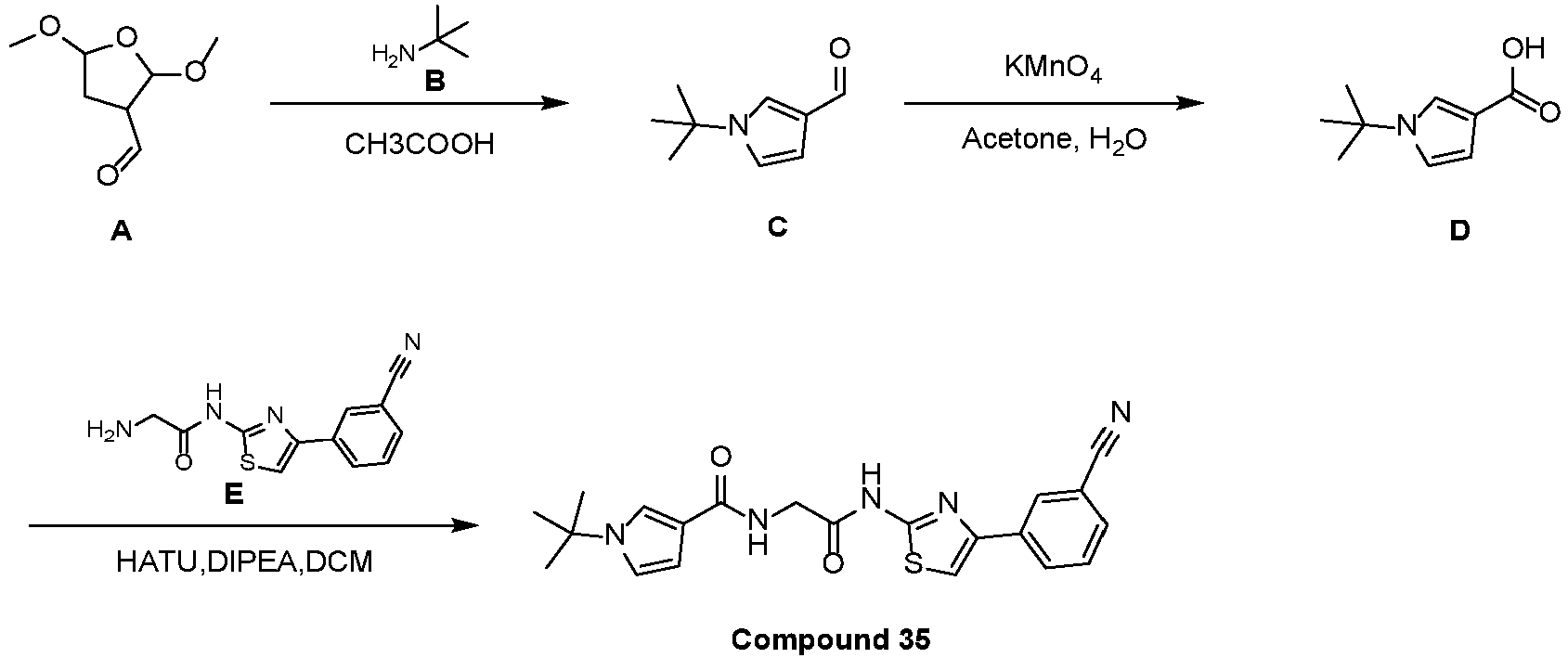
-
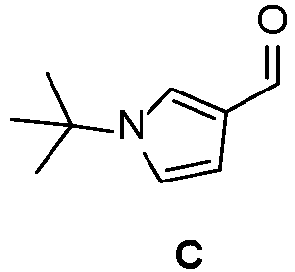
- A solution of 2,5-dimethoxytetrahydrofuran-3-carbaldehyde (800 mg, 4.99 mmol, 707.96 µL) and 2-methylpropan-2-amine (365.30 mg, 4.99 mmol, 524.86 µL) in CH3COOH (25 mL) was stirred at 120 °C for 2 h. The mixture was poured into water (50 mL) and extracted with EtOAc (10 mL x mL x 3). The combined organic layer was washed with water (5 mL x mL x 3) and brine (5 mL x mL x 2), then dried over Na2SO4, filtered and concentrated under vacuum to give Intermediate C (800 mg, crude) as a yellow solid. LCMS (ESI) m/z [M+H]+ = 152.0; 1H NMR (400 MHz, CDCl3) δ 9.67 (s, 1H), 7.39-7.38 (m, 1H), 6.80-6.79 (m, 1H), 6.57-6.56 (m, 1H), 1.49 (s, 9H).
-

- KMnO4 (1.25 g, 7.94 mmol) was portionwise added to a cooled (0°C) suspension of Intermediate C (800 mg, 5.29 mmol) in Acetone (40 mL) and water (8 mL). Each small addition was made after the disappearance of the violet color of the oxidizing agent. After the additions were completed, the mixture was stirred at 30°C for 2hrs. The excess of potassium permanganate was quenched with a 38% of sodium hydrogen sulfite solution and the solution acidified with HCl (6N) to pH= 4-5. The mixture was extracted with EtOAc (10 mL x 3). The combined organic layers were washed with water (10 mL x 3) and brine (10 mL x 2), then dried over Na2SO4, filtered and concentrated under vacuum. The residue was purified by reverse phase flash (FA condition) and extracted by EtOAc (10 mL x 3). The combined organic layer was washed with water (10 mL x 3) and brine(10 mL x 2), then dried over Na2SO4, filtered and concentrated under vacuum to give Intermediate D (400 mg, crude) as white solid. LCMS (ESI) m/z [M+H]+= 168.0; 1H NMR (400 MHz, CDCl3) δ 7.53-7.42 (m, 1H), 6.77-6.71 (m, 1H), 6.56-6.55 (m, 1H), 1.48 (s, 9H).
-

- To a solution of Intermediate D (34.04 mg, 203.56 µmol) in DCM (3 mL) was added HATU (96.75 mg, 254.44 µmol) and DIEA (65.77 mg, 508.89 µmol, 88.64 µL). Then 2-amino-N-[4-(3-cyanophenyl)thiazol-2-yl]acetamide (prepared according to the method in Example 3) (50 mg, 169.63 µmol, HCl salt) was added. The mixture was stirred at 30 °C for 2 h. The mixture was diluted with DCM (30 mL) and washed with water (5 mL x 3) and brine (5 mL x 2), dried over Na2SO4, filtered and concentrated under vacuum. The residue was purified by Prep-HPLC (mobile phase: [water (10 mM NH4HCO3)-acetonitrileacetonitrile]; B%: 25%-55%) and lyophilized to give Compound 35 (6 mg, 14.72 µmol, 8.68% yield) as white solid. LCMS (ESI) m/z [M+H]+= 408.2; 1H NMR (400 MHz, DMSO-d6) δ 12.36 (br s, 1H), 8.33 (s, 1H), 8.24 (d, J = 8.4 Hz, 1H), 8.18 (s, 1H), 7.87 (s, 1H), 7.80 (d, J = 7.8 Hz, 1H), 7.70-7.63 (m, 1H), 7.52-7.51 (m, 1H), 6.98-6.96 (m, 1H), 6.48-6.47 (m, 1H), 4.10 (d, J = 5.6 Hz, 2H), 3.29 (s, 2H), 1.50 (s, 9H).
-

-
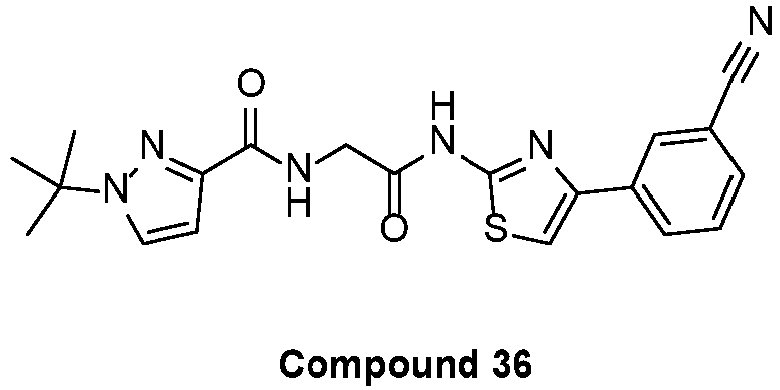
- To a solution of 2-amino-N-[4-(3-cyanophenyl)thiazol-2-yl]acetamide (prepared according to the method in Example 3) (50 mg, 169.63 µmol, HCl salt) and 1-tertbutylpyrazole-3-carboxylic acid (34.24 mg, 203.56 µmol) in DCM (2 mL) was added HATU (77.40 mg, 203.56 µmol) and DIEA (109.62 mg, 848.15 µmol, 147.73 µL), the mixture was stirred at 30 °C for 16 h. The reaction mixture was poured into MeOH (2 mL), the solution was filtered to give a solid and the solid was dried under vacuum to give Compound 36 (15.63 mg, 37.81 µmol, 22.29% yield) as a white solid. LCMS (ESI) m/z [M+H]+ = 409.2; 1H NMR (400 MHz, DMSO-d6) δ 12.44 (s, 1H), 8.33-8.22 (m, 3H), 7.94 (d, J=2.4 Hz, 1H), 7.88 (s, 1H), 7.80 (d, J=7.6 Hz, 1H), 7.68-7.65 (m, 1H), 6.65 (d, J=2.4 Hz, 1H), 4.19 (d, J=6.0 Hz, 2H), 1.58 (s, 9H).
-

-

- To a solution of 2-amino-N-[4-(3-cyanophenyl)thiazol-2-yl]acetamide (prepared according to the method in Example 3) (50 mg, 193.57 µmol) and 1-tert-butylpyrazole-4-carboxylic acid (39.07 mg, 232.29 µmol) in DCM (2 mL) was added HATU (88.32 mg, 232.29 µmol) and DIEA (125.09 mg, 967.87 µmol, 168.59 µL), the mixture was stirred at 30 °C for 16 h. The reaction mixture was concentrated to give a residue. The residue was purified by Prep-HPLC (mobile phase: [water (0.225%FA)-acetonitrile]; B%: 29%-59%) and lyophilized to give Compound 37 (22.12 mg, 54.15 µmol, 27.98% yield) as a white solid. LCMS (ESI) m/z [M+H]+ = 409.1; 1H NMR (400 MHz, DMSO-d6) δ 12.42 (s, 1H), 8.50-8.48 (m, 1H), 8.32-8.31 (m, 2H), 8.23-8.21 (m, 1H), 7.88 (d, J=10.0 Hz, 2H), 7.79 (d, J=7.6 Hz, 1H), 7.67-7.64 (m, 1H), 4.14 (d, J=6.0 Hz, 2H), 1.53 (s, 9H).
-

-

- To a solution of methyl 1H-pyrrole-3-carboxylate (300 mg, 2.40 mmol) in DMF (5 mL) was added Cs2CO3 (2.34 g, 7.19 mmol) at 0°C under N2 and the mixture was stirred at 0°C for 0.5 h. Then tert-butyl (2-bromoethyl)carbamate (805.94 mg, 3.60 mmol) was added and the mixture was stirred at 80 °C for 16 h. The reaction mixture was filtered and filtration was evaporated to dryness. The residue was purified by Prep-HPLC (FA condition) and lyophilized to give Intermediate C (420 mg, 1.55 mmol, 64.64% yield) as yellow solid. 1H NMR (400 MHz, Methanol-d4) δ 7.34 (s, 1H), 6.70-6.69 (m, 1H), 6.49 (br s, 1H), 4.01-3.98 (m, 2H), 3.76 (s, 3H), 3.36-3.33 (m, 2H), 1.40 (s, 9H).
-

- To a solution of Intermediate C (250 mg, 931.76 µmol) in MeOH (1 mL) was added aq. NaOH (2 M, 559.06 µL), the mixture was stirred at 30°C for 1 h. 1.5 ml of aq. HCl (1M) and water (30.0 mL) was added and the mixture was extracted with EtOAc (30.0 mL x 3). The combined organics were washed with water and brine, dried over Na2SO4, filtered and filtration was evaporated to dryness to give Intermediate D (200 mg, 786.53 µmol, 84.41% yield) as yellow oil, which was used for the next step directly. 1H NMR (400 MHz, Methanol-d4) δ 7.33 (s, 1H), 6.70-6.69 (m, 1H), 6.49 (br s, 1H), 4.01-3.98 (m, 2H), 3.36-3.33 (m, 2H), 1.41 (s, 9H).
-

- To a mixture of Intermediate D (50 mg, 196.63 µmol) and 2-amino-N-(4-(3-(pyridin-4-yl)phenyl)thiazol-2-yl)acetamide (prepared according to the method in Example 4) (68.20 mg, 196.63 µmol, HCl salt) in DMF (2 mL) was added DIPEA (101.65 mg, 786.53 µmol, 137.00 µL). The mixture was stirred at 30 °C for 15 min, then EDCI (56.54 mg, 294.95 µmol) and HOBt (39.85 mg, 294.95 µmol) was added and stirred at 30 °C for 6 hours. The reaction solution was poured into H2O (3 mL) and stirred for 5 min. The precipitate was collected by filtration and washed with MeOH (3 mL) and dried in vacuum to give Intermediate F (90 mg, 163.00 µmol, 82.89% yield) as white solid. LCMS (ESI) m/z[M+H]+ = 547.2.
-

- To a mixture of Intermediate F (40 mg, 73.17 µmol) in DCM (0.5 mL) was added TFA (166.87 mg, 1.46 mmol, 108.36 µL). The mixture was stirred at 30 °C for 0.5 hours. The reaction mixture was evaporated to dryness. The residue was triturated in MTBE (5 mL) and stirred for 5 min. The precipitate was collected by filtration and washed with MTBE (5 mL) and dried in vacuum to give Compound 38 (18.52 mg, 33.04 µmol, 45.15% yield, TFA salt) as yellow solid. LCMS (ESI) m/z [M+H]+ =447.1; 1H NMR (400 MHz, Methanol-d4) δ 8.85 (d, J=6.8 Hz, 2H), 8.48-8.47 (m, 1H), 8.36-8.34 (m, 2H), 8.18 (d, J=8.0 Hz, 1H), 7.90 (d, J=8.4 Hz, 1H), 7.69-7.65 (m, 1H), 7.62 (s, 1H), 7.43-7.42 (m, 1H), 6.86-6.85 (m, 1H), 6.67-6.66 (m, 1H), 4.29-4.26 (m, 4H), 3.39-3.35 (m, 2H).
-
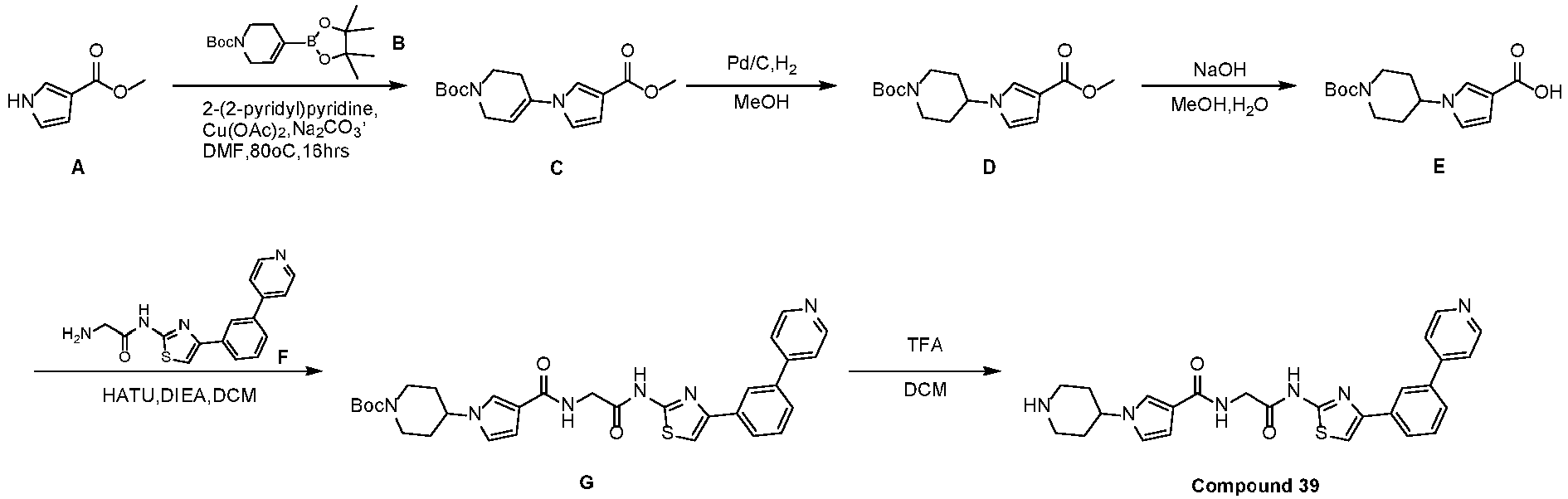
-

- A mixture of methyl 1H-pyrrole-3-carboxylate (500 mg, 4.00 mmol), tert-butyl 4-(4,4,5,5-tetramethyl-1,3,2-dioxaborolan-2-yl)-3,6-dihydro-2H-pyridine-1-carboxylate (2.47 g, 7.99 mmol), copper (II) acetate (870.95 mg, 4.80 mmol), 2- (2-pyridyl)pyridine (624.10 mg, 4.00 mmol) and Na2CO3 (847.07 mg, 7.99 mmol) in DMF (30 mL) was stirred at 80 °C for 16 h. The mixture was poured into water (50 mL) and extracted with EtOAc (30 mL x 3). The combined organic layer was washed with water (15 mL x 3) and brine (15 mL x 2), then dried over Na2SO4, filtered and concentrated under vacuum. The residue was purified by column chromatography (SiO2, PE : EtOAc = 20:1~1:1) to give Intermediate C (360 mg, 1.18 mmol, 29.41% yield) as yellow oil. LCMS (ESI) m/z [M+H-56]+=251.1; 1H NMR (400 MHz, CDCl3) δ 7.54-7.47 (m, 1H), 6.89-6.85 (m, 1H), 6.67-6.62 (m, 1H), 5.77 (br s, 1H), 4.09 (br d, J = 2.8 Hz, 2H), 3.83(s, 3H), 3.71-3.68 (m, 2H), 2.64-2.50 (m, 2H), 1.51 (s, 9H).
-

- To a solution of Intermediate C (300 mg, 979.25 µmol) in MeOH (30 mL) was added ammonium formate (617.48 mg, 9.79 mmol) and Pd/C (200 mg, 10% purity). The mixture was stirred at 70 °C for 16 h. The mixture was diluted with MeOH (30 mL) and filtered to remove Pd/C. The filtrate was concentrated under vacuum to give Intermediate D (300 mg, crude) as yellow oil, which was used to next step directly without further purification. LCMS (ESI) m/z [M+Na]+=331.2; 1H NMR (400 MHz, chloroform-d) δ 7.29-7.28 (m, 1H), 6.59-6.58 (m, 1H), 6.54-6.48 (m, 1H), 4.19 (br d, J = 6.0 Hz, 2H), 3.92-3.84 (m, 1H), 3.72 (s, 3H), 2.78-2.76 (m, 2H), 1.98 (br d, J = 12.0 Hz, 2H), 1.78-1.68 (m, 2H), 1.41 (s, 9H).
-

- To a solution of Intermediate D (300 mg, 972.85 µmol) in MeOH (10 mL) was added Water (10 mL) and NaOH (38.91 mg, 972.85 µmol). The mixture was stirred at 30 °C for 3 h. The mixture was diluted with water (50 mL) and extracted with EtOAc (10 mL x 3). The organic layers were discarded and the aqueous was treated with HCl (2M) to adjusted pH to 6~7, then extracted with EtOAc (10 mL x 5). The combined organic layer was washed with water (5 mL x 3) and brine (5 mL x 2), then dried over Na2SO4, filtered and concentrated under vacuum to give Intermediate E (140 mg, 475.63 µmol, 48.89% yield) as yellow oil, which was used to next step directly without further purification. 1H NMR (400 MHz, CDCl3) δ 7.36 (br s, 1H), 6.58 (br d, J = 17.2 Hz, 2H), 4.21 (br s, 2H), 3.92-3.86 (m, 1H), 2.78-2.73 (m, 2H), 1.98 (br d, J = 11.4 Hz, 2H), 1.81-1.65 (m, 2H), 1.41 (s, 9H).
-

- To a solution of intermediate E (20 mg, 67.95 µmol) in DMF (2 mL) was added HATU (32.29 mg, 84.93 µmol) and DIEA (21.95 mg, 169.87 µmol). Then 2-amino-N-[4-[3-(4-pyridyl)phenyl]thiazol-2-yl]acetamide (prepared according to the method in Example 4) (19.64 mg, 56.62 µmol, HCl salt) was added. The mixture was stirred at 30 °C for 2 h. The mixture was poured into water (30 mL) and extracted with EtOAc (10 mL x 3). The combined organic layer was washed with water (5 mL x 3) and brine (5 mL x 2), then dried over Na2SO4, filtered and concentrated under vacuum to give Intermediate G (30 mg, crude) as yellow oil which was used to next step directly. LCMS (ESI) m/z [M+H]+ = 587.2.
-

- A mixture of Intermediate G (25 mg, 42.61 µmol) in DCM (3 mL) and TFA (0.5 mL) was stirred at 30 °C for 2 h. The mixture was diluted with DCM (30 mL) and concentrated under reduced pressure. This operation was repeated three times. The residue was purified by Prep-HPLC (mobile phase: [water (0.1%TFA)-acetonitrile]; B%: 5%-35%, 9 min) and lyophilized to give Compound 39 (15.28 mg, 25.44 µmol, 59.70% yield, TFA salt) as yellow solid. LCMS (ESI) m/z [M+H]+ = 487.2; 1H NMR (400 MHz, DMSO-d6) δ 12.39 (s, 1H), 8.82 (d, J = 6.4 Hz, 2H), 8.73 (br d, J = 10.0 Hz, 1H), 8.46 (br d, J = 10.0 Hz, 1H), 8.38 (s, 1H), 8.28-8.25 (m, 1H), 8.07 (d, J = 7.8 Hz, 1H), 8.03 (d, J = 6.2 Hz, 2H), 7.88-7.83 (m, 2H), 7.66-7.63 (m, 1H), 7.42-7.41 (m, 1H), 6.87-6.86 (m, 1H), 6.55-6.54 (m, 1H), 4.35-4.23 (m, 1H), 4.12 (br d, J = 5.6 Hz, 2H), 3.43 (br d, J = 12.8 Hz, 2H), 3.13-2.99 (m, 2H), 2.18 (br d, J = 12.2 Hz, 2H), 2.07-1.91 (m, 2H).
-

-

- 2-aminoethanesulfonic acid (1.25 g, 9.99 mmol, 1.25 mL) was dissolved in H2O (10 mL), and then tetrabutylammonium;hydroxide (6.48 g, 9.99 mmol, 8.10 mL, 40% purity) was added. Then Boc2O (2.18 g, 9.99 mmol, 2.29 mL) in acetone (30 mL) was added dropwise. The mixture was stirred at 25 °C for 16 h. The reaction mixture was concentrated under reduced pressure to remove acetone. The aqueous layer was extracted with DCM (20 mL x 3). The combined organic layers were washed with brine (20 mL), dried over Na2SO4, filtered and concentrated under reduced pressure to give Intermediate B (4 g, crude) as colorless oil.
-

- To a solution of Intermediate B (1.8 g, 3.86 mmol) in DCM (13 mL) was added triphosgene (457.79 mg, 1.54 mmol) and DMF (28.19 mg, 385.67 µmol, 29.67 µL) in one portion at 20°C under N2. The mixture was stirred at 20°C for 0.5 hour. The reaction mixture was concentrated under reduced pressure to give a residue. The residue was dissolved in PE / EtOAc (2:1,v/v, 5 mL), then purified by column chromatography (SiO2, Petroleum ether / EtOAc = 2:1) and concentrated under reduced pressure to give Intermediate C (500 mg, crude) as a white solid. 1H NMR (400 MHz, CDCl3) δ 5.11 (br s, 1H), 3.92-3.90 (m, 2H), 3.80-3.76 (m, 2H), 1.46 (s, 9H).
-

- To methyl 1H-pyrrole-3-carboxylate (100 mg, 799.20 µmol) in THF (2 mL) was added NaH (95.89 mg, 2.40 mmol, 60% purity) in one portion at 0°C under N2. The mixture was stirred at 0 °C for 30 min, then Intermediate C (233.73 mg, 959.04 µmol) was added to this solution and heated to 20 °C and stirred for 0.5 hours. The reaction mixture was quenched by addition NH4Cl 20 mL at 20°C and extracted with EtOAc (20 mL x 3). The combined organic layers were washed with brine (30 MI), dried over Na2SO4, filtered and concentrated under reduced pressure to give a residue. The reaction was purified by reversed phase (NH3•H2O), concentrated under reduced pressure to remove MeCN and extracted with
EtOAc 30 mL (10 mL x 3). The combined organic layers were washed with brine (20 mL), dried over Na2SO4, filtered and concentrated under reduced pressure to give Intermediate E (100 mg, 288.83 µmol, 36.14% yield) as a light yellow solid. 1H NMR (400MHz, CDCl3) δ 7.72-7.71 (m, 1H), 7.10-7.09 (m, 1H), 6.78-6.77 (m, 1H), 4.86 (br s, 1H), 3.85 (s, 3H), 3.52 (br s, 4H), 1.41 (s, 9H). -

- To a solution of Intermediate E (50 mg, 150.43 µmol) in MeOH (0.2 mL) and THF (0.1 mL) was added aq. NaOH (2 M, 225.65 µL). The mixture was stirred at 25 °C for 0.5 h. The reaction mixture was acidified with 2N HCl to pH=6-7, then the mixture was concentrated in vacuum to give Intermediate F (50 mg, crude) as a yellow solid. LCMS (ESI) m/z [M+H-100]+= 218.2.
-

- To a solution of Intermediate F (49.23 mg, 154.65 µmol), HATU (58.80 mg, 154.65 µmol) and DIEA (99.94 mg, 773.26 µmol, 134.69 µL) in DCM (0.6 mL) was added 2-amino-N-(4-(3-(pyridin-4-yl)phenyl)thiazol-2-yl)acetamide (prepared according to the method in Example 4) (40 mg, 115.33 µmol, HCl salt). The mixture was stirred at 25 °C for 2 h. Then the mixture was concentrated under reduced pressure to give a residue. The crude product was purified by reversed-phase HPLC (0.1% NH3•H2O). The solution was concentrated in vacuum to remove MeCN, then the aqueous layer was extracted with EtOAc (50 mL x 3). The combined organic phases were concentrated in vacuum to give Intermediate H. (20 mg, 28.29 µmol, 21.95% yield) as a yellow solid. LCMS (ESI) m/z [M+H]+ = 611.2.
-

- A mixture of Intermediate H (20 mg, 32.75 µmol) in TFA (0.05 mL) and DCM (0.5 mL) was stirred at 25 °C for 1 h under N2 atmosphere. The reaction mixture was concentrated under reduced pressure to give a residue. The residue was purified by prep-HPLC (mobile phase: [water (0.1%TFA)-acetonitrile]; B%: 5%-35%) and lyophilized to give Compound 40 (6.76 mg, 13.24 µmol, 40.43% yield) as a white solid. LCMS (ESI) m/z [M+H]+= 511.1; 1H NMR (400 MHz, Methanol-d4) δ 8.86-8.84 (m, 2H), 8.47 (s, 1H), 8.37-8.35 (m, 2H), 8.18 (d, J=8.30 Hz, 1H), 7.91-7.87 (m, 2H), 7.69-7.65 (m, 1H), 7.63 (s, 1H), 7.36-7.35 (m, 1H), 6.90-6.89 (m, 1H), 4.28 (s, 2H), 3.92-3.88 (m, 2H), 3.33-3.30 (m, 2H).
-

-

- To a solution of 1-(tert-butyl)-1H-pyrrole-3-carboxylic acid [prepared according to the method in Example 34] (36.16 mg, 216.24 µmol) in DCM (3 mL) was added HATU (82.22 mg, 216.24 µmol) and DIEA (55.89 mg, 432.48 µmol, 75.33 µL). Then 2-amino-N-[4-[3-(4-pyridyl)phenyl]thiazol-2-yl]acetamide [prepared according to the method in Example 4] (50 mg, 144.16 µmol, HCl salt) was added. The mixture was stirred at 30 °C for 2 h. The mixture was diluted with DCM (30 mL) and washed with water (5 mL x 3) and brine (5 mL x 2), dried over Na2SO4, filtered and concentrated under vacuum. The residue was purified by Prep-HPLC (mobile phase: [water (0.1%TFA)-acetonitrile]; B%: 25%-55%) and lyophilized to give Compound 41 (23.32 mg, 40.66 µmol, 28.20% yield, TFA salt) as a white solid. LCMS (ESI) m/z [M+H]+=460.3; 1H NMR (400 MHz, DMSO-d6) δ 12.36 (s, 1H), 8.85 (br d, J = 6.6 Hz, 2H), 8.40 (s, 1H), 8.21 - 8.16 (m, 1H), 8.15-8.06 (m, 3H), 7.90-7.83 (m, 2H), 7.68-7.62 (m, 1H), 7.53 (s, 1H), 6.98-6.97 (m, 1H), 6.50-6.46 (m, 1H), 4.11 (d, J = 6.0 Hz, 2H), 1.50 (s, 9H).
-

-

- To a solution of methyl 1-(2-cyanopropan-2-yl)-1H-pyrrole-3-carboxylate [prepared according to method in Example 33] (2 g, 9.47 mmol, 1 eq) and NiCl2.6H2O (5.63 g, 23.67 mmol) in MeOH (50 mL) was added NaBH4 (3.58 g, 94.69 mmol) at 0°C and stirred for 1hour, then TEA (2.87 g, 28.41 mmol, 3.95 mL) and Boc2O (4.13 g, 18.94 mmol, 4.35 mL) was added to the reaction mixture, and stirred at 25°C for another 2 h. The reaction mixture was acidified to pH=5 by aq. HCl (2 M), extracted with EtOAc (150 mL x 3). The combined organic layers were washed with brine (50 mL), dried over Na2SO4, filtered and concentrated under reduced pressure to give a residue. The residue was purified by column chromatography (SiO2, Petroleum ether / EtOAc = 50/1 to 5:1) and concentrated in vacuum to give Intermediate F (1.93 g, 6.19 mmol, 65.34% yield) as a yellow oil. LCMS (ESI) m/z [M+H-100]+=197.3. 1H NMR (400 MHz, CDCl3) δ 7.44 (s, 1H), 6.76 (s, 1H), 6.62 (s, 1H), 4.30 (s, 1H), 3.80 (s, 3H), 3.41 (s, 2H), 1.53 (s, 6H), 1.40 (s, 9H).
-
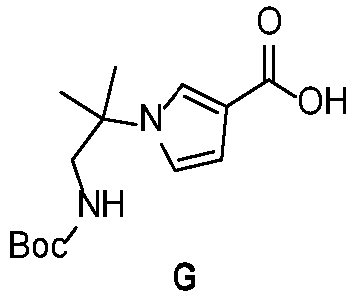
- A solution of Intermediate F (1.87 g, 6.31 mmol) and NaOH (2 M, 6.31 mL) in MeOH (20 mL) was stirred at 25°C for 2 h, then another batch of NaOH (504.75 mg, 12.62 mmol) was added to the reaction mixture. The reaction mixture was stirred at 55°C for another 2hr. The reaction mixture was adjusted pH=6 with aq. HCl (2 M) and extracted by EtOAc (50 mL x 3). The combined organic layers were washed with brine (15 mL x 3), dried over Na2SO4, filtered and concentrated under reduced pressure to give a residue. The residue was purified by reversed phase HPLC (FA condition), the combined fraction was extracted by EtOAc (100mL x 3). The combined organic layers were washed with brine (255 mL x 3), dried over Na2SO4, filtered and concentrated under reduced pressure to give Intermediate G (1.47 g, 5.21 mmol, 82.51% yield) as yellow oil. LCMS (ESI) m/z [M+23]+ =305.0. 1H NMR (400 MHz, Methanol-d4) δ 7.49 (s, 1H), 6.89 (d, J=5.6 Hz, 1H), 6.51 (d, J=5.2 Hz, 1H), 3.32 (s, 2H), 1.52 (s, 6H), 1.39 (s, 9H).
-

- To a solution of Intermediate G (97.68 mg, 345.99 µmol), EDCI (66.33 mg, 345.99 µmol), HOBt (46.75 mg, 345.99 µmol) and DIEA (186.32 mg, 1.44 mmol, 251.10 µL) in DCM (2 mL) was added 2-amino-N-[4-[3-(4-pyridyl)phenyl]thiazol-2-yl]acetamide [prepared according to method in Example 4] (100 mg, 288.32 µmol, HCl salt), then the mixture was stirred at 25°C for 2 h. The reaction mixture was concentrated under vacuum to give residue. The residue was triturated with MeOH (10 mL) at 25 °C for 15 min, then filtered and dried in vacuum to give Intermediate I (70 mg, 110.84 µmol, 38.44% yield) as a white solid. LCMS (ESI) m/z [M+H]+ = 575.5.
-
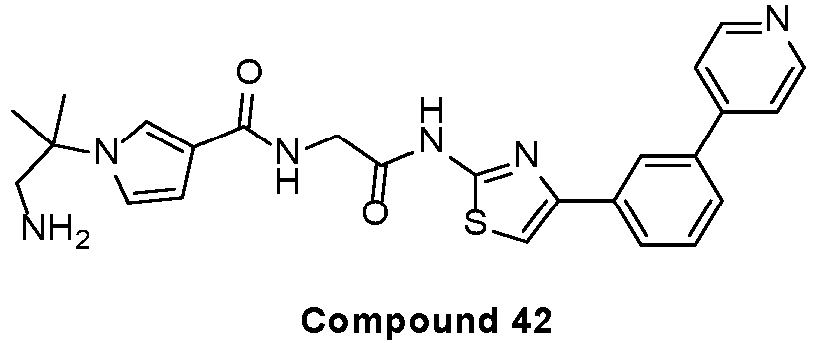
- A solution of Intermediate I (68 mg, 118.32 µmol) in HCl/dioxane (1 mL) was stirred at 25°C for 2hr. The reaction mixture was concentrated under vacuum to give residue. The residue was purified by reversed phase HPLC (0.1% FA), the fraction was lyophilized to give Compound 42 (26.23 mg, 48.87 µmol, 41.30% yield, FA salt) as a white solid. LCMS (ESI) m/z [M+H]+ = 475.0; 1H NMR (400 MHz, DMSO-d6) δ 8.69-8.68 (m, 2H), 8.31-8.30 (m, 1H), 8.23-8.20 (m, 2H), 8.03-8.00 (m, 1H), 7.83-7.76 (m, 4H), 7.62-7.58 (m, 1H), 7.50 (s, 1H), 6.94 (s, 1H), 6.51 (s, 1H), 4.10 (d, J=6.0 Hz, 2H), 2.83 (s, 2H), 1.46 (s, 6H).
-

-

- To a solution of methyl 1H-pyrrole-3-carboxylate (500 mg, 4.00 mmol) in THF (20 mL) was added KHMDS (1 M, 7.99 mL) slowly at 0 °C under N2. The reaction mixture was stirred at 0 °C for 30 min under N2. Then to the reaction mixture was added propane-2-sulfonyl chloride (683.82 mg, 4.80 mmol, 534.23 µL) slowly at 0 °C under N2. The reaction mixture was warmed to 30 °C and stirred at 30 °C for 16 h under N2. The reaction mixture was poured into H2O (100 mL) slowly and extracted with EtOAc (100 mL x 3). The combined organic layers were washed with brine (50 mL), dried over anhydrous Na2SO4, filtered and concentrated under reduced pressure to afford a residue. The residue was purified by reverse phase column (FA condition) and lyophilized to afford Intermediate C (490 mg, 2.12 mmol, 53 % yield) as white solid. LCMS (ESI) m/z [M+H]+ = 232.0; 1H NMR (400 MHz, CDCl3) δ 7.70-7.69 (m, 1H), 7.07-7.06 (m, 1H), 6.75-6.74 (m, 1H), 3.85 (s, 3H), 3.49-3.39 (m, 1H), 1.36 (d, J=6.8 Hz, 6H).
-

- To a mixture of Intermediate C (490 mg, 2.12 mmol) in THF (10 mL) and MeOH (5 mL) was added a solution of LiOH.H2O (266.73 mg, 6.36 mmol) in H2O (5 mL) at 25 °C. The reaction mixture was stirred at 25 °C for 3 h. The reaction mixture was quenched by addition HCl aqueous solution (1M) to pH=4 and extracted with EtOAc (20 mL x 4). The combined organic layers were dried over anhydrous Na2SO4, filtered and concentrated under reduced pressure to afford a residue. The residue was purified by reverse phase column (FA condition) to afford Intermediate D (360 mg, 1.66 mmol, 78 % yield) as white solid. LCMS (ESI) m/z [M+H]+ = 218.0; 1H NMR (400 MHz, CDCl3) δ 7.80-7.79 (m, 1H), 7.12-7.11 (m, 1H), 6.80-6.79 (m, 1H), 3.53-3.42 (m, 1H), 1.39 (d, J=7.2 Hz, 6H).
-

- To a mixture of Intermediate D (17.00 mg, 78.27 µmol) in DCM (1 mL) was added DIPEA (50.58 mg, 391.34 µmol, 68.16 µL), HATU (44.64 mg, 117.40 µmol) and 2-amino-N-[4-[3-(4-pyridyl)phenyl]thiazol-2-yl]acetamide [prepared according to method in Example 4] (30 mg, 78.27 µmol, 2HCl salt) at 30 °C. The reaction mixture was stirred at 30 °C for 16 h. The reaction mixture was filtered and the filter cake was washed with DCM (5mL) and MeOH (2mL) to afford Compound 43 (8.59 mg, 15.85 µmol, 20 % yield) as yellow solid. LCMS (ESI) m/z [M+H]+ = 510.1; 1H NMR (400 MHz, DMSO-d6) δ 12.43 (br s, 1H), 8.72-8.69 (m, 3H), 8.31 (s, 1H), 8.02 (d, J=8.0 Hz, 1H), 7.83-7.82 (m, 2H), 7.77-7.76 (m, 3H), 7.62-7.58 (m, 1H), 7.30-7.27 (m, 1H), 6.80-6.79 (m, 1H), 4.16 (d, J=5.6 Hz, 2H), 3.91-3.85 (m, 1H), 1.24 (d, J=6.8 Hz, 6H).
-

-

- To a mixture of 1H-pyrazole-4-carboxylic acid (60 mg, 535.30 µmol), 2-amino-N-[4-[3-(4-pyridyl)phenyl]thiazol-2-yl]acetamide [prepared according to method in Example 4] (166.14 mg, 479.03 µmol, HCl salt) and DIEA (345.92 mg, 2.68 mmol, 466.20 µL) in DMF (3 mL) was added HOBt (86.80 mg, 642.36 µmol) and EDCI (123.14 mg, 642.36 µmol), and then the mixture was stirred at 25 °C for 2 h under N2 atmosphere. The reaction mixture was pureed into water (5 mL), filtered and filter cake dried in the air to give crude product. The crude product was triturated with MeOH (3 mL) at 25°C for 30 min, filtered and dried in vacuum to give Intermediate C (140 mg, 318.46 µmol, 59.49% yield) as a white solid. LCMS (ESI) m/z [M+H]+= 405.0.
-

- To a solution of Intermediate C (50 mg, 123.63 µmol) in THF (2 mL) was added TEA (100.08 mg, 989.01 µmol, 137.66 µL) and added MsCl (42.48 mg, 370.88 µmol, 28.71 µL) drop wise. The mixture was stirred at 25 °C for 0.5 h. The reaction mixture was diluted with
water 3 mL, some of precipitate was formed, and the mixture was filtered to give filtered cake, dried in air to give crude product. The crude product was purified by Prep-HPLC (mobile phase: [water (0.1%TFA)-acetonitrile; B%: 13%-37%) and lyophilized to give Compound 44 (35.18 mg, 57.20 µmol, 46.27% yield, TFA salt) as a yellow solid. LCMS (ESI) m/z [M+H]+= 482.9; 1H NMR (400 MHz, DMSO-d6) δ 12.47 (s, 1H), 8.95-8.92 (m, 1H), 8.82-8.81 (m, 3H), 8.37 (s, 1H), 8.29 (s, 1H), 8.08-8.05 (m, 3H), 7.86-7.84(d, J=8.8 Hz, 2H), 7.66-7.62 (m, 1H), 4.19-4.18 (d, J=6 Hz, 2H), 3.64(s, 3H). -

-

- To a solution of 1H-pyrazole-3-carboxylic acid (600 mg, 5.35 mmol) in toluene (10 mL) was added 1,1-di-tert-butoxy-N,N-dimethylmethanamine (4.35 g, 21.41 mmol, 5.13 mL) at 80°C, the mixture was stirred at 80°C for 2 h. The reaction mixture was poured into water (50.0 mL) and extracted with EtOAc (50.0 mL x 3). The combined organics were washed with water and brine, dried over Na2SO4, filtered and filtration was evaporated to dryness. To the residue was added MTBE (10 mL) and stirred for 10 min, then filtered and dried in vacuum to give Intermediate C (600 mg, 3.46 mmol, 64.64% yield) as yellow solid. LCMS (ESI) m/z [M+Na]+ =191.3; 1H NMR (400 MHz, OMSO-d6) δ 13.77-13.34 (m, 1H), 7.80-7.57 (m, 1H), 6.72-6.64 (m, 1H), 1.51 (s, 9H).
-

- To a solution of Intermediate C (150 mg, 891.83 µmol) in THF (3 mL) was added TEA (270.73 mg, 2.68 mmol, 372.40 µL) at 0°C under N2 and the mixture was stirred at 0°C for 10 min. Then MsCl (132.81 mg, 1.16 mmol, 89.74 µL) was added and the mixture was stirred at 30 °C for 1 h. The reaction mixture was poured into cool NH4Cl solution (50.0 mL), and extracted with EtOAc (30 mL x 3). The combined organics were washed with water and brine, dried over Na2SO4, filtered and concentrated in vacuum to give Intermediate D (210 mg, crude) as yellow solid, which was used for the next step directly. LCMS (ESI) m/z [M+H-56]+=190.8. 1H NMR (400 MHz, Methanol-d4) δ 8.24 (d, J=2.8 Hz, 1H), 6.88 (d, J=2.4 Hz, 1H), 3.49 (s, 3H), 1.60 (s, 9H).
-

- To a mixture of Intermediate D (100 mg, 406.04 µmol) in DCM (3 mL) was added TFA (462.98 mg, 4.06 mmol, 300.63 µL). The mixture was stirred at 30 °C for 1 hour. The reaction mixture was evaporated to dryness to give Intermediate E (75 mg, crude) as yellow solid. 1H NMR (400 MHz, Methanol-d4) δ 8.27 (d, J=2.8 Hz, 1H), 6.95 (d, J=2.8 Hz, 1H), 3.51 (s, 3H).
-
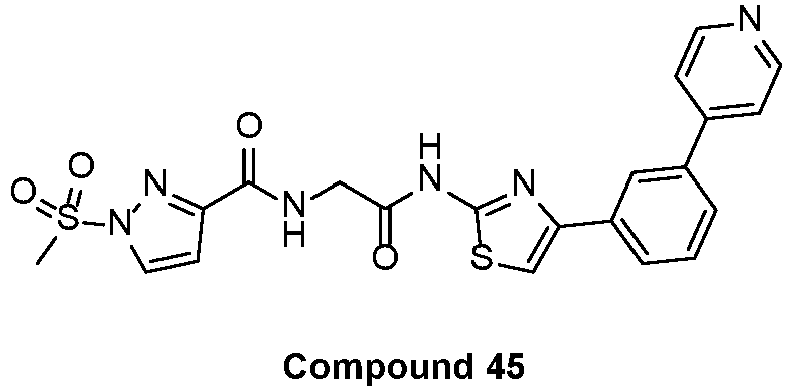
- To a mixture of Intermediate E (70 mg, 368.08 µmol) and 2-amino-N-(4-(3-(pyridin-4-yl)phenyl)thiazol-2-yl)acetamide [prepared according to method in Example 4] (140.43 mg, 404.89 µmol, HCl salt) in DMF (1 mL) was added DIPEA (190.29 mg, 1.47 mmol, 256.45 µL). The mixture was stirred at 30 °C for 15 min, then EDCI (105.84 mg, 552.12 µmol) and HOBt (74.60 mg, 552.12 µmol) was added and stirred at 30 °C for 1 hours. The reaction mixture was poured into water (30.0 mL) and extracted with EtOAc (30.0 mL x 3). The combined organics were washed with water and brine, dried over Na2SO4, filtered and filtration was evaporated to dryness. The residue was purified by Prep-HPLC (mobile phase: [water (0.225% FA)-acetonitrile]; B%: 10%-40%) and lyophilized to give Compound 45 (45 mg, 85.14 µmol, 23.13% yield, FA salt) as yellow solid. LCMS (ESI) m/z [M+H]+ =483.1; 1H NMR (400 MHz, DMSO-d6) δ 12.48 (br s, 1H), 8.85-8.82 (m, 1H), 8.68-8.67 (m, 2H), 8.41 (d, J=2.8 Hz, 1H), 8.30 (s, 1H), 8.01 (d, J=8.0 Hz, 1H), 7.82 (s, 1H), 7.77-7.75 (m, 3H), 7.61-7.57 (m, 1H), 6.96 (d, J=2.8 Hz, 1H), 4.20 (d, J=6.0 Hz, 2H), 3.68 (s, 3H).
-

-

- To a mixture of 2-amino-N-[4-[3-(4-pyridyl)phenyl]thiazol-2-yl]acetamide [prepared according to method in Example 4] (250 mg, 720.81 µmol, HCl salt) and 1H-imidazole-4-carboxylic acid (105.03 mg, 937.05 µmol) in DMF (4 mL) was added DIEA (372.63 mg, 2.88 mmol, 502.19 µL), EDCI (207.27 mg, 1.08 mmol) and HOBt (146.09 mg, 1.08 mmol). The resulting mixture was stirred at 25 °C for 4 h. The mixture was poured into water (30 mL) and the precipitate was collected by filtration. The precipitate was triturated in MeOH (10 mL) and stirred for 5 min. Then the precipitate was collected by filtration and washed with MTBE (2 mL) and dried in vacuum to give Intermediate C (180 mg, 417.86 µmol, 57.97% yield) as a yellow solid. LCMS (ESI) m/z [M+H]+ = 405.2.
-

- To a mixture of Intermediate C (100 mg, 247.25 µmol) in pyridine (2 mL) was added MsCl (1.42 g, 12.36 mmol, 956.86 µL) slowly at 25 °C and then the mixture was stirred at 25 °C for 0.5 h. The mixture was poured into water (50 mL) and the precipitate was collected by filtration. The precipitate was triturated in MeOH (10 mL) and stirred for 5 min. Then the precipitate was collected by filtration and washed with MTBE (3 mL) and dried in vacuum to give Compound 46 (56.32 mg, 115.20 µmol, 46.59% yield) as a yellow solid. LCMS (ESI) m/z [M+H]+= 482.8; 1H NMR (400 MHz, DMSO-d6) δ 12.44 (s, 1H), 8.70-8.68 (m, 2H), 8.59-8.56 (m, 1H), 8.32-8.30 (m, 2H), 8.15 (d, J=1.2 Hz, 1H), 8.02-8.00 (m, 1H), 7.83 (s, 1 H), 7.80-7.76 (m, 3H), 7.62-7.58 (m, 1H), 4.15 (d, J=6.0 Hz, 2H), 3.77 (s, 3H).
-

-

- To a solution of methyl 1H-pyrrole-3-carboxylate (100 mg, 799.20 µmol) in THF (3 mL) was added KHMDS (1 M, 1.60 mL) at 0°C. The mixture was stirred at 0°C for 30 min under N2. N,N-dimethylsulfamoyl chloride (137.71 mg, 959.04 µmol, 102.77 µL) was added at 0°C and the mixture was stirred at 20°C for 16 h under N2. The reaction was quenched by adding water (10 mL) and the resulting mixture was extracted with EtOAc (15 mLx2). The combined organic phases were washed with water (10 mL), dried over Na2SO4 and concentrated to give a residue. The residue was purified by column chromatography (SiO2, Petroleum ether / EtOAc = 2/1) to give Intermediate B (60 mg, 258.34 µmol, 32.32% yield) as colorless oil. LCMS (ESI) m/z [M+H]+ = 233.2; 1H NMR (400 MHz, CDCl3) δ 7.70 (dd, J=2.0 Hz, 1.6 Hz, 1H) 7.07 (dd, J=3.2 Hz, 2.0 Hz, 1H), 6.73 (dd, J=3.2 Hz, 1.6 Hz, 1H), 3.86 (s, 3H), 2.86 (s, 6H).
-

- To a solution of Intermediate B (50 mg, 215.28 µmol) in MeOH (2 mL) and H2O (2 mL) was added LiOH.H2O (18.07 mg, 430.56 µmol). The mixture was stirred at 20°C for 16 h. The reaction mixture was adjusted pH to 4 with 1N HCl solution and the resulting mixture was extracted with EtOAc (15 mLx2). The combined organic phases were washed with water (5 mL), dried over Na2SO4 and concentrated to afford Intermediate C (35 mg, 160.38 µmol, 74.50% yield) as yellow solid. The product was used for the next step without further purification. LCMS (ESI) m/z [M+H]+ = 219.2; 1H NMR (400 MHz, CDCl3) δ 7.69 (m, 1H) 7.00 (dd, J=3.2 Hz, 1.6 Hz, 1H), 6.68 (dd, J=3.2 Hz, 1.6 Hz, 1H), 2.79 (s, 6H).
-

- To a solution of Intermediate C (30 mg, 137.47 µmol) in DCM (3 mL) was added DIPEA (53.30 mg, 412.41 µmol, 71.83 µL) and HATU (62.72 mg, 164.96 µmol). The mixture was stirred at 20°C for 10 min. 2-amino-N-[4-[3-(4-pyridyl)phenyl]thiazol-2-yl]acetamide [prepared according to method in Example 4] (47.68 mg, 137.47 µmol, HCl salt) was added and the mixture was stirred at 20°C for 16 h. The reaction mixture was filtered and the filtrated cake was washed with DCM (10 mL) and dried in vacuum to afford Compound 47 (44.55 mg, 85.84 µmol, 62.44% yield) as white solid. LCMS (ESI) m/z [M+H]+ = 511.2; 1H NMR (400 MHz, DMSO-d6) δ 12.44 (br s, 1H), 8.72-8.64 (m, 3H), 8.31 (s, 1H), 8.02 (d, J= 8.0. Hz, 1H), 7.86-7.80 (m, 2H), 7.79-7.74 (m, 3H), 7.65-7.56 (m, 1H), 7.29 (d, J= 3.2 Hz, 2.0 Hz, 1H), 6.76 (d, J= 3.2 Hz, 2.0 Hz, 1H), 4.16 (m, 2H), 2.81 (s, 6H).
-

- To a mixture of 1H-pyrrole-3-carboxylic acid (20 mg, 180.02 µmol) in DCM (2 mL) was added DIPEA (116.33 mg, 900.10 µmol, 156.78 µL), HATU (102.67 mg, 270.03 µmol) and 2-amino-N-(4-(3-(pyridin-4-yl)phenyl)thiazol-2-yl)acetamide [prepared according to method in Example 4] (69.00 mg, 180.02 µmol, 2HCl salt) at 30 °C. The reaction mixture was stirred at 30 °C for 16 h. The reaction mixture was filtered and the filter cake was washed with DCM (10 mL) and MeOH (3 mL) to afford a brown solid, which was further purified by Prep-HPLC (mobile phase: [water (10 mM NH4HCO3) - acetonitrile]; B%: 23%-53%) to afford Compound 48 (2.03 mg, 4.89 µmol, 2.72% yield) as white solid. LCMS (ESI) m/z [M+H]+ = 404.0; 1H NMR (400 MHz, DMSO-d6) δ 12.30 (br s, 1H), 11.18 (br s, 1H), 8.69-8.67 (m, 2H), 8.31 (s, 1H), 8.18-8.17 (m, 1H), 8.02 (d, J=8.0 Hz, 1H), 7.81 (s, 1H), 7.77-7.75 (m, 3H), 7.62-7.58 (m, 1H), 7.36-7.35 (m, 1H), 6.79-6.77 (m, 1H), 6.51-6.50 (m, 1H), 4.11 (d, J=6.0 Hz, 2H).
-

- To a mixture of 1-methyl-1H-pyrrole-3-carboxylic acid (10.82 mg, 86.50 µmol) in DCM (1 mL) was added DIPEA (55.89 mg, 432.48 µmol, 75.33 µL), HATU (49.33 mg, 129.75 µmol) and 2-amino-N-(4-(3-(pyridin-4-yl)phenyl)thiazol-2-yl)acetamide [prepared according to method in Example 4] (30 mg, 86.50 µmol, HCl salt) at 30 °C. The reaction mixture was stirred at 30 °C for 16 h. The reaction mixture was filtered and the filter cake was washed with DCM (5 mL) and MeOH (2 mL) to afford a yellow solid. The yellow solid was purified by Prep-HPLC (mobile phase: [water (10 mM NH4HCO3)-acetonitrile]; B%: 23%-56%, 11 min) to afford a yellow solid. The yellow solid was further purified by Prep-HPLC (mobile phase: [water (0.225% FA)-acetonitrile]; B%: 20%-50%) to afford Compound 49 (9.2 mg, 19.44 µmol, 22.47% yield, FA salt) as white solid. LCMS (ESI) m/z [M+H]+ = 418.0; 1H NMR (400 MHz, DMSO-d6) δ 12.33 (br s, 1H), 8.68 (d, J=6.0 Hz, 2H), 8.30 (s, 1H), 8.18-8.16 (m, 1H), 8.01 (d, J=8.0 Hz, 1H), 7.81 (s, 1H), 7.76-7.74 (m, 3H), 7.61-7.57 (m, 1H), 7.28 (s, 1H), 6.73-6.71 (m, 1H), 6.47-6.46 (m, 1H), 4.09 (d, J=5.6 Hz, 2H), 3.64 (s, 3H).
-

-

- To a solution of 1 H-pyrrole-3-carboxylic acid (50 mg, 450.05 µmol) in DMF (2 mL) was added NaH at 0 °C under N2. The reaction mixture was stirred at 0 °C for 30 min. To the reaction mixture was added Ac2O (50.54 mg, 495.05 µmol, 46.37 µL) dropwisely at 0 °C. The reaction mixture was warmed to 30 °C and stirred at 30 °C for 16 h. The reaction mixture was poured into H2O (2 mL) slowly. To the mixture was added HCl (2M) and adjusted pH=2 to afford a red solution. The red solution was purified by reverse phase column (FA condition) and lyophilized to afford Intermediate B (25 mg, 135.69 µmol, 30.15% yield) as yellow solid. LCMS (ESI) m/z [M+H]+ = 154.0; 1H NMR (400 MHz, DMSO-d6) δ 7.91-7.90 (m, 1H), 7.50-7.43 (m, 1H), 6.56-6.55 (m, 1H), 2.60 (s, 3H).
-

- To a mixture of Intermediate B (15 mg, 97.95 µmol) in DCM (1 mL) was added DIPEA (63.30 mg, 489.76 µmol, 85.31 µL), HATU (55.87 mg, 146.93 µmol) and 2-amino-N-(4-(3-(pyridin-4-yl)phenyl)thiazol-2-yl)acetamide [prepared according to method in Example 4] (33.97 mg, 97.95 µmol, HCl salt) at 30 °C. The reaction mixture was stirred at 30 °C for 16 h. The reaction mixture was filtered and the filter cake was washed with DCM (5 mL) and MeOH (2 mL) to afford a yellow solid. The yellow solid was further purified by Prep-HPLC (mobile phase: [water (0.225%FA)-acetonitrile]; B%: 12%-36%) and lyophilized to afford Compound 50 (7.59 mg, 15.44 µmol, 15.76% yield, FA salt) as white solid. LCMS (ESI) m/z [M+H]+ = 446.1; 1H NMR (400 MHz, DMSO-d6) δ 12.25 (br s, 1H), 8.69-8.67 (m, 2H), 8.64-8.61 (m, 1H), 8.44 (br s, 1H), 8.31 (s, 1H), 8.03-8.00 (m, 2H), 7.82 (s, 1H), 7.77-7.76 (m, 3H), 7.62-7.58 (m, 1H), 7.48-7.46 (m, 1H), 6.71-6.70 (m, 1H), 4.16 (d, J=5.6 Hz, 2H), 2.61 (s, 3H).
-

- To a mixture of 1H-imidazole-4-carboxylic acid (15 mg, 133.82 µmol) and 2-amino-N-[4-[3-(4-pyridyl)phenyl]thiazol-2-yl]acetamide [prepared according to method in Example 4] (46.41 mg, 133.82 µmol, HCl salt) in DCM (1 mL) was added DIEA (51.89 mg, 401.47 µmol, 69.93 µL) and HATU (61.06 mg, 160.59 µmol). The resulting mixture was stirred at 30 °C for 1 h. The precipitate was collected by filtration. The solid was slurried in MeOH (2 mL) and stirred for 5 min. The precipitate was collected by filtration. Then the solid was further purified by Prep-HPLC (mobile phase: [water (0.1% TFA)-acetonitrile]; B%: 1%-30%) and lyophilized to give Compound 51 (5.44 mg, 13.45 µmol, 10.05% yield) as a white solid. LCMS (ESI) m/z [M+H]+ = 405.2; 1H NMR (400 MHz, DMSO-d6) δ 12.50 (s, 1H), 8.87-8.82 (m, 3H), 8.55 (s, 1H), 8.40-8.38 (m, 1H), 8.10-7.85 (m, 7H), 7.67-7.63 (m, 1H), 4.23 (d, J=5.6 Hz, 2H).
-

- To a solution of 1-methyl-1H-imidazole-4-carboxylic acid (21.82 mg, 172.99 µmol), HATU (65.78 mg, 172.99 µmol) and DIEA (93.16 mg, 720.81 µmol, 125.55 µL) in DCM (0.5 mL) was added 2-amino-N-(4-(3-(pyridin-4-yl)phenyl)thiazol-2-yl)acetamide [prepared according to method in Example 4] (50 mg, 144.16 µmol, HCl salt), the mixture was stirred at 30 °C for 1 h. The reaction mixture was concentrated under reduced pressure to give a residue. The residue was triturated with MeOH (5.0 mL) and filtered, dried in vacuum to give Compound 52 (32.73 mg, 77.90 µmol, 54.04% yield) as a gray solid. LCMS (ESI) m/z [M+H]+ = 419.2; 1H NMR (400 MHz, DMSO-d6) δ 12.36 (br s, 1H), 8.68-8.66 (m, 2H), 8.30-8.29 (m, 1H), 8.21-8.18 (m, 1H), 8.01 (d, J=8.0 Hz, 1H), 7.82 (s, 1H), 7.76-7.74 (m, 3H), 7.69-7.66 (m, 2H), 7.61-7.57 (m, 1H), 4.16 (d, J=6.0 Hz, 2H), 3.70 (s, 3H).
-

-

- To a solution of (3-bromophenyl)methanamine (3.7 g, 19.89 mmol) in THF (20 mL) was added NaHCO3 (3.34 g, 39.77 mmol, 1.55 mL) and Boc2O (4.77 g, 21.88 mmol, 5.03 mL), the mixture was stirred at 30 °C for 16 h. The reaction mixture was filtered to give a filtrate. The filtrate was concentrated to give Intermediate B (5.6 g, 16.67 mmol, 83.85% yield) as a white solid was used for next step directly. LCMS (ESI) m/z [M+H-56]+ = 231.9.
-

- To a solution of Intermediate B (5.6 g, 16.67 mmol) and 4,4,5,5-tetramethyl-2-(4,4,5,5-tetramethyl-1,3,2-dioxaborolan-2-yl)-1,3,2-dioxaborolane (5.08 g, 20.01 mmol) in dioxane (60 mL) was added
dichloro 1,1'-bis(diphenylphosphino)ferrocene palladium (II) dichloromethane (1.36 g, 1.67 mmol) and KOAc (4.91 g, 50.02 mmol), the mixture was stirred at 80 °C for 2 h. The reaction mixture was poured into water (100 mL), the solution was extracted with EtOAc (100 mL x 3). The combined organic layer was washed with brine (200 mL), dried over Na2SO4 and filtered. The filtrate was concentrated to give a residue. The residue was purified by column chromatography (SiO2, Petroleum ether / EtOAc = 1:0-10:1) and concentrated in vacuum to give Intermediate D (5.5 g, 16.51 mmol, 98.98% yield) as a white solid. 1H NMR (400 MHz, DMSO-d6) δ 7.58 (s, 1H), 7.53 (d, J = 6.8 Hz, 1H), 7.35-7.32 (m, 3H), 4.13 (d, J = 6.0 Hz, 2H), 1.39 (s, 9H), 1.29 (s, 12H). -

- To a solution of N-[2-[[4-(3-bromophenyl)thiazol-2-yl]amino]-2-oxo-ethyl]-1-methylsulfonyl-pyrrole-3-carboxamide (prepared according to the method in Example 1) (500 mg, 1.03 mmol) and Intermediate D (413.64 mg, 1.24 mmol) in dioxane (5 mL) and H2O (0.5 mL) was added Pd(dppf)Cl2 (75.69 mg, 103.44 µmol) and K2CO3 (428.89 mg, 3.10 mmol), the mixture was stirred at 80 °C for 2 h. The reaction mixture was concentrated to give a residue. The crude product was purified by reversed-phase HPLC (0.1% FA condition) and lyophilized to give Intermediate F (600 mg, crude) as a yellow solid. LCMS (ESI) m/z [M+H]+ = 610.2.
-

- A mixture of Intermediate F (400 mg, 656.04 µmol) in HCl/dioxane (5 mL) was stirred 30 °C for 2 h. The reaction mixture was concentrated to give a residue. The residue was triturated with MTBE (2 mL) and then filtered to give a yellow solid. The yellow solid was purified by twice Prep-HPLC (mobile phase: [water (0.05%HCl)-acetonitrile]; B%: 18%-38%) and then (mobile phase: [water (0.225% FA)-acetonitrile]; B%:10%-40%) and the solution was lyophilized to give Compound 53 (68.49 mg, 134.40 µmol, 56.45% yield) as a white solid. LCMS (ESI) m/z [M+H]+=510.2; 1H NMR (400 MHz, DMSO-d6) δ 8.69-8.67 (m, 1H), 8.33 (s, 1H), 8.20 (s, 1H), 7.90 (d, J = 8.0 Hz, 1H), 7.85-7.83 (m, 1H), 7.75 (s, 2H), 7.64-7.60 (m, 2H), 7.55-7.52 (m, 1H), 7.49-7.45 (m, 1H), 7.40-7.38 (m, 1H), 7.32-7.30 (m, 1H), 6.78 (dd, J = 1.6, 3.2 Hz, 1H), 4.15 (d, J = 5.6 Hz, 2H), 3.92 (s, 2H), 3.57 (s, 3H).
-

- To a solution of N-[2-[[4-(3-bromophenyl)thiazol-2-yl]amino]-2-oxo-ethyl]-1-methylsulfonyl-pyrrole-3-carboxamide (prepared according to the method in Example 1) (50 mg, 96.26 µmol) and 1-[4-(4,4,5,5-tetramethyl-1,3,2-dioxaborolan-2-yl)-2-pyridyl]piperazine (41.76 mg, 144.40 µmol) in dioxane (0.5 mL) and H2O (0.05 mL) was added K3PO4 (61.30 mg, 288.79 µmol) and [1,1'-bis(di-tert-butylphosphino)ferrocene]dichloropalladium(II) (12.55 mg, 19.25 µmol) under N2. The reaction mixture was stirred at 80 °C for 2 h. The reaction mixture was poured into water (5 mL), the solution was extracted with EtOAc (5 mL x 3). The combined organic layer was washed with brine (20 mL), dried over Na2SO4 and filtered. The filtrate was concentrated to give a residue. The residue was purified by Prep-HPLC (mobile phase: [water (0.225% FA)-acetonitrile]; B%: 10%-34%) to give Compound 54 (18.81 mg, 33.25 µmol, 34.54% yield) as a white solid. LCMS (ESI) m/z [M+H]+ = 566.2; 1H NMR (400 MHz, DMSO-d6) δ 8.70 (br t, J=5.6 Hz, 1H), 8.67-8.26 (m, 3H), 8.22-8.20 (m,1H), 7.85 (s,1H), 7.81 (s, 1H), 7.71 (brd, J=7.6 Hz, 1H), 7.62-7.52 (m, 1H), 7.32 (dd, J=2.4, 3.2 Hz, 1H), 7.08 (s, 1H), 6.99 (d, J=5.2 Hz, 1H), 6.78-6.77 (m , 1H), 4.15 (d, J=5.6 Hz, 2H), 3.58 (s, 7H), 2.88 (br s, 4H).
-
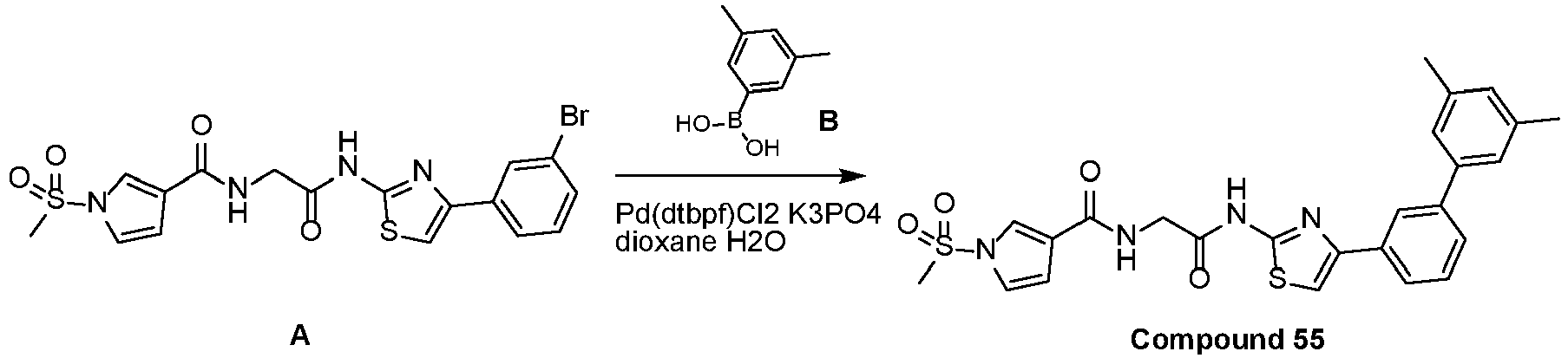
- The solution of N-[2-[[4-(3-bromophenyl)thiazol-2-yl]amino]-2-oxo-ethyl]-1-methylsulfonyl-pyrrole-3-carboxamide (prepared according to the method in Example 1) (100 mg, 206.89 µmol), (3,5-dimethylphenyl)boronic acid (62.06 mg, 413.77 µmol) and K3PO4 (131.74 mg, 620.66 µmol) in dioxane (0.8 mL) and H2O (0.2 mL) was added [1,1'-bis(di-tert-butylphosphino)ferrocene]dichloropalladium(II) (13.48 mg, 20.69 µmol) at 25 °C under N2. The reaction mixture was stirred at 80 °C under N2 for 16 h. The reaction mixture was poured into water (10 mL) and extracted with EtOAc (10 mL x 3), the combined organic layers was dried over anhydrous Na2SO4 then concentrated to afford a brown solid. The brown solid was dissolved with DMSO (2 mL) and purified by reversed-phase HPLC (FA), then concentrated and lyophilized to afford Compound 55 (57.31 mg, 110.37 µmol, 53.35% yield) as an off-white solid. LCMS (ESI) m/z [M+H]+ = 509.1; 1H NMR (400 MHz, DMSO-d6) δ 12.40 (br s, 1H), 8.67-8.66 (m, 1H), 8.16 (s, 1H), 7.87 (d, J = 7.8 Hz, 1H), 7.84-7.83 (m, 1H), 7.75 (s, 1H), 7.58 (d, J = 7.8 Hz, 1H), 7.53-7.46 (m, 1H), 7.31 (s, 3H), 7.02 (s, 1H), 6.77-6.76 (m, 1H), 4.14 (d, J = 5.6 Hz, 2H), 3.57 (s, 3H), 2.35 (s, 6H).
-

- To a solution of N-[2-[[4-(3-bromophenyl)thiazol-2-yl]amino]-2-oxo-ethyl]-1-tert-butyl-pyrrole-3-carboxamide [prepared according to the method in Example 8] (70 mg, 151.72 µmol) in dioxane (1 mL) and water (0.2 mL) was added 3-methyl-5-(4,4,5,5-tetramethyl-1,3,2-dioxaborolan-2-yl)isoxazole (38.06 mg, 182.06 µmol) and K3PO4 (96.62 mg, 455.16 µmol) and [1,1'-bis(di-tert-butylphosphino)ferrocene]dichloropalladium(II) (9.89 mg, 15.17 µmol) under N2 atmosphere. The mixture was stirred at 100 °C for 2 h. The mixture was diluted with water (3 mL) and extracted with EtOAc (10 mL x 3). The organic layer was dried over anhydrous Na2SO4 and concentrated to afford residue. The residue was purified by reversed-phase HPLC (0.1% NH3•H2O) and lyophilized to give Compound 56 (2.53 mg, 5.46 µmol, 3.60% yield) as a white solid. LCMS (ESI) m/z [M+H]+ = 464.3; 1H NMR (400 MHz, CDCl3) δ 10.29 (s, 1H), 8.25 (s, 1H), 7.88 (d, J = 7.6 Hz, 1H), 7.71 (d, J = 7.6 Hz, 1H), 7.57-7.55 (m, 1H), 7.49-7.47 (m, 1H), 7.23 (s, 1H), 6.86-6.84 (m, 1H), 6.47-6.45 (m, 3H), 4.37 (d, J = 6.0 Hz, 2H), 2.38 (s, 3H), 1.56 (s, 9H).
-
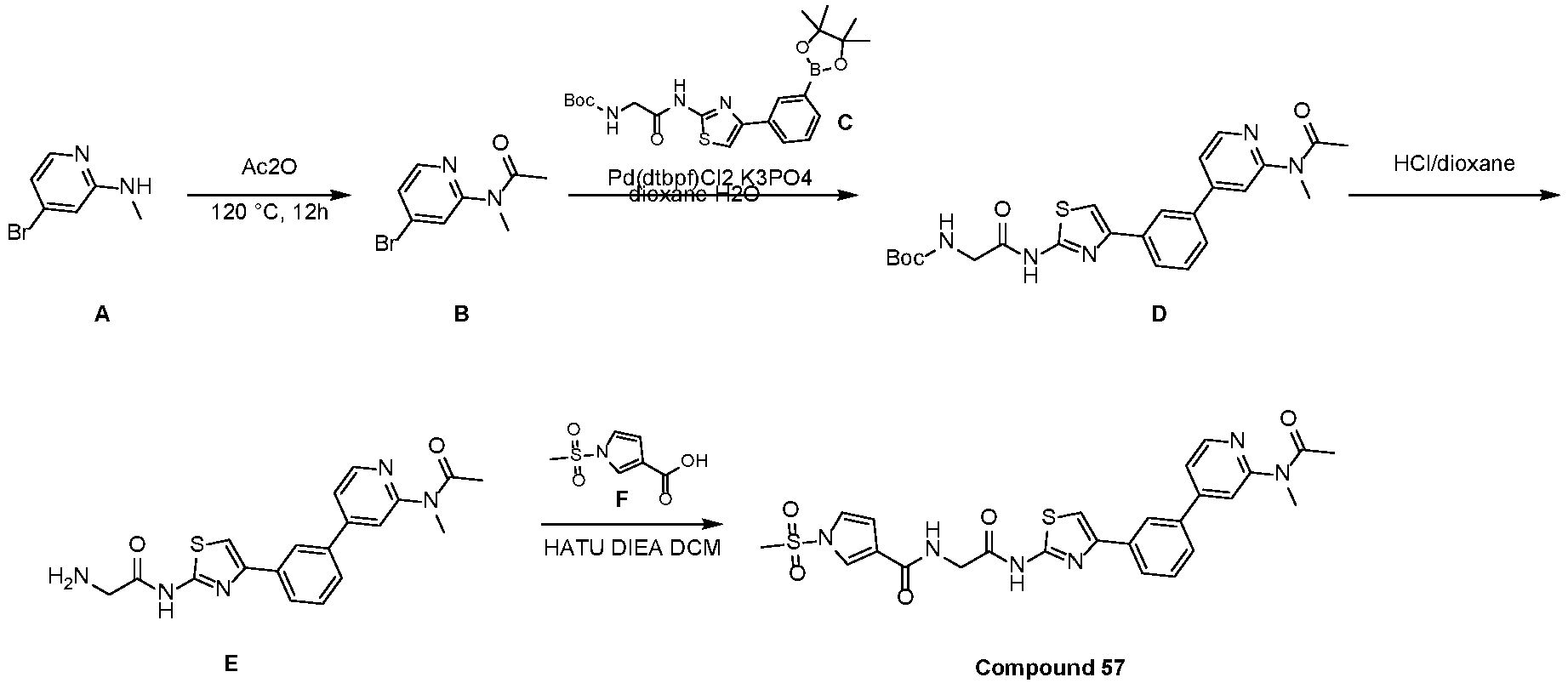
-

- A mixture of 4-bromo-N-methylpyridin-2-amine (200 mg, 1.07 mmol) in acetic anhydride (3.27 g, 32.03 mmol, 3 mL) was stirred at 120 °C for 4 hours. The mixture was concentrated in reduced pressure at 50 °C to give Intermediate B (180 mg, 785.77 µmol, 73.48% yield) as yellow oil. The oil was taken to the next step without purification. LCMS (ESI) m/z [M+H]+ = 229.1; 1H NMR (400 MHz, Methanol-d4) δ 8.33 (d, J=5.4 Hz, 1H), 7.99 (s, 1H), 7.54 (d, J= 5.4 Hz, 1H), 3.35 (s, 3H), 2.10 (s, 3H).
-

- To a mixture of tert-butyl (2-oxo-2-((4-(3-(4,4,5,5-tetramethyl-1,3,2-dioxaborolan-2-yl)phenyl)thiazol-2-yl)amino)ethyl)carbamate [prepared according to the method in Example 57] (200 mg, 435.38 µmol) and Intermediate B (129.66 mg, 566.00 µmol) in dioxane (10 mL) and H2O (2 mL) was added [1,1'-bis(di-tert-butylphosphino)ferrocene]dichloropalladium(II) (28.38 mg, 43.54 µmol) and K3PO4 (184.84 mg, 870.77 µmol) in one portion at 25°C under N2. The mixture was stirred at 75 °C under N2 for 12 hours. The mixture was poured into water (40 mL) and stirred for 5 min. The aqueous phase was extracted with EtOAc (30 mL x 3). The combined organic phase was washed with brine (10 mL), dried with anhydrous Na2SO4, filtered and concentrated in vacuum to give Intermediate D (180 mg, 373.78 µmol, 85.85% yield) as yellow oil. The oil was used for the next step directly without purification. LCMS (ESI) m/z [M+H]+ = 482.0.
-

- To a mixture of Intermediate D (180 mg, 373.78 µmol) in EA (5 mL) was added HCl/EtOAc (4 M, 93.45 µL) in one portion at 25°C. The mixture was stirred at 25 °C for 1 hour. The mixture was filtered and the solid was dried in vacuum to give Intermediate E (100 mg, 239.28 µmol, 64.02% yield, HCl salt) as black brown solid. 1H NMR (400 MHz, DMSO-d6) δ 8.59 (d, J=5.2 Hz, 1H), 8.39-8.28 (m, 1H), 8.04 (d, J=7.2 Hz, 1H), 7.95 (d, J=3.2 Hz, 2H), 7.82 (d, J=7.0 Hz, 1H), 7.75 (d, J=4.4 Hz, 1H), 7.66-7.57 (m, 1H), 3.92 (d, J=4.8 Hz, 2H), 3.35 (s, 3H), 2.09 (s, 3H).
-

- To a mixture of 1-methylsulfonylpyrrole-3-carboxylic acid [prepared according to the method in Example 4] (16.30 mg, 86.14 µmol) and DIEA (46.39 mg, 358.93 µmol, 62.52 µL) in DCM (1 mL) was added HATU (40.94 mg, 107.68 µmol) in one portion at 25°C under N2. The mixture was stirred at 25 °C for 5 min, then Intermediate E (30 mg, 71.79 µmol, HCl) was added to the mixture and stirred at 25°C for 2 hours. The reaction mixture was concentrated in vacuum and the residue was purified by reverse phase column (FA) and then lyophilized to give Compound 57 (11.70 mg, 19.22 µmol, 26.78% yield, FA salt) as off-white solid. LCMS (ESI) m/z [M+H]+ = 553.3; 1H NMR (400 MHz, DMSO-d6) δ 8.56 (d, J=5.2 Hz, 1H), 8.29 (s, 1H), 8.00 (d, J=7.8 Hz, 1H), 7.86 (s, 1H), 7.84-7.83 (m, 1H), 7.81 (s, 1H), 7.78 (d, J=7.8 Hz, 1H), 7.68-7.66 (m, 1H), 7.61-7.60 (m, 1H), 7.32-7.31 (m, 1H), 6.78-6.77 (m, 1H), 4.14 (s, 2H), 3.55 (s, 3H), 3.33 (s, 3H), 2.06 (m, 3H).
-

-

- tert-Butyl N-[2-[[4-(3-bromophenyl)thiazol-2-yl]amino]-2-oxo-ethyl]carbamate (6 g, 14.55 mmol), 4,4,5,5-tetramethyl-2-(4,4,5,5-tetramethyl-1,3,2-dioxaborolan-2-yl)-1,3,2-dioxaborolane (4.06 g, 16.01 mmol), [1,1'-bis(di-tert-butylphosphino)ferrocene]dichloropalladium(II) (948.45 mg, 1.46 mmol) and KOAc (2.86 g, 29.10 mmol) were taken up in dioxane (60 mL), the mixture was purged with N2 three times. Then the resulting mixture was stirred at 100 °C for 2 h. The reaction mixture was filtered and filtration was evaporated to dryness to give Intermediate C (6.68 g, crude) as black oil. LCMS (ESI) m/z [M+H]+ =460.3.
-

- Intermediate C (6.68 g, 14.54 mmol), 3-bromo-1-methyl-pyrazole (2.34 g, 14.54 mmol), [1,1'-bis(di-tert-butylphosphino)ferrocene]dichloropalladium(II) (947.76 mg, 1.45 mmol) and K3PO4 (6.17 g, 29.08 mmol) were taken up in dioxane (50 mL) and H2O (10 mL), the mixture was purged with N2 three times. Then the resulting mixture was stirred at 80 °C for 4 h. The reaction mixture was diluted with water (100 mL) and extracted with EtOAc (50 mL x 3). The combined organic layers were washed with brine (50 mL), dried over Na2SO4, filtered and concentrated under reduced pressure to give a residue. The residue was purified by column chromatography (SiO2, Petroleum ether / EtOAc = 5/1 to 1:1) and concentrated in vacuum to give Intermediate E (3 g, 7.26 mmol, 49.89% yield) as yellow solid. LCMS (ESI) m/z [M+H]+ =414.1.
-

- Intermediate E (3 g, 7.26 mmol) was dissolved in HCl/dioxane (20 mL). The mixture was stirred at 30 °C for 1hr. The reaction mixture was evaporated to dryness to give Intermediate F (4.2 g, crude, HCl salt) as a yellow solid, which was used for the next step directly. LCMS (ESI) m/z [M+H]+ = 314.2.
-

- To a mixture of 1-tert-butylpyrrole-3-carboxylic acid [prepared according to the method in Example 34] (1.43 g, 8.58 mmol) in DCM (20 mL) was added HATU (2.61 g, 6.86 mmol) and DIPEA (3.69 g, 28.58 mmol, 4.98 mL). The mixture was stirred at 30 °C for 15 min, then Intermediate F (2 g, 5.72 mmol, HCl salt) was added and stirred for 1 hours. The reaction mixture was poured into water (50.0 mL) and extracted with EtOAc (50.0 mL x 3). The combined organics were washed with water and brine, dried over Na2SO4, filtered and filtration was evaporated to dryness. The residue was purified by column chromatography (SiO2, DCM/ MeOH=100/1 to 80:1) and concentrated in vacuum to give Compound 58 (1.5 g, 3.18 mmol, 55.64% yield) as a white solid. LCMS (ESI) m/z [M+H]+ =463.3; 1H NMR (400 MHz, DMSO-d6) δ 12.39 (s, 1H), 8.38 (s, 1H), 8.19-8.16 (m, 1H), 7.81 (d, J = 8.0 Hz, 1H), 7.76 (d, J = 2.0 Hz, 1H), 7.72 (d, J = 7.6 Hz, 1H), 7.68 (s, 1H), 7.53-7.52 (m, 1H), 7.46-7.42 (m, 1H), 6.98-6.96 (m, 1H), 6.73 (d, J = 2.0 Hz, 1H), 6.48-6.47 (m, 1H), 4.10 (d, J = 6.0 Hz, 2H), 3.90 (s, 3H), 1.49 (s, 9H).
-

-

- A mixture of 4-(3-bromophenyl)thiazol-2-amine (1 g, 3.92 mmol), (2-methyl-4-pyridyl)boronic acid (590.43 mg, 4.31 mmol), K2CO3 (1.63 g, 11.76 mmol) and Pd(dppf)Cl2 (286.79 mg, 391.95 µmol) in dioxane (10 mL) and H2O (3 mL) was degassed and purged with N2 for 3 times, and then the mixture was stirred at 80 °C for 2 h under N2 atmosphere. The reaction mixture was concentrated under reduced pressure to give a residue. The residue was purified by column chromatography (SiO2, Petroleum ether / EtOAc = 3/1) and concentrated to afford Intermediate C (1 g, 3.74 mmol, 95.43% yield) as yellow solid. LCMS (ESI) m/z [M+H]+=268.2; 1H NMR (400 MHz, CDCl3) δ 8.57 (d, J=5.2 Hz, 1H), 8.10-8.08 (m, 1H), 7.85-7.83 (m, 1H), 7.59-7.54 (m, 1H), 7.53-7.47 (m, 1H), 7.45 (s, 1H), 7.40-7.38 (m, 1H), 6.84 (s, 1H), 5.04 (br s, 2H), 2.66 (s, 3H).
-

- To a solution of Intermediate C (0.5 g, 1.87 mmol) and 2-(tert-butoxycarbonylamino)-4-methylsulfanyl-butanoic acid (699.45 mg, 2.81 mmol) in DCM (8 mL) was added EEDQ (924.97 mg, 3.74 mmol). The mixture was stirred at 25 °C for 16 h. The reaction mixture was concentrated under reduced pressure to give a residue. The residue was purified by column chromatography (SiO2, Petroleum ether / EtOAc = 1/1) and concentrated to afford Intermediate E (0.74 g, 1.48 mmol, 79.35% yield) as yellow oil. LCMS (ESI) m/z [M+H]+=499.1; 100% ee value.
-

- To a solution of Intermediate E (0.7 g, 1.40 mmol) in MeOH (5 mL) was added HCl/dioxane (4 M, 5 mL). The mixture was stirred at 25 °C for 1 h. The reaction mixture was concentrated to dryness to give Intermediate F (0.6 g, crude, HCl salt) as yellow solid, which was used for the next step without further purification. LCMS (ESI) m/z [M+H]+ = 399.0.
-

- To a solution of Intermediate F (200 mg, 459.76 µmol, HCl salt) in DCM (3 mL) was added 1-methylsulfonylpyrrole-3-carboxylic acid [prepared according to the method in Example 4] (95.68 mg, 505.74 µmol), HOBt (62.12 mg, 459.76 µmol), DIEA (237.68 mg, 1.84 mmol, 320.32 µL) and EDCI (105.76 mg, 551.72 µmol). The mixture was stirred at 25 °C for 2 h. The reaction mixture was concentrated to dryness to give a residue. The residue was purified with Prep-HPLC (mobile phase: [water (0.1% TFA)-acetonitrile]; B%: 18%-48%) and lyophilized to afford Compound 59 (95.37 mg, 167.40 µmol, 36.41% yield) as white solid. LCMS (ESI) m/z [M+H]+ =570.0; 1H NMR (400 MHz, DMSO-d6) δ 12.53 (s, 1H), 8.84 (br s, 1H), 8.53-8.41 (m, 2H), 8.33-8.07 (m, 3H), 7.99-7.86 (m, 3H), 7.70-7.68 (m, 1H), 7.37-7.26 (m, 1H), 6.79 (dd, J=3.2 Hz, 1.60 Hz, 1H), 4.78-4.65 (m, 1H), 3.58 (s, 3H), 2.76 (br d, J=2.4 Hz, 3H), 2.16-1.96 (m, 6H); ee%=100%.
-

-

- A mixture of 4-(3-(2-methylpyridin-4-yl)phenyl)thiazol-2-amine [prepared according to the method in Example 58] (950 mg, 3.55 mmol), 2-(tert-butoxycarbonylamino)-3-methoxy-propanoic acid (934.84 mg, 4.26 mmol), EEDQ (1.76 g, 7.11 mmol) in DCM (10 mL) was degassed and purged with N2 for 3 times, and then the mixture was stirred at 25 °C for 12 h under N2 atmosphere. The reaction mixture was quenched by addition water (20 mL), and extracted with EtOAc (20 mL x 3). The combined organic layers were washed with brine (10 mL x 3), dried over Na2SO4, filtered and concentrated under reduced pressure to give a residue. The residue was purified by reversed phase (NH3OH) and lyophilized to give Intermediate E (1.3 g, 2.77 mmol, 78.08% yield) as a yellow solid. LCMS (ESI) m/z [M+H]+ =469.4; 1H NMR (400 MHz, DMSO-d6) δ 12.43 (s, 1H), 8.54 (d, J = 5.2 Hz, 1H), 8.29 (s, 1H), 8.00 (d, J = 7.8 Hz, 1H), 7.83 (s, 1H), 7.74 (d, J = 7.8 Hz, 1H), 7.67-7.48 (m, 3H), 7.17 (br d, J = 7.6 Hz, 1H), 4.52 (br d, J = 6.6 Hz, 1H), 3.58 (br d, J = 5.6 Hz, 2H), 3.27 (s, 3H), 2.56 (s, 3H), 1.44-1.25 (m, 9H).
-

- A mixture of Intermediate E (300 mg, 640.25 µmol) in HCl/dioxane (4 M, 1.60 mL) was degassed and purged with N2 for 3 times, and then the mixture was stirred at 25 °C for 2 h under N2 atmosphere. The mixture was concentrated to remove the solvent to obtain Intermediate F (350 mg, crude, HCl salt) as a yellow solid. LCMS (ESI) m/z [M+H]+ = 369.2.
-

- A mixture of Intermediate F (250 mg, 617.42 µmol, HCl salt), 1-methylsulfonylpyrrole-3-carboxylic acid [prepared according to the method in Example 4] (140.17 mg, 740.90 µmol), DIEA (398.97 mg, 3.09 mmol, 537.70 µL), HOBt (166.85 mg, 1.23 mmol) and EDCl (236.72 mg, 1.23 mmol) in DMF (3 mL) was degassed and purged with N2 for 3 times, and then the mixture was stirred at 25 °C for 12 h under N2 atmosphere. To the reaction mixture was added water (10 mL), extracted with EtOAc (10 mL x 3). The combined organic layers were washed with brine (10 mL x 3), dried over Na2SO4, filtered and concentrated under reduced pressure to give a residue. The residue was purified by reversed phase (FA) and lyophilized to give Compound 60 (160 mg, 296.50 µmol, 48.02% yield, FA salt) as a yellow solid. LCMS (ESI) m/z [M+H]+ =540.2. 1H NMR (400 MHz, DMSO-d6) δ 8.48 (d, J = 5.4 Hz, 1H), 8.27-8.21 (m, 1H), 8.13 (s, 1H), 8.01-7.90 (m, 2H), 7.76-7.68 (m, 2H), 7.66-7.52 (m, 3H), 7.28 (dd, J = 2.2, 3.4 Hz, 1H), 6.79 (dd, J = 1.8 Hz, 3.2 Hz, 1H), 4.86-4.84 (m, 1H), 3.79-3.63 (m, 2H), 3.47 (s, 3H), 3.29 (s, 3H), 2.53 (br s, 3H); ee%=95.212%.
-

-

- To a solution of 4-(3-bromophenyl)thiazol-2-amine (600 mg, 2.35 mmol) and (2,6-dimethyl-4-pyridyl) boronic acid (532.56 mg, 3.53 mmol) in dioxane/ H2O=4/1 (10 mL) was added K3PO4 (1.50 g, 7.06 mmol) and [1,1'-bis(di-tert-butylphosphino)ferrocene]dichloropalladium(II) (229.91 mg, 352.76 µmol). The mixture was stirred at 75 °C under N2 for 4 h. The reaction mixture was diluted with H2O (20 mL) and extracted with EtOAc (20 mL x 2). The combined organic layers were dried over anhydrous Na2SO4, filtered and concentrated under reduced pressure to give a residue. The residue was purified by column chromatography (SiO2, Petroleum ether / EtOAc = 1/0 to 1:1) and concentrated in vacuum to give Intermediate C (400 mg, 1.42 mmol, 60.45% yield) as a yellow solid. LCMS (ESI) m/z [M+H]+ =282.0; 1H NMR (400 MHz, Methanol-d4) δ 8.11 (m, 1H), 7.83-7.81 (m, 1H), 7.61 (m, 1H), 7.50-7.48 (m, 1H), 7.42 (s, 2H), 6.96 (s, 1H), 2.56 (s, 6H).
-

- To a solution of (2S)-2-(tert-butoxycarbonylamino)-3-methoxy-propanoic acid (397.37 mg, 1.81 mmol) in DCM (5 mL) was added EEDQ (597.63 mg, 2.42 mmol), the mixture was stirred at 30 °C for 0.5 h. Then Intermediate C (340 mg, 1.21 mmol) was added to the mixture. The mixture was stirred at 30 °C for 16 h. The reaction mixture was diluted with H2O (10 mL) and extracted with EtOAc (10 mL x 2). The combined organic layers were dried over anhydrous Na2SO4, filtered and concentrated under reduced pressure to give the residue. The residue was purified by reversed phase (0.1% FA condition) and concentrated to remove the acetonitrile, then extracted with EtOAc (20 mL x 2), the combined organic layers were dried over anhydrous Na2SO4, filtered and concentrated to afford Intermediate E (300 mg, 621.64 µmol, 51.45% yield) as a white solid. LCMS (ESI) m/z [M+H]+ =483.1; 1H NMR (400 MHz, CDCl3) δ 9.88-9.80 (m, 1H), 8.09 (s, 1H), 7.87 (d, J = 7.6 Hz, 1H), 7.58-7.49 (m, 2H), 7.25 (d, J = 4.0 Hz, 3H), 5.47-5.46 (m, 1H), 4.55 (br d, J = 2.0 Hz, 1H), 3.98-3.95 (m, 1H), 3.63-3.61 (m, 1H), 3.44 (s, 3H), 1.62 (br s, 6H), 1.50 (s, 9H).
-

- A solution of Intermediate E (300 mg, 621.64 µmol) in HCl/dioxane (4 M, 5 mL) was stirred at 30 °C for 0.5 h. The reaction mixture was concentrated directly to afford Intermediate F (260 mg, 620.61 µmol, 99.83% yield, HCl salt) as a white solid, which was used directly in the next step. LCMS (ESI) m/z [M+H]+ =383.2; 1H NMR (400 MHz, DMSO-d6) δ 13.02-12.95 (m, 1H), 8.65-8.62 (m, 3H), 8.46 (s, 1H), 8.20 (s, 2H), 8.16 (d, J = 8.4 Hz, 1H), 8.00 (s, 1H), 7.96-7.94 (m, 1H), 7.73-7.69 (m, 1H), 4.37 (br d, J = 4.4 Hz, 1H), 3.92-3.79 (m, 2H), 3.32 (s, 3H), 2.79 (s, 6H).
-
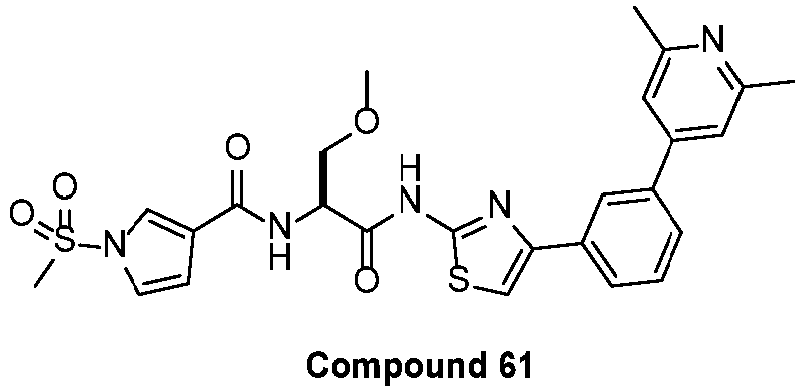
- To a solution of Intermediate F (150 mg, 358.05 µmol, HCl salt) in DMF (2 mL) was added 1-methylsulfonylpyrrole-3-carboxylic acid [prepared according to the method in Example 4] (74.51 mg, 393.85 µmol) and DIEA (231.37 mg, 1.79 mmol, 311.82 µL), then EDCI (102.96 mg, 537.07 µmol) and HOBt (58.06 mg, 429.66 µmol) was added to the mixture. The mixture was stirred at 30 °C for 16 h. The reaction mixture was concentrated in vacuum and then the residue was purified by reversed phase (0.1% FA condition) and lyophilized to afford Compound 61 (109.15 mg, 182.01 µmol, 50.84% yield, FA salt) as a white solid. LCMS (ESI) m/z [M+H]+ =554.2; 1H NMR (400 MHz, Methanol-d4) δ 8.26 (br d, J = 2.4 Hz, 1H), 8.02-7.95 (m, 1H), 7.91-7.90 (m, 1H), 7.70-7.63 (m, 1H), 7.54-7.47 (m, 4H), 7.26-7.25 (m, 1H), 6.83 (m, 1H), 4.97-4.95 (m, 1H), 3.88-3.82 (m, 2H), 3.81-3.79 (m, 3H), 3.44-3.42 (m, 3H), 2.58 (d, J = 1.6 Hz, 6H); ee% =100%.
-

-

- To a solution of 4-(3-(1-methyl-1H-pyrazol-3-yl)phenyl)thiazol-2-amine (prepared according to the method in Example 2) (500 mg, 1.95 mmol) and (2S)-2-(tertbutoxycarbonylamino)-3-methoxy-propanoic acid (513.18 mg, 2.34 mmol) in DCM (5 mL) was added EEDQ (723.56 mg, 2.93 mmol), the mixture was stirred at 30 °C for 12 h. The reaction mixture was concentrated under reduced pressure to give a residue. The residue was purified by column chromatography (SiO2, Petroleum ether / EtOAc = 3/1 to 2:1) and concentrated to give Intermediate G (800 mg, 1.71 mmol, 87.84% yield) as a white solid. LCMS (ESI) m/z [M+H]+ =458.4; ee%=100%.
-

- A solution of Intermediate G (0.8 g, 1.75 mmol) in 4 M HCl/dioxane (10 mL) was stirred at 30 °C for 1 h. The reaction mixture was concentrated under reduced pressure to give a crude product. The crude product was triturated with MTBE (10 mL), filtered and dried in vacuum to give Intermediate H (600 mg, 1.52 mmol, 87.12% yield, HCl salt) as a white solid. LCMS (ESI) m/z [M+H]+ = 358.4; 1H NMR (400MHz, DMSO-d6) δ 12.99 (br s, 1H), 8.70-8.69 (m, 3H), 8.39-8.38 (m, 1H), 7.82-7.77 (m, 4H), 7.46-7.43 (m, 1H), 6.74-6.73 (m, 1H), 4.34-4.32 (m, 1H), 3.93-3.81 (m, 5H), 3.31 (m, 3H); ee%=100%.
-

- To a solution of 1-tert-butylpyrrole-3-carboxylic acid [prepared according to the method in Example 34] (63.67 mg, 380.82 µmol), EDCI (97.34 mg, 507.76 µmol), HOBt (68.61 mg, 507.76 µmol) and DIEA (164.06 mg, 1.27 mmol, 221.10 µL) in DCM (1 mL) was added Intermediate H (100 mg, 253.88 µmol, HCl salt), the mixture was stirred at 30 °C for 2 h. The reaction mixture was concentrated under reduced pressure to give a residue. The residue was purified by reverse phase (FA) and lyophilized to give Compound 62 (31.20 mg, 60.69 µmol, 23.90% yield) as a white solid. LCMS (ESI) m/z [M+H]+ =507.4; 1H NMR (400 MHz, Methanol-d4) δ 8.33-8.32 (m, 1H), 7.84-7.82 (m, 1H), 7.71-7.69 (m, 1H), 7.64-7.61 (m, 2H), 7.45-7.40 (m, 2H), 6.95-6.94 (m, 1H), 6.67-6.66 (m, 1H), 6.61-6.59 (m, 1H), 4.97-4.94 (m, 1H), 3.95 (s, 3H), 3.86-3.82 (m, 2H), 3.43 (s, 3H), 1.56 (s, 9H); ee%=100%.
-

-

- A mixture of 4-bromothiazol-2-amine (500 mg, 2.79 mmol), 2-methyl-7-(4,4,5,5-tetramethyl-1,3,2-dioxaborolan-2-yl)isoquinolin-1(2H)-one [prepared according to the method in Example 7](955.59 mg, 3.35 mmol), K3PO4 (1.78 g, 8.38 mmol) and [1,1'-bis(di-tert-butylphosphino)ferrocene]dichloropalladium(II) (182.01 mg, 279.27 µmol) in dioxane (8 mL) and H2O (2 mL)was degassed and purged with N2 for 3 times, and then the mixture was stirred at 100 °C for 2 h under N2 atmosphere. Water (50 mL) was added and the reaction mixture was extracted with EtOAc (200 mL). The combined organic layers were washed with brine (50 mL), dried over Na2SO4, filtered and concentrated under reduced pressure to give a residue. The crude product was purified by reversed-phase HPLC (0.1% NH3•H2O) and lyophilized to give Intermediate E (400 mg, 1.37 mmol, 48.98% yield) as a yellow solid. LCMS (ESI) m/z [M+H]+= 258.3.
-

- To a solution of Intermediate E (330 mg, 1.28 mmol) and (2S)-2-(tertbutoxycarbonylamino)-3-methoxy-propanoic acid (337.40 mg, 1.54 mmol) in DCM (20 mL) was added EEDQ (475.72 mg, 1.92 mmol). The mixture was stirred at 25 °C for 2 h. The reaction mixture was concentrated under reduced pressure to remove DCM. The crude product was triturated with MeOH (20 mL) at 25 °C for 10 min, then filtered and dried in vacuum to give Intermediate G (400 mg, 817.74 µmol, 63.76% yield) as a white solid. LCMS (ESI) m/z [M+H]+= 459.0.
-
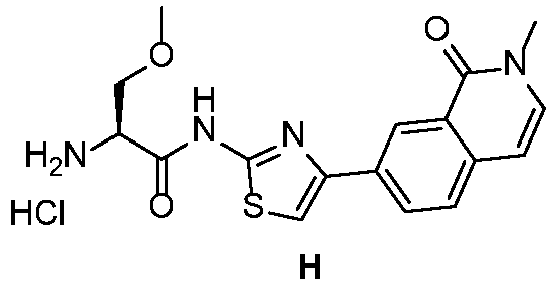
- To a solution of Intermediate G (200 mg, 436.18 µmol) in dioxane (2 mL) was added HCl/dioxane (2 mL). The mixture was stirred at 25 °C for 2 h. The reaction mixture was concentrated under reduced pressure to give Intermediate H (180 mg, crude, HCl salt) as a brown solid. LCMS (ESI) m/z [M+H]+= 359.1.
-
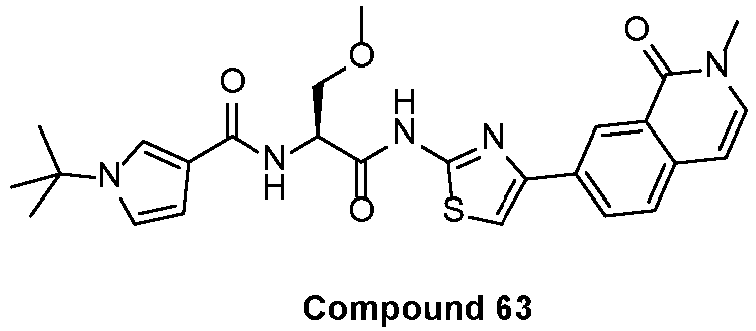
- To a solution of [prepared according to the method in Example 34] (50.81 mg, 303.89 µmol) in DCM (2 mL) was added EDCI (58.26 mg, 303.89 µmol), HOBt (41.06 mg, 303.89 µmol) and DIEA (104.74 mg, 810.38 µmol, 141.15 µL), then Intermediate H (80 mg, 202.60 µmol, HCl salt) was added. The mixture was stirred at 25 °C for 12 h. Water (30 mL) was added and the reaction mixture was extracted with EtOAc (50 mL x 2). The combined organic layers were washed with brine (20 mL), dried over Na2SO4, filtered and concentrated under reduced pressure to give a residue. The residue was purified by Prep-HPLC (mobile phase: [water (0.075%TFA)-acetonitrile]; B%: 35%-65%) and then re-purified by Prep-TLC (SiO2, DCM: EtOAc = 2:1) to give Compound 63 (17 mg, 33.49 µmol, 16.53% yield) as a white solid. LCMS (ESI) m/z [M+H]+ =508.4. 1H NMR (400 MHz, DMSO-d6) δ 12.51 (s, 1H), 8.82 (d, J=2.0 Hz, 1H), 8.22-8.20 (m, 1H), 7.93 (d, J=7.6 Hz, 1H), 7.78 (s, 1H), 7.70 (d, J=8.4 Hz, 1H), 7.63-7.61 (m, 1H), 7.48 (d, J=7.2 Hz, 1H), 6.96-6.95 (m, 1H), 6.63 (d, J=6.8 Hz, 1H), 6.51-6.50 (m, 1H), 4.94-4.89 (m, 1H), 3.75-3.67 (m, 2H), 3.52 (s, 3H), 3.32-3.31 (m, 3H), 1.49 (s, 9H); ee%=89.392%.
-

-

- A mixture of 2-methyl-7-(4,4,5,5-tetramethyl-1,3,2-dioxaborolan-2-yl)-3,4-dihydroisoquinolin-1(2H)-one [prepared according to the method in Example 7] (200 mg, 696.47 µmol), 4-bromothiazol-2-amine (124.70 mg, 696.47 µmol), K3PO4 (591.35 mg, 2.79 mmol) and [1,1'-bis(di-tert-butylphosphino)ferrocene]dichloropalladium(II) (45.39 mg, 69.65 µmol) in dioxane (2 mL) and H2O (0.5 mL) was degassed and purged with N2 for 3 times, and then the mixture was stirred at 100 °C for 2 h under N2 atmosphere. Water (20 mL) was added and the reaction mixture was extracted with EtOAc (50 mL x 2). The combined organic layers were washed with brine (20 mL), dried over Na2SO4, filtered and concentrated under reduced pressure to give a residue. The crude product was triturated with MeOH (10 mL) at 25 °C for 10 min, then filtered and dried in vacuum to give Intermediate D (180 mg, 691.75 µmol, 99.32% yield) as a white solid. LCMS (ESI) m/z [M+H]+ = 260.1.
-

- To a solution of Intermediate D (110.86 mg, 427.50 µmol) and (2S)-2-(tert-butoxycarbonylamino)-3-methoxy-propanoic acid (103.09 mg, 470.25 µmol) in DCM (2 mL) was added EEDQ (158.57 mg, 641.25 µmol). The mixture was stirred at 25 °C for 2 h. The reaction mixture was concentrated under reduced pressure to remove DCM. The crude product was triturated with MeOH (5 mL) at 25 °C for 10 min, then filtered and dried in vacuum to give Intermediate F (150 mg, 325.70 µmol, 76.19% yield) as a brown solid. LCMS (ESI) m/z [M+H]+ = 461.4.
-

- To a solution of Intermediate F (100 mg, 217.13 µmol) in MeOH (2 mL) was added HCl/dioxane (2 mL). The mixture was stirred at 30 °C for 2 h. The reaction mixture was concentrated under reduced pressure to give Intermediate G (80 mg, crude, HCl salt) as a yellow solid, which was used into the next step without further purification. LCMS (ESI) m/z [M+H]+ = 361.2.
-

- To a solution of [prepared according to the method in Example 34] (50.55 mg, 302.35 µmol) in DMF (2 mL) was added EDCI (57.96 mg, 302.35 µmol), HOBt (40.85 mg, 302.35 µmol) and DIEA (104.20 mg, 806.27 µmol, 140.43 µL), then Intermediate G (80 mg, 201.57 µmol, HCl salt) was added. The mixture was stirred at 25 °C for 12 h. Water (30 mL) was added and the reaction mixture was extracted with EtOAc (50 mL x 2). The combined organic layers were washed with brine (20 mL), dried over Na2SO4, filtered and concentrated under reduced pressure to give a residue. The residue was purified by Prep-HPLC (mobile phase: [water (0.075%TFA)-acetonitrile]; B%: 35%-65%) and then re-purified by Prep-TLC (SiO2, DCM: EtOAc = 2:1) and concentrated to give Compound 64 (17 mg, 33.36 µmol, 16.55% yield) as a white solid. LCMS (ESI) m/z [M+H]+ =510.3; 1H NMR (400 MHz, DMSO-d6) δ 12.48 (s, 1H), 8.47 (d, J=2.0 Hz, 1H), 7.98-7.91 (m, 2H), 7.68 (s, 1H), 7.62-7.61 (m, 1H), 7.35 (d, J=8.0 Hz, 1H), 6.96-6.95 (m, 1H), 6.50-6.49 (m, 1H), 4.93-4.88 (m, 1H), 3.74-3.66 (m, 2H), 3.58-3.55 (m, 2H), 3.31 (s, 3H), 3.05 (s, 3H), 3.01-2.98 (m, 2H), 1.49 (s, 9H); ee%=100%.
-

-

- A mixture of (2S)-2-(tert-butoxycarbonylamino)-3-methoxy-propanoic acid (300 mg, 1.37 mmol), 4-(3-bromophenyl)thiazol-2-amine (418.95 mg, 1.64 mmol), EEDQ (676.78 mg, 2.74 mmol) in DCM (5 mL) was degassed and purged with N2 for 3 times, and then the mixture was stirred at 25 °C for 12 h under N2 atmosphere. The reaction mixture was poured into H2O (10 mL), and then extracted with EtOAc (3 mL x 4). The combined organic layers were dried over Na2SO4, filtered and concentrated under reduced pressure to give a residue. The residue was purified by reversed phase (FA) and lyophilized to give Intermediate C (410 mg, 843.62 µmol, 61.65% yield) as a white gum. LCMS (ESI) m/z [M+H]+= 458.0; 1H NMR (400 MHz, DMSO-d6) δ 12.53-12.30 (m, 1H), 8.11 (s, 1H), 7.95-7.88 (m, 1H), 7.79 (s, 1H), 7.54-7.50 (m, 1H), 7.41 (s, 1H), 7.17 (d, J = 6.8 Hz, 1H), 4.50 (d, J = 5.6 Hz, 1H), 3.57 (d, J = 5.2 Hz, 2H), 3.27 (s, 4H), 1.39 (s, 9H).
-

- A mixture of Intermediate C (300 mg, 657.39 µmol), tributyl(pyrimidin-4-yl)stannane (363.99 mg, 986.08 µmol), Pd(PPh3)2Cl2 (46.14 mg, 65.74 µmol) in dioxane (3 mL) was degassed and purged with N2 for 3 times, and then the mixture was stirred at 100 °C for 2 h under N2 atmosphere. The reaction mixture was poured into aq. KF (5 mL) and stirred for 30 min, then extracted with EtOAc (2 mL x 3). The combined organic layers were dried over Na2SO4, filtered and concentrated under reduced pressure to give a residue. The residue was purified by flash silica gel chromatography (Eluent of 0-80% Ethyl acetate/Petroleum ether gradient) and concentrated under reduced pressure to give Intermediate E (265 mg, 431.88 µmol, 65.70% yield) as a light yellow solid. LCMS (ESI) m/z [M+H]+ = 456.1; 1H NMR (400 MHz, DMSO-d6) δ 12.52 (s, 1H), 9.30 (d, J = 1.2 Hz, 1H), 8.92 (d, J = 5.2 Hz, 1H), 8.83-8.82 (m, 1H), 8.19-8.15 (m, 2H), 8.10 (d, J = 8.4 Hz, 1H), 7.84 (s, 1H), 7.65-7.61 (m, 2H), 7.22-7.17 (m, 1H), 4.58-4.47 (m, 1H), 3.58 (d, J = 5.6 Hz, 2H), 3.28 (s, 3H), 1.40 (s, 9H).
-

- To a solution of Intermediate E (100 mg, 219.52 µmol) in dioxane (1 mL) was added HCl/dioxane (4 M, 548.81 µL), and then the mixture was stirred at 25 °C for 1 h. The reaction mixture was concentrated under reduced pressure to give a residue, and the residue was washed with MTBE (6 mL) and concentrated in vacuum to give Intermediate F (78 mg, crude) as light yellow solid, which was used into the next step without further purification. LCMS (ESI) m/z [M+H]+ = 356.2.
-

- To a solution of 1-methylsulfonylpyrrole-3-carboxylic acid [prepared according to the method in Example 4] (26.62 mg, 140.68 µmol) and Intermediate F (50 mg, 140.68 µmol) in DMF (0.3 mL) was added HOBT (38.02 mg, 281.36 µmol), EDCI (53.94 mg, 281.36 µmol) and DIEA (54.55 mg, 422.04 µmol). The resulting mixture was stirred at 25 °C for 6 h. The reaction mixture was poured into water (5 mL), and extracted with EtOAc (5 mL x 3). The combined organic layers were washed with brine (5 mL x 2), dried over Na2SO4, filtered and concentrated under reduced pressure to give a residue. The residue was purified by flash silica gel chromatography (Eluent of 0-100% Ethyl acetate/Petroleum ether gradient) and then re-purified through Prep-HPLC (TFA condition) and lyophilized to give Compound 65 (18 mg, 27.22 µmol, 19.35% yield, TFA salt) as an off-white solid. LCMS (ESI) m/z [M+H]+ = 527.2; 1H NMR (400 MHz, DMSO+D2O) δ 9.27 (d, J = 1.2 Hz, 1H), 8.89 (d, J = 5.2 Hz, 1H), 8.79 (s, 1H), 8.15-8.12 (m, 2H), 8.09 (d, J = 7.6 Hz, 1H), 7.98-7.97 (m, 1H), 7.79 (s, 1H), 7.66-7.61 (m, 1H), 7.31-7.28 (m, 1H), 6.80-6.79 (m, 1H), 4.94-4.89 (m, 1H), 3.74-3.71 (m, 2H), 3.54 (s, 3H), 3.32 (s, 3H); ee%=100%.
-

- To a solution of (S)-2-amino-3-methoxy-N-(4-(3-(pyrimidin-4-yl)phenyl)thiazol-2-yl)propanamide [prepared according to the method in Example 64] (50 mg, 140.68 µmol, HCl salt) and 1-tert-butylpyrrole-3-carboxylic acid [prepared according to the method in Example 34] (23.52 mg, 140.68 µmol) in DMF (0.3 mL) were added HOBt (38.02 mg, 281.36 µmol), EDCI (53.94 mg, 281.36 µmol) and DIEA (54.54 mg, 422.04 µmol). The resulting mixture was stirred at 25°C for 6 h. The reaction mixture was poured into H2O (5 mL), and extracted with EtOAc (5 mL x 3). The combined organic layers were washed with brine (5 mL x 2), dried over Na2SO4, filtered and concentrated under reduced pressure to give a residue. The residue was purified by flash silica gel chromatography (Eluent of 0-100% Ethyl acetate/
Petroleum ether gradient 30 mL/min) and concentrated to give Compound 66 (20 mg, 39.64 µmol, 28.17% yield) as an off-white solid. LCMS (ESI) m/z [M+H]+ =505.4; 1H NMR (400 MHz, DMSO-d6) δ 12.63-12.43 (m, 1H), 9.30 (s, 1H), 8.96-8.89 (m, 1H), 8.83 (s, 1H), 8.20-8.07 (m, 3H), 7.97-7.91 (m, 1H), 7.82 (s, 1H), 7.69-7.59 (m, 2H), 6.97 (br s, 1H), 6.58-6.48 (m, 1H), 4.96-4.91 (m, 1H), 3.73-3.71 (m, 2H), 2.70 (d, J = 1.0 Hz, 3H), 1.50 (s, 9H); ee%=94.616%. -

- To a mixture of (2S)-2-amino-4-methylsulfanyl-N-[4-[3-(4-pyridyl)phenyl]thiazol-2-yl]butanamide (2 g, 4.75 mmol, HCl salt) and 1-methylsulfonylpyrrole-3-carboxylic acid [prepared according to the method in Example 4] (898.81 mg, 4.75 mmol) in DMF (20 mL) was added EDCl (1.37 g, 7.13 mmol), HOBt (962.92 mg, 7.13 mmol) and DIEA (2.46 g, 19.00 mmol, 3.31 mL) and the mixture was stirred at 25 °C for 3hr. The mixture was poured into H2O (100 mL) and the precipitate was collected by filtration. The solid was triturated in MeOH (20 mL) and the precipitate was collected by filtration. The solid was dissolved in DMSO (10 mL) and then the mixture was poured into MeOH (50 mL) and the formed precipitate was collected by filtration and lyophilized to give Compound 67 (2.05 g, 3.66 mmol, 77.01% yield) as a white solid. LCMS (ESI) m/z [M+H]+=555.9; 1H NMR (400 MHz, DMSO-d6) δ 12.49 (s, 1H), 8.68-8.66 (m, 2H), 8.46 (d, J=7.2 Hz, 1H), 8.31-8.30 (m, 1H), 8.02-8.00 (m, 1H), 7.94-7.96 (m, 1H), 7.83 (s, 1H), 7.73-7.74 (m, 3H), 7.61-7.57 (m, 1H), 7.31-7.29 (m, 1H), 6.79-6.77 (m, 1H), 4.74-4.69 (m, 1H), 3.57 (s, 3H), 2.67-2.53 (m, 2H), 2.13-2.01 (m, 5H); ee%=100%.
-

-

- To a mixture of -[3-(4-pyridyl)phenyl]thiazol-2-amine [prepared according to method in Example 4](205 mg, 809.25 µmol) and (2S)-2-(tertbutoxycarbonylamino)propanoic acid (153.12 mg, 809.25 µmol) in DCM (7 mL) was added EEDQ (400.24 mg, 1.62 mmol) at 30 °C. The reaction mixture was stirred at 30 °C for 16 h. The reaction mixture was concentrated under reduced pressure to afford a residue. The residue was purified by reverse phase column (NH3.H2O condition) to afford Intermediate E (80 mg, 188.45 µmol) as yellow solid. LCMS (ESI) m/z [M+H]+ = 425.3; 1H NMR (400 MHz, DMSO-d6) δ 12.34 (s, 1H), 8.69-8.67 (m, 2H), 8.31 (s, 1H), 8.02 (d, J=8.0 Hz, 1H), 7.84 (s, 1H), 7.77-7.75 (m, 3H), 7.62-7.58 (m, 1H), 7.26 (d, J=6.8 Hz, 1H), 4.29-4.25 (m, 1H), 1.39 (s, 9H), 1.30-1.28 (m, 3H). Chiral HPLC: OJ-3-MeOH (DEA)-5-40-3mL-35T, t = 1.744 min, ee% = 100%.
-

- To a mixture of Intermediate E (80 mg, 188.45 µmol) in dioxane (2 mL) was added HCl/dioxane (4 M, 2 mL) at 30 °C. The reaction mixture was stirred at 30 °C for 2 h. The reaction mixture was filtered and dried in vacuum to afford Intermediate F (75 mg, 172.20 µmol, 91 % yield, HCl salt) as yellow solid. LCMS (ESI) m/z [M+H]+ = 325.1; 1H NMR (400 MHz, DMSO-d6) δ 12.89 (br s, 1H), 9.00 (d, J=6.8 Hz, 2H), 8.53 (br s, 2H), 8.48 (s, 1H), 8.43 (d, J=6.8 Hz, 2H), 8.16 (d, J=7.6 Hz, 1H), 8.02 (s, 1H), 7.99 (d, J=8.4 Hz, 1H), 7.73-7.69 (m, 1H), 4.23-4.15 (m, 1H), 1.51 (d, J=7.2 Hz, 3H).
-

- To a mixture of Intermediate F (30 mg, 83.13 µmol, HCl salt) and 1-methylsulfonylpyrrole-3-carboxylic acid [prepared according to the method in Example 4] (15.73 mg, 83.13 µmol) in DMF (1 mL) was added DIPEA (53.72 mg, 415.67 µmol, 72.40 µL), EDCI (23.91 mg, 124.70 µmol) and HOBt (16.85 mg, 124.70 µmol) at 30 °C. The reaction mixture was stirred at 30 °C for 16 h. The reaction mixture was concentrated in vacuum and then purified by reverse phase column (NH3.H2O condition) and lyophilized to afford Compound 68 (12.52 mg, 25.26 µmol, 30 % yield) as white solid. LCMS (ESI) m/z [M+H]+ = 496.0; 1H NMR (400 MHz, DMSO-d6) δ 12.43 (s, 1H), 8.68 (d, J=6.0 Hz, 2H), 8.50 (d, J=6.4 Hz, 1H), 8.30 (s, 1H), 8.01 (d, J=8.0 Hz, 1H), 7.95-7.94 (m, 1H), 7.83 (s, 1H), 7.77-7.75 (m, 3H), 7.61-7.57 (m, 1H), 7.30-7.29 (m, 1H), 6.79-6.78 (m, 1H), 4.68-4.61 (m, 1H), 3.56 (s, 3H), 1.43 (d, J=7.2 Hz, 3H); ee% = 100%.
-

-

- To a solution of (S)-2-((tert-butoxycarbonyl)amino)-3-hydroxypropanoic acid (1.0 g, 4.87 mmol) and imidazole (663.10 mg, 9.75 mmol) in DMF (10 mL) was added tert-butyl-chloro-dimethyl-silane (770.71 mg, 5.12 mmol, 626.59 µL) dropwise at 0 °C, the mixture was stirred at 30 °C for 2 h. The reaction mixture was diluted with water (100.0 mL) and extracted with EtOAc (150 mL). The organic layer was washed with water (400.0 mL), dried over Na2SO4, filtered and concentrated under reduced pressure to give Intermediate B (700 mg, crude) as light yellow oil. 1H NMR (400 MHz, CDCl3) δ 5.32 (br s, 1H), 4.35 (br s, 1H), 4.11-4.08 (m, 1H), 3.83-3.80 (m, 1H), 1.47 (s, 9H), 0.89 (m, 9H), 0.08 (d, J=2.0 Hz, 6H).
-

- To a solution of 4-(3-(pyridin-4-yl)phenyl)thiazol-2-amine (prepared according to the method in Example 4) (300 mg, 1.18 mmol) and Intermediate B (567.50 mg, 1.78 mmol) in DCM (10 mL) was added EEDQ (439.29 mg, 1.78 mmol), the mixture was stirred at 30 °C for 4 h. The mixture was concentrated under reduced pressure to give a residue. The residue was purified by column chromatography (SiO2, Petroleum ether / EtOAc = 4/1 to 3:1) and concentrated under reduced pressure to give Intermediate D (300 mg, 535.35 µmol, 45.37% yield) as a light yellow oil. LCMS (ESI) m/z [M+H]+ = 555.3; ee=100%.
-

- The solution of Intermediate D (300 mg, 540.76 µmol) in HCl/dioxane (4 M, 3 mL) was stirred at 30°C for 0.25 h. The reaction mixture was concentrated under reduced pressure to give the crude product. The crude product was triturated with MTBE (5.0 mL), filtered and dried in vacuum to give Intermediate E (200 mg, 520.09 µmol, 96.18% yield, HCl salt) as a white solid. LCMS (ESI) m/z [M+H]+ = 341.1; ee = 95.398%.
-

- To a solution of Intermediate E (20 mg, 58.75 µmol, HCl salt), 1-methylsulfonylpyrrole-3-carboxylic acid [prepared according to the method in Example 4] (9.04 mg, 47.78 µmol) and DIEA (34.29 mg, 265.32 µmol, 46.21 µL) in DCM (0.5 mL) was added HATU (24.21 mg, 63.67 µmol), the mixture was stirred at 30 °C for 2 h. The reaction mixture was concentrated under reduced pressure to give a residue. The residue was purified by Prep-HPLC (mobile phase: water (0.1%TFA)-acetonitrile; B%: 18%-48%, 9 min) and lyophilized to give Compound 69 (15.31 mg, 24.47 µmol, 41.65% yield, TFA salt) as a white solid. LCMS (ESI) m/z [M+H]+ = 512.1. 1H NMR (400 MHz, DMSO-d6) δ 12.42 (s, 1H), 8.87 (d, J=6.4 Hz, 2H), 8.42 (s, 1H), 8.29 (d, J=7.2 Hz, 1H), 8.19 (br d, J=6.0 Hz, 2H), 8.10 (d, J=7.6 Hz, 1H), 7.95 - 7.95 (m, 1H), 7.90-7.87 (m, 2H), 7.68-7.64 (m, 1H), 7.31-7.30 (m, 1H), 6.78 (dd, J=1.6, 3.2 Hz, 1H), 6.78-6.77 (m, 1H), 4.75-4.70 (m, 1H), 3.85-3.77 (m, 2H), 3.57 (s, 3H); ee = 100%.
-

-

- To a solution of 4-(3-(pyridin-4-yl)phenyl)thiazol-2-amine [prepared according to the method in Example 4] (12 g, 47.37 mmol) and (2S)-2-(tert-butoxycarbonylamino)-3-methoxy-propanoic acid (10.39 g, 47.37 mmol) in DCM (500 mL) was added EEDQ (23.43 g, 94.74 mmol). The mixture was stirred at 20°C for 16 h. The reaction mixture was concentrated to give a residue. The residue was triturated with MTBE (100 mL) at 20°C for 30 min and filtered to afford the crude product (6 g, brown solid), the crude product was further triturated with DCM (10 mL) at 20 °C for 30 min and filtered to afford the product (4.4g, white solid) as the first batch. The mother liquid was concentrated to dryness and the residue was purified with column chromatography (SiO2, DCM: MeOH =50:1) to afford the product (1.3 g, white solid) as the second batch. So Intermediate E (5.7 g, 12.37 mmol, 26.12% yield) was obtained as white solid for two batches. LCMS (ESI) m/z [M+H]+ =455.0; 1H NMR (400 MHz, CDCl3) δ 10.25 (br s, 1H), 8.81-8.70 (m, 2H), 8.20 (s, 1H), 7.95-7.87 (m, 1H), 7.65-7.60 (m, 3H), 7.59-7.53 (m, 1H), 7.27 (s, 1H), 5.49 (br s, 1H), 4.60 (br s, 1H), 3.98-3.97 (m 1H), 3.66-3.65 (m, 1H) , 3.46 (s, 3H),1.52 (s, 9H); ee%=100%.
-

- To a solution of Intermediate E (1.5 g, 3.30 mmol) in MeOH (5 mL) was added HCl/dioxane (4 M, 8.57 mL). The mixture was stirred at 20°C for 30 min. The reaction mixture was concentrated to give Intermediate F (1.2 g, 3.07 mmol, 93.03% yield, HCl salt) as white solid, which was used in next step without further purification. LCMS (ESI) m/z [M+H]+=355.0.
-

- To a solution of 1-methylsulfonylpyrrole-3-carboxylic acid [prepared according to the method in Example 4] (2.02 g, 10.69 mmol) in DCM (20 mL) was added Intermediate F (3.8 g, 9.72 mmol, HCl salt), DIPEA (6.28 g, 48.61 mmol, 8.47 mL), HOBt (1.31 g, 9.72 mmol) and EDCI (2.80 g, 14.58 mmol). The mixture was stirred at 20°C for 16 h. The reaction mixture was filtered and the solid was washed with DCM (15 mL) and dried in vacuum to give title compound (3.46 g, 6.41 mmol, 65.90% yield, ee%=100%, white solid). LCMS (ESI) m/z [M+H]+ = 526.0; 1H NMR (400 MHz, DMSO-d6) δ 12.56 (s, 1H), 8.71-8.64 (m, 2H), 8.51(d, J=7.2 Hz, 1H), 8.32 (s, 1H), 8.05-7.96 (m, 2H) , 7.85 (s, 1H), 7.79-7.74 (m, 3H), 7.62-7.61 (m, 1H), 7.38-7.24 (m, 1H), 6.81-6.80 (m, 1H), 4.95-4.94 (m, 1H), 3.78-3.69 (m, 2H), 3.57 (s, 3H), 3.30 (br s, 3H); ee%=100%.
-

-

- To a solution of (2S)-2-(tert-butoxycarbonylamino)-4-hydroxy-butanoic acid (1 g, 4.56 mmol) and imidazole (621.04 mg, 9.12 mmol) in DMF (10 mL) was added TBSCI (721.86 mg, 4.79 mmol, 586.88 µL) dropwise at 0°C. The mixture was stirred at 25 °C for 2 h. Water (20 mL) was added and the reaction mixture was extracted with EtOAc (50 mL x 2). The combined organic layers were washed with brine (20 mL), dried over Na2SO4, filtered and concentrated under reduced pressure to give a residue. The residue was purified by flash silica gel chromatography (Eluent of 0-95% Ethyl acetate / Petroleum ether gradient) and concentrated in vacuum to give Intermediate B (900 mg, 2.70 mmol, 59.16% yield) as a colorless oil.
-

- To a solution of 4-(3-(pyridin-4-yl)phenyl)thiazol-2-amine [prepared according to the method in Example 4] (300 mg, 1.18 mmol) and Intermediate B (592.42 mg, 1.78 mmol) in DCM (12 mL) was added EEDQ (585.71 mg, 2.37 mmol). The mixture was stirred at 25 °C for 2 h. The reaction mixture was concentrated under reduced pressure to remove DCM. The residue was purified by flash silica gel chromatography (Eluent of 0-95% Ethyl acetate / Petroleum ether gradient) and concentrated in vacuum to give Intermediate D (300 mg, 511.60 µmol, 43.20% yield) as a white solid. LCMS (ESI) m/z [M+H]+= 569.3; ee%=100%.
-

- To a solution of Intermediate D (220 mg, 386.78 µmol) in dioxane (3 mL) was added HCl/dioxane (3 mL). The mixture was stirred at 25 °C for 2 h. The reaction mixture was concentrated under reduced pressure to give crude product Intermediate E (140 mg, crude, HCl salt) as a white solid, which was used for the next step without further purification. LCMS (ESI) m/z [M+H]+= 355.2.
-

- To a solution of Intermediate E (70 mg, 179.08 µmol, HCl salt) and 1-methylsulfonylpyrrole-3-carboxylic acid [prepared according to the method in Example 4] (33.88 mg, 179.08 µmol) in DCM (4 mL) was added DIEA (69.43 mg, 537.24 µmol, 93.58 µL), then HATU (136.18 mg, 358.16 µmol) was added. The mixture was stirred at 25 °C for 2 h. The reaction mixture was concentrated under reduced pressure to remove DCM. The residue was purified by Prep-HPLC (mobile phase:[water (0.1% TFA)-acetonitrile]; B%: 15%-45%) and lyophilized to give Compound 71 (23.76 mg, 37.15 µmol, 20.74% yield, TFA salt) as a white solid. LCMS (ESI) m/z [M+H]+ =526.2; 1H NMR (400 MHz, DMSO-d6) δ 12.39 (s, 1H), 8.84 (s, 2H), 8.43-8.40 (m, 2H), 8.09-8.07 (d, J=7.6 Hz, 3H), 7.95-7.94 (m, 1H), 7.86 (s, 2H), 7.67-7.63 (m, 1H), 7.31-7.29 (m, 1H), 6.77-6.76 (m, 1H), 4.71-4.66 (m, 1H), 3.56 (s, 3H), 3.53-3.52 (m, 2H), 1.98-1.97 (m, 2H); ee%=96.562%.
-

-

- To a mixture of 4-(3-(pyridin-4-yl)phenyl)thiazol-2-amine [prepared according to the method in Example 4] (300 mg, 1.18 mmol) and (S)-2-((tert-butoxycarbonyl)amino)-4-methoxybutanoic acid (276.24 mg, 1.18 mmol) in DCM (5 mL) was added EEDQ (585.71 mg, 2.37 mmol) at 30°C. The mixture was stirred at 30 °C for 16 hours. The reaction mixture was evaporated to dryness. The residue was purified by prep-HPLC (FA condition) to give Intermediate C (330 mg, 704.27 µmol, 59.47% yield) as yellow solid. LCMS (ESI) m/z [M+H]+ = 469.2.
-

- Intermediate C (100 mg, 213.42 µmol) was dissolved in HCl/MeOH (1 mL). The solution was stirred at 30 °C for 1hr. The reaction mixture was evaporated to dryness to give Intermediate D (86 mg, crude, HCl salt) as yellow solid. LCMS (ESI) m/z[M+H]+= 369.2.
-

- To a mixture of 1-methylsulfonylpyrrole-3-carboxylic acid [prepared according to the method in Example 4] (28.03 mg, 148.18 µmol) in DCM (1 mL) was added HATU (75.12 mg, 197.57 µmol) and DIPEA (51.07 mg, 395.15 µmol, 68.83 µL). The mixture was stirred at 30 °C for 15 min, then Intermediate D (40 mg, 98.79 µmol, HCl salt) was added and the solution was stirred at 30 °C for 1 hours. The reaction mixture was poured into water (30.0 mL) and extracted with EtOAc (30.0 mL x 3). The combined organics were washed with water and brine, dried over Na2SO4, filtered and filtration was evaporated to dryness. The residue was purified by Prep-HPLC (FA condition) and lyophilized to give Compound 72 (12.42 mg, 21.00 µmol, 21.25% yield, FA salt) as white solid. LCMS (ESI) m/z [M+H]+= 540.2; 1H NMR (400 MHz, DMSO-d6) δ 12.49 (br s, 1H), 8.68-8.67 (m, 2H), 8.47 (d, J=7.2 Hz, 1H), 8.31 (s, 1H), 8.02 (d, J=7.6 Hz, 1H), 7.96-7.95 (m, 1H), 7.84 (s, 1H), 7.77-7.75 (m, 3H), 7.62-7.58 (m, 1H), 7.31-7.30 (m, 1H), 6.78-6.77 (m, 1H), 4.70-4.65 (m, 1H), 3.57 (s, 3H), 3.46 (br s, 2H), 3.23 (s, 3H), 2.12-2.07 (m, 1H), 2.04-1.97 (m, 1H); ee%=100%.
-

-

- To a solution of 4-(3-(pyridin-4-yl)phenyl)thiazol-2-amine [prepared according to the method in Example 4] (582.99 mg, 2.30 mmol) in DCM (10 mL) was added EEDQ (1.14 g, 4.60 mmol), the mixture was stirred at 30 °C for 0.5 h. Then (S)-2-((tert-butoxycarbonyl)amino)-3-methylbutanoic acid (500 mg, 2.30 mmol) was added to the mixture. The mixture was stirred at 30 °C for 24 h. The reaction mixture was diluted with H2O (10 mL) and extracted with EtOAc (10 mL x 2). The combined organic layers were dried over anhydrous Na2SO4, filtered and concentrated under reduced pressure to give the residue. The residue was purified by reversed phase (0.1% FA condition) and lyophilized to afford Intermediate E (310 mg, 684.98 µmol, 29.76% yield) as a yellow solid. LCMS (ESI) m/z [M+H]+ = 453.1.
-

- A solution of Intermediate E (160.00 mg, 353.54 µmol) in HCl/EA (4 M, 5 mL) was stirred at 30 °C for 0.5 h. The white solid was formed. The precipitate was collected by filtration, the solid was washed with EtOAc (5 mL) and dried under high vacuum to afford Intermediate F (100 mg, 257.13 µmol, 72.73% yield, HCl salt) as a white solid, which was used directly in the next step. LCMS (ESI) m/z [M+H]+ = 353.1; 1H NMR (400 MHz, DMSO-d6) δ 12.92 (br s, 1H), 8.987 (d, J=6.4 Hz, 2H), 8.52 (br s, 3H), 8.47 (s, 1H), 8.39 (br d, J=5.2 Hz, 2H), 8.15 (d, J=7.6 Hz, 1H), 8.01 (s, 1H), 7.98 (br d, J=7.6 Hz, 1H), 7.72-7.70 (m, 1H), 3.94 (br d, J=4.4 Hz, 1H), 2.29-2.20(m, 1H), 1.01-0.98 (m, 6H).
-

- To a solution of Intermediate F (50 mg, 128.56 µmol, HCl salt) in DMF (1 mL) was added 1-methylsulfonylpyrrole-3-carboxylic acid [prepared according to the method in Example 4] (26.76 mg, 141.42 µmol) and DIEA (83.08 mg, 642.82 µmol, 111.96 µL), then EDCI (36.97 mg, 192.84 µmol) and HOBT (20.85 mg, 154.28 µmol) was added to the mixture. The mixture was stirred at 30 °C for 4 h. The reaction mixture was diluted with H2O (2 mL) and extracted with EtOAc (2 mL x 2). The combined organic layers were dried over anhydrous Na2SO4, filtered and concentrated under reduced pressure to give a residue. The reaction was purified by reversed phase (0.1% FA condition) to afford Compound 73 (23.27 mg, 40.31 µmol, 31.35% yield, FA salt) as an off-white solid. LCMS (ESI) m/z [M+H]+ = 524.2; 1H NMR (400 MHz, DMSO-d6) δ 12.48 (br s, 1H), 8.69-8.67 (m, 2H), 8.31-8.26 (m, 2H), 8.04-8.01 (m, 2H), 7.83 (s, 1H), 7.78-7.76 (m, 3H), 7.75-7.60 (m, 1H), 7.29 (m, 1H), 6.80 (m, 1H), 4.54-4.50 (m, 1H), 3.57 (s, 3H), 2.24-2.15 (m, 1H), 1.01-0.95 (m, 6H); ee% =100%.
-

-

- The solution of (S)-2-((tert-butoxycarbonyl)amino)-3,3-dimethylbutanoic acid (500 mg, 2.16 mmol) and EEDQ (534.59 mg, 2.16 mmol) in DCM (5 mL) was added 4-(3-(pyridin-4-yl)phenyl)thiazol-2-amine [prepared according to the method in Example 4] (273.82 mg, 1.08 mmol) at 25 °C. The reaction mixture was stirred at 25 °C for 16 hours. The reaction mixture was diluted with water (10 mL), then extracted with EtOAc (20 mL x 3), concentrated to afford a yellow oil. The oil was dissolved with MeOH (2 mL), then purified by reversed-phase HPLC (FA), extracted with EtOAc(20 mL x 2), concentrated to afford Intermediate C (280 mg, 516.08 µmol, 47.75% yield) as yellow oil. LCMS (ESI) m/z [M+H]+ = 467.1.
-

- The solution of Intermediate C (280 mg, 516.08 µmol) in HCl/EtOAc (5 mL) was stirred at 25 °C for 16 hours. The reaction mixture was concentrated to afford Intermediate D (200 mg, 437.24 µmol, 84.72% yield, HCl salt) as a yellow residue. LCMS (ESI) m/z [M+H]+ = 367.1.
-

- To a solution of 1-methylsulfonylpyrrole-3-carboxylic acid [prepared according to the method in Example 4] (90.95 mg, 480.74 µmol) and HATU (137.09 mg, 360.55 µmol) and DIEA (93.20 mg, 721.11 µmol, 125.60 µL) in DMF (0.5 mL) was added Intermediate D (100 mg, 240.37 µmol) at 25 °C. The reaction mixture was stirred at 25 °C for 3 hours. The reaction was poured into water (10 mL), then extracted with EtOAc (10 mL x 2) and concentrated in vacuum. The residue was purified by reversed-phase HPLC (FA), lyophilized to afford Compound 74 (2.19 mg, 3.75 µmol, 1.56% yield, FA salt) as white solid. LCMS (ESI) m/z [M+H]+ = 538.3; 1H NMR (400 MHz, Methanol-d4) δ 8.61 (d, J = 6.0 Hz, 2H), 8.33 (s, 1H), 8.03 (d, J = 7.8 Hz, 1H), 7.94-7.93 (m, 1H), 7.78 (d, J = 6.0 Hz, 2H), 7.71 (br d, J = 7.2 Hz, 1H), 7.60-7.53 (m, 2H), 7.26-7.25 (m, 1H), 6.84-6.83 (m, 1H), 4.77 (s, 1H), 3.37 (s, 3H), 1.14 (s, 9H); ee%=100%.
-

-

- To a solution of 4-(3-(pyridin-4-yl)phenyl)thiazol-2-amine [prepared according to the method in Example 4] (304.84 mg, 1.20 mmol) in DCM (10 mL) was added EEDQ (595.16 mg, 2.41 mmol), the mixture was stirred at 30 °C for 0.5 h. Then (S)-2-((tert-butoxycarbonyl)amino)-4-methylpentanoic acid (360.00 mg, 1.44 mmol) was added. The mixture was stirred at 30 °C for 16 h. The reaction mixture was diluted with H2O (10 mL) and extracted with EtOAc (10 mL x 2). The combined organic layers were dried over anhydrous Na2SO4, filtered and concentrated under reduced pressure to give the residue. The residue was purified by reversed phase (0.1% FA condition) to afford Intermediate C (300 mg, 642.96 µmol, 53.43% yield) as a yellow solid. LCMS (ESI) m/z [M+H]+ = 467.1.
-

- A solution of Intermediate C (300 mg, 642.96 µmol) in HCl/EA (4 M, 5 mL) was stirred at 30 °C for 0.5 h. The reaction mixture was concentrated directly to afford the crude product. The mixture was diluted with H2O (2 mL) and added 1N HCl to adjust the pH=8, then extracted with EtOAc (5 mL x 2). The combined organic layers were dried over anhydrous Na2SO4, filtered and concentrated under reduced pressure to give Intermediate D (70 mg, crude) as a white solid, which used directly in the next step. LCMS (ESI) m/z [M+H]+ = 367.3.
-
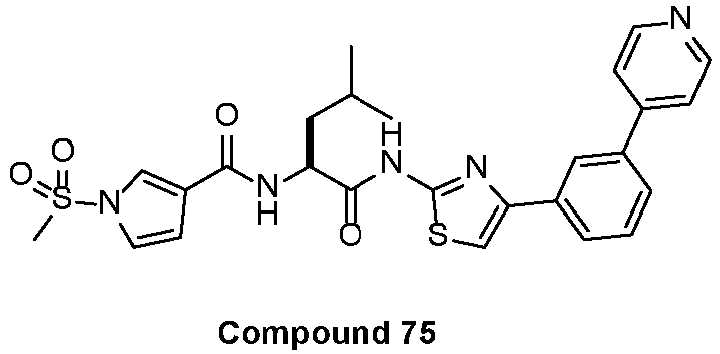
- To a solution of Intermediate D (65 mg, 177.36 µmol) in DMF (1 mL) was added 1-methylsulfonylpyrrole-3-carboxylic acid [prepared according to the method in Example 4] (36.91 mg, 195.10 µmol) and DIEA (114.61 mg, 886.82 µmol, 154.46 µL), then EDCI (51.00 mg, 266.05 µmol) and HOBt (28.76 mg, 212.84 µmol) were added. The mixture was stirred at 30 °C for 16 h. The reaction mixture was diluted with H2O (2 mL) and extracted with EtOAc (2 mL x 2). The combined organic layers were dried over anhydrous Na2SO4, filtered and concentrated under reduced pressure to give a residue. The reaction was purified by reversed phase (0.1% FA condition) and lyophilized to afford Compound 75 (18.16 mg, 31.11 µmol, 17.54% yield, FA salt) as a yellow solid. LCMS (ESI) m/z [M+H]+ = 538.3; 1H NMR (400 MHz, DMSO-d6) δ 12.51 (br s, 1H), 8.68 (d, J=6.0 Hz, 2H), 8.38 (d, J=7.6 Hz, 1H), 8.31 (s, 1H), 8.01(d, J=8.0 Hz, 1H), 7.97-7.96 (m, 1H), 7.82 (s, 1H), 7.77 (br d, J=6.0 Hz, 3H), 7.59 (m, 1H), 7.30-7.28 (m, 1H), 6.79-6.78 (m, 1H), 4.75-4.70 (m, 1H), 3.58-3.55 (m, 3H), 1.78-1.74 (m, 2H), 1.60-1.57 (m, 1H), 0.96-0.90 (m, 6H); ee% =100%.
-

-

- The solution of (S)-2-((tert-butoxycarbonyl)amino)-4,4-dimethylpentanoic acid (300 mg, 1.22 mmol) and EEDQ (302.42 mg,1.22 mmol) in DCM (3 mL) was added 4-(3-(pyridin-4-yl)phenyl)thiazol-2-amine [prepared according to the method in Example 4] (154.90 mg, 611.46 µmol) at 25 °C. Then the reaction mixture was stirred at 25 °C for 16 hours. The reaction mixture was diluted with water (10 mL), then extracted with EtOAc (20 mL x 2), concentrated in vacuum to afford a yellow oil. The oil was dissolved with MeOH (2 mL), then purified by reversed-phase HPLC (FA), then extracted with EtOAc (20 mL x 2), concentrated to afford Intermediate C (200 mg, 382.84 µmol, 62.61% yield) as yellow solid. LCMS (ESI) m/z [M+H]+ = 481.1; 1H NMR (400 MHz, OMSO-d6) δ 12.34 (br s, 1H), 8.70-8.65 (m, 2H), 8.31 (s, 1H), 8.13 (s, 1H), 8.01 (d, J = 7.8 Hz, 1H), 7.82 (s, 1H), 7.79-7.73 (m, 3H), 7.63-7.56 (m, 1H), 4.43-4.31 (m, 1H), 1.63-1.57 (m, 2H), 1.41-1.34 (m, 9H), 0.94 (s, 9H); ee%=100%.
-

- The solution of Intermediate C (200 mg, 416.13 µmol) in HCl/EtOAc (2 mL) was stirred at 25 °C for 16 hours. The reaction mixture was concentrated to afford Intermediate D (150 mg, 334.81 µmol, 80.46% yield, HCl salt) as yellow oil. LCMS (ESI) m/z [M+H]+ = 381.1.
-

- To a solution of 1-methylsulfonylpyrrole-3-carboxylic acid [prepared according to the method in Example 4] (74.58 mg, 394.21 µmol) and HATU (112.42 mg, 295.66µmol) and DIEA (76.42 mg, 591.32 µmol, 103.00 µL) in DMF (0.5 mL) was added Intermediate D (75 mg, 197.11 µmol) at 25 °C. The reaction mixture was stirred at 25 °C for 3 hours. The reaction was poured into water (10 mL), then extracted with EtOAc (10 mL x 2), concentrated to afford a yellow liquid. The liquid was purified by reversed-phase HPLC (FA), lyophilized to afford Compound 76 (10.07 mg, 16.85 µmol, 8.55% yield, FA salt) as white solid. LCMS (ESI) m/z [M+H]+ = 552.3; 1H NMR (400 MHz, Methanol-d4) δ 8.63-8.59 (m, 2H), 8.31-8.30 (m, 1H), 8.04-7.98 (m, 1H), 7.87-7.86 (m, 1H), 7.80-7.76 (m, 2H), 7.71-7.70 (m, 1H), 7.59-7.53 (m, 2H), 7.26-7.25 (m, 1H), 6.83-6.82 (m, 1H), 4.92-4.88 (m, 1H), 3.37 (s, 3H), 1.96-1.83 (m, 2H), 1.05 (s, 9H); ee%=100%.
-

-

- To a solution of 4-(3-(pyridin-4-yl)phenyl)thiazol-2-amine [prepared according to the method in Example 4] (1.27 g, 4.97 mmol) in toluene (8 mL) was added AlMe3 (2 M, 2.48 mL). The reaction mixture was stirred at 100 °C for 0.5 h. Methyl 2-(tert-butoxycarbonylamino)prop-2-enoate (1 g, 4.97 mmol) was added at 100 °C. The reaction mixture was stirred at 100 °C for 0.5 h. The reaction mixture was poured into water (50 mL) and extracted with EtOAc (50 mL x 2). The combined organic layer was dried over anhydrous Na2SO4 and concentrated in vacuum. The residue was purified by silica gel chromatography column (PE~PE/EA=1/1) and concentrated to give Intermediate C (450 mg, 896.16 µmol, 18.03% yield) as yellow solid. LCMS (ESI) m/z [M+H]+ = 423.9.
-

- To a solution of Intermediate C (400 mg, 942.70 µmol), 2-(dimethylamino)acetic acid (97.21 mg, 942.70µmol), bis[3,5-difluoro-2-[5-(trifluoromethyl)-2-pyridyl]phenyl]iridium(1+);4-tert-butyl-2-(4-tert-butyl-2-pyridyl)pyridine;hexafluorophosphate (10.58 mg, 9.43 µmol), dichloronickel;1,2-dimethoxyethane (1.04 mg, 4.71 µmol), 4-tert-butyl-2-(4-tert-butyl-2-pyridyl)pyridine (1.52 mg, 5.66 µmol), bis(trimethylsilyl)silyl-trimethyl-silane (234.41 mg, 942.70 µmol, 290.83 µL) in DME (1 mL) was added Na2CO3 (199.83 mg, 1.89 mmol). The reaction was stirred and irradiated with a 34 W blue LED lamp (7 cm away, with cooling fan to keep the reaction temperature at 25 °C for 1 h). The reaction mixture was concentrated to get the crude product. The crude product was purified by reverse phase column (FA) and lyophilized to give Intermediate E (200 mg, 345.87 µmol, 36.69% yield) as a white solid. LCMS (ESI) m/z [M+H]+ = 483.0.
-

- To a solution of Intermediate E (200 mg, 413.72 µmol), 4-(4,4,5,5-tetramethyl-1,3,2-dioxaborolan-2-yl)pyridine (169.67 mg, 827.44 µmol), K3PO4 (263.45 mg, 1.24 mmol) in dioxane (2 mL) and H2O (0.4 mL) was added [1,1'-bis(di-tert-butylphosphino)ferrocene]dichloropalladium(II) (26.96 mg, 41.37 µmol). Then the mixture was stirred at 70 °C for 1 h under N2. The reaction mixture was concentrated to get the crude product. The crude product was purified by reverse phase column (FA) and lyophilized to give Intermediate G (100 mg, 177.02 µmol, 42.79% yield, FA salt) as white solid. LCMS (ESI) m/z [M+H]+= 482.1.
-

- A solution of Intermediate G (100 mg, 189.53 µmol, FA salt) in HCl/EtOAc (2 mL) was stirred at 25 °C for 1 h. The reaction mixture was concentrated to get Intermediate H (80 mg, 153.89 µmol, 81.20% yield, HCl salt) as white solid. LCMS (ESI) m/z [M+H]+ = 382.1.
-

- To a solution of Intermediate H (35 mg, 83.74 µmol, HCl salt), 1-methylsulfonylpyrrole-3-carboxylic acid [prepared according to the method in Example 4] (19.01 mg, 100.49 µmol), EDCl (32.11 mg, 167.48 µmol), HOBt (22.63 mg, 167.48 µmol) in DMF (0.5 mL) was added DIEA (54.11 mg, 418.71 µmol, 72.93 µL). Then the mixture was stirred at 25 °C for 1 h. The reaction mixture was concentrated to get the crude product. The crude product was purified by reverse phase column (FA) and lyophilized to get Compound 77 (25 mg, 41.76 µmol, 49.87% yield, FA salt) as white solid. LCMS (ESI) m/z [M+H]+ = 533.3; 1H NMR (400 MHz, OMSO-d6) δ 8.71-8.66 (m, 2H), 8.62 (d, J = 7.2 Hz, 1H), 8.32 (s, 1H), 8.22 (s, 1H), 8.02 (d, J = 7.8 Hz, 1H), 7.94 (m, 1H), 7.83 (s, 1H), 7.79-7.73 (m, 3H), 7.64-7.56 (m, 1H), 7.32 (m, 1H), 6.78 (m, 1H), 4.72-4.63 (m, 1H), 3.58 (s, 3H), 2.48 (br s, 2H), 2.26 (s, 6H), 2.10-2.01 (m, 1H), 1.98-1.89 (m, 1H).
-

- The N-[3-(dimethylamino)-1-[[4-[3-(4-pyridyl)phenyl]thiazol-2-yl]carbamoyl]propyl]-1-methylsulfonyl-pyrrole-3-carboxamide (18 mg, 32.57 µmol) was purified by SFC purification and concentrated to get Compound 78 (7.44 mg, 13.46 µmol, 41.33% yield) as off-white solid and Compound 79 (8.16 mg, 14.76 µmol, 45.33% yield) as off-white solid.
- Compound 78: LCMS (ESI) m/z [M+H]+ = 553.3; 1H NMR (400 MHz, OMSO-d6) δ 8.70-8.66 (m, 2H), 8.62 (d, J = 7.2 Hz, 1H), 8.32 (s, 1H), 8.02 (d, J = 7.8 Hz, 1H), 7.93 (m, 1H), 7.83 (s, 1H), 7.80-7.74 (m, 3H), 7.60 (m, 1H), 7.31 (m, 1H), 6.77 (m, 1H), 4.72-4.62 (m, 1H), 3.58 (s, 3H), 2.39 (m, 2H), 2.19 (s, 6H), 2.01 (m, 1H), 1.90 (m, 1H); ee% = 79.7%.
- Compound 79: LCMS (ESI) m/z [M+H]+ = 553.2; 1H NMR (400 MHz, DMSO-d6) δ 8.70-8.66 (m, 2H), 8.62 (d, J = 7.0 Hz, 1H), 8.32 (s, 1H), 8.02 (d, J = 7.8 Hz, 1H), 7.93 (m, 1H), 7.83 (s, 1H), 7.79-7.74 (m, 3H), 7.64-7.57 (m, 1H), 7.31 (m, 1H), 6.77 (m, 1H), 4.66 (m, 1H), 3.58 (s, 3H), 2.38 (m, 2H), 2.18 (s, 6H), 2.04-1.96 (m, 1H), 1.94-1.86 (m, 1H); ee% = 74.5%.
-

- To a solution of 1-isopropylsulfonylpyrrole-3-carboxylic acid [prepared according to the method in Example 42](25 mg, 115.08 µmol) and (2S)-2-amino-4-methylsulfanyl-N-(4-phenylthiazol-2-yl)butanamide (prepared according to the method in Example 5) (35.27 mg, 114.72 µmol) in DCM (1 mL) was added DIPEA (44.62 mg, 345.24 µmol, 60.13 µL), EDCI (33.09 mg, 172.62 µmol) and HOBt (23.32 mg, 172.62 µmol) at 25 °C. The reaction mixture was stirred at 25 °C for 16 h. The reaction mixture was concentrated under reduced pressure to afford a residue. The residue was purified by reverse phase column (FA condition) and lyophilized to give Compound 80 (26.32 mg, 51.95 µmol, 45 % yield) as white solid. LCMS (ESI) m/z [M+H]+ = 507.1. 1H NMR (400 MHz, Methanol-d4) δ 7.89 (d, J=7.6 Hz, 2H), 7.86-7.85 (m, 1H), 7.40-7.36 (m, 3H), 7.31-7.27 (m, 1H), 7.22-7.20 (m, 1H), 6.85-6.84 (m, 1H), 4.89-4.85 (m, 1H), 3.68-3.62 (m, 1H), 2.72-2.59 (m, 2H), 2.27-2.13 (m, 5H), 1.32 (d, J=6.8 Hz, 6H). Chiral HPLC: Cellucoat-MeOH (DEA)-5-40-3mL-35T, t = 2.217 min, ee% = 100%.
-

-

- A mixture of tert-butyl N-[2-[[4-(3-bromophenyl)thiazol-2-yl]amino]-2-oxo-ethyl]carbamate [prepared according to the method in Example 1] (1 g, 2.43 mmol), (2,6-dimethyl-4-pyridyl)boronic acid (549.25 mg, 3.64 mmol), [1,1'-bis(di-tert-butylphosphino)ferrocene]dichloropalladium(II) (158.08 mg, 242.54 µmol), K3PO4 (1.54 g, 7.28 mmol) in dioxane (18 mL) and H2O (2 mL)was degassed and purged with N2 for 3 times, and then the mixture was stirred at 80 °C for 2 h under N2 atmosphere. The reaction mixture was concentrated under reduced pressure to give a residue. The residue was purified by column chromatography (SiO2, Petroleum ether / EtOAc = 1:1 to 0:1), then concentrated in vacuum to give Intermediate C (0.96 g, 2.19 mmol, 90.26% yield) as a yellow solid. LCMS (ESI) m/z [M+H]+ =439.2; 1H NMR (400 MHz, Methanol-d4) δ 8.26 (s, 1H), 7.97 (d, J=8.0 Hz, 1H), 7.67-7.64 (m, 1H), 7.54-7.50 (m, 2H), 7.42 (s, 2H), 3.99 (s, 2H), 2.57 (s, 6H), 1.48 (s, 9H).
-

- A mixture of Intermediate C (0.96 g, 2.19mmol) in HCl/MeOH (4 M, 20 mL) was stirred at 25 °C for 2 h. The reaction mixture was concentrated under reduced pressure to give a residue. The residue was triturated with MTBE:MeOH=20:1 (20 mL) at 25°C for 0.5h, then the solid was collected by filtered, washed with MTBE (10 mL) and dried in vacuum to give Intermediate D (900 mg, crude, HCl) as a white solid. LCMS (ESI) m/z [M+H]+ = 339.3.
-

- To a solution of 1-methylsulfonylpyrrole-3-carboxylic acid [prepared according to the method in Example 4] (242.23 mg, 1.28 mmol), EDCI (245.45 mg, 1.28 mmol), HOBt (173.01 mg, 1.28 mmol) and TEA (809.76 mg, 8.00 mmol, 1.11 mL) in DCM (8 mL) was added Intermediate D (400 mg, 1.07 mmol, HCl salt). The mixture was stirred at 25 °C for 16 h. The reaction suspension was diluted with MeOH (3 mL), then the solid was collected by filtered, washed with MeOH (1 mL) and dried in vacuum to give Compound 81 (231.39 mg, 454.06 µmol, 42.56% yield) as a white solid. LCMS (ESI) m/z [M+H]+ =510.1; 1H NMR (400 MHz, Methanol-d4) δ 8.27-8026 (m, 1H), 7.99-7.97 (m, 1H), 7.84-7.83 (m, 1H), 7.67-7.64 (m, 1H), 7.54-7.51 (m, 2H), 7.42 (s, 2H), 7.28-7.27 (m, 1H), 6.82-6.80 (m, 1H), 4.26 (s, 2H), 3.38 (s, 3H), 2.57 (s, 6H).
-

-

- To a solution of tert-butyl (2-((4-(3-bromophenyl)thiazol-2-yl)amino)-2-oxoethyl)carbamate (prepared according to the method in Example 1) (1.2 g, 2.91 mmol), 4-(4,4,5,5-tetramethyl-1,3,2-dioxaborolan-2-yl)-2-(trifluoromethyl)pyridine (953.68 mg, 3.49 mmol), K3PO4 (1.85 g, 8.73 mmol) in dioxane (20 mL) and H2O (4 mL) was added [1,1'-bis(di-tert-butylphosphino)ferrocene]dichloropalladium(II) (189.69 mg, 291.05 µmol). Then the mixture was stirred at 70 °C for 1 h under N2. The reaction mixture was poured into water (50 mL) and extracted with EtOAc (50 mL x 2), the organic layer was washed with brine (50 mL) and dried over Na2SO4, concentrated in vacuum. The crude product was purified by reverse phase column (FA) and then extracted with EtOAc and then concentrated in vacuum to give Intermediate C (1.20 g, 2.39 mmol, 82.20% yield) as yellow solid. LCMS (ESI) m/z [M+H]+ = 479.0; 1H NMR (400 MHz, DMSO-d6) δ 12.33 (s, 1H), 8.87 (d, J=5.2 Hz, 1H), 8.39 (m, 1H), 8.26 (d, J=1.0 Hz, 1H), 8.11 (m, 1H), 8.07 (d, J=7.8 Hz, 1H), 7.91-7.85 (m, 2H), 7.64 (m, 1H), 7.18 (s, 1H), 3.33 (s, 2H), 1.47-1.32 (m, 9H).
-

- A solution of Intermediate C (1.2 g, 2.51 mmol) in HCl/EtOAc (20 mL) was stirred at 25 °C for 1 h. The reaction mixture was concentrated to get the crude product. The crude product was purified by triturated with (PE : EtOAc = 1:1) at 25 °C for 30 min, then filtered and dried in vacuum to give Intermediate D (1 g, 2.28 mmol, 90.83% yield, HCl salt) as off-white solid. LCMS (ESI) m/z[M+H]+= 379.0.
-

- To a solution of Intermediate D (800 mg, 1.93 mmol, HCl salt), 1-methylsulfonylpyrrole-3-carboxylic acid [prepared according to the method in Example 4] (401.33 mg, 2.12 mmol), EDCI (739.39 mg, 3.86 mmol), HOBt (521.17 mg, 3.86 mmol) in DMF (10 mL) was added DIEA (1.25 g, 9.64 mmol, 1.68 mL). Then the mixture was stirred at 25 °C for 1 h. The reaction mixture was poured into water (30 mL) and extracted with EtOAc (20 mL x 2), the organic layer was washed with brine (30 mL) and dried over Na2SO4, concentrated in vacuum. The crude product was triturated with EtOAc: MeOH=3:1 (10 mL) at 25 °C for 30 min, then filtered and dried in vacuum to give Compound 82 (500 mg, 905.30 µmol, 46.94% yield) as white solid. LCMS (ESI) m/z [M+H]+ = 550.2; 1H NMR (400 MHz, DMSO-d6) δ 12.46 (s, 1H), 8.87 (d, J=5.2 Hz, 1H), 8.71 (m, 1H), 8.39 (s, 1H), 8.26 (s, 1H), 8.16-8.03 (m, 2H), 7.92-7.83 (m, 3H), 7.64 (m, 1H), 7.36-7.30 (m, 1H), 6.79 (m, 1H), 4.16 (d, J=5.6 Hz, 2H), 3.59 (s, 3H).
-

-

- To a mixture of tert-butyl N-[2-[[4-(3-bromophenyl)thiazol-2-yl]amino]-2-oxo-ethyl]carbamate (prepared according to the method in Example 1) (250 mg, 606.35 µmol) and (1-methylpyrazol-4-yl)boronic acid (229.06 mg, 1.82 mmol) in dioxane (6 mL) and H2O (1.5 mL) was added K3PO4 (386.12 mg, 1.82 mmol) and [1,1'-bis(di-tert-butylphosphino)ferrocene]dichloropalladium(II) (39.52 mg, 60.64 µmol) at 30 °C under N2. The reaction mixture was heated to 75 °C and stirred at 75 °C for 2 h. The reaction mixture was poured into H2O (20 mL) and extracted with EtOAc (20 mL x 3), the combined organic layers were washed with brine (20 mL), dried over Na2SO4, filtered and concentrated under reduced pressure to afford a residue. The residue was purified by reverse phase column (FA condition) and lyophilized to afford Intermediate C (250 mg, 571.38 µmol, 94.23% yield) as yellow solid. LCMS (ESI) m/z [M+H]+ =414.0; 1 H NMR (400 MHz, DMSO-d6) δ 12.28 (br s, 1H), 8.16 (s, 1H), 8.07-8.06 (m, 1H), 7.89 (s, 1H), 7.75-7.68 (m, 2H), 7.54-7.48 (m, 1H), 7.45-7.37 (m, 1H), 7.16-7.14 (m, 1H), 3.93-3.84 (m, 5H), 1.41 (s, 9H).
-

- To a mixture of Intermediate C (250 mg, 604.61 µmol) in dioxane (2 mL) was added HCl/dioxane (4 M, 2 mL) at 30 °C. The reaction mixture was stirred at 30 °C for 16 h. The reaction mixture was filtered and dried in vacuum to give Intermediate D (190 mg, 439.79 µmol, 72.74% yield, HCl salt) as yellow solid. LCMS (ESI) m/z [M+H]+ = 314.3.
-

- To a mixture of [prepared according to the method in Example 34] (28.68 mg, 171.51 µmol) in DCM (1 mL) was added DIEA (110.83 mg, 857.54 µmol, 149.37 µL), HATU (97.82 mg, 257.26 µmol) and Intermediate D (60 mg, 171.51 µmol, HCl salt) at 30 °C. The reaction mixture was stirred at 30 °C for 16 h. The reaction mixture was washed with citric acid aqueous solution (2M, 1 mL) and saturated NaHCO3 solution (1 mL). The organic phase was concentrated under reduced pressure to afford a residue. The residue was purified by reverse phase column (FA) and lyophilized to give Compound 83 (22.60 mg, 44.44 µmol, 25.91% yield, FA salt) as a white solid. LCMS (ESI) m/z [M+H]+ =463.0; 1H NMR (400 MHz, Methanol-d4) δ 8.32-8.25 (m, 1H), 8.10-8.04 (m, 1H), 7.98 (s, 1H), 7.85 (s, 1H), 7.74 (d, J = 8.0 Hz, 1H), 7.59-7.57 (m, 1H), 7.51-7.46 (m, 1H), 7.44 (s, 1H), 7.41-7.34 (m, 1H), 6.96-6.94 (m, 1H), 6.59-6.57 (m, 1H), 4.24 (s, 2H), 3.94 (s, 3H), 1.57 (s, 9H).
-

-

- A mixture of tert-butyl N-[2-[[4-(3-bromophenyl)thiazol-2-yl]amino]-2-oxo-ethyl]carbamate (500 mg, 1.21 mmol), tributyl(pyrimidin-4-yl)stannane (805.77 mg, 2.18 mmol), Pd(PPh3)2Cl2 (85.12 mg, 121.27 µmol) in dioxane (5 mL) was degassed and purged with N2 for 3 times, and then the mixture was stirred at 100 °C for 4 h under N2 atmosphere. The reaction mixture was poured into saturated aq. KF (15 mL) and stirred for 30 min. Then the solution was extracted with EtOAc (10 mL x 3). The combined organic layer was concentrated in vacuum. The residue was purified by column chromatography (SiO2, DCM: MeOH=1:0 to 20:1) and concentrated to give Intermediate C (450 mg, 1.05 mmol, 86.19% yield) as a white solid. LCMS (ESI) m/z [M+H]+ =412.1; 1HNMR (400 MHz, DMSO-d6) δ 12.62-12.25 (m, 1H), 9.29 (s, 1H), 8.90 (d, J = 5.6 Hz, 1H), 8.81 (s, 1H), 8.18-8.12 (m, 2H), 8.08 (d, J = 7.6 Hz, 1H), 7.76 (s, 1H), 7.63-7.59 (m, 1H), 7.10 (s, 1H), 3.86 (d, J = 5.6 Hz, 2H), 1.40 (s, 9H).
-

- To a solution of Intermediate C (250 mg, 607.57 µmol) in dioxane (2 mL) was added HCl/dioxane (4 M, 1.52 mL). The mixture was stirred at 25 °C for 2 h. The reaction mixture was concentrated under reduced pressure to give a residue. The residue was washed with MTBE (5 mL) and dried in vacuum to give Intermediate D (200 mg, 517.51 µmol, 85.18% yield, HCl salt) as yellow solid. LCMS (ESI) m/z [M+H]+ =312.1; 1H NMR (400 MHz, DMSO-d6) δ 9.32 (d, J = 0.8 Hz, 1H), 8.93 (d, J = 5.6 Hz, 1H), 8.83 (s, 1H), 8.47 (s, 1H), 8.22-8.14 (m, 2H), 8.10 (d, J = 8.0 Hz, 1H), 7.90 (s, 1H), 7.66-7.62 (m, 1H), 3.92 (d, J = 5.6 Hz, 2H).
-

- To a solution of 1-tert-butylpyrrole-3-carboxylic acid [prepared according to the method in Example 34] (96.14 mg, 575.01 µmol) in DCM (3 mL) was added Intermediate D (200 mg, 575.01 µmol, HCl salt), EDCI (165.34 mg, 862.51 µmol), HOBt (116.54 mg, 862.51 µmol) and DIEA (371.57 mg, 2.88 mmol, 500.77 µL). The mixture was stirred at 25 °C for 2 h. After the reaction MeOH (5 mL) was added and white solid was formed. The mixture was filtered and the solid was washed with MTBE (5 mL x 2) and dried in vacuum to give Compound 84 (74.22 mg, 159.61 µmol, 27.76% yield) as off-white solid. LCMS (ESI) m/z [M+H]+ =461.0; 1H NMR (400 MHz, DMSO-d6) δ 12.43 (s, 1H), 9.30 (d, J = 0.8 Hz, 1H), 8.91 (d, J = 5.6 Hz, 1H), 8.82 (s, 1H), 8.21-8.13 (m, 3H), 8.09 (d, J = 7.6 Hz, 1H), 7.80 (s, 1H), 7.84-7.60 (m, 1H), 7.53-7.52 (m, 1H), 6.98-6.96 (m, 1H), 6.49-6.48 (m, 1H), 4.11 (d, J = 5.6 Hz, 2H), 1.49 (s, 9H).
-

-

- To a solution of tert-butyl N-[2-[[4-(3-bromophenyl)thiazol-2-yl]amino]-2-oxo-ethyl]carbamate (prepared according to the method in Example 1) (300 mg, 727.62 µmol) and (2R,6R)-2,6-dimethylmorpholine (125.70 mg, 1.09 mmol) in 2-methylbutan-2-ol (3 mL) were added t-BuXPhos-Pd-G3 (57.80 mg, 72.76 µmol) and t-BuONa (209.78 mg, 2.18 mmol) under N2, the mixture was stirred at 60 °C for 4 h. The mixture was poured into waster (20 mL), the solution was extracted with EtOAc (20 mL x 3). The combined organic layer was washed with brine (50 mL), dried over Na2SO4, filtered and concentrated in vacuum to give a residue. The residue was purified by column chromatography (SiO2, PE:EA=10:1-5:1) and concentrated in vacuum to give Intermediate C (300 mg, 639.42 µmol, 87.88% yield) as a yellow oil. LCMS (ESI) m/z [M+H]+ = 447.3.
-

- A solution of Intermediate C (290 mg, 618.10 µmol) in HCl/dioxane (3 mL) was stirred at 30 °C for 1 h. The reaction mixture was concentrated to give a residue. The residue was triturated with MTBE (5 mL), then filtered and dried in vacuum to give Intermediate D (200 mg, crude, HCl salt) as a yellow solid. LCMS (ESI) m/z [M+H]+ = 347.2.
-

- To a solution of Intermediate D (100 mg, 261.16 µmol, HCl salt) and 1-methylsulfonylpyrrole-3-carboxylic acid [prepared according to the method in Example 4] (59.29 mg, 313.39 µmol) in DCM (2 mL) was added EDCI (60.08 mg, 313.39 µmol), DIEA (168.77 mg, 1.31 mmol, 227.45 µL) and HOBt (42.35 mg, 313.39 µmol), the mixture was stirred at 30 °C for 16 h. The reaction mixture was poured into water (5 mL), the solution was extracted with EtOAc (5 mL x 3), the combined organic layers were washed with brine (20 mL), dried over Na2SO4 and filtered. The filtrate was concentrated to give a residue. The residue was purified by reversed-phase HPLC (0.1% FA condition) and lyophilized to give Compound 85 (62.71 mg, 117.54 µmol, 45.01% yield) as a white solid. LCMS (ESI) m/z [M+H]+ = 518.2; 1H NMR (400 MHz, DMSO-d6) δ 12.36 (s, 1H), 8.67-8.64 (m, 1H), 7.85-7.83 (m, 1H), 7.60 (s, 1H), 7.42 (s, 1H), 7.32-7.30 (m, 2H), 7.27-7.23 (m, 1H), 6.90-6.88 (m, 1H), 6.78-6.76 (m, 1H), 4.13-4.09 (m, 2H), 4.08-4.06 (m, 2H), 3.56 (s, 3H), 3.23-3.19 (m, 2H), 2.90-2.86 (m, 2H), 1.22 (d, J = 6.8 Hz, 6H). Chiral HPLC: OJ-3-MeOH (DEA)-40-3ML-35T.Icm, Rt = 1.971 min; ee% = 87.63%.
-

-

- To a solution of tert-butyl N-[2-[[4-(3-bromophenyl)thiazol-2-yl]amino]-2-oxo-ethyl]carbamate (prepared according to the method in Example 1) (300 mg, 727.62 µmol), (2S,6S)-2,6-dimethylmorpholine (125.70 mg, 1.09 mmol) and t-BuONa (209.78 mg, 2.18 mmol) in dioxane (2.5 mL) was added [2-(2-aminophenyl)phenyl]-methylsulfonyloxy-palladium;ditert-butyl-[2-(2,4,6-triisopropylphenyl)phenyl]phosphane (57.80 mg, 72.76 µmol) under N2, the mixture was stirred at 70 °C for 3 hours. The reaction mixture was diluted with water (20 mL) and extracted with EtOAc (10 mL x3). The combined organic layers were washed with brine (20 mL), dried over Na2SO4, filtered and concentrated under reduced pressure to give a residue. The residue was purified by column chromatography (SiO2, Petroleum ether / EtOAc = 2/1) and concentrated under reduced pressure to give Intermediate C (90 mg, 192.71 µmol, 26.49% yield) as a white solid. LCMS (ESI) m/z [M+H]+ = 447.5.
-

- A solution of Intermediate C (90 mg, 201.54 µmol) in 4 M HCl/dioxane (2 mL) was stirred at 30 °C for 1 h. The reaction mixture was concentrated under reduced pressure to give Intermediate D (80 mg, crude, HCl salt) as a yellow solid, which was used to the next step without further purification.
-

- To a solution of 1-methylsulfonylpyrrole-3-carboxylic acid [prepared according to the method in Example 4] (39.53 mg, 208.93 µmol), EDCI (60.08 mg, 313.39 µmol), HOBt (42.35 mg, 313.39 µmol) and DIEA (135.01 mg, 1.04 mmol, 181.96 µL) in DCM (1 mL) was added Intermediate D (80 mg, 208.93 µmol, HCl salt), the mixture was stirred at 30 °C for 1 h. The reaction mixture was concentrated under reduced pressure to give a residue. The residue was purified by reverse phase (FA) and lyophilized to give Compound 86 (47.85 mg, 83.59 µmol, 40.01% yield, FA salt) as a white solid. LCMS (ESI) m/z [M+H]+ = 518.2; 1H NMR (400 MHz, DMSO-d6) δ 12.38 (br s, 1H), 8.69-8.66 (m, 1H), 7.84-7.83 (m, 1H), 7.61 (s, 1H), 7.42 (s, 1H), 7.33-7.24 (m, 3H), 6.91-6.88 (m, 1H), 6.77-6.76 (m, 1H), 4.13-4.06 (m, 4H), 3.57 (s, 3H), 3.23-3.19 (m, 2H), 2.90-2.86 (m, 2H), 1.22 (d, J = 6.4 Hz, 6H); ee%=100%.
-

-

- To a solution of tert-butyl N-[2-[[4-(3-bromophenyl)thiazol-2-yl]amino]-2-oxo-ethyl]carbamate (prepared according to the method in Example 1) (500 mg, 1.21 mmol), (2S)-2-methylmorpholine (245.32 mg, 2.43 mmol) and t-BuONa (349.64 mg, 3.64 mmol) in dioxane (5 mL) was added t-BuXPhos-Pd-G3 (96.33 mg, 121.27 µmol) at 25 °C under N2. The reaction mixture was stirred at 70 °C under N2 for 2 hours. The reaction mixture was diluted with water (20 mL) and extracted with EtOAc (15 mL x 3), the combined organic layers was dried over anhydrous Na2SO4 and concentrated. The residue was purified by flash silica gel chromatography (Eluent of 0-60% Ethyl acetate / Petroleum ether gradient) and concentrated in vacuum to give Intermediate C (300 mg, 549.67 µmol, 45.33% yield) as a yellow oil. LCMS (ESI) m/z [M+H]+=433.1; 1H NMR (400 MHz, CDCl3) δ 10.24-9.91 (m, 1H), 7.39 (s, 1H), 7.34-7.28 (m, 2H), 7.15 (s, 1H), 6.89-6.88 (m, 1H), 5.14 (s, 1H), 4.06-3.92 (m, 3H), 3.86-3.73 (m, 2H), 3.58-3.43 (m, 2H), 2.87-2.86 (m, 1H), 2.54-2.50 (m, 1H), 1.48 (s, 9H), 1.28-1.25 (m, 3H).
-

- To a solution of Intermediate C (300 mg, 693.59 µmol) in dioxane (1.5 mL) was added HCl/dioxane (1.5 mL), then the mixture was stirred at 25 °C for 2 hours. The reaction mixture was concentrated to give Intermediate D (200 mg, 471.48 µmol, 67.98% yield, HCl salt) as a yellow solid, which was used to the next step without further purification. LCMS (ESI) m/z [M+H]+ = 333.2; 1H NMR (400 MHz, DMSO-d6) δ 7.59 (s, 1H), 7.45 (s, 1H), 7.35-7.30 (m, 1H), 7.29-7.23 (m, 1H), 6.91-6.89 (m, 1H), 5.68-5.14 (m, 2H), 3.93-3.91 (m, 1H), 3.70-3.59 (m, 3H), 3.53 (d, J = 12.0 Hz, 1H), 3.40 (s, 2H), 2.71-2.63 (m, 1H), 2.39-2.31 (m, 1H), 1.17 (d, J = 6.0 Hz, 3H).
-

- To a solution of 1-methylsulfonylpyrrole-3-carboxylic acid [prepared according to the method in Example 4] (50 mg, 264.29 µmol), EDCI (76.00 mg, 396.43 µmol), HOBt (53.57 mg, 396.43 µmol) and DIEA (102.47 mg, 792.86 µmol, 138.10 µL) in DMF (1 mL) was stirred at 25 °C for 5 minutes, then Intermediate D (107.24 mg, 290.71 µmol, HCl salt) was added. The reaction mixture was stirred at 25 °C for 2 hours. The reaction mixture was diluted with water (10 mL) and extracted with EtOAc (10 mL x 4), the combined organic layers was dried over anhydrous Na2SO4 and concentrated to afford a yellow residue. The residue was purified by reversed-phase HPLC (FA), concentrated and extracted with EtOAc (10 mL x 2). The combined organic layers were concentrated in vacuum. The residue was purified by reversed-phase HPLC (FA) and lyophilized to give Compound 87 (26.55 mg, 47.32 µmol, 17.90% yield, FA salt) as a white solid. LCMS (ESI) m/z [M+H]+=504.2; 1H NMR (400 MHz, DMSO-d6) δ 12.37 (br s, 1H), 8.67-8.66 (m, 1H), 7.84-7.83 (m, 1H), 7.61 (s, 1H), 7.45 (s, 1H), 7.37-7.23 (m, 3H), 6.93-6.91 (m, 1H), 6.77-6.75 (m, 1H), 4.13 (d, J = 5.6 Hz, 2H), 3.94-3.93 (m, 1H), 3.70-3.59 (m, 3H), 3.57 (s, 3H), 3.53 (d, J = 12.0 Hz, 1H), 2.73-2.67 (m, 1H), 2.34 (br s, 1H), 1.17 (d, J = 6.4 Hz, 3H); ee = 100%.
-

-

- To a solution of tert-butyl N-[2-[[4-(3-bromophenyl)thiazol-2-yl]amino]-2-oxo-ethyl]carbamate (prepared according to the method in Example 1) (500 mg, 1.21 mmol), (2R)-2-methylmorpholine (183.99 mg, 1.82 mmol), t-BuONa (349.64 mg, 3.64 mmol) in dioxane (10 mL) was added t-BuXPhos-Pd-G3 (96.33 mg, 121.27 µmol). Then the mixture was stirred at 80 °C for 3 h under N2. The reaction mixture was poured into water (10 mL) and extracted with EtOAc (10 mL x 2). The organic layer was washed with brine (10 mL) and dried over Na2SO4, concentrated in vacuum to get a crude product. The crude product was purified by reverse phase column (FA), the solution was extracted with EtOAc (30 mL) and then concentrated in vacuum to give Intermediate C (200 mg, 362.05 µmol, 29.85% yield) as colorless oil. LCMS (ESI) m/z [M+H]+= 433.1.
-

- A solution of Intermediate C (200 mg, 462.39 µmol) in HCl/EtOAc (2 mL) was stirred at 25 °C for 0.5 h. The reaction mixture was concentrated. The residue was triturated with EtOAc (5 mL) at 25°C for 10 min, then filtered and dried in vacuum to give Intermediate D (160 mg, 374.32 µmol, 80.95% yield, HCl salt) as white solid. LCMS (ESI) m/z [M+H]+= 333.2.
-

- To a solution of Intermediate D (100 mg, 271.09 µmol, HCl salt), 1-methylsulfonylpyrrole-3-carboxylic acid [prepared according to the method in Example 4] (61.54 mg, 325.31 µmol), EDCI (103.94 mg, 542.18 µmol), HOBt (73.26 mg, 542.18 µmol) in DMF (1 mL) was added DIEA (175.18 mg, 1.36 mmol, 236.10 µL). Then the mixture was stirred at 25 °C for 1 h. The reaction mixture was concentrated to get the crude product. The crude product was purified by reverse phase column (FA) and lyophilized to give Compound 88 (68.13 mg, 117.14 µmol, 43.21% yield, FA salt) as a white solid. LCMS (ESI) m/z [M+H]+=504.2; 1H NMR (400 MHz, DMSO-d6) δ 12.37 (s, 1H), 8.68-9.67 (m, 1H), 7.86-7.85 (m, 1H), 7.62 (s, 1H), 7.46 (s, 1H), 7.40-7.25 (m, 3H), 6.94-6.93 (m, 1H), 6.79-6.78 (m, 1H), 4.14 (d, J = 6.0 Hz, 2H), 3.96-3.95 (m, 1H), 3.74-3.61 (m, 3H), 3.59-3.51 (m, 4H), 2.75-2.65 (m, 1H), 2.39-2.38 (m, 1H), 1.18 (d, J = 6.2 Hz, 3H); ee% = 100%.
-

-

- To a solution of tert-butyl N-[2-[[4-(3-bromophenyl)thiazol-2-yl]amino]-2-oxo-ethyl]carbamate (prepared according to the method in Example 1) (500 mg, 1.21 mmol), 2,2-dimethylmorpholine (209.51 mg, 1.82 mmol), t-BuONa (349.62 mg, 3.64 mmol) in dioxane (10 mL) was added t-BuXPhos-Pd-G3 (96.33 mg, 121.27 µmol). Then the mixture was stirred at 80 °C for 3 h under N2. The reaction mixture was poured into water (10 mL) and extracted with EtOAc (10 mL x 2), the organic layer was washed with brine (10 mL) and concentrated to get the crude product. The crude product was purified by reverse phase column (FA) and lyophilized to give Intermediate C (180 mg, 249.51 µmol, 20.57% yield) as colorless oil. LCMS (ESI) m/z [M+H]+ = 447.1.
-

- A solution of Intermediate C (180 mg, 403.08 µmol) in HCl/EtOAc (2 mL) was stirred at 25 °C for 0.5 h. The reaction mixture was concentrated to get the crude product. The crude product was triturated with EtOAc (5 mL) at 25 °C for 30 min, then filtered and concentrated in vacuum to give Intermediate D (100 mg, 258.55 µmol, 64.14% yield, HCl salt) as a white solid. LCMS (ESI) m/z [M+H]+ = 347.2.
-

- To a solution of Intermediate D (100 mg, 261.16 µmol, HCl salt), 1-methylsulfonylpyrrole-3-carboxylic acid [prepared according to the method in Example 4] (59.29 mg, 313.39 µmol), EDCI (100.13 mg, 522.32 µmol), HOBt (70.58 mg, 522.32 µmol) in DMF (1 mL) was added DIEA (168.77 mg, 1.31 mmol, 227.45 µL). Then the mixture was stirred at 25 °C for 1 h. The reaction mixture was concentrated to get the crude product. The crude product was purified by reverse phase (FA) and lyophilized to give Compound 89 (62.57 mg, 108.23 µmol, 41.44% yield, FA salt) as a white solid. LCMS (ESI) m/z [M+H]+ = 518.2; 1H NMR (400 MHz, DMSO-d6) δ 12.37 (s, 1H), 8.73-8.63 (m, 1H), 7.85 (d, J = 1.6 Hz, 1H), 7.62 (s, 1H), 7.44 (s, 1H), 7.37-7.23 (m, 3H), 6.92 (d, J = 8.0 Hz, 1H), 6.78 (m, 1H), 4.14 (d, J = 5.6 Hz, 2H), 3.83-3.75 (m, 2H), 3.61-3.53 (m, 3H), 3.14-3.07 (m, 2H), 2.99 (s, 2H), 1.26 (s, 6H).
-

- To a solution of 1-tert-butylpyrrole-3-carboxylic acid [prepared according to the method in Example 34] (41.92 mg, 250.71 µmol) in DMF (2 mL) was added EDCI (60.08 mg, 313.39 µmol), DIEA (108.01 mg, 835.71 µmol, 145.56 µL) and HOBt (42.35 mg, 313.39 µmol), then 2-amino-N-[4-[3-[cis-2,6-dimethylmorpholin-4-yl]phenyl]thiazol-2-yl]acetamide (prepared according to the method in Example 10) (80 mg, 208.93 µmol, HCl salt) was added. The mixture was stirred at 25 °C for 2 h. The reaction mixture was concentrated under reduced pressure to remove DMF. The residue was purified by Prep-HPLC (mobile phase: [water (0.075%TFA)-acetonitrile]; B%: 38%-68%) and lyophilized to give Compound 90 (45 mg, 70.82 µmol, 33.90% yield, TFA salt) as a white solid. LCMS (ESI) m/z [M+H]+ = 496.4; 1H NMR (400 MHz, DMSO-d6) δ 12.30 (s, 1H), 8.19-8.16 (m, 1H), 7.61 (s, 1H), 7.54-7.50 (m, 1H), 7.45 (s, 1H), 7.36-7.31 (m, 1H), 7.29-7.24 (m, 1H), 6.99-6.91 (m, 2H), 6.48-6.46 (m, 1H), 4.09-4.07 (d, J=6.0 Hz, 2H), 3.77-3.69 (m, 2H), 3.62 (d, J=10.4 Hz, 2H), 2.33-2.24 (m, 2H), 1.50-1.48 (m, 9H), 1.17 (d, J=6.4 Hz, 6H).
-
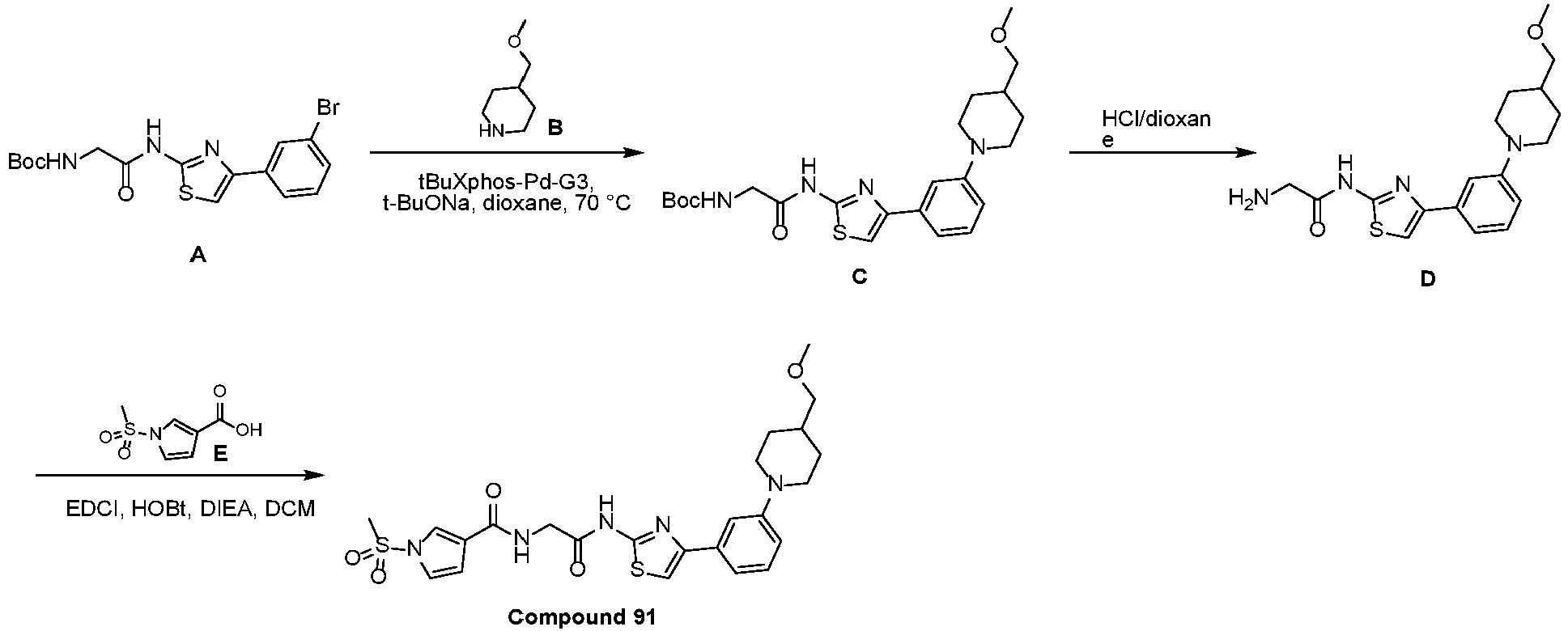
-

- To a solution of tert-butyl N-[2-[[4-(3-bromophenyl)thiazol-2-yl]amino]-2-oxo-ethyl]carbamate (prepared according to the method in Example 1) (300 mg, 727.62 µmol), 4-(methoxymethyl)piperidine (141.01 mg, 1.09 mmol) and t-BuONa (209.78 mg, 2.18 mmol) in dioxane (2.5 mL) was added [2-(2-aminophenyl)phenyl]-methylsulfonyloxy-palladium;ditert-butyl-[2-(2,4,6-triisopropylphenyl)phenyl]phosphane (57.80 mg, 72.76 µmol) under N2, the mixture was stirred at 70 °C for 3 h. The reaction mixture was diluted with water (20 mL) and extracted with EtOAc (10 mL x3). The combined organic layers were washed with brine (20 mL), dried over Na2SO4, filtered and concentrated under reduced pressure to give a residue. The residue was purified by column chromatography (SiO2, Petroleum ether / EtOA c= 2/1) and concentrated under reduced pressure to give Intermediate C (200 mg, 432.97 µmol, 59.50% yield) as a white solid. LCMS (ESI) m/z [M+H]+= 461.4.
-

- A solution of Intermediate C (200 mg, 434.23 µmol) in 4 M HCl/dioxane (2 mL) was stirred at 30 °C for 1hr. The reaction mixture was concentrated under reduced pressure to give Intermediate D (180 mg, crude, HCl salt) as a light-yellow solid, which was used to the next step without further purification.
-

- To a solution of 1-methylsulfonylpyrrole-3-carboxylic acid [prepared according to the method in Example 4] (38.13 mg, 201.54 µmol), EDCI (57.95 mg, 302.32 µmol), HOBt (40.85 mg, 302.32 µmol) and DIEA (130.24 mg, 1.01 mmol, 175.53 µL) in DCM (1 mL) was added Intermediate D (80 mg, 201.54 µmol, HCl). The mixture was stirred at 30 °C for 1 h. The reaction mixture was concentrated under reduced pressure to give a residue. The residue was purified by reverse phase (FA) and lyophilized to give Compound 91 (34.32 mg, 58.82 µmol, 29.18% yield, FA salt) as a white solid. LCMS (ESI) m/z [M+H]+ = 532.2; 1H NMR (400 MHz, DMSO-d6) δ 12.38 (br s, 1H), 8.69-8.66 (m, 1H), 7.84-7.83 (m, 1H), 7.59 (s, 1H), 7.46 (s, 1H), 7.32-7.21 (m, 3H), 6.90-6.88 (m, 1H), 6.77-6.76 (m, 1H), 4.12 (d, J = 5.6 Hz, 2H), 3.76-3.70 (m, 2H), 3.57 (s, 3H), 3.24-3.21 (m, 5H), 2.68-2.65 (m, 2H), 1.76-1.68 (m, 3H), 1.33-1.23 (m, 2H).
-

-

- To a solution of tert-butyl (3S)-3-(hydroxymethyl)piperidine-1-carboxylate (1.00 g, 4.64 mmol) in THF (15 mL) was added NaH (557.34 mg, 13.93 mmol, 60% purity) at 0°C. After additional, the mixture was stirred at 25 °C for 0.5 h, and then Mel (1.98 g, 13.93 mmol, 867.49 µL) was added at 0°C. The resulting mixture was stirred at 25 °C for 2 h. The reaction was diluted with aq. NH4Cl (50 mL), extract with EtOAc (20 mL x 3), the combined organic layers were dried over Na2SO4, concentrated to get the residue. The residue was purified by column chromatography (SiO2, Petroleum ether / EtOAc = 10/1 to 8:1) and concentrated in vacuum to give Intermediate B (1 g, 4.36 mmol, 93.88% yield) as yellow oil. LCMS (ESI) m/z [M+H]+= 230.1. 1H NMR (400 MHz, DMSO-d6) δ 3.84-3.72 (m, 2H), 3.23 (s, 3H), 3.19-3.14 (m, 2H), 2.79-2.76 (m, 1H), 1.65-1.54 (m, 3H), 1.39 (s, 9H), 1.33-1.15 (m, 3H).
-

- A solution of Intermediate B (1000.00 mg, 4.36 mmol) in HCl/dioxane (10 mL) was stirred at 25 °C for 1.5 h. The reaction mixture was concentrated to get the residue. The residue was triturated with MTBE (30 mL), then filtered and dried in vacuum to give Intermediate C (500 mg, 3.02 mmol, 69.21% yield, HCl salt) as a white solid. 1H NMR (400 MHz, DMSO-d6) δ 3.37-3.31 (m, 4H), 3.29 (s, 3H), 2.88-2.82 (m, 1H), 2.72-2.66 (m, 1H), 2.04 (br s, 1H), 1.91 (br d, J = 14.4 Hz, 1H), 1.80 (br d, J = 13.2 Hz, 1H), 1.67-1.64 (m, 1H), 1.27-1.21 (m, 1H).
-

- A mixture of tert-butyl N-[2-[[4-(3-bromophenyl)thiazol-2-yl]amino]-2-oxo-ethyl]carbamate (prepared according to the method in Example 1) (150 mg, 363.81 µmol), Intermediate C (94.01 mg, 727.62 µmol, HCl salt), t-BuONa (174.82 mg, 1.82 mmol), and [2-(2-aminophenyl)phenyl]-methylsulfonyloxypalladium;ditert-butyl-[2-(2,4,6-triisopropylphenyl)phenyl]phosphane (28.90 mg, 36.38 µmol) in dioxane (3 mL) was degassed and purged with N2 for 3 times, and then the mixture was stirred at 70 °C for 3hrs under N2. The reaction was diluted with water (15 mL), extracted with EtOAc (5 mL x 3). The combined organic layers were dried over Na2SO4, filtered and concentrated to get the residue. The residue was purified by column chromatography (SiO2, Petroleum ether / EtOAc = 8/1 to 2:1) and concentrated in vacuum to give Intermediate E (120 mg, 260.54 µmol, 71.61% yield) as yellow oil. LCMS (ESI) m/z [M+H]+=461.2; 1H NMR (400 MHz, CDCl3) δ 7.43 (br s, 1H), 7.30 (s, 1H), 7.27-7.25 (m, 1H), 7.15 (s, 1H), 6.96 (d, J = 8.0 Hz, 1H), 5.14 (d, J = 3.2 Hz, 1H), 4.07 (d, J = 4.0 Hz, 2H), 3.77-3.74 (m, 1H), 3.63 (d, J = 12.0 Hz, 1H), 3.38 (s, 3H), 3.36-3.34 (m, 2H), 2.81-280 (m, 1H), 2.63-2.58 (m, 1H), 1.87-1.79 (m, 2H), 1.78-1.72 (m, 1H), 1.51 (s, 9H), 1.25-1.19 (m, 1H).
-
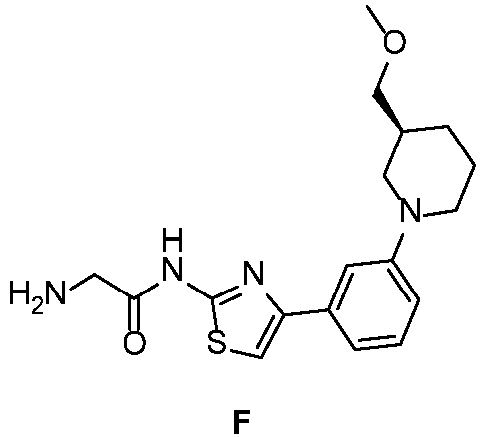
- A solution of Intermediate E (120.00 mg, 260.54 µmol) in HCl/MeOH (3 mL) stirred at 25 °C for 1 h. The reaction was concentrated in vacuum. The residue was triturated by MTBE (10 mL), filtered and dried in vacuum to give Intermediate F (90 mg, 226.74 µmol, 87.03% yield, HCl salt) as a yellow solid. LCMS (ESI) m/z [M+H]+= 361.2; 1H NMR (400 MHz, Methanol-d4) δ 8.31 (br d, J = 14.0 Hz, 1H), 8.13-8.12 (m, 1H), 7.71 (d, J = 1.2 Hz, 1H), 7.68 (d, J = 5.6 Hz, 2H), 4.05 (s, 2H), 3.76-3.73 (m, 2H), 3.58-3.55 (m, 1H), 3.52-3.47 (m, 1H), 3.36 (s, 6H), 2.50-2.49 (m, 1H), 2.17 (d, J = 2.0 Hz, 2H), 1.98 (d, J = 12.4 Hz, 1H), 1.59-1.55 (m, 1H).
-

- To a solution of 1-methylsulfonylpyrrole-3-carboxylic acid [prepared according to the method in Example 4] (25.17 mg, 133.02 µmol) in DCM (0.5 mL) was added EDCI (34.77 mg, 181.39 µmol), HOBt (24.51 mg, 181.39 µmol), DIPEA (62.52 mg, 483.71 µmol, 84.25 µL) at 25 °C. After additional, the mixture was stirred at this temperature for 30 min, and then Intermediate F (43.59 mg, 120.93 µmol, HCl salt) was added at 25 °C. The resulting mixture was stirred for another 2 h. The reaction mixture was diluted with water (5 mL) and extracted with DCM (3 mL x 3). The combined organic layers were washed with NH4Cl (5 mL), dried over Na2SO4, filtered and concentrated under reduced pressure to give a residue. The residue was purified by column chromatography (SiO2, Petroleum ether / EtOAc = 6/1 to 3:1) and concentrated to give Compound 92 (25 mg, 47.02 µmol, 38.89% yield) as a yellow solid. LCMS (ESI) m/z [M+H]+= 532.2; 1H NMR (400 MHz, Methanol-d4) δ 7.86 (s, 1H), 7.57 (s, 1H), 7.36-7.34 (m, 2H), 7.30-7.24 (m, 2H), 6.96-6.94 (m, 1H), 6.83-6.82 (m, 1H), 4.27 (s, 2H), 3.78-3.71 (m, 1H), 3.64 (d, J = 12.0 Hz, 1H), 3.39 (s, 3H), 3.39-3.36 (m, 5H), 2.75-2.73 (m, 1H), 2.57-2.51 (m, 1H), 2.04-2.02 (m, 1H), 1.84-1.81 (m, 2H), 1.78-1.67 (m, 1H), 1.22-1.18 (m, 1H); ee% = 84.67%.
-

-

- A mixture of Pd2(dba)3 (41.84 mg, 72.76 µmol), ditert-butyl-[2,3,4,5-tetramethyl-6-(2,4,6-triisopropylphenyl)phenyl]phosphane (69.96 mg, 145.52 µmol) in toluene (3 mL) and dioxane (0.6 mL) was degassed and purged with N2 for 3 times, and then the mixture was stirred at 120°C for 3 min under N2 atmosphere. Then tert-butyl N-[2-[[4-(3-bromophenyl)thiazol-2-yl]amino]-2-oxo-ethyl]carbamate [prepared according to the method in Example 1] (300 mg, 727.62 µmol), 4-methyl-1H-imidazole (71.69 mg, 873.15 µmol) and K3PO4 (308.90 mg, 1.46 mmol) was added and stirred at 120°C for 5 h. The reaction mixture was filtered and filtrate was evaporated to dryness. The residue was purified by Prep-HPLC (basic condition) and lyophilized to give Intermediate C (210 mg, 507.87 µmol, 69.80% yield) as a yellow solid. LCMS (ESI) m/z [M+H]+ = 414.3.
-

- Intermediate C (100 mg, 241.84 µmol) was dissolved in HCl/dioxane (1 mL). The mixture was stirred at 30 °C for 1hr. The mixture was evaporated to dryness and to give Intermediate D (75 mg, 214.39 µmol, 88.65% yield, HCl salt) as yellow solid, which was used for the next step directly. LCMS (ESI) m/z [M+H]+ = 314.3.
-

- To a mixture of 1-methylsulfonylpyrrole-3-carboxylic acid [prepared according to the method in Example 4] (40.56 mg, 214.39 µmol) in DCM (1 mL) was added HATU (108.69 mg, 285.85 µmol) and DIPEA (110.83 mg, 857.54 µmol, 149.37 µL). The mixture was stirred at 30 °C for 15 min, then Intermediate D (50 mg, 142.92 µmol, HCl salt) was added and stirred at 30 °C for 1 hours. The reaction mixture was evaporated to dryness. To the residue was added MeOH (5 mL) and stirred for 10 min, the precipitate was collected by filtration and washed with MeOH (3 mL) and dried in vacuum to give Compound 93 (43.71 mg, 87.05 µmol, 60.91% yield) as yellow solid. LCMS (ESI) m/z [M+H]+ =485.3; 1H NMR (400MHz, DMSO-d6) δ 12.43-12.38 (m, 1H), 8.69-8.66 (m, 1H), 8.18 (d, J = 1.2 Hz, 1H), 8.06 (d, J = 1.2 Hz, 1H), 7.87-7.83 (m, 3H), 7.55-7.54 (m, 2H), 7.48 (s, 1H), 7.32-7.30 (m, 1H), 6.78-6.76 (m, 1H), 4.15 (d, J = 6.0 Hz, 2H), 3.57 (s, 3H), 2.18 (s, 3H).
-

-

- To a solution of 1,3-dibromobenzene (2 g, 8.48 mmol, 1.02 mL), 1,4-dioxa-8-azaspiro[4.5]decane (1.21 g, 8.48 mmol,1.08 mL), t-BuONa (2.44 g, 25.43 mmol), BINAP (1.06 g, 1.70 mmol) in toluene (30 mL) was added Pd2(dba)3 (776.35 mg, 847.80 µmol). Then the mixture was stirred at 90 °C for 2 h under N2. The reaction mixture was concentrated in vacuum. The residue was purified by column chromatography (SiO2, PE : EtOAc = 10:1 to 5:1) and concentrated to give Intermediate C (850 mg, 2.53 mmol, 29.86% yield) as yellow oil. LCMS (ESI) m/z [M+H]+ = 298.0.
-

- A solution of Intermediate C (800 mg, 2.68 mmol) in formic acid (10 mL) was stirred at 80 °C for 1 h. The reaction mixture was poured into water (20 mL) and extracted with EtOAc (20 mL x 2), the organic layer was washed with brine (20 mL) and dried over Na2SO4 and concentrated. The crude product was purified by reverse phase column (FA) and lyophilized to give Intermediate D (550 mg, 2.16 mmol, 80.67% yield) as yellow oil. LCMS (ESI) m/z [M+H]+ = 255.9.
-

- To a solution of Intermediate D (400 mg, 1.57 mmol) in MeOH (5 mL) was added NaBH4 (89.33 mg, 2.36 mmol). Then the mixture was stirred at 25 °C for 0.5 h. The reaction mixture was poured into water (10 mL) and extracted with EtOAc (10 mL x 2), the organic layer was washed with brine (10 mL) and dried over Na2SO4 and concentrated in vacuum to give Intermediate E (350 mg, 1.36 mmol, 86.12% yield) as yellow oil, which was used for next step without further purification. LCMS (ESI) m/z [M+H]+ = 258.0.
-

- To a solution of Intermediate E (350 mg, 1.37 mmol), 4,4,4',4',5,5,5',5'-octamethyl-2,2'-bi(1,3,2-dioxaborolane) (693.99 mg, 2.73 mmol), KOAc (402.32 mg, 4.10 mmol) in dioxane (5 mL) was added [1,1'-bis(di-tert-butylphosphino)ferrocene]dichloropalladium(II) (89.06 mg, 136.64 µmol). Then the mixture was stirred at 70 °C for 1 h under N2. The reaction mixture was concentrated to give the Intermediate G (400 mg, 790.23 µmol, 57.83% yield) as yellow oil, which was used for next step without further purification. LCMS (ESI) m/z [M+H]+ = 304.1.
-

- To a solution of tert-butyl (2-((4-bromothiazol-2-yl)amino)-2-oxoethyl)carbamate [prepared according to the method in Example 6] (100 mg, 297.44 µmol), Intermediate G (165.61 mg, 327.18 µmol), K3PO4 (189.41 mg,892.31 µmol) in dioxane (1 mL) and H2O (0.2 mL) was added [1,1'-bis(di-tert-butylphosphino)ferrocene]dichloropalladium(II) (19.39 mg, 29.74 µmol). Then the mixture was stirred at 70 °C for 1 h under N2. The reaction mixture was concentrated to get the crude product. The crude product was purified by Prep-HPLC (FA) and lyophilized to give Intermediate I (120 mg, 252.74 µmol, 84.97% yield) as a yellow solid. LCMS (ESI) m/z [M+H]+ =433.1.
-

- A solution of Intermediate I (120 mg, 277.43 µmol) in HCl/EtOAc (2 mL) was stirred at 25 °C for 1 h. The reaction mixture was concentrated to give the crude product. The crude product was triturated with PE : EA = 1:1 (10 mL) at 25 °C for 30 min, then filtered and dried in vacuum to give Intermediate J (85 mg, 193.70 µmol, 69.82% yield, HCl salt) as a white solid. LCMS (ESI) m/z[M+H]+=333.1.
-

- To a solution of Intermediate J (80 mg, 216.87 µmol, HCl salt), 1-methylsulfonylpyrrole-3-carboxylic acid [prepared according to the method in Example 4] (45.13 mg, 238.56 µmol), EDCI (83.15 mg, 433.74 µmol), HOBt (58.61 mg, 433.74 µmol) in DMF (2 mL) was added DIEA (140.15 mg, 1.08 mmol, 188.88 µL). Then the mixture was stirred at 25 °C for 1 h. The reaction mixture was concentrated to get the crude product. The crude product was purified by reverse phase (NH4OH) and lyophilized to give Compound 94 (53.77 mg, 106.77 µmol, 49.23% yield) as a yellow solid. LCMS (ESI) m/z [M+H]+= 504.2. 1H NMR (400 MHz, DMSO-d6) δ 12.38 (s, 1H), 8.69-8.67 (m, 1H), 7.86-7.84 (m, 1H), 7.61 (s, 1H), 7.47 (s, 1H), 7.33-7.31 (m, 1H), 7.30-7.21 (m, 2H), 6.91-6.90 (m, 1H), 6.79-6.78 (m, 1H), 4.70 (d, J=4.4 Hz, 1H), 4.14 (d, J=6.0 Hz, 2H), 3.70-3.62 (m, 1H), 3.61-3.52 (m, 5H), 2.96-2.82 (m, 2H), 1.93-1.78 (m, 2H), 1.55-1.42 (m, 2H).
-

-
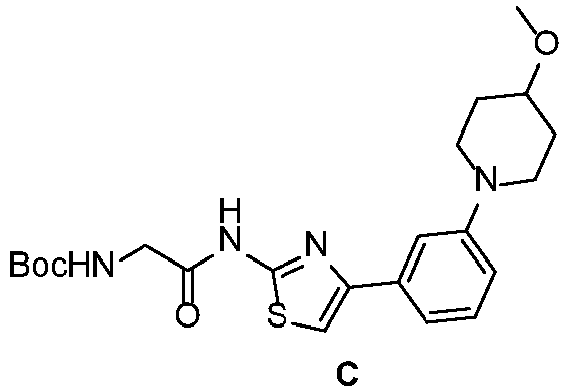
- To a solution of tert-butyl N-[2-[[4-(3-bromophenyl)thiazol-2-yl]amino]-2-oxo-ethyl]carbamate [prepared according to the method in Example 1] (200 mg, 485.08 µmol) and 4-methoxypiperidine (88.27 mg, 582.10 µmol) in dioxane (10 mL) was added t-BuONa (186.47 mg, 1.94 mmol), then the mixture was degassed for three times and then[2-(2-aminophenyl)phenyl]-methylsulfonyloxy-palladium;ditert-butyl-[2-(2,4,6-triisopropylphenyl)phenyl]phosphane (38.53 mg, 48.51 µmol) was added. The mixture was stirred at 90°C for 6 h. The reaction solution was concentrated in vacuum. The residue was purified through column chromatography (SiO2, PE / EtOAc = 10/1-1/1) and concentrated to give Intermediate C (140 mg, 313.51 µmol, 64.63% yield) as yellow oil, which was used for the next step directly. LCMS (ESI) m/z [M+H]+ = 447.2.
-

- To a solution of Intermediate C (140 mg, 313.51 µmol) in dioxane (10 mL) was added HCl/dioxane (4 M, 10 mL), then the solution was stirred at 25 °C for 0.5 h. The reaction solution was concentrated in vacuum. The residue was washed with MTBE and dried in vacuum to give Intermediate D (120 mg, 313.39 µmol, 99.96% yield, HCl salt) as a white solid. LCMS (ESI) m/z [M+H]+ = 347.2.
-

- To a mixture of Intermediate D (60 mg, 156.70 µmol) and 1-methylsulfonylpyrrole-3-carboxylic acid [prepared according to the method in Example 4] (29.65 mg, 156.70 µmol) in DCM (4 mL) was added DIPEA (81.01 mg, 626.78 µmol), then HATU (77.45 mg, 203.70 µmol) was added. The solution was stirred at 25 °C for 12 h. The reaction solution was concentrated in vacuum. The residue was purified through reversed phase (CH3CN/H2O: 0%~60%, FA) and lyophilized to give Compound 95 (22 mg, 39.03 µmol, 24.91% yield, FA salt) as a white solid. LCMS (ESI) m/z [M+H]+ = 518.2; 1H NMR (400 MHz, DMSO-d6) δ 12.28 (s, 1H), 8.68-8.67 (m, 1H), 7.85-7.84 (m, 1H), 7.60 (s, 1H), 7.47 (s, 1H), 7.31-7.24 (m, 3H), 6.95-6.85 (m, 1H), 6.78-6.77 (m, 1H), 4.14 (d, J=5.6 Hz, 2H), 3.57-3.53 (m, 5H), 3.31-3.30 (m, 1H), 3.28 (s, 3H), 2.96-2.90 (m, 2H), 1.97-1.94 (m, 2H), 1.54-1.49 (m, 2H).
-

-

- To a mixture of tert-butyl N-[2-[[4-(3-bromophenyl)thiazol-2-yl]amino]-2-oxo-ethyl]carbamate [prepared according to the method in Example 1] (500 mg, 1.21 mmol), 4- methoxy-4-methyl-piperidine (301.35 mg, 1.82 mmol, HCl salt) in dioxane (10 mL) was added t-BuONa (582.71 mg, 6.06 mmol) and [2-(2-aminophenyl)phenyl]-methylsulfonyloxy-palladium;ditert-butyl-[2-(2,4,6-triisopropylphenyl)phenyl]phosphane (96.33 mg, 121.27 µmol). The mixture was stirred at 70 °C for 2 h under protect of N2. The mixture was poured into water (100 mL) and extracted with EtOAc (10 mL x 3). The combined organic layer was washed with water (10 mL x 3) and brine (10 mL x 2), then dried over Na2SO4, filtered and concentrated under vacuum. The residue was purified by column chromatography (SiO2, PE: EtOAc = 10:1~1:1) and concentrated to give a crude product. The crude product was purified by Pre-TLC (PE:EA=2:1, Rf=0.4) to give Intermediate C (100 mg, 155.45 µmol, 12.82% yield) as yellow solid. LCMS (ESI) m/z [M+H]+ = 461.3.
-

- A mixture of Intermediate C (90 mg, 138.74 µmol) in HCl/dioxane (4 M, 2 mL) was stirred at 30 °C for 2 h. The mixture was diluted with DCM (20 mL) and concentrated under vacuum. This operation was repeated three times. The residue was washed by MTBE (5mL x 2) and concentrated in vacuum to give Intermediate D (60 mg, crude, HCl salt) as a yellow solid, which was used to next step directly. LCMS (ESI) m/z [M+H]+ = 361.1.
-

- To a solution of 1-methylsulfonylpyrrole-3-carboxylic acid [prepared according to the method in Example 4] (26.21 mg, 138.56 µmol) in DCM (5 mL) was added HATU (71.84 mg, 188.95 µmol) and DIEA (48.84 mg, 377.90 µmol, 65.82 µL). Then Intermediate D (50 mg, 125.97 µmol, HCl salt) was added and the mixture was stirred at 30 °C for 2 h. The mixture was poured into water (50 mL) and extracted with DCM (10 mL x 3). The combined organic layer was washed with water (10 mL x 3) and brine (10 mL x 2), then dried over Na2SO4, filtered and concentrated under vacuum. The residue was purified by reverse phase flash (FA condition) and lyophilized to give Compound 96 (18.34 mg, 30.99 µmol, 24.60% yield, FA salt) as an off-white solid. LCMS (ESI) m/z [M+H]+ = 532.2; 1H NMR (400 MHz, DMSO-d6) δ 12.35 (s, 1H), 8.68-8.65 (m, 1H), 8.14 (s, 1H), 7.86-7.83 (m, 1H), 7.60 (s, 1H), 7.48 (s, 1H), 7.34-7.21 (m, 3H), 6.91 (d, J = 8.0 Hz, 1H), 6.78-6.77 (m, 1H), 4.14 (d, J = 5.6 Hz, 2H), 3.57 (s, 3H), 3.37 (s, 2H), 3.14 (s, 3H), 3.10-3.01 (m, 2H), 1.79 (d, J = 13.2 Hz, 2H), 1.66-1.53 (m, 2H), 1.15 (s, 3H).
-

-

- To a solution of tert-butyl (3R)-3-hydroxypiperidine-1-carboxylate (1 g, 4.97 mmol) in THF (5 mL) was added NaH (397.49 mg, 9.94 mmol, 60% purity) at 0°C. The mixture was stirred at 0 °C for 30 min. lodomethane (1.06 g, 7.45 mmol, 463.97 µL) was added and the mixture was stirred at 20 °C for 16 h. The reaction mixture was quenched by addition Sat.NH4Cl solution (15 mL), and then extracted with EtOAc (10 mL x 5). The combined organic layers were washed with brine (10 mL x 3), dried over Na2SO4, filtered and concentrated under reduced pressure to give Intermediate B (0.9 g, 4.18 mmol, 84.14% yield) as yellow oil. 1H NMR (400 MHz, CDCl3) δ 4.02-3.68 (m, 1H), 3.66-3.56 (m, 1H), 3.40 (s, 3H), 3.23-3.21 (m, 1H), 3.07 (br s, 2H), 2.02-1.91 (m, 1H), 1.81-1.70 (m, 1H), 1.53-1.39 (m, 10H), 0.95-0.84 (m, 1H).
-

- To a solution of Intermediate B (0.8 g, 3.72 mmol) in MeOH (1 mL) was added HCl/dioxane (4 M, 8.00 mL). The mixture was stirred at 20°C for 30 min. The reaction mixture was concentrated to give Intermediate C (0.6 g, crude, HCl salt) as yellow solid, which was used in next step without further purification.
-

- A mixture of tert-butyl N-[2-[[4-(3-bromophenyl)thiazol-2-yl]amino]-2-oxo-ethyl]carbamate [prepared according to the method in Example 1] (200 mg, 485.08 µmol), Intermediate C (88.27 mg, 582.10 µmol, HCl salt), t-BuONa (233.08 mg, 2.43 mmol) and t-BuXPhos Pd G3 (38.53 mg, 48.51 µmol) in dioxane (5 mL) was degassed and purged with N2 for 3 times, and then the mixture was stirred at 100 °C for 16 h under N2 atmosphere. The reaction mixture was concentrated to give a residue. The residue was purified by column chromatography (SiO2, Petroleum ether / EtOAc = 1/1) to afford Intermediate E (130 mg, 291.11 µmol, 60.01% yield) as yellow oil. LCMS (ESI) m/z [M+H]+ = 447.5.
-

- To a solution of Intermediate E (0.12 g, 268.72 µmol) in MeOH (1 mL) was added HCl/dioxane (4 M, 578.42 µL). The mixture was stirred at 20°C for 30 min. The reaction mixture was concentrated to give Intermediate F (125 mg, crude, HCl salt) as yellow solid, which was used in next step without further purification. LCMS (ESI) m/z [M+H]+ = 347.0.
-

- To a solution of 1-tert-butylpyrrole-3-carboxylic acid [prepared according to the method in Example 34] (31.44 mg, 188.04 µmol) in DCM (2 mL) was added 2-amino-N-[4-[3-[(3R)-3-methoxy-1-piperidyl]phenyl]thiazol-2-yl]acetamide (60 mg, 156.70 µmol, HCl salt), DIPEA (81.01 mg, 626.80 µmol, 109.17 µL) and HATU (89.37 mg, 235.05 µmol). The mixture was stirred at 20 °C for 2 h. The reaction mixture was concentrated to dryness to give a residue. The residue was purified by Prep-TLC (SiO2, Petroleum ether / EtOAc = 1/1) to give the crude product. The crude product was further purified by Prep-HPLC (mobile phase: [water (0.1% TFA)-acetonitrile]; B%: 25%-45%) and lyophilized to afford Compound 97 (6.38 mg, 10.46 µmol, 6.68% yield, TFA salt) as a white solid. LCMS (ESI) m/z [M+H]+ = 496.1; 1H NMR (400 MHz, DMSO-d6) δ 12.28 (s, 1H), 8.17-8.15 (m, 1H), 7.61 (s, 1H), 7.55-7.46 (m, 2H), 7.40-7.20 (m, 2H), 6.98-6.96 (m, 2H), 6.48 (dd, J=2.8 Hz, 2.0 Hz, 1H), 4.10-4.08 (m, 2H), 3.70-3.68 (m, 1H), 3.41-3.39 (m, 2H), 3.33 (s, 3H), 2.85-2.83 (m, 1H), 2.77-2.75 (m, 1H), 2.02-2.00 (m, 1H), 1.82-1.80 (m, 1H), 1.60-1.58 (m, 1H), 1.50 (s, 9H), 1.38-1.36 (m, 1H); ee% = 100%.
-

- To a solution of 2-amino-N-[4-[3-[(3S)-3-methoxy-1-piperidyl]phenyl]thiazol-2-yl]acetamide (prepared according to the method in Example 11) (120 mg, 313.39 µmol, HCl salt), 1-tert-butylpyrrole-3-carboxylic acid [prepared according to the method in Example 34] (78.60 mg, 470.09 µmol) and DIEA (202.51 mg, 1.57 mmol, 272.93 µL) in DCM (0.5 mL) was added HOBt (50.81 mg, 376.07 µmol) and EDCI (180.23 mg, 940.18 µmol), the reaction mixture was stirred at 25°C for 2 h. The reaction mixture was concentrated under vacuum to give residue. The residue was purified by Pre-HPLC (mobile phase: [water (0.1%TFA)-acetonitrile]; B%: 21%-51%) and lyophilized to give Compound 98 (78.98 mg, 129.55 µmol, 41.34% yield, TFA salt) as a white solid. LCMS (ESI) m/z [M+H]+ = 496.5; 1H NMR (400 MHz, Methanol-d4) δ 8.09 (s, 1H), 7.97 (d, J = 8.0 Hz, 1H), 7.61-7.53 (m, 3H), 7.50 (d, J = 8.0 Hz, 1H), 6.97-6.95 (m, 1H), 6.58-6.56 (m, 1H), 4.23 (s, 2H), 3.81-3.69 (m, 3H), 3.48 (d, J = 0.6 Hz, 5H), 2.25-2.23 (m, 1H), 2.08-1.96 (m, 1H), 1.95-1.84 (m, 2H), 1.57 (d, J = 0.8 Hz, 9H); ee% = 100%.
-

-

- To a solution of tert-butyl N-[2[[4-(3-bromophenyl)thiazol-2-yl]amino]-2-oxo-ethyl}carbamate [prepared according to the method in Example 1] (400 mg, 970.17 µmol) and morpholine (126.78 mg, 1.46 mmol) in tert-amylalcohol (8 mL) was added t-BuONa (372.95 mg, 3.88 mmol), then [2-(2-aminophenyl)phenyl]-methylsulfonyloxy-palladium;ditert-butyl-[2-(2, 4, 6-trilsopropylphenyl)phenyl]phosphane (154.13 mg, 194.03 µmol) was added and the mixture was degassed for three times. The solution was stirred at 70°C for 4 h. The reaction solution was poured in aq. NH4Cl(100 mL) and then extracted with EtOAc (200 mL). The organic layer was washed with brine (100 mL) and dried. The solution was concentrated in vacuum. The residue was purified through column cromatography (SiO2, PE / EtOAc = 5/1 - 2/1) and concentrated to give Intermediate C (200 mg, 477.89 µmol, 49.26% yield) as a yellow solid. LCMS (ESI) m/z [M+H]+ = 419.2.
-

- To a solution of Intermediate C (200 mg, 477.89 µmol) in dioxane (5 mL) was added HCl/dioxane (4 M, 10 mL), then the solution was stirred at 25 °C for 1 h. The reaction solution was concentrated in vacuum. The residue was washed with MBTE (50 mL). The solid was dried in vacuum to give Intermediate D (200 mg, crude, 2HCl salt) as a yellow solid, which was used for the next step directly. LCMS (ESI) m/z [M+H]+ = 319.2.
-

- To a solution of Intermediate D (100 mg, 255.55 µmol) and 1-methylsulfonylpyrrole-3-carboxylic acid [prepared according to the method in Example 4] (58.02 mg, 306.66 µmol) in DCM (5 mL) was added DIPEA (165.14 mg, 1.28 mmol), then EDCI (58.79 mg, 306.66 µmol) and HOBt (41.44 mg, 306.66 µmol) were added. The solution was stirred at 25°C for 12 h. The reaction solution was poured into aq. citric acid (50 mL) and then extracted with EtOAc (100 mL). The organic layer was washed with brine (100 mL) and dried. The solution was concentrated in vacuum. The residue was triturated in MeOH (20 mL) and filtered. The solid was dried in vacuum to give Compound 99 (38 mg, 75.90 µmol, 29.70% yield) as a white solid. LCMS (ESI) m/z [M+H]+ = 490.1; 1H NMR (400 MHz, DMSO-d6) δ 12.37 (s, 1H), 8.68-8.65 (m, 1H), 7.85-7.84 (m, 1H), 7.61 (s, 1H), 7.47 (s, 1H), 7.35-7.28 (m, 3H), 6.95-6.85 (m, 1H), 6.78-6.77 (m, 1H), 4.14 (d, J=5.6 Hz, 2H), 3.78-3.76 (m, 4H), 3.57 (s, 3H), 3.17-3.14 (m, 4H).
-

-

- To a solution of tert-butyl N-[2-[[4-(3-bromophenyl)thiazol-2-yl]amino]-2-oxo-ethyl]carbamate [prepared according to the method in Example 1] (400 mg, 970.17 µmol) and morpholine (126.78 mg, 1.46 mmol) in tert-amylalcohol (8 mL) was added t-BuONa (372.95 mg, 3.88 mmol), then [2-(2-aminophenyl)phenyl]-methylsulfonyloxy-palladium;ditert-butyl-[2-(2,4,6-triisopropylphenyl)phenyl]phosphane (154.13 mg, 194.03 µmol) was added and the mixture was degassed for three times. The solution was stirred at 70 °C for 4 h. The reaction solution was poured into aq. NH4Cl (100 mL) and then extracted with EtOAc (200 mL). The organic layer was washed with brine (100 mL) and dried. The solution was concentrated in vacuum. The residue was purified through column chromatography (SiO2, PE / EtOAc = 5/1~2/1) and concentrated to give Intermediate C (200 mg, 477.89 µmol, 49.26% yield) as a yellow solid. LCMS (ESI) m/z [M+H]+ = 419.2.
-

- To a solution of Intermediate C (200 mg, 477.89 µmol) in dioxane (5 mL) was added HCl/dioxane (4 M, 10 mL), then the solution was stirred at 25 °C for 1 h. The reaction solution was concentrated in vacuum. The residue was washed with TBME (50 mL). The solid was dried in vacuum to give Intermediate D (200 mg, crude, 2HCl salt) as a yellow solid, which was used for the next step directly. LCMS (ESI) m/z [M+H]+ = 319.2.
-

- To a solution of Intermediate D (100 mg, 255.55 µmol) and 1-tert-butylpyrrole-3-carboxylic acid [prepared according to the method in Example 34] 1-methylsulfonylpyrrole-3-carboxylic acid [prepared according to the method in Example 4] (58.02 mg, 306.66 µmol) in DCM (5 mL) was added DIPEA (165.14 mg, 1.28 mmol), then EDCI (58.79 mg, 306.66 µmol) and HOBt (41.44 mg, 306.66 µmol) were added. The solution was stirred at 25 °C for 12 h. The reaction solution was poured into aq. citric acid (50 mL) and then extracted with EtOAc (100 mL). The organic layer was washed with brine (100 mL) and dried. The solution was concentrated in vacuum. The residue was purified through Prep-HPLC (mobile phase: [water(0.1%TFA)-acetonitrile]; B%: 33%-63%) and lyophilized to give Compound 100 (40 mg, 68.78 µmol, 26.91% yield) as a white solid. LCMS (ESI) m/z [M+H]+ = 468.4; 1H NMR (400 MHz, DMSO-d6) δ 12.30 (s, 1H), 8.19-8.16 (m, 1H), 7.61 (s, 1H), 7.52-7.51 (m, 1H), 7.48-7.47 (m, 1H), 7.35-7.34 (m, 1H), 7.28-7.36 (m, 1H), 6.68-6.96 (m, 2H), 6.48-6.47 (m, 1H), 4.08 (d, J=5.6 Hz, 2H), 3.78-3.76 (m, 4H), 3.17-3.15 (m, 4H), 1.49 (s, 9H).
-

-

- A mixture of tert-butyl N-[2-[[4-(3-bromophenyl)thiazol-2-yl]amino]-2-oxo-ethyl]carbamate [prepared according to the method in Example 1] (500 mg, 1.21 mmol), 2-oxa-6-azaspiro[3.3]heptane (275.28 mg, 1.46 mmol, oxalate), t-BuONa (466.16 mg, 4.85 mmol), and [2-(2- aminophenyl)phenyl]-methylsulfonyloxy-palladium;(5-diphenylphosphanyl-9,9-dimethyl-xanthen-4-yl)-diphenyl-phosphane (115.01 mg, 121.27 µmol) in dioxane (5 mL) was degassed and purged with N2 for 3 times, and then the mixture was stirred at 80 °C for 5 h under N2 atmosphere. Water (20 mL) was added and the reaction mixture was extracted with EtOAc (50 mL x 2). The combined organic layers were washed with brine (20 mL), dried over Na2SO4, filtered and concentrated under reduced pressure to give a residue. The crude product was purified by reversed-phase HPLC (0.1% FA condition). Then sat. NaHCO3 (20 mL) was added and the reaction mixture was extracted with EtOAc (50 * 2 mL). The combined organic layers were washed with brine (20 mL), dried over Na2SO4, filtered and concentrated under reduced pressure to give Intermediate C (150 mg, 331.00 µmol, 27.29% yield) as a white solid. LCMS (ESI) m/z [M+H]+ = 431.3.
-

- To a solution of Intermediate C (140 mg, 325.19 µmol) in DCM (5 mL) was added TFA (1 mL). The mixture was stirred at 0 °C for 2 h. Sat.NaHCO3 (20 mL) was added and the reaction mixture was extracted with
EtOAc 100 mL (50 mL x 2). The combined organic layers were washed with brine (20 mL), dried over Na2SO4, filtered and concentrated under reduced pressure to give Intermediate D (80 mg, crude) as a yellow solid, which was used into the next step without further purification. LCMS (ESI) m/z [M+H]+ = 331.1. -

- To a solution of 1-methylsulfonylpyrrole-3-carboxylic acid [prepared according to the method in Example 4] (48.10 mg, 254.23 µmol) in DMF (2 mL) was added EDCI (60.92 mg, 317.79 µmol), DIEA (82.14 mg, 635.59 µmol, 110.71 µL) and HOBt (42.94 mg, 317.79 µmol). Then Intermediate D (70 mg, 211.86 µmol) was added. The mixture was stirred at 25 °C for 25 h. The reaction mixture was diluted with MeOH (2 mL). The reaction mixture was purified by prep-HPLC (mobile phase: [water(0.075%TFA)-acetonitrile]; B%: 25%-55%) and lyophilized to give a crude product, the product was triturated with MeOH (20 mL) at 25°C and collected by filtration to give Compound 101 (38 mg, 59.60 µmol, 28.13% yield, TFA salt) as a yellow solid. LCMS (ESI) m/z [M+H]+ = 502.1; 1H NMR (400 MHz, DMSO-d6) δ 12.39 (s, 1H), 8.66-8.63 (m, 1H), 7.85-7.83 (m, 1H), 7.55 (s, 1H), 7.35-7.28 (m, 1H), 7.24-7.18 (m, 2H), 6.96 (s, 1H), 6.78-6.76 (m, 1H), 6.42-6.35 (m, 1H), 4.73 (s, 4H), 4.13 (d, J=6.0 Hz, 2H), 3.99 (s, 4H), 3.57 (s, 3H).
-

-

- A mixture of 1-(3-bromophenyl)ethanone (2 g, 10.05 mmol, 1.32 mL) was degassed and purged with N2 for 3 times, and then MeMgBr/THF (3 M, 10.05 mL) was added at 0°C. The mixture was stirred at 25°C for 2h under N2 atmosphere. Water (80 mL) was added and the reaction mixture was extracted with EtOAc (200 mL x 2). The combined organic layers were washed with brine (80 mL), dried over Na2SO4, filtered and concentrated under reduced pressure to give a residue. The residue was purified by flash silica gel chromatography (Eluent of 0-20% Ethylacetate / Petroleum ether gradient) and concentrated to give Intermediate B (2 g, 9.30 mmol, 92.54% yield) as colorless oil.
-

- Triphenyl(pyridin-4-yl)phosphonium trifluoromethanesulfonate was synthesized according to the medthod described in following reference: Hilton, M. C.; Ryan D. Dolewski, R. D.; McNally A. Journal of the American Chemical Society (2016) 138 (42), 13806-13809
- To a solution of pyridine (500 mg, 6.32 mmol, 510.20 µL) in DCM (50 mL) was added Tf2O (1.78 g, 6.32 mmol, 1.04 mL) at -78°C under N2. The reaction was stirred for 30 min before PPh3 (1.82 g, 6.95 mmol) was added. After the mixture was stirred for 30 min, the stated organic DBU (962.33 mg, 6.32 mmol, 952.80 µL) was added dropwise via syringe, the cooling bath was removed and the reaction was allowed to warm to 25°C while stirring (30 minutes). Water (50 mL x 3) was added and the reaction mixture was extracted with DCM (100 mL). The combined organic layers were washed with brine (50 mL), dried over Na2SO4, filtered and concentrated under reduced pressure to give a residue. The crude product was triturated with MTBE (40 mL) at 25 °C for 10 min, then filtered and dried in vacuum to give Intermediate C (2.5 g, 5.11 mmol, 80.81% yield) as a white solid. 1H NMR (400 MHz, Methanol-d4) δ 8.79-8.78 (m, 2H), 7.98-7.80 (m, 3H), 7.73-7.87 (m, 14H).
-

- To a solution of Intermediate B (500 mg, 2.32 mmol) in THF (5 mL) was added NaH (139.47 mg, 3.49 mmol, 60% purity) at 0°C under N2. The mixture was stirred for 30 min before Intermediate C (1.14 g, 2.32 mmol) was added at 0°C. The mixture was stirred at 25 °C for 3 h. Water (20 mL) was added the reaction mixture was extracted with EtOAc (50 mL x 2). The combined organic layers were washed with brine (20 mL), dried over Na2SO4, filtered and concentrated under reduced pressure to give a residue. The residue was purified by flash silica gel chromatography (Eluent of 0-90% Ethyl acetate / Petroleum ether gradient) and concentrated to give Intermediate E (120 mg, 410.72 µmol, 17.67% yield) as yellow oil. 1H NMR (400 MHz, CDCl3) δ 8.26-8.25 (m, 2H), 7.55-7.53 (m, 1H), 7.45-7.43 (m, 1H), 7.33-7.31 (m, 1H), 7.25-7.21 (m, 1H), 6.52-6.50 (m, 2H), 1.76 (s, 6H).
-

- A mixture of Intermediate E (110 mg, 376.49 µmol), 4,4,5,5-tetramethyl-2-(4,4,5,5-tetramethyl-1,3,2-dioxaborolan-2-yl)-1,3,2-dioxaborolane (286.82 mg, 1.13 mmol), KOAc (147.80 mg, 1.51 mmol) and [1,1'-bis(di-tert-butylphosphino)ferrocene]dichloropalladium(II) (24.54 mg, 37.65 µmol) in dioxane (4 mL) was degassed and purged with N2 for 3 times, and then the mixture was stirred at 80 °C for 2 h under N2 atmosphere. Water (20 mL) was added and the reaction mixture was extracted with EtOAc (50 mL x 2). The combined organic layers were washed with brine (20 mL), dried over Na2SO4, filtered and concentrated under reduced pressure to give a residue. The residue was purified by column chromatography (SiO2, Petroleum ether / EtOAc = 20/1 to 1:1) and concentrated to give Intermediate G (150 mg, crude) as a brown oil which was used into the next step without further purification.
-

- A mixture of N-[2-[(4-bromothiazol-2-yl)amino]-2-oxo-ethyl]-1-methylsulfonyl-pyrrole-3-carboxamide [prepared according to the method in Example 6] (120 mg, 294.65 µmol), Intermediate G (119.60 mg, 352.57 µmol), K3PO4 (250.18 mg, 1.18 mmol) and [1,1'-bis(di-tert-butylphosphino)ferrocene]dichloropalladium(II) (38.41 mg, 58.93 µmol) in dioxane (2 mL) and H2O (0.5 mL) was degassed and purged with N2 for 3 times, and then the mixture was stirred at 100 °C for 2 h under N2 atmosphere. Water (20 mL) was added and the reaction mixture was extracted with EtOAc (50 mL x 2). The combined organic layers were washed with brine (20 mL), dried over Na2SO4, filtered and concentrated under reduced pressure to give a residue. The residue was purified by Prep-HPLC (mobile phase: [water (10 mM NH4HCO3)-acetonitrile]; B%: 20%-50%) and lyophilized to give Compound 102 (4.2 mg, 7.71 µmol, 2.62% yield) as a white solid. LCMS (ESI) m/z [M+H]+ = 540.3; 1H NMR (400MHz, DMSO-d6) δ 12.33 (s, 1H), 8.55 (s, 1H), 8.20-8.18 (m, 2H), 7.97 (s, 1H), 7.83-7.80 (m, 2H), 7.56 (s, 1H), 7.44-7.40 (m, 1H), 7.34 (d, J=7.6 Hz, 1H), 7.30-7.29 (m, 1H), 6.77-6.75 (m, 1H), 6.59-6.58 (m, 2H), 4.08 (d, J=5.2 Hz, 2H), 3.57 (s, 3H), 1.79 (s, 6H).
-

-

- To a solution of 1-(3-bromophenyl)ethanone (1 g, 5.02 mmol, 662.25 µL) in MeOH (10 mL) was added NaBH4 (380.14 mg, 10.05 mmol). The mixture was stirred at 25 °C for 2 h. 2N HCl (20 mL) and H2O (30 mL) was added and the reaction mixture was extracted with EtOAc (100 mL x 2). The combined organic layers were washed with brine (50 mL), dried over Na2SO4, filtered and concentrated under reduced pressure to give Intermediate B (1.2 g, crude) as a colorless oil was used into the next step without further purification. 1H NMR (400 MHz, CDCl3) δ 7.57 (s, 1H), 7.44 (d, J=7.6 Hz, 1H), 7.33-7.30 (m, 1H), 7.27-7.23 (m, 1H), 4.92-4.87 (m, 1H), 1.97 (s, 1H), 1.52 (d, J=6.4 Hz, 3H).
-

- To a solution of Intermediate B (1 g, 4.97 mmol) in THF (10 mL) was added phenol (561.69 mg, 5.97 mmol, 524.94 µL) and DIAD (1.01 g, 4.97 mmol, 967.03 µL), then PPh3 (1.57 g, 5.97 mmol) was add under N2 at 0°C. The mixture was stirred at 25 °C for 2 h. Water (50 mL) was added and the reaction mixture was extracted with EtOAc (100 mL x 2). The combined organic layers were washed with brine (50 mL), dried over Na2SO4, filtered and concentrated under reduced pressure to give a residue. The residue was purified by flash silica gel chromatography (Eluent of 0-10% Ethyl acetate / Petroleum ether gradient) and concentrated to give Intermediate D (600 mg, 2.16 mmol, 43.53% yield) as yellow oil. 1H NMR (400 MHz, CDCl3) δ 7.55-7.54 (m, 1H), 7.40-7.38 (m, 1H), 7.32-7.30 (m, 1H), 7.25-7.19 (m, 3H), 6.93-6.89 (m, 1H), 6.87-6.84 (m, 2H), 5.29-5.24 (m, 1H), 1.63 (d, J=6.4 Hz, 3H).
-

- A mixture of Intermediate D (200 mg, 721.62 µmol), 4,4,5,5-tetramethyl-2-(4,4,5,5-tetramethyl-1,3,2-dioxaborolan-2-yl)-1,3,2-dioxaborolane (219.89 mg, 865.94 µmol), KOAc (212.46 mg, 2.16 mmol) and Pd(dppf)Cl2 (52.80 mg, 72.16 µmol) in dioxane (2 mL) was degassed and purged with N2 for 3 times, and then the mixture was stirred at 80 °C for 2 h under N2 atmosphere. Water (30 mL) was added and the reaction mixture was extracted with EtOAc (50 mL x 2). The combined organic layers were washed with brine (20 mL), dried over Na2SO4, filtered and concentrated under reduced pressure to give a residue. The residue was purified by flash silica gel chromatography (Eluent of 0-20% Ethyl acetate / Petroleum ether gradient) and concentrated to give Intermediate F (100 mg, 308.43 µmol, 42.74% yield) as yellow oil, which was used into the next step without further purification.
-

- A mixture of N-[2-[(4-bromothiazol-2-yl)amino]-2-oxo-ethyl]-1-methylsulfonyl-pyrrole-3-carboxamide [prepared according to the method in Example 6] (50 mg, 122.77 µmol), Intermediate F (79.61 mg, 245.54 µmol), K3PO4 (78.18 mg, 368.31 µmol) and [1,1'-bis(di-tert-butylphosphino)ferrocene]dichloropalladium(II) (16.00 mg, 24.55 µmol) in dioxane (2 mL) and H2O (0.5 mL) was degassed and purged with N2 for 3 times, and then the mixture was stirred at 100 °C for 2 h under N2 atmosphere. Water (20 mL) was added and the reaction mixture was extracted with EtOAc (50 mL x 2). The combined organic layers were washed with brine (20 mL), dried over Na2SO4, filtered and concentrated under reduced pressure to give a residue. The residue was purified by Prep-HPLC (mobile phase: [water (0.075% TFA)-acetonitrile]; B%: 48%-78%) and lyophilized to give Compound 103 (13 mg, 24.78 µmol, 20.18% yield) as a white solid. LCMS (ESI) m/z [M+H]+ = 525.4; 1H NMR (400 MHz, DMSO-d6) δ 12.39 (s, 1H), 8.67-8.64 (m, 1H), 7.96 (s, 1H), 7.84-7.83 (m, 1H), 7.77 (d, J=7.2 Hz, 1H), 7.61 (s, 1H), 7.41-7.35 (m, 2H), 7.31-7.30 (m, 1H), 7.22-7.18 (m, 2H), 6.91 (d, J=8.0 Hz, 2H), 6.86-6.83 (m, 1H), 6.77-6.76 (m, 1H), 5.53-5.49 (m, 1H), 4.13 (d, J=6.0 Hz, 2H), 3.56 (s, 3H), 1.57 (d, J=6.4 Hz, 3H).
-

-

- To a solution of phenoxysodium (564.99 mg, 4.87 mmol, 856.68 µL) in DMF (10 mL) was added 1-bromo-3-(chloromethyl)benzene (500 mg, 2.43 mmol). The mixture was stirred at 25 °C for 2 h. Water (50 mL) was added and the reaction mixture was extracted with EtOAc (100 mL x 2). The combined organic layers were washed with brine (50 mL), dried over Na2SO4, filtered and concentrated under reduced pressure to give a residue. The residue was purified by flash silica gel chromatography (Eluent of 0-20% Ethyl acetate / Petroleum ether gradient) and concentrated to give Intermediate C (600 mg, 2.28 mmol, 93.71% yield) as colorless oil.
1H NMR (400 MHz, CDCl3) δ 7.63 (s, 1H), 7.48 (d, J=8.0 Hz, 1H), 7.39 (d, J=7.6 Hz, 1H), 7.34-7.25 (m, 3H), 7.00-6.98 (m, 3H), 5.06 (s, 2H). -

- A mixture of Intermediate C (200 mg, 760.08 µmol), 4,4,5,5-tetramethyl-2-(4,4,5,5-tetramethyl-1,3,2-dioxaborolan-2-yl)-1,3,2-dioxaborolane (231.62 mg, 912.10 µmol), KOAc (223.79 mg, 2.28 mmol) and Pd(dppf)Cl2 (55.62 mg, 76.01 µmol) in dioxane (2 mL) was degassed and purged with N2 for 3 times, and then the mixture was stirred at 80 °C for 2 h under N2 atmosphere. The reaction mixture was concentrated under reduced pressure to remove dioxane. The residue was purified by flash silica gel chromatography (Eluent of 0-20% Ethyl acetate / Petroleum ether gradient) and concentrated to give Intermediate E (120 mg, 386.85 µmol, 50.90% yield) as a yellow solid. 1H NMR (400 MHz, Methanol-d4) δ 7.82 (s, 1H), 7.72-7.68 (m, 1H), 7.58-7.53 (m, 1H), 7.29-7.24 (m, 1H), 7.31-7.23 (m, 2H), 7.04-6.97 (m, 3H), 5.06 (s, 2H), 1.35 (s, 12 H).
-

- A mixture of N-[2-[(4-bromothiazol-2-yl)amino]-2-oxo-ethyl]-1-methylsulfonyl-pyrrole-3-carboxamide [prepared according to the method in Example 6] (50 mg, 122.77 µmol), Intermediate E (76.17 mg, 245.54 µmol), K3PO4 (78.18 mg, 368.31 µmol) and [1,1'-bis(di-tert-butylphosphino)ferrocene]dichloropalladium(II) (16.00 mg, 24.55 µmol) in dioxane (2 mL) and H2O (0.5 mL) was degassed and purged with N2 for 3 times, and then the mixture was stirred at 100 °C for 2 h under N2 atmosphere. Water (20 mL) was added and the reaction mixture was extracted with EtOAc (50 mL x 2). The combined organic layers were washed with brine (20 mL), dried over Na2SO4, filtered and concentrated under reduced pressure to give a residue. The residue was purified by Prep-HPLC (mobile phase: [water (0.075%TFA)- acetonitrile]; B%: 48%-78%) and lyophilized to give Compound 104 (16.19 mg, 31.71 µmol, 25.83% yield) as a white solid. LCMS (ESI) m/z [M+H]+ = 511.3; 1HNMR (400 MHz, DMSO-d6) δ 12.39 (s, 1H), 8.67-8.65 (m, 1H), 8.00 (s, 1H), 7.85-7.83 (m, 2H) 7.65 (s, 1H), 7.46-7.39 (m, 2H), 7.31-7.27 (m, 3H), 7.03 (d, J=8.0 Hz, 2H), 6.96-6.92 (m, 1H), 6.77-6.76 (m, 1H), 5.15 (s, 2H), 4.13 (d, J=6.0 Hz, 2H), 3.57 (s, 3H).
-

-

- The solution of cyclohexane-1,4-diol (3 g, 25.83 mmol) and TBDPSCI (7.10 g, 25.83 mmol, 6.63 mL) in DCM (60 mL) and DMF (30 mL) was added a solution of imidazole (1.76 g, 25.83 mmol) in DCM (30 mL). The reaction mixture was stirred at 25 °C for 16 hours. The reaction mixture was diluted with water (50 mL), extracted with DCM (30 mL x 3), the combined organic layers was washed with brine and dried over anhydrous Na2SO4 and concentrated to afford a white solid. The solid was dispersed in DCM (5 mL) and filtered, the filter liquid was purified by flash silica gel chromatography (Eluent of 0-30% Ethyl acetate / Petroleum ether gradient), concentrated to afford Intermediate B (5.00 g, 11.28 mmol, 43.68% yield) as light yellow oil. 1H NMR (400 MHz, DMSO-d6) δ 7.59-7.58 (m, 4H), 7.47-7.39 (m, 6H), 4.39 (d, J = 4.4 Hz, 1H), 3.66-3.59 (m, 1H), 3.45-3.40 (m, 1H), 1.75-1.66 (m, 4H), 1.38-1.28 (m, 2H), 1.09-1.03 (m, 2H), 0.99 (s, 9H).
-

- To the mixture of NaH (676.84 mg, 16.92 mmol, 60% purity) in THF (30 mL) was added a solution of Intermediate B (3 g, 8.46 mmol, 917.43 µL) in THF (5 mL) dropwise at 0 °C, the reaction mixture was stirred at 0 °C for 15 minutes, then a solution of 1-bromo-3-(bromomethyl)benzene (3.17 g, 12.69 mmol) in THF (5 mL) was added drop wise at 0 °C. The reaction mixture was warmed to 25 °C and stirred for 4 hours. The reaction mixture was quenched with saturated NH4Cl (50 mL), and extracted with EtOAc (20 mL x 2), the combined organic layers was dried over anhydrous Na2SO4 and concentrated to afford a yellow oil. The oil was purified by flash silica gel chromatography (Eluent of 0-20% Ethyl acetate / Petroleum ether gradient), concentrated to afford Intermediate D (3.30 g, crude) as a yellow oil. 1H NMR (400 MHz, DMSO-d6) δ 7.62-7.58 (m, 4H), 7.53-7.49 (m, 1H), 7.46-7.42 (m, 7H), 7.27 (d, J = 5.2 Hz, 2H), 4.69 (s, 2H), 3.79-3.69 (m, 1H), 3.43-3.40 (m, 1H), 1.95-1.86 (m, 2H), 1.72 (d, J = 9.8 Hz, 2H), 1.43 (br s, 2H), 1.32-1.21 (m, 2H), 1.00 (s, 9H).
-

- The solution of Intermediate D (200 mg, 381.99 µmol) in TBAF/THF (1M, 2 mL) was stirred at 80 °C for 16 hours. The reaction mixture was diluted with water (5 mL) and extracted with EtOAc (5 mL x 2), the combined organic layers was dried over anhydrous Na2SO4 and concentrated to afford yellow oil. The oil was dissolved with DCM (1 mL) and purified by silica gel chromatography (PE/EA=5/1 to 0/1), concentrated to afford Intermediate E (90 mg, 252.48 µmol, 66.09% yield) a yellow oil. 1H NMR (400 MHz, DMSO-d6) δ 7.49 (s, 1H), 7.47-7.43 (m, 1H), 7.32-7.29 (m, 2H), 4.50 (d, J = 4.0 Hz, 1H), 4.48 (s, 2H), 3.44-3.41 (m, 1H), 3.31-3.26 (m, 1H), 1.96-1.89 (m, 2H), 1.83-1.74 (m, 2H), 1.32-1.23 (m, 2H), 1.20-1.12 (m, 2H).
-

- The solution of Intermediate E (90 mg, 315.59 µmol), 4,4,5,5-tetramethyl-2-(4,4,5,5-tetramethyl-1,3,2-dioxaborolan-2-yl)-1,3,2-dioxaborolane (104.18 mg, 410.27 µmol) and KOAc (92.92 mg, 946.78 µmol) in dioxane (1 mL) was added [1,1'-bis(di-tert-butylphosphino)ferrocene]dichloropalladium(II) (20.57 mg, 31.56 µmol) at 25 °C under N2. The reaction mixture was stirred at 80 °C under N2 for 3 hours. The reaction mixture was diluted with water (5 mL) and extracted with EtOAc (3 mL x 3), the combined organic layers was dried over anhydrous Na2SO4 and concentrated to afford Intermediate G (100 mg, crude) as a black brown oil, which was used to the next step without further purification. LCMS (ESI) m/z [M+H]+ = 333.0.
-
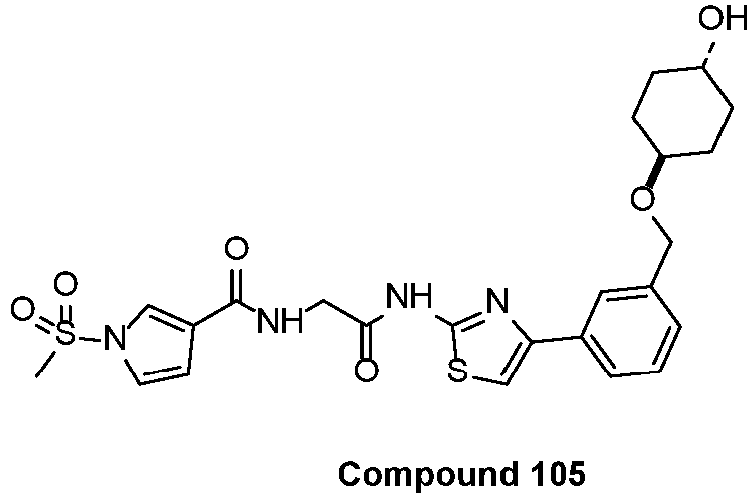
- The solution of N-[2-[(4-bromothiazol-2-yl)amino]-2-oxo-ethyl]-1-methylsulfonyl-pyrrole-3-carboxamide [prepared according to the method in Example 6] (61.29 mg, 150.49 µmol), Intermediate G (100 mg, 300.99 µmol) and K3PO4 (95.83 mg, 451.48 µmol) in dioxane (0.8 mL) and H2O (0.2 mL) was added [1,1'-bis(di-tert-butylphosphino)ferrocene]dichloropalladium(II) (9.81 mg, 15.05 µmol) at 25 °C under N2. The reaction mixture was stirred at 75 °C under N2 for 4 h. The reaction mixture was diluted with water (5 mL) and extracted with EtOAc (4 mL x 3), the combined organic layers was dried over anhydrous Na2SO4 and concentrated to afford black brown oil. The oil was dissolved with DCM (2 mL) and purified by Prep-TLC (EA), concentrated to afford a white residue. The residue was dissolved with DMSO (1 mL) and purified by Prep-HPLC (FA), concentrated and lyophilized to afford Compound 105 (3.00 mg, 5.37 µmol, 3.57% yield) as white solid. LCMS (ESI) m/z [M+H]+= 533.1; 1H NMR (400 MHz, Methanol-d4) δ 7.90 (s, 1H), 7.84-7.83 (m, 1H), 7.81 (d, J = 7.6 Hz, 1H), 7.39 (s, 1H), 7.38-7.34 (m, 1H), 7.31-7.26 (m, 2H), 6.81-6.80 (m, 1H), 4.58 (s, 2H), 4.26 (s, 2H), 3.66-3.55 (m, 1H), 3.48-3.40 (m, 1H), 3.38 (s, 3H), 2.13-2.04 (m, 2H), 1.99-1.91 (m, 2H), 1.43-1.26 (m, 4H).
-

-

- To a mixture of 3-bromophenol (300 mg, 1.73 mmol) and 4-(bromomethyl)pyridine (357.95 mg, 2.08 mmol) in DMF (5 mL) was added Cs2CO3 (1.13 g, 3.47 mmol) at 30 °C. The reaction mixture was stirred at 30 °C for 16 h. The reaction mixture was poured into H2O (30 mL), extracted with EtOAc (30 mL x3). The combined organic layers were washed with brine (30 mL x 3), dried over anhydrous Na2SO4, filtered and concentrated under reduced pressure to afford a residue. The residue was purified by silica gel chromatography (PE/EA=5/1-3/1) and concentrated to afford Intermediate C (300 mg, 1.08 mmol, 62.23% yield) as yellow oil. LCMS (ESI) m/z [M+H]+ = 266.0; 1H NMR (400 MHz, CDCl3) δ 8.68-8.58 (m, 2H), 7.35 (d, J = 6.0 Hz, 2H), 7.15 (s, 3H), 6.91 (s, 1H), 5.09 (s, 2H).
-

- To a mixture of Intermediate C (300 mg, 1.14 mmol) and 4,4,5,5-tetramethyl-2-(4,4,5,5-tetramethyl-1,3,2-dioxaborolan-2-yl)-1,3,2-dioxaborolane (346.12 mg, 1.36 mmol) in dioxane (5 mL) was added KOAc (334.43 mg, 3.41 mmol) and [1,1'-bis(di-tert-butylphosphino)ferrocene]dichloropalladium(II) (74.03 mg, 113.59 µmol) at 30 °C under N2. The reaction mixture was heated to 75 °C and stirred at 75 °C for 4 h under N2. The reaction mixture was filtered and concentrated under reduced pressure to afford a residue. The residue was purified by silica gel chromatography (PE/EA=5/1-1/1) and concentrated in vacuum to give Intermediate E (310 mg, 897.76 µmol, 79.04% yield) as brown oil. LCMS (ESI) m/z [M+H]+ =312.1; 1H NMR (400 MHz, CDCl3) δ 8.63 (d, J = 6.0 Hz, 2H), 7.46 (d, J = 7.2 Hz, 1H), 7.39 (br d, J = 6.0 Hz, 3H), 7.35-7.30 (m, 1H), 7.11-7.05 (m, 1H), 5.13 (s, 2H), 1.36 (s, 12H).
-

- To a mixture of N-[2-[(4-bromothiazol-2-yl)amino]-2-oxo-ethyl]-1-methylsulfonyl-pyrrole-3-carboxamide [prepared according to the method in Example 6] (60 mg, 147.32 µmol) and Intermediate E (91.69 mg, 294.65 µmol) in dioxane (1.2 mL) and H2O (0.3 mL) was added K3PO4 (93.82 mg, 441.97 µmol) and [1,1'-bis(di-tert-butylphosphino)ferrocene]dichloropalladium(II) (9.60 mg, 14.73 µmol) at 30 °C under N2. The reaction mixture was heated to 75 °C and stirred at 75 °C for 2 h. The reaction mixture was filtered and the filter cake was washed with MeOH (5 mL) to afford a yellow solid. The yellow solid was purified by reverse phase column (FA condition) and lyophilized to afford Compound 106 (21.13 mg, 37.89 µmol, 25.72% yield, FA salt) as a white solid. LCMS (ESI) m/z [M+H]+ =512.2; 1H NMR (400 MHz, DMSO-d6) δ 12.38 (br s, 1H), 8.66 (s, 1H), 8.63-8.57 (m, 2H), 7.83-7.85 (m, 1H), 7.66 (s, 1H), 7.59-7.55 (m, 1H), 7.52 (d, J = 8.0 Hz, 1H), 7.47 (d, J = 6.0 Hz, 2H), 7.38-7.34 (m, 1H), 7.32-7.30 (m, 1H), 7.00-6.97 (m, 1H), 6.78-6.76 (m, 1H), 5.24 (s, 2H), 4.14 (d, J = 5.6 Hz, 2H), 3.57 (s, 3H).
-

-

- To a mixture of (3-bromophenyl)methanol (5 g, 26.73 mmol, 3.21 mL) and 2-fluoropyridine (3.89 g, 40.10 mmol, 3.45 mL) in toluene (100 mL) was added KOH (6.00 g, 106.93 mmol) and 18-crown-6 (7.77 g, 29.41 mmol) in one portion at 25°C. The mixture was stirred at 25 °C for 12 hours. The mixture was poured into ice-water (200 mL) and stirred for 2 min. The aqueous phase was extracted with EtOAc (100 mL x 2). The combined organic phase was washed with brine (100 mL), dried with anhydrous Na2SO4, filtered and concentrated in vacuum to give Intermediate C (6.2 g, 23.47 mmol, 87.81% yield) as yellow oil. LCMS (ESI) m/z [M+H]+ =264.0; 1H NMR (400 MHz, Methanol-d4) δ 8.15-8.13 (m, 1H), 7.75-7.67 (m, 1H), 7.62 (s, 1H), 7.45-7.42 (m, 2H), 7.29 (d, J=16.8 Hz, 1H), 6.97-6.95 (m, 1H), 6.88 (d, J=8.4 Hz, 1H), 5.35 (s, 2H).
-

- To a mixture of Intermediate C (2 g, 7.57 mmol) and 4,4,5,5-tetramethyl-2-(4,4,5,5-tetramethyl-1,3,2-dioxaborolan-2-yl)-1,3,2-dioxaborolane (2.31 g, 9.08 mmol) in dioxane (20 mL) was added KOAc (1.49 g, 15.14 mmol) and Pd(dppf)Cl2 (276.95 mg, 378.50 µmol) in one portion at 25°C under N2. The mixture was stirred at 100 °C for 4 hours. The mixture was concentrated in vacuum. The residue was purified by column (PE/EA=10/1) and concentrated to afford Intermediate E (2.5 g, crude) as yellow oil. LCMS (ESI) m/z [M+H]+ =312.1; 1HNMR (400 MHz, Methanol-d4) δ 8.16-8.04 (m, 1H), 7.83 (s, 1H), 7.71-7.69(m, 2H), 7.57-7.55 (m, 1H), 7.44-7.34 (m, 1H), 6.97-6.87 (m, 1H), 6.88-6.87 (m, 1H), 5.36 (s, 2H), 1.36 (s, 12H).
-

- To a mixture of N-[2-[(4-bromothiazol-2-yl)amino]-2-oxo-ethyl]-1-methylsulfonyl-pyrrole-3-carboxamide [prepared according to the method in Example 6] (100 mg, 245.54 µmol) and Intermediate E (229.22 mg, 736.62 µmol) in dioxane (5 mL) and H2O (1 mL) was added [1,1'-bis(di-tert-butylphosphino)ferrocene]dichloropalladium(II) (16.00 mg, 24.55 µmol) and K3PO4 (104.24 mg, 491.08 µmol) in one portion at 25°C under N2. The mixture was stirred at 75 °C for 4 hours. The mixture was poured into water (30 mL) and extracted with EtOAc (30 mL x 2). The combined organic phase was washed with brine (20 mL), dried over anhydrous Na2SO4, filtered and concentrated in vacuum. The residue was purified by reverse phase column (FA) and lyophilized to afford Compound 107 (33.94 mg, 60.62 µmol, 24.69% yield, FA salt) as a yellow solid. LCMS (ESI) m/z [M+H]+ =512.2; 1H NMR (400 MHz, DMSO-d6) δ 12.42 (br s, 1H), 8.70-8.67 (m, 1H), 8.22-8.18 (m, 1H), 8.00 (s, 1H), 7.89-7.85 (m, 2H), 7.75-7.73(m, 1H), 7.65 (s, 1H), 7.48-7.38 (m, 2H), 7.32-7.29 (m, 1H), 7.01-6.99 (m, 1H), 6.91 (d, J=8.2 Hz, 1H), 6.78-6.76 (m, 1H), 5.40 (s, 2H), 4.14 (d, J=5.6 Hz, 2H), 3.58 (s, 3H).
-

-

- The solution of 3-bromophenyl)methanol (500 mg, 2.67 mmol, 320.51 µL) and 4-fluoropyridine (389.33 mg, 4.01 mmol) in toluene (5 mL) was added KOH (599.95 mg, 10.69 mmol) and 18-CROWN-6 (777.26 mg, 2.94 mmol) at 25 °C. The reaction mixture was stirred at 25 °C for 16 hours. The reaction mixture was poured into water (20 mL) and extracted with EtOAc (20 mL x 2), the combined organic layers was dried over anhydrous Na2SO4, concentrated to afford Intermediate C (800 mg, crude) as a yellow oil. LCMS (ESI) m/z [M+H]+= 263.9; 1H NMR (400 MHz, DMSO-d6) δ 8.42-8.38 (m, 2H), 7.68-7.67 (m, 1H), 7.58-7.53 (m, 1H), 7.47 (d, J = 8.0 Hz, 1H), 7.40-7.34 (m, 1H), 7.06-7.02 (m, 2H), 5.20 (s, 2H).
-

- The solution of Intermediate C (800 mg, 3.03 mmol), 4,4,5,5-tetramethyl-2-(4,4,5,5-tetramethyl-1,3,2-dioxaborolan-2-yl)-1,3,2-dioxaborolane (1.54 g, 6.06 mmol) and KOAc (891.81 mg, 9.09 mmol) in dioxane (8 mL) was added [1,1'-bis(di-tert-butylphosphino)ferrocene]dichloropalladium(II) (197.41 mg, 302.90 µmol) at 25 °C under N2. The reaction mixture was stirred at 70 °C under N2 for 16 hours. The reaction mixture was diluted with EtOAc (2 mL). The mixture was purified by silica gel chromatography (PE/EA=10/1 to 3/1) and concentrated to afford Intermediate E (350 mg, 1.00 mmol, 33.17% yield) as black brown solid. LCMS (ESI) m/z [M+H]+ = 312.2; 1H NMR (400 MHz, DMSO-d6) δ 8.40 (br s, 1H), 7.91 (s, 1H), 7.76 (s, 1H), 7.64 (d, J = 7.2 Hz, 1H), 7.58 (d, J = 7.6 Hz, 1H), 7.42-7.41 (m, 1H), 7.04 (d, J = 4.6 Hz, 2H), 5.21 (s, 2H), 1.29 (s, 12H).
-

- The solution of N-[2-[(4-bromothiazol-2-yl)amino]-2-oxo-ethyl]-1-methylsulfonyl-pyrrole-3-carboxamide [prepared according to the method in Example 6] (100 mg, 245.54 µmol), Intermediate E (342.14 mg, 982.17 µmol) and K3PO4 (156.36 mg, 736.62 µmol) in dioxane (0.8 mL) and H2O (0.2 mL) was added [1,1'-bis(di-tert-butylphosphino)ferrocene]dichloropalladium(II) (16.00 mg, 24.55 µmol) at 25 °C under N2. The reaction mixture was stirred at 80 °C under N2 for 16 hours. The reaction mixture was diluted with water (10 mL) and extracted with EtOAc (10 mL x 3), the combined organic layers was dried over anhydrous Na2SO4 and concentrated to afford a brown solid. The solid was dissolved with DMSO (2 mL), then purified by reversed-phase HPLC (FA), concentrated and lyophilized to afford Compound 108 (14.77 mg, 26.06 µmol, 10.61% yield, FA salt) as a yellow solid. LCMS (ESI) m/z [M+H]+= 512.2; 1H NMR (400 MHz, DMSO-d6) δ 12.53-12.32 (m, 1H), 8.69-8.68 (m, 1H), 8.41 (d, J = 5.6 Hz, 2H), 8.25 (br s, 1H), 8.00 (s, 1H), 7.91-7.83 (m, 2H), 7.66 (s, 1H), 7.50-7.40 (m, 2H), 7.33-7.29 (m, 1H), 7.06 (d, J = 5.6 Hz, 2H), 6.77 (br s, 1H), 5.25 (s, 2H), 4.13 (d, J = 6.0 Hz, 2H), 3.57 (s, 3H).
-

-

- 6-bromo-2-methyl-1,4-dihydroisoquinolin-3-one (50 mg, 208.25 µmol), 4,4,5,5-tetramethyl-2-(4,4,5,5-tetramethyl-1,3,2-dioxaborolan-2-yl)-1,3,2-dioxaborolane (58.17 mg, 229.07 µmol), Pd(dppf)Cl2 (15.24 mg, 20.82 µmol) and KOAc (40.88 mg, 416.50 µmol) were taken up in dioxane (0.5 mL), the mixture was purged with N2 three times. Then the resulting mixture was stirred at 80 °C for 2hr. The reaction mixture was diluted with water (5 mL) and extracted with EtOAc (5 mL x 3). The combined organic layers were washed with brine (5 mL), dried over Na2SO4, filtered and concentrated under reduced pressure to give Intermediate C (50 mg, crude) as yellow solid, which was used for the next step directly. LCMS (ESI) m/z [M+H]+ = 288.2.
-

- Intermediate C (45 mg, 156.71 µmol), N-[2-[(4-bromothiazol-2-yl)amino]-2-oxo-ethyl]-1-methylsulfonyl-pyrrole-3-carboxamide [prepared according to the method in Example 6] (63.82 mg, 156.71 µmol), [1,1'-bis(di-tert-butylphosphino)ferrocene]dichloropalladium(II) (10.21 mg, 15.67 µmol) and K3PO4 (66.53 mg, 313.41 µmol) were taken up in dioxane (0.5 mL) and H2O (0.1 mL), the mixture was purged with N2 three times. Then the resulting mixture was stirred at 80 °C for 2hr. The reaction mixture was diluted with water (5 mL) and extracted with EtOAc (5 mL x 3). The combined organic layers were washed with brine (5 mL), dried over Na2SO4, filtered and concentrated under reduced pressure to give product. The residue was purified by Prep-HPLC (FA condition) and lyophilized to give Compound 109 (16.13 mg, 32.09 µmol, 20.48% yield) as yellow solid. LCMS (ESI) m/z [M+H]+ = 488.2; 1H NMR (400 MHz, DMSO-d6) δ 12.43 (br d, J = 3.2 Hz, 1H), 8.69-8.67 (m, 1H), 7.84-7.83 (m, 1H), 7.77-7.72 (m, 2H), 7.60 (s, 1H), 7.32-7.30 (m, 2H), 6.77-6.76 (m, 1H), 4.53 (s, 2H), 4.13 (br d, J = 6.0 Hz, 2H), 3.57 (s, 5H), 2.97 (s, 3H).
-

-

- To a solution of 3-bromophenol (300 mg, 1.73 mmol) and 3-(iodomethyl)oxetane (343.34 mg, 1.73 mmol) in DMF (3 mL) was added K2CO3 (718.96 mg, 5.20 mmol), the mixture was stirred at 30 °C for 2 h. The mixture was diluted with water (20 mL) and extracted with EtOAc (20 mL x 3). The combined organic layers were washed with brine (50 mL), dried over Na2SO4, filtered and concentrated under reduced pressure to give a residue. The residue was purified by reverse phase (FA) and lyophilized to give Intermediate B (300 mg, 1.23 mmol, 71.03% yield) as light yellow oil. LCMS (ESI) m/z [M+H]+ = 243.0.
-

- To a solution of Intermediate B (100 mg, 411.36 µmol), 4,4,5,5-tetramethyl-2-(4,4,5,5-tetramethyl-1,3,2-dioxaborolan-2-yl)-1,3,2-dioxaborolane (125.35 mg, 493.63 µmol) and Pd(dppf)Cl2 (60.20 mg, 82.27 µmol) in dioxane (2 mL) was added KOAc (121.12 mg, 1.23 mmol) under N2, the mixture was stirred at 80 °C for 1 h. The reaction mixture was diluted with
water 10 mL and extracted with EtOAc (10 mL x 3). The combined organic layers were washed with brine (30 mL), dried over Na2SO4, filtered and concentrated under reduced pressure to give Intermediate D (110 mg, crude) as black brown oil, which was used to the next step without further purification. LCMS (ESI) m/z [M+H]+ = 291.3. -

- To a solution of Intermediate D (106.87 mg, 368.31 µmol), N-[2-[(4-bromothiazol-2-yl)amino]-2-oxo-ethyl]-1-methylsulfonyl-pyrrole-3-carboxamide [prepared according to the method in Example 7] (50 mg, 122.77 µmol) and [1,1'-bis(di-tert-butylphosphino)ferrocene]dichloropalladium(II) (16.00 mg, 24.55 µmol) in dioxane (1 mL) and water (0.25 mL) was added K3PO4 (78.18 mg, 368.31 µmol) under N2, the mixture was stirred at 80 °C for 1 h. The reaction mixture was diluted with water (10 mL) and extracted with
EtOAc 30 mL (10 mL x 3). The combined organic layers were washed with brine (30 mL), dried over Na2SO4, filtered and concentrated under reduced pressure to give a residue. The residue was purified by column chromatography (SiO2, Petroleum ether / EtOAc = 0:1) and concentrated under reduced pressure to give Compound 110 (8.88 mg, 17.90 µmol, 14.58% yield) as a gray solid. LCMS (ESI) m/z [M+H]+ = 491.2. 1H NMR (400 MHz, DMSO-d6) δ 12.37 (s, 1H), 8.68-8.65 (m, 1H), 7.84-7.83 (m, 1H), 7.67 (s, 1H), 7.50-7.49 (m, 2H), 7.36-7.30 (m, 2H), 6.93-6.91 (m, 1H), 6.77-6.76 (m, 1H), 4.74-4.71 (m, 2H), 4.46-4.43 (m, 2H), 4.25 (d, J = 6.4 Hz, 2H), 4.13 (d, J = 6.0 Hz, 2H), 3.57 (s, 3H), 3.44-3.37 (m, 1H). -

-

- To a mixture of tert-butyl 3-(4,4,5,5-tetramethyl-1,3,2-dioxaborolan-2-yl)-5,6-dihydropyridine-1(2H)-carboxylate (1 g, 3.23 mmol) in DCM (10 mL) was added TFA (15.40 g, 135.06 mmol, 10.00 mL) in one portion at 25°C. The mixture was stirred at 25 °C for 1 hour. The mixture was concentrated in vacuum to give Intermediate B (1.3 g, crude, TFA salt) as colorless oil, which was used for the next step without purification. 1H NMR (400 MHz, DMSO-d6) δ 8.72 (br s, 2H), 6.58-6.57 (m, 1H), 3.58-3.58 (m, 2H), 3.16-3.14 (m, 2H), 2.35-2.33 (m, 2H), 1.21 (s, 12H).
-

- To a mixture of 4-fluoropyridine (150 mg, 1.12 mmol, HCl salt) and Intermediate B (362.91 mg, 1.12 mmol, TFA salt) in dioxane (10 mL) was added Cs2CO3 (1.10 g, 3.37 mmol) in one portion. The mixture was stirred at 120 °C for 12 h. The mixture was poured into ice-water (20 mL) and extracted with EtOAc (20 mL). The combined organic phase was washed with brine (10 mL), dried with anhydrous Na2SO4, filtered and concentrated in vacuum to give Intermediate D (300 mg, crude) as yellow oil. LCMS (ESI) m/z [M+H]+ = 287.3.
-

- To a mixture of Intermediate D (191.52 mg, 669.23 µmol) and tert-butyl (2-((4-bromothiazol-2-yl)amino)-2-oxoethyl)carbamate [prepared according to the method in Example 6] (150 mg, 446.16 µmol) in dioxane (10 mL) and H2O (2 mL) was added K3PO4 (189.41 mg, 892.31 µmol) and [1,1'-bis(di-tert-butylphosphino)ferrocene]dichloropalladium(II) (29.08 mg, 44.62 µmol) in one portion at 25°C under N2. The mixture was stirred at 75 °C under N2 for 12 h. The mixture was poured into water (40 mL) and stirred for 5 min. The aqueous phase was extracted with EtOAc (30 mL x 3). The combined organic phase was washed with brine (10 mL), dried over anhydrous Na2SO4, filtered and concentrated in vacuum. The residue was purified by reverse phase column (FA) to give Intermediate F (30 mg, 72.20 µmol, 16.18% yield) as light yellow solid. LCMS (ESI) m/z [M+H]+ = 416.1; 1H NMR (400MHz, Methanol-d4) δ 8.15-8.13 (m, 2H), 7.09 (s, 1H), 6.95-6.90 (m, 2H), 6.76 (s, 1H), 4.24 (d, J=2.0 Hz, 2H), 3.96 (s, 2H), 3.65-3.62 (m, 2H), 2.54-2.46 (m, 2H), 1.48 (s, 9H).
-

- To a solution of Intermediate F (55 mg, 132.37 µmol) in MeOH (5 mL) was added Pd/C (30 mg, 10% purity) under N2. The suspension was degassed under vacuum and purged with H2 several times. The mixture was stirred under H2 (15 psi) at 25°C for 1 hours. The reaction mixture was filtered and the filter was concentrated in vacuum to give Intermediate G (50 mg, 119.75 µmol, 90.47% yield) as yellow oil, which was used for the next step directly without purification. LCMS (ESI) m/z [M+H]+ = 418.0.
-
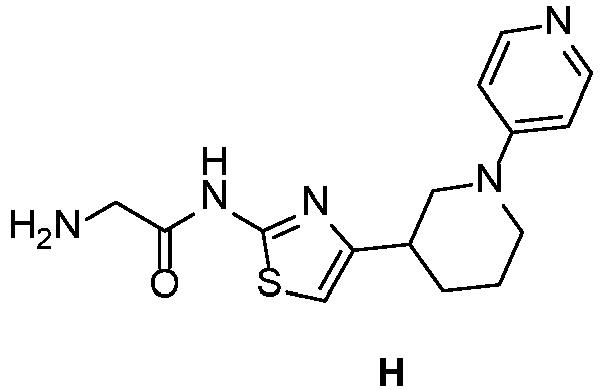
- To a solution of Intermediate G (50 mg, 119.75 µmol) in EtOAc (0.5 mL) was added HCl/EtOAc (4 M, 149.69 µL) in one portion at 25°C. The mixture was stirred at 25 °C for 10 min. The mixture was concentrated to give Intermediate H (50 mg, crude, HCl salt) as light-yellow solid. LCMS (ESI) m/z [M+H]+ = 318.3.
-

- To a mixture of tert-butyl prop-2-enoate (69.42 g, 541.65 mmol, 78.62 mL) and 1-(isocyanomethylsulfonyl)-4-methylbenzene (105.75 g, 541.65 mmol) in THF (1300 mL) was added NaH (25.97 g, 649.37 mmol, 60% purity) slowly at 30 °C during 1 h. The reaction mixture was heated to 70 °C and stirred at 70 °C for 2 h. The reaction mixture was poured into saturated NH4Cl aqueous solution (1500 mL) and extracted with EA (3 x 800 mL). The combined organic phase was washed with brine (2 x 500 mL), dried over anhydrous Na2SO4 filtered and concentrated under reduced pressure to afford a residue. The residue was purified by silica gel column chromatography (Petroleum ether / EtOAc = 20:1-3:1) (TLC:PE/EA=3/1,Rf=0.6) to afford intermediate L (41.5 g, 235.70 mmol, 43 % yield) as yellow solid. LCMS (ESI) m/z [M+Na]+ = 180.4; 1H NMR (400 MHz, CDCl3) δ 8.36 (br s, 1H), 7.35 - 7.25 (m, 1H), 6.71 - 6.62 (m, 1H), 6.59 - 6.49 (m, 1H), 1.48 (s, 9H).
-

- To a solution of intermediate L (40.5 g, 242.22 mmol) in THF (1500 mL) was added NaHMDS (1 M, 484.44 mL) slowly at 0 °C under N2. The reaction mixture was stirred at 0 °C for 30 min under N2. Then to the reaction mixture was added methanesulfonyl chloride (41.62 g, 363.33 mmol, 28.12 mL) slowly at 0 °C under N2. The reaction mixture was warmed to 30 °C and stirred at 30 °C for 16 h under N2. The reaction mixture was poured into saturated NH4Cl aqueous solution (1500 mL) slowly and extracted with EA (3 x 1000 mL). The combined organic layers were washed with brine (2 x 600 mL), dried over anhydrous Na2SO4, filtered and concentrated under reduced pressure to afford a residue. The residue was purified by silica gel chromatography (PE/EA=10/1) (TLC:PE/EA=3/1,Rf=0.55) to afford a yellow solid. The yellow solid was triturated with MTBE (100 mL) at 20 °C for 20 min, filtered and dried in vacuum to afford intermediate M (25.7 g, 104.77 mmol, 43 % yield) as white solid. 1H NMR (400 MHz, CDCl3) δ 7.66-7.64 (m, 1H), 7.10-7.08 (m, 1H), 6.73-6.71 (m, 1H), 3.21 (s, 3H), 1.56 (s, 9H).
-

- To a mixture of intermediate M (25.7 g, 104.77 mmol) in dioxane (100 mL) was added HCl/dioxane (4 M, 400 mL) at 15 °C. The reaction mixture was stirred at 15 °C for 14 hr. The reaction mixture was concentrated under reduced pressure to afford a residue. The residue was triturated with MTBE (150 mL) at 15 °C for 16 h. The mixture was filtered and dried in vacuum to afford intermediate I (18.7 g, 98.84 mmol, 94 % yield) as white solid. LCMS (ESI) m/z [M+H]+ = 189.8; 1H NMR (400 MHz, Methanol-d4) δ 7.78-7.77 (m, 1H), 7.25-7.23 (m, 1H), 6.72-6.70 (m, 1H), 3.37 (s, 3H).
-

- To a mixture of intermediate H (25 mg, 70.65 µmol, HCl salt) and 1-methylsulfonylpyrrole-3-carboxylic acid (13.37 mg, 70.65 µmol) in DMF (2 mL) was added EDCI (20.31 mg, 105.98 µmol), DIEA (45.65 mg, 353.25 µmol, 61.53 µL) and HOBt (14.32 mg, 105.98 µmol) in one portion at 25°C. The mixture was stirred at 25 °C for 12 hours. The reaction solution was concentrated in vacuum and then purified by prep-HPLC (mobile phase: [water (0.1%TFA)-acetonitrile]; B%: 11%-34%) and lyophilized to give Compound 111 (10.12 mg, 16.79 µmol, 23.77% yield, TFA salt) as yellow solid. LCMS (ESI) m/z [M+H]+ = 489.2; 1H NMR (400 MHz, DMSO-d6) δ 12.25 (s, 1H), 8.69-8.67 (m, 1H), 8.22 (d, J=7.4 Hz, 2H), 7.84-7.83 (m, 1H), 7.33-7.29 (m, 1H), 7.22 (d, J=7.4 Hz, 2H), 6.95 (s, 1H), 6.76-6.75 (m, 1H), 4.36-4.28 (m, 1H), 4.21 (d, J=13.4 Hz, 1H), 4.10 (d, J=5.6 Hz, 2H), 3.56 (s, 3H), 3.29-3.21 (m, 2H), 2.97-2.86 (m, 1H), 2.15-2.03 (m, 1H), 1.93-1.81 (m, 2H), 1.60 (d, J=13.2 Hz, 1H).
-

-

- To a mixture of tert-butyl (2-((4-bromothiazol-2-yl)amino)-2-oxoethyl)carbamate [prepared according to the method in Example 6] (100 mg, 297.44 µmol) (prepared according to the method in Example 6) and 2-methyl-7-(4,4,5,5-tetramethyl-1,3,2-dioxaborolan-2-yl)isoquinolin-1(2H)-one (270.37 mg, 594.88 µmol) in dioxane (3 mL) and H2O (0.75 mL) was added [1,1'-bis(di-tert-butylphosphino)ferrocene]dichloropalladium(II) (19.39 mg, 29.74 µmol) and K3PO4 (189.41 mg, 892.32 µmol) under N2 at 30 °C. The reaction mixture was heated to 75 °C and stirred at 75 °C for 2 hr under N2. The reaction mixture was filtered to afford a residue. The residue was purified by reverse phase column (FA condition) and lyophilized to afford Intermediate C (60 mg, 130.54 µmol, 43.89% yield) as a yellow solid. LCMS (ESI) m/z [M+H]+ = 415.0; 1H NMR (400 MHz, DMSO-d6) δ 12.38 (br s, 1H), 8.81 (s, 1H), 8.22-8.19 (m, 1H), 7.78 (s, 1H), 7.71 (d, J=8.0 Hz, 1H), 7.49 (d, J=7.2 Hz, 1H), 7.17-7.14 (m, 1H), 6.64 (d, J=7.2 Hz, 1H), 3.88 (d, J=6.0 Hz, 2H), 3.53 (s, 3H), 1.41 (s, 9H).
-

- To a mixture in Intermediate C (60 mg, 144.76 µmol) in dioxane (1 mL) was added HCl/dioxane (4 M, 1 mL) at 30 °C. The reaction mixture was stirred at 30°C for 1 h. The reaction mixture was filtered and the solid was dried in vacuum to afford Intermediate D (50 mg, 120.25 µmol, 83.07% yield, HCl salt) as yellow solid. LCMS (ESI) m/z[M+H]+ = 315.0; 1H NMR (400 MHz, DMSO-d6) δ 12.84 (br s, 1H), 8.81 (d, J=1.6 Hz, 1H), 8.36 (br s, 2H), 8.23-8.20 (m, 1H), 7.87 (s, 1H), 7.72 (d, J=8.4 Hz, 1H), 7.50 (d, J=7.6 Hz, 1H), 6.65 (d, J=7.2 Hz, 1H), 3.94-3.92 (m, 2H), 3.53 (s, 3H).
-

- To a mixture of Intermediate D (40 mg, 114.02 µmol, HCl salt) and 1-methylsulfonylpyrrole-3-carboxylic acid [prepared according to the method in Example 4] (21.57 mg, 114.02 µmol) in DMF (1 mL) were added EDCI (32.79 mg, 171.03 µmol), HOBt (23.11 mg, 171.03 µmol) and DIPEA (44.21 mg, 342.05 µmol, 59.58 µL) at 30 °C. The reaction mixture was stirred 30 °C for 16 h. The reaction mixture was purified by reverse phase column (FA condition) and lyophilized to afford Compound 112 (11.27 mg, 22.92 µmol, 20.10% yield) as a yellow solid. LCMS (ESI) m/z [M+H]+= 486.0. 1H NMR (400 MHz, DMSO-d6) δ 12.49 (s, 1H), 8.82 (d, J=1.6 Hz, 1H), 8.69-8.66 (m, 1H), 8.21-8.19 (m, 1H), 7.85-7.84 (m, 1H), 7.77 (s, 1H), 7.70 (d, J=8.4 Hz, 1H), 7.48 (d, J=7.2 Hz, 1H), 7.32-7.30 (m, 1H), 6.78-6.77 (m, 1H), 6.63 (d, J=7.2 Hz, 1H), 4.15 (d, J=6.0 Hz, 2H), 3.57 (s, 3H), 3.52 (s, 3H).
-

- To a solution of N-(2-((4-bromothiazol-2-yl)amino)-2-oxoethyl)-1-(methylsulfonyl)-1H-pyrrole-3-carboxamide [prepared according to the method in Example 6] (80 mg, 196.43 µmol) and 4-(3-(4,4,5,5-tetramethyl-1,3,2-dioxaborolan-2-yl)-1H-pyrazol-1-yl)pyridine (266.29 mg, 982.17 µmol) in dixoane/H2O=4/1 (5 mL) was added K3PO4 (125.09 mg, 589.30 µmol) and [1,1'-bis(di-tert-butylphosphino)ferrocene]dichloropalladium(II) (25.60 mg, 39.29 µmol). The mixture was stirred at 75°C under N2 for 4 h. This reaction mixture was diluted with H2O (10 mL) and extracted with EtOAc (10 mL x 2). The combined organic layers were dried over anhydrous Na2SO4, filtered and concentrated under reduced pressure to give a residue. The residue was purified by reversed phase (0.1% FA condition) and lyophilized to afford Compound 113 (10.17 mg, 18.61 µmol, 9.48% yield, FA salt) as a yellow solid. LCMS (ESI) m/z [M+H]+ = 472.3; 1H NMR (400 MHz, DMSO-d6) δ 12.85-12.31 (m, 1H), 8.76 (d, J=2.8 Hz, 1H), 8.68-8.66 (m, 3H), 7.91-7.90 (m, 2H), 7.86-7.85 (m, 1H), 7.67 (s, 1H), 7.32 (m, 1H), 6.97 (d, J=2.8 Hz, 1H), 6.78 (m, 1H), 4.15 (d, J=6.0 Hz, 2H), 3.58 (s, 3H).
-

-

- To a solution of Intermediate A (5 g, 14.69 mmol) in EtOAc (30 mL) was added HCl/EtOAc (4 M, 30 mL) at 30°C. The reaction mixture was stirred at 30 °C for 1 h. The reaction mixture was filtered and dried in vacuum to afford Intermediate B (3.9 g, 14.10 mmol, 95.95% yield, HCl salt) as white solid. LCMS (ESI) m/z[M+H]+ = 240.2.
-

- To a mixture of Intermediate B (500 mg, 1.81 mmol, HCl salt) in DMF (5 mL) was added Cs2CO3 (1.47 g, 4.52 mmol) and 2,2,2-trifluoroethyl trifluoromethanesulfonate (839.12 mg, 3.62 mmol) at 30 °C. The reaction mixture was heated to 100 °C and stirred at 100 °C for 14 h. The reaction mixture was poured into water (50 mL), then extracted with EtOAc (50 mL x 3), the combined organic phase was washed with brine (50 mL x 3) and concentrated under reduced pressure to afford Intermediate D (770 mg, 1.58 mmol, 87.56% yield) as yellow oil. LCMS (ESI) m/z [M+H]+ = 322.0.
-

- To a mixture of Intermediate D (670 mg, 2.08 mmol) and 4,4,4',4',5,5,5',5'-octamethyl-2,2'-bi(1,3,2-dioxaborolane) (633.73 mg, 2.50 mmol) in dioxane (12 mL) was added KOAc (612.32 mg, 6.24 mmol) and [1,1'-bis(di-tert-butylphosphino)ferrocene]dichloropalladium(II) (135.54 mg, 207.97 µmol) at 30 °C. The reaction mixture was heated to 70 °C and stirred at 70 °C for 4 h under N2. The reaction mixture was poured into water (40 mL) and extracted with EtOAc (30 mL x 3). The combined organic phase was washed with brine (30 mL), dried over anhydrous Na2SO4, filtered and concentrated under reduced pressure to afford Intermediate F (1.2 g, crude) as brown oil. LCMS (ESI) m/z [M+H]+ = 370.2.
-

- To a mixture of N-(2-((4-bromothiazol-2-yl)amino)-2-oxoethyl)-1-(methylsulfonyl)-1H-pyrrole-3-carboxamide [prepared according to the method in Example 6] (50 mg, 122.77µmol) and 4-(3-(4,4,5,5-tetramethyl-1,3,2-dioxaborolan-2-yl)phenyl)-1-(2,2,2-trifluoroethyl)piperidine (135.99 mg, 368.31 µmol) in dioxane (1.6 mL) and H2O (0.4 mL) was added K3PO4 (78.18 mg, 368.31 µmol) and [1,1'-bis(di-tert-butylphosphino)ferrocene]dichloropalladium(II) (8.00 mg, 12.28 µmol) under N2 at 30 °C. The reaction mixture was heated to 70 °C and stirred at 70 °C for 2 h under N2. The reaction mixture was concentrated under reduced pressure to afford a residue. The residue was purified by Prep-HPLC (mobile phase: [water (0.225%FA)-acetonitrile]; B%: 8%-38%) and lyophilized to afford Compound 114 (6.65 mg, 10.27 µmol, 8.36% yield, FA salt) as off-white solid. LCMS (ESI) m/z [M+H]+ = 570.0; 1H NMR (400 MHz, DMSO-d6) δ 12.37 (br s, 1H), 8.68-8.65 (m, 1H), 8.43 (br s, 1H), 7.83 (, J=7.6 Hz, 2H), 7.72 (br d, J=7.6 Hz, 1H), 7.64 (s, 1H), 7.39-7.28 (m, 2H), 7.21 (d, J=7.6 Hz, 1H), 6.77 (d, J=1.6 Hz, 1H), 4.13 (d, J=6.0 Hz, 2H), 3.56 (s, 3H), 3.24-3.16 (m, 1H), 3.03 (d, J=11.6 Hz, 2H), 2.45-2.42 (m, 2H), 1.82-1.64 (m, 4H).
-

-

- To a solution of 1,3-dibromobenzene (1.5 g, 6.36 mmol, 765.31 µL), 2-methyl-1H-imidazole (522.06 mg, 6.36 mmol) and CuO (151.74 mg, 1.91 mmol, 24.01 µL) in DMSO (15 mL) was added K2CO3 (2.11 g, 15.26 mmol), the mixture was stirred at 145 °C for 48 h. The reaction mixture was diluted with water (50 mL) and extracted with EtOAc (50 mL x 3). The combined organic layers were washed with brine (50 mL), dried over Na2SO4, filtered and concentrated under reduced pressure to give a residue. The residue was purified column chromatography (SiO2, Petroleum ether / EtOAc = 1:1) and concentrated under reduced pressure to give Intermediate C (850 mg, 3.47 mmol, 54.52% yield) as light yellow oil. LCMS (ESI) m/z [M+H]+ = 237.0; 1H NMR (400 MHz, DMSO-d6) δ 7.72-7.70 (m, 1H), 7.68-7.59 (m, 1H), 7.51-7.44 (m, 2H), 7.32 (s, 1H), 6.91 (s, 1H), 2.29 (s, 3H).
-

- To a solution of Intermediate C (500 mg, 2.11 mmol), 4,4,5,5-tetramethyl-2-(4,4,5,5-tetramethyl-1,3,2-dioxaborolan-2-yl)-1,3,2-dioxaborolane (1.61 g, 6.33 mmol) and Pd(dppf)Cl2 (154.31 mg, 210.89 µmol) in dioxane (10 mL) was added KOAc (620.90 mg, 6.33 mmol) under N2, the mixture was stirred at 80 °C for 2 h. The reaction mixture was concentrated under reduced pressure to give a residue. The residue was purified by column chromatography (SiO2, EtOA/MeOH=20:1) and concentrated under reduced pressure to give Intermediate E (150 mg, 542.03 µmol, 25.70% yield) as light yellow oil. LCMS (ESI) m/z [M+H]+ = 203.3.
-

- To a solution of N-[2-[(4-bromothiazol-2-yl)amino]-2-oxo-ethyl]-1-methylsulfonyl-pyrrole-3-carboxamide [prepared according to the method in Example 6] (100 mg, 245.54µmol), Intermediate E (135.90 mg, 491.08 µmol) and 1,1'-bis(di-tert-butylphosphino)ferrocene]dichloropalladium(II) (16.00 mg, 24.55 µmol) in dioxane (2 mL) and water (0.5 mL) was added K3PO4 (156.36 mg, 736.62 µmol) under N2, the mixture was stirred at 80 °C for 1 h. The reaction mixture was concentrated under reduced pressure to give a residue. The residue was purified by reverse phase (FA) and lyophilized to give Compound 115 (59.73 mg, 112.58 µmol, 45.85% yield, FA salt) as a brown solid. LCMS (ESI) m/z [M+H]+ = 485.2; 1H NMR (400 MHz, Methanol-d4) δ 8.06 (d, J=8.4 Hz, 1H), 7.98 (s, 1H), 7.83-7.82 (m, 1H), 7.62-7.56 (m, 2H), 7.38-7.34 (m, 2H), 7.28-7.26 (m, 1H), 7.14 (s, 1H), 6.81-6.79 (m, 1H), 4.25 (s, 2H), 3.37 (s, 3H), 2.42 (s, 3H).
-

-

- To a mixture of 3-bromobenzoic acid (300 mg, 1.49 mmol) in DCM (1 mL) was added HATU (851.19 mg, 2.24 mmol) and DIPEA (578.65 mg, 4.48 mmol, 779.85 µL). The mixture was stirred at 30 °C for 15 min, then N-methylaniline (191.90 mg, 1.79 mmol, 194.43 µL) was added and stirred at 30°C for 1 hour. The reaction mixture was poured into water (50.0 mL) and extracted with EtOAc (50.0 mL x 3). The combined organics were washed with water and brine, dried over Na2SO4, filtered and filtration was evaporated to dryness and give Intermediate C (400 mg, 1.32 mmol, 88.22% yield) as yellow solid, which was used for the next step directly. LCMS (ESI) m/z [M+H]+ = 290.0.
-

- Intermediate C (200 mg, 689.29 µmol), 4,4,5,5-tetramethyl-2-(4,4,5,5-tetramethyl-1,3,2-dioxaborolan-2-yl)-1,3,2-dioxaborolane (192.54 mg, 758.22 µmol), [1,1'-bis(di-tert-butylphosphino)ferrocene]dichloropalladium(II) (44.92 mg, 68.93 µmol) and KOAc (135.30 mg, 1.38 mmol) were taken up in dioxane (2 mL), the mixture was purged with N2 three times. Then the resulting mixture was stirred at 80 °C for 2 h. The reaction mixture was filtered and filtration was evaporated to dryness and give Intermediate E (220 mg, crude) as black oil, which was used for the next step directly. LCMS (ESI) m/z [M+H]+ = 338.1.
-

- N-[2-[(4-bromothiazol-2-yl)amino]-2-oxo-ethyl]-1-methylsulfonyl-pyrrole-3-carboxamide (prepared according to the method in Example 6) (50 mg, 122.77 µmol), Intermediate E (82.80 mg, 245.54 µmol), [1,1'-bis(di-tert-butylphosphino)ferrocene]dichloropalladium(II) (8.00 mg, 12.28 µmol) and K3PO4 (78.18 mg, 368.31 µmol) were taken up in dioxane (1 mL) and H2O (0.2 mL), the mixture was purged with N2 three times. Then the resulting mixture was stirred at 80 °C for 2 h. The reaction mixture was filtered and filtration was evaporated to dryness. The residue was purified by Prep-HPLC (mobile phase: [water (0.225% FA)-acetonitrile]; B%: 35%-65%) and lyophilized to give Compound 116 (15.32 mg, 28.21 µmol, 22.98% yield) as yellow solid. LCMS (ESI) m/z [M+H]+ = 538.0; 1H NMR (400 MHz, Methanol-d4) δ 7.87 (s, 1H), 7.84-7.80 (m, 2H), 7.29-7.26 (m, 4H), 7.24-7.16 (m, 5H), 6.81-6.80 (m, 1H), 4.25 (s, 2H), 3.50 (s, 3H), 3.38 (s, 3H).
-

-

- To a mixture of 3-bromobenzoic acid (300 mg, 1.49 mmol) in DCM (3 mL) was added HATU (851.19 mg, 2.24 mmol) and DIPEA (578.65 mg, 4.48 mmol, 779.85 µL). The mixture was stirred at 30 °C for 15 min, then pyridin-4-amine (140.46 mg, 1.49 mmol, 250.82 µL) was added and stirred at 30°C for 1 hours. The reaction mixture was poured into water (50.0 mL) and extracted with EtOAc (50.0 mL x 3). The combined organics were washed with water and brine, dried over Na2SO4, filtered and filtration was evaporated to dryness to give Intermediate C (410 mg, crude) as yellow solid, which was used for the next step directly. LCMS (ESI) m/z [M+H]+ = 279.1.
-

- Intermediate C (400 mg, 1.44 mmol), 4,4,5,5-tetramethyl-2-(4,4,5,5-tetramethyl-1,3,2-dioxaborolan-2-yl)-1,3,2-dioxaborolane (733.09 mg, 2.89 mmol), [1,1'-bis(di-tert-butylphosphino)ferrocene]dichloropalladium(II) (94.08 mg, 144.34 µmol) and KOAc (424.98 mg, 4.33 mmol) were taken up in dioxane (5 mL), the mixture was purged with N2 three times. Then the resulting mixture was stirred at 80 °C for 2 h. The reaction mixture was filtered and filtration was evaporated to dryness to give Intermediate E (400 mg, crude) as black oil, which was used for the next step directly. LCMS (ESI) m/z [M+H]+ = 325.1.
-

- N-[2-[(4-bromothiazol-2-yl)amino]-2-oxo-ethyl]-1-methylsulfonyl-pyrrole-3-carboxamide (prepared according to the method in Example 6) (50 mg, 122.77 µmol), Intermediate E (79.60 mg, 245.54 µmol), [1,1'-bis(di-tert-butylphosphino)ferrocene]dichloropalladium(II) (8.00 mg, 12.28 µmol) and K3PO4 (78.18 mg, 368.31 µmol) were taken up in dioxane (1 mL) and H2O (0.2 mL), the mixture was purged with N2 three times. Then the resulting mixture was stirred at 80 °C for 2 h. The reaction mixture was filtered and filtrate was evaporated to dryness. The residue was purified by Prep-HPLC (mobile phase: [water (0.075% TFA)-acetonitrile]; B%: 12%-42%) and lyophilized to give Compound 117 (2.01 mg, 3.15 µmol, 2.56% yield, TFA salt) as white solid. LCMS (ESI) m/z [M+H]+ = 525.0; 1H NMR (400 MHz, Methanol-d4) δ 8.66 (d, J = 7.2 Hz, 2H), 8.57-8.56 (m, 1H), 8.36 (d, J = 7.2 Hz, 2H), 8.22 (d, J = 7.6 Hz, 1H), 7.95 (d, J = 8.0 Hz, 1H), 7.85-7.84 (m, 1H), 7.64-7.60 (m, 1H), 7.58 (s, 1H), 7.29-7.28 (m, 1H), 6.82-6.81 (m, 1H), 4.27 (s, 2H), 3.39-3.37 (m, 3H).
-

-

- To a solution of 1-(tert-Butoxycarbonyl)-3-hydroxyazetidine (3 g, 17.32 mmol) in THF (50 mL) was added NaH (1.39 g, 34.64 mmol, 60% purity) at 0°C and stirred for 0.5 h, then 1-bromo-3-(bromomethyl)benzene (4.33 g, 17.32 mmol) was added at 0 °C. The mixture was stirred at 30°C for 4 h. The reaction mixture was quenched by aq.NH4Cl (50 mL) at 0 °C and extracted with EtOAc (50 mL x 2). The combined organic layers were dried over anhydrous Na2SO4, filtered and concentrated under reduced pressure to afford the residue. The residue was purified by flash column chromatography (SiO2, Petroleum ether / EtOAc = 1:0 to 1:1) and concentrated to afford Intermediate C (4 g, 11.69 mmol, 67.48% yield) as colorless oil. LCMS (ESI) m/z [M+H-56]+ = 286.0; 1H NMR (400 MHz, CDCl3) δ 7.51 (s, 1H), 7.47-7.46 (m, 1H), 7.45-7.24 (m, 2H), 4.43 (s, 2H), 4.32-4.31 (m, 1H), 4.11-4.07 (m, 2H), 3.90-3.88 (m, 2H), 1.45 (s, 9H).
-

- To a solution of Intermediate C (500 mg, 1.46 mmol) in THF (5 mL) was added LiAlH4/THF (1 M, 4.38 mL) at 0°C and stirred at 80 °C for 2 h. This reaction mixture was quenched by addition H2O (0.17 mL), and then diluted with 15% NaOH solution (0.51 mL). The reaction mixture was filtered and the filtrate was concentrated under reduced pressure to give Intermediate D (290 mg, 1.13 mmol, 77.49% yield) as colorless oil, which was used for the next step directly. LCMS (ESI) m/z [M+H]+ = 256.0; 1H NMR (400 MHz, CDCl3) δ 7.22 (m, 4H), 4.44-4.40 (m, 2H), 4.18-4.15 (m, 1H), 3.64-3.61 (m, 2H), 2.94-2.90 (m, 2H), 2.37-2.36 (m, 3H).
-

- To a solution of Intermediate D (290 mg, 1.13 mmol) and 4,4,5,5-tetramethyl-2-(4,4,5,5-tetramethyl-1,3,2-dioxaborolan-2-yl)-1,3,2-dioxaborolane (345.01 mg, 1.36 mmol) in dioxane (3 mL) was added KOAc (222.23 mg, 2.26 mmol) and [1,1'-bis(di-tert-butylphosphino)ferrocene]dichloropalladium(II) (73.79 mg, 113.22 µmol). The mixture was stirred at 80 °C under N2 for 2 h. The reaction mixture was diluted with H2O (10 mL) and extracted with EtOAc (10 mL x 2). The combined organic layers were dried over anhydrous Na2SO4, filtered and concentrated under reduced pressure to afford Intermediate F (300 mg, crude) as yellow oil, which was used directly for the next step. LCMS (ESI) m/z [M+H]+ = 304.2.
-

- To a solution of N-[2-[(4-bromothiazol-2-yl)amino]-2-oxo-ethyl]-1-tert-butyl-pyrrole-3-carboxamide (prepared according to the method in Example 7) (100 mg, 259.55 µmol) and Intermediate F (157.39 mg, 519.10 µmol) in dioxane /H2O=(4/1, 2 mL) was added K3PO4 (165.29 mg, 778.66 µmol) and [1,1'-bis(di-tert-butylphosphino)ferrocene]dichloropalladium(II) (33.83 mg, 51.91 µmol). The mixture was stirred at 80°C under N2 for 2 h. The reaction mixture were diluted with H2O (5 mL) and extracted with EtOAc (5 mL x 2). The combined organic layers were dried over anhydrous Na2SO4, filtered and concentrated under reduced pressure to give a residue. The residue was purified by reversed phase (0.1% FA condition) and lyophilized to afford the crude. Then the crude was re-purified by Prep-TLC (DCM/MeOH/NH3•H2O = 10/1/1) and concentrated to afford Compound 118 (11.01 mg, 22.14 µmol, 8.53% yield) as a white solid. LCMS (ESI) m/z [M+H]+= 482.1; 1H NMR (400 MHz, Methanol-d4) δ 7.88 (s, 1H), 7.81 (d, J = 7.6 Hz, 1H), 7.58-7.57 (m, 1H), 7.38-7.28 (m, 2H), 7.28 (d, J = 7.6 Hz, 1H), 6.95-6.94 (m, 1H), 6.57-6.56 (m, 1H), 4.49 (s, 2H), 4.24-4.20 (m, 4H), 3.65-3.61 (m, 2H), 3.12-3.09 (m, 2H), 2.38 (s, 3H), 1.55 (s, 9H).
-

-

- The solution of 1-methylpyrazol-3-ol (500 mg, 5.10 mmol) in anhydrous DMF (10 mL) was added NaH (407.70 mg, 10.19 mmol, 429.15 µL, 60% purity) at 0°C, after stirred for 30 minutes then added 1-bromo-3-(bromomethyl)benzene (1.27 g, 5.10 mmol). The reaction mixture was warmed to 25 °C and stirred for 16 hours. The reaction mixture was poured into saturation NH4Cl (60 mL) with stirring, then extracted with EtOAc (20 mL x 3), the combined organic layers were dried over anhydrous Na2SO4, concentrated to afford a yellow oil. The yellow oil was purified by reversed phase HPLC (FA) and extraction to afford Intermediate C (120 mg, 426.77 µmol, 8.37% yield) as a yellow oil. LCMS (ESI) m/z [M+H]+ =269.0. 1H NMR (400 MHz, CDCl3) δ 7.61 (s, 1H), 7.51-7.48 (m, 1H), 7.48 (d, J = 2.4 Hz, 1H), 7.41 (s, 1H), 7.37 - 7.30 (m, 1H), 5.68 (d, J = 2.4 Hz, 1H), 5.11 (s, 2H), 3.66 (s, 3H).
-

- A mixture of Intermediate C (110 mg, 411.80 µmol), 4,4,5,5-tetramethyl-2-(4,4,5,5-tetramethyl-1,3,2-dioxaborolan-2-yl)-1,3,2-dioxaborolane (156.86 mg, 617.70 µmol), [1,1'-bis(di-tert-butylphosphino)ferrocene]dichloropalladium(II) (53.68 mg, 82.36 µmol), KOAc (121.24 mg, 1.24 mmol) in dioxane (3 mL) was degassed and purged with N2 for 3 times, and then the mixture was stirred at 75°C for 2 h under N2 atmosphere. The mixture was cooled to 25 °C and concentrated in reduced pressure at 40 °C. The residue was poured into ice-water (10 mL). The aqueous phase was extracted with EtOAc (10 mL x 3). The combined organic phase was washed with brine (10 mL), dried with anhydrous Na2SO4, filtered and concentrated in vacuum to afford Intermediate E (120 mg, crude) as black oil which was used to next step directly. LCMS (ESI) m/z [M+H]+ = 315.4.
-

- To a mixture of N-[2-[(4-bromothiazol-2-yl)amino]-2-oxo-ethyl]-1-tert-butyl-pyrrole-3-carboxamide (80 mg, 207.64 µmol) [prepared according to the method in Example 7] and Intermediate E (97.86 mg, 311.46 µmol) in dioxane (1.2 mL) and H2O (0.3 mL) was added [1,1'-bis(di-tert-butylphosphino)ferrocene]dichloropalladium(II) (27.07 mg, 41.53 µmol) and K3PO4 (132.23 mg, 622.93 µmol) at 25 °C under N2. The reaction mixture was heated to 75 °C and stirred at 75°C for 2 h. The mixture was cooled to 25 °C and concentrated in reduced pressure. The residue was poured into ice-water (10 mL). The aqueous phase was extracted with EtOAc (10 mL x 3). The combined organic phase was washed with brine (10 mL), dried with anhydrous Na2SO4, filtered and concentrated in vacuum to afford a residue. The residue was purified by reversed phase HPLC (FA) to give a crude product, which wasre- purified by Prep-TLC (EA) and concentrated to afford Compound 119 (7.9 mg, 15.88 µmol, 7.65%yield) as white solid. LCMS (ESI) m/z [M+H]+ = 493.3. 1H NMR (400 MHz, Methanol-d4) δ 8.01-7.93 (m, 1H), 7.86-7.81 (m, 1H), 7.58 (s, 1H), 7.43-7.32 (m, 4H), 6.98-6.92 (m, 1H), 6.57-6.56 (m, 1H), 5.71 (d, J = 2.4 Hz, 1H), 5.16 (s, 2H), 4.23 (s, 2H), 3.72 (s, 3H), 1.56 (s, 9H).
-

- N-[2-[(4-bromothiazol-2-yl)amino]-2-oxo-ethyl]-1-tert-butyl-pyrrole-3-carboxamide [prepared according to the method in Example 7] (75 mg, 194.66 µmol), (3-methoxyphenyl)boronic acid (59.16 mg, 389.33 µmol), [1,1'-bis(di-tert-butylphosphino)ferrocene]dichloropalladium(II) (12.69 mg, 19.47 µmol) and K3PO4 (123.96 mg, 583.99 µmol) were taken up in dioxane (1 mL) and H2O (0.2 mL), the mixture was purged with N2 three times. Then the resulting mixture was stirred at 80 °C for 2 h. The reaction mixture was diluted with water (5 mL) and extracted with EtOAc (5 mL x 3). The combined organic layers were washed with brine (5 mL), dried over Na2SO4, filtered and concentrated under reduced pressure to give product. The residue was purified by Prep-HPLC (FA condition) and lyophilized to give Compound 120 (40.28 mg, 97.65 µmol, 50.16% yield) as yellow solid. LCMS (ESI) m/z [M+H]+ = 413.2; 1H NMR (400 MHz, DMSO-d6) δ 12.30 (br s, 1H), 8.16-8.13 (m, 1H), 7.63 (s, 1H), 7.51-7.45 (m, 3H), 7.35-7.31 (m, 1H), 6.97-6.95 (m, 1H), 6.90-6.88 (m, 1H), 6.47-6.46 (m, 1H), 4.09 (d, J = 5.6 Hz, 2H), 3.80 (s, 3H), 1.49 (s, 9H).
-

-
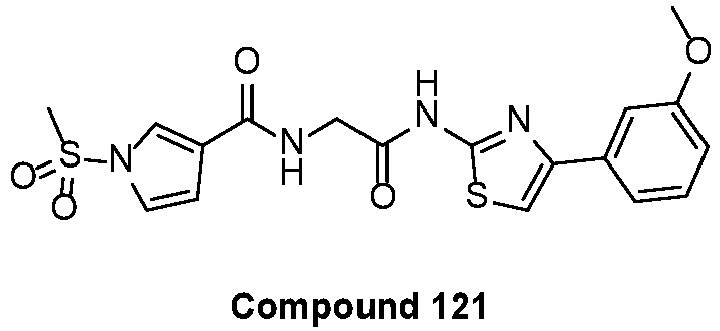
- N-[2-[(4-bromothiazol-2-yl)amino]-2-oxo-ethyl]-1-methylsulfonyl-pyrrole-3-carboxamide (prepared according to the method in Example 6) (75 mg, 184.16 µmol), (3-methoxyphenyl)boronic acid (55.97 mg, 368.31 µmol), [1,1'-bis(di-tert-butylphosphino)ferrocene]dichloropalladium(II) (12.00 mg, 18.42 µmol) and K3PO4 (117.27 mg, 552.47 µmol) were taken up in dioxane (1 mL) and H2O (0.2 mL), the mixture was purged with N2 three times. Then the resulting mixture was stirred at 80 °C for 2 h. The residue was slurried in MeOH/H2O (2/1, 5 mL) and stirred for 5min. The precipitate was collected by filtration and washed with MeOH (3 mL), then dried in vacuum to give Compound 121 (50.31 mg, 115.79 µmol, 62.88% yield) as a yellow solid. LCMS (ESI) m/z [M+H]+ = 434.9; 1H NMR (400 MHz, DMSO-d6) δ 12.38 (s, 1H), 8.67-8.64 (m, 1H), 7.84 (s, 1H), 7.65 (s, 1H), 7.49-7.45 (m, 2H), 7.35-7.30 (m, 2H), 6.91-6.88 (m, 1H), 6.78-6.77 (m, 1H), 4.14 (br d, J = 6.0 Hz, 2H), 3.80 (s, 3H), 3.57 (s, 3H).
-

-

- To a solution of 3-bromophenol (300 mg, 1.73 mmol) and 3-(iodomethyl)oxetane (343.34 mg, 1.73 mmol) in DMF (3 mL) was added K2CO3 (718.96 mg, 5.20 mmol), the mixture was stirred at 30 °C for 2 h. The mixture was diluted with water (20 mL) and extracted with EtOAc (20 mL x 3). The combined organic layers were washed with brine (50 mL), dried over Na2SO4, filtered and concentrated under reduced pressure to give a residue. The residue was purified by reverse phase (FA) and lyophilized to give Intermediate B (300 mg, 1.23 mmol, 71.03% yield) as light yellow oil. LCMS (ESI) m/z [M+H]+ = 243.0.
-

- To a solution of Intermediate B (100 mg, 411.36 µmol), 4,4,5,5-tetramethyl-2-(4,4,5,5-tetramethyl-1,3,2-dioxaborolan-2-yl)-1,3,2-dioxaborolane (125.35 mg, 493.63 µmol) and Pd(dppf)Cl2 (60.20 mg, 82.27 µmol) in dioxane (2 mL) was added KOAc (121.12 mg, 1.23 mmol) under N2, the mixture was stirred at 80 °C for 1 h. The reaction mixture was diluted with
water 10 mL and extracted with EtOAc (10 mL x 3). The combined organic layers were washed with brine (30 mL), dried over Na2SO4, filtered and concentrated under reduced pressure to give Intermediate D (110 mg, crude) as black brown oil, which was used to the next step without further purification. LCMS (ESI) m/z [M+H]+ = 291.3. -

- To a solution of N-[2-[(4-bromothiazol-2-yl)amino]-2-oxo-ethyl]-1-tert-butyl-pyrrole-3-carboxamide [prepared according to the method in Example 7] (50 mg, 129.78 µmol), Intermediate D (75.31 mg, 259.55 µmol) and [1,1'-bis(di-tert-butylphosphino)ferrocene]dichloropalladium(II) (8.46 mg, 12.98 µmol) in dioxane (1.2 mL) and water (0.3 mL) was added K3PO4 (82.64 mg, 389.33 µmol) under N2, the mixture was stirred at 80 °C for 1 h. The reaction mixture was diluted with water (5 mL) and extracted with EtOAc (10 mL x 3). The combined organic layers were washed with brine (20 mL), dried over Na2SO4, filtered and concentrated under reduced pressure to give a residue. The residue was purified by Prep-TLC (EA, Rf =0.4) and concentrated under reduced pressure to give Compound 122 (19.92 mg, 42.44 µmol, 32.70% yield) as a white solid. LCMS (ESI) m/z [M+H]+ = 469.4; 1H NMR (400 MHz, DMSO-d6) δ 12.28 (s, 1H), 8.17-8.14 (m, 1H), 7.66 (s, 1H), 7.50 (br d, J = 9.6 Hz, 3H), 7.35-7.31 (m, 1H), 7.96-6.91 (m, 2H), 6.47 (br s, 1H), 4.74-4.71 (m, 2H), 4.46-4.43 (m, 2H), 4.25 (d, J = 6.8 Hz, 2H), 4.08 (br d, J = 5.6 Hz, 2H), 3.40-3.39 (m, 1H), 1.49 (s, 9H).
-
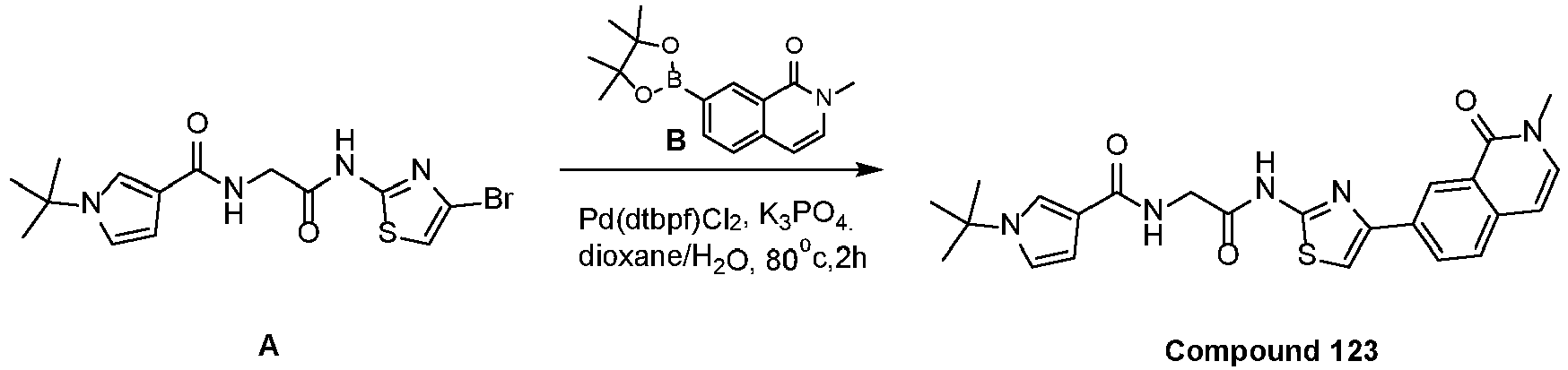
- A mixture of N-[2-[(4-bromothiazol-2-yl)amino]-2-oxo-ethyl]-1-tert-butyl-pyrrole-3-carboxamide [prepared according to the method in Example 7] (40 mg, 103.82 µmol), 2-methyl-7-(4,4,5,5-tetramethyl-1,3,2-dioxaborolan-2-yl)isoquinolin-1-one [prepared according to the method in Example 7 (38.49 mg, 134.97 µmol), K3PO4 (66.11 mg, 311.46 µmol) and [1,1'-bis(di-tert-butylphosphino)ferrocene]dichloropalladium(II) (13.53 mg, 20.76 µmol) in dioxane (2 mL) and H2O (0.5 mL) was degassed and purged with N2 for 3 times, and then the mixture was stirred at 80 °C for 2 h under N2 atmosphere. Water (20 mL) was added and the reaction mixture was extracted with EtOAc (50 mL x 2). The combined organic layers were washed with brine (20 mL), dried over Na2SO4, filtered and concentrated under reduced pressure to give a residue. The residue was purified by Prep-HPLC (mobile phase: [water (0.1% TFA)-acetonitrile]; B%: 35%-55%) and lyophilized to give Compound 123 (3 mg, 5.19 µmol, 5.00% yield, TFA salt) as a white solid. LCMS (ESI) m/z [M+H]+ = 464.2. 1H NMR (400 MHz, DMSO-d6) δ 12.42 (s, 1H), 8.81 (d, J=1.6 Hz, 1H), 8.21-8.16 (m, 2H), 7.76 (s, 1H), 7.71(d, J=8.4 Hz, 1H), 7.52-7.51 (m, 1H), 7.48 (d, J=7.2 Hz, 1H), 6.97-6.96 (m, 1H), 6.64 (d, J=7.2 Hz, 1H), 6.48-6.47 (m, 1H), 4.11 (d, J=5.6 Hz, 2H), 3.53 (s, 3H), 1.50 (s, 9H).
-

-

- To a mixture of 2-(3-bromophenyl)acetic acid (2 g, 9.30 mmol) in pyridine (10 mL) was added methanamine (1.57 g, 23.25 mmol, HCl salt). The mixture was stirred at 30 °C for 15 min, then EDCI (3.57 g, 18.60 mmol) was added and stirred at 30 °C for 1 hours. The reaction mixture was poured into 100 mL saturated citric acid solution, and extracted with EtOAc (50.0 mL x 3). The combined organic layers were washed with water (100 mL) and brine (100 mL), dried over Na2SO4, filtered and filtration was evaporated to dryness to give Intermediate B (2.1 g, crude) as a yellow solid, which was used for the next step directly. LCMS (ESI) m/z [M+H]+ = 230.1.
-

- P2O5 (1.12 g, 7.89 mmol, 487.06 µL) was added into MsOH (12.14 g, 126.27 mmol, 8.99 mL) under N2, the mixture was stirred at 25 °C for 16 h, then Intermediate B (1.8 g, 7.89 mmol) and paraformaldehyde (284.10 mg, 9.47 mmol) was added into the mixture, then heated to 80 °C and stirred for 2 hours. The reaction mixture was adjusted pH=8 with aq. NaOH, and extracted with EtOAc (30.0 mL x 3). The combined organic layers were washed with water (50 mL) and brine (50 mL), dried over Na2SO4, filtered and filtration was evaporated to dryness. The residue was purified by Prep-HPLC (FA condition) and then Prep-TLC (SiO2, PE/EA= 1:2) to give Intermediate C (800 mg, 3.33 mmol, 42.22% yield) as yellow solid. LCMS (ESI) m/z [M+H]+ = 240.1.
-

- Intermediate C (100 mg, 416.50 µmol), 4,4,5,5-tetramethyl-2-(4,4,5,5-tetramethyl- 1,3,2-dioxaborolan-2-yl)-1,3,2-dioxaborolane (116.34 mg, 458.15 µmol), Pd(dppf)Cl2 (30.48 mg, 41.65 µmol) and KOAc (81.75 mg, 833.00 µmol) were taken up in dioxane (0.5 mL), the mixture was purged with N2 three times. Then the resulting mixture was stirred at 80 °C for 2 h. The reaction mixture was diluted with water (5 mL) and extracted with EtOAc (5 mL x 3). The combined organic layers were washed with brine (5 mL), dried over Na2SO4, filtered and concentrated under reduced pressure to give Intermediate E (115 mg, crude) as yellow solid, which was used for the next step directly. LCMS (ESI) m/z [M+H]+ = 288.3.
-

- N-[2-[(4-bromothiazol-2-yl)amino]-2-oxo-ethyl]-1-tert-butyl-pyrrole-3-carboxamide [prepared according to the method in Example 7] (100 mg, 259.55 µmol), Intermediate E (111.80 mg, 389.33 µmol), K3PO4 (110.19 mg, 519.10 µmol) and [1,1'-bis(di-tert-butylphosphino)ferrocene]dichloropalladium(II) (16.92 mg, 25.96 µmol) were taken up in dioxane (1.5 mL) and H2O (0.3 mL), the mixture was purged with N2 three times. Then the resulting mixture was stirred at 80 °C for 2 h. The reaction mixture was diluted with water (5 mL) and extracted with EtOAc (5 mL x 3). The combined organic layers were washed with brine (5 mL), dried over Na2SO4, filtered and concentrated under reduced pressure to give product. The residue was purified by Prep-HPLC (FA condition) and lyophilized to give Compound 124 (25.22 mg, 52.55 µmol, 20.24% yield) as yellow solid. LCMS (ESI) m/z [M+H]+ = 466.3. 1H NMR (400 MHz, DMSO-d6) δ 12.30 (br s, 1H), 8.17-8.14 (m, 1H), 7.78-7.72 (m, 2H), 7.59 (s, 1H), 7.51 (s, 1H), 7.31 (d, J = 8.0 Hz, 1H), 6.96 (s, 1H), 6.47 (s, 1H), 4.53 (s, 2H), 4.09 (d, J = 6.0 Hz, 2H), 3.57 (s, 2H), 2.98 (s, 3H), 1.49 (s, 9H).
-

-

- To a mixture of tetrahydropyran-4-ol (245.18 mg, 2.40 mmol, 240.38 µL) in THF (5mL) was added NaH (120.02 mg, 3.00 mmol, 60% purity) slowly at 0 °C. The reaction mixture was stirred at 0 °C for 30 min. Then to the reaction mixture was added a solution of 1-bromo-3-(bromomethyl)benzene (500 mg, 2.00 mmol) in THF (1 mL) slowly at 0 °C. The reaction mixture was warmed to 25 °C and stirred at 25 °C for 16 h. The reaction mixture was poured into saturated a,q NH4Cl (20 mL) and extracted with EtOAc (15 mL x 3). The combined organic layers were washed with brine (20 mL), dried over anhydrous Na2SO4, filtered and concentrated under reduced pressure to afford a residue. The residue was purified by silica gel chromatography (PE/EA=20/1-5/1) and concentrated to afford Intermediate C (270 mg, 895.01 µmol, 44.74% yield) as colorless oil. LCMS (ESI) m/z [M+H]+ = 273.0; 1H NMR (400 MHz, CDCl3) δ 7.52 (s, 1H), 7.42 (d, J = 7.6 Hz, 1H), 7.29 (s, 1H), 7.25-7.19 (m, 1H), 4.54 (s, 2H), 4.00-3.95 (m, 2H), 3.62-3.57 (m, 1H), 3.49-3.42 (m, 2H), 1.99-1.90 (m, 2H), 1.73-1.61 (m, 2H).
-
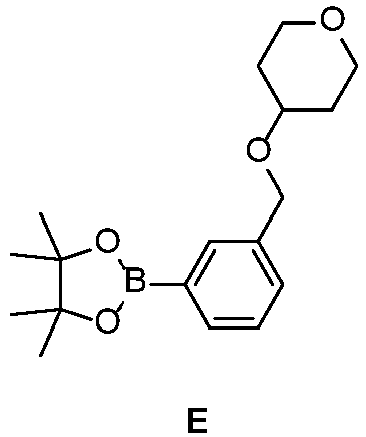
- To a mixture of Intermediate C (270 mg, 995.76 µmol) and 4,4,5,5-tetramethyl-2-(4,4,5,5-tetramethyl-1,3,2-dioxaborolan-2-yl)-1,3,2-dioxaborolane (303.43 mg, 1.19 mmol) in dioxane (5 mL) was added KOAc (293.18 mg, 2.99 mmol) and [1,1'-bis(di-tert-butylphosphino)ferrocene]dichloropalladium(II) (64.90 mg, 99.58 µmol) at 25 °C under N2. The reaction mixture was heated to 75 °C and stirred at 75 °C for 4 h under N2. The reaction mixture was filtered and concentrated under reduced pressure to afford Intermediate E (500 mg, crude) as brown oil, which was used for the next step directly.
-

- To a mixture of N-[2-[(4-bromothiazol-2-yl)amino]-2-oxo-ethyl]-1-tert-butyl-pyrrole-3-carboxamide [prepared according to the method in Example 6](50 mg, 129.78 µmol) and Intermediate E (123.89 mg, 389.33 µmol) in dioxane (1.2 mL) and H2O (0.3 mL) was added K3PO4 (82.64 mg, 389.33 µmol) and [1,1'-bis(di-tert-butylphosphino)ferrocene]dichloropalladium(II) (8.46 mg, 12.98 µmol) at 25 °C under N2. The reaction mixture was heated to 75 °C and stirred at 75 °C for 2 h under N2. The reaction mixture was filtered and the filtrated was concentrated under reduced pressure to afford a residue. The residue was purified by reverse phase column (FA condition) and lyophilized to afford Compound 125 (5.46 mg, 10.99 µmol, 8.47% yield) as white solid. LCMS (ESI) m/z [M+H]+ = 497.1; 1H NMR (400 MHz, Methanol-d4) δ 7.91 (s, 1H), 7.81 (d, J = 7.6 Hz, 1H), 7.58-7.57 (m, 1H), 7.42-7.34 (m, 2H), 7.33-7.27 (m, 1H), 6.96-6.94 (m, 1H), 6.58-6.56 (m, 1H), 4.62 (s, 2H), 4.23 (s, 2H), 3.96-3.90 (m, 2H), 3.70-3.66 (m, 1H), 3.50-3.43 (m, 2H), 2.03-1.92 (m, 2H), 1.67-1.53 (m, 11H).
-

-

- To a mixture of tetrahydropyran-4-ol (0.5 g, 4.90 mmol, 490.20 µL) and 1-(3-bromophenyl)ethanol (984.32 mg, 4.90 mmol) was added TsOH.H2O (93.13 mg, 489.57 µmol) at 20°C. The mixture was stirred at 120 °C for 3 h. The reaction mixture was cooled to 20°C and purified by column chromatography (SiO2, Petroleum ether / EtOAc = 5/1) and concentrated to give Intermediate C (0.7 g, 2.45 mmol, 50.14% yield) as yellow oil. 1H NMR (400 MHz, CDCl3) δ 7.50 (s, 1H), 7.42 (br d, J=7.6 Hz, 1H), 7.28-7.21 (m, 2H), 4.58-4.56 (m, 1H), 3.95-3.93 (m, 2H), 3.50-3.29 (m, 3H), 2.00-1.86 (m, 1H), 1.79-1.70 (m, 1H), 1.68-1.58 (m, 2H) 1.44-1.42 (m, 3H).
-

- A mixture of Intermediate C (300 mg, 1.05 mmol), 4,4,5,5-tetramethyl-2-(4,4,5,5-tetramethyl-1,3,2-dioxaborolan-2-yl)-1,3,2-dioxaborolane (320.57 mg, 1.26 mmol), KOAc (206.48 mg, 2.10 mmol), Pd(dppf)Cl2 (76.97 mg, 105.20 µmol) in dioxane (5 mL) was degassed and purged with N2 for 3 times, and then the mixture was stirred at 80 °C for 3 h under N2 atmosphere. The reaction mixture was concentrated under reduced pressure to remove solvent. The residue was diluted with water (30 mL) and extracted with EtOAc (15 mL x 3). The combined organic layers were washed with water (10 mL x 3), dried over Na2SO4, filtered and concentrated under reduced pressure to give Intermediate E (0.4 g, crude) as brown oil and which was used in next step without further purification.
-

- A mixture of Intermediate E (170 mg, 511.68 µmol), N-[2-[(4-bromothiazol-2-yl)amino]-2-oxoethyl]-1-tert-butyl-pyrrole-3-carboxamide [prepared according to the method in Example 7] (98.57 mg, 255.84 µmol), K3PO4 (325.84 mg, 1.54 mmol), [1,1'-bis(di-tert-butylphosphino)ferrocene]dichloropalladium(II) (66.70 mg, 102.34 µmol) in dioxane (3 mL) and H2O (1 mL) was degassed and purged with N2 for 3 times, and then the mixture was stirred at 80°C for 3 hr under N2 atmosphere. The reaction mixture was concentrated under reduced pressure to give a residue. The residue was purified by column chromatography (SiO2, Petroleum ether / EtOAc = 1/1) and concentrated to afford Compound 126 (80 mg, 156.66 µmol, 30.62% yield) as yellow solid. LCMS (ESI) m/z [M+H]+ = 511.1; 1H NMR (400 MHz, DMSO-d6) δ 12.31 (br s, 1H) , 8.18-8.16 (m, 1H), 7.90 (s, 1H), 7.79 (d, J=8.0 Hz, 1H), 7.62 (s, 1H), 7.53-7.51 (m,1H), 7.41 (d, J=7.8 Hz, 1H), 7.30 (d, J=7.8 Hz, 1H), 6.98 (m, 1H), 6.48 (dd, J=2.8 Hz, 1.6 Hz, 1H), 4.71-4.70 (m, 1H), 4.11-4.10 (m, 2H), 3.83-3.72 (m, 2H), 3.42-3.37 (m, 2H), 3.26-3.25 (m, 1H), 1.93-1.91 (m, 1H), 1.68-1.66 (m, 1H), 1.50 (s, 9H), 1.46-1.39 (m, 2H), 1.38-1.36 (m, 3H).
-

-
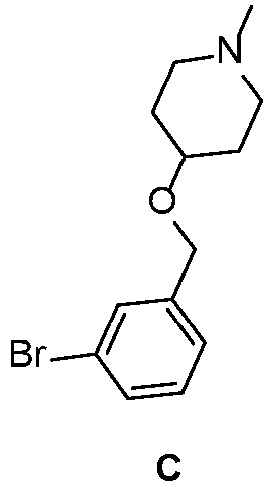
- To a solution of 1-methylpiperidin-4-ol (691.23 mg, 6.00 mmol, 701.76 µL) in THF (10 mL) was added NaH (320.06 mg, 8.00 mmol, 60% purity) at 0°C and stirred for 0.5 h, then 1-bromo-3-(bromomethyl)benzene (1 g, 4.00 mmol) was added to the mixture at 0 °C. The mixture was stirred at 30°C for 4 h. The reaction mixture was diluted with aq.NH4Cl (20 mL) at 0 °C and extracted with EtOAc (20 mL x 2). The combined organic layers were dried over anhydrous Na2SO4, filtered and concentrated under reduced pressure to afford the residue. The residue was purified by reversed phase (0.1% FA condition), concentrated to remove the acetonitrile. The solution was extracted with EtOAc (20 mL x 2), the organic layers were dried over anhydrous Na2SO4, filtered and concentrated to afford Intermediate C (350 mg, 1.23 mmol, 30.78% yield) as a colorless oil. LCMS (ESI) m/z [M+H]+ = 286.0.
-

- To a solution of Intermediate C (350 mg, 1.23 mmol) and 4,4,5,5-tetramethyl-2-(4,4,5,5-tetramethyl-1,3,2-dioxaborolan-2-yl)-1,3,2-dioxaborolane (375.29 mg, 1.48 mmol) in dioxane (5 mL) was added KOAc (241.73 mg, 2.46 mmol) and [1,1'-bis(di-tert-butylphosphino)ferrocene]dichloropalladium(II) (80.27 mg, 123.16 µmol). The mixture was stirred at 80 °C under N2 for 2 h. The reaction mixture was diluted with H2O (10 mL) and extracted with EtOAc (10 mL x 2). The combined organic layers were dried over anhydrous Na2SO4, filtered and concentrated under reduced pressure to afford Intermediate E (570 mg, crude) as yellow oil, which was used directly for the next step. LCMS (ESI) m/z [M+H]+ = 332.0.
-

- To a solution of N-[2-[(4-bromothiazol-2-yl)amino]-2-oxo-ethyl]-1-tert-butyl-pyrrole-3-carboxamide [prepared according to the method in Example 7] (80 mg, 207.64 µmol) and Intermediate E (206.35 mg, 622.93 µmol) in dioxane /H2O= (4/1, 2 mL) was added K3PO4 (132.23 mg, 622.93 µmol) and [1,1'-bis(di-tert-butylphosphino)ferrocene]dichloropalladium(II) (27.07 mg, 41.53 µmol). The mixture was stirred at 80 °C under N2 for 2 h. The reaction mixture was diluted with H2O (20 mL) and extracted with EtOAc (20 mL x 2). The combined organic layers were dried over anhydrous Na2SO4, filtered and concentrated under reduced pressure to give a residue. The residue was purified by reversed phase (0.1% FA condition) and concentrated to remove the acetonitrile, then extracted with EtOAc (20 mL x 2). The combined organic layers were dried over anhydrous Na2SO4, filtered and concentrated under reduced pressure to give the crude product. The crude product was purified by Prep-TLC (DCM/MeOH=10/1, Rf=0.1) and concentrated to afford Compound 127 (17.44 mg, 34.15 µmol, 16.45% yield) as a white solid. LCMS (ESI) m/z [M+H]+ = 510.5; 1H NMR (400MHz, Methanol-d4) δ 7.88 (s, 1H), 7.81-7.79 (m, 1H), 7.57 -7.56 (m, 1H), 7.37-7.35 (m, 2H), 7.35-7.30 (m, 1H), 6.93-6.64 (m, 1H), 6.57-6.56 (m, 1H), 4.59 (s, 2H), 4.22 (s, 2H), 3.71-3.69 (m, 1H), 3.20-3.14 (m, 2H), 2.92 (br s, 2H), 2.67 (s, 3H), 2.05-1.93 (m, 4H), 1.54 (s, 9H).
-

-

- The solution of 3,3-difluoro-1-methyl-piperidin-4-ol (500 mg, 3.31 mmol) in DMF (3 mL) was added NaH (264.61 mg, 6.62 mmol, 60% purity) at 0 °C. After stirred at 0 °C for 15 minutes, a solution of 1-bromo-3- (bromomethyl)benzene (826.74 mg, 3.31 mmol) in DMF (2 mL) was added dropwise at 0 °C. The reaction mixture was warmed to 25 °C and stirred at 25 °C for 14 hours. The reaction mixture was quenched with saturated NH4Cl (40 mL) and extracted with EtOAc (20 mL x 2), the combined organic layers was dried over anhydrous Na2SO4 and concentrated to afford a yellow oil. The oil was purified by flash silica gel chromatography (Eluent of 0~60% Ethyl acetate / Petroleum ether gradient) concentrated to afford Intermediate C (800 mg, 2.49 mmol, 75.17% yield) as yellow oil. LCMS (ESI) m/z [M+H]+ = 320.0; 1H NMR (400MHz, Methanol-d4) δ 7.52 (s, 1H), 7.44-7.42 (m, 1H), 7.35-7.29 (m, 1H), 7.29-7.23 (m, 1H), 4.74-4.62 (m, 2H), 3.77-3.62 (m, 1H), 2.88-2.73 (m, 1H), 2.71-2.54 (m, 2H), 2.46-2.36 (m, 1H), 2.31 (s, 3H), 1.98-1.87 (m, 2H).
-
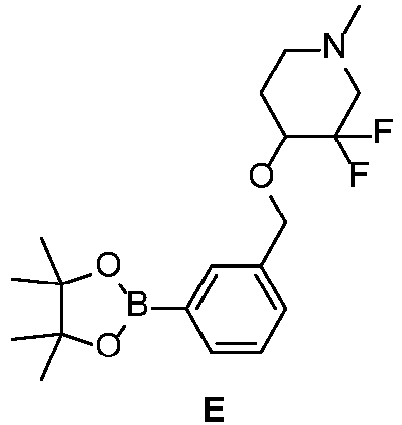
- The solution of Intermediate C (400 mg, 1.25 mmol), 4,4,5,5-tetramethyl-2-(4,4,5,5-tetramethyl-1,3,2-dioxaborolan-2-yl)-1,3,2-dioxaborolane (634.51 mg, 2.50 mmol) and KOAc (367.84 mg, 3.75 mmol) in dioxane (4 mL) was added [1,1'-bis(di-tert-butylphosphino)ferrocene]dichloropalladium(II) (81.42 mg, 124.93 µmol) at 25 °C under N2. The reaction mixture was stirred at 80 °C under N2 for 3 hours. The reaction mixture was poured into water (10 mL) and extracted with EtOAc (10 mL x 2), the combined organic layers was dried over anhydrous Na2SO4 and concentrated to afford Intermediate E (800 mg, crude) as a black brown oil, which was used to the next step without further purification. LCMS (ESI) m/z [M+H]+ = 368.2.
-

- The solution of N-[2-[(4-bromothiazol-2-yl)amino]-2-oxo-ethyl]-1-tert-butyl-pyrrole-3-carboxamide [prepared according to the method in Example 7] (50 mg, 129.78 µmol), Intermediate E (95.32 mg, 259.55 µmol) and K3PO4 (82.64 mg, 389.33 µmol) in dioxane (0.8 mL) and H2O (0.2 mL) was added [1,1'-bis(di-tert-butylphosphino)ferrocene]dichloropalladium(II) (8.46 mg, 12.98 µmol) at 25 °C under N2. The reaction mixture was stirred at 80 °C under N2 for 4 hours. The reaction mixture was diluted with water (5 mL), and extracted with EtOAc (5 mL x 3). The combined organic layers were concentrated to afford brown oil. The oil was dissolved with DMSO (1 mL) and purified by reversed-phase HPLC (FA), concentrated and lyophilized to afford a brown solid. The solid was dissolved with MeOH (1 mL) and purified by Prep-HPLC (mobile phase: [water (0.05% ammonia hydroxide v/v)-acetonitrile]; B%: 37%-67%), concentrated and lyophilized to afford Compound 128 (14.18 mg, 25.78 µmol, 19.87% yield) as a white solid. LCMS (ESI) m/z [M+H]+ = 546.4; 1H NMR (400 MHz, Methanol-d4) δ 7.90 (s, 1H), 7.83 (d, J = 7.6 Hz, 1H), 7.58-7.57 (m, 1H), 7.41-7.36 (m, 2H), 7.33-7.29 (m, 1H), 6.97-6.93 (m, 1H), 6.57-6.56 (m, 1H), 4.76-4.71 (m, 2H), 4.23 (s, 2H), 3.72-3.70 (m, 1H), 2.89-2.75 (m, 1H), 2.71-2.54 (m, 2H), 2.45-2.35 (m, 1H), 2.31 (s, 3H), 1.98-1.88 (m, 2H), 1.57 (s, 9H).
-

-

- To a solution of tetrahydrofuran-3-ol (1 g, 11.35 mmol, 917.43 µL) in anhydrous THF (7 mL) was added NaH (907.92 mg, 22.70 mmol, 60% purity) at 0 °C, after stirred for 15 minutes, a solution of 1-bromo-3-(bromomethyl)benzene (2.84 g, 11.35 mmol) in THF (3 mL) was added dropwise at 0 °C. The reaction mixture was warmed to 25 °C and stirred for 3 hours. The reaction mixture was poured into saturation NH4Cl (60 mL) with stirring, then extracted with EtOAc (20 mL x 3), the combined organic layers were dried over anhydrous Na2SO4, concentrated to afford yellow oil. The oil was dissolved with DCM (5 mL), then purified by flash silica gel chromatography (Eluent of 0~40% Ethyl acetate / Petroleum ether gradient) and concentrated to give Intermediate C (2.5 g, 9.68 mmol, 85.31% yield) as light yellow oil. 1H NMR (400 MHz, DMSO-d6) δ 7.53-7.50 (m, 1H), 7.50-7.45 (m, 1H), 7.35-7.28 (m, 2H), 4.52-4.42 (m, 2H), 4.23-4.17 (m, 1H), 3.74-3.71 (m, 2H), 3.70-3.64 (m, 2H), 1.97-1.91 (m, 2H).
-

- The solution of Intermediate C (500 mg, 1.94 mmol), 4,4,5,5-tetramethyl-2-(4,4,5,5- tetramethyl-1,3,2-dioxaborolan-2-yl)-1,3,2-dioxaborolane (592.57 mg, 2.33 mmol) and KOAc (572.54 mg, 5.83 mmol) in dioxane (1 mL) was added [1,1'-bis(di-tert-butylphosphino)ferrocene]dichloropalladium(II) (126.74 mg, 194.46 µmol) at 25 °C under N2. The reaction mixture was stirred at 80 °C under N2 for 4 hours. The reaction mixture was filtered and the filtrate was concentrated to afford Intermediate E (1.50 g, crude) as brown oil, which was used to the next step without further purification.
-

- The solution of N-[2-[(4-bromothiazol-2-yl)amino]-2-oxo-ethyl]-1-tert-butyl-pyrrole-3-carboxamide [prepared according to the method in Example 7] (50 mg, 129.78 µmol), Intermediate E (78.95 mg, 259.55 µmol) and K3PO4 (82.64 mg, 389.33 µmol) in dioxane (0.8 mL) and H2O (0.2 mL) was added [1,1'-bis(di-tert-butylphosphino)ferrocene]dichloropalladium(II) (8.46 mg, 12.98 µmol) at 25 °C under N2. The reaction mixture was stirred at 75 °C under N2 for 16 hours. The reaction mixture was concentrated to afford brown oil. The oil was dissolved with DMSO (2 mL) and purified by Prep-HPLC (FA), concentrated and extracted with EtOAc (20 mL x 2), the combined organic layers was dried over anhydrous Na2SO4 and concentrated to afford a yellow oil. The oil was dissolved with EtOAc (1 mL) and re-purified by Prep-TLC (EA, Rf=0.3), concentrated to afford a yellow oil. The oil was dissolved with MeOH (0.5 mL) and diluted with H2O (20 mL) then lyophilized to give Compound 129 (24.67 mg, 51.12 µmol, 39.39% yield) as a yellow gum. LCMS (ESI) m/z [M+H]+= 483.4; 1H NMR (400 MHz, DMSO-d6) δ 12.41-12.23 (m, 1H), 8.17-8.15 (m, 1H), 7.87 (s, 1H), 7.81 (d, J = 7.8 Hz, 1H), 7.61 (s, 1H), 7.52-7.50 (m, 1H), 7.40-7.38 (m, 1H), 7.28 (d, J = 7.5 Hz, 1H), 6.97-6.95 (m, 1H), 6.47-6.46 (m, 1H), 4.56-4.46 (m, 2H), 4.26-4.19 (m, 1H), 4.08 (d, J = 6.0 Hz, 2H), 3.80-3.73 (m, 2H), 3.72-3.65 (m, 2H), 2.01-1.93 (m, 2H), 1.49 (s, 9H).
-

-

- To the solution of 6-bromo-1,2,3,4-tetrahydroisoquinoline (500 mg, 2.36 mmol) in HCOOH (5 mL) was added 37% of aq. HCHO (1.91g, 23.58 mmol) at 25 °C. The reaction mixture was stirred at 80 °C for 3 hours. The reaction mixture was added NaOH (1 M) to adjust pH to 10, then extracted with EtOAc (20 mL x 2), concentrated to afford intermediate B (400 mg, 1.64 mmol, 69.51 % yield) as yellow oil. LCMS (ESI) m/z [M]+=226.1/228.1. 1H NMR (400 MHz, CDCl3) δ 7.26 - 7.24 (m, 1H), 7.23 (d, J = 2.0 Hz, 1H), 6.90 (d, J = 8.0 Hz, 1H), 3.52 (s, H), 2.94 - 2.87 (m, 2H), 2.67 - 2.65 (m, 2H), 2.46 (s, 3H).
-

- The solution of intermediate B (400 mg, 1.77 mmol), 4,4,5,5-tetramethyl-2-(4,4,5,5-tetramethyl-1,3,2-dioxaborolan-2-yl)-1,3,2-dioxaborolane (898.45 mg, 3.54 mmol) and KOAc (520.85 mg, 5.31 mmol) in dioxane (4 mL) added [1,1'-bis(di-tert-butylphosphino)ferrocene]dichloropalladium(II) (115.30 mg, 176.90 µmol) at 25 °C under N2. The reaction mixture was stirred at 80 °C under N2 for 2 hours. The reaction mixture was poured into water (20 mL). The mixture was extracted with EA (20 mL x3), concentrated to afford intermediate D (900 mg, crude) as a black brown oil, which was used for the next step directly. LCMS (ESI) m/z [M+H]+ = 274.2.
-

- The solution of tert-butyl (2-((4-bromothiazol-2-yl)amino)-2-oxoethyl)carbamate [prepared according to the method in Example 6] (147.69 mg, 439.27 µmol), intermediate D (400 mg, 878.55 µmol) and K3PO4 (279.73 mg, 1.32 mmol) in dioxane (1.6 mL) and H2O (0.4 mL) was added [1,1'-bis(di-tert-butylphosphino)ferrocene]dichloropalladium(II) (28.63 mg, 43.93 µmol) at 25 °C under N2. The reaction mixture was stirred at 80 °C under N2 for 16 hours. The reaction mixture was poured into water (20 mL), then extracted with EtOAc (20 mL x 3), the combined organic layers were concentrated to afford a black brown residue. The residue was dissolved with MeOH (3 mL) and purified by reversed-phase HPLC (FA), concentrated, then added NaOH (1M) to adjust pH to 10, extracted with EtOAc (20 mL x 2), concentrated to afford Intermediate F (40 mg, 98.14 µmol, 22.34% yield) as yellow solid. LCMS (ESI) m/z [M+H]+ = 403.2.
-

- The solution of Intermediate F (40 mg, 99.38 µmol) in HCl/dioxane (0.5 mL) was stirred at 25 °C for 1 hour. The reaction mixture was concentrated to afford Intermediate G (20 mg, 54.18 µmol, 54.52% yield, HCl salt) as yellow solid. LCMS (ESI) m/z [M+H]+ = 303.0.
-

- The solution of 1-methylsulfonylpyrrole-3-carboxylic acid [prepared according to the method in Example 4] (13.40 mg, 70.83 µmol), HATU (33.66 mg, 88.53 µmol) and DIEA (22.88 mg, 177.07 µmol, 30.84 µL) in DMF (0.5 mL) was stirred at 25 °C for 5 minutes, then Intermediate D (20 mg, 59.02 µmol, HCl salt) was added at 25 °C. The reaction mixture was stirred at 25 °C for 16 hours. The reaction mixture was diluted with water (5 mL), then extracted with EtOAc (5 mL x 2). The combined organic layers were concentrated to afford a yellow liquid. The liquid was diluted with MeOH (2 mL), then purified by reversed-phase HPLC (FA), lyophilized to afford Compound 130 (3.56 mg, 7.26 µmol, 12.30% yield, FA salt) as yellow solid. LCMS (ESI) m/z [M+H]+ = 474.1; 1H NMR (400 MHz, DMSO-d6) δ 12.53-12.21 (m, 1H), 8.67-8.66 (m, 1H), 8.26 (s, 1H), 7.84-7.83 (m, 1H), 7.65 (s, 1H), 7.53 (s, 1H), 7.31-7.30 (m, 1H), 7.09 (d, J = 8.0 Hz, 1H), 6.77-6.76 (m, 1H), 4.13 (d, J = 6.0 Hz, 2H), 3.57 (s, 3H), 3.50 (br s, 2H), 2.86 (d, J = 6.0 Hz, 2H), 2.62 (br s, 2H), 2.35 (s, 3H).
-

-

- To a mixture of tert-butyl N-[2-[(4-bromothiazol-2-yl)amino]-2-oxo-ethyl]carbamate (Prepared according to the method in Example 6) (300 mg, 892.31 µmol), 1-methyl-6-(4,4,5,5-tetramethyl-1,3,2-dioxaborolan-2-yl)indazole (345.49 mg, 1.34 mmol), K3PO4 (757.63 mg, 3.57 mmol) in dioxane (5 mL) /H2O (1 mL) was added [1,1'-bis(di-tert-butylphosphino)ferrocene]dichloropalladium(II) (58.16 mg, 89.23 µmol), the mixture was stirred under N2 at 85 °C for 2 h. The reaction mixture was diluted with water (15 mL) and extracted with EtOAc (25 mL x 2). The combined organic layers were washed with brine (10 mL x 2), dried over Na2SO4, filtered and concentrated under reduced pressure to give a residue. The residue was purified by reversed phase (0.1% FA condition), the fraction was lyophilized to give Intermediate C (266 mg, 679.67 µmol, 76.17% yield) as black brown oil. LCMS (ESI) m/z [M+H]+ = 388.2.
-

- A solution of Intermediate C (260 mg, 671.05 µmol) in HCl/dioxane (3 mL) was stirred at 25°C for 2hr. The reaction mixture was concentrated under vacuum to give Intermediate D (210 mg, crude, HCl salt) as a gray solid, which was used to next step without further purification. LCMS (ESI) m/z: [M+H]+ = 287.9.
-

- To a mixture of 1-tert-butylpyrrole-3-carboxylic acid [prepared according to the method in Example 34] (92.95 mg, 555.90 µmol), EDCI (213.13 mg, 1.11 mmol), DIEA (239.49 mg, 1.85 mmol, 322.76 µL) and HOBt (60.09 mg, 444.72 µmol) in DCM (4 mL) was added Intermediate D (120 mg, 370.60 µmol, HCl salt), the reaction mixture was stirred at 25°C for 2hr. The reaction mixture was concentrated under vacuum to give residue. The residue was purified by Prep-HPLC (mobile phase: [water (0.1%TFA)-acetonitrile]; B%: 38%-68%), fraction was lyophilized to give Compound 131 (32.94 mg, 75.46 µmol, 20.36% yield) as a white solid. LCMS (ESI) m/z [M+H]+ = 437.1; 1H NMR (400 MHz, Methanol-d4) δ 8.10 (s, 1H), 7.98 (m, 1H), 7.77-7.71 (m, 2H), 7.59-7.52 (m, 2H), 6.97-6.95 (m, 1H), 6.59-6.57 (m, 1H), 4.25 (s, 2H), 4.09 (s, 3H), 1.57 (s, 9H).
-

- To a solution of 1-methylsulfonylpyrrole-3-carboxylic acid [prepared according to the method in Example 4] (35.06 mg, 185.30 µmol), HATU (88.07 mg, 231.62 µmol) and DIEA (99.79 mg, 772.08 µmol, 134.48 µL) in DCM (2 mL) was added 2-amino-N-[4-(1-methylindazol-6-yl)thiazol-2-yl]acetamide [prepared according to the method in Example 129] (50 mg, 154.42 µmol, HCl salt). The mixture was stirred at 25 °C for 2 h. The reaction mixture was concentrated under vacuum to give residue. The residue was purified by Prep-HPLC (mobile phase: [water (0.1%TFA)-acetonitrile]; B%: 27%-57%). The fraction was lyophilized to give Compound 132 (38.97 mg, 84.99 µmol, 55.04% yield) as an off-white solid. LCMS (ESI) m/z [M+H]+ = 458.9; 1H NMR (400 MHz, DMSO-d6) δ 12.43 (s, 1H), 8.70-8.67 (m, 1H), 8.11-8.03 (m, 2H), 7.85-7.78 (m, 2H), 7.74-7.69 (m, 2H), 7.32-7.31 (m, 1H), 6.78-6.77 (m, 1H), 4.16-4.07 (m, 5H), 3.57 (s, 3H).
-

- To a solution of 1-tert-butylpyrrole-3-carboxylic acid [prepared according to the method in Example 34] (28.60 mg, 171.05 µmol) in DMF (0.6 mL) was added DIEA (55.26 mg, 427.57 µmol, 74.47 µL), EDCI (40.98 mg, 213.77 µmol), HOBt (28.89 mg, 213.81 µmol) and 2-amino-N-[4-(1-methyl-2-oxo-7-quinolyl)thiazol-2-yl]acetamide (50 mg, 101.48 µmol, HCl salt) (prepared according to the method in Example 12). The mixture was stirred at 25 °C for 14 h. The reaction mixture was diluted with H2O (5 mL) and extracted with EtOAc (5 mL x 3). The combined organic layers were washed with saturated brine (5 mL x 3), dried over anhydrous Na2SO4, filtered and concentrated under reduced pressure to give a residue. The residue was purified by reversed-phase HPLC (basic condition) and lyophilized to give Compound 133 (11.30 mg, 24.38 µmol, 24.02% yield) as yellow solid. LCMS (ESI) m/z [M+H]+ = 464.0; 1H NMR (400 MHz, DMSO-d6) δ 8.10 (s, 1H), 8.00 (s, 1H), 7.90 (d, J = 9.2 Hz, 1H), 7.87-7.72 (m, 3H), 7.52 (s, 1H), 6.97 (s, 1H), 6.60 (d, J = 9.2 Hz, 1H), 6.50-6.45 (m, 1H), 4.07 (d, J = 6.0 Hz, 2H), 3.68 (s, 3H), 1.49 (s, 9H).
-

-

- To a solution of 7-bromo-3,4-dihydro-1H-quinazolin-2-one (180 mg, 792.75 µmol) in DMF (3 mL) was added NaH (95.12 mg, 2.38 mmol, 60% purity) at 0°C. The mixture was stirred at 25°C for 10 min. Then Mel (337.57 mg, 2.38 mmol, 148.06 µL) was added. The mixture was stirred at 25°C for 0.5 h. The mixture was poured into H2O (10 mL) and extracted with EtOAc (10 mL x 3). The combined organic layer was washed with brine (20 mL), dried over Na2SO4, filtered and concentrated. The residue was purified by flash silica gel chromatography (Eluent of 0-30% Ethyl acetate / Petroleum ether gradient) and concentrated in vacuum to give Intermediate B (150 mg, 587.98 µmol, 74.17% yield) as yellow oil. LCMS (ESI) m/z [M+H]+ = 257.0; 1H NMR (400 MHz, CDCl3) δ 7.10-7.02 (m, 1H), 6.96-6.82 (m, 2H), 4.27 (d, J = 1.6 Hz, 2H), 3.24 (d, J = 2.8 Hz, 3H), 3.09-2.92 (m, 3H).
-

- A mixture of Intermediate B (130 mg, 509.58 µmol), 4,4,5,5-tetramethyl-2-(4,4,5,5- tetramethyl-1,3,2-dioxaborolan-2-yl)-1,3,2-dioxaborolane (258.80 mg, 1.02 mmol), potassium acetate (150.03 mg, 1.53 mmol) and [1,1'-bis(di-tert-butylphosphino)ferrocene]dichloropalladium(II) (33.21 mg, 50.96 µmol) in dioxane (3 mL) was degassed and purged with N2 for 3 times, and then the mixture was stirred at 80 °C for 1hr under N2 atmosphere. The mixture was poured into water (3 mL) and extracted with EtOAc (10 mL x 3). The combined organic layer was washed with brine (5 mL), dried over Na2SO4, filtered and concentrated. The residue was purified by flash silica gel chromatography (Eluent of 0-35% Ethyl acetate / Petroleum ether gradient) and concentrated in vacuum to give Intermediate D (140 mg, 463.31 µmol, 90.92% yield) as a yellow oil. LCMS (ESI) m/z [M+H]+ = 303.2.
-

- A mixture of tert-butyl N-[2-[(4-bromothiazol-2-yl)amino]-2-oxo-ethyl]carbamate [Prepared according to the method in Example 6] (100 mg, 297.44 µmol), Intermediate D (134.82 mg, 446.16 µmol), [1,1'-bis(di-tert-butylphosphino)ferrocene]dichloropalladium(II) (19.39 mg, 29.74 µmol), K3PO4 (189.41 mg, 892.32 µmol) in dioxane (3 mL) and H2O (1 mL) was degassed and purged with N2 for 3 times, and then the mixture was stirred at 80 °C for 0.5 h under N2 atmosphere. The reaction mixture was poured into H2O (10 mL) and extracted with (15 mL x 3). The combined organic layer was washed with brine (5 mL), dried over Na2SO4, filtered and concentrated. The residue was purified by flash silica gel chromatography (Eluent of 0-30% Ethyl acetate / Petroleum ether gradient) and concentrated in vacuum to give Intermediate F (50 mg, 115.87 µmol, 38.96% yield) as a white solid. LCMS (ESI) m/z [M+H]+ = 432.1.
-

- A solution of Intermediate F (50 mg, 115.87 µmol) in HCl/dioxane (4 M, 1 mL) was stirred at 25°C for 0.5 h. The reaction mixture was concentrated under vacuum. The residue was washed with EtOAc (5 mL) and filtered and dried in vacuum to give Intermediate G (40 mg, 108.74 µmol, 93.84% yield, HCl salt) as a light yellow solid, which was used for the next step without purification. LCMS (ESI) m/z [M+H]+ = 332.1.
-

- To a solution of Intermediate G (40 mg, 108.74 µmol, HCl salt) and 1-tert-butylpyrrole-3-carboxylic acid [prepared according to the method in Example 34] (21.82 mg, 130.49 µmol) in DMF (3 mL) was added EDCI (31.27 mg, 163.11 µmol), HOBt (22.04 mg, 163.11 µmol) and DIEA (70.27 mg, 543.70 µmol, 94.70 µL). The mixture was stirred at 25°C for 1 h. The reaction mixture was poured into H2O (30 mL) and stirred, the mixture was filtered. The solid was purified by Prep-HPLC (mobile phase: [water (0.225%FA)- acetonitrile]; B%: 32%-62%) and lyophilized to give Compound 134 (25.19 mg, 52.42 µmol, 48.20% yield) as a white solid. LCMS (ESI) m/z [M+H]+ = 481.2; 1H NMR (400 MHz, DMSO-d6) δ 12.59-12.13 (m, 1H), 8.18-8.16 (m, 1H), 7.67 (s, 1H), 7.55-7.49 (m, 2H), 7.42 (d, J = 1.2 Hz, 1H), 7.20 (d, J = 7.8 Hz, 1H), 6.98-6.97 (m, 1H), 6.48-6.47 (m, 1H), 4.39 (s, 2H), 4.08 (d, J = 6.0 Hz, 2H), 3.26 (s, 3H), 2.91 (s, 3H), 1.49 (s, 9H).
-

-

- To a solution of tetrahydrofuran-3-ol (2 g, 22.70 mmol, 1.83 mL) in anhydrous THF (15 mL) was added NaH (1.82 g, 45.40 mmol, 60% purity) at 0 °C, after stirred for 0.5 hour, a solution of 1-bromo-3-(bromomethyl)benzene (5.67 g, 22.70 mmol) in anhydrous THF (5 mL) was added dropwise at 0 °C. The reaction mixture was warmed to 25 °C and stirred for 3 hours. The reaction mixture was poured into saturation NH4Cl (80 mL) with stirring, then extracted with EtOAc (30 mL x 3), the combined organic layers were dried over anhydrous Na2SO4, concentrated to afford a yellow oil. The oil was dissolved with DCM (5 mL), then purified by flash silica gel chromatography (Eluent of 0-40% Ethyl acetate / Petroleum ether gradient), concentrated to afford Intermediate C (5.00 g, 17.50 mmol, 77.10% yield) as a light yellow oil. 1H NMR (400MHz, DMSO-d6) δ 7.51 (s, 1H), 7.47-7.46 (m, 1H), 7.35-7.28 (m, 2H), 4.51-4.42 (m, 2H), 4.22-4.17 (m, 1H), 3.79-3.73 (m, 1H), 3.73-3.70 (m, 1H), 3.70-3.64 (m, 2H), 1.98-1.91 (m, 2H).
-

- The solution of Intermediate C (2.5 g, 9.72 mmol), 4,4,5,5-tetramethyl-2-(4,4,5,5-tetramethyl-1,3,2-dioxaborolan-2-yl)-1,3,2-dioxaborolane (2.96 g, 11.67 mmol) and KOAc (2.86 g, 29.17 mmol) in dioxane (3 mL) was added [1,1'-bis(di-tert-butylphosphino)ferrocene]dichloropalladium(II) (633.69 mg, 972.29 µmol) at 25 °C under N2. The reaction mixture was stirred at 80 °C under N2 for 3 hours. The reaction mixture was diluted with water (10 mL) and extracted with EtOAc (40 mL), the combined organic layers was dried over anhydrous Na2SO4 and concentrated to afford Intermediate E (4 g, crude) as a brown oil, which was used to the next step without further purification.
-

- To a solution of tert-butyl N-[2-[(4-bromothiazol-2-yl)amino]-2-oxo-ethyl]carbamate [Prepared according to the method in Example 6] (800 mg, 2.38 mmol), Intermediate E (868.58 mg, 2.86 mmol) and K3PO4 (1.52 g, 7.14 mmol) in dioxane (8 mL) in dioxane (8 mL) and H2O (2 mL) was added [1,1'-bis(di-tert-butylphosphino)ferrocene]dichloropalladium(II) (155.08 mg, 237.95 µmol) at 25 °C under N2. The reaction mixture was stirred at 80 °C for 16 hours. The reaction mixture was poured into water (20 mL) and extracted with EtOAc (15 mL x 3), the combined organic layers was dried over anhydrous Na2SO4 and concentrated to afford a brown oil. The oil was purified by flash silica gel chromatography (Eluent of 0-70% Ethyl acetate / Petroleum ether gradient) and concentrated to afford Intermediate G (600 mg, 1.37 mmol, 57.54% yield) as yellow oil. LCMS (ESI) m/z [M+H]+=434.2; 1H NMR (400 MHz, DMSO-d6) δ 12.29 (s, 1H), 7.87 (s, 1H), 7.80 (d, J = 8.0 Hz, 1H), 7.63 (s, 1H), 7.40-7.38 (m, 1H), 7.28 (d, J = 7.6 Hz, 1H), 7.16-7.14 (m, 1H), 4.54-4.47 (m, 2H), 4.25-4.20 (m, 1H), 3.93 (s, 1H), 3.88-3.82 (m, 2H), 3.80-3.73 (m, 2H), 3.72-3.64 (m, 2H), 1.97-1.94 (m, 1H), 1.40 (s, 9H).
-

- To a solution of Intermediate G (600 mg, 1.38 mmol) in dioxane (3 mL) was added HCl/dioxane (3 mL) and the solution was stirred at 25 °C for 2 hours. The reaction mixture was filtered and the solid was dried in vacuum to give Intermediate H (420 mg, 1.06 mmol, 76.36% yield, HCl salt) as a yellow solid, which was used to the next step without further purification. LCMS (ESI) m/z [M+H]+= 334.3; 1H NMR (400 MHz, D2O) δ 7.77-7.72 (m, 2H), 7.47-7.41 (m, 2H), 7.38-7.33 (m, 1H), 4.55-4.54 (m, 1H), 4.56 (s, 1H), 4.39-4.34 (m, 1H), 4.09 (s, 2H), 3.92-3.86 (m, 2H), 3.86-3.77 (m, 1H), 3.74-3.68 (m, 1H), 2.12-2.01 (m, 2H).
-

- To a solution of 1-tert-butylpyrrole-3-carboxylic acid [prepared according to the method in Example 34] (189.87 mg, 1.14 mmol), EDCI (326.53 mg, 1.70 mmol), HOBt (230.16 mg, 1.70 mmol) and DIEA (440.28 mg, 3.41 mmol, 593.38 µL) in DMF (4 mL) was stirred at 25 °C for 5 minutes, then Intermediate H (420 mg, 1.14 mmol, HCl salt) was added at 25 °C. The reaction mixture was stirred at 25 °C for 16 hours. The reaction mixture was diluted with water (5 mL), and extracted with EtOAc (5 mL x 3), then concentrated to afford a brown oil. The oil was diluted with DCM (3 mL) and purified by flash silica gel chromatography (Eluent of 0-80% Ethyl acetate / Petroleum ether gradient) and concentrated to afford Intermediate J (250 mg, 513.16 µmol, 45.19% yield) as yellow oil. LCMS (ESI) m/z [M+H]+ = 483.3; 1H NMR (400 MHz, Methanol-d4) δ 7.90 (s, 1H), 7.81 (d, J = 8.0 Hz, 1H), 7.58-7.57 (m, 1H), 7.41-7.35 (m, 2H), 7.31-7.27 (m, 1H), 6.97-6.93 (m, 1H), 6.57-6.56 (m, 1H), 4.61-4.52 (m, 2H), 4.29-4.28 (m, 1H), 4.23 (s, 2H), 3.95-3.86 (m, 2H), 3.85-3.75 (m, 2H), 2.11-2.01 (m, 2H), 1.57 (s, 9H); 49.894%.
-

- Intermediate J (250 mg, 518.03 µmol) was separated by chrial SFC to afford Compound 135 (64.86 mg, 128.96 µmol, 24.89% yield) as off-white solid and Compound 136 (58.57 mg, 115.25 µmol, 22.25% yield) as off-white solid.
- Compound 135: LCMS (ESI) m/z [M+H]+=483.2; 1H NMR (400 MHz, Methanol-d4) δ 7.90 (s, 1H), 7.81 (d, J = 7.6 Hz, 1H), 7.58-7.57 (m, 1H), 7.41-7.35 (m, 2H), 7.31-7.26 (m, 1H), 6.95-6.94 (m, 1H), 6.59-6.55 (m, 1H), 4.60-4.53 (m, 2H), 4.29-4.28 (m, 1H), 4.23 (s, 2H), 3.95-3.85 (m, 2H), 3.84-3.76 (m, 2H), 2.11-2.01 (m, 2H), 1.57 (s, 9H); ee% = 100%.
- Compound 136: LCMS (ESI) m/z [M+H]+=483.1; 1H NMR (400 MHz, Methanol-d4) δ 7.89 (s, 1H), 7.81 (d, J = 7.6 Hz, 1H), 7.58-7.57 (m, 1H), 7.40-7.33 (m, 2H), 7.31-7.26 (m, 1H), 6.95-6.94 (m, 1H), 6.57-6.55 (m, 1H), 4.60-4.52 (m, 2H), 4.29-4.28 (m, 1H), 4.23 (s, 2H), 3.94-3.85 (m, 2H), 3.84-3.75 (m, 2H), 2.11-2.00 (m, 2H), 1.56 (s, 9H); ee% = 96.29%.
-

-

- To a mixture of 7-bromoisoquinolin-1(2H)-one (1 g, 4.46 mmol) in DMF (25 mL) was added Cs2CO3 (2.18 g, 6.69 mmol) and Mel (950.26 mg, 6.69 mmol, 416.78 µL) in one portion at 30 °C under N2. The reaction mixture was stirred at 50 °C for 16 h. The mixture was poured into water (150 mL). The aqueous phase was extracted with EtOAc (75 mL x 3). The combined organic phase was washed with brine (50 mL x 2), dried over anhydrous Na2SO4, filtered and concentrated in vacuum to afford Intermediate B (1.05 g, 4.24 mmol, 94.97% yield) as yellow solid. LCMS (ESI) m/z [M+H]+ = 240.0; 1H NMR (400 MHz, CDCl3) δ 8.58 (d, J=2.0 Hz, 1H), 7.73-7.70 (m, 1H), 7.39 (d, J=8.4 Hz, 1H), 7.10 (d, J=7.6 Hz, 1H), 6.46 (d, J=7.6 Hz, 1H), 3.61 (s, 3H).
-

- To a mixture of Intermediate B (1.05 g, 4.41 mmol) and 4,4,4',4',5,5,5',5'-octamethyl-2,2'-bi(1,3,2-dioxaborolane) (1.34 g, 5.29 mmol) in dioxane (25 mL) was added KOAc (1.30 g, 13.23 mmol) and [1,1'-bis(di-tert-butylphosphino)ferrocene]dichloropalladium(II) (287.44 mg, 441.03 µmol) at 30 °C under N2. The reaction mixture was heated to 100 °C and stirred at 100 °C for 4 h under N2. The reaction mixture was concentrated in vacuum to afford a residue. The residue was purified by silica gel column chromatography (Petroleum ether / EtOAc = 3/1 to 1/1) to afford Intermediate D (2 g, crude) as yellow oil. LCMS (ESI) m/z [M+H]+ = 286.1; 1H NMR (400 MHz, CDCl3) δ 8.91 (br s, 1H), 8.01 (d, J=7.6 Hz, 1H), 7.49-7.47 (m, 1H), 7.10-7.09 (m, 1H), 6.48-6.46 (m, 1H), 3.61 (s, 3H), 1.60 (s, 12H).
-

- To the solution of Intermediate D (1 g, 2.46 mmol) in EtOH (200 mL) was added Pd/C (250 mg, 10% purity) at 30°C. The reaction mixture was heated to 50 °C and stirred at 50 °C under H2 (15 psi) for 15 h. The reaction mixture was filtered and concentrated under reduced pressure to afford Intermediate E (900 mg, crude) as yellow oil, which was used for the next step directly. LCMS (ESI) m/z [M+H]+ = 288.1; 1H NMR (400 MHz, CDCl3) δ 8.53 (s, 1H), 7.84-7.82 (m, 1H), 7.17 (d, J=7.6 Hz, 1H), 3.57-3.54 (m, 2H), 3.16 (s, 3H), 3.02-3.00 (m, 2H), 1.34 (s, 12H).
-

- To a mixture of tert-butyl N-[2-[(4-bromothiazol-2-yl)amino]-2-oxo-ethyl]carbamate [prepared according to the method in Example 6] (100 mg, 297.44 µmol) and 2-methyl-7-(4,4,5,5-tetramethyl-1,3,2-dioxaborolan-2-yl)-3,4-dihydroisoquinolin-1(2H)-one [prepared according to the method in Example 7] (211.08 mg, 594.88 µmol) in dioxane (3 mL) and H2O (0.75 mL) was added [1,1'-bis(di-tert-butylphosphino)ferrocene]dichloropalladium(II) (19.39 mg, 29.74 µmol) and K3PO4 (189.41 mg, 892.32 µmol) under N2 at 30 °C. The reaction mixture was heated to 75 °C and stirred at 75 °C for 2 h under N2. The reaction mixture was concentrated under reduced pressure to afford a residue. The residue was purified by reverse phase column (FA condition) and lyophilized to afford Intermediate G (140 mg, 265.35 µmol, 89.21% yield) as a yellow solid. LCMS (ESI) m/z [M+H]+ = 417.1; 1H NMR (400 MHz, DMSO-d6) δ 12.34 (br s, 1H), 8.45 (s, 1H), 7.97 (d, J=7.2 Hz, 1H), 7.65 (s, 1H), 7.34 (d, J=7.6 Hz, 1H), 7.14 (br s, 1H), 3.86 (d, J=5.6 Hz, 2H), 3.58-3.55 (m, 2H), 3.04 (s, 3H), 3.02-2.98 (m, 2H), 1.39 (s, 9H).
-

- To a mixture of Intermediate G (140 mg, 336.14 µmol) in EtOAc (2 mL) was added HCl/EtOAc (4 M, 2 mL) at 30 °C. The reaction mixture was stirred as 30 °C for 1 h and then filtered. The solid was dried in vacuum to give Intermediate H (80 mg, 218.01 µmol, 64.86% yield, HCl salt) as yellow solid. LCMS (ESI) m/z [M+H]+ = 317.1; 1H NMR (400 MHz, DMSO-d6) δ 12.78 (br s, 1H), 8.46 (d, J=2.0 Hz, 1H), 8.31 (br s, 2H), 7.99-7.97 (m, 1H), 7.76 (s, 1H), 7.36 (d, J=8.4 Hz, 1H), 3.93-3.90 (m, 2H), 3.59-3.56 (m, 2H), 3.05 (s, 3H), 3.02-2.99 (m, 2H).
-

- To a mixture Intermediate H (50 mg, 158.04 µmol, HCl salt) and 1-methylsulfonylpyrrole-3-carboxylic acid [prepared according to the method in Example 4] (29.90 mg, 158.04 µmol) in DMF (1 mL) were added EDCI (45.44 mg, 237.06 µmol), HOBt (32.03 mg, 237.06 µmol) and DIPEA (61.27 mg, 474.12 µmol, 82.58 µL) at 30°C. The reaction mixture was stirred 30 °C for 16 h. The reaction mixture was purified by reverse phase column (FA condition) and lyophilized to afford Compound 137 (13.11 mg, 26.89 µmol, 17.01% yield) as yellow solid. LCMS (ESI) m/z [M+H]+ = 488.0; 1H NMR (400 MHz, DMSO-d6) δ 12.44 (br s, 1H), 8.68-8.65 (m, 1H), 8.46 (d, J=2.0 Hz, 1H), 7.98-7.95 (m, 1H), 7.84-7.83 (m, 1H), 7.66 (s, 1H), 7.35 (d, J=8.0 Hz, 1H), 7.32-7.30 (m, 1H), 4.14 (d, J=6.0 Hz, 2H), 3.58-3.53 (m, 5H), 3.04 (s, 3H), 3.01-2.98 (m, 2H).
-

-

- To a solution of tert-butyl N-[2-[[4-[3-(4-hydroxytetrahydropyran-4-yl)phenyl]thiazol-2-yl]amino]-2-oxo-ethyl]carbamate [prepared according to the method in Example 138] (30 mg, 69.20 µmol) in DCM (4 mL) was added NaN3 (9.00 mg, 138.40 µmol) at 0°C. Then TFA (1.54 g, 13.51 mmol, 1 mL) was added dropwise at 0°C. The mixture was stirred at 20°C for 16 h. Water (5 mL) and sat NH4OH solution (10 mL) was added. The resulting mixture was filtered and the filtration cake was washed with water (1 mL) and dried in vacuum to give Intermediate B (22 mg, crude) as yellow solid, which was used in next step without further purification. LCMS (ESI) m/z [M+H]+ = 359.0.
-

- To a solution of 1-methylsulfonylpyrrole-3-carboxylic acid [prepared according to the method in Example 4] (10.57 mg, 55.87 µmol) in DCM (3 mL) was added DIPEA (21.66 mg, 167.62 µmol, 29.20 µL) and HATU (25.49 mg, 67.05 µmol). The reaction mixture was stirred at 20°C for 10 min. Intermediate B (20.03 mg, 55.87 µmol) was added and the mixture was stirred at 20°C for 16 h. The reaction mixture was poured into water (10 mL) and the resulting mixture was extracted with EtOAc (15 mLx2). The combined organic phases were washed with water (10 mL), dried over Na2SO4 and concentrated to give Intermediate D (23 mg, crude) as yellow oil. The crude product was used in next step without further purification. LCMS (ESI) m/z [M+H]+ = 530.1.
-

- To a solution of Intermediate D (20 mg, 37.76 µmol) in THF (2 mL) and H2O (0.2 mL) was added PPh3 (19.81 mg, 75.53 µmol). The reaction mixture was stirred at 20°C for 16 h. Then the reaction mixture was stirred at 50°C for 16 h. The reaction mixture was concentrated to dryness to give a residue. The residue was added into HCl/dioxane (4M, 0.5mL) and EtOAc (5 mL) to form HCI salt. The mixture was filtered and the filtration cake was washed with EtOAc (5 mL) to give the crude product (10mg, yellow oil). The crude product was purified by Prep-HPLC (mobile phase: [water (0.1% TFA)-acetonitrile]; B%: 15%-45%) and lyophilized to afford title compound (4.45 mg, 7.21 µmol, 19.08% yield, TFA salt) as yellow solid. LCMS (ESI) m/z [M+H]+ = 504.1; 1H NMR (400 MHz, Methanol-d4) δ 8.18 (s, 1H), 8.06-7.96 (m, 1H), 7.87-7.85 (m, 1H), 7.62-7.56 (m, 2H), 7.53 (s, 1H), 7.30 (dd, J=3.2 Hz, 1.6 Hz, 1H), 6.83 (dd, J=3.2 Hz, 1.6 Hz, 1H), 4.28 (s, 2H), 3.98-3.96 (m, 2H), 3.64-3.53 (m, 2H), 3.40 (s, 3H), 2.67-2.65 (m, 2H), 2.19-2.17 (m, 2H).
-

-

- To a mixture of tert-butyl N-[2-[(4-bromothiazol-2-yl)amino]-2-oxo-ethyl]carbamate [prepared according to the method in Example 6] (300 mg, 892.31 µmol), (3-acetylphenyl)boronic acid (438.93 mg, 2.68 mmol), [1,1'-bis(di-tert-butylphosphino)ferrocene]dichloropalladium(II) (116.31 mg, 178.46 µmol) in dioxane (3 mL) and H2O (0.5 mL) was added K3PO4 (568.22 mg, 2.68 mmol) under N2. Then the resulting mixture was stirred at 80 °C for 2 h. EtOAc (30 mL) and water (10 mL) were added. The mixture was extracted with EtOAc (50 mL). The organic layer was concentrated in vacuum. The residue was purified by column chromatography (SiO2, PE/EA=5/1 to 2/1) and concentrated in vacuum to give Intermediate C (280 mg, 738.33 µmol, 82.74% yield) as yellow solid. LCMS (ESI) m/z [M+H]+ = 376.2.
-

- To a solution of Intermediate C (120 mg, 319.62 µmol) in THF (1.5 mL) was added MeMgBr (3 M, 639.25 µL) at 0°C under N2. The mixture was stirred at 30 °C for 2 h. The reaction mixture was quenched by addition NH4Cl solution (50 mL) at 0°C, and then extracted with EtOAc (30 mL x 2). The combined organic layers were washed with brine (40 mL), dried over Na2SO4, filtered and concentrated under reduced pressure to give Intermediate D (120 mg, crude) as yellow solid. LCMS (ESI) m/z[M+H]+ = 392.2.
-
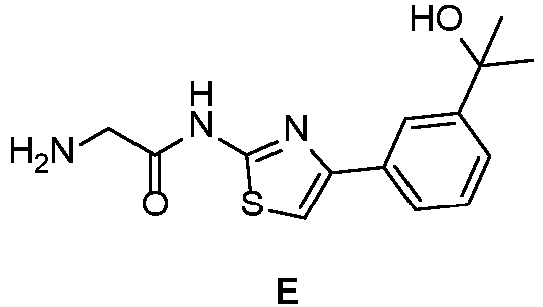
- Intermediate D (50 mg, 127.72 µmol) was dissolved in HCl/dioxane (1 mL). The mixture was stirred at 30 °C for 1 h. The reaction mixture was evaporated to dryness. The residue was purified by Prep-HPLC (FA condition) and lyophilized to give Intermediate E (40 mg, 115.00 µmol, 90.04% yield, FA salt) as white solid. LCMS (ESI) m/z [M+H]+ = 292.1.
-

- To a mixture of 1-methylsulfonylpyrrole-3-carboxylic acid [prepared according to the method in Example 4] (22.43 mg, 118.56 µmol) in DCM (1 mL) was added HATU (67.62 mg, 177.83 µmol) and DIPEA (61.29 mg, 474.22 µmol, 82.60 µL). The mixture was stirred at 30 °C for 15 min, then Intermediate E (40 mg, 118.56 µmol, FA salt) was added and stirred at 30 °C for 1 hours. The reaction mixture was poured into water (30.0 mL) and extracted with EtOAc (30.0 mL x 3). The combined organics were washed with water and brine, dried over Na2SO4, filtered and filtration was evaporated to dryness. The residue was purified by Prep-TLC (SiO2, DCM: MeOH = 10:1) to give Compound 139 (53.83 mg, 115.21 µmol, 97.18% yield) as white solid. LCMS (ESI) m/z [M+H]+ = 463.1; 1H NMR (400 MHz, Methanol) δ 8.06-8.05 (m, 1H), 7.84-7.83 (m, 1H), 7.74 (d, J=7.6 Hz, 1H), 7.45-7.43 (m, 1H), 7.37-7.32 (m, 2H), 7.28-7.27 (m, 1H), 6.81-6.80 (m, 1H), 4.25 (s, 2H), 3.38 (s, 3H), 1.56 (s, 6H).
-

-

- To a solution of tert-butyl N-[2-[(4-bromothiazol-2-yl)amino]-2-oxo-ethyl]carbamate [Prepared according to the method in Example 6] (200 mg, 594.88 µmol), (3-(tert-butyl)phenyl)boronic acid (317.73 mg, 1.78 mmol) and [1,1'-bis(di-tert-butylphosphino)ferrocene]dichloropalladium(II) (38.77 mg, 59.49 µmol) in dioxane (2 mL) and water (0.5 mL) was added K3PO4 (378.82 mg, 1.78 mmol) under N2, the mixture was stirred at 100 °C for 2 h. The reaction mixture was concentrated under reduced pressure to give a residue. The residue was purified by column chromatography (SiO2, Petroleum ether / EtOAc = 5/1) and concentrated under reduced pressure to give Intermediate C (150 mg, 364.69 µmol, 61.31% yield) as a white solid. LCMS (ESI) m/z [M+H]+ = 390.1; 1H NMR (400 MHz, DMSO-d6) δ 12.25 (s, 1H), 7.93 (s, 1H), 7.69-7.62 (m, 2H), 7.37-7.34 (m, 2H), 7.15-7.12 (m, 1H), 3.86 (d, J=6.0 Hz, 2H), 1.40 (s, 9H), 1.32 (s, 9H).
-

- To a solution of Intermediate C (150 mg, 385.10 µmol) in EtOAc (2 mL) was added 4 M HCI/EtOAc (2 mL), the mixture was stirred at 30 °C for 2 h. The reaction mixture was concentrated under reduced pressure to give a residue. The residue was triturated with EtOAc (5.0 mL) and MTBE (5.0 mL), filtered and dried in vacuum to give Intermediate D (200 mg, crude, HCI salt) as a white solid. LCMS (ESI) m/z [M+H]+ = 290.2; 1H NMR (400 MHz, DMSO-d6) δ 12.71 (br s, 1H), 8.43 (br s, 3H), 7.93 (s, 1H), 7.71-7.67 (m, 2H), 7.39-7.34 (m, 2H), 3.93-3.88 (m, 2H), 1.32 (s, 9H).
-
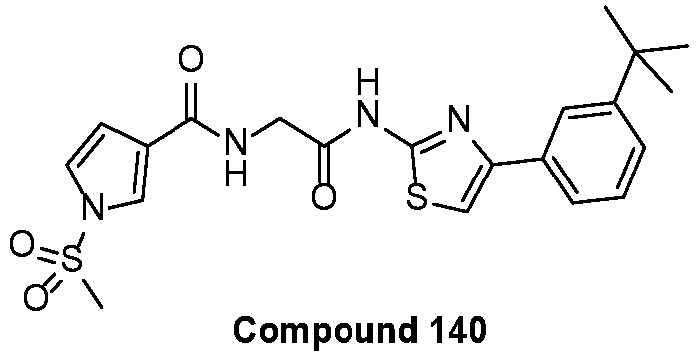
- To a solution of 1-methylsulfonylpyrrole-3-carboxylic acid [prepared according to the method in Example 4] (29.03 mg, 153.44 µmol), HATU (70.01 mg, 184.13 µmol) and DIEA (99.16 mg, 767.21 µmol, 133.63 µL) in DCM (1 mL) was added Intermediate D (50 mg, 153.44 µmol, HCI salt), the mixture was stirred at 30 °C for 2 h. The reaction mixture was concentrated under reduced pressure to give a residue. The residue was purified by Prep-HPLC (mobile phase: [water (0.1% TFA)-acetonitrile]; B%: 48%-78%) and lyophilized to give Compound 140 (37.50 mg, 80.61 µmol, 52.53% yield) as a white solid. LCMS (ESI) m/z [M+H]+ = 461.1; 1H NMR (400 MHz, DMSO-d6) δ 12.38 (s, 1H), 8.67-8.64 (m, 1H), 7.93-7.92 (m, 1H), 7.84-7.83 (m, 1H), 7.70-7.66 (m, 1H), 7.62 (s, 1H), 7.37-7.34 (m, 2H), 7.31-7.30 (m, 1H), 6.78-6.76 (m, 1H), 4.13 (d, J=6.0 Hz, 2H), 3.57 (s, 3H), 1.32 (s, 9H).
-

-

- To a solution of 1-bromo-3-iodo-benzene (0.566 g, 2.00 mmol, 254.95 µL) in THF (6 mL) was added isopropylmagnesiumchloride (2 M, 1.20 mL) at -10°C under N2 protection. The mixture was stirred at -10°C for 30 min. Tetrahydropyran-4-one (200.30 mg, 2.00 mmol, 183.76 µL) was added. The mixture was stirred while warming up to 20°C for 1 h. The reaction mixture was quenched by adding water (10 mL) and the resulting mixture was extracted with EtOAc (15 mL x 2). The combined organic phases were washed with water (10 mL), dried over Na2SO4 and concentrated to give Intermediate C (0.52 g, crude) as yellow oil, which was used in next step without further purification. 1H NMR (400 MHz, CDCl3) δ 7.68 (m, 1H), 7.45-7.39 (m, 2H), 7.26-7.22 (m, 1H), 3.97-3.84 (m, 4H), 2.22-2.10 (m, 2H), 1.68-1.66 (m, 2H).
-

- A mixture of Intermediate C (0.5 g, 1.94 mmol), 4,4,5,5-tetramethyl-2-(4,4,5,5-tetramethyl-1,3,2-dioxaborolan-2-yl)-1,3,2-dioxaborolane (592.56 mg, 2.33 mmol), Pd(dppf)Cl2 (142.29 mg, 194.46 µmol) and KOAc (572.53 mg, 5.83 mmol) in dioxane (10 mL) was degassed and purged with N2 for 3 times, and then the mixture was stirred at 80 °C for 16 h under N2 atmosphere. The reaction mixture was quenched by adding water (10 mL) and the resulting mixture was extracted with EtOAc (15 mL x 2). The combined organic phases were washed with water (10 mL), dried over Na2SO4 and concentrated to give Intermediate E (0.55 g, crude) as yellow oil. The crude product was used in next step without further purification. 1H NMR (400 MHz, CDCl3) δ 7.76 (d, J=7.2 Hz, 1H), 7.65-7.60 (m, 1H), 7.45-7.37 (m, 2H), 4.02-3.86 (m, 4H), 2.26-2.24 (m, 2H), 1.77-1.69 (m, 2H), 1.37 (s, 12H).
-

- A mixture of tert-butyl N-[2-[(4-bromothiazol-2-yl)amino]-2-oxo-ethyl]carbamate [prepared according to the method in Example 6] carbamate (200 mg, 594.88 µmol), Intermediate E (542.86 mg, 1.78 mmol), K3PO4 (378.82 mg, 1.78 mmol) and [1,1'-bis(di-tert-butylphosphino)ferrocene]dichloropalladium(II) (38.77 mg, 59.49 µmol) in dioxane (6 mL) and H2O (2 mL)was degassed and purged with N2 for 3 times, and then the mixture was stirred at 80 °C for 2 h under N2 atmosphere. The reaction mixture was concentrated to dryness to give a residue. The residue was purified by column chromatography (SiO2, Petroleum ether / EtOAc = 1/1) and concentrated in vacuum to give Intermediate G (230 mg, 530.54 µmol, 89.19% yield) as yellow oil. LCMS (ESI) m/z [M+H]+ = 434.0.
-

- To a solution of Intermediate G (25 mg, 57.67 µmol) in DCM (1 mL) was added TFA (770.00 mg, 6.75 mmol, 0.5 mL). The mixture was stirred at 20 °C for 1 h. The reaction mixture was concentrated to dryness to give Intermediate H (26 mg, crude, TFA salt) as yellow solid, which was used in next step without further purification.
-

- To a solution of 1-methylsulfonylpyrrole-3-carboxylic acid [prepared according to the method in Example 4] (10.57 mg, 55.87 µmol) in DCM (3 mL) was added DIPEA (21.66 mg, 167.62 µmol, 29.20 µL) and HATU (25.49 mg, 67.05 µmol). The reaction mixture was stirred at 20 °C for 10 min. Then Intermediate H (25 mg, 55.87 µmol, TFA salt) was added and the mixture was stirred at 20 °C for 16 h. The reaction mixture was concentrated to dryness to give a residue. The residue was purified by Prep-HPLC (mobile phase: [water (0.1% TFA)-acetonitrile]; B%: 24%- 54%) and lyophilized to give Compound 141 (3.39 mg, 6.72 µmol, 12.02% yield) as white solid. LCMS (ESI) m/z [M+H]+ = 505.1; 1H NMR (400 MHz, DMSO-d6) δ 12.42 (s, 1H), 8.69-6.87 (m, 1H), 8.08 (s, 1H), 7.87-7.83 (m, 1H), 7.76 (d, J=7.6 Hz, 1H), 7.64 (s, 1H), 7.49-7.44 (m, 1H), 7.42-7.36 (m, 1H), 7.34-7.30 (m, 1H), 6.79-6.77 (m, 1H), 4.15-4.13 (m, 2H), 3.85-3.72 (m, 4H), 3.58 (s, 3H), 2.05-1.98 (m, 2H), 1.57 (m, 2H).
-

-

- To a solution of 2-(tert-butoxycarbonylamino)acetic acid (5 g, 28.54 mmol) in DMF (50 mL) was added HATU (13.02 g, 34.25 mmol), DIPEA (11.07 g, 85.63 mmol, 14.91 mL) at 0°C and stirred for 0.5 hour. Then 6-bromopyridin-2- amine (4.94 g, 28.54 mmol) was added to the mixture and stirred at 25 °C for 2.5 h. The reaction mixture was diluted with water (100 mL) and extracted with EA (100 mL x 2). The combined organic phase was washed with saturated brines (200 mL x 2) and dried over anhydrous Na2SO4, filtered and concentrated to afford the crude product. The crude product was purified by reversed phase column chromatography (0.1% FA) and lyophilized to give Intermediate C (2.83 g, 8.16 mmol, 28.34% yield) as brown solid. LCMS (ESI) m/z [M+H]+ = 331.8; 1H NMR (400 MHz, CDCl3) δ 8.63 (br s, 1H), 8.19 (d, J=8.4 Hz, 1H), 7.58 (m, 1H), 7.24 (d, J=7.6 Hz, 1H), 5.19 (br s, 1H), 4.01 (br d, J=5.6 Hz, 2H), 1.4 (s, 9H).
-

- To a mixture of 1-bromo-3-iodo-benzene (5.1 g, 18.03 mmol, 2.30 mL) and 4-pyridylboronic acid (2.22 g, 18.03 mmol) in toluene (50 mL), EtOH (25 mL) and H2O (25 mL) was added K2CO3 (6.23 g, 45.07 mmol) and Pd(PPh3)4 (2.08 g, 1.80 mmol) under N2. The reaction mixture was stirred at 80 °C for 17 h under N2. The reaction mixture was poured into water (100 mL), then extracted by EA (100 mL x 3). The combined organic layer was washed with brine, dried over anhydrous sodium sulfate, filtered and concentrated to give residue. The residue was purified by flash silica gel chromatography (Eluent of 0-50% Ethyl acetate / Petroleum ether gradient) to afford Intermediate G (1.33 g, 3.81 mmol, 21.12% yield) as yellow oil. LCMS (ESI) m/z [M+H]+ = 234.0;1H NMR (400 MHz, CDCl3) δ 8.73-8.64 (m, 2H), 7.79-7.78 (m, 1H), 7.61-7.54 (m, 2H), 7.50-7.46 (m, 2H), 7.39-7.38 (m, 1H).
-

- To a solution of Intermediate G (1.33 g, 5.68 mmol) in dioxane (13 mL) was added 4,4,5,5-tetramethyl-2-(4,4,5,5-tetramethyl-1,3,2-dioxaborolan-2-yl)-1,3,2-dioxaborolane (2.89 g, 11.36 mmol), potassium acetate (1.67 g, 17.04 mmol) and Pd(dppf)Cl2 (415.72 mg, 568.15 µmol). The reaction mixture was stirred and refluxed at 120°C for 17 h under N2 atmosphere. The reaction mixture was concentrated to afford residue. The residue was purified by flash silica gel chromatography (Eluent of 30-80% Ethyl acetate / Petroleum ether gradient) to give Intermediate D (1.7 g, 5.44 mmol, 95.78% yield) as black brown oil. LCMS (ESI) m/z [M+H]+ = 282.1. 1H NMR (400 MHz, CDCl3) δ 8.66 (d, J=4.8 Hz, 2H), 8.09 (s, 1H), 7.89-7.88 (m, 1H), 7.76-7.71 (m, 1H), 7.59-7.56 (m, 2H), 7.53-7.48 (m, 1H), 1.38 (s, 12H).
-

- To a solution of Intermediate C (1 g, 3.03 mmol) in dioxane/H2O (V/V=4/1) (20 mL) were added Intermediate D (1.28 g, 4.54 mmol), K3PO4 (1.93 g, 9.09 mmol) and [1,1'-bis(di-tert-butylphosphino)ferrocene]dichloropalladium(II) (197.39 mg, 302.87 µmol) under N2 atmosphere at 25°C. Then the mixture was stirred at 60 °C for 2 h. The reaction mixture was diluted with water (40 mL) and extracted with EA (20 mL x 3). The combined organic phase was dried over anhydrous Na2SO4, filtered and concentrated. The residue was purified by flash silica gel chromatography (Eluent of 0-100% Ethyl acetate / Petroleum ether gradient) to afford Intermediate I (700 mg, 1.73 mmol, 57.14% yield, 100% purity) as a yellow solid. LCMS (ESI) m/z [M+H]+ = 405.1; 1H NMR (400 MHz, CDCl3) δ 8.78-8.72 (m, 3H), 8.27 (s, 1H), 8.17 (m, 1H), 8.00 (d, J=8.0 Hz, 1H), 7.82 (m,1H), 7.68 (m, 1H), 7.61-7.55 (m, 4H), 5.27 (br s, 1H), 4.04 (br s, 2H), 1.49 (s, 9H).
-

- Intermediate I (700 mg, 1.73 mmol) was added to HCl/dioxane (10 mL) and stirred at 25°C for 2 h. The reaction mixture was filtered and solid was collected. The crude product was triturated with EtOAc (10 mL) for 10 mins. The solid was filtered and dried under reduce pressure to give Intermediate J (740 mg, crude, HCI salt) as a white solid. LCMS (ESI) m/z [M+H]+ = 305.1; 1H NMR (400 MHz, DMSO-d6) δ 11.13 (s, 1H), 9.04 (d, J=6.4 Hz, 2H), 8.65 (s, 1H), 8.56 (d, J=6.8 Hz, 2H), 8.48 (br s, 3H), 8.34 (d, J=8.0 Hz, 1H), 8.11-8.10 (m, 1H), 7.99- 7.97 (m, 3H), 7.76 (m, 1H), 3.89 (br s, 2H).
-

- To a solution of 1-(methylsulfonyl)-1H-pyrrole-3-carboxylic acid [prepared according to the method in Example 4] (20 mg, 105.71 µmol) and Intermediate J (36.03 mg, 105.71 µmol, HCI salt) in DMF (1 mL) was added EDCI (40.53 mg, 211.43 µmol), HOBt (28.57 mg, 211.43 µmol) and DIEA (68.31 mg, 528.57 µmol, 92.07 µL) at 25°C. The mixture was stirred at 25-30 °C for 16 h. The reaction mixture was purified directly without work-up. The reaction mixture was purified by reversed phase HPLC (0.1 % NH3•H2O) and lyophilized to give Compound 156 (16.64 mg, 34.88 µmol, 32.99% yield) as a white solid. LCMS (ESI) m/z [M+H]+ = 476.3. 1H NMR (400 MHz, DMSO-d6) δ 10.60 (s, 1H), 8.69-8.66 (m, 2H), 8.61-8.60 ( m, 1H), 8.48 (s, 1H), 8.19 (d, J=8.0 Hz, 1H), 8.05 (br d, J=8.0 Hz, 1H), 7.95-7.80 (m, 7H), 7.70-7.64 (m, 1H), 7.33-7.29 (m, 1H), 6.79-6.78 (m, 1H), 4.15-4.14 (m, 2H), 3.57 (s, 3H).
- The compounds in Table 2 and 2a below were synthesized starting from the appropriate common intermediate ([tert-butyl N-[2-[[4-(3-bromophenyl)thiazol-2-yl]amino]-2-oxo-ethyl]carbamate]) and utilizing the synthetic protocol described in Example 10 following
Scheme 1 below.
Table 2: Compound # LC-MS data(m/z) 1H NMR 157 530.0 1H NMR (400 MHz, DMSO-d6) δ 12.39 (s, 1H), 8.69 - 8.65 (m, 1H), 7.89 - 7.80 (m, 1H), 7.56 (s, 1H), 7.38 - 7.29 (m, 1H), 7.27 - 7.17 (m, 2H), 7.00 (s, 1H), 6.79 - 6.77 (m, 1H), 6.48 - 6.37 (m, 1H), 4.60 (s, 2H), 4.13 (d, J = 5.6 Hz, 2H), 3.96 - 3.89 (m, 4H), 3.57 (s, 3H), 1.33 (s, 6H) 158 533.9 1H NMR (400 MHz, DMSO-d6) δ 12.57 - 12.10 (m, 1H), 8.69 - 8.66 (m, 1H), 7.86 - 7.84 (m, 1H), 7.61 (s, 1H), 7.48 (s, 1H), 7.33 - 7.31 (m, 1H), 7.30 - 7.21 (m, 2H), 6.92 - 6.90 (m, 1H), 6.79 - 6.77 (m, 1H), 4.56 (s, 1H), 4.14 (d, J = 6.0 Hz, 2H), 3.98 (d, J = 2.0 Hz, 1H), 3.58 (s, 3H), 3.35 (s, 3H), 3.30 - 3.13 (m, 5H), 1.87 - 1.60 (m, 2H) 159 554.3 1H NMR (400 MHz, Methanol-d4) δ 7.84 - 7.83 (m, 1H), 7.56 (s, 1H), 7.37 - 7.35 (m, 2H), 7.28 - 7.26(m, 2H), 6.96 - 6.82 (m, 1H), 6.81 - 6.80(m, 1H), 4.25 (s, 2H), 3.89 - 3.88 (m, 1H), 3.56 - 3.54 (m, 2H), 3.53 (s, 3H), 3.38 (s, 3H), 3.22 - 3.20(m, 1H), 2.83 - 2.66 (m, 1H), 2.63 - 2.60 (m, 1H), 2.04 - 2.00 (m, 1H), 1.71 - 1.70 (m, 1H) 160 518.4 1H NMR (400 MHz, CDCl3) δ 11.21 (br s, 1H), 7.71 - 7.70 (m, 1H), 7.38 - 7.32 (m, 1H), 7.28 - 7.27 (m, 1H), 7.23 - 7.21 (m, 1H), 7.17 (s, 1H), 7.05 - 7.04 (m, 1H), 6.86 - 6.85 (m, 1H), 6.34 - 6.33 (m, 1H), 6.29 - 6.28 (m, 1H), 4.01 - 3.93 (m, 2H), 3.92 - 3.79 (m, 3H), 3.73 - 3.62 (m, 1H), 3.29 (s, 3H), 3.18 - 3.16 (m, 1H), 2.78 - 2.75 (m, 1H), 1.26 (d, J = 6.4 Hz, 3H), 1.11 (d, J = 6.4 Hz, 3H) 161 518.1 1H NMR (400 MHz, DMSO-d6) δ 12.21 (s, 1H), 8.68 (d, J = 5.6 Hz, 1H), 7.90 - 7.81 (m, 1H), 7.62 (s, 1H), 7.48 (s, 1H), 7.36 - 7.19 (m, 3H), 6.95 - 6.87 (m, 1H), 6.81 - 6.75 (m, 1H), 4.14 (d, J = 6.0 Hz, 2H), 3.72 - 3.65 (m, 1H), 3.58 (s, 3H), 3.49 - 3.43 (m, 1H), 3.43 - 3.34 (m, 4H), 2.90 - 2.77 (m, 1H), 2.76 - 2.67 (m, 1H), 2.06 - 1.96 (m, 1H), 1.85 - 1.74 (m, 1H), 1.64 - 1.48 (m, 1H), 1.41 - 1.28 (m, 1H) 162 507.2 1H NMR (400 MHz, DMSO-d6) δ 12.35 (s, 1H), 8.39 - 8.38 (m, 1H), 7.69 - 7.68 (m, 1H), 7.62 (s, 1H), 7.45 (s, 1H), 7.37 - 7.31 (m, 1H), 7.30 - 7.22 (m, 1H), 7.16 - 7.15 (m, 1H), 6.95 - 6.92 (m, 1H), 6.62 - 6.61 (m, 1H), 4.12 (d, J = 6.0 Hz, 2H), 3.74 - 3.70 (m, 2H), 3.67 - 3.57 (m, 2H), 2.32 - 2.29 (m, 2H), 1.96 (s, 6H), 1.18 (d, J = 6.0 Hz, 6H) 163 505.1 1H NMR (400 MHz, DMSO-d6) δ 12.34 (s, 1H), 8.37 (d, J = 6.0 Hz, 1H), 7.65 - 7.56 (m, 2H), 7.44 (s, 1H), 7.37 - 7.20 (m, 2H), 7.11 - 7.04 (m, 1H), 6.94 - 6.91 (m, 1H), 6.56 - 6.55 (m, 1H), 4.10 (d, J = 6.0 Hz, 2H), 3.73 - 3.71(m, 2H), 3.63 - 3.60 (m, 2H), 2.28 - 2.25 (m, 2H), 1.86 - 1.70 (m, 4H), 1.17 (d, J = 6.0 Hz, 6H) 169 572.1 1H NMR (400 MHz, DMSO-d6) δ 12.35 (s, 1H), 8.65 (t, J = 5.8 Hz, 1H), 7.84 (t, J = 2.0 Hz, 1H), 7.60 (s, 1H), 7.31 (dd, J = 3.3, 2.3 Hz, 1H), 7.29 - 7.18 (m, 2H), 7.15 (d, J = 2.5 Hz, 1H), 6.77 (dd, J = 3.3, 1.6 Hz, 1H), 6.58 (dt, J = 7.1, 2.4 Hz, 1H), 5.36 (t, J = 5.6 Hz, 1H), 4.13 (d, J = 5.8 Hz, 2H), 3.69 - 3.58 (m, 2H), 3.57 (s, 3H), 3.49 - 3.35 (m, 4H), 2.25 - 2.09 (m, 2H) 170 530.4 1H NMR (400 MHz, DMSO-d6) δ 12.37 (s, 1H), 8.65 (t, J = 5.8 Hz, 1H), 7.84 (t, J = 2.0 Hz, 1H), 7.55 (s, 1H), 7.31 (t, J = 2.8 Hz, 1H), 7.21 (d, J = 4.7 Hz, 2H), 7.03 - 6.90 (m, 1H), 6.77 (dd, J = 3.3, 1.6 Hz, 1H), 6.41 (td, J = 4.5, 2.4 Hz, 1H), 4.13 (d, J = 5.8 Hz, 2H), 3.79 (d, J = 7.6 Hz, 2H), 3.64 (d, J = 7.6 Hz, 2H), 3.59 (t, J = 5.1 Hz, 2H), 3.57 (s, 3H), 1.82 - 1.73 (m, 2H), 1.70 - 1.59 (m, 2H), 1.54 - 1.39 (m, 2H) 171 530.3 1H NMR (400 MHz, DMSO-d6) δ 12.39 (s, 1H), 8.67 (t, J = 5.9 Hz, 1H), 7.85 (t, J = 2.0 Hz, 1H), 7.54 (s, 1H), 7.31 (dd, J = 3.3, 2.3 Hz, 1H), 7.22 - 7.13 (m, 2H), 6.99 - 6.92 (m, 1H), 6.78 (dd, J = 3.4, 1.6 Hz, 1H), 6.44 - 6.30 (m, 1H), 4.13 (d, J = 5.8 Hz, 2H), 3.65 (s, 2H), 3.61 (d, J = 7.1 Hz, 2H), 3.57 (s, 3H), 3.54 (t, J = 5.1 Hz, 2H), 3.49 (d, J = 7.1 Hz, 2H), 1.81 (t, J = 6.0 Hz, 2H), 1.58 - 1.47 (m, 2H) 172 526.4 1H NMR (400 MHz, DMSO-d6) δ 12.40 (s, 1H), 8.65 (t, J = 5.8 Hz, 1H), 7.90 - 7.79 (m, 2H), 7.58 (s, 1H), 7.46 (d, J = 1.3 Hz, 1H), 7.34 - 7.21 (m, 3H), 7.05 (d, J = 2.0 Hz, 1H), 6.98 (s, 1H), 6.77 (dd, J = 3.3, 1.6 Hz, 1H), 6.50 (dt, J = 7.3, 2.0 Hz, 1H), 5.28 (ddd, J = 13.0, 7.5, 5.5 Hz, 1H), 4.34 (t, J = 7.7 Hz, 2H), 4.13 (d, J = 5.8 Hz, 2H), 4.01 (dd, J = 7.9, 5.4 Hz, 2H), 3.57 (s, 3H) 173 559.4 1H NMR (400 MHz, DMSO-d6) δ 12.37 (s, 1H), 8.66 (t, J = 5.9 Hz, 1H), 7.84 (t, J = 2.0 Hz, 1H), 7.55 (s, 1H), 7.31 (dd, J = 3.3, 2.3 Hz, 1H), 7.19 (d, J = 4.9 Hz, 2H), 7.00 - 6.89 (m, 1H), 6.77 (dd, J = 3.3, 1.6 Hz, 1H), 6.37 (td, J = 4.6, 2.4 Hz, 1H), 4.13 (d, J = 5.8 Hz, 2H), 3.96 (t, J = 7.4 Hz, 2H), 3.61 - 3.52 (m, 7H), 3.48 (dd, J = 7.1, 5.7 Hz, 2H), 2.92 (tq, J = 13.3, 7.0, 6.5 Hz, 1H), 2.57 (d, J = 7.4 Hz, 2H), 2.37 (t, J = 4.6 Hz, 4H) 174 526.6 1H NMR (400 MHz, DMSO-d6) δ 12.39 (s, 1H), 8.65 (t, J = 5.9 Hz, 1H), 7.93 (d, J = 2.3 Hz, 1H), 7.84 (t, J = 2.0 Hz, 1H), 7.58 (s, 1H), 7.54 (d, J = 1.8 Hz, 1H), 7.32 - 7.29 (m, 1H), 7.29 - 7.22 (m, 2H), 7.07 - 7.02 (m, 1H), 6.77 (dd, J = 3.3, 1.6 Hz, 1H), 6.49 (dt, J = 7.0, 2.2 Hz, 1H), 6.31 (t, J = 2.1 Hz, 1H), 5.49 - 5.30 (m, 1H), 4.36 (t, J = 7.6 Hz, 2H), 4.13 (dt, J = 7.5, 4.0 Hz, 4H), 3.57 (s, 3H) 176 544.2 1H NMR (400 MHz, DMSO-d6) δ 12.38 (s, 1H), 8.66 (t, J = 5.9 Hz, 1H), 7.93 (d, J = 8.4 Hz, 1H), 7.79 (dt, J = 41.2, 2.0 Hz, 1H), 7.65 (d, J = 8.2 Hz, 1H), 7.59 (s, 1H), 7.51 - 7.34 (m, 1H), 7.33 - 7.22 (m, 3H), 7.02 (dt, J = 6.7, 1.9 Hz, 1H), 6.70 (ddd, J = 55.1, 3.3, 1.6 Hz, 1H), 6.49 (dt, J = 7.5, 1.8 Hz, 1H), 4.15 (dd, J = 14.0, 7.4 Hz, 3H), 3.85 (d, J = 8.9 Hz, 1H), 3.59 (d, J = 12.3 Hz, 3H) 177 490.2 1H NMR (400 MHz, DMSO-d6) δ 12.36 (s, 1H), 8.65 (t, J = 5.9 Hz, 1H), 7.84 (t, J = 2.0 Hz, 1H), 7.54 (s, 1H), 7.31 (dd, J = 3.3, 2.3 Hz, 1H), 7.20 (t, J = 7.8 Hz, 1H), 7.14 - 7.08 (m, 1H), 7.05 (t, J = 2.0 Hz, 1H), 6.77 (dd, J = 3.4, 1.6 Hz, 1H), 6.48 (dd, J = 8.2, 2.4 Hz, 1H), 4.42 (dt, J = 5.2, 2.4 Hz, 1H), 4.13 (d, J = 5.8 Hz, 2H), 3.57 (s, 3H), 3.45 (dd, J = 10.0, 4.9 Hz, 1H), 3.41 - 3.26 (m, 2H), 3.14 - 3.07 (m, 1H), 2.16 - 2.00 (m, 1H), 1.92 (tt, J = 8.3, 3.5 Hz, 1H) 178 490.2 1H NMR (400 MHz, DMSO-d6) δ 12.36 (s, 1H), 8.65 (t, J = 5.9 Hz, 1H), 7.84 (t, J = 2.0 Hz, 1H), 7.54 (s, 1H), 7.31 (t, J = 2.8 Hz, 1H), 7.20 (t, J = 7.8 Hz, 1H), 7.12 (d, J = 7.6 Hz, 1H), 7.05 (t, J = 2.0 Hz, 1H), 6.77 (dd, J = 3.4, 1.6 Hz, 1H), 6.48 (dd, J = 8.2, 2.5 Hz, 1H), 4.46 - 4.38 (m, 1H), 4.13 (d, J = 5.8 Hz, 2H), 3.57 (s, 3H), 3.45 (dd, J = 10.0, 4.9 Hz, 1H), 3.41 - 3.26 (m, 2H), 3.14 - 3.06 (m, 1H), 2.12 - 2.00 (m, 1H), 1.96 - 1.86 (m, 1H) 179 490.2 1H NMR (400 MHz, DMSO-d6) δ 12.37 (s, 1H), 8.65 (t, J = 5.9 Hz, 1H), 7.84 (t, J = 2.0 Hz, 1H), 7.55 (s, 1H), 7.31 (dd, J = 3.3, 2.3 Hz, 1H), 7.20 (d, J = 4.9 Hz, 2H), 7.00 - 6.91 (m, 1H), 6.77 (dd, J = 3.3, 1.6 Hz, 1H), 6.44 - 6.34 (m, 1H), 5.50 (s, 1H), 4.13 (d, J = 5.8 Hz, 2H), 3.78 (d, J = 7.1 Hz, 2H), 3.63 (d, J = 7.2 Hz, 2H), 3.57 (s, 3H), 1.47 (s, 3H) 184 534.1 1H NMR (400 MHz, DMSO-d6) δ 12.38 (s, 1H), 8.65 (d, J = 6.0 Hz, 1H), 7.84 (d, J = 2.0 Hz, 1H), 7.56 (s, 1H), 7.31 - 7.30 (m, 1H), 7.25 - 7.19 (m, 2H), 6.97 (d, J = 1.2 Hz, 1H), 6.77 - 6.76 (m, 1H), 6.44 - 6.37 (m, 1H), 4.50 - 4.38 (m, 1H), 4.19 - 4.02 (m, 4H), 3.63 - 3.59 (m, 2H), 3.57 (s, 3H), 3.56 - 3.53 (m, 2H), 3.49 - 3.44 (m, 2H), 3.26 (s, 3H) 185 452.0 1H NMR (400 MHz, DMSO-d6) δ 12.32 (s, 1H), 8.25 - 8.21 (m, 1H), 7.58 - 7.54 (m, 2H), 7.22 - 7.19 (m, 2H), 7.02 - 7.01 (m, 1H), 6.95 (d, J = 1.2 Hz, 1H), 6.58 - 6.56 (m, 1H), 6.39 - 6.36 (m, 1H), 4.85 (d, J = 6.8 Hz, 2H), 4.63 (d, J = 6.8 Hz, 2H), 4.10 (d, J = 5.6 Hz, 2H), 3.86 - 3.82 (m, 4H), 2.35 - 2.30 (m, 2H), 1.80 (s, 3H) 186 438.0 1H NMR (400 MHz, DMSO-d6) δ 12.30 (s, 1H), 8.17 - 8.13 (m, 1H), 7.54 - 7.52 (m, 2H), 7.21 - 7.19 (m, 2H), 6.98 - 6.94 (m, 2H), 6.49 - 6.47 (m, 1H), 6.39 - 6.35 (m, 1H), 4.09 (d, J = 5.6 Hz, 2H), 3.86 - 3.82 (m, 4H), 2.35 - 2.30 (m, 2H), 1.50 (s, 9H) 187 516.2 1H NMR (400 MHz, DMSO-d6) δ 12.34 (s, 1H), 8.67 - 8.64 (m, 1H), 7.84 - 7.83 (m, 1H), 7.58 (s, 1H), 7.43 - 7.42 (m, 1H), 7.31 - 7.30 (m, 1H), 7.27 - 7.20 (m, 2H), 6.88 - 6.86 (m, 1H), 6.77 - 6.76 (m, 1H), 4.13 - 4.12 (m, 2H), 3.57 (s, 3H), 3.20 - 3.16 (m, 2H), 2.85 - 2.81 (m, 2H), 2.01 - 1.97 (m, 2H), 1.41 - 1.38 (m, 2H), 0.99 (d, J=6.8 Hz, 6H) 192 513.2 1H NMR (400 MHz, DMSO-d6) δ 12.36 (s, 1H), 8.32 (d, J = 6.0 Hz, 1H), 7.88 (d, J = 2.4 Hz, 1H), 7.62 (s, 1H), 7.45 (s, 1H), 7.36 - 7.31 (m, 1H), 7.30 - 7.24 (m, 1H), 6.97 - 6.91 (m, 1H), 6.63 (d, J = 2.4 Hz, 1H), 5.03 (d, J = 6.0 Hz, 1H), 4.17 (d, J = 6.0 Hz, 2H), 3.77 - 3.68 (m, 2H), 3.66 - 3.59 (m, 4H), 2.33 - 2.23 (m, 2H), 1.52 (s, 6H), 1.18 (d, J = 6.0 Hz, 6H) 193 562.5 1H NMR (400 MHz, DMSO-d6) δ 12.39 (s, 1H), 8.69 - 8.66 (m, 1H), 7.81 (d, J = 2.0 Hz, 1H), 7.62 (s, 1H), 7.44 (s, 1H), 7.31 - 7.30 (m, 1H), 7.29 - 7.22 (m, 2H), 6.93 (d, J = 8.0 Hz, 1H), 6.75 - 6.74 (m, 1H), 4.13 (d, J = 5.6 Hz, 2H), 3.99 - 3.96 (m, 2H), 3.71 - 3.70 (m, 2H), 3.63 - 3.59 (m, 4H), 3.15 (s, 3H), 2.28 - 2.25 (m, 2H), 1.17 (d, J = 6.4 Hz, 6H) 194 532.2 1H NMR (400 MHz, Methanol-d4) δ 7.92 (s, 1H), 7.84 - 7.83 (m, 1H), 7.76 (d, J=7.2 Hz, 1H), 7.50 - 7.47 (m, 2H), 7.32 - 7.27 (m, 2H), 6.81-6.80 (m, 1H), 4.26 (s, 2H), 3.77 - 3.74 (m, 1H), 3.57-3.54 (m, 1H), 3.46 (d, J=12.7 Hz, 1H), 3.39 (s, 3H), 3.37 - 3.34 (m, 1H), 3.07 (d, J=12.8 Hz, 1H), 2.10 (s, 1H), 2.00 - 1.93 (m, 1H), 1.13 (d, J=10.8 Hz, 6H) 198 534.3 1H NMR (400 MHz, DMSO-d6) δ 12.36 (s, 1H), 8.65 (t, J = 5.9 Hz, 1H), 7.84 (t, J = 2.0 Hz, 1H), 7.56 (s, 1H), 7.31 (dd, J = 3.3, 2.3 Hz, 1H), 7.21 (t, J = 7.8 Hz, 1H), 7.19 - 7.14 (m, 1H), 7.06 (t, J = 1.9 Hz, 1H), 6.77 (dd, J = 3.3, 1.7 Hz, 1H), 6.52 (ddd, J = 7.9, 2.6, 1.2 Hz, 1H), 4.14 (d, J = 5.8 Hz, 2H), 3.99 (dd, J = 4.0, 1.9 Hz, 2H), 3.57 (s, 3H), 3.47 (dd, J = 10.7, 4.5 Hz, 2H), 3.38 - 3.24 (m, 8H) 199 534.3 1H NMR (400 MHz, DMSO-d6) δ 12.35 (s, 1H), 8.66 (t, J = 5.9 Hz, 1H), 7.84 (t, J = 2.0 Hz, 1H), 7.56 (s, 1H), 7.31 (dd, J = 3.3, 2.3 Hz, 1H), 7.20 (t, J = 7.8 Hz, 1H), 7.14 (dt, J = 7.6, 1.3 Hz, 1H), 7.03 (t, J = 2.0 Hz, 1H), 6.77 (dd, J = 3.3, 1.6 Hz, 1H), 6.48 (ddd, J = 8.1, 2.6, 1.1 Hz, 1H), 4.13 (d, J = 5.8 Hz, 2H), 4.05 (t, J = 4.2 Hz, 2H), 3.57 (s, 3H), 3.47 (dd, J = 9.6, 5.1 Hz, 2H), 3.36 (s, 6H), 3.27 (dd, J = 9.7, 4.1 Hz, 2H) 200 518.4 1H NMR (400 MHz, DMSO-d6) δ 12.36 (s, 1H), 8.65 (t, J = 5.9 Hz, 1H), 7.84 (t, J = 1.9 Hz, 1H), 7.55 (s, 1H), 7.31 (dd, J = 3.3, 2.3 Hz, 1H), 7.19 (t, J = 7.8 Hz, 1H), 7.16 - 7.11 (m, 1H), 7.09 (t, J = 2.0 Hz, 1H), 6.77 (dd, J = 3.3, 1.6 Hz, 1H), 6.53 - 6.46 (m, 1H), 4.13 (d, J = 5.8 Hz, 2H), 3.57 (s, 3H), 3.45 - 3.24 (m, 8H), 3.04 (dd, J = 9.4, 6.6 Hz, 1H), 2.59 (p, J = 7.2 Hz, 1H), 2.16 - 2.01 (m, 1H), 1.73 (dq, J = 12.3, 7.8 Hz, 1H) 201 518.3 1H NMR (400 MHz, DMSO-d6) δ 12.36 (s, 1H), 8.65 (t, J = 5.9 Hz, 1H), 7.84 (t, J = 2.0 Hz, 1H), 7.55 (s, 1H), 7.31 (dd, J = 3.3, 2.3 Hz, 1H), 7.19 (t, J = 7.8 Hz, 1H), 7.16 - 7.10 (m, 1H), 7.09 (t, J = 2.0 Hz, 1H), 6.77 (dd, J = 3.3, 1.7 Hz, 1H), 6.54 - 6.44 (m, 1H), 4.13 (d, J = 5.8 Hz, 2H), 3.57 (s, 3H), 3.46 - 3.23 (m, 8H), 3.04 (dd, J = 9.4, 6.6 Hz, 1H), 2.58 (dq, J = 14.3, 7.1 Hz, 1H), 2.08 (dtd, J = 11.9, 7.2, 4.5 Hz, 1H), 1.73 (dq, J = 12.2, 7.8 Hz, 1H) 202 530.4 1H NMR (400 MHz, DMSO-d6) δ 12.32 (s, 1H), 8.63 (s, 1H), 7.82 (t, J = 2.0 Hz, 1H), 7.57 (s, 1H), 7.45 (t, J = 2.1 Hz, 1H), 7.32 - 7.25 (m, 2H), 7.22 (t, J = 7.8 Hz, 1H), 6.89 (ddd, J = 8.2, 2.7, 1.1 Hz, 1H), 6.75 (dd, J = 3.3, 1.7 Hz, 1H), 4.34 (s, 4H), 4.12 (d, J = 5.8 Hz, 2H), 3.55 (s, 3H), 3.15 - 3.07 (m, 4H), 1.92 - 1.85 (m, 4H) 203 545.9 1H NMR (400 MHz, DMSO-d6) δ 12.39 (s, 1H), 8.70 - 8.69 (m, 1H), 7.84 - 7.84 (m, 1H), 7.63 (s, 1H), 7.40 (s, 1H), 7.34 - 7.23 (m, 3H), 6.89 (d, J=8.0 Hz, 1H), 6.78 - 6.77 (m, 1H), 4.13 - 4.14 (m, 2H), 3.58 (s, 3H), 3.05 (s, 4H), 1.24 (s, 12H) 204 530.1 1H NMR (400 MHz, DMSO-d6) δ 12.01 (br s, 1H), 8.71 - 8.67 (m, 1H), , 7.85 - 7.84 (m, 1H), 7.64 (s, 1H), 7.54 (s, 1H), 7.38 - 7.23 (m, 3H), 6.98 - 6.95 (m, 1H), 6.78 - 6.76 (m, 1H), 4.38 - 4.29 (m, 4H), 4.13 (d, J = 5.6 Hz, 2H), 3.57 (s, 3H), 3.33 (s, 2H), 3.08 - 2.98 (m, 2H), 1.82 - 1.73 (m, 2H), 1.64 - 1.53 (m, 2H) 207 486.1 1H NMR (400 MHz, DMSO-d6) δ 12.37 (s, 1H), 8.67 - 8.64 (m, 1H), 7.84 - 7.83 (m, 1H), 7.54 (s, 1H), 7.30 - 7.29 (m, 1H), 7.17 - 7.15 (m, 2H), 7.05 (s, 1H), 6.77 - 6.76 (m, 1H), 6.51 (d, J=7.6 Hz, 1H), 4.13 (d, J=5.6 Hz, 2H), 3.57 (s, 3H), 3.52 (d, J=9.2 Hz, 2H), 3.20 (d, J=8.4 Hz, 2H), 1.70 (d, J=3.6 Hz, 2H), 0.74 - 0.69 (m, 1H), 0.28 - 0.26 (m, 1H) 209 518.2 1H NMR (400 MHz, DMSO-d6) δ 12.40 (br s, 1H), 8.72 - 8.69 (m, 1H), 7.83 - 7.61 (m, 1H), 7.61 (s, 1H), 7.47 (s, 1H), 7.34 - 7.20 (m, 3H), 6.90 - 6.79 (m, 1H), 6.79 - 6.78 (m, 1H), 4.14 (d, J = 5.6 Hz, 2H), 3.78 - 3.56 (m, 5H), 2.95 - 2.82 (m, 2H), 1.93 - 1.76 (m, 2H), 1.57 - 1.43 (m, 2H), 1.13 - 1.10 (m, 3H) 210 504.1 1H NMR (400 MHz, DMSO-d6) δ 12.35 (br s, 1H), 8.68 - 8.65 (m, 1H), 7.86 - 7.84 (m, 1H), 7.58 (s, 1H), 7.33 - 7.31 (m, 1H), 7.26 (s, 1H), 7.23 - 7.19 (m, 1H), 7.17 - 7.12 (m, 1H), 6.80 - 6.76 (m, 1H), 6.73 - 6.71 (m, 1H), 4.14 (d, J = 6.0 Hz, 2H), 3.77 - 3.73 (m, 2H), 3.64 - 3.57 (m, 9H), 1.96 - 1.90 (m, 2H) 212 476.0 1H NMR (400 MHz, DMSO-d6) δ 8.69 - 8.66 (m, 1H), 7.84 (s, 1H), 7.56 (s, 1H), 7.31 - 7.30 (m, 1H), 7.20 (d, J = 4.8 Hz, 2H), 6.96 (s, 1H), 6.77 - 6.76 (m, 1H), 6.44 - 6.34 (m, 1H), 5.72 - 5.57 (m, 1H), 4.58 (d, J = 4.0 Hz, 1H), 4.13 - 4.08 (m, 4H), 3.57 (s, 3H), 3.52 - 3.50 (m, 2H) 214 502.0 1H NMR (400 MHz, DMSO-d6) δ 12.41 - 12.35 (m, 1H), 8.74 - 8.67 (m, 1H), 7.84 (s, 1H), 7.57 (d, J = 2.4 Hz, 1H), 7.31 (d, J = 2.4 Hz, 1H), 7.21 - 7.16 (m, 2H), 7.11 (s, 1H), 6.77 (d, J = 1.6 Hz, 1H), 6.60 - 6.58 (m, 1H), 4.63 - 4.58 (m, 2H), 4.13 (d, J = 4.0 Hz, 2H), 3.77 (d, J = 6.8 Hz, 1H), 3.68 (d, J = 5.6 Hz, 1H), 3.57 (d, J = 2.0 Hz, 3H), 3.53 (d, J = 10.0 Hz, 1H), 3.00 (d, J = 9.2 Hz, 1H), 1.95 - 1.85 (m, 2H) 215 504.2 1H NMR (400 MHz, Methanol-d4) δ= 8.29 (s, 1H), 7.84 - 7.83 (m 1H), 7.54 (s, 1H), 7.35 - 7.33 (m, 2H), 7.28 - 7.23 (m, 2H), 6.94 - 6.92 (m, 1H), 6.81 - 6.80 (m, 1H), 4.25 (s, 2H), 3.83 - 3.75 (m, 1H), 3.65 - 3.61 (m, 1H), 3.49 - 3.46 (m, 1H), 3.38 (s, 3H), 2.82 - 2.76 (m, 1H), 2.70 - 2.65 (m, 1H), 2.03 - 1.98 (m, 1H), 1.93 - 1.85 (m, 1H), 1.74 - 1.63 (m, 1H), 1.47 - 1.37 (m, 1H) 216 513.1 1H NMR (400 MHz, DMSO-d6) δ 12.38 (br s, 1H), 8.68 - 8.67 (m, 1H), 7.84 - 7.83 (m, 1H), 7.62 (s, 1H), 7.50 - 7.46 (m, 1H), 7.36 - 7.32 (m, 1H), 7.31 - 7.31 (m, 1H), 7.29 - 7.24 (m, 1H), 6.93 - 6.92 (m, 1H), 6.77 - 6.77 (m, 1H), 4.13 (d, J = 6.0 Hz, 2H), 3.57 (s, 3H), 3.43 - 3.39 (m, 2H), 3.12 - 3.02 (m, 3H), 2.06 - 1.97 (m, 2H), 1.89 - 1.79 (m, 2H) 220 517.3 1H NMR (400 MHz, DMSO-d6) δ 12.40 (s, 1H), 8.68 - 8.67( m, 1H), 7.85 - 7.84 (m, 1H), 7.66 (s, 1H), 7.46 (s, 1H), 7.39 - 7.24 (m, 3H), 6.93 - 6.78 (m, 1H), 6.77 - 6.76 (m, 1H), 4.13 (d, J=6.0 Hz, 2H), 3.81 (s, 2H), 3.57 (s, 3H), 3.55 - 3.51 (m, 2H), 3.48 - 3.43 (m, 2H), 2.91 (s, 3H) 221 546.9 1H NMR (400 MHz, DMSO-d6) δ 12.51 - 12.21 (m, 1H), 8.68 - 8.61 (m, 1H), 7.81 - 7.80 (m, 1H), 7.61 (s, 1H), 7.44 (s, 1H), 7.34 - 7.32 (m, 1H), 7.28 - 7.24 (m, 2H), 6.94 - 6.91 (m, 1H), 6.75 - 6.74 (m, 1H), 4.13 (d, J = 5.6 Hz, 2H), 3.74 - 3.69 (m, 2H), 3.63 - 3.60 (m, 2H), 2.79 (s, 6H), 2.28 - 2.26 (m, 2H), 1.17 (d, J = 6.4 Hz, 6H) 222 530.0 1H NMR (400 MHz, DMSO-d6) δ 12.41 (s, 1H), 8.69 - 6.67 (m, 1H), 7.84 - 7.83 (m, 1H), 7.55 (s, 1H), 7.31 - 7.30 (m, 1H), 7.20 - 7.18 (m, 2H), 6.92 (s, 1H), 6.77 - 6.76 (m, 1H), 6.36 - 6.35 (m, 1H), 4.13 (d, J=6.0 Hz, 2H), 3.82 - 3.77 (m, 5H), 3.57 (s, 3H), 3.12 (s, 3H), 2.52 (s, 2H), 2.08 - 2.03 (m, 2H) 223 516.3 1H NMR (400 MHz, DMSO-d6) δ 12.37 (s, 1H), 8.65 (t, J = 5.9 Hz, 1H), 7.84 (t, J = 2.0 Hz, 1H), 7.55 (s, 1H), 7.31 (dd, J = 3.3, 2.3 Hz, 1H), 7.21 (d, J = 6.8 Hz, 2H), 7.16 (d, J = 2.5 Hz, 1H), 6.77 (dd, J = 3.3, 1.6 Hz, 1H), 6.60 (dt, J = 7.0, 2.4 Hz, 1H), 4.13 (d, J = 5.8 Hz, 2H), 3.86 (dd, J = 8.7, 6.5 Hz, 2H), 3.61 - 3.51 (m, 5H), 3.40 (dd, J = 9.5, 7.3 Hz, 2H), 3.20 (dd, J = 9.6, 2.7 Hz, 2H), 3.02 (h, J = 3.6 Hz, 2H) 224 504.2 1H NMR (400 MHz, DMSO-d6) δ 12.36 (s, 1H), 8.66 (t, J = 5.9 Hz, 1H), 7.85 (t, J = 2.0 Hz, 1H), 7.55 (s, 1H), 7.31 (dd, J = 3.3, 2.3 Hz, 1H), 7.20 (t, J = 7.8 Hz, 1H), 7.14 (dt, J = 7.6, 1.3 Hz, 1H), 7.07 (t, J = 2.0 Hz, 1H), 6.78 (dd, J = 3.3, 1.7 Hz, 1H), 6.51 (ddd, J = 8.1, 2.6, 1.1 Hz, 1H), 4.14 (d, J = 5.8 Hz, 2H), 4.12 - 4.07 (m, 1H), 3.57 (s, 3H), 3.46 (dd, J = 10.5, 5.0 Hz, 1H), 3.36 - 3.23 (m, 6H), 2.09 (td, J = 8.1, 4.9 Hz, 2H) 225 510.1 1H NMR (400 MHz, DMSO-d6) δ 12.37 (s, 1H), 8.66 (t, J = 5.9 Hz, 1H), 7.84 (t, J = 2.0 Hz, 1H), 7.61 (s, 1H), 7.31 (dd, J = 3.3, 2.3 Hz, 1H), 7.28 - 7.23 (m, 2H), 7.12 (t, J = 1.7 Hz, 1H), 6.77 (dd, J = 3.3, 1.6 Hz, 1H), 6.59 (td, J = 4.6, 2.5 Hz, 1H), 4.13 (d, J = 5.8 Hz, 2H), 3.74 (t, J = 13.4 Hz, 2H), 3.57 (s, 3H), 3.52 (t, J = 7.2 Hz, 2H), 2.64 - 2.52 (m, 2H) 227 545.2 1H NMR (400 MHz, DMSO-d6) δ 12.42 - 12.35 (m, 1H), 8.67 - 8.66 (m, 1H), 7.85 - 7.84 (m, 1H), 7.56 (s, 1H), 7.32 - 7.30 (m, 1H), 7.22 (d, J = 4.8 Hz, 2H), 6.97 (s, 1H), 6.78 - 6.77 (m, 1H), 6.42 - 6.40 (m, 1H), 4.14 (d, J = 5.6 Hz, 2H), 3.94 - 3.93 (m, 2H), 3.63 (d, J = 1.6 Hz, 2H), 3.62 - 3.59 (m, 5H), 3.58 (s, 3H), 2.36 (s, 4H) 228 532.2 1H NMR (400 MHz, DMSO-d6) δ 7.77 - 7.76 (m, 1H), 7.51 (s, 1H), 7.39 (s, 1H), 7.33 - 7.24 (m, 3H), 6.92 - 6.91 (m, 1H), 6.77 - 6.76 (m, 1H), 4.12 - 4.11 (m, 2H), 3.78 - 3.65 (m, 2H), 3.63 - 3.51 (m, 4H), 2.27 - 2.24 (m, 2H), 1.16 - 1.08 (m, 9H) 229 496.2 1H NMR (400 MHz, Methanol-d4) δ 7.67 (s, 1H), 7.54 (s, 1H), 7.38 (d, J = 4.0 Hz, 2H), 7.30 - 7.26 (m, 1H), 7.07 (d, J = 2.4 Hz, 1H), 6.94 (d, J = 8.0 Hz, 1H), 6.68 - 6.66 (m, 1H), 5.39 - 5.34 (m, 1H), 5.10 (d, J = 3.2 Hz, 2H), 4.88 (s, 2H), 4.25 (s, 2H), 3.86 - 3.81 (m, 2H), 3.59 (d, J = 12.0 Hz, 2H), 2.40 - 2.34 (m, 2H), 1.26 - 1.24 (m, 6H) 230 502.1 1H NMR (400 MHz, DMSO-d6) δ 12.38 (s, 1H), 8.68 - 8.65 (m, 1H), 7.85 - 7.84 (m, 1H), 7.59 (s, 1H), 7.32 -7.22 (m, 3H), 6.78 - 6.77 (m, 1H), 6.73 - 6.70 (m, 1H), 4.75 (d, J = 6.6 Hz, 2H), 4.14 (d, J = 5.8 Hz, 2H), 3.61 (s, 5H), 3.45 (d, J = 11.2 Hz, 2H), 3.19 - 3.08 (m, 1H), 2.53 (d, J = 1.6 Hz, 2H) 231 474.0 1H NMR (400 MHz, DMSO-d6) δ 12.36 (s, 1H), 8.67 - 8.64 (m, 1H), 7.84 - 7.83 (m, 1H), 7.53 (s, 1H), 7.31 - 7.30 (m, 1H), 7.21 - 7.17 (m, 1H), 7.12 - 7.07 (m, 2H), 6.77 - 6.76 (m, 1H), 6.51 - 6.49 (m, 1H), 4.12 (d, J = 6.0 Hz, 2H), 3.56 (s, 3H), 3.28 - 3.24 (m, 4H), 1.99 - 1.95 (m, 4H) 232 502.3 1H NMR (400 MHz, DMSO-d6) δ 12.28-12.22 (m, 1H), 8.67-8.66 (m, 1H), 7.84-7.83 (m, 1H), 7.58 (s, 1H), 7.45 (s, 1H), 7.30-7.26 (m, 1H), 7.23-7.21 (m, 2H), 6.77 (m, 1H), 6.77-6.76 (m, 1H), 4.14 (d, J = 5.6Hz, 2H), 3.66-3.60 (m, 2H), 3.57 (s, 3H), 2.66-2.62 (m, 1H), 2.36-2.30 (m, 1H), 1.74-1.69 (m, 4H), 1.02-0.94 (m, 1H), 0.94 (d, J = 6.4 Hz, 3H) 233 460.2 1H NMR (400 MHz, DMSO-d6) δ 12.35 (s, 1H), 8.66 - 8.63 (m, 1H), 7.84 - 7.83 (m, 1H), 7.54 (s, 1H), 7.31 - 7.30 (m, 1H), 7.20 - 7.19 (m, 2H), 6.94 (d, J = 0.8 Hz, 1H), 6.77 - 6.76 (m, 1H), 6.38 - 6.35 (m, 1H), 4.12 (d, J = 6.0 Hz, 2H), 3.84 - 3.81 (m, 4H), 3.58 (s, 3H), 2.35 - 2.28 (m, 2H) 234 540.2 1H NMR (400 MHz, DMSO-d6) δ 12.37 - 12.32 (m, 1H), 8.70 - 8.69 (m, 1H), 7.86 - 7.85 (m, 1H), 7.62 (s, 1H), 7.53 (s, 1H), 7.31 - 7.28 (m, 4H), 7.27 - 7.26 (m, 1H), 6.79 - 6.78 (m, 1H), 4.25 (s, 2H), 4.14 (d, J = 5.6 Hz, 2H), 3.71 - 3.67 (m, 3H), 3.67 - 3.62 (m, 2H), 3.58 (s, 3H), 2.79 - 2.77 (m, 2H) 235 510.1 1H NMR (400 MHz, Methanol-d4) δ 7.54 (d, J = 10.4 Hz, 2H), 7.40 - 7.33 (m, 2H), 7.30 - 7.23 (m, 1H), 6.98 (d, J = 1.6 Hz, 1H), 6.93 (d, J = 8.0 Hz, 1H), 6.66 (d, J = 1.2 Hz, 1H), 4.97 (d, J = 6.4 Hz, 2H), 4.71 (d, J = 6.4 Hz, 2H), 4.23 (s, 2H), 3.88 - 3.75 (m, 2H), 3.57 (d, J = 11.6 Hz, 2H), 2.38 - 2.32 (m, 2H), 1.88 (s, 3H), 1.24 (d, J = 6.0 Hz, 6H) 238 502.3 1H NMR (400 MHz, DMSO-d6) δ 12.83 - 11.71 (m, 1H), 8.68 - 8.65 (m, 1H), 7.85 (s, 1H), 7.59 (s, 1H), 7.46 (s, 1H), 7.33 - 7.30 (m, 1H), 7.30 - 7.20 (m, 2H), 6.89 (d, J = 7.2 Hz, 1H), 6.78 - 6.77(m, 1H), 4.14 (d, J = 6.0 Hz, 2H), 3.66 - 3.61 (m, 2H), 3.57 (s, 3H), 2.66 - 2.60 (m, 1H), 2.36 - 2.30 (m, 1H), 1.79 - 1.66 (m, 3H), 1.63 - 1.53 (m, 1H), 1.06 - 1.02 (m, 1H), 0.93 (d, J = 6.4 Hz, 3H) 239 504.0 1H NMR (400 MHz, DMSO-d6) δ 12.35 (s, 1H), 8.67 - 8.64 (m, 1H), 7.84 - 7.83 (m, 1H), 7.59 (s, 1H), 7.41 (s, 1H), 7.31 - 7.30 (m, 2H), 7.30 - 7.26 (m, 1H), 6.77 (d, J = 2.0 Hz, 1H), 6.77 - 6.76 (m, 1H), 4.14 (d, J = 5.6 Hz, 2H), 3.94 - 3.89 (m, 2H), 3.73 - 3.70 (m, 2H), 3.60 - 3.57 (m, 4H), 3.18 (d, J = 12.0 Hz, 1H), 3.04 - 3.02 (m, 1H), 1.01 (d, J = 6.4 Hz, 3H) 241 524.3 1H NMR (400 MHz, DMSO-d6) δ 12.50 - 12.21 (m, 1H), 8.72 - 8.60 (m, 1H), 7.88 - 7.81 (m, 1H), 7.64 (s, 1H), 7.55 - 7.49 (m, 1H), 7.41 - 7.24 (m, 3H), 7.02 - 6.94 (m, 1H), 6.85 - 6.73 (m, 1H), 4.17 - 4.10 (m, 2H), 3.58 (s, 3H), 3.39 (s, 4H), 2.15 - 2.04 (m, 4H) 242 488.2 1H NMR (400 MHz, DMSO-d6) δ 12.35 (br s, 1H), 8.67 - 8.66 (m, 1H), 7.84 - 7.83 (m, 1H), 7.59 (s, 1H), 7.46 (s, 1H), 7.34 - 7.30 (m, 1H), 7.30 - 7.19 (m, 2H), 6.88 - 6.88 (m, 1H), 6.78 - 6.77 (m, 1H), 4.13 (d, J = 6.0 Hz, 2H), 3.57 (s, 3H), 3.21 - 3.14 (m, 4H), 1.69 - 1.60 (m, 4H), 1.59 - 1.49 (m, 2H) 243 518.3 1H NMR (400 MHz, D2O + DMSO-d6) δ 7.97 (br s, 1H), 7.90 (br d, J = 7.6 Hz, 1H), 7.79 (s, 1H), 7.69 (s, 1H), 7.58 (br t, J = 8.0 Hz, 1H), 7.49 - 7.46 (m, 1H), 7.29 (br s, 1H), 6.75 (br d, J = 1.2 Hz, 1H), 4.11 (br s, 2H), 3.65 - 3.60 (m, 2H), 3.46 - 3.43 (m, 5H), 1.93 - 1.78 (m, 4H), 1.24 (s, 3H) 244 532.4 1H NMR (400 MHz, Methanol-d4) δ 8.20 (br s, 1H), 7.85 -7.83 (m, 1H), 7.55 (s, 1H), 7.35 - 7.32 (m, 2H), 7.28 - 7.25 (m, 2H), 6.94 - 6.92 (m, 1H), 6.81 - 6.80 (m, 1H), 4.25 (s, 2H), 3.72 - 3.69 (m, 1H), 3.61 (d, J = 12.0 Hz, 1H), 3.38 (s, 3H), 3.37 - 3.33 (m, 5H), 2.74 - 2.71 (m, 1H), 2.55 - 2.52 (m, 1H), 2.06 - 1.95 (m, 1H), 1.82 - 1.79 (m, 2H), 1.73 - 1.70 (m, 1H), 1.20 - 1.17 (m, 1H) 245 480.4 1H NMR (400 MHz, DMSO-d6) δ 12.31 (s, 1H), 8.16-8.13 (m, 1H), 7.54 (s, 1H), 7.51-7.50 (m, 1H), 7.21-7.18 (m, 2H), 6.97-6.96 (m, 2H), 6.47-6.46 (m, 1H), 6.41-6.38 (m, 1H), 4.73 (s, 4H), 4.08 (d, J=6.0 Hz, 2H), 4.00 (s, 4H), 1.49 (s, 9H) 246 490.2 1H NMR (400 MHz, DMSO-d6) δ 12.38 (s, 1H), 8.66 - 8.64 (m, 1H), 7.84 (s, 1H), 7.55 (s, 1H), 7.34 - 7.29 (m, 1H), 7.22 (d, J = 4.8 Hz, 2H), 6.97 (s, 1H), 6.80 - 6.73 (m, 1H), 6.45 - 6.36 (m, 1H), 4.33 - 4.33 (m, 1H), 4.13 (d, J = 5.6 Hz, 2H), 4.08 - 4.06 (m, 2H), 3.62 - 3.61 (m, 2H), 3.57 (s, 3H), 3.26 (s, 3H) 226 504.4 1H NMR (400 MHz, DMSO-d6) δ 12.36 (s, 1H), 8.65 (t, J = 5.9 Hz, 1H), 7.85 (t, J = 2.0 Hz, 1H), 7.55 (s, 1H), 7.31 (t, J = 2.8 Hz, 1H), 7.20 (t, J = 7.8 Hz, 1H), 7.14 (d, J = 7.6 Hz, 1H), 7.07 (t, J = 2.0 Hz, 1H), 6.78 (dd, J = 3.3, 1.7 Hz, 1H), 6.51 (dd, J = 8.0, 2.5 Hz, 1H), 4.20 - 4.04 (m, 3H), 3.57 (s, 3H), 3.46 (dd, J = 10.5, 5.0 Hz, 1H), 3.36 - 3.24 (m, 6H), 2.09 (td, J = 8.2, 5.0 Hz, 2H) 427 504.2 1H NMR (400 MHz, DMSO+D2O) δ 7.80 - 7.79 (m, 1H), 7.49 (s, 1H), 7.29 - 7.28 (m, 1H), 7.22 - 7.14 (m, 2H), 6.90 (s, 1H), 6.75 - 6.74 (m, 1H), 6.36 - 6.35 (m, 1H), 4.11 (s, 2H), 3.87 (s, 2H), 3.58 - 3.45 (m, 7H), 3.25 (s, 3H), 2.94 - 2.86 (m, 1H) 445 516.4 1H NMR (400 MHz, DMSO-d6) δ 8.66 - 8.64 (m, 1H), 7.84 (s, 1H), 7.58 (s, 1H), 7.36 (s, 1H), 7.32 - 7.24 (m, 3H), 6.82 - 6.79 (m, 1H), 6.77 - 6.76 (m, 1H), 4.46 (s, 2H), 4.13 (d, J = 5.6 Hz, 2H), 3.57 (s, 3H), 3.44 (d, J = 11.2 Hz, 2H), 2.86 - 2.83 (m, 2H), 1.85 (s, 4H) 446 540.2 1H NMR (400 MHz, DMSO-d6) δ 12.39 - 12.38 (m, 1H), 8.69 - 8.68 (m, 1H), 7.86 - 7.85 (m, 1H), 7.61 (s, 1H), 7.52 (s, 1H), 7.49 (s, 1H), 7.34 - 7.20 (m, 3H), 6.96 - 6.95 (m, 1H), 6.79 - 6.78 (m, 1H), 4.27 (s, 2H), 4.15 (d, J = 5.6 Hz, 2H), 3.77 (s, 3H), 3.63 - 3.61 (m, 2H), 3.58 (s, 3H), 2.73 - 2.71 (m, 2H) 449 505.9 1H NMR (400 MHz, DMSO-d6) δ 12.36 (s, 1H), 8.68 - 8.66 (m, 1H), 7.84 - 7.83 (m, 1H), 7.61 (s, 1H), 7.49 (s, 1H), 7.31 - 7.30 (m, 2H), 7.27 - 7.25 (m, 1H), 6.92 - 6.77 (m, 1H), 6.77 - 6.77 (m, 1H), 4.92 - 4.89 (m, 1H), 4.13 (d, J = 6.0 Hz, 2H), 3.57 (s, 3H), 3.40 - 3.38 (m, 2H), 3.19 - 3.16 (m, 2H), 2.00 - 1.83 (m, 2H), 1.82 - 1.79 (m, 2H) 450 520.1 1H NMR (400 MHz, DMSO-d6) δ 12.39 (s, 1H), 8.67- 8.66 m, 1H), 7.84 - 7.83 (m, 1H), 7.60 (s, 1H), 7.47 (s, 1H), 7.37 - 7.33 (m, 1H), 7.31 - 7.31 (m, 1H), 7.30 - 7.25 (m, 1H), 6.93 - 6.92 (m, 1H), 6.77 - 6.77 (m, 1H), 4.82 - 4.81 (m, 1H), 4.13 (d, J = 6.0 Hz, 2H), 3.97 - 3.95 (m, 1H), 3.71 - 3.62 (m, 2H), 3.57 (s, 3H), 3.56 - 3.50 (m, 2H), 3.48 - 3.38 (m, 1H), 2.71 - 2.71 (m, 1H), 2.48 - 2.43 (m, 1H) 451 545.2 1H NMR (400 MHz, DMSO-d6) δ 12.39 (s, 1H), 8.71 - 8.68 (m, 1H), 7.85 (d, J = 1.6 Hz, 1H), 7.67 - 7.62 (m, 1H), 7.51 (s, 1H), 7.47 - 7.40 (m, 1H), 7.38 - 7.31 (m, 2H), 7.04 - 7.00 (m, 1H), 6.79 - 6.77 (m, 1H), 4.88 - 4.73 (m, 4H), 4.56 - 4.42 (m, 1H), 4.14 (d, J = 5.6 Hz, 2H), 4.04 - 3.87 (m, 2H), 3.58 (s, 3H), 3.28 - 3.15 (m, 2H), 3.13 - 3.00 (m, 4H) 452 520.1 1H NMR (400 MHz, DMSO-d6) δ 12.38 - 12.37 (m, 1H), 8.68 - 8.67 (m, 1H), 7.85 (s, 1H), 7.61 (s, 1H), 7.48 (s, 1H), 7.38 - 7.25 (m, 3H), 6.96 - 6.89 (m, 1H), 6.78-6.77 (m, 1H), 4.83 - 4.77 (m, 1H), 4.14 (m, 2H), 4.02 - 3.93 (m, 1H), 3.68 (m, 2H), 3.60 - 3.53 (m, 5H), 3.48 - 3.43 (m, 1H), 2.72 - 2.71 (m, 1H), 2.48 - 2.33 (m, 1H) 468 516.0 1H NMR (400 MHz, DMSO-d6) δ 12.37 (s, 1H), 8.68 - 8.65 (m, 1H), 7.84 - 7.83 (m, 1H), 7.53 (s, 1H), 7.31 - 7.30 (m, 1H), 7.18 - 7.14 (m, 1H), 7.08 - 7.05 (m, 2H), 6.77 - 6.76 (m, 1H), 6.50 - 6.48 (m, 1H), 4.78 (d, J = 3.2 Hz, 1H), 4.25 - 4.22 (m, 1H), 4.13 (d, J = 5.6 Hz, 2H), 4.05 (s, 1H), 3.57 (s, 3H), 3.43 (d, J = 8.4 Hz, 1H), 3.27 - 3.25 (m, 1H), 2.52 (d, J = 2.0 Hz, 1H), 1.94 - 1.88 (m, 1H), 1.76 (d, J = 9.6 Hz, 1H), 1.60 (d, J = 9.6 Hz, 1H), 1.22 - 1.17 (m, 1H) 471 518.3 1H NMR (400 MHz, CDCl3) δδ 10.67 (br s, 1H), 7.75 - 7.74 (m, 1H), 7.59 - 7.58 (m, 1H), 7.56 - 7.51 (m, 1H), 7.36 - 7.35 (m, 1H), 7.17 (s, 1H), 7.15 - 7.14 (m, 1H), 7.11 - 7.06 (m, 1H), 6.85 - 6.84 (m, 1H), 6.65 - 6.64 (m, 1H), 4.31 (d, J = 5.2 Hz, 2H), 3.92 - 3.90 (m, 1H), 3.88 - 3.81 (m, 1H), 3.42 - 3.39 (m, 1H), 3.25 (s, 3H), 3.19 - 3.12 (m, 1H), 3.11 - 3.08 (m, 1H), 2.65 - 2.63 (m, 1H), 1.18 (d, J = 6.4 Hz, 3H), 0.89 (d, J = 6.4 Hz, 3H) 476 447.3 1H NMR (400 MHz, DMSO-d6) δ 12.34 (s, 1H), 8.35 - 8.32 (m, 1H), 7.60 - 7.59 (m, 1H), 7.54 (s, 1H), 7.22 - 7.18 (m, 2H), 7.09 - 7.06 (m, 1H), 6.94 (d, J = 1.2 Hz, 1H), 6.56 - 6.55 (m, 1H), 6.39 - 6.34 (m, 1H), 4.10 (d, J = 6.0 Hz, 2H), 3.85 - 3.81 (m, 4H), 2.36 - 2.28 (m, 2H), 1.84 - 1.72 (m, 4H) 500 516.1 1H NMR (400 MHz, DMSO-d6) δ 12.35 (br s, 1H), 8.67 - 8.64 (m, 1H), 7.84 - 7.83 (m, 1H), 7.52 (s, 1H), 7.31 - 7.30 (m, 1H), 7.17 - 7.08 (m, 2H), 7.01 (s, 1H), 6.77 - 6.76 (m, 1H), 6.48 - 6.46 (m, 1H), 4.83 (d, J = 4.0 Hz, 1H), 4.15 -4.12 (m, 3H), 3.72 ( s, 1H), 3.57 (s, 3H), 3.39 - 3.35 (m, 1H), 2.53 (s, 1H), 2.41 (s, 1H), 1.93 - 1.83 (m, 2H) 1.60 ( d, J = 8.8 Hz, 1H), 1.37 ( d, J = 13.2 Hz, 1H) 538 516.1 1H NMR (400 MHz, DMSO-d6) δ 12.41 (s, 1H), 8.70 - 8.69 (m, 1H), 7.85 - 7.84 (m, 1H), 7.57 (s, 1H), 7.37 - 7.30 (m, 1H), 7.21 (d, J = 4.8 Hz, 2H), 6.96 (s, 1H), 6.78 - 6.77 (m, 1H), 4.73 - 4.71 (m, 2H), 4.35 - 4.32 (m, 2H), 4.13 (d, J = 5.6 Hz, 2H), 3.97 - 3.96 (m, 2H), 3.58 (s, 3H), 1.18 - 1.11 (m, 4H) 542 510.3 1H NMR (400 MHz, DMSO-d 6) δ 12.37 (s, 1H), 8.65 (t, J = 5.9 Hz, 1H), 7.84 (t, J = 2.0 Hz, 1H), 7.56 (s, 1H), 7.31 (dd, J = 3.3, 2.3 Hz, 1H), 7.28 - 7.17 (m, 2H), 7.02 - 6.91 (m, 1H), 6.77 (dd, J = 3.3, 1.7 Hz, 1H), 6.43 (dt, J = 6.6, 2.3 Hz, 1H), 4.13 (d, J = 5.8 Hz, 2H), 3.97 (t, J = 8.0 Hz, 2H), 3.79 (dd, J = 7.6, 5.5 Hz, 2H), 3.57 (s, 3H), 3.40 - 3.08 (m, 2H) 543 538.3 1H NMR (400 MHz, DMSO-d 6) δ 12.37 (s, 1H), 8.66 (t, J = 5.9 Hz, 1H), 7.84 (t, J = 2.0 Hz, 1H), 7.60 (s, 1H), 7.48 (t, J = 2.0 Hz, 1H), 7.33 - 7.28 (m, 2H), 7.25 (t, J = 7.8 Hz, 1H), 6.92 (ddd, J = 8.1, 2.7, 1.1 Hz, 1H), 6.77 (dd, J = 3.3, 1.7 Hz, 1H), 5.96 (td, J = 56.7, 4.5 Hz, 2H), 4.13 (d, J = 5.8 Hz, 2H), 3.86 - 3.76 (m, 2H), 3.57 (s, 3H), 2.73 (td, J = 12.4, 2.5 Hz, 2H), 2.10 - 1.90 (m, 1H), 1.79 (d, J = 12.3 Hz, 2H), 1.49 (qd, J = 12.4, 4.1 Hz, 2H) 601 463.2 1H NMR (400 MHz, DMSO-d6) δ 12.32 (s, 1H), 8.42 - 8.40 (m,, 1H), 7.76 - 7.75(m, 1H), 7.61 (s, 1H), 7.54 (s, 1H), 7.22 - 7.19 (m, 2H), 6.94 - 6.94 (m, 1H), 6.70 - 6.68 (m, 1H), 6.37 - 6.35 (m, 1H), 5.23 (d, J = 8.0 Hz, 2H), 5.05 (d, J = 8.4Hz, 2H), 4.12 (d, J = 6.0 Hz, 2H), 3.84 - 3.81 (m, 4H), 2.35 - 2.28 (m, 2H) 777 497.4 1H NMR (400 MHz, CDCl3) δ 10.17 - 9.77 (m, 1H), 7.62 - 7.57 (m, 2H), 7.42 (d, J = 1.2 Hz, 1H), 7.31 (s, 1H), 7.15 (s, 1H), 6.91 - 6.87 (m, 2H), 4.39 (d, J = 6.0 Hz, 2H), 3.89 - 3.79 (m, 2H), 3.54 (d, J = 10.8 Hz, 2H), 2.50 - 2.45 (m, 2H), 1.64 (s, 9H), 1.30 (s, 3H), 1.29 (s, 3H) 814 448.1 1H NMR (400 MHz, DMSO-d6) δ 12.40 (s, 1H), 8.61 - 8.57 (m, 1H), 8.17 (d, J = 2.4 Hz, 1H), 7.56 (s, 1H), 7.23 - 7.17 (m, 2H), 6.95 (s, 1H), 6.75 (d, J = 2.4 Hz, 1H), 6.40 - 6.35 (m, 1H), 4.15 - 4.14 (m, 2H), 3.84 - 3.83 (m, 4H), 2.53 - 2.52 (m, 2H), 2.00 - 1.90 (m, 4H) Table 2a. Compound # LC-MS data(m/z) 168 522.2 175 503.2 180 522.3 - The compounds in Table 3 and Table 3a below were synthesized starting from the appropriate common intermediate ([tert-butyl N-[2-[[4-(3-bromophenyl)thiazol-2-yl]amino]-2-oxo-ethyl]carbamate]) and utilizing the synthetic protocol described in Example 10 including a chiral SFC separation following Scheme 2 below.

Table 3: Compound # LC-MS data(m/z) 1H NMR 164 532.2 1H NMR (400 MHz, Methanol-d4) δ= 7.84 - 7.83(m, 1H), 7.51 - 7.50 (m, 1H), 7.33 (s, 1H), 7.28 - 7.27 (m, 2H), 7.24 - 7.20 (m, 1H), 6.89 - 6.87 (m, 1H), 6.81 - 6.80 (m, 1H), 4.25 (s, 2H), 3.58 - 3.55 (m, 1H), 3.39 - 3.36 (m, 4H), 3.27 - 3.24 (m, 1H), 2.86 - 2.85 (m, 1H), 2.58 (d, J = 12.4 Hz, 1H), 1.85 - 1.81 (m, 2H), 1.03 (d, J = 2.8 Hz, 6H) 165 532.2 1H NMR (400 MHz, Methanol-d4) δ= 7.84 - 7.83(m, 1H), 7.51 - 7.50 (m, 1H), 7.33 (s, 1H), 7.28 - 7.27 (m, 2H), 7.24 - 7.20 (m, 1H), 6.89 - 6.87 (m, 1H), 6.81 - 6.80 (m, 1H), 4.25 (s, 2H), 3.59 - 3.55 (m, 1H), 3.39 - 3.36 (m, 4H), 3.27 - 3.24 (m, 1H), 2.86 - 2.85 (m, 1H), 2.58 (d, J = 12.4 Hz, 1H), 1.86 - 1.81 (m, 2H), 1.03 (d, J = 2.8 Hz, 6H) 188 518.3 1H NMR (400 MHz, DMSO-d6) δ 12.58 - 12.09 (m, 1H), 8.68 - 8.68 (m, 1H), 7.88 - 7.82 (m, 1H), 7.59 (s, 1H), 7.46 (s, 1H), 7.32 - 7.31 (m, 1H), 7.29 - 7.20 (m, 2H), 6.95 - 6.86 (m, 1H), 6.79 - 6.78 (m, 1H), 4.66 - 4.35 (m, 1H), 4.14 (d, J = 6.0 Hz, 2H), 3.74 - 3.71 (m, 1H), 3.58 (s, 3H), 3.23 - 3.12 (m, 3H), 2.95 - 2.87 (m, 1H), 1.85 - 1.84 (m, 1H), 1.78 - 1.67 (m, 2H), 0.95 (d, J = 7.2 Hz, 3H) 190 522.3 1H NMR (400 MHz, DMSO-d6) δ 12.38 (br s, 1H), 8.70 - 8.67 (m, 1H), 7.84 - 7.83 (m, 1H), 7.64 (s, 1H), 7.49 (s, 1H), 7.32 - 7.30 (m, 2H), 7.27 - 7.25 (m, 1H), 6.95 - 6.93 (m, 1H), 6.78 - 6.77 (m, 1H), 5.31 (d, J = 4.8 Hz, 1H), 4.49 - 4.33 (m, 1H), 4.13 (d, J = 6.0 Hz, 2H), 3.85 - 3.76 (m, 1H), 3.68 - 3.62 (m, 1H), 3.57 (s, 3H), 3.53 - 2.51 (m, 1H), 2.98 - 2.85 (m, 2H), 1.98 - 1.92 (m, 1H), 1.60 - 1.50 (m, 1H) 191 522.3 1H NMR (400 MHz, DMSO-d6) δ 12.38 (br s, 1H), 8.70 - 8.68 (m, 1H), 7.84 - 7.83 (m, 1H), 7.62 (s, 1H), 7.47 (s, 1H), 7.32 - 7.29 (m, 2H), 7.26 - 7.22 (m, 1H), 6.92 - 6.89 (m, 1H), 6.77 - 6.76 (m, 1H), 5.10 (d, J = 4.4 Hz, 1H), 4.77 - 4.64 (m, 1H), 4.13 (d, J = 5.6 Hz, 2H), 3.83 - 3.76 (m, 1H), 3.72 - 3.66 (m, 1H), 3.56 (m, 3H), 3.49 - 3.45 (m, 1H), 3.23 - 3.13 (m, 1H), 3.01 - 2.96 (m, 1H), 1.87 - 1.79 (m, 1H), 1.76 - 1.71 (m, 1H) 195 522.2 1H NMR (400 MHz, DMSO-d6) δ 12.39 (s, 1H), 8.70 - 8.88 (m, 1H), 7.84 - 7.83 (m, 1H), 7.64 (s, 1H), 7.49 (s, 1H), 7.32 - 7.30 (m, 2H), 7.27 - 7.25 (m, 1H), 6.93 - 6.92 (m, 1H), 6.78 - 6.77 (m, 1H), 5.31 (d, J = 4.8 Hz, 1H), 4.47 - 4.33 (m, 1H), 4.13 (d, J = 6.0 Hz, 2H), 3.88 - 3.78 (m, 1H), 3.68 - 3.62 (m, 1H), 3.57 (s, 3H), 3.53 - 3.51 (m, 1H), 2.98 - 2.85 (m, 2H), 1.98 - 1.92 (m, 1H), 1.60 - 1.50 (m, 1H) 196 522.2 1H NMR (400 MHz, DMSO-d6) δ 12.45 - 12.34 (m, 1H), 8.69 - 8.68 (m, 1H), 7.84 - 7.83 (m, 1H), 7.64 - 7.61 (s, 1H), 7.47 (s, 1H), 7.32 - 7.28 (m, 2H), 7.25 - 7.22 (m, 1H), 6.92 - 6.89 (m, 1H), 6.77 - 6.76 (m, 1H), 5.10 (d, J = 4.8 Hz, 1H), 4.77 - 4.64 (m, 1H), 4.13 (d, J = 6.0 Hz, 2H), 3.84 - 3.76 (m, 1H), 3.72 - 3.57 (m, 1H), 3.50 (s, 3H), 3.49 - 3.45 (m, 1H), 3.23 - 3.13 (m, 1H), 3.01 - 2.96 (m, 1H), 1.87 - 1.79 (m, 1H), 1.75 - 1.71 (m, 1H) 197 513.3 1H NMR (400 MHz, DMSO-d6) δ 12.35 (br s, 1H), 8.67 - 8.64 (m, 1H), 7.84 (s, 1H), 7.63 (s, 1H), 7.49 (s, 1H), 7.35 - 7.31 (m, 1H), 7.30 - 7.27 (m, 2H), 6.95 - 6.93 (m, 1H), 6.78 - 6.77 (m, 1H), 4.14 (d, J = 6.0 Hz, 2H), 3.57 (s, 3H), 3.42 - 3.41 (m, 2H), 3.23 - 3.22 (m, 1H), 3.17 - 3.13 (m, 2H), 1.89 - 1.83 (m, 3H), 1.81 - 1.79 (m, 1H) 205 518.2 1H NMR (400 MHz, Methanol-d4) δ 8.24 (s, 1H), 7.84 - 7.83 (m, 1H), 7.54 (s, 1H), 7.34 - 7.32 (m, 2H), 7.27 - 7.24 (m, 2H), 6.95 - 6.93 (m, 1H), 6.81 - 6.80 (m, 1H), 4.25 (s, 2H), 3.37 (s, 3H), 3.29 - 3.26 (m, 1H), 3.15 (d, J = 12.0 Hz, 1H), 3.00 - 2.90 (m, 2H), 1.96 - 1.93 (m, 1H), 1.68 - 1.57 (m, 3H), 1.28 (s, 3H) 206 518.2 1H NMR (400 MHz, Methanol-d4) δ 8.29 (s, 1H), 7.84 - 7.83 (m, 1H), 7.54 (s, 1H), 7.33 - 7.32 (m, 2H), 7.27 - 7.24 (m, 2H), 6.95 - 6.93 (m, 1H), 6.81 - 6.80 (m, 1H), 4.25 (s, 2H), 3.37 (s, 3H), 3.29 - 3.26 (m, 1H), 3.15 (d, J = 12.0 Hz, 1H), 3.00 - 2.90 (m, 2H), 1.96 - 1.72 (m, 1H), 1.68 - 1.57 (m, 3H), 1.28 (s, 3H) 208 506.1 1H NMR (400 MHz, DMSO-d6) δ 12.38 (br s, 1H), 8.68 (s, 1H), 7.84 (s, 1H), 7.62 (s, 1H), 7.48 (s, 1H), 7.31 (s, 2H), 7.31 - 7.23 (m, 1H), 6.92 (d, J = 7.2 Hz, 1H), 6.77 (s, 1H), 4.87 - 4.75 (m, 1H), 4.14 (d, J = 4.8 Hz, 2H), 3.57 (s, 3H), 3.49 - 3.40 (m, 2H), 3.18 (s, 2H), 1.95 - 1.82 (m, 2H), 1.86 - 1.72 (m, 1H), 1.62 - 1.61 (m, 1H) 211 513.2 1H NMR (400 MHz, DMSO-d6) δ 12.39 (br s, 1H), 8.70 - 8.67 (m, 1H), 7.84 (s, 1H), 7.64 (s, 1H), 7.49 (s, 1H), 7.35 - 7.32 (m, 1H), 7.31 - 7.27 (m, 2H), 6.95 - 6.94 (m, 1H), 6.78 - 6.77 (m, 1H), 4.13 (d, J = 5.6 Hz, 2H), 3.57 (s, 3H), 3.42 (d, J = 5.2 Hz, 2H), 3.22 - 3.21 (m, 1H), 3.17 - 3.13 (m, 2H), 1.88 - 1.84 (m, 3H), 1.81 - 1.65 (m, 1H) 213 506.0 1H NMR (400 MHz, DMSO-d6+D2O) δ 7.80 (s, 1H), 7.53 (s, 1H), 7.43 (s, 1H), 7.29 - 7.24 (m, 3H), 6.89 (d, J = 6.4 Hz, 1H), 6.75 (s, 1H), 4.85 - 4.72 (m, 1H), 4.10 (s, 2H), 3.49 (s, 3H), 3.36 (d, J = 18.0 Hz, 2H), 3.21 (s, 1H), 3.09 (s, 1H), 1.90 - 1.74 (m, 3H), 1.59 (d, J = 11.2 Hz, 1H) 219 518.3 1H NMR (400 MHz, DMSO-d6) δ 12.36 (br s, 1H), 8.68 - 8.67 (m 1H), 7.86 - 7.85 (m, 1H), 7.59 (s, 1H), 7.46 (s, 1H), 7.35 - 7.30 (m, 1H), 7.29 - 7.18 (m, 2H), 6.90 (d, J = 8.0 Hz, 1H), 6.79 - 6.78 (m, 1H), 4.54 (d, J = 3.2 Hz, 1H), 4.14 (d, J = 6.0 Hz, 2H), 3.72 (d, J = 3.2 Hz, 1H), 3.58 (s, 3H), 3.24 - 3.11 (m, 3H), 2.91- 2.90 (m, 1H), 1.85 - 1.84 (m, 1H), 1.77 - 1.63 (m, 2H), 0.95 (d, J = 7.2 Hz, 3H) 236 518.3 1H NMR (400 MHz, DMSO-d6) δ 12.36 (br s, 1H), 8.68-8.67 (m, 1H), 7.86-7.85 (m, 1H), 7.62 (s, 1H), 7.46 (s, 1H), 7.38-7.24 (m, 3H), 6.95-6.94 (m, 1H), 6.79-6.78 (m, 1H), 4.14 (d, J = 5.6 Hz, 2H), 3.99-3.98 (m, 1H), 3.68-3.53 (m, 6H), 3.47-3.46 (m, 1H), 2.75-2.67 (m, 1H), 2.45-2.37 (m, 1H), 1.60-1.47 (m, 2H), 0.97 (m, 3H) 237 518.3 1H NMR (400 MHz, DMSO-d6) δ 12.36 (br s, 1H), 8.68-8.67 (m, 1H), 7.85 (s, 1H), 7.62 (s, 1H), 7.46 (s, 1H), 7.38-7.24 (m, 3H), 6.95-6.94 (m, 1H), 6.79-6.78 (m, 1H), 4.14 (d, J = 5.6 Hz, 2H), 3.99-3.98 (m, 1H), 3.68-3.52 (m, 6H), 3.47-3.46 (m, 1H), 2.72-2.71 (m, 1H), 2.45-2.36 (m, 1H), 1.60-1.47 (m, 2H), 0.97 (m, 3H) 552 539.0 1H NMR (400 MHz, DMSO-d6) δ 8.68 - 8.65 (m, 1H), 8.21 (s, 1H), 7.84 (s, 1H), 7.66 (s, 1H), 7.49 (s, 1H), 7.37 - 7.33 (m, 1H), 7.32 - 7.30 (m, 1H), 7.29 - 7.24 (m, 1H), 6.95 (d, J=6.4 Hz, 1H), 6.79 - 6.75 (m, 1H), 4.13 (d, J=5.6 Hz, 2H), 3.90 - 3.80 (m, 1H), 3.65 - 3.53 (m, 5H), 3.22 - 3.16 (m, 1H), 3.05 - 2.99 (m, 1H), 1.96 - 1.86 (m, 1H), 1.62 (d, J=12.0 Hz, 1H) 558 539.0 1H NMR (400 MHz, DMSO-d6) δ 12.94 - 11.86 (m, 1H), 8.70 - 8.61 (m, 1H), 8.14 (s, 1H), 7.83 - 7.82 (m, 1H), 7.64 (s, 1H), 7.46 (s, 1H), 7.36 - 7.19 (m, 3H), 6.93 - 6.92 (m, 1H), 6.75 - 6.74 (m, 1H), 4.11 (d, J = 6.0 Hz, 2H), 3.89 - 3.77 (m, 1H), 3.65 - 3.48 (m, 5H), 3.19 - 3.13 (m, 1H), 3.04 - 2.97 (m, 1H), 1.97 1.79 (m, 1H), 1.67 - 1.48 (m, 1H) 582 521.4 1H NMR (400 MHz, DMSO-d6) δ 12.34 (s, 1H), 8.43 - 8.41 (m, 1H), 7.76 - 7.75 (m, 1H), 7.61 (s, 1H), 7.44 (s, 1H), 7.32 - 7.30 (m, 1H), 7.28 - 7.26 (m, 1H), 7.23 - 7.21 (m, 1H), 6.93 - 6.92 (m, 1H), 6.69 - 6.68 (m, 1H), 5.23 (d, J = 8.0 Hz, 2H), 5.05 (d, J = 7.6 Hz, 2H), 4.13 (d, J = 6.0 Hz, 2H), 3.73 - 3.69 (m, 2H), 3.63 (d, J = 10.8 Hz, 2H), 2.31 - 2.25 (m, 2H), 1.18 (d, J = 6.0 Hz, 6H) 423 518.1 1H NMR (400 MHz, DMSO-d6) δ 12.38 - 12.31 (m, 1H), 8.68 - 8.65 (m, 1H), 8.33 (s, 1H), 7.84 - 7.83 (m, 1H), 7.59 (s, 1H), 7.44 (s, 1H), 7.31 - 7.30 (m, 1H), 7.28 - 7.20 (m, 2H), 6.90 - 6.88 (m, 1H), 6.77 - 6.76 (m, 1H), 4.65 - 4.62 (m, 1H), 4.13 - 4.12 (d, J = 6.0 Hz, 2H), 3.72 - 3.62 (m, 3H), 3.57 (s, 3H), 3.13 - 3.07 (m, 1H), 2.77 - 2.70 (m, 1H), 2.43 - 2.37 (m, 1H), 1.88 - 1.84 (m, 1H), 1.56 - 1.43 (m, 2H), 0.98 - 0.96 (d, J = 6.4 Hz, 3H) Table 3a. Compound # LC-MS data(m/z) 585 524.3 586 524.3 -

-

- To a solution of tert-butyl N-[2-[[4-(3-bromophenyl)thiazol-2-yl]amino]-2-oxo-ethyl]carbamate (1.20 g, 2.91 mmol) in 1,4-dioxane (12 mL) was added 3-methylpiperidin-4-ol hydrochloride salt (1.32 g, 8.73 mmol) and t-BuONa (1.96 g, 20.37 mmol). After stirring for 10 min t-BuXphos-Pd (gen 3) (0.231 g, 0.291 mmol) was added to the mixture and the mixture was heated to 60 °C for 1 h. The reaction mixture was cooled to room temperature, diluted with water (30 mL) and extracted with ethyl acetate (20 mL x 3). The combined organic layers were dried over anhydrous Na2SO4, filtered and concentrated in vacuo. The residue was purified by flash silica gel chromatography petroleum ether / ethyl acetate 1:0 to 7:1) to give Intermediate C (0.600 g, 1.21 mmol, 41.55% yield, 90% purity) as a yellow solid. LCMS (ESI) m/z: [M+H]+ = 447.1; 1H NMR (400 MHz, CDCl3) δ 10.19 - 9.81 (m, 1H), 7.45 - 7.38 (m, 1H), 7.32 - 7.28 (m, 1H), 7.26 - 7.22 (m, 1H), 7.15 7.11 (m, 1H), 6.95 - 6.88 (m, 1H), 5.20 - 5.02 (m, 1H), 4.04 - 3.89 (m, 3H), 3.79 - 3.61 (m, 1H), 3.40 - 3.15 (m, 2H), 3.02 - 2.80 (m, 1H), 2.54 - 2.45 (m, 1H), 1.84 (s, 2H), 1.63 - 1.55 (m, 2H), 1.52 - 1.46 (m, 9H), 1.13 - 1.00 (m, 3H).
-

- To a cooled (10 °C) solution of Intermediate C (0.660 g, 1.48 mmol) in 1,4-dioxane (2 mL) was added a solution of 4 M HCI in 1,4-dioxane (6 mL). The mixture was warmed to room temperature and stirred. After 1 h, the mixture was concentrated in vacuo to give Intermediate D (0.700 g) as a yellow solid. LCMS (ESI) m/z: [M+H]+ = 347.1.
-

- To a cooled solution (10 °C) of Intermediate D (0.700 g, 1.83 mmol), 1-methylsulfonylpyrrole-3-carboxylic acid (0.346 g, 1.83 mmol), EDCI (0.526 g, 2.74 mmol) and HOBt (0.371 g, 2.74 mmol) in DMF (7 mL) was added DIPEA (0.955 mL, 5.48 mmol). The mixture was stirred at 20 °C for 16 h and subsequently diluted with water (20 mL). The resulting mixture was extracted with ethyl acetate (20 mL x 3). The combined organic layers were dried over anhydrous Na2SO4, filtered and concentrated in vacuo. The resultant solids were purified by Prep-HPLC (mobile phase: [water (0.225%FA)-acetonitrile]; B%: 10%-40%) and lyophilized to give racemic anti-isomer Intermediate E (0.190 g, 0.337 mmol, 18.44% yield, 100% purity) as a white solid and racemic syn-isomer Intermediate F (0.130 g, 0.231 mmol, 12.62% yield, 100% purity) as a white solid.
-

- To a solution of racemic anti-isomer Intermediate E (0.100 g, 0.193 mmol) in dichloromethane (1 mL) was added acetic anhydride (0.077 mL, 0.773 mmol), DMAP (0.047 g, 0.386 mmol) and triethylamine (0.054mL, 0.386 mmol). After 2 h, the reaction mixture was diluted with water (2 mL) and extracted with dichloromethane (2 mL x 2), the combined organic layers were concentrated to afford a yellow oil. The oil was dissolved with dichloromethane and purified by flash silica gel chromatography (petroleum ether / ethyl acetate = 1:0 to 2:5) and concentrated to give Intermediate G (0.065 g, 0.107 mmol, 55.47% yield, 92.3% purity) as a yellow solid. LCMS (ESI) m/z: [M+H]+ = 560.1; 1H NMR (400 MHz, DMSO-d6) δ 12.36 (s, 1H), 8.67 - 8.64 (m, 1H), 7.85 - 7.84 (m, 1H), 7.61 (s, 1H), 7.47 (s, 1H), 7.32 - 7.30 (m, 2H), 7.29 - 7.25 (m, 1H), 6.94 - 6.92 (m, 1H), 6.78 - 6.77 (m, 1H), 4.54 - 4.52 (m, 1H), 4.14 (d, J = 6.0 Hz, 2H), 3.75 - 3.70 (m, 2H), 3.57 (s, 3H), 2.89 - 2.86 (m, 1H), 2.56 (s, 1H), 2.05 (s, 3H), 2.03 - 2.01 (m, 1H), 1.99 - 1.87 (m, 1H), 1.66 - 1.62 (m, 1H), 0.94 (d, J = 6.4 Hz, 3H).
-

- Intermediate G (64.87 mg, 115.92 umol) was separated by chiral SFC. It was concentrated to give Intermediate H (15 mg, 24.45 umol, 21.09% yield, 91.2% purity) as a brown solid and Intermediate I (10 mg, 17.42 umol, 15.0% yield, 97.5% purity) as a brown solid.
- Intermediate H: LCMS (ESI) m/z: [M+H]+ = 560.1; 1H NMR (400 MHz, DMSO-d6) δ 12.36 (br s, 1H), 8.67 - 8.64 (m, 1H), 7.84 (s, 1H), 7.60 (s, 1H), 7.47 (s, 1H), 7.31 - 7.30 (m, 2H), 7.26 - 7.24 (m, 1H), 6.93 (d, J = 7.2 Hz, 1H), 6.77 (d, J = 1.2 Hz, 1H), 4.53 - 4.51 (m, 1H), 4.14 (d, J = 6.0 Hz, 2H), 3.74 - 3.69 (m, 2H), 3.56 (s, 3H), 2.88 - 2.82 (m, 1H), 2.57 - 2.50 (m, 1H), 2.06 - 2.04 (m, 3H), 2.01 - 1.96 (m, 1H), 1.85 - 1.80 (m, 1H), 1.61 - 1.60 (m, 1H), 0.93 (d, J = 6.8 Hz, 3H); ee% = 100%.
- Intermediate I: LCMS (ESI) m/z: [M+H]+ = 560.1.;1H NMR (400 MHz, DMSO-d6) δ 12.35 (br s, 1H), 8.67 - 8.64 (m, 1H), 7.84 - 7.80 (m, 1H), 7.60 (s, 1H), 7.46 (s, 1H), 7.31 - 7.29 (m, 2H), 7.26 - 7.24 (m, 1H), 6.90 (d, J = 8.0 Hz, 1H), 6.77 -6.76 (m, 1H), 4.52 - 4.51 (m, 1H), 4.13 (d, J = 5.2 Hz, 2H), 3.73 (d, J = 11.2 Hz, 2H), 3.56 (s, 3H), 2.85 - 2.82 (m, 1H), 2.60 (s, 1H), 2.04 (s, 3H), 1.99 - 1.97 (m, 1H), 1.86 - 1.82 (m, 1H), 1.60 - 1.57 (m, 1H), 0.93 (d, J = 6.4 Hz, 3H); ee% = 98.16%.
-

- To a solution of Intermediate H (0.015 g, 0.027 mmol) in MeOH (0.2 mL) was added TsOH·H2O (0.015 g, 0.080 mmol). The reaction mixture was stirred at 40 °C for 16 h. The reaction mixture was subsequently diluted with water (5 mL) and extracted with ethyl acetate (3 mL x 3). The combined organic layers were concentrated to afford a yellow residue. The residue was purified by prep-HPLC (mobile phase: [water (0.225%FA)-acetonitrile]; B%: 9%-39%). The appropriate fractions were lyophilized to give Compound 183 (0.001 g, 0.003 mmol, 9.88% yield, 100% purity) as an off-white solid. LCMS (ESI) m/z: [M+H]+ = 518.4; 1H NMR (400 MHz, Methanol-d4) δ 7.84 - 7.83 (m, 1H), 7.56 - 7.55 (m, 1H), 7.35 - 7.32 (m, 2H), 7.28 - 7.24 (m, 2H), 6.95 - 6.92 (m, 1H), 6.81 - 6.80 (m, 1H), 4.25 (s, 2H), 3.75 - 3.72 (m, 1H), 3.67 - 3.63 (m, 1H), 3.37 (s, 3H), 3.31 - 3.19 (m, 1H), 2.81 - 2.80 (m, 1H), 2.48 - 2.42 (m, 1H), 2.01 - 1.97 (m, 1H), 1.72 - 1.62 (m, 2H), 1.07 (d, J = 6.8 Hz, 3H); ee% = 98.61 %.
-

- Compound 182 was synthesized using a similar procedure outlined above. The following quantities of reagents were used: Intermediate I (0.010 g, 0.018 mmol), MeOH (0.2 mL), and TsOH·H2O (0.010 g, 0.054 mmol). Compound 182 (1.17 mg, 2.26 umol, 12.65% yield, 100% purity) was isolated as an off-white solid. LCMS (ESI) m/z: [M+H]+=518.4; 1H NMR (400 MHz, Methanol-d4) δ 7.84 - 7.83 (m, 1H), 7.55 - 7.54 (m, 1H), 7.35 - 7.32 (m, 2H), 7.28 - 7.24 (m, 2H), 6.95 - 6.93 (m, 1H), 6.81 - 6.80 (m, 1H), 4.25 (s, 2H), 3.75 - 3.72 (m, 1H), 3.68 - 6.64 (m, 1H), 3.37 (s, 3H), 3.23 - 3.22 (m, 1H), 2.81 - 2.80 (m, 1H), 2.48 - 2.42 (m, 1H), 2.01 - 1.97 (m, 1H), 1.70 - 1.65 (m, 2H), 1.07 (d, J= 6.4 Hz, 3H); ee% = 98.14%.
-

-

- To a solution of methyl 2-bromo-2-methyl-propanoate (5.77 mL, 44.61 mmol) and 1H-pyrazole-3-carboxylic acid (5.00 g, 44.61 mmol) in DMF (50 mL) was added Cs2CO3 (29.07 g, 89.22 mmol). The mixture was stirred at 60 °C for 1 h. The mixture was diluted with water (100 mL) and extracted with EtOAc (100 mL). The aqueous phase was acidified to pH ~3-4 with 4 M aqueous HCI solution and subsequently extracted with dichloromethane (100 mL x 2). The organic layer was concentrated under vacuum. The resulting oil was purified by reversed-phase prep HPLC (mobile phase: [water (0.225% FA)-ACN]; B%: 5%-35%) and lyophilized to give Intermediate C (2.30 g, 9.32 mmol, 20.90% yield, 86.0% purity) as a yellow oil. LCMS (ESI) m/z: [M+H]+ = 213.1; 1H NMR (400 MHz, DMSO-d6) δ 12.69 (s, 1H), 8.02 (d, J = 2.4 Hz, 1H), 6.73 (d, J = 2.4 Hz, 1H), 5.75 (s, 1H), 3.64 (s, 3H), 1.80 (s, 6H).
-

- To a solution of Intermediate C (0.200 g, 0.943 mmol) in a mixture of THF (1.2 mL), MeOH (0.4 mL), and water (0.4 mL) was added NaBH4 (0.071 g, 1.88 mmol). After stirring for 1 h, the mixture was quenched with saturated aqueous NH4Cl (10 mL) and concentrated. The crude product was purified by reverse-phase HPLC (0.1% FA) and concentrated to give Intermediate D (0.060 g, 0.313 mmol, 33.18% yield, 96.0% purity) as a yellow gum. LCMS (ESI) m/z: [M+H]+ = 185.1.
-

- 1-methyl-4,5,6,7-tetrahydropyrazolo[4,3-c]pyridine and 2-methyl-4,5,6,7-tetrahydro-2H-pyrazolo[4,3-c]pyridine were prepared according to the method described in
WO2015200677 A2 . 1-methyl-4,5,6,7-tetrahydropyrazolo[4,3-c]pyridine and 2-methyl-4,5,6,7-tetrahydro-2H-pyrazolo[4,3-c]pyridine were isolated as an inseparable mixture (405 mg, crude, HCl) as a yellow solid which was used without further purification. LCMS (ESI) m/z: [M+H]+ = 138.0. - The compounds in Table 4 below were synthesized starting from the appropriate starting carboxylic acid, protected (chiral or achiral) amino acid, amine, and heterocyclic carboxylic acid according to Scheme 3 below and following protocol established in Example 10.
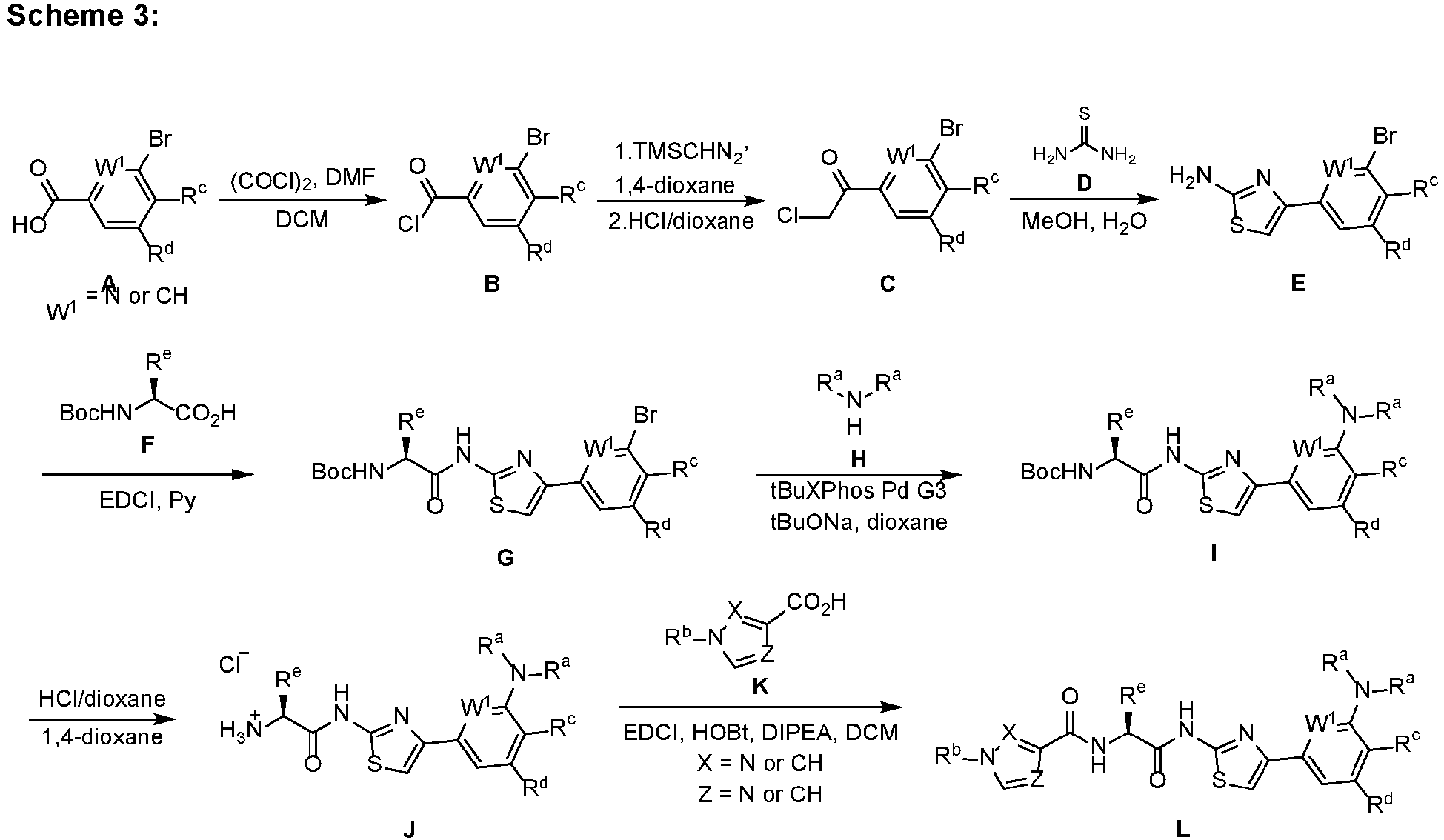
Table4: Compound # LC-MS data(m/z) 1H NMR 166 483.5 1H NMR (400 MHz, Methanol-d4) δ 7.71 - 7.64 (m, 1H), 7.63 - 7.52 (m, 2H), 7.37 - 7.30 (m, 1H), 7.00 - 6.91 (m, 1H), 6.71 - 6.64 (m, 1H), 6.61 - 6.55 (m, 1H), 4.51 - 4.40 (m, 1H), 4.24 (s, 2H), 4.08 - 3.93 (m, 2H), 3.87 - 3.72 (m, 2H), 3.69 - 3.58 (m, 1H), 3.28 - 3.16 (m, 1H), 1.58 (s, 9H), 1.27 - 1.21 (m, 3H) 240 532.3 1HNMR (400 MHz, DMSO-d6) δ 12.40 (m, 1H), 8.49 - 8.45 (m, 1H), 7.94 - 7.93 (m, 1H), 7.60 (s, 1H), 7.45 (s, 1H), 7.34 - 7.26 (m, 3H), 6.93 - 6.91 (m, 1H), 6.78 - 6.77 (m, 1H), 4.68 - 4.61 (m, 1H), 3.73 - 3.69 (m, 2H), 3.63 - 3.60 (m, 2H), 3.56 (s, 3H), 2.32 - 2.25 (m, 2H), 1.41 (d, J = 7.2 Hz, 3H), 1.17 (d, J = 6.0 Hz, 6H) 364 474.2 1H NMR (400 MHz, DMSO-d6) δ 12.36 (br s, 1H), 8.47 (d, J = 6.8 Hz, 1H), 7.94 - 7.93 (m, 1H), 7.54 (s, 1H), 7.29 - 7.28 (m, 1H), 7.20 - 7.19 (m, 2H), 6.94 (d, J=1.2 Hz, 1H), 6.78 - 6.77 (m, 1H), 6.38 - 6.36 (m, 1H), 4.67 - 4.60 (m, 1H), 3.84 - 3.81 (m, 4H), 3.55 (s, 3H), 2.35 - 2.28 (m, 2H), 1.42 (d, J = 7.2 Hz, 3H) 365 490.2 1H NMR (400 MHz, DMSO-d6) δ 12.35 (br s, 1H), 8.47 (d, J = 6.4 Hz, 1H), 7.94 (s, 1H), 7.55 (s, 1H), 7.29 - 7.28 (m, 1H), 7.20 (d, J = 4.4 Hz, 2H), 6.96 (s, 1H), 6.78 (d, J = 1.6 Hz, 1H), 6.40 - 6.37 (m, 1H), 5.60 (s, 1H), 4.67 - 4.62 (m, 1H), 4.58 - 4.57 (m, 1H), 4.11 - 4.08 (m, 2H), 3.55 (s, 3H), 3.54 - 3.51 (m, 2H), 1.42 (d, J = 7.2 Hz, 3H) 366 504.1 1H NMR (400 MHz, DMSO-d6) δ 12.50 - 12.48 (m, 1H), 8.47 (d, J = 7.2 Hz, 1H), 7.98 - 7.97 (m, 1H), 7.55 (s, 1H), 7.29 - 7.28 (m, 1H), 7.20 (d, J = 4.8 Hz, 2H), 6.94 (s, 1H), 6.79 - 6.78 (m, 1H), 6.38 - 6.35 (m, 1H), 4.94 - 4.89 (m, 1H), 3.85 - 3.81 (m, 4H), 3.72 - 3.69 (m, 2H), 3.56 (s, 3H), 2.33 - 2.30 (m, 2H) 367 534.3 1H NMR (400 MHz, DMSO-d6) δ 12.49 (s, 1H), 8.48 (d, J = 7.2 Hz, 1H), 7.98 - 7.97 (m, 1H), 7.56 (s, 1H), 7.29 - 7.28 (m, 1H), 7.22 - 7.18 (m, 2H), 6.97 (d, J = 0.8 Hz, 1H), 6.79 - 6.78 (m, 1H), 6.41 - 6.39 (m, 1H), 4.94 - 4.89 (m, 1H), 4.36 - 4.30 (m, 1H), 4.09 - 4.06 (m, 2H), 3.75 - 3.67 (m, 2H), 3.63 - 3.60 (m, 2H), 3.56 (s, 3H), 3.25 (s, 3H) 369 548.2 1H NMR (400 MHz, DMSO-d6) δ 12.46 (br s, 1H), 8.48 (d, J = 7.6 Hz, 1H), 7.98 (s, 1H), 7.60 (s, 1H), 7.47 (s, 1H), 7.29 - 7.21 (m, 3H), 6.90 (d, J = 8.0 Hz, 1H), 6.79 (d, J = 1.2 Hz, 1H), 4.95 - 4.90 (m, 1H), 4.67 (d, J = 3.6 Hz, 1H), 3.75 - 3.68 (m, 2H), 3.67 - 3.59 (m, 2H), 3.56 (s, 4H), 3.31 - 3.29 (m, 3H), 2.90 - 2.85 (m, 2H), 1.85 - 1.82 (m, 2H), 1.53 - 1.44 (m, 2H) 370 517.9 1H NMR (400 MHz, DMSO-d6) δ 12.62 - 12.01 (m, 1H), 8.47 (d, J = 6.8 Hz, 1H), 7.94 - 7.93 (m, 1H), 7.59 (s, 1H), 7.46 (s, 1H), 7.30 - 7.20 (m, 3H), 6.90 - 6.88 (m, 1H), 6.78 - 6.77 (m, 1H), 4.67 - 4.60 (m, 2H), 3.65 - 3.55 (m, 6H), 2.91 - 2.84 (m, 2H), 1.85 - 1.81 (m, 2H), 1.52 - 1.45 (m, 2H), 1.42 (d, J = 7.2 Hz, 3H) 371 562.1 1H NMR (400 MHz, DMSO-d6) δ 8.51 (d, J = 7.2 Hz, 1H), 8.01 - 7.97 (m, 1H), 7.63 (s, 1H), 7.46 (s, 1H), 7.35 - 7.25 (m, 3H), 6.95 - 6.92 (m, 1H), 6.80 - 6.79 (m, 1H), 4.95 - 4.90 (m, 1H), 3.75 - 3.69 (m, 4H), 3.63 (d, J = 10.4 Hz, 2H), 3.57 (s, 3H), 3.31 (s, 3H), 2.29 - 2.26 (m, 2H), 1.18 (s, 3H), 1.17 (s, 3H) 372 548.1 1H NMR (400 MHz, Methanol-d4) δ 7.92-7.91 (m, 1H), 7.57 - 7.53 (m, 1H), 7.39 - 7.37 (m, 2H), 7.28 - 7.27 (m, 2H), 6.93-6.88 (m, 1H), 6.85-6.84 (m, 1H), 4.98-4.95 (m, 1H), 4.01-3.99 (m, 1H), 3.91 - 3.79 (m, 4H), 3.64 - 3.49 (m, 2H), 3.46 (s, 3H), 3.39 (s, 3H), 2.79-2.76 (m, 1H), 2.45-2.43(m, 1H), 1.25 (d, J = 6.4 Hz, 3H) 373 548.1 1H NMR (400 MHz, DMSO-d6) δ 12.71 - 12.28 (m, 1H), 8.48 (d, J = 7.2 Hz, 1H), 7.99 - 7.98 (m, 1H), 7.62 (s, 1H), 7.46 (s, 1H), 7.39 - 7.32 (m, 1H), 7.32 - 7.22 (m, 2H), 6.92 - 6.91(m, 1H), 6.80 - 6.78 (m, 1H), 4.95 - 4.90 (m, 1H), 3.95 - 3.92 (m, 1H), 3.77 - 3.59 (m, 5H), 3.56 (s, 3H), 3.54 - 3.48 (m, 1H), 3.31 (s, 3H), 2.70 - 2.65 (m, 1H), 2.39 - 2.31 (m, 1H), 1.17 (d, J = 6.0 Hz, 3H) 380 598.2 1H NMR (400 MHz, DMSO-d6) δ 12.57 (s, 1H), 8.53 (d, J=7.2 Hz, 1H), 8.03 - 7.92 (m, 1H), 7.77 (s, 1H), 7.53 (d, J=5.6 Hz, 1H), 7.38 (d, J=7.3 Hz, 1H), 7.30 (d, J=1.2 Hz, 1H), 6.79 (d, 3.2 Hz, 1H), 4.99 - 4.86 (m, 1H), 3.84 - 3.66 (m, 4H), 3.58 (s, 3H), 3.31 (s, 3H), 2.45 (d, J=10.8 Hz, 4H), 1.15 (d, J=6.4 Hz, 6H) 384 554.1 1H NMR (400 MHz, DMSO-d6) δ 12.41 (s, 1H), 8.67 (d, J=5.6 Hz, 1H), 7.85 (d, J=2.0 Hz, 1H), 7.75 (s, 1H), 7.57 - 7.46 (m, 1H), 7.40 - 7.26 (m, 2H), 6.78 (d, J=3.2 Hz, 1H), 4.14 (d, J=6.0 Hz, 2H), 3.77 (d, J=6.4 Hz, 2H), 3.58 (s, 3H), 2.48 - 2.41 (m, 4H), 1.16 (d, J=6.4 Hz, 6H) 385 505.5 1H NMR (400 MHz, DMSO-d6) δ 12.35 (br s, 1H), 8.67 - 8.66 (m, 1H), 7.84 - 7.84 (m, 1H), 7.70 (s, 1H), 7.70 - 7.62 (m, 1H), 7.31 - 7.30(m, 1H), 7.25 (d, J = 7.2 Hz, 1H), 6.77 - 6.77 (m, 1H), 6.73 (d, J = 8.4 Hz, 1H), 4.48 - 4.39(m, 1H), 4.13 (d, J = 5.6 Hz, 2H), 3.98 - 3.94 (m, 2H), 3.75 - 3.72 (m, 1H), 3.66 - 3.66 (m, 1H), 3.56 (s, 3H), 3.56 - 3.50 (m, 1H), 3.08 - 3.07 (m, 1H), 1.15 (d, J = 6.8 Hz, 3H) 767 533.4 1H NMR (400 MHz, DMSO-d 6) δ 12.34 (s, 1H), 8.47 (d, J = 6.6 Hz, 1H), 7.94 (t, J = 2.0 Hz, 1H), 7.77 (s, 1H), 7.62 (dd, J = 8.5, 7.3 Hz, 1H), 7.29 (dd, J = 3.3, 2.3 Hz, 1H), 7.26 (d, J = 7.3 Hz, 1H), 6.82 - 6.76 (m, 2H), 4.64 (p, J = 7.0 Hz, 1H), 4.25 (dd, J = 13.0, 2.4 Hz, 2H), 3.69 - 3.58 (m, 2H), 3.56 (s, 3H), 2.42 (dd, J = 12.8, 10.5 Hz, 2H), 1.42 (d, J = 7.2 Hz, 3H), 1.18 (d, J = 6.2 Hz, 6H). 768 533.4 1H NMR (400 MHz, DMSO-d 6) δ 12.34 (s, 1H), 8.47 (d, J = 6.6 Hz, 1H), 7.94 (t, J = 2.0 Hz, 1H), 7.77 (s, 1H), 7.62 (dd, J = 8.5, 7.4 Hz, 1H), 7.29 (dd, J = 3.3, 2.3 Hz, 1H), 7.26 (d, J = 7.3 Hz, 1H), 6.82 - 6.74 (m, 2H), 4.64 (p, J = 7.1 Hz, 1H), 4.25 (dd, J = 12.8, 2.4 Hz, 2H), 3.63 (dqd, J = 12.6, 6.0, 2.3 Hz, 2H), 3.56 (s, 3H), 2.42 (dd, J = 12.8, 10.5 Hz, 2H), 1.42 (d, J = 7.2 Hz, 3H), 1.18 (d, J = 6.2 Hz, 6H). 769 511.4 1H NMR (400 MHz, DMSO-d 6) δ 7.95 (d, J = 6.7 Hz, 1H), 7.76 (s, 1H), 7.62 (dd, J = 8.5, 7.3 Hz, 1H), 7.58 (t, J = 2.1 Hz, 1H), 7.26 (d, J = 7.3 Hz, 1H), 6.95 (t, J = 2.7 Hz, 1H), 6.79 (d, J = 8.6 Hz, 1H), 6.50 (dd, J = 3.0, 1.8 Hz, 1H), 4.63 (p, J = 7.1 Hz, 1H), 4.25 (dd, J = 13.1, 2.4 Hz, 2H), 3.72 - 3.56 (m, 2H), 2.41 (dd, J = 12.8, 10.5 Hz, 2H), 1.49 (s, 9H), 1.41 (d, J = 7.2 Hz, 3H), 1.18 (d, J = 6.2 Hz, 6H). 770 541.4 1H NMR (400 MHz, DMSO-d6) δ 12.36 (s, 1H), 7.91 (d, J = 7.5 Hz, 1H), 7.77 (s, 1H), 7.65 - 7.57 (m, 2H), 7.26 (d, J = 7.3 Hz, 1H), 6.96 (t, J = 2.7 Hz, 1H), 6.79 (d, J = 8.6 Hz, 1H), 6.50 (dd, J = 3.0, 1.8 Hz, 1H), 4.91 (q, J = 6.6 Hz, 1H), 4.30 - 4.19 (m, 2H), 3.76 - 3.68 (m, 2H), 3.68 - 3.54 (m, 2H), 3.31 (s, 3H), 2.42 (dd, J = 12.8, 10.5 Hz, 2H), 1.49 (s, 9H), 1.18 (d, J = 6.2 Hz, 6H). -

-

- To a cooled (0 °C) solution of 4-(3-bromophenyl)thiazol-2-amine (2.00 g, 7.84 mmol) in acetonitrile (40 mL) was added Selectfluor™ (3.05 g, 8.62 mmol). The mixture was stirred at 30 °C for 16 h and subsequently concentrated to give a residue. The residue was purified by column chromatography (petroleum ether / ethyl acetate = 10:1 - 3:1). The solution was concentrated to give Intermediate B (0.900 g, 3.08 mmol, 39.2% yield, 93.3% purity) as a brown solid. LCMS (ESI) m/z: [Br81 M+H]+ = 274.8.
-

- To a solution of Intermediate B (0.800 g, 2.93 mmol) and 2-N-Boc-glycine (0.564 g, 3.22 mmol) in dichloromethane (8 mL) was added HATU (1.34 g, 3.51 mmol) and DIEA (2.55 mL, 14.65 mmol,). The mixture was stirred at 30 °C for 16 h and subsequently concentrated to give a residue. The crude product was purified by reversed-phase HPLC (0.1% FA) to give Intermediate D (0.600 g, 1.35 mmol, 46.2% yield, 97.0% purity) as a yellow solid. LCMS (ESI) m/z: [Br81M+H]+ = 432.1.
-

- To a solution of Intermediate D (0.300 g, 0.697 mmol) and cis-2,6-dimethylmorpholine (0.161 g, 1.39 mmol) in 2-methylbutan-2-ol (3 mL) was added t-BuXphos-Pd (gen 3) (0.055 g, 0.070 mmol) and t-BuONa (0.134 g, 1.39 mmol). The mixture was stirred at 60 °C under N2 (g). After 4 h, the reaction mixture was cooled to room temperature and poured into water (5 mL) and extracted with ethyl acetate (5 mL x 3). The combined organic layers were washed with brine (10 mL), dried over Na2SO4, filtered and concentrated to give a residue. The residue was purified by prep-TLC (SiO2, dichloromethane: MeOH = 10:1). The resulting solid was triturated with dichloromethane : MeOH = 10 : 1 (20 mL), the suspension was filtered and the filtrate was concentrated to give Intermediate F (0.120 g, 0.254 mmol, 36.41% yield, 98.3% purity) as a white solid. LCMS (ESI) m/z: [M+H]+ = 465.3.
-

- A mixture of Intermediate F (0.120 g, 0.258 mmol) in 4 M HCl in 1,4-dioxane (1.5 mL) was stirred at 30 °C for 2 h. The reaction mixture was subsequently concentrated to give a residue. The residue was triturated with MTBE (5 mL), the suspension was filtered, and the filter cake was dried in vacuum to give Intermediate G (0.090 g, 0.222 mmol, 85.91% yield, 98.85% purity, HCl) as a yellow solid. LCMS (ESI) m/z: [M+H]+ = 365.2.
-

- To a solution of Intermediate G (0.090 , 0.225 mmol) and 1-methylsulfonylpyrrole-3-carboxylic acid (0.056 g, 0.296 mmol) in dichloromethane (2 mL) was added EDCI (0.057 g, 0.296 mmol), HOBt (0.040 g, 0.296 mmol) and DIEA (0.215 mL, 1.23 mmol). The resulting mixture was stirred at 30 °C for 16 h and subsequently concentrated to give a solid. The solid was purified by reversed-phase HPLC (0.1% FA) and the appropriate fractions were lyophilized to give Compound 181 (0.057 g, 0.104 mmol, 42.5% yield, 99.0% purity) as a white solid. LCMS (ESI) m/z: [M+H]+ = 536.2; 1H NMR (400 MHz, DMSO-d6) δ 12.45 (br s, 1H), 8.68 - 8.65 (m, 1H), 7.84 - 7.83(m, 1H), 7.34 - 7.30 (m, 3H), 7.30 - 7.21 (m, 1H), 6.99 - 6.95 (m, 1H), 6.77 - 6.75 (m, 1H), 4.12 - 4.08 (m, 2H), 3.73 - 3.67 (m, 2H), 3.58 - 3.56 (m, 5H), 2.32 - 2.26 (m, 2H), 1.17 (d, J = 6.4 Hz, 6H).
-

-

- To a solution of furan-3-carboxylic acid (170 g, 1.52 mol) in MeOH (1200 mL) was carefully added concentrated H2SO4 (60 mL). The mixture was stirred at 80 °C for 1 h, then cooled to room temperature. The reaction mixture was concentrated under reduced pressure to remove the solvent. The residue was poured into saturated aqueous NaHCO3 (1000 mL) and extracted with MTBE (300 mL x 3). The combined organic layers were washed with brine (200 mL), dried over Na2SO4, filtered and concentrated under reduced pressure to give Intermediate B (170 g, 1.35 mol, 88.88% yield) as a yellow oil, which was used into the next step without further purification. 1H NMR (400 MHz, CDCl3) δ 8.02 (d, J = 0.8 Hz, 1H), 7.43 - 7.42 (m, 1H), 6.75 (d, J = 1.6 Hz, 1H), 3.84 (s, 3H).
-

- To a solution of Intermediate B (50.00 g, 396.48 mmol) in MeOH (3.6 L) was added H2SO4 (40 mL). The mixture was electrolyzed with a current density of 3 A using an isostatic graphite anode and a graphite cathode and stirred at - 10 °C. After stirring for 16 h, the reaction mixture was neutralized to to pH ~7 with saturated aqueous NaHCO3 and filtered. The filtrate was partially concentrated in vacuo to remove MeOH and resultant aqueous layer was extracted with ethyl acetate (3 x 300 mL). The combined organic layers were washed with brine (300 mL), dried over Na2SO4, filtered and concentrated under reduced pressure to give Intermediate C (65.00 g, 345.42 mmol, 87.12% yield) as a yellow oil, which was used into the next step without further purification. 1H NMR (400 MHz, DMSO-d6) δ 7.03 - 6.89 (m, 1H), 5.99 - 5.96 (m, 1H), 5.74 - 5.62 (m, 1H), 3.76 - 3.71 (m, 3H), 3.31 (d, J = 1.6 Hz, 4H), 3.27 - 3.26 (m, 2H).
-
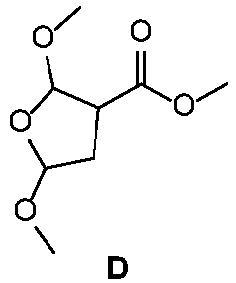
- To a mixture of Intermediate C (35.00 g, 185.99 mmol) in MeOH (400 mL) was added 10% Pd/C (3.5 g). The mixture was degassed and purged with H2 (g) (3x) and the mixture was subsequently was stirred at 25 °C for 16 h under a balloon of H2 (g). The mixture was filtered and concentrated to afford Intermediate D (35.00 g) as a yellow oil which was used directly in the next step.
-
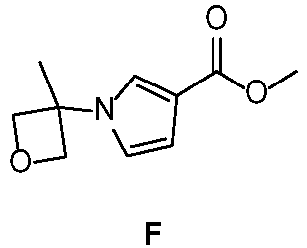
- To a solution of Intermediate D (35.00 g, 184.02 mmol) in AcOH (240 mL) was added dropwise 3-methyloxetan-3-amine (20.00 g, 229.57 mmol). The mixture was stirred at 90 °C. After stirring for 16 h, the reaction mixture was concentrated to remove excess AcOH. The resultant acidic residue was diluted with water (500 mL), basified to (pH ~8) with aqueous saturated NaHCO3, and extracted with ethyl acetate (500 mL x 2). The combined organic layers were dried over anhydrous Na2SO4, filtered and concentrated under reduced pressure to give a oil. The oil was purified by column chromatography (petroleum ether / ethyl acetate = 1/0 to 1/1) to afford Intermediate F (24.00 g) as a yellow oil. LCMS (ESI) m/z: [M+H]+ = 196.2.; 1H NMR (400 MHz, CDCl3) δ 7.47 - 7.45 (m, 1H), 6.85 - 6.83 (m, 1H), 6.69 - 6.67 (m, 1H), 5.00 - 4.97 (m, 2H), 4.71 - 4.68 (m, 2H), 3.84 - 3.81 (m, 3H), 1.93 (d, J = 6.0 Hz, 3H).
-

- To a solution of Intermediate F (24.00 g, 122.94 mmol) in a mixture 1:1 MeOH/THF (150 mL) was added 4 M NaOH (4 M, 153.69 mL). The mixture was stirred at 80 °C. After stirring for 16 h, the reaction mixture was partially concentrated to remove the THF and MeOH. The mixture was diluted with H2O (200 mL) and extracted with ethyl acetate (500 mL). The aqueous layer was acidified (pH ~5) with saturated aqueous citric acid until solids precipitated. The solids were filtered to afford Intermediate G (12.00 g, 66.23 mmol, 53.87% yield) as a white solid. LCMS (ESI) m/z: [M+H]+ = 182.1; 1H NMR (400 MHz, Methanol-d4) δ 7.52 - 7.51 (m, 1H), 6.93 - 6.91 (m, 1H), 6.59 - 6.58 (m, 1H), 4.96 (d, J = 6.4 Hz, 2H), 4.70 (d, J = 6.8 Hz, 2H), 1.85 (s, 3H).
- The compounds in Table 5 below were synthesized starting from the common starting material, 2-amino-N-(4-bromothiazol-2-yl)acetamide, the appropriate heterocyclic carboxylic acid, and boronate ester or boronic acid following the Scheme 4 below. Where appropriate SFC purification was used to separate enantiomers.

Table 5: Compound # LC-MS data(m/z) 1H NMR 277 512.1 1H NMR (400 MHz, DMSO-d6) δ 12.46 (m, 1H), 8.68 - 8.66 (m, 1H), 8.40 (s, 1H), 8.25 (s, 1H), 7.90 - 7.88 (m, 1H), 7.85 (s, 1H), 7.78 - 7.76 (m, 1H), 7.81 - 7.73 (m, 1H), 7.56 - 7.45 (m, 1H), 7.31 (s, 1H), 6.78 (s, 1H), 4.23 - 4.06 (m, 3H), 3.57 (s, 3H), 1.47 - 1.30 (m, 2H), 1.22 - 1.14 (m, 2H) 247 419.1 1H NMR (400 MHz, DMSO-d6) δ 12.39 (s, 1H), 8.68 (s, 1H), 7.85 (s, 1H), 7.78 - 7.66 (m, 2H), 7.60 (s, 1H), 7.32 (s, 2H), 7.15 - 7.14 (m, 1H), 6.78 (s, 1H), 4.14 - 4.13 (m, 2H), 3.58 (s, 3H), 2.36 (s, 3H) 248 455.1 1H NMR (400 MHz, DMSO-d6) δ 12.61 - 12.19 (m, 1H), 8.64 - 8.63 (m, 1H), 8.18 - 8.01 (m, 2H), 7.85 (s, 1H), 7.72 (s, 1H), 7.64 - 7.47 (m, 2H), 7.32 (s, 1H), 7.26 - 6.92 (m, 1H), 6.78 (s, 1H), 4.13 - 4.12 (m, 2H), 3.58 (s, 3H) 249 461.1 1H NMR (400 MHz, DMSO-d6) δ 12.33 (s, 1H), 8.66 (d, J=6.0 Hz, 1H), 7.87 - 7.81 (m, 1H), 7.54 (s, 1H), 7.41 - 7.35 (m, 1H), 7.34 - 7.27 (m, 1H), 7.26 - 7.19 (m, 2H), 6.81 - 6.73 (m, 1H), 5.01 - 4.87 (m, 1H), 4.13 (d, J=6.0 Hz, 2H), 3.57 (s, 4H), 2.82 - 2.73 (m, 1H), 1.40 (d, J=6.0 Hz, 3H) 250 504.2 1H NMR (400 MHz, DMSO-d6) δ 12.34 (br s, 1H), 8.68 - 8.65 (m, 1H), 7.85 - 7.84 (m, 1H), 7.49 (s, 1H), 7.32 - 7.31 (m, 1H), 7.17 - 7.11 (m, 1H), 7.08 - 7.03 (m, 1H), 7.02 (s, 1H), 6.78 - 6.77 (m, 1H), 4.13 (d, J = 6.0 Hz, 2H), 3.59 - 3.55 (m, 5H), 3.43 - 3.40 (m, 2H), 3.30 (s, 3H), 3.29 - 3.25 (m, 2H), 2.92 - 2.88 (m, 2H) 252 505.2 1H NMR (400 MHz, DMSO-d6) δ 12.36 (s, 1H), 8.70 - 8.67 (d, J = 6.0 Hz, 1H), 7.85 - 7.84 (d, J = 2.0 Hz, 1H), 7.66 (s, 1H), 7.49 - 7.48 (m, 1H), 7.35 - 7.31 (m, 3H), 6.81 - 6.77 (m, 2H), 4.92 - 4.86 (m, 1H), 4.15 - 4.14 (d, J = 5.6 Hz, 2H), 4.10 - 4.06 (m, 1H), 3.58 (s, 3H), 3.19 (s, 3H), 2.44 - 2.43 (m, 2H), 2.34 - 2.28 (m, 2H) 253 463.1 1H NMR (400 MHz, DMSO-d6) δ 12.45 (s, 1H), 8.71 - 8.70 (m, 1H), , 8.09 (d, J = 2.0 Hz, 1H), 8.00 (s, 1H), 7.85 (s, 1H), 7.80 (s, 1H), 7.67 (d, J = 11.2 Hz, 1H), 7.35 - 7.28 (m, 1H), 7.10 (d, J = 1.2 Hz, 1H), 6.83 - 6.74 (m, 1H), 4.15 (d, J = 6.0 Hz, 2H), 3.57 (s, 3H) 254 505.2 1H NMR (400 MHz, DMSO-d6) δ 12.36 (s, 1H), 8.70 - 8.67 (d, J = 6.0 Hz, 1H), 7.86 - 7.85 (d, J = 2.0 Hz, 1H), 7.66 (s, 1H), 7.49 - 7.47 (d, J = 8.0 Hz, 1H), 7.37 - 7.31 (m, 3H), 6.84 - 6.81 (m, 1H), 6.79 - 6.77 (m, 1H), 4.47 - 4.40 (m, 1H), 4.15 - 4.14 (d, J = 5.6 Hz, 2H), 3.68 - 3.64 (d, J = 6.8 Hz, 1H), 3.58 (s, 3H), 3.17 (s, 3H), 2.91 - 2.86 (m, 2H), 1.95 - 1.89 (m, 2H) 255 465.1 1H NMR (400 MHz, DMSO-d6) δ 12.37 (s, 1H), 8.68 (s, 1H), 7.84 (s, 1H), 7.69 (s, 1H), 7.39 - 7.09 (m, 3H), 6.77 (s, 1H), 4.64 (s, 2H), 4.13 (s, 2H), 3.58 - 3.58 (m, 3H), 3.27 - 3.24 (m, 2H) 256 477.2 1H NMR (400 MHz, DMSO-d6) δ 12.42 (s, 1H), 8.68 - 8.66 (m, 1H), 8.02 (s, 1H), 7.89 - 7.83 (m, 2H), 7.72 (s, 1H), 7.50 - 7.43 (m, 2H), 7.31 - 7.30 (m, 1H), 6.77 - 6.76 (m, 1H), 4.14 (d, J = 5.6 Hz, 2H), 3.57 (s, 3H), 2.64 - 2.55 (m, 4H), 2.07 - 2.03 (m, 1H), 1.73 - 1.71 (m, 1H) 257 532.0 1H NMR (400 MHz, Methanol-d4) δ 7.86 - 7.80 (m, 1H), 7.58 - 7.53 (m, 1H), 7.38 - 7.30 (m, 2H), 7.29 - 7.21 (m, 2H), 6.96 - 6.91 (m, 1H), 6.82 - 6.79 (m, 1H), 4.25 (s, 2H), 3.38 (s, 3H), 3.37 - 3.32 (m, 2H), 3.27 (s, 3H), 2.97 - 2.88 (m, 1H), 2.83 (d, J=11.6 Hz, 1H), 2.00 - 1.78 (m, 2H), 1.72 - 1.47 (m, 2H), 1.24 (s, 3H) 258 532.0 1H NMR (400 MHz, Methanol-d4) δ 7.85 - 7.82 (m, 1H), 7.58 - 7.53 (m, 1H), 7.36 - 7.31 (m, 2H), 7.29 - 7.21 (m, 2H), 6.96 - 6.90 (m, 1H), 6.82 - 6.79 (m, 1H), 4.25 (s, 2H), 3.38 (s, 3H), 3.38 - 3.33 (m, 2H), 3.27 (s, 3H), 2.99 - 2.88 (m, 1H), 2.83 (d, J=12.4 Hz, 1H), 1.98 - 1.78 (m, 2H), 1.74 - 1.47 (m, 2H), 1.24 (s, 3H) 259 490 1H NMR (400 MHz, DMSO-d6) δ 12.41 - 12.38 (m, 1H), 8.67 (s, 1H), 7.85 (s, 1H), 7.62 (s, 1H), 7.46 (s, 1H), 7.39 (d, J = 6.8 Hz, 1H), 7.32 (s, 1H), 7.24 (d, J = 7.6 Hz, 1H), 6.78 (d, J = 0.8 Hz, 1H), 4.52 (s, 2H), 4.14 (d, J = 5.6 Hz, 2H), 3.77 (s, 2H), 3.58 (s, 3H), 3.00 (s, 2H), 2.94 (s, 3H) 260 494.9 1H NMR (400 MHz, DMSO-d6) δ 12.48 - 12.37 (m, 1H), 8.73 - 8.66 (m, 1H), 7.86 - 7.83 (m, 1H), 7.82 - 7.79 (m, 1H), 7.59 - 7.56 (m, 1H), 7.54 - 7.51 (m, 1H), 7.34 - 7.30 (m, 1H), 7.11 - 7.08 (m, 1H), 6.79 - 6.75 (m, 1H), 4.18 - 4.11 (m, 2H), 3.99 - 3.92 (m, 1H), 3.61 - 3.55 (m, 3H), 2.08 - 2.07 (m, 1H), 0.87 - 0.79 (m, 2H), 0.74 - 0.68 (m, 2H) 263 438.2 1H NMR (400 MHz, DMSO-d6) δ 12.27 (s, 1H), 8.18 - 8.15 (d, J = 6.0 Hz, 1H), 7.53 - 7.52 (d, J = 2.0 Hz, 1H), 7.49 (s, 1H), 7.18 - 7.16 (d, J = 1.6 Hz, 1H), 7.08 - 7.06 (d, J = 8.0 Hz, 1H), 7.02 (s, 1H), 6.98 - 6.97 (d, J = 2.4 Hz, 1H), 6.49 - 6.48 (m, 1H), 4.10 - 4.08 (d, J = 6.0 Hz, 2H), 3.31 - 3.26 (d, J = 8.0 Hz, 2H), 2.90 - 2.86 (d, J = 8.0 Hz, 2H), 2.74 (s, 3H), 1.50 (s, 9H) 264 465.1 1H NMR (400 MHz, DMSO-d6) δ 12.40 (br s, 1H), 8.68 (s, 1H), 7.85 (s, 1H), 7.49 - 7.42 (m, 2H), 7.32 (s, 1H), 7.13 (d, J = 8.0 Hz, 1H), 6.78 (s, 1H), 4.69 (d, J = 8.4 Hz, 2H), 4.15 (d, J = 4.4 Hz, 2H), 3.58 (s, 3H), 3.32 (s, 2H).. 265 460.9 1H NMR (400 MHz, DMSO-d6) δ 12.44 - 12.35 (m, 1H), 8.70 - 8.67 (m, 1H), 7.85 - 7.84 (m, 1H), 7.64 (s, 1H), 7.59 -7.56 (m, 1H), 7.50 (d, J = 7.6 Hz, 1H), 7.36 - 7.31 (m, 2H), 7.01 - 6.99 (m, 1H), 6.78 - 6.76 (m, 1H), 4.14 (d, J = 6.0 Hz, 2H), 3.90 - 3.86 (m, 1H), 3.57 (s, 3H), 0.83 - 0.78 (m, 2H), 0.72 - 0.66 (m, 2H) 266 453.3 1H NMR (400 MHz, DMSO-d6) δ 12.53 - 12.15 (m, 1H), 8.70 - 8.67 (m, 1H), 7.84 - 7.83 (m, 1H), 7.70 - 7.64 (m, 3H), 7.44 - 7.40 (m, 1H), 7.32 - 7.30 (m, 1H), 7.07 - 7.04 (m, 1H), 6.77 - 6.76 (m, 1H), 5.97 - 5.83 (m, 2H), 4.13 (d, J = 5.6 Hz, 2H), 3.57 (s, 3H) 267 558.5 1H NMR (400 MHz, DMSO-d6) δ 12.35 (s, 1H), 8.69 - 8.66 (m, 1H), 7.84 - 7.83 (m, 1H), 7.61 (s, 1H), 7.32 - 7.30 (m, 1H), 7.21 (s, 1H), 7.02 (s, 1H), 6.77 - 6.76 (m, 1H), 6.67 (s, 1H), 4.11 (d, J = 6.0 Hz, 2H), 3.72 - 3.68 (m, 2H), 3.62 - 3.57 (m, 5H), 2.28 - 2.23 (m, 2H), 1.93 - 1.88 (m, 1H), 1.16 (d, J = 6.4 Hz, 6H), 0.95 - 0.90 (m, 2H), 0.72 - 0.68 (m, 2H) 270 460.2 1H NMR (400 MHz, Methanol-d4) δ 7.74 - 7.73 (d, J = 2.0 Hz, 1H), 7.18 - 7.17 (m, 2H), 7.14 - 7.12 (d, J = 2.0 Hz, 1H), 6.99 - 6.98 (m, 2H), 6.72 - 6.70 (m, 1H), 4.15 (s, 2H), 3.39 - 3.37 (m, 1H), 3.28 (s, 3H), 3.04 - 3.03 (m, 1H), 2.85 - 2.81 (d, J = 8.0 Hz, 2H), 2.69 (s, 3H) 272 412.2 1H NMR (400 MHz, DMSO-d6) δ 12.39 - 12.11 (m, 1H), 8.27 - 8.08 (m, 1H), 7.60 - 7.39 (m, 2H), 7.17 - 7.03 (m, 3H), 6.99 - 6.94 (m, 1H), 6.53 - 6.45 (m, 2H), 5.76 - 5.66 (m, 1H), 4.08 (d, J = 6.0 Hz, 2H), 2.78 - 2.65 (m, 3H), 1.49 (s, 9H) 273 488.2 1H NMR (400 MHz, DMSO-d6) δ 12.35 (br s, 1H), 8.70 - 8.60 (m, 1H), 7.86 - 7.80 (m, 1H), 7.51 (s, 1H), 7.42 (d, J=1.6 Hz, 1H), 7.33 - 7.28 (m, 1H), 7.35 - 7.26 (m, 1H), 7.11 - 7.09 (m, 1H), 6.78 - 6.72 (m, 1H), 4.12 (d, J=6.0 Hz, 2H), 3.57 - 3.55 (m,3H), 2.92 - 2.81 (m, 5H), 2.72 - 2.69 (m, 2H), 1.73 - 1.69 (m, 2H), 1.55 - 1.49 (m, 2H) 274 505.2 1H NMR (400 MHz, DMSO-d6) δ 12.68 - 12.09 (m, 1H), 8.69 - 8.68 (m, 1H), 7.85 - 7.84 (m, 1H), 7.66 (s, 1H), 7.52 - 7.45 (m, 2H), 7.36 - 7.28 (m, 2H), 6.93 - 6.91 (m, 1H), 6.78 - 6.77 (m, 1H), 4.43 - 4.41 (m, 1H), 4.13 (d, J = 6.0 Hz, 2H), 3.86 - 3.83 (m, 1H), 3.71 - 3.61 (m, 1H), 3.60 - 3.55 (m, 3H), 3.54 - 3.44 (m, 2H), 2.11 - 1.98 (m, 1H), 1.86 - 1.65 (m, 2H), 1.59 - 1.51 (m, 1H) 275 522 1H NMR (400 MHz, DMSO-d6) δ 12.46 (s, 1H), 9.27 (s, 1H), 8.67 (s, 1H), 8.57 (s, 1H), 8.50 - 8.18 (m, 1H), 7.94 - 7.92 (m, 1H), 7.89 - 7.80 (m, 2H), 7.74 (s, 1H), 7.58 - 7.56 (m, 1H), 7.31 (s, 1H), 6.78 (s, 1H), 4.15 - 4.14 (m, 2H), 3.57 (s, 3H) 276 489.2 1H NMR (400 MHz, DMSO-d6) δ 12.41 - 12.34 (m, 1H), 8.64 - 8.62 (m, 1H), 7.94 (d, J = 7.2 Hz, 1H), 7.85 (d, J = 2.0 Hz, 2H), 7.79 - 7.77 (m, 1H), 7.58 - 7.53 (m, 1H), 7.30 (s, 2H), 6.77 (s, 1H), 4.12 - 4.11 (m, 2H), 3.56 (s, 3H) 278 522.1 1H NMR (400 MHz, DMSO-d6) δ 12.41 (s, 1H), 8.68 - 8.67 (m, 1H), 8.42 - 8.12 (m, 2H), 8.12 - 8.05 (m, 2H), 7.84 (s, 1H), 7.78 (s, 1H), 7.65 - 7.63 (m, 1H), 7.53 - 7.51 (m, 1H), 7.31 - 7.30 (m, 1H), 6.77 (s, 1H), 4.15 - 4.13 (m, 2H), 3.57 (s, 3H) 279 505.2 1H NMR (400 MHz, DMSO-d6) δ 12.35 (s, 1H), 8.66 - 8.64 (m, 1H), 7.84 - 7.83 (m, 1H), 7.66 (s, 1H), 7.53 - 7.42 (m, 2H), 7.39 - 7.25 (m, 2H), 7.02 - 6.86 (m, 1H), 6.78 - 6.77 (m, 1H), 4.71 - 4.52 (m, 1H), 4.13 (d, J = 6.0 Hz, 2H), 3.89 - 3. 83 (m, 2H), 3.57 (s, 3H), 3.54 - 3.46 (m, 2H), 2.04 - 1.92 (m, 2H), 1.68 - 1.52 (m, 2H) 280 434.2 1H NMR (400 MHz, DMSO-d6) δ 12.38 (s, 1H), 8.69 - 8.68 (m, 1H), 7.85 - 7.84 (m, 1H), 7.47 (s, 1H), 7.32 - 7.31 (m, 1H),7.16 - 7.03 (m, 3H), 6.78 - 6.77 (m, 1H), 6.55 - 6.44 (m, 1H), 5.73 - 5.71 (m, 1H), 4.13 (d, J = 6.0 Hz, 2H), 3.58 (s, 3H), 2.7 (d, J = 5.2 Hz, 3H) 281 463 1H NMR (400 MHz, DMSO-d6) δ 12.39 (s, 1H), 8.70 (d, J=5.6 Hz, 1H), 7.87 - 7.81 (m, 1H), 7.67 (s, 1H), 7.49 - 7.41 (m, 2H), 7.36 - 7.27 (m, 2H), 6.88 (d, J=1.6, Hz, 1H), 6.78 (d, J=3.2 Hz, 1H), 4.67 (d, J=6.0 Hz, 1H), 4.14 (d, J=6.0 Hz, 2H), 3.59 (s, 3H), 1.30 (d, J=6.0 Hz, 6H) 282 476 1H NMR (400 MHz, Methanol-d4) δ 7.87 - 7.85 (m, 1H), 7.31 - 7.28 (m, 2H), 7.20 (s, 1H), 7.17 - 7.14 (m, 1H), 6.84 - 6.82 (m, 1H), 6.71 (d, J = 8.4 Hz, 1H), 4.32 - 4.29 (m, 2H), 4.26 (s, 2H), 3.40 (s, 3H), 3.30 - 3.27 (m, 2H), 2.95 (s, 3H) 283 454 1H NMR (400 MHz, Methanol-d4) δ 7.61 - 7.59 (m, 1H), 7.28 (d, J = 2.0 Hz, 1H), 7.19 (s, 1H), 7.16 - 7.13 (m, 1H), 6.99 - 6.96 (m, 1H), 6.71 (d, J = 8.4 Hz, 1H), 6.60 - 6.58 (m, 1H), 4.32 - 4.29 (m, 2H), 4.24 (s, 2H), 3.30 - 3.26 (m, 2H), 2.94 (s, 3H), 1.58 (s, 9H) 284 475.1 1H NMR (400 MHz, DMSO-d6) δ 12.38 (s, 1H), 8.69 (d, J=6.0 Hz, 1H), 7.86 - 7.83 (m, 1H), 7.65 (s, 1H), 7.46 (d, J=8.0 Hz, 1H), 7.36 - 7.28 (m, 3H), 6.82 - 6.76 (m, 2H), 4.73 (d, J=7.2 Hz, 1H), 4.13 (d, J=6.0 Hz, 2H), 3.58 (s, 3H), 2.48 - 2.41 (m, 2H), 2.13 - 2.00 (m, 2H), 1.78 - 1.74 (m, 1H), 1.72 - 1.61 (m, 1H) 285 471.1 1H NMR (400 MHz, DMSO-d6) δ 12.46 - 12.41 (m, 1H), 8.69 - 8.68 (m, 1H), 7.85 (s, 1H), 7.785 - 7.78 (m, 1H), 7.75 (s, 1H), 7.70 (s, 1H), 7.53 - 7.08 (m, 4H), 6.78 - 6.77 (m, 1H), 4.15 - 4.14 (m, 2H), 3.57 - 3.32 (m, 3H) 286 449 1H NMR (400 MHz, DMSO-d6) δ 12.40 (1H), 8.70 (d, J=6.0 Hz, 1H), 7.87 - 7.81 (m, 1H), 7.67 (s, 1H), 7.52 - 7.42 (m, 2H), 7.38 - 7.27 (m, 2H), 6.89 (d, J=2.4 Hz, 1H), 6.78 (d, J=1.6 Hz, 1H), 4.14 (d, J=6.0 Hz, 2H), 4.08 (d, J=6.8 Hz, 2H), 3.58 (s, 3H), 1.36 (d, J=6.8 Hz, 3H) 287 448.2 1H NMR (400 MHz, DMSO-d6) δ 12.39 (s, 1H), 8.70 - 8.67 (d, J = 6.0Hz, 1H), 7.85 - 7.84 (d, J = 2.0 Hz, 1H), 7.58 (s, 1H), 7.33 - 7.31 (m, 1H), 7.26 - 7.18 (m, 3H), 8.79 - 6.77 (m, 1H), 6.71 - 6.69 (m, 1H), 4.14 - 4.13 (d, J = 5.6 Hz, 2H), 3.58 (s, 3H), 2.95 (s, 6H) 288 426.3 1H NMR (400 MHz, DMSO-d6) δ 12.276 (s, 1H), 8.17 - 8.14 (d, J = 6.0Hz, 1H), 7.558 (s, 1H), 7.53 - 7.52 (d, J = 2.0Hz, 1H), 7.26 - 7.18 (m, 3H), 6.98 - 6.97 (d, J = 2.8 Hz, 1H), 6.71 - 6.69 (m, 1H), 6.48 - 6.47(m, 1H), 4.11 - 4.10 (d, J = 6.0 Hz, 2H), 2.95 (s, 6H), 1.50 (s, 9H) 289 522.1 1H NMR (400 MHz, DMSO-d6) δ 12.50 (s, 1H), 8.77 (s, 1H), 8.69 - 8.68 (m, 1H), 8.53 (s, 1H), 8.39 - 8.06 (m, 1H), 8.01 - 7.99 (m, 1H), 7.92 - 7.90 (m, 1H), 7.87 - 7.83 (m, 1H), 7.80 (s, 1H), 7.62 - 7.60 (m, 1H), 7.35 - 7.29 (m, 1H), 6.79 - 6.78 (m, 1H), 4.16 - 4.12 (m, 2H),3.58 (s, 3H) 290 521.3 1H NMR (400 MHz, Methanol-d4) δ 8.55 (s, 1H), 7.84 - 7.83 (m, 1H), 7.57 - 7.56 (m, 1H), 7.43 - 7.40 (m, 1H), 7.39 - 7.38 (m, 1H), 7.31 - 7.28 (m, 2H), 7.00 - 6.93 (m, 1H), 6.81 - 6.80 (m, 1H), 4.72 - 4.55 (m, 2H), 4.29 - 4.25 (m, 2H), 4.17 - 4.07 (m, 1H), 3.85 - 3.72 (m, 1H), 3.38 (s, 3H), 2.91 - 2.81 (m, 2H), 2.22 - 2.08 (m, 1H), 1.86 - 1.69 (m, 1H) 291 547.3 1H NMR (400 MHz, DMSO-d6) δ 12.34 (br s, 1H), 8.67 (d, J=6.0 Hz, 1H), 7.84 (d, J=2.0 Hz, 1H), 7.67 (s, 1H), 7.51 - 7.45 (m, 2H), 7.36 - 7.29 (m, 2H), 6.96 - 6.89 (m, 1H), 6.77 (d, J=1.6 Hz, 1H), 4.19 - 4.10 (m, 4H), 3.68 (d, J=6.8, Hz, 2H), 3.57 (s, 3H), 2.32 - 2.27 (m, 1H), 1.68 (d, J=14.0 Hz, 2H), 1.41 - 1.30 (m, 2H), 1.06 (d, J=6.0 Hz, 6H) 292 547.1 1H NMR (400 MHz, DMSO-d6) δ 12.37 (s, 1H), 8.67 (d, J=5.9 Hz, 1H), 7.86 - 7.83 (m, 1H), 7.66 (s, 1H), 7.49 - 7.44 (m, 2H), 7.34 - 7.30 (m, 2H), 6.89 (d, J=8.0 Hz, 1H), 6.78 (d, J=1.6 Hz, 1H), 4.14 (d, J=6.0 Hz, 2H), 3.85 (d, J=6.0 Hz, 2H), 3.57 (s, 3H), 3.51 - 3.42 (m, 2H), 2.07 (s, 1H), 1.74 (d, J=13.6 Hz, 2H), 1.12 (d, J=6.0 Hz, 6H), 0.93 (d, J=11.6 Hz, 2H) 293 536.1 1H NMR (400 MHz, DMSO-d6) δ 12.38 (s, 1H), 8.68 - 8.66 (m, 1H), 7.84 - 7.83 (m, 1H), 7.62 (s, 1H), 7.52 - 7.47 (m, 2H), 7.31 - 7.30 (m, 1H), 7.19 - 7.18 (m, 1H), 6.77 - 6.76 (m, 1H), 4.13 (d, J = 6.0 Hz, 2H), 3.79 - 3.74 (m, 2H), 3.57 (s, 3H), 3.28 (s, 2H), 2.42 - 2.39 (m, 2H), 1.14 (d, J = 6.0 Hz, 6H) 294 536.1 1H NMR (400 MHz, DMSO-d6) δ 12.42 (s, 1H), 8.70 - 8.67 (m, 1H), 7.84 (d, J = 1.6 Hz, 1H), 7.63 - 7.59 (m, 1H), 7.52 (s, 1H), 7.32 - 7.30 (m, 1H), 7.20 - 7.16 (m, 1H), 7.04 - 7.00 (m, 1H), 6.77 - 6.76 (m, 1H), 4.14 (d, J = 5.6 Hz, 2H), 3.79 - 3.76 (m, 2H), 3.57 (s, 3H), 3.26 (d, J = 11.2 Hz, 2H), 2.42 - 2.36 (m, 2H), 1.13 (d, J = 6.4 Hz, 6H) 295 536.2 1H NMR (400 MHz, DMSO-d6) δ 12.38 - 12.34 (m, 1H), 8.67 - 8.64 (m, 1H), 7.84 - 7.83 (m, 1H), 7.73 (s, 1H), 7.31 - 7.28 (m, 2H), 7.08 (d, J = 9.6 Hz, 1H), 6.80 - 6.68 (m, 2H), 4.13 (d, J = 6.0 Hz, 2H), 3.71 - 3.65 (m, 4H), 3.57 (s, 3H), 2.33 - 2.32 (m, 2H), 1.17 (d, J = 6.0 Hz, 6H) 297 536.3 1H NMR (400 MHz, DMSO-d6) δ 12.38 (br s, 1H), 8.68 - 8.64 (m, 1H), 7.89 - 7.81 (m, 1H), 7.55 - 7.47 (m, 2H), 7.32 - 7.30 (m, 1H), 7.20 - 7.15 (m, 1H), 7.00 - 6.96 (m, 1H), 6.78 - 6.76 (m, 1H), 4.14 (d, J = 5.6 Hz, 2H), 3.77 - 3.67 (m, 2H), 3.57 (s, 3H), 3.51 (d, J = 10.4 Hz, 2H), 2.30 - 2.24 (m, 2H), 1.17 (d, J = 6.0 Hz, 6H) 298 459 1H NMR (400 MHz, DMSO-d6) δ 12.39 (s, 1H), 8.71 - 8.62 (m, 1H), 7.85 - 7.84 (m, 1H), 7.77 (s, 1H), 7.73 - 7.69 (m, 1H), 7.62 (s, 1H), 7.36 - 7.30 (m, 2H), 7.18 (d, J = 7.6 Hz, 1H), 6.78 - 6.77 (m, 1H), 4.14 (d, J = 6.0 Hz, 2H), 3.61 - 3.53 (m, 4H), 2.36 - 2.29 (m, 2H), 2.15 - 2.00 (m, 2H), 2.06 - 1.96 (m, 1H), 1.87 - 1.80 (m, 1H) 299 497.3 1H NMR (400 MHz, Methanol-d4) δ 8.08 (d, J = 5.6 Hz, 1H), 7.68 (s, 1H), 7.59 - 7.57 (m, 1H), 7.36 (s, 1H), 7.19 - 7.18 (m, 1H), 6.95 - 6.94 (m, 1H), 6.57 - 6.56 (m, 1H), 4.22 (s, 2H), 4.11 - 4.07 (m, 2H), 3.75 - 3.72 (m, 2H), 2.55 - 2.50 (m, 2H), 1.56 (s, 9H), 1.25 (d, J = 6.4 Hz, 6H) 300 517.1 1H NMR (400 MHz, DMSO-d6) δ 12.38 (s, 1H), 8.69 - 8.66 (m, 1H), 7.85 - 7.84 (m, 1H), 7.69 (s, 1H), 7.57 - 7.47 (m, 2H), 7.39 - 7.30 (m, 2H), 6.94 - 6.92 (m, 1H), 6.78 - 6.77 (m, 1H), 4.28 - 4.25 (m, 2H), 4.14 (d, J = 5.6 Hz, 2H), 3.58 (s, 3H), 2.83 - 2.80 (m, 2H) 301 479.2 1H NMR (400 MHz, DMSO-d6) δ 12.37 (s, 1H), 8.69 - 8.67 (m, 1H), 7.85 - 7.84 (m, 1H), 7.67 (s, 1H), 7.53 - 7.43 (m, 2H), 7.38 - 7.23 (m, 2H), 6.92 - 6.89 (m, 1H), 6.78 - 6.77 (m, 1H), 4.21 - 4.09 (m, 4H), 3.72 - 3.66 (m, 2H), 3.58 (s, 3H), 3.33 (s, 3H) 307 489.3 1H NMR (400 MHz, DMSO-d6) δ 12.37 (br s, 1H), 8.68 (m, 1H), 7.85 (m, 1H), 7.67 (s, 1H), 7.51 - 7.44 (m, 2H), 7.36 - 7.30 (m, 2H), 6.93 - 6.86 (m, 1H), 6.78 (m, 1H), 4.15 (d, J = 6.0 Hz, 2H), 4.00 (d, J = 6.8 Hz, 2H), 3.58 (s, 3H), 2.80 - 2.70 (m, 1H), 2.13 - 2.05 (m, 2H), 1.97 - 1.81 (m, 4H) 308 425.1 1H NMR (400 MHz, DMSO-d6) δ 12.27 (s, 1H), 8.18 - 8.15 (m, 1H), 7.55 - 7.52 (m, 2H), 7.41 - 7.39 (m, 1H), 7.31 - 7.21 (m, 2H), 6.99 - 6.97 (m, 1H), 6.48 (s, 1H), 4.57 - 4.53 (m, 2H), 4.09 (d, J = 5.6 Hz, 2H), 3.21-3017 (m, 2H), 1.49 (s, 9H) 309 447 1H NMR (400 MHz, DMSO-d6) δ 12.35 (br s, 1H), 8.71 - 8.68 (m, 1H), 7.85 (s, 1H), 7.55 (s, 1H), 7.40 (d, J = 7.6 Hz, 1H), 7.39 - 7.25 (m, 3H), 6.78 (s, 1H), 4.57 - 4.53 (m, 2H), 4.14 (d, J = 5.2 Hz, 2H), 3.57 (s, 3H), 3.21 - 3.16 (m, 2H) 425 464.0 1H NMR (400 MHz, Methanol-d4) δ 8.34 (s, 1H), 7.98 (d, J = 7.8 Hz, 1H), 7.72 (d, J = 8.0 Hz, 1H), 7.58-7.57 (m, 1H), 7.51 - 7.47 (m, 2H), 6.95 - 6.94 (m, 1H), 6.59 - 6.57 (m, 2H), 4.24 (s, 2H), 2.49 (s, 3H), 1.56 (s, 9H) 455 479.0 1H NMR (400 MHz, DMSO-d6) δ 12.40 (s, 1H), 8.69 - 8.66 (m, 1H), 7.84 (s, 1H), 7.76 (s, 1H), 7.42 (s, 1H), 7.31 (s, 2H), 6.89 (d, J = 10.4 Hz, 1H), 6.77 (s, 1H), 4.14 (d, J = 5.6 Hz, 2H), 3.93 (s, 1H), 3.57 (s, 3H), 0.82 (d, J = 6.0 Hz, 2H), 0.70 (s, 2H) 457 479.2 1H NMR (400 MHz, DMSO-d6) δ 12.44 - 12.39 (m, 1H), 8.68 - 8.65 (m, 1H), 7.84 - 7.83 (m, 1H), 7.60 - 7.56 (m, 1H), 7.51 (d, J = 2.0 Hz, 1H), 7.40 - 7.36 (m, 1H), 7.31 - 7.30(m, 1H), 7.25 - 7.19 (m, 1H), 6.77 - 6.76(m, 1H), 4.13 (d, J = 6.0 Hz, 2H), 4.00 - 3.95 (m, 1H), 3.57 (s, 3H), 0.84 - 0.71 (m, 4H) 463 473.0 1H NMR (400 MHz, DMSO-d6) δ 12.56 - 12.38 (m, 1H), 8.69 (s, 1H), 8.29 - 8.15 (m, 2H), 7.87 - 7.86 (m, 2H), 7.70 (s, 2H), 7.32 (s, 1H), 6.78 (s, 1H), 4.15 - 4.14 (m, 2H), 3.58 (s, 3H) 467 516.1 1H NMR (400 MHz, DMSO-d6) δ 12.36 - 12.32 (m, 1H), 8.67 - 8.64 (m, 1H), 7.84 - 7.83 (m, 1H), 7.48 (s, 1H), 7.31 - 7.30 (m, 1H), 7.16 - 7.13 (m, 1H), 7.06 - 7.04 (m, 2H), 6.77 - 6.76 (m, 1H), 4.33 - 4.28 (m, 1H), 4.13 (d, J = 6.0 Hz, 2H), 3.92 - 3.86 (m, 1H), 3.79 (d, J = 6.0 Hz, 2H), 3.71 - 3.66 (m, 1H), 3.57 (s, 3H), 3.44 - 3.36 (m, 2H), 2.89 - 2.85 (m, 2H), 2.20 - 2.11 (m, 1H), 1.96 - 1.88 (m, 1H) 472 495.1 1H NMR (400 MHz, DMSO-d6) δ 12.41 (s, 1H), 8.69 - 8.68 (m, 1H), 7.85 - 7.83 (m, 2H), 7.78 (d, J=7.6 Hz, 1H), 7.68 (s,1H), 7.41 - 7.40 (m, 1H), 7.34 - 7.31 (m, 1H), 7.28 (d, J=7.6 Hz, 1H), 6.78 - 6.77 (m, 1H), 4.15 - 4.13 (m, 2H), 3.58 (s, 3H), 3.51 - 3.43 (m, 1H), 3.13 - 2.97 (m, 2H), 2.85 - 2.68 (m, 2H) 478 490.1 1H NMR (400 MHz, DMSO-d6) δ 12.33 (s, 1H), 8.68 - 8.64 (m, 1H), 7.85 - 7.83 (m, 1H), 7.40 (s, 1H), 7.32 - 7.30 (m, 1H), 7.13 (d, J = 1.6 Hz, 1H), 7.11 - 7.07 (m, 1H), 6.78 - 6.76 (m, 1H), 6.71 (d, J = 8.4 Hz, 1H), 4.12 (d, J = 6.0 Hz, 3H), 4.05 - 4.01 (m, 1H), 3.57 (s, 3H), 3.46 - 3.43 (m, 1H), 2.87 (s, 3H), 1.10 (d, J = 6.4 Hz, 3H) 479 489.0 1H NMR (400 MHz, DMSO-d6) δ 12.41 (s, 1H), 8.68 (d, J = 6.0 Hz, 1H), 7.85 (d, J = 2.0 Hz, 1H), 7.81 (s, 1H), 7.75 - 7.69 (m, 1H), 7.64 (s, 1H), 7.41 - 7.34 (m, 1H), 7.34 - 7.31 (m, 1H), 7.22 - 7.15 (m, 1H), 6.79 - 6.77 (m, 1H), 4.14 (d, J = 6.0 Hz, 2H), 3.92 - 3.78 (m, 1H), 3.58 (s, 3H), 3.19 (s, 3H), 3.11 - 2.98 (m, 1H), 2.69 - 2.65 (m, 2H), 2.00 - 1.80 (m, 2H) 480 489.0 1H NMR (400 MHz, DMSO-d6) δ 12.39 (s, 1H), 8.68 (d, J = 5.6 Hz, 1H), 7.93 - 7.79 (m, 3H), 7.57 (s, 1H), 7.38 - 7.24 (m, 3H), 6.79 - 6.77 (m, 1H), 4.14 (d, J = 6.0 Hz, 2H), 3.85 (d, J = 6.8 Hz, 1H), 3.58 (s, 3H), 3.18 (s, 3H), 3.09 - 2.96 (m, 1H), 2.69 - 2.62 (m, 2H), 1.97 - 1.80 (m, 2H) 486 516.1 1H NMR (400 MHz, Methanol-d4) δ 8.56 (s, 1H), 7.85 - 7.84 (m, 1H), 7.33 - 7.27 (m, 2H), 7.22 - 7.21 (m, 1H), 7.13 (s, 1H), 7.08 (d, J = 7.6 Hz, 1H), 6.82 - 6.81 (m, 1H), 4.90 - 4.89 (m, 2H), 4.65 - 4.46 (m, 4H), 4.27 (s, 2H), 3.44 (s, 2H), 3.39 (s, 3H), 3.29 - 3.28 (m, 1H), 2.94 - 2.92 (m, 2H) 487 510.0 1H NMR (400 MHz, DMSO-d6) δ 12.34 (s, 1H), 8.66 (m, 1H), 7.85 (m, 1H), 7.51 (s, 1H), 7.34 - 7.29(m, 1H), 7.23 - 7.18 (m, 1H), 7.14 - 7.07 (m, 2H), 6.78 (m, 1H), 6.44 - 6.11 (m, 1H), 4.13 (d, J = 6.0 Hz, 2H),3.57 (s, 3H), 3.54 (d, J = 4.8Hz, 2H), 3.49 (s, 2H), 2.97 (m, 2H) 489 461.9 1H NMR (400 MHz, DMSO-d6) δ 12.47 (s, 1H), 8.71 - 8.67 (m, 1H), 8.24 (d, J = 5.6 Hz, 1H), 7.98 (s, 1H), 7.85 - 7.84 (m, 1H), 7.51 - 7.49 (m, 1H), 7.33 - 7.31 (m, 2H), 6.78 - 6.77 (m, 1H), 4.25 - 4.21 (m, 1H), 4.15 (d, J = 6.0 Hz, 2H), 3.58 (s, 3H), 0.80 - 0.74 (m, 2H), 0.73 - 0.70 (m, 2H) 492 465.2 1H NMR (400 MHz, DMSO-d6) δ 12.47 (s, 1H), 8.81 - 8.80 (d, J = 1.6 Hz, 1H), 8.47 - 8.37 (m, 2H), 8.20 - 8.17 (m, 1H), 8.03 - 7.95 (m, 2H), 7.52 - 7.51 (m, 1H), 6.97 - 6.96 (m, 1H), 6.48 - 6.47 (m, 1H), 4.11 - 4.10 (d, J = 5.6 Hz, 2H), 3.74 (s, 3H), 1.49 (s, 9H) 494 465.2 1H NMR (400 MHz, DMSO-d6) δ 12.43 (s, 1H), 8.72 - 8.71 (d, J = 2.0 Hz, 1H), 8.46 - 8.29 (m, 2H), 8.25 - 8.14 (m, 1H), 7.82 (s, 1H), 7.72 -7.70 (d, J = 8.4 Hz, 1H), 7.52 (s, 1H), 6.97 - 6.96 (m, 1H), 6.48 - 6.48(m, 1H), 4.11 - 4.09 (d, J = 5.6 Hz, 2H), 3.55 - 3.48 (m, 3H), 1.49 (s, 9H) 501 507.1 1H NMR (400 MHz, DMSO-d6) δ 12.81 - 12.22 (m, 1H), 8.70 - 8.67 (m, 1H), 8.06 - 8.02 (m, 1H), 7.84 (s, 1H), 7.66 (d, J = 1.2 Hz, 1H), 7.57 - 7.53 (m, 1H), 7.44 - 7.42 (m, 1H), 7.31 (s, 1H), 6.77 (s, 1H), 4.14 (d, J = 5.6 Hz, 2H), 3.57 (s, 3H) 507 493.2 1H NMR (400 MHz, DMSO-d6) δ 12.46 - 12.39 (m, 1H), 8.71 - 8.65 (m, 1H), 7.86 - 7.84 (m, 1H), 7.56 - 7.51 (m, 2H), 7.31 - 7.30 (m, 1H), 7.18 - 7.14 (m, 1H), 7.00 - 6.96 (m, 1H), 6.77 - 6.76 (m, 1H), 4.79 - 4.75 (m, 1H), 4.13 (d, J = 6.0 Hz, 2H), 3.57 (s, 3H), 2.12 - 2.05 (m, 2H), 1.85 - 1.75 (m, 1H), 1.70 - 1.61 (m, 1H), 1.23 - 1.12 (m, 2H) 508 479.1 1H NMR (400 MHz, DMSO-d6) δ 12.31 (br s, 1H), 8.69 - 6.66 (m, 1H), 7.89 - 7.88 (m, 1H), 7.86 - 7.85 (m, 1H), 7.63 (s, 1H), 7.52 - 7.48 (m, 1H), 7.34 - 7.30 (m, 1H), 7.28 - 7.26 (m, 1H), 6.78 - 6.77 (m, 1H), 4.14 - 4.13 (m, 2H), 4.03 - .00 (m, 1H), 3.58 (s, 3H), 0.91 - 0.80 (m, 2H), 0.79 - 0.72 (m, 2H) 517 460.9 1H NMR (400 MHz, DMSO-d6) δ 12.31 (s, 1H), 8.69 - 8.61 (m, 1H), 7.87 - 7.81 (m, 1H), 7.54 (s, 1H), 7.41 - 7.35 (m, 1H), 7.34 - 7.28 (m, 1H), 7.26 - 7.19 (m, 2H), 6.79 - 6.71 (m, 1H), 5.03 - 4.84 (m, 1H), 4.13 (d, J=6.0 Hz, 2H), 3.57 (s, 3H), 3.46 - 3.40 (m, 1H), 2.81 - 2.72 (m, 1H), 1.39 (d, J=6.0 Hz, 3H) 527 460.9 1H NMR (400 MHz, DMSO-d6) δ 12.35 (s, 1H), 8.70 - 8.63 (m, 1H), 7.88 - 7.81 (m, 1H), 7.55 (s, 1H), 7.42 - 7.35 (m, 1H), 7.35 - 7.29 (m, 1H), 7.26 - 7.19 (m, 2H), 6.81 - 6.75 (m, 1H), 5.01 - 4.87 (m, 1H), 4.20 - 4.08 (m, 2H), 3.57 (s, 3H), 3.33 - 3.27 (m, 1H), 2.81 - 2.72 (m, 1H), 1.40 (d, J=6.4 Hz, 3H) 530 489.1 1H NMR (400 MHz, DMSO-d6) δ 12.38 (br s, 1H), 8.68 - 8.66 (m, 1H), 7.84 - 7.83 (m, 1H), 7.80 (s, 1H), 7.71 (d, J = 7.6 Hz, 1H), 7.64 (s, 1H), 7.37 - 7.36 (m, 1H), 7.31 - 7.30 (m, 1H), 7.23 (d, J = 7.6 Hz, 1H), 6.77 - 6.76 (m, 1H), 4.14 (d, J = 6.0 Hz, 2H), 4.09 - 4.02 (m, 1H), 3.63 - 3.53 (m, 4H), 3.22 - 3.15 (m, 3H), 2.44 - 2.29 (m, 4H) 531 489.1 1H NMR (400 MHz, DMSO-d6) δ 12.27 (br s, 1H), 8.70 - 8.67 (m, 1H), 7.88 - 7.81 (m, 3H), 7.57 (s, 1H), 7.36 - 7.30 (m, 3H), 6.78 - 6.77 (m, 1H), 4.14 (d, J = 5.6 Hz, 2H), 4.10 - 4.02 (m, 1H), 3.59 - 3.51 (m, 4H), 3.19 (s, 3H), 2.41 - 2.29 (m, 4H) 544 465.1 1H NMR (400 MHz, DMSO-d6) δ 12.35 (s, 1H), 8.68 - 8.66 (m, 1H), 7.84 - 7.83 (m, 1H), 7.66 - 7.46 (m, 3H), 7.38 - 7.24 (m, 1H), 6.77 - 6.76 (m, 1H), 4.69 - 4.65 (m, 2H), 4.12 (d, J = 6.0 Hz, 2H), 3.57 (s, 3H), 3.31 - 3.26 (m, 2H) 546 494.1 1H NMR (400 MHz, DMSO-d6) δ 12.35 (s, 1H), 8.67 - 8.64 (m, 1H), 7.84 (s, 1H), 7.53 (s, 1H), 7.31 (s, 1H), 7.06 - 7.03 (m, 2H), 6.77 - 6.76 (m, 1H), 4.30 (s, 2H), 4.12 (d, J = 5.6 Hz, 2H), 3.57 (s, 3H), 3.32 - 3.29 (m, 2H), 2.92 (s, 3H) 565 477.9 1H NMR (400 MHz, DMSO-d6) δ 12.45 - 12.08 (m, 1H), 8.66 (d, J = 6.0 Hz, 1H), 7.84 (d, J = 2.0 Hz, 1H), 7.72 (d, J = 8.0 Hz, 1H), 7.31 - 7.30 (m, 1H), 7.17 (d, J = 2.4 Hz, 1H), 6.77 - 6.76 (m, 1H), 6.41 (d, J = 8.4 Hz, 1H), 4.12 (d, J = 6.0 Hz, 2H), 3.57 (s, 3H), 3.45 - 3.38 (m, 2H), 2.99 (d, J = 8.4 Hz, 2H), 2.76 (s, 3H) 566 487.9 1H NMR (400 MHz, DMSO-d6) δ 12.35 (s, 1H), 8.69 - 8.63 (m, 1H), 7.85 (s, 1H), 7.57 - 7.39 (m, 1H), 7.32 (s, 1H), 7.17 - 6.96 (m, 2H), 6.91 - 6.70 (m, 2H), 4.13 (d, J=4.4 Hz, 2H), 3.58 (s, 3H), 2.78 (s, 2H), 2.65 (s, 3H), 1.19 (s, 6H) 569 478.0 1H NMR (400 MHz, DMSO-d6) δ 12.38 (s, 1H), 8.68 (d, J = 6.0 Hz, 1H), 7.85 (d, J = 2.0 Hz, 1H), 7.63 (s, 1H), 7.33 - 7.31 (m, 1H), 7.01 - 6.92 (m, 1H), 6.88 (s, 1H), 6.78 - 6.77 (m, 1H), 4.13 (d, J = 5.6 Hz, 2H), 3.58 (s, 3H), 3.42 - 3.37 (m, 2H), 2.94 (d, J = 8.4 Hz, 2H), 2.77 (s, 3H) 574 449.0 1H NMR (400 MHz, DMSO-d6) δ 12.35 (br s, 1H), 8.69 - 8.66 (m, 1H), 7.85 - 7.84 (m, 1H), 7.50 (s, 1H), 7.47 - 7.42 (m, 2H), 7.32 - 7.31 (m, 1H), 6.97 (d, J = 8.4 Hz, 1H), 6.78 - 6.77 (m, 1H), 6.06 (s, 2H), 4.13 (d, J = 5.6 Hz, 2H), 3.61 (s, 3H) 607 483.0 1H NMR (400 MHz, DMSO-d6) δ 12.36 (s, 1H), 8.68 - 8.65 (m, 1H), 7.84 - 7.83 (m, 1H), 7.49 (s, 1H),7.32 - 7.29 (m, 2H), 7.17 (s, 1H), 6.77 - 6.76 (m, 1H), 6.12 (s, 2H), 4.12 (d, J = 5.6 Hz, 2H), 3.57 (s, 3H) 616 467.1 1H NMR (400 MHz, DMSO-d6) δ 12.37 (s, 1H), 8.70 - 8.64 (m, 1H), 7.84 - 7.83 (m, 1H), 7.62 (s, 1H), 7.42 - 7.27 (m, 3H), 6.77 - 6.76 (m, 1H), 6.16 (s, 2H), 4.13 (d, J = 5.6 Hz, 2H), 3.57 (s, 3H) 619 447.1 1H NMR (400 MHz, DMSO-d6) δ 12.31 (s, 1H), 8.67 - 8.65 (m, 1H), 7.84 (s, 1H), 7.75 (s, 1H), 7.71 - 7.56 (m, 1H), 7.40 (s, 1H), 7.31 - 7.30 (m, 1H), 6.90 - 6.62 (m, 2H), 4.58 - 4.53 (m, 2H), 4.13 (d, J = 5.6 Hz, 2H), 3.57 (s, 3H), 3.24 - 3.19 (m, 2H) 658 460.0 1H NMR (400 MHz, DMSO-d6) δ 12.27 (s, 1H), 8.66 (d, J = 6.0 Hz, 1H), 7.85 (d, J = 2.0 Hz, 1H), 7.68 - 7.49 (m, 2H), 7.38 - 7.29 (m, 1H), 7.27 (s, 1H), 6.78 - 6.77 (m, 1H), 6.53 (d, J = 8.0 Hz, 1H), 4.13 (d, J = 6.0 Hz, 2H), 3.58 (s, 3H), 3.31 - 3.27 (m, 2H), 2.92 (d, J = 8.0 Hz, 2H), 2.74 (s, 3H) 685 497.2 1H NMR (400 MHz, DMSO-d6) δ 12.36 (s, 1H), 8.54 (d, J = 1.6 Hz, 1H), 8.28 (d, J = 2.8 Hz, 1H), 8.17 (d, J = 6.0 Hz, 1H), 7.79 (s, 1H), 7.75 - 7.66 (m, 1H), 7.51 (d, J = 2.0 Hz, 1H), 6.97 (d, J = 2.8 Hz, 1H), 6.48 - 6.46 (m, 1H), 4.09 (d, J = 6.0 Hz, 2H), 3.76 - 3.68 (m, 4H), 2.38 - 2.33 (m, 2H), 1.49 (s, 9H), 1.18 (d, J = 6.0 Hz, 6H) 686 519.2 1H NMR (400 MHz, DMSO-d6) δ 12.42 (s, 1H), 8.67 (d, J = 6.0 Hz, 1H), 8.55 (d, J = 1.6 Hz, 1H), 8.29 (d, J = 2.8 Hz, 1H), 7.87 - 7.82 (m, 1H), 7.80 (s, 1H), 7.73 - 7.67 (m, 1H), 7.32 - 7.30 (m, 1H), 6.78 - 6.76 (m, 1H), 4.13 (d, J = 6.0 Hz, 2H), 3.75 - 3.68 (m, 4H), 3.57 (s, 3H), 2.68 - 2.66 (m, 1H), 2.39 - 2.33 (m, 2H), 1.18 (d, J = 6.0 Hz, 6H) 700 478.2 1H NMR (400 MHz, DMSO-d6) δ 12.01 (s, 1H), 8.69 - 8.57 (m, 1H), 7.85 - 7.84 (m, 1H), 7.48 - 7.34 (m, 3H), 7.33 - 7.29 (m, 1H), 6.78 - 6.77 (m, 1H), 4.11 (d, J = 5.6 Hz, 2H), 3.58 (s, 3H), 3.31 - 3.27 (m, 2H), 3.00 - 2.96 (m, 2H), 2.90 (d, J = 1.2 Hz, 3H) 701 453.1 1H NMR (400 MHz, DMSO-d6) δ 12.43 - 12.40 (m, 1H), 8.70 - 8.65 (m, 1H), 7.86 - 7.77 (m, 2H), 7.34 - 7.27 (m, 3H), 6.82 - 6.74 (m, 2H), 4.15 - 4.12 (m, 2H), 3.83 - 3.81 (m, 3H), 3.57 (s, 3H) 711 453.0 1H NMR (400 MHz, DMSO-d6) δ 12.67 - 12.19 (m, 1H), 8.68 (s, 1H), 7.84 (s, 1H), 7.65 - 7.47 (m, 2H), 7.31 (s, 1H), 7.26 - 7.08 (m, 2H), 6.77 (s, 1H), 4.14 - 4.13 (m, 2H), 3.87 (s, 3H), 3.57 (s, 3H) 715 448.1 1H NMR (400 MHz, DMSO-d6) δ 12.48 (br s, 1H), 8.71 - 8.68 (m, 1H), 8.22 (s, 1H), 8.06 (d, J = 8.8 Hz, 1H), 7.99 (s, 1H), 7.85 - 7.81 (m, 2H), 7.32 (s, 1H), 6.78 (d, J = 0.8 Hz, 1H), 4.16 (d, J = 5.6 Hz, 2H), 3.58 (s, 3H) 717 487.3 1H NMR (400 MHz, DMSO-d6) δ 8.64 (t, J = 5.7 Hz, 1H), 7.84 (t, J = 2.0 Hz, 1H), 7.67 (dt, J = 7.7, 1.4 Hz, 1H), 7.62 (dd, J = 4.0, 2.2 Hz, 2H), 7.34 - 7.26 (m, 2H), 7.07 (dt, J = 7.8, 1.5 Hz, 1H), 6.77 (dd, J = 3.3, 1.7 Hz, 1H), 4.13 (d, J = 5.8 Hz, 2H), 3.91 (d, J = 8.4 Hz, 2H), 3.77 - 3.69 (m, 2H), 3.57 (s, 3H), 1.99 (dt, J = 2.7, 1.2 Hz, 2H), 1.79 (t, J = 3.6 Hz, 1H) 718 453.0 1H NMR (400 MHz, DMSO-d6) δ 12.42 (s, 1H), 8.69 - 8.66 (m, 1H), 7.85 (s, 1H), 7.71 - 7.61 (m, 2H), 7.48 - 7.47 (m, 1H), 7.36 - 7.20 (m, 2H), 6.78 - 6.77 (m, 1H), 4.14 - 4.13 (m, 2H), 3.91 (s, 3H), 3.58 (s, 3H) 719 499.1 1H NMR (400 MHz, DMSO-d6) δ 12.48 - 12.39 (m, 1H), 8.75 - 8.65 (m, 1H), 7.98 - 7.94 (m, 1H), 7.92 - 7.87 (m, 2H), 7.86 - 7.83 (m, 1H), 7.34 - 7.30 (m, 1H), 6.80 - 6.76 (m, 1H), 4.17 - 4.11 (m, 2H), 3.59 - 3.56 (m, 3H), 3.13 - 3.05 (m, 2H), 2.76 - 2.68 (m, 2H) 720 481.2 1H NMR (400 MHz, DMSO-d6) δ 12.53 - 11.94 (m, 1H), 8.71 - 8.65 (m, 1H), 8.09 - 8.02 (m, 2H), 7.86 - 7.82 (m, 1H), 7.75 (s, 1H), 7.46 (d, J = 8.4 Hz, 1H), 7.33 - 7.29 (m, 1H), 6.80 - 6.72 (m, 1H), 4.13 (d, J = 5.6 Hz, 2H), 3.57 (s, 3H), 3.06 (s, 2H), 2.65 - 2.56 (m, 2H) 729 483.0 1H NMR (400 MHz, DMSO-d6+D2O) δ 7.83 (d, J = 2.0 Hz, 1H), 7.54 (d, J = 2.4 Hz, 1H), 7.32 - 7.31 (m, 1H), 7.24 - 7.21 (m, 1H), 6.77 - 6.76 (m, 1H), 4.76 (d, J = 8.8 Hz, 2H), 4.13 (s, 2H), 3.54 (s, 3H), 3.32 (d, J = 8.8 Hz, 2H) - The compounds in Table 6 below were synthesized starting from the appropriate common intermediate (tert-butyl (2-((4-bromothiazol-2-yl)amino)-2-oxoethyl)carbamate), the corresponding boronate ester, and heterocyclic carboxylic acid utilizing the synthetic protocols described in Example 12. Where appropriate SFC purification was used to separate enantiomers.
Table 6 Compound # LC-MS data(m/z) 1H NMR 268 528.2 1H NMR (400 MHz, DMSO-d6) δ 12.37 (s, 1H), 8.29 - 8.26 (m, 1H), 7.65 - 7.59 (m, 1H), 7.57 - 7.56 (m, 1H), 7.52 (d, J = 2.4 Hz, 1H), 7.21 - 7.27 (m, 1H), 7.05 - 6.99 (m, 2H), 6.57 - 6.56 (m, 1H), 4.84 (d, J = 6.8 Hz, 2H), 4.62 (d, J = 6.8 Hz, 2H), 4.10 (d, J = 6.0 Hz, 2H), 3.82 - 3.73 (m, 2H), 3.31 - 3.25 (m, 2H), 2.42 - 2.37 (m, 2H), 1.79 (s, 3H), 1.14 (s, 3H), 1.12 (s, 3H) 269 514.2 1H NMR (400 MHz, DMSO-d6) δ 12.34 (s, 1H), 8.20 - 8.17 (m, 1H), 7.67 - 7.57 (m, 1H), 7.52 (d, J = 2.0 Hz, 2H), 7.20 - 7.16 (m, 1H), 7.05 - 6.99 (m, 1H), 6.98 - 6.96 (m, 1H), 6.48 - 6.47 (m, 1H), 4.09 (d, J = 6.0 Hz, 2H), 3.82 - 3.73 (m, 2H), 3.26 (d, J = 11.2 Hz, 2H), 2.42 - 2.37 (m, 2H), 1.49 (s, 9H), 1.14 (s, 3H), 1.12 (s, 3H) 271 439.3 1H NMR (400 MHz, DMSO-d6) δ 12.21 (s, 1H), 8.24 (s, 1H), 7.57 - 7.56 (m, 2H), 7.41 - 7.39 (m, 1H), 7.28 - 7.26 (m, 2H), 7.02 (s, 1H), 6.57 (s, 1H), 4.86 - 4.84 (d, J = 6.0 Hz, 2H), 4.64 - 4.62 (d, J = 6.0 Hz, 2H), 4.58 - 4.54 (d, J = 8.0 Hz, 2H), 4.11 - 4.10 (d, J= 4.0 Hz, 2H), 3.21 - 3.17 (d, J = 8.0 Hz, 2H), 1.80 (s, 3H) 296 486.2 1H NMR (400 MHz, DMSO-d6) δ 12.45 - 12.41 (m, 1H), 8.69 - 8.66 (m, 1H), 8.38 (s, 1H), 8.01 (d, J = 8.0 Hz, 1H), 7.84 - 7.77 (m, 3H), 7.61 - 7.57 (m, 1H), 7.32 - 7.30 (m, 1H), 6.92 (s, 1H), 6.78 - 6.77 (m, 1H), 4.15 (d, J = 6.0 Hz, 2H), 3.57 (s, 3H), 2.31 (s, 3H) 302 493.2 1H NMR (400 MHz, DMSO-d6) δ 12.83-12.00 (m, 1H), 8.70 (d, J = 5.2 Hz, 1H), 7.85 (s, 1H), 7.66 (d, J = 1.6 Hz, 1H), 7.48 (s, 2H), 7.39-7.26 (m, 2H), 6.90 (br d, J = 8.2 Hz, 1H), 6.78 (d, J = 1.6 Hz, 1H), 4.85-4.47 (m, 1H), 4.14 (d, J = 4.8 Hz, 2H), 3.76 (s, 2H), 3.57 (d, J = 1.2 Hz, 3H), 1.23 (s, 6H) 305 452.1 1H NMR (400 MHz, DMSO-d6) δ 12.31 - 12.17 (m, 1H), 8.13 - 5.15 (m, 1H), 7.51 - 7.50 (m, 1H), 7.45 (s, 1H), 7.08 (s, 1H), 7.05 - 7.054(m, 1H), 6.96 - 6.95 (m, 1H), 6.91 (d, J = 7.6 Hz, 1H), 6.47 - 6.46 (m, 1H), 4.07 (d, J = 6.0 Hz, 2H), 3.21 (d, J = 6.0 Hz, 2H), 2.88 (s, 3H), 2.70 (d, J = 6.0 Hz, 2H), 1.93 - 1.86 (m, 2H), 1.49 (s, 9H) 306 474.0 1H NMR (400 MHz, DMSO-d6) δ 12.32 (br s, 1H), 8.64 - 8.62 (m, 1H), 7.83 - 7.83 (m, 1H), 7.46 (s, 1H), 7.34 - 7.27 (m, 1H), 7.08 (s, 1H), 7.05 (d, J = 7.8 Hz, 1H), 6.91 (d, J = 7.6 Hz, 1H), 6.77 - 6.76 (m, 1H), 4.12 (d, J = 6.0 Hz, 2H), 3.56 (s, 3H), 3.22 - 3.19 (m, 2H), 2.88 (s, 3H), 2.70 (d, J = 6.4 Hz, 2H), 1.94 - 1.85 (m, 2H) 431 488.0 1H NMR (400 MHz, DMSO-d6+D2O) δ 7.80 (s, 1H), 7.61 (s, 1H), 7.56 - 7.51 (m, 2H), 7.30 - 7.29 (m, 1H), 7.26 (d, J = 7.6 Hz, 1H), 6.76 (d, J = 1.6 Hz, 1H), 4.11 (s, 2H), 3.50 (s, 3H), 3.29 (s, 3H), 2.88 - 2.83 (m, 2H), 2.55 (s, 2H) 469 488.2 1H NMR (400 MHz, DMSO-d6) δ 12.33 (s, 1H),8.67 - 8.66 (m, 1H), 7.85 - 7.84 (m, 1H), 7.47 (s, 1H), 7.32 - 7.30 (m, 1H), 7.10 - 7.08 (m, 1H), 7.06 - 7.03 (m, 1H), 6.96 (s, 1H), 6.78 - 6.77 (m, 1H), 4.13 (d, J = 5.6 Hz, 2H), 3.89 - 3.84 (m, 1H), 3.57 (s, 3H), 3.31 - 3.29 (m, 2H), 2.88 - 2.84 (m, 2H), 1.12 (d, J = 6.8 Hz, 6H) 475 473.2 1H NMR (400 MHz, DMSO-d6) δ 12.46 (s, 1H), 8.82 (d, J = 1.6 Hz, 1H), 8.38 - 8.35 (m, 1H), 8.22 - 8.19 (m, 1H), 7.78 (s, 1H), 7.71 (d, J = 8.0 Hz, 1H), 7.61 - 7.60 (m, 1H), 7.49 (d, J = 7.2 Hz, 1H), 7.08 - 7.07 (m, 1H), 6.64 (d, J = 7.2 Hz, 1H), 6.57 - 6.56 (m, 1H), 4.12 (d, J = 5.6 Hz, 2H), 3.53 (s, 3H), 1.84 - 1.73 (m, 4H) 483 495.2 1H NMR (400 MHz, DMSO-d6) δ 12.38 (s, 1H), 8.69 - 8.67 (m, 1H), 7.84 - 7.81 (m, 1H), 7.68 (s, 1H), 7.52 - 7.50 (m, 2H), 7.37 - 7.35 (m, 1H), 7.32 - 7.31 (m, 1H), 6.97 - 6.91 (m, 1H), 6.78 - 6.77 (m, 1H), 4.14 (d, J = 5.6 Hz, 2H), 4.08 (d, J = 20.0 Hz, 2H), 3.57 (s, 3H), 1.48 (s, 3H), 1.42 (s, 3H) 484 487.3 1H NMR (400 MHz, DMSO-d6) δ 12.32 (s, 1H), 8.26 - 8.23 (m, 1H), 7.67 (s, 1H), 7.57 - 7.56 (m, 1H), 7.50 - 7.47 (m, 2H), 7.39 - 7.34 (m, 1H), 7.02 - 7.01 (m, 1H),6.96 - 6.94 (m, 1H), 6.57 - 6.56 (m, 1H), 4.85 (d, J = 6.8 Hz, 2H), 4.63 (d, J = 6.8 Hz, 2H), 4.12 (d, J =6.0 Hz, 2H), 4.08 (d, J = 19.6 Hz, 2H), 1.79 (s, 3H), 1.48 (s, 3H), 1.42 (s, 3H) 499 478.2 1H NMR (400 MHz, DMSO-d6) δ 8.67 (d, J=4.8 Hz, 1H), 7.84 (d, J=1.6 Hz, 1H), 7.45 (s, 1H), 7.34 - 7.30 (m, 2H), 7.07 - 7.05(m, 1H), 6.77 (d, J=1.6 Hz, 1H), 6.53 - 6.50 (m, 1H), 4.13 (d, J=4.8 Hz, 2H), 3.95 - 3.92 (m, 4H), 3.57 (d, J=1.2 Hz, 3H), 2.31 - 2.28 (m, 2H) 502 509.1 1H NMR (400 MHz, DMSO-d6) δ 12.39 (s, 1H), 8.69 - 8.67 (m, 1H), 7.84 - 7.83 (m, 1H), 7.69 (s, 1H), 7.54 - 7.52 (m, 2H), 7.37 - 7.36 (m, 1H), 7.32 - 7.31 (m, 1H), 6.98 - 6.94 (m, 1H), 6.77 - 6.76 (m, 1H), 4.78 - 4.69 (m, 4H), 4.50 (s, 1H), 4.44 (s, 1H), 4.14 (d, J=6.0 Hz, 2H), 3.57 (s, 3H) 509 487.1 1H NMR (400 MHz, DMSO-d6) δ 12.30 (s, 1H), 8.19 - 8.17 (m, 1H), 7.68 (s, 1H), 7.55 - 7.51 (m, 3H), 7.37 - 7.35 (m, 1H), 6.98 - 6.95 (m, 2H), 6.48 - 6.47(m, 1H), 4.77 - 4.68 (m, 4H), 4.51 - 4.45 (m, 2H), 4.10 (d, J=6.0 Hz, 2H), 1.50 (s, 9H) 510 470.0 1H NMR (400 MHz, DMSO-d6) δ 12.33 - 12.22 (m, 1H), 8.24 - 8.22 (m, 1H), 7.56 - 7.55 (m, 1H), 7.52 (s, 1H), 7.21 - 7.19 (m, 1H), 7.09 - 7.00 (m, 3H), 6.56 - 6.55 (m ,1H), 4.84 (d, J = 6.4 Hz, 2H), 4.63 (d, J = 6.8 Hz, 2H), 4.10 (d, J = 5.6 Hz, 2H), 3.95 - 3.91 (m, 4H), 2.32 - 2.26 (m, 2H), 1.78 (s, 3H) 511 478.0 1H NMR (400 MHz, DMSO-d6) δ 13.10 - 10.81 (m, 1H), 8.67 - 8.66 (m, 1H), 7.84 - 7.83 (m, 1H),7.54 (s, 1H), 7.31 - 7.30 (m, 1H), 7.22 - 7.20 (m, 1H), 7.06 - 7.01 (m, 2H), 6.77 - 6.76 (m, 1H), 4.13 (d, J = 5.6 Hz, 2H), 3.92 - 3.91 (m, 4H), 3.57 (s, 3H), 2.33 - 2.26 (m, 2H) 516 465.1 1H NMR (400 MHz, DMSO-d6) δ 12.33 (s, 1H), 8.35 - 8.34 (m, 1H), 7.59 - 7.58 (m, 1H), 7.53 (s, 1H), 7.21 - 7.20 (m , 1H), 7.09 - 7.01 (m, 3H), 6.55 - 6.55 (m, 1H), 4.10 (d, J = 6.0 Hz, 2H), 3.95 - 3.91 (m, 4H), 2.32 - 2.28 (m, 2H), 1.84 - 1.73 (m, 4H) 518 477.9 1H NMR (400 MHz, DMSO-d6) δ 8.67 - 8.64 (m, 1H), 7.84 - 7.83 (m, 1H), 7.67 (s, 1H), 7.34 - 7.29 (m, 1H), 6.96 (d, J = 10.0 Hz, 1H), 6.77 (d, J = 1.2 Hz, 2H), 6.17 - 6.13 (m, 1H), 4.13 (d, J = 6.0 Hz, 2H), 3.87 - 3.84 (m, 4H), 3.57 (s, 3H), 2.36 - 2.29 (m, 2H) 519 470.0 1H NMR (400 MHz, DMSO-d6) δ 8.25 - 8.22 (m, 1H), 7.66 (s, 1H), 7.56 - 7.55 (m, 1H), 7.01 - 7.00 (m, 1H), 6.96 (d, J = 10.4 Hz, 1H), 6.77 (d, J = 1.6 Hz, 1H), 6.56 - 6.55 (m, 1H), 6.16 - 6.14 (m, 1H), 4.84 (d, J = 6.4 Hz, 2H), 4.62 (d, J = 6.8 Hz, 2H), 4.10 (d, J = 6.0 Hz, 2H), 3.87 - 3.84 (m, 4H), 2.36 - 2.29 (m, 2H), 1.79 (s, 3H) 521 465.0 1H NMR (400 MHz, DMSO-d6) δ 12.55 - 12.17 (m, 1H), 8.36 - 8.33 (m, 1H), 7.66 (s, 1H), 7.59 - 7.58 (m, 1H), 7.07 - 7.06 (m, 1H), 6.96 (d, J = 9.6 Hz, 1H), 6.77 (s, 1H), 6.55 - 6.54 (m, 1H), 6.17 - 6.13 (m, 1H), 4.09 (d, J = 6.0 Hz, 2H), 3.87 - 3.83 (m, 4H), 2.36 - 2.28 (m, 2H), 1.85 - 1.79 (m, 2H), 1.78 - 1.70 (m, 2H) 524 465.1 1H NMR (400 MHz, DMSO-d6) δ 12.34 (s, 1H), 8.37 - 8.35 (m, 1H), 7.60 - 7.59 (m, 1H), 7.44 (d, J=2.4 Hz, 1H), 7.36 - 7.32 (m, 1H), 7.07 - 7.06 (m, 2H), 6.56 - 6.55 (m, 1H), 6.54 - 6.51 (m, 1H), 4.10 (d, J=6.0 Hz, 2H), 3.95 - 3.92 (m, 4H), 2.32 - 2.29 (m, 2H), 1.82 - 1.80 (m, 2H), 1.76 - 1.74 (m, 2H) 525 470.1 1H NMR (400 MHz, DMSO-d6) δ 12.33 (s, 1H), 8.26 - 8.24 (m, 1H), 7.56 - 7.54 (m, 1H), 7.44 (d, J=2.4 Hz, 1H), 7.32 - 7.30 (m, 1H), 7.07 - 7.06 (m, 1H), 7.01 - 7.00 (m, 1H), 6.56 - 6.55 (m, 1H), 6.54 - 6.49 (m, 1H), 4.84 (d, J=6.4 Hz, 2H), 4.62 (d, J=6.8 Hz, 2H), 4.10 (d, J=6.0 Hz, 2H), 3.95 - 3.92 (m, 4H), 2.31 - 2.26 (m, 2H), 1.78 (s, 3H) 528 496.1 1H NMR (400 MHz, DMSO-d6) δ 12.34 (s, 1H), 8.37 - 8.36 (m, 1H), 7.68 (s, 1H), 7.60 - 7.59 (m, 1H), 7.53 - 7.52 (m, 2H), 7.37 - 7.36 (m, 1H), 7.08 - 7.06 (m, 1H), 6.97 - 6.96 (m, 1H), 6.56 - 6.55 (m, 1H), 4.78 - 4.74 (m, 2H), 4.73 - 4.69 (m, 2H), 4.50 - 4.45 (m, 2H), 4.11 (d, J=6.0 Hz, 2H), 1.84 - 1.79 (m, 2H), 1.76 - 1.72 (m, 2H) 547 457.1 1H NMR (400 MHz, DMSO-d6) δ 12.35 (s, 1H), 8.19 - 8.17 (m, 1H), 7.60 - 7.56 (m, 1H), 7.51 - 7.50 (m, 2H), 7.40 - 7.36 (m, 1H), 7.25 - 7.21 (m, 1H), 6.97 - 6.96 (m, 1H), 6.47 - 6.46 (m, 1H), 4.09 (d, J = 5.6 Hz, 2H), 3.00 - 2.95 (m, 1H), 1.48 (s, 9H), 0.84 - 0.78 (m, 2H), 0.77 - 0.71 (m, 2H) 548 471.1 1H NMR (400 MHz, DMSO-d6) δ 12.38 (s, 1H), 8.28 - 8.25 (m, 1H), 7.60 - 7.55 (m, 2H), 7.51 (d, J = 2.4 Hz, 1H), 7.41 - 7.36 (m, 1H), 7.25 - 7.21 (m, 1H), 7.02 - 7.00 (m, 1H), 6.56 - 6.55 (m, 1H), 4.84 (d, J = 6.4 Hz, 2H), 4.62 (d, J = 7.2 Hz, 2H), 4.11 (d, J = 6.0 Hz, 2H), 4.00 - 3.95 (m, 1H), 1.78 (s, 3H), 0.84 - 0.78 (m, 2H), 0.77 - 0.71 (m, 2H) 553 475.9 1H NMR (400 MHz, DMSO-d6) δ 12.41 (br s, 1H), 8.37 - 8.36 (m, 1H), 7.94 (d, J = 8.0 Hz, 1H), 7.86 (s, 1H), 7.81 (s, 1H), 7.61 - 7.55 (m, 2H), 7.36 - 7.29 (m, 1H), 7.09 - 7.06 (m, 1H), 6.56 - 6.54 (m, 1H), 4.10 (d, J = 6.0 Hz, 2H), 1.85 - 1.78 (m, 2H), 1.78 - 1.72 (m, 2H) 555 465.9 1H NMR (400 MHz, DMSO-d6) δ 12.37 (s, 1H), 8.38 - 8.35 (m, 1H), 7.76 (s, 1H), 7.60 - 7.59 (m, 1H), 7.42 (d, J = 1.6 Hz, 1H), 7.36 - 7.27 (m, 1H), 7.07 - 7.06 (m, 1H), 6.90 - 6.86 (m, 1H), 6.55 - 6.54 (m, 1H), 4.10 (d, J = 6.0 Hz, 2H), 3.95 - 3.91 (m, 1H), 1.85 - 1.78 (m, 2H), 1.78 - 1.71 (m, 2H), 0.86 - 0.79 (m, 2H), 0.73 - 0.67 (m, 2H) 556 466.1 1H NMR (400 MHz, DMSO-d6) δ 12.37 (s, 1H), 8.37 - 8.34 (m, 1H), 7.60 - 7.56 (m, 2H), 7.50 (d, J = 2.0 Hz, 1H), 7.40 - 7.36 (m, 1H), 7.25 - 7.21 (m, 1H), 7.07 - 7.06 (m, 1H), 6.56 - 6.55 (m, 1H), 4.11 (d, J = 5.6 Hz, 2H), 4.00 - 3.95 (m, 1H), 1.84 - 1.79 (m, 2H), 1.77 - 1.72 (m, 2H), 0.84 - 0.78 (m, 2H), 0.77 - 0.71 (m, 2H) 571 454.3 1H NMR (400 MHz, DMSO-d6) δ 8.41 - 8.31 (m, 1H), 7.72 - 7.64 (m, 2H), 7.28 - 7.11 (m, 3H), 6.63 - 6.58 (m, 1H), 4.70 - 4.59 (m, 2H), 4.15 - 4.07 (m, 2H), 3.26 - 3.19 (m, 2H), 1.99 - 1.92 (m, 6H) 575 481.1 1H NMR (400 MHz, DMSO-d6) δ 12.41 (br s, 1H), 8.69 - 8.68 (m, 1H), 7.84 - 7.82 (m, 1H), 7.82 - 7.80 (m, 2H), 7.67 (s, 1H), 7.41 - 7.32 (m, 1H), 7.32 - 7.31 (m, 1H), 7.25 (d, J = 7.6 Hz, 1H), 6.78 - 6.77 (m, 1H), 4.14 (d, J = 5.6 Hz, 2H), 3.57 (s, 3H), 3.09 - 3.02 (m, 1H), 2.03 - 1.96 (m, 2H) 576 481.1 1H NMR (400 MHz, DMSO-d6) δ 12.41 (br s, 1H), 8.69 - 8.66 (m, 1H), 7.84 - 7.82 (m, 1H), 7.82 - 7.80 (m, 2H), 7.67 (s, 1H), 7.40 - 7.32 (m, 1H), 7.31 - 7.30 (m, 1H), 7.24 (d, J = 7.6 Hz, 1H), 6.78 - 6.76 (m, 1H), 4.14 (d, J = 6.0 (Hz, 2H), 3.57 (s, 3H), 3.08 - 3.02 (m, 1H), 2.03 - 1.95 (m, 2H) 590 465.1 1H NMR (400 MHz, DMSO-d6) δ 12.28 (s, 1H), 8.39 - 8.26 (m, 1H), 7.71 - 7.65 (m, 1H), 7.40 (s, 1H), 7.20 (d, J = 2.0 Hz, 1H), 7.16 - 7.14 (m, 1H), 7.13 - 7.09 (m, 1H), 6.69 (d, J = 8.0 Hz, 1H), 6.63 - 6.58 (m, 1H), 4.29 - 4.21 (m, 2H), 4.10 (d, J = 6.0 Hz, 2H), 3.28 - 3.22 (m, 2H), 2.88 (s, 3H), 1.98 - 1.90 (m, 6H) 722 464.2 1H NMR (400 MHz, DMSO-d6) δ 12.49 (s, 1H), 8.73 - 8.69 (m, 1H), 8.33 - 8.32 (m, 1H), 8.28 - 8.27 (m, 1H), 8.05 - 7.98 (m, 2H), 7.85 - 7.83 (m, 1H), 7.32 - 7.30 (m, 1H), 6.78 - 6.76 (m, 1H), 4.14 (d, J = 5.6 Hz, 2H), 3.58 (s, 3H) 784 465.9 1H NMR (400 MHz, DMSO-d6) δ 12.32 (s, 1H), 8.40 - 8.33 (m, 1H), 8.13 (d, J = 1.6 Hz, 1H), 8.09 (d, J = 1.6 Hz, 1H), 7.41 (s, 1H), 7.20 (d, J = 2.0 Hz, 1H), 7.14 - 7.10 (m, 1H), 6.69 (d, J = 8.4 Hz, 1H), 4.29 - 4.21 (m, 2H), 4.15 (d, J = 6.0 Hz, 2H), 3.28 - 3.22 (m, 2H), 2.88 (s, 3H), 2.02 (s, 6H) 785 455.1 1H NMR (400 MHz, DMSO-d6) δ 12.44 - 11.82 (m, 1H), 8.37 - 8.34 (m, 1H), 8.12 - 8.08 (m, 2H), 7.68 (s, 1H), 7.26 - 7.11 (m, 2H), 4.66 - 4.61 (m, 2H), 4.16 (d, J = 6.0 Hz, 2H), 3.26 - 3.21 (m, 2H), 2.02 (s, 6H) 787 466.0 1H NMR (400 MHz, DMSO-d6) δ 12.51 - 12.13 (m, 1H), 8.52 - 8.43 (m, 1H), 8.16 (d, J = 2.4 Hz, 1H), 7.42 (s, 1H), 7.20 (d, J = 1.6 Hz, 1H), 7.15 - 7.09 (m, 1H), 6.80 (d, J = 2.4 Hz, 1H), 6.70 (d, J = 8.0 Hz, 1H), 4.29 - 4.21 (m, 2H), 4.17 (d, J = 6.0 Hz, 2H), 3.27 - 3.24 (m, 2H), 2.88 (s, 3H), 2.04 (s, 6H) 788 452.9 1H NMR (400 MHz, DMSO-d6) δ 12.37 (s, 1H), 8.39 - 8.31 (m, 1H), 8.14 (d, J = 1.6 Hz, 1H), 8.04 (d, J = 1.6 Hz, 1H), 7.69 (s, 1H), 7.27 - 7.13 (m, 2H), 4.67 - 4.61 (m, 2H), 4.15 (d, J = 6.0 Hz, 2H), 3.28 - 3.20 (m, 2H), 1.93 - 1.77 (m, 4H) 791 455.1 1H NMR (400 MHz, DMSO-d6) δ 12.96 - 11.77 (m, 1H), 8.48 (s, 1H), 8.16 (d, J=2.4 Hz, 1H), 7.68 (s, 1H), 7.32 - 7.10 (m, 2H), 6.79 (d, J=2.6 Hz, 1H), 4.64 (d, J=8.8 Hz, 2H), 4.16 (d, J=6.0 Hz, 2H), 3.26 - 3.19 (m, 2H), 2.04 (s, 6H) 794 477.1 1H NMR (400 MHz, DMSO-d6) δ 12.46 (d, J = 0.8 Hz, 1H), 8.64 - 8.61 (m, 1H), 8.17 (d, J = 2.4 Hz, 1H), 7.94 (d, J =8.0 Hz, 1H), 7.88 - 7.82 (m, 2H), 7.59 - 7.55 (m, 1H), 7.33 - 7.31 (m, 1H), 6.75 (d, J = 2.4 Hz, 1H), 4.15 (d, J = 6.0 Hz, 2H),1.99 - 1.95 (m, 2H), 1.91 - 1.88 (m, 2H) 796 467.1 1H NMR (400 MHz, DMSO-d6) δ 12.41 (s, 1H), 8.62 - 8.59 (m, 1H), 8.16 (d, J = 2.8 Hz, 1H), 7.77 (s, 1H), 7.49 - 7.36 (m, 1H), 7.34 - 7.28 (m, 1H), 6.90 - 6.86 (m, 1H), 6.75 (d, J = 2.4 Hz, 1H), 4.16 (d, J = 6.0 Hz, 2H), 3.95 - 3.89 (m, 1H), 1.99 - 1.86 (m, 4H), 0.86 - 0.78 (m, 2H), 0.75 - 0.66 (m, 2H) 803 453.1 1H NMR (400 MHz, DMSO-d6) δ 12.39 (s, 1H), 8.60 (d, J = 6.0 Hz, 1H), 8.16 (d, J = 2.4 Hz, 1H), 7.70 (s, 1H), 7.27 - 7.11 (m, 2H), 6.74 (d, J = 2.4 Hz, 1H), 4.64 (d, J = 8.8 Hz, 2H), 4.15 (d, J = 6.0 Hz, 2H), 3.24 (d, J = 8.4 Hz, 2H), 2.02 - 1.83 (m, 4H) 811 464.1 1H NMR (400 MHz, DMSO-d6) δ 12.35 (s, 1H), 8.66 - 8.53 (m, 1H), 8.17 (d, J = 2.4 Hz, 1H), 7.41 (s, 1H), 7.21 (d, J = 2.0 Hz, 1H), 7.15 - 7.10 (m, 1H), 6.75 (d, J = 2.4 Hz, 1H), 6.70 (d, J = 8.0 Hz, 1H), 4.29 - 4.22 (m, 2H), 4.15 (d, J = 6.0 Hz, 2H), 3.29 - 3.23 (m, 2H), 2.89 (s, 3H), 2.00 - 1.88 (m, 4H) -

-

- A mixture of 1,3-dibromo-5-fluoro-benzene (6 g, 23.63 mmol, 2.97 mL), cis-2,6-dimethylmorpholine (2.72 g, 23.63 mmol), Pd2(dba)3 (2.16 g, 2.36 mmol), BINAP (2.94 g, 4.73 mmol), Cs2CO3 (23.10 g, 70.90 mmol) in toluene (60 mL) was stirred at 80 °C under N2 for 16 h. The reaction mixture was diluted with water (50 mL) and extracted with EA (50 mL*3). The combined organic layers were dried over Na2SO4, filtered and concentrated under reduced pressure to give a residue. The residue was purified by column chromatography (Petroleum ether / Ethyl acetate=100/1 to 5/1). The solution was concentrated under reduced pressure to give Intermediate C (4 g, 13.59 mmol, 57.5% yield, 97.9% purity) as a yellow oil. LCMS (ESI) m/z: [81Br M+H]+ = 289.7.
-

- The general protocol for borylation of Ar-Br or HetAr-Br was followed for the synthesis of cis-4-[3-fluoro-5-(4,4,5,5-tetramethyl-1,3,2-dioxaborolan-2-yl)phenyl]-2,6-dimethyl-morpholine. The following quantities of Intermediate C (5 g, 17.35 mmol), 4,4,5,5-tetramethyl-2-(4,4,5,5-tetramethyl-1,3,2-dioxaborolan-2-yl)-1,3,2-dioxaborolane (6.87 g, 27.05 mmol) 1,4-dioxane (50 mL), Pd(dppf)Cl2 (1.52 g, 2.08 mmol), and KOAc (6.13 g, 62.46 mmol) was used to yield Intermediate E (5.3 g, 15.62 mmol, 90.0% yield, 98.8% purity) as a yellow oil. LCMS (ESI) m/z: [M+H]+ = 336.1;1H NMR (400 MHz, Methanol-d4) δ 7.10 (d, J = 2.4 Hz, 1H), 6.84 - 6.82 (m, 1H), 6.79 - 6.75 (m, 1H), 3.79 - 3.72 (m, 2H), 3.54 (d, J = 11.6 Hz, 2H), 2.35 - 2.30 (m, 2H), 1.34 (s, 12H), 1.23 (d, J = 6.4 Hz, 6H).
-

-

- A mixture of 2-(4-bromo-2-fluoro-phenyl)acetic acid (9.00 g, 38.62 mmol), N-methoxymethanamine hydrochloride (11.30 g, 115.86 mmol), EDCI (11.11 g, 57.93 mmol) and DMAP (7.08 g, 57.93 mmol) in dichloromethane (180 mL) was stirred. After stirring for 12 h, the reaction mixture was diluted with water (100 mL) and the aqueous layer was extracted with ethyl acetate (30 mL x 2). The combined organic layers were dried over Na2SO4 and concentrated. The residue was purified by flash silica gel chromatography (petroleum ether / ethyl acetate = 0/1 to 1/0) and concentrated under vacuum to give Intermediate C (10.00 g, 28.97 mmol, 75.0% yield, 80.0% purity) as a colorless oil. 1H NMR (400 MHz, DMSO-d6) δ 7.55 - 7.49 (m, 1H), 7.40 - 7.35 (m, 1H), 7.32 - 7.24 (m, 1H), 3.79 (s, 2H), 3.72 (s, 3H), 3.12 (s, 3H).
-

- To a cooled (0 °C) solution of Intermediate C (10.00 g, 36.22 mmol) in THF (100 mL) was added dropwise a 3 M solution of bromo(methyl)magnesium (60.36 mL).After stirring for 1.5 h, the reaction mixture was quenched with a mixture of MeOH (10.0 mL) and 1 M HCl solution (100 mL). The mixture was extracted with ethyl acetate (100 mL x 3), the organic layer was concentrated. The residue was purified by flash silica gel chromatography (petroleum ether / ethyl acetate = 0/1 to 1/3) to give Intermediate D (3.40 g, 14.71 mmol, 40.6% yield) as a yellow oil. 1H NMR (400 MHz, CDCl3) δ 7.32 - 7.22 (m, 2H), 7.06 (d, J = 8.0 Hz, 1H), 3.71 (s, 2H), 2.23 (s, 3H).
-

- To a solution of Intermediate D (3.40 g, 14.71 mmol) in MeOH (34 mL) was added NaBH4 (1.11 g, 29.43 mmol). The mixture was stirred at 20 °C for 0.5 h and subsequently quenched with saturated aqueous NH4Cl (20 mL) and extracted with ethyl acetate (20 mL x 2). The organic layer was concentrated under vacuum to give Intermediate E (2.90 g, 9.95 mmol, 67.7% yield, 80.0% purity) as a yellow oil. 1H NMR (400 MHz, CDCl3) δ 7.26 - 7.20 (m, 2H), 7.15 - 7.09 (m, 1H), 4.10 - 3.99 (m, 1H), 2.83 - 2.67 (m, 2H), 1.24 (d, J=6.4 Hz, 3H).
-

- A mixture of Intermediate E (2.90 g, 12.44 mmol) and t-BuOK (4.19 g, 37.33 mmol) in THF (60 mL) was heated at 60 °C for 1 h. The mixture cooled to room temperature and diluted with water (40 mL) and extracted with EtOAc (10 mL x 4). The organic layer was concentrated under vacuum. The residue was purified by flash silica gel chromatography (Eluent of 0-40% Ethyl acetate / Petroleum ether gradient) and concentrated under vacuum to give Intermediate F (1.89 g, 7.98 mmol, 64.2% yield, 90.0% purity) as a yellow oil. 1H NMR (400 MHz, DMSO-d6) δ 7.14 (d, J=8.0 Hz, 1H), 7.02 - 6.91 (m, 2H), 5.03 - 4.89 (m, 1H), 3.29 - 3.22 (m, 1H), 2.77 - 2.69 (m, 1H), 1.38 (d, J=6.4 Hz, 3H).
-

- To a solution of Intermediate F (0.600 g, 2.82 mmol) and 4,4,5,5-tetramethyl-2-(4,4,5,5-tetramethyl-1,3,2-dioxaborolan-2-yl)-1,3,2-dioxaborolane (0.787 g, 3.10 mmol) in 1,4-dioxane (6 mL) was added Pd(dtbf)Cl2 (0.184 g, 0.282 mmol) and KOAc (0.691 g, 7.04 mmol). The mixture was stirred at 80 °C for 1 h. The reaction mixture was subsequently cooled to ambient temperatures and filtered and the filtrate was concentrated under reduced vacuum to get a residue. The residue was purified by flash silica gel chromatography (petroleum ether / ethyl acetate = 0/1 to 1/3) to give Intermediate G (0.400 g) as a yellow solid. LCMS (ESI) m/z: [M+H]+ = 261.1.
-

-

- To a solution of 2-(4-bromo-2,6-difluoro-phenyl)acetic acid (1.00 g, 3.98 mmol) in THF (10 mL) was added CDI (0.969 g, 5.98 mmol). The mixture was stirred at 15 °C for 12 h Followed addition of a solution of NaBH4 (0.301 g, 7.97 mmol) in water (10 mL) dropwise. The mixture was stirred for an additional 1 h. The mixture was diluted with water (10 mL) and extracted with ethyl acetate (20 mL x 2). The organic layer was concentrated in vacuo. The residue was purified by flash silica gel chromatography (petroleum ether / ethyl acetate = 0/1 to 1/9) to give Intermediate B (0.890 g, 3.57 mmol, 89.54% yield, 95.0% purity) as a yellow oil. 1H NMR (400 MHz, DMSO-d6) δ 7.45 - 7.32 (m, 2H), 4.81 (d, J = 5.6 Hz, 1H), 3.613.48 (m, 2H), 2.73 (d, J = 6.8 Hz, 2H).
-

- A mixture of Intermediate B (0.840 g, 3.54 mmol) and t-BuOK (1.19 g, 10.63 mmol) in THF (20 mL) was stirred at 60 °C for 1 h. The reaction mixture was diluted with water (10 mL) and extracted with EtOAc (10 mL x 3). The combined organic layers were concentrated under vacuum. The residue was purified by flash silica gel chromatography (petroleum ether / ethyl acetate = 0/1 to 2/5) and concentrated under vacuum to give Intermediate C (520 mg, 1.92 mmol, 54.1% yield, 80.0% purity) as a yellow oil. 1H NMR (400 MHz, DMSO-d6) δ 7.01 - 6.93 (m, 1H), 6.89 (d, J = 1.2 Hz, 1H), 4.64 (d, J = 8.8 Hz, 2H), 3.18 (d, J = 8.8 Hz, 2H).
-

- To a solution of Intermediate C (0.470 g, 2.17 mmol) and 4,4,5,5-tetramethyl-2-(4,4,5,5-tetramethyl-1,3,2-dioxaborolan-2-yl)-1,3,2-dioxaborolane (0.605 g, 2.38 mmol) in 1,4-dioxane (5 mL) was added Pd(dtbf)Cl2 (0.141 g, 0.217 mmol) and KOAc (0.531 g, 5.41 mmol). The mixture was stirred at 80 °C for 1 h and subsequently diluted with EtOAc (50 mL) and filtered. The filtrate was concentrated under vacuum to give Intermediate E (0.550 g) as a brown solid that was used without further purification.. LCMS (ESI) m/z: [M+H]+ = 265.1.
-

-

- To a cooled (-70 °C ) solution of 1,3-dibromobenzene (1.53 mL, 12.72 mmol) in THF (30 mL) was added a solution of 2.5 M n-BuLi (5.09 mL). After 30 min, acyclobutanone (0.855 mL, 11.45 mmol) was added and the mixture was stirred at -70 °C for an additional 2 h. The reaction mixture was quenched with saturated aqueous NH4Cl (100 mL) and allowed to warm to room temperature. The mixture was extracted with MTBE (50 mL x 3), dried over Na2SO4, filtered and concentrated. The residue was purified by column chromatography (SiO2, petroleum ether / ethyl acetate = 20/1 to 5/1), the solution was concentrated to give Intermediate C (1.40 g, 6.16 mmol, 48.48% yield) as a yellow oil. 1H NMR (400 MHz, CDCl3) δ 7.52 - 7.52 (m, 1H), 7.31 - 7.27 (m, 2H), 7.13 - 7.09 (m, 1H), 2.43 - 2.37 (m, 2H), 2.26 - 2.19 (m, 2H), 1.96 - 1.87 (m, 1H), 1.64 - 1.56 (m, 1H).
-

- To a cooled (0 °C) solution of Intermediate C (0.800 g, 3.52 mmol) in DCM (8 mL) was added DAST (0.465 mL, 3.52 mmol).After 30 min, saturated aqueous NaHCO3 was addedand the mixture was extracted with DCM (5 mL x 3), the combined organic layers were washed with brine (10 mL), dried over Na2SO4, filtered and concentrated to give a residue. The residue was purified by column chromatography (petroleum ether / ethyl acetate=1:0), the solution was concentrated to give Intermediate D (0.650 g, 2.84 mmol, 80.54% yield) as a yellow oil. 1H NMR (400 MHz, CDCl3) δ 7.53 (s, 1H), 7.40 - 7.29 (m, 2H), 7.22 - 7.15 (m, 1H), 2.65 - 2.52 (m, 2H), 2.51 - 2.39 (m, 2H), 2.08 - 1.98 (m, 1H), 1.75 - 1.61 (m, 1H).
-

- To a solution of Intermediate D (0.300 g, 1.31 mmol) in 1,4-dioxane (3 mL) was added 4,4,5,5-tetramethyl-2-(4,4,5,5-tetramethyl-1,3,2-dioxaborolan-2-yl)-1,3,2-dioxaborolane (0.400 g, 1.57 mmol), Pd(dtbf)Cl2 (0.083 g, 0.131 mmol) and KOAc (0.386 g, 3.93 mmol), the mixture was stirred at 80 °C for 2 h. To the mixture was added silica gel (1 g) and MTBE (20 mL), the solution was filtered and the filtrate was concentrated to give Intermediate F (0.360 g) as a brown oil.
-

-

- To a solution of 2-bromo-6-fluoro-phenol (2.00 g, 10.47 mmol) and 1,2-dibromoethane (1.58 mL, 20.94 mmol) in acetonitrile (20 mL) was added K2CO3 (1.45 g, 10.47 mmol). The mixture was stirred at 60 °C. After 16 h, the mixture was concentrated and diluted with water (30 mL). The mixture was extracted with ethyl acetate (30 mL x 3) and the combined organic layers were dried over Na2SO4, filtered, and concentrated under vacuum. The residue was purified by flash silica gel chromatography (petroleum ether / ethyl acetate = 1:0 to 1:3) give Intermediate C (2.90 g, 7.79 mmol, 74.4% yield, 80.0% purity) as a colourless oil. 1H NMR (400 MHz, CDCl3) δ 7.40 - 7.30 (m, 1H), 7.12 - 7.04 (m, 1H), 7.01 - 6.88 (m, 1H), 4.39 (d, J = 6.8 Hz, 2H), 3.67 (d, J = 6.8 Hz, 2H).
-

- To a cooled (-65 °C) solution of Intermediate C (2.40 g, 8.06 mmol) in THF (60 mL) was added a solution of 2.5 M n-BuLi (3.87 mL). The mixture was stirred at for 1 h and subsequently quenched with water (3 mL) and warmed to room temperature. The aqueous layers were extracted with EtOAc (30 mL * 3). The combined organic layers were dried over Na2SO4, filtered and concentrated. The residue was purified by flash silica gel chromatography (petroluem ether / ethyl acetate = 1:0 to 1:3) to give Intermediate D (0.800 g, 4.63 mmol, 57.5% yield, 80.0% purity) as a colorless oil. 1H NMR (400 MHz, DMSO-d6) δ 7.09 - 7.04 (m, 1H), 7.03 - 6.95 (m, 1H), 6.86 - 6.75 (m, 1H), 4.62 (d, J = 8.8 Hz, 2H), 3.24 (d, J = 8.8 Hz, 2H).
-

- To a cooled (-75 °C) solution of 2,2,6,6-tetramethylpiperidine (0.232 mL, 1.37 mmol) in THF (0.5 mL) was added a 2.5 M solution n-BuLi (0.57 mL). The mixture was stirred fro 30 min, followed by addition of triisopropyl borate (0.330 mL, 1.43 mmol). The reaction mixture was stirred for an additional 30 min, followed by addition of a solution of Intermediate D (0.180 g, 1.30 mmol) in THF (0.5 mL). The mixture was stirred at -75 °C for 3 h under N2. After 3 h, the reaction mixture was quenched with 1 M HCl (1 mL) and MeOH (2 mL). The resulting solution was warmed to room temperature and concentrated under vacuum. The mixture was purified by reversed phase-HPLC (0.1% formic acid) to give Intermediate F (0.040 g, 0.118 mmol, 9.1% yield, 53.7% purity) as a yellow solid. LCMS (ESI) m/z: [M+H]+ = 183.1.
-

-

- To a solution of 3-bromophenol (1.00 g, 5.78 mmol) and ethyl 2-bromoacetate (0.956 mL, 8.67 mmol) in DMF (10 mL) was added K2CO3 (1.60 g, 11.56 mmol). The reaction mixture was subsequently heated at 80 °C. After 16 h, the mixture was cooled to room temperature and poured over water (50 mL) and extracted with ethyl acetate (50 mL x 3). The combined organic layers were washed with brine (50 mL), dried over Na2SO4, filtered and concentrated. The residue was purified by column chromatography (petroleum ether / ethyl acetate = 200/1 to 50/1) and concentrated to give Intermediate C (1.50 g, 5.79 mmol, 100.00% yield, 100% purity) as a colorless oil. LCMS (ESI) m/z: [M+H]+ = 260.9.;1H NMR (400 MHz, CDCl3) δ 7.18 - 7.12 (m, 2H), 7.08 - 7.07 (m, 1H), 6.87 - 6.84 (m, 1H), 4.61 (s, 2H), 4.31 - 4.26 (m, 2H), 1.32-1.29 (m, 3H).
-

- To a mixture of Intermediate C (1.50 g, 5.79 mmol) in a mixture of EtOH (6 mL), THF (6 mL) and H2O (3 mL) was added NaOH (694.67 mg, 17.37 mmol). After stirring for 1 h, the reaction mixture was acidified to pH ~4-5 with 1 M HCl., The aqueous layer was extracted with ethyl actate (30 mL x 3). The combined organics were washed with brine (30 mL), dried over Na2SO4, filtered and filtration was evaporated to dryness to give Intermediate D (1.30 g) as a white solid. 1H NMR (400 MHz, DMSO-d6) δ 13.05 (s, 1H), 7.26 - 7.22 (m, 1H), 7.15 - 7.12 (m, 2H), 6.95 - 6.92 (m, 1H), 4.72 (s, 2H).
-

- To a mixture of Intermediate D (400 mg, 1.73 mmol), Selectfluor (1.23 g, 3.46 mmol) and AgNO3 (0.059 g, 0.346 mmol) was added H2O (15 mL) under N2. The mixture was heated at 55 °C. After 10 h, the mixture was cooled to ambient temperatures and poured over water (30 mL) and extracted with dichloromethane (30 mL x 3). The combined organics were washed with brine (20 mL), dried over Na2SO4, filtered and concentrated to give Intermediate E (0.290 g, 1.41 mmol, 81.70% yield) as a yellow solid. 1H NMR (400 MHz, DMSO-d6) δ 7.36 - 7.30 (m, 3H), 7.15 - 7.12 (m, 1H), 5.95 (s, 1H), 5.82 (s, 1H).
-

- To a mixture of Intermediate E (0.100 g, 0.488 mmol), 4,4,5,5-tetramethyl-2-(4,4,5,5-tetramethyl-1,3,2-dioxaborolan-2-yl)-1,3,2-dioxaborolane (0.130 g, 0.512 mmol) in 1,4-dioxane (1 mL) was added Pd(dtbf)Cl2 (0.032 g, 0.049 mmol) and KOAc (0.096 g, 0.976 mmol). The resulting mixture was stirred at 80 °C. After 2 h, the reactiom mixture was cooled to ambient temperatures and poured into water (20 mL) and extracted with ethyl acetate (20 mL x 3). The combined organic layers were washed with brine (20 mL), dried over Na2SO4, filtered and concentrated to give Intermediate G (0.111 g) as a yellow solid. LCMS (ESI) m/z: [M+H]+ = 368.3.
-

-

- To a cooled (0 °C) solution of 1,3,5-tribromobenzene (8.00 g, 25.41 mmol) and Pd(PPh3)4 (1.47 g, 1.27 mmol) in THF (16 mL) was added a solution of 0.5 M bromo(cyclopropyl)magnesium (50.83 mL). The reaction mixture was warmed to 70 °C. After 4 h, the mixture was cooled to ambient temperatures and quenched by saturated aqueous NH4Cl (100 mL). The resulting mixture as extracted with ethyl acetate (100 mL x 2). The combined organic layers were washed with brine (200 mL), dried over Na2SO4, filtered and concentrated. The residue was purified by column chromatography (petroluem ether) and concentrated under reduced pressure to give Intermediate C (5.00) as a white solid. 1H NMR (400 MHz, CDCl3) δ 7.64 (s, 1H), 7.15 (d, J = 1.6 Hz, 2H), 1.90 - 1.80 (m, 1H), 1.07 - 0.99 (m, 2H), 0.75 - 0.69 (m, 2H).
-

- To a solution of Intermediate C (2.50 g, 9.06 mmol), cis-2,6-dimethylmorpholine (0.521 g, 4.53 mmol), BINAP (0.564 g 0.906 mmol) and Cs2CO3 (4.43 g, 13.59 mmol) in toluene (20 mL) was added Pd2(dba)3 (0.415 g, 0.453 mmol)., The reaction mixture was heated at 80 °C. After 12 h, the solution was cooled to room temperature and concentrated. The residue was purified by column chromatography (petroluem ether / ethyl acetate = 5:1) to give Intermediate E (0.300 g 0.851 mmol, 18.8% yield, 88.0% purity) as a light yellow oil. LCMS (ESI) m/z: [M+H]+ = 310.1.
-

- To a solution of Intermediate E (0.200 g, 0.645 mmol), 4,4,5,5-tetramethyl-2-(4,4,5,5-tetramethyl-1,3,2-dioxaborolan-2-yl)-1,3,2-dioxaborolane (0.181 g, 0.710 mmol) in 1,4-dioxane (2 mL) was added and Pd(dppf)Cl2 (0.047 g, 0.064 mmol) and KOAc (0.190 g, 1.93 mmol). The reaction mixture was subsequently heated at 80 °C. After 1 h, the reaction mixture was cooled to room temperature and reduced pressure. The residue was purified by column chromatography (petroluem ether / ethyl acetate = 10:1) to give Intermediate G (0.200 g, crude) as a light yellow oil. LCMS (ESI) m/z: [M+H]+ = 358.4.
-

-

- To a solution of 7-bromotetralin-1-one (4.00 g, 17.77 mmol) and NH2OH·HCl (2.47 g, 35.54 mmol) in EtOH (40 mL) was added NaOAc (2.92 g, 35.54 mmol) and mixture was stirred at 70 °C. After 2 h, the mixture was cooled to ambient temperatures, partially concentrated, and partitioned between water (40 mL) and ethyl acetate (50 mL). The organic layer was separated and evaporated to give Intermediate B (4.00 g, 15.49 mmol, 87.2% yield, 93.0% purity) as a yellow solid. LCMS (ESI) m/z: [M+H]+ = 240.0.
-

- A solution of P2O5 (4.00 g, 28.18 mmol) in CH3SO3H (40 mL) was stirred at 90 °C for 1 h. The mixture was cooled to 50 °C and Intermediate B (4.00 g, 16.66 mmol) was added in portions as 4 batches. The mixture was heated at 80 °C. After 12 h, the mixture was cooled to room temperature and slowly poured into ice-water (200 mL) and extracted with ethyl acetate (50 mL). The organic layer was separated, dried over Na2SO4 and evaporated. The residue was purified by flash silica gel chromatography (petroluem ether ethyl acetate = 10/1 to 1/1) and the resulting solution was evaporated to afford a brown solids. The solids were triturated with (petroluem ether ethyl acetate = 1/1, 10 mL) and filtered. The solids were dried under vacuum to give Intermediate C (0.800 g, 3.33 mmol, 20.0% yield) as a pure solid. 1H NMR (400 MHz, DMSO-d6) δ 9.60 (s, 1H), 7.29 - 7.19 (m, 2H), 7.14 (d, J = 2.0 Hz, 1H), 2.66 (d, J = 7.2 Hz, 2H), 2.20 - 2.04 (m, 4H).
-

- To a mixture of Intermediate C (0.150 g, 0.625 mmol) and K2CO3 (0.259 g, 1.87 mmol) in DMF (3 mL) was added Mel (0.078 mL, 1.25 mmol,). After 5 h, to the mixture was added water (5 mL) and extracted with ethyl acetate (5 mL x 3). The combined organic layer was washed with brine (10 mL), dried over Na2SO4, filtered and concentrated. The residue was purified by column chromatography (petroleum ether / ethyl acetate = 10/1 to 5/1) to give Intermediate D (0.090 g, 0.354 mmol, 56.7% yield) as a white solid. LCMS (ESI) m/z: [M+H]+ = 254.0; 1H NMR (400 MHz, CDCl3) δ 7.33 - 7.32 (m, 1H), 7.31 - 7.27 (m, 1H), 7.08-7.06 (m, 1H), 3.34 (s, 3H), 2.70 - 2.66(m, 2H), 2.37 - 2.27 (m, 2H), 2.22 - 2.10 (m, 2H).
-

- To a cooled (10 °C) mixture of Intermediate D (0.090 g, 0.354 mmol) in THF (3 mL) was added a 1 M solution of BH3·THF (1.06 mL). The mixture was heated to 70 °C. After 2 h, the mixture was cooled to ambient temperatures and MeOH slowly added until effervescence ceased. The mixture was concentrated and purified by prep-TLC (petroluem ether / ethyl acetate = 5:1) to give Intermediate E (0.050 g, 0.202 mool, 57.0% yield, 97.0% purity) as a colorless oil. LCMS (ESI) m/z: [M+H]+ = 240.0; 1H NMR (400 MHz, CDCl3) δ 7.02-7.00 (m, 1H), 6.97 - 6.93 (m, 2H), 2.96 - 2.90 (m, 2H), 2.86 (s, 3H), 2.77 - 2.70 (m, 2H), 1.81 - 1.71 (m, 2H), 1.64 - 1.57 (m, 2H).
-

- To a solution of Intermediate E (0.050 g, 0.208 mmol) and 4,4,5,5-tetramethyl-2-(4,4,5,5-tetramethyl-1,3,2-dioxaborolan-2-yl)-1,3,2-dioxaborolane (0.063 g, 0.250 mmol) in 1,4-dioxane (1 mL) was added KOAc (0.041 g, 0.416 mmol) and Pd(dppf)Cl2 (0.077 g, 0.104 mmol). The mixture was heated at 80 °C.After 2 h, to the mixture was added water (5 mL) and extracted with ethyl acetate (5 mL x 3). The combined organic layers were washed with brine (10 mL), dried over Na2SO4, filtered and concentrated. The residue was purified by prep-TLC (petroleum ether / ethyl acetate = 5:1) to give Intermediate F (0.040 g, 0.134 mmol, 64.2% yield, 96.0% purity) as a white solid. LCMS (ESI) m/z: [M+H]+ = 288.1.
-

-

- To a cooled (10 °C) mixture of 3-bromobenzaldehyde (3.14 mL, 27.02 mmol), nitromethane (2.19 mL, 40.54 mmol), sodium azide (2.11 g, 32.43 mmol) in DMSO (60 mL) was added AlCl3 (0.360 g, 2.70 mmol). The reaction mixture was subsequently heated at 70 °C. After 8 h, water (100 mL) was added to the mixture and extracted with ethyl acetate (50 mL x 3). The combined organic layer was washed with brine (50 mL), dried over Na2SO4, filtered and concentrated The solids were purified by flash chromatography (petroleum ether / ethyl acetate = 10:1 - 5:1) to give Intermediate C (2.60 g, 11.02 mmol, 40.8% yield, 95.0% purity) as a white solid. LCMS (ESI) m/z: [79Br M+H]+ = 224.0.; 1H NMR (400 MHz, CDCl3) δ 8.01 - 8.00 (m, 1H), 7.98 (s, 1H), 7.77 - 7.75 (m, 1H), 7.54 - 7.50 (m, 1H), 7.37 - 7.30 (m, 1H).
-
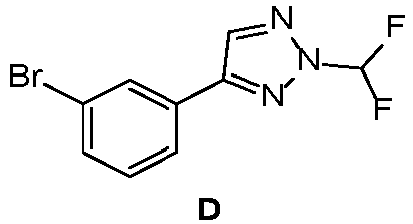
- To a cooled (10 °C) mixture of Intermediate C (0.800 g, 3.57 mmol) in DMF (10 mL) was added NaH (0.286 g, 7.14 mmol, 60.0% purity). The mixture was stirred at 10 °C for 0.5 h, followed by bubbling of chloro(difluoro)methane (g) into to the mixture for 30min. The reaction mixture was quenched with saturated aqueous NH4Cl (10 mL) and extracted with ethyl acetate (10 mL x 3). The combined organic layers were washed with brine (15 mL), dried over Na2SO4, filtered and concentrated. The residue was purified by column chromatography (petroleum ether / ethyl acetate = 10/1 to 5/1) to give Intermediate D (0.170 g, 0.620 mmol, 17.37% yield) as a colorless oil. LCMS (ESI) m/z: [M+H]+ = 276.0.
- In addition to Intermediate D, Intermediate E (0.180 g, 0.657 mmol, 18.39% yield) was isolated as a white solid and Intermediate F (0.170 g, 0.620 mmol, 17.37% yield) was isolated as a colorless oil were also isolated
- 4-(3-bromophenyl)-1-(difluoromethyl)-1H-1,2,3-triazole (Intermediate E): 1H NMR (400 MHz, CDCl3) δ 8.19 (s, 1H), 8.05 - 8.04 (m, 1H), 7.85 - 7.78 (m, 1H), 7.77 - 7.44 (m, 2H), 7.39 - 7.30 (m, 1H).
- 5-(3-bromophenyl)-1-(difluoromethyl)-1H-1,2,3-triazole (Intermediate F): 1H NMR (400 MHz, CDCl3) δ 7.81 (s, 1H), 7.79 - 7.62 (m, 3H), 7.52 - 7.47 (m, 1H), 7.43 - 7.36 (m, 1H).
-

- To a solution of Intermediate D (0.070 g, 0.255 mmol) and 4,4,5,5-tetramethyl-2-(4,4,5,5-tetramethyl-1,3,2-dioxaborolan-2-yl)-1,3,2-dioxaborolane (0.130 g, 0.511 mmol) in 1,4- dioxane (2 mL) was added KOAc (0.063 g, 0.639 mmol) and Pd(dppf)Cl2 (0.093 g, 0.128 mmol). The mixture was heated at 80 °C. After 2 h, the mixture was extracted with ethyl acetate (10 mL x 3). The combined organic layers were washed with brine (10 mL), dried over Na2SO4, filtered and concentrated . The crude product was purified by flash chromatography (petroleum ether / ethyl acetate = 10:1 - 5:1) to give Intermediate G (0.080 g, 0.249 mmol, 97.54% yield) as a colorless oil. LCMS (ESI) m/z: [M+H]+ = 322.2.; 1H NMR (400 MHz, CDCl3) δ 8.25 (s, 1H), 8.14 (s, 1H), 7.99 - 7.96 (m, 1H), 7.88 - 7.86 (m, 1H), 7.56 - 7.37 (m, 2H), 1.38 (s, 12H).
-

-

- To a mixture of 4-(3-bromophenyl)-2H-triazole (0.500 g, 2.23 mmol) in 1,2-dichloroethane (6 mL) was added cyclopropylboronic acid (0.383 g, 4.46 mmol), Cu(OAc)2 (0.405 g, 2.23 mmol), 2-(2-pyridyl)pyridine (0.349 g, 2.23 mmol), Na2CO3 (0.473 g, 4.46 mmol) at 10 °C, after addition, the mixture was stirred at 60 °C for 1 h under O2 (15 psi) atmosphere. The mixture was filtered off and the filtrate was concentrated to get the crude product. The residue was purified by column chromatography (petroleum ether / ethyl acetate = 10/1 to 5/1) to give Intermediate C (0.250 g, 0.909 mmol, 40.7% yield, 96.0% purity) as a colorless oil. LCMS (ESI) m/z: [79Br M+H]+= 264.0; 1H NMR (400 MHz, CDCl3) δ 7.92 - 7.90 (m, 1H), 7.78 - 7.72 (m, 1H), 7.66 - 7.64 (m, 1H), 7.42 - 7.41 (m, 1H), 7.25 - 7.23 (m, 1H), 4.05 - 3.97 (m, 1H), 1.42 - 1.33 (m, 2H), 1.15 - 1.05 (m, 2H).
-

- To a solution of Intermediate C (0.200 g, 0.757 mmol) and 4,4,5,5-tetramethyl-2-(4,4,5,5-tetramethyl-1,3,2-dioxaborolan-2-yl)-1,3,2-dioxaborolane (0.385 g, 1.51 mmol) in 1,4-dioxane (1 mL) was added KOAc (0.149 g, 1.51 mmol) and Pd(dppf)Cl2 (0.277 g, 0.379 mmol). The mixture was heated at 80 °C. After 2 h, the reaction mixture was cooled to room temperature and water (10 mL) was added. The mixture was extracted with ethyl acetate (10 mL x 3). The combined organic layers were washed with brine (15 mL), dried over Na2SO4, filtered and concentrated. The crude product was purified by flash chromatography (petroleum ether / ethyl acetate = 10:1 - 5:1) to give Intermediate E (0.180 g, 0.578 mmol, 76.39% yield) as a white solid. LCMS (ESI) m/z: [M+H]+ = 312.2.; 1H NMR (400 MHz, CDCl3) δ 8.18 (s, 1H), 7.91 - 7.89 (m, 1H), 7.85 (s, 1H), 7.81 - 7.76 (m, 1H), 7.47 - 7.41 (m, 1H), 4.06 - 4.00 (m, 1H), 1.43 - 1.39 (m, 2H), 1.37 (s, 12H), 1.17 - 1.09 (m, 2H).
-

-

- To a solution of 4-bromo-2-fluoro-pyridine (0.500 g, 2.84 mmol) in DMSO (5 mL) was added DIEA (2.47 mL, 14.21 mmol) and cis-2,6-dimethylmorpholine (0.655 g, 5.68 mmol). The mixture was heated at 120 °C for 12 h and subsequently diluted with water (30 mL). The mixture was extracted with ethyl acetate (10 mL x 3). The combined the organic layers were washed with saturated aqueous NH4Cl (20 mL), brine (20 mL), dried over Na2SO4, filtered and concentrated. The residue was purified by column chromatography (petroleum ether / ethyl acetate = 15/1 to 8:1) to get Intermediate C (0.500 g, 1.75 mmol, 61.66% yield) as a yellow oil.; LCMS (ESI) m/z: [M+H]+ = 273.0.; 1H NMR (400 MHz, CDCl3) δ 7.99 (d, J = 5.6 Hz, 1H), 6.79 - 6.75 (m, 2H), 4.03 - 4.00 (m, 2H), 3.71 - 3.68 (m, 2H), 2.56 - 2.50 (m, 2H), 1.27-1.26 (m, 6H).
-

- A solution of Intermediate C (0.200 g, 0.738 mmol), 4,4,5,5-tetramethyl-2-(4,4,5,5-tetramethyl-1,3,2-dioxaborolan-2-yl)-1,3,2-dioxaborolane (0.225 g, 0.885 mmol) in 1,4- dioxane (3 mL) was added KOAc (217.17 mg, 2.21 mmol) and Pd(dppf)Cl2 (53.97 mg, 73.76 umol). The mixture was heated at 80 °C. After 2 h, the reaction was diluted with water (15 mL) and extracted with ethyl acetate (5 mL x 3). The combined the organic layers were washed with brine (10 mL), dried over Na2SO4, filtered and concentrated to yield Intermediate E (0.200 g, 0.629 mmol, 85.21% yield) as a brown oil which was used directly without further purification. 1H NMR (400 MHz, CDCl3) δ 8.22 - 8.21 (m, 1H), 7.01 (s, 1H), 6.98 (d, J = 4.8 Hz, 1H), 4.12 - 4.08 (m, 2H), 3.73 - 3.72 (m, 2H), 2.55 - 2.49 (m, 2H), 1.35 (s, 12H), 1.29 (m, 3H), 1.28 - 1.27 (m, 3H).
-

-

- To a cooled (0 °C) of 3-bromophenol (1.00 g, 5.78 mmol) in acetone (10 mL) was added K2CO3 (0.959 g, 6.94 mmol) and 2,2-dimethyloxirane (1.54 mL, 17.34 mmol)The mixture was heated at 60 °C. After stirring fro 16 h, the reaction mixture was concentrated. The residue was diluted with water (10 mL) and extracted with ethyl acetate (15 mL x 3). The combined organic layers were washed with brine (10 mL), dried over Na2SO4, filtered and concentrated. The residue was purified by reverse phase column and lyophilized to give Intermediate C (0.400 g, 1.63 mmol, 28.23% yield) as yellow oil.; LCMS (ESI) m/z: [M-OH]+=227.0.; 1H NMR (400 MHz, CDCl3) δ 7.20-7.04 (m, 3H), 6.92-6.80 (m, 1H), 3.77 (s, 2H), 1.34 (s, 6H).
-

- To a solution of Intermediate C (0.200 g, 0.816 mmol), 4,4,5,5-tetramethyl-2-(4,4,5,5-tetramethyl-1,3,2-dioxaborolan-2-yl)-1,3,2-dioxaborolane (0.311 g, 1.22 mmol) in 1,4-dioxane (3 mL) was added KOAc (0.240 g, 2.45 mmol) and Pd(dtbf)Cl2 (0.053 g, 0.082 mmol). The mixture was heated at 70 °C. After 1 h, the reaction mixture was cooled to room temperature, poured into water (10 mL), and extracted with ethyl acetate (5 mL x 2). The organic layer was washed with brine (10 mL), dried over Na2SO4 and concentrated to give Intermediate E (0.200 g, 0.448 mmol, 54.95% yield) as yellow solid which was used for next step without further purification. LCMS (ESI) m/z: [M-OH]+ = 275.1.
-

-

- To a solution of 3-bromo-5-fluoro-phenol (15.00 g, 78.53 mmol) in dichloromethane (50 mL) was added DIEA (41.04 mL, 235.60 mmol) and acetyl chloride (8.41 mL, 117.80 mmol). After 30 min, saturated aqueous NaHCO3 (10 mL) was added and the mixture was extracted with dichloromethane (100 mL x 2). The combined organic layers were washed with brine (50 mL), dried over Na2SO4, filtered and concentrated. The residue was purified by SiO2 column (petroleum ether / ethyl aceate = 50:1 to 10:1) to give Intermediate C (16.00 g, 68.66 mmol, 87.43% yield) as a white oil.; 1H NMR (400 MHz, CDCl3) δ 7.17 - 7.09 (m, 2H), 6.86 - 6.83 (m, 1H), 2.31 - 2.27 (m, 3H).
-

- To a cooled (0 °C) solution of Intermediate C (14.00 g, 60.08 mmol) in dichloromethane (100 mL) was added AlCl3 (24.03 g, 180.23 mmol, 9.85 mL). The reactiom mixture was stirred 30 min and subsequently concentrated in vacuo. The resulting semi-solid residue was heated at 140 °C. After 3 h, water (50 mL) was added to the mixture and extracted with ethyl acetate (100 mL x 2). The combined organic phases were washed with brine (50 mL), dried over Na2SO4, filtered and concentrated. The residue was purified by SiO2 column (petroleum ether / ethyl acetate = 50:1 to 10:1) to give Intermediate D (7.00 g, 30.04 mmol, 50.00% yield) as a yellow solid. 1H NMR (400 MHz, CDCl3) δ 12.89 (s, 1H), 7.23 - 7.00 (m, 1H), 6.85 - 6.78 (m, 1H), 2.68 (d, J=7.2 Hz, 3H).
-

- To a solution of Intermediate D (5.00 g, 21.46 mmol) and CuBr2 (9.58 g, 42.91 mmol, 2.01 mL) in ethyl acetate (50 mL) and CHCl3 (50 mL) was heated at 60 °C for 16 h. The mixture was cooled to room temperature, filtered and the filtrate was concentrated in vacuum to give Intermediate E (6.50 g) as a yellow solids which was used for the next step without further purification. 1H NMR (400 MHz, CDCl3) δ 12.28 (s, 1H), 7.08 - 7.04 (m, 1H), 6.89 - 6.86 (m, 1H), 4.53 (d, J=3.6 Hz, 2H).
-

- To a solution of Intermediate E (6.50 g, 20.84 mmol) in DMF (120 mL) was added K2CO3 (4.32 g, 31.26 mmol). The resulting suspensiom was stirred for 30 min, followed by addition of water (30 mL). The biphasic mixture mixturewas extracted with ethyl acetate (50 mL x 2). The combined organic phases were washed with brine (30 mL), dried over Na2SO4, filtered and concentrated. The residue was purified by SiO2 column (petroleum ether / ethyl acetate = 50:1 to 5:1) to give Intermediate F (2.00 g, 8.66 mmol, 41.55% yield) as a yellow solid. 1H NMR (400 MHz, CDCl3) δ 7.16 (d, J=0.8 Hz, 1H), 6.93 (d, J=8.0 Hz, 1H), 4.67 (s, 2H).
-

- To a cooled (0 °C) solution of Intermediate F (0.300 g, 1.30 mmol) in MeOH (3.0 mL) was added NaBH4 (98.26 mg, 2.60 mmol). After stirring for 1 h, the reactiom mixture was quenched with saturated aqueous NH4Cl (3 mL) and extracted with EtOAc (10 mL x 2). The combined organic layers were concentrated under vacuum to give intermediate secondary alcohol (0.300 g) as a yellow solid.
- To a solution of alcohol (0.300 g) in TFA (3.0 mL) was added Et3SiH (0.415 mL, 2.60 mmol). The solution was heated at 60 °C for 2 h. The mixture was quenched with water (2 mL) and extracted with EtOAc (2 mL x 2). The combined organic layers were concentrated under vacuum. The residue was purified by flash silica gel chromatography (petroleum ether / ethyl acetate = 10:1) to give Intermediate G (0.090 g, 0.377 mmol, 29.0% yield, 90.0% purity) as a yellow oil. 1H NMR (400 MHz, DMSO-d6) δ 8.11 (d, J=2.0 Hz, 1H), 7.86 - 7.85 (m, 1H), 7.44 - 7.40 (m, 1H), 7.13 - 7.12 (m, 1H).
-

- To a solution of Intermediate G (0.070 g, 0.326 mmol) and 4,4,5,5-tetramethyl-2-(4,4,5,5-tetramethyl-1,3,2-dioxaborolan-2-yl)-1,3,2-dioxaborolane (0.091 g, 0.358 mmol) in 1,4-dioxane (0.5 mL) was added Pd(dtbf)Cl2 (0.021 g, 0.033 mmol) and KOAc (0.080 g, 0.814 mmol). The mixture was heated at 80 °C. After 1 h, the mixture was cooled to ambient temperatures, diluted with ethyl acetate (50 mL) and filtered. The filtrate was concentrated to give Intermediate I (0.080 g) as a brown solid. LCMS (ESI) m/z: [M+H]+ = 263.1.
-
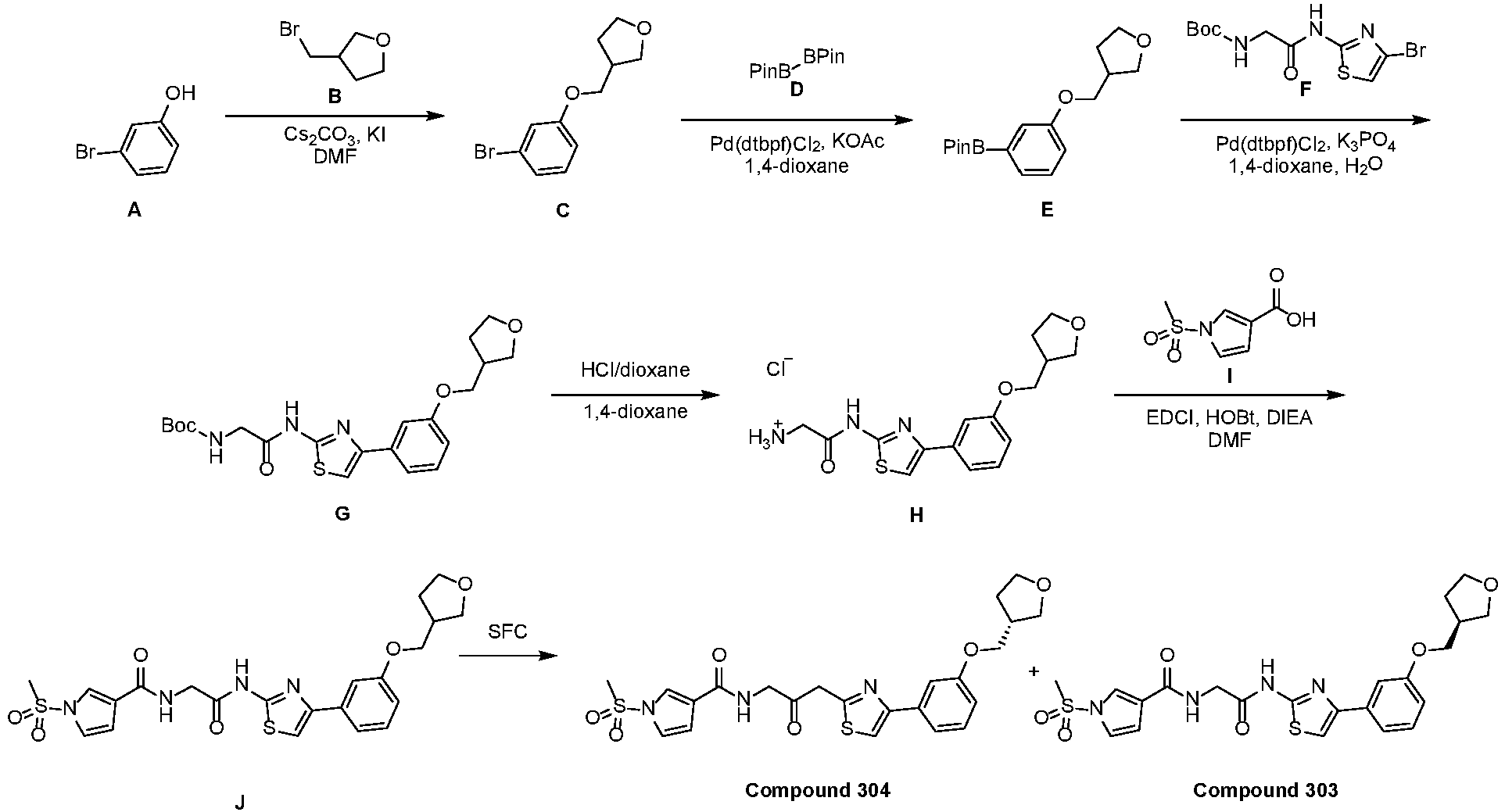
-

- To a solution of 3-bromophenol (0.700 g, 4.05 mmol), 3-(bromomethyl)tetrahydrofuran (0.734 g, 4.45 mmol), and Cs2CO3 (2.64 g, 8.09 mmol) in DMF (10 mL) was added KI (0.269 g, 1.62 mmol). The mixture was stirred at 70 °C. After 16 h, the reaction mixture was poured into water (10 mL) and extracted with ethyl acetate (10 mL x 2). The combined organic layers were washed with brine (10 mL) and dried over Na2SO4 and concentrated. The crude product was purified by reverse phase HPLC to give Intermediate C (0.350 g, 1.30 mmol, 32.13% yield, 95.5% purity) as a colorless oil by extraction. LCMS (ESI) m/z: [79Br M+H]+ = 257.0.
-

- To a solution of Intermediate C (0.350 g, 1.36 mmol) and 4,4,5,5-tetramethyl-2-(4,4,5,5-tetramethyl-1,3,2-dioxaborolan-2-yl)-1,3,2-dioxaborolane (0.691 g, 2.72 mmol) in 1,4-dioxane (5 mL) was added KOAc (0.401 g, 4.08 mmol) and Pd(dtbf)Cl2 (0.089 g, 0.136 mmol). The mixture was stirred at 70 °C. After 1 h, the reaction mixture was concentrated to give Intermediate E (0.350 g, 0.833 mmol, 61.20% yield, 72.4% purity) as a yellow oil which was used for next step without further purification. LCMS (ESI) m/z: [M+H]+ = 305.1.
-

- To a solution of tert-butyl N-[2-[(4-bromothiazol-2-yl)amino]-2-oxo-ethyl]carbamate (0.250 g, 0.744 mmol), Intermediate E (0.339 g, 1.12 mmol), K3PO4 (0.474 g, 2.23 mmol) in 1,4-dioxane (0.5 mL) and H2O (0.1 mL) was added Pd(dtbpf)Cl2 (0.048 g, 0.074 mmol). Then the mixture was stirred at 70 °C. After 1 h, the reaction mixture was cooled to ambient temperatures and concentrated. The crude product was purified by reverse phase HPLC to give Intermediate G (0.220 g, 0.448 mmol, 60.19% yield, 88.2% purity) as a colorless oil. LCMS (ESI) m/z: [M+H]+ = 434.0.
-

- A solution of Intermediate G (0.210 g, 0.484 mmol) in HCl/dioxane (3 mL, 4 M) was stirred at 25 °C for 1 h. The reaction mixture was concentrated to give Intermediate H (150 mg, 361.75 umol, 74.68% yield, 89.2% purity, HCl) as a white solid which was used for next step without further purification. LCMS (ESI) m/z: [M+H]+ = 334.1.
-

- To a solution of Intermediate H (0.150 g, 0.406 mmol), 1-methylsulfonylpyrrole-3-carboxylic acid (0.084 g, 0.446 mmol), EDCI (0.155 g, 0.811 mmol), HOBt (0.110 g, 0.811 mmol) in DMF (2 mL) was added DIEA (0.350 mL, 2.03 mmol). The mixture was stirred at 25 °C for 1 h and subsequently concentrated. The crude product was purified by reverse phase HPLC column and lyophilized to give Intermediate J (0.100 g, 0.198 mmol, 48.87% yield, 100% purity) as a white solid. LCMS (ESI) m/z: [M+H]+ = 505.2.
-

- The Intermediate J (0.100 g, 0.198 mmol) was purified by SFC and lyophilized to give Compound 304 (0.021 g, 0.041 mmol, 20.73% yield, 100% purity) as a white solid and Compound 303 (0.026 g, 0.051 mmol, 25.86% yield, 100% purity) as a white solid.
- Compound 304: LCMS (ESI) m/z: [M+H]+ = 505.3; 1H NMR (400 MHz, DMSO-d6) δ 12.40 (br s, 1H), 8.68 - 8.66 (m, 1H), 7.86 - 7.84 (m, 1H), 7.66 (s, 1H), 7.55 - 7.44 (m, 2H), 7.40 - 7.29 (m, 2H), 6.92 - 6.90 (m, 1H), 6.79 - 6.77 (m, 1H), 4.14 (d, J = 6.0 Hz, 2H), 4.04 - 3.90 (m, 2H), 3.86 - 3.74 (m, 2H), 3.71 - 3.64 (m, 1H), 3.61 - 3.53 (m, 4H), 2.70 - 2.65 (m, 1H), 2.12 - 1.99 (m, 1H), 1.69 - 1.67 (m, 1H); ee% = 100%.
- Compound 303: LCMS (ESI) m/z: [M+H]+ = 505.2; 1H NMR (400 MHz, DMSO-d6) δ 12.36 (br s, 1H), 8.68 - 8.66 (m, 1H), 7.86 - 7.84 (m, 1H), 7.66 (s, 1H), 7.54 - 7.44 (m, 2H), 7.37 - 7.27 (m, 2H), 6.92 - 6.90 (m, 1H), 6.79 - 6.77 (m, 1H), 4.14 (d, J = 6.0 Hz, 2H), 4.03 - 3.91 (m, 2H), 3.85 - 3.76 (m, 2H), 3.71 - 3.65 (m, 1H), 3.60 - 3.54 (m, 4H), 2.70 - 2.67 (m, 1H), 2.11 - 1.97 (m, 1H), 1.76 - 1.63 (m, 1H); ee% = 96.33%.
-

-

- To a cooled (0 °C) solution of 6-fluoropyridine-2-carboxylic acid (50.00 g, 354.36 mmol) in dichloromethane (500 mL) and N,N-dimethylformamide (0.26 mL, 3.54 mmol) was added oxalyl chloride (155.10 mL, 1.77 mol). After complete addition of oxalyl chloride, the reaction mixture was warmed to room temperature and stirred for an additional 0.5 h. The mixture was concentrated under vacuum to give intermediate B (56.50 g) as a white solid, which was used to next step without further purification.
-

- To a cooled (0 °C) mixture of intermediate B (56.00 g, 351.00 mmol) in 1,4-dioxane (800 mL) was added in a dropwise manner a solution of 2 M trimethylsilyl diazomethane in hexanes (351 mL). The resulting reaction mixture was stirred at 25 °C for 10 h. The reaction mixture was subsequently quenched with a solution of 4 M HCl in 1,4-dioxane (500 mL). After stirring for 2 h, the reaction solution was concentrated under vacuum to give an oil. The residue was diluted with saturated aqueous NaHCO3 (500 mL) and extracted with ethyl acetate (200 mL x 3). The combined organic layers were washed with brine (300 mL x 2), dried over Na2SO4, filtered and concentrated under reduced pressure to give intermediate C (35.50 g) as a white solid, which was used to next step directly. LCMS (ESI) m/z: [M+H]+ = 173.8.
-

- To a solution of intermediate C (35.50 g, 204.53 mmol) and thiourea (14.01 g, 184.07 mmol) in a mixture of MeOH (250 mL) and H2O (250 mL) at room temperature was added NaF (3.56 g, 84.82 mmol). After stirring for 0.5 h, the reaction mixture was partially concentrated under vacuum to remove MeOH, and the resulting solution was acidified to pH ~3 with aqueous 2 M HCl. After 15 min, the solution was extracted with ethyl acetate (200 mL x 3), the organic layers were discarded and the aqueous phase was alkalized with NaHCO3 (500 mL) and stirred for 30 min, then extracted with ethyl acetate (325 mL*3), the combined organic layers were washed with brine (225 mL * 3), dried over Na2SO4, filtered and concentrated under reduced pressure. The residue was triturated with petroleum ether (300 mL) and stirred at 25 °C for 10 min and filtered. The resultant solids were dried under vacuum to give intermediate E (28.00 g, 143.43 mmol, 70.13% yield, 100% purity) as a white solid. LCMS (ESI) m/z: [M+H]+ = 195.8; 1H NMR (400 MHz, DMSO-d6) δ 8.00-7.96 (m, 1H), 7.72 (d, J= 7.2 Hz, 1H), 7.24 (s, 1H), 7.16 (s, 2H), 7.02 (d, J= 8.0 Hz, 1H).
-

- To a solution of N-Boc-glycine (5.92 g, 33.81 mmol), HATU (12.86 g, 33.81 mmol), and DIEA (15.89 g, 122.94 mmol, 21.41 mL) in dichloromethane (100 mL) was added intermediate E (6.00 g, 30.74 mmol). After stirring for 2 h, the reaction mixture was concentrated and subsequently diluted with water (100 mL) and extracted with ethyl acetate (60 mL x 4). The combined organic layers were washed with brine (100 mL x 2), dried over Na2SO4, filtered and concentrated under reduced pressure to give a residue. The residue was triturated with a 1:1 mixture of petroleum ether and MeOH (40mL). After stirring at 25 °C for 20 min, the suspension was filtered, the filter cake was washed with MTBE (20 mL), and dried in vacuo to give intermediate G (7.70 g, 21.63 mmol, 70.4% yield, 99.0% purity) as a white solid. LCMS (ESI) m/z: [M+H]+ = 353.1.
-

- A solution of intermediate G (5.40 g, 15.32 mmol) in 4 M HCl in 1,4-dioxane (35 mL) was stirred at 25 °C for 1.5 h. The mixture was concentrated under vacuum to give intermediate H (4.42 g) as a white solid, which was used to next step directly without further purification. LCMS (ESI) m/z: [M+H]+ = 252.9.
-

- To a solution of intermediate H (3.00 g, 10.39 mmol), 1-tert-butylpyrrole-3-carboxylic acid (1.74 g, 10.39 mmol) and DIEA (6.71 g, 51.95 mmol, 9.05 mL) in dichloromethane (40 mL) was sequentially added HOBt (1.68 g, 12.47 mmol) and EDCI (2.39 g, 12.47 mmol). After stirring for 4 h, the mixture was concentrated under vacuum. The residue was diluted with water (250 mL) and extracted with ethyl acetate (200 mL x 3). The combined organic layers were washed with brine (300 mL x 3), dried over Na2SO4, filtered and concentrated under reduced pressure. The resulting solids were triturated with a 1:1 mixture of MTBE/ethyl acetate (400 mL) and after 30 min, the suspension was filtered. The solids were washed with MTBE (85 mL x 3) and then dried under vacuum to give intermediate J (3.10 g, 7.64 mmol, 73.6% yield, 99.0% purity) as a white solid. LCMS (ESI) m/z: [M+H]+ = 402.3; 1H NMR (400 MHz, DMSO-d6) δ 12.40 (s, 1H), 8.18 - 8.15 (m, 1H), 8.09-8.08 (m, 1H), 7.87-7.83 (m, 2H), 7.52 (s, 1H), 7.11 (d, J=8.0 Hz, 1H), 6.97 (m, 1H), 6.47 (s, 1H), 4.10 (d, J=5.6 Hz, 2H), 1.49 (s, 9H).
-

- To a solution of intermediate J (0.100 g, 0.249 mmol) in DMSO (1 mL) was added DIEA (0.130 mL, 0.747 mmol) and cis-2,6-dimethylmorpholine (0.057 g, 0.498 mmol) and the mixture was stirred at 120 °C. After 12 h, the solution was cooled to room temperature and reaction mixture was diluted with MeOH (3 mL). The residue was purified by prep-HPLC (mobile phase: [water (0.075% TFA) - ACN]; B%: 30%-60%). The appropriate fractions were collected and lyophilized to give Compound 320 (0.079 g, 0.129 mmol, 51.94% yield, 100% purity) as a white solid. LCMS (ESI) m/z: [M+H]+ = 497.5; 1H NMR (400 MHz, DMSO-d6) δ 12.27 (s, 1H), 8.17 - 8.14 (m, 1H), 7.75 (s, 1H), 7.63 - 7.59 (m, 1H), 7.51 (s, 1H),7.25 (d, J = 7.2 Hz, 1H), 6.96 (s, 1H), 6.79 (d, J = 8.8 Hz, 1H), 6.47 (s, 1H), 4.24 (d, J = 12.4 Hz, 2H), 4.08 (d, J =5.6 Hz, 2H), 3.64 - 3.61 (m, 2H), 2.44 - 2.38 (m, 2H), 1.49 (s, 9H), 1.18 (d, J = 5.6 Hz, 6H).
- The following compounds in Table 7 were synthesized starting from the appropriate common intermediate ([1-tert-butyl-N-[2-[[4-(6-fluoro-2-pyridyl)thiazol-2-yl]amino]-2-oxo-ethyl]pyrrole-3-carboxamide]), the requisite amine, and utilizing the general synthetic protocols described in example 164. Where appropriate SFC purification was used to separate enantiomers.
Table 7. Compound # LC-MS data(m/z) 1H NMR 310 513.1 1H NMR (400 MHz, DMSO-d6) δ 12.29 (s, 1H), 8.19 - 8.16 (m, 1H), 7.69 (s, 1H), 7.69 - 7.52 (m, 1H), 7.52 - 7.52 (m, 1H), 7.21 (d, J = 7.2 Hz, 1H), 6.97 - 6.96 (m, 1H), 6.83 (d, J = 8.4 Hz, 1H), 6.48 - 6.47 (m, 1H), 4.93 (d, J = 4.4 Hz, 1H), 4.25 - 4.22(m, 1H), 4.09 (d, J = 6.0 Hz, 2H), 4.03 - 3.89 (m, 1H), 3.56 - 3.45 (m, 1H), 3.40 (s, 3H), 3.16 - 3.00(m, 3H), 1.87 - 1.82 (m, 1H), 1.49 (s, 9H), 1.40 - 1.38 (m, 1H) 311 497.2 1H NMR (400 MHz, DMSO-d6) δ 12.28 (s, 1H), 8.23 - 8.13 (m, 1H), 7.61 - 7.55 (m, 1H), 7.52 (d, J = 2.0 Hz, 1H), 7.20 (d, J = 7.2 Hz, 1H), 6.97 (d, J = 2.8 Hz, 1H), 6.80 (d, J = 8.8 Hz, 1H), 6.53 - 5.45 (m, 1H), 4.22 - 4.12 (m, 1H), 4.09 (d, J = 6.0 Hz, 2H), 3.89 - 6.83 (m, 1H), 3.30 - 3.12 (m, 4H), 2.55 - 2.52 (m, 2H), 2.04 - 1.93 (m, 1H), 1.81 - 1.69 (m, 1H), 1.53 - 1.44 (m, 11H) 312 497.3 1H NMR (400 MHz, DMSO-d6) δ 12.27 (s, 1H), 8.17 (d, J = 6.0 Hz, 1H), 7.69 (s, 1H), 7.61 - 7.55 ( m, 1H), 7.52 (d, J = 2.0 Hz, 1H), 7.20 (d, J = 7.2 Hz, 1H), 6.97 (d, J = 2.8 Hz, 1H), 6.80 (d, J = 8.8 Hz, 1H), 6.53 - 6.45 (m, 1H), 4.20 - 4.13 (m, 1H), 4.09 (d, J = 6.0 Hz, 2H), 3.90 - 3.83 (m, 1H), 3.30 - 3.12 (m, 4H), 2.53 (d, J = 2.0 Hz, 2H), 2.02 - 1.93 (m, 1H), 1.82 - 1.73 (m, 1H), 1.56 - 1.48 (m, 11H) 314 483.3 1H NMR (400 MHz, DMSO-d6) δ 12.29 - 12.23 (m, 1H), 8.18 - 8.15 (m, 1H), 7.69 (s, 1H), 7.60 - 7.56 (m, 1H), 7.52 - 7.51 (m, 1H), 7.20 (d, J = 7.2 Hz, 1H), 6.98 - 6.96 (m, 1H), 6.79 (d, J = 8.4 Hz, 1H), 6.48 -6.47 (m, 1H), 4.68 (d, J = 4.4 Hz, 1H), 4.12 - 4.08 (m, 4H), 3.73 - 3.68 (m, 1H), 3.15 - 3.08 (m, 2H), 1.84 - 1.79 (m, 2H), 1.49 (s, 9H), 1.43-1.34 (m, 2H) 315 439.2 1H NMR (400 MHz, Methanol-d4) δ 7.63 - 7.53 (m, 3H), 7.30 (d, J = 7.2 Hz, 1H), 6.95 - 6.94 (m, 1H), 6.57 - 6.56 (m, 1H), 6.32 (d, J = 8.0 Hz, 1H), 4.22 (s, 2H), 4.08 - 4.04 (m, 4H), 2.44 - 2.36 (m, 2H), 1.56 (s, 9H) 317 524.4 1H NMR (400 MHz, DMSO-d6+D2O) δ 8.25 - 8.22 (m, 1H), 7.65 (s, 1H), 7.60 - 7.58 (m, 1H), 7.51 - 7.49 (m, 1H), 7.24 (d, J = 7.2 Hz, 1H), 6.97 - 6.95 (m, 1H), 6.48 - 6.46 (m, 1H), 6.36 (d, J = 8.0 Hz, 1H), 4.09 - 4.03 (m, 2H), 4.03 - 4.01 (m, 2H), 3.80 - 3.78 (m, 2H), 3.58 (d, J = 4.0 Hz, 4H), 3.27 - 3.25 (m, 1H), 2.35 - 2.33 (m, 4H), 1.47 (s, 9H) 318 511.2 1H NMR (400 MHz, Methanol-d4) δ 7.66 (s, 1H), 7.58 - 7.57 (m, 1H), 7.56 - 7.52 (m, 1H), 7.27 (d, J = 7.2 Hz, 1H), 6.96 - 6.94 (m, 1H), 6.71 (d, J = 8.4 Hz, 1H), 6.58 - 6.57 (m, 1H), 4.35 - 4.31 (m, 1H), 4.28 - 4.20 (m, 3H), 3.36 (s, 3H), 3.34 (d, J = 6.4 Hz, 2H), 3.05 - 2.94 (m, 1H), 2.80 - 2.74 (m, 1H), 1.96 - 1.80 (m, 2H), 1.79 - 1.74 (m, 1H), 1.69 - 1.60 (m, 1H), 1.56 (s, 9H), 1.39 - 1.25 (m, 1H) 319 511.5 1H NMR (400 MHz, DMSO-d6) δ 12.28 (s, 1H), 8.17 - 8.15 (m, 1H), 7.66 (s, 1H), 7.59 - 7.55 (m, 1H), 7.51 (s, 1H), 7.18 (d, J = 7.2 Hz, 1H), 6.97 (d, J = 2.4 Hz, 1H), 6.74 (d, J = 8.8 Hz, 1H), 6.47 (s, 1H), 4.26 (d, J = 8.4 Hz, 2H), 4.08 (d, J = 4.4 Hz, 2H), 3.26 (s, 3H), 2.98 - 2.90 (m, 2H), 2.77 - 2.57 (m, 3H), 1.78 - 1.73 (m, 2H), 1.72 - 1.64 (m, 1H), 1.49 (s, 9H), 1.29 - 1.17 (m, 1H) 422 497.4 1H NMR (400 MHz, DMSO-d6) δ 12.26 (br s, 1H), 8.17 - 8.14 (m, 1H), 7.76 (s, 1H), 7.62 - 7.58 (m, 1H), 7.51 (d, J = 1.6 Hz, 1H), 7.22 (d, J = 7.2 Hz, 1H), 6.97 - 6.95 (m, 1H), 6.77 (d, J = 8.4 Hz, 1H), 6.47 - 6.46 (m, 1H), 4.09 - 4.02 (m, 4H), 3.69 - 3.65 (m, 2H), 3.29 - 3.24 (m, 2H), 1.49 (s, 9H), 1.17 (d, J = 6.4 Hz, 6H) 424 497.2 1H NMR (400 MHz, DMSO-d6) δ 12.28 - 12.20 (m, 1H), 8.44 (s, 1H), 8.17 - 8.15 (m, 1H), 7.73 (s, 1H), 7.61 - 7.59 (m, 1H), 7.52 - 7.50 (m, 1H), 7.23 (d, J = 7.6 Hz, 1H), 6.97 - 6.95 (m, 1H), 6.77 (d, J = 8.4 Hz, 1H), 6.47 - 6.46(m, 1H), 4.08 (d, J = 6.0 Hz, 2H), 4.04 (d, J = 3.2 Hz, 2H), 3.69 - 3.65 (m, 2H), 3.27 (s, 2H), 1.49 (s, 9H), 1.18 (d, J = 6.0 Hz, 6H) 428 497.4 1H NMR (400 MHz, DMSO-d6) δ 12.39 - 12.15 (m, 1H), 8.14 (s, 1H), 7.72 (s, 1H), 7.64 - 7.59 (m, 1H), 7.53 - 7.51 (m, 1H), 7.24 (d, J = 7.2 Hz, 1H), 6.99 - 6.97 (m, 1H), 6.79 (d, J = 7.6 Hz, 1H), 6.49 - 6.47 (m, 1H), 4.07 (d, J = 5.6 Hz, 2H), 3.75 - 3.72 (m, 2H), 3.56 - 3.52 (m, 2H), 3.41 (s, 2H), 1.50 (s, 9H), 1.22 (s, 6H) 429 483.3 1H NMR (400 MHz, DMSO-d6) δ 12.48 - 12.12 (m, 1H), 8.18 - 8.14 (m, 1H), 7.74 (s, 1H), 7.66 - 7.61 (m, 1H), 7.53 - 7.51 (m, 1H), 7.27 (d, J = 7.6 Hz, 1H), 6.99 - 6.97 (m, 1H), 6.80 (d, J = 8.4 Hz, 1H), 6.49 - 6.47 (m, 1H), 4.25 (d, J = 12.4 Hz, 1H), 4.16 (d, J = 12.8 Hz, 1H), 4.08 (d, J = 6.0 Hz, 2H), 3.96 - 3.91 (m, 1H), 3.61 - 3.54 (m, 2H), 2.87 - 2.79 (m, 2H), 1.50 (s, 9H), 1.19 (d, J = 6.0 Hz, 3H) 440 524.5 1H NMR (400 MHz, Methanol-d4) δ 7.69 (s, 1H), 7.64 - 7.55 (m, 2H), 7.37 (d, J = 7.2 Hz, 1H), 6.98 - 6.96 (m, 1H), 6.81 - 6.69 (m, 1H), 6.64 - 6.51 (m, 1H), 4.80 - 4.63 (m, 4H), 4.24 (s, 2H), 3.78 - 3.65 (m, 4H), 3.63 - 3.52 (m, 1H), 2.59 - 2.46 (m, 4H), 1.58 (s, 9H) 620 495.2 1H NMR (400 MHz, DMSO-d6) δ 12.40 - 12.02 (m, 1H), 8.17 - 8.16 (m, 1H), 7.69 (s, 1H), 7.59 - 7.57 (m, 1H), 7.52 - 7.51 (m, 1H), 7.19 - 7.17 (m, 1H), 6.97 - 6.96 (m, 1H), 6.47 - 6.46 (m, 1H), 6.42 - 6.40 (m, 1H), 4.61 - 4.60 (m, 2H), 4.55 - 4.53 (m, 2H), 4.09 - 4.07 (m, 2H), 3.72 (s, 2H), 3.49 - 3.43 (m, 2H), 2.28 - 2.24 (m, 2H), 1.49 (s, 9H) 623 496.2 1H NMR (400 MHz, DMSO-d6) δ 12.32 - 12.19 (m, 1H), 8.18 - 8.16 (m, 1H), 7.69 (s, 1H), 7.58 - 7.49 (m, 2H), 7.18 - 7.16 (m, 1H), 6.97 - 6.96 (m, 1H), 6.47 - 6.45 (m, 1H), 6.42 - 6.41 (m, 1H), 4.08 - 4.75 (m, 2H), 3.80 - 3.71 (m, 1H), 3.69 - 3.60 (m, 1H), 3.41 - 3.35 (m, 1H), 3.18 - 3.10 (m, 1H), 2.82 - 2.72 (m, 1H), 2.25 - 2.12 (m, 7H), 1.87 - 1.74 (m, 1H), 1.49 (s, 9H) 624 523.3 1H NMR (400 MHz, DMSO-d6) δ 12.27 (br s, 1H), 8.21 - 8.19 (m, 1H), 7.71 (s, 1H), 7.58 - 7.50 (m, 2H), 7.17 (d, J = 7.2 Hz, 1H), 6.98 - 6.97 (m, 1H), 6.50 - 6.39 (m, 2H), 4.09 (d, J = 6.0 Hz, 2H), 3.63 (d, J = 5.2 Hz, 2H), 3.53 - 3.50 (m, 2H), 3.39 (s, 2H), 1.92 - 1.88 (m, 2H), 1.56 (s, 2H), 1.51 - 1.48 (m, 9H), 1.06 - 0.96 (m, 4H) 625 453.2 1HNMR (400 MHz, DMSO-d6) δ 12.27 (br s, 1H), 8.20 - 8.18 (m, 1H), 7.63 (s, 1H), 7.63 - 7.57 (m, 1H), 7.53 - 7.52 (m 1H), 7.23 (d, J = 7.2 Hz, 1H), 6.98 - 6.97 (m, 1H), 6.48 - 6.47 (m, 1H), 6.31 (d, J = 8.0 Hz, 1H), 4.17 - 4.06 (m, 4H), 3.57 - 3.55 (m, 2H), 2.80 - 2.79 (m, 1H), 1.52 - 1.47 (m, 9H), 1.26 (d, J = 6.8 Hz, 3H) 626 523.2 1H NMR (400 MHz, CDCl3) δ 7.67 (s, 1H), 7.56 - 7.50 (m, 2H), 7.30 (d, J = 7.6 Hz, 1H), 6.88 - 6.80 (m, 1H), 6.63 (d, J = 8.4 Hz, 1H), 6.49 - 6.41 (m, 2H), 4.34 (d, J = 6.0 Hz, 2H), 3.96 - 3.87 (m, 2H), 3.72 - 3.54 (m, 6H), 1.87 - 1.79 (m, 2H), 1.74 - 1.67 (m, 4H), 1.56 (s, 9H) 627 546.3 1H NMR (400 MHz, DMSO-d6) δ 12.37 - 12.29 (m, 1H), 8.58 - 8.57 (m, 1H), 8.39 (s, 1H), 8.20 - 8.19 (m, 1H), 7.76 (s, 1H), 7.71 - 7.56 (m, 1H), 7.52 - 7.51 (m, 1H), 7.40 - 7.39 (m, 1H), 7.34 - 7.31 (m, 1H), 7.29 (d, J = 7.2 Hz, 1H), 6.97 - 6.88 (m, 1H), 6.88 (d, J = 8.8 Hz, 1H), 6.47 (m, 1H), 4.09 (d, J = 5.6 Hz, 2H), 3.73 (s, 8H), 1.48 (s, 9H) 628 525.3 1H NMR (400 MHz, DMSO-d6) δ 12.32 - 12.25 (m, 1H), 8.37 (d, J = 4.4 Hz, 1H), 8.20 - 8.17 (m, 1H), 7.68 (s, 1H), 7.57 - 7.52 (m, 1H), 7.52 - 7.51 (m, 1H), 7.20 (d, J = 7.6 Hz, 1H), 6.97 - 6.96 (m, 1H), 6.80 (d, J = 8.8 Hz, 1H), 6.47 - 6.46 (m, 1H), 5.23 - 5.06 (m, 1H), 4.08 (d, J = 6.0 Hz, 2H), 3.54 - 3.50 (m, 4H), 2.35 - 2.32 (m, 2H), 1.93 - 1.91 (m, 2H), 1.63 - 1.60 (m, 2H), 1.56 - 1.53 (m, 2H), 1.48 (s, 9H) 629 572.2 1H NMR (400 MHz, DMSO-d6) δ 12.31 (br s, 1H), 8.38 - 8.36 (m, 1H), 8.25 - 8.20 (m, 1H), 7.66 - 7.64 (m, 1H), 7.64 - 7.52 (m, 1H), 7.52 - 7.48 (m, 1H), 7.26 - 7.22 (m, 1H), 7.00 - 6.95 (m, 1H), 6.51 - 6.45 (m, 1H), 6.40 - 6.34 (m, 1H), 4.17 - 4.02 (m, 4H), 3.85 - 3.75 (m, 2H), 3.61 - 3.51 (m, 1H), 3.19 - 3.06 (m, 4H), 2.90 - 2.77 (m, 4H), 1.52 - 1.46 (m, 9H) 630 549.2 1H NMR (400 MHz, DMSO-d6) δ 12.31 (br s, 1H), 8.21 - 8.19 (m, 1H), 8.19 - 8.14 (m, 1H), 7.76 - 7.69 (m, 1H), 7.67 - 7.57 (m, 1H), 7.55 - 7.48 (m, 1H), 7.29 - 7.19 (m, 1H), 7.01 - 6.94 (m, 1H), 6.90 - 6.81 (m, 1H), 6.55 - 6.41 (m, 1H), 4.45 - 4.30 (m, 2H), 4.18 - 3.99 (m, 2H), 3.28 - 3.21 (m, 1H), 3.17 - 3.03 (m, 2H), 2.48 - 2.44 (m, 3H), 2.14 - 1.98 (m, 2H), 1.81 - 1.62 (m, 2H), 1.49 (s, 9H) 631 523.2 1H NMR (400 MHz, CDCl3) δ 10.02 - 9.90 (m, 1H), 7.70 (s, 1H), 7.54 - 7.52 (m, 1H), 7.49 - 7.47 (m, 1H), 7.23 (d, J = 7.6 Hz, 1H), 6.84 - 6.83 (m, 1H), 6.42 - 6.41 (m, 1H), 6.40 - 6.36 (m, 1H), 6.31 (d, J = 8.4 Hz, 1H), 4.33 (d, J = 6.0 Hz, 2H), 3.82 (d, J = 10.8 Hz, 1H), 3.74 - 3.72 (m, 2H), 3.60 - 3.58 (m, 2H), 3.43 (d, J = 11.6 Hz, 1H), 2.29 - 2.26 (m, 1H), 1.96 - 1.91 (m, 1H), 1.78 - 1.67 (m, 4H), 1.64 - 1.60 (m, 2H), 1.57 (s, 9H) 632 516.3 1H NMR (400 MHz, DMSO-d6) δ 12.29 (br s, 1H), 8.49 (s, 1H), 8.32 (d, J = 4.8 Hz, 1H), 8.27 (s, 1H), 8.19 - 8.16 (m, 1H), 7.82 (s, 1H), 7.67 - 7.63 (m, 1H), 7.52 - 7.51 (m, 1H), 7.26 - 7.20 (m, 2H), 6.97 - 6.88 (m, 2H), 6.47 - 6.46 (m, 1H), 4.81 (s, 2H), 4.08 (d, J = 6.0 Hz, 2H), 3.93 - 3.90 (m, 2H), 2.93 - 2.90 (m, 2H), 1.49 (s, 9H) 633 519.3 1H NMR (400 MHz, DMSO-d6) δ 12.28 (br s, 1H), 8.15 - 8.14 (m, 1H), 8.14 (s, 1H), 7.69 (s, 1H), 7.61 - 7.51 (m, 2H), 7.20 (d, J = 7.2 Hz, 1H), 7.00 - 6.61 (m, 2H), 6.47 - 6.44 (m, 2H), 4.95 (br s, 1H), 4.09 - 4.04 (m, 2H), 3.71 - 3.56 (m, 3H), 3.51 - 3.44 (m, 1H), 2.29 - 2.13 (m, 2H), 1.49 (s, 9H) 634 479.3 1H NMR (400 MHz, DMSO-d6) δ 12.28 (br s, 1H), 8.31 (s, 1H), 8.19 - 8.16 (m, 1H), 7.65 (s, 1H), 7.57 - 7.51 (m, 2H), 7.16 (d, J = 7.2 Hz, 1H), 6.97 - 6.96 (m, 1H), 6.47 - 6.47 (m, 1H), 6.38 (d, J = 8.4 Hz, 1H), 4.08 (d, J = 5.6 Hz, 2H), 3.61 - 3.58 (m, 2H), 3.38 (br s, 2H), 1.92 - 1.89 (m, 2H), 1.48 (s, 9H), 0.66 - 0.60 (m, 4H) 635 570.3 1H NMR (400 MHz, DMSO-d6) δ 12.31 - 12.24 (m, 1H), 8.34 (d, J = 3.6 Hz, 1H), 8.18 - 8.15 (m, 1H), 7.69 (s, 1H), 7.59 - 7.55 (m, 1H), 7.51 - 7.50 (m, 1H), 7.23 - 7.13 (m, 1H), 6.96 - 6.95 (m, 1H), 6.81 (d, J = 8.8 Hz, 1H), 6.47 - 6.46 (m, 1H), 5.15 - 5.03 (m, 1H), 4.75 - 4.68 (m, 1H), 4.57 - 4.52 (m, 1H), 4.08 (d, J = 6.0 Hz, 2H), 3.58 - 3.56 (m, 4H), 3.05 - 3.02 (m, 1H), 2.97 - 2.89 (m, 1H), 2.86 - 2.80 (m, 1H), 2.58 - 2.56 (m, 4H), 1.81 - 1.75 (m, 2H), 1.48 (s, 9H) 636 536.2 1H NMR (400 MHz, DMSO-d6) δ 12.29 - 12.25 (m, 1H), 8.25 (br s, 1H), 8.18 - 8.16 (m, 1H), 7.66 - 7.65 (m, 1H), 7.59 - 7.55 (m, 1H), 7.52 - 7.51 (m, 1H), 7.19 (d, J = 7.2 Hz, 1H), 6.97 - 6.96 (m, 1H), 6.78 (d, J = 8.4 Hz, 1H), 6.47 - 6.46 (m, 1H), 4.52 - 4.49 (m, 1H), 4.17 (d, J = 12.4 Hz, 1H), 4.08 (d, J = 6.0 Hz, 2H), 2.93 - 2.87 (m, 1H), 2.85 - 2.80 (m, 1H), 2.63 - 2.62 (m, 3H), 2.28 - 1.94 (m, 3H), 1.68 - 1.64 (m, 5H), 1.49 - 1.42 (m, 11H) 637 519.2 1H NMR (400 MHz, Methanol-d4) δ 8.46 - 8.41 (m, 1H), 7.71 (s, 1H), 7.61 - 7.56 (m, 2H), 7.41 (s, 1H), 7.32 (d, J = 7.2 Hz, 1H), 6.98 - 6.93 (m, 1H), 6.80 (d, J = 8.4 Hz, 1H), 6.59 - 6.55 (m, 1H), 4.65 (s, 2H), 4.23 (s, 2H), 4.06 - 3.99 (m, 2H), 3.83 (s, 3H), 2.87 - 2.77 (m, 2H), 1.57 (s, 9H) 638 524.2 1H NMR (400 MHz, DMSO-d6) δ 12.36 - 12.24 (m, 1H), 8.31 - 8.26 (m, 1H), 8.22 - 8.15 (m, 1H), 7.75 (s, 1H), 7.66 - 7.58 (m,1H), 7.52 - 7.49 (m, 1H), 7.24 (d, J = 7.2 Hz, 1H), 7.01 - 6.95 (m, 1H), 6.80 (d, J = 8.0 Hz, 1H), 6.48 - 6.45 (m, 1H), 4.35 - 4.26 (m, 1H), 4.21 - 4.20 (m, 1H), 4.08 (d, J = 6.0 Hz, 2H), 3.83 - 3.73 (m, 2H), 3.60 - 3.49 (m, 1H), 3.18 - 3.16 (m,1H), 2.94 - 2.88 (m, 1H), 2.88 - 2.78 (m, 2H), 2.39 - 2.38 (m, 1H), 2.26 - 2.14 (m, 3H), 1.49 (s, 9H) 639 524.2 1H NMR (400 MHz, DMSO-d6) δ 12.41 - 12.23 (m, 1H), 8.44 - 8.34 (m, 1H), 8.23 - 8.16 (m, 1H), 7.74 (s, 1H), 7.64 - 7.52 (m, 1H), 7.51 -7.49 (m, 1H), 7.27 (d, J = 7.2 Hz, 1H), 7.00 - 6.94 (m, 1H), 6.82 (d, J = 8.0 Hz, 1H), 6.47 - 6.46 (m, 1H), 4.11 - 4.05 (m, 2H), 3.64 - 3.53 (m, 8H), 2.38 (d, J = 7.2 Hz, 2H), 1.49 (s, 9H), 1.01 - 0.99 (m, 3H) 640 539.2 1H NMR (400 MHz, DMSO-d6) δ 12.43 - 12.18 (m, 1H), 8.44 - 8.38 (m, 1H), 8.24 - 8.14 (m, 1H), 7.73 (s, 1H), 7.67 - 7.60 (m, 1H), 7.54 - 7.49 (m, 1H), 7.26 (d, J = 7.2 Hz, 1H), 7.00 - 6.94 (m, 1H), 6.81 (d, J = 8.8 Hz, 1H), 6.47 - 6.46 (m, 1H), 4.08 (d, J = 6.4 Hz, 2H), 3.58 - 3.57 (m, 4H), 3.26 - 3.20 (m, 4H), 2.79 (s, 6H), 1.49 (s, 9H) 641 550.5 1H NMR (400 MHz, DMSO-d6) δ 12.28 (s, 1H), 8.41 (s, 1H), 8.18 - 8.17 (m, 1H), 7.71 (s, 1H), 7.56 - 7.54 (m, 1H), 7.51 - 7.50 (m, 1H), 7.18 (d, J = 7.6 Hz, 1H), 6.97 - 6.96 (m, 1H), 6.82 (d, J=8.4 Hz, 1H), 6.46 - 6.43 (m, 1H), 4.50 - 4.42 (m, 2H), 4.08 (d, J=6.0 Hz, 2H), 3.50 - 3.47 (m, 1H), 3.10 - 3.06 (m, 1H), 2.83 (s, 3H), 2.83 - 2.76 (m, 1H), 2.20 - 2.17 (m, 3H), 2.05 (d, J=9.2 Hz, 1H), 1.89 - 1.75 (m, 1H), 1.60 - 1.55 (m, 2H), 1.49 (s, 9H) 642 511.5 1H NMR (400 MHz, DMSO-d6) δ 12.28 (s, 1H), 8.38 (s, 1H), 8.18 - 8.15 (m, 1H), 7.69 (s, 1H), 7.60 - 7.56 (m, 1H), 7.51 (s, 1H), 7.20 (d, J=7.6 Hz, 1H), 6.96 (s, 1H), 6.80 (d, J=8.4 Hz, 1H), 6.47 (s, 1H), 4.08 (d, J=5.6 Hz, 5H), 3.50 - 3.47 (m, 2H), 3.17 - 3.12 (m, 1H), 1.91 (d, J=10.0 Hz, 2H), 1.49 (s, 9H), 1.43 (d, J=9.2 Hz, 3H), 1.13 - 1.10 (m, 3H) 643 550.4 1H NMR (400 MHz, DMSO-d6) δ 12.35 - 12.24 (m, 1H), 8.42 (s, 1H), 8.18 - 8.17 (m, 1H), 7.72 (s, 1H), 7.61 - 7.61 (m,1H), 7.52 - 7.51 (m, 1H), 7.24 (d, J = 7.2 Hz, 1H), 6.97 - 6.96 (m, 1H), 6.85 (d, J = 8.4 Hz, 1H), 6.47 - 6.47 (m, 1H), 4.56 (br d, J = 14.0 Hz, 1H), 4.45 (br d, J = 13.6 Hz, 1H), 4.08 (d, J = 6.0 Hz, 2H), 3.19 - 3.11 (m, 1H), 2.86 - 2.79 (m, 4H), 2.62 - 2.56 (m, 1H), 2.37 - 2.32 (m, 2H), 2.29 - 2.25 (m, 1H), 1.78 - 1.74 (m, 1H), 1.67 - 1.58 (m, 1H), 1.53 - 1.49 (m, 10H), 1.41 - 1.33 (m, 1H) 644 481.3 1H NMR (400 MHz, DMSO-d6) δ 8.18 (d, J = 6.0 Hz, 1H), 7.65 (s, 1H), 7.60 (d, J = 8.0 Hz, 1H), 7.52 (d, J = 2.0 Hz, 1H), 7.26 (d, J = 7.2 Hz, 1H), 6.98 (d, J = 2.4 Hz, 1H), 6.48 - 6.47 (m, 1H), 6.40 - 6.31 (m, 1H), 4.74 (s, 4H), 4.15 (s, 4H), 4.08 (d, J = 6.0 Hz, 2H), 1.50 (s, 9H) 645 537.5 1H NMR (400 MHz, DMSO-d6) δ 12.38 - 12.14 (m, 1H), 8.23 - 8.12 (m, 1H), 7.71 (s, 1H), 7.61 - 7.43 (m, 2H), 7.15 (d, J = 6.8 Hz, 1H), 7.00 - 6.94 (m, 1H), 6.81 (d, J = 8.8 Hz, 1H), 6.49 - 6.47 (m, 1H), 4.09 (d, J = 5.6 Hz, 2H), 3.68 - 3.52 (m, 8H), 1.67 - 1.52 (m, 4H), 1.50 (s, 9H), 1.47 - 1.32 (m, 4H) 646 475.2 1H NMR (400 MHz, DMSO-d6) δ 12.58 - 12.08 (m, 1H), 8.23 - 8.15 (m, 1H), 7.79 - 7.36 (m, 4H), 6.98 (d, J = 2.8 Hz, 1H), 6.56 (d, J = 8.4 Hz, 1H), 6.48 - 6.47 (m, 1H), 4.44 (d, J = 12.4 Hz, 4H), 4.09 (d, J = 5.6 Hz, 2H), 1.50 (s, 9H) 647 471.2 1HNMR (400 MHz, DMSO-d6) δ 12.28 (br s, 1H), 8.19 - 8.17 (m, 1H), 7.71 (s, 1H), 7.60 - 7.59 (m, 1H), 7.54 - 7.51 (m, 1H), 7.22 (d, J = 7.2 Hz, 1H), 6.98 - 6.97 (m, 1H), 6.52 - 6.41 (m, 2H), 5.58 - 5.35 (m, 1H), 4.09 (d, J = 6.0 Hz, 2H), 3.78 - 3.67 (m, 2H), 3.49 - 3.49 (m, 2H), 2.30 - 2.14 (m, 2H), 1.50 (s, 9H) 648 495.2 1H NMR (400 MHz, DMSO-d6) δ 12.30 (br s, 1H), 8.20 - 8.18 (m, 1H), 7.71 (s, 1H), 7.61 - 7.60 (m, 1H), 7.52 - 7.51 (m, 1H), 7.26 (d, J = 7.2 Hz, 1H), 6.98 - 6.97 (m, 1H), 6.68 (d, J = 8.4 Hz, 1H), 6.49 - 6.48 (m, 1H), 4.46 (s, 2H), 4.09 (d, J = 6.0 Hz, 2H), 3.94 (d, J = 12.0 Hz, 2H), 2.99 - 2.96 (m, 2H), 1.88 - 1.71 (m, 4H), 1.50 (s, 9H) 649 509.3 1HNMR (400 MHz, DMSO-d6) δ 12.30 (br s, 1H), 8.20 - 8.19 (m, 1H), 7.71 (s, 1H), 7.62 - 7.51 (m, 2H), 7.21 (d, J = 7.2 Hz, 1H), 6.98 - 6.97 (m, 1H), 6.54 - 6.45 (m, 2H), 4.67 - 4.64 (m, 1H), 4.09 (d, J = 6.0 Hz, 2H), 3.87 - 3.86 (m, 1H), 3.67 - 3.63 (m, 1H), 3.53 (d, J = 4.4 Hz, 1H), 3.51 - 3.47 (m, 2H), 3.44 (s, 2H), 2.99 - 2.91 (m, 1H), 1.50 (s, 9H), 1.06 (d, J = 6.8 Hz, 3H) 650 509.3 1HNMR (400 MHz, DMSO-d6) δ 12.30 (br s, 1H), 8.20 - 8.19 (m, 1H), 7.70 (s, 1H), 7.64 - 7.57 (m, 1H), 7.52 - 7.51(m, 1H), 7.22 (d, J = 7.2 Hz, 1H), 6.98 - 6.97 (m 1H), 6.84 (d, J = 8.4 Hz, 1H), 6.49 - 6.47 (m, 1H), 4.87 - 4.84 (m, 1H), 4.51 (d, J = 12.4 Hz, 1H), 4.09 (d, J = 6.0 Hz, 2H), 3.90 - 3.80 (m, 2H), 2.98 - 2.91 (m, 1H), 2.76 - 2.68 (m, 2H), 2.12 - 1.93 (m, 2H), 1.62 - 1.53 (m, 2H), 1.50 (s, 9H), 1.41 - 1.30 (m, 1H) 653 509.3 1H NMR (400 MHz, DMSO-d6) δ 12.34 - 12.18 (m, 1H), 8.17 - 8.14 (m, 1H), 7.73 (s, 1H), 7.60 - 7.58 (m, 1H), 7.51 - 7.50 (m, 1H), 7.23 - 7.21 (m, 1H), 6.97 - 6.96 (m, 1H), 6.88 - 6.86 (m, 1H), 6.47 - 6.46 (m, 1H), 4.35 - 4.24 (m, 4H), 4.08 - 4.07 (m, 2H), 3.79 (s, 2H), 3.51 - 3.43 (m, 2H), 1.90 - 1.81 (m, 2H), 1.49 (s, 11H) 654 467.2 1H NMR (400 MHz, DMSO-d6) δ 12.26 (s, 1H), 8.19 - 8.16 (m, 1H), 7.67 (s, 1H), 7.61 - 7.49 (m, 2H), 7.16 (d, J = 7.2 Hz, 1H), 6.98 - 6.97 (m, 1H), 6.49 - 6.48 (m, 1H), 6.39 (d, J = 8.4 Hz, 1H), 4.09 (d, J = 6.0 Hz, 2H), 3.70 - 3.66 (m, 1H), 3.00 - 2.96 (m, 1H), 2.41 - 2.30 (m, 3H), 2.14 - 2.08 (m, 1H), 1.63 - 1.57 (m, 1H), 1.50 (s, 9H), 1.10 (d, J = 6.4 Hz, 3H) 656 545.3 1H NMR (400 MHz, DMSO-d6) δ 12.61 - 11.98 (m, 1H), 8.19 - 8.17 (m, 1H), 7.73 (s, 1H), 7.73 - 7.63 (m, 1H), 7.52 - 7.51 (m, 1H), 7.25 (d, J = 7.2 Hz, 1H), 6.97 - 6.87 (m, 1H), 6.86 (d, J = 8.8 Hz, 1H), 6.48 - 6.47 (m, 1H), 4.58 (d, J = 13.2 Hz, 2H), 4.09 (d, J = 6.0 Hz, 2H), 2.95 (s, 3H), 2.91 (s, 1H), 2.53 (s, 2H), 2.11 - 2.05 (m, 2H), 1.62 - 1.56 (m, 2H), 1.50 (s, 9H) 659 523.3 1H NMR (400 MHz, DMSO-d6) δ 12.30 (s, 1H), 8.19 (d, J = 5.6 Hz, 1H), 7.72 (s, 1H), 7.61 (d, J = 7.6 Hz, 1H), 7.52 (d, J = 2.0 Hz, 1H), 7.22 (d, J = 7.6 Hz, 1H), 6.97 (d, J = 2.8 Hz, 1H), 6.83 (d, J = 8.4 Hz, 1H), 6.49 - 6.48 (m, 1H), 4.57 - 4.43 (m, 1H), 4.29 (d, J = 12.4 Hz, 1H), 4.09 (d, J = 5.6 Hz, 2H), 3.55 - 3.26 (m, 2H), 3.20 - 3.03 (m, 1H), 2.89 - 2.82 (m, 1H), 1.83 (d, J = 8.6 Hz, 1H), 1.80 - 1.72 (m, 1H), 1.59 (d, J = 3.2 Hz, 2H), 1.49 (s, 9H), 1.45 - 1.42 (m, 1H), 1.36 - 1.30 (m, 1H), 1.27 - 1.16 (m, 1H) 660 571.4 1H NMR (400 MHz, DMSO-d6) δ 12.27 (s, 1H), 8.20 - 8.14 (m, 1H), 8.13 - 8.08 (m, 2H), 7.68 (s, 1H), 7.61 - 7.55 (m, 1H), 7.52 - 7.51 (m, 1H), 7.21 - 7.17 (m, 1H), 6.97 - 6.96 (m, 1H), 6.56 - 6.50 (m, 2H), 6.49 - 6.46 (m, 1H), 6.46 - 6.42 (m, 1H), 4.08 - 4.07 (m, 2H), 3.76 - 3.75 (m, 2H), 3.69 - 3.57 (m, 2H), 3.50 - 3.40 (m, 3H), 3.23 - 3.13 (m, 3H), 1.49 (s, 9H) 661 531.3 1H NMR (400 MHz, DMSO-d6) δ 12.29 (s, 1H), 8.18 (d, J = 5.6 Hz, 1H), 7.74 (s, 1H), 7.68 - 7.58 (m, 1H), 7.52 (d, J = 2.0 Hz, 1H), 7.27 (d, J = 7.2 Hz, 1H), 6.97 (d, J = 2.4 Hz, 1H), 6.58 (d, J = 8.0 Hz, 1H), 6.49 - 6.47 (m, 1H), 5.06 - 4.94 (m, 1H), 4.15 - 3.95 (m, 4H), 3.92 - 3.79 (m, 2H), 3.65 - 3.44 (m, 3H), 1.50 (s, 9H) 662 509.1 1H NMR (400 MHz, DMSO-d6) δ 12.29 (s, 1H), 8.19 - 8.17 (m, 1H), 7.72 (s, 1H), 7.61 - 7.59 (m, 1H), 7.52 (d, J = 2.0 Hz, 1H), 7.23 (d, J = 7.2 Hz, 1H), 6.97 - 6.96 (m, 1H), 6.83 (d, J = 8.4 Hz, 1H), 6.54 - 6.42 (m, 1H), 4.74 - 4.71 (m, 1H), 4.64 - 4.50 (m, 1H), 4.09 (d, J = 5.6 Hz, 2H), 3.94 - 3.91 (m, 2H), 3.26 - 3.18 (m, 2H), 2.89 - 2.75 (m, 1H), 2.66 (d, J = 11.2 Hz, 1H), 1.95 - 1.91 (m, 1H), 1.86 - 1.62 (m, 2H), 1.59 - 1.43 (m, 9H), 1.40 - 1.28 (m, 1H) 663 526.2 1H NMR (400 MHz, Methanol-d4) δ 8.56 - 8.48 (m, 1H), 7.71 (s, 1H), 7.64 - 7.60 (m, 1H), 7.58 - 7.57 (m, 1H), 7.39 (d, J = 7.2 Hz, 1H), 6.96 - 6.94 (m, 1H), 6.76 (d, J = 8.4 Hz, 1H), 6.57 - 6.56 (m, 1H), 4.39 (br d, J = 12.0 Hz, 1H), 4.22 (s, 2H), 4.16 - 4.07 (m, 2H), 3.96 - 3.91 (m, 1H), 3.80 - 3.74 (m, 1H), 3.16 - 3.06 (m, 2H), 3.04 - 2.97 (m, 1H), 2.76 (s, 6H), 2.70 - 2.64 (m, 1H), 1.56 (s, 9H) 664 489.2 1H NMR (400 MHz, DMSO-d6) δ 12.32 - 12.24 (m, 1H), 8.19 - 8.10 (m, 1H), 7.77 - 7.72 (m, 1H), 7.66 - 7.60 (m, 1H), 7.53 - 7.49 (m, 1H), 7.28 - 7.24 (m, 1H), 6.99 - 6.95 (m, 1H), 6.52 - 6.45 (m, 2H), 5.56 - 5.47 (m, 1H), 5.42 - 5.34 (m, 1H), 4.12 - 4.03 (m, 2H), 3.93 - 3.83 (m, 2H), 3.71 - 3.62 (m, 2H), 1.54 - 1.42 (m, 9H) 665 546.1 1H NMR (400 MHz, DMSO-d6) δ 8.55 - 8.44 (m, 1H), 8.23 - 8.13 (m, 1H), 7.75 (s, 1H), 7.71 - 7.61 (m, 1H), 7.52 - 7.51 (m, 1H), 7.29 (d, J = 7.6 Hz, 1H), 6.98 - 6.87 (m, 1H), 6.86 (d, J = 8.4 Hz, 1H), 6.48 - 6.47 (m, 1H), 4.09 (d, J = 5.6 Hz, 2H), 3.76 - 3.66 (m, 4H), 3.26 - 3.21 (m, 4H), 2.92 (s, 3H), 1.50 (s, 9H) 667 531.2 1H NMR (400 MHz, DMSO-d6) δ 12.43 - 12.01 (m, 1H), 8.45 (s, 1H), 8.20 - 8.16 (m, 1H), 7.75 (s, 1H), 7.62 - 7.60 (m, 1H), 7.53 - 7.52 (m, 1H), 7.25 - 7.23 (m, 1H), 6.98 - 6.97 (m, 1H), 6.52 - 6.50 (m, 1H), 6.49 - 6.48 (m, 1H), 4.10 - 4.08 (m, 2H), 3.90 - 3.82 (m, 2H), 3.68 - 3.60 (m, 1H), 3.56 - 3.48 (m, 1H), 3.27 - 3.26 (m, 1H), 3.08 (s, 3H), 2.43 - 2.41 (m, 2H), 1.50 (s, 9H) 668 509.2 1H NMR (400 MHz, Methanol-d4) δ 7.69 (s, 1H), 7.58 - 7.53 (m, 2H), 7.30 (d, J = 7.2 Hz, 1H), 6.95 - 6.94 (m, 1H), 6.80 (d, J = 8.8 Hz, 1H), 6.57 - 6.56 (m, 1H), 4.65 - 4.63 (m, 1H), 4.58 - 4.53 (m, 1H), 4.22 (s, 2H), 3.99 (d, J = 12.8 Hz, 1H), 3.65 (d, J = 13.2 Hz, 1H), 3.62 - 3.58 (m, 1H), 3.48 - 3.46 (m, 1H), 2.52 - 2.41 (m, 2H), 1.99 - 1.97 (m, 2H), 1.94 - 1.91(m, 1H), 1.68 - 1.64 (m, 1H), 1.56 (s, 9H) 669 523.3 1HNMR (400 MHz, DMSO-d6) δ 12.36 - 12.13 (m, 1H), 8.49 - 8.40 (m, 1H), 8.22 - 8.14 (m, 1H), 7.70 - 7.65 (m, 1H), 7.61 - 7.55 (m, 1H), 7.55 - 7.50 (m, 1H), 7.22 - 7.17 (m, 1H), 6.99 - 6.95 (m, 1H), 6.82 - 6.77 (m, 1H), 6.50 - 6.45 (m, 1H), 4.12 - 4.06 (m, 2H), 3.90 - 3.81 (m, 1H), 3.79 - 3.71 (m, 1H), 3.69 - 3.47 (m, 6H), 1.84 - 1.72 (m, 1H), 1.69 - 1.55 (m, 5H), 1.52 - 1.45 (m, 9H) 670 496.2 1H NMR (400 MHz, DMSO-d6) δ 12.27 (s, 1H), 8.21 - 8.13 (m, 1H), 7.70 (s, 1H), 7.60 - 7.50 (m, 2H), 7.17 (d, J=7.2 Hz, 1H), 7.01 - 6.93 (m, 1H), 6.52 - 6.38 (m, 2H), 4.08 (d, J=6.0 Hz, 2H), 3.80 - 3.71 (m, 1H), 3.69 - 3.62 (m, 1H), 3.37 - 3.36 (m, 1H), 3.19 - 3.11 (m, 1H), 2.81 - 2.73 (m, 1H), 2.22 (s, 6H), 2.18 - 2.11 (m, 1H), 1.88 - 1.74 (m, 1H), 1.49 (s, 9H) 671 509.1 1H NMR (400 MHz, DMSO-d6) δ 12.18 (s, 1H), 8.41 (s, 1H), 8.21 - 8.14 (m, 1H), 7.68 (s, 1H), 7.59 - 7.46 (m, 2H), 7.17 (d, J=7.2 Hz, 1H), 7.03 - 6.94 (m, 1H), 6.51 - 6.43 (m, 1H), 6.41 (d, J=8.4 Hz, 1H), 4.08 (d, J=6.0 Hz, 2H), 3.85 - 3.79 (m, 2H), 3.64 - 3.57 (m, 2H), 3.56 - 3.50 (m, 2H), 3.49 - 3.43 (m, 2H), 2.05 - 1.84 (m, 4H), 1.49 (s, 9H) 672 478.2 1HNMR (400 MHz, DMSO-d6) δ 12.15 (br s, 1H), 8.17 - 8.14 (m, 1H), 7.72 (s, 1H), 7.62 - 7.60 (m, 1H), 7.52 - 7.50 (m, 1H), 7.24 (d, J = 7.2 Hz, 1H), 6.98 - 6.96 (m, 1H), 6.57 - 6.43 (m, 2H), 4.08 (d, J = 6.0 Hz, 2H), 3.86 - 3.72 (m, 2H), 3.61 - 3.47 (m, 3H), 2.42 - 2.25 (m, 2H), 1.50 (s, 9H) 673 467.2 1HNMR (400 MHz, DMSO-d6) δ 12.28 (br s, 1H), 8.20 - 8.18 (m, 1H), 7.67 (s, 1H), 7.59 - 7.49 (m, 2H), 7.16 (d, J = 7.2 Hz, 1H), 6.98 - 6.97 (m, 1H), 6.49 - 6.48 (m, 1H), 6.39 (d, J = 8.4 Hz, 1H), 4.09 (d, J = 6.0 Hz, 2H), 3.68 - 3.67 (m, 1H), 3.60 - 3.55 (m, 1H), 3.39 (s, 1H), 2.98 - 2.96 (m, 1H), 2.38 - 2.31 (m, 1H), 2.14 - 2.04 (m, 1H), 1.62 - 1.59 (m, 1H), 1.50 (s, 9H), 1.10 (d, J = 6.8 Hz, 3H) 674 495.2 1H NMR (400 MHz, DMSO-d6) δ 12.34 (s, 1H), 8.20 - 8.17 (m, 1H), 7.68 (s, 1H), 7.68 - 7.58 (m, 1H), 7.52 - 7.51 (m, 1H), 7.22 (d, J = 7.2 Hz, 1H), 6.98 - 6.97 (m, 1H), 6.52 - 6.41 (m, 2H), 4.09 (d, J = 5.6 Hz, 2H), 3.88 - 3.85 (m, 2H), 3.68 - 3.53 (m, 6H), 3.03 (d, J = 2.8 Hz, 2H), 1.50 (s, 9H) 675 471.2 1H NMR (400 MHz, DMSO-d6) δ 12.28 - 12.24 (m, 1H), 8.14 - 8.12 (m, 1H), 7.69 (s, 1H), 7.68 - 7.60 (m, 1H), 7.52 - 7.51 (m, 1H), 7.22 (d, J = 7.2 Hz, 1H), 6.97 - 6.96 (m, 1H), 6.52 - 6.43 (m, 2H), 5.59 - 5.35 (m, 1H), 4.08 (d, J = 5.6 Hz, 2H), 3.90 - 3.75 (m, 1H), 3.74 - 3.56 (m, 2H), 3.48 - 3.46 (m, 1H), 2.37 - 2.19 (m, 2H), 1.50 (s, 9H) 676 509.3 1H NMR (400 MHz, DMSO-d6) δ 12.44 - 12.12 (m, 1H), 8.11 (s, 1H), 7.68 (s, 1H), 7.60 - 7.59 (m, 1H), 7.53 - 7.52 (m, 1H), 7.23 (d, J = 7.2 Hz, 1H), 6.97 - 6.84 (m, 1H), 6.83 (d, J = 8.4 Hz, 1H), 6.48 - 6.47 (m, 1H), 4.77 - 4.74 (m, 1H), 4.59 (d, J = 13.2 Hz, 1H), 4.07 (d, J = 6.0 Hz, 2H), 3.89 - 3.78 (m, 2H), 3.22 - 3.15 (m, 1H), 2.83 - 2.73 (m, 1H), 2.70 - 2.64 (m, 1H), 2.10 - 1.98 (m, 2H), 1.70 - 1.57 (m, 1H), 1.50 (s, 9H), 1.48 - 1.15 (m, 2H) 677 489.4 1H NMR (400 MHz, DMSO-d6) δ 12.47 - 12.00 (m, 1H), 8.15 - 8.14 (m, 1H), 7.73 (s, 1H), 7.67 - 7.59 (m, 1H), 7.52 - 7.51 (m, 1H), 7.26 (d, J = 7.2 Hz, 1H), 6.97 - 6.96 (m, 1H), 6.53 (d, J = 8.4 Hz, 1H), 6.47 - 6.46 (m, 1H), 5.67 - 5.34 (m, 2H), 4.08 (d, J = 5.6 Hz, 2H), 3.97 - 3.67 (m, 4H), 1.49 (s, 9H) 678 559.2 1H NMR (400 MHz, DMSO-d6) δ 12.40 - 12.23 (m, 1H), 8.22 - 8.16 (m, 2H), 8.07 (d, J = 6.0 Hz, 1H), 7.74 (s, 1H), 7.68 - 7.63 (m, 1H), 7.52 - 7.51(m, 1H), 7.28 (d, J = 7.6 Hz, 1H), 6.97 - 6.96 (m, 1H), 6.86 (d, J = 8.0 Hz, 1H), 6.79 (s, 1H),6.79 - 6.73 (m, 1H), 6.47 - 6.46 (m, 1H), 4.09 (d, J = 5.6 Hz, 2H), 3.74 - 3.68 (m, 4H), 3.47 (s, 4H), 2.35 (s, 3H), 1.49 (s, 9H) 679 489.3 1H NMR (400 MHz, DMSO-d6) δ 12.35 - 12.23 (m, 1H), 8.19 - 8.07 (m, 1H), 7.76 - 7.70 (m, 1H), 7.68 - 7.60 (m, 1H), 7.55 - 7.49 (m, 1H), 7.32 - 7.24 (m, 1H), 6.95 (s, 1H), 6.56 - 6.43 (m, 2H), 4.09 - 4.04 (m, 2H), 3.96 - 3.87 (m, 2H), 3.72 - 3.63 (m, 2H), 2.61 - 2.56 (m, 2H), 1.51 - 1.47 (m, 9H) 680 510.3 1H NMR (400 MHz, DMSO-d6) δ 12.33 - 12.30 (m, 1H), 9.71 - 9.60 (m, 1H), 8.24 - 8.16 (m, 1H), 7.82 - 7.79 (m, 1H), 7.72 - 7.62 (m, 1H), 7.54 - 7.49 (m, 1H), 7.31 - 7.25 (m, 1H), 7.00 - 6.95 (m, 1H), 6.87 (d, J = 8.4 Hz, 1H), 6.50 - 6.44 (m, 1H), 4.12 - 4.02 (m, 4H), 3.38 - 3.37 (m, 1H), 3.37 - 3.25 (m, 2H), 3.13 - 3.04 (m, 1H), 3.13 - 3.04 (m, 1H), 2.88 (m, 6H), 2.15 - 2.04 (m, 1H), 1.90 - 1.70 (m, 2H), 1.54 - 1.37 (m, 10H) 681 516.1 1H NMR (400 MHz, DMSO-d6) δ 12.26 (s, 1H), 8.42 - 8.37 (m, 2H), 8.36 (d, J = 5.2 Hz, 1H), 8.20 - 8.16 (m, 1H), 7.82 (s, 1H), 7.68 - 7.64 (m, 1H), 7.54 - 7.50 (m, 1H), 7.29 (d, J = 5.2 Hz, 1H), 7.26 (d, J = 7.2 Hz, 1H), 6.98 - 6.95 (m, 1H), 6.90 (d, J = 8.4 Hz, 1H), 6.48 - 6.44 (m, 1H), 4.80 (s, 2H), 4.09 (d, J = 5.6 Hz, 2H), 3.94 (d, J = 5.6 Hz, 2H), 2.94 - 2.88 (m, 2H), 1.49 (s, 9H) 682 534.2 1H NMR (400 MHz, DMSO-d6) δ 8.61 (s, 1H), 8.47 - 8.36 (m, 1H), 8.19 - 8.17 (m, 1H), 7.97 (s, 1H), 7.74 (s, 1H), 7.64 - 7.54 (m, 1H), 7.53 - 7.52 (m, 1H), 7.27 - 7.25 (m, 1H), 6.98 - 6.97 (m, 1H), 6.90 - 6.88 (m, 1H), 6.48 - 6.47 (m, 1H), 4.67 - 4.50 (m, 3H), 4.10 - 4.07 (m, 2H), 3.09 - 3.01 (m, 2H), 2.14 - 2.12 (m, 2H), 1.96 - 1.92 (m, 2H), 1.50 (s, 9H) 684 513.5 1HNMR (400 MHz, DMSO-d6) δ 12.72 - 11.73 (m, 1H), 8.46 (s, 1H), 8.21 - 8.17 (m, 1H), 7.73 (s, 1H), 7.67 - 7.62 (m, 1H), 7.53 - 7.51 (m, 1H), 7.28 (d, J = 7.6 Hz, 1H), 6.9 9 - 6.96 (m, 1H), 6.80 (d, J = 8.8 Hz, 1H), 6.51 - 6.43 (m, 1H), 4.27 - 4.05 (m, 4H), 3.99 - 3.94 (m, 1H), 3.71 - 3.63 (m, 1H), 3.59 - 3.55 (m, 1H), 3.47 (d, J = 1.6 Hz, 1H), 3.31 (s, 3H), 2.91 - 2.83 (m, 1H), 2.68 - 2.61 (m, 2H), 1.50 (s, 9H) 687 457.3 1H NMR (400 MHz, DMSO-d6) δ 12.22 (s, 1H), 8.18 (s, 1H), 7.68 (s, 1H), 7.66 - 7.58 (m, 1H), 7.52 (d, J = 2.0 Hz, 1H), 7.31 (s, 1H), 6.97 (d, J = 2.8 Hz, 1H), 6.54 - 6.34 (m, 2H), 5.68 - 5.38 (m, 1H), 4.44 - 4.23 (m, 2H), 4.09 (d, J = 5.6 Hz, 4H), 1.50 (s, 9H) 690 471.4 1HNMR (400 MHz, CDCl3) δ 10.31 (br s, 1H), 7.69 (s, 1H), 7.56 - 7.52 (m, 1H), 7.52 - 7.48 (m, 1H), 7.29 (d, J = 7.6 Hz, 1H), 6.83 (m, 1H), 6.55 (m, 1H), 6.46 (m, 1H), 6.34 (d, J = 8.0 Hz, 1H), 5.49 - 5.29 (m, 1H), 4.38 (d, J = 5.6 Hz, 2H), 3.99 - 3.56 (m, 4H), 2.47 - 2.32 (m, 1H), 2.27 - 2.03 (m, 1H), 1.55 (s, 9H) 694 506.4 1H NMR (400 MHz, Methanol-d4) δ 8.47 (s, 1H), 8.43 (s, 1H), 7.77 (s, 1H), 7.71 - 7.67 (m, 1H), 7.60 - 7.55 (m, 1H), 7.46 (d, J = 7.6 Hz, 1H), 6.98 - 6.90 (m, 2H), 6.60 - 6.53 (m, 1H), 5.01 (s, 2H), 4.31 - 4.14 (m, 6H), 1.58 - 1.55 (m, 9H) 696 547.2 1H NMR (400 MHz, DMSO-d6) δ 8.40 (s, 1H), 8.18 - 8.16 (m, 1H), 7.70 (s, 1H), 7.61 - 7.57 (m, 1H), 7.52 - 7.51 (m, 2H), 7.21 (d, J = 7.2 Hz, 1H), 6.97 - 6.96 (m, 1H), 6.81 (d, J = 8.4 Hz, 1H), 6.47 - 6.46 (m, 1H), 6.06 (d, J = 2.4 Hz, 1H), 4.44 (d, J = 13.2 Hz, 2H), 4.08 (d, J = 6.0 Hz, 2H), 3.75 (s, 3H), 2.97 - 2.92 (m, 2H), 2.82 - 2.79 (m, 1H), 1.94 (d, J = 10.4 Hz, 2H), 1.63 - 1.55 (m, 2H), 1.49 (s, 9H) 697 533.5 1H NMR (400 MHz, DMSO-d6) δ 12.30 - 12.23 (m, 1H), 8.18-8.16 (m, 1H), 7.68 (s, 1H), 7.62-7.58 (m, 1H),7.52-7.51 (m, 1H), 7.22 (d, J = 7.2 Hz, 1H), 6.99 - 6.61 (m, 3H), 6.47-6.46 (m, 1H), 4.22 - 4.17 (m, 2H), 4.08(d, J = 5.6 Hz, 2H), 3.85-3.80 (m, 1H), 3.30 - 3.28 (m, 2H), 2.02 - 1.98 (m, 1H), 1.79 - 1.75 (m, 1H), 1.71 - 1.63 (m,1H), 1.56 - 1.49 (m, 10H) 704 549.5 1H NMR (400 MHz, DMSO-d6) δ 12.25 - 11.97 (m, 1H), 8.16 - 8.14 (m, 1H), 7.65 (s, 1H), 7.63 - 7.59 (m, 1H), 7.51 - 7.50 (m, 1H), 7.23 (d, J = 7.2 Hz, 1H), 6.97 - 6.95 (m, 1H), 6.83 (d, J = 8.4 Hz, 1H), 6.48 - 6.45 (m, 1H), 4.60 - 4.53 (m, 1H), 4.24 (d, J = 12.8 Hz, 1H), 4.08 (d, J = 6.0 Hz, 2H), 3.19 - 3.14 (m, 1H), 3.11 - 2.97 (m, 2H), 2.58 (s, 3H), 2.14 - 2.04 (m, 1H), 1.86 - 1.75 (m, 2H), 1.66 - 1.57 (m, 1H), 1.49 (s, 9H) 706 548.3 1H NMR (400 MHz, Methanol-d4) δ 7.70 (s, 1H), 7.64 - 7.53 (m, 2H), 7.39 - 7.26 (m, 3H), 6.98 - 6.92 (m, 1H), 6.79 - 6.77 (m, 1H), 6.58 - 6.57 (m, 1H), 4.23 (s, 2H), 3.82 (s, 3H), 3.74 - 3.73 (m, 4H), 3.12 - 2.93 (m, 4H), 1.57 (s, 9H) 709 534.2 1HNMR (400 MHz, DMSO-d6) δ 12.28 (s, 1H), 8.64 (s, 1H), 8.19 - 8.15 (m, 1H), 8.02 (s, 1H), 7.71 (s, 1H), 7.65 - 7.60 (m, 1H), 7.52 - 7.50 (m, 1H), 7.25 (d, J = 7.2 Hz, 1H), 6.98 - 6.95 (m, 1H), 6.88 (d, J = 8.8 Hz, 1H), 6.48 - 6.46 (m, 1H), 4.62 - 4.57 (m, 1H), 4.52 - 4.44 (m, 1H), 4.21 (br d, J = 12.8 Hz, 1H), 4.08 (d, J = 6.0 Hz, 2H), 3.40 (d, J = 2.8 Hz, 1H), 3.11 - 3.03 (m, 1H), 2.19 - 2.10 (m, 2H), 1.85 - 1.79 (m, 1H), 1.67 - 1.62 (m, 1H), 1.49 (s, 9H) 724 485.4 1HNMR (400 MHz, DMSO-d6) δ 12.33 - 12.23 (m, 1H), 8.19 - 8.16 (m, 1H), 7.70 (s, 1H), 7.59 - 7.57 (m, 1H), 7.52 - 7.51 (m, 1H), 7.21 (d, J = 7.2 Hz, 1H), 6.98 - 6.96 (m, 1H), 6.48 - 6.44 (m, 1H), 6.44 (d, J = 8.4 Hz, 1H), 5.28 - 5.13 (m, 1H), 4.10 (d, J = 6.0 Hz, 2H), 3.83 - 3.67 m, 4H), 3.08 - 3.03 (m, 1H), 1.49 (s, 9H), 1.16 (d, J = 6.8 Hz, 3H) 727 509.1 1H NMR (400 MHz, DMSO-d6) δ 12.31 (s, 1H), 8.21 - 8.18 (m, 1H), 7.73 (s, 1H), 7.61 - 7.59 (m, 1H), 7.52 - 7.51 (m, 1H), 7.23 (d, J = 7.2 Hz, 1H), 6.98 - 6.97 (m, 1H), 6.83 (d, J = 8.8 Hz, 1H), 6.48 - 6.47 (m, 1H), 4.75 - 4.72 (m, 1H), 4.64 - 4.47 (m, 1H), 4.09 (d, J = 6.0 Hz, 2H), 3.99 - 3.83 (m, 2H), 3.33 - 3.15 (m, 2H), 2.89 - 2.75 (m, 1H), 2.70 - 2.59 (m, 1H), 1.94 - 1.91 (m, 1H), 1.85 - 1.63 (m, 2H), 1.49 (s, 9H), 1.42 - 1.29 (m, 1H) - The following compounds in Table 8 below were synthesized starting from the appropriate common intermediate (2-amino-N-(4-(6-fluoropyridin-2-yl)thiazol-2-yl)acetamide hydrochloride), the appropriate heterocyclic carboxylic acid, and amine following the synthetic scheme shown in
Scheme 5 below.
Table 8 Compound # LC-MS data(m/z) 1H NMR 313 511.3 1H NMR (400 MHz, DMSO-d6) δ 12.30 (s, 1H), 8.25 (d, J=6.0 Hz, 1H), 7.70 (s, 1H), 7.62 - 7.53 (m, 2H), 7.19 (d, J=7.2 Hz, 1H), 7.04 - 6.99 (m, 1H), 6.81 (d, J=8.4 Hz, 1H), 6.57 - 6.56 (m, 1H), 4.84 (d, J=6.4 Hz, 2H), 4.62 (d, J=6.8 Hz, 2H), 4.11 (s, 2H), 3.86 -3.83 (m, 1H), 3.31 (s, 3H), 3.30 - 3.12 (m, 4H), 2.02 - 1.92 (m, 1H), 1.79 (s, 3H), 1.76 1.73 (m, 1H), 1.53 - 1.39 (m, 2H) 316 511.1 1H NMR (400 MHz, Methanol-d4) δ 7.67 (s, 1H), 7.62 - 7.54 (m, 2H), 7.34 (d, J = 7.6 Hz, 1H), 6.98-6.97 (m, 1H), 6.72 (d, J = 8.4 Hz, 1H), 6.68 - 6.64 (m, 1H), 4.98 (d, J = 6.8 Hz, 2H), 4.72 (d, J = 6.8 Hz, 2H), 4.30 - 4.20 (m, 4H), 3.79 - 3.68 (m, 2H), 2.51 - 2.44 (m, 2H), 1.88 (s, 3H), 1.26 (d, J = 6.4 Hz, 6H) 330 511.3 1H NMR (400 MHz, DMSO-d6) δ 12.31 (s, 1H), 8.26 (d, J=6.0 Hz, 1H), 7.71 (s, 1H), 7.63 - 7.55 (m, 2H), 7.20 (d, J=7.2 Hz, 1H), 7.04 - 7.00 (m, 1H), 6.82 (d, J=8.4 Hz, 1H), 6.58 - 6.57 (m, 1H), 4.85 (d, J=6.4 Hz, 2H), 4.63 (d, J=6.8 Hz, 2H), 4.11 (d, J=6.0 Hz, 2H), 3.89 - 3.80 (m, 1H), 3.32 (s, 3H), 3.31 - 3.13 (m, 4H), 1.97 (s, 1H), 1.80 (s, 3H), 1.78 - 1.68 (m, 1H), 1.56 - 1.36 (m, 2H) 342 519.3 1H NMR (400 MHz, DMSO-d6) δ 12.34 (br s, 1H), 8.68 - 8.66 (m, 1H), 7.87 - 7.83 (m, 1H), 7.76 (s, 1H), 7.62 - 7.60 (m, 1H), 7.31 - 7.30 (m, 1H), 7.25 (d, J=7.2 Hz, 1H), 6.82 - 6.75 (m, 2H), 4.26 - 4.24 (m, 2H), 4.13 (d, J=6.0 Hz, 2H), 3.63 - 3.61 (m, 2H), 3.57 (s, 3H), 2.44 - 2.38 (m, 2H), 1.18 (d, J=6.4 Hz, 6H) 344 498.3 1H NMR (400 MHz, CDCl3) δ 9.84 - 9.78 (m, 1H), 7.67 (s, 1H), 7.58 (d, J = 2.4 Hz, 1H), 7.57 - 7.53 (m, 2H), 7.32 (d, J = 7.2 Hz, 1H), 6.87 (d, J = 2.4 Hz, 1H), 6.58 (d, J = 8.4 Hz, 1H), 4.37 (d, J = 6.0 Hz, 2H), 4.16 (d, J = 11.2 Hz, 2H), 3.79 - 3.71 (m, 2H), 2.58 - 2.52 (m, 2H), 1.62 (s, 9H), 1.30 (d, J = 6.4 Hz, 6H) 752 475.3 1H NMR (400 MHz, DMSO-d6) δ 12.34 (s, 1H), 8.66 (t, J = 5.9 Hz, 1H), 7.84 (t, J = 2.0 Hz, 1H), 7.67 (s, 1H), 7.55 (dd, J = 8.4, 7.3 Hz, 1H), 7.31 (dd, J = 3.3, 2.3 Hz, 1H), 7.16 (d, J = 7.3 Hz, 1H), 6.77 (dd, J = 3.3, 1.7 Hz, 1H), 6.41 (d, J = 8.4 Hz, 1H), 4.13 (d, J = 5.8 Hz, 2H), 3.57 (s, 3H), 3.50 - 3.41 (m, 4H), 2.00 - 1.88 (m, 4H) 753 461.2 1H NMR (400 MHz, DMSO-d6) δ 12.36 (s, 1H), 8.66 (t, J = 5.8 Hz, 1H), 7.84 (t, J = 2.0 Hz, 1H), 7.64 (s, 1H), 7.57 (dd, J = 8.3, 7.4 Hz, 1H), 7.31 (dd, J = 3.3, 2.3 Hz, 1H), 7.23 (dd, J = 7.4, 0.8 Hz, 1H), 6.77 (dd, J = 3.3, 1.7 Hz, 1H), 6.31 (dd, J = 8.2, 0.8 Hz, 1H), 4.13 (d, J = 5.8 Hz, 2H), 3.98 (t, J = 7.4 Hz, 4H), 3.57 (s, 3H), 2.33 (dq, J = 10.7, 7.4 Hz, 2H) 754 491.2 1H NMR (400 MHz, DMSO-d6) δ 12.36 (s, 1H), 8.66 (t, J = 5.9 Hz, 1H), 7.84 (t, J = 2.0 Hz, 1H), 7.73 (s, 1H), 7.64 (dd, J = 8.5, 7.4 Hz, 1H), 7.31 (dd, J = 3.3, 2.3 Hz, 1H), 7.28 (d, J = 7.3 Hz, 1H), 6.83 - 6.75 (m, 2H), 4.13 (d, J = 5.8 Hz, 2H), 3.73 (dd, J = 5.8, 3.9 Hz, 4H), 3.57 (s, 3H), 3.52 (dd, J = 5.7, 4.0 Hz, 4H) 761 489.2 1H NMR (400 MHz, DMSO-d6) δ 12.34 (s, 1H), 8.67 (s, 1H), 7.84 (t, J = 2.0 Hz, 1H), 7.68 (s, 1H), 7.57 (dd, J = 8.5, 7.3 Hz, 1H), 7.33 - 7.28 (m, 1H), 7.19 (d, J = 7.3 Hz, 1H), 6.80 - 6.70 (m, 2H), 4.13 (d, J = 5.8 Hz, 2H), 3.63 - 3.52 (m, 7H), 1.67 - 1.52 (m, 6H) - The following compounds in Table 9 below were synthesized starting from the appropriate starting 6-member heterocyclic carboxylic acid, amine, and 5-member heterocyclic carboxylic acid following the synthetic route shown in
Scheme 6 below. Where appropriate SFC purification was used to separate enantiomers.
Table 9 Compound # LC-MS data(m/z) 1H NMR 321 497.9 1H NMR (400 MHz, Methanol-d4) δ 8.34 (d, J = 4.8 Hz, 1H), 7.94 (s, 1H), 7.55 - 7.54 (m, 1H), 7.16 (d, J = 4.8 Hz, 1H), 6.98 - 6.96 (m, 1H), 6.66 - 6.64 (m, 1H), 4.97 (d, J = 6.8 Hz, 2H), 4.71 (d, J = 6.8 Hz, 2H), 4.53 - 4.48 (m, 2H), 4.23 (s, 2H), 3.90 - 3.84 (m, 1H), 3.34 - 3.27 (m, 2H), 1.95 - 1.90 (m, 2H), 1.88 (s, 3H), 1.53 - 1.45 (m, 2H) 322 483.9 1H NMR (400 MHz, Methanol-d4) δ 8.35 (d, J = 5.2 Hz, 1H), 7.95 (s, 1H), 7.57 (d, J = 2.4 Hz, 1H), 7.17 (d, J = 5.2 Hz, 1H), 6.95 (d, J = 2.8 Hz, 1H), 6.57 (d, J = 1.6 Hz, 1H), 4.57 - 4.48 (m, 2H), 4.23 (s, 2H), 3.92 - 3.82 (m, 1H), 3.34 (d, J = 3.2 Hz, 1H), 3.28 (d, J = 2.8 Hz, 1H), 1.98 - 1.87 (m, 2H), 1.57 - 1.55 (m, 9H), 1.53 - 1.43 (m, 2H) 323 499.2 1H NMR (400 MHz, DMSO-d6 + D2O) δ 8.48 - 8.44 (d, J = 4.8 Hz, 1H), 8.10 (s, 1H), 7.94 - 7.91 (d, J = 2.4 Hz, 1H), 7.14 - 7.09 (d, J = 4.8 Hz, 1H), 6.66 - 6.62 (d, J = 2.4 Hz, 1H), 4.64 - 4.56 (m, 2H), 4.16 (s, 2H), 3.63 - 3.53 (m, 2H), 2.58 - 2.54 (m, 2H), 1.57 (s, 9H), 1.18 - 1.13 (d, J = 6.4 Hz, 6H) 324 511.9 1H NMR (400 MHz, DMSO-d6) δ 12.47 - 12.41 (m, 1H), 8.47 (d, J = 4.8 Hz, 1H), 8.25 - 8.24 (m, 1H), 8.07 (s, 1H), 7.56 - 7.55 (m, 1H), 7.12 (d, J = 4.8 Hz, 1H), 7.01 - 7.00 (m, 1H), 6.56 - 6.55 (m, 1H), 4.84 (d, J = 6.8 Hz, 2H), 4.63 - 4.60 (m, 4H), 4.10 (d, J = 6.0 Hz, 2H), 3.59 - 3.54 (m, 2H), 2.57 - 2.51 (m, 2H), 1.78 (s, 3H), 1.17 (d, J = 6.0 Hz, 6H) 325 519.9 1H NMR (400 MHz, DMSO-d6) δ 12.52 (s, 1H), 8.75 - 8.72 (m, 1H), 8.52 (d, J = 5.2 Hz, 1H), 8.15 (s, 1H), 7.90 - 7.89 (m, 1H), 7.37 - 7.36 (m, 1H), 7.17 (d, J = 4.8 Hz, 1H), 6.83 - 6.82 (m, 1H), 4.67 (d, J = 12.4 Hz, 2H), 4.19 (d, J = 6.0 Hz, 2H), 3.66 - 3.62 (m, 5H), 2.63 - 2.57 (m, 2H), 1.24-1.22 (m, 6H) 326 498.0 1H NMR (400 MHz, DMSO-d6) δ 12.40 (s, 1H), 8.46 (d, J = 5.2 Hz, 1H), 8.20 - 8.17 (m, 1H), 8.08 (s, 1H), 7.51 - 7.50 (m, 1H), 7.11 (d, J = 4.8 Hz, 1H), 6.97 - 6.96 (m, 1H), 6.47 - 6.46 (m, 1H), 4.61 (d, J = 12.8 Hz, 2H), 4.08 (d, J = 6.0 Hz, 2H), 3.59 - 3.55 (m , 2H), 2.54 (s, 2H), 1.48 (s, 9H), 1.17 (d, J = 6.4 Hz, 6H). 328 496.0 1H NMR (400 MHz, Methanol-d4) δ 12.36 (s, 1H), 8.39 - 8.36 (m, 1H), 7.92 (d, J = 2.4 Hz, 1H), 7.77 (s, 1H), 7.64 - 7.60 (m, 1H), 7.25 (d, J = 7.6 Hz, 1H), 6.80 (d, J = 8.4 Hz, 1H), 6.62 (d, J = 2.4 Hz, 1H), 4.25 (d, J = 12.0 Hz, 2H), 4.14 (d, J = 6.0 Hz, 2H), 3.71 - 3.56 (m, 2H), 2.44 - 2.38 (m, 2H), 1.61 (s, 3H), 1.28 - 1.23 (m, 2H), 1.18 (d, J = 6.4 Hz, 6H), 1.00 - 0.90 (m, 2H) 331 508.3 1H NMR (400 MHz, DMSO-d6) δ 12.33 (s, 1H), 8.37 (d, J = 6.0 Hz, 1H), 7.77 (s, 1H), 7.69 (d, J = 2.0 Hz, 1H), 7.63 (d, J = 8.0 Hz, 1H), 7.26 (d, J = 7.2 Hz, 1H), 7.16 (d, J = 2.8 Hz, 1H), 6.80 (d, J = 8.4 Hz, 1H), 6.62 - 6.61(m, 1H), 4.26 (d, J = 12.8 Hz, 2H), 4.11 (d, J = 6.0 Hz, 2H), 3.68 - 3.59 (m, 2H), 2.41 - 2.39 (m, 2H), 1.96 (s, 6H), 1.19 (d, J = 6.4 Hz, 6H) 332 549.3 1H NMR (400 MHz, DMSO-d6) δ 12.32 (s, 1H), 8.38 - 8.36 (m, 1H), 7.77 (s, 1H), 7.63 - 7.62 (m, 1H), 7.54 - 7.53 (m, 1H), 7.26 (d, J = 7.2 Hz, 1H), 7.00 - 6.99 (m, 1H), 6.80 (d, J = 8.4 Hz, 1H), 6.56 - 6.55 (m, 1H), 4.26 (d, J = 11.2 Hz, 2H), 4.11 (d, J = 6.0 Hz, 2H), 3.65 - 3.62 (m, 2H), 2.45 - 2.42 (m, 2H), 1.60 - 1.51 (m, 4H), 1.19 (d, J = 6.0 Hz, 6H) 333 495.3 1H NMR (400 MHz, DMSO-d6) δ 12.33 (s, 1H), 8.24 - 8.23 (m, 1H), 7.76 (s, 1H), 7.63 - 7.60 (m, 1H), 7.44 - 7.43 (m, 1H), 7.26 (d, J = 7.2 Hz, 1H), 6.89 - 6.88 (m, 1H), 6.80 (d, J = 8.4 Hz, 1H), 6.45 - 6.44 (m, 1H), 4.26 (d, J = 11.6 Hz, 2H), 4.08 (d, J = 6.0 Hz, 2H), 3.70 - 3.55 (m, 2H), 2.42 - 2.41 (m, 2H), 1.50 (s, 3H), 1.19 (d, J = 6.0 Hz, 6H), 1.10 - 1.03 (m, 2H), 0.90 - 0.84 (m, 2H) 334 515.3 1H NMR (400 MHz, DMSO-d6) δ 12.33 (s, 1H), 8.25 - 8.24 (m, 1H), 7.77 (s, 1H), 7.63 - 7.60 (m, 1H), 7.55 - 7.54(m, 1H), 7.26 (d, J = 7.2 Hz, 1H), 7.00 - 6.99 (m, 1H), 6.80 (d, J = 8.4 Hz, 1H), 6.52 - 6.51 (m, 1H), 4.66 - 4.42 (m, 2H), 4.26 (d, J = 11.2 Hz, 2H), 4.10 (d, J = 5.6 Hz, 2H), 3.63 - 3.62 (m, 2H), 2.42 - 2.41 (m, 2H), 1.52 (d, J = 1.6 Hz, 6H), 1.19 (d, J = 6.0 Hz, 6H) 335 512.4 1H NMR (400 MHz, CDCl3) δ 10.41 - 10.07 (m, 1H), 7.68 (s, 1H), 7.67 - 7.63 (m, 1H), 7.57 (d, J = 2.4 Hz, 1H),7.56 - 7.50 (m, 1H), 7.30 (d, J = 7.6 Hz, 1H), 7.01 (d, J = 2.4 Hz, 1H), 6.58 (d, J = 8.4 Hz, 1H), 5.17 (d, J = 6.4 Hz, 2H), 4.70 (d, J = 6.8 Hz, 2H), 4.42 (d, J = 6.0 Hz, 2H), 4.20 - 4.08 (m, 2H), 3.82 - 3.69 (m, 2H), 2.58 - 2.52 (m, 2H), 1.98 (s, 3H), 1.29 (d, J =6.0 Hz, 6H) 336 502.9 1H NMR (400 MHz, DMSO-d6) δ 12.36 (s, 1H), 8.71 - 8.63 (m, 1H), 7.87 - 7.81 (m, 1H), 7.69 (s, 1H), 7.61 - 7.53 (m, 1H), 7.34 - 7.28 (m, 1H), 7.18 (d, J = 7.2 Hz, 1H), 6.82 - 6.73 (m, 2H), 4.37 - 4.21 (m, 2H), 4.13 (d, J = 6.0 Hz, 2H), 3.57 (s, 3H), 2.88 - 2.69 (m, 2H), 1.86 - 1.75 (m, 1H), 1.73 - 1.64 (m, 1H), 1.63 - 1.54 (m, 1H), 1.53 - 1.37 (m, 1H), 1.22 - 1.06 (m, 1H), 0.93 (d, J = 6.8 Hz, 3H) 337 497.2 1H NMR (400 MHz, DMSO-d6) δ 12.32 (br s, 1H), 8.28 - 8.25 (m, 1H), 7.69 (s, 1H), 7.60 - 7.56 (m, 2H), 7.20 (d, J = 7.2 Hz, 1H), 7.02 - 7.01 (m, 1H), 6.80 (d, J = 8.4 Hz, 1H), 6.57 - 6.56 (m, 1H), 4.84 (d, J = 6.4 Hz, 2H), 4.70 (s, 1H), 4.63 (d, J = 6.8 Hz, 2H), 4.12 - 4.09 (m, 4H), 3.73 - 3.68 (m, 1H), 3.14 - 3.08 (m, 2H), 1.82 - 1.79 (m, 5H), 1.42 - 1.33 (m, 2H) 338 484.0 1H NMR (400 MHz, DMSO-d6) δ 12.35 (s, 1H), 8.29 - 8.26 (m, 1H), 7.93 (d, J = 2.0 Hz, 1H), 7.70 (s, 1H), 7.59 - 7.55 (m, 1H), 7.19 (d, J = 7.2 Hz, 1H), 6.79 (d, J = 8.8 Hz, 1H), 6.64 (d, J = 2.0 Hz, 1H), 4.67 (d, J = 4.0 Hz, 1H), 4.17 (d, J = 6.0 Hz, 2H), 4.12 - 4.08 (m, 2H), 3.73 - 3.67 (m, 1H), 3.14 - 3.09 (m, 2H), 1.80 (d, J = 9.2 Hz, 2H), 1.57 (s, 9H), 1.41 - 1.33 (m, 2H) 339 507.1 1H NMR (400 MHz, DMSO-d6) δ 12.36 - 12.35 (m, 1H), 8.73 - 8.59 (m, 1H), 7.86 - 7.83 (m, 1H), 7.74 - 7.70 (m, 1H), 7.65 - 7.57 (m, 1H), 7.33 - 7.29 (m, 1H), 7.25 - 7.20 (m, 1H), 6.88 - 6.82 (m, 1H), 6.79 - 6.75 (m, 1H), 5.01 - 4.80 (m, 1H), 4.18 - 4.09 (m, 2H), 3.89 - 3.78 (m, 2H), 3.59 - 3.50 (m, 5H), 2.03 - 1.87 (m, 2H), 1.78 - 1.66 (m, 2H) 340 502.9 1H NMR (400 MHz, DMSO-d6) δ 12.35 (s, 1H), 8.69 - 8.65 (m, 1H), 7.86 - 7.84 (m, 1H), 7.70 (s, 1H), 7.59 - 7.55 (m, 1H), 7.33 - 7.31 (m, 1H), 7.19 (d, J = 7.2 Hz, 1H), 6.82 - 6.76 (m, 2H), 4.37 - 4.23 (m, 2H), 4.14 (d, J = 6.0 Hz, 2H), 3.58 (s, 3H), 2.87 - 2.75 (m, 1H), 2.47 (s, 1H), 1.84 - 1.43 (m, 4H), 1.21 - 1.09 (m, 1H), 0.94 (d, J = 6.8 Hz, 3H) 341 482.9 1H NMR (400 MHz, DMSO-d6) δ 12.38 - 12.33 (m, 1H), 8.29 - 8.27 (m, 1H), 7.73 (s, 1H), 7.64 - 7.62 (m, 1H), 7.57 - 7.56 (m, 1H), 7.29 (d, J = 7.2 Hz, 1H), 7.01- 7.00 (m, 1H), 6.80 (d, J = 8.4 Hz, 1H), 6.57 - 6.57 (m, 1H), 4.85 (d, J = 6.4 Hz, 2H), 4.63 (d, J = 6.8 Hz, 2H), 4.11 (d, J = 5.6 Hz, 2H), 3.74 - 3.71 (m, 4H), 3.53 - 3.51 (m, 4H), 1.79 (s, 3H) 343 497.2 1H NMR (400 MHz, DMSO-d6) δ 7.91 - 7.83 (m, 1H), 7.62 (s, 1H), 7.58 - 7.54 (m, 2H), 7.25 (d, J = 7.2 Hz, 1H), 7.06 - 7.04 (m, 1H), 6.71 - 6.69 (m, 1H), 6.52 (s, 1H), 5.38 - 5.35 (m, 1H), 4.94 -4.91 (m, 2H), 4.78 - 4.72 (m, 2H), 4.22 (d, J = 11.6 Hz, 2H), 3.99 - 3.92 (m, 2H), 3.68 - 3.53 (m, 2H), 2.41 - 2.35 (s, 2H), 1.17 (d, J = 6.0 Hz, 6H) 398 525.2 1H NMR (400 MHz, DMSO-d6) δ 12.28 (s, 1H), 8.25 - 8.23 (m, 1H), 7.69 (s, 1H), 7.56 - 7.55 (m, 2H), 7.14 (d, J=7.2 Hz, 1H), 7.01 - 7.00 (m, 1H), 6.79 (d, J=8.4 Hz, 1H), 6.56 - 6.55 (m, 1H), 4.84 (d, J=6.4 Hz, 2H), 4.62 (d, J=6.8 Hz, 2H), 4.19 (d, J=13.2 Hz, 1H), 4.10 (d, J=5.6 Hz, 2H), 3.83 - 3.80 (m, 2H), 3.32 - 3.30 (m, 1H), 3.09 - 3.08 (m, 1H), 2.82 (d, J=13.2 Hz, 1H), 1.79 (s, 3H), 1.75 - 1.68 (m, 1H), 1.53 - 1.47 (m, 1H), 0.94 (s, 3H), 0.82 (s, 3H) 458 506.3 1H NMR (400 MHz, DMSO-d6) δ 12.36 (s, 1H), 8.40 - 8.37 (m, 1H), 7.77 (d, J = 2.0 Hz, 1H), 7.69 - 7.57 (m, 2H), 7.26 (d, J = 7.2 Hz, 1H), 7.08 (d, J = 2.4 Hz, 1H), 6.81 (d, J = 8.4 Hz, 1H), 6.57 - 6.56 (m, 1H), 4.26 (d, J = 12.4 Hz, 2H), 4.10 (d, J = 5.2 Hz, 2H), 3.69 - 3.58 (m, 2H), 2.42 (d, J = 12.0 Hz, 2H), 1.86 - 1.71 (m, 4H), 1.19 (d, J = 4.8 Hz, 6H) 473 448.1 1H NMR (400 MHz, DMSO-d6) δ 12.13 (s, 1H), 8.36 - 8.38 (m, 1H), 7.63 (s, 1H), 7.60 - 7.59 (m, 1H), 7.56 (d, J=8.0 Hz, 1H), 7.23 (d, J=6.8 Hz, 1H), 7.07 - 7.06 (m, 1H), 6.56 - 6.55 (m, 1H), 6.31 (d, J=8.4 Hz, 1H), 4.10 (d, J=6.0 Hz, 2H), 3.99 - 3.95 (m, 4H), 2.34 - 2.31 (m, 2H), 1.83 - 1.80 (m, 2H), 1.76 - 1.74 (m, 2H 535 517.1 1H NMR (400 MHz, DMSO-d6) δ 12.32 (d, J = 1.2 Hz, 1H), 8.31 - 8.30 (m, 1H), 7.77 (s, 1H), 7.64 - 7.62 (m, 1H), 7.49 - 7.39 (m, 1H), 7.26 (d, J = 7.2 Hz, 1H), 6.91 - 6.90 (m, 1H), 6.80 (d, J = 8.4 Hz, 1H), 6.55 - 6.54 (m, 1H), 4.43 - 4.31 (m, 1H),4.26 (d, J = 11.6 Hz, 2H), 4.10 (d, J = 6.0 Hz, 2H), 3.74 - 3.53 (m, 2H), 2.44 - 2.37 (m, 2H), 2.32 - 2.21 (m, 2H), 1.19 (d, J = 6.4 Hz, 6H) 595 464.2 1H NMR (400 MHz, DMSO-d6) δ 13.55 - 10.82 (m, 1H), 8.42 - 8.41 (m, 1H), 7.76 - 7.75 (m, 1H), 7.64 (s, 1H), 7.58 - 7.57 (m, 1H), 7.26 - 7.20 (m, 2H), 6.69 (d, J = 14.8 Hz, 1H), 6.31 (d, J = 8.0 Hz, 1H), 5.23 (d, J = 8.0 Hz, 2H), 5.04 (d, J = 8.4 Hz, 2H), 4.12 (d, J = 6.0 Hz, 2H), 3.98 - 3.96(m, 4H), 2.38 - 2.30 (m, 2H) 602 522.3 1H NMR (400 MHz, DMSO-d6) δ 12.34 (s, 1H), 8.43 - 8.40 (m, 1H), 7.76 - 7.75 (m, 2H), 7.64 - 7.60 (m, 1H), 7.26 (d, J = 7.2 Hz, 1H), 7.22 - 7.21 (m, 1H), 6.80 (d, J = 8.4 Hz, 1H), 6.69 - 6.68 (m, 1H), 5.23 (d, J = 8.0 Hz, 2H), 5.05 (d, J = 8.0 Hz, 2H), 4.26 (d, J = 11.6 Hz, 2H), 4.12 (d, J = 5.6 Hz, 2H), 3.64 - 3.60 (m, 2H), 2.44 - 2.38 (m, 2H), 1.18 (d, J = 6.4 Hz, 6H) 618 503.2 1H NMR (400 MHz, DMSO-d6) δ 12.27 (s, 1H), 8.18 - 8.15 (m, 1H), 7.69 (s, 1H), 7.61 - 7.58 (m, 1H), 7.52 - 7.51 (m, 1H), 7.20 (d, J = 7.2 Hz, 1H), 6.97 - 6.96 (m, 1H), 6.48 - 6.44 (m, 2H), 6.33 - 6.03 (m, 1H), 4.08 (d, J = 6.0 Hz, 2H), 3.69 - 3.63 (m, 1H), 3.62 - 3.55 (m, 1H), 3.49 - 3.44 (m, 2H), 2.91 - 2.81 (m, 1H), 2.20 - 2.13 (m, 1H), 2.03 - 1.99 (m, 1H), 1.49 (s, 9H) 683 525.0 1H NMR (400 MHz, DMSO-d6) δ 12.36 (br s, 1H), 8.69 - 8.65 (m, 1H), 7.85 - 7.83 (m, 1H), 7.69 (s, 1H), 7.61 - 7.56 (m, 1H), 7.32 - 7.30 (m, 1H), 7.20 (d, J = 7.2 Hz, 1H), 6.78 - 6.77 (m, 1H), 6.46 (d, J = 8.0 Hz, 1H), 6.33 - 6.03 (m, 1H), 4.13 (d, J = 5.6 Hz, 2H), 3.69 - 3.63 (m, 1H), 3.57 (s, 4H), 3.49 - 3.44 (m, 2H), 2.92 - 2.81 (m, 1H), 2.18 - 2.11 (m, 1H), 2.05 - 1.99 (m, 1H) 698 525.1 1H NMR (400 MHz, DMSO-d6) δ 12.36 (s, 1H), 8.69 - 8.67 (m, 1H), 7.85 - 7.83 (m, 1H), 7.69 (s, 1H), 7.61 - 7.56 (m, 1H), 7.32 - 7.30 (m, 1H), 7.20 (d, J = 7.2 Hz, 1H), 6.78 - 6.77 (m, 1H), 6.46 (d, J = 8.4 Hz, 1H), 6.33 - 6.03 (m, 1H), 4.13 (d, J = 6.0 Hz, 2H), 3.69 - 3.63 (m, 1H), 3.57 (s, 4H), 3.49 - 3.44 (m, 2H), 2.87 - 2.83 (m, 1H), 2.17 - 2.14 (m, 1H), 2.03 - 1.99 (m, 1H) 731 520.3 1H NMR (400 MHz, DMSO-d6) δ 12.34 (s, 1H), 8.39 - 8.38 (m, 1H), 7.76 (s, 1H), 7.65 - 7.60 (m, 2H), 7.25 (d, J = 7.2 Hz, 1H), 7.09 - 7.06 (m, 1H), 6.80 (d, J = 8.4 Hz, 1H), 6.63 - 6.61 (m, 1H), 4.25 (d, J = 11.2 Hz, 2H), 4.11 (d, J = 5.6 Hz, 2H), 3.66 - 3.60 (m, 2H), 2.90 - 2.85 (m, 2H), 2.84 - 2.76 (m, 2H), 2.43 - 2.38 (m, 2H), 2.15 - 2.13 (m, 1H), 2.06 - 1.99 (m, 1H), 1.18 (d, J = 6.0 Hz, 6H) 736 529.3 1H NMR (400 MHz, DMSO-d6) δ 12.31 - 12.27 (m, 1H), 8.29 - 8.28 (m, 1H), 7.76 (s, 1H), 7.64 - 7.62 (m, 1H), 7.50 (s, 1H), 7.26 (d, J = 7.2 Hz, 1H), 6.96 - 6.95 (m, 1H), 6.81 (d, J = 8.8 Hz, 1H), 6.60 - 6.59 (m, 1H), 4.97 (s, 1H), 4.89 - 4.86 (m, 2H), 4.85 (s, 1H), 4.78 (d, J = 7.2 Hz, 2H), 4.27 (d, J = 11.6 Hz, 2H), 4.11 (d, J = 5.6 Hz, 2H), 3.63 - 3.61 (m, 2H), 2.44 - 2.39 (m, 2H), 1.19 (d, J = 6.4 Hz, 6H) 737 531.1 1H NMR (400 MHz, DMSO-d6) δ 12.31 (s, 1H), 8.31 - 8.29 (m, 1H), 7.76 (s, 1H), 7.64 - 7.62 (m, 1H), 7.45 (s, 1H), 7.26 (d, J = 7.2 Hz, 1H), 6.88 - 6.87 (m, 1H), 6.80 (d, J = 8.8 Hz, 1H), 6.57 - 6.46 (m, 1H), 5.98 - 5.84 (m, 1H), 4.26 (d, J = 12.8 Hz, 2H), 4.09 (d, J = 5.6 Hz, 2H), 3.65 - 3.61 (m, 2H), 2.42 (s, 2H), 1.32 (s, 4H), 1.20 (s, 3H), 1.18 (s, 3H) 745 531.2 1HNMR (400 MHz, DMSO-d6) δ 12.44 (br s, 1H), 8.76 - 8.74 (m, 1H), 7.91 - 7.90 (m, 1H), 7.79 (s, 1H), 7.66 - 7.65 (m, 1H), 7.38 - 7.37 (m, 1H), 7.28 (d, J = 7.2 Hz, 1H), 6.91 - 6.82 (m, 2H), 4.79 - 4.76 (m, 1H), 4.62 (d, J = 13.2 Hz, 1H), 4.19 (d, J = 6.0 Hz, 2H), 3.99 - 3.96 (m, 2H), 3.63 (s, 3H), 3.35 - 3.18 (m, 2H), 2.86 - 2.84 (m, 1H), 2.76 - 2.66 (m, 1H), 1.99 - 1.96 (m, 1H), 1.91 - 1.68 (m, 2H), 1.41 - 1.38 (m 1H) 746 531.3 1HNMR (400 MHz, DMSO-d6) δ 12.42 (br s, 1H), 8.76 - 8.74 (m, 1H), 7.91 - 7.89 (m, 1H), 7.79 (s, 1H), 7.66 - 7.64 (m, 1H), 7.38 - 7.37 (m, 1H), 7.28 (d, J = 7.2 Hz, 1H), 6.93 - 6.80 (m, 2H), 4.79 - 4.77 (m, 1H), 4.62 (d, J = 13.2 Hz, 1H), 4.19 (br d, J = 6.0 Hz, 2H), 3.97 - 3.76 (m, 2H), 3.63 (s, 3H), 3.35 - 3.17 (m, 2H), 2.86 - 2.84 (m, 1H), 2.76 - 2.64 (m, 1H), 1.98 - 1.96 (m, 1H), 1.90 - 1.69 (m, 2H), 1.45 - 1.36 (m, 1H) 748 533.2 1H NMR (400 MHz, DMSO-d6) δ 12.32 (s, 1H), 8.28 (m, 1H), 7.77 (s, 1H), 7.63 (m, 1H), 7.58 (m, 1H), 7.26 (d, J=7.2 Hz, 1H), 7.02 (m, 1H), 6.80 (d, J=8.4 Hz, 1H), 6.55 (m, 1H), 6.32 - 5.97 (m, 1H), 4.26 (d, J=11.6 Hz, 2H), 4.10 (d, J=6.0 Hz, 2H), 3.64 (m, 2H), 2.42 (m, 2H), 1.60 (s, 6H), 1.19 (d, J=6.4 Hz, 6H) 749 533.2 1H NMR (400 MHz, DMSO-d6) δ 12.35 (s, 1H), 8.47 (m, 1H), 7.77 (s, 1H), 7.68 - 7.54 (m, 2H), 7.26 (d, J=7.2 Hz, 1H), 7.02 (s, 1H), 6.81 (d, J=8.4 Hz, 1H), 6.63 (m, 1H), 6.46 - 6.20 (m, 1H), 4.26 (d, J=11.2 Hz, 2H), 4.11 (d, J=6.0 Hz, 2H), 3.64 (m, 2H), 2.42 (m, 2H), 1.57 - 1.42 (m, 3H), 1.28 - 1.13 (m, 9H) 764 531.2 1HNMR (400 MHz, DMSO-d6) δ 12.38 (s, 1H), 8.70 - 8.68 (m, 1H), 7.85 - 7.84 (m, 1H), 7.73 (s, 1H), 7.61 - 7.55 (m, 1H),7.33 - 7.31 (m, 1H), 7.24 - 7.22 (m, 1H), 6.85 (d, J = 8.4 Hz, 1H), 6.79 - 6.77 (m, 1H), 4.78 - 4.74 (m, 1H), 4.60 - 4.58 (m, 1H), 4.14 - 4.13 (m, 2H), 3.87 - 3.80 (m, 2H), 3.58 (s, 3H), 3.20 - 3.17 (m, 1H), 2.84 - 2.74 (m, 1H), 2.67 - 2.63 (m, 1H), 2.12 - 1.97 (m, 2H), 1.72 - 1.58 (m, 1H), 1.54 - 1.36 (m, 2H) 766 531.2 1HNMR (400 MHz, DMSO-d6) δ 12.38 (s, 1H), 8.70 - 8.68 (m, 1H), 7.85 - 7.84 (m, 1H), 7.73 (s, 1H), 7.61 - 7.55 (m, 1H),7.33 - 7.31 (m, 1H), 7.24 - 7.22 (m, 1H), 6.85 (d, J = 8.4 Hz, 1H), 6.79 - 6.77 (m, 1H), 4.78 - 4.74 (m, 1H), 4.60 - 4.58 (m, 1H),4.14 - 4.13 (m, 2H), 3.87 - 3.80 (m, 2H), 3.58 (s, 3H), 3.20 - 3.17 (m, 1H), 2.84 - 2.74 (m, 1H), 2.67 - 2.63 (m, 1H), 2.12 - 1.97 (m,2H), 1.72 - 1.58 (m, 1H), 1.54 - 1.36 (m, 2H) 778 514.2 1H NMR (400 MHz, Methanol-d4) δ 7.88 (d, J = 4.4 Hz, 2H), 7.68 (s, 1H), 7.60 - 7.56 (m, 1H), 7.34 (d, J = 7.2 Hz, 1H), 6.72 (d, J = 8.4 Hz, 1H), 4.30 (s, 2H), 4.24 (d, J = 11.6 Hz, 2H), 3.78 - 3.69 (m, 2H), 3.66 (s, 2H), 2.51 - 2.45 (m, 2H), 1.59 (s, 6H), 1.27 (s, 3H), 1.25 (s, 3H) 781 507.0 1H NMR (400 MHz, CDCl3) δ 10.96 - 10.60 (m, 1H), 8.11 (m, 1H), 7.79 (d, J = 1.2 Hz, 1H), 7.65 (s, 1H), 7.61(d, J = 1.2 Hz, 1H), 7.54 (m, 1H), 7.22 (d, J = 7.2 Hz, 1H), 6.58 (d, J = 8.8 Hz, 1H), 4.28 (d, J = 6.4 Hz, 2H), 4.12 (m, 2H), 3.82 - 3.66 (m, 2H), 2.54 (m, 2H), 1.89 - 1.81 (m, 2H), 1.81 - 1.73 (m, 2H), 1.28 (d, J = 6.4 Hz, 6H) 786 509.0 1H NMR (400 MHz, CDCl3) δ 10.31 - 9.72 (m, 1H), 7.75 (d, J = 2.4 Hz, 1H), 7.68 (s, 1H), 7.59 (m, 1H), 7.57 - 7.51 (m, 1H), 7.30 (d, J = 7.6 Hz, 1H), 7.00 (d, J = 2.4 Hz, 1H), 6.59 (d, J = 8.4 Hz, 1H), 4.40 (d, J = 6.0 Hz, 2H), 4.19 - 4.10 (m, 2H), 3.81 - 3.70 (m, 2H), 2.56 (m, 2H), 2.05 (s, 6H), 1.29 (d, J = 6.4 Hz, 6H) 806 507.4 1H NMR (400 MHz, DMSO-d6) δ 12.39 (s, 1H), 8.61 (m, 1H), 8.16 (d, J = 2.4 Hz, 1H), 7.77 (s, 1H), 7.62 (m, 1H), 7.25 (d, J = 7.2 Hz, 1H), 6.80 (d, J = 8.4 Hz, 1H), 6.75 (d, J = 2.4 Hz, 1H), 4.25 (m, 2H), 4.15 (d, J = 6.0 Hz, 2H), 3.68 - 3.55 (m, 2H), 2.41 (m, 2H), 2.00 - 1.93 (m, 2H), 1.93 - 1.87 (m, 2H), 1.18 (d, J = 6.0 Hz, 6H) 819 509.4 1H NMR (400 MHz, DMSO-d6) δ 12.34 (s, 1H), 8.37 - 8.34 (m, 1H), 8.12 (d, J = 1.6 Hz, 1H), 8.08 (d, J = 1.6 Hz, 1H), 7.76 (s, 1H), 7.64 - 7.60 (m, 1H), 7.25 (d, J = 7.2 Hz, 1H), 6.79 (d, J = 8.8 Hz, 1H), 4.25 (d, J = 11.6 Hz, 2H), 4.16 (d, J = 6.0 Hz, 2H), 3.64 - 3.61 (m, 2H), 2.44 - 2.38 (m, 2H), 2.02 (s, 6H), 1.18 (s, 3H), 1.17 (s, 3H) 251 506.4 1H NMR (400 MHz, DMSO-d6) δ 12.26 (s, 1H), 8.15 (t, J = 5.9 Hz, 1H), 7.75 (s, 1H), 7.62 (dd, J = 8.5, 7.3 Hz, 1H), 7.51 (t, J = 2.1 Hz, 1H), 7.25 (d, J = 7.3 Hz, 1H), 6.96 (t, J = 2.7 Hz, 1H), 6.79 (d, J = 8.5 Hz, 1H), 6.47 (dd, J = 3.0, 1.8 Hz, 1H), 4.25 (dd, J = 13.1, 2.4 Hz, 2H), 4.08 (d, J = 5.9 Hz, 2H), 3.70 - 3.56 (m, 2H), 2.42 (dd, J = 12.8, 10.5 Hz, 2H), 1.18 (d, J = 6.2 Hz, 6H). -

-

- To a solution of 3-iodo-1H-pyrazole (2.00 g, 10.31 mmol) in DMF (20 mL) was added K2CO3 (2.85 g, 20.62 mmol) and diethyl 2-bromo-2-methylmalonate (3.13 g, 12.37 mmol, 2.35 mL). The mixture was stirred at 80 °C for 1.5 h. The reaction mixture was then treated with H2O (50 mL), extracted with ethyl acetate (50 mL*3). The organic layer was evaporated to give Intermediate C (4.00 g, 9.62 mmol, 93.3% yield, 88.1% purity) as a yellow oil. LCMS (ESI) m/z: [M+H]+ = 367.1.; 1H NMR (400 MHz, CDCl3) δ 7.53 (d, J = 2.4 Hz, 1H), 6.48 (d, J = 2.4 Hz, 1H), 4.29 - 4.24 (m, 4H), 2.11 (s, 3H), 1.31- 1.26 (m, 6H).
-

- To a solution of Intermediate C (4.00 g, 10.92 mmol) in MeOH (20 mL) was added NaBH4 (0.620 g, 16.39 mmol). The mixture was stirred at 20 °C for 12 h. The reaction mixture was quenched by 1 N HCl (in water) (3 mL) and then concentrated to give a residue. The residue was purified by reversed phased HPLC to give Intermediate D (1.10 g, 3.31 mmol, 30.3% yield, 85.0% purity) as a colorless oil. LCMS (ESI) m/z: [M+H]+= 283.0.; 1H NMR (400 MHz, CDCl3) δ 7.43 (d, J = 2.4 Hz, 1H), 6.47 (d, J = 2.4 Hz, 1H), 4.02 - 3.95 (m, 2H), 3.94 - 3.88(m, 2H), 1.47 (s, 3H).
-

- To a solution of Intermediate D (1.00 g, 3.55 mmol) in THF (10.0 mL) was added triethylamine(0.987 mL, 7.09 mmol) and TsCl (0.743 g, 3.90 mmol). The mixture was stirred at 25 °C for 12 h. The reaction mixture was pushed into water (20 mL), and extracted with ethyl acetate (20 mL x 3). The organic phase was concentrated to give Intermediate E (1.50 g, 2.06 mmol, 58.2% yield, 60.0% purity) as a yellow oil. LCMS (ESI) m/z: [M+H]+ = 437.0.
-

- To a solution of Intermediate E (1.50 g, 3.44 mmol) in THF (10 mL) was added potassium;2-methylpropan-2-olate (1.16 g, 10.31 mmol). The mixture was stirred at 20 °C for 1 h. The reaction mixture was concentrated under vacuum to get a residue. The residue was purified by reversed phased HPLC (FA) to give Intermediate F (0.450 g, 1.70 mmol, 49.56% yield, 100% purity) as a yellow solid. LCMS (ESI) m/z: [M+H]+= 265.0.; 1H NMR (400 MHz, CDCl3) δ 7.35 (d, J = 2.4 Hz, 1H), 6.49 (d, J = 2.4 Hz, 1H), 5.14 (d, J = 6.4 Hz, 2H), 4.64 (d, J = 6.8 Hz, 2H), 1.93 (s, 3H).
-

- To a mixture of Intermediate F (0.100 g, 0.379 mmol), dicyclohexyl(3-dicyclohexylphosphaniumylpropyl)phosphonium;ditetrafluoroborate (0.023 g, 0.038 mmol) and K2CO3 (0.079 g, 0.568 mmol) in DMSO (1 mL) and H2O (0.5 mL) was added Pd(OAc)z (0.004 g, 0.019 mmol) and the suspension was degassed under vacuum and purged with CO balloon several times. Then the mixture was stirred at 100 °C for 12 h under CO (15psi). The reaction mixture was filtered and the filtrate was purified by reversed phased HPLC to give Intermediate G (60 mg, 329.35 umol, 86.97% yield, 100% purity) as a white solid. LCMS (ESI) m/z: [M-H]+ = 181.1; 1H NMR (400 MHz, Methanol-d4) δ 7.86 (d, J = 2.4 Hz, 1H), 6.83 (d, J = 2.4 Hz, 1H), 5.15 (d, J = 6.8 Hz, 2H), 4.70 (d, J= 6.8 Hz, 2H), 1.92 (s, 3H).
-

-

- A mixture of Cu(OAc)2 (4.94 g, 27.22 mmol) and 2-(2-pyridyl)pyridine (8.50 g, 54.43 mmol) in 1,2-DCE (40 mL) was stirred at 70 °C for 30 min. To the suspension was added 3-bromo-1H-pyrazole (4.00 g, 27.22 mmol), difluoro(prop-1-en-2-yl-l2-fluoraneyl)borane, potassium salt (8.05 g, 54.43 mmol) and Na2CO3 (2.88 g, 27.22 mmol). The mixture was stirred at 70 °C for 16 h under O2 (15 Psi). The reaction mixture was poured into H2O (200 mL) and extracted with ethyl acetate (200 mL x 3). The combined organic layers were washed with brine (100 mL), dried over Na2SO4, filtered, and concentrated. The residue was purified by flash silica gel chromatography (ethyl acetate/petroleum ether = 0:1 to 1:3) to give Intermediate C (3.30 g, 16.94 mmol, 62.3% yield, 96..0% purity) as a white oil. LCMS (ESI) m/z: [M+H]+ = 186.9.; 1H NMR (400 MHz, CDCl3) δ 7.56 (d, J = 2.8 Hz, 1H), 6.35 (d, J = 2.4 Hz, 1H), 5.34 (s, 1H), 4.70 (s, 1H), 2.25 (d, J = 0.8 Hz, 3H).
-

- To a cooled (0 °C) solution of TFA (7.92 mL, 106.93 mmol,) in dichloromethane (20 mL) was added dropwise a 1 M solution of ZnEt2 (106.93 mL) under N2 atmosphere at. After 30 min, a solution of CH2I2 (8.63 mL, 106.93 mmol) was added dropwise and stirred for another 30 min. To the mixture was added a solution of Intermediate C (2.00 g, 10.69 mmol) in dichloromethane (5 mL) and the mixture was gradually warmed to room temperature. After stirring for 16 h, the reaction mixture was poured into saturated aqueous NH4Cl solution (200 mL) and extracted with ethyl acetate (100 mL x 3). The combined organic layers were washed with brine (100 mL), dried over Na2SO4, filtered and concentrated. The residue was purified by flash silica gel chromatography (ethyl acetate/petroleum ether = 0:1 to 1:3) to give Intermediate D (0.250 g, 1.24 mmol, 11.63% yield) as a yellow oil. LCMS (ESI) m/z: [M+H]+= 201.0.; 1H NMR (400 MHz, CDCl3) δ 7.37 (d, J = 2.4 Hz, 1H), 6.21 (d, J = 2.0 Hz, 1H), 1.60 (s, 3H), 1.28 - 1.20 (m, 2H), 0.94 - 0.86 (m, 2H).
-

- A mixture of Intermediate D (0.250 g, 1.24 mmol), dicyclohexyl(3-dicyclohexyl phosphaniumylpropyl)phosphonium;ditetrafluoroborate (0.228 g, 0.373 mmol), Pd(OAc)2 (0.084 g, 0.373 mmol) and K2CO3 (0.343 g, 2.49 mmol) was diluted in DMSO (2 mL) and H2O (1 mL). The mixture was degassed and purged with CO (3x) and stirred at 100 °C for 16 h under CO (15 psi). The reaction mixture was poured into H2O (10 mL) and extracted with ethyl acetate (20 mL x 3). The aqueous phase was acidified to pH ~2 with 1 N HCl ( 5 mL) and extracted with ethyl acetate (30 mL x 3). The combined organic layers were washed with brine (20 mL), dried over Na2SO4, filtered and concentrated to give Intermediate E (0.140 g, 0.804 mmol, 64.65% yield, 95.4% purity) as a yellow oil. LCMS (ESI) m/z: [M+H]+ = 167.1.
-

-

- A solution of 1H-imidazole-4-carboxylic acid (2.50 g, 22.30 mmol) in toluene (40 mL) was stirred at 80 °C was added 1,1-ditertbutoxy-N,N-dimethyl-methanamine (6.80 g, 33.46 mmol, 8.02 mL). After 3 h, the reaction was diluted with water (250 mL) and extracted with ethyl acetate (100 mL x 3). The combined the organic layers were dried over Na2SO4, filtered and concentrated. The residue was purified by column chromatography (petroleum ether / ethyl acetate = 10/1 to 3/1), the fraction was concentrated to give Intermediate C (0.550 g, 3.27 mmol, 14.66% yield) as a yellow solid. 1H NMR (400 MHz, DMSO-d6) δ 12.94 - 12.51 (m, 1H), 7.80 - 7.48 (m, 2H), 1.50 (s, 9H).
-

- To a cooled (15 °C) solution of Intermediate C (0.550 g, 3.27 mmol) in THF (10 mL) was added NaH (0.157 g, 3.92 mmol, 60% purity). After 30 min, 2-bromoacetonitrile (0.262 mL, 3.92 mmol) was added. The mixture was warmed to room temperature and stirred for 2 h. The reaction was diluted with water (200 mL) and extracted with ethyl acetate (50 mL x 3). The combined the organic layers were dried over Na2SO4, filtered and concentrated. The residue was purified by column chromatography (SiO2, petroleum ether / ethyl acetate = 10/1 to 3/1) to give Intermediate E (0.520 g, 2.51 mmol, 76.74% yield) as a yellow solid. 1H NMR (400 MHz, CDCl3) δ 7.64 - 7.61 (m, 2H), 5.03 - 5.00 (m, 2H), 1.58 (s, 9H).
-

- To a cooled (0 °C) solution of Intermediate E (0.400 g, 1.93 mmol) in THF (8 mL) was added NaH (0.386 g, 9.65 mmol, 60% purity) in portion. The mixture was stirred at 25 °C for 1 h, followed by addition of Mel (0.721 mL, 11.58 mmol). After 12 h, the reaction was slowly poured into saturated aqueous NH4Cl (20 mL)and extracted with ethyl acetate (5 mL x 3). The combined the organic layers were dried over Na2SO4, filtered, and concentrated. The residue was purified by column chromatography (SiO2, petroleum ether / ethyl acetate = 10/1 to 1/1) to give Intermediate F (0.100 g, 0.397 mmol, 20.54% yield, 93.3% purity) as a yellow solid. LCMS (ESI) m/z: [M+H]+= 236.1.; 1H NMR (400 MHz, CDCl3) δ 7.71 - 7.64 (m, 2H), 1.94 (s, 6H), 1.52 (s, 9H).
-

- To a solution of Intermediate F (0.050 g, 0.213 mmol) in dichloromethane (0.7 mL) was added TFA (0.157 mL, 2.13 mmol) and stirred at for 2 h. The mixture was concentrated to afford Intermediate G (0.034 g, 0.190 mmol, 89.29% yield) as a yellow solid which was used into the next step without further purification. LCMS (ESI) m/z: [M+H]+ = 180.0.
- The following compounds in Table 10 below were synthesized utilizing the general synthetic protocols described in Examples 62 and 63, starting from the appropriate common intermediate (4-bromothiazol-2-amine), the appropriate heterocyclic carboxylic acid, N-Boc amino acid and boronic ester or acid. Where appropriate SFC purification was used to separate enantiomers.
Table 10 Compound # LC-MS data(m/z) 1H NMR 345 509.1 1H NMR (400 MHz, DMSO-d6) δ 12.69 (s, 1H), 8.83 (d, J = 1.6 Hz, 1H), 8.23 - 8.20 (m, 1H), 8.00 - 7.93 (m, 2H), 7.82 (s, 1H), 7.72 (d, J = 8.4 Hz, 1H), 7.49 (d, J = 7.2 Hz, 1H), 6.69 (d, J = 2.4 Hz, 1H), 6.64 (d, J = 7.2 Hz, 1H), 4.98 - 4.94 (m, 1H), 3.89 - 3.74 (m, 2H), 3.53 (s, 3H), 3.32 (s, 3H), 1.59 (s, 9H) 346 523.1 1H NMR (400 MHz, DMSO-d6) δ 12.69 (s, 1H), 8.83 (s, 1H), 8.22 (d, J = 2.0 Hz, 1H), 8.13 (d, J = 7.6 Hz, 1H), 8.07 (d, J = 2.4 Hz, 1H), 7.82 (s, 1H), 7.72 (d, J = 8.6 Hz, 1H), 7.49 (d, J = 7.2 Hz, 1H), 6.79 (d, J = 2.4 Hz, 1H), 6.64 (d, J = 7.2 Hz, 1H), 5.07 (d, J = 2.4, Hz, 2H), 5.02 - 4.93 (m, 1H), 4.66 (d, J = 6.4 Hz, 2H), 3.90 - 3.73 (m, 2H), 3.53 (s, 3H), 3.32 - 3.32 (m, 3H), 1.89 (s, 3H) 347 522.2 1H NMR (400 MHz, DMSO-d6) δ 12.52 (s, 1H), 8.81 (d, J = 1.6 Hz, 1H), 8.22 - 8.19 (m, 1H), 7.94 (d, J = 7.6 Hz, 1H), 7.78 (s, 1H), 7.70 (d, J = 8.4 Hz, 1H), 7.63 - 7.62 (m, 1H), 7.50 (d, J = 7.2 Hz, 1H), 6.97 - 6.96 (m, 1H), 6.65 (d, J = 7.2 Hz, 1H), 6.51 - 6.56 (m, 1H), 4.92 (d, J = 7.2 Hz, 1H), 4.03 - 3.98 (m, 2H), 3.76 - 3.66 (m, 2H), 3.31 (s, 3H), 1.49 (s, 9H), 1.28 - 1.25 (m, 3H) 348 491.9 1H NMR (400 MHz, DMSO-d6) δ 12.46 - 12.36 (m, 1H), 8.81 (s, 1H), 8.21 - 8.19 (m, 1H), 8.04 (d, J = 6.4 Hz, 1H), 7.76 (s, 1H), 7.70 (d, J = 8.4 Hz, 1H), 7.64 (d, J = 1.6 Hz, 1H), 7.48 (d, J = 7.6 Hz, 1H), 7.01 - 6.99 (m, 1H), 6.63 (d, J = 7.6 Hz, 1H), 6.60 - 6.58 (m, 1H), 4.85 - 4.83 (m, 2H), 4.66 - 4.61 (m, 3H), 3.52 (s, 3H), 1.79 (s, 3H), 1.42 (d, J = 7.2 Hz, 3H) 351 532.3 1H NMR (400 MHz, DMSO-d6) δ 12.56 (br s, 1H), 8.55 - 8.41 (m, 2H), 8.04 - 7.92 (m, 2H), 7.68 (s, 1H), 7.42 - 7.22 (m, 2H), 6.80 (m, 1H), 4.92 (m, 1H), 3.78 - 3.68 (m, 2H), 3.61 - 3.53 (m, 5H), 3.35 - 3.30 (m, 3H), 3.05 (s, 3H), 3.01 (m, 2H) 368 580.2 1H NMR (400 MHz, DMSO-d6) δ 8.53 (d, J = 7.2 Hz, 1H), 7.99 - 7.98(m, 1H), 7.64 - 7.60 (m, 1H), 7.53 (d, J = 2.4 Hz, 1H), 7.30 - 7.29 (m, 1H), 7.21 - 7.17 (m, 1H), 7.07 - 6.98 (m, 1H), 6.80 - 6.78 (m, 1H), 4.92 (d, J = 6.8 Hz, 1H), 3.80 - 3.77 (m, 2H), 3.73 - 3.70 (m, 2H), 3.57 (s, 3H), 3.31 (s, 3H), 3.26 (d, J = 11.6 Hz, 2H), 2.42 - 2.37 (m, 2H), 1.14 (s, 3H), 1.12 (s, 3H) 430 530.2 1H NMR (400 MHz, DMSO-d6) δ 12.61 (br s, 1H), 8.82 (d, J = 1.6 Hz, 1H), 8.51 (d, J = 7.2 Hz, 1H), 8.20 (d, J = 1.7, 8.3 Hz, 1H), 8.02 - 7.96 (m, 1H), 7.78 (s, 1H), 7.70 (d, J = 8.4 Hz, 1H), 7.51 - 7.43 (m, 1H), 7.33 - 7.26 (m, 1H), 6.80 (d, J = 1.5, 3.2 Hz, 1H), 6.62 (d, J = 7.3 Hz, 1H), 4.94 (d, J = 6.8 Hz, 1H), 3.79 - 3.68 (m, 2H), 3.57 (s, 3H), 3.52 (s, 3H), 3.32 (s, 3H) 453 522.2 1H NMR (400 MHz, DMSO-d6) δ 12.78 - 12.34 (m, 1H), 8.82 (d, J = 1.6 Hz, 1H), 8.23 - 8.20 (m, 1H), 8.02 (d, J = 7.2 Hz, 1H), 7.80 (s, 1H), 7.73 - 7.68 (m, 2H), 7.49 (d, J = 7.2 Hz, 1H), 7.02 - 7.00 (m, 1H), 6.64 (d, J = 7.2 Hz, 1H), 6.60 - 6.59 (m, 1H), 4.97 - 4.90 (m, 1H), 4.86 - 4.84 (m, 2H), 4.63 (d, J = 6.8 Hz, 2H), 3.77 - 3.68 (m, 2H), 3.53 (s, 3H), 3.32 (s, 3H), 1.80 (s, 3H) 456 505.0 1H NMR (400 MHz, DMSO-d6) δ 12.58 - 12.39 (m, 1H), 8.50 (d, J = 7.2 Hz, 1H), 7.98 (d, J = 2.0 Hz, 1H), 7.65 (s, 1H), 7.60 - 7.56 (m, 1H), 7.50 (d, J = 8.0 Hz, 1H), 7.34 - 7.30 (m, 1H), 7.29 (d, J = 2.4 Hz, 1H), 7.00 (d, J = 1.6 Hz, 1H), 6.79 (d, J = 3.2 Hz, 1H), 4.93 (d, J = 6.8 Hz, 1H), 3.89 (d, J = 3.2 Hz, 1H), 3.75 - 3.67 (m, 2H), 3.56 (s, 3H), 0.85 - 0.77 (m, 2H), 0.71 - 0.65 (m, 2H) 459 533.0 1H NMR (400 MHz, DMSO-d6) δ 12.57 (br s, 1H), 8.52 (d, J=7.2 Hz, 1H), 8.04 - 7.93 (m, 2H), 7.91 - 7.79 (m, 2H), 7.58 - 7.56 (m, 1H), 7.37 - 7.24 (m, 2H), 6.80 - 6.79 (m, 1H), 4.95 - 4.90 (m, 1H), 3.77 - 3.68 (m, 2H), 3.57 (s, 3H), 3.32(s, 3H) 485 522.3 1H NMR (400 MHz, DMSO-d6) δ 12.52 (s, 1H), 8.69 (s, 1H), 8.09 (s, 1H), 7.94 (d, J = 7.6 Hz, 1H), 7.76 (s, 1H), 7.63 - 7.62 (m, 1H), 7.52 (d, J = 7.6 Hz, 1H), 6.97 - 6.96 (m,1H), 6.67 (d, J = 7.6 Hz, 1H), 6.53 - 6.50 (m, 1H), 4.95 - 4.90 (m, 1H), 3.80 - 3.65 (m, 2H), 3.54 (s, 3H), 3.32 (s, 3H), 2.55 (s, 3H), 1.50 (s, 9H) 493 474.2 1H NMR (400 MHz, DMSO-d6) δ 12.44 (br s, 1H), 8.82 (d, J = 1.6 Hz, 1H), 8.27 - 8.25 (m, 1H), 8.22 - 8.20 (m, 1H), 7.78 (s, 1H), 7.71 (d, J = 8.4 Hz, 1H), 7.49 (d, J = 7.2 Hz, 1H), 7.40 - 7.39 (m, 1H), 6.87 - 6.79 (m, 1H), 6.64 (d, J = 7.2 Hz, 1H), 6.51 - 6.50 (m, 1H), 4.11 (d, J = 6.0 Hz, 2H), 3.53 (s, 3H), 2.60 (s, 1H), 2.20 (s, 6H) 504 476.1 1H NMR (400 MHz, DMSO-d6) δ 12.44 (s, 1H), 8.82 (d, J = 2.0 Hz, 1H), 8.26 - 8.16 (m, 2H), 7.78 (s, 1H), 7.71 (d, J = 8.4 Hz, 1H), 7.49 (d, J = 7.2 Hz, 1H), 7.43 (d, J = 2.0 Hz, 1H), 6.85 (d, J = 2.8 Hz, 1H), 6.64 (d, J = 7.2 Hz, 1H), 6.50 - 6.49 (m, 1H), 4.11 (d, J = 6.0 Hz, 2H), 3.53 (s, 3H), 2.49 - 2.41 (m, 2H), 2.24 - 2.13 (m, 2H), 2.01 - 1.78 (m, 2H), 1.59 (s, 3H) 513 550.9 1H NMR (400 MHz, Methanol-d4) δ 8.18 - 8.10 (m, 1H), 7.93 - 7.88 (m, 1H), 7.57 (d, J = 2.4 Hz, 1H), 7.40 - 7.34 (m, 1H), 7.33 - 7.28 (m, 1H), 7.27 - 7.25 (m, 1H), 6.84 - 6.83 (m, 1H), 4.97 - 4.94 (m, 1H), 3.88 - 3.79 (m, 2H), 3.42 (s, 3H), 3.37 (s, 3H) 526 517.2 1HNMR (400 MHz, DMSO-d6) δ 12.57 (s, 1H), 8.82 (d, J = 1.6 Hz, 1H), 8.23 - 8.20 (m, 1H), 8.14 - 8.12 (m, 1H),7.79 (s, 1H), 7.73 - 7.70 (m, 2H), 7.48 (d, J = 7.2 Hz, 1H), 7.07 - 7.06 (m, 1H), 6.64 (d, J = 7.2 Hz, 1H), 6.60 - 6.57 (m, 1H), 4.94 - 4.89 (m, 1H), 3.76 - 3.68 (m, 2H), 3.53 (s, 3H), 3.32 (m, 3H), 1.85 - 1.73 (m, 4H) 532 487.0 1HNMR (400 MHz, DMSO-d6) δ 12.44 (s, 1H), 8.82 (d, J = 1.6 Hz, 1H), 8.22 - 8.15 (m, 2H), 7.78 (s, 1H), 7.72 - 7.67 (m, 2H), 7.48 (d, J = 7.6 Hz, 1H), 7.07 - 7.06 (m, 1H), 6.64 - 6.58 (m, 2H), 4.67 - 4.60 (m, 1H), 3.53 (s, 3H), 1.85 - 1.73 (m, 4H), 1.42 (d, J = 7.2 Hz, 3H) 534 488.2 1H NMR (400 MHz, DMSO-d6) δ 12.43 (br s, 1H), 8.82 (d, J = 1.6 Hz, 1H), 8.22 - 8.20 (m, 1H), 8.07 (d, J = 6.8 Hz, 1H), 7.78 (s, 1H), 7.71 (d, J = 8.4 Hz, 1H), 7.54 - 7.42 (m, 2H), 6.83 - 6.82 (m, 1H), 6.64 (d, J = 7.2 Hz, 1H), 6.56 - 6.48 (m, 1H), 4.65 - 4.62 (m, 1H), 3.53 (s, 3H), 2.60 (s, 1H), 2.19 (s, 6H), 1.42 (d, J = 7.2 Hz, 3H) 536 490.1 1H NMR (400 MHz, DMSO-d6) δ 12.41 (s, 1H), 8.82 (d, J = 1.6 Hz, 1H), 8.22 - 8.20 (m, 1H), 8.00 (d, J = 6.8 Hz, 1H), 7.78 (s, 1H), 7.71 (d, J = 8.0 Hz, 1H), 7.53 - 7.47 (m, 2H), 6.87 - 6.80 (m, 1H), 6.64 (d, J = 7.2 Hz, 1H), 6.52 - 6.61 (m, 1H), 4.70 - 4.57 (m, 1H), 3.53 (s, 3H), 2.48 - 2.41 (m, 2H), 2.22 - 2.15 (m, 2H), 1.97 - 1.82 (m, 2H), 1.59 (s, 3H), 1.42 (d, J = 7.6 Hz, 3H) 537 523.1 1H NMR (400 MHz, DMSO-d6) δ 12.54 (s, 1H), 8.51 (d, J = 7.2 Hz, 1H), 7.98 - 7.97 (m, 1H), 7.61 - 7.57 (m, 1H), 7.52 (d, J = 2.0 Hz, 1H), 7.41 - 7.36 (m, 1H), 7.30 - 7.28 (m, 1H), 7.25 - 7.21 (m, 1H), 6.79 - 6.78 (m, 1H), 4.94 - 4.89 (m, 1H), 4.00 - 3.95 (m, 1H), 3.75 - 3.67 (m, 2H), 3.56 (s, 3H), 3.31 (s, 3H), 0.84 - 0.78 (m, 2H), 0.77 - 0.72 (m, 2H) 540 522.1 1H NMR (400 MHz, DMSO-d6) δ 12.52 (s, 1H), 8.49 (d, J = 7.2 Hz, 1H), 7.98 - 7.97 (m, 1H), 7.68 (s, 1H), 7.29 - 7.28 (m, 1H), 7.03 - 6.92 (m, 1H), 6.79 - 6.77 (m, 2H), 6.17 - 6.13 (m, 1H), 4.93 - 4.88 (m, 1H), 3.87 - 3.84 (m, 4H), 3.75 - 3.66 (m, 2H), 3.56 (s, 3H), 3.31 (s, 3H), 2.34 - 2.31 (m, 2H) 549 522.2 1H NMR (400 MHz, Methanol-d4) δ 7.90 - 7.89 (m, 1H), 7.28 (s, 1H), 7.25 - 7.24 (m, 2H), 7.09 - 7.07 (m, 1H), 6.97 - 6.94 (m, 1H), 6.83 - 6.82 (m, 1H), 4.96 - 4.93 (m, 1H), 3.99 - 3.95 (m, 4H), 3.84 - 3.82 (m, 2H), 3.41 (s, 3H), 3.36 (s, 3H), 2.38 - 2.31 (m, 2H) 551 508.0 1H NMR (400 MHz, Methanol-d4) δ 8.32 (d, J = 8.4 Hz, 1H), 8.17 (d, J = 1.6 Hz, 1H), 8.08 - 8.02 (m, 1H), 7.68 - 7.61 (m, 2H), 7.37 (d, J = 7.2 Hz, 1H), 6.99 - 6.91 (m, 1H), 6.72 (d, J = 7.2 Hz, 1H), 6.63 - 6.57 (m, 1H), 6.40 (s, 1H), 4.98 - 4.94 (m, 1H), 3.90 - 3.78 (m, 2H), 3.62 (s, 3H), 3.43 (s, 3H), 1.57 (s, 9H) 561 526.0 1H NMR (400 MHz, DMSO+D2O) δ 8.81 (s, 1H), 8.37 - 8.28 (m, 1H), 7.87 - 7.76 (m, 2H), 7.72 - 7.65 (m, 1H), 7.63 - 7.55 (m, 1H), 7.00 - 6.92 (m, 1H), 6.51 (d, J = 1.6 Hz, 1H), 4.91 - 4.82 (m, 1H), 3.72 - 3.66 (m, 2H), 3.51 - 3.46 (m, 3H), 3.30 (s, 3H), 1.50 - 1.45 (m, 9H) 563 526.1 1H NMR (400 MHz, DMSO-d6) δ 12.56 (br s, 1H), 8.67 (s, 1H), 8.13 - 8.09 (m, 1H), 7.95 (d, J = 7.6 Hz, 1H), 7.90 (s, 1H), 7.67 - 7.56 (m, 2H), 6.97 - 6.96 (m, 1H), 6.67 (d, J = 7.6 Hz, 1H), 6.51 - 6.50 (m, 1H), 4.95 - 4.90 (m, 1H), 3.78 - 3.66 (m, 2H), 3.55 (s, 3H), 3.32 (s, 3H), 1.50 (s, 9H) 564 540.2 1H NMR (400 MHz, DMSO-d6) δ 12.58 (br s, 1H), 8.68 (s, 1H), 8.13 - 8.10 (m, 1H), 8.02 (d, J = 7.6 Hz, 1H), 7.90 (s, 1H), 7.69 - 7.68 (m, 1H), 7.59 (d, J = 7.6 Hz, 1H), 7.01 - 7.00 (m, 1H), 6.67 (d, J = 7.2 Hz, 1H), 6.60 - 6.59 (m, 1H), 4.95 - 4.90 (m, 1H), 4.86 - 4.84 (m, 2H), 4.63 (d, J = 6.8 Hz, 2H), 3.78 - 3.67 (m, 2H), 3.55 (s, 3H), 3.32 - 3.32 (m, 3H), 1.80 (s, 3H) 567 522.2 1H NMR (400 MHz, DMSO-d6) δ 12.41 (s, 1H), 8.81 (d, J = 2.0 Hz, 1H), 8.22 - 8.19 (m, 1H), 7.94 (d, J = 7.2 Hz, 1H), 7.77 (s, 1H), 7.70 (d, J = 8.4 Hz, 1H), 7.59 - 7.57 (m, 1H), 7.48 (d, J = 7.2 Hz, 1H), 6.98 - 6.96 (m, 1H), 6.63 (d, J = 7.2 Hz, 1H), 6.51 - 6.49 (m, 1H), 4.69 - 4.63 (m, 1H), 3.52 (s, 3H), 3.47 - 3.43 (m, 2H), 3.24 (s, 3H), 2.16 - 1.93 (m, 2H), 1.50 - 1.48 (m, 9H) 570 478.1 1H NMR (400 MHz, DMSO-d6) δ 12.39 (s, 1H), 8.81 (d, J = 1.6 Hz, 1H), 8.22 - 8.19 (m, 1H), 7.97 (d, J = 6.8 Hz, 1H), 7.77 (s, 1H), 7.70 (d, J = 8.4 Hz, 1H), 7.59 (t, J = 2.0 Hz, 1H), 7.48 (d, J = 7.2 Hz, 1H), 6.96 (d, J = 2.8 Hz, 1H), 6.63 (d, J = 7.2 Hz, 1H), 6.51 - 6.49 (m, 1H), 4.67 - 4.59 (m, 1H), 3.52 (s, 3H), 1.49 (s, 9H), 1.42 (d, J = 7.2 Hz, 3H) 573 522.1 1H NMR (400 MHz, DMSO-d6) δ 12.52 (s, 1H), 8.51 (d, J= 7.2 Hz, 1H), 7.98 - 7.97 (m, 1H), 7.46 (d, J= 2.0 Hz, 1H), 7.37 - 7.31 (m, 1H), 7.30 - 7.28 (m, 1H), 7.07 - 7.06 (m, 1H), 6.79 - 6.78 (m, 1H), 6.53 - 6.51 (m, 1H), 4.94 - 4.89 (m, 1H), 3.95 - 3.92 (m, 4H), 3.74 - 3.68 (m, 2H), 3.56 (s, 3H), 3.30 (s, 3H), 2.31 - 2.25 (m, 2H) 583 544.4 1H NMR (400 MHz, DMSO-d6) δ 12.57 (s, 1H), 8.84 (d, J = 1.6 Hz, 1H), 8.37 - 8.34 (m, 1H), 8.21 - 7.87 (m, 3H), 7.82 (d, J = 8.4 Hz, 1H), 7.63 (d, J = 2.0 Hz, 1H), 7.58 (d, J = 7.6 Hz, 1H), 6.97 (d, J = 2.8 Hz, 1H), 6.86 (d, J = 7.6 Hz, 1H), 6.52 - 6.51 (m, 1H), 4.95 - 4.90 (m, 1H), 3.73 - 3.70 (m, 2H), 3.32 (s, 3H), 1.50 (s, 9H) 584 519.2 1H NMR (400 MHz, DMSO-d6) δ 12.60 (br s, 1H), 8.83 (d, J = 1.6 Hz, 1H), 8.24 - 8.20 (s, 8.4 Hz, 1H), 8.17 (d, J = 7.6 Hz, 1H), 7.83 - 7.80 (m, 2H), 7.72 (d, J = 8.4 Hz, 1H), 7.49 (d, J = 7.2 Hz, 1H), 7.16 - 7.14 (m, 1H), 6.66 - 6.63 (m, 2H), 4.97 - 4.91 (m, 1H), 3.77 - 3.68 (m, 2H), 3.53 (s, 3H), 3.32 (s, 3H), 1.96 (s, 6H) 596 493.1 1H NMR (400 MHz, Methanol-d4) δ 7.92 - 7.88 (m, 1H), 7.45 - 7.40 (m, 1H), 7.38 (d, J = 1.6 Hz, 1H), 7.28 - 7.25 (m, 1H), 7.25 - 7.22 (m, 1H), 6.87 - 6.81 (m, 2H), 4.97 - 4.93 (m, 1H), 5.96 (s, 2H), 3.87 - 3.78 (m, 2H), 3.43 (s, 3H), 3.38 (s, 3H) 598 525.3 1H NMR (400 MHz, DMSO-d6) δ 12.52 (s, 1H), 8.51 (d, J = 6.8 Hz, 1H), 7.99 - 7.98 (m, 1H), 7.82 - 7.80 (m, 2H), 7.68 (s, 1H), 7.40 - 7.38 (m, 1H), 7.29 - 7.25 (m, 1H), 7.25 (d, J = 7.6 Hz, 1H), 6.79 - 6.78 (m, 1H), 4.95 - 4.90 (m, 1H), 3.73 - 3.68 (m, 2H), 3.56 (s, 3H), 3.31 (s, 3H), 3.08 - 3.05 (m, 1H), 2.03 - 1.97 (m, 2H) 599 525.3 1H NMR (400 MHz, DMSO-d6) δ 12.52 (br s, 1H), 8.51 (d, J = 7.2 Hz, 1H), 7.99 - 7.98 (m, 1H), 7.82 - 7.80 (m, 2H), 7.68 (s, 1H), 7.40 - 7.38 (m, 1H), 7.30 - 7.25 (m, 1H), 7.25 (d, J = 7.6 Hz, 1H), 6.79 - 6.78 (m, 1H), 4.94 - 4.89 (m, 1H), 3.73 - 3.68 (m, 2H), 3.56 (s, 3H), 3.31 (s, 3H), 3.08 - 3.05 (m, 1H), 2.03 - 1.97 (m, 2H) 603 550.3 1H NMR (400 MHz, DMSO-d6) δ 12.52 (s, 1H), 8.79 - 8.78 (m, 1H), 8.25 - 8.24 (m, 1H), 7.95 (d, J = 7.6 Hz, 1H), 7.80 (s, 1H), 7.76 (d, J = 8.4 Hz, 1H), 7.66 (d, J = 7.6 Hz, 1H), 7.63 - 7.62 (m, 1H), 6.97 - 6.96 (m, 1H), 6.78 (d, J = 7.6 Hz, 1H), 6.51 - 6.50 (m, 1H), 5.80 - 5.67 (m, 1H), 4.99 - 4.89 (m, 3H), 4.81 - 4.80 (m, 2H), 3.79 - 3.64 (m, 2H), 3.32 (s, 3H), 1.50 (s, 9H) 610 523.2 1H NMR (400 MHz, DMSO-d6) δ 12.53 (s, 1H), 8.51 (d, J = 7.2 Hz, 1H), 7.99 (d, J = 2.0 Hz, 1H), 7.79 (s, 1H), 7.44 (s, 1H), 7.37 - 7.24 (m, 2H), 6.91 - 6.87 (m, 1H), 6.80 - 6.79 (m, 1H), 4.95 - 4.91 (m, 1H), 3.96 - 3.93 (m, 1H), 3.77 - 3.65 (m, 2H), 3.57 (s, 3H), 3.32 (s, 3H), 0.89 - 0.78 (m, 2H), 0.75 - 0.64 (m, 2H) 617 527.0 1H NMR (400 MHz, DMSO-d6) δ 12.51 - 12.48 (m, 1H), 8.49 (d, J = 7.2 Hz, 1H), 7.98 - 7.97 (m, 1H), 7.50 (s, 1H),7.30 - 7.28 (m, 2H), 7.17 (s, 1H), 6.79 - 6.78 (m, 1H), 6.12 (s, 2H), 4.93 - 4.88 (m, 1H), 3.71 - 3.68 (m, 2H), 3.56 (s, 3H), 3.30 (s, 3H) 688 491.1 1H NMR (400 MHz, DMSO-d6) δ 12.42 (s, 1H), 8.51 - 8.49 (m, 1H), 7.99 - 7.93 (m, 1H), 7.77 (s, 1H), 7.70 - 7.62 (m, 1H), 7.41 (s, 1H), 7.31 - 7.29 (m, 1H), 6.85 - 6.75 (m, 2H), 4.95 - 4.92 (m, 1H), 4.59 - 4.54 (m, 2H), 3.78 - 3.65 (m, 2H), 3.57 (s, 3H), 3.32 (s, 3H), 3.25 - 3.21 (m, 2H) 695 511.1 1H NMR (400 MHz, DMSO-d6) δ 12.48 (s, 1H), 8.50 (d, J=7.2 Hz, 1H), 7.98 - 7.97 (m, 1H), 7.63 (s, 1H), 7.37 - 7.35 (m, 2H), 7.29 -7.28 (m, 1H), 6.79 - 6.78 (m, 1H), 6.16 (s, 2H), 4.93 - 4.88 (m, 1H), 3.74 - 3.66 (m, 2H), 3.56 (s, 3H), 3.30 (s, 3H) 708 509.1 1H NMR (400 MHz, DMSO-d6) δ 12.75 - 11.97 (m, 1H), 8.51 - 8.48 (m, 1H), 7.98 - 7.93 (m, 1H), 7.61 - 7.57 (m, 3H), 7.29 - 7.28 (m, 1H), 6.79 - 6.78 (m, 1H), 4.92 - 4.88 (m, 1H), 4.68 - 4.65 (m, 2H), 3.76 - 3.63 (m, 2H), 3.56 (s, 3H), 3.31 (s, 3H), 3.29 (s, 2H) 710 497.0 1H NMR (400 MHz, DMSO-d6) δ 12.54 (s, 1H), 8.51 - 8.49 (m, 1H), 7.98 - 7.97 (m, 1H), 7.60 - 7.50 (m, 2H), 7.30 - 7.28 (m, 1H), 7.24 - 7.18 (m, 1H), 7.18 - 7.11 (m, 1H), 6.79 - 6.78 (m, 1H), 4.95 - 4.90 (m, 1H), 3.87 (s, 3H), 3.75 - 3.65 (m, 2H), 3.56 (s, 3H), 3.31 (s, 3H) 712 474.0 1H NMR (400 MHz, DMSO-d6) δ 12.56 (s, 1H), 8.52 (d, J = 7.2 Hz, 1H), 8.34 - 8.33 (m, 1H), 8.24 - 8.23 (m, 1H), 7.98 - 7.97 (m, 1H), 7.88 - 7.97 (s, 1H), 7.79 - 7.68 (m, 1H), 7.70 - 7.61 (m, 1H), 7.29 (d, J = 3.2 Hz, 1H), 6.79 (d, J = 3.2 Hz, 1H), 4.97 - 4.88 (m, 1H), 3.76 - 3.67 (m, 2H), 3.56 (s, 3H), 3.31 (s, 3H) 713 522.1 1H NMR (400 MHz, DMSO-d6) δ 12.47 (br s, 1H), 8.49 (br d, J = 6.8 Hz, 1H), 7.98 - 7.97 (m, 1H), 7.62 (s, 1H), 7.29 - 7.28 (m, 1H), 6.95 (d, J = 10.0 Hz, 1H), 6.87 (s, 1H), 6.79 - 6.78 (m, 1H), 4.93 - 4.88 (m, 1H), 3.74 - 3.66 (m, 2H), 3.56 (s, 3H), 3.38 (s, 2H), 3.30 (br s, 3H), 2.95 - 2.91 (d, J = 8.0 Hz, 2H), 2.76 (s, 3H) 714 492.2 1H NMR (400 MHz, Methanol-d4) δ 8.15 - 8.14 (m, 1H), 8.02 - 7.98 (m, 1H), 7.90 - 7.89 (m, 1H), 7.69 (s, 1H), 7.48 - 7.45 (m, 1H), 7.27 - 7.25 (m, 1H), 6.84 - 6.83 (m, 1H), 4.96 - 4.93 (m, 1H), 3.87 - 3.79 (m, 2H), 3.42 (s, 3H), 3.37 (s, 3H) 716 497.0 1H NMR (400 MHz, DMSO-d6) δ 12.62 - 12.46 (m, 1H), 8.50 - 8.49 (m, 1H), 7.99 - 7.98 (m, 1H), 7.73 - 7.60 (m, 2H), 7.48 - 7.47 (m, 1H), 7.32 - 7.24 (m, 2H), 6.80 - 6.79 (m, 1H), 4.92 - 4.91 (m, 1H), 3.91 (s, 3H), 3.76 - 3.69 (m, 2H), 3.57 (s, 3H), 3.32 (s, 3H) 721 507.9 1H NMR (400 MHz, Methanol-d4) δ 8.30 - 8.20 (m, 2H), 7.91 - 7.89 (m, 1H), 7.76 - 7.66 (m, 2H), 7.29 - 7.24 (m, 1H), 6.84 - 6.83 (m, 1H), 4.97 - 4.93 (m, 1H), 3.88 - 3.78 (m, 2H), 3.42 (s, 3H), 3.37 (s, 3H) 725 563.2 1H NMR (400 MHz, CDCl3) δ 10.42 (s, 1H), 8.62 (d, J = 1.6 Hz, 1H), 8.27 (d, J = 2.8 Hz, 1H), 7.75 (d, J = 2.0 Hz, 1H), 7.63 - 7.58 (m, 1H), 7.26 (s, 1H), 7.20 - 7.18 (m, 1H), 6.84 (d, J = 6.8 Hz, 1H), 6.73 - 6.71 (m, 1H), 5.06 - 5.00 (m, 1H), 4.08 - 4.04 (m, 1H), 3.89 - 3.82 (m, 2H), 3.72 - 3.67 (m, 1H), 3.56 (d, J = 10.8 Hz, 2H), 3.51 (s, 3H), 3.25 (s, 3H), 2.53 (d, J = 11.2 Hz, 2H), 1.30 (d, J = 6.4 Hz, 6H) 726 497.2 1H NMR (400 MHz, DMSO-d6) δ 12.79 - 12.24 (m, 1H), 8.50 (d, J = 7.2 Hz, 1H), 7.98 - 7.97 (m, 1H), 7.79 (s, 1H), 7.42 - 7.23 (m, 3H), 6.87 - 6.72 (m, 2H), 4.94 - 4.91 (m, 1H), 3.82 (s, 3H), 3.76 - 3.66 (m, 2H), 3.56 (s, 3H), 3.31 (s, 3H) 728 529.2 1HNMR (400 MHz, CDCl3) δ 10.36 (br s, 1H), 7.78 (d, J = 1.6 Hz, 1H), 7.57 - 7.47 (m, 2H), 7.20 - 7.14 (m, 1H), 7.10 - 7.04 (m, 2H), 6.99 (d, J = 6.8 Hz, 1H), 6.78 - 6.74 (m, 1H), 5.19 - 5.06 (m, 1H), 4.06 - 4.03(m, 1H), 3.76 - 3.65 (m, 1H), 3.50 (s, 3H), 3.25 (s, 3H) 732 525.0 1H NMR (400 MHz, DMSO-d6) δ 12.74 - 12.22 (m, 1H), 8.49 (d, J = 7.2 Hz, 1H), 8.10 - 8.03 (m, 2H), 8.00 - 7.95 (m, 1H), 7.75 (s, 1H), 7.46 (d, J = 8.4 Hz, 1H), 7.31 - 7.26 (m, 1H), 6.80 - 6.77 (m, 1H), 4.94 - 4.87 (m, 1H), 3.76 - 3.66 (m, 2H), 3.55 (s, 3H), 3.05 (s, 2H), 2.65 - 2.52 (m, 5H) 733 543.2 1H NMR (400 MHz, DMSO-d6) δ 12.53 (s, 1H), 8.51 (d, J = 7.2 Hz, 1H), 7.99 - 7.98 (m, 2H), 7.95 - 7.87 (m, 2H), 7.30 - 7.28 (m, 1H), 6.79 - 6.78 (m, 1H), 4.94 - 4.89 (m, 1H), 3.75 - 3.67 (m, 2H), 3.56 (s, 3H), 3.31 (s, 3H), 3.08 (br s, 2H), 2.70 - 2.63 (m, 2H) 779 474.1 1H NMR (400 MHz, DMSO-d6) δ 8.81 (d, J = 2.0 Hz, 1H), 8.38 - 8.35 (m, 1H), 8.21 - 8.19 (m, 1H), 8.14 (d, J = 1.2 Hz, 1H), 8.04 (d, J = 1.2 Hz, 1H), 7.78 (s, 1H), 7.70 (d, J = 8.4 Hz, 1H), 7.48 (d, J = 7.2 Hz, 1H), 6.63 (d, J = 7.2 Hz, 1H), 4.17 (d, J = 6.0 Hz, 2H), 3.52 (s, 3H), 1.89 - 1.82 (m, 4H) 782 476.1 1H NMR (400 MHz, DMSO-d6) δ 12.54 (s, 1H), 8.81 (s, 3H), 8.21 (d, J = 8.4 Hz, 1H), 7.80 (s, 1H), 7.71 (d, J = 8.0 Hz, 1H), 7.49 (d, J = 7.2 Hz, 1H), 6.64 (d, J = 7.2 Hz, 1H), 4.19 (d, J = 5.6 Hz, 2H), 3.53 (s, 3H), 2.72 (s, 1H), 2.34 (s, 6H) 792 479.2 1H NMR (400 MHz, DMSO-d6) δ 8.82 (d, J = 1.6 Hz, 1H), 8.24 - 8.20 (m, 1H), 8.13 (d, J = 7.2 Hz, 1H), 7.95 (d, J = 2.4 Hz, 1H), 7.81 (s, 1H), 7.71 (d, J = 8.4 Hz, 1H), 7.49 (d, J = 7.2 Hz, 1H), 6.68 (d, J = 2.4 Hz, 1H), 6.64 (d, J = 7.2 Hz, 1H), 4.75 - 4.68 (m, 1H), 3.53 (s, 3H), 1.59 (s, 9H), 1.49 (d, J = 7.2 Hz, 3H) 793 474.0 1H NMR (400 MHz, DMSO-d6) δ 12.53 - 12.50 (m, 1H), 8.81 - 8.81 (d, J = 1.2 Hz, 1H), 8.64 -8.61 (m, 1H), 8.22 - 8.18 (m, 2H), 7.78 (s, 1H), 7.70 (d, J = 8.4 Hz, 1H), 7.48 (d, J = 7.2 Hz, 1H), 6.75 (d, J = 2.8 Hz, 1H), 6.63 (d, J = 7.2 Hz, 1H), 4.16 (d, J= 5.6 Hz, 2H), 3.52 (s, 3H), 1.99 - 1.95 (m, 2H), 1.92 - 1.90 (m, 2H) 801 493.1 1H NMR (400 MHz, DMSO-d6) δ 12.54 (s, 1H), 8.82 (d, J = 1.6 Hz, 1H), 8.23 - 8.20 (m, 1H), 8.14 (d, J = 7.2 Hz, 1H), 8.03 (d, J = 1.6 Hz, 1H), 7.97 (d, J = 1.6 Hz, 1H), 7.80 (s, 1H), 7.71 (d, J = 8.4 Hz, 1H), 7.49 (d, J = 7.2 Hz, 1H), 6.64 (d, J = 7.2 Hz, 1H), 4.90 (d, J = 6.8 Hz, 2H), 4.71 (d, J = 7.2 Hz, 1H), 4.64 (d, J = 7.2 Hz, 2H), 3.53 (s, 3H), 1.83 (s, 3H), 1.47 (d, J = 7.2 Hz, 3H) 802 520.2 1H NMR (400 MHz, DMSO-d6) δ 12.68 (s, 1H), 8.82 (d, J = 1.6 Hz, 1H), 8.24 - 8.20 (m, 1H), 8.16 - 8.14 (m, 2H), 8.08 (d, J = 8.0 Hz, 1H), 7.82 (s, 1H), 7.71 (d, J = 8.4 Hz, 1H), 7.49 (d, J = 7.2 Hz, 1H), 6.64 (d, J = 7.2 Hz, 1H), 4.96 - 4.92 (m, 1H), 3.88 - 3.84 (m, 1H), 3.76 - 3.72 (m, 1H), 3.53 (s, 3H), 3.31 (s, 3H), 2.03 (s, 6H) 804 523.1 1H NMR (400 MHz, DMSO-d6) δ 12.64 (s, 1H), 8.83 (d, J = 1.6 Hz, 1H), 8.22 - 8.21 (m, 1H), 8.06 - 7.98 (m, 3H), 7.82 (s, 1H), 7.71 (d, J = 8.4 Hz, 1H), 7.49 (d, J = 7.2 Hz, 1H), 6.64 (d, J = 7.2 Hz, 1H), 4.94 (d, J = 2.8 Hz, 1H), 4.90 (d, J = 7.2 Hz, 2H), 4.64 (d, J = 7.2 Hz, 2H), 3.91 - 3.81 (m, 1H), 3.75-3.71 (m, 1H), 3.53 (s, 3H), 3.31 (s, 3H), 1.83 (s, 3H) 805 488.1 1H NMR (400 MHz, DMSO-d6) δ 12.55 (s, 1H), 8.83 (s, 1H), 8.54 - 8.42 (m, 1H), 8.33 - 8.08 (m, 2H), 7.81 (s, 1H), 7.77 - 7.65 (m, 1H), 7.55 - 7.37 (m, 1H), 6.77 (s, 1H), 6.70 - 6.49 (m, 1H), 4.78 - 4.63 (m, 1H), 3.53 (s, 3H), 2.03 - 1.89 (m, 4H), 1.49 (d, J = 6.4 Hz, 3H) 812 518.2 1H NMR (400 MHz, DMSO-d6) δ 12.68 (s, 1H), 8.83 (s, 1H), 8.27 (d, J = 8.0 Hz, 1H), 8.24 - 8.20 (m, 1H), 8.18 (d, J = 2.8 Hz, 1H), 7.82 (s, 1H), 7.71 (d, J = 8.0 Hz, 1H), 7.49 (d, J = 7.2 Hz, 1H), 6.79 (d, J = 2.4 Hz, 1H), 6.64 (d, J = 7.2 Hz, 1H), 4.98 - 4.92 (m, 1H), 3.88 - 3.83 (m, 1H), 3.80 - 3.75 (m, 1H), 3.53 (s, 3H), 3.30 (s, 3H), 1.98 - 1.93 (m, 4H) 816 520.1 1H NMR (400 MHz, DMSO-d6) δ 12.70 (s, 1H), 8.82 (s, 1H), 8.23 - 8.20 (m, 1H), 8.18 (d, J = 2.4 Hz, 1H), 8.16 (s, 1H), 7.81 (s, 1H), 7.71 (d, J = 8.4 Hz, 1H), 7.48 (d, J = 7.2 Hz, 1H), 6.84 (d, J = 2.8 Hz, 1H), 6.63 (d, J = 7.6 Hz, 1H), 4.97 - 4.95 (m, 1H), 3.89 - 3.84 (m, 1H), 3.79 - 3.75 (m, 1H), 3.53 (s, 3H), 3.31 (s, 3H), 2.05 (s, 6H) - The following compounds in Table 11 were synthesized utilizing the general synthetic protocols described in Example 61 and starting from the appropriate common intermediate (4-(3-(4,4,5,5-tetramethyl-1,3,2-dioxaborolan-2-yl)phenylthiazol-2-amine), heteroaryl halide, N-Boc amino acid, and the appropriate heterocyclic carboxylic acid.
Table 11. Compound # LC-MS data(m/z) 1H NMR 352 530.1 1H NMR (400 MHz, DMSO-d6) δ 12.58 (s, 1H), 8.50 (d, J = 7.2 Hz, 1H), 8.42 - 8.41 (m, 1H), 8.26 (s, 1H), 8.01 - 7.97 (m, 1H), 7.91 - 7.88 (m, 1H), 7.79 - 7.77 (m, 1H), 7.74 (s, 1H), 7.54 - 7.50 (m, 1H), 7.30 - 7.29 (m, 1H), 6.81 - 6.78 (m, 1H), 4.96 - 4.91 (m, 1H), 4.22 (s, 3H), 3.74 - 3.71 (m, 2H), 3.57 (s, 3H), 3.32 (s, 3H) 355 499.8 1H NMR (400 MHz, DMSO-d6) δ 12.44 (br s, 1H), 8.50 (d, J = 6.4 Hz, 1H), 8.42 (d, J = 1.6 Hz, 1H), 8.27 (s, 1H), 7.96 (d, J = 2.0 Hz, 1H), 7.90 (d, J = 8.0 Hz, 1H), 7.79 (d, J = 8.0 Hz, 1H), 7.74 (s, 1H), 7.52 (d, J = 7.6 Hz, 1H), 7.31 - 7.29 (m, 1H), 6.81 - 6.79 (m, 1H), 4.70 - 4.62 (m, 1H), 4.23 (s, 3H), 3.57 (s, 3H), 1.44 (d, J = 7.2 Hz, 3H) 356 540.2 1H NMR (400 MHz, DMSO-d6) δ 12.57 (s, 1H), 8.60 (s, 1H), 8.51 (d, J = 7.6 Hz, 1H), 8.03 - 7.96 (m, 3H), 7.91 - 7.83 (m, 1H), 7.77 (s, 1H), 7.63 - 7.54 (m, 1H), 7.42 - 7.32 (m, 1H), 7.31 - 7.29 (m, 1H), 6.81 - 6.79 (m, 1H), 4.97 - 4.92 (m, 1H), 3.76 - 3.71 (m, 2H), 3.57 (s, 3H), 3.33 (s, 3H), 2.62 (d, J = 2.8 Hz, 3H) 568 516.0 1H NMR (400 MHz, DMSO-d6) δ 12.52 (s, 1H), 8.39 (s, 1H), 8.13 (d, J=7.2 Hz, 1H), 7.85 - 7.63 (m, 5H), 7.48 - 7.41 (m, 1H), 7.09 - 7.03 (m, 1H), 6.73 (d, J=2.0 Hz, 1H), 6.62 - 6.53 (m, 1H), 4.95 - 4.89 (m, 1H), 3.90 (s, 3H), 3.79 - 3.66 (m, 2H), 3.31 (s, 3H), 1.91 - 1.68 (m, 4H) 572 521.1 1H NMR (400 MHz, Methanol-d4) δ8.34 - 8.33 (m, 1H), 7.84 - 7.80 (m, 1H), 7.73- 7.68 (m, 1H), 7.65 - 7.60 (m, 2H), 7.48 - 7.40 (m, 2H), 6.98 - 6.96 (m, 1H), 6.71 - 6.65 (m, 2H), 5.00 - 4.94 (m, 3H), 4.74 - 4.69 (m, 2H), 3.95 (s, 3H), 3.86 - 3.82 (m, 2H), 3.43 (s, 3H), 1.88 (s, 3H) 588 486.1 1H NMR (400 MHz, DMSO-d6) δ 12.40 (s, 1H), 8.42 - 8.35 (m, 1H), 8.16 (d, J = 6.8 Hz, 1H), 7.83 - 7.78 (m, 1H), 7.77 - 7.74 (m, 1H), 7.74 - 7.70 (m, 1H), 7.69 (s, 1H), 7.68 - 7.66 (m, 1H), 7.48 - 7.40 (m, 1H), 7.09 - 7.04 (m, 1H), 6.73 (d, J = 2.0 Hz, 1H), 6.61 - 6.56 (m, 1H), 4.70 - 4.57 (m, 1H), 3.90 (s, 3H), 1.86 - 1.79 (m, 2H), 1.78 - 1.72 (m, 2H), 1.42 (d, J = 7.2 Hz, 3H) 589 491.1 1H NMR (400 MHz, DMSO-d6) δ 12.38 (s, 1H), 8.43 - 8.35 (m, 1H), 8.05 (d, J = 6.8 Hz, 1H), 7.81 (d, J = 8.0 Hz, 1H), 7.75 (d, J = 2.0 Hz, 1H), 7.72 (d, J = 8.0 Hz, 1H), 7.70 - 7.67 (m, 1H), 7.66 - 7.63 (m, 1H), 7.48 - 7.40 (m, 1H), 7.03 - 6.98 (m, 1H), 6.73 (d, J = 2.4 Hz, 1H), 6.64 - 6.55 (m, 1H), 4.87 - 4.82 (m, 2H), 4.69 - 4.64 (m, 1H), 4.62 (d, J = 6.8 Hz, 2H), 3.90 (s, 3H), 1.84 - 1.74 (m, 3H), 1.47 - 1.36 (m, 3H) 591 499.1 1H NMR (400 MHz, DMSO-d6) δ 12.57 - 12.41 (m, 1H), 8.55 - 8.47 (m, 1H), 8.41 - 8.37 (m, 1H), 7.98 - 7.94 (m, 1H), 7.85 -7.69 (m, 4H), 7.48 - 7.40 (m, 1H), 7.33 - 7.28 (m, 1H), 6.82 - 6.77 (m, 1H), 6.76 - 6.71 (m, 1H), 4.73 - 4.61 (m, 1H), 3.90 (s,3H), 3.57 (s, 3H), 1.50 - 1.36 (m, 3H) 615 519.4 1H NMR (400 MHz, DMSO+D2O) δ 8.41 (s, 1H), 8.25 (s, 1H), 7.89 (d, J = 8.0 Hz, 1H), 7.82 - 7.72 (m, 3H), 7.55 - 7.50 (m, 1H), 7.15 - 7.12 (m, 1H), 6.66 - 6.64 (m, 1H), 4.94 - 4.90 (m, 1H), 4.21 (s, 3H), 3.79 - 3.66 (m, 2H), 3.31 (s, 3H), 1.95 (s, 6H) 815 517.2 1H NMR (400 MHz, DMSO-d6) δ 13.21 - 12.05 (m, 1H), 8.39 (s, 1H), 8.26 (d, J = 7.6 Hz, 1H), 8.18 (d, J = 2.8 Hz, 1H), 7.88 - 7.65 (m, 4H), 7.46 - 7.42 (m, 1H), 6.78 (d, J = 2.4 Hz, 1H), 6.73 (d, J = 1.6 Hz, 1H), 4.96 - 4.91 (m, 1H), 3.90 (s, 3H), 3.87 - 3.81 (m, 1H), 3.79 - 3.73 (m, 1H), 3.31 (s, 3H), 2.01 - 1.88 (m, 4H) 462 529.4 1H NMR (400 MHz, CDCl3) δ 8.25 (s, 1H), 7.81 - 7.79 (m, 1H), 7.72 - 7.70 (m, 2H), 7.42 - 7.40 (m, 2H), 7.21 - 7.12 (m, 2H), 7.15 - 7.10 (m, 1H), 6.75 - 6.74 (m, 1H), 6.59 (d, J = 2.0 Hz, 1H), 5.10 - 5.05 (m, 1H), 4.06 - 4.03 (m, 1H), 3.98 (s, 3H), 3.72 - 3.68 (m, 1H), 3.45 (s, 3H), 3.20 (s, 3H) - The following compounds in Table 12 below were synthesized starting from the common starting material, 4-(3-bromophenyl)thiazol-2-amine) and the appropriate chiral N-Boc amino acid, heterocyclic carboxylic acid, and boronate ester including a chiral separation following the synthetic route shown in
Scheme 7 below. Where appropriate SFC purification was used to separate enantiomers.
Table 12 Compound # LC-MS data(m/z) 1H NMR 359 576.4 1H NMR (400 MHz, Methanol-d4) δ 8.71 (d, J = 5.2 Hz, 1H), 8.37 - 8.35 (m, 1H), 8.05 - 8.03 (m, 1H), 8.02 (d, J = 0.8 Hz, 1H), 7.91 - 7.89 (m, 2H), 7.75 - 7.73 (m, 1H), 7.60- 7.56 (m, 2H), 7.28 - 7.26 (m, 1H), 6.94- 6.66 (m, 2H), 4.97- 4.96 (m, 1H), 3.88- 3.80 (m, 2H), 3.43 (s, 3H), 3.37 (s, 3H) 360 529.4 1H NMR (400 MHz, DMSO-d6) δ 12.51 (s, 1H), 8.50 (d, J=6.8 Hz, 1H), 8.16 (s, 1H), 8.08 (s, 1H), 7.99 (s, 1H), 7.89 (s, 1H), 7.73 - 7.71 (m, 2H), 7.51 (d, J=7.6 Hz, 1H), 7.42 - 7.39 (m, 1H), 7.30-7.29 (m, 1H), 6.80 - 6.79 (m, 1H), 4.96-4.91 (m, 1H), 3.88 (s, 3H), 3.76 - 3.68 (m, 2H), 3.57 (s, 3H), 3.32 (s, 3H) 436 530.4 1H NMR (400 MHz, DMSO-d6) δ 12.58 (s, 1H), 8.51 (d, J = 7.2 Hz, 1H), 8.39 (s, 1H), 8.03 - 7.99 (m, 2H), 7.83 (s, 1H), 7.79 (d, J = 7.6 Hz, 1H), 7.60 - 7.58 (m, 1H), 7.30 - 7.29 (m, 1H), 6.93 (s, 1H), 6.80 - 6.79 (m, 1H), 4.95 - 4.90 (m, 1H), 3.74 - 3.71 (m, 2H), 3.57 (s, 3H), 2.54 (s, 3H), 2.31 (s, 3H) 438 560.3 1H NMR (400 MHz, Methanol-d4) δ 8.47 - 8.39 (m, 1H), 8.31 (s, 1H), 8.04 (d, J = 8.4 Hz, 1H), 7.92 - 7.90 (m, 1H), 7.81 (s, 1H), 7.73 - 7.71 (m, 2H), 7.58 - 7.57 (m, 2H), 7.27 - 7.26 (m, 1H), 6.85 - 6.84 (m, 1H), 4.97 - 4.95 (m, 1H), 3.88 - 3.80 (m, 2H), 3.43 (s, 3H), 3.38 (s, 3H) 443 556.4 1H NMR (400 MHz, DMSO-d6) δ 12.54 (s, 1H), 8.50 (d, J=6.8 Hz, 1H), 8.29 - 8.26 (m, 2H), 8.01 - 7.98 (m, 2H), 7.85 (s, 1H), 7.73 (d, J=7.6 Hz, 1H), 7.59 - 7.55 (m, 1H), 7.37 - 7.35 (m, 1H), 7.30 - 7.28 (m, 1H), 7.17 (s, 1H), 6.80 - 6.78 (m, 1H), 4.95-4.90 (m, 1H), 3.92 (s, 3H), 3.76 - 3.68 (m, 2H), 3.56 (s, 3H), 3.32 (s, 3H) 444 556.4 1H NMR (400 MHz, DMSO-d6) δ 12.54 (s, 1H), 8.50 (d, J=6.8 Hz, 1H), 8.29 - 8.26 (m, 2H), 8.01 - 7.98 (m, 2H), 7.85 (s, 1H), 7.73 (d, J=7.6 Hz, 1H), 7.59 - 7.55 (m, 1H), 7.37 - 7.35 (m, 1H), 7.30 - 7.28 (m, 1H), 7.17 (s, 1H), 6.80 - 6.78 (m, 1H), 4.95-4.90 (m, 1H), 3.92 (s, 3H), 3.76 - 3.68 (m, 2H), 3.56 (s, 3H), 3.32 (s, 3H) -
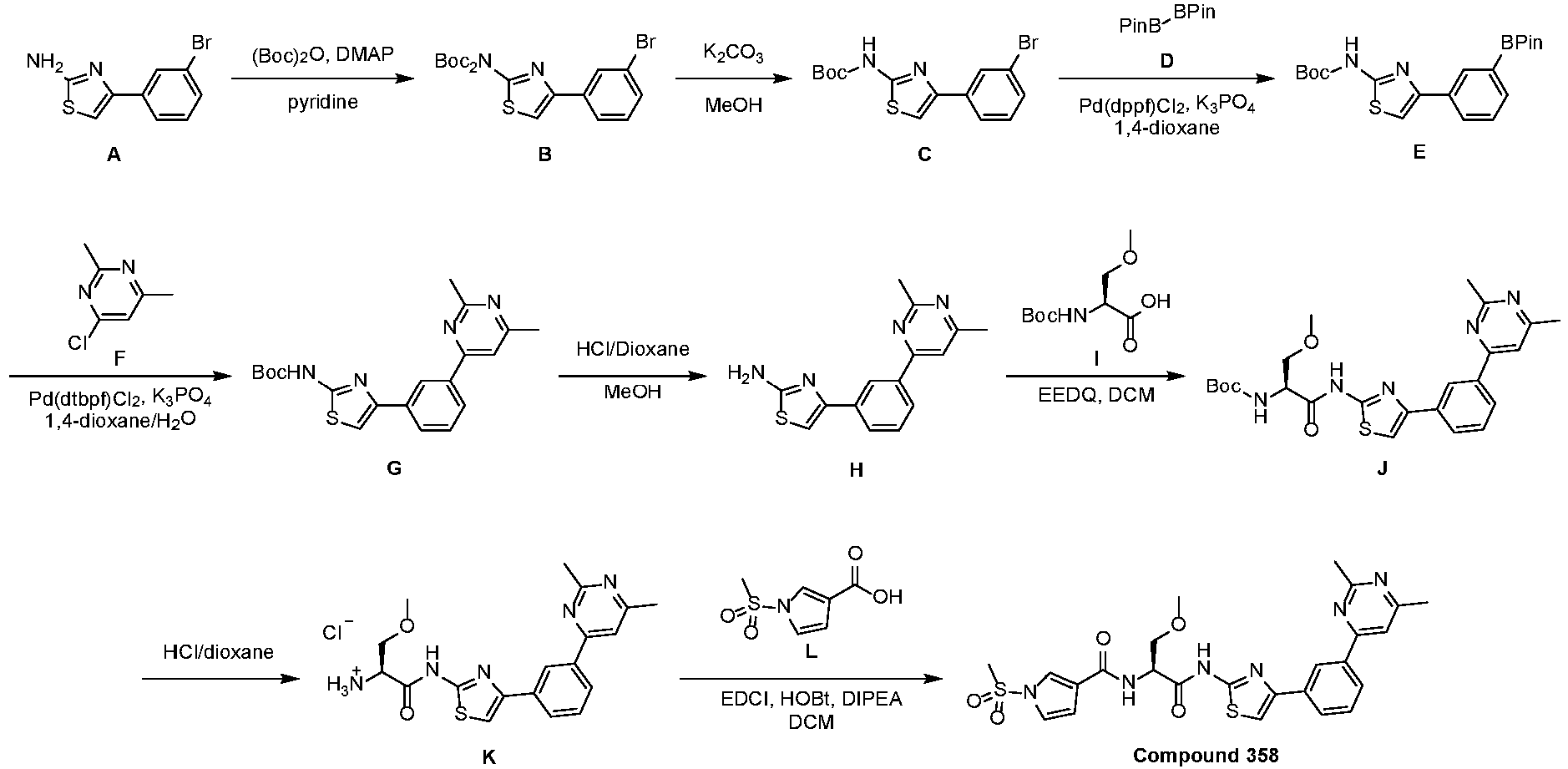
-

- To a solution of 4-(3-bromophenyl)thiazol-2-amine (1.00 g, 3.92 mmol) in pyridine (10 mL) was added (Boc)2O (1.08 mL, 4.70 mmol). The mixture was stirred at 25 °C for 2 h, followed by addition of additional (Boc)2O (1.80 mL, 7.84 mmol) and DMAP (0.048 g, 0.392 mmol). After stirring for an additional 2 h, the mixture was diluted with water (10 mL) and extracted with ethyl acetate (30 mL x 3). The combined organic layers were washed by saturated citric acid solution (15 mL x 3), dried over anhydrous Na2SO4, and concentrated to afford Intermediate B (1.70 g, 3.73 mmol, 95.25% yield) as a brown solid which was used in the next step without further purification. LCMS (ESI) m/z: [81Br M+H]+ = 457.0.
-

- A mixture of Intermediate B (1.60 g, 3.51 mmol), K2CO3 (0.971 g, 7.03 mmol) in MeOH (16 mL) was stirred for 2 h. The reaction mixture was diluted with water (30 mL) and extracted with ethy acetate (50 mL x 2). The combined organic layers were dried over anhydrous Na2SO4, filtered and concentrated under reduced pressure to give a residue. The residue was purified by column chromatography (SiO2, petroleum ether / ethyl acetate = 50/0 to 10:1) to give Intermediate C (0.950 g, 2.67 mmol, 76.11% yield) as a white solid. LCMS (ESI) m/z: [79Br M+H]+= 355.0; 1H NMR (400 MHz, DMSO-d6) δ 11.59 (s, 1H), 8.06 - 8.05 (m, 1H), 7.90 - 7.86 (m, 1H), 7.71 (s, 1H), 7.51 - 7.48 (m, 1H), 7.40 - 7.38 (m, 1H), 1.49 (s, 9H).
-

- To a solution of 4,4,5,5-tetramethyl-2-(4,4,5,5-tetramethyl-1,3,2-dioxaborolan-2-yl)-1,3,2-dioxaborolane (1.50 g, 5.91 mmol) in 1,4-dioxane (6 mL) was added Intermediate C (0.700 g, 1.97 mmol) and KOAc (0.580 g, 5.91 mmol) and Pd(dppf)Cl2 (144.18 mg, 197.04 umol) under N2 atmosphere. The mixture was subsequently stirred at 80 °C. After stirring for 2 h, the reaction mixture was diluted with water (5 mL) and extracted with ethyl acetate (20 mL x 2). The combined organic layers were dried over anhydrous Na2SO4, filtered and concentrated under reduced pressure to give a residue. The residue was purified by column chromatography (SiO2, petroleum ether / ethyl acetate = 20/1 to 1:1) to give Intermediate E (2.15 g, 1.34 mmol, 67.8% yield, 25.0% purity by 1H NMR) as a white solid. 1H NMR (400 MHz, DMSO-d6) δ 8.24 (s, 1H), 7.98 - 7.96 (m, 1H), 7.63 - 7.56 (m, 2H), 7.44 - 7.40 (m, 1H), 1.49 (s, 9H), 1.31 (s, 12H).
-

- To a solution of 4-chloro-2,6-dimethyl-pyrimidine (0.744 g, 5.22 mmol) in 1,4-dioxane (20 mL) and water (4 mL) was added Intermediate E (2.10 g, 5.22 mmol), K3PO4 (3.32 g, 15.66 mmol) and Pd(dtbpf)Cl2 (0.340 g, 0.522 mmol) under N2 atmosphere. The mixture was subsequently stirred at 80 °C. After 2 h, the reaction mixture was diluted with water (5 mL) and extracted with ethyl acetate (20 mL x 2). The combined organic layers were dried over anhydrous Na2SO4, filtered and concentrated under reduced pressure to give a residue. The resulting residue was purified by column chromatography (SiO2, Petroleum ether / Ethyl acetate = 10/1 to 0/1) to afford Intermediate G (0.550 g, 1.44 mmol, 27.55% yield) as a white solid. LCMS (ESI) m/z: [M+H]+ = 383.4.; 1H NMR (400 MHz, DMSO-d6) δ 11.64 (s, 1H), 8.64 (t, J = 1.6 Hz, 1H), 8.08 (d, J = 7.6 Hz, 1H), 8.02 - 7.99 (m, 1H), 7.80 (s, 1H), 7.71 (s, 1H), 7.57 (t, J = 8.0 Hz, 1H), 2.64 (s, 3H), 1.49 (s, 9H), 1.06 (s, 3H).
-

- A mixture of Intermediate G (0.500 g, 1.31 mmol) in a 4 M solution of HCl in 1,4-dioxane (10 mL) was stirred at 25 °C for 12 h. To the mixture was added MeOH (5 mL) and stirred at 60 °C. After 2 h, the mixture was cooled to ambient temperatures and concentrated. The residue was diluted with water (5 mL), basicified to pH ~10 with saturated aqueous Na2CO3 solution and the aqueous layer was extracted with ethyl acetate (10 mL x 2). The combined organic layers were dried with anhydrous Na2SO4 and concentrated to afford Intermediate H (0.250 g, 0.885 mmol, 67.73% yield) as a white solid which was used into the next step without further purification. LCMS (ESI) m/z: [M+H]+ = 283.3.
-

- To a solution of (2S)-2-(tert-butoxycarbonylamino)-3-methoxy-propanoic acid (0.252 g, 1.15 mmol) and Intermediate H (0.250 g, 0.885 mmol) in dichloromethane (25 mL) was added EEDQ (0.328 g, 1.33 mmol). After stirring for 12 h, the reaction was diluted with water (2 mL) and acidified to pH ~6 with 1 N HCl. The aqueous mixture was extracted with ethyl acetate (30 mL x 2). The combined organic layers were washedwith saturated aqueous NaHCO3 solution (15 mL x 2). Then the combined organic layers were dried with anhydrous Na2SO4 and concentrated. The residue was purified by column chromatography (SiO2, petroleum ether / ethyl acetate = 10/1 to 1/1) to give Intermediate J (0.220 g, 0.437 mmol, 49.3% yield, 96.0% purity) as a white solid. LCMS (ESI) m/z: [M+H]+ = 484.4; ee% =100%.
-

- A mixture of Intermediate J (0.100 g, 0.208 mmol) in a solution of 4 M HCl in 1,4-dioxane (2 mL, 4M) was stirred at 25 °C for 0.5 h. The mixture was concentrated to afford Intermediate K (0.087 g) as a white solid which was used into the next step without further purification. LCMS (ESI) m/z: [M+H]+ = 384.4.
-

- A mixture of 1-methylsulfonylpyrrole-3-carboxylic acid (0.043 g, 0.227 mmol), Intermediate K (0.087 g, 0.227 mmol), HOBt (0.092 g, 0.682 mmol), EDCI (0.131 g, 0.682 mmol), and DIPEA (0.119 mL, 0.682 mmol) in dichloromethane (1 mL) was stirred at 25 °C for 2 h. The reaction mixture was diluted with water (3 mL) and extracted with dichloromethane (3 mL x 2). The combined organic layers were dried over anhydrous Na2SO4, filtered and concentrated under reduced pressure to give a residue. The residue was purified by prep-TLC (SiO2, petroleum ether / ethyl acetate = 0:1) to afford Compound 358 (0.024 g, 0.043 mmol, 19.06% yield, 100% purity) as a white solid. LCMS (ESI) m/z: [M+H]+ = 555.4.; 1H NMR (400 MHz, Methanol-d4) δ 8.70 - 8.69 (m, 1H), 8.08 - 8.04 (m, 2H), 7.92 - 7.91 (m, 1H), 7.72 (s, 1H), 7.58 - 7.56 (m, 2H), 7.27 - 7.26 (m, 1H), 6.86 - 6.85 (m, 1H), 4.98 - 4.95 (m, 1H), 3.89 - 3.81 (m, 2H), 3.44 (s, 3H), 3.38 (s, 3H), 2.72 (s, 3H), 2.57 (s, 3H).
-

-

- To a solution of 4,4,5,5-tetramethyl-2-(4,4,5,5-tetramethyl-1,3,2-dioxaborolan-2-yl)-1,3,2-dioxaborolane (0.144 g, 0.569 mmol) in 1,4-dioxane (1 mL) was added N-[(1S)-2-[[4-(3-bromophenyl)thiazol-2-yl]amino]-1-(methoxymethyl)-2-oxo-ethyl]-1-methylsulfonyl-pyrrole-3-carboxamide (0.150 g, 0.284 mmol) and K3PO4 (0.181 g, 0.853 mmol) and Pd(dtbf)Cl2 (0.019 g, 0.028 mmol) under N2 atmosphere. After stirring for 2 h, the mixture was diluted with water (3 mL) and extracted with ethyl acetate (10 mL x 3). The combined organic layers were dried over anhydrous Na2SO4 and concentrated. The residue was purified by column chromatography (SiO2, petroleum ether / ethyl acetate = 10/1 to 0/1) to afford Intermediate C (0.070 g, 0.090 mmol, 31.7% yield, 74.0% purity) as a white solid. LCMS (ESI) m/z: [M+H]+= 575.1; 1H NMR (400 MHz, DMSO-d6) δ 12.56 (s, 1H), 8.49 (d, J = 7.6 Hz, 1H), 8.30 (s, 1H), 7.99 - 7.98 (m, 2H), 7.67 (s, 1H), 7.62 (d, J = 7.2 Hz, 1H), 7.45 - 7.46 (m, 1H), 7.30 - 7.28 (m, 1H), 6.80 - 6.79 (m, 1H), 4.95 - 4.90 (m, 1H), 3.78 - 3.66 (m, 2H), 3.56 (s, 3H), 1.32 (s, 12H).
-

- To a solution of 4-bromo-2-methyl-pyrimidine (0.032 g, 0.183 mmol) in 1,4-dioxane (1 mL) and water (0.2 mL) was added Intermediate C (0.070 g, 0.122 mmol), K3PO4 (0.078 g, 0.366 mmol) and Pd(dtbpf)Cl2 (0.008 g, 0.012 mmol) under N2 atmosphere. The mixture was stirred at 25 °C for 2 h and subsequently diluted with water (3 mL) and extracted with ethyl acetate (10 mL x 3). The organic layers were dried over anhydrous Na2SO4 and concentrated. The residue was purified by prep-TLC (SiO2, petroleum ether / ethyl acetate = 0:1) to afford Compound 357 (0.025 g, 0.045 mmol, 37.24% yield, 98% purity) as a white solid. LCMS (ESI) m/z: [M+H]+ = 541.3; 1H NMR (400 MHz, Methanol-d4) δ 8.85 - 8.84 (m, 2H), 8.21 - 8.16 (m, 3H), 7.91 - 7.90 (m, 1H), 7.63 - 7.60 (m, 2H), 7.27 - 7.26 (m, 1H), 6.85 - 6.84 (m, 1H), 4.97 - 4.94 (m, 1H), 3.88 - 3.80 (m, 2H), 3.43 (s, 3H), 3.37 (s, 3H), 2.87 (s, 3H); ee% =100%.
-

- N-[2-[[6-[3-[(cis)-2,6-dimethylmorpholin-4-yl]phenyl]-2-pyridyl]amino]-2-oxo-ethyl]-1-methylsulfonyl-pyrrole-3-carboxamide was synthesized utilizing the general synthetic protocols described in Example 139 and starting from the appropriate common intermediate ((cis)-2,6-dimethyl-4-[3-(4,4,5,5-tetramethyl-1,3,2-dioxaborolan-2-yl)phenyl]morpholine) and heterocyclic carboxylic acid. LCMS (ESI) m/z: [M+H]+ = 512.1; 1H NMR (400 MHz, DMSO-d6) δ 10.51 (s, 1H), 8.63 - 8.56 ( m, 1H), 8.00 (d, J=8.0 Hz, 1H), 7.88 - 7.81 (m, 2H), 7.68 - 7.63 (m, 1H), 7.62 - 7.58 (m, 1H), 7.50 - 7.46 (m, 1H), 7.36 - 7.29 (m, 2H), 7.06 - 6.99 (m, 1H), 6.80 - 6.75 (m, 1H), 4.14 (d, J=4.8 Hz,2H), 3.78 - 3.64 (m, 4H), 3.57 (s, 3H), 2.36 - 2.27 (m, 2H), 1.18 (d, J=6.0 Hz, 6H).
- The following compounds in Table 13 below were synthesized utilizing the general synthetic protocols shown in
Scheme 8 below from the appropriate amino-thiazole, cis-dimethyl morpholine, chiral N-Boc amino acid and heterocyclic carboxylic acid. Where appropriate SFC purification was used to separate enantiomers.
Table 13 Compound # LC-MS data(m/z) 1H NMR 375 541.5 1H NMR (400 MHz, CDCl3) δ 10.85 - 10.60 (m, 1H), 7.70 (s, 1H), 7.56 (m, 1H), 7.53 - 7.50 (m, 1H), 7.36 (d, J =7.6 Hz, 1H), 6.96 (d, J = 7.2 Hz, 1H), 6.87 (m, 1H), 6.62 - 6.55 (m, 2H), 4.97 (d, J = 6.4 Hz, 2H), 4.95 - 4.90 (m, 1H), 4.68 (d, J= 6.8 Hz, 2H), 4.47 - 4.37 (m, 1H), 4.15 (d, J = 12.8 Hz, 2H), 3.90 - 3.82 (m, 1H), 3.81 - 3.70 (m, 2H), 3.33 (m, 1H), 2.56 (m, 2H), 1.91 (s, 3H), 1.30 (d, J = 6.4 Hz, 6H) 376 573.2 1H NMR (400 MHz, DMSO-d6) δ 12.42 (s, 1H), 8.01 (d, J = 7.6 Hz, 1H), 7.69(s, 1H), 7.87 - 7.67 (m, 1H), 7.58 - 7.55 (m, 1H), 7.41 - 7.40 (m, 1H), 7.01 - 7.00 (m, 1H), 6.60 - 6.59 (m, 1H), 4.86 - 4.85 (m, 1H), 4.84 - 4.83 (m, 2H), 4.63 (d, J = 6.8 Hz, 2H), 3.96 (d, J = 12.0 Hz, 2H), 3.73 - 3.69 (m, 4H), 3.31 (s, 3H), 2.62 - 2.56 (m, 2H), 1.79 (s, 3H), 1.17 (s, 3H), 1.15 (s, 3H) 377 581.2 1H NMR (400 MHz, DMSO-d6) δ 12.50 - 12.44 (m, 1H), 8.50 (d, J = 7.2 Hz, 1H), 7.99 - 7.98 (m, 1H), 7.69 (s, 1H), 7.58 - 7.55 (m, 1H), 7.41 - 7.40 (m, 1H), 7.30 - 7.30 (m, 1H), 6.80 - 6.79 (m, 1H), 4.95 - 4.90 (m, 1H), 3.96 (d, J = 12.4 Hz, 2H), 3.75 - 3.70 (m, 4H), 3.57 (s, 3H), 3.32 (s, 3H), 2.62 - 2.56 (m, 2H), 1.17 (s, 3H), 1.15 (s, 3H) 378 529.2 1H NMR (400 MHz, DMSO-d6) δ 12.29 (br s, 1H), 8.25 - 8.24 (m, 1H), 7.67 (s, 1H), 7.27 - 7.55 (m, 2H), 7.39 - 7.39 (m, 1H), 7.01 - 7.00(m, 1H), 6.56 - 6.55 (m, 1H), 4.84 (d, J = 6.4 Hz, 2H), 4.62 (d, J = 6.8 Hz, 2H), 4.10 (d, J = 6.0 Hz, 2H), 3.95 (d, J = 12.4 Hz, 2H), 3.72 - 3.70 (m, 2H), 2.61 - 2.55 (m, 2H), 1.78 (s, 3H), 1.16 (s, 3H), 1.14 (s, 3H) 379 537.1 1H NMR (400 MHz, DMSO-d6) δ 12.27 - 12.17 (m, 1H), 8.61 - 8.58(m , 1H), 7.78 - 7.77 (m, 1H), 7.61 (s, 1H), 7.52 - 7.47 (m, 1H), 7.33 - 7.32(m, 1H), 7.25 - 7.23 (m, 1H), 6.7 - 6.69(m, 1H), 4.07 (d, J = 6.0 Hz, 2H), 3.88 (d, J = 12.4 Hz, 2H), 3.67 - 3.65 (m, 2H), 3.50 (s, 3H), 2.55 - 2.47 (m, 2H), 1.09 (s, 3H), 1.08 (s, 3H) 381 542.3 1H NMR (400 MHz, DMSO-d6) δ 12.51 (s, 1H), 8.47 (d, J=5.2 Hz, 1H), 8.10 (s, 1H), 7.95 (d, J=7.6 Hz, 1H), 7.61 - 7.60 (m, 1H), 7.12 (d, J=4.8 Hz, 1H), 6.96 - 6.95 (m, 1H), 6.50 - 6.49(m, 1H), 4.92 - 4.87 (m, 1H), 4.62 (d, J=12.4 Hz, 2H), 3.71 - 3.68 (m, 2H), 3.57 - 3.55 (m, 2H), 3.30 (s, 4H), 2.57 - 2.53 (m, 2H), 1.48 (s, 9H), 1.17 (d, J=6.0 Hz, 6H) 454 555.3 1H NMR (400 MHz, DMSO-d6) δ 12.45 (s, 1H), 8.03 (d, J = 7.6 Hz, 1H), 7.77 (s, 1H), 7.68 - 7.67 (m, 1H), 7.65 - 7.59 (m, 1H), 7.26 (d, J = 7.6 Hz, 1H), 7.01 - 7.00 (m, 1H), 6.80 (d, J = 8.8 Hz, 1H), 6.59 - 6.58 (m, 1H), 4.95 - 4.87 (m, 1H), 4.85 - 4.83 (m, 2H), 4.62 (d, J = 6.8 Hz, 2H), 4.25 (d, J = 11.6 Hz, 2H), 3.75 - 3.67 (m, 2H), 3.67 - 3.59 (m, 2H), 3.30 (s, 3H), 2.41 - 2.38 (m, 2H), 1.79 (s, 3H), 1.19 (s, 3H), 1.17 (s, 3H) 539 525.2 1H NMR (400 MHz, DMSO-d6) δ 12.29 (s, 1H), 8.05 (d, J = 6.8 Hz, 1H), 7.76 (s, 1H), 7.66 - 7.58 (m, 2H), 7.26 (d, J = 7.2 Hz, 1H), 7.00 - 6.99 (m, 1H), 6.79 (d, J = 8.4 Hz, 1H), 6.58 - 6.57(m, 1H), 4.84 - 4.82(m, 2H), 4.69 - 4.57 (m, 3H), 4.25 (d, J = 11.6 Hz, 2H), 3.69 - 3.56 (m, 2H), 2.41 - 2.38(m, 2H), 1.79 (s, 3H), 1.41 (d, J = 7.2 Hz, 3H), 1.18 (d, J = 6.0 Hz, 6H) 560 520.2 1H NMR (400 MHz, DMSO-d6) δ 12.31 (s, 1H), 8.16 (d, J = 6.8 Hz, 1H), 7.76 (s, 1H), 7.69 - 7.58 (m, 2H), 7.26 (d, J = 7.2 Hz, 1H), 7.09 - 7.02 (m, 1H), 6.79 (d, J = 8.8 Hz, 1H), 6.58 - 6.57 (m, 1H), 4.63 - 4.61 (m, 1H), 4.25 (d, J = 11.2 Hz, 2H), 3.68 - 3.57 (m, 2H), 2.44 - 2.38 (m, 2H), 1.87 - 1.71 (m, 4H), 1.41 (d, J = 7.2 Hz, 3H), 1.18 (d, J = 6.4 Hz, 6H) 577 550.2 1H NMR (400 MHz, DMSO-d6) δ 12.43 (s, 1H), 8.13 (d, J = 7.2 Hz, 1H), 7.78 (s, 1H), 7.71 - 7.70 (m, 1H), 7.64 - 7.60 (m, 1H), 7.26 (d, J = 7.2 Hz, 1H), 7.06 - 7.05 (m, 1H), 6.79 (d, J = 8.8 Hz, 1H), 6.58 - 6.57 (m, 1H), 4.92 - 4.87 (m, 1H), 4.25 (d, J = 11.6 Hz, 2H), 3.75 - 3.57 (m, 4H), 3.31 (s, 3H), 2.44 - 2.38 (m, 2H), 1.85 - 1.79 (m, 2H), 1.78 - 1.71 (m, 2H), 1.19 (s, 3H), 1.17 (s, 3H) 587 552.3 1H NMR (400 MHz, DMSO-d6) δ 12.62 - 12.36 (m, 1H), 8.15 (d, J = 7.6 Hz, 1H), 7.87 - 7.73 (m, 2H), 7.63 - 7.61 (m, 1H), 7.27 (d, J = 7.2 Hz, 1H), 7.18 - 7.11 (m, 1H), 6.80 (d, J = 8.8 Hz, 1H), 6.65 - 6.64 (m, 1H), 4.96 - 4.92 (m, 1H), 4.26 (d, J = 11.2 Hz, 2H), 3.77 - 3.59 (m, 4H), 3.32 (s, 3H), 2.52 - 2.42 (m, 2H), 1.96 (s, 6H), 1.19 (d, J = 6.4 Hz, 6H) 600 536.4 1H NMR (400 MHz, DMSO-d6) δ 12.32 (s, 1H), 8.23 (d, J = 6.8 Hz, 1H), 7.80 - 7.79 (m, 1H), 7.75 (s, 1H), 7.61 - 7.59 (m, 1H), 7.25 (d, J = 7.2 Hz, 1H), 7.20 - 7.19 (m, 1H), 6.79 (d, J = 8.8 Hz, 1H), 6.71 - 6.71 (m, 1H), 5.23 (d, J = 7.6 Hz, 2H), 5.04 - 5.01 (m, 2H), 4.63 - 4.62 (m, 1H), 4.25 (d, J = 11.2 Hz, 2H), 3.63 - 3.57 (m, 2H), 2.42 - 2.37 (m, 2H), 1.41 (d, J = 6.8 Hz, 3H), 1.17 (d, J = 6.0 Hz, 6H) 605 526.3 1H NMR (400 MHz, DMSO-d6) δ 12.63 - 12.31 (m, 1H), 8.28 (d, J = 7.2 Hz, 1H), 8.05 (d, J = 2.4 Hz, 1H), 7.79 (s, 1H), 7.63 - 7.62(m,1H), 7.26 (d, J = 7.2 Hz, 1H), 6.80 (d, J = 8.4 Hz, 1H), 6.76 (d, J = 2.4 Hz, 1H), 5.07 - 5.06 (m, 2H), 4.72 - 4.70 (m, 1H), 4.65 (d, J = 7.6 Hz, 2H), 4.26 (d, J = 11.6 Hz, 2H), 3.69 - 3.59 (m, 2H), 2.45 - 2.39 (m, 2H), 1.88 (s, 3H), 1.48 (d, J = 7.2 Hz, 3H), 1.19 (d, J = 6.0 Hz, 6H) 666 577.1 1H NMR (400 MHz, DMSO-d6) δ 12.46 - 12.27 (m, 1H), 8.41 (s, 1H), 8.29 (d, J = 8.0 Hz, 1H), 8.07 - 8.06 (m, 1H), 7.79 (s, 1H), 7.63 - 7.62 (m, 1H), 7.32 - 7.23 (m, 2H), 6.85 - 6.74 (m, 2H), 4.80 - 4.79 (m, 1H), 4.26 - 4.25 (m, 2H), 3.95 - 3.83 (m, 1H), 3.64 - 3.63 (m, 2H), 3.58 (s, 3H), 3.29 (s, 3H), 2.42 - 2.41 (m, 2H), 1.22 - 1.14 (m, 9H) 691 569.1 1H NMR (400 MHz, DMSO-d6) δ 12.52 - 12.47 (m, 1H), 8.50 (d, J = 7.2 Hz, 1H), 7.98 (s, 1H), 7.71 (s, 1H), 7.61 - 7.56 (m, 1H), 7.30 - 7.28 (m, 1H), 7.21 (d, J = 6.8 Hz, 1H), 6.79 (d, J = 2.0 Hz, 1H), 6.46 (d, J = 8.4 Hz, 1H), 6.33 - 6.03 (m, 1H), 4.95 - 4.90 (m, 1H), 3.73 - 3.68 (m, 3H), 3.65 (d, J = 8.4 Hz, 2H), 3.56 (s, 4H), 3.49 - 3.44 (m, 3H), 2.91 - 2.81 (m, 1H), 2.18 - 2.13 (m, 1H), 2.05 - 1.99 (m, 1H) 699 569.2 1H NMR (400 MHz, DMSO-d6) δ 12.50 - 12.46 (m, 1H), 8.50 (d, J = 7.2 Hz, 1H), 7.99 - 7.97 (m, 1H), 7.71 (s, 1H), 7.61 - 7.56 (m, 1H), 7.30 - 7.26 (m, 1H), 7.21 (d, J = 7.2 Hz, 1H), 6.80 - 6.78 (m, 1H), 6.46 (d, J = 8.4 Hz, 1H), 6.33 - 6.03 (m, 1H), 4.95 - 4.91 (m, 1H), 3.73 - 3.68 (m, 3H), 3.67 - 3.63 (m, 2H), 3.56 (s, 4H), 3.49 - 3.44 (m, 3H), 2.89 - 2.83 (m, 1H), 2.20 - 2.11 (m, 1H), 2.05 - 1.97 (m, 1H) 730 564.4 1H NMR (400 MHz, DMSO-d6) δ 12.44 (s, 1H), 8.16 (d, J = 7.2 Hz, 1H), 7.77 (s, 1H), 7.74 - 7.72 (m, 1H), 7.65 - 7.60 (m, 1H), 7.26 (d, J = 7.2 Hz, 1H), 7.08 - 7.05 (m, 1H), 6.80 (d, J = 8.4 Hz, 1H), 6.66 - 6.64 (m, 1H), 4.95 - 4.89 (m, 1H), 4.25 (d, J = 11.2 Hz, 2H), 3.74 - 3.68 (m, 2H), 3.66 - 3.60 (m, 2H), 3.31 (s, 3H), 2.90 - 2.85 (m, 2H), 2.85 - 2.76 (m, 2H), 2.44 - 2.38 (m, 2H), 2.19 - 2.12 (m, 1H), 2.06 - 1.99 (m, 1H), 1.18 (d, J = 6.4 Hz, 6H) 742 545.1 1H NMR (400 MHz, DMSO-d6) δ 12.17 (s, 1H), 8.75 (s, 1H), 7.91- 7.90 (m, 1H), 7.76 (s, 1H), 7.58 - 7.57 (m, 1H),7.34 - 7.30 (m, 1H), 7.25 (d, J = 7.6 Hz, 1H), 6.80 - 6.75 (m, 2H), 4.25 - 4.24 (m, 2H), 3.64 - 3.62 (m, 2H), 3.57 (s, 3H), 2.43 - 2.40 (m, 2H), 1.56 - 1.51 (m, 2H), 1.18 (d, J = 6.0 Hz, 8H) 747 533.2 1HNMR (400 MHz, Methanol-d4) δ 7.75 - 7.65 (m, 2H), 7.63 - 7.58 (m, 1H), 7.37 (d, J = 7.6 Hz, 1H), 7.30 (s, 1H), 6.77 - 6.70 (m, 2H), 4.47 (s, 2H), 4.28 - 4.24 (m, 2H), 3.78 - 3.72 (m, 2H), 3.45 - 3.35 (m, 6H), 2.53 - 2.47 (m, 2H), 1.28 (d, J = 6.4 Hz, 6H) 772 575.2 1H NMR (400 MHz, DMSO-d6) δ 12.47 (s, 1H), 8.50 (d, J = 7.2 Hz, 1H), 7.98-7.97 (m, 1H), 7.74 (s, 1H), 7.64 - 7.57 (m, 1H),7.29-7.28 (m, 1H), 7.22 (d, J = 7.6 Hz, 1H), 6.86 - 6.76 (m, 2H), 4.94-4.91 (m, 1H), 4.74-4.71 (m, 1H), 4.56 (br d, J = 12.6 Hz, 1H), 3.91-3.90 (m, 2H), 3.76 - 3.65 (m, 2H), 3.56 (s, 3H), 3.32 - 3.29 (m, 4H), 3.24-3.21 (m, 1H), 2.86 - 2.73 (m, 1H), 2.68 - 2.63 (m, 1H), 1.97 - 1.88 (m, 1H), 1.84 - 1.65 (m, 2H), 1.41 - 1.29 (m, 1H) 773 575.2 1HNMR (400 MHz, DMSO-d6) δ 12.48 (s, 1H), 8.50 (d, J = 7.2 Hz, 1H), 7.98-7.97 (m, 1H), 7.74 (s, 1H), 7.62-7.60 (m, 1H),7.30-7.29 (m, 1H), 7.23 (d, J = 7.2 Hz, 1H), 6.86 - 6.77 (m, 2H), 4.92 (br d, J = 6.8 Hz, 1H), 4.73-4.70 (m, 1H), 4.56 (br d, J =13.2 Hz, 1H), 3.91-3.90 (m, 2H), 3.72-3.69 (m, 2H), 3.56 (s, 3H), 3.33 - 3.29 (m, 4H), 3.23-3.20 (m, 1H), 2.86 - 2.75 (m, 1H), 2.69 - 2.60 (m, 1H), 1.97 - 1.88 (m, 1H), 1.85 - 1.64 (m, 2H), 1.42 - 1.29 (m, 1H) 774 575.1 1H NMR (400 MHz, DMSO-d6) δ 12.86 - 12.11 (m, 1H), 8.51 (d, J = 7.2 Hz, 1H), 7.98-7.97 (m, 1H), 7.74 (s, 1H),7.60-7.58(m, 1H), 7.33 - 7.17 (m, 2H), 6.88 - 6.76 (m, 2H), 4.94-4.91 (m, 1H), 4.77-4.74 (m, 1H), 4.58 (br d, J = 13.6 Hz, 1H), 3.88 -3.79 (m, 2H), 3.72-3.71 (m, 2H), 3.56 (s, 3H), 3.31 (s, 3H), 3.18-3.16 (m, 1H), 2.83 - 2.73 (m, 1H), 2.70 - 2.60 (m, 1H), 2.11 -1.95 (m, 2H), 1.69 - 1.56 (m, 1H), 1.54 - 1.35 (m, 2H) 775 575.1 1H NMR (400 MHz, DMSO-d6) δ 12.79 - 12.23 (m, 1H), 8.51 (d, J = 7.2 Hz, 1H), 7.98-7.97 (m, 1H), 7.74 (s, 1H),7.61-7.59(m, 1H), 7.29-7.28 (m, 1H), 7.23 (d, J = 7.2 Hz, 1H), 6.84 (d, J = 8.4 Hz, 1H), 6.79-6.78 (m, 1H), 4.92 (br d, J = 6.4 Hz, 1H),4.76-4.73 (m, 1H), 4.59 (br d, J = 13.2 Hz, 1H), 3.87 - 3.79 (m, 2H), 3.73-3.71 (m, 2H), 3.56 (s, 3H), 3.31 (s, 3H), 3.22 - 3.15(m, 1H), 2.83 - 2.73 (m, 1H), 2.69 - 2.61 (m, 1H), 2.10 - 1.98 (m, 2H), 1.69 - 1.57 (m, 1H), 1.52 - 1.38 (m, 2H) 783 542.2 1H NMR (400 MHz, DMSO-d6) δ 12.55 (s, 1H), 7.98 - 7.93 (m, 2H), 7.80 (s, 1H), 7.64 - 7.60 (m, 1H), 7.26 (d, J = 7.2 Hz, 1H), 6.80 (d, J = 8.8 Hz, 1H), 6.68 (d, J = 2.4 Hz, 1H), 4.97 - 4.92 (m, 1H), 4.25 (d, J = 11.6 Hz, 2H), 3.88 - 3.81 (m, 1H), 3.78 - 3.71 (m, 1H), 3.65 - 3.60 (m, 2H), 3.30 (s, 3H), 2.44 - 2.38 (m, 2H), 1.58 (s, 9H), 1.19 (s, 3H), 1.17 (s, 3H) 789 542.2 1H NMR (400 MHz, DMSO-d6) δ 12.55 - 12.47 (m, 1H), 7.95 (d, J = 8.0 Hz, 1H), 7.91 (s, 2H), 7.79 (s, 1H), 7.64 - 7.60 (m, 1H), 7.25 (d, J = 7.2 Hz, 1H), 6.80 (d, J = 8.4 Hz, 1H), 4.93 - 4.89 (m, 1H), 4.25 (d, J = 11.2 Hz, 2H), 3.81 - 3.79 (m, 1H), 3.72 - 3.68 (m, 1H), 3.66 - 3.60 (m, 2H), 3.29 (s, 3H), 2.44 - 2.38 (m, 2H), 1.53 (s, 9H), 1.19 (s, 3H), 1.17 (s, 3H) 795 521.2 1H NMR (400 MHz, DMSO-d6) δ 12.43 - 12.37 (m, 1H), 8.46 (d, J = 6.8 Hz, 1H), 8.16 (d, J = 2.0 Hz, 1H), 7.78 (s, 1H), 7.63 - 7.59 (m, 1H), 7.25 (d, J = 7.6 Hz, 1H), 6.80 - 6.75 (m, 2H), 4.70 - 4.66 (m, 1H), 4.25 (d, J = 11.6 Hz, 2H), 3.66 - 3.58 (m, 2H), 2.44 - 2.38 (m, 2H), 1.98 - 1.95 (m, 2H), 1.91 - 1.88 (m, 2H), 1.46 (d, J = 5.6 Hz, 3H), 1.18 (d, J = 6.0 Hz, 6H) 797 526.1 1H NMR (400 MHz, DMSO-d6) δ 12.55 - 12.09 (m, 1H), 8.11 (d, J = 7.2 Hz, 1H), 8.02 (d, J = 1.2 Hz, 1H), 7.96 (d, J = 1.2 Hz, 1H), 7.78 (s, 1H), 7.63 - 7.61 (m, 1H), 7.25 (d, J = 7.6 Hz, 1H), 6.80 (d, J = 8.4 Hz, 1H), 4.88 (d, J = 6.8 Hz, 2H), 4.75 - 4.60 (m, 3H), 4.25 (d, J = 11.6 Hz, 2H), 3.65 - 3.60 (m, 2H), 2.43 - 2.40 (m, 2H), 1.82 (s, 3H), 1.45 (d, J = 7.2 Hz, 3H), 1.18 (d, J = 6.0 Hz, 6H) 799 556.2 1H NMR (400 MHz, DMSO-d6) δ 8.04 - 7.98 (m, 3H), 7.80 (s, 1H), 7.63 - 7.62 (m, 1H), 7.26 (d, J = 7.2 Hz, 1H), 6.81 (d, J = 8.8 Hz, 1H), 4.90 (d, J = 6.8 Hz, 3H), 4.64 (d, J = 7.2 Hz, 2H), 4.26 - 4.25 (m, 2H), 3.87 - 3.81 (m, 1H), 3.72 - 3.71 (m, 1H), 3.68 - 3.58 (m, 2H), 3.30 (s, 3H), 2.42 - 2.41 (m, 2H), 1.83 (s, 3H), 1.19 (d, J = 6.0 Hz, 6H) 800 556.2 1H NMR (400 MHz, DMSO-d6) δ 8.12 (d, J = 7.6 Hz, 1H), 8.07 (d, J = 2.4 Hz, 1H), 7.80 (s, 1H), 7.63 - 7.62 (m, 1H), 7.26 (d, J = 7.2 Hz, 1H), 6.84 - 6.74 (m, 2H), 5.06 - 5.05 (m, 2H), 5.00 - 4.92 (m, 1H), 4.66 (d, J = 6.8 Hz, 2H), 4.26 - 4.24 (m, 2H), 3.88 - 3.81 (m, 1H), 3.78 - 3.73 (m, 1H), 3.68 - 3.58 (m, 2H), 3.31 (s, 3H), 2.44 - 2.40 (m, 2H), 1.89 (s, 3H), 1.19 (d, J = 6.0 Hz, 6H) 807 551.3 1H NMR (400 MHz, DMSO-d6) δ 12.91 - 12.25 (m, 1H), 8.26 (d, J = 7.6 Hz, 1H), 8.18 (d, J = 2.4 Hz, 1H), 7.80 (s, 1H), 7.65 - 7.61 (m, 1H), 7.26 (d, J = 7.2 Hz, 1H), 6.83 - 6.75 (m, 2H), 4.99 - 4.90 (m, 1H), 4.26 (br d, J = 11.6 Hz, 2H), 3.87 - 3.72 (m, 2H), 3.68 - 3.57 (m, 2H), 3.31 (s, 3H), 2.45 - 2.42 (m, 2H), 2.05 - 1.80 (m, 4H), 1.19 (d, J = 6.4 Hz, 6H) 808 553.3 1H NMR (400 MHz, DMSO-d6) δ 12.96 - 12.29 (m, 1H), 8.25 - 8.11 (m, 2H), 7.80 (s, 1H), 7.63 - 7.61 (m, 1H), 7.26 (d, J = 7.2 Hz, 1H), 6.93 - 6.75 (m, 2H), 5.06 - 4.92 (m, 1H), 4.26 (d, J = 11.6 Hz, 2H), 3.89 - 3.73 (m, 2H), 3.69 - 3.58 (m, 2H), 3.32 (s, 3H), 2.53 - 2.05 (m, 2H), 2.05 (s, 6H), 1.19 (d, J = 6.4 Hz, 6H) 809 551.3 1H NMR (400 MHz, DMSO-d6) δ 12.68 - 12.40 (m, 1H), 8.16 (d, J = 1.2 Hz, 1H), 8.09 (d, J = 1.2 Hz, 1H), 8.04 (d, J = 8.0 Hz, 1H), 7.81 (s, 1H), 7.65 - 7.61 (m, 1H), 7.26 (d, J = 7.2 Hz, 1H), 6.81 (d, J = 8.4 Hz, 1H), 4.94 - 4.89 (m, 1H), 4.26 (d, J = 11.2 Hz, 2H), 3.86 - 3.81 (m, 1H), 3.83 - 3.64 (m, 1H), 3.64 - 3.63 (m, 2H), 3.30 (s, 3H), 2.52 - 2.42 (m, 2H), 1.89 - 1.84 (m, 4H), 1.19 (d, J = 6.0 Hz, 6H) 810 553.3 1H NMR (400 MHz, DMSO-d6) δ 12.92 - 12.15 (m, 1H), 8.14 (d, J = 5.2 Hz, 2H), 8.06 (d, J = 8.4 Hz, 1H), 7.80 (s, 1H), 7.65 - 7.61 (m, 1H), 7.26 (d, J = 7.2 Hz, 1H), 6.80 (d, J = 8.8 Hz, 1H), 4.98 - 4.88 (m, 1H), 4.26 (d, J = 12.0 Hz, 2H), 3.88 - 3.81 (m, 1H), 3.75 - 3.71 (m, 1H), 3.68 - 3.59 (m, 2H), 3.30 (s, 3H), 2.45 - 2.39 (m, 2H), 2.03 (s, 6H), 1.19 (d, J = 6.0 Hz, 6H) -

-

- A mixture of N-[2-[[4-(3-bromophenyl)thiazol-2-yl]amino]-2-oxo-ethyl]-1-methylsulfonyl-pyrrole-3-carboxamide (0.500 g, 1.03 mmol), 2-(3,6-dihydro-2H-pyran-5-yl)-4,4,5,5-tetramethyl-1,3,2-dioxaborolane (0.217 g, 1.03 mmol), K3PO4 (0.659 g, 3.10 mmol) and Pd(dtbpf)Cl2 (0.067 g, 0.103 mol) in 1,4-dioxane (10 mL) and H2O (1 mL) was degassed and purged with N2 (3x). The resulting mixture was stirred at 70 °C. After 12 h, the mixture reaction was cooled to room temperature and water (20 mL) was added slowly until solids precipitated out of solution. The solids were filtered and washed with water. The solids were purified by reversed phase HPLC. Then the solution was extracted with ethyl acetate (20 mL x 3), the combined organic layers were dried over anhydrous Na2SO4, filtered and concentrated under reduced pressure to give Compound 396 (0.250 g, 0.478 mmol, 46.2% yield, 93.0% purity) as a yellow solid. LCMS (ESI) m/z: [M+H]+ = 487.2; 1H NMR (400 MHz, DMSO-d6) δ 12.40 (s, 1H), 8.69 - 8.67 (m, 1H), 7.89 (s, 1H), 7.86 - 7.84 (m, 1H), 7.81 (d, J = 7.6 Hz, 1H), 7.71 (s, 1H), 7.43 - 7.38 (m, 1H), 7.35 - 7.31 (m, 2H), 6.79 - 6.77 (m, 1H), 6.36 - 6.35 (m, 1H), 4.48 (d, J = 2.0 Hz, 2H), 4.14 (d, J = 5.6 Hz, 2H), 3.77 - 3.75 (m, 2H), 3.58 (s, 3H), 2.31 - 2.27 (m, 2H).
-

- To a solution of N-[2-[[4-[3-(3,6-dihydro-2H-pyran-5-yl)phenyl]thiazol-2-yl]amino]-2-oxo-ethyl]-1-methylsulfonyl-pyrrole-3- carboxamide (0.170 g, 0.349 mmol) in MeOH (3 mL) and DMF (3 mL) was added 10% Pd/C (0.020 g, 0.349 mmol) under N2 (g). The suspension was subjected to three cycles of degassing under vacuum and purging with H2. The mixture was stirred under H2 (15 psi) at 40 °C. After 12 h, the reaction mixture was filtered and partially concentrated under reduced pressure to remove MeOH. The crude product was purified by prep reversed phase HPLC concentrated under reduced pressure to remove acetonitrile, and lyophilized to give Compound 776 (0.036 g, 0.073 mmol, 20.88% yield, 99% purity) as a white solid. LCMS (ESI) m/z: [M+H]+ = 489.1; 1H NMR (400 MHz, DMSO-d6) δ 12.39 (s, 1H), 8.68 - 8.66 (m, 1H), 7.86 - 7.84 (m, 1H), 7.80 (s, 1H), 7.75 (d, J = 7.6 Hz, 1H), 7.64 (s, 1H), 7.38 - 7.36 (m, 1H), 7.33-7.31 (m, 1H), 7.23 (d, J = 7.6 Hz, 1H), 6.78 (m, 1H), 4.14 (d, J = 5.6 Hz, 2H), 3.92 - 3.85 (m, 2H), 3.58 (s, 3H), 3.40 (s, 2H), 2.84 - 2.82 (m, 1H), 2.00 - 1.96 (m, 1H), 1.81 - 1.76 (m, 1H), 1.70 - 1.68 (m, 2H).
-

- 1-methylsulfonyl-N-[2-oxo-2-[[4-(3-tetrahydropyran-3-ylphenyl)thiazol-2-yl]amino]ethyl]pyrrole-3-carboxamide (0.086 g, 0.176 mmol) was purified by SFC separation (mobile phase: [0.1%NH4OH MeOH];B%: 70%-70%), followed by re-purification by reversed-phase prep-HPLC to give Compound 420 (0.026 g, 0.054 mmol, 33.53% yield, 100% purity) as a white solid and Compound 419 (0.029 g, 0.059 mmol, 36.73% yield, 100% purity) as a white solid.
- Compound 420: LCMS (ESI) m/z: [M+H]+ = 489.2; 1H NMR (400 MHz, DMSO-d6) δ 12.39 (s, 1H), 8.68 - 8.66 (m, 1H), 7.86 - 7.84 (m, 1H), 7.81 (s, 1H), 7.75 (d, J = 7.6 Hz, 1H), 7.64 (s, 1H), 7.39 - 7.34 (m, 1H), 7.33 - 7.31 (m, 1H), 7.23 (d, J = 7.6 Hz, 1H), 6.79 - 6.77 (m, 1H), 4.14 (d, J = 6.0 Hz, 2H), 3.91 - 3.85 (m, 2H), 3.58 (s, 3H), 3.40 - 3.36 (m, 2H), 2.84 - 2.82 (m, 1H), 1.98 (d, J = 13.6 Hz, 1H), 1.81 - 1.73 (m, 1H), 1.71 - 1.65 (m, 2H); ee% = 100%.
- Compound 419: LCMS (ESI) m/z: [M+H]+ = 489.2; 1H NMR (400 MHz, DMSO-d6) δ 12.38 - 12.35 (m, 1H), 8.68 - 8.66 (m, 1H), 7.86 - 7.84 (m, 1H), 7.81 (s, 1H), 7.75 (d, J = 7.6 Hz, 1H), 7.64 (s, 1H), 7.38 - 7.36 (m, 1H), 7.33 - 7.31 (m, 1H), 7.23 (d, J = 7.6 Hz, 1H), 6.79 - 6.77 (m, 1H), 4.14 (d, J = 5.6 Hz, 2H), 3.92 - 3.85 (m, 2H), 3.58 (s, 3H), 3.44 - 3.36 (m, 2H), 2.84 - 2.82 (m, 1H), 2.00 - 1.96 (m, 1H), 1.81 - 1.73 (m, 1H), 1.71 - 1.68 (m, 2H); ee% = 100%.
- The following compounds in Table 14 below were synthesized utilizing the general synthetic protocols described in Example 178 and starting from the appropriate common intermediate (N-(2-((4-(3-bromophenyl)thiazol-2-yl)amino)-2-oxoethyl)-1-(methylsulfonyl)-1 H-pyrrole-3-carboxamide), and the appropriate boronate ester.
Table 14 Compound # LC-MS data(m/z) 1H NMR 388 545.1 1H NMR (400 MHz, DMSO-d6) δ 12.41 (s, 1H), 8.70 (d, J = 5.6 Hz, 1H), 7.89 - 7.80 (m, 2H), 7.74 (d, J = 7.6 Hz, 1H), 7.66 (s, 1H), 7.37 (d, J = 7.6 Hz, 1H), 7.34 - 7.30 (m, 1H), 7.25 (d, J = 7.6 Hz, 1H), 6.79 - 6.77 (m, 1H), 4.14 (d, J = 5.6 Hz, 2H), 3.59 (s, 3H), 3.22 - 3.10 (m, 1H), 1.74 - 1.70 (m, 2H), 1.44 (d, J = 12.8 Hz, 2H), 1.32 (s, 6H), 1.17 (s, 6H) 390 517.1 1H NMR (400 MHz, DMSO-d6) δ 12.09 (s, 1H), 8.73 - 8.58 (m, 1H), 7.85 - 7.43 (m, 1H), 7.79 (s, 1H), 7.75 - 7.69 (m, 1H),7.63 (s, 1H), 7.38 - 7.29 (m, 2H), 7.22 - 7.16 (m, 1H), 6.79 - 6.75 (m, 1H), 4.19 - 4.08 (m, 2H), 3.57 (s, 5H), 2.93 - 2.78 (m, 1H),1.83 - 1.68 (m, 2H), 1.34 - 1.21 (m, 2H), 1.15 (s, 6H) 391 515.2 1H NMR (400 MHz, DMSO-d6) δ 8.73 - 8.61 (m, 1H), 7.99 - 7.93 (m, 1H), 7.87 - 7.83 (m, 1H), 7.81 - 7.76 (m, 1H), 7.70 - 7.66 (m, 1H), 7.38 (s, 2H), 7.33 - 7.29 (m, 1H), 6.80 - 6.74 (m, 1H), 6.24 - 6.16 (m, 1H), 4.42 - 4.29 (m, 1H), 4.20 - 4.10 (m,2H), 3.81 - 3.68 (m, 1H), 3.57 (s, 3H), 2.45 - 2.39 (m, 1H), 2.29 - 2.17 (m, 1H), 1.27 - 1.23 (m, 6H) 392 489.2 1H NMR (400 MHz, DMSO-d6) δ 12.43 (s, 1H), 8.70-8.69 (m, 1H), 7.93 (s, 1H), 7.86-7.85 (m, 1H), 7.78 (d, J = 7.6 Hz, 1H), 7.62 (s, 1H), 7.38-7.37 (m, 1H), 7.33-7.32 (m, 1H), 7.26 (d, J = 7.6 Hz, 1H), 6.79-6.78 (m, 1H), 4.38-4.34 (m, 1H), 4.14 (d, J = 6.0 Hz, 2H), 4.05 (d, J = 12.0 Hz, 1H), 3.59-3.55 (m, 4H), 1.90-1.78 (m, 2H), 1.75-1.62 (m, 1H), 1.61-1.52 (m, 2H), 1.51-1.46 (m, 1H) 393 489.2 1H NMR (400 MHz, DMSO-d6) δ 12.41 (s, 1H), 8.68-8.67 (m, 1H), 7.93 (s, 1H), 7.86-7.85 (m, 1H), 7.77 (d, J = 8.0 Hz, 1H), 7.62 (s,1H), 7.38-7.37 (m, 1H), 7.33-7.32 (m, 1H), 7.26 (d, J = 8.0 Hz, 1H), 6.79-6.78 (m, 1H), 4.38-4.34 (m, 1H), 4.14 (d, J = 6.0 Hz, 2H), 4.08-4.03 (m, 1H), 3.58 (s, 4H), 1.90-1.82 (m, 2H), 1.69-1.62 (m, 1H), 1.60-1.54 (m, 2H), 1.50-1.46 (m, 1H) 399 489.2 1H NMR (400 MHz, DMSO-d6) δ 12.85 - 11.98 (m, 1H), 8.77 - 8.60 (m, 1H), 7.91 - 7.77 (m, 2H), 7.77 - 7.68 (m, 1H), 7.62(s, 1H), 7.42 - 7.27 (m, 2H), 7.26 - 7.15 (m, 1H), 6.78 (s, 1H), 4.23 - 4.06 (m, 2H), 4.03 - 3.86 (m, 2H), 3.57 (s, 3H),3.51 - 3.44 (m, 2H), 2.89 - 2.70 (m, 1H), 1.82 - 1.60 (m, 4H) 400 487.2 1H NMR (400 MHz, DMSO-d6) δ 12.41 (s, 1H), 8.67 (s, 1H), 7.97 (s, 1H), 7.84 (m, 1H), 7.80 (s, 1H), 7.71 - 7.67 (m, 1H),7.46 - 7.38 (m, 2H), 7.31 (m, 1H), 6.77 (m, 1H), 6.31 (br s, 1H), 4.25 (m, 2H), 4.14 (m, 2H), 3.85 (m, 2H), 3.57 (s, 3H), 2.52 -2.52 (m, 2H) 411 543.1 1H NMR (400 MHz, DMSO-d6) δ 12.40 (s, 1H), 8.67 (d, J = 6.0 Hz, 1H), 7.96 (s, 1H), 7.85 (d, J = 2.0 Hz, 1H), 7.82 - 7.78 (m, 1H), 7.70 (s, 1H), 7.49 - 7.37 (m, 2H), 7.33 - 7.31 (m, 1H), 6.79 - 6.77 (m, 1H), 6.24 (s, 1H), 4.15 (d, J = 6.0 Hz, 2H), 3.58 (s, 3H), 2.36 (s, 2H), 1.29 (s, 6H), 1.25 (s, 6H) - The following compounds in Table 15 below were synthesized utilizing the general synthetic protocols described in Example 178 and starting (S)-N-(1-((4-(3-bromophenyl)thiazol-2-yl)amino)-3-methoxy-1-oxopropan-2-yl)-1-(methylsulfonyl)-1H-pyrrole-3-carboxamide, and the appropriate boronate ester.
Table 15 Compound # LC-MS data(m/z) 1H NMR 353 589.4 1H NMR (400 MHz, CDCl3) δ 9.99 (br s, 1H), 7.79 - 7.71 (m, 2H), 7.67 (d, J = 7.6 Hz, 1H), 7.38 (d, J = 7.2 Hz, 1H), 7.23 (d, J = 7.6 Hz, 1H), 7.21 - 7.19 (m, 1H), 7.21 - 7.18 (m, 1H), 6.84 (d, J = 6.4 Hz, 1H), 6.73 (d, J = 1.6, 3.2 Hz, 1H), 5.00 (d, J = 4.0 Hz, 1H), 4.07 (d, J = 5.2 Hz, 1H), 3.68 (d, J = 2.0 Hz, 1H), 3.53 (s, 3H), 3.27 (s, 3H), 3.20 - 3.10 (m, 1H), 1.80 (d, J = 10.0 Hz, 2H), 1.57 - 1.53 (m, 1H), 1.44 - 1.37 (m, 6H), 1.35 (s, 1H), 1.28 (s, 6H) 354 587.3 1H NMR (400 MHz, CDCl3) δ 10.48 - 9.55 (m, 1H), 7.85 (s, 1H), 7.76 (m, 1H), 7.72 - 7.68 (m, 1H),7.43 - 7.34 (m, 2H), 7.21 (s, 1H), 7.19 (m, 1H), 6.84 (d, J = 6.4 Hz, 1H), 6.72 (m, 1H), 6.11 (s,1H), 4.99 (m, 1H), 4.07 (m, 1H), 3.66 (m, 1H), 3.51 (s, 3H), 3.26 (s, 3H), 2.40(s, 2H), 1.34 (d, J = 9.2 Hz, 12H) -

- The following compounds in Table 16 below were synthesized utilizing the general synthetic protocols described in Example 161 from N-(2-((4-(6-bromopyridin-2-yl)thiazol-2-yl)amino)-2-oxoethyl)-1-(methylsulfonyl)-1H-pyrrole-3-carboxamide, and the appropriate boronate ester.
- LCMS (ESI) m/z: [M+H]+ = 516.1; 1H NMR (400 MHz, DMSO-d6) δ 12.14 (s, 1H), 8.69 - 8.68 (m, 1H), 7.88 - 7.83 (m, 3H), 7.82 - 7.78 (m, 1H), 7.51 - 7.46 (m, 1H), 7.34 - 7.29 (m, 1H), 6.79 - 6.76 (m, 1H), 6.76 - 6.74 (m, 1H), 4.46 - 4.35 (m, 1H), 4.14 (d, J=6.0 Hz, 2H), 3.77 - 3.71 (m, 1H), 3.58 - 3.55 (m, 3H), 2.69 - 2.66 (m, 1H), 2.26 - 2.14 (m, 1H), 1.34 - 1.21 (m, 6H).
-

-

- To a solution of 4-(3-bromophenyl)thiazol-2-amine (0.800 g, 3.14 mmol), 2-(1,4-dioxaspiro[4.5]dec-7-en-8-yl)-4,4,5,5-tetramethyl-1,3,2-dioxaborolane (1.25 g, 4.70 mmol), K3PO4 (2.00 g, 9.41 mmol) in 1,4-dioxane (10 mL) and H2O (2 mL) was added Pd(dtbpf)Cl2 (0.204 g, 0.314 mmol). The mixture was subsequently stirred at 70 °C. After 1 h, the reaction mixture was cooled to ambient temperatures and poured into water (20 mL). The resulting biphasic solution was extracted with ethyl acetate (20 mL x 2) and the combined organic layers were washed with brine (20 mL), dried over Na2SO4 and concentrated. The crude product was purified by column chromatography (SiO2, petroleum ether / ethyl acetate = 10:1 to 3:1) to give Intermediate C (0.950 g, 2.95 mmol, 94.1% yield, 97.7% purity) as a white solid. LCMS (ESI) m/z: [M+H]+ = 315.1.
-
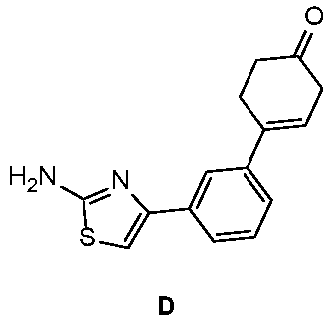
- A solution of Intermediate C (0.905 g, 3.02 mmol) in formic acid (10 mL) was stirred at 60 °C for 1 h. The reaction mixture was cooled to ambient temperatures and poured into water (10 mL). The aqueous layer was extracted with ethyl acetate (10 mL x 2). The combined organic layers were washed with brine (10 mL), dried over Na2SO4 and concentrated. The crude product was purified by reverse phase HPLC to give Intermediate D (0.600 g, 2.21 mmol, 73.2% yield, 99.6% purity) as a yellow solid by lyophilization. LCMS (ESI) m/z: [M+H]+=271.1.
-

- To a solution of Intermediate D (0.600 g, 2.22 mmol) in ethyl acetate (6 mL) was added 20% Pd(OH)2 (0.200 g). The mixture was stirred at 60 °C for 4 d under H2 (50 psi). The reaction mixture was filtered and the filtrate was concentrated to give Intermediate E (0.500 g, 1.72 mmol, 77.67% yield, 93.9% purity) as a yellow solid. LCMS (ESI) m/z: [M+H]+ = 273.1; 1H NMR (400 MHz, DMSO-d6) δ 7.80 (s, 1H), 7.69 (d, J = 7.6 Hz, 1H), 7.35 - 7.34 (m, 1H), 7.25 (d, J = 7.6 Hz, 1H), 7.07 (d, J = 7.6 Hz, 3H), 3.12 (d, J = 12.0 Hz, 1H), 2.64 - 2.62 (m 2H), 2.40 - 2.31 (m, 2H), 2.24 - 2.11 (m, 2H), 1.96 - 1.94 (m, 2H).
-

- To a solution of Intermediate E (0.470 g, 1.73 mmol), N-Boc-glycine (0.363 g, 2.07 mmol), [chloro(dimethylamino)methylene]-dimethylammonium;hexafluorophosphate (0.726 g, 2.59 mmol) in acetonitrile (5 mL) was added N-methylimidazole (0.413 mL, 5.18 mmol). The mixture was stirred at 25 °C for 16 h and subsequently filtered and concentrated. The crude product was purified by reverse phase HPLC to give Intermediate G (0.400 g, 0.880 mmol, 51.0% yield, 94.5% purity) as a yellow solid by extraction. LCMS (ESI) m/z: [M+H]+ = 430.1.; 1H NMR (400 MHz, CDCl3) δ 10.34 - 9.56 (m, 1H), 7.64 (s, 1H), 7.58 - 7.56 (m, 1H), 7.31 - 7.29 (m, 1H), 7.15 (d, J = 7.6 Hz, 1H), 7.08 (s, 1H), 5.11 (s, 1H), 3.97 (s, 2H), 3.07 - 2.96 (m, 1H), 2.49 - 2.40 (m, 4H), 2.26 - 2.14 (m, 2H), 1.99 - 1.90 (m, 2H), 1.42 (s, 9H).
-

- To a solution of Intermediate G (0.390 g, 0.908 mmol) in MeOH (5 mL) was added NaBH4 (0.051 g, 1.36 mmol). After stirring for 1 h at room temperature, the reaction mixture was poured into water (10 mL) and extracted with ethyl acetate (10 mL x 2). The combined organic layers were washed with brine (10 mL), dried over Na2SO4 and concentrated. The crude product was purified by reverse phase HPLC to give Intermediate H (0.300, 0.681 mmol, 75.03% yield, 98.0% purity) as a white solid after lyophilization. LCMS (ESI) m/z: [M+H]+ = 432.2; 1H NMR (400 MHz, DMSO-d6) δ 12.29 (s, 1H), 7.77 (s, 1H), 7.70 (d, J = 7.6 Hz, 1H), 7.62 (s, 1H), 7.34 - 7.30 (m, 1H), 7.18 (d, J = 5.6 Hz, 2H), 4.60 (s, 1H), 3.86 (d, J = 6.0 Hz, 2H), 3.50 - 3.43 (m, 1H), 1.94 (d, J = 9.6 Hz, 2H), 1.81 (d, J = 13.2 Hz, 2H), 1.57 - 1.48 (m, 2H), 1.46 - 1.35 (m, 9H), 1.33 - 1.28 (m, 2H).
-

- A solution of Intermediate H (0.300 g, 0.695 mmol) in a solution of 4
M HCl 1,4-dioxane (3 mL). After stirring for 1 h at room temperature, the reaction mixture was concentrated to give Intermediate I (0.255 g) as a white solid. LCMS (ESI) m/z: [M+H]+ = 332.1. -

- To a solution of Intermediate I (0.250 g, 0.680 mmol), 1-methylsulfonylpyrrole-3-carboxylic acid (0.154 g, 0.815 mmol), EDCI (0.261 g, 1.36 mmol), HOBt (0.184 g, 1.36 mmol) in DMF (0.5 mL) was added DIEA (0.592 mL, 3.40 mmol). After stirring for 1 h at room temperature, the reaction mixture was filtered and the filtrate was purified by reverse phase HPLC to give Intermediate K (0.150 g, 0.276 mmol, 40.58% yield, 92.4% purity) as a white solid after lyophilization. LCMS (ESI) m/z: [M+H]+ = 503.0.
-

- The Intermediate K (150 mg, 298.44 umol) was purified by prep-HPLC (FA) to give Compound 386 (78.31 mg, 155.81 umol, 52.21% yield, 100% purity) as a white solid by lyophilization and Compound 387 (6.52 mg, 12.51 umol, 4.19% yield, 96.4% purity) as a white solid by lyophilization.
- Compound 386: LCMS (ESI) m/z: [M+H]+= 503.3; 1H NMR (400 MHz, DMSO-d6) δ 12.41 (s, 1H), 8.71 - 8.70 (m, 1H), 7.86 - 7.84 (m, 1H), 7.78 (s, 1H), 7.73 - 7.67 (m, 1H), 7.62 (s, 1H), 7.38 - 7.29 (m, 2H), 7.18 (d, J = 7.6 Hz, 1H), 6.79 - 6.77 (m, 1H), 4.88 - 4.36 (m, 1H), 4.15 (d, J = 6.0 Hz, 2H), 3.58 (s, 3H), 3.51 - 3.46 (m, 1H), 2.50 - 2.45 (m, 1H), 2.02 - 1.89 (m, 2H), 1.87 - 1.72 (m, 2H), 1.54 - 1.52 (m, 2H), 1.39 - 1.25(m, 2H).
- Compound 387: LCMS (ESI) m/z: [M+H]+= 503.3; 1H NMR (400 MHz, DMSO-d6) δ 12.48 (s, 1H), 8.70 - 8.69 (m, 1H), 7.86 - 7.85 (m, 2H), 7.70 (d, J = 7.6 Hz, 1H), 7.62 (s, 1H), 7.39 - 7.29 (m, 2H), 7.17 (d, J = 7.6 Hz, 1H), 6.78 - 6.76 (m, 1H), 4.43 (s, 1H), 4.14 (d, J = 5.6 Hz, 2H), 3.93 (s, 1H),3.58 (s, 3H), 2.55 (s, 1H), 1.98 - 1.71 (m, 4H), 1.63 - 1.45 (m, 4H).
-

-
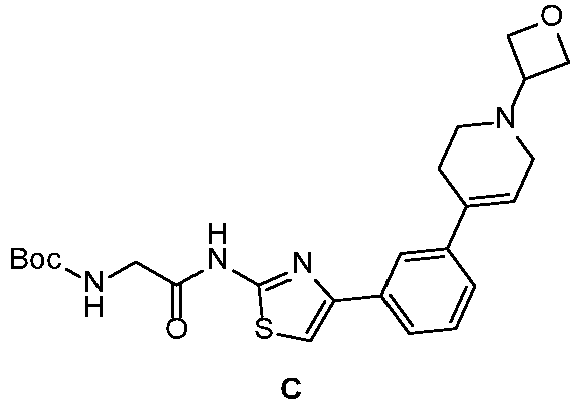
- A mixture of 1-(oxetan-3-yl)-1,2,3,6-tetrahydropyridin-4-yl trifluoromethanesulfonate (0.520 g, 1.81 mmol), tert-butyl N- [2-oxo-2-[[4-[3-(4,4,5,5-tetramethyl-1,3,2-dioxaborolan-2-yl)phenyl]thiazol-2-yl]amino]ethyl]carbamate (0.998 g, 2.17 mmol), Pd(dtbpf)Cl2 (0.118 g, 0.181 mmol), and K3PO4 (1.15 g, 5.43 mmol) in a mixture of 1,4-dioxane (8 mL) and H2O (2 mL) was degassed and purged with N2 (3x). The mixture was subsequently stirred at 80 °C under a constant stream of N2 atmosphere. After 2 h, the mixture was cooled to room temperature, followed by addition of water (100 mL). The mixture was extracted with ethyl acetate (100 mL x 2). The combined organic layers were washed with brine (100 mL), dried over anhydrous Na2SO4, filtered and the filtrate was concentrated to give solids. The crude product was triturated with MTBE (20 mL), stirred for 10 min, and filtered. The solids were collected to give Intermediate C (0.700 g, 1.46 mmol, 80.5% yield, 98.0% purity) as a white solid. LCMS (ESI) m/z: [M+H]+= 471.2.
-

- To a cooled (0 °C) solution of Intermediate C (0.080 g, 0.170 mmol) in dichloromethane (2 mL) was added TFA (0.2 mL). After stirring for 2 h, saturated aqueous NaHCO3 (40 mL) was added and the reaction mixture was extracted with dichloromethane (40 mL x 3). The combined organic layers were dried over Na2SO4, filtered and concentrated under reduced pressure to give Intermediate D (0.050 g, 0.135 mmol, 79.39% yield) as a yellow solid which was used into the next step without further purification. LCMS (ESI) m/z: [M+H]+= 371.1.
-

- To a solution of 1-methylsulfonylpyrrole-3-carboxylic acid (0.025 g, 0.130 mmol) in dichloromethane (2 mL) was added HOBt (0.022 g, 0.162 mmol), DIEA (0.056 mL, 323.91 umol),EDCI (0.031 g, 0.162 mmol), and Intermediate D (0.040 g, 0.108 mmol) was added. The mixture was stirred at 25 °C for 2 h and subsequently filtered. The filter cake was collected and the solids were triturated with MeOH (4 mL) at 20 °C for 10 min and filtered. The resulting solids were lyophilized to give Compound 389 (0.008 g, 0.015 mmol, 13.5% yield, 98.5% purity) as a white solid. LCMS (ESI) m/z: [M+H]+ = 542.1; 1H NMR (400 MHz, DMSO-d6) δ 12.39 (s, 1H), 8.67 - 8.64 (m, 1H), 7.96 (s, 1H), 7.84 (s, 1H), 7.78 - 7.77 (m,1H), 7.68 (s, 1H), 7.40 (d, J=4.8 Hz, 2H), 7.31 - 7.30 (m, 1H), 6.77 (s, 1H), 6.21 (s, 1H), 4.61 - 4.58 (m, 2H), 4.53 - 4.50 (m, 2H), 4.14 (d, J=5.6 Hz, 2H), 3.57 (s, 4H), 3.02 (s, 2H), 2.53 (s, 2H), 2.52 - 2.50 (m, 2H).
-

-

- To a solution of 2-amino-N-[4-(3-bromophenyl)thiazol-2-yl]acetamide (2.09 g, 5.98 mmol) in dichloromethane (20 mL) was added EDCI (1.72 g, 8.97 mmol), DIEA (3.86 g, 29.90 mmol, 5.21 mL) and HOBt (1.21 g, 8.97 mmol). The mixture was stirred at 25 °C for 30 min, followed by addition of 1-tert-butylpyrrole-3-carboxylic acid (1.00 g, 5.98 mmol). After 16 h, the mixture was concentrated in reduced pressure. The residue was poured into ice-water (20 mL) and stirrred. The aqueous phase was extracted with ethyl acetate (20 mL x 3). The combined organic phases were washed with brine (20 mL), dried with anhydrous Na2SO4, filtered and concentrated. The residue was purified by silica gel column chromatography (petroleum ether / ethyl acetate = 1:0 to 0:1)) to afford Intermediate C (1.50 g, 3.25 mmol, 54.36% yield) as yellow solid. LCMS (ESI) m/z: [M+H]+ =463.0; 1H NMR (400 MHz, DMSO-d6) δ 12.37 (s, 1H), 8.24-8.17 (m, 1H), 8.12 (d, J = 1.6 Hz, 1H), 7.95-7.88 (m, 1H), 7.78 (s, 1H), 7.57-7.49 (m, 2H), 7.41 (s, 1H), 6.99-6.97 (m, 1H), 6.48-6.47 (m, 1H), 4.13-4.07 (m, 2H), 1.50 (s, 9H).
-

- In a sealed tube was suspended tert-butyl N-({[4-(3-bromophenyl)-1 ,3-thiazol-2-yl]carbamoyl}methyl)carbamate (0.050 g, 0,11 mmol), 2-oxa-7-azaspiro[3.5]nonanes (0.018 g, 0.13 mmol), potassium phosphate (0.069 g, 0.32 mmol) and RuPhos Precatalyst G4 (0.011 g, 0.090 mmol) in 1,4-dioxane (1 mL), The reaction mixture was subsequently heated at 30 °C overnight. The reaction was cooled to room temperature and filtered through a pad of Celite. The filtrate was concentrated in vacuo and the crude product was purified via silica gel chromatography (ethyl acetate : heptane = 2:3 to 4:5) affording the title compound as a light-yellow powder (12.1mg, 22%). LCMS (ESI) m/z: [M+H]+ = 508.4; 1H NMR (400 MHz, DMSO-d6) δ 12.24 (s, 1H), 8.12 (s, 1H), 7.56 (s, 1H), 7.52 - 7.42 (m, 2H), 7.28 (d, J = 7.7 Hz, 1H), 7.22 (t, J = 7.8 Hz, 1H), 6.95 (t, J = 2.7 Hz, 1H), 6.89 (d, J = 9.6 Hz, 1H), 6.45 (dd, J = 3.0, 1.7 Hz, 1H), 4.34 (s, 4H), 4.07 (d, J = 5.9 Hz, 2H), 3.14 - 3.08 (m, 4H), 1.91 - 1.85 (m, 4H), 1.48 (s, 9H).
- The following compounds in Table 16 below were synthesized starting from the appropriate common intermediate (1-(methylsulfonyl)-N-(2-oxo-2-((4-(3-(4,4,5,5-tetramethyl-1,3,2-dioxaborolan-2-yl)phenyl)thiazol-2-yl)amino)ethyl)-1H-pyrrole-3-carboxamide) utilizing the synthetic protocol described in Example 1.
Table 16 Compound # LC-MS data(m/z) 1H NMR 261 486.2 1H NMR (400 MHz, DMSO-d6) δ 12.49 - 12.03 (m, 1H), 8.65 (s, 1H), 8.40 (s, 1H), 8.25 (s, 1H), 7.89 - 7.84 (m, 2H), 7.78 - 7.71 (m, 2H), 7.55 - 7.49 (m, 1H), 7.33 - 7.31 (m, 1H), 6.77 (d, J = 0.9 Hz, 1H), 4.21 (s, 3H), 4.14 (d, J = 2.4 Hz, 2H), 3.56 (s, 3H) 404 526.9 1H NMR (400 MHz, DMSO-d6) δ 12.58 - 12.41 (m, 1H), 8.82 - 8.61 (m, 1H), 8.44 - 8.38 (m, 1H), 7.87 - 7.80 (m, 2H), 7.74 - 7.69 (m, 2H), 7.42 (d, J = 2.4 Hz, 1H), 7.35 - 7.29 (m, 1H), 6.82 - 6.75 (m, 1H), 6.56 (s, 1H), 4.91 - 4.81 (m, 2H), 4.25 - 4.06 (m, 6H), 3.58 (s, 3H) 405 511.2 1H NMR (400 MHz, DMSO-d6) δ 12.58 - 12.45 (m, 1H), 8.96 (s, 1H), 8.73 - 8.66 (m, 1H), 8.40 - 8.31 (m, 1H), 8.08 - 7.97 (m, 1H), 7.86 - 7.85 (m, 1H), 7.71 (s, 1H), 7.57 (d, J = 7.8 Hz, 1H), 7.38 - 7.28 (m, 1H), 7.24 (s, 1H), 6.79 - 6.78 (m, 1H), 4.16 (d, J = 5.7 Hz, 2H), 3.58 (s, 3H), 2.57 - 2.53 (m, 6H) 406 510.2 1H NMR (400 MHz, DMSO-d6) δ 12.64 - 12.33 (m, 1H), 8.74 - 8.65 (m, 1H), 8.63 - 8.57 (m, 1H), 8.18 - 8.13 (m, 1H), 8.04 - 7.98 (m, 1H), 7.98 - 7.91 (m, 1H), 7.88 - 7.83 (m, 1H), 7.78 - 7.71 (m, 1H), 7.69 - 7.63 (m, 1H), 7.58 - 7.49 (m, 1H), 7.36 - 7.29 (m, 1H), 7.14 - 7.05 (m, 1H), 6.83 - 6.74 (m, 1H), 4.22 - 4.11 (m, 2H), 3.63 - 3.56 (m, 3H), 2.52 (s, 3H), 2.40 - 2.35 (m, 3H) 407 496.1 1H NMR (400 MHz, Methanol-d4) δ 8.48 - 8.42 (m, 2H), 8.24 - 8.21 (m, 1H), 8.11 (d, J = 7.6 Hz, 1H), 7.88 - 7.80 (m, 3H), 7.74 - 7.67 (m, 1H), 7.62 (s, 1H), 7.30 - 7.29 (m, 1H), 6.83 - 6.82 (m, 1H), 4.29 (s, 2H), 3.40 (s, 3H), 2.87 (s, 3H) 409 523.2 1H NMR (400 MHz, DMSO-d6) δ 12.49 - 12.46 (m, 1H), 8.74 - 8.65 (m, 3H), 8.11 - 8.06 (m, 2H), 7.91 - 7.77 (m, 3H), 7.62 - 7.61 (m, 1H), 7.33 - 7.32 (m, 1H), 6.79 - 6.78 (m, 1H), 4.16 - 4.15 (m, 2H), 3.58 (s, 3H), 2.32 - 2.25 (m, 1H), 1.11 - 1.09 (m, 4H) 410 517.1 1H NMR (400 MHz, DMSO-d6) δ 8.87 - 8.86 (m, 1H), 8.74 - 8.73 (m, 1H), 8.69 - 8.66 (m, 1H), 8.21 - 8.10 (m, 1H), 8.14 - 8.12 (m, 2H), 7.85 - 7.84 (m, 1H), 7.83 - 7.81 (m, 1H), 7.68 - 7.61 (m, 1H), 7.32 - 7.30 (m, 1H), 6.78 - 6.75 (m, 1H), 4.16 - 4.14 (m, 2H), 3.57 (s, 3H) 413 514.3 1H NMR (400 MHz, DMSO-d6) δ 12.43 (s, 1H), 8.69 - 6.68 (m, 1H), 8.53 (d, J = 2.4 Hz, 1H), 8.19 (s, 1H), 8.05 - 8.00 (m, 1H), 7.86 - 7.85 (m, 1H), 7.78 (s, 1H), 7.61 (d, J = 4.8 Hz, 2H), 7.55 (d, J = 6.8 Hz, 1H), 7.32 - 7.31 (m, 1H), 6.79 - 6.78 (m, 1H), 4.15 (d, J = 6.0 Hz, 2H), 3.58 (s, 3H), 2.54 (s, 3H) 441 583.1 1H NMR (400 MHz, DMSO-d6) δ 12.45 (s, 1H), 8.70 - 8.68 (m, 1H), 8.30 (s, 1H), 8.26 (d, J=5.6 Hz, 1H), 8.08 (s, 1H), 8.01 (d, J=7.6 Hz, 1H), 7.88-7.83 (m, 2H), 7.75 (d, J=7.6 Hz, 1H), 7.59 - 7.57 (m, 1H), 7.41 - 7.36 (m, 1H), 7.34 - 7.30 (m, 1H), 7.17 (s, 1H), 6.79 - 6.77 (m, 1H), 4.34 - 4.32 (m, 2H), 4.16 - 4.14(m, 2H), 3.58 (s, 3H), 3.46 - 3.44 (m, 2H), 1.84 (s, 3H) 442 541.1 1H NMR (400 MHz, DMSO-d6) δ 12.44 (s, 1H), 8.71 (s, 1H), 8.33 - 8.26 (m, 2H), 8.03 (d, J=7.8 Hz, 3H), 7.85 (d, J=6.0 Hz, 2H), 7.73 (d, J=8.4 Hz, 1H), 7.64 - 7.57 (m, 1H), 7.45 (d, J=5.2 Hz, 1H), 7.35 - 7.30 (m, 1H), 7.19 (s, 1H), 6.78 (s, 1H), 4.57 - 4.47 (m, 2H), 4.16 - 4.14 (m, 2H), 3.58 (s, 3H), 3.29-3.25 (m, 2H) 447 486.3 1H NMR (400 MHz, DMSO-d6) δ 12.46 (s, 1H), 8.70 - 8.67 (m, 1H), 8.54 (s, 1H), 8.46 (s, 1H), 7.86 - 7.84 (m, 2H), 7.75 (d, J = 7.6 Hz, 1H), 7.71 (s, 1H), 7.52 - 7.48 (m, 1H), 7.32 - 7.30 (m, 1H), 6.78 (d, J = 0.8 Hz, 1H), 4.14 (d, J = 6.0 Hz, 2H), 4.11 (s, 3H), 3.57 (s, 3H) -

-

- To a cooled (0 °C) solution of 6,7-dihydro-4H-pyrazolo[5,1-c][1,4]oxazin-2-amine (0.150 g, 1.08 mmol) and CuBr (0.155 g, 1.08 mmol) in acetonitrile (1.5 mL) was added tert-butyl nitrite (0.256 mL, 2.16 mmol). The mixture was stirred at 50 °C for 5 h, followed by addition of H2O (3 mL). The resulting solution was extracted with ethyl acetate (3 mL x 2). The combined organic layers were concentrated under reduced pressure. The residue was diluted with MeOH (2 mL) and purified by reversed-phase HPLC (0.1% formic acid) to give Intermediate B (0.050 g, 0.214 mmol, 19.9% yield, 87.0% purity) as a yellow solid. LCMS (ESI) m/z: [81Br M+H]+= 204.8; 1H NMR (400 MHz, DMSO-d6) δ 6.20 (s, 1H), 4.75 (s, 2H), 4.10 - 4.02 (m, 4H).
- The following compounds in Table 17 below were synthesized starting from the appropriate common intermediate 1-(tert-butyl)-N-(2-oxo-2-((4-(3-(4,4,5,5-tetramethyl-1,3,2-dioxaborolan-2-yl)phenyl)thiazol-2-yl)amino)ethyl)-1H-pyrrole-3-carboxamide utilizing the synthetic protocol described in Example 8.
Table 17 Compound # LC-MS data(m/z) 1H NMR 402 475.3 1H NMR (400 MHz, DMSO-d6) δ 12.38 (br s, 1H), 9.53 (s, 1H), 8.39 (s, 1H), 8.20 (d, J = 6.0 Hz, 1H), 8.06 (d, J = 7.6 Hz, 1H), 7.97 (d, J = 2.4 Hz, 1H), 7.89 - 7.82 (m, 2H), 7.67 - 7.59 (m, 1H), 7.52 (d, J = 2.0 Hz, 1H), 6.97 (d, J = 2.8 Hz, 1H), 6.48 (d, J = 1.6 Hz, 1H), 4.10 (d, J = 6.0 Hz, 2H), 2.71 (s, 3H), 1.49 (s, 9H) 415 505.0 1H NMR (400 MHz, DMSO-d6) δ 12.38 (br s, 1H), 8.42 - 8.40 (m, 1H), 8.18 - 8.16 (m, 1H), 7.83 - 7.81 (m, 1H), 7.76 - 7.66 (m, 2H), 7.54 - 7.52 (m, 1H), 7.46 - 7.44 (m, 1H), 6.98 - 6.96 (m, 1H), 6.56 (s, 1H), 6.49 - 6.47 (m, 1H), 4.85 (s, 2H), 4.22 - 4.15 (m, 2H), 4.15 - 4.06 (m, 4H), 1.50 (s, 9H) 417 474.2 1H NMR (400 MHz, DMSO-d6) δ 12.39 - 12.31 (m, 1H), 8.61 (s, 1H), 8.17 - 8.16 (m, 1H), 8.00 (d, J = 8.0 Hz, 1H), 7.94 (d, J = 8.0 Hz, 1H), 7.80 (d, J = 4.4 Hz, 2H), 7.73 (s, 1H), 7.56 - 7.50 (m, 2H), 7.26 - 7.24 (m, 1H), 6.97 (s, 1H), 6.48 - 6.47 (m, 1H), 4.10 (d, J = 6.0 Hz, 2H), 2.56 (s, 3H), 1.49 (s, 9H) 434 520.2 1H NMR (400 MHz, DMSO-d6) δ 12.32 (s, 1H), 8.33 (s, 1H), 8.20-8.17 ( m, 1H), 8.00 (br s, 3H), 7.89-7.79 (m, 3H), 7.67 (s, 1H), 7.56-7.44 (m, 2H), 6.97 (br s, 1H), 6.86 (d, J=2.0 Hz, 1H), 6.48 (br s, 1H), 4.34 (s, 2H), 4.10 (br d, J=5.6 Hz, 2H), 1.49 (s, 9H), 1.26 (s, 6H) -

- A suspension of N-[2-[[4-[3-(2-chloropyrimidin-4-yl)phenyl]thiazol-2-yl]amino]-2-oxo-ethyl]-1-methylsulfonyl-pyrrole-3- carboxamide (0.020 g, 0.039 mmol), Cs2CO3 (0.038 g, 0.116 mmol) and azetidine (0.026 mL, 386.86 umol) in DMF (0.5 mL) was stirred at 60 °C. After 8 h, the mixture was cooled to ambient temperatures and water (5 mL) was added. The aqueous mixture was extracted with ethyl acetate (5 mL x 3). The combined organic phase was dried over anhydrous Na2SO4, filtered and concentrated. The residue was purified by preparative HPLC and lyophilized to give Compound 408 (0.012 g, 0.020 mmol, 51.33% yield, 100% purity, formic acid salt) as a white solid. LCMS (ESI) m/z: [M+H]+ = 538.2; 1H NMR (400 MHz, DMSO-d6) δ 12.46 - 12.38 (m, 1H), 8.68 - 8.67 (m, 1H), 8.57 (s, 1H), 8.43 - 8.42 (d, J = 5.2 Hz, 1H), 8.05 - 8.02 (m, 2H), 7.85 (s, 1H), 7.77 (s, 1H), 7.58 - 7.57 (m, 1H), 7.33 - 7.32 (m, 1H), 7.26 - 7.25 (d, J = 5.2 Hz, 1H), 6.79 - 6.78 (m, 1H), 4.17 - 4.11 (m, 6H), 3.58 (s, 2H), 3.60 - 3.56 (m, 1H), 2.38 - 2.37 (m, 2H).
- The following compounds in Table 18 were synthesized utilizing the general synthetic protocols described in Example 57 and starting from the common intermediate, tert-butyl (2-oxo-2-((4-(3-(4,4,5,5-tetramethyl-1,3,2-dioxaborolan-2-yl)phenyl)thiazol-2-yl)amino)ethyl)carbamate, the appropriate aryl halide, and heterocyclic carboxylic acid.
Table 18 Compound # LC-MS data(m/z) 1H NMR 167 476.3 1H NMR (400 MHz, DMSO-d6) δ 12.48 (br s, 1H), 8.79 - 8.72 (m, 2H), 8.31 - 8.28 (m, 1H), 8.13 - 8.06 (m, 2H), 7.94 - 7.92 (m, 2H), 7.79 (s, 1H), 7.62 - 7.58 (m, 1H), 6.65 (d, J = 2.4 Hz, 1H), 4.19 (d, J = 6.0 Hz, 2H), 2.71 (s, 3H), 1.57 (s, 9H) 403 499.8 1H NMR (400 MHz, DMSO-d6) δ 12.51 (s, 1H), 8.72 (d, J = 6.0 Hz, 1H), 8.43 (d, J = 1.6 Hz, 1H), 8.28 (s, 1H), 7.93 - 7.87 (m, 1H), 7.84 (d, J = 2.0 Hz, 1H), 7.80 - 7.78 (m, 1H), 7.76 (s, 1H), 7.54 - 7.52 (m, 1H), 7.32 -7.30 (m, 1H), 6.80 - 6.79 (m, 1H), 4.23 (s, 3H), 4.15 (d, J = 6.0 Hz, 2H), 3.72 (q, J = 7.2 Hz, 2H), 1.13 (d, J = 7.2 Hz, 3H) 412 511.4 1H NMR (400 MHz, DMSO-d6) δ 12.47 (s, 1H), 8.70 (s, 2H), 8.10-8.04 (m, 2H), 7.85-7.78 (m, 3H), 7.60-7.59 (m, 1H), 7.32 (s, 1H), 6.78 (s, 1H), 4.16 (d, J = 3.6 Hz, 2H), 3.57 (s, 3H), 2.66 (s, 3H), 2.51 (s, 3H) 416 496.9 1H NMR (400 MHz, DMSO-d6) δ 12.47 (br s, 1H), 8.78 (d, J = 5.2 Hz, 1H), 8.72 (s, 1H), 8.69 - 8.66 (m, 1H), 8.13 - 8.06 (m, 2H), 7.92 (d, J = 5.2 Hz, 1H), 7.85 - 7.84 (m, 1H), 7.79 (s, 1H), 7.63 - 7.59 (m, 1H), 7.32 - 7.30 (m, 1H), 6.78 - 6.77 (m, 1H), 4.15 (d, J = 6.0 Hz, 2H), 3.57 (s, 3H), 2.71 (s, 3H) 144 477.0 1H NMR (400 MHz, Methanol-d4) δ 8.33 (s, 1H), 7.84 (d, J = 8.0 Hz, 1H), 7.71 (d, J = 7.6 Hz, 1H), 7.62 (d, J = 2.4 Hz, 1H), 7.57-7.56 (m, 1H), 7.46-7.39 (m, 2H), 6.99-6.97 (m, 1H), 6.70-6.64 (m, 2H), 4.99 (d, J = 6.8 Hz, 2H), 4.72 (d, J = 6.4 Hz, 2H), 4.25 (s, 2H), 3.95 (s, 3H), 1.89 (s, 3H) 474 472.0 1H NMR (400 MHz, DMSO-d6) δ 12.42 (s, 1H), 8.38 - 8.35 (m, 2H), 7.79 (d, J = 8.0 Hz, 1H), 7.75 (d, J = 2.0 Hz, 1H), 7.72 (d, J = 7.6 Hz, 1H), 7.68 (s, 1H), 7.60 - 7.59 (m, 1H), 7.44 - 7.08 (m, 1H), 7.08 - 7.07 (m, 1H), 6.72 (d, J = 2.4 Hz, 1H), 6.56 - 6.55 (m, 1H), 4.11 (d, J = 5.6 Hz, 2H), 3.89 (s, 3H), 1.84 - 1.80 (m, 2H), 1.77 - 1.74 (m, 2H) 529 489.1 1H NMR (400 MHz, DMSO-d6) δ 9.11 (s, 1H), 8.66 (s, 1H), 8.54 (s, 1H), 8.26 - 8.24 (m, 1H), 8.07 - 8.01 (m, 2H), 7.79 (s, 1H), 7.61 - 7.56 (m, 2H), 7.02 - 7.00 (m, 1H), 6.57 - 6.56 (m, 1H), 4.84 (d, J = 6.4 Hz, 2H), 4.63 (d, J = 6.8 Hz, 2H), 4.12 (d, J = 4.8 Hz, 2H), 2.60 (s, 3H), 1.79 (s, 3H) 541 485.1 1H NMR (400 MHz, DMSO-d6) δ 12.47 (br s, 1H), 8.69 - 8.67 (m, 1H), 8.38 - 8.37 (m, 1H), 7.85 - 7.84 (m, 1H), 7.84 - 7.74 (m, 1H), 7.77 - 7.74 (m, 1H), 7.70 - 7.69 (m, 1H), 7.69 (s, 1H), 7.54 (d, J = 1.2 Hz, 1H), 7.44 - 7.43 (m, 1H), 7.32 - 7.30 (m, 1H), 6.78 - 6.77 (m, 1H), 6.72 (d, J = 2.0 Hz, 1H), 4.15 (d, J = 5.6 Hz, 2H), 3.90 (s, 3H), 3.57 (s, 3H) 562 474.2 1H NMR (400 MHz, DMSO-d6) δ 12.60 - 12.29 (m, 1H), 8.44 - 8.33 (m, 2H), 7.85 - 7.65 (m, 5H), 7.48 - 7.40 (m, 1H), 7.19 - 7.13 (m, 1H), 6.76 - 6.71 (m, 1H), 6.65 - 6.60 (m, 1H), 4.18 - 4.08 (m, 2H), 3.95 - 3.87 (m, 3H), 2.00 - 1.91 (m, 6H) 780 473.0 1H NMR (400 MHz, DMSO-d6) δ 12.44 (s, 1H), 8.46 - 8.39 (m, 2H), 8.14 (d, J = 1.6 Hz, 1H), 8.04 (d, J = 1.2 Hz, 1H), 7.79 - 7.75 (m, 1H), 7.75 (d, J = 2.4 Hz, 1H), 7.72 - 7.71 (m, 1H), 7.69 (s, 1H), 7.46 - 7.44 (m, 1H), 6.73 (d, J = 2.4 Hz, 1H), 4.17 (d, J = 6.0 Hz, 2H), 3.90 (s, 3H), 1.87 - 1.86 (m, 4H) 790 475.0 1H NMR (400 MHz, DMSO-d6) δ 12.86 - 12.26 (m, 1H), 8.51 - 8.49 (m, 1H), 8.39 (s, 1H), 8.16 (d, J = 2.4 Hz, 1H), 7.81 (d, J = 7.6 Hz, 1H), 7.79 - 7.69 (m, 3H), 7.46 - 7.44 (m, 1H), 6.80 (d, J = 2.4 Hz, 1H), 6.73 (d, J = 2.4 Hz, 1H), 4.19 (d, J = 6.0 Hz, 2H), 3.90 (s, 3H), 2.05 (s, 6H) 798 478.2 1H NMR (400 MHz, DMSO-d6) δ 12.58 - 12.39 (m, 1H), 8.52 - 8.43 (m, 1H), 8.42 - 8.32 (m, 1H), 8.09 - 8.02 (m, 1H), 7.84 - 7.79 (m, 1H), 7.78 - 7.75 (m, 1H), 7.75 - 7.71 (m, 1H), 7.71 - 7.68 (m, 1H), 7.50 - 7.40 (m, 1H), 6.81 - 6.68 (m, 2H), 5.10 - 5.00 (m, 2H), 4.71 - 4.58 (m, 2H), 4.24 - 4.13 (m, 2H), 3.96 - 3.85 (m, 3H), 1.96 - 1.79 (m, 3H) 813 473.0 1H NMR (400 MHz, DMSO-d6) δ 12.53 - 12.44 (m, 1H), 8.67 - 8.56 (m, 1H), 8.44 - 8.35 (m, 1H), 8.20 - 8.14 (m, 1H), 7.86 - 7.78 (m, 1H), 7.78 - 7.68 (m, 3H), 7.51 - 7.37 (m, 1H), 6.78 - 6.71 (m, 2H), 4.22 - 4.11 (m, 2H), 3.94 - 3.86 (m, 3H), 2.01 - 1.88 (m, 4H) - N-(2-((4-(3-(3-chloro-6-methylpyridin-2-yl)-4-methylphenyl)thiazol-2-yl)amino)-2-oxoethyl)-1-(methylsulfonyl)-1 H-pyrrole-3-carboxamide was prepared according to Scheme 9 using the appropriate starting materials and utilizing the general synthetic protocol described in Example 57.

- LCMS (ESI) m/z: [M+H]+ = 544.1; 1H NMR (400 MHz, DMSO-d6) δ 12.38 - 12.09 (m, 1H), 8.67 - 8.64 (m, 1H), 7.94 (d, J = 8.4 Hz, 1H), 7.88 - 7.86 (m, 1H), 7.84 - 7.83 (m, 1H), 7.74 (d, J = 1.6 Hz, 1H), 7.63 (s, 1H), 7.38 - 7.33 (m, 2H), 7.31 - 7.29 (m, 1H), 6.77 - 6.76 (m, 1H), 4.12 (d, J = 6.0 Hz, 2H), 3.56 (s, 3H), 2.51 (s, 3H), 2.09 (s, 3H).
-

- Sodium 2-(4-(3-(2-(2-(1-(methylsulfonyl)-1 H-pyrrole-3-carboxamido)acetamido)thiazol-4-yl)phenyl)pyridin-2-yl)acetate was synthesized utilizing the general synthetic protocols described in Example 14 and starting from the common intermediate, 1-(methylsulfonyl)-N-(2-oxo-2-((4-(3-(4,4,5,5-tetramethyl-1,3,2-dioxaborolan-2-yl)phenyl)thiazol-2-yl)amino)ethyl)-1H-pyrrole-3-carboxamide, the appropriate aryl halide.
- LCMS (ESI) m/z: [M+H]+ = 540.3; 1HNMR (400 MHz, DMSO-d6) δ 18.43 (d, J = 5.2 Hz, 1H), 8.24 (s, 2H), 7.92 (d, J = 7.6 Hz, 1H), 7.84 - 7.82 (m, 1H), 7.65 (s, 1H), 7.59 (d, J = 7.6 Hz, 1H), 7.51 - 7.45 (m, 2H), 7.34 - 7.27 (m, 2H), 6.79 - 6.78 (m, 1H), 3.95 (d, J = 2.8 Hz, 2H), 3.55 (s, 3H), 3.47 (s, 2H).
-

-

- To a solution of 3-bromo-1H-pyrazole (1.00 g, 6.80 mmol) in DMF (10 mL) was added tert-butyl 2-bromoacetate (1.51 mL, 10.21 mmol), K2CO3 (2.82 g, 20.41 mmol). The reaction was stirred at 50 °C for 3 h, followed by addition of saturated aqueous NH4Cl (10 mL). The mixture was extracted with ethyl acetate (10 mL x 3). The combined organic layers were washed with aqueous brine (10 mL x 3), dried over Na2SO4, filtered and concentrated. The residue was purified by flash silica gel chromatography (ethyl acetate / petroleum ether gradient = 0:1 to 1:3) to afford Intermediate C (1.50 g, 5.74 mmol, 84.43% yield, 100% purity) as a colorless oil. LCMS (ESI) m/z: [79Br M-56+H]+ = 205.0; 1H NMR (400 MHz, DMSO-d6) δ 7.75 (d, J = 2.4 Hz, 1H), 6.41 (d, J = 2.4 Hz, 1H), 4.95 (s, 2H), 1.43 (s, 9H).
-
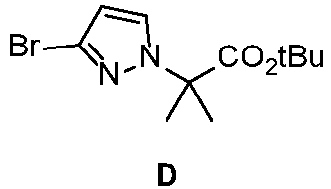
- To a cooled (-60 °C) solution of tert-butyl 2-(3-bromopyrazol-1-yl)acetate (0.550g, 2.11 mmol) in THF (5 mL) was added a 2 M solution of LDA (2 M, 2.63 mL) in THF. The mixture was allowed to gradually warm to ambient temperatures, stirred at 25 °C for 30 min, and cooled again to -60 °C. A solution of Mel (0.328 mL, 5.27 mmol) in THF (0.5 mL) was subsequently added and the mixture was allowed to gradually warm to room temperature. After stirring for 1 h, the mixture was quenched by addition saturated aqueous NH4Cl (5 mL) and extracted with ethyl acetate (5 mL x 3). The combined organic layers were washed with brine (5 mL * 3), dried over Na2SO4, and concentrated. The residue was purified by flash silica gel chromatography (ethyl acetate / petroleum ether = 0:1 to 1:1) to afford Intermediate D (0.350 g, 1.16 mmol, 55.2% yield, 96.0% purity) as a colorless oil. LCMS (ESI) m/z: [79Br M-56+H]+ = 233.1; 1H NMR (400 MHz, DMSO-d6) δ 7.91 (d, J = 2.4 Hz, 1H), 6.42 (d, J = 2.4 Hz, 1H), 1.71 (s, 6H), 1.34 (s, 9H).
-

- A mixture of 1-methylsulfonyl-N-[2-oxo-2-[[4-[3-(4,4,5,5-tetramethyl-1,3,2-dioxaborolan-2-yl)phenyl]thiazol-2- yl]amino]ethyl]pyrrole-3-carboxamide (0.580 g, 1.09 mmol), Intermediate D (0.350 g, 1.16 mmol), Pd(dtbpf)Cl2 (0.143 g, 0.219 mmol), K3PO4 (0.696 g, 3.28 mmol) in a mixture of 1,4-dioxane (5 mL) and H2O (1 mL) was degassed and purged with N2 (3x). The mixture was stirred at 80 °C for 2 h under N2 atmosphere. The mixture was subsequently diluted with water (10 mL) and extracted with ethyl acetate (10 mL x 3). The combined organic layers were washed with brine (10 mL). The organic phase was concentrated under reduced pressure. The residue was triturated with a mixture of ethyl acetate (20 mL) and petroleum ether (5 mL) for 10 min and filtered. The resulting solids were dried under reduced pressure to afford Intermediate F (0.500 g, 0.751 mmol, 68.7% yield, 92.0% purity) as a white solid. LCMS (ESI) m/z: [M+H]+ = 613.5; 1H NMR (400 MHz, DMSO-d6) δ 12.43 (br s, 1H), 8.70 - 8.68 (m, 1H), 8.33 (s, 1H), 7.95 (d, J = 2.4 Hz, 1H), 7.87 - 7.80 (m, 2H), 7.75 (d, J = 7.6 Hz, 1H), 7.69 (s, 1H), 7.47 - 7.45 (m, 1H), 7.33 - 7.31 (m, 1H), 6.83 - 6.75 (m, 2H), 4.16 (d, J = 5.6 Hz, 2H), 3.58 (s, 3H), 1.79 (s, 6H), 1.35 (s, 9H).
-

- To a solution of Intermediate F (0.500 g, 0.816 mmol) in dichloromethane (10 mL) was added TFA (2.5 mL, 33.77 mmol). After stirring for 16 h, the reaction mixture was concentrated under reduced pressure to remove solvent. The residue was triturated with ethyl acetate (20 mL) and filtered to afford Compound 217 (0.460 g, 0.808 mmol, 99.05% yield, 97.8% purity) as a white solid. LCMS (ESI) m/z: [M+H]+ = 557.3; 1H NMR (400 MHz, DMSO-d6) δ 12.48 (s, 1H), 8.71 - 8.69 (m, 1H), 8.36 (s, 1H), 7.97 (d, J = 2.4 Hz, 1H), 7.88 - 7.79 (m, 2H), 7.75 - 7.73 (m, 1H), 7.70 (s, 1H), 7.47 - 7.45 (m, 1H), 7.33 - 7.31 (m, 1H), 6.79 (d, J = 2.4 Hz, 2H), 4.16 - 4.14 (m, 2H), 3.58 (s, 3H), 1.81 (s, 6H).
-

- A solution of 2-methyl-2-[3-[3-[2-[[2-[(1-methylsulfonylpyrrole-3-carbonyl)amino]acetyl]amino]thiazol-4-yl]phenyl]pyrazol-1- yl]propanoic acid (0.050 g, 0.089 mmol) in DMF (1 mL) were added DIPEA (0.235 mL, 0.001 mmol) and methylamine hydrochloride (0.061 g, 0.898 mmol). The solution was stirred for 5 min, followed by addition of HATU (0.102 g, 0.269 mmol). After stirring for 16 h, water (3 mL) was slowly added to the mixture and stirred vigorously until precipitates formed. The resulting solids were filtered and purified by prep-HPLC. The resulting solvent was concentrated to remove ACN, then lyophilized to afford Compound 414 (0.008 g, 0.014 mmol, 15.7% yield, 98.0% purity) as a white solid. LCMS (ESI) m/z: [M+H]+ = 570.4; 1H NMR (400 MHz, DMSO-d6) δ 12.45 (s, 1H), 8.69 - 8.67 (m 1H), 8.38 - 8.36 (m, 1H), 7.92 (d, J = 2.8 Hz, 1H), 7.87 - 7.85 (m, 1H), 7.84 - 7.82 (m, 1H), 7.78 - 7.74 (m, 1H), 7.70 (s, 1H), 7.48 - 7.46 (m, 1H), 7.35 - 7.30 (m, 2H), 6.85 - 6.74 (m, 2H), 4.15 (d, J = 6.0 Hz, 2H), 3.58 (s, 3H), 2.59 (d, J = 4.4 Hz, 3H), 1.76 (s, 6H).
- The following compounds in Table 19 were synthesized starting from the appropriate carboxylic acid and utilizing the general synthetic protocols described in Example 192.
Table 19 Compound # LC-MS data(m/z) 1H NMR 189 556.4 1H NMR (400 MHz, DMSO-d6) δ 12.47 (br s, 1H), 8.69 - 8.67 (m, 1H), 8.39 (s, 1H), 7.87 - 7.85 (m, 1H), 7.82 (d, J = 7.6 Hz, 1H), 7.74 - 7.71 (m, 2H), 7.70 (s, 1H), 7.47 - 7.45 (m, 1H), 7.32 (m, 1H), 6.81 - 6.74 (m, 2H), 5.18 (s, 2H), 4.15 (d, J = 5.6 Hz, 2H), 3.58 (s, 3H), 3.07 (s, 3H), 2.88 (s, 3H) 218 529.3 1H NMR (400 MHz, DMSO-d6) δ 12.54 (s, 1H), 8.76 - 8.69 (m, 1H), 8.51 - 8.40 (m, 1H), 7.93 - 7.85 (m, 3H), 7.82 - 7.78 (m, 1H), 7.77 - 7.76 (m, 1H), 7.55 - 7.49 (m, 1H), 7.38 (m, 1H), 6.92 - 6.73 (m, 1H), 5.08 (s, 2H), 4.29 - 4.16 (m, 2H), 3.64 (s, 4H), 3.27 - 3.19 (m, 1H) 418 584.5 1H NMR (400 MHz, DMSO-d6) δ 12.50 (br s, 1H), 8.68 - 8.66 (m, 1H), 8.36 (s, 1H), 7.96 (d, J = 2.4 Hz, 1H), 7.88 - 7.81 (m, 2H), 7.76 - 7.74 (m, 1H), 7.70 (s, 1H), 7.48 - 7.46 (m, 1H), 7.33 - 7.31 (m, 1H), 6.87 (d, J = 2.4 Hz, 1H), 6.79 - 6.77 (m, 1H), 4.15 (d, J = 5.6 Hz, 2H), 3.58 (s, 3H), 3.01 - 2.74 (m, 3H), 2.47 - 2.15 (m, 3H), 1.75 (s, 6H) 435 579.1 1H NMR (400 MHz, DMSO-d6) δ 12.44 (s, 1H), 8.69 (m, 1H), 8.61 (d, J = 4.8 Hz, 1H), 8.27 (s, 1H), 8.02 (d, J = 7.6 Hz, 1H), 7.88 - 7.81 (m, 2H), 7.75 (d, J = 8.0 Hz, 1H), 7.66 - 7.57 (m, 4H), 7.32 (m, 1H), 6.78 (m, 1H), 4.16 (d, J = 6.0 Hz, 2H), 3.58 (s, 3H), 2.62 (d, J = 4.4 Hz, 3H), 1.42 - 1.39 (m, 2H), 1.29 - 1.26 (m, 2H) 439 593.1 1H NMR (400 MHz, DMSO-d6) δ 12.45 (s, 1H), 8.68 (m, 1H), 8.58 (d, J = 5.2 Hz, 1H), 8.21 (s, 1H), 8.02 (d, J = 8.0 Hz, 1H), 7.85 (m, 1H), 7.82 (s, 1H), 7.69 (d, J = 8.0 Hz, 1H), 7.63 - 7.57 (m, 2H), 7.35 (s, 1H), 7.32 (m, 1H), 6.78 (m, 1H), 4.15 (d, J = 6.0 Hz, 2H), 3.58 (s, 3H), 2.92 - 2.85 (m, 6H), 1.52 - 1.49 (m, 2H), 1.37 - 1.33 (m, 2H) 217 557.3 1H NMR (400 MHz, DMSO-d6) δ 12.48 (s, 1H), 8.71 - 8.69 (m, 1H), 8.36 (s, 1H), 7.97 (d, J = 2.4 Hz, 1H), 7.88 - 7.79 (m, 2H), 7.75 - 7.73 (m, 1H), 7.70 (s, 1H), 7.47 - 7.45 (m, 1H), 7.33 - 7.31 (m, 1H), 6.79 (d, J = 2.4 Hz, 2H), 4.16 - 4.14 (m, 2H), 3.58 (s, 3H), 1.81 (s, 6H) -

-

- To a solution of 2-cis-2,6-dimethyl-3,6-dihydro-2H-pyran-4-yl)-4,4,5,5-tetramethyl-1,3,2-dioxaborolane (0.277 g, 1.16 mmol), tert-butyl (2-((4-(6-bromopyridin-2-yl)thiazol-2-yl)amino)-2-oxoethyl)carbamate (0.400 g, 0.968 mmol) in a mixture of 1,4-dioxane (4 mL) and H2O (1 mL) was added K3PO4 (0.411 g, 1.94 mmol), Pd(dtbpf)Cl2 (0.063 g, 0.097 mmol). The mixture was heated to 60 °C and stirred for 1 h. The reaction mixture was subsequently cooled to room temperature and diluted with water (10 mL). The aqueous layer was extracted with ethyl acetate (10 mL x 3) and the combined organic layers were dried over Na2SO4, filtered and concentrated. The crude product was purified by column chromatography (SiO2, petroleum ether / ethyl acetate = 100/1 to 1/1) to give Intermediate C (0.400g, 0.855 mmol, 88.3% yield, 95.0% purity) as a white solid. LCMS (ESI) m/z: [M+H]+ = 445.2; 1H NMR (400 MHz, CDCl3) δ 10.01 - 9.67 (m, 1H), 7.85 - 7.79 (m, 2H), 7.77 - 7.70 (m, 1H), 7.34 (d, J = 7.6 Hz, 1H), 6.68 (s, 1H), 5.22 (s, 1H), 4.50 (d, J = 4.0 Hz, 1H), 4.11 - 4.03 (m, 2H), 2.74 - 2.63 (m, 1H), 2.47 - 2.31 (m, 1H), 1.52 (s, 10H), 1.41 (d, J = 6.4 Hz, 6H).
-

- To a solution of Intermediate C (0.050 g, 0.112 mmol) in MeOH (5 mL) was added 10% Pd/C under N2 atmosphere. The suspension was degassed and purged with H2 (3x). The mixture was stirred under H2 (15 Psi) at 25 °C for 12 h and subsequently filtered and concentrated to give Intermediate D (0.050 g) as a brown oil. LCMS (ESI) m/z: [M+H]+ = 447.2.
-

- The mixture of Intermediate D (0.020 g, 0.045 mmol) in a solution of 4 M HCl in 1,4-dioxane (0.2 mL) was stirred 30 min at 25 °C. The mixture was subsequently concentrated to give Intermediate E (0.017 g) as a white solid. LCMS (ESI) m/z: [M+H]+ = 347.1.
-

- To a solution of Intermediate E (0.015 g, 0.039 mmol), 1-methylsulfonylpyrrole-3-carboxylic acid (0.010 g, 0.051 mmol) in DMF (0.5 mL) was added EDCI (0.015 g, 0.078 mmol), HOBt (0.011 g, 0.078 mmol), and DIEA (0.041 mL, 0.235 mmol,). The mixture was stirred for 1 h and subsequently diluted with MeOH (1 mL). The reaction solution was purified by reversed phase prep-HPLC (mobile phase: [water(0.225%FA)-ACN]; B%: 23%-53%) to give Compound 329 (0.010 g, 0.018 mmol, 46.9% yield, 95.0% purity) as a white solid after lyophilization. LCMS (ESI) m/z: [M+H]+ = 518.3; 1H NMR (400 MHz, DMSO-d6) δ 8.71 - 8.63 (m, 1H), 7.86 - 7.75 (m, 4H), 7.37 - 7.29 (m, 1H), 7.21 (d, J = 7.2 Hz, 1H), 6.77 (d, J = 3.2 Hz, 1H), 4.14 (d, J = 5.6 Hz, 2H), 3.61 - 3.56 (m, 5H), 3.01 (d, J = 12.0 Hz, 1H), 1.87 - 1.81 (m, 2H), 1.45 - 1.36 (m, 2H), 1.16 (d, J = 6.4 Hz, 6H).
-

-

- To a mixture of 1-methyl-3-(4,4,5,5-tetramethyl-1,3,2-dioxaborolan-2-yl)pyrazole (0.242 g, 1.16 mmol) and tert-butyl (2-((4-(6-bromopyridin-2-yl)thiazol-2-yl)amino)-2-oxoethyl)carbamate (0.400 g, 0.968 mmol) in a mixture of 1,4-dioxane (4 mL) and water (0.8 mL) was added Pd(dtbpf)Cl2 (0.063 g, 0.097 mmol) and KOAc (0.0285 g, 2.90 mmol) in one portion. The mixture was subsequently stirred at 75 °C. After 2 h, the mixture was cooled to room temperature, combined with another batch of equal scale, and added to water (10 mL). The aqueous layer was extracted with ethyl acetate (20 mL x 3). The combined organic phases were dried over anhydrous Na2SO4, filtered and concentrated. The crude product was purified by reversed-phase column to afford Intermediate C (0.300 g, 0.646 mmol, 66.8% yield, 89.3% purity) as a white solid. LCMS (ESI) m/z: [M+H]+ = 415.1.
-

- To a solution of Intermediate C (0.300 g, 0.724 mmol) in 1,4-dioxane (2 mL) was added a solution of 4 M HCl in 1,4-dioxane (5.71 mL) at 25 °C. After stirring for 15 min, the solution was concentrated to give Intermediate D (0.180 g, 0.513 mmol, 70.89% yield) as a yellow solid, which was used into the next step without further purification. 1H NMR (400 MHz, DMSO-d6) δ 13.09 - 12.54 (m, 1H), 8.51 (s, 2H), 8.04 (s, 1H), 7.97 - 7.89 (m, 1H), 7.88 - 7.81 (m, 3H), 6.96 (d, J = 2.4 Hz, 1H), 3.99 - 3.90 (m, 5H).
-

- To a solution of Intermediate D (0.080 g, 0.228 mmol), HOBt (0.046 g, 0.342 mmol), EDCI (0.066 g, 0.342 mmol), and 1-(3-methyloxetan-3-yl)pyrrole-3-carboxylic acid (0.050 g, 0.274 mmol) in DMF (4 mL) was added DIEA (0.199 mL, 1.14 mmol). After 3 h, the mixture was combined with another batch of equal scale and added to water (15 mL). The mixture was extracted with ethyl acetate (20 mL x 3). The combined organic phase was dried over anhydrous Na2SO4, filtered and concentrated The residue was purified by reversed-phase HPLC to give Compound 327 (0.072 g, 0.151 mmol, 66.4% yield, 99.7% purity) as a off-white solid after lyopholization. LCMS (ESI) m/z: [M+H]+ = 478.2; 1H NMR (400 MHz, DMSO-d6) δ 12.49 - 12.19 (m, 1H), 8.29 - 8.28 (m, 1H), 7.97 - 7.87 (m, 2H), 7.86 - 7.78 (m, 3H), 7.57 - 7.56 (m, 1H), 7.02 - 7.01 (m, 1H), 6.95 (d, J = 2.4 Hz, 1H), 6.58 - 6.57 (m, 1H), 4.84 (d, J = 6.8 Hz, 2H), 4.62 (d, J = 6.8 Hz, 2H), 4.12 (d, J = 5.6 Hz, 2H), 3.93 (s, 3H), 1.79 (s, 3H).
- N-[2-[[4-[6-(4-methoxy-3-pyridyl)-2-pyridyl]thiazol-2-yl]amino]-2-oxo-ethyl]-1-(3-methyloxetan-3-yl)pyrrole-3-carboxamide was synthesized starting from the appropriate common intermediate (tert-butyl (2-((4-(6-bromopyridin-2-yl)thiazol-2-yl)amino)-2-oxoethyl)carbamate) and the corresponding boronic ester utilizing the synthetic protocol described in Example 195.
LCMS (ESI) m/z: [M+H]+ = 505.0; 1H NMR (400 MHz, DMSO-d6) δ 12.42 (s, 1H), 9.19 (s, 1H), 8.82 (d, J=6.8 Hz, 1H), 8.30 - 8.24 (m, 1H), 8.13 (s, 1H), 8.09 - 7.98 (m, 3H), 7.96 - 7.91 (m, 1H), 7.72 (d, J=6.8 Hz, 1H), 7.58 - 7.54 (m, 1H), 7.03 - 7.00 (m, 1H), 6.58 - 6.55 (m, 1H), 4.84 (d, J=6.8 Hz, 2H), 4.63 (d, J=6.8 Hz, 2H), 4.16 (s, 3H), 4.12 (d, J=5.6 Hz, 2H), 1.79 (s, 3H). -

- To a solution of N-[2-[[4-(3-bromophenyl)thiazol-2-yl]amino]-2-oxo-ethyl]-1-methylsulfonyl-pyrrole-3-carboxamide (0.050 g, 0.103 mmol), Cul (0.002 g, 0.10 mmol), TEA (0.043 mL, 0.310 mmol) in DMF (1 mL) was added Pd(PPh3)2Cl2 (0.007 g, 0.010 mmol) and 3-ethynyl-3-methyl-oxetane (0.050 g, 0.0517 mmol). The mixture was stirred at 100 °C for 2 h, subsequently cooled to room temperature and diluted with water (3 mL) and extracted with ethyl acetate (6 mL x 2). The combined organic layers were washed with brine (4 mL x 2), dried over anhydrous Na2SO4, filtered and concentrated. The residue was purified by reverse-phase HPLC (0.1% NH4OH) to give Compound 361 (0.046 g, 0.090 mmol, 43.47% yield) as a brown solid. LCMS (ESI) m/z: [M+H]+= 499.3; 1H NMR (400 MHz, DMSO-d6) δ= 12.26 - 12.00 (m, 1H), 8.69 - 8.68 (m, 1H), 7.99 (s, 1H), 7.90 (d, J = 7.6 Hz, 1H), 7.85 (s, 1H), 7.75 (s, 1H), 7.48-7.40 (m, 1H), 7.40-7.35 (m, 1H), 7.32-7.31 (m, 1H), 6.77-6.76 (m, 1H), 4.76 (d, J = 5.6 Hz, 2H), 4.45 (d, J = 5.6 Hz, 2H), 4.14 (d, J = 5.6 Hz, 2H), 3.57 (s, 3H), 1.65 (s, 3H).
- The compounds in Table 20 were synthesized starting from the appropriate common intermediate (N-[2-[[4-(3-bromophenyl)thiazol-2-yl]amino]-2-oxo-ethyl]-1-methylsulfonyl-pyrrole-3-carboxamide) and the corresponding alkyne utilizing the synthetic protocol described in Example 197.
Table 20 Compound # LC-MS data(m/z) 1H NMR 349 485.1 1HNMR (400 MHz, DMSO-d6) δ 12.20 (s, 1H), 8.68 - 8.65 (m, 1H), 7.99 (s, 1H), 7.92 - 7.89 (m, 1H), 7.84 - 7.83 (m, 1H), 7.73 (s, 1H), 7.45 - 7.42 (m, 1H), 7.40 - 7.37 (m, 1H), 7.31 - 7.29 (m, 1H), 6.77 - 6.76 (m, 1H), 4.83 - 4.80 (m, 2H), 4.64 - 4.59 (m, 2H), 4.20 - 4.12 (m, 3H), 3.56 (s, 3H) 363 523.2 1H NMR (400 MHz, DMSO-d6) δ 12.39 (s, 1H), 8.68 - 8.66 (m, 1H), 7.98 (s, 1H), 7.91 (d, J = 8.0 Hz, 1H), 7.85 - 7.83 (m, 1H), 7.76 (s, 1H), 7.43 (d, J = 8.0 Hz, 1H), 7.40 - 7.36 (m, 1H), 7.32 - 7.30 (m, 1H), 6.77 (m, 1H), 4.14 (d, J = 5.6 Hz, 2H), 3.57 (s, 3H), 3.33 (s, 3H), 1.49 (s, 6H) 426 487.2 1H NMR (400 MHz, DMSO-d6) δ 12.36 (m, 1H), 8.68 - 8.66 (m, 1H), 7.95 (s, 1H), 7.88 (d, J = 8.0 Hz, 1H), 7.86 - 7.82 (m, 1H), 7.74 (s, 1H), 7.45 - 7.40 (m, 1H), 7.35 - 7.29 (m, 2H), 6.77 (m, 1H), 5.47 (s, 1H), 4.14 (d, J = 5.6 Hz, 2H), 3.57 (s, 3H), 1.48 (s, 6H) -

-

- To a solution of 1-tert-butylpyrrole-3-carboxylic acid (0.258 g, 1.54 mmol), EDCI (0.329 g, 1.72 mmol), HOBt (0.232 g, 1.72 mmol), DIEA (1.79 mL, 10.30 mmol) in dichloromethane (12 mL) was added Intermediate A (0.600 g, 1.72 mmol). The reaction mixture was stirred at 25°C for 2 h and subsequently concentrated. The resulting oil was diluted with water (60 mL) and extracted with ethyl acetate (35 mL x 2). The combined organic layers were washed with brine (30 mL x 2), dried over Na2SO4, filtered and concentrated. The resulting solids were triturated with MTBE (20 mL), filtered, and the solids were washed with additional MTBE. The resulting solids were dried to give Intermediate C (0.500 g, 1.06 mmol, 61.76% yield) as a white solid. LCMS (ESI) m/z: [M+H]+ = 463.9.
-

- To a mixture of Intermediate C (0.160 g, 0.346 mmol), Pd(PPh3)2Cl2 (0.024 g, 0.035 mmol), Cul (0.007 g, 0.035 mmol), TEA (0.145 mL, 1.04 mmol) in DMF (3 mL) was added 3-methoxy-3-methyl-but-1-yne (0.085 mL, 1.73 mmol) under a constant stream of N2 (g). The resulting mixture was stirred at 100 °C. After 3 h, the mixture was cooled to ambient temperatures, filtered through a pad of silica with dichloromethane and concentrated. The residue was purified by reversed phase HPLC (mobile phase: [water (0.05% ammonia hydroxide v/v)-ACN];B%: 38%-58%), to give Compound 362 (0.062 g, 0.124 mmol, 35.86% yield) as a off-white solid after lyophilization. LCMS (ESI) m/z: [M+H]+ = 480.4; 1H NMR (400 MHz, DMSO-d6) δ 12.53 - 11.96 (m, 1H), 8.16 - 8.13 (m, 1H), 7.93 - 7.87 (m, 2H), 7.81 (s, 1H), 7.52 - 7.51 (m, 1H), 7.48 - 7.44 (m, 1H), 6.97 - 6.95 (m, 1H), 6.49 - 6.47 (m, 1H), 4.08 (d, J = 5.6 Hz, 2H), 3.37 - 3.35 (m, 3H), 1.51 - 1.48 (m, 15H).
-

-

- To a solution of 6-bromopyridine-2-carbaldehyde (5.00 g, 26.88 mmol), NaN3 (2.10 g, 32.26 mmol), and nitromethane (2.46 g, 40.32 mmol, 2.18 mL) in DMSO (60 mL) was added AlCl3 (0.358 g, 2.69 mmol, 146.90 uL) in portions at 25 °C. After complete addition of AlCl3, the mixture was stirred at 70 °C. The reaction was allowed to stir for 12 h and subsequently cooled to ambient temperatures and diluted with water (100 mL). The mixture was extracted with ethyl acetate (50 mL x 3). The combined organic layers were dried over Na2SO4, filtered and concentrated. The residue was purified by flash silica gel chromatography (ethyl acetate / petroleum ether = 0:1 to 1:1) to give Intermediate B (2.50 g, 11.11 mmol, 41.33% yield) as a yellow solid. LCMS (ESI) m/z: [M+H]+ = 225.0; 1H NMR (400 MHz, DMSO-d6) δ 8.03 - 7.99 (m, 1H), 7.91 - 7.76 (m, 2H), 7.67 - 7.55 (m, 2H).
-

- To a solution of Intermediate B (2.20 g, 9.78 mmol) in DMF (20 mL) was added NaH (0.587 g, 14.66 mmol, 60% purity) in portions at 25 °C. The mixture was stirred for 30 min, followed by addition of Mel (0.730 mL, 11.73 mmol). After an additional 30 min, the reaction mixture was diluted with water (30 mL) and extracted with ethyl acetate (20 mL x 3). The combined organic layers were washed with brine (10 mL x 3), dried over Na2SO4, filtered and concentrated. The residue was purified by flash silica gel chromatography (ethyl acetate / petroleum ether = 0:1 to 1:3). The appropriate fractions were collected to give Intermediate C (1.20 g, 5.02 mmol, 51.35% yield) as a white solid. LCMS (ESI) m/z: [M+H]+ = 239.1.; 1H NMR (400 MHz, CDCl3) δ 8.16 (s, 1H), 7.85 (d, J = 7.6 Hz, 1H), 7.63 - 7.58 (m, 1H), 7.43 (d, J = 8.0 Hz, 1H), 4.27 (s, 3H).
- Additionally, 2-bromo-6-(1-methyltriazol-4-yl)pyridine (0.700 g, 2.93 mmol, 29.95% yield) was also isolated separately as a white solid.
-

- A mixture of Intermediate C (1.10 g, 4.60 mmol), tributyl(1-ethoxyvinyl)stannane (4.66 mL, 13.80 mmol), Pd(PPh3)2Cl2 (0.323 g, 0.461 mmol) in 1,4-dioxane (10 mL) was stirred at 100 °C for 2 h. The reaction mixture was subsequently cooled to ambient temperatures, diluted with KF (10 mL), and extracted with ethyl acetate (10 mL x 3). The combined organic layers were dried over Na2SO4, filtered and concentrated under reduced pressure to give Intermediate E (1.20 g) as a brown oil. LCMS (ESI) m/z: [M+H]+ = 231.1.
-

- A mixture of Intermediate E (1.10 g, 4.78 mmol), NBS (1.70 g, 9.55 mmol) in a mixture of THF (20 mL) and H2O (1 mL) was stirred at 25 °C. After 1 h, the reaction mixture was diluted with water (20 mL) and extracted with ethyl acetate (20 mL x 3). The combined organic layers were dried over Na2SO4, filtered and concentrated. The residue was purified by flash silica gel chromatography (ethyl acetate / petroleum ether = 0:1 to 1:3) and concentrated to give Intermediate F (1.00 g, 3.56 mmol, 74.47% yield) as a yellow oil. 1H NMR (400 MHz, CDCl3) δ 8.20 (s, 1H), 8.16 - 8.13 (m, 1H), 8.06 - 8.03 (m, 1H), 7.97 - 7.92 (m, 1H), 4.95 (s, 2H), 4.29 (s, 3H).
-

- A mixture of Intermediate F (0.900 g, 3.20 mmol), thiourea (0.268 g, 3.52 mmol) in EtOH (10 mL) was stirred at 80 °C. After 12 h, the resulting solids were filtered and washed with EtOH to give Intermediate H (0.800 g, 3.10 mmol, 96.74% yield) as a white solid. LCMS (ESI) m/z: [M+H]+= 259.1; 1H NMR (400 MHz, DMSO-d6) δ 8.47 (s, 1H), 8.05 - 7.99 (m, 1H), 7.96 - 7.92 (m, 1H), 7.88 (d, J = 7.6 Hz, 1H), 7.67 (s, 1H), 4.26 (s, 3H).
-

- A mixture of Intermediate H (0.200 g, 0.774 mmol), N-Boc-glycine (0.271 g, 1.55 mmol), DIEA (0.405 mL, 2.32 mmol), HATU (0.589 g, 1.55 mmol) in DMF (2 mL) was stirred at 25 °C for 1 h. The reaction mixture was diluted with water (10 mL) and extracted with ethyl acetate (10 mL x 3). The combined organic layers were dried over Na2SO4, filtered, and concentrated. The resulting solids were triturated with ethyl acetate (5 mL), stirred, filtered and dried to give Intermediate J (0.180 g, 0.433 mmol, 55.95% yield) as a white solid. LCMS (ESI) m/z: [M+H]+= 416.1; 1H NMR (400 MHz, DMSO-d6) δ 8.39 (s, 1H), 8.04 (s, 1H), 8.02 - 7.97 (m, 1H), 7.91 - 7.89 (m, 1H), 7.85 - 7.82 (m, 1H), 7.21 - 7.17 (m, 1H), 4.26 (s, 3H), 3.89 (d, J = 6.0 Hz, 2H), 1.41 (s, 9H).
-

- A solution of tert-butyl N-[2-[[4-[6-(2-methyltriazol-4-yl)-2-pyridyl]thiazol-2-yl]amino]-2-oxoethyl]carbamate (0.180 g, 0.433 mmol) in 1,4-dioxane (1 mL) was added a solution of 4 M HCl in 1,4-dioxane (1.08 mL). The reaction mixturewas stirred at 25 °C for 12 h and subsequently concentrated to give Intermediate K (0.160 g) as a white solid. LCMS (ESI) m/z: [M+H]+ = 316.1.
-

- A mixture of Intermediate K (0.160 g, 0.455 mmol), 1-tert-butylpyrrole-3-carboxylic acid (0.114 g, 0.682 mmol), DIEA (0.396 mL, 2.27 mmol), EDCI (0.174 g, 0.910 mmol) and HOBt (0.123 g, 0.910 mmol) in DMF (2 mL) was stirred at 25 °C for 12 h. The reaction mixture was subsequently diluted with water (10 mL) and extracted with ethyl acetate (10 mL x 3). The combined organic layers were washed with brine (10 mL x 3), dried over Na2SO4, filtered and concentrated. The resulting solids were triturated with ethyl acetete (5 mL), filtered, and dried to give Compound 382 (0.103 g, 0.216 mmol, 47.46% yield, 97.33% purity) as a white solid. LCMS (ESI) m/z: [M+H]+ = 465.2; 1H NMR (400 MHz, DMSO-d6) δ 12.46 - 12.24 (m, 1H), 8.39 (s, 1H), 8.22 - 8.18 (m, 1H), 8.03 (s, 1H), 8.02 - 7.96 (m, 1H), 7.94 - 7.89 (m, 1H), 7.85 - 7.82 (m, 1H), 7.54 - 7.52 (m, 1H), 6.99 - 6.97 (m, 1H), 6.50 - 6.48 (m, 1H), 4.26 (s, 3H), 4.12 (d, J = 5.6 Hz, 2H), 1.50 (s, 9H).
- The following compounds in Table 21 were synthesized starting from utilizing corresponding α-bromo-ketone or α-chloro-ketone, amino acid, and heterocyclic carboxylic acid, and SFC separation if necessary utilizing the synthetic protocol described in Example 200.
Table 21 Compound # LC-MS data(m/z) 1H NMR 383 453.0 1H NMR (400 MHz, DMSO-d6) δ 12.28 - 12.19 (m, 1H), 8.20 - 8.16 (m, 1H), 7.61 (s, 1H), 7.55 - 7.50 (m, 1H), 7.24 - 7.18 (m, 1H), 7.10 - 7.04 (m, 1H), 6.99 - 6.95 (m, 1H), 6.50 - 6.45 (m, 1H), 4.13 - 4.04 (m, 2H), 3.11 (s, 3H), 2.75 - 2.69 (m, 2H), 1.93 - 1.83 (m, 2H), 1.49 (s, 9H) 394 475.1 1H NMR (400 MHz, DMSO-d6) δ 12.39 - 12.23 (m, 1H), 8.71 - 8.64 (m, 1H), 7.87 - 7.83 (m, 1H), 7.62 (s, 1H), 7.34 - 7.30 (m, 1H), 7.24 - 7.19 (m, 1H), 7.09 - 7.05 (m, 1H), 6.80 - 6.75 (m, 1H), 4.16 - 4.10 (m, 2H), 3.56 (s, 3H), 3.39 - 3.34 (m, 2H), 3.14 - 3.11 (m, 3H), 2.75 - 2.69 (m, 2H), 1.93 - 1.84 (m, 2H) 395 440.2 1H NMR (400 MHz, DMSO-d6) δ 12.28 (br s, 1H), 8.18 - 8.17 (m, 1H), 7.92 - 7.81 (m, 1H), 7.75 - 7.68 (m, 2H), 7.67 - 7.61 (m, 1H), 7.52 - 7.51 (m, 1H), 6.97 - 6.96 (m, 1H), 6.48 -6.47 (m, 1H), 6.17 (s, 1H), 4.10 (d, J = 6.0 Hz, 2H), 1.50 (s, 9H), 1.37 - 1.30 (m, 2H), 1.17 - 1.07 (m, 2H) 142 435.3 1H NMR (400 MHz, DMSO-d6) δ 9.55 (s, 1H), 9.27 (s, 1H), 8.48 (s, 1H), 8.33-8.31 (m, 1H), 8.17 (d, J = 8.8 Hz, 1H), 7.97 (s, 1H), 7.90 (s, 1H), 7.53-7.51 (m, 1H), 6.98-6.96 (m, 1H), 6.48-6.47 (m, 1H), 4.04 (d, J = 5.6 Hz, 2H), 1.50 (s, 9H) 470 479.2 1H NMR (400 MHz, DMSO-d6) δ 12.42 (s, 1H), 8.39 (s, 1H), 8.30 - 8.26 (m, 1H), 8.04 (s, 1H), 8.02 - 7.96 (m, 1H), 7.94 - 7.89 (m, 1H), 7.85 - 7.82 (m, 1H), 7.59 - 7.57 (m, 1H), 7.04 - 7.01 (m, 1H), 6.59 - 6.57 (m, 1H), 4.85 (d, J = 6.8 Hz, 2H), 4.63 (d, J = 6.8 Hz, 2H), 4.26 (s, 3H), 4.13 (d, J = 6.0 Hz, 2H), 1.80 (s, 3H) 481 474.0 1H NMR (400 MHz, DMSO-d6) δ 12.36 (s, 1H), 8.21 - 8.19 (m, 1H), 7.90 - 7.76 (m, 3H), 7.53 - 7.52(m, 1H), 7.31 - 7.29 (m, 1H), 6.98 - 6.97 (m, 1H), 6.49 - 6.47 (m, 1H), 4.10 (d, J = 6.0 Hz, 2H), 3.63 - 3.49 (m, 1H), 3.05 - 2.86 (m, 4H), 1.50 (s, 9H) 488 479.1 1H NMR (400 MHz, DMSO-d6) δ 12.42 - 12.33 (m, 1H), 8.39 (s, 1H), 8.04 (s, 1H), 8.02 - 7.96 (m, 2H), 7.95 - 7.89 (m, 1H), 7.85 - 7.82 (m, 1H), 7.61 - 6.59 (m, 1H), 6.99 - 6.96 (m, 1H), 6.52 - 6.50 (m, 1H), 4.68 - 4.63 (m, 1H), 4.26 (s, 3H), 1.50 (s, 9H), 1.43 (d, J = 7.2 Hz, 3H) 495 454.1 1H NMR (400 MHz, DMSO-d6) δ 12.33 (s, 1H), 12.21 (s, 1H), 8.18 (s, 1H), 7.86 - 7.67 (m, 3H), 7.52 - 7.51 (m, 1H), 7.44 (d, J=8.0 Hz, 1H), 7.02 - 6.93 (m, 1H), 6.51 - 6.43 (m, 1H), 4.09 (d, J=5.2 Hz, 2H), 3.80 (s, 2H), 1.49 (s, 9H), 1.21 - 1.16 (m, 2H), 0.98 - 0.90 (m, 2H) 514 468.1 1H NMR (400 MHz, Methanol-d4) δ 7.86 - 7.82 (m, 2H), 7.75 - 7.73 (m, 1H), 7.60 - 7.59 (m, 1H), 7.19 (d, J = 7.6 Hz, 1H), 6.97 - 6.96 (m, 1H), 6.59 - 6.58 (m, 1H), 4.38 - 4.30 (m, 1H), 4.25 (s, 2H), 3.68 - 3.64 (m, 1H), 3.31 (s, 3H), 2.63 - 2.60 (m, 2H), 2.46 - 2.43 (m, 2H), 1.58 (s, 9H) 515 468.1 1H NMR (400 MHz, Methanol-d4) δ 7.86 - 7.84 (m, 2H), 7.76 - 7.72 (m, 1H), 7.60 - 7.59 (m, 1H), 7.20 (d, J = 7.6 Hz, 1H), 6.97 - 6.96 (m, 1H), 6.60 - 6.59 (m, 1H), 4.25 (s, 2H), 3.99 - 3.94 (m, 1H), 3.32 (s, 3H), 3.20 - 3.19 (m, 1H), 2.73 - 2.68 (m, 2H), 2.29 - 2.26 (m, 2H), 1.58 (s, 9H) 545 523.0 1H NMR (400 MHz, DMSO-d6) δ 12.53 (br s, 1H), 8.50 (d, J = 7.2 Hz, 1H), 7.98 - 7.97 (m, 1H), 7.90 - 7.88 (m, 1H), 7.64 (s, 1H), 7.50 - 7.49 (m, 1H), 7.31 - 7.22 (m, 2H), 6.79 - 6.78 (m, 1H), 4.95 - 4.92 (m, 1H), 4.03 - 4.00 (m, 1H), 3.78 - 3.65 (m, 2H), 3.56 (s, 3H), 3.31 (s, 3H), 0.88 - 0.73 (m, 4H) 593 551.1 1H NMR (400 MHz, DMSO-d6) δ 12.59 (s, 1H), 8.51 (d, J = 7.2 Hz, 1H), 7.99 - 7.95 (m, 2H), 7.84 - 7.81 (m, 1H), 7.76 (s, 1H), 7.36 (d, J = 9.2 Hz, 1H), 7.31 - 7.28 (m, 1H), 6.80 - 6.78 (m, 1H), 4.95 - 4.89 (m, 1H), 3.74 - 3.68 (m, 2H), 3.56 (s, 3H), 3.31 (s, 3H) 611 509.2 1H NMR (400 MHz, DMSO-d6) δ 13.37 - 11.77 (s, 1H), 9.47 (d, J = 2.4 Hz, 1H), 8.98 (d, J = 2.0 Hz, 1H), 8.00 (s, 1H), 7.96 (d, J = 7.2 Hz, 1H), 7.76 (d, J = 7.6 Hz, 1H), 7.64 - 7.63 (m, 1H), 6.98 - 6.97 (m, 1H), 6.73 (d, J = 7.6 Hz, 1H), 6.52 - 6.51 (m, 1H), 4.95 - 4.90 (m, 1H), 3.77 - 3.69 (m, 2H), 3.55 (s, 3H), 3.32 (s, 3H), 1.50 (s, 9H) 612 497.1 1H NMR (400 MHz, DMSO-d6) δ 12.46 (s, 1H), 8.71 - 8.88 (m, 1H), 7.84 (s, 1H), 7.74 - 7.71 (m, 1H), 7.53 (d, J = 2.0 Hz, 1H), 7.32 - 7.27 (m, 2H), 6.77 (d, J = 1.6 Hz, 1H), 4.23 (s, 1H), 4.14 (d, J = 5.6 Hz, 2H), 3.57 (s, 3H), 0.81 (s, 2H), 0.70 - 0.62 (m, 2H) 613 541.1 1H NMR (400 MHz, CDCl3) δ 10.26 (br s, 1H), 7.77 - 7.76 (m, 1H), 7.73 - 7.67 (m, 1H), 7.36 (d, J = 2.4 Hz, 1H), 7.16 - 7.15 (m, 1H), 6.99 - 6.92 (m, 2H), 6.73 - 6.72 (m, 1H), 5.07 - 5.03 (m, 1H), 4.26 - 4.23 (m, 1H), 4.05 - 4.01 (m, 1H), 3.70 - 3.66 (m, 1H), 3.48 (s, 3H), 3.24 (s, 3H), 0.94 - 0.90 (m, 2H), 0.65 - 0.60 (m, 2H) 693 520.0 1H NMR (400 MHz, DMSO-d6) δ 12.47 (s, 1H), 8.68 (d, J = 6.0 Hz, 1H), 8.38 (s, 1H), 8.28 (s, 1H), 7.89 (s, 1H), 7.84 (d, J = 2.0 Hz, 1H), 7.32- 7.30 (m, 1H), 6.78 - 6.76 (m, 1H), 4.33 (d, J = 11.6 Hz, 2H), 4.14 (d, J = 6.0 Hz, 2H), 3.67 - 3.57 (m, 2H), 3.57 (s, 3H), 2.54 (s, 2H), 1.18 (d, J = 6.0 Hz, 6H) 705 498.1 1H NMR (400 MHz, DMSO-d6) δ 12.41 (s, 1H), 8.39 (s, 1H), 8.29 (s, 1H), 8.18 (d, J = 6.0 Hz, 1H), 7.89 (s, 1H), 7.52 (d, J = 2.0 Hz, 1H), 6.98 (t, J = 2.8 Hz, 1H), 6.49 - 6.47 (m, 1H), 4.33 (d, J = 11.6 Hz, 2H), 4.09 (d, J = 6.0 Hz, 2H), 3.68 - 3.62 (m, 2H), 2.53 (s, 2H), 1.50 (s, 9H), 1.19 (d, J = 6.0 Hz, 6H) 707 564.1 1H NMR (400 MHz, DMSO-d6) δ 12.58 (s, 1H), 8.51 (d, J = 7.2 Hz, 1H), 8.39 (s, 1H), 8.29 (s, 1H), 7.98 (d, J = 2.0 Hz, 1H), 7.91 (s, 1H), 7.31 - 7.28 (m, 1H), 6.80 - 6.78 (m, 1H), 4.95 - 4.87 (m, 1H), 4.33 (d, J = 11.6 Hz, 2H), 3.74 - 3.69 (m, 2H), 3.67 - 3.62 (m, 2H), 3.57 (s, 3H), 3.31 (s, 3H), 2.52 (s, 2H), 1.18 (d, J = 6.4 Hz, 6H) 723 597.1 1H NMR (400 MHz, DMSO-d6) δ 12.54 (s, 1H), 8.54 (d, J = 6.8 Hz, 1H), 8.03 - 7.96 (m, 1H), 7.89 (s, 1H), 7.32 - 7.27 (m, 1H), 7.21 (d, J = 1.6 Hz, 1H), 6.92 (d, J = 1.6 Hz, 1H), 6.82 - 6.75 (m, 1H), 4.95 - 4.82 (m, 1H), 4.30 (d, J = 12.4 Hz, 2H), 3.76 - 3.68 (m, 2H), 3.64 - 3.54 (m, 5H), 3.31 (s, 3H), 2.46 (s, 2H), 1.17 (d, J = 6.0 Hz, 6H) 734 577.2 1H NMR (400 MHz, Methanol-d4) δ 7.90 - 7.89 (m, 1H), 7.66 (s, 1H), 7.26 - 7.25 (m, 1H), 7.22 (s, 1H), 6.83 - 6.82 (m, 1H), 6.56 (s, 1H), 4.97 - 4.94 (m, 1H), 4.21 (d, J = 11.2 Hz, 2H), 3.84 - 3.81 (m, 2H), 3.72 - 3.71 (m, 2H), 3.42 (s, 3H), 3.37 (s, 3H), 2.48 - 2.30 (m, 2H), 2.31 (s, 3H), 1.25 (d, J = 6.4 Hz, 6H) 740 566.2 1H NMR (400 MHz, DMSO-d6) δ 12.40 (s, 1H), 8.14 (d, J = 7.2 Hz, 1H), 7.80 - 7.79 (m, 1H), 7.74 (s, 1H), 7.14 - 7.13 (m, 2H), 6.64 - 6.63 (m, 2H), 4.94 - 4.89 (m, 1H), 4.25 - 4.22 (m, 2H), 3.72 - 3.69 (m, 2H), 3.63 - 3.60 (m, 2H), 3.30 (s, 3H), 2.42 - 2.36 (m, 2H), 2.28 (s, 3H), 1.95 (s, 6H), 1.18 (d, J = 6.4 Hz, 6H) 817 567.2 1H NMR (400 MHz, CDCl3) δ 9.89 (s, 1H), 7.77 (d, J = 1.6 Hz, 1H), 7.72 - 7.69 (m, 2H), 7.19 (s, 1H), 6.96 (d, J = 2.4 Hz, 1H), 6.42 (s, 1H), 5.03 - 5.00 (m, 1H), 4.15 (d, J = 11.6 Hz, 2H), 4.08 - 4.05 (m, 1H), 3.76 - 3.73 (m, 3H), 3.51 (s, 3H), 2.57 - 2.51 (m, 2H), 2.32 (s, 3H), 2.07 (s, 6H), 1.30 (s, 3H), 1.29 (s, 3H) 818 567.3 1H NMR (400 MHz, Methanol-d4) δ 8.06 - 8.03 (m, 2H), 7.66 (s, 1H), 7.22 (s, 1H), 6.56 (s, 1H), 4.95 - 4.93 (m, 1H), 4.22 (d, J = 11.6 Hz, 2H), 3.90 - 3.89 (m, 1H), 3.85 - 3.78 (m, 1H), 3.73 - 3.71 (m, 2H), 3.42 (s, 3H), 2.48 - 2.42 (m, 2H), 2.31 (s, 3H), 2.05 (s, 6H), 1.25 (d, J = 6.0 Hz, 6H) - The compounds in Table 22 below were synthesized starting from the appropriate common intermediate ([tert-butyl N-[2-[[4-(3-bromophenyl)thiazol-2-yl]amino]-2-oxo-ethyl]carbamate]) and utilizing the synthetic protocol described in Example 10 following
Scheme 10 below.
Table 22 Compound # LC-MS data(m/z) 1H NMR 820 456.2 1H NMR (400 MHz, DMSO-d6) δ 12.53 - 12.33 (m, 1H), 9.00 - 8.86 (m, 1H), 7.84 - 7.81 (m, 1H), 7.57 - 7.53 (m, 1H), 7.22 - 7.17 (m, 2H), 6.96 - 6.92 (m, 1H), 6.39 - 6.34 (m, 1H), 4.20 - 4.14 (m, 2H), 3.86 - 3.79 (m, 4H), 2.33 - 2.32 (m, 2H), 1.39 (s, 9H) 823 498.3 1H NMR (400 MHz, DMSO-d6) δ 12.37 (s, 1H), 9.01 (t, J = 6.0 Hz, 1H), 7.58 (s, 1H), 7.43 (t, J = 2.0 Hz, 1H), 7.31 (dt, J = 7.6, 1.3 Hz, 1H), 7.24 (t, J = 7.9 Hz, 1H), 7.11 (s, 1H), 6.96 - 6.82 (m, 1H), 4.14 (d, J = 6.0 Hz, 2H), 3.70 (dqd, J = 12.5, 6.0, 2.1 Hz, 2H), 3.65 - 3.54 (m, 2H), 2.27 (dd, J = 11.9, 10.3 Hz, 2H), 1.30 (s, 9H), 1.16 (d, J = 6.2 Hz, 6H) - The following compounds in Table 23 below were synthesized starting from the appropriate starting 6-member heterocyclic carboxylic acid, amine, and 5-member heterocyclic carboxylic acid following the synthetic route shown in
Scheme 11 below. Where appropriate SFC purification was used to separate enantiomers.
Table 23 Compound # LC-MS data(m/z) 1H NMR 822 515.2 1H NMR (400 MHz, DMSO-d6) δ 12.43 (br d, J = 2.4 Hz, 1H), 9.00 - 8.97 (m, 1H), 7.83 (s, 1H), 7.77 (s, 1H), 7.63 - 7.60 (m, 1H), 7.25 (d, J = 7.2 Hz, 1H), 6.80 (d, J = 8.8 Hz, 1H), 4.26 (d, J = 11.6 Hz, 2H), 4.19 (d, J = 6.4 Hz, 2H), 3.64 - 3.60 (m, 2H), 2.43 - 2.38 (m, 2H), 1.39 (s, 9H), 1.18 (d, J = 6.4 Hz, 6H) 824 473.1 1H NMR (400 MHz, DMSO-d6) δ 8.89 (t, J = 6.0 Hz, 1H), 7.76 (s, 1H), 7.62 (dd, J = 8.5, 7.4 Hz, 1H), 7.25 (d, J = 7.3 Hz, 1H), 6.79 (d, J = 8.5 Hz, 1H), 6.61 (s, 1H), 4.25 (dd, J = 13.0, 2.3 Hz, 2H), 4.13 (d, J = 6.0 Hz, 2H), 3.98 (s, 3H), 3.63 (dqd, J = 12.6, 6.2, 2.3 Hz, 2H), 2.41 (dd, J = 12.8, 10.5 Hz, 2H), 1.18 (d, J = 6.2 Hz, 6H) 826 513.2 1HNMR (400 MHz, Methanol-d4) δ 7.69 (s, 1H), 7.62 - 7.55 (m, 1H), 7.35 (d, J = 7.2 Hz, 1H), 7.24 (s, 1H), 6.73 (d, J = 8.4 Hz, 1H), 4.98 (d, J = 6.0 Hz, 2H), 4.60 (d, J = 6.0 Hz, 2H), 4.33 (s, 2H), 4.28 - 4.20 (m, 2H), 3.79 - 3.67 (m, 2H), 2.53 - 2.42 (m, 2H), 1.79 (s, 3H), 1.26 (d, J = 6.4 Hz, 6H) 827 499.3 1H NMR (400 MHz, DMSO-d6) δ 9.03 (t, J = 6.0 Hz, 1H), 7.77 (s, 1H), 7.62 (dd, J = 8.5, 7.3 Hz, 1H), 7.25 (d, J = 7.3 Hz, 1H), 7.13 (s, 1H), 6.79 (d, J = 8.5 Hz, 1H), 4.32 - 4.20 (m, 2H), 4.16 (d, J = 6.0 Hz, 2H), 3.71 - 3.57 (m, 2H), 2.42 (dd, J = 12.8, 10.5 Hz, 2H), 1.31 (s, 9H), 1.18 (d, J = 6.2 Hz, 6H) - The following compounds in Table 24 were synthesized utilizing the general synthetic protocols described in Example 61 and starting from the appropriate common intermediate (4-(3-(4,4,5,5-tetramethyl-1,3,2-dioxaborolan-2-yl)phenylthiazol-2-amine), heteroaryl halide, N-Boc amino acid, and the appropriate heterocyclic carboxylic acid.
Table 24 Compound # LC-MS data(m/z) 1H NMR 821 510.4 1H NMR (400 MHz, DMSO-d6) δ 12.94 - 12.36 (m, 1H), 8.79 (d, J = 7.2 Hz, 1H), 8.42 (s, 1H), 8.27 (s, 1H), 7.90 (d, J = 8.0 Hz, 1H), 7.83 - 7.72 (m, 2H), 7.55 - 7.50 (m, 1H), 7.16 (s, 1H), 4.99 - 4.85 (m, 1H), 4.22 (s, 3H), 3.89 - 3.74 (m, 2H), 3.31 (s, 3H), 1.32 (s, 9H) -

-

- To a solution of methyl 1H-pyrrole-3-carboxylate (2.00 g, 15.98 mmol) and potassium;trifluoro(vinyl)boranuide (4.28 g, 31.97 mmol) in 1,2-dichloro-ethane (60 mL) was added 2-(2-pyridyl)pyridine (2.50 g, 15.98 mmol) and copper(II) acetate (2.90 g, 15.98 mmol), Na2CO3 (3.39 g, 31.97 mmol) at 25 °C. The suspension subjected to three cycles of degassing and purging with O2 (g). The reaction mixture was stirred under an atmosphere of O2 (g) at 70 °C. After 1 h, the mixture was cooled to room temperature and washed with water (50 mL). The resultant aqueous layer was extracted with ethyl acetate (3 x 70 mL)and the organic layer was concentrated. The resulting oil was purified by column chromatography (SiO2, petroleum ether / ethyl acetate = 100/1 to 1/1) and concentrated to give Intermediate C (1.2 g, 7.94 mmol, 49.67% yield) as a yellow oil. LCMS (ESI) m/z: [M+H]+ = 152.1; 1H NMR (400 MHz, CDCl3) δ 7.49 (d, J = 1.6 Hz, 1H), 6.89 - 6.85 (m, 1H), 6.83 - 6.77 (m, 1H), 6.65 - 6.64 (m, 1H), 5.26 - 5.21 (m, 1H), 4.83 - 4.80 (m, 1H), 3.82 (s, 3H).
-

- To a solution of Intermediate C (1.20 g, 7.94 mmol) and NaF (0.033 g, 0.793 mmol) in methyl benzoate (12 mL) was added trimethylsilyl 2,2-difluoro-2-fluorosulfonyl-acetate (7.82 mL, 39.69 mmol) in a dropwise manner. The mixture was subsequently heated to 105 °C. After 2 h, the mixture was cooled to room temperature and washed with water (10 mL). The resulting aqueous layer was extracted with ethyl acetate (3 x 30 mL) and concentrated. The resulting oil was purified by column chromatography (SiO2, petroleum ether / ethyl acetate = 100/1 to 1/1) and concentrated to give Intermediate E (0.150 g, 0.746 mmol, 9.39% yield) as a yellow oil. LCMS (ESI) m/z: [M+H]+ = 202.0; 1H NMR (400 MHz, CDCl3) δ 7.37 - 7.34 (m, 1H), 7.35 (s, 1H), 6.68 (d, J = 2.4 Hz, 1H), 6.61 - 6.60 (m, 1H), 3.93 - 3.85 (m, 1H), 3.81 (s, 3H), 2.11 - 1.99 (m, 1H), 1.98 - 1.87 (m, 1H).
-

- To a solution of Intermediate D (0.100 g, 0.497 mmol) in MeOH (1 mL) and H2O (1 mL) was added LiOH•H2O (0.042 g, 0.994 mmol) and the mixture was heated to 50 °C. After 12 h, the mixture was cooled to room temperature and the mixture was acidified to
pH 5~6 with aqueous 1 M.HCl (0.50 mL). The resulting acidic aqueous layer was extracted with three times with ethyl acetate and concentrated to give Intermediate F (120 mg, crude) as a yellow oil. LCMS (ESI) m/z: [M+H]+ = 188.0. -

-

- To a mixture of tert-butyl N-[2-[[4-(6-fluoro-2-pyridyl)thiazol-2-yl]amino]-2-oxo-ethyl]carbamate (2.00 g, 5.68 mmol) in CH3CN (20 mL) was added Selectfluor® (1.81 g, 5.11 mmol) at 0 °C. After 24 h, the mixture was diluted with water (50 mL) and extracted with ethyl acetate (50 mL). The organic layer was separated and evaporated. The solidswere purified by reversed-phase HPLC (0.1% FA condition). The solution was concentrated to give Intermediate B (0.560 g, 1.51 mmol, 26.64% yield, 100% purity) as white solids. LCMS (ESI) m/z: [M+H]+ = 371.0; 1H NMR (400 MHz, Methanol-d4) δ 7.87 - 7.81 (m, 1H), 7.68 - 7.66 (m, 1H), 6.87 - 6.84 (m, 1H), 4.14 (s, 2H), 1.54 - 1.42 (m, 9H).
-

- To a mixture of Intermediate B (0.350 g, 0.945 mmol) and cis-2,6-dimethylmorpholine (0.218 g, 1.89 mmol) in DMSO (4 mL) was added K2CO3 (0.392 g, 2.83 mmol) at 20 °C and the mixture was stirred at 80 °C. After 2 h, the mixture was cooled to room temperature and combined with another batch of equal reaction scale. To the mixture was added water (10 mL) and the aqueous layer was extracted with ethyl acetate (3 x 10 mL). The combined organic layer was washed with brine (20 mL), dried over Na2SO4, filtered, and concentrated. The resulting oil was purified by column chromatography (SiO2, petroleum ether / ethyl acetate = 3/1 to 1/1) to give Intermediate D (0.110 g, 0.163 mmol, 17.25% yield, 69% purity) as a yellow solid. LCMS (ESI) m/z: [M+H]+= 466.2.
-

- A mixture of Intermediate D (0.110 g, 0.236 mmol) was added a solution of 4 M HCl in 1,4-dioxane (2 mL). The mixture was stirred at 20 °C. After 2 h, the mixture was concentrated to get the crude product. The crude product was purified by reversed-phase HPLC (0.1% FA condition). The solution was lyophilized to give Intermediate E (0.025 g, 0.061 mmol, 25.72% yield, 100% purity) as white solids. LCMS (ESI) m/z: [M+H]+= 366.1.
-

- To a mixture of 1-tert-butylpyrrole-3-carboxylic acid (0.011 g, 0.061 mmol) in DMF (1 mL) was added EDCI (0.023 g, 0.122 mmol), HOBt (-0.016 g, 0.122 mmol), DIPEA (0.053 mL, 0.304 mmol). After 10 min, Intermediate E (0.025 g, 0.061 mmol) was added. The mixture was stirred at 20 °C for 15 h, followed by addition of water (5 mL). The reaction mixture was extracted with ethyl acetate (3 x 5 mL), the combined organic layer was washed with brine (10 mL), dried over Na2SO4, filtered and concentrated. The solids were purified by pre-HPLC (mobile phase: [water (0.225%FA)-ACN]; B%: 45%-75%), the solution was lyophilized to give Compound 520 (0.002 g, 0.0046 mmol, 7.60% yield, 99% purity) as white solids. LCMS (ESI) m/z: [M+H]+= 515.1; 1H NMR (400 MHz, Methanol-d4) δ 7.64 - 7.56 (m, 2H), 7.20 (d, J=7.6 Hz, 1H), 6.98 - 6.93 (m, 1H), 6.71 (d, J=8.4 Hz, 1H), 6.57-6.56 (m, 1H), 4.25 (s, 1H), 4.22 (s, 1H), 4.20 (s, 2H), 3.78 - 3.66 (m, 2H), 2.50-2.44 (m, 2H), 1.57 (s, 9H), 1.24 - 1.23(m, 6H).
-

-

- To a solution of Intermediate A (0.200 g, 1.02 mmol) and Intermediate B (0.392 g, 1.13 mmol) in DMF (4 mL) was added EDCI (0.393 g, 2.05 mmol), HOBt (0.277 g, 2.05 mmol), DIEA (0.36 mL, 2.05 mmol) at 25 °C. The reaction mixture was stirred for 1 h at 25 °C, followed by addition of water (5 mL). The resulting mixture wasextracted with ethyl acetate (3 x 5 mL) and the combined organic layers were concentrated. The residue was purified by prep-HPLC (mobile phase:[water(0.225%FA)-ACN];B%: 32%-65%) and lyophilized to give Intermediate C (0.250 g, 0.429 mmol, 41.86% yield, 90% purity) as white solids. LCMS (ESI) m/z: [M+H]+ = 525.2.
-

- Intermediate C (0.250 g, 0.429 mmol) was separated by SFC to give two peaks. The first peak was concentrated and lyophilized to give Compound 491 (0.080 g, 0.145 mmol, 30.40% yield, 95% purity) as an off-white solids (Rt=2.447 min). The second peak was concentrated and lyophilized to give Compound 490 (0.080 g, 0.145 mmol, 30.40% yield, 95% purity) as off-white solids.
- Compound 491: LCMS (ESI) m/z: [M+H]+ = 525.3; 1H NMR (400 MHz, DMSO-d6) δ 12.29 (s, 1H), 8.23 - 8.20 (m, 1H), 7.76 (s, 1H), 7.68 - 7.59 (m, 1H), 7.53 - 7.52 (m, 1H), 7.26 (d, J = 7.2 Hz, 1H), 6.97 - 6.96 (m, 1H), 6.80 (d, J = 8.8 Hz, 1H), 6.51 - 6.50 (m, 1H), 4.26 (d, J = 12.8 Hz, 2H), 4.09 (d, J = 6.0 Hz, 2H), 4.00 (d, J = 8.8 Hz, 1H), 3.95 - 3.85 (m, 2H), 3.76 (d, J = 9.2 Hz, 1H), 3.69 - 3.57 (m, 2H), 2.46 - 2.37 (m, 3H), 2.29 - 2.15 (m, 1H), 1.59 (s, 3H), 1.19 (d, J = 6.0 Hz, 6H).
- Compound 490: LCMS (ESI) m/z: [M+H]+ = 525.3; 1H NMR (400 MHz, DMSO-d6) δ 12.30 (s, 1H), 8.28 - 8.18 (m, 1H), 7.76 (s, 1H), 7.64 - 7.60(m, 1H), 7.53 - 7.52 (m, 1H), 7.26 (d, J = 7.2 Hz, 1H), 6.97 - 6.96 (m, 1H), 6.80 (d, J = 8.4 Hz, 1H), 6.51 - 6.50 (m, 1H), 4.26 (d, J = 11.6 Hz, 2H), 4.09 ( d, J = 6.0 Hz, 2H), 4.00 (d, J = 9.2 Hz, 1H), 3.94 - 3.87 (m, 2H), 3.76 (d, J = 8.4 Hz, 1H), 3.69 - 3.58 (m, 2H), 2.46 - 2.37 (m,3H), 2.29 - 2.17 (m, 1H), 1.59 (s, 3H), 1.19 (d, J = 6.0 Hz, 6H).
- The compounds in Table 25 were synthesized starting from the appropriate heterocyclic carboxylic acid and the corresponding primary amine hydrochloride utilizing the synthetic protocol described in Example 207 (Compounds 491 and 490).
Table 25 Compound # LC-MS data(m/z) 1H NMR 505 466.1 1H NMR (400 MHz, DMSO-d6) δ 12.32 (s, 1H), 8.21 - 8.19 (m, 1H), 7.58 - 7.49 (m, 2H), 7.24 - 7.15 (m, 2H), 7.01 - 6.91 (m, 2H), 6.51 - 6.50 (m, 1H), 6.42 - 6.33 (m, 1H), 4.09 (d, J = 6.0 Hz, 2H), 4.00 (d, J = 8.8 Hz, 1H), 3.94 - 3.87 (m, 2H), 3.85 - 3.83 (m, 4H), 3.76 (d, J = 9.2 Hz, 1H), 2.42 - 2.34 (m, 2H), 2.33 - 2.18 (m, 2H), 1.59 (s, 3H) 506 466.1 1H NMR (400 MHz, DMSO-d6) δ 12.32 (s, 1H), 8.2 1- 8.20 (m, 1H), 7.66 - 7.46 (m, 2H), 7.24 - 7.14 (m, 2H), 6.96 - 6.95 (m, 2H), 6.51 - 6.50 (m, 1H), 6.43 - 6.29 (m, 1H), 4.09 (d, J = 6.0 Hz, 2H), 4.00 (d, J = 9.2 Hz, 1H), 3.93 - 3.87 (m, 2H), 3.85 - 3.83 (m, 4H), 3.76 (d, J = 9.2 Hz, 1H), 2.44 - 2.19 (m, 4H), 1.59 (s, 3H) 621 531.2 1H NMR (400 MHz, DMSO-d6) δ 12.34 (s, 1H), 8.29 (d, J = 6.0 Hz, 1H), 7.77 (s, 1H), 7.64 - 7.63 (m, 1H), 7.49 (d, J = 2.0 Hz, 1H), 7.26 (d, J = 7.6 Hz, 1H), 6.95 (d, J = 2.4 Hz, 1H), 6.81 (d, J = 8.4 Hz, 1H), 6.54 - 6.53 (m, 1H), 4.33 - 4.21 (m, 2H), 4.09 (d, J = 6.0 Hz, 2H), 3.68 - 3.57 (m, 2H), 2.44 - 2.41 (m, 2H), 2.31 - 2.25 (m, 1H), 2.11 - 2.01 (m, 1H), 1.62 (s, 3H), 1.19 (d, J = 6.0 Hz, 6H) 622 531.2 1H NMR (400 MHz, DMSO-d6) δ 12.34 (s, 1H), 8.29 (d, J = 6.0 Hz, 1H), 7.77 (s, 1H), 7.63 - 7.62 (m, 1H), 7.49 (d, J = 2.0 Hz, 1H), 7.26 (d, J = 7.6 Hz, 1H), 6.95 (d, J = 2.4 Hz, 1H), 6.81 (d, J = 8.4 Hz, 1H), 6.54 - 6.53 (m, 1H), 4.26 (d, J = 10.8 Hz, 2H), 4.09 (d, J = 6.0 Hz, 2H), 3.69 - 3.55 (m, 2H), 2.44 - 2.38 (m, 2H), 2.32 - 2.23 (m, 1H), 2.11 - 1.99 (m, 1H), 1.62 (s, 3H), 1.19 (d, J = 6.0 Hz, 6H) 651 472.1 1H NMR (400 MHz, DMSO-d6) δ 12.34 (s, 1H), 8.26 (d, J = 6.0 Hz, 1H), 7.55 (s, 1H), 7.48 (d, J = 2.0 Hz, 1H), 7.23 - 7.13 (m, 2H), 6.98 - 6.89 (m, 2H), 6.54 - 6.53 (m, 1H), 6.38 - 6.37 (m, 1H), 4.09 (d, J = 6.0 Hz, 2H), 3.84 (d, J = 7.2 Hz, 4H), 2.34 - 2.31 (m, 2H), 2.30 - 2.23 (m, 1H), 2.11 - 2.00 (m, 1H), 1.63 (s, 3H) 652 472.1 1H NMR (400 MHz, DMSO-d6) δ 12.34 (s, 1H), 8.25 (d, J = 5.2 Hz, 1H), 7.54 (s, 1H), 7.48 (d, J = 1.6 Hz, 1H), 7.20 (d, J = 4.8 Hz, 2H), 6.95 (s, 2H), 6.53 - 6.52 (m, 1H), 6.37 - 6.36 (m, 1H), 4.09 (d, J = 6.0 Hz, 2H), 3.84 (d, J = 7.2 Hz, 4H), 2.35 - 2.31 (m, 2H), 2.30 - 2.23 (m, 1H), 2.10 - 2.01 (m, 1H), 1.63 (s, 3H) - The following compounds in Table 26 below were synthesized utilizing the general synthetic protocols shown in
Scheme 12 below from the appropriate bromo-pyridine or heteroaryl ketone, amino acid, and heterocyclic carboxylic acid. Where appropriate SFC purification was used to separate enantiomers.
Table 26 Compound # LC-MS data(m/z) 1H NMR 147 513.3 1H NMR (400 MHz, DMSO-d6) δ 12.60-12.21 (m, 1H), 8.69-8.68 (m, 1H), 8.59-8.52 (m, 2H), 7.87-7.81 (m, 2H), 7.76 (s, 1H), 7.55 (d, J = 7.2 Hz, 1H), 7.48 (d, J = 6.0 Hz, 2H), 7.31-7.30 (m, 1H), 6.89 (d, J = 8.0 Hz, 1H), 6.77-6.76 (m, 1H), 5.52 (s, 2H), 4.13 (d, J = 6.0 Hz, 2H), 3.57 (s, 3H) 148 430.8 1H NMR (400 MHz, DMSO-d6) δ 12.54 (s, 1H), 8.75-8.66 (m, 1H), 8.20 (d, J = 1.2 Hz, 1H), 8.15 (s, 1H), 8.04-7.92 (m, 2H), 7.85-7.83 (m, 1H), 7.32-7.30 (m, 1H), 6.78-6.76 (m, 1H), 4.15 (d, J = 5.9 Hz, 2H), 3.57 (s, 3H) 482 461.0 1H NMR (400 MHz, DMSO-d6) δ 12.44 - 12.12 (m, 1H), 8.74 - 8.71 (m, 1H), 7.91 - 7.90 (m, 1H), 7.68 (s, 1H), 7.38 - 7.35 (m, 2H), 7.16 (d, J = 7.2 Hz, 1H), 6.84 - 6.83 (m, 1H), 4.18 (d, J = 6.0 Hz, 2H), 3.63 (s, 3H), 3.52 - 3.48 (m, 2H),3.01 - 2.96 (m, 5H) 496 477.1 1H NMR (400 MHz, Methanol-d4) δ 8.01 - 7.95 (m, 2H), 7.79 - 7.74 (m, 1H), 7.60 - 7.56 (m, 1H), 7.06 - 6.97 (m, 2H), 6.66 - 6.61 (m, 1H), 4.30 - 4.20 (m, 2H), 1.84 - 1.70 (m, 4H) 497 490.1 1H NMR (400 MHz, DMSO-d6) δ 12.49 (s, 1H), 8.70 (s, 1H), 8.11 (s, 1H), 7.99 - 7.74 (m, 3H), 7.37 - 7.17 (m, 2H), 6.78 (s, 1H), 4.15 (s, 2H), 3.57 (s, 3H) 498 483.0 1H NMR (400 MHz, DMSO-d6) δ 12.38 (br s, 1H), 8.38 - 8.37 (m, 1H), 7.91 - 7.77 (m, 2H), 7.61 - 7.59 (m, 1H), 7.54 (d, J = 6.8 Hz, 1H), 7.08 - 7.06 (m, 1H), 6.87 - 6.79 (m, 1H), 6.57 - 6.55 (m, 1H), 4.52 - 4.37 (m, 2H), 4.11 (d, J = 5.6 Hz, 2H), 1.88 - 1.71 (m, 4H), 1.53 - 1.38 (m, 6H) 503 468.1 1H NMR (400 MHz, DMSO-d6) δ 12.67 - 12.12 (m, 1H), 8.20 - 8.17 (m, 1H), 8.13 - 8.09 (m, 1H), 7.91 (d, J = 7.6 Hz, 1H), 7.78 (s, 1H), 7.52 - 7.51 (m, 1H), 7.22 (d, J = 8.0 Hz, 1H), 6.97 - 6.96 (m, 1H), 6.54 - 6.40 (m, 1H), 4.10 (d, J = 5.6 Hz, 2H), 1.49 (s, 9H) 512 450.0 1H NMR (400 MHz, Methanol-d4) δ 7.93 - 7.52 (m, 5H), 6.98 - 6.94 (m, 1H), 6.88 - 6.85 (m, 1H), 6.58 - 6.56 (m, 1H), 4.23 (s, 2H), 1.57 (s, 9H) 522 459.0 1H NMR (400 MHz, DMSO-d6) δ 12.24 (br s, 1H), 8.39 - 8.36 (m, 1H), 8.28 - 7.97 (m, 4H), 7.61 - 7.60 (m, 1H), 7.11 - 7.06 (m, 1H), 7.03 - 7.01 (m, 1H), 6.57 - 6.56 (m, 1H), 4.07 (s, 2H), 1.85 - 1.75 (m, 4H) 533 472.0 1H NMR (400 MHz, DMSO-d6) δ 12.33 (br s, 1H), 8.72 - 8.71 (m, 1H), 8.17 - 7.75(m, 5H), 7.32 - 7.31 (m, 1H), 7.02 (d, J = 8.4 Hz, 1H), 6.78 - 6.77 (m, 1H), 4.15 (d, J = 6.0 Hz, 2H), 3.58 (s, 3H) 550 440.0 1H NMR (400 MHz, DMSO-d6) δ 12.43 - 12.31 (m, 1H), 8.24 - 8.15 (m, 1H), 7.86 - 7.75 (m, 2H), 7.61 - 7.48 (m, 2H), 6.98 - 6.97 (m, 1H), 6.83 (d, J = 8.0 Hz, 1H), 6.48 - 6.47 (m, 1H), 4.35 - 4.26 (m, 1H), 4.10 (d, J = 6.0 Hz, 2H), 1.50 (s, 9H), 0.82 - 0.80(m, 2H), 0.75 - 0.69 (m, 2H) 559 448.9 1H NMR (400 MHz, DMSO-d6) δ 12.40 (s, 1H), 8.39 - 8.38 (m, 1H), 7.85 - 7.78 (m, 2H), 7.63 - 7.54 (m, 2H), 7.11 - 7.05 (m, 1H), 6.83 (d, J = 8.0 Hz, 1H), 6.57 - 6.56 (m, 1H), 4.33 - 4.32 (m, 1H), 4.11 (d, J = 6.0 Hz, 2H), 1.88 - 1.70 (m, 4H), 0.87 - 0.70 (m, 4H) 597 462.0 1H NMR (400 MHz, DMSO-d6) δ 12.43 (s, 1H), 8.70 - 8.69 (m, 1H), 7.86 - 7.85 (m, 1H), 7.84 - 7.78 (m, 2H), 7.58 (d, J = 7.2 Hz, 1H), 7.32 - 7.31 (m, 1H), 6.83 (d, J = 8.0 Hz, 1H), 6.78 - 6.76 (m, 1H), 4.33 - 4.32 (m, 1H), 4.15 (d, J = 5.6 Hz, 2H), 3.58 (s, 3H), 0.87 - 0.69 (m, 4H) 604 526.3 1H NMR (400 MHz, Methanol-d4) δ 7.96 - 7.88 (m, 2H), 7.83 - 7.74 (m, 2H), 7.30 - 7.23 (m, 2H), 6.85 - 6.83 (m, 1H), 4.98 - 4.94 (m, 1H), 3.89 - 3.78 (m, 2H), 3.43 (s, 3H), 3.38 (s, 3H), 3.09 - 2.99 (m, 1H), 2.38 - 2.30 (m, 1H), 1.95 - 1.83 (m, 1H) 606 526.1 1H NMR (400 MHz, Methanol-d4) δ 7.90 - 7.89 (m, 2H), 7.79 - 7.76 (m, 2H), 7.26 - 7.25 (m, 2H), 6.83 - 6.82 (m, 1H), 4.98 - 4.95 (m, 1H), 3.87 - 3.79 (m, 2H), 3.41 (s, 3H), 3.36 (s, 3H), 3.05 - 3.02 (m, 1H), 2.35 - 2.31 (m, 1H), 1.89 - 1.86 (m, 1H) 608 482.1 1H NMR (400 MHz, DMSO-d6) δ 12.44 (s, 1H), 8.70 - 8.66 (m, 1H), 7.91 - 7.79 (m, 4H), 7.42 - 7.36 (m, 1H), 7.34 - 7.28 (m, 1H), 6.78 - 6.76 (m, 1H), 4.14 (d, J = 5.6 Hz, 2H), 3.57 (s, 3H), 3.27 - 3.18 (m, 1H), 2.45 - 2.36 (m, 1H), 2.09 - 1.95 (m, 1H) 609 482.1 1H NMR (400 MHz, DMSO-d6) δ 12.44 (br s, 1H),9.70 - 8.69 (m, 1H), 7.86 - 7.81 (m, 4H), 7.39 - 7.38 (m, 1H), 7.32 - 7.30 (m, 1H), 6.78 - 6.76 (m, 1H), 4.15 (d, J =6.0 Hz, 2H), 3.57 (s, 3H), 3.26 - 3.18 (m, 1H), 2.45 - 2.41 (m, 1H), 2.04 - 2.00 (m, 1H) 614 480.0 1H NMR (400 MHz, DMSO-d6) δ 12.67 - 12.21 (m, 1H), 8.76 - 8.55 (m, 1H), 7.84 (d, J = 2.0 Hz, 1H), 7.75 (s, 2H), 7.58 - 7.50 (m, 1H), 7.36 - 7.26 (m, 1H), 6.81 - 6.74 (m, 1H), 4.62 - 4.43 (m, 1H), 4.14 (d, J = 6.0 Hz, 2H), 3.57 (s, 3H), 0.92 - 0.62 (m, 4H) -

-

- To a solution of 2-(tert-butoxycarbonylamino)acetic acid (553.17 mg, 3.16 mmol) in DCM (6 mL) was added HATU (1.40 g, 3.68 mmol) and DIEA (1.02 g, 7.89 mmol, 1.38 mL). The mixture was stirred at 25 °C for 1 h until the color of mixture turned brown. Then to the mixture was added 3-bromo-2-fluoroaniline (500.00 mg, 2.63 mmol) and then the reaction mixture was stirred at 25 °C for 2 h. The reaction mixture was combined with another batch. The combined reaction mixture was washed with water (15 mL x 1) and extracted with EtOAc (15 mL x 3). The combined organic layers were dried with Na2SO4, filtered and concentrated under vacuum to give a residue. The residue was purified by Silica gel column chromatography (Petroleum ether: Ethyl acetate = 1:0 - 3:1) to give Intermediate C (580 mg, 1.37 mmol, 26.03% yield, 82% purity) as a colorless oil. LCMS (ESI) m/z: [M-99]+ = 247.0. 1H NMR (400 MHz, DMSO-d6) δ 8.76 - 8.72 (d, J = 2.0 Hz, 1H), 8.21 (s, 2H), 8.14 - 8.04 (m, 2H), 7.81 (s, 1H), 7.70 - 7.67 (m, 1H), 7.64 - 7.56 (d, J = 8.0 Hz, 1H), 7.22 - 7.17 (d, J = 6.0 Hz, 1H), 4.52 - 4.45 (d, J = 6.0 Hz, 2H), 3.92 - 3.84 (m, 2H), 3.17 (s, 3H), 2.72 - 2.68 (m, 2H), 2.46 - 2.43 (m, 4H), 1.51 (s, 6H), 1.41 (s, 9H) ppm.
-

- To a solution of Intermediate C (537.91 mg, 1.28 mmol) and cis-2,6-dimethyl-4-[3-(4,4,5,5-tetramethyl-1,3,2-dioxaborolan-2-yl)phenyl]morpholine (270 mg, 851.12 umol) in dioxane (6 mL) and H2O (0.6 mL) was added [1,1)'-bis(di-tert-butylphosphino)ferrocene]dichloropalladium(II (55.47 mg, 85.11 umol) and K3PO4 (632.32 mg, 2.98 mmol) under N2 at 25 °C. Then the reaction mixture was stirred at 80 °C for 3 h. The reaction mixture was washed with water (15 mL x 1) and extracted with EtOAc (20 mL x 3). The combined organic layers were dried over Na2SO4, filtered and concentrated under vacuum to give a residue. The residue was purified by Silica gel column chromatography (Petroleum ether: Ethyl acetate = 1:0 -5:1) to give Intermediate E (500 mg, crude) as a colorless oil. LCMS (ESI) m/z: [M+H]+ = 458.2.
-

- To a solution of Intermediate E (440 mg, 961.67 umol) in CH2Cl2 (10 mL) was added CF3COOH (4.62 g, 40.52 mmol, 3.00 mL) at 25 °C. Then the reaction mixture was stirred at 25 °C for 3 h. The reaction mixture was combined with another batch. The combined organic layers were quenched with saturated NaHCO3 (10 mL) and NaHCO3 solid at 0 °C to pH = 8-9. Then the mixture was extracted with EtOAc (50 mL *3). The combined organic layers were dried over Na2SO4, filtered and concentrated under vacuum to give Intermediate F (240 mg, 598.96 umol, 62.28% yield, 89.2% purity) as a brown oil. LCMS (ESI) m/z: [M+H]+ = 358.1.
-

- To a solution of 1-methylsulfonylpyrrole-3-carboxylic acid (116.45 mg, 615.52 umol) in DMF (2 mL) was added HATU (297.87 mg, 783.39 umol) and DIEA (216.96 mg, 1.68 mmol, 292.40 uL), then the mixture was stirred at 25 °C for 20 min. Then the mixture was added Intermediate 6 (200 mg, 499.13 umol). The reaction mixture was stirred at 25 °C for 4 h. The reaction mixture was combined with another batch. The combined organic layers were filtered. The filtrate was purified by Prep-HPLC (mobile phase: [water (10mM NH4HCO3)-ACN]; B%: 33%-63%) to give a solution of product in MeCN/H2O. Then the solution was lyophilized to give Compound 477 (120 mg, 227.02 umol, 45.48% yield, 100% purity) as a white solid. LCMS (ESI) m/z: [M+H]+ = 529.2; 1H NMR (400 MHz, DMSO-d6) δ 9.87 (s, 1H), 8.65 - 8.62 (d, J = 6.0 Hz, 1H), 7.92 - 7.84 (m, 2H), 7.33 - 7.30 (m, 2H), 7.24 - 7.22 (m, 2H), 7.05 - 6.90 (m, 2H), 6.93 - 6.85 (m, 1H), 6.79 - 6.78 (m, 1H), 4.11 - 4.10 (d, J = 6.0 Hz, 2H), 3.73 - 3.68 (m, 2H), 3.66 - 3.63 (d, J = 12 0 Hz, 2H), 3.57 (s, 1H), 2.31 - 2.26 (m, 2H), 1.17 - 1.16 (d, J = 6.0 Hz, 6H).
- 1-(3-methyloxetan-3-yl)-N-[2-[[4-[6-(6-methylpyrazin-2-yl)-2-pyridyl]thiazol-2-yl]amino]-2-oxoethyl]pyrrole-3-carboxamide was synthesized starting from tert-butyl N-[2-[[4-(6-bromo-2-pyridyl)thiazol-2-yl]amino]-2-oxo-ethyl]carbamate and the corresponding stannane and heterocyclic carboxylic acid utilizing the synthetic protocol described in Example 82.
Table 27 Compound # LC-MS data(m/z) 1H NMR 523 490.1 1H NMR (400 MHz, DMSO-d6) δ 9.57 (s, 1H), 8.64 (s, 1H), 8.29 - 8.27 (m, 2H), 8.17 (s, 1H), 8.08 - 8.06 (m, 1H), 8.03 - 8.02 (m, 1H), 7.57 - 7.56 (m, 1H), 7.02 - 7.01 (m, 1H), 6.57 -6.56 (m, 1H), 4.85 (d, J=6.8 Hz, 2H), 4.63 (d, J=6.8 Hz, 2H), 4.13 (d, J=6.0 Hz, 2H), 2.61 (s, 3H), 1.79 (s, 3H) -

-

- To a cooled (0 °C) mixture of 3-bicyclo[1.1.1]pentanylhydrazine bishydrochloride (1.00 g, 7.43 mmol) and ethyl 2-ethoxy-2-imino-acetate (1.19 g, 8.17 mmol) in MeOH (8 mL) was added NaHCO3 (1.87 g, 22.29 mmol). After stirring for 1 h, the mixture was filtered to give Intermediate C (1.20 g) in MeOH solution which was used into the next step directly. LCMS (ESI) m/z: [M+H]+ = 198.1.
-

- A solution of Intermediate C (1.20 g, 6.08 mmol) in MeOH and trimethyl orthoformate (6.67 mL, 60.84 mmol) in toluene (8 mL) was stirred at 100 °C. After 1 h, the mixture was cooled to room temperature and concentrated. To the resultant oil was added water (10 mL) and extracted with dichloromethane (3 x 10 mL). The combined organic layers were washed with brine (10 mL), dried over Na2SO4, filtered and concentrated. The crude product was purified by reversed-phase HPLC (0.1% FA condition). The appropriate fractions were collected and concentrated until CH3CN was removed. The aqueous was extracted with dichloromethane (3 x 10 mL) and the combined organic layer was washed with aqueous saturated NaHCO3, dried over Na2SO4, filtered and concentrated to give Intermediate D (0.300 g, 1.30 mmol, 21.41% yield, 90% purity) as a brown solid. LCMS (ESI) m/z: [M+H]+ = 208.1; 1H NMR (400 MHz, CDCl3) δ 8.13 (s, 1H), 4.52 - 4.43 (m, 2H), 2.76 - 2.70 (m, 1H), 2.40 (s, 6H), 1.46-1.41 (m, 3H).
-

- A mixture of Intermediate D (0.300 g, 1.45 mmol), LiOH•H2O (0.304 g, 7.24 mmol) in THF (3 mL) and water (0.5 mL) was stirred at room temperature. After 15 h, the mixture was extracted with ethyl acetate (3 x 5 mL) and the aqueous layer was acidified (pH 3) with aqueous 1 M HCl. The acidic aqueous layer was extracted with ethyl acetate (3 x 5 mL) and the combined organic layer was washed with brine (10 mL), dried over Na2SO4, filtered and concentrated to give Intermediate E (0.200 g) as a white solid. LCMS (ESI) m/z: [M+H]+ = 180.1.
-

-

- To a solution of tert-butyl N-[4-(3-bromophenyl)thiazol-2-yl]carbamate (0.500 g, 1.41 mmol), 4-(difluoromethyl)piperidine hydrochloride (0.483 g, 2.81 mmol) and t-BuXPhos Pd G3 (0.119 g, 0.150 mmol) in 1,4-dioxane (5 mL) was added t-BuONa (0.541 g, 5.63 mmol) under N2 (g). The mixture was stirred at 70 °C. After 3 h, the reaction mixture was cooled to room temperature and diluted with water (50 mL). The biphasic mixture was extracted with ethyl acetate (2 x 50 mL). The combined organic layers were washed with brine (50 mL), dried over Na2SO4, filtered and concentrated under reduced pressure. The residue was purified by column chromatography (SiO2, petroleum ether / ethyl acetate = 6:1) and concentrated under reduced pressure to give Intermediate C (0.250 g, 0.534 mmol, 37.95% yield, 87.50% purity) as a light yellow solid. LCMS (ESI) m/z: [M+H]+ = 410.1.
-

- To a solution of Intermediate C (0.240 g, 0.586 mmol) in dichloromethane (2 mL) was added TFA (0.20 mL, 2.70 mmol). The mixture was stirred at 30 °C for 2 hours and concentrated under reduced pressure to give a residue. The residue was diluted with aqueous saturated NaHCO3 (50 mL) and extracted with ethyl acetate (2 x 50 mL), dried over Na2SO4, filtered and concentrated under reduced pressure to give Intermediate 8 (0.180 g) as a light yellow oil, which was used to the next step without further purification.
-

- To a solution of Intermediate D (0.180 g, 0.582 mmol) and (2S)-2-(tertbutoxycarbonylamino)-3-methoxy-propanoic acid (0.153 g, 0.698 mmol) in dichloromethane (6 mL) was added EEDQ (0.216 g, 0.873 mmol). The mixture was stirred at 30 °C for 2 h, and the reaction mixture was concentrated under reduced pressure to give a residue. The residue was purified by column chromatography (SiO2, petroleum ether / ethyl acetate = 2:1) and concentrated under reduced pressure to give Intermediate F (0.220 g, 0.427 mmol, 73.32% yield, 99% purity) as a light yellow oil. LCMS (ESI) m/z: [M+H]+ = 511.2.
-

- To a solution of Intermediate F (0.220 g, 0.431 mmol) in 1,4-dioxane was added a solution of 4 M HCl in 1,4-dioxane (5 mL). After stirring for 2 h, the reaction mixture was concentrated under reduced pressure to give Intermediate G (0.200 g) as a light yellow oil, which was used to the next step without further purification. LCMS (ESI) m/z: [M+H]+ = 410.9.
-

- To a solution of Intermediate 11 (0.200 g, 0.447 mmol), 1-methylsulfonylpyrrole-3-carboxylic acid (0.102 g, 0.537 mmol), EDCI (0.129 g, 0.671 mmol) and DIEA (0.40 mL, 2.24 mmol) in dchloromethane (2 mL) was added HOBt (0.091 g, 0.671 mmol). The mixture was stirred at 30 °C for 2 h and subsequently concentrated under reduced pressure to give a residue. The residue was purified by reverse phase (FA) and the appropriated fractions were concentrated under reduced pressure to remove MeCN and lyophilized to give Compound 557 (0.123 g, 0.209 mmol, 46.80% yield, 99.11% purity) as a white solid. LCMS (ESI) m/z: [M+H]+ = 582.1; 1H NMR (400 MHz, DMSO-d6) δ 12.51 (s, 1H), 8.52 (d, J = 7.2 Hz, 1H), 8.05 - 7.90 (m, 1H), 7.76 - 7.60 (m, 2H), 7.49 (d, J = 2.0 Hz, 1H), 7.41 - 7.26 (m, 2H), 7.23 - 7.04 (m, 1H), 6.79 - 6.78 (m, 1H), 6.22 - 5.81 (m, 1H), 4.94 - 4.91 (m, 1H), 3.82 - 3.76 (m, 2H), 3.73 - 3.67 (m, 2H), 3.56 (s, 3H), 3.31 (s, 3H), 3.07 - 2.89 (m, 2H), 2.12 - 2.03 (m, 1H), 1.85 (d, J = 12.4 Hz, 2H), 1.75 - 1.49 (m, 2H); ee%= 100%.
- The compounds in Table 28 below were synthesized starting from the appropriate starting material tert-butyl N-[4-(3-bromophenyl)-5-fluoro-thiazol-2-yl]carbamate and amine following the synthetic protocol described in Example 213 (Compound 557).
Table 28 Compound # LC-MS data(m/z) 1H NMR 461 522.3 1H NMR (400 MHz, DMSO-d6) δ 12.67 - 12.53 (m, 1H), 8.56 - 8.45 (m, 1H), 8.04 - 7.96 (m, 1H), 7.31 - 7.24 (m, 2H), 7.14 - 7.10 (m, 1H), 6.85 - 6.83 (m, 1H), 6.80 - 6.78 (m, 1H), 6.44 - 6.39 (m, 1H), 4.92 - 4.84 (m, 1H), 3.87 - 3.80 (m, 4H), 3.76 - 3.67 (m, 2H), 3.60 - 3.56 (m, 3H), 3.32 - 3.30 (m, 3H), 2.36 - 2.31 (m, 2H) -

-

- To a solution of 1-(3-hydroxyphenyl)ethanone (20.00 g, 146.90 mmol), Nal (3.30 g, 22.03 mmol), bromocyclopropane (25.89 mL, 323.18 mmol) in DMSO (50 mL) was added Cs2CO3 (119.66 g, 367.25 mmol). The mixture was stirred at 140 °C. After 12 h, the mixture was cooled to room temperature and diluted with water (600 mL). The mixture was extracted with MTBE (200 mL) and the combined organic layers were evaporated. The residue was purified by column chromatography (petroleum ether / ethyl acetate = 30/1 to 10/1, SiO2) and evaporated to afford Intermediate 3 (13.00 g, 67.87 mmol, 46.20% yield, 92% purity) as a yellow oil. LCMS (ESI) m/z: [M+H]+ = 177.1.
-

- To a solution of Intermediate C (13.00 g, 73.78 mmol) and thiourea (11.23 g, 147.55 mmol) in EtOH (130 mL) was added I2 (18.72 g, 73.78 mmol, 14.86 mL). The reaction mixture was stirred at 80 °C for 10 h and then cooled to room temperature and quenched by addition saturated aqueous Na2S2O3 (200 mL). The aqueous mixture was extracted with ethyl acetate (3 x 200 mL). The combined organic layers were washed with brine (200 mL), dried over Na2SO4, filtered and concentrated under reduced pressure to give an oil. The oil was purified by flash silica gel chromatography (Eluent of 0-60% Ethyl acetate / Petroleum ether gradient) and concentrated under reduced pressure to afford Intermediate E (12.00 g, 49.07 mmol, 66.52% yield, 95% purity) as red solids. LCMS (ESI) m/z: [M+H]+ = 232.9; 1H NMR (400 MHz, DMSO-d6) δ 7.51 - 7.45 (m, 1H), 7.43 - 7.36 (m, 1H), 7.29 - 7.27 (m, 1H), 7.05 (s, 2H), 7.01 (s, 1H), 6.95 - 6.91(m, 1H), 3.94 - 3.81 (m, 1H), 0.89 - 0.55 (m, 4H).
-

- To a mixture of 2-(tert-butoxycarbonylamino)acetic acid (0.452 g, 2.58 mmol) in dichloromethane (5 mL) was added HATU (1.23 g, 3.23 mmol) and N,N-diisopropylethylamine (1.12 mL, 6.46 mmol). To the mixture was added Intermediate E (0.500 g, 2.15 mmol) and stirred at 30 °C. After 2 h, the mixture combined with two additional batches (or equal scale) was poured into water (50 mL) and extracted with DCM (3 x 15 mL). The combined organic layer was washed with aqueous saturated NaHCO3 solution (3 x 10 mL), aqueous saturated critic acid solution (3 x 10 mL), brine (10 mL*2), dried over Na2SO4, filtered and concentrated under vacuum to give Intermediate G (1.50 g) as yellow solids which were used to next step directly without further purification. LCMS (ESI) m/z: [M+H]+ = 390.1; 1H NMR (400 MHz, DMSO-d6) δ 12.27 (s, 1H), 7.64 (s, 1H), 7.59 - 7.55 (m, 1H), 7.50 (d, J = 7.6 Hz, 1H), 7.36 - 7.32 (m, 1H), 7.18 - 7.15 (m, 1H), 7.03 - 6.98 (m, 1H), 3.93 - 3.77 (m, 3H), 1.45 - 1.38 (m, 9H), 0.85 - 0.77 (m, 2H), 0.72 - 0.65 (m, 2H).
-

- The mixture of Intermediate G (1.50 g, 3.85 mmol) and TFA (3 mL) in dichloromethane (10 mL) was stirred at 25 °C for 2 h. The mixture was subsequently diluted with dichloromethane (30 mL) then concentrated under vacuum. This operation was repeated three additional times. The resulting oil was triturated with MTBE (10 mL) to yield white solids. The solids were filtered and dried under reduced pressure to give Intermediate H (1.20 g) as white solids which was used to next step directly without further purification. LCMS (ESI) m/z: [M+H]+ = 290.2.
-
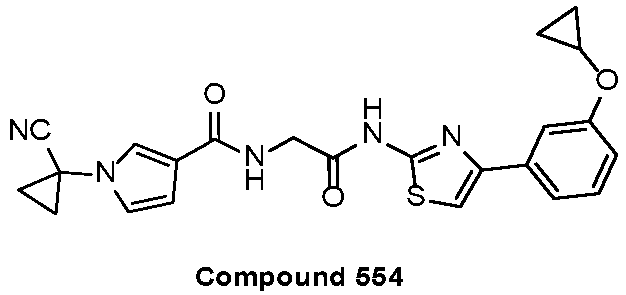
- To a mixture of 1-(1-cyanocyclopropyl)pyrrole-3-carboxylic acid (0.131 g, 0.744 mmol) in dichloromethane (3 mL) was added EDCI (0.178 g, 0.930 mmol), HOBt (0.126 g, 0.930 mmol) and N,N-diisoproplyethylamine (0.324 mL, 1.86 mmol). To the mixture was added Intermediate H (0.250 g, 0.620 mmol) and stirred at 30 °C for 2 h. The mixture was poured into water (30 mL) and extracted with dichloromethane (3 x 10 mL). The combined organic layers were washed with brine (10 mL), dried over Na2SO4, filtered and concentrated under reduced pressure. The residue was purified by reverse phase flash (FA(0.1%) condition) and lyophilized to give Compound 554 (127.33 mg, 284.53 umol, 45.91% yield, 100% purity) as a white solid. LCMS (ESI) m/z: [M+H]+ = 448.1; 1H NMR (400 MHz, DMSO-d6) δ 12.35 (s, 1H), 8.38 - 8.35 (m, 1H), 7.64 (s, 1H), 7.60 - 7.59 (m, 2H), 7.50 (d, J = 7.6 Hz, 1H), 7.37 - 7.33 (m, 1H), 7.08 - 7.07 (m, 1H), 7.02 - 6.99 (m, 1H), 6.56 - 6.55 (m, 1H), 4.11 (d, J = 5.6 Hz, 2H), 3.91 - 3.86 (m, 1H), 1.86 - 1.79 (m, 2H), 1.79 - 1.72 (m, 2H), 0.84 - 0.78 (m, 2H), 0.72 - 0.66 (m, 2H).
- The compounds in Table 29 below were synthesized starting from the appropriate aryl ketone, N-Boc amino acid and hetercyclic carbocylic acid following the synthetic protocol described in Example 215 (Compound 554).
Table 29 Compound # LC-MS data(m/z) 1H NMR 592 551.2 1H NMR (400 MHz, DMSO-d6) δ 12.55 (s, 1H), 8.50 (d, J = 7.2 Hz, 1H), 7.98 - 7.97 (m, 3H), 7.80 (s, 1H), 7.61 - 7.59 (m, 1H), 7.30 - 7.28 (m, 1H), 6.79 - 6.78 (m, 1H), 4.93 - 4.88 (m, 1H), 3.74 - 3.67 (m, 2H), 3.56 (s, 3H), 3.30 (s, 3H) - The compounds in Table 30 below were synthesized starting from 2-amino-N-(4-bromothiazol-2-yl)acetamide, the appropriate heterocyclic carboxylic acid, and boronate ester utilizing the synthetic protocol described in Example 109. Where appropriate SFC purification was used to separate enantiomers.
Table 30 Compound # LC-MS data(m/z) 1H NMR 432 467.4 1H NMR (400 MHz, DMSO-d6) δ 12.37 - 12.30 (m, 1H), 8.21 - 8.12 (m, 1H), 7.94 - 7.88 (m, 1H), 7.80 - 7.71 (m, 1H), 7.63 - 7.56 (m, 1H), 7.54 - 7.47 (m, 1H), 7.40 - 7.32 (m, 1H), 7.28 - 7.19 (m, 1H), 7.00 - 6.93 (m, 1H), 6.52 - 6.43 (m, 1H), 4.39 - 4.29(m, 1H), 4.13 - 4.07 (m, 2H), 4.07 - 3.99 (m, 1H), 3.58 - 3.54 (m, 1H), 1.91 - 1.79 (m, 2H), 1.57 (d, J = 5.1 Hz, 4H), 1.51 -1.36 (m, 9H) 578 470.2 1H NMR (400 MHz, Methanol-d4) δ 7.80 - 7.79 (m, 1H), 7.30 - 7.23 (m, 1H), 6.82 - 6.74 (m, 2H), 4.36 - 4.15 (m, 3H), 4.13 - 3.93 (m, 1H), 3.69 (s, 3H), 3.38 (s, 3H), 3.11 - 2.66 (m, 3H), 2.18 - 2.05 (m, 1H), 1.85 - 1.65 (m, 2H), 1.64 - 1.47 (m, 1H) 579 470.1 1H NMR (400 MHz, Methanol-d4) δ 7.86 - 7.78 (m, 1H), 7.30 - 7.22 (m, 1H), 6.81 - 6.77 (m, 2H), 4.30 - 4.14 (m, 3H), 4.13 - 3.92 (m 1H), 3.69 (s, 3H), 3.38 (s, 3H), 3.04 - 2.69 (m, 3H), 2.15 - 2.05 (m, 1H), 1.85 - 1.65 (m, 2H), 1.64 - 1.45 (m, 1H) 580 448.2 1H NMR (400 MHz, Methanol-d4) δ 7.58 - 7.55 (m, 1H), 6.97 - 6.92 (m, 1H), 6.77 (s, 1H), 6.58 - 6.53 (m, 1H), 4.31 - 4.21 (m, 1H), 4.19 (s, 2H), 4.12 - 3.95 (m, 1H), 3.69 (s, 3H), 3.03 - 2.70 (m, 3H), 2.15 - 2.04 (m, 1H), 1.84 - 1.65 (m, 2H), 1.59 - 1.50 (m, 10H) 581 448.2 1H NMR (400 MHz, Methanol-d4) δ 7.58 - 7.54 (m, 1H), 6.97 - 6.92 (m, 1H), 6.77 (s, 1H), 6.58 - 6.54 ( m, 1H), 4.30 - 4.21 (m, 1H), 4.19 (s, 2H), 4.11 - 3.96 (m, 1H), 3.69 (s, 3H), 3.00 - 2.72 (m, 3H), 2.15 - 2.04 (m, 1H), 1.83 - 1.65 (m, 2H), 1.62 - 1.52 (m, 10H) - The compounds in Table 31 were synthesized starting from the appropriate common intermediate tert-butyl (4-(3-bromophenyl)thiazol-2-yl)carbamate and the corresponding amino acid and heterocyclic carboxylic acid utilizing the synthetic protocol described in Example 32.
Table 31 Compound # LC-MS data(m/z) 1H NMR 464 439.2 1H NMR (400 MHz, DMSO-d6) δ 12.35 (s, 1H), 8.18 - 8.15 (m, 1H), 8.00 (s, 1H), 7.81 - 7.79 (m, 1H), 7.67 (s, 1H), 7.52 - 7.51 (m, 1H), 7.44 - 7.40 (m, 1H), 7.34 - 7.32 (m, 1H), 6.98 - 6.96 (m, 1H), 6.48 - 6.47 (m, 1H), 5.00 - 4.96 (m, 2H), 4.67 - 4.64 (m, 2H), 4.33 - 4.26 (m, 1H), 4.09 (d, J = 6.0 Hz, 2H), 1.49 (s, 9H) 465 461.1 1H NMR (400 MHz, DMSO-d6) δ 12.43 (br s, 1H), 8.71 - 8.65 (m, 1H), 8.00 (s, 1H), 7.84 - 7.83 (m, 1H), 7.81 - 7.78 (m, 1H), 7.67 (s, 1H), 7.43 - 7.40 (m, 1H), 7.33 - 7.30 (m, 2H), 6.77 - 6.76 (m, 1H), 5.00 - 4.96 (m, 2H), 4.66 - 4.63 (m, 2H), 4.33 - 4.25 (m, 1H), 4.13 (d, J = 6.0 Hz, 2H), 3.57 (s, 3H) 466 505.1 1H NMR (400 MHz, DMSO-d6) δ 12.85 - 12.33 (m, 1H), 8.51 (d, J = 6.8 Hz, 1H), 8.04 - 7.96 (m, 2H), 7.85 - 7.79 (m, 1H), 7.70 (s, 1H), 7.46 - 7.40 (m, 1H), 7.36 - 7.28 (m, 2H), 6.80 - 6.79 (m, 1H), 5.00 - 4.97 (m, 2H), 4.94 - 4.89 (m, 1H), 4.67 - 4.64 (m, 2H), 4.33 - 4.26 (m, 1H), 3.78 - 3.67 (m, 2H), 3.57 (s, 3H), 3.32 (s, 3H) - The following compounds in Table 32 were synthesized utilizing the general synthetic protocols described in Example 61 and starting from the appropriate common intermediate 4-(3-bromo-5-fluorophenyl)thiazol-2-amine, heteroaryl halide, N-Boc amino acid, and the appropriate heterocyclic carboxylic acid.
Table 32. Compound # LC-MS data(m/z) 1H NMR 738 548.2 1H NMR (400 MHz, DMSO-d6) δ 12.74 - 12.49 (m, 1H), 8.51 (d, J = 7.2 Hz, 1H), 8.34 (s, 1H), 8.30 (s, 1H), 7.99 - 7.98 (m, 1H), 7.88 (s, 1H), 7.72 (d, J = 10.0 Hz, 1H), 7.63 (d, J = 9.6 Hz, 1H), 7.32 - 7.28 (m, 1H), 6.80 - 6.78 (m, 1H), 4.96 - 4.90 (m, 1H), 4.23 (s, 3H), 3.75 - 3.70 (m, 2H), 3.57 (s, 3H), 3.32 (s, 3H) 739 537.3 1H NMR (400 MHz, DMSO-d6) δ 12.58 (s, 1H), 8.34 (s, 1H), 8.30 (s, 1H), 8.17 (d, J = 7.2 Hz, 1H), 7.88 (s, 1H), 7.81 (d, J = 1.6 Hz, 1H), 7.72 (d, J = 10.0 Hz, 1H), 7.63 (d, J = 9.6 Hz, 1H), 7.15 - 7.14 (m, 1H), 6.65 (d, J = 1.6 Hz, 1H), 4.98 - 4.91 (m, 1H), 4.23 (s, 3H), 3.74 - 3.71 (m, 2H), 3.31 (s, 3H), 1.96 (s, 6H) 825 528.3 1H NMR (400 MHz, DMSO-d6) δ 12.69 (s, 1H), 8.78 (d, J = 8.0 Hz, 1H), 8.33 (s, 1H), 8.29 - 8.28 (m, 1H), 7.87 (s, 1H), 7.73 - 7.69 (m, 1H), 7.64 - 7.60 (m, 1H), 7.15 (s, 1H), 4.90 - 4.88 (m, 1H), 4.22 (s, 3H), 3.85 - 3.76 (m, 2H), 3.30 (s, 3H), 1.31 (s, 9H) - The following compounds in Table 33 were synthesized utilizing the general synthetic protocols described in Example 5 and starting from the appropriate common intermediate 4-phenylthiazol-2-amine, N-Boc amino acid, and the appropriate heterocyclic carboxylic acid.
Table 33. Compound # LC-MS data(m/z) 1H NMR 594 449.0 1H NMR (400 MHz, DMSO-d6) δ 12.52 (s, 1H), 8.51 (d, J = 7.2 Hz, 1H), 7.99 - 7.98 (m, 1H), 7.91 (d, J = 7.2 Hz, 2H), 7.64 (s, 1H), 7.47 - 7.40 (m, 2H), 7.36 - 7.27 (m, 2H), 6.79 - 6.78 (m, 1H), 4.95 - 4.90 (m, 1H), 3.76 - 3.67 (m, 2H), 3.61 - 3.52 (m, 3H), 3.31 (s, 3H) - The following compounds in Table 34 were synthesized utilizing the general synthetic protocols described in Example 58 or Example 59 and starting from the appropriate common intermediate 4-(3-bromophenyl)thiazol-2-amine, boronate ester or trifluoroborate, N-Boc amino acid, and the appropriate heterocyclic carboxylic acid.
Table 34. Compound # LC-MS data(m/z) 1H NMR 153 510.2 1H NMR (400 MHz, DMSO-d6) δ= 11.99 (br s, 1H), 8.65 (d, J=6.0 Hz, 2H), 8.27 (br d, J=7.6 Hz, 2H), 8.98-7.96 (m, 2H), 7.78-7.72 (m, 4H), 7.57-7.53 (m, 1H), 7.30-7.29 (m, 1H), 6.76 (d, J=1.6 Hz, 1H), 3.55 (s, 3H), 1.51 (s, 6H) 154 496.3 1H NMR (400 MHz, DMSO-d6) δ 12.43 (s, 1H), 8.68-8.66 (m, 1H), 8.53 (d, J=5.2 Hz, 1H), 8.28 (s, 1H), 8.00 (d, J=7.6 Hz, 1H), 7.84-7.82 (m, 2H), 7.73 (d, J=7.2 Hz, 1H), 7.63 (s, 1H), 7.60-7.56 (m, 1H), 7.54 (d, J=5.2 Hz, 1H), 7.32-7.30 (m, 1H), 6.77 (s, 1H), 4.15 (d, J=5.6 Hz, 2H), 3.57 (s, 3H), 2.56 (s, 3H) 155 496.1. 1H NMR (400 MHz, Methanol-d4) δ= 8.64-8.60 (m, 2H), 8.22-8.21(m, 1H), 7.95 (d, J = 7.8 Hz, 1H), 7.73-7.68 (m, 3H), 7.66 (s, 1H), 7.61-7.54 (m, 1H), 7.50 (br s, 1H), 7.28-7.20 (m, 1H), 6.58 (br s, 1H), 4.38 (s, 2H), 3.43 (s, 3H), 3.16 (br s, 3H) 741 501.1 1H NMR (400 MHz, DMSO-d6) δ 12.42 (s, 1H), 8.68 - 8.68 (m, 1H), 7.88 - 7.81 (m, 2H), 7.71 (d, J = 7.6 Hz, 1H), 7.65(s, 1H), 7.38 - 7.34 (m, 1H), 7.34 - 7.30 (m, 1H), 7.23 (d, J = 7.6 Hz, 1H), 6.78 (d, J = 3.2 Hz, 1H), 4.14 (d, J = 6.0 Hz, 2H), 4.02 (d, J = 4.8 Hz, 1H), 3.85 - 3.79 (m, 1H), 3.58 (s, 3H), 3.48 (d, J = 5.2 Hz, 2H), 2.12 - 2.04 (m, 1H), 2.03- 1.96 (m, 1H), 1.38 - 1.37(m, 1H), 1.04 - 1.02 (m, 1H), 0.94 - 0.87 (m, 1H) -

- Potassium 3-oxabicyclo[4.1.0]heptan-6-yltrifluoroborate was synthesized according to the protocol described by Hobbs et al. in J. Med. Chem. 62(15): 6972-6984 (2019). 1H NMR (400 MHz, D2O) δ 3.97 - 3.82 (m, 2H), 3.56 - 3.44 (m, 1H), 3.24 - 3.20 (m, 1H), 1.80 - 1.77 (m, 1H), 1.60 - 1.46 (m, 1H), 0.80 - 0.70 (m, 1H), 0.51 - 0.48 (m, 1H), 0.12 (s, 1H).
- The following compounds in Table 35 were synthesized utilizing the general synthetic protocols described in Example 79 and starting from the appropriate common intermediate of tert-butyl N-[2-[[4-(3-bromophenyl)thiazol-2-yl]amino]-2-oxo-ethyl]carbamate, boronate ester or trifluoroborate, and the appropriate heterocyclic carboxylic acid.
Table 35. Compound # LC-MS data(m/z) 1H NMR 743 501.1 1H NMR (400 MHz, DMSO-d6) δ 12.42 (s, 1H), 8.68 - 8.68 (m, 1H), 7.88 - 7.81 (m, 2H), 7.71 (d, J = 7.6 Hz, 1H), 7.65(s, 1H), 7.38 - 7.34 (m, 1H), 7.34 - 7.30 (m, 1H), 7.23 (d, J = 7.6 Hz, 1H), 6.78 (d, J = 3.2 Hz, 1H), 4.14 (d, J = 6.0 Hz, 2H), 4.02 (d, J = 4.8 Hz, 1H), 3.85 - 3.79 (m, 1H), 3.58 (s, 3H), 3.48 (d, J = 5.2 Hz, 2H), 2.12 - 2.04 (m, 1H), 2.03- 1.96 (m, 1H), 1.38 - 1.37(m, 1H), 1.04 - 1.02 (m, 1H), 0.94 - 0.87 (m, 1H) 744 479.3 1H NMR (400 MHz, DMSO-d6) δ 12.50 - 12.00 (m, 1H), 8.18 - 8.16 (m, 1H), 7.83 (s, 1H), 7.70 (d, J = 7.6 Hz, 1H),7.63 (s, 1H), 7.52 - 7.51 (m, 1H), 7.38 - 7.30 (m, 1H), 7.23 (d, J = 7.6 Hz, 1H), 6.97 - 6.96 (m, 1H), 6.51 - 6.44 (m, 1H), 4.08 (d, J = 6.0 Hz, 2H), 4.01 (d, J = 4.8, 1H), 3.81 (d, J = 11.6 Hz, 1H), 3.50 - 3.45 (m, 2H), 2.13 - 1.94 (m, 2H), 1.49 (s, 9H), 1.42 - 1.33 (m, 1H), 1.03 (d, J = 4.4, 1H), 0.94 - 0.86 (m, 1H) -

- A mixture of N-[2-[[4-(6-bromo-2-pyridyl)thiazol-2-yl]amino]-2-oxo-ethyl]-1-tert-butyl-pyrrole-3-carboxamide (0.040 g, 0.087 mmol), (3S,4R)-3-fluoro-4-methyl-piperidine hydrochloride (0.040 g, 0.260 mmol), [2-(2-aminophenyl)phenyl]-methylsulfonyloxy-palladium;ditert-butyl-[2-(2,4,6-triisopropylphenyl)phenyl]phosphane (0.007 g, 0.009 mmol) and t-BuONa (0.037 g, 0.389 mmol) in 1,4-dioxane (0.4 mL) was degassed and purged with N2 (g) (3 times). The mixture was stirred at 60 °C. After 2 h, the reaction mixture was cooled to room temperature and quenched by addition of water (1 mL). The biphasic mixture was extracted with ethyl acetate (3 x 2 mL). The combined organic layers were concentrated. The oil was initially purified by Prep-TLC (petroleum ether : ethyl acetate = 3:1), then subsequently purified by Prep-HPLC (FA (0.1%) condition). The eluent was lyophilized to give Compound 702 (0.002 g, 0.004 mmol, 5.02% yield) as an off-white solid. LCMS (ESI) m/z: [M+H]+ = 499.4; 1HNMR (400 MHz, CDCl3) δ 7.69 (s, 1H), 7.57 - 7.49 (m, 2H), 7.32 (d, J = 7.6 Hz, 1H), 6.83 (m, 1H), 6.62 (d, J = 8.4 Hz, 1H), 6.47 - 6.41 (m, 1H), 4.77 - 4.62 (m, 2H), 4.37 - 4.32 (m, 2H), 4.31 - 4.09 (m, 2H), 2.92 - 2.82 (m, 2H), 1.86 - 1.82 (m, 1H), 1.55 (s, 9H), 1.39 - 1.32 (m, 1H), 1.12 (d, J = 6.0 Hz, 3H).
- The following compounds in Table 36 were synthesized starting from the appropriate common intermediate ([1-tert-butyl-N-[2-[[4-(6-bromo-2-pyridyl)thiazol-2-yl]amino]-2-oxo-ethyl]pyrrole-3-carboxamide]), the requisite amine, and utilizing the general synthetic protocols described in Example 224 (Compound 702).
Table 36. Compound # LC-MS data(m/z) 1H NMR 655 520.5 1H NMR (400 MHz, DMSO-d6) δ 8.07 - 7.90 (m, 1H), 7.75 - 7.62 (m, 2H), 7.51 - 7.50 (m, 1H), 7.33 (d, J = 7.6 Hz, 1H), 7.03 - 6.92 (m, 2H), 6.46 - 6.45 (m, 1H), 4.91 (s, 2H), 4.18 - 4.08 (m, 2H), 4.01 (d, J = 5.2 Hz, 4H), 2.31 (s, 3H), 1.49 (s, 9H) 657 505.5 1H NMR (400 MHz, DMSO-d6) δ 12.51 (s, 1H), 8.18 - 8.15 (m, 1H), 7.81 (s, 1H), 7.70 - 7.66 (m, 1H), 7.52 - 7.51(m, 1H), 7.32 (d, J = 7.6 Hz, 1H), 7.12 (d, J = 1.2 Hz, 1H), 7.01 - 6.94 (m, 2H), 6.90 (d, J = 1.2 Hz, 1H), 6.47 - 6.46 (m, 1H), 4.77 (s, 2H), 4.18 - 4.03 (m, 6H), 1.49 (s, 9H) 689 497.4 1H NMR (400 MHz, DMSO-d6) δ 8.16 - 8.05 (m, 1H), 7.67 - 7.61 (m, 1H), 7.59 - 7.51 (m, 2H), 7.23 - 7.18 (m, 1H), 6.99 - 6.95 (m, 1H), 6.49 - 6.46 (m, 1H), 6.43 - 6.38 (m, 1H), 4.44 - 4.39 (m, 1H), 4.31 - 4.24 (m, 1H), 4.10 - 3.99 (m, 2H), 3.82 - 3.73 (m, 2H), 3.46 - 3.43 (m, 2H), 1.83 - 1.75 (m, 2H), 1.54 - 1.44 (m, 9H), 1.18 - 1.07 (m, 1H) 692 506.5 1HNMR (400 MHz, CDCl3) δ 7.94 (s, 1H), 7.70 (s, 1H), 7.67 - 7.62 (m, 1H), 7.54 (m, 1H), 7.46 (d, J = 7.2 Hz, 1H), 6.84 (m, 1H), 6.70 (d, J = 8.4 Hz, 1H), 6.49 - 6.44 (m, 1H), 6.44 - 6.42 (m, 1H), 4.89 (s, 2H), 4.40 - 4.32 (m, 4H), 4.31 - 4.25 (m, 2H), 1.56 (s, 9H) 703 515.3 1HNMR (400 MHz, CDCl3) δ 7.69 (s, 1H), 7.57 - 7.52 (m, 2H), 7.34 (d, J = 7.6 Hz, 1H), 6.83 (m, 1H), 6.49 - 6.45 (m, 1H), 6.45 - 6.42 (m, 1H), 4.34 (d, J = 5.6 Hz, 2H), 4.18 (d, J = 11.2 Hz, 1H), 3.91 (d, J = 10.8 Hz, 1H), 3.47 - 3.35 (m, 1H), 3.34 - 3.24 (m, 2H), 2.98 - 2.78 (m, 2H), 2.40 (d, J = 12.8 Hz, 1H), 1.56 (s, 9H) -

-

- A mixture of 3-bromo-1H-pyrazole-5-carboxylic acid (1.00 g, 5.24 mmol), 2-chloro-N-methyl-ethanamine hydrochloride (1.02 g, 7.85 mmol), N,N-diisopropylethylamine (4.56 mL, 26.18 mmol), EDCI (1.51 g, 7.85 mmol) and HOBt (1.06 g, 7.85 mmol) in DMF (10 mL) was degassed and purged with N2 (g) (3 times). The mixture was stirred at 25 °C for 12 h and subsequently diluted with water (10 mL). The mixture aqueous mixture was extracted with ethyl acetate (3 x 10 mL). The combined organic layers were washed with brine (3 x 10 mL), dried over Na2SO4, filtered and concentrated under reduced pressure. The oil was purified by reversed phase (FA (0.1%) condition) and lyophilized to give Intermediate C (0.510 g, 2.22 mmol, 42.34% yield) as yellow solids. LCMS (ESI) m/z: [81BrM+H]+ = 232.0; 1H NMR (400 MHz, DMSO-d6) δ 6.84 (s, 1H), 4.41-4.33 (m, 2H), 3.80-3.76 (m, 2H), 3.32 (s, 3H).
-

- A mixture of Intermediate C (0.500 g, 2.17 mmol), Intermediate D (0.788 g, 2.61 mmol), K3PO4 (1.38 g, 6.52 mmol), [1,1'-bis(di-tert-butylphosphino)ferrocene]dichloropalladium (0.142 g, 0.217 mmol) in a mixture of 1,4-dioxane (5 mL) and water (0.5 mL). The reaction mixture was subjected to three cycles of degassing and purging with N2 (g)and subsequently stirred at 80 °C. After 1 h, the reaction mixture was cooled to room temperature and quenched by addition water (10 mL). The biphasic mixture was extracted with ethyl acetate (3 x 10 mL). The combined organic layers were washed with brine (3 x 10 mL), dried over Na2SO4, filtered and concentrated under reduced pressure. The oil was purified by column chromatography (SiO2, petroleum ether / ethyl acetate = 3/1 to 1/3) and concentrated in vacuum to give Intermediate E (0.380 g, 1.17 mmol, 53.74% yield) as yellow solids. LCMS (ESI) m/z: [M+H]+ = 326.1; 1H NMR (400 MHz, DMSO-d6) δ 8.34 (s, 1H), 7.79-7.69 (m, 2H), 7.43-7.39 (m, 1H), 7.26 (s, 1H), 7.18-7.05 (m, 3H), 4.48-4.40 (m, 2H), 3.87-3.78 (m, 2H), 3.04 (s, 3H).
-

- To a cooled (0 °C) solution of Intermediate E (0.100 g, 0.307 mmol) in THF (1 mL) was added LiAlH4 (0.023 g, 0.615 mmol). After 1 h, the reaction mixture was quenched by addition 30% NaOH (0.1 mL), and the resultant solids was filtered off. The filtrate was concentrated under reduced pressure to give Intermediate F (0.100 g) as yellow solids, which was used to next step directly without further purification. LCMS (ESI) m/z: [M+H]+ = 312.0; 1H NMR (400 MHz, DMSO-d6) δ 8.26-8.24 (m, 1H), 7.73-7.60 (m, 2H), 7.37 (m, 1H), 7.09 (d, J = 13.4 Hz, 3H), 6.48 (s, 1H), 4.15-4.13 (m, 2H), 3.61 (s, 2H), 2.88-2.84 (m, 2H), 2.41 (s, 3H).
-

- A mixture of Intermediate F (0.080 g, 0.257 mmol), 2-(tert-butoxycarbonylamino)acetic acid (0.540 g, 3.08 mmol) and EDCI (0.246 g, 1.28 mmol) in pyridine (1 mL) was stirred at 60 °C. After 24 h, the mixture was cooled to room temperature and poured into water (20 mL). The biphasic solution was extracted with ethyl acetate (3 x 10mL). The combined organic layers were washed with brine (3 x 10mL), dried over Na2SO4, filtered and concentrated in vacuum. The residue was purified by reverse phase (FA (0.1%) conditions) and lyophilized to give Intermediate H (0.090 g, 0.169 mmol, 65.73% yield) as yellow solids. LCMS (ESI) m/z: [M+H]+ = 469.2; 1H NMR (400 MHz, CDCl3) δ 9.93-9.70 (m, 1H), 8.18-8.13 (m, 1H), 7.70-7.62 (m, 2H), 7.39-7.32 (m, 1H), 7.17-7.13 (m, 1H), 6.32-6.19 (m, 1H), 5.20-4.96 (m, 1H), 4.23-4.19(m, 2H), 4.03-3.93 (m, 2H), 3.67-3.58 (m, 2H), 2.91-2.83 (m, 2H), 2.48-2.41 (m, 3H), 1.42 (s, 9H).
-

- A solution of Intermediate H (0.090 g, 0.192 mmol) in ethyl acetate was added a solution of 4 M HCl in EtOAc (1.5 mL). The reaction mixture was stirred for 30 min and subsequently concentrated in vacuo to give Intermediate H (0.085 g) as light yellow solids, which was used into next step without purification. LCMS (ESI) m/z: [M+H]+ = 369.2.
-

- To a solution of 1-tert-butylpyrrole-3-carboxylic acid (0.047 g, 0.278 mmol), EDCI (0.053 g, 0.278 mmol), HOBt (0.038 g, 0.278 mmol) and N,N-diisopropylethylamine (0.161 mL, 0.926 mmol) in DMF (0.7 mL) was added Intermediate H (0.075 g, 0.185 mmol). After stirring for 2 h, the mixture was poured into water (2 mL) and the resulting solids were filtered. The solids were washed with MeOH (1 mL) and further dried. The solids were purified by flash chromatography (Eluent of 20%~100% petroleum ether : ethyl acetate then 0-35% ethyl acetate : MeOH) and concentrated to give Compound 143 (0.019 g, 0.036 mmoll, 19.27% yield) as yellow solids. LCMS (ESI) m/z: [M+H]+ = 518.3; 1H NMR (400 MHz, DMSO-d6) δ 12.58-11.97 (m, 1H), 8.39 (s, 1H), 8.18 (s, 1H), 7.81 (d, J = 7.6 Hz, 1H), 7.73-7.66 (m, 2H), 7.53 (s, 1H), 7.48-7.40 (m, 1H), 6.98 (d, J = 2.0 Hz, 1H), 6.56-6.43 (m, 2H), 4.20-4.08 (m, 4H), 3.63 (s, 2H), 2.89-2.87 (m, 2H), 2.42 (s, 3H), 1.50 (s, 9H).
- The following compounds in Table 37 were synthesized starting from the appropriate common intermediate 2-(3-(2-aminothiazol-4-yl)phenyl)-5-methyl-6,7-dihydropyrazolo[1,5-a]pyrazin-4(5H)-one, the requisite amino acid and heterocycle, and utilizing the general synthetic protocols described in Example 226 (Compound 143).
Table 37. Compound # LC-MS data(m/z) 1H NMR 433 554.2 1H NMR (400 MHz, DMSO-d6) δ 12.49 - 12.37 (m, 1H), 8.69 (m, 1H), 8.48 (s, 1H), 7.88 - 7.85 (m, 2H), 7.81 (d, J= 7.6 Hz, 1H), 7.76 (s, 1H), 7.48 (m, 1H), 7.33 - 7.29 (m, 2H), 6.79 (m, 1H), 4.46 (m, 2H), 4.15 (d, J = 5.6 Hz, 2H), 3.84 (m, 2H), 3.58 (s, 3H), 3.04 (s, 3H) 437 532.1 1H NMR (400 MHz, DMSO-d6) δ 8.48 (s, 1H), 8.18 - 8.16 (m, 1H), 7.87 (d, J = 8.4 Hz, 1H), 7.81 (d, J = 7.6 Hz, 1H), 7.76 (s, 1H), 7.54 - 7.52 (m, 1H), 7.49 - 7.47 (m, 1H), 7.30 (s, 1H), 6.99 - 6.97 (m, 1H), 6.50 - 6.48 (m, 1H), 4.47 - 4.45 (m, 2H), 4.11 (d, J = 5.6 Hz, 2H), 3.86 - 3.82 (m, 2H), 3.04 (s, 3H), 1.50 (s, 9H) - The following compounds in Table 38 were synthesized starting from the appropriate common intermediate tert-butyl N-({[4-(3-bromophenyl)-1,3-thiazol-2-yl]carbamoyl}methyl)carbamate and appropriate amine utilizing the general synthetic protocols described in Example 184.
Table 38. Compound # LC-MS data(m/z) 1H NMR 448 454.2 1H NMR (400 MHz, Methanol-d4) δ= 7.58 (s, 1H), 7.31 (s, 1H), 7.27 - 7.16 (m, 2H), 7.05 (s, 1H), 6.95 - 6.94 ( m, 1H), 6.57 (d, J=2.0 Hz, 1H), 6.46 (d, J=7.6 Hz, 1H), 4.70 - 4.64 (m, 1H), 4.22 (s, 2H), 4.22 - 4.14 (m, 2H), 3.63 - 3.60 (m, 2H), 1.56 (s, 9H) - The following compounds in Table 39 were synthesized starting from the appropriate common intermediate tert-butyl N-[2-[[4-[6-(1-methylpyrazol-3-yl)-2-pyridyl]thiazol-2-yl]amino]-2-oxoethyl]carbamate and appropriate hetercyclic carboxylic acid utilizing the general synthetic protocols described in Example 195.
Table 39. Compound # LC-MS data(m/z) 1H NMR 145 464.2 1H NMR (400 MHz, DMSO-d6) δ 12.36 (s, 1H), 8.19-8.16 (m, 1H), 7.94 (s, 1H), 7.91-7.87 (m, 1H), 7.84 (s, 1H), 7.82 (s, 1H), 7.80 (d, J=2.4 Hz, 1H), 7.52-7.51 (m, 1H), 6.97-6.96 (m, 1H), 6.95 (d, J=2.0 Hz, 1H), 6.48-6.47 (m, 1H), 4.10 (d, J=5.6 Hz, 2H), 3.93 (s, 3H), 1.49 (s, 9H) -

-

- To a solution of 1-(2-aminothiazol-4-yl)ethanone (1.50 g, 10.55 mmol) in CHCl3 (15 mL) was added Br2 (0.60 mL, 11.61 mmol). The reaction mixture was stirred at 60 °C. After 2 h, the reaction mixture was cooled to room temperature and concentrated under reduced pressure to remove CHCl3. The residue was diluted with water (5 mL) and basified (pH ~8) with aqueous saturated NaHCO3. The aqueous mixture was extracted with ethyl acetate (2 x 15 mL). The combined organic layers were dried over anhydrous Na2SO4, filtered and concentrated under reduced pressure. The residue was purified by reversed-phase HPLC (0.1% NH3•H2O condition) and lyophilized to give Intermediate B (1.00 g, 4.52 mmol, 42.87% yield) as pink solids. LCMS (ESI) m/z: [M+H]+ = 223.1; 1H NMR (400 MHz, DMSO) δ 7.44 (s, 1H), 2.41 (s, 2H).
-

- A mixture of Intermediate B (1.00 g, 4.52 mmol), pyridine-4-carboxamidine (0.603 g, 4.98 mmol), K2CO3 (1.25 g, 9.05 mmol) in THF (10 mL) was stirred at 60 °C. After 2 h, the hetereogeneous reaction mixture was cooled to room temperature, filtered, and the filtrate was concentrated in vacuo. The residue was purified by reversed-phase HPLC (0.1% NH3•H2O) and lyophilized to give Intermediate D (0.220 g, 0.904 mmol, 19.99% yield) as white solids. LCMS (ESI) m/z= [M+H]+ =244.2; 1H NMR (400 MHz, DMSO-d6) δ 8.70-8.69 (m, 2H), 8.27 (s, 2H), 8.20-8.19 (m, 2H), 7.40 (s, 3H).
-

- A mixture of Intermediate D (0.200 g, 0.822 mmol), 2-(tertbutoxycarbonylamino) acetic acid (0.216 g, 1.23 mmol), HOBt (0.333 g, 2.47 mmol), EDCI (0.473 g, 2.47 mmol) in DMF (2 mL) was stirred at 25 °C. After 2 h, the reaction mixture was diluted with water (2 mL) and extracted with ethyl acetate (2 × 5 mL). The combined organic layers were washed with brine (2 × 4 mL), dried over Na2SO4, filtered and concentrated under reduced pressure to give a residue. The residue was purified by reversed-phase HPLC (0.1% NH3•H2O) and lyophilized to give Intermediate F (0.030 g, 0.064 mmol, 7.75% yield) as white solids. LCMS (ESI) m/z= [M+H]+ =401.3.
-

- To a solution of Intermediate F (0.010 g, 0.025 mmol) in 1,4-dioxane (0.5 mL) was added a solution of 4 M HCl in 1,4-dioxane (0.062 mL). After 2 h, the mixture was concentrated in vacuo to afford Intermediate G (0.008 g) as white solid, which was used into the next step without further purification. LCMS (ESI) m/z= [M+H]+ =301.0.
-

- To a solution of Intermediate G (0.007 g, 0.021 mmol), 1-methylsulfonylpyrrole-3-carboxylic acid (0.008 g, 0.042 mmol) in DMF (0.5 mL) was added HOBt (0.008 g, 0.062 mmol), EDCI (0.012 g, 0.062 mmol) and N,N-diisopropylethylamine (0.018 mL, 0.104 mmol). After 2 h, the reaction mixture was diluted with water (3 mL) and the aqueous layer was extracted with ethyl acetate (2 × 10 mL). The combined organic layers were dried over anhydrous Na2SO4, filtered and concentrated under reduced pressure to give a residue. The crude product was purified by reversed-phase HPLC (0.1% NH3•H2O) and lyophilized to give compound 146 (0.003 g, 0.006 mmol, 27.75% yield) as white solids. LCMS (ESI) m/z= [M+H]+ = 472.3; 1H NMR (400 MHz, DMSO-d6) δ 8.75-8.73 (m, 2H), 8.68-8.66 (m, 1H), 8.30-8.28 (m, 2H), 7.87-7.85 (m, 1H), 7.33-7.32 (m, 1H), 6.80-6.79 (m, 1H), 5.83-5.82 (m, 2H), 4.17 (d, J = 6.0 Hz, 2H), 3.58 (s, 3H).
- The following compounds in Table 40 were synthesized starting from the appropriate thiourea utilizing the general synthetic protocols described in Example 4.
Table 40. Compound # LC-MS data(m/z) 1H NMR 149 483.2 1H NMR (400 MHz, DMSO-d6) δ 12.49 (br s, 1H), 8.76-8.68 (m, 3H), 8.21-8.16 (m, 2H), 8.10-8.06 (m, 3H), 8.03-7.98 (m, 1H), 7.85-7.83 (m, 1H), 7.32-7.31 (m, 1H), 6.78-6.77 (m, 1H), 4.16 (d, J = 6.0 Hz, 2H), 3.58 (s, 3H) 152 496.3 1H NMR (400 MHz, DMSO-d6) δ 8.85 (d, J=6.4 Hz, 2H), 8.68-8.66 (m, 1H), 8.45 (s, 1H), 8.21-8.13 (m, 3H), 7.93 (s, 1H), 7.91-7.86 (m, 2H), 7.66-7.65 (m, 1H), 7.33-7.31 (m, 1H), 6.81-6.79 (m, 1H), 4.49 (d, J=5.6 Hz, 2H), 3.85 (s, 3H), 3.58 (s, 3H) -

-

- A mixture of tert-butyl N-[2-[[4-(3-bromophenyl)thiazol-2-yl]amino]-2-oxo-ethyl]carbamate (0.100 g, 0.243 mmol), 4-vinylpyridine (0.262 mL, 2.43 mmol), Pd(OAc)2 (0.005 g, 0.025 mmol), tris-o-tolylphosphine (0.015 g, 0.049 mmol) and triethylamine (0.101 mL, 0.728 mmol) in NMP (1 mL) was degassed and purged with N2 (g). The mixture was subsequently stirred at 140 °C. After 2 h, the reaction mixture cooled to room temperature and poured into water (10 mL). The resulting solids were collected by filtration and sequentially washed with MeOH (3 mL) and ethyl acetate (2 mL), and dried in vacuo to give intermediate C (0.175 g, 0.378 mmol, 77.91% yield) as gray solids. LCMS (ESI) m/z: [M+H]+ = 437.4.
-

- To a solution of Intermediate C (0.170 g, 0.389 mmol) in MeOH (5 mL) was added concentrated HCl (12 M, 1 mL). After stirring at 25 °C for 2 h, the resulting solids were subsequently filtered and the filtrate was concentrated under reduced pressure to give Intermediate D (0.160 g) as yellow solids. LCMS (ESI) m/z: [M+H]+ = 337.3.
-

- To a solution of Intermediate D (0.080 g, 0.238 mmol) in MeOH (5 mL) and water (1 mL) was added Pd/C (0.050 g, 10% purity) under N2 (g). The suspension was degassed under vacuum and purged with H2 (g) three times. The mixture was stirred under an atmosphere of H2 (g) at 25°C for 16 h. The reaction mixture was subsequently filtered over Celite® and the filtrate was concentrated under reduced pressure to give Intermediate E (0.050 g) as yellow solids, which was used into the next step without further purification. LCMS (ESI) m/z: [M+H]+ = 339.3.
-

- To a solution of intermediate E (0.030 g, 0.080 mmol), N,N-diisopropylethylamine (0.070 mL, 0.400 mmol) and 1-methylsulfonylpyrrole-3-carboxylic acid (0.018 g, 0.096 mmol) in DMF (1 mL) was added EDCI (0.023 g, 0.120 mmol) and HOBt (0.016 g, 0.120 mmol). The mixture was stirred at 25 °C for 4 h and subsequently concentrated under reduced pressure to give a residue. The residue was purified by Prep-HPLC (TFA condition, C18; mobile phase: [water (0.1%TFA)-ACN]; B%: 11%-41%, 10 min) and lyophilized to give Compound 151 (0.024 g, 0.039 mmol, 48.59% yield) as a off-white solid. LCMS (ESI) m/z: [M+H]+=510.1; 1H NMR (400 MHz, DMSO-d6) δ 12.38 (s, 1H), 8.75-8.67 (m, 3H), 7.84-7.72 (m, 5H), 7.59 (s, 1H), 7.36-7.31 (m, 2H), 7.20 (d, J=7.6 Hz, 1H), 6.77-6.76 (m, 1H), 4.13 (d, J=6.0 Hz, 2H), 3.57 (s, 3H), 3.21-3.17 (m, 2H), 3.05-3.01 (m, 2H).
- The following compounds in Table 41 were synthesized starting from the appropriate common (E)-2-oxo-2-((4-(3-(2-(pyridin-4-yl)vinyl)phenyl)thiazol-2-yl)amino)ethan-1-aminium chloride and appropriate heterocyclic carboxylic acid utilizing the general synthetic protocols described in Example 232 (Compound 151).
Table 41. Compound # LC-MS data(m/z) 1H NMR 150 508.1 1H NMR (400 MHz, DMSO-d6) δ 12.43 (s, 1H), 8.71-8.68 (m, 3H), 8.22 (s, 1H), 7.91 (d, J=7.6 Hz, 3H), 7.85-7.79 (m, 2H), 7.72-7.66 (m, 2H), 7.54-7.43 (m, 2H), 7.32-7.31 (m, 1H), 6.78-6.77 (m, 1H), 4.15 (d, J=5.6 Hz, 2H), 3.57 (s, 3H) -

-

- To a suspension of 4-bromothiazol-2-amine (5.00 g, 27.93 mmol), tert-butyl 4-(4,4,5,5-tetramethyl -1,3,2-dioxaborolan-2-yl)-3,6-dihydro-2H-pyridine-1-carboxylate (8.64 g, 27.93 mmol) and K3PO4 (17.78 g, 83.78 mmol) in a mixture of 1,4-dioxane (40 mL) and water (10 mL) was added Pd(dtbpf)Cl2 (1.82 g, 2.79 mmol) at 25 °C under N2 (g). The reaction mixture was stirred at 80 °C under N2 for 12 h. The reaction mixture was cooled to room temperature, diluted with water (200 mL) and extracted with ethyl acetate (3 × 100 mL). The combined organic layers were concentrated to afford a yellow oil. The oil was dissolved with ethyl acetate (1 mL) and poured into petroleum ether (15 mL) to give brown precipitates. The hetereogeneous mixture was filtered and the solids were purified by flash silica gel chromatography (Eluent of 0-60% ethyl acetate / petroleum ether gradient). The eluent was concentrated to give Intermediate 3 (5.10 g, 18.13 mmol, 64.90% yield) as yellow oil.
LCMS (ESI) m/z: [M+H]+ = 282.2.1HNMR (400 MHz, CDCl3) δ 6.42 (br s, 1H), 6.28 (s, 1H), 5.09 (s, 2H), 4.11 - 4.06 (m, 2H), 3.60 (d, J = 5.2 Hz, 2H), 2.41 (s, 2H), 1.47 (s, 9H). -

- To a mixture of 2-(9H-fluoren-9-ylmethoxycarbonylamino)acetic acid (5.39 g, 18.13 mmol), HATU (10.34 g, 27.19 mmol) and N,N-diisopropylethylamine (7.03 g, 54.38 mmol, 9.47 mL) in dichloromethane (50 mL) was added Intermediate 3 (5.10 g, 18.13 mmol) at 25 °C. After 5 h, the reaction mixture was diluted with water (50 mL) and extracted with dichloromethane (2 × 20 mL). The combined organic layers were concentrated to afford a brown oil. The oil was purified by reverse-phase HPLC (FA (0.1%) conditions). The eluent was concentrated to remove CH3CN and extracted with ehtyl acetate (2 × 20 mL). The combined organic layers was concentrated to afford yellow solids which were repurified by flash chromatography (eluent of 0-60% ethyl acetate / petroleum ether gradient). The eluent was concentrated to give Intermediate 5 (9.00 g, 14.45 mmol, 79.71% yield) as yellow solids. LCMS (ESI) m/z: [M+H]+ = 561.5; 1HNMR (400 MHz, CDCl3) δ 10.14 - 9.58 (m, 1H), 7.78 - 7.76 (m, 2H), 7.60 (d, J = 5.6 Hz, 2H), 7.42 - 7.27 (m, 4H), 6.72 (s, 1H), 6.49 - 6.45 (m, 1H), 5.58 (s, 1H), 4.51 - 4.45 (m, 2H), 4.26 - 4.22 (m, 1H), 4.12 - 4.10 (m, 2H), 3.64 - 3.61 (m, 2H), 2.47 (s, 2H), 1.49 (s, 9H).
-
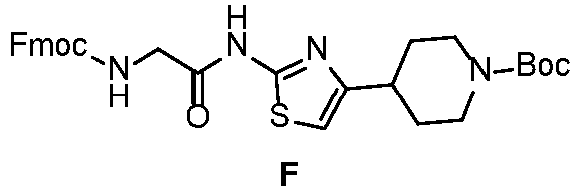
- A mixture of Intermediate 5 (9.00 g, 12.84 mmol) and Pd(OH)2 (4.50 g, 6.41 mmol, 20% purity) in ethyl acetate (90 mL) was degassed and purged with H2 (g). The mixture was stirred at 30 °C under H2 (15 psi). After 48 h, the reaction mixture was filtered to over Celite® and the filtrate was concentrated to afford a black oil. The oil was purified by flash chromatography (Eluent of 0-60 % ethyl acetate / petroleum ether gradient). The eluent was concentrated to give Intermediate 6 (6.00 g, 10.14 mmol, 78.93% yield) as yellow solids. LCMS (ESI) m/z: [M+H]+ = 563.2; 1HNMR (400 MHz, DMSO-d6) δ 12.11 (s, 1H), 7.90 (d, J = 7.6 Hz, 2H), 7.73 - 7.69 (m, 3H), 7.42 - 7.40 (m, 2H), 7.35 - 7.31 (m, 2H), 6.80 (s, 1H), 4.31 - 4.30 (m, 2H), 4.25 (d, J = 6.4 Hz, 1H), 4.00 - 3.98 (m, 2H), 3.89 (d, J = 6.4 Hz, 2H), 2.85 - 2.76 (m, 3H), 1.89 (d, J = 10.8 Hz, 2H), 1.46 - 1.39 (m, 11H).
-

- A mixture of Intermediate 6 (4.00 g, 7.11 mmol) in piperidine (4 mL) and DMF (40 mL) was stirred at 25 °C for 1 h. The reaction mixture was poured into water (200 mL) to give light yellow precipitates. The resulting precipitates were filtered and the filtrate was extracted with ethyl acetate (5 × 50 mL). The combined organic layers were washed with brine (3 × 100 mL) and concentrated to afford yellow solids. The solids were triturated with MTBE (20 mL) to yield Intermediate 7 (1.251 g, 3.47 mmol, 48.83% yield) as white solids. LCMS (ESI) m/z; [M+H]+ = 341.2; 1HNMR (400 MHz, DMSO-d6) δ 6.78 (s, 1H), 5.24 (s, 2H), 4.00 (d, J = 2.8 Hz, 2H), 3.51 - 3.36 (m, 2H), 2.88 - 2.71 (m, 3H), 1.88 (d, J = 11.2 Hz, 2H), 1.47 - 1.39 (m, 11H).
-

- To a solution of 1-methylsulfonylpyrrole-3-carboxylic acid (0.183 g, 0.969 mmol) in dichloromethane (2 mL) was added EDCI (0.253 g, 1.32 mmol), HOBt (0.179 g, 1.32 mmol), N,N-diisopropylethylamine (0.767 mL, 4.41 mmol) and Intermediate 7 (0.300 g, 0.881 mmol). After 2 h, the mixture was diluted with water (20 mL) and extracted with dichloromethane (2 × 20 mL). The combined organic layers were dried over anhydrous Na2SO4, filtered and concentrated. The residue was purified by flash (petroleum ether / ethyl acetate = 1/0 to 0/1) and concentrated to give Intermediate 9 (0.350 g, 0.662 mmol, 75.13% yield) as white solids. LCMS (ESI) m/z: [M+H]+ = 512.1; 1H NMR (400 MHz, DMSO-d6) δ 12.18 (s, 1H), 8.64 - 8.62 (m, 1H), 7.87 - 7.80 (m, 1H), 7.30 - 7.29 (m, 1H), 6.80 (s, 1H), 6.76 - 6.75 (m, 1H), 4.08 (d, J = 6.0 Hz, 2H), 4.00 (d, J = 11.6 Hz, 2H), 3.56 (s, 3H), 2.90 - 2.72 (m, 3H), 1.89 (d, J = 10.8 Hz, 2H), 1.50 - 1.45 (m, 1H), 1.44 - 1.42 (m, 1H), 1.40 (s, 9H).
-

- To a solution of Intermediate 9 (0.070 g, 0.137 mmol) in 1,4-dioxane (1 mL) was added a solution of 4 M HCl in 1,4-dioxane (0.244 mL). After 1 h, the reaction mixture was concentrated under reduced pressure to give Intermediate 10 (0.060 g, 0.133 mmol, 96.87% yield) as light yellow solids. LCMS (ESI) m/z: [M+H]+ = 412.1.
-

- To a solution of Intermediate 10 (0.030 g, 0.067 mmol) and N,N-diisopropylethylamine (0.058 mL, 0.335 mmol) in dichloromethane (1 mL) was added propyl chloroformate (0.008 mL, 0.074 mmol) at 0 °C. After 1 h, the reaction was quenched with aqueous saturated NaHCO3 (5 mL) and extracted with dichloromethane (2 × 5 mL). The combined organic layers were dried over anhydrous Na2SO4, filtered and concentrated under reduced pressure. The residue was purified prep-HPLC (mobile phase: [water (10mM NH4HCO3)-ACN]; B%: 18%-48%). The appropriate fractions were concentrated under reduced pressure to remove CH3CN and then lyophilized to give Compound 765 (0.005 g, 0.010 mmol, 15.67% yield) as white solids. LCMS (ESI) m/z: [M+H]+ = 498.2; 1H NMR (400 MHz, DMSO-d6) δ 8.68 - 8.61 (m, 1H), 7.83 - 7.82 (m, 1H), 7.35 - 7.26 (m, 1H), 6.80 (s, 1H), 6.76 - 6.75 (m, 1H), 4.11 - 3.99 (m, 4H), 3.96 - 3.93 (m, 2H), 3.56 (s, 3H), 3.01 - 2.74 (m, 3H), 1.95 - 1.87 (m, 2H), 1.64 - 1.38 (m, 4H), 0.91 - 0.87 (m, 3H).
- The following compounds in Table 42 were synthesized starting utilizing the general synthetic protocols described in Example 234 (Compound 765) utilizing the common starting material 4-bromothiazol-2-amine and appropriate boronic ester followed by a SFC separation
Table 42. Compound # LC-MS data(m/z) 1H NMR 771 498.0 1H NMR (400 MHz, MeOH-d4) δ 7.82 - 7.81 (m, 1H), 7.27 - 7.25 (m, 1H), 6.79 - 6.77 (m, 2H), 4.29 - 4.21 (m, 3H), 4.04 - 4.01 (m, 3H), 3.37 (s, 3H), 2.96 - 2.94 (m, 2H), 2.79 - 2.78 (m, 1H), 2.11 - 2.06 (m, 1H), 1.77 - 1.50 (m, 5H), 0.97 - 0.93 (m, 3H) - The following compounds in Table 43 were synthesized utilizing the general synthetic protocols described in Example 6 utilizing the appropriate, N-Boc amino acid, heterocyclic carboxylic acid, and boronic ester followed by a SFC separation
Table 43. Compound # LC-MS data(m/z) 1H NMR 735 504.1 1HNMR (400 MHz, DMSO+D2O) δ 8.00 - 7.93 (m, 1H), 7.61 - 7.53 (m, 2H), 7.30 - 7.29 (m, 1H), 7.25 (s, 1H), 6.80 - 6.78 (m, 1H), 6.51 (d, J = 8.0 Hz, 1H), 4.88 (d, J = 5.6 Hz, 1H), 3.74 - 3.70 (m, 2H), 3.52 (s, 3H), 3.31 - 3.25 (m, 5H), 2.90 (d, J = 8.4 Hz, 2H), 2.71 (s, 3H) 758 522.2 1HNMR (400 MHz, DMSO-d6) δ 12.42 (br s, 1H), 8.50 (d, J = 7.2 Hz, 1H), 8.00 - 7.99 (m, 1H), 7.50 - 7.35 (m, 3H), 7.31 - 7.29 (m, 1H), 6.80 - 6.79 (m, 1H), 4.91 (br d, J = 6.4 Hz, 1H), 3.77 - 3.66 (m, 2H), 3.57 (s, 3H), 3.33 - 3.30 (m, 5H), 2.99 - 2.98 (m, 2H), 2.91 (d, J = 1.2 Hz, 3H) 759 522.2 1HNMR (400 MHz, DMSO-d6) δ 12.42 (br s, 1H), 8.50 (d, J = 7.2 Hz, 1H), 7.99 - 7.98 (m, 1H), 7.52 - 7.36 (m, 3H), 7.31 - 7.29 (m, 1H), 6.80 - 6.79 (m, 1H), 4.91 - 4.89 (m, 1H), 3.79 - 3.66 (m, 2H), 3.57 (s, 3H), 3.33 - 3.30 (m, 5H), 2.99 - 2.98 (m, 2H), 2.91 - 2.90 (m, 3H) -

-

- To a mixture of tert-butyl 3,3-difluoro-4-oxo-piperidine-1-carboxylate (8.00 g, 34.01 mmol), (1R)-1-phenylethanamine (6.58 mL, 51.01 mmol,) in dichloromethane (160 mL) was added NaBH(OAc)3 (28.83 g, 136.04 mmol). After 12 h, the mixture was concentrated under vacuum to removed excess dichloromethane. The oil was diluted with water (100 mL) and extracted with ethyl acetate (3 × 80 mL). The combined organic layers were washed with brine (2 × 100 mL), dried over Na2SO4, filtered and concentrated under reduced pressure. The residue was purified by column chromatography (petroleum ether / ethyl acetate = 100/1 to 3/1) to give Intermediate C (4.30 g, 11.12 mmol, 32.69% yield) as colorless oil. LCMS (ESI) m/z: [M+H]+ = 341.1.
-

- To a mixture of Intermediate C (4.00 g, 11.75 mmol), paraformaldehyde (3.53 g, 117.51 mmol) in MeOH (80 mL) was added NaBH3CN (3.69 g, 58.75 mmol). After 12 h, the mixture was concentrated under vacuum to remove MeOH. The resulting mixture was diluted with water (50 mL) and extracted with ethyl acetate (2 × 50 mL). The combined organic layers were washed with brine (2 × 60 mL), dried over Na2SO4, filtered and concentrated under reduced pressure to give a residue. The residue was purified by column chromatography (petroleum ether / ethyl acetate = 100/1 to 10/1) to give Intermediate D (4.10 g, 11.57 mmol, 98.44% yield) as a colorless oil. LCMS (ESI) m/z: [M+H]+ = 355.1; 1HNMR (400 MHz, CDCl3) δ 7.38 - 7.28 (m, 4H), 7.27 - 7.21 (m, 1H), 4.27 - 4.01 (m, 3H), 2.98 - 2.83 (m, 1H), 2.82 - 2.49 (m, 2H), 2.46 (d, J = 2.8 Hz, 3H), 2.00 - 1.85 (m, 1H), 1.62 - 1.52 (m, 1H), 1.45 (s, 9H), 1.40 (d, J = 6.8 Hz, 3H).
-

- To asolution of Intermediate D (4.10 g, 11.57 mmol) in 1,4-dioxane was added a solution of 4 M HCl in 1,4-dioxane (40 mL). The reaction mixture was stirred at 25 °C for 1 h. The mixture was concentrated under vacuum to remove MeOH and the resulting mixture was diluted with aqueous saturated NaHCO3 (50 mL). The aqueous layer was extracted with ethyl acetate (2 × 50 mL). The combined organic layers were washed with brine (2 × 60 mL), dried over Na2SO4, filtered and concentrated under reduced pressure to give Intermediate E (2.70 g) as brown oil.
-

- A mixture of Intermediate E (3.10 g, 12.19 mmol), 2,6-dibromopyridine (5.78 g, 24.38 mmol), N.N-diisopropylethylamine (6.37 mL, 36.57 mmol) in DMSO (35 mL) was stirred at 120 °C for 8 h under N2 (g). The reaction mixture was diluted with water (100 mL) and extracted with ethyl acetate (3 × 100 mL). The combined organic layers were washed with brine (2 × 150 mL), dried over Na2SO4, filtered and concentrated under reduced pressure. The residue was purified by column chromatography (petroleum ether / ethyl acetate = 50/1 to 3/1) to give Intermediate F (3.50 g, 8.53 mmol, 69.98% yield) as a colorless oil. LCMS (ESI) m/z; [79BrM+H]+ = 410.0; 1HNMR (400 MHz, CDCl3) δ 7.39 - 7.27 (m, 5H), 7.26 - 7.22 (m, 1H), 6.77 (d, J = 7.6 Hz, 1H), 6.54 (d, J = 8.4 Hz, 1H), 4.49 - 4.32 (m, 2H), 4.08 (m, 1H), 3.08 - 2.96 (m, 1H), 2.96 - 2.84 (m, 1H), 2.74 (m, 1H), 2.46 (d, J = 2.8 Hz, 3H), 2.02 (m, 1H), 1.66 - 1.57 (m, 1H), 1.42 (d, J = 6.8 Hz, 3H).
-

- A mixture of Intermediate G (3.00 g, 7.31 mmol), tributyl(1-ethoxyvinyl)stannane (3.70 mL, 10.97 mmol), dichloropalladium;triphenylphosphine (0.513 g, 0.731 mmol) in 1,4-dioxane (30 mL) was degassed and purged with N2 (g) (3 times). The reaction mixture was stirred at 100 °C for 4 h under N2 (g). The reaction mixture was cooled to room temperature and quenched by addition 2 N HCl (40 mL). After stirring for 2 h, the mixture was basified with aqueous saturated Na2CO3 (40 mL), followed by addition of aqueous saturated KF solution (20 mL). After 1 h, the mixture was filtered and the filtrate was extracted with ethyl acetate (2 × 50 mL). The combined organic layers were washed with brine (50 mL), dried over Na2SO4, filtered and concentrated under reduced pressure. The oil was purified by column chromatography (petroleum ether / ethyl acetate = 50/1 to 3/1) and concentrated to give Intermediate I (1.70 g, 3.87 mmol, 52.92% yield) as yellow solids. LCMS (ESI) m/z: [M+H]+ = 374.2.
-

- A mixture of Intermediate I (1.60 g, 4.28 mmol), thiourea (0.652 g, 8.57 mmol), I2 (1.09 g, 4.28 mmol) in i-PrOH (16 mL) was degassed and purged with N2 (g) (3 times). The mixture was stirred at 100 °C for 6 h. The reaction mixture was cooled to room temperature and diluted with aqueous saturated NaHCO3 (40 mL). The aqueous layer was extracted with ethyl acetated (3 × 40 mL). The combined organic layers were washed with brine (2 × 50 mL), dried over Na2SO4, filtered and concentrated under reduced pressure. The solids were purified by column chromatography (petroleum ether / ethyl acetate = 20/1 to 2/1) and concentrated to give Intermediate J (1.10 g, 2.56 mmol, 59.77% yield) as white solids. LCMS (ESI) m/z: [M+H]+ = 430.1.
-

- To a mixture of Intermediate J (0.650 g, 1.51 mmol), 2-(tert-butoxycarbonylamino)acetic acid (0.398 g, 2.27 mmol) and 1-methylimidazole (0.362 mL, 4.54 mmol) in CH3CN (6 mL) was added [chloro(dimethylamino)methylene]-dimethylammonium;hexafluorophosphate (0.637 g, 2.27 mmol) and the mixture was stirred at room temperature. After 4 h, the reaction mixture was diluted with water (50 mL) and extracted with ethyl acetate (2 × 30 mL). The combined organic layers were washed with brine (2 × 40 mL), dried over Na2SO4, filtered and concentrated under reduced pressure to give solids. The solids were triturated with MeOH (30 mL), filtered and dried in the air to give Intermediate L (0.750 g, 1.28 mmol, 84.47% yield) as a white solid. LCMS (ESI) m/z: [M+H]+ = 587.3.
-

- A solution of Intermediate L (0.300 g, 0.511 mmol) in MeOH (30 mL) and formic acid (0.500 mL, 511.34 umol,) was added Pd/C (0.050 g, 0.511 mmol, 10% purity), the mixture was degassed and purged with H2 (g) (3 times). The resulting suspension was stirred at 25 °C under H2 (50 psi). After 12 h, the reaction mixture was purged with N2 (g) and filtered. The filtrate was diluted with sat.NaHCO3 (20 mL) and the resulting solution was partially concentrated to remove MeOH. The aqueous layer was extracted with ethyl acetate (3 × 30 mL). The combined organic phases were washed with brine (50 mL), dried over Na2SO4, filtered and concentrated under reduced pressure to give Intermediate M (0.190 g) as white solids. LCMS (ESI) m/z: [M+H]+ = 483.1.
-

- A mixture of Intermediate M (0.190 g, 0.394 mmol), FmocOSu (0.199 g, 0.591 mmol), NaHCO3 (0.099 g, 1.18 mmol) in THF (1.5 mL) and water (1.5 mL) was stirred at 25 °C. After 6 h, the reaction mixture was diluted with ethyl acetate (20 mL). The organic layer was washed with water (2 × 15 mL), brine (15 mL), dried over Na2SO4, filtered and concentrated in vacuo. The residue was purified by column chromatography (petroleum ether / ethyl acetate = 20/1 to 1/1) and concentrated to give Intermediate N (0.120 g, 0.167 mmol, 42.38% yield) as white solids. LCMS (ESI) m/z: [M+H]+ = 705.3.
-

- To a mixture of Intermediate N (0.120 g, 0.170 mmol) in 1,4-dioxane was added a solution of 4 M HCl in 1,4-dioxane (15 mL). The mixture was stirred at room temperature for 1 h, and subsequently concentrated under vacuum to give Intermediate O (0.109 g, 0.179 mmol, 100.00% yield) as yellow solids which was used to next step directly. LCMS (ESI) m/z: [M+H]+ = 605.0.
-

- To a solution of Intermediate O (0.109 g, 0.170 mmol), 1-methylsulfonylpyrrole-3- carboxylic acid (0.039 g, 0.204 mmol) and N,N-diisopropylethylamine (0.178 mL, 1.02 mmol) in dichloromethane (2 mL) was added EDCI (0.039 g, 0.204 mmol) and HOBt (0.028 g, 0.204 mmol). The reaction misitre was subsequently stirred at 25 °C. After 8 h, the reaction mixture was diluted with water (15 mL), and extracted with ethyl acetate (2 × 15 mL). The combined organic phases were washed with brine (2 × 15 mL), dried over Na2SO4, filtered and concentrated under vacuum to give residue. The residue was purified by column chromatography (petroleum ether / ethyl acetate = 50/1 to 1/1) and concentrated to give Intermediate Q (0.080 g, 0.103 mmol, 60.65% yield) as white solids. LCMS (ESI) m/z: [M+H]+ = 776.3.
-

- To a solution of Intermediate Q (0.080 g, 0.103 mmol) in THF was added a solution of 2 M dimethylamine in THF (4.00 mL). The reaction mixuture was stirred at 25 °C for 8 h and subsequently concentrated under vacuum. The crude product was triturated with MTBE (10 mL), stirred for 30 min, and filtered. The filter cake was dried in the air to give Compound 763 (0.040 g, 0.069 mmol, 66.46% yield) as white solids. LCMS (ESI) m/z: [M+H]+ = 554.1; 1H NMR (400 MHz, DMSO-d6) δ 12.45 - 12.26 (m, 1H), 8.68 (m, 1H), 7.84 (m, 1H), 7.76 (s, 1H), 7.62 (m, 1H), 7.31 (m, 1H), 7.26 (d, J = 7.2 Hz, 1H), 6.89 (d, J = 8.8 Hz, 1H), 6.77 (m, 1H), 4.45 - 4.29 (m, 1H), 4.13 (d, J = 5.6 Hz, 2H), 4.06 - 3.94 (m, 1H), 3.66 - 3.56 (m, 4H), 3.31 - 3.26 (m, 2H), 3.03 - 2.89 (m, 1H), 2.41 (s, 3H), 2.01 - 1.92 (m, 1H), 1.64 - 1.51 (m, 1H).
- The following compounds in Table 44 were synthesized starting from the appropriate common intermediate tert-butyl 3,3-difluoro-4-oxo-piperidine-1-carboxylate and appropriate 1-phenylethanamine enantiomer utilizing the general synthetic protocols described in Example 237 (Compound 763).
Table 44. Compound # LC-MS data(m/z) 1H NMR 757 568.2 1H NMR (400 MHz, Methanol-d4) δ 7.84 (m, 1H), 7.72 (s, 1H), 7.65 (m, 1H), 7.43 (d, J=7.6 Hz, 1H), 7.28 (m, 1H), 6.88 (d, J=8.4 Hz, 1H), 6.81 (m, 1H), 5.11 - 4.98 (m, 1H), 4.71 (d, J=14.0 Hz, 1H), 4.26 (s, 2H), 4.19 - 4.05 (m, 1H), 3.38 (s, 3H), 3.13 - 3.06 (m, 2H), 3.05 (s, 6H), 2.42 (d, J=12.8 Hz, 1H), 2.17 - 2.08 (m, 1H) 760 554.1 1HNMR (400 MHz, DMSO-d6) δ 12.37 (s, 1H), 8.65 (s, 1H), 7.84 (s, 1H), 7.73 (s, 1H), 7.62 (m, 1H), 7.31 (br s, 1H), 7.25 (d, J=7.6 Hz, 1H), 6.88 (d, J=8.4 Hz, 1H), 6.77 (s, 1H), 4.31 (d, J=7.6 Hz, 1H), 4.12 (d, J=5.6 Hz, 2H), 3.97 (s, 1H), 3.65 (s, 1H), 3.57 (s, 3H), 2.88 (s, 2H), 2.40 (s, 3H), 1.93 (s, 1H), 1.58 (d, J=9.2 Hz, 1H) 762 567.9 1HNMR (400 MHz, DMSO-d6) δ 12.42 - 12.35 (m, 1H), 8.69 - 8.67 (m, 1H), 7.84 - 7.83 (m, 1H), 7.75 (s,1H), 7.64 - 7.60 (m, 1H), 7.31 - 7.30 (m, 1H), 7.25 (d, J = 7.2 Hz, 1H), 6.90 (d, J = 8.4 Hz, 1H), 6.77 - 6.76 (m, 1H), 4.74 - 4.66 (m, 1H), 4.49 - 4.46 (m, 1H), 4.13 (d, J = 5.6 Hz, 2H), 3.57 (s, 3H), 3.07 - 2.94 (m, 3H), 2.36 (s, 6H), 1.90 - 1.73 (m, 2H) -

-

- To a solution of 4-(6-bromo-2-pyridyl)thiazol-2-amine (5.00 g, 19.52 mmol) in dichloromethane (50 mL) was added DMAP (0.239 g, 1.95 mmol) and Boc2O (11.21 mL, 48.80 mmol). The reaction mixture was stirred at 25 °C. After 16 h, the mixture was diluted with dichloromethane (100 mL) and washed with H2O (70 mL). The organic layers were dried over anhydrous Na2SO4, filtered and concentrated under reduced pressure to give Intermediate B (8.90 g, 19.50 mmol, 99.90% yield) as brown oil. LCMS (ESI) m/z: [79BrM+H]+ = 456.0.
-

- A suspension of Intermediate B (8.90 g, 19.50 mmol) and K2CO3 (8.09 g, 58.51 mmol) in MeOH (90 mL) was stirred at 40 °C for 2 h. The reaction mixture was cooled to room temperature and filtered to remove the solid and the filtrate was subsequently concentrated in vacuo. The residue was purified by silica gel chromatography (petroleum ether / ethyl acetate = 20/1-5/1) to give Intermediate C (5.60 g, 15.27 mmol, 78.30% yield) as white solids. LCMS (ESI) m/z: [79BrM+H]+ = 356.0; 1HNMR (400 MHz, CDCl3) δ 8.19 (s, 1H), 7.87-7.85 (m, 1H), 7.75 (s, 1H), 7.60-7.56 (m, 1H), 7.38-7.36 (m, 1H).
-

- To Intermediate C (0.900 g, 2.53 mmol) and difluoro-[(Z)-3-oxabicyclo [4.1.0]heptan-6-ylboranylidene-fluoranyl]potassium (0.670 g, 3.28 mmol) in a mixture of toluene (9 mL) and water (1.8 mL) was added Cs2CO3 (1.65 g, 5.05 mmol) and Pd(dppf)Cl2 (0.184 g, 0.253 mmol) at 25 °C. The biphasic mixture was subsequently stirred at 110 °C. After 16 h, the mixture was cooled to room temperature and poured into water (50 mL). The biphasic mixture was extracted with ethyl acetate (3 × 30 mL). The combined organic layers were dried over anhydrous Na2SO4, filtered and concentrated under reduced pressure. The residue was purified by silica gel chromatography (petroleum ether / ethyl acetate = 5/1-1/1) (TLC: PE/EA=1/1) to afford Intermediate 5 (0.120 g, 0.305 mmol, 12.08% yield) as yellow solids. LCMS (ESI) m/z: [M+H]+ = 374.1.
-

- To a cooled (0 °C) solution of Intermediate E (0.220 g, 0.589 mmol) in dichloromethane (3 mL) was added TFA (11.00 mL, 13.51 mmol). The reaction mixture was subsequently warmed to room temperature and stirred for 1 h. The mixture was slowly poured into a solution of aqueous saturated NaHCO3 (30 mL) and extracted with ethyl acetate (3 × 30 mL). The combined organic layers were dried over anhydrous Na2SO4, filtered and concentrated under reduced pressure. A subsequent batch on similar scale was prepared under the same conditions. The batches were combined and purified by silica gel chromatography (petroleum ether / ethyl acetate = 5/1-1/1) to afford Intermediate F (0.360 g, 1.32 mmol, 89.43% yield) as yellow solids. LCMS (ESI) m/z: [M+H]+ = 274.0.
-

- To a solution of 2-(tert-butoxycarbonylamino)acetic acid (0.288 g, 1.65 mmol) and Intermediate F (0.300 g, 1.10 mmol) in CH3CN (5 mL) was added 1-methylimidazole (0.262 mL, 3.29 mmol) and [chloro(dimethylamino)methylene]-dimethyl-ammonium; hexafluorophosphate (0.462 g, 1.65 mmol) at 30 °C. After stirring for 1 h, the mixture was poured into water (30 mL) and extracted with ethyl acetate (3 × 20 mL). The combined organic layers were dried over anhydrous Na2SO4, filtered and concentrated under reduced pressure. The residue was purified by flash chromatography (petroleum ether / ethyl acetate = 5/1-1/1) to afford Intermediate H (0.480 g, 0.896 mmol, 81.67% yield) as yellow solids. LCMS (ESI) m/z: [M+H]+ = 431.2; 1HNMR (400 MHz, CDCl3) δ 9.58 (s, 1H), 7.75 - 7.73 (m, 1H), 7.73 - 7.71 (m, 1H), 7.68 - 7.64 (m, 1H), 7.15 - 7.13 (m, 1H), 5.15 (s, 1H), 4.09 - 4.01 (m, 4H), 3.67 - 3.51 (m, 1H), 3.50 - 3.48 (m, 1H), 2.68 - 2.65 (m, 1H), 2.16 - 1.85 (m, 1H), 1.85 - 1.51 (m, 1H), 1.40 (s, 9H), 1.39 - 1.38 (m, 1H), 1.11 - 1.08 (m, 1H).
-

- A a cooled (0 °C) solution of Intermediate H (0.480 g, 1.11 mmol) in dichloromethane (4.5 mL) was added TFA (1.50 mL, 20.26 mmol). The mixture was warmed to 30 °C and stirred for 1 h. The reaction mixture was subsequently slowly poured into a solution of aqueous saturated NaHCO3 (40 mL) and extracted with ethyl acetate (4 × 30 mL *4). The combined organic layers were dried over anhydrous Na2SO4, filtered and concentrated under reduced pressure to afford Intermediate I (0.360 g, 0.817 mmol, 73.29% yield) as yellow solids. LCMS (ESI) m/z: [M+H]+ = 331.1.
-

- To a solution of 1-methylsulfonylpyrrole-3-carboxylic acid (0.057 g, 0.303 mmol), Intermediate I (0.100 g, 0.303 mmol), EDCI (0.087 g, 0.454 mmol), HOBt (0.061 g, 0.454 mmol) in DMF (1 mL) was added N,N-diisopropylethylamine (0.158 mL, 0.908 mmol). The reaction mixture was stirred at room temperature. After 1 h, the mixture was poured into water (20 mL) and resulting precipitates were filtered. The solids were triturated with MeOH (15 mL) at room temperature for 10 min and filtered. The filter cake was dried under reduced pressure to afford Compound 750 (0.048 g, 0.092 mmol, 30.28% yield) as off-white solids. LCMS (ESI) m/z: [M+H]+ = 502.4; 1HNMR (400 MHz, DMSO-d6) δ 12.42 (s, 1H), 8.71 -8.69 (m, 1H), 7.86 -7.85 (m, 1H), 7.80 - 7.78 (m, 2H), 7.72 - 7.70 (m, 1H), 7.32 - 7.29 (m, 1H), 7.29 - 7.27 (m, 1H), 6.79 - 6.78 (m, 1H), 4.15 - 3.95 (m, 2H), 3.95 - 3.94 (m, 1H), 3.86 - 3.84 (m, 1H), 3.58 - 3.57 (m, 4H), 3.57 - 3.55 (m, 1H), 2.68 - 2.63 (m, 1H), 1.35 - 1.34 (m, 1H), 1.34 - 1.33 (m, 1H), 1.04 - 1.03 (m, 1H), 1.03 - 1.02 (m, 1H).
- The following compounds in Table 45 were synthesized starting utilizing the common intermediate 4-[6-(3-oxabicyclo[4.1.0]heptan-6-yl)-2-pyridyl]thiazol-2-amine utilizing the appropriate, N-Boc amino acid, heterocyclic carboxylic acid, followed by a SFC separation if required following general synthetic protocols described in Example 239 (Compound 750).
Table 45. Compound # LC-MS data(m/z) 1H NMR 751 480.3 1H NMR (400 MHz, DMSO-d6) δ 12.33 (s, 1H), 8.18 - 8.16 (m, 1H), 7.81 - 7.77 (m, 2H),7.74 - 7.72 (m, 1H), 7.53 - 7.52 (m, 1H), 7.28 - 7.26 (m, 1H), 6.97 - 6.96 (m, 1H), 6.49 - 6.48 (m, 1H), 4.10 (d, J = 5.2Hz, 2H), 3.94 - 3.93 (m, 1H), 3.86 - 3.83 (m, 1H), 3.56- 3.55 (m, 1H), 3.40 - 3.39 (m, 1H), 2.71 - 2.62(m, 1H), 2.05 - 2.02 (m, 2H), 1.83 - 1.78 (m, 1H), 1.49 (s, 9H), 1.34 - 1.33 (m, 1H), 1.04 - 1.01 (m, 1H) 755 546.1 1HNMR (400 MHz, Methanol-d4) δ 7.91 - 7.90 (m, 1H), 7.82 - 7.77 (m, 1H), 7.75 (s, 1H), 7.74 - 7.71 (m, 1H), 7.27 - 7.25(m, 1H), 7.24 (d, J = 8.0 Hz, 1H), 6.84 - 6.83 (m, 1H), 4.97 - 4.94 (m, 1H), 4.04 - 4.03 (m, 1H), 3.95 - 3.92 (m, 1H), 3.84 - 3.81 (m, 2H), 3.65 - 3.63 (m, 1H), 3.52 - 3.50 (m, 1H), 3.42 (s, 3H), 3.37 (s, 3H), 2.66 - 2.62 (m, 1H), 2.13 - 2.12 (m, 1H), 1.83 - 1.81 (m, 1H), 1.40 - 1.36 (m, 1H), 1.05 - 1.02 (m, 1H) 756 546.1 1HNMR (400 MHz, Methanol-d4) δ 7.91 - 7.90 (m, 1H), 7.82 - 7.77 (m, 1H), 7.75 (s, 1H), 7.74 - 7.71 (m, 1H), 7.26 - 7.25 (m, 1H), 7.25 (br d, J = 7.2 Hz, 1H), 6.84 - 6.83 (m, 1H), 4.97 - 4.94 (m, 1H), 4.04 - 4.03 (m, 1H), 3.95 - 3.92 (m, 1H), 3.84 - 3.81 (m, 2H), 3.65 - 3.63 (m, 1H), 3.52 - 3.50 (m, 1H), 3.42 (s, 3H), 3.37 (s, 3H), 2.66 - 2.62 (m, 1H), 2.13 - 2.12 (m, 1H), 1.83 - 1.81 (m, 1H), 1.39 - 1.36 (m, 1H), 1.04 - 1.02 (m, 1H) 423 518.1 1H NMR (400MHz, DMSO-d6) δ= 12.38 - 12.31 (m, 1H), 8.68 - 8.65 (m, 1H), 8.33 (s, 1H), 7.84 - 7.83 (m, 1H), 7.59 (s, 1H), 7.44 (s, 1H), 7.31 - 7.30 (m, 1H), 7.28 - 7.20 (m, 2H), 6.90 - 6.88 (m, 1H), 6.77 - 6.76 (m, 1H), 4.65 - 4.62 (m, 1H), 4.13 - 4.12 (d, J = 6.0 Hz, 2H), 3.72 - 3.62 (m, 3H), 3.57 (s, 3H), 3.13 - 3.07 (m, 1H), 2.77 - 2.70 (m, 1H), 2.43 - 2.37 (m, 1H), 1.88 - 1.84 (m, 1H), 1.56 - 1.43 (m, 2H), 0.98 - 0.96 (d, J = 6.4 Hz, 3H) ppm 460 539.1 1H NMR (400 MHz, DMSO-d6) δ = 12.37 (s, 1H), 8.70 - 8.67 (m, 1H), 8.60 (s, 2H), 7.85-7.84 (m, 1H), 7.68 - 7.67 (m, 1H), 7.50 (s, 1H), 7.40 (d, J=7.6 Hz, 1H), 7.32 - 7.29 (m, 2H), 6.98 - 6.78 (m, 1H), 6.77 - 6.76 (m, 1H), 4.20 - 4.17 (m, 1H), 4.14 (d, J=6.0 Hz, 2H), 3.92 (s, 1H), 3.86 (d, J=14.0 Hz, 1H), 3.58 (s, 3H), 3.33 - 3.26 (m, 1H), 3.01 - 2.98 (m, 1H), 2.11 (s, 1H), 2.13 (s, 1H), 1.86 - 1.81 (m, 1H) ppm 462 529.4 1H NMR (400 MHz, CDCl3) δ 8.25 (s, 1H), 7.81 - 7.79 (m, 1H), 7.72 - 7.70 (m, 2H), 7.42 - 7.40 (m, 2H), 7.21 - 7.12 (m, 2H), 7.15 - 7.10 (m, 1H), 6.75 - 6.74 (m, 1H), 6.59 (d, J = 2.0 Hz, 1H), 5.10 - 5.05 (m, 1H), 4.06 - 4.03 (m, 1H), 3.98 (s, 3H), 3.72 - 3.68 (m, 1H), 3.45 (s, 3H), 3.20 (s, 3H) - The ATPase catalytic activity of BRM or BRG-1 was measured by the in vitro biochemical assay using ADP-Glo™ (Promega, V9102). The ADP-Glo™ kinase assay is performed in two steps once the reaction is complete. The first step is to deplete any unconsumed ATP in the reaction. The second step is to convert the reaction product ADP to ATP, which will be utilized by the luciferase to generate luminesce and be detected by a luminescence reader, such as Envision.
- The assay reaction mixture (10 µL) contains 30 nM of BRM or BRG-1, 20 nM salmon sperm DNA (from Invitrogen, UltraPure™ Salmon Sperm DNA Solution, cat# 15632011), and 400 µM of ATP in the ATPase assay buffer, which comprises of 20 mM Tris, pH 8, 20 mM MgCl2, 50 mM NaCl, 0.1% Tween-20, and 1 mM fresh DTT (Pierce™ DTT (Dithiothreitol), cat# 20290). The reaction is initiated by the addition of the 2.5 µL ATPase solution to 2.5 µL ATP/DNA solution on low volume white Proxiplate-384 plus plate (PerkinElmer,cat # 6008280) and incubates at room temperature for 1 hour. Then following addition of 5 µL of ADP-Glo™ Reagent provided in the kit, the reaction incubates at room temperature for 40 minutes. Then 10 µL of Kinase Detection Reagent provided in the kit is added to convert ADP to ATP, and the reaction incubates at room temperature for 60 minutes. Finally, luminescence measurement is collected with a plate-reading luminometer, such as Envision.
- BRM and BRG-1 were synthesized from high five insect cell lines with a purity of greater than 90%. IP50 data for compounds 1-827 from the ATPase catalytic activity assay described herein are shown in Table 46 below.
Table 46. BRM and BRG1 Inhibition Data for Compounds of the Invention Compound No. BRM IP50 (µM)* BRG1 IP50 (µM)* 1 ++++ ++++ 2 +++ +++ 3 + + 4 ++++ ++++ 5 +++ +++ 6 ++ ++ 7 +++ +++ 8 +++ +++ 9 ++++ ++++ 10 ++++ ++++ 11 +++ +++ 12 +++ +++ 13 +++ +++ 14 ++++ ++++ 15 ++++ ++++ 16 ++++ ++++ 17 +++ +++ 18 +++ +++ 19 +++ +++ 20 +++ +++ 21 +++ +++ 22 ++++ ++++ 23 ++++ ++++ 24 +++ +++ 25 +++ ++ 26 +++ +++ 27 ++ + 28 + + 29 + + 30 +++ +++ 31 + + 32 + + 33 +++ +++ 34 +++ +++ 34 +++ ++ 35 ++ ++ 36 ++ ++ 37 + + 38 ++ ++ 39 + + 40 +++ +++ 41 ++++ +++ 42 +++ ++ 43 +++ +++ 44 +++ ++ 45 ++++ ++++ 46 ++++ ++++ 47 +++ +++ 48 +++ +++ 49 ++ ++ 50 ++ ++ 51 + + 52 ++ + 53 ++++ ++++ 54 ++++ ++++ 55 ++++ ++++ 56 +++ +++ 57 ++++ ++++ 58 +++ +++ 58 +++ +++ 58 +++ +++ 59 ++++ ++++ 60 ++++ ++++ 60 ++++ ++++ 60 ++++ ++++ 61 ++++ ++++ 62 +++ +++ 63 +++ +++ 64 +++ +++ 65 ++++ ++++ 66 +++ +++ 67 ++++ ++++ 68 ++++ ++++ 69 ++++ ++++ 70 ++++ ++++ 70 ++++ ++++ 70 ++++ ++++ 70 ++++ +++ 71 ++++ ++++ 71 +++ ++++ 72 ++++ ++++ 73 +++ +++ 74 + + 75 +++ +++ 76 +++ +++ 77 +++ +++ 78 +++ +++ 79 ++ ++ 80 ++ ++ 81 ++++ ++++ 81 ++++ ++++ 82 ++++ ++++ 83 +++ +++ 84 ++++ +++ 84 ++++ +++ 85 ++++ ++++ 86 ++++ ++++ 87 ++++ ++++ 88 ++++ ++++ 89 +++ +++ 90 ++++ ++++ 91 +++ ++ 92 +++ +++ 93 +++ +++ 94 ++++ ++++ 95 +++ +++ 96 +++ ++ 97 ++ ++ 98 +++ +++ 99 ++++ +++ 100 +++ +++ 101 ++++ ++++ 102 ++ ++ 103 ++ ++ 104 +++ +++ 105 +++ ++++ 106 ++++ ++++ 107 +++ +++ 108 ++++ +++ 109 +++ +++ 110 +++ +++ 111 ++ ++ 112 ++++ ++++ 113 ++ ++ 114 ++ ++ 115 ++ ++ 116 + + 117 +++ +++ 118 + + 119 +++ ++ 120 +++ ++ 121 +++ +++ 122 +++ +++ 123 ++++ +++ 124 +++ ++ 125 +++ +++ 126 +++ ++ 127 ++ ++ 128 ++ ++ 129 +++ +++ 130 ++ ++ 131 +++ ++ 132 +++ +++ 133 ++ ++ 134 +++ ++ 135 +++ +++ 136 +++ +++ 137 +++ ++++ 138 + + 139 ++ ++ 140 ++ ++ 141 ++ ++ 142 ++ ++ 143 ++ ++ 144 +++ +++ 145 +++ +++ 146 + + 147 ++++ +++ 148 ++ ++ 149 ++++ ++++ 150 ++++ ++++ 151 ++++ ++++ 152 ++ ++ 153 ++ ++ 154 ++++ ++++ 155 ++ ++ 156 +++ +++ 157 ++ ++ 158 +++ +++ 159 ++++ +++ 160 +++ ++ 161 +++ +++ 162 ++++ ++++ 163 ++++ +++ 164 ++++ +++ 165 +++ +++ 166 +++ ++ 167 ++++ ++++ 168 +++ +++ 169 ++ ++ 170 +++ +++ 171 ++ ++ 172 +++ ++ 173 ++ ++ 174 +++ +++ 175 +++ +++ 176 ++ ++ 177 +++ +++ 178 ++++ ++++ 179 +++ +++ 180 +++ +++ 181 +++ +++ 182 ++++ ++++ 183 ++++ ++++ 184 +++ +++ 185 +++ +++ 186 +++ +++ 187 +++ +++ 188 ++++ +++ 189 ++++ ++++ 190 ++++ ++++ 191 ++++ +++ 192 +++ ++ 193 +++ +++ 194 ++++ +++ 195 ++++ ++++ 196 ++++ ++++ 197 ++++ +++ 198 +++ +++ 199 +++ +++ 200 +++ +++ 201 ++++ +++ 202 +++ +++ 203 +++ +++ 204 +++ +++ 205 +++ +++ 206 ++++ +++ 207 +++ +++ 208 +++ +++ 209 +++ +++ 210 +++ +++ 211 +++ +++ 212 ++++ ++++ 213 +++ +++ 214 ++ ++ 215 +++ +++ 216 +++ +++ 217 +++ +++ 218 +++ +++ 219 +++ +++ 220 +++ +++ 221 +++ +++ 222 +++ ++ 223 +++ +++ 224 +++ +++ 225 +++ +++ 226 ++++ +++ 227 +++ +++ 228 ++++ +++ 229 ++ ++ 230 +++ ++ 231 +++ +++ 232 +++ +++ 233 ++++ +++ 234 +++ +++ 235 +++ +++ 236 +++ +++ 237 +++ +++ 238 +++ +++ 239 +++ +++ 240 ++++ +++ 241 +++ ++ 242 +++ +++ 243 +++ ++ 244 +++ +++ 245 +++ +++ 246 ++++ +++ 247 +++ +++ 248 +++ +++ 249 +++ +++ 250 +++ +++ 252 +++ +++ 253 +++ +++ 254 +++ +++ 255 ++++ ++++ 256 +++ +++ 257 +++ +++ 258 +++ +++ 259 +++ +++ 260 +++ +++ 261 ++++ ++++ 262 +++ +++ 263 +++ +++ 264 +++ +++ 265 +++ +++ 266 +++ +++ 267 ++ ++ 268 +++ ++ 269 +++ +++ 270 +++ +++ 271 +++ ++ 272 +++ ++ 273 +++ ++ 274 +++ +++ 275 +++ +++ 276 +++ +++ 277 ++++ +++ 278 +++ +++ 279 +++ +++ 280 +++ +++ 281 +++ +++ 282 ++++ ++++ 283 +++ +++ 284 +++ +++ 285 +++ +++ 286 +++ +++ 287 ++++ +++ 288 +++ +++ 289 +++ +++ 290 ++++ +++ 291 +++ +++ 292 ++ ++ 293 ++++ ++++ 294 +++ +++ 295 ++++ ++++ 296 +++ +++ 297 +++ ++ 298 +++ +++ 299 ++++ +++ 300 +++ +++ 301 +++ +++ 302 +++ +++ 303 ++++ +++ 304 +++ +++ 305 +++ +++ 306 +++ +++ 307 +++ +++ 308 +++ +++ 309 +++ +++ 310 +++ ++ 311 +++ +++ 312 +++ +++ 313 ++ ++ 314 +++ +++ 315 +++ +++ 316 ++++ +++ 317 ++ ++ 318 +++ +++ 319 +++ +++ 320 ++++ +++ 321 +++ ++ 322 +++ +++ 323 +++ +++ 324 +++ +++ 325 ++++ ++++ 326 ++++ +++ 327 +++ +++ 328 +++ ++ 329 ++++ +++ 330 ++ ++ 331 ++++ ++++ 332 +++ ++ 333 ++++ ++++ 334 ++++ ++++ 335 +++ +++ 336 +++ +++ 337 +++ +++ 338 +++ +++ 339 +++ +++ 340 +++ +++ 341 +++ ++ 342 ++++ ++++ 343 +++ ++ 344 +++ +++ 345 ++ ++ 346 ++ ++ 347 +++ +++ 348 +++ +++ 349 +++ +++ 350 ++++ ++++ 351 +++ +++ 352 ++++ ++++ 353 +++ ++ 354 +++ +++ 355 +++ +++ 356 +++ +++ 357 ++++ ++++ 358 ++++ ++++ 359 ++++ ++++ 360 +++ +++ 361 +++ +++ 362 ++ ++ 363 +++ +++ 364 +++ +++ 365 +++ +++ 366 ++++ +++ 367 +++ +++ 368 +++ +++ 369 ++++ +++ 370 +++ +++ 371 ++++ ++++ 372 ++++ +++ 373 ++++ +++ 374 +++ +++ 375 +++ +++ 376 +++ +++ 377 ++++ +++ 378 ++++ +++ 379 ++++ ++++ 380 ++++ ++++ 381 ++++ +++ 382 +++ +++ 383 +++ ++ 384 ++++ ++++ 385 +++ +++ 386 ++++ ++++ 387 +++ +++ 388 +++ ++ 389 +++ +++ 390 +++ +++ 391 ++++ ++++ 392 +++ +++ 393 +++ +++ 394 +++ +++ 395 ++ ++ 396 ++++ +++ 397 ++ ++ 398 ++ ++ 399 +++ +++ 400 ++++ ++++ 401 ++ ++ 402 ++++ +++ 403 +++ +++ 404 ++++ +++ 405 ++++ ++++ 406 ++++ ++++ 407 ++++ ++++ 408 ++++ ++++ 409 ++++ ++++ 410 ++++ ++++ 411 +++ +++ 412 ++++ ++++ 413 ++++ ++++ 414 ++++ ++++ 415 +++ +++ 416 ++++ ++++ 417 ++++ +++ 418 +++ +++ 419 +++ ++ 420 +++ +++ 421 +++ +++ 422 +++ +++ 423 ++++ ++++ 424 +++ +++ 425 +++ +++ 426 +++ +++ 427 +++ +++ 428 +++ +++ 429 ++++ +++ 430 ++++ ++++ 431 +++ +++ 432 +++ +++ 433 +++ +++ 434 +++ +++ 435 ++++ ++++ 436 +++ +++ 437 ++ ++ 438 ++++ ++++ 439 ++++ ++++ 440 +++ +++ 441 ++++ ++++ 442 ++++ ++++ 443 ++++ +++ 444 ++ ++ 445 +++ ++ 446 +++ +++ 447 +++ +++ 448 +++ +++ 449 +++ +++ 450 +++ +++ 451 ++ ++ 452 +++ +++ 453 +++ +++ 454 ++++ +++ 455 +++ +++ 456 +++ +++ 457 +++ +++ 458 ++++ +++ 459 +++ +++ 460 +++ +++ 461 ++ ++ 462 +++ +++ 463 +++ +++ 464 +++ ++ 465 +++ +++ 466 +++ +++ 467 +++ +++ 468 ++ ++ 469 ++ ++ 470 +++ ++ 471 ++ ++ 472 +++ +++ 473 +++ ++ 474 +++ +++ 475 ++++ ++++ 476 +++ +++ 477 ++ ++ 478 +++ +++ 479 +++ +++ 480 +++ ++ 481 ++ ++ 482 +++ +++ 483 +++ +++ 484 ++ ++ 485 ++++ ++++ 486 +++ +++ 487 +++ +++ 488 ++ ++ 489 +++ +++ 490 +++ ++ 491 +++ +++ 492 +++ +++ 493 ++ ++ 494 +++ +++ 495 +++ ++ 496 ++ ++ 497 +++ ++ 498 ++ ++ 499 ++++ ++++ 500 +++ ++ 501 +++ ++ 502 +++ +++ 503 ++ ++ 504 +++ +++ 505 ++ ++ 506 +++ ++ 507 +++ +++ 508 +++ +++ 509 ++ ++ 510 +++ +++ 511 ++++ ++++ 512 ++ ++ 513 +++ ++ 514 ++ ++ 515 +++ ++ 516 +++ +++ 517 +++ +++ 518 ++++ ++++ 519 +++ +++ 520 +++ ++ 521 ++++ +++ 522 ++ ++ 523 +++ +++ 524 ++++ +++ 525 +++ +++ 526 +++ +++ 527 +++ +++ 528 ++ ++ 529 ++++ +++ 530 +++ +++ 531 +++ +++ 532 +++ +++ 533 +++ +++ 534 +++ +++ 535 +++ ++ 536 +++ +++ 537 +++ +++ 538 ++++ ++++ 539 +++ +++ 540 ++++ ++++ 541 ++++ ++++ 542 +++ +++ 543 +++ +++ 544 ++++ ++++ 545 +++ ++ 546 ++++ ++++ 547 +++ ++ 548 ++ ++ 549 ++++ +++ 550 ++ ++ 551 +++ +++ 552 +++ +++ 553 +++ +++ 554 +++ ++ 555 +++ +++ 556 +++ ++ 557 +++ +++ 558 ++++ ++++ 559 ++ ++ 560 +++ +++ 561 ++++ ++++ 562 ++++ +++ 563 ++++ ++++ 564 ++++ ++++ 565 +++ +++ 566 +++ +++ 567 +++ +++ 568 +++ +++ 569 ++++ ++++ 570 +++ +++ 571 ++++ +++ 572 +++ +++ 573 +++ +++ 574 +++ +++ 575 +++ +++ 576 ++++ +++ 577 ++++ +++ 578 +++ ++ 579 ++ ++ 580 ++ ++ 581 ++ ++ 582 ++++ ++++ 583 +++ +++ 584 ++++ ++++ 585 ++++ +++ 586 +++ +++ 587 ++++ ++++ 588 +++ ++ 589 +++ ++ 590 +++ +++ 591 +++ +++ 592 +++ +++ 593 +++ +++ 594 +++ ++ 595 +++ +++ 596 ++++ +++ 597 +++ ++ 598 +++ +++ 599 +++ +++ 600 ++++ ++++ 601 ++++ +++ 602 ++++ ++++ 603 ++++ ++++ 604 ++ ++ 605 ++ ++ 606 +++ ++ 607 +++ +++ 608 +++ ++ 609 +++ +++ 610 +++ +++ 611 +++ +++ 612 +++ +++ 613 +++ ++ 614 +++ +++ 615 ++++ ++++ 616 ++++ ++++ 617 +++ ++ 618 +++ +++ 619 ++++ +++ 620 +++ +++ 621 ++ ++ 622 ++++ +++ 623 ++ ++ 624 ++ ++ 625 ++ ++ 626 ++ ++ 627 +++ ++ 628 ++ ++ 629 ++ ++ 630 +++ +++ 631 +++ +++ 632 +++ +++ 633 +++ +++ 634 +++ +++ 635 ++ ++ 636 +++ +++ 637 +++ +++ 638 ++ ++ 639 +++ +++ 640 +++ ++ 641 ++ ++ 642 ++ ++ 643 +++ +++ 644 ++ ++ 645 +++ +++ 646 ++ ++ 647 +++ +++ 648 ++ ++ 649 +++ +++ 650 +++ ++ 651 ++ + 652 +++ +++ 653 +++ +++ 654 +++ +++ 655 ++ ++ 656 ++ ++ 657 +++ ++ 658 +++ +++ 659 +++ ++ 660 ++ ++ 661 ++ ++ 662 ++++ ++++ 663 ++ ++ 664 +++ ++ 665 ++ ++ 666 +++ +++ 667 +++ ++ 668 +++ +++ 669 ++ ++ 670 +++ ++ 671 +++ ++ 672 +++ +++ 673 +++ +++ 674 +++ +++ 675 +++ +++ 676 +++ +++ 677 ++ ++ 678 ++ ++ 679 +++ +++ 680 +++ ++ 681 ++++ +++ 682 ++ ++ 683 +++ +++ 684 +++ +++ 685 +++ ++ 686 +++ +++ 687 +++ ++ 688 +++ +++ 689 ++ ++ 690 +++ ++ 691 +++ ++ 692 +++ +++ 693 ++++ +++ 694 +++ +++ 695 ++++ ++++ 696 ++ ++ 697 +++ +++ 698 +++ +++ 699 +++ +++ 700 +++ +++ 701 ++++ +++ 702 +++ ++ 703 ++ ++ 704 +++ +++ 705 +++ +++ 706 ++ ++ 707 +++ +++ 708 ++++ ++++ 709 +++ +++ 710 +++ +++ 711 +++ +++ 712 +++ +++ 713 ++++ ++++ 714 +++ +++ 715 +++ +++ 716 +++ +++ 717 +++ +++ 718 +++ +++ 719 ++++ ++++ 720 +++ +++ 721 +++ +++ 722 +++ +++ 723 ++++ ++++ 724 +++ +++ 725 +++ +++ 726 ++++ ++++ 727 ++++ +++ 728 +++ +++ 729 +++ +++ 730 ++++ ++++ 731 ++++ ++++ 732 +++ +++ 733 ++++ ++++ 734 ++++ ++++ 735 +++ +++ 736 ++++ ++++ 737 ++++ ++++ 738 ++++ ++++ 739 ++++ ++++ 740 ++++ ++++ 741 +++ +++ 742 +++ +++ 743 +++ +++ 744 +++ +++ 745 ++++ ++++ 746 ++++ ++++ 747 ++ ++ 748 ++++ ++++ 749 ++ ++ 750 +++ +++ 751 +++ +++ 752 +++ +++ 753 ++++ +++ 754 ++++ +++ 755 +++ +++ 756 +++ ++ 757 ++ ++ 758 ++++ ++++ 759 +++ +++ 760 ++ ++ 761 +++ +++ 762 +++ +++ 763 ++++ ++++ 764 ++++ ++++ 765 +++ ++ 766 ++++ ++++ 767 ++++ +++ 768 ++ ++ 769 +++ +++ 770 ++++ +++ 771 +++ +++ 772 ++++ ++++ 773 ++++ ++++ 774 ++++ ++++ 775 ++++ +++ 776 +++ +++ 777 +++ +++ 778 +++ ++ 779 ++ ++ 780 ++ ++ 781 +++ ++ 782 ++ ++ 783 +++ ++ 784 +++ +++ 785 +++ +++ 786 ++++ +++ 787 +++ +++ 788 ++ ++ 789 ++ ++ 790 +++ +++ 791 +++ +++ 792 ++ ++ 793 +++ +++ 794 ++ ++ 795 +++ ++ 796 ++ ++ 797 ++ ++ 798 ++ ++ 799 +++ ++ 800 +++ ++ 801 ++ ++ 802 +++ +++ 803 +++ ++ 804 ++ ++ 805 ++ ++ 806 +++ +++ 807 +++ ++ 808 +++ +++ 809 ++ ++ 810 +++ +++ 811 +++ ++ 812 ++ ++ 813 +++ ++ 814 +++ ++ 815 ++ ++ 816 +++ +++ 817 +++ +++ 818 +++ +++ 819 +++ +++ 820 ++ ++ 821 +++ +++ 822 +++ ++ 823 ++++ +++ 824 ++ ++ 825 ++++ +++ 826 +++ +++ 827 ++++ +++ "+" indicates inhibitory effect of ≥ 1 µM;
"++" indicates inhibitory effect of ≥ 0.1 µM;
"+++" indicates inhibitory effect of ≥ 0.01 µM,
"++++" indicates inhibitory effect of < 0.01 µM - BRG1/BRM Inhibitor compound A has the structure:

- Compound A was synthesized as shown in Scheme 13 below.

- The ATPase catalytic activity of BRM or BRG-1 in the presence of compound A was measured by the in vitro biochemical assay using ADP-Glo™ (Promega, V9102). The ADP-Glo™ kinase assay is performed in two steps once the reaction is complete. The first step is to deplete any unconsumed ATP in the reaction. The second step is to convert the reaction product ADP to ATP, which will be utilized by the luciferase to generate luminesce and be detected by a luminescence reader, such as Envision.
- The assay reaction mixture (10 µL) contains 30 nM of BRM or BRG1, 20 nM salmon sperm DNA (from Invitrogen, UltraPure™ Salmon Sperm DNA Solution, cat# 15632011), and 400 µM of ATP in the ATPase assay buffer, which comprises of 20 mM Tris,
pH 8, 20 mM MgCl2, 50 mM NaCl, 0.1% Tween-20, and 1 mM fresh DTT (Pierce™ DTT (Dithiothreitol), cat# 20290). The reaction is initiated by the addition of the 2.5 µL ATPase solution to 2.5 µL ATP/DNA solution on low volume white Proxiplate-384 plus plate (PerkinElmer,cat # 6008280) and incubates at room temperature for 1 hour. Then following addition of 5 µL of ADP-Glo™ Reagent provided in the kit, the reaction incubates at room temperature for 40 minutes. Then 10 µL of Kinase Detection Reagent provided in the kit is added to convert ADP to ATP, and the reaction incubates at room temperature for 60 minutes. Finally, luminescence measurement is collected with a plate-reading luminometer, such as Envision. - BRM and BRG1 were synthesized from high five insect cell lines with a purity of greater than 90%. Compound A was found to have an IP50 of 10.4 nM against BRM and 19.3 nM against BRG1 in the assay.
- Procedure: Uveal melanoma cell lines (92-1, MP41, MP38, MP46), prostate cancer cell lines (LNCAP), lung cancer cell lines (NCI-H1299), and immortalized embryonic kidney lines (HEK293T) were plated into 96 well plates with growth media (see Table 47). BRG1/BRM ATPase inhibitor, Compound A, was dissolved in DMSO and added to the cells in a concentration gradient from 0 to 10 micromolar at the time of plating. Cells were incubated at 37 degrees Celsius for 3 days. After three days of treatment, the media was removed from the cells, and 30 microliters of TrypLE (Gibco) was added to cells for 10 minutes. Cells were detached from the plates, and resuspended with the addition of 170 microliters of growth media. Cells from two DMSO-treated control wells were counted, and the initial number of cells plated at the start of the experiment, were re-plated into fresh-compound containing plates for an additional four days at 37 degrees Celsius. At
day 7, cells were harvested as described above. Onday 3 andday 7, relative cell growth was measured by the addition of Cell-titer glo (Promega), and luminescence was measured on an Envision plate reader (Perkin Elmer). The concentration of compound at which each cell line's growth was inhibited by 50% (Gl50), was calculated using Graphpad Prism, and is plotted below. For multiple myeloma cell lines (OPM2, MM1S, LP1), ALL cell lines (TALL1, JURKAT, RS411), DLBCL cell lines (SUDHL6, SUDHL4, DB, WSUDLCL2, PFEIFFER), AML cell lines (OCIAML5), MDS cell lines (SKM1), ovarian cancer cell lines (OV7, TYKNU), esophageal cancer cell lines (KYSE150), rhabdoid tumor lines (RD, G402, G401, HS729, A204), liver cancer cell lines (HLF, HLE, PLCRPF5), and lung cancer cell lines (SW1573, NCIH2444), the above methods were performed with the following modifications: Cells were plated in 96 well plates, and the next day, BRG1/BRM ATPase inhibitor, Compound A, was dissolved in DMSO and added to the cells in a concentration gradient from 0 to 10 micromolar. At the time of cell splitting ondays - Table 47 lists the tested cell lines and growth media used.
Table 47. Cell Lines and Growth Media Cell Line Source Growth Media 92-1 SIGMA RPMI1640 + 20% FBS A204 ATCC McCoy's 5A +10% FBS DB ATCC RPMI1640 + 10% FBS G401 ATCC McCoy's 5A +10% FBS G402 ATCC McCoy's 5A +10% FBS HEK293T ATCC DMEM + 10% FBS HLE JCRB DMEM + 10% FBS HLF JCRB DMEM + 10% FBS HS729 ATCC DMEM + 10% FBS JURKAT ATCC RPMI1640 + 10% FBS KYSE150 DSMZ RPMI1640/Ham's F12 + 10% FBS LNCAP ATCC RPMI1640 + 10% FBS LP1 DSMZ IMDM + 20% FBS MM1S ATCC RPMI1640 + 10% FBS MP38 ATCC RPMI1640 + 20% FBS MP41 ATCC RPMI1640 + 20% FBS MP46 ATCC RPMI1640 + 20% FBS NCIH1299 ATCC RPMI1640 + 10% FBS NCIH2444 ATCC RPMI1640 + 20% FBS OCIAML5 DSMZ alpha-MEM + 20% FBS +10ng/ml GM-CSF OPM2 DSMZ RPMI1640 + 10% FBS OV7 ECACC DMEM/Ham's F12 (1:1) + 2mM Glutamine + 10% FBS + 0.5 ug/ml hydrocortisone + 10ug/ml insulin PFEIFFER ATCC RPMI1640 + 10% FBS PLCPRF5 ATCC EMEM + 10% FBS RD ATCC DMEM + 10% FBS RS411 ATCC RPMI1640 + 10% FBS SKM1 JCRB RPMI1640 + 10% FBS SUDHL4 DSMZ RPMI1640 + 10% FBS SUDHL6 ATCC RPMI1640 + 20% FBS SW1573 ATCC DMEM + 10% FBS TALL1 JCRB RPMI1640 + 10% FBS TYKNU JCRB EMEM + 20% FBS WSUDLCL2 DSMZ RPMI1640 + 10% FBS - Results: As shown in
FIG. 1 , the uveal melanoma and hematologic cancer cell lines were more sensitive to BRG1/BRM inhibition than the other tested cell lines. Inhibition of the uveal melanoma and hematologic cancer cell lines was maintained throughday 7. - Procedure: Uveal melanoma cell lines, 92-1 or MP41, were plated in 96 well plates in the presence of growth media (see Table 47). BAF ATPase inhibitors (Compound A), PKC inhibitor (LXS196; MedChemExpress), or MEK inhibitor (Selumetinib; Selleck Chemicals) were dissolved in DMSO and added to the cells in a concentration gradient from 0 to 10 micromolar at the time of plating. Cells were incubated at 37 degrees Celsius for 3 days. After three days of treatment, cell growth was measured with Cell-titer glow (Promega), and luminescence was read on an Envision plate reader (Perkin Elmer).
- Results: As shown in
FIG. 2A andFIG. 2B , Compound A showed comparable growth inhibition of uveal melanoma cells as the clinical PKC and MEK inhibitors. Further, compound A was found to result in a faster onset of inhibition than the clinical PKC and MEK inhibitors. - Procedure: All cell lines described above in Example 243 were also tested as described above with
Compound 67. In addition, the following cell lines were also tested as follows. Briefly, for Ewing's sarcoma cell lines (CADOES1, RDES, SKES1), retinoblastoma cell lines (WERIRB1), ALL cell lines (REH), AML cell lines (KASUMI1), prostate cancer cell lines (PC3, DU145, 22RV1), melanoma cell lines (SH4, SKMEL28, WM115, COLO829, SKMEL3, A375), breast cancer cell lines (MDAMB415, CAMA1, MCF7, BT474, HCC1419, DU4475, BT549), B-ALL cell lines (SUPB15), CML cell lines (K562, MEG01), Burkitt's lymphoma cell lines (RAMOS2G64C10, DAUDI), mantle cell lymphoma cell lines (JEKO1, REC1), bladder cancer cell lines (HT1197), and lung cancer cell lines (SBC5), the above methods were performed with the following modifications: Cells were plated in 96 well plates, and the next day, BRG1/BRM ATPase inhibitor,Compound 67, was dissolved in DMSO and added to the cells in a concentration gradient from 0 to 10 micromolar. At the time of cell splitting ondays - Table 48 lists the tested cell lines and growth media used.
Table 48. Cell Lines And Growth Media Cell Line Source Growth Media 22RV1 ATCC RPMI1640 + 10% FBS A375 ATCC DMEM + 10% FBS BT474 ATCC Hybricare medium + 1.5 g/L sodium bicarbonate + 10% FBS BT549 ATCC RPMI1640 + 0.023 IU/ml insulin + 10% FBS CADOES1 DSMZ RPMI1640 + 10% FBS CAMA1 ATCC EMEM + 10% FBS COLO829 ATCC RPMI1640 + 10% FBS DAUDI ATCC RPMI1640 + 10% FBS DU145 ATCC EMEM + 10% FBS DU4475 ATCC RPMI1640 + 10% FBS HCC1419 ATCC RPMI1640 + 10% FBS HT1197 ATCC EMEM + 10% FBS JEKO1 ATCC RPMI1640 + 20% FBS K562 ATCC IMDM + 10% FBS KASUMI1 ATCC RPMI1640 + 10% FBS MCF7 ATCC EMEM +0.01 mg/ml bovine insulin+ 10% FBSMDAMB415 ATCC Leibovitz's L-15 + 2mM L-glutamine + 10 mcg/ml insulin + 10 mcg/ml glutathione + 15% FBS MEGO1 ATCC RPMI1640 + 10% FBS PC3 ATCC F-12K + 10% FBS RAMOS2G64C10 ATCC RPMI1640 + 10% FBS RDES ATCC RPMI1640 + 15% FBS REC1 ATCC RPMI1640 + 10% FBS REH ATCC RPMI1640 + 10% FBS SBCS JCRB EMEM + 10% FBS SH4 ATCC DMEM + 10% FBS SKES1 ATCC McCoy's 5A + 15% FBS SKMEL28 ATCC EMEM + 10% FBS SKMEL3 ATCC McCoy's 5A + 15% FBS SUPB15 ATCC IMDM + 4 mM L-glutamine + 1.5 g/L sodium bicarbonate + 0.05 mM 2-mercaptoethanol + 20% FBS WERIRB1 ATCC RPMI1640 + 10% FBS WM115 ATCC EMEM + 10% FBS - Results: As shown in
FIG. 3 , the uveal melanoma, hematologic cancer, prostate cancer, breast cancer, and Ewing's sarcoma cell lines were more sensitive to BRG1/BRM inhibition than the other tested cell lines. Inhibition of the uveal melanoma, hematologic cancer, prostate cancer, breast cancer, and Ewing's sarcoma cell lines was maintained throughday 7. - Procedure: A pooled cell viability assay was performed using PRISM (Profiling Relative Inhibition Simultaneously in Mixtures) as previously described ("High-throughput identification of genotype-specific cancer vulnerabilities in mixtures of barcoded tumor cell lines", Yu et al, Nature Biotechnology 34, 419-423, 2016), with the following modifications. Cell lines were obtained from the Cancer Cell Line Encyclopedia (CCLE) collection and adapted to RPMI-1640 medium without phenol red, supplemented with 10% heat-inactivated fetal bovine serum (FBS), in order to apply a unique infection and pooling protocol to such a big compendium of cell lines. A lentiviral spin-infection protocol was executed to introduce a 24 nucleotide-barcode in each cell line, with an estimated multiplicity of infection (MOI) of 1 for all cell lines, using blasticidin as selection marker. Over 750 PRISM cancer cell lines stably barcoded were then pooled together according to doubling time in pools of 25. For the screen execution, instead of plating a pool of 25 cell lines in each well as previously described (Yu et al.), all the adherent or all the suspension cell line pools were plated together using T25 flasks (100,000 cells/flask) or 6-well plates (50,000 cells/well), respectively. Cells were treated with either DMSO or compound in a 8-point 3-fold dose response in triplicate, starting from a top concentration of 10 µM. As control for assay robustness, cells were treated in parallel with two previously validated compounds, the pan-Raf inhibitor AZ-628, and the proteasome inhibitor bortezomib, using a top concentration of 2.5 µM and 0.039 µM, respectively.
- Following 3 days of treatment with compounds, cells were lysed, genomic DNA was extracted, barcodes were amplified by PCR and detected with Next-Generation Sequencing. Cell viability was determined by comparing the counts of cell-line specific barcodes in treated samples to those in the DMSO-control and
Day 0 control. Dose-response curves were fit for each cell line and corresponding area under the curves (AUCs) were calculated and compared to the median AUC of all cell lines (FIG. 4 ). Cell lines with AUCs less than the median were considered most sensitive. - Procedure: Uveal melanoma cell lines (92-1, MP41, MP38, MP46) and Non-small cell lung cancer cells (NCIH1299) were plated into 96 well plates with growth media (see Table 47). BRG1/BRM ATPase inhibitor,
compound 67, was dissolved in DMSO and added to the cells in a concentration gradient from 0 to 10 micromolar at the time of plating. Cells were incubated at 37 °C for 3 days. After three days of treatment, cell growth was measured with Cell-titer glow (Promega), and luminescence was read on an Envision plate reader (Perkin Elmer). - Results: As shown in
FIG. 5 ,compound 67 resulted in potent growth inhibition in the uveal melanoma cell lines. - Procedure: Uveal melanoma cell lines, 92-1 or MP41, were plated in 96 well plates in the presence of growth media (see Table 47). BAF ATPase inhibitor (compound 67), PKC inhibitor (LXS196; MedChemExpress), and MEK inhibitor (Selumetinib; Selleck Chemicals) were dissolved in DMSO and added to the cells in a concentration gradient from 0 to 10 micromolar at the time of plating. Cells were incubated at 37 °C for 3 days. After three days of treatment, cell growth was measured with Cell-titer glow (Promega), and luminescence was read on an Envision plate reader (Perkin Elmer).
- Results: As shown in
FIG. 6A andFIG. 6B ,compound 67 showed more potent effects on growth inhibition of uveal melanoma cells as compared to the clinical PKC and MEK inhibitors. Further,compound 67 was found to result in a faster onset of growth inhibition than the clinical PKC and MEK inhibitors. - Procedure: MP41 uveal melanoma cells were made resistant to the PKC inhibitor (LXS196; MedChemExpress), by long-term culture in growth media (see Table 47) containing increasing concentrations of the compound, up to 1 micromolar. After 3 months, sensitivity of the parental MP41 cells and the PKC inhibitor (PKCi)-resistant cells to the PKC inhibitor (LXS196) or the BRG1/BRM ATPase inhibitor (compound 67) was tested in a 7-day growth inhibition assay as described above in Example 2.
- Results: While the PKCi-resistant cells could tolerate growth at higher concentrations of LXS196 than could the parental MP41 cell line (
FIG. 7A ), the BRG1/BRM ATPase inhibitor (compound 67) still resulted in strong growth inhibition of both the PKCi-resistant and parental cell lines (FIG. 7B ). The PKCi-resistant cells were more sensitive to compound 67 than were the parental MP41 cells (FIG. 7B ). - Procedure: Nude mice (Envigo) were engrafted subcutaneously in the axillary region with 5×10⁶ 92-1 uveal melanoma cells in 50 % Matrigel. Tumors were grown to a mean of ~ 200 mm3, at which point mice were grouped and dosing was initiated. Mice were dosed once daily by oral gavage with vehicle (20% 2-Hydroxypropyl-β-Cyclodextrin) or increasing doses of
compound 320. Tumor volumes and body weights were measured over the course of 3 weeks, and doses were adjusted by body weight to achieve the proper dose in terms of mg/kg. At this time, animals were sacrificed, and tumors were dissected and imaged. - Results: Treatment with
compound 320 led to tumor growth inhibition in a dose-dependent manner with tumor regression observed at the highest (50 mg/kg) dose. (FIG. 8A andFIG. 8B ). All treatments were well tolerated with no body weight loss observed (FIG. 8C ). - While the invention has been described in connection with specific embodiments thereof, it will be understood that invention is capable of further modifications and this application is intended to cover any variations, uses, or adaptations of the invention following, in general, the principles of the invention and including such departures from the present disclosure that come within known or customary practice within the art to which the invention pertains and may be applied to the essential features hereinbefore set forth, and follows in the scope of the claims.
- Other embodiments are in the claims.
Claims (22)
- A compound having the structure:
 each of X, Y, and Z is, independently, N or CH;R1 is H, optionally substituted C1-C6 acyl, optionally substituted C1-C6 alkyl, optionally substituted C1-C6 heteroalkyl, optionally substituted C2-C9 heterocyclyl, or -SO2R6;each of R2, R3, and R5 is, independently, H or optionally substituted C1-C6 alkyl;R4 is H, optionally substituted C1-C6 alkyl, or optionally substituted C1-C6 heteroalkyl;R6 is optionally substituted C1-C6 alkyl or -NR7R8;each of R7 and R8 is, independently, optionally substituted C1-C6 alkyl;Het is
 A is optionally substituted C6-C10 arylene, optionally substituted C2-C9 heterocyclylene, or optionally substituted C2-C9 heteroarylene;L is absent, optionally substituted C1-C6 alkylene, optionally substituted C1-C6 heteroalkylene, or optionally substituted C2-C6 alkenylene; andB is H, cyano, optionally substituted C6-C10 aryl, optionally substituted C2-C9 heterocyclyl, or optionally substituted C2-C9 heteroaryl,or a pharmaceutically acceptable salt thereof.
 - The compound of claim 1, wherein:(i) the compound of Formula I has the structure of Formula Ia:
 (ii) the compound of Formula I has the structure of Formula Ib:
 (iii) the compound of Formula I has the structure of Formula Ic:
 (iv) the compound of Formula I has the structure of Formula Id:
 (v) X is CH and each of Y and Z is N;(vi) Y is CH and each X and Z is N; or(vii) each of X, Y, and Z is N.
 - The compound of claim 1 or 2, wherein R2 is H.
- The compound of any preceding claim, wherein R5 is:(i) H; or(ii) optionally substituted C1-C6 alkyl, preferably wherein R5 is methyl.
- The compound of any preceding claim, wherein R3 is:(i) H; or(ii) optionally substituted C1-C6 alkyl, preferably wherein R3 is methyl.
- The compound of any preceding claim, wherein R4 is:(i) H;(ii) optionally substituted C1-C6 alkyl, preferably wherein R4 is methyl, tert-butyl, iso-propyl, iso-butyl, or tert-pentyl; or(iii) optionally substituted C1-C6 heteroalkyl, preferably wherein R4 is


- The compound of any preceding claim, wherein L is:(i) absent;(ii) optionally substituted C1-C6 alkylene, preferably wherein L is

 (iii) optionally substituted C1-C6 heteroalkylene, preferably wherein L is


 (iv) optionally substituted C2-C6 alkenylene, preferably wherein L is
- The compound of any preceding claim, wherein A is:(i) optionally substituted C6-C10 arylene, preferably wherein A is
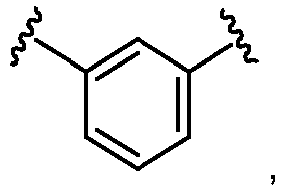


 (ii) optionally substituted C2-C9 heteroarylene, preferably wherein A is


 (iii) optionally substituted C2-C9 heterocyclylene, preferably wherein A is


- The compound of any preceding claim, wherein B is:(i) H;(ii) cyano;(iii) optionally substituted C6-C10 aryl, preferably wherein B is
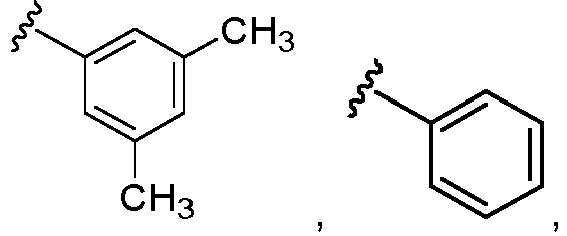
 (iv) optionally substituted C2-C9 heterocyclyl;(v)

 (vi)
(vi) (vii)
(vii) (viii)

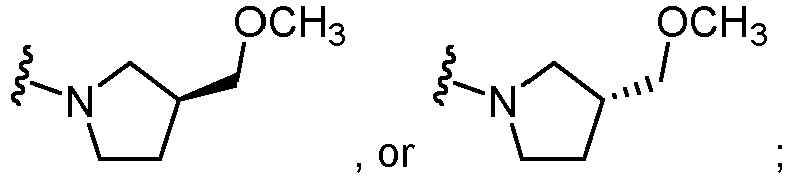 (ix)
(ix) (x)
(x)


 (xi)
(xi)


 (xii)
(xii) (xiii)
 (xiv) optionally substituted C2-C9 heteroaryl;(xv)







 (xvi) optionally substituted C3-C8 cycloalkyl, preferably wherein B is

- The compound of any preceding claim, wherein:(i) R1 is H;(ii) R1 is optionally substituted C1-C6 acyl, preferably wherein R1 is acetyl;(iii) R1 is optionally substituted C1-C6 alkyl, preferably wherein R1 is methyl, tert-butyl, iso-propyl, or
 (iv) R1 is optionally substituted C1-C6 heteroalkyl, preferably wherein R1 is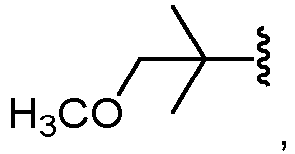
 (v) wherein R1 is optionally substituted C2-C8 heterocyclyl, preferably wherein R1 is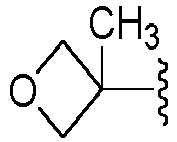
 (vi) R1 is -SO2R6, preferably wherein R6 is optionally substituted C1-C6 alkyl, preferably wherein R6 is methyl, iso-propyl, or
- A compound having the structure of any one of compounds 1-827:
# Compound # Compound 1 
415 
2 
416 
3 
417 
4 
418 
5 
419 
6 
420 
7 
421 
8 
422 
9 
423 
10 
424 
11 
425 
12 
426 
13 
427 
14 
428 
15 
429 
16 
430 
17 
431 
18 
432 
19 
433 
20 
434 
21 
435 
22 
436 
23 
437 
24 
438 
25 
439 
26 
440 
27 
441 
28 
442 
29 
443 
30 
444 
31 
445 
32 
446 
33 
447 
34 
448 
35 
449 
36 
450 
37 
451 
38 
452 
39 
453 
40 
454 
41 
455 
42 
456 
43 
457 
44 
458 
45 
459 
46 
460 
47 
461 
48 
462 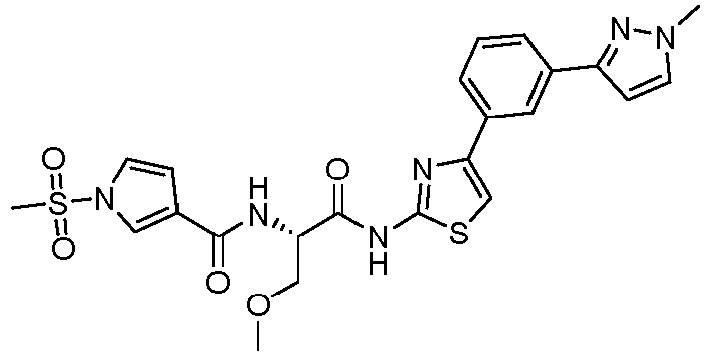
49 
463 
50 
464 
51 
465 
52 
466 
53 
467 
54 
468 
55 
469 
56 
470 
57 
471 
58 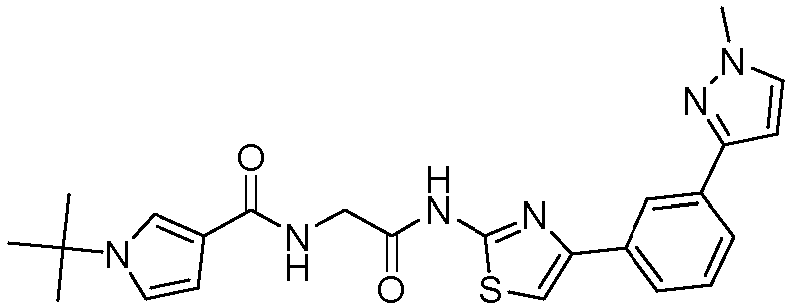
472 
59 
473 
60 
474 
61 
475 
62 
476 
63 
477 
64 
478 
65 
479 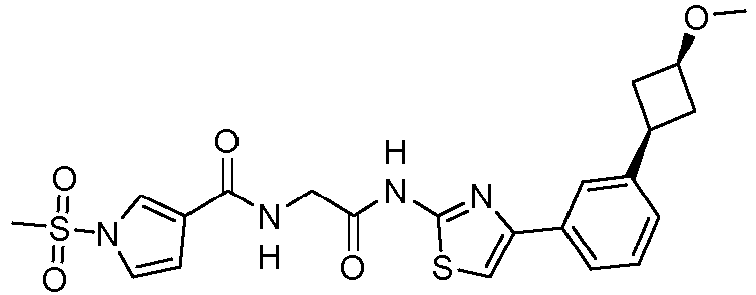
66 
480 
67 
481 
68 
482 
69 
483 
70 
484 
71 
485 
72 
486 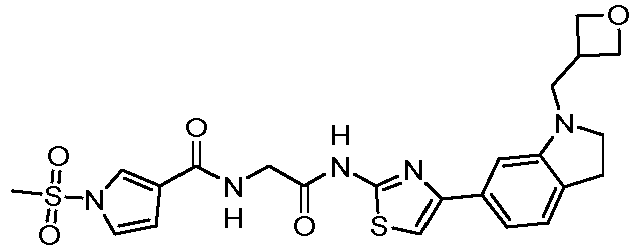
73 
487 
74 
488 
75 
489 
76 
490 
77 
491 
78 
492 
79 
493 
80 
494 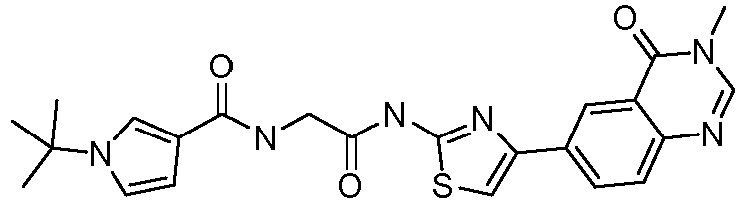
81 
495 
82 
496 
83 
497 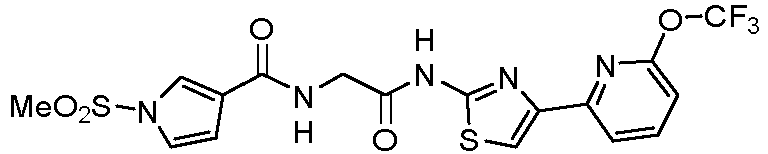
84 
498 
85 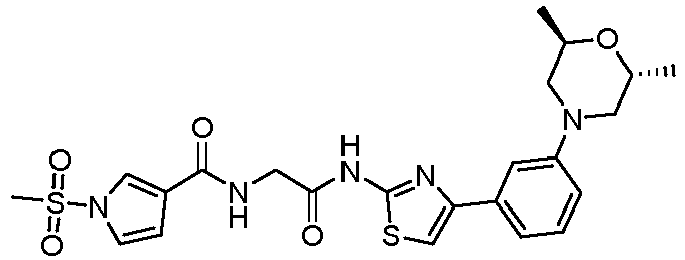
499 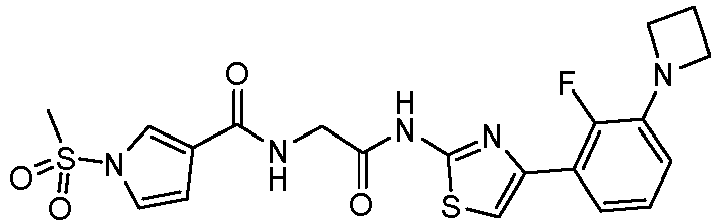
86 
500 
87 
501 
88 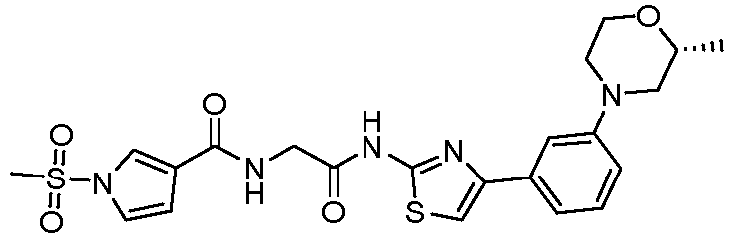
502 
89 
503 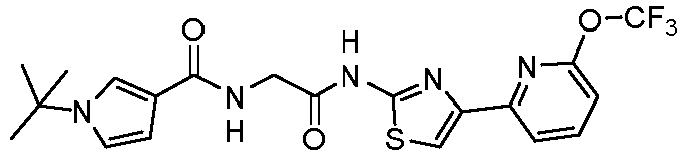
90 
504 
91 
505 
92 
506 
93 
507 
94 
508 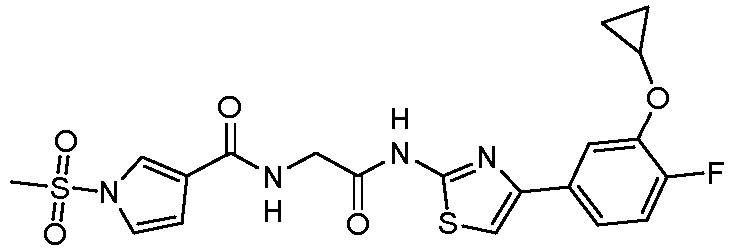
95 
509 
96 
510 
97 
511 
98 
512 
99 
513 
100 
514 
101 
515 
102 
516 
103 
517 
104 
518 
105 
519 
106 
520 
107 
521 
108 
522 
109 
523 
110 
524 
111 
525 
112 
526 
113 
527 
114 
528 
115 
529 
116 
530 
117 
531 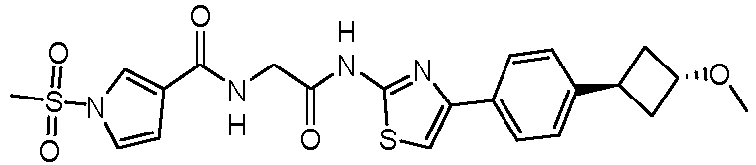
118 
532 
119 
533 
120 
534 
121 
535 
122 
536 
123 
537 
124 
538 
125 
539 
126 
540 
127 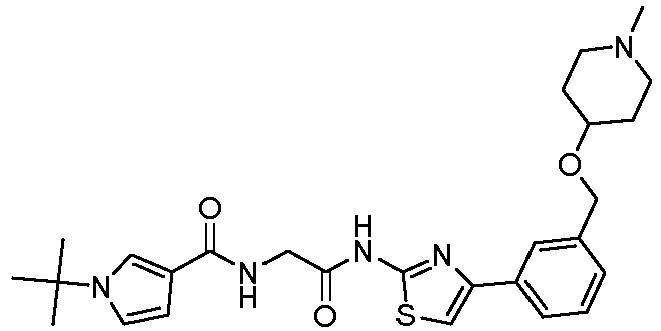
541 
128 
542 
129 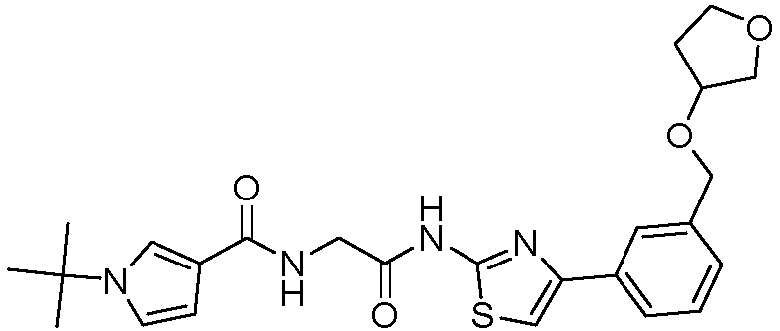
543 
130 
544 
131 
545 
132 
546 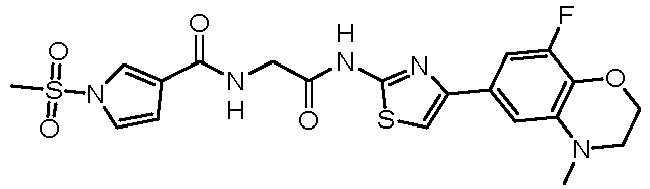
133 
547 
134 
548 
135 
549 
136 
550 
137 
551 
138 
552 
139 
553 
140 
554 
141 
555 
142 
556 
143 
557 
144 
558 
145 
559 
146 
560 
147 
561 
148 
562 
149 
563 
150 
564 
151 
565 
152 
566 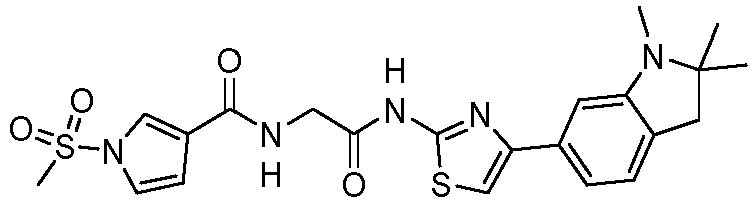
153 
567 
154 
568 
155 
569 
156 
570 
157 
571 
158 
572 
159 
573 
160 
574 
161 
575 
162 
576 
163 
577 
164 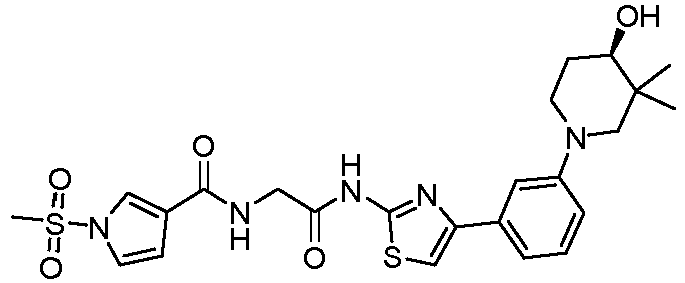
578 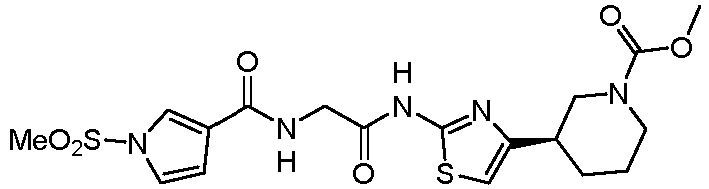
165 
579 
166 
580 
167 
581 
168 
582 
169 
583 
170 
584 
171 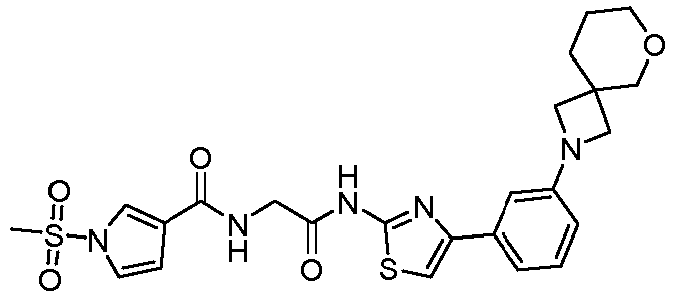
585 
172 
586 
173 
587 
174 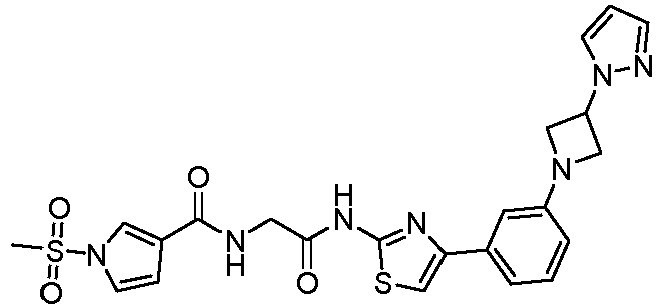
588 
175 
589 
176 
590 
177 
591 
178 
592 
179 
593 
180 
594 
181 
595 
182 
596 
183 
597 
184 
598 
185 
599 
186 
600 
187 
601 
188 
602 
189 
603 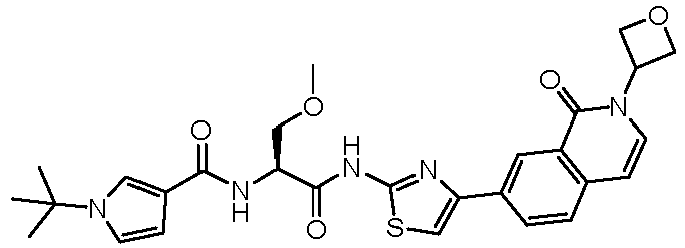
190 
604 
191 
605 
192 
606 
193 
607 
194 
608 
195 
609 
196 
610 
197 
611 
198 
612 
199 
613 
200 
614 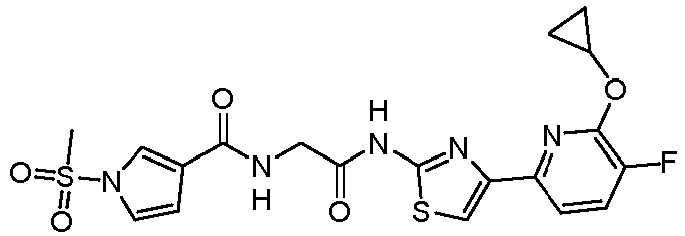
201 
615 
202 
616 
203 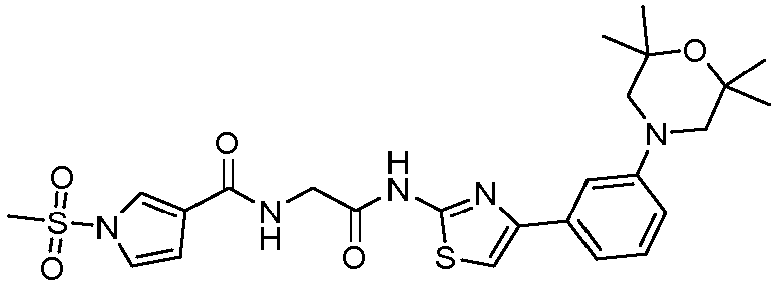
617 
204 
618 
205 
619 
206 
620 
207 
621 
208 
622 
209 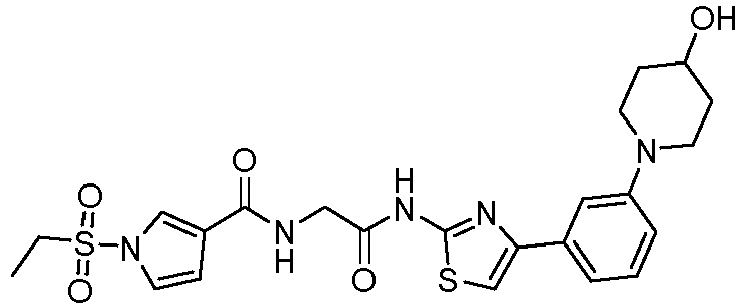
623 
210 
624 
211 
625 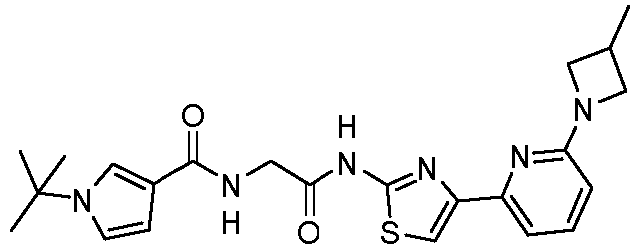
212 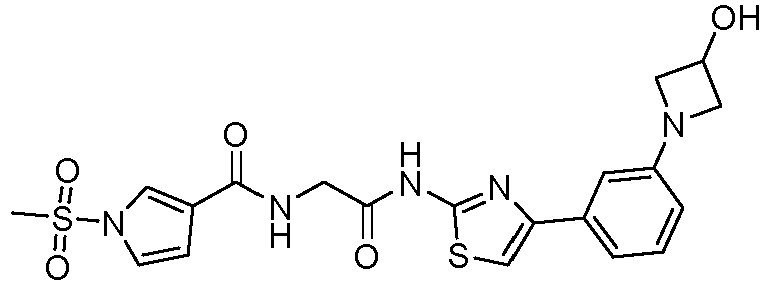
626 
213 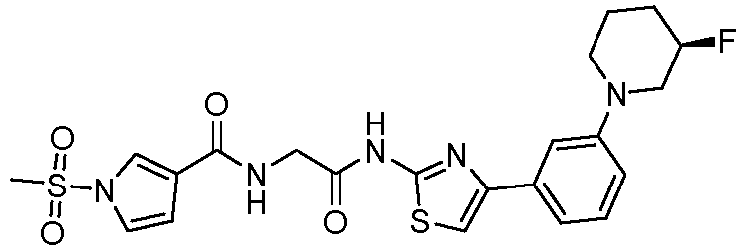
627 
214 
628 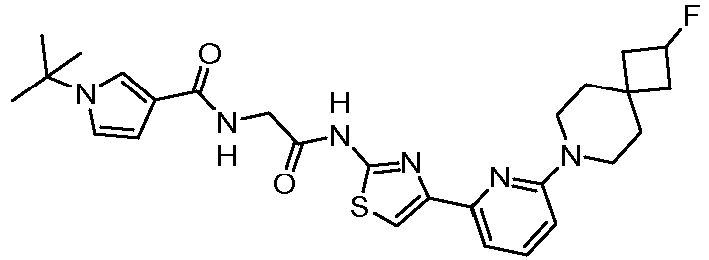
215 
629 
216 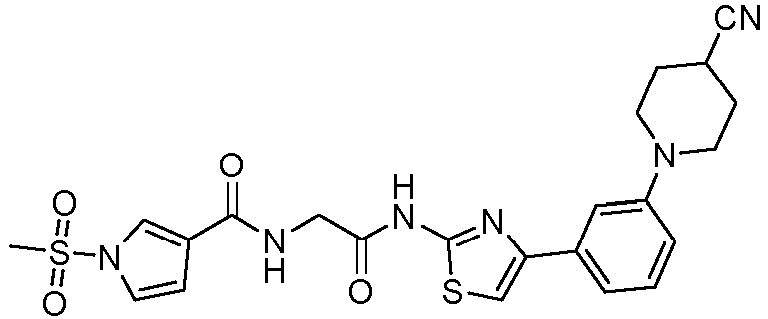
630 
217 
631 
218 
632 
219 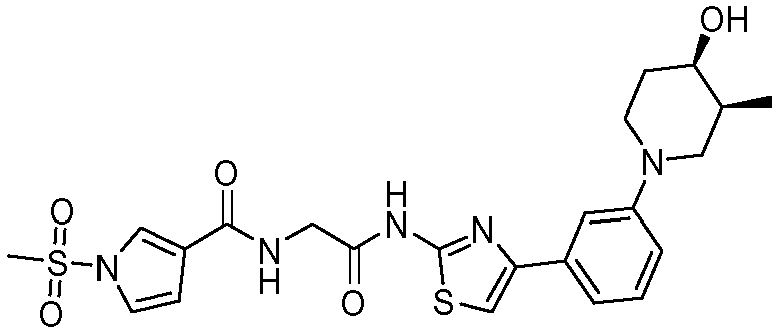
633 
220 
634 
221 
635 
222 
636 
223 
637 
224 
638 
225 
639 
226 
640 
227 
641 
228 
642 
229 
643 
230 
644 
231 
645 
232 
646 
233 
647 
234 
648 
235 
649 
236 
650 
237 
651 
238 
652 
239 
653 
240 
654 
241 
655 
242 
656 
243 
657 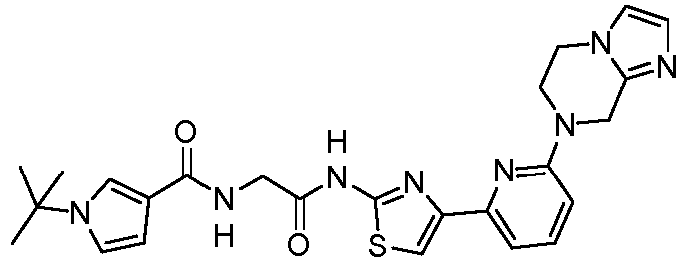
244 
658 
245 
659 
246 
660 
247 
661 
248 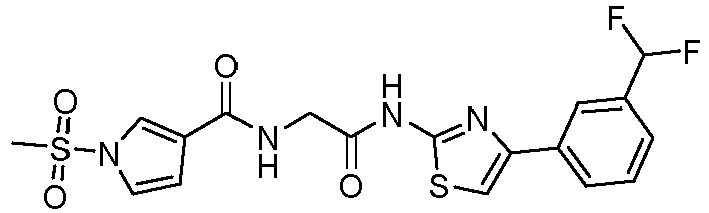
662 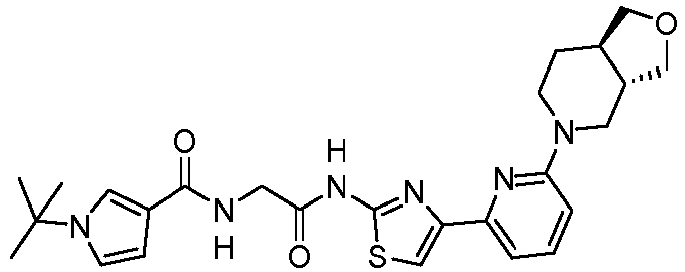
249 
663 
250 
664 
251 
665 
252 
666 
253 
667 
254 
668 
255 
669 
256 
670 
257 
671 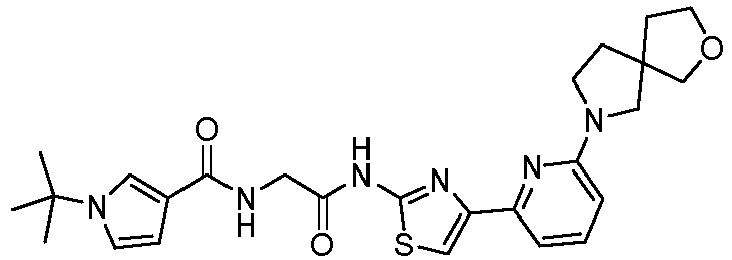
258 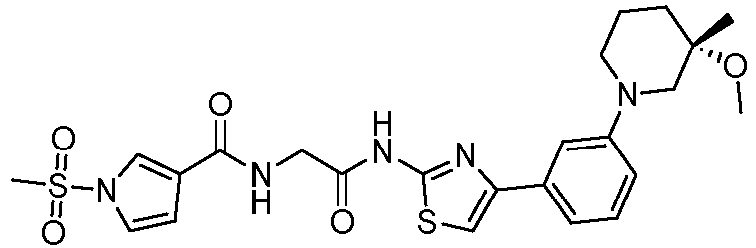
672 
259 
673 
260 
674 
261 
675 
262 
676 
263 
677 
264 
678 
265 
679 
266 
680 
267 
681 
268 
682 
269 
683 
270 
684 
271 
685 
272 
686 
273 
687 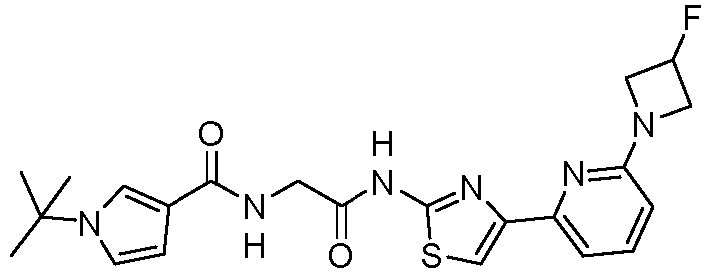
274 
688 
275 
689 
276 
690 
277 
691 
278 
692 
279 
693 
280 
694 
281 
695 
282 
696 
283 
697 
284 
698 
285 
699 
286 
700 
287 
701 
288 
702 
289 
703 
290 
704 
291 
705 
292 
706 
293 
707 
294 
708 
295 
709 
296 
710 
297 
711 
298 
712 
299 
713 
300 
714 
301 
715 
302 
716 
303 
717 
304 
718 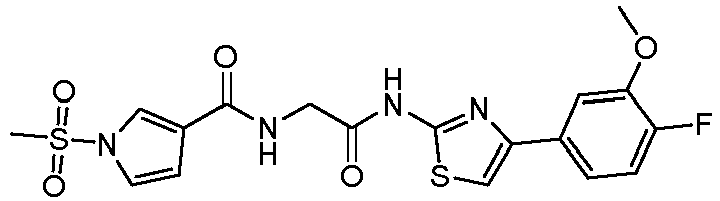
305 
719 
306 
720 
307 
721 
308 
722 
309 
723 
310 
724 
311 
725 
312 
726 
313 
727 
314 
728 
315 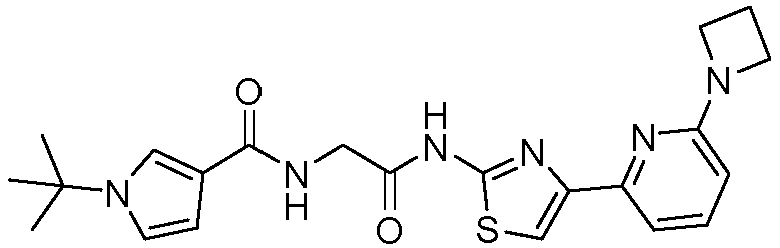
729 
316 
730 
317 
731 
318 
732 
319 
733 
320 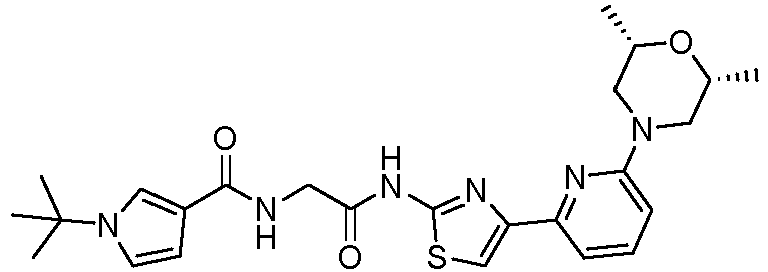
734 
321 
735 
322 
736 
323 
737 
324 
738 
325 
739 
326 
740 
327 
741 
328 
742 
329 
743 
330 
744 
331 
745 
332 
746 
333 
747 
334 
748 
335 
749 
336 
750 
337 
751 
338 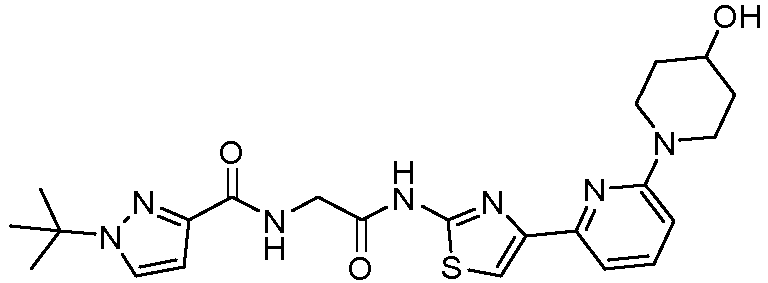
752 
339 
753 
340 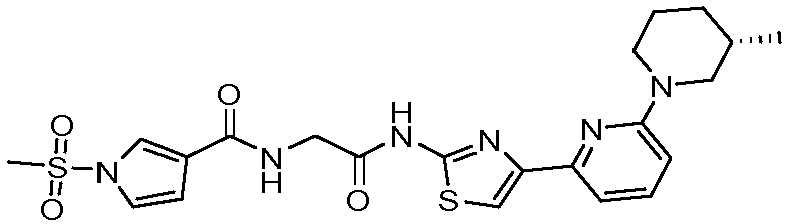
754 
341 
755 
342 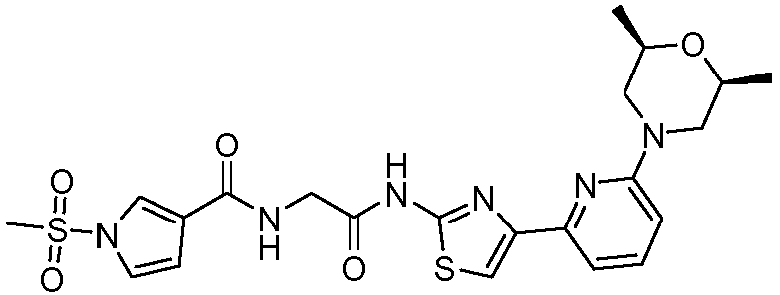
756 
343 
757 
344 
758 
345 
759 
346 
760 
347 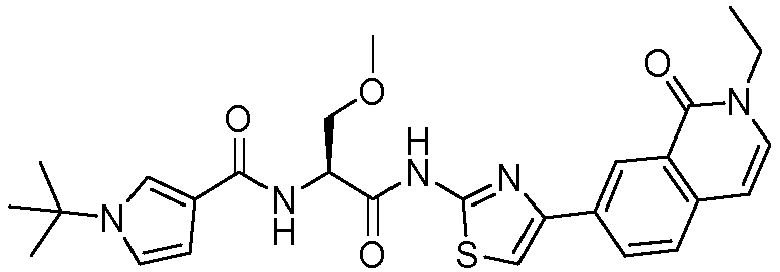
761 
348 
762 
349 
763 
350 
764 
351 
765 
352 
766 
353 
767 
354 
768 
355 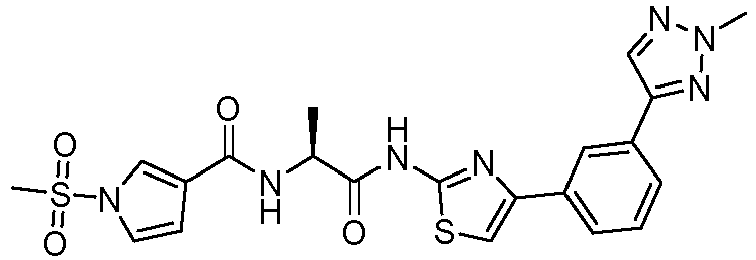
769 
356 
770 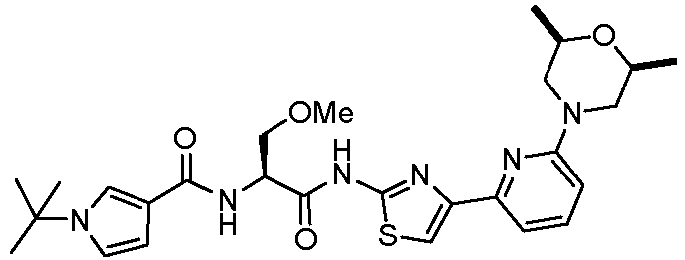
357 
771 
358 
772 
359 
773 
360 
774 
361 
775 
362 
776 
363 
777 
364 
778 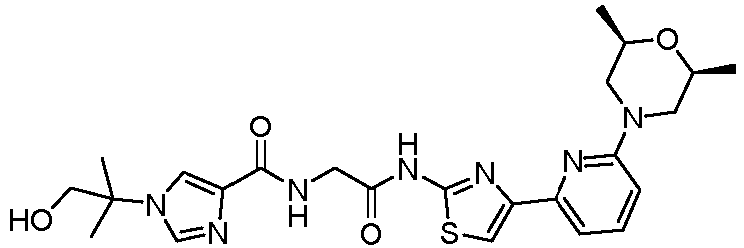
365 
779 
366 
780 
367 
781 
368 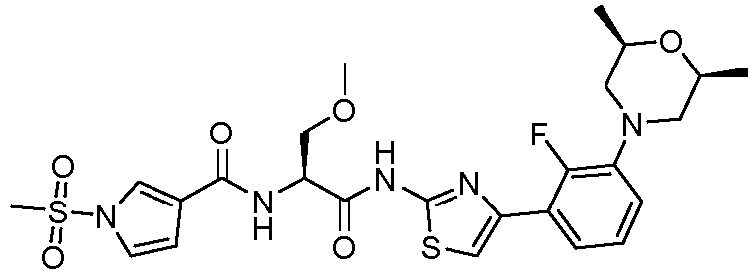
782 
369 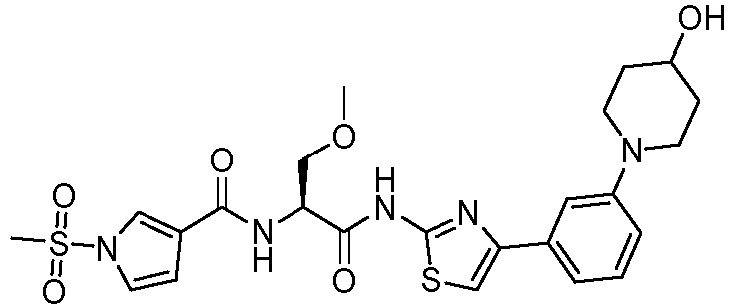
783 
370 
784 
371 
785 
372 
786 
373 
787 
374 
788 
375 
789 
376 
790 
377 
791 
378 
792 
379 
793 
380 
794 
381 
795 
382 
796 
383 
797 
384 
798 
385 
799 
386 
800 
387 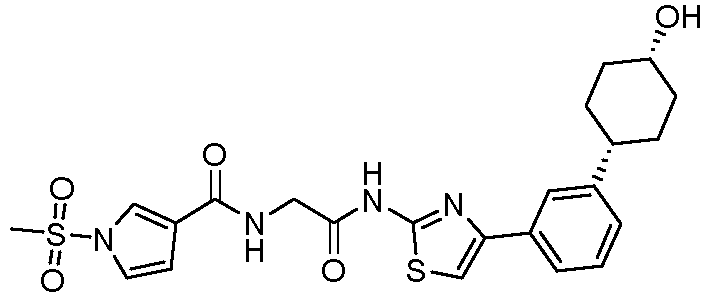
801 
388 
802 
389 
803 
390 
804 
301 
805 
392 
806 
393 
807 
394 
808 
395 
809 
396 
810 
397 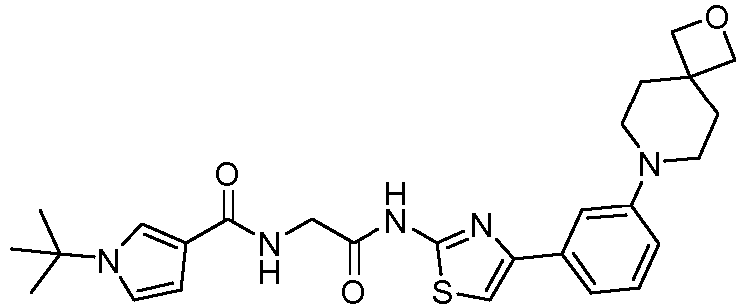
811 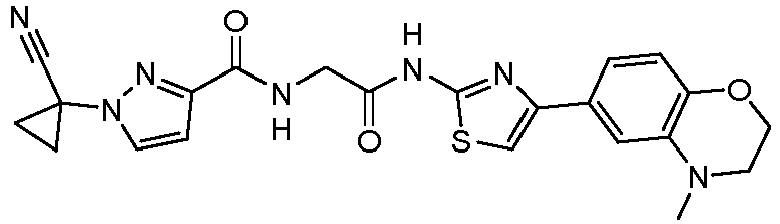
398 
812 
399 
813 
400 
814 
401 
815 
402 
816 
403 
817 
404 
818 
405 
819 
406 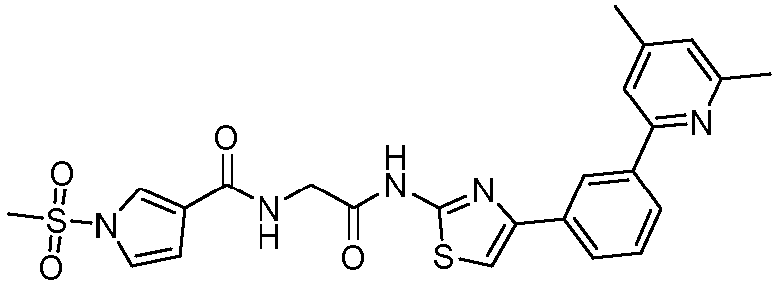
820 
407 
821 
408 
822 
409 
823 
410 
824 
411 
825 
412 
826 
413 
827 
414  (i) compounds 1-421;(ii) compounds 422-827.
 - The compound of claim 2 wherein the compound of Formula I has the structure of Formula la:

R1 is optionally substituted C1-C6 heteroalkyl, optionally substituted C2-C9 heterocyclyl, or -SO2R6;each of R2, R3, and R5 is, independently, H or optionally substituted C1-C6 alkyl;R4 is optionally substituted C1-C6 alkyl or optionally substituted C1-C6 heteroalkyl;R6 is optionally substituted C1-C6 alkyl or -NR7R8;each of R7 and R8 is, independently, optionally substituted C1-C6 alkyl;Het is optionally substituted 5-membered heteroarylene or optionally substituted 6-membered heteroarylene;A is optionally substituted C2-C9 heterocyclylene or optionally substituted C2-C9 heteroarylene;L is absent; andB is optionally substituted C6-C10 aryl, optionally substituted C2-C9 heterocyclyl, or optionally substituted C2-C9 heteroaryl,or a pharmaceutically acceptable salt thereof. - The compound of claim 2 wherein the compound of Formula I has the structure of Formula la:
 R1 is -SO2R6;R2, R3 and R5 are H;R4 is optionally substituted C1-C6 heteroalkyl;Het is
 A is optionally substituted C2-C9 heteroarylene;L is absent; andB is optionally substituted C2-C9 heterocyclyl,or a pharmaceutically acceptable salt thereof.
 - A pharmaceutical composition comprising a compound of any preceding claim and a pharmaceutically acceptable excipient.
- A compound of any one of claims 1 to 13 or pharmaceutical composition of claim 14 for use in a method of treating cancer in a subject in need thereof, the method comprising administering to the subject an effective amount of a compound of any one of claims 1 to 13 or a pharmaceutical composition of claim 14.
- The compound or pharmaceutical composition for use in the method of claim 15, wherein the cancer is non-small cell lung cancer, colorectal cancer, bladder cancer, cancer of unknown primary, glioma, breast cancer, melanoma, non-melanoma skin cancer, endometrial cancer, esophagogastric cancer, pancreatic cancer, hepatobiliary cancer, soft tissue sarcoma, ovarian cancer, head and neck cancer, renal cell carcinoma, bone cancer, non-Hodgkin lymphoma, small-cell lung cancer, prostate cancer, embryonal tumor, germ cell tumor, cervical cancer, thyroid cancer, salivary gland cancer, gastrointestinal neuroendocrine tumor, uterine sarcoma, gastrointestinal stromal tumor, CNS cancer, thymic tumor, Adrenocortical carcinoma, appendiceal cancer, small bowel cancer, or penile cancer, for example wherein the cancer is non-small cell lung cancer, colorectal cancer, bladder cancer, cancer of unknown primary, glioma, breast cancer, melanoma, non-melanoma skin cancer, endometrial cancer, or penile cancer, or for example wherein the cancer is non-small cell lung cancer, or for example wherein the cancer is soft tissue sarcoma.
- The compound or pharmaceutical composition for use in the method of claims 15 or 16, wherein the method further comprises administering to the subject an anticancer therapy, preferably wherein:(i) the anticancer therapy is a chemotherapeutic or cytotoxic agent, immunotherapy, surgery, radiotherapy, thermotherapy, or photocoagulation;(ii) the anticancer therapy is surgery; or(iii) the anticancer therapy is a chemotherapeutic or cytotoxic agent, preferably wherein the chemotherapeutic or cytotoxic agent is an antimetabolite, antimitotic, antitumor antibiotic, asparagine-specific enzyme, bisphosphonates, antineoplastic, alkylating agent, DNA-Repair enzyme inhibitor, histone deacetylase inhibitor, corticosteroid, demethylating agent, immunomodulatory, janus-associated kinase inhibitor, phosphinositide 3-kinase inhibitor, proteasome inhibitor, or tyrosine kinase inhibitor; for example wherein the one or more chemotherapeutic or cytotoxic agent is dacarbazine, temozolomide, cisplatin, treosulfan, fotemustine, IMCgp150, a CTLA-4 inhibitor, a PD-1 inhibitor, a PD-L1 inhibitor, a mitogen-activated protein kinase inhibitor, and/or a protein kinase C inhibitor.
- The compound or pharmaceutical composition for use in the method of claim 17, wherein the anticancer therapy and the compound of any one of claims 1 to 13 or a pharmaceutical composition of claim 14 are administered within 28 days of each other and each in an amount that together are effective to treat the subject.
- The compound or pharmaceutical composition for use in the method of any one of claims 15 to 18, wherein the subject or cancer has and/or has been identified as having:(i) a BRG1 loss of function mutation; or(ii) a BRM loss of function mutation.
- The compound or pharmaceutical composition for use in the method of any one of claims 15 to 19, wherein the cancer is melanoma, prostate cancer, breast cancer, bone cancer, renal cell carcinoma, or hematologic cancer, and wherein the cancer:(i) has failed to respond to or progressed after administration of one or more chemotherapeutic or cytotoxic agents, for example dacarbazine, temozolomide, cisplatin, treosulfan, fotemustine, IMCgp150, a CTLA-4 inhibitor, a PD-1 inhibitor, a PD-L1 inhibitor, a mitogen-activated protein kinase inhibitor, and/or a protein kinase C inhibitor; and/or(ii) is resistant to, or predicted to be resistant to one or more chemotherapeutic agents, for example dacarbazine, temozolomide, cisplatin, treosulfan, fotemustine, IMCgp150, a CTLA-4 inhibitor, a PD-1 inhibitor, a PD-L1 inhibitor, a mitogen-activated protein kinase inhibitor, and/or a protein kinase C inhibitor.
- The compound or pharmaceutical composition for use in the method of any one of claims 15 to 20, wherein the cancer is melanoma, prostate cancer, breast cancer, bone cancer, renal cell carcinoma, or hematologic cancer, wherein the cancer is:(i) melanoma, for example uveal melanoma, mucosal melanoma, or cutaneous melanoma;(ii) a hematologic cancer, such as multiple myeloma, large cell lymphoma, acute T-cell leukemia, acute myeloid leukemia, myelodysplastic syndrome, immunoglobulin A lambda myeloma, diffuse mixed histiocytic and lymphocytic lymphoma, B-cell lymphoma, acute lymphoblastic leukemia, diffuse large cell lymphoma, or non-Hodgkin's lymphoma;(iii) prostate cancer;(iv) breast cancer, such as an ER positive breast cancer, an ER negative breast cancer, triple positive breast cancer, or triple negative breast cancer;(v) bone cancer, such as Ewing's sarcoma; or(vi) renal cell carcinoma, such as Microphthalmia Transcription Factor (MITF) family translocation renal cell carcinoma.
- A compound of any one of claims 1 to 13 or pharmaceutical composition of claim 14 for use in a method of treating a viral infection in a subject in need thereof, the method comprising administering to the subject an effective amount of a compound of any one of claims 1 to 13 or a pharmaceutical composition of claim 14, for example wherein the viral infection is an infection with a virus of the Retroviridae family, Hepadnaviridae family, Flaviviridae family, Adenoviridae family, Herpesviridae family, Papillomaviridae family, Parvoviridae family, Polyomaviridae family, Paramyxoviridae family, or Togaviridae family.
Applications Claiming Priority (4)
| Application Number | Priority Date | Filing Date | Title |
|---|---|---|---|
| US201962798406P | 2019-01-29 | 2019-01-29 | |
| US201962881275P | 2019-07-31 | 2019-07-31 | |
| US201962938415P | 2019-11-21 | 2019-11-21 | |
| PCT/US2020/015723 WO2020160180A1 (en) | 2019-01-29 | 2020-01-29 | Compounds and uses thereof |
Publications (4)
| Publication Number | Publication Date |
|---|---|
| EP3917527A1 EP3917527A1 (en) | 2021-12-08 |
| EP3917527A4 EP3917527A4 (en) | 2022-11-16 |
| EP3917527B1 true EP3917527B1 (en) | 2025-04-23 |
| EP3917527C0 EP3917527C0 (en) | 2025-04-23 |
Family
ID=71841237
Family Applications (1)
| Application Number | Title | Priority Date | Filing Date |
|---|---|---|---|
| EP20749261.2A Active EP3917527B1 (en) | 2019-01-29 | 2020-01-29 | Compounds and uses thereof |
Country Status (8)
| Country | Link |
|---|---|
| US (1) | US20230079819A1 (en) |
| EP (1) | EP3917527B1 (en) |
| JP (1) | JP7665518B2 (en) |
| CN (1) | CN113645971B (en) |
| AU (1) | AU2020214308A1 (en) |
| ES (1) | ES3032327T3 (en) |
| IL (1) | IL285177B2 (en) |
| WO (1) | WO2020160180A1 (en) |
Families Citing this family (16)
| Publication number | Priority date | Publication date | Assignee | Title |
|---|---|---|---|---|
| US12282014B2 (en) | 2015-11-19 | 2025-04-22 | Dana-Farber Cancer Institute, Inc. | Methods of identifying compounds that interfere with ERG-driven misguidance of BAF complexes in TMPRSS2-ERG driven prostate cancers |
| US11497752B2 (en) | 2018-01-30 | 2022-11-15 | Foghorn Therapeutics Inc. | Compounds and uses thereof |
| WO2020081588A1 (en) | 2018-10-17 | 2020-04-23 | Dana-Farber Cancer Institute, Inc. | Swi/snf family chromatin remodeling complexes and uses thereof |
| WO2020160196A1 (en) | 2019-01-29 | 2020-08-06 | Foghorn Therapeutics Inc. | Compounds and uses thereof |
| WO2020160100A1 (en) * | 2019-01-29 | 2020-08-06 | Foghorn Therapeutics Inc. | Compounds and uses thereof |
| WO2020160198A1 (en) | 2019-01-29 | 2020-08-06 | Foghorn Therapeutics Inc. | Compounds and uses thereof |
| MX2022009367A (en) * | 2020-01-29 | 2022-10-27 | Foghorn Therapeutics Inc | Compounds and uses thereof. |
| BR112022015004A2 (en) * | 2020-01-29 | 2022-09-20 | Foghorn Therapeutics Inc | COMPOUND, PHARMACEUTICAL COMPOSITION, METHODS TO DECREASE THE ACTIVITY OF A BAF COMPLEX, INDUCE APOPTOSIS, REDUCE TUMOR GROWTH, SUPPRESS PROGRESSION AND METASTATIC COLONIZATION OF CANCER, AND REDUCE THE LEVEL AND/OR ACTIVITY OF BRG1 AND/OR BRM IN A CANCER AND METHODS OF TREATMENT AND INHIBITION OF BRM AND BRG1 |
| US12383555B2 (en) | 2020-05-20 | 2025-08-12 | Foghorn Therapeutics Inc. | Methods of treating cancers |
| EP4153176A4 (en) * | 2020-05-20 | 2024-05-29 | Foghorn Therapeutics Inc. | Methods of treating cancers |
| US20240132485A1 (en) * | 2020-10-16 | 2024-04-25 | Cemm - Forschungszentrum Für Molekulare Medizin Gmbh | Heterocyclic cullin ring ubiquitin ligase compounds and uses thereof |
| JP2024509268A (en) | 2021-03-09 | 2024-02-29 | フォグホーン セラピューティクス インコーポレイテッド | Crystal forms, compositions containing them, and methods of using them |
| EP4308124A4 (en) * | 2021-03-19 | 2025-01-15 | Foghorn Therapeutics Inc. | THERAPEUTIC REGIMEN CONTAINING AN INHIBITOR OF BRG1 AND BRM ENZYMATIC ACTIVITY |
| US20250339441A1 (en) * | 2022-04-08 | 2025-11-06 | Foghorn Therapeutics Inc. | Methods of treating cancer |
| WO2024099440A1 (en) * | 2022-11-11 | 2024-05-16 | 苏州信诺维医药科技股份有限公司 | Fused ring compound, use thereof, and pharmaceutical composition containing same |
| WO2025082531A1 (en) * | 2023-10-20 | 2025-04-24 | Suzhou Zanrong Pharma Limited | Compounds and uses thereof |
Family Cites Families (12)
| Publication number | Priority date | Publication date | Assignee | Title |
|---|---|---|---|---|
| WO2006005941A1 (en) | 2004-07-12 | 2006-01-19 | Istituto Di Ricerche Di Biologia Molecolare P Angeletti S.P.A. | Amide derivatives as inhibitors of histone deacetylase |
| EP2349484A2 (en) | 2008-07-15 | 2011-08-03 | Novartis AG | Heteroaryl derivatives as dgat1 inhibitors |
| JP2014500303A (en) | 2010-12-22 | 2014-01-09 | パーデュー、ファーマ、リミテッド、パートナーシップ | Substituted pyridines as sodium channel blockers |
| CN106573927B (en) * | 2014-03-18 | 2019-09-27 | 豪夫迈·罗氏有限公司 | Oxepan-2-yl-pyrazol-4-yl-heterocyclyl-carboxamide compounds and methods of use |
| MA41598A (en) * | 2015-02-25 | 2018-01-02 | Constellation Pharmaceuticals Inc | PYRIDAZINE THERAPEUTIC COMPOUNDS AND THEIR USES |
| WO2018187614A1 (en) * | 2017-04-05 | 2018-10-11 | Foghorn Therapeutics | Compounds and uses thereof |
| WO2018213422A1 (en) * | 2017-05-17 | 2018-11-22 | Foghorn Therapeutics | Compounds and uses thereof |
| US11497752B2 (en) | 2018-01-30 | 2022-11-15 | Foghorn Therapeutics Inc. | Compounds and uses thereof |
| WO2020106915A1 (en) * | 2018-11-21 | 2020-05-28 | Foghorn Therapeutics Inc. | Methods of treating cancers |
| CN113164448A (en) * | 2018-12-19 | 2021-07-23 | 利奥制药有限公司 | Amino acid anilines as small molecule modulators of IL-17 |
| EA202192101A1 (en) * | 2019-11-21 | 2021-12-09 | Фогхорн Терапьютикс Инк. | COMPOUNDS AND THEIR APPLICATIONS |
| CN115335373B (en) * | 2020-01-29 | 2025-05-20 | 福宏治疗公司 | Compounds and uses thereof |
-
2020
- 2020-01-29 ES ES20749261T patent/ES3032327T3/en active Active
- 2020-01-29 IL IL285177A patent/IL285177B2/en unknown
- 2020-01-29 JP JP2021544152A patent/JP7665518B2/en active Active
- 2020-01-29 EP EP20749261.2A patent/EP3917527B1/en active Active
- 2020-01-29 WO PCT/US2020/015723 patent/WO2020160180A1/en not_active Ceased
- 2020-01-29 CN CN202080025628.0A patent/CN113645971B/en active Active
- 2020-01-29 AU AU2020214308A patent/AU2020214308A1/en not_active Abandoned
- 2020-01-29 US US17/425,140 patent/US20230079819A1/en active Pending
Also Published As
| Publication number | Publication date |
|---|---|
| US20230079819A1 (en) | 2023-03-16 |
| EP3917527A1 (en) | 2021-12-08 |
| WO2020160180A1 (en) | 2020-08-06 |
| IL285177B1 (en) | 2025-05-01 |
| IL285177B2 (en) | 2025-09-01 |
| IL285177A (en) | 2021-09-30 |
| CN113645971A (en) | 2021-11-12 |
| ES3032327T3 (en) | 2025-07-17 |
| JP2022523074A (en) | 2022-04-21 |
| CN113645971B (en) | 2024-10-18 |
| AU2020214308A1 (en) | 2021-08-12 |
| JP7665518B2 (en) | 2025-04-21 |
| EP3917527A4 (en) | 2022-11-16 |
| EP3917527C0 (en) | 2025-04-23 |
Similar Documents
| Publication | Publication Date | Title |
|---|---|---|
| JP7665518B2 (en) | Compounds and their uses | |
| AU2021378949B2 (en) | Compounds and uses thereof | |
| AU2021213257B2 (en) | Compounds and uses thereof | |
| TWI864749B (en) | Compounds and uses thereof | |
| JP7600396B2 (en) | Compounds and their uses | |
| US20230150974A1 (en) | Compounds and uses thereof | |
| AU2022272181B2 (en) | Compounds and uses thereof | |
| AU2023270000A1 (en) | Pyrazine derivatives and uses thereof | |
| EA049084B1 (en) | COMPOUNDS AND THEIR APPLICATIONS | |
| US20250304596A1 (en) | Pyrazine derivatives and uses thereof | |
| EA052989B1 (en) | COMPOUNDS AND THEIR APPLICATIONS |
Legal Events
| Date | Code | Title | Description |
|---|---|---|---|
| STAA | Information on the status of an ep patent application or granted ep patent |
Free format text: STATUS: THE INTERNATIONAL PUBLICATION HAS BEEN MADE |
|
| PUAI | Public reference made under article 153(3) epc to a published international application that has entered the european phase |
Free format text: ORIGINAL CODE: 0009012 |
|
| STAA | Information on the status of an ep patent application or granted ep patent |
Free format text: STATUS: REQUEST FOR EXAMINATION WAS MADE |
|
| 17P | Request for examination filed |
Effective date: 20210826 |
|
| AK | Designated contracting states |
Kind code of ref document: A1 Designated state(s): AL AT BE BG CH CY CZ DE DK EE ES FI FR GB GR HR HU IE IS IT LI LT LU LV MC MK MT NL NO PL PT RO RS SE SI SK SM TR |
|
| DAV | Request for validation of the european patent (deleted) | ||
| DAX | Request for extension of the european patent (deleted) | ||
| A4 | Supplementary search report drawn up and despatched |
Effective date: 20221018 |
|
| RIC1 | Information provided on ipc code assigned before grant |
Ipc: C07D 405/14 20060101ALI20221012BHEP Ipc: C07D 401/14 20060101ALI20221012BHEP Ipc: A61K 31/444 20060101AFI20221012BHEP |
|
| STAA | Information on the status of an ep patent application or granted ep patent |
Free format text: STATUS: EXAMINATION IS IN PROGRESS |
|
| 17Q | First examination report despatched |
Effective date: 20231011 |
|
| GRAP | Despatch of communication of intention to grant a patent |
Free format text: ORIGINAL CODE: EPIDOSNIGR1 |
|
| STAA | Information on the status of an ep patent application or granted ep patent |
Free format text: STATUS: GRANT OF PATENT IS INTENDED |
|
| INTG | Intention to grant announced |
Effective date: 20240625 |
|
| GRAJ | Information related to disapproval of communication of intention to grant by the applicant or resumption of examination proceedings by the epo deleted |
Free format text: ORIGINAL CODE: EPIDOSDIGR1 |
|
| STAA | Information on the status of an ep patent application or granted ep patent |
Free format text: STATUS: EXAMINATION IS IN PROGRESS |
|
| GRAP | Despatch of communication of intention to grant a patent |
Free format text: ORIGINAL CODE: EPIDOSNIGR1 |
|
| STAA | Information on the status of an ep patent application or granted ep patent |
Free format text: STATUS: GRANT OF PATENT IS INTENDED |
|
| INTC | Intention to grant announced (deleted) | ||
| INTG | Intention to grant announced |
Effective date: 20241113 |
|
| GRAS | Grant fee paid |
Free format text: ORIGINAL CODE: EPIDOSNIGR3 |
|
| GRAA | (expected) grant |
Free format text: ORIGINAL CODE: 0009210 |
|
| STAA | Information on the status of an ep patent application or granted ep patent |
Free format text: STATUS: THE PATENT HAS BEEN GRANTED |
|
| RAP3 | Party data changed (applicant data changed or rights of an application transferred) |
Owner name: FOGHORN THERAPEUTICS INC. |
|
| AK | Designated contracting states |
Kind code of ref document: B1 Designated state(s): AL AT BE BG CH CY CZ DE DK EE ES FI FR GB GR HR HU IE IS IT LI LT LU LV MC MK MT NL NO PL PT RO RS SE SI SK SM TR |
|
| REG | Reference to a national code |
Ref country code: GB Ref legal event code: FG4D |
|
| REG | Reference to a national code |
Ref country code: CH Ref legal event code: EP |
|
| REG | Reference to a national code |
Ref country code: DE Ref legal event code: R096 Ref document number: 602020049973 Country of ref document: DE |
|
| REG | Reference to a national code |
Ref country code: IE Ref legal event code: FG4D |
|
| U01 | Request for unitary effect filed |
Effective date: 20250523 |
|
| U07 | Unitary effect registered |
Designated state(s): AT BE BG DE DK EE FI FR IT LT LU LV MT NL PT RO SE SI Effective date: 20250602 |
|
| REG | Reference to a national code |
Ref country code: ES Ref legal event code: FG2A Ref document number: 3032327 Country of ref document: ES Kind code of ref document: T3 Effective date: 20250717 |
|
| PG25 | Lapsed in a contracting state [announced via postgrant information from national office to epo] |
Ref country code: NO Free format text: LAPSE BECAUSE OF FAILURE TO SUBMIT A TRANSLATION OF THE DESCRIPTION OR TO PAY THE FEE WITHIN THE PRESCRIBED TIME-LIMIT Effective date: 20250723 Ref country code: GR Free format text: LAPSE BECAUSE OF FAILURE TO SUBMIT A TRANSLATION OF THE DESCRIPTION OR TO PAY THE FEE WITHIN THE PRESCRIBED TIME-LIMIT Effective date: 20250724 |
|
| PG25 | Lapsed in a contracting state [announced via postgrant information from national office to epo] |
Ref country code: PL Free format text: LAPSE BECAUSE OF FAILURE TO SUBMIT A TRANSLATION OF THE DESCRIPTION OR TO PAY THE FEE WITHIN THE PRESCRIBED TIME-LIMIT Effective date: 20250423 |
|
| PG25 | Lapsed in a contracting state [announced via postgrant information from national office to epo] |
Ref country code: HR Free format text: LAPSE BECAUSE OF FAILURE TO SUBMIT A TRANSLATION OF THE DESCRIPTION OR TO PAY THE FEE WITHIN THE PRESCRIBED TIME-LIMIT Effective date: 20250423 |
|
| PG25 | Lapsed in a contracting state [announced via postgrant information from national office to epo] |
Ref country code: RS Free format text: LAPSE BECAUSE OF FAILURE TO SUBMIT A TRANSLATION OF THE DESCRIPTION OR TO PAY THE FEE WITHIN THE PRESCRIBED TIME-LIMIT Effective date: 20250723 |
|
| PG25 | Lapsed in a contracting state [announced via postgrant information from national office to epo] |
Ref country code: IS Free format text: LAPSE BECAUSE OF FAILURE TO SUBMIT A TRANSLATION OF THE DESCRIPTION OR TO PAY THE FEE WITHIN THE PRESCRIBED TIME-LIMIT Effective date: 20250823 |
|
| PG25 | Lapsed in a contracting state [announced via postgrant information from national office to epo] |
Ref country code: SM Free format text: LAPSE BECAUSE OF FAILURE TO SUBMIT A TRANSLATION OF THE DESCRIPTION OR TO PAY THE FEE WITHIN THE PRESCRIBED TIME-LIMIT Effective date: 20250423 |
|
| PG25 | Lapsed in a contracting state [announced via postgrant information from national office to epo] |
Ref country code: CZ Free format text: LAPSE BECAUSE OF FAILURE TO SUBMIT A TRANSLATION OF THE DESCRIPTION OR TO PAY THE FEE WITHIN THE PRESCRIBED TIME-LIMIT Effective date: 20250423 |
|
| PG25 | Lapsed in a contracting state [announced via postgrant information from national office to epo] |
Ref country code: SK Free format text: LAPSE BECAUSE OF FAILURE TO SUBMIT A TRANSLATION OF THE DESCRIPTION OR TO PAY THE FEE WITHIN THE PRESCRIBED TIME-LIMIT Effective date: 20250423 |
|
| PLBE | No opposition filed within time limit |
Free format text: ORIGINAL CODE: 0009261 |
|
| STAA | Information on the status of an ep patent application or granted ep patent |
Free format text: STATUS: NO OPPOSITION FILED WITHIN TIME LIMIT |
|
| REG | Reference to a national code |
Ref country code: CH Ref legal event code: L10 Free format text: ST27 STATUS EVENT CODE: U-0-0-L10-L00 (AS PROVIDED BY THE NATIONAL OFFICE) Effective date: 20260304 |
|
| U20 | Renewal fee for the european patent with unitary effect paid |
Year of fee payment: 7 Effective date: 20260127 |
|
| 26N | No opposition filed |
Effective date: 20260126 |
|
| PGFP | Annual fee paid to national office [announced via postgrant information from national office to epo] |
Ref country code: GB Payment date: 20260127 Year of fee payment: 7 |
|
| PGFP | Annual fee paid to national office [announced via postgrant information from national office to epo] |
Ref country code: ES Payment date: 20260202 Year of fee payment: 7 |