EP3917115A1 - Data processing method and apparatus, computer device, and storage medium - Google Patents
Data processing method and apparatus, computer device, and storage medium Download PDFInfo
- Publication number
- EP3917115A1 EP3917115A1 EP20745941.3A EP20745941A EP3917115A1 EP 3917115 A1 EP3917115 A1 EP 3917115A1 EP 20745941 A EP20745941 A EP 20745941A EP 3917115 A1 EP3917115 A1 EP 3917115A1
- Authority
- EP
- European Patent Office
- Prior art keywords
- block
- transaction record
- node
- account reconciliation
- tree
- Prior art date
- Legal status (The legal status is an assumption and is not a legal conclusion. Google has not performed a legal analysis and makes no representation as to the accuracy of the status listed.)
- Granted
Links
Images




Classifications
-
- G—PHYSICS
- G06—COMPUTING OR CALCULATING; COUNTING
- G06Q—INFORMATION AND COMMUNICATION TECHNOLOGY [ICT] SPECIALLY ADAPTED FOR ADMINISTRATIVE, COMMERCIAL, FINANCIAL, MANAGERIAL OR SUPERVISORY PURPOSES; SYSTEMS OR METHODS SPECIALLY ADAPTED FOR ADMINISTRATIVE, COMMERCIAL, FINANCIAL, MANAGERIAL OR SUPERVISORY PURPOSES, NOT OTHERWISE PROVIDED FOR
- G06Q20/00—Payment architectures, schemes or protocols
- G06Q20/38—Payment protocols; Details thereof
- G06Q20/382—Payment protocols; Details thereof insuring higher security of transaction
- G06Q20/3827—Use of message hashing
-
- G—PHYSICS
- G06—COMPUTING OR CALCULATING; COUNTING
- G06Q—INFORMATION AND COMMUNICATION TECHNOLOGY [ICT] SPECIALLY ADAPTED FOR ADMINISTRATIVE, COMMERCIAL, FINANCIAL, MANAGERIAL OR SUPERVISORY PURPOSES; SYSTEMS OR METHODS SPECIALLY ADAPTED FOR ADMINISTRATIVE, COMMERCIAL, FINANCIAL, MANAGERIAL OR SUPERVISORY PURPOSES, NOT OTHERWISE PROVIDED FOR
- G06Q20/00—Payment architectures, schemes or protocols
- G06Q20/04—Payment circuits
- G06Q20/06—Private payment circuits, e.g. involving electronic currency used among participants of a common payment scheme
- G06Q20/065—Private payment circuits, e.g. involving electronic currency used among participants of a common payment scheme using e-cash
- G06Q20/0655—Private payment circuits, e.g. involving electronic currency used among participants of a common payment scheme using e-cash e-cash managed centrally
-
- G—PHYSICS
- G06—COMPUTING OR CALCULATING; COUNTING
- G06Q—INFORMATION AND COMMUNICATION TECHNOLOGY [ICT] SPECIALLY ADAPTED FOR ADMINISTRATIVE, COMMERCIAL, FINANCIAL, MANAGERIAL OR SUPERVISORY PURPOSES; SYSTEMS OR METHODS SPECIALLY ADAPTED FOR ADMINISTRATIVE, COMMERCIAL, FINANCIAL, MANAGERIAL OR SUPERVISORY PURPOSES, NOT OTHERWISE PROVIDED FOR
- G06Q20/00—Payment architectures, schemes or protocols
- G06Q20/38—Payment protocols; Details thereof
- G06Q20/389—Keeping log of transactions for guaranteeing non-repudiation of a transaction
-
- G—PHYSICS
- G06—COMPUTING OR CALCULATING; COUNTING
- G06Q—INFORMATION AND COMMUNICATION TECHNOLOGY [ICT] SPECIALLY ADAPTED FOR ADMINISTRATIVE, COMMERCIAL, FINANCIAL, MANAGERIAL OR SUPERVISORY PURPOSES; SYSTEMS OR METHODS SPECIALLY ADAPTED FOR ADMINISTRATIVE, COMMERCIAL, FINANCIAL, MANAGERIAL OR SUPERVISORY PURPOSES, NOT OTHERWISE PROVIDED FOR
- G06Q40/00—Finance; Insurance; Tax strategies; Processing of corporate or income taxes
- G06Q40/12—Accounting
-
- H—ELECTRICITY
- H04—ELECTRIC COMMUNICATION TECHNIQUE
- H04L—TRANSMISSION OF DIGITAL INFORMATION, e.g. TELEGRAPHIC COMMUNICATION
- H04L67/00—Network arrangements or protocols for supporting network services or applications
- H04L67/01—Protocols
- H04L67/10—Protocols in which an application is distributed across nodes in the network
- H04L67/104—Peer-to-peer [P2P] networks
- H04L67/1087—Peer-to-peer [P2P] networks using cross-functional networking aspects
- H04L67/1089—Hierarchical topologies
-
- H—ELECTRICITY
- H04—ELECTRIC COMMUNICATION TECHNIQUE
- H04L—TRANSMISSION OF DIGITAL INFORMATION, e.g. TELEGRAPHIC COMMUNICATION
- H04L9/00—Cryptographic mechanisms or cryptographic arrangements for secret or secure communications; Network security protocols
- H04L9/32—Cryptographic mechanisms or cryptographic arrangements for secret or secure communications; Network security protocols including means for verifying the identity or authority of a user of the system or for message authentication, e.g. authorization, entity authentication, data integrity or data verification, non-repudiation, key authentication or verification of credentials
- H04L9/3236—Cryptographic mechanisms or cryptographic arrangements for secret or secure communications; Network security protocols including means for verifying the identity or authority of a user of the system or for message authentication, e.g. authorization, entity authentication, data integrity or data verification, non-repudiation, key authentication or verification of credentials using cryptographic hash functions
- H04L9/3239—Cryptographic mechanisms or cryptographic arrangements for secret or secure communications; Network security protocols including means for verifying the identity or authority of a user of the system or for message authentication, e.g. authorization, entity authentication, data integrity or data verification, non-repudiation, key authentication or verification of credentials using cryptographic hash functions involving non-keyed hash functions, e.g. modification detection codes [MDCs], MD5, SHA or RIPEMD
-
- H—ELECTRICITY
- H04—ELECTRIC COMMUNICATION TECHNIQUE
- H04L—TRANSMISSION OF DIGITAL INFORMATION, e.g. TELEGRAPHIC COMMUNICATION
- H04L9/00—Cryptographic mechanisms or cryptographic arrangements for secret or secure communications; Network security protocols
- H04L9/32—Cryptographic mechanisms or cryptographic arrangements for secret or secure communications; Network security protocols including means for verifying the identity or authority of a user of the system or for message authentication, e.g. authorization, entity authentication, data integrity or data verification, non-repudiation, key authentication or verification of credentials
- H04L9/3297—Cryptographic mechanisms or cryptographic arrangements for secret or secure communications; Network security protocols including means for verifying the identity or authority of a user of the system or for message authentication, e.g. authorization, entity authentication, data integrity or data verification, non-repudiation, key authentication or verification of credentials involving time stamps, e.g. generation of time stamps
-
- H—ELECTRICITY
- H04—ELECTRIC COMMUNICATION TECHNIQUE
- H04L—TRANSMISSION OF DIGITAL INFORMATION, e.g. TELEGRAPHIC COMMUNICATION
- H04L9/00—Cryptographic mechanisms or cryptographic arrangements for secret or secure communications; Network security protocols
- H04L9/50—Cryptographic mechanisms or cryptographic arrangements for secret or secure communications; Network security protocols using hash chains, e.g. blockchains or hash trees
Definitions
- FIG. 2 is a schematic flowchart of a data processing method according to an embodiment. In this embodiment, description is made mainly by using an example in which the data processing method is applied to the blockchain node 130 in FIG. 1 . Referring to FIG. 2 , the method specifically includes the following steps S202 to S210.
- the blockchain node may detect in the block a directly specified to-be-maintained transaction record.
- the selected nodes are to-be-maintained nodes in the original hash tree.
- the node maintenance tree is a hash tree reconstructed according to the selected to-be-maintained nodes.
- the node maintenance tree may be constructed only according to nodes selected for the transaction record.
- nodes selected for the multiple to-be-maintained transaction records may be gathered and deduplicated, and then the node maintenance tree is reconstructed according to the deduplicated nodes.
- the constructed node maintenance tree maintains the hierarchical relationship of the selected nodes in the original hash tree.
- a block head of an (n-1) th block includes a hash value of a previous block and a root hash of the (n-1) th block.
- a root hash in FIG. 3 is a root node of a Merkle tree.
- a block head of an n th block includes a hash value of the (n-1) th block and a root hash of the n th block, and a block head of an (n+1) th block includes a hash value of the n th block and a root hash of the (n+1) th block.
- the blockchain node may store the to-be-maintained transaction record to a data block corresponding to a leaf node corresponding to the to-be-maintained transaction in the node maintenance tree.
- the blockchain node may store the transaction record Tx(3) to a data block corresponding to the leaf node H(3) corresponding to the transaction record Tx(3).
- the blockchain node may serialize the block head of the block and the node maintenance tree storing the transaction record, and transform the block head of the block and the node maintenance tree storing the transaction record into a storable form.
- the blockchain node may determine in the second block file a block head of a previous block of the block.
- the second block file is updated so that the block head of the previous block is adjacent to the block head of the serialized block, and the serialized node maintenance tree storing the to-be-maintained transaction record and the block head of the block is stored to the second block file in an associated manner.
- the method further includes: obtaining a second storage position of the second block file; and modifying a position index of the block from pointing to a first storage position of the first block file to pointing to the second storage position.
- the position index of the block refers to an index used for searching for a storage position of the block.
- step S212 the first block file is deleted after the update processing is completed for each block.
- the block heads do not change and the block heads are still adjacent successively, the characteristic of head-to-tail connection on the blockchain by means of hash values is maintained.
- the transaction record stored in the leaf node of the node maintenance tree, and the node in the node maintenance tree it can be proved that the transaction record belongs to the corresponding original block. That is, the function of an original hash tree for checking data authenticity is still maintained, so that the transaction record maintained in the second block file still cannot be forged or tampered with.
- the first block file is deleted after the update processing is completed for the each block.
- the second block file does not store transaction records that do not need to be maintained in the original block, but only stores the to-be-maintained transaction record and the node maintenance tree used for checking authenticity of the transaction record, and therefore greatly saves storage resources compared with the first block file.
- the transaction record is a transaction record used for account reconciliation.
- Step S202 includes: comparing, for each block in the first block file, a transaction record in the block with a transaction record in an unsuccessful account reconciliation set; and determining, in response to that the transaction record in the block is found in the unsuccessful account reconciliation set, that the transaction record is the to-be-maintained transaction record.
- the uncompleted account reconciliation set is a set formed by transaction records for which account reconciliation processing has not been performed.
- the account reconciliation error set is a set formed by transaction records determined as inconsistent in account reconciliation (that is, an error occurs in account reconciliation).
- the blockchain node may compare each transaction record in the block with the transaction records in the unsuccessful account reconciliation set, to determine whether the unsuccessful account reconciliation set includes the transaction record in the block. In response to that the transaction record in the block is consistent with a transaction record in the unsuccessful account reconciliation set, it indicates that the transaction record is included in the unsuccessful account reconciliation set, and the transaction record in the block and included in the unsuccessful account reconciliation set may be determined as a to-be-maintained transaction record. In response to that the transaction record in the block is not consistent with any transaction records in the unsuccessful account reconciliation set, it indicates that the transaction record is not in the unsuccessful account reconciliation set, and the transaction record may be determined as a transaction record that does not need to be maintained.
- the unsuccessful account reconciliation set is configured on the blockchain, and the transaction record in the block is compared with the transaction records in the unsuccessful account reconciliation set, so that the to-be-maintained transaction record can be determined more quickly.
- the unsuccessful account reconciliation set includes an uncompleted account reconciliation set.
- the method further includes an account reconciliation step, and the account reconciliation step may include the following steps S402 to S408.
- step S402 in response to receiving an account reconciliation call request transmitted by a first account reconciliation device, a first transaction record on which account reconciliation is to be performed and that is carried in the account reconciliation call request is stored to the block in the first block file through a smart contract.
- the uncompleted account reconciliation set is a set formed by transaction records on which account reconciliation processing has not been performed.
- the first account reconciliation device is a device used by a party initiating account reconciliation processing.
- the account reconciliation call request is used for requesting to call a smart contract on the blockchain, to implement account reconciliation processing.
- the smart contract is a piece of code configured on a blockchain, which is obtained by programming a protocol that is formulated jointly by the blockchain nodes and is used for clarifying rights and obligations.
- the code contains conditions that trigger automatic execution of a contract. It may be understood that, when a trigger condition for an event is met, after the blockchain nodes reach consensus on the event, the smart contract may automatically execute the event.
- the blockchain node may store the transaction record carried in the account reconciliation call request to the block in the first block file through the smart contract.
- step S404 an account reconciliation association identifier corresponding to the first transaction record is obtained through the smart contract.
- the account reconciliation association identifier is used for associating transaction records that are used to represent the same transaction and respectively transmitted by account reconciliation devices used by the account reconciliation counterparties.
- the account reconciliation association identifier may include a transaction serial number. Therefore, account reconciliation processing needs to be performed on the transaction records that correspond to the same transaction serial number and that are transmitted by the two account reconciliation counterparties. It may be understood that, in other embodiments, the account reconciliation association identifier may alternatively be other identifiers that can uniquely represent the same transaction.
- the blockchain node may extract the account reconciliation association identifier from the first transaction record through the smart contract.
- the blockchain node may alternatively extract, from the account reconciliation call request, the account reconciliation association identifier corresponding to the first transaction record through the smart contract.
- step S406 an uncompleted account reconciliation set created on a blockchain is searched for a second transaction record of a second account reconciliation device, where the second transaction record corresponds to the account reconciliation association identifier.
- the second account reconciliation device is a device used by the other party initiating the account reconciliation processing.
- the blockchain node may search the transaction records of the uncompleted account reconciliation set through the smart contract for a second transaction record corresponding to the account reconciliation association identifier.
- the second transaction record is a transaction record carried in an account reconciliation call request transmitted by the second account reconciliation device used by the other party initiating the account reconciliation processing.
- step S408 the first transaction record is added to the uncompleted account reconciliation set in response to not finding the second transaction record.
- the two account reconciliation counterparties are not completely synchronous when calling the smart contract to perform account reconciliation, but definitely vary in speed, and sequences of transaction records selected for account reconciliation may also be different.
- the other party may have not transmitted a transaction record corresponding to the same account reconciliation association identifier to the smart contract. Therefore, it is possible that the second transaction record of the second account reconciliation device corresponding to the account reconciliation association identifier is not found.
- the other party first transmits a transaction record on which account reconciliation is to be performed to the smart contract, no transaction record corresponding to the same account reconciliation association identifier can be found for the transaction record transmitted first. As a result, account reconciliation cannot be performed. Therefore, the transaction record transmitted first is added to the uncompleted account reconciliation set.
- the blockchain node may or may not find the second transaction record of the second account reconciliation device corresponding to the account reconciliation association identifier.
- the blockchain node may add the first transaction record to the uncompleted account reconciliation set in response to not finding the second transaction record.
- the blockchain node in response to finding the second transaction record of the second account reconciliation device corresponding to the account reconciliation association identifier, may delete the second transaction record from the uncompleted account reconciliation set, and compare the first transaction record with the second transaction record. In response to a comparison result indicating inconsistent, distinction processing may be performed on the first transaction record and the second transaction record and transaction records for which account reconciliation is successful.
- the distinction processing refers to processing that distinguishes the first transaction record and the second transaction record from the transaction records for which account reconciliation is successful.
- the blockchain node may add an account reconciliation failure mark to the first transaction record and the second transaction record which are compared as inconsistent. It may be understood that, the blockchain node may alternatively distinguish the first transaction record and the second transaction record compared as inconsistent, from the transaction records for which account reconciliation is successful in other manners.
- step S414 the first transaction record and the second transaction record are added to the account reconciliation error set in response to a comparison result indicating inconsistent.
- the result of comparing the second transaction record with the first transaction record includes a consistent result and an inconsistent result.
- the consistent result it is determined that the first transaction record and the second transaction record are transaction records for which account reconciliation is successful.
- the inconsistent result which indicates that the first transaction record and the second transaction record are transaction records for which account reconciliation is failed, the first transaction record and the second transaction record may be added to the account reconciliation error set.
- two types of sets for which account reconciliation is unsuccessful that is, the uncompleted account reconciliation set and the account reconciliation error set, are set on the blockchain. It is quite convenient to perform real-time account reconciliation through the two types of sets, and an account reconciliation result can be managed more accurately.
- the blockchain node may select, from the hash tree, a first ancestor node of a leaf node corresponding to the to-be-maintained transaction record and a sibling leaf node of the leaf node. It may be understood that, the first ancestor node includes all ancestor nodes of the leaf node. Because the root node is definitely an ancestor node of the leaf node corresponding to the to-be-maintained transaction record, the first ancestor node includes the root node.
- the blockchain node may construct the node maintenance tree according to the leaf node, the first ancestor node, the sibling leaf node, and the second ancestor node.
- a to-be-maintained transaction record is Tx(3)
- a leaf node corresponding to the to-be-maintained transaction record is H(3)
- a sibling leaf node of H(3) is H(4)
- first ancestor nodes of H(3) are H(3+4) and the root node.
- H(1) and H(2) are non-sibling leaf nodes of H(3)
- second ancestor nodes nearest to the root node of the non-sibling leaf nodes H(1) and H(2) both are H(1+2). Therefore, the blockchain node may construct a node maintenance tree according to the leaf nodes H(3), H(4), H(3+4), and H(1+2) corresponding to Tx(3), and the root node.
- step S502 an uncompleted account reconciliation set and an account reconciliation error set are created on a blockchain.
- the two account reconciliation counterparties are not completely synchronous when performing account reconciliation by calling the smart contract, but definitely vary in speed, and sequences of transaction records selected for account reconciliation may also be different.
- the transaction record on which account reconciliation is to be performed may be added to the uncompleted account reconciliation set.
- step S5128 the second block file is updated so that the block head of the block is adjacent to the block head of the previous block.
- step S522 the first block file is deleted after the update processing for the each block is completed.
- the characteristic of head-to-tail connection on the blockchain by means of hash values is maintained.
- the transaction record stored in the leaf node of the node maintenance tree, and the node in the node maintenance tree it can be proved that the transaction record belongs to the corresponding original block. That is, the function of an original hash tree for checking data authenticity is still maintained, so that the transaction record maintained in the second block file still cannot be forged or tampered with.
- the first block file is deleted after the update processing is completed for the each block.
- the second block file does not store transaction records that do not need to be maintained in the original block, but only stores the to-be-maintained transaction record and the node maintenance tree used for checking authenticity of the transaction record, and therefore greatly saves storage resources compared with the first block file.
- the transaction storage module 604 is configured to store the transaction record at a corresponding leaf node of the node maintenance tree.
- the node maintenance module 602 is configured to perform, in response to that the to-be-maintained transaction record is detected in the block, the operation of selecting, from a hash tree of the block, nodes used for proving that the transaction record belongs to the block; and the node maintenance module 620 is further configured to instruct, in response to that no to-be-maintained transaction record is detected in the block, the block update module 606 to update the second block file by storing the block head of the block to be adjacent to the block head of the previous block.
- the transaction record is a transaction record used for account reconciliation; and the node maintenance module 602 is further configured to compare a transaction record in the block with a transaction record in an unsuccessful account reconciliation set; and determine, in response to that the transaction record in the block is found in the unsuccessful account reconciliation set, the transaction record as the to-be-maintained transaction record.
- the hash tree is a double-layer hash tree
- a hash value of a root node of the double-layer hash tree is obtained by performing a hash operation on a series of connected hash values of all leaf nodes
- the selected nodes are all nodes of the hash tree.
- the block update module 606 is further configured to obtain a second storage position of the second block file; and modify a position index of the block from pointing to a first storage position of the first block file to pointing to the second storage position.
- FIG. 8 is only a block diagram of a part of the structure related to the solution of the present disclosure, and does not constitute a limitation on the computer device to which the solution of the present disclosure is applied.
- the computer device may specifically include more or fewer components than components shown in the figure, or combine some components, or have a different component arrangement.
- the computer device may detect, for each block in a first block file, a to-be-maintained transaction record in the block; select, from a hash tree of the block, nodes used for proving that the transaction record belongs to the block; and construct a node maintenance tree according to the selected nodes.
- the computer device may store the transaction record at a corresponding leaf node of the node maintenance tree by using the transaction storage module 604.
- the computer device may, by using the block update module 606, update a second block file by storing, in an associated manner, a block head of the block and the node maintenance tree storing the transaction record, the block head of the block being adjacent to a block head of a previous block in the second block file.
- the computer device may delete the first block file by using the deletion module 608 after the update processing for the each block is completed.
Landscapes
- Business, Economics & Management (AREA)
- Engineering & Computer Science (AREA)
- Accounting & Taxation (AREA)
- Finance (AREA)
- Theoretical Computer Science (AREA)
- General Business, Economics & Management (AREA)
- General Physics & Mathematics (AREA)
- Physics & Mathematics (AREA)
- Strategic Management (AREA)
- Computer Security & Cryptography (AREA)
- Computer Networks & Wireless Communication (AREA)
- Signal Processing (AREA)
- Economics (AREA)
- Marketing (AREA)
- Technology Law (AREA)
- Development Economics (AREA)
- Computing Systems (AREA)
- Information Retrieval, Db Structures And Fs Structures Therefor (AREA)
Abstract
Description
- This application claims priority to
Chinese Patent Application No. 201910063326.1 - The present disclosure relates to the field of computer technologies, and in particular, to a data processing method, a data processing apparatus, a computer device, and a storage medium.
- With the rapid development of science and technologies, various technologies are progressing by leaps and bounds, and a lot of advanced technologies are constantly emerging. The blockchain technology is a quite important technology in the present era, and has been applied to quite a lot of scenarios.
- In the conventional method, the blockchain technology is mainly used for account recording, that is, for storing transaction records. Once stored in a blockchain, a transaction record cannot be deleted or tampered with, ensuring the authenticity of the stored transaction record. However, in some cases, not all transaction records in a blockchain need to be maintained forever, but only some transaction records need to be maintained. For example, transaction records for which account reconciliation has been completed need not to be maintained, and only transaction records for which account reconciliation has not been completed need to be maintained. However, based on the characteristics that data in the blockchain cannot be deleted and tampered with, in the conventional method, transaction records that do not need to be maintained cannot be deleted. Consequently, the unnecessary data occupies a lot of space, and therefore, a lot of storage resources are wasted.
- On the basis of this, the present disclosure provides a data processing method, a data processing apparatus, a computer device, and a storage medium, to save storage resources in a blockchain.
- A data processing method is provided, the method is performed by a blockchain node, and the method includes:
- detecting, for each block in a first block file, a to-be-maintained transaction record in the block;
- selecting, from a hash tree of the block, nodes used for proving that the transaction record belongs to the block;
- constructing a node maintenance tree according to the selected nodes;
- storing the transaction record at a corresponding leaf node of the node maintenance tree;
- updating a second block file by storing, in an associated manner, a block head of the block and the node maintenance tree storing the transaction record, the block head of the block being adjacent to a block head of a previous block in the second block file; and
- deleting the first block file after the update processing for the each block is completed.
- A data processing apparatus is provided, the apparatus is applied to a blockchain node, and the apparatus includes:
- a node maintenance module, configured to: detect, for each block in a first block file, a to-be-maintained transaction record in the block; select, from a hash tree of the block, nodes used for proving that the transaction record belongs to the block; and construct a node maintenance tree according to the selected nodes;
- a transaction storage module, configured to store the transaction record at a corresponding leaf node of the node maintenance tree;
- a block update module, configured to update a second block file by storing, in an associated manner, a block head of the block and the node maintenance tree storing the transaction record, the block head of the block being adjacent to a block head of a previous block in the second block file; and
- a deletion module, configured to delete the first block file after the update processing for the each block is completed.
- A computer device is provided, including a memory and a processor, the memory storing a computer program, the computer program, when executed by the processor, causing the processor to perform the following operations:
- detecting, for each block in a first block file, a to-be-maintained transaction record in the block;
- selecting, from a hash tree of the block, nodes used for proving that the transaction record belongs to the block;
- constructing a node maintenance tree according to the selected nodes;
- storing the transaction record at a corresponding leaf node of the node maintenance tree;
- updating a second block file by storing, in an associated manner, a block head of the block and the node maintenance tree storing the transaction record, the block head of the block being adjacent to a block head of a previous block in the second block file; and
- deleting the first block file after the update processing for the each block is completed.
- A computer-readable storage medium is provided, storing a computer program, the computer program, when executed by a processor, causing the processor to perform the following operations:
- detecting, for each block in a first block file, a to-be-maintained transaction record in the block;
- selecting, from a hash tree of the block, nodes used for proving that the transaction record belongs to the block;
- constructing a node maintenance tree according to the selected nodes;
- storing the transaction record at a corresponding leaf node of the node maintenance tree;
- updating a second block file by storing, in an associated manner, a block head of the block and the node maintenance tree storing the transaction record, the block head of the block being adjacent to a block head of a previous block in the second block file; and
- deleting the first block file after the update processing for the each block is completed.
- In the foregoing data processing method and apparatus, computer device, and storage medium, for each block in a first block file, a to-be-maintained transaction record in the block is detected; nodes used for proving that the to-be-maintained transaction record belongs to the block are selected from a hash tree of the block; a node maintenance tree is constructed according to the selected nodes; and the transaction record is stored to a corresponding leaf node of the node maintenance tree. A second block file is updated so that a block head of the block and the node maintenance tree storing the transaction record are stored in an associated manner, and the block head is adjacent to a block head of a previous block in the second block file. In the second block file, because the block heads are not changed, which are still adjacent successively, the characteristic of head-to-tail connection on the blockchain by means of hash values is maintained. In this way, according to the transaction record stored in the leaf node of the node maintenance tree, and the node in the node maintenance tree, it can be proved that the transaction record belongs to the corresponding original block. That is, the function of an original hash tree for checking data authenticity is still maintained, so that the transaction record maintained in the second block file still cannot be forged or tampered with. The first block file is deleted after the update processing for each block is completed. The second block file does not store transaction records that do not need to be maintained in the original block, but only stores the to-be-maintained transaction record and the node maintenance tree used for checking authenticity of the transaction record, and therefore greatly saves storage resources compared with the first block file.
-
-
FIG. 1 is a diagram of an application scenario of a data processing method according to an embodiment. -
FIG. 2 is a schematic flowchart of a data processing method according to an embodiment. -
FIG. 3 is a schematic diagram of a principle of constructing a node maintenance tree according to an embodiment. -
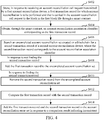
FIG. 4 is a schematic flowchart of an account reconciliation processing according to an embodiment. -
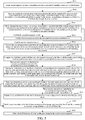
FIG. 5 is a schematic flowchart of a data processing method according to another embodiment. -
FIG. 6 is a block diagram of a data processing apparatus according to an embodiment. -
FIG. 7 is a block diagram of a data processing apparatus according to another embodiment. -
FIG. 8 is a schematic diagram of an inner structure of a computer device according to an embodiment. - To make the objectives, technical solutions, and advantages of the present disclosure clearer and more comprehensible, the present disclosure is further described below in detail with reference to the accompanying drawings and the embodiments. It is to be understood that specific embodiments described herein are merely used for explaining the present disclosure, but are not intended to limit the present disclosure.
-
FIG. 1 is a diagram of an application scenario of a data processing method according to an embodiment. Referring toFIG. 1 , the application scenario includes a firstaccount reconciliation device 110, a secondaccount reconciliation device 120 and ablockchain node 130 connected through a network. Theblockchain node 130 is used for storing a block in a blockchain. Theblockchain node 130 is constituted by one or more servers.Multiple blockchain nodes 130 constitute a blockchain platform. The blockchain platform may be a private blockchain platform or an open blockchain platform. The blockchain platform may be a cloud blockchain platform. The cloud blockchain platform is a platform constructed on a cloud foundation, so that a user can quickly construct a required infrastructure and a blockchain service on an open cloud platform. - The first
account reconciliation device 110 and the secondaccount reconciliation device 120 are devices of account reconciliation counterparties for implementing account reconciliation. The firstaccount reconciliation device 110 and the secondaccount reconciliation device 120 may be terminals or servers. The terminal may be an intelligent television, a desktop computer, or a mobile terminal, and the mobile terminal may include at least one of a mobile phone, a tablet computer, a notebook computer, a personal digital assistant, and a wearable device. The server may be implemented by an independent server or a server cluster including multiple physical servers. - The first
account reconciliation device 110 and the secondaccount reconciliation device 120 may store a transaction record on which account reconciliation is to be performed to a blockchain in theblockchain node 130. Blocks on the blockchain are stored in a first block file. Theblockchain node 130 may detect, for each block in the first block file, a to-be-maintained transaction record in the block; select, from a hash tree of the block, nodes used for proving that the transaction record belongs to the block; construct a node maintenance tree according to the selected nodes; store the transaction record at a corresponding leaf node of the node maintenance tree; update a second block file by storing, in an associated manner, a block head of the block and the node maintenance tree storing the transaction record, the block head of the block being adjacent to a block head of a previous block in the second block file; and delete the first block file after the update processing for the each block is completed. The second block file stores the to-be-maintained transaction record of each updated block and does not include transaction records that do not need to be maintained, thereby saving storage space. In addition, block heads of all blocks in the second block file are still adjacent to each other according to a sequence in the first block file, that is, the characteristic of head-to-tail connection on the blockchain by means of hash values is still maintained. Therefore, the transaction record maintained in the second block file still cannot be forged and tampered with. -
FIG. 1 shows only one of application scenarios of the data processing method in the present disclosure. The data processing method in the present disclosure can properly clear transaction records not only in the account reconciliation scenario as shown inFIG. 1 , but also in other scenarios. -
FIG. 2 is a schematic flowchart of a data processing method according to an embodiment. In this embodiment, description is made mainly by using an example in which the data processing method is applied to theblockchain node 130 inFIG. 1 . Referring toFIG. 2 , the method specifically includes the following steps S202 to S210. - In step S202, for each block in a first block file, a to-be-maintained transaction record in the block is detected.
- The to-be-maintained transaction record is a transaction record that does not need to be cleared. The first block file is a file of an original blockchain stored on a blockchain node. The first block file includes multiple blocks constituting the blockchain. Each block may include one or more transaction records. There may be one or more transaction records to be maintained.
- In an embodiment, the transaction record may be a transaction record used for account reconciliation. In other embodiments, the transaction record may alternatively be a transaction record used for storing backups. It may be understood that, the transaction record may alternatively be a transaction record used in other usage scenarios. This is not limited herein.
- In an embodiment, for each block in the first block file, the blockchain node may detect in the block a directly specified to-be-maintained transaction record.
- In an embodiment, the blockchain node may alternatively analyze the transaction records in the blocks, to determine the to-be-maintained transaction record. Optionally, the blockchain node may obtain states of the transaction records in the block, to determine a transaction record in an effective state as the to-be-maintained transaction record. The blockchain node may alternatively select from the block a transaction record that belongs to a set of transaction records that are not successfully processed, as the to-be-maintained transaction record.
- It may be understood that, the blockchain node may perform steps S202 to S210 block by block from the first block in the first block file. The blockchain node may alternatively perform steps S202 to S210 concurrently on the blocks in the first block file. This is not limited herein.
- It is noted that, the blockchain node may detect a to-be-maintained transaction record from the block or may detect no to-be-maintained transaction record in the block. Therefore, in response to that a to-be-maintained transaction record is detected from the block, steps S204 to S210 are performed, and in response to that no to-be-maintained transaction record is detected from the block, the second block file is updated by only storing a block head of the block to be adjacent to a block head of a previous block. For example, for a block including no to-be-maintained transaction record, the blockchain node may determine a block head of a previous block of the block in the second block file, and update and store a block head of the block after the block head of the previous block to the second block file. That is, for a block including no to-be-maintained transaction record, the second block file may store only the block head but does not store any transaction record.
- In step S204, from a hash tree of the block, nodes used for proving that the transaction record belongs to the block is selected.
- The hash tree of the block is a hash tree generated according to the transaction records in the block. Leaf nodes of the hash tree are in a one-to-one correspondence with hash values of the transaction records in the block. A hash value of a root node of the hash tree is calculated according to hash values of the leaf nodes. The hash value of the root node of the hash tree uniquely corresponds to the block.
- The node used for proving that the to-be-maintained transaction record belongs to the block refers to a node corresponding to a hash value required when the hash value of the root node is calculated from the hash values of the leaf nodes corresponding to the to-be-maintained transaction record. It may be understood that, because the hash value of the root node needs to be calculated from the hash values of the leaf nodes corresponding to the to-be-maintained transaction record, the selected nodes include the root node and the leaf node corresponding the to-be-maintained transaction record.
- In an embodiment, the hash tree may be a double-layer hash tree. The double-layer hash tree refers to a two-layer hash tree including a layer of root node and a layer of leaf node. A hash value of the root node of the double-layer hash tree may be obtained by performing a hash operation on a series of connected hash values of all leaf nodes. It may be understood that, when the hash tree is a double-layer hash tree, the selected nodes used for proving that the transaction record belongs to the block are all nodes of the hash tree.
- In another embodiment, the hash tree may alternatively be a multi-layer hash tree. The multi-layer hash tree refers to a hash tree with more than two layers. In this case, the node used for proving that the transaction record belongs to the block is only some nodes of the multi-layer hash tree. In an embodiment, the multi-layer hash tree may be a Merkle tree. The Merkle tree is a data structure in a form of a multi-hierarchical tree. Labels of leaf nodes of the Merkle tree are hash values of transaction records. A label of a leaf node is a hash value obtained by performing a hash operation on a series of connected labels of child nodes of the leaf node. It may be understood that, a label of a root node of the Merkle tree is a hash value obtained by performing a hash operation on a series of connected labels of nodes at the hierarchy nearest to the root node.
- When there are multiple to-be-maintained transaction records, for each to-be-maintained transaction record, nodes used for proving that the to-be-maintained transaction record belongs to the block are selected from the hash tree of the block. It may be understood that, the nodes selected for the multiple to-be-maintained transaction records may be repeated.
- In step S206, a node maintenance tree is constructed according to the selected nodes.
- The selected nodes are to-be-maintained nodes in the original hash tree. The node maintenance tree is a hash tree reconstructed according to the selected to-be-maintained nodes.
- In a case of only one to-be-maintained transaction record, the node maintenance tree may be constructed only according to nodes selected for the transaction record. When there are multiple to-be-maintained transaction records, nodes selected for the multiple to-be-maintained transaction records may be gathered and deduplicated, and then the node maintenance tree is reconstructed according to the deduplicated nodes. The constructed node maintenance tree maintains the hierarchical relationship of the selected nodes in the original hash tree.
- For ease of understanding, the node maintenance tree is described by using an example with reference to
FIG. 3 . Referring toFIG. 3 , a block head of an (n-1)th block includes a hash value of a previous block and a root hash of the (n-1)th block. A root hash inFIG. 3 is a root node of a Merkle tree. A block head of an nth block includes a hash value of the (n-1)th block and a root hash of the nth block, and a block head of an (n+1)th block includes a hash value of the nth block and a root hash of the (n+1)th block. Using the nth block as an example, assuming that the nth block includes four transaction records Tx(1) to Tx(4), a hash operation is performed on Tx(1) to Tx(4) separately, to obtain corresponding hash values H(1) to H(4). Therefore, a hash tree including leaf nodes H(1) to H(4), H(1+2), and H(3+4), and the root node may be generated by using the four transaction records. H(1+2) is the father node of H(1) and H(2), and a hash value corresponding to H(1+2) is obtained by performing a hash operation on a series of connected H(1) and H(2). H(3+4) is the father node of H(3) and H(4), and a hash value corresponding to H(3+4) is obtained by performing a hash operation on a series of connected H(3) and H(4). The root node is the father node of H(1+2) and H(3+4), and a hash value corresponding to the root node is obtained by performing a hash operation on a series of connected H(1+2) and H(3+4). - For the nth block, assuming that the transaction record Tx(3) is detected as a to-be-maintained transaction record, and the other transaction records are transaction records that do not need to be maintained, nodes used for proving that Tx(3) belongs to the block may be selected. As shown in
FIG. 3 , the circled nodes are to-be-selected nodes in addition to the root node. That is, in addition to the root node, the nodes H(1+2), H(3+4), H(3), and H(4) need to be selected to construct the node maintenance tree. In another example, assuming that it is detected that the transaction records Tx(2) and Tx(3) are to-be-maintained transaction records, nodes used for proving that Tx(2) and Tx(3) belong to the block may be selected separately. It may be understood that, the nodes selected for Tx(2) also include H(1+2) and H(3+4). Therefore, the nodes selected for Tx(2) and Tx(3) need to be gathered and deduplicated. After the deduplication, all nodes in the entire hash tree are selected to construct the node maintenance tree. Then, Tx(2) and Tx(3) are only stored in respective leaf nodes. - In step S208, the to-be-maintained transaction record is stored to a corresponding leaf node of the node maintenance tree.
- Optionally, the blockchain node may store the to-be-maintained transaction record to a data block corresponding to a leaf node corresponding to the to-be-maintained transaction in the node maintenance tree.
- Still using
FIG. 3 as an example, in the node maintenance tree, the blockchain node may store the transaction record Tx(3) to a data block corresponding to the leaf node H(3) corresponding to the transaction record Tx(3). - In step S210, a second block file is updated by storing, in an associated manner, a block head of the block and the node maintenance tree storing the transaction record, the block head being adjacent to a block head of a previous block in the second block file.
- It may be understood that, the second block file is different from the first block file, and is a block file newly created on the blockchain node.
- Optionally, the blockchain node may serialize the block head of the block and the node maintenance tree storing the transaction record, and transform the block head of the block and the node maintenance tree storing the transaction record into a storable form. The blockchain node may determine in the second block file a block head of a previous block of the block. The second block file is updated so that the block head of the previous block is adjacent to the block head of the serialized block, and the serialized node maintenance tree storing the to-be-maintained transaction record and the block head of the block is stored to the second block file in an associated manner.
- In an embodiment, the method further includes: obtaining a second storage position of the second block file; and modifying a position index of the block from pointing to a first storage position of the first block file to pointing to the second storage position.
- The position index of the block refers to an index used for searching for a storage position of the block.
- It may be understood that, the position index of the block initially points to the first storage position of the first block file, and after the blockchain node updates the block to the second block file according to steps S204 to 210, the position index of the block may be modified to point to the second storage position of the second block file. In this way, the block may be found subsequently from the second block file according to the position index pointing to the second storage position.
- Because there is a consensus mechanism between the blockchain nodes, after reaching consensus, all the blockchain nodes update the block head of the block and the node maintenance tree storing the transaction record to the second block file in an associated manner.
- In step S212, the first block file is deleted after the update processing is completed for each block.
- It may be understood that, in the first block file, for the block including a to-be-maintained transaction record, the second block file is updated so that the block head of the previous block is adjacent to the block head of the block and is stored with the node maintenance tree storing the to-be-maintained transaction record in an associated manner by performing steps S204 to S210. For the block including no to-be-maintained transaction record, the second block file is updated so that the block head of the block is stored in a position after the block head of the previous block. The content of each block stored in the second block file is the content obtained after the block is updated. Therefore, after each block in the first block file is updated completely, a second block file including all the updated blocks is obtained, and then the first block file may be deleted.
- Because there is a consensus mechanism between the blockchain nodes, after reaching consensus, all the blockchain nodes delete the first block file.
- In the foregoing embodiment, because the block heads do not change and the block heads are still adjacent successively, the characteristic of head-to-tail connection on the blockchain by means of hash values is maintained. In this way, according to the transaction record stored in the leaf node of the node maintenance tree, and the node in the node maintenance tree, it can be proved that the transaction record belongs to the corresponding original block. That is, the function of an original hash tree for checking data authenticity is still maintained, so that the transaction record maintained in the second block file still cannot be forged or tampered with. The first block file is deleted after the update processing is completed for the each block. The second block file does not store transaction records that do not need to be maintained in the original block, but only stores the to-be-maintained transaction record and the node maintenance tree used for checking authenticity of the transaction record, and therefore greatly saves storage resources compared with the first block file.
- In an embodiment, the transaction record is a transaction record used for account reconciliation. Step S202 includes: comparing, for each block in the first block file, a transaction record in the block with a transaction record in an unsuccessful account reconciliation set; and determining, in response to that the transaction record in the block is found in the unsuccessful account reconciliation set, that the transaction record is the to-be-maintained transaction record.
- The unsuccessful account reconciliation set is a set formed by transaction records for which account reconciliation is unsuccessful.
- In an embodiment, the unsuccessful account reconciliation set may be a set including both transaction records on which account reconciliation has not been performed yet and transaction records for which account reconciliation is failed.
- In an embodiment, the unsuccessful account reconciliation set may include an uncompleted account reconciliation set or an account reconciliation error set.
- In an embodiment, the unsuccessful account reconciliation set may include two subsets: an uncompleted account reconciliation set and an account reconciliation error set.
- The uncompleted account reconciliation set is a set formed by transaction records for which account reconciliation processing has not been performed. The account reconciliation error set is a set formed by transaction records determined as inconsistent in account reconciliation (that is, an error occurs in account reconciliation).
- Optionally, the blockchain node may compare each transaction record in the block with the transaction records in the unsuccessful account reconciliation set, to determine whether the unsuccessful account reconciliation set includes the transaction record in the block. In response to that the transaction record in the block is consistent with a transaction record in the unsuccessful account reconciliation set, it indicates that the transaction record is included in the unsuccessful account reconciliation set, and the transaction record in the block and included in the unsuccessful account reconciliation set may be determined as a to-be-maintained transaction record. In response to that the transaction record in the block is not consistent with any transaction records in the unsuccessful account reconciliation set, it indicates that the transaction record is not in the unsuccessful account reconciliation set, and the transaction record may be determined as a transaction record that does not need to be maintained.
- In the foregoing embodiment, the unsuccessful account reconciliation set is configured on the blockchain, and the transaction record in the block is compared with the transaction records in the unsuccessful account reconciliation set, so that the to-be-maintained transaction record can be determined more quickly.
- In an embodiment, the unsuccessful account reconciliation set includes an uncompleted account reconciliation set. The method further includes an account reconciliation step, and the account reconciliation step may include the following steps S402 to S408.
- In step S402, in response to receiving an account reconciliation call request transmitted by a first account reconciliation device, a first transaction record on which account reconciliation is to be performed and that is carried in the account reconciliation call request is stored to the block in the first block file through a smart contract.
- The uncompleted account reconciliation set is a set formed by transaction records on which account reconciliation processing has not been performed. The first account reconciliation device is a device used by a party initiating account reconciliation processing. The account reconciliation call request is used for requesting to call a smart contract on the blockchain, to implement account reconciliation processing.
- The smart contract is a piece of code configured on a blockchain, which is obtained by programming a protocol that is formulated jointly by the blockchain nodes and is used for clarifying rights and obligations. The code contains conditions that trigger automatic execution of a contract. It may be understood that, when a trigger condition for an event is met, after the blockchain nodes reach consensus on the event, the smart contract may automatically execute the event.
- It may be understood that, the blockchain nodes pre-create an uncompleted account reconciliation set used for storing transaction records on which account reconciliation has not been performed. The initially created uncompleted account reconciliation set may be a null set not including any transaction record.
- Optionally, when both account reconciliation parties perform account reconciliation, an account reconciliation call request may be transmitted to the blockchain nodes through respective account reconciliation devices, to request to call the smart contract set on the blockchain node. In response to that the blockchain node receives the account reconciliation call request transmitted by the first account reconciliation device, the account reconciliation call request may be parsed through the smart contract, to obtain a first transaction record on which account reconciliation is to be performed. The blockchain node may store the first transaction record to the block in the first block file through the smart contract.
- It may be understood that, when receiving the account reconciliation call request transmitted by the account reconciliation device used by any of the account reconciliation counterparties, the blockchain node may store the transaction record carried in the account reconciliation call request to the block in the first block file through the smart contract.
- In step S404, an account reconciliation association identifier corresponding to the first transaction record is obtained through the smart contract.
- The account reconciliation association identifier is used for associating transaction records that are used to represent the same transaction and respectively transmitted by account reconciliation devices used by the account reconciliation counterparties.
- In an embodiment, the account reconciliation association identifier may include a transaction serial number. Therefore, account reconciliation processing needs to be performed on the transaction records that correspond to the same transaction serial number and that are transmitted by the two account reconciliation counterparties. It may be understood that, in other embodiments, the account reconciliation association identifier may alternatively be other identifiers that can uniquely represent the same transaction.
- It may be understood that, the blockchain node may extract the account reconciliation association identifier from the first transaction record through the smart contract. The blockchain node may alternatively extract, from the account reconciliation call request, the account reconciliation association identifier corresponding to the first transaction record through the smart contract.
- In step S406, an uncompleted account reconciliation set created on a blockchain is searched for a second transaction record of a second account reconciliation device, where the second transaction record corresponds to the account reconciliation association identifier.
- The second account reconciliation device is a device used by the other party initiating the account reconciliation processing.
- Specifically, the blockchain node may search the transaction records of the uncompleted account reconciliation set through the smart contract for a second transaction record corresponding to the account reconciliation association identifier. The second transaction record is a transaction record carried in an account reconciliation call request transmitted by the second account reconciliation device used by the other party initiating the account reconciliation processing.
- In step S408, the first transaction record is added to the uncompleted account reconciliation set in response to not finding the second transaction record.
- It may be understood that, the two account reconciliation counterparties are not completely synchronous when calling the smart contract to perform account reconciliation, but definitely vary in speed, and sequences of transaction records selected for account reconciliation may also be different. When one account reconciliation party transmits a transaction record on which account reconciliation is to be performed to the smart contract, the other party may have not transmitted a transaction record corresponding to the same account reconciliation association identifier to the smart contract. Therefore, it is possible that the second transaction record of the second account reconciliation device corresponding to the account reconciliation association identifier is not found. Similarly, if the other party first transmits a transaction record on which account reconciliation is to be performed to the smart contract, no transaction record corresponding to the same account reconciliation association identifier can be found for the transaction record transmitted first. As a result, account reconciliation cannot be performed. Therefore, the transaction record transmitted first is added to the uncompleted account reconciliation set.
- Therefore, from the uncompleted account reconciliation set, the blockchain node may or may not find the second transaction record of the second account reconciliation device corresponding to the account reconciliation association identifier.
- The blockchain node may add the first transaction record to the uncompleted account reconciliation set in response to not finding the second transaction record.
- In an embodiment, in response to finding the second transaction record of the second account reconciliation device corresponding to the account reconciliation association identifier, the blockchain node may delete the second transaction record from the uncompleted account reconciliation set, and compare the first transaction record with the second transaction record. In response to a comparison result indicating inconsistent, distinction processing may be performed on the first transaction record and the second transaction record and transaction records for which account reconciliation is successful. The distinction processing refers to processing that distinguishes the first transaction record and the second transaction record from the transaction records for which account reconciliation is successful.
- In an embodiment, the blockchain node may add an account reconciliation failure mark to the first transaction record and the second transaction record which are compared as inconsistent. It may be understood that, the blockchain node may alternatively distinguish the first transaction record and the second transaction record compared as inconsistent, from the transaction records for which account reconciliation is successful in other manners.
- In the foregoing embodiment, the uncompleted account reconciliation set is configured on the blockchain, and when the account reconciliation call request is received, the uncompleted account reconciliation set is used to implement the real-time account reconciliation processing, so that the account reconciliation is more timely and convenient.
- As shown in
FIG. 4 , in an embodiment, the unsuccessful account reconciliation set further includes an account reconciliation error set. In addition to steps S402 to 408, the account reconciliation processing further includes the following steps S410 to S414. - In step S410, the second transaction record is removed from the uncompleted account reconciliation set in response to finding the second transaction record.
- In step S412, the first transaction record is compared with the second transaction record.
- Optionally, in response to finding the second transaction record in the uncompleted account reconciliation set, the blockchain node deletes the second transaction record from the uncompleted account reconciliation set, and compares the second transaction record with the first transaction record, to determine whether the second transaction record and the first transaction record are consistent.
- In step S414, the first transaction record and the second transaction record are added to the account reconciliation error set in response to a comparison result indicating inconsistent.
- The account reconciliation error set is a set formed by transaction records failed in account reconciliation.
- It may be understood that, the result of comparing the second transaction record with the first transaction record includes a consistent result and an inconsistent result. In response to the consistent result, it is determined that the first transaction record and the second transaction record are transaction records for which account reconciliation is successful. In response to the inconsistent result, which indicates that the first transaction record and the second transaction record are transaction records for which account reconciliation is failed, the first transaction record and the second transaction record may be added to the account reconciliation error set.
- In an embodiment, the blockchain node may receive modification processing for the transaction records in the account reconciliation error set, and perform account reconciliation comparison processing on the modified transaction records again.
- In the foregoing embodiment, two types of sets for which account reconciliation is unsuccessful, that is, the uncompleted account reconciliation set and the account reconciliation error set, are set on the blockchain. It is quite convenient to perform real-time account reconciliation through the two types of sets, and an account reconciliation result can be managed more accurately.
- In an embodiment, step S204 includes: determining, in the hash tree of the block, a leaf node corresponding to the transaction record; selecting a first ancestor node and a sibling leaf node of the leaf node from the hash tree; selecting, for each non-sibling leaf node of the leaf node, a second ancestor node among all ancestor nodes of the non-sibling leaf node; and constructing a node maintenance tree according to the leaf node, the first ancestor node, the sibling leaf node, and the second ancestor node.
- The leaf node corresponding to the transaction record refers to a leaf node with a label as a hash value of the to-be-maintained transaction record. The ancestor node refers to a node in an ancestor relationship with the leaf node. It may be understood that, a father node, a grandfather node, and a great-grandfather node all belong to ancestor nodes of the leaf node. The sibling leaf node refers to a leaf node corresponding to the same father node as the leaf node. The non-sibling leaf node refers to a leaf node not having the same father node as the leaf node.
- Optionally, the blockchain node may select, from the hash tree, a first ancestor node of a leaf node corresponding to the to-be-maintained transaction record and a sibling leaf node of the leaf node. It may be understood that, the first ancestor node includes all ancestor nodes of the leaf node. Because the root node is definitely an ancestor node of the leaf node corresponding to the to-be-maintained transaction record, the first ancestor node includes the root node. The blockchain node may determine, from the hash tree, a non-sibling leaf node of the leaf node corresponding to the transaction record, and determine an ancestor node nearest to the root node among all ancestor nodes of the non-sibling leaf node, to obtain a second ancestor node. It may be understood that, there may be one or more non-sibling leaf nodes. When ancestor nodes nearest to the root node of multiple non-sibling leaf nodes are different, each ancestor node nearest to the root node is selected. When ancestor nodes nearest to the root node of multiple non-sibling leaf nodes are the same, only the ancestor node nearest to the root node may be selected.
- The blockchain node may construct the node maintenance tree according to the leaf node, the first ancestor node, the sibling leaf node, and the second ancestor node.
- Explanation and description are provided with reference to
FIG. 3 . For example, if a to-be-maintained transaction record is Tx(3), a leaf node corresponding to the to-be-maintained transaction record is H(3), a sibling leaf node of H(3) is H(4), and first ancestor nodes of H(3) are H(3+4) and the root node. H(1) and H(2) are non-sibling leaf nodes of H(3), and second ancestor nodes nearest to the root node of the non-sibling leaf nodes H(1) and H(2) both are H(1+2). Therefore, the blockchain node may construct a node maintenance tree according to the leaf nodes H(3), H(4), H(3+4), and H(1+2) corresponding to Tx(3), and the root node. - In the foregoing embodiment, the node maintenance tree is constructed according to the leaf node, the first ancestor node, the sibling leaf node, and the second ancestor node corresponding to the to-be-maintained transaction record on the original hash tree, so that while maintaining the function of the original hash tree for checking data authenticity, unnecessary nodes and transaction record data can be eliminated, and thus storage resources are saved to some extent.
- As shown in
FIG. 5 , in an embodiment, a data processing method is provided, and the data processing method specifically includes the following steps S502 to S522. - In step S502, an uncompleted account reconciliation set and an account reconciliation error set are created on a blockchain.
- The initially created uncompleted account reconciliation set and account reconciliation error set may be null sets. That is, no transaction record is included initially, but subsequently, transaction records are added according to actual account reconciliation situations.
- It may be understood that, the uncompleted account reconciliation set and the account reconciliation error set are some state data of the blockchain.
- In step S504, in response to receiving an account reconciliation call request transmitted by a first account reconciliation device with respect to a smart contract, a first transaction record on which account reconciliation is to be performed and that is carried in the account reconciliation call request is stored to a block in a first block file through the smart contract.
- In step S506, through the smart contract, an account reconciliation association identifier corresponding to the first transaction record is obtained; and an uncompleted account reconciliation set created on the blockchain is searched for a second transaction record of a second account reconciliation device corresponding to the account reconciliation association identifier. In response to not finding the second transaction record, step S508 is performed, and in response to finding the second transaction record, step S510 is performed.
- In step S508, the first transaction record is added to the uncompleted account reconciliation set.
- The account reconciliation association identifier is used for marking, in an associated manner, transaction records that are transmitted by account reconciliation devices used by two account reconciliation counterparties and that represent the same transaction.
- It may be understood that, the blockchain is generated by generating blocks sequentially from the first block, to store transaction records. Therefore, transaction records included in the uncompleted account reconciliation set in S506 are transaction records for which account reconciliation has not been performed by the time that the first transaction record is stored to the block. For example, if the first four blocks in the first block file are full, a first transaction record R1 is stored to a fifth block. Therefore, the uncompleted account reconciliation set includes, transaction records for which account reconciliation has not been performed, stored in the first to fifth blocks. The blockchain node may search the current uncompleted account reconciliation set for a second transaction record R2 corresponding to the same account reconciliation association identifier as the first transaction record R1. If there is no second transaction record R2, the first transaction record R1 may be added to the uncompleted account reconciliation set.
- In step S510, the second transaction record is removed from the uncompleted account reconciliation set; the first transaction record is compared with the second transaction record; and the first transaction record and the second transaction record are added to the account reconciliation error set in response to a comparison result indicating inconsistent.
- Similarly, since the blockchain is generated by generating blocks sequentially from the first block to store transaction records, transaction records included in the account reconciliation error set to which the first transaction record and the second transaction record are added are transaction records for which an error occurs in account reconciliation by the time that the first transaction record is stored to the block.
- It may be understood that, steps S504 to S510 describe a real-time account reconciliation process, that is, the blockchain node may store the first transaction record carried in the account reconciliation call request of the first account reconciliation device to the block while performing account reconciliation processing on the first transaction record, thereby implementing real-time account reconciliation processing at the same time as the storage.
- The terms "first account reconciliation device" and "second account reconciliation device" herein are only used for distinguishing, rather than limitation. It may be understood that, after receiving an account reconciliation call request from any party, the smart contract may store the transaction record carried in the account reconciliation call request to the block.
- In addition, because when the two account reconciliation counterparties are not completely synchronous when performing account reconciliation by calling the smart contract, but definitely vary in speed, and sequences of transaction records selected for account reconciliation may also be different. When one account reconciliation party transmits a transaction record on which account reconciliation is to be performed to the smart contract through an account reconciliation device, and the other account reconciliation party has not transmitted the account reconciliation data, the transaction record on which account reconciliation is to be performed may be added to the uncompleted account reconciliation set.
- It may be understood that, when one account reconciliation party transmits a transaction record on which account reconciliation is to be performed to the smart contract, and the other account reconciliation party also has transmitted a transaction record corresponding to the same transaction, the different transaction records corresponding to the same transaction may be compared. If the transaction records are inconsistent, it indicates that an error occurs in the account reconciliation, and the transaction records which are inconsistent may be added to the account reconciliation error set.
- In step S512, for each block in the first block file, the transaction record in the block is compared with the transaction records in the account reconciliation error set and the uncompleted account reconciliation set. In response to that the transaction record in the block is found in the account reconciliation error set or the uncompleted account reconciliation set, steps S514 to S516 are performed, and in response to that the transaction record in the block is not found in the account reconciliation error set or the uncompleted account reconciliation set, step S518 is performed.
- It may be understood that, for each block in the first block file, the blockchain node may perform step S512 at a preset cycle (which is equivalent to clearing data in the blockchain regularly). In other embodiments, the blockchain node may also trigger to perform step S512 when a quantity of blocks in the first block file reaches a preset quantity threshold (which is equivalent to clearing data in the blockchain when there are excessive blocks in the blockchain, and excessively large storage space is occupied).
- In step S514, in the hash tree of the block, a leaf node corresponding to the transaction record is determined; a first ancestor node and a sibling leaf node of the leaf node are selected from the hash tree; for each non-sibling leaf node of the leaf node, a second ancestor node nearest to a root node among all ancestor nodes of the non-sibling leaf node is selected; and a node maintenance tree is constructed according to the leaf node, the sibling leaf node, the first ancestor node, and the second ancestor node.
- In S516, the transaction record is stored to a corresponding leaf node of the node maintenance tree; and a block head of the block and the node maintenance tree storing the transaction record are stored to a second block file in an associated manner, the block head being adjacent to a block head of a previous block in the second block file.
- In step S518, the second block file is updated so that the block head of the block is adjacent to the block head of the previous block.
- In step S520, a position index of the block is modified from pointing to a first storage position of the first block file to pointing to a second storage position of the second block file.
- In step S522, the first block file is deleted after the update processing for the each block is completed.
- In the foregoing embodiment, in the second block file, because the block heads do not change and the block heads are still adjacent successively, the characteristic of head-to-tail connection on the blockchain by means of hash values is maintained. In this way, according to the transaction record stored in the leaf node of the node maintenance tree, and the node in the node maintenance tree, it can be proved that the transaction record belongs to the corresponding original block. That is, the function of an original hash tree for checking data authenticity is still maintained, so that the transaction record maintained in the second block file still cannot be forged or tampered with. The first block file is deleted after the update processing is completed for the each block. The second block file does not store transaction records that do not need to be maintained in the original block, but only stores the to-be-maintained transaction record and the node maintenance tree used for checking authenticity of the transaction record, and therefore greatly saves storage resources compared with the first block file.
- As shown in
FIG. 6 , in an embodiment, a data processing apparatus 600 is provided. The apparatus may be implemented as all or a part of a computer device in a manner of hardware or combining hardware and software. Optionally, the computer device may be the blockchain node inFIG. 1 . The apparatus 600 includes: anode maintenance module 602, atransaction storage module 604, ablock update module 606, and adeletion module 608. - The
node maintenance module 602 is configured to: detect, for each block in a first block file, a to-be-maintained transaction record in the block; select, from a hash tree of the block, nodes used for proving that the transaction record belongs to the block; and construct a node maintenance tree according to the selected nodes. - The
transaction storage module 604 is configured to store the transaction record at a corresponding leaf node of the node maintenance tree. - The
block update module 606 is configured to update a second block file by storing, in an associated manner, a block head of the block and the node maintenance tree storing the transaction record, the block head of the block being adjacent to a block head of a previous block in the second block file. - The
deletion module 608 is configured to delete the first block file after the update processing for the each block is completed. - In an embodiment, the
node maintenance module 602 is configured to perform, in response to that the to-be-maintained transaction record is detected in the block, the operation of selecting, from a hash tree of the block, nodes used for proving that the transaction record belongs to the block; and the node maintenance module 620 is further configured to instruct, in response to that no to-be-maintained transaction record is detected in the block, theblock update module 606 to update the second block file by storing the block head of the block to be adjacent to the block head of the previous block. - In an embodiment, the transaction record is a transaction record used for account reconciliation; and the
node maintenance module 602 is further configured to compare a transaction record in the block with a transaction record in an unsuccessful account reconciliation set; and determine, in response to that the transaction record in the block is found in the unsuccessful account reconciliation set, the transaction record as the to-be-maintained transaction record. - As shown in
FIG. 7 , in an embodiment, the unsuccessful account reconciliation set includes an uncompleted account reconciliation set. The apparatus 600 further includes:
a real-timeaccount reconciliation module 601, configured to store, in response to receiving an account reconciliation call request transmitted by a first account reconciliation device, a first transaction record on which account reconciliation is to be performed to the block in the first block file through a smart contract, the first transaction record being carried in the account reconciliation call request; obtain, through the smart contract, an account reconciliation association identifier corresponding to the first transaction record; search an uncompleted account reconciliation set created on a blockchain for a second transaction record of a second account reconciliation device, where the second transaction record corresponds to the account reconciliation association identifier; and add the first transaction record to the uncompleted account reconciliation set in response to not finding the second transaction record. - In an embodiment, the unsuccessful account reconciliation set further includes an account reconciliation error set. The real-time
account reconciliation module 601 is further configured to: remove the second transaction record from the uncompleted account reconciliation set in response to finding the second transaction record; compare the first transaction record with the second transaction record; and add the first transaction record and the second transaction record to the account reconciliation error set in response to a comparison result indicating inconsistent. - In an embodiment, the
node maintenance module 602 is further configured to: determine, in the hash tree of the block, a leaf node corresponding to the transaction record; select a first ancestor node and a sibling leaf node of the leaf node from the hash tree; select, for each non-sibling leaf node of the leaf node, a second ancestor node nearest to a root node among all ancestor nodes of the non-sibling leaf node; and construct a node maintenance tree according to the leaf node, the first ancestor node, the sibling leaf node, and the second ancestor node. - In an embodiment, the hash tree is a double-layer hash tree, a hash value of a root node of the double-layer hash tree is obtained by performing a hash operation on a series of connected hash values of all leaf nodes, and the selected nodes are all nodes of the hash tree.
- In an embodiment, the
block update module 606 is further configured to obtain a second storage position of the second block file; and modify a position index of the block from pointing to a first storage position of the first block file to pointing to the second storage position. -
FIG. 8 is a schematic diagram of an inner structure of a computer device according to an embodiment. Referring toFIG. 8 , the computer device may be any server in theblockchain node 130 shown inFIG. 1 . The computer device includes a processor, a memory, and a network interface connected through a system bus. The memory includes a non-volatile storage medium and an internal memory. The non-volatile storage medium of the computer device may store an operating system and a computer program. The computer program, when executed, may cause the processor to perform all or some steps of the data processing method in the foregoing method embodiments. The processor of the computer device is used to provide calculation and control capabilities, to support running of the entire computer device. The internal memory may store a computer program, and the computer program, when executed by the processor, may cause the processor to perform all or some steps of the data processing method in the foregoing method embodiments. The network interface of the computer device is configured to perform network communication. - A person skilled in the art may understand that the structure shown in
FIG. 8 is only a block diagram of a part of the structure related to the solution of the present disclosure, and does not constitute a limitation on the computer device to which the solution of the present disclosure is applied. The computer device may specifically include more or fewer components than components shown in the figure, or combine some components, or have a different component arrangement. - In an embodiment, the data processing apparatus provided in the present disclosure may be implemented in a form of a computer program that may be executed on the computer device shown in
FIG. 8 . The non-volatile storage medium of the computer device may store program modules constituting the data processing apparatus, such as thenode maintenance module 602, thetransaction storage module 604, theblock update module 606, and thedeletion module 608 shown inFIG. 6 . The computer program constituted by the program modules is used for making the computer device perform the operations in the data processing method of the embodiments of the present disclosure described in this specification. For example, by using thenode maintenance module 602 in the data processing apparatus 600 shown inFIG. 6 , the computer device may detect, for each block in a first block file, a to-be-maintained transaction record in the block; select, from a hash tree of the block, nodes used for proving that the transaction record belongs to the block; and construct a node maintenance tree according to the selected nodes. The computer device may store the transaction record at a corresponding leaf node of the node maintenance tree by using thetransaction storage module 604. The computer device may, by using theblock update module 606, update a second block file by storing, in an associated manner, a block head of the block and the node maintenance tree storing the transaction record, the block head of the block being adjacent to a block head of a previous block in the second block file. The computer device may delete the first block file by using thedeletion module 608 after the update processing for the each block is completed. - In an embodiment, a computer device is provided, including a processor and a memory. The memory stores a computer program, the computer program, when executed by the processor, causing the processor to perform the steps of the foregoing data processing method. The steps of the data processing method herein may be the steps of the data processing method in the foregoing embodiments.
- In an embodiment, a computer-readable storage medium is provided, storing a computer program, the computer program, when executed by a processor, causing the processor to perform the steps of the foregoing data processing method. The steps of the data processing method herein may be the steps of the data processing method in the foregoing embodiments.
- "First" and "second" in the embodiments of the present disclosure are merely used for distinction, and are not intended to constitute a limitation in aspects of a size, an order, subordination, or the like.
- It is to be understood that steps in the various embodiments of the present disclosure are not necessarily performed in a sequence indicated by the step numbers. Unless explicitly specified in the present disclosure, the sequence for performing the steps is not strictly limited, and the steps may be performed in other sequences. Moreover, at least some of the steps in each embodiment may include multiple sub-steps or multiple stages. The sub-steps or stages are not necessarily performed at the same moment but may be performed at different moments. These sub-steps or stages are not necessarily performed in sequence, but may be performed in turn or alternately with at least some of other steps or sub-steps or stages of the other steps.
- A person of ordinary skill in the art may understand that all or some of the processes of the methods in the foregoing embodiments may be implemented by a computer program instructing relevant hardware. The program may be stored in a non-volatile computer-readable storage medium. When the program runs, the procedures of the foregoing method embodiments may be performed. Any reference to the memory, storage, a database, or other media used in the embodiments provided in the present disclosure may include a non-volatile and/or volatile memory. The non-volatile memory may include a read-only memory (ROM), a programmable ROM (PROM), an electrically programmable ROM (EPROM), an electrically erasable programmable ROM (EEPROM), or a flash. The volatile memory may include a random access memory (RAM) or an external cache. As an illustration instead of a limitation, the RAM is available in various forms, such as a static RAM (SRAM), a dynamic RAM (DRAM), a synchronous DRAM (SDRAM), a double data rate SDRAM (DDRSDRAM), an enhanced SDRAM (ESDRAM), a synchronization link (Synchlink) DRAM (SLDRAM), a Rambus direct RAM (RDRAM), a direct Rambus dynamic RAM (DRDRAM), and a Rambus dynamic RAM (RDRAM).
- Various technical features in the foregoing embodiments may be combined randomly. For ease of description, possible combinations of various technical features in the foregoing embodiments are not all described. However, the combinations of the technical features are to be considered as falling within the scope recorded in this specification provided that the combinations of the technical features are compatible with each other.
- The foregoing embodiments only describe several implementations of the present disclosure, which are described specifically and in detail, but cannot be construed as a limitation to the patent scope of the present disclosure. A person of ordinary skill in the art may make various changes and improvements without departing from the ideas of the present disclosure, which shall all fall within the protection scope of the present disclosure. Therefore, the protection scope of the patent of the present disclosure shall be subject to the appended claims.
Claims (18)
- A data processing method, performed by a blockchain node, the method comprising:detecting, for each block in a first block file, a to-be-maintained transaction record in the block;selecting, from a hash tree of the block, nodes used for proving that the transaction record belongs to the block;constructing a node maintenance tree according to the selected nodes;storing the transaction record at a corresponding leaf node of the node maintenance tree;updating a second block file by storing, in an associated manner, a block head of the block and the node maintenance tree storing the transaction record, the block head of the block being adjacent to a block head of a previous block in the second block file; anddeleting the first block file after the update processing for the each block is completed.
- The method according to claim 1, wherein the selecting, from a hash tree of the block, nodes used for proving that the transaction record belongs to the block comprises:performing, in response to that the to-be-maintained transaction record is detected in the block, the operation of selecting, from a hash tree of the block, nodes used for proving that the transaction record belongs to the block; andthe method further comprises:
updating, in response to that no to-be-maintained transaction record is detected in the block, the second block file by storing the block head of the block to be adjacent to the block head of a previous block. - The method according to claim 1, wherein the transaction record is a transaction record used for account reconciliation; and the detecting a to-be-maintained transaction record in the block comprises:comparing a transaction record in the block with a transaction record in an unsuccessful account reconciliation set; anddetermining, in response to that the transaction record in the block is found in the unsuccessful account reconciliation set, the transaction record as the to-be-maintained transaction record.
- The method according to claim 3, wherein the unsuccessful account reconciliation set comprises an uncompleted account reconciliation set; and the method further comprises:storing, in response to receiving an account reconciliation call request transmitted by a first account reconciliation device, a first transaction record on which account reconciliation is to be performed to a block in the first block file through a smart contract, the first transaction record being carried in the account reconciliation call request;obtaining, through the smart contract, an account reconciliation association identifier corresponding to the first transaction record;searching an uncompleted account reconciliation set created on a blockchain for a second transaction record of a second account reconciliation device, wherein the second transaction record corresponds to the account reconciliation association identifier; andadding the first transaction record to the uncompleted account reconciliation set in response to not finding the second transaction record.
- The method according to claim 4, wherein the unsuccessful account reconciliation set further comprises an account reconciliation error set; and the method further comprises:removing the second transaction record from the uncompleted account reconciliation set in response to finding the second transaction record;comparing the first transaction record with the second transaction record; andadding the first transaction record and the second transaction record to the account reconciliation error set in response to a comparison result indicating inconsistent.
- The method according to claim 1, wherein the selecting, from a hash tree of the block, nodes used for proving that the transaction record belongs to the block comprises:determining, in the hash tree of the block, a leaf node corresponding to the transaction record;selecting a first ancestor node and a sibling leaf node of the leaf node from the hash tree; andselecting, for each non-sibling leaf node of the leaf node, a second ancestor node nearest to a root node among all ancestor nodes of the non-sibling leaf node; andthe constructing a node maintenance tree according to the selected nodes comprises:
constructing a node maintenance tree according to the leaf node, the first ancestor node, the sibling leaf node, and the second ancestor node. - The method according to claim 1, wherein the hash tree is a double-layer hash tree, a hash value of a root node of the double-layer hash tree is obtained by performing a hash operation on a series of connected hash values of all leaf nodes, and the selected nodes are all nodes of the hash tree.
- The method according to any one of claims 1 to 7, further comprising:obtaining a second storage position of the second block file; andmodifying a position index of the block from pointing to a first storage position of the first block file to pointing to the second storage position.
- A data processing apparatus, applied to a blockchain node, the apparatus comprising:a node maintenance module, configured to: detect, for each block in a first block file, a to-be-maintained transaction record in the block; select, from a hash tree of the block, nodes used for proving that the transaction record belongs to the block; and construct a node maintenance tree according to the selected nodes;a transaction storage module, configured to store the transaction record at a corresponding leaf node of the node maintenance tree;a block update module, configured to update a second block file by storing, in an associated manner, a block head of the block and the node maintenance tree storing the transaction record, the block head of the block being adjacent to a block head of a previous block in the second block file; anda deletion module, configured to delete the first block file after the update processing for the each block is completed.
- The apparatus according to claim 9, whereinthe node maintenance module is configured to perform, in response to that the to-be-maintained transaction record is detected in the block, the operation of selecting, from a hash tree of the block, nodes used for proving that the transaction record belongs to the block; andthe node maintenance module is further configured to instruct, in response to that no to-be-maintained transaction record is detected in the block, the block update module to update the second block file by storing the block head of the block to be adjacent to the block head of the previous block.
- The apparatus according to claim 9, wherein the transaction record is a transaction record used for account reconciliation; and the node maintenance module is further configured to compare a transaction record in the block with a transaction record in an unsuccessful account reconciliation set; and determine, in response to that the transaction record in the block is found in the unsuccessful account reconciliation set, the transaction record as the to-be-maintained transaction record.
- The apparatus according to claim 11, wherein the unsuccessful account reconciliation set comprises an uncompleted account reconciliation set; and the apparatus further comprises:
a real-time account reconciliation module, configured to store, in response to receiving an account reconciliation call request transmitted by a first account reconciliation device, a first transaction record on which account reconciliation is to be performed to the block in the first block file through a smart contract, the first transaction record being carried in the account reconciliation call request; obtain, through the smart contract, an account reconciliation association identifier corresponding to the first transaction record; search an uncompleted account reconciliation set created on a blockchain for a second transaction record of a second account reconciliation device, wherein the second transaction record corresponds to the account reconciliation association identifier; and add the first transaction record to the uncompleted account reconciliation set in response to not finding the second transaction record. - The apparatus according to claim 12, wherein the unsuccessful account reconciliation set further comprises an account reconciliation error set; and the real-time account reconciliation module is further configured to: remove the second transaction record from the uncompleted account reconciliation set in response to finding the second transaction record; compare the first transaction record with the second transaction record; and add the first transaction record and the second transaction record to the account reconciliation error set in response to a comparison result indicating inconsistent.
- The apparatus according to claim 9, wherein the node maintenance module is further configured to: determine, in the hash tree of the block, a leaf node corresponding to the transaction record; select a first ancestor node and a sibling leaf node of the leaf node from the hash tree; select, for each non-sibling leaf node of the leaf node, a second ancestor node nearest to a root node among all ancestor nodes of the non-sibling leaf node; and construct a node maintenance tree according to the leaf node, the first ancestor node, the sibling leaf node, and the second ancestor node.
- The apparatus according to claim 9, wherein the hash tree is a double-layer hash tree, a hash value of a root node of the double-layer hash tree is obtained by performing a hash operation on a series of connected hash values of all leaf nodes, and the selected nodes are all nodes of the hash tree.
- The apparatus according to claim 15, wherein the block update module is further configured to obtain a second storage position of the second block file; and modify a position index of the block from pointing to a first storage position of the first block file to pointing to the second storage position.
- A computer device, comprising a memory and a processor, the memory storing a computer program, the computer program, when executed by the processor, causing the processor to perform the operations of the method according to any one of claims 1 to 8.
- A computer-readable storage medium, the computer-readable storage medium storing a computer program, the computer program, when executed by a processor, causing the processor to perform the operations of the method according to any one of claims 1 to 8.
Applications Claiming Priority (2)
| Application Number | Priority Date | Filing Date | Title |
|---|---|---|---|
| CN201910063326.1A CN110264187B (en) | 2019-01-23 | 2019-01-23 | Data processing method and device, computer equipment and storage medium |
| PCT/CN2020/073127 WO2020151635A1 (en) | 2019-01-23 | 2020-01-20 | Data processing method and apparatus, computer device, and storage medium |
Publications (3)
| Publication Number | Publication Date |
|---|---|
| EP3917115A1 true EP3917115A1 (en) | 2021-12-01 |
| EP3917115A4 EP3917115A4 (en) | 2022-02-16 |
| EP3917115B1 EP3917115B1 (en) | 2024-07-24 |
Family
ID=67911755
Family Applications (1)
| Application Number | Title | Priority Date | Filing Date |
|---|---|---|---|
| EP20745941.3A Active EP3917115B1 (en) | 2019-01-23 | 2020-01-20 | Data processing method and apparatus, computer device, and storage medium |
Country Status (7)
| Country | Link |
|---|---|
| US (2) | US11574290B2 (en) |
| EP (1) | EP3917115B1 (en) |
| JP (1) | JP7090972B2 (en) |
| KR (1) | KR102455884B1 (en) |
| CN (1) | CN110264187B (en) |
| SG (1) | SG11202101120XA (en) |
| WO (1) | WO2020151635A1 (en) |
Families Citing this family (14)
| Publication number | Priority date | Publication date | Assignee | Title |
|---|---|---|---|---|
| CN110264187B (en) | 2019-01-23 | 2021-06-04 | 腾讯科技(深圳)有限公司 | Data processing method and device, computer equipment and storage medium |
| CN110659907B (en) * | 2019-09-24 | 2021-11-12 | 北京海益同展信息科技有限公司 | Method and device for executing intelligent contracts |
| CN110879687B (en) * | 2019-10-18 | 2021-03-16 | 蚂蚁区块链科技(上海)有限公司 | Data reading method, device and equipment based on disk storage |
| US11483131B2 (en) * | 2020-01-09 | 2022-10-25 | Eternal Paradise Limited | Ability to forget in blockchain |
| CN111444197B (en) * | 2020-06-12 | 2020-12-11 | 支付宝(杭州)信息技术有限公司 | Verification method, device and equipment for data records in block chain type account book |
| CN111459948B (en) * | 2020-06-15 | 2020-12-29 | 支付宝(杭州)信息技术有限公司 | A transaction integrity verification method based on a centralized blockchain ledger |
| KR102473672B1 (en) * | 2020-10-20 | 2022-12-02 | 주식회사 커먼컴퓨터 | Method and system for managing states for a block chain including a state database of tree structure |
| CN113297235B (en) * | 2020-11-03 | 2023-12-19 | 阿里巴巴集团控股有限公司 | Data consistency checking method and device for distributed database cluster |
| CN113704182B (en) * | 2021-06-15 | 2023-05-12 | 成都统信软件技术有限公司 | Data checking method and computing device |
| CN116151813B (en) * | 2021-11-23 | 2026-03-31 | 中国人民银行数字货币研究所 | A method and apparatus for verifying transactions based on digital currency. |
| CN114266578B (en) * | 2021-11-23 | 2025-07-25 | 航天信息股份有限公司 | Transaction reconciliation method and system based on Merker tree |
| US11941589B2 (en) * | 2022-04-01 | 2024-03-26 | Shopify Inc. | System and method for associating a successful second transaction with a first failed transaction |
| CN117421254B (en) * | 2023-12-19 | 2024-03-22 | 杭银消费金融股份有限公司 | Automatic test method and system for reconciliation business |
| CN120125369B (en) * | 2025-03-04 | 2025-11-18 | 平安国际融资租赁有限公司 | Methods, apparatus, computer equipment and storage media for data reconciliation |
Family Cites Families (26)
| Publication number | Priority date | Publication date | Assignee | Title |
|---|---|---|---|---|
| US5903881A (en) * | 1997-06-05 | 1999-05-11 | Intuit, Inc. | Personal online banking with integrated online statement and checkbook user interface |
| JP4111529B2 (en) | 2005-07-01 | 2008-07-02 | インターナショナル・ビジネス・マシーンズ・コーポレーション | Traceability signature system, signature method, program |
| DK3095044T3 (en) * | 2013-11-19 | 2020-12-21 | Top Galore Ltd | BLOCK MINING PROCEDURE AND APPLIANCE |
| US11042878B2 (en) * | 2016-01-19 | 2021-06-22 | Priv8Pay, Inc. | Network node authentication |
| JP6586046B2 (en) | 2016-06-13 | 2019-10-02 | 日本電信電話株式会社 | Processing system and processing method |
| US10157295B2 (en) * | 2016-10-07 | 2018-12-18 | Acronis International Gmbh | System and method for file authenticity certification using blockchain network |
| US10554746B2 (en) * | 2016-11-14 | 2020-02-04 | International Business Machines Corporation | Decentralized immutable storage blockchain configuration |
| WO2018103850A1 (en) * | 2016-12-08 | 2018-06-14 | Telefonaktiebolaget Lm Ericsson (Publ) | Method and apparatus for creating a finite blockchain |
| US10447480B2 (en) | 2016-12-30 | 2019-10-15 | Guardtime Sa | Event verification receipt system and methods |
| CN106686087A (en) * | 2016-12-30 | 2017-05-17 | 先锋支付有限公司 | Blockchain truncation method and distributed node |
| CN108270836B (en) * | 2017-01-03 | 2020-04-03 | 华为技术有限公司 | Blockchain-based data processing method, equipment and system |
| JP6495346B2 (en) | 2017-01-10 | 2019-04-03 | 日本電信電話株式会社 | Information processing system |
| CN108696356B (en) * | 2017-04-05 | 2020-08-18 | 中国移动通信有限公司研究院 | A method, device and system for deleting digital certificate based on blockchain |
| JP6814094B2 (en) | 2017-05-22 | 2021-01-13 | Kddi株式会社 | Consensus building system, program, and generation method |
| AU2018278351A1 (en) * | 2017-06-01 | 2020-01-23 | Schvey, Inc. d/b/a/ Axoni | Distributed privately subspaced blockchain data structures with secure access restriction management |
| CN107423426B (en) * | 2017-08-02 | 2020-06-02 | 众安信息技术服务有限公司 | A data filing method and electronic device for block chain block data |
| CN107728941B (en) * | 2017-09-28 | 2019-09-24 | 中国银行股份有限公司 | A kind of block chain data compression method and system |
| CN107807608A (en) | 2017-11-02 | 2018-03-16 | 腾讯科技(深圳)有限公司 | Data processing method, data handling system and storage medium |
| US20210182849A1 (en) * | 2017-11-06 | 2021-06-17 | Velo Holdings Limited | Limited scope blockchain system |
| KR101924026B1 (en) * | 2017-11-10 | 2018-11-30 | 부산대학교 산학협력단 | System and method for blockchain using hash-based signature scheme |
| US12198149B2 (en) * | 2017-12-27 | 2025-01-14 | Emtruth, Inc. | System and method for product authentication |
| US10261711B1 (en) * | 2018-01-25 | 2019-04-16 | Merck Sharp & Dohme Corp. | Proof of non-tampering for stored data |
| US10630463B2 (en) * | 2018-02-26 | 2020-04-21 | Ca, Inc. | Meta block chain |
| CN108615156A (en) * | 2018-05-09 | 2018-10-02 | 上海魅联信息技术有限公司 | A kind of data structure based on block chain |
| US11036395B2 (en) * | 2018-10-18 | 2021-06-15 | Nec Corporation | Secure and transparent pruning for blockchains |
| CN110264187B (en) * | 2019-01-23 | 2021-06-04 | 腾讯科技(深圳)有限公司 | Data processing method and device, computer equipment and storage medium |
-
2019
- 2019-01-23 CN CN201910063326.1A patent/CN110264187B/en active Active
-
2020
- 2020-01-20 SG SG11202101120XA patent/SG11202101120XA/en unknown
- 2020-01-20 JP JP2021537472A patent/JP7090972B2/en active Active
- 2020-01-20 WO PCT/CN2020/073127 patent/WO2020151635A1/en not_active Ceased
- 2020-01-20 KR KR1020217005410A patent/KR102455884B1/en active Active
- 2020-01-20 EP EP20745941.3A patent/EP3917115B1/en active Active
-
2021
- 2021-01-12 US US17/146,937 patent/US11574290B2/en active Active
-
2023
- 2023-01-04 US US18/093,313 patent/US11935015B2/en active Active
Also Published As
| Publication number | Publication date |
|---|---|
| US20210133702A1 (en) | 2021-05-06 |
| EP3917115A4 (en) | 2022-02-16 |
| KR20210034072A (en) | 2021-03-29 |
| US11935015B2 (en) | 2024-03-19 |
| CN110264187A (en) | 2019-09-20 |
| JP7090972B2 (en) | 2022-06-27 |
| WO2020151635A1 (en) | 2020-07-30 |
| KR102455884B1 (en) | 2022-10-19 |
| EP3917115B1 (en) | 2024-07-24 |
| US11574290B2 (en) | 2023-02-07 |
| US20230144811A1 (en) | 2023-05-11 |
| SG11202101120XA (en) | 2021-03-30 |
| CN110264187B (en) | 2021-06-04 |
| JP2021536085A (en) | 2021-12-23 |
Similar Documents
| Publication | Publication Date | Title |
|---|---|---|
| EP3917115B1 (en) | Data processing method and apparatus, computer device, and storage medium | |
| CN111198856B (en) | File management methods, devices, computer equipment and storage media | |
| CN112559448B (en) | Data state migration method and device, computer equipment and storage medium | |
| WO2018149271A1 (en) | Data query method, device and calculating apparatus | |
| CN110727724B (en) | Data extraction method and device, computer equipment and storage medium | |
| CN111831208B (en) | An information processing method, device, terminal equipment and storage medium | |
| CN116578746B (en) | Object deduplication method and apparatus | |
| CN113515518A (en) | Data storage method and device, computer equipment and storage medium | |
| CN106776795A (en) | Method for writing data and device based on Hbase databases | |
| CN118349578A (en) | Data query method, device, electronic equipment and storage medium | |
| CN108389124B (en) | Data processing method, data processing device, computer equipment and storage medium | |
| CN112507010B (en) | Service data processing method and device, computer equipment and storage medium | |
| US10853892B2 (en) | Social networking relationships processing method, system, and storage medium | |
| CN114064674A (en) | Data synchronization method, apparatus, computer equipment, storage medium and product | |
| CN110543465B (en) | Directory operation method and device, computer equipment and storage medium | |
| CN115357384B (en) | Space reclamation method and device for repeated data deleting storage system | |
| CN117493355A (en) | Data reading and writing methods, devices, electronic equipment and readable storage media | |
| CN111191082A (en) | Data management method and device, computer equipment and storage medium | |
| HK40009423B (en) | Data processing method, apparatus, computer device and storage medium | |
| HK40083845A (en) | Data update method, device, equipment, storage medium and computer program product | |
| CN119357150A (en) | Request processing method, device, computer equipment, storage medium and program product | |
| CN120803806A (en) | Data processing method, device, equipment, medium and program product | |
| CN117453454A (en) | Data backup method, device, computer equipment, medium and product | |
| HK40042460A (en) | Data displaying method and apparatus, computer readable storage medium and computer device | |
| CN115794807A (en) | Data updating method, device, equipment, storage medium and computer program product |
Legal Events
| Date | Code | Title | Description |
|---|---|---|---|
| STAA | Information on the status of an ep patent application or granted ep patent |
Free format text: STATUS: THE INTERNATIONAL PUBLICATION HAS BEEN MADE |
|
| PUAI | Public reference made under article 153(3) epc to a published international application that has entered the european phase |
Free format text: ORIGINAL CODE: 0009012 |
|
| STAA | Information on the status of an ep patent application or granted ep patent |
Free format text: STATUS: REQUEST FOR EXAMINATION WAS MADE |
|
| 17P | Request for examination filed |
Effective date: 20210111 |
|
| AK | Designated contracting states |
Kind code of ref document: A1 Designated state(s): AL AT BE BG CH CY CZ DE DK EE ES FI FR GB GR HR HU IE IS IT LI LT LU LV MC MK MT NL NO PL PT RO RS SE SI SK SM TR |
|
| A4 | Supplementary search report drawn up and despatched |
Effective date: 20220119 |
|
| RIC1 | Information provided on ipc code assigned before grant |
Ipc: G06Q 20/38 20120101ALI20220113BHEP Ipc: H04L 9/32 20060101AFI20220113BHEP |
|
| DAV | Request for validation of the european patent (deleted) | ||
| DAX | Request for extension of the european patent (deleted) | ||
| RAP3 | Party data changed (applicant data changed or rights of an application transferred) |
Owner name: TENCENT TECHNOLOGY (SHENZHEN) COMPANY LIMITED |
|
| REG | Reference to a national code |
Ref country code: DE Ref legal event code: R079 Free format text: PREVIOUS MAIN CLASS: H04L0029080000 Ipc: H04L0009000000 Ref country code: DE Ref legal event code: R079 Ref document number: 602020034488 Country of ref document: DE Free format text: PREVIOUS MAIN CLASS: H04L0029080000 Ipc: H04L0009000000 |
|
| GRAJ | Information related to disapproval of communication of intention to grant by the applicant or resumption of examination proceedings by the epo deleted |
Free format text: ORIGINAL CODE: EPIDOSDIGR1 |
|
| STAA | Information on the status of an ep patent application or granted ep patent |
Free format text: STATUS: GRANT OF PATENT IS INTENDED |
|
| GRAP | Despatch of communication of intention to grant a patent |
Free format text: ORIGINAL CODE: EPIDOSNIGR1 |
|
| RIC1 | Information provided on ipc code assigned before grant |
Ipc: G06Q 40/12 20230101ALI20240226BHEP Ipc: G06Q 20/38 20120101ALI20240226BHEP Ipc: H04L 9/32 20060101ALI20240226BHEP Ipc: G06Q 20/06 20120101ALI20240226BHEP Ipc: H04L 9/00 20060101AFI20240226BHEP |
|
| INTG | Intention to grant announced |
Effective date: 20240404 |
|
| GRAS | Grant fee paid |
Free format text: ORIGINAL CODE: EPIDOSNIGR3 |
|
| GRAA | (expected) grant |
Free format text: ORIGINAL CODE: 0009210 |
|
| STAA | Information on the status of an ep patent application or granted ep patent |
Free format text: STATUS: THE PATENT HAS BEEN GRANTED |
|
| AK | Designated contracting states |
Kind code of ref document: B1 Designated state(s): AL AT BE BG CH CY CZ DE DK EE ES FI FR GB GR HR HU IE IS IT LI LT LU LV MC MK MT NL NO PL PT RO RS SE SI SK SM TR |
|
| REG | Reference to a national code |
Ref country code: GB Ref legal event code: FG4D |
|
| REG | Reference to a national code |
Ref country code: CH Ref legal event code: EP |
|
| REG | Reference to a national code |
Ref country code: IE Ref legal event code: FG4D Ref country code: DE Ref legal event code: R096 Ref document number: 602020034488 Country of ref document: DE |
|
| REG | Reference to a national code |
Ref country code: LT Ref legal event code: MG9D |
|
| REG | Reference to a national code |
Ref country code: NL Ref legal event code: MP Effective date: 20240724 |
|
| PG25 | Lapsed in a contracting state [announced via postgrant information from national office to epo] |
Ref country code: PT Free format text: LAPSE BECAUSE OF FAILURE TO SUBMIT A TRANSLATION OF THE DESCRIPTION OR TO PAY THE FEE WITHIN THE PRESCRIBED TIME-LIMIT Effective date: 20241125 |
|
| REG | Reference to a national code |
Ref country code: AT Ref legal event code: MK05 Ref document number: 1707293 Country of ref document: AT Kind code of ref document: T Effective date: 20240724 |
|
| PG25 | Lapsed in a contracting state [announced via postgrant information from national office to epo] |
Ref country code: NL Free format text: LAPSE BECAUSE OF FAILURE TO SUBMIT A TRANSLATION OF THE DESCRIPTION OR TO PAY THE FEE WITHIN THE PRESCRIBED TIME-LIMIT Effective date: 20240724 |
|
| PG25 | Lapsed in a contracting state [announced via postgrant information from national office to epo] |
Ref country code: PT Free format text: LAPSE BECAUSE OF FAILURE TO SUBMIT A TRANSLATION OF THE DESCRIPTION OR TO PAY THE FEE WITHIN THE PRESCRIBED TIME-LIMIT Effective date: 20241125 Ref country code: NL Free format text: LAPSE BECAUSE OF FAILURE TO SUBMIT A TRANSLATION OF THE DESCRIPTION OR TO PAY THE FEE WITHIN THE PRESCRIBED TIME-LIMIT Effective date: 20240724 |
|
| PG25 | Lapsed in a contracting state [announced via postgrant information from national office to epo] |
Ref country code: NO Free format text: LAPSE BECAUSE OF FAILURE TO SUBMIT A TRANSLATION OF THE DESCRIPTION OR TO PAY THE FEE WITHIN THE PRESCRIBED TIME-LIMIT Effective date: 20241024 |
|
| PG25 | Lapsed in a contracting state [announced via postgrant information from national office to epo] |
Ref country code: FI Free format text: LAPSE BECAUSE OF FAILURE TO SUBMIT A TRANSLATION OF THE DESCRIPTION OR TO PAY THE FEE WITHIN THE PRESCRIBED TIME-LIMIT Effective date: 20240724 Ref country code: PL Free format text: LAPSE BECAUSE OF FAILURE TO SUBMIT A TRANSLATION OF THE DESCRIPTION OR TO PAY THE FEE WITHIN THE PRESCRIBED TIME-LIMIT Effective date: 20240724 Ref country code: GR Free format text: LAPSE BECAUSE OF FAILURE TO SUBMIT A TRANSLATION OF THE DESCRIPTION OR TO PAY THE FEE WITHIN THE PRESCRIBED TIME-LIMIT Effective date: 20241025 |
|
| PG25 | Lapsed in a contracting state [announced via postgrant information from national office to epo] |
Ref country code: BG Free format text: LAPSE BECAUSE OF FAILURE TO SUBMIT A TRANSLATION OF THE DESCRIPTION OR TO PAY THE FEE WITHIN THE PRESCRIBED TIME-LIMIT Effective date: 20240724 |
|
| PG25 | Lapsed in a contracting state [announced via postgrant information from national office to epo] |
Ref country code: LV Free format text: LAPSE BECAUSE OF FAILURE TO SUBMIT A TRANSLATION OF THE DESCRIPTION OR TO PAY THE FEE WITHIN THE PRESCRIBED TIME-LIMIT Effective date: 20240724 |
|
| PG25 | Lapsed in a contracting state [announced via postgrant information from national office to epo] |
Ref country code: AT Free format text: LAPSE BECAUSE OF FAILURE TO SUBMIT A TRANSLATION OF THE DESCRIPTION OR TO PAY THE FEE WITHIN THE PRESCRIBED TIME-LIMIT Effective date: 20240724 Ref country code: IS Free format text: LAPSE BECAUSE OF FAILURE TO SUBMIT A TRANSLATION OF THE DESCRIPTION OR TO PAY THE FEE WITHIN THE PRESCRIBED TIME-LIMIT Effective date: 20241124 |
|
| PG25 | Lapsed in a contracting state [announced via postgrant information from national office to epo] |
Ref country code: HR Free format text: LAPSE BECAUSE OF FAILURE TO SUBMIT A TRANSLATION OF THE DESCRIPTION OR TO PAY THE FEE WITHIN THE PRESCRIBED TIME-LIMIT Effective date: 20240724 |
|
| PG25 | Lapsed in a contracting state [announced via postgrant information from national office to epo] |
Ref country code: ES Free format text: LAPSE BECAUSE OF FAILURE TO SUBMIT A TRANSLATION OF THE DESCRIPTION OR TO PAY THE FEE WITHIN THE PRESCRIBED TIME-LIMIT Effective date: 20240724 Ref country code: RS Free format text: LAPSE BECAUSE OF FAILURE TO SUBMIT A TRANSLATION OF THE DESCRIPTION OR TO PAY THE FEE WITHIN THE PRESCRIBED TIME-LIMIT Effective date: 20241024 |
|
| PG25 | Lapsed in a contracting state [announced via postgrant information from national office to epo] |
Ref country code: RS Free format text: LAPSE BECAUSE OF FAILURE TO SUBMIT A TRANSLATION OF THE DESCRIPTION OR TO PAY THE FEE WITHIN THE PRESCRIBED TIME-LIMIT Effective date: 20241024 Ref country code: PL Free format text: LAPSE BECAUSE OF FAILURE TO SUBMIT A TRANSLATION OF THE DESCRIPTION OR TO PAY THE FEE WITHIN THE PRESCRIBED TIME-LIMIT Effective date: 20240724 Ref country code: NO Free format text: LAPSE BECAUSE OF FAILURE TO SUBMIT A TRANSLATION OF THE DESCRIPTION OR TO PAY THE FEE WITHIN THE PRESCRIBED TIME-LIMIT Effective date: 20241024 Ref country code: LV Free format text: LAPSE BECAUSE OF FAILURE TO SUBMIT A TRANSLATION OF THE DESCRIPTION OR TO PAY THE FEE WITHIN THE PRESCRIBED TIME-LIMIT Effective date: 20240724 Ref country code: IS Free format text: LAPSE BECAUSE OF FAILURE TO SUBMIT A TRANSLATION OF THE DESCRIPTION OR TO PAY THE FEE WITHIN THE PRESCRIBED TIME-LIMIT Effective date: 20241124 Ref country code: HR Free format text: LAPSE BECAUSE OF FAILURE TO SUBMIT A TRANSLATION OF THE DESCRIPTION OR TO PAY THE FEE WITHIN THE PRESCRIBED TIME-LIMIT Effective date: 20240724 Ref country code: GR Free format text: LAPSE BECAUSE OF FAILURE TO SUBMIT A TRANSLATION OF THE DESCRIPTION OR TO PAY THE FEE WITHIN THE PRESCRIBED TIME-LIMIT Effective date: 20241025 Ref country code: FI Free format text: LAPSE BECAUSE OF FAILURE TO SUBMIT A TRANSLATION OF THE DESCRIPTION OR TO PAY THE FEE WITHIN THE PRESCRIBED TIME-LIMIT Effective date: 20240724 Ref country code: ES Free format text: LAPSE BECAUSE OF FAILURE TO SUBMIT A TRANSLATION OF THE DESCRIPTION OR TO PAY THE FEE WITHIN THE PRESCRIBED TIME-LIMIT Effective date: 20240724 Ref country code: BG Free format text: LAPSE BECAUSE OF FAILURE TO SUBMIT A TRANSLATION OF THE DESCRIPTION OR TO PAY THE FEE WITHIN THE PRESCRIBED TIME-LIMIT Effective date: 20240724 Ref country code: AT Free format text: LAPSE BECAUSE OF FAILURE TO SUBMIT A TRANSLATION OF THE DESCRIPTION OR TO PAY THE FEE WITHIN THE PRESCRIBED TIME-LIMIT Effective date: 20240724 |
|
| PG25 | Lapsed in a contracting state [announced via postgrant information from national office to epo] |
Ref country code: DK Free format text: LAPSE BECAUSE OF FAILURE TO SUBMIT A TRANSLATION OF THE DESCRIPTION OR TO PAY THE FEE WITHIN THE PRESCRIBED TIME-LIMIT Effective date: 20240724 Ref country code: SM Free format text: LAPSE BECAUSE OF FAILURE TO SUBMIT A TRANSLATION OF THE DESCRIPTION OR TO PAY THE FEE WITHIN THE PRESCRIBED TIME-LIMIT Effective date: 20240724 Ref country code: RO Free format text: LAPSE BECAUSE OF FAILURE TO SUBMIT A TRANSLATION OF THE DESCRIPTION OR TO PAY THE FEE WITHIN THE PRESCRIBED TIME-LIMIT Effective date: 20240724 |
|
| PG25 | Lapsed in a contracting state [announced via postgrant information from national office to epo] |
Ref country code: EE Free format text: LAPSE BECAUSE OF FAILURE TO SUBMIT A TRANSLATION OF THE DESCRIPTION OR TO PAY THE FEE WITHIN THE PRESCRIBED TIME-LIMIT Effective date: 20240724 |
|
| PG25 | Lapsed in a contracting state [announced via postgrant information from national office to epo] |
Ref country code: CZ Free format text: LAPSE BECAUSE OF FAILURE TO SUBMIT A TRANSLATION OF THE DESCRIPTION OR TO PAY THE FEE WITHIN THE PRESCRIBED TIME-LIMIT Effective date: 20240724 |
|
| REG | Reference to a national code |
Ref country code: DE Ref legal event code: R097 Ref document number: 602020034488 Country of ref document: DE |
|
| PG25 | Lapsed in a contracting state [announced via postgrant information from national office to epo] |
Ref country code: IT Free format text: LAPSE BECAUSE OF FAILURE TO SUBMIT A TRANSLATION OF THE DESCRIPTION OR TO PAY THE FEE WITHIN THE PRESCRIBED TIME-LIMIT Effective date: 20240724 Ref country code: SK Free format text: LAPSE BECAUSE OF FAILURE TO SUBMIT A TRANSLATION OF THE DESCRIPTION OR TO PAY THE FEE WITHIN THE PRESCRIBED TIME-LIMIT Effective date: 20240724 |
|
| PLBE | No opposition filed within time limit |
Free format text: ORIGINAL CODE: 0009261 |
|
| STAA | Information on the status of an ep patent application or granted ep patent |
Free format text: STATUS: NO OPPOSITION FILED WITHIN TIME LIMIT |
|
| 26N | No opposition filed |
Effective date: 20250425 |
|
| REG | Reference to a national code |
Ref country code: CH Ref legal event code: PL |
|
| PG25 | Lapsed in a contracting state [announced via postgrant information from national office to epo] |
Ref country code: SE Free format text: LAPSE BECAUSE OF FAILURE TO SUBMIT A TRANSLATION OF THE DESCRIPTION OR TO PAY THE FEE WITHIN THE PRESCRIBED TIME-LIMIT Effective date: 20240724 |
|
| PG25 | Lapsed in a contracting state [announced via postgrant information from national office to epo] |
Ref country code: MC Free format text: LAPSE BECAUSE OF FAILURE TO SUBMIT A TRANSLATION OF THE DESCRIPTION OR TO PAY THE FEE WITHIN THE PRESCRIBED TIME-LIMIT Effective date: 20240724 Ref country code: LU Free format text: LAPSE BECAUSE OF NON-PAYMENT OF DUE FEES Effective date: 20250120 |
|
| PG25 | Lapsed in a contracting state [announced via postgrant information from national office to epo] |
Ref country code: BE Free format text: LAPSE BECAUSE OF NON-PAYMENT OF DUE FEES Effective date: 20250131 |
|
| PG25 | Lapsed in a contracting state [announced via postgrant information from national office to epo] |
Ref country code: CH Free format text: LAPSE BECAUSE OF NON-PAYMENT OF DUE FEES Effective date: 20250131 |
|
| REG | Reference to a national code |
Ref country code: BE Ref legal event code: MM Effective date: 20250131 |
|
| PG25 | Lapsed in a contracting state [announced via postgrant information from national office to epo] |
Ref country code: IE Free format text: LAPSE BECAUSE OF NON-PAYMENT OF DUE FEES Effective date: 20250120 |
|
| PGFP | Annual fee paid to national office [announced via postgrant information from national office to epo] |
Ref country code: GB Payment date: 20260122 Year of fee payment: 7 |
|
| PGFP | Annual fee paid to national office [announced via postgrant information from national office to epo] |
Ref country code: DE Payment date: 20260120 Year of fee payment: 7 |
|
| PGFP | Annual fee paid to national office [announced via postgrant information from national office to epo] |
Ref country code: FR Payment date: 20260123 Year of fee payment: 7 |