EP3916886A1 - Method and apparatus for controlling temperature of battery pack, and battery management system and storage medium - Google Patents
Method and apparatus for controlling temperature of battery pack, and battery management system and storage medium Download PDFInfo
- Publication number
- EP3916886A1 EP3916886A1 EP20878039.5A EP20878039A EP3916886A1 EP 3916886 A1 EP3916886 A1 EP 3916886A1 EP 20878039 A EP20878039 A EP 20878039A EP 3916886 A1 EP3916886 A1 EP 3916886A1
- Authority
- EP
- European Patent Office
- Prior art keywords
- battery pack
- soc
- average
- interval
- cooling
- Prior art date
- Legal status (The legal status is an assumption and is not a legal conclusion. Google has not performed a legal analysis and makes no representation as to the accuracy of the status listed.)
- Granted
Links
Images

Classifications
-
- H—ELECTRICITY
- H01—ELECTRIC ELEMENTS
- H01M—PROCESSES OR MEANS, e.g. BATTERIES, FOR THE DIRECT CONVERSION OF CHEMICAL ENERGY INTO ELECTRICAL ENERGY
- H01M10/00—Secondary cells; Manufacture thereof
- H01M10/60—Heating or cooling; Temperature control
- H01M10/63—Control systems
- H01M10/633—Control systems characterised by algorithms, flow charts, software details or the like
-
- H—ELECTRICITY
- H01—ELECTRIC ELEMENTS
- H01M—PROCESSES OR MEANS, e.g. BATTERIES, FOR THE DIRECT CONVERSION OF CHEMICAL ENERGY INTO ELECTRICAL ENERGY
- H01M10/00—Secondary cells; Manufacture thereof
- H01M10/42—Methods or arrangements for servicing or maintenance of secondary cells or secondary half-cells
- H01M10/425—Structural combination with electronic components, e.g. electronic circuits integrated to the outside of the casing
-
- H—ELECTRICITY
- H01—ELECTRIC ELEMENTS
- H01M—PROCESSES OR MEANS, e.g. BATTERIES, FOR THE DIRECT CONVERSION OF CHEMICAL ENERGY INTO ELECTRICAL ENERGY
- H01M10/00—Secondary cells; Manufacture thereof
- H01M10/42—Methods or arrangements for servicing or maintenance of secondary cells or secondary half-cells
- H01M10/48—Accumulators combined with arrangements for measuring, testing or indicating the condition of cells, e.g. the level or density of the electrolyte
-
- H—ELECTRICITY
- H01—ELECTRIC ELEMENTS
- H01M—PROCESSES OR MEANS, e.g. BATTERIES, FOR THE DIRECT CONVERSION OF CHEMICAL ENERGY INTO ELECTRICAL ENERGY
- H01M10/00—Secondary cells; Manufacture thereof
- H01M10/60—Heating or cooling; Temperature control
- H01M10/61—Types of temperature control
- H01M10/613—Cooling or keeping cold
-
- H—ELECTRICITY
- H01—ELECTRIC ELEMENTS
- H01M—PROCESSES OR MEANS, e.g. BATTERIES, FOR THE DIRECT CONVERSION OF CHEMICAL ENERGY INTO ELECTRICAL ENERGY
- H01M10/00—Secondary cells; Manufacture thereof
- H01M10/60—Heating or cooling; Temperature control
- H01M10/62—Heating or cooling; Temperature control specially adapted for specific applications
- H01M10/625—Vehicles
-
- H—ELECTRICITY
- H02—GENERATION; CONVERSION OR DISTRIBUTION OF ELECTRIC POWER
- H02J—ELECTRIC POWER NETWORKS; CIRCUIT ARRANGEMENTS OR SYSTEMS FOR SUPPLYING OR DISTRIBUTING ELECTRIC POWER; SYSTEMS FOR STORING ELECTRIC ENERGY
- H02J7/00—Circuit arrangements for charging or discharging batteries or for supplying loads from batteries
- H02J7/80—Circuit arrangements for charging or discharging batteries or for supplying loads from batteries including monitoring or indicating arrangements
- H02J7/82—Control of state of charge [SOC]
-
- H—ELECTRICITY
- H01—ELECTRIC ELEMENTS
- H01M—PROCESSES OR MEANS, e.g. BATTERIES, FOR THE DIRECT CONVERSION OF CHEMICAL ENERGY INTO ELECTRICAL ENERGY
- H01M10/00—Secondary cells; Manufacture thereof
- H01M10/42—Methods or arrangements for servicing or maintenance of secondary cells or secondary half-cells
- H01M10/425—Structural combination with electronic components, e.g. electronic circuits integrated to the outside of the casing
- H01M2010/4271—Battery management systems including electronic circuits, e.g. control of current or voltage to keep battery in healthy state, cell balancing
-
- H—ELECTRICITY
- H01—ELECTRIC ELEMENTS
- H01M—PROCESSES OR MEANS, e.g. BATTERIES, FOR THE DIRECT CONVERSION OF CHEMICAL ENERGY INTO ELECTRICAL ENERGY
- H01M2220/00—Batteries for particular applications
- H01M2220/20—Batteries in motive systems, e.g. vehicle, ship, plane
-
- Y—GENERAL TAGGING OF NEW TECHNOLOGICAL DEVELOPMENTS; GENERAL TAGGING OF CROSS-SECTIONAL TECHNOLOGIES SPANNING OVER SEVERAL SECTIONS OF THE IPC; TECHNICAL SUBJECTS COVERED BY FORMER USPC CROSS-REFERENCE ART COLLECTIONS [XRACs] AND DIGESTS
- Y02—TECHNOLOGIES OR APPLICATIONS FOR MITIGATION OR ADAPTATION AGAINST CLIMATE CHANGE
- Y02E—REDUCTION OF GREENHOUSE GAS [GHG] EMISSIONS, RELATED TO ENERGY GENERATION, TRANSMISSION OR DISTRIBUTION
- Y02E60/00—Enabling technologies; Technologies with a potential or indirect contribution to GHG emissions mitigation
- Y02E60/10—Energy storage using batteries
-
- Y—GENERAL TAGGING OF NEW TECHNOLOGICAL DEVELOPMENTS; GENERAL TAGGING OF CROSS-SECTIONAL TECHNOLOGIES SPANNING OVER SEVERAL SECTIONS OF THE IPC; TECHNICAL SUBJECTS COVERED BY FORMER USPC CROSS-REFERENCE ART COLLECTIONS [XRACs] AND DIGESTS
- Y02—TECHNOLOGIES OR APPLICATIONS FOR MITIGATION OR ADAPTATION AGAINST CLIMATE CHANGE
- Y02T—CLIMATE CHANGE MITIGATION TECHNOLOGIES RELATED TO TRANSPORTATION
- Y02T10/00—Road transport of goods or passengers
- Y02T10/60—Other road transportation technologies with climate change mitigation effect
- Y02T10/70—Energy storage systems for electromobility, e.g. batteries
Definitions
- the present application relates to the field of battery technology, and in particular to a method and an apparatus for controlling a temperature of a battery pack, a battery management system and a storage medium.
- Battery life of an electric vehicle can be optimized through temperature control. For example, battery life can be extended by keep the battery operating at a relatively low temperature through battery cooling. However, cooling the battery will in turn increase energy consumption and reduce the vehicle's mileage.
- the present application is to provide a method and an apparatus for controlling a temperature of a battery pack, a battery management system and a storage medium, in order to achieve that a balance between battery life and energy consumed by cooling can be realized, so that the cooling energy consumed by cooling is minimized while the battery life is maximized.
- embodiments of the present application provide a method for controlling a temperature of a battery pack, which includes:
- the method before the determining a target temperature threshold corresponding to the SOC interval, based on a mapping relationship between preset SOC intervals, target temperature thresholds and battery pack life, the method further includes: determining a mapping relationship of battery pack life with average battery pack SOC values and average battery pack temperature values, based on historical SOC data and historical temperature data of a plurality of battery packs meeting the preset battery pack life requirement; determining an average temperature value interval corresponding to each SOC interval of the plurality of preset SOC intervals under the condition that the preset battery pack life requirement is met, based on the mapping relationship of battery pack life with average battery pack SOC values and average battery pack temperature values; and determining a minimum temperature in the average temperature value interval corresponding to each SOC interval of the plurality of preset SOC intervals as a target temperature threshold corresponding to the respective SOC interval, so that the mapping relationship between preset SOC intervals, target temperature thresholds and battery pack life is obtained.
- determining a mapping relationship of battery pack life with average battery pack SOC values and average battery pack temperature values, based on historical SOC data and historical temperature data of a plurality of battery packs meeting the preset battery pack life requirement specifically includes: calculating an average value of historical SOC data and an average value of the historical temperature data of each battery pack of the plurality of battery packs meeting the preset battery pack life requirement, to obtain an average SOC value and an average temperature value of each battery pack of the plurality of battery packs; and obtaining the mapping relationship of battery pack life with average battery pack SOC values and average battery pack temperature values, based the average SOC value and the average temperature value of each battery pack of the plurality of battery pack.
- the method before the determining a SOC interval in which the SOC is located from a plurality of preset SOC intervals, the method further includes: acquiring historical SOC data of a plurality of battery packs with different battery life; calculating an average value of historical SOC data of each battery pack of the plurality of battery packs, to obtain an average SOC value of each battery pack of the plurality of battery packs; determining a mapping relationship between average battery pack SOC values and battery pack capacity retention ratios, based on the average SOC value of each battery pack and a capacity retention ratio of each battery pack at the end of its battery life; and determining the plurality of preset SOC intervals, based on the mapping relationship between average battery pack SOC values and battery pack capacity retention ratios.
- the determining the plurality of preset SOC intervals, based on the mapping relationship between average battery pack SOC values and battery pack capacity retention ratios specifically includes: obtaining a variation curve of battery pack capacity retention ratio versus average SOC value, based on the mapping relationship between average battery pack SOC values and battery pack capacity retention ratios; acquiring a SOC interval point on the variation curve of battery pack capacity retention ratio versus average SOC value, where a slope change rate of the variation curve of battery pack capacity retention ratio versus average SOC value at the SOC interval point is greater than a preset change threshold; dividing, based on the SOC interval point, the variation curve of battery pack capacity retention ratio versus average SOC value into a plurality of curve segments; and determining a plurality of SOC intervals corresponding to the plurality of curve segments as the plurality of preset SOC intervals.
- the cooling the battery pack specifically includes: determining a cooling-enabling threshold corresponding to the SOC interval, where the cooling-enabling threshold is greater than or equal to the target temperature threshold corresponding to the SOC interval; enabling cooling of the battery pack, when the temperature of the battery pack is greater than or equal to the cooling-enabling threshold and an electric vehicle where the battery pack is located is in a working state; disabling the cooling of the battery pack, when the temperature of the battery pack is less than the cooling-enabling threshold; and disabling the cooling of the battery pack, when the electric vehicle where the battery pack is located is in an off-working state.
- the method further includes: determining a cooling-disabling threshold corresponding to the SOC interval, where the cooling-disabling threshold is less than the target temperature threshold corresponding to the SOC interval; disabling the cooling of the battery pack, when the temperature of the battery pack is less than the cooling-disabling threshold; or, acquiring an ambient temperature value of the battery pack; disabling the cooling of the battery pack, when the temperature of the battery pack is less than a larger one of the cooling-disabling threshold and the ambient temperature value.
- the plurality of preset SOC intervals include:
- the embodiments of the present invention provide an apparatus for controlling a temperature of a battery pack, which includes:
- the embodiments of the present invention provide a battery management system including a processor, a memory, and a computer program stored on the memory and executable on the processor, where the computer program, when being executed by the processor, implements the steps of the method for controlling the temperature of the battery pack described above.
- the embodiments of the present invention provide a computer-readable storage medium having a computer program is stored thereon, where the computer program, when being executed by a processor, implements the steps of the method for controlling the temperature of the battery pack described above.
- the SOC of the battery pack is detected first.
- the SOC interval in which the SOC is located is determined from the plurality of preset SOC intervals.
- the target temperature threshold corresponding to the SOC interval is determined under the condition that the preset battery pack life requirement is met, based on the mapping relationship between preset SOC intervals, target temperature thresholds and battery pack life.
- the thermal management is performed on the battery pack based on the target temperature threshold, where the thermal management includes cooling the battery pack so that the temperature of the battery pack is lower than the target temperature threshold.
- the cooling of the battery pack will not be continued as long as the temperature of the battery pack is lower than the target temperature threshold; otherwise, the battery pack would be overly cooled, resulting in the waste of energy consumed by cooling.
- the target temperature threshold is the temperature corresponding to the SOC range under the condition that the preset battery pack life requirement is met, even if the cooling of the battery pack is not continued, the battery pack life requirement can still be met. Therefore, according to the method for controlling the temperature of the battery pack provided by the embodiments of the present invention, a balance between battery life and energy consumed by cooling can be realized, so that the energy consumed by cooling is minimized while the battery life is maximized.
- Fig. 1 illustrates a schematic flowchart of a method for controlling a temperature of a battery pack, according to an embodiment of the present application. As shown in Fig. 1 , the method for controlling the temperature of the battery pack includes steps 101 to 104.
- Step 101 detecting a SOC of the battery pack.
- Step 102 determining a SOC interval in which the SOC is located from a plurality of preset SOC intervals.
- the plurality of preset SOC intervals may be determined based on a mapping relationship between average battery pack SOC values and battery pack capacity retention ratios.
- a mapping relationship between average battery pack SOC values and battery pack capacity retention ratios historical SOC data of a plurality of battery packs with different battery life are required to be acquired first; an average value of historical SOC data of each battery pack of the plurality of battery packs is calculated, to obtain an average SOC value of each battery pack of the plurality of battery packs; and then the mapping relationship between average battery pack SOC values and battery pack capacity retention ratios is determined, based on the average SOC value of each battery pack and a capacity retention ratio of each battery pack at the end of its battery life.
- the average SOC value refers to an average value of all SOC data over the entire life cycle of a battery pack.
- Life parameters of a battery pack include its service life and capacity retention.
- the battery pack life standard requires a battery's capacity retention ratio to be 80% or more after 6 years of use, or a battery's capacity retention ratio to be 75% or more after 8 years of use.
- the average SOC value may be calculated from historical SOC data over the entire life cycle of a battery pack. If the historical SOC data is not sufficient to completely cover the entire life cycle of the battery pack, SOC data over its remaining life cycle may be estimated based on the existing SOC data, and then the average SOC value may be calculated.
- the type of SOC data prediction model will not be limited herein.
- the overall influence degrees of average battery pack SOC values on battery pack life may be quantified based on the mapping relationship between average battery pack SOC values and battery pack capacity retention ratios, so that SOCs may be divided into a plurality of SOC intervals based on the influence degrees of the average battery pack SOC values on the battery pack capacity retention ratios.
- a variation curve of battery pack capacity retention ratio versus average SOC value may be obtained, based on the mapping relationship between average battery pack SOC values and battery pack capacity retention ratios. Then a SOC interval point on the variation curve of battery pack capacity retention ratio versus average SOC value may be acquired, where a slope change rate of the variation curve of battery pack capacity retention ratio versus average SOC value at the SOC interval point is greater than a preset change threshold. Finally, the variation curve of battery pack capacity retention ratio versus average SOC value may be divided into a plurality of curve segments based on the SOC interval point, and a plurality of SOC intervals corresponding to the plurality of curve segments may be determined as the plurality of preset SOC intervals.
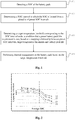
- Fig. 2 illustrates a schematic diagram of variation curves of battery pack capacity retention ratio versus average SOC value, according to an embodiment of the present application.
- Fig. 2 illustrates variation curves of battery pack capacity retention ratio versus average SOC value under four average temperature values, T1, T2, T3 and T4, where T1 ⁇ T2 ⁇ T3 ⁇ T4.
- a temperature of a battery pack may be controlled to be in a relatively low range as appropriate to maximize its battery life. In the interval of low SOC values, the temperature of the battery pack can be relaxed to a relatively high range to minimize the energy consumed by cooling.
- Step 103 determining a target temperature threshold corresponding to the SOC interval under a condition that a preset battery pack life requirement is met, based on a mapping relationship between preset SOC intervals, target temperature thresholds and battery pack life.
- step 103 may include steps S1-S3: S1: determining a mapping relationship of battery pack life with average battery pack SOC values and average battery pack temperature values, based on historical SOC data and historical temperature data of a plurality of battery packs meeting the preset battery pack life requirement.
- an average value of historical SOC data and an average value of historical temperature data of each battery pack of the plurality of battery packs may be calculated, to obtain an average SOC value and an average temperature value of each battery pack of the plurality of battery packs.
- the mapping relationship of battery pack life with average battery pack SOC values and average battery pack temperature values may be obtained, based on the average SOC value and the average temperature value of each battery pack of the plurality of battery pack.
- the overall influence degrees of average battery pack SOC values and average battery life temperature values on battery pack life may be quantified based on the mapping relationship of battery pack capacity retention ratios with average battery pack SOC values and average battery pack temperature values.
- Fig. 3 illustrates a schematic diagram of a mapping relationship of battery pack life with average battery pack SOC values and average battery pack temperature values, according to an embodiment of the present application.
- Fig. 3 shows boundaries for the average SOC value and the average temperature value when the capacity retention ratio of a battery pack after 8 years of use is 75%. The region above the boundary indicates that the capacity retention ratio of the battery pack after 8 years of use is less than 75%, and the region below the boundary indicates that the capacity retention ratio of the battery pack after 8 years of use is greater than 75%.
- the average SOC value may be calculated from historical SOC data over the entire life cycle of a battery pack. If the historical SOC data is not sufficient to completely cover the entire life cycle of the battery pack, SOC data over its remaining life cycle may be estimated based on the existing SOC data, and then the average SOC value may be calculated.
- the type of SOC data prediction model will not be limited herein.
- the average temperature value may be calculated from historical temperature data over the entire life cycle of a battery pack. If the historical temperature data is not sufficient to completely cover the entire life cycle of the battery pack, temperature data over its remaining life cycle may be estimated based on the existing temperature data, and then the average temperature value may be calculated.
- the type of temperature data prediction model will not be limited herein.
- S2 determining an average temperature value interval corresponding to each SOC interval of the plurality of preset SOC intervals under the condition that the preset battery pack life requirement is met, based on the mapping relationship of battery pack life with average battery pack SOC values and average battery pack temperature values.
- S3 determining a minimum temperature in the average temperature value interval corresponding to each SOC interval of the plurality of preset SOC intervals as a target temperature threshold corresponding to the respective SOC interval, so that the mapping relationship between preset SOC intervals, target temperature thresholds and battery pack life is obtained.
- the preset SOC intervals and the target temperature thresholds corresponding to the respective SOC intervals may be determined in the manner as shown in Table 1.
- Table 1 SOC Interval Range of SOC Target Temperature Threshold A 0 ⁇ 60% 43°C B 60% ⁇ 70% 39°C c 70% ⁇ 80% 29°C D 80% ⁇ 100% 27°C
- the SOC range corresponding to the interval A is from 0 to 60%; the SOC range corresponding to the interval B is from is 60% to 70%; the SOC range corresponding to the interval C is from 70% to 80%; and the SOC range corresponding to the interval D is from is 80% to 100%.
- a boundary segment corresponding to the interval A is determined first, and then an average temperature value range corresponding to the boundary segment is determined as from 43 °C to 47 °C.
- a boundary segment corresponding to the interval B is determined first, and then an average temperature value range corresponding to the boundary segment is determined as from 39 °C to 43 °C.
- a boundary segment corresponding to the interval C is determined first, and then an average temperature value range corresponding to the boundary segment is determined as from 29 °C to 39 °C.
- a boundary segment corresponding to the interval C is determined first, and then an average temperature value range corresponding to the boundary segment is determined as from 27 °C to 29 °C.
- 43 °C may be taken as the target temperature threshold corresponding to the interval A
- 39 °C may be taken as the target temperature threshold corresponding to the interval B
- 29 °C may be taken as the target temperature threshold corresponding to the interval C
- 27 °C may be taken as the target temperature threshold corresponding to the interval D.
- a median value of the average temperature value range corresponding to each SOC interval may also be taken as the target temperature threshold of the corresponding SOC interval.
- respective average temperature values in the average temperature value ranges corresponding to the SOC intervals respectively may also be weighted based on the change in slope at the temperature boundary corresponding to the respective SOC interval, to obtain the target temperature threshold corresponding to the respective SOC interval, where the greater the slope change, the higher the weighting factor of the corresponding average temperature.
- the battery pack life standard requires a battery's capacity retention ratio to be 75% after 8 years of use. According to different requirements of the life standard, the mapping relationship of battery pack life with average battery pack SOC values and average battery pack temperature values may be different. The boundaries of the corresponding average SOC value and the average temperature value will also be different, and the target temperature threshold of each SOC interval will also change accordingly.
- ranges of target temperature threshold under different life standard requirements may be as follows: the target temperature threshold is TC1 when the SOC interval is from 0 to 60%, and the range of TC1 is from 43 °C to 47 °C; the target temperature threshold is TC2 when the SOC interval is from 60 to 70%, and the range of TC2 is from 39 °C to 43 °C; the target temperature threshold is TC3 when the SOC interval is from 70 to 80%, and the range of TC3 is from 29 °C to 39 °C; and the target temperature threshold is TC4 when the SOC interval is from 80 to 100%, and the range of TC4 is from 27 °C to 29 °C.
- Step 104 performing thermal management on the battery pack based on the target temperature threshold.
- the step 104 specifically includes: cooling the battery pack based on the target temperature threshold.
- the target temperature threshold refers to a critical temperature value, where the battery pack life requirement can be met without cooling the battery pack when the temperature of the battery pack is below the critical temperature value.
- the SOC of the battery pack is detected first.
- the SOC interval in which the SOC is located is determined from the plurality of preset SOC intervals.
- the target temperature threshold corresponding to the SOC interval is determined under the condition that the preset battery pack life requirement is met, based on the mapping relationship between preset SOC intervals, target temperature thresholds and battery pack life.
- the thermal management is performed on the battery pack based on the target temperature threshold, where the thermal management includes cooling the battery pack so that the temperature of the battery pack is lower than the target temperature threshold.
- the target temperature threshold is the temperature corresponding to the SOC range under the condition that the preset battery pack life requirement is met, even if the cooling of the battery pack is not continued, the battery pack life requirement can still be met. Therefore, according to the method for controlling the temperature of the battery pack provided by the embodiments of the present invention, a balance between battery life and energy consumed by cooling can be realized, so that the cooling energy consumed by cooling is minimized while the battery life is maximized.
- a cooling-enabling threshold and a cooling-disabling threshold corresponding to each SOC interval may be pre-determined.
- the cooling-enabling threshold corresponding to each SOC interval may be greater than or equal to the target temperature threshold of the respective SOC interval, and the cooling-disabling threshold corresponding to each SOC interval may be less than the target temperature threshold of the respective SOC interval.
- cooling-enabling thresholds and cooling-disabling thresholds corresponding to respective SOC intervals may be set as shown in Table 2.
- Table 2 Interval Capacity Retention Ratio Target Temperature Threshold Cooling-enabling threshold Cooling-disabling threshold A 0 ⁇ 60% 43°C 45°C 30°C B 60% ⁇ 70% 39°C 40°C 30°C C 70% ⁇ 80% 29°C 32°C 25°C D 80% ⁇ 100% 27°C 30°C 20°C
- the cooling-enabling threshold when the target temperature threshold is 43 °C, the cooling-enabling threshold may be 45 °C, and the cooling-disabling threshold may be 30 °C; when the target temperature threshold is 39 °C, the cooling-enabling threshold may be 40 °C, and the cooling-disabling threshold may be 30 °C; when the target temperature threshold is 29 °C, the cooling-enabling threshold may be 32 °C, and the cooling-disabling threshold may be 25 °C; when the target temperature threshold is 27 °C, the cooling-enabling threshold may be 30 °C and the cooling-disabling threshold may be 20 °C.
- the values of the cooling-enabling thresholds and the cooling-disabling thresholds shown in Table 2 are only for illustration.
- the cooling-enabling threshold should not be too large compared with the target temperature threshold, as an overly large cooling-enabling threshold will result in reduction of the battery life; and the cooling-disabling threshold should not be too small compared with the target temperature threshold, as an overly small cooling-disabling threshold will result in increase of the energy consumed by cooling, and the values of cooling-enabling threshold and cooling-disabling threshold may be set according to actual demands.
- the method for controlling the temperature of the battery pack may further include: determining a cooling-disabling threshold corresponding to the SOC interval; if the temperature of the battery pack is greater than or equal to the cooling-enabling threshold of the SOC interval and the electric vehicle where the battery pack is located is in a working state, enabling the cooling of the battery pack; or, if the temperature of the battery pack is less than the cooling-enabling threshold, disabling the cooling of the battery pack to reduce energy consumed by cooling.
- the harshest working condition is fast charging and the rest after the fast charging; and for an electric vehicle, the harshest working condition is that the vehicle is being wildly driven. A lot of heat will be generated in those working conditions, thus increasing the temperature of the battery. Thus, it is necessary to cool the battery in time to extend the life of the battery pack and ensure the safety of the vehicle. Therefore, if the electric vehicle where the battery pack located is in an off-working state, the cooling of the battery pack will not be enabled to reduce the energy consumed by cooling.
- the method for controlling the temperature of the battery pack may further include: determining the cooling-disabling threshold corresponding to the SOC interval, and disabling the cooling of the battery pack if the temperature of the battery pack is lower than the cooling-disabling threshold corresponding to the SOC interval, so as to reduce the energy consumed by cooling.
- the method for controlling the temperature of the battery pack may further include: acquiring an ambient temperature value of the battery pack, and disabling the cooling of the battery pack if the temperature of the battery pack is less than the larger one of the cooling-disabling threshold and the ambient temperature value.
- the cooling-disabling threshold is 30 °C and the ambient temperature is 35 °C
- the cooling of the battery pack will be disabled when the temperature of the battery pack is cooled below 35 °C. In this manner, the temperature of the battery cells will not be cooled to a temperature lower than the ambient temperature, otherwise the battery pack would be heated by the environment, which results in excessive cooling and unnecessary energy loss caused by cooling.
- Fig. 4 shows a schematic structural diagram of an apparatus for controlling a temperature of a battery pack according to an embodiment of the present application.
- the apparatus for controlling the temperature of the battery pack provided by the embodiments of the present application includes the following modules:
- the SOC of the battery pack is detected by the detecting module 401 first.
- the SOC interval in which the SOC is located is determined from the plurality of preset SOC intervals by the first determining module 402.
- the target temperature threshold corresponding to the SOC interval is determined by the second determining module 403 under the condition that the preset battery pack life requirement is met, based on the mapping relationship between preset SOC intervals, target temperature thresholds and battery pack life.
- the thermal management is performed by the thermal managing module 404 on the battery pack based on the target temperature threshold, where the thermal management includes cooling the battery pack so that the temperature of the battery pack is lower than the target temperature threshold.
- the target temperature threshold is the temperature corresponding to the SOC range under the condition that the preset battery pack life requirement is met, even if the cooling of the battery pack is not continued, the battery pack life requirement can still be met. Therefore, with the apparatus for controlling the temperature of the battery pack provided by the embodiments of the present invention, a balance between battery life and energy consumed by cooling can be realized, so that the energy consumed by cooling is minimized while the battery life is maximized.
- the embodiments of the present application further provide a battery management system including a processor, a memory, and a computer program stored on the memory and executable on the processor, where the computer program, when being executed by the processor, implements the steps of the method for controlling the temperature of the battery pack described above.
- the embodiments of the present application further provide a computer-readable storage medium having a computer program is stored thereon, where the computer program, when being executed by a processor, implements the steps of the method for controlling the temperature of the battery pack described above.
Landscapes
- Engineering & Computer Science (AREA)
- Manufacturing & Machinery (AREA)
- Chemical & Material Sciences (AREA)
- Chemical Kinetics & Catalysis (AREA)
- Electrochemistry (AREA)
- General Chemical & Material Sciences (AREA)
- Automation & Control Theory (AREA)
- Secondary Cells (AREA)
- Power Engineering (AREA)
- Microelectronics & Electronic Packaging (AREA)
Abstract
Description
- The present application relates to the field of battery technology, and in particular to a method and an apparatus for controlling a temperature of a battery pack, a battery management system and a storage medium.
- Battery life of an electric vehicle can be optimized through temperature control. For example, battery life can be extended by keep the battery operating at a relatively low temperature through battery cooling. However, cooling the battery will in turn increase energy consumption and reduce the vehicle's mileage.
- The present application is to provide a method and an apparatus for controlling a temperature of a battery pack, a battery management system and a storage medium, in order to achieve that a balance between battery life and energy consumed by cooling can be realized, so that the cooling energy consumed by cooling is minimized while the battery life is maximized.
- In an aspect, embodiments of the present application provide a method for controlling a temperature of a battery pack, which includes:
- detecting a SOC of the battery pack;
- determining a SOC interval in which the SOC is located from a plurality of preset SOC intervals;
- determining a target temperature threshold corresponding to the SOC interval under a condition that a preset battery pack life requirement is met, based on a mapping relationship between preset SOC intervals, target temperature thresholds and battery pack life; and
- performing thermal management on the battery pack based on the target temperature threshold;
- where the performing thermal management on the battery pack based on the target temperature threshold includes:
cooling the battery pack based on the target temperature threshold. - In a possible implementation of the first aspect, before the determining a target temperature threshold corresponding to the SOC interval, based on a mapping relationship between preset SOC intervals, target temperature thresholds and battery pack life, the method further includes: determining a mapping relationship of battery pack life with average battery pack SOC values and average battery pack temperature values, based on historical SOC data and historical temperature data of a plurality of battery packs meeting the preset battery pack life requirement; determining an average temperature value interval corresponding to each SOC interval of the plurality of preset SOC intervals under the condition that the preset battery pack life requirement is met, based on the mapping relationship of battery pack life with average battery pack SOC values and average battery pack temperature values; and determining a minimum temperature in the average temperature value interval corresponding to each SOC interval of the plurality of preset SOC intervals as a target temperature threshold corresponding to the respective SOC interval, so that the mapping relationship between preset SOC intervals, target temperature thresholds and battery pack life is obtained.
- In a possible implementation of the first aspect, where the determining a mapping relationship of battery pack life with average battery pack SOC values and average battery pack temperature values, based on historical SOC data and historical temperature data of a plurality of battery packs meeting the preset battery pack life requirement specifically includes: calculating an average value of historical SOC data and an average value of the historical temperature data of each battery pack of the plurality of battery packs meeting the preset battery pack life requirement, to obtain an average SOC value and an average temperature value of each battery pack of the plurality of battery packs; and obtaining the mapping relationship of battery pack life with average battery pack SOC values and average battery pack temperature values, based the average SOC value and the average temperature value of each battery pack of the plurality of battery pack.
- In a possible implementation of the first aspect, before the determining a SOC interval in which the SOC is located from a plurality of preset SOC intervals, the method further includes: acquiring historical SOC data of a plurality of battery packs with different battery life; calculating an average value of historical SOC data of each battery pack of the plurality of battery packs, to obtain an average SOC value of each battery pack of the plurality of battery packs; determining a mapping relationship between average battery pack SOC values and battery pack capacity retention ratios, based on the average SOC value of each battery pack and a capacity retention ratio of each battery pack at the end of its battery life; and determining the plurality of preset SOC intervals, based on the mapping relationship between average battery pack SOC values and battery pack capacity retention ratios.
- In a possible implementation of the first aspect, the determining the plurality of preset SOC intervals, based on the mapping relationship between average battery pack SOC values and battery pack capacity retention ratios, specifically includes: obtaining a variation curve of battery pack capacity retention ratio versus average SOC value, based on the mapping relationship between average battery pack SOC values and battery pack capacity retention ratios; acquiring a SOC interval point on the variation curve of battery pack capacity retention ratio versus average SOC value, where a slope change rate of the variation curve of battery pack capacity retention ratio versus average SOC value at the SOC interval point is greater than a preset change threshold; dividing, based on the SOC interval point, the variation curve of battery pack capacity retention ratio versus average SOC value into a plurality of curve segments; and determining a plurality of SOC intervals corresponding to the plurality of curve segments as the plurality of preset SOC intervals.
- In a possible implementation of the first aspect, the cooling the battery pack specifically includes: determining a cooling-enabling threshold corresponding to the SOC interval, where the cooling-enabling threshold is greater than or equal to the target temperature threshold corresponding to the SOC interval; enabling cooling of the battery pack, when the temperature of the battery pack is greater than or equal to the cooling-enabling threshold and an electric vehicle where the battery pack is located is in a working state; disabling the cooling of the battery pack, when the temperature of the battery pack is less than the cooling-enabling threshold; and disabling the cooling of the battery pack, when the electric vehicle where the battery pack is located is in an off-working state.
- In a possible implementation of the first aspect, after the enabling cooling of the battery pack, the method further includes: determining a cooling-disabling threshold corresponding to the SOC interval, where the cooling-disabling threshold is less than the target temperature threshold corresponding to the SOC interval; disabling the cooling of the battery pack, when the temperature of the battery pack is less than the cooling-disabling threshold; or, acquiring an ambient temperature value of the battery pack; disabling the cooling of the battery pack, when the temperature of the battery pack is less than a larger one of the cooling-disabling threshold and the ambient temperature value.
- In a possible implementation of the first aspect, the plurality of preset SOC intervals include:
- an interval A corresponding to a SOC range from 0% to 60%;
- an interval B corresponding to a SOC range from 60% to 70%;
- an interval C corresponding to a SOC range from 70% to 80%; and
- an interval D corresponding to a SOC range from 80% to 100%.
- In a possible implementation of the first aspect,
- a target temperature threshold corresponding to the interval A is TC1 ranging from 43 °C to 47 °C;
- a target temperature threshold corresponding to the interval B is TC2 ranging from 39 °C to 43 °C;
- a target temperature threshold corresponding to the interval C is TC3 ranging from 29 °C to 39 °C; and
- a target temperature threshold corresponding to the interval D is TC4 ranging from 27 °C to 29 °C.
- In a second aspect, the embodiments of the present invention provide an apparatus for controlling a temperature of a battery pack, which includes:
- a detecting module configured to detect a SOC of the battery pack;
- a first determining module configured to determine a SOC interval in which the SOC is located from a plurality of preset SOC intervals;
- a second determining module configured to determine a target temperature threshold corresponding to the SOC interval under a condition that a preset battery pack life requirement is met, based on a mapping relationship between preset SOC intervals, target temperature thresholds and battery pack life; and
- a thermal managing module configured to perform thermal management on the battery pack based on the target temperature threshold;
- where thermal managing module is specifically configured to cool the battery pack based on the target temperature threshold.
- In a third aspect, the embodiments of the present invention provide a battery management system including a processor, a memory, and a computer program stored on the memory and executable on the processor, where the computer program, when being executed by the processor, implements the steps of the method for controlling the temperature of the battery pack described above.
- In a fourth aspect, the embodiments of the present invention provide a computer-readable storage medium having a computer program is stored thereon, where the computer program, when being executed by a processor, implements the steps of the method for controlling the temperature of the battery pack described above.
- As mentioned above, according to the method for controlling the temperature of the battery pack provided by the embodiments of the present application, the SOC of the battery pack is detected first. The SOC interval in which the SOC is located is determined from the plurality of preset SOC intervals. Then the target temperature threshold corresponding to the SOC interval is determined under the condition that the preset battery pack life requirement is met, based on the mapping relationship between preset SOC intervals, target temperature thresholds and battery pack life. Finally, the thermal management is performed on the battery pack based on the target temperature threshold, where the thermal management includes cooling the battery pack so that the temperature of the battery pack is lower than the target temperature threshold. That is to say, the cooling of the battery pack will not be continued as long as the temperature of the battery pack is lower than the target temperature threshold; otherwise, the battery pack would be overly cooled, resulting in the waste of energy consumed by cooling. At the same time, because the target temperature threshold is the temperature corresponding to the SOC range under the condition that the preset battery pack life requirement is met, even if the cooling of the battery pack is not continued, the battery pack life requirement can still be met. Therefore, according to the method for controlling the temperature of the battery pack provided by the embodiments of the present invention, a balance between battery life and energy consumed by cooling can be realized, so that the energy consumed by cooling is minimized while the battery life is maximized.
- Features, advantages and technical effects of exemplary embodiments of the present application will be described below with reference to the drawings, which are not drawn to actual scale.
-
Fig. 1 illustrates a schematic flowchart of a method for controlling a temperature of a battery pack, according to an embodiment of the present application; -
Fig. 2 illustrates a schematic diagram of variation curves of battery pack capacity retention ratio versus average SOC value, according to an embodiment of the present application; -
Fig. 3 illustrates a schematic diagram of a mapping relationship of battery pack life with average battery pack SOC values and average battery pack temperature values, according to an embodiment of the present application; and -
Fig. 4 illustrates a schematic structural diagram of an apparatus for controlling a temperature of a battery pack, according to an embodiment of the present application. - Features of various aspects of the present application and exemplary embodiments will be described in detail below. In the following detailed description, many specific details are proposed in order to provide a thorough understanding of this application.
- The embodiments of the present application provide a method and an apparatus for controlling a temperature of a battery pack, a battery management system and a storage medium.
Fig. 1 illustrates a schematic flowchart of a method for controlling a temperature of a battery pack, according to an embodiment of the present application. As shown inFig. 1 , the method for controlling the temperature of the battery pack includessteps 101 to 104. - Step 101: detecting a SOC of the battery pack.
- Step 102: determining a SOC interval in which the SOC is located from a plurality of preset SOC intervals.
- Specifically, the plurality of preset SOC intervals may be determined based on a mapping relationship between average battery pack SOC values and battery pack capacity retention ratios. In order to obtain the mapping relationship between average battery pack SOC values and battery pack capacity retention ratios, historical SOC data of a plurality of battery packs with different battery life are required to be acquired first; an average value of historical SOC data of each battery pack of the plurality of battery packs is calculated, to obtain an average SOC value of each battery pack of the plurality of battery packs; and then the mapping relationship between average battery pack SOC values and battery pack capacity retention ratios is determined, based on the average SOC value of each battery pack and a capacity retention ratio of each battery pack at the end of its battery life.
- It is to be understood that the average SOC value refers to an average value of all SOC data over the entire life cycle of a battery pack. Life parameters of a battery pack include its service life and capacity retention. For example, the battery pack life standard requires a battery's capacity retention ratio to be 80% or more after 6 years of use, or a battery's capacity retention ratio to be 75% or more after 8 years of use.
- In some embodiments, the average SOC value may be calculated from historical SOC data over the entire life cycle of a battery pack. If the historical SOC data is not sufficient to completely cover the entire life cycle of the battery pack, SOC data over its remaining life cycle may be estimated based on the existing SOC data, and then the average SOC value may be calculated. The type of SOC data prediction model will not be limited herein.
- The overall influence degrees of average battery pack SOC values on battery pack life (reflected in the battery pack capacity retention ratios) may be quantified based on the mapping relationship between average battery pack SOC values and battery pack capacity retention ratios, so that SOCs may be divided into a plurality of SOC intervals based on the influence degrees of the average battery pack SOC values on the battery pack capacity retention ratios.
- Specifically, a variation curve of battery pack capacity retention ratio versus average SOC value may be obtained, based on the mapping relationship between average battery pack SOC values and battery pack capacity retention ratios. Then a SOC interval point on the variation curve of battery pack capacity retention ratio versus average SOC value may be acquired, where a slope change rate of the variation curve of battery pack capacity retention ratio versus average SOC value at the SOC interval point is greater than a preset change threshold. Finally, the variation curve of battery pack capacity retention ratio versus average SOC value may be divided into a plurality of curve segments based on the SOC interval point, and a plurality of SOC intervals corresponding to the plurality of curve segments may be determined as the plurality of preset SOC intervals.
-
Fig. 2 illustrates a schematic diagram of variation curves of battery pack capacity retention ratio versus average SOC value, according to an embodiment of the present application.Fig. 2 illustrates variation curves of battery pack capacity retention ratio versus average SOC value under four average temperature values, T1, T2, T3 and T4, where T1 < T2 < T3 < T4. - It can be seen from
Fig. 2 that the variation trends of battery pack capacity retention ratio with average SOC value are the same under different average temperature values. As the average SOC values increase, the battery pack capacity retention ratios have a trend of decreasing. When the average SOC values increase to a relatively high value (the position indicated by the dotted line), decreasing speeds of battery pack capacity retention ratios have a trend of sharp increasing. SOCs may be divided into a plurality of SOC intervals based on the decreasing speeds of the battery pack capacity retention ratios. - In addition, it can be seen from
Fig. 2 that for a same SOC value, the battery pack capacity retention ratio increases as the average temperature value decreases, and the battery pack life is more affected by temperature in the interval of high SOC values. Therefore, in the interval of high SOC values, a temperature of a battery pack may be controlled to be in a relatively low range as appropriate to maximize its battery life. In the interval of low SOC values, the temperature of the battery pack can be relaxed to a relatively high range to minimize the energy consumed by cooling. - Step 103: determining a target temperature threshold corresponding to the SOC interval under a condition that a preset battery pack life requirement is met, based on a mapping relationship between preset SOC intervals, target temperature thresholds and battery pack life.
- Specifically, step 103 may include steps S1-S3:
S1: determining a mapping relationship of battery pack life with average battery pack SOC values and average battery pack temperature values, based on historical SOC data and historical temperature data of a plurality of battery packs meeting the preset battery pack life requirement. - Specifically, after the historical SOC data and historical temperature data of the plurality of battery packs meeting the preset battery pack life requirement are obtained, an average value of historical SOC data and an average value of historical temperature data of each battery pack of the plurality of battery packs may be calculated, to obtain an average SOC value and an average temperature value of each battery pack of the plurality of battery packs. The mapping relationship of battery pack life with average battery pack SOC values and average battery pack temperature values may be obtained, based on the average SOC value and the average temperature value of each battery pack of the plurality of battery pack.
- The overall influence degrees of average battery pack SOC values and average battery life temperature values on battery pack life (that is, the battery pack capacity retention ratio) may be quantified based on the mapping relationship of battery pack capacity retention ratios with average battery pack SOC values and average battery pack temperature values.
-
Fig. 3 illustrates a schematic diagram of a mapping relationship of battery pack life with average battery pack SOC values and average battery pack temperature values, according to an embodiment of the present application.Fig. 3 shows boundaries for the average SOC value and the average temperature value when the capacity retention ratio of a battery pack after 8 years of use is 75%. The region above the boundary indicates that the capacity retention ratio of the battery pack after 8 years of use is less than 75%, and the region below the boundary indicates that the capacity retention ratio of the battery pack after 8 years of use is greater than 75%. - In some embodiments, the average SOC value may be calculated from historical SOC data over the entire life cycle of a battery pack. If the historical SOC data is not sufficient to completely cover the entire life cycle of the battery pack, SOC data over its remaining life cycle may be estimated based on the existing SOC data, and then the average SOC value may be calculated. The type of SOC data prediction model will not be limited herein.
- In some embodiments, the average temperature value may be calculated from historical temperature data over the entire life cycle of a battery pack. If the historical temperature data is not sufficient to completely cover the entire life cycle of the battery pack, temperature data over its remaining life cycle may be estimated based on the existing temperature data, and then the average temperature value may be calculated. The type of temperature data prediction model will not be limited herein.
- S2: determining an average temperature value interval corresponding to each SOC interval of the plurality of preset SOC intervals under the condition that the preset battery pack life requirement is met, based on the mapping relationship of battery pack life with average battery pack SOC values and average battery pack temperature values.
- S3: determining a minimum temperature in the average temperature value interval corresponding to each SOC interval of the plurality of preset SOC intervals as a target temperature threshold corresponding to the respective SOC interval, so that the mapping relationship between preset SOC intervals, target temperature thresholds and battery pack life is obtained.
- For example, the preset SOC intervals and the target temperature thresholds corresponding to the respective SOC intervals may be determined in the manner as shown in Table 1.
Table 1 SOC Interval Range of SOC Target Temperature Threshold A 0∼60% 43° C B 60%∼70% 39° C c 70%∼80% 29° C D 80%∼100% 27°C - As shown in Table 1, the SOC range corresponding to the interval A is from 0 to 60%; the SOC range corresponding to the interval B is from is 60% to 70%; the SOC range corresponding to the interval C is from 70% to 80%; and the SOC range corresponding to the interval D is from is 80% to 100%.
- For the interval A, a boundary segment corresponding to the interval A is determined first, and then an average temperature value range corresponding to the boundary segment is determined as from 43 °C to 47 °C.
- For the interval B, a boundary segment corresponding to the interval B is determined first, and then an average temperature value range corresponding to the boundary segment is determined as from 39 °C to 43 °C.
- For the interval C, a boundary segment corresponding to the interval C is determined first, and then an average temperature value range corresponding to the boundary segment is determined as from 29 °C to 39 °C.
- For the interval D, a boundary segment corresponding to the interval C is determined first, and then an average temperature value range corresponding to the boundary segment is determined as from 27 °C to 29 °C.
- Accordingly, 43 °C may be taken as the target temperature threshold corresponding to the interval A, 39 °C may be taken as the target temperature threshold corresponding to the interval B, 29 °C may be taken as the target temperature threshold corresponding to the interval C, and 27 °C may be taken as the target temperature threshold corresponding to the interval D.
- In some embodiments, a median value of the average temperature value range corresponding to each SOC interval may also be taken as the target temperature threshold of the corresponding SOC interval.
- In some embodiments, respective average temperature values in the average temperature value ranges corresponding to the SOC intervals respectively may also be weighted based on the change in slope at the temperature boundary corresponding to the respective SOC interval, to obtain the target temperature threshold corresponding to the respective SOC interval, where the greater the slope change, the higher the weighting factor of the corresponding average temperature.
- It should be noted that according to the mapping relationship of battery pack life with average battery pack SOC values and average battery pack temperature values shown in
Fig. 3 , the battery pack life standard requires a battery's capacity retention ratio to be 75% after 8 years of use. According to different requirements of the life standard, the mapping relationship of battery pack life with average battery pack SOC values and average battery pack temperature values may be different. The boundaries of the corresponding average SOC value and the average temperature value will also be different, and the target temperature threshold of each SOC interval will also change accordingly. - For example, ranges of target temperature threshold under different life standard requirements may be as follows: the target temperature threshold is TC1 when the SOC interval is from 0 to 60%, and the range of TC1 is from 43 °C to 47 °C; the target temperature threshold is TC2 when the SOC interval is from 60 to 70%, and the range of TC2 is from 39 °C to 43 °C; the target temperature threshold is TC3 when the SOC interval is from 70 to 80%, and the range of TC3 is from 29 °C to 39 °C; and the target temperature threshold is TC4 when the SOC interval is from 80 to 100%, and the range of TC4 is from 27 °C to 29 °C.
- Step 104: performing thermal management on the battery pack based on the target temperature threshold.
- The
step 104 specifically includes: cooling the battery pack based on the target temperature threshold. - The target temperature threshold refers to a critical temperature value, where the battery pack life requirement can be met without cooling the battery pack when the temperature of the battery pack is below the critical temperature value.
- As mentioned above, according to the method for controlling the temperature of the battery pack provided by the embodiments of the present application, the SOC of the battery pack is detected first. The SOC interval in which the SOC is located is determined from the plurality of preset SOC intervals. Then the target temperature threshold corresponding to the SOC interval is determined under the condition that the preset battery pack life requirement is met, based on the mapping relationship between preset SOC intervals, target temperature thresholds and battery pack life. Finally, the thermal management is performed on the battery pack based on the target temperature threshold, where the thermal management includes cooling the battery pack so that the temperature of the battery pack is lower than the target temperature threshold. That is to say, it is unnecessary to continue the cooling of the battery pack as long as the temperature of the battery pack is lower than the target temperature threshold; otherwise, the battery pack would be overly cooled, resulting in the waste of energy consumed by cooling. At the same time, because the target temperature threshold is the temperature corresponding to the SOC range under the condition that the preset battery pack life requirement is met, even if the cooling of the battery pack is not continued, the battery pack life requirement can still be met. Therefore, according to the method for controlling the temperature of the battery pack provided by the embodiments of the present invention, a balance between battery life and energy consumed by cooling can be realized, so that the cooling energy consumed by cooling is minimized while the battery life is maximized.
- Execution policies of cooling enabling and cooling disabling are described in detail below.
- In the embodiments of the present application, a cooling-enabling threshold and a cooling-disabling threshold corresponding to each SOC interval may be pre-determined.
- In some embodiments, the cooling-enabling threshold corresponding to each SOC interval may be greater than or equal to the target temperature threshold of the respective SOC interval, and the cooling-disabling threshold corresponding to each SOC interval may be less than the target temperature threshold of the respective SOC interval.
- In some embodiments, cooling-enabling thresholds and cooling-disabling thresholds corresponding to respective SOC intervals may be set as shown in Table 2.
Table 2 Interval Capacity Retention Ratio Target Temperature Threshold Cooling-enabling threshold Cooling-disabling threshold A 0∼60% 43° C 45° C 30° C B 60%∼70% 39° C 40° C 30° C C 70%∼80% 29°C 32° C 25° C D 80%∼100% 27° C 30°C 20°C - As shown in Table 2, when the target temperature threshold is 43 °C, the cooling-enabling threshold may be 45 °C, and the cooling-disabling threshold may be 30 °C; when the target temperature threshold is 39 °C, the cooling-enabling threshold may be 40 °C, and the cooling-disabling threshold may be 30 °C; when the target temperature threshold is 29 °C, the cooling-enabling threshold may be 32 °C, and the cooling-disabling threshold may be 25 °C; when the target temperature threshold is 27 °C, the cooling-enabling threshold may be 30 °C and the cooling-disabling threshold may be 20 °C. The values of the cooling-enabling thresholds and the cooling-disabling thresholds shown in Table 2 are only for illustration. In addition, the cooling-enabling threshold should not be too large compared with the target temperature threshold, as an overly large cooling-enabling threshold will result in reduction of the battery life; and the cooling-disabling threshold should not be too small compared with the target temperature threshold, as an overly small cooling-disabling threshold will result in increase of the energy consumed by cooling, and the values of cooling-enabling threshold and cooling-disabling threshold may be set according to actual demands.
- In some embodiments, after
step 104, the method for controlling the temperature of the battery pack may further include: determining a cooling-disabling threshold corresponding to the SOC interval; if the temperature of the battery pack is greater than or equal to the cooling-enabling threshold of the SOC interval and the electric vehicle where the battery pack is located is in a working state, enabling the cooling of the battery pack; or, if the temperature of the battery pack is less than the cooling-enabling threshold, disabling the cooling of the battery pack to reduce energy consumed by cooling. - In actual practice, for a battery, the harshest working condition is fast charging and the rest after the fast charging; and for an electric vehicle, the harshest working condition is that the vehicle is being wildly driven. A lot of heat will be generated in those working conditions, thus increasing the temperature of the battery. Thus, it is necessary to cool the battery in time to extend the life of the battery pack and ensure the safety of the vehicle. Therefore, if the electric vehicle where the battery pack located is in an off-working state, the cooling of the battery pack will not be enabled to reduce the energy consumed by cooling.
- In some embodiments, after
step 104, the method for controlling the temperature of the battery pack may further include: determining the cooling-disabling threshold corresponding to the SOC interval, and disabling the cooling of the battery pack if the temperature of the battery pack is lower than the cooling-disabling threshold corresponding to the SOC interval, so as to reduce the energy consumed by cooling. - In some embodiments, after
step 104, the method for controlling the temperature of the battery pack may further include: acquiring an ambient temperature value of the battery pack, and disabling the cooling of the battery pack if the temperature of the battery pack is less than the larger one of the cooling-disabling threshold and the ambient temperature value. - For example, if the cooling-disabling threshold is 30 °C and the ambient temperature is 35 °C, the cooling of the battery pack will be disabled when the temperature of the battery pack is cooled below 35 °C. In this manner, the temperature of the battery cells will not be cooled to a temperature lower than the ambient temperature, otherwise the battery pack would be heated by the environment, which results in excessive cooling and unnecessary energy loss caused by cooling.
-
Fig. 4 shows a schematic structural diagram of an apparatus for controlling a temperature of a battery pack according to an embodiment of the present application. As shown inFig. 4 , the apparatus for controlling the temperature of the battery pack provided by the embodiments of the present application includes the following modules: - a
detection module 401 configured to detect a SOC of the battery pack; - a first determining
module 402 configured to determine a SOC interval in which the SOC is located from a plurality of preset SOC intervals; - a second determining
module 403 configured to determine a target temperature threshold corresponding to the SOC interval under a condition that a preset battery pack life requirement is met, based on a mapping relationship between preset SOC intervals, target temperature thresholds and battery pack life; and - a
thermal managing module 404 configured to perform thermal management on the battery pack based on the target temperature threshold, where the thermal managing module is specifically configured to cool the battery pack based on the target temperature threshold. - As mentioned above, according to the apparatus for controlling the temperature of the battery pack provided by the embodiments of the present application, the SOC of the battery pack is detected by the detecting
module 401 first. The SOC interval in which the SOC is located is determined from the plurality of preset SOC intervals by the first determiningmodule 402. Then the target temperature threshold corresponding to the SOC interval is determined by the second determiningmodule 403 under the condition that the preset battery pack life requirement is met, based on the mapping relationship between preset SOC intervals, target temperature thresholds and battery pack life. Finally, the thermal management is performed by thethermal managing module 404 on the battery pack based on the target temperature threshold, where the thermal management includes cooling the battery pack so that the temperature of the battery pack is lower than the target temperature threshold. That is to say, it is unnecessary to continue the cooling of the battery pack as long as the temperature of the battery pack is lower than the target temperature threshold; otherwise, the battery pack would be overly cooled, resulting in the waste of energy consumed by cooling. At the same time, because the target temperature threshold is the temperature corresponding to the SOC range under the condition that the preset battery pack life requirement is met, even if the cooling of the battery pack is not continued, the battery pack life requirement can still be met. Therefore, with the apparatus for controlling the temperature of the battery pack provided by the embodiments of the present invention, a balance between battery life and energy consumed by cooling can be realized, so that the energy consumed by cooling is minimized while the battery life is maximized. - The embodiments of the present application further provide a battery management system including a processor, a memory, and a computer program stored on the memory and executable on the processor, where the computer program, when being executed by the processor, implements the steps of the method for controlling the temperature of the battery pack described above.
- The embodiments of the present application further provide a computer-readable storage medium having a computer program is stored thereon, where the computer program, when being executed by a processor, implements the steps of the method for controlling the temperature of the battery pack described above.
- Although the present application has been described with reference to the preferred embodiments, various modifications may be made thereto and components thereof may be replaced with equivalents without departing from the scope of the present application. In particular, as long as there is no structural conflict, the technical features mentioned in the embodiments can be combined in any manner. This application is not limited to the specific embodiments disclosed herein, instead, it includes all technical solutions that fall within the scope of the claims.
Claims (12)
- A method for controlling a temperature of a battery pack, comprising:detecting a SOC of the battery pack;determining a SOC interval in which the SOC is located from a plurality of preset SOC intervals;determining a target temperature threshold corresponding to the SOC interval under a condition that a preset battery pack life requirement is met, based on a mapping relationship between preset SOC intervals, target temperature thresholds and battery pack life; andperforming thermal management on the battery pack based on the target temperature threshold;wherein the performing thermal management on the battery pack based on the target temperature threshold comprises:
cooling the battery pack based on the target temperature threshold. - The method according to claim 1, wherein before the determining a target temperature threshold corresponding to the SOC interval, based on a mapping relationship between preset SOC intervals, target temperature thresholds and battery pack life, the method further comprises:determining a mapping relationship of battery pack life with average battery pack SOC values and average battery pack temperature values, based on historical SOC data and historical temperature data of a plurality of battery packs meeting the preset battery pack life requirement;determining an average temperature value interval corresponding to each SOC interval of the plurality of preset SOC intervals under the condition that the preset battery pack life requirement is met, based on the mapping relationship of battery pack life with average battery pack SOC values and average battery pack temperature values; anddetermining a minimum temperature in the average temperature value interval corresponding to each SOC interval of the plurality of preset SOC intervals as a target temperature threshold corresponding to the respective SOC interval, so that the mapping relationship between preset SOC intervals, target temperature thresholds and battery pack life is obtained.
- The method according to claim 2, wherein the determining a mapping relationship of battery pack life with average battery pack SOC values and average battery pack temperature values, based on historical SOC data and historical temperature data of a plurality of battery packs meeting the preset battery pack life requirement specifically comprises:calculating an average value of historical SOC data and an average value of historical temperature data of each battery pack of the plurality of battery packs meeting the preset battery pack life requirement, to obtain an average SOC value and an average temperature value of each battery pack of the plurality of battery packs; andobtaining the mapping relationship of battery pack life with average battery pack SOC values and average battery pack temperature values, based on the average SOC value and the average temperature value of each battery pack of the plurality of battery pack.
- The method according to claim 1, wherein before the determining a SOC interval in which the SOC is located from a plurality of preset SOC intervals, the method further comprises:acquiring historical SOC data of a plurality of battery packs with different battery life;calculating an average value of historical SOC data of each battery pack of the plurality of battery packs, to obtain an average SOC value of each battery pack of the plurality of battery packs;determining a mapping relationship between average battery pack SOC values and battery pack capacity retention ratios, based on the average SOC value of each battery pack and a capacity retention ratio of each battery pack at the end of life of the battery pack; anddetermining the plurality of preset SOC intervals, based on the mapping relationship between average battery pack SOC values and battery pack capacity retention ratios.
- The method according to claim 4, wherein the determining the plurality of preset SOC intervals, based on the mapping relationship between average battery pack SOC values and battery pack capacity retention ratios specifically comprises:obtaining a variation curve of battery pack capacity retention ratio versus average SOC value, based on the mapping relationship between average battery pack SOC values and battery pack capacity retention ratios;acquiring a SOC interval point on the variation curve of battery pack capacity retention ratio versus average SOC value, wherein a slope change rate of the variation curve of battery pack capacity retention ratio versus average SOC value at the SOC interval point is greater than a preset change threshold;dividing, based on the SOC interval point, the variation curve of battery pack capacity retention ratio versus average SOC value into a plurality of curve segments; anddetermining a plurality of SOC intervals corresponding to the plurality of curve segments as the plurality of preset SOC intervals.
- The method according to claim 1, wherein the cooling the battery pack specifically comprises:determining a cooling-enabling threshold corresponding to the SOC interval, wherein the cooling-enabling threshold is greater than or equal to the target temperature threshold corresponding to the SOC interval;enabling cooling of the battery pack, when the temperature of the battery pack is greater than or equal to the cooling-enabling threshold and an electric vehicle where the battery pack is located is in a working state;disabling the cooling of the battery pack, when the temperature of the battery pack is less than the cooling-enabling threshold; anddisabling the cooling of the battery pack, when the electric vehicle where the battery pack is located is in an off-working state.
- The method according to claim 6, wherein after the enabling cooling of the battery pack, the method further comprises:determining a cooling-disabling threshold corresponding to the SOC interval, wherein the cooling-disabling threshold is less than the target temperature threshold corresponding to the SOC interval;disabling the cooling of the battery pack, when the temperature of the battery pack is less than the cooling-disabling threshold;
or,acquiring an ambient temperature value of the battery pack;disabling the cooling of the battery pack, when the temperature of the battery pack is less than a larger one of the cooling-disabling threshold and the ambient temperature value. - The method according to claim 1, wherein the plurality of preset SOC intervals comprise:an interval A corresponding to a SOC range from 0% to 60%;an interval B corresponding to a SOC range from 60% to 70%;an interval C corresponding to a SOC range from 70% to 80%; andan interval D corresponding to a SOC range from 80% to 100%.
- The method according to claim 8, whereina target temperature threshold corresponding to the interval A is TC1 ranging from 43 °C to 47 °C;a target temperature threshold corresponding to the interval B is TC2 ranging from 39 °C to 43 °C;a target temperature threshold corresponding to the interval C is TC3 ranging from 29 °C to 39 °C; anda target temperature threshold corresponding to the interval D is TC4 ranging from 27 °C to 29 °C.
- An apparatus for controlling a temperature of a battery pack, comprising:a detecting module configured to detect a SOC of the battery pack;a first determining module configured to determine a SOC interval in which the SOC is located from a plurality of preset SOC intervals;a second determining module configured to determine a target temperature threshold corresponding to the SOC interval under a condition that a preset battery pack life requirement is met, based on a mapping relationship between preset SOC intervals, target temperature thresholds and battery pack life; anda thermal managing module configured to perform thermal management on the battery pack based on the target temperature threshold;wherein the thermal managing module is specifically configured to cool the battery pack based on the target temperature threshold.
- A battery management system comprising a processor, a memory, and a computer program stored on the memory and executable on the processor, wherein the computer program when being executed by the processor implements the method for controlling the temperature of the battery pack according to any one of claims 1 to 9.
- A computer-readable storage medium having a computer program is stored thereon, wherein the computer program, when being executed by a processor, implements the method for controlling the temperature of the battery pack according to any one of claims 1 to 9.
Applications Claiming Priority (1)
| Application Number | Priority Date | Filing Date | Title |
|---|---|---|---|
| PCT/CN2020/082093 WO2021195840A1 (en) | 2020-03-30 | 2020-03-30 | Method and apparatus for controlling temperature of battery pack, and battery management system and storage medium |
Publications (3)
| Publication Number | Publication Date |
|---|---|
| EP3916886A4 EP3916886A4 (en) | 2021-12-01 |
| EP3916886A1 true EP3916886A1 (en) | 2021-12-01 |
| EP3916886B1 EP3916886B1 (en) | 2022-11-30 |
Family
ID=77856814
Family Applications (1)
| Application Number | Title | Priority Date | Filing Date |
|---|---|---|---|
| EP20878039.5A Active EP3916886B1 (en) | 2020-03-30 | 2020-03-30 | Method and apparatus for controlling temperature of battery pack, and battery management system and storage medium |
Country Status (4)
| Country | Link |
|---|---|
| US (1) | US11152656B1 (en) |
| EP (1) | EP3916886B1 (en) |
| CN (1) | CN113994523B (en) |
| WO (1) | WO2021195840A1 (en) |
Families Citing this family (15)
| Publication number | Priority date | Publication date | Assignee | Title |
|---|---|---|---|---|
| CN113547955B (en) * | 2020-04-23 | 2023-06-16 | 宁德时代新能源科技股份有限公司 | Battery charging control method, device, battery management system and medium |
| JP7611393B2 (en) * | 2021-09-08 | 2025-01-09 | 香港時代新能源科技有限公司 | Power battery charging method and battery management system |
| US11912164B2 (en) * | 2021-09-27 | 2024-02-27 | Ford Global Technologies, Llc | Electrified vehicle with battery thermal management system configured to adjust temperature thresholds based on battery state of health |
| CN114361648B (en) * | 2022-01-05 | 2024-04-12 | 极氪汽车(宁波杭州湾新区)有限公司 | Battery pack temperature control method, system, equipment and storage medium |
| CN114628805B (en) * | 2022-03-28 | 2024-05-14 | 重庆金康赛力斯新能源汽车设计院有限公司 | Battery cooling method, management system and vehicle-mounted terminal |
| CN115832487A (en) * | 2022-08-10 | 2023-03-21 | 宁德时代新能源科技股份有限公司 | Battery pack and its cooling control method, cooling control device, equipment and medium |
| CN115453398A (en) * | 2022-08-19 | 2022-12-09 | 奇瑞汽车股份有限公司 | A novel battery pack thermal management method and thermal management device |
| CN115709670B (en) * | 2022-11-03 | 2024-08-23 | 北京新能源汽车股份有限公司 | Battery charging thermal management method, device, electronic equipment and readable storage medium |
| CN115855524B (en) * | 2022-12-01 | 2025-11-07 | 长城汽车股份有限公司 | Battery cooling performance diagnosis method, medium and vehicle |
| CN115716431B (en) * | 2022-12-28 | 2025-09-26 | 广州巨湾技研有限公司 | Thermal management control method, system, medium, device and vehicle for vehicle precooling |
| CN116546793A (en) * | 2023-05-25 | 2023-08-04 | 深蓝汽车科技有限公司 | Cooling method and device for vehicle motor controller, vehicle and storage medium |
| CN116865377B (en) * | 2023-06-08 | 2024-06-21 | 浙江晨泰科技股份有限公司 | Intelligent charging management method and system based on battery BMS, energy management and energy storage fire control |
| CN117037327B (en) * | 2023-08-03 | 2026-04-28 | 广域铭岛数字科技有限公司 | Inspection Standards Development Methods and Systems |
| CN119577696B (en) * | 2025-02-05 | 2025-08-08 | 深圳市中电华星电子技术有限公司 | Power supply thermal management method and system and intelligent power supply |
| CN121813638A (en) * | 2025-11-19 | 2026-04-07 | 三峡科技有限责任公司 | Energy storage consumption reduction control method, system, equipment and storage medium |
Family Cites Families (11)
| Publication number | Priority date | Publication date | Assignee | Title |
|---|---|---|---|---|
| US8344697B2 (en) * | 2010-08-02 | 2013-01-01 | GM Global Technlogy Operations LLC | Method for optimized design and operation of battery cooling system in electric vehicles |
| JP5649918B2 (en) * | 2010-11-15 | 2015-01-07 | 本田技研工業株式会社 | Battery cooling system and cooling method |
| FR3028098A1 (en) * | 2014-10-29 | 2016-05-06 | Commissariat Energie Atomique | METHOD FOR THE THERMAL MANAGEMENT AND SECURITY OF AN AUTONOMOUS SYSTEM CONNECTED TO AN INTERMITTENT BATTERY AND ENERGY SOURCE |
| CN106921003B (en) * | 2016-10-25 | 2019-09-06 | 蔚来汽车有限公司 | Intelligent control system and method for electric vehicle battery pack temperature |
| JP6806602B2 (en) * | 2017-03-17 | 2021-01-06 | 株式会社東芝 | Temperature control device |
| CN107612076A (en) * | 2017-09-27 | 2018-01-19 | 宁德时代新能源科技股份有限公司 | Battery charging method, device, equipment and storage medium |
| GB2577088A (en) * | 2018-09-13 | 2020-03-18 | Oxis Energy Ltd | Battery management |
| CN110228396B (en) * | 2018-12-06 | 2020-11-20 | 蔚来(安徽)控股有限公司 | Method, apparatus, controller and medium for increasing battery pack range |
| CN109861321A (en) * | 2019-01-17 | 2019-06-07 | 江苏塔菲尔新能源科技股份有限公司 | A charging method and charging system for automatically adjusting charging strategy |
| CN110661059B (en) * | 2019-09-30 | 2021-04-13 | 恒大恒驰新能源汽车科技(广东)有限公司 | Vehicle battery thermal management method, device and system |
| CN110901470A (en) * | 2019-11-29 | 2020-03-24 | 安徽江淮汽车集团股份有限公司 | Method, device and equipment for predicting service life of battery of electric vehicle and storage medium |
-
2020
- 2020-03-30 WO PCT/CN2020/082093 patent/WO2021195840A1/en not_active Ceased
- 2020-03-30 CN CN202080005522.4A patent/CN113994523B/en active Active
- 2020-03-30 EP EP20878039.5A patent/EP3916886B1/en active Active
-
2021
- 2021-05-14 US US17/320,291 patent/US11152656B1/en active Active
Also Published As
| Publication number | Publication date |
|---|---|
| US20210305638A1 (en) | 2021-09-30 |
| US11152656B1 (en) | 2021-10-19 |
| CN113994523B (en) | 2024-04-12 |
| EP3916886A4 (en) | 2021-12-01 |
| WO2021195840A1 (en) | 2021-10-07 |
| EP3916886B1 (en) | 2022-11-30 |
| CN113994523A (en) | 2022-01-28 |
Similar Documents
| Publication | Publication Date | Title |
|---|---|---|
| US11152656B1 (en) | Method and apparatus for controlling temperature of battery pack, battery management system and storage medium | |
| US20230271530A1 (en) | Method and system for heat preservation of vehicle battery by feeding electric power | |
| US12545146B2 (en) | Method and system for heat preservation of battery of vehicle, storage medium and processor | |
| US20150104680A1 (en) | System and method for operating a battery pack | |
| CN115583163B (en) | A method and device for energy management of extended-range vehicle at low temperature | |
| CN111969280A (en) | Temperature control method and device and electronic equipment | |
| CN117613466A (en) | Temperature control methods, equipment and storage media for energy storage systems | |
| CN116819356A (en) | Power battery SOP estimation method, electronic device and storage medium | |
| CN115716431A (en) | Thermal management control method, system, medium, equipment and vehicle for vehicle precooling | |
| CN118899591A (en) | Battery pack temperature control method, device and computer equipment | |
| CN117276749A (en) | Temperature control methods, devices and electronic equipment for energy storage systems | |
| EP4292193B1 (en) | Safe battery charging during high ambient temperatures | |
| WO2024174640A1 (en) | Control method and apparatus for water chiller system, and water chiller system | |
| US20260001385A1 (en) | Vehicle air conditioner operation control method, controller, air conditioner and recreational vehicle | |
| CN119890547B (en) | Battery cooling method, device, vehicle-mounted terminal and vehicle | |
| CN114361631B (en) | Energy storage system heat management method, device, equipment and storage medium | |
| CN115732808A (en) | Battery cell temperature adjusting method, device and equipment | |
| CN118763319B (en) | Liquid cooling control method, electronic equipment and storage medium | |
| CN120879069A (en) | Temperature control method of energy storage system, electronic equipment and storage medium | |
| CN120481796A (en) | Battery charging thermal management control method and new energy vehicle | |
| CN116552334B (en) | Thermal management method and system | |
| CN111762065A (en) | Battery protection method, system, computer readable storage medium and vehicle terminal | |
| CN114388927A (en) | Power battery cooling control method and related equipment | |
| US20250201959A1 (en) | Vehicle control apparatus and method thereof | |
| CN119560698B (en) | Intelligent temperature control method, temperature control device and energy storage system for energy storage system |
Legal Events
| Date | Code | Title | Description |
|---|---|---|---|
| STAA | Information on the status of an ep patent application or granted ep patent |
Free format text: STATUS: UNKNOWN |
|
| STAA | Information on the status of an ep patent application or granted ep patent |
Free format text: STATUS: THE INTERNATIONAL PUBLICATION HAS BEEN MADE |
|
| PUAI | Public reference made under article 153(3) epc to a published international application that has entered the european phase |
Free format text: ORIGINAL CODE: 0009012 |
|
| STAA | Information on the status of an ep patent application or granted ep patent |
Free format text: STATUS: REQUEST FOR EXAMINATION WAS MADE |
|
| 17P | Request for examination filed |
Effective date: 20210429 |
|
| A4 | Supplementary search report drawn up and despatched |
Effective date: 20211026 |
|
| AK | Designated contracting states |
Kind code of ref document: A1 Designated state(s): AL AT BE BG CH CY CZ DE DK EE ES FI FR GB GR HR HU IE IS IT LI LT LU LV MC MK MT NL NO PL PT RO RS SE SI SK SM TR |
|
| STAA | Information on the status of an ep patent application or granted ep patent |
Free format text: STATUS: EXAMINATION IS IN PROGRESS |
|
| 17Q | First examination report despatched |
Effective date: 20220202 |
|
| GRAP | Despatch of communication of intention to grant a patent |
Free format text: ORIGINAL CODE: EPIDOSNIGR1 |
|
| STAA | Information on the status of an ep patent application or granted ep patent |
Free format text: STATUS: GRANT OF PATENT IS INTENDED |
|
| GRAS | Grant fee paid |
Free format text: ORIGINAL CODE: EPIDOSNIGR3 |
|
| INTG | Intention to grant announced |
Effective date: 20220921 |
|
| GRAA | (expected) grant |
Free format text: ORIGINAL CODE: 0009210 |
|
| STAA | Information on the status of an ep patent application or granted ep patent |
Free format text: STATUS: THE PATENT HAS BEEN GRANTED |
|
| DAV | Request for validation of the european patent (deleted) | ||
| DAX | Request for extension of the european patent (deleted) | ||
| RAP3 | Party data changed (applicant data changed or rights of an application transferred) |
Owner name: CONTEMPORARY AMPEREX TECHNOLOGY CO., LIMITED |
|
| AK | Designated contracting states |
Kind code of ref document: B1 Designated state(s): AL AT BE BG CH CY CZ DE DK EE ES FI FR GB GR HR HU IE IS IT LI LT LU LV MC MK MT NL NO PL PT RO RS SE SI SK SM TR |
|
| REG | Reference to a national code |
Ref country code: CH Ref legal event code: EP Ref country code: GB Ref legal event code: FG4D |
|
| REG | Reference to a national code |
Ref country code: AT Ref legal event code: REF Ref document number: 1535376 Country of ref document: AT Kind code of ref document: T Effective date: 20221215 |
|
| REG | Reference to a national code |
Ref country code: IE Ref legal event code: FG4D |
|
| REG | Reference to a national code |
Ref country code: DE Ref legal event code: R096 Ref document number: 602020006684 Country of ref document: DE |
|
| REG | Reference to a national code |
Ref country code: NL Ref legal event code: FP |
|
| REG | Reference to a national code |
Ref country code: LT Ref legal event code: MG9D |
|
| PG25 | Lapsed in a contracting state [announced via postgrant information from national office to epo] |
Ref country code: SE Free format text: LAPSE BECAUSE OF FAILURE TO SUBMIT A TRANSLATION OF THE DESCRIPTION OR TO PAY THE FEE WITHIN THE PRESCRIBED TIME-LIMIT Effective date: 20221130 Ref country code: PT Free format text: LAPSE BECAUSE OF FAILURE TO SUBMIT A TRANSLATION OF THE DESCRIPTION OR TO PAY THE FEE WITHIN THE PRESCRIBED TIME-LIMIT Effective date: 20230331 Ref country code: NO Free format text: LAPSE BECAUSE OF FAILURE TO SUBMIT A TRANSLATION OF THE DESCRIPTION OR TO PAY THE FEE WITHIN THE PRESCRIBED TIME-LIMIT Effective date: 20230228 Ref country code: LT Free format text: LAPSE BECAUSE OF FAILURE TO SUBMIT A TRANSLATION OF THE DESCRIPTION OR TO PAY THE FEE WITHIN THE PRESCRIBED TIME-LIMIT Effective date: 20221130 Ref country code: FI Free format text: LAPSE BECAUSE OF FAILURE TO SUBMIT A TRANSLATION OF THE DESCRIPTION OR TO PAY THE FEE WITHIN THE PRESCRIBED TIME-LIMIT Effective date: 20221130 Ref country code: ES Free format text: LAPSE BECAUSE OF FAILURE TO SUBMIT A TRANSLATION OF THE DESCRIPTION OR TO PAY THE FEE WITHIN THE PRESCRIBED TIME-LIMIT Effective date: 20221130 |
|
| REG | Reference to a national code |
Ref country code: AT Ref legal event code: MK05 Ref document number: 1535376 Country of ref document: AT Kind code of ref document: T Effective date: 20221130 |
|
| PG25 | Lapsed in a contracting state [announced via postgrant information from national office to epo] |
Ref country code: RS Free format text: LAPSE BECAUSE OF FAILURE TO SUBMIT A TRANSLATION OF THE DESCRIPTION OR TO PAY THE FEE WITHIN THE PRESCRIBED TIME-LIMIT Effective date: 20221130 Ref country code: PL Free format text: LAPSE BECAUSE OF FAILURE TO SUBMIT A TRANSLATION OF THE DESCRIPTION OR TO PAY THE FEE WITHIN THE PRESCRIBED TIME-LIMIT Effective date: 20221130 Ref country code: LV Free format text: LAPSE BECAUSE OF FAILURE TO SUBMIT A TRANSLATION OF THE DESCRIPTION OR TO PAY THE FEE WITHIN THE PRESCRIBED TIME-LIMIT Effective date: 20221130 Ref country code: IS Free format text: LAPSE BECAUSE OF FAILURE TO SUBMIT A TRANSLATION OF THE DESCRIPTION OR TO PAY THE FEE WITHIN THE PRESCRIBED TIME-LIMIT Effective date: 20230330 Ref country code: HR Free format text: LAPSE BECAUSE OF FAILURE TO SUBMIT A TRANSLATION OF THE DESCRIPTION OR TO PAY THE FEE WITHIN THE PRESCRIBED TIME-LIMIT Effective date: 20221130 Ref country code: GR Free format text: LAPSE BECAUSE OF FAILURE TO SUBMIT A TRANSLATION OF THE DESCRIPTION OR TO PAY THE FEE WITHIN THE PRESCRIBED TIME-LIMIT Effective date: 20230301 |
|
| P01 | Opt-out of the competence of the unified patent court (upc) registered |
Effective date: 20230516 |
|
| PG25 | Lapsed in a contracting state [announced via postgrant information from national office to epo] |
Ref country code: SM Free format text: LAPSE BECAUSE OF FAILURE TO SUBMIT A TRANSLATION OF THE DESCRIPTION OR TO PAY THE FEE WITHIN THE PRESCRIBED TIME-LIMIT Effective date: 20221130 Ref country code: RO Free format text: LAPSE BECAUSE OF FAILURE TO SUBMIT A TRANSLATION OF THE DESCRIPTION OR TO PAY THE FEE WITHIN THE PRESCRIBED TIME-LIMIT Effective date: 20221130 Ref country code: EE Free format text: LAPSE BECAUSE OF FAILURE TO SUBMIT A TRANSLATION OF THE DESCRIPTION OR TO PAY THE FEE WITHIN THE PRESCRIBED TIME-LIMIT Effective date: 20221130 Ref country code: DK Free format text: LAPSE BECAUSE OF FAILURE TO SUBMIT A TRANSLATION OF THE DESCRIPTION OR TO PAY THE FEE WITHIN THE PRESCRIBED TIME-LIMIT Effective date: 20221130 Ref country code: CZ Free format text: LAPSE BECAUSE OF FAILURE TO SUBMIT A TRANSLATION OF THE DESCRIPTION OR TO PAY THE FEE WITHIN THE PRESCRIBED TIME-LIMIT Effective date: 20221130 Ref country code: AT Free format text: LAPSE BECAUSE OF FAILURE TO SUBMIT A TRANSLATION OF THE DESCRIPTION OR TO PAY THE FEE WITHIN THE PRESCRIBED TIME-LIMIT Effective date: 20221130 |
|
| PG25 | Lapsed in a contracting state [announced via postgrant information from national office to epo] |
Ref country code: SK Free format text: LAPSE BECAUSE OF FAILURE TO SUBMIT A TRANSLATION OF THE DESCRIPTION OR TO PAY THE FEE WITHIN THE PRESCRIBED TIME-LIMIT Effective date: 20221130 Ref country code: AL Free format text: LAPSE BECAUSE OF FAILURE TO SUBMIT A TRANSLATION OF THE DESCRIPTION OR TO PAY THE FEE WITHIN THE PRESCRIBED TIME-LIMIT Effective date: 20221130 |
|
| REG | Reference to a national code |
Ref country code: DE Ref legal event code: R097 Ref document number: 602020006684 Country of ref document: DE |
|
| PLBE | No opposition filed within time limit |
Free format text: ORIGINAL CODE: 0009261 |
|
| STAA | Information on the status of an ep patent application or granted ep patent |
Free format text: STATUS: NO OPPOSITION FILED WITHIN TIME LIMIT |
|
| PG25 | Lapsed in a contracting state [announced via postgrant information from national office to epo] |
Ref country code: MC Free format text: LAPSE BECAUSE OF FAILURE TO SUBMIT A TRANSLATION OF THE DESCRIPTION OR TO PAY THE FEE WITHIN THE PRESCRIBED TIME-LIMIT Effective date: 20221130 |
|
| REG | Reference to a national code |
Ref country code: CH Ref legal event code: PL |
|
| 26N | No opposition filed |
Effective date: 20230831 |
|
| PG25 | Lapsed in a contracting state [announced via postgrant information from national office to epo] |
Ref country code: SI Free format text: LAPSE BECAUSE OF FAILURE TO SUBMIT A TRANSLATION OF THE DESCRIPTION OR TO PAY THE FEE WITHIN THE PRESCRIBED TIME-LIMIT Effective date: 20221130 |
|
| REG | Reference to a national code |
Ref country code: BE Ref legal event code: MM Effective date: 20230331 |
|
| PG25 | Lapsed in a contracting state [announced via postgrant information from national office to epo] |
Ref country code: LU Free format text: LAPSE BECAUSE OF NON-PAYMENT OF DUE FEES Effective date: 20230330 |
|
| REG | Reference to a national code |
Ref country code: IE Ref legal event code: MM4A |
|
| PG25 | Lapsed in a contracting state [announced via postgrant information from national office to epo] |
Ref country code: LI Free format text: LAPSE BECAUSE OF NON-PAYMENT OF DUE FEES Effective date: 20230331 Ref country code: IE Free format text: LAPSE BECAUSE OF NON-PAYMENT OF DUE FEES Effective date: 20230330 Ref country code: CH Free format text: LAPSE BECAUSE OF NON-PAYMENT OF DUE FEES Effective date: 20230331 |
|
| PG25 | Lapsed in a contracting state [announced via postgrant information from national office to epo] |
Ref country code: BE Free format text: LAPSE BECAUSE OF NON-PAYMENT OF DUE FEES Effective date: 20230331 |
|
| REG | Reference to a national code |
Ref country code: DE Ref legal event code: R081 Ref document number: 602020006684 Country of ref document: DE Owner name: CONTEMPORARY AMPEREX TECHNOLOGY (HONG KONG) LI, HK Free format text: FORMER OWNER: CONTEMPORARY AMPEREX TECHNOLOGY CO., LIMITED, NINGDE, FUJIAN, CN |
|
| REG | Reference to a national code |
Ref country code: NL Ref legal event code: PD Owner name: CONTEMPORARY AMPEREX TECHNOLOGY (HONG KONG) LIMITED; CN Free format text: DETAILS ASSIGNMENT: CHANGE OF OWNER(S), ASSIGNMENT; FORMER OWNER NAME: CONTEMPORARY AMPEREX TECHNOLOGY CO., LIMITED Effective date: 20240819 |
|
| REG | Reference to a national code |
Ref country code: GB Ref legal event code: 732E Free format text: REGISTERED BETWEEN 20240829 AND 20240904 |
|
| PG25 | Lapsed in a contracting state [announced via postgrant information from national office to epo] |
Ref country code: BG Free format text: LAPSE BECAUSE OF FAILURE TO SUBMIT A TRANSLATION OF THE DESCRIPTION OR TO PAY THE FEE WITHIN THE PRESCRIBED TIME-LIMIT Effective date: 20221130 |
|
| PG25 | Lapsed in a contracting state [announced via postgrant information from national office to epo] |
Ref country code: BG Free format text: LAPSE BECAUSE OF FAILURE TO SUBMIT A TRANSLATION OF THE DESCRIPTION OR TO PAY THE FEE WITHIN THE PRESCRIBED TIME-LIMIT Effective date: 20221130 |
|
| PG25 | Lapsed in a contracting state [announced via postgrant information from national office to epo] |
Ref country code: CY Free format text: LAPSE BECAUSE OF FAILURE TO SUBMIT A TRANSLATION OF THE DESCRIPTION OR TO PAY THE FEE WITHIN THE PRESCRIBED TIME-LIMIT; INVALID AB INITIO Effective date: 20200330 |
|
| PG25 | Lapsed in a contracting state [announced via postgrant information from national office to epo] |
Ref country code: HU Free format text: LAPSE BECAUSE OF FAILURE TO SUBMIT A TRANSLATION OF THE DESCRIPTION OR TO PAY THE FEE WITHIN THE PRESCRIBED TIME-LIMIT; INVALID AB INITIO Effective date: 20200330 |
|
| PG25 | Lapsed in a contracting state [announced via postgrant information from national office to epo] |
Ref country code: TR Free format text: LAPSE BECAUSE OF FAILURE TO SUBMIT A TRANSLATION OF THE DESCRIPTION OR TO PAY THE FEE WITHIN THE PRESCRIBED TIME-LIMIT Effective date: 20221130 |
|
| PGFP | Annual fee paid to national office [announced via postgrant information from national office to epo] |
Ref country code: FR Payment date: 20251231 Year of fee payment: 7 |
|
| PGFP | Annual fee paid to national office [announced via postgrant information from national office to epo] |
Ref country code: NL Payment date: 20260106 Year of fee payment: 7 |
|
| PGFP | Annual fee paid to national office [announced via postgrant information from national office to epo] |
Ref country code: GB Payment date: 20260106 Year of fee payment: 7 |
|
| PGFP | Annual fee paid to national office [announced via postgrant information from national office to epo] |
Ref country code: DE Payment date: 20260102 Year of fee payment: 7 |
|
| PGFP | Annual fee paid to national office [announced via postgrant information from national office to epo] |
Ref country code: IT Payment date: 20260220 Year of fee payment: 7 |
|
| PG25 | Lapsed in a contracting state [announced via postgrant information from national office to epo] |
Ref country code: MT Free format text: LAPSE BECAUSE OF NON-PAYMENT OF DUE FEES Effective date: 20230330 |