EP3916093A1 - Rna molecules for the treatment of cancer - Google Patents
Rna molecules for the treatment of cancer Download PDFInfo
- Publication number
- EP3916093A1 EP3916093A1 EP20181468.8A EP20181468A EP3916093A1 EP 3916093 A1 EP3916093 A1 EP 3916093A1 EP 20181468 A EP20181468 A EP 20181468A EP 3916093 A1 EP3916093 A1 EP 3916093A1
- Authority
- EP
- European Patent Office
- Prior art keywords
- cancer
- cells
- rna
- rna molecule
- medium
- Prior art date
- Legal status (The legal status is an assumption and is not a legal conclusion. Google has not performed a legal analysis and makes no representation as to the accuracy of the status listed.)
- Withdrawn
Links
- 206010028980 Neoplasm Diseases 0.000 title claims description 73
- 201000011510 cancer Diseases 0.000 title claims description 33
- 238000011282 treatment Methods 0.000 title claims description 24
- 238000013518 transcription Methods 0.000 claims abstract description 23
- 230000035897 transcription Effects 0.000 claims abstract description 23
- 108091028043 Nucleic acid sequence Proteins 0.000 claims abstract description 22
- 239000008194 pharmaceutical composition Substances 0.000 claims abstract description 22
- FWMNVWWHGCHHJJ-SKKKGAJSSA-N 4-amino-1-[(2r)-6-amino-2-[[(2r)-2-[[(2r)-2-[[(2r)-2-amino-3-phenylpropanoyl]amino]-3-phenylpropanoyl]amino]-4-methylpentanoyl]amino]hexanoyl]piperidine-4-carboxylic acid Chemical compound C([C@H](C(=O)N[C@H](CC(C)C)C(=O)N[C@H](CCCCN)C(=O)N1CCC(N)(CC1)C(O)=O)NC(=O)[C@H](N)CC=1C=CC=CC=1)C1=CC=CC=C1 FWMNVWWHGCHHJJ-SKKKGAJSSA-N 0.000 claims abstract description 12
- 239000003814 drug Substances 0.000 claims abstract description 6
- 210000004027 cell Anatomy 0.000 claims description 247
- 239000000284 extract Substances 0.000 claims description 18
- 238000000338 in vitro Methods 0.000 claims description 15
- 239000013598 vector Substances 0.000 claims description 13
- 241000700605 Viruses Species 0.000 claims description 11
- 241000282414 Homo sapiens Species 0.000 claims description 9
- 230000030833 cell death Effects 0.000 claims description 9
- 230000001413 cellular effect Effects 0.000 claims description 9
- 239000004480 active ingredient Substances 0.000 claims description 7
- 210000001808 exosome Anatomy 0.000 claims description 7
- 150000002632 lipids Chemical class 0.000 claims description 7
- 208000003174 Brain Neoplasms Diseases 0.000 claims description 6
- 241000256251 Spodoptera frugiperda Species 0.000 claims description 5
- 230000004069 differentiation Effects 0.000 claims description 5
- 239000002105 nanoparticle Substances 0.000 claims description 5
- 241001599018 Melanogaster Species 0.000 claims description 4
- 241000699660 Mus musculus Species 0.000 claims description 4
- 208000032467 Aplastic anaemia Diseases 0.000 claims description 3
- 208000032791 BCR-ABL1 positive chronic myelogenous leukemia Diseases 0.000 claims description 3
- 206010005003 Bladder cancer Diseases 0.000 claims description 3
- 206010006187 Breast cancer Diseases 0.000 claims description 3
- 208000026310 Breast neoplasm Diseases 0.000 claims description 3
- 206010008342 Cervix carcinoma Diseases 0.000 claims description 3
- 208000006332 Choriocarcinoma Diseases 0.000 claims description 3
- 208000010833 Chronic myeloid leukaemia Diseases 0.000 claims description 3
- 206010009944 Colon cancer Diseases 0.000 claims description 3
- 206010014733 Endometrial cancer Diseases 0.000 claims description 3
- 206010014759 Endometrial neoplasm Diseases 0.000 claims description 3
- 208000000461 Esophageal Neoplasms Diseases 0.000 claims description 3
- 208000022072 Gallbladder Neoplasms Diseases 0.000 claims description 3
- 208000008839 Kidney Neoplasms Diseases 0.000 claims description 3
- 206010058467 Lung neoplasm malignant Diseases 0.000 claims description 3
- 206010025323 Lymphomas Diseases 0.000 claims description 3
- 208000034578 Multiple myelomas Diseases 0.000 claims description 3
- 208000033761 Myelogenous Chronic BCR-ABL Positive Leukemia Diseases 0.000 claims description 3
- 206010029260 Neuroblastoma Diseases 0.000 claims description 3
- 206010030155 Oesophageal carcinoma Diseases 0.000 claims description 3
- 206010033128 Ovarian cancer Diseases 0.000 claims description 3
- 206010061535 Ovarian neoplasm Diseases 0.000 claims description 3
- 206010061902 Pancreatic neoplasm Diseases 0.000 claims description 3
- 206010035226 Plasma cell myeloma Diseases 0.000 claims description 3
- 206010060862 Prostate cancer Diseases 0.000 claims description 3
- 208000000236 Prostatic Neoplasms Diseases 0.000 claims description 3
- 206010038389 Renal cancer Diseases 0.000 claims description 3
- 208000000453 Skin Neoplasms Diseases 0.000 claims description 3
- 208000005718 Stomach Neoplasms Diseases 0.000 claims description 3
- 208000024313 Testicular Neoplasms Diseases 0.000 claims description 3
- 206010057644 Testis cancer Diseases 0.000 claims description 3
- 208000024770 Thyroid neoplasm Diseases 0.000 claims description 3
- 208000007097 Urinary Bladder Neoplasms Diseases 0.000 claims description 3
- 208000006105 Uterine Cervical Neoplasms Diseases 0.000 claims description 3
- 201000010881 cervical cancer Diseases 0.000 claims description 3
- 208000029742 colonic neoplasm Diseases 0.000 claims description 3
- 239000013601 cosmid vector Substances 0.000 claims description 3
- 208000035250 cutaneous malignant susceptibility to 1 melanoma Diseases 0.000 claims description 3
- 201000004101 esophageal cancer Diseases 0.000 claims description 3
- 201000010175 gallbladder cancer Diseases 0.000 claims description 3
- 206010017758 gastric cancer Diseases 0.000 claims description 3
- 201000010536 head and neck cancer Diseases 0.000 claims description 3
- 208000014829 head and neck neoplasm Diseases 0.000 claims description 3
- 201000010982 kidney cancer Diseases 0.000 claims description 3
- 208000032839 leukemia Diseases 0.000 claims description 3
- 201000007270 liver cancer Diseases 0.000 claims description 3
- 208000014018 liver neoplasm Diseases 0.000 claims description 3
- 201000005202 lung cancer Diseases 0.000 claims description 3
- 208000020816 lung neoplasm Diseases 0.000 claims description 3
- 208000015486 malignant pancreatic neoplasm Diseases 0.000 claims description 3
- 201000001441 melanoma Diseases 0.000 claims description 3
- 201000002528 pancreatic cancer Diseases 0.000 claims description 3
- 208000008443 pancreatic carcinoma Diseases 0.000 claims description 3
- 239000002245 particle Substances 0.000 claims description 3
- 239000013600 plasmid vector Substances 0.000 claims description 3
- 201000000849 skin cancer Diseases 0.000 claims description 3
- 201000011549 stomach cancer Diseases 0.000 claims description 3
- 201000003120 testicular cancer Diseases 0.000 claims description 3
- 201000002510 thyroid cancer Diseases 0.000 claims description 3
- 201000005112 urinary bladder cancer Diseases 0.000 claims description 3
- 239000002609 medium Substances 0.000 description 89
- 230000003833 cell viability Effects 0.000 description 38
- 241000255581 Drosophila <fruit fly, genus> Species 0.000 description 34
- 108091032973 (ribonucleotides)n+m Proteins 0.000 description 25
- 102000040650 (ribonucleotides)n+m Human genes 0.000 description 25
- 108091023663 let-7 stem-loop Proteins 0.000 description 23
- 108091063478 let-7-1 stem-loop Proteins 0.000 description 23
- 108091049777 let-7-2 stem-loop Proteins 0.000 description 23
- UPEZCKBFRMILAV-JNEQICEOSA-N Ecdysone Natural products O=C1[C@H]2[C@@](C)([C@@H]3C([C@@]4(O)[C@@](C)([C@H]([C@H]([C@@H](O)CCC(O)(C)C)C)CC4)CC3)=C1)C[C@H](O)[C@H](O)C2 UPEZCKBFRMILAV-JNEQICEOSA-N 0.000 description 22
- UPEZCKBFRMILAV-UHFFFAOYSA-N alpha-Ecdysone Natural products C1C(O)C(O)CC2(C)C(CCC3(C(C(C(O)CCC(C)(C)O)C)CCC33O)C)C3=CC(=O)C21 UPEZCKBFRMILAV-UHFFFAOYSA-N 0.000 description 22
- UPEZCKBFRMILAV-JMZLNJERSA-N ecdysone Chemical compound C1[C@@H](O)[C@@H](O)C[C@]2(C)[C@@H](CC[C@@]3([C@@H]([C@@H]([C@H](O)CCC(C)(C)O)C)CC[C@]33O)C)C3=CC(=O)[C@@H]21 UPEZCKBFRMILAV-JMZLNJERSA-N 0.000 description 22
- 108091073704 let-7c stem-loop Proteins 0.000 description 21
- 239000002679 microRNA Substances 0.000 description 21
- 230000000694 effects Effects 0.000 description 19
- 239000003112 inhibitor Substances 0.000 description 19
- 108700011259 MicroRNAs Proteins 0.000 description 18
- 241000255925 Diptera Species 0.000 description 16
- 231100000331 toxic Toxicity 0.000 description 16
- 230000002588 toxic effect Effects 0.000 description 16
- 230000006698 induction Effects 0.000 description 15
- 230000011664 signaling Effects 0.000 description 15
- 230000006907 apoptotic process Effects 0.000 description 13
- 210000004962 mammalian cell Anatomy 0.000 description 12
- 238000000034 method Methods 0.000 description 12
- 108090000623 proteins and genes Proteins 0.000 description 11
- 231100000419 toxicity Toxicity 0.000 description 11
- 230000001988 toxicity Effects 0.000 description 11
- 108020004414 DNA Proteins 0.000 description 10
- 238000004458 analytical method Methods 0.000 description 10
- 238000011534 incubation Methods 0.000 description 10
- 238000011161 development Methods 0.000 description 9
- SQGYOTSLMSWVJD-UHFFFAOYSA-N silver(1+) nitrate Chemical compound [Ag+].[O-]N(=O)=O SQGYOTSLMSWVJD-UHFFFAOYSA-N 0.000 description 9
- 238000012360 testing method Methods 0.000 description 9
- 238000003559 RNA-seq method Methods 0.000 description 8
- 238000011529 RT qPCR Methods 0.000 description 8
- 230000018109 developmental process Effects 0.000 description 8
- 239000005090 green fluorescent protein Substances 0.000 description 8
- 238000012163 sequencing technique Methods 0.000 description 8
- 238000002054 transplantation Methods 0.000 description 8
- 102000006382 Ribonucleases Human genes 0.000 description 7
- 108010083644 Ribonucleases Proteins 0.000 description 7
- 230000028980 Toll signaling pathway Effects 0.000 description 7
- 239000002158 endotoxin Substances 0.000 description 7
- 238000005516 engineering process Methods 0.000 description 7
- 230000006870 function Effects 0.000 description 7
- 238000001727 in vivo Methods 0.000 description 7
- 229920006008 lipopolysaccharide Polymers 0.000 description 7
- 230000007246 mechanism Effects 0.000 description 7
- 108091070501 miRNA Proteins 0.000 description 7
- 229940115272 polyinosinic:polycytidylic acid Drugs 0.000 description 7
- 102000004169 proteins and genes Human genes 0.000 description 7
- 238000011002 quantification Methods 0.000 description 7
- 238000010186 staining Methods 0.000 description 7
- 230000015572 biosynthetic process Effects 0.000 description 6
- 102000005525 fibrillarin Human genes 0.000 description 6
- 108020002231 fibrillarin Proteins 0.000 description 6
- 230000001965 increasing effect Effects 0.000 description 6
- 230000001418 larval effect Effects 0.000 description 6
- 230000029052 metamorphosis Effects 0.000 description 6
- 108091064282 miR-125 stem-loop Proteins 0.000 description 6
- 108091037066 miR-125-1 stem-loop Proteins 0.000 description 6
- 108091062107 miR-125-2 stem-loop Proteins 0.000 description 6
- 108091079767 miR-125-3 stem-loop Proteins 0.000 description 6
- 230000004048 modification Effects 0.000 description 6
- 238000012986 modification Methods 0.000 description 6
- 230000008569 process Effects 0.000 description 6
- 238000000746 purification Methods 0.000 description 6
- 102000004121 Annexin A5 Human genes 0.000 description 5
- 108090000672 Annexin A5 Proteins 0.000 description 5
- 108091003079 Bovine Serum Albumin Proteins 0.000 description 5
- 102000016911 Deoxyribonucleases Human genes 0.000 description 5
- 108010053770 Deoxyribonucleases Proteins 0.000 description 5
- LFQSCWFLJHTTHZ-UHFFFAOYSA-N Ethanol Chemical compound CCO LFQSCWFLJHTTHZ-UHFFFAOYSA-N 0.000 description 5
- 230000007541 cellular toxicity Effects 0.000 description 5
- 239000003153 chemical reaction reagent Substances 0.000 description 5
- 239000012636 effector Substances 0.000 description 5
- 239000011536 extraction buffer Substances 0.000 description 5
- 239000012091 fetal bovine serum Substances 0.000 description 5
- 238000013507 mapping Methods 0.000 description 5
- 210000004940 nucleus Anatomy 0.000 description 5
- 210000001519 tissue Anatomy 0.000 description 5
- 230000026683 transduction Effects 0.000 description 5
- 238000010361 transduction Methods 0.000 description 5
- 238000003026 viability measurement method Methods 0.000 description 5
- 241000255601 Drosophila melanogaster Species 0.000 description 4
- 101000831496 Homo sapiens Toll-like receptor 3 Proteins 0.000 description 4
- 102100024324 Toll-like receptor 3 Human genes 0.000 description 4
- 238000001261 affinity purification Methods 0.000 description 4
- 230000034994 death Effects 0.000 description 4
- 238000012217 deletion Methods 0.000 description 4
- 230000037430 deletion Effects 0.000 description 4
- 238000002474 experimental method Methods 0.000 description 4
- 238000012744 immunostaining Methods 0.000 description 4
- 230000001939 inductive effect Effects 0.000 description 4
- 230000004807 localization Effects 0.000 description 4
- 108020004999 messenger RNA Proteins 0.000 description 4
- 239000000203 mixture Substances 0.000 description 4
- 230000036542 oxidative stress Effects 0.000 description 4
- 210000003079 salivary gland Anatomy 0.000 description 4
- UCSJYZPVAKXKNQ-HZYVHMACSA-N streptomycin Chemical compound CN[C@H]1[C@H](O)[C@@H](O)[C@H](CO)O[C@H]1O[C@@H]1[C@](C=O)(O)[C@H](C)O[C@H]1O[C@@H]1[C@@H](NC(N)=N)[C@H](O)[C@@H](NC(N)=N)[C@H](O)[C@H]1O UCSJYZPVAKXKNQ-HZYVHMACSA-N 0.000 description 4
- 229940088872 Apoptosis inhibitor Drugs 0.000 description 3
- LYCAIKOWRPUZTN-UHFFFAOYSA-N Ethylene glycol Chemical compound OCCO LYCAIKOWRPUZTN-UHFFFAOYSA-N 0.000 description 3
- 108700024394 Exon Proteins 0.000 description 3
- WSFSSNUMVMOOMR-UHFFFAOYSA-N Formaldehyde Chemical compound O=C WSFSSNUMVMOOMR-UHFFFAOYSA-N 0.000 description 3
- 101000665442 Homo sapiens Serine/threonine-protein kinase TBK1 Proteins 0.000 description 3
- 102000010168 Myeloid Differentiation Factor 88 Human genes 0.000 description 3
- 108010077432 Myeloid Differentiation Factor 88 Proteins 0.000 description 3
- 241000382353 Pupa Species 0.000 description 3
- 102100038192 Serine/threonine-protein kinase TBK1 Human genes 0.000 description 3
- 238000012233 TRIzol extraction Methods 0.000 description 3
- 108091046869 Telomeric non-coding RNA Proteins 0.000 description 3
- 102000002689 Toll-like receptor Human genes 0.000 description 3
- 108020000411 Toll-like receptor Proteins 0.000 description 3
- 230000032683 aging Effects 0.000 description 3
- 230000000692 anti-sense effect Effects 0.000 description 3
- 239000000158 apoptosis inhibitor Substances 0.000 description 3
- 238000003556 assay Methods 0.000 description 3
- 238000004113 cell culture Methods 0.000 description 3
- 210000000349 chromosome Anatomy 0.000 description 3
- 239000012634 fragment Substances 0.000 description 3
- 238000010166 immunofluorescence Methods 0.000 description 3
- 238000007901 in situ hybridization Methods 0.000 description 3
- 210000002901 mesenchymal stem cell Anatomy 0.000 description 3
- 102000039446 nucleic acids Human genes 0.000 description 3
- 108020004707 nucleic acids Proteins 0.000 description 3
- 150000007523 nucleic acids Chemical class 0.000 description 3
- 238000012545 processing Methods 0.000 description 3
- 239000000047 product Substances 0.000 description 3
- 230000001105 regulatory effect Effects 0.000 description 3
- 239000000523 sample Substances 0.000 description 3
- 210000000130 stem cell Anatomy 0.000 description 3
- 238000011222 transcriptome analysis Methods 0.000 description 3
- 210000004881 tumor cell Anatomy 0.000 description 3
- 231100000588 tumorigenic Toxicity 0.000 description 3
- 230000000381 tumorigenic effect Effects 0.000 description 3
- 241000701447 unidentified baculovirus Species 0.000 description 3
- 230000035899 viability Effects 0.000 description 3
- YBJHBAHKTGYVGT-ZKWXMUAHSA-N (+)-Biotin Chemical compound N1C(=O)N[C@@H]2[C@H](CCCCC(=O)O)SC[C@@H]21 YBJHBAHKTGYVGT-ZKWXMUAHSA-N 0.000 description 2
- PRDFBSVERLRRMY-UHFFFAOYSA-N 2'-(4-ethoxyphenyl)-5-(4-methylpiperazin-1-yl)-2,5'-bibenzimidazole Chemical compound C1=CC(OCC)=CC=C1C1=NC2=CC=C(C=3NC4=CC(=CC=C4N=3)N3CCN(C)CC3)C=C2N1 PRDFBSVERLRRMY-UHFFFAOYSA-N 0.000 description 2
- NKDFYOWSKOHCCO-YPVLXUMRSA-N 20-hydroxyecdysone Chemical compound C1[C@@H](O)[C@@H](O)C[C@]2(C)[C@@H](CC[C@@]3([C@@H]([C@@](C)(O)[C@H](O)CCC(C)(O)C)CC[C@]33O)C)C3=CC(=O)[C@@H]21 NKDFYOWSKOHCCO-YPVLXUMRSA-N 0.000 description 2
- HXWZQRICWSADMH-SEHXZECUSA-N 20-hydroxyecdysone Natural products CC(C)(C)CC[C@@H](O)[C@@](C)(O)[C@H]1CC[C@@]2(O)C3=CC(=O)[C@@H]4C[C@@H](O)[C@@H](O)C[C@]4(C)[C@H]3CC[C@]12C HXWZQRICWSADMH-SEHXZECUSA-N 0.000 description 2
- FWBHETKCLVMNFS-UHFFFAOYSA-N 4',6-Diamino-2-phenylindol Chemical compound C1=CC(C(=N)N)=CC=C1C1=CC2=CC=C(C(N)=N)C=C2N1 FWBHETKCLVMNFS-UHFFFAOYSA-N 0.000 description 2
- HEDRZPFGACZZDS-UHFFFAOYSA-N Chloroform Chemical compound ClC(Cl)Cl HEDRZPFGACZZDS-UHFFFAOYSA-N 0.000 description 2
- 108091026890 Coding region Proteins 0.000 description 2
- 239000006144 Dulbecco’s modified Eagle's medium Substances 0.000 description 2
- 101150093149 Eip75B gene Proteins 0.000 description 2
- ZHNUHDYFZUAESO-UHFFFAOYSA-N Formamide Chemical compound NC=O ZHNUHDYFZUAESO-UHFFFAOYSA-N 0.000 description 2
- 108010001515 Galectin 4 Proteins 0.000 description 2
- 102100039556 Galectin-4 Human genes 0.000 description 2
- 108091092195 Intron Proteins 0.000 description 2
- KFZMGEQAYNKOFK-UHFFFAOYSA-N Isopropanol Chemical compound CC(C)O KFZMGEQAYNKOFK-UHFFFAOYSA-N 0.000 description 2
- 108010057466 NF-kappa B Proteins 0.000 description 2
- 102000003945 NF-kappa B Human genes 0.000 description 2
- 108091034117 Oligonucleotide Proteins 0.000 description 2
- 108700026244 Open Reading Frames Proteins 0.000 description 2
- 229930182555 Penicillin Natural products 0.000 description 2
- JGSARLDLIJGVTE-MBNYWOFBSA-N Penicillin G Chemical compound N([C@H]1[C@H]2SC([C@@H](N2C1=O)C(O)=O)(C)C)C(=O)CC1=CC=CC=C1 JGSARLDLIJGVTE-MBNYWOFBSA-N 0.000 description 2
- 102000009572 RNA Polymerase II Human genes 0.000 description 2
- 108010009460 RNA Polymerase II Proteins 0.000 description 2
- PLXBWHJQWKZRKG-UHFFFAOYSA-N Resazurin Chemical compound C1=CC(=O)C=C2OC3=CC(O)=CC=C3[N+]([O-])=C21 PLXBWHJQWKZRKG-UHFFFAOYSA-N 0.000 description 2
- BQCADISMDOOEFD-UHFFFAOYSA-N Silver Chemical compound [Ag] BQCADISMDOOEFD-UHFFFAOYSA-N 0.000 description 2
- FAPWRFPIFSIZLT-UHFFFAOYSA-M Sodium chloride Chemical compound [Na+].[Cl-] FAPWRFPIFSIZLT-UHFFFAOYSA-M 0.000 description 2
- GLEVLJDDWXEYCO-UHFFFAOYSA-N Trolox Chemical compound O1C(C)(C(O)=O)CCC2=C1C(C)=C(C)C(O)=C2C GLEVLJDDWXEYCO-UHFFFAOYSA-N 0.000 description 2
- JLCPHMBAVCMARE-UHFFFAOYSA-N [3-[[3-[[3-[[3-[[3-[[3-[[3-[[3-[[3-[[3-[[3-[[5-(2-amino-6-oxo-1H-purin-9-yl)-3-[[3-[[3-[[3-[[3-[[3-[[5-(2-amino-6-oxo-1H-purin-9-yl)-3-[[5-(2-amino-6-oxo-1H-purin-9-yl)-3-hydroxyoxolan-2-yl]methoxy-hydroxyphosphoryl]oxyoxolan-2-yl]methoxy-hydroxyphosphoryl]oxy-5-(5-methyl-2,4-dioxopyrimidin-1-yl)oxolan-2-yl]methoxy-hydroxyphosphoryl]oxy-5-(6-aminopurin-9-yl)oxolan-2-yl]methoxy-hydroxyphosphoryl]oxy-5-(6-aminopurin-9-yl)oxolan-2-yl]methoxy-hydroxyphosphoryl]oxy-5-(6-aminopurin-9-yl)oxolan-2-yl]methoxy-hydroxyphosphoryl]oxy-5-(6-aminopurin-9-yl)oxolan-2-yl]methoxy-hydroxyphosphoryl]oxyoxolan-2-yl]methoxy-hydroxyphosphoryl]oxy-5-(5-methyl-2,4-dioxopyrimidin-1-yl)oxolan-2-yl]methoxy-hydroxyphosphoryl]oxy-5-(4-amino-2-oxopyrimidin-1-yl)oxolan-2-yl]methoxy-hydroxyphosphoryl]oxy-5-(5-methyl-2,4-dioxopyrimidin-1-yl)oxolan-2-yl]methoxy-hydroxyphosphoryl]oxy-5-(5-methyl-2,4-dioxopyrimidin-1-yl)oxolan-2-yl]methoxy-hydroxyphosphoryl]oxy-5-(6-aminopurin-9-yl)oxolan-2-yl]methoxy-hydroxyphosphoryl]oxy-5-(6-aminopurin-9-yl)oxolan-2-yl]methoxy-hydroxyphosphoryl]oxy-5-(4-amino-2-oxopyrimidin-1-yl)oxolan-2-yl]methoxy-hydroxyphosphoryl]oxy-5-(4-amino-2-oxopyrimidin-1-yl)oxolan-2-yl]methoxy-hydroxyphosphoryl]oxy-5-(4-amino-2-oxopyrimidin-1-yl)oxolan-2-yl]methoxy-hydroxyphosphoryl]oxy-5-(6-aminopurin-9-yl)oxolan-2-yl]methoxy-hydroxyphosphoryl]oxy-5-(4-amino-2-oxopyrimidin-1-yl)oxolan-2-yl]methyl [5-(6-aminopurin-9-yl)-2-(hydroxymethyl)oxolan-3-yl] hydrogen phosphate Polymers Cc1cn(C2CC(OP(O)(=O)OCC3OC(CC3OP(O)(=O)OCC3OC(CC3O)n3cnc4c3nc(N)[nH]c4=O)n3cnc4c3nc(N)[nH]c4=O)C(COP(O)(=O)OC3CC(OC3COP(O)(=O)OC3CC(OC3COP(O)(=O)OC3CC(OC3COP(O)(=O)OC3CC(OC3COP(O)(=O)OC3CC(OC3COP(O)(=O)OC3CC(OC3COP(O)(=O)OC3CC(OC3COP(O)(=O)OC3CC(OC3COP(O)(=O)OC3CC(OC3COP(O)(=O)OC3CC(OC3COP(O)(=O)OC3CC(OC3COP(O)(=O)OC3CC(OC3COP(O)(=O)OC3CC(OC3COP(O)(=O)OC3CC(OC3COP(O)(=O)OC3CC(OC3COP(O)(=O)OC3CC(OC3COP(O)(=O)OC3CC(OC3CO)n3cnc4c(N)ncnc34)n3ccc(N)nc3=O)n3cnc4c(N)ncnc34)n3ccc(N)nc3=O)n3ccc(N)nc3=O)n3ccc(N)nc3=O)n3cnc4c(N)ncnc34)n3cnc4c(N)ncnc34)n3cc(C)c(=O)[nH]c3=O)n3cc(C)c(=O)[nH]c3=O)n3ccc(N)nc3=O)n3cc(C)c(=O)[nH]c3=O)n3cnc4c3nc(N)[nH]c4=O)n3cnc4c(N)ncnc34)n3cnc4c(N)ncnc34)n3cnc4c(N)ncnc34)n3cnc4c(N)ncnc34)O2)c(=O)[nH]c1=O JLCPHMBAVCMARE-UHFFFAOYSA-N 0.000 description 2
- 230000002159 abnormal effect Effects 0.000 description 2
- 230000004913 activation Effects 0.000 description 2
- 238000007792 addition Methods 0.000 description 2
- 239000011324 bead Substances 0.000 description 2
- NKDFYOWSKOHCCO-UHFFFAOYSA-N beta-ecdysone Natural products C1C(O)C(O)CC2(C)C(CCC3(C(C(C)(O)C(O)CCC(C)(O)C)CCC33O)C)C3=CC(=O)C21 NKDFYOWSKOHCCO-UHFFFAOYSA-N 0.000 description 2
- 230000004071 biological effect Effects 0.000 description 2
- 239000000872 buffer Substances 0.000 description 2
- 230000024245 cell differentiation Effects 0.000 description 2
- 230000010261 cell growth Effects 0.000 description 2
- 238000010367 cloning Methods 0.000 description 2
- 239000003636 conditioned culture medium Substances 0.000 description 2
- 230000001276 controlling effect Effects 0.000 description 2
- UQLDLKMNUJERMK-UHFFFAOYSA-L di(octadecanoyloxy)lead Chemical compound [Pb+2].CCCCCCCCCCCCCCCCCC([O-])=O.CCCCCCCCCCCCCCCCCC([O-])=O UQLDLKMNUJERMK-UHFFFAOYSA-L 0.000 description 2
- 235000013305 food Nutrition 0.000 description 2
- 239000001963 growth medium Substances 0.000 description 2
- 238000009396 hybridization Methods 0.000 description 2
- 238000003384 imaging method Methods 0.000 description 2
- 239000000411 inducer Substances 0.000 description 2
- 239000012194 insect media Substances 0.000 description 2
- 108091053410 let-7 family Proteins 0.000 description 2
- 230000001404 mediated effect Effects 0.000 description 2
- 108091092072 miR-100 stem-loop Proteins 0.000 description 2
- 238000000386 microscopy Methods 0.000 description 2
- 210000003098 myoblast Anatomy 0.000 description 2
- 210000001178 neural stem cell Anatomy 0.000 description 2
- 108091027963 non-coding RNA Proteins 0.000 description 2
- 102000042567 non-coding RNA Human genes 0.000 description 2
- 231100001221 nontumorigenic Toxicity 0.000 description 2
- 239000002773 nucleotide Substances 0.000 description 2
- 230000000174 oncolytic effect Effects 0.000 description 2
- 230000037361 pathway Effects 0.000 description 2
- 229940049954 penicillin Drugs 0.000 description 2
- 239000013612 plasmid Substances 0.000 description 2
- 230000001124 posttranscriptional effect Effects 0.000 description 2
- 230000023276 regulation of development, heterochronic Effects 0.000 description 2
- 238000007634 remodeling Methods 0.000 description 2
- 230000004044 response Effects 0.000 description 2
- 238000010839 reverse transcription Methods 0.000 description 2
- 230000019491 signal transduction Effects 0.000 description 2
- 229910052709 silver Inorganic materials 0.000 description 2
- 239000004332 silver Substances 0.000 description 2
- 239000003270 steroid hormone Substances 0.000 description 2
- 229960005322 streptomycin Drugs 0.000 description 2
- 239000004094 surface-active agent Substances 0.000 description 2
- 238000003786 synthesis reaction Methods 0.000 description 2
- 230000007704 transition Effects 0.000 description 2
- 230000005740 tumor formation Effects 0.000 description 2
- 239000013603 viral vector Substances 0.000 description 2
- 239000011534 wash buffer Substances 0.000 description 2
- DIGQNXIGRZPYDK-WKSCXVIASA-N (2R)-6-amino-2-[[2-[[(2S)-2-[[2-[[(2R)-2-[[(2S)-2-[[(2R,3S)-2-[[2-[[(2S)-2-[[2-[[(2S)-2-[[(2S)-2-[[(2R)-2-[[(2S,3S)-2-[[(2R)-2-[[(2S)-2-[[(2S)-2-[[(2S)-2-[[2-[[(2S)-2-[[(2R)-2-[[2-[[2-[[2-[(2-amino-1-hydroxyethylidene)amino]-3-carboxy-1-hydroxypropylidene]amino]-1-hydroxy-3-sulfanylpropylidene]amino]-1-hydroxyethylidene]amino]-1-hydroxy-3-sulfanylpropylidene]amino]-1,3-dihydroxypropylidene]amino]-1-hydroxyethylidene]amino]-1-hydroxypropylidene]amino]-1,3-dihydroxypropylidene]amino]-1,3-dihydroxypropylidene]amino]-1-hydroxy-3-sulfanylpropylidene]amino]-1,3-dihydroxybutylidene]amino]-1-hydroxy-3-sulfanylpropylidene]amino]-1-hydroxypropylidene]amino]-1,3-dihydroxypropylidene]amino]-1-hydroxyethylidene]amino]-1,5-dihydroxy-5-iminopentylidene]amino]-1-hydroxy-3-sulfanylpropylidene]amino]-1,3-dihydroxybutylidene]amino]-1-hydroxy-3-sulfanylpropylidene]amino]-1,3-dihydroxypropylidene]amino]-1-hydroxyethylidene]amino]-1-hydroxy-3-sulfanylpropylidene]amino]-1-hydroxyethylidene]amino]hexanoic acid Chemical compound C[C@@H]([C@@H](C(=N[C@@H](CS)C(=N[C@@H](C)C(=N[C@@H](CO)C(=NCC(=N[C@@H](CCC(=N)O)C(=NC(CS)C(=N[C@H]([C@H](C)O)C(=N[C@H](CS)C(=N[C@H](CO)C(=NCC(=N[C@H](CS)C(=NCC(=N[C@H](CCCCN)C(=O)O)O)O)O)O)O)O)O)O)O)O)O)O)O)N=C([C@H](CS)N=C([C@H](CO)N=C([C@H](CO)N=C([C@H](C)N=C(CN=C([C@H](CO)N=C([C@H](CS)N=C(CN=C(C(CS)N=C(C(CC(=O)O)N=C(CN)O)O)O)O)O)O)O)O)O)O)O)O DIGQNXIGRZPYDK-WKSCXVIASA-N 0.000 description 1
- JKMHFZQWWAIEOD-UHFFFAOYSA-N 2-[4-(2-hydroxyethyl)piperazin-1-yl]ethanesulfonic acid Chemical compound OCC[NH+]1CCN(CCS([O-])(=O)=O)CC1 JKMHFZQWWAIEOD-UHFFFAOYSA-N 0.000 description 1
- LRYZPFWEZHSTHD-HEFFAWAOSA-O 2-[[(e,2s,3r)-2-formamido-3-hydroxyoctadec-4-enoxy]-hydroxyphosphoryl]oxyethyl-trimethylazanium Chemical class CCCCCCCCCCCCC\C=C\[C@@H](O)[C@@H](NC=O)COP(O)(=O)OCC[N+](C)(C)C LRYZPFWEZHSTHD-HEFFAWAOSA-O 0.000 description 1
- MCSXGCZMEPXKIW-UHFFFAOYSA-N 3-hydroxy-4-[(4-methyl-2-nitrophenyl)diazenyl]-N-(3-nitrophenyl)naphthalene-2-carboxamide Chemical compound Cc1ccc(N=Nc2c(O)c(cc3ccccc23)C(=O)Nc2cccc(c2)[N+]([O-])=O)c(c1)[N+]([O-])=O MCSXGCZMEPXKIW-UHFFFAOYSA-N 0.000 description 1
- 239000012099 Alexa Fluor family Substances 0.000 description 1
- 241000945470 Arcturus Species 0.000 description 1
- 108090001008 Avidin Proteins 0.000 description 1
- 238000000035 BCA protein assay Methods 0.000 description 1
- 108091032955 Bacterial small RNA Proteins 0.000 description 1
- 241000244203 Caenorhabditis elegans Species 0.000 description 1
- UXVMQQNJUSDDNG-UHFFFAOYSA-L Calcium chloride Chemical compound [Cl-].[Cl-].[Ca+2] UXVMQQNJUSDDNG-UHFFFAOYSA-L 0.000 description 1
- 229940100513 Caspase 8 inhibitor Drugs 0.000 description 1
- 102000004091 Caspase-8 Human genes 0.000 description 1
- 108090000538 Caspase-8 Proteins 0.000 description 1
- 102100032887 Clusterin Human genes 0.000 description 1
- 108090000197 Clusterin Proteins 0.000 description 1
- 238000007399 DNA isolation Methods 0.000 description 1
- -1 DNA or RNA molecule Chemical class 0.000 description 1
- 230000004543 DNA replication Effects 0.000 description 1
- 102000007260 Deoxyribonuclease I Human genes 0.000 description 1
- 108010008532 Deoxyribonuclease I Proteins 0.000 description 1
- 241000702421 Dependoparvovirus Species 0.000 description 1
- KCXVZYZYPLLWCC-UHFFFAOYSA-N EDTA Chemical compound OC(=O)CN(CC(O)=O)CCN(CC(O)=O)CC(O)=O KCXVZYZYPLLWCC-UHFFFAOYSA-N 0.000 description 1
- 241000287828 Gallus gallus Species 0.000 description 1
- WQZGKKKJIJFFOK-GASJEMHNSA-N Glucose Natural products OC[C@H]1OC(O)[C@H](O)[C@@H](O)[C@@H]1O WQZGKKKJIJFFOK-GASJEMHNSA-N 0.000 description 1
- 239000007995 HEPES buffer Substances 0.000 description 1
- 241000282412 Homo Species 0.000 description 1
- 101000976075 Homo sapiens Insulin Proteins 0.000 description 1
- 101000669402 Homo sapiens Toll-like receptor 7 Proteins 0.000 description 1
- 101000800483 Homo sapiens Toll-like receptor 8 Proteins 0.000 description 1
- GRRNUXAQVGOGFE-UHFFFAOYSA-N Hygromycin-B Natural products OC1C(NC)CC(N)C(O)C1OC1C2OC3(C(C(O)C(O)C(C(N)CO)O3)O)OC2C(O)C(CO)O1 GRRNUXAQVGOGFE-UHFFFAOYSA-N 0.000 description 1
- ZDXPYRJPNDTMRX-VKHMYHEASA-N L-glutamine Chemical compound OC(=O)[C@@H](N)CCC(N)=O ZDXPYRJPNDTMRX-VKHMYHEASA-N 0.000 description 1
- 229930182816 L-glutamine Natural products 0.000 description 1
- 241000713666 Lentivirus Species 0.000 description 1
- 108091007773 MIR100 Proteins 0.000 description 1
- 241000124008 Mammalia Species 0.000 description 1
- 102000002274 Matrix Metalloproteinases Human genes 0.000 description 1
- 108010000684 Matrix Metalloproteinases Proteins 0.000 description 1
- 108010052285 Membrane Proteins Proteins 0.000 description 1
- 102000003792 Metallothionein Human genes 0.000 description 1
- 108090000157 Metallothionein Proteins 0.000 description 1
- 206010027476 Metastases Diseases 0.000 description 1
- 108091028232 Mir-184 Proteins 0.000 description 1
- 101000574441 Mus musculus Alkaline phosphatase, germ cell type Proteins 0.000 description 1
- UKBGBACORPRCGG-UHFFFAOYSA-N N-[3-[[5-cyclopropyl-2-[3-(4-morpholinylmethyl)anilino]-4-pyrimidinyl]amino]propyl]cyclobutanecarboxamide Chemical compound C1CCC1C(=O)NCCCNC(C(=CN=1)C2CC2)=NC=1NC(C=1)=CC=CC=1CN1CCOCC1 UKBGBACORPRCGG-UHFFFAOYSA-N 0.000 description 1
- 102000007999 Nuclear Proteins Human genes 0.000 description 1
- 108010089610 Nuclear Proteins Proteins 0.000 description 1
- 229930040373 Paraformaldehyde Natural products 0.000 description 1
- 108091005804 Peptidases Proteins 0.000 description 1
- 229940122907 Phosphatase inhibitor Drugs 0.000 description 1
- 108090000608 Phosphoric Monoester Hydrolases Proteins 0.000 description 1
- 102000004160 Phosphoric Monoester Hydrolases Human genes 0.000 description 1
- 239000004365 Protease Substances 0.000 description 1
- 229940124158 Protease/peptidase inhibitor Drugs 0.000 description 1
- VSWDORGPIHIGNW-UHFFFAOYSA-N Pyrrolidine dithiocarbamic acid Chemical compound SC(=S)N1CCCC1 VSWDORGPIHIGNW-UHFFFAOYSA-N 0.000 description 1
- 238000002123 RNA extraction Methods 0.000 description 1
- 238000010802 RNA extraction kit Methods 0.000 description 1
- 230000006093 RNA methylation Effects 0.000 description 1
- 238000011530 RNeasy Mini Kit Methods 0.000 description 1
- 102100037486 Reverse transcriptase/ribonuclease H Human genes 0.000 description 1
- 108091028664 Ribonucleotide Proteins 0.000 description 1
- 238000012300 Sequence Analysis Methods 0.000 description 1
- 108020003224 Small Nucleolar RNA Proteins 0.000 description 1
- 102000042773 Small Nucleolar RNA Human genes 0.000 description 1
- 108010090804 Streptavidin Proteins 0.000 description 1
- 229930006000 Sucrose Natural products 0.000 description 1
- CZMRCDWAGMRECN-UGDNZRGBSA-N Sucrose Chemical compound O[C@H]1[C@H](O)[C@@H](CO)O[C@@]1(CO)O[C@@H]1[C@H](O)[C@@H](O)[C@H](O)[C@@H](CO)O1 CZMRCDWAGMRECN-UGDNZRGBSA-N 0.000 description 1
- 239000004098 Tetracycline Substances 0.000 description 1
- 102000008235 Toll-Like Receptor 9 Human genes 0.000 description 1
- 108010060818 Toll-Like Receptor 9 Proteins 0.000 description 1
- 102000008230 Toll-like receptor 3 Human genes 0.000 description 1
- 108010060885 Toll-like receptor 3 Proteins 0.000 description 1
- 102100039390 Toll-like receptor 7 Human genes 0.000 description 1
- 102100033110 Toll-like receptor 8 Human genes 0.000 description 1
- 108700009124 Transcription Initiation Site Proteins 0.000 description 1
- 108020004566 Transfer RNA Proteins 0.000 description 1
- 239000013504 Triton X-100 Substances 0.000 description 1
- 229920004890 Triton X-100 Polymers 0.000 description 1
- 206010064390 Tumour invasion Diseases 0.000 description 1
- 108020004417 Untranslated RNA Proteins 0.000 description 1
- 102000039634 Untranslated RNA Human genes 0.000 description 1
- MIFGOLAMNLSLGH-QOKNQOGYSA-N Z-Val-Ala-Asp(OMe)-CH2F Chemical compound COC(=O)C[C@@H](C(=O)CF)NC(=O)[C@H](C)NC(=O)[C@H](C(C)C)NC(=O)OCC1=CC=CC=C1 MIFGOLAMNLSLGH-QOKNQOGYSA-N 0.000 description 1
- 108010084455 Zeocin Proteins 0.000 description 1
- VCULZBXVVZYUSW-QVUOKDEMSA-N [(2r)-3-[2-[5-[(3as,4s,6ar)-2-oxo-1,3,3a,4,6,6a-hexahydrothieno[3,4-d]imidazol-4-yl]pentanoylamino]ethoxy-hydroxyphosphoryl]oxy-2-hexadecanoyloxypropyl] hexadecanoate Chemical compound N1C(=O)N[C@@H]2[C@H](CCCCC(=O)NCCOP(O)(=O)OC[C@@H](COC(=O)CCCCCCCCCCCCCCC)OC(=O)CCCCCCCCCCCCCCC)SC[C@@H]21 VCULZBXVVZYUSW-QVUOKDEMSA-N 0.000 description 1
- 210000001015 abdomen Anatomy 0.000 description 1
- 238000002835 absorbance Methods 0.000 description 1
- 239000002253 acid Substances 0.000 description 1
- 239000012190 activator Substances 0.000 description 1
- 101150063416 add gene Proteins 0.000 description 1
- 238000003349 alamar blue assay Methods 0.000 description 1
- 239000008346 aqueous phase Substances 0.000 description 1
- 230000003542 behavioural effect Effects 0.000 description 1
- 239000003833 bile salt Substances 0.000 description 1
- 229940093761 bile salts Drugs 0.000 description 1
- 230000008827 biological function Effects 0.000 description 1
- 229960002685 biotin Drugs 0.000 description 1
- 235000020958 biotin Nutrition 0.000 description 1
- 239000011616 biotin Substances 0.000 description 1
- 210000001185 bone marrow Anatomy 0.000 description 1
- 210000004556 brain Anatomy 0.000 description 1
- 230000004641 brain development Effects 0.000 description 1
- 238000010804 cDNA synthesis Methods 0.000 description 1
- 239000001110 calcium chloride Substances 0.000 description 1
- 235000011148 calcium chloride Nutrition 0.000 description 1
- 229910001628 calcium chloride Inorganic materials 0.000 description 1
- 230000009400 cancer invasion Effects 0.000 description 1
- RINJLGGPXSDSFR-UHFFFAOYSA-N carbonodithioic s,s-acid;pyrrolidine Chemical compound OC(S)=S.C1CCNC1 RINJLGGPXSDSFR-UHFFFAOYSA-N 0.000 description 1
- 239000013592 cell lysate Substances 0.000 description 1
- 210000000170 cell membrane Anatomy 0.000 description 1
- 230000008809 cell oxidative stress Effects 0.000 description 1
- 230000004663 cell proliferation Effects 0.000 description 1
- 238000003570 cell viability assay Methods 0.000 description 1
- 238000013043 cell viability test Methods 0.000 description 1
- 230000036755 cellular response Effects 0.000 description 1
- 230000008859 change Effects 0.000 description 1
- 238000012512 characterization method Methods 0.000 description 1
- 239000003638 chemical reducing agent Substances 0.000 description 1
- 238000003776 cleavage reaction Methods 0.000 description 1
- 238000004891 communication Methods 0.000 description 1
- 230000000295 complement effect Effects 0.000 description 1
- 229940125507 complex inhibitor Drugs 0.000 description 1
- 230000002596 correlated effect Effects 0.000 description 1
- 210000004748 cultured cell Anatomy 0.000 description 1
- 230000003247 decreasing effect Effects 0.000 description 1
- 230000007547 defect Effects 0.000 description 1
- 230000000779 depleting effect Effects 0.000 description 1
- 235000014113 dietary fatty acids Nutrition 0.000 description 1
- 238000002224 dissection Methods 0.000 description 1
- 230000007783 downstream signaling Effects 0.000 description 1
- 239000012149 elution buffer Substances 0.000 description 1
- 108010048367 enhanced green fluorescent protein Proteins 0.000 description 1
- 229940093476 ethylene glycol Drugs 0.000 description 1
- 210000003527 eukaryotic cell Anatomy 0.000 description 1
- 238000010195 expression analysis Methods 0.000 description 1
- 238000001125 extrusion Methods 0.000 description 1
- 229930195729 fatty acid Natural products 0.000 description 1
- 239000000194 fatty acid Substances 0.000 description 1
- 150000004665 fatty acids Chemical class 0.000 description 1
- 238000007667 floating Methods 0.000 description 1
- 239000012737 fresh medium Substances 0.000 description 1
- 230000002068 genetic effect Effects 0.000 description 1
- 239000011521 glass Substances 0.000 description 1
- 239000008103 glucose Substances 0.000 description 1
- PCHJSUWPFVWCPO-UHFFFAOYSA-N gold Chemical compound [Au] PCHJSUWPFVWCPO-UHFFFAOYSA-N 0.000 description 1
- 239000010931 gold Substances 0.000 description 1
- 229910052737 gold Inorganic materials 0.000 description 1
- GRRNUXAQVGOGFE-NZSRVPFOSA-N hygromycin B Chemical compound O[C@@H]1[C@@H](NC)C[C@@H](N)[C@H](O)[C@H]1O[C@H]1[C@H]2O[C@@]3([C@@H]([C@@H](O)[C@@H](O)[C@@H](C(N)CO)O3)O)O[C@H]2[C@@H](O)[C@@H](CO)O1 GRRNUXAQVGOGFE-NZSRVPFOSA-N 0.000 description 1
- 229940097277 hygromycin b Drugs 0.000 description 1
- 230000008088 immune pathway Effects 0.000 description 1
- 230000028993 immune response Effects 0.000 description 1
- 238000003364 immunohistochemistry Methods 0.000 description 1
- 238000011065 in-situ storage Methods 0.000 description 1
- 230000005764 inhibitory process Effects 0.000 description 1
- 239000002054 inoculum Substances 0.000 description 1
- PBGKTOXHQIOBKM-FHFVDXKLSA-N insulin (human) Chemical compound C([C@@H](C(=O)N[C@@H](CC(C)C)C(=O)N[C@H]1CSSC[C@H]2C(=O)N[C@H](C(=O)N[C@@H](CO)C(=O)N[C@H](C(=O)N[C@H](C(N[C@@H](CO)C(=O)N[C@@H](CC(C)C)C(=O)N[C@@H](CC=3C=CC(O)=CC=3)C(=O)N[C@@H](CCC(N)=O)C(=O)N[C@@H](CC(C)C)C(=O)N[C@@H](CCC(O)=O)C(=O)N[C@@H](CC(N)=O)C(=O)N[C@@H](CC=3C=CC(O)=CC=3)C(=O)N[C@@H](CSSC[C@H](NC(=O)[C@H](C(C)C)NC(=O)[C@H](CC(C)C)NC(=O)[C@H](CC=3C=CC(O)=CC=3)NC(=O)[C@H](CC(C)C)NC(=O)[C@H](C)NC(=O)[C@H](CCC(O)=O)NC(=O)[C@H](C(C)C)NC(=O)[C@H](CC(C)C)NC(=O)[C@H](CC=3NC=NC=3)NC(=O)[C@H](CO)NC(=O)CNC1=O)C(=O)NCC(=O)N[C@@H](CCC(O)=O)C(=O)N[C@@H](CCCNC(N)=N)C(=O)NCC(=O)N[C@@H](CC=1C=CC=CC=1)C(=O)N[C@@H](CC=1C=CC=CC=1)C(=O)N[C@@H](CC=1C=CC(O)=CC=1)C(=O)N[C@@H]([C@@H](C)O)C(=O)N1[C@@H](CCC1)C(=O)N[C@@H](CCCCN)C(=O)N[C@@H]([C@@H](C)O)C(O)=O)C(=O)N[C@@H](CC(N)=O)C(O)=O)=O)CSSC[C@@H](C(N2)=O)NC(=O)[C@H](CCC(N)=O)NC(=O)[C@H](CCC(O)=O)NC(=O)[C@H](C(C)C)NC(=O)[C@@H](NC(=O)CN)[C@@H](C)CC)[C@@H](C)CC)[C@@H](C)O)NC(=O)[C@H](CCC(N)=O)NC(=O)[C@H](CC(N)=O)NC(=O)[C@@H](NC(=O)[C@@H](N)CC=1C=CC=CC=1)C(C)C)C1=CN=CN1 PBGKTOXHQIOBKM-FHFVDXKLSA-N 0.000 description 1
- 230000003993 interaction Effects 0.000 description 1
- 238000011835 investigation Methods 0.000 description 1
- 238000012177 large-scale sequencing Methods 0.000 description 1
- 230000007774 longterm Effects 0.000 description 1
- 239000006166 lysate Substances 0.000 description 1
- 230000036210 malignancy Effects 0.000 description 1
- 239000003550 marker Substances 0.000 description 1
- 239000000463 material Substances 0.000 description 1
- 239000012528 membrane Substances 0.000 description 1
- 230000004060 metabolic process Effects 0.000 description 1
- 229910052751 metal Inorganic materials 0.000 description 1
- 239000002184 metal Substances 0.000 description 1
- 230000009401 metastasis Effects 0.000 description 1
- 238000003253 miRNA assay Methods 0.000 description 1
- 244000000010 microbial pathogen Species 0.000 description 1
- 239000003068 molecular probe Substances 0.000 description 1
- 239000012120 mounting media Substances 0.000 description 1
- 210000000663 muscle cell Anatomy 0.000 description 1
- 230000017128 negative regulation of NF-kappaB transcription factor activity Effects 0.000 description 1
- 230000001613 neoplastic effect Effects 0.000 description 1
- 230000007472 neurodevelopment Effects 0.000 description 1
- 210000004498 neuroglial cell Anatomy 0.000 description 1
- 230000002232 neuromuscular Effects 0.000 description 1
- 210000002569 neuron Anatomy 0.000 description 1
- 230000007991 neuronal integrity Effects 0.000 description 1
- 238000010899 nucleation Methods 0.000 description 1
- 125000003729 nucleotide group Chemical group 0.000 description 1
- 238000002515 oligonucleotide synthesis Methods 0.000 description 1
- 238000000879 optical micrograph Methods 0.000 description 1
- 230000008520 organization Effects 0.000 description 1
- 230000033116 oxidation-reduction process Effects 0.000 description 1
- 229940127255 pan-caspase inhibitor Drugs 0.000 description 1
- 229920002866 paraformaldehyde Polymers 0.000 description 1
- 239000008188 pellet Substances 0.000 description 1
- 239000000137 peptide hydrolase inhibitor Substances 0.000 description 1
- 239000000546 pharmaceutical excipient Substances 0.000 description 1
- 230000000144 pharmacologic effect Effects 0.000 description 1
- 239000012071 phase Substances 0.000 description 1
- 238000002205 phenol-chloroform extraction Methods 0.000 description 1
- CWCMIVBLVUHDHK-ZSNHEYEWSA-N phleomycin D1 Chemical compound N([C@H](C(=O)N[C@H](C)[C@@H](O)[C@H](C)C(=O)N[C@@H]([C@H](O)C)C(=O)NCCC=1SC[C@@H](N=1)C=1SC=C(N=1)C(=O)NCCCCNC(N)=N)[C@@H](O[C@H]1[C@H]([C@@H](O)[C@H](O)[C@H](CO)O1)O[C@@H]1[C@H]([C@@H](OC(N)=O)[C@H](O)[C@@H](CO)O1)O)C=1N=CNC=1)C(=O)C1=NC([C@H](CC(N)=O)NC[C@H](N)C(N)=O)=NC(N)=C1C CWCMIVBLVUHDHK-ZSNHEYEWSA-N 0.000 description 1
- 150000003904 phospholipids Chemical class 0.000 description 1
- 102000040430 polynucleotide Human genes 0.000 description 1
- 108091033319 polynucleotide Proteins 0.000 description 1
- 239000002157 polynucleotide Substances 0.000 description 1
- 230000034190 positive regulation of NF-kappaB transcription factor activity Effects 0.000 description 1
- 238000004321 preservation Methods 0.000 description 1
- 238000002203 pretreatment Methods 0.000 description 1
- 230000000644 propagated effect Effects 0.000 description 1
- 230000014140 pupariation Effects 0.000 description 1
- 238000006722 reduction reaction Methods 0.000 description 1
- 238000011160 research Methods 0.000 description 1
- 230000002441 reversible effect Effects 0.000 description 1
- 239000002336 ribonucleotide Substances 0.000 description 1
- 125000002652 ribonucleotide group Chemical group 0.000 description 1
- 108020004418 ribosomal RNA Proteins 0.000 description 1
- HJORMJIFDVBMOB-UHFFFAOYSA-N rolipram Chemical compound COC1=CC=C(C2CC(=O)NC2)C=C1OC1CCCC1 HJORMJIFDVBMOB-UHFFFAOYSA-N 0.000 description 1
- 229950005741 rolipram Drugs 0.000 description 1
- 230000007017 scission Effects 0.000 description 1
- 230000003248 secreting effect Effects 0.000 description 1
- 239000011780 sodium chloride Substances 0.000 description 1
- JAJWGJBVLPIOOH-IZYKLYLVSA-M sodium taurocholate Chemical compound [Na+].C([C@H]1C[C@H]2O)[C@H](O)CC[C@]1(C)[C@@H]1[C@@H]2[C@@H]2CC[C@H]([C@@H](CCC(=O)NCCS([O-])(=O)=O)C)[C@@]2(C)[C@@H](O)C1 JAJWGJBVLPIOOH-IZYKLYLVSA-M 0.000 description 1
- 239000007787 solid Substances 0.000 description 1
- 238000000527 sonication Methods 0.000 description 1
- 241000894007 species Species 0.000 description 1
- 239000003381 stabilizer Substances 0.000 description 1
- 230000000087 stabilizing effect Effects 0.000 description 1
- 150000003431 steroids Chemical class 0.000 description 1
- 238000006467 substitution reaction Methods 0.000 description 1
- 239000005720 sucrose Substances 0.000 description 1
- 239000006228 supernatant Substances 0.000 description 1
- 230000004083 survival effect Effects 0.000 description 1
- 239000000725 suspension Substances 0.000 description 1
- 229930101283 tetracycline Natural products 0.000 description 1
- 229960002180 tetracycline Drugs 0.000 description 1
- 235000019364 tetracycline Nutrition 0.000 description 1
- 150000003522 tetracyclines Chemical class 0.000 description 1
- 230000002103 transcriptional effect Effects 0.000 description 1
- 230000002463 transducing effect Effects 0.000 description 1
- 230000005748 tumor development Effects 0.000 description 1
- 241000701161 unidentified adenovirus Species 0.000 description 1
- 241001430294 unidentified retrovirus Species 0.000 description 1
- 230000003612 virological effect Effects 0.000 description 1
- 238000005406 washing Methods 0.000 description 1
- 239000001993 wax Substances 0.000 description 1
Images





Classifications
-
- C—CHEMISTRY; METALLURGY
- C07—ORGANIC CHEMISTRY
- C07K—PEPTIDES
- C07K14/00—Peptides having more than 20 amino acids; Gastrins; Somatostatins; Melanotropins; Derivatives thereof
- C07K14/435—Peptides having more than 20 amino acids; Gastrins; Somatostatins; Melanotropins; Derivatives thereof from animals; from humans
- C07K14/43504—Peptides having more than 20 amino acids; Gastrins; Somatostatins; Melanotropins; Derivatives thereof from animals; from humans from invertebrates
- C07K14/43563—Peptides having more than 20 amino acids; Gastrins; Somatostatins; Melanotropins; Derivatives thereof from animals; from humans from invertebrates from insects
- C07K14/43577—Peptides having more than 20 amino acids; Gastrins; Somatostatins; Melanotropins; Derivatives thereof from animals; from humans from invertebrates from insects from flies
- C07K14/43581—Peptides having more than 20 amino acids; Gastrins; Somatostatins; Melanotropins; Derivatives thereof from animals; from humans from invertebrates from insects from flies from Drosophila
-
- C—CHEMISTRY; METALLURGY
- C12—BIOCHEMISTRY; BEER; SPIRITS; WINE; VINEGAR; MICROBIOLOGY; ENZYMOLOGY; MUTATION OR GENETIC ENGINEERING
- C12N—MICROORGANISMS OR ENZYMES; COMPOSITIONS THEREOF; PROPAGATING, PRESERVING, OR MAINTAINING MICROORGANISMS; MUTATION OR GENETIC ENGINEERING; CULTURE MEDIA
- C12N15/00—Mutation or genetic engineering; DNA or RNA concerning genetic engineering, vectors, e.g. plasmids, or their isolation, preparation or purification; Use of hosts therefor
- C12N15/09—Recombinant DNA-technology
- C12N15/11—DNA or RNA fragments; Modified forms thereof; Non-coding nucleic acids having a biological activity
- C12N15/113—Non-coding nucleic acids modulating the expression of genes, e.g. antisense oligonucleotides; Antisense DNA or RNA; Triplex- forming oligonucleotides; Catalytic nucleic acids, e.g. ribozymes; Nucleic acids used in co-suppression or gene silencing
-
- A—HUMAN NECESSITIES
- A61—MEDICAL OR VETERINARY SCIENCE; HYGIENE
- A61K—PREPARATIONS FOR MEDICAL, DENTAL OR TOILETRY PURPOSES
- A61K31/00—Medicinal preparations containing organic active ingredients
- A61K31/70—Carbohydrates; Sugars; Derivatives thereof
- A61K31/7088—Compounds having three or more nucleosides or nucleotides
- A61K31/7105—Natural ribonucleic acids, i.e. containing only riboses attached to adenine, guanine, cytosine or uracil and having 3'-5' phosphodiester links
-
- A—HUMAN NECESSITIES
- A61—MEDICAL OR VETERINARY SCIENCE; HYGIENE
- A61P—SPECIFIC THERAPEUTIC ACTIVITY OF CHEMICAL COMPOUNDS OR MEDICINAL PREPARATIONS
- A61P35/00—Antineoplastic agents
-
- C—CHEMISTRY; METALLURGY
- C12—BIOCHEMISTRY; BEER; SPIRITS; WINE; VINEGAR; MICROBIOLOGY; ENZYMOLOGY; MUTATION OR GENETIC ENGINEERING
- C12N—MICROORGANISMS OR ENZYMES; COMPOSITIONS THEREOF; PROPAGATING, PRESERVING, OR MAINTAINING MICROORGANISMS; MUTATION OR GENETIC ENGINEERING; CULTURE MEDIA
- C12N15/00—Mutation or genetic engineering; DNA or RNA concerning genetic engineering, vectors, e.g. plasmids, or their isolation, preparation or purification; Use of hosts therefor
- C12N15/09—Recombinant DNA-technology
- C12N15/63—Introduction of foreign genetic material using vectors; Vectors; Use of hosts therefor; Regulation of expression
-
- C—CHEMISTRY; METALLURGY
- C12—BIOCHEMISTRY; BEER; SPIRITS; WINE; VINEGAR; MICROBIOLOGY; ENZYMOLOGY; MUTATION OR GENETIC ENGINEERING
- C12N—MICROORGANISMS OR ENZYMES; COMPOSITIONS THEREOF; PROPAGATING, PRESERVING, OR MAINTAINING MICROORGANISMS; MUTATION OR GENETIC ENGINEERING; CULTURE MEDIA
- C12N2310/00—Structure or type of the nucleic acid
- C12N2310/10—Type of nucleic acid
- C12N2310/11—Antisense
- C12N2310/111—Antisense spanning the whole gene, or a large part of it
Definitions
- the present invention is directed to an RNA molecule having a sequence having at least 80 % sequence identity to SEQ ID NO: 2. Furthermore, the invention is directed to an RNA molecule obtainable by transcription of a DNA sequence having at least 80% sequence identity to SEQ ID NO: 1 for use in the treatment of cancer. In addition, the invention is directed to a pharmaceutical composition comprising as active ingredient a RNA molecule obtainable by transcription of a DNA sequence having at least 80% sequence identity to SEQ ID NO: 1 or a vector loaded with a DNA sequence having at least 80% sequence identity to SEQ ID NO: 1.
- RNAs without an apparent coding potential. While many of these non-coding RNAs can be assigned to well-known functional families, like rRNAs, tRNAs, snoRNAs or miRNAs, the majority of these transcripts remain functionally uncharacterized.
- a particular class, long non-coding RNAs shows many hallmarks of mRNAs, like cap-structure and polyA tail or the usage of the same transcriptional and post-transcriptional machinery, except for the capacity to encode the information for a protein.
- IncRNAs also fulfil a broad range of cellular and organismal functions as well ( Kopp, F.
- Drosophila is a powerful model to study the mechanisms underlying tumor formation and development ( Read, R.D. (2011). Drosophila melanogaster as a model system for human brain cancers. Glia. 59(9):1364-1376 ; Miles, W.O., Dyson, N.J., and Walker, J.A. (2011). Modeling tumor invasion and metastasis in Drosophila. Dis Model Mech. 4(6):753-761 ; Gonzalez, C. (2013). Drosophila melanogaster: a model and a tool to investigate malignancy and identify new therapeutics. Nat Rev Cancer 13, 172-183 .).
- the central brain of Drosophila has been used to study neural stem cell-derived brain tumors in brain tumor ( brat ) gene mutants ( Jiang, Y. & Reichert, H. (2014). Drosophila neural stem cells in brain development and tumor formation. J Neurogenet. 28, 181-189 .).
- lethal-7 encodes an evolutionarily highly conserved microRNA (miRNA) and was the first miRNA to be discovered ( Reinhart B.J., Slack F.J., Basson M., Pasquinelli A.E., Bettinger J.C., Rougvie A.E., Horvitz H.R., and Ruvkun G. (2000).
- the 21-nucleotide let-7 RNA regulates developmental timing in Caenorhabditis elegans. Nature. 403, 901-906 .).
- let-7 is located in the let-7 complex ( let-7-C ), which is a locus on the second chromosome.
- let-7 miR-100 and miR-125 is regulated by the steroid hormone ecdysone ( Sempere, L.F., Dubrovsky, E.B., Dubrovskaya, V.A., Berger, E.M., and Ambros, V. (2002).
- the expression of the let-7 small regulatory RNA is controlled by ecdysone during metamorphosis in Drosophila melanogaster. Dev Biol. 244, 170-179 .).
- Studies in C. elegans and Drosophila have shown that let-7 is required for controlling developmental timing and for cell differentiation ( Büssing, I., Slack, F.J., and Grosshans, H.
- the objective problem to be solved is thus the provision of further RNA transcripts from let-7-C in Drosophila and the elucidation of the biological function and effect of these transcripts.
- RNA molecule having a sequence having at least 80% sequence identity to SEQ ID NO: 2.
- RNA molecule obtainable by transcription of a DNA sequence having at least 80% sequence identity to SEQ ID NO: 1 for use as medicament, preferably for use in the treatment of cancer.
- a pharmaceutical composition comprising as active ingredient a RNA molecule obtainable by transcription of a DNA sequence having at least 80% sequence identity to SEQ ID NO:1 or a vector loaded with a DNA sequence having at least 80% sequence identity to SEQ ID NO: 1.
- the invention relates to a RNA molecule having a sequence having at least 80% sequence identity to SEQ ID NO: 2.
- RNA molecule having a sequence according to SEQ ID NO: 2 is herein also referred to as Drosophila let-A IncRNA, let-A IncRNA or simply let-A.
- the RNA molecule is single-stranded.
- let-A results in rapid death of Drosophila ph 505 cancer cells and that dead cells further release this RNA, thus becoming toxic to neighboring cancer cells.
- let-A RNA was over-expressed in cultured ph 505 cells, this results in rapid cell death of the entire population within a few hours. It was surprising that only a subset of the ph 505 cells in the culture were transfected by the virus vector and thus expressing the RNA, but still all the cells in the culture died. In addition, the culture medium also became toxic and could further induce cell death when applied to a new culture of ph 505 cells. These results indicate that cells expressing let-A release some molecules leading to the death of the untransfected cells in the same culture.
- TLRs Toll-like receptors
- TLR3, TLR7, TLR8, and TLR9 are a family of membrane proteins that can induce an immune response upon recognition of microbial pathogens.
- TLR3, TLR7, TLR8, and TLR9 are known to recognize either double stranded or single stranded RNAs to initiate downstream signaling ( Alexopoulou, L., Holt, A.C., Medzhitov, R., and Flavell, R.A. (2001).
- Alexopoulou, L., Holt, A.C., Medzhitov, R., and Flavell, R.A. (2001). Recognition of double-stranded RNA and activation of NF-kappaB by Toll-like receptor 3. Nature. 413, 732-738 .).
- the RNA molecule according to the invention has a sequence having at least 80% sequence identity to SEQ ID NO: 2.
- sequences having at least 80% sequence identity comprises sequences having at least 85 %, at least 90 %, at least 95 %, at least 96 %, at least 97 %, at least 98 %, at least 99 %, at least 99.5 %, most preferably 100 % sequence identity to the respective sequence.
- identity is the identity over the total length of the sequences.
- the RNA molecule according to the invention is a variant of the RNA molecule having a sequence according to SEQ ID NO: 2, i.e. let-A.
- variant herein refers to biologically active derivatives of the respective RNA.
- variant refers to molecules having a native sequence and structure with one or more additions, substitutions (generally conservative in nature) and/or deletions, relative to the native molecule, so long as the modifications do not destroy biological activity and which are "substantially homologous" to the reference molecule.
- sequences of such variants will have a high degree of sequence homology to the reference sequence, e.g., sequence homology of more than 50%, generally more than 60%-70%, even more particularly 80%-85% or more, such as at least 90%-95% or more, when the two sequences are aligned.
- sequence homology of more than 50%, generally more than 60%-70%, even more particularly 80%-85% or more, such as at least 90%-95% or more, when the two sequences are aligned.
- a variant thereof shows a similar capability to induce apoptosis in cancer cells, in particular Drosophila ph 505 cancer cells.
- the RNA molecule has the same secondary structure as let-A.
- the RNA molecule according to the invention has a double-stranded stem structure formed by complementary base pairing and a loop structure formed by unpairing bases. Within the stem structures, a small bulge loop or an internal loop may exist due to one or two unpairing bases.
- the RNA molecule may contain a pseudoknot structure.
- RNA molecules according to the invention are preferably long non-coding RNA (IncRNA) molecules.
- IncRNA molecules are herein defined as RNA molecules of more than 200 nucleotides without substantial ORFs.
- the invention relates to a RNA molecule obtainable by transcription of a DNA sequence having at least 80% sequence identity to SEQ ID NO: 1 for use as a medicament.
- the RNA molecule is for the use in the treatment of cancer.
- RNA molecule obtainable by transcription of a DNA sequence is herein understood as meaning that the RNA molecule is the transcription product or transcript of the respective DNA.
- RNA molecule obtainable by transcription of a DNA sequence having at least 80% sequence identity to SEQ ID NO: 1 refers to any RNA molecule that can be transcribed from a DNA sequence having at least 80% sequence identity to SEQ ID NO: 1 or any processing product of such a RNA molecule.
- the RNA molecule according to the invention may have been processed by undergoing posttranscriptional modifications such as RNA methylation, folding, cleavage or wrapping into extracellular cargo vesicles such as exosomes.
- RNA molecules according to the invention can be in vivo transcribed RNA molecules purified from cells or in vitro transcribed RNA.
- RNA purification can be performed by using TRIzol Reagent (Invitrogen, CA, catalogue no. 15596018). For this, samples are lysed and homogenised in the appropriate volume of TRIzol Reagent. Samples are incubated at room temperature for 5 minutes, then 1/5 of the volume of chloroform is added, incubated and mixed vigorously. To separate the phases samples are centrifuged for 15 minutes at 13 000 x g at 18°C. The aqueous phase containing the RNA is transferred to a new tube and RNA is precipitated using isopropanol. The resulting pellet is washed using ice cold 70% ethanol, air dried and dissolved in a suitable buffer.
- TRIzol Reagent Invitrogen, CA, catalogue no. 15596018.
- RNA molecules according to the invention may be purified from any eukaryotic cell expressing let-A artificially or naturally.
- the RNA molecules according to the invention are purified from cells of S . frugiperda, D. melanogaster, M. musculus and H. sapiens.
- RNA molecules may be purified from Sf21, ph505, S2, CI.8, NIH-3T3, HEK293T or HeLa cells.
- RNA purification can be performed using commercially available kits such as RNeasy Mini Kit (Qiagen, Germany, catalogue no. 74106) or DynabeadsTM mRNA DIRECTTM Purification Kit (Invitrogen, CA, catalogue no. 61012).
- RNA in vitro transcription numerous commercial kits are available, e.g. MEGAscript® T7 Transcription kit (Invitrogen, CA, catalogue no. AM1334). Likewise, RNA can be produced by oligonucleotide synthesis.
- the RNA molecule obtainable by transcription of a DNA sequence having at least 80% sequence identity to SEQ ID NO: 1 is a RNA molecule having SEQ ID NO: 2.
- the invention relates to use of these RNA molecules as a medicament, preferably for use in the treatment of cancer.
- the present inventors found the Drosophila let-A IncRNA to be toxic for different types of mammalian cancer cell lines, indicating an evolutionarily conserved oncolytic function. Consequently, the RNA molecules according to the invention are useful for the treatment of cancer.
- the cancer may be selected from the group consisting of colon cancer, lung cancer, stomach cancer, esophageal cancer, pancreatic cancer, gallbladder cancer, renal cancer, bladder cancer, prostate cancer, testicular cancer, cervical cancer, endometrial cancer, choriocarcinoma, ovarian cancer, breast cancer, thyroid cancer, brain cancer, head and neck cancer, malignant melanoma, skin cancer, liver cancer, leukemia, lymphoma, multiple myeloma, chronic myelogenous leukemia, neuroblastoma and aplastic anemia.
- the invention is also directed to methods of treatment of cancer, wherein the treatment comprises administration of a therapeutically effective amount of an RNA molecule according to the invention.
- administering refers to administering an effective amount of the RNA molecules or the pharmaceutical compositions according to the invention, to a subject in need thereof.
- Administering a nucleic acid, such as DNA or RNA molecule, in particular a IncRNA to a cell may be performed by transducing, transfecting, electroporating, translocating, fusing, phagocytosing, shooting or ballistic methods, etc., i.e., by any means by which a nucleic acid can be transported across a cell membrane.
- the treatment induces differentiation and cell death in the cancer cells present in the cancer.
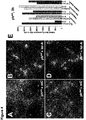
- Differentiation of cancer cells may be measured by determining the nucleolus size by immunostaining with an antibody against the nucleolus protein Fibrillarin, followed by microscopy imaging and image processing. Cancer cells often have an enlarged nucleolus compared to normal cells. Another way to measure differentiation is to use cell markers specific for differentiated cells, for example, neuronal cell markers or muscle cell markers. The person skilled in the art is aware which markers can be used to this end. Differentiation of cancer cells can also be determined using transcriptomics, immunofluorescence or other cellular tests.
- RNA molecules of the invention are capable of conveying the nucleolar morphology of a healthy cell onto cancer cells.
- the invention also relates to a pharmaceutical composition
- a pharmaceutical composition comprising as active ingredient a RNA molecule obtainable by transcription of a DNA sequence having at least 80% sequence identity to SEQ ID NO: 1.
- a pharmaceutical composition comprises a therapeutically effective amount of the active ingredient as well as pharmacological excipients.
- the person skilled in the art knows how to formulate a pharmaceutical composition comprising an RNA molecule.
- the person skilled in the art is aware of methods for stabilizing an RNA molecule in a pharmaceutical composition.
- the RNA molecule may be encapsuled in lipid nanoparticles, cellular or synthetic exosome mimics or in virus-like particles.
- lipid nanoparticles is defined as molecules that are spherical in shape and comprise a solid lipid core stabilized by a surfactant.
- the core lipids can be steroids, fatty acids, acylglycerols, waxes, and combinations of them.
- Surfactants may be biological membrane lipids such as phospholipids, sphingomyelins and bile salts (e.g., sodium taurocholate). All of these may be utilized as stabilizers in the lipid nanoparticles used for pharmaceutical compositions of the invention.
- cellular or synthetic exosome mimics is defined as nano-sized vesicles (exosomes), derived or purified from cells with modifications (cellular exosome mimics) or generated by artificial methods like cell extrusion (synthetic exosome mimics) that serve as cargos to deliver proteins, nucleic acids or other cellular components to neighboring or distant cells.
- virus-like particles is defined as multiprotein structures that closely resemble the organization and conformation of viruses but contain no viral genetic material.
- the treatment comprises incubating the RNA molecule with cell extracts prior to administration.
- the RNA molecules according to the invention may be incubated with cell extracts from cells from S. frugiperda, D. melanogaster, M. musculus and H. sapiens.
- the RNA molecules may be incubated with cell extracts fromSf21, ph505, S2, CI.8, NIH-3T3, HEK293T or HeLa cells.
- RNA molecules e.g. the RNA molecules of the invention
- an appropriate amount of time e.g. 5 to 15 min.
- the invention relates to a pharmaceutical composition
- a pharmaceutical composition comprising as active ingredient a vector loaded with a DNA sequence encoding a RNA molecule having at least 80% sequence identity to SEQ ID NO: 2.
- the polynucleotide sequence has a sequence having at least 80% sequence identity to SEQ ID NO: 1.
- the vector may be selected from the group consisting of a plasmid vector, a cosmid vector, or any other vector-based RNA expression system, a virus, and analogs thereof.
- the virus may be a retrovirus or a lentivirus.
- the virus is an adenovirus or an adeno-associated virus.
- loaded is herein understood to mean that in case of the vector being a plasmid vector or a cosmid vector, said vector comprises said DNA sequence.
- the vector is a virus, the term is understood to mean that the virus carries said DNA sequence and is able to transduce cells with said DNA sequence.
- compositions according to the invention are useful in the treatment of cancer.
- the cancer may be selected from the group consisting of colon cancer, lung cancer, stomach cancer, esophageal cancer, pancreatic cancer, gallbladder cancer, renal cancer, bladder cancer, prostate cancer, testicular cancer, cervical cancer, endometrial cancer, choriocarcinoma, ovarian cancer, breast cancer, thyroid cancer, brain cancer, head and neck cancer, malignant melanoma, skin cancer, liver cancer, leukemia, lymphoma, multiple myeloma, chronic myelogenous leukemia, neuroblastoma and aplastic anemia.
- larvae and pupae were collected at different developmental time points and extracted RNA for qPCR analyses.
- larvae third instar larvae staying in the food were collected as late larvae (LL); and wandering larvae were larvae leaving the food and wandering in the vial.
- pupae white pupae were collected and aged in a separate plate for 1, 2, 3, 24, 48, 72, and 96 hours.
- fly strains were used in this study: (1) Ore-R, (2) w 1118 , (3) ph 505 FRT19A / FM7 act-GFP, (4) tub-Gal80 FRT19A; ey-flp act>STOP>Gal4 UAS-GFP.
- Transplantation experiments were carried out as previously described. In brief, 4-6 days old adult w 1118 females were used as hosts (n>20 for each transplantation). The host flies were immobilized on an ice-cold metal plate and stuck on a piece of double-sided sticky tape, with their ventral sides up. The dissected tumor tissue was cut into small pieces of similar size and each piece was transplanted into the abdomen of one host using a custom-made glass needle. All transplantation was made under a GFP microscope to ensure labelled cells were injected into the hosts. After transplantation, host flies were allowed to recover at room temperature for 1-2 hours in fresh standard Drosophila medium before transferred to and maintained at 25°C.
- oligonucleotides spanning the first intron of let-7-C was designed using the Stellaris Probe Designer software (Biosearch Technologies). The oligonucleotides were ordered from Biosearch Technologies labeled with Quasar-670.
- RNA FISH was preformed following the Stellaris protocol for suspension cells with minor modifications. Briefly, salivary glands from white pupa were dissected and washed in PBS and fixed with 4% formaldehyde in PBS for 10 min at room temperature. After washing with PBS samples were incubated with 70% EtOH for 24 hours at 4°C. Then, samples were washed in washing buffer (2xSSC, 10% formamide) at room temperature. For hybridization 125 nM of the probe set in hybridization buffer (Biosearch Technologies) was added and incubated overnight at 37°C. The next day, samples were washed twice for 30 min at 37°C with washing buffer, the second wash containing 500 ng/ml DAPI (Sigma-Aldrich). After one wash with PBS samples were mounted with Vectashield Mounting Medium (Vectorlabs).
- Drosophila Clone 8 (CI.8) and ph 505 cell lines were maintained at 25 °C in Shields and Sang M3 Insect medium (US Biological), supplemented with 2% Fetal Bovine Serum (FBS) (PAN Biotech), 2.5% fly extract, 5 ⁇ g/ml human insulin (Sigma), 100 U/ml penicillin and 100 ⁇ g/ml streptomycin (Gibco, Life Technologies).
- S2 cells were cultured in Schneider's medium (Gibco, Life Technologies) supplemented with 10% FBS (PAN Biotech) at 25 °C.
- Spodoptera frugiperda Sf21 cells were propagated in Grace's medium (Gibco, Life Technologies) with 10% FBS (PAN Biotech) at 27°C. All mammalian cell lines except for the mesenchymal stem cells were grown in Dulbecco's Modified Eagle's Medium (DMEM) high glucose (Sigma) supplemented with 10% FBS (Sigma) and 2 mM L-glutamine (Gibco).
- DMEM Dulbecco's Modified Eagle's Medium
- HEK-Dual hTLR3 cells the growth medium was additionally supplemented with 100 ⁇ g/ml Normocin, 100 ⁇ g/ml Hygromycin B and 50 ⁇ g/ml Zeocin (all from InvivoGen).
- Primary human bone marrow-derived mesenchymal stem cells were obtained from ATCC (PCS-500-012). They were maintained according to manufacturer's instructions and differentiated as previously described ( Almalki, S.G. & Agrawal, D.K. (2016). Effects of matrix metalloproteinases on the fate of mesenchymal stem cells. Stem Cell Res Ther. 7(1): 129 ).
- HEK293T cells were transfected with using Fugene HD (Promega) following manufacturer's instructions. After two days transcription was induced with 1 ⁇ g/ml tetracycline (Sigma) and cell viability was measured after overnight incubation.
- SEAP activity was detected using QuantiBlue (InvivoGen) and the absorbance quantified on a Tecan Infinite M1000 PRO microplate reader at 650 nm.
- ph 505 cells were treated twice with UV-C (90 mJ/cm2, 254 nm).
- UV-C 90 mJ/cm2, 254 nm.
- cells were washed in PBS and irradiated with UV light in PBS, which was afterwards replaced by medium.
- Apoptosis inhibitors Pan-Caspase Inhibitor Z-VAD-FMK (Enzo Life Sciences) 50 ⁇ M; Caspase 8 Inhibitor Z-IETD-FMK (Enzo Life Sciences) 15 ⁇ M; Clusterin (secretory form, human recombinant, Enzo Life Sciences) 0.5 ⁇ M; oxidative stress was reduced with 1 mM Trolox (6-Hydroxy-2,5,7,8-tetramethylchromane-2-carboxylic acid, Sigma).
- Toll signaling pathway inhibitors TLR3/dsRNA Complex Inhibitor (Sigma) 30 ⁇ M; MyD88 inhibitor T6167923 (Anawa) 50 ⁇ M; TBK1 inhibitor MRT67307 (Sigma) 2 ⁇ M; and the NF-kB inhibitors Rolipram (Abcam) 1 ⁇ M; pyrrolidine dithiocarbonate (PDTC, Sigma) 25 ⁇ M.
- PDTC pyrrolidine dithiocarbonate
- the cell viability was determined after three hours, for extracted medium treatment after one hour, for Drosophila cell lines and for mammalian cell lines after overnight incubation.
- Toll pathway cells were pretreated for one hour with 10 ⁇ g/ml LPS (Sigma) or 5 ⁇ g/ml poly(I:C) HMW (InvivoGen). Two hours after induction cell viability was measured with alamarBlue.
- let-A and I1B fragments were amplified from S2 cell genomic DNA using the Expand Long Template PCR System (Roche) and cloned in pBacPAK8_EGFP under a metallothionein promoter. let-B was cloned from pBacPAK8_EGFP_I1B. Viruses were generated, amplified, analyzed and harvested using the BacPAK Baculovirus Expression System (Clonetech) according to manufacturer's instruction.
- let-A, let-B, I1B, mCherry and EGFP were cloned from pBacPAK8 into pSBtet (Addgene) under the control of an inducible TRE promoter.
- Cells were plated one day prior to transduction. For transductions cells were first washed twice with Grace's medium and incubated for two hours at room temperature with the virus inoculum. After removal of the virus, fresh medium was added and cells were incubated at 25°C for one more day before induction. Unless otherwise specified, transcription of the constructs was induced with 100 ⁇ M AgNO3 (Sigma). The conditioned medium was always harvested one day after induction.
- Cell viability was measured after the indicated time using alamarBlue cell viability assay reagent (Thermo Fisher Scientific) following the manufacturer's instructions. Fluorescence at 650 nm was measured with Tecan Infinite M1000 PRO microplate reader.
- RNA from cells or medium was extracted using TRIzol (Invitrogen) following manufacturer's instructions. Reverse transcription was done with the first Strand synthesis kit (Fermentas) using oligo (dT)18 as a primer and qPCR was carried out with LightCycler 96 (Roche) using FastStart Essential DNA Green Master Mix (Roche). Expression levels were normalized to ATPasecf6.
- DNA was purified from conditioned medium by phenol-chloroform extraction.
- Active cellular extract was prepared as described ( Crevel, G. & Cotterill, S. (1991). DNA replication in cell-free extracts from Drosophila melanogaster. EMBO J. 10, 4361-4369 .) with slight modifications. Cells were washed twice with PBS and then 43*10 ⁇ 6 cells were dounced on ice in a dounce homogenizer (Pestle B) in extraction buffer (10 mM HEPES, pH 7.5, 10 % v/v ethyleneglycol, 250 mM sucrose, 100 mM NaCl, 2.5 mM MgCI2, 1 mM EDTA, 2 mM DTT, 2 mM ATP, PhosSTOP Phosphatase Inhibitor Cocktail (Roche) and cOmpleteTM Protease Inhibitor Cocktail (Roche)).
- extraction buffer (10 mM HEPES, pH 7.5, 10 % v/v ethyleneglycol, 250 mM sucrose, 100
- the lysate was centrifuged for 10 min at 20'000g at 4°C. The supernatant was taken and total protein concentration was determined by Pierce BCA Protein Assay Kit (Thermo Fisher Scientific). 35 ⁇ l of extract (about 4 mg/ml protein) was mixed with 375 ng of IVT RNA (diluted in 15 ⁇ l extraction buffer), incubated at 25 °C for 15 minutes and then the RNA was purified by TRIzol extraction.
- Biotinylated RNA was produced by in vitro transcription in the presence of Desthiobiotin-16-UTP (TriLink Biotechnologies). The resulting transcripts were incubated with active cellular extract. To isolate the biotin labelled RNA, the mixture was incubated with 20 ⁇ l of Dynabeads MyOne Streptavidin T1 (Invitrogen) for 15 minutes at 25 °C. Afterwards, another 20 ⁇ l beads were added and again incubated 15 minutes at 25 °C. Next, the beads were washed twice with extraction buffer and eluted in elution buffer (extraction buffer with 2 mM avidin (IBA)) at 25°C for 15 minutes. The eluates and flow-through were purified by TRIzol extraction.
- the purified RNA was sequenced by first depleting ribosomal RNA with the Ribo-Zero Gold rRNA Removal Kit and then subjecting the remaining RNA to the Illumina TruSeq Stranded Library Prep Kit. The resulting libraries were sequenced on a NextSeq500 at paired end 38.
- Tumours were fixed in 2% paraformaldehyde (in 1xPBS) for 25 minutes at room temperature, and washed several times in PBST (1xPBS with 0.5% Triton X-100). Tumours were incubated overnight with primary antibodies at 4°C, followed by several washes at room temperature, incubated with secondary antibodies at 4°C overnight. After several washes, samples were incubated with DAPI (1:200 in PBST) at room temperature for 20 minutes, then mounted in Vectashield and stored at -20°C before imaging.
- GFP chicken anti-green fluorescent protein
- Immunofluorescent images were recorded on a Leica TCS SP8 confocal microscope.
- Adult flies with transplanted tumours were taken on a Nikon SMZ1270 microscope. Images were processed using ImageJ, Imaris, Photoshop, and Adobe Illustrator.
- RNAs were isolated from the ph 505 culture cells at 16 hours after treated with ecdysone (5 ⁇ M 20-Hydroxyecdysone (Sigma)). RNA was extracted using an Arcturus PicoPure RNA Isolation kit (Applied Biosystems), library prepared with SMARTSeq2 NexteraXT and sequenced on an Illumina NextSeq2500 or NextSeq500.
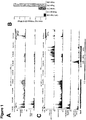
- the let-7 complex encodes two putative non-coding RNAs
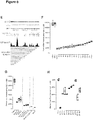
- the intronic sequences can also be observed in a few samples and cell lines ( Fig. 1B ).
- the intronic sequences were detected particularly in samples from pupal stages, but not in embryonic, larval, or adult stages, suggesting that the expression of these transcripts might be related to the expression of ecdysone signaling at metamorphosis ( Fig. 1B ).
- larval ph 505 mutant cells can continue to proliferate and give rise to neoplastic tumors after being transplanted into adult host flies (Jiang et al., 2018).
- ecdysone can induce the expression of the non-coding transcripts in let-7-C
- we treated ph 505 cell culture with ecdysone overnight isolated the polyadenylated RNAs, and performed transcriptome analysis by RNA-seq.
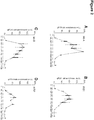
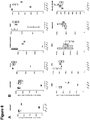
- let-A was lower than let-B during the first two days after ecdysone treatment, but continuously increased thereafter ( Fig. 2A ). This shows that the IncRNA let-B, containing all three EcREs, is the first to be expressed in response to ecdysone and let-A is expressed at a later time point.
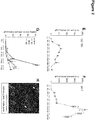
- let-A seemed to be cell type specific.
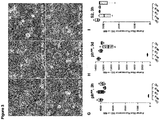
- the cells did not die and the viability was not affected ( Fig. 3I ).
- let-A or mCherry RNA as control
- let-A/medium or mCherry/medium
- Fig. 5C To test whether the medium toxicity was due to cell apoptosis in general, we killed untreated ph 505 cells by UV, collected the medium, and added it to a new plate of ph 505 cells. Unlike the let-A/medium, the UV/medium had no effect on the ph 505 cells ( Fig. 5C ), indicating the toxicity of the medium is due to the induced expression of let-A.
- RNA or DNA from the medium purified twice by Trizol extraction, and added the purified fractions to ph 505 cells.
- the purified RNA or DNA from the mCherry/medium did not show any effect to ph 505 culture cells ( Fig. 5D, E ).
- the purified RNA from let-A/medium was able to kill all the cells ( Fig. 5F ), whereas DNA was not ( Fig. 5G ), indicating that the toxicity was mediated by RNA molecules.
- RNase or DNase in the medium during the induction we added RNase or DNase in the medium during the induction.
- RNA from the medium of other RNAs let-B, I1B, or mCherry
- the toxicity of the RNA was also cell-specific similarly to the let-A transductions as there was no effect when S2 cells were treated with the purified RNA from let-A medium ( Fig. 5J ).
- RNA with the sense sequence could kill the cells, but RNA with the antisense sequence could not ( Fig. 6A ).
- let-7-C had the most sequencing reads ( Fig. 6D ). Together, these results show that let-A RNA is indeed the molecule that induces apoptosis in ph 505 cells. To exert this toxicity, it needs to be modified and/or folded to a particular secondary structure.
- ph 505 tumor tissue can be extinguished by let-A / medium and purified let-A RNA
- RNA may also be toxic to in vivo growing tumors.
- RNA purified from the let - A /medium has the same effect.
- tumors incubated with the let-A /medium-purified RNA became dissociated ( Fig. 7E ) and could not form tumors after re-transplantation.
- tumors incubated overnight with RNA from control medium remained tumorigenic and were able to grow after re-transplantation ( Fig. 7F ).
- RNA let-A can induce rapid apoptosis in Drosophila cancer cells, it is intriguing to test if this RNA has the same effect on mammalian cells. Therefore, we transfected HEK293T cells with Drosophila let-A and measured the cellular viability. To our surprise, Drosophila let-A was also toxic to the HEK293T cells and most cells died after overnight incubation ( Fig. 8A ). Furthermore, the RNA fraction purified from let - A /medium was also able to kill the HEK293T cells, but RNAs from the I1B or mCherry /medium could not ( Fig. 8B ).
- RNAs purified from the let- A/medium including HeLa, C2C12 myoblast, Mcf7, BT8A, and K562 cells.
- purified RNA was able to kill all those cell lines ( Fig. 8B ) with RNAs purified from I1B /medium or mCherry /medium not having the same effect ( Fig. 8B ).
- the Toll signaling pathway is activated during the cellular response to let-A
- HEK-Dual hTLR3 cell line that expresses SEAP (Secreted embryonic alkaline phosphatase) as a reporter for Toll signaling.
- SEAP Secreted embryonic alkaline phosphatase
- the SEAP activity was low in the untreated condition, but increased upon treatment with Poly(I:C) (polyinosine-polycytidylic acid), a known inducer of the Toll signaling pathway ( Fig. 9D ).
- Poly(I:C) polyinosine-polycytidylic acid
- Fig. 9D Treating HEK-Dual hTLR3 cells with Poly(I:C) could increase the SEAP activity in these cells ( Fig. 9D ).
- HEK-Dual hTLR3 cells were treated with mCherry/medium, we did not observe an increase in SEAP activity ( Fig. 9D ).
Landscapes
- Health & Medical Sciences (AREA)
- Life Sciences & Earth Sciences (AREA)
- Chemical & Material Sciences (AREA)
- Genetics & Genomics (AREA)
- Organic Chemistry (AREA)
- Engineering & Computer Science (AREA)
- Zoology (AREA)
- General Health & Medical Sciences (AREA)
- Biomedical Technology (AREA)
- Molecular Biology (AREA)
- General Engineering & Computer Science (AREA)
- Biochemistry (AREA)
- Bioinformatics & Cheminformatics (AREA)
- Wood Science & Technology (AREA)
- Biotechnology (AREA)
- Insects & Arthropods (AREA)
- Medicinal Chemistry (AREA)
- Biophysics (AREA)
- Veterinary Medicine (AREA)
- Public Health (AREA)
- Physics & Mathematics (AREA)
- Animal Behavior & Ethology (AREA)
- Plant Pathology (AREA)
- Microbiology (AREA)
- Pharmacology & Pharmacy (AREA)
- Proteomics, Peptides & Aminoacids (AREA)
- Gastroenterology & Hepatology (AREA)
- Toxicology (AREA)
- Tropical Medicine & Parasitology (AREA)
- Chemical Kinetics & Catalysis (AREA)
- General Chemical & Material Sciences (AREA)
- Nuclear Medicine, Radiotherapy & Molecular Imaging (AREA)
- Epidemiology (AREA)
- Pharmaceuticals Containing Other Organic And Inorganic Compounds (AREA)
- Medicines Containing Material From Animals Or Micro-Organisms (AREA)
- Medicines That Contain Protein Lipid Enzymes And Other Medicines (AREA)
Abstract
The invention is directed to a RNA molecule having a sequence having at least 80% sequence identity to SEQ ID NO: 2. Likewise, the invention is directed to a RNA molecule obtainable by transcription of a DNA sequence having at least 80% sequence identity to SEQ ID NO: 1 for use as a medicament and to pharmaceutical compositions comprising such a RNA molecule.
Description
- The present invention is directed to an RNA molecule having a sequence having at least 80 % sequence identity to SEQ ID NO: 2. Furthermore, the invention is directed to an RNA molecule obtainable by transcription of a DNA sequence having at least 80% sequence identity to SEQ ID NO: 1 for use in the treatment of cancer. In addition, the invention is directed to a pharmaceutical composition comprising as active ingredient a RNA molecule obtainable by transcription of a DNA sequence having at least 80% sequence identity to SEQ ID NO: 1 or a vector loaded with a DNA sequence having at least 80% sequence identity to SEQ ID NO: 1.
- The large-scale sequencing and mapping of genomes uncovered the occurrence of extended transcribed regions, producing RNAs without an apparent coding potential. While many of these non-coding RNAs can be assigned to well-known functional families, like rRNAs, tRNAs, snoRNAs or miRNAs, the majority of these transcripts remain functionally uncharacterized. A particular class, long non-coding RNAs (IncRNAs), shows many hallmarks of mRNAs, like cap-structure and polyA tail or the usage of the same transcriptional and post-transcriptional machinery, except for the capacity to encode the information for a protein. There is increasing evidence, however, that IncRNAs also fulfil a broad range of cellular and organismal functions as well (Kopp, F. & Mendell, J.T. (2018). Functional classification and experimental dissection of long noncoding RNAs. Cell. 172, 393-407.). While in the past the conservation of the open reading frame in mRNAs often supported the functional characterization of the associated proteins across species, the much-reduced evolutionary preservation of IncRNA sequences hampers this task substantially. Often the function is restricted to a characteristic secondary structure allowing the interactions with highly specific partner molecules. Hence, complex research strategies are often required to reveal underlying functional roles of specific IncRNAs.
- Drosophila is a powerful model to study the mechanisms underlying tumor formation and development (Read, R.D. (2011). Drosophila melanogaster as a model system for human brain cancers. Glia. 59(9):1364-1376; Miles, W.O., Dyson, N.J., and Walker, J.A. (2011). Modeling tumor invasion and metastasis in Drosophila. Dis Model Mech. 4(6):753-761; Gonzalez, C. (2013). Drosophila melanogaster: a model and a tool to investigate malignancy and identify new therapeutics. Nat Rev Cancer 13, 172-183.). The central brain of Drosophila has been used to study neural stem cell-derived brain tumors in brain tumor (brat) gene mutants (Jiang, Y. & Reichert, H. (2014). Drosophila neural stem cells in brain development and tumor formation. J Neurogenet. 28, 181-189.).
- lethal-7 (let-7) encodes an evolutionarily highly conserved microRNA (miRNA) and was the first miRNA to be discovered (Reinhart B.J., Slack F.J., Basson M., Pasquinelli A.E., Bettinger J.C., Rougvie A.E., Horvitz H.R., and Ruvkun G. (2000). The 21-nucleotide let-7 RNA regulates developmental timing in Caenorhabditis elegans. Nature. 403, 901-906.). In Drosophila, let-7 is located in the let-7 complex (let-7-C), which is a locus on the second chromosome. Its primary transcript encoding besides let-7 and mir-125 also mir-100 spans -17 kb of genomic region and consisting of three exons and two introns (
Fig. 1A ) (Büssing, I., Slack, F.J., and Grosshans, H. (2008). let-7 microRNAs in development, stem cells and cancer. Trends Mol Med. 14, 400-409.). - During the development of Drosophila, expression of let-7, miR-100 and miR-125 is regulated by the steroid hormone ecdysone (Sempere, L.F., Dubrovsky, E.B., Dubrovskaya, V.A., Berger, E.M., and Ambros, V. (2002). The expression of the let-7 small regulatory RNA is controlled by ecdysone during metamorphosis in Drosophila melanogaster. Dev Biol. 244, 170-179.). Studies in C. elegans and Drosophila have shown that let-7 is required for controlling developmental timing and for cell differentiation (Büssing, I., Slack, F.J., and Grosshans, H. (2008). let-7 microRNAs in development, stem cells and cancer. Trends Mol Med. 14, 400-409.). Although flies containing a complete deletion of all three miRNAs are viable and appear morphologically normal, the mutant adult flies display behavioral and aging defects, indicating that let-7-C is required for neuronal development, neuromuscular remodeling, and adult lifespan and aging (Sokol, N.S., Xu, P., Jan, Y.N., and Ambros, V. (2008). Drosophila let-7 microRNA is required for remodeling of the neuromusculature during metamorphosis. Genes Dev. 22, 1591-1596; Chawla, G., Deosthale, P., Childress, S., Wu, Y.C., and Sokol, N.S. (2016). A let-7-to-miR-125 microRNA switch regulates neuronal integrity and lifespan in Drosophila. PLoS Genet. 12(8): e1006247; Gendron, C.M. & Pletcher, S.D. (2017). MicroRNAs mir-184 and let-7 alter Drosophila metabolism and longevity. Aging Cell. 16, 1434-1438.). In mammals, all three miRNAs are jointly present as large gene families located on different chromosomes in the genome. Due to the functional redundancy and complexity, the exact expression pattern and the biological relevance of the mammalian homologues of all three miRNAs remain unresolved (Roush, S. & Slack, F.J. (2008). The let-7 family of microRNAs. Trends Cell Biol. 18, 505-516.). However, mis-expression of let-7 or miR-125 have been observed in several human cancers, indicating an essential function of these miRNAs in controlling cell proliferation and differentiation (Roush, S. & Slack, F.J. (2008). The let-7 family of microRNAs. Trends Cell Biol. 18, 505-516.).
- Recently, an intrinsic tumor eviction mechanism in Drosophila was described (Jiang, Y., Seimiya, M., Schlumpf, T.B., and Paro, R. (2018). An intrinsic tumour eviction mechanism in Drosophila mediated by steroid hormone signalling. Nature Communications 9, 1-9.). It was found that ecdysone signaling during metamorphosis, transforms tumorigenic ph505 cells into non-tumorigenic "metamorphed" ph505 cells, which become eliminated in adults. The let-7 miRNA and mir-125 were identified as important effectors of the process. However, it is still unknown which other transcripts can be derived from let-7-C in Drosophila and what their respective functions are.
- The objective problem to be solved is thus the provision of further RNA transcripts from let-7-C in Drosophila and the elucidation of the biological function and effect of these transcripts.
- The problem is solved by a RNA molecule having a sequence having at least 80% sequence identity to SEQ ID NO: 2.
- Likewise, the problem is solved by a RNA molecule obtainable by transcription of a DNA sequence having at least 80% sequence identity to SEQ ID NO: 1 for use as medicament, preferably for use in the treatment of cancer.
- Furthermore, the problem is solved by a pharmaceutical composition comprising as active ingredient a RNA molecule obtainable by transcription of a DNA sequence having at least 80% sequence identity to SEQ ID NO:1 or a vector loaded with a DNA sequence having at least 80% sequence identity to SEQ ID NO: 1.
-
-
Fig. 1 shows that let-7-C may encode two non-coding transcripts. (A) Genomic region of the let-7-C in Drosophila, containing 3 exons (black boxes), one large intron and one small intron (dashed line). Transcriptome analysis of eye-antennal disc cells at 48 hours after pupal formation (metamorphed control) and metamorphed ph505 cells by RNA-seq revealed many reads (black and grey bars indicate two replicates) mapping to the first intron. (B) let-7-C intron sequences can be observed in publicly available RNA-seq data in the Flybase. Notably, the intron sequences are enriched in samples from pupal stages, but not in embryonic, larval, and adult stages. (C) RNA-seq analysis of ecdysone-treated ph505 culture cells showed many sequencing reads mapping in the first intron. Analysis of modENCODE data for RNA Pol II ChIP of adult heads and Kc167 cells reveals multiple regions with strong Pol II localization within the first intron, indicating potential transcription start sites. Based on the Pol II localization sites, as well as the sequencing reads, we named one IncRNA let-A and the other transcript let-B. In addition, the second half of theintron 1 was named I1B that was used in following experiments -
Fig. 2 shows the dynamic expression of let-7-C ncRNAs during development. (A-E) qPCR quantification of the expression levels of different intronic regions of the let-7-C in whole larvae or pupae from different larval and pupal stages. Primers were used to amplify let-A coding region (A), intermediate region between let-A and let-B (B), let-B coding region (C), and 3' region outside of let-B (D). Eip75B, a known ecdysone-induce gene, was used here as a control (E). (F) qPCR quantification of the expression levels of different intronic regions of the let-7-C in ecdysone-treated ph505 culture cells at different time points. Primers used were the same as in (A-D). (C) Expression dynamic of let-7 miRNA at the different developmental time points. (D) Confocal image of in situ hybridization ofintron 1 sequences to whole salivary glands of white prepupae shows a strong signal (arrow) at the periphery of the nuclei (grey). -
Fig. 3 shows that induced expression of let-A resulted in rapid cell death in ph505 cells. (A-F) Light microscope pictures showing ph505 culture cells in different conditions: (A) untransfected; (B) silver-treated; (C) induced let-A; (D) induced I1B; (E) induced let-B; (F) induced mCherry (mC). All pictures showed the cells at two hours after induction. Arrow in (A) indicates a ph505 cell which has an extended shape and attaches to the plate; arrowhead in (A) indicates a round shape floating ph505 cell. Asterisks in (C) indicate dying cells; dashed arrow in (C) indicates a ph505 cell with abnormal shape. Scale bar is 20 µm. (G) Alamar Blue quantification of cell viability at three hours (3h) after different RNAs were induced in ph505 cells. This assay incorporates an oxidation-reduction indicator that both fluoresces and changes color in response to chemical reduction of medium resulting from cell growth. The fluorescence was measured and higher value correlated with more living cells in the culture. (H) Alamar Blue quantification of cell viability at three days (3d) after different RNAs were induced in ph505 cells. (I) Alamar Blue quantification of cell viability at three hours after different RNAs were induced in S2 cells. -
Fig. 4 shows that let-A expression induced apoptotic cell death in ph505 cells. (A) Annexin V staining in mCherry-expressing ph505 cells. (B) Annexin V staining in let-A-expressing ph505 cells showing many cells undergo apoptotic cell death. (C) CellRox staining in mCherry-expressing ph505 cells. (D) CellRox staining in let-A-expressing ph505 cells. (E) Cell viability measurements of ph505 cells when different apoptosis inhibitors were applied during the induction of mCherry or let-A. -
Fig. 5 shows that cell death was induced by let-A RNA molecules. (A-C) Light microscope images showing ph505 culture cells treated with let-A/medium (A), mCherry/medium (B), or UV medium (C). Scale bars are 20 µm. (D) Light microscope pictures showing ph505 culture cells treated with purified RNA fraction from mCherry/medium. (E) Light microscope pictures showing ph505 culture cells treated with purified DNA fraction from mCherry/medium. (F) Light microscope pictures showing ph505 culture cells treated with purified RNA fraction from let-A/medium. (G) Light microscope pictures showing ph505 culture cells treated with purified DNA fraction from let-A/medium. (H) Cell viability measurements of ph505 cells when RNase or DNase were added to the medium during the induction of let-A or mCherry. Note that adding RNase could significantly increase cell viability in the culture, but DNase could not. (I) Cell viability measurements of ph505 cells treated with RNAs purified from let-A, let-B, I1B, or mCherry/medium. Only purified RNA from let-A/medium was toxic to the cells. (J) Cell viability measurements of S2 cells treated with RNAs purified from let-A, let-B, I1B, or mCherry/medium. Purified RNA from let-A/medium was not toxic to S2 Cells. -
Fig. 6 shows that cell toxicity was induced by in vitro transcribed full length let-A RNA. (A) Cell viability of ph505 cells treated with in vitro transcribed sense or antisense let-A and mCherry RNAs. Only the sense let-A RNA was toxic to the cells. (B) Cell viability of ph505 cells treated with sonicated let-A RNA. The RNA lost its toxicity with increasing number of sonication cycles. (C) Cell viability of ph505 cells treated with in vitro transcribed let-A, let-B, or mCherry RNA. RNAs were transcribed with biotinylated ribonucleotides, incubated with cell extracts, and purified by affinity purification before applied to the cells. Input, without purification; RNA, affinity purified RNA; FT, flow through after affinity purification. (D) RNA-seq of the input or affinity purified in vitro transcribed RNA as in (C). Number of reads per kilobase million (RPKM) showed the enrichment of let-A after purification. Among the RNAs with the top number of sequencing counts, let-7-C had the most reads. (E) A map of the deletion constructs and shorter parts and fragments within let-A sequence. IVT let-A IP shows the sequencing reads enriched within let-A. (F) Cell viability of ph505 cells transfected with constructs encoding a series of let-A deletion sequences. (G) Cell viability of ph505 cells transfected with vectors encoding let-A parts p1-p3. (H) Cell viability of ph505 cells transfected with vectors encoding let-A short fragments. -
Fig. 7 shows that let-A was toxic to in vivo growing ph505 tumors. (A, B) Confocal images showing ph505 tumor after 24 hours incubation in let-A/medium (A) or mCherry/medium (B). Note the tumor cells became dissociated and no longer formed a sphere structure after incubation in let-A/medium. Scale bars are 50 µm. (C, D) Adult host flies transplanted with let-A/medium-incubated ph505 tumor (C) or mCherry/medium-incubated ph505 tumor (D). let-A/medium-incubated ph505 tumor could not grow, but mCherry medium-incubated ph505 tumor could form tumors in the host flies. (E, F) Confocal picture showing ph505 tumor after overnight incubation with purified RNAs from let-A/medium (E) or from mCherry/medium (F). Note the tumor cells became dissociated and no longer formed a sphere structure after incubation with purified RNA from let-A/medium. Scale bars are 50 µm. -
Fig. 8 shows that let-A RNA is also toxic to mammalian cells. (A) Cell viability of HEK293T cells transfected with Drosophila let-A or GFP. Induced expression of let-A was toxic to HEK cells. (B) Cell viability of various mammalian cell lines treated with purified RNA from let-A/medium, I1B/medium, or mCherry/medium. The purified RNA from let-A/medium could kill HEK293T, HeLa, C2C12 myoblast, Mcf7, BT8A, and K562 cells. -
Fig. 9 shows that Toll signaling pathway is required for let-A induced cell toxicity. (A) Cell viability of ph505 cells treated with inhibitors against Toll signaling components TLR3, MyD88, and TBK1. Cells were first incubated with different inhibitors for one hour, then treated with purified RNAs from mCherry/medium or let-A/medium for three hours. (B) Cell viability of ph505 cells treated with two NF-κB inhibitors. Cells were treated by the same processes as (A). (C) Cell viability of HEK393T cells treated with inhibitors against Toll signaling components. Cells were treated by the same inhibitors and processes as (A). (D) SEAP activity in HEK-Dual hTLR3 cells treated with purified RNA from let-A/medium or mCherry/medium, with or without Toll signaling inhibitors. (E) Cell viability of ph505 cells with or without pre-treatment with LPS before let-A or mCherry expression was induced. Note that let-A induction could kill the LPS pre-treated cells even faster. (F) Cell viability of HEK393T cells with or without pre-treated with Poly(I:C), before treated with purified RNA from mCherry/medium or let-A/medium. let-A/medium purified RNA could kill the pre-treated cells much faster. -
Fig. 10 shows let-A/medium can reduce the nucleolus's volume in treated cells. (A, B) confocal images showing ph505 cells treated with mCherry/medium (mCh) (A) or let-A/medium (let-A) (B). Immunostaining using Fibrillarin antibody (nucleolus). The boundary of a single cell and its nucleus are outlined, and the arrow points to the nucleolus stained by fibrillarin immunofluorescence. (C) Quantification of the nucleolus volume showing that the nucleolus volume was reduced in let-A/medium treated ph505 cells. (D, E) confocal images showing HEK cells treated with mCh (D) or let-A (E). Immunostaining using Fibrillarin antibody (nucleolus). In mCh treated cells, each nucleus contains one large Fibrillarin staining (volume larger than 25 um3) and a few smaller ones. The arrow points to the nucleolus stained by fibrillarin immunofluorescence. But in let-A treated cells, the larger structure disappears and more smaller staining are observed in the nucleolus. (F) Quantification of the number of nucleoli with different volume in mCh or let-A treated HEK cells, showing that the nucleolus volume was reduced in let-A/medium treated cells. - The invention relates to a RNA molecule having a sequence having at least 80% sequence identity to SEQ ID NO: 2.
- The RNA molecule having a sequence according to SEQ ID NO: 2 is herein also referred to as Drosophila let-A IncRNA, let-A IncRNA or simply let-A. In a preferred embodiment, the RNA molecule is single-stranded.
- The inventors found that induced expression of let-A results in rapid death of Drosophila ph505 cancer cells and that dead cells further release this RNA, thus becoming toxic to neighboring cancer cells. In particular, it was found that when let-A RNA was over-expressed in cultured ph505 cells, this results in rapid cell death of the entire population within a few hours. It was surprising that only a subset of the ph505 cells in the culture were transfected by the virus vector and thus expressing the RNA, but still all the cells in the culture died. In addition, the culture medium also became toxic and could further induce cell death when applied to a new culture of ph505 cells. These results indicate that cells expressing let-A release some molecules leading to the death of the untransfected cells in the same culture.
- Without wanting to be bound by a mechanism, it is believed that let-A RNA may act through the Toll signaling pathway to induce apoptosis. Toll-like receptors (TLRs) are a family of membrane proteins that can induce an immune response upon recognition of microbial pathogens. First discovered in Drosophila, this family of proteins is evolutionarily conserved from flies to humans. In particular, several TLRs (TLR3, TLR7, TLR8, and TLR9) are known to recognize either double stranded or single stranded RNAs to initiate downstream signaling (Alexopoulou, L., Holt, A.C., Medzhitov, R., and Flavell, R.A. (2001). Recognition of double-stranded RNA and activation of NF-kappaB by Toll-.).
- Transcriptome analyses of metamorphed cells derived from ph505 tumor cells passing through metamorphosis showed, among other signaling pathways, a prominent activation of Toll signaling. The fact that this innate immune pathway is highly conserved also provides an explanation why mammalian cells also react to the exposure of the Drosophila let-A IncRNA.
- The RNA molecule according to the invention has a sequence having at least 80% sequence identity to SEQ ID NO: 2. In the context of the invention, the term "sequences having at least 80% sequence identity" comprises sequences having at least 85 %, at least 90 %, at least 95 %, at least 96 %, at least 97 %, at least 98 %, at least 99 %, at least 99.5 %, most preferably 100 % sequence identity to the respective sequence. In all cases, the identity is the identity over the total length of the sequences.
- In one aspect, the RNA molecule according to the invention is a variant of the RNA molecule having a sequence according to SEQ ID NO: 2, i.e. let-A. The term "variant" herein refers to biologically active derivatives of the respective RNA. In general, the term "variant" refers to molecules having a native sequence and structure with one or more additions, substitutions (generally conservative in nature) and/or deletions, relative to the native molecule, so long as the modifications do not destroy biological activity and which are "substantially homologous" to the reference molecule. In general, the sequences of such variants will have a high degree of sequence homology to the reference sequence, e.g., sequence homology of more than 50%, generally more than 60%-70%, even more particularly 80%-85% or more, such as at least 90%-95% or more, when the two sequences are aligned. In case of let-A, a variant thereof shows a similar capability to induce apoptosis in cancer cells, in particular Drosophila ph505 cancer cells.
- In a preferred embodiment, the RNA molecule has the same secondary structure as let-A. For example, the RNA molecule according to the invention has a double-stranded stem structure formed by complementary base pairing and a loop structure formed by unpairing bases. Within the stem structures, a small bulge loop or an internal loop may exist due to one or two unpairing bases. In addition, the RNA molecule may contain a pseudoknot structure.
- The RNA molecules according to the invention are preferably long non-coding RNA (IncRNA) molecules. IncRNA molecules are herein defined as RNA molecules of more than 200 nucleotides without substantial ORFs.
- In a further embodiment, the invention relates to a RNA molecule obtainable by transcription of a DNA sequence having at least 80% sequence identity to SEQ ID NO: 1 for use as a medicament. In a preferred embodiment, the RNA molecule is for the use in the treatment of cancer.
- The term "obtainable by transcription of a DNA sequence" is herein understood as meaning that the RNA molecule is the transcription product or transcript of the respective DNA. Thus, the term "RNA molecule obtainable by transcription of a DNA sequence having at least 80% sequence identity to SEQ ID NO: 1" refers to any RNA molecule that can be transcribed from a DNA sequence having at least 80% sequence identity to SEQ ID NO: 1 or any processing product of such a RNA molecule. In particular, the RNA molecule according to the invention may have been processed by undergoing posttranscriptional modifications such as RNA methylation, folding, cleavage or wrapping into extracellular cargo vesicles such as exosomes.
- The term "obtainable by transcription of a DNA sequence" is herein understood not to be limited with regard to the source of the RNA molecule. The RNA molecules according to the invention, including the RNA molecules used in the pharmaceutical compositions according to the invention, can be in vivo transcribed RNA molecules purified from cells or in vitro transcribed RNA.
- The skilled person knows how RNA can be purified from cells or transcribed in vitro. For example, RNA purification can be performed by using TRIzol Reagent (Invitrogen, CA, catalogue no. 15596018). For this, samples are lysed and homogenised in the appropriate volume of TRIzol Reagent. Samples are incubated at room temperature for 5 minutes, then 1/5 of the volume of chloroform is added, incubated and mixed vigorously. To separate the phases samples are centrifuged for 15 minutes at 13 000 x g at 18°C. The aqueous phase containing the RNA is transferred to a new tube and RNA is precipitated using isopropanol. The resulting pellet is washed using ice cold 70% ethanol, air dried and dissolved in a suitable buffer.
- The RNA molecules according to the invention may be purified from any eukaryotic cell expressing let-A artificially or naturally. In one embodiment, the RNA molecules according to the invention are purified from cells of S. frugiperda, D. melanogaster, M. musculus and H. sapiens. In a preferred embodiment, RNA molecules may be purified from Sf21, ph505, S2, CI.8, NIH-3T3, HEK293T or HeLa cells.
- Likewise, RNA purification can be performed using commercially available kits such as RNeasy Mini Kit (Qiagen, Germany, catalogue no. 74106) or Dynabeads™ mRNA DIRECT™ Purification Kit (Invitrogen, CA, catalogue no. 61012).
- For RNA in vitro transcription, numerous commercial kits are available, e.g. MEGAscript® T7 Transcription kit (Invitrogen, CA, catalogue no. AM1334). Likewise, RNA can be produced by oligonucleotide synthesis.
- In a preferred embodiment, the RNA molecule obtainable by transcription of a DNA sequence having at least 80% sequence identity to SEQ ID NO: 1 is a RNA molecule having SEQ ID NO: 2.
- The invention relates to use of these RNA molecules as a medicament, preferably for use in the treatment of cancer.
- Surprisingly, the present inventors found the Drosophila let-A IncRNA to be toxic for different types of mammalian cancer cell lines, indicating an evolutionarily conserved oncolytic function. Consequently, the RNA molecules according to the invention are useful for the treatment of cancer.
- The cancer may be selected from the group consisting of colon cancer, lung cancer, stomach cancer, esophageal cancer, pancreatic cancer, gallbladder cancer, renal cancer, bladder cancer, prostate cancer, testicular cancer, cervical cancer, endometrial cancer, choriocarcinoma, ovarian cancer, breast cancer, thyroid cancer, brain cancer, head and neck cancer, malignant melanoma, skin cancer, liver cancer, leukemia, lymphoma, multiple myeloma, chronic myelogenous leukemia, neuroblastoma and aplastic anemia.
- The invention is also directed to methods of treatment of cancer, wherein the treatment comprises administration of a therapeutically effective amount of an RNA molecule according to the invention.
- The term "administering" herein refers to administering an effective amount of the RNA molecules or the pharmaceutical compositions according to the invention, to a subject in need thereof.
- Administering a nucleic acid, such as DNA or RNA molecule, in particular a IncRNA to a cell may be performed by transducing, transfecting, electroporating, translocating, fusing, phagocytosing, shooting or ballistic methods, etc., i.e., by any means by which a nucleic acid can be transported across a cell membrane.
- In one aspect of the invention, the treatment induces differentiation and cell death in the cancer cells present in the cancer.
- Differentiation of cancer cells may be measured by determining the nucleolus size by immunostaining with an antibody against the nucleolus protein Fibrillarin, followed by microscopy imaging and image processing. Cancer cells often have an enlarged nucleolus compared to normal cells. Another way to measure differentiation is to use cell markers specific for differentiated cells, for example, neuronal cell markers or muscle cell markers. The person skilled in the art is aware which markers can be used to this end. Differentiation of cancer cells can also be determined using transcriptomics, immunofluorescence or other cellular tests.
- Surprisingly, treatment with let-A IncRNA resulted in a reduced volume of nucleolus in most of the cells. Thus, the RNA molecules of the invention are capable of conveying the nucleolar morphology of a healthy cell onto cancer cells.
- The invention also relates to a pharmaceutical composition comprising as active ingredient a RNA molecule obtainable by transcription of a DNA sequence having at least 80% sequence identity to SEQ ID NO: 1.
- It is herein understood that a pharmaceutical composition comprises a therapeutically effective amount of the active ingredient as well as pharmacological excipients. The person skilled in the art knows how to formulate a pharmaceutical composition comprising an RNA molecule. In particular, the person skilled in the art is aware of methods for stabilizing an RNA molecule in a pharmaceutical composition.
- In the pharmaceutical composition according to the invention, the RNA molecule may be encapsuled in lipid nanoparticles, cellular or synthetic exosome mimics or in virus-like particles.
- Herein, the term "lipid nanoparticles" is defined as molecules that are spherical in shape and comprise a solid lipid core stabilized by a surfactant. The core lipids can be steroids, fatty acids, acylglycerols, waxes, and combinations of them. Surfactants may be biological membrane lipids such as phospholipids, sphingomyelins and bile salts (e.g., sodium taurocholate). All of these may be utilized as stabilizers in the lipid nanoparticles used for pharmaceutical compositions of the invention.
- Herein, the term "cellular or synthetic exosome mimics" is defined as nano-sized vesicles (exosomes), derived or purified from cells with modifications (cellular exosome mimics) or generated by artificial methods like cell extrusion (synthetic exosome mimics) that serve as cargos to deliver proteins, nucleic acids or other cellular components to neighboring or distant cells.
- Herein, the term "virus-like particles" is defined as multiprotein structures that closely resemble the organization and conformation of viruses but contain no viral genetic material.
- It may enhance the efficacy of the pharmaceutical composition or the RNA molecules according to the invention to activate the RNA molecule prior to administration. This can be achieved by incubating the RNA molecule with cell extracts. Therefore, in one aspect, the treatment comprises incubating the RNA molecule with cell extracts prior to administration. For example, the RNA molecules according to the invention may be incubated with cell extracts from cells from S. frugiperda, D. melanogaster, M. musculus and H. sapiens. In particular, the RNA molecules may be incubated with cell extracts fromSf21, ph505, S2, CI.8, NIH-3T3, HEK293T or HeLa cells.
- The term "incubating with cell extracts" herein refers to a process in which cells are first homogenised in extraction buffer comprising protease and phosphatase inhibitors. In a second step, the thus obtained active cell lysate is mixed with the respective RNA molecules, e.g. the RNA molecules of the invention, for an appropriate amount of time, e.g. 5 to 15 min. Lastly, the RNA molecules are purified as described above.
- Without wanting to be bound by a mechanism, it is believed that incubation with cell extracts activates and/or stabilizes the RNA molecules according to the invention and thus further enhances efficacy of the RNA molecules.
- In another embodiment, the invention relates to a pharmaceutical composition comprising as active ingredient a vector loaded with a DNA sequence encoding a RNA molecule having at least 80% sequence identity to SEQ ID NO: 2. In one embodiment, the polynucleotide sequence has a sequence having at least 80% sequence identity to SEQ ID NO: 1.
- The vector may be selected from the group consisting of a plasmid vector, a cosmid vector, or any other vector-based RNA expression system, a virus, and analogs thereof. The virus may be a retrovirus or a lentivirus. In a preferred embodiment, the virus is an adenovirus or an adeno-associated virus.
- The term "loaded" is herein understood to mean that in case of the vector being a plasmid vector or a cosmid vector, said vector comprises said DNA sequence. In case the vector is a virus, the term is understood to mean that the virus carries said DNA sequence and is able to transduce cells with said DNA sequence.
- The pharmaceutical compositions according to the invention are useful in the treatment of cancer.
- The cancer may be selected from the group consisting of colon cancer, lung cancer, stomach cancer, esophageal cancer, pancreatic cancer, gallbladder cancer, renal cancer, bladder cancer, prostate cancer, testicular cancer, cervical cancer, endometrial cancer, choriocarcinoma, ovarian cancer, breast cancer, thyroid cancer, brain cancer, head and neck cancer, malignant melanoma, skin cancer, liver cancer, leukemia, lymphoma, multiple myeloma, chronic myelogenous leukemia, neuroblastoma and aplastic anemia.
- Fly strains were maintained on standard medium. All genetic experiments were performed at 25°C. To generate homozygous ph505 MARCM clones, virgin females of ph505 FRT19A/FM7 act-GFP were crossed with tub-Gal80 FRT19A; ey-flp act>STOP>Gal4 UAS-GFP males.
- To measure the expression of the IncRNA during development, we collected larvae and pupae (w1118 ) at different developmental time points and extracted RNA for qPCR analyses. For larvae, third instar larvae staying in the food were collected as late larvae (LL); and wandering larvae were larvae leaving the food and wandering in the vial. For pupae, white pupae were collected and aged in a separate plate for 1, 2, 3, 24, 48, 72, and 96 hours.
- The following fly strains were used in this study: (1) Ore-R, (2) w1118 , (3) ph505 FRT19A/FM7 act-GFP, (4) tub-Gal80 FRT19A; ey-flp act>STOP>Gal4 UAS-GFP.
- Transplantation experiments were carried out as previously described. In brief, 4-6 days old adult w1118 females were used as hosts (n>20 for each transplantation). The host flies were immobilized on an ice-cold metal plate and stuck on a piece of double-sided sticky tape, with their ventral sides up. The dissected tumor tissue was cut into small pieces of similar size and each piece was transplanted into the abdomen of one host using a custom-made glass needle. All transplantation was made under a GFP microscope to ensure labelled cells were injected into the hosts. After transplantation, host flies were allowed to recover at room temperature for 1-2 hours in fresh standard Drosophila medium before transferred to and maintained at 25°C.
- To test the toxicity of the let-A medium on in vivo growing tumors, host flies carrying 1-week-old transplanted ph505 tumors were dissected and the tumors were incubated with either control medium (mCherry medium) or let-A medium for 24 hours. The tumors were then cut into small pieces and re-transplanted into new host flies.
- In order to establish ph505 cell line, two to three 1-week old transplanted ph505 tumors were isolated from the host flies and dissected into small pieces in sterilized PBS following 3 times wash with Shields and Sang M3 Insect medium (US Biological) containing Penicillin/streptomycin(P/S). The cells were resuspended in 1ml of M3 (P/S) medium and plated into the 96 well plate 200µl per well. After the stable cell growth, single cell line was isolated using Terasaki plate (Greiner Bio-One). To confirm the cell line, genomic DNA was isolated and sequence analysis performed.
- For single molecule FISH analysis (Fluorescence in situ Hybridization) a set of oligonucleotides spanning the first intron of let-7-C was designed using the Stellaris Probe Designer software (Biosearch Technologies). The oligonucleotides were ordered from Biosearch Technologies labeled with Quasar-670.
- RNA FISH was preformed following the Stellaris protocol for suspension cells with minor modifications. Briefly, salivary glands from white pupa were dissected and washed in PBS and fixed with 4% formaldehyde in PBS for 10 min at room temperature. After washing with PBS samples were incubated with 70% EtOH for 24 hours at 4°C. Then, samples were washed in washing buffer (2xSSC, 10% formamide) at room temperature. For
hybridization 125 nM of the probe set in hybridization buffer (Biosearch Technologies) was added and incubated overnight at 37°C. The next day, samples were washed twice for 30 min at 37°C with washing buffer, the second wash containing 500 ng/ml DAPI (Sigma-Aldrich). After one wash with PBS samples were mounted with Vectashield Mounting Medium (Vectorlabs). - Drosophila Clone 8 (CI.8) and ph505 cell lines were maintained at 25 °C in Shields and Sang M3 Insect medium (US Biological), supplemented with 2% Fetal Bovine Serum (FBS) (PAN Biotech), 2.5% fly extract, 5 µg/ml human insulin (Sigma), 100 U/ml penicillin and 100µg/ml streptomycin (Gibco, Life Technologies). S2 cells were cultured in Schneider's medium (Gibco, Life Technologies) supplemented with 10% FBS (PAN Biotech) at 25 °C. Spodoptera frugiperda Sf21 cells (Clontech) were propagated in Grace's medium (Gibco, Life Technologies) with 10% FBS (PAN Biotech) at 27°C. All mammalian cell lines except for the mesenchymal stem cells were grown in Dulbecco's Modified Eagle's Medium (DMEM) high glucose (Sigma) supplemented with 10% FBS (Sigma) and 2 mM L-glutamine (Gibco). For HEK-Dual hTLR3 cells (InvivoGen) the growth medium was additionally supplemented with 100 µg/ml Normocin, 100 µg/ml Hygromycin B and 50 µg/ml Zeocin (all from InvivoGen). Primary human bone marrow-derived mesenchymal stem cells were obtained from ATCC (PCS-500-012). They were maintained according to manufacturer's instructions and differentiated as previously described (Almalki, S.G. & Agrawal, D.K. (2016). Effects of matrix metalloproteinases on the fate of mesenchymal stem cells. Stem Cell Res Ther. 7(1): 129).
- HEK293T cells were transfected with using Fugene HD (Promega) following manufacturer's instructions. After two days transcription was induced with 1 µg/ml tetracycline (Sigma) and cell viability was measured after overnight incubation.
- SEAP activity was detected using QuantiBlue (InvivoGen) and the absorbance quantified on a Tecan Infinite M1000 PRO microplate reader at 650 nm.
- For the ecdysone time course, cells were treated one day after seeding with 5 µM 20-Hydroxyecdysone (Sigma) and incubated for the specified time before RNA was extracted.
- To induce apoptosis, ph505 cells were treated twice with UV-C (90 mJ/cm2, 254 nm). For the UV treatment, cells were washed in PBS and irradiated with UV light in PBS, which was afterwards replaced by medium.
- For the RNase and
DNase treatment 100 µg/ml RNase mix (Roche) or 100 U/ml DNase I (Roche) and 100 µM AgNO3 were added together to the transduced cells. After 3 hours cell viability was measured using alamarBlue. - The following inhibitors were used: Apoptosis inhibitors: Pan-Caspase Inhibitor Z-VAD-FMK (Enzo Life Sciences) 50 µM;
Caspase 8 Inhibitor Z-IETD-FMK (Enzo Life Sciences) 15 µM; Clusterin (secretory form, human recombinant, Enzo Life Sciences) 0.5 µM; oxidative stress was reduced with 1 mM Trolox (6-Hydroxy-2,5,7,8-tetramethylchromane-2-carboxylic acid, Sigma). Toll signaling pathway inhibitors: TLR3/dsRNA Complex Inhibitor (Sigma) 30 µM; MyD88 inhibitor T6167923 (Anawa) 50 µM; TBK1 inhibitor MRT67307 (Sigma) 2 µM; and the NF-kB inhibitors Rolipram (Abcam) 1 µM; pyrrolidine dithiocarbonate (PDTC, Sigma) 25 µM. For all the inhibitor experiments, cells were pretreated one hour with the respective inhibitor before induction or addition of the extracted medium. For induction, the cell viability was determined after three hours, for extracted medium treatment after one hour, for Drosophila cell lines and for mammalian cell lines after overnight incubation. - For activation of the Toll pathway cells were pretreated for one hour with 10 µg/ml LPS (Sigma) or 5 µg/ml poly(I:C) HMW (InvivoGen). Two hours after induction cell viability was measured with alamarBlue.
- Cloning was performed following the strategy described in Lee et al. (2000). The let-A and I1B fragments were amplified from S2 cell genomic DNA using the Expand Long Template PCR System (Roche) and cloned in pBacPAK8_EGFP under a metallothionein promoter. let-B was cloned from pBacPAK8_EGFP_I1B. Viruses were generated, amplified, analyzed and harvested using the BacPAK Baculovirus Expression System (Clonetech) according to manufacturer's instruction.
- For inducible expression in mammalian cells, let-A, let-B, I1B, mCherry and EGFP were cloned from pBacPAK8 into pSBtet (Addgene) under the control of an inducible TRE promoter.
- For in vitro transcription the fragments were cloned in pGEM-T Easy plasmids under the control of a T7 promoter.
- Cells were plated one day prior to transduction. For transductions cells were first washed twice with Grace's medium and incubated for two hours at room temperature with the virus inoculum. After removal of the virus, fresh medium was added and cells were incubated at 25°C for one more day before induction. Unless otherwise specified, transcription of the constructs was induced with 100 µM AgNO3 (Sigma). The conditioned medium was always harvested one day after induction.
- Cell viability was measured after the indicated time using alamarBlue cell viability assay reagent (Thermo Fisher Scientific) following the manufacturer's instructions. Fluorescence at 650 nm was measured with Tecan Infinite M1000 PRO microplate reader.
- RNA from cells or medium was extracted using TRIzol (Invitrogen) following manufacturer's instructions. Reverse transcription was done with the first Strand synthesis kit (Fermentas) using oligo (dT)18 as a primer and qPCR was carried out with LightCycler 96 (Roche) using FastStart Essential DNA Green Master Mix (Roche). Expression levels were normalized to ATPasecf6.
- For miRNA expression analysis, RNA was reverse transcribed using TaqMan miRNA Reverse Transcription kit (Applied Biosystems) and qPCR was performed using let-7 and 2S rRNA TaqMan MicroRNA Assay primer mix (Thermo Fisher Scientific) with the TaqMan Small RNA Assay (Applied Biosystems).
- DNA was purified from conditioned medium by phenol-chloroform extraction.
- Annexin V and CellROX staining.
- To detect an early stage of apoptosis, cells were incubated one day after transduction with 2.5 mM CaCl2 (Sigma), 5 µl/ml Alexa Fluor-conjugated Annexin V (Biolegend) and 1 µg/ml Hoechst33342 for 10 minutes at room temperature and then induced with 100 µM AgNO3 and imaged on several time points. To detect the presence of ROS, CellROX DeepRed Reagent (Life Technologies) was used. Before induction, cells were incubated for 30 minutes with 2.5 µM CellROX reagent. Nuclei were also stained with 1 µg/ml Hoechst33342. Images were taken using a Leica MZ16 FA fluorescent microscope.
- RNA was transcribed from linearized pGEM plasmids using the MEGAscript T7 Transcription kit (Ambion) following the manufacturer's instructions. The IVT products were purified using the MEGAclear kit (Ambion). Concentration and size of the transcripts were determined using TapeStation 4200 (Agilent).
- Active cellular extract was prepared as described (Crevel, G. & Cotterill, S. (1991). DNA replication in cell-free extracts from Drosophila melanogaster. EMBO J. 10, 4361-4369.) with slight modifications. Cells were washed twice with PBS and then 43*10^6 cells were dounced on ice in a dounce homogenizer (Pestle B) in extraction buffer (10 mM HEPES, pH 7.5, 10 % v/v ethyleneglycol, 250 mM sucrose, 100 mM NaCl, 2.5 mM MgCI2, 1 mM EDTA, 2 mM DTT, 2 mM ATP, PhosSTOP Phosphatase Inhibitor Cocktail (Roche) and cOmplete™ Protease Inhibitor Cocktail (Roche)). The lysate was centrifuged for 10 min at 20'000g at 4°C. The supernatant was taken and total protein concentration was determined by Pierce BCA Protein Assay Kit (Thermo Fisher Scientific). 35 µl of extract (about 4 mg/ml protein) was mixed with 375 ng of IVT RNA (diluted in 15 µl extraction buffer), incubated at 25 °C for 15 minutes and then the RNA was purified by TRIzol extraction.
- Biotinylated RNA was produced by in vitro transcription in the presence of Desthiobiotin-16-UTP (TriLink Biotechnologies). The resulting transcripts were incubated with active cellular extract. To isolate the biotin labelled RNA, the mixture was incubated with 20 µl of Dynabeads MyOne Streptavidin T1 (Invitrogen) for 15 minutes at 25 °C. Afterwards, another 20 µl beads were added and again incubated 15 minutes at 25 °C. Next, the beads were washed twice with extraction buffer and eluted in elution buffer (extraction buffer with 2 mM avidin (IBA)) at 25°C for 15 minutes. The eluates and flow-through were purified by TRIzol extraction.
- The purified RNA was sequenced by first depleting ribosomal RNA with the Ribo-Zero Gold rRNA Removal Kit and then subjecting the remaining RNA to the Illumina TruSeq Stranded Library Prep Kit. The resulting libraries were sequenced on a NextSeq500 at paired end 38.
- Tumours were fixed in 2% paraformaldehyde (in 1xPBS) for 25 minutes at room temperature, and washed several times in PBST (1xPBS with 0.5% Triton X-100). Tumours were incubated overnight with primary antibodies at 4°C, followed by several washes at room temperature, incubated with secondary antibodies at 4°C overnight. After several washes, samples were incubated with DAPI (1:200 in PBST) at room temperature for 20 minutes, then mounted in Vectashield and stored at -20°C before imaging.
- Primary antibody used in this study was: chicken anti-green fluorescent protein (GFP) (1:1000; Abcam ab13970); Secondary antibodies were: Alexa 488-conjugated anti-chicken (1:500; Molecular Probes).
- Immunofluorescent images were recorded on a Leica TCS SP8 confocal microscope. Adult flies with transplanted tumours were taken on a Nikon SMZ1270 microscope. Images were processed using ImageJ, Imaris, Photoshop, and Adobe Illustrator.
- Transcriptome analyses were performed by mRNA sequencing. RNAs were isolated from the ph505 culture cells at 16 hours after treated with ecdysone (5 µM 20-Hydroxyecdysone (Sigma)). RNA was extracted using an Arcturus PicoPure RNA Isolation kit (Applied Biosystems), library prepared with SMARTSeq2 NexteraXT and sequenced on an Illumina NextSeq2500 or NextSeq500.
- Short reads were aligned to BDGP dm6 genome assembly using TopHat 2.0.12 for Bowtie 2.2.3 with parameters "--very-sensitive" and a segment length of 18 for the IVT reads. From the aligned reads, differential expression was called using R 3.5.1 and edgeR 3.24.3.
- RPKM values for external miRNA expression data were retrieved from FlyBase (Release 2018_06).
- In our previous study, we discovered an endogenous tumor eviction mechanism in Drosophila (Jiang et al., 2018). Ecdysone signaling during metamorphosis, transforms tumorigenic ph505 cells into non-tumorigenic "metamorphed" ph505 cells, which become eliminated in adults. The let-7 miRNA and mir-125 were identified as important effectors of the process. The let-7 complex (let-7-C) in Drosophila is located on the second chromosome, the primary transcript encoding besides let-7 and mir-125 also mir-100 spans ∼17 kb of genomic region and consisting of three exons and two introns (
Fig. 1A ). During a detailed transcriptome analysis of the metamorphed ph505 cells by RNA-seq, to our surprise, we observed many reads mapping to the intronic region of let-7-C (Fig. 1A ). These reads were particularly enriched in the 5' region of the first intron in one group of samples, and in the second half of the first intron in another (Fig. 1A ). This indicates that the let-7-C may encode, besides the pri-RNA for the miRNAs, additional non-coding transcripts. To determine if these new non-annotated transcripts are present in other transcriptome database, we searched publicly available RNA-seq data in Flybase, which had been generated from various tissues and cells at different developmental stages. Indeed, the intronic sequences can also be observed in a few samples and cell lines (Fig. 1B ). Interestingly, the intronic sequences were detected particularly in samples from pupal stages, but not in embryonic, larval, or adult stages, suggesting that the expression of these transcripts might be related to the expression of ecdysone signaling at metamorphosis (Fig. 1B ). - In our previous study, we showed that larval ph505 mutant cells can continue to proliferate and give rise to neoplastic tumors after being transplanted into adult host flies (Jiang et al., 2018). We isolated the transplanted tumors from adult hosts, dissociated the tumors, cultured the dissociated cells in fly medium, and thereby established a ph505 primary cell line. To test if ecdysone can induce the expression of the non-coding transcripts in let-7-C, we treated ph505 cell culture with ecdysone overnight, isolated the polyadenylated RNAs, and performed transcriptome analysis by RNA-seq. Similarly, this analysis showed many reads mapping to the second half of the first intron (
Fig. 1C ), suggesting ecdysone signaling can induce the expression of certain non-coding transcripts. Furthermore, an analysis of modENCODE data for RNA Pol II ChIP of adult heads and Kc167 cells reveals multiple regions with strong Pol II localization within the first intron (Fig. 1C ). These observations suggest the let-7-C locus is more complex and encodes at least two IncRNA transcripts in addition to the primary transcript for the three miRNAs (Fig. 1C ). Based on the Pol II localization sites, as well as the sequencing reads, we named one IncRNA let-A which consists of the first exon and the first half of the intron, and the other transcript let-B which consists of sequences in the second half of the first intron (Fig. 1C ). Interestingly, three previously discovered ecdysone responsive elements (EcRE), which are required for the ecdysone-induced expression of let-7-C, are all located in the let-B transcript (Fig. 1C ). - To further examine if the two IncRNAs in the let-7-C are expressed in vivo, we treated ph505 culture cells with ecdysone, collected RNAs at several time points, and quantified the expression of several regions within the first intron using different primer pairs by qPCR. Compared to the untreated ph505 cells, the expression of both transcripts could be detected after exposure to ecdysone (
Fig. 2A ). The expression of let-B transcript was the first to be observed one day after ecdysone treatment, while let-A remained at basal levels (Fig. 2A ). The expression level of let-B was similar for the first two days, and slightly increased in day three and four (Fig. 2A ). On the other hand, the expression level of let-A was lower than let-B during the first two days after ecdysone treatment, but continuously increased thereafter (Fig. 2A ). This shows that the IncRNA let-B, containing all three EcREs, is the first to be expressed in response to ecdysone and let-A is expressed at a later time point. - Next, we analyzed how the two IncRNAs are expressed during fly development. As the expression of the let-7-C locus is regulated by ecdysone signaling at the larva to pupa transition, we collected wild-type larvae and pupae at different developmental time points during the larva to pupa transition and after pupal formation, extracted RNA, and performed qPCR for different regions in the let-7 intron (
Fig. 2B ). At late 3rd larval instar (LL) and wandering larval (WL) stage, both of the two IncRNAs were expressed at a basal level (Fig. 2B ). In the white pupae (WP), expression of both let-A and let-B started to increase (Fig. 2B ). Similar to the ecdysone-treated culture cells, the fold-change of let-B expression was higher than that of let-A in the beginning, suggesting let-B was the first to be expressed (Fig. 2B ). During the first 3 hours after pupae formation (APF) (P1-P3), the expression of let-B did not increase. In contrast, let-A expression continued to increase during the early hours of pupariation (Fig. 2B ). The expression of both IncRNAs decreased at 24 hours APF, and we could only detect basal levels at 48 hours, 72 hours, and 96 hours APF (Fig. 2B ). The expression dynamics of the two IncRNA looks very similar to that of the known ecdysone responsive gene Eip75B (Fig. 2B ), but shows significant differences to the expression pattern of the miRNA let-7 (Fig. 2C ). In situ hybridization of both let-A and let-B sequences to whole salivary glands of white prepupae show a strong signal at the periphery of the nuclei, reflecting most probably the highly active site of synthesis (Fig. 2D ). These results show that the two IncRNAs are expressed transiently during early pupal stage in normal development and exhibit a different expression profile compared to that of the let-7 miRNA. - To characterize the potential function of the two IncRNAs, we transduced ph505 culture cells with a silver-inducible viral vector that expresses either let-A or let-B IncRNA. In addition, we transduced either mCherry as control, or the entire second half of the first intron (named I1B) (
Fig. 1C ). In untransfected cells (Fig. 3A ) or ph505 cell cultures treated only with silver (Fig. 3B ), most cells had either an extended shape and attached to the plate (arrow in 3A), or a round shape and floated in the medium (arrowhead in 3A), with only few dead cells. However, when we induced the expression of let-A, surprisingly almost all the ph505 cells died within three hours (Fig. 3C , asterisks), with few remaining cells having an abnormal shape (Fig. 3C , dashed arrow). When inducing let-B, I1B, or mCherry in ph505 cells, no such effect was observed (Fig. 3D-F ). We used the alamarBlue assay to quantify cell viability when different RNAs were activated in ph505 cells. In contrast to the untreated control cells, the cell viability was significantly reduced at three hours after let-A was expressed in ph505 cells (Fig. 3G ). However, the cell viability was not affected when let-B, I1B, or mCherry was induced (Fig. 3G ). To test if any of these RNAs might have a long-term effect, we measured the cell viability at three days after induction. As expected, most of the cells were dead when let-A was induced (Fig. 3H ). While the expression of let-B only weakly reduced the cell viability, the induction of I1B or mCherry did not affect the cell viability at all (Fig. 3H ). These results show that the expression of IncRNA let-A is toxic to the ph505 culture cells, but let-B is not. As let-A showed such a strong phenotype to cultured cells, we decided to focus on this IncRNA for further investigation. - Interestingly, the effect of let-A seemed to be cell type specific. When we transduced the RNAs in S2 or CI8 cells and induced the expression, the cells did not die and the viability was not affected (
Fig. 3I ). - To determine how cells died upon let-A expression, we performed immunostaining for the apoptosis marker Annexin V. In the control culture with mCherry expressed only very few dead cells could be observed (
Fig. 4A ). In contrast, in let-A expressing cultures, as early as 40 minutes after induction, most of the cells were undergoing apoptotic cell death (Fig. 4B ). Next, we tested if the cells die due to oxidative stress using the CellRox assay. Expression of mCherry did not induce any change in oxidative stress in the ph505 cells (Fig. 4C ). However, when let-A was expressed in the ph505 cells, a significant increase in cellular oxidative stress could be observed (Fig. 4D ). We next applied several apoptosis inhibitors against pan-caspases,caspase 8, Bax, or oxidative stress inhibitor to the ph505 cells during let-A expression, and in all conditions, inhibition of apoptotic cell death resulted in more surviving cells in the culture (Fig. 4E ). All together, these results show that expression of let-A in ph505 cells can induce a rapid apoptotic cell death. - As only a small subset of ph505 cells was transduced by the viral vector, it was surprising to observe that almost all the cells in the culture died within a short time after let-A induction (
Fig. 3G ). We speculated that the transduced cells released some molecules, therefore making the medium toxic, further inducing the death in the untransfected cells in the culture. To test this, we induced the expression of let-A (or mCherry RNA as control) in ph505 cells, collected the medium (henceforth called let-A/medium or mCherry/medium), and added the collected medium to another plate of untreated ph505 cells. Adding the let-A/medium led to the death of most ph505 cells within the hour (Fig. 5A ). Conversely, adding mCherry/medium had no effect (Fig. 5B ). To test whether the medium toxicity was due to cell apoptosis in general, we killed untreated ph505 cells by UV, collected the medium, and added it to a new plate of ph505 cells. Unlike the let-A/medium, the UV/medium had no effect on the ph505 cells (Fig. 5C ), indicating the toxicity of the medium is due to the induced expression of let-A. - To characterize the effector molecule in the medium, we induced the expression of let-A in ph505 cells and collected the medium after most cells had died. We next isolated either RNA or DNA from the medium, purified twice by Trizol extraction, and added the purified fractions to ph505 cells. The purified RNA or DNA from the mCherry/medium did not show any effect to ph505 culture cells (
Fig. 5D, E ). However, the purified RNA from let-A/medium was able to kill all the cells (Fig. 5F ), whereas DNA was not (Fig. 5G ), indicating that the toxicity was mediated by RNA molecules. To further confirm this result, we added RNase or DNase in the medium during the induction. Clearly, adding RNase to the medium increased the cell viability but DNase did not, confirming the effector to be an RNase-sensitive molecule (Fig. 5H ). Furthermore, cell viability tests showed that the toxicity was due to the specific expression of let-A, because purified RNA from the medium of other RNAs (let-B, I1B, or mCherry) would not kill ph505 cells (Fig. 5I ). The toxicity of the RNA was also cell-specific similarly to the let-A transductions as there was no effect when S2 cells were treated with the purified RNA from let-A medium (Fig. 5J ). - To further test if the toxicity was caused by let-A itself, we in vitro transcribed (ivt) sense and antisense let-A or mCherry, and tested their toxicity on ph505 cells. When ph505 cells were treated with isolated ivt let-A RNA, the viability was not affected. However, when the ivt let-A RNA was first incubated with cell extracts, then added to ph505 cells, the cells could be killed (
Fig. 6A ). In addition, only RNA with the sense sequence could kill the cells, but RNA with the antisense sequence could not (Fig. 6A ). Moreover, when ivt let-A RNA was sonicated before incubation and application to ph505 cells, it was no longer able to kill ph505 cells (Fig. 6B ). These results indicate the effector molecule is let-A, however, requiring further processing and/or modifications to induce the cell toxicity. - To further confirm this, we in vitro transcribed biotinylated let-A, incubated with cell extracts, and isolated the RNA by biotin-streptavidin affinity purification. The purified let-A RNA showed stronger toxic effect on ph505 cells compared to the input RNA (
Fig. 6C ). In contrast, neither I1B nor mCherry RNA that were in vitro transcribed and processed by the same procedure was able to kill the ph505 culture cells (Fig. 6C ). We next did total RNA-seq with the affinity purified RNA. As shown inFig. 6D , after affinity purification let-A sequence was enriched compare to the input sample. Among the RNAs with the highest number of sequencing counts, let-7-C had the most sequencing reads (Fig. 6D ). Together, these results show that let-A RNA is indeed the molecule that induces apoptosis in ph505 cells. To exert this toxicity, it needs to be modified and/or folded to a particular secondary structure. - Since ph505 culture cells can be killed by the let-A/medium and by purified RNA, we hypothesized that the RNA may also be toxic to in vivo growing tumors. We first transplanted imaginal discs containing ph505 mutant clones into adult host flies and collected the tumors growing in those flies. We dissected host flies carrying 1-week-old tumors and incubated the tumors with either control medium (mCherry medium) or let-A/medium for 24 hours. The tumor tissue became dissociated after incubation with let-A/medium (
Fig. 7A ). In contrast, the cells in the tumor incubated in the control medium still form tumor spheres and the bulk of tumor tissue does not show visible changes (Fig. 7B ). In addition, after re-transplantation into adult host flies, let-A/medium-incubated tumors were no longer able to grow in host flies (Fig. 7C ), but the control medium-incubated tumors still gave rise to the formation of tumors (Fig. 7D ). These results show that the let-A/medium is also toxic to in vivo formed tumors. - Next, we tested if RNA purified from the let-A/medium has the same effect. Similarly, tumors incubated with the let-A/medium-purified RNA became dissociated (
Fig. 7E ) and could not form tumors after re-transplantation. In contrast, tumors incubated overnight with RNA from control medium remained tumorigenic and were able to grow after re-transplantation (Fig. 7F ). - As the IncRNA let-A can induce rapid apoptosis in Drosophila cancer cells, it is intriguing to test if this RNA has the same effect on mammalian cells. Therefore, we transfected HEK293T cells with Drosophila let-A and measured the cellular viability. To our surprise, Drosophila let-A was also toxic to the HEK293T cells and most cells died after overnight incubation (
Fig. 8A ). Furthermore, the RNA fraction purified from let-A/medium was also able to kill the HEK293T cells, but RNAs from the I1B or mCherry/medium could not (Fig. 8B ). We next treated several other mammalian cell lines with RNAs purified from the let-A/medium, including HeLa, C2C12 myoblast, Mcf7, BT8A, and K562 cells. Indeed, purified RNA was able to kill all those cell lines (Fig. 8B ) with RNAs purified from I1B/medium or mCherry/medium not having the same effect (Fig. 8B ). These results show that Drosophila let-A has an evolutionarily conserved oncolytic function active also in mammalian cells. - To uncover the underlying mechanism in both Drosophila and mammalian cells, we investigated what signaling pathways might be involved during this process. To test if the Toll signaling pathway is required for the let-A induced cell death, we applied several inhibitors that targeted different components in ph505 cells (
Fig. 10A ). When the receptor TLR3 was blocked, an increase in cell viability was observed (Fig. 9A ). When inhibitors against more downstream components were applied, including the adaptor protein MyD88 and the kinase TBK1, we observed a further increase in cell viability (Fig. 9A ). In addition, we used two inhibitors for the most downstream transcription factor NF-κB, which also resulted in a better cell survival (Fig. 9B ). Next, we used the same inhibitors to block Toll signaling in mammalian HEK293T cells. Similarly, the treatment could inhibit let-A induced toxicity in the HEK cells and significantly increase the cell viability (Fig. 9C ). - We next used a HEK-Dual hTLR3 cell line that expresses SEAP (Secreted embryonic alkaline phosphatase) as a reporter for Toll signaling. The SEAP activity was low in the untreated condition, but increased upon treatment with Poly(I:C) (polyinosine-polycytidylic acid), a known inducer of the Toll signaling pathway (
Fig. 9D ). Treating HEK-Dual hTLR3 cells with Poly(I:C) could increase the SEAP activity in these cells (Fig. 9D ). When HEK-Dual hTLR3 cells were treated with mCherry/medium, we did not observe an increase in SEAP activity (Fig. 9D ). However, treating cells with let-A/medium could increase SEAP activity in the cells (Fig. 9D ), indicating that Toll signaling was induced. Furthermore, when the Toll pathway inhibitors were added, SEAP activity was strongly reduced in both Poly(I:C) treated and let-A treated cells (Fig. 9D ). - Lastly, we pre-treated ph505 cells with LPS (lipopolysaccharide), which is an inducer of Toll signaling but does not cause cell death (
Fig. 9E ), to sensitize the cells to other activators of Toll signaling. When mCherry was induced in LPS pre-treated ph505 cells, it did not have any effect (Fig. 9E ). In contrast, when let-A was induced in LPS pre-treated ph505 cells, it killed the cells even faster and all cells died within one hour (Fig. 9E ). Similarly, Poly(I:C) pre-treated HEK cells also became more sensitive to let-A and showed a further reduced viability compared to cells untreated with Poly(I:C) (Fig. 9F ). Together these results show that Toll signaling pathway is required for let-A induced cell death in both Drosophila and human cancer cells.


Claims (15)
- A RNA molecule having a sequence having at least 80% sequence identity to SEQ ID NO: 2.
- A RNA molecule obtainable by transcription of a DNA sequence having at least 80% sequence identity to SEQ ID NO: 1 for use as a medicament.
- A RNA molecule obtainable by transcription of a DNA sequence having at least 80% sequence identity to SEQ ID NO: 1 for use in the treatment of cancer.
- The RNA molecule for use according to claim 2, wherein the cancer is selected from the group consisting of colon cancer, lung cancer, stomach cancer, esophageal cancer, pancreatic cancer, gallbladder cancer, renal cancer, bladder cancer, prostate cancer, testicular cancer, cervical cancer, endometrial cancer, choriocarcinoma, ovarian cancer, breast cancer, thyroid cancer, brain cancer, head and neck cancer, malignant melanoma, skin cancer, liver cancer, leukemia, lymphoma, multiple myeloma, chronic myelogenous leukemia, neuroblastoma and aplastic anemia.
- The RNA molecule for use according to any of claims 2 to 4, wherein the cancer comprises cancer cells and wherein the treatment induces differentiation and/or cell death in the cancer cells.
- The RNA molecule for use according to any of claims 2 to 5, wherein the treatment comprises incubating the RNA molecule with cell extracts prior to administration, in particular with cell extracts from cells from S. frugiperda, D. melanogaster, M. musculus or H. sapiens.
- The RNA molecule for use according to any of claims 2 to 5, wherein the RNA molecule has a sequence having at least 80% sequence identity to SEQ ID NO: 2.
- A pharmaceutical composition comprising as active ingredient a RNA molecule obtainable by transcription of a DNA sequence having at least 80% sequence identity to SEQ ID NO: 1.
- The pharmaceutical composition according to claim 7, wherein the RNA molecule is RNA purified from cells or in vitro transcribed RNA.
- The pharmaceutical composition according to claim 7, wherein the RNA molecule is encapsuled in lipid nanoparticles, cellular or synthetic exosome mimics or in virus-like particles.
- The pharmaceutical composition according to any of claims 8 to 10 wherein the RNA molecule has a sequence having at least 80% sequence identity to SEQ ID NO: 2.
- A pharmaceutical composition comprising as active ingredient a vector loaded with a DNA sequence having at least 80% sequence identity to SEQ ID NO: 1.
- The pharmaceutical composition according to claim 12, wherein the vector is selected from the group consisting of a plasmid vector, a cosmid vector, a virus, and analogs thereof.
- The pharmaceutical composition according to claim 13, wherein the RNA molecule is activated by incubating the RNA molecule with cell extracts prior to administration, in particular with cell extracts from cells from S. frugiperda, D. melanogaster, M. musculus or H. sapiens.
- The pharmaceutical composition according to any of claims 7 to 14 for use in the treatment of cancer.
Priority Applications (7)
| Application Number | Priority Date | Filing Date | Title |
|---|---|---|---|
| CA3178957A CA3178957A1 (en) | 2020-05-29 | 2021-05-27 | Rna molecules for the treatment of cancer |
| PCT/EP2021/064272 WO2021239913A1 (en) | 2020-05-29 | 2021-05-27 | Rna molecules for the treatment of cancer |
| EP21728572.5A EP4158022A1 (en) | 2020-05-29 | 2021-05-27 | Rna molecules for the treatment of cancer |
| AU2021279274A AU2021279274A1 (en) | 2020-05-29 | 2021-05-27 | RNA molecules for the treatment of cancer |
| CN202180040340.5A CN115768893A (en) | 2020-05-29 | 2021-05-27 | RNA molecules for the treatment of cancer |
| US18/000,242 US20230192782A1 (en) | 2020-05-29 | 2021-05-27 | Rna molecules for the treatment of cancer |
| JP2022570641A JP2023526847A (en) | 2020-05-29 | 2021-05-27 | RNA molecules for cancer therapy |
Applications Claiming Priority (1)
| Application Number | Priority Date | Filing Date | Title |
|---|---|---|---|
| EP20177607 | 2020-05-29 |
Publications (1)
| Publication Number | Publication Date |
|---|---|
| EP3916093A1 true EP3916093A1 (en) | 2021-12-01 |
Family
ID=70968859
Family Applications (2)
| Application Number | Title | Priority Date | Filing Date |
|---|---|---|---|
| EP20181468.8A Withdrawn EP3916093A1 (en) | 2020-05-29 | 2020-06-22 | Rna molecules for the treatment of cancer |
| EP21728572.5A Withdrawn EP4158022A1 (en) | 2020-05-29 | 2021-05-27 | Rna molecules for the treatment of cancer |
Family Applications After (1)
| Application Number | Title | Priority Date | Filing Date |
|---|---|---|---|
| EP21728572.5A Withdrawn EP4158022A1 (en) | 2020-05-29 | 2021-05-27 | Rna molecules for the treatment of cancer |
Country Status (7)
| Country | Link |
|---|---|
| US (1) | US20230192782A1 (en) |
| EP (2) | EP3916093A1 (en) |
| JP (1) | JP2023526847A (en) |
| CN (1) | CN115768893A (en) |
| AU (1) | AU2021279274A1 (en) |
| CA (1) | CA3178957A1 (en) |
| WO (1) | WO2021239913A1 (en) |
Family Cites Families (2)
| Publication number | Priority date | Publication date | Assignee | Title |
|---|---|---|---|---|
| US20090215865A1 (en) * | 2006-01-10 | 2009-08-27 | Plasterk Ronald H A | Nucleic Acid Molecules and Collections Thereof, Their Application and Identification |
| US20100310583A1 (en) * | 2007-01-31 | 2010-12-09 | Immune Disease Institute | Let-7 microrna and mimetics thereof as therapeutics for cancer |
-
2020
- 2020-06-22 EP EP20181468.8A patent/EP3916093A1/en not_active Withdrawn
-
2021
- 2021-05-27 WO PCT/EP2021/064272 patent/WO2021239913A1/en not_active Ceased
- 2021-05-27 JP JP2022570641A patent/JP2023526847A/en active Pending
- 2021-05-27 AU AU2021279274A patent/AU2021279274A1/en not_active Abandoned
- 2021-05-27 EP EP21728572.5A patent/EP4158022A1/en not_active Withdrawn
- 2021-05-27 CA CA3178957A patent/CA3178957A1/en active Pending
- 2021-05-27 CN CN202180040340.5A patent/CN115768893A/en active Pending
- 2021-05-27 US US18/000,242 patent/US20230192782A1/en active Pending
Non-Patent Citations (18)
| Title |
|---|
| "The Drosophila Model in Cancer, Advances in Experimental Medicine and Biology 1167", 14 September 2019, SPRINGER, CHAM, ISBN: 978-3-030-23629-8, article MORITZ SANDER ET AL: "MicroRNAs in Drosophila Cancer Models", pages: 157 - 173, XP055754044, DOI: 10.1007/978-3-030-23629-8_9 * |
| ALEXOPOULOU, L.HOLT, A.C.MEDZHITOV, R.FLAVELL, R.A.: "Recognition of double-stranded RNA and activation of NF-kappaB by Toll-like receptor 3", NATURE, vol. 413, 2001, pages 732 - 738, XP002968529, DOI: 10.1038/35099560 |
| BUSSING, I.SLACK, F.J.GROSSHANS, H.: "let-7 microRNAs in development, stem cells and cancer", TRENDS MOL MED., vol. 14, 2008, pages 400 - 409 |
| CHAWLA, G.DEOSTHALE, P.CHILDRESS, S.WU, Y.C.SOKOL, N.S.: "A let-7-to-miR-125 microRNA switch regulates neuronal integrity and lifespan in Drosophila", PLOS GENET., vol. 12, no. 8, 2016, pages e1006247 |
| CREVEL, G.COTTERILL, S.: "DNA replication in cell-free extracts from Drosophila melanogaster", EMBO J., vol. 10, 1991, pages 4361 - 4369 |
| GENDRON, C.M.PLETCHER, S.D.: "MicroRNAs mir-184 and let-7 alter Drosophila metabolism and longevity", AGING CELL, vol. 16, 2017, pages 1434 - 1438 |
| GINÉS MORATA ET AL: "Cell competition and tumorigenesis in the imaginal discs of Drosophila", SEMINARS IN CANCER BIOLOGY., vol. 63, 27 June 2019 (2019-06-27), US, pages 19 - 26, XP055754046, ISSN: 1044-579X, DOI: 10.1016/j.semcancer.2019.06.010 * |
| GONZALEZ, C.: "Drosophila melanogaster: a model and a tool to investigate malignancy and identify new therapeutics", NAT REV CANCER, vol. 13, 2013, pages 172 - 183 |
| JIANG, Y.REICHERT, H.: "Drosophila neural stem cells in brain development and tumor formation", J NEUROGENET., vol. 28, 2014, pages 181 - 189 |
| JIANG, Y.SEIMIYA, M.SCHLUMPF, T.B.PARO, R.: "An intrinsic tumour eviction mechanism in Drosophila mediated by steroid hormone signalling", NATURE COMMUNICATIONS, vol. 9, 2018, pages 1 - 9 |
| JIANG, Y.SEIMIYA, M.SCHLUMPF, T.B.PARO, R.: "An intrinsic tumour eviction mechanism in Drosophila mediated by steroid hormone signalling", NATURE COMMUNICATIONS, vol. 9, 2018, pages 1 - 9, XP055754036 * |
| KOPP, F.MENDELL, J.T.: "Functional classification and experimental dissection of long noncoding RNAs", CELL, vol. 172, 2018, pages 393 - 407, XP085348326, DOI: 10.1016/j.cell.2018.01.011 |
| MILES, W.O.DYSON, N.J.WALKER, J.A.: "Modeling tumor invasion and metastasis in Drosophila", DIS MODEL MECH., vol. 4, no. 6, 2011, pages 753 - 761 |
| READ, R.D.: "Drosophila melanogaster as a model system for human brain cancers", GLIA, vol. 59, no. 9, 2011, pages 1364 - 1376 |
| REINHART B.J.SLACK F.J.BASSON M.PASQUINELLI A.E.BETTINGER J.C.ROUGVIE A.E.HORVITZ H.R.RUVKUN G.: "The 21-nucleotide let-7 RNA regulates developmental timing in Caenorhabditis elegans", NATURE, vol. 403, 2000, pages 901 - 906, XP002229063, DOI: 10.1038/35002607 |
| ROUSH, S.SLACK, F.J.: "The let-7 family of microRNAs", TRENDS CELL BIOL., vol. 18, 2008, pages 505 - 516, XP025468977, DOI: 10.1016/j.tcb.2008.07.007 |
| SEMPERE, L.F.DUBROVSKY, E.B.DUBROVSKAYA, V.A.BERGER, E.M.AMBROS, V.: "The expression of the let-7 small regulatory RNA is controlled by ecdysone during metamorphosis in Drosophila melanogaster", DEV BIOL., vol. 244, 2002, pages 170 - 179 |
| SOKOL, N.S.XU, P.JAN, Y.N.AMBROS, V.: "Drosophila let-7 microRNA is required for remodeling of the neuromusculature during metamorphosis", GENES DEV., vol. 22, 2008, pages 1591 - 1596 |
Also Published As
| Publication number | Publication date |
|---|---|
| EP4158022A1 (en) | 2023-04-05 |
| AU2021279274A1 (en) | 2022-12-15 |
| JP2023526847A (en) | 2023-06-23 |
| CA3178957A1 (en) | 2021-12-02 |
| CN115768893A (en) | 2023-03-07 |
| WO2021239913A1 (en) | 2021-12-02 |
| US20230192782A1 (en) | 2023-06-22 |
Similar Documents
| Publication | Publication Date | Title |
|---|---|---|
| Niu et al. | lncRNA Oip5‐as1 attenuates myocardial ischaemia/reperfusion injury by sponging miR‐29a to activate the SIRT1/AMPK/PGC1α pathway | |
| Goetze et al. | The brain-specific double-stranded RNA-binding protein Staufen2 is required for dendritic spine morphogenesis | |
| Boag et al. | Protection of specific maternal messenger RNAs by the P body protein CGH-1 (Dhh1/RCK) during Caenorhabditis elegans oogenesis | |
| Tseng et al. | Notch signaling mediates the age-associated decrease in adhesion of germline stem cells to the niche | |
| Lim et al. | Ecdysone‐responsive microRNA‐252‐5p controls the cell cycle by targeting Abi in Drosophila | |
| Butchar et al. | New negative feedback regulators of Egfr signaling in Drosophila | |
| Schmidt‐Strassburger et al. | Expression of constitutively active FoxO3 in murine forebrain leads to a loss of neural progenitors | |
| Pal et al. | Regulation of cell proliferation and migration by miR-203 via GAS41/miR-10b axis in human glioblastoma cells | |
| Chen et al. | Cold-induced retrotransposition of fish LINEs | |
| Sandler et al. | A developmental program truncates long transcripts to temporally regulate cell signaling | |
| Zou et al. | Determining zebrafish dorsal organizer size by a negative feedback loop between canonical/non-canonical Wnts and Tlr4/NFκB | |
| Yang et al. | Myoneurin regulates BMP signaling by competing with Ppm1a for Smad binding | |
| Lemaître et al. | NvPrdm14d-expressing neural progenitor cells contribute to non-ectodermal neurogenesis in Nematostella vectensis | |
| Zhou et al. | Molecular characterization of ovary-specific gene Mrfem-1 and siRNA-mediated regulation on targeting Mrfem-1 in the giant freshwater prawn, Macrobrachium rosenbergii | |
| Kaplan et al. | Initial characterization of Wnt-Tcf functions during Ciona heart development | |
| Cash et al. | Fine scale analysis of gene expression in Drosophila melanogaster gonads reveals Programmed cell death 4 promotes the differentiation of female germline stem cells | |
| Stewart et al. | Orb2 enables rare-codon-enriched mRNA expression during Drosophila neuron differentiation | |
| US20230192782A1 (en) | Rna molecules for the treatment of cancer | |
| Gao et al. | Drosophila miR-932 modulates hedgehog signaling by targeting its co-receptor Brother of ihog | |
| Wang et al. | Expression patterns of pcbp gene family members during zebrafish embryogenesis | |
| Gao et al. | Drosophila miR-960 negatively regulates Hedgehog signaling by suppressing Smoothened, Costal-2 and Fused | |
| Geyer et al. | Impact of Ultrabithorax alternative splicing on Drosophila embryonic nervous system development | |
| McLaughlin et al. | P-bodies and the miRNA pathway regulate translational repression of bicoid mRNA during Drosophila melanogaster oogenesis | |
| Ai et al. | Expression and effects of TSP50 in mouse embryo and cardiac myocyte development | |
| Birbaumer et al. | A long non-coding RNA in the let-7 complex acting as a potent and specific death effector of cancer cells |
Legal Events
| Date | Code | Title | Description |
|---|---|---|---|
| PUAI | Public reference made under article 153(3) epc to a published international application that has entered the european phase |
Free format text: ORIGINAL CODE: 0009012 |
|
| STAA | Information on the status of an ep patent application or granted ep patent |
Free format text: STATUS: THE APPLICATION HAS BEEN PUBLISHED |
|
| AK | Designated contracting states |
Kind code of ref document: A1 Designated state(s): AL AT BE BG CH CY CZ DE DK EE ES FI FR GB GR HR HU IE IS IT LI LT LU LV MC MK MT NL NO PL PT RO RS SE SI SK SM TR |
|
| B565 | Issuance of search results under rule 164(2) epc |
Effective date: 20201203 |
|
| STAA | Information on the status of an ep patent application or granted ep patent |
Free format text: STATUS: THE APPLICATION IS DEEMED TO BE WITHDRAWN |
|
| 18D | Application deemed to be withdrawn |
Effective date: 20220602 |