EP3915993A1 - Crystal form of 1,2,3-triazolo[1,5-a]pyrazines derivative and preparation method for crystal form - Google Patents
Crystal form of 1,2,3-triazolo[1,5-a]pyrazines derivative and preparation method for crystal form Download PDFInfo
- Publication number
- EP3915993A1 EP3915993A1 EP20745058.6A EP20745058A EP3915993A1 EP 3915993 A1 EP3915993 A1 EP 3915993A1 EP 20745058 A EP20745058 A EP 20745058A EP 3915993 A1 EP3915993 A1 EP 3915993A1
- Authority
- EP
- European Patent Office
- Prior art keywords
- crystal form
- compound
- peak
- ray powder
- triazolo
- Prior art date
- Legal status (The legal status is an assumption and is not a legal conclusion. Google has not performed a legal analysis and makes no representation as to the accuracy of the status listed.)
- Withdrawn
Links
- 239000013078 crystal Substances 0.000 title claims abstract description 94
- 238000002360 preparation method Methods 0.000 title abstract description 9
- YAFOJTVLHTUFQV-UHFFFAOYSA-N triazolo[1,5-a]pyrazine Chemical class C1=CN=CC2=CN=NN21 YAFOJTVLHTUFQV-UHFFFAOYSA-N 0.000 title abstract 2
- 150000001875 compounds Chemical class 0.000 claims abstract description 61
- 238000000634 powder X-ray diffraction Methods 0.000 claims description 49
- XEKOWRVHYACXOJ-UHFFFAOYSA-N Ethyl acetate Chemical compound CCOC(C)=O XEKOWRVHYACXOJ-UHFFFAOYSA-N 0.000 claims description 36
- YMWUJEATGCHHMB-UHFFFAOYSA-N Dichloromethane Chemical compound ClCCl YMWUJEATGCHHMB-UHFFFAOYSA-N 0.000 claims description 33
- 238000000034 method Methods 0.000 claims description 20
- 238000003756 stirring Methods 0.000 claims description 16
- KFZMGEQAYNKOFK-UHFFFAOYSA-N Isopropanol Chemical compound CC(C)O KFZMGEQAYNKOFK-UHFFFAOYSA-N 0.000 claims description 14
- VLKZOEOYAKHREP-UHFFFAOYSA-N n-Hexane Chemical compound CCCCCC VLKZOEOYAKHREP-UHFFFAOYSA-N 0.000 claims description 14
- RTZKZFJDLAIYFH-UHFFFAOYSA-N ether Substances CCOCC RTZKZFJDLAIYFH-UHFFFAOYSA-N 0.000 claims description 12
- 239000002904 solvent Substances 0.000 claims description 10
- 238000010438 heat treatment Methods 0.000 claims description 9
- 239000003814 drug Substances 0.000 claims description 8
- 239000008194 pharmaceutical composition Substances 0.000 claims description 7
- ZAFNJMIOTHYJRJ-UHFFFAOYSA-N Diisopropyl ether Chemical compound CC(C)OC(C)C ZAFNJMIOTHYJRJ-UHFFFAOYSA-N 0.000 claims description 6
- 125000001449 isopropyl group Chemical group [H]C([H])([H])C([H])(*)C([H])([H])[H] 0.000 claims description 6
- 241000700721 Hepatitis B virus Species 0.000 claims description 5
- 241000700605 Viruses Species 0.000 claims description 4
- 239000003085 diluting agent Substances 0.000 claims description 4
- 239000003937 drug carrier Substances 0.000 claims description 4
- 239000000546 pharmaceutical excipient Substances 0.000 claims description 4
- 208000035473 Communicable disease Diseases 0.000 claims description 3
- 241000725303 Human immunodeficiency virus Species 0.000 claims description 3
- 241001529453 unidentified herpesvirus Species 0.000 claims description 3
- 241000712461 unidentified influenza virus Species 0.000 claims description 3
- 230000003612 virological effect Effects 0.000 claims description 3
- 230000001376 precipitating effect Effects 0.000 claims description 2
- 230000002265 prevention Effects 0.000 claims description 2
- 238000004519 manufacturing process Methods 0.000 claims 1
- 239000000203 mixture Substances 0.000 claims 1
- ZMXDDKWLCZADIW-UHFFFAOYSA-N dimethylformamide Substances CN(C)C=O ZMXDDKWLCZADIW-UHFFFAOYSA-N 0.000 abstract description 7
- IAZDPXIOMUYVGZ-UHFFFAOYSA-N Dimethylsulphoxide Chemical compound CS(C)=O IAZDPXIOMUYVGZ-UHFFFAOYSA-N 0.000 description 18
- 239000007787 solid Substances 0.000 description 18
- 238000006243 chemical reaction Methods 0.000 description 14
- 239000000243 solution Substances 0.000 description 13
- 239000000047 product Substances 0.000 description 12
- 238000012360 testing method Methods 0.000 description 12
- 230000004584 weight gain Effects 0.000 description 11
- 235000019786 weight gain Nutrition 0.000 description 11
- 238000004949 mass spectrometry Methods 0.000 description 10
- ZMANZCXQSJIPKH-UHFFFAOYSA-N Triethylamine Chemical compound CCN(CC)CC ZMANZCXQSJIPKH-UHFFFAOYSA-N 0.000 description 9
- XLYOFNOQVPJJNP-UHFFFAOYSA-N water Substances O XLYOFNOQVPJJNP-UHFFFAOYSA-N 0.000 description 8
- WEVYAHXRMPXWCK-UHFFFAOYSA-N Acetonitrile Chemical compound CC#N WEVYAHXRMPXWCK-UHFFFAOYSA-N 0.000 description 7
- LFQSCWFLJHTTHZ-UHFFFAOYSA-N EtOH Substances CCO LFQSCWFLJHTTHZ-UHFFFAOYSA-N 0.000 description 7
- 229940079593 drug Drugs 0.000 description 7
- 239000012046 mixed solvent Substances 0.000 description 7
- OKKJLVBELUTLKV-UHFFFAOYSA-N Methanol Chemical compound OC OKKJLVBELUTLKV-UHFFFAOYSA-N 0.000 description 6
- 238000001514 detection method Methods 0.000 description 6
- 230000000694 effects Effects 0.000 description 6
- 238000000338 in vitro Methods 0.000 description 6
- CURLTUGMZLYLDI-UHFFFAOYSA-N Carbon dioxide Chemical compound O=C=O CURLTUGMZLYLDI-UHFFFAOYSA-N 0.000 description 5
- 239000002609 medium Substances 0.000 description 5
- 238000001228 spectrum Methods 0.000 description 5
- 239000000126 substance Substances 0.000 description 5
- 238000002411 thermogravimetry Methods 0.000 description 5
- IJGRMHOSHXDMSA-UHFFFAOYSA-N Atomic nitrogen Chemical compound N#N IJGRMHOSHXDMSA-UHFFFAOYSA-N 0.000 description 4
- UREACUDHFIQPHF-VIFPVBQESA-N C[C@H]1Cn2nnc(COC(C)=O)c2CN1C(=O)Nc1ccc(F)c(F)c1 Chemical compound C[C@H]1Cn2nnc(COC(C)=O)c2CN1C(=O)Nc1ccc(F)c(F)c1 UREACUDHFIQPHF-VIFPVBQESA-N 0.000 description 4
- 108090000565 Capsid Proteins Proteins 0.000 description 4
- 102100023321 Ceruloplasmin Human genes 0.000 description 4
- 230000004543 DNA replication Effects 0.000 description 4
- OKKJLVBELUTLKV-MZCSYVLQSA-N Deuterated methanol Chemical compound [2H]OC([2H])([2H])[2H] OKKJLVBELUTLKV-MZCSYVLQSA-N 0.000 description 4
- 238000005481 NMR spectroscopy Methods 0.000 description 4
- 238000004113 cell culture Methods 0.000 description 4
- 238000001035 drying Methods 0.000 description 4
- 239000003480 eluent Substances 0.000 description 4
- 238000002474 experimental method Methods 0.000 description 4
- 230000002401 inhibitory effect Effects 0.000 description 4
- 230000005764 inhibitory process Effects 0.000 description 4
- 239000012071 phase Substances 0.000 description 4
- 230000035755 proliferation Effects 0.000 description 4
- 238000000746 purification Methods 0.000 description 4
- 238000004809 thin layer chromatography Methods 0.000 description 4
- QTBSBXVTEAMEQO-UHFFFAOYSA-N Acetic acid Chemical compound CC(O)=O QTBSBXVTEAMEQO-UHFFFAOYSA-N 0.000 description 3
- CSCPPACGZOOCGX-UHFFFAOYSA-N Acetone Chemical compound CC(C)=O CSCPPACGZOOCGX-UHFFFAOYSA-N 0.000 description 3
- WMFOQBRAJBCJND-UHFFFAOYSA-M Lithium hydroxide Chemical compound [Li+].[OH-] WMFOQBRAJBCJND-UHFFFAOYSA-M 0.000 description 3
- IMNFDUFMRHMDMM-UHFFFAOYSA-N N-Heptane Chemical compound CCCCCCC IMNFDUFMRHMDMM-UHFFFAOYSA-N 0.000 description 3
- 229910002092 carbon dioxide Inorganic materials 0.000 description 3
- 239000003153 chemical reaction reagent Substances 0.000 description 3
- 239000003795 chemical substances by application Substances 0.000 description 3
- 239000000706 filtrate Substances 0.000 description 3
- 239000007788 liquid Substances 0.000 description 3
- 230000007774 longterm Effects 0.000 description 3
- 239000011259 mixed solution Substances 0.000 description 3
- 238000010898 silica gel chromatography Methods 0.000 description 3
- PHDIJLFSKNMCMI-ITGJKDDRSA-N (3R,4S,5R,6R)-6-(hydroxymethyl)-4-(8-quinolin-6-yloxyoctoxy)oxane-2,3,5-triol Chemical compound OC[C@@H]1[C@H]([C@@H]([C@H](C(O1)O)O)OCCCCCCCCOC=1C=C2C=CC=NC2=CC=1)O PHDIJLFSKNMCMI-ITGJKDDRSA-N 0.000 description 2
- JNPGUXGVLNJQSQ-BGGMYYEUSA-M (e,3r,5s)-7-[4-(4-fluorophenyl)-1,2-di(propan-2-yl)pyrrol-3-yl]-3,5-dihydroxyhept-6-enoate Chemical compound CC(C)N1C(C(C)C)=C(\C=C\[C@@H](O)C[C@@H](O)CC([O-])=O)C(C=2C=CC(F)=CC=2)=C1 JNPGUXGVLNJQSQ-BGGMYYEUSA-M 0.000 description 2
- VAVHMEQFYYBAPR-ITWZMISCSA-N (e,3r,5s)-7-[4-(4-fluorophenyl)-1-phenyl-2-propan-2-ylpyrrol-3-yl]-3,5-dihydroxyhept-6-enoic acid Chemical compound CC(C)C1=C(\C=C\[C@@H](O)C[C@@H](O)CC(O)=O)C(C=2C=CC(F)=CC=2)=CN1C1=CC=CC=C1 VAVHMEQFYYBAPR-ITWZMISCSA-N 0.000 description 2
- -1 1-hydroxypropyl-2-yl Chemical group 0.000 description 2
- 125000004217 4-methoxybenzyl group Chemical group [H]C1=C([H])C(=C([H])C([H])=C1OC([H])([H])[H])C([H])([H])* 0.000 description 2
- HIHOEGPXVVKJPP-JTQLQIEISA-N 5-fluoro-2-[[(1s)-1-(5-fluoropyridin-2-yl)ethyl]amino]-6-[(5-methyl-1h-pyrazol-3-yl)amino]pyridine-3-carbonitrile Chemical compound N([C@@H](C)C=1N=CC(F)=CC=1)C(C(=CC=1F)C#N)=NC=1NC=1C=C(C)NN=1 HIHOEGPXVVKJPP-JTQLQIEISA-N 0.000 description 2
- 208000030507 AIDS Diseases 0.000 description 2
- DGJMHKMYSDYOFP-MRXNPFEDSA-N C=CC(N(CCC1)C[C@@H]1N1N=C(C2=CN(CC(C3=CC=CC=C3)(F)F)N=N2)C2=C(N)N=CN=C12)=O Chemical compound C=CC(N(CCC1)C[C@@H]1N1N=C(C2=CN(CC(C3=CC=CC=C3)(F)F)N=N2)C2=C(N)N=CN=C12)=O DGJMHKMYSDYOFP-MRXNPFEDSA-N 0.000 description 2
- YRHDWNPHLVXFIO-LBPRGKRZSA-N COc1ccc(CN2Cc3c(COC(C)=O)nnn3C[C@@H]2C)cc1 Chemical compound COc1ccc(CN2Cc3c(COC(C)=O)nnn3C[C@@H]2C)cc1 YRHDWNPHLVXFIO-LBPRGKRZSA-N 0.000 description 2
- 238000007400 DNA extraction Methods 0.000 description 2
- IAZDPXIOMUYVGZ-WFGJKAKNSA-N Dimethyl sulfoxide Chemical compound [2H]C([2H])([2H])S(=O)C([2H])([2H])[2H] IAZDPXIOMUYVGZ-WFGJKAKNSA-N 0.000 description 2
- 239000006144 Dulbecco’s modified Eagle's medium Substances 0.000 description 2
- XQFRJNBWHJMXHO-RRKCRQDMSA-N IDUR Chemical compound C1[C@H](O)[C@@H](CO)O[C@H]1N1C(=O)NC(=O)C(I)=C1 XQFRJNBWHJMXHO-RRKCRQDMSA-N 0.000 description 2
- JGFZNNIVVJXRND-UHFFFAOYSA-N N,N-Diisopropylethylamine (DIPEA) Chemical compound CCN(C(C)C)C(C)C JGFZNNIVVJXRND-UHFFFAOYSA-N 0.000 description 2
- JUJWROOIHBZHMG-UHFFFAOYSA-N Pyridine Chemical compound C1=CC=NC=C1 JUJWROOIHBZHMG-UHFFFAOYSA-N 0.000 description 2
- PMZURENOXWZQFD-UHFFFAOYSA-L Sodium Sulfate Chemical compound [Na+].[Na+].[O-]S([O-])(=O)=O PMZURENOXWZQFD-UHFFFAOYSA-L 0.000 description 2
- PXIPVTKHYLBLMZ-UHFFFAOYSA-N Sodium azide Chemical compound [Na+].[N-]=[N+]=[N-] PXIPVTKHYLBLMZ-UHFFFAOYSA-N 0.000 description 2
- 101150108962 TEPP gene Proteins 0.000 description 2
- WYURNTSHIVDZCO-UHFFFAOYSA-N Tetrahydrofuran Chemical compound C1CCOC1 WYURNTSHIVDZCO-UHFFFAOYSA-N 0.000 description 2
- HEDRZPFGACZZDS-MICDWDOJSA-N Trichloro(2H)methane Chemical compound [2H]C(Cl)(Cl)Cl HEDRZPFGACZZDS-MICDWDOJSA-N 0.000 description 2
- DTQVDTLACAAQTR-UHFFFAOYSA-N Trifluoroacetic acid Chemical compound OC(=O)C(F)(F)F DTQVDTLACAAQTR-UHFFFAOYSA-N 0.000 description 2
- 239000001569 carbon dioxide Substances 0.000 description 2
- 239000006285 cell suspension Substances 0.000 description 2
- 238000012054 celltiter-glo Methods 0.000 description 2
- 238000000113 differential scanning calorimetry Methods 0.000 description 2
- 238000010790 dilution Methods 0.000 description 2
- 239000012895 dilution Substances 0.000 description 2
- 201000010099 disease Diseases 0.000 description 2
- 208000037265 diseases, disorders, signs and symptoms Diseases 0.000 description 2
- 238000001914 filtration Methods 0.000 description 2
- 239000012737 fresh medium Substances 0.000 description 2
- 208000002672 hepatitis B Diseases 0.000 description 2
- 238000005286 illumination Methods 0.000 description 2
- 206010022000 influenza Diseases 0.000 description 2
- 239000000463 material Substances 0.000 description 2
- 238000005259 measurement Methods 0.000 description 2
- 229910052757 nitrogen Inorganic materials 0.000 description 2
- 102000039446 nucleic acids Human genes 0.000 description 2
- 108020004707 nucleic acids Proteins 0.000 description 2
- 150000007523 nucleic acids Chemical class 0.000 description 2
- 239000012074 organic phase Substances 0.000 description 2
- 239000013630 prepared media Substances 0.000 description 2
- 125000002924 primary amino group Chemical group [H]N([H])* 0.000 description 2
- 238000010926 purge Methods 0.000 description 2
- LEHBURLTIWGHEM-UHFFFAOYSA-N pyridinium chlorochromate Chemical compound [O-][Cr](Cl)(=O)=O.C1=CC=[NH+]C=C1 LEHBURLTIWGHEM-UHFFFAOYSA-N 0.000 description 2
- 238000003753 real-time PCR Methods 0.000 description 2
- 238000000926 separation method Methods 0.000 description 2
- 238000001179 sorption measurement Methods 0.000 description 2
- XAOAVLDINFJBCN-QMMMGPOBSA-N (6S)-N-(3,4-difluorophenyl)-3-(hydroxymethyl)-6-methyl-6,7-dihydro-4H-triazolo[1,5-a]pyrazine-5-carboxamide Chemical compound C[C@@H](CN1N=NC(CO)=C1C1)N1C(NC(C=C1)=CC(F)=C1F)=O XAOAVLDINFJBCN-QMMMGPOBSA-N 0.000 description 1
- WSLDOOZREJYCGB-UHFFFAOYSA-N 1,2-Dichloroethane Chemical compound ClCCCl WSLDOOZREJYCGB-UHFFFAOYSA-N 0.000 description 1
- RYHBNJHYFVUHQT-UHFFFAOYSA-N 1,4-Dioxane Chemical compound C1COCCO1 RYHBNJHYFVUHQT-UHFFFAOYSA-N 0.000 description 1
- 238000005160 1H NMR spectroscopy Methods 0.000 description 1
- USFZMSVCRYTOJT-UHFFFAOYSA-N Ammonium acetate Chemical compound N.CC(O)=O USFZMSVCRYTOJT-UHFFFAOYSA-N 0.000 description 1
- 241000887125 Chaptalia nutans Species 0.000 description 1
- XDTMQSROBMDMFD-UHFFFAOYSA-N Cyclohexane Chemical compound C1CCCCC1 XDTMQSROBMDMFD-UHFFFAOYSA-N 0.000 description 1
- 239000006145 Eagle's minimal essential medium Substances 0.000 description 1
- WQZGKKKJIJFFOK-GASJEMHNSA-N Glucose Natural products OC[C@H]1OC(O)[C@H](O)[C@@H](O)[C@@H]1O WQZGKKKJIJFFOK-GASJEMHNSA-N 0.000 description 1
- XBDQKXXYIPTUBI-UHFFFAOYSA-M Propionate Chemical compound CCC([O-])=O XBDQKXXYIPTUBI-UHFFFAOYSA-M 0.000 description 1
- VYPSYNLAJGMNEJ-UHFFFAOYSA-N Silicium dioxide Chemical compound O=[Si]=O VYPSYNLAJGMNEJ-UHFFFAOYSA-N 0.000 description 1
- 102000004142 Trypsin Human genes 0.000 description 1
- 108090000631 Trypsin Proteins 0.000 description 1
- BEXZJJQVPWJPOA-VOTSOKGWSA-N [(e)-hept-2-enyl] 6-methyl-4-(4-nitrophenyl)-2-oxo-3,4-dihydro-1h-pyrimidine-5-carboxylate Chemical compound CCCC\C=C\COC(=O)C1=C(C)NC(=O)NC1C1=CC=C([N+]([O-])=O)C=C1 BEXZJJQVPWJPOA-VOTSOKGWSA-N 0.000 description 1
- HGDWHTASNMRJMP-UHFFFAOYSA-N [1-(hydroxyamino)-1-oxo-5-(3-phenoxyphenyl)pentan-2-yl]phosphonic acid Chemical compound ONC(=O)C(P(O)(O)=O)CCCC1=CC=CC(OC=2C=CC=CC=2)=C1 HGDWHTASNMRJMP-UHFFFAOYSA-N 0.000 description 1
- 238000010521 absorption reaction Methods 0.000 description 1
- 230000001133 acceleration Effects 0.000 description 1
- KXKVLQRXCPHEJC-UHFFFAOYSA-N acetic acid trimethyl ester Natural products COC(C)=O KXKVLQRXCPHEJC-UHFFFAOYSA-N 0.000 description 1
- 239000012445 acidic reagent Substances 0.000 description 1
- 238000004458 analytical method Methods 0.000 description 1
- 230000004071 biological effect Effects 0.000 description 1
- 239000006143 cell culture medium Substances 0.000 description 1
- 238000002737 cell proliferation kit Methods 0.000 description 1
- 238000004296 chiral HPLC Methods 0.000 description 1
- 238000004440 column chromatography Methods 0.000 description 1
- 239000013039 cover film Substances 0.000 description 1
- 239000012043 crude product Substances 0.000 description 1
- 239000012228 culture supernatant Substances 0.000 description 1
- 238000003795 desorption Methods 0.000 description 1
- 238000011161 development Methods 0.000 description 1
- 230000029087 digestion Effects 0.000 description 1
- 230000000431 effect on proliferation Effects 0.000 description 1
- 239000012149 elution buffer Substances 0.000 description 1
- 238000005516 engineering process Methods 0.000 description 1
- 238000000605 extraction Methods 0.000 description 1
- ZHNUHDYFZUAESO-UHFFFAOYSA-N formamide Substances NC=O ZHNUHDYFZUAESO-UHFFFAOYSA-N 0.000 description 1
- BDAGIHXWWSANSR-UHFFFAOYSA-N formic acid Substances OC=O BDAGIHXWWSANSR-UHFFFAOYSA-N 0.000 description 1
- 239000008103 glucose Substances 0.000 description 1
- 239000006481 glucose medium Substances 0.000 description 1
- 238000004128 high performance liquid chromatography Methods 0.000 description 1
- 239000005457 ice water Substances 0.000 description 1
- 238000001727 in vivo Methods 0.000 description 1
- 238000009776 industrial production Methods 0.000 description 1
- 230000003834 intracellular effect Effects 0.000 description 1
- 238000011835 investigation Methods 0.000 description 1
- JFOZKMSJYSPYLN-QHCPKHFHSA-N lifitegrast Chemical compound CS(=O)(=O)C1=CC=CC(C[C@H](NC(=O)C=2C(=C3CCN(CC3=CC=2Cl)C(=O)C=2C=C3OC=CC3=CC=2)Cl)C(O)=O)=C1 JFOZKMSJYSPYLN-QHCPKHFHSA-N 0.000 description 1
- 238000004811 liquid chromatography Methods 0.000 description 1
- 238000004020 luminiscence type Methods 0.000 description 1
- 230000014759 maintenance of location Effects 0.000 description 1
- 238000012986 modification Methods 0.000 description 1
- 230000004048 modification Effects 0.000 description 1
- GVOISEJVFFIGQE-YCZSINBZSA-N n-[(1r,2s,5r)-5-[methyl(propan-2-yl)amino]-2-[(3s)-2-oxo-3-[[6-(trifluoromethyl)quinazolin-4-yl]amino]pyrrolidin-1-yl]cyclohexyl]acetamide Chemical compound CC(=O)N[C@@H]1C[C@H](N(C)C(C)C)CC[C@@H]1N1C(=O)[C@@H](NC=2C3=CC(=CC=C3N=CN=2)C(F)(F)F)CC1 GVOISEJVFFIGQE-YCZSINBZSA-N 0.000 description 1
- LYGJENNIWJXYER-UHFFFAOYSA-N nitromethane Chemical compound C[N+]([O-])=O LYGJENNIWJXYER-UHFFFAOYSA-N 0.000 description 1
- 238000004806 packaging method and process Methods 0.000 description 1
- 239000002245 particle Substances 0.000 description 1
- 238000009304 pastoral farming Methods 0.000 description 1
- 239000003208 petroleum Substances 0.000 description 1
- 230000003285 pharmacodynamic effect Effects 0.000 description 1
- 230000000144 pharmacologic effect Effects 0.000 description 1
- 229940121649 protein inhibitor Drugs 0.000 description 1
- 239000012268 protein inhibitor Substances 0.000 description 1
- UMJSCPRVCHMLSP-UHFFFAOYSA-N pyridine Natural products COC1=CC=CN=C1 UMJSCPRVCHMLSP-UHFFFAOYSA-N 0.000 description 1
- 238000004445 quantitative analysis Methods 0.000 description 1
- 230000005855 radiation Effects 0.000 description 1
- 230000010076 replication Effects 0.000 description 1
- 238000011160 research Methods 0.000 description 1
- 238000005070 sampling Methods 0.000 description 1
- 239000000741 silica gel Substances 0.000 description 1
- 229910002027 silica gel Inorganic materials 0.000 description 1
- UKLNMMHNWFDKNT-UHFFFAOYSA-M sodium chlorite Chemical compound [Na+].[O-]Cl=O UKLNMMHNWFDKNT-UHFFFAOYSA-M 0.000 description 1
- 229960002218 sodium chlorite Drugs 0.000 description 1
- GEHJYWRUCIMESM-UHFFFAOYSA-L sodium sulfite Chemical class [Na+].[Na+].[O-]S([O-])=O GEHJYWRUCIMESM-UHFFFAOYSA-L 0.000 description 1
- 239000011343 solid material Substances 0.000 description 1
- 238000013112 stability test Methods 0.000 description 1
- 230000010473 stable expression Effects 0.000 description 1
- 238000003860 storage Methods 0.000 description 1
- IIACRCGMVDHOTQ-UHFFFAOYSA-N sulfamic acid Chemical compound NS(O)(=O)=O IIACRCGMVDHOTQ-UHFFFAOYSA-N 0.000 description 1
- 239000006228 supernatant Substances 0.000 description 1
- 239000000725 suspension Substances 0.000 description 1
- YLQBMQCUIZJEEH-UHFFFAOYSA-N tetrahydrofuran Natural products C=1C=COC=1 YLQBMQCUIZJEEH-UHFFFAOYSA-N 0.000 description 1
- FYSNRJHAOHDILO-UHFFFAOYSA-N thionyl chloride Chemical compound ClS(Cl)=O FYSNRJHAOHDILO-UHFFFAOYSA-N 0.000 description 1
- 238000013518 transcription Methods 0.000 description 1
- 230000035897 transcription Effects 0.000 description 1
- 238000013519 translation Methods 0.000 description 1
- 230000014616 translation Effects 0.000 description 1
- UCPYLLCMEDAXFR-UHFFFAOYSA-N triphosgene Chemical compound ClC(Cl)(Cl)OC(=O)OC(Cl)(Cl)Cl UCPYLLCMEDAXFR-UHFFFAOYSA-N 0.000 description 1
- 239000012588 trypsin Substances 0.000 description 1
- 238000001291 vacuum drying Methods 0.000 description 1
- 239000013598 vector Substances 0.000 description 1
- 238000005406 washing Methods 0.000 description 1
- 239000003643 water by type Substances 0.000 description 1
- 230000004580 weight loss Effects 0.000 description 1
Images



Classifications
-
- C—CHEMISTRY; METALLURGY
- C07—ORGANIC CHEMISTRY
- C07D—HETEROCYCLIC COMPOUNDS
- C07D487/00—Heterocyclic compounds containing nitrogen atoms as the only ring hetero atoms in the condensed system, not provided for by groups C07D451/00 - C07D477/00
- C07D487/02—Heterocyclic compounds containing nitrogen atoms as the only ring hetero atoms in the condensed system, not provided for by groups C07D451/00 - C07D477/00 in which the condensed system contains two hetero rings
- C07D487/04—Ortho-condensed systems
-
- A—HUMAN NECESSITIES
- A61—MEDICAL OR VETERINARY SCIENCE; HYGIENE
- A61P—SPECIFIC THERAPEUTIC ACTIVITY OF CHEMICAL COMPOUNDS OR MEDICINAL PREPARATIONS
- A61P31/00—Antiinfectives, i.e. antibiotics, antiseptics, chemotherapeutics
- A61P31/12—Antivirals
-
- A—HUMAN NECESSITIES
- A61—MEDICAL OR VETERINARY SCIENCE; HYGIENE
- A61K—PREPARATIONS FOR MEDICAL, DENTAL OR TOILETRY PURPOSES
- A61K31/00—Medicinal preparations containing organic active ingredients
- A61K31/33—Heterocyclic compounds
- A61K31/395—Heterocyclic compounds having nitrogen as a ring hetero atom, e.g. guanethidine or rifamycins
- A61K31/495—Heterocyclic compounds having nitrogen as a ring hetero atom, e.g. guanethidine or rifamycins having six-membered rings with two or more nitrogen atoms as the only ring heteroatoms, e.g. piperazine or tetrazines
- A61K31/4985—Pyrazines or piperazines ortho- or peri-condensed with heterocyclic ring systems
-
- A—HUMAN NECESSITIES
- A61—MEDICAL OR VETERINARY SCIENCE; HYGIENE
- A61P—SPECIFIC THERAPEUTIC ACTIVITY OF CHEMICAL COMPOUNDS OR MEDICINAL PREPARATIONS
- A61P31/00—Antiinfectives, i.e. antibiotics, antiseptics, chemotherapeutics
- A61P31/12—Antivirals
- A61P31/14—Antivirals for RNA viruses
- A61P31/16—Antivirals for RNA viruses for influenza or rhinoviruses
-
- A—HUMAN NECESSITIES
- A61—MEDICAL OR VETERINARY SCIENCE; HYGIENE
- A61P—SPECIFIC THERAPEUTIC ACTIVITY OF CHEMICAL COMPOUNDS OR MEDICINAL PREPARATIONS
- A61P31/00—Antiinfectives, i.e. antibiotics, antiseptics, chemotherapeutics
- A61P31/12—Antivirals
- A61P31/14—Antivirals for RNA viruses
- A61P31/18—Antivirals for RNA viruses for HIV
-
- A—HUMAN NECESSITIES
- A61—MEDICAL OR VETERINARY SCIENCE; HYGIENE
- A61P—SPECIFIC THERAPEUTIC ACTIVITY OF CHEMICAL COMPOUNDS OR MEDICINAL PREPARATIONS
- A61P31/00—Antiinfectives, i.e. antibiotics, antiseptics, chemotherapeutics
- A61P31/12—Antivirals
- A61P31/20—Antivirals for DNA viruses
-
- A—HUMAN NECESSITIES
- A61—MEDICAL OR VETERINARY SCIENCE; HYGIENE
- A61P—SPECIFIC THERAPEUTIC ACTIVITY OF CHEMICAL COMPOUNDS OR MEDICINAL PREPARATIONS
- A61P31/00—Antiinfectives, i.e. antibiotics, antiseptics, chemotherapeutics
- A61P31/12—Antivirals
- A61P31/20—Antivirals for DNA viruses
- A61P31/22—Antivirals for DNA viruses for herpes viruses
-
- C—CHEMISTRY; METALLURGY
- C07—ORGANIC CHEMISTRY
- C07B—GENERAL METHODS OF ORGANIC CHEMISTRY; APPARATUS THEREFOR
- C07B2200/00—Indexing scheme relating to specific properties of organic compounds
- C07B2200/13—Crystalline forms, e.g. polymorphs
Definitions
- the present disclosure provides a crystal form of a compound (S)- N 5 - (3,4-difluorophenyl)-6-methyl- N 3 -((R)-1,1,1-trifluoropropan-2-yl)-6,7-dihydro-[1,2,3]triazolo[1,5- a ]pyrazine-3,5(4 H )-dicarbonamide and a preparation method for the crystal form.
- PCT/CN2018/097170 (filed on 26 July, 2018 ) described a compound (S)- N 5 -(3,4-difluorophenyl)-6-methyl- N 3 -((R)-1,1,1-trifluoropropan-2-yl)-6,7-dihydro-[1,2,3]triazolo[1,5- a ]pyrazine-3,5(4 H )-dicarbonamide, and the pharmacodynamic experiment showed that the compound had obvious inhibitory effect on the normal assembly of HBV capsid protein, with good pharmacokinetic absorption and high bioavailability. At the same time, the new compound had no or little effect on the proliferation inhibition of HepG2 cells in vitro, showing good safety.
- the polymorph is a phenomenon that there are two or more different spatial arrangements of solid materials, which have different physical and chemical properties.
- the bioavailability of drugs in the same class may be different due to the different arrangement of different crystal forms.
- it is of great significance to study the polymorph of the compound (S)- N 5 -(3,4-difluorophenyl)-6-methyl- N 3 -((R)-1,1,1-trifluoropropan-2-yl)-6,7-dihydro-[1,2,3]triazolo[1,5- a ]pyrazine-3,5(4 H )-dicarbonamide to obtain the crystal form with high purity and stable chemical properties for the development of drugs suitable for industrial production and with good biological activity.
- the present disclosure provides a crystal form A of a compound (S)- N 5 -(3,4-difluorophenyl)-6-methyl- N 3 -((R)-1,1,1-trifluoropropan-2-yl)-6,7-dihydro-[1,2,3]triazolo[1,5- a ]pyrazine-3,5(4 H )-dicarbonamide, wherein the X-ray powder diffraction pattern represented by a diffraction angle 2 ⁇ has characteristic peaks at 13.197, 14.239, 15.839, 17.680, 19.080, 19.780 and 22.539.
- said crystal form A is characterized in that the X-ray powder diffraction pattern represented by a diffraction angle 2 ⁇ has characteristic peaks at 13.197, 14.239, 15.320, 15.839, 17.680, 19.080, 19.780, 22.539, and 25.519.
- said crystal form A is characterized in that the X-ray powder diffraction pattern represented by a diffraction angle 2 ⁇ has characteristic peaks at 11.022, 13.197, 14.239, 15.320, 15.839, 17.680, 19.080, 19.780, 20.879, 22.539, 25.519, and 26.041.
- said crystal form A is characterized in that the X-ray powder diffraction pattern represented by a diffraction angle 2 ⁇ has been shown in Figure 2 .
- the present disclosure further provides a method for preparing the crystal form A of the compound (S)- N 5 -(3,4-difluorophenyl)-6-methyl- N 3 -((R)-1,1,1-trifluoropropan-2-yl)-6,7-dihydro-[1,2,3]triazolo[1,5- a ]pyrazine-3,5(4 H )-dicarbonamide, including:
- said solvent (I) used in this method is selected from a mixed solvent of isopropanol/ isopropyl ether.
- a volume ratio of isopropanol to isopropyl ether is 2:1 - 1:10, which can be 2:1, 1:1, 1:2, 1:3, 1:4, 1:5, 1:6, 1:7, 1:8, 1:9, 1:10 and any ratio between any two values, preferably 1:3, 1:4 or 1:5.
- said solvent (I) used in this method is selected from a mixed solvent of ethyl acetate/ n-hexane.
- a volume ratio of ethyl acetate to n-hexane is 2:1 - 1:10, which can be 2:1, 1:1, 1:2, 1:3, 1:4, 1:5, 1:6, 1:7, 1:8, 1:9, 1:10 and any ratio between any two values, preferably 1:3, 1:4 or 1:5.
- said solvent (I) used in this method is selected from a mixed solvent of dichloromethane/ isopropyl ether.
- a volume ratio of dichloromethane to isopropyl ether is 1:5 - 1:30, which can be 21:5, 1:6, 1:7, 1:8, 1:9, 1:10, 1:11, 1:12, 1:13, 1:14, 1:15, 1:16, 1:17, 1:18, 1:19, 1:20, 1:22, 1:23, 1:24, 1:25, 1:26, 1:27, 1:28, 1:29, 1:30 and any ratio between any two values, preferably 1:20, 1:22 or 1:25.
- the volume (ml) of said solvent ( I ) used in this method is 1-20 times of the weight (g) of the compound, which can be 1, 2, 3, 4, 5, 6, 7, 8, 9, 10, 11, 12, 13, 14, 15, 16, 17, 18, 19 or 20 times and any value between any two values.
- the present disclosure further provides a crystal form B of the compound (S)- N 5 -(3,4-difluorophenyl)-6-methyl- N 3 -((R)-1,1,1-trifluoropropan-2-yl)-6,7-dihydro-[1,2,3]triazolo[1,5- a ]pyrazine-3,5(4 H )-dicarbonamide, wherein the X-ray powder diffraction pattern represented by a diffraction angle 2 ⁇ has characteristic peaks at 6.273, 12.680, 14.178, 15.475, 17.685, 19.045 and 22.450.
- said crystal form B is characterized in that the X-ray powder diffraction pattern represented by a diffraction angle 2 ⁇ has characteristic peaks at 6.273, 11.687, 12.680, 14.178, 15.475, 17.198, 17.685, 19.045 and 22.450.
- said crystal form B is characterized in that the X-ray powder diffraction pattern represented by a diffraction angle 2 ⁇ has been shown in Figure 5 .
- the present disclosure further provides a crystal form C of the compound (S)- N 5 -(3,4-difluorophenyl)-6-methyl- N 3 -((R)-1,1,1-trifluoropropan-2-yl)-6,7-dihydro-[1,2,3]triazolo[1,5- a ]pyrazine-3,5(4 H )-dicarbonamide, wherein the X-ray powder diffraction pattern represented by a diffraction angle 2 ⁇ has characteristic peaks at 6.326, 10.317, 11.833, 12.826, 13.805, 20.529 and 23.773.
- said crystal form C is characterized in that the X-ray powder diffraction pattern represented by a diffraction angle 2 ⁇ has characteristic peaks at 6.326, 10.317, 11.833, 12.826, 13.805, 15.499, 16.875, 18.546, 20.529 and 23.773.
- said crystal form C is characterized in that the X-ray powder diffraction pattern represented by a diffraction angle 2 ⁇ has been shown in Figure 6 .
- the present disclosure also provides a crystal form D of the compound (S)- N 5 -(3,4-difluorophenyl)-6-methyl- N 3 -((R)-1,1,1-trifluoropropan-2-yl)-6,7-dihydro-[1,2,3]triazolo[1,5- a ]pyrazine-3,5(4 H )-dicarbonamide, wherein the X-ray powder diffraction pattern represented by a diffraction angle 2 ⁇ has characteristic peaks at 10.296, 12.415, 15.542, 18.521, 19.298, 23.004 and 25.956.
- said crystal form D is characterized in that the X-ray powder diffraction pattern represented by a diffraction angle 2 ⁇ has characteristic peaks at 10.296, 12.415, 15.542, 16.660, 18.521, 19.298, 20.058, 23.004 and 25.956.
- said crystal form D is characterized in that the X-ray powder diffraction pattern represented by a diffraction angle 2 ⁇ has characteristic peaks at 10.296, 12.415, 15.542, 16.660, 18.521, 19.298, 20.058, 21.214, 22.039, 23.004 and 25.956.
- said crystal form D is characterized in that the X-ray powder diffraction pattern represented by a diffraction angle 2 ⁇ has been shown in Figure 7 .
- the present disclosure further provides a pharmaceutical composition prepared from any one of the above crystal forms. Furthermore, the pharmaceutical composition also contains a pharmaceutically acceptable carrier, diluent or excipient.
- the present disclosure further provides a pharmaceutical composition containing the crystal form of the above compound and a pharmaceutically acceptable carrier, diluent or excipient.
- the present disclosure further provides the use of the above crystal form of the compound, or the pharmaceutical composition in the preparation of drugs for the prevention and/ or treatment of viral infectious diseases, wherein said virus can be one or more of hepatitis B virus, influenza virus, herpes virus and AIDS virus, and the disease can be one or more of hepatitis B, influenza, herpes and AIDS.
- said virus can be one or more of hepatitis B virus, influenza virus, herpes virus and AIDS virus
- the disease can be one or more of hepatitis B, influenza, herpes and AIDS.
- the present disclosure further provides the use of the compound of the above crystal form or the pharmaceutical composition in the preparation of drugs for capsid protein inhibitors.
- the present disclosure further provides a method for preventing and/ or treating viral infectious diseases, which includes administering a therapeutically effective dose of a compound of the above crystal form to a patient in need thereof, wherein said virus can be one or more of hepatitis B virus, influenza virus, herpes virus and AIDS virus, and the disease can be one or more of hepatitis B, influenza, herpes and AIDS.
- said virus can be one or more of hepatitis B virus, influenza virus, herpes virus and AIDS virus
- the disease can be one or more of hepatitis B, influenza, herpes and AIDS.
- the crystal form A of said (S)- N 5 -(3,4-difluorophenyl)-6-methyl- N 3 -((R)-1,1,1-trifluoropropan-2-yl)-6,7-dihydro-[1,2,3]triazolo[1,5- a ]pyrazine-3,5(4 H )-dicarbonamide according to the present disclosure has a hygroscopic weight gain of 0.1% under the condition of 70% RH, which is less than 0.2%, indicating no or little hygroscopicity.
- the crystal form A according to the present disclosure has a hygroscopic weight gain of 0.21% under the condition of 90% RH, indicating slight hygroscopicity, or no/ little hygroscopicity.
- the X-ray powder diffraction pattern described in the present disclosure is obtained by using Cu-K ⁇ radiation measurement.
- the preparation method of the crystal form described in the present disclosure also includes the steps of filtering, washing or drying, or the like.
- “2 ⁇ or 2 ⁇ degree” described in the present disclosure refers to a diffraction angle, where ⁇ is the Bragg angle, in ° or degree; the angle 2 ⁇ for each characteristic peak has an error range of ⁇ 0.20, which can be -0.20, -0.19, -0.18, -0.17, -0.16, -0.15, -0.14, -0.13, -0.12, -0.11, -0.10, -0.09, -0.08, -0.07, -0.06, -0.05, -0.04, -0.03, -0.02, - 0.01, 0.00, 0.01, 0.02, 0.03, 0.04, 0.05, 0.06, 0.07, 0.08, 0.09, 0.10, 0.11, 0.12, 0.13, 0.14, 0.15, 0.16, 0.17, 0.18, 0.19, 0.20.
- crystal surface spacing or crystal surface spacing (d value) refers to parallel hexahedron unit in the space lattice divided by three unit vectors a, b, and c which are unparallel and connect adjacent two lattice points.
- the space lattice is divided into a set of straight-line grid according to the determined parallelepiped unit, which is called space lattice or lattice.
- the lattice and crystal lattice reflect the periodicity of crystal structure with geometric points and lines respectively, and the plane spacing (that is, a distance between two adjacent parallel planes) of different lattice planes is different; the unit is ⁇ or angstrom.
- the “differential scanning calorimetry or DSC” described in the present disclosure refers to the measurement of the temperature difference and heat-flux difference between the sample and the reference during the heating process or thermostatic process of the sample, so as to characterize all physical and chemical changes related to the thermal effect, and obtain the phase change information of the sample.
- the drying temperature in the present disclosure is generally 20°C to 100°C, preferably 25°C to 70°C, which drying can be carried out under normal pressure or reduced pressure (vacuum drying). Preferably, the drying is carried out under reduced pressure.
- the chemical reagents and biological reagents used in the present disclosure can be commercially available.
- Compound B in the present disclosure is carried out according to the method in PCT/ CN2018 / 097170 (filed on July 26, 2018 ), whose contents related to pharmacological efficacy and animal in vivo research are introduced into the present disclosure for illustration.
- the reaction process in the Examples is monitored by thin layer chromatography (TLC), and the developing agent used in the reaction, the eluent system used in column chromatography for purifying the compound and the developing agent system for thin layer chromatography include: A: dichloromethane/ methanol system, B: n-hexane/ ethyl acetate system, C: petroleum ether/ ethyl acetate system, wherein the volume ratio of the solvent can be adjusted according to the polarity of the compounds, or by the addition of a small amount of basic or acidic reagent such as triethylamine and acetic acid.
- Test conditions for the instruments used for experiments in the present disclosure are as follows.
- a step-by-step scanning method is carried out with a number of scanning steps of 3, scanning range per step of 19°, starting degree of 5°, termination degree 48, and time duration per step of 75 s.
- DSC indicates differential scanning calorimetry: the determination is carried out with METTLER TOLEDO DSC 3+ differential scanning calorimeter, with a heating rate of 10°C/ min, a specific temperature range which refers to the corresponding map (25-300 or 25-350°C), and a nitrogen purging speed of 50 ml/ min.
- TGA indicates thermogravimetry: the determination is carried out by METTLER TOLEDO TGA type 2 thermal gravimetric analyzer, with the heating rate of 10°C/ min, the specific temperature range which refers to the corresponding map (25-300°C), and the nitrogen purge speed of 20 ml/ min.
- DVS indicates dynamic vapor sorption: the determination is carried out by SMS DVS Advantage at 25°C with a humidity change of 50%-95%-0%-95%-50%, and the step of 10% (the last step is 5%) (The specific range of humidity is subject to the corresponding spectrum, and the methods listed here are those used in most cases), and the judgment standard is that dm/ dt is not more than 0.02%.
- HPLC is performed by Agilent 1200 DAD high pressure liquid chromatographic instrument (Sunfire C18, column: 150 ⁇ 6 mm) and Waters 2695-2996 high pressure liquid chromatographic instrument (gimini C18, column: 150 ⁇ 6 mm).
- the structure of the compound is determined by nuclear magnetic resonance (NMR) or/ and mass spectrometry (MS).
- NMR shift ( ⁇ ) is given in units of 10 -6 (ppm).
- the determination by NMR is carried out with Bruker AVANCE-400 nuclear magnetic instrument using DMSO-d 6 , CDCl 3 and CD 3 OD as the solvent, and the internal standard is TMS; the determination by MS is carried out with Finnigan lcqad (ESI) mass spectrometer (manufacturer: Thermo, model: Finnigan LCQ advantage MAX).
- Example 1 Preparation of (S)- N 5 -(3,4-difluorophenyl)-6-methyl- N 3 -((R)-1,1,1-trifluoropropan-2-yl)-6,7-dihydro-[1,2,3]triazolo[1,5- a ]pyrazine-3,5(4 H )-dicarbonamide (compound B ).
- Test Example 1 in vitro anti-HBV activity test (quantitative analysis of intracellular HBV DNA)
- HepG2.2.15 cells were stable expression cell lines integrated with HBV genome, which can be secreted out of cells through replication, transcription, translation and packaging into virus particles with HBV DNA.
- the quantitative PCR method was used to quantitatively analyze the HBV DNA produced by the proliferation of HepG2.2.15 in vitro, thus determining the activity of the compounds in the present disclosure to inhibit HBV DNA replication through inhibiting the assembly of HBV capsid protein.
- HepG2.2.15 cells were cultured in DMEM/ high glucose medium (10% FBS, 400 ⁇ g/ml G418) and passaged every 3 days. On the day of experiment, fresh cell culture medium was used to prepare cell suspension, which was cultured with 40,000 cells/ well in 96 well plate (Corning, #3599) under 5% carbon dioxide at 37°C. On the second day, the compound was first dissolved in pure DMSO with the concentration of 20 mM, then the first concentration of 2 mM was prepared with DMSO followed by diluted to 8 concentrations by 4 times in turn. The control well was added with 90 ⁇ L of DMSO, which was diluted 200 times with DMEM/ high glucose-containing medium.
- the cell culture plate inoculated on the first day was taken out, and then, the medium in the well plate was sucked out by using the negative pressure suction device.
- the prepared medium containing each concentration of compound was added respectively, which was cultured with 200 ⁇ l/ well at 37°C for 72 hours.
- the fresh medium containing the same compound was used to exchange the old medium by using the method that was the same as the second day, and then the fresh medium was cultured at 37°C for 72 hours.
- the cell culture plate was taken out, centrifuged at 300 g for 3 minutes, and then the supernatant was collected and cultured with 200 ml ⁇ L/ well.
- HBV DNA was extracted from cell culture supernatant by using Qiagen automatic DNA extraction equipment, with the method specifically mentioned in reagent and instrument instructions. At last, the extracted DNA was eluted with DNA elution buffer with 100 ⁇ L/ well. The extracted DNA was analyzed by HBV DNA quantitative PCR using Hepatitis B virus nucleic acid quantitative detection kit from Tepp biology, with the method specifically mentioned in the instructions of the kit. The quantitative standard curve was determined in parallel experiment using the own standard sample of the kit. Each sample was converted quantitatively based on the standard curve. Finally, the EC50 values of the compounds were calculated by Graphpad Prism software based on the concentrations of the compounds and the corresponding DNA values. Emax is the maximum inhibitory effect value of the compound on HBV DNA replication.
- HepG2 cells taken in logarithmic growth stage were prepared into the cell suspension through digestion with trypsin, and then the suspension was cultured with 6,000 cells/ well in 96-well plate (96-well White/Clear Flat Bottom plate) under 5% carbon dioxide at 37°C for 16-20 hours.
- the compound was dissolved in pure DMSO with the concentration of 20 mM, and then the gradient dilution of the compound was carried out by using Automatic pipetting workstation (Bravo) with the dilution times of 3, where there were 8 concentration points for each compound, and the control well was DMSO; next, the compound with each concentration treated by DMSO was diluted 200 times using EMEM (containing 10% FBS) medium.
- EMEM containing 10% FBS
- the cell culture plate inoculated on the first day was taken out, and then the medium in the well plate was sucked out by using the negative pressure suction device.
- the prepared medium containing each concentration of compound was added respectively, which was cultured with 100 ⁇ l/ well at 37°C for 72 hours.
- the 96-well cell plate was taken out, and the freshly prepared CellTiter Glo was added into each well with 100 ⁇ L/ well, left to stand for 5-10 minutes, sealed for the bottom of the 96-well plate with a white back cover film (PerkinElmer), placed into the Microplate Reader, and measured for the Luminescence signal by the reader.
- CC50 values of the compounds were calculated by Graphpad Prism software based on the concentrations of the compounds and the corresponding proliferation inhibition signal values, and the result was CC 50 > 100 ⁇ M, indicating no or little effect on the proliferation inhibition of HepG2 cells in vitro, showing high safety.
- the crystal form was determined as the crystal form A by the X-ray powder diffraction.
- the crystal form was determined as the crystal form A by XRPD test.
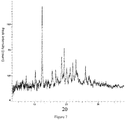
- the crystal form was determined as the crystal form A by the X-ray powder diffraction, whose XRPD pattern was shown in Figure 3 , in which the positions of characteristic peaks were shown below in Table 1; there were endothermic peaks at 149.39°C and 184.81°C in DSC spectrum; thermogravimetric analysis (TGA) showed that the weight loss was 0.85% between 40°C and 175°C, Table 1 Peak number 2 ⁇ value [° or degree] D[ ⁇ ] relative intensity% Peak 1 7.038 12.5488 4.40 Peak 2 11.022 8.0210 13.90 Peak 3 13.197 6.7033 28.40 Peak 4 14.239 6.2149 88.30 Peak 5 15.320 5.7787 32.00 Peak 6 15.839 5.5904 88.20 Peak 7 17.202 5.1506 69.40 Peak 8 17.680 5.0123 100.00 Peak 9 19.080 4.6476 64.20 Peak 10 19.780 4.4847 27.20 Peak 11 20.879 4.2510 10.60 Peak 12 22.539 3.9416 56.30 Peak 13 2
- DVS test showed that the sample had the hygroscopic weight gain of about 0.07% under the normal storage condition (i.e. 25°C and 60% RH); the hygroscopic weight gain of about 0.10% under the accelerated test condition (i.e. 70% RH); and the hygroscopic weight gain of about 0.21% under the extreme condition (90% RH).
- the sample had a desorption process which was consistent with the adsorption process during the humidity change from 0% to 95% RH.
- the crystal form remained unchanged after DVC detection, as shown in Figure 4 (A was the XRPD pattern after DVS detection, and B was the XRPD pattern before DVS detection).
- the crystal form was determined as the crystal form A by XRPD test.
- the crystal form was determined as the crystal form A by XRPD test.
- the crystal form was determined as the crystal form A by XRPD test.
- the sample of the crystal form A (Example 5) was spread out, and its stability was investigated under the conditions of heating (40°C, 60°C), illumination (4500 Lux) and high humidity (RH 75%, RH 90%). The sampling was investigated over 30 days.
- the crystal form A (Example 5) was placed at 25°C, 60% RH and 40°C, 75% RH to investigate its stability Table 3 Sample Conditions Purity % start 1 month 2 months 3 months 6 months Crystal 25°C, 60%RH 98.3 98.3 98.3 98.3 form A 40°C, 75%RH 98.3 98.3 98.3 98.3 98.2
- the crystal form A (9.4 mg) of compound B was added into 40 ⁇ L of acetonitrile solution and volatilized at room temperature to obtain the product.
- the crystal form was determined as the crystal form B by the X-ray powder diffraction, whose XRPD pattern was shown in Figure 5 , in which the positions of characteristic peaks were shown below in Table 4.
- Table 4 Peak number 2 ⁇ value[° or degree] D[ ⁇ ] relative intensity% peak 1 6.273 14.07901 100.00 peak 2 11.687 7.56569 11.30 peak 3 12.680 6.97553 60.30 peak 4 14.178 6.2416 42.10 peak 5 15.475 5.72137 25.40 peak 6 17.198 5.15202 16.70 peak 7 17.685 5.01101 28.10 peak 8 19.045 4.65628 23.20 peak 9 20.328 4.36514 8.70 peak 10 20.938 4.23923 10.30 peak 11 22.450 3.95719 25.20 peak 12 23.695 3.75198 11.70 peak 13 25.986 3.42614 7.90
- the crystal form A (9.4 mg) of compound B was added into 40 ⁇ L of nitromethane solution and volatilized at room temperature to obtain the product.
- the crystal form was determined as the crystal form C by the X-ray powder diffraction, whose XRPD pattern was shown in Figure 6 , in which the positions of characteristic peaks were shown below in Table 5, Table 5 Peak number 2 ⁇ value[° or degree] D[ ⁇ ] relative intensity% peak 1 6.326 13.96013 45.00 peak 2 9.503 9.2994 3.30 peak 3 10.317 8.56725 7.70 peak 4 11.833 7.47299 6.30 peak 5 12.826 6.89659 100.00 peak 6 13.805 6.40959 6.10 peak 7 14.652 6.04082 3.10 peak 8 15.499 5.71256 5.80 peak 9 16.875 5.24962 5.70 peak 10 17.702 5.00636 2.00 peak 11 18.546 4.7803 5.40 peak 12 19.034 4.6588 8.80 peak 13 20.529 4.32294 9.90 peak 14 20.740 4.27935 6.10 peak 15 21.834 4.06734 3.70 peak 16 22.598 3.93156 6.30 peak 17 23.773 3.73985 18.10 peak 18 27
- the crystal form was determined as the crystal form D by the X-ray powder diffraction, whose XRPD pattern was shown in Figure 7 , in which the positions of characteristic peaks were shown below in Table 6, Table 6 Peak number 2 ⁇ value[° or degree] D[ ⁇ ] relative intensity% peak 1 10.296 8.58513 24.20 peak 2 12.415 7.12415 100.00 peak 3 15.542 5.69685 20.70 peak 4 16.660 5.3169 17.70 peak 5 17.336 5.11109 5.60 peak 6 18.521 4.78683 32.40 peak 7 19.298 4.59579 44.20 peak 8 20.058 4.42325 18.00 peak 9 20.926 4.24179 8.20 peak 10 21.214 4.1847 17.70 peak 11 22.039 4.02997 22.00 peak 12 23.004 3.86309 27.40 peak 13 25.956 3.42999 22.10 peak 14 27.110 3.28655 9.50
Landscapes
- Health & Medical Sciences (AREA)
- Life Sciences & Earth Sciences (AREA)
- Chemical & Material Sciences (AREA)
- Virology (AREA)
- Organic Chemistry (AREA)
- Veterinary Medicine (AREA)
- Public Health (AREA)
- General Health & Medical Sciences (AREA)
- Animal Behavior & Ethology (AREA)
- Pharmacology & Pharmacy (AREA)
- Medicinal Chemistry (AREA)
- Oncology (AREA)
- General Chemical & Material Sciences (AREA)
- Chemical Kinetics & Catalysis (AREA)
- Communicable Diseases (AREA)
- Nuclear Medicine, Radiotherapy & Molecular Imaging (AREA)
- Molecular Biology (AREA)
- Engineering & Computer Science (AREA)
- Biotechnology (AREA)
- AIDS & HIV (AREA)
- Pulmonology (AREA)
- Tropical Medicine & Parasitology (AREA)
- Epidemiology (AREA)
- Pharmaceuticals Containing Other Organic And Inorganic Compounds (AREA)
- Nitrogen Condensed Heterocyclic Rings (AREA)
Abstract
Description
- The present application claims the priority of Chinese Patent Application
CN201910072048.6 filed on January 25, 2019 - The present disclosure provides a crystal form of a compound (S)-N5-(3,4-difluorophenyl)-6-methyl-N3 -((R)-1,1,1-trifluoropropan-2-yl)-6,7-dihydro-[1,2,3]triazolo[1,5-a]pyrazine-3,5(4H)-dicarbonamide and a preparation method for the crystal form.
-
PCT/CN2018/097170 (filed on 26 July, 2018 - The polymorph is a phenomenon that there are two or more different spatial arrangements of solid materials, which have different physical and chemical properties. The bioavailability of drugs in the same class may be different due to the different arrangement of different crystal forms. Meanwhile, in view of the importance of the crystal form of the solid drug and its stability in clinical treatment, it is of great significance to study the polymorph of the compound (S)-N5 -(3,4-difluorophenyl)-6-methyl-N3 -((R)-1,1,1-trifluoropropan-2-yl)-6,7-dihydro-[1,2,3]triazolo[1,5-a]pyrazine-3,5(4H)-dicarbonamide to obtain the crystal form with high purity and stable chemical properties for the development of drugs suitable for industrial production and with good biological activity.
- The present disclosure provides a crystal form A of a compound (S)-N5 -(3,4-difluorophenyl)-6-methyl-N3 -((R)-1,1,1-trifluoropropan-2-yl)-6,7-dihydro-[1,2,3]triazolo[1,5-a]pyrazine-3,5(4H)-dicarbonamide, wherein the X-ray powder diffraction pattern represented by a diffraction angle 2θ has characteristic peaks at 13.197, 14.239, 15.839, 17.680, 19.080, 19.780 and 22.539.
- In an alternative embodiment, said crystal form A is characterized in that the X-ray powder diffraction pattern represented by a diffraction angle 2θ has characteristic peaks at 13.197, 14.239, 15.320, 15.839, 17.680, 19.080, 19.780, 22.539, and 25.519.
- In some embodiments, said crystal form A is characterized in that the X-ray powder diffraction pattern represented by a diffraction angle 2θ has characteristic peaks at 11.022, 13.197, 14.239, 15.320, 15.839, 17.680, 19.080, 19.780, 20.879, 22.539, 25.519, and 26.041.
- In some other embodiments, said crystal form A is characterized in that the X-ray powder diffraction pattern represented by a diffraction angle 2θ has been shown in
Figure 2 . - The present disclosure further provides a method for preparing the crystal form A of the compound (S)-N5 -(3,4-difluorophenyl)-6-methyl-N3 -((R)-1,1,1-trifluoropropan-2-yl)-6,7-dihydro-[1,2,3]triazolo[1,5-a]pyrazine-3,5(4H)-dicarbonamide, including:
- (a) adding the compound (S)-N5 -(3,4-difluorophenyl)-6-methyl-N3 -((R)-1,1,1-trifluoropropan-2-yl)-6,7-dihydro-[1,2,3]triazolo[1,5-a]pyrazine-3,5(4H)-dicarbonamide into the solvent (I) and being dissolved by stirring or heating, wherein said solvent (I) is selected from at least one of ethyl acetate, dichloromethane, isopropanol and isopropyl ether, preferably isopropanol/ isopropyl ether, ethyl acetate/ n-hexane or dichloromethane/ isopropyl ether.
- (b) precipitating the crystal by stirring.
- In some embodiments, said solvent (I) used in this method is selected from a mixed solvent of isopropanol/ isopropyl ether. A volume ratio of isopropanol to isopropyl ether is 2:1 - 1:10, which can be 2:1, 1:1, 1:2, 1:3, 1:4, 1:5, 1:6, 1:7, 1:8, 1:9, 1:10 and any ratio between any two values, preferably 1:3, 1:4 or 1:5.
- In some embodiments, said solvent (I) used in this method is selected from a mixed solvent of ethyl acetate/ n-hexane. A volume ratio of ethyl acetate to n-hexane is 2:1 - 1:10, which can be 2:1, 1:1, 1:2, 1:3, 1:4, 1:5, 1:6, 1:7, 1:8, 1:9, 1:10 and any ratio between any two values, preferably 1:3, 1:4 or 1:5.
- In some other embodiments, said solvent (I) used in this method is selected from a mixed solvent of dichloromethane/ isopropyl ether. A volume ratio of dichloromethane to isopropyl ether is 1:5 - 1:30, which can be 21:5, 1:6, 1:7, 1:8, 1:9, 1:10, 1:11, 1:12, 1:13, 1:14, 1:15, 1:16, 1:17, 1:18, 1:19, 1:20, 1:22, 1:23, 1:24, 1:25, 1:26, 1:27, 1:28, 1:29, 1:30 and any ratio between any two values, preferably 1:20, 1:22 or 1:25.
- In some embodiments, the volume (ml) of said solvent (I) used in this method is 1-20 times of the weight (g) of the compound, which can be 1, 2, 3, 4, 5, 6, 7, 8, 9, 10, 11, 12, 13, 14, 15, 16, 17, 18, 19 or 20 times and any value between any two values.
- In another aspect, the present disclosure further provides a crystal form B of the compound (S)-N5 -(3,4-difluorophenyl)-6-methyl-N3 -((R)-1,1,1-trifluoropropan-2-yl)-6,7-dihydro-[1,2,3]triazolo[1,5-a]pyrazine-3,5(4H)-dicarbonamide, wherein the X-ray powder diffraction pattern represented by a diffraction angle 2θ has characteristic peaks at 6.273, 12.680, 14.178, 15.475, 17.685, 19.045 and 22.450.
- In an alternative embodiment, said crystal form B is characterized in that the X-ray powder diffraction pattern represented by a diffraction angle 2θ has characteristic peaks at 6.273, 11.687, 12.680, 14.178, 15.475, 17.198, 17.685, 19.045 and 22.450.
- In other embodiments, said crystal form B is characterized in that the X-ray powder diffraction pattern represented by a diffraction angle 2θ has been shown in
Figure 5 . - The present disclosure further provides a crystal form C of the compound (S)-N5 -(3,4-difluorophenyl)-6-methyl-N3 -((R)-1,1,1-trifluoropropan-2-yl)-6,7-dihydro-[1,2,3]triazolo[1,5-a]pyrazine-3,5(4H)-dicarbonamide, wherein the X-ray powder diffraction pattern represented by a diffraction angle 2θ has characteristic peaks at 6.326, 10.317, 11.833, 12.826, 13.805, 20.529 and 23.773.
- In an alternative embodiment, said crystal form C is characterized in that the X-ray powder diffraction pattern represented by a diffraction angle 2θ has characteristic peaks at 6.326, 10.317, 11.833, 12.826, 13.805, 15.499, 16.875, 18.546, 20.529 and 23.773.
- In some other embodiment, said crystal form C is characterized in that the X-ray powder diffraction pattern represented by a diffraction angle 2θ has been shown in
Figure 6 . - The present disclosure also provides a crystal form D of the compound (S)-N5 -(3,4-difluorophenyl)-6-methyl-N3 -((R)-1,1,1-trifluoropropan-2-yl)-6,7-dihydro-[1,2,3]triazolo[1,5-a]pyrazine-3,5(4H)-dicarbonamide, wherein the X-ray powder diffraction pattern represented by a diffraction angle 2θ has characteristic peaks at 10.296, 12.415, 15.542, 18.521, 19.298, 23.004 and 25.956.
- In an alternative embodiment, said crystal form D is characterized in that the X-ray powder diffraction pattern represented by a diffraction angle 2θ has characteristic peaks at 10.296, 12.415, 15.542, 16.660, 18.521, 19.298, 20.058, 23.004 and 25.956.
- Preferably, said crystal form D is characterized in that the X-ray powder diffraction pattern represented by a diffraction angle 2θ has characteristic peaks at 10.296, 12.415, 15.542, 16.660, 18.521, 19.298, 20.058, 21.214, 22.039, 23.004 and 25.956.
- In some other embodiment, said crystal form D is characterized in that the X-ray powder diffraction pattern represented by a diffraction angle 2θ has been shown in
Figure 7 . - The present disclosure further provides a pharmaceutical composition prepared from any one of the above crystal forms. Furthermore, the pharmaceutical composition also contains a pharmaceutically acceptable carrier, diluent or excipient.
- The present disclosure further provides a pharmaceutical composition containing the crystal form of the above compound and a pharmaceutically acceptable carrier, diluent or excipient.
- The present disclosure further provides the use of the above crystal form of the compound, or the pharmaceutical composition in the preparation of drugs for the prevention and/ or treatment of viral infectious diseases, wherein said virus can be one or more of hepatitis B virus, influenza virus, herpes virus and AIDS virus, and the disease can be one or more of hepatitis B, influenza, herpes and AIDS.
- The present disclosure further provides the use of the compound of the above crystal form or the pharmaceutical composition in the preparation of drugs for capsid protein inhibitors.
- The present disclosure further provides a method for preventing and/ or treating viral infectious diseases, which includes administering a therapeutically effective dose of a compound of the above crystal form to a patient in need thereof, wherein said virus can be one or more of hepatitis B virus, influenza virus, herpes virus and AIDS virus, and the disease can be one or more of hepatitis B, influenza, herpes and AIDS.
- According to the definition of hygroscopicity characteristics and hygroscopic weight gain in "9103 guiding principles for hygroscopicity of drugs" in the fourth volume of Chinese Pharmacopoeia (2015 Edition),
- Deliquescence: sufficient moisture is absorbed to form a liquid;
- Extremely hygroscopic: hygroscopic weight gain is no less than 15%;
- Hygroscopic: hygroscopic weight gain is less than 15% but no less than 2%;
- Slightly hygroscopic: hygroscopic weight gain is less than 2% but no less than 0.2%;
- No or little hygroscopicity: hygroscopic weight gain is less than 0.2%.
- The crystal form A of said (S)-N5 -(3,4-difluorophenyl)-6-methyl-N3 -((R)-1,1,1-trifluoropropan-2-yl)-6,7-dihydro-[1,2,3]triazolo[1,5-a]pyrazine-3,5(4H)-dicarbonamide according to the present disclosure has a hygroscopic weight gain of 0.1% under the condition of 70% RH, which is less than 0.2%, indicating no or little hygroscopicity.
- Furthermore, the crystal form A according to the present disclosure has a hygroscopic weight gain of 0.21% under the condition of 90% RH, indicating slight hygroscopicity, or no/ little hygroscopicity.
- "The X-ray powder diffraction pattern" described in the present disclosure is obtained by using Cu-Kα radiation measurement.
- The preparation method of the crystal form described in the present disclosure also includes the steps of filtering, washing or drying, or the like.
- The "X-ray powder diffraction pattern or XRPD" described in the present disclosure is measured based on Bragg formula 2d sin θ = nλ (where, λ is the wavelength of the X-ray, λ=1.54060Å, the diffraction order n is any positive integer, generally taking the first diffraction peak, n = 1) that is satisfied when the X-ray is incident on an atomic plane of a crystal or part of the crystal sample with d lattice plane spacing at grazing angle θ (a residual angle of the incident angle, also known as a Bragg angle).
- "2θ or 2θ degree" described in the present disclosure refers to a diffraction angle, where θ is the Bragg angle, in ° or degree; the angle 2θ for each characteristic peak has an error range of ±0.20, which can be -0.20, -0.19, -0.18, -0.17, -0.16, -0.15, -0.14, -0.13, -0.12, -0.11, -0.10, -0.09, -0.08, -0.07, -0.06, -0.05, -0.04, -0.03, -0.02, - 0.01, 0.00, 0.01, 0.02, 0.03, 0.04, 0.05, 0.06, 0.07, 0.08, 0.09, 0.10, 0.11, 0.12, 0.13, 0.14, 0.15, 0.16, 0.17, 0.18, 0.19, 0.20.
- The "crystal surface spacing or crystal surface spacing (d value)" described in the present disclosure refers to parallel hexahedron unit in the space lattice divided by three unit vectors a, b, and c which are unparallel and connect adjacent two lattice points. The space lattice is divided into a set of straight-line grid according to the determined parallelepiped unit, which is called space lattice or lattice. The lattice and crystal lattice reflect the periodicity of crystal structure with geometric points and lines respectively, and the plane spacing (that is, a distance between two adjacent parallel planes) of different lattice planes is different; the unit is Å or angstrom.
- The "differential scanning calorimetry or DSC" described in the present disclosure refers to the measurement of the temperature difference and heat-flux difference between the sample and the reference during the heating process or thermostatic process of the sample, so as to characterize all physical and chemical changes related to the thermal effect, and obtain the phase change information of the sample.
- The drying temperature in the present disclosure is generally 20°C to 100°C, preferably 25°C to 70°C, which drying can be carried out under normal pressure or reduced pressure (vacuum drying). Preferably, the drying is carried out under reduced pressure.
- The chemical reagents and biological reagents used in the present disclosure can be commercially available. Compound B in the present disclosure is carried out according to the method in
PCT/ CN2018 / 097170 (filed on July 26, 2018 - The reaction process in the Examples is monitored by thin layer chromatography (TLC), and the developing agent used in the reaction, the eluent system used in column chromatography for purifying the compound and the developing agent system for thin layer chromatography include: A: dichloromethane/ methanol system, B: n-hexane/ ethyl acetate system, C: petroleum ether/ ethyl acetate system, wherein the volume ratio of the solvent can be adjusted according to the polarity of the compounds, or by the addition of a small amount of basic or acidic reagent such as triethylamine and acetic acid. Test conditions for the instruments used for experiments in the present disclosure are as follows.
- XRPD indicates X-ray powder diffraction detection: the determination is carried out by BRUKER D8 X-ray diffractometer, and the specific information is collected: Cu anode (40 kV, 40 mA), Cu-Kα1 ray (λ=1.54060Å), Kα2 ray (λ=1.54439Å), Kβ ray (λ=1.39222Å), scanning range (2q range): 3-64°, a scanning step length of 0.02 and a slit width (collimator) of 1.0 mm. A step-by-step scanning method is carried out with a number of scanning steps of 3, scanning range per step of 19°, starting degree of 5°, termination degree 48, and time duration per step of 75 s.
- DSC indicates differential scanning calorimetry: the determination is carried out with METTLER TOLEDO DSC 3+ differential scanning calorimeter, with a heating rate of 10°C/ min, a specific temperature range which refers to the corresponding map (25-300 or 25-350°C), and a nitrogen purging speed of 50 ml/ min.
- TGA indicates thermogravimetry: the determination is carried out by METTLER TOLEDO TGA type 2 thermal gravimetric analyzer, with the heating rate of 10°C/ min, the specific temperature range which refers to the corresponding map (25-300°C), and the nitrogen purge speed of 20 ml/ min.
- DVS indicates dynamic vapor sorption: the determination is carried out by SMS DVS Advantage at 25°C with a humidity change of 50%-95%-0%-95%-50%, and the step of 10% (the last step is 5%) (The specific range of humidity is subject to the corresponding spectrum, and the methods listed here are those used in most cases), and the judgment standard is that dm/ dt is not more than 0.02%.
- HPLC is performed by Agilent 1200 DAD high pressure liquid chromatographic instrument (Sunfire C18, column: 150 × 6 mm) and Waters 2695-2996 high pressure liquid chromatographic instrument (gimini C18, column: 150 × 6 mm).
- The structure of the compound is determined by nuclear magnetic resonance (NMR) or/ and mass spectrometry (MS). The NMR shift (δ) is given in units of 10-6 (ppm). The determination by NMR is carried out with Bruker AVANCE-400 nuclear magnetic instrument using DMSO-d6, CDCl3 and CD3OD as the solvent, and the internal standard is TMS; the determination by MS is carried out with Finnigan lcqad (ESI) mass spectrometer (manufacturer: Thermo, model: Finnigan LCQ advantage MAX).
-
-
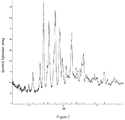
Figure 1 : amorphous XRPD pattern of a compound. -
Figure 2 : XRPD spectrum of a crystal form A of the compound. -
Figure 3 : XRPD pattern of the crystal form A in Example 5. -
Figure. 4 : X-ray powder diffraction pattern of the crystal form A of the compound before and after DVS. -
Figure 5 : XRPD pattern of a crystal form B of the compound. -
Figure 6 : XRPD pattern of a crystal form C of the compound. -
Figure 7 : XRPD pattern of a crystal form D of the compound. - The present disclosure will be explained in detail in combination with the Examples or experimental Examples. The Examples or experimental Examples in the present disclosure are merely used to illustrate the technical solutions in the present disclosure, but not to limit the essence and scope of the present disclosure.
-

- Compound 1a (3.00 g, 15.00 mmol, prepared by the well-known method " Bioorganic & Medicinal Chemistry Letters, 2015, 25(5), 1086-1091") was dissolved in 60 ml of dioxane, and then 4-chlorobutyl-2-yne-1-yl acetate 1b (5.73 g, 39.00 mmol, prepared by the well-known method"Journalof Medicine Chemistry, 2014, 57(9),3687-3706") was added followed by triethylamine (4.7 g, 46.00 mmol), and the reaction was stirred at 60°C for 12 hours. The reaction solution was filtered to obtain the filtrate which was then concentrated under reduced pressure, and the resulting residue was purified by silica gel column chromatography with the eluent system A, obtaining compound 1c (2.20 g, yield: 42.2%).
MS m/z (ESI): 306.2 [M+1]. - Compound 1c (2.20 g, 7.20 mmol) and pyridine (854 mg, 10.08 mmol) were dissolved in 30 ml dichloromethane, to which was added slowly sulfoxide chloride (1.50 g, 12.60 mmol) under ice bath, slowly raising to room temperature and stirring for 2 hours. The reaction solution was added with 100 mL of dichloromethane, washed with water (50 mL × 2), dried over anhydrous sodium sulfate and filtrated, and the filtrate was concentrated under reduced pressure to obtain the title compound 1d (2.20 g), which was directly used for the next reaction without purification.
- The crude compound 1d (2.20 g, 6.79 mmol) was dissolved in 20 ml of N,N-dimethylformamide, and sodium azide (574 mg, 8.83 mmol) was added, reacting at 80°C for 12 hours. The reaction solution was cooled down to room temperature, added with 50 mL of ethyl acetate, washed with water (20 mL × 2), dried over anhydrous sodium sulfate and filtrated, and the filtrate was concentrated under reduced pressure to obtain the residue which was then purified by silica gel column chromatography with the eluent system A, obtaining compound 1e (1.30 g, yield: 57.9%).
MS m/z (ESI): 331.1 [M+1]. - Compound 1e (1.30 g, 2.33 mmol) was dissolved in 5 ml of trifluoroacetic acid, heated to 100°C by microwave and reacted for 5 minutes. The reaction solution was cooled down to room temperature and concentrated under reduced pressure to obtain the crude title compound 1f (1.28 g), which was directly used for the next reaction without purification.
- Crude compound 1f (200 mg, 0.62 mmol), compound 1g (228 mg, 1.90 mmol) and triethylamine (290 mg, 2.86 mmol) were dissolved in 10 ml tetrahydrofuran, and bis(trichloromethyl)carbonate (87 mg, 0.3 mmol) was added under ice water bath, reacting under stirring for 3 hours. The reaction solution was concentrated under reduced pressure, and the resulting residue was purified by silica gel column chromatography with the eluent system C, obtaining compound 1h (90 mg, yield: 40.1%).
MS m/z (ESI): 366.1 [M+1]. - Compound 1h (442 mg, 1.21 mmol) was dissolved in 6 ml of mixed solvent of methanol and water (V: V= 5: 1), and lithium hydroxide (253.86 mg, 6.05 mmol) was added and stirred for 1.5 h. The resction solution was concentrated under reduce pressure, and the resulting resudie was added with 30 mL of ethyl acetate, washed with water (2 mL×2). The organic phase was concentrated under reduce pressure to obtain the crude compound 1i (391 mg), which was directly used for the next reaction without purification.
MS m/z (ESI): 324.1 [M+1]. - The crude compound 1i (350 mg, 1.1 mmol) was dissolved in 12 mL of dichloromethane, and pyridinium chlorochromate (583.41 mg, 2.71 mmol) and silica gel (550 mg, 100 mesh) were added and stirred for 2 hours. The resultant was filtered and concentrated under reduced pressure to obtain the resudie which was then purified by thin layer chromatography with the developing agent system A, obtaining compound 1j (60 mg, yield: 17%).
MS m/z (ESI): 322.1 [M+1]. - Compound 1J (60 mg, 0.19 mmol) was dissolved in 5 ml of mixed solvent of acetonitrile and water (V:V = 3:2), and aminosulfonic acid (36.26 mg, 0.37 mmol) was added; the solution of sodium chlorite (33.78 mg, 0.37 mmol) dissolved in 2 ml of water was added to the reaction system, and stirred at room temperature for 3 hours. The resultant was added with 1 mL of saturated sodium sulfite solution, adjusted to pH 2 with 1 N HCl, and extracted with ethyl acetate (10 mL×3). The organic phases were combined, and concentrated under reduced pressure to obtain the crude compound 1k (30 mg), which was directly used for the next reaction without purification.
MS m/z (ESI): 338.4 [M+1]. - The crude compound 1k (50 mg, 148.2 µmol), O-(7-azabenzotriazol-1-yl)-N,N,N',N'-tetramethylurea hexafluorophosphate (52.32 mg, 222.4 µmol) and N,N-diisopropylethylamine (76.64 mg, 593 µmol) were dissolved in 3 ml of N,N-dimethylformamide and reacted for 10 minutes. Compound 1l (33.25 mg, 222.4 µmol, prepared by the method disclosed in the patent application "
CN102875270A ") was added and reacted under stirring for 2 hours. The reaction solution was concentrated under reduced pressure, and the resulting residue was purified by high efficiency liquid chromatography (separation conditions: chromatographic column: Gilson gx-281, mobile phase: A-water (10 mmol ammonia acetate), B-acetonitrile, flow rate: 18 ml/ min) to obtain 20 mg of crude product which was treated by chiral preparation (separation conditions: chirally preparative column: Shimadzu chiral preparative column: LC-20AP, CHIRALPAK-AY Lux LC Column 250 ∗ 21.2 mm, 5 um; Mobile phase: A-n-hexane: B-ethanol (0.1% DEA) = 85: 15, flow rate: 20 ml/ min). The corresponding fractions were collected and concentrated under reduced pressure to obtain product 1 (5 mg) product.
MS m/z (ESI): 433.1[M+1]; - Chiral HPLC analysis: retention time: 8.647 min, chiral purity: 99.8% (chromatographic column: AY Phenomenex Lux Amylose-2 150∗4.6 mm, 5 µm; mobile phase: n-hexane/ ethanol (0.1% DEA) = 85/ 15 (V/ V)).
- The X-ray powder diffraction showed that this crystal form was amorphous, which XRPD spectrum was shown in
Figure 1 . - MS m/z (ESI): 439.0 [M+1].
- 1H NMR(400MHz, CD3OD): 7.50-7.48 (m, 1H), 7.18-7.16 (m, 2H), 5.43 (d, 1H), 5.08-5.06 (m, 1H), 4.89-4.87 (m, 1H), 4.74 (d, 1H), 4.60 (d, 1H), 4.49-4.46 (m, 1H), 1.49 (d, 3H), 1.21 (d, 3H).
-
- (1) QIAamp 96 DNA QIAcube HT Kit (Qiagen)
- (2) QIAcube HT plasticware (Qiagen)
- (3) Hepatitis B Virus Nucleic Acid Quantitative Detection Kit (Tepp biology)
- (4) DNA extraction equipment (QIAcube) (Qiagen)
- (5) QuantStudio 6 Fiex (ABI, ThermFisher)
- (6) Microplate Reader (BMG)
- (7) HepG2.2.15 Cells (Shanghai RuiLu Biotechnology Co., Ltd)
- HepG2.2.15 cells were stable expression cell lines integrated with HBV genome, which can be secreted out of cells through replication, transcription, translation and packaging into virus particles with HBV DNA. In this study, the quantitative PCR method was used to quantitatively analyze the HBV DNA produced by the proliferation of HepG2.2.15 in vitro, thus determining the activity of the compounds in the present disclosure to inhibit HBV DNA replication through inhibiting the assembly of HBV capsid protein.
- HepG2.2.15 cells were cultured in DMEM/ high glucose medium (10% FBS, 400 µg/ml G418) and passaged every 3 days. On the day of experiment, fresh cell culture medium was used to prepare cell suspension, which was cultured with 40,000 cells/ well in 96 well plate (Corning, #3599) under 5% carbon dioxide at 37°C. On the second day, the compound was first dissolved in pure DMSO with the concentration of 20 mM, then the first concentration of 2 mM was prepared with DMSO followed by diluted to 8 concentrations by 4 times in turn. The control well was added with 90 µL of DMSO, which was diluted 200 times with DMEM/ high glucose-containing medium. The cell culture plate inoculated on the first day was taken out, and then, the medium in the well plate was sucked out by using the negative pressure suction device. Into each well, the prepared medium containing each concentration of compound was added respectively, which was cultured with 200 µl/ well at 37°C for 72 hours. On the fifth day, the fresh medium containing the same compound was used to exchange the old medium by using the method that was the same as the second day, and then the fresh medium was cultured at 37°C for 72 hours. On the eighth day, the cell culture plate was taken out, centrifuged at 300 g for 3 minutes, and then the supernatant was collected and cultured with 200 ml µL/ well. The extraction of HBV DNA from cell culture supernatant was carried out by using Qiagen automatic DNA extraction equipment, with the method specifically mentioned in reagent and instrument instructions. At last, the extracted DNA was eluted with DNA elution buffer with 100 µL/ well. The extracted DNA was analyzed by HBV DNA quantitative PCR using Hepatitis B virus nucleic acid quantitative detection kit from Tepp biology, with the method specifically mentioned in the instructions of the kit. The quantitative standard curve was determined in parallel experiment using the own standard sample of the kit. Each sample was converted quantitatively based on the standard curve. Finally, the EC50 values of the compounds were calculated by Graphpad Prism software based on the concentrations of the compounds and the corresponding DNA values. Emax is the maximum inhibitory effect value of the compound on HBV DNA replication.
- It was determined that compound B in the present disclosure can inhibit in vitro activity of HBV DNA replication through inhibiting the assembly of HBV capsid protein by the above test, and the results were EC50=19 nM, and Emax=100%, indicating an obvious inhibition on HBV DNA replication.
-
- (1) HepG2 cells (ATCC)
- (2) CellTiter-Glo ™ Cell proliferation Kit (Promega)
- (3) Automatic pipetting workstation (Bravo): Agilent Technologies Corperation
- (4) Microplate Reader (VICTOR 3): PerkinElmer Corperation
- (5) CO2 incubator (Fisher Scientific)
- (6) Centrifuge (Fisher Scientific)
- HepG2 cells taken in logarithmic growth stage were prepared into the cell suspension through digestion with trypsin, and then the suspension was cultured with 6,000 cells/ well in 96-well plate (96-well White/Clear Flat Bottom plate) under 5% carbon dioxide at 37°C for 16-20 hours. On the second day, the compound was dissolved in pure DMSO with the concentration of 20 mM, and then the gradient dilution of the compound was carried out by using Automatic pipetting workstation (Bravo) with the dilution times of 3, where there were 8 concentration points for each compound, and the control well was DMSO; next, the compound with each concentration treated by DMSO was diluted 200 times using EMEM (containing 10% FBS) medium. The cell culture plate inoculated on the first day was taken out, and then the medium in the well plate was sucked out by using the negative pressure suction device. Into each well, the prepared medium containing each concentration of compound was added respectively, which was cultured with 100 µl/ well at 37°C for 72 hours. On the fifth day, the 96-well cell plate was taken out, and the freshly prepared CellTiter Glo was added into each well with 100 µL/ well, left to stand for 5-10 minutes, sealed for the bottom of the 96-well plate with a white back cover film (PerkinElmer), placed into the Microplate Reader, and measured for the Luminescence signal by the reader. CC50 values of the compounds were calculated by Graphpad Prism software based on the concentrations of the compounds and the corresponding proliferation inhibition signal values, and the result was CC50> 100 µM, indicating no or little effect on the proliferation inhibition of HepG2 cells in vitro, showing high safety.
- Compound B (200 mg, 0.46 mmol) was added to the mixed solvent of isopropanol and isopropyl ether (V: V= 1: 4), dissolved under heating and stirring, precipitated by stirring, filtered and dried to obtain the product (122 mg, yield: 61%). According to the X-ray powder diffraction test, the XRPD spectrum was shown in
Figure 2 , which was defined as the crystal form A. - Compound B (200 mg, 0.46 mmol) was added to 6 ml of the mixed solvent of ethyl acetate and n-hexane (V: V= 1: 4), dissolved under heating and stirring, precipitated by stirring, and filtered, and then the cake was collected and vacuum dried to obtain the product (116 mg, yield: 58%).
- The crystal form was determined as the crystal form A by the X-ray powder diffraction.
- Compound B (100 mg, 0.23 mmol) was added to 21 mL of the mixed solution of dichloromethane and isopropyl ether (V: V= 1: 20), dissolved under heating and stirring, slowly cooled down to room temperature, and slowly volatilized to precipitate the solid, and then the cake was collected by filtration and dried to obtain the product (15 mg, yield: 15%).
- The crystal form was determined as the crystal form A by XRPD test.
- The crystal form A of compound B (38 g, 87.9 mmol) was added to ether (80 mL), slurried under stirring at room temperature for 16 hours and filtered, and then the cake was washed with ether (30 mL×2) followed by dried to obtain the product (36.3 g, yield: 95.5%).
- The crystal form was determined as the crystal form A by the X-ray powder diffraction, whose XRPD pattern was shown in
Figure 3 , in which the positions of characteristic peaks were shown below in Table 1; there were endothermic peaks at 149.39°C and 184.81°C in DSC spectrum; thermogravimetric analysis (TGA) showed that the weight loss was 0.85% between 40°C and 175°C,Table 1 Peak number 2θ value [° or degree] D[Å] relative intensity% Peak 1 7.038 12.5488 4.40 Peak 2 11.022 8.0210 13.90 Peak 3 13.197 6.7033 28.40 Peak 4 14.239 6.2149 88.30 Peak 5 15.320 5.7787 32.00 Peak 6 15.839 5.5904 88.20 Peak 7 17.202 5.1506 69.40 Peak 8 17.680 5.0123 100.00 Peak 9 19.080 4.6476 64.20 Peak 1019.780 4.4847 27.20 Peak 11 20.879 4.2510 10.60 Peak 12 22.539 3.9416 56.30 Peak 13 23.821 3.7323 10.20 Peak 14 24.340 3.6539 4.80 Peak 15 25.519 3.4876 51.60 Peak 16 26.041 3.4190 38.40 Peak 17 29.338 3.0417 18.70 Peak 18 32.141 2.7826 11.40 Peak 19 35.119 2.5532 9.10 - DVS test showed that the sample had the hygroscopic weight gain of about 0.07% under the normal storage condition (i.e. 25°C and 60% RH); the hygroscopic weight gain of about 0.10% under the accelerated test condition (i.e. 70% RH); and the hygroscopic weight gain of about 0.21% under the extreme condition (90% RH). The sample had a desorption process which was consistent with the adsorption process during the humidity change from 0% to 95% RH. The crystal form remained unchanged after DVC detection, as shown in
Figure 4 (A was the XRPD pattern after DVS detection, and B was the XRPD pattern before DVS detection). - The crystal form A of compound B (40 g, 92.5 mmol) was added to 0.5 mL of the mixed solution of ethanol and water (V: V= 2: 3), slurried under stirring at room temperature for 216 hours and filtered, and then, the cake was collected followed by being dried in vacuum to obtain the product (26 g, yield: 65%).
- The crystal form was determined as the crystal form A by XRPD test.
- The crystal form A of compound B (40 g, 92.5 mmol) was added to 0.5 mL of cyclohexane, slurried under stirring at room temperature for 216 hours and filtered, and then the cake was collected followed by dried in vacuum to obtain the product (35 g, yield: 87.5%).
- The crystal form was determined as the crystal form A by XRPD test.
- The crystal form A of compound B (40 g, 92.5 mmol) was added to 0.6 mL of the mixed solution of acetone and n-heptane (V: V= 1: 5), slurried under stirring at room temperature for 216 hours and filtered, and then the cake was collected followed by dried in vacuum to obtain the product (33 g, yield: 82.5%).
- The crystal form was determined as the crystal form A by XRPD test.
- Experimental example 1: investigation of influencing factors
- The sample of the crystal form A (Example 5) was spread out, and its stability was investigated under the conditions of heating (40°C, 60°C), illumination (4500 Lux) and high humidity (RH 75%, RH 90%). The sampling was investigated over 30 days.
Table 2 condition Time (day) Crystal form A Color and character Purity% Weight gain% Crystal form start 0 white solid 98.30 
4500 Lux 5 white solid 98.27 NA 10 white solid 98.27 NA 30 white solid 98.30 No changed 40°C 5 white solid 98.28 NA 10 white solid 98.31 NA 30 white solid 98.32 No changed 60°C 5 white solid 98.26 NA 10 white solid 98.27 NA 30 white solid 98.30 No changed RH 75% 5 white solid 98.26 2.28 NA 10 white solid 98.29 2.72 NA 30 white solid 98.29 6.68 No changed RH 90% 5 white solid 98.26 2.93 NA 10 white solid 98.28 3.19 NA 30 white solid 98.30 10.70 No changed Note: NA was undetected - The experimental results of the influencing factors in Table 2 showed that the crystal form A had good physical and chemical stability under the conditions of illumination, high temperature of 40°C, high temperature of 60°C, high humidity 75%, and high humidity 90% during storing for 30 days.
- The crystal form A (Example 5) was placed at 25°C, 60% RH and 40°C, 75% RH to investigate its stability
Table 3 Sample Conditions Purity % start 1 month 2 months 3 months 6 months Crystal 25°C, 60%RH 98.3 98.3 98.3 98.3 98.3 form A 40°C, 75%RH 98.3 98.3 98.3 98.3 98.2 - The results of long term/ accelerated stability test showed that the crystal form A of compound B had the excellent physical and chemical stability when it was stored for 6 months under the conditions of long-term (25°C, 60% RH) and acceleration (40°C, 75% RH).
- The crystal form A (9.4 mg) of compound B was added into 40 µL of acetonitrile solution and volatilized at room temperature to obtain the product.
- The crystal form was determined as the crystal form B by the X-ray powder diffraction, whose XRPD pattern was shown in
Figure 5 , in which the positions of characteristic peaks were shown below in Table 4.Table 4 Peak number 2θ value[° or degree] D[Å] relative intensity% peak 1 6.273 14.07901 100.00 peak 2 11.687 7.56569 11.30 peak 3 12.680 6.97553 60.30 peak 4 14.178 6.2416 42.10 peak 5 15.475 5.72137 25.40 peak 6 17.198 5.15202 16.70 peak 7 17.685 5.01101 28.10 peak 8 19.045 4.65628 23.20 peak 9 20.328 4.36514 8.70 peak 1020.938 4.23923 10.30 peak 11 22.450 3.95719 25.20 peak 12 23.695 3.75198 11.70 peak 13 25.986 3.42614 7.90 - The crystal form A (9.4 mg) of compound B was added into 40 µL of nitromethane solution and volatilized at room temperature to obtain the product.
- The crystal form was determined as the crystal form C by the X-ray powder diffraction, whose XRPD pattern was shown in
Figure 6 , in which the positions of characteristic peaks were shown below in Table 5,Table 5 Peak number 2θ value[° or degree] D[Å] relative intensity% peak 1 6.326 13.96013 45.00 peak 2 9.503 9.2994 3.30 peak 3 10.317 8.56725 7.70 peak 4 11.833 7.47299 6.30 peak 5 12.826 6.89659 100.00 peak 6 13.805 6.40959 6.10 peak 7 14.652 6.04082 3.10 peak 8 15.499 5.71256 5.80 peak 9 16.875 5.24962 5.70 peak 1017.702 5.00636 2.00 peak 11 18.546 4.7803 5.40 peak 12 19.034 4.6588 8.80 peak 13 20.529 4.32294 9.90 peak 14 20.740 4.27935 6.10 peak 15 21.834 4.06734 3.70 peak 16 22.598 3.93156 6.30 peak 17 23.773 3.73985 18.10 peak 18 27.800 3.20657 3.10 peak 19 29.679 3.00763 3.20 peak 2032.239 2.77441 2.50 - The crystal form A 13.6 mg) of compound B was added into 150 µL of 1,2-dichloroethane solution and volatilized at room temperature to obtain the product.
- The crystal form was determined as the crystal form D by the X-ray powder diffraction, whose XRPD pattern was shown in
Figure 7 , in which the positions of characteristic peaks were shown below in Table 6,Table 6 Peak number 2θ value[° or degree] D[Å] relative intensity% peak 1 10.296 8.58513 24.20 peak 2 12.415 7.12415 100.00 peak 3 15.542 5.69685 20.70 peak 4 16.660 5.3169 17.70 peak 5 17.336 5.11109 5.60 peak 6 18.521 4.78683 32.40 peak 7 19.298 4.59579 44.20 peak 8 20.058 4.42325 18.00 peak 9 20.926 4.24179 8.20 peak 1021.214 4.1847 17.70 peak 11 22.039 4.02997 22.00 peak 12 23.004 3.86309 27.40 peak 13 25.956 3.42999 22.10 peak 14 27.110 3.28655 9.50 - Although the specific embodiments of the present invention have been described above, those skilled in the art should understand that these are only examples, and a variety of changes or modifications can be made to these embodiments without departing from the principle and essence of the present invention. Therefore, the scope of protection of the present invention is defined by the appended claims.
Claims (10)
- A crystal form A of a compound (S)-N5 -(3,4-difluorophenyl)-6-methyl-N3 -((R)-1,1,1-trifluoropropan-2-yl)-6,7-dihydro-[1,2,3]triazolo[1,5-a]pyrazine-3,5(4H)-dicarbonamide, wherein the X-ray powder diffraction pattern represented by a diffraction angle 2θ has characteristic peaks at 13.197, 14.239, 15.839, 17.680, 19.080, 19.780 and 22.539.
- The crystal form A according to claim 1, wherein the X-ray powder diffraction pattern represented by a diffraction angle 2θ has characteristic peaks at 13.197, 14.239, 15.320, 15.839, 17.680, 19.080, 19.780, 22.539, and 25.519.
- The crystal form A according to claim 1 or claim 2, wherein the X-ray powder diffraction pattern represented by a diffraction angle 2θ has characteristic peaks at 11.022, 13.197, 14.239, 15.320, 15.839, 17.680, 19.080, 19.780, 20.879, 22.539, 25.519, and 26.041.
- The crystal form A according to any one of claims 1-3, wherein the X-ray powder diffraction pattern represented by a diffraction angle 2θ has been shown in Figure 2.
- A method for preparing the crystal form A according to any one of claims 1-4, comprising:(a) adding the compound (S)-N5 -(3,4-difluorophenyl)-6-methyl-N3 -((R)-1,1,1-trifluoropropan-2-yl)-6,7-dihydro-[1,2,3]triazolo[1,5-a]pyrazine-3,5(4H)-dicarbonamide into the solvent (I) and dissolving by stirring or heating, wherein said solvent (I) is selected from at least one of ethyl acetate, dichloromethane, isopropanol and isopropyl ether, preferably isopropanol/ isopropyl ether, ethyl acetate/ n-hexane or dichloromethane/ isopropyl ether,(b) precipitating the crystal by stirring.
- The crystal form A according to any one of claims 1-4, wherein it has no or little hygroscopicity at 20.0% RH-80% RH
- The crystal form A according to any one of claims 1-4, wherein said angle 2θ has an error range of ±0.20.
- A pharmaceutical composition, comprising the crystal form A as defined in any one of claims 1-4, and optionally pharmaceutically acceptable carrier, diluent or excipient.
- A pharmaceutical composition, which is prepared by the crystal form A as defined in any one of claims 1-4, and optionally pharmaceutically acceptable carrier, diluent or excipient.
- A use of the crystal form A as defined in any one of claims 1-4, or the composition as defined in claim 8 or 9 in the manufacture of a medicament for the prevention and/ or treatment of viral infectious diseases, wherein said virus is preferably one or more of hepatitis B virus, influenza virus, herpes virus and AIDS virus.
Applications Claiming Priority (2)
| Application Number | Priority Date | Filing Date | Title |
|---|---|---|---|
| CN201910072048 | 2019-01-25 | ||
| PCT/CN2020/073802 WO2020151746A1 (en) | 2019-01-25 | 2020-01-22 | Crystal form of 1,2,3-triazolo[1,5-a]pyrazines derivative and preparation method for crystal form |
Publications (1)
| Publication Number | Publication Date |
|---|---|
| EP3915993A1 true EP3915993A1 (en) | 2021-12-01 |
Family
ID=71735561
Family Applications (1)
| Application Number | Title | Priority Date | Filing Date |
|---|---|---|---|
| EP20745058.6A Withdrawn EP3915993A1 (en) | 2019-01-25 | 2020-01-22 | Crystal form of 1,2,3-triazolo[1,5-a]pyrazines derivative and preparation method for crystal form |
Country Status (11)
| Country | Link |
|---|---|
| US (1) | US20220081446A1 (en) |
| EP (1) | EP3915993A1 (en) |
| JP (1) | JP2022523035A (en) |
| KR (1) | KR20210120036A (en) |
| CN (1) | CN113227096B (en) |
| AU (1) | AU2020210998A1 (en) |
| BR (1) | BR112021014327A2 (en) |
| CA (1) | CA3126175A1 (en) |
| MX (1) | MX2021008929A (en) |
| TW (1) | TW202043233A (en) |
| WO (1) | WO2020151746A1 (en) |
Families Citing this family (3)
| Publication number | Priority date | Publication date | Assignee | Title |
|---|---|---|---|---|
| WO2022166778A1 (en) * | 2021-02-04 | 2022-08-11 | 江苏恒瑞医药股份有限公司 | A pharmaceutical composition of a capsid protein inhibitor and preparation method thereof |
| CN119176812B (en) * | 2024-11-26 | 2025-06-13 | 苏州盛迪亚生物医药有限公司 | A method for preparing triazolo[1,5-a]pyrazine-3-carboxylic acid and its application |
| CN119176811B (en) * | 2024-11-26 | 2025-04-11 | 苏州盛迪亚生物医药有限公司 | A method for preparing triazolyl [1,5-a] pyrazine-3-carboxylate and its application |
Family Cites Families (6)
| Publication number | Priority date | Publication date | Assignee | Title |
|---|---|---|---|---|
| CN101686989B (en) * | 2007-06-21 | 2016-10-19 | 卡拉治疗学股份有限公司 | Substituted imidazoheterocycles |
| CN102875270B (en) | 2012-09-24 | 2014-12-03 | 巨化集团公司 | Method for synthesizing trifluoromethyl amine |
| TW201605859A (en) * | 2013-11-14 | 2016-02-16 | 必治妥美雅史谷比公司 | Novel substituted pyrazolo-piperazines as casein kinase 1 [delta]/[epsilon] inhibitors |
| MA41338B1 (en) * | 2015-01-16 | 2019-07-31 | Hoffmann La Roche | Pyrazine compounds for the treatment of infectious diseases |
| CN108727347B (en) * | 2017-04-14 | 2020-06-16 | 江苏恒瑞医药股份有限公司 | Crystal form of opioid receptor (MOR) agonist and preparation method thereof |
| JP2020528062A (en) * | 2017-07-27 | 2020-09-17 | 江蘇恒瑞医薬股▲ふん▼有限公司 | Piperazine heteroaryl derivative, its production method, and its use in medicine |
-
2020
- 2020-01-22 US US17/425,495 patent/US20220081446A1/en not_active Abandoned
- 2020-01-22 AU AU2020210998A patent/AU2020210998A1/en not_active Abandoned
- 2020-01-22 BR BR112021014327-0A patent/BR112021014327A2/en not_active Application Discontinuation
- 2020-01-22 TW TW109102337A patent/TW202043233A/en unknown
- 2020-01-22 CN CN202080007547.8A patent/CN113227096B/en active Active
- 2020-01-22 MX MX2021008929A patent/MX2021008929A/en unknown
- 2020-01-22 WO PCT/CN2020/073802 patent/WO2020151746A1/en not_active Ceased
- 2020-01-22 CA CA3126175A patent/CA3126175A1/en active Pending
- 2020-01-22 EP EP20745058.6A patent/EP3915993A1/en not_active Withdrawn
- 2020-01-22 KR KR1020217026840A patent/KR20210120036A/en not_active Withdrawn
- 2020-01-22 JP JP2021542521A patent/JP2022523035A/en active Pending
Also Published As
| Publication number | Publication date |
|---|---|
| AU2020210998A1 (en) | 2021-09-16 |
| CN113227096A (en) | 2021-08-06 |
| JP2022523035A (en) | 2022-04-21 |
| BR112021014327A2 (en) | 2021-09-28 |
| WO2020151746A1 (en) | 2020-07-30 |
| MX2021008929A (en) | 2021-08-24 |
| TW202043233A (en) | 2020-12-01 |
| KR20210120036A (en) | 2021-10-06 |
| US20220081446A1 (en) | 2022-03-17 |
| CA3126175A1 (en) | 2020-07-30 |
| CN113227096B (en) | 2022-04-12 |
Similar Documents
| Publication | Publication Date | Title |
|---|---|---|
| KR102825246B1 (en) | Novel salts of terphenyl compounds | |
| EP3825309B1 (en) | Salt of lsd1 inhibitor and a polymorph thereof | |
| EP4640689A1 (en) | Crystal form of kras g12d inhibitor and preparation method therefor | |
| KR102381792B1 (en) | Noribogaine salt ansolvates | |
| EP4130000A1 (en) | Spiro ring-containing quinazoline compound | |
| EP3964510A1 (en) | Crystal form of wee1 inhibitor compound and use thereof | |
| EP2635580B1 (en) | Hydrate of 1-{(2s)-2-amino-4-[2,4-bis(trifluoromethyl)-5,8-di- hydropyrido[3,4-d]pyrimidin-7(6h)-yl]-4-oxobutyl}-5,5-difluoro-piperidin-2-one tartrate | |
| EP3915993A1 (en) | Crystal form of 1,2,3-triazolo[1,5-a]pyrazines derivative and preparation method for crystal form | |
| EP4455141A1 (en) | Pharmaceutically acceptable salt and crystalline form of glp-1 receptor agonist and preparation method therefor | |
| EP4624474A1 (en) | Pharmaceutically acceptable salt of nitrogen-containing heterocyclic compound, crystal form thereof, and preparation method therefor | |
| EP4574824A1 (en) | Crystal form of pyrazolopyrimidine ester compound and preparation method therefor | |
| EP4446317A1 (en) | Salt of 3,4-dihydroisoquinoline compound and use thereof | |
| CN111484498B (en) | Crystal form of imidazo [1,5-a ] pyrazine compound and preparation method thereof | |
| EP3919493A1 (en) | Crystal of diarylthiohydantoin compound | |
| EP4574825A1 (en) | Crystal form of pyrazolopyrimidine ester compound and preparation method therefor | |
| EP4725947A1 (en) | Salt form and crystal form of plk1 kinase inhibitor, and preparation method therefor and use thereof | |
| CN121039118A (en) | Compounds containing triazole groups | |
| CN112585120B (en) | Salt form and crystal form of angiotensin II receptor 2 antagonist and preparation method thereof | |
| CN111484497B (en) | Pharmaceutical salt and crystal form of imidazo [1,5-a ] pyrazine derivative and preparation method thereof | |
| EP4596538A1 (en) | Pharmaceutically acceptable salt and crystal form of tetrahydronaphthalene derivative, and preparation method | |
| EP4610257A1 (en) | Crystal form of isoquinolinone compound and preparation method therefor | |
| HK40060005A (en) | Crystal form of 1,2,3-triazolo[1,5-a]pyrazines derivative and preparation method therefor | |
| EP4282860A1 (en) | Crystal form of anti-influenza virus compound, preparation method for crystal form, and use of crystal form | |
| EP4194455A1 (en) | Crystal forms of pyridopyrazole compounds and preparation method therefor | |
| EP4089086A1 (en) | Crystal form of pyrrolidinyl urea derivative and application thereof |
Legal Events
| Date | Code | Title | Description |
|---|---|---|---|
| STAA | Information on the status of an ep patent application or granted ep patent |
Free format text: STATUS: THE INTERNATIONAL PUBLICATION HAS BEEN MADE |
|
| PUAI | Public reference made under article 153(3) epc to a published international application that has entered the european phase |
Free format text: ORIGINAL CODE: 0009012 |
|
| STAA | Information on the status of an ep patent application or granted ep patent |
Free format text: STATUS: REQUEST FOR EXAMINATION WAS MADE |
|
| 17P | Request for examination filed |
Effective date: 20210825 |
|
| AK | Designated contracting states |
Kind code of ref document: A1 Designated state(s): AL AT BE BG CH CY CZ DE DK EE ES FI FR GB GR HR HU IE IS IT LI LT LU LV MC MK MT NL NO PL PT RO RS SE SI SK SM TR |
|
| DAV | Request for validation of the european patent (deleted) | ||
| DAX | Request for extension of the european patent (deleted) | ||
| STAA | Information on the status of an ep patent application or granted ep patent |
Free format text: STATUS: THE APPLICATION HAS BEEN WITHDRAWN |
|
| 18W | Application withdrawn |
Effective date: 20220809 |