EP3915397B1 - Use of a sweet protein for ehancing the sweet taste and/or sweet quality - Google Patents
Use of a sweet protein for ehancing the sweet taste and/or sweet quality Download PDFInfo
- Publication number
- EP3915397B1 EP3915397B1 EP20176313.3A EP20176313A EP3915397B1 EP 3915397 B1 EP3915397 B1 EP 3915397B1 EP 20176313 A EP20176313 A EP 20176313A EP 3915397 B1 EP3915397 B1 EP 3915397B1
- Authority
- EP
- European Patent Office
- Prior art keywords
- brazzein
- sweet
- preparations
- sucrose
- taste
- Prior art date
- Legal status (The legal status is an assumption and is not a legal conclusion. Google has not performed a legal analysis and makes no representation as to the accuracy of the status listed.)
- Active
Links
Images





Classifications
-
- A—HUMAN NECESSITIES
- A23—FOODS OR FOODSTUFFS; TREATMENT THEREOF, NOT COVERED BY OTHER CLASSES
- A23L—FOODS, FOODSTUFFS OR NON-ALCOHOLIC BEVERAGES, NOT OTHERWISE PROVIDED FOR; PREPARATION OR TREATMENT THEREOF
- A23L27/00—Spices; Flavouring agents or condiments; Artificial sweetening agents; Table salts; Dietetic salt substitutes; Preparation or treatment thereof
- A23L27/88—Taste or flavour enhancing agents
-
- A—HUMAN NECESSITIES
- A23—FOODS OR FOODSTUFFS; TREATMENT THEREOF, NOT COVERED BY OTHER CLASSES
- A23L—FOODS, FOODSTUFFS OR NON-ALCOHOLIC BEVERAGES, NOT OTHERWISE PROVIDED FOR; PREPARATION OR TREATMENT THEREOF
- A23L27/00—Spices; Flavouring agents or condiments; Artificial sweetening agents; Table salts; Dietetic salt substitutes; Preparation or treatment thereof
- A23L27/30—Artificial sweetening agents
- A23L27/31—Artificial sweetening agents containing amino acids, nucleotides, peptides or derivatives
Definitions
- the present invention primarily relates to the use of brazzein for enhancing the sweet taste and/or the sweet quality of sweet-tasting substances.
- the invention thus primarily relates to the use of said substance as sweetness enhancers.
- the invention also relates to specific preparations which contain an effective amount of brazzein and further sweet tasting substances.
- Foods including beverages
- semi-luxury foods which have a high sugar content (primarily sucrose, lactose, glucose or fructose or mixtures thereof) are usually strongly preferred by consumers because of their sweetness.
- sugar content primarily sucrose, lactose, glucose or fructose or mixtures thereof
- a high content of easily metabolisable carbohydrates allows the blood sugar level to greatly increase, leads to the formation of fatty deposits and can ultimately lead to health problems, such as excess weight, obesity, insulin resistance, late-onset diabetes and their secondary diseases.
- the non-nutritive, highly intensive sweeteners are very suitable for bringing sweetness into foods, they also often exhibit taste-related problems as a result of time-intensity profiles which are not similar to sugar (e.g. sucralose, stevioside, cyclamate), a bitter and/or astringent aftertaste (e.g. acesulfame K, saccharin), or pronounced additional flavour impressions (e.g. glycyrrhetinic acid ammonium salt).
- sugar e.g. sucralose, stevioside, cyclamate
- a bitter and/or astringent aftertaste e.g. acesulfame K, saccharin
- additional flavour impressions e.g. glycyrrhetinic acid ammonium salt.
- tannic acid e.g. as described in WO 98/20753
- phenolic acids as in US 3,924,017
- substances of this type are not particularly stable in applications owing to their catechol units.
- WO2016/103163 describes the use of a sweetness enhancing compound, including brazzein, to synergistically enhance the sweetness of a sweet-tasting substance selected from a list including each of sucrose, sucralose, acesulfam-K, cyclamate, saccharin, glucose, fructose, lactose and xylitol.
- the sweetness enhancing compound is used therein at concentrations of at least 0.1%, i.e. 1000 mg/L.
- the primary object of the present invention was to find substances which (a) are selectively suitable for enhancing the sweet taste of a sweet-tasting substance, preferably without adversely affecting the remaining flavour profile and (b) can be widely used.
- a first object of the present invention refers to the use of the sweet protein brazzein for enhancing the sweet taste and/or the sweet quality of a sweet-tasting substance.
- the sweet taste and/or the sweet quality of a sweet-tasting substance is preferably enhanced in a preparation used for pharmaceuticals, nourishment, oral hygiene or consumption.
- the sweet taste and/or the sweet quality of a sweet-tasting substance is enhanced in food and/or beverage preparations.
- the concentration of brazzein to be used according to the invention for enhancing the sweet taste and/or the sweet quality of a sweet-tasting substance, preferably in food and/or beverage preparations is from about 1 mg/L to about 100 mg/L, based on the total preparation.
- the concentration of brazzein in food and/or beverage preparations is from about 1 ppm to about 100 ppm, based on the total preparation.
- Sweet-tasting substances can for example be sweet-tasting carbohydrates or sugars (e.g. sucrose (synonymous with saccharose), trehalose, lactose, maltose, melizitose, raffinose, palatinose, lactulose, D-fructose, D-glucose, D-galactose, L-rhamnose, D-sorbose, D-mannose, D-tagatose, D-arabinose, L-arabinose, D-ribose, D-glyceraldehyde, maltodextrin) or vegetable preparations containing predominantly these carbohydrates (e.g.
- sugar beet Beta vulgaris ssp., sugar fractions, sugar syrup, molasses
- sugar cane Sacharum officinarum ssp., e.g. molasses, sugar syrups
- sugar maple Acer ssp.
- agave agave thickjuice
- synthetic/enzymatic hydrolysates of starch or sucrose e.g. invert sugar syrup, highly enriched fructose syrupsmade from corn starch
- fruit concentrates e.g. from apples or pears, apple syrup, pear syrup
- sugar alcohols e.g.
- proteins e.g. miraculin, monellin, thaumatin, curculin
- sweeteners magap, sodiumcyclamate, acesulfame K, neohesperidin dihydrochalcone, saccharinsodium salt, advantame, aspartame, superaspartame, neotame, alitame, sucralose, stevioside, rebaudioside, lugduname, carrelame, sucrononate, sucrooctate, monatin, phyllodulcin), certain sweet-tasting amino acids (glycine, D-leucine, D-threonine, D-asparagine, D-phenylalanine, D-tryptophan, L
- hernandulcin dihydrochalcone glycosides, glycyrrhizin, glycyrrhetinic acid ammonium salt or other glycyrrhetinic acid derivatives), liquorice extracts (Glycyrrhizza glabra ssp.), Lippia dulcis extracts, Momordica ssp. extracts or individual substances (in particular Momordica grosvenori [Luo Han Guo] and the mogrosides obtained therefrom), Hydrangea dulcis or Stevia ssp. (e.g. Stevia rebaudiana) extracts or individual substances.
- Brazzein is a sweet-tasting protein extracted from the West African fruit of the climbing plant Oubli (Pentadiplandra brazzeana Baillon). It was first isolated by the University of Wisconsin-Madison in 1994. Like other sweet proteins discovered in plants, such as monellin and thaumatin, it is extremely sweet compared to commonly used sweeteners (500 to 2000 times sweeter than sucrose).
- brazzein to be used according to the invention synergistically increases the sweet taste impression of sweet-tasting substances, in particular however of sugars and sweeteners such as sucrose, sucralose, acesulfam-K, Na-cyclamate, saccharin, , glucose, fructose, lactose, xylit and it is thus possible to reduce the sugar and/or sweetener content in corresponding foods and semi-luxury foods without reducing the sweet taste impression at the same time.
- sugars and sweeteners such as sucrose, sucralose, acesulfam-K, Na-cyclamate, saccharin, , glucose, fructose, lactose, xylit
- brazzein to be used according to the invention enhances the sweet taste of a sweet-tasting substance synergistically, in particular however of sugars and sweeteners such as sucrose, sucralose, acesulfam-K, Na-cyclamate, saccharin, glucose, fructose, lactose, xylit,
- rebaudiosides includes all types of known rebaudiosides, such as for example RebA, RebD or RebM or mixtures thereof.
- the preferred rebaudiosides are RebM and RebD.
- one aspect of the present invention relates to the use of brazzein for enhancing the sweet quality of a sweet-tasting substance
- enhancing the sweet quality of a sweet-tasting substance is to be understood as enhancing the taste quality and/or the mouthfeel of sweet-tasting substances.
- brazzein when brazzein is used according to invention and enhances the "taste quality" of a sweet-tasting substance, brazzein functions as a taste corrigent.
- the term “mouthfeel” refers to the physical sensations in the mouth caused by a substance, as distinct from taste. It is a fundamental sensory attribute which, along with taste and smell, determines the overall flavor of, in particular, a food item. Mouthfeel is also sometimes referred to as texture.
- Brazzein according to the invention is preferably used in a preparation used for nourishment, oral hygiene or consumption, wherein the preparation includes one or more sweet-tasting substance(s).
- brazzein is used in food and/or beverage preparations.
- the sweet protein "brazzein” according to the present invention refers either to the plant-derived protein brazzein and/or to the recombinant brazzein obtainable by a process according to the present invention. It goes without saying that the plant-derived protein brazzein is extracted and concentrated before the use according to the present invention. Common methods for extraction and concentration are well known by the person skilled in the art. In a preferred embodiment according to the invention the term “brazzein” refers to the recombinant brazzein obtainable by a process according to the present invention, which is described below.
- a further aspect described herein relates to food and/or beverage preparation, comprising or consisting of the following components:
- sweet-tasting substance(s) but in particular of sugars such as sucrose, lactose, fructose and/or glucose or the mixtures thereof by 3 to 50 % (based on the sweet-tasting substance(s)), compared to a preparation without brazzein.
- sweet-tasting substance or sweet-tasting substances include one or more sugar(s) and/or sweetener(s), wherein the quantity of brazzein is sufficient to impart the same or an enhanced sweet impression and/or an enhanced sweet quality, compared with a preparation which, with an otherwise identical composition, contains no brazzein but at least 1.03 times, preferably at least 1.1 times, the amount of sugar and/or sweetener.
- the one or more sweet-tasting substances are selected from the group comprising (i) one or more carbohydrate(s) selected from the group comprising sucrose, trehalose, lactose, maltose, melizitose, melibiose, raffinose, palatinose, lactulose, D-fructose, D-glucose, D-galactose, L-rhamnose, D-sorbose, D-mannose, D-tagatose, D-arabinose, L-arabinose, D-ribose, D-glyceraldehyde, maltodextrin andvegetable preparations containing one or more of said carbohydrate(s), (ii) one or more sugar alcohol(s) selected from the group comprising glycerol, erythritol, threitol, arabitol, ribitol, xylitol, sorbitol, mannito
- the sugars and/or sweeteners are preferably selected in this case from the group comprising or consisting of sucrose, sucralose, acesulfam-K, Na-cyclamate, saccharin, advantame, glucose, fructose, lactose, xylit, rebaudiosides, preferably RebM and mixtures thereof.
- brazzein occurs in natural products i.e. in the plant Pentadiplandra brazzeana.
- the preparations described herein are not naturally occurring products of this type. It should be noted in this regard that in the naturally occurring products the quantity of brazzein is usually not sufficient to significantly enhance in sensory terms the sweet taste impression of a substance in the naturally occurring product.
- brazzein to be used in a preferred embodiment according to the present invention is not the naturally occurring protein but a recombinant protein, obtainable by a process comprising or consisting of the following steps:
- brazzein is expressed under control of the AOX promoter.
- the brazzein is preferably not in the form of (a) an exudate of the plant Pentadiplandra brazzeana, and is not present (b) together with other exudates of this plant.
- preparations which include at least one sweet-tasting substance, preferably sucrose, sucralose, acesulfam-K, Na-cyclamate, saccharin, advantame, glucose, fructose, lactose, xylit or rebaudiosides, preferably RebM or mixtures thereof, wherein the quantity of sweet-tastings substance is not sufficient to be perceived in a comparative preparation, which does not include brazzein but otherwise has an identical composition, as a satisfactory sweet taste, and the quantity of brazzein in the preparation is sufficient to enhance in sensory terms the sweet taste impression and/or the sweet quality of the sweet-tasting substance.
- sweet-tasting substance preferably sucrose, sucralose, acesulfam-K, Na-cyclamate, saccharin, advantame, glucose, fructose, lactose, xylit or rebaudiosides, preferably RebM or mixtures thereof, wherein the quantity of sweet-tastings substance is not
- the preparations used for nourishment or consumption are e.g. bread, cakes and pastries (e.g. bread, biscuits, cake, other bakery items), confectionery (e.g. chocolates, chocolate bar-type products, other bar-type products, fruit gums, hard and soft toffees, chewing gum), alcoholic or non-alcoholic drinks (e.g. coffee, tea, wine, wine-containing drinks, beer, beer-containing drinks, liqueurs, schnapps, brandies, fruit-containing soft drinks, isotonic drinks, soft drinks, nectars, fruit and vegetable juices, fruit or vegetable preparations), instant drinks (e.g. instant cocoa drinks, instant tea drinks, instant coffee drinks), meat products (e.g.
- Preparations can be in the form of semi-finished products, perfume, flavouring or flavour compositions or a spice mixture.
- Preparations which are used as semi-finished products preferably contain a total of 0.00001 %o by weight to 5 % by weight, preferably 0.0001 %o to 0.5 % by weight, but in particular 0.001 %o by weight to 0.05 % by weight, based on the total weight of the preparation, of brazzein to be used according to the invention.
- Preparations in another embodiment which are used as semi-finished products preferably contain a total of 0.01 mg/L to about 50 000 mg/L, preferably from about 0.1 mg/L to about 5000 mg/L and most preferably from about 1 mg/L to about 500 mg/L, based on the total preparation, of brazzein to be used according to the invention.
- preparations which are used as semi-finished products preferably contain a total of 0.01 ppm to about 50 000 ppm, preferably from about 0.1 ppm to about 5000 ppm and most preferably from about 1 ppm to about 500 ppm, based on the total preparation, of brazzein to be used
- Preparations can in particular be used as semi-finished products for producing further preparations used for nourishment or consumption, in particular in spray-dried or freeze-dried form. Preparations can also be in the form of capsules, tablets (uncoated and coated tablets, e.g. gastric juice-resistant coatings), sugar-coated pills, granules, pellets, solid mixtures, dispersions in liquid phases, emulsions, powders, solutions, pastes, concentrates or sirups or other preparations that may be swallowed or chewed as food supplements.
- tablets uncoated and coated tablets, e.g. gastric juice-resistant coatings
- sugar-coated pills granules, pellets, solid mixtures, dispersions in liquid phases, emulsions, powders, solutions, pastes, concentrates or sirups or other preparations that may be swallowed or chewed as food supplements.
- the preparations used for oral hygiene are in particular oral and/or dental care products, such as toothpastes, tooth gels, tooth powder, mouthwashes, chewing gums and other oral hygiene products.
- compositions used for nourishment, oral hygiene or consumption can be provided in quantities of 5 to 99.999999 % by weight, preferably 10 to 80 % by weight, based on the total weight of the preparation.
- the preparations may also contain water in a quantity up to 99.999999 % by weight, preferably 5 to 80 % by weight, based on the total weight of the preparation.
- the preparations containing brazzein are produced according to a preferred embodiment by incorporating brazzein as a substance, as a solution (e.g. in ethanol, water, 1,2-propylene glycol, dimethylsulphoxide) or in the form of a mixture with a solid or liquid carrier (e.g. maltodextrin, starch, silica gel), flavours or flavourings and optionally further auxiliaries and/or stabilisers (e.g. natural or synthetic polysaccharides and/or plant gums, such as modified starches or gum arabic) in a base preparation used for nourishment, oral hygiene or consumption.
- a solution and/or suspension or emulsion may advantageously also be converted by spray drying into a solid preparation according to the invention (semi-finished product).
- Solid preparations either freeze-dried or spray dried, preferably contain 0.1 to 90 % by weight brazzein, based on the total weight of the preparation, 0 to 90 % by weight of other flavours, in particular other sweet tasting compounds, based on the total weight of the preparation, 1 to 99 % by weight carriers, based on the total weight of the preparation, and 0 to 70 % by weight of further auxiliaries and/or stabilisers, based on the total weight of the preparation.
- the spray-dried or freeze-dried, solid preparations are particularly suitable as semi-finished products.
- the preparations are food and/or beverage preparations.
- food and/or beverage preparations which comprise as further sweet-tasting substances one or more sugars and/or sweeteners, wherein the total quantity of the recombinant brazzein in the preparation is sufficient to impart an enhanced sweet impression and/or an enhanced sweet quality, compared with a preparation or semi-finished product which, with an otherwise identical composition, contains no recombinant brazzein but at least 1.03 times to 1.5, preferably at least 1.03 times to at least 1.1 the amount of sugars and/or sweeteners.
- the concentration of recombinant brazzein is more than 1 mg/L, based on the total preparation.
- the preparation comprises a total quantity in the range of up . to 100 mg/L, of the recombinant brazzein, based on the total weight of the preparation.
- the solubility of the brazzein to be used according to the invention is significantly improved by the carriers and/or auxiliaries as described above, in particular by maltodextrin, starch, natural or synthetic polysaccharides and/or plant gums, such as modified starches or gum arabic.
- the spray-dried or freeze-dried, solid preparations preferably contain 50 to 95 % by weight carriers, in particular maltodextrin and/or starch, 5 to 40 % auxiliaries, preferably natural or synthetic polysaccharides and/or plant gums, such as modified starches or gum arabic, and 1 to 45 % brazzein.
- brazzein to be used according to the invention and optionally other constituents of the preparation are incorporated into emulsions, liposomes, e.g. starting from phosphatidylcholine, microspheres, nanospheres or in capsules, granules or extrudates of a matrix suitable for foods and semi-luxury foods, e.g. of starch, starch derivates (e.g. modified starch), cellulose or cellulose derivates (e.g. hydroxypropyl cellulose), other polysaccharides (e.g.
- dextrin alginate, curdlan, carrageenan, chitin, chitosan, pullulan
- natural fats natural waxes (e.g. beeswax, carnauba wax)
- proteins e.g. gelatines or other natural products (e.g. shellac)
- the products may also be obtained by spray drying, spray granulation, melt granulation, coacervation, coagulation, extrusion, melt extrusion, emulsion processes, coating or other suitable encapsulation processes and optionally a suitable combination of said processes.
- Another embodiment is a preparation in which the matrix is selected such that brazzein is liberated from the matrix with a delay, so a long-lasting effect is achieved.
- the matrix is selected such that brazzein is liberated from the matrix with a delay, so a long-lasting effect is achieved.
- Particularly preferred is a fat, wax, polysaccharide or protein matrix in this regard.
- raw materials, auxiliaries and additives for foods or semi-luxury foods can be used, e.g. water, mixtures of fresh or processed, vegetable or animal basic or raw materials (e.g. raw, roasted, dried, fermented, smoked and/or cooked meat, bones, cartilage, fish, vegetables, fruits, herbs, nuts, vegetable or fruit juices or pastes or mixtures thereof), digestible or non-digestible carbohydrates (e.g. saccharose, maltose, fructose, glucose, dextrins, amylose, amylopectin, inulin, xylanes, cellulose, tagatose), sugar alcohols (e.g.
- sorbitol, erythritol natural or hardened fats (e.g. tallow, lard, palm butter, coconut oil, hydrogenated vegetable fat), oils (e.g. sunflower oil, groundnut oil, maize oil, olive oil, fish oil, soya oil, sesame oil), fatty acids or the salts thereof (e.g. potassium stearate), proteinogenic or non-proteinogenic aminoacids and related compounds (e.g. y-aminobutyric acid, taurine), peptides (e.g. gluthathion), natural or processed proteins (e.g. gelatines), enzymes (e.g.
- peptidases nucleic acids, nucleotides, taste corrigents for unpleasant taste impressions, further taste modulators for further, generally not unpleasant taste impressions, other taste-modulating substances (e.g. inositolphosphate, nucleotides, such as guanosinmonophosphate, adenosinmonophosphate or other substances, such as sodium glutamate or 2-phenoxypropionic acid), emulsifiers (e.g. lecithins, diacylglycerols, gum arabic), stabilisers (e.g. carrageenan, alginate), preservatives (e.g. benzoic acid, sorbinic acid), antioxidants (e.g.
- inositolphosphate nucleotides, such as guanosinmonophosphate, adenosinmonophosphate or other substances, such as sodium glutamate or 2-phenoxypropionic acid
- emulsifiers e.g. lecithin
- tocopherol, ascorbic acid chelators (e.g. citric acid), organic or inorganic acids (e.g. malic acid, acetic acid, citric acid, tartaric acid, phosphoricacid), bitter principles (e.g. quinine, caffeine, limonine, amarogentine, humolone, lupolone, catechins, tannins), mineral salts (e.g. sodium chloride, potassium chloride, magnesium chloride, sodium phosphates), substances preventing enzymatic browning (e.g. sulphite, ascorbic acid), etheric oils, plant extracts, natural or synthetic colourings or colouringpigments (e.g.
- chelators e.g. citric acid
- organic or inorganic acids e.g. malic acid, acetic acid, citric acid, tartaric acid, phosphoricacid
- bitter principles e.g. quinine, caffeine, limonine, amarogentine, humol
- carotinoids flavonoids, anthocyans, chlorophyll and the derivates thereof
- spices trigeminally active substances or plant extracts containing such trigeminally active substances, synthetic, natural or nature-identical flavourings or perfumes and odour corrigents.
- Preparations which are in the form of semi-finished products can be used to enhance the sweet taste impression and/or the sweet quality of ready-to-use preparations which are produced using the semi-finished product preparation.
- the present disclosure also relates to a process for enhancing the sweet taste and/or the sweet quality of a sweet-tasting substance, comprising or consisting of the following steps: mixing a sweet-tasting substance with a quantity of brazzein which is sufficient to enhance in sensory terms the sweet taste impression and/or the sweet quality of the sweet-tasting substance(s).
- brazzein A concentration of at least 1 ppm is often particularly preferred.
- brazzein is preferably not in the form of (a) an exudate of the plant Pentadiplandra brazzeana, and is not present (b) together with other exudates of this plant either in the process according to the invention.
- the presented process specifies a method for production of brazzein using a modification of the pPpT4 vector under the control of the AOX1 promotor in Pichia pastoris.
- the pPpT4 vector is designed to produce brazzein when methanol is catabolized.
- the alpha factor from Saccharomyces cerevisiae is used.
- the produced peptide has a size of 6362 Da (des pyrE bra).
- Table 1 Medium: Substance Weight [g] for 1000mL CAS number Glycerol, technical 40.0 56-81-5 Citric acid ⁇ 1H 2 O 2.0 5949-29-1 CaCl 2 * 1H 2 O 0.022 10035-04-8 (NH 4 ) 2 HPO 4 12.4 7783-28-0 KCI 0.9 7447-40-7 K 2 SO 4 14.3 7778-80-5
- pH adjusting agents Substance Concentration [%] CAS number NH 4 + , technical 25 1336-21-6 H 3 PO 4 85 7664-38-2
- Preculture The precultures are inoculated from a cryo working cell bank (WCB). 30 ml medium are filled into two 300 ml shake flasks with baffles, each flask is inoculated with 1800 ⁇ l cryo culture and incubated at 30°C and 250 rpm overnight.
- WB cryo working cell bank
- Bioreactor is inoculated with preculture suspension to reach OD 600 .
- Fermentation parameters The vessel is assembled and prepared for the cultivation. Aeration is realized through a sparging ring for aeration and an off gas cooler, both led through 0.22 ⁇ m filters. Agitation is performed with two Rushton impellers. For temperature control at 34°C, a Pt-100 element is inserted via a hull. For sampling, a sampling tube is included. A septum is provided to enable sterile additions to the batch medium after sterilization.
- the batch medium consists of 1.0L of medium plus PPG as anti-foaming agent.
- PPG is provided in a syringe for manual addition of anti-foam agent if needed.
- the pH and pO 2 sensors are calibrated (pH 4 and 7, respectively, 95% pO2 with starting conditions). During cultivation, the pH is adjusted within a 0.05 pH-unit range. The pO2 value is kept above 20% for minimization of oxygen limitation. For this, a cascade is activated using stirrer (600 to 2000rpm), aeration (1.5 to 3.0vvm) and if needed oxygen supply (0 to 20%).
- the fermentation is controlled and documented by the fermentation software MFCSwin from Sartorius Stedim Biotech.
- the applied recipe controls aeration control, batch end detection and feed control.
- Table 7 shows the implemented parameters for the two feeds. Table 7: Specific feed parameters for feed I and II Feed I Feed II Substrate yield coefficient Y x/s 0.58 g/g 0.39 g/g Maintenance coefficient m 0.05 g/(g ⁇ h) 0.02 g/(g ⁇ h) Growth rate ⁇ 0.15 1/h 0.015 1/h
- Batch First, a batch fermentation is realized which takes about 20h and results in an optical density of 80, respectively, CDW 25g/kg. The dissolved oxygen concentration drops to the set point where it is maintained by the pO 2 cascade.
- Batch end detection The end of the batch is indicated by the depletion of the carbon source detected by CER value evaluation leading to the next step in the process: the glycerol fed batch.
- the first feeding phase consists of an exponential addition of glycerol. This phase is started by the batch end detection, thus starts with an OD 80 respectively CDW 25g/kg and ends at about OD 140 respectively a CDW of 40g/kg.
- Methanol fed batch The last phase is an exponential methanol feed that starts immediately after the adapting phase.
- Sampling During every phase, samples are taken to monitor the fermentation progress. The monitored parameters are the OD, CDW and the cell physiology by microscopy. The supernatant is generated by centrifugation and sterile filtration. It is used directly for product analytics by HP-SEC or/and may be stored at -20°C.
- Example 2 Sweet taste enhancement of recombinant brazzein - modulation of the sweet taste in vitro
- Example 2 Evidence for sweet taste enhancement of saccharose and sweeteners by brazzein in a cell based assay in vitro (Example 2) and by a sensory panel (Example 3). If an enhancement is evident, low caloric foodstuff and beverages can be prepared by lowering the amount of sugars yet maintaining the same or even higher sweetness.
- brazzein expression in Pichia was fused to alpha mating factor of S . cerevisiae and cloned into a pPpT4 vector derivative under control of the AOX promoter (SEQ ID NO 4) as described above, followed by transformation and recombinant expression.
- Modulation of intracellular calcium level was quantified using calcium sensitive dye Fluo-4 in a microplate reader.
- Cells were cultivated cell culture medium, in a water-saturated atmosphere at 37°C and 5% CO 2 .
- the cells were seeded into a 96-well plate at a density of 15,000 cells per well.
- the cells were stained 24 hours after seeding with 4 ⁇ M of the calcium-sensitive fluorescent dye Fluo-4 AM in HBSS (Hank's Balanced Salt Solution) buffer and the mobilization of calcium in living cells was measured in the microplate reader.
- HBSS Hors Balanced Salt Solution
- the mobilization of calcium was quantified as a change in fluorescence (dF) after addition of the ligands, taking into account basal fluorescence (F0) as dF/F0.
- the relative fluorescence units (dF/F0) measured after stimulation with mix of agonists were compared with the stimulation by the agonist alone. Thus, additive or enhancement effects increasing calcium levels were identified. Potential enhancement was repeatedly tested. The processing and analysis of the data was performed with the microplate reader software.
- TAS1R2/R3 agonists including brazzein, saccharose, sucralose, acesulfam-K, Na-cyclamate, saccharin, advantame, glucose, fructose, lactose, xylit or RebM, which was just below the level triggering a clear receptor response was determined by dose response measurements.
- Subliminal concentrations are summarized in the table below. Table 8. Test concentrations of compounds in cell based assay Tested molecule Concentration tested Result Recombinant brazzein (BZE) 20 mg/L Fig. 1 - 14 Sucrose 25 mM Fig. 1-4 Sucralose 0.25 mM Fig.
- HBSS buffer application and the non-sweet carbohydrate cellobiose served as a negative control, for potential osmolaric effects of sucrose, glucose, fructose or lactose at 25 mM.
- positive control 1 ⁇ M advantam was applied, negative control was HBSS buffer.
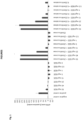
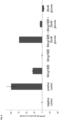
- Fig. 1 shows dose responses of recombinant brazzein (0-50 mg/L) as well as in combination with sucrose and sucralose.
- Fig. 1 shows a strong increase of calcium mobilization by application of e.g. 20 mg/L brazzein plus 25 mM sucrose or 0.25 mM sucralose, respectively. Comparing the calcium mobilization induced by the molecules alone it is evident that the effect is more than additive, showing a strong enhancement effect in vitro. See also Fig. 2 .
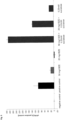
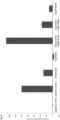
- Fig. 2 shows recombinant brazzein in combination with sucrose.
- Fig. 2 shows a strong increase of calcium mobilization by application of 50 mg/L or 20 mg/L brazzein plus 25 mM sucrose. Comparing the calcium mobilization induced by the molecules alone it is evident that the effect is more than additive, showing a strong enhancement effect in vitro.
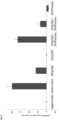
- Fig. 3 shows recombinant brazzein in combination with sucralose.
- Fig. 3 shows a strong increase of calcium mobilization by application of 50 mg/L or 20 mg/L brazzein plus 0.25 mM sucralose. Comparing the calcium mobilization induced by the molecules alone it is evident that the effect is more than additive, showing a strong enhancement effect in vitro.
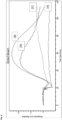
- Fig. 4 shows original data illustrating the measurements which are shown as diagramms in Fig. 1-3 .
- Fig. 4 shows the mobilization of intracellular calcium over time by stimulation at 20 seconds: [A] 25mM sucrose, [B] 25mM sucrose + 20mg/l brazzein, [C] 20mg/l brazzein, [D] positive control (advantame, 1 ⁇ M).
- Fig. 5 shows recombinant brazzein in combination with fructose.
- Fig. 5 shows a strong increase of calcium mobilization by application of 50 mg/L or 20 mg/L brazzein plus 25 mM fructose. Comparing the calcium mobilization induced by the molecules alone it is evident that the effect is more than additive, showing a strong enhancement effect in vitro.
- Fig. 6 shows recombinant brazzein in combination with glucose.
- Fig. 6 shows a strong increase of calcium mobilization by application of 50 mg/L or 20 mg/L brazzein plus 25 mM glucose. Comparing the calcium mobilization induced by the molecules alone it is evident that the effect is more than additive, showing a strong enhancement effect in vitro.
- Fig. 7 shows recombinant brazzein in combination with D(+)-Lactose.
- Fig. 7 shows a strong increase of calcium mobilization by application of 50 mg/L or 20 mg/L brazzein plus 25 mM D(+)-Lactose. Comparing the calcium mobilization induced by the molecules alone it is evident that the effect is more than additive, showing a strong enhancement effect in vitro.
- Fig. 8 shows recombinant brazzein in combination with maltose.
- Fig. 8 shows a strong increase of calcium mobilization by application of 50 mg/L or 20 mg/L brazzein plus 25 mM maltose. Comparing the calcium mobilization induced by the molecules alone it is evident that the effect is more than additive, showing an enhancement effect in vitro.
- Fig. 9 shows recombinant brazzein in combination with rebaudioside M.
- Fig. 9 shows a strong increase of calcium mobilization by application of 50 mg/L or 1 mg/L brazzein plus 20 ⁇ M RebM. Comparing the calcium mobilization induced by the molecules alone it is evident that the effect is more than additive, showing a strong enhancement effect in vitro.
- Fig. 10 shows recombinant brazzein in combination with saccharine.
- Fig. 10 shows a strong increase of calcium mobilization by application of 50 mg/L or 5 mg/L brazzein plus 1 mM saccharine. Comparing the calcium mobilization induced by the molecules alone it is evident that the effect is more than additive, showing a strong enhancement effect in vitro.
- Fig. 11 shows recombinant brazzein in combination with acesulfame K.
- Fig. 11 shows a strong increase of calcium mobilization by application of 50 mg/L or 5 mg/L brazzein plus 3 mM acesulfame K. Comparing the calcium mobilization induced by the molecules alone it is evident that the effect is more than additive, showing a strong enhancement effect in vitro.
- Fig. 12 shows recombinant brazzein in combination with Na-cyclamate.
- Fig. 12 shows a strong increase of calcium mobilization by application of 50 mg/L or 1 mg/L brazzein plus 1 mM Na-cyclamate. Comparing the calcium mobilization induced by the molecules alone it is evident that the effect is more than additive, showing a strong enhancement effect in vitro.
- Fig. 13 shows recombinant brazzein in combination with xylite.
- Fig. 13 shows a strong increase of calcium mobilization by application of 50 mg/L or 20 mg/L brazzein plus 25 mM xylite. Comparing the calcium mobilization induced by the molecules alone it is evident that the effect is more than additive, showing a strong enhancement effect in vitro.
- Fig. 14 shows recombinant brazzein in combination with cellobiose.
- Fig. 14 shows no significant increase of calcium mobilization by application of 50 mg/L or 20 mg/L brazzein plus 25 mM cellobiose.
- Figures 1 to 13 show the enhancement of the calcium mobilization induced by carbohydrate sugars (sucrose, fructose, glucose, maltose, lactose), sweeteners (Acesulfame K, saccharine, Na-cyclamate, sucralose, advantame), natural sweeteners (RebM) and sugar alcohol (xylit) with increasing brazzein concentrations.
- carbohydrate sugars sucrose, fructose, glucose, maltose, lactose
- sweeteners Acesulfame K, saccharine, Na-cyclamate, sucralose, advantame
- RebM natural sweeteners
- sugar alcohol xylit
- brazzein concentrations were in the range of the detection threshold of the assay. We thus have demonstrated that brazzein shows an allosteric modulation (enhancement) of the sweet taste cell model.
- the negative control cellobiose (non-sweet carbohydrate) was not enhanced being indicative for a specific enhancement of sweet molecules only.
- Example 3 Sweetness enhancement by recombinant brazzein in vivo
- Brazzein was tested at subthreshold concentrations (no sweetness) in combination with 6% sucrose.
- brazzein taste recognition thresholds were assessed by using the three alternative forced choice (3-AFC) method.
- 3-AFC presentation consisted of 3 vials: 2 blank vials with mineral water and one test vial with one concentration of a tastant, which was randomly presented. Lowest concentration was presented first.
- Taste recognition threshold was derived by plotting percentage of correct answers at concentration steps versus log10 concentrations. Concentration was calculated at 50% detection level using regression curve.
- the recognition threshold for brazzein was 2.9 mg/L.
- brazzein For detection of enhancement, 1.6 mg/L brazzein was selected, as no panelist perceives sweetness at this level.
- sucrose with recombinant brazzein was sweeter than sucrose alone, showing a significant enhancement effect of brazzein at a subthreshold concentration.
Landscapes
- Life Sciences & Earth Sciences (AREA)
- Health & Medical Sciences (AREA)
- Nutrition Science (AREA)
- Chemical & Material Sciences (AREA)
- Engineering & Computer Science (AREA)
- Food Science & Technology (AREA)
- Polymers & Plastics (AREA)
- Proteomics, Peptides & Aminoacids (AREA)
- Seasonings (AREA)
Description
- The present invention primarily relates to the use of brazzein for enhancing the sweet taste and/or the sweet quality of sweet-tasting substances. The invention thus primarily relates to the use of said substance as sweetness enhancers. The invention also relates to specific preparations which contain an effective amount of brazzein and further sweet tasting substances.
- Foods (nourishment, including beverages) or semi-luxury foods (semi-luxuries) which have a high sugar content (primarily sucrose, lactose, glucose or fructose or mixtures thereof) are usually strongly preferred by consumers because of their sweetness. On the other hand, it is generally known that a high content of easily metabolisable carbohydrates allows the blood sugar level to greatly increase, leads to the formation of fatty deposits and can ultimately lead to health problems, such as excess weight, obesity, insulin resistance, late-onset diabetes and their secondary diseases.
- To overcome these unwanted disadvantages considerable research efforts and expenditures have been made to develop alternative compounds, e.g. as substitute for the naturally occurring sweeteners or synthetic sweeteners which have no food value and are free of caloric input.
- While these artificial sweeteners enjoyed a wide use, and fulfilled the requirements of a sweet taste with no food value, and could be used without providing calories or damaging teeth, they were frequently found to possess inherent disadvantages that prevented their use for their intended purpose, e.g. because of their toxicity (p-ethoxyphenylurea) or chromosome damage and bladder trouble (sodium cyclamate). Thus, these sweeteners could not be safely recommended for use as a sweetener and are apparently unacceptable for consumption. Saccharin compounds are also commonly used as artificial sweeteners, since cyclamates have been come under governmental restrictions. Although saccharin compounds possess sweetness characteristics, they are undesirable as the sole sweetening agent in most food and beverage compositions because of the lingering bitter aftertaste perceived by most users. While saccharin and the cyclamates have been in common use as artificial sweetening agents for a number of years, there has been more recently discovered a series of new artificial sweeteners.
- While, owing to their low concentration in use, the non-nutritive, highly intensive sweeteners are very suitable for bringing sweetness into foods, they also often exhibit taste-related problems as a result of time-intensity profiles which are not similar to sugar (e.g. sucralose, stevioside, cyclamate), a bitter and/or astringent aftertaste (e.g. acesulfame K, saccharin), or pronounced additional flavour impressions (e.g. glycyrrhetinic acid ammonium salt).
- An improvement in the taste properties, in particular the aftertaste problem of non-nutritive, highly intensive sweeteners, can be achieved by the use of tannic acid, e.g. as described in
WO 98/20753 US 3,924,017 . However, substances of this type are not particularly stable in applications owing to their catechol units.WO2016/103163 describes the use of a sweetness enhancing compound, including brazzein, to synergistically enhance the sweetness of a sweet-tasting substance selected from a list including each of sucrose, sucralose, acesulfam-K, cyclamate, saccharin, glucose, fructose, lactose and xylitol. However, the sweetness enhancing compound is used therein at concentrations of at least 0.1%, i.e. 1000 mg/L. - It is therefore desirable to find naturally occurring substances which, in low concentrations, effectively enhance the sweet taste impressions of sweet substances, in particular the sweet taste impression of reduced-sugar foods and semi-luxury foods, without adversely affecting the remaining flavour profile. The primary object of the present invention was to find substances which (a) are selectively suitable for enhancing the sweet taste of a sweet-tasting substance, preferably without adversely affecting the remaining flavour profile and (b) can be widely used.
- A first object of the present invention refers to the use of the sweet protein brazzein for enhancing the sweet taste and/or the sweet quality of a sweet-tasting substance.
- The sweet taste and/or the sweet quality of a sweet-tasting substance is preferably enhanced in a preparation used for pharmaceuticals, nourishment, oral hygiene or consumption. In a more preferred embodiment according to the invention, the sweet taste and/or the sweet quality of a sweet-tasting substance is enhanced in food and/or beverage preparations.
- In another embodiment according to the invention, the concentration of brazzein to be used according to the invention for enhancing the sweet taste and/or the sweet quality of a sweet-tasting substance, preferably in food and/or beverage preparations, is from about 1 mg/L to about 100 mg/L, based on the total preparation. In other words, the concentration of brazzein in food and/or beverage preparations is from about 1 ppm to about 100 ppm, based on the total preparation.
- Sweet-tasting substances (including natural sources of these substances) can for example be sweet-tasting carbohydrates or sugars (e.g. sucrose (synonymous with saccharose), trehalose, lactose, maltose, melizitose, raffinose, palatinose, lactulose, D-fructose, D-glucose, D-galactose, L-rhamnose, D-sorbose, D-mannose, D-tagatose, D-arabinose, L-arabinose, D-ribose, D-glyceraldehyde, maltodextrin) or vegetable preparations containing predominantly these carbohydrates (e.g. from sugar beet (Beta vulgaris ssp., sugar fractions, sugar syrup, molasses), from sugar cane (Saccharum officinarum ssp., e.g. molasses, sugar syrups), from sugar maple (Acer ssp.), from agave (agave thickjuice), synthetic/enzymatic hydrolysates of starch or sucrose (e.g. invert sugar syrup, highly enriched fructose syrupsmade from corn starch), fruit concentrates (e.g. from apples or pears, apple syrup, pear syrup), sugar alcohols (e.g. erythritol, threitol, arabitol, ribitol, xylitol, sorbitol, mannitol, dulcitol, lactitol), proteins (e.g. miraculin, monellin, thaumatin, curculin), sweeteners (magap, sodiumcyclamate, acesulfame K, neohesperidin dihydrochalcone, saccharinsodium salt, advantame, aspartame, superaspartame, neotame, alitame, sucralose, stevioside, rebaudioside, lugduname, carrelame, sucrononate, sucrooctate, monatin, phyllodulcin), certain sweet-tasting amino acids (glycine, D-leucine, D-threonine, D-asparagine, D-phenylalanine, D-tryptophan, L-proline), other sweet-tasting low-molecular substances (e.g. hernandulcin, dihydrochalcone glycosides, glycyrrhizin, glycyrrhetinic acid ammonium salt or other glycyrrhetinic acid derivatives), liquorice extracts (Glycyrrhizza glabra ssp.), Lippia dulcis extracts, Momordica ssp. extracts or individual substances (in particular Momordica grosvenori [Luo Han Guo] and the mogrosides obtained therefrom), Hydrangea dulcis or Stevia ssp. (e.g. Stevia rebaudiana) extracts or individual substances.
- Brazzein is a sweet-tasting protein extracted from the West African fruit of the climbing plant Oubli (Pentadiplandra brazzeana Baillon). It was first isolated by the University of Wisconsin-Madison in 1994. Like other sweet proteins discovered in plants, such as monellin and thaumatin, it is extremely sweet compared to commonly used sweeteners (500 to 2000 times sweeter than sucrose).
- While The Wisconsin Alumni Research Foundation describes brazzein and its characteristics as sweetener in various patent applications (for example:
WO 0061759 US 7,153,535 ,WO 9419467 WO9531547 - Surprisingly it has been found that brazzein to be used according to the invention synergistically increases the sweet taste impression of sweet-tasting substances, in particular however of sugars and sweeteners such as sucrose, sucralose, acesulfam-K, Na-cyclamate, saccharin, , glucose, fructose, lactose, xylit and it is thus possible to reduce the sugar and/or sweetener content in corresponding foods and semi-luxury foods without reducing the sweet taste impression at the same time.
- In other words, the inventors have surprisingly found that brazzein to be used according to the invention enhances the sweet taste of a sweet-tasting substance synergistically, in particular however of sugars and sweeteners such as sucrose, sucralose, acesulfam-K, Na-cyclamate, saccharin, glucose, fructose, lactose, xylit,
- The term "rebaudiosides" includes all types of known rebaudiosides, such as for example RebA, RebD or RebM or mixtures thereof. The preferred rebaudiosides are RebM and RebD.
- As already mentioned, one aspect of the present invention relates to the use of brazzein for enhancing the sweet quality of a sweet-tasting substance In the sense of the present invention "enhancing the sweet quality of a sweet-tasting substance" is to be understood as enhancing the taste quality and/or the mouthfeel of sweet-tasting substances. For example, when brazzein is used according to invention and enhances the "taste quality" of a sweet-tasting substance, brazzein functions as a taste corrigent. The term "mouthfeel" refers to the physical sensations in the mouth caused by a substance, as distinct from taste. It is a fundamental sensory attribute which, along with taste and smell, determines the overall flavor of, in particular, a food item. Mouthfeel is also sometimes referred to as texture. Brazzein according to the invention is preferably used in a preparation used for nourishment, oral hygiene or consumption, wherein the preparation includes one or more sweet-tasting substance(s). In a preferred embodiment according to the invention, brazzein is used in food and/or beverage preparations.
- The sweet protein "brazzein" according to the present invention refers either to the plant-derived protein brazzein and/or to the recombinant brazzein obtainable by a process according to the present invention. It goes without saying that the plant-derived protein brazzein is extracted and concentrated before the use according to the present invention. Common methods for extraction and concentration are well known by the person skilled in the art. In a preferred embodiment according to the invention the term "brazzein" refers to the recombinant brazzein obtainable by a process according to the present invention, which is described below.
- A further aspect described herein relates to food and/or beverage preparation, comprising or consisting of the following components:
- (a) the recombinant brazzein obtainable by a process according to the present invention,
- (b) one or more further sweet-tasting substances, wherein the further sweet-tasting substance are selected from the group comprising:
- (i) one or more carbohydrate(s) selected from the group comprising sucrose, trehalose, lactose, maltose, melizitose, melibiose, raffinose, palatinose, lactulose, D-fructose, D-glucose, D-galactose, L-rhamnose, D-sorbose, D-mannose, D-tagatose, D-arabinose, L-arabinose, D-ribose, D-glyceraldehyde, maltodextrin and vegetable preparations containing one or more of said carbohydrate(s),
- (ii) one or more sugar alcohol(s) selected from the group comprising glycerol, erythritol, threitol, arabitol, ribitol, xylitol, sorbitol, mannitol, dulcitol and lactitol,
- (iii) one or more protein(s) and/or amino acid(s) from the group comprising miraculin, monellin, thaumatin, glycine, D-leucine, D-threonine, D-asparagine, D-phenylalanine, D-tryptophan, L-proline,
- (iv) one or more sweetener(s) from the group comprising saccharin, advantame, magap, sodium cyclamate, acesulfame K, neo-hesperidin dihydrochalcone, aspartame, superaspartame, neotame, alitame, sucralose, stevioside, rebaudioside, lugduname, carrelame, sucrononate, sucrooctate, monatin and phyllodulcin, and mixtures thereof.
- It is therefore possible to reduce the content of one or more of the sweet-tasting substance(s), but in particular of sugars such as sucrose, lactose, fructose and/or glucose or the mixtures thereof by 3 to 50 % (based on the sweet-tasting substance(s)), compared to a preparation without brazzein.
- Preferred therefore are (sugar- and/or sweetener-reduced) preparations which as a sweet-tasting substance or sweet-tasting substances include one or more sugar(s) and/or sweetener(s), wherein the quantity of brazzein is sufficient to impart the same or an enhanced sweet impression and/or an enhanced sweet quality, compared with a preparation which, with an otherwise identical composition, contains no brazzein but at least 1.03 times, preferably at least 1.1 times, the amount of sugar and/or sweetener. The one or more sweet-tasting substances are selected from the group comprising (i) one or more carbohydrate(s) selected from the group comprising sucrose, trehalose, lactose, maltose, melizitose, melibiose, raffinose, palatinose, lactulose, D-fructose, D-glucose, D-galactose, L-rhamnose, D-sorbose, D-mannose, D-tagatose, D-arabinose, L-arabinose, D-ribose, D-glyceraldehyde, maltodextrin andvegetable preparations containing one or more of said carbohydrate(s), (ii) one or more sugar alcohol(s) selected from the group comprising glycerol, erythritol, threitol, arabitol, ribitol, xylitol, sorbitol, mannitol, dulcitol and lactitol, (iii) one or more protein(s) and/or amino acid(s) from the group comprising miraculin, monellin, thaumatin, glycine, D-leucine, D-threonine, D-asparagine, D-phenylalanine, D-tryptophan, L-proline, (iv) one or more sweetener(s) from the group comprising saccharin, advantame, magap, sodium cyclamate, acesulfame K, neo-hesperidin dihydrochalcone, aspartame, superaspartame, neotame, alitame, sucralose, steviosides, rebaudiosides, lugduname, carrelame, sucrononate, sucrooctate, monatin and phyllodulcin, and mixtures thereof. The sugars and/or sweeteners are preferably selected in this case from the group comprising or consisting of sucrose, sucralose, acesulfam-K, Na-cyclamate, saccharin, advantame, glucose, fructose, lactose, xylit, rebaudiosides, preferably RebM and mixtures thereof.
- Reference has already been made above to the fact that brazzein occurs in natural products i.e. in the plant Pentadiplandra brazzeana. However, the preparations described herein are not naturally occurring products of this type. It should be noted in this regard that in the naturally occurring products the quantity of brazzein is usually not sufficient to significantly enhance in sensory terms the sweet taste impression of a substance in the naturally occurring product. Furthermore, it is to be noted that brazzein to be used in a preferred embodiment according to the present invention is not the naturally occurring protein but a recombinant protein, obtainable by a process comprising or consisting of the following steps:
- (a) Fusing nucleic acid sequence encoding brazzein according to SEQ ID NO.1 to a mating factor alpha of Saccharomyces cerevisiae to receive a heterologous gene sequence (SEQ ID NO. 3);
- (b) Integration of the heterologous gene sequence of step (a) into a vector;
- (c) Introducing at least one copy of the vector of step (b) into the AOX locus of the genome of Pichia pastoris;
- (d) Selection of the cells which have taken up the vector containing the heterologous gene sequence;
- (e) Collecting the secreted recombinant brazzein.
- In a preferred embodiment brazzein is expressed under control of the AOX promoter. According to the above statements, in a preparation according to the invention the brazzein is preferably not in the form of (a) an exudate of the plant Pentadiplandra brazzeana, and is not present (b) together with other exudates of this plant.
- Particularly relevant are preparations which include at least one sweet-tasting substance, preferably sucrose, sucralose, acesulfam-K, Na-cyclamate, saccharin, advantame, glucose, fructose, lactose, xylit or rebaudiosides, preferably RebM or mixtures thereof, wherein the quantity of sweet-tastings substance is not sufficient to be perceived in a comparative preparation, which does not include brazzein but otherwise has an identical composition, as a satisfactory sweet taste, and the quantity of brazzein in the preparation is sufficient to enhance in sensory terms the sweet taste impression and/or the sweet quality of the sweet-tasting substance.
- The preparations used for nourishment or consumption are e.g. bread, cakes and pastries (e.g. bread, biscuits, cake, other bakery items), confectionery (e.g. chocolates, chocolate bar-type products, other bar-type products, fruit gums, hard and soft toffees, chewing gum), alcoholic or non-alcoholic drinks (e.g. coffee, tea, wine, wine-containing drinks, beer, beer-containing drinks, liqueurs, schnapps, brandies, fruit-containing soft drinks, isotonic drinks, soft drinks, nectars, fruit and vegetable juices, fruit or vegetable preparations), instant drinks (e.g. instant cocoa drinks, instant tea drinks, instant coffee drinks), meat products (e.g. ham, fresh sausage or raw sausage preparations, pickled or marinated fresh or salt meat products), eggs or egg products (dried egg, egg white, egg yolk), cereal products (e.g. breakfast cereals, muesli bars, pre-cooked finished rice products), milk products (e.g. milk drinks, dairy ice cream, yoghurt, kefir, cream cheese, soft cheese, hard cheese, dried milk powder, whey, butter, buttermilk, partially or wholly hydrolysed milk protein-containing products), products made of soya protein or other soybean fractions (e.g. soya milk and products produced therefrom, soya lecithin-containing preparations, fermented products such as tofu or tempe or products produced therefrom, soya sauces), fruit preparations (e.g. preserves, sorbets, fruit sauces, fruit fillings), vegetable preparations (e.g. ketchup, sauces, dried vegetables, frozen vegetables, pre-cooked vegetables, vegetables pickled in vinegar, preserved vegetables), snacks (e.g. backed or fried potato crisps or potato dough products, bread dough products, extrudates based on maize or peanut), products based on fat or oil or emulsions thereof (e.g. mayonnaise, remoulade, dressings, spice preparations), other ready-to-eat meals and soups (e.g. dried soups, instant soups, pre-cooked soups), condiments, spice mixtures and in particular seasonings which are used for example in the snacks sector.
- Preparations can be in the form of semi-finished products, perfume, flavouring or flavour compositions or a spice mixture.
- Preparations which are used as semi-finished products preferably contain a total of 0.00001 %o by weight to 5 % by weight, preferably 0.0001 %o to 0.5 % by weight, but in particular 0.001 %o by weight to 0.05 % by weight, based on the total weight of the preparation, of brazzein to be used according to the invention.
- Preparations in another embodiment which are used as semi-finished products preferably contain a total of 0.01 mg/L to about 50 000 mg/L, preferably from about 0.1 mg/L to about 5000 mg/L and most preferably from about 1 mg/L to about 500 mg/L, based on the total preparation, of brazzein to be used according to the invention. In other words, preparations which are used as semi-finished products preferably contain a total of 0.01 ppm to about 50 000 ppm, preferably from about 0.1 ppm to about 5000 ppm and most preferably from about 1 ppm to about 500 ppm, based on the total preparation, of brazzein to be used
- Preparations can in particular be used as semi-finished products for producing further preparations used for nourishment or consumption, in particular in spray-dried or freeze-dried form. Preparations can also be in the form of capsules, tablets (uncoated and coated tablets, e.g. gastric juice-resistant coatings), sugar-coated pills, granules, pellets, solid mixtures, dispersions in liquid phases, emulsions, powders, solutions, pastes, concentrates or sirups or other preparations that may be swallowed or chewed as food supplements.
- The preparations used for oral hygiene are in particular oral and/or dental care products, such as toothpastes, tooth gels, tooth powder, mouthwashes, chewing gums and other oral hygiene products.
- Further conventional active ingredients, raw materials, auxiliaries and additives for preparations used for nourishment, oral hygiene or consumption can be provided in quantities of 5 to 99.999999 % by weight, preferably 10 to 80 % by weight, based on the total weight of the preparation. The preparations may also contain water in a quantity up to 99.999999 % by weight, preferably 5 to 80 % by weight, based on the total weight of the preparation.
- The preparations containing brazzein are produced according to a preferred embodiment by incorporating brazzein as a substance, as a solution (e.g. in ethanol, water, 1,2-propylene glycol, dimethylsulphoxide) or in the form of a mixture with a solid or liquid carrier (e.g. maltodextrin, starch, silica gel), flavours or flavourings and optionally further auxiliaries and/or stabilisers (e.g. natural or synthetic polysaccharides and/or plant gums, such as modified starches or gum arabic) in a base preparation used for nourishment, oral hygiene or consumption. Preparations in the form of a solution and/or suspension or emulsion may advantageously also be converted by spray drying into a solid preparation according to the invention (semi-finished product).
- Solid preparations, either freeze-dried or spray dried, preferably contain 0.1 to 90 % by weight brazzein, based on the total weight of the preparation, 0 to 90 % by weight of other flavours, in particular other sweet tasting compounds, based on the total weight of the preparation, 1 to 99 % by weight carriers, based on the total weight of the preparation, and 0 to 70 % by weight of further auxiliaries and/or stabilisers, based on the total weight of the preparation. The spray-dried or freeze-dried, solid preparations are particularly suitable as semi-finished products.
- In a preferred embodiment the preparations are food and/or beverage preparations. Further preferred are food and/or beverage preparations, which comprise as further sweet-tasting substances one or more sugars and/or sweeteners, wherein the total quantity of the recombinant brazzein in the preparation is sufficient to impart an enhanced sweet impression and/or an enhanced sweet quality, compared with a preparation or semi-finished product which, with an otherwise identical composition, contains no recombinant brazzein but at least 1.03 times to 1.5, preferably at least 1.03 times to at least 1.1 the amount of sugars and/or sweeteners.
- In an embodiment according to the invention, the concentration of recombinant brazzein is more than 1 mg/L, based on the total preparation.
- In a further embodiment according to the invention, the preparation comprises a total quantity in the range of up . to 100 mg/L, of the recombinant brazzein, based on the total weight of the preparation.
- For producing further preparations the solubility of the brazzein to be used according to the invention is significantly improved by the carriers and/or auxiliaries as described above, in particular by maltodextrin, starch, natural or synthetic polysaccharides and/or plant gums, such as modified starches or gum arabic. The spray-dried or freeze-dried, solid preparations preferably contain 50 to 95 % by weight carriers, in particular maltodextrin and/or starch, 5 to 40 % auxiliaries, preferably natural or synthetic polysaccharides and/or plant gums, such as modified starches or gum arabic, and 1 to 45 % brazzein.
- According to a further preferred embodiment brazzein to be used according to the invention and optionally other constituents of the preparation are incorporated into emulsions, liposomes, e.g. starting from phosphatidylcholine, microspheres, nanospheres or in capsules, granules or extrudates of a matrix suitable for foods and semi-luxury foods, e.g. of starch, starch derivates (e.g. modified starch), cellulose or cellulose derivates (e.g. hydroxypropyl cellulose), other polysaccharides (e.g. dextrin, alginate, curdlan, carrageenan, chitin, chitosan, pullulan), natural fats, natural waxes (e.g. beeswax, carnauba wax), of proteins, e.g. gelatines or other natural products (e.g. shellac), to produce preparations Depending on the carriers/auxiliaries the products may also be obtained by spray drying, spray granulation, melt granulation, coacervation, coagulation, extrusion, melt extrusion, emulsion processes, coating or other suitable encapsulation processes and optionally a suitable combination of said processes.
- Another embodiment is a preparation in which the matrix is selected such that brazzein is liberated from the matrix with a delay, so a long-lasting effect is achieved. Particularly preferred is a fat, wax, polysaccharide or protein matrix in this regard.
- As further constituents for preparations used for nourishment or consumption, conventional raw materials, auxiliaries and additives for foods or semi-luxury foods can be used, e.g. water, mixtures of fresh or processed, vegetable or animal basic or raw materials (e.g. raw, roasted, dried, fermented, smoked and/or cooked meat, bones, cartilage, fish, vegetables, fruits, herbs, nuts, vegetable or fruit juices or pastes or mixtures thereof), digestible or non-digestible carbohydrates (e.g. saccharose, maltose, fructose, glucose, dextrins, amylose, amylopectin, inulin, xylanes, cellulose, tagatose), sugar alcohols (e.g. sorbitol, erythritol), natural or hardened fats (e.g. tallow, lard, palm butter, coconut oil, hydrogenated vegetable fat), oils (e.g. sunflower oil, groundnut oil, maize oil, olive oil, fish oil, soya oil, sesame oil), fatty acids or the salts thereof (e.g. potassium stearate), proteinogenic or non-proteinogenic aminoacids and related compounds (e.g. y-aminobutyric acid, taurine), peptides (e.g. gluthathion), natural or processed proteins (e.g. gelatines), enzymes (e.g. peptidases), nucleic acids, nucleotides, taste corrigents for unpleasant taste impressions, further taste modulators for further, generally not unpleasant taste impressions, other taste-modulating substances (e.g. inositolphosphate, nucleotides, such as guanosinmonophosphate, adenosinmonophosphate or other substances, such as sodium glutamate or 2-phenoxypropionic acid), emulsifiers (e.g. lecithins, diacylglycerols, gum arabic), stabilisers (e.g. carrageenan, alginate), preservatives (e.g. benzoic acid, sorbinic acid), antioxidants (e.g. tocopherol, ascorbic acid), chelators (e.g. citric acid), organic or inorganic acids (e.g. malic acid, acetic acid, citric acid, tartaric acid, phosphoricacid), bitter principles (e.g. quinine, caffeine, limonine, amarogentine, humolone, lupolone, catechins, tannins), mineral salts (e.g. sodium chloride, potassium chloride, magnesium chloride, sodium phosphates), substances preventing enzymatic browning (e.g. sulphite, ascorbic acid), etheric oils, plant extracts, natural or synthetic colourings or colouringpigments (e.g. carotinoids, flavonoids, anthocyans, chlorophyll and the derivates thereof), spices, trigeminally active substances or plant extracts containing such trigeminally active substances, synthetic, natural or nature-identical flavourings or perfumes and odour corrigents.
- Preparations which are in the form of semi-finished products can be used to enhance the sweet taste impression and/or the sweet quality of ready-to-use preparations which are produced using the semi-finished product preparation.
- The present disclosure also relates to a process for enhancing the sweet taste and/or the sweet quality of a sweet-tasting substance, comprising or consisting of the following steps: mixing a sweet-tasting substance with a quantity of brazzein which is sufficient to enhance in sensory terms the sweet taste impression and/or the sweet quality of the sweet-tasting substance(s).
- See above for preferred quantities of brazzein. A concentration of at least 1 ppm is often particularly preferred.
- Of course, brazzein is preferably not in the form of (a) an exudate of the plant Pentadiplandra brazzeana, and is not present (b) together with other exudates of this plant either in the process according to the invention.
- For a better overview, the following sequences are provided:
- SEQ ID No. 1 shows the amino acid sequence of brazzein.
- SEQ ID No. 2 shows the nucleic acid sequence encoding brazzein.
- SEQ ID No. 3 shows the nucleic acid sequence encoding brazzein with alpha mating factor.
- SEQ ID No. 4 shows the nucleic acid sequence encoding brazzein under control of AOX-promoter.
-
-
Fig 1 . Mobilization of intracellular calcium by stimulation with recombinant brazzein (BZE), sucrose, sucralose and mixtures thereof. Negative control is HBBS buffer.Positive control 1 µM advantame. The data were normalized to the positive control (100%). -
Fig. 2 Mobilization of intracellular calcium by stimulation with recombinant brazzein (BZE), and co-application of BZE with 25 mM sucrose. Normalized to positive control and corrected for negative control. -
Fig. 3 Mobilization of intracellular calcium by stimulation with recombinant brazzein (BZE), and co-application of BZE with 0.25 mM sucralose. Normalized to positive control and corrected for negative control. -
Fig. 4 Mobilization of intracellular calcium over time by stimulation at 20 seconds. [A] 25mM sucrose, [B] 25mM sucrose + 20mg/l brazzein, [C] 20mg/l brazzein, [D] positive control (advantame, 1 µM). -
Fig. 5 Mobilization of intracellular calcium by stimulation with recombinant brazzein (BZE), and co-application of BZE with 25 mM fructose. Normalized to positive control and corrected for negative control. -
Fig. 6 Mobilization of intracellular calcium by stimulation with recombinant brazzein (BZE), and co-application of BZE with 25 mM glucose. Normalized to positive control and corrected for negative control. -
Fig. 7 Mobilization of intracellular calcium by stimulation with recombinant brazzein (BZE), and co-application of BZE with 25 mM D(+)-Lactose. Normalized to positive control and corrected for negative control. -
Fig. 8 Mobilization of intracellular calcium by stimulation with recombinant brazzein (BZE), and co-application of BZE with 25 mM maltose. Normalized to positive control and corrected for negative control. -
Fig. 9 Mobilization of intracellular calcium by stimulation with recombinant brazzein (BZE), and co-application of BZE with 20 µM RebM. Normalized to positive control and corrected for negative control. -
Fig. 10 Mobilization of intracellular calcium by stimulation with recombinant brazzein (BZE), and co-application of BZE with 1 mM saccharine. Normalized to positive control and corrected for negative control. -
Fig. 11 Mobilization of intracellular calcium by stimulation with recombinant brazzein (BZE), and co-application of BZE with 3 mM acesulfame K. Normalized to positive control and corrected for negative control. -
Fig. 12 Mobilization of intracellular calcium by stimulation with recombinant brazzein (BZE), and co-application of BZE with 1 mM Na-cyclamate. Normalized to positive control and corrected for negative control. -
Fig. 13 Mobilization of intracellular calcium by stimulation with recombinant brazzein (BZE), and co-application of BZE with 25 mM xylite. Normalized to positive control and corrected for negative control. -
Fig. 14 Mobilization of intracellular calcium by stimulation with recombinant brazzein (BZE), and co-application of BZE with 25 mM cellobiose. Normalized to positive control and corrected for negative control. - This is the description for the fermentation process of Pichia pastoris CBS7435 using two consecutive exponential fed batch phases producing the sweet protein brazzein.
- The presented process specifies a method for production of brazzein using a modification of the pPpT4 vector under the control of the AOX1 promotor in Pichia pastoris. The pPpT4 vector is designed to produce brazzein when methanol is catabolized. For secretion, the alpha factor from Saccharomyces cerevisiae is used. The produced peptide has a size of 6362 Da (des pyrE bra).
- The following tables show the used materials.
Table 1: Medium: Substance Weight [g] for 1000mL CAS number Glycerol, technical 40.0 56-81-5 Citric acid·1H2O 2.0 5949-29-1 CaCl2 * 1H2O 0.022 10035-04-8 (NH4)2HPO4 12.4 7783-28-0 KCI 0.9 7447-40-7 K2SO4 14.3 7778-80-5 - Adjust pH to 6.5 before autoclaving. After sterilization, add 5mL from 2M MgSO4 stock solution (making 2.5g/L MgSO4) and 1mL/L PTM1 trace element solution.
Table 2: Magnesium stock solution (2M): Substance Weight [g] for 1000mL CAS number MgSO4 ·7H2O 492.96 10034-99-8 Table 3: PTM1 trace element solution (1000x): Substance Weight [g] for 1000mL CAS number CuSO4 ·5H2O 6.0 7758-99-8 KI 0.8 7681-11-0 MnSO4·H2O 3.0 10034-96-5 Na2MoO4·2H2O 0.2 10102-40-6 H3BO3 0.2 10043-35-3 CaSO4·2H2O 0.5 10101-41-4 ZnCl2 20.0 7646-85-7 FeSO4·7H2O 65.0 7782-63-0 biotin 0.2 58-85-5 conc. H2SO4 5ml 7664-93-9 - Filter through 0.22µm sterile filter. The solution appears clear and blue.
Table 4: Feed 1Substance Weight [g] for 1000mL CAS number Glycerol, technical 800 56-81-5 H2O 200 - Add 4ml/L PTM1 stock solution after autoclaving.
Table 5: Feed 2: Substance Weight [g] for 1000mL CAS number Methanol, technical 1000 67-56-1 - Add 4ml/L PTM1 stock solution after autoclaving.
Table 6: pH adjusting agents: Substance Concentration [%] CAS number NH4 +, technical 25 1336-21-6 H3PO4 85 7664-38-2 - Preculture: The precultures are inoculated from a cryo working cell bank (WCB). 30 ml medium are filled into two 300 ml shake flasks with baffles, each flask is inoculated with 1800 µl cryo culture and incubated at 30°C and 250 rpm overnight.
- Bioreactor is inoculated with preculture suspension to reach OD600.
- Fermentation parameters: The vessel is assembled and prepared for the cultivation. Aeration is realized through a sparging ring for aeration and an off gas cooler, both led through 0.22 µm filters. Agitation is performed with two Rushton impellers. For temperature control at 34°C, a Pt-100 element is inserted via a hull. For sampling, a sampling tube is included. A septum is provided to enable sterile additions to the batch medium after sterilization.
- Off gas analysis for O2 and CO2 is performed using BlueSens sensors.
- The batch medium consists of 1.0L of medium plus PPG as anti-foaming agent. PPG is provided in a syringe for manual addition of anti-foam agent if needed.
- The pH and pO2 sensors are calibrated (pH 4 and 7, respectively, 95% pO2 with starting conditions). During cultivation, the pH is adjusted within a 0.05 pH-unit range. The pO2 value is kept above 20% for minimization of oxygen limitation. For this, a cascade is activated using stirrer (600 to 2000rpm), aeration (1.5 to 3.0vvm) and if needed oxygen supply (0 to 20%).
- The fermentation is controlled and documented by the fermentation software MFCSwin from Sartorius Stedim Biotech. The applied recipe controls aeration control, batch end detection and feed control.
- Table 7 shows the implemented parameters for the two feeds.
Table 7: Specific feed parameters for feed I and II Feed I Feed II Substrate yield coefficient Yx/s 0.58 g/g 0.39 g/g Maintenance coefficient m 0.05 g/(g·h) 0.02 g/(g·h) Growth rate µ 0.15 1/h 0.015 1/h - The feeding rate F is calculated using formula 1:

- F(t)
- Feed flowrate in mL/h at time point t
- µ
- Desired growth rate
- m
- maintenance coefficient
- Yx/s
- Substrate yield coefficient
- V0
- vessel volume at the beginning of the feed
- sα
- Substrate concentration in feed (I or II)
- x0
- Biomass concentration at the beginning of the feed
- t
- time (in hours)
- Batch: First, a batch fermentation is realized which takes about 20h and results in an optical density of 80, respectively, CDW 25g/kg. The dissolved oxygen concentration drops to the set point where it is maintained by the pO2 cascade.
- Batch end detection: The end of the batch is indicated by the depletion of the carbon source detected by CER value evaluation leading to the next step in the process: the glycerol fed batch.
- Glycerol fed batch: The first feeding phase consists of an exponential addition of glycerol. This phase is started by the batch end detection, thus starts with an
OD 80 respectively CDW 25g/kg and ends at about OD 140 respectively a CDW of 40g/kg. - Adapting phase: Between fed batch I and II, an adapting phase is realized. The change in carbon source to methanol requires a metabolic adaption of every yeast cell. This is alleviated through a 4h phase of adding linearly 3.5g methanol per liter culture and hour.
- Methanol fed batch: The last phase is an exponential methanol feed that starts immediately after the adapting phase. The feeding rate is set to a growth rate of µ=0.015h-1 resulting in a CDW of 95g/kg after 90h.
- Sampling: During every phase, samples are taken to monitor the fermentation progress. The monitored parameters are the OD, CDW and the cell physiology by microscopy. The supernatant is generated by centrifugation and sterile filtration. It is used directly for product analytics by HP-SEC or/and may be stored at -20°C.
- Evidence for sweet taste enhancement of saccharose and sweeteners by brazzein in a cell based assay in vitro (Example 2) and by a sensory panel (Example 3). If an enhancement is evident, low caloric foodstuff and beverages can be prepared by lowering the amount of sugars yet maintaining the same or even higher sweetness.
- Brazzein expression in Pichia: brazzein sequence (SEQ ID NO 2) was fused to alpha mating factor of S. cerevisiae and cloned into a pPpT4 vector derivative under control of the AOX promoter (SEQ ID NO 4) as described above, followed by transformation and recombinant expression.
- Cells used for in vitro cell assay were established according to Hochheimer et al., Chem. Senses. 2014 May; 39(4):359-77 (
US 9,404,080 B2 - Modulation of intracellular calcium level was quantified using calcium sensitive dye Fluo-4 in a microplate reader.
- Cells were cultivated cell culture medium, in a water-saturated atmosphere at 37°C and 5% CO2. The cells were seeded into a 96-well plate at a density of 15,000 cells per well. The cells were stained 24 hours after seeding with 4 µM of the calcium-sensitive fluorescent dye Fluo-4 AM in HBSS (Hank's Balanced Salt Solution) buffer and the mobilization of calcium in living cells was measured in the microplate reader.
- Evaluation: The mobilization of calcium was quantified as a change in fluorescence (dF) after addition of the ligands, taking into account basal fluorescence (F0) as dF/F0. The relative fluorescence units (dF/F0) measured after stimulation with mix of agonists were compared with the stimulation by the agonist alone. Thus, additive or enhancement effects increasing calcium levels were identified. Potential enhancement was repeatedly tested. The processing and analysis of the data was performed with the microplate reader software.
- To detect enhancement effects, subliminal concentrations of TAS1R2/R3 agonists including brazzein, saccharose, sucralose, acesulfam-K, Na-cyclamate, saccharin, advantame, glucose, fructose, lactose, xylit or RebM, which was just below the level triggering a clear receptor response was determined by dose response measurements. Subliminal concentrations are summarized in the table below.
Table 8. Test concentrations of compounds in cell based assay Tested molecule Concentration tested Result Recombinant brazzein (BZE) 20 mg/L Fig. 1 - 14 Sucrose 25 mM Fig. 1-4 Sucralose 0.25 mM Fig. 1 - 3 Fructose 25 mM Fig. 5 Glucose 25 mM Fig. 6 Lactose 25 mM Fig. 7 Maltose 25 mM Fig. 8 Rebaudioside M 20 µM Fig. 9 Acesulfame K 3 mM Fig. 11 Saccharine 1 mM Fig. 10 Na- Cyclamate 1 mM Fig. 12 Advantame 100 nM not shown Xylite 25 mM Fig. 13 Cellobiose (not sweet) 25 mM Fig. 14 - HBSS buffer application and the non-sweet carbohydrate cellobiose served as a negative control, for potential osmolaric effects of sucrose, glucose, fructose or lactose at 25 mM.
- For standardisation of the data a positive control was used. As
positive control 1 µM advantam was applied, negative control was HBSS buffer. - In the following figures results are shown.
-
Fig. 1 shows dose responses of recombinant brazzein (0-50 mg/L) as well as in combination with sucrose and sucralose.Fig. 1 shows a strong increase of calcium mobilization by application of e.g. 20 mg/L brazzein plus 25 mM sucrose or 0.25 mM sucralose, respectively. Comparing the calcium mobilization induced by the molecules alone it is evident that the effect is more than additive, showing a strong enhancement effect in vitro. See alsoFig. 2 . -
Fig. 2 shows recombinant brazzein in combination with sucrose.Fig. 2 shows a strong increase of calcium mobilization by application of 50 mg/L or 20 mg/L brazzein plus 25 mM sucrose. Comparing the calcium mobilization induced by the molecules alone it is evident that the effect is more than additive, showing a strong enhancement effect in vitro. -
Fig. 3 shows recombinant brazzein in combination with sucralose.Fig. 3 shows a strong increase of calcium mobilization by application of 50 mg/L or 20 mg/L brazzein plus 0.25 mM sucralose. Comparing the calcium mobilization induced by the molecules alone it is evident that the effect is more than additive, showing a strong enhancement effect in vitro. -
Fig. 4 shows original data illustrating the measurements which are shown as diagramms inFig. 1-3 .Fig. 4 shows the mobilization of intracellular calcium over time by stimulation at 20 seconds: [A] 25mM sucrose, [B] 25mM sucrose + 20mg/l brazzein, [C] 20mg/l brazzein, [D] positive control (advantame, 1 µM). -
Fig. 5 shows recombinant brazzein in combination with fructose.Fig. 5 shows a strong increase of calcium mobilization by application of 50 mg/L or 20 mg/L brazzein plus 25 mM fructose. Comparing the calcium mobilization induced by the molecules alone it is evident that the effect is more than additive, showing a strong enhancement effect in vitro. -
Fig. 6 shows recombinant brazzein in combination with glucose.Fig. 6 shows a strong increase of calcium mobilization by application of 50 mg/L or 20 mg/L brazzein plus 25 mM glucose. Comparing the calcium mobilization induced by the molecules alone it is evident that the effect is more than additive, showing a strong enhancement effect in vitro. -
Fig. 7 shows recombinant brazzein in combination with D(+)-Lactose.Fig. 7 shows a strong increase of calcium mobilization by application of 50 mg/L or 20 mg/L brazzein plus 25 mM D(+)-Lactose. Comparing the calcium mobilization induced by the molecules alone it is evident that the effect is more than additive, showing a strong enhancement effect in vitro. -
Fig. 8 shows recombinant brazzein in combination with maltose.Fig. 8 shows a strong increase of calcium mobilization by application of 50 mg/L or 20 mg/L brazzein plus 25 mM maltose. Comparing the calcium mobilization induced by the molecules alone it is evident that the effect is more than additive, showing an enhancement effect in vitro. -
Fig. 9 shows recombinant brazzein in combination with rebaudioside M.Fig. 9 shows a strong increase of calcium mobilization by application of 50 mg/L or 1 mg/L brazzein plus 20 µM RebM. Comparing the calcium mobilization induced by the molecules alone it is evident that the effect is more than additive, showing a strong enhancement effect in vitro. -
Fig. 10 shows recombinant brazzein in combination with saccharine.Fig. 10 shows a strong increase of calcium mobilization by application of 50 mg/L or 5 mg/L brazzein plus 1 mM saccharine. Comparing the calcium mobilization induced by the molecules alone it is evident that the effect is more than additive, showing a strong enhancement effect in vitro. -
Fig. 11 shows recombinant brazzein in combination with acesulfame K.Fig. 11 shows a strong increase of calcium mobilization by application of 50 mg/L or 5 mg/L brazzein plus 3 mM acesulfame K. Comparing the calcium mobilization induced by the molecules alone it is evident that the effect is more than additive, showing a strong enhancement effect in vitro. -
Fig. 12 shows recombinant brazzein in combination with Na-cyclamate.Fig. 12 shows a strong increase of calcium mobilization by application of 50 mg/L or 1 mg/L brazzein plus 1 mM Na-cyclamate. Comparing the calcium mobilization induced by the molecules alone it is evident that the effect is more than additive, showing a strong enhancement effect in vitro. -
Fig. 13 shows recombinant brazzein in combination with xylite.Fig. 13 shows a strong increase of calcium mobilization by application of 50 mg/L or 20 mg/L brazzein plus 25 mM xylite. Comparing the calcium mobilization induced by the molecules alone it is evident that the effect is more than additive, showing a strong enhancement effect in vitro. -
Fig. 14 shows recombinant brazzein in combination with cellobiose.Fig. 14 shows no significant increase of calcium mobilization by application of 50 mg/L or 20 mg/L brazzein plus 25 mM cellobiose. -
Figures 1 to 13 show the enhancement of the calcium mobilization induced by carbohydrate sugars (sucrose, fructose, glucose, maltose, lactose), sweeteners (Acesulfame K, saccharine, Na-cyclamate, sucralose, advantame), natural sweeteners (RebM) and sugar alcohol (xylit) with increasing brazzein concentrations. - The selected brazzein concentrations were in the range of the detection threshold of the assay. We thus have demonstrated that brazzein shows an allosteric modulation (enhancement) of the sweet taste cell model.
- The negative control cellobiose (non-sweet carbohydrate) was not enhanced being indicative for a specific enhancement of sweet molecules only.
- Psychophysical test protocol: Up to thirteen healthy volunteers without taste pathologies (7 female, 5 male; age range 29-56 years, mean age 39.0 years, SD=7.9) participated in the trial. All subjects provided written informed consent before the experiment. Subjects were advised to waive eating and drinking except
water 1 hour before the tests. All subjects participated in several sessions. All samples were dissolved and presented in mineral water (Evian; Danone, France). Coded samples with a volume of 3 mL each were provided in 5 mL tubes (Eppendorf AG) and assessed in a sip and spit procedure. After assessment of one sample set the subjects had to rinse their mouth with mineral water. - To evaluate potential sweetness enhancement, Brazzein was tested at subthreshold concentrations (no sweetness) in combination with 6% sucrose.
- Sweet taste recognition threshold of brazzein: To determine subthreshold concentrations of brazzein taste recognition thresholds were assessed by using the three alternative forced choice (3-AFC) method. One 3-AFC presentation consisted of 3 vials: 2 blank vials with mineral water and one test vial with one concentration of a tastant, which was randomly presented. Lowest concentration was presented first.
- Panelists: 13
- Method: 3-AFC, 12 ascending concentrations
- Concentration range of brazzein: 0.025 - 51.2 mg/l
- Geometric progression: factor of 2
- Taste recognition threshold was derived by plotting percentage of correct answers at concentration steps versus log10 concentrations. Concentration was calculated at 50% detection level using regression curve.
- The recognition threshold for brazzein was 2.9 mg/L.
- For detection of enhancement, 1.6 mg/L brazzein was selected, as no panelist perceives sweetness at this level.
- Test of sweet taste enhancement of sucrose by brazzein: To determine sweet taste enhancement of brazzein two alternative forced choice (2-AFC) method was used. One 2-AFC presentation consisted of 2 vials: 1 vials with 6% sucrose only and one test vial with 6% sucrose including brazzein at the subthreshold concentration 1.6 mg/L. Vials were coded and randomly presented.
- Panelists: 12
- Method: 2-AFC
- Concentration sucrose: 6% (w/w) (typical concentration in sweetened beverages)
- Concentration brazzein: 1.6 mg/l (below recognition threshold)
- Procedure: Comparison of 6% sucrose with 6 % sucrose + 1.6 mg/l brazzein
- Result: 9 of 12 panelists rated samples with 1.6 mg/L brazzein as sweeter, which corresponds to a significance level p=0.1.
- The combination of sucrose with recombinant brazzein was sweeter than sucrose alone, showing a significant enhancement effect of brazzein at a subthreshold concentration.
- In addition to 2-AFC test, panelists documented overall impression of mixtures of brazzein with sucrose.
- Test solutions containing both, sucrose and brazzein at subthreshold as well as at higher concentrations were described as more round, increased mouthfeel, softness and more pleasant than sucrose solutions alone.
- A synergistic effect was evident in mixtures containing brazzein and a sweet molecule.
| Conc. step | 1.6 mg/l | 3.2 mg/l | 6.4 mg/l | 12.8 mg/l |
| | 0 of 13 (0 %) | 9 of 13 (69 %) | 12 of 13 (92%) | 13 of 13 (100 %) |
Claims (2)
- Use of brazzein for synergistically enhancing the sweet taste and/or the sweetness quality of a sweet-tasting substance in a preparation comprising a sweet-tasting substance selected from the group consisting of sucrose, sucralose, acesulfam-K, Na-cyclamate, saccharin, glucose, fructose, lactose or xylit, wherein the concentration of brazzein is from about 1 mg/L to about 100 mg/L, based on the total preparation
- Use according to claim 1, wherein said preparation is a beverage, a pharmaceutical, a nourishment, an oral hygiene product, a foodstuff or a consumption preparation.
Priority Applications (1)
| Application Number | Priority Date | Filing Date | Title |
|---|---|---|---|
| EP20176313.3A EP3915397B1 (en) | 2020-05-25 | 2020-05-25 | Use of a sweet protein for ehancing the sweet taste and/or sweet quality |
Applications Claiming Priority (1)
| Application Number | Priority Date | Filing Date | Title |
|---|---|---|---|
| EP20176313.3A EP3915397B1 (en) | 2020-05-25 | 2020-05-25 | Use of a sweet protein for ehancing the sweet taste and/or sweet quality |
Publications (3)
| Publication Number | Publication Date |
|---|---|
| EP3915397A1 EP3915397A1 (en) | 2021-12-01 |
| EP3915397B1 true EP3915397B1 (en) | 2024-11-20 |
| EP3915397C0 EP3915397C0 (en) | 2024-11-20 |
Family
ID=70804587
Family Applications (1)
| Application Number | Title | Priority Date | Filing Date |
|---|---|---|---|
| EP20176313.3A Active EP3915397B1 (en) | 2020-05-25 | 2020-05-25 | Use of a sweet protein for ehancing the sweet taste and/or sweet quality |
Country Status (1)
| Country | Link |
|---|---|
| EP (1) | EP3915397B1 (en) |
Families Citing this family (3)
| Publication number | Priority date | Publication date | Assignee | Title |
|---|---|---|---|---|
| JP2022103561A (en) * | 2020-12-28 | 2022-07-08 | サントリーホールディングス株式会社 | Beverage comprising d-arabinose |
| KR20260049855A (en) * | 2023-08-16 | 2026-04-14 | 페르티스 인디아 피브이티. 엘티디. | A formulation for enhancing the sweetness of rare sugars without altering texture and flavor, and a method thereof |
| WO2025137703A1 (en) * | 2023-12-21 | 2025-06-26 | Perfect Day, Inc. | Ingestible composition comprising polysaccharide and brazzein |
Citations (21)
| Publication number | Priority date | Publication date | Assignee | Title |
|---|---|---|---|---|
| WO2007014879A1 (en) | 2005-07-27 | 2007-02-08 | Symrise Gmbh & Co. Kg | Use of hesperetin for enhancing the sweet taste |
| WO2007107596A1 (en) | 2006-03-22 | 2007-09-27 | Symrise Gmbh & Co. Kg | Use of 4-hydroxydihydrochalcones and their salts for enhancing an impression of sweetness |
| US20110160311A1 (en) | 2009-12-28 | 2011-06-30 | The Coca-Cola Company | Sweetness Enhancers, Compositions Thereof, and Methods for Use |
| WO2012107203A1 (en) | 2011-02-08 | 2012-08-16 | Nutrinova Nutrition Specialties & Food Ingredients Gmbh | Sweetener and/or sweetness enhancer, sweetener composition, methods of making the same and consumables containing the same |
| WO2012107207A1 (en) | 2011-02-08 | 2012-08-16 | Nutrinova Nutrition Specialties & Food Ingredients Gmbh | Sweetener and/or a sweetness enhancer, sweetener compositions, methods of making and using same, and consumables containing same |
| WO2012107205A1 (en) | 2011-02-08 | 2012-08-16 | Nutrinova Nutrition Specialties & Food Ingredients Gmbh | Sweetener and/or a sweetness enhancer, sweetener compositions, methods of making the same and consumables containing the same |
| WO2012107206A1 (en) | 2011-02-08 | 2012-08-16 | Nutrinova Nutrition Specialties & Food Ingredients Gmbh | Sweetener and/or sweetness enhancer, sweetener compositions, methods of making the same and consumables containing the same |
| WO2012107201A2 (en) | 2011-02-08 | 2012-08-16 | Nutrinova Nutrition Specialties & Food Ingredients Gmbh | Sweetness enhancers, sweetener compositions, methods of making the same and consumables containing the same |
| WO2012107202A1 (en) | 2011-02-08 | 2012-08-16 | Nutrinova Nutrition Specialties & Food Ingredients Gmbh | Sweetener, sweetener compositions, methods of making the same and consumables containing the same |
| WO2012107204A1 (en) | 2011-02-08 | 2012-08-16 | Nutrinova Nutrition Specialties & Food Ingredients Gmbh | Sweetness enhancer, sweetener compositions, methods of making the same and consumables containing the same |
| WO2013041236A1 (en) | 2011-09-22 | 2013-03-28 | Nutrinova Nutrition Specialties & Food Ingredients Gmbh | Sweetener compositions, methods of making same and consumables containing same |
| US20130136839A1 (en) | 2011-11-28 | 2013-05-30 | Nutrinova Nutrition Specialties & Food Ingredients Gmbh | Taste-Masking Compositions, Sweetener Compositions and Consumable Product Compositions Containing the Same |
| US20140004244A1 (en) | 2012-06-27 | 2014-01-02 | Nutrinova Nutrition Specialties & Food Ingredients Gmbh | Taste-Masking Compositions, Sweetener Compositions and Consumable Product Compositions Containing the Same |
| EP2328426B1 (en) | 2008-07-31 | 2014-10-01 | Senomyx, Inc. | Compositions comrpising sweetness enhancers and methods of making them |
| WO2015169769A1 (en) | 2014-05-04 | 2015-11-12 | Firmenich S.A. | Flavored food and beverage products |
| US9404080B2 (en) | 2012-04-25 | 2016-08-02 | B.R.A.I.N. Biotechnology Research And Information Network Ag | Human taste cells capable of continuous proliferation |
| WO2017189778A1 (en) | 2016-04-26 | 2017-11-02 | Chromocell Corporation | Methods, compounds, and compositions, for modulating sweet taste |
| WO2018001703A1 (en) | 2016-06-30 | 2018-01-04 | Firmenich Sa | Flavored food and beverage products |
| US20180016291A1 (en) | 2016-07-15 | 2018-01-18 | Pepsico, Inc. | Rebaudioside Analogs |
| WO2018213683A1 (en) | 2017-05-19 | 2018-11-22 | The Coca-Cola Company | Siamenoside i sweetened compositions and uses of the same |
| WO2019173541A1 (en) | 2018-03-06 | 2019-09-12 | Miraculex, Inc. | Recombinantly expressed taste modifying polypeptides and preparations and formulations comprising the same |
Family Cites Families (11)
| Publication number | Priority date | Publication date | Assignee | Title |
|---|---|---|---|---|
| US3924017A (en) | 1972-07-28 | 1975-12-02 | Gen Foods Corp | Sweetness inducer |
| US5527555A (en) | 1993-02-16 | 1996-06-18 | Wisconsin Alumni Research Foundation | Brazzein sweetener |
| US5326580A (en) | 1993-02-16 | 1994-07-05 | Wisconsin Alumni Research Foundation | Brazzein sweetener |
| US5902628A (en) | 1996-11-14 | 1999-05-11 | Pepsico., Inc. | Beverage with reduction of lingering sweet aftertaste of sucralose |
| GB9724307D0 (en) * | 1997-11-17 | 1998-01-14 | Zeneca Ltd | Improvements relating to protein accumulation |
| US6274707B1 (en) | 1999-04-14 | 2001-08-14 | Wisconsin Alumni Research Foundation | Protein sweetener |
| US7153535B2 (en) | 2002-04-08 | 2006-12-26 | Wisconsin Alumni Research Foundation | Protein sweetener |
| ITPD20120107A1 (en) * | 2012-04-10 | 2013-10-11 | Food Res And Innovation F R I S R L | METHOD OF PREPARATION AND PURIFICATION OF A VEGETABLE PROTEIN THAT CAN BE USED AS A SWEETENER |
| WO2016103163A1 (en) * | 2014-12-23 | 2016-06-30 | Celanese Sales Germany Gmbh | Taste modifying compositions |
| US11154079B2 (en) * | 2018-05-08 | 2021-10-26 | Epc Natural Products Co., Ltd. | Tasteful natural sweetener and flavor |
| BR112021019734A2 (en) * | 2019-04-01 | 2022-03-08 | Coca Cola Co | Compositions containing brazein |
-
2020
- 2020-05-25 EP EP20176313.3A patent/EP3915397B1/en active Active
Patent Citations (21)
| Publication number | Priority date | Publication date | Assignee | Title |
|---|---|---|---|---|
| WO2007014879A1 (en) | 2005-07-27 | 2007-02-08 | Symrise Gmbh & Co. Kg | Use of hesperetin for enhancing the sweet taste |
| WO2007107596A1 (en) | 2006-03-22 | 2007-09-27 | Symrise Gmbh & Co. Kg | Use of 4-hydroxydihydrochalcones and their salts for enhancing an impression of sweetness |
| EP2328426B1 (en) | 2008-07-31 | 2014-10-01 | Senomyx, Inc. | Compositions comrpising sweetness enhancers and methods of making them |
| US20110160311A1 (en) | 2009-12-28 | 2011-06-30 | The Coca-Cola Company | Sweetness Enhancers, Compositions Thereof, and Methods for Use |
| WO2012107203A1 (en) | 2011-02-08 | 2012-08-16 | Nutrinova Nutrition Specialties & Food Ingredients Gmbh | Sweetener and/or sweetness enhancer, sweetener composition, methods of making the same and consumables containing the same |
| WO2012107207A1 (en) | 2011-02-08 | 2012-08-16 | Nutrinova Nutrition Specialties & Food Ingredients Gmbh | Sweetener and/or a sweetness enhancer, sweetener compositions, methods of making and using same, and consumables containing same |
| WO2012107205A1 (en) | 2011-02-08 | 2012-08-16 | Nutrinova Nutrition Specialties & Food Ingredients Gmbh | Sweetener and/or a sweetness enhancer, sweetener compositions, methods of making the same and consumables containing the same |
| WO2012107206A1 (en) | 2011-02-08 | 2012-08-16 | Nutrinova Nutrition Specialties & Food Ingredients Gmbh | Sweetener and/or sweetness enhancer, sweetener compositions, methods of making the same and consumables containing the same |
| WO2012107201A2 (en) | 2011-02-08 | 2012-08-16 | Nutrinova Nutrition Specialties & Food Ingredients Gmbh | Sweetness enhancers, sweetener compositions, methods of making the same and consumables containing the same |
| WO2012107202A1 (en) | 2011-02-08 | 2012-08-16 | Nutrinova Nutrition Specialties & Food Ingredients Gmbh | Sweetener, sweetener compositions, methods of making the same and consumables containing the same |
| WO2012107204A1 (en) | 2011-02-08 | 2012-08-16 | Nutrinova Nutrition Specialties & Food Ingredients Gmbh | Sweetness enhancer, sweetener compositions, methods of making the same and consumables containing the same |
| WO2013041236A1 (en) | 2011-09-22 | 2013-03-28 | Nutrinova Nutrition Specialties & Food Ingredients Gmbh | Sweetener compositions, methods of making same and consumables containing same |
| US20130136839A1 (en) | 2011-11-28 | 2013-05-30 | Nutrinova Nutrition Specialties & Food Ingredients Gmbh | Taste-Masking Compositions, Sweetener Compositions and Consumable Product Compositions Containing the Same |
| US9404080B2 (en) | 2012-04-25 | 2016-08-02 | B.R.A.I.N. Biotechnology Research And Information Network Ag | Human taste cells capable of continuous proliferation |
| US20140004244A1 (en) | 2012-06-27 | 2014-01-02 | Nutrinova Nutrition Specialties & Food Ingredients Gmbh | Taste-Masking Compositions, Sweetener Compositions and Consumable Product Compositions Containing the Same |
| WO2015169769A1 (en) | 2014-05-04 | 2015-11-12 | Firmenich S.A. | Flavored food and beverage products |
| WO2017189778A1 (en) | 2016-04-26 | 2017-11-02 | Chromocell Corporation | Methods, compounds, and compositions, for modulating sweet taste |
| WO2018001703A1 (en) | 2016-06-30 | 2018-01-04 | Firmenich Sa | Flavored food and beverage products |
| US20180016291A1 (en) | 2016-07-15 | 2018-01-18 | Pepsico, Inc. | Rebaudioside Analogs |
| WO2018213683A1 (en) | 2017-05-19 | 2018-11-22 | The Coca-Cola Company | Siamenoside i sweetened compositions and uses of the same |
| WO2019173541A1 (en) | 2018-03-06 | 2019-09-12 | Miraculex, Inc. | Recombinantly expressed taste modifying polypeptides and preparations and formulations comprising the same |
Non-Patent Citations (7)
| Title |
|---|
| "Sweeteners – Pharmacology, Biotechnology, and Applications", 30 January 2018, SPRINGER REFERENCE, ISBN: 978-3-319-27026-5, article FABRICE NEIERS, CHRISTIAN NAUMER, MICHAEL KROHN, LOÏC BRIAND: "The Recent Development of a Sweet-Tasting Brazzein and its Potential Industrial Applications", pages: 527 - 546, XP009562736, DOI: 10.1007/978-3-319-27027-2_2 |
| BELLOIR CHRISTINE, NEIERS FABRICE, BRIAND LOÏC: "Sweeteners and sweetness enhancers", CURRENT OPINION IN CLINICAL NUTRITION AND METABOLIC CARE, LIPPINCOTT WILLIAMS & WILKINS, US, vol. 20, no. 4, 1 July 2017 (2017-07-01), US , pages 279 - 285, XP093308872, ISSN: 1363-1950, DOI: 10.1097/MCO.0000000000000377 |
| FAWIBE O O, OGUNYALE O G, AJIBOYE A A, AGBOOLA D A: "Botanical and Protein Sweeteners", JOURNAL OF ADVANCED LABORATORY RESEARCH IN BIOLOGY, SOCIETY OF OPEN SCIENCE, vol. 5, no. 4, 1 October 2014 (2014-10-01), pages 169 - 187, XP055980513, ISSN: 0976-7614 |
| HOCHHEIMER ANDREAS, KROHN MICHAEL, RUDERT KERSTIN, RIEDEL KATJA, BECKER SVEN, THIRION CHRISTIAN, ZINKE HOLGER: "Endogenous Gustatory Responses and Gene Expression Profile of Stably Proliferating Human Taste Cells Isolated From Fungiform Papillae", CHEMICAL SENSES, IRL PRESS, OXFORD, GB, vol. 39, no. 4, 1 May 2014 (2014-05-01), GB , pages 359 - 377, XP093308876, ISSN: 0379-864X, DOI: 10.1093/chemse/bju009 |
| NICOLAS POIRIER, NATACHA ROUDNITZKY, ANNE BROCKHOFF, CHRISTINE BELLOIR, MARIE MAISON, THIERRY THOMAS-DANGUIN, WOLFGANG MEYERHOF, L: "Efficient Production and Characterization of the Sweet-Tasting Brazzein Secreted by the Yeast Pichia pastoris", JOURNAL OF AGRICULTURAL AND FOOD CHEMISTRY, AMERICAN CHEMICAL SOCIETY, US, vol. 60, no. 39, 3 October 2012 (2012-10-03), US , pages 9807 - 9814, XP055766542, ISSN: 0021-8561, DOI: 10.1021/jf301600m |
| SATOSHI FUJIWARA; TAKAMASA IMADA; TOMOYA NAKAGITA; SHINJI OKADA; TAKASHI NAMMOKU; KEIKO ABE; TAKUMI MISAKA;: "Sweeteners interacting with the transmembrane domain of the human sweet-taste receptor induce sweet-taste synergisms in binary mixtures", FOOD CHEMISTRY, ELSEVIER LTD., NL, vol. 130, no. 3, 19 July 2011 (2011-07-19), NL , pages 561 - 568, XP028109604, ISSN: 0308-8146, DOI: 10.1016/j.foodchem.2011.07.073 |
| SAYFA BLOG: PROVIDING SAFE ACCESS FOR FACADE MAINTENANCE: "RAPTOR davit rigid rail systems installed at Clifton Views and BMW allow access for maintenance without damaging the fragile facades", 13 August 2019 (2019-08-13), XP093308216, Retrieved from the Internet <URL:https://web.archive.org/web/20200508075416/https://sayfa.com.au/providing-safe-access-for-facade-maintenance/> |
Also Published As
| Publication number | Publication date |
|---|---|
| EP3915397A1 (en) | 2021-12-01 |
| EP3915397C0 (en) | 2024-11-20 |
Similar Documents
| Publication | Publication Date | Title |
|---|---|---|
| EP2156751B1 (en) | Novel sweetener having sugar-like taste and production method and use of the same | |
| EP3281534B1 (en) | Erythritol-containing sweetener composition | |
| EP2672835B1 (en) | Sweetness enhancers, sweetener compositions, methods of making the same and consumables containing the same | |
| JP7108601B2 (en) | Liquid allulose composition | |
| EP2220945A1 (en) | Aroma composition to reduce or suppress undesirable bitter and astringent taste impressions of sweeteners | |
| US20120201935A1 (en) | Sweetness enhancer, sweetener compositions, methods of making the same and consumables containing the same | |
| EP2403358B1 (en) | Off-taste masking | |
| EP2606747A1 (en) | Sweetness enhancer, sweetener compositions, and consumables containing the same | |
| EP3915397A1 (en) | Use of a sweet protein for ehancing the sweet taste and/or sweet quality | |
| EP3108754B1 (en) | Novel triterpene glycosides as sweeteners or sweetener enhancer | |
| JP7003249B2 (en) | Aroma composition | |
| EP4096436B1 (en) | A sweetener or sweetness enhancer composition | |
| US20180249745A1 (en) | Stevia-containing food and beverage compositions | |
| EP2767174B1 (en) | Oral compositions | |
| WO2012107206A1 (en) | Sweetener and/or sweetness enhancer, sweetener compositions, methods of making the same and consumables containing the same | |
| EP3111780B1 (en) | Natural stilbenes as sweeteners or sweetener enhancer | |
| WO2012035032A2 (en) | Taste enhancement | |
| US20240407414A1 (en) | Dihydrochalcone derivatives | |
| EP2918270A1 (en) | Derivatives of aromatic alkenoic acids for curbing appetite and enhancing mood | |
| WO2023090287A1 (en) | Composition for enhancing saltiness, composition for oral use, and method for enhancing saltiness thereof | |
| WO2023014760A1 (en) | Steviol glycoside and glycerin formulations for food and beverages | |
| KR20250174625A (en) | Acylated dihydrochalcone, its preparation method and use | |
| JP2010246474A (en) | Sweetener composition containing high-intensity sweetener and malt extract | |
| EP3461349B1 (en) | Novel diterpene glycosides as sweeteners or sweetener enhancer | |
| EP4460185A1 (en) | A sweetener or sweetness enhancer composition |
Legal Events
| Date | Code | Title | Description |
|---|---|---|---|
| PUAI | Public reference made under article 153(3) epc to a published international application that has entered the european phase |
Free format text: ORIGINAL CODE: 0009012 |
|
| STAA | Information on the status of an ep patent application or granted ep patent |
Free format text: STATUS: THE APPLICATION HAS BEEN PUBLISHED |
|
| AK | Designated contracting states |
Kind code of ref document: A1 Designated state(s): AL AT BE BG CH CY CZ DE DK EE ES FI FR GB GR HR HU IE IS IT LI LT LU LV MC MK MT NL NO PL PT RO RS SE SI SK SM TR |
|
| B565 | Issuance of search results under rule 164(2) epc |
Effective date: 20210201 |
|
| RAP3 | Party data changed (applicant data changed or rights of an application transferred) |
Owner name: BRAIN BIOTECH AG |
|
| STAA | Information on the status of an ep patent application or granted ep patent |
Free format text: STATUS: REQUEST FOR EXAMINATION WAS MADE |
|
| 17P | Request for examination filed |
Effective date: 20220519 |
|
| RBV | Designated contracting states (corrected) |
Designated state(s): AL AT BE BG CH CY CZ DE DK EE ES FI FR GB GR HR HU IE IS IT LI LT LU LV MC MK MT NL NO PL PT RO RS SE SI SK SM TR |
|
| GRAP | Despatch of communication of intention to grant a patent |
Free format text: ORIGINAL CODE: EPIDOSNIGR1 |
|
| STAA | Information on the status of an ep patent application or granted ep patent |
Free format text: STATUS: GRANT OF PATENT IS INTENDED |
|
| INTG | Intention to grant announced |
Effective date: 20240618 |
|
| GRAS | Grant fee paid |
Free format text: ORIGINAL CODE: EPIDOSNIGR3 |
|
| GRAA | (expected) grant |
Free format text: ORIGINAL CODE: 0009210 |
|
| STAA | Information on the status of an ep patent application or granted ep patent |
Free format text: STATUS: THE PATENT HAS BEEN GRANTED |
|
| AK | Designated contracting states |
Kind code of ref document: B1 Designated state(s): AL AT BE BG CH CY CZ DE DK EE ES FI FR GB GR HR HU IE IS IT LI LT LU LV MC MK MT NL NO PL PT RO RS SE SI SK SM TR |
|
| REG | Reference to a national code |
Ref country code: GB Ref legal event code: FG4D |
|
| REG | Reference to a national code |
Ref country code: CH Ref legal event code: EP |
|
| REG | Reference to a national code |
Ref country code: DE Ref legal event code: R096 Ref document number: 602020041546 Country of ref document: DE |
|
| REG | Reference to a national code |
Ref country code: IE Ref legal event code: FG4D |
|
| U01 | Request for unitary effect filed |
Effective date: 20241212 |
|
| U07 | Unitary effect registered |
Designated state(s): AT BE BG DE DK EE FI FR IT LT LU LV MT NL PT RO SE SI Effective date: 20250102 |
|
| PG25 | Lapsed in a contracting state [announced via postgrant information from national office to epo] |
Ref country code: HR Free format text: LAPSE BECAUSE OF FAILURE TO SUBMIT A TRANSLATION OF THE DESCRIPTION OR TO PAY THE FEE WITHIN THE PRESCRIBED TIME-LIMIT Effective date: 20241120 Ref country code: IS Free format text: LAPSE BECAUSE OF FAILURE TO SUBMIT A TRANSLATION OF THE DESCRIPTION OR TO PAY THE FEE WITHIN THE PRESCRIBED TIME-LIMIT Effective date: 20250320 |
|
| PG25 | Lapsed in a contracting state [announced via postgrant information from national office to epo] |
Ref country code: ES Free format text: LAPSE BECAUSE OF FAILURE TO SUBMIT A TRANSLATION OF THE DESCRIPTION OR TO PAY THE FEE WITHIN THE PRESCRIBED TIME-LIMIT Effective date: 20241120 |
|
| PG25 | Lapsed in a contracting state [announced via postgrant information from national office to epo] |
Ref country code: NO Free format text: LAPSE BECAUSE OF FAILURE TO SUBMIT A TRANSLATION OF THE DESCRIPTION OR TO PAY THE FEE WITHIN THE PRESCRIBED TIME-LIMIT Effective date: 20250220 |
|
| PG25 | Lapsed in a contracting state [announced via postgrant information from national office to epo] |
Ref country code: GR Free format text: LAPSE BECAUSE OF FAILURE TO SUBMIT A TRANSLATION OF THE DESCRIPTION OR TO PAY THE FEE WITHIN THE PRESCRIBED TIME-LIMIT Effective date: 20250221 |
|
| PG25 | Lapsed in a contracting state [announced via postgrant information from national office to epo] |
Ref country code: PL Free format text: LAPSE BECAUSE OF FAILURE TO SUBMIT A TRANSLATION OF THE DESCRIPTION OR TO PAY THE FEE WITHIN THE PRESCRIBED TIME-LIMIT Effective date: 20241120 |
|
| PG25 | Lapsed in a contracting state [announced via postgrant information from national office to epo] |
Ref country code: RS Free format text: LAPSE BECAUSE OF FAILURE TO SUBMIT A TRANSLATION OF THE DESCRIPTION OR TO PAY THE FEE WITHIN THE PRESCRIBED TIME-LIMIT Effective date: 20250220 |
|
| U20 | Renewal fee for the european patent with unitary effect paid |
Year of fee payment: 6 Effective date: 20250516 |
|
| PG25 | Lapsed in a contracting state [announced via postgrant information from national office to epo] |
Ref country code: SM Free format text: LAPSE BECAUSE OF FAILURE TO SUBMIT A TRANSLATION OF THE DESCRIPTION OR TO PAY THE FEE WITHIN THE PRESCRIBED TIME-LIMIT Effective date: 20241120 |
|
| PGFP | Annual fee paid to national office [announced via postgrant information from national office to epo] |
Ref country code: GB Payment date: 20250522 Year of fee payment: 6 |
|
| PGFP | Annual fee paid to national office [announced via postgrant information from national office to epo] |
Ref country code: CH Payment date: 20250601 Year of fee payment: 6 |
|
| PG25 | Lapsed in a contracting state [announced via postgrant information from national office to epo] |
Ref country code: SK Free format text: LAPSE BECAUSE OF FAILURE TO SUBMIT A TRANSLATION OF THE DESCRIPTION OR TO PAY THE FEE WITHIN THE PRESCRIBED TIME-LIMIT Effective date: 20241120 |
|
| PG25 | Lapsed in a contracting state [announced via postgrant information from national office to epo] |
Ref country code: CZ Free format text: LAPSE BECAUSE OF FAILURE TO SUBMIT A TRANSLATION OF THE DESCRIPTION OR TO PAY THE FEE WITHIN THE PRESCRIBED TIME-LIMIT Effective date: 20241120 |
|
| PLBI | Opposition filed |
Free format text: ORIGINAL CODE: 0009260 |
|
| PLAX | Notice of opposition and request to file observation + time limit sent |
Free format text: ORIGINAL CODE: EPIDOSNOBS2 |
|
| 26 | Opposition filed |
Opponent name: BEHRENDS, FREDERIK Effective date: 20250820 |
|
| PLBB | Reply of patent proprietor to notice(s) of opposition received |
Free format text: ORIGINAL CODE: EPIDOSNOBS3 |
|
| PG25 | Lapsed in a contracting state [announced via postgrant information from national office to epo] |
Ref country code: MC Free format text: LAPSE BECAUSE OF FAILURE TO SUBMIT A TRANSLATION OF THE DESCRIPTION OR TO PAY THE FEE WITHIN THE PRESCRIBED TIME-LIMIT Effective date: 20241120 |
|
| PG25 | Lapsed in a contracting state [announced via postgrant information from national office to epo] |
Ref country code: IE Free format text: LAPSE BECAUSE OF NON-PAYMENT OF DUE FEES Effective date: 20250525 |