EP3914283B1 - Cbm uses - Google Patents
Cbm uses Download PDFInfo
- Publication number
- EP3914283B1 EP3914283B1 EP20702894.5A EP20702894A EP3914283B1 EP 3914283 B1 EP3914283 B1 EP 3914283B1 EP 20702894 A EP20702894 A EP 20702894A EP 3914283 B1 EP3914283 B1 EP 3914283B1
- Authority
- EP
- European Patent Office
- Prior art keywords
- cbm32
- molecule
- cancer
- assay
- molecules
- Prior art date
- Legal status (The legal status is an assumption and is not a legal conclusion. Google has not performed a legal analysis and makes no representation as to the accuracy of the status listed.)
- Active
Links
Images







Classifications
-
- A—HUMAN NECESSITIES
- A61—MEDICAL OR VETERINARY SCIENCE; HYGIENE
- A61K—PREPARATIONS FOR MEDICAL, DENTAL OR TOILETRY PURPOSES
- A61K38/00—Medicinal preparations containing peptides
- A61K38/16—Peptides having more than 20 amino acids; Gastrins; Somatostatins; Melanotropins; Derivatives thereof
- A61K38/43—Enzymes; Proenzymes; Derivatives thereof
-
- A—HUMAN NECESSITIES
- A61—MEDICAL OR VETERINARY SCIENCE; HYGIENE
- A61K—PREPARATIONS FOR MEDICAL, DENTAL OR TOILETRY PURPOSES
- A61K38/00—Medicinal preparations containing peptides
- A61K38/16—Peptides having more than 20 amino acids; Gastrins; Somatostatins; Melanotropins; Derivatives thereof
- A61K38/164—Peptides having more than 20 amino acids; Gastrins; Somatostatins; Melanotropins; Derivatives thereof from bacteria
-
- A—HUMAN NECESSITIES
- A61—MEDICAL OR VETERINARY SCIENCE; HYGIENE
- A61P—SPECIFIC THERAPEUTIC ACTIVITY OF CHEMICAL COMPOUNDS OR MEDICINAL PREPARATIONS
- A61P35/00—Antineoplastic agents
Definitions
- the present invention provides a molecule comprising a carbohydrate binding module for use in the treatment and/or prevention of cancer, wherein the carbohydrate binding module is selected from the carbohydrate binding module Family 32 (CBM32).
- CBM32 carbohydrate binding module Family 32
- Some lectins which are glycoproteins of non-immune origin, exhibit an ability to induce apoptosis in malignant cells and thus demonstrate anti-cancer properties. This phenomenon occurs, in part, through the interaction of these lectins with specific glycan receptors on immune cells (Yau et al., 2015).
- Viscumin from mistletoe is a toxin that binds to cellular receptors that are glycosylated with ⁇ 2,6 sialyllactose (Müthing et al., 2002).
- Viscumin is a 57kDa heterodimer, comprising of two subunits A and B.
- the A subunit exerts its toxic effect by disabling ribosomes, thereby interrupting protein production, whereas the B subunit exhibits glycan binding function.
- the lectin demonstrates picomolar cytotoxicity in vitro and in vivo, and has a recommended dose upper limit of 6 ⁇ g/kg in clinical trial subjects (half-life of 13 mins) (Zwierzina et al., 2011).
- MASL Maackia amurensis seed lectin
- This lectin is also cytotoxic exhibiting nanomolar potency ( ⁇ 300nM), and exerts its effects through the binding of podoplanin, an ⁇ 2,3 sialylated mucin-type transmembrane glycoprotein, that is overexpressed in a variety of human cancers (Kato et al., 2005; Schacht et al., 2005; Shibahara et al., 2006).
- WO2018/055373 describes the use of sialic acid binding molecules, including carbohydrate binding modules, in methods of modulating cell growth and in the treatment and/or prevention of cell proliferation and/or differentiation disorders.
- CBMs carbohydrate-binding modules
- a molecule comprising a carbohydrate binding module for use in the treatment and/or prevention of cancer, wherein the carbohydrate binding module is selected from the carbohydrate binding module Family 32 (CBM32).
- CBM32 carbohydrate binding module Family 32
- CBMs are often found as part of a larger enzyme (for example, a carbohydrate-active enzyme such as a glycosidase) where their role is to bind a carbohydrate ligand and direct the catalytic domain of the enzyme towards its substrate.
- a carbohydrate-active enzyme such as a glycosidase
- CBM32 carbohydrate binding module Family 32
- a molecule comprising a carbohydrate binding module for use in the treatment and/or prevention of cancer, wherein the carbohydrate binding module is selected from the carbohydrate binding module Family 32 (CBM32).
- CBM32 carbohydrate binding module Family 32
- the disclosure relates to the finding that CBMs from the CBM32 family are useful in the treatment and/or prevention of cancer.
- CBM32 CBM47, CBM67 and “CBM70” as used herein may refer to compounds, compositions or molecules which comprise one or more carbohydrate binding module(s) and which are classed as belonging to the carbohydrate binding module families 32, 47, 67 and/or 70.
- CBM32 as used herein embraces and/or encompasses those carbohydrate binding modules designated as belonging to the CBM32 family in the Carbohydrate Active Enzymes database (freely accessible on the internet at http://www.cazy.org/) .
- CBM47 CBM67
- CBM70 carbohydrate binding modules designated as belonging to the CBM47, CBM67 and CBM70 families in the Carbohydrate Active Enzymes database (freely accessible on the internet at http://www.cazy.org/).
- the disclosure embraces the use of molecules, for example, larger molecules, which comprise a CBM32.
- the molecules of this disclosure may not only exhibit an ability to bind sialic acid but may also have one or more other functions.
- the molecules may have enzymatic activity.
- the CBM for the various uses described herein may not be provided as part of, or comprised within, a molecule (for example a fusion protein) with enzymatic (for example, sialidase) activity.
- CBM32 may comprise, consist essentially of or consist of, one or more molecules classed as belonging to the carbohydrate binding module family 32.
- CBM32 may embrace fragments or portions of native, wild type or reference CBM32s- any such fragments or portions should be functional, that is to say, they retain the carbohydrate binding ability of a native, wild type or reference CBM32 from which they are derived.
- Useful CBM32s may be derived from any suitable source.
- CBM32s for use may be obtained from microorganisms, including, for example, bacteria of the genera Cellvibrio, Yersinia, Micromonospora, Streptococcus, Bifidobacteria and Clostridium.
- useful CBM32s may be obtained or derived from, for example, Cellvibrio mixtus, Yersinia enterolitica, Clostridium perfringens, Clostridium thermocellum, Streptococcus pneumoniae, Bifidobacterium longum and Micromonospora viridifaciens. Further details concerning the source, structure and function of the CBM32 family can be found within the Carbohydrate Active Enzymes database (freely available on the internet at: http://www.cazy.org/CBM32.html).
- SEQ ID NO: 1 An exemplary CBM32 sequence is provided by SEQ ID NO: 1 below: SEQ ID NO: 1
- a CBM for use may comprise, consist essentially or consist of a CBM having the sequence of SEQ ID NO: 1 or a carbohydrate binding portion thereof.
- a carbohydrate binding fragment of SEQ ID NO: 1 may comprise anywhere between about 5, 6, 7, 8, 9 or 10 (consecutive or contiguous) amino acids to about 138 (consecutive or contiguous) amino acids from SEQ ID NO: 1.
- Suitable fragments may comprise about 11, about 15, about 20, about 25, about 30, about 35, about 40, about 45, about 50, about 55, about 60, about 65, about 70, about 75, about 80, about 85, about 90, about 95, about 100, about 105, about 110, about 115, about 120, about 125, about 130 or about 135 (consecutive or contiguous) amino acids from SEQ ID NO: 1.
- CBM32 or a protein comprising, consisting essentially or consisting of SEQ ID NO: 1 may bind, for example, galactose, N -acetylgalactosamine (GalNAc), N -acetylglucosamine (GlcNAc) and/or lactose. Accordingly, any fragment for use may also bind galactose, N- acetylgalactosamine (GalNAc), N -acetylglucosamine (GlcNAc) and/or lactose.
- any given CBM32 molecule may depend on the precise CBM32 subtype; by way of further examples, some CBM32s have shown affinity for a variety of ligands (examples include type II blood group H-trisaccharide (Fuca1-2Galb1-4GIcNAc), N- acetyl-D-lactosamine (LacNAc), galactose, lacto- N -biose, disaccharide GlcNAc- ⁇ -1,4-Gal (which may be referred to as an N-acetylglucosamine linked alpha 1,4 to galactose), and/or GlcNAc).
- type II blood group H-trisaccharide Fuca1-2Galb1-4GIcNAc
- LacNAc N- acetyl-D-lactosamine
- galactose lacto- N -biose
- disaccharide GlcNAc- ⁇ -1,4-Gal which may be referred to as an N-ace
- CBM32 subtypes may be derived from a single organism; these different CBM subtypes may exhibit the same, similar or different binding specificities.
- Clostridium perfringens contains two sialidases NanJ and NanH; NanJ contains one galactose-specific CBM32; NanH contains four putative CBM32s with different binding selectivity - for example, the CBM32 encoded by NanH binds GlcNAc.
- the term CBM32 embraces all CBM32 variants, derivatives and sub-types.
- SEQ ID NO: 1 is derived from the sequence deposited in the UniProt database under ID No: AOA2X2YJF2. This sequence is reproduced as SEQ ID NO: 2 below (SEQ ID NO: 1 appears as residues 42-180 - shaded in the sequence below): SEQ ID NO: 2
- SEQ ID NOs: 1 and 2 are derived from Clostridium perfringens.
- a CBM for use in the various aspects of this disclosure may comprise one, two, three, four or more CBM32s.
- a CBM for use may comprise one, two, three, four or more proteins comprising SEQ ID NO: 1 or a carbohydrate binding fragment thereof.
- CBM32s may comprise sequences which exhibit some degree (for example, 99%, 95%, 90%, 85%, 80%, 75%, 70%, 65% or 60%) of sequence identity or homology with the CBM32 sequences of SEQ ID NOS: 1 and 2. All such variant or divergent sequences are to be embraced within the scope of this disclosure and by the term "CBM32". Identical and/or homologous CBM32 sequences may have carbohydrate binding function.
- a molecule for use comprises one or more CBM32(s).
- Molecules for use may comprise a single CBM selected from the group consisting of:
- Cp means Clostridium perfringens - thus " Cp CBM32” denotes that the CBM32 moiety is derived from Clostridium perfringens;
- Sp means Streptococcus pneumoniae - thus " Sp CBM47” and
- Sp CBM70 denotes that the CBM47 and/or CBM70 moieties are derived from Streptococcus pneumoniae; and
- Sa CBM67 denotes that the CBM67 moiety is derived from Streptomyces avermitilis.
- a CBM for use may comprise a plurality or multiple (i.e., two or more) CBMs, wherein the carbohydrate binding module is selected from the carbohydrate binding module Family 32 (CBM32). Molecules which comprise a plurality of CBMs may be termed "multivalent CBMs".
- a multivalent CBM may, for example, comprise two or more Cp CBMs, two or more Sp CBMs, two or more SaCBMs as described above.
- a multivalent CBM may comprise a mixture of different CBMs, for example one or more Cp CBM(s) with one or more Sp / Sa CBM(s).
- Multivalent CBM molecules may be prepared as constructs comprising multiple CBMs linked by amino acid/peptide linkers.
- Each CBM may be linked to another by, for example, peptides comprising 5, 10 or 15 amino acids.
- any one or more of the following peptides may be used to link two or more CBMs to produce a multivalent CBM: (i) 5 amino acid linkers: ALNGS (SEQ ID NO: 9) LQALG (SEQ ID NO: 10) GGNSG (SEQ ID NO: 11) GGGSG (SEQ ID NO: 12) GGSLG (SEQ ID NO: 13) GGGSA (SEQ ID NO: 14) (ii) 10 amino acid linkers: ALNGSGGGSG (SEQ ID NO: 15) LQALGGGGSL (SEQ ID NO: 16) (iii) 15 amino acid linkers: ALNGSGGGSGGGGSG (SEQ ID NO: 17)
- CBMs for use, methods and medicaments
- molecules which comprise, consist of or consist essentially of one or more CBM32(s) derived from Clostridium perfringens ( Cp CBM32).
- the molecules for use may further comprise an oligomerisation domain.
- Suitable oligomerisation domains may exhibit an ability to self-associate to form multimer structures, for example, trimers.
- An oligomerisation domain for use may comprise any molecule with the above-mentioned oligomerisation properties or any functional fragment thereof.
- one or more (for example two) CBM molecules may be bound, coupled or fused to an oligomerisation domain - the resulting CBM molecule::oligomerisation domain "fusion" may then be used (with one or more other such "fusions") as a molecule for modulating cell growth and/or activity and/or for treating or preventing any of the diseases and/or conditions disclosed herein.
- Suitable oligomerisation domains may be derived from, for example, P seudomonas aeruginosa pseudaminidase.
- An exemplary Pseudomonas aeruginosa pseudaminidase sequence amino acid sequence has been deposited under accession number PAO579 and is reproduced below as SEQ ID NO: 18 (438 amino acids).
- SEQ ID NO: 18 438 amino acids.
- the oligomerisation domain of SEQ ID NO: 18 is from amino acid residue 333 to 438 (grey highlight) - this sequence may be SEQ ID NO: 19.
- an oligomerisation domain for use may comprise from about residue 250, 275, 300, 310, 320, 333, 340 to 350 (i.e. from about residue 250 to about residue 350 including from about any residue therebetween) to about residue 400, 410, 420, 430 or 438 (i.e. to about any residue from about residue 400 residue 438 including to about any residue therebetween) of the P. aeruginosa pseudaminidase trimerisation domain (PaTD) provided by SEQ ID NO: 18.
- Paeruginosa pseudaminidase trimerisation domain P. aeruginosa pseudaminidase trimerisation domain (PaTD) provided by SEQ ID NO: 18.
- PaTD P. aeruginosa pseudaminidase trimerisation domain
- a useful molecule may exploit an oligomerisation domain comprising residues 333 to 438 of SEQ ID NO: 18.
- Cp2CBM32TD This construct comprises a Cp 2CBM32 unit which itself comprises 2 CBM32 molecules (grey highlight) derived from Clostridium perfringens, where the 2 copies of CBM32 are linked in tandem by a short peptide linker molecule (dashed underlined).
- the construct further comprises a trimerisation domain (TD: underlined) which is itself fused to one of the two CBM32s via another short linker moiety (bold underlined).
- SEQ ID NO: 20 The sequence of an exemplary Cp 2CBM32TD is provided below as SEQ ID NO: 20.
- the various molecules disclosed herein are for use in therapy. Further, the various molecules disclosed herein may be for use as medicaments. In the context of this aspect, the reader should understand that the "molecules disclosed herein" at least include the following:
- a molecule comprising a CBM32 for use in the treatment and/or prevention of cancer.
- the molecule comprising CBM32 may comprise or be two CBM32s derived from Clostridium perfringens and a trimerisation domain ( Cp 2CBM32TD).
- the molecule comprising the carbohydrate binding module Family 32 is for use in the treatment and/or prevention of cancer. Said treatment and/or prevention may involve contacting a cell with a molecule comprising CBM32, and may be an in vitro method.
- the molecule comprising CBM32 may comprise or be two CBM32s derived from Clostridium perfringens and a trimerisation domain ( Cp 2CBM32TD).
- a "molecule comprising a CBM32" may consist essentially of a CBM32 or may consist of the a CBM32.
- the CBM32 component of a molecule referred to in the above aspects may comprise the complete wild-type CBM32 sequence (as provided by each of SEQ ID NOs: 1-2 above). Additionally, or alternatively, the various aspects of this disclosure may exploit a carbohydrate binding fragment of the CBM32 sequences disclosed herein (including the sequences of SEQ ID NOs: 1-2).
- CBM32 further embraces recombinant molecules generated from the reference CBM32 sequences (including SEQ ID NOs: 1-2). Again, these recombinant molecules can comprise full length CBM32 sequences or carbohydrate binding fragments thereof.
- CBM32 will be used to refer to all of the above described CBM molecules which molecules comprise, consist essentially of, or consist of one or more CBM32(s) or carbohydrate binding fragments of any of these.
- modulating may embrace any increase or decrease in one or more aspects of cell growth and/or activity.
- a molecule described herein for example, a molecule comprising one or more CBM32(s)
- growth and activity as applied to cells may embrace processes and/or phenomena associated with one or more of cell proliferation, cell viability, cell migration, cell metabolism, cell differentiation and/or cell morphology/phenotype.
- growth and/or activity may further include the response of a cell to certain exogenous and/or endogenous factors or stimuli including, for example, responses to certain compounds of the immune system, cytokines, chemokines and one or more environmental factors (light, temperature, pressure, mechanical stress and the like).
- the CBM32 molecules disclosed herein may be used to modulate (inhibit, decrease or increase) levels of cell responsiveness.
- CBM32s have been shown to modulate cell growth and activity (as described above), it will be appreciated that these molecules may be put to a number of related medical and veterinary applications and uses.
- a molecule comprising one or more CBM32(s) may be applied to the treatment and/or prevention of a disease or condition in which aberrant cell growth, and/or aberrant cell activity is a factor.
- a molecule comprising a CBM32 for use in treating and/or preventing a disease and/or condition caused, contributed to and/or characterised by aberrant cell growth and/or activity be selected from the group consisting of:
- a molecule comprising a CBM32 for the manufacture of a medicament for the treatment and/or prevention of a disease and/or condition caused, contributed to and/or characterised by aberrant cell growth and/or activity may be selected from the group consisting of:
- references to the methods of treatment by therapy or surgery or in vivo diagnosis methods within this description are to be interpreted as references to compounds, pharmaceutical compositions and medicaments of the present invention for use in those methods.
- a method of treating and/or preventing a disease and/or condition caused, contributed to and/or characterised by aberrant cell growth and/or activity may comprise the step of administering a therapeutically effective amount of a molecule comprising a CBM32to a subject in need thereof.
- the molecule comprising a CBM32 may be selected from the group consisting of:
- Cell proliferation disorders including, those referred to or classified as benign or malignant conditions.
- the term “cell proliferation disorders” may include those diseases and/or conditions collectively referred to as “cancer”.
- the term “cancer” may include, but is not limited to, those cancers referred to as forms of breast cancer, colon cancer, lung cancer, ovarian cancer, glioma and melanoma.
- the term cancer (or cell proliferation disorder) may relate to colon cancer, lung cancer and ovarian cancer.
- cancer may also include those diseases and/or conditions collectively referred to as “leukaemia” (both chronic and acute) and any cancer affecting a mucosal/mucosal associated surface or tissue.
- a molecule comprising a CBM32 described herein finds application in the treatment and/or prevention of cancer.
- the molecule comprising a CBM32 may be selected from the group consisting of:
- a molecule comprising a CBM32 for use in treating and/or preventing cancer.
- the molecule comprising a CBM32 may be selected from the group consisting of:
- molecules comprising a CBM32 may be useful in the treatment and/or prevention of cancer
- molecules comprising one or more CBM32(s) may find particular application in the treatment and/or prevention of a number of specific cancers.
- the disclosure further provides a molecule comprising one or more CBM32(s) for use in the treatment and/or prevention of a cancer selected from the group consisting of:
- each of the CBM32s disclosed herein may find use in the treatment and/or prevention of two, three or all four of the cancers (a) to (d).
- Suitable CBM32s for use in treating and/or preventing any one, two, three or all four of the cancers (a) to (d) may include any of those CBM32s disclosed herein.
- the molecule for use in such methods may be selected from the group consisting of:
- a molecule comprising one or more CBM32(s) may not demonstrate the same level of efficacy against certain specific cancer types.
- the treatment and/or prevention of cancer may exclude the treatment of one or more cancers selected from melanoma, pancreatic cancer and glioma.
- the disclosure further provides a molecule comprising a CBM32 according to the first aspect of the invention for use in treating and/or preventing a refractory (or resistant) cancer.
- a molecule comprising a CBM32 for the manufacture of a medicament for the treatment of a refractory (or resistant) cancer may be selected from the group consisting of:
- a method of treating a refractory (or resistant) cancer may involve administering a subject in need thereof a therapeutically effective amount of a molecule comprising a CBM32.
- the molecule comprising a CBM32 and/or CBM40 may be selected from the group consisting of:
- a subject in need thereof or indeed a subject to be administered a molecule disclosed herein or a medicament comprising the same may be any subject suffering (or suspected as suffering) from (i) a cell proliferation disorder, (ii) cancer, (iii) any other disease and/or condition described herein; (iv) a disease or condition caused, contributed to or characterised by aberrant cell growth and/or activity; (v) one or more cancers selected from the group consisting of (a) breast cancer, (b) colon cancer, (c) lung cancer, (d) ovarian cancer, (e) glioma and (f) melanoma; (vi) one or more cancers selected from the group consisting of (a) lung cancer, (b) colon cancer and (c) ovarian cancer; and/or (v) a refractory (or resistant) cancer.
- any subject may be a subject predisposed or susceptible to (i) a cell proliferation disorder, (ii) cancer, (iii) any other disease and/or condition described herein; (iv) a disease or condition caused, contributed to or characterised by aberrant cell growth and/or activity; (v) one or more cancers selected from the group consisting of: (a) breast cancer; (b) colon cancer; (c) lung cancer; (d) ovarian cancer; (e) glioma and (f) melanoma; or (vi) one or more cancers selected from the group consisting of (a) lung cancer, (b) colon cancer; and (c) ovarian cancer.
- Refractory or resistant cancers may include cancers that do not respond to first line or preferred medicaments (including standard or preferred chemotherapeutic or radiotherapeutic options). Refractory or resistant cancers may include those cancers that are resistant to (or do not respond to) cisplatin.
- the term refractory cancer or resistant cancer may embrace refractory or resistant ovarian cancer.
- the terms refractory (ovarian) cancer and resistant (ovarian) cancer may include ovarian cancers that are resistant to cisplatin.
- the disclosure provides (i) a molecule comprising one or more CBM32(s) derived from Clostridium perfringens ( Cp CBM32); and/or (ii) a molecule comprising two CBM32s derived from Clostridium perfringens and a trimerisation domain ( Cp 2CBM32TD), for use in the treatment of refractory (or resistant) ovarian cancer.
- Cp CBM32 Clostridium perfringens
- Cp 2CBM32TD trimerisation domain
- any of the treatments described herein may involve the use of one or more molecules of this disclosure to treat, ameliorate or reduce, one or more symptoms of the various diseases and disorders described herein.
- the symptoms of a disease such as cancer may include, for example, the presence of tumours and/or cell masses.
- the molecules described herein may be used to modulate (for example stop, retard, inhibit or reduce) tumour formation and/or the metastasis thereof.
- the molecules may also be used to reduce the overall size of a tumour. Certain tumours, including those that are large and/or aggressive, are often easier to surgically remove if they have first been reduced in size.
- chemo- and/or radiotherapy-based treatments might be used to reduce the size of a tumour but treatments such as this may be replaced by and/or supplemented with treatments based upon the use of a molecule comprising a CBM32.
- molecules comprising a CBM32 exhibit an ability to modulate cell growth and/or activity and therefore, without wishing to be bound by theory, the mechanism underpinning the ability of any one of the disclosed molecules to affect the size of a tumour may be rooted in the cell proliferation, differentiation and/or metabolism modulating effects of the molecule.
- the successful treatment of a tumour may therefore be characterised by a reduction in tumour size, a reduction in an observed or detectable/detected level of tumour metastasis, angiogenesis within tumorigenic tissue and/or tissue invasion.
- a molecule of this disclosure may be for use in methods of modulating (for example inhibiting, restricting or reducing) tumour growth, development and/or metastasis in subjects in need thereof.
- the molecules described herein may be formulated as compositions for use in modulating tumour growth, development and/or metastasis or used in the manufacture of medicaments for achieving the same.
- This disclosure also provides a molecule comprising a CBM32 for use in treating a tumour.
- a method of treating a tumour may involve administering a molecule comprising a CBM32 to a subject (or tumorigenic tissue) in need thereof.
- tumours may include refractory or resistant tumours.
- tumours may include refractory or resistant ovarian cancer tumours.
- the present disclosure therefore provides various applications for molecules comprising a CBM32 and may be used in the treatment and/or prevention of cancer.
- Any given molecule (comprising a CBM32) may be identified as useful in the treatment and/or prevention of cancer via the various experiments and assays described in the examples section of this patent application.
- the cell wound scratch assay is one example of an assay that may be adapted to determine whether any given "test" molecule exhibits the necessary ability to modulate cell growth, cell migration and/or activity.
- a BrdU cell proliferation assay may be used to determine any effect of a test agent (for example, a molecule comprising a CBM32) on cell proliferation, growth and/or activity.
- cells may be cultured in a medium supplemented with BrdU - as cells grow and proliferate, the BrdU is incorporated into de novo-synthesized DNA as a substitute for thymidine.
- BrdU detection may be achieved by the use of antibodies with specificity or affinity for BrdU.
- a metabolic-based assay such as a CellTiter-Glo ® 2.0 Assay (CTG ® 2.0) may be used to determine any effect of a test agent (for example, a molecule comprising a CBM32) on cell proliferation, growth and/or activity.
- a test agent for example, a molecule comprising a CBM32
- an amount of ATP may be assessed to determine a number of metabolically active cells (and so may provide a measure of viable cells).
- the number of viable cells following treatment with a test agent may be used as a measure or indicator of cell proliferation/growth.
- a DNA-staining based assay such as a CyQUANT ® Direct Cell Proliferation Assay may be used to determine any effect of a test agent (for example, a molecule comprising a CBM32) on cell proliferation, growth and/or activity.
- a test agent for example, a molecule comprising a CBM32
- the number of viable cells may be determined using a DNA stain, e.g., a cell-permeant DNA-binding dye.
- the number of viable cells following treatment with a test agent may be used as a measure or indicator of cell proliferation/growth.
- a method of identifying molecules for use in the treatment and/or prevention of cancer or for the various medical and/or veterinary applications described herein, may comprise subjecting a test compound to an assay capable of reporting an effect of the test compound on cell growth and/or activity, wherein the test compound is a molecule comprising a CBM32 and if the assay reports that the compound has an effect on any aspect of cell growth and/or activity, the compound may be useful in the treatment and/or prevention of diseases and/or conditions of the type described herein.
- the assay which is capable of reporting an effect of the test compound on cell growth and/or activity may be a cell wound scratch assay, BrdU type, a CellTiter-Glo ® 2.0 type and/or a CyQUANT ® Direct Cell Proliferation assay as described herein.
- Molecules which comprise a CBM32 may find further application as molecules which may be conjugated, bound or joined to or associated with, other entities for the purpose of targeting or delivering that entity to some tissue or cell.
- Molecules of this type may be otherwise known as "therapeutic warheads” or “conjugates”.
- the presence of ligands for the various CBMs which may be comprised within the molecules of this disclosure (for example CBM32) in certain cell receptors and membrane bound molecules may allow the various molecules described herein to be exploited as a means to deliver conjugated heterologous molecules (that is, a molecule distinct from and different to the molecule comprising a CBM32) to said cells or tissues comprising said cells.
- conjugated molecules may be useful in the treatment of cancer, where the molecules described herein (which molecules exhibit affinity for carbohydrates expressed on the surface of cells) may be used to direct therapeutic and/or cytotoxic moieties thereto.
- a molecule as described herein may be conjugated to one or more (for example, two, three, four or more) moieties which are, for example, therapeutic and/or cytotoxic.
- the disclosure relates to CBM32 molecule conjugates.
- CBM32 molecule conjugates may comprise a CBM32 molecule of this disclosure conjugated (joined, bound or otherwise associated with) to a heterologous moiety.
- the heterologous moiety may comprise a therapeutic and/or cytotoxic moiety which may be conjugated to some part of the CBM32 molecule.
- the heterologous moiety may be conjugated to one or both ends of the CBM32 molecule.
- the heterologous moiety may be additionally or alternately conjugated (or even fused) to an internal portion of the CBM32 molecule. It will be appreciated that however the heterologous moiety is to be conjugated to the CBM32 molecule, the molecule (nor its conjugation) should not (substantially) interfere with or ablate or reduce the carbohydrate binding property of the CBM32 molecule.
- the heterologous moiety may be a drug useful in the treatment of a disease which affects a cell or tissue expressing a receptor which comprises the ligand for any one of the CBM32 molecules.
- the drug may be a chemotherapeutic drug for use in the treatment of cancer and the like.
- the heterologous moiety may be a cytotoxic moiety capable of killing or inducing apoptosis in, a cell.
- the heterologous moiety may comprise a molecule which is able to recruit specific cells to or into a particular tissue.
- the heterologous moiety may be, for example, a T cell receptor (TCR) which may be used as a means to recruit T cells to, for example a tumour or cancerous tissue.
- TCR T cell receptor
- compositions for use in the various uses, medicaments and methods described herein may provide compositions for use in the various uses, medicaments and methods described herein.
- any of the molecules comprising a CBM32 described herein may be formulated for use.
- a molecule comprising a CBM32 may be formulated for use and as a therapeutic or pharmaceutical composition.
- the various compositions may comprise one or more of the molecules described herein and any given treatment may require the administration (together, concurrently or separately) of one or more of these compositions.
- a composition according to this disclosure may further comprise one or more other therapeutic moieties - for example, molecules, small molecules, antibodies, oligonucleotides and the like useful in the treatment of one or more diseases and/or conditions.
- a molecule comprising a CBM32 may be administered together with one or more other (different) therapeutic entities - wherein the one or more other (different) therapeutic entities may be used for the treatment of the same or a different disease.
- administered together embraces administration of a CBM32 before, after and/or at the same time as the administration of the one or more other therapeutic entities.
- the molecules described herein may be formulated for enteral (including oral), parenteral and/or topical administration and one of skill will appreciate that the precise formulation may vary depending on the route of administration.
- compositions according to the present invention may be prepared conventionally, comprising substances that are customarily used in pharmaceuticals and as described in, for example, Remington's The Sciences and Practice of Pharmacy, 22nd Edition (Pharmaceutical Press 2012 ) and/or Handbook of Pharmaceutical Excipients, 7th edition (compiled by Rowe et al, Pharmaceutical Press, 2012 ) - the entire content of all of these documents and references being incorporated by reference.
- a therapeutic or pharmaceutical composition of this disclosure (that is a composition comprising a molecule comprising a CBM32 and for use in any of the medicaments or methods described herein - including the methods of or medicaments for, modulating cell growth and/or activity and/or treating cancer) may be formulated together with one or more pharmaceutically acceptable excipients, carriers, adjuvants and buffers.
- the compositions can be administered, e.g., orally (including mucosally), parentally, intraperitoneally, enterally, intramuscularly, subcutaneously, intravenously or via any other routes useful to achieve the desired effect (in this case effects which include, modulation of cell growth/activity, treatment or prevention of diseases/conditions associated with the same and/or cancer and/or modulation of tumour growth).
- effects which include, modulation of cell growth/activity, treatment or prevention of diseases/conditions associated with the same and/or cancer and/or modulation of tumour growth.
- the exact composition of the formulation may vary.
- a therapeutic or pharmaceutical formulation comprising a molecule comprising a CBM32 and for administration to a subject may be coated, encapsulated or enveloped in a material which protects the molecule from the action of enzymes, acids and other natural compounds/conditions (including, for example, compounds (including antibodies), cells and processes of the immune system) which may inactivate or denature the compound and/or its carbohydrate binding properties.
- enzymes, acids and other natural compounds/conditions including, for example, compounds (including antibodies), cells and processes of the immune system
- compositions comprising the molecules described herein are those pharmaceutically acceptable organic or inorganic carrier substances which are suitable for parenteral, enteral, oral (including mucosal) and other routes of administration that do not deleteriously react with the molecule(s) comprising a CBM32.
- compositions may be sterile.
- the composition may comprise an oil-based or aqueous solution, a suspension and/or an emulsion.
- the composition may take the form of an implant, such as for example a (dissolvable or biodegradable) film, pessary or implant (including suppositories).
- an implant such as for example a (dissolvable or biodegradable) film, pessary or implant (including suppositories).
- compositions comprising the molecules described herein may be mixed with stabilizers, wetting agents, emulsifiers, salts (for use in influencing osmotic pressure), buffers and/or other substances that do not react deleteriously with the active compounds.
- One or more of the molecules described herein may be formulated for and administered, orally.
- oral administration would include mucosal administration which itself would include administration intranasally and/or by inhalation.
- compositions for use may include solid dosage forms which are suitable for oral administration. These may include, for example capsules, tablets, pills, powders, and granules.
- a molecule comprising a CBM32 (or any conjugate comprising the same) may be admixed with at least one inert pharmaceutically acceptable excipient.
- suitable excipients will be known to one of skill in this field but may include, for example fillers or extenders, humectants, wetting agents, binders, disintegrating agents, solution retarders, absorption accelerators, adsorbents, lubricants or mixtures thereof.
- a tablet, pill or capsule may further comprise a buffering agent.
- Solid dosage forms such as tablets, dragees, capsules, pills and/or granules also can be prepared with coatings and shells, such as coatings which protect against the gastrointestinal environment and/or stomach acid.
- a solid dosage form may contain opacifying agents and can also be formulated so as to ensure the delayed release of the active agent (in this case a molecule comprising a CBM32 or a conjugate comprising the same) in or to a specific part of the intestinal tract.
- the active agent in this case a molecule comprising a CBM32 or a conjugate comprising the same
- Solid compositions for oral administration can be formulated in a unit dosage form, each dosage containing an appropriate dose of a molecule comprising a CBM32 (or conjugate comprising the same).
- the exact amount of a molecule comprising a CBM32 (or conjugate comprising the same) contained within any given solid dosage form will vary depending on the intended use.
- a solid composition may contain a "unit dose" - a unit dose containing a quantity of a molecule comprising a CBM32 (or conjugate containing the same) calculated to produce the desired effect (for example modulation of cell growth and/or activity) over the course of a treatment period.
- Liquid dosage forms for oral administration may (as stated) include emulsions, solutions, suspensions, syrups, and elixirs.
- the liquid dosage forms may contain inert diluents commonly used in the art, such as water or other solvents, solubilizing agents and emulsifiers.
- the acid molecules may be formulated for oral, mucosal or parenteral administration and as such, the precise formulation may depend on the intended route of administration.
- the amount of a molecule comprising a CBM32 present in any given dose may be in the region of 0.1 ⁇ g -1000 ⁇ g.
- the selected amount of the CBM32 molecule may be formulated in a specific volume of a pharmaceutically acceptable excipient, diluent and/or buffer.
- the volume of excipient, diluent or buffer may be about 10 ⁇ L to 5 mL.
- the required amount of CBM32 molecule may be combined (or formulated) with about 15 ⁇ L, 20 ⁇ L, 25 ⁇ L, 30 ⁇ L, 35 ⁇ L, 40 ⁇ L, 45 ⁇ L, 50 ⁇ L, 55 ⁇ L, 60 ⁇ L, 65 ⁇ L, 70 ⁇ L, 75 ⁇ L, 80 ⁇ L, 85 ⁇ L, 90 ⁇ L, 95 ⁇ L, 100 ⁇ L, 200 ⁇ L, 250 ⁇ L, 300 ⁇ L, 400 ⁇ L, 500 ⁇ L, 600 ⁇ L, 700 ⁇ L, 800 ⁇ L, 900 ⁇ L, 1 mL, 2 mL, 3 mL or 4mL.
- 100 ⁇ g CBM32/47/67/70 molecule may be combined with about 250 ⁇ L of excipient to yield a final concentration of 400 ⁇ g/mL.
- Doses at concentrations of about 0.1 ⁇ g/mL-1 mg/mL may be used including, for example, doses at 5 ⁇ g/mL, 10 ⁇ g/mL, 20 ⁇ g/mL, 25 ⁇ g/mL, 50 ⁇ g/mL, 100 ⁇ g/mL, 200 ⁇ g/mL, 300 ⁇ g/mL,500 ⁇ g/mL, 600 ⁇ g/mL,700 ⁇ g/mL, 800 ⁇ g/mL or 900 ⁇ g/mL.
- a dose of a CBM32 molecule administered as part of the treatment and/or prevention of a cell proliferation and/or differentiation disorder (for example, cancer), may be administered multiple times over a number of days, weeks months or years.
- a dose of a CBM32 molecule may be administered again at about (+/- 1 or 2 days) 3, 4, 5, 6, 7, 17, 21, 28 and/or 35 days later.
- a specific dose of a CBM32 molecule may be administered 1, 2, 3 or more times.
- the CBM32 molecule may be administered (by whatever route is considered best to affect a suitable treatment or to induce prophylaxis against the development of a cell proliferation and/or differentiation disorder.
- CBM test agents each comprising one or more molecules comprising a CBM selected from the group consisting of CBM32, CBM40, CBM47, CBM67 and CBM70.
- test agents were assessed in the BrdU cell proliferation assays as outlined above under each of Figures 1 to 6 .
- the CBM Cp 2CBM32TD was selected for further investigation using the following assays:
- the CellTiter-Glo ® 2.0 Assay provides a homogeneous method to determine the number of viable cells in culture by quantitating the amount of ATP present, which indicates the presence of metabolically active cells.
- the CyQUANT ® Direct Cell Proliferation Assay relies on the use of a cell-permeant DNA-binding dye in combination with a background suppression reagent.
- Timepoint 0 (T 0 ) plates are either read for fluorescence (CyQUANT) or absorbance (CellTitre-Glo 2.0) on Envision plate readers (Perkin Elmer). Assay plates are incubated with compound for 72 hours and are then analysed using CyQUANT Direct and CellTitre-Glo 2.0.
- GI Growth Inhibition
- a GI reading of 0% represents no growth inhibition and would occur in instances where the T reading at 72 hours is comparable to the V reading at the respective time period.
- a GI of 100% represents complete growth inhibition (cytostasis) and in this case cells treated with compound for 72 hours would have the same endpoint reading as T 0 control cells.
- a GI of 200% represents complete death (cytotoxicity) of all cells in the culture well and in this case the T reading at 72 hours will be lower than the T 0 control.
- cells were seeded in growth media in black 384-well tissue culture treated plates and equilibrated via centrifugation.
- the treated assay plates were incubated with the test compound for 72 hours. After treatment, the plates were developed for endpoint analysis using either the CellTiter-Glo ® 2.0 Assay or the CyQUANT ® Direct Cell Proliferation Assay.
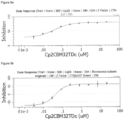
- Cp2CBM32TD did show anti-proliferative activity against the breast cancer cell line MDA.MB.231 (see Figures 10a and 10b ) and also the breast cancer cell line CAMA-1 (see Figures 11a and 11b ). This same level of activity against MDA.MB.231 cancer cells was not observed in the BrdU assay.
Landscapes
- Health & Medical Sciences (AREA)
- Life Sciences & Earth Sciences (AREA)
- Animal Behavior & Ethology (AREA)
- Chemical & Material Sciences (AREA)
- Veterinary Medicine (AREA)
- Medicinal Chemistry (AREA)
- Public Health (AREA)
- General Health & Medical Sciences (AREA)
- Pharmacology & Pharmacy (AREA)
- Epidemiology (AREA)
- Immunology (AREA)
- Proteomics, Peptides & Aminoacids (AREA)
- Bioinformatics & Cheminformatics (AREA)
- Gastroenterology & Hepatology (AREA)
- Engineering & Computer Science (AREA)
- General Chemical & Material Sciences (AREA)
- Organic Chemistry (AREA)
- Nuclear Medicine, Radiotherapy & Molecular Imaging (AREA)
- Chemical Kinetics & Catalysis (AREA)
- Medicines That Contain Protein Lipid Enzymes And Other Medicines (AREA)
- Peptides Or Proteins (AREA)
- Medicinal Preparation (AREA)
- Pharmaceuticals Containing Other Organic And Inorganic Compounds (AREA)
- Medicines Containing Material From Animals Or Micro-Organisms (AREA)
Description
- The present invention provides a molecule comprising a carbohydrate binding module for use in the treatment and/or prevention of cancer, wherein the carbohydrate binding module is selected from the carbohydrate binding module Family 32 (CBM32).
- Some lectins, which are glycoproteins of non-immune origin, exhibit an ability to induce apoptosis in malignant cells and thus demonstrate anti-cancer properties. This phenomenon occurs, in part, through the interaction of these lectins with specific glycan receptors on immune cells (Yau et al., 2015).
- One such lectin is Viscumin from mistletoe, which is a toxin that binds to cellular receptors that are glycosylated with α2,6 sialyllactose (Müthing et al., 2002). Viscumin is a 57kDa heterodimer, comprising of two subunits A and B. The A subunit exerts its toxic effect by disabling ribosomes, thereby interrupting protein production, whereas the B subunit exhibits glycan binding function. The lectin demonstrates picomolar cytotoxicity in vitro and in vivo, and has a recommended dose upper limit of 6 µg/kg in clinical trial subjects (half-life of 13 mins) (Zwierzina et al., 2011).
- Another plant lectin that has demonstrated an ability to prevent cell migration and growth (and hence an anti-cancer property) is the Maackia amurensis seed lectin, or MASL (Ochoa-Alvarez et al., 2012; Astarita et al., 2012). This lectin is also cytotoxic exhibiting nanomolar potency (~300nM), and exerts its effects through the binding of podoplanin, an α2,3 sialylated mucin-type transmembrane glycoprotein, that is overexpressed in a variety of human cancers (Kato et al., 2005; Schacht et al., 2005; Shibahara et al., 2006).
-
WO2018/055373 describes the use of sialic acid binding molecules, including carbohydrate binding modules, in methods of modulating cell growth and in the treatment and/or prevention of cell proliferation and/or differentiation disorders. - The treatment of cell proliferation and differentiation disorders, including, for example cancer, demands the provision of additional molecules that are well tolerated in their hosts and have therapeutic potential.
- The present disclosure is based on the finding that a class of sugar (carbohydrate)-binding proteins known as carbohydrate-binding modules (CBMs) may modulate aspects of cell growth and/or cell activity. Accordingly, the disclosure provides various uses, including medical uses of molecules comprising the CBMs described herein.
- In a first aspect of the invention, there is provided a molecule comprising a carbohydrate binding module for use in the treatment and/or prevention of cancer, wherein the carbohydrate binding module is selected from the carbohydrate binding module Family 32 (CBM32).
- The invention is set out in the appended set of claims.
- The present invention is described with reference to the following Figures which show:
-
Figure 1 : Proliferation data (BrdU incorporation assay). Different cancer cell lines (Melanoma ((a), A2058), Breast ((b), MDA.MB.231), Pancreatic ((c), PANC1) and Lung ((d), A549) were treated with Cp2CBM32TD (400 µg/mL), PBS (control), sialic acid binding CBM40 agents (Sp2CBMTD (400 µg/mL), Vc2CBMTD (400 µg/mL) or Vc4CBM (400 µg/mL)) or sialic acid binding null CBM40 mutant (Sp2(R274Q)CBMTD (400 µg/mL)) and left for 24 hours. The cells were then incubated with BrdU for 2-6 hrs. An ELISA assay was performed to measure the quantity of BrdU incorporated into the DNA. This assay is a standard assay to measure cell growth/proliferation. A two-way ANOVA was used to show statistical significance vs the control group (p of <0.0001 represented by ****, p of <0.001 represented by ***, p of <0.01 represented by ** and p of <0.1 represented by *) -
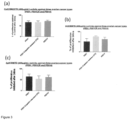
Figure 2 : Proliferation data (BrdU incorporation assay). Different cancer cell lines ((a), Glioma (T98G), Colon ((b), SW620) and Ovarian ((c), PE014)) were treated with Cp2CBM32TD (400 µg/mL), PBS (control), sialic acid binding CBM40 agents (Sp2CBMTD (400 µg/mL), Vc2CBMTD (400 µg/mL) or Vc4CBM (400 µg/mL)) or sialic acid binding null CBM40 mutant (Sp2(R274Q)CBMTD (400 µg/mL)) and left for 24 hours. The cells were then subject to a BrdU assay and incubated for 2-6 hrs. An ELISA assay was performed to measure the quantity of BrdU incorporated into the DNA. This assay is a standard assay to measure cell growth/proliferation. A two-way ANOVA was used to show statistical significance vs the control group (p of <0.0001 represented by ****, p of <0.001 represented by ***, p of <0.01 represented by ** and p of <0.1 represented by *). -
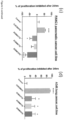
Figure 3 : Percentage inhibition of cell proliferation in human-derived metastatic ovarian cancer cell lines PE01, PE01 cisplatin-resistant (PE01-CR) and PE014. (a) using Cp2CBM32TD (GalNAc/galactose/lactose binding CBM from Clostridium perfringens) against three ovarian cell lines, including a cisplatin-resistant form (PE01-CR). (b) using Vc2CBMTD against three ovarian cell lines (PE01, PE01-CR, PE014). (c) using Sp2CBMTD against three ovarian cell lines (PE01, PE01-CR, PE014). -
Figure 4 : Proliferation data (BrdU incorporation assay). Different cancer cell lines (Melanoma ((a), A2058), Breast ((b), MDA.MB.231), Pancreatic ((c), PANC1) and Lung ((d), A549) were treated with 2CBM47TD (400 µg/mL), 2CBM67TD (400 µg/mL), 2CBM70TD (400 µg/mL), PBS (control) or sialic acid binding CBM40 agent Sp2CBMTD (400 µg/mL) and left for 24 hours. The cells were then incubated with BrdU for 2-6 hrs. An ELISA assay was performed to measure the quantity of BrdU incorporated into the DNA. This assay is a standard assay to measure cell growth/proliferation. A two-way ANOVA was used to show statistical significance vs the control group (p of <0.0001 represented by ****, p of <0.001 represented by ***, p of <0.01 represented by ** and p of <0.1 represented by *). -
Figure 5 : Proliferation data (BrdU incorporation assay). Different cancer cell lines ((a), Glioma (T98G), Colon ((b), SW620) and Ovarian ((c), PE014, (d) PE01)) were treated with 2CBM47TD (400 µg/mL), 2CBM67TD (400 µg/mL), 2CBM70TD (400 µg/mL), PBS (control) or sialic acid binding CBM40 agent Sp2CBMTD (400 µg/mL) and left for 24 hours. The cells were then subject to a BrdU assay and incubated for 2-6 hrs. An ELISA assay was performed to measure the quantity of BrdU incorporated into the DNA. This assay is a standard assay to measure cell growth/proliferation. A two-way ANOVA was used to show statistical significance vs the control group (p of <0.0001 represented by ****, p of <0.001 represented by ***, p of <0.01 represented by ** and p of <0.1 represented by *). -
Figure 6 : Proliferation data (BrdU incorporation assay). Ovarian cancer cell (PE01 cisplatin resistant (CR)) was treated with Sp2CBMTD (400 µg/mL), 2CBM47TD (400 µg/mL), 2CBM67TD (400 µg/mL), 2CBM70TD (400 µg/mL) or PBS (control) and left for 24 hours. The cells were then subject to a BrdU assay and incubated for 2-6 hrs. An ELISA assay was performed to measure the quantity of BrdU incorporated into the DNA. This assay is a standard assay to measure cell growth/proliferation. A two-way ANOVA was used to show statistical significance vs the control group (p of <0.0001 represented by ****, p of <0.001 represented by ***, p of <0.01 represented by ** and p of <0.1 represented by *). -
Figure 7 : Proliferation data obtained from (a) CellTiter Glo® 2.0 Assay (CTG2.0); and (b) CyQUANT® Direct Cell Proliferation Assay. Ovarian cancer cell line (SK-OV-3) was treated with Cp2CBM32TD and left for 72 hours as outlined below. A dose response curve was generated with nine different concentrations using a 3-fold dilution series from 3 mg/mL to 0.457 µg/mL. After treatment, the plates were developed for endpoint analysis using either the CellTiter-Glo® 2.0 Assay or the CyQUANT® Direct Cell Proliferation Assay. -
Figure 8 : Proliferation data obtained from (a) CellTiter Glo® 2.0 Assay (CTG2.0); and (b) CyQUANT® Direct Cell Proliferation Assay. Ovarian cancer cell line (TOV-21G) was treated with Cp2CBM32TD and left for 72 hours as outlined below. A dose response curve was generated with nine different concentrations using a 3-fold dilution series from 3 mg/mL to 0.457 µg/mL. After treatment, the plates were developed for endpoint analysis using either the CellTiter-Glo® 2.0 Assay or the CyQUANT® Direct Cell Proliferation Assay. -
Figure 9 : Proliferation data obtained from (a) CellTiter Glo® 2.0 Assay (CTG2.0); and (b) CyQUANT® Direct Cell Proliferation Assay. Colorectal cancer cell line (Gp2D) was treated with Cp2CBM32TD and left for 72 hours as outlined below. A dose response curve was generated with nine different concentrations using a 3-fold dilution series from 3 mg/mL to 0.457 µg/mL. After treatment, the plates were developed for endpoint analysis using either the CellTiter-Glo® 2.0 Assay or the CyQUANT® Direct Cell Proliferation Assay. -
Figure 10 : Proliferation data obtained from (a) CellTiter Glo® 2.0 Assay (CTG2.0); and (b) CyQUANT® Direct Cell Proliferation Assay. Breast cancer cell line (MDA-MB-231) was treated with Cp2CBM32TD and left for 72 hours as outlined below. A dose response curve was generated with nine different concentrations using a 3-fold dilution series from 3 mg/mL to 0.457 µg/mL. After treatment, the plates were developed for endpoint analysis using either the CellTiter-Glo® 2.0 Assay or the CyQUANT® Direct Cell Proliferation Assay. -
Figure 11 : Proliferation data obtained from (a) CellTiter Glo® 2.0 Assay (CTG2.0); and (b) CyQUANT® Direct Cell Proliferation Assay. Breast cancer cell line (CAMA-1) was treated with Cp2CBM32TD and left for 72 hours as outlined below. A dose response curve was generated with nine different concentrations using a 3-fold dilution series from 3 mg/mL to 0.457 µg/mL. After treatment, the plates were developed for endpoint analysis using either the CellTiter-Glo® 2.0 Assay or the CyQUANT® Direct Cell Proliferation Assay. -
Figure 12 : Proliferation data obtained from (a) CellTiter Glo® 2.0 Assay (CTG2.0); and (b) CyQUANT® Direct Cell Proliferation Assay. Lung cancer cell line (NCI-H441) was treated with Cp2CBM32TD and left for 72 hours as outlined below. A dose response curve was generated with nine different concentrations using a 3-fold dilution series from 3 mg/mL to 0.457 µg/mL. After treatment, the plates were developed for endpoint analysis using either the CellTiter-Glo® 2.0 Assay or the CyQUANT® Direct Cell Proliferation Assay. - CBMs are often found as part of a larger enzyme (for example, a carbohydrate-active enzyme such as a glycosidase) where their role is to bind a carbohydrate ligand and direct the catalytic domain of the enzyme towards its substrate.
- The disclosure specifically concerns those CBMs which belong to the group known as the carbohydrate binding module Family 32 (CBM32).
- In a first aspect of the invention, there is provided a molecule comprising a carbohydrate binding module for use in the treatment and/or prevention of cancer, wherein the carbohydrate binding module is selected from the carbohydrate binding module Family 32 (CBM32).
- In this regard, the disclosure relates to the finding that CBMs from the CBM32 family are useful in the treatment and/or prevention of cancer.
- The terms "CBM32", "CBM47", "CBM67" and "CBM70" as used herein may refer to compounds, compositions or molecules which comprise one or more carbohydrate binding module(s) and which are classed as belonging to the carbohydrate binding
module families 32, 47, 67 and/or 70. The term "CBM32" as used herein embraces and/or encompasses those carbohydrate binding modules designated as belonging to the CBM32 family in the Carbohydrate Active Enzymes database (freely accessible on the internet at http://www.cazy.org/). Additionally, the terms "CBM47", "CBM67" and "CBM70" as used herein may embrace and/or encompass those carbohydrate binding modules designated as belonging to the CBM47, CBM67 and CBM70 families in the Carbohydrate Active Enzymes database (freely accessible on the internet at http://www.cazy.org/). - The disclosure embraces the use of molecules, for example, larger molecules, which comprise a CBM32. By way of (non-limiting) example, the molecules of this disclosure may not only exhibit an ability to bind sialic acid but may also have one or more other functions. For example, the molecules may have enzymatic activity. In some instances, the CBM for the various uses described herein, may not be provided as part of, or comprised within, a molecule (for example a fusion protein) with enzymatic (for example, sialidase) activity.
- It should be noted that throughout this specification, the terms "comprise", "comprising" and/or "comprises" is/are used to denote that aspects and embodiments of this invention "comprise" a particular feature or features. It should be understood that this/these terms may also encompass aspects and/or embodiments which "consist essentially of" or "consist of" the relevant feature or features.
- As such, within the context of this disclosure a "CBM32" may comprise, consist essentially of or consist of, one or more molecules classed as belonging to the carbohydrate binding
module family 32. The term "CBM32" may embrace fragments or portions of native, wild type or reference CBM32s- any such fragments or portions should be functional, that is to say, they retain the carbohydrate binding ability of a native, wild type or reference CBM32 from which they are derived. - Useful CBM32s may be derived from any suitable source. For example, CBM32s for use may be obtained from microorganisms, including, for example, bacteria of the genera Cellvibrio, Yersinia, Micromonospora, Streptococcus, Bifidobacteria and Clostridium. For example, useful CBM32s may be obtained or derived from, for example, Cellvibrio mixtus, Yersinia enterolitica, Clostridium perfringens, Clostridium thermocellum, Streptococcus pneumoniae, Bifidobacterium longum and Micromonospora viridifaciens. Further details concerning the source, structure and function of the CBM32 family can be found within the Carbohydrate Active Enzymes database (freely available on the internet at: http://www.cazy.org/CBM32.html).
- An exemplary CBM32 sequence is provided by SEQ ID NO: 1 below:
SEQ ID NO: 1
- Accordingly, a CBM for use may comprise, consist essentially or consist of a CBM having the sequence of SEQ ID NO: 1 or a carbohydrate binding portion thereof.
- A carbohydrate binding fragment of SEQ ID NO: 1 may comprise anywhere between about 5, 6, 7, 8, 9 or 10 (consecutive or contiguous) amino acids to about 138 (consecutive or contiguous) amino acids from SEQ ID NO: 1. Suitable fragments may comprise about 11, about 15, about 20, about 25, about 30, about 35, about 40, about 45, about 50, about 55, about 60, about 65, about 70, about 75, about 80, about 85, about 90, about 95, about 100, about 105, about 110, about 115, about 120, about 125, about 130 or about 135 (consecutive or contiguous) amino acids from SEQ ID NO: 1.
- CBM32 or a protein comprising, consisting essentially or consisting of SEQ ID NO: 1 may bind, for example, galactose, N-acetylgalactosamine (GalNAc), N-acetylglucosamine (GlcNAc) and/or lactose. Accordingly, any fragment for use may also bind galactose, N-acetylgalactosamine (GalNAc), N-acetylglucosamine (GlcNAc) and/or lactose. One of skill will appreciate that the binding affinity of any given CBM32 molecule may depend on the precise CBM32 subtype; by way of further examples, some CBM32s have shown affinity for a variety of ligands (examples include type II blood group H-trisaccharide (Fuca1-2Galb1-4GIcNAc), N-acetyl-D-lactosamine (LacNAc), galactose, lacto-N-biose, disaccharide GlcNAc-α-1,4-Gal (which may be referred to as an N-acetylglucosamine linked
alpha - SEQ ID NO: 1 is derived from the sequence deposited in the UniProt database under ID No: AOA2X2YJF2. This sequence is reproduced as SEQ ID NO: 2 below (SEQ ID NO: 1 appears as residues 42-180 - shaded in the sequence below):
SEQ ID NO: 2
- SEQ ID NOs: 1 and 2 are derived from Clostridium perfringens.
- A CBM for use in the various aspects of this disclosure may comprise one, two, three, four or more CBM32s.
- A CBM for use may comprise one, two, three, four or more proteins comprising SEQ ID NO: 1 or a carbohydrate binding fragment thereof.
- One of skill will appreciate that useful CBM32s may comprise sequences which exhibit some degree (for example, 99%, 95%, 90%, 85%, 80%, 75%, 70%, 65% or 60%) of sequence identity or homology with the CBM32 sequences of SEQ ID NOS: 1 and 2. All such variant or divergent sequences are to be embraced within the scope of this disclosure and by the term "CBM32". Identical and/or homologous CBM32 sequences may have carbohydrate binding function.
- To summarise, a molecule for use comprises one or more CBM32(s).
- Molecules for use may comprise a single CBM selected from the group consisting of:
- a single CBM32; and
- a single CBM32 derived from Clostridium perfringens (CpCBM32).
- Where "Cp" means Clostridium perfringens - thus "CpCBM32" denotes that the CBM32 moiety is derived from Clostridium perfringens; "Sp" means Streptococcus pneumoniae - thus "SpCBM47" and "SpCBM70" denotes that the CBM47 and/or CBM70 moieties are derived from Streptococcus pneumoniae; and "SaCBM67" denotes that the CBM67 moiety is derived from Streptomyces avermitilis.
- A CBM for use may comprise a plurality or multiple (i.e., two or more) CBMs, wherein the carbohydrate binding module is selected from the carbohydrate binding module Family 32 (CBM32). Molecules which comprise a plurality of CBMs may be termed "multivalent CBMs". A multivalent CBM may, for example, comprise two or more CpCBMs, two or more SpCBMs, two or more SaCBMs as described above. A multivalent CBM may comprise a mixture of different CBMs, for example one or more CpCBM(s) with one or more Sp/SaCBM(s).
- Multivalent CBM molecules, (for example, a molecule comprising two or more CBM32 moieties derived from Clostridium perfringens (CpCBM32)) may be prepared as constructs comprising multiple CBMs linked by amino acid/peptide linkers. Each CBM may be linked to another by, for example, peptides comprising 5, 10 or 15 amino acids. By way of example, any one or more of the following peptides may be used to link two or more CBMs to produce a multivalent CBM:
(i) 5 amino acid linkers: ALNGS (SEQ ID NO: 9) LQALG (SEQ ID NO: 10) GGNSG (SEQ ID NO: 11) GGGSG (SEQ ID NO: 12) GGSLG (SEQ ID NO: 13) GGGSA (SEQ ID NO: 14) (ii) 10 amino acid linkers: ALNGSGGGSG (SEQ ID NO: 15) LQALGGGGSL (SEQ ID NO: 16) (iii) 15 amino acid linkers: ALNGSGGGSGGGGSG (SEQ ID NO: 17) - Thus, the various aspects and embodiments of this disclosure (uses, CBMs for use, methods and medicaments) may exploit molecules which comprise, consist of or consist essentially of one or more CBM32(s) derived from Clostridium perfringens (CpCBM32).
- The molecules for use may further comprise an oligomerisation domain. Suitable oligomerisation domains may exhibit an ability to self-associate to form multimer structures, for example, trimers. An oligomerisation domain for use may comprise any molecule with the above-mentioned oligomerisation properties or any functional fragment thereof. For example, one or more (for example two) CBM molecules may be bound, coupled or fused to an oligomerisation domain - the resulting CBM molecule::oligomerisation domain "fusion" may then be used (with one or more other such "fusions") as a molecule for modulating cell growth and/or activity and/or for treating or preventing any of the diseases and/or conditions disclosed herein.
- Suitable oligomerisation domains may be derived from, for example, Pseudomonas aeruginosa pseudaminidase. An exemplary Pseudomonas aeruginosa pseudaminidase sequence amino acid sequence has been deposited under accession number PAO579 and is reproduced below as SEQ ID NO: 18 (438 amino acids).
SEQ ID NO: 18
- The oligomerisation domain of SEQ ID NO: 18 is from amino acid residue 333 to 438 (grey highlight) - this sequence may be SEQ ID NO: 19.
- Thus an oligomerisation domain for use may comprise from about
residue 250, 275, 300, 310, 320, 333, 340 to 350 (i.e. from about residue 250 to about residue 350 including from about any residue therebetween) to aboutresidue 400, 410, 420, 430 or 438 (i.e. to about any residue from aboutresidue 400 residue 438 including to about any residue therebetween) of the P. aeruginosa pseudaminidase trimerisation domain (PaTD) provided by SEQ ID NO: 18. For example, a useful molecule may exploit an oligomerisation domain comprising residues 333 to 438 of SEQ ID NO: 18. - Further molecules for use in the various aspects and embodiments of this disclosure are described below.
- One molecule for use is designated "Cp2CBM32TD" - this construct comprises a Cp2CBM32 unit which itself comprises 2 CBM32 molecules (grey highlight) derived from Clostridium perfringens, where the 2 copies of CBM32 are linked in tandem by a short peptide linker molecule (dashed underlined). The construct further comprises a trimerisation domain (TD: underlined) which is itself fused to one of the two CBM32s via another short linker moiety (bold underlined). The sequence of an exemplary Cp2CBM32TD is provided below as SEQ ID NO: 20.
SEQ ID NO: 20
- In a first aspect, the various molecules disclosed herein are for use in therapy. Further, the various molecules disclosed herein may be for use as medicaments. In the context of this aspect, the reader should understand that the "molecules disclosed herein" at least include the following:
- (i) molecules comprising one or more CBM32(s); and
- (ii) molecules comprising two CBM32s derived from Clostridium perfringens and a trimerisation domain (Cp2CBM32TD).
- In one aspect, there is provided a molecule comprising a CBM32 for use in the treatment and/or prevention of cancer. The molecule comprising CBM32 may comprise or be two CBM32s derived from Clostridium perfringens and a trimerisation domain (Cp2CBM32TD).
- The molecule comprising the carbohydrate binding module Family 32 (CBM32) is for use in the treatment and/or prevention of cancer. Said treatment and/or prevention may involve contacting a cell with a molecule comprising CBM32, and may be an in vitro method. The molecule comprising CBM32 may comprise or be two CBM32s derived from Clostridium perfringens and a trimerisation domain (Cp2CBM32TD).
- As stated, a "molecule comprising a CBM32" may consist essentially of a CBM32 or may consist of the a CBM32.
- The CBM32 component of a molecule referred to in the above aspects may comprise the complete wild-type CBM32 sequence (as provided by each of SEQ ID NOs: 1-2 above). Additionally, or alternatively, the various aspects of this disclosure may exploit a carbohydrate binding fragment of the CBM32 sequences disclosed herein (including the sequences of SEQ ID NOs: 1-2).
- It should be noted that the term CBM32 further embraces recombinant molecules generated from the reference CBM32 sequences (including SEQ ID NOs: 1-2). Again, these recombinant molecules can comprise full length CBM32 sequences or carbohydrate binding fragments thereof.
- For convenience, the term CBM32will be used to refer to all of the above described CBM molecules which molecules comprise, consist essentially of, or consist of one or more CBM32(s) or carbohydrate binding fragments of any of these.
- The term "modulating" may embrace any increase or decrease in one or more aspects of cell growth and/or activity. In other words, a molecule described herein (for example, a molecule comprising one or more CBM32(s)) may either inhibit certain aspects of cell growth and/or activity or may induce or stimulate other aspects of cell growth and/or activity.
- The terms "growth" and "activity" as applied to cells may embrace processes and/or phenomena associated with one or more of cell proliferation, cell viability, cell migration, cell metabolism, cell differentiation and/or cell morphology/phenotype. The terms "growth" and/or "activity" may further include the response of a cell to certain exogenous and/or endogenous factors or stimuli including, for example, responses to certain compounds of the immune system, cytokines, chemokines and one or more environmental factors (light, temperature, pressure, mechanical stress and the like). Thus, the CBM32 molecules disclosed herein may be used to modulate (inhibit, decrease or increase) levels of cell responsiveness.
- Given that CBM32s have been shown to modulate cell growth and activity (as described above), it will be appreciated that these molecules may be put to a number of related medical and veterinary applications and uses.
- For example, a molecule comprising one or more CBM32(s) may be applied to the treatment and/or prevention of a disease or condition in which aberrant cell growth, and/or aberrant cell activity is a factor.
- A molecule comprising a CBM32 for use in treating and/or preventing a disease and/or condition caused, contributed to and/or characterised by aberrant cell growth and/or activity be selected from the group consisting of:
- (i) a molecule comprising one or more CBM32(s) derived from Clostridium perfringens (CpCBM32); and
- (ii) a molecule comprising two CBM32s derived from Clostridium perfringens and a trimerisation domain (Cp2CBM32TD).
- A molecule comprising a CBM32 for the manufacture of a medicament for the treatment and/or prevention of a disease and/or condition caused, contributed to and/or characterised by aberrant cell growth and/or activity may be selected from the group consisting of:
- (i) a molecule comprising one or more CBM32(s) derived from Clostridium perfringens (CpCBM32); and
- (ii) a molecule comprising two CBM32s derived from Clostridium perfringens and a trimerisation domain (Cp2CBM32TD).
- The references to the methods of treatment by therapy or surgery or in vivo diagnosis methods within this description are to be interpreted as references to compounds, pharmaceutical compositions and medicaments of the present invention for use in those methods.
- A method of treating and/or preventing a disease and/or condition caused, contributed to and/or characterised by aberrant cell growth and/or activity, may comprise the step of administering a therapeutically effective amount of a molecule comprising a CBM32to a subject in need thereof. The molecule comprising a CBM32 may be selected from the group consisting of:
- (i) a molecule comprising one or more CBM32(s) derived from Clostridium perfringens (CpCBM32); and
- (ii) a molecule comprising two CBM32s derived from Clostridium perfringens and a trimerisation domain (Cp2CBM32TD).
- Diseases which are caused, contributed to or characterised by aberrant cell growth and/or activity may include, for example cell proliferation disorders including, those referred to or classified as benign or malignant conditions. For example, the term "cell proliferation disorders" may include those diseases and/or conditions collectively referred to as "cancer". The term "cancer" may include, but is not limited to, those cancers referred to as forms of breast cancer, colon cancer, lung cancer, ovarian cancer, glioma and melanoma. In particular, the term cancer (or cell proliferation disorder) may relate to colon cancer, lung cancer and ovarian cancer.
- The term "cancer" may also include those diseases and/or conditions collectively referred to as "leukaemia" (both chronic and acute) and any cancer affecting a mucosal/mucosal associated surface or tissue.
- As such, a molecule comprising a CBM32 described herein finds application in the treatment and/or prevention of cancer. The molecule comprising a CBM32 may be selected from the group consisting of:
- (i) a molecule comprising one or more CBM32(s) derived from Clostridium perfringens (CpCBM32); and
- (ii) a molecule comprising two CBM32s derived from Clostridium perfringens and a trimerisation domain (Cp2CBM32TD).
- Thus, there is provided a molecule comprising a CBM32 for use in treating and/or preventing cancer. The molecule comprising a CBM32 may be selected from the group consisting of:
- (i) a molecule comprising one or more CBM32(s) derived from Clostridium perfringens (CpCBM32); and
- (ii) a molecule comprising two CBM32s derived from Clostridium perfringens and a trimerisation domain (Cp2CBM32TD).
- In addition to the general finding that molecules comprising a CBM32 may be useful in the treatment and/or prevention of cancer, molecules comprising one or more CBM32(s) may find particular application in the treatment and/or prevention of a number of specific cancers.
- Accordingly, the disclosure further provides a molecule comprising one or more CBM32(s) for use in the treatment and/or prevention of a cancer selected from the group consisting of:
- (a) ovarian cancer;
- (b) lung cancer;
- (c) colon cancer; and
- (d) breast cancer.
- In view of the above, is (i) a molecule comprising one or more CBM32(s) for use in the treatment and/or prevention of cancer; and there may be:
- (ii) the use of a molecule comprising one or more CBM32(s) in the manufacture of a medicament for the treatment and/or prevention of a cancer; and
- (iii) a method of treating and/or preventing a cancer by administering a therapeutically effective amount of a molecule comprising one or more CBM32(s) to a subject in need thereof, wherein for each of (i), (ii) and (iii) the cancer is one or more selected from the group consisting of:
- (a) ovarian cancer;
- (b) lung cancer;
- (c) colon cancer; and
- (d) breast cancer.
- In other words, in addition to being useful in the treatment and/or prevention of each of these individual cancers, each of the CBM32s disclosed herein may find use in the treatment and/or prevention of two, three or all four of the cancers (a) to (d).
- Suitable CBM32s for use in treating and/or preventing any one, two, three or all four of the cancers (a) to (d) may include any of those CBM32s disclosed herein. By way of example only, in some cases, the molecule for use in such methods may be selected from the group consisting of:
- (i) a molecule comprising two or more CBM32(s);
- (ii) a molecule comprising two or more CBM32(s) derived from Clostridium perfringens (CpCBM32);
- (iii) a molecule comprising one, two or more peptides comprising a sequence of SEQ ID NO: 1, 2, or a carbohydrate binding portion thereof; and
- (iv) a molecule comprising two CBM32s derived from Clostridium perfringens and a trimerisation domain (Cp2CBM32TD).
- Whilst the inventors have identified that CBM32s have general efficacy against a wide range of cancers, in some instances, a molecule comprising one or more CBM32(s) may not demonstrate the same level of efficacy against certain specific cancer types. Thus, in relation to a molecule comprising one or more CBM32(s), the treatment and/or prevention of cancer may exclude the treatment of one or more cancers selected from melanoma, pancreatic cancer and glioma.
- The disclosure further provides a molecule comprising a CBM32 according to the first aspect of the invention for use in treating and/or preventing a refractory (or resistant) cancer.
- A molecule comprising a CBM32 for the manufacture of a medicament for the treatment of a refractory (or resistant) cancer may be selected from the group consisting of:
- (i) a molecule comprising one or more CBM32(s) derived from Clostridium perfringens (CpCBM32); and
- (ii) a molecule comprising two CBM32s derived from Clostridium perfringens and a trimerisation domain (Cp2CBM32TD).
- A method of treating a refractory (or resistant) cancer may involve administering a subject in need thereof a therapeutically effective amount of a molecule comprising a CBM32. The molecule comprising a CBM32 and/or CBM40 may be selected from the group consisting of:
- (i) a molecule comprising one or more CBM32(s) derived from Clostridium perfringens (CpCBM32); and
- (ii) a molecule comprising two CBM32s derived from Clostridium perfringens and a trimerisation domain (Cp2CBM32TD).
- A subject in need thereof or indeed a subject to be administered a molecule disclosed herein or a medicament comprising the same, may be any subject suffering (or suspected as suffering) from (i) a cell proliferation disorder, (ii) cancer, (iii) any other disease and/or condition described herein; (iv) a disease or condition caused, contributed to or characterised by aberrant cell growth and/or activity; (v) one or more cancers selected from the group consisting of (a) breast cancer, (b) colon cancer, (c) lung cancer, (d) ovarian cancer, (e) glioma and (f) melanoma; (vi) one or more cancers selected from the group consisting of (a) lung cancer, (b) colon cancer and (c) ovarian cancer; and/or (v) a refractory (or resistant) cancer.
- Additionally, or alternatively, any subject may be a subject predisposed or susceptible to (i) a cell proliferation disorder, (ii) cancer, (iii) any other disease and/or condition described herein; (iv) a disease or condition caused, contributed to or characterised by aberrant cell growth and/or activity; (v) one or more cancers selected from the group consisting of: (a) breast cancer; (b) colon cancer; (c) lung cancer; (d) ovarian cancer; (e) glioma and (f) melanoma; or (vi) one or more cancers selected from the group consisting of (a) lung cancer, (b) colon cancer; and (c) ovarian cancer.
- Refractory or resistant cancers may include cancers that do not respond to first line or preferred medicaments (including standard or preferred chemotherapeutic or radiotherapeutic options). Refractory or resistant cancers may include those cancers that are resistant to (or do not respond to) cisplatin. The term refractory cancer or resistant cancer may embrace refractory or resistant ovarian cancer. The terms refractory (ovarian) cancer and resistant (ovarian) cancer may include ovarian cancers that are resistant to cisplatin.
- Accordingly, the disclosure provides (i) a molecule comprising one or more CBM32(s) derived from Clostridium perfringens (CpCBM32); and/or (ii) a molecule comprising two CBM32s derived from Clostridium perfringens and a trimerisation domain (Cp2CBM32TD), for use in the treatment of refractory (or resistant) ovarian cancer.
- It should be understood that any of the treatments described herein, may involve the use of one or more molecules of this disclosure to treat, ameliorate or reduce, one or more symptoms of the various diseases and disorders described herein. By way of example, the symptoms of a disease such as cancer may include, for example, the presence of tumours and/or cell masses. As such, the molecules described herein may be used to modulate (for example stop, retard, inhibit or reduce) tumour formation and/or the metastasis thereof. The molecules may also be used to reduce the overall size of a tumour. Certain tumours, including those that are large and/or aggressive, are often easier to surgically remove if they have first been reduced in size. Typically, chemo- and/or radiotherapy-based treatments might be used to reduce the size of a tumour but treatments such as this may be replaced by and/or supplemented with treatments based upon the use of a molecule comprising a CBM32. As stated, molecules comprising a CBM32 exhibit an ability to modulate cell growth and/or activity and therefore, without wishing to be bound by theory, the mechanism underpinning the ability of any one of the disclosed molecules to affect the size of a tumour may be rooted in the cell proliferation, differentiation and/or metabolism modulating effects of the molecule.
- In view of the above, the successful treatment of a tumour may therefore be characterised by a reduction in tumour size, a reduction in an observed or detectable/detected level of tumour metastasis, angiogenesis within tumorigenic tissue and/or tissue invasion.
- A molecule of this disclosure may be for use in methods of modulating (for example inhibiting, restricting or reducing) tumour growth, development and/or metastasis in subjects in need thereof. The molecules described herein may be formulated as compositions for use in modulating tumour growth, development and/or metastasis or used in the manufacture of medicaments for achieving the same. This disclosure also provides a molecule comprising a CBM32 for use in treating a tumour. There may be a molecule comprising a CBM32 for the manufacture of a medicament for treating a tumour. A method of treating a tumour may involve administering a molecule comprising a CBM32 to a subject (or tumorigenic tissue) in need thereof.
- As defined earlier, the term "a subject in need thereof" may embrace any subject suspected as having a tumour or diagnosed with a tumour and/or subjects that are identified as being predisposed and/or susceptible to tumours. The term "tumours" may include refractory or resistant tumours. The term tumours may include refractory or resistant ovarian cancer tumours.
- The present disclosure therefore provides various applications for molecules comprising a CBM32 and may be used in the treatment and/or prevention of cancer. Any given molecule (comprising a CBM32) may be identified as useful in the treatment and/or prevention of cancer via the various experiments and assays described in the examples section of this patent application. For example, the cell wound scratch assay is one example of an assay that may be adapted to determine whether any given "test" molecule exhibits the necessary ability to modulate cell growth, cell migration and/or activity. Additionally, or alternatively, a BrdU cell proliferation assay may be used to determine any effect of a test agent (for example, a molecule comprising a CBM32) on cell proliferation, growth and/or activity. Briefly, cells may be cultured in a medium supplemented with BrdU - as cells grow and proliferate, the BrdU is incorporated into de novo-synthesized DNA as a substitute for thymidine. This labels progeny cells and the amount of BrdU incorporation can be used as a measure or indicator of cell proliferation/growth. BrdU detection may be achieved by the use of antibodies with specificity or affinity for BrdU.
- In other cases, a metabolic-based assay, such as a CellTiter-Glo® 2.0 Assay (CTG®2.0) may be used to determine any effect of a test agent (for example, a molecule comprising a CBM32) on cell proliferation, growth and/or activity. In such assays, an amount of ATP (adenosine triphosphate) may be assessed to determine a number of metabolically active cells (and so may provide a measure of viable cells). The number of viable cells following treatment with a test agent may be used as a measure or indicator of cell proliferation/growth.
- Alternatively or additionally, a DNA-staining based assay such as a CyQUANT® Direct Cell Proliferation Assay may be used to determine any effect of a test agent (for example, a molecule comprising a CBM32) on cell proliferation, growth and/or activity. In such assays, the number of viable cells may be determined using a DNA stain, e.g., a cell-permeant DNA-binding dye. Again, the number of viable cells following treatment with a test agent may be used as a measure or indicator of cell proliferation/growth.
- Thus, the disclosure could relate to those molecules which, via a cell activity modulation assay (for example, a cell wound scratch assay), exhibit an ability to treat and/or prevent cancer. To this end, a method of identifying molecules (including molecules comprising a CBM32) for use in the treatment and/or prevention of cancer or for the various medical and/or veterinary applications described herein, may comprise subjecting a test compound to an assay capable of reporting an effect of the test compound on cell growth and/or activity, wherein the test compound is a molecule comprising a CBM32 and if the assay reports that the compound has an effect on any aspect of cell growth and/or activity, the compound may be useful in the treatment and/or prevention of diseases and/or conditions of the type described herein. The assay which is capable of reporting an effect of the test compound on cell growth and/or activity may be a cell wound scratch assay, BrdU type, a CellTiter-Glo® 2.0 type and/or a CyQUANT® Direct Cell Proliferation assay as described herein.
- Molecules which comprise a CBM32 may find further application as molecules which may be conjugated, bound or joined to or associated with, other entities for the purpose of targeting or delivering that entity to some tissue or cell.
- Molecules of this type may be otherwise known as "therapeutic warheads" or "conjugates". Without wishing to be bound by theory, the presence of ligands for the various CBMs which may be comprised within the molecules of this disclosure (for example CBM32) in certain cell receptors and membrane bound molecules, may allow the various molecules described herein to be exploited as a means to deliver conjugated heterologous molecules (that is, a molecule distinct from and different to the molecule comprising a CBM32) to said cells or tissues comprising said cells. Such, conjugated molecules may be useful in the treatment of cancer, where the molecules described herein (which molecules exhibit affinity for carbohydrates expressed on the surface of cells) may be used to direct therapeutic and/or cytotoxic moieties thereto.
- By way of example, a molecule as described herein (including any of the CBM32 molecules) may be conjugated to one or more (for example, two, three, four or more) moieties which are, for example, therapeutic and/or cytotoxic. Thus, the disclosure relates to CBM32 molecule conjugates.
- CBM32 molecule conjugates may comprise a CBM32 molecule of this disclosure conjugated (joined, bound or otherwise associated with) to a heterologous moiety. The heterologous moiety may comprise a therapeutic and/or cytotoxic moiety which may be conjugated to some part of the CBM32 molecule.
- For example, the heterologous moiety may be conjugated to one or both ends of the CBM32 molecule. The heterologous moiety may be additionally or alternately conjugated (or even fused) to an internal portion of the CBM32 molecule. It will be appreciated that however the heterologous moiety is to be conjugated to the CBM32 molecule, the molecule (nor its conjugation) should not (substantially) interfere with or ablate or reduce the carbohydrate binding property of the CBM32 molecule.
- As stated, the heterologous moiety may be a drug useful in the treatment of a disease which affects a cell or tissue expressing a receptor which comprises the ligand for any one of the CBM32 molecules. For example, the drug may be a chemotherapeutic drug for use in the treatment of cancer and the like. The heterologous moiety may be a cytotoxic moiety capable of killing or inducing apoptosis in, a cell. The heterologous moiety may comprise a molecule which is able to recruit specific cells to or into a particular tissue. For example, the heterologous moiety may be, for example, a T cell receptor (TCR) which may be used as a means to recruit T cells to, for example a tumour or cancerous tissue.
- The present disclosure may provide compositions for use in the various uses, medicaments and methods described herein. As such, any of the molecules comprising a CBM32 described herein may be formulated for use.
- For convenience, and with reference to the section below describing compositions, formulations and the like, it should be noted that both molecules comprising a CBM32 as described herein and any conjugates comprising the same (for example, CBM32::drug conjugates/fusions) shall be included under the general term "molecule comprising a CBM32".
- A molecule comprising a CBM32 may be formulated for use and as a therapeutic or pharmaceutical composition. The various compositions may comprise one or more of the molecules described herein and any given treatment may require the administration (together, concurrently or separately) of one or more of these compositions. It should be noted that a composition according to this disclosure may further comprise one or more other therapeutic moieties - for example, molecules, small molecules, antibodies, oligonucleotides and the like useful in the treatment of one or more diseases and/or conditions. Additionally, or alternatively, a molecule comprising a CBM32 may be administered together with one or more other (different) therapeutic entities - wherein the one or more other (different) therapeutic entities may be used for the treatment of the same or a different disease. The term "administered together" embraces administration of a CBM32 before, after and/or at the same time as the administration of the one or more other therapeutic entities.
- The molecules described herein may be formulated for enteral (including oral), parenteral and/or topical administration and one of skill will appreciate that the precise formulation may vary depending on the route of administration.
- Pharmaceutical compositions according to the present invention may be prepared conventionally, comprising substances that are customarily used in pharmaceuticals and as described in, for example, Remington's The Sciences and Practice of Pharmacy, 22nd Edition (Pharmaceutical Press 2012) and/or Handbook of Pharmaceutical Excipients, 7th edition (compiled by Rowe et al, Pharmaceutical Press, 2012) - the entire content of all of these documents and references being incorporated by reference.
- A therapeutic or pharmaceutical composition of this disclosure (that is a composition comprising a molecule comprising a CBM32 and for use in any of the medicaments or methods described herein - including the methods of or medicaments for, modulating cell growth and/or activity and/or treating cancer) may be formulated together with one or more pharmaceutically acceptable excipients, carriers, adjuvants and buffers. The compositions can be administered, e.g., orally (including mucosally), parentally, intraperitoneally, enterally, intramuscularly, subcutaneously, intravenously or via any other routes useful to achieve the desired effect (in this case effects which include, modulation of cell growth/activity, treatment or prevention of diseases/conditions associated with the same and/or cancer and/or modulation of tumour growth). As stated, depending on the chosen route of administration, the exact composition of the formulation may vary.
- A therapeutic or pharmaceutical formulation comprising a molecule comprising a CBM32 and for administration to a subject may be coated, encapsulated or enveloped in a material which protects the molecule from the action of enzymes, acids and other natural compounds/conditions (including, for example, compounds (including antibodies), cells and processes of the immune system) which may inactivate or denature the compound and/or its carbohydrate binding properties.
- Among the various standard and conventional excipients that may be available for use in compositions comprising the molecules described herein, are those pharmaceutically acceptable organic or inorganic carrier substances which are suitable for parenteral, enteral, oral (including mucosal) and other routes of administration that do not deleteriously react with the molecule(s) comprising a CBM32.
- Where molecules comprising a CBM32 are to be formulated for parental administration, the compositions may be sterile.
- The composition may comprise an oil-based or aqueous solution, a suspension and/or an emulsion.
- In other embodiments, the composition may take the form of an implant, such as for example a (dissolvable or biodegradable) film, pessary or implant (including suppositories).
- The pharmaceutical preparations comprising the molecules described herein may be mixed with stabilizers, wetting agents, emulsifiers, salts (for use in influencing osmotic pressure), buffers and/or other substances that do not react deleteriously with the active compounds.
- One or more of the molecules described herein may be formulated for and administered, orally. As stated, oral administration would include mucosal administration which itself would include administration intranasally and/or by inhalation.
- Compositions for use may include solid dosage forms which are suitable for oral administration. These may include, for example capsules, tablets, pills, powders, and granules. In any given solid dosage form, a molecule comprising a CBM32 (or any conjugate comprising the same) may be admixed with at least one inert pharmaceutically acceptable excipient. Examples of suitable excipients will be known to one of skill in this field but may include, for example fillers or extenders, humectants, wetting agents, binders, disintegrating agents, solution retarders, absorption accelerators, adsorbents, lubricants or mixtures thereof. A tablet, pill or capsule may further comprise a buffering agent. Solid dosage forms such as tablets, dragees, capsules, pills and/or granules also can be prepared with coatings and shells, such as coatings which protect against the gastrointestinal environment and/or stomach acid.
- A solid dosage form may contain opacifying agents and can also be formulated so as to ensure the delayed release of the active agent (in this case a molecule comprising a CBM32 or a conjugate comprising the same) in or to a specific part of the intestinal tract.
- Solid compositions for oral administration can be formulated in a unit dosage form, each dosage containing an appropriate dose of a molecule comprising a CBM32 (or conjugate comprising the same). The exact amount of a molecule comprising a CBM32 (or conjugate comprising the same) contained within any given solid dosage form will vary depending on the intended use. A solid composition may contain a "unit dose" - a unit dose containing a quantity of a molecule comprising a CBM32 (or conjugate containing the same) calculated to produce the desired effect (for example modulation of cell growth and/or activity) over the course of a treatment period.
- Liquid dosage forms for oral administration may (as stated) include emulsions, solutions, suspensions, syrups, and elixirs. In addition to the compound or composition, the liquid dosage forms may contain inert diluents commonly used in the art, such as water or other solvents, solubilizing agents and emulsifiers.
- Any of the disclosed molecules may be used in any suitable amount. As stated, the acid molecules may be formulated for oral, mucosal or parenteral administration and as such, the precise formulation may depend on the intended route of administration. The amount of a molecule comprising a CBM32 present in any given dose may be in the region of 0.1 µg -1000 µg. For example, amounts of about 0.1 µg, 0.2 µg, 0.3 µg, 0.4 µg, 0.5 µg, 1 µg, 10 µg, 20 µg, 25 µg, 50 µg, 100 µg, 200 µg, 300 µg, 400 µg, 500 µg, 600 µg, 700 µg, 800 µg or 900 µg. The selected amount of the CBM32 molecule may be formulated in a specific volume of a pharmaceutically acceptable excipient, diluent and/or buffer. The volume of excipient, diluent or buffer may be about 10 µL to 5 mL. For example, the required amount of CBM32 molecule may be combined (or formulated) with about 15 µL, 20 µL, 25 µL, 30 µL, 35 µL, 40 µL, 45 µL, 50 µL, 55 µL, 60 µL, 65 µL, 70 µL, 75 µL, 80 µL, 85 µL, 90 µL, 95 µL, 100 µL, 200 µL, 250 µL, 300 µL, 400 µL, 500 µL, 600 µL, 700 µL, 800 µL, 900 µL, 1 mL, 2 mL, 3 mL or 4mL. For example, 100µg CBM32/47/67/70 molecule may be combined with about 250 µL of excipient to yield a final concentration of 400 µg/mL. Doses at concentrations of about 0.1 µg/mL-1 mg/mL may be used including, for example, doses at 5 µg/mL, 10 µg/mL, 20 µg/mL, 25 µg/mL, 50 µg/mL, 100 µg/mL, 200 µg/mL, 300 µg/mL,500 µg/mL, 600 µg/mL,700 µg/mL, 800 µg/mL or 900 µg/mL.
- In use, a dose of a CBM32 molecule, administered as part of the treatment and/or prevention of a cell proliferation and/or differentiation disorder (for example, cancer), may be administered multiple times over a number of days, weeks months or years. For example, after an initial (or first) administration, a dose of a CBM32 molecule may be administered again at about (+/- 1 or 2 days) 3, 4, 5, 6, 7, 17, 21, 28 and/or 35 days later. On any given day, a specific dose of a CBM32 molecule may be administered 1, 2, 3 or more times. Each time, the CBM32 molecule may be administered (by whatever route is considered best to affect a suitable treatment or to induce prophylaxis against the development of a cell proliferation and/or differentiation disorder.
- A number of different cancer cell lines were treated with various CBM test agents, each comprising one or more molecules comprising a CBM selected from the group consisting of CBM32, CBM40, CBM47, CBM67 and CBM70.
- These test agents were assessed in the BrdU cell proliferation assays as outlined above under each of
Figures 1 to 6 . - The results of these assays are shown in
Figures 1 to 6 . - The CBM Cp2CBM32TD was selected for further investigation using the following assays:
- (i) CellTiter Glo® 2.0 Assay (CTG2.0); and
- (ii) CyQUANT® Direct Cell Proliferation Assay.
- The CellTiter-Glo® 2.0 Assay provides a homogeneous method to determine the number of viable cells in culture by quantitating the amount of ATP present, which indicates the presence of metabolically active cells. The CyQUANT® Direct Cell Proliferation Assay relies on the use of a cell-permeant DNA-binding dye in combination with a background suppression reagent.
- These procedures are fully described in the Promega CellTiter-Glo® 2.0 Assay Technical Manual TM403 (October 2018) and the CyQUANT® Direct Cell Proliferation Assay Molecular Probes manual MP 35011 (20 July 2009).
- Cell lines that have been preserved in liquid nitrogen are thawed and expanded in growth media. Once cells have reached expected doubling times, screening begins. 25µL of cells in growth media are seeded in black 384-well tissue culture treated plates at 500-1500 cells per well. Assay plates were equilibrated via centrifugation and incubated for 24 hours at 37°C prior to compound treatment. At the time of treatment, a set of timepoint 0 (T0) assay plates (which do not receive treatment) are collected and readings for DNA-content and viability measured using CyQUANT Direct (ThermoFisher) and CellTitre-Glo 2.0 (Promega), respectively. 15 µL/well of assay reagents are added to assay plates. Nine different concentrations were assessed using a 3-fold dilution series from 3 mg/mL to 0.457 µg/mL.
- Timepoint 0 (T0) plates are either read for fluorescence (CyQUANT) or absorbance (CellTitre-Glo 2.0) on Envision plate readers (Perkin Elmer). Assay plates are incubated with compound for 72 hours and are then analysed using CyQUANT Direct and CellTitre-Glo 2.0.
- Growth Inhibition (GI) was used as a measure of cell growth. The GI percentages are calculated by applying the following test and equation:


- A GI reading of 0% represents no growth inhibition and would occur in instances where the T reading at 72 hours is comparable to the V reading at the respective time period. A GI of 100% represents complete growth inhibition (cytostasis) and in this case cells treated with compound for 72 hours would have the same endpoint reading as T0 control cells. A GI of 200% represents complete death (cytotoxicity) of all cells in the culture well and in this case the T reading at 72 hours will be lower than the T0 control.
- Inhibition was also provided as a measure of cell viability. Inhibition levels of 0% represent no inhibition of cell growth by treatment. Inhibition of 100% represents no doubling of cell numbers during the treatment window. Both cytostatic and cytotoxic treatments can yield an Inhibition percentage of 100%. Inhibition percentage is calculated using the following formula:

- In each case, cells were seeded in growth media in black 384-well tissue culture treated plates and equilibrated via centrifugation. The treated assay plates were incubated with the test compound for 72 hours. After treatment, the plates were developed for endpoint analysis using either the CellTiter-Glo® 2.0 Assay or the CyQUANT® Direct Cell Proliferation Assay.
- The results are shown in
Figures 7 to 12 . - During these further investigations, the inventors identified that Cp2CBM32TD did show anti-proliferative activity against the breast cancer cell line MDA.MB.231 (see
Figures 10a and 10b ) and also the breast cancer cell line CAMA-1 (seeFigures 11a and 11b ). This same level of activity against MDA.MB.231 cancer cells was not observed in the BrdU assay. - Without being bound by theory, the inventors hypothesize that this difference may be attributable to the population doubling time of MDA.MB.231 cells (which is approximately 36 hrs). Therefore, it is believed that the shorter treatment period in the BrdU assay (which had a duration of 24 hours) was not sufficient to properly demonstrate the anti-proliferative activity of Cp2CBM32TD against MDA.MB.231 cells.
Claims (13)
- A molecule comprising a carbohydrate binding module for use in the treatment and/or prevention of cancer, wherein the carbohydrate binding module is selected from the carbohydrate binding module Family 32 (CBM32).
- The molecule for use according to claim 1, wherein the carbohydrate binding module Family 32 (CBM32) is derived from a microorganism.
- The molecule for use according to claim 2, wherein the microorganism is a bacteria of the genera Clostridium.
- The molecule for use according to claim 3, wherein the bacteria of the genera Clostridium is Clostridium perfringens (Cp).
- The molecule for use according to claim 1, wherein a carbohydrate binding module of carbohydrate binding module Family 32 (CBM32) comprises SEQ ID NO: 1 or SEQ ID NO: 2 or a carbohydrate binding portion thereof.
- The molecule for use according to any preceding claim, wherein the cancer is selected from the group consisting of:(a) ovarian cancer;(b) lung cancer;(c) colon cancer; and(d) breast cancer.
- The molecule for use according to claim 1, wherein the molecule comprises a single carbohydrate binding module selected from the group consisting of:(i) a single CBM32; and(ii) a single CBM32 derived from Clostridium perfringens (CpCBM32).
- The molecule for use according to claim 1, wherein the molecule comprises two or more carbohydrate binding modules selected from the group consisting of:(i) a CBM32; and(ii) a CBM32 derived from Clostridium perfringens (CpCBM32).
- The molecule for use according to claim 1, wherein the molecule comprises two CBM32s derived from Clostridium perfringens and a trimerisation domain (Cp2CBM32TD).
- The molecule for use according to claim 1, wherein the carbohydrate binding module is selected from the group consisting of:(i) a molecule comprising two or more CBM32s;(ii) a molecule comprising two or more CBM32s derived from Clostridium perfringens (CpCBM32);(iii) a molecule comprising two or more peptides or proteins comprising a sequence of SEQ ID NO: 1, 2, or a carbohydrate binding portion thereof; and(iv) a molecule comprising two CBM32s derived from Clostridium perfringens and a trimerisation domain (Cp2CBM32TD).
- The molecule for use according to claim 10, wherein the cancer is selected from the group consisting of:(a) ovarian cancer;(b) lung cancer;(c) colon cancer; and(d) breast cancer.
- The molecule for use according to any preceding claim, wherein the cancer is a refractory (or resistant) cancer.
- The molecule for use according to any preceding claim, wherein the cancer is a refractory (or resistant) ovarian cancer.
Applications Claiming Priority (2)
| Application Number | Priority Date | Filing Date | Title |
|---|---|---|---|
| GBGB1901057.8A GB201901057D0 (en) | 2019-01-25 | 2019-01-25 | Cbm uses |
| PCT/GB2020/050170 WO2020152479A1 (en) | 2019-01-25 | 2020-01-24 | Cbm uses |
Publications (3)
| Publication Number | Publication Date |
|---|---|
| EP3914283A1 EP3914283A1 (en) | 2021-12-01 |
| EP3914283C0 EP3914283C0 (en) | 2025-05-21 |
| EP3914283B1 true EP3914283B1 (en) | 2025-05-21 |
Family
ID=65656061
Family Applications (1)
| Application Number | Title | Priority Date | Filing Date |
|---|---|---|---|
| EP20702894.5A Active EP3914283B1 (en) | 2019-01-25 | 2020-01-24 | Cbm uses |
Country Status (9)
| Country | Link |
|---|---|
| US (1) | US20220088120A1 (en) |
| EP (1) | EP3914283B1 (en) |
| JP (1) | JP2022519199A (en) |
| CN (1) | CN113727726A (en) |
| AU (1) | AU2020210958A1 (en) |
| CA (1) | CA3127742A1 (en) |
| ES (1) | ES3033545T3 (en) |
| GB (1) | GB201901057D0 (en) |
| WO (1) | WO2020152479A1 (en) |
Families Citing this family (2)
| Publication number | Priority date | Publication date | Assignee | Title |
|---|---|---|---|---|
| GB201819920D0 (en) * | 2018-12-06 | 2019-01-23 | Pneumagen Ltd | Cancer treatment |
| US20230125561A1 (en) * | 2020-03-05 | 2023-04-27 | Pneumagen Limited | Treatment of viral infection |
Family Cites Families (3)
| Publication number | Priority date | Publication date | Assignee | Title |
|---|---|---|---|---|
| JP5917913B2 (en) * | 2011-12-28 | 2016-05-18 | 公益財団法人野口研究所 | Improved methods for carbohydrate-related enzymes |
| GB201616006D0 (en) * | 2016-09-20 | 2016-11-02 | Univ Court Of The Univ Of St Andrews The | Cell modulation |
| GB201800334D0 (en) * | 2018-01-09 | 2018-02-21 | Pneumagen Ltd | Modified protein |
-
2019
- 2019-01-25 GB GBGB1901057.8A patent/GB201901057D0/en not_active Ceased
-
2020
- 2020-01-24 EP EP20702894.5A patent/EP3914283B1/en active Active
- 2020-01-24 US US17/425,374 patent/US20220088120A1/en active Pending
- 2020-01-24 AU AU2020210958A patent/AU2020210958A1/en not_active Abandoned
- 2020-01-24 ES ES20702894T patent/ES3033545T3/en active Active
- 2020-01-24 CA CA3127742A patent/CA3127742A1/en active Pending
- 2020-01-24 WO PCT/GB2020/050170 patent/WO2020152479A1/en not_active Ceased
- 2020-01-24 CN CN202080010979.4A patent/CN113727726A/en active Pending
- 2020-01-24 JP JP2021542554A patent/JP2022519199A/en active Pending
Also Published As
| Publication number | Publication date |
|---|---|
| EP3914283A1 (en) | 2021-12-01 |
| EP3914283C0 (en) | 2025-05-21 |
| JP2022519199A (en) | 2022-03-22 |
| WO2020152479A1 (en) | 2020-07-30 |
| GB201901057D0 (en) | 2019-03-13 |
| US20220088120A1 (en) | 2022-03-24 |
| ES3033545T3 (en) | 2025-08-05 |
| CA3127742A1 (en) | 2020-07-30 |
| AU2020210958A1 (en) | 2021-09-02 |
| CN113727726A (en) | 2021-11-30 |
Similar Documents
| Publication | Publication Date | Title |
|---|---|---|
| US11389502B2 (en) | Cell modulation | |
| EP2344167B1 (en) | Inhibitors of f18+ e. coli binding | |
| JP2005507870A (en) | Low toxicity interleukin-2 mutant | |
| CN103732259A (en) | Extracellular targeted drug conjugates | |
| Schumacher et al. | Recombinant mistletoe lectin (rML) is successful in treating human ovarian cancer cells transplanted into severe combined immunodeficient (SCID) mice | |
| US20220088120A1 (en) | Cbm uses | |
| Lamarque et al. | Pathogenesis of Helicobacter pylori infection | |
| CA2511174A1 (en) | Oligosaccharides and conjugates thereof for the treatement of pseudomonas bacteria infection | |
| CA2818237A1 (en) | Targeting tumor cells with chemotherapeutic agents conjugated to matriptase antibodies | |
| US20050084903A1 (en) | Lectin protein prepared from maackia fauriei, process for preparing the same and the use thereof | |
| WO2000056343A1 (en) | Use of fucosylated sialylated n-acetyl lactosamine carbohydrate structures for inhibition of bacterial adherence | |
| US7108851B2 (en) | Prevention and treatment of mycoplasma-associated diseases | |
| US20220031816A1 (en) | Cancer treatment | |
| KR19990082194A (en) | this. Use of oligosaccharides to neutralize colloid toxins | |
| US20230226154A1 (en) | Compositions and methods for treating cancer | |
| US20210338704A1 (en) | Cytarabine conjugates for cancer therapy | |
| US20220125879A1 (en) | Albumin-bound composition including lrrd2 of slit3 protein for prevention or treatment of bone-related diseases | |
| US10149889B2 (en) | Compositions for the treatment of cancer, and methods for testing and using the same | |
| JP2024546686A (en) | Compositions and methods for treating cancer | |
| CN121816367A (en) | IL-2 fusion proteins | |
| KR100761003B1 (en) | Method and use of lectin protein extracted from Korean marine crab | |
| WO2025225832A1 (en) | Pharmaceutical composition for prevention or treatment of anticancer-agent-resistant cancer containing trovafloxacin as active ingredient | |
| US20090215684A1 (en) | Use of BPI Protein for Treatment of Diseases |
Legal Events
| Date | Code | Title | Description |
|---|---|---|---|
| STAA | Information on the status of an ep patent application or granted ep patent |
Free format text: STATUS: UNKNOWN |
|
| STAA | Information on the status of an ep patent application or granted ep patent |
Free format text: STATUS: THE INTERNATIONAL PUBLICATION HAS BEEN MADE |
|
| PUAI | Public reference made under article 153(3) epc to a published international application that has entered the european phase |
Free format text: ORIGINAL CODE: 0009012 |
|
| STAA | Information on the status of an ep patent application or granted ep patent |
Free format text: STATUS: REQUEST FOR EXAMINATION WAS MADE |
|
| 17P | Request for examination filed |
Effective date: 20210803 |
|
| AK | Designated contracting states |
Kind code of ref document: A1 Designated state(s): AL AT BE BG CH CY CZ DE DK EE ES FI FR GB GR HR HU IE IS IT LI LT LU LV MC MK MT NL NO PL PT RO RS SE SI SK SM TR |
|
| DAV | Request for validation of the european patent (deleted) | ||
| DAX | Request for extension of the european patent (deleted) | ||
| STAA | Information on the status of an ep patent application or granted ep patent |
Free format text: STATUS: EXAMINATION IS IN PROGRESS |
|
| 17Q | First examination report despatched |
Effective date: 20220923 |
|
| P01 | Opt-out of the competence of the unified patent court (upc) registered |
Effective date: 20230530 |
|
| GRAP | Despatch of communication of intention to grant a patent |
Free format text: ORIGINAL CODE: EPIDOSNIGR1 |
|
| STAA | Information on the status of an ep patent application or granted ep patent |
Free format text: STATUS: GRANT OF PATENT IS INTENDED |
|
| INTG | Intention to grant announced |
Effective date: 20240917 |
|
| GRAS | Grant fee paid |
Free format text: ORIGINAL CODE: EPIDOSNIGR3 |
|
| GRAA | (expected) grant |
Free format text: ORIGINAL CODE: 0009210 |
|
| STAA | Information on the status of an ep patent application or granted ep patent |
Free format text: STATUS: THE PATENT HAS BEEN GRANTED |
|
| AK | Designated contracting states |
Kind code of ref document: B1 Designated state(s): AL AT BE BG CH CY CZ DE DK EE ES FI FR GB GR HR HU IE IS IT LI LT LU LV MC MK MT NL NO PL PT RO RS SE SI SK SM TR |
|
| REG | Reference to a national code |
Ref country code: GB Ref legal event code: FG4D |
|
| REG | Reference to a national code |
Ref country code: CH Ref legal event code: EP |
|
| REG | Reference to a national code |
Ref country code: DE Ref legal event code: R096 Ref document number: 602020051559 Country of ref document: DE |
|
| REG | Reference to a national code |
Ref country code: IE Ref legal event code: FG4D |
|
| U01 | Request for unitary effect filed |
Effective date: 20250603 |
|
| U07 | Unitary effect registered |
Designated state(s): AT BE BG DE DK EE FI FR IT LT LU LV MT NL PT RO SE SI Effective date: 20250611 |
|
| P04 | Withdrawal of opt-out of the competence of the unified patent court (upc) registered |
Free format text: CASE NUMBER: APP_26969/2025 Effective date: 20250606 |
|
| REG | Reference to a national code |
Ref country code: ES Ref legal event code: FG2A Ref document number: 3033545 Country of ref document: ES Kind code of ref document: T3 Effective date: 20250805 |
|
| PG25 | Lapsed in a contracting state [announced via postgrant information from national office to epo] |
Ref country code: NO Free format text: LAPSE BECAUSE OF FAILURE TO SUBMIT A TRANSLATION OF THE DESCRIPTION OR TO PAY THE FEE WITHIN THE PRESCRIBED TIME-LIMIT Effective date: 20250821 Ref country code: GR Free format text: LAPSE BECAUSE OF FAILURE TO SUBMIT A TRANSLATION OF THE DESCRIPTION OR TO PAY THE FEE WITHIN THE PRESCRIBED TIME-LIMIT Effective date: 20250822 |
|
| PG25 | Lapsed in a contracting state [announced via postgrant information from national office to epo] |
Ref country code: PL Free format text: LAPSE BECAUSE OF FAILURE TO SUBMIT A TRANSLATION OF THE DESCRIPTION OR TO PAY THE FEE WITHIN THE PRESCRIBED TIME-LIMIT Effective date: 20250521 |
|
| PG25 | Lapsed in a contracting state [announced via postgrant information from national office to epo] |
Ref country code: HR Free format text: LAPSE BECAUSE OF FAILURE TO SUBMIT A TRANSLATION OF THE DESCRIPTION OR TO PAY THE FEE WITHIN THE PRESCRIBED TIME-LIMIT Effective date: 20250521 |
|
| PG25 | Lapsed in a contracting state [announced via postgrant information from national office to epo] |
Ref country code: RS Free format text: LAPSE BECAUSE OF FAILURE TO SUBMIT A TRANSLATION OF THE DESCRIPTION OR TO PAY THE FEE WITHIN THE PRESCRIBED TIME-LIMIT Effective date: 20250821 |
|
| PG25 | Lapsed in a contracting state [announced via postgrant information from national office to epo] |
Ref country code: IS Free format text: LAPSE BECAUSE OF FAILURE TO SUBMIT A TRANSLATION OF THE DESCRIPTION OR TO PAY THE FEE WITHIN THE PRESCRIBED TIME-LIMIT Effective date: 20250921 |
|
| PGFP | Annual fee paid to national office [announced via postgrant information from national office to epo] |
Ref country code: GB Payment date: 20251204 Year of fee payment: 7 |
|
| PG25 | Lapsed in a contracting state [announced via postgrant information from national office to epo] |
Ref country code: SM Free format text: LAPSE BECAUSE OF FAILURE TO SUBMIT A TRANSLATION OF THE DESCRIPTION OR TO PAY THE FEE WITHIN THE PRESCRIBED TIME-LIMIT Effective date: 20250521 |
|
| U20 | Renewal fee for the european patent with unitary effect paid |
Year of fee payment: 7 Effective date: 20251205 |
|
| PG25 | Lapsed in a contracting state [announced via postgrant information from national office to epo] |
Ref country code: CZ Free format text: LAPSE BECAUSE OF FAILURE TO SUBMIT A TRANSLATION OF THE DESCRIPTION OR TO PAY THE FEE WITHIN THE PRESCRIBED TIME-LIMIT Effective date: 20250521 |
|
| PG25 | Lapsed in a contracting state [announced via postgrant information from national office to epo] |
Ref country code: SK Free format text: LAPSE BECAUSE OF FAILURE TO SUBMIT A TRANSLATION OF THE DESCRIPTION OR TO PAY THE FEE WITHIN THE PRESCRIBED TIME-LIMIT Effective date: 20250521 |
|
| PLBE | No opposition filed within time limit |
Free format text: ORIGINAL CODE: 0009261 |
|
| STAA | Information on the status of an ep patent application or granted ep patent |
Free format text: STATUS: NO OPPOSITION FILED WITHIN TIME LIMIT |
|
| REG | Reference to a national code |
Ref country code: CH Ref legal event code: L10 Free format text: ST27 STATUS EVENT CODE: U-0-0-L10-L00 (AS PROVIDED BY THE NATIONAL OFFICE) Effective date: 20260402 |
|
| PGFP | Annual fee paid to national office [announced via postgrant information from national office to epo] |
Ref country code: ES Payment date: 20260212 Year of fee payment: 7 |
|
| 26N | No opposition filed |
Effective date: 20260224 |