EP3913953A1 - Pseudo base station prevention method and apparatus, and computer readable storage medium - Google Patents
Pseudo base station prevention method and apparatus, and computer readable storage medium Download PDFInfo
- Publication number
- EP3913953A1 EP3913953A1 EP19910875.4A EP19910875A EP3913953A1 EP 3913953 A1 EP3913953 A1 EP 3913953A1 EP 19910875 A EP19910875 A EP 19910875A EP 3913953 A1 EP3913953 A1 EP 3913953A1
- Authority
- EP
- European Patent Office
- Prior art keywords
- base station
- pseudo base
- mobile terminal
- key
- pseudo
- Prior art date
- Legal status (The legal status is an assumption and is not a legal conclusion. Google has not performed a legal analysis and makes no representation as to the accuracy of the status listed.)
- Granted
Links
Images


Classifications
-
- H—ELECTRICITY
- H04—ELECTRIC COMMUNICATION TECHNIQUE
- H04L—TRANSMISSION OF DIGITAL INFORMATION, e.g. TELEGRAPHIC COMMUNICATION
- H04L63/00—Network architectures or network communication protocols for network security
- H04L63/14—Network architectures or network communication protocols for network security for detecting or protecting against malicious traffic
- H04L63/1408—Network architectures or network communication protocols for network security for detecting or protecting against malicious traffic by monitoring network traffic
- H04L63/1416—Event detection, e.g. attack signature detection
-
- H—ELECTRICITY
- H04—ELECTRIC COMMUNICATION TECHNIQUE
- H04W—WIRELESS COMMUNICATION NETWORKS
- H04W12/00—Security arrangements; Authentication; Protecting privacy or anonymity
- H04W12/04—Key management, e.g. using generic bootstrapping architecture [GBA]
-
- H—ELECTRICITY
- H04—ELECTRIC COMMUNICATION TECHNIQUE
- H04W—WIRELESS COMMUNICATION NETWORKS
- H04W12/00—Security arrangements; Authentication; Protecting privacy or anonymity
- H04W12/06—Authentication
-
- H—ELECTRICITY
- H04—ELECTRIC COMMUNICATION TECHNIQUE
- H04W—WIRELESS COMMUNICATION NETWORKS
- H04W12/00—Security arrangements; Authentication; Protecting privacy or anonymity
- H04W12/12—Detection or prevention of fraud
- H04W12/121—Wireless intrusion detection systems [WIDS]; Wireless intrusion prevention systems [WIPS]
- H04W12/122—Counter-measures against attacks; Protection against rogue devices
-
- H—ELECTRICITY
- H04—ELECTRIC COMMUNICATION TECHNIQUE
- H04W—WIRELESS COMMUNICATION NETWORKS
- H04W12/00—Security arrangements; Authentication; Protecting privacy or anonymity
- H04W12/12—Detection or prevention of fraud
- H04W12/128—Anti-malware arrangements, e.g. protection against SMS fraud or mobile malware
-
- H—ELECTRICITY
- H04—ELECTRIC COMMUNICATION TECHNIQUE
- H04W—WIRELESS COMMUNICATION NETWORKS
- H04W36/00—Hand-off or reselection arrangements
- H04W36/08—Reselecting an access point
-
- H—ELECTRICITY
- H04—ELECTRIC COMMUNICATION TECHNIQUE
- H04W—WIRELESS COMMUNICATION NETWORKS
- H04W12/00—Security arrangements; Authentication; Protecting privacy or anonymity
- H04W12/04—Key management, e.g. using generic bootstrapping architecture [GBA]
- H04W12/043—Key management, e.g. using generic bootstrapping architecture [GBA] using a trusted network node as an anchor
- H04W12/0431—Key distribution or pre-distribution; Key agreement
-
- H—ELECTRICITY
- H04—ELECTRIC COMMUNICATION TECHNIQUE
- H04W—WIRELESS COMMUNICATION NETWORKS
- H04W12/00—Security arrangements; Authentication; Protecting privacy or anonymity
- H04W12/12—Detection or prevention of fraud
Definitions
- the embodiment of the disclosure relates to, but is not limited to, an anti-pseudo base station method and apparatus, and a computer-readable storage medium.
- the 3rd generation partnership project (3GPP) has formulated various mobile network specifications, but mobile networks deployed according to these specifications are being attacked by various pseudo base stations. Therefore, it is necessary to provide a solution to guard against pseudo base stations.
- At least one embodiment of the disclosure provides an anti-pseudo base station method and apparatus, and a computer-readable storage medium, which can guard against attacks from pseudo base stations and improve network security.
- At least one embodiment of the disclosure provides an anti-pseudo base station method.
- the method includes: sending first anti-pseudo base station capacity information to a mobile terminal by a base station, wherein the first anti-pseudo base station capacity information is used for identifying an anti-pseudo base station capacity of the base station.
- At least one embodiment of the disclosure provides an anti-pseudo base station method.
- the method includes:
- At least one embodiment of the disclosure provides an anti-pseudo base station method.
- the method includes:
- At least one embodiment of the disclosure provides an anti-pseudo base station apparatus.
- the apparatus includes a memory and a processor, wherein the processor stores a program, and the program implements the anti-pseudo base station method of any embodiment when read and executed by the processor.
- At least one embodiment of the disclosure provides a computer-readable storage medium, where one or more programs are stored in the computer-readable storage medium, wherein the one or more programs are capable of being executed by one or more processors, so as to implement the anti-pseudo base station method of any embodiment.
- the base station sends the first anti-pseudo base station capacity information to the mobile terminal, wherein the first anti-pseudo base station capacity information is used for identifying the anti-pseudo base station capacity of the base station.
- the terminal can be informed of the anti-pseudo base station capacity of the base station conveniently, and then perform the corresponding authentication and key agreement and distribution process, thus improving the network security.
- a mobile terminal cannot authenticate a base station, and therefore receives various instructions sent by a pseudo base station.
- key information is distributed to the base station and the mobile terminal, such that the base station can protect a sent message or a portion of contents of the sent message according to the key information, and the mobile terminal can authenticate the message sent by the base station according to the key information, and then can authenticate the base station (the pseudo base station cannot be connected to a mobile network and therefore cannot obtain the key information).
- an anti-pseudo base station key may be a symmetric key or an asymmetric key
- the base station may be configured to support an anti-pseudo base station function, and after obtaining the anti-pseudo base station key, the base station supporting the anti-pseudo base station function may realize, together with the mobile terminal supporting the anti-pseudo base station function, an anti-pseudo base station function based on the obtained anti-pseudo base station key.
- the anti-pseudo base station capacity of the base station may be regarded as a capacity of the base station, which is identified by anti-pseudo base station capacity information.
- the mobile terminal may be a mobile terminal preconfigured to support an anti-pseudo base station function.
- the mobile terminal may alternatively receive an instruction from a user interface, for example, an instruction from a user, to set the mobile terminal to support the anti-pseudo base station function.
- the anti-pseudo base station capacity may be regarded as a capacity of the terminal, and may be identified by anti-pseudo base station capacity information.
- the anti-pseudo base station capacity information of the mobile terminal and the anti-pseudo base station capacity information of the base station may be identical or different.
- an embodiment of the disclosure provides an anti-pseudo base station method.
- the method includes the following operations.
- a base station sends first anti-pseudo base station capacity information to a mobile terminal, wherein the first anti-pseudo base station capacity information is used for identifying an anti-pseudo base station capacity of the base station.
- the base station sends the first anti-pseudo base station capacity information to the mobile terminal via a broadcast message. It should be noted that the first anti-pseudo base station capacity information may also be sent via other messages.
- the first anti-pseudo base station capacity information is used for identifying the anti-pseudo base station capacity of the base station, specifically, the first anti-pseudo base station capacity information is used for identifying whether the base station supports the anti-pseudo base station capacity.
- the first anti-pseudo base station capacity information includes a key system to which an anti-pseudo base station key supported or used by the base station belongs in a case where the base station supports the anti-pseudo base station capacity.
- the key system of the anti-pseudo base station key supported or used by the base station includes: a symmetric key, an asymmetric key, or a symmetric key and an asymmetric key. That is, the base station supporting the anti-pseudo base station function may support an anti-pseudo base station key of a symmetric key system, or an anti-pseudo base station key of an asymmetric key system, or both an anti-pseudo base station key of a symmetric key system and an anti-pseudo base station key of an asymmetric key system at the same time.
- the method may further include executing, by the base station, an authentication and key agreement and distribution process matching the anti-pseudo base station capacity of the base station and an anti-pseudo base station capacity of the mobile terminal.
- the mobile terminal After receiving the first anti-pseudo base station capacity information sent by the base station, the mobile terminal starts an authentication and key agreement and distribution process matching the anti-pseudo base station capacity of the base station and an anti-pseudo base station capacity of the mobile terminal.
- the base station cooperates with the mobile terminal to execute the authentication and key agreement and distribution process.
- the anti-pseudo base station key of the base station with the anti-pseudo base station function is the symmetric key
- the authentication and key agreement and distribution process matching the symmetric key will be started.
- the anti-pseudo base station key of the base station with the anti-pseudo base station function is the asymmetric key
- the authentication and key agreement and distribution process corresponding to the asymmetric key will be started.
- the terminal performs an authentication and key agreement procedure without an anti-pseudo base station function, for example, an extensible authentication protocol-authentication and key agreement (EAP-AKA) process.
- EAP-AKA extensible authentication protocol-authentication and key agreement
- an embodiment of the disclosure provides an anti-pseudo base station method.
- the method includes the following operations.
- a mobile terminal receives first anti-pseudo base station capacity information sent by a base station, and determines an anti-pseudo base station capacity of the base station according to the first anti-pseudo base station capacity information.
- the mobile terminal is preset to support the anti-pseudo base station function or is set by a user to support the anti-pseudo base station function through a user interface.
- the mobile terminal starts an authentication and key agreement and distribution process matching the anti-pseudo base station capacity of the base station.
- the anti-pseudo base station function may be regarded as a capacity of the terminal.
- the mobile terminal with the anti-pseudo base station capacity starts an authentication and key agreement and distribution process matching the anti-pseudo base station capacity of the base station and the anti-pseudo base station capacity of the mobile terminal.
- the mobile terminal may be a mobile terminal preconfigured to support the anti-pseudo base station function.
- the mobile terminal may also be set by the user to support the anti-pseudo base station function through the user interface.
- the anti-pseudo base station capacity may be regarded as the capacity of the terminal, and may be identified by second anti-pseudo base station capacity information.
- the method may further include pre-configure the second anti-pseudo base station capacity information, or provide an anti-pseudo base station capacity information setting function, and determine the second anti-pseudo base station capacity information according to setting obtained via the anti-pseudo base station capacity information setting function.
- the second anti-pseudo base station capacity information of the mobile terminal and the first anti-pseudo base station capacity information of the base station may be identical or different.
- the anti-pseudo base station capacity of the mobile terminal is determined according to the second anti-pseudo base station capacity information of the mobile terminal, wherein the second anti-pseudo base station capacity information is used for identifying the anti-pseudo base station capacity of the mobile terminal, that is, used for identifying whether the mobile terminal supports the anti-pseudo base station capacity.
- the second anti-pseudo base station capacity information further indicates a key system to which an anti-pseudo base station key supported or used by the mobile terminal belongs in a case where the mobile terminal supports the anti-pseudo base station capacity. That is, the second anti-pseudo base station capacity information includes a key system to which an anti-pseudo base station key supported or used by the mobile terminal belongs in a case where the mobile terminal supports the anti-pseudo base station capacity.
- the key system of the anti-pseudo base station key supported or used by the mobile terminal includes a symmetric key, an asymmetric key, or a symmetric key and an asymmetric key. That is, the mobile terminal supporting the anti-pseudo base station function may support an anti-pseudo base station key of a symmetric key system, or an anti-pseudo base station key of an asymmetric key system, or both an anti-pseudo base station key of a symmetric key system and an anti-pseudo base station key of an asymmetric key system at the same time.
- the operation that the mobile terminal starts the authentication and key agreement and distribution process matching the anti-pseudo base station capacity of the base station and the anti-pseudo base station capacity of the mobile terminal includes the following operations.
- the mobile terminal starts the authentication and key agreement and distribution process matching the anti-pseudo base station capacity of the base station and the anti-pseudo base station capacity of the mobile terminal when the mobile terminal accesses and attaches to a network through the base station with the anti-pseudo base station capacity identical to the anti-pseudo base station capacity of the mobile terminal or when the mobile terminal reselects a cell.
- the authentication and key agreement process without the anti-pseudo base station function for example, the EAP-AKA process, is started and executed.
- both the base station and the mobile terminal support the anti-pseudo base station capacity, and the key systems of the anti-pseudo base station keys used by the base station and the mobile terminal are identical, then the authentication and key agreement and distribution process corresponding to the key systems of the anti-pseudo base station keys are used.
- the operation that the mobile terminal starts the authentication and key agreement and distribution process matching the anti-pseudo base station capacity of the base station and the anti-pseudo base station capacity of the mobile terminal includes: the mobile terminal starts, in a case where the anti-pseudo base station key of the mobile terminal is the symmetric key and the base station supports the symmetric key, the authentication and key agreement and distribution process corresponding to the symmetric key.
- the operation that the mobile terminal starts the authentication and key agreement and distribution process matching the anti-pseudo base station capacity of the base station and the anti-pseudo base station capacity of the mobile terminal includes: the mobile terminal starts, in a case where the anti-pseudo base station key of the mobile terminal is an asymmetric key and the base station supports the asymmetric key, the authentication and key agreement and distribution process corresponding to the asymmetric key.
- the authentication and key agreement and distribution process corresponding to the symmetric key is started when the mobile terminal accesses and attaches to a network through the base station with the anti-pseudo base station capacity identical to the anti-pseudo base station capacity of the mobile terminal or when the mobile terminal reselects a cell.
- the authentication and key agreement and distribution process corresponding to the asymmetric key is started when the mobile terminal accesses a network through the base station with the anti-pseudo base station capacity identical to that of the mobile terminal or when the mobile terminal reselects a cell.
- the base station may detect and identify the second anti-pseudo base station capacity information of the mobile terminal.
- the mobile terminal may detect and identify the first anti-pseudo base station capacity information of the base station.
- the mobile terminal may be preconfigured to support the anti-pseudo base station function, and may also be set by the user to support the anti-pseudo base station function through the user interface of the mobile terminal.
- the mobile terminal may be user equipment (UE for short) or other terminal apparatuses supporting mobile communication.
- UE user equipment
- other terminal apparatuses supporting mobile communication UE for short
- Fig. 3 is an anti-pseudo base station method provided by an embodiment of the disclosure. The method includes the following operations.
- a mobile terminal receives first anti-pseudo base station capacity information sent by a base station, and determines an anti-pseudo base station capacity of the base station according to the first anti-pseudo base station capacity information.
- the mobile terminal starts an authentication and key agreement and distribution process matching the anti-pseudo base station capacity of the base station.
- the method may further include: the mobile terminal is preset to support the anti-pseudo base station function, or receives an instruction through a user interface to set the mobile terminal to support the anti-pseudo base station function. That is, the anti-pseudo base station function is a function of the terminal. When the terminal has the function, a matching authentication and key distribution process are directly performed according to the anti-pseudo base station capacity of the base station. When the terminal does not have this function, an authentication and key distribution process for a terminal not supporting the anti-pseudo base station capacity is used.
- the first anti-pseudo base station capacity information is used for identifying the anti-pseudo base station capacity of the base station.
- the first anti-pseudo base station capacity information includes a key system to which an anti-pseudo base station key supported or used by the base station belongs in a case where the base station supports the anti-pseudo base station capacity.
- the operation that the mobile terminal starts the authentication and key agreement and distribution process matching the anti-pseudo base station capacity of the base station includes: the mobile terminal starts, in a case where the anti-pseudo base station key supported or used by the base station is a symmetric key, the authentication and key agreement and distribution process corresponding to the symmetric key.
- the operation that the mobile terminal starts the authentication and key agreement and distribution process matching the anti-pseudo base station capacity of the base station includes: the mobile terminal starts, in a case where the anti-pseudo base station key supported or used by the base station is an asymmetric key, the authentication and key agreement and distribution process corresponding to the asymmetric key.
- the operation that the mobile terminal starts the authentication and key agreement and distribution process matching the anti-pseudo base station capacity of the base station includes: the mobile terminal starts the authentication and key agreement and distribution process matching the anti-pseudo base station capacity of the base station when the mobile terminal accesses and attaches to a network through the base station with the anti-pseudo base station capacity or when the mobile terminal reselects a cell.
- Fig. 4 is a schematic flowchart of an anti-pseudo base station method provided by an embodiment of the disclosure.
- a base station supports the anti-pseudo base station function
- a mobile terminal is not preset to support the anti-pseudo base station function, or a user does not set the mobile terminal to support the anti-pseudo base station function through a user interface
- a specific flow when the mobile terminal accesses and attaches to a network or when the mobile terminal reselects a cell includes the following operations.
- the base station carries first anti-pseudo base station capacity information in a sent message.
- the message is, for example, a broadcast message.
- the mobile terminal receives the message sent by the base station.
- the mobile terminal does not detect the first anti-pseudo base station capacity information in the message, and directly starts, with a network (an access and mobility management function (AMF) / a security anchor function (SEAF) / an authentication server function (AUSF) / unified data management (UDM)), an authentication and key agreement process without an anti-pseudo base station function, for example, an extensible authentication protocol-authentication and key agreement (EAP-AKA) process.
- AMF access and mobility management function
- SEAF security anchor function
- AUSF authentication server function
- UDM unified data management
- EAP-AKA extensible authentication protocol-authentication and key agreement
- Fig. 5 is a schematic diagram of an anti-pseudo base station method provided by another embodiment of the disclosure.
- a base station supports the anti-pseudo base station function
- a mobile terminal is preset to support the anti-pseudo base station function, or a user sets the mobile terminal to support the anti-pseudo base station function through a user interface, as shown in Fig. 5
- a specific flow when the mobile terminal accesses and attaches to a network or when the mobile terminal reselects a cell includes the following operations.
- the base station carries first anti-pseudo base station capacity information in a sent message, for example, a broadcast message.
- the mobile terminal receives the message sent by the base station.
- the mobile terminal detects the first anti-pseudo base station capacity information in the message, determines an anti-pseudo base station capacity of the base station according to the first anti-pseudo base station capacity information, and detects an anti-pseudo base station capacity of the mobile terminal.
- the mobile terminal starts, with a network (an access and mobility management function (AMF) /a security anchor function (SEAF) / an authentication server function (AUSF) /unified data management (UDM)), an authentication and key agreement and distribution process matching the anti-pseudo base station capacity of the base station and the anti-pseudo base station capacity of the mobile terminal.
- AMF access and mobility management function
- SEAF security anchor function
- AUSF authentication server function
- UDM unified data management
- Fig. 6 is a schematic flowchart of an anti-pseudo base station method provided by another embodiment of the disclosure.
- a base station does not support the anti-pseudo base station function
- a mobile terminal is preset not to support the anti-pseudo base station function, or a user does not set the mobile terminal to support the anti-pseudo base station function through a user interface, as shown in Fig. 6
- a specific flow when the mobile terminal accesses and attaches to a network or when the mobile terminal reselects a cell includes the following operations.
- the base station carries first anti-pseudo base station capacity information in a sent message, for example, a broadcast message or does not carry first anti-pseudo base station capacity information.
- the mobile terminal receives the message sent by the base station.
- the mobile terminal does not detect the first anti-pseudo base station capacity information in the message of the base station, and directly starts, with a network (an access and mobility management function (AMF) /a security anchor function (SEAF) / an authentication server function (AUSF) /unified data management (UDM)), an authentication and key agreement process without an anti-pseudo base station function, for example, an extensible authentication protocol-authentication and key agreement (EAP-AKA) process.
- AMF access and mobility management function
- SEAF security anchor function
- AUSF authentication server function
- UDM unified data management
- EAP-AKA extensible authentication protocol-authentication and key agreement
- Fig. 7 is a schematic flowchart of an anti-pseudo base station method provided by another embodiment of the disclosure.
- a base station does not support the anti-pseudo base station function
- a mobile terminal is preset to support the anti-pseudo base station function, or a user sets the mobile terminal to support the anti-pseudo base station function through a user interface, as shown in Fig. 7
- a specific flow when the mobile terminal accesses and attaches to a network or when the mobile terminal reselects a cell includes the following operations.
- the base station carries first anti-pseudo base station capacity information in a sent message, for example, a broadcast message or does not carry first anti-pseudo base station capacity information.
- the mobile terminal receives the message sent by the base station.
- the mobile terminal detects the first anti-pseudo base station capacity information in the message of the base station, and detects an anti-pseudo base station capacity of the mobile terminal at the same time.
- the terminal discards the received message of the base station.
- Fig. 8 is a schematic diagram of an anti-pseudo base station method provided by another embodiment of the disclosure.
- a base station supports the anti-pseudo base station function
- the mobile terminal is preset to support the anti-pseudo base station function, or a user sets the mobile terminal to support the anti-pseudo base station function through a user interface, as shown in Fig. 8
- a specific flow when the mobile terminal accesses and attaches to the network or when the mobile terminal reselects a cell includes the following operations.
- the base station carries first anti-pseudo base station capacity information in a sent message, for example, a broadcast message.
- the mobile terminal receives the message sent by the base station.
- the mobile terminal detects the first anti-pseudo base station capacity information in the message, determines an anti-pseudo base station capacity of the base station according to the first anti-pseudo base station capacity information, and detects anti-pseudo base station setting of the mobile terminal.
- the mobile terminal starts, with a network (an access and mobility management function (AMF) /a security anchor function (SEAF) / an authentication server function (AUSF) / unified data management (UDM)), an authentication and key agreement and distribution process matching the anti-pseudo base station capacity of the base station.
- AMF access and mobility management function
- SEAF security anchor function
- AUSF authentication server function
- UDM unified data management
- an embodiment of the disclosure provides an anti-pseudo base station apparatus 90.
- the anti-pseudo base station apparatus 90 includes:
- an embodiment of the disclosure provides an anti-pseudo base station apparatus 100.
- the anti-pseudo base station apparatus 100 includes:
- an embodiment of the disclosure provides an anti-pseudo base station system 110.
- the anti-pseudo base station system 110 includes:
- an embodiment of the disclosure provides an anti-pseudo base station apparatus 120.
- the anti-pseudo base station apparatus includes a memory 1210 and a processor 1220, the processor 1210 storing a program, and the program implementing the anti-pseudo base station method of any embodiment when read and executed by the processor 1220.
- an embodiment of the disclosure provides a computer-readable storage medium 130.
- One or more programs 1310 are stored in the computer-readable storage medium 130, the one or more programs 1310 being capable of being executed by one or more processors, so as to implement the anti-pseudo base station method of any embodiment.
- Such software may be distributed on the computer-readable medium, which may include a computer storage medium (or a non-transitory medium) and a communication medium (or a transitory medium).
- a computer storage medium or a non-transitory medium
- a communication medium or a transitory medium
- the term computer storage medium includes volatile, nonvolatile, removable and non-removable media implemented in any method or technology for storing information (such as a computer-readable instruction, a data structure, a program module or other data).
- the computer storage medium includes, but is not limited to, a random access memory (RAM), a read only memory (ROM), an electrically erasable programmable read-only memory (EEPROM), a flash memory or other memory technologies, a compact disc read-only memory (CD-ROM), a digital versatile disc (DVD) or other optical disk storages, magnetic cassettes, magnetic tapes, magnetic disk storages or other magnetic storage apparatuses, or any other medium that may be used to store desired information and may be accessed by computers.
- the communication medium typically contains the computer-readable instruction, the data structure, the program module or other data in, for example, a carrier wave or a modulated data signal of other transmission mechanisms, and may include any information delivery medium.
Landscapes
- Engineering & Computer Science (AREA)
- Computer Security & Cryptography (AREA)
- Computer Networks & Wireless Communication (AREA)
- Signal Processing (AREA)
- Computer Hardware Design (AREA)
- Computing Systems (AREA)
- General Engineering & Computer Science (AREA)
- Mobile Radio Communication Systems (AREA)
Abstract
Description
- The embodiment of the disclosure relates to, but is not limited to, an anti-pseudo base station method and apparatus, and a computer-readable storage medium.
- The 3rd generation partnership project (3GPP) has formulated various mobile network specifications, but mobile networks deployed according to these specifications are being attacked by various pseudo base stations. Therefore, it is necessary to provide a solution to guard against pseudo base stations.
- At least one embodiment of the disclosure provides an anti-pseudo base station method and apparatus, and a computer-readable storage medium, which can guard against attacks from pseudo base stations and improve network security.
- At least one embodiment of the disclosure provides an anti-pseudo base station method. The method includes:
sending first anti-pseudo base station capacity information to a mobile terminal by a base station, wherein the first anti-pseudo base station capacity information is used for identifying an anti-pseudo base station capacity of the base station. - At least one embodiment of the disclosure provides an anti-pseudo base station method. The method includes:
- receiving, by a mobile terminal, first anti-pseudo base station capacity information sent by a base station, and determining an anti-pseudo base station capacity of the base station according to the first anti-pseudo base station capacity information; and
- starting, by the mobile terminal, an authentication and key agreement and distribution process matching the anti-pseudo base station capacity of the base station.
- At least one embodiment of the disclosure provides an anti-pseudo base station method. The method includes:
- receiving, by a mobile terminal, first anti-pseudo base station capacity information sent by a base station, and determining an anti-pseudo base station capacity of the base station according to the first anti-pseudo base station capacity information; and
- starting, by the mobile terminal, an authentication and key agreement and distribution process matching the anti-pseudo base station capacity of the base station and an anti-pseudo base station capacity of the mobile terminal.
- At least one embodiment of the disclosure provides an anti-pseudo base station apparatus. The apparatus includes a memory and a processor, wherein the processor stores a program, and the program implements the anti-pseudo base station method of any embodiment when read and executed by the processor.
- At least one embodiment of the disclosure provides a computer-readable storage medium, where one or more programs are stored in the computer-readable storage medium, wherein the one or more programs are capable of being executed by one or more processors, so as to implement the anti-pseudo base station method of any embodiment.
- Compared with the related art, in at least one embodiment of the disclosure, the base station sends the first anti-pseudo base station capacity information to the mobile terminal, wherein the first anti-pseudo base station capacity information is used for identifying the anti-pseudo base station capacity of the base station. According to the solution provided by at least one embodiment, the terminal can be informed of the anti-pseudo base station capacity of the base station conveniently, and then perform the corresponding authentication and key agreement and distribution process, thus improving the network security.
- Other features and advantages of the disclosure will be set forth in the following specification, and will partially become apparent in the specification, or may be learned by implementing the disclosure. An objective and other advantages of the disclosure may be achieved and obtained through structures particularly indicated in the specification, the claims and accompanying drawings.
- The accompanying drawings are used to provide further comprehension of a technical solution of the disclosure, and constitute a portion of the specification. The accompanying drawings are used to explain the technical solution of the disclosure together with embodiments of the disclosure, and do not constitute a limitation on the technical solution of the disclosure.
-
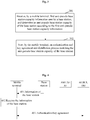
Fig. 1 is a flowchart (from the perspective of a base station) of an anti-pseudo base station method provided by an embodiment of the disclosure; -
Fig. 2 is a flowchart (from the perspective of a terminal) of an anti-pseudo base station method provided by another embodiment of the disclosure; -
Fig. 3 is a schematic flowchart (another implementation from the perspective of a terminal) of an anti-pseudo base station method provided by an embodiment of the disclosure; -
Fig. 4 is a schematic flowchart of an anti-pseudo base station method provided by an embodiment of the disclosure; -
Fig. 5 is a schematic flowchart of an anti-pseudo base station method provided by an embodiment of the disclosure; -
Fig. 6 is a schematic flowchart of an anti-pseudo base station method provided by an embodiment of the disclosure; -
Fig. 7 is a schematic flowchart of an anti-pseudo base station method provided by an embodiment of the disclosure; -
Fig. 8 is a schematic flowchart of an anti-pseudo base station method provided by an embodiment of the disclosure; -
Fig. 9 is a schematic diagram 1 of an anti-pseudo base station apparatus provided by an embodiment of the disclosure; -
Fig. 10 is a schematic diagram 2 of an anti-pseudo base station apparatus provided by an embodiment of the disclosure; -
Fig. 11 is a schematic diagram of an anti-pseudo base station system provided by an embodiment of the disclosure; -
Fig. 12 is a schematic diagram of an anti-pseudo base station apparatus provided by an embodiment of the disclosure; and -
Fig. 13 is a schematic diagram of a computer-readable storage medium provided by an embodiment of the disclosure. - In order to make objectives, technical solutions and advantages of the disclosure clearer, the following will describe embodiments of the disclosure in detail with reference to accompanying drawings. It should be noted that the embodiments in the disclosure and features in the embodiments may be combined arbitrarily if there is no conflict.
- Operations shown in the flowchart of the accompanying drawings may be executed, for example, in a computer system for a set of computer-executable instructions. Although a logical sequence is shown in the flowchart, in some cases, the operations shown or described may be executed in a sequence different from that stated herein.
- One of main reasons that attacks can be made is that a mobile terminal cannot authenticate a base station, and therefore receives various instructions sent by a pseudo base station. In order to enable to authenticate the base station, key information is distributed to the base station and the mobile terminal, such that the base station can protect a sent message or a portion of contents of the sent message according to the key information, and the mobile terminal can authenticate the message sent by the base station according to the key information, and then can authenticate the base station (the pseudo base station cannot be connected to a mobile network and therefore cannot obtain the key information).
- After the anti-pseudo base station key information is configured for the base station and the mobile terminal, since an anti-pseudo base station key may be a symmetric key or an asymmetric key, it is necessary for the mobile terminal to start different anti-pseudo base station key distribution processes as well as authentication and key agreement processes when the mobile terminal accesses a network. However, there is no indication information about whether the base station has an anti-pseudo base station capacity in the message sent by the base station at present, such that the mobile terminal cannot learn whether the base station has the anti-pseudo base station capacity, and thus cannot start the authentication and key agreement and distribution process matching the anti-pseudo base station capacity of the base station.
- In the embodiments of the disclosure, the base station may be configured to support an anti-pseudo base station function, and after obtaining the anti-pseudo base station key, the base station supporting the anti-pseudo base station function may realize, together with the mobile terminal supporting the anti-pseudo base station function, an anti-pseudo base station function based on the obtained anti-pseudo base station key. The anti-pseudo base station capacity of the base station may be regarded as a capacity of the base station, which is identified by anti-pseudo base station capacity information.
- In the embodiments of the disclosure, the mobile terminal may be a mobile terminal preconfigured to support an anti-pseudo base station function. The mobile terminal may alternatively receive an instruction from a user interface, for example, an instruction from a user, to set the mobile terminal to support the anti-pseudo base station function.
- In the embodiments of the disclosure, the anti-pseudo base station capacity may be regarded as a capacity of the terminal, and may be identified by anti-pseudo base station capacity information.
- In the embodiments of the disclosure, the anti-pseudo base station capacity information of the mobile terminal and the anti-pseudo base station capacity information of the base station may be identical or different.
- As shown in
Fig. 1 , an embodiment of the disclosure provides an anti-pseudo base station method. The method includes the following operations. - At
operation 101, a base station sends first anti-pseudo base station capacity information to a mobile terminal, wherein the first anti-pseudo base station capacity information is used for identifying an anti-pseudo base station capacity of the base station. - In at least one embodiment, the base station sends the first anti-pseudo base station capacity information to the mobile terminal via a broadcast message. It should be noted that the first anti-pseudo base station capacity information may also be sent via other messages.
- In at least one embodiment, the first anti-pseudo base station capacity information is used for identifying the anti-pseudo base station capacity of the base station, specifically, the first anti-pseudo base station capacity information is used for identifying whether the base station supports the anti-pseudo base station capacity.
- In at least one embodiment, the first anti-pseudo base station capacity information includes a key system to which an anti-pseudo base station key supported or used by the base station belongs in a case where the base station supports the anti-pseudo base station capacity.
- In at least one embodiment, the key system of the anti-pseudo base station key supported or used by the base station includes: a symmetric key, an asymmetric key, or a symmetric key and an asymmetric key. That is, the base station supporting the anti-pseudo base station function may support an anti-pseudo base station key of a symmetric key system, or an anti-pseudo base station key of an asymmetric key system, or both an anti-pseudo base station key of a symmetric key system and an anti-pseudo base station key of an asymmetric key system at the same time.
- In at least one embodiment, the method may further include executing, by the base station, an authentication and key agreement and distribution process matching the anti-pseudo base station capacity of the base station and an anti-pseudo base station capacity of the mobile terminal. After receiving the first anti-pseudo base station capacity information sent by the base station, the mobile terminal starts an authentication and key agreement and distribution process matching the anti-pseudo base station capacity of the base station and an anti-pseudo base station capacity of the mobile terminal. The base station cooperates with the mobile terminal to execute the authentication and key agreement and distribution process.
- In at least one embodiment, in a case where the anti-pseudo base station key of the base station with the anti-pseudo base station function is the symmetric key, and when a mobile terminal with an anti-pseudo base station capacity identical to that of the base station accesses and attaches to a network or when the mobile terminal with the anti-pseudo base station capacity identical to that of the base station reselects a cell, the authentication and key agreement and distribution process matching the symmetric key will be started.
- In at least one embodiment, in a case where the anti-pseudo base station key of the base station with the anti-pseudo base station function is the asymmetric key, and when a mobile terminal with an anti-pseudo base station capacity identical to that of the base station accesses a network or when the mobile terminal with the anti-pseudo base station capacity identical to that of the base station reselects a cell, the authentication and key agreement and distribution process corresponding to the asymmetric key will be started.
- In another embodiment, if the first anti-pseudo base station capacity information sent by the base station indicates that the base station does not support the anti-pseudo base station capacity, the terminal performs an authentication and key agreement procedure without an anti-pseudo base station function, for example, an extensible authentication protocol-authentication and key agreement (EAP-AKA) process.
- As shown in
Fig. 2 , an embodiment of the disclosure provides an anti-pseudo base station method. The method includes the following operations. - At
operation 201, a mobile terminal receives first anti-pseudo base station capacity information sent by a base station, and determines an anti-pseudo base station capacity of the base station according to the first anti-pseudo base station capacity information. - At
operation 202, the mobile terminal is preset to support the anti-pseudo base station function or is set by a user to support the anti-pseudo base station function through a user interface. The mobile terminal starts an authentication and key agreement and distribution process matching the anti-pseudo base station capacity of the base station. In addition, the anti-pseudo base station function may be regarded as a capacity of the terminal. The mobile terminal with the anti-pseudo base station capacity starts an authentication and key agreement and distribution process matching the anti-pseudo base station capacity of the base station and the anti-pseudo base station capacity of the mobile terminal. - The mobile terminal may be a mobile terminal preconfigured to support the anti-pseudo base station function. The mobile terminal may also be set by the user to support the anti-pseudo base station function through the user interface. The anti-pseudo base station capacity may be regarded as the capacity of the terminal, and may be identified by second anti-pseudo base station capacity information. The method may further include pre-configure the second anti-pseudo base station capacity information, or provide an anti-pseudo base station capacity information setting function, and determine the second anti-pseudo base station capacity information according to setting obtained via the anti-pseudo base station capacity information setting function.
- The second anti-pseudo base station capacity information of the mobile terminal and the first anti-pseudo base station capacity information of the base station may be identical or different.
- In at least one embodiment, the anti-pseudo base station capacity of the mobile terminal is determined according to the second anti-pseudo base station capacity information of the mobile terminal, wherein the second anti-pseudo base station capacity information is used for identifying the anti-pseudo base station capacity of the mobile terminal, that is, used for identifying whether the mobile terminal supports the anti-pseudo base station capacity.
- In at least one embodiment, the second anti-pseudo base station capacity information further indicates a key system to which an anti-pseudo base station key supported or used by the mobile terminal belongs in a case where the mobile terminal supports the anti-pseudo base station capacity. That is, the second anti-pseudo base station capacity information includes a key system to which an anti-pseudo base station key supported or used by the mobile terminal belongs in a case where the mobile terminal supports the anti-pseudo base station capacity.
- In at least one embodiment, the key system of the anti-pseudo base station key supported or used by the mobile terminal includes a symmetric key, an asymmetric key, or a symmetric key and an asymmetric key. That is, the mobile terminal supporting the anti-pseudo base station function may support an anti-pseudo base station key of a symmetric key system, or an anti-pseudo base station key of an asymmetric key system, or both an anti-pseudo base station key of a symmetric key system and an anti-pseudo base station key of an asymmetric key system at the same time.
- In at least one embodiment, the operation that the mobile terminal starts the authentication and key agreement and distribution process matching the anti-pseudo base station capacity of the base station and the anti-pseudo base station capacity of the mobile terminal includes the following operations.
- The mobile terminal starts the authentication and key agreement and distribution process matching the anti-pseudo base station capacity of the base station and the anti-pseudo base station capacity of the mobile terminal when the mobile terminal accesses and attaches to a network through the base station with the anti-pseudo base station capacity identical to the anti-pseudo base station capacity of the mobile terminal or when the mobile terminal reselects a cell.
- There are several situations for the starting of the authentication and key agreement and distribution process matching the anti-pseudo base station capacity of the base station and the anti-pseudo base station capacity of the mobile terminal.
- If one of the base station and the mobile terminal does not support the anti-pseudo base station capacity, or both of the base station and the mobile terminal do not support the anti-pseudo base station capacity, the authentication and key agreement process without the anti-pseudo base station function, for example, the EAP-AKA process, is started and executed.
- If both the base station and the mobile terminal support the anti-pseudo base station capacity, and the key systems of the anti-pseudo base station keys used by the base station and the mobile terminal are identical, then the authentication and key agreement and distribution process corresponding to the key systems of the anti-pseudo base station keys are used.
- For example, in at least one embodiment, the operation that the mobile terminal starts the authentication and key agreement and distribution process matching the anti-pseudo base station capacity of the base station and the anti-pseudo base station capacity of the mobile terminal includes:
the mobile terminal starts, in a case where the anti-pseudo base station key of the mobile terminal is the symmetric key and the base station supports the symmetric key, the authentication and key agreement and distribution process corresponding to the symmetric key. - For another example, in at least one embodiment, the operation that the mobile terminal starts the authentication and key agreement and distribution process matching the anti-pseudo base station capacity of the base station and the anti-pseudo base station capacity of the mobile terminal includes:
the mobile terminal starts, in a case where the anti-pseudo base station key of the mobile terminal is an asymmetric key and the base station supports the asymmetric key, the authentication and key agreement and distribution process corresponding to the asymmetric key. - In at least one embodiment, in a case where the anti-pseudo base station key of the mobile terminal with the anti-pseudo base station function is the symmetric key, the authentication and key agreement and distribution process corresponding to the symmetric key is started when the mobile terminal accesses and attaches to a network through the base station with the anti-pseudo base station capacity identical to the anti-pseudo base station capacity of the mobile terminal or when the mobile terminal reselects a cell.
- In at least one embodiment, in a case where the anti-pseudo base station key of the mobile terminal with the anti-pseudo base station function is the asymmetric key, the authentication and key agreement and distribution process corresponding to the asymmetric key is started when the mobile terminal accesses a network through the base station with the anti-pseudo base station capacity identical to that of the mobile terminal or when the mobile terminal reselects a cell.
- In at least one embodiment, the base station may detect and identify the second anti-pseudo base station capacity information of the mobile terminal.
- In at least one embodiment, the mobile terminal may detect and identify the first anti-pseudo base station capacity information of the base station.
- In at least one embodiment, the mobile terminal may be preconfigured to support the anti-pseudo base station function, and may also be set by the user to support the anti-pseudo base station function through the user interface of the mobile terminal.
- In the embodiments of the disclosure, the mobile terminal may be user equipment (UE for short) or other terminal apparatuses supporting mobile communication.
-
Fig. 3 is an anti-pseudo base station method provided by an embodiment of the disclosure. The method includes the following operations. - At
operation 301, a mobile terminal receives first anti-pseudo base station capacity information sent by a base station, and determines an anti-pseudo base station capacity of the base station according to the first anti-pseudo base station capacity information. - At
operation 302, the mobile terminal starts an authentication and key agreement and distribution process matching the anti-pseudo base station capacity of the base station. - In at least one embodiment, the method may further include: the mobile terminal is preset to support the anti-pseudo base station function, or receives an instruction through a user interface to set the mobile terminal to support the anti-pseudo base station function. That is, the anti-pseudo base station function is a function of the terminal. When the terminal has the function, a matching authentication and key distribution process are directly performed according to the anti-pseudo base station capacity of the base station. When the terminal does not have this function, an authentication and key distribution process for a terminal not supporting the anti-pseudo base station capacity is used.
- The first anti-pseudo base station capacity information is used for identifying the anti-pseudo base station capacity of the base station. The first anti-pseudo base station capacity information includes a key system to which an anti-pseudo base station key supported or used by the base station belongs in a case where the base station supports the anti-pseudo base station capacity.
- In at least one embodiment, the operation that the mobile terminal starts the authentication and key agreement and distribution process matching the anti-pseudo base station capacity of the base station includes:
the mobile terminal starts, in a case where the anti-pseudo base station key supported or used by the base station is a symmetric key, the authentication and key agreement and distribution process corresponding to the symmetric key. - In at least one embodiment, the operation that the mobile terminal starts the authentication and key agreement and distribution process matching the anti-pseudo base station capacity of the base station includes:
the mobile terminal starts, in a case where the anti-pseudo base station key supported or used by the base station is an asymmetric key, the authentication and key agreement and distribution process corresponding to the asymmetric key. - In at least one embodiment, the operation that the mobile terminal starts the authentication and key agreement and distribution process matching the anti-pseudo base station capacity of the base station includes:
the mobile terminal starts the authentication and key agreement and distribution process matching the anti-pseudo base station capacity of the base station when the mobile terminal accesses and attaches to a network through the base station with the anti-pseudo base station capacity or when the mobile terminal reselects a cell. -
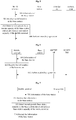
Fig. 4 is a schematic flowchart of an anti-pseudo base station method provided by an embodiment of the disclosure. In a first aspect of the disclosure, when a base station supports the anti-pseudo base station function, and a mobile terminal is not preset to support the anti-pseudo base station function, or a user does not set the mobile terminal to support the anti-pseudo base station function through a user interface, as shown inFig. 4 , a specific flow when the mobile terminal accesses and attaches to a network or when the mobile terminal reselects a cell includes the following operations. - At operation 401, the base station carries first anti-pseudo base station capacity information in a sent message.
- The message is, for example, a broadcast message.
- At operation 402, the mobile terminal receives the message sent by the base station.
at operation 403, the mobile terminal does not detect the first anti-pseudo base station capacity information in the message, and directly starts, with a network (an access and mobility management function (AMF) / a security anchor function (SEAF) / an authentication server function (AUSF) / unified data management (UDM)), an authentication and key agreement process without an anti-pseudo base station function, for example, an extensible authentication protocol-authentication and key agreement (EAP-AKA) process. -
Fig. 5 is a schematic diagram of an anti-pseudo base station method provided by another embodiment of the disclosure. In a second aspect of the disclosure, when a base station supports the anti-pseudo base station function, and a mobile terminal is preset to support the anti-pseudo base station function, or a user sets the mobile terminal to support the anti-pseudo base station function through a user interface, as shown inFig. 5 , a specific flow when the mobile terminal accesses and attaches to a network or when the mobile terminal reselects a cell includes the following operations. - At operation 501, the base station carries first anti-pseudo base station capacity information in a sent message, for example, a broadcast message.
- At operation 502, the mobile terminal receives the message sent by the base station.
- At operation 503, the mobile terminal detects the first anti-pseudo base station capacity information in the message, determines an anti-pseudo base station capacity of the base station according to the first anti-pseudo base station capacity information, and detects an anti-pseudo base station capacity of the mobile terminal.
- At
operation 504, the mobile terminal starts, with a network (an access and mobility management function (AMF) /a security anchor function (SEAF) / an authentication server function (AUSF) /unified data management (UDM)), an authentication and key agreement and distribution process matching the anti-pseudo base station capacity of the base station and the anti-pseudo base station capacity of the mobile terminal. -
Fig. 6 is a schematic flowchart of an anti-pseudo base station method provided by another embodiment of the disclosure. In a third aspect of the disclosure, when a base station does not support the anti-pseudo base station function, and a mobile terminal is preset not to support the anti-pseudo base station function, or a user does not set the mobile terminal to support the anti-pseudo base station function through a user interface, as shown inFig. 6 , a specific flow when the mobile terminal accesses and attaches to a network or when the mobile terminal reselects a cell includes the following operations. - At operation 601, the base station carries first anti-pseudo base station capacity information in a sent message, for example, a broadcast message or does not carry first anti-pseudo base station capacity information.
- At operation 602, the mobile terminal receives the message sent by the base station.
- At operation 603, the mobile terminal does not detect the first anti-pseudo base station capacity information in the message of the base station, and directly starts, with a network (an access and mobility management function (AMF) /a security anchor function (SEAF) / an authentication server function (AUSF) /unified data management (UDM)), an authentication and key agreement process without an anti-pseudo base station function, for example, an extensible authentication protocol-authentication and key agreement (EAP-AKA) process.
-
Fig. 7 is a schematic flowchart of an anti-pseudo base station method provided by another embodiment of the disclosure. In a fourth aspect of the disclosure, when a base station does not support the anti-pseudo base station function, and a mobile terminal is preset to support the anti-pseudo base station function, or a user sets the mobile terminal to support the anti-pseudo base station function through a user interface, as shown inFig. 7 , a specific flow when the mobile terminal accesses and attaches to a network or when the mobile terminal reselects a cell includes the following operations. - At operation 701, the base station carries first anti-pseudo base station capacity information in a sent message, for example, a broadcast message or does not carry first anti-pseudo base station capacity information.
- At operation 702, the mobile terminal receives the message sent by the base station.
- At operation 703, the mobile terminal detects the first anti-pseudo base station capacity information in the message of the base station, and detects an anti-pseudo base station capacity of the mobile terminal at the same time.
- At operation 704, if the mobile terminal determines that the mobile terminal supports the anti-pseudo base station function and determines that the base station does not support the anti-pseudo base station function, the terminal discards the received message of the base station.
-
Fig. 8 is a schematic diagram of an anti-pseudo base station method provided by another embodiment of the disclosure. In a second aspect of the disclosure, when a base station supports the anti-pseudo base station function, and the mobile terminal is preset to support the anti-pseudo base station function, or a user sets the mobile terminal to support the anti-pseudo base station function through a user interface, as shown inFig. 8 , a specific flow when the mobile terminal accesses and attaches to the network or when the mobile terminal reselects a cell includes the following operations. - At operation 801, the base station carries first anti-pseudo base station capacity information in a sent message, for example, a broadcast message.
- At operation 802, the mobile terminal receives the message sent by the base station.
- At operation 803, the mobile terminal detects the first anti-pseudo base station capacity information in the message, determines an anti-pseudo base station capacity of the base station according to the first anti-pseudo base station capacity information, and detects anti-pseudo base station setting of the mobile terminal.
- At operation 804, when the terminal supports the anti-pseudo base station function, the mobile terminal starts, with a network (an access and mobility management function (AMF) /a security anchor function (SEAF) / an authentication server function (AUSF) / unified data management (UDM)), an authentication and key agreement and distribution process matching the anti-pseudo base station capacity of the base station.
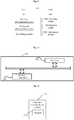
- An embodiment of the disclosure provides an anti-pseudo
base station apparatus 90. As shown inFig. 9 , the anti-pseudobase station apparatus 90 includes: - a
first determination module 901, configured to determine a key system to which an anti-pseudo base station key belongs on the base station, that is, to determine whether a base station key belongs to a symmetric key system or an asymmetric key system; - a
second determination module 902, configured to determine first anti-pseudo base station capacity information of the base station, wherein the first anti-pseudo base station capacity information includes information of the key system to which the anti-pseudo base station key belongs; and - a sending
module 903, configured to send the first anti-pseudo base station capacity information to the base station. Specifically, the first anti-pseudo base station capacity information may be carried in the message sent by the base station. - As shown in
Fig. 10 , an embodiment of the disclosure provides an anti-pseudobase station apparatus 100. The anti-pseudobase station apparatus 100 includes: - a
receiving module 1001, configured to receive a message sent by a base station; - a
detection module 1002, configured to detect an anti-pseudo base station capacity of a mobile terminal and an anti-pseudo base station capacity of the base station; and - a determining
module 1003, configured to determine to start, according to the detection result, an authentication and key agreement and distribution process matching the anti-pseudo base station capacity of the base station and the anti-pseudo base station capacity of the mobile terminal. - As shown in
Fig. 11 , an embodiment of the disclosure provides an anti-pseudobase station system 110. The anti-pseudobase station system 110 includes: - abase
station 1101, thebase station 1101 including the anti-pseudobase station apparatus 90; - a
mobile terminal 1102, the mobile terminal 1102 including the anti-pseudobase station apparatus 100; and - the
base station 1101 being connected to the mobile terminal 1102 through a wireless interface, for example, a 3rd generation partnership project (3GPP) wireless interface. - As shown in
Fig. 12 , an embodiment of the disclosure provides an anti-pseudobase station apparatus 120. The anti-pseudo base station apparatus includes amemory 1210 and aprocessor 1220, theprocessor 1210 storing a program, and the program implementing the anti-pseudo base station method of any embodiment when read and executed by theprocessor 1220. - As shown in
Fig. 13 , an embodiment of the disclosure provides a computer-readable storage medium 130. One ormore programs 1310 are stored in the computer-readable storage medium 130, the one ormore programs 1310 being capable of being executed by one or more processors, so as to implement the anti-pseudo base station method of any embodiment. - It may be understood by a person of ordinary skill in the art that all or some of the operations and functional modules/units in the system and the apparatus disclosed above may be implemented as software, firmware, hardware and appropriate combinations thereof. In an implementation manner of the hardware, division between the functional modules/units mentioned in the above description does not necessarily correspond to division of physical components. For example, a physical component may have a plurality of functions, or a function or an operation may be cooperatively executed by several physical components. Some or all of the components may be implemented as software executed by the processor, such as a digital signal processor or a microprocessor, or as hardware, or as an integrated circuit, such as an application-specific integrated circuit. Such software may be distributed on the computer-readable medium, which may include a computer storage medium (or a non-transitory medium) and a communication medium (or a transitory medium). As well known to a person of ordinary skill in the art, the term computer storage medium includes volatile, nonvolatile, removable and non-removable media implemented in any method or technology for storing information (such as a computer-readable instruction, a data structure, a program module or other data). The computer storage medium includes, but is not limited to, a random access memory (RAM), a read only memory (ROM), an electrically erasable programmable read-only memory (EEPROM), a flash memory or other memory technologies, a compact disc read-only memory (CD-ROM), a digital versatile disc (DVD) or other optical disk storages, magnetic cassettes, magnetic tapes, magnetic disk storages or other magnetic storage apparatuses, or any other medium that may be used to store desired information and may be accessed by computers. Furthermore, it is well known to a person of ordinary skill in the art that the communication medium typically contains the computer-readable instruction, the data structure, the program module or other data in, for example, a carrier wave or a modulated data signal of other transmission mechanisms, and may include any information delivery medium.
Claims (22)
- An anti-pseudo base station method, comprising:
sending, by a base station, first anti-pseudo base station capacity information to a mobile terminal, wherein the first anti-pseudo base station capacity information is used for identifying an anti-pseudo base station capacity of the base station. - The anti-pseudo base station method according to claim 1, wherein sending, by the base station, the first anti-pseudo base station capacity information to the mobile terminal comprises:
sending, by the base station, the first anti-pseudo base station capacity information to the mobile terminal via a broadcast message. - The anti-pseudo base station method according to claim 1, wherein the first anti-pseudo base station capacity information comprises a key system to which an anti-pseudo base station key supported or used by the base station belongs in a case where the base station supports the anti-pseudo base station capacity.
- The anti-pseudo base station method according to claim 3, wherein the key system of the anti-pseudo base station key supported or used by the base station comprises a symmetric key, an asymmetric key, or a symmetric key and an asymmetric key.
- The anti-pseudo base station method according to any one of claims 1 to 4, further comprising executing, by the base station, an authentication and key agreement and distribution process matching the anti-pseudo base station capacity of the base station and an anti-pseudo base station capacity of the mobile terminal.
- An anti-pseudo base station method, comprising:receiving, by a mobile terminal, first anti-pseudo base station capacity information sent by a base station, and determining an anti-pseudo base station capacity of the base station according to the first anti-pseudo base station capacity information; andstarting, by the mobile terminal, an authentication and key agreement and distribution process matching the anti-pseudo base station capacity of the base station.
- The anti-pseudo base station method according to claim 6, further comprising: presetting the mobile terminal to support an anti-pseudo base station function, or receiving an instruction through a user interface to set the mobile terminal to support the anti-pseudo base station function.
- The anti-pseudo base station method according to claim 6, wherein the first anti-pseudo base station capacity information comprises a key system to which an anti-pseudo base station key supported or used by the base station belongs in a case where the base station supports the anti-pseudo base station capacity.
- The anti-pseudo base station method according to claim 8, wherein the key system of the anti-pseudo base station key supported or used by the base station comprises a symmetric key, an asymmetric key, or a symmetric key and an asymmetric key.
- The anti-pseudo base station method according to any one of claims 6 to 9, wherein starting, by the mobile terminal, the authentication and key agreement and distribution process matching the anti-pseudo base station capacity of the base station comprises:
starting, in a case where the anti-pseudo base station key supported or used by the base station is a symmetric key, the authentication and key agreement and distribution process corresponding to the symmetric key. - The anti-pseudo base station method according to any one of claims 6 to 9, wherein starting, by the mobile terminal, the authentication and key agreement and distribution process matching the anti-pseudo base station capacity of the base station comprises:
starting, in a case where the anti-pseudo base station key supported or used by the base station is an asymmetric key, the authentication and key agreement and distribution process corresponding to the asymmetric key. - The anti-pseudo base station method according to any one of claims 6 to 9, wherein starting, by the mobile terminal, the authentication and key agreement and distribution process matching the anti-pseudo base station capacity of the base station comprises:
starting the authentication and key agreement and distribution process matching the anti-pseudo base station capacity of the base station when the mobile terminal accesses and attaches to a network through the base station with the anti-pseudo base station capacity or when the mobile terminal reselects a cell. - An anti-pseudo base station method, comprising:receiving, by a mobile terminal, first anti-pseudo base station capacity information sent by a base station, and determining an anti-pseudo base station capacity of the base station according to the first anti-pseudo base station capacity information; andstarting, by the mobile terminal, an authentication and key agreement and distribution process matching the anti-pseudo base station capacity of the base station and an anti-pseudo base station capacity of the mobile terminal.
- The anti-pseudo base station method according to claim 13, wherein the anti-pseudo base station capacity of the mobile terminal is determined according to second anti-pseudo base station capacity information of the mobile terminal, wherein the second anti-pseudo base station capacity information is used for identifying the anti-pseudo base station capacity of the mobile terminal.
- The anti-pseudo base station method according to claim 14, wherein the second anti-pseudo base station capacity information comprises a key system to which an anti-pseudo base station key supported or used by the mobile terminal belongs in a case where the mobile terminal supports the anti-pseudo base station capacity.
- The anti-pseudo base station method according to claim 15, wherein the key system of the anti-pseudo base station key supported or used by the mobile terminal comprises a symmetric key, an asymmetric key, or a symmetric key and an asymmetric key.
- The anti-pseudo base station method according to claim 14, further comprising pre-configuring the second anti-pseudo base station capacity information; or providing an anti-pseudo base station capacity information setting function, and determining the second anti-pseudo base station capacity information according to setting obtained via the anti-pseudo base station capacity information setting function.
- The anti-pseudo base station method according to any one of claims 13 to 17, wherein starting, by the mobile terminal, the authentication and key agreement and distribution process matching the anti-pseudo base station capacity of the base station and the anti-pseudo base station capacity of the mobile terminal comprises:
starting, in a case where the anti-pseudo base station key of the mobile terminal is the symmetric key and the base station supports the symmetric key, the authentication and key agreement and distribution process corresponding to the symmetric key. - The anti-pseudo base station method according to any one of claims 13 to 17, wherein starting, by the mobile terminal, the authentication and key agreement and distribution process matching the anti-pseudo base station capacity of the base station and the anti-pseudo base station capacity of the mobile terminal comprises:
starting, in a case where the anti-pseudo base station key of the mobile terminal is an asymmetric key and the base station supports the asymmetric key, the authentication and key agreement and distribution process corresponding to the asymmetric key. - The anti-pseudo base station method according to any one of claims 13 to 17, wherein starting, by the mobile terminal, the authentication and key agreement and distribution process matching the anti-pseudo base station capacity of the base station and the anti-pseudo base station capacity of the mobile terminal comprises:
starting the authentication and key agreement and distribution process matching the anti-pseudo base station capacity of the base station and the anti-pseudo base station capacity of the mobile terminal when the mobile terminal accesses and attaches to a network through the base station with the anti-pseudo base station capacity identical to the anti-pseudo base station capacity of the mobile terminal or when the mobile terminal reselects a cell. - An anti-pseudo base station apparatus, comprising a memory and a processor, wherein the processor stores a program, and the program implements the anti-pseudo base station method according to any one of claims 1 to 20 when read and executed by the processor.
- A computer-readable storage medium, wherein one or more programs are stored in the computer-readable storage medium, wherein the one or more programs are capable of being executed by one or more processors, so as to implement the anti-pseudo base station method according to any one of claims 1 to 20.
Applications Claiming Priority (2)
| Application Number | Priority Date | Filing Date | Title |
|---|---|---|---|
| CN201910048609.9A CN111465020A (en) | 2019-01-18 | 2019-01-18 | Anti-counterfeiting base station method and device and computer readable storage medium |
| PCT/CN2019/112265 WO2020147354A1 (en) | 2019-01-18 | 2019-10-21 | Pseudo base station prevention method and apparatus, and computer readable storage medium |
Publications (3)
| Publication Number | Publication Date |
|---|---|
| EP3913953A1 true EP3913953A1 (en) | 2021-11-24 |
| EP3913953A4 EP3913953A4 (en) | 2022-02-23 |
| EP3913953B1 EP3913953B1 (en) | 2026-03-04 |
Family
ID=71614314
Family Applications (1)
| Application Number | Title | Priority Date | Filing Date |
|---|---|---|---|
| EP19910875.4A Active EP3913953B1 (en) | 2019-01-18 | 2019-10-21 | Anti-pseudo base station method and apparatus, and computer-readable storage medium |
Country Status (4)
| Country | Link |
|---|---|
| US (1) | US12047394B2 (en) |
| EP (1) | EP3913953B1 (en) |
| CN (1) | CN111465020A (en) |
| WO (1) | WO2020147354A1 (en) |
Families Citing this family (1)
| Publication number | Priority date | Publication date | Assignee | Title |
|---|---|---|---|---|
| CN111465019B (en) * | 2019-01-18 | 2023-09-19 | 中兴通讯股份有限公司 | Capability reporting, key agreement methods and devices, terminals, communication equipment and systems |
Family Cites Families (25)
| Publication number | Priority date | Publication date | Assignee | Title |
|---|---|---|---|---|
| US20120189122A1 (en) * | 2011-01-20 | 2012-07-26 | Yi-Li Huang | Method with dynamic keys for mutual authentication in wireless communication environments without prior authentication connection |
| JP5303611B2 (en) * | 2011-06-29 | 2013-10-02 | アンリツ株式会社 | Mobile communication terminal test apparatus and mobile communication terminal test method |
| US9781137B2 (en) * | 2012-10-11 | 2017-10-03 | Nokia Solutions And Networks Oy | Fake base station detection with core network support |
| JP5653992B2 (en) * | 2012-12-12 | 2015-01-14 | アンリツ株式会社 | Mobile terminal testing apparatus and method |
| JP5653991B2 (en) * | 2012-12-12 | 2015-01-14 | アンリツ株式会社 | Mobile terminal testing apparatus and method |
| US20170201884A1 (en) * | 2014-07-21 | 2017-07-13 | Yulong Computer Telecommunication Scientific (Shenzhen) Co., Ltd. | Mobility Management Entity, Terminal, and Identity Authentication Method |
| WO2016021817A1 (en) * | 2014-08-04 | 2016-02-11 | 엘지전자 주식회사 | Method for authenticating terminal in wireless communication system, and device for same |
| CN104581710B (en) * | 2014-12-18 | 2018-11-23 | 中国科学院信息工程研究所 | A method and system for securely transmitting LTE user IMSI on an air interface |
| US9838871B2 (en) * | 2014-12-26 | 2017-12-05 | Prempoint Inc. | Social access control system |
| DE102015000895B3 (en) * | 2015-01-23 | 2016-07-07 | Giesecke & Devrient Gmbh | Distributed editing of centrally encrypted data |
| CN104683984B (en) * | 2015-03-11 | 2018-05-08 | 无锡北邮感知技术产业研究院有限公司 | The real-time monitoring process method of wireless communication signals and system |
| KR102115864B1 (en) * | 2015-03-31 | 2020-05-27 | 후아웨이 테크놀러지 컴퍼니 리미티드 | Communication method, user equipment and base station |
| US9867039B2 (en) * | 2015-06-26 | 2018-01-09 | Futurewei Technologies, Inc. | System and method for faked base station detection |
| US10002475B2 (en) * | 2015-08-27 | 2018-06-19 | Carrier Corporation | Intrusion security device with SMS based notification and control |
| WO2017064824A1 (en) * | 2015-10-15 | 2017-04-20 | 日本電気株式会社 | Monitoring device, base station, monitoring method, control method, and nontemporary computer-readable medium |
| CN105722077A (en) | 2016-01-29 | 2016-06-29 | 宇龙计算机通信科技(深圳)有限公司 | Network residing method, network residing system and terminal |
| CN105743893B (en) * | 2016-01-29 | 2018-10-23 | 大连秘阵科技有限公司 | One-time dynamic positioning authentication method, system and password changing method |
| WO2017166168A1 (en) * | 2016-03-31 | 2017-10-05 | 华为技术有限公司 | Fault detection method and fault detection device for external antennas |
| CN106060789B (en) * | 2016-05-24 | 2018-05-08 | 北京小米移动软件有限公司 | short message identification method and device |
| CN106028340A (en) | 2016-07-29 | 2016-10-12 | 宇龙计算机通信科技(深圳)有限公司 | Method and system for identifying pseudo base stations |
| CN106686600B (en) * | 2017-01-19 | 2020-03-10 | 中国移动通信集团江苏有限公司 | Method and device for detecting pseudo base station |
| CN107172621B (en) * | 2017-05-04 | 2019-12-27 | 国网江苏省电力公司电力科学研究院 | Safety protection performance evaluation method suitable for electric power wireless private network base station |
| CN110741661B (en) | 2017-05-31 | 2023-05-26 | 苹果公司 | Method, mobile device and computer readable storage medium for pseudo base station detection |
| US11153083B2 (en) * | 2017-06-16 | 2021-10-19 | Motorola Mobility Llc | Rogue unit detection information |
| CN109548027B (en) * | 2017-08-17 | 2023-12-05 | 北京三星通信技术研究有限公司 | Method and device for identifying pseudo base stations in mobile terminals |
-
2019
- 2019-01-18 CN CN201910048609.9A patent/CN111465020A/en active Pending
- 2019-10-21 WO PCT/CN2019/112265 patent/WO2020147354A1/en not_active Ceased
- 2019-10-21 EP EP19910875.4A patent/EP3913953B1/en active Active
- 2019-10-21 US US17/423,773 patent/US12047394B2/en active Active
Also Published As
| Publication number | Publication date |
|---|---|
| CN111465020A (en) | 2020-07-28 |
| EP3913953B1 (en) | 2026-03-04 |
| US12047394B2 (en) | 2024-07-23 |
| US20220124105A1 (en) | 2022-04-21 |
| EP3913953A4 (en) | 2022-02-23 |
| WO2020147354A1 (en) | 2020-07-23 |
Similar Documents
| Publication | Publication Date | Title |
|---|---|---|
| US12401976B2 (en) | IMEI binding and dynamic IMEI provisioning for wireless devices | |
| US11722891B2 (en) | User authentication in first network using subscriber identity module for second legacy network | |
| US9451445B2 (en) | Electronic subscriber identity module selection | |
| EP2139175A1 (en) | Method, system and apparatus for negotiating the security ability when a terminal is moving | |
| EP3541129A1 (en) | Paging method, network equipment, and terminal equipment | |
| US10681546B2 (en) | Processing method for sim card equipped terminal access to 3GPP network and apparatus | |
| CN120751377A (en) | Method and apparatus for handover | |
| WO2018204228A1 (en) | Identity request control for user equipment | |
| US20150223062A1 (en) | Access Control for a Wireless Local Area Network | |
| US20180270049A1 (en) | Techniques for preventing abuse of bootstrapping information in an authentication protocol | |
| US20220377061A1 (en) | Accelerated Reconnection in Authenticated Networks | |
| CN114980070A (en) | Terminal configuration method and device | |
| US20170215126A1 (en) | Method and apparatus for handling reject | |
| CN114514767A (en) | Pseudo base station identification method and device, terminal equipment and network equipment | |
| US12047394B2 (en) | Anti-pseudo base station method and apparatus, and computer-readable storage medium | |
| CN110891270B (en) | Selection method and device of authentication algorithm | |
| EP4167628A1 (en) | Logical cell state update method and apparatus, base station, terminal, and storage medium | |
| CN109803260B (en) | Method, device and system for access rejection | |
| CN111465019B (en) | Capability reporting, key agreement methods and devices, terminals, communication equipment and systems | |
| CN106888449B (en) | USIM application information processing method and system | |
| US20230354028A1 (en) | Method, system, and apparatus for generating key for inter-device communication | |
| CN113852652B (en) | Network information synchronization method, device, system and storage medium | |
| CN110536295B (en) | Initial access control method, device, terminal, smart card and storage medium | |
| CN121968363A (en) | Access point, method for establishing wireless connection executed by access point and client |
Legal Events
| Date | Code | Title | Description |
|---|---|---|---|
| STAA | Information on the status of an ep patent application or granted ep patent |
Free format text: STATUS: THE INTERNATIONAL PUBLICATION HAS BEEN MADE |
|
| PUAI | Public reference made under article 153(3) epc to a published international application that has entered the european phase |
Free format text: ORIGINAL CODE: 0009012 |
|
| STAA | Information on the status of an ep patent application or granted ep patent |
Free format text: STATUS: REQUEST FOR EXAMINATION WAS MADE |
|
| 17P | Request for examination filed |
Effective date: 20210721 |
|
| AK | Designated contracting states |
Kind code of ref document: A1 Designated state(s): AL AT BE BG CH CY CZ DE DK EE ES FI FR GB GR HR HU IE IS IT LI LT LU LV MC MK MT NL NO PL PT RO RS SE SI SK SM TR |
|
| REG | Reference to a national code |
Ref country code: DE Ref legal event code: R079 Free format text: PREVIOUS MAIN CLASS: H04W0012120000 Ipc: H04W0012122000 Ref country code: DE Ref legal event code: R079 Ref document number: 602019082210 Country of ref document: DE Free format text: PREVIOUS MAIN CLASS: H04W0012120000 Ipc: H04W0012122000 |
|
| A4 | Supplementary search report drawn up and despatched |
Effective date: 20220124 |
|
| RIC1 | Information provided on ipc code assigned before grant |
Ipc: H04W 12/12 20210101ALN20220118BHEP Ipc: H04W 12/06 20210101ALI20220118BHEP Ipc: H04W 12/04 20210101ALI20220118BHEP Ipc: H04W 12/122 20210101AFI20220118BHEP |
|
| DAV | Request for validation of the european patent (deleted) | ||
| DAX | Request for extension of the european patent (deleted) | ||
| STAA | Information on the status of an ep patent application or granted ep patent |
Free format text: STATUS: EXAMINATION IS IN PROGRESS |
|
| 17Q | First examination report despatched |
Effective date: 20241120 |
|
| GRAP | Despatch of communication of intention to grant a patent |
Free format text: ORIGINAL CODE: EPIDOSNIGR1 |
|
| STAA | Information on the status of an ep patent application or granted ep patent |
Free format text: STATUS: GRANT OF PATENT IS INTENDED |
|
| RIC1 | Information provided on ipc code assigned before grant |
Ipc: H04W 12/122 20210101AFI20251110BHEP Ipc: H04W 12/04 20210101ALI20251110BHEP Ipc: H04W 12/06 20210101ALI20251110BHEP Ipc: H04W 12/12 20210101ALN20251110BHEP |
|
| INTG | Intention to grant announced |
Effective date: 20251125 |
|
| GRAS | Grant fee paid |
Free format text: ORIGINAL CODE: EPIDOSNIGR3 |
|
| GRAA | (expected) grant |
Free format text: ORIGINAL CODE: 0009210 |
|
| STAA | Information on the status of an ep patent application or granted ep patent |
Free format text: STATUS: THE PATENT HAS BEEN GRANTED |
|
| AK | Designated contracting states |
Kind code of ref document: B1 Designated state(s): AL AT BE BG CH CY CZ DE DK EE ES FI FR GB GR HR HU IE IS IT LI LT LU LV MC MK MT NL NO PL PT RO RS SE SI SK SM TR |
|
| REG | Reference to a national code |
Ref country code: CH Ref legal event code: F10 Free format text: ST27 STATUS EVENT CODE: U-0-0-F10-F00 (AS PROVIDED BY THE NATIONAL OFFICE) Effective date: 20260304 Ref country code: GB Ref legal event code: FG4D |
|
| REG | Reference to a national code |
Ref country code: IE Ref legal event code: FG4D |
|
| REG | Reference to a national code |
Ref country code: DE Ref legal event code: R096 Ref document number: 602019082210 Country of ref document: DE |