EP3908001A1 - Video encoding and decoding method and device - Google Patents
Video encoding and decoding method and device Download PDFInfo
- Publication number
- EP3908001A1 EP3908001A1 EP19906898.2A EP19906898A EP3908001A1 EP 3908001 A1 EP3908001 A1 EP 3908001A1 EP 19906898 A EP19906898 A EP 19906898A EP 3908001 A1 EP3908001 A1 EP 3908001A1
- Authority
- EP
- European Patent Office
- Prior art keywords
- picture
- library
- index
- buffer
- decoded
- Prior art date
- Legal status (The legal status is an assumption and is not a legal conclusion. Google has not performed a legal analysis and makes no representation as to the accuracy of the status listed.)
- Granted
Links
Images

Classifications
-
- H—ELECTRICITY
- H04—ELECTRIC COMMUNICATION TECHNIQUE
- H04N—PICTORIAL COMMUNICATION, e.g. TELEVISION
- H04N19/00—Methods or arrangements for coding, decoding, compressing or decompressing digital video signals
- H04N19/42—Methods or arrangements for coding, decoding, compressing or decompressing digital video signals characterised by implementation details or hardware specially adapted for video compression or decompression, e.g. dedicated software implementation
- H04N19/423—Methods or arrangements for coding, decoding, compressing or decompressing digital video signals characterised by implementation details or hardware specially adapted for video compression or decompression, e.g. dedicated software implementation characterised by memory arrangements
-
- H—ELECTRICITY
- H04—ELECTRIC COMMUNICATION TECHNIQUE
- H04N—PICTORIAL COMMUNICATION, e.g. TELEVISION
- H04N19/00—Methods or arrangements for coding, decoding, compressing or decompressing digital video signals
- H04N19/10—Methods or arrangements for coding, decoding, compressing or decompressing digital video signals using adaptive coding
- H04N19/169—Methods or arrangements for coding, decoding, compressing or decompressing digital video signals using adaptive coding characterised by the coding unit, i.e. the structural portion or semantic portion of the video signal being the object or the subject of the adaptive coding
- H04N19/184—Methods or arrangements for coding, decoding, compressing or decompressing digital video signals using adaptive coding characterised by the coding unit, i.e. the structural portion or semantic portion of the video signal being the object or the subject of the adaptive coding the unit being bits, e.g. of the compressed video stream
-
- H—ELECTRICITY
- H04—ELECTRIC COMMUNICATION TECHNIQUE
- H04N—PICTORIAL COMMUNICATION, e.g. TELEVISION
- H04N19/00—Methods or arrangements for coding, decoding, compressing or decompressing digital video signals
- H04N19/44—Decoders specially adapted therefor, e.g. video decoders which are asymmetric with respect to the encoder
-
- H—ELECTRICITY
- H04—ELECTRIC COMMUNICATION TECHNIQUE
- H04N—PICTORIAL COMMUNICATION, e.g. TELEVISION
- H04N19/00—Methods or arrangements for coding, decoding, compressing or decompressing digital video signals
- H04N19/50—Methods or arrangements for coding, decoding, compressing or decompressing digital video signals using predictive coding
- H04N19/503—Methods or arrangements for coding, decoding, compressing or decompressing digital video signals using predictive coding involving temporal prediction
- H04N19/51—Motion estimation or motion compensation
- H04N19/573—Motion compensation with multiple frame prediction using two or more reference frames in a given prediction direction
-
- H—ELECTRICITY
- H04—ELECTRIC COMMUNICATION TECHNIQUE
- H04N—PICTORIAL COMMUNICATION, e.g. TELEVISION
- H04N19/00—Methods or arrangements for coding, decoding, compressing or decompressing digital video signals
- H04N19/70—Methods or arrangements for coding, decoding, compressing or decompressing digital video signals characterised by syntax aspects related to video coding, e.g. related to compression standards
Definitions
- This invention relates to methods and apparatus of video encoding and decoding.
- the encoder/decoder can select picture, from library, which has the similar texture content with the current encoding/decoding picture as reference picture when encoding/decoding the current picture.
- the special reference picture from library is referred to as library picture and the dataset storing the library picture as library.
- the method of allowing that one or multiple pictures in a video sequence uses one or multiple library pictures as reference picture for encoding/decoding is named as library-based video coding.
- Encoding a video sequence with the library-based video coding method generates a library layer bitstream containing the coded library picture and a video layer bitstream (referred to as main bitstream in the following context) containing the coded video sequence picture.
- the mentioned two kinds of bitstreams is similar as the base layer bitstream and the enhancement layer bitstream in SVC (Scalable Video Coding), i.e. the video layer bitstream depends on the library layer bitstream.
- SVC Scalable Video Coding
- the management of the two bitstream generated by the library-based video coding method is different from the layered bitstream generated by SVC.
- the difference is that the layered bitstreams in SVC are synchronized based on a same timeline, while the two bitstreams in library-based video coding are not synchronized based on the same timeline but are synchronized based on explicitly signaling.
- a decoded picture buffer is needed to store the short-term reference picture, which is composed by the reconstructed picture having been encoded or decoded before the current picture, and the current coding picture as well as the picture to be present.
- the minimal size of the decoded picture buffer required for encoding or decoding the bitstream of the compressed video is also signaled in the bitstream.
- decoder provides a decoded picture buffer that satisfies the required minimal size, and processes management operations to move in or remove out pictures in the decoded picture buffer which ensures the correct and real time decoding.
- the encoding or decoding of the picture in the main bitstream requires the library picture provided from the outside of the decoder to serve as reference picture.
- the management mechanism of the decoded picture buffer of the conventional coding method could not efficiently store and mange the library pictures provided from the outside.
- this invention discloses methods and apparatus of video coding.
- the first aspect of the present invention provides a method of video coding, which decodes a current picture of a main bitstream, comprising:
- the present method further comprising one of the followings:
- the present method further comprising:
- the present method further comprising:
- the operation of updating the decoded picture buffer further comprising: When the size NL of the library picture buffer in the decoded picture buffer is equal to 1, if the index 'Lib_index' of the library picture referenced by the current picture is different from the index of the library picture stored in the decoded picture buffer, removing all library pictures stored in the decoded picture buffer, the decoder of the main bitstream providing the index 'Lib_index' of the library picture referenced by the current picture to the outside of the decoder, obtaining the library picture corresponding to the index 'Lib index' from the outside, moving the library picture to the decoded picture buffer, and marking the picture as library picture and the its index as 'Lib_index'.
- the second aspect of the present invention provides a video encoding method of encoding a current picture in a main bitstream, comprising:
- the third aspect of the present invention provides an apparatus of video decoding comprising:
- the present invention provides methods and apparatus of video coding, which realizes that the encoder or decoder of the main bitstream can store the library picture provided from the outside for a long time in the decoded picture buffer when encoding or decoding the picture in the main bitstream, and also makes it efficiently to store and manage the short-term reference picture that is referenced by the current encoding or decoding picture.
- it can be avoided that the total number of the library picture and short-term reference picture exceeds the size of the decoded picture buffer, which ensures the availability of the reference picture and the validity of encoding or decoding.
- the above methods and apparatus ensure that the decoded picture buffer can efficiently manage and store the library picture, which avoids frequently move in and out of the library picture, reduces the extra load of decoding brought by the library picture at the encoder or decoder, and reduces the extra load of data bandwidth consumed by moving the library picture between the encoder/decoder and the outside.
- the above benefits ensure the real-time decoding of the bitstream at the decoder of the main bitstream.
- the library picture can be stored in the external buffer expanded at the outside of the main bitstream decoder.
- the size of the external buffer can be changed flexibly according to the memory capacity at the receiver side. When there does exist an external buffer, it can significantly reduce the bandwidth of requesting data from the sever side or the data source.
- the outside of the main bitstream decoder can provide an external buffer to store the library picture, where the size of the external buffer is determined by the capacity of the receiver.
- different coding gains can be achieved by using different size of external buffer.
- a video decoding method is composed of the following operations:
- the said reference picture configuration information is signaled in the sequence header or picture header or slice header or sequence parameter set, and the said reference picture configuration information contains a flag to signal whether the picture referenced by the current coding picture is a library picture and the index of the reference picture, wherein, if the reference picture is a library picture, the index of the library picture is used to locate the corresponding library picture from the outside of the decoder.
- the current coding picture references to one or more library pictures.
- a video decoding method is composed of the following operations:
- a video decoding method is composed of the following operations:
- a video decoding method is composed of the following operations:
- a video decoding method is composed of the following operations:
- an apparatus of video decoding is composed of the following components:
- an apparatus of video decoding is composed of the following components:
- a method of video encoding is composed of the following operations:
- an apparatus of video encoding is composed of the following components:
Landscapes
- Engineering & Computer Science (AREA)
- Multimedia (AREA)
- Signal Processing (AREA)
- Compression Or Coding Systems Of Tv Signals (AREA)
Abstract
Description
- This invention relates to methods and apparatus of video encoding and decoding.
- In order to make full use of the mutual information between multiple RASs in picture encoding, the encoder/decoder can select picture, from library, which has the similar texture content with the current encoding/decoding picture as reference picture when encoding/decoding the current picture. The special reference picture from library is referred to as library picture and the dataset storing the library picture as library. The method of allowing that one or multiple pictures in a video sequence uses one or multiple library pictures as reference picture for encoding/decoding is named as library-based video coding. Encoding a video sequence with the library-based video coding method generates a library layer bitstream containing the coded library picture and a video layer bitstream (referred to as main bitstream in the following context) containing the coded video sequence picture. The mentioned two kinds of bitstreams is similar as the base layer bitstream and the enhancement layer bitstream in SVC (Scalable Video Coding), i.e. the video layer bitstream depends on the library layer bitstream. However, the management of the two bitstream generated by the library-based video coding method is different from the layered bitstream generated by SVC. The difference is that the layered bitstreams in SVC are synchronized based on a same timeline, while the two bitstreams in library-based video coding are not synchronized based on the same timeline but are synchronized based on explicitly signaling.
- When encoding or decoding video by using the conventional video coding methods, a decoded picture buffer is needed to store the short-term reference picture, which is composed by the reconstructed picture having been encoded or decoded before the current picture, and the current coding picture as well as the picture to be present. The minimal size of the decoded picture buffer required for encoding or decoding the bitstream of the compressed video is also signaled in the bitstream. According to the minimal size, decoder provides a decoded picture buffer that satisfies the required minimal size, and processes management operations to move in or remove out pictures in the decoded picture buffer which ensures the correct and real time decoding.
- But as for the bitstream encoded by using the library-based video coding method, the encoding or decoding of the picture in the main bitstream requires the library picture provided from the outside of the decoder to serve as reference picture. The management mechanism of the decoded picture buffer of the conventional coding method could not efficiently store and mange the library pictures provided from the outside.
- To overcome the mentioned problems of the conventional methods, this invention discloses methods and apparatus of video coding.
- The first aspect of the present invention provides a method of video coding, which decodes a current picture of a main bitstream, comprising:
- (1) Decoding reference information of the current picture of the main bitstream to obtain the information that the reference picture of the current picture contains library picture and the index 'Lib_index' of the library picture referenced by the current picture;
- (2) Updating decoded picture buffer, according to the said index 'Lib index' of the library picture;
- (3) Decoding the current picture by using the reference pictures containing the library picture in the decoded picture buffer, wherein the library picture corresponds to the said index 'Lib_index'.
- Furthermore, the operation of updating decoded picture buffer further comprising:
- If the library picture with index 'Lib index' does not exist in the decoded picture buffer, the decoder of the main bitstream providing the index 'Lib index' of the library picture referenced by the current picture to the outside of the decoder and obtaining the library picture corresponding to the index 'Lib_index' from the outside;
- Moving the library picture to the decoded picture buffer;
- Marking the picture as library picture and the its index as 'Lib_index'.
- The present method further comprising one of the followings:
- (1) Decoding the size information of the library picture buffer to obtain that the size of the library picture buffer in the decoded picture buffer is NL in picture unit;
- (2) Setting the size of the library picture buffer in the decoded picture buffer as a pre-determined and fixed number NL;
- (3) Decoding the size information of the decoded picture buffer from the main bitstream to obtain that the size of the decoded picture buffer is NP in picture unit, or setting the size of the decoded picture buffer as a pre-determined and fixed number NP; According to that there are ND non-library pictures in the decoded picture buffer, obtaining that the size of the library picture buffer in the decoded picture buffer is NL in picture unit, wherein NL=NP-ND
- The present method, wherein the operation of updating the decoded picture buffer further comprising:
- (1) If the number of the library picture in the decoded picture buffer is smaller than the size NL of the library picture buffer and the library picture with index 'Lib_index' does not exist in the decoded picture buffer, the decoder of the main bitstream providing the index 'Lib_index' of the library picture referenced by the current picture to the outside of the decoder, obtaining the library picture corresponding to the index 'Lib index' from the outside, moving the library picture to the decoded picture buffer, and marking the picture as library picture and the its index as 'Lib index';
- (2) If the number of the library picture in the decoded picture buffer is equal to the size NL of the library picture buffer and the library picture with index 'Lib_index' does not exist in the decoded picture buffer, removing one or more library pictures from the decoded picture buffer according to a buffer management principle, the decoder of the main bitstream providing the index 'Lib_index' of the library picture referenced by the current picture to the outside of the decoder, obtaining the library picture corresponding to the index 'Lib_index' from the outside, moving the library picture to the decoded picture buffer, and marking the picture as library picture and the its index as 'Lib_index';
- The present method further comprising:
- Decoding the size information of the decoded picture buffer from the main bitstream to obtain that the size of the decoded picture buffer is NP in picture unit, or setting the size of the decoded picture buffer as a pre-determined and fixed number NP;
- Updating the decoded picture buffer, wherein the operation contains one of the followings:
- (1) If the number of the picture in the decoded picture buffer is smaller than the size NP of the decoded picture buffer, moving the current decoded picture into the decoded picture buffer;
- (2) If the number of the picture in the decoded picture buffer is equal to the size NP of the decoded picture buffer, removing one or more library pictures already in the decoded picture buffer according to a buffer management principle, and moving the current decoded picture into the decoded picture buffer;
- The present method further comprising:
- (1) The said operation of updating the decoded picture buffer comprising: the decoder of the main bitstream providing the index 'Lib_index' of the library picture referenced by the current picture to the outside of the decoder, obtaining the library picture corresponding to the index 'Lib_index' from the outside, moving the library picture to the decoded picture buffer, and marking the picture as library picture and the its index as 'Lib_index';
- (2) Removing all library pictures out from the decoded picture buffer after decoding the current picture.
- The present method, wherein the operation of removing one or more library pictures already in the decoded picture buffer according to a buffer management principle comprising one of the followings:
- (1) Recording the time instant of each library picture in the decoded picture buffer when it is moved into the buffer, and removing one or more library pictures already in the decoded picture buffer according to the 'First-In-First-Out' principle which means that at least one library picture which is first moved into the decoded picture buffer is removed;
- (2) Recording the usage times of each library picture in the decoded picture buffer, and removing one or more library pictures already in the decoded picture buffer according to the 'Least-Frequently-Used' principle which means that at least one library picture which is used by the least times is removed;
- (3) Recording the usage time instant of each library picture in the decoded picture buffer, and removing one or more library pictures already in the decoded picture buffer according to the 'Least-Recently-Used' principle which means that at least one library picture whose latest usage time instant is the farthest from the decoding time instant of the current picture is removed.
- The present method, wherein the operation of updating the decoded picture buffer further comprising:
When the size NL of the library picture buffer in the decoded picture buffer is equal to 1, if the index 'Lib_index' of the library picture referenced by the current picture is different from the index of the library picture stored in the decoded picture buffer, removing all library pictures stored in the decoded picture buffer, the decoder of the main bitstream providing the index 'Lib_index' of the library picture referenced by the current picture to the outside of the decoder, obtaining the library picture corresponding to the index 'Lib index' from the outside, moving the library picture to the decoded picture buffer, and marking the picture as library picture and the its index as 'Lib_index'. - The second aspect of the present invention provides a video encoding method of encoding a current picture in a main bitstream, comprising:
- (1) Obtaining the index 'Lib_index' of the library picture referenced by the current picture;
- (2) Updating the decoded picture buffer according to the index 'Lib_index' of the library picture;
- (3) Encoding the current picture by using the reference pictures containing the library picture in the decoded picture buffer, wherein the library picture corresponds to the said index 'Lib_index'.
- The third aspect of the present invention provides an apparatus of video decoding comprising:
- A parser that decodes the reference information of a current picture in a main bitstream, wherein the parser outputs the information of whether the current picture references to the library picture and the index 'Lib_index' of the library picture referenced by the current picture;
- A decoded picture buffer that stores the reference picture needed to decode the current picture;
- An update manager of the decoded picture buffer, wherein the manager updates the picture in the said decoded picture buffer according to the index 'Lib_index' of the library picture;
- A decoder that decodes the current picture to obtain the reconstructed picture of the current picture by referencing to the library picture stored in the decoded picture buffer;
- A port that outputs the index 'Lib_index' of the library picture to the outside and another port that imports the library picture corresponding to the index 'Lib_index'.
- The present invention provides methods and apparatus of video coding, which realizes that the encoder or decoder of the main bitstream can store the library picture provided from the outside for a long time in the decoded picture buffer when encoding or decoding the picture in the main bitstream, and also makes it efficiently to store and manage the short-term reference picture that is referenced by the current encoding or decoding picture. With the above methods and apparatus, it can be avoided that the total number of the library picture and short-term reference picture exceeds the size of the decoded picture buffer, which ensures the availability of the reference picture and the validity of encoding or decoding. Meanwhile, the above methods and apparatus ensure that the decoded picture buffer can efficiently manage and store the library picture, which avoids frequently move in and out of the library picture, reduces the extra load of decoding brought by the library picture at the encoder or decoder, and reduces the extra load of data bandwidth consumed by moving the library picture between the encoder/decoder and the outside. The above benefits ensure the real-time decoding of the bitstream at the decoder of the main bitstream.
- When the size of the decoded picture buffer in the decoder of the main bitstream is restricted, the library picture can be stored in the external buffer expanded at the outside of the main bitstream decoder. The size of the external buffer can be changed flexibly according to the memory capacity at the receiver side. When there does exist an external buffer, it can significantly reduce the bandwidth of requesting data from the sever side or the data source. Although the number of library picture in the decoded picture buffer of the main bitstream decoder is restricted, the outside of the main bitstream decoder can provide an external buffer to store the library picture, where the size of the external buffer is determined by the capacity of the receiver. Finally, different coding gains can be achieved by using different size of external buffer.
- In order to clearly explain the embodiments or the conventional methods, drawings of the embodiments or the conventional methods are briefly introduced. Obviously, the following drawings are only for some embodiments of this invention. For those experts in this field, other drawings can be obtained according to the present drawings without any creative work.
-
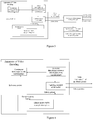
Figure 1 Example of the dependency relation between the pictures in the main bitstream and those in the library bitstream. -
Figure 2 Example of the structure of the apparatus provided by this invention for video decoding. -
Figure 3 Example of the structure of another apparatus provided by this invention for video decoding. -
Figure 4 Example of the structure of the apparatus provided by this invention for video encoding. - A video decoding method is composed of the following operations:
- 1. Obtaining the index of the library picture referenced by a current coding picture according to the reference picture configuration information of the current coding picture.
- In one example, the said reference picture configuration information is signaled in the sequence header or picture header or slice header or sequence parameter set, and the said reference picture configuration information contains a flag to signal whether the picture referenced by the current coding picture is a library picture and the index of the reference picture, wherein, if the reference picture is a library picture, the index of the library picture is used to locate the corresponding library picture from the outside of the decoder.
- In one example, the current coding picture references to one or more library pictures.
- 2. Locating the corresponding library picture according to the said index of the library picture and, if the library picture corresponding to the said index does not exist in the decoded picture buffer, obtaining the library picture corresponding to the said index, and process the operation 3.
- 3. Updating the picture stored in the decoded picture buffer, wherein the operation comprises one of the following operations:
- 1) When the number of the library picture in the decoded picture buffer is smaller than the minimal buffer size of the library picture, moving the library picture corresponding to the said index into the decoded picture buffer.
In one example, the library picture moved into the decoded picture buffer is marked with a flag which is used to distinguish the library picture and the non-library picture in the decoded picture buffer. In one example, the decoded picture buffer is divided into two parts, of which one part stores the library picture only and another the non-library picture. In one example, the library picture is stored at the end of the decoded picture buffer. In one example, the library picture moved into the decoded picture buffer is assigned with an index which is used to distinguish the library picture and the non-library picture in the decoded picture buffer. - 2) When the number of the library picture in the decoded picture buffer is no less than the minimal buffer size of the library picture, removing one or more library pictures from the decoded picture buffer according to a buffer management principle and moving the library picture corresponding to the said index into the decoded picture buffer.
The said minimal buffer size of the library picture describes the minimal size of the buffer provided by the decoded picture buffer for storing the library picture. In one example, the buffer size is measured in picture unit or byte unit. In one example, the information of the said minimal buffer size of the library picture is signaled in the sequence header or picture header or slice header or sequence parameter set, and the decoder parses the bitstream to obtain the said minimal buffer size of the library picture. In one example, the said minimal buffer size of the library picture is restricted in a video coding standard, e.g. restricted by the profile and level which describe the decoding capacity. Then the decoding method uses the minimal buffer size of the library picture that is restricted by the standard.
In one example, the said buffer management principle to remove the library picture includes but not limited to the following methods:- Recording the time instant of each library picture in the decoded picture buffer when it is moved into the buffer, and removing one or more library pictures already in the decoded picture buffer according to the 'First-In-First-Out' principle which means that at least one library picture which is first moved into the decoded picture buffer is removed; Or
- Recording the usage times of each library picture in the decoded picture buffer, and removing one or more library pictures already in the decoded picture buffer according to the 'Least-Frequently-Used' principle which means that at least one library picture which is used by the least times is removed; Or
- Recording the usage time instant of each library picture in the decoded picture buffer, and removing one or more library pictures already in the decoded picture buffer according to the 'Least-Recently-Used' principle which means that at least one library picture whose latest usage time instant is the farthest from the decoding time instant of the current picture is removed.
In one example, when the buffer size NL of the library picture is equal to 1, the principle of 'remove immediately' is used, which means that the library picture already in the decoded picture buffer is removed once the index of the library picture referenced by the current picture is different from the index of the library picture stored in the decoded picture buffer. - 3) Adding the library picture to the reference picture list of the current picture, wherein the library picture is located in the decoded picture buffer with the said index, and decoding the current picture by using the reference picture in the reference picture list.
- 1) When the number of the library picture in the decoded picture buffer is smaller than the minimal buffer size of the library picture, moving the library picture corresponding to the said index into the decoded picture buffer.
- A video decoding method is composed of the following operations:
- 1. Decoding the size information of the library picture buffer from a main bitstream to obtain that the size of the library picture buffer in the decoded picture buffer is NL in picture unit, wherein, in one example, the size information can be signaled as the actual size of the library picture buffer, or the actual size of the library picture buffer minus 1, or the profile that describes the actual size of the library picture buffer and so on. According to the said size information of the library picture buffer, a library picture buffer inside the decoded picture buffer of the main bitstream decoder is used to store the library picture, wherein the size of the library picture buffer is no less than the size NL of the library picture buffer signaled in the main bitstream.
- 2. Decoding a current picture in the main bitstream, which comprises:
- 1) Decoding the reference information of the current picture of the main bitstream to obtain the information that the reference picture of the current picture contains library picture and the index 'Lib_index' of the library picture referenced by the current picture, wherein, in one example, the said reference information can be information recorded in the reference picture list;
- 2) Updating the decoded picture buffer, according to the said index 'Lib_index' of the library picture; If the library picture with index 'Lib_index' does not exist in the decoded picture buffer, the decoder of the main bitstream providing the index 'Lib_index' of the library picture referenced by the current picture to the outside of the decoder, obtaining the library picture corresponding to the index 'Lib_index' from the outside, and updating the library picture in the decoded picture buffer, wherein the updating operation comprising:
- a) If the number of the library picture in the decoded picture buffer is smaller than the size NL of the library picture buffer, moving the library picture corresponding the said index 'Lib_index' into the decoded picture buffer, and marking the picture as library picture and the its index as 'Lib_index';
- b) If the number of the library picture in the decoded picture buffer is equal to the size NL of the library picture buffer, removing one or more library pictures from the decoded picture buffer according to a buffer management principle, moving the library picture corresponding the said index 'Lib_index' into the decoded picture buffer, and marking the picture as library picture and the its index as 'Lib_index'.The said buffer management principle can be one of the following methods:
- i. Recording the time instant of each library picture in the decoded picture buffer when it is moved into the buffer, and removing one or more library pictures already in the decoded picture buffer according to the 'First-In-First-Out' principle which means that at least one library picture which is first moved into the decoded picture buffer is removed; Or
- ii. Recording the usage times of each library picture in the decoded picture buffer, and removing one or more library pictures already in the decoded picture buffer according to the 'Least-Frequently-Used' principle which means that at least one library picture which is used by the least times is removed; Or
- iii. Recording the usage time instant of each library picture in the decoded picture buffer, and removing one or more library pictures already in the decoded picture buffer according to the 'Least-Recently-Used' principle which means that at least one library picture whose latest usage time instant is the farthest from the decoding time instant of the current picture is removed.
In one example, when the buffer size NL of the library picture is equal to 1, the principle of 'remove immediately' is used, which means that the library picture already in the decoded picture buffer is removed once the index of the library picture referenced by the current picture is different from the index of the library picture stored in the decoded picture buffer. There can be other principles and the corresponding updating method other than the ones mentioned above. - 3) Locating the library picture corresponding to the index 'Lib_index' in the reference picture from the decoded picture buffer according to the reference information of the current picture, and obtaining the library picture corresponding to the index 'Lib_index' from the decoded picture buffer.
- 4) Decoding the current picture by using the reference picture containing the library picture in the decoded picture buffer, wherein the library picture corresponds to the said index 'Lib_index' and the reference picture of the current decoding picture contains one or more library picture and may contain the non-library picture.
- A video decoding method is composed of the following operations:
- 1. Setting the size of the library picture buffer in the decoded picture buffer as a fixed number NL in picture unit according to the pre-determined principle of the main bitstream decoder.
- 2. Decoding a current picture in the main bitstream, which comprises:
- 1) Decoding the reference information of the current picture of the main bitstream to obtain the information that the reference picture of the current picture contains library picture and the index 'Lib_index' of the library picture referenced by the current picture, wherein, in one example, the said reference information can be information recorded in the reference picture list;
- 2) Updating the decoded picture buffer, according to the said index 'Lib_index' of the library picture; If the library picture with index 'Lib_index' does not exist in the decoded picture buffer, the decoder of the main bitstream providing the index 'Lib_index' of the library picture referenced by the current picture to the outside of the decoder, obtaining the library picture corresponding to the index 'Lib_index' from the outside, and updating the library picture in the decoded picture buffer, wherein the updating operation comprising:
- a) If the number of the library picture in the decoded picture buffer is smaller than the size NL of the library picture buffer, moving the library picture corresponding the said index 'Lib_index' into the decoded picture buffer, and marking the picture as library picture and the its index as 'Lib_index';
- b) If the number of the library picture in the decoded picture buffer is equal to the size NL of the library picture buffer, removing one or more library pictures from the decoded picture buffer according to a buffer management principle, moving the library picture corresponding the said index 'Lib_index' into the decoded picture buffer, and marking the picture as library picture and the its index as 'Lib_index'.The said buffer management principle can be one of the following methods:
- i. Recording the time instant of each library picture in the decoded picture buffer when it is moved into the buffer, and removing one or more library pictures already in the decoded picture buffer according to the 'First-In-First-Out' principle which means that at least one library picture which is first moved into the decoded picture buffer is removed; Or
- ii. Recording the usage times of each library picture in the decoded picture buffer, and removing one or more library pictures already in the decoded picture buffer according to the 'Least-Frequently-Used' principle which means that at least one library picture which is used by the least times is removed; Or
- iii. Recording the usage time instant of each library picture in the decoded picture buffer, and removing one or more library pictures already in the decoded picture buffer according to the 'Least-Recently-Used' principle which means that at least one library picture whose latest usage time instant is the farthest from the decoding time instant of the current picture is removed.
- iv. In one example, when the buffer size NL of the library picture is equal to 1, the principle of 'remove immediately' is used, which means that the library picture already in the decoded picture buffer is removed once the index of the library picture referenced by the current picture is different from the index of the library picture stored in the decoded picture buffer.
- v. There can be other principles and the corresponding updating method other than the ones mentioned above.
- 3) Locating the library picture corresponding to the index 'Lib_index' in the reference picture from the decoded picture buffer according to the reference information of the current picture, and obtaining the library picture corresponding to the index 'Lib_index' from the decoded picture buffer.
- 4) Decoding the current picture by using the reference picture containing the library picture in the decoded picture buffer, wherein the library picture corresponds to the said index 'Lib_index' and the reference picture of the current decoding picture contains one or more library picture and may contain the non-library picture.
- A video decoding method is composed of the following operations:
- 1. Decoding the size information of the decoded picture buffer from the main bitstream to obtain that the size of the decoded picture buffer is NP in picture unit, or setting the size of the decoded picture buffer as a pre-determined and fixed number NP, wherein the decoded picture buffer in the main bitstream decoder contains the current decoding picture, the picture to be present and the reference picture including the library picture that is used as reference.
- 2. Decoding the current picture in the main bitstream, including:
- 1) Moving the current picture into the decoded picture buffer and updating the picture in the decoded picture buffer, wherein the updating process comprising:
- a) If the number of the picture in the decoded picture buffer is smaller than the size NP of the decoded picture buffer, moving the current picture into the decoded picture buffer;
- b) If the number of the picture in the decoded picture buffer is equal to the size NP of the library picture buffer, removing one or more library pictures from the decoded picture buffer according to a buffer management principle, moving the current picture into the decoded picture buffer. The said buffer management principle can be one of the following methods:
- i. Recording the time instant of each library picture in the decoded picture buffer when it is moved into the buffer, and removing one or more library pictures already in the decoded picture buffer according to the 'First-In-First-Out' principle which means that at least one library picture which is first moved into the decoded picture buffer is removed; Or
- ii. Recording the usage times of each library picture in the decoded picture buffer, and removing one or more library pictures already in the decoded picture buffer according to the 'Least-Frequently-Used' principle which means that at least one library picture which is used by the least times is removed; Or
- iii. Recording the usage time instant of each library picture in the decoded picture buffer, and removing one or more library pictures already in the decoded picture buffer according to the 'Least-Recently-Used' principle which means that at least one library picture whose latest usage time instant is the farthest from the decoding time instant of the current picture is removed.
- iv. In one example, when the buffer size NL of the library picture is equal to 1, the principle of 'remove immediately' is used, which means that the library picture already in the decoded picture buffer is removed once the index of the library picture referenced by the current picture is different from the index of the library picture stored in the decoded picture buffer.
- v. There can be other principles and the corresponding updating method other than the ones mentioned above.
- 2) Decoding the reference information of the current picture of the main bitstream to obtain the information that the reference picture of the current picture contains library picture and the index 'Lib_index' of the library picture referenced by the current picture, wherein, in one example, the said reference information can be information recorded in the reference picture list.
- 3) Updating the decoded picture buffer, according to the said index 'Lib_index' of the library picture; If the library picture with index 'Lib_index' does not exist in the decoded picture buffer, the decoder of the main bitstream providing the index 'Lib_index' of the library picture referenced by the current picture to the outside of the decoder, obtaining the library picture corresponding to the index 'Lib_index' from the outside, and updating the library picture in the decoded picture buffer, wherein the updating operation comprising:
- a) Obtaining the number of the non-library picture in the decoded picture buffer, referred to as ND;
- b) According to that there are ND non-library pictures in the decoded picture buffer, obtaining that the size of the library picture buffer in the decoded picture buffer is NL in picture unit, wherein NL=NP-ND;
- c) If the number of the library picture in the decoded picture buffer is smaller than the size NL of the library picture buffer, moving the library picture corresponding the said index 'Lib_index' into the decoded picture buffer, and marking the picture as library picture and the its index as 'Lib_index';
- d) If the number of the library picture in the decoded picture buffer is equal to the size NL of the library picture buffer, removing one or more library pictures from the decoded picture buffer according to a buffer management principle, moving the library picture corresponding the said index 'Lib_index' into the decoded picture buffer, and marking the picture as library picture and the its index as 'Lib_index'. The said buffer management principle can be one of the following methods:
- i. Recording the time instant of each library picture in the decoded picture buffer when it is moved into the buffer, and removing one or more library pictures already in the decoded picture buffer according to the 'First-In-First-Out' principle which means that at least one library picture which is first moved into the decoded picture buffer is removed; Or
- ii. Recording the usage times of each library picture in the decoded picture buffer, and removing one or more library pictures already in the decoded picture buffer according to the 'Least-Frequently-Used' principle which means that at least one library picture which is used by the least times is removed; Or
- iii. Recording the usage time instant of each library picture in the decoded picture buffer, and removing one or more library pictures already in the decoded picture buffer according to the 'Least-Recently-Used' principle which means that at least one library picture whose latest usage time instant is the farthest from the decoding time instant of the current picture is removed.
- iv. In one example, when the buffer size NL of the library picture is equal to 1, the principle of 'remove immediately' is used, which means that the library picture already in the decoded picture buffer is removed once the index of the library picture referenced by the current picture is different from the index of the library picture stored in the decoded picture buffer.
- v. There can be other principles and the corresponding updating method other than the above mentioned ones.
Although the size of the decoded picture buffer in the decoder of the main bitstream is restricted, the library picture can be stored in the external buffer expanded at the outside of the main bitstream decoder. The size of the external buffer can be changed flexibly according to the memory capacity at the receiver side. When there does exist an external buffer, it can significantly reduce the bandwidth of requesting data from the sever side or the data source. Although the number of library picture in the decoded picture buffer of the main bitstream decoder is restricted, the outside of the main bitstream decoder can provide an external buffer to store the library picture, where the size of the external buffer is determined by the capacity of the receiver. Finally, different coding gains can be achieved by using different size of external buffer. - 4) Locating the library picture corresponding to the index 'Lib_index' in the reference picture from the decoded picture buffer according to the reference information of the current picture, and obtaining the library picture corresponding to the index 'Lib_index' from the decoded picture buffer.
- 5) Decoding the current picture by using the reference picture containing the library picture in the decoded picture buffer, wherein the library picture corresponds to the said index 'Lib_index' and the reference picture of the current decoding picture contains one or more library picture and may contain the non-library picture.
- 1) Moving the current picture into the decoded picture buffer and updating the picture in the decoded picture buffer, wherein the updating process comprising:
- A video decoding method is composed of the following operations:
- 1. Decoding the size information of the decoded picture buffer from the main bitstream to obtain that the size of the decoded picture buffer is NP in picture unit, or setting the size of the decoded picture buffer as a pre-determined and fixed number NP, wherein the decoded picture buffer in the main bitstream decoder contains the current decoding picture, the picture to be present and the reference picture including the library picture that is used as reference, and wherein the total number of all the pictures cannot exceed the size NP of the decoded picture buffer.
- 2. Decoding a current picture in the main bitstream, which comprises:
- 1) Decoding the reference information of the current picture of the main bitstream to obtain the information that the reference picture of the current picture contains library picture and the index 'Lib_index' of the library picture referenced by the current picture, wherein, in one example, the said reference information can be information recorded in the reference picture list;
- 2) The decoder of the main bitstream providing the index 'Lib_index' of the library picture referenced by the current picture to the outside of the decoder, obtaining the library picture corresponding to the index 'Lib_index' from the outside, moving the library picture to the decoded picture buffer, and marking the picture as library picture and the its index as 'Lib_index';
- 3) Locating the library picture corresponding to the index 'Lib_index' in the reference picture from the decoded picture buffer according to the reference information of the current picture, and obtaining the library picture corresponding to the index 'Lib_index' from the decoded picture buffer.
- 4) Decoding the current picture by using the reference picture containing the library picture in the decoded picture buffer, wherein the library picture corresponds to the said index 'Lib_index' and the reference picture of the current decoding picture contains one or more library picture and may contain the non-library picture.
- 5) Removing all library pictures out from the decoded picture buffer after decoding the current picture.
- As shown in the
Fig. 2 , an apparatus of video decoding is composed of the following components: - 1. A parser that decodes the reference information of the current picture of the main bitstream, wherein the parser decodes the main bitstream to obtain the information of whether the current picture references to library picture and the index 'Lib_index' of the library picture referenced by the current picture.
In one example, the parser obtains the said reference information, i.e. reference picture configuration information, from the sequence header or picture header or slice header or sequence parameter set. - 2. A decoded picture buffer that stores the reference picture needed to decode the current picture, wherein the said decoded picture buffer can also store the picture other than the reference picture that is needed to decode the current picture.
In one example, the buffer also contains a marker, which marks the library picture moved into the decoded picture buffer with a flag that is used to distinguish the library picture and the non-library picture in the decoded picture buffer. In one example, the decoded picture buffer divides into two parts, of which one part stores the library picture only and another the non-library picture. In one example, the library picture is stored at the end of the decoded picture buffer. In one example, the buffer also contains an indexing module, which assigns the library picture moved into the decoded picture buffer with an index that is used to distinguish the library picture and the non-library picture in the decoded picture buffer. - 3. An updating manager of the decoded picture buffer, wherein the manager updates the picture in the said decoded picture buffer according to the index 'Lib_index' of the library picture, wherein the index is provided by the said parser, and wherein the said manager obtains the library picture corresponding to the index 'Lib_index' that is not in the decoded picture buffer inside the decoder from the outside of the decoder by means of outputting the index 'Lib_index' of the library picture to the outside of the decoder, and selects a library picture already in the said buffer, based on the auxiliary information of the stored library picture (e.g. the time instant when the library picture is moved into the buffer, or the usage times of the library picture or the time instant when the library picture is used as reference), to remove it from the decoded picture buffer and then move in the library picture that is obtained from the outside of the decoder and corresponds to the index 'Lib_index'.
In one example, the said updating manager further contains a recorder that is used to provide recorded information for the manage principle of removing the library picture from the decoded picture buffer, wherein the operation of the recorder includes but not limited to the followings:- i. The recorder records the time instant of each library picture in the decoded picture buffer when it is moved into the buffer, based on which the said updating manager removes one or more library pictures already in the decoded picture buffer according to the 'First-In-First-Out' principle which means that at least one library picture which is first moved into the decoded picture buffer is removed.
- ii. The recorder records the usage times of each library picture in the decoded picture buffer, based on which the said updating manager removes one or more library pictures already in the decoded picture buffer according to the 'Least-Frequently-Used' principle which means that at least one library picture which is used by the least times is removed; Or
- iii. The recorder records the usage time instant of each library picture in the decoded picture buffer, based on which the said updating manager removes one or more library pictures already in the decoded picture buffer according to the 'Least-Recently-Used' principle which means that at least one library picture whose latest usage time instant is the farthest from the decoding time instant of the current picture is removed.
- iv. In one example, when the buffer size NL of the library picture is equal to 1, the principle of 'remove immediately' is used by the said updating manager, which means that the library picture already in the decoded picture buffer is removed once the index of the library picture referenced by the current picture is different from the index of the library picture stored in the decoded picture buffer.
- 4. A decompressor that decompresses the current picture, wherein the decompressor obtains the reconstructed picture of the current picture by referencing to the library picture stored in the decoded picture buffer, and wherein the said decompressor obtains the reference picture including the library picture from the decoded picture buffer by using the said reference information, provided by the said parser, which contains the information of whether the current picture references to library picture and the index 'Lib_index' of the library picture referenced by the current picture, and obtains the reconstructed picture of the current picture by referencing to the said reference picture.
- 5. A port that outputs the index 'Lib_index' of the library picture to the outside and another port that imports the library picture corresponding to the index 'Lib_index'.
- As shown in Fig. 5, an apparatus of video decoding is composed of the following components:
- 1. A parser that decodes the reference information of the current picture of the main bitstream, wherein the parser decodes the main bitstream to obtain the information of whether the current picture references to library picture and the index 'Lib_index' of the library picture referenced by the current picture.
- 2. A decoded picture buffer that stores the reference picture needed to decode the current picture, wherein the said decoded picture buffer can also store the picture other than the reference picture that is needed to decode the current picture.
- 3. An updating manager of the decoded picture buffer, wherein the manager updates the picture in the said decoded picture buffer according to the index 'Lib_index' of the library picture, wherein the index is provided by the said parser. While in the updating process, if the library picture corresponding to the index 'Lib_index' does not exist in the decoded picture buffer in the decoder, the said updating manager transmits the index 'Lib_index' of the library picture out to the library picture buffer manager in the system layer, and, if the external library picture buffer in the system layer does not contain the library picture corresponding to the index 'Lib index', the library picture buffer manager in the system layer sends request to the server to obtain the library picture corresponding to the index 'Lib_index'.Then the obtained library picture is sent to the updating manager of the decoded picture buffer. The said manager selects a library picture already in the said buffer, based on the auxiliary information of the stored library picture (e.g. the time instant when the library picture is moved into the buffer, or the usage times of the library picture or the time instant when the library picture is used as reference), to remove it from the decoded picture buffer and then move in the library picture that is obtained from the outside of the decoder and corresponds to the index 'Lib_index'.
Although the size of the decoded picture buffer in the decoder of the main bitstream is restricted, the library picture can be stored in the external buffer expanded at the outside of the main bitstream decoder. The size of the external buffer can be changed flexibly according to the memory capacity at the receiver side. When there does exist an external buffer, it can significantly reduce the bandwidth of requesting data from the sever side or the data source. Although the number of library picture in the decoded picture buffer of the main bitstream decoder is restricted, the outside of the main bitstream decoder can provide an external buffer to store the library picture, where the size of the external buffer is determined by the capacity of the receiver. Finally, different coding gains can be achieved by using different size of external buffer. - 4. A decompressor that decompresses the current picture, wherein the decompressor obtains the reconstructed picture of the current picture by referencing to the library picture stored in the decoded picture buffer, and wherein the said decompressor obtains the reference picture including the library picture from the decoded picture buffer by using the said reference information, provided by the said parser, which contains the information of whether the current picture references to library picture and the index 'Lib_index' of the library picture referenced by the current picture, and obtains the reconstructed picture of the current picture by referencing to the said reference picture.
- 5. A port that outputs the index 'Lib_index' of the library picture to the outside and another port that imports the library picture corresponding to the index 'Lib_index'.
- A method of video encoding is composed of the following operations:
- 1. Obtaining the index of the library picture referenced by the current picture.
In one example, according to the similarity between the contents in picture, the library picture whose content is the most similar with the current picture is selected as the reference picture of the current picture. In one example, according to the temporal continuity, the library picture which is extracted at the time instant nearest to the time instant of the current picture is selected as the reference picture of the current picture. In one example, there is only one available library picture and this library picture is selected as the reference picture of the current picture. The said index of the library picture is used to locate the corresponding library picture from the outside of the decoder. In one example, the current picture references to one or more library pictures. - 2. Locating the corresponding library picture according to the said index of the library picture and, if the library picture corresponding to the said index does not exist in the decoded picture buffer, obtaining the library picture corresponding to the said index, and process the operation 3.
- 3. Updating the picture stored in the decoded picture buffer, wherein the operation comprises one of the following operations:
- 1) When the number of the library picture in the decoded picture buffer is smaller than the minimal buffer size of the library picture, moving the library picture corresponding to the said index into the decoded picture buffer.
In one example, the library picture moved into the decoded picture buffer is marked with a flag which is used to distinguish the library picture and the non-library picture in the decoded picture buffer. In one example, the decoded picture buffer is divided into two parts, of which one part stores the library picture only and another the non-library picture. In one example, the library picture is stored at the end of the decoded picture buffer. In one example, the library picture moved into the decoded picture buffer is assigned with an index which is used to distinguish the library picture and the non-library picture in the decoded picture buffer. - 2) When the number of the library picture in the decoded picture buffer is no less than the minimal buffer size of the library picture, removing one or more library pictures from the decoded picture buffer according to a buffer management principle and moving the library picture corresponding to the said index into the decoded picture buffer.
The said minimal buffer size of the library picture describes the minimal size of the buffer provided by the decoded picture buffer for storing the library picture. In one example, the buffer size is measured in picture unit or byte unit. In one example, the information of the said minimal buffer size of the library picture is encoded into the bitstream and signaled in the sequence header or picture header or slice header or sequence parameter set. In one example, the said minimal buffer size of the library picture is restricted in a video coding standard, e.g. restricted by the profile and level which describe the decoding capacity. Then the encoding method uses the minimal buffer size of the library picture that is restricted by the standard.
In one example, the said buffer management principle to remove the library picture includes but not limited to the following methods:- Recording the time instant of each library picture in the decoded picture buffer when it is moved into the buffer, and removing one or more library pictures already in the decoded picture buffer according to the 'First-In-First-Out' principle which means that at least one library picture which is first moved into the decoded picture buffer is removed; Or
- Recording the usage times of each library picture in the decoded picture buffer, and removing one or more library pictures already in the decoded picture buffer according to the 'Least-Frequently-Used' principle which means that at least one library picture which is used by the least times is removed; Or
- Recording the usage time instant of each library picture in the decoded picture buffer, and removing one or more library pictures already in the decoded picture buffer according to the 'Least-Recently-Used' principle which means that at least one library picture whose latest usage time instant is the farthest from the decoding time instant of the current picture is removed.
In one example, when the buffer size NL of the library picture is equal to 1, the principle of 'remove immediately' is used, which means that the library picture already in the decoded picture buffer is removed once the index of the library picture referenced by the current picture is different from the index of the library picture stored in the decoded picture buffer. - 3) Adding the library picture to the reference picture list of the current picture, wherein the library picture is located in the decoded picture buffer with the said index, and encoding the current picture by using the reference picture in the reference picture list.
- 1) When the number of the library picture in the decoded picture buffer is smaller than the minimal buffer size of the library picture, moving the library picture corresponding to the said index into the decoded picture buffer.
- As shown in
Fig. 4 , an apparatus of video encoding is composed of the following components: - 1. An extractor that obtains the reference information of the current picture, wherein the said extractor outputs the information of whether the current picture references to library picture and the index 'Lib_index' of the library picture referenced by the current picture.
In one example, the extractor further includes a selector which, according to the similarity between the contents in picture, selects the library picture whose content is the most similar with the current picture to server as the reference picture of the current picture. In one example, the extractor further includes a selector which, according to the temporal continuity, selects the library picture which is extracted at the time instant nearest to the time instant of the current picture to server as the reference picture of the current picture. In one example, there is only one available library picture and the said extractor selects this library picture to serve as the reference picture of the current picture. - 2. A decoded picture buffer that stores the reference picture needed to decode the current picture.
In one example, the buffer also contains a marker, which marks the library picture moved into the decoded picture buffer with a flag that is used to distinguish the library picture and the non-library picture in the decoded picture buffer. In one example, the decoded picture buffer divides into two parts, of which one part stores the library picture only and another the non-library picture. In one example, the library picture is stored at the end of the decoded picture buffer. In one example, the buffer also contains an indexing module, which assigns the library picture moved into the decoded picture buffer with an index that is used to distinguish the library picture and the non-library picture in the decoded picture buffer. - 3. An updating manager of the decoded picture buffer, wherein the manager updates the picture in the said decoded picture buffer according to the index 'Lib_index' of the library picture, wherein the said manager obtains the library picture corresponding to the index 'Lib_index' that is not in the decoded picture buffer from the outside of the decoded picture buffer by means of outputting the index 'Lib_index' of the library picture to the outside, and selects a library picture already in the said buffer, based on the auxiliary information of the stored library picture (e.g. the time instant when the library picture is moved into the buffer, or the usage times of the library picture or the time instant when the library picture is used as reference), to remove it from the decoded picture buffer and then move in the library picture that is obtained from the outside of the decoder and corresponds to the index 'Lib_index'.
In one example, the said updating manager further contains a recorder that is used to provide recorded information for the manage principle of removing the library picture from the decoded picture buffer, wherein the operation of the recorder includes but not limited to the followings:- i. The recorder records the time instant of each library picture in the decoded picture buffer when it is moved into the buffer, based on which the said updating manager removes one or more library pictures already in the decoded picture buffer according to the 'First-In-First-Out' principle which means that at least one library picture which is first moved into the decoded picture buffer is removed.
- ii. The recorder records the usage times of each library picture in the decoded picture buffer, based on which the said updating manager removes one or more library pictures already in the decoded picture buffer according to the 'Least-Frequently-Used' principle which means that at least one library picture which is used by the least times is removed; Or
- iii. The recorder records the usage time instant of each library picture in the decoded picture buffer, based on which the said updating manager removes one or more library pictures already in the decoded picture buffer according to the 'Least-Recently-Used' principle which means that at least one library picture whose latest usage time instant is the farthest from the decoding time instant of the current picture is removed.
- iv. In one example, when the buffer size NL of the library picture is equal to 1, the principle of 'remove immediately' is used by the said updating manager, which means that the library picture already in the decoded picture buffer is removed once the index of the library picture referenced by the current picture is different from the index of the library picture stored in the decoded picture buffer.
- 4. A compressor that compresses the current picture, wherein the compressor obtains the compressed bitstream of the current picture by referencing to the library picture stored in the decoded picture buffer.
- 5. A port that outputs the index 'Lib_index' of the library picture to the outside and another port that imports the library picture corresponding to the index 'Lib_index'.
Claims (10)
- A video decoding method, which decodes a current picture of a main bitstream, comprising:(1) Decoding the reference information of the current picture of the main bitstream to obtain the information that the reference picture of the current picture contains library picture and the index 'Lib_index' of the library picture referenced by the current picture;(2) Updating the decoded picture buffer, according to the said index 'Lib_index' of the library picture;(3) Decoding the current picture by using the reference pictures containing the library picture in the decoded picture buffer, wherein the library picture corresponds to the said index 'Lib_index'.
- The method according to claim 1, wherein the operation of updating decoded picture buffer further comprising:If the library picture with index 'Lib_index' does not exist in the decoded picture buffer, the decoder of the main bitstream providing the index 'Lib_index' of the library picture referenced by the current picture to the outside of the decoder and obtaining the library picture corresponding to the index 'Lib_index' from the outside;Moving the library picture to the decoded picture buffer;Marking the picture as library picture and the its index as 'Lib_index'.
- The method according to claim 1 further comprising one of the followings:(1) Decoding the size information of the library picture buffer to obtain that the size of the library picture buffer in the decoded picture buffer is NL in picture unit;(2) Setting the size of the library picture buffer in the decoded picture buffer as a pre-determined and fixed number NL;(3) Decoding the size information of the decoded picture buffer from the main bitstream to obtain that the size of the decoded picture buffer is NP in picture unit, or setting the size of the decoded picture buffer as a pre-determined and fixed number NP; According to that there are ND non-library pictures in the decoded picture buffer, obtaining that the size of the library picture buffer in the decoded picture buffer is NL in picture unit, wherein NL=NP-ND
- The method according to claim 3, wherein the operation of updating the decoded picture buffer further comprising:(1) If the number of the library picture in the decoded picture buffer is smaller than the size NL of the library picture buffer and the library picture with index 'Lib_index' does not exist in the decoded picture buffer, the decoder of the main bitstream providing the index 'Lib_index' of the library picture referenced by the current picture to the outside of the decoder, obtaining the library picture corresponding to the index 'Lib_index' from the outside, moving the library picture to the decoded picture buffer, and marking the picture as library picture and the its index as 'Lib_index';(2) If the number of the library picture in the decoded picture buffer is equal to the size NL of the library picture buffer and the library picture with index 'Lib_index' does not exist in the decoded picture buffer, removing one or more library pictures from the decoded picture buffer according to a buffer management principle, the decoder of the main bitstream providing the index 'Lib_index' of the library picture referenced by the current picture to the outside of the decoder, obtaining the library picture corresponding to the index 'Lib_index' from the outside, moving the library picture to the decoded picture buffer, and marking the picture as library picture and the its index as 'Lib_index';
- The method according to claim 1 further comprising:Decoding the size information of the decoded picture buffer from the main bitstream to obtain that the size of the decoded picture buffer is NP in picture unit, or setting the size of the decoded picture buffer as a pre-determined and fixed number NP;Updating the decoded picture buffer, wherein the operation contains one of the followings:(1) If the number of the picture in the decoded picture buffer is smaller than the size NP of the decoded picture buffer, moving the current decoded picture into the decoded picture buffer;(2) If the number of the picture in the decoded picture buffer is equal to the size NP of the decoded picture buffer, removing one or more library pictures already in the decoded picture buffer according to a buffer management principle, and moving the current decoded picture into the decoded picture buffer;
- The method according to claim 1 further comprising:(1) The said operation of updating the decoded picture buffer comprising: the decoder of the main bitstream providing the index 'Lib_index' of the library picture referenced by the current picture to the outside of the decoder, obtaining the library picture corresponding to the index 'Lib_index' from the outside, moving the library picture to the decoded picture buffer, and marking the picture as library picture and the its index as 'Lib_index';(2) Removing all library pictures out from the decoded picture buffer after decoding the current picture.
- The method according to claim 4 and claim 5, wherein the operation of removing one or more library pictures already in the decoded picture buffer according to a buffer management principle comprising one of the followings:(1) Recording the time instant of each library picture in the decoded picture buffer when it is moved into the buffer, and removing one or more library pictures already in the decoded picture buffer according to the 'First-In-First-Out' principle which means that at least one library picture which is first moved into the decoded picture buffer is removed;(2) Recording the usage times of each library picture in the decoded picture buffer, and removing one or more library pictures already in the decoded picture buffer according to the 'Least-Frequently-Used' principle which means that at least one library picture which is used by the least times is removed;(3) Recording the usage time instant of each library picture in the decoded picture buffer, and removing one or more library pictures already in the decoded picture buffer according to the 'Least-Recently-Used' principle which means that at least one library picture whose latest usage time instant is the farthest from the decoding time instant of the current picture is removed.
- The method according to claim 3, wherein the operation of updating the decoded picture buffer further comprising:
When the size NL of the library picture buffer in the decoded picture buffer is equal to 1, if the index 'Lib_index' of the library picture referenced by the current picture is different from the index of the library picture stored in the decoded picture buffer, removing all library pictures stored in the decoded picture buffer, the decoder of the main bitstream providing the index 'Lib_index' of the library picture referenced by the current picture to the outside of the decoder, obtaining the library picture corresponding to the index 'Lib_index' from the outside, moving the library picture to the decoded picture buffer, and marking the picture as library picture and the its index as 'Lib_index'. - A video encoding method of encoding a current picture in a main bitstream, comprising:(1) Obtaining the index 'Lib_index' of the library picture referenced by the current picture;(2) Updating the decoded picture buffer according to the index 'Lib_index' of the library picture;(3) Encoding the current picture by using the reference pictures containing the library picture in the decoded picture buffer, wherein the library picture corresponds to the said index 'Lib_index'.
- An apparatus of video decoding , comprising:A parser that decodes the reference information of a current picture in a main bitstream, wherein the parser outputs the information of whether the current picture references to the library picture and the index 'Lib_index' of the library picture referenced by the current picture;A decoded picture buffer that stores the reference picture needed to decode the current picture;An updating manager of the decoded picture buffer, wherein the manager updates the picture in the said decoded picture buffer according to the index 'Lib_index' of the library picture;A decompressor that decompresses the current picture to obtain the reconstructed picture of the current picture by referencing to the library picture stored in the decoded picture buffer;A port that outputs the index 'Lib_index' of the library picture to the outside and another port that imports the library picture corresponding to the index 'Lib_index'.
Applications Claiming Priority (2)
| Application Number | Priority Date | Filing Date | Title |
|---|---|---|---|
| CN201910002807.1A CN111405291B (en) | 2019-01-02 | 2019-01-02 | Video codec method and device |
| PCT/CN2019/129806 WO2020140863A1 (en) | 2019-01-02 | 2019-12-30 | Video encoding and decoding method and device |
Publications (4)
| Publication Number | Publication Date |
|---|---|
| EP3908001A1 true EP3908001A1 (en) | 2021-11-10 |
| EP3908001A4 EP3908001A4 (en) | 2022-05-04 |
| EP3908001C0 EP3908001C0 (en) | 2025-02-12 |
| EP3908001B1 EP3908001B1 (en) | 2025-02-12 |
Family
ID=71406989
Family Applications (1)
| Application Number | Title | Priority Date | Filing Date |
|---|---|---|---|
| EP19906898.2A Active EP3908001B1 (en) | 2019-01-02 | 2019-12-30 | Video encoding and decoding method and decoding device |
Country Status (3)
| Country | Link |
|---|---|
| EP (1) | EP3908001B1 (en) |
| CN (1) | CN111405291B (en) |
| WO (1) | WO2020140863A1 (en) |
Cited By (1)
| Publication number | Priority date | Publication date | Assignee | Title |
|---|---|---|---|---|
| WO2026146115A1 (en) * | 2025-01-02 | 2026-07-09 | Nokia Technologies Oy | Method and apparatus for video encoding and decoding |
Families Citing this family (4)
| Publication number | Priority date | Publication date | Assignee | Title |
|---|---|---|---|---|
| CN111988626B (en) * | 2020-07-22 | 2023-10-27 | 浙江大华技术股份有限公司 | Frame reference method, apparatus and storage medium |
| CN112055231B (en) * | 2020-08-31 | 2021-10-15 | 浙江大华技术股份有限公司 | Video decoding method, decoding device, decoder and electronic equipment |
| CN113347424B (en) * | 2021-05-27 | 2022-08-05 | 上海国茂数字技术有限公司 | Video coding data storage method and device and readable storage medium |
| CN119135932A (en) * | 2023-06-13 | 2024-12-13 | 华为技术有限公司 | Coding and decoding method and device |
Family Cites Families (8)
| Publication number | Priority date | Publication date | Assignee | Title |
|---|---|---|---|---|
| WO2012033972A1 (en) * | 2010-09-10 | 2012-03-15 | Thomson Licensing | Methods and apparatus for pruning decision optimization in example-based data pruning compression |
| US20140086328A1 (en) * | 2012-09-25 | 2014-03-27 | Qualcomm Incorporated | Scalable video coding in hevc |
| CN103796021B (en) * | 2012-10-29 | 2018-03-16 | 浙江大学 | Video coding-decoding method and device |
| CN104053012B (en) * | 2014-05-28 | 2017-08-29 | 北京大学深圳研究生院 | A kind of video coding-decoding method and device based on dictionary library |
| CN104768011B (en) * | 2015-03-31 | 2018-03-06 | 浙江大学 | Image coding/decoding method and relevant apparatus |
| CN107396138A (en) * | 2016-05-17 | 2017-11-24 | 华为技术有限公司 | A kind of video coding-decoding method and equipment |
| CN107634930B (en) * | 2016-07-18 | 2020-04-03 | 华为技术有限公司 | A kind of acquisition method and device of media data |
| CN108243339B (en) * | 2016-12-27 | 2021-02-26 | 浙江大学 | Image coding and decoding method and device |
-
2019
- 2019-01-02 CN CN201910002807.1A patent/CN111405291B/en active Active
- 2019-12-30 WO PCT/CN2019/129806 patent/WO2020140863A1/en not_active Ceased
- 2019-12-30 EP EP19906898.2A patent/EP3908001B1/en active Active
Cited By (1)
| Publication number | Priority date | Publication date | Assignee | Title |
|---|---|---|---|---|
| WO2026146115A1 (en) * | 2025-01-02 | 2026-07-09 | Nokia Technologies Oy | Method and apparatus for video encoding and decoding |
Also Published As
| Publication number | Publication date |
|---|---|
| CN111405291A (en) | 2020-07-10 |
| EP3908001C0 (en) | 2025-02-12 |
| EP3908001B1 (en) | 2025-02-12 |
| WO2020140863A1 (en) | 2020-07-09 |
| CN111405291B (en) | 2021-10-19 |
| EP3908001A4 (en) | 2022-05-04 |
Similar Documents
| Publication | Publication Date | Title |
|---|---|---|
| EP3908001B1 (en) | Video encoding and decoding method and decoding device | |
| CN110876084B (en) | Method and apparatus for processing and transmitting media data | |
| EP3603080B1 (en) | Method and apparatus for encoding media data comprising generated content | |
| EP4576768A1 (en) | Data processing method for point cloud media, and related device | |
| US8531608B2 (en) | Object-based audio-visual terminal and bitstream structure | |
| EP1980958A2 (en) | Apparatus and method for generating a data file or for reading a data file | |
| US20100238822A1 (en) | Image processing device, image processing method, information processing device, and information processing method | |
| US12052464B2 (en) | Methods and apparatus for media data processing and transmitting and reference picture specifying | |
| JP2011505648A (en) | Hierarchical and simple index structure for multimedia files | |
| US20220309035A1 (en) | File processing device, file processing method, and program | |
| US7974517B2 (en) | Determination of decoding information | |
| US6731808B2 (en) | Compressed storage of data items | |
| US9070403B2 (en) | Processing of scalable compressed video data formats for nonlinear video editing systems | |
| US20070276953A1 (en) | Distribution system, information processing apparatus, distributing method and program | |
| EP3975544A1 (en) | File processing device, file processing method, and program | |
| US20250080597A1 (en) | Point cloud encapsulation and decapsulation | |
| CN112055231A (en) | Video decoding method, decoding device, decoder and electronic equipment | |
| CN112416873B (en) | Video fragment file recovery method and device, computer equipment and storage medium | |
| CN112732177A (en) | Video storage method, device, equipment and storage medium | |
| KR20040050070A (en) | Compressed storage of data items | |
| EP1613089A1 (en) | Object-based audio-visual terminal and corresponding bitstream structure | |
| HK1062250B (en) | Decompression and rendering method for object-based multimedia datastreams. corresponding apparatus, system and signal | |
| HK1062250A1 (en) | Decompression and rendering method for object-based multimedia datastreams. corresponding apparatus, system and signal |
Legal Events
| Date | Code | Title | Description |
|---|---|---|---|
| STAA | Information on the status of an ep patent application or granted ep patent |
Free format text: STATUS: THE INTERNATIONAL PUBLICATION HAS BEEN MADE |
|
| PUAI | Public reference made under article 153(3) epc to a published international application that has entered the european phase |
Free format text: ORIGINAL CODE: 0009012 |
|
| STAA | Information on the status of an ep patent application or granted ep patent |
Free format text: STATUS: REQUEST FOR EXAMINATION WAS MADE |
|
| 17P | Request for examination filed |
Effective date: 20210802 |
|
| AK | Designated contracting states |
Kind code of ref document: A1 Designated state(s): AL AT BE BG CH CY CZ DE DK EE ES FI FR GB GR HR HU IE IS IT LI LT LU LV MC MK MT NL NO PL PT RO RS SE SI SK SM TR |
|
| DAV | Request for validation of the european patent (deleted) | ||
| DAX | Request for extension of the european patent (deleted) | ||
| A4 | Supplementary search report drawn up and despatched |
Effective date: 20220404 |
|
| RIC1 | Information provided on ipc code assigned before grant |
Ipc: H04N 21/854 20110101ALI20220329BHEP Ipc: H04N 21/4402 20110101ALI20220329BHEP Ipc: H04N 19/44 20140101ALI20220329BHEP Ipc: H04N 19/423 20140101ALI20220329BHEP Ipc: H04N 19/573 20140101AFI20220329BHEP |
|
| GRAP | Despatch of communication of intention to grant a patent |
Free format text: ORIGINAL CODE: EPIDOSNIGR1 |
|
| STAA | Information on the status of an ep patent application or granted ep patent |
Free format text: STATUS: GRANT OF PATENT IS INTENDED |
|
| INTG | Intention to grant announced |
Effective date: 20240906 |
|
| GRAS | Grant fee paid |
Free format text: ORIGINAL CODE: EPIDOSNIGR3 |
|
| GRAA | (expected) grant |
Free format text: ORIGINAL CODE: 0009210 |
|
| STAA | Information on the status of an ep patent application or granted ep patent |
Free format text: STATUS: THE PATENT HAS BEEN GRANTED |
|
| AK | Designated contracting states |
Kind code of ref document: B1 Designated state(s): AL AT BE BG CH CY CZ DE DK EE ES FI FR GB GR HR HU IE IS IT LI LT LU LV MC MK MT NL NO PL PT RO RS SE SI SK SM TR |
|
| REG | Reference to a national code |
Ref country code: GB Ref legal event code: FG4D |
|
| REG | Reference to a national code |
Ref country code: CH Ref legal event code: EP |
|
| REG | Reference to a national code |
Ref country code: DE Ref legal event code: R096 Ref document number: 602019065966 Country of ref document: DE |
|
| REG | Reference to a national code |
Ref country code: IE Ref legal event code: FG4D |
|
| U01 | Request for unitary effect filed |
Effective date: 20250311 |
|
| U07 | Unitary effect registered |
Designated state(s): AT BE BG DE DK EE FI FR IT LT LU LV MT NL PT RO SE SI Effective date: 20250424 |
|
| PG25 | Lapsed in a contracting state [announced via postgrant information from national office to epo] |
Ref country code: RS Free format text: LAPSE BECAUSE OF FAILURE TO SUBMIT A TRANSLATION OF THE DESCRIPTION OR TO PAY THE FEE WITHIN THE PRESCRIBED TIME-LIMIT Effective date: 20250512 |
|
| PG25 | Lapsed in a contracting state [announced via postgrant information from national office to epo] |
Ref country code: PL Free format text: LAPSE BECAUSE OF FAILURE TO SUBMIT A TRANSLATION OF THE DESCRIPTION OR TO PAY THE FEE WITHIN THE PRESCRIBED TIME-LIMIT Effective date: 20250212 |
|
| PG25 | Lapsed in a contracting state [announced via postgrant information from national office to epo] |
Ref country code: ES Free format text: LAPSE BECAUSE OF FAILURE TO SUBMIT A TRANSLATION OF THE DESCRIPTION OR TO PAY THE FEE WITHIN THE PRESCRIBED TIME-LIMIT Effective date: 20250212 |
|
| PG25 | Lapsed in a contracting state [announced via postgrant information from national office to epo] |
Ref country code: NO Free format text: LAPSE BECAUSE OF FAILURE TO SUBMIT A TRANSLATION OF THE DESCRIPTION OR TO PAY THE FEE WITHIN THE PRESCRIBED TIME-LIMIT Effective date: 20250512 Ref country code: IS Free format text: LAPSE BECAUSE OF FAILURE TO SUBMIT A TRANSLATION OF THE DESCRIPTION OR TO PAY THE FEE WITHIN THE PRESCRIBED TIME-LIMIT Effective date: 20250612 |
|
| PG25 | Lapsed in a contracting state [announced via postgrant information from national office to epo] |
Ref country code: HR Free format text: LAPSE BECAUSE OF FAILURE TO SUBMIT A TRANSLATION OF THE DESCRIPTION OR TO PAY THE FEE WITHIN THE PRESCRIBED TIME-LIMIT Effective date: 20250212 |
|
| PG25 | Lapsed in a contracting state [announced via postgrant information from national office to epo] |
Ref country code: GR Free format text: LAPSE BECAUSE OF FAILURE TO SUBMIT A TRANSLATION OF THE DESCRIPTION OR TO PAY THE FEE WITHIN THE PRESCRIBED TIME-LIMIT Effective date: 20250513 |
|
| PG25 | Lapsed in a contracting state [announced via postgrant information from national office to epo] |
Ref country code: SM Free format text: LAPSE BECAUSE OF FAILURE TO SUBMIT A TRANSLATION OF THE DESCRIPTION OR TO PAY THE FEE WITHIN THE PRESCRIBED TIME-LIMIT Effective date: 20250212 |
|
| PG25 | Lapsed in a contracting state [announced via postgrant information from national office to epo] |
Ref country code: CZ Free format text: LAPSE BECAUSE OF FAILURE TO SUBMIT A TRANSLATION OF THE DESCRIPTION OR TO PAY THE FEE WITHIN THE PRESCRIBED TIME-LIMIT Effective date: 20250212 |
|
| PG25 | Lapsed in a contracting state [announced via postgrant information from national office to epo] |
Ref country code: SK Free format text: LAPSE BECAUSE OF FAILURE TO SUBMIT A TRANSLATION OF THE DESCRIPTION OR TO PAY THE FEE WITHIN THE PRESCRIBED TIME-LIMIT Effective date: 20250212 |
|
| PLBE | No opposition filed within time limit |
Free format text: ORIGINAL CODE: 0009261 |
|
| STAA | Information on the status of an ep patent application or granted ep patent |
Free format text: STATUS: NO OPPOSITION FILED WITHIN TIME LIMIT |
|
| REG | Reference to a national code |
Ref country code: CH Ref legal event code: L10 Free format text: ST27 STATUS EVENT CODE: U-0-0-L10-L00 (AS PROVIDED BY THE NATIONAL OFFICE) Effective date: 20251224 |
|
| PGFP | Annual fee paid to national office [announced via postgrant information from national office to epo] |
Ref country code: GB Payment date: 20251208 Year of fee payment: 7 |
|
| 26N | No opposition filed |
Effective date: 20251113 |
|
| U20 | Renewal fee for the european patent with unitary effect paid |
Year of fee payment: 7 Effective date: 20251230 |
|
| PG25 | Lapsed in a contracting state [announced via postgrant information from national office to epo] |
Ref country code: MC Free format text: LAPSE BECAUSE OF FAILURE TO SUBMIT A TRANSLATION OF THE DESCRIPTION OR TO PAY THE FEE WITHIN THE PRESCRIBED TIME-LIMIT Effective date: 20250212 |
|
| REG | Reference to a national code |
Ref country code: CH Ref legal event code: H13 Free format text: ST27 STATUS EVENT CODE: U-0-0-H10-H13 (AS PROVIDED BY THE NATIONAL OFFICE) Effective date: 20260723 |