EP3906969A1 - Antihypertensive polyol compound and derivative thereof - Google Patents
Antihypertensive polyol compound and derivative thereof Download PDFInfo
- Publication number
- EP3906969A1 EP3906969A1 EP20822935.1A EP20822935A EP3906969A1 EP 3906969 A1 EP3906969 A1 EP 3906969A1 EP 20822935 A EP20822935 A EP 20822935A EP 3906969 A1 EP3906969 A1 EP 3906969A1
- Authority
- EP
- European Patent Office
- Prior art keywords
- substituted
- unsubstituted
- compound
- alkyl
- hypertension
- Prior art date
- Legal status (The legal status is an assumption and is not a legal conclusion. Google has not performed a legal analysis and makes no representation as to the accuracy of the status listed.)
- Pending
Links
- 0 *OCC(c1ccccc1)OO Chemical compound *OCC(c1ccccc1)OO 0.000 description 3
- VFYMSAONOBWBNN-UHFFFAOYSA-N CC(c1ccc(C(CO)O)cc1)=O Chemical compound CC(c1ccc(C(CO)O)cc1)=O VFYMSAONOBWBNN-UHFFFAOYSA-N 0.000 description 2
- PESNXVJICRFESF-UHFFFAOYSA-N OCC(C(c(cc1)ccc1O)OC(C(C1O)O)OC(CO)C1O)O Chemical compound OCC(C(c(cc1)ccc1O)OC(C(C1O)O)OC(CO)C1O)O PESNXVJICRFESF-UHFFFAOYSA-N 0.000 description 2
- RXIVMYNITWECNH-UHFFFAOYSA-N C=Cc1ccc(C(CO)O)cc1 Chemical compound C=Cc1ccc(C(CO)O)cc1 RXIVMYNITWECNH-UHFFFAOYSA-N 0.000 description 1
- BYCHQHDJBCVLGT-UHFFFAOYSA-N C=Cc1cccc(C(CO)O)c1 Chemical compound C=Cc1cccc(C(CO)O)c1 BYCHQHDJBCVLGT-UHFFFAOYSA-N 0.000 description 1
- PIYCCGIPUXJHIW-UHFFFAOYSA-N CC(C(c(cc1)ccc1O)O)O Chemical compound CC(C(c(cc1)ccc1O)O)O PIYCCGIPUXJHIW-UHFFFAOYSA-N 0.000 description 1
- MZQZXSHFWDHNOW-UHFFFAOYSA-N CC(C(c1ccccc1)O)O Chemical compound CC(C(c1ccccc1)O)O MZQZXSHFWDHNOW-UHFFFAOYSA-N 0.000 description 1
- IUBSYMUCCVWXPE-UHFFFAOYSA-N CC(C)NCC(COc1ccc(CCOC)cc1)O Chemical compound CC(C)NCC(COc1ccc(CCOC)cc1)O IUBSYMUCCVWXPE-UHFFFAOYSA-N 0.000 description 1
- OBCUSTCTKLTMBX-UHFFFAOYSA-N CC(OC(C(O)=O)c1ccccc1)=O Chemical compound CC(OC(C(O)=O)c1ccccc1)=O OBCUSTCTKLTMBX-UHFFFAOYSA-N 0.000 description 1
- AENSJQSUTSFKEM-UHFFFAOYSA-N CC(OCOC(c1ccccc1)=O)=O Chemical compound CC(OCOC(c1ccccc1)=O)=O AENSJQSUTSFKEM-UHFFFAOYSA-N 0.000 description 1
- XHIPIRAHOWADEP-IMGSUECSSA-N CC(c1c([C@@H]([C@@](C)(C[C@H]2O)O)O)c2c(C)cc1)I Chemical compound CC(c1c([C@@H]([C@@](C)(C[C@H]2O)O)O)c2c(C)cc1)I XHIPIRAHOWADEP-IMGSUECSSA-N 0.000 description 1
- HJXREJORMABZCA-UHFFFAOYSA-N CCC(c1cc(CO)ccc1)O Chemical compound CCC(c1cc(CO)ccc1)O HJXREJORMABZCA-UHFFFAOYSA-N 0.000 description 1
- RGANGPXSVMULOJ-UHFFFAOYSA-N CCc1cc(CCc2ccc(C(CO)O)cc2)ccc1C(CO)O Chemical compound CCc1cc(CCc2ccc(C(CO)O)cc2)ccc1C(CO)O RGANGPXSVMULOJ-UHFFFAOYSA-N 0.000 description 1
- RYGSTNQAZVYULU-UHFFFAOYSA-N CCc1ccc(C(CO)O)cc1 Chemical compound CCc1ccc(C(CO)O)cc1 RYGSTNQAZVYULU-UHFFFAOYSA-N 0.000 description 1
- ZULWOWVDPOCZRT-UHFFFAOYSA-N CCc1ccc(C(COP(O)(O)=O)O)cc1 Chemical compound CCc1ccc(C(COP(O)(O)=O)O)cc1 ZULWOWVDPOCZRT-UHFFFAOYSA-N 0.000 description 1
- ZPNNJYNIHQZIJX-UHFFFAOYSA-N CCc1cccc(C(CO)O)c1 Chemical compound CCc1cccc(C(CO)O)c1 ZPNNJYNIHQZIJX-UHFFFAOYSA-N 0.000 description 1
- LWXUMNOKAGDEDL-UHFFFAOYSA-N CCc1cccc(C(CO)OC(C(C2O)O)OC(CO)C2O)c1 Chemical compound CCc1cccc(C(CO)OC(C(C2O)O)OC(CO)C2O)c1 LWXUMNOKAGDEDL-UHFFFAOYSA-N 0.000 description 1
- ZPNNJYNIHQZIJX-SNVBAGLBSA-N CCc1cccc([C@@H](CO)O)c1 Chemical compound CCc1cccc([C@@H](CO)O)c1 ZPNNJYNIHQZIJX-SNVBAGLBSA-N 0.000 description 1
- DIWVBIXQCNRCFE-UHFFFAOYSA-N COC(C(O)=O)c1ccccc1 Chemical compound COC(C(O)=O)c1ccccc1 DIWVBIXQCNRCFE-UHFFFAOYSA-N 0.000 description 1
- SMHXGVJSDWUGKC-UHFFFAOYSA-N COC(C(OC)=O)c1ccccc1 Chemical compound COC(C(OC)=O)c1ccccc1 SMHXGVJSDWUGKC-UHFFFAOYSA-N 0.000 description 1
- ITATYELQCJRCCK-UHFFFAOYSA-N COC(C(c1ccccc1)O)=O Chemical compound COC(C(c1ccccc1)O)=O ITATYELQCJRCCK-UHFFFAOYSA-N 0.000 description 1
- UDXFPIFGARNXHL-UHFFFAOYSA-N COP(OC)(OCC(c1ccccc1)O)=O Chemical compound COP(OC)(OCC(c1ccccc1)O)=O UDXFPIFGARNXHL-UHFFFAOYSA-N 0.000 description 1
- ULFDHKGIYIYXQZ-UHFFFAOYSA-N COP(OC1)(OC1c1ccccc1)=O Chemical compound COP(OC1)(OC1c1ccccc1)=O ULFDHKGIYIYXQZ-UHFFFAOYSA-N 0.000 description 1
- KFMXFWBXSCYUCM-UHFFFAOYSA-N COc(ccc(C(CO)O)c1)c1OC Chemical compound COc(ccc(C(CO)O)c1)c1OC KFMXFWBXSCYUCM-UHFFFAOYSA-N 0.000 description 1
- ITECRQOOEQWFPE-UHFFFAOYSA-N COc1ccc(C(C(O)=O)O)cc1 Chemical compound COc1ccc(C(C(O)=O)O)cc1 ITECRQOOEQWFPE-UHFFFAOYSA-N 0.000 description 1
- JBGPZBOLDIKWCM-UHFFFAOYSA-N Cc1cc2ncccc2c(Br)c1C(CO)O Chemical compound Cc1cc2ncccc2c(Br)c1C(CO)O JBGPZBOLDIKWCM-UHFFFAOYSA-N 0.000 description 1
- PRGYESCXQNWJCF-UHFFFAOYSA-N NC(c(c1c2c(ccc(C(CO)O)c3)c3[nH]1)ccc2Br)=O Chemical compound NC(c(c1c2c(ccc(C(CO)O)c3)c3[nH]1)ccc2Br)=O PRGYESCXQNWJCF-UHFFFAOYSA-N 0.000 description 1
- YHXHKYRQLYQUIH-UHFFFAOYSA-N OC(C(O)=O)c(cc1)ccc1O Chemical compound OC(C(O)=O)c(cc1)ccc1O YHXHKYRQLYQUIH-UHFFFAOYSA-N 0.000 description 1
- OLSDAJRAVOVKLG-UHFFFAOYSA-N OC(C(O)=O)c1cc(O)ccc1 Chemical compound OC(C(O)=O)c1cc(O)ccc1 OLSDAJRAVOVKLG-UHFFFAOYSA-N 0.000 description 1
- NHBYOQPNAVRZAE-UHFFFAOYSA-N OCC(C(c(cc1)ccc1O)O)OC(C(C1O)O)OC(CO)C1O Chemical compound OCC(C(c(cc1)ccc1O)O)OC(C(C1O)O)OC(CO)C1O NHBYOQPNAVRZAE-UHFFFAOYSA-N 0.000 description 1
- PUGXDKPZBZICDX-KWELEBFKSA-N OCC([C@H](C(C1O)O)O)O[C@H]1OCC(C(c(cc1)ccc1O)O)O Chemical compound OCC([C@H](C(C1O)O)O)O[C@H]1OCC(C(c(cc1)ccc1O)O)O PUGXDKPZBZICDX-KWELEBFKSA-N 0.000 description 1
- MTVWFVDWRVYDOR-UHFFFAOYSA-N OCC(c(cc1)cc(O)c1O)O Chemical compound OCC(c(cc1)cc(O)c1O)O MTVWFVDWRVYDOR-UHFFFAOYSA-N 0.000 description 1
- CBBLZOVHUORRKP-QMMMGPOBSA-N OC[C@@H](c(cc1)cc2c1OCCO2)O Chemical compound OC[C@@H](c(cc1)cc2c1OCCO2)O CBBLZOVHUORRKP-QMMMGPOBSA-N 0.000 description 1
- MPVBGDFOYKSRDO-LBPRGKRZSA-N OC[C@@H](c1ccc(CCCC2)c2c1)O Chemical compound OC[C@@H](c1ccc(CCCC2)c2c1)O MPVBGDFOYKSRDO-LBPRGKRZSA-N 0.000 description 1
- LARMGAPNVWXSGA-DQROZCCUSA-N OC[C@H]([C@H]([C@@H]([C@H]1O)O)O)OC1c(cc1)cc(Cc(cc2)ccc2O)c1O Chemical compound OC[C@H]([C@H]([C@@H]([C@H]1O)O)O)OC1c(cc1)cc(Cc(cc2)ccc2O)c1O LARMGAPNVWXSGA-DQROZCCUSA-N 0.000 description 1
- CBBLZOVHUORRKP-MRVPVSSYSA-N OC[C@H](c(cc1)cc2c1OCCO2)O Chemical compound OC[C@H](c(cc1)cc2c1OCCO2)O CBBLZOVHUORRKP-MRVPVSSYSA-N 0.000 description 1
- MPVBGDFOYKSRDO-GFCCVEGCSA-N OC[C@H](c1ccc(CCCC2)c2c1)O Chemical compound OC[C@H](c1ccc(CCCC2)c2c1)O MPVBGDFOYKSRDO-GFCCVEGCSA-N 0.000 description 1
Images


Classifications
-
- C—CHEMISTRY; METALLURGY
- C07—ORGANIC CHEMISTRY
- C07C—ACYCLIC OR CARBOCYCLIC COMPOUNDS
- C07C33/00—Unsaturated compounds having hydroxy or O-metal groups bound to acyclic carbon atoms
- C07C33/26—Polyhydroxylic alcohols containing only six-membered aromatic rings as cyclic part
-
- C—CHEMISTRY; METALLURGY
- C07—ORGANIC CHEMISTRY
- C07C—ACYCLIC OR CARBOCYCLIC COMPOUNDS
- C07C33/00—Unsaturated compounds having hydroxy or O-metal groups bound to acyclic carbon atoms
- C07C33/40—Halogenated unsaturated alcohols
- C07C33/46—Halogenated unsaturated alcohols containing only six-membered aromatic rings as cyclic parts
-
- A—HUMAN NECESSITIES
- A61—MEDICAL OR VETERINARY SCIENCE; HYGIENE
- A61K—PREPARATIONS FOR MEDICAL, DENTAL OR TOILETRY PURPOSES
- A61K31/00—Medicinal preparations containing organic active ingredients
- A61K31/12—Ketones
-
- A—HUMAN NECESSITIES
- A61—MEDICAL OR VETERINARY SCIENCE; HYGIENE
- A61K—PREPARATIONS FOR MEDICAL, DENTAL OR TOILETRY PURPOSES
- A61K31/00—Medicinal preparations containing organic active ingredients
- A61K31/045—Hydroxy compounds, e.g. alcohols; Salts thereof, e.g. alcoholates
- A61K31/047—Hydroxy compounds, e.g. alcohols; Salts thereof, e.g. alcoholates having two or more hydroxy groups, e.g. sorbitol
-
- A—HUMAN NECESSITIES
- A61—MEDICAL OR VETERINARY SCIENCE; HYGIENE
- A61K—PREPARATIONS FOR MEDICAL, DENTAL OR TOILETRY PURPOSES
- A61K31/00—Medicinal preparations containing organic active ingredients
- A61K31/045—Hydroxy compounds, e.g. alcohols; Salts thereof, e.g. alcoholates
- A61K31/05—Phenols
-
- A—HUMAN NECESSITIES
- A61—MEDICAL OR VETERINARY SCIENCE; HYGIENE
- A61K—PREPARATIONS FOR MEDICAL, DENTAL OR TOILETRY PURPOSES
- A61K31/00—Medicinal preparations containing organic active ingredients
- A61K31/075—Ethers or acetals
-
- A—HUMAN NECESSITIES
- A61—MEDICAL OR VETERINARY SCIENCE; HYGIENE
- A61K—PREPARATIONS FOR MEDICAL, DENTAL OR TOILETRY PURPOSES
- A61K31/00—Medicinal preparations containing organic active ingredients
- A61K31/075—Ethers or acetals
- A61K31/085—Ethers or acetals having an ether linkage to aromatic ring nuclear carbon
-
- A—HUMAN NECESSITIES
- A61—MEDICAL OR VETERINARY SCIENCE; HYGIENE
- A61K—PREPARATIONS FOR MEDICAL, DENTAL OR TOILETRY PURPOSES
- A61K31/00—Medicinal preparations containing organic active ingredients
- A61K31/12—Ketones
- A61K31/122—Ketones having the oxygen directly attached to a ring, e.g. quinones, vitamin K1, anthralin
-
- A—HUMAN NECESSITIES
- A61—MEDICAL OR VETERINARY SCIENCE; HYGIENE
- A61K—PREPARATIONS FOR MEDICAL, DENTAL OR TOILETRY PURPOSES
- A61K31/00—Medicinal preparations containing organic active ingredients
- A61K31/13—Amines
- A61K31/135—Amines having aromatic rings, e.g. ketamine, nortriptyline
- A61K31/136—Amines having aromatic rings, e.g. ketamine, nortriptyline having the amino group directly attached to the aromatic ring, e.g. benzeneamine
-
- A—HUMAN NECESSITIES
- A61—MEDICAL OR VETERINARY SCIENCE; HYGIENE
- A61K—PREPARATIONS FOR MEDICAL, DENTAL OR TOILETRY PURPOSES
- A61K31/00—Medicinal preparations containing organic active ingredients
- A61K31/13—Amines
- A61K31/135—Amines having aromatic rings, e.g. ketamine, nortriptyline
- A61K31/137—Arylalkylamines, e.g. amphetamine, epinephrine, salbutamol, ephedrine or methadone
-
- A—HUMAN NECESSITIES
- A61—MEDICAL OR VETERINARY SCIENCE; HYGIENE
- A61K—PREPARATIONS FOR MEDICAL, DENTAL OR TOILETRY PURPOSES
- A61K31/00—Medicinal preparations containing organic active ingredients
- A61K31/185—Acids; Anhydrides, halides or salts thereof, e.g. sulfur acids, imidic, hydrazonic or hydroximic acids
- A61K31/19—Carboxylic acids, e.g. valproic acid
- A61K31/192—Carboxylic acids, e.g. valproic acid having aromatic groups, e.g. sulindac, 2-aryl-propionic acids, ethacrynic acid
-
- A—HUMAN NECESSITIES
- A61—MEDICAL OR VETERINARY SCIENCE; HYGIENE
- A61K—PREPARATIONS FOR MEDICAL, DENTAL OR TOILETRY PURPOSES
- A61K31/00—Medicinal preparations containing organic active ingredients
- A61K31/185—Acids; Anhydrides, halides or salts thereof, e.g. sulfur acids, imidic, hydrazonic or hydroximic acids
- A61K31/19—Carboxylic acids, e.g. valproic acid
- A61K31/195—Carboxylic acids, e.g. valproic acid having an amino group
-
- A—HUMAN NECESSITIES
- A61—MEDICAL OR VETERINARY SCIENCE; HYGIENE
- A61K—PREPARATIONS FOR MEDICAL, DENTAL OR TOILETRY PURPOSES
- A61K31/00—Medicinal preparations containing organic active ingredients
- A61K31/185—Acids; Anhydrides, halides or salts thereof, e.g. sulfur acids, imidic, hydrazonic or hydroximic acids
- A61K31/19—Carboxylic acids, e.g. valproic acid
- A61K31/195—Carboxylic acids, e.g. valproic acid having an amino group
- A61K31/197—Carboxylic acids, e.g. valproic acid having an amino group the amino and the carboxyl groups being attached to the same acyclic carbon chain, e.g. gamma-aminobutyric acid [GABA], beta-alanine, epsilon-aminocaproic acid or pantothenic acid
-
- A—HUMAN NECESSITIES
- A61—MEDICAL OR VETERINARY SCIENCE; HYGIENE
- A61K—PREPARATIONS FOR MEDICAL, DENTAL OR TOILETRY PURPOSES
- A61K31/00—Medicinal preparations containing organic active ingredients
- A61K31/21—Esters, e.g. nitroglycerine, selenocyanates
- A61K31/215—Esters, e.g. nitroglycerine, selenocyanates of carboxylic acids
- A61K31/216—Esters, e.g. nitroglycerine, selenocyanates of carboxylic acids of acids having aromatic rings, e.g. benactizyne, clofibrate
-
- A—HUMAN NECESSITIES
- A61—MEDICAL OR VETERINARY SCIENCE; HYGIENE
- A61K—PREPARATIONS FOR MEDICAL, DENTAL OR TOILETRY PURPOSES
- A61K31/00—Medicinal preparations containing organic active ingredients
- A61K31/21—Esters, e.g. nitroglycerine, selenocyanates
- A61K31/215—Esters, e.g. nitroglycerine, selenocyanates of carboxylic acids
- A61K31/22—Esters, e.g. nitroglycerine, selenocyanates of carboxylic acids of acyclic acids, e.g. pravastatin
-
- A—HUMAN NECESSITIES
- A61—MEDICAL OR VETERINARY SCIENCE; HYGIENE
- A61K—PREPARATIONS FOR MEDICAL, DENTAL OR TOILETRY PURPOSES
- A61K31/00—Medicinal preparations containing organic active ingredients
- A61K31/21—Esters, e.g. nitroglycerine, selenocyanates
- A61K31/27—Esters, e.g. nitroglycerine, selenocyanates of carbamic or thiocarbamic acids, meprobamate, carbachol, neostigmine
-
- A—HUMAN NECESSITIES
- A61—MEDICAL OR VETERINARY SCIENCE; HYGIENE
- A61K—PREPARATIONS FOR MEDICAL, DENTAL OR TOILETRY PURPOSES
- A61K31/00—Medicinal preparations containing organic active ingredients
- A61K31/325—Carbamic acids; Thiocarbamic acids; Anhydrides or salts thereof
-
- A—HUMAN NECESSITIES
- A61—MEDICAL OR VETERINARY SCIENCE; HYGIENE
- A61K—PREPARATIONS FOR MEDICAL, DENTAL OR TOILETRY PURPOSES
- A61K31/00—Medicinal preparations containing organic active ingredients
- A61K31/33—Heterocyclic compounds
- A61K31/335—Heterocyclic compounds having oxygen as the only ring hetero atom, e.g. fungichromin
- A61K31/336—Heterocyclic compounds having oxygen as the only ring hetero atom, e.g. fungichromin having three-membered rings, e.g. oxirane, fumagillin
-
- A—HUMAN NECESSITIES
- A61—MEDICAL OR VETERINARY SCIENCE; HYGIENE
- A61K—PREPARATIONS FOR MEDICAL, DENTAL OR TOILETRY PURPOSES
- A61K31/00—Medicinal preparations containing organic active ingredients
- A61K31/33—Heterocyclic compounds
- A61K31/335—Heterocyclic compounds having oxygen as the only ring hetero atom, e.g. fungichromin
- A61K31/34—Heterocyclic compounds having oxygen as the only ring hetero atom, e.g. fungichromin having five-membered rings with one oxygen as the only ring hetero atom, e.g. isosorbide
- A61K31/343—Heterocyclic compounds having oxygen as the only ring hetero atom, e.g. fungichromin having five-membered rings with one oxygen as the only ring hetero atom, e.g. isosorbide condensed with a carbocyclic ring, e.g. coumaran, bufuralol, befunolol, clobenfurol, amiodarone
-
- A—HUMAN NECESSITIES
- A61—MEDICAL OR VETERINARY SCIENCE; HYGIENE
- A61K—PREPARATIONS FOR MEDICAL, DENTAL OR TOILETRY PURPOSES
- A61K31/00—Medicinal preparations containing organic active ingredients
- A61K31/33—Heterocyclic compounds
- A61K31/335—Heterocyclic compounds having oxygen as the only ring hetero atom, e.g. fungichromin
- A61K31/35—Heterocyclic compounds having oxygen as the only ring hetero atom, e.g. fungichromin having six-membered rings with one oxygen as the only ring hetero atom
- A61K31/352—Heterocyclic compounds having oxygen as the only ring hetero atom, e.g. fungichromin having six-membered rings with one oxygen as the only ring hetero atom condensed with carbocyclic rings, e.g. methantheline
-
- A—HUMAN NECESSITIES
- A61—MEDICAL OR VETERINARY SCIENCE; HYGIENE
- A61K—PREPARATIONS FOR MEDICAL, DENTAL OR TOILETRY PURPOSES
- A61K31/00—Medicinal preparations containing organic active ingredients
- A61K31/33—Heterocyclic compounds
- A61K31/335—Heterocyclic compounds having oxygen as the only ring hetero atom, e.g. fungichromin
- A61K31/35—Heterocyclic compounds having oxygen as the only ring hetero atom, e.g. fungichromin having six-membered rings with one oxygen as the only ring hetero atom
- A61K31/352—Heterocyclic compounds having oxygen as the only ring hetero atom, e.g. fungichromin having six-membered rings with one oxygen as the only ring hetero atom condensed with carbocyclic rings, e.g. methantheline
- A61K31/353—3,4-Dihydrobenzopyrans, e.g. chroman, catechin
-
- A—HUMAN NECESSITIES
- A61—MEDICAL OR VETERINARY SCIENCE; HYGIENE
- A61K—PREPARATIONS FOR MEDICAL, DENTAL OR TOILETRY PURPOSES
- A61K31/00—Medicinal preparations containing organic active ingredients
- A61K31/33—Heterocyclic compounds
- A61K31/335—Heterocyclic compounds having oxygen as the only ring hetero atom, e.g. fungichromin
- A61K31/357—Heterocyclic compounds having oxygen as the only ring hetero atom, e.g. fungichromin having two or more oxygen atoms in the same ring, e.g. crown ethers, guanadrel
-
- A—HUMAN NECESSITIES
- A61—MEDICAL OR VETERINARY SCIENCE; HYGIENE
- A61K—PREPARATIONS FOR MEDICAL, DENTAL OR TOILETRY PURPOSES
- A61K31/00—Medicinal preparations containing organic active ingredients
- A61K31/33—Heterocyclic compounds
- A61K31/38—Heterocyclic compounds having sulfur as a ring hetero atom
- A61K31/381—Heterocyclic compounds having sulfur as a ring hetero atom having five-membered rings
-
- A—HUMAN NECESSITIES
- A61—MEDICAL OR VETERINARY SCIENCE; HYGIENE
- A61K—PREPARATIONS FOR MEDICAL, DENTAL OR TOILETRY PURPOSES
- A61K31/00—Medicinal preparations containing organic active ingredients
- A61K31/33—Heterocyclic compounds
- A61K31/395—Heterocyclic compounds having nitrogen as a ring hetero atom, e.g. guanethidine or rifamycins
- A61K31/40—Heterocyclic compounds having nitrogen as a ring hetero atom, e.g. guanethidine or rifamycins having five-membered rings with one nitrogen as the only ring hetero atom, e.g. sulpiride, succinimide, tolmetin, buflomedil
- A61K31/403—Heterocyclic compounds having nitrogen as a ring hetero atom, e.g. guanethidine or rifamycins having five-membered rings with one nitrogen as the only ring hetero atom, e.g. sulpiride, succinimide, tolmetin, buflomedil condensed with carbocyclic rings, e.g. carbazole
-
- A—HUMAN NECESSITIES
- A61—MEDICAL OR VETERINARY SCIENCE; HYGIENE
- A61K—PREPARATIONS FOR MEDICAL, DENTAL OR TOILETRY PURPOSES
- A61K31/00—Medicinal preparations containing organic active ingredients
- A61K31/33—Heterocyclic compounds
- A61K31/395—Heterocyclic compounds having nitrogen as a ring hetero atom, e.g. guanethidine or rifamycins
- A61K31/40—Heterocyclic compounds having nitrogen as a ring hetero atom, e.g. guanethidine or rifamycins having five-membered rings with one nitrogen as the only ring hetero atom, e.g. sulpiride, succinimide, tolmetin, buflomedil
- A61K31/403—Heterocyclic compounds having nitrogen as a ring hetero atom, e.g. guanethidine or rifamycins having five-membered rings with one nitrogen as the only ring hetero atom, e.g. sulpiride, succinimide, tolmetin, buflomedil condensed with carbocyclic rings, e.g. carbazole
- A61K31/404—Indoles, e.g. pindolol
-
- A—HUMAN NECESSITIES
- A61—MEDICAL OR VETERINARY SCIENCE; HYGIENE
- A61K—PREPARATIONS FOR MEDICAL, DENTAL OR TOILETRY PURPOSES
- A61K31/00—Medicinal preparations containing organic active ingredients
- A61K31/33—Heterocyclic compounds
- A61K31/395—Heterocyclic compounds having nitrogen as a ring hetero atom, e.g. guanethidine or rifamycins
- A61K31/41—Heterocyclic compounds having nitrogen as a ring hetero atom, e.g. guanethidine or rifamycins having five-membered rings with two or more ring hetero atoms, at least one of which being nitrogen, e.g. tetrazole
- A61K31/425—Thiazoles
- A61K31/428—Thiazoles condensed with carbocyclic rings
-
- A—HUMAN NECESSITIES
- A61—MEDICAL OR VETERINARY SCIENCE; HYGIENE
- A61K—PREPARATIONS FOR MEDICAL, DENTAL OR TOILETRY PURPOSES
- A61K31/00—Medicinal preparations containing organic active ingredients
- A61K31/33—Heterocyclic compounds
- A61K31/395—Heterocyclic compounds having nitrogen as a ring hetero atom, e.g. guanethidine or rifamycins
- A61K31/435—Heterocyclic compounds having nitrogen as a ring hetero atom, e.g. guanethidine or rifamycins having six-membered rings with one nitrogen as the only ring hetero atom
- A61K31/47—Quinolines; Isoquinolines
-
- A—HUMAN NECESSITIES
- A61—MEDICAL OR VETERINARY SCIENCE; HYGIENE
- A61K—PREPARATIONS FOR MEDICAL, DENTAL OR TOILETRY PURPOSES
- A61K31/00—Medicinal preparations containing organic active ingredients
- A61K31/66—Phosphorus compounds
- A61K31/661—Phosphorus acids or esters thereof not having P—C bonds, e.g. fosfosal, dichlorvos, malathion or mevinphos
-
- A—HUMAN NECESSITIES
- A61—MEDICAL OR VETERINARY SCIENCE; HYGIENE
- A61K—PREPARATIONS FOR MEDICAL, DENTAL OR TOILETRY PURPOSES
- A61K31/00—Medicinal preparations containing organic active ingredients
- A61K31/66—Phosphorus compounds
- A61K31/665—Phosphorus compounds having oxygen as a ring hetero atom, e.g. fosfomycin
-
- A—HUMAN NECESSITIES
- A61—MEDICAL OR VETERINARY SCIENCE; HYGIENE
- A61K—PREPARATIONS FOR MEDICAL, DENTAL OR TOILETRY PURPOSES
- A61K31/00—Medicinal preparations containing organic active ingredients
- A61K31/70—Carbohydrates; Sugars; Derivatives thereof
- A61K31/7028—Compounds having saccharide radicals attached to non-saccharide compounds by glycosidic linkages
- A61K31/7032—Compounds having saccharide radicals attached to non-saccharide compounds by glycosidic linkages attached to a polyol, i.e. compounds having two or more free or esterified hydroxy groups, including the hydroxy group involved in the glycosidic linkage, e.g. monoglucosyldiacylglycerides, lactobionic acid, gangliosides
-
- A—HUMAN NECESSITIES
- A61—MEDICAL OR VETERINARY SCIENCE; HYGIENE
- A61K—PREPARATIONS FOR MEDICAL, DENTAL OR TOILETRY PURPOSES
- A61K31/00—Medicinal preparations containing organic active ingredients
- A61K31/70—Carbohydrates; Sugars; Derivatives thereof
- A61K31/7028—Compounds having saccharide radicals attached to non-saccharide compounds by glycosidic linkages
- A61K31/7034—Compounds having saccharide radicals attached to non-saccharide compounds by glycosidic linkages attached to a carbocyclic compound, e.g. phloridzin
-
- A—HUMAN NECESSITIES
- A61—MEDICAL OR VETERINARY SCIENCE; HYGIENE
- A61K—PREPARATIONS FOR MEDICAL, DENTAL OR TOILETRY PURPOSES
- A61K31/00—Medicinal preparations containing organic active ingredients
- A61K31/70—Carbohydrates; Sugars; Derivatives thereof
- A61K31/7042—Compounds having saccharide radicals and heterocyclic rings
- A61K31/7048—Compounds having saccharide radicals and heterocyclic rings having oxygen as a ring hetero atom, e.g. leucoglucosan, hesperidin, erythromycin, nystatin, digitoxin or digoxin
-
- A—HUMAN NECESSITIES
- A61—MEDICAL OR VETERINARY SCIENCE; HYGIENE
- A61P—SPECIFIC THERAPEUTIC ACTIVITY OF CHEMICAL COMPOUNDS OR MEDICINAL PREPARATIONS
- A61P11/00—Drugs for disorders of the respiratory system
-
- A—HUMAN NECESSITIES
- A61—MEDICAL OR VETERINARY SCIENCE; HYGIENE
- A61P—SPECIFIC THERAPEUTIC ACTIVITY OF CHEMICAL COMPOUNDS OR MEDICINAL PREPARATIONS
- A61P13/00—Drugs for disorders of the urinary system
-
- A—HUMAN NECESSITIES
- A61—MEDICAL OR VETERINARY SCIENCE; HYGIENE
- A61P—SPECIFIC THERAPEUTIC ACTIVITY OF CHEMICAL COMPOUNDS OR MEDICINAL PREPARATIONS
- A61P13/00—Drugs for disorders of the urinary system
- A61P13/12—Drugs for disorders of the urinary system of the kidneys
-
- A—HUMAN NECESSITIES
- A61—MEDICAL OR VETERINARY SCIENCE; HYGIENE
- A61P—SPECIFIC THERAPEUTIC ACTIVITY OF CHEMICAL COMPOUNDS OR MEDICINAL PREPARATIONS
- A61P19/00—Drugs for skeletal disorders
- A61P19/08—Drugs for skeletal disorders for bone diseases, e.g. rachitism, Paget's disease
- A61P19/10—Drugs for skeletal disorders for bone diseases, e.g. rachitism, Paget's disease for osteoporosis
-
- A—HUMAN NECESSITIES
- A61—MEDICAL OR VETERINARY SCIENCE; HYGIENE
- A61P—SPECIFIC THERAPEUTIC ACTIVITY OF CHEMICAL COMPOUNDS OR MEDICINAL PREPARATIONS
- A61P27/00—Drugs for disorders of the senses
- A61P27/02—Ophthalmic agents
- A61P27/06—Antiglaucoma agents or miotics
-
- A—HUMAN NECESSITIES
- A61—MEDICAL OR VETERINARY SCIENCE; HYGIENE
- A61P—SPECIFIC THERAPEUTIC ACTIVITY OF CHEMICAL COMPOUNDS OR MEDICINAL PREPARATIONS
- A61P3/00—Drugs for disorders of the metabolism
- A61P3/04—Anorexiants; Antiobesity agents
-
- A—HUMAN NECESSITIES
- A61—MEDICAL OR VETERINARY SCIENCE; HYGIENE
- A61P—SPECIFIC THERAPEUTIC ACTIVITY OF CHEMICAL COMPOUNDS OR MEDICINAL PREPARATIONS
- A61P3/00—Drugs for disorders of the metabolism
- A61P3/08—Drugs for disorders of the metabolism for glucose homeostasis
- A61P3/10—Drugs for disorders of the metabolism for glucose homeostasis for hyperglycaemia, e.g. antidiabetics
-
- A—HUMAN NECESSITIES
- A61—MEDICAL OR VETERINARY SCIENCE; HYGIENE
- A61P—SPECIFIC THERAPEUTIC ACTIVITY OF CHEMICAL COMPOUNDS OR MEDICINAL PREPARATIONS
- A61P9/00—Drugs for disorders of the cardiovascular system
-
- A—HUMAN NECESSITIES
- A61—MEDICAL OR VETERINARY SCIENCE; HYGIENE
- A61P—SPECIFIC THERAPEUTIC ACTIVITY OF CHEMICAL COMPOUNDS OR MEDICINAL PREPARATIONS
- A61P9/00—Drugs for disorders of the cardiovascular system
- A61P9/12—Antihypertensives
-
- C—CHEMISTRY; METALLURGY
- C07—ORGANIC CHEMISTRY
- C07C—ACYCLIC OR CARBOCYCLIC COMPOUNDS
- C07C215/00—Compounds containing amino and hydroxy groups bound to the same carbon skeleton
- C07C215/02—Compounds containing amino and hydroxy groups bound to the same carbon skeleton having hydroxy groups and amino groups bound to acyclic carbon atoms of the same carbon skeleton
- C07C215/22—Compounds containing amino and hydroxy groups bound to the same carbon skeleton having hydroxy groups and amino groups bound to acyclic carbon atoms of the same carbon skeleton the carbon skeleton being unsaturated
- C07C215/28—Compounds containing amino and hydroxy groups bound to the same carbon skeleton having hydroxy groups and amino groups bound to acyclic carbon atoms of the same carbon skeleton the carbon skeleton being unsaturated and containing six-membered aromatic rings
- C07C215/30—Compounds containing amino and hydroxy groups bound to the same carbon skeleton having hydroxy groups and amino groups bound to acyclic carbon atoms of the same carbon skeleton the carbon skeleton being unsaturated and containing six-membered aromatic rings containing hydroxy groups and carbon atoms of six-membered aromatic rings bound to the same carbon atom of the carbon skeleton
-
- C—CHEMISTRY; METALLURGY
- C07—ORGANIC CHEMISTRY
- C07C—ACYCLIC OR CARBOCYCLIC COMPOUNDS
- C07C215/00—Compounds containing amino and hydroxy groups bound to the same carbon skeleton
- C07C215/68—Compounds containing amino and hydroxy groups bound to the same carbon skeleton having amino groups bound to carbon atoms of six-membered aromatic rings and hydroxy groups bound to acyclic carbon atoms or to carbon atoms of rings other than six-membered aromatic rings of the same carbon skeleton
-
- C—CHEMISTRY; METALLURGY
- C07—ORGANIC CHEMISTRY
- C07C—ACYCLIC OR CARBOCYCLIC COMPOUNDS
- C07C215/00—Compounds containing amino and hydroxy groups bound to the same carbon skeleton
- C07C215/74—Compounds containing amino and hydroxy groups bound to the same carbon skeleton having hydroxy groups and amino groups bound to carbon atoms of six-membered aromatic rings of the same carbon skeleton
- C07C215/76—Compounds containing amino and hydroxy groups bound to the same carbon skeleton having hydroxy groups and amino groups bound to carbon atoms of six-membered aromatic rings of the same carbon skeleton of the same non-condensed six-membered aromatic ring
- C07C215/78—Compounds containing amino and hydroxy groups bound to the same carbon skeleton having hydroxy groups and amino groups bound to carbon atoms of six-membered aromatic rings of the same carbon skeleton of the same non-condensed six-membered aromatic ring containing at least two hydroxy groups bound to the carbon skeleton
-
- C—CHEMISTRY; METALLURGY
- C07—ORGANIC CHEMISTRY
- C07C—ACYCLIC OR CARBOCYCLIC COMPOUNDS
- C07C229/00—Compounds containing amino and carboxyl groups bound to the same carbon skeleton
- C07C229/02—Compounds containing amino and carboxyl groups bound to the same carbon skeleton having amino and carboxyl groups bound to acyclic carbon atoms of the same carbon skeleton
- C07C229/04—Compounds containing amino and carboxyl groups bound to the same carbon skeleton having amino and carboxyl groups bound to acyclic carbon atoms of the same carbon skeleton the carbon skeleton being acyclic and saturated
- C07C229/06—Compounds containing amino and carboxyl groups bound to the same carbon skeleton having amino and carboxyl groups bound to acyclic carbon atoms of the same carbon skeleton the carbon skeleton being acyclic and saturated having only one amino and one carboxyl group bound to the carbon skeleton
- C07C229/10—Compounds containing amino and carboxyl groups bound to the same carbon skeleton having amino and carboxyl groups bound to acyclic carbon atoms of the same carbon skeleton the carbon skeleton being acyclic and saturated having only one amino and one carboxyl group bound to the carbon skeleton the nitrogen atom of the amino group being further bound to acyclic carbon atoms or to carbon atoms of rings other than six-membered aromatic rings
- C07C229/14—Compounds containing amino and carboxyl groups bound to the same carbon skeleton having amino and carboxyl groups bound to acyclic carbon atoms of the same carbon skeleton the carbon skeleton being acyclic and saturated having only one amino and one carboxyl group bound to the carbon skeleton the nitrogen atom of the amino group being further bound to acyclic carbon atoms or to carbon atoms of rings other than six-membered aromatic rings to carbon atoms of carbon skeletons containing rings
-
- C—CHEMISTRY; METALLURGY
- C07—ORGANIC CHEMISTRY
- C07C—ACYCLIC OR CARBOCYCLIC COMPOUNDS
- C07C271/00—Derivatives of carbamic acids, i.e. compounds containing any of the groups, the nitrogen atom not being part of nitro or nitroso groups
- C07C271/06—Esters of carbamic acids
- C07C271/08—Esters of carbamic acids having oxygen atoms of carbamate groups bound to acyclic carbon atoms
- C07C271/10—Esters of carbamic acids having oxygen atoms of carbamate groups bound to acyclic carbon atoms with the nitrogen atoms of the carbamate groups bound to hydrogen atoms or to acyclic carbon atoms
- C07C271/12—Esters of carbamic acids having oxygen atoms of carbamate groups bound to acyclic carbon atoms with the nitrogen atoms of the carbamate groups bound to hydrogen atoms or to acyclic carbon atoms to hydrogen atoms or to carbon atoms of unsubstituted hydrocarbon radicals
-
- C—CHEMISTRY; METALLURGY
- C07—ORGANIC CHEMISTRY
- C07C—ACYCLIC OR CARBOCYCLIC COMPOUNDS
- C07C33/00—Unsaturated compounds having hydroxy or O-metal groups bound to acyclic carbon atoms
- C07C33/28—Alcohols containing only six-membered aromatic rings as cyclic part with unsaturation outside the aromatic rings
- C07C33/30—Alcohols containing only six-membered aromatic rings as cyclic part with unsaturation outside the aromatic rings monocyclic
-
- C—CHEMISTRY; METALLURGY
- C07—ORGANIC CHEMISTRY
- C07C—ACYCLIC OR CARBOCYCLIC COMPOUNDS
- C07C43/00—Ethers; Compounds having groups, groups or groups
- C07C43/02—Ethers
- C07C43/20—Ethers having an ether-oxygen atom bound to a carbon atom of a six-membered aromatic ring
- C07C43/23—Ethers having an ether-oxygen atom bound to a carbon atom of a six-membered aromatic ring containing hydroxy or O-metal groups
-
- C—CHEMISTRY; METALLURGY
- C07—ORGANIC CHEMISTRY
- C07C—ACYCLIC OR CARBOCYCLIC COMPOUNDS
- C07C49/00—Ketones; Ketenes; Dimeric ketenes; Ketonic chelates
- C07C49/76—Ketones containing a keto group bound to a six-membered aromatic ring
- C07C49/82—Ketones containing a keto group bound to a six-membered aromatic ring containing hydroxy groups
-
- C—CHEMISTRY; METALLURGY
- C07—ORGANIC CHEMISTRY
- C07C—ACYCLIC OR CARBOCYCLIC COMPOUNDS
- C07C69/00—Esters of carboxylic acids; Esters of carbonic or haloformic acids
- C07C69/02—Esters of acyclic saturated monocarboxylic acids having the carboxyl group bound to an acyclic carbon atom or to hydrogen
- C07C69/12—Acetic acid esters
- C07C69/16—Acetic acid esters of dihydroxylic compounds
-
- C—CHEMISTRY; METALLURGY
- C07—ORGANIC CHEMISTRY
- C07C—ACYCLIC OR CARBOCYCLIC COMPOUNDS
- C07C69/00—Esters of carboxylic acids; Esters of carbonic or haloformic acids
- C07C69/96—Esters of carbonic or haloformic acids
-
- C—CHEMISTRY; METALLURGY
- C07—ORGANIC CHEMISTRY
- C07D—HETEROCYCLIC COMPOUNDS
- C07D209/00—Heterocyclic compounds containing five-membered rings, condensed with other rings, with one nitrogen atom as the only ring hetero atom
- C07D209/02—Heterocyclic compounds containing five-membered rings, condensed with other rings, with one nitrogen atom as the only ring hetero atom condensed with one carbocyclic ring
- C07D209/04—Indoles; Hydrogenated indoles
- C07D209/08—Indoles; Hydrogenated indoles with only hydrogen atoms or radicals containing only hydrogen and carbon atoms, directly attached to carbon atoms of the hetero ring
-
- C—CHEMISTRY; METALLURGY
- C07—ORGANIC CHEMISTRY
- C07D—HETEROCYCLIC COMPOUNDS
- C07D311/00—Heterocyclic compounds containing six-membered rings having one oxygen atom as the only hetero atom, condensed with other rings
- C07D311/02—Heterocyclic compounds containing six-membered rings having one oxygen atom as the only hetero atom, condensed with other rings ortho- or peri-condensed with carbocyclic rings or ring systems
- C07D311/04—Benzo[b]pyrans, not hydrogenated in the carbocyclic ring
- C07D311/22—Benzo[b]pyrans, not hydrogenated in the carbocyclic ring with oxygen or sulfur atoms directly attached in position 4
- C07D311/26—Benzo[b]pyrans, not hydrogenated in the carbocyclic ring with oxygen or sulfur atoms directly attached in position 4 with aromatic rings attached in position 2 or 3
- C07D311/28—Benzo[b]pyrans, not hydrogenated in the carbocyclic ring with oxygen or sulfur atoms directly attached in position 4 with aromatic rings attached in position 2 or 3 with aromatic rings attached in position 2 only
- C07D311/30—Benzo[b]pyrans, not hydrogenated in the carbocyclic ring with oxygen or sulfur atoms directly attached in position 4 with aromatic rings attached in position 2 or 3 with aromatic rings attached in position 2 only not hydrogenated in the hetero ring, e.g. flavones
-
- C—CHEMISTRY; METALLURGY
- C07—ORGANIC CHEMISTRY
- C07D—HETEROCYCLIC COMPOUNDS
- C07D311/00—Heterocyclic compounds containing six-membered rings having one oxygen atom as the only hetero atom, condensed with other rings
- C07D311/02—Heterocyclic compounds containing six-membered rings having one oxygen atom as the only hetero atom, condensed with other rings ortho- or peri-condensed with carbocyclic rings or ring systems
- C07D311/04—Benzo[b]pyrans, not hydrogenated in the carbocyclic ring
- C07D311/22—Benzo[b]pyrans, not hydrogenated in the carbocyclic ring with oxygen or sulfur atoms directly attached in position 4
- C07D311/26—Benzo[b]pyrans, not hydrogenated in the carbocyclic ring with oxygen or sulfur atoms directly attached in position 4 with aromatic rings attached in position 2 or 3
- C07D311/28—Benzo[b]pyrans, not hydrogenated in the carbocyclic ring with oxygen or sulfur atoms directly attached in position 4 with aromatic rings attached in position 2 or 3 with aromatic rings attached in position 2 only
- C07D311/32—2,3-Dihydro derivatives, e.g. flavanones
-
- C—CHEMISTRY; METALLURGY
- C07—ORGANIC CHEMISTRY
- C07D—HETEROCYCLIC COMPOUNDS
- C07D311/00—Heterocyclic compounds containing six-membered rings having one oxygen atom as the only hetero atom, condensed with other rings
- C07D311/02—Heterocyclic compounds containing six-membered rings having one oxygen atom as the only hetero atom, condensed with other rings ortho- or peri-condensed with carbocyclic rings or ring systems
- C07D311/04—Benzo[b]pyrans, not hydrogenated in the carbocyclic ring
- C07D311/58—Benzo[b]pyrans, not hydrogenated in the carbocyclic ring other than with oxygen or sulphur atoms in position 2 or 4
- C07D311/60—Benzo[b]pyrans, not hydrogenated in the carbocyclic ring other than with oxygen or sulphur atoms in position 2 or 4 with aryl radicals attached in position 2
- C07D311/62—Benzo[b]pyrans, not hydrogenated in the carbocyclic ring other than with oxygen or sulphur atoms in position 2 or 4 with aryl radicals attached in position 2 with oxygen atoms directly attached in position 3, e.g. anthocyanidins
-
- C—CHEMISTRY; METALLURGY
- C07—ORGANIC CHEMISTRY
- C07D—HETEROCYCLIC COMPOUNDS
- C07D317/00—Heterocyclic compounds containing five-membered rings having two oxygen atoms as the only ring hetero atoms
- C07D317/08—Heterocyclic compounds containing five-membered rings having two oxygen atoms as the only ring hetero atoms having the hetero atoms in positions 1 and 3
- C07D317/10—Heterocyclic compounds containing five-membered rings having two oxygen atoms as the only ring hetero atoms having the hetero atoms in positions 1 and 3 not condensed with other rings
- C07D317/32—Heterocyclic compounds containing five-membered rings having two oxygen atoms as the only ring hetero atoms having the hetero atoms in positions 1 and 3 not condensed with other rings with hetero atoms or with carbon atoms having three bonds to hetero atoms with at the most one bond to halogen, e.g. ester or nitrile radicals, directly attached to ring carbon atoms
- C07D317/34—Oxygen atoms
- C07D317/36—Alkylene carbonates; Substituted alkylene carbonates
-
- C—CHEMISTRY; METALLURGY
- C07—ORGANIC CHEMISTRY
- C07D—HETEROCYCLIC COMPOUNDS
- C07D317/00—Heterocyclic compounds containing five-membered rings having two oxygen atoms as the only ring hetero atoms
- C07D317/08—Heterocyclic compounds containing five-membered rings having two oxygen atoms as the only ring hetero atoms having the hetero atoms in positions 1 and 3
- C07D317/44—Heterocyclic compounds containing five-membered rings having two oxygen atoms as the only ring hetero atoms having the hetero atoms in positions 1 and 3 ortho- or peri-condensed with carbocyclic rings or ring systems
- C07D317/46—Heterocyclic compounds containing five-membered rings having two oxygen atoms as the only ring hetero atoms having the hetero atoms in positions 1 and 3 ortho- or peri-condensed with carbocyclic rings or ring systems condensed with one six-membered ring
- C07D317/48—Methylenedioxybenzenes or hydrogenated methylenedioxybenzenes, unsubstituted on the hetero ring
- C07D317/50—Methylenedioxybenzenes or hydrogenated methylenedioxybenzenes, unsubstituted on the hetero ring with only hydrogen atoms, hydrocarbon or substituted hydrocarbon radicals, directly attached to atoms of the carbocyclic ring
- C07D317/54—Radicals substituted by oxygen atoms
-
- C—CHEMISTRY; METALLURGY
- C07—ORGANIC CHEMISTRY
- C07D—HETEROCYCLIC COMPOUNDS
- C07D319/00—Heterocyclic compounds containing six-membered rings having two oxygen atoms as the only ring hetero atoms
- C07D319/10—1,4-Dioxanes; Hydrogenated 1,4-dioxanes
- C07D319/14—1,4-Dioxanes; Hydrogenated 1,4-dioxanes condensed with carbocyclic rings or ring systems
- C07D319/16—1,4-Dioxanes; Hydrogenated 1,4-dioxanes condensed with carbocyclic rings or ring systems condensed with one six-membered ring
- C07D319/18—Ethylenedioxybenzenes, not substituted on the hetero ring
-
- C—CHEMISTRY; METALLURGY
- C07—ORGANIC CHEMISTRY
- C07D—HETEROCYCLIC COMPOUNDS
- C07D333/00—Heterocyclic compounds containing five-membered rings having one sulfur atom as the only ring hetero atom
- C07D333/02—Heterocyclic compounds containing five-membered rings having one sulfur atom as the only ring hetero atom not condensed with other rings
- C07D333/04—Heterocyclic compounds containing five-membered rings having one sulfur atom as the only ring hetero atom not condensed with other rings not substituted on the ring sulphur atom
- C07D333/06—Heterocyclic compounds containing five-membered rings having one sulfur atom as the only ring hetero atom not condensed with other rings not substituted on the ring sulphur atom with only hydrogen atoms, hydrocarbon or substituted hydrocarbon radicals, directly attached to the ring carbon atoms
- C07D333/14—Radicals substituted by singly bound hetero atoms other than halogen
- C07D333/16—Radicals substituted by singly bound hetero atoms other than halogen by oxygen atoms
-
- C—CHEMISTRY; METALLURGY
- C07—ORGANIC CHEMISTRY
- C07D—HETEROCYCLIC COMPOUNDS
- C07D417/00—Heterocyclic compounds containing two or more hetero rings, at least one ring having nitrogen and sulfur atoms as the only ring hetero atoms, not provided for by group C07D415/00
- C07D417/02—Heterocyclic compounds containing two or more hetero rings, at least one ring having nitrogen and sulfur atoms as the only ring hetero atoms, not provided for by group C07D415/00 containing two hetero rings
- C07D417/04—Heterocyclic compounds containing two or more hetero rings, at least one ring having nitrogen and sulfur atoms as the only ring hetero atoms, not provided for by group C07D415/00 containing two hetero rings directly linked by a ring-member-to-ring-member bond
-
- C—CHEMISTRY; METALLURGY
- C07—ORGANIC CHEMISTRY
- C07H—SUGARS; DERIVATIVES THEREOF; NUCLEOSIDES; NUCLEOTIDES; NUCLEIC ACIDS
- C07H15/00—Compounds containing hydrocarbon or substituted hydrocarbon radicals directly attached to hetero atoms of saccharide radicals
- C07H15/18—Acyclic radicals, substituted by carbocyclic rings
-
- Y—GENERAL TAGGING OF NEW TECHNOLOGICAL DEVELOPMENTS; GENERAL TAGGING OF CROSS-SECTIONAL TECHNOLOGIES SPANNING OVER SEVERAL SECTIONS OF THE IPC; TECHNICAL SUBJECTS COVERED BY FORMER USPC CROSS-REFERENCE ART COLLECTIONS [XRACs] AND DIGESTS
- Y02—TECHNOLOGIES OR APPLICATIONS FOR MITIGATION OR ADAPTATION AGAINST CLIMATE CHANGE
- Y02A—TECHNOLOGIES FOR ADAPTATION TO CLIMATE CHANGE
- Y02A50/00—TECHNOLOGIES FOR ADAPTATION TO CLIMATE CHANGE in human health protection, e.g. against extreme weather
- Y02A50/30—Against vector-borne diseases, e.g. mosquito-borne, fly-borne, tick-borne or waterborne diseases whose impact is exacerbated by climate change
Definitions
- the present invention relates to the field of pharmaceutical chemistry; in particular, the present invention relates to an antihypertensive polyol compound, derivatives thereof, and their use in the preparation of antihypertensive drugs.
- Hypertension is the most common cardiovascular disease in the world. Although some hypertension patients have genetic susceptibility, environmental factors are non-negligible pathogenic factors. As the quality of life is improved and the eating habits of people are changed, the incidence of diseases, such as hyperlipidemia, atherosclerosis and the like is continuously increased, and the incidence rate of hypertension is gradually increased. Hypertension is a guidewire of a variety of diseases, which increases the risk of disease in coronary heart disease, heart failure, and kidney. Therefore, lowering blood pressure is a key to hypertension treatment. The purpose of the treatment of hypertension is to control the blood pressure, reduce the target organ damage and the incidence of cardiovascular disease, the death rate, and improve long-term prognosis and quality of life. To achieve this, drug therapy is also required in addition to improving lifestyle.
- riuretic antihypertensive drug ⁇ receptor blocker
- calcium antagonist CBB
- angiotensin converting enzyme inhibitor ACEI
- angiotensin II receptor blocker ARB
- ⁇ receptor blocker a compound that can effectively reduce hypotension
- side effects such as water, electrolyte disorders, asthma, heart rate-slowing, sexual dysfunction, etc.
- patients often suffer from drug dependence, and once the drug is stopped, blood pressure will rebound immediately.
- Pulmonary high pressure is another disease severely compromising human life safety.
- the diagnostic criterion of PAH is that in resting state, the resulting average pulmonary artery pressure (Maculoy) is ⁇ 25 mmg/g detected by right-cardiac catheter method.
- the onset of PAH is caused by a variety of factors, including dysfunction of pulmonary artery endothelial cells (PAEC), abnormal proliferation and reconstruction of pulmonary artery endothelial cells and pulmonary artery smooth muscle cells (PASMC), and in situ formation of thrombus.
- PAH is a disease of high mortality, poor prognosis and average survival time of only 2.8 years, and has become a major class of cardiovascular disease in Western countries.
- PAH therapeutic drugs are primarily endothelin receptor antagonist bosentan, tambosentan, bubebactam, and the like, 5-phosphodiesterase (PDE5) inhibitors sildenafil, taddenafil, valenafil, and the like, and alprost analogs Ealprost, Iloprost, Triprost and the like.
- PDE5 5-phosphodiesterase
- these drugs have certain alleviation effects on the development of PAH disease, the disease in the patient typically deteriorates. Studies indicate that the survival rate of 5 years of patients is still only about 50%.
- PAH patients tend to burden high drug costs due to long-term adminstration, and patients with severe illness also need a combination of multiple drugs to control the disease, which causes heavier economic pressure to patients and society, and severely reduces the cure rate of patients. Therefore, it is of important significance to find new targeting drugs that can inhibit or even reverse the development of pulmonary hypertension for improving the prognosis and life quality of PAH patients.
- the present invention provides the use of a compound of formula I, or a pharmaceutically acceptable salt or ester, prodrug, optical isomer, stereoisomer, or solvate thereof in the preparation of a medicament for preventing or treating hypertension or hypertension related diseases or pulmonary hypertension or pulmonary hypertension related diseases, wherein,
- the phosphate group is as shown in wherein R 5 is selected from a substituted or unsubstituted C1-C10 alkyl.
- substituted or unsubstituted aminoacetyl is as shown in wherein R is various amino acid substituents.
- the present invention provides the use of following compounds, or a salt or ester, prodrug, optical isomer or solvate thereof in the preparation of a medicament for preventing or treating hypertension or hypertension related diseases or pulmonary hypertension or pulmonary hypertension related diseases:
- the compound is or
- the hypertension-related diseases include, but are not limited to, cerebral apoplexy (cerebral hemorrhage and cerebral ischemia), hypertension heart disease, hypertension nephropathy, hypertension fundus lesions and retinal lesions, hypertension lower limb ischemia, and the like;
- the pulmonary hypertension-related diseases include, but are not limited to, idiopathic pulmonary hypertension, lung-derived heart disease, plateau heart disease, cardiovascular disease, pulmonary obstruction, fibrotic disorders, urinary system disorders.
- the present invention provides a compound of formula I, or a pharmaceutically acceptable salt or ester, prodrug, optical isomer, stereoisomer or solvate thereof, wherein,
- the phosphate group is as shown in wherein R 5 is selected from a substituted or unsubstituted C1-C10 alkyl.
- the substituted or unsubstituted aminoacetyl is as shown in wherein R is various amino acid substituents.
- the compound is used to prepare a medicament for preventing or treating hypertension or pulmonary hypertension.
- the compound is selected from following compounds, or a salt or ester, prodrug, optical isomer or solvate thereof:
- the compound is or
- the compound is used in the preparation of a medicament for preventing or treating hypertension or hypertension-related diseases or pulmonary hypertension or pulmonary hypertension-related diseases, or is used to prevent or treat hypertension or hypertension-related diseases or pulmonary hypertension or pulmonary hypertension related diseases.
- the hypertension-related diseases include, but are not limited to, cerebral apoplexy (cerebral hemorrhage and cerebral ischemia), hypertension heart disease, hypertension nephropathy, hypertension fundus lesions and retinal lesions, hypertension lower limb ischemia, and the like;
- the pulmonary hypertension-related diseases include, but are not limited to, idiopathic pulmonary hypertension, lung-derived heart disease, plateau heart disease, cardiovascular disease, pulmonary obstruction, fibrotic disorders, urinary system disorders.
- the present invention provides a pharmaceutical composition
- a pharmaceutical composition comprising the compound of the second aspect, or a pharmaceutically acceptable salt or ester, prodrug, optical isomer, stereoisomer or solvate thereof, and a pharmaceutically acceptable carrier or excipient.
- the pharmaceutical composition is used to prepare a medicament for preventing or treating hypertension or hypertension related diseases or pulmonary hypertension or pulmonary hypertension related diseases, or is used to prevent or treat of hypertension or hypertension related diseases or pulmonary hypertension or pulmonary hypertension related diseases.
- the hypertension-related diseases include, but are not limited to, cerebral apoplexy (cerebral hemorrhage and cerebral ischemia), hypertension heart disease, hypertension nephropathy, hypertension fundus lesions and retinal lesions, hypertension lower limb ischemia, and the like;
- the pulmonary hypertension-related diseases include, but are not limited to, idiopathic pulmonary hypertension, lung-derived heart disease, plateau heart disease, cardiovascular disease, pulmonary obstruction, fibrotic disorders, urinary system disorders.
- the pharmaceutical composition is in a form for aerosolized inhalation.
- the present invention provides a method for preventing or treating hypertension or hypertension-related diseases or pulmonary hypertension or pulmonary hypertension related diseases, comprising administering to a subject in need thereof a therapeutically effective amount of a compound of the second aspect, or a pharmaceutically acceptable salt or ester, prodrug, optical isomer, stereoisomer or solvate thereof, or the pharmaceutical composition of the third aspect.
- the inventors have unexpectedly discovered a series of new compounds with therapeutic effects on hypertension and pulmonary hypertension.
- the mechanism of these compounds are different from existing therapeutic drugs, thereby establishing a brand new basis for the development of hypertension and pulmonary hypertension therapeutic drugs. Based on the above findings, the present invention is completed.
- a or “an” includes the plural forms of the modified object, i.e., “a” or “an” refers to "at least one” or “one/more”.
- C 1-n refers to a group having 1-n carbon atoms
- C 1-10 refers to a group having 1, 2, 3, 4, 5, 6, 7, 8, 9 or 10 carbon atoms
- C6-C10 refers to a group having 6, 7, 8, 9 or 10 carbon atoms.
- alkyl has the same meaning as commonly understood by a skilled person in the art and refers to a variety of saturated or unsaturated linear, pendant or cyclic hydrocarbon radicals.
- an alkyl described herein refer to lower an alkyl of 1 to 10 carbon atoms; preferably, a lower alkyl of 1 to 8 carbon atoms; more preferably, a lower alkyl of 1 to 6 carbon atoms.
- the alkyl described herein includes, but are not limited to, methyl, ethyl, propyl, isopropyl, butyl, isobutyl, sec-butyl, tert-butyl, pentyl, hexyl, heptyl, etc.
- aryl has the same meaning as commonly understood by a skilled person in the art and refers to a cyclic conjugated aromatic system.
- C6-C10 aryl refers to an aromatic ring group having 6 to 10 carbon atoms while not containing a heteroatom in the ring, such as phenyl, naphthyl, and the like.
- heteroaryl refers to a cyclic conjugated aromatic system, in which one or more heteroatoms such as N, O or S are contained; for example, pyridyl and pyrazinyl.
- aminoacetyl has a conventional meaning as understood by a skilled person in the art, i.e., an amino-substituted acetyl.
- aminoacetyl is shown in wherein R is a variety of amino acid substituents.
- heterocyclyl refers to a saturated or partially unsaturated, non-aromatic cyclic group comprising a monocyclic, fused, spiro or bridged ring, wherein the heterocyclic ring has at least one heteroatom selected from O, S or N as a ring member.
- heterocyclic ring has at least one heteroatom selected from O, S or N as a ring member.
- heterocyclyl refers to a saturated or unsaturated 5 or 6 membered cycloalkyl having from 1 to 3 heteroatoms selected from oxygen, sulfur or nitrogen on a ring, such as dioxolyl, etc.
- halogen refers to F, Cl, Br, or I.
- substituted means that one or more hydrogen atoms on a particular group are replaced by particular substituents.
- a particular substituent may be a substituent previously described herein, or may be a particular substituent present in various embodiments. Therefore, in the present invention, the substituent in the general formula (I) or (II) can each independently be a corresponding group in a specific compound in an embodiment; that is, the present invention includes a combination of each substituent in the general formula (I) or (II) described above, and also includes a combination of a part of substituents shown in the general formula (I) or (II) and other specific substituents present in the embodiment.
- a substituted group may have a particular substituent at any substitutable site of the group, which may be the same or different in various sites.
- a cyclic substituent such as a heterocyclyl, may be bound to another ring, such as cycloalkyl, to form a spirobicyclic ring system, for example, two rings having a common carbon atom.
- Such substituent is, for example but not limited to, a C 1-8 alkyl, C 2-8 alkenyl, C 2-8 alkynyl, C 3-8 cycloalkyl, 3-to 12-membered heterocyclyl, aryl, heteroaryl, halogen, hydroxy, carboxyl (-COOH), C 1-8 aldehyde group, C 2-10 acyl, C 2-10 ester group, amino, C 1-8 alkoxy, nitro, cyano, mercapto, amino, and the like.
- a hydrogen atom on an alkyl and aryl is substituted with amino, halogen, or other groups, thereby becoming the group belonging to each of the above definitions.
- the present invention provides a series of brand-new compounds having therapeutic effects on hypertension and pulmonary hypertension having different mechanisms than existing therapeutic drugs.
- the present invention provides a compound of Formula I or II, or a pharmaceutically acceptable salt or ester, prodrug, optical isomer, stereoisomer or solvate thereof, sSubstituents in the general formula are described as said above.
- the compounds of the present invention can be prepared into a pharmaceutically acceptable salt or ester, prodrug, optical isomer, stereoisomer, or solvate by a skilled person.
- the compounds of the present invention may be reacted with an inorganic or organic acid to form conventional pharmaceutically acceptable salts.
- the inorganic acid includes hydrochloric acid, hydrobromic acid, sulfuric acid, nitric acid, aminosulfonic acid, phosphoric acid, etc.
- the organic acid includes various amino acids, citric acid, tartaric acid, lactic acid, pyruvic acid, acetic acid, benzenesulfonic acid, p-toluenesulfonic acid, methanesulfonic acid, naphthalenesulfonic acid, ethanesulfonic acid, naphthalenedisulfonic acid, maleic acid, malic acid, malonic acid, fumaric acid, succinic acid, propionic acid, oxalic acid, trifluoroacetic acid, stearic acid, hexanoic acid, hydroxymaleic acid, phenylacetic acid, benzoic acid, salicylic acid, glutamic acid, ascorbic acid, p-aminobenzenesulfonic acid, 2-acetoxybenzoic acid
- the optical isomers or stereoisomers obtained by resolving the compounds of the present invention also fall within the scope of the present invention.
- a pharmaceutical composition comprising a compound of the invention and optionally a pharmaceutically acceptable excipient is also provided in the present invention.
- the pharmaceutical composition of the present invention comprises a compound of the invention or a pharmaceutically acceptable salt thereof and a pharmaceutically acceptable excipient or carrier within a safe and effective amount.
- Safe effective amount means that the amount of the compound is sufficient to significantly improve the condition without creating severe side effects.
- a “pharmaceutically acceptable excipient or carrier” refers to one or more compatible solid or liquid fillers or gels that are suitable for humans and must have sufficient purity and sufficiently low toxicity.
- “compatibility” meants that the components of the composition and the compound of the present invention can be intermingled with each other without significantly reducing the efficacy of the compound.
- the pharmaceutically acceptable carrier examples include cellulose and derivatives thereof (e.g., sodium carboxymethylcellulose, sodium ethylcellulose, cellulose acetate, etc.), gelatin, talc, solid lubricants (e.g., stearic acid, magnesium stearate), calcium sulfate, vegetable oils (e.g., soybean oil, sesame oil, peanut oil, olive oil, etc.), polyols (e.g., propylene glycol, glycerol, mannitol, sorbitol, etc.), emulsifiers (e.g., Tween®), wetting agents (e.g., sodium dodecyl sulfate), colorants, flavoring agents, stabilizers, antioxidants, preservatives, pyrogen-free raw water, etc.
- solid lubricants e.g., stearic acid, magnesium stearate
- calcium sulfate examples include vegetable oils (e.g., soybean oil, ses
- the administration of the compound or pharmaceutical composition of the present invention is not particularly limited, and representative administration modes include, but are not limited to: oral, intratumoral, rectal, parenteral (intravenous, intramuscular, or subcutaneous), and topical administration.
- Solid dosage forms for oral administration include capsules, tablets, pills, powders, and granules.
- the active compound is combined with at least one conventional inert excipient (or carrier), such as sodium citrate or dicalcium phosphate, or with following ingredients: (a) fillers or compatibilizers such as starch, lactose, sucrose, glucose, mannitol, and silicic acid; (b) adhesives such as hydroxymethyl cellulose, alginate, gelatin, polyvinyl pyrrolidone, sucrose, and arabic gum; (c) humectants such as glycerol; (d) disintegrants such as agar, calcium carbonate, potato starch or tapioca starch, alginic acid, certain complex silicates, and sodium carbonate; (e) retarding solvent such as paraffin; (f) absorbent accelerators, e.g., quaternary amine compounds.
- fillers or compatibilizers such as starch, lactose, sucrose,
- the dosage form may also comprise a buffer.
- Solid dosage forms such as tablets, pills, capsules, pills, and granules may be prepared using a coating and a shell material, such as casings and other materials known in the art. They may comprise opacifying agents, and the active compounds or compounds in such compositions may be released in some portion of the digestive tract in a delayed manner. Examples of useful embedding components are polymeric and wax-based materials.
- the active compound may also form a microcapsule form with one or more of the excipients described above, if necessary.
- Liquid dosage forms for oral administration include pharmaceutically acceptable emulsions, solutions, suspensions, syrups or tinctures.
- liquid dosage forms may include inert diluents conventionally employed in the art, such as water or other solvents, solubilizers and emulsifiers, such as ethanol, isopropyl alcohol, ethyl carbonate, ethyl acetate, propylene glycol, 1,3-butanediol, dimethylformamide and oils, especially cottonseed oil, peanut oil, corn germ oil, olive oil, castor oil and sesame oil or mixtures thereof, etc.
- inert diluents conventionally employed in the art, such as water or other solvents, solubilizers and emulsifiers, such as ethanol, isopropyl alcohol, ethyl carbonate, ethyl acetate, propylene glycol, 1,3-butanediol, dimethylformamide and oils, especially cottonseed
- composition may also include adjuvants such as wetting agents, emulsifiers and suspending agents, sweeteners, flavoring agents, and fragrances.
- adjuvants such as wetting agents, emulsifiers and suspending agents, sweeteners, flavoring agents, and fragrances.
- the suspension may comprise suspending agents such as ethoxylated isostearyl alcohol, polyoxyethylene sorbitol and sorbitan esters, microcrystalline cellulose, methanol aluminum and agar or mixtures thereof, etc.
- suspending agents such as ethoxylated isostearyl alcohol, polyoxyethylene sorbitol and sorbitan esters, microcrystalline cellulose, methanol aluminum and agar or mixtures thereof, etc.
- compositions for parenteral injection may include physiologically acceptable sterile aqueous or non-aqueous solutions, dispersions, suspensions or emulsions, and sterile powders for redissolving into sterile injectable solutions or dispersions.
- Suitable aqueous and non-aqueous carriers, diluents, solvents, or excipients include water, ethanol, polyols, and suitable mixtures thereof.
- Dosage forms of the compound of the invention for topical administration include ointments, powders, patches, sprays, and inhalants.
- the active ingredient is mixed with a physiologically acceptable carrier and any preservative, buffer, or propellant (if necessary) under sterile conditions.
- the compounds of the present invention may be administered alone or in combination with other pharmaceutically acceptable compounds.
- a pharmaceutical composition a safe and effective amount of the compound of the present invention is used for a mammal (e.g., a human) in need of the treatment, wherein the administered dosage is a pharmaceutically effective amount.
- the compound and pharmaceutical composition of the present invention can be administered through oral, nasal, skin, lung, or gastrointestinal administration routes, preferably oral, in one-time administration or divided administration. Regardless of the method of administration, the optimal dosage for an individual should be determined based on the specific treatment. Usually the dosage is gradually increased from a small dosage until the suitable dosage is found.
- the compound of the present invention is preferably in a form suitable for nebulized administration.
- the compounds of the present invention may be prepared according to conventional routes or methods and may also be obtained in accordance with the methods or routes described herein.
- p-Bromoacetophenone (5 g, 25.4 mmol) was taken into a 100 mL three-necked flask, toluene (60 mL) was added as a solvent, ethylene glycol (10 g, 161.3 mmol) and p -toluenesulfonic acid (1 g, 5 mmol) were added, the temperature was raised to 130°C, and the reaction was refluxed for 16 h. After the reaction was completed, brine was added, stirred, and stood for separating layers. The organic phase was taken, dried over anhydrous sodium sulfate, and subjected to column chromatography to obtain 3 g of compound with a yield of 48%.
- Tested Drugs Compounds of the Invention. The dosage of all compound was uniformly set to 200 mg/kg.
- reagents, test animals, and instruments All other reagents and instruments used in this example are commercially available reagents and instruments.
- Heart rate was expressed as mean ⁇ standard deviation ( x ⁇ s). The changes of heart rate before and after the administration were compared by using Two-sample equal variance paired t test, and P ⁇ 0.05 was regarded as the standard of statistically significant difference.
- the positive drug metoprolol hydrochloride exhibits the best blood pressure-reducing effects. After administration, the blood pressure was reduced by more than 20 mmHg at most recorded time points, and the lowest value of blood pressure was recorded at 3 hours after administration. Metoprolol hydrochloride can significantly slow down the heart rate while lowering blood pressure. 6 hours after administration, the average heart rate was slowed by 46 beats/min. This characteristic of both reducing blood pressure and slowing heart rate comply with pharmacological effects of ⁇ receptor-blocking drug.
- the compound with antihypertensive effects was 1-(3-ethylphenyl)-1,2-ethylene glycol.
- the antihypertensive duration of 1-(3-ethylphenyl)-1,2-ethylene glycol was similar to that of the positive drug metoprolol hydrochloride, and the maximum antihypertensive effects was also observed at 3h after administration, however, the recduction amplitude in blood pressure was slightly lower than that of the positive drug metoprolol hydrochloride.
- effects of 1-(3-ethylphenyl))-1,2-ethylene glycol on heart rate was just the opposite of that of the positive drug Metoprolol Hydrochloride, which can significantly increase heart rate while lowering blood pressure.
- the compound of the present invention was dissolved in physiological saline as a test drug.
- the methods of administration used in the experiment were gavage and inhalation.
- the positive drugs used in the experiment were selected according to different animal models and experimental requirements.
- the body weight of the rats was weighed every 3 days, and the growth of the rats was observed.
- An animal model of pulmonary hypertension in SD rats was established in a hypoxic and low-pressure environment, and compound 1 was administered by gavage at the same time for treatment.
- the rat pulmonary artery hemodynamics and right heart hypertrophy index RVHI were measured to determine whether compound 1 has effects of improving hypoxic pulmonary hypertension.
- hypoxic PAH model was established by placing SD male rats in a fully-automatically regulated low-pressure hypoxic chamber (atmospheric pressure of about 50kPa, oxygen concentration of 10%) for 8 hours a day for 28 days.
- the rats in the blank control group were kept in a normoxic environment.
- the experimental rats of hypoxic PAH model were divided into 8 groups, namely blank control group, model group, Sidenafil (25 mg/kg) group, compound 1 (10 mg/kg) group, compound 1 (25 mg/kg) group, compound 1 (50 mg/kg) group, compound 1 (100 mg/kg) group, and compound 1 (200 mg/kg) group.
- the concentration in the parentheses of the group name represents the administration concentration of the compound or drug.
- Sidenafil is often used as a positive drug, which can reduce the pulmonary artery pressure in rats and reduce the right ventricular hypertrophy and vascular remodeling. In this experiment, 25 mg/kg of Sidenafil was used as the positive drug.
- Both the positive drugs Sidenafil and Compound 1 were dissolved in physiological saline and formulated into solutions of different concentrations according to different administration concentrations.
- the rats were continuously administered for 28 days with an administration volume of 5 ml/kg.
- Rats in the control and model groups were given the corresponding volume of physiological saline solution via gavage. The specific grouping can be found in Table 5.
- the POWERLAB biological information acquisition and treatment system was started, and the right cardiac catheter filled with 0.2% heparin sodium (Beijing Solo Technology Co. Ltd.) in normal saline was connected to the pressure transducer and then zero-calibrationed for use.
- 20% urethane (Shanghai Yuanye Biotechnology Co., Ltd.) solution was injected into the abdominal cavity of the rats for anesthesia, the right neck hair was shaved and the right jugular vein was isolated and exposed.
- the right heart catheter was inserted into the right jugular vein of the rat, entered the right atrium through the superior vena cava, and reached the right ventricle through the atrioventricular valve. After the typical right ventricular waveform appeared and stabilized for a while, the waveform was recorded, and then the pressure value was read by Powerlab biological information acquisition and processing system (ADInstruments).
- ADInstruments Powerlab biological information acquisition and processing system
- RVHI right ventricle
- LV+S left ventricle and interventricular septum
- RVHI right heart hypertrophy index
- the lung lobe tissue from the right lower part of the lung was separated, soaked in 4% paraformaldehyde (Sigma) for about 1 week to prepare a paraffin section with a thickness of 3 ⁇ m, and then conducted to hematoxylin-eosin staining (Wuhan Guge Biotechnology Co., Ltd.).
- Monocrotaline (MCT) was subcutaneously injected to establish an animal model of pulmonary hypertension in SD rats. At the same time, compound 1 was given by gavage for treatment. The pulmonary artery hemodynamics and right heart hypertrophy index RVHI of the rates were detected to determine whether the oral administration of compound 1 has effects of improving Monocrotaline induces pulmonary hypertension.
- SD rats were randomly divided into 4 groups: blank control group, pulmonary hypertension model group, Selexipag (1 mg/kg) treatment group and compound 1 (100 mg/kg) group with 6 rats in each group, and the concentration in brackets represents the administration concentration of the compound, in which Selexipag is a new oral long-acting prostacyclin receptor agonist discovered and synthesized by Japan New Drug Co., Ltd.
- normal saline was injected subcutaneously into the back of neck of rats in the blank control group, and monocrotaline (Chengdu Purifa Biotechnology Co., Ltd.) solution was injected in the rats in other groups at a dosage of 60 mg/kg.
- the RVHI of rats was 0.31 ⁇ 0.059, which was significantly lower than that of the untreated model group ( P ⁇ 0.05).
- the right heart hypertrophy index of the positive control drug selexipag treatment group was 0.27 ⁇ 0.026, which was significantly lower than that of the model group ( P ⁇ 0.05). It is suggested that when the dose of compound 1 is 100 mg/kg and after intragastric administration for treatment for 21 days, the right heart hypertrophy caused by pulmonary hypertension can be relieved.
- a pulmonary hypertension animal model of SD rats was established by subcutaneous injection of monocrotaline (MCT).
- MCT monocrotaline
- the compound 1 was administered by aerosol inhalation for treatment.
- the pulmonary artery hemodynamics and right heart hypertrophy index RVHI of rats were tested to determine whether compound 1 administered by aerosol inhalation has effects of improving monocrotaline-induced pulmonary hypertension.
- the rats were divided into 5 groups, namely the control group, model group, positive control Tyvaso (1.62 ⁇ g/kg) group, compound 1 (10 mg/kg) group and compound 1 (30 mg/kg) group.
- normal saline was injected subcutaneously into the back of the neck of the rats in the blank control group, and monocrotaline (Chengdu Purifa Biotechnology Co., Ltd.) solution was injected in the other groups at a dosage of 60 mg/kg.
- Compound 1 and Tyvaso were administered by aerosol inhalation, that is, the compound was firstly dissolved in physiological saline, and then the solution was prepared into an aerosol with a nebulizer to be inhaled into the mouth and nose of rats.
- the rats in the control group and the model group only inhaled an aerosol made of physiological saline.
- the rats were continuously administered for 28 days, and the concentration in the parentheses of the group name represents the administered concentration of the compound.
- Specific groupings can be found in Table 9. After the administration, the pulmonary vascular hemodynamics and RVHI were determined in the same way as the experiment method in Example 1. TABLE 9. Groupings of Model Rat with monocrotaline-induced pulmonary hypertension (Aerosol Inhalation) Group No.
Landscapes
- Health & Medical Sciences (AREA)
- Chemical & Material Sciences (AREA)
- Organic Chemistry (AREA)
- Life Sciences & Earth Sciences (AREA)
- General Health & Medical Sciences (AREA)
- Medicinal Chemistry (AREA)
- Pharmacology & Pharmacy (AREA)
- Animal Behavior & Ethology (AREA)
- Public Health (AREA)
- Veterinary Medicine (AREA)
- Epidemiology (AREA)
- Engineering & Computer Science (AREA)
- Bioinformatics & Cheminformatics (AREA)
- Chemical Kinetics & Catalysis (AREA)
- General Chemical & Material Sciences (AREA)
- Nuclear Medicine, Radiotherapy & Molecular Imaging (AREA)
- Emergency Medicine (AREA)
- Diabetes (AREA)
- Physical Education & Sports Medicine (AREA)
- Molecular Biology (AREA)
- Cardiology (AREA)
- Heart & Thoracic Surgery (AREA)
- Urology & Nephrology (AREA)
- Rheumatology (AREA)
- Ophthalmology & Optometry (AREA)
- Orthopedic Medicine & Surgery (AREA)
- Hematology (AREA)
- Obesity (AREA)
- Child & Adolescent Psychology (AREA)
- Pulmonology (AREA)
- Endocrinology (AREA)
- Biochemistry (AREA)
- Genetics & Genomics (AREA)
- Biotechnology (AREA)
- Pharmaceuticals Containing Other Organic And Inorganic Compounds (AREA)
- Acyclic And Carbocyclic Compounds In Medicinal Compositions (AREA)
- Organic Low-Molecular-Weight Compounds And Preparation Thereof (AREA)
Abstract
Description
- The present invention relates to the field of pharmaceutical chemistry; in particular, the present invention relates to an antihypertensive polyol compound, derivatives thereof, and their use in the preparation of antihypertensive drugs.
- Hypertension is the most common cardiovascular disease in the world. Although some hypertension patients have genetic susceptibility, environmental factors are non-negligible pathogenic factors. As the quality of life is improved and the eating habits of people are changed, the incidence of diseases, such as hyperlipidemia, atherosclerosis and the like is continuously increased, and the incidence rate of hypertension is gradually increased. Hypertension is a guidewire of a variety of diseases, which increases the risk of disease in coronary heart disease, heart failure, and kidney. Therefore, lowering blood pressure is a key to hypertension treatment. The purpose of the treatment of hypertension is to control the blood pressure, reduce the target organ damage and the incidence of cardiovascular disease, the death rate, and improve long-term prognosis and quality of life. To achieve this, drug therapy is also required in addition to improving lifestyle.
- Currently, clinically commonly used anti-hypertension drugs are classified to the following types: riuretic antihypertensive drug, β receptor blocker, calcium antagonist (CCB), angiotensin converting enzyme inhibitor (ACEI), angiotensin II receptor blocker (ARB), α receptor blocker. While the above-mentioned drugs can effectively reduce hypotension, there are significant side effects, such as water, electrolyte disorders, asthma, heart rate-slowing, sexual dysfunction, etc. In addition, patients often suffer from drug dependence, and once the drug is stopped, blood pressure will rebound immediately.
- Pulmonary high pressure (PAH) is another disease severely compromising human life safety. The diagnostic criterion of PAH is that in resting state, the resulting average pulmonary artery pressure (Maculoy) is ≧ 25 mmg/g detected by right-cardiac catheter method. The onset of PAH is caused by a variety of factors, including dysfunction of pulmonary artery endothelial cells (PAEC), abnormal proliferation and reconstruction of pulmonary artery endothelial cells and pulmonary artery smooth muscle cells (PASMC), and in situ formation of thrombus. PAH is a disease of high mortality, poor prognosis and average survival time of only 2.8 years, and has become a major class of cardiovascular disease in Western countries. In the occurence and development of PAH, the pathways, such as endothelin (ET-1), NO and prost, play an important role. For the three targets, the currently marketed PAH therapeutic drugs are primarily endothelin receptor antagonist bosentan, tambosentan, bubebactam, and the like, 5-phosphodiesterase (PDE5) inhibitors sildenafil, taddenafil, valenafil, and the like, and alprost analogs Ealprost, Iloprost, Triprost and the like. Although these drugs have certain alleviation effects on the development of PAH disease, the disease in the patient typically deteriorates. Studies indicate that the survival rate of 5 years of patients is still only about 50%. In addition, many PAH patients tend to burden high drug costs due to long-term adminstration, and patients with severe illness also need a combination of multiple drugs to control the disease, which causes heavier economic pressure to patients and society, and severely reduces the cure rate of patients. Therefore, it is of important significance to find new targeting drugs that can inhibit or even reverse the development of pulmonary hypertension for improving the prognosis and life quality of PAH patients.
- Therefore, the research and development of therapeutic agents for hypertension, pulmonary hypertension and related diseases can still have extremely important clinical significance and application prospects.
- It is an object of the present invention to provide a novel compound that can be used as a medicament for hypertension, pulmonary hypertension and associated diseases thereof.
- In a first aspect, the present invention provides the use of a compound of formula I, or a pharmaceutically acceptable salt or ester, prodrug, optical isomer, stereoisomer, or solvate thereof in the preparation of a medicament for preventing or treating hypertension or hypertension related diseases or pulmonary hypertension or pulmonary hypertension related diseases,

- X is absent or a substituted or unsubstituted C1-C3 linear or branched alkyl;
- n is an integer of 0-5, preferably an integer of 1-5;
- R1 and R3 are each independently selected from H, D, a substituted or unsubstituted C1-C10 alkyl, substituted or unsubstituted -(CH2CH2O)mH, substituted or unsubstituted benzyl, substituted or unsubstituted phenyl, substituted or unsubstituted C1-C5 alkyl formyl, substituted or unsubstituted benzoyl, substituted or unsubstituted aminoacetyl, substituted or unsubstituted


- R2 and R11 are each independently selected from H, D, a carbonyl, substituted or unsubstituted C1-C10 alkyl, substituted or unsubstituted phenyl, CH2OR7; R7 is selected from H, a substituted or unsubstituted C1-C10 alkyl, substituted or unsubstituted monosaccharide, disaccharide or polysaccharide group;
- R4 is selected from H, D, a substituted or unsubstituted C1-C10 linear or branched alkyl, substituted or unsubstituted C1-C10 unsaturated linear or branched alkyl, hydroxyl, substituted or unsubstituted C1- C10 alkoxy, halogen, substituted or unsubstituted benzyl, substituted or unsubstituted phenyl, substituted or unsubstituted C1-C5 alkylformyl, substituted or unsubstituted benzoyl, nitro, COOH, substituted or unsubstituted C1-C5 alkoxyformyl, amino, substituted or unsubstituted C1-C5 alkylamino, substituted or unsubstituted C1-C5 alkylcarboxamido, substituted or unsubstituted benzoylamino, substituted or unsubstituted benzo-aromatic ring or five-membered or six-membered heterocyclic ring containing heteroatoms.
- In a preferred embodiment, the phosphate group is as shown in

- In a preferred embodiment, the substituted or unsubstituted aminoacetyl is as shown in

- In a specific embodiment, the compound is shown in Formula II,

- R8 is selected from H, a substituted or unsubstituted C1-C10 alkyl, substituted or unsubstituted benzyl, substituted or unsubstituted C1-C5 alkylformyl, substituted or unsubstituted benzoyl, substituted or unsubstituted aminoacetyl, or substituted or unsubstituted monosaccharide, disaccharide or polysaccharide group;
- R9 is selected from H, a substituted or unsubstituted C1-C10 alkyl, substituted or unsubstituted benzyl, substituted or unsubstituted C1-C5 alkylformyl, substituted or unsubstituted benzoyl, substituted or unsubstituted aminoacetyl, or substituted or unsubstituted monosaccharide, disaccharide or polysaccharide group;
- Rio is selected from H, a substituted or unsubstituted C1-C10 linear or branched alkyl, substituted or unsubstituted C1-C10 unsaturated linear or branched alkyl, F, Cl, Br, hydroxyl, C1-C3 linear or branched alkoxy, substituted or unsubstituted C1-C5 alkyl formyl, substituted or unsubstituted benzoyl, or substituted or unsubstituted benzo-aromatic ring or five-membered or six-membered heterocyclic ring containing heteroatom(s); and n is any integer selected from 0-3.
- In a specific embodiment, the present invention provides the use of following compounds, or a salt or ester, prodrug, optical isomer or solvate thereof in the preparation of a medicament for preventing or treating hypertension or hypertension related diseases or pulmonary hypertension or pulmonary hypertension related diseases:





- In a specific embodiment, the compound is
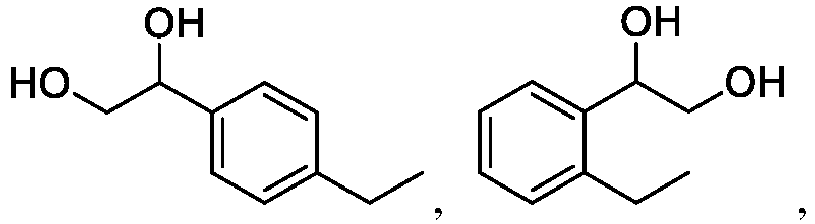


- In particular embodiments, the hypertension-related diseases include, but are not limited to, cerebral apoplexy (cerebral hemorrhage and cerebral ischemia), hypertension heart disease, hypertension nephropathy, hypertension fundus lesions and retinal lesions, hypertension lower limb ischemia, and the like;
- The pulmonary hypertension-related diseases include, but are not limited to, idiopathic pulmonary hypertension, lung-derived heart disease, plateau heart disease, cardiovascular disease, pulmonary obstruction, fibrotic disorders, urinary system disorders.
- In a second aspect, the present invention provides a compound of formula I, or a pharmaceutically acceptable salt or ester, prodrug, optical isomer, stereoisomer or solvate thereof,

- X is absent or a substituted or unsubstituted C1-C3 linear or branched alkyl;
- n is an integer of 0-5, preferably an integer of 1-5;
- R1 and R3 are each independently selected from H, D, a substituted or unsubstituted C1-C10 alkyl, substituted or unsubstituted -(CH2CH2O)mH, substituted or unsubstituted benzyl, substituted or unsubstituted phenyl, substituted or unsubstituted C1-C5 alkyl formyl, substituted or unsubstituted benzoyl, substituted or unsubstituted ester group, substituted or unsubstituted


- R2 and R11 are each independently selected from H, D, a carbonyl, substituted or unsubstituted C1-C10 alkyl, substituted or unsubstituted phenyl, CH2OR7; R7 is selected from H, a substituted or unsubstituted C1-C10 alkyl, substituted or unsubstituted monosaccharide, disaccharide or polysaccharide group;
- R4 is selected from H, D, a substituted or unsubstituted C1-C10 linear or branched alkyl, substituted or unsubstituted C1-C10 unsaturated linear or branched alkyl, hydroxyl, substituted or unsubstituted C1- C10 alkoxy, halogen, substituted or unsubstituted benzyl, substituted or unsubstituted phenyl, substituted or unsubstituted C1-C5 alkylformyl, substituted or unsubstituted benzoyl, nitro, COOH, substituted or unsubstituted C1-C5 alkoxyformyl, amino, substituted or unsubstituted C1-C5 alkylamino, substituted or unsubstituted C1-C5 alkylcarboxamido, substituted or unsubstituted benzoylamino, substituted or unsubstituted benzo-aromatic ring or five-membered or six-membered heterocyclic ring containing heteroatoms.
- In a preferred embodiment, the phosphate group is as shown in


- In a preferred embodiment, the compound is used to prepare a medicament for preventing or treating hypertension or pulmonary hypertension.
- In a specific embodiment, the compound is shown in Formula II,

- R8 is selected from H, a substituted or unsubstituted C1-C10 alkyl, substituted or unsubstituted benzyl, substituted or unsubstituted C1-C5 alkylformyl, substituted or unsubstituted benzoyl, substituted or unsubstituted aminoacetyl, or substituted or unsubstituted monosaccharide, disaccharide or polysaccharide group;
- R9 is selected from H, a substituted or unsubstituted C1-C10 alkyl, substituted or unsubstituted benzyl, substituted or unsubstituted C1-C5 alkylformyl, substituted or unsubstituted benzoyl, substituted or unsubstituted aminoacetyl, or substituted or unsubstituted monosaccharide, disaccharide or polysaccharide group;
- R10 is selected from H, a substituted or unsubstituted C1-C10 linear or branched alkyl, substituted or unsubstituted C1-C10 unsaturated linear or branched alkyl, F, Cl, Br, hydroxyl, C1-C3 linear or branched alkoxy, substituted or unsubstituted C1-C5 alkyl formyl, substituted or unsubstituted benzoyl, or substituted or unsubstituted benzo-aromatic ring or five-membered or six-membered heterocyclic ring containing heteroatom(s); and n is any integer selected from 0-3.
- In a specific embodiment, the compound is selected from following compounds, or a salt or ester, prodrug, optical isomer or solvate thereof:




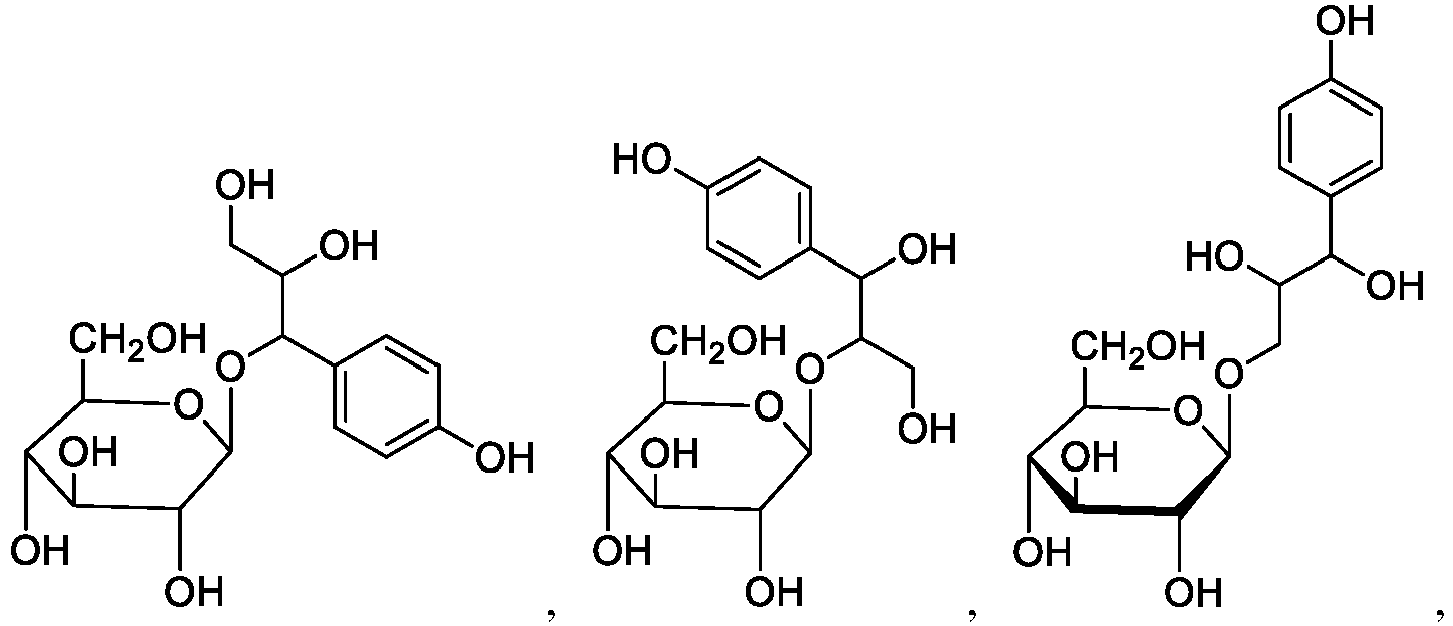





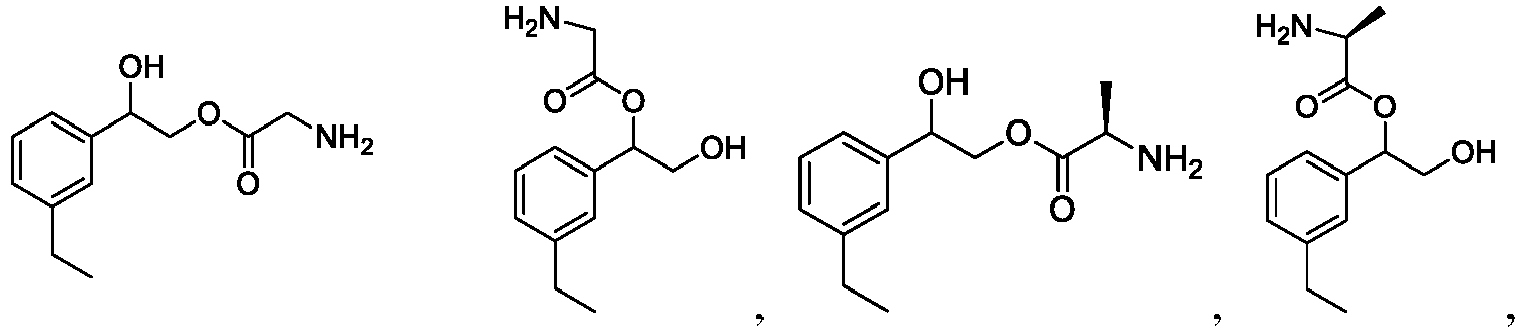


- In a preferred embodiment, the compound is


- In a preferred embodiment, the compound is used in the preparation of a medicament for preventing or treating hypertension or hypertension-related diseases or pulmonary hypertension or pulmonary hypertension-related diseases, or is used to prevent or treat hypertension or hypertension-related diseases or pulmonary hypertension or pulmonary hypertension related diseases.
- In a preferred embodiment, the hypertension-related diseases include, but are not limited to, cerebral apoplexy (cerebral hemorrhage and cerebral ischemia), hypertension heart disease, hypertension nephropathy, hypertension fundus lesions and retinal lesions, hypertension lower limb ischemia, and the like;
- The pulmonary hypertension-related diseases include, but are not limited to, idiopathic pulmonary hypertension, lung-derived heart disease, plateau heart disease, cardiovascular disease, pulmonary obstruction, fibrotic disorders, urinary system disorders.
- In a third aspect, the present invention provides a pharmaceutical composition comprising the compound of the second aspect, or a pharmaceutically acceptable salt or ester, prodrug, optical isomer, stereoisomer or solvate thereof, and a pharmaceutically acceptable carrier or excipient.
- In a preferred embodiment, the pharmaceutical composition is used to prepare a medicament for preventing or treating hypertension or hypertension related diseases or pulmonary hypertension or pulmonary hypertension related diseases, or is used to prevent or treat of hypertension or hypertension related diseases or pulmonary hypertension or pulmonary hypertension related diseases.
- In a preferred embodiment, the hypertension-related diseases include, but are not limited to, cerebral apoplexy (cerebral hemorrhage and cerebral ischemia), hypertension heart disease, hypertension nephropathy, hypertension fundus lesions and retinal lesions, hypertension lower limb ischemia, and the like;
- The pulmonary hypertension-related diseases include, but are not limited to, idiopathic pulmonary hypertension, lung-derived heart disease, plateau heart disease, cardiovascular disease, pulmonary obstruction, fibrotic disorders, urinary system disorders.
- In particular embodiments, the pharmaceutical composition is in a form for aerosolized inhalation.
- In a fourth aspect, the present invention provides a method for preventing or treating hypertension or hypertension-related diseases or pulmonary hypertension or pulmonary hypertension related diseases, comprising administering to a subject in need thereof a therapeutically effective amount of a compound of the second aspect, or a pharmaceutically acceptable salt or ester, prodrug, optical isomer, stereoisomer or solvate thereof, or the pharmaceutical composition of the third aspect.
- It is to be understood that the above-described technical features of the present invention and the various technical features described in detail below (eg, embodiments) may be combined with each other within the scope of the present invention to form a new or preferred technical solution, which will not be repeated herein:
-
-
FIG. 1 shows therapeutic effects of orally administeredcompound 1 on low-oxygen pulmonary hypertension animal model; -
FIG. 2 shows reducing effects of orally administeredcompound 1 on the level of medium and small arteries hypertrophy in lung tissue of a low-oxygen pulmonary artery high-pressure rat; -
FIG. 3 shows therapeutic effect of orally administeredcompound 1 on monocrotaline-induced pulmonary hypertension animal model; -
FIG. 4 shows reducing effects of orally administeredcompound 1 on the level of medium and small arteries hypertrophy in pulmonary tissues of a monocrotaline-induced pulmonary artery high-pressure rat; -
FIG. 5 shows therapeutic effects ofcompound 1 administered through atomization on a monocrotaline-induced pulmonary hypertension animal models; and -
FIG. 6 shows reducing effect oforal compound 1 administered through atomization on the level of medium and small arteries hypertrophy in pulmonary tissues of a monocrotaline-induced pulmonary artery high-pressure rat. - The inventors have unexpectedly discovered a series of new compounds with therapeutic effects on hypertension and pulmonary hypertension. The mechanism of these compounds are different from existing therapeutic drugs, thereby establishing a brand new basis for the development of hypertension and pulmonary hypertension therapeutic drugs. Based on the above findings, the present invention is completed.
- As used herein, the terms reagrding compounds, substituents, or structures have the same meaning as understood by a skilled person in the art. For clarity, the terms used herein are defined as follows.
- As used herein, "a" or "an" includes the plural forms of the modified object, i.e., "a" or "an" refers to "at least one" or "one/more".
- As used herein, expressions such as "C1-n" refer to a group having 1-n carbon atoms, for example, the expression of "C1-10" refers to a group having 1, 2, 3, 4, 5, 6, 7, 8, 9 or 10 carbon atoms; likewise, "C6-C10" refers to a group having 6, 7, 8, 9 or 10 carbon atoms.
- As used herein, the term "alkyl" has the same meaning as commonly understood by a skilled person in the art and refers to a variety of saturated or unsaturated linear, pendant or cyclic hydrocarbon radicals. For example, an alkyl described herein refer to lower an alkyl of 1 to 10 carbon atoms; preferably, a lower alkyl of 1 to 8 carbon atoms; more preferably, a lower alkyl of 1 to 6 carbon atoms. In a particular embodiment, the alkyl described herein includes, but are not limited to, methyl, ethyl, propyl, isopropyl, butyl, isobutyl, sec-butyl, tert-butyl, pentyl, hexyl, heptyl, etc.
- As used herein, the term "aryl" has the same meaning as commonly understood by a skilled person in the art and refers to a cyclic conjugated aromatic system. For example, the term "C6-C10 aryl" refers to an aromatic ring group having 6 to 10 carbon atoms while not containing a heteroatom in the ring, such as phenyl, naphthyl, and the like. As used herein, the term "heteroaryl" refers to a cyclic conjugated aromatic system, in which one or more heteroatoms such as N, O or S are contained; for example, pyridyl and pyrazinyl.
- As used herein, the term "aminoacetyl" has a conventional meaning as understood by a skilled person in the art, i.e., an amino-substituted acetyl. In a particular embodiment, the aminoacetyl is shown in
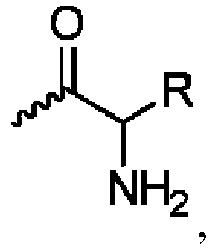
- As used herein, the term "heterocyclyl" refers to a saturated or partially unsaturated, non-aromatic cyclic group comprising a monocyclic, fused, spiro or bridged ring, wherein the heterocyclic ring has at least one heteroatom selected from O, S or N as a ring member. For example, "5 or 6 membered heterocyclyl" refers to a saturated or unsaturated 5 or 6 membered cycloalkyl having from 1 to 3 heteroatoms selected from oxygen, sulfur or nitrogen on a ring, such as dioxolyl, etc.
- As used herein, the term "halogen" refers to F, Cl, Br, or I.
- Based on the teachings of the present invention and common knowledge in the art, a skilled person will understand that the compounds of the present invention, as well as the various substituents defined above, may be further substituted, such as substituted with a C1-6 alkyl, C1-6 alkoxy, halogen, nitro, amino, phenyl, hydroxyl, etc, as long as the combination of the desired substituents is stable or a chemically achievable substituent combination.
- As used herein, the term "substituted" means that one or more hydrogen atoms on a particular group are replaced by particular substituents. A particular substituent may be a substituent previously described herein, or may be a particular substituent present in various embodiments. Therefore, in the present invention, the substituent in the general formula (I) or (II) can each independently be a corresponding group in a specific compound in an embodiment; that is, the present invention includes a combination of each substituent in the general formula (I) or (II) described above, and also includes a combination of a part of substituents shown in the general formula (I) or (II) and other specific substituents present in the embodiment.
- Unless specifically stated, a substituted group may have a particular substituent at any substitutable site of the group, which may be the same or different in various sites. A cyclic substituent, such as a heterocyclyl, may be bound to another ring, such as cycloalkyl, to form a spirobicyclic ring system, for example, two rings having a common carbon atom. Such substituent is, for example but not limited to, a C1-8 alkyl, C2-8 alkenyl, C2-8 alkynyl, C3-8 cycloalkyl, 3-to 12-membered heterocyclyl, aryl, heteroaryl, halogen, hydroxy, carboxyl (-COOH), C1-8 aldehyde group, C2-10 acyl, C2-10 ester group, amino, C1-8 alkoxy, nitro, cyano, mercapto, amino, and the like. In a particular embodiment, a hydrogen atom on an alkyl and aryl is substituted with amino, halogen, or other groups, thereby becoming the group belonging to each of the above definitions.
- For convenience and in compliance with the conventional understanding in the art, the terms "optionally", "optionally substituted" or "substituted or unsubstituted" are only applicable to sites that can be substituted with substituents, and do not include those that are chemically unachievable.
- The present invention provides a series of brand-new compounds having therapeutic effects on hypertension and pulmonary hypertension having different mechanisms than existing therapeutic drugs.
- In a particular embodiment, the present invention provides a compound of Formula I or II, or a pharmaceutically acceptable salt or ester, prodrug, optical isomer, stereoisomer or solvate thereof,

- The compounds of the present invention can be prepared into a pharmaceutically acceptable salt or ester, prodrug, optical isomer, stereoisomer, or solvate by a skilled person. For example, the compounds of the present invention may be reacted with an inorganic or organic acid to form conventional pharmaceutically acceptable salts. The inorganic acid includes hydrochloric acid, hydrobromic acid, sulfuric acid, nitric acid, aminosulfonic acid, phosphoric acid, etc., and the organic acid includes various amino acids, citric acid, tartaric acid, lactic acid, pyruvic acid, acetic acid, benzenesulfonic acid, p-toluenesulfonic acid, methanesulfonic acid, naphthalenesulfonic acid, ethanesulfonic acid, naphthalenedisulfonic acid, maleic acid, malic acid, malonic acid, fumaric acid, succinic acid, propionic acid, oxalic acid, trifluoroacetic acid, stearic acid, hexanoic acid, hydroxymaleic acid, phenylacetic acid, benzoic acid, salicylic acid, glutamic acid, ascorbic acid, p-aminobenzenesulfonic acid, 2-acetoxybenzoic acid and isethionic acid, and the like; or the compound of the invention forms sodium, potassium, calcium, aluminum or ammonium salts with an inorganic base; or forms methylamine, ethylamine or ethanolamine salts with an organic base.
- Due to the presence of chiral carbon atoms in the compounds of the present invention, the optical isomers or stereoisomers obtained by resolving the compounds of the present invention also fall within the scope of the present invention.
- Based on the compound of the present invention or a pharmaceutically acceptable salt or ester, prodrug, optical isomer, stereoisomer, or solvate thereof, a pharmaceutical composition comprising a compound of the invention and optionally a pharmaceutically acceptable excipient is also provided in the present invention.
- In a particular embodiment, the pharmaceutical composition of the present invention comprises a compound of the invention or a pharmaceutically acceptable salt thereof and a pharmaceutically acceptable excipient or carrier within a safe and effective amount. "Safe effective amount" means that the amount of the compound is sufficient to significantly improve the condition without creating severe side effects.
- A "pharmaceutically acceptable excipient or carrier" refers to one or more compatible solid or liquid fillers or gels that are suitable for humans and must have sufficient purity and sufficiently low toxicity. As used herein, "compatibility" meants that the components of the composition and the compound of the present invention can be intermingled with each other without significantly reducing the efficacy of the compound. Examples of the pharmaceutically acceptable carrier are cellulose and derivatives thereof (e.g., sodium carboxymethylcellulose, sodium ethylcellulose, cellulose acetate, etc.), gelatin, talc, solid lubricants (e.g., stearic acid, magnesium stearate), calcium sulfate, vegetable oils (e.g., soybean oil, sesame oil, peanut oil, olive oil, etc.), polyols (e.g., propylene glycol, glycerol, mannitol, sorbitol, etc.), emulsifiers (e.g., Tween®), wetting agents (e.g., sodium dodecyl sulfate), colorants, flavoring agents, stabilizers, antioxidants, preservatives, pyrogen-free raw water, etc.
- The administration of the compound or pharmaceutical composition of the present invention is not particularly limited, and representative administration modes include, but are not limited to: oral, intratumoral, rectal, parenteral (intravenous, intramuscular, or subcutaneous), and topical administration.
- Solid dosage forms for oral administration include capsules, tablets, pills, powders, and granules. In these solid dosage forms, the active compound is combined with at least one conventional inert excipient (or carrier), such as sodium citrate or dicalcium phosphate, or with following ingredients: (a) fillers or compatibilizers such as starch, lactose, sucrose, glucose, mannitol, and silicic acid; (b) adhesives such as hydroxymethyl cellulose, alginate, gelatin, polyvinyl pyrrolidone, sucrose, and arabic gum; (c) humectants such as glycerol; (d) disintegrants such as agar, calcium carbonate, potato starch or tapioca starch, alginic acid, certain complex silicates, and sodium carbonate; (e) retarding solvent such as paraffin; (f) absorbent accelerators, e.g., quaternary amine compounds. ; (g) wetting agents such as cetyl alcohol and glycerol monostearate; (h) adsorbents, e.g., kaolin; and (i) lubricants such as talc, calcium stearate, magnesium stearate, solid polyethylene glycol, sodium lauryl sulfate, or a mixture thereof. For capsules, tablets, and pills, the dosage form may also comprise a buffer.
- Solid dosage forms, such as tablets, pills, capsules, pills, and granules may be prepared using a coating and a shell material, such as casings and other materials known in the art. They may comprise opacifying agents, and the active compounds or compounds in such compositions may be released in some portion of the digestive tract in a delayed manner. Examples of useful embedding components are polymeric and wax-based materials. The active compound may also form a microcapsule form with one or more of the excipients described above, if necessary.
- Liquid dosage forms for oral administration include pharmaceutically acceptable emulsions, solutions, suspensions, syrups or tinctures. In addition to the active compounds, liquid dosage forms may include inert diluents conventionally employed in the art, such as water or other solvents, solubilizers and emulsifiers, such as ethanol, isopropyl alcohol, ethyl carbonate, ethyl acetate, propylene glycol, 1,3-butanediol, dimethylformamide and oils, especially cottonseed oil, peanut oil, corn germ oil, olive oil, castor oil and sesame oil or mixtures thereof, etc.
- In addition to these inert diluents, the composition may also include adjuvants such as wetting agents, emulsifiers and suspending agents, sweeteners, flavoring agents, and fragrances.
- In addition to the active compound, the suspension may comprise suspending agents such as ethoxylated isostearyl alcohol, polyoxyethylene sorbitol and sorbitan esters, microcrystalline cellulose, methanol aluminum and agar or mixtures thereof, etc.
- Compositions for parenteral injection may include physiologically acceptable sterile aqueous or non-aqueous solutions, dispersions, suspensions or emulsions, and sterile powders for redissolving into sterile injectable solutions or dispersions. Suitable aqueous and non-aqueous carriers, diluents, solvents, or excipients include water, ethanol, polyols, and suitable mixtures thereof.
- Dosage forms of the compound of the invention for topical administration include ointments, powders, patches, sprays, and inhalants. The active ingredient is mixed with a physiologically acceptable carrier and any preservative, buffer, or propellant (if necessary) under sterile conditions.
- The compounds of the present invention may be administered alone or in combination with other pharmaceutically acceptable compounds. When a pharmaceutical composition is used, a safe and effective amount of the compound of the present invention is used for a mammal (e.g., a human) in need of the treatment, wherein the administered dosage is a pharmaceutically effective amount. The compound and pharmaceutical composition of the present invention can be administered through oral, nasal, skin, lung, or gastrointestinal administration routes, preferably oral, in one-time administration or divided administration. Regardless of the method of administration, the optimal dosage for an individual should be determined based on the specific treatment. Usually the dosage is gradually increased from a small dosage until the suitable dosage is found. Factors, such as the route of administration, the health of a patient status, and the like shall be considered for the specific dosage, which are within the skill of a skilled person. In a particular embodiment, the compound of the present invention is preferably in a form suitable for nebulized administration.
-
- 1. The present invention provides a series of new compounds having therapeutic effects on hypertension and pulmonary hypertension; and
- 2. The mechanisms of the compounds of the present invention for treating hypertension and pulmonary hypertension are different from existing drugs , thereby potentially developing new therapeutic drugs for hypertension and pulmonary hypertension.
- The technical solution of the present invention will be further described below in conjunction with specific implementation cases, but the following implementation cases do not constitute a limitation to the present invention. All various application methods adopted in accordance with the principles and technical means of the present invention belong to the scope of the present invention. The experimental methods that do not indicate specific conditions in the following examples usually follow the conventional conditions or the conditions recommended by the manufacturer. Unless otherwise stated, percentages and parts are calculated by weight.
- The compounds of the present invention may be prepared according to conventional routes or methods and may also be obtained in accordance with the methods or routes described herein.
-

- Magnesium powders (2.2 g, 90 mmol) were placed in a 250 mL three-mouth reaction flask, a grain of iodine was added, the compound 1.1 (15 g, 82 mmol) was dissolved in 120 mL of anhydrous tetrahydrofuran, and 10 mL of the tetrahydrofuran solution of
Compound 1 was added dropwise into the reaction flask containing magnesium powders via a constant pressure drop funnel. The reaction was initiated by using a hair dryer, and then the remaining 110 mL of the tetrahydrofuran solution of Compound 1.1 was slowly added dropwise after the reaction was started. Upon addition, the reaction was refluxed for 3.5 hours, and the tetrahydrofuran solution of compound 1.2 was finally obtained. - In an ice bath, the tetrahydrofuran solution of Compound 1.2 was added dropwise to 80 mL of solution of benzyloxyacetaldehyde (12 g, 80 mmol) in anhydrous tetrahydrofuran. Upon addition, the solution was raised to room temperature for 1 hour and then a saturated aqueous solution of ammonium chloride was added to quench the reaction. Finally, tetrahydrofuran was removed and the resulted solutoin was extracted with ethyl acetate, dried over anhydrous sodium sulfate, and purified by column (PE: EA = 10: 1) to yield 12.4 g of target compound with a two-step yield of 59.6%. 1H NMR (400 MHz, DMSO): δ 7.36-7.15 (m, 8 H), 7.09 (d, J= 7.6 Hz, 1 H), 5.38 (d, J= 4.4 Hz, 1 H), 4.74-4.70 (m,1 H), 4.51(s, 2 H), 3.53-3.44 (m, 2 H), 2.61 (q, J=7.6, 2 H), 1.19 (t, J=7.6, 3 H). LC-MS: 255.30 (M-H)-.
- Compound 1.3 (12.4 g, 48.4 mmol) was dissolved in 70 mL of ethanol, 10% palladium carbon (2.43 g) was added, air was replaced with H2, and the reaction system was stirred for 3 hours at 38°C. After the reaction was completed, the solvent was removed and the residue was purified through a column (PE: EA = 5: 1) to afford 6.42 g of the target compound with a yield of 79%. 1H NMR (400 MHz, CDCl3): δ 7.28-7.12 (m, 4 H), 4.78 (dd, J1 = 8.0 Hz, J2 = 3.6 Hz, 1 H), 3.74-3.62 (m, 2 H), 2.64 (q, J = 7.6 Hz, 2 H), 1.23 (t, J = 7.6 Hz, 3 H). LC-MS: 165.10 (M-H)-.
-

- Magnesium powders (0.17 g, 7 mmol) were placed in a 50 mL three-mouth reaction flask, a grain of iodine was added, compound 2.4 (1 g, 6.4 mmol) was dissolved in anhydrous tetrahydrofuran (12 mL), 2 mL of the solution of
Compound 4 in tetrahydrofuran was added into the reaction flask dropwise by a constant-pressure drop funnel, the reaction was initiated with a hair dryer, and the remaining 10 mL of the solution of Compound 2.4 in tetrahydrofuran was slowly added dropwise after the reaction was initiated. Upon addition, the reaction was refluxed for 3.5 hours, and finally the solution of Compound 2.5 in tetrahydrofuran was obtained. - In an ice bath, a solution of Compound 2.5 in tetrahydrofuran was added dropwise to 8 mL of a solution of benzyloxyacetaldehyde (0.97 g, 6.4 mmol) in anhydrous tetrahydrofuran. Upon addition, the solution was raised to room temperature for 1 hour, and then a saturated aqueous solution of ammonium chloride was added to quench the reaction. Finally, tetrahydrofuran was removed and the obtained residue was extracted with ethyl acetate, dried over anhydrous sodium sulfate, purified through a column (PE: EA = 10: 1) to yield 0.98 g of the target compound with a two-step yield of 67.6%. 1H NMR (400 MHz, DMSO): δ 7.37-7.22(m, 10 H), 5.41 (d, J= 4.0 Hz, 1 H), 4.78-4.74(m,1 H),4.51(s, 2 H),3.51-3.48 (m, 2 H). LC-MS: 227.30 (M-H)-.
- Compound 2.6 (0.9 g, 4 mmol) was dissolved in ethanol (10 mL), 10% palladium carbon (0.2 g) was added, air was replaced with H2, and the reaction was stirred for 3 hours at 38°C. After the reaction was completed, the solvent was removed and the obtained residue was purified through a column (PE: EA = 5: 1) to yield 0.24 g of target compound with a yield of 45%. 1H NMR (400 MHz, DMSO): δ 7.34-7.28 (m, 4 H), 7.24-7.20 (m, 1 H), 5.24 (d, J = 4.4 Hz, 1 H), 4.74 (t, J = 6 Hz, 1 H), 4.55 (q, J = 6 Hz, 1H), 3.43 (t, J = 6 Hz, 2 H). LC-MS: 137.10 (M-H)-.
-

- Magnesium powders (0.33 g, 13.8 mmol) were placed in a 100 mL three-mouth reaction flask, a grain of iodine was added, compound 3.7 (2 g, 11.7 mmol) was dissolved in anhydrous tetrahydrofuran (20 mL), the solution of compound 3.7 in tetrahydrofuran (3 mL) was added dropwise into a reaction bottle by a constant-pressure drop funnel, the reaction was initiated with an electric hair drier, and the remaining solution of Compound 7 in tetrahydrofuran (17 mL) was slowly added dropwise after the reaction was started. Upon addition, the reaction was refluxed for 3.5 hours, and finally a solution of compound 3.8 in tetrahydrofuran was obtained.
- In an ice bath, the solution of compound 3.8 in tetrahydrofuran was added dropwise to a solution of benzyloxyacetaldehyde (1.74 g, 11.6 mmol) in anhydrous tetrahydrofuran (14 mL). Upob addition, the reaction was raised to room temperature for 1 hour, and then a saturated aqueous solution of ammonium chloride was added to quench the reaction. Finally, tetrahydrofuran was removed and the obtained residue was extracted with ethyl acetate, dried over anhydrous sodium sulfate, and purified by a column (PE: EA = 10: 1) to yield 0.95 g of target compound with a two-step yield of 34%. 1H NMR (400 MHz, DMSO): δ 7.34-7.04(m, 9 H), 5.34 (d , J = 4.0 Hz, 1 H), 4.73-4.69(m,1 H), 4.51 (s, 2 H), 3.52-3.43 (m, 2 H), 2.28 (s, 3H). LC-MS: 241.30 (M-H)-.
- Compound 3.9 (0.9 g, 3.8 mmol) was dissolved in ethanol (10 mL) and 10% palladium carbon (0.2 g) was added, air was replaced with H2, and the reaction system was stirred for 3 hours at 38° C. After the reaction was completed, the solvent was removed and purified by a column (PE: EA = 5: 1) to yield 0.28 g of target compound with a yield of 50%. 1H NMR (400 MHz, CDCl3): δ 7.26-7.09 (m, 4 H), 4.76(dd, J1 = 8.0 Hz, J2 = 3.6 Hz, 1 H), 3.72-3.59 (m, 2 H), 3.09 (s, 2 H), 2.34 (s, 3 H). LC-MS: 151.10 (M-H)-.
-

- Magnesium powders (0.31 g, 12.9 mmol) were placed in a 100 mL three-mouth reaction flask, a grain of iodine was added, compound 4.10 (2 g, 10.9 mmol) was dissolved in anhydrous tetrahydrofuran (20 mL), the solution of compound in tetrahydrofuran (3 mL) was added dropwise into a reaction bottle by a constant-pressure drop funnel, and the reaction was initiated with an electric hair drier. The remaining 17 mL of the solution of compound 4.10 in tetrahydrofuran was slowly added dropwise after the reaction was started. Upon addition, the reaction was refluxed for 3.5 hours, and finally a solution of compound 11 in tetrahydrofuran was obtained.
- In an ice bath, a solution of compound 4.11 in tetrahydrofuran was added dropwise to a solution of benzyloxyacetaldehyde (1.62 g, 10.8 mmol) in anhydrous tetrahydrofuran (14 mL). Upon addition, the reaction was raised to room temperature for 1 hour, and then a saturated aqueous solution of ammonium chloride was added to quench the reaction. Finally, tetrahydrofuran was removed and the obtained residue was extracted with ethyl acetate, dried over anhydrous sodium sulfate, purified by a column (PE: EA = 10: 1) to afford 1 g of the target compound with a two-step yield of 36%. 1H NMR (400 MHz, DMSO): δ 7.35-7.14(m, 9 H), 5.33 (d, J= 4.0 Hz, 1 H), 4.74-4.70(m,1 H),4.51(s, 2 H),3.52-3.43 (m, 2 H), 2.57 (q, J = 7.6 Hz, 2 H), 1.16 (t, J = 7.6 Hz, 3 H). LC-MS: 255.30 (M-H)-.
- Compound 4.12 (0.9 g, 3.5 mmol) was dissolved in ethanol (10 mL) and 10% palladium carbon (0.2 g) was added, air was replaced with H2, and the reaction system was stirred for 3 hours at 38° C. After the reaction was completed, the solvent was removed and the obtained residue was purified by a column (PE: EA = 5: 1) to yield 0.24 g of target compound with a yield of 37%. 1H NMR (400 MHz, CDCl3): δ 7.20-7.10 (m, 4 H), 4.72 (dd, J1 = 8.0 Hz, J2 = 3.6 Hz, 1 H), 3.66-3.55 (m, 2 H), 2.59 (q, J = 7.6 Hz, 2 H), 2.46 (s, 2 H), 1.15 (t, J = 7.6 Hz, 3 H). LC-MS: 165.10 (M-H)-.
-

- Magnesium powders (0.31 g, 12.9 mmol) were placed in a 100 mL three-mouth reaction flask, a grain of iodine was added, compound 5.13 (2 g, 10.9 mmol) was dissolved in anhydrous tetrahydrofuran (20 mL), the solution of compound 5.13 in tetrahydrofuran (3 mL) was added dropwise into a reaction bottle by a constant-pressure drop funnel, the reaction was initiated with a hair dryer, and the remaining 17 mL of the solution of compound 5.13 in tetrahydrofuran was slowly added dropwise after the reaction was started. Upon addition, the reaction was refluxed for 3.5 hours, and finally a solution of Compound 5.14 in tetrahydrofuran was obtained.
- In an ice bath, the solution of compound 5.14 in tetrahydrofuran was added dropwise to a solution of benzyloxyacetaldehyde (1.62 g, 10.8 mmol) in anhydrous tetrahydrofuran (14 mL) solution. Upon addition, the reaction was raised to room temperature for 1 hour, and then a saturated aqueous solution of ammonium chloride was added to quench the reaction. Finally, tetrahydrofuran was removed and the residue was extracted with ethyl acetate, dried over anhydrous sodium sulfate, purified by a column (PE: EA = 10: 1) to give 1.4 g of the target compound with a two-step yield of 50%. 1H NMR (400 MHz, DMSO): δ 7.44-7.42(m, 1 H), 7.35-7.25 (m, 5 H), 7.19-7.12 (m, 3 H), 5.33 (d, J= 4.4 Hz, 1 H), 5.01-4.97 (m,1 H), 4.55-4.47 (m, 2 H), 3.51-3.40 (m, 2 H), 2.66 (m, 2 H), 1.15 (t, J=7.6, 3 H). LC-MS: 255.30 (M-H)-.
- Compound 5.15 (1.2 g, 4.7 mmol) was dissolved in ethanol (15 mL) and 10% palladium carbon (0.3 g) was added, air was replaced with H2, and the reaction system was stirred for 3 hours at 38° C. After the reaction was completed, the solvent was removed and the obtained residue was purified by a column (PE: EA = 5: 1) to give 0.43 g of target compound with a yield of 47%. 1H NMR (400 MHz, DMSO): δ 7.41-7.14 (m, 4 H), 5.14 (d, J = 4.0 Hz, 1 H), 4.81-4.76 (m, 2 H), 3.37 (q, J = 7.6 Hz, 2 H), 1.16 (t, J = 7.6 Hz, 3 H). LC-MS: 165.10 (M-H)-.
-

- Magnesium powders (0.31 g, 12.9 mmol) were placed in a 100 mL three-mouth reaction flask, a grain of iodine was added, compound 6.16 (2 g, 8.5 mmol) was dissolved in anhydrous tetrahydrofuran (20 mL), the solution of compound 16 in tetrahydrofuran (3 mL) was added dropwise into a reaction bottle by a constant-pressure drop funnel, the reaction was initiated with an electric hair drier. The remaining 17 mL of the solution of compound 6.16 in tetrahydrofuran was slowly added dropwise after the reaction was started. Upon addition, the reaction was refluxed for 3.5 hours, and finally a solution of compound 6.17 in tetrahydrofuran was obtained.
- In an ice bath, the solution of compound 6.17 in tetrahydrofuran was added dropwise to a solution of benzyloxyacetaldehyde (1.28 g, 8.5 mmol) in anhydrous tetrahydrofuran (14 mL). Upon addition, the reaction system was raised to room temperature for 1 hour, and then a saturated aqueous solution of ammonium chloride was added to quench the reaction. Finally, tetrahydrofuran was removed and the obtained residue was extracted with ethyl acetate, dried over anhydrous sodium sulfate, and purified by a column (PE: EA = 10: 1) to obtain 0.9 g of target compound with a yield of 32%. 1H NMR (400 MHz, DMSO): δ 7.38-7.02(m, 9 H), 5.33 (d , J= 4.4 Hz, 1 H), 4.75-4.70 (m,1 H), 4.47 (s, 2 H), 3.56-3.49 (m, 2 H). LC-MS: 307.30 (M-H)-.
- Compound 6.18 (0.85 g, 2.8 mmol) was dissolved in ethanol (10 mL), 10% palladium carbon (0.23 g) was added, air was replaced with H2, and the reaction system was stirred for 3 hours at 38°C. After the reaction was completed, the solvent was removed and the residue was purified by a column (PE: EA = 5: 1) to yield 0.2 g of target compound with a yield of 33%. 1H NMR (400 MHz, DMSO): δ 7.35-7.29 (m, 1 H), 7.19-7.13 (m, 2 H), 7.02-6.98 (m, 1 H), 5.34 (d, J = 4 Hz, 1 H), 4.70 (t, J = 6 Hz, 1 H), 4.51 (q, J = 5.6 Hz), 3.40 (t, J = 6 Hz, 2 H). LC-MS: 217.10 (M-H)-.
-

- Magnesium powders (0.31 g, 12.9 mmol) were placed in a 100 mL three-mouth reaction flask, a grain of iodine was added, compound 7.19 (2 g, 11.7 mmol) was dissolved in anhydrous tetrahydrofuran (20 mL), the solution of compound 19 in tetrahydrofuran (3 mL) was added dropwise into a reaction bottle by a constant-pressure drop funnel, and the reaction was initiated with an electric hair drier. The remaining 7.17 mL of the solution of compound 7.19 in tetrahydrofuran was slowly added dropwise after the reaction was started. Upon addition, the reaction was refluxed for 3.5 hours, and finally a solution of compound 7.20 in tetrahydrofuran was obtained.
- In an ice bath, the solution of compound 7.20 in tetrahydrofuran was added dropwise to a solution of benzyloxyacetaldehyde (1.76 g, 11.7 mmol) in anhydrous tetrahydrofuran (14 mL). Upon addition, the reaction system was raised to room temperature for 1 hour, and then a saturated aqueous solution of ammonium chloride was added to quench the reaction. Finally, tetrahydrofuran was removed and the obtained residue was extracted with ethyl acetate, dried over anhydrous sodium sulfate, and purified by a column (PE: EA = 10: 1) to obtain 1.32 g of target compound with a yield of 47.2%. 1H NMR (400 MHz, DMSO): δ 7.44-7.14 (m, 9 H), 5.36 (d , J= 4.4 Hz, 1 H), 4.71-4.67 (m,1 H), 4.50 (s, 2 H), 3.50-3.41 (m, 2 H). LC-MS: 245.30 (M-H)-
- Compound 7.21 (1.3 g, 5.4 mmol) was dissolved in ethanol (10 mL), 10% palladium carbon (0.23 g) was added, air was replaced with H2, and the reaction was stirred for 3 hours at 38°C. After the reaction was completed, the solvent was removed and the rssidue was purified by a column (PE: EA = 5: 1) to yield 0.2 g of target compound with a yield of 33%. 1H NMR (400 MHz, DMSO): δ 7.37-7.31 (m, 1 H), 7.18-7.12 (m, 2 H), 7.06-7.01 (m, 1 H), 5.39 (d, J = 4.4 Hz, 1 H), 4.77 (t, J = 5.6 Hz, 1 H), 4.56 (q, J = 5.6 Hz), 3.43 (t, J = 6 Hz, 2 H). LC-MS: 155.10 (M-H)-.
-

- Magnesium powders (0.57 g, 22.2 mmol) were placed in a 100 mL three-mouth reaction flask, a grain of iodine was added, compound 8.22 (4 g, 21.5 mmol) was dissolved in anhydrous tetrahydrofuran (40 mL), the solution of compound 8.22 in tetrahydrofuran (5 mL) was added dropwise into a reaction bottle by a constant-pressure drop funnel, and the reaction was initiated with an electric hair drier. The remaining 35 mL of the solution of compound 8.22 in tetrahydrofuran was slowly added dropwise after the reaction was started. Upon addition, the reaction was refluxed for 3.5 hours, and finally a solution of compound 8.23 in tetrahydrofuran was obtained.
- In an ice bath, the solution of compound 8.23 in tetrahydrofuran was added dropwise to a solution of benzyloxyacetaldehyde (3.21 g, 21.5 mmol) in anhydrous tetrahydrofuran (30 mL). Upon addition, the reaction system was raised to room temperature for 1 hour, and then a saturated aqueous solution of ammonium chloride was added to quench the reaction. Finally, tetrahydrofuran was removed and the obtained residue was extracted with ethyl acetate, dried over anhydrous sodium sulfate, and purified by a column (PE: EA = 10: 1) to obtain 4 g of target compound with a yield of 63.6%. 1H NMR (400 MHz, DMSO): δ 7.35-7.14 (m, 9 H), 5.33(d, J= 4.0 Hz, 1 H), 4.74-4.70 (m,1 H), 4.51 (s, 2 H), 3.73 (s, 3H), 3.52-3.43 (m, 2 H). LC-MS: 257.30 (M-H)-.
- Compound 8.24 (3.5 g, 13.6 mmol) was dissolved in ethanol (30 mL), 10% palladium carbon (0.69 g) was added, air was replaced with H2, and the reaction was stirred for 3 hours at 38°C. After the reaction was completed, the solvent was removed and the residue was purified by a column (PE: EA = 5: 1) to yield 1.42 g of target compound with a yield of 62.3%. 1H NMR (400 MHz, DMSO): δ 7.23 (t, J=8 Hz, 1 H), 6.91 (d, J=7.6 Hz, 2 H), 6.80-6.77 (m, 1 H), 5.24 (d, J = 4.4 Hz, 1 H), 4.73 (t, J = 5.6 Hz, 1 H), 4.53 (q, J = 4.8 Hz, 1 H), 3.73 (s, 3H), 3.43-3.36 (m, 2 H). LC-MS: 167.10 (M-H)-.
-
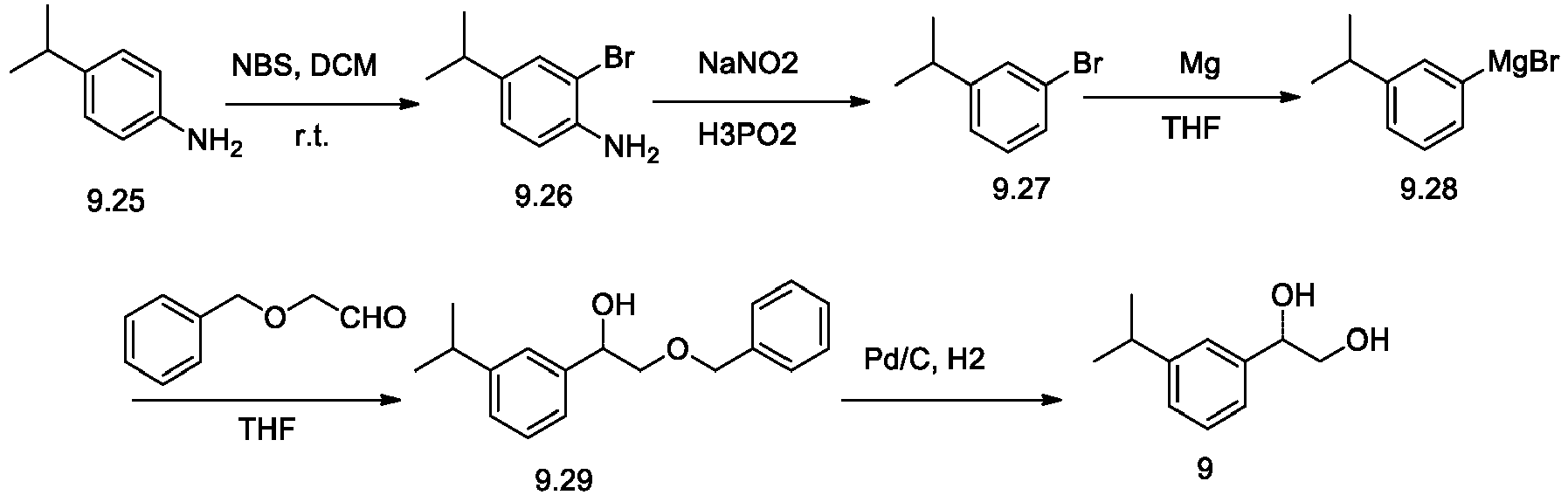
- p-isopropylaniline (4g, 29.6 mmol) was dissolved in dichloromethane (40 ml), and NBS (5.8 g, 32.6 mmol) was added to a dichloromethane solution in batches under an ice bath. The reaction was raised to room temperature, and the reaction was completed after 1 hour. After purification, 4.6 g of the product was obtained with a yield of 74%. 1H NMR (400 MHz, CDCl3): δ 7.28 (d , J = 1.6 Hz, 1H), 6.98 (dd, J1 = 1.6 Hz, J2 = 1.6 Hz, 1 H), 6.71 (d, J = 8 Hz,1 H), 3.76 (s, 2 H), 2.79 (m, 1 H), 1.20 (d, J = 6.8 Hz, 6 H). LC-MS: 214.10(M+H)+.
- Compound 9.26 (2 g, 9.3 mmol) was dissolved in a mixed solution of acetic acid (10 mL), water (4 mL) and concentrated HCl (1 mL), and 2 mL of an aqueous solution of NaNO2 (0.78 g, 11.2 mmol) was added dropwise to the above mixed solution in an ice bath. After half an hour, in an ice bath, the resulting reaction mixture was added dropwise to a 50% H3PO2 aqueous solution (12 mL). Upon addition, the reaction was continued for 8 hours, and then the reaction temperature was increased to 25 degrees Celsius for 3 days. After the reaction was completed, the reaction mixture was purified by a column to obtain 1.4 g of the product with a yield of 75.3%. 1H NMR (400 MHz, DMSO): δ 7.42 (s , 1H), 7.37-7.34 (m, 1 H), 7.25 (d, J = 4.8 Hz,2 H), 1.20 (d, J = 6.8 Hz, 6 H). LC-MS: 199.20(M+H)+.
- Magnesium powders (0.17 g, 7.1 mmol) were placed in a 100 mL three-mouth reaction flask, a grain of iodine was added, compound 9.27 (1.3 g, 7.5 mmol) was dissolved in anhydrous tetrahydrofuran (12 mL), the solution of compound 9.27 in tetrahydrofuran (2 mL) was added dropwise into a reaction bottle by a constant-pressure drop funnel, and the reaction was initiated with an electric hair drier. The remaining 10 mL of the solution of compound 9.27 in tetrahydrofuran was slowly added dropwise after the reaction was started. Upon addition, the reaction was refluxed for 3.5 hours, and finally a solution of compound 9.28 in tetrahydrofuran was obtained.
- In an ice bath, the solution of compound 9.28 in tetrahydrofuran was added dropwise to a solution of benzyloxyacetaldehyde (0.98 g, 7.1 mmol) in anhydrous tetrahydrofuran (10 mL). Upon addition, the reaction system was raised to room temperature for 1 hour, and then a saturated aqueous solution of ammonium chloride was added to quench the reaction. Finally, tetrahydrofuran was removed and the obtained residue was extracted with ethyl acetate, dried over anhydrous sodium sulfate, and purified by a column (PE: EA = 10: 1) to obtain 1 g of target compound with a yield of 56%. 1H NMR (400 MHz, DMSO): δ 7.36-7.15 (m, 8 H), 7.09 (d, J = 8 Hz, 1 H), 5.38 (d, J = 4 Hz, 1 H), 4.74-4.70 (m,1 H), 4.51(s, 2 H), 3.53-3.44 (m, 2 H), 2.83-2.76 (m, 1 H), 1.20 (d, J = 7.6 Hz, 6 H). LC-MS: 271.30(M+H)+.
- Compound 9.28 (1 g, 3.6 mmol) was dissolved in ethanol (10 mL), 10% palladium carbon (0.19 g) was added, air was replaced with H2, and the reaction was stirred for 3 hours at 38°C. After the reaction was completed, the solvent was removed and the residue was purified by a column (PE: EA = 5: 1) to yield g of target compound with a yield of %. 1H NMR (400 MHz, CDCl3): δ 7.19-7.04 (m, 4 H), 4.69 (d, J = 4.0 Hz, 1 H), 3.64-3.52 (m, 2 H), 3.22 (s, 2 H), 2.83-2.76 (m, 1 H), 1.15 (d, J = 7.6 Hz, 6 H). LC-MS: 179.10(M-H)-.
-

- p-Bromoacetophenone (5 g, 25.4 mmol) was taken into a 100 mL three-necked flask, toluene (60 mL) was added as a solvent, ethylene glycol (10 g, 161.3 mmol) and p-toluenesulfonic acid (1 g, 5 mmol) were added, the temperature was raised to 130°C, and the reaction was refluxed for 16 h. After the reaction was completed, brine was added, stirred, and stood for separating layers. The organic phase was taken, dried over anhydrous sodium sulfate, and subjected to column chromatography to obtain 3 g of compound with a yield of 48%. 1H NMR (400 MHz, CDCl3): δ 7.49-7.44 (m, 2 H), δ 7.37-7.34 (m, 2 H), 4.05 (m, 2 H), 3.77-3.73 (m, 2 H), 1.62 (s, 3 H). LC-MS: 242.10 (M-H)-.
- Magnesium powders (0.31 g, 12.9 mmol) were placed in a 100 mL three-mouth reaction flask, a grain of iodine was added, 4-bromobenzene ethylene ketal (2.5 g, 10.4 mmol) was dissolved in anhydrous tetrahydrofuran (20 mL), the solution of ketal in tetrahydrofuran (3 mL) was added dropwise into the reaction bottle by a constant-pressure drop funnel, and the reaction was initiated with an electric hair drier. The remaining 17 mL of the solution in tetrahydrofuran was slowly added dropwise after the reaction was started. Upon addition, the reaction was refluxed for 3.5 hours, and finally a solution of Grignard reagent in tetrahydrofuran was obtained.
- In an ice bath, the solution of ketal in tetrahydrofuran was added dropwise to a solution of benzyloxyacetaldehyde (1.5 g, 10 mmol) in anhydrous tetrahydrofuran (14 mL). Upon addition, the reaction system was raised to room temperature for 1 hour, and then a saturated aqueous solution of ammonium chloride was added to quench the reaction. Finally, tetrahydrofuran was removed and the obtained residue was extracted with ethyl acetate, dried over anhydrous sodium sulfate, and purified by a column (PE: EA = 10: 1) to obtain 0.8 g of target compound with a yield of 25%. 1H NMR (400 MHz, CDCl3): δ 7.44-7.29 (m, 10 H), 4.90 (dd, J = 8.8Hz, 3.2 Hz, 1 H), 4.57 (q, J = 12 Hz, 2 H), 3.98 (t, J = 6 Hz, 2 H), 3.71 (t, J = 6 Hz, 2 H), 3.60 (dd, J = 8 Hz, 3.2 Hz), 3.39 (t, J = 8 Hz, 1 H), 1.62 (s, 3 H). LC-MS: 313.20 (M-H)-.
- Compound (0.75 g, 2.4 mmol) was dissolved in ethanol (10 mL), 10% palladium carbon (0.23 g) was added, air was replaced with H2, and the reaction was stirred for 3 hours at 38°C. After the reaction was completed, the solvent was removed and the residue was purified by a column (PE: EA = 5: 1) to get 0.2 g of target compound with a yield of 29%. 1H NMR (400 MHz, DMSO): δ 7.35-7.29 (m, 4 H),5.23 (d, J = 4 Hz, 1 H), 4.74 (t, J = 6 Hz, 1 H), 4.54-4.49 (m, 1 H), 3.98-3.94 (m, 2 H), 3.43 (t, J = 6.8 Hz, 2 H), 1.53 (s, 3 H). LC-MS: 223.10 (M-H)-.
- The compound (0.18 g, 0.8 mmol) was taken, 10 mL of ethanol was added, hydrochloric acid for 5 d. The reaction was conducted at 50°C for 15 h. Water was added, and the obtained mixture was extract with DCM. The organic phase was dried over anhydrous sodium sulfate, and purified through column chromatography to obtain 0.06 g of product with a yield of 40%. 1H NMR (400 MHz, DMSO): δ 7.91 (d, J = 8.4 Hz, 2 H), 7.49 (d, J = 8.4 Hz, 2 H), 5.42 (d, J = 4 Hz, 1 H), 4.80 (t, J = 6 Hz, 1 H), 4.63 (q, J = 5.6 Hz, 1 H), 3.46 (t, J = 6 Hz, 2 H), 2.56 (s, 3 H). LC-MS: 181.10 (M+H)+.
-

- Under the protection of nitrogen, potassium tert-butoxide (2.214 g, 0.02 mol), THF (2 ml), DMSO (12 ml) was added dropwise in a three-necked flask containing trivinylbenzaldehyde (A, 1.215 g, 0.009mol), trimethylsulfur iodide (2.118 g, 0.011mol), THF (8ml) and DMSO (15ml). The reaction was conducted in an ice bath for 12h. During the reaction, TLC was used to monitor the progress of the reaction. After the reaction was completed, the reaction mixture was extracted with dichloromethane, and the organic layer was dried over anhydrous sodium sulfate, and finally purified by column chromatography (PE: EA = 150: 1) to obtain 0.755g of 3-vinylphenylethylene oxide (B) (56%). 1H NMR (DMSO, 400 MHz): δ 7.43-7.21 (m, 4H), 6.77 (dd, J=10.8 17.7 Hz, 1H,), 5.83(d, J=17.7Hz, 1H), 5.29 (d, J=10.8 Hz, 1H), 3.93 (dd, J=2.7, 4.0 Hz, 1H), 3.13 (dd,J=4.0,5.5Hz, 1H,), 2.88 (q, J=2.7 Hz, 1H).
- Under the protection of nitrogen, benzoic acid (1.22 g, 10.0 mmol), tetrabutylammonium iodide (0.369 g, 1.0 mmol), and 3-vinylphenyl ethylene oxide (B, 1.46 g, 10.0 mmol) in 5 mL of DMF. The reaction was conducted at 100°C for 12 h. During the reaction, TLC was used to monitor the progress of the reaction. After the reaction was completed, the reaction mixture was extracted with dichloromethane, and the organic layer was dried over anhydrous sodium sulfate, and finally purified by column chromatography (PE: EA = 10: 1) to obtain 3-(1-hydroxy-2-benzoyloxyethyl)styrene (C) 0.818 g (30.47%). 1H NMR (DMSO, 400 MHz): δ 7.33-7.95 (m,9H), 6.78 (dd, J=10.9, 17.6 Hz,1H), 5.85 (d, J=17.6 Hz,1H), 5.78 (d, J=4.6 Hz, 1H), 5.27 (d,J=10.9, 1H), 4.96 (q, J=4.6, 1H),4.34 (d, J=5.7 Hz, 2H).
- 3-(1-hydroxy-2-benzoyloxyethyl)styrene (C, 0.20 g, 0.745 mmol) and sodium hydroxide (0.043 g, 1.08 mmol) in 4 ml of methanol, and refluxed for 2 h. And then 1 ml of H2O was added. During the reaction, TLC was used to monitor the progress of the reaction. After the reaction was completed, the reaction mixture was extracted with dichloromethane, and the organic layer was dried over anhydrous sodium sulfate, and finally purified by column chromatography (PE: EA = 1: 1) to obtain 3-(1,2-dihydroxyethyl)styrene (D) 0.07 g (57.2%). 1H NMR (CDCl3, 400 MHz): δ 7.12-7.29 (m, 4H), 6.65 (dd, J=11.1, 17.7Hz,1H), 5.69 (d,J=17.7 Hz, 1H),5.19 (d, J=11.1 Hz, 1H), 4.71 (dd, J=3.3,8.3 Hz, 1H),3.65 (m, 2H),3.07 (s, 2H).MS(EI):164.1.
-

- Compound 1 (1.66 g, 0.01 mol) was dissolved in 7 mL of DCM, 1 drop of concentrated sulfuric acid was added, and the exothermic reaction was initiated by slightly heating. After the reaction was completed, 20 mL of solvent was added, washed with sodium bicarbonate solution, dried, concentrated, and purified by a column (PE: EA = 10: 1) to obtain 2.00 g of the target compound with a yield of 80%. 1H NMR (400 MHz, CDCl3): δ 7.21-7.00 (m, 4 H), 4.75 (dd, J1 = 8.0 Hz, J2 = 3.6 Hz, 1 H), 3.72-3.60 (m, 2 H), 2.66 (q, J = 7.6 Hz, 2 H), 2.21 (s, 3 H), 2.10 (s, 3 H), 1.25 (t, J = 7.6 Hz, 3 H). LC-MS: 251.17 (M+H)+.
- In this example, whether the compound of the present invention exhibits lowering effects on the blood pressure of spontaneously hypertensive rats (SHR) and the effects on the heart rate were tested according to conventional experimental procedures in the art.
- Tested Drugs: Compounds of the Invention. The dosage of all compound was uniformly set to 200 mg/kg.
- Other reagents, test animals, and instruments: All other reagents and instruments used in this example are commercially available reagents and instruments.
- In the test, changes in the blood pressure before and after the administration were detected, and compared with the basic value, a reduction of SBP ≧ 20 mmHg after administration was judged as effective antihypertensive effects; and at the same time, changes in the heart rate before and after the administration were detected.
- Statistical Analysis:
Heart rate was expressed as mean ± standard deviation (x ±s). The changes of heart rate before and after the administration were compared by using Two-sample equal variance paired t test, and P < 0.05 was regarded as the standard of statistically significant difference. - In contrast, the positive drug metoprolol hydrochloride exhibits the best blood pressure-reducing effects. After administration, the blood pressure was reduced by more than 20 mmHg at most recorded time points, and the lowest value of blood pressure was recorded at 3 hours after administration. Metoprolol hydrochloride can significantly slow down the heart rate while lowering blood pressure. 6 hours after administration, the average heart rate was slowed by 46 beats/min. This characteristic of both reducing blood pressure and slowing heart rate comply with pharmacological effects of β receptor-blocking drug.
- Secondly, the compound with antihypertensive effects was 1-(3-ethylphenyl)-1,2-ethylene glycol. Before and after administration, the antihypertensive duration of 1-(3-ethylphenyl)-1,2-ethylene glycol was similar to that of the positive drug metoprolol hydrochloride, and the maximum antihypertensive effects was also observed at 3h after administration, however, the recduction amplitude in blood pressure was slightly lower than that of the positive drug metoprolol hydrochloride. In addition, effects of 1-(3-ethylphenyl))-1,2-ethylene glycol on heart rate was just the opposite of that of the positive drug Metoprolol Hydrochloride, which can significantly increase heart rate while lowering blood pressure.
TABLE 1. Effects of several compounds on SHR blood pressure and heart rate before and after administration (6h M ± SD) n = 8 CompoundNo. Group (structure) Dosage (mg/kg) Blood pressure (SBP, mmHg) Difference mmHg Heart rate (beat/min) Difference (beat/min) Baseline After administration Baseline After administration Metoprolol Hydrochloride 
200 186±7.87 164±7.85 23 328±24.5 282±21.3 -46 compound 4
200 184±14.7 181±13.2 3 345±42.2 346±43.4 1 compound 1
200 192±7.98 174±4.01 18 356±46.4 368±25.5 12 compound 12 
200 187±11.9 181±8.80 6 333±44.0 336±49.5 3 compound 13 
200 190±13.2 178±11.2 12 319±21.0 329±27.7 10 - The experimental results of the effects of other compounds on lowering blood pressure and accelerating heart rate are shown in Table 2, Table 3, and Table 4.
TABLE 2. Dynamic changes in SHR blood pressure after administration of several compounds and the difference before and after administration (SBP, mmHg)n=8 Group Time after administration (h) 0 1 2 3 4 5 6 
186±7.24 166±6.39 164±4.50 161±9.15 163±13.7 164±15.9 168±8.78 Difference 20 22 25 24 23 18 
184±14.7 182±11.6 178±10.8 177+10.9 180±15.80 184±16.0 186±17.7 Difference 3 7 8 5 1 -1 
192±7.98 176±9.55 172±7.36 169±4.07 173±7.15 175±5.61 180±6.66 Difference 16 20 23 19 17 11 
187±11.9 184±10.6 182±10.4 183±9.90 178±6.61 182±7.25 184±12.1 Difference 3 5 4 9 5 3 
190±13.2 186±12.4 178±12.0 171±13.1 176±11.4 180±11.9 176±10.1 Difference 3 12 19 14 10 14 TABLE 3. Dynamic changes in SHR heart rate after administration and difference before and after administration (beat/min) N = 8 Group Time after administration (h) 0 1 2 3 4 5 6 
328±24.5 283±24.4 283±23.1 279±22.3 280±23.0 285±24.0 288±28.5 Difference -44 -45 -49 -48 -43 -40 
345±42.2 347±42.6 349±49.7 349±48.3 345±45.1 338±39.7 341±46.9 Difference 2 4 4 0 -6 -4 
356±46.4 348±39.3 380±34.1 385±31.5 385±30.4 372±28.5 373±31.3 Difference -9 23 28 28 16 17 
333±44.0 328±47.6 342±46.9 348±53.2 336±54.5 331±51.0 336±52.7 Difference -5 8 15 3 -3 3 
319±21.0 325±24.2 332±38.9 335±43.8 334±45.8 329±39.5 320±43.1 Difference 6 14 17 15 10 2 TABLE 4. Dynamic changes in SHR blood pressure after administration and difference before and after administration (SBP, mmHg) n = 8 Group Time after administration (h) 0 1 2 3 4 5 6 
185±7.25 169±6.39 167±4.50 166±9.15 166±13.7 165±15.3 170±8.77 Difference 16 18 19 19 20 15 
188±14.5 180±11.6 178±10.9 177±13.9 180±15.80 186±16.0 186±17.7 Difference 18 10 11 8 2 2 
193±7.90 177±9.56 172±7.36 171±4.07 173±6.18 175±5.63 180±7.61 Difference 16 21 22 20 18 13 
189±11.2 184±10.9 180±12.4 180±7.80 183±6.56 182±8.29 188±13.2 Difference 5 9 9 6 7 1 
194±13.5 188±12.4 181±12.7 176±11.1 176±10.3 180±11.3 186±10.4 Difference 0 6 13 18 18 14 8 
189±8.42 169±6.32 174±4.56 171±9.34 173±13.66 174±15.9 178±8.48 Difference 20 15 18 16 15 11 
194±11.4 192±11.6 188±12.1 177±12.3 180±12.85 184±16.0 186±17.8 Difference 2 6 17 14 10 8 
192±7.98 186±9.54 182±7.36 179±4.07 183±7.65 185±5.64 190±6.54 Difference 6 10 13 9 7 2 
189±8.9 184±10.8 182±10.4 183±9.90 178±6.21 182±7.45 184±9.5 Difference 5 7 6 11 7 5 
190±13.2 176±12.4 168±12.0 161±13.1 166±11.4 170±11.9 186±10.1 Difference 0 14 22 29 24 20 14 
186±7.24 176±6.39 164±4.50 161±9.15 163±13.7 174±15.9 178±8.78 Difference 10 22 25 23 12 8 
186±7.24 168±6.39 165±4.50 163±9.15 163±13.7 164±15.9 168±8.78 Difference 18 21 23 23 22 18 
184±14.7 182±11.6 178±10.8 177±10.9 18±15.80 184±16.0 186±17.7 Difference 3 7 8 5 1 -1 
190±7.98 176±9.55 172±7.36 169±4.07 173±7.15 175±5.61 180±6.66 Difference 14 18 21 17 15 10 
183±11.9 174±10.6 172±10.4 173±9.90 168±6.61 172±7.25 174±12.1 Difference 9 11 10 15 11 9 
195±13.2 186±12.4 188±12.0 181±13.1 186±11.4 180±11.9 186±10.1 Difference 0 9 7 14 9 15 9 
192±7.24 176±6.39 174±4.50 171±9.15 173±13.7 174±15.9 178±8.78 Difference 16 18 21 19 18 14 
194±14.7 182±11.6 178±10.8 177±10.9 181±15.80 184±16.0 186±17.7 Difference 12 16 17 13 10 8 
192±7.98 186±9.55 182±7.36 189±4.07 183±7.15 185±5.61 190±6.66 Difference 6 10 3 9 7 2 
195±11.9 184±10.6 182±10.4 183±9.90 178±6.61 182±7.25 184±12.1 Difference 11 13 12 17 13 11 
198±8.20 187±6.39 184±4.69 171+12.14 173±13.7 174±15.9 178±8.78 Difference 11 14 26 25 24 20 
196±6.28 186±6.39 187±4.66 181±9.15 183±13.7 178±15.9 178±8.78 Difference 10 9 15 13 18 18 
193±4.39 189±7.54 188±3.69 185±10.11 183±9.66 188±14.9 188±8.64 Difference 4 5 8 20 5 5 
199±7.09 191±6.64 189±7.77 186±8.18 184±4.56 187±14.2 188±5.55 Difference 8 10 11 15 12 11 - This example studies therapeutic effects of the compounds of the invention on PAH model mice. During the experiment, SD rats were given hypobaric hypoxia and subcutaneous injection of monocrotaline to establish an animal model of PAH. The administration was continued during the establishment of PAH model mice. After the modeling was completed, the right ventricular pressure of the rat was measured and the heart and lung were preserved, which were used to calculate the hypertrophy index of the right ventricle and observe the morphological changes in the pulmonary blood vessels. Then, a single administration was given to the SHR spontaneous hypertension model rats, and the changes in blood pressure were monitored within 8 hours after administration.
- The compound of the present invention was dissolved in physiological saline as a test drug. The methods of administration used in the experiment were gavage and inhalation. The positive drugs used in the experiment were selected according to different animal models and experimental requirements. The body weight of the rats was weighed every 3 days, and the growth of the rats was observed.
- An animal model of pulmonary hypertension in SD rats was established in a hypoxic and low-pressure environment, and
compound 1 was administered by gavage at the same time for treatment. The rat pulmonary artery hemodynamics and right heart hypertrophy index RVHI were measured to determine whethercompound 1 has effects of improving hypoxic pulmonary hypertension. - SD rats (purchased from Shanghai Xipuer-Bikai Experimental Animal Co., Ltd.), male, weighing 180-200 g, were bred in an artificially controlled animal room with each 12 hours of light and darkness at a temperature of 20-25°C and relative humidity of 50-60%, and allowed ad libitum to food and water. The rats were randomly divided into groups according to the experimental requirements, and kept separately in cages, with 3 to 4 rats per cage. All relevant operations of animal experiments are in compliance with the provisions of "Guidelines for the Management and Use of Laboratory Animals" of China.
- The hypoxic PAH model was established by placing SD male rats in a fully-automatically regulated low-pressure hypoxic chamber (atmospheric pressure of about 50kPa, oxygen concentration of 10%) for 8 hours a day for 28 days. The rats in the blank control group were kept in a normoxic environment.
- The experimental rats of hypoxic PAH model were divided into 8 groups, namely blank control group, model group, Sidenafil (25 mg/kg) group, compound 1 (10 mg/kg) group, compound 1 (25 mg/kg) group, compound 1 (50 mg/kg) group, compound 1 (100 mg/kg) group, and compound 1 (200 mg/kg) group. The concentration in the parentheses of the group name represents the administration concentration of the compound or drug. In hypoxia-induced PAH experiments, Sidenafil is often used as a positive drug, which can reduce the pulmonary artery pressure in rats and reduce the right ventricular hypertrophy and vascular remodeling. In this experiment, 25 mg/kg of Sidenafil was used as the positive drug. Both the positive drugs Sidenafil and
Compound 1 were dissolved in physiological saline and formulated into solutions of different concentrations according to different administration concentrations. The rats were continuously administered for 28 days with an administration volume of 5 ml/kg. Rats in the control and model groups were given the corresponding volume of physiological saline solution via gavage. The specific grouping can be found in Table 5. - After the administration was completed, the POWERLAB biological information acquisition and treatment system was started, and the right cardiac catheter filled with 0.2% heparin sodium (Beijing Solo Technology Co. Ltd.) in normal saline was connected to the pressure transducer and then zero-calibrationed for use. After 20% urethane (Shanghai Yuanye Biotechnology Co., Ltd.) solution was injected into the abdominal cavity of the rats for anesthesia, the right neck hair was shaved and the right jugular vein was isolated and exposed. The right heart catheter was inserted into the right jugular vein of the rat, entered the right atrium through the superior vena cava, and reached the right ventricle through the atrioventricular valve. After the typical right ventricular waveform appeared and stabilized for a while, the waveform was recorded, and then the pressure value was read by Powerlab biological information acquisition and processing system (ADInstruments).
- After the pressure was measured, the catheter was taken out, and the rat was dissected immediately to take out the heart and lung tissues. The right ventricle (RV) and the left ventricle and interventricular septum (LV+S) were separated and weighed, and the right heart hypertrophy index RVHI=RV/(LV+S) was calculated. The lung lobe tissue from the right lower part of the lung was separated, soaked in 4% paraformaldehyde (Sigma) for about 1 week to prepare a paraffin section with a thickness of 3 µm, and then conducted to hematoxylin-eosin staining (Wuhan Guge Biotechnology Co., Ltd.). After the HE staining of the paraffin sections of the rat lung tissues in each group was completed, the sections were observed under an inverted microscope (Nikon TS 100), and 5 pulmonary arteries were taken from each section and recorded under a 200× field of view. Image-pro plus 6.0 software was used to analyze the small pulmonary arteries with a diameter of 100-300 µm, and the percentage of the wall thickness to the outer diameter of the blood vessel (WT%) and the percentage of the wall area to the total area of the blood vessel (WA%) were calculated.
TABLE 5. Grouping of hypoxic pulmonary hypertension model rats Group No. Grouping Number of rats Mode of administration Number of doses 1 Control group 6 Gavage once a day 2 Model group 6 Gavage once a day 3 Sidenafil (25 mg/kg) group 6 Gavage once a day 4 Compound 1 (10 mg/kg) group 6 Gavage once a day 5 Compound 1 (25 mg/kg) group 6 Gavage once a day 6 Compound 1 (50 mg/kg) group 6 Gavage once a day 7 Compound 1 (100 mg/kg) group 6 Gavage once a day 8 Compound 1 (200 mg/kg) group 6 Gavage once a day - Experiment results are shown in
FIGs. 1 and 2 , wherein:
(1) It can be seen fromFigure 1A and Figure 1B that, in the PAH model of indirect hypobaric hypoxia, there was significant difference between normal rats (average value of RVSP was 29.76 ± 2.48 mmHg, and average value of mRVP was 8.16 ± 1.45 mmHg) and model rats (average value of RVSP was 75.46 ± 2.57 mmHg, and average value of mRVP was 26.12 ± 2.37 mmHg), and P <0.001, indicating that the PAH model was successfully established in this experiment. When different dosages ofcompound 1 were orally administered to treat hypoxia-induced rats for 28 days, it was found that when the doses ofcompound 1 were 10 mg/kg, 25 mg/kg, and 50 mg/kg, there was no significant drop in the rats' pulmonary vascular pressure as compared with the model group. However, when the dosages ofcompound 1 were 100 mg/kg and 200 mg/kg, the RVSP and mRVP of rats were significantly lower than those of the untreated model group (compound 1 100 mg/kg: P < 0.01, P < 0.05;compound 1 200 mg/kg: P < 0.001, P < 0.01). In the experiment, a positive control group of sildenafil was also set up (compared with the model group in RVSP: P < 0.001, mRVP: P < 0.01). It is suggested that when the dosages of AH001 were 100 mg/kg and 200 mg/kg and after intragastric administration for treatment for 28 days, the increase of pulmonary artery pressure in hypoxia-induced pulmonary hypertension rats can be improved.
(2) It can be seen fromFigure 1C that, in the hypoxic PAH model, the RV/(LV+S) value of model rats was significantly higher as compared with the normal rats (P <0.001), indicating that continuous low pressure and hypoxia can lead to remodeling and thickening of the right heart in SD rats. After different dosages ofcompound 1 were orally adminstered to treat hypoxia-induced rats for 28 days, it was found that when the dosages ofcompound 1 were 10 mg/kg, 25 mg/kg and 50 mg/kg, there was no significant decline in the RVHI of rats as compared with the model group. However, when the dosages ofcompound 1 were 100 mg/kg and 200 mg/kg, the hypertrophy of the right heart of rats was significantly improved compared with the model group (P < 0.01, P < 0.001). The positive drug sildenafil can improve the remodeling of the right ventricle and effectively reduce the value of RV/(LV+S) (P <0.001). It is suggested that when the dosages ofcompound 1 were 100 mg/kg and 200 mg/kg and after intragastric administration for treatment for 28 days, the increase of pulmonary artery pressure in hypoxia-induced pulmonary hypertension rats can be improved.
(3) It can be seen fromFigure 1D and Figure 2 that long-term hypoxia significantly thickened the small pulmonary arterioles in the model group, and the medium thickness (2 × MT/ED) ratio of the small pulmonary arteries increased significantly (P < 0.001 vs. Control). Compared with the model group, when the dosage ofcompound 1 was 10 mg/kg, 25 mg/kg and 50 mg/kg, the pulmonary vascular remodeling in rats was not alleviated. However, when the dosages ofcompound 1 were 100 mg/kg and 200 mg/kg, the medium thickness ratio of rats was significantly improved compared with the model group (P < 0.05, P < 0.001). It is suggested that when the dosages ofcompound 1 were 100 mg/kg and 200 mg/kg and after intragastric administration for treatment for 28 days, hypoxia-induced hypertrophy of small arteries in lung tissue of rats with pulmonary hypertension can be alleviated.Table 6. Experimental results of compound 1 and series of compounds on hypoxic pulmonary hypertension model ratsGrouping of experiment animals RVSP / mmHg mPAP / mmHg RVHI 2 × MT/ED Control group 29.76 ± 2.48 8.16 ± 1.45 0.221 ± 0.045 0.189 ± 0.016 Model group 75.46 ± 2.57 26.12 ± 2.37 0.462 ± 0.048 0.358 ± 0.027 Sildenafil group (25 mg/kg, po) 50.12 ± 2.96 14.34 ± 2.48 0.240 ± 0.028 0.238 ±0.018 
70.28 ± 4.64 25.26 ± 3.46 0.467 ± 0.030 0.361 ± 0.020 Compound 1 group (25 mg/kg, po)71.34± 2.12 22.36 ± 1.78 0.472 ± 0.026 0.323 ± 0.022 Compound 1 group (50 mg/kg, po)67.46 ± 4.28 21.66 ± 3.28 0.456 ± 0.019 0.304 ± 0.021 Compound 1 group (100 m/k, po)59.12 ± 2.12 15.89 ± 1.12 0.301 ±0.017 0.266 ± 0.014 Compound 1 group (200 mg/kg, po)54.38 ± 2.98 15.21 ± 1.92 0.254 ± 0.022 0.241 ± 0.011 
62.78 ± 3.41 16.64 ± 2.08 0.261 ± 0.037 0.291 ± 0.023 
62.50 ± 2.91 17.19 ± 3.65 0.296 ± 0.027 0.277 ± 0.022 
60.29 ± 3.87 15.76 ± 2.71 0.271 ± 0.038 0.270 ± 0.012 
65.83 ± 3.26 18.60 ± 3.60 0.365 ± 0.031 0.289 ± 0.030 
62.14 ± 3.35 16.03 ± 5.35 0.303 ± 0.0632 0.287 ± 0.025 - Monocrotaline (MCT) was subcutaneously injected to establish an animal model of pulmonary hypertension in SD rats. At the same time,
compound 1 was given by gavage for treatment. The pulmonary artery hemodynamics and right heart hypertrophy index RVHI of the rates were detected to determine whether the oral administration ofcompound 1 has effects of improving Monocrotaline induces pulmonary hypertension. - SD rats (purchased from Shanghai Xipuer-Bikai Experimental Animal Co., Ltd.), male, weighing 180-200 g, were bred in an artificially controlled animal room with each 12 hours of light and darkness at a temperature of 20-25°C and relative humidity of 50-60%, and allowed ad libitum to food and water. The rats were randomly divided into groups according to the experimental requirements, and kept separately in cages, with 3 to 4 rats per cage. All relevant operations of animal experiments are in compliance with the provisions of "Guidelines for the Management and Use of Laboratory Animals" of China.
- During the experiment, SD rats were randomly divided into 4 groups: blank control group, pulmonary hypertension model group, Selexipag (1 mg/kg) treatment group and compound 1 (100 mg/kg) group with 6 rats in each group, and the concentration in brackets represents the administration concentration of the compound, in which Selexipag is a new oral long-acting prostacyclin receptor agonist discovered and synthesized by Japan New Drug Co., Ltd. On the first day of the experiment, normal saline was injected subcutaneously into the back of neck of rats in the blank control group, and monocrotaline (Chengdu Purifa Biotechnology Co., Ltd.) solution was injected in the rats in other groups at a dosage of 60 mg/kg. Both the positive drug, Selexipag and
Compound 1 were administered by gavage. Selexipag and compound 102 were dissolved in 0.5% CMC-Na solution. The rats were continuously administered for 21 days with a volume of 5 mg/kg. The rats in the control and model groups were given the corresponding volume of CMC-Na solution by gavage. Specific groupings can be found in Table 7. - After the administration, the pulmonary vascular hemodynamics and RVHI was determined according to the same experiment method as that in Example 1.
TABLE 7. Grouping of Monocrotaline Induced Pulmonary Hypertension Model Rats (Oral) Group No. Grouping Number of rats Administration mode Number of administration 1 Control group 6 gavage once a day 2 Model group 6 gavage once a day 3 Selexipag (1 mg/kg) group 6 gavage Twice a day 4 Compound 1 (100 mg/kg) group 6 gavage once a day -
(1) It can be seen fromFigure 3A and Figure 3B that the RVSP and mRVP of the blank control group were 32.43 ± 2.78 mmHg and 7.56 ± 2.52 mmHg, respectively. After pulmonary hypertension was induced by monocrotaline, the RVSP and mPAP of rats increased (P < 0.001, P < 0.05). After treatment with compound 1 (100 mg/kg, po), the pulmonary vascular pressure of rats was higher than that of the blank control group, but the RVSP and mRVP were significantly lower than those of the untreated model group (P < 0.001, P < 0.05). In the experiment a selexipag positive drug control group (compared with the model group RVSP: P < 0.001, mRVP: P < 0.05) was also set. It was suggested that when the dosage ofcompound 1 was 100 mg/kg and after intragastric administration for treatment for 21 days, the increase of pulmonary artery pressure in Monocrotaline-induced pulmonary hypertension rats can be improved.
(2) It can be seen fromFigure 3C that the RVHIs of the blank control group and the model group were 0.20 ± 0.021 and 0.46 ± 0.045, respectively, and the right heart hypertrophy index of the model group was significantly increased (P < 0.001). After treatment with compound 1 (100 mg/kg, po), the RVHI of rats was 0.31 ± 0.059, which was significantly lower than that of the untreated model group (P < 0.05). At the same time, the right heart hypertrophy index of the positive control drug selexipag treatment group was 0.27 ± 0.026, which was significantly lower than that of the model group (P < 0.05). It is suggested that when the dose ofcompound 1 is 100 mg/kg and after intragastric administration for treatment for 21 days, the right heart hypertrophy caused by pulmonary hypertension can be relieved.
(3) It can be seen fromFigure 3D and Figure 4 that in the pulmonary hypertension model rats modeled by monocrotaline, the arterioles were significantly thickened, and the media thickness (2 × MT/ED) ratio of the pulmonary arterioles was significantly increased (P < 0.01). Compared with the model group, the pathological changes of arteriolar hypertrophy in the lung tissue of rats in the compound 1 (100 mg/kg, po) group were significantly reduced (P < 0.01). In the experiment, a selexipag positive drug control group was also set. After intervention with selexipag for 21 days, the pulmonary arteriole hypertrophy was significantly reduced (P <0.05 vs. Model). It is suggested that when the dosage ofcompound 1 is 100 mg/kg and after intragastric administration for treatment for 21 days, the arterial hypertrophy in the lung tissue of rats with monocrotaline-induced pulmonary hypertension can be reduced.TABLE 8. Experiment results of orally administered Compound 1 and series Compounds for treating MCT-PAH RatsGrouping of experiment animals RVSP / mmHg mPAP / mmHg RVHI 2 × MT/ED Control group 32.43 ± 2.78 7.56 ± 2.52 0.20 ± 0.021 0.26 ± 0.059 Model group 50.06 ± 5.28 19.87 ± 3.35 0.46 ± 0.045 0.39 ± 0.024 selexipag group (1 mg/kg, po) 35.67 ± 2.89 8.78 ± 1.98 0.27 ± 0.026 0.30 ± 0.086 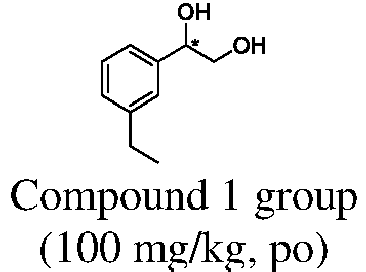
39.72 ± 3.46 9.21 ± 2.69 0.31 ± 0.059 0.27 ± 0.062 
42.31 ± 2.78 15.67 ± 2.70 0.33 ± 0.058 0.27 ± 0.045 
45.97 ± 3.49 16.47 ± 3.07 0.33 ± 0.037 0.31 ± 0.052 
44.32 ± 2.12 15.76 ± 2.71 0.35 ± 0.048 0.29 ± 0.054 
48.89 ± 6.64 16.74 ± 3.08 0.320 ± 0.031 0.32 ± 0.066 
44.38 ± 2.89 16.21 ± 1.29 0.245 ± 0.032 0.31 ± 0.021 - A pulmonary hypertension animal model of SD rats was established by subcutaneous injection of monocrotaline (MCT). The
compound 1 was administered by aerosol inhalation for treatment. The pulmonary artery hemodynamics and right heart hypertrophy index RVHI of rats were tested to determine whethercompound 1 administered by aerosol inhalation has effects of improving monocrotaline-induced pulmonary hypertension. - SD rats (purchased from Shanghai Xipuer-Bikai Experimental Animal Co., Ltd.), male, weighing 180-200 g, were bred in an artificially controlled animal room with each 12 hours of light and darkness at a temperature of 20-25°C and relative humidity of 50-60%, and allowed ad libitum to food and water. The rats were randomly divided into groups according to the experimental requirements, and kept separately in cages, with 3 to 4 rats per cage. All relevant operations of animal experiments are in compliance with the provisions of "Guidelines for the Management and Use of Laboratory Animals" of China.
- In the second experiment, the rats were divided into 5 groups, namely the control group, model group, positive control Tyvaso (1.62 µg/kg) group, compound 1 (10 mg/kg) group and compound 1 (30 mg/kg) group. On the first day of the experiment, normal saline was injected subcutaneously into the back of the neck of the rats in the blank control group, and monocrotaline (Chengdu Purifa Biotechnology Co., Ltd.) solution was injected in the other groups at a dosage of 60 mg/kg.
Compound 1 and Tyvaso were administered by aerosol inhalation, that is, the compound was firstly dissolved in physiological saline, and then the solution was prepared into an aerosol with a nebulizer to be inhaled into the mouth and nose of rats. The rats in the control group and the model group only inhaled an aerosol made of physiological saline. The rats were continuously administered for 28 days, and the concentration in the parentheses of the group name represents the administered concentration of the compound. Specific groupings can be found in Table 9. After the administration, the pulmonary vascular hemodynamics and RVHI were determined in the same way as the experiment method in Example 1.TABLE 9. Groupings of Model Rat with monocrotaline-induced pulmonary hypertension (Aerosol Inhalation) Group No. Grouping Number of rats Administration mode Number of administration 1 Control group 6 Aerosol Inhalation once a day 2 Model group 6 Aerosol Inhalation once a day 4 Tyvaso (1.62 µg/kg) group 6 Aerosol Inhalation Four times a day 5 Compound 1 (10 mg/kg) group 6 Aerosol Inhalation once a day 6 Compound 1 (30 mg/kg) group 6 Aerosol Inhalation once a day -
(1) It can be seen fromFigure 5A and Figure 5B that the RVSP and mRVP of the blank control group were 29.78 ± 2.12 mmHg and 6.78 ± 1.15 mmHg, respectively. After pulmonary hypertension was induced by monocrotaline, the RVSP and mPAP of rats increased (P <0.01, P <0.001). After compound 1 (10 mg/kg and 30 mg/kg) was administered by aerosol inhalation for treatment, the pulmonary vascular pressure of rats was higher than that of the blank control group, however, the RVSP was significantly lower than that of the untreated model group (P < 0.05, P < 0.01). While aftercompound 1 was administered by aerosol inhalation for treatment, mRVP also showed the same trend. In the experiment a Tyvaso positive drug control group (compared with the model group RVSP: P < 0.05, mRVP: P < 0.05) was also set. It was suggested that whencompound 1 was administered by aerosol inhalation at the dosages of 10 mg/kg and 30 mg/kg, the increase of pulmonary artery pressure in rats with monocrotaline-induced pulmonary hypertension can be improved.
(2) It can be seen fromFigure 5C that the RVHI of the rats in the blank control group of model group were 0.182 ± 0.028 mmHg and 0.396 ± 0.056 mmHg, respectively. The right heart hypertrophy index in the model group was significantly increased (P < 0.01). After compound 1 (10 mg/kg and 30 mg/kg) was administered by aerosol inhalation for treatment, the RVHIs of the two groups of rats decreased to 0.235 ± 0.026 and 0.204 ± 0.035, respectively, which was significantly lower than that of the untreated model group (P < 0.05 , P < 0.01). At the same time, the right ventricular hypertrophy index of the positive control drug Tyvaso treatment group was 0.197 ± 0.031, which was significantly lower than that of the model group (P < 0.01). It was suggested that whencompound 1 was administered by aerosol inhalation at the dosages of 10 mg/kg and 30 mg/kg, the right heart hypertrophy caused by pulmonary hypertension can be relieved.
(3) FromFigure 5D and Figure 6 , it can be seen that after monocrotaline modelling, the small arteries of the rats in the pulmonary hypertension model group were significantly thickened, and the media thickness ratio of the small pulmonary arteries (2 × MT/ED) increased significantly (P < 0.01). Compared with the model group, after compound 1 (10 mg/kg and 30 mg/kg) was administered by aerosol inhalation for treatment, pathological changes of pulmonary arteriole hypertrophy in lung tissues of rats were significantly reduced (P < 0.05, P < 0.01). In the experiment, a Tyvaso positive drug control group was also set. After Tyvaso was administered by inhalation for 21 days, pulmonary arteriole hypertrophy was significantly reduced (P <0.001 vs. Model). It was suggested that whencompound 1 was administered by aerosol inhalation at the dosages of 10 mg/kg and 30 mg/kg, the hypertrophy of small arteries in the lung tissue of rats with monocrotaline-induced pulmonary hypertension was reduced.TABLE 10. Experiment Results of compound 1 and series compounds administered by aerosol inhalation for treating MCT-PAH RatsGrouping of experiment animals RVSP / mmHg mPAP / mmHg RVHI 2 × MT/ED Control group 29.78 ± 2.12 6.78 ± 1.15 0.182 ± 0.028 0.275 ± 0.017 Model group 55.23 ± 6.94 20.88 ± 2.68 0.396 ± 0.056 0.485 ± 0.025 Tyvaso group (1.62 µg/kg, inh) 34.61 ± 3.69 10.54 ± 2.14 0.197 ± 0.031 0.275 ± 0.042 
35.92 ± 3.74 11.46 ± 2.48 0.235 ± 0.026 0.335 ± 0.034 Compound 1 (30 mg/kg, inh) 31.18 ± 4.62 8.06 ± 2.59 0.204 ± 0.035 0.319 ± 0.035 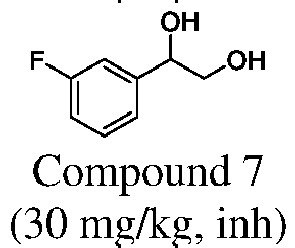
44.61 ± 2.96 12.45 ± 2.41 0.267 ± 0.013 0.375 ±0.024 
45.92 ± 3.47 14.16 ± 3.84 0.306 ± 0.027 0.353 ± 0.043 
40.18 ± 4.62 11.06 ± 2.95 0.324 ± 0.053 0.390 ± 0.038 
41.44 ± 2.03 14.76 ± 1.98 0.290 ± 0.054 0.357 ±0.032 
46.04 ± 3.27 16.00 ± 3.44 0.273 ± 0.043 0.402 ± 0.034 - All documents mentioned in this application are incorporated herein by reference, as if each document were individually incorporated by reference.. It should also be understood that various changes or modifications may be made by those skilled in the art upon reading the above teachings of the invention, which are likewise within the scope defined by the claims appended hereto.
Claims (10)
- Use of a compound of formula I, or a pharmaceutically acceptable salt or ester, prodrug, optical isomer, stereoisomer, or solvate thereof in the preparation of a medicament for preventing or treating hypertension or hypertension related diseases or pulmonary hypertension or pulmonary hypertension related diseases,
 X is absent or a substituted or unsubstituted C1-C3 linear or branched alkyl;n is an integer of 0-5, preferably an integer of 1-5;R1 and R3 are each independently selected from H, D, a substituted or unsubstituted C1-C10 alkyl, substituted or unsubstituted -(CH2CH2O)mH, substituted or unsubstituted benzyl, substituted or unsubstituted phenyl, substituted or unsubstituted C1-C5 alkyl formyl, substituted or unsubstituted benzoyl, substituted or unsubstituted aminoacetyl, substituted or unsubstituted

 R2 and R11 are each independently selected from H, D, a carbonyl, substituted or unsubstituted C1-C10 alkyl, substituted or unsubstituted phenyl, CH2OR7; R7 is selected from H, a substituted or unsubstituted C1-C10 alkyl, substituted or unsubstituted monosaccharide, disaccharide or polysaccharide group;R4 is selected from H, D, a substituted or unsubstituted C1-C10 linear or branched alkyl, substituted or unsubstituted C1-C10 unsaturated linear or branched alkyl, hydroxyl, substituted or unsubstituted C1- C10 alkoxy, halogen, substituted or unsubstituted benzyl, substituted or unsubstituted phenyl, substituted or unsubstituted C1-C5 alkylformyl, substituted or unsubstituted benzoyl, nitro, COOH, substituted or unsubstituted C1-C5 alkoxyformyl, amino, substituted or unsubstituted C1-C5 alkylamino, substituted or unsubstituted C1-C5 alkylcarboxamido, substituted or unsubstituted benzoylamino, substituted or unsubstituted benzo-aromatic ring or five-membered or six-membered heterocyclic ring containing heteroatoms.
 - The use of claim 1. wherein the compound is shown in Formula II,
 R8 is selected from H, a substituted or unsubstituted C1-C10 alkyl, substituted or unsubstituted benzyl, substituted or unsubstituted C1-C5 alkylformyl, substituted or unsubstituted benzoyl, substituted or unsubstituted aminoacetyl, or substituted or unsubstituted monosaccharide, disaccharide or polysaccharide group;R9 is selected from H, a substituted or unsubstituted C1-C10 alkyl, substituted or unsubstituted benzyl, substituted or unsubstituted C1-C5 alkylformyl, substituted or unsubstituted benzoyl, substituted or unsubstituted aminoacetyl, or substituted or unsubstituted monosaccharide, disaccharide or polysaccharide group;Rio is selected from H, a substituted or unsubstituted C1-C10 linear or branched alkyl, substituted or unsubstituted C1-C10 unsaturated linear or branched alkyl, F, Cl, Br, hydroxyl, C1-C3 linear or branched alkoxy, substituted or unsubstituted C1-C5 alkyl formyl, substituted or unsubstituted benzoyl, or substituted or unsubstituted benzo-aromatic ring or five-membered or six-membered heterocyclic ring containing heteroatom(s); and n is any integer selected from 0-3.
 - Use of following compounds, or a salt or ester, prodrug, optical isomer or solvate thereof in the preparation of a medicament for preventing or treating hypertension or hypertension related diseases or pulmonary hypertension or pulmonary hypertension related diseases:








- The use of claim 3, wherein the compound is




- The use of any one of claims 1-4, wherein the hypertension-related diseases include, but are not limited to, cerebral apoplexy (cerebral hemorrhage and cerebral ischemia), hypertension heart disease, hypertension nephropathy, hypertension fundus lesions and retinal lesions, hypertension lower limb ischemia, and the like;
the pulmonary hypertension-related diseases include, but are not limited to, idiopathic pulmonary hypertension, lung-derived heart disease, plateau heart disease, cardiovascular disease, pulmonary obstruction, fibrotic disorders, urinary system disorders. - A compound of formula I, or a pharmaceutically acceptable salt or ester, prodrug, optical isomer, stereoisomer or solvate thereof,
 X is absent or a substituted or unsubstituted C1-C3 linear or branched alkyl;n is an integer of 0-5, preferably an integer of 1-5;R1 and R3 are each independently selected from H, D, a substituted or unsubstituted C1-C10 alkyl, substituted or unsubstituted -(CH2CH2O)mH, substituted or unsubstituted benzyl, substituted or unsubstituted phenyl, substituted or unsubstituted C1-C5 alkyl formyl, substituted or unsubstituted benzoyl, substituted or unsubstituted ester group, substituted or unsubstituted

 R2 and R11 are each independently selected from H, D, a carbonyl, substituted or unsubstituted C1-C10 alkyl, substituted or unsubstituted phenyl, CH2OR7; R7 is selected from H, a substituted or unsubstituted C1-C10 alkyl, substituted or unsubstituted monosaccharide, disaccharide or polysaccharide group;R4 is selected from H, D, a substituted or unsubstituted C1-C10 linear or branched alkyl, substituted or unsubstituted C1-C10 unsaturated linear or branched alkyl, hydroxyl, substituted or unsubstituted C1- C10 alkoxy, halogen, substituted or unsubstituted benzyl, substituted or unsubstituted phenyl, substituted or unsubstituted C1-C5 alkylformyl, substituted or unsubstituted benzoyl, nitro, COOH, substituted or unsubstituted C1-C5 alkoxyformyl, amino, substituted or unsubstituted C1-C5 alkylamino, substituted or unsubstituted C1-C5 alkylcarboxamido, substituted or unsubstituted benzoylamino, substituted or unsubstituted benzo-aromatic ring or five-membered or six-membered heterocyclic ring containing heteroatoms.
 - The compound of claim 6, wherein the compound is shown in Formula II,
 R8 is selected from H, a substituted or unsubstituted C1-C10 alkyl, substituted or unsubstituted benzyl, substituted or unsubstituted C1-C5 alkylformyl, substituted or unsubstituted benzoyl, substituted or unsubstituted aminoacetyl, or substituted or unsubstituted monosaccharide, disaccharide or polysaccharide group;R9 is selected from H, a substituted or unsubstituted C1-C10 alkyl, substituted or unsubstituted benzyl, substituted or unsubstituted C1-C5 alkylformyl, substituted or unsubstituted benzoyl, substituted or unsubstituted aminoacetyl, or substituted or unsubstituted monosaccharide, disaccharide or polysaccharide group;Rio is selected from H, a substituted or unsubstituted C1-C10 linear or branched alkyl, substituted or unsubstituted C1-C10 unsaturated linear or branched alkyl, F, Cl, Br, hydroxyl, C1-C3 linear or branched alkoxy, substituted or unsubstituted C1-C5 alkyl formyl, substituted or unsubstituted benzoyl, or substituted or unsubstituted benzo-aromatic ring or five-membered or six-membered heterocyclic ring containing heteroatom(s); and n is any integer selected from 0-3.
 - A compound selected from following compounds, or a salt or ester, prodrug, optical isomer or solvate thereof:





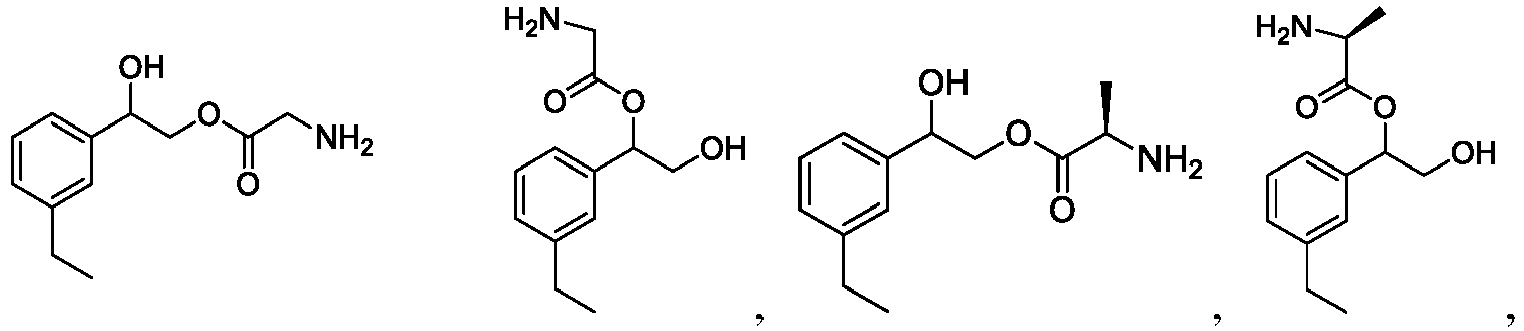


- A pharmaceutical composition comprising the compound of any one of claims 6-8, or a pharmaceutically acceptable salt or ester, prodrug, optical isomer, stereoisomer or solvate thereof, and a pharmaceutically acceptable carrier or excipient.
- The pharmaceutical composition of claim 9, wherein the pharmaceutical composition is in a form for aerosolized inhalation.
Applications Claiming Priority (2)
| Application Number | Priority Date | Filing Date | Title |
|---|---|---|---|
| CN201910507506 | 2019-06-12 | ||
| PCT/CN2020/095974 WO2020249117A1 (en) | 2019-06-12 | 2020-06-12 | Antihypertensive polyol compound and derivative thereof |
Publications (2)
| Publication Number | Publication Date |
|---|---|
| EP3906969A1 true EP3906969A1 (en) | 2021-11-10 |
| EP3906969A4 EP3906969A4 (en) | 2023-11-22 |
Family
ID=73736140
Family Applications (1)
| Application Number | Title | Priority Date | Filing Date |
|---|---|---|---|
| EP20822935.1A Pending EP3906969A4 (en) | 2019-06-12 | 2020-06-12 | Antihypertensive polyol compound and derivative thereof |
Country Status (7)
| Country | Link |
|---|---|
| US (1) | US12180146B2 (en) |
| EP (1) | EP3906969A4 (en) |
| CN (1) | CN112076180B (en) |
| AU (1) | AU2020289909B2 (en) |
| BR (1) | BR112021014881A2 (en) |
| CA (1) | CA3130821A1 (en) |
| WO (1) | WO2020249117A1 (en) |
Families Citing this family (2)
| Publication number | Priority date | Publication date | Assignee | Title |
|---|---|---|---|---|
| WO2025218674A1 (en) * | 2024-04-15 | 2025-10-23 | 源道医药(苏州)有限公司 | Polyol derivative for antagonizing and inhibiting trpv4-rhoa target and use thereof |
| CN118340754B (en) * | 2024-04-15 | 2025-03-11 | 源道医药(苏州)有限公司 | Compound for treating heart failure and related diseases and application thereof |
Family Cites Families (15)
| Publication number | Priority date | Publication date | Assignee | Title |
|---|---|---|---|---|
| US4769368A (en) * | 1986-02-10 | 1988-09-06 | Smithkline Beckman Corporation | 2,3,4,8,9,9A-Hexahydro-4-aryl-1H-indeno(1,7-CD)azepines |
| CN1174103C (en) * | 2002-01-31 | 2004-11-03 | 中国科学院上海有机化学研究所 | Process for preparing chiral substituted arylepoxyethane compounds and its biol by selective splitting of Aspergillus niger |
| WO2004087680A1 (en) * | 2003-03-31 | 2004-10-14 | Taisho Pharmaceutical Co., Ltd. | Novel quinazoline derivatives and methods of treatment related to the use thereof |
| CN101302543B (en) * | 2008-06-12 | 2013-01-02 | 华东理工大学 | Method for preparing (S)-benzoglycol by microorganism unsymmetrical split |
| CN101766584B (en) * | 2008-12-30 | 2013-03-06 | 华东理工大学 | Long-circulating degradable polymer nano microcapsule synergistically modified by polyethylene glycol/water-soluble chitosan and preparation method thereof |
| WO2012055010A1 (en) * | 2010-10-25 | 2012-05-03 | Fédération Des Producteurs Acéricoles Du Québec | Maple tree-derived products and uses thereof |
| RU2013124814A (en) * | 2010-10-29 | 2014-12-10 | Мерк Шарп Энд Домэ Корп. | HETEROCYCLIC DERIVATIVES OF DIAZENIUM DIOLATE |
| CN103304550B (en) * | 2012-03-16 | 2016-01-27 | 湖南欧亚生物有限公司 | A kind of preparation method of olmesartan medoxomill |
| CN103787872A (en) * | 2012-11-02 | 2014-05-14 | 张家港九木科技有限公司 | New method for synthesizing 4-methoxymandelic acid |
| CN104822680B (en) * | 2012-11-30 | 2016-10-12 | 安斯泰来制药株式会社 | Imidazopyridine |
| WO2014189469A1 (en) * | 2013-05-22 | 2014-11-27 | National University Of Singapore | Production of enantiopure carboxylic acids from alkenes by cascade biocatalysis |
| EP2813221A1 (en) * | 2013-06-13 | 2014-12-17 | Natac Biotech, S.L. | Combination of pentacyclic triterpenes and hydroxytyrosol and derivatives thereof |
| JP2015062396A (en) * | 2013-09-26 | 2015-04-09 | 株式会社日本触媒 | Method for producing 1-phenylethane-1,2-diol |
| KR101594972B1 (en) * | 2014-05-13 | 2016-02-18 | 대한민국 | Pharmaceutical composition for treating hypertension comprising extract from young barley leaves |
| MX2020001757A (en) | 2017-08-21 | 2020-09-07 | Acadia Pharm Inc | COMPOUNDS, SALTS THEREOF AND METHODS FOR THE TREATMENT OF DISEASES. |
-
2020
- 2020-06-12 EP EP20822935.1A patent/EP3906969A4/en active Pending
- 2020-06-12 CA CA3130821A patent/CA3130821A1/en active Pending
- 2020-06-12 CN CN202010537654.3A patent/CN112076180B/en active Active
- 2020-06-12 WO PCT/CN2020/095974 patent/WO2020249117A1/en not_active Ceased
- 2020-06-12 US US17/424,105 patent/US12180146B2/en active Active
- 2020-06-12 BR BR112021014881A patent/BR112021014881A2/en unknown
- 2020-06-12 AU AU2020289909A patent/AU2020289909B2/en active Active
Also Published As
| Publication number | Publication date |
|---|---|
| CN112076180A (en) | 2020-12-15 |
| CA3130821A1 (en) | 2020-12-17 |
| BR112021014881A2 (en) | 2022-02-15 |
| US20220098134A1 (en) | 2022-03-31 |
| AU2020289909A1 (en) | 2021-08-19 |
| EP3906969A4 (en) | 2023-11-22 |
| US12180146B2 (en) | 2024-12-31 |
| AU2020289909B2 (en) | 2025-06-12 |
| WO2020249117A1 (en) | 2020-12-17 |
| CN112076180B (en) | 2024-04-30 |
Similar Documents
| Publication | Publication Date | Title |
|---|---|---|
| JP2018048178A (en) | Oxabicycloheptanes, and oxabicycloheptanes for treatment of reperfusion injury | |
| JP2009513713A (en) | Method of treating atrial fibrillation with p38 inhibitor compounds | |
| EP3106459B1 (en) | Pyrrole-substituted indolone derivative, preparation method therefor, composition comprising same and use thereof | |
| US12180146B2 (en) | Antihypertensive polyol compound and derivative thereof | |
| EP4114408A1 (en) | Nicotinamide mononucleotide and bis-nicotinamide dinucleotide derivatives for the treatment of arrhythmia | |
| CN113214097B (en) | Compounds for the treatment of alzheimer's disease | |
| JP5849336B2 (en) | Adenylate cyclase activity regulator | |
| RU2848695C2 (en) | Antihypertensive polyol compound and its derivative | |
| AU2011288410B2 (en) | Panthenyl docosahexaeneoate and its use for treating and preventing cardiovascular diseases | |
| CN113527281B (en) | Heterocyclic compounds, process for their preparation and their use | |
| EP1178046B1 (en) | Purine derivative dihydrate, drugs containing the same as the active ingredient and intermediate in the production thereof | |
| CN114671856A (en) | Polysubstituted uracil derivatives and uses thereof | |
| CN108774220A (en) | Compound for treating myocardial ischemia and its application | |
| WO2015046404A1 (en) | Therapeutic agent or prophylactic agent for pulmonary hypertension | |
| CN114685472B (en) | Polysubstituted uracil derivatives and uses thereof | |
| US20100286219A1 (en) | 1, 3-Dihydroimidazoles for Treating Cardiovascular Disorders | |
| CA2629738A1 (en) | Novel indolizine derivatives, method for preparing same and therapeutic compositions comprising same | |
| JPWO2000068231A1 (en) | Purine derivative dihydrate, medicine containing it as an active ingredient, and intermediate for its production | |
| US20140371270A1 (en) | Novel acetic acid ester compound or salt thereof | |
| KR20030002304A (en) | 3-Phenyl-3,7-diazabicyclo[3.3.1]nonane compounds and process for their preparation and medicaments containing these compounds | |
| US4678796A (en) | 2-alkylidene derivatives of 1,2,3,4-tetrahydropyridine-2,5-pyridine carboxylic acid dialkyl esters useful for treatment of cardiovascular disorders | |
| US20240336577A1 (en) | Pyrazine compound, and method of preparation and use thereof | |
| JP2023549962A (en) | P.U. 1 Compounds as inhibitors | |
| JPWO2012070601A1 (en) | Novel 2-alkynyl-N9-propargyl adenine and pharmaceutical use thereof | |
| JP2582619B2 (en) | Naphthyridine derivative, method for producing the same and therapeutic composition containing the compound |
Legal Events
| Date | Code | Title | Description |
|---|---|---|---|
| STAA | Information on the status of an ep patent application or granted ep patent |
Free format text: STATUS: THE INTERNATIONAL PUBLICATION HAS BEEN MADE |
|
| PUAI | Public reference made under article 153(3) epc to a published international application that has entered the european phase |
Free format text: ORIGINAL CODE: 0009012 |
|
| STAA | Information on the status of an ep patent application or granted ep patent |
Free format text: STATUS: REQUEST FOR EXAMINATION WAS MADE |
|
| 17P | Request for examination filed |
Effective date: 20210803 |
|
| AK | Designated contracting states |
Kind code of ref document: A1 Designated state(s): AL AT BE BG CH CY CZ DE DK EE ES FI FR GB GR HR HU IE IS IT LI LT LU LV MC MK MT NL NO PL PT RO RS SE SI SK SM TR |
|
| RAP1 | Party data changed (applicant data changed or rights of an application transferred) |
Owner name: TAO PHARMACEUTICAL (SUZHOU) CO., LTD. |
|
| DAV | Request for validation of the european patent (deleted) | ||
| DAX | Request for extension of the european patent (deleted) | ||
| RIC1 | Information provided on ipc code assigned before grant |
Ipc: C07D 309/02 20060101ALI20230717BHEP Ipc: C07C 33/34 20060101ALI20230717BHEP Ipc: C07C 33/36 20060101ALI20230717BHEP Ipc: C07C 33/18 20060101ALI20230717BHEP Ipc: C07C 33/26 20060101ALI20230717BHEP Ipc: A61K 31/047 20060101ALI20230717BHEP Ipc: A61P 9/12 20060101AFI20230717BHEP |
|
| A4 | Supplementary search report drawn up and despatched |
Effective date: 20231023 |
|
| RIC1 | Information provided on ipc code assigned before grant |
Ipc: C07D 309/02 20060101ALI20231017BHEP Ipc: C07C 33/34 20060101ALI20231017BHEP Ipc: C07C 33/36 20060101ALI20231017BHEP Ipc: C07C 33/18 20060101ALI20231017BHEP Ipc: C07C 33/26 20060101ALI20231017BHEP Ipc: A61K 31/047 20060101ALI20231017BHEP Ipc: A61P 9/12 20060101AFI20231017BHEP |