EP3906504B1 - Interaction system and method - Google Patents
Interaction system and method Download PDFInfo
- Publication number
- EP3906504B1 EP3906504B1 EP19907879.1A EP19907879A EP3906504B1 EP 3906504 B1 EP3906504 B1 EP 3906504B1 EP 19907879 A EP19907879 A EP 19907879A EP 3906504 B1 EP3906504 B1 EP 3906504B1
- Authority
- EP
- European Patent Office
- Prior art keywords
- occupant
- motor vehicle
- user
- appears
- computer
- Prior art date
- Legal status (The legal status is an assumption and is not a legal conclusion. Google has not performed a legal analysis and makes no representation as to the accuracy of the status listed.)
- Active
Links
Images

Classifications
-
- B—PERFORMING OPERATIONS; TRANSPORTING
- B60—VEHICLES IN GENERAL
- B60Q—ARRANGEMENT OF SIGNALLING OR LIGHTING DEVICES, THE MOUNTING OR SUPPORTING THEREOF OR CIRCUITS THEREFOR, FOR VEHICLES IN GENERAL
- B60Q3/00—Arrangement of lighting devices for vehicle interiors; Lighting devices specially adapted for vehicle interiors
- B60Q3/80—Circuits; Control arrangements
-
- B—PERFORMING OPERATIONS; TRANSPORTING
- B60—VEHICLES IN GENERAL
- B60H—ARRANGEMENTS OF HEATING, COOLING, VENTILATING OR OTHER AIR-TREATING DEVICES SPECIALLY ADAPTED FOR PASSENGER OR GOODS SPACES OF VEHICLES
- B60H1/00—Heating, cooling or ventilating devices
- B60H1/00642—Control systems or circuits; Control members or indication devices for heating, cooling or ventilating devices
- B60H1/00735—Control systems or circuits characterised by their input, i.e. by the detection, measurement or calculation of particular conditions, e.g. signal treatment, dynamic models
- B60H1/00742—Control systems or circuits characterised by their input, i.e. by the detection, measurement or calculation of particular conditions, e.g. signal treatment, dynamic models by detection of the vehicle occupants' presence; by detection of conditions relating to the body of occupants, e.g. using radiant heat detectors
-
- B—PERFORMING OPERATIONS; TRANSPORTING
- B60—VEHICLES IN GENERAL
- B60W—CONJOINT CONTROL OF VEHICLE SUB-UNITS OF DIFFERENT TYPE OR DIFFERENT FUNCTION; CONTROL SYSTEMS SPECIALLY ADAPTED FOR HYBRID VEHICLES; ROAD VEHICLE DRIVE CONTROL SYSTEMS FOR PURPOSES NOT RELATED TO THE CONTROL OF A PARTICULAR SUB-UNIT
- B60W40/00—Estimation or calculation of non-directly measurable driving parameters for road vehicle drive control systems not related to the control of a particular sub unit, e.g. by using mathematical models
- B60W40/08—Estimation or calculation of non-directly measurable driving parameters for road vehicle drive control systems not related to the control of a particular sub unit, e.g. by using mathematical models related to drivers or passengers
-
- B—PERFORMING OPERATIONS; TRANSPORTING
- B60—VEHICLES IN GENERAL
- B60W—CONJOINT CONTROL OF VEHICLE SUB-UNITS OF DIFFERENT TYPE OR DIFFERENT FUNCTION; CONTROL SYSTEMS SPECIALLY ADAPTED FOR HYBRID VEHICLES; ROAD VEHICLE DRIVE CONTROL SYSTEMS FOR PURPOSES NOT RELATED TO THE CONTROL OF A PARTICULAR SUB-UNIT
- B60W50/00—Details of control systems for road vehicle drive control not related to the control of a particular sub-unit, e.g. process diagnostic or vehicle driver interfaces
- B60W50/08—Interaction between the driver and the control system
- B60W50/14—Means for informing the driver, warning the driver or prompting a driver intervention
-
- G—PHYSICS
- G06—COMPUTING OR CALCULATING; COUNTING
- G06F—ELECTRIC DIGITAL DATA PROCESSING
- G06F3/00—Input arrangements for transferring data to be processed into a form capable of being handled by the computer; Output arrangements for transferring data from processing unit to output unit, e.g. interface arrangements
- G06F3/16—Sound input; Sound output
- G06F3/167—Audio in a user interface, e.g. using voice commands for navigating, audio feedback
-
- G—PHYSICS
- G06—COMPUTING OR CALCULATING; COUNTING
- G06V—IMAGE OR VIDEO RECOGNITION OR UNDERSTANDING
- G06V20/00—Scenes; Scene-specific elements
- G06V20/50—Context or environment of the image
- G06V20/59—Context or environment of the image inside of a vehicle, e.g. relating to seat occupancy, driver state or inner lighting conditions
- G06V20/593—Recognising seat occupancy
-
- G—PHYSICS
- G06—COMPUTING OR CALCULATING; COUNTING
- G06V—IMAGE OR VIDEO RECOGNITION OR UNDERSTANDING
- G06V20/00—Scenes; Scene-specific elements
- G06V20/50—Context or environment of the image
- G06V20/59—Context or environment of the image inside of a vehicle, e.g. relating to seat occupancy, driver state or inner lighting conditions
- G06V20/597—Recognising the driver's state or behaviour, e.g. attention or drowsiness
-
- B—PERFORMING OPERATIONS; TRANSPORTING
- B60—VEHICLES IN GENERAL
- B60W—CONJOINT CONTROL OF VEHICLE SUB-UNITS OF DIFFERENT TYPE OR DIFFERENT FUNCTION; CONTROL SYSTEMS SPECIALLY ADAPTED FOR HYBRID VEHICLES; ROAD VEHICLE DRIVE CONTROL SYSTEMS FOR PURPOSES NOT RELATED TO THE CONTROL OF A PARTICULAR SUB-UNIT
- B60W40/00—Estimation or calculation of non-directly measurable driving parameters for road vehicle drive control systems not related to the control of a particular sub unit, e.g. by using mathematical models
- B60W40/08—Estimation or calculation of non-directly measurable driving parameters for road vehicle drive control systems not related to the control of a particular sub unit, e.g. by using mathematical models related to drivers or passengers
- B60W2040/0872—Driver physiology
-
- B—PERFORMING OPERATIONS; TRANSPORTING
- B60—VEHICLES IN GENERAL
- B60W—CONJOINT CONTROL OF VEHICLE SUB-UNITS OF DIFFERENT TYPE OR DIFFERENT FUNCTION; CONTROL SYSTEMS SPECIALLY ADAPTED FOR HYBRID VEHICLES; ROAD VEHICLE DRIVE CONTROL SYSTEMS FOR PURPOSES NOT RELATED TO THE CONTROL OF A PARTICULAR SUB-UNIT
- B60W50/00—Details of control systems for road vehicle drive control not related to the control of a particular sub-unit, e.g. process diagnostic or vehicle driver interfaces
- B60W50/08—Interaction between the driver and the control system
- B60W50/14—Means for informing the driver, warning the driver or prompting a driver intervention
- B60W2050/143—Alarm means
-
- B—PERFORMING OPERATIONS; TRANSPORTING
- B60—VEHICLES IN GENERAL
- B60W—CONJOINT CONTROL OF VEHICLE SUB-UNITS OF DIFFERENT TYPE OR DIFFERENT FUNCTION; CONTROL SYSTEMS SPECIALLY ADAPTED FOR HYBRID VEHICLES; ROAD VEHICLE DRIVE CONTROL SYSTEMS FOR PURPOSES NOT RELATED TO THE CONTROL OF A PARTICULAR SUB-UNIT
- B60W50/00—Details of control systems for road vehicle drive control not related to the control of a particular sub-unit, e.g. process diagnostic or vehicle driver interfaces
- B60W50/08—Interaction between the driver and the control system
- B60W50/14—Means for informing the driver, warning the driver or prompting a driver intervention
- B60W2050/146—Display means
-
- B—PERFORMING OPERATIONS; TRANSPORTING
- B60—VEHICLES IN GENERAL
- B60W—CONJOINT CONTROL OF VEHICLE SUB-UNITS OF DIFFERENT TYPE OR DIFFERENT FUNCTION; CONTROL SYSTEMS SPECIALLY ADAPTED FOR HYBRID VEHICLES; ROAD VEHICLE DRIVE CONTROL SYSTEMS FOR PURPOSES NOT RELATED TO THE CONTROL OF A PARTICULAR SUB-UNIT
- B60W2540/00—Input parameters relating to occupants
- B60W2540/21—Voice
-
- B—PERFORMING OPERATIONS; TRANSPORTING
- B60—VEHICLES IN GENERAL
- B60W—CONJOINT CONTROL OF VEHICLE SUB-UNITS OF DIFFERENT TYPE OR DIFFERENT FUNCTION; CONTROL SYSTEMS SPECIALLY ADAPTED FOR HYBRID VEHICLES; ROAD VEHICLE DRIVE CONTROL SYSTEMS FOR PURPOSES NOT RELATED TO THE CONTROL OF A PARTICULAR SUB-UNIT
- B60W2710/00—Output or target parameters relating to a particular sub-units
- B60W2710/24—Energy storage means
- B60W2710/242—Energy storage means for electrical energy
- B60W2710/246—Temperature
Definitions
- This disclosure relates to interaction systems and, more particularly, to interaction systems for use within motor vehicles.
- consumer electronic devices The capabilities of today's consumer electronic devices are continuously expanding. And when these consumer electronic devices are coupled with systems that capture audio (such as microphones) and systems that capture video (such as cameras), these consumer electronic devices may allow a user to e.g., use their voice, face, and/or eyes as a "password" that grants them access to such consumer electronic devices.
- audio such as microphones
- video such as cameras
- Prior art document US 2018/0364966 A1 relates to systems and methods for soundscape selection in autonomous vehicles.
- KR 2018 0059052 A relates to a system monitoring rear seats in a car.
- WO 2014/126304 A1 relates to a rearview mirror having a sleepiness prevention function.
- US 2018/0204572 A1 relates to a dialog device mounted in a vehicle.
- a computer-implemented method is executed on a computing device and includes: monitoring an interior environment of a motor vehicle; determining a personal state of an occupant within the interior environment of the motor vehicle; and interacting with the occupant based, at least in part, upon the personal state of the occupant.
- the occupant may be a driver of the motor vehicle.
- the personal state of the occupant within the interior environment of the motor vehicle may include one or more of: a physiological / physical / external state of the occupant within the interior environment of the motor vehicle; and a mental / emotional / internal state of the occupant within the interior environment of the motor vehicle. Interacting with the occupant based, at least in part, upon the personal state of the occupant may include physically altering the interior environment of the motor vehicle.
- Physically altering the interior environment of the motor vehicle may include one or more of: adjusting a temperature of the interior environment of the motor vehicle; adjusting one or more windows of the motor vehicle; adjusting a moon roof of the motor vehicle; adjusting one or more interior lights of the motor vehicle; adjusting an entertainment system of the motor vehicle; adjusting a seating system of the motor vehicle; and adjusting a ventilation system of the motor vehicle.
- Interacting with the occupant based, at least in part, upon the personal state of the occupant may include one or more of: triggering an audible alarm; triggering a visual alarm; physically engaging the occupant within the interior environment of the motor vehicle; visually engaging the occupant within the interior environment of the motor vehicle; and audibly engaging the occupant within the interior environment of the motor vehicle.
- a computer program product resides on a computer readable medium and has a plurality of instructions stored on it. When executed by a processor, the instructions cause the processor to perform operations including monitoring an interior environment of a motor vehicle; determining a personal state of an occupant within the interior environment of the motor vehicle; and interacting with the occupant based, at least in part, upon the personal state of the occupant.
- the occupant may be a driver of the motor vehicle.
- the personal state of the occupant within the interior environment of the motor vehicle may include one or more of: a physiological / physical / external state of the occupant within the interior environment of the motor vehicle; and a mental / emotional / internal state of the occupant within the interior environment of the motor vehicle.
- Interacting with the occupant based, at least in part, upon the personal state of the occupant may include physically altering the interior environment of the motor vehicle.
- Physically altering the interior environment of the motor vehicle may include one or more of: adjusting a temperature of the interior environment of the motor vehicle; adjusting one or more windows of the motor vehicle; adjusting a moon roof of the motor vehicle; adjusting one or more interior lights of the motor vehicle; adjusting an entertainment system of the motor vehicle; adjusting a seating system of the motor vehicle; and adjusting a ventilation system of the motor vehicle.
- Interacting with the occupant based, at least in part, upon the personal state of the occupant may include one or more of: triggering an audible alarm; triggering a visual alarm; physically engaging the occupant within the interior environment of the motor vehicle; visually engaging the occupant within the interior environment of the motor vehicle; and audibly engaging the occupant within the interior environment of the motor vehicle.
- Interacting with the occupant based, at least in part, upon the personal state of the occupant may include adjusting the manner in which a speech-based communication system engages the occupant within the interior environment of the motor vehicle.
- Adjusting the manner in which a speech-based communication system engages the occupant within the interior environment of the motor vehicle may include one or more of: adjusting the tempo of words used by the speech-based communication system to engage the occupant within the interior environment of the motor vehicle; adjusting the vocabulary of words used by the speech-based communication system to engage the occupant within the interior environment of the motor vehicle; adjusting the quantity of words used by the speech-based communication system to engage the occupant within the interior environment of the motor vehicle; adjusting the inflection of words used by the speech-based communication system to engage the occupant within the interior environment of the motor vehicle; and adjusting the timbre of words used by the speech-based communication system to engage the occupant within the interior environment of the motor vehicle.
- a computing system includes a processor and memory is configured to perform operations including monitoring an interior environment of a motor vehicle; determining a personal state of an occupant within the interior environment of the motor vehicle; and interacting with the occupant based, at least in part, upon the personal state of the occupant.
- the occupant may be a driver of the motor vehicle.
- the personal state of the occupant within the interior environment of the motor vehicle may include one or more of: a physiological / physical / external state of the occupant within the interior environment of the motor vehicle; and a mental / emotional / internal state of the occupant within the interior environment of the motor vehicle.
- Interacting with the occupant based, at least in part, upon the personal state of the occupant may include physically altering the interior environment of the motor vehicle.
- Physically altering the interior environment of the motor vehicle may include one or more of: adjusting a temperature of the interior environment of the motor vehicle; adjusting one or more windows of the motor vehicle; adjusting a moon roof of the motor vehicle; adjusting one or more interior lights of the motor vehicle; adjusting an entertainment system of the motor vehicle; adjusting a seating system of the motor vehicle; and adjusting a ventilation system of the motor vehicle.
- Interacting with the occupant based, at least in part, upon the personal state of the occupant may include one or more of: triggering an audible alarm; triggering a visual alarm; physically engaging the occupant within the interior environment of the motor vehicle; visually engaging the occupant within the interior environment of the motor vehicle; and audibly engaging the occupant within the interior environment of the motor vehicle.
- Interacting with the occupant based, at least in part, upon the personal state of the occupant may include adjusting the manner in which a speech-based communication system engages the occupant within the interior environment of the motor vehicle.
- Adjusting the manner in which a speech-based communication system engages the occupant within the interior environment of the motor vehicle may include one or more of: adjusting the tempo of words used by the speech-based communication system to engage the occupant within the interior environment of the motor vehicle; adjusting the vocabulary of words used by the speech-based communication system to engage the occupant within the interior environment of the motor vehicle; adjusting the quantity of words used by the speech-based communication system to engage the occupant within the interior environment of the motor vehicle; adjusting the inflection of words used by the speech-based communication system to engage the occupant within the interior environment of the motor vehicle; and adjusting the timbre of words used by the speech-based communication system to engage the occupant within the interior environment of the motor vehicle.
- Interaction process 10 may reside on and may be executed by consumer electronic device 12.
- consumer electronic device 12 may include but are not limited to a vehicle electronic system.
- vehicle electronic system may include any of the types of infotainment / electronic systems that are incorporated into motor vehicles, such as vehicle navigation systems, vehicle music systems, vehicle video systems, vehicle phone systems, vehicle climate control systems and vehicle control systems.
- the instruction sets and subroutines of interaction process 10 may be stored on storage device 14 coupled to consumer electronic device 12, may be executed by one or more processors (not shown) and one or more memory architectures (not shown) included within consumer electronic device 12.
- Examples of storage device 14 may include but are not limited to: a hard disk drive; a random access memory (RAM); a read-only memory (ROM); and all forms of flash memory storage devices.
- Consumer electronic device 12 may execute an operating system, examples of which may include but are not limited to Microsoft Windows tm , Android tm , iOS tm , Linux tm , or a custom operating system.
- consumer electronic device 12 When configured as a vehicle infotainment system, consumer electronic device 12 may be configured to execute various different functionalities that may be of interest / useful to a user (e.g., user 16). Examples of such functionalities may include but are not limited to: radio functionality (e.g., that enables the playing of terrestrial radio stations and satellite radio stations); audio functionality (e.g., that enables the playing of audio, wherein this audio may be disc-based or locally stored on storage device 14); video functionality (e.g., that enables the playing of video, wherein this video may be disc-based or locally stored on storage device 14); phone functionality (e.g., that enables the placing and receiving of phone calls); navigation functionality (e.g., that enables the execution of navigation / guidance functionality); and communication functionality (e.g., that enables the sending and receiving of email / text messages / instant messages).
- radio functionality e.g., that enables the playing of terrestrial radio stations and satellite radio stations
- audio functionality e.g., that enables
- consumer electronic device 12 may include a plurality of buttons (e.g., physical buttons or electronic buttons) that enable the selection of the above-described functionality.
- buttons e.g., physical buttons or electronic buttons
- the above-described radio functionality may be selectable via "radio" button 18; the above-described audio functionality may be selectable via “audio” button 20; the above-described video functionality may be selectable via “video” button 22; the above-described phone functionality may be selectable via “phone” button 24; the above-described navigation functionality may be selectable via "nav” button 26; and the above-described communications functionality may be selectable via “comm” button 28.
- consumer electronic device 12 When configured as a vehicle infotainment system, consumer electronic device 12 may be configured to interface with one or more external systems (e.g., external system 30).
- external system 30 may include but are not limited to: a cellular telephone; a smart phone; a tablet computing device; a portable computing device; and a handheld entertainment device (e.g., such as a gaming device).
- external system 30 When interfacing with consumer electronic device 12, external system 30 may be releasably coupled to consumer electronic device 12 via a hardwired connection (e.g., USB cable 32).
- external system 30 may be wirelessly coupled to consumer electronic device 12 via wireless communication channel 34 established between external system 30 and antenna 36 of consumer electronic device 12.
- wireless communication channel 34 may include but is not limited to a Bluetooth communication channel.
- Bluetooth is a telecommunications industry specification that allows e.g., mobile phones, computers, and personal digital assistants to be interconnected using a short-range wireless connection.
- Consumer electronic device 12 and/or external system 30 may be configured to be wirelessly coupled to / access an external network (e.g., network 38).
- network 38 may include but are not limited to the internet, a cellular network, a WiFi network, and/or a cloud-based computing platform.
- consumer electronic device 12 may be configured to execute various different functionalities that may be of interest / useful for a user (e.g., user 16). Some of these functionalities may be locally resident on (provided by) consumer electronic device 12. Additionally / alternatively, some of these functionalities may be remotely resident on (provided by) external system 30. Examples of such remotely-resident functionalities may include phone functionality (e.g., that enables the placing and receiving of phone calls via consumer electronic device 12 using external system 30) and communication functional (that enables user 16 to send / receive email, send / receive text messages and/or send / receive instant messages) via consumer electronic device 12 using external system 30. Consumer electronic device 12 may also include display screen 40 and one or more knobs / dials 42, 44 that effectuate the use of such functionalities.
- Consumer electronic device 12 may include microphone assembly 46 and speech processing system 48 (such as those available from Nuance Communications, Inc. of Burlington, MA). Accordingly, consumer electronic device 12 may be configured to accept verbal commands (e.g., verbal command 50) that are spoken and provided by (in this example) user 16. These verbal commands (e.g., verbal command 50) may be configured to allow user 16 to access and control the above-described functionalities in a hands-free fashion. Consumer electronic device 12 may further include camera assembly 52 that may be configured to capture imagery 54 of (in this example) user 16, wherein captured video 54 may be processed by video processing system 56. Consumer electronic device 12 may further include speaker assembly 58 that may be configured to render audio 60 for (in this example) user 16, wherein audio 60 may be generated by consumer electronic device 12 and/or external system 30.
- verbal commands e.g., verbal command 50
- These verbal commands may be configured to allow user 16 to access and control the above-described functionalities in a hands-free fashion.
- Consumer electronic device 12 may further
- interaction process 10 may reside on and may be executed by consumer electronic device 12, examples of which may include but are not limited to a vehicle electronic system.
- consumer electronic device 12 may be positioned within (or apportion of) motor vehicle 100, wherein vehicle 100 may include one or more occupants.
- vehicle 100 is shown to include two occupants, namely user 16 (who is driving vehicle 100) and passenger 102.
- Interaction process 10 may monitor 200 interior environment 104 (e.g., the passage compartment) of motor vehicle 100 and may determine 202 a personal state of an occupant (e.g., user 16 or passenger 102) within interior environment 104 of motor vehicle 100. Upon determining 202 this personal state, interaction process 10 may interact 204 with the occupant (e.g., user 16 or passenger 102) based, at least in part, upon the personal state of the occupant (e.g., user 16 or passenger 102).
- a personal state of an occupant e.g., user 16 or passenger 102
- interaction process 10 may interact 204 with the occupant (e.g., user 16 or passenger 102) based, at least in part, upon the personal state of the occupant (e.g., user 16 or passenger 102).
- Examples of the personal state determined 202 for the occupant (e.g., user 16 or passenger 102) within interior environment 104 of motor vehicle 100 may include but are not limited to one or more of:
- interaction process 10 may determine 202 the personal state (e.g., the physiological / physical / external state, the mental / emotional / internal state) of the occupant (e.g., user 16 or passenger 102) within interior environment 104 of motor vehicle 100 using various methodologies.
- the personal state e.g., the physiological / physical / external state, the mental / emotional / internal state
- the occupant e.g., user 16 or passenger 102
- interaction process 10 may determine 202 the personal state (e.g., the physiological / physical / external state, the mental / emotional / internal state) of the occupant (e.g., user 16 or passenger 102) within interior environment 104 of motor vehicle 100 using various methodologies.
- interaction process 10 may utilize microphone assembly 46 and speech processing system 48 to monitor the words / phrases spoken by the occupant (e.g., user 16 or passenger 102) of motor vehicle 100 to determine 202 the personal state (e.g., the physiological / physical / external state, the mental / emotional / internal state) of the occupant (e.g., user 16 or passenger 102).
- the personal state e.g., the physiological / physical / external state, the mental / emotional / internal state
- interaction process 10 may utilize camera assembly 52 and video processing system 56 to visually monitor the occupant (e.g., user 16 or passenger 102) of motor vehicle 100 to determine 202 the personal state (e.g., the physiological / physical / external state, the mental / emotional / internal state).
- the personal state e.g., the physiological / physical / external state, the mental / emotional / internal state.
- interaction process 10 may utilize audio information and/or video information to determine 202 the personal state (e.g., the physiological / physical / external state, the mental / emotional / internal state) of the occupant (e.g., user 16 or passenger 102) of motor vehicle 100. Once this personal state (e.g., the physiological / physical / external state, the mental / emotional / internal state) is determined 202, interaction process 10 may interact 204 with the occupant (e.g., user 16 or passenger 102) based, at least in part, upon the personal state of the occupant (e.g., user 16 or passenger 102).
- the personal state e.g., the physiological / physical / external state, the mental / emotional / internal state
- interaction process 10 may interact 204 with the occupant (e.g., user 16 or passenger 102) based, at least in part, upon the personal state of the occupant (e.g., user 16 or passenger 102).
- interaction process 10 may perform various functions, an example of which may include but is not limited to adjusting 206 the manner in which a speech-based communication system (e.g., speech processing system 48) engages the occupant (e.g., user 16 or passenger 102) within interior environment 104 of motor vehicle 100.
- a speech-based communication system e.g., speech processing system 48
- interaction process 10 may tailor the interaction with the occupant (e.g., user 16 or passenger 102) to adapt to or influence the personal state (e.g., the physiological / physical / external state, the mental / emotional / internal state) of the occupant (e.g., user 16 or passenger 102).
- the personal state e.g., the physiological / physical / external state, the mental / emotional / internal state
- interaction process 10 may perform various functions, another example of which may include but is not limited to physically altering 218 interior environment 104 of motor vehicle 100.
- interaction process 10 may take remedial action and may physically alter 218 interior environment 104 of motor vehicle 100 in an attempt to make the occupant (e.g., user 16) more alert.
- One or more of the below-described remedial actions may be: a) automatically initiated by interaction process 10; or b) offered to the occupant (e.g., user 16) by interaction process 10 and only initiated if approved by the occupant (e.g., user 16).
- interaction process 10 when interacting 204 with the occupant (e.g., user 16 or passenger 102) based, at least in part, upon the personal state (e.g., the physiological / physical / external state, the mental / emotional / internal state) of the occupant (e.g., user 16 or passenger 102), interaction process 10 may perform various functions.
- One or more of the below-described functions may be: a) automatically initiated by interaction process 10; or b) offered to the occupant (e.g., user 16) by interaction process 10 and only initiated if approved by the occupant (e.g., user 16). Examples of such functions may include but is not limited to:
- the present disclosure may be embodied as a method, a system, or a computer program product. Accordingly, the present disclosure may take the form of an entirely hardware embodiment, an entirely software embodiment (including firmware, resident software, micro-code, etc.) or an embodiment combining software and hardware aspects that may all generally be referred to herein as a "circuit,” "module” or “system.” Furthermore, the present disclosure may take the form of a computer program product on a computer-usable storage medium having computer-usable program code embodied in the medium.
- the computer-usable or computer-readable medium may be, for example but not limited to, an electronic, magnetic, optical, electromagnetic, infrared, or semiconductor system, apparatus, device, or propagation medium. More specific examples (a non-exhaustive list) of the computer-readable medium may include the following: an electrical connection having one or more wires, a portable computer diskette, a hard disk, a random access memory (RAM), a read-only memory (ROM), an erasable programmable read-only memory (EPROM or Flash memory), an optical fiber, a portable compact disc read-only memory (CD-ROM), an optical storage device, a transmission media such as those supporting the Internet or an intranet, or a magnetic storage device.
- the computer-usable or computer-readable medium may also be paper or another suitable medium upon which the program is printed, as the program can be electronically captured, via, for instance, optical scanning of the paper or other medium, then compiled, interpreted, or otherwise processed in a suitable manner, if necessary, and then stored in a computer memory.
- a computer-usable or computer-readable medium may be any medium that can contain, store, communicate, propagate, or transport the program for use by or in connection with the instruction execution system, apparatus, or device.
- the computer-usable medium may include a propagated data signal with the computer-usable program code embodied therewith, either in baseband or as part of a carrier wave.
- the computer usable program code may be transmitted using any appropriate medium, including but not limited to the Internet, wireline, optical fiber cable, RF, etc.
- Computer program code for carrying out operations of the present disclosure may be written in an object oriented programming language such as Java, Smalltalk, C++ or the like. However, the computer program code for carrying out operations of the present disclosure may also be written in conventional procedural programming languages, such as the "C" programming language or similar programming languages.
- the program code may execute entirely on the user's computer, partly on the user's computer, as a stand-alone software package, partly on the user's computer and partly on a remote computer or entirely on the remote computer or server. In the latter scenario, the remote computer may be connected to the user's computer through a local area network / a wide area network / the Internet (e.g., network 14).
- These computer program instructions may also be stored in a computer-readable memory that may direct a computer or other programmable data processing apparatus to function in a particular manner, such that the instructions stored in the computer-readable memory produce an article of manufacture including instruction means which implement the function/act specified in the flowchart and/or block diagram block or blocks.
- the computer program instructions may also be loaded onto a computer or other programmable data processing apparatus to cause a series of operational steps to be performed on the computer or other programmable apparatus to produce a computer implemented process such that the instructions which execute on the computer or other programmable apparatus provide steps for implementing the functions/acts specified in the flowchart and/or block diagram block or blocks.
- each block in the flowchart or block diagrams may represent a module, segment, or portion of code, which comprises one or more executable instructions for implementing the specified logical function(s).
- the functions noted in the block may occur out of the order noted in the figures. For example, two blocks shown in succession may, in fact, be executed substantially concurrently, or the blocks may sometimes be executed in the reverse order, depending upon the functionality involved.
Landscapes
- Engineering & Computer Science (AREA)
- Physics & Mathematics (AREA)
- Mechanical Engineering (AREA)
- Theoretical Computer Science (AREA)
- Automation & Control Theory (AREA)
- Multimedia (AREA)
- General Physics & Mathematics (AREA)
- Transportation (AREA)
- Mathematical Physics (AREA)
- Human Computer Interaction (AREA)
- Health & Medical Sciences (AREA)
- Audiology, Speech & Language Pathology (AREA)
- General Health & Medical Sciences (AREA)
- General Engineering & Computer Science (AREA)
- Thermal Sciences (AREA)
- Fittings On The Vehicle Exterior For Carrying Loads, And Devices For Holding Or Mounting Articles (AREA)
- Traffic Control Systems (AREA)
Description
- This disclosure relates to interaction systems and, more particularly, to interaction systems for use within motor vehicles.
- The capabilities of today's consumer electronic devices are continuously expanding. And when these consumer electronic devices are coupled with systems that capture audio (such as microphones) and systems that capture video (such as cameras), these consumer electronic devices may allow a user to e.g., use their voice, face, and/or eyes as a "password" that grants them access to such consumer electronic devices.
- Further and through the use of such supplemental information obtained via e.g., microphones and cameras, the manner in which such consumer electronic devices function may be altered / manipulated depending upon what these consumer electronic devices "hear" and "see".
- Prior art document
US 2018/0364966 A1 relates to systems and methods for soundscape selection in autonomous vehicles.KR 2018 0059052 A WO 2014/126304 A1 relates to a rearview mirror having a sleepiness prevention function.US 2018/0204572 A1 relates to a dialog device mounted in a vehicle. - The invention is as defined in claim 1. Preferred embodiments of the invention are defined in the dependent claims.
- From a general point of view, a computer-implemented method is executed on a computing device and includes: monitoring an interior environment of a motor vehicle; determining a personal state of an occupant within the interior environment of the motor vehicle; and interacting with the occupant based, at least in part, upon the personal state of the occupant.
- The occupant may be a driver of the motor vehicle. The personal state of the occupant within the interior environment of the motor vehicle may include one or more of: a physiological / physical / external state of the occupant within the interior environment of the motor vehicle; and a mental / emotional / internal state of the occupant within the interior environment of the motor vehicle. Interacting with the occupant based, at least in part, upon the personal state of the occupant may include physically altering the interior environment of the motor vehicle. Physically altering the interior environment of the motor vehicle may include one or more of: adjusting a temperature of the interior environment of the motor vehicle; adjusting one or more windows of the motor vehicle; adjusting a moon roof of the motor vehicle; adjusting one or more interior lights of the motor vehicle; adjusting an entertainment system of the motor vehicle; adjusting a seating system of the motor vehicle; and adjusting a ventilation system of the motor vehicle. Interacting with the occupant based, at least in part, upon the personal state of the occupant may include one or more of: triggering an audible alarm; triggering a visual alarm; physically engaging the occupant within the interior environment of the motor vehicle; visually engaging the occupant within the interior environment of the motor vehicle; and audibly engaging the occupant within the interior environment of the motor vehicle. Interacting with the occupant based, at least in part, upon the personal state of the occupant may include adjusting the manner in which a speech-based communication system engages the occupant within the interior environment of the motor vehicle. Adjusting the manner in which a speech-based communication system engages the occupant within the interior environment of the motor vehicle may include one or more of: adjusting the tempo of words used by the speech-based communication system to engage the occupant within the interior environment of the motor vehicle; adjusting the vocabulary of words used by the speech-based communication system to engage the occupant within the interior environment of the motor vehicle; adjusting the quantity of words used by the speech-based communication system to engage the occupant within the interior environment of the motor vehicle; adjusting the inflection of words used by the speech-based communication system to engage the occupant within the interior environment of the motor vehicle; and adjusting the timbre of words used by the speech-based communication system to engage the occupant within the interior environment of the motor vehicle.
- In another implementation, a computer program product resides on a computer readable medium and has a plurality of instructions stored on it. When executed by a processor, the instructions cause the processor to perform operations including monitoring an interior environment of a motor vehicle; determining a personal state of an occupant within the interior environment of the motor vehicle; and interacting with the occupant based, at least in part, upon the personal state of the occupant.
- One or more of the following features may be included. The occupant may be a driver of the motor vehicle. The personal state of the occupant within the interior environment of the motor vehicle may include one or more of: a physiological / physical / external state of the occupant within the interior environment of the motor vehicle; and a mental / emotional / internal state of the occupant within the interior environment of the motor vehicle. Interacting with the occupant based, at least in part, upon the personal state of the occupant may include physically altering the interior environment of the motor vehicle. Physically altering the interior environment of the motor vehicle may include one or more of: adjusting a temperature of the interior environment of the motor vehicle; adjusting one or more windows of the motor vehicle; adjusting a moon roof of the motor vehicle; adjusting one or more interior lights of the motor vehicle; adjusting an entertainment system of the motor vehicle; adjusting a seating system of the motor vehicle; and adjusting a ventilation system of the motor vehicle. Interacting with the occupant based, at least in part, upon the personal state of the occupant may include one or more of: triggering an audible alarm; triggering a visual alarm; physically engaging the occupant within the interior environment of the motor vehicle; visually engaging the occupant within the interior environment of the motor vehicle; and audibly engaging the occupant within the interior environment of the motor vehicle. Interacting with the occupant based, at least in part, upon the personal state of the occupant may include adjusting the manner in which a speech-based communication system engages the occupant within the interior environment of the motor vehicle. Adjusting the manner in which a speech-based communication system engages the occupant within the interior environment of the motor vehicle may include one or more of: adjusting the tempo of words used by the speech-based communication system to engage the occupant within the interior environment of the motor vehicle; adjusting the vocabulary of words used by the speech-based communication system to engage the occupant within the interior environment of the motor vehicle; adjusting the quantity of words used by the speech-based communication system to engage the occupant within the interior environment of the motor vehicle; adjusting the inflection of words used by the speech-based communication system to engage the occupant within the interior environment of the motor vehicle; and adjusting the timbre of words used by the speech-based communication system to engage the occupant within the interior environment of the motor vehicle.
- In another implementation, a computing system includes a processor and memory is configured to perform operations including monitoring an interior environment of a motor vehicle; determining a personal state of an occupant within the interior environment of the motor vehicle; and interacting with the occupant based, at least in part, upon the personal state of the occupant.
- One or more of the following features may be included. The occupant may be a driver of the motor vehicle. The personal state of the occupant within the interior environment of the motor vehicle may include one or more of: a physiological / physical / external state of the occupant within the interior environment of the motor vehicle; and a mental / emotional / internal state of the occupant within the interior environment of the motor vehicle. Interacting with the occupant based, at least in part, upon the personal state of the occupant may include physically altering the interior environment of the motor vehicle. Physically altering the interior environment of the motor vehicle may include one or more of: adjusting a temperature of the interior environment of the motor vehicle; adjusting one or more windows of the motor vehicle; adjusting a moon roof of the motor vehicle; adjusting one or more interior lights of the motor vehicle; adjusting an entertainment system of the motor vehicle; adjusting a seating system of the motor vehicle; and adjusting a ventilation system of the motor vehicle. Interacting with the occupant based, at least in part, upon the personal state of the occupant may include one or more of: triggering an audible alarm; triggering a visual alarm; physically engaging the occupant within the interior environment of the motor vehicle; visually engaging the occupant within the interior environment of the motor vehicle; and audibly engaging the occupant within the interior environment of the motor vehicle. Interacting with the occupant based, at least in part, upon the personal state of the occupant may include adjusting the manner in which a speech-based communication system engages the occupant within the interior environment of the motor vehicle. Adjusting the manner in which a speech-based communication system engages the occupant within the interior environment of the motor vehicle may include one or more of: adjusting the tempo of words used by the speech-based communication system to engage the occupant within the interior environment of the motor vehicle; adjusting the vocabulary of words used by the speech-based communication system to engage the occupant within the interior environment of the motor vehicle; adjusting the quantity of words used by the speech-based communication system to engage the occupant within the interior environment of the motor vehicle; adjusting the inflection of words used by the speech-based communication system to engage the occupant within the interior environment of the motor vehicle; and adjusting the timbre of words used by the speech-based communication system to engage the occupant within the interior environment of the motor vehicle.
- The details of one or more implementations are set forth in the accompanying drawings and the description below. Other features and advantages will become apparent from the description, the drawings, and the claims.
-
-
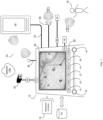
FIG 1 is a diagrammatic view of a consumer electronic device that executes an interaction process according to an embodiment of the present disclosure; -
FIG 2 is a diagrammatic view of a motor vehicle incorporating a consumer electronic device that executes the interaction process ofFIG 1 ; and -
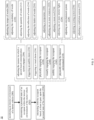
FIG 3 is a flowchart of the interaction process ofFIG 1 according to an embodiment of the present disclosure. - Like reference symbols in the various drawings indicate like elements.
- Referring to
FIG 1 , there is showninteraction process 10.Interaction process 10 may reside on and may be executed by consumerelectronic device 12. Examples of consumerelectronic device 12 may include but are not limited to a vehicle electronic system. Examples of such a vehicle electronic system may include any of the types of infotainment / electronic systems that are incorporated into motor vehicles, such as vehicle navigation systems, vehicle music systems, vehicle video systems, vehicle phone systems, vehicle climate control systems and vehicle control systems. - The instruction sets and subroutines of
interaction process 10, which may be stored onstorage device 14 coupled to consumerelectronic device 12, may be executed by one or more processors (not shown) and one or more memory architectures (not shown) included within consumerelectronic device 12. Examples ofstorage device 14 may include but are not limited to: a hard disk drive; a random access memory (RAM); a read-only memory (ROM); and all forms of flash memory storage devices. Consumerelectronic device 12 may execute an operating system, examples of which may include but are not limited to Microsoft Windows tm, Android tm, iOS tm, Linux tm, or a custom operating system. - When configured as a vehicle infotainment system, consumer
electronic device 12 may be configured to execute various different functionalities that may be of interest / useful to a user (e.g., user 16). Examples of such functionalities may include but are not limited to: radio functionality (e.g., that enables the playing of terrestrial radio stations and satellite radio stations); audio functionality (e.g., that enables the playing of audio, wherein this audio may be disc-based or locally stored on storage device 14); video functionality (e.g., that enables the playing of video, wherein this video may be disc-based or locally stored on storage device 14); phone functionality (e.g., that enables the placing and receiving of phone calls); navigation functionality (e.g., that enables the execution of navigation / guidance functionality); and communication functionality (e.g., that enables the sending and receiving of email / text messages / instant messages). - When configured as a vehicle infotainment system, consumer
electronic device 12 may include a plurality of buttons (e.g., physical buttons or electronic buttons) that enable the selection of the above-described functionality. For example, the above-described radio functionality may be selectable via "radio"button 18; the above-described audio functionality may be selectable via "audio"button 20; the above-described video functionality may be selectable via "video"button 22; the above-described phone functionality may be selectable via "phone"button 24; the above-described navigation functionality may be selectable via "nav"button 26; and the above-described communications functionality may be selectable via "comm"button 28. - When configured as a vehicle infotainment system, consumer
electronic device 12 may be configured to interface with one or more external systems (e.g., external system 30). Examples ofexternal system 30 may include but are not limited to: a cellular telephone; a smart phone; a tablet computing device; a portable computing device; and a handheld entertainment device (e.g., such as a gaming device). When interfacing with consumerelectronic device 12,external system 30 may be releasably coupled to consumerelectronic device 12 via a hardwired connection (e.g., USB cable 32). Alternatively,external system 30 may be wirelessly coupled to consumerelectronic device 12 viawireless communication channel 34 established betweenexternal system 30 andantenna 36 of consumerelectronic device 12. An example ofwireless communication channel 34 may include but is not limited to a Bluetooth communication channel. As is known in the art, Bluetooth is a telecommunications industry specification that allows e.g., mobile phones, computers, and personal digital assistants to be interconnected using a short-range wireless connection. - Consumer
electronic device 12 and/orexternal system 30 may be configured to be wirelessly coupled to / access an external network (e.g., network 38). Examples ofnetwork 38 may include but are not limited to the internet, a cellular network, a WiFi network, and/or a cloud-based computing platform. - As discussed above, consumer
electronic device 12 may be configured to execute various different functionalities that may be of interest / useful for a user (e.g., user 16). Some of these functionalities may be locally resident on (provided by) consumerelectronic device 12. Additionally / alternatively, some of these functionalities may be remotely resident on (provided by)external system 30. Examples of such remotely-resident functionalities may include phone functionality (e.g., that enables the placing and receiving of phone calls via consumerelectronic device 12 using external system 30) and communication functional (that enablesuser 16 to send / receive email, send / receive text messages and/or send / receive instant messages) via consumerelectronic device 12 usingexternal system 30. Consumerelectronic device 12 may also includedisplay screen 40 and one or more knobs / dials 42, 44 that effectuate the use of such functionalities. - Consumer
electronic device 12 may includemicrophone assembly 46 and speech processing system 48 (such as those available from Nuance Communications, Inc. of Burlington, MA). Accordingly, consumerelectronic device 12 may be configured to accept verbal commands (e.g., verbal command 50) that are spoken and provided by (in this example)user 16. These verbal commands (e.g., verbal command 50) may be configured to allowuser 16 to access and control the above-described functionalities in a hands-free fashion. Consumerelectronic device 12 may further includecamera assembly 52 that may be configured to captureimagery 54 of (in this example)user 16, wherein capturedvideo 54 may be processed byvideo processing system 56. Consumerelectronic device 12 may further includespeaker assembly 58 that may be configured to renderaudio 60 for (in this example)user 16, wherein audio 60 may be generated by consumerelectronic device 12 and/orexternal system 30. - As discussed above,
interaction process 10 may reside on and may be executed by consumerelectronic device 12, examples of which may include but are not limited to a vehicle electronic system. For example and referring also toFIGS. 2-3 , consumerelectronic device 12 may be positioned within (or apportion of)motor vehicle 100, whereinvehicle 100 may include one or more occupants. For this particular example,vehicle 100 is shown to include two occupants, namely user 16 (who is driving vehicle 100) andpassenger 102. -
Interaction process 10 may monitor 200 interior environment 104 (e.g., the passage compartment) ofmotor vehicle 100 and may determine 202 a personal state of an occupant (e.g.,user 16 or passenger 102) withininterior environment 104 ofmotor vehicle 100. Upon determining 202 this personal state,interaction process 10 may interact 204 with the occupant (e.g.,user 16 or passenger 102) based, at least in part, upon the personal state of the occupant (e.g.,user 16 or passenger 102). - Examples of the personal state determined 202 for the occupant (e.g.,
user 16 or passenger 102) withininterior environment 104 ofmotor vehicle 100 may include but are not limited to one or more of: - A physiological / physical / external state of the occupant (e.g.,
user 16 or passenger 102) withininterior environment 104 ofmotor vehicle 100. For example, is the occupant (e.g.,user 16 or passenger 102) hurried? Is the occupant (e.g.,user 16 or passenger 102) sleepy? Is the occupant (e.g.,user 16 or passenger 102) impaired? Is the occupant (e.g.,user 16 or passenger 102) injured? Is the occupant (e.g.,user 16 or passenger 102) sick? Is the occupant (e.g.,user 16 or passenger 102) suffering a medical emergency? - A mental / emotional / internal state of the occupant (e.g.,
user 16 or passenger 102) withininterior environment 104 ofmotor vehicle 100. For example, is the occupant (e.g.,user 16 or passenger 102) stressed? Is the occupant (e.g.,user 16 or passenger 102) angry? Is the occupant (e.g.,user 16 or passenger 102) happy? Is the occupant (e.g.,user 16 or passenger 102) talkative? - Additionally,
interaction process 10 may determine 202 the personal state (e.g., the physiological / physical / external state, the mental / emotional / internal state) of the occupant (e.g.,user 16 or passenger 102) withininterior environment 104 ofmotor vehicle 100 using various methodologies. - Accordingly,
interaction process 10 may utilizemicrophone assembly 46 andspeech processing system 48 to monitor the words / phrases spoken by the occupant (e.g.,user 16 or passenger 102) ofmotor vehicle 100 to determine 202 the personal state (e.g., the physiological / physical / external state, the mental / emotional / internal state) of the occupant (e.g.,user 16 or passenger 102). - For example:
- If the occupant (e.g.,
user 16 or passenger 102) is speaking more quickly, this may be indicative of the occupant (e.g.,user 16 or passenger 102) being rushed / hurried / alert. - If the occupant (e.g.,
user 16 or passenger 102) is speaking at a normal pace, this may be indicative of the occupant (e.g.,user 16 or passenger 102) being relaxed / calm. - If the occupant (e.g.,
user 16 or passenger 102) is speaking more slowly, this may be indicative of the occupant (e.g.,user 16 or passenger 102) being sleepy / tired. - If the occupant (e.g.,
user 16 or passenger 102) is snoring / silent, this may be indicative of the occupant (e.g.,user 16 or passenger 102) being asleep. - If the occupant (e.g.,
user 16 or passenger 102) is speaking loudly / shouting, this may be indicative of the occupant (e.g.,user 16 or passenger 102) being annoyed / stressed. - If the occupant (e.g.,
user 16 or passenger 102) is being verbose, this may be indicative of the occupant (e.g.,user 16 or passenger 102) being happy / talkative. - If the occupant (e.g.,
user 16 or passenger 102) is slurring their speech, this may be indicative of the occupant (e.g.,user 16 or passenger 102) being impaired. - If the occupant (e.g.,
user 16 or passenger 102) is using a lot of upward inflexion, this may be indicative of the occupant (e.g.,user 16 or passenger 102) being unsure / confused. - Further,
interaction process 10 may utilizecamera assembly 52 andvideo processing system 56 to visually monitor the occupant (e.g.,user 16 or passenger 102) ofmotor vehicle 100 to determine 202 the personal state (e.g., the physiological / physical / external state, the mental / emotional / internal state). - For example:
- If the occupant (e.g.,
user 16 or passenger 102) has an overly alert facial expression (e.g., fully-opened eyes, animated head movements), this may be indicative of the occupant (e.g.,user 16 or passenger 102) being rushed / hurried / alert. - If the occupant (e.g.,
user 16 or passenger 102) has a normal facial expression (e.g., normally-opened eyes, typical head movements), this may be indicative of the occupant (e.g.,user 16 or passenger 102) being relaxed / calm. - If the occupant (e.g.,
user 16 or passenger 102) has a tired facial expression (e.g., partially-closed eyes, bobbing head movements), this may be indicative of the occupant (e.g.,user 16 or passenger 102) being sleepy / tired. - If the occupant (e.g.,
user 16 or passenger 102) has a sleeping facial expression (e.g., fully-closed eyes, tilted / canted head), this may be indicative of the occupant (e.g.,user 16 or passenger 102) being asleep. - If the occupant (e.g.,
user 16 or passenger 102) has an anxious facial expression (e.g., furloughed brow, canted eyebrows, jerking head movements), this may be indicative of the occupant (e.g.,user 16 or passenger 102) being annoyed / stressed. - If the occupant (e.g.,
user 16 or passenger 102) has a happy facial expression (e.g., smiling, with bouncy head movements), this may be indicative of the occupant (e.g.,user 16 or passenger 102) being happy / talkative. - If the occupant (e.g.,
user 16 or passenger 102) has an impaired facial expression (e.g., partial closed eyes, dilated pupils), this may be indicative of the occupant (e.g.,user 16 or passenger 102) being impaired. - If the occupant (e.g.,
user 16 or passenger 102) has a confused facial expression (e.g., differently opened eyes, tilted head), this may be indicative of the occupant (e.g.,user 16 or passenger 102) being unsure / confused. - As discussed above,
interaction process 10 may utilize audio information and/or video information to determine 202 the personal state (e.g., the physiological / physical / external state, the mental / emotional / internal state) of the occupant (e.g.,user 16 or passenger 102) ofmotor vehicle 100. Once this personal state (e.g., the physiological / physical / external state, the mental / emotional / internal state) is determined 202,interaction process 10 may interact 204 with the occupant (e.g.,user 16 or passenger 102) based, at least in part, upon the personal state of the occupant (e.g.,user 16 or passenger 102). - When interacting 204 with the occupant (e.g.,
user 16 or passenger 102) based, at least in part, upon the personal state (e.g., the physiological / physical / external state, the mental / emotional / internal state) of the occupant (e.g.,user 16 or passenger 102),interaction process 10 may perform various functions, an example of which may include but is not limited to adjusting 206 the manner in which a speech-based communication system (e.g., speech processing system 48) engages the occupant (e.g.,user 16 or passenger 102) withininterior environment 104 ofmotor vehicle 100. - When adjusting 206 the manner in which a speech-based communication system (e.g., speech processing system 48) engages the occupant (e.g.,
user 16 or passenger 102) withininterior environment 104 ofmotor vehicle 100,interaction process 10 may tailor the interaction with the occupant (e.g.,user 16 or passenger 102) to adapt to or influence the personal state (e.g., the physiological / physical / external state, the mental / emotional / internal state) of the occupant (e.g.,user 16 or passenger 102). - For example:
-
Interaction process 10 may adjust 208 the tempo of words used by the speech-based communication system (e.g., speech processing system 48) to engage the occupant (e.g.,user 16 or passenger 102) withininterior environment 104 ofmotor vehicle 100. For example, if the personal state of the occupant (e.g.,user 16 or passenger 102) withininterior environment 104 ofmotor vehicle 100 indicates that they are rushed, a quicker tempo may be used. Conversely, if the personal state of the occupant (e.g.,user 16 or passenger 102) withininterior environment 104 ofmotor vehicle 100 indicates that they are relaxed, a slower tempo may be used. -
Interaction process 10 may adjust 210 the vocabulary of words used by the speech-based communication system (e.g., speech processing system 48) to engage the occupant (e.g.,user 16 or passenger 102) withininterior environment 104 ofmotor vehicle 100. For example, if the personal state of the occupant (e.g.,user 16 or passenger 102) withininterior environment 104 ofmotor vehicle 100 indicates that they are stressed, a more formal or neutral vocabulary of words may be used. Conversely, if the personal state of the occupant (e.g.,user 16 or passenger 102) withininterior environment 104 ofmotor vehicle 100 indicates that they are relaxed, a more informal or colloquial vocabulary of words may be used. -
Interaction process 10 may adjust 212 the quantity of words used by the speech-based communication system (e.g., speech processing system 48) to engage the occupant (e.g.,user 16 or passenger 102) withininterior environment 104 ofmotor vehicle 100. For example, if the personal state of the occupant (e.g.,user 16 or passenger 102) withininterior environment 104 ofmotor vehicle 100 indicates that they are rushed, fewer words / shorter sentences may be used. Conversely, if the personal state of the occupant (e.g.,user 16 or passenger 102) withininterior environment 104 ofmotor vehicle 100 indicates that they are talkative, more words / longer sentences may be used. -
Interaction process 10 may adjust 214 the inflection of words used by the speech-based communication system (e.g., speech processing system 48) to engage the occupant (e.g.,user 16 or passenger 102) withininterior environment 104 ofmotor vehicle 100. For example, if the personal state of the occupant (e.g.,user 16 or passenger 102) withininterior environment 104 ofmotor vehicle 100 indicates that they are annoyed, a more monotonous / calming inflection may be used. Conversely, if the personal state of the occupant (e.g.,user 16 or passenger 102) withininterior environment 104 ofmotor vehicle 100 indicates that they are happy, a more varied / lively inflection may be used. -
Interaction process 10 may adjust 216 the timbre of words used by the speech-based communication system (e.g., speech processing system 48) to engage the occupant (e.g.,user 16 or passenger 102) withininterior environment 104 ofmotor vehicle 100. For example, if the personal state of the occupant (e.g.,user 16 or passenger 102) withininterior environment 104 ofmotor vehicle 100 indicates that they are happy, words spoken in a bright and tensed timbre may be used. Conversely, if the personal state of the occupant (e.g.,user 16 or passenger 102) withininterior environment 104 ofmotor vehicle 100 indicates that they are sad, words spoken in a somber and breathy timbre may be used. - As discussed above, when interacting 204 with the occupant (e.g.,
user 16 or passenger 102) based, at least in part, upon the personal state (e.g., the physiological / physical / external state, the mental / emotional / internal state) of the occupant (e.g.,user 16 or passenger 102),interaction process 10 may perform various functions, another example of which may include but is not limited to physically altering 218interior environment 104 ofmotor vehicle 100. - For example and in the event that it is determined that the occupant (e.g., user 16) who is driving
motor vehicle 100 appears to be impaired and/or sleepy,interaction process 10 may take remedial action and may physically alter 218interior environment 104 ofmotor vehicle 100 in an attempt to make the occupant (e.g., user 16) more alert. One or more of the below-described remedial actions may be: a) automatically initiated byinteraction process 10; or b) offered to the occupant (e.g., user 16) byinteraction process 10 and only initiated if approved by the occupant (e.g., user 16). - For example:
-
Interaction process 10 may adjust 220 the temperature ofinterior environment 104 ofmotor vehicle 100. For example, in the event that the occupant (e.g., user 16) appears to be impaired and/or sleepy,interaction process 10 may providecontrol signal 62 tointerface system 64, whereininterface system 64 may be configured to interact with the climate control system (not shown) ofmotor vehicle 100 so that e.g., the temperature withininterior environment 104 may be reduced in an attempt to heighten the level of alertness of the occupant (e.g., user 16). -
Interaction process 10 may adjust 222 one or more windows ofmotor vehicle 100. For example, in the event that the occupant (e.g., user 16) appears to be impaired and/or sleepy,interaction process 10 may providecontrol signal 62 tointerface system 64, whereininterface system 64 may be configured to interact with the window control system (not shown) ofmotor vehicle 100 so that e.g., one or more windows (not shown) ofmotor vehicle 100 may be lowered in an attempt to heighten the level of alertness of the occupant (e.g., user 16). -
Interaction process 10 may adjust 224 a moon roof ofmotor vehicle 100. For example, in the event that the occupant (e.g., user 16) appears to be impaired and/or sleepy,interaction process 10 may providecontrol signal 62 tointerface system 64, whereininterface system 64 may be configured to interact with the moon roof control system (not shown) ofmotor vehicle 100 so that e.g., the moon roof (not shown) ofmotor vehicle 100 may be opened in an attempt to heighten the level of alertness of the occupant (e.g., user 16). -
Interaction process 10 may adjust 226 one or more interior lights ofmotor vehicle 100. For example, in the event that the occupant (e.g., user 16) appears to be impaired and/or sleepy,interaction process 10 may providecontrol signal 62 tointerface system 64, whereininterface system 64 may be configured to interact with the lighting control system (not shown) so that e.g., theinterior environment 104 may be brightened in an attempt to heighten the level of alertness of the occupant (e.g., user 16). -
Interaction process 10 may adjust 228 an entertainment system ofmotor vehicle 100. For example, in the event that the occupant (e.g., user 16) appears to be impaired and/or sleepy,interaction process 10 may providecontrol signal 62 tointerface system 64, whereininterface system 64 may be configured to interact with the entertainment system (e.g., consumer electronic device 12) withinmotor vehicle 100 so that e.g., loud music may be played. Alternatively, a type of music (e.g., classical / rock / heavy metal) that the occupant (e.g., user 16) finds energizing (based upon personal preferences) may be played. Alternatively still, the occupant (e.g., user 16) ofmotor vehicle 100 may be required to engage in a synthetic conversation (e.g.,interaction process 10 and the occupant (e.g., user 16) may engage in a conversation involving speech recognition, natural language understanding (NLU), dialog management, natural language generation (NLG), and speech synthesis) in an attempt to heighten the level of alertness of the occupant (e.g., user 16). -
Interaction process 10 may adjust 230 a seating system ofmotor vehicle 100. For example, in the event that the occupant (e.g., user 16) appears to be impaired and/or sleepy,interaction process 10 may providecontrol signal 62 tointerface system 64, whereininterface system 64 may be configured to interact with the seating system (not shown) ofmotor vehicle 100 so that e.g., the driver's seat may be adjusted to e.g., place the occupant (e.g., user 16) in a more upright driving position in an attempt to heighten the level of alertness of the occupant (e.g., user 16). In order forinteraction process 10 to be configured in such a fashion, proactive approval by the occupant (e.g., user 16) may be required due to the intrusive nature of such an interaction. -
Interaction process 10 may adjust 232 a ventilation system ofmotor vehicle 100. For example, in the event that the occupant (e.g., user 16) appears to be impaired and/or sleepy,interaction process 10 may providecontrol signal 62 tointerface system 64, whereininterface system 64 may be configured to interact with the ventilation system (not shown) ofmotor vehicle 100 so that e.g., high velocity air may be directed toward the occupant (e.g., user 16) in an attempt to heighten the level of alertness of the occupant (e.g., user 16). - Again and as discussed above, when interacting 204 with the occupant (e.g.,
user 16 or passenger 102) based, at least in part, upon the personal state (e.g., the physiological / physical / external state, the mental / emotional / internal state) of the occupant (e.g.,user 16 or passenger 102),interaction process 10 may perform various functions. One or more of the below-described functions may be: a) automatically initiated byinteraction process 10; or b) offered to the occupant (e.g., user 16) byinteraction process 10 and only initiated if approved by the occupant (e.g., user 16). Examples of such functions may include but is not limited to: -
Interaction process 10 triggering 234 an audible alarm. For example, in the event that the occupant (e.g., user 16) appears to be impaired and/or sleepy,interaction process 10 may render an audible alarm (via speaker assembly 58) in an attempt to heighten the level of alertness of the occupant (e.g., user 16). -
Interaction process 10 triggering 236 a visual alarm. For example, in the event that the occupant (e.g., user 16) appears to be impaired and/or sleepy,interaction process 10 may render a visual alarm (viadisplay screen 40 and/or an interior lightening system (not shown)) in an attempt to heighten the level of alertness of the occupant (e.g., user 16). -
Interaction process 10 physically engaging 238 the occupant (e.g., user 16) withininterior environment 104 ofmotor vehicle 100. For example, in the event that the occupant (e.g., user 16) appears to be impaired and/or sleepy,interaction process 10 may physically engage the occupant (e.g., user 16) via e.g., vibratory motors in the steering wheel (not shown), vibratory motors in the seat (not shown) and/or a water misting assembly (not shown) in an attempt to heighten the level of alertness of the occupant (e.g., user 16). In order forinteraction process 10 to be configured in such a fashion, proactive approval by the occupant (e.g., user 16) may be required due to the intrusive nature of such an interaction. -
Interaction process 10 visually engaging 240 the occupant (e.g., user 16) withininterior environment 104 ofmotor vehicle 100. For example, in the event that the occupant (e.g., user 16) appears to be impaired and/or sleepy,interaction process 10 may visually engage the occupant (e.g., user 16) via e.g.,display screen 40 in an attempt to heighten the level of alertness of the occupant (e.g., user 16), wherein the occupant (e.g., user 16) may be required to touchdisplay screen 40 at defined interval in order to avoid the triggering on an alarm. In order forinteraction process 10 to be configured in such a fashion, proactive approval by the occupant (e.g., user 16) may be required due to the intrusive nature of such an interaction. -
Interaction process 10 audibly engaging 242 the occupant (e.g., user 16) withininterior environment 104 ofmotor vehicle 100. For example, in the event that the occupant (e.g., user 16) appears to be impaired and/or sleepy,interaction process 10 may audibly engage the occupant (e.g., user 16) via e.g.,speaker assembly 58 andmicrophone assembly 48 in an attempt to heighten the level of alertness of the occupant (e.g., user 16), wherein the occupant (e.g., user 16) may utilize the speech-based communication system (e.g., speech processing system 48) to engage the occupant (e.g., user 16) in a synthetic conversation (e.g.,interaction process 10 and the occupant (e.g., user 16) may engage in a conversation involving speech recognition, natural language understanding (NLU), dialog management, natural language generation (NLG), and speech synthesis) to avoid the triggering on an alarm. - As will be appreciated by one skilled in the art, the present disclosure may be embodied as a method, a system, or a computer program product. Accordingly, the present disclosure may take the form of an entirely hardware embodiment, an entirely software embodiment (including firmware, resident software, micro-code, etc.) or an embodiment combining software and hardware aspects that may all generally be referred to herein as a "circuit," "module" or "system." Furthermore, the present disclosure may take the form of a computer program product on a computer-usable storage medium having computer-usable program code embodied in the medium.
- Any suitable computer usable or computer readable medium may be utilized. The computer-usable or computer-readable medium may be, for example but not limited to, an electronic, magnetic, optical, electromagnetic, infrared, or semiconductor system, apparatus, device, or propagation medium. More specific examples (a non-exhaustive list) of the computer-readable medium may include the following: an electrical connection having one or more wires, a portable computer diskette, a hard disk, a random access memory (RAM), a read-only memory (ROM), an erasable programmable read-only memory (EPROM or Flash memory), an optical fiber, a portable compact disc read-only memory (CD-ROM), an optical storage device, a transmission media such as those supporting the Internet or an intranet, or a magnetic storage device. The computer-usable or computer-readable medium may also be paper or another suitable medium upon which the program is printed, as the program can be electronically captured, via, for instance, optical scanning of the paper or other medium, then compiled, interpreted, or otherwise processed in a suitable manner, if necessary, and then stored in a computer memory. In the context of this document, a computer-usable or computer-readable medium may be any medium that can contain, store, communicate, propagate, or transport the program for use by or in connection with the instruction execution system, apparatus, or device. The computer-usable medium may include a propagated data signal with the computer-usable program code embodied therewith, either in baseband or as part of a carrier wave. The computer usable program code may be transmitted using any appropriate medium, including but not limited to the Internet, wireline, optical fiber cable, RF, etc.
- Computer program code for carrying out operations of the present disclosure may be written in an object oriented programming language such as Java, Smalltalk, C++ or the like. However, the computer program code for carrying out operations of the present disclosure may also be written in conventional procedural programming languages, such as the "C" programming language or similar programming languages. The program code may execute entirely on the user's computer, partly on the user's computer, as a stand-alone software package, partly on the user's computer and partly on a remote computer or entirely on the remote computer or server. In the latter scenario, the remote computer may be connected to the user's computer through a local area network / a wide area network / the Internet (e.g., network 14).
- The present disclosure is described with reference to flowchart illustrations and/or block diagrams of methods, apparatus (systems) and computer program products according to embodiments of the disclosure. It will be understood that each block of the flowchart illustrations and/or block diagrams, and combinations of blocks in the flowchart illustrations and/or block diagrams, may be implemented by computer program instructions. These computer program instructions may be provided to a processor of a general purpose computer / special purpose computer / other programmable data processing apparatus, such that the instructions, which execute via the processor of the computer or other programmable data processing apparatus, create means for implementing the functions/acts specified in the flowchart and/or block diagram block or blocks.
- These computer program instructions may also be stored in a computer-readable memory that may direct a computer or other programmable data processing apparatus to function in a particular manner, such that the instructions stored in the computer-readable memory produce an article of manufacture including instruction means which implement the function/act specified in the flowchart and/or block diagram block or blocks.
- The computer program instructions may also be loaded onto a computer or other programmable data processing apparatus to cause a series of operational steps to be performed on the computer or other programmable apparatus to produce a computer implemented process such that the instructions which execute on the computer or other programmable apparatus provide steps for implementing the functions/acts specified in the flowchart and/or block diagram block or blocks.
- The flowcharts and block diagrams in the figures may illustrate the architecture, functionality, and operation of possible implementations of systems, methods and computer program products according to various embodiments of the present disclosure. In this regard, each block in the flowchart or block diagrams may represent a module, segment, or portion of code, which comprises one or more executable instructions for implementing the specified logical function(s). It should also be noted that, in some alternative implementations, the functions noted in the block may occur out of the order noted in the figures. For example, two blocks shown in succession may, in fact, be executed substantially concurrently, or the blocks may sometimes be executed in the reverse order, depending upon the functionality involved. It will also be noted that each block of the block diagrams and/or flowchart illustrations, and combinations of blocks in the block diagrams and/or flowchart illustrations, may be implemented by special purpose hardware-based systems that perform the specified functions or acts, or combinations of special purpose hardware and computer instructions.
- The terminology used herein is for the purpose of describing particular embodiments only and is not intended to be limiting of the disclosure. As used herein, the singular forms "a", "an" and "the" are intended to include the plural forms as well, unless the context clearly indicates otherwise. It will be further understood that the terms "comprises" and/or "comprising," when used in this specification, specify the presence of stated features, integers, steps, operations, elements, and/or components, but do not preclude the presence or addition of one or more other features, integers, steps, operations, elements, components, and/or groups thereof.
- The corresponding structures, materials, acts, and equivalents of all means or step plus function elements in the claims below are intended to include any structure, material, or act for performing the function in combination with other claimed elements as specifically claimed. The description of the present disclosure has been presented for purposes of illustration and description, but is not intended to be exhaustive or limited to the disclosure in the form disclosed.
- The embodiment was chosen and described in order to best explain the principles of the disclosure and the practical application, and to enable others of ordinary skill in the art to understand the disclosure for various embodiments with various modifications as are suited to the particular use contemplated.
- A number of implementations have been described.
Claims (10)
- A computer-implemented method (10) executed on a computing device (12), said method comprising:using an infotainment system (12) having a microphone (46), a speech processing system (48), and a video camera (52) to monitor an interior environment of a motor vehicle (100);based on information provided by said microphone (46) and said video camera (52), determining a personal state of an occupant (16) within the interior environment of the motor vehicle (100); andinteracting (204) with the occupant (16) based at least in part on the personal state of the occupant (16), wherein using the infotainment system (12) comprises monitoring (200) the interior environment with the video camera (52) and the microphone (46),wherein the infotainment system (12) is incorporated into the motor vehicle (100),wherein the state of the occupant (16) is one of a physiological state, an external state, a mental state, and an internal state of the occupant, andwherein interacting with the occupant based at least in part on the personal state of the occupant comprises, upon having detected that the occupant appears to be sleepy and/or impaired, engaging the occupant (16) in a synthetic conversation involving speech recognition, natural language understanding, dialog management, and speech synthesis in an attempt to heighten the level of alertness of the occupant and,in an attempt to heighten the level of alertness of the occupant, one or more of:lowering (222) one or more windows of the motor vehicle upon having detected that the occupant appears to be sleepy or impaired,adjusting (228) an entertainment system of said motor vehicle (100) in the event that the occupant (16) appears to be impaired or sleepy,adjusting (228) an interior light of said motor vehicle (100) in the event that the occupant (16) appears to be impaired or sleepy,adjusting (230) seating in said motor vehicle (100) in the event that the occupant (16) appears to be impaired or sleepy, andtriggering (234, 236) an alarm in said motor vehicle (100) in the event that the occupant (16) appears to be impaired or sleepy.
- The computer-implemented method (10) of claim 1, wherein determining the personal state of the occupant comprises utilizing the microphone (46) and the speech processing system (48) to determine that the occupant (16) appears to be rushed and/or hurried and/or alert based on having detected that the occupant (16) is speaking more quickly.
- The computer-implemented method (10) of claim 1, wherein determining the personal state of the occupant (16) comprises utilizing the microphone (46) and the speech processing system (48) to determine that the occupant (16) appears to be calm and/or relaxed based on having detected that the occupant (16) is speaking at a normal pace.
- The computer-implemented method (10) of claim 1, wherein determining the personal state of the occupant (16) comprises utilizing the microphone (46) and the speech processing system (48) to determine that the occupant (16) appears to be sleepy and/or tired based on having detected that the occupant (16) is speaking more slowly.
- The computer-implemented method (10) of claim 1, wherein determining the personal state of the occupant (16) comprises utilizing the microphone (46) and the speech processing system (48) to determine that the occupant (16) appears to be asleep based on having detected that the occupant (16) is snoring and/or silent.
- The computer-implemented method (10) of claim 1, wherein determining the personal state of the occupant (16) comprises utilizing the microphone (46) and the speech processing system (48) to determine that the occupant (16) appears to be annoyed and/or stressed based on having detected that the occupant (16) is speaking loudly and/or shouting.
- The computer-implemented method (10) of claim 1, wherein determining the personal state of the occupant (16) comprises utilizing the microphone (46) and the speech processing system (48) to determine that the occupant (16) appears to happy or talkative based on having detected that the occupant (16) is being verbose.
- The computer-implemented method (10) of claim 1, wherein determining the personal state of the occupant (16) comprises utilizing the microphone (46) and the speech processing system (48) to determine that the occupant (16) appears to be impaired based on having detected that the occupant (16) is slurring their speech.
- The computer-implemented method (10) of claim 1, wherein determining the personal state of the occupant (16) comprises utilizing the microphone (46) and the speech processing system (48) to determine that the occupant (16) appears to be unsure and/or confused based on having detected that the occupant (16) is using a lot of upward inflexions.
- A computer program product comprising instructions which, when executed by a computing device (12), cause the computing device (12) to carry out the method of claim 1.
Applications Claiming Priority (3)
| Application Number | Priority Date | Filing Date | Title |
|---|---|---|---|
| US201962788401P | 2019-01-04 | 2019-01-04 | |
| US16/405,737 US11170240B2 (en) | 2019-01-04 | 2019-05-07 | Interaction system and method |
| PCT/US2019/067770 WO2020142260A1 (en) | 2019-01-04 | 2019-12-20 | Interaction system and method |
Publications (4)
| Publication Number | Publication Date |
|---|---|
| EP3906504A1 EP3906504A1 (en) | 2021-11-10 |
| EP3906504A4 EP3906504A4 (en) | 2023-02-22 |
| EP3906504C0 EP3906504C0 (en) | 2025-05-07 |
| EP3906504B1 true EP3906504B1 (en) | 2025-05-07 |
Family
ID=71403993
Family Applications (1)
| Application Number | Title | Priority Date | Filing Date |
|---|---|---|---|
| EP19907879.1A Active EP3906504B1 (en) | 2019-01-04 | 2019-12-20 | Interaction system and method |
Country Status (4)
| Country | Link |
|---|---|
| US (1) | US11170240B2 (en) |
| EP (1) | EP3906504B1 (en) |
| CN (1) | CN113287117B (en) |
| WO (1) | WO2020142260A1 (en) |
Families Citing this family (4)
| Publication number | Priority date | Publication date | Assignee | Title |
|---|---|---|---|---|
| US12023147B2 (en) * | 2020-03-20 | 2024-07-02 | Starkey Laboratories, Inc. | Alertness determination for non-alert detection using ear-worn electronic devices |
| US12043265B2 (en) * | 2020-12-22 | 2024-07-23 | Subaru Corporation | Safety drive assist apparatus |
| US20230095845A1 (en) * | 2021-09-27 | 2023-03-30 | Toyota Motor North America, Inc. | Transport modifications for impaired occupants |
| CN121425259A (en) * | 2024-07-30 | 2026-01-30 | 大众酷翼(北京)科技有限公司 | Driving assistance systems and methods |
Family Cites Families (25)
| Publication number | Priority date | Publication date | Assignee | Title |
|---|---|---|---|---|
| JPS5636545U (en) * | 1979-08-31 | 1981-04-08 | ||
| DE4339113C2 (en) * | 1993-11-16 | 1996-09-05 | Daimler Benz Ag | Seat occupancy detection device in a motor vehicle |
| EP2140341B1 (en) * | 2007-04-26 | 2012-04-25 | Ford Global Technologies, LLC | Emotive advisory system and method |
| US9998697B2 (en) * | 2009-03-02 | 2018-06-12 | Flir Systems, Inc. | Systems and methods for monitoring vehicle occupants |
| KR101298197B1 (en) * | 2013-02-18 | 2013-08-20 | 주식회사 자이언트스타 | Vsdt rearview mirror for sleepiness prevention |
| US9751534B2 (en) * | 2013-03-15 | 2017-09-05 | Honda Motor Co., Ltd. | System and method for responding to driver state |
| US20150283914A1 (en) * | 2014-04-04 | 2015-10-08 | Ford Global Technologies, Llc | Method and system for vehicle battery environment control |
| US10099700B2 (en) * | 2014-04-30 | 2018-10-16 | Ford Global Technologies, Llc | Method and system for driver tailored interaction time alert |
| KR101659027B1 (en) * | 2014-05-15 | 2016-09-23 | 엘지전자 주식회사 | Mobile terminal and apparatus for controlling a vehicle |
| CN104354701B (en) * | 2014-10-29 | 2016-11-23 | 云南大学 | The implementation method that a kind of people's car is mutual |
| US9533687B2 (en) * | 2014-12-30 | 2017-01-03 | Tk Holdings Inc. | Occupant monitoring systems and methods |
| US10532659B2 (en) | 2014-12-30 | 2020-01-14 | Joyson Safety Systems Acquisition Llc | Occupant monitoring systems and methods |
| US10137902B2 (en) * | 2015-02-12 | 2018-11-27 | Harman International Industries, Incorporated | Adaptive interactive voice system |
| JP6515764B2 (en) | 2015-09-28 | 2019-05-22 | 株式会社デンソー | Dialogue device and dialogue method |
| US10884503B2 (en) * | 2015-12-07 | 2021-01-05 | Sri International | VPA with integrated object recognition and facial expression recognition |
| CN105700682A (en) * | 2016-01-08 | 2016-06-22 | 北京乐驾科技有限公司 | Intelligent gender and emotion recognition detection system and method based on vision and voice |
| US20170287476A1 (en) * | 2016-03-31 | 2017-10-05 | GM Global Technology Operations LLC | Vehicle aware speech recognition systems and methods |
| US20180022357A1 (en) * | 2016-07-19 | 2018-01-25 | Panasonic Automotive Systems Company Of America, Division Of Panasonic Corporation Of North America | Driving recorder system |
| US20180118218A1 (en) * | 2016-10-27 | 2018-05-03 | Ford Global Technologies, Llc | Method and apparatus for vehicular adaptation to driver state |
| KR20180059052A (en) | 2016-11-25 | 2018-06-04 | 르노삼성자동차 주식회사 | System monitoring rear seats in a car |
| CN106803423B (en) * | 2016-12-27 | 2020-09-04 | 智车优行科技(北京)有限公司 | Man-machine interaction voice control method and device based on user emotion state and vehicle |
| CN108237976A (en) * | 2016-12-27 | 2018-07-03 | 广州市联奥信息科技有限公司 | Have the interaction driving system and method for emotion expression service ability |
| US20180335776A1 (en) * | 2017-05-16 | 2018-11-22 | GM Global Technology Operations LLC | Systems and methods for selecting driving modes in autonomous vehicles |
| US10474423B2 (en) | 2017-06-14 | 2019-11-12 | GM Global Technology Operations LLC | Systems and methods for soundscape selection in autonomous vehicles |
| WO2019028798A1 (en) * | 2017-08-10 | 2019-02-14 | 北京市商汤科技开发有限公司 | Method and device for monitoring driving condition, and electronic device |
-
2019
- 2019-05-07 US US16/405,737 patent/US11170240B2/en active Active
- 2019-12-20 CN CN201980087794.0A patent/CN113287117B/en active Active
- 2019-12-20 WO PCT/US2019/067770 patent/WO2020142260A1/en not_active Ceased
- 2019-12-20 EP EP19907879.1A patent/EP3906504B1/en active Active
Also Published As
| Publication number | Publication date |
|---|---|
| US20200218914A1 (en) | 2020-07-09 |
| US11170240B2 (en) | 2021-11-09 |
| EP3906504A1 (en) | 2021-11-10 |
| WO2020142260A1 (en) | 2020-07-09 |
| EP3906504C0 (en) | 2025-05-07 |
| CN113287117B (en) | 2025-03-04 |
| CN113287117A (en) | 2021-08-20 |
| EP3906504A4 (en) | 2023-02-22 |
Similar Documents
| Publication | Publication Date | Title |
|---|---|---|
| EP3906504B1 (en) | Interaction system and method | |
| CN110032660B (en) | Generate personalized audio content based on emotions | |
| US10706844B2 (en) | Information processing system and information processing method for speech recognition | |
| US10325614B2 (en) | Voice-based realtime audio attenuation | |
| CN119731730A (en) | Head portrait representation and audio generation | |
| Williams et al. | Towards leveraging the driver's mobile device for an intelligent, sociable in-car robotic assistant | |
| JP7735063B2 (en) | An empathetic virtual personal assistant | |
| US20160288708A1 (en) | Intelligent caring user interface | |
| EP3373301A1 (en) | Apparatus, robot, method and recording medium having program recorded thereon | |
| JP6213489B2 (en) | Vehicle occupant emotion response control device | |
| US20240078732A1 (en) | Avatar facial expressions based on semantical context | |
| JP2016137871A (en) | Vehicle occupant emotion response control device | |
| JP2000181500A (en) | Speech recognition device and agent device | |
| US20200319841A1 (en) | Agent apparatus, agent apparatus control method, and storage medium | |
| CN119181356A (en) | Vehicle-mounted voice interaction method, device, equipment, program product and automobile | |
| CN113220265A (en) | Automobile and voice response text display method | |
| CN115881125B (en) | Vehicle-mounted multitone region voice interaction method and device, electronic equipment and storage medium | |
| KR20200057810A (en) | Vehicle and control method for the same | |
| KR101104822B1 (en) | Language Systems and Methods Based on Loud Speech | |
| US20250356852A1 (en) | In-vehicle generation of routines using voice commands | |
| CN119317956A (en) | Emotion-aware voice assistant | |
| JP3862478B2 (en) | Speech synthesis apparatus and speech synthesis method | |
| JP7605034B2 (en) | Control device, control method, and control program | |
| KR19990084391A (en) | Drowsiness driving prevention device and method | |
| US12417763B2 (en) | Change of digital assistant voice frequency based on matching frequency from environment |
Legal Events
| Date | Code | Title | Description |
|---|---|---|---|
| STAA | Information on the status of an ep patent application or granted ep patent |
Free format text: STATUS: THE INTERNATIONAL PUBLICATION HAS BEEN MADE |
|
| PUAI | Public reference made under article 153(3) epc to a published international application that has entered the european phase |
Free format text: ORIGINAL CODE: 0009012 |
|
| STAA | Information on the status of an ep patent application or granted ep patent |
Free format text: STATUS: REQUEST FOR EXAMINATION WAS MADE |
|
| 17P | Request for examination filed |
Effective date: 20210722 |
|
| AK | Designated contracting states |
Kind code of ref document: A1 Designated state(s): AL AT BE BG CH CY CZ DE DK EE ES FI FR GB GR HR HU IE IS IT LI LT LU LV MC MK MT NL NO PL PT RO RS SE SI SK SM TR |
|
| DAV | Request for validation of the european patent (deleted) | ||
| DAX | Request for extension of the european patent (deleted) | ||
| RIC1 | Information provided on ipc code assigned before grant |
Ipc: G06V 20/59 20220101ALI20220922BHEP Ipc: B60Q 3/80 20170101ALI20220922BHEP Ipc: G06V 20/00 20220101ALI20220922BHEP Ipc: B60H 1/00 20060101ALI20220922BHEP Ipc: G06F 3/16 20060101ALI20220922BHEP Ipc: G06K 9/00 20060101AFI20220922BHEP |
|
| A4 | Supplementary search report drawn up and despatched |
Effective date: 20230123 |
|
| STAA | Information on the status of an ep patent application or granted ep patent |
Free format text: STATUS: EXAMINATION IS IN PROGRESS |
|
| 17Q | First examination report despatched |
Effective date: 20240214 |
|
| REG | Reference to a national code |
Ref country code: DE Ref legal event code: R079 Free format text: PREVIOUS MAIN CLASS: G06K0009000000 Ipc: G06F0003160000 Ref country code: DE Ref legal event code: R079 Ref document number: 602019069801 Country of ref document: DE Free format text: PREVIOUS MAIN CLASS: G06K0009000000 Ipc: G06F0003160000 |
|
| GRAP | Despatch of communication of intention to grant a patent |
Free format text: ORIGINAL CODE: EPIDOSNIGR1 |
|
| STAA | Information on the status of an ep patent application or granted ep patent |
Free format text: STATUS: GRANT OF PATENT IS INTENDED |
|
| RIC1 | Information provided on ipc code assigned before grant |
Ipc: B60Q 3/80 20170101ALI20250107BHEP Ipc: G06V 20/00 20220101ALI20250107BHEP Ipc: B60H 1/00 20060101ALI20250107BHEP Ipc: G06V 20/59 20220101ALI20250107BHEP Ipc: G06F 3/16 20060101AFI20250107BHEP |
|
| INTG | Intention to grant announced |
Effective date: 20250117 |
|
| RIN1 | Information on inventor provided before grant (corrected) |
Inventor name: NGUYEN, BINH DAC Inventor name: LENKE, NILS Inventor name: POLICANO, ROBERT M. Inventor name: WOUTERS, JOHAN Inventor name: KAISSER, MICHAEL Inventor name: ARDELEAN, CHRISTIAN |
|
| GRAS | Grant fee paid |
Free format text: ORIGINAL CODE: EPIDOSNIGR3 |
|
| GRAA | (expected) grant |
Free format text: ORIGINAL CODE: 0009210 |
|
| STAA | Information on the status of an ep patent application or granted ep patent |
Free format text: STATUS: THE PATENT HAS BEEN GRANTED |
|
| AK | Designated contracting states |
Kind code of ref document: B1 Designated state(s): AL AT BE BG CH CY CZ DE DK EE ES FI FR GB GR HR HU IE IS IT LI LT LU LV MC MK MT NL NO PL PT RO RS SE SI SK SM TR |
|
| REG | Reference to a national code |
Ref country code: GB Ref legal event code: FG4D |
|
| REG | Reference to a national code |
Ref country code: CH Ref legal event code: EP |
|
| REG | Reference to a national code |
Ref country code: DE Ref legal event code: R096 Ref document number: 602019069801 Country of ref document: DE |
|
| REG | Reference to a national code |
Ref country code: IE Ref legal event code: FG4D |
|
| U01 | Request for unitary effect filed |
Effective date: 20250603 |
|
| U07 | Unitary effect registered |
Designated state(s): AT BE BG DE DK EE FI FR IT LT LU LV MT NL PT RO SE SI Effective date: 20250610 |
|
| PG25 | Lapsed in a contracting state [announced via postgrant information from national office to epo] |
Ref country code: ES Free format text: LAPSE BECAUSE OF FAILURE TO SUBMIT A TRANSLATION OF THE DESCRIPTION OR TO PAY THE FEE WITHIN THE PRESCRIBED TIME-LIMIT Effective date: 20250507 |
|
| PG25 | Lapsed in a contracting state [announced via postgrant information from national office to epo] |
Ref country code: NO Free format text: LAPSE BECAUSE OF FAILURE TO SUBMIT A TRANSLATION OF THE DESCRIPTION OR TO PAY THE FEE WITHIN THE PRESCRIBED TIME-LIMIT Effective date: 20250807 Ref country code: GR Free format text: LAPSE BECAUSE OF FAILURE TO SUBMIT A TRANSLATION OF THE DESCRIPTION OR TO PAY THE FEE WITHIN THE PRESCRIBED TIME-LIMIT Effective date: 20250808 |
|
| PG25 | Lapsed in a contracting state [announced via postgrant information from national office to epo] |
Ref country code: PL Free format text: LAPSE BECAUSE OF FAILURE TO SUBMIT A TRANSLATION OF THE DESCRIPTION OR TO PAY THE FEE WITHIN THE PRESCRIBED TIME-LIMIT Effective date: 20250507 |
|
| PG25 | Lapsed in a contracting state [announced via postgrant information from national office to epo] |
Ref country code: HR Free format text: LAPSE BECAUSE OF FAILURE TO SUBMIT A TRANSLATION OF THE DESCRIPTION OR TO PAY THE FEE WITHIN THE PRESCRIBED TIME-LIMIT Effective date: 20250507 |
|
| PG25 | Lapsed in a contracting state [announced via postgrant information from national office to epo] |
Ref country code: RS Free format text: LAPSE BECAUSE OF FAILURE TO SUBMIT A TRANSLATION OF THE DESCRIPTION OR TO PAY THE FEE WITHIN THE PRESCRIBED TIME-LIMIT Effective date: 20250807 |
|
| PG25 | Lapsed in a contracting state [announced via postgrant information from national office to epo] |
Ref country code: IS Free format text: LAPSE BECAUSE OF FAILURE TO SUBMIT A TRANSLATION OF THE DESCRIPTION OR TO PAY THE FEE WITHIN THE PRESCRIBED TIME-LIMIT Effective date: 20250907 |
|
| U20 | Renewal fee for the european patent with unitary effect paid |
Year of fee payment: 7 Effective date: 20251110 |
|
| PGFP | Annual fee paid to national office [announced via postgrant information from national office to epo] |
Ref country code: GB Payment date: 20251001 Year of fee payment: 7 |
|
| PG25 | Lapsed in a contracting state [announced via postgrant information from national office to epo] |
Ref country code: SM Free format text: LAPSE BECAUSE OF FAILURE TO SUBMIT A TRANSLATION OF THE DESCRIPTION OR TO PAY THE FEE WITHIN THE PRESCRIBED TIME-LIMIT Effective date: 20250507 |
|
| PG25 | Lapsed in a contracting state [announced via postgrant information from national office to epo] |
Ref country code: CZ Free format text: LAPSE BECAUSE OF FAILURE TO SUBMIT A TRANSLATION OF THE DESCRIPTION OR TO PAY THE FEE WITHIN THE PRESCRIBED TIME-LIMIT Effective date: 20250507 |
|
| PG25 | Lapsed in a contracting state [announced via postgrant information from national office to epo] |
Ref country code: SK Free format text: LAPSE BECAUSE OF FAILURE TO SUBMIT A TRANSLATION OF THE DESCRIPTION OR TO PAY THE FEE WITHIN THE PRESCRIBED TIME-LIMIT Effective date: 20250507 |
|
| PLBE | No opposition filed within time limit |
Free format text: ORIGINAL CODE: 0009261 |
|
| STAA | Information on the status of an ep patent application or granted ep patent |
Free format text: STATUS: NO OPPOSITION FILED WITHIN TIME LIMIT |
|
| REG | Reference to a national code |
Ref country code: CH Ref legal event code: L10 Free format text: ST27 STATUS EVENT CODE: U-0-0-L10-L00 (AS PROVIDED BY THE NATIONAL OFFICE) Effective date: 20260318 |
|
| 26N | No opposition filed |
Effective date: 20260210 |