EP3903775A1 - R-ketamine and derivative thereof as prophylactic or therapeutic agent for neurodevelopmental disorder - Google Patents
R-ketamine and derivative thereof as prophylactic or therapeutic agent for neurodevelopmental disorder Download PDFInfo
- Publication number
- EP3903775A1 EP3903775A1 EP19906114.4A EP19906114A EP3903775A1 EP 3903775 A1 EP3903775 A1 EP 3903775A1 EP 19906114 A EP19906114 A EP 19906114A EP 3903775 A1 EP3903775 A1 EP 3903775A1
- Authority
- EP
- European Patent Office
- Prior art keywords
- preventive
- therapeutic agent
- neurodevelopmental disorder
- ketamine
- pharmaceutically acceptable
- Prior art date
- Legal status (The legal status is an assumption and is not a legal conclusion. Google has not performed a legal analysis and makes no representation as to the accuracy of the status listed.)
- Pending
Links
- 208000029726 Neurodevelopmental disease Diseases 0.000 title claims abstract description 133
- 239000003814 drug Substances 0.000 title claims abstract description 99
- 229940124597 therapeutic agent Drugs 0.000 title claims abstract description 90
- 229960003299 ketamine Drugs 0.000 title claims description 77
- 230000000069 prophylactic effect Effects 0.000 title 1
- 230000003449 preventive effect Effects 0.000 claims abstract description 100
- 150000003839 salts Chemical class 0.000 claims abstract description 93
- 150000001875 compounds Chemical class 0.000 claims abstract description 54
- 239000004480 active ingredient Substances 0.000 claims abstract description 12
- 208000010877 cognitive disease Diseases 0.000 claims description 68
- 208000028698 Cognitive impairment Diseases 0.000 claims description 67
- YQEZLKZALYSWHR-ZDUSSCGKSA-N (S)-ketamine Chemical compound C=1C=CC=C(Cl)C=1[C@@]1(NC)CCCCC1=O YQEZLKZALYSWHR-ZDUSSCGKSA-N 0.000 claims description 50
- 208000024891 symptom Diseases 0.000 claims description 50
- 201000000980 schizophrenia Diseases 0.000 claims description 45
- 239000008194 pharmaceutical composition Substances 0.000 claims description 37
- 230000002829 reductive effect Effects 0.000 claims description 36
- 230000000694 effects Effects 0.000 claims description 24
- 125000000217 alkyl group Chemical group 0.000 claims description 18
- 125000003342 alkenyl group Chemical group 0.000 claims description 15
- 230000009471 action Effects 0.000 claims description 14
- 239000003795 chemical substances by application Substances 0.000 claims description 14
- 125000003118 aryl group Chemical group 0.000 claims description 12
- 208000029560 autism spectrum disease Diseases 0.000 claims description 10
- 230000001771 impaired effect Effects 0.000 claims description 10
- 229940126585 therapeutic drug Drugs 0.000 claims description 9
- 230000001605 fetal effect Effects 0.000 claims description 8
- 208000036864 Attention deficit/hyperactivity disease Diseases 0.000 claims description 7
- 206010061218 Inflammation Diseases 0.000 claims description 7
- 208000020358 Learning disease Diseases 0.000 claims description 7
- 208000015802 attention deficit-hyperactivity disease Diseases 0.000 claims description 7
- 230000006870 function Effects 0.000 claims description 7
- 230000004054 inflammatory process Effects 0.000 claims description 7
- 201000003723 learning disability Diseases 0.000 claims description 7
- 230000035935 pregnancy Effects 0.000 claims description 7
- 239000000829 suppository Substances 0.000 claims description 7
- 230000003936 working memory Effects 0.000 claims description 7
- 239000000443 aerosol Substances 0.000 claims description 6
- 239000006071 cream Substances 0.000 claims description 6
- 229910052739 hydrogen Inorganic materials 0.000 claims description 6
- 238000007918 intramuscular administration Methods 0.000 claims description 6
- 238000001990 intravenous administration Methods 0.000 claims description 6
- 239000007788 liquid Substances 0.000 claims description 6
- 239000000843 powder Substances 0.000 claims description 6
- 238000007920 subcutaneous administration Methods 0.000 claims description 6
- 239000000725 suspension Substances 0.000 claims description 6
- 206010005885 Blunted affect Diseases 0.000 claims description 5
- 206010041243 Social avoidant behaviour Diseases 0.000 claims description 5
- 239000002775 capsule Substances 0.000 claims description 5
- 229940040145 liniment Drugs 0.000 claims description 5
- 239000000865 liniment Substances 0.000 claims description 5
- 230000014759 maintenance of location Effects 0.000 claims description 5
- 230000015654 memory Effects 0.000 claims description 5
- 239000000546 pharmaceutical excipient Substances 0.000 claims description 5
- 238000012545 processing Methods 0.000 claims description 5
- 231100000957 no side effect Toxicity 0.000 claims description 4
- 208000007415 Anhedonia Diseases 0.000 claims description 3
- 206010021703 Indifference Diseases 0.000 claims description 3
- 230000001149 cognitive effect Effects 0.000 claims description 3
- 239000003085 diluting agent Substances 0.000 claims description 3
- 239000003937 drug carrier Substances 0.000 claims description 2
- 238000012360 testing method Methods 0.000 description 53
- JTJMJGYZQZDUJJ-UHFFFAOYSA-N phencyclidine Chemical compound C1CCCCN1C1(C=2C=CC=CC=2)CCCCC1 JTJMJGYZQZDUJJ-UHFFFAOYSA-N 0.000 description 42
- 239000002504 physiological saline solution Substances 0.000 description 38
- 241000699670 Mus sp. Species 0.000 description 30
- 230000037396 body weight Effects 0.000 description 21
- 238000002360 preparation method Methods 0.000 description 16
- 230000001225 therapeutic effect Effects 0.000 description 14
- 238000000034 method Methods 0.000 description 12
- 239000002904 solvent Substances 0.000 description 12
- 241001465754 Metazoa Species 0.000 description 9
- 229940115272 polyinosinic:polycytidylic acid Drugs 0.000 description 9
- TUSCYCAIGRVBMD-UHFFFAOYSA-N ANA-12 Chemical compound C=1C2=CC=CC=C2SC=1C(=O)NC1=CC=CC=C1C(=O)NC1CCCCNC1=O TUSCYCAIGRVBMD-UHFFFAOYSA-N 0.000 description 8
- 238000010171 animal model Methods 0.000 description 8
- 229950010883 phencyclidine Drugs 0.000 description 8
- 102000004219 Brain-derived neurotrophic factor Human genes 0.000 description 7
- 108090000715 Brain-derived neurotrophic factor Proteins 0.000 description 7
- 230000003920 cognitive function Effects 0.000 description 7
- 238000007912 intraperitoneal administration Methods 0.000 description 7
- 208000020016 psychiatric disease Diseases 0.000 description 7
- 102000004868 N-Methyl-D-Aspartate Receptors Human genes 0.000 description 6
- 108090001041 N-Methyl-D-Aspartate Receptors Proteins 0.000 description 6
- 230000000116 mitigating effect Effects 0.000 description 6
- HTSGKJQDMSTCGS-UHFFFAOYSA-N 1,4-bis(4-chlorophenyl)-2-(4-methylphenyl)sulfonylbutane-1,4-dione Chemical compound C1=CC(C)=CC=C1S(=O)(=O)C(C(=O)C=1C=CC(Cl)=CC=1)CC(=O)C1=CC=C(Cl)C=C1 HTSGKJQDMSTCGS-UHFFFAOYSA-N 0.000 description 5
- 229940079593 drug Drugs 0.000 description 5
- 238000002347 injection Methods 0.000 description 5
- 239000007924 injection Substances 0.000 description 5
- 229960004184 ketamine hydrochloride Drugs 0.000 description 5
- 230000008774 maternal effect Effects 0.000 description 5
- 239000000243 solution Substances 0.000 description 5
- 102000015534 trkB Receptor Human genes 0.000 description 5
- 108010064880 trkB Receptor Proteins 0.000 description 5
- 206010012239 Delusion Diseases 0.000 description 4
- 208000004547 Hallucinations Diseases 0.000 description 4
- YQEZLKZALYSWHR-UHFFFAOYSA-N Ketamine Chemical compound C=1C=CC=C(Cl)C=1C1(NC)CCCCC1=O YQEZLKZALYSWHR-UHFFFAOYSA-N 0.000 description 4
- 101150056950 Ntrk2 gene Proteins 0.000 description 4
- 230000003466 anti-cipated effect Effects 0.000 description 4
- 229940077737 brain-derived neurotrophic factor Drugs 0.000 description 4
- 231100000868 delusion Toxicity 0.000 description 4
- 238000010586 diagram Methods 0.000 description 4
- 230000001939 inductive effect Effects 0.000 description 4
- 239000004615 ingredient Substances 0.000 description 4
- 125000002496 methyl group Chemical group [H]C([H])([H])* 0.000 description 4
- 239000003703 n methyl dextro aspartic acid receptor blocking agent Substances 0.000 description 4
- 238000001543 one-way ANOVA Methods 0.000 description 4
- 230000009467 reduction Effects 0.000 description 4
- YMWUJEATGCHHMB-UHFFFAOYSA-N Dichloromethane Chemical compound ClCCl YMWUJEATGCHHMB-UHFFFAOYSA-N 0.000 description 3
- IAZDPXIOMUYVGZ-UHFFFAOYSA-N Dimethylsulphoxide Chemical compound CS(C)=O IAZDPXIOMUYVGZ-UHFFFAOYSA-N 0.000 description 3
- 241000699666 Mus <mouse, genus> Species 0.000 description 3
- 229940099433 NMDA receptor antagonist Drugs 0.000 description 3
- 239000008186 active pharmaceutical agent Substances 0.000 description 3
- 239000000164 antipsychotic agent Substances 0.000 description 3
- 229940005529 antipsychotics Drugs 0.000 description 3
- 230000000903 blocking effect Effects 0.000 description 3
- 230000007278 cognition impairment Effects 0.000 description 3
- -1 iminodibenzyl compounds Chemical class 0.000 description 3
- 230000005934 immune activation Effects 0.000 description 3
- 239000012535 impurity Substances 0.000 description 3
- 239000000126 substance Substances 0.000 description 3
- XLYOFNOQVPJJNP-UHFFFAOYSA-N water Chemical compound O XLYOFNOQVPJJNP-UHFFFAOYSA-N 0.000 description 3
- 0 *c1c([C@](CCCC2)(C2=O)N*)cccc1 Chemical compound *c1c([C@](CCCC2)(C2=O)N*)cccc1 0.000 description 2
- 206010003805 Autism Diseases 0.000 description 2
- 208000020706 Autistic disease Diseases 0.000 description 2
- OKTJSMMVPCPJKN-UHFFFAOYSA-N Carbon Chemical compound [C] OKTJSMMVPCPJKN-UHFFFAOYSA-N 0.000 description 2
- UFHFLCQGNIYNRP-VVKOMZTBSA-N Dideuterium Chemical compound [2H][2H] UFHFLCQGNIYNRP-VVKOMZTBSA-N 0.000 description 2
- 206010016759 Flat affect Diseases 0.000 description 2
- DHMQDGOQFOQNFH-UHFFFAOYSA-N Glycine Chemical compound NCC(O)=O DHMQDGOQFOQNFH-UHFFFAOYSA-N 0.000 description 2
- VEXZGXHMUGYJMC-UHFFFAOYSA-N Hydrochloric acid Chemical group Cl VEXZGXHMUGYJMC-UHFFFAOYSA-N 0.000 description 2
- 241000700159 Rattus Species 0.000 description 2
- 230000005856 abnormality Effects 0.000 description 2
- 229940124532 absorption promoter Drugs 0.000 description 2
- 239000002253 acid Substances 0.000 description 2
- 239000000654 additive Substances 0.000 description 2
- 230000000996 additive effect Effects 0.000 description 2
- 230000006399 behavior Effects 0.000 description 2
- 230000003542 behavioural effect Effects 0.000 description 2
- 210000004556 brain Anatomy 0.000 description 2
- 210000005013 brain tissue Anatomy 0.000 description 2
- 229910052799 carbon Inorganic materials 0.000 description 2
- 239000003086 colorant Substances 0.000 description 2
- 230000003292 diminished effect Effects 0.000 description 2
- 208000037265 diseases, disorders, signs and symptoms Diseases 0.000 description 2
- VYFYYTLLBUKUHU-UHFFFAOYSA-N dopamine Chemical compound NCCC1=CC=C(O)C(O)=C1 VYFYYTLLBUKUHU-UHFFFAOYSA-N 0.000 description 2
- 239000002552 dosage form Substances 0.000 description 2
- 238000001647 drug administration Methods 0.000 description 2
- 229960000450 esketamine Drugs 0.000 description 2
- 125000001495 ethyl group Chemical group [H]C([H])([H])C([H])([H])* 0.000 description 2
- 239000012458 free base Substances 0.000 description 2
- LNEPOXFFQSENCJ-UHFFFAOYSA-N haloperidol Chemical compound C1CC(O)(C=2C=CC(Cl)=CC=2)CCN1CCCC(=O)C1=CC=C(F)C=C1 LNEPOXFFQSENCJ-UHFFFAOYSA-N 0.000 description 2
- 238000001948 isotopic labelling Methods 0.000 description 2
- 210000000214 mouth Anatomy 0.000 description 2
- VLKZOEOYAKHREP-UHFFFAOYSA-N n-Hexane Chemical compound CCCCCC VLKZOEOYAKHREP-UHFFFAOYSA-N 0.000 description 2
- 210000003928 nasal cavity Anatomy 0.000 description 2
- 239000000825 pharmaceutical preparation Substances 0.000 description 2
- 229940127557 pharmaceutical product Drugs 0.000 description 2
- 229920001515 polyalkylene glycol Polymers 0.000 description 2
- 229920000136 polysorbate Polymers 0.000 description 2
- QZAYGJVTTNCVMB-UHFFFAOYSA-N serotonin Chemical compound C1=C(O)C=C2C(CCN)=CNC2=C1 QZAYGJVTTNCVMB-UHFFFAOYSA-N 0.000 description 2
- 238000007619 statistical method Methods 0.000 description 2
- 239000004094 surface-active agent Substances 0.000 description 2
- BEQZHFIKTBVCAU-UHFFFAOYSA-N 2-amino-2-(2-chlorophenyl)-1-cyclohexanone Chemical compound C=1C=CC=C(Cl)C=1C1(N)CCCCC1=O BEQZHFIKTBVCAU-UHFFFAOYSA-N 0.000 description 1
- 125000003903 2-propenyl group Chemical group [H]C([*])([H])C([H])=C([H])[H] 0.000 description 1
- UPXRTVAIJMUAQR-UHFFFAOYSA-N 4-(9h-fluoren-9-ylmethoxycarbonylamino)-1-[(2-methylpropan-2-yl)oxycarbonyl]pyrrolidine-2-carboxylic acid Chemical compound C1C(C(O)=O)N(C(=O)OC(C)(C)C)CC1NC(=O)OCC1C2=CC=CC=C2C2=CC=CC=C21 UPXRTVAIJMUAQR-UHFFFAOYSA-N 0.000 description 1
- 102000009027 Albumins Human genes 0.000 description 1
- 108010088751 Albumins Proteins 0.000 description 1
- 229940122656 Alpha-7 nicotinic receptor agonist Drugs 0.000 description 1
- 101100421200 Caenorhabditis elegans sep-1 gene Proteins 0.000 description 1
- 241000282693 Cercopithecidae Species 0.000 description 1
- FBPFZTCFMRRESA-KVTDHHQDSA-N D-Mannitol Chemical compound OC[C@@H](O)[C@@H](O)[C@H](O)[C@H](O)CO FBPFZTCFMRRESA-KVTDHHQDSA-N 0.000 description 1
- FEWJPZIEWOKRBE-JCYAYHJZSA-N Dextrotartaric acid Chemical compound OC(=O)[C@H](O)[C@@H](O)C(O)=O FEWJPZIEWOKRBE-JCYAYHJZSA-N 0.000 description 1
- 229940121891 Dopamine receptor antagonist Drugs 0.000 description 1
- PIICEJLVQHRZGT-UHFFFAOYSA-N Ethylenediamine Chemical class NCCN PIICEJLVQHRZGT-UHFFFAOYSA-N 0.000 description 1
- 239000004471 Glycine Substances 0.000 description 1
- GUBGYTABKSRVRQ-QKKXKWKRSA-N Lactose Natural products OC[C@H]1O[C@@H](O[C@H]2[C@H](O)[C@@H](O)C(O)O[C@@H]2CO)[C@H](O)[C@@H](O)[C@H]1O GUBGYTABKSRVRQ-QKKXKWKRSA-N 0.000 description 1
- 229930195725 Mannitol Natural products 0.000 description 1
- 108010025020 Nerve Growth Factor Proteins 0.000 description 1
- 102000007072 Nerve Growth Factors Human genes 0.000 description 1
- 102000001675 Parvalbumin Human genes 0.000 description 1
- 108060005874 Parvalbumin Proteins 0.000 description 1
- 239000002202 Polyethylene glycol Substances 0.000 description 1
- 208000028017 Psychotic disease Diseases 0.000 description 1
- 102100028656 Sigma non-opioid intracellular receptor 1 Human genes 0.000 description 1
- 244000299461 Theobroma cacao Species 0.000 description 1
- 235000005764 Theobroma cacao ssp. cacao Nutrition 0.000 description 1
- 235000005767 Theobroma cacao ssp. sphaerocarpum Nutrition 0.000 description 1
- 150000001413 amino acids Chemical class 0.000 description 1
- 230000003444 anaesthetic effect Effects 0.000 description 1
- 230000000202 analgesic effect Effects 0.000 description 1
- 230000001430 anti-depressive effect Effects 0.000 description 1
- 239000000935 antidepressant agent Substances 0.000 description 1
- 229940005513 antidepressants Drugs 0.000 description 1
- 239000003963 antioxidant agent Substances 0.000 description 1
- 230000003078 antioxidant effect Effects 0.000 description 1
- 150000003936 benzamides Chemical class 0.000 description 1
- 239000003833 bile salt Substances 0.000 description 1
- 244000309464 bull Species 0.000 description 1
- 125000000484 butyl group Chemical group [H]C([*])([H])C([H])([H])C([H])([H])C([H])([H])[H] 0.000 description 1
- FFSAXUULYPJSKH-UHFFFAOYSA-N butyrophenone Chemical class CCCC(=O)C1=CC=CC=C1 FFSAXUULYPJSKH-UHFFFAOYSA-N 0.000 description 1
- 235000001046 cacaotero Nutrition 0.000 description 1
- KRKNYBCHXYNGOX-UHFFFAOYSA-N citric acid Chemical class OC(=O)CC(O)(C(O)=O)CC(O)=O KRKNYBCHXYNGOX-UHFFFAOYSA-N 0.000 description 1
- 229960004170 clozapine Drugs 0.000 description 1
- QZUDBNBUXVUHMW-UHFFFAOYSA-N clozapine Chemical compound C1CN(C)CCN1C1=NC2=CC(Cl)=CC=C2NC2=CC=CC=C12 QZUDBNBUXVUHMW-UHFFFAOYSA-N 0.000 description 1
- 230000019771 cognition Effects 0.000 description 1
- 229940125904 compound 1 Drugs 0.000 description 1
- 230000002596 correlated effect Effects 0.000 description 1
- 125000001995 cyclobutyl group Chemical group [H]C1([H])C([H])([H])C([H])(*)C1([H])[H] 0.000 description 1
- 125000001511 cyclopentyl group Chemical group [H]C1([H])C([H])([H])C([H])([H])C([H])(*)C1([H])[H] 0.000 description 1
- 125000001559 cyclopropyl group Chemical group [H]C1([H])C([H])([H])C1([H])* 0.000 description 1
- 125000004186 cyclopropylmethyl group Chemical group [H]C([H])(*)C1([H])C([H])([H])C1([H])[H] 0.000 description 1
- 229960001270 d- tartaric acid Drugs 0.000 description 1
- 239000013530 defoamer Substances 0.000 description 1
- 238000011161 development Methods 0.000 description 1
- HPNMFZURTQLUMO-UHFFFAOYSA-N diethylamine Chemical compound CCNCC HPNMFZURTQLUMO-UHFFFAOYSA-N 0.000 description 1
- 201000010099 disease Diseases 0.000 description 1
- 208000035475 disorder Diseases 0.000 description 1
- 239000002270 dispersing agent Substances 0.000 description 1
- 238000010494 dissociation reaction Methods 0.000 description 1
- 230000005593 dissociations Effects 0.000 description 1
- 239000012153 distilled water Substances 0.000 description 1
- 229960003638 dopamine Drugs 0.000 description 1
- 239000003210 dopamine receptor blocking agent Substances 0.000 description 1
- 239000000890 drug combination Substances 0.000 description 1
- 239000003995 emulsifying agent Substances 0.000 description 1
- 238000011841 epidemiological investigation Methods 0.000 description 1
- 230000029142 excretion Effects 0.000 description 1
- 239000000796 flavoring agent Substances 0.000 description 1
- 229960004038 fluvoxamine Drugs 0.000 description 1
- CJOFXWAVKWHTFT-XSFVSMFZSA-N fluvoxamine Chemical compound COCCCC\C(=N/OCCN)C1=CC=C(C(F)(F)F)C=C1 CJOFXWAVKWHTFT-XSFVSMFZSA-N 0.000 description 1
- 235000013355 food flavoring agent Nutrition 0.000 description 1
- 210000005153 frontal cortex Anatomy 0.000 description 1
- 239000003349 gelling agent Substances 0.000 description 1
- 208000035474 group of disease Diseases 0.000 description 1
- 229960003878 haloperidol Drugs 0.000 description 1
- 230000036541 health Effects 0.000 description 1
- 238000004128 high performance liquid chromatography Methods 0.000 description 1
- 210000001320 hippocampus Anatomy 0.000 description 1
- 230000006872 improvement Effects 0.000 description 1
- 238000001727 in vivo Methods 0.000 description 1
- 150000002475 indoles Chemical class 0.000 description 1
- 125000000959 isobutyl group Chemical group [H]C([H])([H])C([H])(C([H])([H])[H])C([H])([H])* 0.000 description 1
- 125000001449 isopropyl group Chemical group [H]C([H])([H])C([H])(*)C([H])([H])[H] 0.000 description 1
- 239000007951 isotonicity adjuster Substances 0.000 description 1
- 229940039412 ketalar Drugs 0.000 description 1
- 239000008101 lactose Substances 0.000 description 1
- FEWJPZIEWOKRBE-LWMBPPNESA-N levotartaric acid Chemical compound OC(=O)[C@@H](O)[C@H](O)C(O)=O FEWJPZIEWOKRBE-LWMBPPNESA-N 0.000 description 1
- 239000000594 mannitol Substances 0.000 description 1
- 235000010355 mannitol Nutrition 0.000 description 1
- 238000004519 manufacturing process Methods 0.000 description 1
- 235000012054 meals Nutrition 0.000 description 1
- 230000007246 mechanism Effects 0.000 description 1
- 230000001404 mediated effect Effects 0.000 description 1
- 230000004060 metabolic process Effects 0.000 description 1
- 239000000203 mixture Substances 0.000 description 1
- 238000012986 modification Methods 0.000 description 1
- 230000004048 modification Effects 0.000 description 1
- 238000010172 mouse model Methods 0.000 description 1
- 150000002790 naphthalenes Chemical class 0.000 description 1
- 230000003533 narcotic effect Effects 0.000 description 1
- 210000001577 neostriatum Anatomy 0.000 description 1
- 210000000653 nervous system Anatomy 0.000 description 1
- 230000007230 neural mechanism Effects 0.000 description 1
- 210000002569 neuron Anatomy 0.000 description 1
- 230000000324 neuroprotective effect Effects 0.000 description 1
- 239000003900 neurotrophic factor Substances 0.000 description 1
- 230000036963 noncompetitive effect Effects 0.000 description 1
- 239000003002 pH adjusting agent Substances 0.000 description 1
- 125000001147 pentyl group Chemical group C(CCCC)* 0.000 description 1
- 238000001050 pharmacotherapy Methods 0.000 description 1
- 125000001484 phenothiazinyl group Chemical class C1(=CC=CC=2SC3=CC=CC=C3NC12)* 0.000 description 1
- 125000001997 phenyl group Chemical group [H]C1=C([H])C([H])=C(*)C([H])=C1[H] 0.000 description 1
- 229920001223 polyethylene glycol Polymers 0.000 description 1
- 239000003755 preservative agent Substances 0.000 description 1
- 230000002335 preservative effect Effects 0.000 description 1
- 125000001436 propyl group Chemical group [H]C([*])([H])C([H])([H])C([H])([H])[H] 0.000 description 1
- 102000004169 proteins and genes Human genes 0.000 description 1
- 108090000623 proteins and genes Proteins 0.000 description 1
- 230000008255 psychological mechanism Effects 0.000 description 1
- 230000002385 psychotomimetic effect Effects 0.000 description 1
- 102000005962 receptors Human genes 0.000 description 1
- 108020003175 receptors Proteins 0.000 description 1
- 238000011160 research Methods 0.000 description 1
- 229940121356 serotonin receptor antagonist Drugs 0.000 description 1
- 108010080097 sigma-1 receptor Proteins 0.000 description 1
- 239000007787 solid Substances 0.000 description 1
- 239000012453 solvate Substances 0.000 description 1
- 210000000278 spinal cord Anatomy 0.000 description 1
- 239000007921 spray Substances 0.000 description 1
- RXLOZRCLQMJJLC-UHFFFAOYSA-N ssr-180,711 Chemical compound C1=CC(Br)=CC=C1OC(=O)N1C(CC2)CCN2CC1 RXLOZRCLQMJJLC-UHFFFAOYSA-N 0.000 description 1
- 239000003381 stabilizer Substances 0.000 description 1
- 230000002459 sustained effect Effects 0.000 description 1
- 125000000999 tert-butyl group Chemical group [H]C([H])([H])C(*)(C([H])([H])[H])C([H])([H])[H] 0.000 description 1
- 238000002560 therapeutic procedure Methods 0.000 description 1
- 150000003551 thiepines Chemical class 0.000 description 1
- 238000012549 training Methods 0.000 description 1
- 229940099259 vaseline Drugs 0.000 description 1
- 235000013311 vegetables Nutrition 0.000 description 1
- 125000000391 vinyl group Chemical group [H]C([*])=C([H])[H] 0.000 description 1
- 229920002554 vinyl polymer Polymers 0.000 description 1
- 239000004034 viscosity adjusting agent Substances 0.000 description 1
- 238000001262 western blot Methods 0.000 description 1
Images



Classifications
-
- A—HUMAN NECESSITIES
- A61—MEDICAL OR VETERINARY SCIENCE; HYGIENE
- A61K—PREPARATIONS FOR MEDICAL, DENTAL OR TOILETRY PURPOSES
- A61K31/00—Medicinal preparations containing organic active ingredients
- A61K31/13—Amines
- A61K31/135—Amines having aromatic rings, e.g. ketamine, nortriptyline
-
- A—HUMAN NECESSITIES
- A61—MEDICAL OR VETERINARY SCIENCE; HYGIENE
- A61K—PREPARATIONS FOR MEDICAL, DENTAL OR TOILETRY PURPOSES
- A61K31/00—Medicinal preparations containing organic active ingredients
- A61K31/33—Heterocyclic compounds
- A61K31/395—Heterocyclic compounds having nitrogen as a ring hetero atom, e.g. guanethidine or rifamycins
- A61K31/435—Heterocyclic compounds having nitrogen as a ring hetero atom, e.g. guanethidine or rifamycins having six-membered rings with one nitrogen as the only ring hetero atom
- A61K31/44—Non condensed pyridines; Hydrogenated derivatives thereof
- A61K31/445—Non condensed piperidines, e.g. piperocaine
- A61K31/4453—Non condensed piperidines, e.g. piperocaine only substituted in position 1, e.g. propipocaine, diperodon
-
- A—HUMAN NECESSITIES
- A61—MEDICAL OR VETERINARY SCIENCE; HYGIENE
- A61P—SPECIFIC THERAPEUTIC ACTIVITY OF CHEMICAL COMPOUNDS OR MEDICINAL PREPARATIONS
- A61P25/00—Drugs for disorders of the nervous system
-
- A—HUMAN NECESSITIES
- A61—MEDICAL OR VETERINARY SCIENCE; HYGIENE
- A61P—SPECIFIC THERAPEUTIC ACTIVITY OF CHEMICAL COMPOUNDS OR MEDICINAL PREPARATIONS
- A61P25/00—Drugs for disorders of the nervous system
- A61P25/18—Antipsychotics, i.e. neuroleptics; Drugs for mania or schizophrenia
-
- A—HUMAN NECESSITIES
- A61—MEDICAL OR VETERINARY SCIENCE; HYGIENE
- A61P—SPECIFIC THERAPEUTIC ACTIVITY OF CHEMICAL COMPOUNDS OR MEDICINAL PREPARATIONS
- A61P25/00—Drugs for disorders of the nervous system
- A61P25/28—Drugs for disorders of the nervous system for treating neurodegenerative disorders of the central nervous system, e.g. nootropic agents, cognition enhancers, drugs for treating Alzheimer's disease or other forms of dementia
Definitions
- the present invention relates to a preventive or therapeutic agent for a neurodevelopmental disorder including R-ketamine and a derivative thereof.
- schizophrenia is a representative mental illness that occurs at a rate of about 1% of the population regardless of race or region, often appearing from puberty to adolescence.
- patients hospitalized for schizophrenia occupy about 15% of the total number of hospital beds, which is a major problem in terms of medical economics as well.
- symptoms there are positive symptoms such as hallucination and delusion; negative symptoms such as blunted or flat affect, diminished volition, reduced thinking, and social withdrawal; and cognitive impairments such as reduced attention, reduced working memory, and a reduced executive function.
- cognitive impairments in particular have a possibility of being core symptoms of schizophrenia; they are thought to lower the quality of life (QOL) of patients and are an obstacle to social rehabilitation for patients (non-patent literatures 1, 2).
- Pharmacotherapy is essential in treating schizophrenia, and antipsychotics such as phenothiazine compounds, butyrophenone compounds, benzamide compounds, iminodibenzyl compounds, thiepine compounds, indole compounds, and serotonin and dopamine receptor antagonists are in use.
- Antipsychotics in actual clinical use are effective against positive symptoms such as hallucination and delusion but are hardly effective against negative symptoms and cognitive impairments. As such, the development of a therapeutic drug for negative symptoms and cognitive impairments is in high demand in Japan and abroad.
- phencyclidine also "PCP” hereinbelow
- PCP phencyclidine
- NERT novel object recognition test
- RS-ketamine an NMDA receptor antagonist
- NMDA receptor antagonist an NMDA receptor antagonist
- RS-ketamine is used as an anesthetic, but side effects such as psychotic symptoms, such as hallucination and delusion; dissociation symptoms; and dependency are a problem, and because of its narcotic designation, clinical application presents difficulties.
- S-ketamine which is the S-isomer
- R-ketamine has an affinity toward NMDA receptors that is about four times higher than R-ketamine, which is the R-isomer
- R-ketamine reportedly has fewer side effects (such as drug dependency and an action of inducing a mental illness) compared to S-ketamine, and an intensity of an action of inducing mental-illness symptoms by ketamines is correlated to a blocking intensity of NMDA receptors (non-patent literature 12 to 14).
- both the analgesic action and the action of inducing mental-illness symptoms of RS-ketamine are generally understood to be mainly mediated by blocking NMDA receptors (non-patent literature 3); because the affinity of S-ketamine toward NMDA receptors is high, the actions of RS-ketamine are thought to be mainly caused by S-ketamine.
- a problem to be solved by the present invention is to provide a new compound having a preventive or therapeutic effect regarding a neurodevelopmental disorder.
- the present inventors undertook intensive study to solve the above problem and found a new compound having a preventive or therapeutic effect regarding a neurodevelopmental disorder, thereby completing the present invention.
- the present invention is as follows.
- the compound illustrated in formula (I), a representative thereof being R-ketamine, or a pharmaceutically acceptable salt thereof is effective in preventing or treating a neurodevelopmental disorder.
- a preventive or therapeutic agent for a neurodevelopmental disorder of the present invention includes the compound illustrated in formula (I) below, or a pharmaceutically acceptable salt thereof, as an active ingredient (hereinbelow, "compound illustrated in formula (I)” may simply be referred to as “compound I”).
- X is H, F, Cl, BR, I, an alkyl, an alkenyl, or an aryl-preferably F or Cl and more preferably Cl.
- R1 is an alkyl, an alkenyl, or an aryl.
- a carbon number of an alkyl and an alkenyl is preferably 1 to 10, more preferably 1 to 6, and even more preferably 1 to 5.
- X and R1 are an alkyl, while not limited in particular, for example, methyl, ethyl, propyl, isopropyl, cyclopropyl, butyl, isobutyl, t-butyl, cyclobutyl, cyclopropylmethyl, pentyl, and cyclopentyl can be mentioned;
- the alkyl is preferably a linear alkyl, more preferably a linear alkyl of a carbon number of 1 to 5, even more preferably methyl or ethyl, and even still more preferably methyl.
- X and R1 are an alkenyl
- this may be an alkenyl that is a group having one double bond or no fewer than two double bonds with a group listed as an alkyl; while not limited in particular, for example, vinyl and allyl can be mentioned.
- X and R1 are an aryl, while not limited in particular, for example, phenyl can be mentioned.
- the preventive or therapeutic agent for a neurodevelopmental disorder in the present invention preferably includes R-ketamine, or a pharmaceutically acceptable salt thereof, as an active ingredient.
- the present invention relates to a preventive or therapeutic drug for a neurodevelopmental disorder made of compound I or a pharmaceutically acceptable salt thereof. Moreover, the present invention relates to a preventive or therapeutic pharmaceutical composition for a neurodevelopmental disorder that contains compound I, or a pharmaceutically acceptable salt thereof, at an amount that is effective in mitigating a symptom of a neurodevelopmental disorder and substantially does not include the compound illustrated in formula (II) or a pharmaceutically acceptable salt thereof (hereinbelow, "compound illustrated in formula (II)" may simply be referred to as "compound II").
- the phrase "as an active ingredient” signifies inclusion as a principal active ingredient; as long as compound I or a pharmaceutically acceptable salt thereof is included as a medicinal ingredient, a content thereof is not limited in particular.
- compound II or a pharmaceutically acceptable salt thereof is substantially not included.
- the phrase "substantially does not include the compound illustrated in formula (II) or a pharmaceutically acceptable salt thereof” signifies that compound II or a pharmaceutically acceptable salt thereof is not included at all, that compound II or a pharmaceutically acceptable salt thereof may be included at an amount whereat an effect or side effect thereof does not arise, or that this may be included as an impurity to an extent of being unavoidably mixed in during manufacturing.
- the phrase “substantially does not include the compound illustrated in formula (II) or a pharmaceutically acceptable salt thereof” may signify that the "compound illustrated in formula (II) or a pharmaceutically acceptable salt thereof” may be included as an impurity, according to the "Guidelines Relating to API Impurities in Pharmaceutical Products Containing Novel Active Ingredients," with regard to the compound illustrated in formula (I), or a pharmaceutically acceptable salt thereof, which is the API when a pharmaceutical product is provided; compound II may be included at no greater than 0.15% in the API.
- compound illustrated in formula (I) in “compound illustrated in formula (I) or a pharmaceutically acceptable salt thereof” is preferably R-ketamine
- compound illustrated in formula (II) in “compound illustrated in formula (II) or a pharmaceutically acceptable salt thereof” is preferably S-ketamine
- RS-ketamine is a racemate that is an equal mixture of R-ketamine and S-ketamine.
- the preventive or therapeutic agent for a neurodevelopmental disorder of the present invention substantially does not include the compound illustrated in formula (II) or a pharmaceutically acceptable salt thereof, but in this situation, an amount of the compound illustrated in formula (II) or a pharmaceutically acceptable salt thereof, or an amount of S-ketamine or a pharmaceutically acceptable salt thereof, is preferably no greater than 2% by weight and preferably no greater than 0.15% by weight.
- the amount of the compound illustrated in formula (II) or a pharmaceutically acceptable salt thereof, or the amount of S-ketamine or a pharmaceutically acceptable salt thereof may be 0% by weight, no less than 0% by weight, or an amount in excess of 0% by weight.
- the amount of the compound illustrated in formula (II) or a pharmaceutically acceptable salt thereof, or the amount of S-ketamine or a pharmaceutically acceptable salt thereof, may be a content in a total amount of the preventive or therapeutic agent for a neurodevelopmental disorder, and "% by weight” may be replaced with "% by mass.”
- the preventive or therapeutic agent for a neurodevelopmental disorder of the present invention substantially does not include the compound illustrated in formula (II) or a pharmaceutically acceptable salt thereof, but in this situation, the amount of the compound illustrated in formula (II) or a pharmaceutically acceptable salt thereof, or the amount of S-ketamine or a pharmaceutically acceptable salt thereof, may be an amount of the compound illustrated in formula (II) or a pharmaceutically acceptable salt thereof whereat a side effect of the compound illustrated in formula (II) or a pharmaceutically acceptable salt thereof is not exhibited, or an amount of S-ketamine or a pharmaceutically acceptable salt thereof whereat a side effect of S-ketamine or a pharmaceutically acceptable salt thereof is not exhibited.
- “Side effect” as referred to here may be a mental-illness inducing action, drug dependency, or the like or a psychotogenetic action.
- neurodevelopmental disorder is a group of diseases arising due to a flaw in a developmental period (such as the fetal period, infancy, childhood, or puberty) of the nervous system.
- neurodevelopmental disorder while not limited in particular, for example, schizophrenia, autism spectrum disorder, attention-deficit/hyperactivity disorder, and a learning disorder can be mentioned.
- the neurodevelopmental disorder is preferably schizophrenia.
- the neurodevelopmental disorder may be a neurodevelopmental disorder related to inflammation of a mother during pregnancy.
- schizophrenia which is one neurodevelopmental disorder
- symptoms that are positive symptoms such as hallucination and delusion
- negative symptoms such as blunted or flat affect, diminished volition, reduced thinking, and social withdrawal
- cognitive impairments such as reduced attention, reduced working memory, and a reduced executive function are confirmed.
- the preventive or therapeutic agent for a neurodevelopmental disorder in the present invention can be used to prevent or treat a positive symptom, a negative symptom, and/or a cognitive impairment of a neurodevelopmental disorder.
- the negative symptom may be, in addition to the above, for example, social withdrawal, lack of social interest, anhedonia, blunted affect, indifference or inattention toward social or cognitive input, or a combination thereof.
- the cognitive impairment may be, in addition to the above, for example, impaired attention, reduced linguistic fluidity, reduced learning and retention of linguistic information, reduced processing speed, reduced declarative memory, impaired working memory, a reduced executive function, or a combination thereof.
- the preventive or therapeutic agent for a neurodevelopmental disorder in the present invention may be used to prevent or treat a cognitive impairment or negative symptom above and is preferably used to prevent or treat a cognitive impairment or negative symptom based on schizophrenia.
- compound I or a pharmaceutically acceptable salt thereof has a neurotrophic-factor action.
- it may be used to prevent a neurodevelopmental disorder by being administered before various symptoms of the neurodevelopmental disorder appear, and it may be used to treat a cognitive impairment or a negative symptom of a neurodevelopmental disorder by an action of mitigating nerve-cell loss involved in the neurodevelopmental disorder.
- R-ketamine can serve as a preventive or therapeutic agent for a neurodevelopmental disorder.
- the preventive or therapeutic agent for a neurodevelopmental disorder of the present invention is not limited in particular but may be a neurodevelopmental disorder of a developmental period (such as the fetal period, infancy, childhood, or puberty) of the nervous system-in particular, of the fetal period, infancy, or childhood (fetal, infantile, or childhood neurodevelopmental disorder).
- a developmental period such as the fetal period, infancy, childhood, or puberty
- the nervous system-in particular of the fetal period, infancy, or childhood (fetal, infantile, or childhood neurodevelopmental disorder).
- a neurodevelopmental disorder is prevented from appearing, and a therapeutic effect such as a mitigated or improved symptom is exhibited in a patient with a neurodevelopmental disorder.
- Neurodevelopmental disorders are symptoms that are present over a long period (in year units). As such, by starting treatment early, progression of the symptoms can also be prevented, and it is anticipated that such will enable social rehabilitation for a patient.
- the compound illustrated in formula (I) or a pharmaceutically acceptable salt thereof is used to prevent or treat a neurodevelopmental disorder. As such, administration over a long period is planned.
- a compound illustrated in formula (I) that is an R-body, or a pharmaceutically acceptable salt thereof enables administration over a long period without a side effect being exhibited. This enables the compound illustrated in formula (I) or a pharmaceutically acceptable salt thereof to be used as a preventive or therapeutic agent for a neurodevelopmental disorder.
- the preventive agent for a neurodevelopmental disorder in the present invention may be an agent that prevents the appearance of a neurodevelopmental disorder or an agent that prevents the progression of a symptom.
- the therapeutic agent for a neurodevelopmental disorder in the present invention has therapeutic effects such as preventing the progression of a symptom and mitigating or improving a symptom.
- the compound illustrated in formula (I), which is an active ingredient in the present invention, can be used in both the form of a free base and the form of a pharmaceutically acceptable salt thereof.
- R-ketamine is a free base and has the chemical structure illustrated in formula (III) below.
- an addition salt of a pharmaceutically acceptable acid is preferable; the pharmaceutically acceptable acid is not limited in particular but is preferably hydrochloric acid.
- R-ketamine hydrochloride has the chemical structure illustrated in formula (IV) below.
- R-ketamine, or a pharmaceutically acceptable salt thereof, used in the present invention may be in the form of a hydrate or in the form of a solvate.
- R-ketamine or a pharmaceutically acceptable salt thereof may be isotope-labeled.
- An isotope is not limited in particular, but, for example, 13C and 2H(D), which are stable isotopes, can be mentioned.
- the preventive or therapeutic agent, drug, and pharmaceutical composition for a neurodevelopmental disorder in the present invention can be administered orally or non-orally.
- Oral administration can use a known dosage form for administration such as a tablet (including a coated tablet); a capsule; a coated tablet; a troche; or a liquid agent such as a liquid, a solution, or a suspension.
- Oral administration may be sublingual administration.
- intravenous, intramuscular, or subcutaneous administration by injection transmucosal administration via the nasal cavity, the oral cavity, or the like using a powder, drops, a spray, an aerosol, or the like; rectal administration using a cream, a suppository, or the like; percutaneous administration using a patch, a liniment, a gel, or the like; and the like can be mentioned.
- the route of administration is preferably percutaneous administration; oral administration; nasal administration; or intravenous administration, subcutaneous administration, or intramuscular administration by injection.
- the pharmaceutical composition in the present invention may include another medicinal ingredient with a neuroprotective effect-other than S-ketamine or a pharmaceutically acceptable salt thereof-or another medicinal ingredient that can be used to treat a neurodevelopmental disorder.
- the pharmaceutical composition may include, as appropriate and according to the dosage form and the like, a pharmaceutically acceptable additive that is well-known by a person skilled in the art.
- the pharmaceutically acceptable additive is not limited in particular, but, for example, an antioxidant, a stabilizer, a preservative, a flavoring agent, a colorant, a solvent, a solubilizer, a surfactant, an emulsifier, a defoamer, a viscosity modifier, a gelling agent, an absorption promoter, a dispersant, a carrier, a diluent, an excipient, and a pH adjuster can be mentioned.
- a preparation form of a solution or a suspension is preferable.
- a preparation form of a powder, drops, or an aerosol is preferable.
- a preparation form of a semisolid preparation such as a cream or a suppository is preferable.
- any of the preparations administered orally or non-orally can be prepared by any method known to a person skilled in pharmaceutical art, such as a method described in Remington's Pharmaceutical Sciences (Mack Publishing Co., Easton, PA, 1970 ).
- the preparation for injection may use, for example, a plasma-derived protein such as albumin, an amino acid such as glycine, or a sugar such as mannitol.
- a buffer, a solubilizing agent, an isotonic agent, or the like may be used.
- a surfactant such as Tween (registered trademark) 80 or Tween (registered trademark) 20 may be used.
- a preparation for non-oral administration other than a preparation for injection may use, for example, distilled water or physiological saline, a polyalkylene glycol such as polyethylene glycol, an oil of vegetable origin, or hydrogenated naphthalene.
- a preparation for rectal administration such as a suppository may use, for example, polyalkylene glycol, Vaseline, or cacao fat as an excipient.
- a preparation for vaginal administration may use an absorption promoter such as a bile salt, an ethylenediamine salt, or a citric-acid salt as a carrier.
- a preparation for inhalation may be a solid, and as an excipient, for example, lactose may be used.
- Drops for nasal administration may be an aqueous or oil solution.
- a precise dosage and dosage regimen of the preventive or therapeutic agent, drug, and pharmaceutical composition for a neurodevelopmental disorder in the present invention is adjusted depending on the required amount, the treatment method, the disease, the extent of necessity, and the like of each individual treatment target.
- the dosage can be determined according to age, bodyweight, overall health, sex, meals, administration time, administration method, excretion rate, drug combination, patient symptoms, and the like and may also be determined in consideration of other factors.
- R-ketamine or a pharmaceutically acceptable salt thereof is included at an amount that, preferably, is effective in mitigating the cognitive impairment or the negative symptom of the neurodevelopmental disorder.
- R-ketamine or a pharmaceutically acceptable salt thereof has few of the side effects recognized for S-ketamine and RS-ketamine and can therefore be safely used.
- a dosage for one day varies according to the state and bodyweight of the patient, the type of compound, the route of administration, and the like but is normally about 0.01 to 1,000 mg/person/day and preferably 0.1 to 500 mg/person/day in non-oral administration and normally about 0.01 to 500 mg/person/day and preferably 0.1 to 100 mg/person/day in oral administration.
- the present invention may be a method of preventing or treating a neurodevelopmental disorder, including the step of administering compound I or a pharmaceutically acceptable salt thereof to a patient needing such.
- the patient needing such is not limited in particular and is a mammal-preferably a human.
- Compound 1 or a pharmaceutically acceptable salt thereof is preferably administered at a therapeutically effective amount.
- R-ketamine hydrochloride and S-ketamine hydrochloride were prepared from RS-ketamine (Ketalar [registered trademark], ketamine hydrochloride, Daiichi Sankyo Co. Ltd., Tokyo, Japan) using D-tartaric acid or L-tartaric acid by the method described in US 6040479 A .
- mice Male ICR mice (8 weeks old, Japan SLC Inc., Hamamatsu, Japan) were purchased. The mice were allowed to freely ingest water and feed. On the first day of testing, physiological saline (10 mL / kg bodyweight) or PCP (10 mg / kg bodyweight) was subcutaneously administered once a day for ten days (from the first day of testing to the fifth day of testing and from the eighth day of testing to the twelfth day of testing: no administration on the sixth and seventh days of testing).
- physiological saline (10 mL / kg bodyweight
- PCP 10 mg / kg bodyweight
- R-ketamine (10 mg / kg bodyweight) or a medium (10 mL / kg of physiological saline) was intraperitoneally administered. This resulted in (A) a group administered with physiological saline + physiological saline, (B) a group administered with PCP + physiological saline, and (C) a group administered with PCP + R-ketamine.
- the novel object recognition test (NORT: novel object recognition test) is a system used to evaluate cognitive functions.
- the NORT was carried out according to a previous report ( Hashimoto et al. Eur.J. Pharmacol. 2005; 519 (1-2): 114-117 ). From the twenty-sixth day to the twenty-eighth day of testing, acclimation to a NORT apparatus (50.8 ⁇ 50.8 ⁇ 25.4 cm) was performed for 10 minutes per day. On the twenty-ninth day of testing, two objects of different shapes and colors were placed 35.5 cm apart in the NORT apparatus, and an amount of time to find each object was measured.
- a training session (10 minutes) was carried out, and on the following day, the thirtieth day of testing, a test session (5 minutes) was carried out ( FIG. 1 ).
- a test session 5 minutes was carried out ( FIG. 1 ).
- one object was replaced with another, new object (novel object).
- An amount of time to find the two objects was measured, and in the test session on the second day, a ratio of an amount of time to find the novel object relative to the amount of time to find the two objects was calculated.
- BDNF brain-derived neurotrophic factor
- TrkB which is a BDNF receptor
- phosphorylated TrkB in the brain tissue were quantified by western blotting ( FIG. 3 ).
- S-ketamine was examined according to the method above.
- physiological saline (10 mL / kg bodyweight) or PCP (10 mg / kg bodyweight) was subcutaneously administered once a day for ten days (from the first day of testing to the fifth day of testing and from the eighth day of testing to the twelfth day of testing: no administration on the sixth and seventh days of testing).
- S-ketamine (10 mg / kg bodyweight) or a medium (10 mL / kg of physiological saline) was intraperitoneally administered.
- TrkB receptors On the first day of testing, physiological saline (10 mL / kg bodyweight) or PCP (10 mg / kg bodyweight) was subcutaneously administered once a day for ten days (from the first day of testing to the fifth day of testing and from the eighth day of testing to the twelfth day of testing: no administration on the sixth and seventh days of testing).
- FIG. 1 Statistical analysis was carried out by performing a one-way analysis of variance (one-way ANOVA) and subsequently performing Fisher's LSD (Fisher's LSD).
- "*** p ⁇ 0.001" indicates the significant difference compared to the mouse group treated with PCP + physiological saline.
- results of the present example confirm that S-ketamine has no effect but R-ketamine does have an effect. Because S-ketamine has a stronger affinity toward NMDA receptors, the therapeutic effect of R-ketamine in mice treated with PCP serving as animal models of schizophrenia is thought to be due to a mechanism other than an action of blocking NMDA receptors. Moreover, the results of the present example determined that the therapeutic effect of R-ketamine in mice treated with PCP serving as animal models of schizophrenia is via the BDNF-TrkB system.
- Cognitive impairments are core symptoms of schizophrenia, and no improvement effect can be anticipated from current antipsychotics. From the results of the present example, it is anticipated that R-ketamine will be effective against a cognitive impairment of a neurodevelopmental disorder such as schizophrenia.
- model animals of a neurodevelopmental disorder such as schizophrenia or autism spectrum disorder (models of maternal immune activation) and drug administration were specifically carried out as described below ( FIG. 5 ).
- a neurodevelopmental disorder such as schizophrenia or autism spectrum disorder (models of maternal immune activation)
- drug administration were specifically carried out as described below ( FIG. 5 ).
- pregnant ddY mice (8 to 10 weeks old, Japan SLC Inc., Hamamatsu, Japan) were purchased. The mice were allowed to freely ingest water and feed.
- Physiological saline (5 mL / kg bodyweight) or Poly (I:C) Sigma-Aldrich: 5 mg / kg bodyweight
- mice After birth, the mice were raised normally, and at 3 weeks old, only the male mice were weaned and raised.
- R-ketamine (10 mg / kg bodyweight) or a medium (10 mL/kg of physiological saline) was intraperitoneally administered twice a week for four weeks, from the fourth week after birth to the eighth week after birth.
- the baby mice born from pregnant mice administered with Poly (I:C) exhibited autism-like behavioral abnormalities and prodromes of schizophrenia in childhood and exhibited autism- and schizophrenia-like behavioral abnormalities at maturity.
- R-ketamine is thought to be useful as a preventive drug or a therapeutic drug for a neurodevelopmental disorder such as autism spectrum disorder or schizophrenia.
- a preventive or therapeutic agent for a neurodevelopmental disorder including compound I (preferably R-ketamine), or a pharmaceutically acceptable salt thereof, as an active ingredient is useful as a novel pharmaceutical.
Landscapes
- Health & Medical Sciences (AREA)
- Pharmacology & Pharmacy (AREA)
- Veterinary Medicine (AREA)
- Public Health (AREA)
- Chemical & Material Sciences (AREA)
- General Health & Medical Sciences (AREA)
- Animal Behavior & Ethology (AREA)
- Medicinal Chemistry (AREA)
- Life Sciences & Earth Sciences (AREA)
- Engineering & Computer Science (AREA)
- Bioinformatics & Cheminformatics (AREA)
- Neurosurgery (AREA)
- Neurology (AREA)
- Biomedical Technology (AREA)
- Organic Chemistry (AREA)
- Nuclear Medicine, Radiotherapy & Molecular Imaging (AREA)
- General Chemical & Material Sciences (AREA)
- Chemical Kinetics & Catalysis (AREA)
- Epidemiology (AREA)
- Psychiatry (AREA)
- Hospice & Palliative Care (AREA)
- Acyclic And Carbocyclic Compounds In Medicinal Compositions (AREA)
Abstract
Formula (I):

Description
- The present invention relates to a preventive or therapeutic agent for a neurodevelopmental disorder including R-ketamine and a derivative thereof.
- As a neurodevelopmental disorder, schizophrenia is a representative mental illness that occurs at a rate of about 1% of the population regardless of race or region, often appearing from puberty to adolescence. In Japan, patients hospitalized for schizophrenia occupy about 15% of the total number of hospital beds, which is a major problem in terms of medical economics as well. As symptoms, there are positive symptoms such as hallucination and delusion; negative symptoms such as blunted or flat affect, diminished volition, reduced thinking, and social withdrawal; and cognitive impairments such as reduced attention, reduced working memory, and a reduced executive function. Among these symptoms, cognitive impairments in particular have a possibility of being core symptoms of schizophrenia; they are thought to lower the quality of life (QOL) of patients and are an obstacle to social rehabilitation for patients (non-patent literatures 1, 2).
- Pharmacotherapy is essential in treating schizophrenia, and antipsychotics such as phenothiazine compounds, butyrophenone compounds, benzamide compounds, iminodibenzyl compounds, thiepine compounds, indole compounds, and serotonin and dopamine receptor antagonists are in use. Antipsychotics in actual clinical use are effective against positive symptoms such as hallucination and delusion but are hardly effective against negative symptoms and cognitive impairments. As such, the development of a therapeutic drug for negative symptoms and cognitive impairments is in high demand in Japan and abroad.
- Administering phencyclidine (phencyclidine; also "PCP" hereinbelow), which is known to be an NMDA receptor antagonist, to a healthy individual causes symptoms very similar to schizophrenia (positive symptoms, negative symptoms, cognitive impairments) (non-patent literatures 3, 4). As such, PCP is widely used to create animal models of schizophrenia (non-patent literature 5). In particular, a system using a novel object recognition test (NORT: novel object recognition test) with mice repeatedly administered with PCP is reportedly useful as animal models of the negative symptoms and cognitive impairments of schizophrenia (non-patent literatures 6 to 8).
- Furthermore, RS-ketamine, an NMDA receptor antagonist, is also administered to healthy individuals and animals as models of schizophrenia (non-patent literatures 9, 10).
- RS-ketamine is used as an anesthetic, but side effects such as psychotic symptoms, such as hallucination and delusion; dissociation symptoms; and dependency are a problem, and because of its narcotic designation, clinical application presents difficulties.
- Furthermore, it is known that within RS-ketamine, S-ketamine, which is the S-isomer, has an affinity toward NMDA receptors that is about four times higher than R-ketamine, which is the R-isomer (non-patent literature 11). Meanwhile, in animal testing, R-ketamine reportedly has fewer side effects (such as drug dependency and an action of inducing a mental illness) compared to S-ketamine, and an intensity of an action of inducing mental-illness symptoms by ketamines is correlated to a blocking intensity of NMDA receptors (
non-patent literature 12 to 14). - Furthermore, both the analgesic action and the action of inducing mental-illness symptoms of RS-ketamine are generally understood to be mainly mediated by blocking NMDA receptors (non-patent literature 3); because the affinity of S-ketamine toward NMDA receptors is high, the actions of RS-ketamine are thought to be mainly caused by S-ketamine.
- Although cognitive impairments are observed in patients of many mental illnesses, including neurodevelopmental disorders such as schizophrenia, autism spectrum disorder, learning disorders, and attention-deficit/hyperactivity disorder (non-patent literature 15), there are no drugs to prevent and treat these cognitive impairments.
-
- [Non-Patent Literature 1] ElvevB. et al. Cognitive impairment in schizophrenia is the core of the disorder. Crit. Rev. Neurobiol. 2000;14 (1):1-21.
- [Non-Patent Literature 2] Barch DM. et al. Cognition in schizophrenia: core psychological and neural mechanisms. Trend Cog. Sci. 2012 Jan;16(1):27-34.
- [Non-Patent Literature 3] Javitt DC. et al. Recent advances in the phencyclidine model of schizophrenia. Am. J. Psychiatry 1991 Oct;148(10):1301-8.
- [Non-Patent Literature 4] Domino EF. Et al. Phencyclidine/schizophrenia: one view toward the past, the other to the future. Schizophr. Bull. 2012 Sep; 38(5):914-919.
- [Non-Patent Literature 5] Sams-Dodd F. Phencyclidine-induced stereotyped behavior and social isolation in rats: a possible animal model of schizophrenia. Behav. Pharmacol. 1996;7(1):3-23.
- [Non-Patent Literature 6] Hashimoto K. et al. Phencyclidine-induced cognitive deficits in mice are improved by subsequent subchronic administration of clozapine, but not haloperidol. Eur. J. Pharmacol. 2005 Sep;519(1-2):114-117.
- [Non-Patent Literature 7] Hashimoto K. et al. Phencyclidine-induced cognitive deficits in mice are improved by subsequent subchronic administration of fluvoxamine: role of sigma-1 receptors. Neuropsychopharmacology 2007 Mar; 32(3):514-521.
- [Non-Patent Literature 8] Hashimoto K. et al. Phencyclidine-induced cognitive deficits in mice are improved by subsequent subchronic administration of the novel selective alpha-7 nicotinic receptor agonist SSR180711. Biol. Psychiatry 2008 Jan; 63(1):92-97.
- [Non-Patent Literature 9] Abi-Saab WM. et al. The NMDA antagonist model for schizophrenia: promise and pitfalls. Pharmacopsychiatry 1998 Jul; 31(Suppl 2):104-109.
- [Non-Patent Literature 10] Frohlich J. et al. Reviewing the ketamine model for schizophrenia. J. Psychopharmacol. 2014 Apr; 28(4):287-302.
- [Non-Patent Literature 11] Ebert B. et al. Norketamine, the main metabolite of ketamine, is an non-competitive NMDA receptor antagonist in the rat cortex and spinal cord. Eur. J. Pharmacol. 1997 Aug; 333(1):99-104.
- [Non-Patent Literature 12] Yang C. et al. HYPERLINK "https://www.ncbi.nlm.nih.gov/pubmed/26327690" R-ketamine: a rapid-onset and sustained antidepressant without psychotomimetic side effects. Transl. Psychiatry 2015 Sep 1; 5:e632.
- [Non-Patent Literature 13] Yang C. et al. Loss of parvalbumin-immunoreactivity in mouse brain regions after repeated intermittent administration of esketamine, but not R-ketamine. Psychiatry Res. 2016 May 30;239:281-3.
- [Non-Patent Literature 14] Hashimoto K. et al. Reduction of dopamine D2/3 receptor binding in the striatum after a single administration of esketamine, but not R-ketamine: A PET study in conscious monkeys. Eur. Arch. Psychiatry Clin. Neurosci. 2017 March;267(2):173-176.
- [Non-Patent Literature 15] Millan MJ. et al. Cognitive dysfunction in psychiatric disorders: characteristics, causes and the quest for improved therapy. Nature Rev. Drug Discov. 2012 Feb;11(2):141-168.
- A problem to be solved by the present invention is to provide a new compound having a preventive or therapeutic effect regarding a neurodevelopmental disorder.
- The present inventors undertook intensive study to solve the above problem and found a new compound having a preventive or therapeutic effect regarding a neurodevelopmental disorder, thereby completing the present invention.
- That is, the present invention is as follows.
- (1) A preventive or therapeutic agent for a neurodevelopmental disorder that includes the compound illustrated in formula (I) below, or a pharmaceutically acceptable salt thereof, as an active ingredient.
Formula (I):
- X is H, F, Cl, Br, I, an alkyl, an alkenyl, or an aryl, and
- R1 is an alkyl, an alkenyl, or an aryl.)
- (2) The preventive or therapeutic agent for a neurodevelopmental disorder of (1), wherein the preventive or therapeutic agent includes R-ketamine or a pharmaceutically acceptable salt thereof.
- (3) The preventive or therapeutic agent for a neurodevelopmental disorder of (1) or (2), wherein the neurodevelopmental disorder is schizophrenia, autism spectrum disorder, attention-deficit/hyperactivity disorder, or a learning disorder-preferably schizophrenia or autism spectrum disorder and more preferably schizophrenia.
- (4) The preventive agent or therapeutic agent for a neurodevelopmental disorder of any one among (1) to (3), wherein the neurodevelopmental disorder is a childhood neurodevelopmental disorder.
- (5) The preventive or therapeutic agent for a neurodevelopmental disorder of any one among (1) to (3), wherein the neurodevelopmental disorder is a fetal or infantile neurodevelopmental disorder.
- (6) The preventive agent or therapeutic agent for a neurodevelopmental disorder of any one among (1) to (5), wherein the neurodevelopmental disorder is related to inflammation of a mother during pregnancy.
- (7) The preventive or therapeutic agent for a neurodevelopmental disorder of any one among (1) to (6), wherein the preventive or therapeutic agent is used to prevent or treat a cognitive impairment or a negative symptom-preferably used for a cognitive impairment or negative symptom based on a neurodevelopmental disorder and more preferably used for a cognitive impairment or negative symptom based on schizophrenia.
- (8) The preventive or therapeutic agent for a neurodevelopmental disorder of (7), wherein the cognitive impairment includes impaired attention, reduced linguistic fluidity, reduced learning and retention of linguistic information, reduced processing speed, reduced declarative memory, impaired working memory, a reduced executive function, or a combination thereof.
- (9) The preventive or therapeutic drug for a neurodevelopmental disorder of (7), wherein the negative symptom includes social withdrawal, lack of social interest, anhedonia, blunted affect, indifference or inattention toward social or cognitive input, or a combination thereof.
- (10) The preventive or therapeutic agent for a neurodevelopmental disorder of any one among (1) to (9), wherein the preventive or therapeutic agent substantially does not include the compound illustrated in formula (II) below or a pharmaceutically acceptable salt thereof.
Formula (II):

definitions of X and R1 are similar to the definitions in formula [I].) - (11) The preventive or therapeutic agent for a neurodevelopmental disorder of any one among (1) to (10), wherein the preventive or therapeutic agent substantially does not include S-ketamine or a pharmaceutically acceptable salt thereof.
- (12) The preventive or therapeutic agent for a neurodevelopmental disorder of (11), wherein an amount of S-ketamine or a pharmaceutically acceptable salt thereof is no greater than 2% by weight or no greater than 0.15% by weight.
- (13) The preventive or therapeutic agent for a neurodevelopmental disorder of (11) or (12), wherein an amount of S-ketamine or a pharmaceutically acceptable salt thereof is an amount of S-ketamine or a pharmaceutically acceptable salt thereof whereat no side effect of S-ketamine or a pharmaceutically acceptable salt thereof is exhibited.
- (14) The preventive or therapeutic agent for a neurodevelopmental disorder of (13), wherein the side effect is a psychotogenetic action.
- (15) A preventive or therapeutic agent for a neurodevelopmental disorder made of the compound illustrated in formula (I) above, or a pharmaceutically acceptable salt thereof, as an active ingredient.
- (16) A preventive or therapeutic agent for a neurodevelopmental disorder made of R-ketamine or a pharmaceutically acceptable salt thereof.
- (17) A pharmaceutical composition, including: the preventive or therapeutic agent for a neurodevelopmental disorder of any one among (1) to (16).
- (18) The pharmaceutical composition of (17), wherein the pharmaceutical composition is suited for intravenous, intramuscular, subcutaneous, nasal, oral, sublingual, rectal, or percutaneous administration.
- (19) The pharmaceutical composition of (17) or (18), wherein the pharmaceutical composition is in the form of a liquid, a solution, a suspension, a powder, a tablet, a coated tablet, a capsule, a troche, a cream, a suppository, a gel, a patch, a liniment, or an aerosol.
- (20) The pharmaceutical composition of any one among (17) to (19), wherein the pharmaceutical composition includes an amount of R-ketamine that is effective in treating a neurodevelopmental disorder.
- (21) A preventive or therapeutic agent for a cognitive impairment in a patient that includes the compound illustrated in formula (I) below or a pharmaceutically acceptable salt thereof.
Formula (I):
- X is H, F, Cl, Br, I, an alkyl, an alkenyl, or an aryl, and
- R1 is an alkyl, an alkenyl, or an aryl.)
- (22) The preventive or therapeutic agent for a cognitive impairment of (21), wherein the preventive or therapeutic agent includes R-ketamine or a pharmaceutically acceptable salt thereof.
- (23) The preventive or therapeutic agent for a cognitive impairment of (21) or (22), wherein the preventive or therapeutic agent substantially does not include the compound illustrated in formula (II) below or a pharmaceutically acceptable salt thereof. Formula (II):

- (24) The preventive or therapeutic agent for a cognitive impairment of any one among (21) to (23), wherein the preventive or therapeutic agent substantially does not include S-ketamine or a pharmaceutically acceptable salt thereof.
- (25) The preventive or therapeutic agent for a cognitive impairment of (24), wherein an amount of S-ketamine or a pharmaceutically acceptable salt thereof is no greater than 2% by weight or no greater than 0.15% by weight.
- (26) The preventive or therapeutic agent for a cognitive impairment of (24) or (25), wherein an amount of S-ketamine or a pharmaceutically acceptable salt thereof is an amount of S-ketamine or a pharmaceutically acceptable salt thereof whereat no side effect of S-ketamine or a pharmaceutically acceptable salt thereof is exhibited.
- (27) The preventive or therapeutic agent for a cognitive impairment of (26), wherein the side effect is a psychotogenetic action.
- (28) The preventive or therapeutic agent for a cognitive impairment of any one among (21) to (27), wherein the cognitive impairment stems from a neurodevelopmental disorder.
- (29) The preventive agent or therapeutic agent for a cognitive impairment of (28), wherein the neurodevelopmental disorder is a childhood neurodevelopmental disorder.
- (30) The preventive or therapeutic agent for a cognitive impairment of (28), wherein the neurodevelopmental disorder is a fetal or infantile neurodevelopmental disorder.
- (31) The preventive or therapeutic agent for a cognitive impairment of any one among (28) to (30), wherein the neurodevelopmental disorder is schizophrenia, autism spectrum disorder, a learning disorder, or attention-deficit/hyperactivity disorder.
- (32) The preventive agent or therapeutic agent for a cognitive impairment of any one among (28) to (30), wherein the neurodevelopmental disorder is related to inflammation of a mother during pregnancy.
- (33) The preventive or treatment agent for a cognitive impairment of any one among (21) to (32), wherein the cognitive impairment includes impaired attention, reduced linguistic fluidity, reduced learning and retention of linguistic information, reduced processing speed, reduced declarative memory, impaired working memory, a reduced executive function, or a combination thereof.
- (34) A pharmaceutical composition, including: the preventive or therapeutic agent for a cognitive impairment of any one among (21) to (33); and a pharmaceutically acceptable carrier, diluent, or excipient.
- (35) The pharmaceutical composition of (34), wherein the pharmaceutical composition is suited for intravenous, intramuscular, subcutaneous, nasal, oral, sublingual, rectal, or percutaneous administration.
- (36) The pharmaceutical composition of (34) or (35), wherein the pharmaceutical composition is in the form of a liquid, a solution, a suspension, a powder, a tablet, a coated tablet, a capsule, a troche, a cream, a suppository, a gel, a patch, a liniment, or an aerosol.
- (37) The pharmaceutical composition of any one among (34) to (36), wherein the pharmaceutical composition includes an amount of R-ketamine that is effective in treating a cognitive impairment.
- (38) A preventive or therapeutic pharmaceutical composition for a neurodevelopmental disorder that contains the compound illustrated in formula (I) above, or a pharmaceutically acceptable salt thereof, at an amount that is effective in mitigating a symptom of a neurodevelopmental disorder and substantially does not include the compound illustrated in formula (II) above or a pharmaceutically acceptable salt thereof.
- (39) A preventive or therapeutic pharmaceutical composition for a neurodevelopmental disorder that contains R-ketamine, or a pharmaceutically acceptable salt thereof, at an amount that is effective in mitigating a symptom of a neurodevelopmental disorder and substantially does not include S-ketamine or a pharmaceutically acceptable salt thereof.
- (40) The compound illustrated in formula (I) above, or a pharmaceutically acceptable salt thereof, wherein the compound or a pharmaceutically acceptable salt thereof is for preventing or treating a neurodevelopmental disorder.
- (42) R-ketamine, or a pharmaceutically acceptable salt thereof, wherein R-ketamine or a pharmaceutically acceptable salt thereof is for preventing or treating a neurodevelopmental disorder.
- (43) A method of preventing or treating a neurodevelopmental disorder, including the step of: administering the compound illustrated in formula (I) above or a pharmaceutically acceptable salt thereof to a patient needing such.
- (44) A method of preventing or treating a neurodevelopmental disorder, including the step of: administering R-ketamine or a pharmaceutically acceptable salt thereof to a patient needing such.
- (45) In (38) to (44), "neurodevelopmental disorder" may be replaced with "positive symptom, negative symptom, and/or cognitive impairment of neurodevelopmental disorder." The neurodevelopmental disorder may be schizophrenia, autism spectrum disorder, attention-deficit/hyperactivity disorder, or a learning disorder. Moreover, the neurodevelopmental disorder may be a cognitive impairment due to a neurodevelopmental disorder.
- The compound illustrated in formula (I), a representative thereof being R-ketamine, or a pharmaceutically acceptable salt thereof is effective in preventing or treating a neurodevelopmental disorder.
-
- [
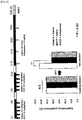
FIG. 1 ] A diagram for describing a testing plan whereby an effect of R-ketamine on model animals of schizophrenia are examined. Illustrated are results of a novel object recognition test for a group administered with physiological saline + physiological saline, a group administered with PCP + physiological saline, and a group administered with PCP + R-ketamine. - [
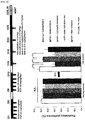
FIG. 2 ] A diagram for describing a testing plan whereby an effect of S-ketamine on model animals of schizophrenia are examined. Illustrated are results of a novel object recognition test for a group administered with physiological saline + physiological saline, a group administered with PCP + physiological saline, and a group administered with PCP + S-ketamine. - [
FIG. 3 ] Illustrated are quantitative results of brain-derived neurotrophic factor (BDNF: brain-derived neurotrophic factor); TrkB, which is a BDNF receptor; and phosphorylated TrkB in extracted frontal cortices and hippocampi. - [
FIG. 4 ] A diagram for describing a testing plan whereby an effect of R-ketamine on model animals of schizophrenia are examined. Illustrated are results of a novel object recognition test for a group administered with physiological saline + a solvent / physiological saline, a group administered with PCP + the solvent / physiological saline, a group administered with PCP + the solvent / R-ketamine, a group administered with PCP + ANA-12/R-ketamine, and a group administered with PCP + ANA-12 / physiological saline. - [
FIG. 5 ] A diagram for describing a testing plan whereby an effect of R-ketamine on model animals of a neurodevelopmental disorder are examined. Illustrated are results of a novel object recognition test for a group administered with a control + physiological saline, a group administered with Poly (I:C) + physiological saline, and a group administered with Poly (I:C) + R-ketamine. - A preventive or therapeutic agent for a neurodevelopmental disorder of the present invention includes the compound illustrated in formula (I) below, or a pharmaceutically acceptable salt thereof, as an active ingredient (hereinbelow, "compound illustrated in formula (I)" may simply be referred to as "compound I").
-

- X is H, F, Cl, Br, I, an alkyl, an alkenyl, or an aryl, and
- R1 is an alkyl, an alkenyl, or an aryl.)
- X is H, F, Cl, BR, I, an alkyl, an alkenyl, or an aryl-preferably F or Cl and more preferably Cl.
- R1 is an alkyl, an alkenyl, or an aryl.
- In the present invention, a carbon number of an alkyl and an alkenyl is preferably 1 to 10, more preferably 1 to 6, and even more preferably 1 to 5.
- When X and R1 are an alkyl, while not limited in particular, for example, methyl, ethyl, propyl, isopropyl, cyclopropyl, butyl, isobutyl, t-butyl, cyclobutyl, cyclopropylmethyl, pentyl, and cyclopentyl can be mentioned; the alkyl is preferably a linear alkyl, more preferably a linear alkyl of a carbon number of 1 to 5, even more preferably methyl or ethyl, and even still more preferably methyl.
- When X and R1 are an alkenyl, this may be an alkenyl that is a group having one double bond or no fewer than two double bonds with a group listed as an alkyl; while not limited in particular, for example, vinyl and allyl can be mentioned.
- When X and R1 are an aryl, while not limited in particular, for example, phenyl can be mentioned.
- In formula (I), a compound wherein X is Cl and R1 is methyl is R-ketamine.
- The preventive or therapeutic agent for a neurodevelopmental disorder in the present invention preferably includes R-ketamine, or a pharmaceutically acceptable salt thereof, as an active ingredient.
- The present invention relates to a preventive or therapeutic drug for a neurodevelopmental disorder made of compound I or a pharmaceutically acceptable salt thereof. Moreover, the present invention relates to a preventive or therapeutic pharmaceutical composition for a neurodevelopmental disorder that contains compound I, or a pharmaceutically acceptable salt thereof, at an amount that is effective in mitigating a symptom of a neurodevelopmental disorder and substantially does not include the compound illustrated in formula (II) or a pharmaceutically acceptable salt thereof (hereinbelow, "compound illustrated in formula (II)" may simply be referred to as "compound II").
-

definitions of X and R1 are similar to the definitions in formula [I].) - In the present invention, the phrase "as an active ingredient" signifies inclusion as a principal active ingredient; as long as compound I or a pharmaceutically acceptable salt thereof is included as a medicinal ingredient, a content thereof is not limited in particular.
- When compound I or a pharmaceutically acceptable salt thereof is included as an active ingredient, preferably, compound II or a pharmaceutically acceptable salt thereof is substantially not included.
- In the present invention, the phrase "substantially does not include the compound illustrated in formula (II) or a pharmaceutically acceptable salt thereof" signifies that compound II or a pharmaceutically acceptable salt thereof is not included at all, that compound II or a pharmaceutically acceptable salt thereof may be included at an amount whereat an effect or side effect thereof does not arise, or that this may be included as an impurity to an extent of being unavoidably mixed in during manufacturing.
- Furthermore, the phrase "substantially does not include the compound illustrated in formula (II) or a pharmaceutically acceptable salt thereof" may signify that the "compound illustrated in formula (II) or a pharmaceutically acceptable salt thereof" may be included as an impurity, according to the "Guidelines Relating to API Impurities in Pharmaceutical Products Containing Novel Active Ingredients," with regard to the compound illustrated in formula (I), or a pharmaceutically acceptable salt thereof, which is the API when a pharmaceutical product is provided; compound II may be included at no greater than 0.15% in the API.
- In the present invention, "compound illustrated in formula (I)" in "compound illustrated in formula (I) or a pharmaceutically acceptable salt thereof" is preferably R-ketamine, and "compound illustrated in formula (II)" in "compound illustrated in formula (II) or a pharmaceutically acceptable salt thereof" is preferably S-ketamine.
- Note that RS-ketamine is a racemate that is an equal mixture of R-ketamine and S-ketamine.
- Preferably, the preventive or therapeutic agent for a neurodevelopmental disorder of the present invention substantially does not include the compound illustrated in formula (II) or a pharmaceutically acceptable salt thereof, but in this situation, an amount of the compound illustrated in formula (II) or a pharmaceutically acceptable salt thereof, or an amount of S-ketamine or a pharmaceutically acceptable salt thereof, is preferably no greater than 2% by weight and preferably no greater than 0.15% by weight. The amount of the compound illustrated in formula (II) or a pharmaceutically acceptable salt thereof, or the amount of S-ketamine or a pharmaceutically acceptable salt thereof, may be 0% by weight, no less than 0% by weight, or an amount in excess of 0% by weight. The amount of the compound illustrated in formula (II) or a pharmaceutically acceptable salt thereof, or the amount of S-ketamine or a pharmaceutically acceptable salt thereof, may be a content in a total amount of the preventive or therapeutic agent for a neurodevelopmental disorder, and "% by weight" may be replaced with "% by mass."
- Furthermore, preferably, the preventive or therapeutic agent for a neurodevelopmental disorder of the present invention substantially does not include the compound illustrated in formula (II) or a pharmaceutically acceptable salt thereof, but in this situation, the amount of the compound illustrated in formula (II) or a pharmaceutically acceptable salt thereof, or the amount of S-ketamine or a pharmaceutically acceptable salt thereof, may be an amount of the compound illustrated in formula (II) or a pharmaceutically acceptable salt thereof whereat a side effect of the compound illustrated in formula (II) or a pharmaceutically acceptable salt thereof is not exhibited, or an amount of S-ketamine or a pharmaceutically acceptable salt thereof whereat a side effect of S-ketamine or a pharmaceutically acceptable salt thereof is not exhibited.
- "Side effect" as referred to here may be a mental-illness inducing action, drug dependency, or the like or a psychotogenetic action.
- In the present invention, the term "neurodevelopmental disorder" is a group of diseases arising due to a flaw in a developmental period (such as the fetal period, infancy, childhood, or puberty) of the nervous system.
- As the neurodevelopmental disorder, while not limited in particular, for example, schizophrenia, autism spectrum disorder, attention-deficit/hyperactivity disorder, and a learning disorder can be mentioned.
- The neurodevelopmental disorder is preferably schizophrenia.
- Here, as one cause of the neurodevelopmental disorder, as a result of epidemiological investigation, involvement of maternal inflammation can be mentioned. Therefore, the neurodevelopmental disorder may be a neurodevelopmental disorder related to inflammation of a mother during pregnancy.
- In schizophrenia, which is one neurodevelopmental disorder, symptoms that are positive symptoms such as hallucination and delusion; negative symptoms such as blunted or flat affect, diminished volition, reduced thinking, and social withdrawal; and cognitive impairments such as reduced attention, reduced working memory, and a reduced executive function are confirmed.
- The preventive or therapeutic agent for a neurodevelopmental disorder in the present invention can be used to prevent or treat a positive symptom, a negative symptom, and/or a cognitive impairment of a neurodevelopmental disorder.
- The negative symptom may be, in addition to the above, for example, social withdrawal, lack of social interest, anhedonia, blunted affect, indifference or inattention toward social or cognitive input, or a combination thereof.
- Furthermore, the cognitive impairment may be, in addition to the above, for example, impaired attention, reduced linguistic fluidity, reduced learning and retention of linguistic information, reduced processing speed, reduced declarative memory, impaired working memory, a reduced executive function, or a combination thereof.
- Among these, the preventive or therapeutic agent for a neurodevelopmental disorder in the present invention may be used to prevent or treat a cognitive impairment or negative symptom above and is preferably used to prevent or treat a cognitive impairment or negative symptom based on schizophrenia.
- In the present invention, compound I or a pharmaceutically acceptable salt thereof has a neurotrophic-factor action. As such, it may be used to prevent a neurodevelopmental disorder by being administered before various symptoms of the neurodevelopmental disorder appear, and it may be used to treat a cognitive impairment or a negative symptom of a neurodevelopmental disorder by an action of mitigating nerve-cell loss involved in the neurodevelopmental disorder.
- Furthermore, from many epidemiological studies, it is known that children born under maternal immune activation (maternal inflammation) have a high risk of developing a neurodevelopmental disorder. According to pharmaceutical test results using mouse models using maternal immune activation, R-ketamine can serve as a preventive or therapeutic agent for a neurodevelopmental disorder.
- The preventive or therapeutic agent for a neurodevelopmental disorder of the present invention is not limited in particular but may be a neurodevelopmental disorder of a developmental period (such as the fetal period, infancy, childhood, or puberty) of the nervous system-in particular, of the fetal period, infancy, or childhood (fetal, infantile, or childhood neurodevelopmental disorder).
- Additionally, improving a cognitive impairment that is a core symptom of the neurodevelopmental disorder-preferably, schizophrenia-can also lead to improving a positive symptom of the neurodevelopmental disorder-preferably, schizophrenia.
- By using the preventive or therapeutic agent for a neurodevelopmental disorder in the present invention, a neurodevelopmental disorder is prevented from appearing, and a therapeutic effect such as a mitigated or improved symptom is exhibited in a patient with a neurodevelopmental disorder.
- Neurodevelopmental disorders are symptoms that are present over a long period (in year units). As such, by starting treatment early, progression of the symptoms can also be prevented, and it is anticipated that such will enable social rehabilitation for a patient.
- In the present invention, the compound illustrated in formula (I) or a pharmaceutically acceptable salt thereof is used to prevent or treat a neurodevelopmental disorder. As such, administration over a long period is planned.
- Therefore, using a compound illustrated in formula (I) that is an R-body, or a pharmaceutically acceptable salt thereof, enables administration over a long period without a side effect being exhibited. This enables the compound illustrated in formula (I) or a pharmaceutically acceptable salt thereof to be used as a preventive or therapeutic agent for a neurodevelopmental disorder.
- The preventive agent for a neurodevelopmental disorder in the present invention may be an agent that prevents the appearance of a neurodevelopmental disorder or an agent that prevents the progression of a symptom. Moreover, the therapeutic agent for a neurodevelopmental disorder in the present invention has therapeutic effects such as preventing the progression of a symptom and mitigating or improving a symptom.
- The compound illustrated in formula (I), which is an active ingredient in the present invention, can be used in both the form of a free base and the form of a pharmaceutically acceptable salt thereof.
- The following description is given using R-ketamine as an example. Matters described concerning R-ketamine can also be applied to the compound illustrated in formula (I). In this situation, locations written as "S-ketamine" can be replaced with "compound illustrated in formula (11)."
- R-ketamine is a free base and has the chemical structure illustrated in formula (III) below.
-

- As a pharmaceutically acceptable salt of R-ketamine, an addition salt of a pharmaceutically acceptable acid is preferable; the pharmaceutically acceptable acid is not limited in particular but is preferably hydrochloric acid.
- R-ketamine hydrochloride has the chemical structure illustrated in formula (IV) below.
-

- R-ketamine, or a pharmaceutically acceptable salt thereof, used in the present invention may be in the form of a hydrate or in the form of a solvate.
- Furthermore, R-ketamine or a pharmaceutically acceptable salt thereof may be isotope-labeled.
- An isotope is not limited in particular, but, for example, 13C and 2H(D), which are stable isotopes, can be mentioned.
- By performing isotope labeling, the in vivo kinetics of R-ketamine, or a pharmaceutically acceptable salt thereof, before isotope labeling can be changed. For example, the metabolism of R-ketamine hydrochloride labeled with heavy hydrogen, which has the chemical structure illustrated in formula (V) below (in formula [V], D represents a heavy hydrogen atom), is thought to become slower, and it is anticipated that a duration will be lengthened.
-

- The preventive or therapeutic agent, drug, and pharmaceutical composition for a neurodevelopmental disorder in the present invention can be administered orally or non-orally.
- Oral administration can use a known dosage form for administration such as a tablet (including a coated tablet); a capsule; a coated tablet; a troche; or a liquid agent such as a liquid, a solution, or a suspension. Oral administration may be sublingual administration. Moreover, as non-oral administration, intravenous, intramuscular, or subcutaneous administration by injection; transmucosal administration via the nasal cavity, the oral cavity, or the like using a powder, drops, a spray, an aerosol, or the like; rectal administration using a cream, a suppository, or the like; percutaneous administration using a patch, a liniment, a gel, or the like; and the like can be mentioned.
- The route of administration is preferably percutaneous administration; oral administration; nasal administration; or intravenous administration, subcutaneous administration, or intramuscular administration by injection.
- In addition to R-ketamine or a pharmaceutically acceptable salt thereof, the pharmaceutical composition in the present invention may include another medicinal ingredient with a neuroprotective effect-other than S-ketamine or a pharmaceutically acceptable salt thereof-or another medicinal ingredient that can be used to treat a neurodevelopmental disorder.
- Furthermore, in addition to these medicinal ingredients, the pharmaceutical composition may include, as appropriate and according to the dosage form and the like, a pharmaceutically acceptable additive that is well-known by a person skilled in the art.
- The pharmaceutically acceptable additive is not limited in particular, but, for example, an antioxidant, a stabilizer, a preservative, a flavoring agent, a colorant, a solvent, a solubilizer, a surfactant, an emulsifier, a defoamer, a viscosity modifier, a gelling agent, an absorption promoter, a dispersant, a carrier, a diluent, an excipient, and a pH adjuster can be mentioned.
- When preparing the preventive or therapeutic agent, drug, and pharmaceutical composition for a neurodevelopmental disorder in the present invention as a preparation for injection, a preparation form of a solution or a suspension is preferable. When preparing this as a preparation for transmucosal administration via the nasal cavity, the oral cavity, or the like, a preparation form of a powder, drops, or an aerosol is preferable. When preparing this as a preparation for rectal administration, a preparation form of a semisolid preparation such as a cream or a suppository is preferable.
- Any of the preparations administered orally or non-orally can be prepared by any method known to a person skilled in pharmaceutical art, such as a method described in Remington's Pharmaceutical Sciences (Mack Publishing Co., Easton, PA, 1970).
- As a carrier, the preparation for injection may use, for example, a plasma-derived protein such as albumin, an amino acid such as glycine, or a sugar such as mannitol. Moreover, a buffer, a solubilizing agent, an isotonic agent, or the like may be used. Moreover, in use as a water-soluble preparation or a freeze-dried preparation, to prevent clumping, a surfactant such as Tween (registered trademark) 80 or Tween (registered trademark) 20 may be used.
- As a carrier, a preparation for non-oral administration other than a preparation for injection may use, for example, distilled water or physiological saline, a polyalkylene glycol such as polyethylene glycol, an oil of vegetable origin, or hydrogenated naphthalene. For example, a preparation for rectal administration such as a suppository may use, for example, polyalkylene glycol, Vaseline, or cacao fat as an excipient. A preparation for vaginal administration may use an absorption promoter such as a bile salt, an ethylenediamine salt, or a citric-acid salt as a carrier. A preparation for inhalation may be a solid, and as an excipient, for example, lactose may be used. Drops for nasal administration may be an aqueous or oil solution.
- A precise dosage and dosage regimen of the preventive or therapeutic agent, drug, and pharmaceutical composition for a neurodevelopmental disorder in the present invention is adjusted depending on the required amount, the treatment method, the disease, the extent of necessity, and the like of each individual treatment target.
- Specifically, the dosage can be determined according to age, bodyweight, overall health, sex, meals, administration time, administration method, excretion rate, drug combination, patient symptoms, and the like and may also be determined in consideration of other factors.
- When administering the preventive or therapeutic agent, drug, and pharmaceutical composition for a neurodevelopmental disorder in the present invention to a patient having a cognitive impairment or a negative symptom of a neurodevelopmental disorder, preferably, R-ketamine or a pharmaceutically acceptable salt thereof is included at an amount that, preferably, is effective in mitigating the cognitive impairment or the negative symptom of the neurodevelopmental disorder.
- R-ketamine or a pharmaceutically acceptable salt thereof has few of the side effects recognized for S-ketamine and RS-ketamine and can therefore be safely used. A dosage for one day varies according to the state and bodyweight of the patient, the type of compound, the route of administration, and the like but is normally about 0.01 to 1,000 mg/person/day and preferably 0.1 to 500 mg/person/day in non-oral administration and normally about 0.01 to 500 mg/person/day and preferably 0.1 to 100 mg/person/day in oral administration.
- The present invention may be a method of preventing or treating a neurodevelopmental disorder, including the step of administering compound I or a pharmaceutically acceptable salt thereof to a patient needing such.
- The patient needing such is not limited in particular and is a mammal-preferably a human.
- Compound 1 or a pharmaceutically acceptable salt thereof is preferably administered at a therapeutically effective amount.
- The present invention is described more specifically below by examples, but the present invention is not limited to the following examples. Moreover, various modifications are possible within a scope that does not depart from the technical idea of the present invention.
- All testing was conducted with consent from the Chiba University Animal Testing Committee.
- Using animal models of schizophrenia by PCP administration, which has hitherto been used in many research groups, therapeutic effects of R-ketamine and S-ketamine on a cognitive impairment of the model animals were examined.
- R-ketamine hydrochloride and S-ketamine hydrochloride were prepared from RS-ketamine (Ketalar [registered trademark], ketamine hydrochloride, Daiichi Sankyo Co. Ltd., Tokyo, Japan) using D-tartaric acid or L-tartaric acid by the method described in
US 6040479 A . A purity of each isomer was confirmed by high-performance liquid chromatography (CHIRALPAK [registered trademark] IA, column size: 250 × 4.6 mm, mobile phase; n-hexane/dichloromethane/diethylamine (75/25/0.1), holding time of S-ketamine = 6.99 minutes, holding time of R-ketamine = 10.56 minutes, Daicel Corp., Tokyo, Japan). - The creation of model animals of a cognitive impairment of schizophrenia and drug administration were specifically carried out as described below (
FIG. 1 ). For the mice, male ICR mice (8 weeks old, Japan SLC Inc., Hamamatsu, Japan) were purchased. The mice were allowed to freely ingest water and feed. On the first day of testing, physiological saline (10 mL / kg bodyweight) or PCP (10 mg / kg bodyweight) was subcutaneously administered once a day for ten days (from the first day of testing to the fifth day of testing and from the eighth day of testing to the twelfth day of testing: no administration on the sixth and seventh days of testing). On the fifteenth day of testing, the eighteenth day of testing, the twenty-second day of testing, and the twenty-fifth day of testing, R-ketamine (10 mg / kg bodyweight) or a medium (10 mL / kg of physiological saline) was intraperitoneally administered. This resulted in (A) a group administered with physiological saline + physiological saline, (B) a group administered with PCP + physiological saline, and (C) a group administered with PCP + R-ketamine. - The novel object recognition test (NORT: novel object recognition test) is a system used to evaluate cognitive functions. The NORT was carried out according to a previous report (Hashimoto et al. Eur.J. Pharmacol. 2005; 519 (1-2): 114-117). From the twenty-sixth day to the twenty-eighth day of testing, acclimation to a NORT apparatus (50.8 × 50.8 × 25.4 cm) was performed for 10 minutes per day. On the twenty-ninth day of testing, two objects of different shapes and colors were placed 35.5 cm apart in the NORT apparatus, and an amount of time to find each object was measured. A training session (10 minutes) was carried out, and on the following day, the thirtieth day of testing, a test session (5 minutes) was carried out (
FIG. 1 ). In the test session on the following day, one object was replaced with another, new object (novel object). An amount of time to find the two objects was measured, and in the test session on the second day, a ratio of an amount of time to find the novel object relative to the amount of time to find the two objects was calculated. - On the day following the end of behavior testing, a brain region (frontal cortex, hippocampus) of the mice was extracted, and the brain tissue was stored in a freezer. Brain-derived neurotrophic factor (BDNF: brain-derived neurotrophic factor); TrkB, which is a BDNF receptor; and phosphorylated TrkB in the brain tissue were quantified by western blotting (
FIG. 3 ). - The effect of S-ketamine was examined according to the method above. On the first day of testing, physiological saline (10 mL / kg bodyweight) or PCP (10 mg / kg bodyweight) was subcutaneously administered once a day for ten days (from the first day of testing to the fifth day of testing and from the eighth day of testing to the twelfth day of testing: no administration on the sixth and seventh days of testing). On the fifteenth day of testing, the eighteenth day of testing, the twenty-second day of testing, and the twenty-fifth day of testing, S-ketamine (10 mg / kg bodyweight) or a medium (10 mL / kg of physiological saline) was intraperitoneally administered. This resulted in (A) a group administered with physiological saline + physiological saline, (B) a group administered with PCP + physiological saline, and (C) a group administered with PCP + S-ketamine. The NORT was carried out according to the method above.
- According to the method above, the role of TrkB receptors on the effect of R-ketamine was examined. On the first day of testing, physiological saline (10 mL / kg bodyweight) or PCP (10 mg / kg bodyweight) was subcutaneously administered once a day for ten days (from the first day of testing to the fifth day of testing and from the eighth day of testing to the twelfth day of testing: no administration on the sixth and seventh days of testing). On the fifteenth day of testing, the eighteenth day of testing, the twenty-second day of testing, and the twenty-fifth day of testing, a solvent (10 mL / kg bodyweight of PBS including 17% DMSO) / physiological saline (10 mL / kg bodyweight), the solvent (10 mL / kg bodyweight) / R-ketamine (10 mg / kg bodyweight), ANA-12 (0.5 mg / kg bodyweight) / R-ketamine (10 mg / kg bodyweight), or ANA-12 (0.5 mg / kg bodyweight) / physiological saline (10 mL / kg bodyweight) was intraperitoneally administered. This resulted in (A) a group administered with physiological saline + the solvent / physiological saline, (B) a group administered with PCP + the solvent / physiological saline, (C) a group administered with PCP + the solvent / R-ketamine, (D) a group administered with PCP + ANA-12/R-ketamine, and (C) a group administered with PCP + ANA-12 / physiological saline. The solvent or ANA-12 is intraperitoneally administered 30 minutes before administering R-ketamine or physiological saline. The NORT was carried out according to the method above.
- Statistical analysis was carried out by performing a one-way analysis of variance (one-way ANOVA) and subsequently performing Fisher's LSD (Fisher's LSD). Data in
FIG. 1 are represented as average ± standard error (n = six to eight mice / group). Data inFIG. 2 are represented as average ± standard error (n = seven to nine mice / group). Data inFIG. 3 are represented as average ± standard error (n = ten to twelve mice / group). Data inFIG. 4 are represented as average ± standard error (n = six to nine mice / group). "*** p < 0.001" indicates the significant difference compared to the mouse group treated with PCP + physiological saline. - A significant reduction in cognitive function was recognized in male mice administered with PCP. Intraperitoneal administration of R-ketamine significantly improved the reduced cognitive function due to PCP administration (
FIG. 1 ). - Meanwhile, intraperitoneal administration of S-ketamine did not improve the reduced cognitive function due to PCP administration (
FIG. 2 ). - Because previous reports report that BDNF and its receptor, TrkB, are involved in the pharmaceutical action of R-ketamine (Yang C, et al. Transla. Psychiatry 2015; 5: e632. Fujita A, et al. Psychopharmacology (Berl) 2019 Aug 15; DOI: 10.1007/S00213-019-05346-5), the protein expression of BDNF, TrkB receptors, and phosphorylated TrkB in the frontal cortex and hippocampus harvested after the above behavior testing is measured. As a result, it was determined that the ratio of BDNF and p-TrkB/TrkB in the frontal cortex and the hippocampus is significantly reduced due to PCP administration but is significantly improved by R-ketamine (
FIG. 3 ). This finding suggests that a reduction in the BDNF-TrkB system is involved in the cognitive impairment after PCP administration and that this cognitive impairment is improved by R-ketamine. - A significant reduction in cognitive function was recognized in male mice administered with PCP. Intraperitoneal administration of R-ketamine significantly improved the reduced cognitive function due to PCP administration, and intraperitoneal administration of ANA-12 suppressed the therapeutic effect of R-ketamine (
FIG. 4 ). This finding suggests that TrkB receptors are involved in the therapeutic effect of R-ketamine on the cognitive impairment after PCP administration. - The above results clarify that intraperitoneal administration of R-ketamine at a dose of 10 mg/kg exhibits a therapeutic effect (an action of improving a cognitive impairment or a negative symptom) in mice treated with PCP serving as animal models of schizophrenia. However, intraperitoneal administration of S-ketamine at a dose of 10 mg/kg exhibited no therapeutic effect in mice treated with PCP serving as animal models of schizophrenia. It is thought that this is not due to a difference in pharmacokinetics because both ketamine isomers have the same pharmacokinetics.
- Furthermore, the results of the present example confirm that S-ketamine has no effect but R-ketamine does have an effect. Because S-ketamine has a stronger affinity toward NMDA receptors, the therapeutic effect of R-ketamine in mice treated with PCP serving as animal models of schizophrenia is thought to be due to a mechanism other than an action of blocking NMDA receptors. Moreover, the results of the present example determined that the therapeutic effect of R-ketamine in mice treated with PCP serving as animal models of schizophrenia is via the BDNF-TrkB system.
- Cognitive impairments are core symptoms of schizophrenia, and no improvement effect can be anticipated from current antipsychotics. From the results of the present example, it is anticipated that R-ketamine will be effective against a cognitive impairment of a neurodevelopmental disorder such as schizophrenia.
- The creation of model animals of a neurodevelopmental disorder such as schizophrenia or autism spectrum disorder (models of maternal immune activation) and drug administration were specifically carried out as described below (
FIG. 5 ). For the mice, pregnant ddY mice (8 to 10 weeks old, Japan SLC Inc., Hamamatsu, Japan) were purchased. The mice were allowed to freely ingest water and feed. Physiological saline (5 mL / kg bodyweight) or Poly (I:C) (Sigma-Aldrich: 5 mg / kg bodyweight) was intraperitoneally administered for six days, from the twelfth day of pregnancy to the seventeenth day of pregnancy, according to previous reports (Han M, et al. Sci Rep 2016; 6:36087. Matsuura A, etal.Sci Rep 2018; 8: 2158. Ma M, et al. Proc Natl Acad Sci USA 2019; 116: 7083-7088). After birth, the mice were raised normally, and at 3 weeks old, only the male mice were weaned and raised. R-ketamine (10 mg / kg bodyweight) or a medium (10 mL/kg of physiological saline) was intraperitoneally administered twice a week for four weeks, from the fourth week after birth to the eighth week after birth. This resulted in (A) a group administered with physiological saline + physiological saline, (B) a group administered with Poly (I:C) + physiological saline, and (C) a group administered with Poly (I:C) + R-ketamine. From 8 weeks old, these were raised normally. The above NORT was carried out at 10 weeks old or thereafter. - Statistical analysis was carried out by performing a one-way analysis of variance (one-way ANOVA) and subsequently performing Fisher's LSD (Fisher's LSD). Data in
FIG. 5 are represented as average ± standard error (n = eight mice / group). "* p < 0.05" indicates the significant difference compared to the mouse group treated with Poly (I:C) + physiological saline. - A significant reduction in cognitive function was recognized at maturity (10 weeks old or older) in the baby mice (male) born from pregnant mice administered with Poly (I:C). Intraperitoneal administration of R-ketamine (twice a week, four weeks) suppressed a cognitive impairment at maturity in the baby mice born from pregnant mice administered with Poly (I:C) (
FIG. 5 ). - The baby mice born from pregnant mice administered with Poly (I:C) exhibited autism-like behavioral abnormalities and prodromes of schizophrenia in childhood and exhibited autism- and schizophrenia-like behavioral abnormalities at maturity. As such, R-ketamine is thought to be useful as a preventive drug or a therapeutic drug for a neurodevelopmental disorder such as autism spectrum disorder or schizophrenia.
- In the present invention, a preventive or therapeutic agent for a neurodevelopmental disorder including compound I (preferably R-ketamine), or a pharmaceutically acceptable salt thereof, as an active ingredient is useful as a novel pharmaceutical.
Claims (35)
- A preventive or therapeutic agent for a neurodevelopmental disorder that includes the compound illustrated in formula (I) below, or a pharmaceutically acceptable salt thereof, as an active ingredient.
Formula (I): X is H, F, Cl, Br, I, an alkyl, an alkenyl, or an aryl, andR1 is an alkyl, an alkenyl, or an aryl.)
 - The preventive or therapeutic agent for a neurodevelopmental disorder of claim 1, wherein the preventive or therapeutic agent includes R-ketamine or a pharmaceutically acceptable salt thereof.
- The preventive or therapeutic agent for a neurodevelopmental disorder of claim 1 or 2, wherein the neurodevelopmental disorder is schizophrenia, autism spectrum disorder, a learning disorder, or attention-deficit/hyperactivity disorder.
- The preventive agent or therapeutic agent for a neurodevelopmental disorder of any one among claims 1 to 3, wherein the neurodevelopmental disorder is a childhood neurodevelopmental disorder.
- The preventive or therapeutic agent for a neurodevelopmental disorder of any one among claims 1 to 3, wherein the neurodevelopmental disorder is a fetal or infantile neurodevelopmental disorder.
- The preventive agent or therapeutic agent for a neurodevelopmental disorder of any one among claims 1 to 5, wherein the neurodevelopmental disorder is related to inflammation of a mother during pregnancy.
- The preventive or therapeutic agent for a neurodevelopmental disorder of any one among claims 1 to 6, wherein the preventive or therapeutic agent is used to prevent or treat a cognitive impairment or a negative symptom.
- The preventive or therapeutic agent for a neurodevelopmental disorder of claim 7, wherein the cognitive impairment includes impaired attention, reduced linguistic fluidity, reduced learning and retention of linguistic information, reduced processing speed, reduced declarative memory, impaired working memory, a reduced executive function, or a combination thereof.
- The preventive or therapeutic drug for a neurodevelopmental disorder of claim 7, wherein the negative symptom includes social withdrawal, lack of social interest, anhedonia, blunted affect, indifference or inattention toward social or cognitive input, or a combination thereof.
- The preventive or therapeutic agent for a neurodevelopmental disorder of any one among claims 1 to 9, wherein the preventive or therapeutic agent substantially does not include the compound illustrated in formula (II) below or a pharmaceutically acceptable salt thereof.
Formula (II):
definitions of X and R1 are similar to the definitions in formula [I].) - The preventive or therapeutic agent for a neurodevelopmental disorder of any one among claims 1 to 10, wherein the preventive or therapeutic agent substantially does not include S-ketamine or a pharmaceutically acceptable salt thereof.
- The preventive or therapeutic agent for a neurodevelopmental disorder of claim 11, wherein an amount of S-ketamine or a pharmaceutically acceptable salt thereof is no greater than 2% by weight.
- The preventive or therapeutic agent for a neurodevelopmental disorder of claim 11 or 12, wherein an amount of S-ketamine or a pharmaceutically acceptable salt thereof is an amount of S-ketamine or a pharmaceutically acceptable salt thereof whereat no side effect of S-ketamine or a pharmaceutically acceptable salt thereof is exhibited.
- The preventive or therapeutic agent for a neurodevelopmental disorder of claim 13, wherein the side effect is a psychotogenetic action.
- A pharmaceutical composition, comprising: the preventive or therapeutic agent for a neurodevelopmental disorder of any one among claims 1 to 14.
- The pharmaceutical composition of claim 15, wherein the pharmaceutical composition is suited for intravenous, intramuscular, subcutaneous, nasal, oral, sublingual, rectal, or percutaneous administration.
- The pharmaceutical composition of claim 15 or 16, wherein the pharmaceutical composition is in the form of a liquid, a solution, a suspension, a powder, a tablet, a coated tablet, a capsule, a troche, a cream, a suppository, a gel, a patch, a liniment, or an aerosol.
- The pharmaceutical composition of any one among claims 15 to 17, wherein the pharmaceutical composition includes an amount of R-ketamine that is effective in treating a neurodevelopmental disorder.
- A preventive or therapeutic agent for a cognitive impairment in a patient that includes the compound illustrated in formula (I) below or a pharmaceutically acceptable salt thereof.
Formula (I): X is H, F, Cl, Br, I, an alkyl, an alkenyl, or an aryl, andR1 is an alkyl, an alkenyl, or an aryl.)
 - The preventive or therapeutic agent for a cognitive impairment of claim 19, wherein the preventive or therapeutic agent includes R-ketamine or a pharmaceutically acceptable salt thereof.
- The preventive or therapeutic agent for a cognitive impairment of claim 19 or 20, wherein the preventive or therapeutic agent substantially does not include the compound illustrated in formula (II) below or a pharmaceutically acceptable salt thereof. Formula (II):

definitions of X and R1 are similar to the definitions in formula [I].) - The preventive or therapeutic agent for a cognitive impairment of any one among claims 19 to 21, wherein the preventive or therapeutic agent substantially does not include S-ketamine or a pharmaceutically acceptable salt thereof.
- The preventive or therapeutic agent for a cognitive impairment of claim 22, wherein an amount of S-ketamine or a pharmaceutically acceptable salt thereof is no greater than 2% by weight.
- The preventive or therapeutic agent for a cognitive impairment of claim 22 or 23, wherein an amount of S-ketamine or a pharmaceutically acceptable salt thereof is an amount of S-ketamine or a pharmaceutically acceptable salt thereof whereat no side effect of S-ketamine or a pharmaceutically acceptable salt thereof is exhibited.
- The preventive or therapeutic agent for a cognitive impairment of claim 24, wherein the side effect is a psychotogenetic action.
- The preventive or therapeutic agent for a cognitive impairment of any one among claims 19 to 25, wherein the cognitive impairment stems from a neurodevelopmental disorder.
- The preventive agent or therapeutic agent for a cognitive impairment of claim 26, wherein the neurodevelopmental disorder is a childhood neurodevelopmental disorder.
- The preventive or therapeutic agent for a cognitive impairment of claim 26, wherein the neurodevelopmental disorder is a fetal or infantile neurodevelopmental disorder.
- The preventive or therapeutic agent for a cognitive impairment of any one among claims 26 to 28, wherein the neurodevelopmental disorder is schizophrenia, autism spectrum disorder, a learning disorder, or attention-deficit/hyperactivity disorder.
- The preventive agent or therapeutic agent for a cognitive impairment of any one among claims 26 to 28, wherein the neurodevelopmental disorder is related to inflammation of a mother during pregnancy.
- The preventive or treatment agent for a cognitive impairment of any one among claims 19 to 30, wherein the cognitive impairment includes impaired attention, reduced linguistic fluidity, reduced learning and retention of linguistic information, reduced processing speed, reduced declarative memory, impaired working memory, a reduced executive function, or a combination thereof.
- A pharmaceutical composition, comprising: the preventive or therapeutic agent for a cognitive impairment of any one among claims 19 to 31; and a pharmaceutically acceptable carrier, diluent, or excipient.
- The pharmaceutical composition of claim 32, wherein the pharmaceutical composition is suited for intravenous, intramuscular, subcutaneous, nasal, oral, sublingual, rectal, or percutaneous administration.
- The pharmaceutical composition of claim 32 or 33, wherein the pharmaceutical composition is in the form of a liquid, a solution, a suspension, a powder, a tablet, a coated tablet, a capsule, a troche, a cream, a suppository, a gel, a patch, a liniment, or an aerosol.
- The pharmaceutical composition of any one among claims 32 to 34, wherein the pharmaceutical composition includes an amount of R-ketamine that is effective in treating a cognitive impairment.
Applications Claiming Priority (2)
| Application Number | Priority Date | Filing Date | Title |
|---|---|---|---|
| JP2018245688 | 2018-12-27 | ||
| PCT/JP2019/051605 WO2020138491A1 (en) | 2018-12-27 | 2019-12-27 | R-ketamine and derivative thereof as prophylactic or therapeutic agent for neurodevelopmental disorder |
Publications (2)
| Publication Number | Publication Date |
|---|---|
| EP3903775A1 true EP3903775A1 (en) | 2021-11-03 |
| EP3903775A4 EP3903775A4 (en) | 2022-10-12 |
Family
ID=71127068
Family Applications (1)
| Application Number | Title | Priority Date | Filing Date |
|---|---|---|---|
| EP19906114.4A Pending EP3903775A4 (en) | 2018-12-27 | 2019-12-27 | R-KETAMIN AND DERIVATIVES THEREOF AS A PROPHYLACTIC OR THERAPEUTIC AGENT FOR NEURODEVELOPMENTAL DISORDERS |
Country Status (4)
| Country | Link |
|---|---|
| US (1) | US20220110889A1 (en) |
| EP (1) | EP3903775A4 (en) |
| JP (1) | JP7483630B2 (en) |
| WO (1) | WO2020138491A1 (en) |
Families Citing this family (6)
| Publication number | Priority date | Publication date | Assignee | Title |
|---|---|---|---|---|
| HRP20211629T1 (en) * | 2013-09-13 | 2022-02-04 | National University Corporation Chiba University | Application of r-ketamine and salt thereof as pharmaceuticals |
| CN118453559A (en) | 2018-02-15 | 2024-08-09 | 国立大学法人千叶大学 | Preventive or therapeutic agent for inflammatory disease or bone disease and pharmaceutical composition |
| CA3099293A1 (en) | 2018-05-04 | 2019-11-07 | Perception Neuroscience, Inc. | Methods of treating substance abuse |
| WO2023064363A1 (en) | 2021-10-12 | 2023-04-20 | Perception Neuroscience, Inc. | R-ketamine salts and methods of use thereof |
| JP2025509517A (en) | 2022-03-14 | 2025-04-11 | パーセプション ニューロサイエンス,インコーポレイティド | Pharmaceutical formulations of R-ketamine |
| JP2023152104A (en) * | 2022-04-01 | 2023-10-16 | 株式会社エル・エスコーポレーション | Cognitive function evaluation method and cognitive function evaluation device |
Family Cites Families (9)
| Publication number | Priority date | Publication date | Assignee | Title |
|---|---|---|---|---|
| DE19619665C2 (en) | 1996-05-15 | 2001-03-08 | Goedecke Ag | Racemate separation of ketamine |
| US20120225949A1 (en) * | 2009-08-14 | 2012-09-06 | Demitri Papalos | Compositions and methods for treating bipolar disorder |
| US9737531B2 (en) * | 2012-07-12 | 2017-08-22 | Glytech, Llc | Composition and method for treatment of depression and psychosis in humans |
| HRP20211629T1 (en) * | 2013-09-13 | 2022-02-04 | National University Corporation Chiba University | Application of r-ketamine and salt thereof as pharmaceuticals |
| CA2936809A1 (en) * | 2014-01-14 | 2015-07-23 | Children's Hospital Medical Center | Compositions comprising ketamine for treating an autism spectrum disorder |
| EP3085366A1 (en) * | 2015-04-22 | 2016-10-26 | Institut du Cerveau et de la Moelle Epiniere-ICM | Nmda antagonists for the treatment of mental disorders with occurrence of aggressive and/or impulsive behavior |
| WO2017180589A1 (en) * | 2016-04-11 | 2017-10-19 | Auspex Pharmaceuticals, Inc. | Deuterated ketamine derivatives |
| KR20190124722A (en) * | 2017-01-31 | 2019-11-05 | 파올로 엘. 만프레디 | D-methadone and its derivatives for use in the treatment of neurological disorders |
| JP7265990B2 (en) * | 2017-09-27 | 2023-04-27 | 国立大学法人千葉大学 | R-ketamine and its derivatives as prophylactic or therapeutic agents for neurodegenerative diseases or cognitive dysfunction |
-
2019
- 2019-12-27 US US17/417,557 patent/US20220110889A1/en active Pending
- 2019-12-27 EP EP19906114.4A patent/EP3903775A4/en active Pending
- 2019-12-27 JP JP2020562548A patent/JP7483630B2/en active Active
- 2019-12-27 WO PCT/JP2019/051605 patent/WO2020138491A1/en not_active Ceased
Also Published As
| Publication number | Publication date |
|---|---|
| WO2020138491A1 (en) | 2020-07-02 |
| EP3903775A4 (en) | 2022-10-12 |
| JP7483630B2 (en) | 2024-05-15 |
| US20220110889A1 (en) | 2022-04-14 |
| JPWO2020138491A1 (en) | 2020-07-02 |
Similar Documents
| Publication | Publication Date | Title |
|---|---|---|
| US20220110889A1 (en) | R-ketamine and derivative thereof as prophylactic or therapeutic agent for neurodevelopmental disorder | |
| JP2023011027A (en) | Application of r-ketamine and salt thereof as medicine | |
| JP7265990B2 (en) | R-ketamine and its derivatives as prophylactic or therapeutic agents for neurodegenerative diseases or cognitive dysfunction | |
| EP2164572B1 (en) | Carbamoyl-cyclohexanes for treating acute mania | |
| US20220023316A1 (en) | Methods for the treatment of depression | |
| US20180015076A1 (en) | Methods of increasing tonic inhibition and treating secondary insomnia | |
| AU2022348905A1 (en) | Methods of treating metabolic disorders | |
| WO2007046347A1 (en) | Pharmaceutical for protection of motor nerve in patient with amyotrophic lateral sclerosis | |
| AU2020215849B2 (en) | The use of an mGluR5 antagonist for treating opioid analgesic tolerance | |
| HK40063625A (en) | R-ketamine and derivative thereof as prophylactic or therapeutic agent for neurodevelopmental disorder | |
| AU2023278502A1 (en) | Subcutaneous administration of onfasprodil and dosing methods for use in the treatment of depression disorders | |
| WO2022208478A1 (en) | Use of an orexin 2 receptor agonist for post operation recovery | |
| WO2021010348A1 (en) | TRANSFORMING GROWTH FACTOR β1 AS PREVENTIVE OR THERAPEUTIC AGENT FOR DEPRESSION OR SYMPTOMS OF DEPRESSION | |
| EA025692B1 (en) | Use of modafinil in the treatment of cocaine addicts | |
| Bacon et al. | NONVERBAL AUTISTIC 30-YEAR-OLD FOR FULL MOUTH DENTAL REHABILITATION WITH MALIGNANT HYPERTHERMIA | |
| HK40033382A (en) | R-ketamine and derivative thereof as prophylactic or therapeutic agent for neurodegeneration disease or recognition functional disorder | |
| KR20230056971A (en) | Pharmaceutical composition for preventing or treating depressive disorder comprising novel ketamine derivatives | |
| EA046106B1 (en) | USE OF AN mGluR5 ANTAGONIST FOR THE TREATMENT OF TOLERANCE TO OPIOID ANALGESICS | |
| HK1136984B (en) | Carbamoyl-cyclohexanes for treating acute mania | |
| EA028400B1 (en) | Method of preventing and treating obesity and overweight and related disorders | |
| NZ719103B2 (en) | Fused benzazepines for treatment of stuttering |
Legal Events
| Date | Code | Title | Description |
|---|---|---|---|
| STAA | Information on the status of an ep patent application or granted ep patent |
Free format text: STATUS: THE INTERNATIONAL PUBLICATION HAS BEEN MADE |
|
| PUAI | Public reference made under article 153(3) epc to a published international application that has entered the european phase |
Free format text: ORIGINAL CODE: 0009012 |
|
| STAA | Information on the status of an ep patent application or granted ep patent |
Free format text: STATUS: REQUEST FOR EXAMINATION WAS MADE |
|
| 17P | Request for examination filed |
Effective date: 20210720 |
|
| AK | Designated contracting states |
Kind code of ref document: A1 Designated state(s): AL AT BE BG CH CY CZ DE DK EE ES FI FR GB GR HR HU IE IS IT LI LT LU LV MC MK MT NL NO PL PT RO RS SE SI SK SM TR |
|
| DAV | Request for validation of the european patent (deleted) | ||
| DAX | Request for extension of the european patent (deleted) | ||
| REG | Reference to a national code |
Ref country code: HK Ref legal event code: DE Ref document number: 40063625 Country of ref document: HK |
|
| A4 | Supplementary search report drawn up and despatched |
Effective date: 20220908 |
|
| RIC1 | Information provided on ipc code assigned before grant |
Ipc: A61P 25/28 20060101ALI20220902BHEP Ipc: A61P 25/18 20060101ALI20220902BHEP Ipc: A61P 25/00 20060101ALI20220902BHEP Ipc: A61K 31/135 20060101AFI20220902BHEP |
|
| STAA | Information on the status of an ep patent application or granted ep patent |
Free format text: STATUS: EXAMINATION IS IN PROGRESS |
|
| 17Q | First examination report despatched |
Effective date: 20250402 |