EP3898610B1 - Novel aza-hexaphene antibiotic compounds - Google Patents
Novel aza-hexaphene antibiotic compounds Download PDFInfo
- Publication number
- EP3898610B1 EP3898610B1 EP18836252.9A EP18836252A EP3898610B1 EP 3898610 B1 EP3898610 B1 EP 3898610B1 EP 18836252 A EP18836252 A EP 18836252A EP 3898610 B1 EP3898610 B1 EP 3898610B1
- Authority
- EP
- European Patent Office
- Prior art keywords
- compound
- formula
- methyl
- chromatography
- aza
- Prior art date
- Legal status (The legal status is an assumption and is not a legal conclusion. Google has not performed a legal analysis and makes no representation as to the accuracy of the status listed.)
- Active
Links
Images



Classifications
-
- C—CHEMISTRY; METALLURGY
- C07—ORGANIC CHEMISTRY
- C07D—HETEROCYCLIC COMPOUNDS
- C07D401/00—Heterocyclic compounds containing two or more hetero rings, having nitrogen atoms as the only ring hetero atoms, at least one ring being a six-membered ring with only one nitrogen atom
- C07D401/02—Heterocyclic compounds containing two or more hetero rings, having nitrogen atoms as the only ring hetero atoms, at least one ring being a six-membered ring with only one nitrogen atom containing two hetero rings
- C07D401/06—Heterocyclic compounds containing two or more hetero rings, having nitrogen atoms as the only ring hetero atoms, at least one ring being a six-membered ring with only one nitrogen atom containing two hetero rings linked by a carbon chain containing only aliphatic carbon atoms
-
- A—HUMAN NECESSITIES
- A61—MEDICAL OR VETERINARY SCIENCE; HYGIENE
- A61P—SPECIFIC THERAPEUTIC ACTIVITY OF CHEMICAL COMPOUNDS OR MEDICINAL PREPARATIONS
- A61P31/00—Antiinfectives, i.e. antibiotics, antiseptics, chemotherapeutics
- A61P31/04—Antibacterial agents
Definitions
- the invention concerns novel compounds endowed with potent activity against microbial pathogens, the process for the preparation thereof, and the use thereof in the treatment of bacterial infections.
- the invention concerns also a new microorganism Nonomuraea FIIRV sp. 103/33 deposited on January 19, 2015 in the Deutsche Sammlung von Mikroorganismen und Zellkulturen GmbH, (DSMZ) Inhoffen No 7B, 38124 Braunschweig, Germany under Budapest Treaty with number DSM 29890.
- MRSA methicillin resistant Staphylococcus aureus
- CA-MRSA community-associated MRSA
- MRSA infections are expensive and difficult to treat.
- antibiotic agents available to treat MRSA infections.
- the available agents have important limitations, and the development of new antibiotic classes has slowed.
- S. aureus isolates that are resistant to each of the few antibacterial drug classes effective against MRSA have been reported, raising the theoretical possibility of untreatable multidrug-resistant (MDR) S. aureus infections ( Clinical Microbiology Reviews, 2010, 23 (3): 616-687 ).
- Natural products have proven to be the most fruitful source of leads for the development of drugs. It has been assessed that ninety five percent of the antibiotics described to date originate from leads discovered by screening natural product extracts or fractions. Many marketed antibacterial drugs are semisynthetic congeners of natural products, and are obtained from the chemical modification of fermentation products (e.g. rifampicin, cephalosporin, oritavancin, dalbavancin). No really new class of broad-spectrum antibiotics has been developed since the quinolones were introduced to the clinic in 1962 and the oxazolidinone linezolid in 2000.
- the present invention is directed to overcoming the deficiencies in the prior art. Therefore the object of the present invention is to provide new antibiotics.
- the present inventors surprisingly found out a compound of Formula (I) or a pharmaceutically acceptable salt thereof
- the invention concerns a compound of Formula (I) or a pharmaceutically acceptable salt thereof selected from the group consisting of: 2-(10,12-Dihydroxy-6,7,8-trimethoxy-3-methyl-1,5,9,14,16-pentaoxo-5,9,14,16-tetrahydro-1H-2-aza-hexaphen-2-yl)-3-(2-imino-1-methyl-imidazolidin-4-yl)-propionic acid (compound 1 of Formula (I): factor 103/33-F710) 2-(8,10,12-Trihydroxy-6,7-dimethoxy-3-methyl-1,5,9,14,16-pentaoxo-5,9,14,16-tetrahydro-1H-2-aza-hexaphen-2-yl)-3-(2-imino-1-methyl-imidazolidin-4-yl)-propionic acid (compound 2 of Formula (I): factor 103/33-F696) 2-(5,10,12,
- the compounds of Formula (I) named as Compounds 1-3 are isomeric forms of compounds 4-6 respectively, since compounds 1-3 present esocyclic C-N bonds instead of endocyclic C-N bonds of compounds 4-6.
- the present invention concerns hence compounds of Formula (I) or a pharmaceutically acceptable salt thereof in any enantiomeric and diasteroisomeric forms.
- the invention in a further aspect concerns a pharmaceutical composition
- a pharmaceutical composition comprising a compound of Formula (I) and a pharmaceutically acceptable excipient.
- the composition of the invention can comprise more than one compound of Formula (I) in any amount.
- the invention concerns a process for the preparation of the compound of Formula (I).
- the inventors found out a process for producing a compound of Fomula (I) by using a microorganism Nonomuraea FIIRV sp. 103/33 DSM 29890 (deposited on January 19, 2015 at the Deutsche Sammlung von Mikroorganismen und Zellkulturen GmbH, (DSMZ) Inhoffen No 7B, 38124 Braunschweig, Germany under Budapest Treaty under accession number 29890).
- the invention concerns the microorganism Nonomuraea FIIRV sp. 103/33 deposited as number DSM 29890 on January 19, 2015 in the Deutsche Sammlung von Mikroorganismen und Zellkulturen GmbH, (DSMZ) Inhoffen No 7B, 38124 Braunschweig, Germany under Budapest Treaty.
- the invention thus concerns an antibiotic compound obtainable by the strain Nonomuraea FIIRV sp. 103/33 DSM 29890.
- the invention hence concerns a use of biologically pure culture of the strain Nonomuraea FIIRV sp. 103/33 DSM 29890, for producing an antibiotic compound as a single compound or a mixture thereof.
- the invention concerns a compound of Formula (I) or its pharmaceutically acceptable salt for use as a medicament.
- the invention concerns a compound of Formula (I) for use in treating infectious diseases, such as bacterial infectious diseases.
- infectious diseases such as bacterial infectious diseases.
- the compounds of Formula (I) are used in the treatment of bacterial infectious diseases caused by Gram-positive bacteria. More preferably the compounds of Formula (I) are used for treating infections from Gram-positive susceptible, resistant and multi-resistant pathogenic bacteria.
- the present invention concerns a compound of Formula (I) or a pharmaceutically acceptable salt thereof
- the invention concerns a compound of Formula (I) selected from the group consisting of:
- the present invention concerns hence compounds of Formula (I) in any enantiomeric and diasteroisomeric forms.
- the invention concerns a pharmaceutical composition
- a pharmaceutical composition comprising a compound of Formula (I) or a mixture thereof and a pharmaceutically acceptable excipient.
- the pharmaceutical composition can be formulated with a pharmaceutically acceptable excipient in an orally administrable form, in a topically administrable form, or in a parenterally administrable form.
- the compounds of the present invention may be administered via oral, topical or parenteral route depending on the treatment to be performed. These compounds can be formulated into different dosage forms according to the route of administration.
- the preparations for oral administration may be in the form of tablets, capsules, lozenges, liquid solutions or suspensions.
- tablets, capsules and lozenges may contain usual excipients in addition to the active ingredient, for example extenders such as lactose, calcium phosphate, sorbitol and the like; lubricants such as magnesium stearate, polyethylene glycol (PEG), binding agents such as polyvinyl pyrrolidone, gelatine, sorbitol, acacia, flavoring agents, disintegrating agents and dispersing agents.
- extenders such as lactose, calcium phosphate, sorbitol and the like
- lubricants such as magnesium stearate, polyethylene glycol (PEG), binding agents such as polyvinyl pyrrolidone, gelatine, sorbitol, acacia, flavoring agents, disintegrating agents and dispersing agents.
- PEG polyethylene glycol
- binding agents such as polyvinyl pyrrolidone, gelatine, sorbitol, acacia
- flavoring agents disintegrating agents and dispersing agents.
- Liquid preparations generally in the form of aqueous or oily solutions or suspensions, may contain conventional additives such as dispersing agents.
- the compounds of Formula (I) of the invention can also be prepared in suitable forms to be absorbed by either the mucous membranes of nose and throat or bronchial tissues, and they may advantageously be in the form of a spray.
- Topical applications can be formulated as ointments, lotions, gels or powders in hydrophobic or hydrophilic bases.
- the pharmaceutical formulation of the invention can be preferably in the form of a capsule, a tablet, a losange, a liquid solution, a liquid suspension, an aqueous solution, an aqueous suspension, an oily solution, an oily suspension, a hydrophobic base ointment, a hydrophobic base cream, a hydrophobic base lotion, a hydrophobic base paint, a hydrophobic base powder, a hydrophilic base ointment, a hydrophilic base cream, a hydrophilic base lotion, a hydrophilic base paint, and a hydrophilic base powder.
- the invention concerns a process for the preparation of the compound of Formula (I).
- the inventors found out a process for producing a compound of Formula (I) by using a microorganism Nonomuraea FIIRV sp. 103/33 DSM 29890 (deposited on January 19, 2015 at the Deutsche Sammlung von Mikroorganismen und Zellkulturen GmbH, (DSMZ) Inhoffen No 7B, 38124 Braunschweig, Germany under Budapest Treaty under accession number 29890).
- the invention concerns the microorganism Nonomuraea FIIRV sp. 103/33 deposited as number DSM 29890 on January 19, 2015 in the Deutsche Sammlung von Mikroorganismen und Zellkulturen GmbH, (DSMZ) Inhoffen No 7B, 38124 Braunschweig, Germany under Budapest Treaty.
- the invention thus concerns an antibiotic compound obtainable by the strain Nonomuraea FIIRV sp. 103/33 DSM 29890.
- the invention hence concerns a use of biologically pure culture of the strain Nonomuraea FIIRV sp. 103/33 DSM 29890, for producing an antibiotic compound as a single compound or a mixture thereof.
- the process provides for pre-cultering the strain Nonomuraea FIIRV sp. 103/33 DSM 29890 before step a).
- starch, dextrin, glucose, maltose and the like can be the carbon source, soybean meal, peptone, meat extract, casein hydrolysate, tryptone, yeast extract and the like can be the nitrogen source.
- the aqueous medium can be supplemented with salts capable of providing sodium, potassium, iron, zinc, magnesium, calcium, ammonium, chloride, carbonate, sulphate, phosphate, nitrate and the like ions.
- the production strain for the compounds of Formula (I) of step a) is preferably grown in a flask or small fermenter, and the culture is used to inoculate fermentation reactors for the production.
- the pre-culture medium can be the same or different from that used for the production on an increased scale.
- Nonomuraea FIIRV sp. 103/33 DSM 29890 is grown on ISP3 agar plates (see Experimental Section) in which the strain forms colonies developing orange vegetative mycelium and globose bodies.
- the growth temperature for the strain Nonomuraea FIIRV sp. 103/33 DSM 29890 is preferably 24-40°C, more preferably 28-32°C.
- the production of the compounds of Formula (I) preferably occurs within 3-6 days of fermentation.
- Step b) provides for the isolation of the compound of Formula (I).
- step b) of isolation of the compound of Formula (I) is carried out by centrifuging or filtering the fermentation broth and recovering the antibiotic from the supernatant or filtered broth according to at least one technique selected from: extraction with a water-immiscible solvent, precipitation by adding a non-solvent or by changing the pH of the solution, absorption chromatography, partition chromatography, reverse phase partition chromatography, ion exchange chromatography, molecular exclusion chromatography, or a combination of two or more of said techniques.
- the step b) of isolation is carried out by separating the mycelium from the supernatant of the fermentation culture broth and extraction of the mycelium with a water-miscible solvent whereby, after the removal of the spent mycelium, a water-miscible solution containing the crude antibiotic compound of Formula (I) is obtained.
- the compound so obtained is then preferably processed to recover the compound of Formula (I) by means of a technique selected from at least one of: extraction with a solvent, precipitation by adding a non-solvent or by changing the pH of the solution, absorption chromatography, partition chromatography, reverse phase partition chromatography, ion exchange chromatography and molecular exclusion chromatography, or a combination of two or more of said techniques.
- the isolation step b) of the process is carried out on the whole strain culture by adding an absorbing resin, maintaining the obtained mixture under stirring until the antibiotic compound of Formula (I) is almost entirely bound to the resin, separating the resin and mycelium by filtration or centrifugation and submitting said separated material to extraction with a water-miscible solvent.
- the product is recovered by at least one of the techniques selected from at least one of: extraction with a solvent, precipitation by adding a non-solvent or by changing the pH of the solution, absorption chromatography, partition chromatography, reverse phase partition chromatography, ion exchange chromatography and molecular exclusion chromatography, or a combination of two or more of said techniques.
- the invention concerns a compound of Formula (I) or its pharmaceutically acceptable salt for use as a medicament.
- the invention concerns a compound of Formula (I) for use in treating infectious diseases, such as bacterial infectious diseases.
- infectious diseases such as bacterial infectious diseases.
- the bacterial infectious diseases caused by Gram-positive bacteria, more preferably infections caused by Gram-positive susceptible, resistant and multi-resistant pathogenic bacteria.
- the compound of Formula (I) is used in the treatment of a bacterial infectious disease caused by bacteria of at least one of the following genera: Enterococci, Staphylococci, Listeriae and Bacilli.
- the compound of Formula (I) is used for treating a bacterial infectious disease caused by bacteria selected from the multi resistant strains of Staphylococcus spp. and Enterococcus spp.
- the compound of Formula (I) is used in the treatment of bacterial infectious diseases in a dosage range from 1 to 40 mg of compound of Formula (I) per Kg of body weight.
- the section reporting the examples of the present specification provides comparative tests carried out to verify the microbiological selectivity and efficacy of the major compound of Formula (I) compared with known reference compounds. Experimental tests carried out have shown that such compound inhibits the growth of Gram-positive susceptible, resistant and multi-resistant pathogenic bacteria.
- Representative compound 1 (103/33 F-710) inhibits the growth of Gram-positive susceptible, resistant and multi-resistant pathogenic bacteria, preferably in a concentration from 0.01 to 0.25 ⁇ g/ml.
- compound 1 (103/33 F-710) can treat an infection by Staphylococcus aureus in a murine model with an ED50 of 15 mg/kg.
- the isolated compounds of Formula (I) are preferably and advantageously employed as antimicrobial agents against Gram positive bacteria, such as Staphylococcus sp, Enterococcus sp, Listeria sp., Bacillus sp. including MDR strains.
- the compounds of Formula (I) have substantial peculiarities in the structure of the aromatic scaffold. Specifically they refer to a unique substitution pattern of hydroxyl and methoxy groups and a rarely described non substituted carbon (CH-15 following numbering of compound of Formula (I)) in the "inner side" of the bent scaffold, while all known natural products have an hydroxylated position.
- the inventors consider the structure of compounds of Formula (I) very surprising in that all other positions in the central fused rings are fully substituted.
- the invention will be now detailed by a general method for preparing the strain of Nonomuraea and by a more detailed explanation of methods for producing the compounds of Formula (I). Furthermore the invention will be detailed by illustrative and non-limitative examples.
- the production of the compounds of Formula (I) was obtained by cultivating a strain of Nonomuraea, such as Nonomuraea FIIRV sp. 103/33 DSM 29890. Strain Nonomuraea sp. 103/33 was identified on the basis of its 16S rRNA gene sequence and assigned as DSM 29890.
- SEQ ID NO: 1 shows the partial sequence, consisting of 1220 nucleotides, of the gene encoding the 16S rRNA of the strain Nonomuraea FIIRV sp. 103/33 DSM 29890. This sequence was compared with those deposited in public databases, and it is found to be highly related (>99%) to the 16S rRNA sequence of various strains of Nonomuraea.
- the production of the compounds of Formula (I) was obtained under aerobic conditions in an aqueous production medium containing easily digestible and usable sources of carbon, nitrogen and inorganic salts, such as starch, dextrin, glucose, maltose and the like as the carbon source, soybean meal, peptone, meat extract, casein hydrolysate, tryptone, yeast extract and the like as the nitrogen source.
- the medium was preferably supplemented with salts capable of providing sodium, potassium, iron, zinc, magnesium, calcium, ammonium, chloride, carbonate, sulphate, phosphate, nitrate and the like ions.
- the production strain for the compounds of Formula (I) was grown in a flask or small fermenter, and the culture was used to inoculate fermentation reactors for the production.
- the pre-culture medium could be the same or different from that used for the production on an increased scale.
- Nonomuraea FIIRV sp. 103/33 DSM 29890 was grown on ISP3 agar plates in which the strain forms colonies developing orange vegetative mycelium and globose bodies.
- the growth temperature for the strain Nonomuraea FIIRV sp. 103/33 DSM 29890 was preferably 24-40°C, more preferably 28-32°C.
- Flasks were grown for 4 days at 28°C and used to inoculate the 10-liters fermenter (5% inoculum). High productivity and low biomass were obtained. Stationary phase reached after 50 h. Production increased until harvest time. No correlation between growth and production was then observed. The maximum calculated production was 60-70 ⁇ g/ml.
- Fermentation products were predominantly found in the supernatant.
- the production as well as the recovery and purification steps can be monitored by a variety of analytical procedures including inhibitory assay against a susceptible microorganism and analytical control using the HPLC or HPLC coupled with mass spectrometry.
- the fermentation process was easily monitored by HPLC/MS and quantitative methods were setup to measure the actual production.
- Typical harvest time was 90-96 hours, corresponding to the highest peak area of the produced factors determined by UV.
- the other two compounds F-696 (compound 2) and F-712 (compound 3) were named according to their molecular weight.
- Mycelium/supernatant separation was obtained by centrifugation.
- filtration of the whole microbial culture can be achieved using suitable paper filters and a Buchner funnel.
- the resulting pellet containing the mycelium was washed twice with H 2 O, which was combined with the supernatant.
- Typical pH of the pooled solution ranged between 7.0 and 7.5.
- the recovery of the compounds from the supernatant of the fermentation broth of the producing microorganism can be conducted by means of a technique selected from at least one of: extraction with water immiscible solvents, precipitation by adding non-solvents or by changing the pH of the solution, absorption chromatography, partition chromatography, reverse phase partition chromatography, ion exchange chromatography, molecular exclusion chromatography and the like or a combination of two or more of said techniques.
- a technique selected from at least one of: extraction with water immiscible solvents, precipitation by adding non-solvents or by changing the pH of the solution, absorption chromatography, partition chromatography, reverse phase partition chromatography, ion exchange chromatography, molecular exclusion chromatography and the like or a combination of two or more of said techniques.
- 103/33 DSM 29890 was acidified under stirring with an aqueous solution of a mineral acid, 0.5 N to 2 N hydrochloric acid, (a different diluted mineral or organic acid in a pure form, such as formic acid or acetic acid, can be alternatively be used), in the amount required to obtain a solution with a pH ranging between 3.0 and 3.5.
- a mineral acid 0.5 N to 2 N hydrochloric acid
- a different diluted mineral or organic acid in a pure form such as formic acid or acetic acid, can be alternatively be used
- the supernatant contains the compounds
- the supernatant can be acidified to pH 3 with HCI 1N: precipitation of a pellet occurs and after centrifugation the supernatant can be discarded and the pellet collected.
- the pellet was then washed to remove salts/impurities, first with H 2 O and then with acetonitrile. This pellet was then extracted several times with acetonitrile added with 5% formic acid, which was successively dried under evaporation.
- the crude obtained solid contained compound 1 (103/33 F-710) in a 20-25% purity range.
- compound 3 factor 103/33 F-712 can be sometimes detected in small amounts: it can be removed by H 2 O 2 oxidation.
- the supernatant can be contacted with an adsorption matrix followed by elution with a polar, water-miscible solvent or a mixture thereof.
- adsorption matrixes examples include polystyrene or mixed polystyrene-divinylbenzene resins (e.g. M112 or S112, Dow Chemical Co.; Amberlite ® XAD2 or XAD4, Rohm & Haas; Diaion HP20, Mitsubishi), acrylic resins (e.g.
- polyamides such as polycaprolactames, nylons and cross-linked polyvinylpyrrolidones
- polyamides such as polycaprolactames, nylons and cross-linked polyvinylpyrrolidones
- the polyvinylpyrrolidone resin PVP-CL (Aldrich Chemie GmbH & Co., KG, Germany) and controlled pore cross-linked dextrans (e.g. Sephadex ® LH-20, Pharmacia Fine Chemicals, AB).
- polystyrene resins are employed, particularly preferred being the Diaion HP20 resin.
- Diaion HP20 resin a preferred eluent was a water-miscible solvent or its aqueous mixtures.
- the supernatant was added with Diaion HP-20 resin (1g of hydrated resin per 40 ml of supernatant solution) and kept under stirring for 16 to 48 hours at room temperature. The resin was recovered by sieving (50 mesh). The resin was sequentially washed in a column format with 5-10 column volumes of 30% methanol; no or only minimal product losses occurred in the washes.
- the product was then eluted in approximately 1-4 column volumes of 100% methanol and successively with a 90/10% methanol/isopropanol mixture. In case some product remained bound to the resin, a final wash with H 2 O/CH 3 CN/0.1%TFA mixture could collect more. Elution fractions containing the bulk of the products were pooled and evaporated to under vacuum to minimal volume. The resulting solid contained compound 1 (103/33 F-710) in a low (2-5%) purity range so it required further chromatographic purification steps.
- the supernatant can be also acidified to pH 3.0 to 3.5 with HCl 1N, and then extracted with a water-immiscible solvent.
- water-immiscible organic solvents that can be used in the extraction of the compounds of the invention from the fermentation broth are: alkanols of at least four carbon atoms which may be linear, branched or cyclic such as n-butanol, 1-pentanol, 2-pentanol, 3-pentanol, 1-hexanol, 2-hexanol, 3-hexanol, 1-heptanol, 2-heptanol, 1-octanol, 2-octanol, cyclohexanol, cycloheptanol, cyclooctanol, 1-nonanol, 2-nonanol, 1-decanol, 2-decanol, and 3-decanol and mixtures thereof.
- Product extraction from the filtered fermentation broth was improved by adjusting the pH at an appropriate value, and/or by adding a proper organic salt forming an ion pair with the antibiotic compound, which was soluble in the extraction solvent.
- Phase separation can be improved by salting the aqueous phase.
- an organic phase was recovered containing a substantial amount of water, it was convenient to azeotropically distill water from it. Generally, this required adding a solvent capable of forming minimum azeotropic mixtures with water, followed by the addition of a precipitating agent to precipitate the desired product, if necessary.
- organic solvents capable of forming minimum azeotropic mixtures with water were: n-butanol, benzene, toluene, butyl ether, carbon tetrachloride, chloroform, cyclohexane, and m-xylene; the preferred solvent being n-butanol.
- n-butanol benzene, toluene, butyl ether, carbon tetrachloride, chloroform, cyclohexane, and m-xylene
- the preferred solvent being n-butanol.
- a small amount (usually less than 20% of total) of compounds can be found in the mycelium.
- a water miscible solvent such as ethanol was added and allowed to contact for 2 to 24 hours (2 ml ethanol/g mycelium).
- the suspension was centrifuged or filtered and the clear ethanol solution was concentrated to minimal volume under vacuum.
- the resulting slurry was then suspended in water and extracted with a water immiscible solvent, such as n-BuOH or diluted and contacted with an absorption resin as described above.
- Purification of the single products from crude antibiotic FIIRV 103/33 mixture was preferably conducted by means of chromatographic procedures.
- these chromatographic procedures are those reported in relation to the recovery step and include also chromatography on stationary phases such as silica gel, alumina, or reverse phase chromatography on silanized silica gel having various functional derivatizations, and eluting with water miscible solvents or aqueous mixture of water-miscible solvents of the kind mentioned above.
- preparative HPLC chromatography may be employed, using reverse phase C8 or C18 as stationary phase and a mixture of H 2 O/CH 3 CN as eluting system.
- buffer solutions or acidic agents such as formic acid or trifluoroacetic acid (TFA) may be required.
- compounds of the invention were separated and purified on a Phenomenex Luna Preparative C18 column 5 ⁇ (250 ⁇ 21.2 mm) (Phenomenex, Torrance CA) using a gradient or isocratic elution mixture.
- starting crude was dissolved in DMSO:H 2 O:CH 3 CN 1:1:1 (v/v) then injected using a 47 minutes stepwise gradient elution method, including a period of isocratic elution with 38% phase B at 20 ml/min flow rate.
- Phase B was CH 3 CN +0.1% TFA.
- Phase A was H 2 O +0.1% TFA.
- compound 2 (103/33 F-696) and compound 3 (103/33 F-712) coming from preparative HPLC were combined, concentrated, then extracted in n-BuOH and added with ethereal solvent so that precipitation occurred and pure compounds were collected by filtration.
- Solubility of compound 1 (103/33 F-710) was poor in most low to medium- polarity organic solvents, as well as in water from acidic to neutral pH; it was more soluble at basic pH and stable up to pH 8-9, while in alcohols it ranged between 5-10 mg/ml. It was soluble in dimethylsulfoxide (DMSO)(> 50 mg/ml) and dimethylformamide (DMF), and scarcely soluble in methanol (MeOH) and acetone. Compound 2 (F-696) and compound 3 (F-712) showed similar values. Some crystallizations trials were performed on compound 1 (103/33 F-710) in order to obtain suitable crystals for the X-ray structural characterization.
- DMSO dimethylsulfoxide
- DMF dimethylformamide
- MeOH methanol
- Compound 2 (F-696) and compound 3 (F-712) showed similar values.
- the crystallization experiments were performed in different conditions: pure solvents, stratification of solvents (solvent and anti-solvent), mixture of solvents (solvent and anti-solvent), gel crystallization and presence of co-crystallizing agents like sodium p-toluenesulphonate (STS) and bis(triphenylphosphine) iminium chloride (PPNCI), with the purpose of facilitating the crystals nucleation and growth.
- STS sodium p-toluenesulphonate
- PPNCI bis(triphenylphosphine) iminium chloride
- the presence of aromatic systems was expected to facilitate the formation of weak interactions with the functional groups of the compound (CH- ⁇ , ⁇ stacking, etc.). It was not possible to recover single crystals suitable for a single crystal X-ray data collection. In most of the cases, an orange powder was observed, and in various cases spherical aggregates of micrometer size were formed.
- Phase A was H 2 O + 0.1% HCOOH (v/v) and Phase B was CH 3 CN + 0.1% HCOOH (v/v).
- a Photodiode Array (PDA) detector was used. The effluent from the column was split in a ratio 5:95 and the majority (ca. 950 ⁇ l/min) was diverted to PDA detector.
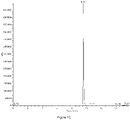
- Compound 1 (103/33 F-710) in the above reported HPLC conditions had a retention time of 9.40-9.55 minutes.
- Compound 2 (103/33 F-696) and compound 3 (103/33 F-712) showed a retention time of 9.65-9.75 and 10.70-10.80 minutes, respectively.
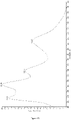
- UV/VIS pattern of compound 1 (103-33-F710) obtained by PDA detection during HPLC analysis showed maximum peaks (282, 336 and 446 nm) typical of a highly conjugated system, including quinone-type aromatics (as reported in Figure 1 ).
- the remaining 50 ⁇ l/min of the effluent from the column were diverted to the electrospray ionization (ESI) interface of a LTQ-xl ion trap mass spectrometer (Thermo Fisher Scientific, San Jose, CA).
- ESI electrospray ionization
- sample inlet conditions sheath gas (N 2 ) 45 psi; auxiliary (aux) gas (N 2 ) 35 psi; capillary heater 275°C; sample inlet voltage settings: polarity both positive and negative; ion spray voltage +/- 3.5 kV; capillary voltage +/- 175V; scan conditions: maximum ion time 200 ms; ion time 5 ms; full micro scan 3; segment: duration 30 min, scan events positive (150-2000 m/z) and negative (150-2000 m/z).
- Fragmentation patterns with increasing energy showed few initial neutral losses, including one CO 2 fragment. These data account for a highly conjugated scaffold which fragmentation was poor and required high energy.
- 1D and 2D NMR experiments include 1H, 13C, 13C-APT, HSQC, 1H-1H-COSY, 1H-1H-TOCSY, 1H-13C-HMBC, 1H-13C-H2BC and 1H-15N-HMBC. Most were performed on a Bruker Avance 500 MHz in DMSO on a 7.2 mg sample which was >99% pure by HPLC/MS. 1,1-ADEQUATE experiments on a 950 MHz with Cryoprobe gave some more updates.
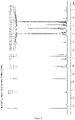
- the total number of protons from 1 H-NMR (as represented in Figure 2 ) was 30, with integration in agreement with the molecular formula C 36 H 30 N 4 O 12 arisen from high resolution mass experiments.
- the number of exchangeable protons was 5 (corresponding to one OH, one COOH, one NH, and one NH 2 ).
- the final product obtained after precipitation was in its trifluoroacetic salt form (NH 2+ ) because it was purified by preparative HPLC which contains trace trifluoroacetic acid in the elution phases.
- Methyl groups were 5 (3 O-CH 3 , 1 N-CH 3 , 1 aromatic CH 3 ).
- the aromatic proton in position 15 at 9.58 ppm coupling with C at 125.90 ppm showed a particular "spatial" situation.
- Table 3 Summary of 1 H- 1 H correlations Atom N H, ppm Multipl Integr C, ppm H-H COSY 3-Me CH3 2.60 s 3 22.60 H-4 4 CH 6.78 d 1 102.05 H-3-Me 11 CH 6.65 s 1 108.77 H-13 13 CH 7.15 s 1 107.66 H-11 2' CH 5.03 m 1 56.99 H-3' 3' CH2 2.73 m 1 35.50 H-2' 3' CH2 2.05 m 1 35.50 H-2', 4" 4" CH 4.10 m 1 51.24 H-3', 5" 5" CH2 3.85 m 1 55.64 H-4" 5" CH2 3.41 m 1 55.64 H-4"
- 1 H- 13 C-1,1-ADEQUATE confirmed some J-2 C-C correlations involving non-protonated carbons: this helped to distinguish them from other weak HMBC correlations which therefore could be assigned as longer range J-4 cross-peaks.
- 1 H- 13 C-H2BC highlighted few J-2 cross-peaks between protonated carbons, in agreement with some information coming from COSY and TOCSY data. See Table 4 for all 2D correlations.
- the molecule was composed of a bent "hexaphene" aromatic section and a bound polar aminoacid.
- Mass spectra were collected using as LC-MS instrument a Thermo Scientific LTQ-xl instrument (Thermo Fisher, Scientific Inc CA,USA) fitted with a ion trap electrospray ionization (ESI) source.
- LC-MS instrument a Thermo Scientific LTQ-xl instrument (Thermo Fisher, Scientific Inc CA,USA) fitted with a ion trap electrospray ionization (ESI) source.
- ESI electrospray ionization
- Method 1 (analytic): Time (min) Flow (ml/min) %A %B 0 1.0 70 30 2 1.0 70 30 11 1.0 30 70 12.50 1.0 10 90 13.75 1.0 10 90 14.50 1.0 70 30 17 1.0 70 30
- the preparative HPLC was carried out by using a Shimadzu AP-20 liquid chromatograph (Shimadzu Corporation, Japan). UV data were acquired at 280 nm and 330 nm and the below reported solvent gradient program was used: (A) was water with 0,1% trifluoroacetic acid, and B was CH 3 CN with 0.1 % trifluoroacetic acid.
- Method 2 (preparative): Time (min) Flow (ml/min) %A %B 0 8.0 62 38 4 8.0 62 38 6 20.0 62 38 20 20.0 62 38 22 20.0 53 47 28 20.0 53 47 35 20.0 10 90 38 20.0 10 90 41 20.0 80 20 45 20.0 80 20 48 20.0 62 38 51 20.0 62 38
- Method 3 (preparative): Time (min) Flow (ml/min) %A %B 0 8.0 62 38 4 8.0 62 38 6 20.0 62 38 22 20.0 62 38 35 20.0 10 90 38 20.0 10 90 41 20.0 80 20 45 20.0 80 20 48 20.0 62 38 51 20.0 62 38
- Method 3 (preparative): Time (min) Flow (ml/min) %A %B 0 8.0 62 38 4 8.0 62 38 6 20.0 62 38 22 20.0 62 38 35 20.0 10 90 38 20.0 10 90 41 20.0 80 20 45 20.0 80 20 48 20.0
- the medium was prepared in deionized-water and pH adjusted to 7.3 prior to sterilization at 121°C for 20 minutes.
- the inoculated flasks were grown at 28°C on a rotary shaker operating at 200 rpm. After 96 hours, 5% of this culture was inoculated into New Brunswick BioFlo ® 310 fermenter with 10 l of fermentative medium (INA5) which was composed of (g/L) : 15 g soybean meal, 2 g NaCl, 5 g CaCO 3 and 30 ml glycerol. All components were dissolved in deionized-water at pH7 and sterilized at 121°C for 20 minutes. Fermentation parameters were: temperature 28°C, agitation 400 rpm and air at 0.3 vvm.
- the production of the antibiotic FIIRV 103/33 was monitored by HPLC analysis of samples coming from the supernatant, following HPLC Method 1 described in Example 1. The fermentation process was stopped when the major reached the maximum.
- Mycelium/supernatant separation was obtained by centrifugation.
- the supernatant (10.5 L) was acidified under stirring with an aqueous solution of 1N hydrochloric acid (140 ml) to pH 3.0. Precipitation of a pellet occurred; after centrifugation the supernatant was discarded and the pellet was collected. This was then washed to remove salts/impurities, first with H 2 O and then with acetonitrile. This pellet was then extracted several times with acetonitrile added with 5% formic acid (5 ⁇ 1.5 L), which was successively dried under evaporation.
- the crude obtained solid (1.6 g) contained compound 1 (103/33 F-710) in a 20-25% purity range.
- Phase B was CH3CN +0.1% TFA.
- Phase A was H 2 O +0.1% TFA. This process was repeated for 15 times. Pure fractions of compound 1 (103/33 F-710) were pooled and acetonitrile was evaporated, water was extracted with n-BuOH, which was separated and concentrated to minimal volume. Diethyl ether was then added until precipitation of a red-orange solid occurs. This was filtered, washed and dried under vacuum. Yield: 270 mg.
- the supernatant (2.16 L) was acidified to pH 3.0 with hydrochloric acid as described above, and then extracted with water-immiscible solvent n-butanol (2 ⁇ 1.1 L). Occasionally, the formation of a precipitate at the water/n-BuOH interface was observed, and this was kept in the n-BuOH layer. After collecting the organic layer, this was concentrated by evaporation. The resulting solid was resuspended in a 70/30 methanol/H 2 O or mixture. The resulting insoluble pellet (1.62 g) was collected by filtration, dried and used for the next chromatographic steps.
- the supernatant (9.0 L) was added with Diaion HP-20 resin (1g of hydrated resin per 20 ml of supernatant solution) and kept under stirring for 40 hours at room temperature.
- the resin was recovered by sieving (50 mesh).
- the resin was sequentially washed in a column format with 5-10 column volumes of 30% methanol; no or only minimal product losses occured in the washes.
- the product was then eluted in approximately 4 column volumes of 100% methanol and successively with 4 column volumes of 90/10% methanol/isopropanol mixture. Should some product remain bound to the resin, a final wash with H 2 O/CH 3 CN/0.1%TFA mixture can collect more.
- a small amount (usually less than 20% of total) of compounds according to Formula (I) may be found in the mycelium.
- a water miscible solvent such as ethanol was added and allowed to contact 4 hours (2 ml ethanol/g mycelium, 245 ml).
- the suspension was centrifuged or filtered and the clear ethanol solution was concentrated to dryness under vacuum.
- the resulting solid (1.3 g) was then suspended in water and contacted with an absorption resin as described above.
- the antimicrobial activity of the antibiotic 103/33-F710 was determined by the broth microdilution method according to the procedures published by the Clinical and Laboratory Standards Institute (CLSI), formerly the National Committee for Clinical Laboratory Standards (NCCLS) (document M07-A9). Microorganisms were grown in either cation-adjusted Mueller Hinton Broth ( Staphylococci, Enterococci, Moraxella catarrhalis, Escherichia coli ), Todd Hewitt medium ( Streptococci ) or RPMI 1640 medium for Candida albicans on 96-well microtiter plates.
- Each bacterial strain was inoculated with 2-5 ⁇ 10 5 CFU/ml, Candida albicans with 10 4 CFU/ml. Cultures were incubated at 35°C in air. After 18-24 hours visual readings were performed and MICs (Minimal Inhibitory Concentrations) determined. The effect of 30% bovine serum was determined under the same experimental conditions.
- the strains used were clinical isolates or strains from American Type Culture Collection (ATCC).
- the antibiotic 103/33-F710 was dissolved in DMSO to obtain a 1000 ⁇ g/ml stock solution, and subsequently diluted in water to obtain working solution. The results are shown in table 5.
- Table 5 Antimicrobial activity reported as MIC ( ⁇ g/ml) of ID103/33-F710 MIC ( ⁇ g/ml) 103/33 - 710 Vancomycin Ciprofloxacin L1400 S . aureus HA-MRSA 0.03 1 0.125 VA80201 S . aureus CA-MRSA 0.015 1 8 L4061 S . aureus MRSA - GISA 0.06 4 64 L100 S . aureus ATCC6538P 0.03 1 0.25 L819 S . aureus Smith 0.06 1 0.06 L1577 S. epidermidis 0.06 1 0.125 L1730 S. haemolyticus 0.03 1 0.125 L1729 S.
- amphotericin B was used as a control antibiotic and the MIC ( ⁇ g/ml) was 0.5.
- Compound 1 (103/33-F710) showed very potent antibacterial activity against Staphylococci including hospital-associated Methicillin-Resistant (HA-MRSA), community-associated Methicillin-Resistant (CA-MRSA), MRSA strains with reduced susceptibility to glycopeptide (GISA) and multi-resistant (MDR) coagulase-negative strains.
- Compound 1 (103/33-F710) exhibited an high antibacterial activity also against Listeria monocytogenes, Bacillus cereus and Bacillus clausii.
- Antibiotic 103/33-F710 was active against recent clinical isolates of Enterococcus spp., including strains with vancomycin, ciprofloxacin and linezolid resistance.
- the compound was not active against Gram negative bacteria ( E.coli ) and Candida albicans.
- Compound 1 (103/33-F710) showed no toxicity against human cells at 200 ⁇ g/ml, the highest concentration tested (Hela cells from cervix adenocarcinoma, HepG2 cells from hepatocarcinoma and BJ5TA - ATCC CRL-4401 normal fibroblast). The compound showed no hemolytic activity against human erythrocytes.
- Compound 1 (103/33-F710) was demonstrated in a murine septicemia model using Staphylococcus aureus Smith 819 ATCC 19636. 103/33-F710 was effective for treating the infection with an ED50 of 15 mg/kg. This level of protection was observed after intravenous administrations.
- Mycelium/supernatant separation was obtained by centrifugation.
- the supernatant (10.5 L) was acidified under stirring with an aqueous solution of 1N hydrochloric acid (140 ml) to pH 3.0. Precipitation of a pellet occurred; after centrifugation the supernatant was discarded and the pellet was collected. This was then washed to remove salts/impurities, first with H 2 O and then with acetonitrile. This pellet was then extracted several times with acetonitrile added with 5% formic acid (5 ⁇ 1.5 L), which was successively dried under evaporation.
- the crude obtained solid (1.6 g) contained compound 2 (103/33 F-696) in a 4-5% purity range. The solution was filtered and evaporated to dryness.
- Antibacterial activity The antimicrobial activity of the antibiotic 103/33-F696 was determined by the broth microdilution method according to the procedures disclosed in Example 7. The results are shown in table 6. Table 6: Antimicrobial activity reported as MIC ( ⁇ g/ml) of compound 2 (103/33-F696) MIC ( ⁇ g/ml) 103/33 - 696 Vancomycin Ciprofloxacin L1400 S.aureus HA- MRSA 0.03 1 0.125 L100 S.aureus ATCC6538P 0.03 1 0.25 L819 S. aureus Smith 0.015 1 0.06 L1577 S. epidermidis 0.03 1 0.06 L1730 S. haemolyticus 0.03 0.5 0.06 L1729 S.
- amphotericin B was used as a control antibiotic and the MIC ( ⁇ g/ml) was 0.5.
- Compound 2 (103/33-F696) showed very potent antibacterial activity against Staphylococci including hospital-associated Methicillin-Resistant (HA-MRSA).
- Antibiotic 103/33-F696 was active against recent clinical isolates of Enterococcus spp., including strains with vancomycin resistance.
- the compound was not active against Gram negative bacteria ( E.coli ) and Candida albicans.
- Mycelium/supernatant separation was obtained by centrifugation.
- the supernatant (10.5 L) was acidified under stirring with an aqueous solution of 1N hydrochloric acid (140 ml) to pH 3.0. Precipitation of a pellet occurred; after centrifugation the supernatant was discarded and the pellet was collected. This was then washed to remove salts/impurities, first with H 2 O and then with acetonitrile. This pellet was then extracted several times with acetonitrile added with 5% formic acid (5 ⁇ 1.5 L), which was successively dried under evaporation.
- the crude obtained solid (1.6 g) contained 103/33 F-712 in a 8-10% purity range.
- Antibacterial activity The antimicrobial activity of the antibiotic 103/33-F712 was determined by the broth microdilution method according to the procedures disclosed in Example 7. The results are shown in table 7. Table 7: Antimicrobial activity reported as MIC ( ⁇ g/ml) of ID103/33-F712 MIC ( ⁇ g/ml) 103/33 - 712 Vancomycin Ciprofloxacin L1400 S.aureus HA- MRSA 0.25 1 0.125 L100 S.aureus ATCC6538P 0.25 1 0.25 L819 S. aureus Smith 0.25 1 0.06 L1577 S. epidermidis 0.25 1 0.06 L1730 S . haemolyticus 0.5 0.5 0.06 L1729 S.
- amphotericin B was used as a control antibiotic and the MIC ( ⁇ g/ml) was 0.5.
- Compound 3 (103/33-F712) showed antibacterial activity against Staphylococci including hospital-associated Methicillin-Resistant (HA-MRSA).
- Antibiotic 103/33-F712 was active against recent clinical isolates of Enterococcus spp., including strains with vancomycin resistance.
- the compound was not active against Gram negative bacteria ( E.coli ) and Candida albicans.
- Compound 1 obtained by example 3 has been treated in conditions known by the skilled man in the art to transform the exocyclic C-N bonds of compound 1 into endocyclic C-N bonds in order to obtain compound 4.
- Compound 4 is the isomeric form of compound 1.
- Compound 2 obtained by example 8 has been treated in conditions known by the skilled man in the art to transform the exocyclic C-N bonds of compound 2 into endocyclic C-N bonds in order to obtain compound 5.
- Compound 5 is the isomeric form of compound 2.
- Compound 3 obtained by example 10 has been treated in conditions known by the skilled man in the art to transform the exocyclic C-N bonds of compound 3 into endocyclic C-N bonds in order to obtain compound 6.
- Compound 6 is the isomeric form of compound 3.
Landscapes
- Chemical & Material Sciences (AREA)
- Organic Chemistry (AREA)
- Health & Medical Sciences (AREA)
- Communicable Diseases (AREA)
- Oncology (AREA)
- Chemical Kinetics & Catalysis (AREA)
- General Chemical & Material Sciences (AREA)
- Medicinal Chemistry (AREA)
- Nuclear Medicine, Radiotherapy & Molecular Imaging (AREA)
- Pharmacology & Pharmacy (AREA)
- Life Sciences & Earth Sciences (AREA)
- Animal Behavior & Ethology (AREA)
- General Health & Medical Sciences (AREA)
- Public Health (AREA)
- Veterinary Medicine (AREA)
- Pharmaceuticals Containing Other Organic And Inorganic Compounds (AREA)
Description
- The invention concerns novel compounds endowed with potent activity against microbial pathogens, the process for the preparation thereof, and the use thereof in the treatment of bacterial infections. The invention concerns also a new microorganism Nonomuraea FIIRV sp. 103/33 deposited on January 19, 2015 in the Deutsche Sammlung von Mikroorganismen und Zellkulturen GmbH, (DSMZ) Inhoffenstraße 7B, 38124 Braunschweig, Deutschland under Budapest Treaty with number DSM 29890.
- The current emergence of antibiotic resistance leads nowadays to the occurrence of multidrug and pandrug resistant Gram-negative and Gram-positive strains. Severe infections due to methicillin resistant Staphylococcus aureus (MRSA) in the United States are decreasing but still numerous, and MRSA remains an important public health problem (Centers for Disease Control and Prevention, 2016). In the last years however, there has been an explosion in the number of MRSA infections reported for populations lacking risk factors for exposure to the health care system (PLoS ONE 8, e52722).
- This increase has been associated with the recognition of new MRSA strains, often called community-associated MRSA (CA-MRSA) strains, that have been responsible for a large proportion of the increased disease burden observed in the last decade (Trends Microbiol. 2015, 23: 437-44). CA-MRSA infections tend to occur in previously healthy younger patients. They have been associated predominantly with skin and soft tissue infections but have also been linked to several severe clinical syndromes such as necrotizing pneumonia and severe sepsis. In contrast, health care-associated MRSA (HA-MRSA) strains have been isolated largely from people who are exposed to the health care setting; the patients are older and have one or more comorbid conditions.
- The emergence of new CA-MRSA strains has important implications. MRSA infections are expensive and difficult to treat. There are relatively few antibiotic agents available to treat MRSA infections. Moreover, the available agents have important limitations, and the development of new antibiotic classes has slowed. S. aureus isolates that are resistant to each of the few antibacterial drug classes effective against MRSA have been reported, raising the theoretical possibility of untreatable multidrug-resistant (MDR) S. aureus infections (Clinical Microbiology Reviews, 2010, 23 (3): 616-687).
- Antibiotic resistance is spreading faster than the introduction of new compounds into clinical practice. To keep our current level of therapeutic efficacy, new antibiotics with new mechanisms of action and structure need to be developed. [Bassetti M., Righi E., "Development of novel antibacterial drugs to combat multiple resistant organisms", Langenbecks Arch Surg. 400(2):153-65 (2015)].
US 2004/220195 discloses antibiotics for use against MRSA. - Natural products have proven to be the most fruitful source of leads for the development of drugs. It has been assessed that ninety five percent of the antibiotics described to date originate from leads discovered by screening natural product extracts or fractions. Many marketed antibacterial drugs are semisynthetic congeners of natural products, and are obtained from the chemical modification of fermentation products (e.g. rifampicin, cephalosporin, oritavancin, dalbavancin). No really new class of broad-spectrum antibiotics has been developed since the quinolones were introduced to the clinic in 1962 and the oxazolidinone linezolid in 2000.
- The present invention is directed to overcoming the deficiencies in the prior art. Therefore the object of the present invention is to provide new antibiotics.
- The present inventors surprisingly found out a compound of Formula (I)

- wherein
- R1 is H or CH3,
- R2 is O or OH,
- the dotted line represents the presence of a single or a double bond, and X is N or NH and Y is NH or NH2.
- The inventors surprisingly found out a compound of Formula (I) or a pharmaceutically acceptable salt thereof, that is a new antibiotic substance of microbial origin, denominated by the inventors as antibiotic FIIRV 103/33, which can be represented by Formula (I).
- In a preferred aspect the invention concerns a compound of Formula (I) or a pharmaceutically acceptable salt thereof selected from the group consisting of: 2-(10,12-Dihydroxy-6,7,8-trimethoxy-3-methyl-1,5,9,14,16-pentaoxo-5,9,14,16-tetrahydro-1H-2-aza-hexaphen-2-yl)-3-(2-imino-1-methyl-imidazolidin-4-yl)-propionic acid (
compound 1 of Formula (I):factor 103/33-F710) 2-(8,10,12-Trihydroxy-6,7-dimethoxy-3-methyl-1,5,9,14,16-pentaoxo-5,9,14,16-tetrahydro-1H-2-aza-hexaphen-2-yl)-3-(2-imino-1-methyl-imidazolidin-4-yl)-propionic acid (compound 2 of Formula (I):factor 103/33-F696) 2-(5,10,12,16-tetrahydroxy-6,7,8-trimethoxy-3-methyl-1,9,14-trioxo-,9,14, -dihydro-1H-2-aza-hexaphen-2-yl)-3-(2-imino-1-methyl-imidazolidin-4-yl)-propionic acid (compound 3 of Formula (I): Factor103/33-F712). 2-(10,12-Dihydroxy-6,7,8-trimethoxy-3-methyl-1,5,9,14,16-pentaoxo-5,9,14,16-tetrahydro-1H-2-aza-hexaphen-2-yl)-3-(2-amino-1-methyl-imidazol-4-yl)-propionic acid (compound 4 of Formula (I):factor 103/33-F710a) 2-(8,10,12-Trihydroxy-6,7-dimethoxy-3-methyl-1,5,9,14,16-pentaoxo-5,9,14,16-tetrahydro-1H-2-aza-hexaphen-2-yl)-3-(2-amino-1-methyl-imidazol-4-yl)-propionic acid (compound 5 of Formula (I):factor 103/33-F696a) 2-(5,10,12,16-tetrahydroxy-6,7,8-trimethoxy-3-methyl-1,9,14-trioxo-9,14,-dihydro-1H-2-aza-hexaphen-2-yl)-3-(2-amino-1-methyl-imidazol-4-yl)-propionic acid (compound 6 of Formula (I):factor 103/33-F712a). - The compounds of Formula (I) named as Compounds 1-3 are isomeric forms of compounds 4-6 respectively, since compounds 1-3 present esocyclic C-N bonds instead of endocyclic C-N bonds of compounds 4-6.
- The present invention concerns hence compounds of Formula (I) or a pharmaceutically acceptable salt thereof in any enantiomeric and diasteroisomeric forms.
- In a further aspect the invention concerns a pharmaceutical composition comprising a compound of Formula (I) and a pharmaceutically acceptable excipient. The composition of the invention can comprise more than one compound of Formula (I) in any amount.
- In another aspect the invention concerns a process for the preparation of the compound of Formula (I). The inventors found out a process for producing a compound of Fomula (I) by using a microorganism Nonomuraea FIIRV sp. 103/33 DSM 29890 (deposited on January 19, 2015 at the Deutsche Sammlung von Mikroorganismen und Zellkulturen GmbH, (DSMZ) Inhoffenstraße 7B, 38124 Braunschweig, Deutschland under Budapest Treaty under accession number 29890).
- Therefore in another aspect the invention concerns the microorganism Nonomuraea FIIRV sp. 103/33 deposited as number DSM 29890 on January 19, 2015 in the Deutsche Sammlung von Mikroorganismen und Zellkulturen GmbH, (DSMZ) Inhoffenstraße 7B, 38124 Braunschweig, Deutschland under Budapest Treaty.
- In a further aspect, the invention thus concerns an antibiotic compound obtainable by the strain Nonomuraea FIIRV sp. 103/33 DSM 29890.
- In another aspect the invention hence concerns a use of biologically pure culture of the strain Nonomuraea FIIRV sp. 103/33 DSM 29890, for producing an antibiotic compound as a single compound or a mixture thereof.
- In a still further aspect the invention concerns a compound of Formula (I) or its pharmaceutically acceptable salt for use as a medicament.
- In a further aspect the invention concerns a compound of Formula (I) for use in treating infectious diseases, such as bacterial infectious diseases. In particular according to the present invention, the compounds of Formula (I) are used in the treatment of bacterial infectious diseases caused by Gram-positive bacteria. More preferably the compounds of Formula (I) are used for treating infections from Gram-positive susceptible, resistant and multi-resistant pathogenic bacteria.
-
-
Figure 1A represents the UV spectrum of compound 1 (103/33-F710) -
Figure 1B represents the MS (+) spectrum of compound 1 (103/33-F710) -
Figure 1C represents the HPLC chromatogram of compound 1 (103/33-F710) -
Figure 2 represents the 1H-NMR spectrum of compound 1 (103/33-F710) in DMSO (500 MHz) -
Figure 3 represents the 13C-NMR spectrum of compound 1 (103/33-F710) in DMSO (500 MHz) -
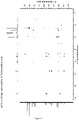
Figure 4 represents the 1H-13C-HSQC-NMR spectrum of compound 1 (103/33-F710) in DMSO (500 MHz) -
Figure 5 represents the 1H-13C-HMBC-NMR spectrum of compound 1 (103/33-F710) in DMSO (500 MHz) - The present invention concerns a compound of Formula (I)

- wherein
- R1 is H or CH3,
- R2 is O or OH,
- the dotted line represents the presence of a single or a double bond, and
- X is N or NH and Y is NH or NH2.
- The inventors surprisingly found out a compound of Formula (I) that is a new antibiotic substance of microbial origin, denominated by the inventors as antibiotic FIIRV 103/33, which can be represented by Formula (I).
- In a preferred aspect the invention concerns a compound of Formula (I) selected from the group consisting of:
- 2-(10,12-Dihydroxy-6,7,8-trimethoxy-3-methyl-1,5,9,14,16-pentaoxo-5,9,14,16-tetrahydro-1H-2-aza-hexaphen-2-yl)-3-(2-imino-1-methyl-imidazolidin-4-yl)-propionic acid (compound 1 of Formula (I): factor 103/33-F710) 2-(8,10,12-Trihydroxy-6,7dimethoxy-3-methyl-1,5,9,14,16-pentaoxo-5,9,14,16-tetrahydro-1H-2-aza-hexaphen-2-yl)-3-(2-imino-1-methyl-imidazolidin-4-yl)-propionic acid (compound 2 of Formula (I): factor 103/33-F696) 2-(5,10,12,16-tetrahydroxy-6,7,8-trimethoxy-3-methyl-1,9,14,trioxo-,9,14, -dihydro-1H-2-aza-hexaphen-2-yl)-3-(2-imino-1-methyl-imidazolidin-4-yl)-propionic acid (compound 3 of Formula (I): Factor103/33-F712);
- 2-(10,12-Dihydroxy-6,7,8-trimethoxy-3-methyl-1,5,9,14,16-pentaoxo-5,9,14,16-tetrahydro-1H-2-aza-hexaphen-2-yl)-3-(2-amino-1-methyl-imidazol-4-yl)-propionic acid (
compound 4 of Formula (I) ):factor 103/33-F710a); - 2-(8,10,12-Trihydroxy-6,7-dimethoxy-3-methyl-1,5,9,14,16-pentaoxo-5,9,14,16-tetrahydro-1H-2-aza-hexaphen-2-yl)-3-(2-amino-1-methyl-imidazol-4-yl)-propionic acid (
compound 5 of Formula (I) ):factor 103/33-F696a); - 2-(5,10,12,16-tetrahydroxy-6,7,8-trimethoxy-3-methyl-1,9,14-trioxo-9,14,-dihydro-1H-2-aza-hexaphen-2-yl)-3-(2-amino-1-methyl-imidazol-4-yl)-propionic acid (
compound 6 of Formula (I) ):factor 103/33-F712a). - The present invention concerns hence compounds of Formula (I) in any enantiomeric and diasteroisomeric forms.
- In a further aspect the invention concerns a pharmaceutical composition comprising a compound of Formula (I) or a mixture thereof and a pharmaceutically acceptable excipient.
- The pharmaceutical composition can be formulated with a pharmaceutically acceptable excipient in an orally administrable form, in a topically administrable form, or in a parenterally administrable form.
- The compounds of the present invention, hence, in their pharmaceutically acceptable form, may be administered via oral, topical or parenteral route depending on the treatment to be performed. These compounds can be formulated into different dosage forms according to the route of administration. The preparations for oral administration may be in the form of tablets, capsules, lozenges, liquid solutions or suspensions. As known in the art, tablets, capsules and lozenges may contain usual excipients in addition to the active ingredient, for example extenders such as lactose, calcium phosphate, sorbitol and the like; lubricants such as magnesium stearate, polyethylene glycol (PEG), binding agents such as polyvinyl pyrrolidone, gelatine, sorbitol, acacia, flavoring agents, disintegrating agents and dispersing agents.
- Liquid preparations, generally in the form of aqueous or oily solutions or suspensions, may contain conventional additives such as dispersing agents. For topical use, the compounds of Formula (I) of the invention can also be prepared in suitable forms to be absorbed by either the mucous membranes of nose and throat or bronchial tissues, and they may advantageously be in the form of a spray. Topical applications can be formulated as ointments, lotions, gels or powders in hydrophobic or hydrophilic bases.
- The pharmaceutical formulation of the invention can be preferably in the form of a capsule, a tablet, a losange, a liquid solution, a liquid suspension, an aqueous solution, an aqueous suspension, an oily solution, an oily suspension, a hydrophobic base ointment, a hydrophobic base cream, a hydrophobic base lotion, a hydrophobic base paint, a hydrophobic base powder, a hydrophilic base ointment, a hydrophilic base cream, a hydrophilic base lotion, a hydrophilic base paint, and a hydrophilic base powder.
- In another aspect the invention concerns a process for the preparation of the compound of Formula (I). The inventors found out a process for producing a compound of Formula (I) by using a microorganism Nonomuraea FIIRV sp. 103/33 DSM 29890 (deposited on January 19, 2015 at the Deutsche Sammlung von Mikroorganismen und Zellkulturen GmbH, (DSMZ) Inhoffenstraße 7B, 38124 Braunschweig, Deutschland under Budapest Treaty under accession number 29890).
- Therefore, in another aspect the invention concerns the microorganism Nonomuraea FIIRV sp. 103/33 deposited as number DSM 29890 on January 19, 2015 in the Deutsche Sammlung von Mikroorganismen und Zellkulturen GmbH, (DSMZ) Inhoffenstraße 7B, 38124 Braunschweig, Deutschland under Budapest Treaty.
- In a further aspect, the invention thus concerns an antibiotic compound obtainable by the strain Nonomuraea FIIRV sp. 103/33 DSM 29890.
- In another aspect the invention hence concerns a use of biologically pure culture of the strain Nonomuraea FIIRV sp. 103/33 DSM 29890, for producing an antibiotic compound as a single compound or a mixture thereof.
- Specifically, the process for the preparation of the compound of Formula (I) comprises the following steps:
- (a) cultivating the strain Nonomuraea FIIRV sp. 103/33 DSM 29890, under aerobic conditions, in an aqueous nutrient medium comprising a source of carbon, nitrogen and inorganic salts, thus obtaining a culture fermentation broth comprising one or more compounds of Formula (I);
- (b) isolating the compound of Formula (I) from the culture fermentation broth comprising one or more compounds of Formula (I);
- (c) purifying the isolated compound of Formula (I).
- Preferably, the process provides for pre-cultering the strain Nonomuraea FIIRV sp. 103/33 DSM 29890 before step a).
- In the aqueous nutrient medium of step a) starch, dextrin, glucose, maltose and the like can be the carbon source, soybean meal, peptone, meat extract, casein hydrolysate, tryptone, yeast extract and the like can be the nitrogen source. The aqueous medium can be supplemented with salts capable of providing sodium, potassium, iron, zinc, magnesium, calcium, ammonium, chloride, carbonate, sulphate, phosphate, nitrate and the like ions.
- The production strain for the compounds of Formula (I) of step a) is preferably grown in a flask or small fermenter, and the culture is used to inoculate fermentation reactors for the production. The pre-culture medium can be the same or different from that used for the production on an increased scale. According to a preferred aspect, Nonomuraea FIIRV sp. 103/33 DSM 29890 is grown on ISP3 agar plates (see Experimental Section) in which the strain forms colonies developing orange vegetative mycelium and globose bodies. The growth temperature for the strain Nonomuraea FIIRV sp. 103/33 DSM 29890 is preferably 24-40°C, more preferably 28-32°C. During fermentation, the production of the compounds of Formula (I) preferably occurs within 3-6 days of fermentation.
- Step b) provides for the isolation of the compound of Formula (I). Preferably, step b) of isolation of the compound of Formula (I) is carried out by centrifuging or filtering the fermentation broth and recovering the antibiotic from the supernatant or filtered broth according to at least one technique selected from: extraction with a water-immiscible solvent, precipitation by adding a non-solvent or by changing the pH of the solution, absorption chromatography, partition chromatography, reverse phase partition chromatography, ion exchange chromatography, molecular exclusion chromatography, or a combination of two or more of said techniques.
- In an advantageous aspect, the step b) of isolation is carried out by separating the mycelium from the supernatant of the fermentation culture broth and extraction of the mycelium with a water-miscible solvent whereby, after the removal of the spent mycelium, a water-miscible solution containing the crude antibiotic compound of Formula (I) is obtained. The compound so obtained is then preferably processed to recover the compound of Formula (I) by means of a technique selected from at least one of: extraction with a solvent, precipitation by adding a non-solvent or by changing the pH of the solution, absorption chromatography, partition chromatography, reverse phase partition chromatography, ion exchange chromatography and molecular exclusion chromatography, or a combination of two or more of said techniques.
- In a further aspect the isolation step b) of the process is carried out on the whole strain culture by adding an absorbing resin, maintaining the obtained mixture under stirring until the antibiotic compound of Formula (I) is almost entirely bound to the resin, separating the resin and mycelium by filtration or centrifugation and submitting said separated material to extraction with a water-miscible solvent. From the obtained solution of the antibiotic compound of Formula (I) the product is recovered by at least one of the techniques selected from at least one of: extraction with a solvent, precipitation by adding a non-solvent or by changing the pH of the solution, absorption chromatography, partition chromatography, reverse phase partition chromatography, ion exchange chromatography and molecular exclusion chromatography, or a combination of two or more of said techniques.
- In a still further aspect the invention concerns a compound of Formula (I) or its pharmaceutically acceptable salt for use as a medicament.
- In a further aspect the invention concerns a compound of Formula (I) for use in treating infectious diseases, such as bacterial infectious diseases. Preferably the bacterial infectious diseases caused by Gram-positive bacteria, more preferably infections caused by Gram-positive susceptible, resistant and multi-resistant pathogenic bacteria.
- In a still more preferably embodiment the compound of Formula (I) is used in the treatment of a bacterial infectious disease caused by bacteria of at least one of the following genera: Enterococci, Staphylococci, Listeriae and Bacilli.
- In an advantageous aspect the compound of Formula (I) is used for treating a bacterial infectious disease caused by bacteria selected from the multi resistant strains of Staphylococcus spp. and Enterococcus spp.
- The compound of Formula (I) is used in the treatment of bacterial infectious diseases in a dosage range from 1 to 40 mg of compound of Formula (I) per Kg of body weight.
- The section reporting the examples of the present specification provides comparative tests carried out to verify the microbiological selectivity and efficacy of the major compound of Formula (I) compared with known reference compounds. Experimental tests carried out have shown that such compound inhibits the growth of Gram-positive susceptible, resistant and multi-resistant pathogenic bacteria. Representative compound 1 (103/33 F-710) inhibits the growth of Gram-positive susceptible, resistant and multi-resistant pathogenic bacteria, preferably in a concentration from 0.01 to 0.25 µg/ml.
- Experimental tests have shown that representative compound 1 (103/33 F-710) does not inhibit replication of HeLa cell at 200 µg/ml. This suggests low to no cytotoxicity.
- Other experimental tests have shown that compound 1 (103/33 F-710) can treat an infection by Staphylococcus aureus in a murine model with an ED50 of 15 mg/kg.
- The isolated compounds of Formula (I) are preferably and advantageously employed as antimicrobial agents against Gram positive bacteria, such as Staphylococcus sp, Enterococcus sp, Listeria sp., Bacillus sp. including MDR strains.
- As it will be evident form the experimental part the compounds of Formula (I) present in their chemical structure an uncommon fused hexacyclic aromatic scaffold incorporating a 2-pyridone moiety, with a N-linked rare aminoacid belonging to the enduracididine family.
- Without being bound to any theory and as it will be evident form the experimental part the inventors deem that the compounds of Formula (I) have substantial peculiarities in the structure of the aromatic scaffold. Specifically they refer to a unique substitution pattern of hydroxyl and methoxy groups and a rarely described non substituted carbon (CH-15 following numbering of compound of Formula (I)) in the "inner side" of the bent scaffold, while all known natural products have an hydroxylated position. The inventors consider the structure of compounds of Formula (I) very surprising in that all other positions in the central fused rings are fully substituted.
- The invention will be now detailed by a general method for preparing the strain of Nonomuraea and by a more detailed explanation of methods for producing the compounds of Formula (I). Furthermore the invention will be detailed by illustrative and non-limitative examples.
- The production of the compounds of Formula (I) was obtained by cultivating a strain of Nonomuraea, such as Nonomuraea FIIRV sp. 103/33 DSM 29890. Strain Nonomuraea sp. 103/33 was identified on the basis of its 16S rRNA gene sequence and assigned as DSM 29890.
- SEQ ID NO: 1 below shows the partial sequence, consisting of 1220 nucleotides, of the gene encoding the 16S rRNA of the strain Nonomuraea FIIRV sp. 103/33 DSM 29890. This sequence was compared with those deposited in public databases, and it is found to be highly related (>99%) to the 16S rRNA sequence of various strains of Nonomuraea.

- The production of the compounds of Formula (I) was obtained under aerobic conditions in an aqueous production medium containing easily digestible and usable sources of carbon, nitrogen and inorganic salts, such as starch, dextrin, glucose, maltose and the like as the carbon source, soybean meal, peptone, meat extract, casein hydrolysate, tryptone, yeast extract and the like as the nitrogen source. The medium was preferably supplemented with salts capable of providing sodium, potassium, iron, zinc, magnesium, calcium, ammonium, chloride, carbonate, sulphate, phosphate, nitrate and the like ions.
- The production strain for the compounds of Formula (I) was grown in a flask or small fermenter, and the culture was used to inoculate fermentation reactors for the production. The pre-culture medium could be the same or different from that used for the production on an increased scale. As a preferred aspect of the pre-culturing step before step a) of the process, Nonomuraea FIIRV sp. 103/33 DSM 29890 was grown on ISP3 agar plates in which the strain forms colonies developing orange vegetative mycelium and globose bodies. The growth temperature for the strain Nonomuraea FIIRV sp. 103/33 DSM 29890 was preferably 24-40°C, more preferably 28-32°C. During fermentation, the production of the compounds of Formula (I) was monitored by HPLC, and it occurred within 3-6 days of fermentation. The fermentation process was optimized and scaled up several times to 10-liters volume: pH/O2/temperature conditions, medium parameters and composition were studied to enhance productivity.
- Correlation between biomass growth and production of antimicrobial factors was investigated. In a first experiment, one 90
mm strain 103/33 plate was grown for 14 days, then used to inoculate vegetative flasks. One plate was suspended in 20 ml physiological solution (4% inoculum). Flasks were grown for 7 days at 28°C and used to inoculate the 10-liters fermenter (5% inoculum). Low productivity and high biomass were obtained. Production stopped after 75 h. Growth seemed to start again after 70 h. In a second experiment, one 90mm 103/33 plate was grown for 30 days, then used to inoculate vegetative flasks. Half plate suspended in 20 ml physiological solution (3% inoculum). Flasks were grown for 4 days at 28°C and used to inoculate the 10-liters fermenter (5% inoculum). High productivity and low biomass were obtained. Stationary phase reached after 50 h. Production increased until harvest time. No correlation between growth and production was then observed. The maximum calculated production was 60-70 µg/ml. - Fermentation products were predominantly found in the supernatant. The production as well as the recovery and purification steps can be monitored by a variety of analytical procedures including inhibitory assay against a susceptible microorganism and analytical control using the HPLC or HPLC coupled with mass spectrometry. The fermentation process was easily monitored by HPLC/MS and quantitative methods were setup to measure the actual production. Typical harvest time was 90-96 hours, corresponding to the highest peak area of the produced factors determined by UV. Three different products were detected in the culture fermentation broth, slightly different in the UV/molecular weight/biological activity pattern: the most abundant of them (compound 1: F-710) shows MW = 710, with an estimated yield ranging between 60-70 µg/ml (
compound 1 of the invention) . The other two compounds F-696 (compound 2) and F-712 (compound 3) were named according to their molecular weight. - Mycelium/supernatant separation was obtained by centrifugation. Alternatively, filtration of the whole microbial culture can be achieved using suitable paper filters and a Buchner funnel. The resulting pellet containing the mycelium was washed twice with H2O, which was combined with the supernatant. Typical pH of the pooled solution ranged between 7.0 and 7.5.
- The recovery of the compounds from the supernatant of the fermentation broth of the producing microorganism can be conducted by means of a technique selected from at least one of: extraction with water immiscible solvents, precipitation by adding non-solvents or by changing the pH of the solution, absorption chromatography, partition chromatography, reverse phase partition chromatography, ion exchange chromatography, molecular exclusion chromatography and the like or a combination of two or more of said techniques. Specifically, the supernatant coming from the production process of Nonomuraea FIIRV sp. 103/33 DSM 29890 was acidified under stirring with an aqueous solution of a mineral acid, 0.5 N to 2 N hydrochloric acid, (a different diluted mineral or organic acid in a pure form, such as formic acid or acetic acid, can be alternatively be used), in the amount required to obtain a solution with a pH ranging between 3.0 and 3.5. When acidification was complete, precipitation of a brown solid occurred, and analysis by HPLC/MS showed that the formed pellet contained the large majority of the 103/33 fermentation products. The resulting supernatant did not contain any of the compounds so it was discarded.
- In case the supernatant contains the compounds, the supernatant can be acidified to
pH 3 with HCI 1N: precipitation of a pellet occurs and after centrifugation the supernatant can be discarded and the pellet collected. - The pellet was then washed to remove salts/impurities, first with H2O and then with acetonitrile. This pellet was then extracted several times with acetonitrile added with 5% formic acid, which was successively dried under evaporation. The crude obtained solid contained compound 1 (103/33 F-710) in a 20-25% purity range. In this crude solid, compound 3 (
factor 103/33 F-712) can be sometimes detected in small amounts: it can be removed by H2O2 oxidation. - Some crude extracts after workup steps in fact showed increased amounts (up to 25-30%) of compound 3 (reduced 103/33 F-712), which was usually found in traces or low amounts (<10-15%) in the fermentation supernatant. A simple reaction with catalytic hydrogen peroxide in H2O/CH3CN at 45°C reverted compound 3 (103/33 F-712) back to compound 1 (103/33 F-710). This was monitored by HPLC analysis with UV/PDA detector.
- Alternatively, the supernatant can be contacted with an adsorption matrix followed by elution with a polar, water-miscible solvent or a mixture thereof. Examples of adsorption matrixes that can be and were conveniently used in the recovery of the compounds of the invention, are polystyrene or mixed polystyrene-divinylbenzene resins (e.g. M112 or S112, Dow Chemical Co.; Amberlite® XAD2 or XAD4, Rohm & Haas; Diaion HP20, Mitsubishi), acrylic resins (e.g. XAD7 or XAD8, Rohm & Haas), polyamides such as polycaprolactames, nylons and cross-linked polyvinylpyrrolidones (e.g. Polyamide-
CC 6, Polyamide-SC 6, Polyamide-CC 6.6, Polyamide-CC 6AC and Polyamide-SC 6AC, Macherey-Nagel & Co., Germany;PA 400, M.Woel AG, Germany), the polyvinylpyrrolidone resin PVP-CL, (Aldrich Chemie GmbH & Co., KG, Germany) and controlled pore cross-linked dextrans (e.g. Sephadex® LH-20, Pharmacia Fine Chemicals, AB). Preferably, polystyrene resins are employed, particularly preferred being the Diaion HP20 resin. In the case of the use of polystyrene resins, polystyrene- divinylbenzene resins, polyamide resins or acrylic resins a preferred eluent was a water-miscible solvent or its aqueous mixtures. In a preferred example, the supernatant was added with Diaion HP-20 resin (1g of hydrated resin per 40 ml of supernatant solution) and kept under stirring for 16 to 48 hours at room temperature. The resin was recovered by sieving (50 mesh). The resin was sequentially washed in a column format with 5-10 column volumes of 30% methanol; no or only minimal product losses occurred in the washes. The product was then eluted in approximately 1-4 column volumes of 100% methanol and successively with a 90/10% methanol/isopropanol mixture. In case some product remained bound to the resin, a final wash with H2O/CH3CN/0.1%TFA mixture could collect more. Elution fractions containing the bulk of the products were pooled and evaporated to under vacuum to minimal volume. The resulting solid contained compound 1 (103/33 F-710) in a low (2-5%) purity range so it required further chromatographic purification steps. - Alternatively, the supernatant can be also acidified to pH 3.0 to 3.5 with HCl 1N, and then extracted with a water-immiscible solvent. Examples of water-immiscible organic solvents that can be used in the extraction of the compounds of the invention from the fermentation broth are: alkanols of at least four carbon atoms which may be linear, branched or cyclic such as n-butanol, 1-pentanol, 2-pentanol, 3-pentanol, 1-hexanol, 2-hexanol, 3-hexanol, 1-heptanol, 2-heptanol, 1-octanol, 2-octanol, cyclohexanol, cycloheptanol, cyclooctanol, 1-nonanol, 2-nonanol, 1-decanol, 2-decanol, and 3-decanol and mixtures thereof. Product extraction from the filtered fermentation broth was improved by adjusting the pH at an appropriate value, and/or by adding a proper organic salt forming an ion pair with the antibiotic compound, which was soluble in the extraction solvent. Phase separation can be improved by salting the aqueous phase. When, following an extraction, an organic phase was recovered containing a substantial amount of water, it was convenient to azeotropically distill water from it. Generally, this required adding a solvent capable of forming minimum azeotropic mixtures with water, followed by the addition of a precipitating agent to precipitate the desired product, if necessary. Representative examples of organic solvents capable of forming minimum azeotropic mixtures with water were: n-butanol, benzene, toluene, butyl ether, carbon tetrachloride, chloroform, cyclohexane, and m-xylene; the preferred solvent being n-butanol. Occasionally, the formation of a precipitate at the water/n-BuOH interface was observed, and this had to be kept in the n-BuOH layer. After collecting the organic layer, this was concentrated by evaporation. The resulting solid was resuspended in a 70/30 methanol/H2O or ethanol/H2O mixture. The resulting insoluble pellet was collected by filtration, dried and used for the next chromatographic steps.
- A small amount (usually less than 20% of total) of compounds can be found in the mycelium. To the fermentation cell solids recovered as described above, a water miscible solvent such as ethanol was added and allowed to contact for 2 to 24 hours (2 ml ethanol/g mycelium). The suspension was centrifuged or filtered and the clear ethanol solution was concentrated to minimal volume under vacuum. The resulting slurry was then suspended in water and extracted with a water immiscible solvent, such as n-BuOH or diluted and contacted with an absorption resin as described above.
- Purification of the single products from crude
antibiotic FIIRV 103/33 mixture was preferably conducted by means of chromatographic procedures. Examples of these chromatographic procedures are those reported in relation to the recovery step and include also chromatography on stationary phases such as silica gel, alumina, or reverse phase chromatography on silanized silica gel having various functional derivatizations, and eluting with water miscible solvents or aqueous mixture of water-miscible solvents of the kind mentioned above. For instance, preparative HPLC chromatography may be employed, using reverse phase C8 or C18 as stationary phase and a mixture of H2O/CH3CN as eluting system. Optional use of buffer solutions or acidic agents such as formic acid or trifluoroacetic acid (TFA) may be required. - In a preferred method, compounds of the invention were separated and purified on a Phenomenex Luna Preparative C18 column 5µ (250 × 21.2 mm) (Phenomenex, Torrance CA) using a gradient or isocratic elution mixture. In a preferred example, starting crude was dissolved in DMSO:H2O:CH3CN 1:1:1 (v/v) then injected using a 47 minutes stepwise gradient elution method, including a period of isocratic elution with 38% phase B at 20 ml/min flow rate. Phase B was CH3CN +0.1% TFA. Phase A was H2O +0.1% TFA. Pure fractions of compound 1 (
factor 103/33 F-710) were pooled and acetonitrile was evaporated, water was extracted with n-BuOH, which was separated and concentrated to minimal volume. Diethyl ether or petroleum ether was then added until precipitation of a red-orange solid occurred. This was filtered, washed and dried under vacuum. - Similarly, compound 2 (103/33 F-696) and compound 3 (103/33 F-712) coming from preparative HPLC were combined, concentrated, then extracted in n-BuOH and added with ethereal solvent so that precipitation occurred and pure compounds were collected by filtration.
- Solubility of compound 1 (103/33 F-710) was poor in most low to medium- polarity organic solvents, as well as in water from acidic to neutral pH; it was more soluble at basic pH and stable up to pH 8-9, while in alcohols it ranged between 5-10 mg/ml. It was soluble in dimethylsulfoxide (DMSO)(> 50 mg/ml) and dimethylformamide (DMF), and scarcely soluble in methanol (MeOH) and acetone. Compound 2 (F-696) and compound 3 (F-712) showed similar values. Some crystallizations trials were performed on compound 1 (103/33 F-710) in order to obtain suitable crystals for the X-ray structural characterization.
- The crystallization experiments were performed in different conditions: pure solvents, stratification of solvents (solvent and anti-solvent), mixture of solvents (solvent and anti-solvent), gel crystallization and presence of co-crystallizing agents like sodium p-toluenesulphonate (STS) and bis(triphenylphosphine) iminium chloride (PPNCI), with the purpose of facilitating the crystals nucleation and growth. The presence of aromatic systems was expected to facilitate the formation of weak interactions with the functional groups of the compound (CH-π, π stacking, etc.). It was not possible to recover single crystals suitable for a single crystal X-ray data collection. In most of the cases, an orange powder was observed, and in various cases spherical aggregates of micrometer size were formed.
- The below reported data show the analytical studies collected on compound 1 (103/33-F710). Accordingly, a purified antibiotic compound 1 (
FIIRV 103/33 F-710) obtained as above indicated was obtained as a red-orange powder. A preferred analytical HPLC technique was performed on a HPLC system Accela Instrument (Thermo Fisher Scientific, San Jose, CA) equipped with a chromatographic column Phenomenex Luna C18 5µ (250 × 4.6 mm) eluted at 1 ml/min flow rate and at room temperature. Elution was with a multistep program: Time=0 (30% phase B); Time=2.0 min (30% phase B); Time=11.0 min (70 % of phase B); Time=12.5 min (90% of phase B). Phase A was H2O + 0.1% HCOOH (v/v) and Phase B was CH3CN + 0.1% HCOOH (v/v). A Photodiode Array (PDA) detector was used. The effluent from the column was split in a ratio 5:95 and the majority (ca. 950 µl/min) was diverted to PDA detector. Compound 1 (103/33 F-710) in the above reported HPLC conditions had a retention time of 9.40-9.55 minutes. Compound 2 (103/33 F-696) and compound 3 (103/33 F-712) showed a retention time of 9.65-9.75 and 10.70-10.80 minutes, respectively. UV/VIS pattern of compound 1 (103-33-F710) obtained by PDA detection during HPLC analysis showed maximum peaks (282, 336 and 446 nm) typical of a highly conjugated system, including quinone-type aromatics (as reported inFigure 1 ). - The remaining 50 µl/min of the effluent from the column were diverted to the electrospray ionization (ESI) interface of a LTQ-xl ion trap mass spectrometer (Thermo Fisher Scientific, San Jose, CA). The mass spectrometric analysis was performed under the following conditions: sample inlet conditions: sheath gas (N2) 45 psi; auxiliary (aux) gas (N2) 35 psi; capillary heater 275°C; sample inlet voltage settings: polarity both positive and negative; ion spray voltage +/- 3.5 kV; capillary voltage +/- 175V; scan conditions:
maximum ion time 200 ms;ion time 5 ms; fullmicro scan 3; segment:duration 30 min, scan events positive (150-2000 m/z) and negative (150-2000 m/z).Table 1: HRMS Fragmentation Results: Information from LTQ FT-HRMS (ESI) Q-TOF MS Formula [M+H]+ Fragment m/z Error (ppm) m/z Error (ppm) C36H31N4O12 711 711.19203 1.8 711.1956 3 C35H31N4O10 667 -CO2 667.20216 2.0 667.2048 2 C35H28N4O12 696 -CH3 C34H25N4 O 12 681 -C2H6 681.1327 20 C33H23N4O9 619 -CO2-H2O-C2H6 619.14441 2.5 619.1471 2 C35H29N4 O 9 649 -CO2-H2O 649.19172 1.8 649.1951 3 C27H16N4O9 540 540.0901 2 - High resolution mass analysis (as in above Table 1) showed the molecular weight was 710. Accurate mass experiments with both ESI and Q-Tof/electron impact gave comparable results, and the suggested molecular formula C36H30N4O12 was in agreement with the isotopic composition. The high number of unsaturation value (N°u = C - H/2 + N/2 + 1 = 24) was typical for polycyclic aromatic structures.
- The molecular ion was also measured on a different HRMS instrument showing 711.19397 m/z (error = 0.172 ppm)
- Fragmentation patterns with increasing energy showed few initial neutral losses, including one CO2 fragment. These data account for a highly conjugated scaffold which fragmentation was poor and required high energy.
- Earlier experiments with HRMS showed two smaller neutral fragments with molecular formula C6H12N3 and C4H8N3: this helped to assign a crucial part of the polar section.
- As an additional note, during crystallization attempts a minor byproduct was isolated from solutions standing in DMSO added with crystallization catalyzers for a long time. Its molecular weight (468) indicated it as a fragment formed by degradation of the entire molecule (710). Accurate mass of fragment 468 and NMR lead to a suggested molecular formula C23H16O11, which was highly in agreement with the formula of the hexacyclic aromatic section. In addition, absence of N atoms in this fragment indicate that the bound polar fragment contains four nitrogens.
- 1D and 2D NMR experiments include 1H, 13C, 13C-APT, HSQC, 1H-1H-COSY, 1H-1H-TOCSY, 1H-13C-HMBC, 1H-13C-H2BC and 1H-15N-HMBC. Most were performed on a
Bruker Avance 500 MHz in DMSO on a 7.2 mg sample which was >99% pure by HPLC/MS. 1,1-ADEQUATE experiments on a 950 MHz with Cryoprobe gave some more updates. -

- 2-(10,12-Dihydroxy-6,7,8-trimethoxy-3-methyl-1,5,9,14,16-pentaoxo-5,9,14,16-tetrahydro-1H-2-aza-hexaphen-2-yl)-3-(2-imino-1-methyl-imidazolidin-4-yl)-propionic acid
Table 2 : assignments of compound 1 (103/33 F-710) according to 1H, 13C, 13C-APT and HSQC experiments Atom N 13C, ppm 1H, ppm Atom N 13C, ppm 1H, ppm 1 C 158.32 13a C 135.35 3 C 155.88 14 C 181.90 3-Me CH3 22.60 2.60 14a C 131.52 4 CH 102.05 6.78 15 CH 125.90 9.58 4a C 144.00 15a C 130.83 5 C 182.66 15b C 130.90 5a C 130.20 16 C 182.26 6 C 151.17 16a C 119.12 6-OMe CH3 62.29 3.98 1' C 170.10 7 C 155.81 2' CH 56.99 5.03 7-OMe CH3 62.89 3.98 3' CH2 35.50 2.73 7a C 130.89 3' CH2 35.50 2.05 8 C 159.63 1"-C CH3 31.76 2.89 8-OMe CH3 63.57 3.98 2" C 158.54 8a C 122.55 4" CH 51.24 4.10 9 C 186.12 5" CH2 55.64 3.85 9a C 112.06 5" CH2 55.64 3.41 10 C 165.47 O-10 OH 13.28 11 CH 108.77 6.65 O-1' OH 11.33 12 C 165.24 N-3" NH 8.14 13 CH 107.66 7.15 N-2" NH2 7.99 - The total number of protons from 1H-NMR (as represented in
Figure 2 ) was 30, with integration in agreement with the molecular formula C36H30N4O12 arisen from high resolution mass experiments. The number of exchangeable protons was 5 (corresponding to one OH, one COOH, one NH, and one NH2). The final product obtained after precipitation was in its trifluoroacetic salt form (NH2+) because it was purified by preparative HPLC which contains trace trifluoroacetic acid in the elution phases. Methyl groups were 5 (3 O-CH3, 1 N-CH3, 1 aromatic CH3). The aromatic proton inposition 15 at 9.58 ppm coupling with C at 125.90 ppm showed a particular "spatial" situation. - The total number of carbons from 13C-NMR (as reported in
Figure 3 ) was 36, in agreement with C36H30N4O12. One high peak (130.9) integrated for 2C (7a and 15b): an experiment with a Bruker Cryoprobe 950 MHz instrument was able to split these overlapping peaks. Assignment and grouping of C, CH, CH2, CH3 was confirmed by APT. Four carbonyl groups were present, and their chemical shift was typical of quinones (180-185 ppm), the first in ring B and the second in ring E. One carboxylic group (C-1', 170 ppm) was in agreement with HRMS fragmentation. Methyl groups were five (3 aromatic O-CH3, 1 N-CH3, 1 CH3). A major key point was the extremely high number of quaternary carbons (23 out of 36), with some overlapping peaks, which made some C-C correlations hard to establish in the aromatic core, as some assignments can be interchanged. In addition, two quinone systems and a series of methoxy and phenolic OH groups complete the polycyclic scaffold, while all the nitrogen atoms were included in a polar side chain. - From 1H-13C HSQC correlations (as reported in
Figure 4 ), the aromatic H-15 at 9.58 ppm was very deshielded, while its corresponding carbon showed a very typical aromatic value of 125.90 ppm. Few similar examples were known, including polysubstituted aromatic systems with a particular spatial disposition. Table 2 shows assignments. - 1H-1H - COSY correlation peaks (Table 3) showed two aromatic protons (H-11 and 13) in meta position, an aromatic methyl associated to one more aromatic CH-4 and the presence of an aliphatic system CH-CH2-CH-CH2. 1H-1H - TOCSY also showed correlation for this ring/chain spin system. In addition, methylene protons in
position 3' and 5" were diastereotopic, and all chemical shifts were typical for CH- or CH2-N bonds, which was in agreement with a heterocyclic aliphatic structure comprising nitrogens in this section of the molecule. 1H/15N-HSQC better identifies protonated nitrogens, showing one NH and one NH2.Table 3: Summary of 1H-1H correlations Atom N H, ppm Multipl Integr C, ppm H-H COSY 3-Me CH3 2.60 s 3 22.60 H-4 4 CH 6.78 d 1 102.05 H-3- Me 11 CH 6.65 s 1 108.77 H-13 13 CH 7.15 s 1 107.66 H-11 2' CH 5.03 m 1 56.99 H-3' 3' CH2 2.73 m 1 35.50 H-2' 3' CH2 2.05 m 1 35.50 H-2', 4" 4" CH 4.10 m 1 51.24 H-3', 5" 5" CH2 3.85 m 1 55.64 H-4" 5" CH2 3.41 m 1 55.64 H-4" - 1H-13C HMBC is reported in
Figure 5 . Together with H2BC, this is crucial to establish C-C correlations despite the low number of protons. The high number of quaternary carbons limited the number of H2BC and HMBC correlations. Some aromatic quaternary carbons were extremely close or overlapping, making assignments problematic: some of them may be interchanged. Some assignments were based on correlations of J-2, J-3 and J-4 cross-peaks by intensity because the spectrum resolution was very high. J-3 cross-peaks were the most intense, while weak cross-peaks were often due to J-2 or J-4 correlations. Six quaternary carbons did not show any HMBC correlation: C-4a, 5a, 13a, 14a, 15a and 16. This was typical in fused rings for bridge-head carbons that were too distant from protons, or close to J-2 protons which distance was poorly sensitive to HMBC. The uncommon H-15 aromatic proton was surrounded by quaternary carbons: a comparison with known polycyclic molecules with an analogous proton showed similarities with some existing scaffolds. - 1H-13C-1,1-ADEQUATE confirmed some J-2 C-C correlations involving non-protonated carbons: this helped to distinguish them from other weak HMBC correlations which therefore could be assigned as longer range J-4 cross-peaks. 1H-13C-H2BC highlighted few J-2 cross-peaks between protonated carbons, in agreement with some information coming from COSY and TOCSY data. See Table 4 for all 2D correlations.
- 1H-15N-HETCOR (HMBC) spectrum showed more long-range cross-peaks: typical J couplings were extremely variable in intensity, so they could not reflect real atom proximity. 3 Nitrogen peaks (77, 90, 198 ppm) were visible, all of them correlating with protons in the polar region.
Table 4: Summary of 1H-13C correlations. Weak correlations are indicated with "(w)". Atom N H, ppm Multipl Integr C, ppm HMBC H2BC 1,1-ADEQUATE 1 C 158.32 3 C 155.88 3-C CH3 2.60 s 3 22.60 C-3, 4, 16a(w) C-3 4 CH 6.78 d 1 102.05 C-3, 4, 5, 16a(w), 2'(w) C-3(w), 4a(w) 4a C 144.00 5 C 182.66 5a C 130.20 6 C 151.17 6-OMe CH3 3.98 s 3 62.29 C-6 7 C 155.81 7-OMe CH3 3.98 s 3 62.89 C-7 7a C 130.89 8 C 159.63 8-OMe CH3 3.98 s 3 63.57 C-8 8a C 122.55 9 C 186.12 9a C 112.06 10 C 165.47 11 CH 6.65 s 1 108.77 C-9a, 10, 13 C-10 12 C 165.24 13 CH 7.15 s 1 107.66 C-9a, 10 (w), 11, 14 C-12, 13a 13a C 135.35 14 C 181.90 14a C 131.52 15 CH 9.58 s 1 125.90 C-7(w), 7a, 8(w), 8a, 9(w), 14, 15b C-14a(w) 15a C 130.83 15b C 130.90 16 C 182.26 16a C 119.12 1' C 170.10 2' CH 5.03 m 1 56.99 C-1, 3(w), 1', 3'(w), 4"(w) C-3' 3' CH2 2.73 m 1 35.50 C-1'(w) C-2' C-4" 3' CH2 2.05 m 1 35.50 C-1'(w) C-4" 1" CH3 2.89 s 3 31.76 C-2", 5" 2" C 158.54 4" CH 4.10 m 1 51.24 C-2'(w), 2"(w) C-3', 5" C-3' 5" CH2 3.85 m 1 55.64 C-3', 2"(w) C-4" C-4" 5" CH2 3.41 m 1 55.64 C-3', 2"(w) C-4" C-4" O-10 OH 13.28 s 1 C-9a, 10, 11 O-1' OH 11.33 bs 1 N-3" NH 8.14 s 1 C-2", 4"(w), 5" N-2" NH2 7.99 s 2 - As a result, the molecule was composed of a bent "hexaphene" aromatic section and a bound polar aminoacid.
- Similarly, the other two compounds (compound 2 (103/33-F696) and compound 3 (103/33-F712)) detected in the fermentation process were isolated and characterized by MS/MS and NMR analysis. Experimental details can be found in the examples section.
- The Examples set forth below are for illustrative purposes only and are not intended to limit, in any way, the scope of the present invention.
- Unless otherwise noted, reagents and solvents were used as received from commercial suppliers. Nuclear magnetic resonance (NMR) spectra were obtained on Bruker Avance spectrometer at 500MHz. Spectra were given in ppm (δ) and coupling constants, J, are reported in Hertz. Tetramethylsilane (TMS) is used as an internal standard.
- Mass spectra were collected using as LC-MS instrument a Thermo Scientific LTQ-xl instrument (Thermo Fisher, Scientific Inc CA,USA) fitted with a ion trap electrospray ionization (ESI) source.
- Accurate mass measurement were collected using a ESI-FT-ICR Solarix Instrument (Bruker Daltonics, Germany, GmbH). HPLC analyses were obtained using a Luna C18(2) column (250x4.6 mm, Phenomenex, Torrance, Calif.) or a Symmetry C18 column 250×4.6 mm, (Waters; Milford MA, USA) with Thermo Scientific Accela PDA detector or UV detection at 223 nm using a standard solvent gradient program where phase A (A) was water with 0,1% formic acid, and phase B (B) was CH3CN with 0,1% formic acid. Here below is reported the solvent gradient program of
method 1. Method 1 (analytic):Time (min) Flow (ml/min) % A %B 0 1.0 70 30 2 1.0 70 30 11 1.0 30 70 12.50 1.0 10 90 13.75 1.0 10 90 14.50 1.0 70 30 17 1.0 70 30 - The preparative HPLC was carried out by using a Shimadzu AP-20 liquid chromatograph (Shimadzu Corporation, Japan). UV data were acquired at 280 nm and 330 nm and the below reported solvent gradient program was used: (A) was water with 0,1% trifluoroacetic acid, and B was CH3CN with 0.1 % trifluoroacetic acid.
Method 2 (preparative): Time (min) Flow (ml/min) % A %B 0 8.0 62 38 4 8.0 62 38 6 20.0 62 38 20 20.0 62 38 22 20.0 53 47 28 20.0 53 47 35 20.0 10 90 38 20.0 10 90 41 20.0 80 20 45 20.0 80 20 48 20.0 62 38 51 20.0 62 38 Method 3 (preparative): Time (min) Flow (ml/min) % A %B 0 8.0 62 38 4 8.0 62 38 6 20.0 62 38 22 20.0 62 38 35 20.0 10 90 38 20.0 10 90 41 20.0 80 20 45 20.0 80 20 48 20.0 62 38 51 20.0 62 38 - Fermentation method for Nonomuraea FIIRV sp. 103/33 DSM 29890
Nonomurea FIIRV 103/33 DSM 29890 was maintained on oatmeal agar (ISP Medium3) plates for 2-4 weeks at 28°C. The microbial content of one plate was homogenized with 20 ml of physiological solution and 3 ml of suspension were used to inoculate 500ml Erlenmeyer flasks containing 100ml of seed medium (AF/MS) which was composed of (g/l): 20 g dextrose monohydrate, 2 gr yeast extract, 8 gr soybean meal, 1 gr of NaCl and 4 gr CaCO3. The medium was prepared in deionized-water and pH adjusted to 7.3 prior to sterilization at 121°C for 20 minutes. The inoculated flasks were grown at 28°C on a rotary shaker operating at 200 rpm. After 96 hours, 5% of this culture was inoculated into New Brunswick BioFlo ® 310 fermenter with 10 l of fermentative medium (INA5) which was composed of (g/L) : 15 g soybean meal, 2 g NaCl, 5 g CaCO3 and 30 ml glycerol. All components were dissolved in deionized-water at pH7 and sterilized at 121°C for 20 minutes. Fermentation parameters were: temperature 28°C,agitation 400 rpm and air at 0.3 vvm. - The production of the
antibiotic FIIRV 103/33 was monitored by HPLC analysis of samples coming from the supernatant, followingHPLC Method 1 described in Example 1. The fermentation process was stopped when the major reached the maximum. - Purification protocol for compound 1 (103/33-F710) by acidification of the supernatant and pellet extraction
- Mycelium/supernatant separation was obtained by centrifugation. The supernatant (10.5 L) was acidified under stirring with an aqueous solution of 1N hydrochloric acid (140 ml) to pH 3.0. Precipitation of a pellet occurred; after centrifugation the supernatant was discarded and the pellet was collected. This was then washed to remove salts/impurities, first with H2O and then with acetonitrile. This pellet was then extracted several times with acetonitrile added with 5% formic acid (5 × 1.5 L), which was successively dried under evaporation. The crude obtained solid (1.6 g) contained compound 1 (103/33 F-710) in a 20-25% purity range. The solid was then resuspended in H2O/CH3CN/0.1% TFA and reacted with a catalytic amount of 30% hydrogen peroxide (2 ml) at 45°C in order to revert trace reduced compound 3 (103/33 F-712) back to compound 1 (103/33 F-710). The reaction was complete after 4h. The solution was filtered and evaporated to dryness.
- Compound 1 (103/33-F710) was then separated from other compounds by purification on a Phenomenex Luna Preparative C18 column 5µ (250 × 21.2 mm) (Phenomenex, Torrance CA). Starting crude obtained above (1.6 g) was dissolved in DMSO:H2O:CH3CN 1:1:1 (v/v, 60 ml) then 4 ml were injected using a 51 minutes stepwise gradient elution method, including a period of isocratic elution with 38% phase B from 0 to 22 min at 20 ml/min flow rate, and a gradient elution from 38 to 90% phase B from 22 to 35 min. Then the column was equilibrated back to 38% phase B. Phase B was CH3CN +0.1% TFA. Phase A was H2O +0.1% TFA. This process was repeated for 15 times. Pure fractions of compound 1 (103/33 F-710) were pooled and acetonitrile was evaporated, water was extracted with n-BuOH, which was separated and concentrated to minimal volume. Diethyl ether was then added until precipitation of a red-orange solid occurs. This was filtered, washed and dried under vacuum. Yield: 270 mg.
- Compound 1 (103/33-F710): red/orange powder, m.p. >265°C; UV (MeOH) λ max 282, 336 and 446 nm; MS (ESI) m/z 711.19 (M + H+); 1H-NMR (500 MHz, DMSO): δ (ppm) 13.28 (bs, 1H), 11.33 (bs, 1H), 9.58 (s, 1H), 8.14 (s, 1H), 7.99 (s, 2H), 7.15 (s, 1H), 6.78 (s, 1H), 6.65 (s, 1H), 5.03 (m, 1H), 4.10 (m, 1H, 3.98 (s, 9H), 3.85 (m, 1H), 3.41 (m, 1H), 2.89 (s, 3H), 2.73 (m, 1H), 2.60 (s, 3H), 2.05 (m, 1H); 13C-NMR (500 MHz, DMSO): δ (ppm) 186.12, 182.66, 182.26, 181.9, 170.10, 165.47, 165.24, 159.63, 158.54, 158.32, 155.88, 155.81, 151.17, 144.00, 135.35, 131.52, 130.90, 130.89, 130.83, 130.20, 125.9, 122.55, 119.12, 112.06, 108.77, 107.66, 102.05, 63.57, 62.89, 62.29, 56.99, 55.64, 51.24, 35.5, 31.76, 22.60. See tables for assignments.
- Purification protocol for compound 1 (103/33-F710) by acidification of the supernatant and organic solvent extraction
- The supernatant (2.16 L) was acidified to pH 3.0 with hydrochloric acid as described above, and then extracted with water-immiscible solvent n-butanol (2 × 1.1 L). Occasionally, the formation of a precipitate at the water/n-BuOH interface was observed, and this was kept in the n-BuOH layer. After collecting the organic layer, this was concentrated by evaporation. The resulting solid was resuspended in a 70/30 methanol/H2O or mixture. The resulting insoluble pellet (1.62 g) was collected by filtration, dried and used for the next chromatographic steps.
- Purification protocol for compound 1 (103/33-F710) by contact of the supernatant with absorption resin
- The supernatant (9.0 L) was added with Diaion HP-20 resin (1g of hydrated resin per 20 ml of supernatant solution) and kept under stirring for 40 hours at room temperature. The resin was recovered by sieving (50 mesh). The resin was sequentially washed in a column format with 5-10 column volumes of 30% methanol; no or only minimal product losses occured in the washes. The product was then eluted in approximately 4 column volumes of 100% methanol and successively with 4 column volumes of 90/10% methanol/isopropanol mixture. Should some product remain bound to the resin, a final wash with H2O/CH3CN/0.1%TFA mixture can collect more. Elution fractions containing the bulk of the product were pooled and evaporated under vacuum to dryness. The resulting solid (3.56 g) contained compound 1 (103/33 F-710) in a low (2-5%) purity range. This was submitted to further chromatographic purification steps (preparative HPLC) as described above.
- Purification protocol for compound 1 (103/33-F710) by mycelium extraction with a water miscible solvent
- A small amount (usually less than 20% of total) of compounds according to Formula (I) may be found in the mycelium. To the fermentation cell solids recovered as described above (121.6 g of mycelium from 1.68 L supernatant), a water miscible solvent such as ethanol was added and allowed to contact 4 hours (2 ml ethanol/g mycelium, 245 ml). The suspension was centrifuged or filtered and the clear ethanol solution was concentrated to dryness under vacuum. The resulting solid (1.3 g) was then suspended in water and contacted with an absorption resin as described above.
- Biological activity of compound 1 (103/33-F710)
- Antibacterial activity. The antimicrobial activity of the antibiotic 103/33-F710 was determined by the broth microdilution method according to the procedures published by the Clinical and Laboratory Standards Institute (CLSI), formerly the National Committee for Clinical Laboratory Standards (NCCLS) (document M07-A9). Microorganisms were grown in either cation-adjusted Mueller Hinton Broth (Staphylococci, Enterococci, Moraxella catarrhalis, Escherichia coli), Todd Hewitt medium (Streptococci) or RPMI 1640 medium for Candida albicans on 96-well microtiter plates. Each bacterial strain was inoculated with 2-5×10⁵ CFU/ml, Candida albicans with 104 CFU/ml. Cultures were incubated at 35°C in air. After 18-24 hours visual readings were performed and MICs (Minimal Inhibitory Concentrations) determined. The effect of 30% bovine serum was determined under the same experimental conditions. The strains used were clinical isolates or strains from American Type Culture Collection (ATCC). The antibiotic 103/33-F710 was dissolved in DMSO to obtain a 1000 µg/ml stock solution, and subsequently diluted in water to obtain working solution. The results are shown in table 5.
Table 5: Antimicrobial activity reported as MIC (µg/ml) of ID103/33-F710 MIC (µg/ml) 103/33 - 710 Vancomycin Ciprofloxacin L1400 S. aureus HA-MRSA 0.03 1 0.125 VA80201 S. aureus CA-MRSA 0.015 1 8 L4061 S. aureus MRSA - GISA 0.06 4 64 L100 S. aureus ATCC6538P 0.03 1 0.25 L819 S. aureus Smith 0.06 1 0.06 L1577 S. epidermidis 0.06 1 0.125 L1730 S. haemolyticus 0.03 1 0.125 L1729 S. haemolyticus MDR 0.016 2 8 L49 S. pyogenes C203 16 0.5 0.25 L44 S. pneumoniae 16 0.5 0.5 VA8101 S. agalactiae (Group B) 8 0.5 0.5 L568 E. faecium 2 2 2 L569 E. faecium VanA 2 > 128 2 L4187 E. faecium VanA - Lnz R - Cpx R 2 > 128 64 L559 E. faecalis 0.03 0.5 0.5 L560 E. faecalis VanA 0.03 > 128 0.5 VA801801 L. monocytogenes 0.06 - - VA827901 B. cereus 0.06 - - VA645601 B. clausii 0.125 - - L47 E. coli > 256 > 128 0.004 L145 C. albicans 256 - - - For Candida albicans, amphotericin B was used as a control antibiotic and the MIC (µg/ml) was 0.5.
- Compound 1 (103/33-F710) showed very potent antibacterial activity against Staphylococci including hospital-associated Methicillin-Resistant (HA-MRSA), community-associated Methicillin-Resistant (CA-MRSA), MRSA strains with reduced susceptibility to glycopeptide (GISA) and multi-resistant (MDR) coagulase-negative strains. Compound 1 (103/33-F710) exhibited an high antibacterial activity also against Listeria monocytogenes, Bacillus cereus and Bacillus clausii. Antibiotic 103/33-F710 was active against recent clinical isolates of Enterococcus spp., including strains with vancomycin, ciprofloxacin and linezolid resistance.
- The compound was not active against Gram negative bacteria (E.coli) and Candida albicans.
- Cytotoxicity. Compound 1 (103/33-F710) showed no toxicity against human cells at 200 µg/ml, the highest concentration tested (Hela cells from cervix adenocarcinoma, HepG2 cells from hepatocarcinoma and BJ5TA - ATCC CRL-4401 normal fibroblast). The compound showed no hemolytic activity against human erythrocytes.
- Effectiveness. The activity of Compound 1 (103/33-F710) was demonstrated in a murine septicemia model using Staphylococcus aureus Smith 819 ATCC 19636. 103/33-F710 was effective for treating the infection with an ED50 of 15 mg/kg. This level of protection was observed after intravenous administrations.
- Mycelium/supernatant separation was obtained by centrifugation. The supernatant (10.5 L) was acidified under stirring with an aqueous solution of 1N hydrochloric acid (140 ml) to pH 3.0. Precipitation of a pellet occurred; after centrifugation the supernatant was discarded and the pellet was collected. This was then washed to remove salts/impurities, first with H2O and then with acetonitrile. This pellet was then extracted several times with acetonitrile added with 5% formic acid (5 × 1.5 L), which was successively dried under evaporation. The crude obtained solid (1.6 g) contained compound 2 (103/33 F-696) in a 4-5% purity range. The solution was filtered and evaporated to dryness.
- Compound 2 (103/33-F696) was then separated from other factors by purification on a Phenomenex Luna Preparative C18 column 5µ (250 × 21.2 mm) (Phenomenex, Torrance CA) using two subsequent column runs. Starting crude obtained above (1.6 g) was dissolved in DMSO:H2O:CH3CN 1:1:1 (v/v, 60 ml) then 4 ml were injected using a 51 minutes stepwise gradient
elution following method 2 from Example 1. Phase B was CH3CN +0.1% TFA. Phase A was H2O +0.1% TFA. The process was repeated for 15 times. Mixed fractions of compound 1 ( 103/33 F-710) and compound 2 (103/33-F696) were pooled and evaporated to dryness. The obtained crude enriched with compound 2 (103/33-F696) was redissolved and injected in the same column system following the same method. Pure fractions of factor compound 2 (103/33-F696) were pooled and acetonitrile was evaporated, water was extracted with n-BuOH, which was separated and concentrated to minimal volume. Diethyl ether was then added until precipitation of a red solid occurs. This was filtered, washed and dried under vacuum. Yield: 33 mg. Compound 2 (103/33-F696): red powder; UV (MeOH) λ max 287, 333 and 473 nm; MS (ESI) m/z 696.17 (M + H+); 1H-NMR (500 MHz, DMSO): δ (ppm) 14.42 (bs, 1H), 11.93 (bs, 1H), 11.49 (bs, 1H), 9.11 (s, 1H), 8.25 (s, 1H), 8.06 (s, 2H), 7.08 (s, 1H), 6.75 (s, 1H), 6.50 (s, 1H), 5.06 (m, 1H), 4.14 (m, 1H), 4.00 (s, 3H), 3.95 (s, 3H), 3.87 (m, 1H), 3.40 (m, 1H), 2.91 (s, 3H), 2.77 (m, 1H), 2.61 (s, 3H), 2.09 (m, 1H); 13C-NMR (500 MHz, DMSO): δ (ppm) 189.38, 182.56, 182.14, 180.91, 170.13, 166.29, 165.01, 162.8, 158.56, 158.28, 157.11, 155.75, 151.10, 143.86, 136.00, 131.19, 130.56, 130.39, 129.34, 126.5, 120.97, 110.37, 119.21, 110.06, 109.14, 108.49, 101.96, 62.60, 62.25, 56.94, 55.64, 51.24, 35.53, 31.76, 22.59. - Antibacterial activity. The antimicrobial activity of the antibiotic 103/33-F696 was determined by the broth microdilution method according to the procedures disclosed in Example 7. The results are shown in table 6.
Table 6: Antimicrobial activity reported as MIC (µg/ml) of compound 2 (103/33-F696) MIC (µg/ml) 103/33 - 696 Vancomycin Ciprofloxacin L1400 S.aureus HA- MRSA 0.03 1 0.125 L100 S.aureus ATCC6538P 0.03 1 0.25 L819 S. aureus Smith 0.015 1 0.06 L1577 S. epidermidis 0.03 1 0.06 L1730 S. haemolyticus 0.03 0.5 0.06 L1729 S. haemolyticus MDR 0.06 2 - L49 S. pyogenes C203 1 0.5 0.25 L44 S. pneumoniae 32 0.5 0.25 L568 E. faecium 0.125 2 2 L569 E. faecium VanA 0.5 > 128 2 L559 E. faecalis 0.03 0.5 0.25 L560 E. faecalis VanA 0.03 > 128 0.25 L3294 M. catarrhalis 64 16 0.06 L47 E. coli >512 > 128 0.004 L145 C. albicans >512 - - - For Candida albicans, amphotericin B was used as a control antibiotic and the MIC (µg/ml) was 0.5.
- Compound 2 (103/33-F696) showed very potent antibacterial activity against Staphylococci including hospital-associated Methicillin-Resistant (HA-MRSA). Antibiotic 103/33-F696 was active against recent clinical isolates of Enterococcus spp., including strains with vancomycin resistance.
- The compound was not active against Gram negative bacteria (E.coli) and Candida albicans.
- Mycelium/supernatant separation was obtained by centrifugation. The supernatant (10.5 L) was acidified under stirring with an aqueous solution of 1N hydrochloric acid (140 ml) to pH 3.0. Precipitation of a pellet occurred; after centrifugation the supernatant was discarded and the pellet was collected. This was then washed to remove salts/impurities, first with H2O and then with acetonitrile. This pellet was then extracted several times with acetonitrile added with 5% formic acid (5 × 1.5 L), which was successively dried under evaporation. The crude obtained solid (1.6 g) contained 103/33 F-712 in a 8-10% purity range.
- Compound 3 (103/33-F712) was then separated from other factors by purification on a Phenomenex Luna Preparative C18 column 5µ (250 × 21.2 mm) (Phenomenex, Torrance CA) using a gradient method. Starting crude obtained above (1.6 g) was dissolved in DMSO:H2O:CH3CN 1:1:1 (v/v, 60 ml) then 4 ml were injected using a 51 minutes stepwise
gradient elution method 3 from Example 1. Phase B was CH3CN +0.1% TFA. Phase A was H2O +0.1% TFA. Process was repeated for 15 times. Pure fractions containing compound 3 (103/33-F712) were pooled and acetonitrile was evaporated, water was extracted with n-BuOH, which was separated and concentrated to minimal volume. Diethyl ether was then added until precipitation of a dark brown solid occurs. This was filtered, washed and dried under vacuum. Yield: 40 mg. - Compound 3 (103/33-F712): brown powder, UV (MeOH) λ max 297, 426 nm; MS (ESI) m/z 713.20 (M + H+); 1H-NMR (500 MHz, DMSO): δ (ppm) 14.89 (s, 1H), 13.34 (s, 1H), 11.15 (s, 1H), 10.36 (s, 1H), 9.85 (s, 1H), 8.10 (s, 1H), 8.00 (s, 2H), 7.12 (s, 1H), 7.03 (s, 1H), 6.60 (s, 1H), 5.12 (m, 1H), 4.16 (m, 1H), 4.12 (s, 3H), 3.99 (s, 3H), 3.96 (s, 3H), 3.85 (m, 1H), 3.41 (m, 1H), 2.89 (s, 3H), 2.79 (m, 1H), 2.55 (s, 3H), 2.12 (m, 1H).
- Antibacterial activity. The antimicrobial activity of the antibiotic 103/33-F712 was determined by the broth microdilution method according to the procedures disclosed in Example 7. The results are shown in table 7.
Table 7: Antimicrobial activity reported as MIC (µg/ml) of ID103/33-F712 MIC (µg/ml) 103/33 - 712 Vancomycin Ciprofloxacin L1400 S.aureus HA- MRSA 0.25 1 0.125 L100 S.aureus ATCC6538P 0.25 1 0.25 L819 S. aureus Smith 0.25 1 0.06 L1577 S. epidermidis 0.25 1 0.06 L1730 S. haemolyticus 0.5 0.5 0.06 L1729 S. haemolyticus MDR 0.5 2 - L49 S. pyogenes C203 32 0.5 0.25 L44 S. pneumoniae 64 0.5 0.25 L568 E. faecium 4 2 2 L569 E. faecium VanA 8 > 128 2 L569 E. faecium VanA 30 % SB- > 128 2 L559 E. faecalis 0.25 0.5 0.25 L560 E. faecalis VanA 0.25 > 128 0.25 L3294 M. catarrhalis 128 16 0.06 L47 E. coli >512 > 128 0.004 L145 C. albicans >512 - - - For Candida albicans, amphotericin B was used as a control antibiotic and the MIC (µg/ml) was 0.5.
- Compound 3 (103/33-F712) showed antibacterial activity against Staphylococci including hospital-associated Methicillin-Resistant (HA-MRSA). Antibiotic 103/33-F712 was active against recent clinical isolates of Enterococcus spp., including strains with vancomycin resistance.
- The compound was not active against Gram negative bacteria (E.coli) and Candida albicans.
-
Compound 1 obtained by example 3 has been treated in conditions known by the skilled man in the art to transform the exocyclic C-N bonds ofcompound 1 into endocyclic C-N bonds in order to obtaincompound 4.Compound 4 is the isomeric form ofcompound 1. - Compound 4: MS (ESI) m/z 711.19 (M + H+).
-
Compound 2 obtained by example 8 has been treated in conditions known by the skilled man in the art to transform the exocyclic C-N bonds ofcompound 2 into endocyclic C-N bonds in order to obtaincompound 5.Compound 5 is the isomeric form ofcompound 2. - Compound 5: MS (ESI) m/z 696.17 (M + H+).
-
Compound 3 obtained by example 10 has been treated in conditions known by the skilled man in the art to transform the exocyclic C-N bonds ofcompound 3 into endocyclic C-N bonds in order to obtaincompound 6.Compound 6 is the isomeric form ofcompound 3. - Compound 3: MS (ESI) m/z 713.20 (M + H+).
-
- <110> FONDAZIONE ISTITUTO INSUBRICO DI RICERCA PER LA VITA
- <120> NOVEL HEXAPENE ANTIBIOTIC COMPOUNDS
- <130> P020861WO-01
- <160> 1
- <170> BiSSAP 1.3.6
- <210> 1
<211> 1220
<212> DNA
<213> Nonomuraea - <220>
<223> partial sequence of the gene encoding the 16S rRNA of the strain Nonomuraea FIIRV sp. 103/33 DSM 29890 - <400> 1


Claims (15)
- A compound of Formula (I)
 whereinR1 is H or CH3,R2 is O or OH,the dotted line represents the presence of a single or a double bond, andX is N or NH and Y is NH or NH2.
 - The compound of Formula (I) according to claim 1, selected from the group consisting of:2-(10,12-Dihydroxy-6,7,8-trimethoxy-3-methyl-1,5,9,14,16-pentaoxo-5,9,14,16-tetrahydro-1H-2-aza-hexaphen-2-yl)-3-(2-imino-1-methyl-imidazolidin-4-yl)-propionic acid (compound 1 of Formula (I): factor 103/33-F710) 2-(8,10,12-Trihydroxy-6,7,dimethoxy-3-methyl-1,5,9,14,16-pentaoxo-5,9,14,16-tetrahydro-1H-2-aza-hexaphen-2-yl)-3-(2-imino-1-methyl-imidazolidin-4-yl)-propionic acid (compound 2 of Formula (I): factor 103/33-F696) 2-(5,10,12,16-tetrahydroxy-6,7,8-trimethoxy-3-methyl-1,9,14,trioxo-,9,14, -dihydro-1H-2-aza-hexaphen-2-yl)-3-(2-imino-1-methyl-imidazolidin-4-yl)-propionic acid (compound 3 of Formula (I): Factor103/33-F712);2-(10,12-Dihydroxy-6,7,8-trimethoxy-3-methyl-1,5,9,14,16-pentaoxo-5,9,14,16-tetrahydro-1H-2-aza-hexaphen-2-yl)-3-(2-amino-1-methyl-imidazol-4-yl)-propionic acid (compound 4 of Formula (I): Factor103/33-F710a);2-(8,10,12-TriDihydroxy-6,7-dimethoxy-3-methyl-1,5,9,14,16-pentaoxo-5,9,14,16-tetrahydro-1H-2-aza-hexaphen-2-yl)-3-(2-amino-1-methyl-imidazol-4-yl)-propionic acid (compound 5 of Formula (I) Factor103/33-F696a); and2-(5,10,12,16-tetrahydroxy-6,7,8-trimethoxy-3-methyl-1,9,14-trioxo-9,14,-dihydro-1H-2-aza-hexaphen-2-yl)-3-(2-amino-1-methyl-imidazol-4-yl)-propionic acid (compound 6 of Formula (I) Factor103/33-F712a).
- A pharmaceutical composition comprising a compound of Formula (I) according to any one of claims 1 to 2, and a pharmaceutically acceptable excipient.
- A process for producing a compound of Formula (I) according to any one of claims 1 to 2, by using a microorganism Nonomuraea FIIRV sp. 103/33 deposited on January 19, 2015 at the Deutsche Sammlung von Mikroorganismen und Zellkulturen GmbH, (DSMZ) Inhoffenstraße 7B, 38124 Braunschweig, Deutschland under Budapest Treaty under accession number 29890.
- The process according to claim 4, comprising the steps of:(a) cultivating the strain Nonomuraea FIIRV sp. 103/33 DSM 29890, under aerobic conditions, in an aqueous nutrient medium comprising a source of carbon, nitrogen and inorganic salts, thus obtaining a culture fermentation broth comprising one or more compounds of Formula (I);(b) isolating the compound of Formula (I) from the culture fermentation broth comprising one or more compounds of Formula (I); and(c) purifying the isolated compound of Formula (I).
- The process according to claim 5, comprising the step of pre-cultering the strain Nonomuraea FIIRV sp. 103/33 DSM 29890 before step a).
- The process according to any one of claims 5 and 6, wherein the isolating step b) is carried out by centrifuging or filtering the fermentation broth and recovering the antibiotic from the supernatant or filtered broth according to at least one technique selected from: extraction with a water-immiscible solvent, precipitation by adding a non-solvent or by changing the pH of the solution, absorption chromatography, partition chromatography, reverse phase partition chromatography, ion exchange chromatography, molecular exclusion chromatography, or a combination of two or more of said techniques.
- The process according to any one of claims 5 and 6, wherein the isolating step b) is carried out by separating the mycelium from the supernatant of the fermentation broth and extraction of the mycelium with a water-miscible solvent whereby, after the removal of the spent mycelium, a water-miscible solution containing the crude antibiotic is obtained, which is processed to recover the compound of Formula (I) by means of a technique selected from at least one of: extraction with a solvent, precipitation by adding a non-solvent or by changing the pH of the solution, absorption chromatography, partition chromatography, reverse phase partition chromatography, ion exchange chromatography and molecular exclusion chromatography, or a combination of two or more of said techniques.
- The process according to any one of claims 5 and 6, wherein the isolating step b) is carried out on the whole strain culture by adding an absorbing resin, maintaining the obtained mixture under stirring until the antibiotic product is almost entirely bound to the resin, separating the resin and mycelium by filtration or centrifugation and submitting said separated material to extraction with a water-miscible solvent.
- A microorganism Nonomuraea FIIRV sp. 103/33 DSM 29890 as number DSM 29890 on January 19, 2015 in the Deutsche Sammlung von Mikroorganismen und Zellkulturen GmbH, (DSMZ) Inhoffenstraße 7B, 38124 Braunschweig, Deutschland under Budapest Treaty.
- A compound of Formula (I) according to any one of claims 1 to 2, or its pharmaceutically acceptable salt for use as a medicament.
- The compound for use according to claim 11, wherein the compound is orally administered in the form of tablets, capsules, lozenges, liquid solutions or suspensions.
- A compound of Formula (I) according to any one of claims 1 to 2, or its pharmaceutically acceptable salt for use in treating bacterial infectious diseases.
- The compound for use according to claim 13, wherein said bacterial infectious diseases are caused by Gram-positive bacteria, preferably infections caused by Gram-positive susceptible, resistant and multi-resistant pathogenic bacteria.
- The compound of Formula (I) for use according to claim 14, wherein said bacterial infectious diseases are caused by bacteria of at least one of the following genera: Enterococci, Staphylococci, Listeriae and Bacilli.
Applications Claiming Priority (1)
| Application Number | Priority Date | Filing Date | Title |
|---|---|---|---|
| PCT/EP2018/086600 WO2020126035A1 (en) | 2018-12-21 | 2018-12-21 | Novel aza-hexaphene antibiotic compounds |
Publications (2)
| Publication Number | Publication Date |
|---|---|
| EP3898610A1 EP3898610A1 (en) | 2021-10-27 |
| EP3898610B1 true EP3898610B1 (en) | 2022-10-19 |
Family
ID=65031011
Family Applications (1)
| Application Number | Title | Priority Date | Filing Date |
|---|---|---|---|
| EP18836252.9A Active EP3898610B1 (en) | 2018-12-21 | 2018-12-21 | Novel aza-hexaphene antibiotic compounds |
Country Status (2)
| Country | Link |
|---|---|
| EP (1) | EP3898610B1 (en) |
| WO (1) | WO2020126035A1 (en) |
Family Cites Families (5)
| Publication number | Priority date | Publication date | Assignee | Title |
|---|---|---|---|---|
| US5994543A (en) * | 1998-03-20 | 1999-11-30 | Bristol-Myers Squibb Company | Antibiotic bravomicins |
| DE19917505A1 (en) * | 1999-04-17 | 2000-10-19 | Dresden Arzneimittel | Treating cytokine-mediated diseases, e.g. asthma, allergy, eczema, rheumatoid arthritis or transplant rejection, using new or known maduraphthalazine derivatives |
| US7211417B2 (en) * | 2003-05-02 | 2007-05-01 | Wyeth Holdings Corporation | Antibiotic P175-A and semisynthetic derivatives thereof |
| WO2006047891A1 (en) * | 2004-11-08 | 2006-05-11 | Ecopia Biosciences Inc. | Polycyclic aromatics and derivatives thereof and processes for their preparation |
| CA3006146C (en) * | 2015-12-02 | 2023-10-24 | Fondazione Istituto Insubrico Di Ricerca Per La Vita | Antibiotic fiirv 104/18 complex and the isolated individual factors thereof |
-
2018
- 2018-12-21 EP EP18836252.9A patent/EP3898610B1/en active Active
- 2018-12-21 WO PCT/EP2018/086600 patent/WO2020126035A1/en not_active Ceased
Also Published As
| Publication number | Publication date |
|---|---|
| EP3898610A1 (en) | 2021-10-27 |
| WO2020126035A1 (en) | 2020-06-25 |
Similar Documents
| Publication | Publication Date | Title |
|---|---|---|
| KR960013074B1 (en) | Glycopeptide antibiotics | |
| HUP0102903A2 (en) | Nocathiacin antibiotics, process for their preparation and pharmacautical compositions containing the compounds | |
| KR19990037179A (en) | New ranthobiotic associated with actagardine, its preparation method and use | |
| HU205932B (en) | Process for producing triacetate derivative of bu-3420t antibioticum and pharmaceutical compositions containing them | |
| IE80462B1 (en) | Purified form of streptogramins its preparation and pharmaceutical compositions containing it | |
| CN106905414B (en) | Novel actinomycin A and its preparation method and use | |
| EP3383405B1 (en) | Antibiotic fiirv 104/18 complex and the isolated individual factors thereof | |
| EP3898610A1 (en) | Novel aza-hexaphene antibiotic compounds | |
| US5994543A (en) | Antibiotic bravomicins | |
| AU761782B2 (en) | Vancoresmycin, a process for its production and its use as a pharmaceutical | |
| US9975930B2 (en) | Lantibiotic derivatives and process for their preparation | |
| EP0318680B1 (en) | Novel antibiotic compounds named A/16686 Factors A'1, A'2 and A'3 | |
| EP2872527B1 (en) | Novel lantipeptide | |
| US6277860B1 (en) | Furopyridine antibacterials | |
| ES2299635T3 (en) | ANTIBIOTICS FACTORS A, B, B1 OF GE81112, COMPOSITIONS AND PHARMACEUTICALLY ACCEPTABLE SALTS AND THEIR USE. | |
| JP2003506318A (en) | Halo- or hydroxy-substituted nocasiacin antibiotics | |
| He et al. | Echinosporamicin, a New Antibiotic Produced by Micromonospora echinospora ssp. echinospora, LL‐P175 | |
| KR100225601B1 (en) | Antibiotic wap-8294a, method for preparing the same and antibacterial composition | |
| CN120424170A (en) | A cyclic lipopeptide compound, its producing bacteria, preparation method and use in preparing antibacterial drugs | |
| JPH0430400B2 (en) | ||
| EP0999212B1 (en) | Furopyridine antibacterials | |
| WO2000014100A1 (en) | Nocathiacin antibiotic derivatives prepared by microbial biotransformation | |
| JPH0776595A (en) | Salmycin, process for its production and its use as a medicine | |
| CN103897039A (en) | Ramoplanin derivative and preparation method and use thereof |
Legal Events
| Date | Code | Title | Description |
|---|---|---|---|
| STAA | Information on the status of an ep patent application or granted ep patent |
Free format text: STATUS: UNKNOWN |
|
| STAA | Information on the status of an ep patent application or granted ep patent |
Free format text: STATUS: THE INTERNATIONAL PUBLICATION HAS BEEN MADE |
|
| PUAI | Public reference made under article 153(3) epc to a published international application that has entered the european phase |
Free format text: ORIGINAL CODE: 0009012 |
|
| STAA | Information on the status of an ep patent application or granted ep patent |
Free format text: STATUS: REQUEST FOR EXAMINATION WAS MADE |
|
| 17P | Request for examination filed |
Effective date: 20210709 |
|
| AK | Designated contracting states |
Kind code of ref document: A1 Designated state(s): AL AT BE BG CH CY CZ DE DK EE ES FI FR GB GR HR HU IE IS IT LI LT LU LV MC MK MT NL NO PL PT RO RS SE SI SK SM TR |
|
| DAV | Request for validation of the european patent (deleted) | ||
| DAX | Request for extension of the european patent (deleted) | ||
| GRAP | Despatch of communication of intention to grant a patent |
Free format text: ORIGINAL CODE: EPIDOSNIGR1 |
|
| STAA | Information on the status of an ep patent application or granted ep patent |
Free format text: STATUS: GRANT OF PATENT IS INTENDED |
|
| INTG | Intention to grant announced |
Effective date: 20220506 |
|
| GRAS | Grant fee paid |
Free format text: ORIGINAL CODE: EPIDOSNIGR3 |
|
| GRAA | (expected) grant |
Free format text: ORIGINAL CODE: 0009210 |
|
| STAA | Information on the status of an ep patent application or granted ep patent |
Free format text: STATUS: THE PATENT HAS BEEN GRANTED |
|
| AK | Designated contracting states |
Kind code of ref document: B1 Designated state(s): AL AT BE BG CH CY CZ DE DK EE ES FI FR GB GR HR HU IE IS IT LI LT LU LV MC MK MT NL NO PL PT RO RS SE SI SK SM TR |
|
| REG | Reference to a national code |
Ref country code: GB Ref legal event code: FG4D |
|
| REG | Reference to a national code |
Ref country code: CH Ref legal event code: EP |
|
| REG | Reference to a national code |
Ref country code: DE Ref legal event code: R096 Ref document number: 602018042068 Country of ref document: DE |
|
| REG | Reference to a national code |
Ref country code: IE Ref legal event code: FG4D |
|
| REG | Reference to a national code |
Ref country code: AT Ref legal event code: REF Ref document number: 1525487 Country of ref document: AT Kind code of ref document: T Effective date: 20221115 |
|
| REG | Reference to a national code |
Ref country code: LT Ref legal event code: MG9D |
|
| REG | Reference to a national code |
Ref country code: NL Ref legal event code: MP Effective date: 20221019 |
|
| REG | Reference to a national code |
Ref country code: AT Ref legal event code: MK05 Ref document number: 1525487 Country of ref document: AT Kind code of ref document: T Effective date: 20221019 |
|
| PG25 | Lapsed in a contracting state [announced via postgrant information from national office to epo] |
Ref country code: NL Free format text: LAPSE BECAUSE OF FAILURE TO SUBMIT A TRANSLATION OF THE DESCRIPTION OR TO PAY THE FEE WITHIN THE PRESCRIBED TIME-LIMIT Effective date: 20221019 |
|
| PG25 | Lapsed in a contracting state [announced via postgrant information from national office to epo] |
Ref country code: SE Free format text: LAPSE BECAUSE OF FAILURE TO SUBMIT A TRANSLATION OF THE DESCRIPTION OR TO PAY THE FEE WITHIN THE PRESCRIBED TIME-LIMIT Effective date: 20221019 Ref country code: PT Free format text: LAPSE BECAUSE OF FAILURE TO SUBMIT A TRANSLATION OF THE DESCRIPTION OR TO PAY THE FEE WITHIN THE PRESCRIBED TIME-LIMIT Effective date: 20230220 Ref country code: NO Free format text: LAPSE BECAUSE OF FAILURE TO SUBMIT A TRANSLATION OF THE DESCRIPTION OR TO PAY THE FEE WITHIN THE PRESCRIBED TIME-LIMIT Effective date: 20230119 Ref country code: LT Free format text: LAPSE BECAUSE OF FAILURE TO SUBMIT A TRANSLATION OF THE DESCRIPTION OR TO PAY THE FEE WITHIN THE PRESCRIBED TIME-LIMIT Effective date: 20221019 Ref country code: FI Free format text: LAPSE BECAUSE OF FAILURE TO SUBMIT A TRANSLATION OF THE DESCRIPTION OR TO PAY THE FEE WITHIN THE PRESCRIBED TIME-LIMIT Effective date: 20221019 Ref country code: ES Free format text: LAPSE BECAUSE OF FAILURE TO SUBMIT A TRANSLATION OF THE DESCRIPTION OR TO PAY THE FEE WITHIN THE PRESCRIBED TIME-LIMIT Effective date: 20221019 Ref country code: AT Free format text: LAPSE BECAUSE OF FAILURE TO SUBMIT A TRANSLATION OF THE DESCRIPTION OR TO PAY THE FEE WITHIN THE PRESCRIBED TIME-LIMIT Effective date: 20221019 |
|
| PG25 | Lapsed in a contracting state [announced via postgrant information from national office to epo] |
Ref country code: RS Free format text: LAPSE BECAUSE OF FAILURE TO SUBMIT A TRANSLATION OF THE DESCRIPTION OR TO PAY THE FEE WITHIN THE PRESCRIBED TIME-LIMIT Effective date: 20221019 Ref country code: PL Free format text: LAPSE BECAUSE OF FAILURE TO SUBMIT A TRANSLATION OF THE DESCRIPTION OR TO PAY THE FEE WITHIN THE PRESCRIBED TIME-LIMIT Effective date: 20221019 Ref country code: LV Free format text: LAPSE BECAUSE OF FAILURE TO SUBMIT A TRANSLATION OF THE DESCRIPTION OR TO PAY THE FEE WITHIN THE PRESCRIBED TIME-LIMIT Effective date: 20221019 Ref country code: IS Free format text: LAPSE BECAUSE OF FAILURE TO SUBMIT A TRANSLATION OF THE DESCRIPTION OR TO PAY THE FEE WITHIN THE PRESCRIBED TIME-LIMIT Effective date: 20230219 Ref country code: HR Free format text: LAPSE BECAUSE OF FAILURE TO SUBMIT A TRANSLATION OF THE DESCRIPTION OR TO PAY THE FEE WITHIN THE PRESCRIBED TIME-LIMIT Effective date: 20221019 Ref country code: GR Free format text: LAPSE BECAUSE OF FAILURE TO SUBMIT A TRANSLATION OF THE DESCRIPTION OR TO PAY THE FEE WITHIN THE PRESCRIBED TIME-LIMIT Effective date: 20230120 |
|
| P01 | Opt-out of the competence of the unified patent court (upc) registered |
Effective date: 20230525 |
|
| REG | Reference to a national code |
Ref country code: DE Ref legal event code: R097 Ref document number: 602018042068 Country of ref document: DE |
|
| PG25 | Lapsed in a contracting state [announced via postgrant information from national office to epo] |
Ref country code: SM Free format text: LAPSE BECAUSE OF FAILURE TO SUBMIT A TRANSLATION OF THE DESCRIPTION OR TO PAY THE FEE WITHIN THE PRESCRIBED TIME-LIMIT Effective date: 20221019 Ref country code: RO Free format text: LAPSE BECAUSE OF FAILURE TO SUBMIT A TRANSLATION OF THE DESCRIPTION OR TO PAY THE FEE WITHIN THE PRESCRIBED TIME-LIMIT Effective date: 20221019 Ref country code: EE Free format text: LAPSE BECAUSE OF FAILURE TO SUBMIT A TRANSLATION OF THE DESCRIPTION OR TO PAY THE FEE WITHIN THE PRESCRIBED TIME-LIMIT Effective date: 20221019 Ref country code: DK Free format text: LAPSE BECAUSE OF FAILURE TO SUBMIT A TRANSLATION OF THE DESCRIPTION OR TO PAY THE FEE WITHIN THE PRESCRIBED TIME-LIMIT Effective date: 20221019 Ref country code: CZ Free format text: LAPSE BECAUSE OF FAILURE TO SUBMIT A TRANSLATION OF THE DESCRIPTION OR TO PAY THE FEE WITHIN THE PRESCRIBED TIME-LIMIT Effective date: 20221019 |
|
| PLBE | No opposition filed within time limit |
Free format text: ORIGINAL CODE: 0009261 |
|
| STAA | Information on the status of an ep patent application or granted ep patent |
Free format text: STATUS: NO OPPOSITION FILED WITHIN TIME LIMIT |
|
| PG25 | Lapsed in a contracting state [announced via postgrant information from national office to epo] |
Ref country code: SK Free format text: LAPSE BECAUSE OF FAILURE TO SUBMIT A TRANSLATION OF THE DESCRIPTION OR TO PAY THE FEE WITHIN THE PRESCRIBED TIME-LIMIT Effective date: 20221019 Ref country code: LU Free format text: LAPSE BECAUSE OF NON-PAYMENT OF DUE FEES Effective date: 20221221 Ref country code: AL Free format text: LAPSE BECAUSE OF FAILURE TO SUBMIT A TRANSLATION OF THE DESCRIPTION OR TO PAY THE FEE WITHIN THE PRESCRIBED TIME-LIMIT Effective date: 20221019 |
|
| 26N | No opposition filed |
Effective date: 20230720 |
|
| PG25 | Lapsed in a contracting state [announced via postgrant information from national office to epo] |
Ref country code: SI Free format text: LAPSE BECAUSE OF FAILURE TO SUBMIT A TRANSLATION OF THE DESCRIPTION OR TO PAY THE FEE WITHIN THE PRESCRIBED TIME-LIMIT Effective date: 20221019 |
|
| PG25 | Lapsed in a contracting state [announced via postgrant information from national office to epo] |
Ref country code: CY Free format text: LAPSE BECAUSE OF FAILURE TO SUBMIT A TRANSLATION OF THE DESCRIPTION OR TO PAY THE FEE WITHIN THE PRESCRIBED TIME-LIMIT Effective date: 20221019 |
|
| PG25 | Lapsed in a contracting state [announced via postgrant information from national office to epo] |
Ref country code: MK Free format text: LAPSE BECAUSE OF FAILURE TO SUBMIT A TRANSLATION OF THE DESCRIPTION OR TO PAY THE FEE WITHIN THE PRESCRIBED TIME-LIMIT Effective date: 20221019 Ref country code: HU Free format text: LAPSE BECAUSE OF FAILURE TO SUBMIT A TRANSLATION OF THE DESCRIPTION OR TO PAY THE FEE WITHIN THE PRESCRIBED TIME-LIMIT; INVALID AB INITIO Effective date: 20181221 |
|
| PG25 | Lapsed in a contracting state [announced via postgrant information from national office to epo] |
Ref country code: MC Free format text: LAPSE BECAUSE OF FAILURE TO SUBMIT A TRANSLATION OF THE DESCRIPTION OR TO PAY THE FEE WITHIN THE PRESCRIBED TIME-LIMIT Effective date: 20221019 |
|
| PG25 | Lapsed in a contracting state [announced via postgrant information from national office to epo] |
Ref country code: TR Free format text: LAPSE BECAUSE OF FAILURE TO SUBMIT A TRANSLATION OF THE DESCRIPTION OR TO PAY THE FEE WITHIN THE PRESCRIBED TIME-LIMIT Effective date: 20221019 Ref country code: MC Free format text: LAPSE BECAUSE OF FAILURE TO SUBMIT A TRANSLATION OF THE DESCRIPTION OR TO PAY THE FEE WITHIN THE PRESCRIBED TIME-LIMIT Effective date: 20221019 |
|
| PG25 | Lapsed in a contracting state [announced via postgrant information from national office to epo] |
Ref country code: BG Free format text: LAPSE BECAUSE OF FAILURE TO SUBMIT A TRANSLATION OF THE DESCRIPTION OR TO PAY THE FEE WITHIN THE PRESCRIBED TIME-LIMIT Effective date: 20221019 |
|
| PG25 | Lapsed in a contracting state [announced via postgrant information from national office to epo] |
Ref country code: MT Free format text: LAPSE BECAUSE OF FAILURE TO SUBMIT A TRANSLATION OF THE DESCRIPTION OR TO PAY THE FEE WITHIN THE PRESCRIBED TIME-LIMIT Effective date: 20221019 |
|
| REG | Reference to a national code |
Ref country code: CH Ref legal event code: U11 Free format text: ST27 STATUS EVENT CODE: U-0-0-U10-U11 (AS PROVIDED BY THE NATIONAL OFFICE) Effective date: 20260101 |
|
| PGFP | Annual fee paid to national office [announced via postgrant information from national office to epo] |
Ref country code: DE Payment date: 20251104 Year of fee payment: 8 |
|
| PGFP | Annual fee paid to national office [announced via postgrant information from national office to epo] |
Ref country code: GB Payment date: 20251114 Year of fee payment: 8 |
|
| PGFP | Annual fee paid to national office [announced via postgrant information from national office to epo] |
Ref country code: IT Payment date: 20251127 Year of fee payment: 8 |
|
| PGFP | Annual fee paid to national office [announced via postgrant information from national office to epo] |
Ref country code: FR Payment date: 20251110 Year of fee payment: 8 |
|
| PGFP | Annual fee paid to national office [announced via postgrant information from national office to epo] |
Ref country code: BE Payment date: 20251117 Year of fee payment: 8 |
|
| PGFP | Annual fee paid to national office [announced via postgrant information from national office to epo] |
Ref country code: IE Payment date: 20251111 Year of fee payment: 8 |
|
| PGFP | Annual fee paid to national office [announced via postgrant information from national office to epo] |
Ref country code: CH Payment date: 20260101 Year of fee payment: 8 |