EP3897061A1 - Method and apparatus for using preconfigured resource, network side device, and terminal - Google Patents
Method and apparatus for using preconfigured resource, network side device, and terminal Download PDFInfo
- Publication number
- EP3897061A1 EP3897061A1 EP19895714.4A EP19895714A EP3897061A1 EP 3897061 A1 EP3897061 A1 EP 3897061A1 EP 19895714 A EP19895714 A EP 19895714A EP 3897061 A1 EP3897061 A1 EP 3897061A1
- Authority
- EP
- European Patent Office
- Prior art keywords
- logical channel
- configured grant
- type
- allowed
- interface
- Prior art date
- Legal status (The legal status is an assumption and is not a legal conclusion. Google has not performed a legal analysis and makes no representation as to the accuracy of the status listed.)
- Pending
Links
Images


Classifications
-
- H—ELECTRICITY
- H04—ELECTRIC COMMUNICATION TECHNIQUE
- H04W—WIRELESS COMMUNICATION NETWORKS
- H04W72/00—Local resource management
- H04W72/20—Control channels or signalling for resource management
- H04W72/23—Control channels or signalling for resource management in the downlink direction of a wireless link, i.e. towards a terminal
-
- H—ELECTRICITY
- H04—ELECTRIC COMMUNICATION TECHNIQUE
- H04L—TRANSMISSION OF DIGITAL INFORMATION, e.g. TELEGRAPHIC COMMUNICATION
- H04L5/00—Arrangements affording multiple use of the transmission path
- H04L5/003—Arrangements for allocating sub-channels of the transmission path
- H04L5/0044—Allocation of payload; Allocation of data channels, e.g. PDSCH or PUSCH
-
- H—ELECTRICITY
- H04—ELECTRIC COMMUNICATION TECHNIQUE
- H04L—TRANSMISSION OF DIGITAL INFORMATION, e.g. TELEGRAPHIC COMMUNICATION
- H04L5/00—Arrangements affording multiple use of the transmission path
- H04L5/003—Arrangements for allocating sub-channels of the transmission path
- H04L5/0053—Allocation of signalling, i.e. of overhead other than pilot signals
-
- H—ELECTRICITY
- H04—ELECTRIC COMMUNICATION TECHNIQUE
- H04L—TRANSMISSION OF DIGITAL INFORMATION, e.g. TELEGRAPHIC COMMUNICATION
- H04L5/00—Arrangements affording multiple use of the transmission path
- H04L5/0091—Signalling for the administration of the divided path, e.g. signalling of configuration information
- H04L5/0094—Indication of how sub-channels of the path are allocated
-
- H—ELECTRICITY
- H04—ELECTRIC COMMUNICATION TECHNIQUE
- H04W—WIRELESS COMMUNICATION NETWORKS
- H04W24/00—Supervisory, monitoring or testing arrangements
- H04W24/10—Scheduling measurement reports ; Arrangements for measurement reports
-
- H—ELECTRICITY
- H04—ELECTRIC COMMUNICATION TECHNIQUE
- H04W—WIRELESS COMMUNICATION NETWORKS
- H04W72/00—Local resource management
- H04W72/12—Wireless traffic scheduling
- H04W72/1263—Mapping of traffic onto schedule, e.g. scheduled allocation or multiplexing of flows
-
- H—ELECTRICITY
- H04—ELECTRIC COMMUNICATION TECHNIQUE
- H04W—WIRELESS COMMUNICATION NETWORKS
- H04W72/00—Local resource management
- H04W72/20—Control channels or signalling for resource management
- H04W72/25—Control channels or signalling for resource management between terminals via a wireless link, e.g. sidelink
-
- H—ELECTRICITY
- H04—ELECTRIC COMMUNICATION TECHNIQUE
- H04W—WIRELESS COMMUNICATION NETWORKS
- H04W72/00—Local resource management
- H04W72/50—Allocation or scheduling criteria for wireless resources
- H04W72/535—Allocation or scheduling criteria for wireless resources based on resource usage policies
-
- H—ELECTRICITY
- H04—ELECTRIC COMMUNICATION TECHNIQUE
- H04W—WIRELESS COMMUNICATION NETWORKS
- H04W76/00—Connection management
- H04W76/10—Connection setup
- H04W76/14—Direct-mode setup
-
- H—ELECTRICITY
- H04—ELECTRIC COMMUNICATION TECHNIQUE
- H04W—WIRELESS COMMUNICATION NETWORKS
- H04W80/00—Wireless network protocols or protocol adaptations to wireless operation
- H04W80/02—Data link layer protocols
-
- H—ELECTRICITY
- H04—ELECTRIC COMMUNICATION TECHNIQUE
- H04W—WIRELESS COMMUNICATION NETWORKS
- H04W92/00—Interfaces specially adapted for wireless communication networks
- H04W92/04—Interfaces between hierarchically different network devices
- H04W92/10—Interfaces between hierarchically different network devices between terminal device and access point, i.e. wireless air interface
-
- H—ELECTRICITY
- H04—ELECTRIC COMMUNICATION TECHNIQUE
- H04W—WIRELESS COMMUNICATION NETWORKS
- H04W76/00—Connection management
- H04W76/20—Manipulation of established connections
- H04W76/27—Transitions between radio resource control [RRC] states
-
- H—ELECTRICITY
- H04—ELECTRIC COMMUNICATION TECHNIQUE
- H04W—WIRELESS COMMUNICATION NETWORKS
- H04W92/00—Interfaces specially adapted for wireless communication networks
- H04W92/16—Interfaces between hierarchically similar devices
- H04W92/18—Interfaces between hierarchically similar devices between terminal devices
Definitions
- the present disclosure relates to the field of communications technology, and in particular to a configured grant usage method and apparatus, a network device and a terminal.
- the 5G New Radio (NR) system mainly supports three types of services including: enhanced Mobile Broadband (eMBB), massive Machine Type Communications (mMTC) and Ultra-Reliable and Low Latency Communications (URLLC).
- eMBB enhanced Mobile Broadband
- mMTC massive Machine Type Communications
- URLLC Ultra-Reliable and Low Latency Communications
- a physical layer of the NR system supports multiple numerologies (i.e., baseband parameters)/transmission time intervals (TTIs).
- numerologies i.e., baseband parameters
- TTIs transmission time intervals
- the numerology is a baseband parameter.
- a main difference between different numerologies is that subcarrier spacings supported by different numerologies are different.
- subcarrier spacings supported by the 5G NR system at least include 15KHz and 60KHz, and numerologies corresponding to these two different subcarrier spacings are two independent numerologies.
- a numerology used by a high-speed terminal is different from a numerology used by a low-speed terminal; and a numerology used by a high-frequency terminal is also different from a numerology used by a low-frequency terminal.
- numerologies that can be used by different services may also be different.
- numerologies used by URLLC and eMBB may be different.
- TTI is short for transmission time interval.
- LTE long term evolution
- a length of TTI is 1ms.
- different TTI lengths have been introduced, such as one orthogonal frequency division multiplexing (OFDM) symbol length.
- OFDM orthogonal frequency division multiplexing
- Different TTI lengths continue to be used in the 5G system and may be applied to each numerology, that is, different numerologies in the 5G NR may use different TTI lengths or the same TTI length, and TTI lengths used for different terminals on a numerology may be dynamically changed at any one time.
- Selection of the TTI lengths is mainly related to service latency. For example, since an URLLC service has a relatively high latency requirement, a shorter TTI length, such as a TTI length of 1 OFDM symbol, may be selected.
- numerology and/or TTI corresponding to a bearer/logical channel are configured through the network.
- the network may configure numerology and/or TTI corresponding to a bearer/logical channel through Radio Resource Control (RRC) when the bearer/logical channel is established.
- RRC Radio Resource Control
- Selection of TTI length is mainly related to the service latency. For example, for an URLLC service with a relatively high latency requirement, a shorter TTI length, such as a TTI length of 1 OFDM symbol, may be selected.
- IIoT Industrial Internet of Things
- BWP BandWidth Part
- a purpose of the present disclosure is to provide a configured grant usage method and apparatus, a network device and a terminal, which can solve the problem of mapping between logical channels and multiple sets of configured scheduling grants.
- the configured grant includes: type-1 configured grant and/or type-2 configured grant.
- the logical channel includes: logical channel in Uu interface and/or logical channel in sidelink interface.
- the configured grant is: a configured grant of the Uu interface; and/or, in a case that the logical channel is the logical channel in the sidelink interface, the configured grant is: a configured grant of the sidelink interface.
- the configuration information is a logical channel restriction corresponding to the logical channel, and the logical channel restriction carries information of a configured grant allowed to be used by the logical channel; the information of the configured grant allowed to be used by the logical channel indicates the mapping relationship between the logical channel and the configured grant allocated to the terminal.
- the information of the configured grant allowed to be used by the logical channel carried in the logical channel restriction is an index of the configured grant allowed to be used by the logical channel;
- the information of the configured grant allowed to be used by the logical channel carried by the logical channel restriction includes at least one of the following information:
- the configured grant includes: type-1 configured grant and/or type-2 configured grant.
- the configured grant includes a configured grant of Uu interface and/or a configured grant of sidelink interface.
- the configured grant is: a configured grant of the Uu interface; and/or, in a case that the logical channel is logical channel in the sidelink interface, the configured grant is: a configured grant of the sidelink interface.
- the configuration information is a logical channel restriction corresponding to the logical channel, and the logical channel restriction carries information of a configured grant allowed to be used by the logical channel; the information of the configured grant allowed to be used by the logical channel indicates the mapping relationship between the logical channel and the configured grant allocated to the terminal.
- the information of the configured grant allowed to be used by the logical channel carried in the logical channel restriction is an index of the configured grant allowed to be used by the logical channel;
- the information of the configured grant allowed to be used by the logical channel carried by the logical channel restriction includes at least one of the following information:
- the configured grant includes: type-1 configured grant and/or type-2 configured grant.
- the configuration information is a logical channel restriction corresponding to the logical channel, and the logical channel restriction carries information of a configured grant allowed to be used by the logical channel; the information of the configured grant allowed to be used by the logical channel indicates the mapping relationship between the logical channel and the configured grant allocated to the terminal.
- the information of the configured grant allowed to be used by the logical channel carried by the logical channel restriction includes at least one of the following information:
- One embodiment of the present disclosure provides a computer-readable storage medium including a program stored thereon.
- the program is executed by a processor to perform steps of the foregoing configured grant usage method.
- One embodiment of the present disclosure provides a terminal, including: a transceiver, a memory, a processor, and a program stored in the memory and executable by the processor.
- the processor is used to read the program in the memory and control the transceiver to perform the following process: receiving configuration information of logical channel, wherein a mapping relationship between the logical channel and a configured grant allocated by a network device to the terminal is configured in the configuration information.
- the configured grant includes: type-1 configured grant and/or type-2 configured grant.
- the configured grant includes a configured grant of Uu interface and/or a configured grant of sidelink interface.
- the information of the configured grant allowed to be used by the logical channel carried in the logical channel restriction is an index of the configured grant allowed to be used by the logical channel;
- the information of the configured grant allowed to be used by the logical channel carried by the logical channel restriction includes at least one of the following information:
- One embodiment of the present disclosure provides a configured grant usage apparatus applied to a terminal, including: a receiving module configured to receive configuration information of logical channel, wherein a mapping relationship between the logical channel and a configured grant allocated by a network device to the terminal is configured in the configuration information.
- the network device and the terminal of embodiments of the present disclosure have at least the following beneficial effects:
- the network device and the terminal of embodiments of the present disclosure when the network device configures the logical channel for the terminal, a mapping relationship between the logical channel and the configured grant is directly configured, so that the terminal can determine the mapping relationship between the logical channel and the configured grant according to the configuration information of the logical channel. Therefore, this method has less impact on the priority of the logical channel.
- the configured grant refers to periodic resource pre-configured by the network device for the terminal, which is specifically divided into type-1 configured grants and type-2 configured grants.
- Type-1 specifically means that the network configures location and cycle of resources for the terminal through radio resource control (RRC) signaling, without explicit signaling to activate configured grants.
- Type-2 means that the network configures cycle and radio network temporary identity (RNTI) of configured grants for the terminal through radio resource control (RRC) signaling, but specific time/frequency resources are carried by a configured grant activation signaling, i.e., physical downlink control channel (PDCCH).
- RNTI radio network temporary identity
- the configuration information is a logical channel restriction corresponding to logical channel, and the logical channel restriction carries information of a configured grant allowed to be used by the logical channel.
- the configured grant includes: type-1 configured grant and/or type-2 configured grant.
- the logical channel includes: logical channel in Uu interface and/or logical channel in a sidelink interface (also referred to as a direct communication interface or an SL interface).
- the configured grant in a case that the logical channel is logical channel in Uu interface, the configured grant is: a configured grant of the Uu interface; and/or, in a case that the logical channel is logical channel in sidelink interface, the configured grant is: a configured grant of the sidelink interface.
- the configured grant includes at least one of the following:
- the information of the configured grant allowed to be used by the logical channel carried in the logical channel restriction is identifier information of the configured grant allowed to be used by the logical channel, such as an index of the configured grant allowed to be used by the logical channel.
- the type-1 configured grant of the Uu interface and the type-2 configured grant of the Uu interface may be indexed separately or collectively; or,
- the configured grant usage method is described in detail hereinafter with reference to four examples.
- the configured grant usage method includes the following steps: Step 21: reporting auxiliary information; i.e., reporting, by a terminal, auxiliary information to a network device, where the auxiliary information is used to assist the network device to configure configured grants for Uu interface.
- the auxiliary information includes, but is not limited to, the following content: logical channel identifier (LCID), period, offset and data packet size of logical channel of the terminal at the Uu interface.
- LCID logical channel identifier
- period logical channel identifier
- offset data packet size of logical channel of the terminal at the Uu interface.
- Step 22 allocating a configured grant; i.e., according to the auxiliary information reported by the terminal in the step 21, determining, by the network device, a configured grant allocated to the terminal.
- the configured grant may be, but are not limited to, type-1 and/or type-2 configured grants.
- an index of the configured grant is used to identify the configured grant
- the type-1 configured grant and the type-2 configured grant are indexed collectively.
- Step 23 configuring the configured grant; i.e., transmitting, by the network device, configuration information of the configured grant to the terminal.
- RRC radio resource control
- the configuration information includes, but is not limited to: an identifier of the configured grant (such as an index of the configured grant), type indication information of the configured grant, a period corresponding to the configured grant, frequency domain resource indication information corresponding to the configured grant, modulation and coding scheme (MCS), etc.
- Step 24 configuring/reconfiguring logical channel; i.e., performing, by the network device, logical channel configuration.
- the network device configures the logical channel for the terminal, the network device directly configures a mapping relationship between the logical channel and the configured grant.
- the network device configures a logical channel (LCH) restriction corresponding to the logical channel, the LCH restriction carries information of the configured grant allowed to be used by the logical channel.
- LCH logical channel
- the corresponding LCH restriction related to the configured grant includes at least one or a combination of the following:
- the step 24 and the step 23 may use the same RRC reconfiguration signaling, or may use two RRC reconfiguration signalings.
- the signaling in the step 23 may be transmitted first, or the signaling in the step 24 may be transmitted first.
- Step 25 activating the configured grant; an optional step, this step is only required for the type-2 configured grant, and this step is used to activate the type-2 configured grant.
- Step 26 organizing, by the terminal, uplink MAC PDU on the Uu interface for the configured grant, i.e., logical channel priority (LCP) process.
- LCP logical channel priority
- logical channel that is able to use the UL grant may be selected according to the following requirements (the following requirements need to be met at the same time):
- resource allocation is performed for the logical channel that is able to use the UL grant in a way including:
- Step 27 MAC PDU transmission, i.e., performing data transmission according to the MAC PDU organized in the step 26 on the configured grant.
- the configured grant usage method resources includes the following steps: Step 31: reporting auxiliary information; i.e., reporting, by a terminal, auxiliary information to a network device, where the auxiliary information is used to assist the network device to configure configured grants for Uu interface.
- the auxiliary information includes, but is not limited to, the following content: logical channel identifier (LCID), period, offset and data packet size of logical channel of the terminal at the Uu interface.
- LCID logical channel identifier
- period logical channel identifier
- offset data packet size of logical channel of the terminal at the Uu interface.
- Step 32 allocating a configured grant; i.e., according to the auxiliary information reported by the terminal in the step 31, determining, by the network device, a configured grant allocated to the terminal.
- the configured grant may be, but are not limited to, type-1 and/or type-2 configured grants.
- an index of the configured grant is used to identify the configured grant
- the type-1 configured grant and the type-2 configured grant are indexed separately.
- Step 33 configuring the configured grant; i.e., transmitting, by the network device, configuration information of the configured grant to the terminal.
- RRC radio resource control
- the configuration information includes, but is not limited to: an identifier of the configured grant (such as an index of the configured grant), type indication information of the configured grant, a period corresponding to the configured grant, frequency domain resource indication information corresponding to the configured grant, modulation and coding scheme (MCS), etc.
- Step 34 configuring/reconfiguring logical channel; i.e., performing, by the network device, logical channel configuration.
- the network device configures the logical channel for the terminal, the network device directly configures a mapping relationship between the logical channel and the configured grant.
- the network device configures a logical channel (LCH) restriction corresponding to the logical channel, the LCH restriction carries information of the configured grant allowed to be used by the logical channel.
- LCH logical channel
- the corresponding LCH restriction related to the configured grant includes at least one or a combination of the following:
- the step 34 and the step 33 may use the same RRC reconfiguration signaling, or may use two RRC reconfiguration signalings.
- the signaling in the step 33 may be transmitted first, or the signaling in the step 34 may be transmitted first.
- Step 35 activating the configured grant; an optional step, this step is only required for the type-2 configured grant, and this step is used to activate the type-2 configured grant.
- Step 36 organizing, by the terminal, uplink MAC PDU on the Uu interface for the configured grant, i.e., logical channel priority (LCP) process.
- LCP logical channel priority
- logical channel that is able to use the UL grant may be selected according to the following requirements (the following requirements need to be met at the same time):
- resource allocation is performed for the logical channel that is able to use the UL grant in a way including:
- Step 37 MAC PDU transmission, i.e., performing data transmission according to the MAC PDU organized in the step 36 on the configured grant.
- the configured grant usage method resources includes the following steps: Step 41: reporting auxiliary information; i.e., reporting, by a terminal, auxiliary information to a network device, where the auxiliary information is used to assist the network device to configure configured grants for SL interface.
- the auxiliary information includes, but is not limited to, the following content: logical channel identifier (LCID), period, offset and data packet size of logical channel of the terminal at the SL interface.
- LCID logical channel identifier
- period logical channel identifier
- offset data packet size of logical channel of the terminal at the SL interface.
- Step 42 allocating a configured grant; i.e., according to the auxiliary information reported by the terminal in the step 41, determining, by the network device, a configured grant allocated to the terminal.
- the configured grant may be, but are not limited to, type-1 and/or type-2 configured grants.
- an index of the configured grant is used to identify the configured grant
- the type-1 configured grant and the type-2 configured grant are indexed collectively.
- Step 43 configuring the configured grant; i.e., transmitting, by the network device, configuration information of the configured grant to the terminal.
- RRC radio resource control
- the configuration information includes, but is not limited to: an identifier of the configured grant (such as an index of the configured grant), type indication information of the configured grant, a period corresponding to the configured grant, frequency domain resource indication information corresponding to the configured grant, modulation and coding scheme (MCS), etc.
- Step 44 configuring/reconfiguring logical channel; i.e., performing, by the network device, logical channel configuration.
- the network device configures the logical channel for the terminal, the network device directly configures a mapping relationship between the logical channel and the configured grant.
- the network device configures a logical channel (LCH) restriction corresponding to the logical channel, the LCH restriction carries information of the configured grant allowed to be used by the logical channel.
- LCH logical channel
- the corresponding LCH restriction related to the configured grant includes at least one or a combination of the following:
- the step 44 and the step 43 may use the same RRC reconfiguration signaling, or may use two RRC reconfiguration signalings.
- the signaling in the step 43 may be transmitted first, or the signaling in the step 44 may be transmitted first.
- Step 45 activating the configured grant; an optional step, this step is only required for the type-2 configured grant, and this step is used to activate the type-2 configured grant.
- Step 46 organizing, by the terminal, uplink MAC PDU on the SL interface for the configured grant, i.e., logical channel priority (LCP) process.
- LCP logical channel priority
- SL direct communication scheduling
- resource allocation is performed for each SL grant in a way including:
- Step 47 MAC PDU transmission, i.e., performing data transmission according to the MAC PDU organized in the step 46 on the configured grant.
- the configured grant usage method resources includes the following steps: Step 51: reporting auxiliary information; i.e., reporting, by a terminal, auxiliary information to a network device, where the auxiliary information is used to assist the network device to configure configured grants for SL interface.
- the auxiliary information includes, but is not limited to, the following content: logical channel identifier (LCID), period, offset and data packet size of logical channel of the terminal at the SL interface.
- LCID logical channel identifier
- period logical channel identifier
- offset data packet size of logical channel of the terminal at the SL interface.
- Step 52 allocating a configured grant; i.e., according to the auxiliary information reported by the terminal in the step 51, determining, by the network device, a configured grant allocated to the terminal.
- the configured grant may be, but are not limited to, type-1 and/or type-2 configured grants.
- an index of the configured grant is used to identify the configured grant
- the type-1 configured grant and the type-2 configured grant are indexed separately.
- Step 53 configuring the configured grant; i.e., transmitting, by the network device, configuration information of the configured grant to the terminal.
- RRC radio resource control
- the configuration information includes, but is not limited to: an identifier of the configured grant (such as an index of the configured grant), type indication information of the configured grant, a period corresponding to the configured grant, frequency domain resource indication information corresponding to the configured grant, modulation and coding scheme (MCS), etc.
- Step 54 configuring/reconfiguring logical channel; i.e., performing, by the network device, logical channel configuration.
- the network device configures the logical channel for the terminal, the network device directly configures a mapping relationship between the logical channel and the configured grant.
- the network device configures a logical channel (LCH) restriction corresponding to the logical channel, the LCH restriction carries information of the configured grant allowed to be used by the logical channel.
- LCH logical channel
- the corresponding LCH restriction related to the configured grant includes at least one or a combination of the following:
- the step 54 and the step 53 may use the same RRC reconfiguration signaling, or may use two RRC reconfiguration signalings.
- the signaling in the step 53 may be transmitted first, or the signaling in the step 54 may be transmitted first.
- Step 55 activating the configured grant; an optional step, this step is only required for the type-2 configured grant, and this step is used to activate the type-2 configured grant.
- Step 56 organizing, by the terminal, uplink MAC PDU on the Uu interface for the configured grant, i.e., logical channel priority (LCP) process.
- LCP logical channel priority
- SL direct communication scheduling
- resource allocation is performed for each SL grant in a way including:
- Step 57 MAC PDU transmission, i.e., performing data transmission according to the MAC PDU organized in the step 56 on the configured grant.
- one embodiment of the present disclosure further provides a configured grant usage method performed by a terminal.
- the method includes: Step 401: receiving configuration information of logical channel, where a mapping relationship between the logical channel and a configured grant allocated by a network device to the terminal is configured in the configuration information.
- the network configures logical channel (LCH) restrictions for logical channel, it carries information of a configured grant allowed to be used by the logical channel.
- LCH logical channel
- the configuration information is a logical channel restriction corresponding to logical channel, and the logical channel restriction carries information of a configured grant allowed to be used by the logical channel.
- the information of a configured grant allowed to be used by the logical channel is used to indicate the mapping relationship between the logical channel and the configured grant allocated to the terminal.
- the configured grant includes: type-1 configured grant and/or type-2 configured grant.
- the configured grant includes a configured grant of Uu interface and/or a configured grant of sidelink interface (also referred to as direct communication interface or an SL interface).
- the configured grant in a case that the logical channel is logical channel in Uu interface, the configured grant is: a configured grant of the Uu interface; and/or, in a case that the logical channel is logical channel in sidelink interface, the configured grant is: a configured grant of the sidelink interface.
- the configured grant includes at least one of the following:
- the information of the configured grant allowed to be used by the logical channel carried in the logical channel restriction is identifier information of the configured grant allowed to be used by the logical channel, such as an index of the configured grant allowed to be used by the logical channel.
- the type-1 configured grant of the Uu interface and the type-2 configured grant of the Uu interface may be indexed separately or collectively; or,
- the information of the configured grant allowed to be used by the logical channel carried by the logical channel restriction includes at least one of the following information:
- one embodiment of the present disclosure further provides a network device, including: a transceiver 520, a memory 510, a processor 500, and a program stored on the memory 510 and executable by the processor 500.
- the processor 500 is configured to read the program in the memory and control the transceiver 520 to execute the following process: transmitting configuration information of logical channel to a terminal, where a mapping relationship between the logical channel and a configured grant allocated to the terminal is configured in the configuration information.
- the configured grant includes: type-1 configured grant and/or type-2 configured grant.
- the logical channel includes: logical channel on Uu interface and/or logical channel on sidelink interface.
- the configured grant is: a configured grant of the Uu interface; in a case that the logical channel is logical channel in sidelink interface, the configured grant is: a configured grant of the sidelink interface.
- the configuration information is a logical channel restriction corresponding to logical channel
- the logical channel restriction carries information of a configured grant allowed to be used by the logical channel.
- the information of a configured grant allowed to be used by the logical channel is used to indicate the mapping relationship between the logical channel and the configured grant allocated to the terminal.
- the type-1 configured grant of the Uu interface and the type-2 configured grant of the Uu interface may be indexed separately or collectively; or,
- the information of the configured grant allowed to be used by the logical channel carried by the logical channel restriction includes at least one of the following information:
- the network device provided in the embodiments of the present disclosure is a network device that can perform the foregoing configured grant usage method, and all the embodiments of the foregoing configured grant usage method are applicable to the network device with the same or similar beneficial effects being achieved.
- the configured grant usage apparatus includes: a transmission module 61 configured to transmit configuration information of logical channel to a terminal, where a mapping relationship between the logical channel and a configured grant allocated to the terminal is configured in the configuration information.
- the configured grant includes: type-1 configured grant and/or type-2 configured grant.
- the logical channel includes: logical channel on Uu interface and/or logical channel on sidelink interface.
- the configured grant in a case that the logical channel is logical channel in Uu interface, is: a configured grant of the Uu interface; and/or, in a case that the logical channel is logical channel in sidelink interface, the configured grant is: a configured grant of the sidelink interface.
- the configuration information is a logical channel restriction corresponding to logical channel
- the logical channel restriction carries information of a configured grant allowed to be used by the logical channel.
- the information of a configured grant allowed to be used by the logical channel is used to indicate the mapping relationship between the logical channel and the configured grant allocated to the terminal.
- the information of the configured grant allowed to be used by the logical channel carried in the logical channel restriction is an index of the configured grant allowed to be used by the logical channel.
- the type-1 configured grant of the Uu interface and the type-2 configured grant of the Uu interface may be indexed separately or collectively; or,
- the information of the configured grant allowed to be used by the logical channel carried by the logical channel restriction includes at least one of the following information:
- configured grant usage apparatus provided in the embodiments of the present disclosure is an apparatus that can perform the foregoing configured grant usage method, and all the embodiments of the foregoing configured grant usage method are applicable to the apparatus with the same or similar beneficial effects being achieved.
- One embodiment of the present disclosure further provides a computer-readable storage medium on which a computer program is stored.
- the computer program is executed by a processor to perform various procedures of the foregoing configured grant usage method embodiments, with the same technical effect being achieved, which will not be repeated herein to avoid repetition.
- the computer-readable storage medium may be, for example, a read-only memory (ROM), a random access memory (RAM), a magnetic disk, or an optical disk, etc.
- one embodiment of the present disclosure further provides a terminal, including: a transceiver 520, a memory 510, a processor 500, and a program stored on the memory 510 and executable by the processor 500.
- the processor 500 is configured to read the program in the memory and control the transceiver 520 to execute the following process: receiving configuration information of logical channel, where a mapping relationship between the logical channel and a configured grant allocated by a network device to the terminal is configured in the configuration information.
- the configured grant includes: type-1 configured grant and/or type-2 configured grant.
- the logical channel includes: logical channel on Uu interface and/or logical channel on sidelink interface.
- the configured grant in a case that the logical channel is logical channel in Uu interface, is: a configured grant of the Uu interface; and/or, in a case that the logical channel is logical channel in sidelink interface, the configured grant is: a configured grant of the sidelink interface.
- the configuration information is a logical channel restriction corresponding to logical channel
- the logical channel restriction carries information of a configured grant allowed to be used by the logical channel.
- the information of a configured grant allowed to be used by the logical channel is used to indicate the mapping relationship between the logical channel and the configured grant allocated to the terminal.
- the information of the configured grant allowed to be used by the logical channel carried in the logical channel restriction is an index of the configured grant allowed to be used by the logical channel.
- the type-1 configured grant of the Uu interface and the type-2 configured grant of the Uu interface may be indexed separately or collectively; or,
- the information of the configured grant allowed to be used by the logical channel carried by the logical channel restriction includes at least one of the following information:
- the terminal provided in the embodiments of the present disclosure is a terminal that can perform the foregoing configured grant usage method, and all the embodiments of the foregoing configured grant usage method are applicable to the terminal with the same or similar beneficial effects being achieved.
- the configured grant usage apparatus includes: a receiving module 71 configured to receive configuration information of logical channel, where a mapping relationship between the logical channel and a configured grant allocated by a network device to the terminal is configured in the configuration information.
- the configured grant includes: type-1 configured grant and/or type-2 configured grant.
- the logical channel includes: logical channel on Uu interface and/or logical channel on sidelink interface.
- the configured grant in a case that the logical channel is logical channel in Uu interface, the configured grant is: a configured grant of the Uu interface; and/or, in a case that the logical channel is logical channel in sidelink interface, the configured grant is: a configured grant of the sidelink interface.
- the configuration information is a logical channel restriction corresponding to logical channel
- the logical channel restriction carries information of a configured grant allowed to be used by the logical channel.
- the information of a configured grant allowed to be used by the logical channel is used to indicate the mapping relationship between the logical channel and the configured grant allocated to the terminal.
- the information of the configured grant allowed to be used by the logical channel carried in the logical channel restriction is an index of the configured grant allowed to be used by the logical channel.
- the type-1 configured grant of the Uu interface and the type-2 configured grant of the Uu interface may be indexed separately or collectively; or,
- the information of the configured grant allowed to be used by the logical channel carried by the logical channel restriction includes at least one of the following information:
- configured grant usage apparatus provided in the embodiments of the present disclosure is an apparatus that can perform the foregoing configured grant usage method, and all the embodiments of the foregoing configured grant usage method are applicable to the apparatus with the same or similar beneficial effects being achieved.
- One embodiment of the present disclosure further provides a computer-readable storage medium on which a computer program is stored.
- the computer program is executed by a processor to perform various procedures of the foregoing configured grant usage method embodiments, with the same technical effect being achieved, which will not be repeated herein to avoid repetition.
- the computer-readable storage medium may be, for example, a read-only memory (ROM), a random access memory (RAM), a magnetic disk, or an optical disk, etc.
- the method in the foregoing embodiments may be implemented by software on a necessary universal hardware platform or by hardware only. In most cases, the former is a more preferred implementation.
- the technical solutions of this disclosure essentially or a part thereof that contributes to related technologies may be embodied in a form of a software product.
- the computer software product is stored in a storage medium (for example, a ROM/RAM, a magnetic disk, or an optical disc), and includes several instructions for instructing a terminal (which may be a mobile phone, a computer, a server, an air conditioner, a network device, or the like) to perform the methods described in the embodiments of this disclosure.
Landscapes
- Engineering & Computer Science (AREA)
- Signal Processing (AREA)
- Computer Networks & Wireless Communication (AREA)
- Mobile Radio Communication Systems (AREA)
Abstract
Description
- This application claims the priority of
Chinese Application No. 201811526608.2, filed on December 13, 2018 - The present disclosure relates to the field of communications technology, and in particular to a configured grant usage method and apparatus, a network device and a terminal.
- The 5G New Radio (NR) system mainly supports three types of services including: enhanced Mobile Broadband (eMBB), massive Machine Type Communications (mMTC) and Ultra-Reliable and Low Latency Communications (URLLC).
- A physical layer of the NR system supports multiple numerologies (i.e., baseband parameters)/transmission time intervals (TTIs).
- The numerology is a baseband parameter. A main difference between different numerologies is that subcarrier spacings supported by different numerologies are different. For example, subcarrier spacings supported by the 5G NR system at least include 15KHz and 60KHz, and numerologies corresponding to these two different subcarrier spacings are two independent numerologies. Generally speaking, a numerology used by a high-speed terminal is different from a numerology used by a low-speed terminal; and a numerology used by a high-frequency terminal is also different from a numerology used by a low-frequency terminal. In addition to speed and frequency related to usage of different numerologies, another understanding in the industry is that numerologies that can be used by different services may also be different. For example, numerologies used by URLLC and eMBB may be different.
- TTI is short for transmission time interval. In the traditional long term evolution (LTE) system, a length of TTI is 1ms. Starting from LTE R14, in order to support time latency reduction, different TTI lengths have been introduced, such as one orthogonal frequency division multiplexing (OFDM) symbol length. Different TTI lengths continue to be used in the 5G system and may be applied to each numerology, that is, different numerologies in the 5G NR may use different TTI lengths or the same TTI length, and TTI lengths used for different terminals on a numerology may be dynamically changed at any one time. Selection of the TTI lengths is mainly related to service latency. For example, since an URLLC service has a relatively high latency requirement, a shorter TTI length, such as a TTI length of 1 OFDM symbol, may be selected.
- For the NR system, numerology and/or TTI corresponding to a bearer/logical channel are configured through the network. For example, the network may configure numerology and/or TTI corresponding to a bearer/logical channel through Radio Resource Control (RRC) when the bearer/logical channel is established. Selection of TTI length is mainly related to the service latency. For example, for an URLLC service with a relatively high latency requirement, a shorter TTI length, such as a TTI length of 1 OFDM symbol, may be selected.
- For an Industrial Internet of Things (IIoT) service which is likely to support multiple sets of configured scheduling grants on one BandWidth Part (BWP), it is needed to consider how to determine mapping relationship between logical channels and configured scheduling grants. There is no relevant solution in the public information.
- A purpose of the present disclosure is to provide a configured grant usage method and apparatus, a network device and a terminal, which can solve the problem of mapping between logical channels and multiple sets of configured scheduling grants.
- In order to achieve the foregoing purpose, one embodiment of the present disclosure provides a configured grant usage method performed by a network device, including: transmitting configuration information of logical channel to a terminal, wherein a mapping relationship between the logical channel and a configured grant allocated to the terminal is configured in the configuration information.
- Optionally, the configured grant includes: type-1 configured grant and/or type-2 configured grant.
- Optionally, the logical channel includes: logical channel in Uu interface and/or logical channel in sidelink interface.
- Optionally, in a case that the logical channel is the logical channel in the Uu interface, the configured grant is: a configured grant of the Uu interface; and/or, in a case that the logical channel is the logical channel in the sidelink interface, the configured grant is: a configured grant of the sidelink interface.
- Optionally, the configuration information is a logical channel restriction corresponding to the logical channel, and the logical channel restriction carries information of a configured grant allowed to be used by the logical channel; the information of the configured grant allowed to be used by the logical channel indicates the mapping relationship between the logical channel and the configured grant allocated to the terminal.
- Optionally, the information of the configured grant allowed to be used by the logical channel carried in the logical channel restriction, is an index of the configured grant allowed to be used by the logical channel;
- type-1 configured grants of Uu interface and type-2 configured grants of the Uu interface are indexed separately or collectively; or,
- type-1 configured grants of sidelink interface and type-2 configured grants of the sidelink interface are indexed separately or collectively; or,
- configured grants of the Uu interface and configured grants of the sidelink interface are indexed separately or collectively.
- Optionally, the information of the configured grant allowed to be used by the logical channel carried by the logical channel restriction, includes at least one of the following information:
- first indication information of whether the logical channel is allowed to use a type-1 configured grant;
- second indication information of whether the logical channel is allowed to use a type-2 configured grant;
- a list of identifiers of configured grants allowed to be used by the logical channel;
- a list of identifiers of type-1 configured grants allowed to be used by the logical channel; or,
- a list of identifiers of type-2 configured grants allowed to be used by the logical channel. One embodiment of the present disclosure provides a configured grant usage method performed by a terminal, including: receiving configuration information of logical channel, wherein a mapping relationship between the logical channel and a configured grant allocated by a network device to the terminal is configured in the configuration information.
- Optionally, the configured grant includes: type-1 configured grant and/or type-2 configured grant.
- Optionally, the configured grant includes a configured grant of Uu interface and/or a configured grant of sidelink interface.
- Optionally, in a case that the logical channel is logical channel in the Uu interface, the configured grant is: a configured grant of the Uu interface; and/or, in a case that the logical channel is logical channel in the sidelink interface, the configured grant is: a configured grant of the sidelink interface.
- Optionally, the configuration information is a logical channel restriction corresponding to the logical channel, and the logical channel restriction carries information of a configured grant allowed to be used by the logical channel; the information of the configured grant allowed to be used by the logical channel indicates the mapping relationship between the logical channel and the configured grant allocated to the terminal.
- Optionally, the information of the configured grant allowed to be used by the logical channel carried in the logical channel restriction, is an index of the configured grant allowed to be used by the logical channel;
- type-1 configured grants of Uu interface and type-2 configured grants of the Uu interface are indexed separately or collectively; or,
- type-1 configured grants of sidelink interface and type-2 configured grants of the sidelink interface are indexed separately or collectively; or,
- configured grants of the Uu interface and configured grants of the sidelink interface are indexed separately or collectively.
- Optionally, the information of the configured grant allowed to be used by the logical channel carried by the logical channel restriction, includes at least one of the following information:
- first indication information of whether the logical channel is allowed to use a type-1 configured grant;
- second indication information of whether the logical channel is allowed to use a type-2 configured grant;
- a list of identifiers of configured grants allowed to be used by the logical channel;
- a list of identifiers of type-1 configured grants allowed to be used by the logical channel; or,
- a list of identifiers of type-2 configured grants allowed to be used by the logical channel. One embodiment of the present disclosure provides a network device, including: a transceiver, a memory, a processor, and a program stored in the memory and executable by the processor. The processor is used to read the program in the memory and control the transceiver to perform the following process: transmitting configuration information of logical channel to a terminal, wherein a mapping relationship between the logical channel and a configured grant allocated to the terminal is configured in the configuration information.
- Optionally, the configured grant includes: type-1 configured grant and/or type-2 configured grant.
- Optionally, the logical channel includes: logical channel in Uu interface and/or logical channel in sidelink interface.
- Optionally, in a case that the logical channel is the logical channel in the Uu interface, the configured grant is: a configured grant of the Uu interface; and/or, in a case that the logical channel is the logical channel in the sidelink interface, the configured grant is: a configured grant of the sidelink interface.
- Optionally, the configuration information is a logical channel restriction corresponding to the logical channel, and the logical channel restriction carries information of a configured grant allowed to be used by the logical channel; the information of the configured grant allowed to be used by the logical channel indicates the mapping relationship between the logical channel and the configured grant allocated to the terminal.
- Optionally, the information of the configured grant allowed to be used by the logical channel carried in the logical channel restriction, is an index of the configured grant allowed to be used by the logical channel;
- type-1 configured grants of Uu interface and type-2 configured grants of the Uu interface are indexed separately or collectively; or,
- type-1 configured grants of sidelink interface and type-2 configured grants of the sidelink interface are indexed separately or collectively; or,
- configured grants of the Uu interface and configured grants of the sidelink interface are indexed separately or collectively.
- Optionally, the information of the configured grant allowed to be used by the logical channel carried by the logical channel restriction, includes at least one of the following information:
- first indication information of whether the logical channel is allowed to use a type-1 configured grant;
- second indication information of whether the logical channel is allowed to use a type-2 configured grant;
- a list of identifiers of configured grants allowed to be used by the logical channel;
- a list of identifiers of type-1 configured grants allowed to be used by the logical channel; or,
- a list of identifiers of type-2 configured grants allowed to be used by the logical channel. One embodiment of the present disclosure provides a configured grant usage apparatus applied to a network device, including: a transmission module configured to transmit configuration information of logical channel to a terminal, wherein a mapping relationship between the logical channel and a configured grant allocated to the terminal is configured in the configuration information.
- One embodiment of the present disclosure provides a computer-readable storage medium including a program stored thereon. The program is executed by a processor to perform steps of the foregoing configured grant usage method.
- One embodiment of the present disclosure provides a terminal, including: a transceiver, a memory, a processor, and a program stored in the memory and executable by the processor. The processor is used to read the program in the memory and control the transceiver to perform the following process: receiving configuration information of logical channel, wherein a mapping relationship between the logical channel and a configured grant allocated by a network device to the terminal is configured in the configuration information.
- Optionally, the configured grant includes: type-1 configured grant and/or type-2 configured grant.
- Optionally, the configured grant includes a configured grant of Uu interface and/or a configured grant of sidelink interface.
- Optionally, in a case that the logical channel is logical channel in the Uu interface, the configured grant is: a configured grant of the Uu interface; and/or, in a case that the logical channel is logical channel in the sidelink interface, the configured grant is: a configured grant of the sidelink interface.
- Optionally, the configuration information is a logical channel restriction corresponding to the logical channel, and the logical channel restriction carries information of a configured grant allowed to be used by the logical channel; the information of the configured grant allowed to be used by the logical channel indicates the mapping relationship between the logical channel and the configured grant allocated to the terminal.
- Optionally, the information of the configured grant allowed to be used by the logical channel carried in the logical channel restriction, is an index of the configured grant allowed to be used by the logical channel;
- type-1 configured grants of Uu interface and type-2 configured grants of the Uu interface are indexed separately or collectively; or,
- type-1 configured grants of sidelink interface and type-2 configured grants of the sidelink interface are indexed separately or collectively; or,
- configured grants of the Uu interface and configured grants of the sidelink interface are indexed separately or collectively.
- Optionally, the information of the configured grant allowed to be used by the logical channel carried by the logical channel restriction, includes at least one of the following information:
- first indication information of whether the logical channel is allowed to use a type-1 configured grant;
- second indication information of whether the logical channel is allowed to use a type-2 configured grant;
- a list of identifiers of configured grants allowed to be used by the logical channel;
- a list of identifiers of type-1 configured grants allowed to be used by the logical channel; or,
- a list of identifiers of type-2 configured grants allowed to be used by the logical channel.
- One embodiment of the present disclosure provides a configured grant usage apparatus applied to a terminal, including: a receiving module configured to receive configuration information of logical channel, wherein a mapping relationship between the logical channel and a configured grant allocated by a network device to the terminal is configured in the configuration information.
- One embodiment of the present disclosure provides a computer-readable storage medium including a program stored thereon. The program is executed by a processor to perform steps of the foregoing configured grant usage method.
- The foregoing technical solutions of the present disclosure have at least the following beneficial effects:
In the configured grant usage method and apparatus, the network device and the terminal of embodiments of the present disclosure, when the network device configures the logical channel for the terminal, a mapping relationship between the logical channel and the configured grant is directly configured, so that the terminal can determine the mapping relationship between the logical channel and the configured grant according to the configuration information of the logical channel. Therefore, this method has less impact on the priority of the logical channel. -
-
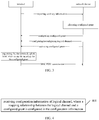
FIG. 1 is a first schematic diagram showing a step of a configured grant usage method according to an embodiment of the present disclosure; -
FIG. 2 is a schematic diagram showing interaction of Uu interface in a configured grant usage method according to an embodiment of the present disclosure; -
FIG. 3 is a schematic diagram showing interaction of sidelink interface in a configured grant usage method according to an embodiment of the present disclosure; -
FIG. 4 is a second schematic diagram showing a step of a configured grant usage method according to an embodiment of the present disclosure; -
FIG. 5 is a schematic structural diagram of each of a network device and a terminal according to an embodiment of the present disclosure; -
FIG. 6 is a first schematic structural diagram of a configured grant usage apparatus according to an embodiment of the present disclosure; and -
FIG. 7 is a second schematic structural diagram of a configured grant usage apparatus according to an embodiment of the present disclosure. - In order to make the technical problems to be solved, technical solutions and advantages of the present disclosure clearer, a detailed description is given hereinafter with reference to the accompanying drawings and specific embodiments.
- As shown in
FIG. 1 , one embodiment of the present disclosure provides a configured grant usage method performed by a network device. The method includes:
Step 101: transmitting configuration information of logical channel to a terminal, where a mapping relationship between the logical channel and a configured grant allocated to the terminal is configured in the configuration information. - It should be noted that the configured grant refers to periodic resource pre-configured by the network device for the terminal, which is specifically divided into type-1 configured grants and type-2 configured grants. Type-1 specifically means that the network configures location and cycle of resources for the terminal through radio resource control (RRC) signaling, without explicit signaling to activate configured grants. Type-2 means that the network configures cycle and radio network temporary identity (RNTI) of configured grants for the terminal through radio resource control (RRC) signaling, but specific time/frequency resources are carried by a configured grant activation signaling, i.e., physical downlink control channel (PDCCH). Specifically, when the network configures logical channel (LCH) restrictions for logical channel, it carries information of a configured grant allowed to be used by the logical channel.
- As an optional embodiment, the configuration information is a logical channel restriction corresponding to logical channel, and the logical channel restriction carries information of a configured grant allowed to be used by the logical channel.
- The information of a configured grant allowed to be used by the logical channel is used to indicate the mapping relationship between the logical channel and the configured grant allocated to the terminal.
- Optionally, in the foregoing embodiment of the present disclosure, the configured grant includes: type-1 configured grant and/or type-2 configured grant.
- Optionally, in the foregoing embodiment of the present disclosure, the logical channel includes: logical channel in Uu interface and/or logical channel in a sidelink interface (also referred to as a direct communication interface or an SL interface).
- Optionally, in the foregoing embodiment of the present disclosure, in a case that the logical channel is logical channel in Uu interface, the configured grant is: a configured grant of the Uu interface; and/or, in a case that the logical channel is logical channel in sidelink interface, the configured grant is: a configured grant of the sidelink interface. In short, the configured grant includes at least one of the following:
- Type-1 configured grant of the Uu interface;
- Type-2 configured grant of the Uu interface,
- Type-1 configured grant of the sidelink interface;
- Type-2 configured grant of the sidelink interface;
- configured grant of the Uu interface;
- configured grant of the sidelink interface.
- As an optional embodiment, the information of the configured grant allowed to be used by the logical channel carried in the logical channel restriction, is identifier information of the configured grant allowed to be used by the logical channel, such as an index of the configured grant allowed to be used by the logical channel.
- The type-1 configured grant of the Uu interface and the type-2 configured grant of the Uu interface may be indexed separately or collectively; or,
- the type-1 configured grant of the sidelink interface and the type-2 configured grant of the SL interface may be indexed separately or collectively; or,
- the configured grant of the Uu interface and the configured grant of the sidelink interface may be indexed separately or collectively.
- Optionally, in the foregoing embodiment of the present disclosure, the information of the configured grant allowed to be used by the logical channel carried by the logical channel restriction, includes at least one of the following information:
- first indication information of whether the logical channel is allowed to use the type-1 configured grant;
- second indication information of whether the logical channel is allowed to use the type-2 configured grant;
- a list of identifiers of configured grants allowed to be used by the logical channel; a situation where type-1 configured grants and type-2 configured grants are indexed collectively;
- a list of identifiers of type-1 configured grants allowed to be used by the logical channel;
- a situation where type-1 configured grants and type-2 configured grants are indexed separately; or,
- a list of identifiers of type-2 configured grants allowed to be used by the logical channel;
- a situation where type-1 configured grants and type-2 configured grants are indexed separately.
- In order to more clearly describe the configured grant usage method according to the embodiment of the present disclosure, the configured grant usage method is described in detail hereinafter with reference to four examples.
- First example with Uu interface and type-1 configured grants and type-2 configured grants being indexed collectively.
- As shown in
FIG. 2 , the configured grant usage method includes the following steps: Step 21: reporting auxiliary information; i.e., reporting, by a terminal, auxiliary information to a network device, where the auxiliary information is used to assist the network device to configure configured grants for Uu interface. - The auxiliary information includes, but is not limited to, the following content: logical channel identifier (LCID), period, offset and data packet size of logical channel of the terminal at the Uu interface.
- Step 22: allocating a configured grant; i.e., according to the auxiliary information reported by the terminal in the step 21, determining, by the network device, a configured grant allocated to the terminal.
- The configured grant may be, but are not limited to, type-1 and/or type-2 configured grants. In a case that an index of the configured grant is used to identify the configured grant, the type-1 configured grant and the type-2 configured grant are indexed collectively.
- Step 23: configuring the configured grant; i.e., transmitting, by the network device, configuration information of the configured grant to the terminal. In this configuration process, radio resource control (RRC) reconfiguration signaling may be used. The configuration information includes, but is not limited to: an identifier of the configured grant (such as an index of the configured grant), type indication information of the configured grant, a period corresponding to the configured grant, frequency domain resource indication information corresponding to the configured grant, modulation and coding scheme (MCS), etc.
- Step 24: configuring/reconfiguring logical channel; i.e., performing, by the network device, logical channel configuration. When the network device configures the logical channel for the terminal, the network device directly configures a mapping relationship between the logical channel and the configured grant. Specifically, when the network device configures a logical channel (LCH) restriction corresponding to the logical channel, the LCH restriction carries information of the configured grant allowed to be used by the logical channel.
- In specific implementation, since type 1 configured grants and type-2 configured grants are indexed uniformly, the corresponding LCH restriction related to the configured grant includes at least one or a combination of the following:
- first indication information of whether to allow to use the type-1 configured grant;
- second indication information of whether to allow to use the type-2 configured grant;
- a list of identifiers of configured grants allowed to be used (for example, a list of indexes of configured grants).
- The step 24 and the step 23 may use the same RRC reconfiguration signaling, or may use two RRC reconfiguration signalings. In a case of two RRC reconfiguration signaling, there is no strict requirement on transmission time of the two RRC reconfiguration signaling, for example, the signaling in the step 23 may be transmitted first, or the signaling in the step 24 may be transmitted first.
- Step 25: activating the configured grant; an optional step, this step is only required for the type-2 configured grant, and this step is used to activate the type-2 configured grant. Step 26: organizing, by the terminal, uplink MAC PDU on the Uu interface for the configured grant, i.e., logical channel priority (LCP) process. An example that the LCH restriction at least includes a list of identifiers of the configured grant allowed to be used, is used for illustration.
- First, for each uplink (UL) scheduling grant, selecting logical channel that is able to use the UL grant; for each UL grant, logical channel that is able to use the UL grant may be selected according to the following requirements (the following requirements need to be met at the same time):
- in a case that logical channels are configured with allowedSCS-List, it is needed to select logical channel with a configured allowedSCS-List including SCS of the UL grant;
- in a case that logical channels are configured with maxPUSCH-Duration, it is needed to select logical channel with a configured maxPUSCH-Duration being greater than or equal to a PUSCH transmission duration corresponding to the UL grant;
- in a case that logical channels are configured with a list of identifiers of configured grants allowed to be used, it is needed to select logical channel with a configured list of identifiers of configured grants allowed to be used including an identifier of a configured grant corresponding to the UL grant;
- the UL grant is in allowedServingCells configured for the logical channel.
- Then, for each UL grant, resource allocation is performed for the logical channel that is able to use the UL grant in a way including:
- for all logical channels with Bj (available tokens in a token bucket)>0, allocating resources required to meet PBR requirements in descending order of priorities;
- according to resource allocation in the previous step, updating the Bj of each logical channel;
- in a case there are remaining resources, allocating the remaining resources to various logical channels in the descending order of priorities of the various logical channels again, until the resources are exhausted or there is no data requiring for resource allocation.
- Step 27: MAC PDU transmission, i.e., performing data transmission according to the MAC PDU organized in the step 26 on the configured grant.
- Second example with Uu interface and type-1 configured grants and type-2 configured grants being indexed separately.
- As shown in
FIG. 2 , the configured grant usage method resources includes the following steps:
Step 31: reporting auxiliary information; i.e., reporting, by a terminal, auxiliary information to a network device, where the auxiliary information is used to assist the network device to configure configured grants for Uu interface. - The auxiliary information includes, but is not limited to, the following content: logical channel identifier (LCID), period, offset and data packet size of logical channel of the terminal at the Uu interface.
- Step 32: allocating a configured grant; i.e., according to the auxiliary information reported by the terminal in the step 31, determining, by the network device, a configured grant allocated to the terminal.
- The configured grant may be, but are not limited to, type-1 and/or type-2 configured grants. In a case that an index of the configured grant is used to identify the configured grant, the type-1 configured grant and the type-2 configured grant are indexed separately.
- Step 33: configuring the configured grant; i.e., transmitting, by the network device, configuration information of the configured grant to the terminal. In this configuration process, radio resource control (RRC) reconfiguration signaling may be used. The configuration information includes, but is not limited to: an identifier of the configured grant (such as an index of the configured grant), type indication information of the configured grant, a period corresponding to the configured grant, frequency domain resource indication information corresponding to the configured grant, modulation and coding scheme (MCS), etc.
- Step 34: configuring/reconfiguring logical channel; i.e., performing, by the network device, logical channel configuration. When the network device configures the logical channel for the terminal, the network device directly configures a mapping relationship between the logical channel and the configured grant. Specifically, when the network device configures a logical channel (LCH) restriction corresponding to the logical channel, the LCH restriction carries information of the configured grant allowed to be used by the logical channel.
- In specific implementation, since type 1 configured grants and type-2 configured grants are indexed separately, the corresponding LCH restriction related to the configured grant includes at least one or a combination of the following:
- first indication information of whether to allow to use the type-1 configured grant;
- second indication information of whether to allow to use the type-2 configured grant;
- a list of identifiers of configured grants allowed to be used under Type-1;
- a list of identifiers of configured grants allowed to be used under Type-2.
- The step 34 and the step 33 may use the same RRC reconfiguration signaling, or may use two RRC reconfiguration signalings. In a case of two RRC reconfiguration signaling, there is no strict requirement on transmission time of the two RRC reconfiguration signaling, for example, the signaling in the step 33 may be transmitted first, or the signaling in the step 34 may be transmitted first.
- Step 35: activating the configured grant; an optional step, this step is only required for the type-2 configured grant, and this step is used to activate the type-2 configured grant. Step 36: organizing, by the terminal, uplink MAC PDU on the Uu interface for the configured grant, i.e., logical channel priority (LCP) process. An example that the LCH restriction at least includes a list of identifiers of the configured grant allowed to be used under Type-2, is used for illustration.
- First, for each uplink (UL) scheduling grant, selecting logical channel that is able to use the UL grant; for each UL grant, logical channel that is able to use the UL grant may be selected according to the following requirements (the following requirements need to be met at the same time):
- in a case that logical channels are configured with allowedSCS-List, it is needed to select logical channel with a configured allowedSCS-List including SCS of the UL grant;
- in a case that logical channels are configured with maxPUSCH-Duration, it is needed to select logical channel with a configured maxPUSCH-Duration being greater than or equal to a PUSCH transmission duration corresponding to the UL grant;
- in a case that the UL grant is a type-2 configured grant, and the logical channels are configured with a list of identifiers of type-2 configured grants allowed to be used, it is needed to select logical channel with a configured list of identifiers of type-2 configured grants allowed to be used including an identifier of a configured grant corresponding to the UL grant;
- the UL grant is in allowedServingCells configured for the logical channel.
- Then, for each UL grant, resource allocation is performed for the logical channel that is able to use the UL grant in a way including:
- for all logical channels with Bj (available tokens in a token bucket)>0, allocating resources required to meet PBR requirements in descending order of priorities;
- according to resource allocation in the previous step, updating the Bj of each logical channel;
- in a case there are remaining resources, allocating the remaining resources to various logical channels in the descending order of priorities of the various logical channels again, until the resources are exhausted or there is no data requiring for resource allocation.
- Step 37: MAC PDU transmission, i.e., performing data transmission according to the MAC PDU organized in the step 36 on the configured grant.
- Third example with sidelink interface and type-1 configured grants and type-2 configured grants being indexed collectively.
- As shown in
FIG. 3 , the configured grant usage method resources includes the following steps:
Step 41: reporting auxiliary information; i.e., reporting, by a terminal, auxiliary information to a network device, where the auxiliary information is used to assist the network device to configure configured grants for SL interface. - The auxiliary information includes, but is not limited to, the following content: logical channel identifier (LCID), period, offset and data packet size of logical channel of the terminal at the SL interface.
- Step 42: allocating a configured grant; i.e., according to the auxiliary information reported by the terminal in the step 41, determining, by the network device, a configured grant allocated to the terminal.
- The configured grant may be, but are not limited to, type-1 and/or type-2 configured grants. In a case that an index of the configured grant is used to identify the configured grant, the type-1 configured grant and the type-2 configured grant are indexed collectively.
- Step 43: configuring the configured grant; i.e., transmitting, by the network device, configuration information of the configured grant to the terminal. In this configuration process, radio resource control (RRC) reconfiguration signaling may be used. The configuration information includes, but is not limited to: an identifier of the configured grant (such as an index of the configured grant), type indication information of the configured grant, a period corresponding to the configured grant, frequency domain resource indication information corresponding to the configured grant, modulation and coding scheme (MCS), etc.
- Step 44: configuring/reconfiguring logical channel; i.e., performing, by the network device, logical channel configuration. When the network device configures the logical channel for the terminal, the network device directly configures a mapping relationship between the logical channel and the configured grant. Specifically, when the network device configures a logical channel (LCH) restriction corresponding to the logical channel, the LCH restriction carries information of the configured grant allowed to be used by the logical channel.
- In specific implementation, since type 1 configured grants and type-2 configured grants are indexed uniformly, the corresponding LCH restriction related to the configured grant includes at least one or a combination of the following:
- first indication information of whether to allow to use the type-1 configured grant;
- second indication information of whether to allow to use the type-2 configured grant;
- a list of identifiers of configured grants allowed to be used (for example, a list of indexes of configured grants).
- The step 44 and the step 43 may use the same RRC reconfiguration signaling, or may use two RRC reconfiguration signalings. In a case of two RRC reconfiguration signaling, there is no strict requirement on transmission time of the two RRC reconfiguration signaling, for example, the signaling in the step 43 may be transmitted first, or the signaling in the step 44 may be transmitted first.
- Step 45: activating the configured grant; an optional step, this step is only required for the type-2 configured grant, and this step is used to activate the type-2 configured grant. Step 46: organizing, by the terminal, uplink MAC PDU on the SL interface for the configured grant, i.e., logical channel priority (LCP) process. An example that the LCH restriction at least includes a list of identifiers of the configured grant allowed to be used, is used for illustration.
- First, for each direct communication scheduling (SL) grant, selecting logical channel in the sidelink interface, which is able to use the SL grant; for each SL grant, logical channel that is able to use the SL grant may be selected according to the following requirements (the following requirements need to be met at the same time):
- in a case that logical channels are configured with allowedSCS-List, it is needed to select logical channel with a configured allowedSCS-List including SCS of the SL grant;
- in a case that logical channels are configured with a maximum TTI length allowed for the SL interface, then it is needed to select logical channel with a configured maximum TTI length being greater than or equal to a TTI length corresponding to the SL grant;
- in a case that logical channels are configured with a list of identifiers of configured grants allowed to be used, it is needed to select logical channel with a configured list of identifiers of configured grants allowed to be used including an identifier of a configured grant corresponding to the SL grant.
- Then, resource allocation is performed for each SL grant in a way including:
- further screening the selected logical channels in the sidelink interface to select logical channels with a target identifier in the sidelink interface, and sorting the selected logical channels in descending order of priorities;
- sequentially allocating resources to each logical channel in the sidelink interface in the determined descending order, until the resource is exhausted, or data of all logical channels corresponding to the target identifier in the sidelink interface has been allocated with resources.
- Step 47: MAC PDU transmission, i.e., performing data transmission according to the MAC PDU organized in the step 46 on the configured grant.
- Further example with sidelink interface and type-1 configured grants and type-2 configured grants being indexed separately.
- As shown in
FIG. 3 , the configured grant usage method resources includes the following steps:
Step 51: reporting auxiliary information; i.e., reporting, by a terminal, auxiliary information to a network device, where the auxiliary information is used to assist the network device to configure configured grants for SL interface. - The auxiliary information includes, but is not limited to, the following content: logical channel identifier (LCID), period, offset and data packet size of logical channel of the terminal at the SL interface.
- Step 52: allocating a configured grant; i.e., according to the auxiliary information reported by the terminal in the step 51, determining, by the network device, a configured grant allocated to the terminal.
- The configured grant may be, but are not limited to, type-1 and/or type-2 configured grants. In a case that an index of the configured grant is used to identify the configured grant, the type-1 configured grant and the type-2 configured grant are indexed separately.
- Step 53: configuring the configured grant; i.e., transmitting, by the network device, configuration information of the configured grant to the terminal. In this configuration process, radio resource control (RRC) reconfiguration signaling may be used. The configuration information includes, but is not limited to: an identifier of the configured grant (such as an index of the configured grant), type indication information of the configured grant, a period corresponding to the configured grant, frequency domain resource indication information corresponding to the configured grant, modulation and coding scheme (MCS), etc.
- Step 54: configuring/reconfiguring logical channel; i.e., performing, by the network device, logical channel configuration. When the network device configures the logical channel for the terminal, the network device directly configures a mapping relationship between the logical channel and the configured grant. Specifically, when the network device configures a logical channel (LCH) restriction corresponding to the logical channel, the LCH restriction carries information of the configured grant allowed to be used by the logical channel.
- In specific implementation, since type 1 configured grants and type-2 configured grants are indexed separately, the corresponding LCH restriction related to the configured grant includes at least one or a combination of the following:
- first indication information of whether to allow to use the type-1 configured grant;
- second indication information of whether to allow to use the type-2 configured grant;
- a list of identifiers of configured grants allowed to be used under Type-1;
- a list of identifiers of configured grants allowed to be used under Type 2.
- The step 54 and the step 53 may use the same RRC reconfiguration signaling, or may use two RRC reconfiguration signalings. In a case of two RRC reconfiguration signaling, there is no strict requirement on transmission time of the two RRC reconfiguration signaling, for example, the signaling in the step 53 may be transmitted first, or the signaling in the step 54 may be transmitted first.
- Step 55: activating the configured grant; an optional step, this step is only required for the type-2 configured grant, and this step is used to activate the type-2 configured grant. Step 56: organizing, by the terminal, uplink MAC PDU on the Uu interface for the configured grant, i.e., logical channel priority (LCP) process. An example that the LCH restriction at least includes a list of identifiers of the configured grant allowed to be used under Type-2, is used for illustration.
- First, for each direct communication scheduling (SL) grant, selecting logical channel in the sidelink interface, which is able to use the SL grant; for each SL grant, logical channel that is able to use the SL grant may be selected according to the following requirements (the following requirements need to be met at the same time):
- in a case that logical channels are configured with allowedSCS-List, it is needed to select logical channel with a configured allowedSCS-List including SCS of the SL grant;
- in a case that logical channels are configured with a maximum TTI length allowed for the SL interface, then it is needed to select logical channel with a configured maximum TTI length being greater than or equal to a TTI length corresponding to the SL grant;
- in a case that the SL grant is a type-2 configured grant, and the logical channels are configured with a list of identifiers of type-2 configured grants allowed to be used, it is needed to select logical channel with a configured list of identifiers of type-2 configured grants allowed to be used including an identifier of a configured grant corresponding to the SL grant.
- Then, resource allocation is performed for each SL grant in a way including:
- further screening the selected logical channels in the sidelink interface to select logical channels with a target identifier in the sidelink interface, and sorting the selected logical channels in descending order of priorities;
- sequentially allocating resources to each logical channel in the sidelink interface in the determined descending order, until the resource is exhausted, or data of all logical channels corresponding to the target identifier in the sidelink interface has been allocated with resources.
- Step 57: MAC PDU transmission, i.e., performing data transmission according to the MAC PDU organized in the step 56 on the configured grant.
- In summary, in the foregoing embodiments of the present disclosure, when the network device configures the logical channel for the terminal, a mapping relationship between the logical channel and the configured grant is directly configured, so that the terminal can determine the mapping relationship between the logical channel and the configured grant according to the configuration information of the logical channel. Therefore, this method has less impact on the priority of the logical channel.
- As shown in
FIG. 4 , one embodiment of the present disclosure further provides a configured grant usage method performed by a terminal. The method includes:
Step 401: receiving configuration information of logical channel, where a mapping relationship between the logical channel and a configured grant allocated by a network device to the terminal is configured in the configuration information. - Specifically, when the network configures logical channel (LCH) restrictions for logical channel, it carries information of a configured grant allowed to be used by the logical channel.
- As an optional embodiment, the configuration information is a logical channel restriction corresponding to logical channel, and the logical channel restriction carries information of a configured grant allowed to be used by the logical channel.
- The information of a configured grant allowed to be used by the logical channel is used to indicate the mapping relationship between the logical channel and the configured grant allocated to the terminal.
- Optionally, in the foregoing embodiment of the present disclosure, the configured grant includes: type-1 configured grant and/or type-2 configured grant.
- Optionally, in the foregoing embodiment of the present disclosure, the configured grant includes a configured grant of Uu interface and/or a configured grant of sidelink interface (also referred to as direct communication interface or an SL interface). Optionally, in the foregoing embodiment of the present disclosure, in a case that the logical channel is logical channel in Uu interface, the configured grant is: a configured grant of the Uu interface; and/or, in a case that the logical channel is logical channel in sidelink interface, the configured grant is: a configured grant of the sidelink interface. In short, the configured grant includes at least one of the following:
- Type-1 configured grant of the Uu interface;
- Type-2 configured grant of the Uu interface,
- Type-1 configured grant of the sidelink interface;
- Type-2 configured grant of the sidelink interface;
- configured grant of the Uu interface;
- configured grant of the sidelink interface.
- As an optional embodiment, the information of the configured grant allowed to be used by the logical channel carried in the logical channel restriction, is identifier information of the configured grant allowed to be used by the logical channel, such as an index of the configured grant allowed to be used by the logical channel.
- The type-1 configured grant of the Uu interface and the type-2 configured grant of the Uu interface may be indexed separately or collectively; or,
- the type-1 configured grant of the sidelink interface and the type-2 configured grant of the SL interface may be indexed separately or collectively; or,
- the configured grant of the Uu interface and the configured grant of the sidelink interface may be indexed separately or collectively.
- Optionally, in the foregoing embodiment of the present disclosure, the information of the configured grant allowed to be used by the logical channel carried by the logical channel restriction, includes at least one of the following information:
- first indication information of whether the logical channel is allowed to use the type-1 configured grant;
- second indication information of whether the logical channel is allowed to use the type-2 configured grant;
- a list of identifiers of configured grants allowed to be used by the logical channel; a situation where type-1 configured grants and type-2 configured grants are indexed collectively;
- a list of identifiers of type-1 configured grants allowed to be used by the logical channel;
- a situation where type-1 configured grants and type-2 configured grants are indexed separately; or,
- a list of identifiers of type-2 configured grants allowed to be used by the logical channel;
- a situation where type-1 configured grants and type-2 configured grants are indexed separately.
- In summary, in the foregoing embodiments of the present disclosure, when the network device configures the logical channel for the terminal, a mapping relationship between the logical channel and the configured grant is directly configured, so that the terminal can determine the mapping relationship between the logical channel and the configured grant according to the configuration information of the logical channel. Therefore, this method has less impact on the priority of the logical channel.
- As shown in
FIG. 5 , one embodiment of the present disclosure further provides a network device, including: atransceiver 520, amemory 510, aprocessor 500, and a program stored on thememory 510 and executable by theprocessor 500. Theprocessor 500 is configured to read the program in the memory and control thetransceiver 520 to execute the following process: transmitting configuration information of logical channel to a terminal, where a mapping relationship between the logical channel and a configured grant allocated to the terminal is configured in the configuration information. Optionally, in the foregoing embodiment of the present disclosure, the configured grant includes: type-1 configured grant and/or type-2 configured grant. - Optionally, in the foregoing embodiment of the present disclosure, the logical channel includes: logical channel on Uu interface and/or logical channel on sidelink interface.
- Optionally, in the foregoing embodiment of the present disclosure, in a case that the logical channel is logical channel in Uu interface, the configured grant is: a configured grant of the Uu interface;
in a case that the logical channel is logical channel in sidelink interface, the configured grant is: a configured grant of the sidelink interface. - Optionally, in the foregoing embodiment of the present disclosure, the configuration information is a logical channel restriction corresponding to logical channel, and the logical channel restriction carries information of a configured grant allowed to be used by the logical channel.
- The information of a configured grant allowed to be used by the logical channel is used to indicate the mapping relationship between the logical channel and the configured grant allocated to the terminal.
- Optionally, in the foregoing embodiment of the present disclosure, the information of the configured grant allowed to be used by the logical channel carried in the logical channel restriction, is an index of the configured grant allowed to be used by the logical channel.
- The type-1 configured grant of the Uu interface and the type-2 configured grant of the Uu interface may be indexed separately or collectively; or,
- the type-1 configured grant of the sidelink interface and the type-2 configured grant of the SL interface may be indexed separately or collectively; or,
- the configured grant of the Uu interface and the configured grant of the sidelink interface may be indexed separately or collectively.
- Optionally, in the foregoing embodiment of the present disclosure, the information of the configured grant allowed to be used by the logical channel carried by the logical channel restriction, includes at least one of the following information:
- first indication information of whether the logical channel is allowed to use the type-1 configured grant;
- second indication information of whether the logical channel is allowed to use the type-2 configured grant;
- a list of identifiers of configured grants allowed to be used by the logical channel;
- a list of identifiers of type-1 configured grants allowed to be used by the logical channel; or,
- a list of identifiers of type-2 configured grants allowed to be used by the logical channel. In summary, in the foregoing embodiments of the present disclosure, when the network device configures the logical channel for the terminal, a mapping relationship between the logical channel and the configured grant is directly configured, so that the terminal can determine the mapping relationship between the logical channel and the configured grant according to the configuration information of the logical channel. Therefore, this method has less impact on the priority of the logical channel.
- It should be noted that the network device provided in the embodiments of the present disclosure is a network device that can perform the foregoing configured grant usage method, and all the embodiments of the foregoing configured grant usage method are applicable to the network device with the same or similar beneficial effects being achieved.
- As shown in
FIG. 6 , one embodiment of the present disclosure further provides a configured grant usage apparatus applied to a network device. The configured grant usage apparatus includes:
atransmission module 61 configured to transmit configuration information of logical channel to a terminal, where a mapping relationship between the logical channel and a configured grant allocated to the terminal is configured in the configuration information. - Optionally, in the foregoing embodiment of the present disclosure, the configured grant includes: type-1 configured grant and/or type-2 configured grant.
- Optionally, in the foregoing embodiment of the present disclosure, the logical channel includes: logical channel on Uu interface and/or logical channel on sidelink interface.
- Optionally, in the foregoing embodiment of the present disclosure, in a case that the logical channel is logical channel in Uu interface, the configured grant is: a configured grant of the Uu interface; and/or,
in a case that the logical channel is logical channel in sidelink interface, the configured grant is: a configured grant of the sidelink interface. - Optionally, in the foregoing embodiment of the present disclosure, the configuration information is a logical channel restriction corresponding to logical channel, and the logical channel restriction carries information of a configured grant allowed to be used by the logical channel.
- The information of a configured grant allowed to be used by the logical channel is used to indicate the mapping relationship between the logical channel and the configured grant allocated to the terminal.
- Optionally, in the foregoing embodiment of the present disclosure, the information of the configured grant allowed to be used by the logical channel carried in the logical channel restriction, is an index of the configured grant allowed to be used by the logical channel.
- The type-1 configured grant of the Uu interface and the type-2 configured grant of the Uu interface may be indexed separately or collectively; or,
- the type-1 configured grant of the sidelink interface and the type-2 configured grant of the SL interface may be indexed separately or collectively; or,
- the configured grant of the Uu interface and the configured grant of the sidelink interface may be indexed separately or collectively.
- Optionally, in the foregoing embodiment of the present disclosure, the information of the configured grant allowed to be used by the logical channel carried by the logical channel restriction, includes at least one of the following information:
- first indication information of whether the logical channel is allowed to use the type-1 configured grant;
- second indication information of whether the logical channel is allowed to use the type-2 configured grant;
- a list of identifiers of configured grants allowed to be used by the logical channel;
- a list of identifiers of type-1 configured grants allowed to be used by the logical channel; or,
- a list of identifiers of type-2 configured grants allowed to be used by the logical channel.
- In summary, in the foregoing embodiments of the present disclosure, when the network device configures the logical channel for the terminal, a mapping relationship between the logical channel and the configured grant is directly configured, so that the terminal can determine the mapping relationship between the logical channel and the configured grant according to the configuration information of the logical channel. Therefore, this method has less impact on the priority of the logical channel.
- It should be noted that the configured grant usage apparatus provided in the embodiments of the present disclosure is an apparatus that can perform the foregoing configured grant usage method, and all the embodiments of the foregoing configured grant usage method are applicable to the apparatus with the same or similar beneficial effects being achieved.
- One embodiment of the present disclosure further provides a computer-readable storage medium on which a computer program is stored. The computer program is executed by a processor to perform various procedures of the foregoing configured grant usage method embodiments, with the same technical effect being achieved, which will not be repeated herein to avoid repetition. The computer-readable storage medium, may be, for example, a read-only memory (ROM), a random access memory (RAM), a magnetic disk, or an optical disk, etc.
- As shown in
FIG. 5 , one embodiment of the present disclosure further provides a terminal, including: atransceiver 520, amemory 510, aprocessor 500, and a program stored on thememory 510 and executable by theprocessor 500. Theprocessor 500 is configured to read the program in the memory and control thetransceiver 520 to execute the following process: receiving configuration information of logical channel, where a mapping relationship between the logical channel and a configured grant allocated by a network device to the terminal is configured in the configuration information. - Optionally, in the foregoing embodiment of the present disclosure, the configured grant includes: type-1 configured grant and/or type-2 configured grant.
- Optionally, in the foregoing embodiment of the present disclosure, the logical channel includes: logical channel on Uu interface and/or logical channel on sidelink interface.
- Optionally, in the foregoing embodiment of the present disclosure, in a case that the logical channel is logical channel in Uu interface, the configured grant is: a configured grant of the Uu interface; and/or, in a case that the logical channel is logical channel in sidelink interface, the configured grant is: a configured grant of the sidelink interface.
- Optionally, in the foregoing embodiment of the present disclosure, the configuration information is a logical channel restriction corresponding to logical channel, and the logical channel restriction carries information of a configured grant allowed to be used by the logical channel.
- The information of a configured grant allowed to be used by the logical channel is used to indicate the mapping relationship between the logical channel and the configured grant allocated to the terminal.
- Optionally, in the foregoing embodiment of the present disclosure, the information of the configured grant allowed to be used by the logical channel carried in the logical channel restriction, is an index of the configured grant allowed to be used by the logical channel.
- The type-1 configured grant of the Uu interface and the type-2 configured grant of the Uu interface may be indexed separately or collectively; or,
- the type-1 configured grant of the sidelink interface and the type-2 configured grant of the SL interface may be indexed separately or collectively; or,
- the configured grant of the Uu interface and the configured grant of the sidelink interface may be indexed separately or collectively.
- Optionally, in the foregoing embodiment of the present disclosure, the information of the configured grant allowed to be used by the logical channel carried by the logical channel restriction, includes at least one of the following information:
- first indication information of whether the logical channel is allowed to use the type-1 configured grant;
- second indication information of whether the logical channel is allowed to use the type-2 configured grant;
- a list of identifiers of configured grants allowed to be used by the logical channel;
- a list of identifiers of type-1 configured grants allowed to be used by the logical channel; or,
- a list of identifiers of type-2 configured grants allowed to be used by the logical channel.
- In summary, in the foregoing embodiments of the present disclosure, when the network device configures the logical channel for the terminal, a mapping relationship between the logical channel and the configured grant is directly configured, so that the terminal can determine the mapping relationship between the logical channel and the configured grant according to the configuration information of the logical channel. Therefore, this method has less impact on the priority of the logical channel.
- It should be noted that the terminal provided in the embodiments of the present disclosure is a terminal that can perform the foregoing configured grant usage method, and all the embodiments of the foregoing configured grant usage method are applicable to the terminal with the same or similar beneficial effects being achieved.
- As shown in
FIG. 7 , one embodiment of the present disclosure further provides a configured grant usage apparatus applied to a terminal. The configured grant usage apparatus includes:
a receivingmodule 71 configured to receive configuration information of logical channel, where a mapping relationship between the logical channel and a configured grant allocated by a network device to the terminal is configured in the configuration information. - Optionally, in the foregoing embodiment of the present disclosure, the configured grant includes: type-1 configured grant and/or type-2 configured grant.
- Optionally, in the foregoing embodiment of the present disclosure, the logical channel includes: logical channel on Uu interface and/or logical channel on sidelink interface. Optionally, in the foregoing embodiment of the present disclosure, in a case that the logical channel is logical channel in Uu interface, the configured grant is: a configured grant of the Uu interface; and/or,
in a case that the logical channel is logical channel in sidelink interface, the configured grant is: a configured grant of the sidelink interface. - Optionally, in the foregoing embodiment of the present disclosure, the configuration information is a logical channel restriction corresponding to logical channel, and the logical channel restriction carries information of a configured grant allowed to be used by the logical channel.
- The information of a configured grant allowed to be used by the logical channel is used to indicate the mapping relationship between the logical channel and the configured grant allocated to the terminal.
- Optionally, in the foregoing embodiment of the present disclosure, the information of the configured grant allowed to be used by the logical channel carried in the logical channel restriction, is an index of the configured grant allowed to be used by the logical channel.
- The type-1 configured grant of the Uu interface and the type-2 configured grant of the Uu interface may be indexed separately or collectively; or,
- the type-1 configured grant of the sidelink interface and the type-2 configured grant of the SL interface may be indexed separately or collectively; or,
- the configured grant of the Uu interface and the configured grant of the sidelink interface may be indexed separately or collectively.
- Optionally, in the foregoing embodiment of the present disclosure, the information of the configured grant allowed to be used by the logical channel carried by the logical channel restriction, includes at least one of the following information:
- first indication information of whether the logical channel is allowed to use the type-1 configured grant;
- second indication information of whether the logical channel is allowed to use the type-2 configured grant;
- a list of identifiers of configured grants allowed to be used by the logical channel;
- a list of identifiers of type-1 configured grants allowed to be used by the logical channel; or,
- a list of identifiers of type-2 configured grants allowed to be used by the logical channel.
- In summary, in the foregoing embodiments of the present disclosure, when the network device configures the logical channel for the terminal, a mapping relationship between the logical channel and the configured grant is directly configured, so that the terminal can determine the mapping relationship between the logical channel and the configured grant according to the configuration information of the logical channel. Therefore, this method has less impact on the priority of the logical channel.
- It should be noted that the configured grant usage apparatus provided in the embodiments of the present disclosure is an apparatus that can perform the foregoing configured grant usage method, and all the embodiments of the foregoing configured grant usage method are applicable to the apparatus with the same or similar beneficial effects being achieved.
- One embodiment of the present disclosure further provides a computer-readable storage medium on which a computer program is stored. The computer program is executed by a processor to perform various procedures of the foregoing configured grant usage method embodiments, with the same technical effect being achieved, which will not be repeated herein to avoid repetition. The computer-readable storage medium, may be, for example, a read-only memory (ROM), a random access memory (RAM), a magnetic disk, or an optical disk, etc.
- It should be noted that the terms "include", "comprise", or any of their variants are intended to cover a non-exclusive inclusion, such that a process, a method, an article, or an apparatus that includes a list of elements not only includes those elements but also includes other elements that are not expressly listed, or further includes elements inherent to such process, method, article, or apparatus. In absence of more constraints, an element preceded by "includes a..." does not preclude the existence of other identical elements in the process, method, article, or apparatus that includes the element.
- According to the description of the foregoing implementations, a person skilled in the art can clearly understand that the method in the foregoing embodiments may be implemented by software on a necessary universal hardware platform or by hardware only. In most cases, the former is a more preferred implementation. Based on such an understanding, the technical solutions of this disclosure essentially or a part thereof that contributes to related technologies may be embodied in a form of a software product. The computer software product is stored in a storage medium (for example, a ROM/RAM, a magnetic disk, or an optical disc), and includes several instructions for instructing a terminal (which may be a mobile phone, a computer, a server, an air conditioner, a network device, or the like) to perform the methods described in the embodiments of this disclosure.
- The embodiments of this disclosure are described above with reference to the accompanying drawings, but this disclosure is not limited to the foregoing implementations. The foregoing implementations are only illustrative rather than restrictive. Inspired by this disclosure, a person of ordinary skill in the art can still derive many variations without departing from the essence of this disclosure and the protection scope of the claims. All these variations shall fall within the protection of this disclosure. The above are optional embodiments of the present disclosure. It should be noted that those skilled in the art may make several improvements and modifications without departing from the principles of the present disclosure and these improvements and modifications are covered by the protection scope of the present disclosure.
Claims (31)
- A configured grant usage method performed by a network device, comprising:
transmitting configuration information of logical channel to a terminal, wherein a mapping relationship between the logical channel and a configured grant is configured in the configuration information. - The method according to claim 1, wherein the configured grant includes: type-1 configured grant and/or type-2 configured grant.
- The method according to claim 1, wherein the logical channel includes: logical channel in Uu interface and/or logical channel in sidelink interface.
- The method according to claim 3, whereinin a case that the logical channel is the logical channel in the Uu interface, the configured grant is: a configured grant of the Uu interface; and/or,in a case that the logical channel is the logical channel in the sidelink interface, the configured grant is: a configured grant of the sidelink interface.
- The method according to claim 1, wherein the configuration information is a logical channel restriction corresponding to the logical channel, and the logical channel restriction carries information of a configured grant allowed to be used by the logical channel;
the information of the configured grant allowed to be used by the logical channel indicates the mapping relationship between the logical channel and the configured grant allocated to the terminal. - The method according to claim 5, wherein the information of the configured grant allowed to be used by the logical channel carried in the logical channel restriction, is an index of the configured grant allowed to be used by the logical channel;type-1 configured grants of Uu interface and type-2 configured grants of the Uu interface are indexed separately or collectively; or,type-1 configured grants of sidelink interface and type-2 configured grants of the sidelink interface are indexed separately or collectively; or,configured grants of the Uu interface and configured grants of the sidelink interface are indexed separately or collectively.
- The method according to claim 5, wherein the information of the configured grant allowed to be used by the logical channel carried by the logical channel restriction, includes at least one of the following information:first indication information of whether the logical channel is allowed to use a type-1 configured grant;second indication information of whether the logical channel is allowed to use a type-2 configured grant;a list of identifiers of configured grants allowed to be used by the logical channel;a list of identifiers of type-1 configured grants allowed to be used by the logical channel; or,a list of identifiers of type-2 configured grants allowed to be used by the logical channel.
- A configured grant usage method performed by a terminal, comprising:
receiving configuration information of logical channel, wherein a mapping relationship between the logical channel and a configured grant allocated by a network device to the terminal is configured in the configuration information. - The method according to claim 8, wherein the configured grant includes: type-1 configured grant and/or type-2 configured grant.
- The method according to claim 8, wherein the configured grant includes a configured grant of Uu interface and/or a configured grant of sidelink interface.
- The method according to claim 10, whereinin a case that the logical channel is logical channel in the Uu interface, the configured grant is: a configured grant of the Uu interface; and/or,in a case that the logical channel is logical channel in the sidelink interface, the configured grant is: a configured grant of the sidelink interface.
- The method according to claim 8, wherein the configuration information is a logical channel restriction corresponding to the logical channel, and the logical channel restriction carries information of a configured grant allowed to be used by the logical channel;
the information of the configured grant allowed to be used by the logical channel indicates the mapping relationship between the logical channel and the configured grant allocated to the terminal. - The method according to claim 12, wherein the information of the configured grant allowed to be used by the logical channel carried in the logical channel restriction, is an index of the configured grant allowed to be used by the logical channel;type-1 configured grants of Uu interface and type-2 configured grants of the Uu interface are indexed separately or collectively; or,type-1 configured grants of sidelink interface and type-2 configured grants of the sidelink interface are indexed separately or collectively; or,configured grants of the Uu interface and configured grants of the sidelink interface are indexed separately or collectively.
- The method according to claim 12, wherein the information of the configured grant allowed to be used by the logical channel carried by the logical channel restriction, includes at least one of the following information:first indication information of whether the logical channel is allowed to use a type-1 configured grant;second indication information of whether the logical channel is allowed to use a type-2 configured grant;a list of identifiers of configured grants allowed to be used by the logical channel;a list of identifiers of type-1 configured grants allowed to be used by the logical channel; or,a list of identifiers of type-2 configured grants allowed to be used by the logical channel.
- A network device, comprising: a transceiver, a memory, a processor, and a program stored in the memory and executable by the processor;
wherein the processor is used to read the program in the memory and control the transceiver to perform the following process: transmitting configuration information of logical channel to a terminal, wherein a mapping relationship between the logical channel and a configured grant allocated to the terminal is configured in the configuration information. - The network device according to claim 15, wherein the configured grant includes: type-1 configured grant and/or type-2 configured grant.
- The network device according to claim 15, wherein the logical channel includes: logical channel in Uu interface and/or logical channel in sidelink interface.
- The network device according to claim 17, whereinin a case that the logical channel is the logical channel in the Uu interface, the configured grant is: a configured grant of the Uu interface; and/or,in a case that the logical channel is the logical channel in the sidelink interface, the configured grant is: a configured grant of the sidelink interface.
- The network device according to claim 15, wherein the configuration information is a logical channel restriction corresponding to the logical channel, and the logical channel restriction carries information of a configured grant allowed to be used by the logical channel;
the information of the configured grant allowed to be used by the logical channel indicates the mapping relationship between the logical channel and the configured grant allocated to the terminal. - The network device according to claim 19, wherein the information of the configured grant allowed to be used by the logical channel carried in the logical channel restriction, is an index of the configured grant allowed to be used by the logical channel;type-1 configured grants of Uu interface and type-2 configured grants of the Uu interface are indexed separately or collectively; or,type-1 configured grants of sidelink interface and type-2 configured grants of the sidelink interface are indexed separately or collectively; or,configured grants of the Uu interface and configured grants of the sidelink interface are indexed separately or collectively.
- The network device according to claim 19, wherein the information of the configured grant allowed to be used by the logical channel carried by the logical channel restriction, includes at least one of the following information:first indication information of whether the logical channel is allowed to use a type-1 configured grant;second indication information of whether the logical channel is allowed to use a type-2 configured grant;a list of identifiers of configured grants allowed to be used by the logical channel;a list of identifiers of type-1 configured grants allowed to be used by the logical channel; or,a list of identifiers of type-2 configured grants allowed to be used by the logical channel.
- A configured grant usage apparatus applied to a network device, comprising:
a transmission module configured to transmit configuration information of logical channel to a terminal, wherein a mapping relationship between the logical channel and a configured grant allocated to the terminal is configured in the configuration information. - A terminal, comprising: a transceiver, a memory, a processor, and a program stored in the memory and executable by the processor;
wherein the processor is used to read the program in the memory and control the transceiver to perform the following process: receiving configuration information of logical channel, wherein a mapping relationship between the logical channel and a configured grant allocated by a network device to the terminal is configured in the configuration information. - The terminal according to claim 23, wherein the configured grant includes: type-1 configured grant and/or type-2 configured grant.
- The terminal according to claim 23, wherein the configured grant includes a configured grant of Uu interface and/or a configured grant of sidelink interface.
- The terminal according to claim 25, whereinin a case that the logical channel is logical channel in the Uu interface, the configured grant is: a configured grant of the Uu interface; and/or,in a case that the logical channel is logical channel in the sidelink interface, the configured grant is: a configured grant of the sidelink interface.
- The terminal according to claim 23, wherein the configuration information is a logical channel restriction corresponding to the logical channel, and the logical channel restriction carries information of a configured grant allowed to be used by the logical channel;
the information of the configured grant allowed to be used by the logical channel indicates the mapping relationship between the logical channel and the configured grant allocated to the terminal. - The terminal according to claim 27, wherein the information of the configured grant allowed to be used by the logical channel carried in the logical channel restriction, is an index of the configured grant allowed to be used by the logical channel;type-1 configured grants of Uu interface and type-2 configured grants of the Uu interface are indexed separately or collectively; or,type-1 configured grants of sidelink interface and type-2 configured grants of the sidelink interface are indexed separately or collectively; or,configured grants of the Uu interface and configured grants of the sidelink interface are indexed separately or collectively.
- The terminal according to claim 27, wherein the information of the configured grant allowed to be used by the logical channel carried by the logical channel restriction, includes at least one of the following information:first indication information of whether the logical channel is allowed to use a type-1 configured grant;second indication information of whether the logical channel is allowed to use a type-2 configured grant;a list of identifiers of configured grants allowed to be used by the logical channel;a list of identifiers of type-1 configured grants allowed to be used by the logical channel; or,a list of identifiers of type-2 configured grants allowed to be used by the logical channel.
- A configured grant usage apparatus applied to a terminal, comprising:
a receiving module configured to receive configuration information of logical channel, wherein a mapping relationship between the logical channel and a configured grant allocated by a network device to the terminal is configured in the configuration information. - A computer-readable storage medium comprising a program stored thereon; wherein the program is executed by a processor to perform steps of the configured grant usage method according to any one of claims 1 to 7, or the program is executed by a processor to perform steps of the configured grant usage method according to any one of claims 8 to 14.
Applications Claiming Priority (2)
| Application Number | Priority Date | Filing Date | Title |
|---|---|---|---|
| CN201811526608.2A CN111328137B (en) | 2018-12-13 | 2018-12-13 | Method and device for using pre-configured resources, network side equipment and terminal |
| PCT/CN2019/102757 WO2020119182A1 (en) | 2018-12-13 | 2019-08-27 | Method and apparatus for using preconfigured resource, network side device, and terminal |
Publications (2)
| Publication Number | Publication Date |
|---|---|
| EP3897061A1 true EP3897061A1 (en) | 2021-10-20 |
| EP3897061A4 EP3897061A4 (en) | 2022-01-19 |
Family
ID=71076766
Family Applications (1)
| Application Number | Title | Priority Date | Filing Date |
|---|---|---|---|
| EP19895714.4A Pending EP3897061A4 (en) | 2018-12-13 | 2019-08-27 | METHOD AND APPARATUS FOR USING A PRECONFIGURED RESOURCE, NETWORK-SIDE DEVICE, AND TERMINAL |
Country Status (5)
| Country | Link |
|---|---|
| US (1) | US12335959B2 (en) |
| EP (1) | EP3897061A4 (en) |
| KR (1) | KR102806761B1 (en) |
| CN (1) | CN111328137B (en) |
| WO (1) | WO2020119182A1 (en) |
Cited By (1)
| Publication number | Priority date | Publication date | Assignee | Title |
|---|---|---|---|---|
| EP4645988A4 (en) * | 2022-12-29 | 2026-04-15 | Datang mobile communications equipment co ltd | INFORMATION PROCESSING METHOD AND DEVICE, TRANSMISSION METHOD AND DEVICE, FINISH DEVICE AND NETWORK-SIDE DEVICE |
Families Citing this family (5)
| Publication number | Priority date | Publication date | Assignee | Title |
|---|---|---|---|---|
| EP3985905B1 (en) * | 2019-07-26 | 2024-02-14 | Guangdong Oppo Mobile Telecommunications Corp., Ltd. | Method and device based on duplicate data transmission |
| WO2021081824A1 (en) * | 2019-10-30 | 2021-05-06 | Oppo广东移动通信有限公司 | Wireless communication method and terminal device |
| WO2021091311A1 (en) * | 2019-11-06 | 2021-05-14 | 삼성전자 주식회사 | Method and device for applying logical channel limitation in wireless communication system |
| US12096449B2 (en) * | 2020-08-20 | 2024-09-17 | Qualcomm Incorporated | Configured grant scheduling request |
| CN117835438A (en) * | 2022-09-29 | 2024-04-05 | 华为技术有限公司 | Data transmission method and related products |
Family Cites Families (9)
| Publication number | Priority date | Publication date | Assignee | Title |
|---|---|---|---|---|
| US8873474B2 (en) * | 2008-10-17 | 2014-10-28 | Telefonaktiebolaget L M Ericsson (Publ) | Method and mobile terminal providing priority-based uplink scheduling information |
| CN103313396B (en) * | 2012-03-07 | 2016-03-09 | 普天信息技术研究院有限公司 | Logic channel group technology in a kind of LTE system |
| KR102096505B1 (en) * | 2016-04-01 | 2020-04-02 | 엘지전자 주식회사 | V2X transmission resource selection method performed by a terminal in a wireless communication system and a terminal using the method |
| CN108632779B (en) | 2017-03-17 | 2023-03-24 | 中兴通讯股份有限公司 | Resource allocation method and device and resource reservation method and device |
| KR102349604B1 (en) * | 2017-05-04 | 2022-01-11 | 삼성전자 주식회사 | A method and apparatus for uplink scheduling based on logical channel priority in a mobile communication system |
| CN108811152B (en) * | 2017-05-05 | 2024-01-02 | 华为技术有限公司 | Resource application methods and equipment |
| KR20210021059A (en) * | 2018-06-20 | 2021-02-24 | 콘비다 와이어리스, 엘엘씨 | Realization of quality of service in multi-hop data delivery |
| CN110944395B (en) | 2018-09-21 | 2022-02-25 | 华为技术有限公司 | Method and apparatus for wireless scheduling |
| CN110972197B (en) * | 2018-09-28 | 2021-12-28 | 华为技术有限公司 | Data transmission method, terminal and storage medium |
-
2018
- 2018-12-13 CN CN201811526608.2A patent/CN111328137B/en active Active
-
2019
- 2019-08-27 US US17/312,908 patent/US12335959B2/en active Active
- 2019-08-27 KR KR1020217021590A patent/KR102806761B1/en active Active
- 2019-08-27 EP EP19895714.4A patent/EP3897061A4/en active Pending
- 2019-08-27 WO PCT/CN2019/102757 patent/WO2020119182A1/en not_active Ceased
Cited By (1)
| Publication number | Priority date | Publication date | Assignee | Title |
|---|---|---|---|---|
| EP4645988A4 (en) * | 2022-12-29 | 2026-04-15 | Datang mobile communications equipment co ltd | INFORMATION PROCESSING METHOD AND DEVICE, TRANSMISSION METHOD AND DEVICE, FINISH DEVICE AND NETWORK-SIDE DEVICE |
Also Published As
| Publication number | Publication date |
|---|---|
| EP3897061A4 (en) | 2022-01-19 |
| CN111328137B (en) | 2023-04-07 |
| KR20210096277A (en) | 2021-08-04 |
| US20220070914A1 (en) | 2022-03-03 |
| KR102806761B1 (en) | 2025-05-12 |
| US12335959B2 (en) | 2025-06-17 |
| CN111328137A (en) | 2020-06-23 |
| WO2020119182A1 (en) | 2020-06-18 |
Similar Documents
| Publication | Publication Date | Title |
|---|---|---|
| US12335959B2 (en) | Configured grant usage method and apparatus, network device and terminal | |
| US11516820B2 (en) | Resource allocation method for sidelink and terminal | |
| EP3826343B1 (en) | Separate configuration of numerology-associated resources | |
| EP3549376B1 (en) | Transmission with multiple numerologies in new radio system | |
| US12464564B2 (en) | Collision handling of configured grant based autonomous uplink transmissions | |
| CN107294897B9 (en) | Downlink information sending and receiving method and device | |
| CN115913506B (en) | Enhancement of new wireless equipment with reduced capabilities | |
| KR102750876B1 (en) | Method for determining and configuring scheduling request resources, devices and storage media | |
| CN110225547B (en) | Scheduling request sending and receiving method, terminal and network side equipment | |
| EP3457773B1 (en) | Resource indication methods and related apparatus | |
| CN106954277B (en) | Scheduling request processing method and device | |
| WO2011095069A1 (en) | Method, device and system for indicating resource allocation mode | |
| CN101715237A (en) | Uplink transmission method and device based on competition | |
| CN109803412B (en) | Resource mapping method, resource determining method, network side equipment and user terminal | |
| JP7608436B2 (en) | User Equipment and Scheduling Device | |
| CN107041014A (en) | A kind of accidental access method, base station and terminal | |
| EP3522636A1 (en) | Medium access control layer structure, data transmission method, network equipment, and terminal | |
| US11395317B2 (en) | Information sending and receiving method, and information sending and receiving apparatus | |
| TWI821216B (en) | Method for transmitting data, terminal device and network device | |
| CN108811090B (en) | Resource allocation indication method, device, network side equipment and user equipment | |
| JP2014520481A (en) | Method and configuration in communication system | |
| EP3386255A1 (en) | Method and device for sending control signal | |
| CN108811104A (en) | Wireless resource allocation method and device | |
| CN121264157A (en) | UTO signaling for XR design | |
| CN111328138B (en) | Method, device and terminal for organizing MAC PDU |
Legal Events
| Date | Code | Title | Description |
|---|---|---|---|
| STAA | Information on the status of an ep patent application or granted ep patent |
Free format text: STATUS: THE INTERNATIONAL PUBLICATION HAS BEEN MADE |
|
| PUAI | Public reference made under article 153(3) epc to a published international application that has entered the european phase |
Free format text: ORIGINAL CODE: 0009012 |
|
| STAA | Information on the status of an ep patent application or granted ep patent |
Free format text: STATUS: REQUEST FOR EXAMINATION WAS MADE |
|
| 17P | Request for examination filed |
Effective date: 20210615 |
|
| AK | Designated contracting states |
Kind code of ref document: A1 Designated state(s): AL AT BE BG CH CY CZ DE DK EE ES FI FR GB GR HR HU IE IS IT LI LT LU LV MC MK MT NL NO PL PT RO RS SE SI SK SM TR |
|
| A4 | Supplementary search report drawn up and despatched |
Effective date: 20211222 |
|
| RIC1 | Information provided on ipc code assigned before grant |
Ipc: H04W 72/14 20090101ALN20211216BHEP Ipc: H04L 5/00 20060101ALI20211216BHEP Ipc: H04W 72/12 20090101AFI20211216BHEP |
|
| DAV | Request for validation of the european patent (deleted) | ||
| DAX | Request for extension of the european patent (deleted) | ||
| STAA | Information on the status of an ep patent application or granted ep patent |
Free format text: STATUS: EXAMINATION IS IN PROGRESS |
|
| 17Q | First examination report despatched |
Effective date: 20231221 |
|
| REG | Reference to a national code |
Ref country code: DE Ref legal event code: R079 Free format text: PREVIOUS MAIN CLASS: H04W0072120000 Ipc: H04L0005000000 |
|
| GRAP | Despatch of communication of intention to grant a patent |
Free format text: ORIGINAL CODE: EPIDOSNIGR1 |
|
| STAA | Information on the status of an ep patent application or granted ep patent |
Free format text: STATUS: GRANT OF PATENT IS INTENDED |
|
| RIC1 | Information provided on ipc code assigned before grant |
Ipc: H04L 5/00 20060101AFI20260225BHEP Ipc: H04W 72/23 20230101ALN20260225BHEP |
|
| INTG | Intention to grant announced |
Effective date: 20260305 |