EP3893620B1 - Motor controller electronics arrangements with passively cooled feeder cables - Google Patents
Motor controller electronics arrangements with passively cooled feeder cables Download PDFInfo
- Publication number
- EP3893620B1 EP3893620B1 EP21167832.1A EP21167832A EP3893620B1 EP 3893620 B1 EP3893620 B1 EP 3893620B1 EP 21167832 A EP21167832 A EP 21167832A EP 3893620 B1 EP3893620 B1 EP 3893620B1
- Authority
- EP
- European Patent Office
- Prior art keywords
- feeder cable
- motor controller
- pcm
- phase
- solid
- Prior art date
- Legal status (The legal status is an assumption and is not a legal conclusion. Google has not performed a legal analysis and makes no representation as to the accuracy of the status listed.)
- Active
Links
Images


Classifications
-
- H—ELECTRICITY
- H05—ELECTRIC TECHNIQUES NOT OTHERWISE PROVIDED FOR
- H05K—PRINTED CIRCUITS; CASINGS OR CONSTRUCTIONAL DETAILS OF ELECTRIC APPARATUS; MANUFACTURE OF ASSEMBLAGES OF ELECTRICAL COMPONENTS
- H05K7/00—Constructional details common to different types of electric apparatus
- H05K7/20—Modifications to facilitate cooling, ventilating, or heating
- H05K7/2089—Modifications to facilitate cooling, ventilating, or heating for power electronics, e.g. for inverters for controlling motor
-
- B—PERFORMING OPERATIONS; TRANSPORTING
- B60—VEHICLES IN GENERAL
- B60L—PROPULSION OF ELECTRICALLY-PROPELLED VEHICLES; SUPPLYING ELECTRIC POWER FOR AUXILIARY EQUIPMENT OF ELECTRICALLY-PROPELLED VEHICLES; ELECTRODYNAMIC BRAKE SYSTEMS FOR VEHICLES IN GENERAL; MAGNETIC SUSPENSION OR LEVITATION FOR VEHICLES; MONITORING OPERATING VARIABLES OF ELECTRICALLY-PROPELLED VEHICLES; ELECTRIC SAFETY DEVICES FOR ELECTRICALLY-PROPELLED VEHICLES
- B60L50/00—Electric propulsion with power supplied within the vehicle
- B60L50/50—Electric propulsion with power supplied within the vehicle using propulsion power supplied by batteries or fuel cells
- B60L50/60—Electric propulsion with power supplied within the vehicle using propulsion power supplied by batteries or fuel cells using power supplied by batteries
-
- B—PERFORMING OPERATIONS; TRANSPORTING
- B64—AIRCRAFT; AVIATION; COSMONAUTICS
- B64D—EQUIPMENT FOR FITTING IN OR TO AIRCRAFT; FLIGHT SUITS; PARACHUTES; ARRANGEMENT OR MOUNTING OF POWER PLANTS OR PROPULSION TRANSMISSIONS IN AIRCRAFT
- B64D27/00—Arrangement or mounting of power plants in aircraft; Aircraft characterised by the type or position of power plants
- B64D27/02—Aircraft characterised by the type or position of power plants
- B64D27/30—Aircraft characterised by electric power plants
- B64D27/35—Arrangements for on-board electric energy production, distribution, recovery or storage
- B64D27/357—Arrangements for on-board electric energy production, distribution, recovery or storage using batteries
-
- B—PERFORMING OPERATIONS; TRANSPORTING
- B64—AIRCRAFT; AVIATION; COSMONAUTICS
- B64D—EQUIPMENT FOR FITTING IN OR TO AIRCRAFT; FLIGHT SUITS; PARACHUTES; ARRANGEMENT OR MOUNTING OF POWER PLANTS OR PROPULSION TRANSMISSIONS IN AIRCRAFT
- B64D31/00—Power plant control systems; Arrangement of power plant control systems in aircraft
- B64D31/16—Power plant control systems; Arrangement of power plant control systems in aircraft for electric power plants
- B64D31/18—Power plant control systems; Arrangement of power plant control systems in aircraft for electric power plants for hybrid-electric power plants
-
- B—PERFORMING OPERATIONS; TRANSPORTING
- B64—AIRCRAFT; AVIATION; COSMONAUTICS
- B64D—EQUIPMENT FOR FITTING IN OR TO AIRCRAFT; FLIGHT SUITS; PARACHUTES; ARRANGEMENT OR MOUNTING OF POWER PLANTS OR PROPULSION TRANSMISSIONS IN AIRCRAFT
- B64D33/00—Arrangement in aircraft of power plant parts or auxiliaries not otherwise provided for
- B64D33/08—Arrangement in aircraft of power plant parts or auxiliaries not otherwise provided for of power plant cooling systems
-
- H—ELECTRICITY
- H02—GENERATION; CONVERSION OR DISTRIBUTION OF ELECTRIC POWER
- H02P—CONTROL OR REGULATION OF ELECTRIC MOTORS, ELECTRIC GENERATORS OR DYNAMO-ELECTRIC CONVERTERS; CONTROLLING TRANSFORMERS, REACTORS OR CHOKE COILS
- H02P29/00—Arrangements for regulating or controlling electric motors, appropriate for both AC and DC motors
- H02P29/60—Controlling or determining the temperature of the motor or of the drive
-
- H—ELECTRICITY
- H02—GENERATION; CONVERSION OR DISTRIBUTION OF ELECTRIC POWER
- H02P—CONTROL OR REGULATION OF ELECTRIC MOTORS, ELECTRIC GENERATORS OR DYNAMO-ELECTRIC CONVERTERS; CONTROLLING TRANSFORMERS, REACTORS OR CHOKE COILS
- H02P29/00—Arrangements for regulating or controlling electric motors, appropriate for both AC and DC motors
- H02P29/60—Controlling or determining the temperature of the motor or of the drive
- H02P29/68—Controlling or determining the temperature of the motor or of the drive based on the temperature of a drive component or a semiconductor component
-
- B—PERFORMING OPERATIONS; TRANSPORTING
- B60—VEHICLES IN GENERAL
- B60L—PROPULSION OF ELECTRICALLY-PROPELLED VEHICLES; SUPPLYING ELECTRIC POWER FOR AUXILIARY EQUIPMENT OF ELECTRICALLY-PROPELLED VEHICLES; ELECTRODYNAMIC BRAKE SYSTEMS FOR VEHICLES IN GENERAL; MAGNETIC SUSPENSION OR LEVITATION FOR VEHICLES; MONITORING OPERATING VARIABLES OF ELECTRICALLY-PROPELLED VEHICLES; ELECTRIC SAFETY DEVICES FOR ELECTRICALLY-PROPELLED VEHICLES
- B60L2200/00—Type of vehicles
- B60L2200/10—Air crafts
-
- B—PERFORMING OPERATIONS; TRANSPORTING
- B64—AIRCRAFT; AVIATION; COSMONAUTICS
- B64D—EQUIPMENT FOR FITTING IN OR TO AIRCRAFT; FLIGHT SUITS; PARACHUTES; ARRANGEMENT OR MOUNTING OF POWER PLANTS OR PROPULSION TRANSMISSIONS IN AIRCRAFT
- B64D27/00—Arrangement or mounting of power plants in aircraft; Aircraft characterised by the type or position of power plants
- B64D27/02—Aircraft characterised by the type or position of power plants
- B64D27/026—Aircraft characterised by the type or position of power plants comprising different types of power plants, e.g. combination of a piston engine and a gas-turbine
-
- B—PERFORMING OPERATIONS; TRANSPORTING
- B64—AIRCRAFT; AVIATION; COSMONAUTICS
- B64D—EQUIPMENT FOR FITTING IN OR TO AIRCRAFT; FLIGHT SUITS; PARACHUTES; ARRANGEMENT OR MOUNTING OF POWER PLANTS OR PROPULSION TRANSMISSIONS IN AIRCRAFT
- B64D27/00—Arrangement or mounting of power plants in aircraft; Aircraft characterised by the type or position of power plants
- B64D27/02—Aircraft characterised by the type or position of power plants
- B64D27/30—Aircraft characterised by electric power plants
- B64D27/33—Hybrid electric aircraft
-
- Y—GENERAL TAGGING OF NEW TECHNOLOGICAL DEVELOPMENTS; GENERAL TAGGING OF CROSS-SECTIONAL TECHNOLOGIES SPANNING OVER SEVERAL SECTIONS OF THE IPC; TECHNICAL SUBJECTS COVERED BY FORMER USPC CROSS-REFERENCE ART COLLECTIONS [XRACs] AND DIGESTS
- Y02—TECHNOLOGIES OR APPLICATIONS FOR MITIGATION OR ADAPTATION AGAINST CLIMATE CHANGE
- Y02T—CLIMATE CHANGE MITIGATION TECHNOLOGIES RELATED TO TRANSPORTATION
- Y02T10/00—Road transport of goods or passengers
- Y02T10/60—Other road transportation technologies with climate change mitigation effect
- Y02T10/70—Energy storage systems for electromobility, e.g. batteries
Definitions
- the present disclosure is generally related to electrical systems, and more particularly to managing heat in electrical systems.
- Vehicles such as in aircraft, commonly employ motors for various vehicle functions, such as for propulsion.
- the motors generally receive electrical power through a feeder cable.
- the feeder cable is generally connected to a power supply, such as a battery and/or a generator, through a motor controller.
- the motor controller controls the electric motor by controlling the electrical power provided to the motor, typically through varying frequency of alternating current (AC) power communicated to the motor through the feeder cable.
- AC alternating current
- Heat generated by resistive heating of the feeder cable increases temperature of the electrical conductor carrying the electric current, as well as the insulation wrapping the conductor.
- the heat is generally communicated to the ambient air environment through the sheath electrically insulating the electrical conductor.
- the electrical conductor also conducts heat to the auxiliary circuitries connected to opposite ends of the electrical conductor, including the motor controller. Since the amount of heat conducted to the motor controller corresponds to temperature of the feeder cable, and feeder cable temperature corresponds to both the amount of current carried by the feeder cable and gauge of the electrical conductor, the electrical conductor is generally sized to accommodate the continuous and peak current carried by the feeder cable.
- US 2007/107962 A1 relates to a cooling apparatus for a motor vehicle having a drive which comprises two motors, one of which is an internal combustion engine, and the other is an electric motor which is connected to an inverter, which is connected to an electrical energy source.
- US 2013/301328 A1 is directed to a power conversion apparatus.
- WO 2019/138274 A1 describes a process for impregnating thermal energy absorbing material into the structure of an electric cable, and respective electric cable.
- an electronics assembly including a motor controller electronics arrangement, comprising: a housing enclosing a solid-state switch array; a feeder cable connected to the motor controller and in electrical communication with the solid-state switch array; and a phase change material (PCM) body thermally coupled to the feeder cable and arranged outside of the motor controller to limit conduction of heat generated by resistive heating of the feeder cable into the motor controller and through the feeder cable.
- PCM phase change material
- the electronics assembly includes a PCM body that surrounds the feeder cable.
- the electronics assembly includes auxiliary circuitries having a temperature rating, and wherein the PCM body includes a PCM having a melting temperature that is below the temperature rating of the auxiliary circuitries.
- the feeder cable includes a connector coupling the feeder cable to the motor controller.
- the connector is arranged between the PCM body and the electronics assembly.
- the PCM body surrounds the connector.
- the controller electronics assembly according to the invention further includes a container enclosing the PCM body, and the feeder cable extends through the container.
- the electronics assembly includes a connector coupling the feeder cable to the electronics, wherein the connector is arranged within the container.
- the feeder cable is an A-phase feeder cable and further comprising a B-phase feeder cable connected to the motor controller electronics and in electrical communication with the solid-state switch array.
- the PCM body is a first PCM body and further comprising a second PCM body, wherein the second PCM body surrounds the B-phase feeder cable and thereby thermally coupled to the B-phase feeder cable.
- the controller electronics assembly includes a container enclosing the PCM body, wherein both the A-phase feeder cable and the B-phase feeder cable extend through the container and are thermally coupled to the PCM body within the container.
- the controller electronics assembly includes a controller operably connected to the solid-state switch array, wherein the controller has an electric mode wherein the feeder cable resistively heats to a temperature greater than or equal to a melting temperature of the PCM body.
- a vehicle including an electric motor, wherein the electric motor is an alternating current power electric motor; and a motor controller electronics arrangement as disclosed above, wherein the feeder cable electrically connects the solid-state switch array to the electric motor.
- the vehicle includes a direct current (DC) power source including a battery electrically connected to the solid-state switch array.
- DC direct current
- the vehicle includes a gas turbine engine operably associated with the electric motor; and a propulsor including a propeller or a fan operably associated with the gas turbine engine.
- an electrical system including a motor controller electronics arrangement as disclosed above; wherein the motor controller includes auxiliary circuitries having a temperature rating, and wherein the PCM body includes a PCM having a melting temperature that is below the temperature rating of the auxiliary circuitries.
- the feeder cable includes a connector coupling the feeder cable to the motor controller.
- the feeder cable is an A-phase feeder cable and further comprising a B-phase feeder cable connected to the motor controller and in electrical communication with the solid-state switch array.
- a method of cooling a feeder cable comprising: at a motor controller electronics arrangement including a motor controller with a solid-state switch array, a feeder cable connected to the motor controller electronics and in electrical communication with the solid-state switch array, and a phase change material (PCM) body thermally coupled to the feeder cable and arranged outside of the motor controller, converting direct current (DC) power into alternating current (AC) power with the solid-state switch array; communicating the AC power from the solid-state switch array to an electric motor through the feeder cable; heating the feeder cable with the AC power communicated to the electric motor through the feeder cable; transferring heat from the feeder cable and the PCM body; and limiting conduction of heat into the motor controller electronics from the feeder cable and generated by resistive heating of the feeder cable with the AC power.
- the PCM body surrounds the feeder cable, the assembly further comprises a container enclosing the PCM body, and the feeder cable extends through the container.
- inventions of the present disclosure include the capability to cool feeder cables near the connection of the feeder cable to the motor controller electronics.
- the present disclosure provides the capability to limit temperature at the connection as power flow through the feeder cable increases.
- the present disclosure provides the capability to limit heat flow from the feeder cables towards the connector. It is also contemplated that communication of heat from the feeder cable to the motor controller electronics be limited passively, e.g., without a coolant flow and/or consuming electrical power.
- FIG. 1 a partial view of an example of a motor controller electronics arrangement constructed in accordance with the disclosure is shown in FIG. 1 and is designated generally by reference character 100.
- FIGS. 2-4 Other examples of motor controller electronics arrangements, electrical systems, and methods of cooling feeder cables in motor controller electronics arrangements are provided in FIGS. 2-4 , as will be described.
- the systems and methods described herein can be used for powering electric motors in vehicles, such as in hybrid electric aircraft, though the present disclosure is not limited to hybrid electric aircraft or to any particular type of vehicle in general.
- a vehicle 10 e.g., a hybrid electric aircraft
- the vehicle 10 includes a propulsor 12, a gas turbine engine 14 that receives fuel 15, e.g., from an aircraft fuel tank 17, and an electric motor 16.
- the gas turbine engine 14 and electric motor 16 may be connected in parallel to the propulsor 12 by a gearbox 19.
- the vehicle 10 also includes an electrical system 18 (otherwise referred to as an electronics assembly).
- the propulsor 12 is operably associated with the gas turbine engine 14, e.g., via a shaft and/or a gearbox.
- the electric motor 16 is operably connected to the gas turbine engine 14 and is electrically connected to the electrical system 18.
- the propulsor 12 includes a propeller or a fan.
- the electric motor 16 is an alternating current (AC) power electric motor, such as a three (3) phase AC electric motor.
- the electrical system 18 includes a power source 20, a source bus 22, a motor controller 102, and a feed bus 24.
- the power source 20 is connected to the source bus 22, the source bus 22 connects the power source 22 to the motor controller 102, and the feed bus 24 connects the motor controller 102 to the electric motor 16.
- the power source 20 include a direct current (DC) power source, such as a DC generator and/or a battery.
- the power source 20 includes an alternating current (AC) power source, such as an AC generator. It is contemplated that the electric motor 16 be an alternating current (AC) motor, such as a three (3) phase electric motor.
- the motor controller 102 is arranged to convert the source power 26 provided by the power source 20 via the source bus 22 into a flow of feed power 28.
- the feed power 28 is communicated by the motor controller 102 to the electric motor 16 via the feed bus 24 and is adapted for control of the electric motor 16, e.g., via controlling the frequency of the feed power 28.
- the feed power 28 causes the electric motor 16 to rotate R the propulsor 12.
- the gas turbine engine 14 and the electric motor 16 are arranged to cooperatively rotate the propulsor 12 during certain operating regimes, e.g., during takeoff and climbing of an aircraft, allowing the gas turbine engine 14 to be undersized in relation to the peak horsepower requirement of the vehicle 10.
- the motor controller electronics arrangement 100 includes a phase change material (PCM) body 104.
- the PCM body 104 is thermally coupled to the feed bus 24 and is arranged to limit communication of the heat Q into the motor controller 102 from the feed bus 24.
- a motor controller electronics arrangement 100 including the motor controller 102 and the PCM body 104 is shown according to an example.
- the motor controller electronics arrangement 100 includes the motor controller 102, the PCM body 104, the source bus 22, and the feed bus 24.
- the source bus 22 includes a DC source cable 106 and a DC return cable 108.
- the feed bus 24 is a three-phase bus including an A-phase feeder cable 110 (corresponding to a first phase of the three phase (AC)), a B-phase feeder cable 112 (corresponding to a second phase of the three phase (AC)), and C-phase feeder cable 114 (corresponding to a third phase of the three phase (AC)).
- a cable may be another form of conductor including a bus.
- the motor controller 102 includes a housing 116 with an interior 118, a solid-state switch array 120, a controller 122, and auxiliary circuitries 124.
- the solid-state switch array 120 is connected to the feed bus 24, e.g., to the A-phase feeder cable 110, the B-phase feeder cable 112, and the C-phase feeder cable 114, and therethrough to the electric motor 16 (shown in FIG. 1 ).
- the auxiliary circuitries 124 are electrically connected between the solid-state switch array 120 and the feed bus 24 and has a temperature rating 126.
- the controller 122 is operably connected to the solid-state switch array 120 and has an electric mode 30.
- the controller causes the solid-state switch array 120 to convert the source power 26 (shown in FIG. 1 ) into the feed power 28 (shown in FIG. 1 ), e.g., for operating the propulsor 12 (shown in FIG. 1 ) during certain operating regimes of the vehicle 10 (shown in FIG. 1 ).
- the solid-state switch array 120 inverts DC current provided by the source bus 22 into AC current for communication to the electric motor 16 (shown in FIG. 1 ) when in the electric mode 30.
- the solid-state switch array 120 apply AC current to the feed bus 24 with frequency corresponding to a desired rotational speed of the propulsor 12 (shown in FIG. 1 ) and/or the gas turbine engine 14 (shown in FIG. 1 ).
- the A-phase feeder cable 110 includes an A-phase feeder cable connector 128, an A-phase feeder cable motor controller portion 130, and an A-phase feeder cable electric motor portion 132.
- the A-phase feeder cable connector 128 connects the A-phase feeder cable motor controller portion 130 to the motor controller 102
- the A-phase feeder cable motor controller portion 130 connects the A-phase feeder cable electric motor portion 132 to the A-phase feeder cable motor controller portion 130
- the electric motor 16 (shown in FIG. 1 ) is connected to the A-phase feeder cable electric motor portion 132.
- the PCM body 104 is arranged to absorb the heat Q (shown in FIG. 1 ) when the motor controller 102 communicates the source power 24 (shown in FIG. 1 ) to the electric motor 16 (shown in FIG. 1 ) while in the electric mode 30, and to dissipate the heat when the electric motor 16 is idle.
- the PCM body 104 includes a PCM 134, is thermally coupled to the A-phase feeder cable 110, and surrounds the A-phase feeder cable motor controller portion 130 to limit (or eliminate entirely) communication of heat generated resistively when conveying the feed power 28 (shown in FIG. 1 ) to the electric motor 16 (shown in FIG. 1 ).
- the PCM body 104 provides passive cooling of the A-phase feeder cable 110 by absorbing heat when the feed power 28 flows through the A-phase feeder cable 110.
- the vehicle 10 shown in FIG. 1
- the A-phase feeder cable 110 becomes hot and the PCM body 104 melts, absorbing thermal energy in the form of latent heat at a relatively constant temperature and limiting communication of heat to the A-phase feeder cable connector 128.
- the PCM 134 have a melting temperature that is below the temperature rating 126 of the auxiliary circuitries 124.
- the PCM body 104 is a first PCM body 104 and the motor controller electronics arrangement 100 includes a second PCM body 136 and a third PCM body 138.
- the second PCM body 136 is similar to the first PCM body 104 and is additionally thermally coupled to the B-phase feeder cable 112, surrounds a B-phase feeder cable motor controller portion 140, and is located between (and spaced apart from) both a B-phase feeder cable connector 142 and a B-phase feeder cable electric motor portion 144.
- the third PCM body 138 is also similar to the first PCM body 104 and is additionally thermally coupled to the C-phase feeder cable 114, surrounds a C-phase feeder cable motor controller portion 146, and is located between (and spaced apart from) both a C-phase feeder cable connector 148 and a C-phase feeder cable electric motor portion 150.
- the feed bus 24 can be a two-phase feed bus or have four (4) or more phases and remain within the scope of the present disclosure.
- a motor controller electronics arrangement 200 is shown.
- the motor controller electronics arrangement 200 is similar to the motor controller electronics arrangement 100 (shown in FIG. 1 ) and additionally includes a container 202 and a PCM body 204.
- the PCM body 204 is arranged within an interior 206 of the container 202. It is contemplated that the PCM body 204 include the phase change material 134 (shown in FIG. 2 ) for removing heat Q (shown in FIG. 1 ) from the feed bus 24.
- the PCM 134 includes a paraffin, such as a 32-carbon or a 33-carbon paraffin.
- the PCM 134 includes hydrated salts, paraffin wax, or non-paraffin organics.
- the feed bus 24 is a three-phase AC feed bus including an A-phase feeder cable 208 (corresponding to a first phase of the three phase (AC)), a B-phase feeder cable 210 (corresponding to a second phase of the three phase (AC)), and a C-phase feeder cable 212 (corresponding to a third phase of the three phase (AC)).
- the motor controller 214 includes a housing 216 with an interior 218, solid-state switch array 220, a controller 222, and auxiliary circuitries 224.
- the source bus 22, e.g., a DC source cable 226 and the DC return cable 228, are electrically connected to the solid-state switch array 220 and electrically couple the power source 20 (shown in FIG. 1 ) to the solid-state switch array 220.
- the solid-state switch array 220 is connected to the feed bus 24, e.g., to the A-phase feeder cable 208, the B-phase feeder cable 210, and the C-phase feeder cable 212, and therethrough to the electric motor 16 (shown in FIG. 1 ).
- the auxiliary circuitries 224 are electrically connected between the solid-state switch array 220 and the feed bus 24 and has a temperature rating 230.
- the controller 222 is operably connected to the solid-state switch array 220 and has an electric mode 32. In the electric mode 32 the controller 222 causes the solid-state switch array 220 to convert the source power 26 (shown in FIG. 1 ) into the feed power 28 (shown in FIG. 1 ). In certain examples the solid-state switch array 220 inverts DC current provided by the source bus 22 into AC current for communication to the electric motor 16 (shown in FIG. 1 ) when in the electric mode 32. It is contemplated that, when in the electric mode 32, the solid-state switch array 220 apply AC current to the feed bus 24 with frequency corresponding to a desired rotational speed of the propulsor 12 (shown in FIG. 1 ) and/or the gas turbine engine 14 (shown in FIG. 1 ).
- the A-phase feeder cable 208 includes an A-phase feeder cable connector 232, an A-phase feeder cable motor controller portion 234, and an A-phase feeder cable electric motor portion 236.
- the A-phase feeder cable connector 232 connects the A-phase feeder cable motor controller portion 234 to the motor controller 214
- the A-phase feeder cable motor controller portion 234 connects the A-phase feeder cable electric motor portion 236 to the A-phase feeder cable connector 232
- the electric motor 16 (shown in FIG. 1 ) is connected to the A-phase feeder cable motor controller portion 234 by the A-phase feeder cable electric motor portion 236.
- A-phase feeder cable connector 232 and the A-phase feeder cable motor controller portion 234 extend through the container 202, are surrounded by the PCM body 204, and are thermally coupled therein to the PCM body 204 for communication of the heat Q (shown in FIG. 1 ) to the PCM body 204.
- the PCM body 204 is a singular PCM body 204.
- Each of the A-phase feeder cable 208, the B-phase feeder cable 210, and the C-phase feeder cable 212 the C-phase feeder cable 212 extend through the container 202 and are thermally coupled to the PCM body 204.
- the B-phase feeder cable 210 includes a B-phase feeder cable connector 238, a B-phase feeder cable motor controller portion 240, and a B-phase feeder cable electric motor portion 242; that the C-phase feeder cable 212 include a C-phase feeder cable connector 244, a C-phase feeder cable motor controller portion 246, and a C-phase feeder cable electric motor portion 248; and that each of the B-phase feeder cable connector 238, the B-phase feeder cable motor controller portion 240, the C-phase feeder cable connector 242, and the C-phase feeder cable motor controller portion 244 be arranged within the container 202.
- this allows the PCM body 204 to cool both the feeder cable motor controller portion and the connectors of the A-phase feeder cable 208, the B-phase feeder cable 210, and the C-phase feeder cable 212 when the motor controller electronics arrangement 200 is in the electric motor mode 32.
- a method 300 of cooling a feeder cable in a motor controller electronics arrangement e.g., the A-phase feeder cable 110 (shown in FIG. 2 ) in the motor controller electronics arrangement 100 (shown in FIG. 1 ), is shown.
- the method 300 includes inverting DC power into AC power with a solid-state switch array, e.g., the source power 26 (shown in FIG. 1 ) into the feed power 28 (shown in FIG. 1 ) using the solid-state switch array 120 (shown in FIG. 2 ).
- DC power is high voltage DC power, such as 270-volt, 540-volt or even higher-volt DC power, as shown with box 312.
- the AC power is variable frequency AC having a frequency selected vary rotational speed of a propulsor, as shown with box 314, such as to operate the motor controller in an electric mode, e.g., the electric mode 30 (shown in FIG. 2 ).
- the AC power is communicated from the solid-state switch array to an electrical motor using a feeder cable, e.g., to the electric motor 16 (shown in FIG. 1 ) through the feeder cable 110 (shown in FIG. 2 ).
- a feeder cable e.g., to the electric motor 16 (shown in FIG. 1 ) through the feeder cable 110 (shown in FIG. 2 ).
- the AC power flowing through the feeder cable heats the feeder cable due to resistive heating of the feeder cable by the electric current conveying the AC power.
- heat be communicated from the feeder cable to a PCM body thermally coupled to the feeder cable, e.g., to the PCM body 134 (shown in FIG. 2 ), as shown with box 340, that the heat melt the PCM body, as shown with box 350.
- the melting of the PCM body limits conduction of heat into the motor controller through the feeder cable.
- the PCM body solidify, as shown with box 360 and box 370.
- Vehicles such as aircraft, commonly employ electric motors.
- Some electric motors are controlled by varying frequency of AC power communicated to the electric, typically using a solid-state switch array arranged within a motor controller and electrically connected to the electric motor by a feeder cable.
- the electric current resistively heats the feeder cable.
- the heat is typically dissipated to the ambient environment through the feeder cable sheath and through conduction to the motor controller through the connector coupling the feeder cable to the motor controller. While generally acceptable for its intended purpose conduction of heat through the connector can limit the amount of current carried by the feeder cable and/or require that the cable be larger than otherwise required by the peak current flow.
- a PCM body is thermally coupled to the feeder cable to limit conduction of heat into the motor controller, passively cooling the feeder cable. As the feeder cable communicates AC power heat from resistive heating of the feeder cable melts the PCM body, limiting temperature of the connector coupling the feeder cable to the motor controller.
- the PCM body is thermally coupled (e.g., directly connected) to a single feeder cable. In accordance with certain examples the PCM body is thermally coupled (e.g. directly connected) to more than one feeder cable. It is also contemplated that the PCM body can be thermally coupled (e.g., directly connected) to the connectors coupling the feeder cables to the motor controller.
- Technical effects of the present disclosure include the capability to provide passive cooling of the feeder cable and/or the connector cyclically by melting and freezing the PCM body.
- Conveying power to the electric motor heats the feeder cable, melts the PCM body, and heat is absorbed in the form of latent heat at a relatively constant temperature corresponding to the melting temperature of the PCM body.
- the feeder cable cools, the PCM body freezes, and the energy stored by melting the PCM body released.
- the PCM body enables managing the heat at a relatively constant temperature, limiting heat flow from the feeder cable toward the connector and into motor controller without employing a coolant flow or consuming electrical power.
Landscapes
- Engineering & Computer Science (AREA)
- Aviation & Aerospace Engineering (AREA)
- Power Engineering (AREA)
- Microelectronics & Electronic Packaging (AREA)
- Mechanical Engineering (AREA)
- Physics & Mathematics (AREA)
- Thermal Sciences (AREA)
- Combustion & Propulsion (AREA)
- Chemical & Material Sciences (AREA)
- Sustainable Energy (AREA)
- Transportation (AREA)
- Sustainable Development (AREA)
- Life Sciences & Earth Sciences (AREA)
- Electric Propulsion And Braking For Vehicles (AREA)
- General Engineering & Computer Science (AREA)
- Motor Or Generator Cooling System (AREA)
Description
- The present disclosure is generally related to electrical systems, and more particularly to managing heat in electrical systems.
- Vehicles, such as in aircraft, commonly employ motors for various vehicle functions, such as for propulsion. The motors generally receive electrical power through a feeder cable. The feeder cable is generally connected to a power supply, such as a battery and/or a generator, through a motor controller. The motor controller controls the electric motor by controlling the electrical power provided to the motor, typically through varying frequency of alternating current (AC) power communicated to the motor through the feeder cable. As the feeder cable communicates electrical power the current conveying the electrical power resistively heats the feeder cable. In addition to a motor controller, there are other high electrical current applications requiring feeder wire cooling.
- Heat generated by resistive heating of the feeder cable increases temperature of the electrical conductor carrying the electric current, as well as the insulation wrapping the conductor. The heat is generally communicated to the ambient air environment through the sheath electrically insulating the electrical conductor. The electrical conductor also conducts heat to the auxiliary circuitries connected to opposite ends of the electrical conductor, including the motor controller. Since the amount of heat conducted to the motor controller corresponds to temperature of the feeder cable, and feeder cable temperature corresponds to both the amount of current carried by the feeder cable and gauge of the electrical conductor, the electrical conductor is generally sized to accommodate the continuous and peak current carried by the feeder cable.
- Such systems and methods have generally been acceptable for their intended purpose. However, there remains a need in the art, especially for high power applications, for improved motor controller electronics arrangements, electrical systems, aircraft propulsion architecture, and methods for cooling feeder cables in motor controller electronics arrangements.
US 2007/107962 A1 relates to a cooling apparatus for a motor vehicle having a drive which comprises two motors, one of which is an internal combustion engine, and the other is an electric motor which is connected to an inverter, which is connected to an electrical energy source.US 2013/301328 A1 is directed to a power conversion apparatus.WO 2019/138274 A1 describes a process for impregnating thermal energy absorbing material into the structure of an electric cable, and respective electric cable. - Disclosed is an electronics assembly according to claim 1 including a motor controller electronics arrangement, comprising: a housing enclosing a solid-state switch array; a feeder cable connected to the motor controller and in electrical communication with the solid-state switch array; and a phase change material (PCM) body thermally coupled to the feeder cable and arranged outside of the motor controller to limit conduction of heat generated by resistive heating of the feeder cable into the motor controller and through the feeder cable.
- The electronics assembly includes a PCM body that surrounds the feeder cable.
- In addition to one or more of the above disclosed aspects of the controller electronics assembly, the electronics assembly includes auxiliary circuitries having a temperature rating, and wherein the PCM body includes a PCM having a melting temperature that is below the temperature rating of the auxiliary circuitries.
- In addition to one or more of the above disclosed aspects of the controller electronics assembly, or as an alternate, the feeder cable includes a connector coupling the feeder cable to the motor controller.
- In addition to one or more of the above disclosed aspects of the controller electronics assembly, or as an alternate, the connector is arranged between the PCM body and the electronics assembly.
- In addition to one or more of the above disclosed aspects of the controller electronics assembly, or as an alternate, the PCM body surrounds the connector.
- The controller electronics assembly according to the invention further includes a container enclosing the PCM body, and the feeder cable extends through the container.
- In addition to one or more of the above disclosed aspects of the controller electronics assembly, or as an alternate, the electronics assembly includes a connector coupling the feeder cable to the electronics, wherein the connector is arranged within the container.
- In addition to one or more of the above disclosed aspects of the controller electronics assembly, or as an alternate, the feeder cable is an A-phase feeder cable and further comprising a B-phase feeder cable connected to the motor controller electronics and in electrical communication with the solid-state switch array.
- In addition to one or more of the above disclosed aspects of the motor controller electronics arrangement, or as an alternate, the PCM body is a first PCM body and further comprising a second PCM body, wherein the second PCM body surrounds the B-phase feeder cable and thereby thermally coupled to the B-phase feeder cable.
- In addition to one or more of the above disclosed aspects of the controller electronics assembly, or as an alternate, the controller electronics assembly includes a container enclosing the PCM body, wherein both the A-phase feeder cable and the B-phase feeder cable extend through the container and are thermally coupled to the PCM body within the container.
- In addition to one or more of the above disclosed aspects of the controller electronics assembly, or as an alternate, the controller electronics assembly includes a controller operably connected to the solid-state switch array, wherein the controller has an electric mode wherein the feeder cable resistively heats to a temperature greater than or equal to a melting temperature of the PCM body.
- Further disclosed is a vehicle, including an electric motor, wherein the electric motor is an alternating current power electric motor; and a motor controller electronics arrangement as disclosed above, wherein the feeder cable electrically connects the solid-state switch array to the electric motor.
- In addition to one or more of the above disclosed aspects of the vehicle, or as an alternate, the vehicle includes a direct current (DC) power source including a battery electrically connected to the solid-state switch array.
- In addition to one or more of the above disclosed aspects of the vehicle, or as an alternate, the vehicle includes a gas turbine engine operably associated with the electric motor; and a propulsor including a propeller or a fan operably associated with the gas turbine engine.
- Further disclosed is an electrical system, including a motor controller electronics arrangement as disclosed above; wherein the motor controller includes auxiliary circuitries having a temperature rating, and wherein the PCM body includes a PCM having a melting temperature that is below the temperature rating of the auxiliary circuitries.
- In addition to one or more of the above disclosed aspects of the electrical system, or as an alternate, the feeder cable includes a connector coupling the feeder cable to the motor controller.
- In addition to one or more of the above disclosed aspects of the electrical system, or as an alternate, the feeder cable is an A-phase feeder cable and further comprising a B-phase feeder cable connected to the motor controller and in electrical communication with the solid-state switch array.
- Disclosed is a method of cooling a feeder cable according to
claim 14, comprising: at a motor controller electronics arrangement including a motor controller with a solid-state switch array, a feeder cable connected to the motor controller electronics and in electrical communication with the solid-state switch array, and a phase change material (PCM) body thermally coupled to the feeder cable and arranged outside of the motor controller, converting direct current (DC) power into alternating current (AC) power with the solid-state switch array; communicating the AC power from the solid-state switch array to an electric motor through the feeder cable; heating the feeder cable with the AC power communicated to the electric motor through the feeder cable; transferring heat from the feeder cable and the PCM body; and limiting conduction of heat into the motor controller electronics from the feeder cable and generated by resistive heating of the feeder cable with the AC power. The PCM body surrounds the feeder cable, the assembly further comprises a container enclosing the PCM body, and the feeder cable extends through the container. - Technical effects of the present disclosure include the capability to cool feeder cables near the connection of the feeder cable to the motor controller electronics. In certain examples the present disclosure provides the capability to limit temperature at the connection as power flow through the feeder cable increases. In accordance with certain examples the present disclosure provides the capability to limit heat flow from the feeder cables towards the connector. It is also contemplated that communication of heat from the feeder cable to the motor controller electronics be limited passively, e.g., without a coolant flow and/or consuming electrical power.
- The following descriptions should not be considered limiting in any way. With reference to the accompanying drawings, like elements are numbered alike:
-
FIG. 1 is a schematic view of an electrical system constructed in accordance with the present disclosure, showing a motor controller electronics arrangement with a phase change material (PCM) body connected to a feeder cable; -
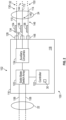
FIG. 2 is a schematic view of the electrical system ofFIG. 1 according to an example, showing the PCM body surrounding an individual feeder cable near the connection to the motor controller; -
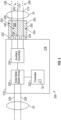
FIG. 3 is a schematic view of the electrical system ofFIG. 1 according to another example, showing a container enclosing the feeder cable and a connector coupling the feeder cable to the motor controller; and -
FIG. 4 is a block diagram of a feeder cable cooling method, showing operations of the method according to an illustrative and non-limiting example of the method. - Reference will now be made to the drawings wherein like reference numerals identify similar structural features or aspects of the subject disclosure. For purposes of explanation and illustration, and not limitation, a partial view of an example of a motor controller electronics arrangement constructed in accordance with the disclosure is shown in
FIG. 1 and is designated generally byreference character 100. Other examples of motor controller electronics arrangements, electrical systems, and methods of cooling feeder cables in motor controller electronics arrangements are provided inFIGS. 2-4 , as will be described. The systems and methods described herein can be used for powering electric motors in vehicles, such as in hybrid electric aircraft, though the present disclosure is not limited to hybrid electric aircraft or to any particular type of vehicle in general. - With reference to
FIG. 1 , avehicle 10, e.g., a hybrid electric aircraft, is shown. Thevehicle 10 includes apropulsor 12, agas turbine engine 14 that receivesfuel 15, e.g., from an aircraft fuel tank 17, and anelectric motor 16. Thegas turbine engine 14 andelectric motor 16 may be connected in parallel to thepropulsor 12 by agearbox 19. Thevehicle 10 also includes an electrical system 18 (otherwise referred to as an electronics assembly). - The
propulsor 12 is operably associated with thegas turbine engine 14, e.g., via a shaft and/or a gearbox. Theelectric motor 16 is operably connected to thegas turbine engine 14 and is electrically connected to theelectrical system 18. In certain examples thepropulsor 12 includes a propeller or a fan. In accordance with certain examples theelectric motor 16 is an alternating current (AC) power electric motor, such as a three (3) phase AC electric motor. - The
electrical system 18 includes apower source 20, asource bus 22, amotor controller 102, and afeed bus 24. Thepower source 20 is connected to thesource bus 22, thesource bus 22 connects thepower source 22 to themotor controller 102, and thefeed bus 24 connects themotor controller 102 to theelectric motor 16. In certain examples thepower source 20 include a direct current (DC) power source, such as a DC generator and/or a battery. In accordance with certain examples thepower source 20 includes an alternating current (AC) power source, such as an AC generator. It is contemplated that theelectric motor 16 be an alternating current (AC) motor, such as a three (3) phase electric motor. - The
motor controller 102 is arranged to convert thesource power 26 provided by thepower source 20 via thesource bus 22 into a flow offeed power 28. Thefeed power 28 is communicated by themotor controller 102 to theelectric motor 16 via thefeed bus 24 and is adapted for control of theelectric motor 16, e.g., via controlling the frequency of thefeed power 28. Thefeed power 28 causes theelectric motor 16 to rotate R thepropulsor 12. In certain examples thegas turbine engine 14 and theelectric motor 16 are arranged to cooperatively rotate thepropulsor 12 during certain operating regimes, e.g., during takeoff and climbing of an aircraft, allowing thegas turbine engine 14 to be undersized in relation to the peak horsepower requirement of thevehicle 10. - As will be appreciated by those of skill in the art in view of the present disclosure, flowing the
feed power 28 through thefeed bus 24 resistively heats thefeed bus 24, increasing temperature of thefeed bus 24. Since increasing the temperature of thefeed bus 24 increases temperature of electrical components of themotor controller 102 via conduction, thefeed bus 24 should be sized to limit the amount of heat conducted into themotor controller 102. To limit the size of the feed bus 24 (and thereby thermal conduction) the motorcontroller electronics arrangement 100 includes a phase change material (PCM)body 104. ThePCM body 104 is thermally coupled to thefeed bus 24 and is arranged to limit communication of the heat Q into themotor controller 102 from thefeed bus 24. - With reference to
FIG. 2 , a motorcontroller electronics arrangement 100 including themotor controller 102 and thePCM body 104 is shown according to an example. The motorcontroller electronics arrangement 100 includes themotor controller 102, thePCM body 104, thesource bus 22, and thefeed bus 24. Thesource bus 22 includes aDC source cable 106 and aDC return cable 108. As shown inFIG. 2 thefeed bus 24 is a three-phase bus including an A-phase feeder cable 110 (corresponding to a first phase of the three phase (AC)), a B-phase feeder cable 112 (corresponding to a second phase of the three phase (AC)), and C-phase feeder cable 114 (corresponding to a third phase of the three phase (AC)). As used herein a cable may be another form of conductor including a bus. - The
motor controller 102 includes ahousing 116 with an interior 118, a solid-state switch array 120, acontroller 122, andauxiliary circuitries 124. Thesource bus 22, e.g., theDC source cable 106 and theDC return cable 108, is electrically connected to the solid-state switch array 120 and electrically couple the power source 20 (shown inFIG. 1 ) to the solid-state switch array 120. The solid-state switch array 120 is connected to thefeed bus 24, e.g., to theA-phase feeder cable 110, the B-phase feeder cable 112, and the C-phase feeder cable 114, and therethrough to the electric motor 16 (shown inFIG. 1 ). Theauxiliary circuitries 124 are electrically connected between the solid-state switch array 120 and thefeed bus 24 and has a temperature rating 126. - The
controller 122 is operably connected to the solid-state switch array 120 and has anelectric mode 30. In theelectric mode 30 the controller causes the solid-state switch array 120 to convert the source power 26 (shown inFIG. 1 ) into the feed power 28 (shown inFIG. 1 ), e.g., for operating the propulsor 12 (shown inFIG. 1 ) during certain operating regimes of the vehicle 10 (shown inFIG. 1 ). In certain examples the solid-state switch array 120 inverts DC current provided by thesource bus 22 into AC current for communication to the electric motor 16 (shown inFIG. 1 ) when in theelectric mode 30. It is contemplated that, when in theelectric mode 30, the solid-state switch array 120 apply AC current to thefeed bus 24 with frequency corresponding to a desired rotational speed of the propulsor 12 (shown inFIG. 1 ) and/or the gas turbine engine 14 (shown inFIG. 1 ). - The
A-phase feeder cable 110 includes an A-phasefeeder cable connector 128, an A-phase feeder cablemotor controller portion 130, and an A-phase feeder cableelectric motor portion 132. The A-phasefeeder cable connector 128 connects the A-phase feeder cablemotor controller portion 130 to themotor controller 102, the A-phase feeder cablemotor controller portion 130 connects the A-phase feeder cableelectric motor portion 132 to the A-phase feeder cablemotor controller portion 130, and the electric motor 16 (shown inFIG. 1 ) is connected to the A-phase feeder cableelectric motor portion 132. - The
PCM body 104 is arranged to absorb the heat Q (shown inFIG. 1 ) when themotor controller 102 communicates the source power 24 (shown inFIG. 1 ) to the electric motor 16 (shown inFIG. 1 ) while in theelectric mode 30, and to dissipate the heat when theelectric motor 16 is idle. In this respect thePCM body 104 includes aPCM 134, is thermally coupled to theA-phase feeder cable 110, and surrounds the A-phase feeder cablemotor controller portion 130 to limit (or eliminate entirely) communication of heat generated resistively when conveying the feed power 28 (shown inFIG. 1 ) to the electric motor 16 (shown inFIG. 1 ). Specifically, thePCM body 104 provides passive cooling of theA-phase feeder cable 110 by absorbing heat when thefeed power 28 flows through theA-phase feeder cable 110. When the vehicle 10 (shown inFIG. 1 ) is in theelectric mode 30 theA-phase feeder cable 110 becomes hot and thePCM body 104 melts, absorbing thermal energy in the form of latent heat at a relatively constant temperature and limiting communication of heat to the A-phasefeeder cable connector 128. It is contemplated that thePCM 134 have a melting temperature that is below the temperature rating 126 of theauxiliary circuitries 124. - As shown in
FIG. 2 thePCM body 104 is afirst PCM body 104 and the motorcontroller electronics arrangement 100 includes asecond PCM body 136 and athird PCM body 138. Thesecond PCM body 136 is similar to thefirst PCM body 104 and is additionally thermally coupled to the B-phase feeder cable 112, surrounds a B-phase feeder cablemotor controller portion 140, and is located between (and spaced apart from) both a B-phasefeeder cable connector 142 and a B-phase feeder cableelectric motor portion 144. Thethird PCM body 138 is also similar to thefirst PCM body 104 and is additionally thermally coupled to the C-phase feeder cable 114, surrounds a C-phase feeder cablemotor controller portion 146, and is located between (and spaced apart from) both a C-phasefeeder cable connector 148 and a C-phase feeder cableelectric motor portion 150. Although shown and described herein as a three-phase feed bus, it is to be understood and appreciated that thefeed bus 24 can be a two-phase feed bus or have four (4) or more phases and remain within the scope of the present disclosure. - With reference to
FIG. 3 , a motorcontroller electronics arrangement 200 is shown. The motorcontroller electronics arrangement 200 is similar to the motor controller electronics arrangement 100 (shown inFIG. 1 ) and additionally includes acontainer 202 and aPCM body 204. ThePCM body 204 is arranged within an interior 206 of thecontainer 202. It is contemplated that thePCM body 204 include the phase change material 134 (shown inFIG. 2 ) for removing heat Q (shown inFIG. 1 ) from thefeed bus 24. In certain examples thePCM 134 includes a paraffin, such as a 32-carbon or a 33-carbon paraffin. In accordance with certain examples thePCM 134 includes hydrated salts, paraffin wax, or non-paraffin organics. - In illustrated example the
feed bus 24 is a three-phase AC feed bus including an A-phase feeder cable 208 (corresponding to a first phase of the three phase (AC)), a B-phase feeder cable 210 (corresponding to a second phase of the three phase (AC)), and a C-phase feeder cable 212 (corresponding to a third phase of the three phase (AC)). The motor controller 214 includes ahousing 216 with an interior 218, solid-state switch array 220, acontroller 222, andauxiliary circuitries 224. Thesource bus 22, e.g., aDC source cable 226 and theDC return cable 228, are electrically connected to the solid-state switch array 220 and electrically couple the power source 20 (shown inFIG. 1 ) to the solid-state switch array 220. The solid-state switch array 220 is connected to thefeed bus 24, e.g., to theA-phase feeder cable 208, the B-phase feeder cable 210, and the C-phase feeder cable 212, and therethrough to the electric motor 16 (shown inFIG. 1 ). Theauxiliary circuitries 224 are electrically connected between the solid-state switch array 220 and thefeed bus 24 and has a temperature rating 230. - The
controller 222 is operably connected to the solid-state switch array 220 and has anelectric mode 32. In theelectric mode 32 thecontroller 222 causes the solid-state switch array 220 to convert the source power 26 (shown inFIG. 1 ) into the feed power 28 (shown inFIG. 1 ). In certain examples the solid-state switch array 220 inverts DC current provided by thesource bus 22 into AC current for communication to the electric motor 16 (shown inFIG. 1 ) when in theelectric mode 32. It is contemplated that, when in theelectric mode 32, the solid-state switch array 220 apply AC current to thefeed bus 24 with frequency corresponding to a desired rotational speed of the propulsor 12 (shown inFIG. 1 ) and/or the gas turbine engine 14 (shown inFIG. 1 ). - The
A-phase feeder cable 208 includes an A-phasefeeder cable connector 232, an A-phase feeder cablemotor controller portion 234, and an A-phase feeder cableelectric motor portion 236. The A-phasefeeder cable connector 232 connects the A-phase feeder cablemotor controller portion 234 to the motor controller 214, the A-phase feeder cablemotor controller portion 234 connects the A-phase feeder cableelectric motor portion 236 to the A-phasefeeder cable connector 232, and the electric motor 16 (shown inFIG. 1 ) is connected to the A-phase feeder cablemotor controller portion 234 by the A-phase feeder cableelectric motor portion 236. It contemplated that the A-phasefeeder cable connector 232 and the A-phase feeder cablemotor controller portion 234 extend through thecontainer 202, are surrounded by thePCM body 204, and are thermally coupled therein to thePCM body 204 for communication of the heat Q (shown inFIG. 1 ) to thePCM body 204. - In the illustrated example the
PCM body 204 is asingular PCM body 204. Each of theA-phase feeder cable 208, the B-phase feeder cable 210, and the C-phase feeder cable 212 the C-phase feeder cable 212 extend through thecontainer 202 and are thermally coupled to thePCM body 204. In this respect the B-phase feeder cable 210 includes a B-phasefeeder cable connector 238, a B-phase feeder cablemotor controller portion 240, and a B-phase feeder cableelectric motor portion 242; that the C-phase feeder cable 212 include a C-phasefeeder cable connector 244, a C-phase feeder cablemotor controller portion 246, and a C-phase feeder cable electric motor portion 248; and that each of the B-phasefeeder cable connector 238, the B-phase feeder cablemotor controller portion 240, the C-phasefeeder cable connector 242, and the C-phase feeder cablemotor controller portion 244 be arranged within thecontainer 202. As will be appreciated by those of skill in the art in view of the present disclosure, this allows thePCM body 204 to cool both the feeder cable motor controller portion and the connectors of theA-phase feeder cable 208, the B-phase feeder cable 210, and the C-phase feeder cable 212 when the motorcontroller electronics arrangement 200 is in theelectric motor mode 32. - With reference to
FIG. 4 , amethod 300 of cooling a feeder cable in a motor controller electronics arrangement, e.g., the A-phase feeder cable 110 (shown inFIG. 2 ) in the motor controller electronics arrangement 100 (shown inFIG. 1 ), is shown. As shown withbox 310, themethod 300 includes inverting DC power into AC power with a solid-state switch array, e.g., the source power 26 (shown inFIG. 1 ) into the feed power 28 (shown inFIG. 1 ) using the solid-state switch array 120 (shown inFIG. 2 ). In certain examples DC power is high voltage DC power, such as 270-volt, 540-volt or even higher-volt DC power, as shown withbox 312. In accordance with certain examples the AC power is variable frequency AC having a frequency selected vary rotational speed of a propulsor, as shown withbox 314, such as to operate the motor controller in an electric mode, e.g., the electric mode 30 (shown inFIG. 2 ). - As shown with
box 320, the AC power is communicated from the solid-state switch array to an electrical motor using a feeder cable, e.g., to the electric motor 16 (shown inFIG. 1 ) through the feeder cable 110 (shown inFIG. 2 ). As shown withbox 330, the AC power flowing through the feeder cable heats the feeder cable due to resistive heating of the feeder cable by the electric current conveying the AC power. It is contemplated that heat be communicated from the feeder cable to a PCM body thermally coupled to the feeder cable, e.g., to the PCM body 134 (shown inFIG. 2 ), as shown withbox 340, that the heat melt the PCM body, as shown withbox 350. The melting of the PCM body limits conduction of heat into the motor controller through the feeder cable. It is also contemplated that, once power is removed from the feeder cable, the PCM body solidify, as shown withbox 360 andbox 370. - Vehicles, such as aircraft, commonly employ electric motors. Some electric motors are controlled by varying frequency of AC power communicated to the electric, typically using a solid-state switch array arranged within a motor controller and electrically connected to the electric motor by a feeder cable. As the electrical current flows through the feeder cable the electric current resistively heats the feeder cable. The heat is typically dissipated to the ambient environment through the feeder cable sheath and through conduction to the motor controller through the connector coupling the feeder cable to the motor controller. While generally acceptable for its intended purpose conduction of heat through the connector can limit the amount of current carried by the feeder cable and/or require that the cable be larger than otherwise required by the peak current flow.
- In examples described herein a PCM body is thermally coupled to the feeder cable to limit conduction of heat into the motor controller, passively cooling the feeder cable. As the feeder cable communicates AC power heat from resistive heating of the feeder cable melts the PCM body, limiting temperature of the connector coupling the feeder cable to the motor controller. In certain examples the PCM body is thermally coupled (e.g., directly connected) to a single feeder cable. In accordance with certain examples the PCM body is thermally coupled (e.g. directly connected) to more than one feeder cable. It is also contemplated that the PCM body can be thermally coupled (e.g., directly connected) to the connectors coupling the feeder cables to the motor controller.
- Technical effects of the present disclosure include the capability to provide passive cooling of the feeder cable and/or the connector cyclically by melting and freezing the PCM body. Conveying power to the electric motor heats the feeder cable, melts the PCM body, and heat is absorbed in the form of latent heat at a relatively constant temperature corresponding to the melting temperature of the PCM body. When power is removed from the electric motor the feeder cable cools, the PCM body freezes, and the energy stored by melting the PCM body released. Advantageously, the PCM body enables managing the heat at a relatively constant temperature, limiting heat flow from the feeder cable toward the connector and into motor controller without employing a coolant flow or consuming electrical power.
- The term "about" is intended to include the degree of error associated with measurement of the particular quantity based upon the equipment available at the time of filing the application.
- The terminology used herein is for the purpose of describing particular embodiments only and is not intended to be limiting of the present disclosure. As used herein, the singular forms "a", "an" and "the" are intended to include the plural forms as well, unless the context clearly indicates otherwise. It will be further understood that the terms "comprises" and/or "comprising," when used in this specification, specify the presence of stated features, integers, steps, operations, elements, and/or components, but do not preclude the presence or addition of one or more other features, integers, steps, operations, element components, and/or groups thereof.
- While the present disclosure has been described with reference to an exemplary embodiment or embodiments, it will be understood by those skilled in the art that various changes may be made without departing from the scope of the invention as defined by the claims. In addition, many modifications may be made to adapt a particular situation or material to the teachings of the present disclosure without departing from the scope of the claims. Therefore, it is intended that the present disclosure not be limited to the particular embodiment disclosed as the best mode contemplated for carrying out this present disclosure, but that the present disclosure will include all embodiments falling within the scope of the claims.
Claims (14)
- An electronics assembly, comprising:a motor controller electronics (102) arrangement with a solid-state switch array (120);a feeder cable (110) connected to the motor controller electronics and in electrical communication with the solid-state switch array; anda phase change material, PCM, body 104, 204) thermally coupled to the feeder cable and arranged outside of the motor controller to limit conduction of heat generated by resistive heating of the feeder cable into the motor controller electronics and through the feeder cable;wherein the PCM body (204) surrounds the feeder cable;wherein the electronics assembly further comprises a container (202) enclosing the PCM body (204); andwherein the feeder cable (110) extends through the container (202).
- The electronics assembly of claim 1, wherein the motor controller includes auxiliary circuitries having a temperature rating, and wherein the PCM body includes a PCM having a melting temperature that is below the temperature rating of the auxiliary circuitries.
- The electronics assembly of any preceding claim, wherein the feeder cable includes a connector (128) coupling the feeder cable to the motor controller, and optionally wherein the connector is arranged between the PCM body and the motor controller, or wherein the PCM body surrounds the connector.
- The electronics assembly of any preceding claim, further comprising a connector coupling the feeder cable to the motor controller, wherein the connector is arranged within the container.
- The electronics assembly of any preceding claim, wherein the feeder cable is an A-phase feeder cable (110) and further comprising a B-phase feeder cable (112) connected to the motor controller and in electrical communication with the solid-state switch array.
- The electronics assembly of claim 5, wherein the PCM body is a first PCM body and further comprising a second PCM body, wherein the second PCM body surrounds the B-phase feeder cable and thereby thermally coupled to the B-phase feeder cable, or further comprising a container enclosing the PCM body, wherein both the A-phase feeder cable and the B-phase feeder cable extend through the container and are thermally coupled to the PCM body within the container.
- The electronics assembly of any preceding claim, further comprising a controller operably connected to the solid-state switch array, wherein the controller has an electric mode wherein the feeder cable resistively heats to a temperature greater than or equal to a melting temperature of the PCM body.
- A vehicle, comprising:an electric motor (16), wherein the electric motor is an alternating current power electric motor; anda electronics assembly (18) as recited in any preceding claim, wherein the feeder cable electrically connects the solid-state switch array to the electric motor.
- The vehicle of claim 8, further comprising a direct current, DC, power source (20) including a battery electrically connected to the solid-state switch array.
- The vehicle of claim 8, further comprising:a gas turbine engine (14) operably associated with the electric motor; anda propulsor (12) including a propeller or a fan operably associated with the gas turbine engine.
- An electrical system, comprising:a electronics assembly (18) as recited in any of claims 1 to 7;wherein the motor controller includes auxiliary circuitries having a temperature rating, and wherein the PCM body includes a PCM having a melting temperature that is below the temperature rating of the auxiliary circuitries.
- The electrical system of claim 11, wherein the feeder cable includes a connector coupling the feeder cable to the motor controller.
- The electrical system of claim 11, wherein the feeder cable is an A-phase feeder cable and further comprising a B-phase feeder cable connected to the motor controller and in electrical communication with the solid-state switch array.
- A method of cooling a feeder cable, comprising:at an electronics assembly including a motor controller with a solid-state switch array, a feeder cable connected to the motor controller and in electrical communication with the solid-state switch array, and a phase change material, PCM, body thermally coupled to the feeder cable and arranged outside of the motor controller,wherein the PCM body surrounds the feeder cable;wherein the electronics assembly further comprises a container enclosing the PCM body; andwherein the feeder cable extends through the container; the method further comprisingconverting direct current, DC. power into alternating current, AC, power with the solid-state switch array;communicating the AC power from the solid-state switch array to an electric motor through the feeder cable;heating the feeder cable with the AC power communicated to the electric motor through the feeder cable;transferring heat from the feeder cable to the PCM body; andlimiting conduction of heat into the motor controller from the feeder cable and generated by resistive heating of the feeder cable with the AC power.
Applications Claiming Priority (1)
| Application Number | Priority Date | Filing Date | Title |
|---|---|---|---|
| US202063008104P | 2020-04-10 | 2020-04-10 |
Publications (2)
| Publication Number | Publication Date |
|---|---|
| EP3893620A1 EP3893620A1 (en) | 2021-10-13 |
| EP3893620B1 true EP3893620B1 (en) | 2024-03-20 |
Family
ID=75477929
Family Applications (1)
| Application Number | Title | Priority Date | Filing Date |
|---|---|---|---|
| EP21167832.1A Active EP3893620B1 (en) | 2020-04-10 | 2021-04-12 | Motor controller electronics arrangements with passively cooled feeder cables |
Country Status (2)
| Country | Link |
|---|---|
| US (1) | US11764721B2 (en) |
| EP (1) | EP3893620B1 (en) |
Families Citing this family (1)
| Publication number | Priority date | Publication date | Assignee | Title |
|---|---|---|---|---|
| DE102021129227A1 (en) * | 2021-11-10 | 2023-05-11 | Te Connectivity Germany Gmbh | Thermal retarder assembly with a phase change material for an electric vehicle |
Family Cites Families (11)
| Publication number | Priority date | Publication date | Assignee | Title |
|---|---|---|---|---|
| JP4025173B2 (en) | 2002-10-30 | 2007-12-19 | トヨタ自動車株式会社 | Power cable cooling system |
| ES2297645T3 (en) * | 2005-10-12 | 2008-05-01 | Nexans | COOLING DEVICE FOR A CAR WITH A DRIVE CONSTITUTED BY TWO MOTORS. |
| JP5210997B2 (en) | 2009-08-28 | 2013-06-12 | 株式会社日立製作所 | COOLING SYSTEM AND ELECTRONIC DEVICE USING THE SAME |
| JP5618595B2 (en) * | 2010-04-01 | 2014-11-05 | 日立オートモティブシステムズ株式会社 | Power module and power conversion device including power module |
| JP5422466B2 (en) * | 2010-04-01 | 2014-02-19 | 日立オートモティブシステムズ株式会社 | Power converter |
| GB2485211B (en) | 2010-11-05 | 2015-12-02 | Craig Murphy | An apparatus and method for cooling and recovering heat from electrical power cables |
| JP5655873B2 (en) * | 2012-05-09 | 2015-01-21 | 株式会社安川電機 | Inverter device |
| US9321362B2 (en) | 2014-02-05 | 2016-04-26 | Tesia Motors, Inc. | Cooling of charging cable |
| JP6094772B2 (en) * | 2015-06-05 | 2017-03-15 | 株式会社安川電機 | Power conversion device, method for manufacturing power conversion device, and electric equipment |
| EP3738130B1 (en) | 2018-01-09 | 2026-05-06 | Cabelte-Cabos Eléctricos E Telefónicos S.A. | Process for impregnating thermal energy absorbing material into the structure of an electric cable, and respective electric cable |
| IT201800006208A1 (en) | 2018-06-11 | 2019-12-11 | ROAD VEHICLE WITH ELECTRIC PROPULSION AND POWER WIRING COOLING |
-
2021
- 2021-04-06 US US17/223,427 patent/US11764721B2/en active Active
- 2021-04-12 EP EP21167832.1A patent/EP3893620B1/en active Active
Also Published As
| Publication number | Publication date |
|---|---|
| US11764721B2 (en) | 2023-09-19 |
| US20210320612A1 (en) | 2021-10-14 |
| EP3893620A1 (en) | 2021-10-13 |
Similar Documents
| Publication | Publication Date | Title |
|---|---|---|
| Wu et al. | Additively manufactured hollow conductors integrated with heat pipes: Design tradeoffs and hardware demonstration | |
| CN118545247B (en) | Aircraft propulsion unit | |
| US10894607B2 (en) | Drive system for a vehicle with an internal combustion engine and fuel tank | |
| EP3500493B1 (en) | Electric propulsion system | |
| US4753682A (en) | Apparatus of thermoelectric effect for current generation in internal combustion engine vehicles and the like, with recovery of the externally dissipated heat | |
| KR102371526B1 (en) | Incorporation of phase change materials to limit fuel temperature from electronic modules | |
| US9482142B2 (en) | Cooling system for an electric vehicle and method for producing a cooling system | |
| CN107848428A (en) | Drive system and method for driving a propeller of a vehicle using cryogenic cooling | |
| CN103392258A (en) | Method and apparatus for heating a traction battery of a vehicle | |
| CN115461972A (en) | motor drive system | |
| EP3893620B1 (en) | Motor controller electronics arrangements with passively cooled feeder cables | |
| CN113573942A (en) | Hybrid/electric propulsion architecture and method for dissipating electrical energy in such an architecture | |
| EP3893618B1 (en) | Motor controller electronics arrangements with actively cooled feeder cables | |
| Yi et al. | Transient performance study of high-specific-power motor integrated with phase change material for transportation electrification | |
| EP3070787A1 (en) | Termination unit for a superconductor network | |
| EP3529850B1 (en) | Energy storage devices and methods for controlling an energy storage device | |
| GB2574826A (en) | Generating thrust | |
| CN119678360A (en) | Assembly consisting of an electric motor and a device for controlling the electric motor, and method for controlling such an assembly | |
| US11750142B2 (en) | System for converting energy | |
| EP4002396A1 (en) | Thermal management for a motor feeder | |
| Varyukhin et al. | Developing and testing a hybrid propulsion system demonstrator | |
| Simon | Health Management Considerations for Electrified Aircraft Propulsion Systems | |
| US20230356563A1 (en) | Method for the thermal pre-conditioning of a vehicle, system, computer program | |
| US20250119004A1 (en) | Electric machine cooling | |
| Retico | Preliminary design of a light aircraft's electrical propulsion system |
Legal Events
| Date | Code | Title | Description |
|---|---|---|---|
| PUAI | Public reference made under article 153(3) epc to a published international application that has entered the european phase |
Free format text: ORIGINAL CODE: 0009012 |
|
| STAA | Information on the status of an ep patent application or granted ep patent |
Free format text: STATUS: THE APPLICATION HAS BEEN PUBLISHED |
|
| AK | Designated contracting states |
Kind code of ref document: A1 Designated state(s): AL AT BE BG CH CY CZ DE DK EE ES FI FR GB GR HR HU IE IS IT LI LT LU LV MC MK MT NL NO PL PT RO RS SE SI SK SM TR |
|
| STAA | Information on the status of an ep patent application or granted ep patent |
Free format text: STATUS: REQUEST FOR EXAMINATION WAS MADE |
|
| 17P | Request for examination filed |
Effective date: 20220412 |
|
| RBV | Designated contracting states (corrected) |
Designated state(s): AL AT BE BG CH CY CZ DE DK EE ES FI FR GB GR HR HU IE IS IT LI LT LU LV MC MK MT NL NO PL PT RO RS SE SI SK SM TR |
|
| GRAP | Despatch of communication of intention to grant a patent |
Free format text: ORIGINAL CODE: EPIDOSNIGR1 |
|
| STAA | Information on the status of an ep patent application or granted ep patent |
Free format text: STATUS: GRANT OF PATENT IS INTENDED |
|
| RIC1 | Information provided on ipc code assigned before grant |
Ipc: H05K 7/20 20060101AFI20230929BHEP |
|
| INTG | Intention to grant announced |
Effective date: 20231016 |
|
| GRAS | Grant fee paid |
Free format text: ORIGINAL CODE: EPIDOSNIGR3 |
|
| GRAA | (expected) grant |
Free format text: ORIGINAL CODE: 0009210 |
|
| STAA | Information on the status of an ep patent application or granted ep patent |
Free format text: STATUS: THE PATENT HAS BEEN GRANTED |
|
| AK | Designated contracting states |
Kind code of ref document: B1 Designated state(s): AL AT BE BG CH CY CZ DE DK EE ES FI FR GB GR HR HU IE IS IT LI LT LU LV MC MK MT NL NO PL PT RO RS SE SI SK SM TR |
|
| REG | Reference to a national code |
Ref country code: GB Ref legal event code: FG4D |
|
| REG | Reference to a national code |
Ref country code: CH Ref legal event code: EP |
|
| REG | Reference to a national code |
Ref country code: DE Ref legal event code: R096 Ref document number: 602021010552 Country of ref document: DE |
|
| REG | Reference to a national code |
Ref country code: IE Ref legal event code: FG4D |
|
| PG25 | Lapsed in a contracting state [announced via postgrant information from national office to epo] |
Ref country code: LT Free format text: LAPSE BECAUSE OF FAILURE TO SUBMIT A TRANSLATION OF THE DESCRIPTION OR TO PAY THE FEE WITHIN THE PRESCRIBED TIME-LIMIT Effective date: 20240320 |
|
| REG | Reference to a national code |
Ref country code: LT Ref legal event code: MG9D |
|
| PG25 | Lapsed in a contracting state [announced via postgrant information from national office to epo] |
Ref country code: GR Free format text: LAPSE BECAUSE OF FAILURE TO SUBMIT A TRANSLATION OF THE DESCRIPTION OR TO PAY THE FEE WITHIN THE PRESCRIBED TIME-LIMIT Effective date: 20240621 |
|
| PG25 | Lapsed in a contracting state [announced via postgrant information from national office to epo] |
Ref country code: RS Free format text: LAPSE BECAUSE OF FAILURE TO SUBMIT A TRANSLATION OF THE DESCRIPTION OR TO PAY THE FEE WITHIN THE PRESCRIBED TIME-LIMIT Effective date: 20240620 Ref country code: HR Free format text: LAPSE BECAUSE OF FAILURE TO SUBMIT A TRANSLATION OF THE DESCRIPTION OR TO PAY THE FEE WITHIN THE PRESCRIBED TIME-LIMIT Effective date: 20240320 |
|
| REG | Reference to a national code |
Ref country code: NL Ref legal event code: MP Effective date: 20240320 |
|
| PG25 | Lapsed in a contracting state [announced via postgrant information from national office to epo] |
Ref country code: RS Free format text: LAPSE BECAUSE OF FAILURE TO SUBMIT A TRANSLATION OF THE DESCRIPTION OR TO PAY THE FEE WITHIN THE PRESCRIBED TIME-LIMIT Effective date: 20240620 Ref country code: NO Free format text: LAPSE BECAUSE OF FAILURE TO SUBMIT A TRANSLATION OF THE DESCRIPTION OR TO PAY THE FEE WITHIN THE PRESCRIBED TIME-LIMIT Effective date: 20240620 Ref country code: LT Free format text: LAPSE BECAUSE OF FAILURE TO SUBMIT A TRANSLATION OF THE DESCRIPTION OR TO PAY THE FEE WITHIN THE PRESCRIBED TIME-LIMIT Effective date: 20240320 Ref country code: HR Free format text: LAPSE BECAUSE OF FAILURE TO SUBMIT A TRANSLATION OF THE DESCRIPTION OR TO PAY THE FEE WITHIN THE PRESCRIBED TIME-LIMIT Effective date: 20240320 Ref country code: GR Free format text: LAPSE BECAUSE OF FAILURE TO SUBMIT A TRANSLATION OF THE DESCRIPTION OR TO PAY THE FEE WITHIN THE PRESCRIBED TIME-LIMIT Effective date: 20240621 Ref country code: FI Free format text: LAPSE BECAUSE OF FAILURE TO SUBMIT A TRANSLATION OF THE DESCRIPTION OR TO PAY THE FEE WITHIN THE PRESCRIBED TIME-LIMIT Effective date: 20240320 Ref country code: BG Free format text: LAPSE BECAUSE OF FAILURE TO SUBMIT A TRANSLATION OF THE DESCRIPTION OR TO PAY THE FEE WITHIN THE PRESCRIBED TIME-LIMIT Effective date: 20240320 |
|
| REG | Reference to a national code |
Ref country code: AT Ref legal event code: MK05 Ref document number: 1668961 Country of ref document: AT Kind code of ref document: T Effective date: 20240320 |
|
| PG25 | Lapsed in a contracting state [announced via postgrant information from national office to epo] |
Ref country code: SE Free format text: LAPSE BECAUSE OF FAILURE TO SUBMIT A TRANSLATION OF THE DESCRIPTION OR TO PAY THE FEE WITHIN THE PRESCRIBED TIME-LIMIT Effective date: 20240320 Ref country code: LV Free format text: LAPSE BECAUSE OF FAILURE TO SUBMIT A TRANSLATION OF THE DESCRIPTION OR TO PAY THE FEE WITHIN THE PRESCRIBED TIME-LIMIT Effective date: 20240320 |
|
| PG25 | Lapsed in a contracting state [announced via postgrant information from national office to epo] |
Ref country code: NL Free format text: LAPSE BECAUSE OF FAILURE TO SUBMIT A TRANSLATION OF THE DESCRIPTION OR TO PAY THE FEE WITHIN THE PRESCRIBED TIME-LIMIT Effective date: 20240320 |
|
| PG25 | Lapsed in a contracting state [announced via postgrant information from national office to epo] |
Ref country code: NL Free format text: LAPSE BECAUSE OF FAILURE TO SUBMIT A TRANSLATION OF THE DESCRIPTION OR TO PAY THE FEE WITHIN THE PRESCRIBED TIME-LIMIT Effective date: 20240320 |
|
| PG25 | Lapsed in a contracting state [announced via postgrant information from national office to epo] |
Ref country code: IS Free format text: LAPSE BECAUSE OF FAILURE TO SUBMIT A TRANSLATION OF THE DESCRIPTION OR TO PAY THE FEE WITHIN THE PRESCRIBED TIME-LIMIT Effective date: 20240720 |
|
| PG25 | Lapsed in a contracting state [announced via postgrant information from national office to epo] |
Ref country code: PT Free format text: LAPSE BECAUSE OF FAILURE TO SUBMIT A TRANSLATION OF THE DESCRIPTION OR TO PAY THE FEE WITHIN THE PRESCRIBED TIME-LIMIT Effective date: 20240722 Ref country code: SM Free format text: LAPSE BECAUSE OF FAILURE TO SUBMIT A TRANSLATION OF THE DESCRIPTION OR TO PAY THE FEE WITHIN THE PRESCRIBED TIME-LIMIT Effective date: 20240320 |
|
| PG25 | Lapsed in a contracting state [announced via postgrant information from national office to epo] |
Ref country code: ES Free format text: LAPSE BECAUSE OF FAILURE TO SUBMIT A TRANSLATION OF THE DESCRIPTION OR TO PAY THE FEE WITHIN THE PRESCRIBED TIME-LIMIT Effective date: 20240320 |
|
| PG25 | Lapsed in a contracting state [announced via postgrant information from national office to epo] |
Ref country code: EE Free format text: LAPSE BECAUSE OF FAILURE TO SUBMIT A TRANSLATION OF THE DESCRIPTION OR TO PAY THE FEE WITHIN THE PRESCRIBED TIME-LIMIT Effective date: 20240320 Ref country code: CZ Free format text: LAPSE BECAUSE OF FAILURE TO SUBMIT A TRANSLATION OF THE DESCRIPTION OR TO PAY THE FEE WITHIN THE PRESCRIBED TIME-LIMIT Effective date: 20240320 |
|
| PG25 | Lapsed in a contracting state [announced via postgrant information from national office to epo] |
Ref country code: AT Free format text: LAPSE BECAUSE OF FAILURE TO SUBMIT A TRANSLATION OF THE DESCRIPTION OR TO PAY THE FEE WITHIN THE PRESCRIBED TIME-LIMIT Effective date: 20240320 |
|
| PG25 | Lapsed in a contracting state [announced via postgrant information from national office to epo] |
Ref country code: PL Free format text: LAPSE BECAUSE OF FAILURE TO SUBMIT A TRANSLATION OF THE DESCRIPTION OR TO PAY THE FEE WITHIN THE PRESCRIBED TIME-LIMIT Effective date: 20240320 |
|
| PG25 | Lapsed in a contracting state [announced via postgrant information from national office to epo] |
Ref country code: SK Free format text: LAPSE BECAUSE OF FAILURE TO SUBMIT A TRANSLATION OF THE DESCRIPTION OR TO PAY THE FEE WITHIN THE PRESCRIBED TIME-LIMIT Effective date: 20240320 |
|
| PG25 | Lapsed in a contracting state [announced via postgrant information from national office to epo] |
Ref country code: SM Free format text: LAPSE BECAUSE OF FAILURE TO SUBMIT A TRANSLATION OF THE DESCRIPTION OR TO PAY THE FEE WITHIN THE PRESCRIBED TIME-LIMIT Effective date: 20240320 Ref country code: SK Free format text: LAPSE BECAUSE OF FAILURE TO SUBMIT A TRANSLATION OF THE DESCRIPTION OR TO PAY THE FEE WITHIN THE PRESCRIBED TIME-LIMIT Effective date: 20240320 Ref country code: RO Free format text: LAPSE BECAUSE OF FAILURE TO SUBMIT A TRANSLATION OF THE DESCRIPTION OR TO PAY THE FEE WITHIN THE PRESCRIBED TIME-LIMIT Effective date: 20240320 Ref country code: PT Free format text: LAPSE BECAUSE OF FAILURE TO SUBMIT A TRANSLATION OF THE DESCRIPTION OR TO PAY THE FEE WITHIN THE PRESCRIBED TIME-LIMIT Effective date: 20240722 Ref country code: PL Free format text: LAPSE BECAUSE OF FAILURE TO SUBMIT A TRANSLATION OF THE DESCRIPTION OR TO PAY THE FEE WITHIN THE PRESCRIBED TIME-LIMIT Effective date: 20240320 Ref country code: IS Free format text: LAPSE BECAUSE OF FAILURE TO SUBMIT A TRANSLATION OF THE DESCRIPTION OR TO PAY THE FEE WITHIN THE PRESCRIBED TIME-LIMIT Effective date: 20240720 Ref country code: ES Free format text: LAPSE BECAUSE OF FAILURE TO SUBMIT A TRANSLATION OF THE DESCRIPTION OR TO PAY THE FEE WITHIN THE PRESCRIBED TIME-LIMIT Effective date: 20240320 Ref country code: EE Free format text: LAPSE BECAUSE OF FAILURE TO SUBMIT A TRANSLATION OF THE DESCRIPTION OR TO PAY THE FEE WITHIN THE PRESCRIBED TIME-LIMIT Effective date: 20240320 Ref country code: CZ Free format text: LAPSE BECAUSE OF FAILURE TO SUBMIT A TRANSLATION OF THE DESCRIPTION OR TO PAY THE FEE WITHIN THE PRESCRIBED TIME-LIMIT Effective date: 20240320 Ref country code: AT Free format text: LAPSE BECAUSE OF FAILURE TO SUBMIT A TRANSLATION OF THE DESCRIPTION OR TO PAY THE FEE WITHIN THE PRESCRIBED TIME-LIMIT Effective date: 20240320 |
|
| REG | Reference to a national code |
Ref country code: CH Ref legal event code: PL |
|
| PG25 | Lapsed in a contracting state [announced via postgrant information from national office to epo] |
Ref country code: IT Free format text: LAPSE BECAUSE OF FAILURE TO SUBMIT A TRANSLATION OF THE DESCRIPTION OR TO PAY THE FEE WITHIN THE PRESCRIBED TIME-LIMIT Effective date: 20240320 |
|
| PG25 | Lapsed in a contracting state [announced via postgrant information from national office to epo] |
Ref country code: LU Free format text: LAPSE BECAUSE OF NON-PAYMENT OF DUE FEES Effective date: 20240412 |
|
| REG | Reference to a national code |
Ref country code: DE Ref legal event code: R097 Ref document number: 602021010552 Country of ref document: DE |
|
| REG | Reference to a national code |
Ref country code: BE Ref legal event code: MM Effective date: 20240430 |
|
| PG25 | Lapsed in a contracting state [announced via postgrant information from national office to epo] |
Ref country code: LU Free format text: LAPSE BECAUSE OF NON-PAYMENT OF DUE FEES Effective date: 20240412 Ref country code: IT Free format text: LAPSE BECAUSE OF FAILURE TO SUBMIT A TRANSLATION OF THE DESCRIPTION OR TO PAY THE FEE WITHIN THE PRESCRIBED TIME-LIMIT Effective date: 20240320 |
|
| PG25 | Lapsed in a contracting state [announced via postgrant information from national office to epo] |
Ref country code: MC Free format text: LAPSE BECAUSE OF FAILURE TO SUBMIT A TRANSLATION OF THE DESCRIPTION OR TO PAY THE FEE WITHIN THE PRESCRIBED TIME-LIMIT Effective date: 20240320 |
|
| PG25 | Lapsed in a contracting state [announced via postgrant information from national office to epo] |
Ref country code: DK Free format text: LAPSE BECAUSE OF FAILURE TO SUBMIT A TRANSLATION OF THE DESCRIPTION OR TO PAY THE FEE WITHIN THE PRESCRIBED TIME-LIMIT Effective date: 20240320 |
|
| PG25 | Lapsed in a contracting state [announced via postgrant information from national office to epo] |
Ref country code: BE Free format text: LAPSE BECAUSE OF NON-PAYMENT OF DUE FEES Effective date: 20240430 |
|
| PLBE | No opposition filed within time limit |
Free format text: ORIGINAL CODE: 0009261 |
|
| STAA | Information on the status of an ep patent application or granted ep patent |
Free format text: STATUS: NO OPPOSITION FILED WITHIN TIME LIMIT |
|
| PG25 | Lapsed in a contracting state [announced via postgrant information from national office to epo] |
Ref country code: MC Free format text: LAPSE BECAUSE OF FAILURE TO SUBMIT A TRANSLATION OF THE DESCRIPTION OR TO PAY THE FEE WITHIN THE PRESCRIBED TIME-LIMIT Effective date: 20240320 Ref country code: DK Free format text: LAPSE BECAUSE OF FAILURE TO SUBMIT A TRANSLATION OF THE DESCRIPTION OR TO PAY THE FEE WITHIN THE PRESCRIBED TIME-LIMIT Effective date: 20240320 Ref country code: BE Free format text: LAPSE BECAUSE OF NON-PAYMENT OF DUE FEES Effective date: 20240430 Ref country code: CH Free format text: LAPSE BECAUSE OF NON-PAYMENT OF DUE FEES Effective date: 20240430 |
|
| 26N | No opposition filed |
Effective date: 20241223 |
|
| PG25 | Lapsed in a contracting state [announced via postgrant information from national office to epo] |
Ref country code: IE Free format text: LAPSE BECAUSE OF NON-PAYMENT OF DUE FEES Effective date: 20240412 |
|
| PG25 | Lapsed in a contracting state [announced via postgrant information from national office to epo] |
Ref country code: SI Free format text: LAPSE BECAUSE OF FAILURE TO SUBMIT A TRANSLATION OF THE DESCRIPTION OR TO PAY THE FEE WITHIN THE PRESCRIBED TIME-LIMIT Effective date: 20240320 |
|
| PGFP | Annual fee paid to national office [announced via postgrant information from national office to epo] |
Ref country code: DE Payment date: 20250319 Year of fee payment: 5 |
|
| PG25 | Lapsed in a contracting state [announced via postgrant information from national office to epo] |
Ref country code: CY Free format text: LAPSE BECAUSE OF FAILURE TO SUBMIT A TRANSLATION OF THE DESCRIPTION OR TO PAY THE FEE WITHIN THE PRESCRIBED TIME-LIMIT; INVALID AB INITIO Effective date: 20210412 |
|
| PG25 | Lapsed in a contracting state [announced via postgrant information from national office to epo] |
Ref country code: HU Free format text: LAPSE BECAUSE OF FAILURE TO SUBMIT A TRANSLATION OF THE DESCRIPTION OR TO PAY THE FEE WITHIN THE PRESCRIBED TIME-LIMIT; INVALID AB INITIO Effective date: 20210412 |
|
| PGFP | Annual fee paid to national office [announced via postgrant information from national office to epo] |
Ref country code: GB Payment date: 20260319 Year of fee payment: 6 |
|
| PGFP | Annual fee paid to national office [announced via postgrant information from national office to epo] |
Ref country code: FR Payment date: 20260320 Year of fee payment: 6 |