EP3889136B1 - Salt form of estrogen receptor downregulator, crystalline form thereof, and preparation method therefor - Google Patents
Salt form of estrogen receptor downregulator, crystalline form thereof, and preparation method therefor Download PDFInfo
- Publication number
- EP3889136B1 EP3889136B1 EP19888746.5A EP19888746A EP3889136B1 EP 3889136 B1 EP3889136 B1 EP 3889136B1 EP 19888746 A EP19888746 A EP 19888746A EP 3889136 B1 EP3889136 B1 EP 3889136B1
- Authority
- EP
- European Patent Office
- Prior art keywords
- compound
- formula
- crystal form
- stands
- estrogen receptor
- Prior art date
- Legal status (The legal status is an assumption and is not a legal conclusion. Google has not performed a legal analysis and makes no representation as to the accuracy of the status listed.)
- Active
Links
Images





Classifications
-
- C—CHEMISTRY; METALLURGY
- C07—ORGANIC CHEMISTRY
- C07D—HETEROCYCLIC COMPOUNDS
- C07D209/00—Heterocyclic compounds containing five-membered rings, condensed with other rings, with one nitrogen atom as the only ring hetero atom
- C07D209/02—Heterocyclic compounds containing five-membered rings, condensed with other rings, with one nitrogen atom as the only ring hetero atom condensed with one carbocyclic ring
- C07D209/04—Indoles; Hydrogenated indoles
- C07D209/10—Indoles; Hydrogenated indoles with substituted hydrocarbon radicals attached to carbon atoms of the hetero ring
- C07D209/18—Radicals substituted by carbon atoms having three bonds to hetero atoms with at the most one bond to halogen, e.g. ester or nitrile radicals
-
- C—CHEMISTRY; METALLURGY
- C07—ORGANIC CHEMISTRY
- C07D—HETEROCYCLIC COMPOUNDS
- C07D209/00—Heterocyclic compounds containing five-membered rings, condensed with other rings, with one nitrogen atom as the only ring hetero atom
- C07D209/02—Heterocyclic compounds containing five-membered rings, condensed with other rings, with one nitrogen atom as the only ring hetero atom condensed with one carbocyclic ring
- C07D209/04—Indoles; Hydrogenated indoles
- C07D209/30—Indoles; Hydrogenated indoles with hetero atoms or with carbon atoms having three bonds to hetero atoms with at the most one bond to halogen, directly attached to carbon atoms of the hetero ring
-
- A—HUMAN NECESSITIES
- A61—MEDICAL OR VETERINARY SCIENCE; HYGIENE
- A61K—PREPARATIONS FOR MEDICAL, DENTAL OR TOILETRY PURPOSES
- A61K31/00—Medicinal preparations containing organic active ingredients
- A61K31/33—Heterocyclic compounds
- A61K31/395—Heterocyclic compounds having nitrogen as a ring hetero atom, e.g. guanethidine or rifamycins
- A61K31/40—Heterocyclic compounds having nitrogen as a ring hetero atom, e.g. guanethidine or rifamycins having five-membered rings with one nitrogen as the only ring hetero atom, e.g. sulpiride, succinimide, tolmetin, buflomedil
- A61K31/403—Heterocyclic compounds having nitrogen as a ring hetero atom, e.g. guanethidine or rifamycins having five-membered rings with one nitrogen as the only ring hetero atom, e.g. sulpiride, succinimide, tolmetin, buflomedil condensed with carbocyclic rings, e.g. carbazole
- A61K31/404—Indoles, e.g. pindolol
-
- A—HUMAN NECESSITIES
- A61—MEDICAL OR VETERINARY SCIENCE; HYGIENE
- A61P—SPECIFIC THERAPEUTIC ACTIVITY OF CHEMICAL COMPOUNDS OR MEDICINAL PREPARATIONS
- A61P35/00—Antineoplastic agents
-
- C—CHEMISTRY; METALLURGY
- C07—ORGANIC CHEMISTRY
- C07B—GENERAL METHODS OF ORGANIC CHEMISTRY; APPARATUS THEREFOR
- C07B2200/00—Indexing scheme relating to specific properties of organic compounds
- C07B2200/13—Crystalline forms, e.g. polymorphs
Definitions
- the present disclosure relates to salt forms of estrogen receptor down-regulator, crystalline forms thereof, and processes of preparation therefor, and the use of the salt and crystal forms in the preparation of a drug for treating breast cancer.
- breast cancer has become the second most prevalent cancer in the world and has the highest incidence among women.
- the role of the estrogen-estrogen receptor signaling pathway in breast cancer development has already been identified; and the estrogen receptor (ER) has also been developed into the most important biomarker for breast cancer.
- ER estrogen receptor
- breast cancer can be divided into estrogen receptor-positive breast cancer and estrogen receptor-negative breast cancer; wherein estrogen receptor-positive breast cancer accounts for more than 70% of the total number of breast cancer patients.
- Endocrine Therapy targeting the estrogen-estrogen receptor signaling pathway in breast cancer cells has become the first choice for treating estrogen receptor-positive breast cancer because of its minimal harm and significant effect.
- Endocrine therapy mainly includes the following three treatment methods: ovarian suppression therapy, aromatase inhibitor (Al), and selective estrogen receptor modulator (SERM). Due to its unsatisfactory efficacy and low patient satisfaction, the ovarian suppression therapy is less commonly used than the other two treatment methods.
- Early aromatase inhibitors (first and second generation) had low target selectivity and large toxic and side effects.
- the third-generation aromatase inhibitors have been widely used since their selectivity has been greatly improved, which solved the problem of the early aromatase inhibitors.
- letrozole and the like have been used as first-line drugs for the treatment of estrogen receptor-positive breast cancer.
- Selective estrogen receptor modulators directly act on estrogen receptors to block this signaling pathway, which has a significant effect and a long history of application.
- tamoxifen is the most representative selective estrogen receptor modulator.
- As a first-line drug recommended for priority use tamoxifen has shown significant clinical efficacy in the prevention and treatment of estrogen receptor-positive breast cancer.
- the aromatase inhibitor letrozole and the selective estrogen receptor modulator tamoxifen have shown good efficacy in the treatment of estrogen receptor-positive breast cancer, with the application of the two types of drugs, the drug resistance problem of estrogen receptor-positive breast cancer to aromatase inhibitors and selective estrogen receptor modulators has also become increasingly prominent.
- the resistance mechanisms of breast cancer to these two hormone therapies are not exactly the same.
- the estrogen receptor can be mutated accordingly.
- the mutated estrogen receptor can maintain an excited conformation in the absence of estrogen, allowing it to continue to perform the receptor function to promote breast cancer cell proliferation.
- the resistance mechanism of breast cancer cells to the selective estrogen receptor modulator tamoxifen is complex and diverse.
- breast cancer cells can compensate for the loss of function of estrogen receptor activation functional domain-2 (AF-2) caused by tamoxifen through activating the function of estrogen receptor activation functional domain-1 (AF-1).
- breast cancer cells can adjust the structure or concentration of the estrogen receptor co-activator to adapt to the conformation of the estrogen receptor bound to tamoxifen, resulting in the recovery of the function of the estrogen receptor, thereby producing drug resistance.
- Selective estrogen receptor down-regulator has shown its unique superiority in the treatment of breast cancer resistant to the above two hormone therapies.
- selective estrogen receptor down-regulators antagonize the function of estrogen receptor, which can greatly accelerate the ubiquitination degradation of estrogen receptors in breast cancer cells (normal or mutated) and completely block estrogen/estrogen receptor signaling pathway, thereby achieving the purpose of inhibiting the growth and proliferation of normal or drug-resistant breast cancer cells.
- Studies have shown that selective estrogen receptor down-regulators can effectively inhibit the proliferation of hormone-resistant breast cancer cells.
- Fulvestrant which is the only commercially available selective estrogen receptor down-regulator, has shown good effects in the treatment of hormone-resistant breast cancer, confirming the unique advantages of selective estrogen receptor down-regulators.
- fulvestrant itself has many problems. First, because of its poor PK properties, fulvestrant shows zero oral bioavailability; meanwhile, fulvestrant has a higher blood clearance. For these two reasons, this drug can only be administered by intramuscular injection. However, due to its strong lipophilic structure, fulvestrant administered by intramuscular injection also has serious problems in terms of tissue distribution. Therefore, the development of selective estrogen receptor down-regulators with oral bioavailability is an urgent medical requirement.
- WO2012037411A2 reported an oral selective estrogen receptor down-regulator ARN-810, and a phase II clinical trial of this molecule in the treatment of ER-positive breast cancer is ongoing. According to reports [ J.Med.Chem.2015,58 (12), 4888-4904 ], the important pharmacophore of the molecule is the indazole structure on the left side of the molecule, and the nitrogen atoms in the indazole structure bind to the estrogen receptor as a hydrogen bond acceptor.
- WO2017162206A1 reports a series of orally selective estrogen receptor down-regulation, including the preparation and biological activity of compound I-8 (Example 8 in WO2017162206A1 ):
- the present invention provides a crystal form A of the compound of formula (I), wherein the X-ray powder diffraction pattern under Cu-K ⁇ radiation has characteristic diffraction peaks at the following 2 ⁇ angles: 5.52 ⁇ 0.2°, 13.68 ⁇ 0.2°, 19.98 ⁇ 0.2°, 20.80 ⁇ 0.2°, 22.02 ⁇ 0.2°, 22.44 ⁇ 0.2°, 24.94 ⁇ 0.2° and 26.96 ⁇ 0.2°,
- the crystal form A has nine or more than nine, ten or more than ten, or eleven or more than eleven characteristic diffraction peaks in the X-ray powder diffraction pattern under Cu-K ⁇ radiation at the 2 ⁇ angles selected from the group consisting of 5.52 ⁇ 0.2°, 13.68 ⁇ 0.2°, 18.86 ⁇ 0.2°, 19.98 ⁇ 0.2°, 20.80 ⁇ 0.2°, 21.62 ⁇ 0.2°, 22.02 ⁇ 0.2°, 22.44 ⁇ 0.2°, 23.34 ⁇ 0.2°, 24.94 ⁇ 0.2°, 26.96 ⁇ 0.2° and 28.42 ⁇ 0.2°.
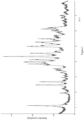
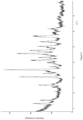
- the X-ray powder diffraction pattern of the crystal form A under Cu-K ⁇ radiation is shown in FIG. 1 .
- the analysis data of the XRPD pattern of the crystal form A is shown in Table l.
- Table 1 Analysis data of the XRPD pattern of the crystal form A of the compound of formula (I) No. 2 ⁇ Angle (°) d-spacing ( ⁇ ) Intensity Relative intensity (%) No.
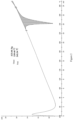
- the differential scanning calorimetric curve of the crystal form A has an endothermic peak at 239.46°C ⁇ 3°C.
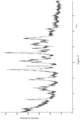
- the differential scanning calorimetric curve pattern of the crystal form A is shown in FIG. 2 .
- the present invention also provides uses of the crystal form A of the compound of formula (I) in manufacturing a medicament for treating the breast cancer.
- the solubility of the crystal form A of the compound of formula (I) of the present invention in water is nearly hundredfold improved; in the solubility test of biological media, the solubility of the crystal form A of the compound of formula (I) has also been significantly improved; in in vivo pharmacokinetic studies, the crystal form A of the compound of formula (I) exhibited superior properties, and the amount of exposure in the organism was significantly increased.
- the intermediate compounds of the present invention can be prepared by a variety of synthetic methods well known to those skilled in the art, including the following specific embodiments, the embodiments formed by combining them with other chemical synthesis methods, and equivalent alternatives well known to those skilled in the art, preferred embodiments include, but are not limited to, the embodiments of the present invention.
- TGA Thermal Gravimetric Analyzer
- the crystal form A of the compound of formula (I) is according to the invention, also described herein are other reference compounds and crystals.
- hydroxycholine methanol solution (45% by weight, 1g) was added to compound I-8 (1g) and ethyl acetate (10mL) and the mixture was stirred at 20°C for 16 hours to obtain a yellow solution, which became a yellow suspension due to gradual precipitation.
- the mixture was filtered and the filter cake was washed with ethyl acetate (5 mL ⁇ 3) to obtain the crystal form B of the compound of formula (I) by drying in vacuum.
- Assay materials compound I-8, crystal form A of the compound of the formula (I), water, FaSSIF (simulated pre-meal intestinal fluid), FeSSIF (simulated post-meal intestinal fluid).
- Assay method compound I-8 and the crystal form A of the compound of formula (I) were weighed in four portions and added to a 4mL glass vial respectively, then 2mL biological vehicle (FaSSIF, FeSSIF) and purified water were added respectively, the mixtures were mixed uniformly and the magnets were added to the suspensions, the mixtures were placed on a magnetic stirring heater for stirring (at 37°C, protected from light). Samples were taken after 24h, and the sample solution was quickly centrifuged, and the supernatant was diluted suitable folds and its concentration was determined by HPLC.
- FaSSIF biological vehicle
- FeSSIF purified water
- Assay materials beagle dogs, three dogs per group, two groups in total (administered by compound I-8 and crystal form A of the compound of formula (I) respectively)
- Assay methods the animals in each group were administered with corresponding compounds by orally gavage once, and blood samples were collected before and 2h ( ⁇ 2min), 4h ( ⁇ 5min), 6h ( ⁇ 5min), 8h ( ⁇ 5min), 12h ( ⁇ 5min), and 24h ( ⁇ 10min) after the administration.
- the samples were detected by LC-MS/MS, and AUC, C max , and T max parameters were calculated by employing WinNonlin version 6.4.
Landscapes
- Chemical & Material Sciences (AREA)
- Organic Chemistry (AREA)
- Health & Medical Sciences (AREA)
- General Health & Medical Sciences (AREA)
- Veterinary Medicine (AREA)
- Medicinal Chemistry (AREA)
- Public Health (AREA)
- Pharmacology & Pharmacy (AREA)
- Life Sciences & Earth Sciences (AREA)
- Animal Behavior & Ethology (AREA)
- Chemical Kinetics & Catalysis (AREA)
- Nuclear Medicine, Radiotherapy & Molecular Imaging (AREA)
- General Chemical & Material Sciences (AREA)
- Epidemiology (AREA)
- Pharmaceuticals Containing Other Organic And Inorganic Compounds (AREA)
Description
- This application claims priority to Chinese patent application
CN201811434915.8 filed on November 28, 2018 - The present disclosure relates to salt forms of estrogen receptor down-regulator, crystalline forms thereof, and processes of preparation therefor, and the use of the salt and crystal forms in the preparation of a drug for treating breast cancer.
- According to the statistics of WHO, breast cancer has become the second most prevalent cancer in the world and has the highest incidence among women. After years of research, the role of the estrogen-estrogen receptor signaling pathway in breast cancer development has already been identified; and the estrogen receptor (ER) has also been developed into the most important biomarker for breast cancer. Taking estrogen receptor expression as a discriminative index, breast cancer can be divided into estrogen receptor-positive breast cancer and estrogen receptor-negative breast cancer; wherein estrogen receptor-positive breast cancer accounts for more than 70% of the total number of breast cancer patients.
- Endocrine Therapy (ET) targeting the estrogen-estrogen receptor signaling pathway in breast cancer cells has become the first choice for treating estrogen receptor-positive breast cancer because of its minimal harm and significant effect. Endocrine therapy mainly includes the following three treatment methods: ovarian suppression therapy, aromatase inhibitor (Al), and selective estrogen receptor modulator (SERM). Due to its unsatisfactory efficacy and low patient satisfaction, the ovarian suppression therapy is less commonly used than the other two treatment methods. Early aromatase inhibitors (first and second generation) had low target selectivity and large toxic and side effects. After many years of research, the third-generation aromatase inhibitors have been widely used since their selectivity has been greatly improved, which solved the problem of the early aromatase inhibitors. Among them, letrozole and the like have been used as first-line drugs for the treatment of estrogen receptor-positive breast cancer. Selective estrogen receptor modulators (SERMs) directly act on estrogen receptors to block this signaling pathway, which has a significant effect and a long history of application. Among them, tamoxifen is the most representative selective estrogen receptor modulator. As a first-line drug recommended for priority use, tamoxifen has shown significant clinical efficacy in the prevention and treatment of estrogen receptor-positive breast cancer.
- Although the aromatase inhibitor letrozole and the selective estrogen receptor modulator tamoxifen have shown good efficacy in the treatment of estrogen receptor-positive breast cancer, with the application of the two types of drugs, the drug resistance problem of estrogen receptor-positive breast cancer to aromatase inhibitors and selective estrogen receptor modulators has also become increasingly prominent. A large amount of studies has shown that the resistance mechanisms of breast cancer to these two hormone therapies are not exactly the same. For aromatase inhibitors, the estrogen receptor can be mutated accordingly. The mutated estrogen receptor can maintain an excited conformation in the absence of estrogen, allowing it to continue to perform the receptor function to promote breast cancer cell proliferation. The resistance mechanism of breast cancer cells to the selective estrogen receptor modulator tamoxifen is complex and diverse. First, breast cancer cells can compensate for the loss of function of estrogen receptor activation functional domain-2 (AF-2) caused by tamoxifen through activating the function of estrogen receptor activation functional domain-1 (AF-1). At the same time, breast cancer cells can adjust the structure or concentration of the estrogen receptor co-activator to adapt to the conformation of the estrogen receptor bound to tamoxifen, resulting in the recovery of the function of the estrogen receptor, thereby producing drug resistance.
- Selective estrogen receptor down-regulator (SERD) has shown its unique superiority in the treatment of breast cancer resistant to the above two hormone therapies. Mechanistically, selective estrogen receptor down-regulators antagonize the function of estrogen receptor, which can greatly accelerate the ubiquitination degradation of estrogen receptors in breast cancer cells (normal or mutated) and completely block estrogen/estrogen receptor signaling pathway, thereby achieving the purpose of inhibiting the growth and proliferation of normal or drug-resistant breast cancer cells. Studies have shown that selective estrogen receptor down-regulators can effectively inhibit the proliferation of hormone-resistant breast cancer cells. Fulvestrant, which is the only commercially available selective estrogen receptor down-regulator, has shown good effects in the treatment of hormone-resistant breast cancer, confirming the unique advantages of selective estrogen receptor down-regulators. However, fulvestrant itself has many problems. First, because of its poor PK properties, fulvestrant shows zero oral bioavailability; meanwhile, fulvestrant has a higher blood clearance. For these two reasons, this drug can only be administered by intramuscular injection. However, due to its strong lipophilic structure, fulvestrant administered by intramuscular injection also has serious problems in terms of tissue distribution. Therefore, the development of selective estrogen receptor down-regulators with oral bioavailability is an urgent medical requirement.
-
WO2012037411A2 reported an oral selective estrogen receptor down-regulator ARN-810, and a phase II clinical trial of this molecule in the treatment of ER-positive breast cancer is ongoing. According to reports [J.Med.Chem.2015,58 (12), 4888-4904 ], the important pharmacophore of the molecule is the indazole structure on the left side of the molecule, and the nitrogen atoms in the indazole structure bind to the estrogen receptor as a hydrogen bond acceptor.
-
WO2017162206A1 reports a series of orally selective estrogen receptor down-regulation, including the preparation and biological activity of compound I-8 (Example 8 inWO2017162206A1 ):
- The present invention provides a crystal form A of the compound of formula (I), wherein the X-ray powder diffraction pattern under Cu-Kα radiation has characteristic diffraction peaks at the following 2θ angles: 5.52± 0.2°, 13.68± 0.2°, 19.98± 0.2°, 20.80± 0.2°, 22.02± 0.2°, 22.44± 0.2°, 24.94± 0.2° and 26.96± 0.2°,

- In some embodiments of the present invention, the crystal form A, has nine or more than nine, ten or more than ten, or eleven or more than eleven characteristic diffraction peaks in the X-ray powder diffraction pattern under Cu-Kα radiation at the 2θ angles selected from the group consisting of 5.52±0.2°, 13.68±0.2°, 18.86±0.2°, 19.98±0.2°, 20.80±0.2°, 21.62±0.2°, 22.02±0.2°, 22.44±0.2°, 23.34±0.2°, 24.94±0.2°, 26.96±0.2° and 28.42±0.2°.
- In some embodiments of the present invention, the X-ray powder diffraction pattern of the crystal form A under Cu-Kα radiation is shown in
FIG. 1 . - In some embodiments of the present invention, the analysis data of the XRPD pattern of the crystal form A is shown in Table l.
Table 1. Analysis data of the XRPD pattern of the crystal form A of the compound of formula (I) No. 2θ Angle (°) d-spacing (Å) Intensity Relative intensity (%) No. 2θ Angle (°) d-spacing (Å) Intensity Relative intensity (%) 1 5.519 16.0002 891 84.0 21 23.341 3.808 377 35.5 2 10.023 8.8181 138 13.0 22 24.939 3.5676 413 38.9 3 10.483 8.4319 169 15.9 23 25.957 3.4298 156 14.7 4 10.962 8.0646 306 28.8 24 26.96 3.3045 755 71.1 5 11.739 7.5328 259 24.4 25 27.561 3.2338 322 30.3 6 12.419 7.1213 283 26.6 26 28.038 3.1798 202 19.0 7 13.68 6.468 581 54.7 27 28.419 3.138 409 38.5 8 15.401 5.7486 208 19.6 28 29.454 3.0301 63 5.9 9 16.239 5.4539 114 10.8 29 29.863 2.9895 98 9.2 10 16.973 5.2196 165 15.5 30 30.459 2.9324 129 12.2 11 17.579 5.041 113 10.6 31 31.062 2.8769 123 11.5 12 18.241 4.8596 194 18.3 32 31.638 2.8258 47 4.4 13 18.859 4.7018 374 35.2 33 32.499 2.7528 186 17.5 14 19.181 4.6234 201 18.9 34 33.841 2.6467 88 8.3 15 19.979 4.4405 573 54.0 35 34.643 2.5872 36 3.4 16 20.482 4.3327 598 56.4 36 35.035 2.5591 47 4.4 17 20.802 4.2667 605 57.0 37 36.013 2.4918 42 3.4 18 21.618 4.1075 373 35.1 38 37.44 2.4001 69 4.0 19 22.019 4.0335 655 61.7 39 38.058 2.3625 93 6.5 20 22.437 3.9593 1061 100.0 - In some embodiments of the present invention, the differential scanning calorimetric curve of the crystal form A has an endothermic peak at 239.46°C±3°C.
- In some embodiments of the present invention, the differential scanning calorimetric curve pattern of the crystal form A is shown in
FIG. 2 . - The present invention also provides uses of the crystal form A of the compound of formula (I) in manufacturing a medicament for treating the breast cancer.
- Compared with the free acid form of the compound I-8 reported in
WO2017162206A1 , the solubility of the crystal form A of the compound of formula (I) of the present invention in water is nearly hundredfold improved; in the solubility test of biological media, the solubility of the crystal form A of the compound of formula (I) has also been significantly improved; in in vivo pharmacokinetic studies, the crystal form A of the compound of formula (I) exhibited superior properties, and the amount of exposure in the organism was significantly increased. These good properties of the crystal form A of the compound of formula (I) make it more conducive to the preparation of medicines, benefit patients, and meet clinical needs. - Unless otherwise indicated, the following terms and phrases used herein are intended to have the following meanings. A particular term or phrase should not be considered uncertain or unclear without a special definition, but should be understood according to its ordinary meaning. When a trade name appears herein, it is intended to refer to its corresponding product or its active ingredient.
- The intermediate compounds of the present invention can be prepared by a variety of synthetic methods well known to those skilled in the art, including the following specific embodiments, the embodiments formed by combining them with other chemical synthesis methods, and equivalent alternatives well known to those skilled in the art, preferred embodiments include, but are not limited to, the embodiments of the present invention.
- The chemical reactions of the specific embodiments of the present invention are performed in suitable solvents, and the solvents must be suitable for the chemical changes of the present invention and the reagents and materials required for the same. In order to obtain the compounds of the present invention, it is sometimes necessary for those skilled in the art to modify or select the synthetic steps or reaction schemes based on the existing embodiments.
- The present invention will be described in detail below through embodiments, which do not imply any limitation to the present invention.
- All solvents used in the present invention are commercially available and can be used without further purification.
- The present invention uses the following abbreviations: MW stands for microwave; r.t. stands for room temperature; aq stands for aqueous solution; DCM stands for dichloromethane; THF stands for tetrahydrofuran; DMSO stands for dimethyl sulfoxide; NMP stands for N-methylpyrrolidone; EtOAc stands for ethyl acetate; EtOH stands for ethanol; MeOH stands for methanol; dioxane stands for dioxane; HOAc stands for acetic acid; Boc stands for tert-butoxycarbonyl, Cbz stands for benzyloxycarbonyl, both of Boc and Cbz are amine protecting groups; Boc2O stands for di-tert-butyl dicarbonate; DIPEA stands for ethyldiisopropylamine; TEA or Et3N stands for triethylamine; BnNH2 stands for benzylamine; PMBNH2 stands for p-methoxybenzylamine; KOAc stands for potassium acetate; NaOAc stands for sodium acetate; Cs2CO3 stands for cesium carbonate; K2CO3 stands for potassium carbonate; NaHCO3 stands for sodium bicarbonate; Na2SO4 stands for sodium sulfate; pyridine stands for pyridine; NaOH stands for sodium hydroxide; TEA or Et3N stands for triethylamine; NaH stands for sodium hydrogen; LiHMDS stands for lithium bis(trimethylsilyl)amide; i-PrMgBr stands for isopropylmagnesium bromide; t-BuOK stands for potassium t-butoxide; t-BuONa stands for sodium t-butoxide; Pd2(dba)3 stands for tris(dibenzylideneacetone)dipalladium; Pd(PPh3)4 stands for tetrakis(triphenylphosphine)palladium; Pd(dppf)Cl2CH2Cl2 stands for 1,1'-bis(diphenylphosphino)ferrocene-palladium(II)dichloride dichloromethane complex; Pd(OAc)2 stands for palladium acetate; Pd(PPh3)2Cl2 stands for palladium bis(triphenylphosphine)dichloride; Pd(PPh3)3Cl stands for stands for rhodium tris(triphenylphosphine)chloride; Pd(OH)2 stands for palladium hydroxide; Xantphos stands for 4,5-bis(diphenylphosphino)-9,9-dimethylxanthene; Xphos stands for 2-(dicyclohexylphosphino)-2',4',6'-tri-iso-propyl-1,1'-biphenyl; BINAP stands for (±)-2,2'-bis(diphenylphosphino)-1,1'-binaphthyl; Xantphos stands for 4,5-bis(diphenylphosphino)-9,9-dimethylxanthene; Xphos-Pd-G1 stands for chloro(2-dicyclohexylphosphino-2',4',6'-triisopropyl-1,1'-biphenyl)[2-(2'-aminoethyl)phenyl]palladium(II); Xphos-PD-G2 stands for chloro(2-dicyclohexylphosphino-2',4',6'-triisopropyl-1,1'-biphenyl)[2-(2'-amino-1,1'-biphenyl)]palladium(II); Xphos-Pd-G3 stands for methanesulfonato(2-dicyclohexylphosphino-2',4',6'-tri-iso-propyl-1,1'-biphenyl)(2'-amino-1,1'-biphenyl-2-yl)palladium(II); I2 stands for iodine; LiCl stands for lithium chloride; HCl stands for hydrochloric acid; maleic acid stands for maleic acid.
- Compounds are named by hand or Chemdraw® software, and commercially available compounds use the supplier catalog names thereof.
-
- Instrument model: Bruker D8 advance X-ray diffractometer.
- Test method: about 10-20mg sample was used for XRPD detection.
- X-ray Tube: Cu, Kα, (λ=1.54056 Å).
- X-ray tube voltage: 40 kV, X-ray tube current: 40 mA.
- Divergence slit: 0.60 mm.
- Detector slit: 10.50 mm.
- Anti-scattering slit: 7.10 mm.
- Scanning range: 3-40 deg or 4-40 deg.
- Step diameter: 0.02 deg.
- Step length: 0.12 seconds.
- Rotation speed of sample tray: 15 rpm.
-
- Instrument model: TA Q2000 differential scanning calorimeter.
- Test method: samples (about 1 mg) were sealed in DSC aluminum pans for testing, and heated at a heating rate of 10°C/min from room temperature to 250°C (or 280°C), at a flow rate of 50 mL/min N2.
-
- Instrument model: TA Q5000 thermal gravimetric analyzer.
- Test method: samples (2 to 5 mg) were disposed in TGA platinum pans for testing. The samples were heated from room temperature to 300°C or 20% weight loss at 25 mL/min N2 with a heating rate of 10°C/min.
-
-
Fig.1 is an XRPD pattern of the crystal form A of the compound of formula (I). -
Fig. 2 is a DSC pattern of the crystal form A of the compound of formula (I). -
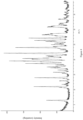
Fig. 3 is an XRPD pattern of the crystal form B of the compound of formula (I). -
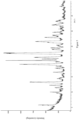
Fig. 4 is an XRPD pattern of the crystal form C of the compound of formula (II). -
Fig. 5 is an XRPD pattern of the crystal form D of the compound of formula (III). -
Fig. 6 is an XRPD pattern of the crystal form E of the compound of formula (III). -
Fig. 7 is an XRPD pattern of the crystal form F of the compound of formula (IV). -
Fig. 8 is an XRPD pattern of the crystal form G of the compound of formula (IV). -
Fig. 9 is an XRPD pattern of the crystal form H of the compound of formula (V). -
Fig. 10 is an XRPD pattern of the crystal form I of the compound of formula (V). -
Fig. 11 is an XRPD pattern of the crystal form J of the compound of formula (V). -
Fig. 12 is an XRPD pattern of the crystal form K of the compound of formula (VI). - In order to better understand the content of the present invention, the following Embodiments further illustrate the invention.
- The crystal form A of the compound of formula (I) is according to the invention, also described herein are other reference compounds and crystals.
- Anhydrous methanol (4.9 L), choline aqueous solution (49.5% by weight, 467.60 g), and anhydrous methanol (0.12 L) were added to the reaction kettle successively and the temperature was adjusted to 25°C. Then a solution of compound I-8 (1004.15 g) in anhydrous methanol (4.90 L) was added dropwise to the reaction kettle, and the temperature was controlled between 20-25°C. After the addition, the mixture was stirred at around 35°C for 5h before the termination of the heating and stirring. Ethyl acetate (10.04 L) was added to the reaction solution, followed by concentrating to constant weight at 40°C, and the process was repeated twice. Ethyl acetate (16.58 L) was added again, the mixture was heated to 79°C and refluxed for 42 hours, then the stirring stopped after the mixture was cooled down to room temperature. The mixture was filtered, and the filter cake was washed with ethyl acetate (3.00 L), collected and dried at ambient temperature (15-25 °C) for 19h. The filter cake was dried at 45-50°C and -0.8MPa for about 28h to obtain the crystal form A of the compound of formula (I).
- 1H NMR (400MHz, DMSO-d6) δ = 12.14 (brs, 1H), 7.53 -7.45 (m, 1H), 7.45 - 7.41 (m, 1H), 7.41 - 7.33 (m, 1H), 7.31 - 7.22 (m, 1H), 7.22 - 7.08 (m, 5H), 7.02 - 6.89 (m, 3H), 6.25 (d, J=16.0 Hz, 1H), 3.94 - 3.77 (m, 2H), 3.47 - 3.41 (m, 2H), 3.13 (s, 9H), 2.49 - 2.31 (m, 2H), 0.88 (t, J=7.6 Hz, 3H)
- At 20°C, hydroxycholine methanol solution (45% by weight, 1g) was added to compound I-8 (1g) and ethyl acetate (10mL) and the mixture was stirred at 20°C for 16 hours to obtain a yellow solution, which became a yellow suspension due to gradual precipitation. The mixture was filtered and the filter cake was washed with ethyl acetate (5 mL×3) to obtain the crystal form B of the compound of formula (I) by drying in vacuum.
- 1H NMR (400MHz, DMSO-d6) δ = 11.88 (br s, 1H), 7.47 (d, J=8.4 Hz,1H), 7.41 (d, J=8.4 Hz,2H), 7.28 (d, J=8.4 Hz,1H), 7.20 - 7.08 (m, 5H), 6.98 - 6.90 (m, 3H), 6.26 (d, J=16.0 Hz, 1H), 3.88 - 3.80 (m, 2H), 3.45 - 3.38 (m, 2H), 3.11 (s, 9H), 2.47 - 2.35 (m, 2H), 0.87 (t, J=7.2 Hz, 3H)
- 1g Compound I-8 was dissolved in 10mL ethyl acetate and the mixture was stirred at 50°C for 30 min, hydroxycholine aqueous solution (50% by weight, 248.86 mg) was added at 50°C and the mixture was stirred at 50°C for 5h, then cooled to 20°C and stirred for 12h. Solids were precipitated, then filtered off, and the filter cake was washed with ethyl acetate (3 mL × 3) and concentrated to give 1.08g white solid of the crystal form C of the compound of formula (II).
- 1H NMR (400MHz, DMSO-d6) δ = 11.62 (br s, 1H), 7.49 (d, J=8.4 Hz,1H), 7.41 (d, J=8.4 Hz,2H), 7.32 - 7.25 (m, 3H), 7.20 - 7.08 (m, 4H), 6.97 (d, J=8.4 Hz,2H), 6.38 (d, J=16.0 Hz, 1H), 3.88 - 3.82 (m, 1H), 3.43 - 3.38 (m, 1H), 3.11 (s, 4.5H), 2.50 - 2.32 (m, 2H), 0.89 (t, J=7.6 Hz, 3H)
- 0.2g Free acid was dissolved in acetonitrile (2 mL) and the mixture was stirred at 50°C for 30 minutes, 55.48mg trometamol was added and the mixture was stirred at 50°C for 5 hours, then cooled to 25°C and stirred for 16 hours. Solids were precipitated, and then filtered off, the filter cake was washed with n-heptane (5 mL), and the solid was concentrated to obtain 145mg bright yellow solid.
- 1H NMR (400MHz, DMSO-d6) δ = 11.52 (br s, 1H), 7.49 (d, J=8.0 Hz,1H), 7.40 (d, J=8.0 Hz,2H), 7.32 - 7.23 (m, 3H), 7.22 - 7.10 (m, 4H), 6.97 (d, J=8.0 Hz,2H), 6.32 (d, J=15.6 Hz, 1H), 3.41 (s, 6H), 2.48 - 2.39 (m, 2H), 0.87 (t, J=7.6 Hz, 3H)
- 0.2g Free acid was dissolved in isopropanol (2 mL) and the mixture was stirred at 50°C for 30 minutes. 55.48mg trometamol was added and the mixture was stirred at 50°C for 5 hours, then cooled to 25°C and stirred for 16 hours. The solution was kept clear and poured into a glass vial containing 20 mL n-heptane, then the mixture was filtered to obtain a viscous oil, and concentrated to obtain 103mg bright yellow solid diethylamine salt.
- 1H NMR (400MHz, DMSO-d6) δ = 11.50 (br s, 1H), 7.48 (d, J=8.0 Hz,1H), 7.40 (d, J=8.0 Hz,2H), 7.33 - 7.22 (m, 3H), 7.21 - 7.08 (m, 4H), 6.96 (d, J=8.0 Hz,2H), 6.31 (d, J=16.0 Hz, 1H), 3.38 (s, 6H), 2.50 - 2.39 (m, 2H), 0.88 (t, J=7.6 Hz, 3H)
- 1)Preparation for the Crystal Form F of the Compound of Formula (IV) 0.2g Free acid was dissolved in acetone (2mL) and the mixture was stirred at 50°C for 30 mins, 33.50mg diethylamine was added and the mixture was stirred at 50°C for 5h, then cooled to 25°C and stirred for 16h. A large amount of white solid was precipitated, filtered off, and the filter cake was washed with acetone (2mL×3), and the filter cake was concentrated to obtain 161mg white solid.
- 1H NMR (400MHz, DMSO-d6) δ = 11.56 (br s, 1H), 7.51 (d, J=7.2 Hz,1H), 7.40 (d, J=7.6 Hz,2H), 7.31 - 7.28 (m, 3H), 7.20 - 7.10 (m, 4H), 6.96 (d, J=8.4 Hz,2H), 6.32 (d, J=16.0 Hz, 1H), 2.76 (d, J=7.2 Hz, 4H), 2.51 - 2.43 (m, 2H), 1.11 (d, J=7.2 Hz, 6H), 0.89 (t, J=7.6 Hz, 3H)
- 0.2g Free acid was dissolved in isopropanol (2mL) and the mixture was stirred at 50°C for 30 mins, 33.50mg diethylamine was added and the mixture was stirred at 50°C for 5h, then cooled to 25°C and stirred for 16h. A large amount of white solid was precipitated, filtered off, and the filter cake was washed with acetone (2mL×3), and the filter cake was concentrated to obtain 163mg white solid piperazine salt.
- 1H NMR (400MHz, DMSO-d6) δ = 11.56 (br s, 1H), 7.51 (d, J=7.2 Hz,1H), 7.40 (d, J=7.6 Hz,2H), 7.31 - 7.28 (m, 3H), 7.20 - 7.10 (m, 4H), 6.97 (d, J=8.0 Hz,2H), 6.33 (d, J=16.0 Hz, 1H), 2.76 (d, J=7.2 Hz, 4H), 2.51 - 2.43 (m, 2H), 1.11 (d, J=7.2 Hz, 6H), 0.89 (t, J=7.6 Hz, 3H)
- 0.2g Free acid was dissolved in acetone (2mL) and the mixture was stirred at 50°C for 30 mins, 39.45mg piperazine was added and the mixture was stirred at 50°C for 5h, then cooled to 25°C and stirred for 16h. A large amount of white solid was precipitated, filtered off, and the filter cake was washed with acetone (2mL×3), and the filter cake was concentrated to obtain white solids.
- 1H NMR (400MHz, DMSO-d6) δ = 11.55 (br s, 1H), 7.49 (d, J=8.0 Hz,1H), 7.43 - 7.37 (m, 2H), 7.31 - 7.29 (m, 3H), 7.19 - 7.11 (m, 4H), 6.96 (d, J=8.4 Hz,2H), 6.32 (d, J=15.6 Hz, 1H), 2.78 (s, 8H), 2.50 - 2.41 (m, 2H), 0.89 (t, J=7.6 Hz, 3H)
- 0.2g Free acid was dissolved in acetonitrile (2mL) and the mixture was stirred at 50°C for 30 mins, 39.45mg piperazine was added and the mixture was stirred at 50°C for 5h, then cooled to 25°C and stirred for 16h. A large amount of white solid was precipitated, filtered off, and the filter cake was washed with acetone (2mL×3), and the filter cake was concentrated to obtain white solids.
- 1H NMR (400MHz, DMSO-d6) δ = 11.55 (br s, 1H), 7.49 (d, J=8.0 Hz,1H), 7.43 - 7.37 (m, 2H), 7.31 - 7.29 (m, 3H), 7.19 - 7.12 (m, 4H), 6.96 (d, J=8.0 Hz,2H), 6.32 (d, J=16.0 Hz, 1H), 2.78 (s, 8H), 2.50 - 2.41 (m, 2H), 0.89 (t, J=7.6 Hz, 3H)
- 0.2g Free acid was dissolved in isopropanol (2mL) and the mixture was stirred at 50°C for 30 mins, 39.45mg piperazine was added and the mixture was stirred at 50°C for 5h, then cooled to 25°C and stirred for 16h. A large amount of white solid was precipitated, filtered off, and the filter cake was washed with acetone (2mL×3), and the filter cake was concentrated to obtain white solids.
- 1H NMR (400MHz, DMSO-d6) δ = 11.54 (br s, 1H), 7.50 (d, J=8.0 Hz,1H), 7.43 - 7.37 (m, 2H), 7.33 - 7.25 (m, 3H), 7.21 - 7.14 (m, 4H), 6.96 (d, J=8.4 Hz,2H), 6.33 (d, J=16.0 Hz, 1H), 2.76 (s, 8H), 2.50 - 2.35 (m, 2H), 0.89 (t, J=7.6 Hz, 3H)
- 0.2g Free acid was dissolved in acetonitrile (2mL) and the mixture was stirred at 50°C for 30 mins, 110.08mg benzathine was added and the mixture was stirred at 50°C for 5h, then cooled to 25°C and stirred for 16h. A large amount of white solid was precipitated, filtered off, and the filter cake was washed with acetonitrile (2mL×3), and the filter cake was concentrated to obtain white solids.
- 1H NMR (400MHz, DMSO-d6) δ = 11.53 (br s, 1H), 7.51 (d, J=7.2 Hz,1H), 7.45 - 7.05 (m, 19H), 7.01 - 6.98 (m, 2H), 6.39 (d, J=16.0 Hz, 1H), 3.73 (s, 4H), 2.66 (s, 4H), 2.50 - 2.42 (m, 2H), 0.91-0.89 (m, 3H)
- Assay materials: compound I-8, crystal form A of the compound of the formula (I), water, FaSSIF (simulated pre-meal intestinal fluid), FeSSIF (simulated post-meal intestinal fluid).
- Assay method: compound I-8 and the crystal form A of the compound of formula (I) were weighed in four portions and added to a 4mL glass vial respectively, then 2mL biological vehicle (FaSSIF, FeSSIF) and purified water were added respectively, the mixtures were mixed uniformly and the magnets were added to the suspensions, the mixtures were placed on a magnetic stirring heater for stirring (at 37°C, protected from light). Samples were taken after 24h, and the sample solution was quickly centrifuged, and the supernatant was diluted suitable folds and its concentration was determined by HPLC.
- Assay results: see Table 12.
Table 12 Solubility Comparison-solubility of different biological vehicle Compounds to be tested Biological vehicle H2O(mg/mL)* FaSSIF(mg/mL)* FeSSIF(mg/mL)* compound 1-8 0.008 0.117 0.440 Crystal Form A of the compound of formula 0.870 1.650 3.590 "*": the solubility of the crystal form A of the compound of formula (I) was calculated based on the free acid. - Experiment conclusion: compared with compound I-8, the solubility of the crystal form A of the compound of formula (I) has been significantly improved.
- Assay materials: beagle dogs, three dogs per group, two groups in total (administered by compound I-8 and crystal form A of the compound of formula (I) respectively)
- Assay methods: the animals in each group were administered with corresponding compounds by orally gavage once, and blood samples were collected before and 2h (±2min), 4h (±5min), 6h (±5min), 8h (±5min), 12h (±5min), and 24h (±10min) after the administration. The samples were detected by LC-MS/MS, and AUC, Cmax, and Tmax parameters were calculated by employing WinNonlin version 6.4.
- Assay results: see Table 13.
Tables 13. Parameters Compound I-8 Crystal Form A of the compound of formula (I) P.O. dose (mg/kg) 300 300 Cmax (nM) 43467 75167 Tmax (h) 6 9.3 AUC0-last (nM.h) 613021 1309787 MRT 0-last (h) 10.6 13.3 - Assay conclusion: The crystal form A of the compound of formula (I) has good pharmacokinetic properties.
Claims (4)
- A crystal form A of the compound of formula (I), wherein the X-ray powder diffraction pattern under Cu-Kα radiation has characteristic diffraction peaks at the following 2θ angles: 5.52± 0.2°, 13.68± 0.2°, 19.98± 0.2°, 20.80± 0.2°, 22.02± 0.2°, 22.44± 0.2°, 24.94± 0.2° and 26.96± 0.2°,

- The crystal form A of the compound of formula (I) of claim 1, wherein the X-ray powder diffraction pattern under Cu-Kα radiation has nine or more than nine, ten or more than ten, or eleven or more than eleven characteristic diffraction peaks at the 2θ angles selected from the group consisting of 5.52±0.2°, 13.68±0.2°, 18.86±0.2°, 19.98±0.2°, 20.80±0.2°, 21.62±0.2°, 22.02±0.2°, 22.44±0.2°, 23.34±0.2°, 24.94±0.2°, 26.96±0.2° and 28.42±0.2°.
- The crystal form A of the compound of formula (I) of claim 2, wherein the data of the X-ray powder diffraction pattern under Cu-Kα radiation is shown in following table:
No. 2θ Angle (°) d-spacing (Å) Intensity Relative intensity (%) No. 2θ Angle (°) d-spacing (Å) Intensity Relative intensity (%) 1 5.519 16.0002 891 84.0 21 23.341 3.808 377 35.5 2 10.023 8.8181 138 13.0 22 24.939 3.5676 413 38.9 3 10.483 8.4319 169 15.9 23 25.957 3.4298 156 14.7 4 10.962 8.0646 306 28.8 24 26.96 3.3045 755 71.1 5 11.739 7.5328 259 24.4 25 27.561 3.2338 322 30.3 6 12.419 7.1213 283 26.6 26 28.038 3.1798 202 19.0 7 13.68 6.468 581 54.7 27 28.419 3.138 409 38.5 8 15.401 5.7486 208 19.6 28 29.454 3.0301 63 5.9 9 16.239 5.4539 114 10.8 29 29.863 2.9895 98 9.2 10 16.973 5.2196 165 15.5 30 30.459 2.9324 129 12.2 11 17.579 5.041 113 10.6 31 31.062 2.8769 123 11.5 12 18.241 4.8596 194 18.3 32 31.638 2.8258 47 4.4 13 18.859 4.7018 374 35.2 33 32.499 2.7528 186 17.5 14 19.181 4.6234 201 18.9 34 33.841 2.6467 88 8.3 15 19.979 4.4405 573 54.0 35 34.643 2.5872 36 3.4 16 20.482 4.3327 598 56.4 36 35.035 2.5591 47 4.4 17 20.802 4.2667 605 57.0 37 36.013 2.4918 42 3.4 18 21.618 4.1075 373 35.1 38 37.44 2.4001 69 4.0 19 22.019 4.0335 655 61.7 39 38.058 2.3625 93 6.5 20 22.437 3.9593 1061 100.0 - The crystal form A of the compound of formula (I) of any one of claims 1 to 3 for use in the treatment of breast cancer.
Applications Claiming Priority (2)
| Application Number | Priority Date | Filing Date | Title |
|---|---|---|---|
| CN201811434915 | 2018-11-28 | ||
| PCT/CN2019/111624 WO2020108154A1 (en) | 2018-11-28 | 2019-10-17 | Salt form of estrogen receptor downregulator, crystalline form thereof, and preparation method therefor |
Publications (3)
| Publication Number | Publication Date |
|---|---|
| EP3889136A1 EP3889136A1 (en) | 2021-10-06 |
| EP3889136A4 EP3889136A4 (en) | 2022-08-24 |
| EP3889136B1 true EP3889136B1 (en) | 2024-12-18 |
Family
ID=70852402
Family Applications (1)
| Application Number | Title | Priority Date | Filing Date |
|---|---|---|---|
| EP19888746.5A Active EP3889136B1 (en) | 2018-11-28 | 2019-10-17 | Salt form of estrogen receptor downregulator, crystalline form thereof, and preparation method therefor |
Country Status (7)
| Country | Link |
|---|---|
| US (1) | US12098127B2 (en) |
| EP (1) | EP3889136B1 (en) |
| JP (1) | JP7416540B2 (en) |
| KR (1) | KR102858291B1 (en) |
| CN (1) | CN113166056B (en) |
| ES (1) | ES3000862T3 (en) |
| WO (1) | WO2020108154A1 (en) |
Family Cites Families (7)
| Publication number | Priority date | Publication date | Assignee | Title |
|---|---|---|---|---|
| GB2483736B (en) | 2010-09-16 | 2012-08-29 | Aragon Pharmaceuticals Inc | Estrogen receptor modulators and uses thereof |
| US9855270B2 (en) | 2014-03-13 | 2018-01-02 | Genentech, Inc. | Methods and compositions for modulating estrogen receptor mutants |
| CN106660969A (en) | 2014-08-11 | 2017-05-10 | 豪夫迈·罗氏有限公司 | Crystalline forms of an estrogen receptor modulator |
| US10723726B2 (en) * | 2015-06-12 | 2020-07-28 | Gb006, Inc. | Solid forms of (Z)-4-(5-((3-benzyl-4-oxo-2-thioxothiazolidin-5-ylidene)methyl)furan-2-yl)benzoic acid |
| AU2017239348B2 (en) * | 2016-03-25 | 2020-03-12 | Luoxin Healthcare Science and Technology Development (Beijing) Ltd. | Substituted-indole compounds as estrogen receptor down-regulators |
| SI3519407T1 (en) | 2016-09-30 | 2022-01-31 | Receptos Llc | Dimethylaminoethanol salt of a glp-1 receptor modulator |
| WO2019057201A1 (en) * | 2017-09-25 | 2019-03-28 | 罗欣生物科技(上海)有限公司 | Crystal form of estrogen receptor inhibitor and preparation method therefor |
-
2019
- 2019-10-17 KR KR1020217020007A patent/KR102858291B1/en active Active
- 2019-10-17 EP EP19888746.5A patent/EP3889136B1/en active Active
- 2019-10-17 US US17/295,878 patent/US12098127B2/en active Active
- 2019-10-17 JP JP2021530238A patent/JP7416540B2/en active Active
- 2019-10-17 CN CN201980078425.5A patent/CN113166056B/en active Active
- 2019-10-17 ES ES19888746T patent/ES3000862T3/en active Active
- 2019-10-17 WO PCT/CN2019/111624 patent/WO2020108154A1/en not_active Ceased
Also Published As
| Publication number | Publication date |
|---|---|
| EP3889136A1 (en) | 2021-10-06 |
| EP3889136A4 (en) | 2022-08-24 |
| ES3000862T3 (en) | 2025-03-03 |
| WO2020108154A1 (en) | 2020-06-04 |
| US20220017463A1 (en) | 2022-01-20 |
| KR20210097742A (en) | 2021-08-09 |
| KR102858291B1 (en) | 2025-09-12 |
| JP7416540B2 (en) | 2024-01-17 |
| JP2022510918A (en) | 2022-01-28 |
| US12098127B2 (en) | 2024-09-24 |
| CN113166056B (en) | 2024-07-05 |
| CN113166056A (en) | 2021-07-23 |
Similar Documents
| Publication | Publication Date | Title |
|---|---|---|
| JP7773987B2 (en) | Spiro ring-containing quinazoline compounds | |
| BR112021005606A2 (en) | process of producing a compound to inhibit the activity of shp2 | |
| CN101676266B (en) | Deuterated ω-diphenylurea and its derivatives and pharmaceutical composition comprising the compound | |
| TW201938556A (en) | Compounds and their use in treating cancer | |
| AU2021383928A1 (en) | Fgfr inhibitors and methods of making and using the same | |
| CN103827083A (en) | N1-cyclic amine-N5-substituted phenyl biguanide derivatives, methods of preparing the same and pharmaceutical composition comprising the same | |
| BR112015017963A2 (en) | deuterated phenyl amino pyrimidine compound, method for preparing the pharmaceutical composition, pharmaceutical composition and use of the compound | |
| ES2699884T3 (en) | New crystalline compound of arylalkylamine and method to produce the same | |
| CN109748873B (en) | Compounds and their use in the treatment of cancer | |
| WO2015113521A1 (en) | Deuterated quinazolinone compound and pharmaceutical composition comprising same | |
| JPH0253795A (en) | new ester | |
| WO2023193563A1 (en) | Crystal form a of thienopyridine compound, and preparation method therefor and pharmaceutical composition thereof | |
| US12098127B2 (en) | Salt form of estrogen receptor downregulator, crystalline form thereof, and preparation method therefor | |
| US11034653B2 (en) | Crystal form of estrogen receptor inhibitor and preparation method therefor | |
| CN112500353B (en) | Levosimendan prodrug compound, preparation method and application thereof | |
| CN117957222A (en) | Muscarinic receptor 4 antagonists and methods of use | |
| CN106966986A (en) | N benzyls heterocyclic nitro ketene semiamine analog derivative and synthetic method and antitumor application thereof | |
| WO2023222122A1 (en) | Solid forms of a compound for treating or preventing hyperuricemia or gout | |
| WO2026012465A1 (en) | Benzodiazepine compound, pharmaceutical composition and use thereof | |
| CA3202779A1 (en) | Salt form of tetra-substituted olefin compound, crystal, and preparation method therefor | |
| BR122025028707A2 (en) | METHODS FOR PRODUCING COMPOUNDS TO INHIBIT SHP2 ACTIVITY |
Legal Events
| Date | Code | Title | Description |
|---|---|---|---|
| STAA | Information on the status of an ep patent application or granted ep patent |
Free format text: STATUS: THE INTERNATIONAL PUBLICATION HAS BEEN MADE |
|
| PUAI | Public reference made under article 153(3) epc to a published international application that has entered the european phase |
Free format text: ORIGINAL CODE: 0009012 |
|
| STAA | Information on the status of an ep patent application or granted ep patent |
Free format text: STATUS: REQUEST FOR EXAMINATION WAS MADE |
|
| 17P | Request for examination filed |
Effective date: 20210624 |
|
| AK | Designated contracting states |
Kind code of ref document: A1 Designated state(s): AL AT BE BG CH CY CZ DE DK EE ES FI FR GB GR HR HU IE IS IT LI LT LU LV MC MK MT NL NO PL PT RO RS SE SI SK SM TR |
|
| DAV | Request for validation of the european patent (deleted) | ||
| DAX | Request for extension of the european patent (deleted) | ||
| A4 | Supplementary search report drawn up and despatched |
Effective date: 20220727 |
|
| RIC1 | Information provided on ipc code assigned before grant |
Ipc: A61P 35/00 20060101ALI20220722BHEP Ipc: A61K 31/404 20060101ALI20220722BHEP Ipc: C07D 209/18 20060101AFI20220722BHEP |
|
| REG | Reference to a national code |
Ref country code: DE Ref country code: DE Ref legal event code: R079 Ref document number: 602019063809 Country of ref document: DE Free format text: PREVIOUS MAIN CLASS: C07D0209180000 Ipc: C07D0209300000 |
|
| RIC1 | Information provided on ipc code assigned before grant |
Ipc: A61K 31/404 20060101ALI20240715BHEP Ipc: A61P 35/00 20060101ALI20240715BHEP Ipc: C07D 209/30 20060101AFI20240715BHEP |
|
| GRAP | Despatch of communication of intention to grant a patent |
Free format text: ORIGINAL CODE: EPIDOSNIGR1 |
|
| STAA | Information on the status of an ep patent application or granted ep patent |
Free format text: STATUS: GRANT OF PATENT IS INTENDED |
|
| INTG | Intention to grant announced |
Effective date: 20240823 |
|
| GRAS | Grant fee paid |
Free format text: ORIGINAL CODE: EPIDOSNIGR3 |
|
| GRAA | (expected) grant |
Free format text: ORIGINAL CODE: 0009210 |
|
| STAA | Information on the status of an ep patent application or granted ep patent |
Free format text: STATUS: THE PATENT HAS BEEN GRANTED |
|
| AK | Designated contracting states |
Kind code of ref document: B1 Designated state(s): AL AT BE BG CH CY CZ DE DK EE ES FI FR GB GR HR HU IE IS IT LI LT LU LV MC MK MT NL NO PL PT RO RS SE SI SK SM TR |
|
| REG | Reference to a national code |
Ref country code: CH Ref legal event code: EP |
|
| P01 | Opt-out of the competence of the unified patent court (upc) registered |
Free format text: CASE NUMBER: APP_63011/2024 Effective date: 20241127 |
|
| REG | Reference to a national code |
Ref country code: DE Ref legal event code: R096 Ref document number: 602019063809 Country of ref document: DE |
|
| REG | Reference to a national code |
Ref country code: IE Ref legal event code: FG4D |
|
| REG | Reference to a national code |
Ref country code: ES Ref legal event code: FG2A Ref document number: 3000862 Country of ref document: ES Kind code of ref document: T3 Effective date: 20250303 |
|
| REG | Reference to a national code |
Ref country code: LT Ref legal event code: MG9D |
|
| PG25 | Lapsed in a contracting state [announced via postgrant information from national office to epo] |
Ref country code: HR Free format text: LAPSE BECAUSE OF FAILURE TO SUBMIT A TRANSLATION OF THE DESCRIPTION OR TO PAY THE FEE WITHIN THE PRESCRIBED TIME-LIMIT Effective date: 20241218 |
|
| PG25 | Lapsed in a contracting state [announced via postgrant information from national office to epo] |
Ref country code: FI Free format text: LAPSE BECAUSE OF FAILURE TO SUBMIT A TRANSLATION OF THE DESCRIPTION OR TO PAY THE FEE WITHIN THE PRESCRIBED TIME-LIMIT Effective date: 20241218 |
|
| PG25 | Lapsed in a contracting state [announced via postgrant information from national office to epo] |
Ref country code: BG Free format text: LAPSE BECAUSE OF FAILURE TO SUBMIT A TRANSLATION OF THE DESCRIPTION OR TO PAY THE FEE WITHIN THE PRESCRIBED TIME-LIMIT Effective date: 20241218 |
|
| PG25 | Lapsed in a contracting state [announced via postgrant information from national office to epo] |
Ref country code: NO Free format text: LAPSE BECAUSE OF FAILURE TO SUBMIT A TRANSLATION OF THE DESCRIPTION OR TO PAY THE FEE WITHIN THE PRESCRIBED TIME-LIMIT Effective date: 20250318 |
|
| REG | Reference to a national code |
Ref country code: NL Ref legal event code: MP Effective date: 20241218 |
|
| PG25 | Lapsed in a contracting state [announced via postgrant information from national office to epo] |
Ref country code: LV Free format text: LAPSE BECAUSE OF FAILURE TO SUBMIT A TRANSLATION OF THE DESCRIPTION OR TO PAY THE FEE WITHIN THE PRESCRIBED TIME-LIMIT Effective date: 20241218 Ref country code: GR Free format text: LAPSE BECAUSE OF FAILURE TO SUBMIT A TRANSLATION OF THE DESCRIPTION OR TO PAY THE FEE WITHIN THE PRESCRIBED TIME-LIMIT Effective date: 20250319 |
|
| PG25 | Lapsed in a contracting state [announced via postgrant information from national office to epo] |
Ref country code: RS Free format text: LAPSE BECAUSE OF FAILURE TO SUBMIT A TRANSLATION OF THE DESCRIPTION OR TO PAY THE FEE WITHIN THE PRESCRIBED TIME-LIMIT Effective date: 20250318 |
|
| PG25 | Lapsed in a contracting state [announced via postgrant information from national office to epo] |
Ref country code: NL Free format text: LAPSE BECAUSE OF FAILURE TO SUBMIT A TRANSLATION OF THE DESCRIPTION OR TO PAY THE FEE WITHIN THE PRESCRIBED TIME-LIMIT Effective date: 20241218 |
|
| REG | Reference to a national code |
Ref country code: AT Ref legal event code: MK05 Ref document number: 1752173 Country of ref document: AT Kind code of ref document: T Effective date: 20241218 |
|
| PG25 | Lapsed in a contracting state [announced via postgrant information from national office to epo] |
Ref country code: SM Free format text: LAPSE BECAUSE OF FAILURE TO SUBMIT A TRANSLATION OF THE DESCRIPTION OR TO PAY THE FEE WITHIN THE PRESCRIBED TIME-LIMIT Effective date: 20241218 |
|
| PG25 | Lapsed in a contracting state [announced via postgrant information from national office to epo] |
Ref country code: PL Free format text: LAPSE BECAUSE OF FAILURE TO SUBMIT A TRANSLATION OF THE DESCRIPTION OR TO PAY THE FEE WITHIN THE PRESCRIBED TIME-LIMIT Effective date: 20241218 |
|
| PG25 | Lapsed in a contracting state [announced via postgrant information from national office to epo] |
Ref country code: IS Free format text: LAPSE BECAUSE OF FAILURE TO SUBMIT A TRANSLATION OF THE DESCRIPTION OR TO PAY THE FEE WITHIN THE PRESCRIBED TIME-LIMIT Effective date: 20250418 |
|
| PG25 | Lapsed in a contracting state [announced via postgrant information from national office to epo] |
Ref country code: PT Free format text: LAPSE BECAUSE OF FAILURE TO SUBMIT A TRANSLATION OF THE DESCRIPTION OR TO PAY THE FEE WITHIN THE PRESCRIBED TIME-LIMIT Effective date: 20250421 |
|
| PG25 | Lapsed in a contracting state [announced via postgrant information from national office to epo] |
Ref country code: EE Free format text: LAPSE BECAUSE OF FAILURE TO SUBMIT A TRANSLATION OF THE DESCRIPTION OR TO PAY THE FEE WITHIN THE PRESCRIBED TIME-LIMIT Effective date: 20241218 |
|
| PG25 | Lapsed in a contracting state [announced via postgrant information from national office to epo] |
Ref country code: AT Free format text: LAPSE BECAUSE OF FAILURE TO SUBMIT A TRANSLATION OF THE DESCRIPTION OR TO PAY THE FEE WITHIN THE PRESCRIBED TIME-LIMIT Effective date: 20241218 Ref country code: RO Free format text: LAPSE BECAUSE OF FAILURE TO SUBMIT A TRANSLATION OF THE DESCRIPTION OR TO PAY THE FEE WITHIN THE PRESCRIBED TIME-LIMIT Effective date: 20241218 |
|
| PG25 | Lapsed in a contracting state [announced via postgrant information from national office to epo] |
Ref country code: SK Free format text: LAPSE BECAUSE OF FAILURE TO SUBMIT A TRANSLATION OF THE DESCRIPTION OR TO PAY THE FEE WITHIN THE PRESCRIBED TIME-LIMIT Effective date: 20241218 |
|
| PG25 | Lapsed in a contracting state [announced via postgrant information from national office to epo] |
Ref country code: CZ Free format text: LAPSE BECAUSE OF FAILURE TO SUBMIT A TRANSLATION OF THE DESCRIPTION OR TO PAY THE FEE WITHIN THE PRESCRIBED TIME-LIMIT Effective date: 20241218 |
|
| PG25 | Lapsed in a contracting state [announced via postgrant information from national office to epo] |
Ref country code: SE Free format text: LAPSE BECAUSE OF FAILURE TO SUBMIT A TRANSLATION OF THE DESCRIPTION OR TO PAY THE FEE WITHIN THE PRESCRIBED TIME-LIMIT Effective date: 20241218 |
|
| REG | Reference to a national code |
Ref country code: DE Ref legal event code: R097 Ref document number: 602019063809 Country of ref document: DE |
|
| PG25 | Lapsed in a contracting state [announced via postgrant information from national office to epo] |
Ref country code: DK Free format text: LAPSE BECAUSE OF FAILURE TO SUBMIT A TRANSLATION OF THE DESCRIPTION OR TO PAY THE FEE WITHIN THE PRESCRIBED TIME-LIMIT Effective date: 20241218 |
|
| PLBE | No opposition filed within time limit |
Free format text: ORIGINAL CODE: 0009261 |
|
| STAA | Information on the status of an ep patent application or granted ep patent |
Free format text: STATUS: NO OPPOSITION FILED WITHIN TIME LIMIT |
|
| 26N | No opposition filed |
Effective date: 20250919 |
|
| PGFP | Annual fee paid to national office [announced via postgrant information from national office to epo] |
Ref country code: DE Payment date: 20251020 Year of fee payment: 7 |
|
| PGFP | Annual fee paid to national office [announced via postgrant information from national office to epo] |
Ref country code: GB Payment date: 20251010 Year of fee payment: 7 |
|
| PGFP | Annual fee paid to national office [announced via postgrant information from national office to epo] |
Ref country code: IT Payment date: 20251031 Year of fee payment: 7 |
|
| PGFP | Annual fee paid to national office [announced via postgrant information from national office to epo] |
Ref country code: FR Payment date: 20251010 Year of fee payment: 7 |
|
| PGFP | Annual fee paid to national office [announced via postgrant information from national office to epo] |
Ref country code: ES Payment date: 20251114 Year of fee payment: 7 |