EP3889072B1 - Apparatus for accommodating copper foil - Google Patents
Apparatus for accommodating copper foil Download PDFInfo
- Publication number
- EP3889072B1 EP3889072B1 EP20887330.7A EP20887330A EP3889072B1 EP 3889072 B1 EP3889072 B1 EP 3889072B1 EP 20887330 A EP20887330 A EP 20887330A EP 3889072 B1 EP3889072 B1 EP 3889072B1
- Authority
- EP
- European Patent Office
- Prior art keywords
- damper
- sidewall
- support
- coupled
- core
- Prior art date
- Legal status (The legal status is an assumption and is not a legal conclusion. Google has not performed a legal analysis and makes no representation as to the accuracy of the status listed.)
- Active
Links
Images







Classifications
-
- H—ELECTRICITY
- H01—ELECTRIC ELEMENTS
- H01M—PROCESSES OR MEANS, e.g. BATTERIES, FOR THE DIRECT CONVERSION OF CHEMICAL ENERGY INTO ELECTRICAL ENERGY
- H01M4/00—Electrodes
- H01M4/02—Electrodes composed of, or comprising, active material
- H01M4/64—Carriers or collectors
- H01M4/70—Carriers or collectors characterised by shape or form
- H01M4/76—Containers for holding the active material, e.g. tubes, capsules
-
- B—PERFORMING OPERATIONS; TRANSPORTING
- B65—CONVEYING; PACKING; STORING; HANDLING THIN OR FILAMENTARY MATERIAL
- B65D—CONTAINERS FOR STORAGE OR TRANSPORT OF ARTICLES OR MATERIALS, e.g. BAGS, BARRELS, BOTTLES, BOXES, CANS, CARTONS, CRATES, DRUMS, JARS, TANKS, HOPPERS, FORWARDING CONTAINERS; ACCESSORIES, CLOSURES, OR FITTINGS THEREFOR; PACKAGING ELEMENTS; PACKAGES
- B65D25/00—Details of other kinds or types of rigid or semi-rigid containers
- B65D25/02—Internal fittings
-
- B—PERFORMING OPERATIONS; TRANSPORTING
- B65—CONVEYING; PACKING; STORING; HANDLING THIN OR FILAMENTARY MATERIAL
- B65D—CONTAINERS FOR STORAGE OR TRANSPORT OF ARTICLES OR MATERIALS, e.g. BAGS, BARRELS, BOTTLES, BOXES, CANS, CARTONS, CRATES, DRUMS, JARS, TANKS, HOPPERS, FORWARDING CONTAINERS; ACCESSORIES, CLOSURES, OR FITTINGS THEREFOR; PACKAGING ELEMENTS; PACKAGES
- B65D25/00—Details of other kinds or types of rigid or semi-rigid containers
- B65D25/02—Internal fittings
- B65D25/10—Devices to locate articles in containers
-
- B—PERFORMING OPERATIONS; TRANSPORTING
- B65—CONVEYING; PACKING; STORING; HANDLING THIN OR FILAMENTARY MATERIAL
- B65D—CONTAINERS FOR STORAGE OR TRANSPORT OF ARTICLES OR MATERIALS, e.g. BAGS, BARRELS, BOTTLES, BOXES, CANS, CARTONS, CRATES, DRUMS, JARS, TANKS, HOPPERS, FORWARDING CONTAINERS; ACCESSORIES, CLOSURES, OR FITTINGS THEREFOR; PACKAGING ELEMENTS; PACKAGES
- B65D25/00—Details of other kinds or types of rigid or semi-rigid containers
- B65D25/02—Internal fittings
- B65D25/10—Devices to locate articles in containers
- B65D25/107—Grooves, ribs, or the like, situated on opposed walls and between which the articles are located
-
- B—PERFORMING OPERATIONS; TRANSPORTING
- B65—CONVEYING; PACKING; STORING; HANDLING THIN OR FILAMENTARY MATERIAL
- B65D—CONTAINERS FOR STORAGE OR TRANSPORT OF ARTICLES OR MATERIALS, e.g. BAGS, BARRELS, BOTTLES, BOXES, CANS, CARTONS, CRATES, DRUMS, JARS, TANKS, HOPPERS, FORWARDING CONTAINERS; ACCESSORIES, CLOSURES, OR FITTINGS THEREFOR; PACKAGING ELEMENTS; PACKAGES
- B65D81/00—Containers, packaging elements, or packages, for contents presenting particular transport or storage problems, or adapted to be used for non-packaging purposes after removal of contents
- B65D81/02—Containers, packaging elements, or packages, for contents presenting particular transport or storage problems, or adapted to be used for non-packaging purposes after removal of contents specially adapted to protect contents from mechanical damage
-
- B—PERFORMING OPERATIONS; TRANSPORTING
- B65—CONVEYING; PACKING; STORING; HANDLING THIN OR FILAMENTARY MATERIAL
- B65D—CONTAINERS FOR STORAGE OR TRANSPORT OF ARTICLES OR MATERIALS, e.g. BAGS, BARRELS, BOTTLES, BOXES, CANS, CARTONS, CRATES, DRUMS, JARS, TANKS, HOPPERS, FORWARDING CONTAINERS; ACCESSORIES, CLOSURES, OR FITTINGS THEREFOR; PACKAGING ELEMENTS; PACKAGES
- B65D81/00—Containers, packaging elements, or packages, for contents presenting particular transport or storage problems, or adapted to be used for non-packaging purposes after removal of contents
- B65D81/02—Containers, packaging elements, or packages, for contents presenting particular transport or storage problems, or adapted to be used for non-packaging purposes after removal of contents specially adapted to protect contents from mechanical damage
- B65D81/05—Containers, packaging elements, or packages, for contents presenting particular transport or storage problems, or adapted to be used for non-packaging purposes after removal of contents specially adapted to protect contents from mechanical damage maintaining contents at spaced relation from package walls, or from other contents
- B65D81/07—Containers, packaging elements, or packages, for contents presenting particular transport or storage problems, or adapted to be used for non-packaging purposes after removal of contents specially adapted to protect contents from mechanical damage maintaining contents at spaced relation from package walls, or from other contents using resilient suspension means
-
- B—PERFORMING OPERATIONS; TRANSPORTING
- B65—CONVEYING; PACKING; STORING; HANDLING THIN OR FILAMENTARY MATERIAL
- B65D—CONTAINERS FOR STORAGE OR TRANSPORT OF ARTICLES OR MATERIALS, e.g. BAGS, BARRELS, BOTTLES, BOXES, CANS, CARTONS, CRATES, DRUMS, JARS, TANKS, HOPPERS, FORWARDING CONTAINERS; ACCESSORIES, CLOSURES, OR FITTINGS THEREFOR; PACKAGING ELEMENTS; PACKAGES
- B65D85/00—Containers, packaging elements or packages, specially adapted for particular articles or materials
- B65D85/67—Containers, packaging elements or packages, specially adapted for particular articles or materials for web or tape-like material
- B65D85/671—Containers, packaging elements or packages, specially adapted for particular articles or materials for web or tape-like material wound in flat spiral form
- B65D85/672—Containers, packaging elements or packages, specially adapted for particular articles or materials for web or tape-like material wound in flat spiral form on cores
-
- B—PERFORMING OPERATIONS; TRANSPORTING
- B65—CONVEYING; PACKING; STORING; HANDLING THIN OR FILAMENTARY MATERIAL
- B65H—HANDLING THIN OR FILAMENTARY MATERIAL, e.g. SHEETS, WEBS, CABLES
- B65H75/00—Storing webs, tapes, or filamentary material, e.g. on reels
- B65H75/02—Cores, formers, supports, or holders for coiled, wound, or folded material, e.g. reels, spindles, bobbins, cop tubes, cans, mandrels or chucks
- B65H75/34—Cores, formers, supports, or holders for coiled, wound, or folded material, e.g. reels, spindles, bobbins, cop tubes, cans, mandrels or chucks specially adapted or mounted for storing and repeatedly paying-out and re-storing lengths of material provided for particular purposes, e.g. anchored hoses, power cables
- B65H75/38—Cores, formers, supports, or holders for coiled, wound, or folded material, e.g. reels, spindles, bobbins, cop tubes, cans, mandrels or chucks specially adapted or mounted for storing and repeatedly paying-out and re-storing lengths of material provided for particular purposes, e.g. anchored hoses, power cables involving the use of a core or former internal to, and supporting, a stored package of material
- B65H75/44—Constructional details
- B65H75/4457—Arrangements of the frame or housing
- B65H75/4471—Housing enclosing the reel
-
- H—ELECTRICITY
- H01—ELECTRIC ELEMENTS
- H01M—PROCESSES OR MEANS, e.g. BATTERIES, FOR THE DIRECT CONVERSION OF CHEMICAL ENERGY INTO ELECTRICAL ENERGY
- H01M4/00—Electrodes
- H01M4/02—Electrodes composed of, or comprising, active material
- H01M4/64—Carriers or collectors
- H01M4/66—Selection of materials
- H01M4/661—Metal or alloys, e.g. alloy coatings
-
- B—PERFORMING OPERATIONS; TRANSPORTING
- B65—CONVEYING; PACKING; STORING; HANDLING THIN OR FILAMENTARY MATERIAL
- B65H—HANDLING THIN OR FILAMENTARY MATERIAL, e.g. SHEETS, WEBS, CABLES
- B65H2402/00—Constructional details of the handling apparatus
- B65H2402/30—Supports; Subassemblies; Mountings thereof
-
- B—PERFORMING OPERATIONS; TRANSPORTING
- B65—CONVEYING; PACKING; STORING; HANDLING THIN OR FILAMENTARY MATERIAL
- B65H—HANDLING THIN OR FILAMENTARY MATERIAL, e.g. SHEETS, WEBS, CABLES
- B65H2405/00—Parts for holding the handled material
- B65H2405/40—Holders, supports for rolls
- B65H2405/44—Supports for storing rolls
-
- B—PERFORMING OPERATIONS; TRANSPORTING
- B65—CONVEYING; PACKING; STORING; HANDLING THIN OR FILAMENTARY MATERIAL
- B65H—HANDLING THIN OR FILAMENTARY MATERIAL, e.g. SHEETS, WEBS, CABLES
- B65H2601/00—Problem to be solved or advantage achieved
- B65H2601/20—Avoiding or preventing undesirable effects
- B65H2601/25—Damages to handled material
-
- B—PERFORMING OPERATIONS; TRANSPORTING
- B65—CONVEYING; PACKING; STORING; HANDLING THIN OR FILAMENTARY MATERIAL
- B65H—HANDLING THIN OR FILAMENTARY MATERIAL, e.g. SHEETS, WEBS, CABLES
- B65H2701/00—Handled material; Storage means
- B65H2701/10—Handled articles or webs
- B65H2701/17—Nature of material
- B65H2701/173—Metal
-
- B—PERFORMING OPERATIONS; TRANSPORTING
- B65—CONVEYING; PACKING; STORING; HANDLING THIN OR FILAMENTARY MATERIAL
- B65H—HANDLING THIN OR FILAMENTARY MATERIAL, e.g. SHEETS, WEBS, CABLES
- B65H2701/00—Handled material; Storage means
- B65H2701/10—Handled articles or webs
- B65H2701/18—Form of handled article or web
- B65H2701/184—Wound packages
- B65H2701/1842—Wound packages of webs
-
- B—PERFORMING OPERATIONS; TRANSPORTING
- B65—CONVEYING; PACKING; STORING; HANDLING THIN OR FILAMENTARY MATERIAL
- B65H—HANDLING THIN OR FILAMENTARY MATERIAL, e.g. SHEETS, WEBS, CABLES
- B65H2701/00—Handled material; Storage means
- B65H2701/50—Storage means for webs, tapes, or filamentary material
-
- Y—GENERAL TAGGING OF NEW TECHNOLOGICAL DEVELOPMENTS; GENERAL TAGGING OF CROSS-SECTIONAL TECHNOLOGIES SPANNING OVER SEVERAL SECTIONS OF THE IPC; TECHNICAL SUBJECTS COVERED BY FORMER USPC CROSS-REFERENCE ART COLLECTIONS [XRACs] AND DIGESTS
- Y02—TECHNOLOGIES OR APPLICATIONS FOR MITIGATION OR ADAPTATION AGAINST CLIMATE CHANGE
- Y02E—REDUCTION OF GREENHOUSE GAS [GHG] EMISSIONS, RELATED TO ENERGY GENERATION, TRANSMISSION OR DISTRIBUTION
- Y02E60/00—Enabling technologies; Technologies with a potential or indirect contribution to GHG emissions mitigation
- Y02E60/10—Energy storage using batteries
Definitions
- the present invention relates to an apparatus for accommodating copper foil used for manufacturing a negative electrode for a secondary battery, a flexible printed circuit board, and the like.
- Copper foil is used for manufacturing a variety of products such as a negative electrode for a secondary battery, a flexible printed circuit board (FPCB), and the like.
- Such copper foil is manufactured using an electroplating method in which an electrolyte is supplied between a positive electrode and a negative electrode and then a current flows therethrough. While copper foil is manufactured using the electroplating method, an electrolytic copper foil manufacturing apparatus is used.
- Copper foil manufactured by the electrolytic copper foil manufacturing apparatus is transported to a customer while being wound on a core.
- the copper foil wound on the core may be transported while being loaded on a transportation means such as a vehicle, a vessel, a railway vehicle, an aircraft, and the like.
- an apparatus for accommodating copper foil serves to accommodate the copper foil wound on the core.
- An apparatus for accommodating copper foil according to the related art accommodates copper foil wound on a core by supporting the core protruding from both sides of the copper foil.
- vibrations, shaking, and the like which occur while a transportation means moves, are transferred to the core through the apparatus for accommodating copper foil and transferred to the copper foil through the core. Since the vibrations, shaking, and the like transferred to the copper foil cause a shock to the copper foil, a defect in the copper foil is caused during a transportation process.
- An accommodating apparatus is also used for transporting glass films wound on winding shafts.
- One such accommodating apparatus is known from DE 10 2015 001 177 A1 . It includes a transport unit with a mounting support for the winding core which has a transport unit interior part and a transport unit exterior part.
- the transport unit interior part includes a floor element and side elements.
- the transport unit exterior part includes a floor element, side elements and a cover element.
- the mounting support for the winding core is always connected with or formed by two side elements of the transport unit interior part which are located opposite each other.
- the transport unit interior part is spaced apart from the transport unit exterior part in a floor region by spring elements, which purportedly allows that the transport unit interior part is arranged vibration-decoupled from the transport unit exterior part.
- WO 2005/030611 A1 discloses an end wall for packaging a wound object in such a way that it can be easily transported with a cargo-handling vehicle such as a forklift.
- the end wall is arranged at both end sections of the wound object. It is formed of plastic and has a body section and leg sections extending downward from the lower end of the body section.
- the body section has, at its central section, supporting means for supporting an end section of the wound object's core.
- To a lower end of both sides of the body section are attached end sections of two lower beams that connect together a pair of end walls.
- the leg sections have a height capable of forming a space under the two lower beams, the space being the space into which liftable loading means of a cargo-handling vehicle is inserted.
- WO 2019/088078 A1 describes a roll packaging body provided with a winding core, a resin film, and a packaging film.
- the axial dimension of the winding core is greater than the width dimension of the resin film.
- the resin film is wound into roll form on the outer peripheral surface of the winding core, and the packaging film is wound on the outer peripheral surface of the roll body of the resin film.
- EP 2 644 534 A1 discloses a roll body container for transporting a roll body, comprising a pallet being located below the roll body to be mounted thereto, and configuring a base body, a pair of shaft members being fitted detachably to each of both ends of a winding core, a pair of support members being positioned on both sides of the mounting position of the roll body and supporting the pair of shaft members, and a pair of bases holding detachably the pair of support members.
- the present invention is designed to solve the problems and is for providing an apparatus for accommodating copper foil, which is capable of reducing a defect rate of the copper foil occurring due to vibrations, shaking, and the like which occur during a transportation process.
- the present invention provides an apparatus for accommodating a copper foil with the features of independent claim 1. Preferred embodiments of the apparatus are covered by the dependent claims.
- the apparatus for accommodating copper foil includes an accommodation body in which an accommodation space for accommodating copper foil wound on a core is provided, a first support portion coupled to the accommodation body to support one side of the core, a second support portion coupled to the accommodation body to support the other side of the core, a first damper portion coupled to the first support portion to be disposed between the first support portion and the one side of the core, and a second damper portion coupled to the second support portion to be disposed between the second support portion and the other side of the core.
- the first damper portion includes a first damper body coupled to the first support portion and a plurality of first damper protrusions protruding from the first damper body.
- the apparatus for accommodating copper foil may have the following effects.
- the present invention is implemented to absorb vibrations, shaking, and the like being transferred through an accommodation body and a first support portion using a first damper portion. Accordingly, since the present invention can reduce the level of vibrations, shaking, and the like which occur during a transportation process and are transferred to a core, it is possible to reduce a defect rate of copper foil which occurs due to the vibrations, shaking, and the like. Therefore, according to the present invention, not only the quality of copper foil which has been transported can be improved but also stability and ease of transport work for the copper foil can be improved.
- FIGS. 17 to 20 hatched parts shown refer to surfaces disposed to face a core.
- a first support damper is hatched to be distinguished from other components.
- a second support damper is hatched to be distinguished from other components.
- an apparatus 1 for accommodating copper foil (hereinafter, referred to as the copper foil accommodation apparatus 1) according to the present invention accommodates copper foil 200 wound on a core 100.
- the copper foil 200 is used for manufacturing a negative electrode for a secondary battery, a flexible printed circuit board (FPCB), and the like.
- the copper foil accommodation apparatus 1 includes an accommodation body 2, a first support portion 3, a second support portion 4, a first damper portion 5, and a second damper portion 6.
- the accommodation body 2 includes an accommodation space 21 configured to accommodate the copper foil 200 wound on the core 100.
- the accommodation body 2 may be formed to have an open top. The open top may be connected to the accommodation space 21. Accordingly, the copper foil 200 wound on the core 100 is inserted into the accommodation space 21 through the open top of the accommodation body 2 so as to be accommodated in the accommodation body 2.
- a cover portion 7 may be coupled to the accommodation body 2. The cover portion 7 may block the open top of the accommodation body 2.
- the accommodation body 2 may be formed to have a rectangular parallelepiped shape with an open top as a whole but is not limited thereto, and the accommodation body 2 may be formed in other shapes as long as the copper foil 200 wound around the core 100 can be accommodated therein.
- the first support portion 3 is coupled to the accommodation body 2 to support one side of the core 100.
- the first support portion 3 may be detachably coupled to the accommodation body 2.
- the first support portion 3 may be disposed in the accommodation space 21.
- the first support portion 3 may include a first support groove 31 into which the core 100 is inserted.
- the first support portion 3 may be formed to have an open upper side due to the first support groove 31. Accordingly, the core 100 may be inserted into the first support groove 31 through the open upper side of the first support portion 3.
- the first support groove 31 may be formed to have a semicircular shape as a whole but is not limited thereto, and the first support groove 31 may be formed in other shapes as long as the core 100 can be inserted thereinto.
- the first support portion 3 may include a first support surface 32.
- the first support surface 32 may support the core 100 inserted into the first support groove 31.
- the first support surface 32 may be a surface of the first support portion 3 which faces the first support groove 31.
- the first support surface 32 may be formed to be a curved surface.
- the first support portion 3 may include a first insertion member 3a and a first reduction groove 3b.
- the first insertion member 3a is configured to be inserted into the accommodation body 2.
- the first insertion member 3a and the first support surface 32 may be disposed opposite to each other in the first support portion 3.
- the first insertion member 3a may be disposed at a lower portion of the first support portion 3.
- the first reduction groove 3b is formed in the first insertion member 3a. As the first reduction groove 3b is formed, a size of the first insertion member 3a may be reduced. A plurality of such first reduction grooves 3b may be formed in the first insertion member 3a. The first reduction grooves 3b and 3b' may be disposed at positions spaced apart from each other. As shown in FIGS. 5 and 6 , the first insertion member 3a may be formed to be disposed between the first reduction grooves 3b and 3b'.
- the accommodation body 2 may include a first insertion groove 22 (refer to FIG. 6 ).
- the first support portion 3 When the first support portion 3 is coupled to the accommodation body 2, the remaining part of the first insertion member 3a excluding the first reduction groove 3b may be inserted into the first insertion groove 22. Accordingly, the first support portion 3 may be firmly coupled to the accommodation body 2 using an insertion structure between the first insertion member 3a and the first insertion groove 22. Accordingly, the first support portion 3 may be firmly maintained while supporting the one side of the core 100.
- the first insertion groove 22 may be formed in a bottom surface in the accommodation body 2.
- the second support portion 4 is coupled to the accommodation body 2 to support the other side of the core 100.
- the second support portion 4 may be detachably coupled to the accommodation body 2.
- the second support portion 4 may be disposed in the accommodation space 21.
- the second support portion 4 may include a second support groove 41 into which the core 100 is inserted.
- the second support portion 4 may be formed to have an open upper side due to the second support groove 41. Accordingly, the core 100 may be inserted into the second support groove 41 through the open upper side of the second support portion 4.
- the second support groove 41 may be formed to have a semicircular shape as a whole but is not limited thereto, and the second support groove 41 may be formed in other shapes as long as the core 100 can be inserted thereinto.
- the second support portion 4 may include a second support surface 42.
- the second support surface 42 may support the core 100 inserted into the second support groove 41.
- the second support surface 42 may be a surface of the second support portion 4 which faces the second support groove 41.
- the second support surface 42 may be formed to be a curved surface.
- the second support portion 4 may include a second insertion member 4a and a second reduction groove 4b.
- the second insertion member 4a is configured to be inserted into the accommodation body 2.
- the second insertion member 4a and the second support surface 42 may be disposed opposite to each other in the second support portion 4.
- the second insertion member 4a may be disposed at a lower portion of the second support portion 4.
- the second reduction groove 4b is formed in the second insertion member 4a. As the second reduction groove 4b is formed, a size of the second insertion member 4a may be reduced. A plurality of such second reduction grooves 4b may be formed in the second insertion member 4a. The second reduction grooves 4b and 4b' may be disposed at positions spaced apart from each other. As shown in FIGS. 9 and 10 , the second insertion member 4a may be formed to be disposed between the second reduction grooves 4b and 4b'.
- the accommodation body 2 may include a second insertion groove 23 (refer to FIG. 10 ).
- the second support portion 4 When the second support portion 4 is coupled to the accommodation body 2, the remaining part of the second insertion member 4a excluding the second reduction groove 4b may be inserted into the second insertion groove 23. Accordingly, the second support portion 4 may be firmly coupled to the accommodation body 2 using an insertion structure between the second insertion member 4a and the second insertion groove 23. Accordingly, the second support portion 4 may be firmly maintained while supporting the other side of the core 100.
- the second insertion groove 23 may be formed in the bottom surface in the accommodation body 2.
- the first damper portion 5 may be disposed between the first support portion 3 and the one side of the core 100.
- the first damper portion 5 is coupled to the first support portion 3.
- the first damper portion 5 may be coupled to the first support portion 3 using an adhesive force.
- the first damper portion 5 may be coupled to the first support surface 32.
- the first damper portion 5 is formed to have a linear shape as shown in FIG. 12 , and may be bent and deformed to be a curved shape according to a curvature of the first support surface 32 as being coupled to the first support surface 32.
- the first damper portion 5 may be formed of an elastically deformable material.
- the first damper portion 5 may be formed of rubber, urethane, or the like.
- the first damper portion 5 When the copper foil 200 wound on the core 100 is accommodated in the accommodation space 21, the first damper portion 5 may come into contact with the one side of the core 100 between the first support surface 32 and the one side of the core 100. Accordingly, when vibrations, shaking, and the like occur during a transportation process using a transportation means such as a vehicle, a vessel, a railway vehicle, an aircraft, and the like, the first damper portion 5 may absorb vibrations, shaking, and the like transferred through the accommodation body 2 and the first support portion 3. Accordingly, the first damper portion 5 may reduce the level of vibrations, shaking, or the like being transferred to the one side of the core 100.
- the copper foil accommodation apparatus 1 according to the present invention may reduce a defect rate of the copper foil 200 occurring due to vibrations, shaking, and the like which occur during the transportation process. Accordingly, the copper foil accommodation apparatus 1 according to the present invention may improve the quality of the copper foil 200 which has been transported as well as improve stability and ease of transport work for the copper foil 200.
- the first damper portion 5 includes a first damper body 51 and a plurality of first damper protrusions 52.
- the first damper body 51 is coupled to the first support portion 3.
- the first damper body 51 is coupled to the first support surface 32.
- the first damper body 51 may be coupled to the first support surface 32 using an adhesive force.
- the first damper body 51 may be coupled to the first support surface 32 using an additional first fixing member (not shown).
- the first fixing member may be inserted into the first damper body 51 and the first support portion 3 between the first damper protrusions 52 so as to fix the first damper portion 5 to the first support portion 3.
- the first fixing member may be implemented as a staple or the like which is fixedly insertable into the first damper body 51 and the first support portion 3.
- the first damper protrusions 52 protrude from the first damper body 51.
- the first damper protrusions 52 may protrude upward from a top surface of the first damper body 51.
- the first damper protrusions 52 are disposed to be spaced apart from each other. Accordingly, the first damper protrusions 52 may come into contact with mutually different parts of the one side of the core 100.
- a contact area of the first damper portion 5 which comes into contact with the one side of the core 100 may be reduced using the first damper protrusions 52. Also, elastic deformation for each of the first damper protrusions 52 may be further smoothly performed.
- the first damper portion 5 may be implemented to further reduce the level of vibrations, shaking, or the like being transferred to the one side of the core 100.
- the first damper protrusions 52 may be formed to have a rectangular parallelepiped shape as a whole but is not limited thereto, and may be formed in other shapes capable of reducing the level of vibrations, shaking, and the like being transferred to the one side of the core 100.
- the first damper protrusions 52 may be formed to have a size which is reduced when gradually protruding upward from the first damper body 51.
- parts of the first damper protrusions 52 which come into contact with the one side of the core 100 may be formed to have curved surfaces.
- the first damper protrusions 52 are disposed to be spaced apart from each other in a first axial direction (X-axis direction).
- the first damper protrusions 52 may be formed to have a greater length in a second axial direction (Y-axis direction) in comparison to a length in the first axial direction (X-axis direction).
- the second axial direction (Y-axis direction) and the first axial direction (X-axis direction) are perpendicular to each other in one plane.
- the first damper protrusions 52 may be formed to have the same length on the basis of the first axial direction (X-axis direction). As shown in FIG. 12 , the first damper protrusions 52 which are disposed further outward from a central point CP on the basis of the first axial direction (X-axis direction) may be formed to have a greater length.
- the central point CP means a point spaced at the same distance apart from the both ends of the first damper body 51 on the basis of the first axial direction (X-axis direction). Also, when being further outward from the central point CP on the basis of the first axial direction (X-axis direction), a gap between the first damper protrusions 52 may increase.
- the first damper portion 5 further includes a plurality of first damper grooves 53.
- the remaining part of the first damper portion 5 excluding parts in which the first damper grooves 53 are formed are coupled to the first support portion 3.
- the first damper grooves 53 may be formed in a bottom surface of the first damper body 51.
- the first damper grooves 53 may be formed to have a rectangular parallelepiped shape parallel to the first axial direction (X-axis direction).
- the first damper grooves 53 are disposed to be spaced apart from each other in the second axial direction (Y-axis direction). A contact area of the first damper portion 5 which comes into contact with the first support portion 3 may be reduced using the first damper grooves 53.
- the first damper portion 5 is implemented to reduce the level of vibrations, shaking, or the like being transferred from the first damper body 51 to the first damper protrusions 52 so as to further reduce the level of vibrations, shaking, or the like transferred to the one side of the core 100.
- the first damper grooves 53 may be formed to have a rectangular parallelepiped shape as a whole but is not limited thereto, and may be formed in other shapes capable of reducing the level of vibrations, shaking, and the like being transferred.
- the first damper grooves 53 may be formed to have a size which is reduced when gradually receding upward from the first damper body 51.
- an inner wall of the first damper body 51 in which the first damper grooves 53 are formed may be formed to have a curved surface.
- the first damper portion 5 may be coupled to the first support portion 3 to cover an entire surface of the first support surface 32.
- the first damper protrusions 52 may be disposed to be spaced apart from each other along a curvature of the first support surface 32.
- the first damper portion 5 may be coupled to the first support portion 3 to cover a part of the first support surface 32.
- the first damper portion 5 may be coupled to the first support portion 3 to be disposed below the one side of the core 100.
- the copper foil accommodation apparatus 1 may include a plurality of such first damper portions 5.
- the first damper portions 5, 5', and 5" may be coupled to the first support surface 32 at positions spaced apart from one other. Although three first damper portions 5, 5', and 5" are coupled to the first support surface 32 in FIG. 15 , the present invention is not limited thereto and two or four or more first damper portions 5 may be coupled to the first support surface 32.
- the first damper portion 5 When the copper foil accommodation apparatus 1 according to the present invention includes the first damper portions 5, 5', and 5", the first damper portion 5 may be disposed below the one side of the core 100 and the first damper portions 5', and 5" may be disposed on both sides of the first damper portion 5 on the basis of the first axial direction (X-axis direction).
- the first damper portions 5' and 5" may be disposed to be spaced apart ambilaterally from the one side of the core 100.
- the first damper portions 5' and 5" may come into contact with the one side of the core 100.
- all the first damper portions 5, 5', and 5" may be implemented to have the first damper protrusions 52.
- the copper foil accommodation apparatus 1 may be implemented through a combination of the first damper portion 5 and a first auxiliary damper 20.
- the first auxiliary damper 20 may be formed to come into entire contact with the one side of the core 100. That is, the first auxiliary damper 20 may be implemented without the first damper protrusions 52.
- a surface of the first auxiliary damper 20 which comes into contact with the one side of the core 100 may be formed to have a curved surface.
- the first auxiliary damper 20 and the first damper portion 5 may be formed of different materials.
- the copper foil accommodation apparatus 1 according to the present invention may include a plurality of such first auxiliary dampers 20.
- the first damper portion 5 may be disposed below the one side of the core 100, and the first auxiliary dampers 20 and 20' may be disposed on both sides of the first damper portion 5 on the basis of the first axial direction (X-axis direction).
- the first auxiliary dampers 20 and 20' may be disposed to be spaced apart ambilaterally from the one side of the core 100.
- the first auxiliary dampers 20 and 20' may come into contact with the one side of the core 100.
- the first damper portion 5 may be formed to have a smaller length than that of the first support surface 32.
- the first damper portion 5 may be disposed at the middle position on the basis of the first axial direction (X-axis direction).
- the first damper portion 5 may be disposed at a position spaced at the same distance apart from both ends of the first support portion 3 on the basis of the second axial direction (Y-axis direction).
- the first auxiliary dampers 20 and 20' may be disposed on both sides of the first damper portion 5 on the basis of the first axial direction (X-axis direction).
- the first auxiliary dampers 20 and 20' may be formed to have the same length as that of the first support surface 32.
- the first damper portions 5' and 5" may be additionally disposed on both sides of the first damper portion 5 on the basis of the first axial direction (X-axis direction).
- the first damper portion 5 may be formed to have a smaller length than that of the first support surface 32.
- the first damper portion 5 may be disposed at the middle position on the basis of the first axial direction (X-axis direction).
- a plurality of first damper portions 5 may be disposed at the middle position.
- the first damper portions 5 may be disposed in the middle position to be spaced apart from each other in the second axial direction (Y-axis direction).
- the first damper portions 5' and 5" may be additionally disposed on both sides of the first damper portions 5 on the basis of the first axial direction (X-axis direction).
- the first damper portions 5' and 5" may be disposed so that first damper protrusions 52' and 52" are spaced apart from each other in the second axial direction (Y-axis direction).
- the first auxiliary dampers 20 and 20' (refer to FIG. 18 ) may be disposed on both sides of the first damper portions 5 on the basis of the first axial direction (X-axis direction).
- the first damper portion 5 may be formed to have a smaller length than that of the first support surface 32.
- the first damper portion 5 may be disposed at the middle position on the basis of the first axial direction (X-axis direction).
- a plurality of first damper portions 5 may be disposed at the middle position.
- the first damper portions 5 may be disposed at the middle position to be spaced apart from each other in the second axial direction (Y-axis direction).
- the first damper portions 5 may be disposed at different distances apart from one end of the first support portion 3 on the basis of the first axial direction (X-axis direction).
- the first damper portions 5 may be disposed at positions offset from each other on the basis of the first axial direction (X-axis direction).
- the first auxiliary dampers 20 and 20' may be disposed on both sides of the first damper portions 5 on the basis of the first axial direction (X-axis direction).
- the first damper portions 5' and 5" may be additionally disposed on both sides of the first damper portions 5 on the basis of the first axial direction (X-axis direction).
- the second damper portion 6 is coupled to the second support portion 4. Since the second damper portion 6 may be implemented to be approximately equal to the first damper portion 5 without being coupled to the second support portion 4 to support the other side of the core 100, a detailed description thereof will be omitted.
- the copper foil accommodation apparatus 1 may include a first sidewall portion 8 and a second sidewall portion 9.
- the first sidewall portion 8 may be detachably coupled to one side of the accommodation body 2. When the first sidewall portion 8 is coupled to the one side of the accommodation body 2, the one side of the accommodation body 2 may be closed. The first sidewall portion 8 may be disposed at a position spaced apart from the one side of the core 100 accommodated in the accommodation space 21.
- the first sidewall portion 8 may include a first sidewall member 81.
- the first sidewall member 81 protrudes from the first sidewall portion 8.
- the first sidewall member 81 may be disposed above the one side of the core 100.
- the one side of the core 100 may be disposed between the first sidewall member 81 and the first damper portion 5. Accordingly, the copper foil accommodation apparatus 1 according to the present invention may reinforce a supporting force for the one side of the core 100.
- the second sidewall portion 9 may be detachably coupled to the other side of the accommodation body 2. When the second sidewall portion 9 is coupled to the other side of the accommodation body 2, the other side of the accommodation body 2 may be closed. The second sidewall portion 9 may be disposed at a position spaced apart from the other side of the core 100 accommodated in the accommodation space 21.
- the copper foil accommodation apparatus 1 may include a first support damper 30.
- the first support damper 30 may be coupled to the first support portion 3. When the first support portion 3 is coupled to the accommodation body 2, the first support damper 30 may be disposed between the first support portion 3 and the accommodation body 2.
- the first support damper 30 may be formed of an elastically deformable material.
- the first support damper 30 may be formed of rubber, urethane, or the like.
- the first support damper 30 may be coupled to a first outer surface 33 of the first support portion 3.
- the first outer surface 33 is a surface facing the accommodation body 2. Accordingly, when the first support portion 3 is coupled to the accommodation body 2, the first support damper 30 may be disposed between the first outer surface 33 and the accommodation body 2. Accordingly, the first support damper 30 may absorb vibrations, shaking, and the like which are transferred through the accommodation body 2. Accordingly, the first support damper 30 may reduce the level of vibrations, shaking, and the like being transferred to the first support portion 3 so as to reduce the level of vibrations, shaking, and the like being transferred to the one side of the core 100.
- the copper foil accommodation apparatus 1 according to the present invention may reduce a defect rate of the copper foil 200 occurring due to vibrations, shaking, and the like which occur during the transportation process. Accordingly, the copper foil accommodation apparatus 1 according to the present invention may improve the quality of the copper foil 200 which has been transported as well as improve stability and ease of transport work for the copper foil 200.
- the first support damper 30 may include a first support body 30a and a plurality of first support protrusions 30b.
- the first support protrusions 30b protrude from the first support body 30a.
- the first support protrusions 30b may protrude from the first support body 30a toward the first support portion 3.
- the first support protrusions 30b may be disposed to be spaced apart from each other. Accordingly, the first support protrusions 30b may come into contact with mutually different parts of the first support portion 3.
- a contact area of the first support damper 30 which comes into contact with the first support portion 3 may be reduced using the first support protrusions 30b.
- elastic deformation for each of the first support protrusions 30b may be further smoothly performed. Accordingly, the first support damper 30 may be implemented to further reduce the level of vibrations, shaking, or the like being transferred to the first support portion 3.
- the first support damper 30 may be coupled to the first support portion 3 to cover an entire surface of the first outer surface 33.
- the first support damper 30 may be coupled to the first support portion 3 to cover a part of the first outer surface 33.
- the copper foil accommodation apparatus 1 according to the present invention may include a plurality of such first support dampers 30.
- the first support dampers 30, 30', and 30" may be disposed on the first outer surface 33 at positions spaced apart from one another.
- the first support damper 30 may be implemented to include only the first support body 30a without the first support protrusions 30b.
- the copper foil accommodation apparatus 1 according to the present invention may be implemented to include both the first damper portion 5 and the first support damper 30.
- the copper foil accommodation apparatus 1 may include a second support damper 40.
- the second support damper 40 may be coupled to the second support portion 4. When the second support portion 4 is coupled to the accommodation body 2, the second support damper 40 may be disposed between the second support portion 4 and the accommodation body 2.
- the second support damper 40 may be formed of an elastically deformable material.
- the second support damper 40 may be formed of rubber, urethane, or the like.
- the second support damper 40 may be coupled to a second outer surface 43 of the second support portion 4.
- the second outer surface 43 is a surface facing the accommodation body 2. Accordingly, when the second support portion 4 is coupled to the accommodation body 2, the second support damper 40 may be disposed between the second outer surface 43 and the accommodation body 2. Accordingly, the second support damper 40 may absorb vibrations, shaking, and the like being transferred through the accommodation body 2. Accordingly, the second support damper 40 may reduce the level of vibrations, shaking, and the like being transferred to the second support portion 4 so as to reduce the level of vibrations, shaking, and the like being transferred to the one side of the core 100.
- the copper foil accommodation apparatus 1 according to the present invention may reduce a defect rate of the copper foil 200 occurring due to vibrations, shaking, and the like which occur during the transportation process. Accordingly, the copper foil accommodation apparatus 1 according to the present invention may improve the quality of the copper foil 200 which has been transported as well as improve stability and ease of transport work for the copper foil 200.
- the second support damper 40 may include a second support body 40a and a plurality of second support protrusions 40b.
- the second support body 40a is disposed to face the accommodation body 2. When the second support portion 4 is coupled to the accommodation body 2, the second support body 40a may come into contact with the accommodation body 2.
- the second support protrusions 40b protrude from the second support body 40a.
- the second support protrusions 40b may protrude from the second support body 40a toward the second support portion 4.
- the second support protrusions 40b may be disposed to be spaced apart from each other. Accordingly, the second support protrusions 40b may come into contact with mutually different parts of the second support portion 4. A contact area of the second support damper 40 which comes into contact with the second support portion 4 may be reduced using the second support protrusions 40b. Also, elastic deformation for each of the second support protrusions 40b may be further smoothly performed. Accordingly, the second support damper 40 may be implemented to further reduce the level of vibrations, shaking, or the like being transferred to the second support portion 4.
- the second support damper 40 may be coupled to the second support portion 4 to cover an entire surface of the second outer surface 43.
- the second support damper 40 may be coupled to the second support portion 4 to cover a part of the second outer surface 43.
- the copper foil accommodation apparatus 1 according to the present invention may include a plurality of such second support dampers 40.
- the second support dampers 40, 40', and 40" may be disposed on the second outer surface 43 at positions spaced apart from one another.
- the second support damper 40 may be implemented to include only the second support body 40a without the second support protrusions 40b.
- the copper foil accommodation apparatus 1 according to the present invention may be implemented to include both the second damper portion 6 and the second support damper 40.
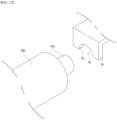
- the first sidewall portion 8 may include a first sidewall groove 82 into which the core 100 is inserted.
- the first sidewall groove 82 may be formed in the first sidewall member 81.
- the first sidewall member 81 may be formed to have an open lower side due to the first sidewall groove 82. Accordingly, the one side of the core 100 may be inserted into the first sidewall groove 82 through the open lower side of the first sidewall member 81.
- the first sidewall groove 82 may be formed to have a semicircular shape as a whole but is not limited thereto, and the first sidewall groove 82 may be formed in other shapes as long as the core 100 can be inserted thereinto.
- the first sidewall portion 8 may include a first sidewall surface 83.
- the first sidewall surface 83 may be formed in the first sidewall member 81.
- the first sidewall surface 83 may support the core 100 inserted into the first sidewall groove 82.
- the first sidewall surface 83 may be a surface of the first sidewall member 81 which faces the first sidewall groove 82.
- the first sidewall surface 83 may be formed to be a curved surface.
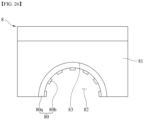
- the copper foil accommodation apparatus 1 may include a first sidewall damper 80 coupled to the first sidewall portion 8.
- the first sidewall damper 80 may be coupled to the first sidewall member 81.
- the first sidewall damper 80 may be disposed between the first sidewall member 81 and the one side of the core 100.
- the first sidewall damper 80 may be formed of an elastically deformable material.
- the first sidewall damper 80 may be formed of rubber, urethane, or the like.
- the first sidewall damper 80 may be coupled to the first sidewall surface 83 of the first sidewall portion 8. Accordingly, when the first sidewall portion 8 is coupled to the accommodation body 2, the first sidewall damper 80 may come into contact with the one side of the core 100. Accordingly, the first sidewall damper 80 may absorb vibrations, shaking, and the like being transferred through the accommodation body 2. Accordingly, the first sidewall damper 80 may reduce the level of vibrations, shaking, or the like being transferred to the one side of the core 100. Accordingly, the copper foil accommodation apparatus 1 according to the present invention may reduce a defect rate of the copper foil 200 occurring due to vibrations, shaking, and the like which occur during the transportation process. Accordingly, the copper foil accommodation apparatus 1 according to the present invention may improve the quality of the copper foil 200 which has been transported as well as improve stability and ease of transport work for the copper foil 200.
- the first sidewall damper 80 may include a first sidewall body 80a and a plurality of first sidewall protrusions 80b.
- the first sidewall body 80a is coupled to the first sidewall portion 8.
- the first sidewall body 80a may be coupled to the first sidewall surface 83.
- the first sidewall body 80a may be coupled to the first sidewall surface 83 using an adhesive force.
- the first sidewall body 80a may be coupled to the first sidewall surface 83 using an additional first coupling member (not shown).
- the first coupling member may be inserted into the first sidewall body 80a and the first sidewall member 81 between the first sidewall protrusions 80b so as to fix the first sidewall damper 80 to the first sidewall member 81.
- the first coupling member may be implemented as a staple or the like which is fixedly insertable into the first sidewall body 80a and the first sidewall member 81.
- the first sidewall protrusions 80b protrude from the first sidewall body 80a.
- the first sidewall protrusions 80b may be disposed to be spaced apart from each other. Accordingly, the first sidewall protrusions 80b may come into contact with mutually different parts of the one side of the core 100.
- a contact area of the first sidewall damper 80 which comes into contact with the one side of the core 100 may be reduced using the first sidewall protrusions 80b.
- elastic deformation for each of the first sidewall protrusions 80b may be further smoothly performed. Accordingly, the first sidewall damper 80 may be implemented to further reduce the level of vibrations, shaking, or the like being transferred to the one side of the core 100.
- the first sidewall protrusions 80b may be formed to have a rectangular parallelepiped shape as a whole but is not limited thereto, and may be formed in other shapes capable of reducing the level of vibrations, shaking, and the like being transferred to the one side of the core 100.
- the first sidewall protrusions 80b may be formed to have a size which is reduced when gradually protruding from the first sidewall body 80a.
- parts of the first sidewall protrusions 80b which come into contact with the one side of the core 100 may be formed to have curved surfaces.
- the first sidewall damper 80 may be coupled to the first sidewall member 81 to cover an entire surface of the first sidewall surface 83.
- the first sidewall protrusions 80b may be disposed to be spaced apart from each other along a curvature of the first sidewall surface 83.
- the first sidewall damper 80 may be coupled to the first sidewall member 81 to cover a part of the first sidewall surface 83.
- the copper foil accommodation apparatus 1 according to the present invention may include a plurality of such first sidewall dampers 80.
- the first sidewall dampers 80 may be disposed to be spaced apart from each other along the first sidewall surface 83. Modified examples of the first damper portion 5 shown in FIGS. 15 to 20 may be equally applied to the first sidewall damper 80.
- the second sidewall portion 9 may include a second sidewall groove 92 into which the core 100 is inserted.
- the second sidewall groove 92 may be formed in the second sidewall member 91.
- the second sidewall member 91 may be formed to have an open lower side due to the second sidewall groove 92. Accordingly, the other side of the core 100 may be inserted into the second sidewall groove 92 through the open lower side of the second sidewall member 91.
- the second sidewall groove 92 may be formed to have a semicircular shape as a whole but is not limited thereto, and the second sidewall groove 92 may be formed in other shapes as long as the core 100 can be inserted thereinto.
- the second sidewall portion 9 may include a second sidewall surface 93.
- the second sidewall surface 93 may be formed in the second sidewall member 91.
- the second sidewall surface 93 may support the core 100 inserted into the second sidewall groove 92.
- the second sidewall surface 93 may be a surface of the second sidewall member 91 which faces the second sidewall groove 92.
- the second sidewall surface 93 may be formed to be a curved surface.
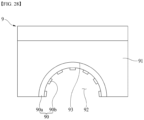
- the second sidewall damper 90 may be coupled to the second sidewall member 91.
- the second sidewall damper 90 may be disposed between the second sidewall member 91 and the other side of the core 100.
- the second sidewall damper 90 may be formed of an elastically deformable material.
- the second sidewall damper 90 may be formed of rubber, urethane, or the like.
- the second sidewall damper 90 may be coupled to the second sidewall surface 93 of the second sidewall portion 9. Accordingly, when the second sidewall portion 9 is coupled to the accommodation body 2, the second sidewall damper 90 may come into contact with the other side of the core 100. Accordingly, the second sidewall damper 90 may absorb vibrations, shaking, and the like being transferred through the accommodation body 2. Accordingly, the second sidewall damper 90 may reduce the level of vibrations, shaking, or the like being transferred to the other side of the core 100. Accordingly, the copper foil accommodation apparatus 1 according to the present invention may reduce a defect rate of the copper foil 200 occurring due to vibrations, shaking, and the like which occur during the transportation process. Accordingly, the copper foil accommodation apparatus 1 according to the present invention may improve the quality of the copper foil 200 which has been transported as well as improve stability and ease of transport work for the copper foil 200.
- the second sidewall protrusions 90b protrude from the second sidewall body 90a.
- the second sidewall protrusions 90b may be disposed to be spaced apart from each other. Accordingly, the second sidewall protrusions 90b may come into contact with mutually different parts of the other side of the core 100.
- a contact area of the second sidewall damper 90 which comes into contact with the other side of the core 100 may be reduced using the second sidewall protrusions 90b.
- elastic deformation for each of the second sidewall protrusions 90b may be further smoothly performed. Accordingly, the second sidewall damper 90 may be implemented to further reduce the level of vibrations, shaking, or the like being transferred to the other side of the core 100.
- the second sidewall damper 90 may be coupled to the second sidewall member 91 to cover an entire surface of the second sidewall surface 93.
- the second sidewall protrusions 90b may be disposed to be spaced apart from each other along a curvature of the second sidewall surface 93.
Landscapes
- Engineering & Computer Science (AREA)
- Mechanical Engineering (AREA)
- Chemical & Material Sciences (AREA)
- Chemical Kinetics & Catalysis (AREA)
- Electrochemistry (AREA)
- General Chemical & Material Sciences (AREA)
- Materials Engineering (AREA)
- Coils Or Transformers For Communication (AREA)
- Fixed Capacitors And Capacitor Manufacturing Machines (AREA)
- Packaging Of Machine Parts And Wound Products (AREA)
- Cell Electrode Carriers And Collectors (AREA)
- Laminated Bodies (AREA)
- Vibration Prevention Devices (AREA)
- Manufacture And Refinement Of Metals (AREA)
- Cleaning And De-Greasing Of Metallic Materials By Chemical Methods (AREA)
Description
- The present invention relates to an apparatus for accommodating copper foil used for manufacturing a negative electrode for a secondary battery, a flexible printed circuit board, and the like.
- Copper foil is used for manufacturing a variety of products such as a negative electrode for a secondary battery, a flexible printed circuit board (FPCB), and the like. Such copper foil is manufactured using an electroplating method in which an electrolyte is supplied between a positive electrode and a negative electrode and then a current flows therethrough. While copper foil is manufactured using the electroplating method, an electrolytic copper foil manufacturing apparatus is used.
- Copper foil manufactured by the electrolytic copper foil manufacturing apparatus is transported to a customer while being wound on a core. For example, the copper foil wound on the core may be transported while being loaded on a transportation means such as a vehicle, a vessel, a railway vehicle, an aircraft, and the like.
- In the above transportation process, an apparatus for accommodating copper foil serves to accommodate the copper foil wound on the core. An apparatus for accommodating copper foil according to the related art accommodates copper foil wound on a core by supporting the core protruding from both sides of the copper foil.
- Accordingly, vibrations, shaking, and the like, which occur while a transportation means moves, are transferred to the core through the apparatus for accommodating copper foil and transferred to the copper foil through the core. Since the vibrations, shaking, and the like transferred to the copper foil cause a shock to the copper foil, a defect in the copper foil is caused during a transportation process.
- An accommodating apparatus is also used for transporting glass films wound on winding shafts. One such accommodating apparatus is known from
DE 10 2015 001 177 A1 . It includes a transport unit with a mounting support for the winding core which has a transport unit interior part and a transport unit exterior part. The transport unit interior part includes a floor element and side elements. The transport unit exterior part includes a floor element, side elements and a cover element. The mounting support for the winding core is always connected with or formed by two side elements of the transport unit interior part which are located opposite each other. Furthermore, the transport unit interior part is spaced apart from the transport unit exterior part in a floor region by spring elements, which purportedly allows that the transport unit interior part is arranged vibration-decoupled from the transport unit exterior part. -
WO 2005/030611 A1 discloses an end wall for packaging a wound object in such a way that it can be easily transported with a cargo-handling vehicle such as a forklift. The end wall is arranged at both end sections of the wound object. It is formed of plastic and has a body section and leg sections extending downward from the lower end of the body section. The body section has, at its central section, supporting means for supporting an end section of the wound object's core. To a lower end of both sides of the body section are attached end sections of two lower beams that connect together a pair of end walls. The leg sections have a height capable of forming a space under the two lower beams, the space being the space into which liftable loading means of a cargo-handling vehicle is inserted. -
WO 2019/088078 A1 describes a roll packaging body provided with a winding core, a resin film, and a packaging film. The axial dimension of the winding core is greater than the width dimension of the resin film. In the region excluding the outer peripheral surface at the end of the winding core, the resin film is wound into roll form on the outer peripheral surface of the winding core, and the packaging film is wound on the outer peripheral surface of the roll body of the resin film. -
EP 2 644 534 A1 - Therefore, the present invention is designed to solve the problems and is for providing an apparatus for accommodating copper foil, which is capable of reducing a defect rate of the copper foil occurring due to vibrations, shaking, and the like which occur during a transportation process.
- To solve the above problems, the present invention provides an apparatus for accommodating a copper foil with the features of
independent claim 1. Preferred embodiments of the apparatus are covered by the dependent claims. - Amongst others, the apparatus for accommodating copper foil according to the present invention includes an accommodation body in which an accommodation space for accommodating copper foil wound on a core is provided, a first support portion coupled to the accommodation body to support one side of the core, a second support portion coupled to the accommodation body to support the other side of the core, a first damper portion coupled to the first support portion to be disposed between the first support portion and the one side of the core, and a second damper portion coupled to the second support portion to be disposed between the second support portion and the other side of the core. Here, the first damper portion includes a first damper body coupled to the first support portion and a plurality of first damper protrusions protruding from the first damper body.
- According to the present invention, the apparatus for accommodating copper foil may have the following effects.
- The present invention is implemented to absorb vibrations, shaking, and the like being transferred through an accommodation body and a first support portion using a first damper portion. Accordingly, since the present invention can reduce the level of vibrations, shaking, and the like which occur during a transportation process and are transferred to a core, it is possible to reduce a defect rate of copper foil which occurs due to the vibrations, shaking, and the like. Therefore, according to the present invention, not only the quality of copper foil which has been transported can be improved but also stability and ease of transport work for the copper foil can be improved.
-
-
FIG. 1 is a schematic explosive perspective view of an apparatus for accommodating copper foil according to the present invention. -
FIG. 2 is a schematic side cross-sectional view of the apparatus for accommodating copper foil according to the present invention which is taken along line I-I ofFIG. 1 . -
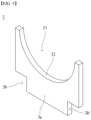
FIG. 3 is a schematic perspective view of a first support portion and a first damper portion in the apparatus for accommodating copper foil according to the present invention. -
FIGS. 4 and5 are schematic perspective views illustrating examples of the first support portion in the apparatus for accommodating copper foil according to the present invention. -
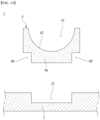
FIG. 6 is a schematic exploded cross-sectional view of the first support portion and an accommodation body which are taken along line II-II ofFIG. 2 in the apparatus for accommodating copper foil according to the present invention. -
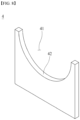
FIG. 7 is a schematic perspective view of a second support portion and a second damper portion in the apparatus for accommodating copper foil according to the present invention. -
FIGS. 8 and9 are schematic perspective views illustrating examples of the second support portion in the apparatus for accommodating copper foil according to the present invention. -
FIG. 10 is a schematic exploded cross-sectional view of the second support portion and the accommodation body which are taken along line III-III ofFIG. 2 in the apparatus for accommodating copper foil according to the present invention. -
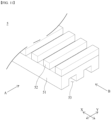
FIG. 11 is a schematic perspective view of the first damper portion in the apparatus for accommodating copper foil according to the present invention. -
FIG. 12 is a schematic front view illustrating a modified example of the first damper portion when viewed in a direction of arrow A ofFIG. 11 in the apparatus for accommodating copper foil according to the present invention. -
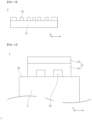
FIG. 13 is a conceptual side view of the first damper portion coupled to the first support portion when viewed in a direction of arrow B ofFIG. 11 in the apparatus for accommodating copper foil according to the present invention. -
FIGS. 14 to 16 are schematic front views of the first damper portion coupled to the first support portion in the apparatus for accommodating copper foil according to the present invention. -
FIGS. 17 to 20 are schematic plan views of the first damper portion coupled to the first support portion in the apparatus for accommodating copper foil according to the present invention. -
FIGS. 21 and22 are schematic front views of a first support damper coupled to the first support portion in the apparatus for accommodating copper foil according to the present invention. -
FIGS. 23 and24 are schematic front views of a second support damper coupled to the second support portion in the apparatus for accommodating copper foil according to the present invention. -
FIG. 25 is a schematic perspective view of a first sidewall portion including a first sidewall groove and a first sidewall surface in the apparatus for accommodating copper foil according to the present invention. -
FIG. 26 is a schematic front view of a first sidewall damper coupled to a first sidewall member in the apparatus for accommodating copper foil according to the present invention. -
FIG. 27 is a schematic perspective view of a second sidewall portion including a second sidewall groove and a second sidewall surface in the apparatus for accommodating copper foil according to the present invention. -
FIG. 28 is a schematic front view of a second sidewall damper coupled to a second sidewall member in the apparatus for accommodating copper foil according to the present invention. - Hereinafter, embodiments of an apparatus for accommodating copper foil according to the present invention will be described in detail with reference to the attached drawings. In
FIGS. 17 to 20 , hatched parts shown refer to surfaces disposed to face a core. InFIGS. 21 and22 , a first support damper is hatched to be distinguished from other components. InFIGS. 23 and24 , a second support damper is hatched to be distinguished from other components. - Referring to
FIGS. 1 and2 , anapparatus 1 for accommodating copper foil (hereinafter, referred to as the copper foil accommodation apparatus 1) according to the present invention accommodatescopper foil 200 wound on acore 100. Thecopper foil 200 is used for manufacturing a negative electrode for a secondary battery, a flexible printed circuit board (FPCB), and the like. - The copper
foil accommodation apparatus 1 according to the present invention includes anaccommodation body 2, afirst support portion 3, asecond support portion 4, afirst damper portion 5, and asecond damper portion 6. - Referring to
FIGS. 1 and2 , theaccommodation body 2 includes anaccommodation space 21 configured to accommodate thecopper foil 200 wound on thecore 100. Theaccommodation body 2 may be formed to have an open top. The open top may be connected to theaccommodation space 21. Accordingly, thecopper foil 200 wound on thecore 100 is inserted into theaccommodation space 21 through the open top of theaccommodation body 2 so as to be accommodated in theaccommodation body 2. When thecopper foil 200 wound on thecore 100 is accommodated in theaccommodation body 2, acover portion 7 may be coupled to theaccommodation body 2. Thecover portion 7 may block the open top of theaccommodation body 2. - The
accommodation body 2 may be formed to have a rectangular parallelepiped shape with an open top as a whole but is not limited thereto, and theaccommodation body 2 may be formed in other shapes as long as thecopper foil 200 wound around thecore 100 can be accommodated therein. - Referring to
FIGS. 1 to 4 , thefirst support portion 3 is coupled to theaccommodation body 2 to support one side of thecore 100. Thefirst support portion 3 may be detachably coupled to theaccommodation body 2. When thefirst support portion 3 is coupled to theaccommodation body 2, thefirst support portion 3 may be disposed in theaccommodation space 21. - The
first support portion 3 may include afirst support groove 31 into which thecore 100 is inserted. Thefirst support portion 3 may be formed to have an open upper side due to thefirst support groove 31. Accordingly, thecore 100 may be inserted into thefirst support groove 31 through the open upper side of thefirst support portion 3. Thefirst support groove 31 may be formed to have a semicircular shape as a whole but is not limited thereto, and thefirst support groove 31 may be formed in other shapes as long as thecore 100 can be inserted thereinto. - The
first support portion 3 may include afirst support surface 32. Thefirst support surface 32 may support thecore 100 inserted into thefirst support groove 31. Thefirst support surface 32 may be a surface of thefirst support portion 3 which faces thefirst support groove 31. Thefirst support surface 32 may be formed to be a curved surface. - Referring to
FIGS. 1 to 6 , thefirst support portion 3 may include a first insertion member 3a and afirst reduction groove 3b. - The first insertion member 3a is configured to be inserted into the
accommodation body 2. The first insertion member 3a and thefirst support surface 32 may be disposed opposite to each other in thefirst support portion 3. When thefirst support surface 32 is disposed at an upper portion of thefirst support portion 3, the first insertion member 3a may be disposed at a lower portion of thefirst support portion 3. - The
first reduction groove 3b is formed in the first insertion member 3a. As thefirst reduction groove 3b is formed, a size of the first insertion member 3a may be reduced. A plurality of suchfirst reduction grooves 3b may be formed in the first insertion member 3a. Thefirst reduction grooves FIGS. 5 and6 , the first insertion member 3a may be formed to be disposed between thefirst reduction grooves - When the
first support portion 3 includes the first insertion member 3a and thefirst reduction groove 3b, theaccommodation body 2 may include a first insertion groove 22 (refer toFIG. 6 ). When thefirst support portion 3 is coupled to theaccommodation body 2, the remaining part of the first insertion member 3a excluding thefirst reduction groove 3b may be inserted into thefirst insertion groove 22. Accordingly, thefirst support portion 3 may be firmly coupled to theaccommodation body 2 using an insertion structure between the first insertion member 3a and thefirst insertion groove 22. Accordingly, thefirst support portion 3 may be firmly maintained while supporting the one side of thecore 100. Thefirst insertion groove 22 may be formed in a bottom surface in theaccommodation body 2. - Referring to
FIGS. 1 ,2 ,7 , and8 , thesecond support portion 4 is coupled to theaccommodation body 2 to support the other side of thecore 100. Thesecond support portion 4 may be detachably coupled to theaccommodation body 2. When thesecond support portion 4 is coupled to theaccommodation body 2, thesecond support portion 4 may be disposed in theaccommodation space 21. - The
second support portion 4 may include asecond support groove 41 into which thecore 100 is inserted. Thesecond support portion 4 may be formed to have an open upper side due to thesecond support groove 41. Accordingly, thecore 100 may be inserted into thesecond support groove 41 through the open upper side of thesecond support portion 4. Thesecond support groove 41 may be formed to have a semicircular shape as a whole but is not limited thereto, and thesecond support groove 41 may be formed in other shapes as long as thecore 100 can be inserted thereinto. - The
second support portion 4 may include asecond support surface 42. Thesecond support surface 42 may support thecore 100 inserted into thesecond support groove 41. Thesecond support surface 42 may be a surface of thesecond support portion 4 which faces thesecond support groove 41. Thesecond support surface 42 may be formed to be a curved surface. - Referring to
FIGS. 1 ,2 , and7 to 10 , thesecond support portion 4 may include asecond insertion member 4a and asecond reduction groove 4b. - The
second insertion member 4a is configured to be inserted into theaccommodation body 2. Thesecond insertion member 4a and thesecond support surface 42 may be disposed opposite to each other in thesecond support portion 4. When thesecond support surface 42 is disposed at an upper portion of thesecond support portion 4, thesecond insertion member 4a may be disposed at a lower portion of thesecond support portion 4. - The
second reduction groove 4b is formed in thesecond insertion member 4a. As thesecond reduction groove 4b is formed, a size of thesecond insertion member 4a may be reduced. A plurality of suchsecond reduction grooves 4b may be formed in thesecond insertion member 4a. Thesecond reduction grooves FIGS. 9 and10 , thesecond insertion member 4a may be formed to be disposed between thesecond reduction grooves - When the
second support portion 4 includes thesecond insertion member 4a and thesecond reduction groove 4b, theaccommodation body 2 may include a second insertion groove 23 (refer toFIG. 10 ). When thesecond support portion 4 is coupled to theaccommodation body 2, the remaining part of thesecond insertion member 4a excluding thesecond reduction groove 4b may be inserted into thesecond insertion groove 23. Accordingly, thesecond support portion 4 may be firmly coupled to theaccommodation body 2 using an insertion structure between thesecond insertion member 4a and thesecond insertion groove 23. Accordingly, thesecond support portion 4 may be firmly maintained while supporting the other side of thecore 100. Thesecond insertion groove 23 may be formed in the bottom surface in theaccommodation body 2. - Referring to
FIGS. 1 to 13 , thefirst damper portion 5 may be disposed between thefirst support portion 3 and the one side of thecore 100. Thefirst damper portion 5 is coupled to thefirst support portion 3. Thefirst damper portion 5 may be coupled to thefirst support portion 3 using an adhesive force. Thefirst damper portion 5 may be coupled to thefirst support surface 32. Thefirst damper portion 5 is formed to have a linear shape as shown inFIG. 12 , and may be bent and deformed to be a curved shape according to a curvature of thefirst support surface 32 as being coupled to thefirst support surface 32. Thefirst damper portion 5 may be formed of an elastically deformable material. For example, thefirst damper portion 5 may be formed of rubber, urethane, or the like. - When the
copper foil 200 wound on thecore 100 is accommodated in theaccommodation space 21, thefirst damper portion 5 may come into contact with the one side of the core 100 between thefirst support surface 32 and the one side of thecore 100. Accordingly, when vibrations, shaking, and the like occur during a transportation process using a transportation means such as a vehicle, a vessel, a railway vehicle, an aircraft, and the like, thefirst damper portion 5 may absorb vibrations, shaking, and the like transferred through theaccommodation body 2 and thefirst support portion 3. Accordingly, thefirst damper portion 5 may reduce the level of vibrations, shaking, or the like being transferred to the one side of thecore 100. Accordingly, the copperfoil accommodation apparatus 1 according to the present invention may reduce a defect rate of thecopper foil 200 occurring due to vibrations, shaking, and the like which occur during the transportation process. Accordingly, the copperfoil accommodation apparatus 1 according to the present invention may improve the quality of thecopper foil 200 which has been transported as well as improve stability and ease of transport work for thecopper foil 200. - The
first damper portion 5 includes afirst damper body 51 and a plurality offirst damper protrusions 52. - The
first damper body 51 is coupled to thefirst support portion 3. Thefirst damper body 51 is coupled to thefirst support surface 32. Thefirst damper body 51 may be coupled to thefirst support surface 32 using an adhesive force. Thefirst damper body 51 may be coupled to thefirst support surface 32 using an additional first fixing member (not shown). The first fixing member may be inserted into thefirst damper body 51 and thefirst support portion 3 between thefirst damper protrusions 52 so as to fix thefirst damper portion 5 to thefirst support portion 3. For example, the first fixing member may be implemented as a staple or the like which is fixedly insertable into thefirst damper body 51 and thefirst support portion 3. - The
first damper protrusions 52 protrude from thefirst damper body 51. Thefirst damper protrusions 52 may protrude upward from a top surface of thefirst damper body 51. Thefirst damper protrusions 52 are disposed to be spaced apart from each other. Accordingly, thefirst damper protrusions 52 may come into contact with mutually different parts of the one side of thecore 100. A contact area of thefirst damper portion 5 which comes into contact with the one side of thecore 100 may be reduced using thefirst damper protrusions 52. Also, elastic deformation for each of thefirst damper protrusions 52 may be further smoothly performed. Accordingly, thefirst damper portion 5 may be implemented to further reduce the level of vibrations, shaking, or the like being transferred to the one side of thecore 100. Thefirst damper protrusions 52 may be formed to have a rectangular parallelepiped shape as a whole but is not limited thereto, and may be formed in other shapes capable of reducing the level of vibrations, shaking, and the like being transferred to the one side of thecore 100. For example, thefirst damper protrusions 52 may be formed to have a size which is reduced when gradually protruding upward from thefirst damper body 51. In this case, parts of thefirst damper protrusions 52 which come into contact with the one side of thecore 100 may be formed to have curved surfaces. - The
first damper protrusions 52 are disposed to be spaced apart from each other in a first axial direction (X-axis direction). Thefirst damper protrusions 52 may be formed to have a greater length in a second axial direction (Y-axis direction) in comparison to a length in the first axial direction (X-axis direction). The second axial direction (Y-axis direction) and the first axial direction (X-axis direction) are perpendicular to each other in one plane. When thefirst damper portion 5 is coupled to thefirst support portion 3, thecopper foil 200 may be accommodated in theaccommodation body 2 to be parallel to the second axial direction (Y-axis direction). - The
first damper protrusions 52 may be formed to have the same length on the basis of the first axial direction (X-axis direction). As shown inFIG. 12 , thefirst damper protrusions 52 which are disposed further outward from a central point CP on the basis of the first axial direction (X-axis direction) may be formed to have a greater length. The central point CP means a point spaced at the same distance apart from the both ends of thefirst damper body 51 on the basis of the first axial direction (X-axis direction). Also, when being further outward from the central point CP on the basis of the first axial direction (X-axis direction), a gap between thefirst damper protrusions 52 may increase. - The
first damper portion 5 further includes a plurality offirst damper grooves 53. The remaining part of thefirst damper portion 5 excluding parts in which thefirst damper grooves 53 are formed are coupled to thefirst support portion 3. Thefirst damper grooves 53 may be formed in a bottom surface of thefirst damper body 51. Thefirst damper grooves 53 may be formed to have a rectangular parallelepiped shape parallel to the first axial direction (X-axis direction). Thefirst damper grooves 53 are disposed to be spaced apart from each other in the second axial direction (Y-axis direction). A contact area of thefirst damper portion 5 which comes into contact with thefirst support portion 3 may be reduced using thefirst damper grooves 53. Also, elastic deformation for thefirst damper body 51 may be more smoothly performed due to thefirst damper grooves 53. Accordingly, thefirst damper portion 5 is implemented to reduce the level of vibrations, shaking, or the like being transferred from thefirst damper body 51 to thefirst damper protrusions 52 so as to further reduce the level of vibrations, shaking, or the like transferred to the one side of thecore 100. Thefirst damper grooves 53 may be formed to have a rectangular parallelepiped shape as a whole but is not limited thereto, and may be formed in other shapes capable of reducing the level of vibrations, shaking, and the like being transferred. For example, thefirst damper grooves 53 may be formed to have a size which is reduced when gradually receding upward from thefirst damper body 51. In this case, an inner wall of thefirst damper body 51 in which thefirst damper grooves 53 are formed may be formed to have a curved surface. - As shown in
FIG. 14 , thefirst damper portion 5 may be coupled to thefirst support portion 3 to cover an entire surface of thefirst support surface 32. In this case, thefirst damper protrusions 52 may be disposed to be spaced apart from each other along a curvature of thefirst support surface 32. - As shown in
FIG. 15 , thefirst damper portion 5 may be coupled to thefirst support portion 3 to cover a part of thefirst support surface 32. When thecopper foil 200 wound on thecore 100 is accommodated in theaccommodation space 21, thefirst damper portion 5 may be coupled to thefirst support portion 3 to be disposed below the one side of thecore 100. - Here, the copper
foil accommodation apparatus 1 according to the present invention may include a plurality of suchfirst damper portions 5. Thefirst damper portions first support surface 32 at positions spaced apart from one other. Although threefirst damper portions first support surface 32 inFIG. 15 , the present invention is not limited thereto and two or four or morefirst damper portions 5 may be coupled to thefirst support surface 32. - When the copper
foil accommodation apparatus 1 according to the present invention includes thefirst damper portions first damper portion 5 may be disposed below the one side of thecore 100 and thefirst damper portions 5', and 5" may be disposed on both sides of thefirst damper portion 5 on the basis of the first axial direction (X-axis direction). Thefirst damper portions 5' and 5" may be disposed to be spaced apart ambilaterally from the one side of thecore 100. Thefirst damper portions 5' and 5" may come into contact with the one side of thecore 100. - As shown in
FIG. 15 , all thefirst damper portions first damper protrusions 52. - As shown in
FIG. 16 , the copperfoil accommodation apparatus 1 according to the present invention may be implemented through a combination of thefirst damper portion 5 and a firstauxiliary damper 20. Unlike thefirst damper portion 5 implemented to come into partial contact with the one side of thecore 100 using thefirst damper protrusions 52, the firstauxiliary damper 20 may be formed to come into entire contact with the one side of thecore 100. That is, the firstauxiliary damper 20 may be implemented without thefirst damper protrusions 52. In this case, a surface of the firstauxiliary damper 20 which comes into contact with the one side of thecore 100 may be formed to have a curved surface. Since the manufacturing costs of the firstauxiliary damper 20 is lower than that of thefirst damper portion 5, the manufacturing costs of the copperfoil accommodation apparatus 1 according to the present invention may be reduced through the combination of the firstauxiliary damper 20 and thefirst damper portion 5. The firstauxiliary damper 20 and thefirst damper portion 5 may be formed of different materials. The copperfoil accommodation apparatus 1 according to the present invention may include a plurality of such firstauxiliary dampers 20. In this case, thefirst damper portion 5 may be disposed below the one side of thecore 100, and the firstauxiliary dampers 20 and 20' may be disposed on both sides of thefirst damper portion 5 on the basis of the first axial direction (X-axis direction). The firstauxiliary dampers 20 and 20' may be disposed to be spaced apart ambilaterally from the one side of thecore 100. The firstauxiliary dampers 20 and 20' may come into contact with the one side of thecore 100. - As shown in
FIG. 17 , on the basis of the second axial direction (Y-axis direction), thefirst damper portion 5 may be formed to have the same length as that of thefirst support surface 32. Thefirst damper portion 5 may be disposed at a middle position spaced at the same distance apart from both ends of thefirst support portion 3 on the basis of the first axial direction (X-axis direction). The firstauxiliary dampers 20 and 20' may be disposed on both sides of thefirst damper portion 5 on the basis of the first axial direction (X-axis direction). On the basis of the second axial direction (Y-axis direction), the firstauxiliary dampers 20 and 20' may be formed to have the same length as that of thefirst support surface 32. Although not shown in the drawing, thefirst damper portions 5' and 5" (refer toFIG. 15 ) may be additionally disposed on both sides of thefirst damper portion 5 on the basis of the first axial direction (X-axis direction). - As shown in
FIG. 18 , on the basis of the second axial direction (Y-axis direction), thefirst damper portion 5 may be formed to have a smaller length than that of thefirst support surface 32. Thefirst damper portion 5 may be disposed at the middle position on the basis of the first axial direction (X-axis direction). Thefirst damper portion 5 may be disposed at a position spaced at the same distance apart from both ends of thefirst support portion 3 on the basis of the second axial direction (Y-axis direction). The firstauxiliary dampers 20 and 20' may be disposed on both sides of thefirst damper portion 5 on the basis of the first axial direction (X-axis direction). On the basis of the second axial direction (Y-axis direction), the firstauxiliary dampers 20 and 20' may be formed to have the same length as that of thefirst support surface 32. Although not shown in the drawing, thefirst damper portions 5' and 5" (refer toFIG. 15 ) may be additionally disposed on both sides of thefirst damper portion 5 on the basis of the first axial direction (X-axis direction). - As shown in
FIG. 19 , on the basis of the second axial direction (Y-axis direction), thefirst damper portion 5 may be formed to have a smaller length than that of thefirst support surface 32. Thefirst damper portion 5 may be disposed at the middle position on the basis of the first axial direction (X-axis direction). A plurality offirst damper portions 5 may be disposed at the middle position. Thefirst damper portions 5 may be disposed in the middle position to be spaced apart from each other in the second axial direction (Y-axis direction). Thefirst damper portions 5' and 5" may be additionally disposed on both sides of thefirst damper portions 5 on the basis of the first axial direction (X-axis direction). Thefirst damper portions 5' and 5" may be disposed so thatfirst damper protrusions 52' and 52" are spaced apart from each other in the second axial direction (Y-axis direction). Although not shown in the drawing, the firstauxiliary dampers 20 and 20' (refer toFIG. 18 ) may be disposed on both sides of thefirst damper portions 5 on the basis of the first axial direction (X-axis direction). - As shown in
FIG. 20 , on the basis of the second axial direction (Y-axis direction), thefirst damper portion 5 may be formed to have a smaller length than that of thefirst support surface 32. Thefirst damper portion 5 may be disposed at the middle position on the basis of the first axial direction (X-axis direction). A plurality offirst damper portions 5 may be disposed at the middle position. Thefirst damper portions 5 may be disposed at the middle position to be spaced apart from each other in the second axial direction (Y-axis direction). Thefirst damper portions 5 may be disposed at different distances apart from one end of thefirst support portion 3 on the basis of the first axial direction (X-axis direction). That is, thefirst damper portions 5 may be disposed at positions offset from each other on the basis of the first axial direction (X-axis direction). The firstauxiliary dampers 20 and 20' may be disposed on both sides of thefirst damper portions 5 on the basis of the first axial direction (X-axis direction). Although not shown in the drawing, thefirst damper portions 5' and 5" (refer toFIG. 19 ) may be additionally disposed on both sides of thefirst damper portions 5 on the basis of the first axial direction (X-axis direction). - Referring to
FIGS. 1 to 20 , thesecond damper portion 6 is coupled to thesecond support portion 4. Since thesecond damper portion 6 may be implemented to be approximately equal to thefirst damper portion 5 without being coupled to thesecond support portion 4 to support the other side of thecore 100, a detailed description thereof will be omitted. - Referring to
FIGS. 1 and2 , the copperfoil accommodation apparatus 1 according to the present invention may include afirst sidewall portion 8 and a second sidewall portion 9. - The
first sidewall portion 8 may be detachably coupled to one side of theaccommodation body 2. When thefirst sidewall portion 8 is coupled to the one side of theaccommodation body 2, the one side of theaccommodation body 2 may be closed. Thefirst sidewall portion 8 may be disposed at a position spaced apart from the one side of the core 100 accommodated in theaccommodation space 21. - The
first sidewall portion 8 may include afirst sidewall member 81. Thefirst sidewall member 81 protrudes from thefirst sidewall portion 8. When thefirst sidewall portion 8 is coupled to the one side of theaccommodation body 2, thefirst sidewall member 81 may be disposed above the one side of thecore 100. In this case, the one side of thecore 100 may be disposed between thefirst sidewall member 81 and thefirst damper portion 5. Accordingly, the copperfoil accommodation apparatus 1 according to the present invention may reinforce a supporting force for the one side of thecore 100. - The second sidewall portion 9 may be detachably coupled to the other side of the
accommodation body 2. When the second sidewall portion 9 is coupled to the other side of theaccommodation body 2, the other side of theaccommodation body 2 may be closed. The second sidewall portion 9 may be disposed at a position spaced apart from the other side of the core 100 accommodated in theaccommodation space 21. - The second sidewall portion 9 may include a
second sidewall member 91. Thesecond sidewall member 91 protrudes from the second sidewall portion 9. When the second sidewall portion 9 is coupled to the other side of theaccommodation body 2, thesecond sidewall member 91 may be disposed above the other side of thecore 100. In this case, the other side of thecore 100 may be disposed between thesecond sidewall member 91 and thesecond damper portion 6. Accordingly, the copperfoil accommodation apparatus 1 according to the present invention may reinforce a supporting force for the other side of thecore 100. - Referring to
FIGS. 2 ,21 , and22 , the copperfoil accommodation apparatus 1 according to the present invention may include afirst support damper 30. - The
first support damper 30 may be coupled to thefirst support portion 3. When thefirst support portion 3 is coupled to theaccommodation body 2, thefirst support damper 30 may be disposed between thefirst support portion 3 and theaccommodation body 2. Thefirst support damper 30 may be formed of an elastically deformable material. For example, thefirst support damper 30 may be formed of rubber, urethane, or the like. - The
first support damper 30 may be coupled to a firstouter surface 33 of thefirst support portion 3. When thefirst support portion 3 is coupled to theaccommodation body 2, the firstouter surface 33 is a surface facing theaccommodation body 2. Accordingly, when thefirst support portion 3 is coupled to theaccommodation body 2, thefirst support damper 30 may be disposed between the firstouter surface 33 and theaccommodation body 2. Accordingly, thefirst support damper 30 may absorb vibrations, shaking, and the like which are transferred through theaccommodation body 2. Accordingly, thefirst support damper 30 may reduce the level of vibrations, shaking, and the like being transferred to thefirst support portion 3 so as to reduce the level of vibrations, shaking, and the like being transferred to the one side of thecore 100. Accordingly, the copperfoil accommodation apparatus 1 according to the present invention may reduce a defect rate of thecopper foil 200 occurring due to vibrations, shaking, and the like which occur during the transportation process. Accordingly, the copperfoil accommodation apparatus 1 according to the present invention may improve the quality of thecopper foil 200 which has been transported as well as improve stability and ease of transport work for thecopper foil 200. - The
first support damper 30 may include afirst support body 30a and a plurality offirst support protrusions 30b. - The
first support body 30a is disposed to face theaccommodation body 2. When thefirst support portion 3 is coupled to theaccommodation body 2, thefirst support body 30a may come into contact with theaccommodation body 2. - The
first support protrusions 30b protrude from thefirst support body 30a. Thefirst support protrusions 30b may protrude from thefirst support body 30a toward thefirst support portion 3. Thefirst support protrusions 30b may be disposed to be spaced apart from each other. Accordingly, thefirst support protrusions 30b may come into contact with mutually different parts of thefirst support portion 3. A contact area of thefirst support damper 30 which comes into contact with thefirst support portion 3 may be reduced using thefirst support protrusions 30b. Also, elastic deformation for each of thefirst support protrusions 30b may be further smoothly performed. Accordingly, thefirst support damper 30 may be implemented to further reduce the level of vibrations, shaking, or the like being transferred to thefirst support portion 3. - As shown in
FIG. 21 , thefirst support damper 30 may be coupled to thefirst support portion 3 to cover an entire surface of the firstouter surface 33. - As shown in
FIG. 22 , thefirst support damper 30 may be coupled to thefirst support portion 3 to cover a part of the firstouter surface 33. In this case, the copperfoil accommodation apparatus 1 according to the present invention may include a plurality of suchfirst support dampers 30. Thefirst support dampers outer surface 33 at positions spaced apart from one another. - Although not shown in the drawings, the
first support damper 30 may be implemented to include only thefirst support body 30a without thefirst support protrusions 30b. Although not shown in the drawings, the copperfoil accommodation apparatus 1 according to the present invention may be implemented to include both thefirst damper portion 5 and thefirst support damper 30. - Referring to
FIGS. 2 ,23 , and24 , the copperfoil accommodation apparatus 1 according to the present invention may include asecond support damper 40. - The
second support damper 40 may be coupled to thesecond support portion 4. When thesecond support portion 4 is coupled to theaccommodation body 2, thesecond support damper 40 may be disposed between thesecond support portion 4 and theaccommodation body 2. Thesecond support damper 40 may be formed of an elastically deformable material. For example, thesecond support damper 40 may be formed of rubber, urethane, or the like. - The
second support damper 40 may be coupled to a secondouter surface 43 of thesecond support portion 4. When thesecond support portion 4 is coupled to theaccommodation body 2, the secondouter surface 43 is a surface facing theaccommodation body 2. Accordingly, when thesecond support portion 4 is coupled to theaccommodation body 2, thesecond support damper 40 may be disposed between the secondouter surface 43 and theaccommodation body 2. Accordingly, thesecond support damper 40 may absorb vibrations, shaking, and the like being transferred through theaccommodation body 2. Accordingly, thesecond support damper 40 may reduce the level of vibrations, shaking, and the like being transferred to thesecond support portion 4 so as to reduce the level of vibrations, shaking, and the like being transferred to the one side of thecore 100. Accordingly, the copperfoil accommodation apparatus 1 according to the present invention may reduce a defect rate of thecopper foil 200 occurring due to vibrations, shaking, and the like which occur during the transportation process. Accordingly, the copperfoil accommodation apparatus 1 according to the present invention may improve the quality of thecopper foil 200 which has been transported as well as improve stability and ease of transport work for thecopper foil 200. - The
second support damper 40 may include asecond support body 40a and a plurality ofsecond support protrusions 40b. - The
second support body 40a is disposed to face theaccommodation body 2. When thesecond support portion 4 is coupled to theaccommodation body 2, thesecond support body 40a may come into contact with theaccommodation body 2. - The
second support protrusions 40b protrude from thesecond support body 40a. Thesecond support protrusions 40b may protrude from thesecond support body 40a toward thesecond support portion 4. Thesecond support protrusions 40b may be disposed to be spaced apart from each other. Accordingly, thesecond support protrusions 40b may come into contact with mutually different parts of thesecond support portion 4. A contact area of thesecond support damper 40 which comes into contact with thesecond support portion 4 may be reduced using thesecond support protrusions 40b. Also, elastic deformation for each of thesecond support protrusions 40b may be further smoothly performed. Accordingly, thesecond support damper 40 may be implemented to further reduce the level of vibrations, shaking, or the like being transferred to thesecond support portion 4. - As shown in
FIG. 23 , thesecond support damper 40 may be coupled to thesecond support portion 4 to cover an entire surface of the secondouter surface 43. - As shown in
FIG. 24 , thesecond support damper 40 may be coupled to thesecond support portion 4 to cover a part of the secondouter surface 43. In this case, the copperfoil accommodation apparatus 1 according to the present invention may include a plurality of suchsecond support dampers 40. Thesecond support dampers outer surface 43 at positions spaced apart from one another. - Although not shown in the drawing, the
second support damper 40 may be implemented to include only thesecond support body 40a without thesecond support protrusions 40b. Although not shown in the drawings, the copperfoil accommodation apparatus 1 according to the present invention may be implemented to include both thesecond damper portion 6 and thesecond support damper 40. - Referring to
FIGS. 25 and26 , thefirst sidewall portion 8 may include afirst sidewall groove 82 into which thecore 100 is inserted. Thefirst sidewall groove 82 may be formed in thefirst sidewall member 81. Thefirst sidewall member 81 may be formed to have an open lower side due to thefirst sidewall groove 82. Accordingly, the one side of thecore 100 may be inserted into thefirst sidewall groove 82 through the open lower side of thefirst sidewall member 81. Thefirst sidewall groove 82 may be formed to have a semicircular shape as a whole but is not limited thereto, and thefirst sidewall groove 82 may be formed in other shapes as long as thecore 100 can be inserted thereinto. - The
first sidewall portion 8 may include afirst sidewall surface 83. Thefirst sidewall surface 83 may be formed in thefirst sidewall member 81. Thefirst sidewall surface 83 may support thecore 100 inserted into thefirst sidewall groove 82. Thefirst sidewall surface 83 may be a surface of thefirst sidewall member 81 which faces thefirst sidewall groove 82. Thefirst sidewall surface 83 may be formed to be a curved surface. - Here, the copper
foil accommodation apparatus 1 according to the present invention may include afirst sidewall damper 80 coupled to thefirst sidewall portion 8. - The
first sidewall damper 80 may be coupled to thefirst sidewall member 81. When thefirst sidewall portion 8 is coupled to theaccommodation body 2, thefirst sidewall damper 80 may be disposed between thefirst sidewall member 81 and the one side of thecore 100. Thefirst sidewall damper 80 may be formed of an elastically deformable material. For example, thefirst sidewall damper 80 may be formed of rubber, urethane, or the like. When thecopper foil 200 wound on thecore 100 is accommodated in theaccommodation body 2 and then thefirst sidewall portion 8 is coupled to theaccommodation body 2, thefirst sidewall damper 80 may be coupled to thefirst sidewall member 81 to be disposed above the one side of thecore 100. - The
first sidewall damper 80 may be coupled to thefirst sidewall surface 83 of thefirst sidewall portion 8. Accordingly, when thefirst sidewall portion 8 is coupled to theaccommodation body 2, thefirst sidewall damper 80 may come into contact with the one side of thecore 100. Accordingly, thefirst sidewall damper 80 may absorb vibrations, shaking, and the like being transferred through theaccommodation body 2. Accordingly, thefirst sidewall damper 80 may reduce the level of vibrations, shaking, or the like being transferred to the one side of thecore 100. Accordingly, the copperfoil accommodation apparatus 1 according to the present invention may reduce a defect rate of thecopper foil 200 occurring due to vibrations, shaking, and the like which occur during the transportation process. Accordingly, the copperfoil accommodation apparatus 1 according to the present invention may improve the quality of thecopper foil 200 which has been transported as well as improve stability and ease of transport work for thecopper foil 200. - The
first sidewall damper 80 may include afirst sidewall body 80a and a plurality offirst sidewall protrusions 80b. - The
first sidewall body 80a is coupled to thefirst sidewall portion 8. Thefirst sidewall body 80a may be coupled to thefirst sidewall surface 83. Thefirst sidewall body 80a may be coupled to thefirst sidewall surface 83 using an adhesive force. Thefirst sidewall body 80a may be coupled to thefirst sidewall surface 83 using an additional first coupling member (not shown). The first coupling member may be inserted into thefirst sidewall body 80a and thefirst sidewall member 81 between thefirst sidewall protrusions 80b so as to fix thefirst sidewall damper 80 to thefirst sidewall member 81. For example, the first coupling member may be implemented as a staple or the like which is fixedly insertable into thefirst sidewall body 80a and thefirst sidewall member 81. - The
first sidewall protrusions 80b protrude from thefirst sidewall body 80a. Thefirst sidewall protrusions 80b may be disposed to be spaced apart from each other. Accordingly, thefirst sidewall protrusions 80b may come into contact with mutually different parts of the one side of thecore 100. A contact area of thefirst sidewall damper 80 which comes into contact with the one side of thecore 100 may be reduced using thefirst sidewall protrusions 80b. Also, elastic deformation for each of thefirst sidewall protrusions 80b may be further smoothly performed. Accordingly, thefirst sidewall damper 80 may be implemented to further reduce the level of vibrations, shaking, or the like being transferred to the one side of thecore 100. Thefirst sidewall protrusions 80b may be formed to have a rectangular parallelepiped shape as a whole but is not limited thereto, and may be formed in other shapes capable of reducing the level of vibrations, shaking, and the like being transferred to the one side of thecore 100. For example, thefirst sidewall protrusions 80b may be formed to have a size which is reduced when gradually protruding from thefirst sidewall body 80a. In this case, parts of thefirst sidewall protrusions 80b which come into contact with the one side of thecore 100 may be formed to have curved surfaces. - As shown in
FIG. 26 , thefirst sidewall damper 80 may be coupled to thefirst sidewall member 81 to cover an entire surface of thefirst sidewall surface 83. In this case, thefirst sidewall protrusions 80b may be disposed to be spaced apart from each other along a curvature of thefirst sidewall surface 83. - Although not shown in the drawing, the
first sidewall damper 80 may be coupled to thefirst sidewall member 81 to cover a part of thefirst sidewall surface 83. In this case, the copperfoil accommodation apparatus 1 according to the present invention may include a plurality of suchfirst sidewall dampers 80. Thefirst sidewall dampers 80 may be disposed to be spaced apart from each other along thefirst sidewall surface 83. Modified examples of thefirst damper portion 5 shown inFIGS. 15 to 20 may be equally applied to thefirst sidewall damper 80. - Referring to
FIGS. 27 and28 , the second sidewall portion 9 may include asecond sidewall groove 92 into which thecore 100 is inserted. Thesecond sidewall groove 92 may be formed in thesecond sidewall member 91. Thesecond sidewall member 91 may be formed to have an open lower side due to thesecond sidewall groove 92. Accordingly, the other side of thecore 100 may be inserted into thesecond sidewall groove 92 through the open lower side of thesecond sidewall member 91. Thesecond sidewall groove 92 may be formed to have a semicircular shape as a whole but is not limited thereto, and thesecond sidewall groove 92 may be formed in other shapes as long as thecore 100 can be inserted thereinto. - The second sidewall portion 9 may include a
second sidewall surface 93. Thesecond sidewall surface 93 may be formed in thesecond sidewall member 91. Thesecond sidewall surface 93 may support thecore 100 inserted into thesecond sidewall groove 92. Thesecond sidewall surface 93 may be a surface of thesecond sidewall member 91 which faces thesecond sidewall groove 92. Thesecond sidewall surface 93 may be formed to be a curved surface. - Here, the copper
foil accommodation apparatus 1 according to the present invention may include asecond sidewall damper 90 coupled to the second sidewall portion 9. - The
second sidewall damper 90 may be coupled to thesecond sidewall member 91. When the second sidewall portion 9 is coupled to theaccommodation body 2, thesecond sidewall damper 90 may be disposed between thesecond sidewall member 91 and the other side of thecore 100. Thesecond sidewall damper 90 may be formed of an elastically deformable material. For example, thesecond sidewall damper 90 may be formed of rubber, urethane, or the like. When thecopper foil 200 wound on thecore 100 is accommodated in theaccommodation body 2 and then the second sidewall portion 9 is coupled to theaccommodation body 2, thesecond sidewall damper 90 may be coupled to thesecond sidewall member 91 to be disposed above the other side of thecore 100. - The
second sidewall damper 90 may be coupled to thesecond sidewall surface 93 of the second sidewall portion 9. Accordingly, when the second sidewall portion 9 is coupled to theaccommodation body 2, thesecond sidewall damper 90 may come into contact with the other side of thecore 100. Accordingly, thesecond sidewall damper 90 may absorb vibrations, shaking, and the like being transferred through theaccommodation body 2. Accordingly, thesecond sidewall damper 90 may reduce the level of vibrations, shaking, or the like being transferred to the other side of thecore 100. Accordingly, the copperfoil accommodation apparatus 1 according to the present invention may reduce a defect rate of thecopper foil 200 occurring due to vibrations, shaking, and the like which occur during the transportation process. Accordingly, the copperfoil accommodation apparatus 1 according to the present invention may improve the quality of thecopper foil 200 which has been transported as well as improve stability and ease of transport work for thecopper foil 200. - The
second sidewall damper 90 may include asecond sidewall body 90a and a plurality ofsecond sidewall protrusions 90b. - The
second sidewall body 90a is coupled to the second sidewall portion 9. Thesecond sidewall body 90a may be coupled to thesecond sidewall surface 93. Thesecond sidewall body 90a may be coupled to thesecond sidewall surface 93 using an adhesive force. Thesecond sidewall body 90a may be coupled to thesecond sidewall surface 93 using an additional second coupling member (not shown). The second coupling member may be inserted into thesecond sidewall body 90a and thesecond sidewall member 91 between thesecond sidewall protrusions 90b so as to fix thesecond sidewall damper 90 to thesecond sidewall member 91. For example, the second coupling member may be implemented as a staple or the like which is fixedly insertable into thesecond sidewall body 90a and thesecond sidewall member 91. - The
second sidewall protrusions 90b protrude from thesecond sidewall body 90a. Thesecond sidewall protrusions 90b may be disposed to be spaced apart from each other. Accordingly, thesecond sidewall protrusions 90b may come into contact with mutually different parts of the other side of thecore 100. A contact area of thesecond sidewall damper 90 which comes into contact with the other side of thecore 100 may be reduced using thesecond sidewall protrusions 90b. Also, elastic deformation for each of thesecond sidewall protrusions 90b may be further smoothly performed. Accordingly, thesecond sidewall damper 90 may be implemented to further reduce the level of vibrations, shaking, or the like being transferred to the other side of thecore 100. Thesecond sidewall protrusions 90b may be formed to have a rectangular parallelepiped shape as a whole but is not limited thereto, and may be formed in other shapes capable of reducing the level of vibrations, shaking, and the like being transferred to the other side of thecore 100. For example, thesecond sidewall protrusions 90b may be formed to have a size which is reduced when gradually protruding from thesecond sidewall body 90a. In this case, parts of thesecond sidewall protrusions 90b which come into contact with the other side of thecore 100 may be formed to have curved surfaces. - As shown in
FIG. 28 , thesecond sidewall damper 90 may be coupled to thesecond sidewall member 91 to cover an entire surface of thesecond sidewall surface 93. In this case, thesecond sidewall protrusions 90b may be disposed to be spaced apart from each other along a curvature of thesecond sidewall surface 93. - Although not shown in the drawing, the
second sidewall damper 90 may be coupled to thesecond sidewall member 91 to cover a part of thesecond sidewall surface 93. In this case, the copperfoil accommodation apparatus 1 according to the present invention may include a plurality of suchsecond sidewall dampers 90. Thesecond sidewall dampers 90 may be disposed to be spaced apart from each other along thesecond sidewall surface 93. Modified examples of thefirst damper portion 5 shown inFIGS. 15 to 20 may be equally applied to thesecond sidewall damper 90.
Claims (11)
- An apparatus (1) for accommodating copper foil, comprising:an accommodation body (2) in which an accommodation space (21) for accommodating copper foil (200) wound on a core (100) is provided;a first support portion (3) coupled to the accommodation body (2) to support one side of the core (100);a second support portion (4) coupled to the accommodation body (2) to support the other side of the core (100);a first damper portion (5) coupled to the first support portion (3) to be disposed between the first support portion (3) and the one side of the core (100); anda second damper portion (6) coupled to the second support portion (4) to be disposed between the second support portion (4) and the other side of the core (100),wherein the first damper portion (5) comprisesa first damper body (51) coupled to the first support portion (3) and a plurality of first damper protrusions (52) protruding from the first damper body (51), characterised bya plurality of first damper grooves (53) formed in the first damper portion (51), while the remaining part excluding parts in which the first damper grooves (53) are formed is coupled to the first support portion (3),wherein the first damper protrusions (52) are disposed to be spaced apart from each other in a first axial direction, andwherein the first damper grooves (53) are disposed to be spaced apart from each other in a second axial direction, the second axial direction and the first axial direction being perpendicular to each other in one plane.
- The apparatus (1) of claim 1, wherein the first support portion (3) comprises:a first support groove (31) into which the core (100) is inserted; anda first support surface (32) configured to support the one side of the core (100) inserted into the first support groove (31).
- The apparatus (1) of claim 2, wherein the first support surface (32) is formed to be a curved surface.
- The apparatus (1) of claim 1, wherein the first support portion (3) comprises a first insertion member (3a) to be inserted into the accommodation body (2) and a first reduction groove (3b) formed in the first insertion member (3a), and
wherein the accommodation body (2) comprises a first insertion groove (22) to allow a part of the first insertion member (3a) excluding the first reduction groove (3b) to be inserted thereinto. - The apparatus (1) of claim 1, wherein the first damper protrusions (52) come into contact with different parts of the one side of the core (100).
- The apparatus (1) of claim 2, wherein the first damper portion (5) is coupled to the first support portion (3) to cover an entire surface of the first support surface (32).
- The apparatus (1) of claim 2, wherein the first damper portion (5) is coupled to the first support portion (3) to cover a part of the first support surface (32).
- The apparatus (1) of claim 2, wherein a plurality of first damper portions (5) are coupled to the first support portion (3), and
wherein the first damper portions (5) are coupled to the first support surface (32) at positions spaced apart from each other. - The apparatus (1) of claim 1, comprising a first auxiliary damper (20) coupled to the first support portion (3),wherein the first damper protrusions (52) are disposed to be spaced apart from each other to come into partial contact with the one side of the core (100), andwherein the first auxiliary damper (20) is formed to allow an entire surface thereof to come into contact with the one side of the core (100).
- The apparatus (1) of claim 1, comprising a first support damper (30) coupled to the first support portion (3) to be disposed between the first support portion (3) and the accommodation body (2),
wherein the first support damper (30) is formed of an elastically deformable material. - The apparatus (1) of claim 1, comprising a first sidewall portion (8) detachably coupled to one side of the accommodation body (2) and a first sidewall damper (80) coupled to the first sidewall portion (8) to be disposed between the first sidewall portion (8) and the one side of the core (100),wherein the first sidewall damper (80) comprises a first sidewall body (80a) coupled to the first sidewall portion (8) and a plurality of first sidewall protrusions (80b) protruding from the first sidewall body (80a), andwherein the first sidewall protrusions (80b) are disposed to be spaced apart from each other to come into contact with different parts of the one side of the core (100).
Applications Claiming Priority (3)
| Application Number | Priority Date | Filing Date | Title |
|---|---|---|---|
| KR20190004544 | 2019-11-13 | ||
| KR2020200002386U KR200497172Y1 (en) | 2019-11-13 | 2020-07-03 | Apparatus for Containing Copper Foil |
| PCT/KR2020/015038 WO2021096121A1 (en) | 2019-11-13 | 2020-10-30 | Storage device for copper foil |
Publications (3)
| Publication Number | Publication Date |
|---|---|
| EP3889072A1 EP3889072A1 (en) | 2021-10-06 |
| EP3889072A4 EP3889072A4 (en) | 2022-09-14 |
| EP3889072B1 true EP3889072B1 (en) | 2024-08-07 |
Family
ID=76145832
Family Applications (1)
| Application Number | Title | Priority Date | Filing Date |
|---|---|---|---|
| EP20887330.7A Active EP3889072B1 (en) | 2019-11-13 | 2020-10-30 | Apparatus for accommodating copper foil |
Country Status (10)
| Country | Link |
|---|---|
| US (1) | US12469854B2 (en) |
| EP (1) | EP3889072B1 (en) |
| JP (1) | JP7235231B2 (en) |
| KR (1) | KR200497172Y1 (en) |
| CN (1) | CN113286750B (en) |
| ES (1) | ES2988072T3 (en) |
| HU (1) | HUE068409T2 (en) |
| MY (1) | MY210287A (en) |
| PL (1) | PL3889072T3 (en) |
| TW (1) | TWI775212B (en) |
Families Citing this family (4)
| Publication number | Priority date | Publication date | Assignee | Title |
|---|---|---|---|---|
| KR200497172Y1 (en) * | 2019-11-13 | 2023-08-18 | 에스케이넥실리스 주식회사 | Apparatus for Containing Copper Foil |
| JP7471839B2 (en) * | 2020-01-31 | 2024-04-22 | Jx金属株式会社 | Packaging container, packaging method, and metal foil transport method |
| KR102630760B1 (en) * | 2020-07-03 | 2024-01-26 | 에스케이넥실리스 주식회사 | The Apparatus for Containing Copper Foil |
| EP4317041A4 (en) | 2021-12-29 | 2024-09-18 | Contemporary Amperex Technology Co., Limited | PROTECTIVE DEVICE AND CONVEYING DEVICE |
Family Cites Families (76)
| Publication number | Priority date | Publication date | Assignee | Title |
|---|---|---|---|---|
| US2512310A (en) * | 1949-01-28 | 1950-06-20 | William G Corson | Rubber floor mat |
| US2667654A (en) * | 1951-02-24 | 1954-02-02 | Wear Proof Mat Company | Mat |
| GB801467A (en) * | 1956-03-20 | 1958-09-17 | Walker & Co James Ltd | A new or improved industrial mat |
| US2962156A (en) * | 1957-12-21 | 1960-11-29 | George Sheldon Walsall Ltd | Portable jewel cases |
| US3026224A (en) * | 1959-05-01 | 1962-03-20 | Fabreeka Products Co | Vibration absorbing pad |
| US3332546A (en) * | 1965-06-24 | 1967-07-25 | Franklin Container Corp | Protective shipping and storage container |
| NL6604539A (en) * | 1966-04-05 | 1967-10-06 | ||
| US3685644A (en) * | 1970-08-03 | 1972-08-22 | Du Pont | Packaging rolls with improved end-suspension support panels |
| US3796340A (en) * | 1971-08-06 | 1974-03-12 | Aluminum Co Of America | Shipping rack |
| US3796305A (en) * | 1972-04-19 | 1974-03-12 | Ppg Industries Inc | Fiber glass forming package carton |
| DE7417627U (en) * | 1974-05-21 | 1974-10-03 | Imexin Sa Nv | Vibration damper |
| US3998326A (en) * | 1976-01-29 | 1976-12-21 | Ppg Industries, Inc. | Packaging forming packages of strand material |
| US4027794A (en) * | 1976-02-17 | 1977-06-07 | Packaging Corporation Of America | Shipping container |
| US4079835A (en) * | 1976-12-30 | 1978-03-21 | Ici Americas Inc. | Enclosed shipping container for rolls |
| DE2750122A1 (en) * | 1977-11-09 | 1979-05-10 | Erich Munz | BODY SOUND INSULATION STRIP |
| US4215166A (en) * | 1978-03-13 | 1980-07-29 | Bussey Harry Jr | Foamable thermoplastic stick and foamed element made therefrom |
| US4151914A (en) * | 1978-07-24 | 1979-05-01 | Franklin Container Corporation | Shipping and storage container for rolls |
| US4261940A (en) * | 1979-03-05 | 1981-04-14 | Bussey Harry Jun | Method for the manufacture of a foamable thermoplastic resin stick and a foamed element made therefrom |
| JPS6219989U (en) * | 1985-07-22 | 1987-02-06 | ||
| US4651911A (en) * | 1986-03-10 | 1987-03-24 | Reynolds Metals Company | Roll material dispenser carton |
| EP0491592B1 (en) * | 1990-12-18 | 1995-09-06 | E.I. Du Pont De Nemours And Company | Pallet for transporting cylindrical objects and holder for supporting their central tube |
| DE69217058T2 (en) * | 1992-10-22 | 1997-06-26 | Agfa Gevaert Nv | Ribbon packaging for reloading a reloadable cassette of a thermal printer |
| JPH09315433A (en) * | 1996-05-24 | 1997-12-09 | Zeon Kasei Co Ltd | Container for transport of roll product |
| DE19756623C1 (en) * | 1997-12-19 | 1999-04-22 | Joerg Fasbender | Assemblable, full or at least partly full-walled transport and storage container |
| US6474473B2 (en) * | 1999-12-20 | 2002-11-05 | International Paper Company | Shipping and display container for bottles |
| US20010034998A1 (en) * | 2000-04-21 | 2001-11-01 | Konica Corporation | Packaging structure for roll-shaped materials |
| JP3565424B2 (en) * | 2000-07-18 | 2004-09-15 | 三井金属鉱業株式会社 | Copper foil core tube winding method |
| JP4555465B2 (en) * | 2000-12-28 | 2010-09-29 | 日本ゼオン株式会社 | Roll product container |
| US6382603B1 (en) * | 2001-02-08 | 2002-05-07 | Lockheed Martin Corporation | Ridged elastomer mount |
| US7111727B2 (en) * | 2002-06-13 | 2006-09-26 | Small David M | Roll holding system |
| US6805240B2 (en) * | 2002-06-17 | 2004-10-19 | Melvin J. Leeb | End cap support for jumbo rolls of material |
| WO2005030611A1 (en) * | 2003-09-11 | 2005-04-07 | Sanko Co., Ltd. | Wound object package body, end wall for wound object package body, and method of assembling wound object package body |
| JP4296894B2 (en) * | 2003-09-30 | 2009-07-15 | 東海ゴム工業株式会社 | Fluid transfer tube bracket |
| WO2005056392A2 (en) * | 2003-12-02 | 2005-06-23 | Alfred Knox Harpole | Rackable collapsible stackable unit |
| JP2006001637A (en) | 2004-06-21 | 2006-01-05 | Nippon Zeon Co Ltd | Roll product shipping container |
| JP2006103780A (en) * | 2004-10-08 | 2006-04-20 | Nippon Zeon Co Ltd | Roll product container |
| US7300032B2 (en) * | 2005-01-25 | 2007-11-27 | Atire Terchnologies, Inc. | Vibration and noise abatement pad |
| JP4735053B2 (en) * | 2005-05-27 | 2011-07-27 | Jsr株式会社 | Contact plate, packing material and packing structure including the same |
| US20080116345A1 (en) * | 2006-11-21 | 2008-05-22 | O'malley Joseph | Locking tabs for roll stock stacking support |
| IES20080347A2 (en) * | 2007-05-04 | 2008-10-01 | John Harding | A container |
| JP5532506B2 (en) * | 2008-10-01 | 2014-06-25 | 日本電気硝子株式会社 | Glass roll |
| CN201296455Y (en) | 2008-11-27 | 2009-08-26 | 联合铜箔(惠州)有限公司 | A rolled copper foil packing box |
| CN201368168Y (en) | 2009-01-19 | 2009-12-23 | 上海腾隆(集团)有限公司 | Vibration isolating pad and vibration isolator |
| CN201437448U (en) | 2009-06-08 | 2010-04-14 | 新疆众和股份有限公司 | Push-in aluminum foil packing box |
| CN201693589U (en) * | 2010-01-30 | 2011-01-05 | 宏恒胜电子科技(淮安)有限公司 | Cutting device |
| USD657072S1 (en) * | 2010-04-14 | 2012-04-03 | West Development Group, LLC | Rooftop equipment mounting block |
| JP5493174B2 (en) * | 2010-08-09 | 2014-05-14 | 日東電工株式会社 | Containment box |
| US9861238B2 (en) * | 2010-11-03 | 2018-01-09 | Solaris Paper, Inc. | Spindle adapter for roll paper product dispensers |
| JP2012106747A (en) | 2010-11-15 | 2012-06-07 | Asahi Glass Co Ltd | Packaging container of roll-shaped article |
| JP2012192934A (en) * | 2011-03-15 | 2012-10-11 | Ricoh Co Ltd | Article holding member and packaging body |
| DE102011081172B4 (en) * | 2011-08-18 | 2013-05-08 | Schott Ag | Packaging unit for a glass rolled onto a winding core |
| JP6146065B2 (en) * | 2012-03-27 | 2017-06-14 | キョーラク株式会社 | Roll body container |
| CN202790271U (en) | 2012-07-18 | 2013-03-13 | 重庆松江管道设备厂 | Rubber vibration isolation pad |
| US9376280B2 (en) * | 2012-07-24 | 2016-06-28 | Ranpak Corp. | Apparatus and methods for dispensing cushioning wrap material |
| CN202765587U (en) | 2012-09-13 | 2013-03-06 | 广东嘉元科技股份有限公司 | Electrolytic copper foil packing and shipping box |
| JP5785921B2 (en) * | 2012-09-28 | 2015-09-30 | 富士フイルム株式会社 | Container and container with pallet |
| US9221646B1 (en) * | 2013-02-11 | 2015-12-29 | Tony Simeon Amara | Combined aluminum and plastic food wrap and associated use thereof |
| DE102013215654A1 (en) * | 2013-08-08 | 2015-02-12 | Schott Ag | Packaging unit for a rolled-up on a winding core glass |
| JP6303470B2 (en) * | 2013-12-12 | 2018-04-04 | 日立化成株式会社 | Packing container |
| CN203682229U (en) | 2013-12-18 | 2014-07-02 | 苏州宇信特殊包装有限公司 | Motor packaging box |
| DE102015001177A1 (en) * | 2014-03-10 | 2015-09-10 | Schott Ag | Packaging Unit |
| CN204384095U (en) * | 2014-12-12 | 2015-06-10 | 日东电工株式会社 | Reel transport case |
| JP6547334B2 (en) | 2015-03-04 | 2019-07-24 | 日本ゼオン株式会社 | Roll product rack |
| GB201504555D0 (en) * | 2015-03-18 | 2015-05-06 | Jf Hillebrand Ltd | Protective packaging in which wine in bottles can be shipped |
| JP2016196323A (en) | 2015-04-06 | 2016-11-24 | 大日本印刷株式会社 | Film roll package of packaging material for battery |
| JP6621650B2 (en) * | 2015-11-17 | 2019-12-18 | 株式会社フジコー | Roll for hot rolling process and manufacturing method thereof |
| CN106428988A (en) * | 2016-11-11 | 2017-02-22 | 曾成富 | Supporting seat for locating electric poles |
| TWI770156B (en) * | 2017-04-06 | 2022-07-11 | 日商艾翁股份有限公司 | Roller box |
| US10745184B2 (en) * | 2017-08-31 | 2020-08-18 | HKC Corporation Limited | Cushioning device, display screen storage device, and display screen storage box |
| JP7440995B2 (en) * | 2017-11-02 | 2024-02-29 | 積水化学工業株式会社 | roll packaging |
| CN109094938A (en) | 2018-09-18 | 2018-12-28 | 美盈森集团股份有限公司 | Industrial aluminium foil coil paper wood combination packing case and its packing method |
| CN210192286U (en) * | 2019-05-24 | 2020-03-27 | 上海飞塑管业科技有限公司 | Damage-proof placing device for anticorrosive steel pipe |
| KR200497172Y1 (en) * | 2019-11-13 | 2023-08-18 | 에스케이넥실리스 주식회사 | Apparatus for Containing Copper Foil |
| EP4072980A1 (en) * | 2019-12-13 | 2022-10-19 | Illinois Tool Works Inc. | Continuous dispensing reel system |
| JP7471839B2 (en) * | 2020-01-31 | 2024-04-22 | Jx金属株式会社 | Packaging container, packaging method, and metal foil transport method |
| KR102630760B1 (en) * | 2020-07-03 | 2024-01-26 | 에스케이넥실리스 주식회사 | The Apparatus for Containing Copper Foil |
-
2020
- 2020-07-03 KR KR2020200002386U patent/KR200497172Y1/en active Active
- 2020-10-30 HU HUE20887330A patent/HUE068409T2/en unknown
- 2020-10-30 US US17/419,159 patent/US12469854B2/en active Active
- 2020-10-30 EP EP20887330.7A patent/EP3889072B1/en active Active
- 2020-10-30 CN CN202080007558.6A patent/CN113286750B/en active Active
- 2020-10-30 MY MYPI2021003486A patent/MY210287A/en unknown
- 2020-10-30 ES ES20887330T patent/ES2988072T3/en active Active
- 2020-10-30 JP JP2021538014A patent/JP7235231B2/en active Active
- 2020-10-30 PL PL20887330.7T patent/PL3889072T3/en unknown
- 2020-11-13 TW TW109139735A patent/TWI775212B/en active
Also Published As
| Publication number | Publication date |
|---|---|
| ES2988072T3 (en) | 2024-11-19 |
| TWI775212B (en) | 2022-08-21 |
| TW202120393A (en) | 2021-06-01 |
| HUE068409T2 (en) | 2024-12-28 |
| US20220106152A1 (en) | 2022-04-07 |
| CN113286750B (en) | 2023-08-18 |
| JP2022517064A (en) | 2022-03-04 |
| PL3889072T3 (en) | 2024-10-28 |
| EP3889072A4 (en) | 2022-09-14 |
| KR20210001105U (en) | 2021-05-24 |
| CN113286750A (en) | 2021-08-20 |
| JP7235231B2 (en) | 2023-03-08 |
| KR200497172Y1 (en) | 2023-08-18 |
| EP3889072A1 (en) | 2021-10-06 |
| MY210287A (en) | 2025-09-08 |
| US12469854B2 (en) | 2025-11-11 |
Similar Documents
| Publication | Publication Date | Title |
|---|---|---|
| EP3889072B1 (en) | Apparatus for accommodating copper foil | |
| WO2021039153A1 (en) | Board accommodation container | |
| CN102424204B (en) | Case for accommodating roll | |
| US10403527B2 (en) | Packing structure for packing substrate storing container | |
| KR20220105504A (en) | Tray | |
| KR200499307Y1 (en) | Apparatus for Containing Copper Foil | |
| US12489007B2 (en) | Substrate storage container | |
| US9321575B2 (en) | Pulp molded cushioning material and packing case provided with same | |
| JP2014072274A (en) | Substrate holding member | |
| US11774899B2 (en) | Image forming apparatus including handle member for transportation | |
| KR20220153508A (en) | Apparatus for Containing Copper Foil | |
| KR20220152168A (en) | Apparatus for Containing Copper Foil | |
| CN220181366U (en) | Plastic clamping plate capable of being spliced | |
| KR20260054555A (en) | Apparatus for Containing Copper Foil | |
| KR101867019B1 (en) | Box for loading | |
| EP3616246B1 (en) | Battery container | |
| CN223673241U (en) | Packaging | |
| KR102953923B1 (en) | Battery cell tray with shock absorbing structure | |
| JP7183731B2 (en) | Tray, work package, and work packing method | |
| CN223086494U (en) | Deformation-resistant multilayer paper box | |
| KR20250171113A (en) | Apparatus for Containing Copper Foil made of EPP material | |
| CN215246469U (en) | Ink box protective cover | |
| JP6991529B2 (en) | Transport equipment | |
| JP2022061470A (en) | container | |
| JP4797538B2 (en) | Packing container for belt |
Legal Events
| Date | Code | Title | Description |
|---|---|---|---|
| STAA | Information on the status of an ep patent application or granted ep patent |
Free format text: STATUS: THE INTERNATIONAL PUBLICATION HAS BEEN MADE |
|
| PUAI | Public reference made under article 153(3) epc to a published international application that has entered the european phase |
Free format text: ORIGINAL CODE: 0009012 |
|
| STAA | Information on the status of an ep patent application or granted ep patent |
Free format text: STATUS: REQUEST FOR EXAMINATION WAS MADE |
|
| 17P | Request for examination filed |
Effective date: 20210630 |
|
| AK | Designated contracting states |
Kind code of ref document: A1 Designated state(s): AL AT BE BG CH CY CZ DE DK EE ES FI FR GB GR HR HU IE IS IT LI LT LU LV MC MK MT NL NO PL PT RO RS SE SI SK SM TR |
|
| A4 | Supplementary search report drawn up and despatched |
Effective date: 20220812 |
|
| RIC1 | Information provided on ipc code assigned before grant |
Ipc: H01M 4/66 20060101ALI20220808BHEP Ipc: B65D 81/02 20060101ALI20220808BHEP Ipc: B65D 85/672 20060101AFI20220808BHEP |
|
| DAV | Request for validation of the european patent (deleted) | ||
| DAX | Request for extension of the european patent (deleted) | ||
| GRAP | Despatch of communication of intention to grant a patent |
Free format text: ORIGINAL CODE: EPIDOSNIGR1 |
|
| STAA | Information on the status of an ep patent application or granted ep patent |
Free format text: STATUS: GRANT OF PATENT IS INTENDED |
|
| INTG | Intention to grant announced |
Effective date: 20240305 |
|
| GRAS | Grant fee paid |
Free format text: ORIGINAL CODE: EPIDOSNIGR3 |
|
| GRAA | (expected) grant |
Free format text: ORIGINAL CODE: 0009210 |
|
| STAA | Information on the status of an ep patent application or granted ep patent |
Free format text: STATUS: THE PATENT HAS BEEN GRANTED |
|
| P01 | Opt-out of the competence of the unified patent court (upc) registered |
Free format text: CASE NUMBER: APP_36433/2024 Effective date: 20240618 |
|
| AK | Designated contracting states |
Kind code of ref document: B1 Designated state(s): AL AT BE BG CH CY CZ DE DK EE ES FI FR GB GR HR HU IE IS IT LI LT LU LV MC MK MT NL NO PL PT RO RS SE SI SK SM TR |
|
| REG | Reference to a national code |
Ref country code: GB Ref legal event code: FG4D |
|
| REG | Reference to a national code |
Ref country code: CH Ref legal event code: EP |
|
| REG | Reference to a national code |
Ref country code: IE Ref legal event code: FG4D |
|
| REG | Reference to a national code |
Ref country code: DE Ref legal event code: R096 Ref document number: 602020035540 Country of ref document: DE |
|
| REG | Reference to a national code |
Ref country code: SE Ref legal event code: TRGR |
|
| REG | Reference to a national code |
Ref country code: ES Ref legal event code: FG2A Ref document number: 2988072 Country of ref document: ES Kind code of ref document: T3 Effective date: 20241119 |
|
| REG | Reference to a national code |
Ref country code: LT Ref legal event code: MG9D |
|
| REG | Reference to a national code |
Ref country code: NL Ref legal event code: MP Effective date: 20240807 |
|
| REG | Reference to a national code |
Ref country code: HU Ref legal event code: AG4A Ref document number: E068409 Country of ref document: HU |
|
| REG | Reference to a national code |
Ref country code: AT Ref legal event code: MK05 Ref document number: 1710709 Country of ref document: AT Kind code of ref document: T Effective date: 20240807 |
|
| PG25 | Lapsed in a contracting state [announced via postgrant information from national office to epo] |
Ref country code: FI Free format text: LAPSE BECAUSE OF FAILURE TO SUBMIT A TRANSLATION OF THE DESCRIPTION OR TO PAY THE FEE WITHIN THE PRESCRIBED TIME-LIMIT Effective date: 20240807 Ref country code: NL Free format text: LAPSE BECAUSE OF FAILURE TO SUBMIT A TRANSLATION OF THE DESCRIPTION OR TO PAY THE FEE WITHIN THE PRESCRIBED TIME-LIMIT Effective date: 20240807 Ref country code: GR Free format text: LAPSE BECAUSE OF FAILURE TO SUBMIT A TRANSLATION OF THE DESCRIPTION OR TO PAY THE FEE WITHIN THE PRESCRIBED TIME-LIMIT Effective date: 20241108 Ref country code: PT Free format text: LAPSE BECAUSE OF FAILURE TO SUBMIT A TRANSLATION OF THE DESCRIPTION OR TO PAY THE FEE WITHIN THE PRESCRIBED TIME-LIMIT Effective date: 20241209 |
|
| PG25 | Lapsed in a contracting state [announced via postgrant information from national office to epo] |
Ref country code: BG Free format text: LAPSE BECAUSE OF FAILURE TO SUBMIT A TRANSLATION OF THE DESCRIPTION OR TO PAY THE FEE WITHIN THE PRESCRIBED TIME-LIMIT Effective date: 20240807 |
|
| PG25 | Lapsed in a contracting state [announced via postgrant information from national office to epo] |
Ref country code: LV Free format text: LAPSE BECAUSE OF FAILURE TO SUBMIT A TRANSLATION OF THE DESCRIPTION OR TO PAY THE FEE WITHIN THE PRESCRIBED TIME-LIMIT Effective date: 20240807 |
|
| PG25 | Lapsed in a contracting state [announced via postgrant information from national office to epo] |
Ref country code: AT Free format text: LAPSE BECAUSE OF FAILURE TO SUBMIT A TRANSLATION OF THE DESCRIPTION OR TO PAY THE FEE WITHIN THE PRESCRIBED TIME-LIMIT Effective date: 20240807 Ref country code: IS Free format text: LAPSE BECAUSE OF FAILURE TO SUBMIT A TRANSLATION OF THE DESCRIPTION OR TO PAY THE FEE WITHIN THE PRESCRIBED TIME-LIMIT Effective date: 20241207 |
|
| PG25 | Lapsed in a contracting state [announced via postgrant information from national office to epo] |
Ref country code: HR Free format text: LAPSE BECAUSE OF FAILURE TO SUBMIT A TRANSLATION OF THE DESCRIPTION OR TO PAY THE FEE WITHIN THE PRESCRIBED TIME-LIMIT Effective date: 20240807 |
|
| PG25 | Lapsed in a contracting state [announced via postgrant information from national office to epo] |
Ref country code: RS Free format text: LAPSE BECAUSE OF FAILURE TO SUBMIT A TRANSLATION OF THE DESCRIPTION OR TO PAY THE FEE WITHIN THE PRESCRIBED TIME-LIMIT Effective date: 20241107 |
|
| PG25 | Lapsed in a contracting state [announced via postgrant information from national office to epo] |
Ref country code: RS Free format text: LAPSE BECAUSE OF FAILURE TO SUBMIT A TRANSLATION OF THE DESCRIPTION OR TO PAY THE FEE WITHIN THE PRESCRIBED TIME-LIMIT Effective date: 20241107 Ref country code: PT Free format text: LAPSE BECAUSE OF FAILURE TO SUBMIT A TRANSLATION OF THE DESCRIPTION OR TO PAY THE FEE WITHIN THE PRESCRIBED TIME-LIMIT Effective date: 20241209 Ref country code: NL Free format text: LAPSE BECAUSE OF FAILURE TO SUBMIT A TRANSLATION OF THE DESCRIPTION OR TO PAY THE FEE WITHIN THE PRESCRIBED TIME-LIMIT Effective date: 20240807 Ref country code: LV Free format text: LAPSE BECAUSE OF FAILURE TO SUBMIT A TRANSLATION OF THE DESCRIPTION OR TO PAY THE FEE WITHIN THE PRESCRIBED TIME-LIMIT Effective date: 20240807 Ref country code: IS Free format text: LAPSE BECAUSE OF FAILURE TO SUBMIT A TRANSLATION OF THE DESCRIPTION OR TO PAY THE FEE WITHIN THE PRESCRIBED TIME-LIMIT Effective date: 20241207 Ref country code: HR Free format text: LAPSE BECAUSE OF FAILURE TO SUBMIT A TRANSLATION OF THE DESCRIPTION OR TO PAY THE FEE WITHIN THE PRESCRIBED TIME-LIMIT Effective date: 20240807 Ref country code: GR Free format text: LAPSE BECAUSE OF FAILURE TO SUBMIT A TRANSLATION OF THE DESCRIPTION OR TO PAY THE FEE WITHIN THE PRESCRIBED TIME-LIMIT Effective date: 20241108 Ref country code: FI Free format text: LAPSE BECAUSE OF FAILURE TO SUBMIT A TRANSLATION OF THE DESCRIPTION OR TO PAY THE FEE WITHIN THE PRESCRIBED TIME-LIMIT Effective date: 20240807 Ref country code: BG Free format text: LAPSE BECAUSE OF FAILURE TO SUBMIT A TRANSLATION OF THE DESCRIPTION OR TO PAY THE FEE WITHIN THE PRESCRIBED TIME-LIMIT Effective date: 20240807 Ref country code: AT Free format text: LAPSE BECAUSE OF FAILURE TO SUBMIT A TRANSLATION OF THE DESCRIPTION OR TO PAY THE FEE WITHIN THE PRESCRIBED TIME-LIMIT Effective date: 20240807 |
|
| PG25 | Lapsed in a contracting state [announced via postgrant information from national office to epo] |
Ref country code: DK Free format text: LAPSE BECAUSE OF FAILURE TO SUBMIT A TRANSLATION OF THE DESCRIPTION OR TO PAY THE FEE WITHIN THE PRESCRIBED TIME-LIMIT Effective date: 20240807 Ref country code: SM Free format text: LAPSE BECAUSE OF FAILURE TO SUBMIT A TRANSLATION OF THE DESCRIPTION OR TO PAY THE FEE WITHIN THE PRESCRIBED TIME-LIMIT Effective date: 20240807 |
|
| PG25 | Lapsed in a contracting state [announced via postgrant information from national office to epo] |
Ref country code: EE Free format text: LAPSE BECAUSE OF FAILURE TO SUBMIT A TRANSLATION OF THE DESCRIPTION OR TO PAY THE FEE WITHIN THE PRESCRIBED TIME-LIMIT Effective date: 20240807 |
|
| PG25 | Lapsed in a contracting state [announced via postgrant information from national office to epo] |
Ref country code: SK Free format text: LAPSE BECAUSE OF FAILURE TO SUBMIT A TRANSLATION OF THE DESCRIPTION OR TO PAY THE FEE WITHIN THE PRESCRIBED TIME-LIMIT Effective date: 20240807 |
|
| REG | Reference to a national code |
Ref country code: DE Ref legal event code: R097 Ref document number: 602020035540 Country of ref document: DE |
|
| PLBE | No opposition filed within time limit |
Free format text: ORIGINAL CODE: 0009261 |
|
| STAA | Information on the status of an ep patent application or granted ep patent |
Free format text: STATUS: NO OPPOSITION FILED WITHIN TIME LIMIT |
|
| PG25 | Lapsed in a contracting state [announced via postgrant information from national office to epo] |
Ref country code: MC Free format text: LAPSE BECAUSE OF FAILURE TO SUBMIT A TRANSLATION OF THE DESCRIPTION OR TO PAY THE FEE WITHIN THE PRESCRIBED TIME-LIMIT Effective date: 20240807 |
|
| 26N | No opposition filed |
Effective date: 20250508 |
|
| GBPC | Gb: european patent ceased through non-payment of renewal fee |
Effective date: 20241107 |
|
| PGFP | Annual fee paid to national office [announced via postgrant information from national office to epo] |
Ref country code: LU Payment date: 20250820 Year of fee payment: 6 |
|
| PGFP | Annual fee paid to national office [announced via postgrant information from national office to epo] |
Ref country code: NO Payment date: 20250821 Year of fee payment: 6 |
|
| PGFP | Annual fee paid to national office [announced via postgrant information from national office to epo] |
Ref country code: TR Payment date: 20250822 Year of fee payment: 6 Ref country code: PL Payment date: 20250825 Year of fee payment: 6 |
|
| PG25 | Lapsed in a contracting state [announced via postgrant information from national office to epo] |
Ref country code: GB Free format text: LAPSE BECAUSE OF NON-PAYMENT OF DUE FEES Effective date: 20241107 |
|
| PGFP | Annual fee paid to national office [announced via postgrant information from national office to epo] |
Ref country code: BE Payment date: 20250820 Year of fee payment: 6 |
|
| PGFP | Annual fee paid to national office [announced via postgrant information from national office to epo] |
Ref country code: FR Payment date: 20250821 Year of fee payment: 6 |
|
| PGFP | Annual fee paid to national office [announced via postgrant information from national office to epo] |
Ref country code: SE Payment date: 20250821 Year of fee payment: 6 |
|
| PG25 | Lapsed in a contracting state [announced via postgrant information from national office to epo] |
Ref country code: IE Free format text: LAPSE BECAUSE OF NON-PAYMENT OF DUE FEES Effective date: 20241030 |
|
| PGFP | Annual fee paid to national office [announced via postgrant information from national office to epo] |
Ref country code: CZ Payment date: 20250821 Year of fee payment: 6 |
|
| REG | Reference to a national code |
Ref country code: CH Ref legal event code: U11 Free format text: ST27 STATUS EVENT CODE: U-0-0-U10-U11 (AS PROVIDED BY THE NATIONAL OFFICE) Effective date: 20251101 |
|
| PGFP | Annual fee paid to national office [announced via postgrant information from national office to epo] |
Ref country code: HU Payment date: 20250929 Year of fee payment: 6 |
|
| PG25 | Lapsed in a contracting state [announced via postgrant information from national office to epo] |
Ref country code: RO Free format text: LAPSE BECAUSE OF FAILURE TO SUBMIT A TRANSLATION OF THE DESCRIPTION OR TO PAY THE FEE WITHIN THE PRESCRIBED TIME-LIMIT Effective date: 20240807 |
|
| PGFP | Annual fee paid to national office [announced via postgrant information from national office to epo] |
Ref country code: DE Payment date: 20250820 Year of fee payment: 6 |
|
| PG25 | Lapsed in a contracting state [announced via postgrant information from national office to epo] |
Ref country code: IT Free format text: LAPSE BECAUSE OF NON-PAYMENT OF DUE FEES Effective date: 20241030 |
|
| PGFP | Annual fee paid to national office [announced via postgrant information from national office to epo] |
Ref country code: CH Payment date: 20251101 Year of fee payment: 6 |
|
| PGFP | Annual fee paid to national office [announced via postgrant information from national office to epo] |
Ref country code: ES Payment date: 20251117 Year of fee payment: 6 |
|
| PG25 | Lapsed in a contracting state [announced via postgrant information from national office to epo] |
Ref country code: CY Free format text: LAPSE BECAUSE OF FAILURE TO SUBMIT A TRANSLATION OF THE DESCRIPTION OR TO PAY THE FEE WITHIN THE PRESCRIBED TIME-LIMIT; INVALID AB INITIO Effective date: 20201030 |
|
| PG25 | Lapsed in a contracting state [announced via postgrant information from national office to epo] |
Ref country code: IT Free format text: LAPSE BECAUSE OF NON-PAYMENT OF DUE FEES Effective date: 20241030 |
|
| PGFP | Annual fee paid to national office [announced via postgrant information from national office to epo] |
Ref country code: IT Payment date: 20250822 Year of fee payment: 6 |
|
| PGRI | Patent reinstated in contracting state [announced from national office to epo] |
Ref country code: IT Effective date: 20250228 |