EP3888986A1 - Control method and control system for lane changing during automatic driving of vehicle, and vehicle - Google Patents
Control method and control system for lane changing during automatic driving of vehicle, and vehicle Download PDFInfo
- Publication number
- EP3888986A1 EP3888986A1 EP19903773.0A EP19903773A EP3888986A1 EP 3888986 A1 EP3888986 A1 EP 3888986A1 EP 19903773 A EP19903773 A EP 19903773A EP 3888986 A1 EP3888986 A1 EP 3888986A1
- Authority
- EP
- European Patent Office
- Prior art keywords
- vehicle
- lane
- speed
- changing
- information
- Prior art date
- Legal status (The legal status is an assumption and is not a legal conclusion. Google has not performed a legal analysis and makes no representation as to the accuracy of the status listed.)
- Granted
Links
Images

Classifications
-
- B—PERFORMING OPERATIONS; TRANSPORTING
- B60—VEHICLES IN GENERAL
- B60W—CONJOINT CONTROL OF VEHICLE SUB-UNITS OF DIFFERENT TYPE OR DIFFERENT FUNCTION; CONTROL SYSTEMS SPECIALLY ADAPTED FOR HYBRID VEHICLES; ROAD VEHICLE DRIVE CONTROL SYSTEMS FOR PURPOSES NOT RELATED TO THE CONTROL OF A PARTICULAR SUB-UNIT
- B60W30/00—Purposes of road vehicle drive control systems not related to the control of a particular sub-unit, e.g. of systems using conjoint control of vehicle sub-units
- B60W30/18—Propelling the vehicle
- B60W30/18009—Propelling the vehicle related to particular drive situations
- B60W30/18163—Lane change; Overtaking manoeuvres
-
- B—PERFORMING OPERATIONS; TRANSPORTING
- B60—VEHICLES IN GENERAL
- B60W—CONJOINT CONTROL OF VEHICLE SUB-UNITS OF DIFFERENT TYPE OR DIFFERENT FUNCTION; CONTROL SYSTEMS SPECIALLY ADAPTED FOR HYBRID VEHICLES; ROAD VEHICLE DRIVE CONTROL SYSTEMS FOR PURPOSES NOT RELATED TO THE CONTROL OF A PARTICULAR SUB-UNIT
- B60W30/00—Purposes of road vehicle drive control systems not related to the control of a particular sub-unit, e.g. of systems using conjoint control of vehicle sub-units
- B60W30/08—Active safety systems predicting or avoiding probable or impending collision or attempting to minimise its consequences
- B60W30/09—Taking automatic action to avoid collision, e.g. braking and steering
-
- B—PERFORMING OPERATIONS; TRANSPORTING
- B60—VEHICLES IN GENERAL
- B60W—CONJOINT CONTROL OF VEHICLE SUB-UNITS OF DIFFERENT TYPE OR DIFFERENT FUNCTION; CONTROL SYSTEMS SPECIALLY ADAPTED FOR HYBRID VEHICLES; ROAD VEHICLE DRIVE CONTROL SYSTEMS FOR PURPOSES NOT RELATED TO THE CONTROL OF A PARTICULAR SUB-UNIT
- B60W30/00—Purposes of road vehicle drive control systems not related to the control of a particular sub-unit, e.g. of systems using conjoint control of vehicle sub-units
- B60W30/14—Adaptive cruise control
- B60W30/16—Control of distance between vehicles, e.g. keeping a distance to preceding vehicle
-
- B—PERFORMING OPERATIONS; TRANSPORTING
- B60—VEHICLES IN GENERAL
- B60W—CONJOINT CONTROL OF VEHICLE SUB-UNITS OF DIFFERENT TYPE OR DIFFERENT FUNCTION; CONTROL SYSTEMS SPECIALLY ADAPTED FOR HYBRID VEHICLES; ROAD VEHICLE DRIVE CONTROL SYSTEMS FOR PURPOSES NOT RELATED TO THE CONTROL OF A PARTICULAR SUB-UNIT
- B60W2520/00—Input parameters relating to overall vehicle dynamics
- B60W2520/10—Longitudinal speed
-
- B—PERFORMING OPERATIONS; TRANSPORTING
- B60—VEHICLES IN GENERAL
- B60W—CONJOINT CONTROL OF VEHICLE SUB-UNITS OF DIFFERENT TYPE OR DIFFERENT FUNCTION; CONTROL SYSTEMS SPECIALLY ADAPTED FOR HYBRID VEHICLES; ROAD VEHICLE DRIVE CONTROL SYSTEMS FOR PURPOSES NOT RELATED TO THE CONTROL OF A PARTICULAR SUB-UNIT
- B60W2552/00—Input parameters relating to infrastructure
- B60W2552/53—Road markings, e.g. lane marker or crosswalk
-
- B—PERFORMING OPERATIONS; TRANSPORTING
- B60—VEHICLES IN GENERAL
- B60W—CONJOINT CONTROL OF VEHICLE SUB-UNITS OF DIFFERENT TYPE OR DIFFERENT FUNCTION; CONTROL SYSTEMS SPECIALLY ADAPTED FOR HYBRID VEHICLES; ROAD VEHICLE DRIVE CONTROL SYSTEMS FOR PURPOSES NOT RELATED TO THE CONTROL OF A PARTICULAR SUB-UNIT
- B60W2554/00—Input parameters relating to objects
- B60W2554/20—Static objects
-
- B—PERFORMING OPERATIONS; TRANSPORTING
- B60—VEHICLES IN GENERAL
- B60W—CONJOINT CONTROL OF VEHICLE SUB-UNITS OF DIFFERENT TYPE OR DIFFERENT FUNCTION; CONTROL SYSTEMS SPECIALLY ADAPTED FOR HYBRID VEHICLES; ROAD VEHICLE DRIVE CONTROL SYSTEMS FOR PURPOSES NOT RELATED TO THE CONTROL OF A PARTICULAR SUB-UNIT
- B60W2554/00—Input parameters relating to objects
- B60W2554/40—Dynamic objects, e.g. animals, windblown objects
- B60W2554/404—Characteristics
- B60W2554/4042—Longitudinal speed
-
- B—PERFORMING OPERATIONS; TRANSPORTING
- B60—VEHICLES IN GENERAL
- B60W—CONJOINT CONTROL OF VEHICLE SUB-UNITS OF DIFFERENT TYPE OR DIFFERENT FUNCTION; CONTROL SYSTEMS SPECIALLY ADAPTED FOR HYBRID VEHICLES; ROAD VEHICLE DRIVE CONTROL SYSTEMS FOR PURPOSES NOT RELATED TO THE CONTROL OF A PARTICULAR SUB-UNIT
- B60W2554/00—Input parameters relating to objects
- B60W2554/80—Spatial relation or speed relative to objects
- B60W2554/802—Longitudinal distance
-
- B—PERFORMING OPERATIONS; TRANSPORTING
- B60—VEHICLES IN GENERAL
- B60W—CONJOINT CONTROL OF VEHICLE SUB-UNITS OF DIFFERENT TYPE OR DIFFERENT FUNCTION; CONTROL SYSTEMS SPECIALLY ADAPTED FOR HYBRID VEHICLES; ROAD VEHICLE DRIVE CONTROL SYSTEMS FOR PURPOSES NOT RELATED TO THE CONTROL OF A PARTICULAR SUB-UNIT
- B60W2554/00—Input parameters relating to objects
- B60W2554/80—Spatial relation or speed relative to objects
- B60W2554/804—Relative longitudinal speed
-
- B—PERFORMING OPERATIONS; TRANSPORTING
- B60—VEHICLES IN GENERAL
- B60W—CONJOINT CONTROL OF VEHICLE SUB-UNITS OF DIFFERENT TYPE OR DIFFERENT FUNCTION; CONTROL SYSTEMS SPECIALLY ADAPTED FOR HYBRID VEHICLES; ROAD VEHICLE DRIVE CONTROL SYSTEMS FOR PURPOSES NOT RELATED TO THE CONTROL OF A PARTICULAR SUB-UNIT
- B60W2555/00—Input parameters relating to exterior conditions, not covered by groups B60W2552/00, B60W2554/00
- B60W2555/60—Traffic rules, e.g. speed limits or right of way
-
- B—PERFORMING OPERATIONS; TRANSPORTING
- B60—VEHICLES IN GENERAL
- B60W—CONJOINT CONTROL OF VEHICLE SUB-UNITS OF DIFFERENT TYPE OR DIFFERENT FUNCTION; CONTROL SYSTEMS SPECIALLY ADAPTED FOR HYBRID VEHICLES; ROAD VEHICLE DRIVE CONTROL SYSTEMS FOR PURPOSES NOT RELATED TO THE CONTROL OF A PARTICULAR SUB-UNIT
- B60W2720/00—Output or target parameters relating to overall vehicle dynamics
- B60W2720/10—Longitudinal speed
Definitions
- Unmanned driving of a vehicle refers to sensing a road environment through an on-board sensing system, automatically planning a driving route and controlling driving of the vehicle.
- the vehicle is driving automatically, it is desirable to maintain a steady speed to enhance comfort of a passenger.
- it is also necessary to avoid a collision between the vehicle and other vehicles or obstacles. Therefore, there is an urgent need for a technology that can maintain a steady speed while avoiding obstacles during automatic driving.
- a first objective of the present disclosure is to provide a method for controlling lane changing during automatic driving of a vehicle.
- the control method can avoid vehicle collisions caused by visual blind spots during lane changing while ensuring comfort of a passenger.
- the step of determining whether to generate a lane-changing intention according to a speed of the vehicle, the vehicle information and the obstacle information in front of the vehicle in the current lane of the vehicle specifically includes: obtaining the speed of the nearest front vehicle of the current lane, and a relative distance between the vehicle and the nearest front vehicle of the current lane, if there is a vehicle within the preset range in front of the vehicle in the current lane; obtaining a first lane-changing expectation factor according to the speed of the vehicle, the speed of the nearest front vehicle of the current lane and the relative distance between the vehicle and the nearest front vehicle of the current lane; and generating the lane-changing intention, if the first lane-changing expectation factor is less than a preset lane-changing expectation factor threshold.
- the step of obtaining vehicle information in an adjacent lane through the road environment model, if the lane-changing intention is generated specifically includes: obtaining traffic prompt information near the vehicle, if the lane-changing intention is generated; determining whether the vehicle changing to the adjacent lane at the current speed complies with a traffic rule, according to the traffic prompt information near the vehicle; and obtaining the vehicle information in the adjacent lane through the road environment model, if the traffic rule is complied with.
- the method for controlling lane changing during automatic driving of the vehicle according to the present disclosure has the following advantages over the conventional technology.
- a system for controlling lane changing during automatic driving of a vehicle includes:
- control module is further configure to: obtain traffic prompt information near the vehicle, if it is determined that the lane changing is required; determine whether the vehicle changing to the adjacent lane at the current speed complies with a traffic rule, according to the traffic prompt information near the vehicle; and obtain the vehicle information in the adjacent lane through the road environment model, if the traffic rule is complied with.
- the vehicle has the same advantages as the aforementioned system for avoiding an obstacle during automatic driving of the vehicle over the conventional technology, which will not be repeated here.
- the vehicle is provided with an environmental perception system, which replaces a sensory system of a driver to extract current driving environment information such as a road, a position of the vehicle, and a size and location of an obstacle through different sensors.
- the above environmental information is processed, such as screened, correlated, tracked and filtered, to obtain more accurate road information, position and size information of an object target, and finally generate the road environment model.
- the road environment model outputs lane information, vehicle information and obstacle information within the preset range (for example, 200 meters) in front of and behind the vehicle in real time.
- step S3 includes steps S3-1-1 to step S3-1-3.
- step S3-1-1 if there is a vehicle in the current lane and within the preset range in front of the vehicle, a speed of the nearest front vehicle of the current lane and a relative distance between the vehicle and the nearest front vehicle of the current lane are obtained.
- step S3-2-1 if a static obstacle appears in the current lane and within the preset range in front of the vehicle, a relative distance between the vehicle and the static obstacle is obtained.
- step S3-2-3 if the second lane-changing expectation factor is less than the preset lane-changing expectation factor threshold, that is, ⁇ s ⁇ , the lane-changing intention is generated.
- step S4 if the lane-changing intention is generated, vehicle information in an adjacent lane is obtained through the road environment model.
- the vehicle information about vehicle in the adjacent lane includes a speed and a position of the nearest front vehicle in the adjacent lane, and a speed and a position of the nearest rear vehicle in the adjacent lane.
- step S4 specifically includes steps S4-1 to step S4-3.
- step S4-1 if the lane-changing intention is generated, traffic prompt information near the vehicle is obtained.
- the traffic prompt information may be traffic prompt information on a traffic notice board, and lane line information indicating whether the vehicle can change a lane.
- step S4-2 it is to determine whether the vehicle changing to the adjacent lane at the current speed complies with a traffic rule, according to the traffic prompt information near the vehicle.
- a traffic sign or a lane line near the vehicle indicates that the vehicle is not allowed to change to the adjacent lane, it is determined that the vehicle changing to the adjacent lane at the current speed does not comply with the traffic rule.
- step S4-3 if the traffic rule is complied with, the vehicle information in the adjacent lane is obtained through the road environment model.
- step S5 if a speed of the nearest front vehicle in the adjacent lane is greater than a speed of the nearest front vehicle in the current lane and a difference between the speed of the nearest front vehicle in the adjacent lane and the speed of the nearest front vehicle in the current lane is greater than a first preset vehicle speed difference, a relative distance between the nearest front vehicle in the adjacent lane and the vehicle is greater than a first preset safety distance, and there is no vehicle at a side of the vehicle in the adjacent lane, an expected collision time between the nearest rear vehicle in the adjacent lane and the vehicle exceeds a first preset collision time when the vehicle changes to the adjacent lane, and a relative distance between the nearest rear vehicle in the adjacent lane and the vehicle is greater than a second preset safety distance, then the vehicle is controlled to change to the adjacent lane at the current speed.
- the current lane where the vehicle is currently driving has both left and right lanes.
- step S5-1-1 if there is no vehicle at a left side of the vehicle, proceed to step S5-1-2, otherwise it is determined that it is not allowed to change to the left lane without decelerating.
- step S5-1-2 a speed of the nearest front vehicle in the left lane is obtained, and it is is to determine whether a difference between the speed V1 of the nearest front vehicle in the left lane and the speed V2 of the nearest front vehicle in the current lane is greater than the first preset speed difference.
- the first preset vehicle speed difference is preferably equal to 5km/h. If V1-V2>5, proceed to step S5-1-3; otherwise it is determined that it is not allowed to change to the left lane without decelerating.
- step S5-1-3 a position of the nearest front vehicle in the left lane is obtained, a relative distance between the vehicle and the nearest front vehicle in the left lane is calculated, and it is to determine whether the relative distance is greater than the first preset safety distance.
- the first preset safety distance is K3 ⁇ V_auto, and K3 is preferably equal to 0.6. If the relative distance between the vehicle and the nearest front vehicle in the left lane is greater than K3 ⁇ V_auto, proceed to step S5-1-4, otherwise it is determined that it is not allowed to change to the left lane without decelerating.
- step S5-1-4 a speed and a position of the nearest rear vehicle in the left lane are obtained, and an estimated collision time (relative distance/relative speed) between the vehicle and the nearest rear vehicle in the left lane when the vehicle changes to the left lane is determined. If the estimated collision time between the vehicle and the nearest rear vehicle in the left lane is greater than the first preset collision time (preferably 2 seconds), then proceed to step S5-1-5, otherwise it is determined that it is not allowed to change to the left lane without decelerating.
- the first preset collision time preferably 2 seconds
- step S5-1-5 a relative distance between the vehicle and the nearest rear vehicle in the left lane is calculated. If the relative distance between the vehicle and the nearest rear vehicle in the left lane is greater than the second preset safety distance (the second preset safety distance is K4 ⁇ V_auto, and K4 is preferably equal to 0.3), then it is determined that the vehicle can change to the left lane without decelerating and the vehicle is controlled to change to the left lane without decelerating; otherwise, proceed to step S5-2.
- the second preset safety distance is K4 ⁇ V_auto, and K4 is preferably equal to 0.3
- step S5-2 reference may be made to the steps of determining whether the vehicle can change to the left lane without decelerating, so as to determine whether the vehicle can change to the right lane without decelerating.
- the vehicle is controlled to change to the right lane without decelerating.
- a road environment model of a preset range near the vehicle is generated. Lane information, vehicle information and obstacle information within the preset range near the vehicle are provided on the road environment model.
- vehicle information about vehicles in the adjacent lane is obtained through the road environment model, so as to determine a speed of the nearest front vehicle in the adjacent lane, a relative distance between the nearest front vehicle and the vehicle, a speed of the nearest rear vehicle, and a relative distance between the nearest rear vehicle and the vehicle.
- Figure 2 is a structure block diagram of a system for controlling lane changing during automatic driving of a vehicle according to an embodiment of the present disclosure.
- a system for avoiding an obstacle during automatic driving of a vehicle according to the embodiment of the present disclosure includes: a road environment model providing module 210 and a control module 220.
- the road environment model providing module 210 is configured to provide a road environment model of a preset range near the vehicle.
- the road environment model includes lane information, vehicle information and obstacle information within the preset range near the vehicle.
- the control module 220 is configured to obtain vehicle information and obstacle information in front of the vehicle in a current lane of the vehicle according to the road environment model; determine whether to generate a lane-changing intention according to a speed of the vehicle, the vehicle information and the obstacle information in front of the vehicle in the current lane of the vehicle; obtain vehicle information in an adjacent lane through the road environment model, if the lane-changing intention is generated; and control the vehicle to change to the adjacent lane at the current speed, if a speed of a nearest front vehicle in the adjacent lane is greater than a speed of a nearest front vehicle in the current lane and a difference between the speed of the nearest front vehicle in the adjacent lane and the speed of the nearest front vehicle in the current lane is greater than a first preset vehicle speed difference, a relative distance between the nearest front
- control module 220 is specifically configured to obtain the speed of the nearest front vehicle of the current lane, and a relative distance between the vehicle and the nearest front vehicle of the current lane, if there is a vehicle within the preset range in front of the vehicle in the current lane; obtain a first lane-changing expectation factor according to the speed of the vehicle, the speed of the nearest front vehicle of the current lane and the relative distance between the vehicle and the nearest front vehicle of the current lane; and generate the lane-changing intention, if the first lane-changing expectation factor is less than a preset lane-changing expectation factor threshold.
- control module 220 is further configured to obtain traffic prompt information near the vehicle, if it is determined that the lane changing is required; determine whether the vehicle changing to the adjacent lane at the current speed complies with a traffic rule, according to the traffic prompt information near the vehicle; and obtain the vehicle information in the adjacent lane through the road environment model, if the traffic rule is complied with.
- a vehicle is also provided in an embodiment of the present disclosure.
- the vehicle is provided with the system for controlling lane changing during automatic driving of the vehicle as in any one of the above embodiments.
- the vehicle may determine whether it is passable according to a position and size of an obstacle on the current lane.
Landscapes
- Engineering & Computer Science (AREA)
- Automation & Control Theory (AREA)
- Transportation (AREA)
- Mechanical Engineering (AREA)
- Control Of Driving Devices And Active Controlling Of Vehicle (AREA)
- Traffic Control Systems (AREA)
Abstract
Description
- This application is filed based on
Chinese Patent Application No. 201811647226.5, filed on December 29, 2018 - The present disclosure relates to the technical field of automatic driving of a vehicle, and particularly, to a method and system for controlling lane changing during automatic driving of a vehicle and the vehicle.
- Unmanned driving of a vehicle refers to sensing a road environment through an on-board sensing system, automatically planning a driving route and controlling driving of the vehicle. When the vehicle is driving automatically, it is desirable to maintain a steady speed to enhance comfort of a passenger. Moreover, it is also necessary to avoid a collision between the vehicle and other vehicles or obstacles. Therefore, there is an urgent need for a technology that can maintain a steady speed while avoiding obstacles during automatic driving.
- In view of this, a first objective of the present disclosure is to provide a method for controlling lane changing during automatic driving of a vehicle. The control method can avoid vehicle collisions caused by visual blind spots during lane changing while ensuring comfort of a passenger.
- To achieve the above objective, technical solutions of the present disclosure are as follows.
- A method for controlling lane changing during automatic driving of a vehicle, includes the following steps: providing a road environment model of a preset range nearby, where the road environment model includes lane information, vehicle information and obstacle information within the preset range near the vehicle; obtaining vehicle information and obstacle information in front of the vehicle in a current lane of the vehicle according to the road environment model; determining whether to generate a lane-changing intention according to a speed of the vehicle, the vehicle information and the obstacle information in front of the vehicle in the current lane of the vehicle; obtaining vehicle information in an adjacent lane through the road environment model, if the lane-changing intention is generated; and controlling the vehicle to change to the adjacent lane at the current speed, if a speed of a nearest front vehicle in the adjacent lane is greater than a speed of a nearest front vehicle in the current lane and a difference between the speed of the nearest front vehicle in the adjacent lane and the speed of the nearest front vehicle in the current lane is greater than a first preset vehicle speed difference, a relative distance between the nearest front vehicle in the adjacent lane and the vehicle is greater than a first preset safety distance, and there is no vehicle at a side of the vehicle in the adjacent lane, an expected collision time between a nearest rear vehicle in the adjacent lane and the vehicle exceeds a first preset collision time when the vehicle changes to the adjacent lane, and a relative distance between the nearest rear vehicle in the adjacent lane and the vehicle is greater than a second preset safety distance.
- Further, the step of determining whether to generate a lane-changing intention according to a speed of the vehicle, the vehicle information and the obstacle information in front of the vehicle in the current lane of the vehicle specifically includes: obtaining the speed of the nearest front vehicle of the current lane, and a relative distance between the vehicle and the nearest front vehicle of the current lane, if there is a vehicle within the preset range in front of the vehicle in the current lane; obtaining a first lane-changing expectation factor according to the speed of the vehicle, the speed of the nearest front vehicle of the current lane and the relative distance between the vehicle and the nearest front vehicle of the current lane; and generating the lane-changing intention, if the first lane-changing expectation factor is less than a preset lane-changing expectation factor threshold.
- Further, the step of determining whether to generate a lane-changing intention according to a speed of the vehicle, the vehicle information and the obstacle information in front of the vehicle in the current lane of the vehicle further includes: obtaining, if there is a static obstacle within the preset range in front of the vehicle in the current lane, a relative distance between the vehicle and the static obstacle; obtaining a second lane-changing expectation factor according to the speed of the vehicle and the relative distance between the vehicle and the static obstacle; and generating the lane-changing intention, if the second lane-changing expectation factor is less than a preset lane-changing expectation factor threshold.
- Further, the first lane-changing expectation factor is obtained by the following formula:

- Further, the step of obtaining vehicle information in an adjacent lane through the road environment model, if the lane-changing intention is generated, specifically includes: obtaining traffic prompt information near the vehicle, if the lane-changing intention is generated; determining whether the vehicle changing to the adjacent lane at the current speed complies with a traffic rule, according to the traffic prompt information near the vehicle; and obtaining the vehicle information in the adjacent lane through the road environment model, if the traffic rule is complied with.
- The method for controlling lane changing during automatic driving of the vehicle according to the present disclosure has the following advantages over the conventional technology.
- In the method for controlling lane changing during automatic driving of the vehicle according to the present disclosure, firstly a road environment model of a preset range near the vehicle is generated. Lane information, vehicle information and obstacle information within the preset range near the vehicle are provided on the road environment model. In order to keep the vehicle running at a constant speed, when the vehicle need to change a lane since there is an obstacle in the current lane of the vehicle or a front vehicle runs at a lower speed, vehicle information about vehicles in the adjacent lane is obtained through the road environment model, so as to determine a speed of the nearest front vehicle in the adjacent lane, a relative distance between the nearest front vehicle and the vehicle, a speed of the nearest rear vehicle, and a relative distance between the nearest rear vehicle and the vehicle. Thus, it is to determine whether the vehicle can change to the adjacent lane without changing the speed, and thus to control the vehicle to change a lane without changing the speed during lane changing to the adjacent lane.
- Another objective of the present disclosure is to provide a system for controlling lane changing during automatic driving of a vehicle. The control system can avoid vehicle collisions caused by visual blind spots during lane changing of the vehicle, while ensuring comfort of a passenger.
- To achieve the above objective, technical solutions of the present disclosure are as follows:
- A system for controlling lane changing during automatic driving of a vehicle, includes:
- a road environment model providing module, configured to provide a road environment model of a preset range nearby, wherein the road environment model includes lane information, vehicle information and obstacle information within the preset range near the vehicle; and
- a control module, configured to obtain vehicle information and obstacle information in front of the vehicle in a current lane of the vehicle according to the road environment model; determine whether to generate a lane-changing intention according to a speed of the vehicle, the vehicle information and the obstacle information in front of the vehicle in the current lane of the vehicle; obtain vehicle information in an adjacent lane through the road environment model, if the lane-changing intention is generated; and control the vehicle to change to the adjacent lane at the current speed, if a speed of a nearest front vehicle in the adjacent lane is greater than a speed of a nearest front vehicle in the current lane and a difference between the speed of the nearest front vehicle in the adjacent lane and the speed of the nearest front vehicle in the current lane is greater than a first preset vehicle speed difference, a relative distance between the nearest front vehicle in the adjacent lane and the vehicle is greater than a first preset safety distance, and there is no vehicle at a side of the vehicle in the adjacent lane, an expected collision time between a nearest rear vehicle in the adjacent lane and the vehicle exceeds a first preset collision time when the vehicle changes to the adjacent lane, and a relative distance between the nearest rear vehicle in the adjacent lane and the vehicle is greater than a second preset safety distance.
- Further, the control module is specifically configured to: obtain the speed of the nearest front vehicle of the current lane, and a relative distance between the vehicle and the nearest front vehicle of the current lane, if there is a vehicle within the preset range in front of the vehicle in the current lane; obtain a first lane-changing expectation factor according to the speed of the vehicle, the speed of the nearest front vehicle of the current lane and the relative distance between the vehicle and the nearest front vehicle of the current lane; and generate the lane-changing intention, if the first lane-changing expectation factor is less than a preset lane-changing expectation factor threshold.
- Further, the control module is further configured to: obtain, if there is a static obstacle within the preset range in front of the vehicle in the current lane, a relative distance between the vehicle and the static obstacle; obtain a second lane-changing expectation factor according to the speed of the vehicle and the relative distance between the vehicle and the static obstacle; and generate the lane-changing intention, if the second lane-changing expectation factor is less than a preset lane-changing expectation factor threshold.
- Further, the control module is further configure to: obtain traffic prompt information near the vehicle, if it is determined that the lane changing is required; determine whether the vehicle changing to the adjacent lane at the current speed complies with a traffic rule, according to the traffic prompt information near the vehicle; and obtain the vehicle information in the adjacent lane through the road environment model, if the traffic rule is complied with.
- The system for controlling lane changing during automatic driving of the vehicle has the same advantages as the aforementioned method for controlling lane changing during automatic driving of the vehicle over the conventional technology, which will not be repeated here.
- Another objective of the present disclosure is to provide a vehicle. The vehicle can avoid vehicle collisions caused by visual blind spots during lane changing of the vehicle, while ensuring comfort of a passenger.
- To achieve the above objective, technical solutions of the present disclosure are as follows.
- A vehicle, provided with the system for controlling lane changing during automatic driving of the vehicle according to the above embodiment.
- The vehicle has the same advantages as the aforementioned system for avoiding an obstacle during automatic driving of the vehicle over the conventional technology, which will not be repeated here.
- The drawings constituting a part of the present disclosure are used to provide a further understanding of the present disclosure. The exemplary embodiments and illustrations of the present disclosure are used to explain the present disclosure, and do not constitute an improper limitation of the present disclosure. In the drawings:
-
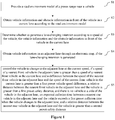
Figure 1 is a flow chart of a method for controlling lane changing during automatic driving of a vehicle according to an embodiment of the present disclosure; and -
Figure 2 is a structure block diagram of a system for controlling lane changing during automatic driving of a vehicle according to an embodiment of the present disclosure. - It should be noted that the embodiments in the present disclosure and features in the embodiments may be combined with each other if there is no conflict.
- Hereinafter, the present disclosure will be described in detail with reference to the drawings and in conjunction with the embodiments.
-
Figure 1 is a flow chart of a method for controlling lane changing during automatic driving of a vehicle according to an embodiment of the present disclosure. - As illustrated in
Figure 1 , the method for controlling lane changing during automatic driving of the vehicle according to the embodiment of the present disclosure includes the following steps S1 to S5. - In step S1, a road environment model of a preset range near the vehicle is provided. The road environment model includes lane information, vehicle information and obstacle information within the preset range near the vehicle.
- Specifically, the vehicle is provided with an environmental perception system, which replaces a sensory system of a driver to extract current driving environment information such as a road, a position of the vehicle, and a size and location of an obstacle through different sensors. The above environmental information is processed, such as screened, correlated, tracked and filtered, to obtain more accurate road information, position and size information of an object target, and finally generate the road environment model. The road environment model outputs lane information, vehicle information and obstacle information within the preset range (for example, 200 meters) in front of and behind the vehicle in real time.
- In step S2, vehicle information and obstacle information in front of the vehicle in a current lane of the vehicle are obtained according to the road environment model.
- Specifically, if another vehicle appears in the current lane and within the preset range (for example, 200 meters) in front of the vehicle, a speed and a position of the another vehicle that is appeared are outputted on the road environment model. If a static obstacle appears in the current lane and within the preset range (for example, 200 meters) in front of the vehicle, a position of the static obstacle is outputted on the road environment model.
- In step S3, whether to generate a lane-changing intention is determined according to a speed of the vehicle, the vehicle information and the obstacle information in front of the vehicle in the current lane.
- In an embodiment of the present disclosure, step S3 includes steps S3-1-1 to step S3-1-3.
- In step S3-1-1, if there is a vehicle in the current lane and within the preset range in front of the vehicle, a speed of the nearest front vehicle of the current lane and a relative distance between the vehicle and the nearest front vehicle of the current lane are obtained.
- In step S3-1-2, a first lane-changing expectation factor is obtained according to the speed of the vehicle, the speed of the nearest front vehicle of the current lane and the relative distance between the vehicle and the nearest front vehicle of the current lane.
- In an embodiment of the present disclosure, the first lane-changing expectation factor is obtained by the following formula:

- In step S3-1-3, if the first lane-changing expectation factor is less than a preset lane-changing expectation factor threshold η, that is, β<η, the lane-changing intention is generated.
- In an embodiment of the present disclosure, step S3 further includes steps S3-2-1 to step S3-2-3.
- In step S3-2-1, if a static obstacle appears in the current lane and within the preset range in front of the vehicle, a relative distance between the vehicle and the static obstacle is obtained.
- In step S3-2-2, a second lane-changing expectation factor is obtained according to the speed of the vehicle and the relative distance between the vehicle and the static obstacle.
- In an embodiment of the present disclosure, the second lane-changing expectation factor is obtained by the following formula:

- In step S3-2-3, if the second lane-changing expectation factor is less than the preset lane-changing expectation factor threshold, that is, βs<η, the lane-changing intention is generated.
- In step S4, if the lane-changing intention is generated, vehicle information in an adjacent lane is obtained through the road environment model. The vehicle information about vehicle in the adjacent lane includes a speed and a position of the nearest front vehicle in the adjacent lane, and a speed and a position of the nearest rear vehicle in the adjacent lane.
- In an embodiment of the present disclosure, step S4 specifically includes steps S4-1 to step S4-3.
- In step S4-1, if the lane-changing intention is generated, traffic prompt information near the vehicle is obtained. For example, the traffic prompt information may be traffic prompt information on a traffic notice board, and lane line information indicating whether the vehicle can change a lane.
- In step S4-2, it is to determine whether the vehicle changing to the adjacent lane at the current speed complies with a traffic rule, according to the traffic prompt information near the vehicle.
- In some examples, if a traffic sign or a lane line near the vehicle indicates that the vehicle is not allowed to change to the adjacent lane, it is determined that the vehicle changing to the adjacent lane at the current speed does not comply with the traffic rule.
- In other examples, if the current speed of the vehicle is 110km/h, and the nearby sign indicates that the maximum speed limit of the adjacent lane is 90km/h, then it is determined that the vehicle changing to the adjacent lane at the current speed does not comply with the traffic rule.
- In step S4-3, if the traffic rule is complied with, the vehicle information in the adjacent lane is obtained through the road environment model.
- In step S5, if a speed of the nearest front vehicle in the adjacent lane is greater than a speed of the nearest front vehicle in the current lane and a difference between the speed of the nearest front vehicle in the adjacent lane and the speed of the nearest front vehicle in the current lane is greater than a first preset vehicle speed difference, a relative distance between the nearest front vehicle in the adjacent lane and the vehicle is greater than a first preset safety distance, and there is no vehicle at a side of the vehicle in the adjacent lane, an expected collision time between the nearest rear vehicle in the adjacent lane and the vehicle exceeds a first preset collision time when the vehicle changes to the adjacent lane, and a relative distance between the nearest rear vehicle in the adjacent lane and the vehicle is greater than a second preset safety distance, then the vehicle is controlled to change to the adjacent lane at the current speed.
- Specifically, if there is only a lane at left side or only a lane at right side of the current lane where the vehicle is currently driving, it is only necessary to determine whether the vehicle can change to the only left/right lane without changing the speed. If there are both left and right lanes, it is required to obtain vehicle information in the left and right lanes respectively, and determine whether the vehicle can change to the left lane and to the right lane according to a preset rule without changing the speed.
- In the following example, the current lane where the vehicle is currently driving has both left and right lanes.
- In step S5-1-1, if there is no vehicle at a left side of the vehicle, proceed to step S5-1-2, otherwise it is determined that it is not allowed to change to the left lane without decelerating.
- In step S5-1-2, a speed of the nearest front vehicle in the left lane is obtained, and it is is to determine whether a difference between the speed V1 of the nearest front vehicle in the left lane and the speed V2 of the nearest front vehicle in the current lane is greater than the first preset speed difference. Here, the first preset vehicle speed difference is preferably equal to 5km/h. If V1-V2>5, proceed to step S5-1-3; otherwise it is determined that it is not allowed to change to the left lane without decelerating.
- In step S5-1-3, a position of the nearest front vehicle in the left lane is obtained, a relative distance between the vehicle and the nearest front vehicle in the left lane is calculated, and it is to determine whether the relative distance is greater than the first preset safety distance. Exemplarily, the first preset safety distance is K3∗V_auto, and K3 is preferably equal to 0.6. If the relative distance between the vehicle and the nearest front vehicle in the left lane is greater than K3∗V_auto, proceed to step S5-1-4, otherwise it is determined that it is not allowed to change to the left lane without decelerating.
- In step S5-1-4, a speed and a position of the nearest rear vehicle in the left lane are obtained, and an estimated collision time (relative distance/relative speed) between the vehicle and the nearest rear vehicle in the left lane when the vehicle changes to the left lane is determined. If the estimated collision time between the vehicle and the nearest rear vehicle in the left lane is greater than the first preset collision time (preferably 2 seconds), then proceed to step S5-1-5, otherwise it is determined that it is not allowed to change to the left lane without decelerating.
- In step S5-1-5, a relative distance between the vehicle and the nearest rear vehicle in the left lane is calculated. If the relative distance between the vehicle and the nearest rear vehicle in the left lane is greater than the second preset safety distance (the second preset safety distance is K4∗V_auto, and K4 is preferably equal to 0.3), then it is determined that the vehicle can change to the left lane without decelerating and the vehicle is controlled to change to the left lane without decelerating; otherwise, proceed to step S5-2.
- In step S5-2, reference may be made to the steps of determining whether the vehicle can change to the left lane without decelerating, so as to determine whether the vehicle can change to the right lane without decelerating. Thus when the vehicle can change to the right lane without decelerating, the vehicle is controlled to change to the right lane without decelerating.
- In the method for controlling lane changing during automatic driving of the vehicle according to the present disclosure, firstly a road environment model of a preset range near the vehicle is generated. Lane information, vehicle information and obstacle information within the preset range near the vehicle are provided on the road environment model. In order to keep the vehicle running at a constant speed, when the vehicle need to change a lane since there is an obstacle in the current lane of the vehicle or a front vehicle runs at a lower speed, vehicle information about vehicles in the adjacent lane is obtained through the road environment model, so as to determine a speed of the nearest front vehicle in the adjacent lane, a relative distance between the nearest front vehicle and the vehicle, a speed of the nearest rear vehicle, and a relative distance between the nearest rear vehicle and the vehicle. Thus, it is to determine whether the vehicle can change to the adjacent lane without changing the speed, and thus to control the vehicle to change a lane without changing the speed during lane changing to the adjacent lane.
-
Figure 2 is a structure block diagram of a system for controlling lane changing during automatic driving of a vehicle according to an embodiment of the present disclosure. As shown inFigure 2 , a system for avoiding an obstacle during automatic driving of a vehicle according to the embodiment of the present disclosure includes: a road environmentmodel providing module 210 and acontrol module 220. - The road environment
model providing module 210 is configured to provide a road environment model of a preset range near the vehicle. The road environment model includes lane information, vehicle information and obstacle information within the preset range near the vehicle. The control module 220 is configured to obtain vehicle information and obstacle information in front of the vehicle in a current lane of the vehicle according to the road environment model; determine whether to generate a lane-changing intention according to a speed of the vehicle, the vehicle information and the obstacle information in front of the vehicle in the current lane of the vehicle; obtain vehicle information in an adjacent lane through the road environment model, if the lane-changing intention is generated; and control the vehicle to change to the adjacent lane at the current speed, if a speed of a nearest front vehicle in the adjacent lane is greater than a speed of a nearest front vehicle in the current lane and a difference between the speed of the nearest front vehicle in the adjacent lane and the speed of the nearest front vehicle in the current lane is greater than a first preset vehicle speed difference, a relative distance between the nearest front vehicle in the adjacent lane and the vehicle is greater than a first preset safety distance, and there is no vehicle at a side of the vehicle in the adjacent lane, an expected collision time between a nearest rear vehicle in the adjacent lane and the vehicle exceeds a first preset collision time when the vehicle changes to the adjacent lane, and a relative distance between the nearest rear vehicle in the adjacent lane and the vehicle is greater than a second preset safety distance. - In an embodiment of the present disclosure, the
control module 220 is specifically configured to obtain the speed of the nearest front vehicle of the current lane, and a relative distance between the vehicle and the nearest front vehicle of the current lane, if there is a vehicle within the preset range in front of the vehicle in the current lane; obtain a first lane-changing expectation factor according to the speed of the vehicle, the speed of the nearest front vehicle of the current lane and the relative distance between the vehicle and the nearest front vehicle of the current lane; and generate the lane-changing intention, if the first lane-changing expectation factor is less than a preset lane-changing expectation factor threshold. - In an embodiment of the present disclosure, the
control module 220 is further configured to obtain, if there is a static obstacle within the preset range in front of the vehicle in the current lane, a relative distance between the vehicle and the static obstacle; obtain a second lane-changing expectation factor according to the speed of the vehicle and the relative distance between the vehicle and the static obstacle; and generate the lane-changing intention, if the second lane-changing expectation factor is less than a preset lane-changing expectation factor threshold. - In an embodiment of the present disclosure, the first lane-changing expectation factor is obtained by the following formula:

- In an embodiment of the present application, the
control module 220 is further configured to obtain traffic prompt information near the vehicle, if it is determined that the lane changing is required; determine whether the vehicle changing to the adjacent lane at the current speed complies with a traffic rule, according to the traffic prompt information near the vehicle; and obtain the vehicle information in the adjacent lane through the road environment model, if the traffic rule is complied with. - The system for controlling lane changing during automatic driving of the vehicle according to the present disclosure, firstly a road environment model of a preset range near the vehicle is generated. Lane information, vehicle information and obstacle information within the preset range near the vehicle are provided on the road environment model. In order to keep the vehicle running at a constant speed, when the vehicle need to change a lane since there is an obstacle in the current lane of the vehicle or a front vehicle runs at a lower speed, vehicle information about vehicles in the adjacent lane is obtained through the road environment model, so as to determine a speed of the nearest front vehicle in the adjacent lane, a relative distance between the nearest front vehicle and the vehicle, a speed of the nearest rear vehicle, and a relative distance between the nearest rear vehicle and the vehicle. Thus, it is to determine whether the vehicle can change to the adjacent lane without changing the speed, and thus to control the vehicle to change a lane without changing the speed during lane changing to the adjacent lane.
- It should be noted that the specific implementation of the system for controlling lane changing during automatic driving of the vehicle according to the embodiment of the present disclosure is similar to the specific implementation of the method for controlling lane changing during automatic driving of the vehicle according to the embodiment of the present disclosure. For details, reference may be made to the description in the method embodiment, which is not described herein for simplicity.
- A vehicle is also provided in an embodiment of the present disclosure. The vehicle is provided with the system for controlling lane changing during automatic driving of the vehicle as in any one of the above embodiments. The vehicle may determine whether it is passable according to a position and size of an obstacle on the current lane.
- In addition, other configurations and functions of the vehicle according to the embodiments of the present disclosure are known to those skilled in the art, and will not be described herein for simplicity.
- The embodiments described hereinabove are only preferred embodiments of the present disclosure, and are not intended to limit the scope of the present disclosure. Any modification, equivalent replacement, and improvement made within the spirit and principle of the present disclosure shall fall within the scope of protection of the present disclosure.
Claims (10)
- A method for controlling lane changing during automatic driving of a vehicle, comprising the following steps:providing a road environment model of a preset range nearby, wherein the road environment model comprises lane information, vehicle information and obstacle information within the preset range near the vehicle;obtaining vehicle information and obstacle information in front of the vehicle in a current lane of the vehicle according to the road environment model;determining whether to generate a lane-changing intention according to a speed of the vehicle, the vehicle information and the obstacle information in front of the vehicle in the current lane of the vehicle;obtaining vehicle information in an adjacent lane through the road environment model, if the lane-changing intention is generated; andcontrolling the vehicle to change to the adjacent lane at the current speed, if a speed of a nearest front vehicle in the adjacent lane is greater than a speed of a nearest front vehicle in the current lane and a difference between the speed of the nearest front vehicle in the adjacent lane and the speed of the nearest front vehicle in the current lane is greater than a first preset vehicle speed difference, a relative distance between the nearest front vehicle in the adjacent lane and the vehicle is greater than a first preset safety distance, and there is no vehicle at a side of the vehicle in the adjacent lane, an expected collision time between a nearest rear vehicle in the adjacent lane and the vehicle exceeds a first preset collision time when the vehicle changes to the adjacent lane, and a relative distance between the nearest rear vehicle in the adjacent lane and the vehicle is greater than a second preset safety distance.
- The method for controlling lane changing during automatic driving of the vehicle according to claim 1, wherein the step of determining whether to generate a lane-changing intention according to a speed of the vehicle, the vehicle information and the obstacle information in front of the vehicle in the current lane of the vehicle specifically comprises:obtaining the speed of the nearest front vehicle of the current lane, and a relative distance between the vehicle and the nearest front vehicle of the current lane, if there is a vehicle within the preset range in front of the vehicle in the current lane;obtaining a first lane-changing expectation factor according to the speed of the vehicle, the speed of the nearest front vehicle of the current lane and the relative distance between the vehicle and the nearest front vehicle of the current lane; andgenerating the lane-changing intention, if the first lane-changing expectation factor is less than a preset lane-changing expectation factor threshold.
- The method for controlling lane changing during automatic driving of the vehicle according to claim 1 or 2, wherein the step of determining whether the vehicle is necessary to change a lane according to a speed of the vehicle, the vehicle information and the obstacle information in front of the vehicle in the current lane of the vehicle further comprises:obtaining, if there is a static obstacle within the preset range in front of the vehicle in the current lane, a relative distance between the vehicle and the static obstacle;obtaining a second lane-changing expectation factor according to the speed of the vehicle and the relative distance between the vehicle and the static obstacle; andgenerating the lane-changing intention, if the second lane-changing expectation factor is less than a preset lane-changing expectation factor threshold.
- The method for controlling lane changing during automatic driving of the vehicle according to claim 2, wherein the first lane-changing expectation factor is obtained by the following formula:

- The method for controlling lane changing during automatic driving of the vehicle according to any one of claims 1-4, wherein the step of obtaining vehicle information in an adjacent lane through the road environment model, if the lane-changing intention is generated, specifically comprises:obtaining traffic prompt information near the vehicle, if the lane-changing intention is generated;determining whether the vehicle changing to the adjacent lane at the current speed complies with a traffic rule, according to the traffic prompt information near the vehicle; andobtaining the vehicle information in the adjacent lane through the road environment model, if the traffic rule is complied with.
- A system for controlling lane changing during automatic driving of a vehicle, comprising:a road environment model providing module, configured to provide a road environment model of a preset range nearby, wherein the road environment model comprises lane information, vehicle information and obstacle information within the preset range near the vehicle; anda control module, configured to obtain vehicle information and obstacle information in front of the vehicle in a current lane of the vehicle according to the road environment model; determine whether to generate a lane-changing intention according to a speed of the vehicle, the vehicle information and the obstacle information in front of the vehicle in the current lane of the vehicle; obtain vehicle information in an adjacent lane through the road environment model, if the lane-changing intention is generated; and control the vehicle to change to the adjacent lane at the current speed, if a speed of a nearest front vehicle in the adjacent lane is greater than a speed of a nearest front vehicle in the current lane and a difference between the speed of the nearest front vehicle in the adjacent lane and the speed of the nearest front vehicle in the current lane is greater than a first preset vehicle speed difference, a relative distance between the nearest front vehicle in the adjacent lane and the vehicle is greater than a first preset safety distance, and there is no vehicle at a side of the vehicle in the adjacent lane, an expected collision time between a nearest rear vehicle in the adjacent lane and the vehicle exceeds a first preset collision time when the vehicle changes to the adjacent lane, and a relative distance between the nearest rear vehicle in the adjacent lane and the vehicle is greater than a second preset safety distance.
- The system for controlling lane changing during automatic driving of the vehicle according to claim 6, wherein the control module is specifically configured to: obtain the speed of the nearest front vehicle of the current lane, and a relative distance between the vehicle and the nearest front vehicle of the current lane, if there is a vehicle within the preset range in front of the vehicle in the current lane; obtain a first lane-changing expectation factor according to the speed of the vehicle, the speed of the nearest front vehicle of the current lane and the relative distance between the vehicle and the nearest front vehicle of the current lane; and generate the lane-changing intention, if the first lane-changing expectation factor is less than a preset lane-changing expectation factor threshold.
- The system for controlling lane changing during automatic driving of the vehicle according to claim 6 or 7, wherein the control module is further configured to: obtain, if there is a static obstacle within the preset range in front of the vehicle in the current lane, a relative distance between the vehicle and the static obstacle; obtain a second lane-changing expectation factor according to the speed of the vehicle and the relative distance between the vehicle and the static obstacle; and generate the lane-changing intention, if the second lane-changing expectation factor is less than a preset lane-changing expectation factor threshold.
- The system for controlling lane changing during automatic driving of the vehicle according to any one of claims 6-8, wherein the control module is further configure to: obtain traffic prompt information near the vehicle, if it is determined that the lane changing is required; determine whether the vehicle changing to the adjacent lane at the current speed complies with a traffic rule, according to the traffic prompt information near the vehicle; and obtain the vehicle information in the adjacent lane through the road environment model, if the traffic rule is complied with.
- A vehicle, comprising the system for controlling lane changing during automatic driving of the vehicle according to any one of claims 6-9.
Applications Claiming Priority (2)
| Application Number | Priority Date | Filing Date | Title |
|---|---|---|---|
| CN201811647226.5A CN110614994B (en) | 2018-12-29 | 2018-12-29 | Control method and control system for lane changing during automatic driving of vehicle and vehicle |
| PCT/CN2019/129283 WO2020135741A1 (en) | 2018-12-29 | 2019-12-27 | Control method and control system for lane changing during automatic driving of vehicle, and vehicle |
Publications (3)
| Publication Number | Publication Date |
|---|---|
| EP3888986A1 true EP3888986A1 (en) | 2021-10-06 |
| EP3888986A4 EP3888986A4 (en) | 2022-03-02 |
| EP3888986B1 EP3888986B1 (en) | 2024-06-26 |
Family
ID=68921104
Family Applications (1)
| Application Number | Title | Priority Date | Filing Date |
|---|---|---|---|
| EP19903773.0A Active EP3888986B1 (en) | 2018-12-29 | 2019-12-27 | Control method and control system for lane changing during automatic driving of vehicle, and vehicle |
Country Status (3)
| Country | Link |
|---|---|
| EP (1) | EP3888986B1 (en) |
| CN (1) | CN110614994B (en) |
| WO (1) | WO2020135741A1 (en) |
Cited By (1)
| Publication number | Priority date | Publication date | Assignee | Title |
|---|---|---|---|---|
| WO2025003066A1 (en) * | 2023-06-30 | 2025-01-02 | Bayerische Motoren Werke Aktiengesellschaft | Computing device for an assistance system of a vehicle for carrying out automated lane change manoeuvres taking into account traffic behind, assistance system, and method |
Families Citing this family (34)
| Publication number | Priority date | Publication date | Assignee | Title |
|---|---|---|---|---|
| CN111016902B (en) * | 2019-12-30 | 2021-07-06 | 重庆长安汽车股份有限公司 | Vehicle speed auxiliary control method and system during lane changing of vehicle and vehicle |
| CN111275986B (en) * | 2020-01-22 | 2021-07-27 | 长安大学 | A risk decision-making device and method for autonomously merging a vehicle into an arterial road in an acceleration lane |
| CN111301420A (en) * | 2020-02-18 | 2020-06-19 | 北京汽车集团有限公司 | Vehicle lane change control method and device, readable storage medium and vehicle |
| KR20210114791A (en) * | 2020-03-11 | 2021-09-24 | 현대자동차주식회사 | Driver assist apparatus and operation method thereof |
| CN111258321A (en) * | 2020-03-13 | 2020-06-09 | 济南浪潮高新科技投资发展有限公司 | Auxiliary safe driving system and method for assisting safe driving in case of loss of vehicle control |
| WO2021189210A1 (en) * | 2020-03-23 | 2021-09-30 | 华为技术有限公司 | Vehicle lane changing method and related device |
| CN111661055B (en) * | 2020-06-17 | 2023-06-06 | 清华大学苏州汽车研究院(吴江) | A lane change control method and system for an automatic driving vehicle |
| CN113808298B (en) * | 2020-06-17 | 2023-05-09 | 上海汽车集团股份有限公司 | A method and system for extracting lane-changing behavior of vehicles based on test data |
| CN111717199B (en) * | 2020-06-24 | 2021-09-17 | 中国第一汽车股份有限公司 | Automatic lane changing collision avoidance control method and device, vehicle and storage medium |
| CN111746543B (en) * | 2020-06-30 | 2021-09-10 | 三一专用汽车有限责任公司 | Control method and control device for vehicle lane change, vehicle and readable storage medium |
| CN111959507A (en) * | 2020-07-06 | 2020-11-20 | 江铃汽车股份有限公司 | Lane changing control method and system, readable storage medium and vehicle |
| CN113954836B (en) * | 2020-07-20 | 2023-08-04 | 广州汽车集团股份有限公司 | Segmented navigation lane change method and system thereof, computer equipment, storage medium |
| CN114084136B (en) * | 2020-08-05 | 2024-01-30 | 上海汽车集团股份有限公司 | Method and device for selecting longitudinal control following target in lane changing process of vehicle |
| CN114120685B (en) * | 2020-08-27 | 2023-04-07 | 宇通客车股份有限公司 | Channel changing control method and device |
| CN111994071B (en) * | 2020-08-28 | 2022-05-10 | 大陆泰密克汽车系统(上海)有限公司 | Method, system and storage medium for rear-end collision active avoidance |
| CN112441004B (en) * | 2020-11-30 | 2023-04-25 | 重庆长安汽车股份有限公司 | Longitudinal planning method, system, vehicle and storage medium for automatic driving lane change |
| CN112644495B (en) * | 2020-12-07 | 2022-12-30 | 浙江合众新能源汽车有限公司 | Calculation method for intelligent auxiliary driving lane change early warning of automobile |
| CN112721928A (en) * | 2021-01-18 | 2021-04-30 | 国汽智控(北京)科技有限公司 | Car following strategy determination method and device, electronic equipment and storage medium |
| CN112937584B (en) * | 2021-03-31 | 2022-06-03 | 重庆长安汽车股份有限公司 | Automatic lane changing control method and device and automobile |
| CN113147765A (en) * | 2021-04-30 | 2021-07-23 | 重庆工程职业技术学院 | Lane changing control method and device for automatic driving vehicle |
| CN113313949B (en) * | 2021-05-31 | 2022-03-25 | 长安大学 | Method, device and equipment for cooperative control of passenger cars and trucks on expressways and ramp ways |
| CN113741485A (en) * | 2021-06-23 | 2021-12-03 | 阿波罗智联(北京)科技有限公司 | Control method and device for cooperative automatic driving of vehicle and road, electronic equipment and vehicle |
| CN115534956A (en) * | 2021-06-30 | 2022-12-30 | 大陆汽车安全系统(长春)有限公司 | Method for realizing vehicle doubling auxiliary function and vehicle-mounted system |
| CN113771884B (en) * | 2021-11-09 | 2022-02-08 | 清华大学 | Intelligent automobile anthropomorphic track planning method based on lateral quantitative balance index |
| CN114093187B (en) * | 2021-11-26 | 2023-02-24 | 交通运输部公路科学研究所 | Risk early warning control method for automatic driving vehicle and intelligent network system |
| CN114103957B (en) * | 2021-12-22 | 2024-02-06 | 阿波罗智联(北京)科技有限公司 | Lane change control method, apparatus, electronic device and storage medium |
| CN114299758A (en) * | 2021-12-30 | 2022-04-08 | 阿波罗智联(北京)科技有限公司 | Vehicle control method and apparatus, device, medium, and product |
| CN114559940B (en) * | 2022-02-17 | 2025-07-08 | 北京经纬恒润科技股份有限公司 | Vehicle lane changing method and device and vehicle |
| CN114454885B (en) * | 2022-02-28 | 2024-03-08 | 重庆长安汽车股份有限公司 | Method for actively creating channel changing condition |
| CN114506342B (en) * | 2022-03-03 | 2023-12-05 | 东风悦享科技有限公司 | Automatic driving lane change decision method, system and vehicle |
| CN114932906B (en) * | 2022-06-15 | 2025-11-21 | 地平线征程(上海)科技有限公司 | Vehicle lane change control method, device, electronic equipment and medium |
| CN115571130B (en) * | 2022-08-22 | 2026-02-27 | 浙江零跑科技股份有限公司 | A vehicle lane change assist method and system based on lane reference lines |
| CN115303275B (en) * | 2022-08-29 | 2026-01-30 | 广州小马智卡科技有限公司 | A vehicle lane change planning method, apparatus, computer equipment, and storage medium |
| CN116653958A (en) * | 2023-06-26 | 2023-08-29 | 中国第一汽车股份有限公司 | A vehicle lane change control method, device, equipment and storage medium |
Family Cites Families (15)
| Publication number | Priority date | Publication date | Assignee | Title |
|---|---|---|---|---|
| JP3574235B2 (en) * | 1995-08-31 | 2004-10-06 | 本田技研工業株式会社 | Vehicle steering force correction device |
| JP2009288941A (en) * | 2008-05-28 | 2009-12-10 | Toyota Central R&D Labs Inc | Viewing action evaluation device and driving action evaluation device |
| DE102012214979A1 (en) * | 2012-08-23 | 2014-02-27 | Robert Bosch Gmbh | Traction Assistant to optimize traffic flow (Traffic Flow Assistant) |
| CN103496366B (en) * | 2013-09-09 | 2016-02-24 | 北京航空航天大学 | A kind of initiative lane change collision avoidance control method based on collaborative truck and device |
| CN103754221B (en) * | 2014-01-24 | 2017-05-24 | 清华大学 | Vehicle adaptive cruise control system |
| JP6527070B2 (en) * | 2015-11-13 | 2019-06-05 | 日立オートモティブシステムズ株式会社 | Traveling control device |
| EP3196861B1 (en) * | 2016-01-19 | 2023-08-02 | Continental Autonomous Mobility Germany GmbH | Method and device for supporting a lane change in a vehicle |
| JP2017178217A (en) * | 2016-03-31 | 2017-10-05 | 株式会社デンソー | Support device |
| CN106364486B (en) * | 2016-09-08 | 2019-08-27 | 江苏大学 | A lane-changing control method for intelligent vehicles based on hazard analysis |
| CN106845768B (en) * | 2016-12-16 | 2019-12-10 | 东南大学 | Bus travel time model construction method based on survival analysis parameter distribution |
| CN107894767B (en) * | 2016-12-19 | 2020-10-20 | 驭势科技(北京)有限公司 | Method for selecting transverse motion control object of automatic driving vehicle |
| CN107161155B (en) * | 2017-04-27 | 2019-04-12 | 大连理工大学 | A method and system for vehicle cooperative lane changing based on artificial neural network |
| CN108313054B (en) * | 2018-01-05 | 2019-08-02 | 北京智行者科技有限公司 | The autonomous lane-change decision-making technique of automatic Pilot and device and automatic driving vehicle |
| CN108829093A (en) * | 2018-04-27 | 2018-11-16 | 榛硕(武汉)智能科技有限公司 | A kind of automatic driving vehicle transverse movement control method |
| CN109035862B (en) * | 2018-08-06 | 2020-04-14 | 清华大学 | A multi-vehicle cooperative lane changing control method based on vehicle-vehicle communication |
-
2018
- 2018-12-29 CN CN201811647226.5A patent/CN110614994B/en active Active
-
2019
- 2019-12-27 EP EP19903773.0A patent/EP3888986B1/en active Active
- 2019-12-27 WO PCT/CN2019/129283 patent/WO2020135741A1/en not_active Ceased
Cited By (1)
| Publication number | Priority date | Publication date | Assignee | Title |
|---|---|---|---|---|
| WO2025003066A1 (en) * | 2023-06-30 | 2025-01-02 | Bayerische Motoren Werke Aktiengesellschaft | Computing device for an assistance system of a vehicle for carrying out automated lane change manoeuvres taking into account traffic behind, assistance system, and method |
Also Published As
| Publication number | Publication date |
|---|---|
| CN110614994A (en) | 2019-12-27 |
| WO2020135741A1 (en) | 2020-07-02 |
| CN110614994B (en) | 2021-01-22 |
| EP3888986A4 (en) | 2022-03-02 |
| EP3888986B1 (en) | 2024-06-26 |
Similar Documents
| Publication | Publication Date | Title |
|---|---|---|
| EP3888986B1 (en) | Control method and control system for lane changing during automatic driving of vehicle, and vehicle | |
| DE102018129197B4 (en) | Traffic signal detection device and system for autonomous driving | |
| US10940868B2 (en) | Vehicle control device, vehicle control method, and vehicle control program | |
| DE112019003322B4 (en) | vehicle control device | |
| CN109795487B (en) | Device and method for controlling vehicle platooning | |
| CN106564497B (en) | Method and apparatus for controlling subject vehicle | |
| US9802613B2 (en) | Driver assistance system for motor vehicles | |
| US9505405B2 (en) | Rear collision avoidance and mitigation system | |
| US20150127190A1 (en) | Method for preventing a collision of a motor vehicle with a vehicle driving the wrong way and a control and detection device for a vehicle to prevent a collision of the motor vehicle with a vehicle driving the wrong way | |
| US12539850B2 (en) | Method for operating a motor vehicle, and motor vehicle | |
| EP3848271A1 (en) | Travel control method and travel control device for vehicle | |
| JP6304384B2 (en) | Vehicle travel control apparatus and method | |
| EP3179212A1 (en) | Motor vehicle driver assistance for negotiating a roundabout | |
| CN104417561A (en) | Context-aware threat response arbitration | |
| CN110481546B (en) | Information display device for vehicle | |
| DE102009050130A1 (en) | Vehicle warning system with a configurable time to stop | |
| WO2012129425A2 (en) | Driver assistance system | |
| JP2017097709A (en) | Image display device | |
| EP3153370A1 (en) | Vehicle travel control device | |
| DE102021205553B4 (en) | Method for automatically implementing safety measures when driving on a verge with a vehicle, as well as electronic vehicle guidance system and vehicle | |
| US12530965B2 (en) | ADAS providing augmented reality with digital gateway indicative of yielding status of host vehicle | |
| CN106314432A (en) | Method for adjusting speed of vehicle | |
| CN113942477B (en) | Assisted driving device and corresponding vehicle, method, computer equipment and medium | |
| JP2023553018A (en) | How the vehicle operates during autonomous driving | |
| CN121605288A (en) | Method and system for determining navigation route of vehicle |
Legal Events
| Date | Code | Title | Description |
|---|---|---|---|
| STAA | Information on the status of an ep patent application or granted ep patent |
Free format text: STATUS: THE INTERNATIONAL PUBLICATION HAS BEEN MADE |
|
| PUAI | Public reference made under article 153(3) epc to a published international application that has entered the european phase |
Free format text: ORIGINAL CODE: 0009012 |
|
| STAA | Information on the status of an ep patent application or granted ep patent |
Free format text: STATUS: REQUEST FOR EXAMINATION WAS MADE |
|
| 17P | Request for examination filed |
Effective date: 20210630 |
|
| AK | Designated contracting states |
Kind code of ref document: A1 Designated state(s): AL AT BE BG CH CY CZ DE DK EE ES FI FR GB GR HR HU IE IS IT LI LT LU LV MC MK MT NL NO PL PT RO RS SE SI SK SM TR |
|
| REG | Reference to a national code |
Ref country code: DE Ref legal event code: R079 Free format text: PREVIOUS MAIN CLASS: B60W0030090000 Ipc: B60W0030180000 Ref document number: 602019054400 Country of ref document: DE |
|
| A4 | Supplementary search report drawn up and despatched |
Effective date: 20220201 |
|
| RIC1 | Information provided on ipc code assigned before grant |
Ipc: B60W 30/16 20200101ALI20220126BHEP Ipc: B60W 30/09 20120101ALI20220126BHEP Ipc: B60W 30/18 20120101AFI20220126BHEP |
|
| DAV | Request for validation of the european patent (deleted) | ||
| DAX | Request for extension of the european patent (deleted) | ||
| P01 | Opt-out of the competence of the unified patent court (upc) registered |
Effective date: 20230530 |
|
| GRAP | Despatch of communication of intention to grant a patent |
Free format text: ORIGINAL CODE: EPIDOSNIGR1 |
|
| STAA | Information on the status of an ep patent application or granted ep patent |
Free format text: STATUS: GRANT OF PATENT IS INTENDED |
|
| INTG | Intention to grant announced |
Effective date: 20240117 |
|
| GRAS | Grant fee paid |
Free format text: ORIGINAL CODE: EPIDOSNIGR3 |
|
| GRAA | (expected) grant |
Free format text: ORIGINAL CODE: 0009210 |
|
| STAA | Information on the status of an ep patent application or granted ep patent |
Free format text: STATUS: THE PATENT HAS BEEN GRANTED |
|
| AK | Designated contracting states |
Kind code of ref document: B1 Designated state(s): AL AT BE BG CH CY CZ DE DK EE ES FI FR GB GR HR HU IE IS IT LI LT LU LV MC MK MT NL NO PL PT RO RS SE SI SK SM TR |
|
| REG | Reference to a national code |
Ref country code: GB Ref legal event code: FG4D |
|
| REG | Reference to a national code |
Ref country code: CH Ref legal event code: EP |
|
| REG | Reference to a national code |
Ref country code: DE Ref legal event code: R096 Ref document number: 602019054400 Country of ref document: DE |
|
| PG25 | Lapsed in a contracting state [announced via postgrant information from national office to epo] |
Ref country code: BG Free format text: LAPSE BECAUSE OF FAILURE TO SUBMIT A TRANSLATION OF THE DESCRIPTION OR TO PAY THE FEE WITHIN THE PRESCRIBED TIME-LIMIT Effective date: 20240626 |
|
| PG25 | Lapsed in a contracting state [announced via postgrant information from national office to epo] |
Ref country code: FI Free format text: LAPSE BECAUSE OF FAILURE TO SUBMIT A TRANSLATION OF THE DESCRIPTION OR TO PAY THE FEE WITHIN THE PRESCRIBED TIME-LIMIT Effective date: 20240626 Ref country code: HR Free format text: LAPSE BECAUSE OF FAILURE TO SUBMIT A TRANSLATION OF THE DESCRIPTION OR TO PAY THE FEE WITHIN THE PRESCRIBED TIME-LIMIT Effective date: 20240626 |
|
| REG | Reference to a national code |
Ref country code: LT Ref legal event code: MG9D |
|
| PG25 | Lapsed in a contracting state [announced via postgrant information from national office to epo] |
Ref country code: GR Free format text: LAPSE BECAUSE OF FAILURE TO SUBMIT A TRANSLATION OF THE DESCRIPTION OR TO PAY THE FEE WITHIN THE PRESCRIBED TIME-LIMIT Effective date: 20240927 |
|
| PG25 | Lapsed in a contracting state [announced via postgrant information from national office to epo] |
Ref country code: LV Free format text: LAPSE BECAUSE OF FAILURE TO SUBMIT A TRANSLATION OF THE DESCRIPTION OR TO PAY THE FEE WITHIN THE PRESCRIBED TIME-LIMIT Effective date: 20240626 |
|
| REG | Reference to a national code |
Ref country code: NL Ref legal event code: MP Effective date: 20240626 |
|
| PG25 | Lapsed in a contracting state [announced via postgrant information from national office to epo] |
Ref country code: NO Free format text: LAPSE BECAUSE OF FAILURE TO SUBMIT A TRANSLATION OF THE DESCRIPTION OR TO PAY THE FEE WITHIN THE PRESCRIBED TIME-LIMIT Effective date: 20240926 Ref country code: LV Free format text: LAPSE BECAUSE OF FAILURE TO SUBMIT A TRANSLATION OF THE DESCRIPTION OR TO PAY THE FEE WITHIN THE PRESCRIBED TIME-LIMIT Effective date: 20240626 Ref country code: HR Free format text: LAPSE BECAUSE OF FAILURE TO SUBMIT A TRANSLATION OF THE DESCRIPTION OR TO PAY THE FEE WITHIN THE PRESCRIBED TIME-LIMIT Effective date: 20240626 Ref country code: GR Free format text: LAPSE BECAUSE OF FAILURE TO SUBMIT A TRANSLATION OF THE DESCRIPTION OR TO PAY THE FEE WITHIN THE PRESCRIBED TIME-LIMIT Effective date: 20240927 Ref country code: FI Free format text: LAPSE BECAUSE OF FAILURE TO SUBMIT A TRANSLATION OF THE DESCRIPTION OR TO PAY THE FEE WITHIN THE PRESCRIBED TIME-LIMIT Effective date: 20240626 Ref country code: BG Free format text: LAPSE BECAUSE OF FAILURE TO SUBMIT A TRANSLATION OF THE DESCRIPTION OR TO PAY THE FEE WITHIN THE PRESCRIBED TIME-LIMIT Effective date: 20240626 Ref country code: RS Free format text: LAPSE BECAUSE OF FAILURE TO SUBMIT A TRANSLATION OF THE DESCRIPTION OR TO PAY THE FEE WITHIN THE PRESCRIBED TIME-LIMIT Effective date: 20240926 |
|
| PG25 | Lapsed in a contracting state [announced via postgrant information from national office to epo] |
Ref country code: NL Free format text: LAPSE BECAUSE OF FAILURE TO SUBMIT A TRANSLATION OF THE DESCRIPTION OR TO PAY THE FEE WITHIN THE PRESCRIBED TIME-LIMIT Effective date: 20240626 |
|
| REG | Reference to a national code |
Ref country code: AT Ref legal event code: MK05 Ref document number: 1697477 Country of ref document: AT Kind code of ref document: T Effective date: 20240626 |
|
| PG25 | Lapsed in a contracting state [announced via postgrant information from national office to epo] |
Ref country code: NL Free format text: LAPSE BECAUSE OF FAILURE TO SUBMIT A TRANSLATION OF THE DESCRIPTION OR TO PAY THE FEE WITHIN THE PRESCRIBED TIME-LIMIT Effective date: 20240626 |
|
| PG25 | Lapsed in a contracting state [announced via postgrant information from national office to epo] |
Ref country code: PT Free format text: LAPSE BECAUSE OF FAILURE TO SUBMIT A TRANSLATION OF THE DESCRIPTION OR TO PAY THE FEE WITHIN THE PRESCRIBED TIME-LIMIT Effective date: 20241028 |
|
| PG25 | Lapsed in a contracting state [announced via postgrant information from national office to epo] |
Ref country code: PT Free format text: LAPSE BECAUSE OF FAILURE TO SUBMIT A TRANSLATION OF THE DESCRIPTION OR TO PAY THE FEE WITHIN THE PRESCRIBED TIME-LIMIT Effective date: 20241028 |
|
| PG25 | Lapsed in a contracting state [announced via postgrant information from national office to epo] |
Ref country code: PL Free format text: LAPSE BECAUSE OF FAILURE TO SUBMIT A TRANSLATION OF THE DESCRIPTION OR TO PAY THE FEE WITHIN THE PRESCRIBED TIME-LIMIT Effective date: 20240626 |
|
| PG25 | Lapsed in a contracting state [announced via postgrant information from national office to epo] |
Ref country code: EE Free format text: LAPSE BECAUSE OF FAILURE TO SUBMIT A TRANSLATION OF THE DESCRIPTION OR TO PAY THE FEE WITHIN THE PRESCRIBED TIME-LIMIT Effective date: 20240626 |
|
| PG25 | Lapsed in a contracting state [announced via postgrant information from national office to epo] |
Ref country code: AT Free format text: LAPSE BECAUSE OF FAILURE TO SUBMIT A TRANSLATION OF THE DESCRIPTION OR TO PAY THE FEE WITHIN THE PRESCRIBED TIME-LIMIT Effective date: 20240626 Ref country code: IS Free format text: LAPSE BECAUSE OF FAILURE TO SUBMIT A TRANSLATION OF THE DESCRIPTION OR TO PAY THE FEE WITHIN THE PRESCRIBED TIME-LIMIT Effective date: 20241026 |
|
| PG25 | Lapsed in a contracting state [announced via postgrant information from national office to epo] |
Ref country code: CZ Free format text: LAPSE BECAUSE OF FAILURE TO SUBMIT A TRANSLATION OF THE DESCRIPTION OR TO PAY THE FEE WITHIN THE PRESCRIBED TIME-LIMIT Effective date: 20240626 |
|
| PG25 | Lapsed in a contracting state [announced via postgrant information from national office to epo] |
Ref country code: RO Free format text: LAPSE BECAUSE OF FAILURE TO SUBMIT A TRANSLATION OF THE DESCRIPTION OR TO PAY THE FEE WITHIN THE PRESCRIBED TIME-LIMIT Effective date: 20240626 Ref country code: SK Free format text: LAPSE BECAUSE OF FAILURE TO SUBMIT A TRANSLATION OF THE DESCRIPTION OR TO PAY THE FEE WITHIN THE PRESCRIBED TIME-LIMIT Effective date: 20240626 |
|
| PG25 | Lapsed in a contracting state [announced via postgrant information from national office to epo] |
Ref country code: SM Free format text: LAPSE BECAUSE OF FAILURE TO SUBMIT A TRANSLATION OF THE DESCRIPTION OR TO PAY THE FEE WITHIN THE PRESCRIBED TIME-LIMIT Effective date: 20240626 Ref country code: ES Free format text: LAPSE BECAUSE OF FAILURE TO SUBMIT A TRANSLATION OF THE DESCRIPTION OR TO PAY THE FEE WITHIN THE PRESCRIBED TIME-LIMIT Effective date: 20240626 |
|
| PG25 | Lapsed in a contracting state [announced via postgrant information from national office to epo] |
Ref country code: SM Free format text: LAPSE BECAUSE OF FAILURE TO SUBMIT A TRANSLATION OF THE DESCRIPTION OR TO PAY THE FEE WITHIN THE PRESCRIBED TIME-LIMIT Effective date: 20240626 Ref country code: SK Free format text: LAPSE BECAUSE OF FAILURE TO SUBMIT A TRANSLATION OF THE DESCRIPTION OR TO PAY THE FEE WITHIN THE PRESCRIBED TIME-LIMIT Effective date: 20240626 Ref country code: RO Free format text: LAPSE BECAUSE OF FAILURE TO SUBMIT A TRANSLATION OF THE DESCRIPTION OR TO PAY THE FEE WITHIN THE PRESCRIBED TIME-LIMIT Effective date: 20240626 Ref country code: PL Free format text: LAPSE BECAUSE OF FAILURE TO SUBMIT A TRANSLATION OF THE DESCRIPTION OR TO PAY THE FEE WITHIN THE PRESCRIBED TIME-LIMIT Effective date: 20240626 Ref country code: IS Free format text: LAPSE BECAUSE OF FAILURE TO SUBMIT A TRANSLATION OF THE DESCRIPTION OR TO PAY THE FEE WITHIN THE PRESCRIBED TIME-LIMIT Effective date: 20241026 Ref country code: ES Free format text: LAPSE BECAUSE OF FAILURE TO SUBMIT A TRANSLATION OF THE DESCRIPTION OR TO PAY THE FEE WITHIN THE PRESCRIBED TIME-LIMIT Effective date: 20240626 Ref country code: EE Free format text: LAPSE BECAUSE OF FAILURE TO SUBMIT A TRANSLATION OF THE DESCRIPTION OR TO PAY THE FEE WITHIN THE PRESCRIBED TIME-LIMIT Effective date: 20240626 Ref country code: CZ Free format text: LAPSE BECAUSE OF FAILURE TO SUBMIT A TRANSLATION OF THE DESCRIPTION OR TO PAY THE FEE WITHIN THE PRESCRIBED TIME-LIMIT Effective date: 20240626 Ref country code: AT Free format text: LAPSE BECAUSE OF FAILURE TO SUBMIT A TRANSLATION OF THE DESCRIPTION OR TO PAY THE FEE WITHIN THE PRESCRIBED TIME-LIMIT Effective date: 20240626 |
|
| PG25 | Lapsed in a contracting state [announced via postgrant information from national office to epo] |
Ref country code: IT Free format text: LAPSE BECAUSE OF FAILURE TO SUBMIT A TRANSLATION OF THE DESCRIPTION OR TO PAY THE FEE WITHIN THE PRESCRIBED TIME-LIMIT Effective date: 20240626 |
|
| REG | Reference to a national code |
Ref country code: DE Ref legal event code: R097 Ref document number: 602019054400 Country of ref document: DE |
|
| PG25 | Lapsed in a contracting state [announced via postgrant information from national office to epo] |
Ref country code: DK Free format text: LAPSE BECAUSE OF FAILURE TO SUBMIT A TRANSLATION OF THE DESCRIPTION OR TO PAY THE FEE WITHIN THE PRESCRIBED TIME-LIMIT Effective date: 20240626 |
|
| PLBE | No opposition filed within time limit |
Free format text: ORIGINAL CODE: 0009261 |
|
| STAA | Information on the status of an ep patent application or granted ep patent |
Free format text: STATUS: NO OPPOSITION FILED WITHIN TIME LIMIT |
|
| 26N | No opposition filed |
Effective date: 20250327 |
|
| PG25 | Lapsed in a contracting state [announced via postgrant information from national office to epo] |
Ref country code: MC Free format text: LAPSE BECAUSE OF FAILURE TO SUBMIT A TRANSLATION OF THE DESCRIPTION OR TO PAY THE FEE WITHIN THE PRESCRIBED TIME-LIMIT Effective date: 20240626 |
|
| REG | Reference to a national code |
Ref country code: CH Ref legal event code: PL |
|
| PG25 | Lapsed in a contracting state [announced via postgrant information from national office to epo] |
Ref country code: LU Free format text: LAPSE BECAUSE OF NON-PAYMENT OF DUE FEES Effective date: 20241227 |
|
| PG25 | Lapsed in a contracting state [announced via postgrant information from national office to epo] |
Ref country code: SE Free format text: LAPSE BECAUSE OF FAILURE TO SUBMIT A TRANSLATION OF THE DESCRIPTION OR TO PAY THE FEE WITHIN THE PRESCRIBED TIME-LIMIT Effective date: 20240626 |
|
| REG | Reference to a national code |
Ref country code: BE Ref legal event code: MM Effective date: 20241231 |
|
| PG25 | Lapsed in a contracting state [announced via postgrant information from national office to epo] |
Ref country code: BE Free format text: LAPSE BECAUSE OF NON-PAYMENT OF DUE FEES Effective date: 20241231 |
|
| PG25 | Lapsed in a contracting state [announced via postgrant information from national office to epo] |
Ref country code: CH Free format text: LAPSE BECAUSE OF NON-PAYMENT OF DUE FEES Effective date: 20241231 |
|
| PG25 | Lapsed in a contracting state [announced via postgrant information from national office to epo] |
Ref country code: IE Free format text: LAPSE BECAUSE OF NON-PAYMENT OF DUE FEES Effective date: 20241227 |
|
| PGFP | Annual fee paid to national office [announced via postgrant information from national office to epo] |
Ref country code: GB Payment date: 20251229 Year of fee payment: 7 |
|
| PGFP | Annual fee paid to national office [announced via postgrant information from national office to epo] |
Ref country code: FR Payment date: 20251230 Year of fee payment: 7 |
|
| PGFP | Annual fee paid to national office [announced via postgrant information from national office to epo] |
Ref country code: DE Payment date: 20251231 Year of fee payment: 7 |
|
| PG25 | Lapsed in a contracting state [announced via postgrant information from national office to epo] |
Ref country code: CY Free format text: LAPSE BECAUSE OF FAILURE TO SUBMIT A TRANSLATION OF THE DESCRIPTION OR TO PAY THE FEE WITHIN THE PRESCRIBED TIME-LIMIT Effective date: 20240626 |