EP3885349B1 - Crystal form of hepatitis b surface antigen inhibitor - Google Patents
Crystal form of hepatitis b surface antigen inhibitor Download PDFInfo
- Publication number
- EP3885349B1 EP3885349B1 EP19887009.9A EP19887009A EP3885349B1 EP 3885349 B1 EP3885349 B1 EP 3885349B1 EP 19887009 A EP19887009 A EP 19887009A EP 3885349 B1 EP3885349 B1 EP 3885349B1
- Authority
- EP
- European Patent Office
- Prior art keywords
- compound
- crystal form
- hepatitis
- mmol
- formula
- Prior art date
- Legal status (The legal status is an assumption and is not a legal conclusion. Google has not performed a legal analysis and makes no representation as to the accuracy of the status listed.)
- Active
Links
Images



Classifications
-
- C—CHEMISTRY; METALLURGY
- C07—ORGANIC CHEMISTRY
- C07D—HETEROCYCLIC COMPOUNDS
- C07D498/00—Heterocyclic compounds containing in the condensed system at least one hetero ring having nitrogen and oxygen atoms as the only ring hetero atoms
- C07D498/02—Heterocyclic compounds containing in the condensed system at least one hetero ring having nitrogen and oxygen atoms as the only ring hetero atoms in which the condensed system contains two hetero rings
- C07D498/04—Ortho-condensed systems
-
- A—HUMAN NECESSITIES
- A61—MEDICAL OR VETERINARY SCIENCE; HYGIENE
- A61P—SPECIFIC THERAPEUTIC ACTIVITY OF CHEMICAL COMPOUNDS OR MEDICINAL PREPARATIONS
- A61P1/00—Drugs for disorders of the alimentary tract or the digestive system
- A61P1/16—Drugs for disorders of the alimentary tract or the digestive system for liver or gallbladder disorders, e.g. hepatoprotective agents, cholagogues, litholytics
-
- A—HUMAN NECESSITIES
- A61—MEDICAL OR VETERINARY SCIENCE; HYGIENE
- A61K—PREPARATIONS FOR MEDICAL, DENTAL OR TOILETRY PURPOSES
- A61K31/00—Medicinal preparations containing organic active ingredients
- A61K31/33—Heterocyclic compounds
- A61K31/395—Heterocyclic compounds having nitrogen as a ring hetero atom, e.g. guanethidine or rifamycins
- A61K31/55—Heterocyclic compounds having nitrogen as a ring hetero atom, e.g. guanethidine or rifamycins having seven-membered rings, e.g. azelastine, pentylenetetrazole
- A61K31/553—Heterocyclic compounds having nitrogen as a ring hetero atom, e.g. guanethidine or rifamycins having seven-membered rings, e.g. azelastine, pentylenetetrazole having at least one nitrogen and one oxygen as ring hetero atoms, e.g. loxapine, staurosporine
-
- A—HUMAN NECESSITIES
- A61—MEDICAL OR VETERINARY SCIENCE; HYGIENE
- A61P—SPECIFIC THERAPEUTIC ACTIVITY OF CHEMICAL COMPOUNDS OR MEDICINAL PREPARATIONS
- A61P31/00—Antiinfectives, i.e. antibiotics, antiseptics, chemotherapeutics
- A61P31/12—Antivirals
-
- A—HUMAN NECESSITIES
- A61—MEDICAL OR VETERINARY SCIENCE; HYGIENE
- A61P—SPECIFIC THERAPEUTIC ACTIVITY OF CHEMICAL COMPOUNDS OR MEDICINAL PREPARATIONS
- A61P31/00—Antiinfectives, i.e. antibiotics, antiseptics, chemotherapeutics
- A61P31/12—Antivirals
- A61P31/20—Antivirals for DNA viruses
-
- C—CHEMISTRY; METALLURGY
- C07—ORGANIC CHEMISTRY
- C07B—GENERAL METHODS OF ORGANIC CHEMISTRY; APPARATUS THEREFOR
- C07B2200/00—Indexing scheme relating to specific properties of organic compounds
- C07B2200/13—Crystalline forms, e.g. polymorphs
Definitions
- the present disclosure relates to a crystal form of a hepatitis B surface antigen inhibitor and a preparation method therefor, and also comprises the use of the crystal form in preparing the hepatitis B surface antigen inhibitor.
- Viral hepatitis B is a disease caused by Hepatitis B Virus (HBV for short) infection in the body.
- Hepatitis B virus is a hepatotropic virus that mainly exists in hepatocytes and causes damages to the hepatocytes, resulting in inflammation, necrosis and fibrosis of the hepatocytes.
- Viral hepatitis B is divided into two types, acute hepatitis B and chronic hepatitis B. Acute hepatitis B may be mostly self-healing in adults through their inherent immune mechanism.
- CHB chronic hepatitis B
- HCC hepatocellular carcinoma
- hepatitis B hepatitis B virus surface antigen
- Quantification of HBsAg is a very important biological indicator. A reduction and seroconversion of HBsAg are rarely observed in patients with chronic infection, which is the endpoint of current therapies.
- the surface antigen protein of hepatitis B virus plays a very important role in the invasion of HBV into hepatocytes, and is of great significance for the prophylaxis and treatment of HBV infection.
- Surface antigen proteins include large (L), medium (M) and small (S) surface antigen proteins that share a common C-terminal S region. They are expressed by a same open reading frame, and their different lengths are determined by the three AUG start codons of the reading frame. These three surface antigen proteins include pre-S1/pre-S2/S, pre-S2/S and S domains.
- HBV surface antigen proteins are integrated into the endoplasmic reticulum (ER) membrane, which is initiated by the N-terminal signal sequence.
- SVPs globular and filamentous subviral particles
- HBsAg globular and filamentous subviral particles
- SVP contains most S surface antigen proteins.
- L protein is critical in the morphogenesis of the virus and the interaction of the nucleocapsid, but is not necessary for the formation of SVP. Due to the absence of nucleocapsids, the SVPs described above are non-infectious. SVPs are greatly involved in disease progression, especially in the immune response to hepatitis B virus.
- HBsAg In the blood of infected individuals, the amount of SVPs is at least 10,000 times the amount of the virus, trapping the immune system and thus weakening the body's immune response to hepatitis B virus.
- HBsAg also inhibits human innate immunity with its ability to inhibit the production of cytokines induced by polysaccharides (LPS) and IL-2, the function of dendritic cells (DCs) and the induction activity of ERK-1/2, and kinase-1/2 of c-Jun N-terminus in monocytes interfered by LPS. It is worth noting that the disease progression in cirrhosis and hepatocellular carcinoma is also largely associated with persistent secretion of HBsAg. These findings suggest that HBsAg plays an important role in the development of chronic hepatitis B.
- the anti-HBV drugs that have been approved for marketing to date are mainly immunomodulators (interferon- ⁇ , and peg-interferon- ⁇ -2 ⁇ ) and antiviral therapeutic drugs (Lamivudine, Adeforvir, Dipivoxil, Entecavir, Telbivudine, Tenofovir, Clevudine, etc.).
- the antiviral therapeutic drugs belong to nucleotide drugs, whose mechanism of action is to inhibit the synthesis of HBV DNA and is not able to reduce HBsAg level directly.
- nucleotide drugs show HBsAg elimination at a rate similar to natural observations.
- RG7834 a surface antigen inhibitor named RG7834 for the treatment of hepatitis B, and reported the efficacy of this compound in the woodchuck model against hepatitis B: RG7834 can reduce surface antigens by 2.57 Log and HBV-DNA by 1.7 Log when it was used as a single drug. The compound exhibits good activity, but it is necessary to separate isomers in the process of molecular synthesis, which reduces the yield and increases the cost.
- WO2017013046A1 discloses a series of 2-oxo-7,8-dihydro-6H-pyrido[2,1,a][2]benzazepine-3-carboxylic acid derivative for the treatment or prophylaxis of hepatitis B virus infection.
- the highest activity among this series of fused ring compounds in Embodiment 3 has an IC 50 of 419 nM, which can be further improved greatly in activity.
- This series of compounds contain chiral centers, which is difficult to synthesize asymmetrically.
- the 7-membered carbon ring has a poor aqueous solubility and is susceptible to be metabolized by oxidation.
- WO2018022282A1 discloses a compound of formula including for treating HBV infection.
- the present disclosure provides a crystal form A of a compound of formula (I) having a X-ray powder diffraction pattern comprising characteristic diffraction peaks with following angles 2 ⁇ : 8.04° ⁇ 0.2°, 16.52° ⁇ 0.2° and 19.52° ⁇ 0.2°,
- the X-ray powder diffraction pattern of the crystal form A as defined above comprises characteristic diffraction peaks with following angles 2 ⁇ : 8.04° ⁇ 0.2°, 10.47° ⁇ 0.2°, 11.90° ⁇ 0.2°, 16.52° ⁇ 0.2°, 18.06° ⁇ 0.2°, 19.52° ⁇ 0.2°, 22.02° ⁇ 0.2° and 25.28° ⁇ 0.2°.
- the X-ray powder diffraction pattern of the crystal form A as defined above is shown in Figure 1 .
- the analysis data of the XRPD pattern of the crystal form A as defined above is shown in Table 1.
- Table 1 Analytical data of the XRPD pattern of the crystal form A of the compound of formula (I) No Angle 20 (°) d-spacing ( ⁇ ) Inten -sity Relative intensity (%) No.
- the crystal form A as defined above has a differential scanning calorimetry curve with an onset of endothermic peak at 139.64 ⁇ 5°C.
- the pattern of differential scanning calorimetry curve of the crystal form A as defined above is shown in Figure 2 .
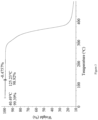
- the crystal form A as defined above has a thermogravimetric analysis curve with a weight loss of 0.4757% at 125.23 ⁇ 3°C.
- thermogravimetric analysis curve of the crystal form A as defined above is shown in Figure 3 .
- the present disclosure also provides the crystal form A as defined above for use as a medicament for treating Hepatitis B.
- the compounds of the present disclosure has significant activity of anti-hepatitis B virus.
- the compounds of the present disclosure have a moderate plasma protein binding rate without inhibiting cytochrome P450 isoenzyme, thereby exhibiting a low risk of drug-drug interaction; exhibit excellent stability in the liver microsomes in three species, rats, human and mice, indicating that the compounds are not easily metabolized; have good exposure and bioavailability; exhibit a good tolerance in the single-dose neurotoxicity test.
- the synthetic process of the compounds of the present disclosure is simple and economical.
- the crystal form of the present disclosure have good solubility of crystal form, and is easy to prepare, with good physical stability and chemical stability.
- the intermediate compounds of the present disclosure can be prepared by various synthetic methods known to those skilled in the art, including the specific embodiments described below, the embodiments formed by combining the embodiments described below with other chemical synthesis methods, and equivalent alternatives well-known for those skilled in the art.
- XRPD X-ray powder diffractometer
- DSC Differential Scanning Calorimeter
- TGA Thermal Gravimetric Analyzer
- Step A Lithium aluminum hydride (80.00 g, 2.11 mol, 2.77 eq.) was added into the tetrahydrofuran (400.00 mL) solution containing compound 1 (100.00 g, 762.36 mmol, 1.00 eq.) at 0°C. The mixture was stirred for 10 hrs at 10°C. Then 80.00 mL of water was firstly added into the reaction solution when stirring, followed by adding 240.00 mL of 15% NaOH solution and 80.00 mL of water. The resulting suspension was stirred for 20 min at 10°C, and colorless clear solution was obtained by filtration. Compound 2 was obtained after being concentrated under vacuum.
- Step B Compound 2 (50.00 g, 426.66 mmol) and triethylamine (59.39 mL, 426.66 mmol) were dissolved in dichloromethane (500.00 mL). Then the solution of di-tert-butyl dicarbonate (92.19 g, 422.40 mmol) in dichloromethane (100.00 mL) was added dropwise into the above reaction solution. Then the reaction mixture was stirred for 12 hrs at 25°C. After that, the reaction solution was washed by brine (600.00 mL), and dried with anhydrous sodium sulfate. The organic phase was concentrated under vacuum and spin dried, followed by recrystallization with methyl tertiary-butyl ether/petroleum ether (50.00/100.00) to give Compound 3.
- Step C Thionyl chloride (100.98 mL, 1.39 mmol) was dissolved in acetonitrile (707.50 mL), then the solution of Compound 3 (121.00 g, 556.82 mmol) in acetonitrile (282.90 mL) was added dropwise into the above reaction solution at -40°C. After addition, pyridine (224.72 mL, 2.78 mol) was added into the reaction solution at one time. Next, the ice bath was removed and the reaction solution was stirred for 1 hr at 5-10°C.
- Step D Compound 5 (100.00 g, 657.26 mmol) was dissolved in acetonitrile (1300.00 mL), and K 2 CO 3 (227.10 g, 1.64 mol) and 1-Br-methoxypropane (110.63 g, 722.99 mmol) were added. The reaction solution was stirred for 6 hrs at 85°C. The reaction solution was extracted with 600.00 mL of ethyl acetate (200.00 mL ⁇ 3), dried with anhydrous sodium sulfate, then filtered and concentrated under vacuum to give Compound 6.
- Step E Compound 6 (70.00 g, 312.15 mmol) was dissolved in dichloromethane, and m-chloroperoxybenzoic acid (94.27 g, 437.01 mmol) was added. The mixture was stirred for 2 hrs at 50°C. After cooling, the reaction solution was filtered, and the filtrate was extracted with dichloromethane. The organic phase was washed with saturated 2000.00 mL of NaHCO 3 solution (400.00 mL ⁇ 5), dried with anhydrous sodium sulfate, and concentrated under vacuum. The resulting brown oily product was dissolved with methanol as little as possible, and then 2 mol/L of KOH solution (350.00 mL) was added slowly (the process is exothermetic).
- the black reaction solution was stirred for 20 min at room temperature, then the pH was adjusted to 5 with 37% HCl.
- the reaction solution was extracted with 400 mL of ethyl acetate (200.00 mL ⁇ 2), and the organic phase was washed with 200.00 mL of brine (100.00 mL ⁇ 2), dried with anhydrous sodium sulfate, and concentrated under vacuum to give Compound 7.
- Step F Compound 7 (33.00 g, 155.48 mmol) was dissolved in THF (330.00 mL), then paraformaldehyde (42.02 g, 466.45 mmol), MgCl 2 (29.61 g, 310.97 mmol), and triethylamine (47.20 g, 466.45 mmol, 64.92 mL) were added. The reaction solution was stirred for 8 hrs at 80°C. After the reaction was finished, the reaction solution was quenched with 2 mol HCl solution (200.00 mL) at 25°C, then extracted with 600.00 mL of ethyl acetate (200.00 mL ⁇ 3).
- Step G Compound 8 (8.70 g, 36.21 mmol) was dissolved in N,N-dimethyl formamide (80.00 mL), then K 2 CO 3 (10.01 g, 72.42 mmol) and compound 4 (11.13 g, 39.83 mmol) were added. The reaction mixture was stirred for 2 hrs at 50°C. After that, the reaction solution was quenched with 1.00 mol/L aqueous hydrochloric acid (200.00 mL), and extracted with dichloromethane (150.00 mL ⁇ 2). The organic phases were combined, washed with water (150.00 mL ⁇ 3) and dried with anhydrous sodium sulfate, then filtered and concentrated under vacuum to obtain Compound 9.
- Step H Compound 9 (15.80 g, 35.95 moll) was dissolved in dichloromethane (150.00 mL), and trifluoroacetic acid (43.91 mL, 593.12 mmol) was added. The reaction solution was stirred for 3 hrs at 10°C. The reaction solution was concentrated under vacuum to give a residue. The residue was added with NaHCO 3 solution (100.00 mL), and extracted with dichloromethane (100.00 mL). The organic phase was dried with anhydrous sodium sulfate, filtered and concentrated under vacuum to obtain Compound 10.
- Step I Compound 10 (5.00 g, 15.56 mmol) was dissolved in toluene (20.00 mL), and compound 11 (8.04 g, 31.11 mmol) was added. The reaction solution was stirred for 12 hrs at 120°C under N 2 atmosphere. After that, the reaction solution was quenched with water (100.00 mL), and extracted with ethyl acetate (100.00 mL ⁇ 2). The organic phases were combined, washed with water (80.00 mL ⁇ 2), and dried with anhydrous sodium sulfate, then filtered and concentrated under vacuum.
- Step J Compound 12 (875.00 mg, 1.90 mmol) was dissolved in toluene (20.00 mL) and 1,2-dimethoxyethane (20.00 mL), then tetrachloro-benzoquinone (1.40 g, 5.69 mmol) was added. The reaction solution was stirred for 12 hrs at 120°C. The reaction solution was cooled to room temperature, then saturated Na 2 CO 3 solution (50.00 mL) and ethyl acetate (60.00 mL) were added. The mixture was stirred for 20 min at 10-15°C, and separated for the organic phase. The organic phase was added with 2.00 mol/L of HCl solution (60.00 mL), then stirred for 20 min at 10-15°C, and separated.
- Step K Compound 13 (600.00 mg, 1.31 mmol) was dissolved in methanol (6.00 mL), and 4.00 mol/L of NaOH solution (2.00 mL, 6.39 eq.) was added. The reaction solution was stirred for 0.25 hr at 15°C. The pH of the reaction solution was adjusted to 3-4 with 1.00 mol/L of HCl solution, then the reaction solution was extracted with dichloromethane (50.00 mL ⁇ 3). The organic phases were combined and washed with brine (50.00 mL), and dried with anhydrous sodium sulfate, then filtered and concentrated under vacuum to give the compound of formula (I). ee value (enantiomeric excess): 100%.
- Step A The compound of formula (I) (1.89 kg) was added into ethanol (9.5 L), then heated refluxed to be dissolved, followed by gradient cooling. When the reaction system was cooled down to about 25°C, a great amount of solid was precipitated, followed by filtration to obtain the solid.
- Step B The solid obtained in Step A was added into water (9.5 L), and stirred for 3-5 hrs at room temperature, then filtered to obtain the solid.
- Step C The solid obtained in Step B was dried for 48-72 hrs in the oven at 45-50°C, to obtain the crystal form A of the compound of formula (I).
- Mass spectrum: [M+H] + 432.2.
- HepG 2.2.15 cell culture medium (DMEM/F12, Invitrogen-11330032; 10% serum, Invitrogen-10099141; 100 units/mL penicillin and 100 ⁇ g/mL streptomycin, Hyclone-SV30010; 1% non-essential amino acids, Invitrogen 11140050; 2 mm L-glutamine, Invitrogen-25030081; 300 ⁇ g/mL Geneticin, Invitrogen-10131027)
- HepG2.2.15 cells (4 ⁇ 10 4 cells/well) were seeded to a 96-well plate and cultured overnight at 37°C, 5% CO 2 . 2. On the day 2, the compound was diluted to a total of 8 concentrations, with a 3-fold gradient dilution. Different concentrations of compounds were added into the culture wells in duplicate wells. The final concentration of DMSO in the culture medium was 0.5%. 10 ⁇ M ETV (Entecavir) was used as a 100% inhibition control; 0.5% DMSO was used as a 0% inhibition control. 3. On the day 5, the culture medium was replaced with fresh culture medium containing the compound. 4.
- ETV Entecavir
- PCR reaction solution is shown in Table 1: Table 2: Preparation of PCR reaction solution Item Volume required for 1 well ( ⁇ L) Volume required for 80 wells ( ⁇ L) Quantitative quick start universal probe reagent 12.5 1000 Forward primer (10 ⁇ mol) 1 80 Reverse primer (10 ⁇ mol) 1 80 Probe (10 ⁇ mol) 0.5 40
- the reagents of the present project mainly included QIAamp96 DNA kit and TaqMan ® Universal PCR Master Mix, hepatitis B surface antigen test kit.
- the instrument included centrifuge (Beckman Allegra X-15R), tissue grinder (QIAGEN-Tissue lyser II) and spectrophotometer (Thermo-NANODROP 1000).
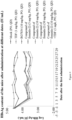
- the anti-HBV activity of the test compound in AAV/HBV mice model was evaluated by determining the content of HBsAg in the serum of the mice. The results are shown in Table 4 and Figure 4 . The changes in body weight of the mice are shown in Figure 5 .
- Table 4 HBsAg content in mice on different dates after administration (IU/mL) De tectio n date (day) Mock (PO,Q D) TDF (1 mg/kg, PO,QD) RG7 834 (10 mg/ kg, PO) the compoun d of formula (I) (3 mg/kg, PO) the compoun d of formula (I) (10 mg/kg, PO) the compoun d of formula (I) (30 mg/kg, PO) the compound of formula (I) (10 mg/kg, PO)+TDF(1 mg/kg,PO, QD) -1 4.54 4.59 4.56 4.54 4.51 4.48 4.48 4 4.27 4.56 3.54 3.68 3.56 3.38 3.62 7 4.46 4.59 3.58 3.70 3.69 3.44 3.76 11 4.52 4.66 3.70 3.76 3.92 3.64 3.82 14 4.41 4.50 3.49 3.70 3.61 3.40 3.59 18 4.56 4.61 3.70 3.85 3.90 3.55 3.61 21 4.58 4.52 3.52 3.78 3.75 3.46 3.58 25
- the compound of the present disclosure was able to reduce HBsAg significantly, and mice performed good tolerance.
Landscapes
- Health & Medical Sciences (AREA)
- Chemical & Material Sciences (AREA)
- Organic Chemistry (AREA)
- Life Sciences & Earth Sciences (AREA)
- Public Health (AREA)
- General Health & Medical Sciences (AREA)
- Medicinal Chemistry (AREA)
- Pharmacology & Pharmacy (AREA)
- Veterinary Medicine (AREA)
- Animal Behavior & Ethology (AREA)
- General Chemical & Material Sciences (AREA)
- Nuclear Medicine, Radiotherapy & Molecular Imaging (AREA)
- Chemical Kinetics & Catalysis (AREA)
- Engineering & Computer Science (AREA)
- Virology (AREA)
- Gastroenterology & Hepatology (AREA)
- Communicable Diseases (AREA)
- Oncology (AREA)
- Bioinformatics & Cheminformatics (AREA)
- Molecular Biology (AREA)
- Biotechnology (AREA)
- Epidemiology (AREA)
- Pharmaceuticals Containing Other Organic And Inorganic Compounds (AREA)
- Measuring Or Testing Involving Enzymes Or Micro-Organisms (AREA)
- Nitrogen And Oxygen Or Sulfur-Condensed Heterocyclic Ring Systems (AREA)
- Medicines Containing Antibodies Or Antigens For Use As Internal Diagnostic Agents (AREA)
- Steroid Compounds (AREA)
- Medicines Containing Material From Animals Or Micro-Organisms (AREA)
- Medicines That Contain Protein Lipid Enzymes And Other Medicines (AREA)
Description
- The present application claims priority to the Chinese Patent Application No.
CN2018113995143 filed on November 22, 2018 - The present disclosure relates to a crystal form of a hepatitis B surface antigen inhibitor and a preparation method therefor, and also comprises the use of the crystal form in preparing the hepatitis B surface antigen inhibitor.
- Viral hepatitis B, hepatitis B for short, is a disease caused by Hepatitis B Virus (HBV for short) infection in the body. Hepatitis B virus is a hepatotropic virus that mainly exists in hepatocytes and causes damages to the hepatocytes, resulting in inflammation, necrosis and fibrosis of the hepatocytes. Viral hepatitis B is divided into two types, acute hepatitis B and chronic hepatitis B. Acute hepatitis B may be mostly self-healing in adults through their inherent immune mechanism. However, chronic hepatitis B (CHB) has become a major challenge for global health care, and a leading cause of chronic liver diseases, cirrhosis and hepatocellular carcinoma (HCC). It is estimated that 2 billion people worldwide are infected with chronic hepatitis B virus, and more than 350 million people have developed hepatitis B. Every year, approximately 600,000 people die for the complications of chronic hepatitis B. China is a high-prevalence area of hepatitis B, with many accumulated patients with hepatitis B, which is a serious hazard. According to the data, there are about 93 million people infected with hepatitis B virus in China, and about 20 million of them are diagnosed with hepatitis B, 10%-20% of which can develop into cirrhosis, and 1%-5% of which can develop into hepatocellular carcinoma.
- The key to a functional cure for hepatitis B is the elimination of HBsAg (hepatitis B virus surface antigen) and the production of surface antibodies. Quantification of HBsAg is a very important biological indicator. A reduction and seroconversion of HBsAg are rarely observed in patients with chronic infection, which is the endpoint of current therapies.
- The surface antigen protein of hepatitis B virus (HBV) plays a very important role in the invasion of HBV into hepatocytes, and is of great significance for the prophylaxis and treatment of HBV infection. Surface antigen proteins include large (L), medium (M) and small (S) surface antigen proteins that share a common C-terminal S region. They are expressed by a same open reading frame, and their different lengths are determined by the three AUG start codons of the reading frame. These three surface antigen proteins include pre-S1/pre-S2/S, pre-S2/S and S domains. HBV surface antigen proteins are integrated into the endoplasmic reticulum (ER) membrane, which is initiated by the N-terminal signal sequence. They not only constitute the basic structure of virions, but also form globular and filamentous subviral particles (SVPs, HBsAg) that accumulate in ER, host ER and pre-Golgi apparatus, and SVP contains most S surface antigen proteins. L protein is critical in the morphogenesis of the virus and the interaction of the nucleocapsid, but is not necessary for the formation of SVP. Due to the absence of nucleocapsids, the SVPs described above are non-infectious. SVPs are greatly involved in disease progression, especially in the immune response to hepatitis B virus. In the blood of infected individuals, the amount of SVPs is at least 10,000 times the amount of the virus, trapping the immune system and thus weakening the body's immune response to hepatitis B virus. HBsAg also inhibits human innate immunity with its ability to inhibit the production of cytokines induced by polysaccharides (LPS) and IL-2, the function of dendritic cells (DCs) and the induction activity of ERK-1/2, and kinase-1/2 of c-Jun N-terminus in monocytes interfered by LPS. It is worth noting that the disease progression in cirrhosis and hepatocellular carcinoma is also largely associated with persistent secretion of HBsAg. These findings suggest that HBsAg plays an important role in the development of chronic hepatitis B.
- The anti-HBV drugs that have been approved for marketing to date are mainly immunomodulators (interferon-α, and peg-interferon-α-2α) and antiviral therapeutic drugs (Lamivudine, Adeforvir, Dipivoxil, Entecavir, Telbivudine, Tenofovir, Clevudine, etc.). Among them, the antiviral therapeutic drugs belong to nucleotide drugs, whose mechanism of action is to inhibit the synthesis of HBV DNA and is not able to reduce HBsAg level directly. As with the extended therapy, nucleotide drugs show HBsAg elimination at a rate similar to natural observations.
- Clinically available therapies exhibit a poor efficacy in reducing HBsAg. Therefore, the development of oral small molecule inhibitors that can effectively reduce HBsAg is now urgently needed for clinical use.
- Roche has developed a surface antigen inhibitor named RG7834 for the treatment of hepatitis B, and reported the efficacy of this compound in the woodchuck model against hepatitis B: RG7834 can reduce surface antigens by 2.57 Log and HBV-DNA by 1.7 Log when it was used as a single drug. The compound exhibits good activity, but it is necessary to separate isomers in the process of molecular synthesis, which reduces the yield and increases the cost.
-
WO2017013046A1 discloses a series of 2-oxo-7,8-dihydro-6H-pyrido[2,1,a][2]benzazepine-3-carboxylic acid derivative for the treatment or prophylaxis of hepatitis B virus infection. The highest activity among this series of fused ring compounds inEmbodiment 3 has an IC50 of 419 nM, which can be further improved greatly in activity. This series of compounds contain chiral centers, which is difficult to synthesize asymmetrically. Generally, the 7-membered carbon ring has a poor aqueous solubility and is susceptible to be metabolized by oxidation. -
- The present disclosure provides a crystal form A of a compound of formula (I) having a X-ray powder diffraction pattern comprising characteristic diffraction peaks with following angles 2θ: 8.04°±0.2°, 16.52°±0.2° and 19.52°±0.2°,

- In some embodiments of the present disclosure, the X-ray powder diffraction pattern of the crystal form A as defined above comprises characteristic diffraction peaks with following angles 2θ: 8.04°±0.2°, 10.47°±0.2°, 11.90°±0.2°, 16.52°±0.2°, 18.06°±0.2°, 19.52°±0.2°, 22.02°±0.2° and 25.28°±0.2°.
- In some embodiments of the present disclosure, the X-ray powder diffraction pattern of the crystal form A as defined above is shown in
Figure 1 . - In some embodiments of the present disclosure, the analysis data of the XRPD pattern of the crystal form A as defined above is shown in Table 1.
Table 1. Analytical data of the XRPD pattern of the crystal form A of the compound of formula (I) No Angle 20 (°) d-spacing (Å) Inten -sity Relative intensity (%) No. Angle 2θ (°) d-spacing (Å) Inten -sity Relative intensity (%) 1 3.983 22.1684 73 2.0 23 25.281 3.5201 1652 44.4 2 8.041 10.9871 3718 100.0 24 25.580 3.4796 1260 33.9 3 9.918 8.9113 204 5.5 25 25.719 3.4610 1464 39.4 4 10.474 8.4390 690 18.5 26 26.421 3.3707 340 9.2 5 11.658 7.5845 383 10.3 27 26.820 3.3214 564 15.2 6 11.896 7.4336 955 25.7 28 27.020 3.2973 401 10.8 7 14.759 5.9974 93 2.5 29 27.899 3.1954 844 22.7 8 15.822 5.5967 551 14.8 30 28.415 3.1385 94 2.5 9 16.120 5.4937 404 10.9 31 28.923 3.0845 203 5.5 10 16.521 5.3613 1601 43.1 32 29.260 3.0497 166 4.5 11 17.499 5.0638 615 16.5 33 29.823 2.9935 92 2.5 12 18.059 4.9081 1013 27.2 34 30.661 2.9135 47 1.3 13 19.518 4.5443 1692 45.5 35 31.640 2.8255 225 6.1 14 20.020 4.4316 1172 31.5 36 32.619 2.7430 132 3.5 15 20.179 4.3971 1286 34.6 37 33.241 2.6931 112 3.0 16 21.025 4.2219 74 2.0 38 34.760 2.5788 89 2.4 17 21.683 4.0953 827 22.2 39 35.519 2.5254 104 2.8 18 22.019 4.0336 1792 48.2 40 35.979 2.4942 88 2.4 19 22.881 3.8836 166 4.5 41 36.538 2.4573 67 1.8 20 23.160 3.8373 202 5.4 42 37.912 2.3713 51 1.4 21 23.863 3.7258 108 2.9 43 38.600 2.3306 134 3.6 22 24.659 3.6074 511 13.8 / / / / / - In some embodiments of the present disclosure, the crystal form A as defined above has a differential scanning calorimetry curve with an onset of endothermic peak at 139.64±5°C.
- In some embodiments of the present disclosure, the pattern of differential scanning calorimetry curve of the crystal form A as defined above is shown in
Figure 2 . - In some embodiments of the present disclosure, the crystal form A as defined above has a thermogravimetric analysis curve with a weight loss of 0.4757% at 125.23±3°C.
- In some embodiments of the present disclosure, the pattern of thermogravimetric analysis curve of the crystal form A as defined above is shown in
Figure 3 . - The present disclosure also provides the crystal form A as defined above for use as a medicament for treating Hepatitis B.
- The compounds of the present disclosure has significant activity of anti-hepatitis B virus. The compounds of the present disclosure have a moderate plasma protein binding rate without inhibiting cytochrome P450 isoenzyme, thereby exhibiting a low risk of drug-drug interaction; exhibit excellent stability in the liver microsomes in three species, rats, human and mice, indicating that the compounds are not easily metabolized; have good exposure and bioavailability; exhibit a good tolerance in the single-dose neurotoxicity test. The synthetic process of the compounds of the present disclosure is simple and economical.
- The crystal form of the present disclosure have good solubility of crystal form, and is easy to prepare, with good physical stability and chemical stability.
- Unless otherwise indicated, the following terms and phrases used in this document are intended to have the following meanings. A specific term or phrase should not be considered indefinite or unclear in the absence of a particular definition, but should be understood in the conventional sense. When a trade name appears herein, it is intended to refer to its corresponding commodity or active ingredient thereof.
- The intermediate compounds of the present disclosure can be prepared by various synthetic methods known to those skilled in the art, including the specific embodiments described below, the embodiments formed by combining the embodiments described below with other chemical synthesis methods, and equivalent alternatives well-known for those skilled in the art.
- The chemical reactions in the embodiments of the present disclosure are carried out in an appropriate solvent, which is suitable for the chemical change and the required reagents and materials of the present disclosure. In order to obtain the compounds of the present disclosure, it is sometimes necessary for those skilled in the art to modify or select the synthetic steps or reaction processes based on the existing embodiments.
- All solvents used in the present disclosure are commercially available and can be used without further purification.
- Compounds are named manually or by ChemDraw® software, and the commercially available compounds are named using their vendor directory names.
-
- Model: DX-2700BH X-ray diffractometer (Haoyuan Instrument Co., Ltd.)
- Testing Method: About 10-20 mg of sample was used for XRPD detection.
- The detailed XRPD parameters are as follows:
- X-ray tube: Cu, kα, (λ=1.54184Å).
- X-ray tube voltage: 40 kV, X-ray tube current: 30 mA
- Divergence slit: 1 mm
- Detector slit: 0.3 mm
- Anti-scattering slit: 1 mm
- Scanning range: 3-40 deg
- Step size: 0.02 deg
- Step time: 0.5 second
-
- Model: METTLER TOLEDO DSC1 Differential Scanning Calorimeter
- Testing Method: 2-6 mg of sample was placed in 30 UL DSC gold-plated highpressure crucible for testing, by increasing the temperature of sample from 40°C to 350°C at a rate of 10°C/min.
-
- Model: TA TGA550 Thermal Gravimetric Analyzer
- Testing method: 2-10 mg of sample was placed in the aluminum crucible, then was placed in the platinum hanging basket for testing, and heated at a rate of 10°C/min with 40 mL/min of gas flow rate under N2 to increase the temperature of sample from 40°C to 500°C.
-
-
Fig.1 is the XRPD pattern of the crystal form A of the compound of formula (I) using Cu-Kα radiation. -
Fig. 2 is the DSC pattern of the crystal form A of the compound of formula (I). -
Fig. 3 is the TGA pattern of the crystal form A of the compound of formula (I). -
Fig. 4 is the HBsAg content (IU/mL) of mice at different dates after administration. -
Fig. 5 is the changes in bodyweight of mice at different dates after administration. -

- Step A: Lithium aluminum hydride (80.00 g, 2.11 mol, 2.77 eq.) was added into the tetrahydrofuran (400.00 mL) solution containing compound 1 (100.00 g, 762.36 mmol, 1.00 eq.) at 0°C. The mixture was stirred for 10 hrs at 10°C. Then 80.00 mL of water was firstly added into the reaction solution when stirring, followed by adding 240.00 mL of 15% NaOH solution and 80.00 mL of water. The resulting suspension was stirred for 20 min at 10°C, and colorless clear solution was obtained by filtration.
Compound 2 was obtained after being concentrated under vacuum. - Step B: Compound 2 (50.00 g, 426.66 mmol) and triethylamine (59.39 mL, 426.66 mmol) were dissolved in dichloromethane (500.00 mL). Then the solution of di-tert-butyl dicarbonate (92.19 g, 422.40 mmol) in dichloromethane (100.00 mL) was added dropwise into the above reaction solution. Then the reaction mixture was stirred for 12 hrs at 25°C. After that, the reaction solution was washed by brine (600.00 mL), and dried with anhydrous sodium sulfate. The organic phase was concentrated under vacuum and spin dried, followed by recrystallization with methyl tertiary-butyl ether/petroleum ether (50.00/100.00) to give
Compound 3. - Step C: Thionyl chloride (100.98 mL, 1.39 mmol) was dissolved in acetonitrile (707.50 mL), then the solution of Compound 3 (121.00 g, 556.82 mmol) in acetonitrile (282.90 mL) was added dropwise into the above reaction solution at -40°C. After addition, pyridine (224.72 mL, 2.78 mol) was added into the reaction solution at one time. Next, the ice bath was removed and the reaction solution was stirred for 1 hr at 5-10°C. After the solvent was concentrated under vacuum, ethyl acetate (800.00 mL) was added to allow the solid to precipitate, followed by filtering, and the filtrate was concentrated under vacuum. The second step: the resulting oil water and ruthenium trichloride (12.55 g, 55.68 mmol) were dissolved in acetonitrile (153.80 mL). The suspension of sodium periodate (142.92 g, 668.19 mmol) in water (153.80 mL) was slowly added into the reaction solution described above. The final reaction mixture was stirred for 0.15 hr at 5-10°C. The reaction mixture was filtered and the filtrate was obtained. The filtrate was extracted with ethyl acetate (800.00 mL×2), and the organic phase was washed with brine (800.00 mL), dried with anhydrous sodium sulfate, filtered and concentrated under vacuum.
Compound 4 was obtained from purification by column chromatograph (SiO2, petroleum ether/ethyl acetate=50/1-20/1). - Step D: Compound 5 (100.00 g, 657.26 mmol) was dissolved in acetonitrile (1300.00 mL), and K2CO3 (227.10 g, 1.64 mol) and 1-Br-methoxypropane (110.63 g, 722.99 mmol) were added. The reaction solution was stirred for 6 hrs at 85°C. The reaction solution was extracted with 600.00 mL of ethyl acetate (200.00 mL×3), dried with anhydrous sodium sulfate, then filtered and concentrated under vacuum to give
Compound 6. - Step E: Compound 6 (70.00 g, 312.15 mmol) was dissolved in dichloromethane, and m-chloroperoxybenzoic acid (94.27 g, 437.01 mmol) was added. The mixture was stirred for 2 hrs at 50°C. After cooling, the reaction solution was filtered, and the filtrate was extracted with dichloromethane. The organic phase was washed with saturated 2000.00 mL of NaHCO3 solution (400.00 mL×5), dried with anhydrous sodium sulfate, and concentrated under vacuum. The resulting brown oily product was dissolved with methanol as little as possible, and then 2 mol/L of KOH solution (350.00 mL) was added slowly (the process is exothermetic). The black reaction solution was stirred for 20 min at room temperature, then the pH was adjusted to 5 with 37% HCl. The reaction solution was extracted with 400 mL of ethyl acetate (200.00 mL×2), and the organic phase was washed with 200.00 mL of brine (100.00 mL×2), dried with anhydrous sodium sulfate, and concentrated under vacuum to give
Compound 7. - Step F: Compound 7 (33.00 g, 155.48 mmol) was dissolved in THF (330.00 mL), then paraformaldehyde (42.02 g, 466.45 mmol), MgCl2 (29.61 g, 310.97 mmol), and triethylamine (47.20 g, 466.45 mmol, 64.92 mL) were added. The reaction solution was stirred for 8 hrs at 80°C. After the reaction was finished, the reaction solution was quenched with 2 mol HCl solution (200.00 mL) at 25°C, then extracted with 600.00 mL of ethyl acetate (200.00 mL×3). The organic phase was washed with 400.00 mL of brine (200.00 mL×2), dried with anhydrous sodium sulfate, and concentrated under vacuum to give the residue. The residue was washed with ethanol (30.00 mL), filtered to give a filter cake as
Compound 8. - Step G: Compound 8 (8.70 g, 36.21 mmol) was dissolved in N,N-dimethyl formamide (80.00 mL), then K2CO3 (10.01 g, 72.42 mmol) and compound 4 (11.13 g, 39.83 mmol) were added. The reaction mixture was stirred for 2 hrs at 50°C. After that, the reaction solution was quenched with 1.00 mol/L aqueous hydrochloric acid (200.00 mL), and extracted with dichloromethane (150.00 mL×2). The organic phases were combined, washed with water (150.00 mL×3) and dried with anhydrous sodium sulfate, then filtered and concentrated under vacuum to obtain
Compound 9. - Step H: Compound 9 (15.80 g, 35.95 moll) was dissolved in dichloromethane (150.00 mL), and trifluoroacetic acid (43.91 mL, 593.12 mmol) was added. The reaction solution was stirred for 3 hrs at 10°C. The reaction solution was concentrated under vacuum to give a residue. The residue was added with NaHCO3 solution (100.00 mL), and extracted with dichloromethane (100.00 mL). The organic phase was dried with anhydrous sodium sulfate, filtered and concentrated under vacuum to obtain
Compound 10. - Step I: Compound 10 (5.00 g, 15.56 mmol) was dissolved in toluene (20.00 mL), and compound 11 (8.04 g, 31.11 mmol) was added. The reaction solution was stirred for 12 hrs at 120°C under N2 atmosphere. After that, the reaction solution was quenched with water (100.00 mL), and extracted with ethyl acetate (100.00 mL×2). The organic phases were combined, washed with water (80.00 mL×2), and dried with anhydrous sodium sulfate, then filtered and concentrated under vacuum. The residue was purified with reversed phase column, and then purified with HPLC (Column: Phenomenex luna C18 250×50 mm×10 µm; Mobile phase: [water (0.225% formic acid)-acetonitrile]; Elution gradient: 35%-70%, 25 min) to give
Compound 12. - Step J: Compound 12 (875.00 mg, 1.90 mmol) was dissolved in toluene (20.00 mL) and 1,2-dimethoxyethane (20.00 mL), then tetrachloro-benzoquinone (1.40 g, 5.69 mmol) was added. The reaction solution was stirred for 12 hrs at 120°C. The reaction solution was cooled to room temperature, then saturated Na2CO3 solution (50.00 mL) and ethyl acetate (60.00 mL) were added. The mixture was stirred for 20 min at 10-15°C, and separated for the organic phase. The organic phase was added with 2.00 mol/L of HCl solution (60.00 mL), then stirred for 20 min at 10-15°C, and separated. The separated organic phase was washed again with 2 mol/L of HCl solution (60.00 mL×2), separated, then 2 mol/L of NaOH solution (200.00 mL) and dichloromethane (200.00 mL) were added into the water phase, and then separated. The organic phase was dried with anhydrous sodium sulfate, filtered and concentrated under vacuum to give
Compound 13. - Step K: Compound 13 (600.00 mg, 1.31 mmol) was dissolved in methanol (6.00 mL), and 4.00 mol/L of NaOH solution (2.00 mL, 6.39 eq.) was added. The reaction solution was stirred for 0.25 hr at 15°C. The pH of the reaction solution was adjusted to 3-4 with 1.00 mol/L of HCl solution, then the reaction solution was extracted with dichloromethane (50.00 mL×3). The organic phases were combined and washed with brine (50.00 mL), and dried with anhydrous sodium sulfate, then filtered and concentrated under vacuum to give the compound of formula (I). ee value (enantiomeric excess): 100%.
- SFC (Supercritical Fluid Chromatography) method:
- Column: Chiralcel OD-3 100 mm×4.6 mm, I.D., 3 µm.
- Mobile Phase: 5%-40% methanol (0.05% diethylamine) in CO2.
- Flow rate: 3 mL/min.
- Wavelength: 220 nm.
- Step A: The compound of formula (I) (1.89 kg) was added into ethanol (9.5 L), then heated refluxed to be dissolved, followed by gradient cooling. When the reaction system was cooled down to about 25°C, a great amount of solid was precipitated, followed by filtration to obtain the solid.
- Step B: The solid obtained in Step A was added into water (9.5 L), and stirred for 3-5 hrs at room temperature, then filtered to obtain the solid.
- Step C: The solid obtained in Step B was dried for 48-72 hrs in the oven at 45-50°C, to obtain the crystal form A of the compound of formula (I). Mass spectrum: [M+H]+=432.2. 1H NMR (400 MHz, CDCl3) δ 15.72 (br s, 1H), 8.32-8.93 (m, 1H), 6.60-6.93 (m,2H), 6.51 (br s, 1H), 4.38-4.63 (m, 2H), 4.11 (br dd, J=4.52, 12.23 Hz, 3H), 3.79-3.87 (m, 3H), 3.46-3.54 (m, 2H), 3.29 (s, 3H), 2.07 (quin, 7=6.24 Hz, 2H), 0.77-1.21 (m, 9H).
- HepG 2.2.15 cell culture medium (DMEM/F12, Invitrogen-11330032; 10% serum, Invitrogen-10099141; 100 units/mL penicillin and 100 µg/mL streptomycin, Hyclone-SV30010; 1% non-essential amino acids, Invitrogen 11140050; 2 mm L-glutamine, Invitrogen-25030081; 300 µg/mL Geneticin, Invitrogen-10131027)
-
- Pancreatin (Invitrogen-25300062)
- DPBS (Corning-21031CVR)
- DMSO (Sigma-D2650-100 mL)
- High-throughput DNA purification kit (QIAamp 96 DNA Blood Kit, Qiagen-51162)
- Quantitative quick start universal probe reagent (FastStart Universal Probe Master, Roche-04914058001)
- Hepatitis B surface antigen quantitative test kit (Autobio, CL0310)
-
- 96-well cell culture plate (Cornin-3599)
- CO2 incubator (HERA-CELL-240)
- Optical sealing film (ABI-4311971)
- Quantitative PCR 96-well plate (Applied Biosystems-4306737)
- Fluorescence quantitative PCR instrument (Applied Biosystems-7500 real time PCR system)
-
1. HepG2.2.15 cells (4×10⁴ cells/well) were seeded to a 96-well plate and cultured overnight at 37°C, 5% CO2.
2. On theday 2, the compound was diluted to a total of 8 concentrations, with a 3-fold gradient dilution. Different concentrations of compounds were added into the culture wells in duplicate wells. The final concentration of DMSO in the culture medium was 0.5%. 10 µM ETV (Entecavir) was used as a 100% inhibition control; 0.5% DMSO was used as a 0% inhibition control.
3. On theday 5, the culture medium was replaced with fresh culture medium containing the compound.
4. On theday 8, the culture medium in the culture wells was collected, and some samples were taken for ELISA to determine the content of hepatitis B virus S antigen; some samples were taken for DNA extraction using the high-throughput DNA purification kit (Qiagen-51162).
5. The preparation of PCR reaction solution is shown in Table 1:Table 2: Preparation of PCR reaction solution Item Volume required for 1 well (µL) Volume required for 80 wells (µL) Quantitative quick start universal probe reagent 12.5 1000 Forward primer (10 µmol) 1 80 Reverse primer (10 µmol) 1 80 Probe (10 µmol) 0.5 40 - Forward primer sequence: GTGTCTGCGGCGTTTTATCA (SEQ ID NO. 1)
- Reverse primer sequence: GACAAACGGGCAACATACCTT (SEQ ID NO. 2)
- Probe sequence: 5'+FAM+CCTCTKCATCCTGCTGCTATGCCTCATC(SEQ ID NO. 3)+TAMRA-3'
- Calculation of the percentage of inhibition: % Inh. = (1-value of the sample/value of DMSO control) ×100.
- Calculation of EC50: The 50% inhibitory concentration (EC50) of the compound against HBV was calculated by GraphPad Prism software.
- Results of the experiment: the EC50 of the compound of formula (I) against HBV-DNA and HBsAg were 2.55 nM and 3.88 nM respectively.
- Conclusions of the experiment: the compound of formula (I) of the present disclosure can inhibit HBV-DNA and hepatitis B surface antigen (HBsAg) effectively.
- C57BL/6 mice, 10% HP-β-CD as vehicle, TDF (Tenofovir dipivoxil) as refer compound, the compound of formula (I), and recombinant virus rAAV8-1.3HBV.
- The reagents of the present project mainly included QIAamp96 DNA kit and TaqMan® Universal PCR Master Mix, hepatitis B surface antigen test kit.
- The instrument included centrifuge (Beckman Allegra X-15R), tissue grinder (QIAGEN-Tissue lyser II) and spectrophotometer (Thermo-NANODROP 1000).
-
- a) All mice were administrated orally on the
day 28 after being injected with virus, the day of administration was designated asday 0. Before administration, serum was collected by submandibular blood sampling for all mice. The mice were administration once a day for four weeks. The detailed dosage regimen was shown in Table 3. - b) Serum was collected by submandibular blood sampling for all mice twice a week, with each sampling volume being approximately 100 µL. The detailed blood sampling time is shown in Table 3.
- c) On the
day 28, all mice were euthanized and the blood was collected from the heart for serum collection. - d) All serum samples were sent for analysis.
- The anti-HBV activity of the test compound in AAV/HBV mice model was evaluated by determining the content of HBsAg in the serum of the mice. The results are shown in Table 4 and
Figure 4 . The changes in body weight of the mice are shown inFigure 5 .Table 4 HBsAg content in mice on different dates after administration (IU/mL) De tectio n date (day) Mock (PO,Q D) TDF (1 mg/kg, PO,QD) RG7 834 (10 mg/ kg, PO) the compoun d of formula (I) (3 mg/kg, PO) the compoun d of formula (I) (10 mg/kg, PO) the compoun d of formula (I) (30 mg/kg, PO) the compound of formula (I) (10 mg/kg, PO)+TDF(1 mg/kg,PO, QD) -1 4.54 4.59 4.56 4.54 4.51 4.48 4.48 4 4.27 4.56 3.54 3.68 3.56 3.38 3.62 7 4.46 4.59 3.58 3.70 3.69 3.44 3.76 11 4.52 4.66 3.70 3.76 3.92 3.64 3.82 14 4.41 4.50 3.49 3.70 3.61 3.40 3.59 18 4.56 4.61 3.70 3.85 3.90 3.55 3.61 21 4.58 4.52 3.52 3.78 3.75 3.46 3.58 25 4.52 4.33 3.50 3.76 3.83 3.37 3.50 28 4.34 4.34 3.66 3.96 3.87 3.53 3.76 - In the AAV/HBV mice model, the compound of the present disclosure was able to reduce HBsAg significantly, and mice performed good tolerance.


6. 15 µL of reaction mixture was added to each well of a 96-well PCR plate, and then 10 µL of sample DNA or HBV DNA standard was added to each well.
7. The reaction settings for PCR are as follows: heating at 95°C for 10 minutes; followed by denaturation at 95°C for 15 seconds, and extension at 60°C for 1 minute, for a total of 40 cycles.
8. Content determination of hepatitis B virus surface antigen by ELISA
50 µL of sample and standard were added into a reaction plate respectively, followed by addition of 50 µL of enzyme conjugate into each well. The mixture was shaking to mix well, then placed in a bath at 37°C for 60 min. The plate was then washed 5 times with washing solution, followed by addition of 50 µL of illuminating substrate into each well and mix well. The reaction was performed at room temperature for 10 min in the dark. Chemoluminescence intensity was determined by an ELISA finally.
9. Data analysis:
| Gro up | No. of mice | Dosage design | Serum collection regimen | |||
| Compound | Dosage (mg/kg) | Dosage volume (mL/kg) | |
|||
| 1 | 5 | mock | / | 10 | The 28th day after virus injection was designated as |
The 28th day after virus injection was designated as |
| 2 | 5 | |
1 | |||
| 3 | 5 | |
10 | |||
| 4 | 5 | the compound of formula (I) | 3 | |||
| 5 | 5 | the compound of formula (I) | 10 | |||
| 6 | 5 | the compound of formula (I) | 30 | |||
| 7 | 5 | the compound of formula (I)+TDF | (10 mg/ |
|||
Claims (5)
- A crystal form A of a compound of formula (I), wherein the crystal form A has a X-ray powder diffraction pattern comprising characteristic diffraction peaks with the following angles 2θ: 8.04°±0.2°, 16.52°±0.2° and 19.52°+_0.2°, measured using Cu-K alpha radiation.

- The crystal form A of claim 1, wherein the X-ray powder diffraction pattern comprises characteristic diffraction peaks with the following angles 2θ: 8.04°±0.2°, 10.47°±0.2°, 11.90°±0.2°, 16.52°±0.2°, 18.06°±0.2°, 19.52°±0.2°, 22.02°±0.2° and 25.28°±0.2°.
- The crystal form A of any one of claims 1-2 having a differential scanning calorimetry curve with an onset of endothermic peak at 139.64±5°C, heating rate 10°/ min.
- The crystal form A of any one of claims 1-3 having a thermogravimetric analysis curve with a weight loss of 0.4757% at 125-23°C+_ 3°C, heating rate 10°/min.
- The crystal form A of any one of claims 1-4 for use as a medicament for treating Hepatitis B.
Applications Claiming Priority (2)
| Application Number | Priority Date | Filing Date | Title |
|---|---|---|---|
| CN201811399514 | 2018-11-22 | ||
| PCT/CN2019/120169 WO2020103924A1 (en) | 2018-11-22 | 2019-11-22 | Crystal form of hepatitis b surface antigen inhibitor |
Publications (3)
| Publication Number | Publication Date |
|---|---|
| EP3885349A1 EP3885349A1 (en) | 2021-09-29 |
| EP3885349A4 EP3885349A4 (en) | 2022-01-26 |
| EP3885349B1 true EP3885349B1 (en) | 2023-08-23 |
Family
ID=70773269
Family Applications (1)
| Application Number | Title | Priority Date | Filing Date |
|---|---|---|---|
| EP19887009.9A Active EP3885349B1 (en) | 2018-11-22 | 2019-11-22 | Crystal form of hepatitis b surface antigen inhibitor |
Country Status (12)
| Country | Link |
|---|---|
| US (1) | US12103936B2 (en) |
| EP (1) | EP3885349B1 (en) |
| JP (1) | JP7138246B2 (en) |
| KR (1) | KR102606946B1 (en) |
| CN (1) | CN112368288B (en) |
| AU (1) | AU2019382521B2 (en) |
| BR (1) | BR112021009770A2 (en) |
| CA (1) | CA3120532C (en) |
| ES (1) | ES2961520T3 (en) |
| TW (1) | TWI726497B (en) |
| WO (1) | WO2020103924A1 (en) |
| ZA (1) | ZA202103974B (en) |
Families Citing this family (1)
| Publication number | Priority date | Publication date | Assignee | Title |
|---|---|---|---|---|
| JP2022548746A (en) * | 2019-09-19 | 2022-11-21 | 福建▲広▼生中霖生物科技有限公司 | Crystal forms of hepatitis B surface antigen inhibitors and uses thereof |
Family Cites Families (5)
| Publication number | Priority date | Publication date | Assignee | Title |
|---|---|---|---|---|
| TWI232863B (en) | 2001-06-11 | 2005-05-21 | Akzo Nobel Nv | Benzoxazepine derivatives |
| CN107849037B (en) * | 2015-07-21 | 2020-04-17 | 豪夫迈·罗氏有限公司 | Tricyclic 4-pyridone-3-carboxylic acid derivatives for the treatment and prevention of hepatitis B virus infection |
| EP3490987B1 (en) | 2016-07-29 | 2022-09-21 | Guangzhou Lupeng Pharmaceutical Company Ltd. | Novel therapeutic agents for the treatment of hbv infection |
| CN116751200A (en) * | 2016-11-07 | 2023-09-15 | 爱彼特生物制药公司 | Tricyclic compounds containing substituted pyridones and methods of using the same |
| CN110372723B (en) | 2017-05-22 | 2022-05-31 | 福建广生中霖生物科技有限公司 | Hepatitis B virus surface antigen inhibitors |
-
2019
- 2019-11-22 BR BR112021009770-8A patent/BR112021009770A2/en unknown
- 2019-11-22 CN CN201980042359.6A patent/CN112368288B/en active Active
- 2019-11-22 TW TW108142579A patent/TWI726497B/en active
- 2019-11-22 KR KR1020217019055A patent/KR102606946B1/en active Active
- 2019-11-22 EP EP19887009.9A patent/EP3885349B1/en active Active
- 2019-11-22 US US17/293,479 patent/US12103936B2/en active Active
- 2019-11-22 ES ES19887009T patent/ES2961520T3/en active Active
- 2019-11-22 JP JP2021529057A patent/JP7138246B2/en active Active
- 2019-11-22 CA CA3120532A patent/CA3120532C/en active Active
- 2019-11-22 WO PCT/CN2019/120169 patent/WO2020103924A1/en not_active Ceased
- 2019-11-22 AU AU2019382521A patent/AU2019382521B2/en active Active
-
2021
- 2021-06-09 ZA ZA2021/03974A patent/ZA202103974B/en unknown
Also Published As
| Publication number | Publication date |
|---|---|
| BR112021009770A2 (en) | 2021-08-17 |
| JP7138246B2 (en) | 2022-09-15 |
| WO2020103924A1 (en) | 2020-05-28 |
| KR20210094002A (en) | 2021-07-28 |
| TWI726497B (en) | 2021-05-01 |
| ES2961520T3 (en) | 2024-03-12 |
| AU2019382521B2 (en) | 2023-11-16 |
| CN112368288B (en) | 2022-06-14 |
| CN112368288A (en) | 2021-02-12 |
| EP3885349A4 (en) | 2022-01-26 |
| EP3885349A1 (en) | 2021-09-29 |
| US12103936B2 (en) | 2024-10-01 |
| JP2022513119A (en) | 2022-02-07 |
| CA3120532A1 (en) | 2020-05-28 |
| US20220017536A1 (en) | 2022-01-20 |
| KR102606946B1 (en) | 2023-11-29 |
| CA3120532C (en) | 2023-09-26 |
| ZA202103974B (en) | 2022-09-28 |
| AU2019382521A1 (en) | 2021-07-08 |
| TW202019938A (en) | 2020-06-01 |
Similar Documents
| Publication | Publication Date | Title |
|---|---|---|
| US20250154166A1 (en) | Hepatitis b virus surface antigen inhibitor | |
| JP6559324B2 (en) | Novel 6,7-dihydropyrido [2,1-a] phthalazin-2-ones for the treatment and prevention of hepatitis B virus infection | |
| US12103936B2 (en) | Crystal form of hepatitis B surface antigen inhibitor | |
| HK40052444B (en) | Crystal form of hepatitis b surface antigen inhibitor | |
| HK40052444A (en) | Crystal form of hepatitis b surface antigen inhibitor | |
| CN112521400B (en) | Crystal form of hepatitis B surface antigen inhibitor and application thereof | |
| CN115335377A (en) | Pyridopyrimidinones | |
| BR112022005101B1 (en) | CRYSTALLINE FORM OF HEPATITIS B SURFACE ANTIGEN INHIBITOR AND ITS APPLICATION | |
| HK40068663A (en) | Crystal form of hepatitis b surface antigen inhibitor and application thereof | |
| HK40004036B (en) | Hepatitis b virus surface antigen inhibitor | |
| HK40004036A (en) | Hepatitis b virus surface antigen inhibitor |
Legal Events
| Date | Code | Title | Description |
|---|---|---|---|
| STAA | Information on the status of an ep patent application or granted ep patent |
Free format text: STATUS: THE INTERNATIONAL PUBLICATION HAS BEEN MADE |
|
| PUAI | Public reference made under article 153(3) epc to a published international application that has entered the european phase |
Free format text: ORIGINAL CODE: 0009012 |
|
| STAA | Information on the status of an ep patent application or granted ep patent |
Free format text: STATUS: REQUEST FOR EXAMINATION WAS MADE |
|
| 17P | Request for examination filed |
Effective date: 20210609 |
|
| AK | Designated contracting states |
Kind code of ref document: A1 Designated state(s): AL AT BE BG CH CY CZ DE DK EE ES FI FR GB GR HR HU IE IS IT LI LT LU LV MC MK MT NL NO PL PT RO RS SE SI SK SM TR |
|
| REG | Reference to a national code |
Ref country code: HK Ref legal event code: DE Ref document number: 40052444 Country of ref document: HK |
|
| A4 | Supplementary search report drawn up and despatched |
Effective date: 20220104 |
|
| RIC1 | Information provided on ipc code assigned before grant |
Ipc: A61K 31/553 20060101ALI20211221BHEP Ipc: A61P 31/12 20060101ALI20211221BHEP Ipc: A61P 1/16 20060101ALI20211221BHEP Ipc: C07D 471/04 20060101ALI20211221BHEP Ipc: C07D 498/04 20060101AFI20211221BHEP |
|
| DAV | Request for validation of the european patent (deleted) | ||
| DAX | Request for extension of the european patent (deleted) | ||
| RAP1 | Party data changed (applicant data changed or rights of an application transferred) |
Owner name: FUJIAN AKEYLINK BIOTECHNOLOGY CO., LTD. |
|
| GRAP | Despatch of communication of intention to grant a patent |
Free format text: ORIGINAL CODE: EPIDOSNIGR1 |
|
| STAA | Information on the status of an ep patent application or granted ep patent |
Free format text: STATUS: GRANT OF PATENT IS INTENDED |
|
| INTG | Intention to grant announced |
Effective date: 20230510 |
|
| GRAS | Grant fee paid |
Free format text: ORIGINAL CODE: EPIDOSNIGR3 |
|
| GRAA | (expected) grant |
Free format text: ORIGINAL CODE: 0009210 |
|
| STAA | Information on the status of an ep patent application or granted ep patent |
Free format text: STATUS: THE PATENT HAS BEEN GRANTED |
|
| AK | Designated contracting states |
Kind code of ref document: B1 Designated state(s): AL AT BE BG CH CY CZ DE DK EE ES FI FR GB GR HR HU IE IS IT LI LT LU LV MC MK MT NL NO PL PT RO RS SE SI SK SM TR |
|
| REG | Reference to a national code |
Ref country code: GB Ref legal event code: FG4D |
|
| REG | Reference to a national code |
Ref country code: CH Ref legal event code: EP |
|
| REG | Reference to a national code |
Ref country code: IE Ref legal event code: FG4D |
|
| REG | Reference to a national code |
Ref country code: DE Ref legal event code: R096 Ref document number: 602019035843 Country of ref document: DE |
|
| REG | Reference to a national code |
Ref country code: NL Ref legal event code: FP |
|
| REG | Reference to a national code |
Ref country code: SE Ref legal event code: TRGR |
|
| P01 | Opt-out of the competence of the unified patent court (upc) registered |
Effective date: 20231023 |
|
| REG | Reference to a national code |
Ref country code: LT Ref legal event code: MG9D |
|
| REG | Reference to a national code |
Ref country code: AT Ref legal event code: MK05 Ref document number: 1602502 Country of ref document: AT Kind code of ref document: T Effective date: 20230823 |
|
| PG25 | Lapsed in a contracting state [announced via postgrant information from national office to epo] |
Ref country code: GR Free format text: LAPSE BECAUSE OF FAILURE TO SUBMIT A TRANSLATION OF THE DESCRIPTION OR TO PAY THE FEE WITHIN THE PRESCRIBED TIME-LIMIT Effective date: 20231124 |
|
| PG25 | Lapsed in a contracting state [announced via postgrant information from national office to epo] |
Ref country code: IS Free format text: LAPSE BECAUSE OF FAILURE TO SUBMIT A TRANSLATION OF THE DESCRIPTION OR TO PAY THE FEE WITHIN THE PRESCRIBED TIME-LIMIT Effective date: 20231223 |
|
| PG25 | Lapsed in a contracting state [announced via postgrant information from national office to epo] |
Ref country code: RS Free format text: LAPSE BECAUSE OF FAILURE TO SUBMIT A TRANSLATION OF THE DESCRIPTION OR TO PAY THE FEE WITHIN THE PRESCRIBED TIME-LIMIT Effective date: 20230823 Ref country code: PT Free format text: LAPSE BECAUSE OF FAILURE TO SUBMIT A TRANSLATION OF THE DESCRIPTION OR TO PAY THE FEE WITHIN THE PRESCRIBED TIME-LIMIT Effective date: 20231226 Ref country code: NO Free format text: LAPSE BECAUSE OF FAILURE TO SUBMIT A TRANSLATION OF THE DESCRIPTION OR TO PAY THE FEE WITHIN THE PRESCRIBED TIME-LIMIT Effective date: 20231123 Ref country code: LV Free format text: LAPSE BECAUSE OF FAILURE TO SUBMIT A TRANSLATION OF THE DESCRIPTION OR TO PAY THE FEE WITHIN THE PRESCRIBED TIME-LIMIT Effective date: 20230823 Ref country code: LT Free format text: LAPSE BECAUSE OF FAILURE TO SUBMIT A TRANSLATION OF THE DESCRIPTION OR TO PAY THE FEE WITHIN THE PRESCRIBED TIME-LIMIT Effective date: 20230823 Ref country code: IS Free format text: LAPSE BECAUSE OF FAILURE TO SUBMIT A TRANSLATION OF THE DESCRIPTION OR TO PAY THE FEE WITHIN THE PRESCRIBED TIME-LIMIT Effective date: 20231223 Ref country code: HR Free format text: LAPSE BECAUSE OF FAILURE TO SUBMIT A TRANSLATION OF THE DESCRIPTION OR TO PAY THE FEE WITHIN THE PRESCRIBED TIME-LIMIT Effective date: 20230823 Ref country code: GR Free format text: LAPSE BECAUSE OF FAILURE TO SUBMIT A TRANSLATION OF THE DESCRIPTION OR TO PAY THE FEE WITHIN THE PRESCRIBED TIME-LIMIT Effective date: 20231124 Ref country code: FI Free format text: LAPSE BECAUSE OF FAILURE TO SUBMIT A TRANSLATION OF THE DESCRIPTION OR TO PAY THE FEE WITHIN THE PRESCRIBED TIME-LIMIT Effective date: 20230823 Ref country code: AT Free format text: LAPSE BECAUSE OF FAILURE TO SUBMIT A TRANSLATION OF THE DESCRIPTION OR TO PAY THE FEE WITHIN THE PRESCRIBED TIME-LIMIT Effective date: 20230823 |
|
| PG25 | Lapsed in a contracting state [announced via postgrant information from national office to epo] |
Ref country code: PL Free format text: LAPSE BECAUSE OF FAILURE TO SUBMIT A TRANSLATION OF THE DESCRIPTION OR TO PAY THE FEE WITHIN THE PRESCRIBED TIME-LIMIT Effective date: 20230823 |
|
| REG | Reference to a national code |
Ref country code: ES Ref legal event code: FG2A Ref document number: 2961520 Country of ref document: ES Kind code of ref document: T3 Effective date: 20240312 |
|
| PG25 | Lapsed in a contracting state [announced via postgrant information from national office to epo] |
Ref country code: SM Free format text: LAPSE BECAUSE OF FAILURE TO SUBMIT A TRANSLATION OF THE DESCRIPTION OR TO PAY THE FEE WITHIN THE PRESCRIBED TIME-LIMIT Effective date: 20230823 Ref country code: RO Free format text: LAPSE BECAUSE OF FAILURE TO SUBMIT A TRANSLATION OF THE DESCRIPTION OR TO PAY THE FEE WITHIN THE PRESCRIBED TIME-LIMIT Effective date: 20230823 Ref country code: EE Free format text: LAPSE BECAUSE OF FAILURE TO SUBMIT A TRANSLATION OF THE DESCRIPTION OR TO PAY THE FEE WITHIN THE PRESCRIBED TIME-LIMIT Effective date: 20230823 Ref country code: DK Free format text: LAPSE BECAUSE OF FAILURE TO SUBMIT A TRANSLATION OF THE DESCRIPTION OR TO PAY THE FEE WITHIN THE PRESCRIBED TIME-LIMIT Effective date: 20230823 Ref country code: CZ Free format text: LAPSE BECAUSE OF FAILURE TO SUBMIT A TRANSLATION OF THE DESCRIPTION OR TO PAY THE FEE WITHIN THE PRESCRIBED TIME-LIMIT Effective date: 20230823 Ref country code: SK Free format text: LAPSE BECAUSE OF FAILURE TO SUBMIT A TRANSLATION OF THE DESCRIPTION OR TO PAY THE FEE WITHIN THE PRESCRIBED TIME-LIMIT Effective date: 20230823 |
|
| REG | Reference to a national code |
Ref country code: DE Ref legal event code: R097 Ref document number: 602019035843 Country of ref document: DE |
|
| PLBE | No opposition filed within time limit |
Free format text: ORIGINAL CODE: 0009261 |
|
| STAA | Information on the status of an ep patent application or granted ep patent |
Free format text: STATUS: NO OPPOSITION FILED WITHIN TIME LIMIT |
|
| PG25 | Lapsed in a contracting state [announced via postgrant information from national office to epo] |
Ref country code: MC Free format text: LAPSE BECAUSE OF FAILURE TO SUBMIT A TRANSLATION OF THE DESCRIPTION OR TO PAY THE FEE WITHIN THE PRESCRIBED TIME-LIMIT Effective date: 20230823 |
|
| PG25 | Lapsed in a contracting state [announced via postgrant information from national office to epo] |
Ref country code: LU Free format text: LAPSE BECAUSE OF NON-PAYMENT OF DUE FEES Effective date: 20231122 |
|
| 26N | No opposition filed |
Effective date: 20240524 |
|
| PG25 | Lapsed in a contracting state [announced via postgrant information from national office to epo] |
Ref country code: MC Free format text: LAPSE BECAUSE OF FAILURE TO SUBMIT A TRANSLATION OF THE DESCRIPTION OR TO PAY THE FEE WITHIN THE PRESCRIBED TIME-LIMIT Effective date: 20230823 Ref country code: LU Free format text: LAPSE BECAUSE OF NON-PAYMENT OF DUE FEES Effective date: 20231122 Ref country code: SI Free format text: LAPSE BECAUSE OF FAILURE TO SUBMIT A TRANSLATION OF THE DESCRIPTION OR TO PAY THE FEE WITHIN THE PRESCRIBED TIME-LIMIT Effective date: 20230823 |
|
| REG | Reference to a national code |
Ref country code: IE Ref legal event code: MM4A |
|
| PG25 | Lapsed in a contracting state [announced via postgrant information from national office to epo] |
Ref country code: IE Free format text: LAPSE BECAUSE OF NON-PAYMENT OF DUE FEES Effective date: 20231122 |
|
| PG25 | Lapsed in a contracting state [announced via postgrant information from national office to epo] |
Ref country code: IE Free format text: LAPSE BECAUSE OF NON-PAYMENT OF DUE FEES Effective date: 20231122 |
|
| PG25 | Lapsed in a contracting state [announced via postgrant information from national office to epo] |
Ref country code: BG Free format text: LAPSE BECAUSE OF FAILURE TO SUBMIT A TRANSLATION OF THE DESCRIPTION OR TO PAY THE FEE WITHIN THE PRESCRIBED TIME-LIMIT Effective date: 20230823 |
|
| PG25 | Lapsed in a contracting state [announced via postgrant information from national office to epo] |
Ref country code: BG Free format text: LAPSE BECAUSE OF FAILURE TO SUBMIT A TRANSLATION OF THE DESCRIPTION OR TO PAY THE FEE WITHIN THE PRESCRIBED TIME-LIMIT Effective date: 20230823 |
|
| PG25 | Lapsed in a contracting state [announced via postgrant information from national office to epo] |
Ref country code: CY Free format text: LAPSE BECAUSE OF FAILURE TO SUBMIT A TRANSLATION OF THE DESCRIPTION OR TO PAY THE FEE WITHIN THE PRESCRIBED TIME-LIMIT; INVALID AB INITIO Effective date: 20191122 |
|
| PG25 | Lapsed in a contracting state [announced via postgrant information from national office to epo] |
Ref country code: HU Free format text: LAPSE BECAUSE OF FAILURE TO SUBMIT A TRANSLATION OF THE DESCRIPTION OR TO PAY THE FEE WITHIN THE PRESCRIBED TIME-LIMIT; INVALID AB INITIO Effective date: 20191122 |
|
| PGFP | Annual fee paid to national office [announced via postgrant information from national office to epo] |
Ref country code: NL Payment date: 20251028 Year of fee payment: 7 |
|
| REG | Reference to a national code |
Ref country code: CH Ref legal event code: U11 Free format text: ST27 STATUS EVENT CODE: U-0-0-U10-U11 (AS PROVIDED BY THE NATIONAL OFFICE) Effective date: 20251201 |
|
| PGFP | Annual fee paid to national office [announced via postgrant information from national office to epo] |
Ref country code: DE Payment date: 20251117 Year of fee payment: 7 |
|
| PGFP | Annual fee paid to national office [announced via postgrant information from national office to epo] |
Ref country code: GB Payment date: 20251126 Year of fee payment: 7 |
|
| PGFP | Annual fee paid to national office [announced via postgrant information from national office to epo] |
Ref country code: IT Payment date: 20251107 Year of fee payment: 7 |
|
| PGFP | Annual fee paid to national office [announced via postgrant information from national office to epo] |
Ref country code: FR Payment date: 20251127 Year of fee payment: 7 |
|
| PGFP | Annual fee paid to national office [announced via postgrant information from national office to epo] |
Ref country code: TR Payment date: 20251106 Year of fee payment: 7 Ref country code: BE Payment date: 20251120 Year of fee payment: 7 |
|
| PGFP | Annual fee paid to national office [announced via postgrant information from national office to epo] |
Ref country code: CH Payment date: 20251201 Year of fee payment: 7 Ref country code: SE Payment date: 20251121 Year of fee payment: 7 |
|
| PGFP | Annual fee paid to national office [announced via postgrant information from national office to epo] |
Ref country code: ES Payment date: 20251210 Year of fee payment: 7 |