EP3884942B1 - Use of bulleyaconitine a for treating skin disorders - Google Patents
Use of bulleyaconitine a for treating skin disorders Download PDFInfo
- Publication number
- EP3884942B1 EP3884942B1 EP19888102.1A EP19888102A EP3884942B1 EP 3884942 B1 EP3884942 B1 EP 3884942B1 EP 19888102 A EP19888102 A EP 19888102A EP 3884942 B1 EP3884942 B1 EP 3884942B1
- Authority
- EP
- European Patent Office
- Prior art keywords
- bulleyaconitine
- use according
- preparation
- skin
- injection
- Prior art date
- Legal status (The legal status is an assumption and is not a legal conclusion. Google has not performed a legal analysis and makes no representation as to the accuracy of the status listed.)
- Active
Links
Images

Classifications
-
- A—HUMAN NECESSITIES
- A61—MEDICAL OR VETERINARY SCIENCE; HYGIENE
- A61K—PREPARATIONS FOR MEDICAL, DENTAL OR TOILETRY PURPOSES
- A61K31/00—Medicinal preparations containing organic active ingredients
- A61K31/33—Heterocyclic compounds
- A61K31/395—Heterocyclic compounds having nitrogen as a ring hetero atom, e.g. guanethidine or rifamycins
- A61K31/435—Heterocyclic compounds having nitrogen as a ring hetero atom, e.g. guanethidine or rifamycins having six-membered rings with one nitrogen as the only ring hetero atom
- A61K31/439—Heterocyclic compounds having nitrogen as a ring hetero atom, e.g. guanethidine or rifamycins having six-membered rings with one nitrogen as the only ring hetero atom the ring forming part of a bridged ring system, e.g. quinuclidine
-
- A—HUMAN NECESSITIES
- A61—MEDICAL OR VETERINARY SCIENCE; HYGIENE
- A61P—SPECIFIC THERAPEUTIC ACTIVITY OF CHEMICAL COMPOUNDS OR MEDICINAL PREPARATIONS
- A61P17/00—Drugs for dermatological disorders
- A61P17/04—Antipruritics
-
- A—HUMAN NECESSITIES
- A61—MEDICAL OR VETERINARY SCIENCE; HYGIENE
- A61K—PREPARATIONS FOR MEDICAL, DENTAL OR TOILETRY PURPOSES
- A61K31/00—Medicinal preparations containing organic active ingredients
- A61K31/33—Heterocyclic compounds
- A61K31/395—Heterocyclic compounds having nitrogen as a ring hetero atom, e.g. guanethidine or rifamycins
- A61K31/55—Heterocyclic compounds having nitrogen as a ring hetero atom, e.g. guanethidine or rifamycins having seven-membered rings, e.g. azelastine, pentylenetetrazole
-
- A—HUMAN NECESSITIES
- A61—MEDICAL OR VETERINARY SCIENCE; HYGIENE
- A61K—PREPARATIONS FOR MEDICAL, DENTAL OR TOILETRY PURPOSES
- A61K47/00—Medicinal preparations characterised by the non-active ingredients used, e.g. carriers or inert additives; Targeting or modifying agents chemically bound to the active ingredient
- A61K47/02—Inorganic compounds
-
- A—HUMAN NECESSITIES
- A61—MEDICAL OR VETERINARY SCIENCE; HYGIENE
- A61K—PREPARATIONS FOR MEDICAL, DENTAL OR TOILETRY PURPOSES
- A61K47/00—Medicinal preparations characterised by the non-active ingredients used, e.g. carriers or inert additives; Targeting or modifying agents chemically bound to the active ingredient
- A61K47/44—Oils, fats or waxes according to two or more groups of A61K47/02-A61K47/42; Natural or modified natural oils, fats or waxes, e.g. castor oil, polyethoxylated castor oil, montan wax, lignite, shellac, rosin, beeswax or lanolin
-
- A—HUMAN NECESSITIES
- A61—MEDICAL OR VETERINARY SCIENCE; HYGIENE
- A61K—PREPARATIONS FOR MEDICAL, DENTAL OR TOILETRY PURPOSES
- A61K9/00—Medicinal preparations characterised by special physical form
- A61K9/0012—Galenical forms characterised by the site of application
- A61K9/0019—Injectable compositions; Intramuscular, intravenous, arterial, subcutaneous administration; Compositions to be administered through the skin in an invasive manner
-
- A—HUMAN NECESSITIES
- A61—MEDICAL OR VETERINARY SCIENCE; HYGIENE
- A61K—PREPARATIONS FOR MEDICAL, DENTAL OR TOILETRY PURPOSES
- A61K9/00—Medicinal preparations characterised by special physical form
- A61K9/08—Solutions
-
- A—HUMAN NECESSITIES
- A61—MEDICAL OR VETERINARY SCIENCE; HYGIENE
- A61K—PREPARATIONS FOR MEDICAL, DENTAL OR TOILETRY PURPOSES
- A61K9/00—Medicinal preparations characterised by special physical form
- A61K9/20—Pills, tablets, discs, rods
- A61K9/2004—Excipients; Inactive ingredients
- A61K9/2013—Organic compounds, e.g. phospholipids, fats
-
- A—HUMAN NECESSITIES
- A61—MEDICAL OR VETERINARY SCIENCE; HYGIENE
- A61K—PREPARATIONS FOR MEDICAL, DENTAL OR TOILETRY PURPOSES
- A61K9/00—Medicinal preparations characterised by special physical form
- A61K9/20—Pills, tablets, discs, rods
- A61K9/2004—Excipients; Inactive ingredients
- A61K9/2013—Organic compounds, e.g. phospholipids, fats
- A61K9/2018—Sugars, or sugar alcohols, e.g. lactose, mannitol; Derivatives thereof, e.g. polysorbates
-
- A—HUMAN NECESSITIES
- A61—MEDICAL OR VETERINARY SCIENCE; HYGIENE
- A61K—PREPARATIONS FOR MEDICAL, DENTAL OR TOILETRY PURPOSES
- A61K9/00—Medicinal preparations characterised by special physical form
- A61K9/20—Pills, tablets, discs, rods
- A61K9/2004—Excipients; Inactive ingredients
- A61K9/2022—Organic macromolecular compounds
- A61K9/205—Polysaccharides, e.g. alginate, gums; Cyclodextrin
- A61K9/2054—Cellulose; Cellulose derivatives, e.g. hydroxypropyl methylcellulose
-
- A—HUMAN NECESSITIES
- A61—MEDICAL OR VETERINARY SCIENCE; HYGIENE
- A61K—PREPARATIONS FOR MEDICAL, DENTAL OR TOILETRY PURPOSES
- A61K9/00—Medicinal preparations characterised by special physical form
- A61K9/20—Pills, tablets, discs, rods
- A61K9/2004—Excipients; Inactive ingredients
- A61K9/2022—Organic macromolecular compounds
- A61K9/205—Polysaccharides, e.g. alginate, gums; Cyclodextrin
- A61K9/2059—Starch, including chemically or physically modified derivatives; Amylose; Amylopectin; Dextrin
-
- A—HUMAN NECESSITIES
- A61—MEDICAL OR VETERINARY SCIENCE; HYGIENE
- A61K—PREPARATIONS FOR MEDICAL, DENTAL OR TOILETRY PURPOSES
- A61K9/00—Medicinal preparations characterised by special physical form
- A61K9/20—Pills, tablets, discs, rods
- A61K9/2072—Pills, tablets, discs, rods characterised by shape, structure or size; Tablets with holes, special break lines or identification marks; Partially coated tablets; Disintegrating flat shaped forms
- A61K9/2077—Tablets comprising drug-containing microparticles in a substantial amount of supporting matrix; Multiparticulate tablets
-
- A—HUMAN NECESSITIES
- A61—MEDICAL OR VETERINARY SCIENCE; HYGIENE
- A61K—PREPARATIONS FOR MEDICAL, DENTAL OR TOILETRY PURPOSES
- A61K9/00—Medicinal preparations characterised by special physical form
- A61K9/20—Pills, tablets, discs, rods
- A61K9/28—Dragees; Coated pills or tablets, e.g. with film or compression coating
-
- A—HUMAN NECESSITIES
- A61—MEDICAL OR VETERINARY SCIENCE; HYGIENE
- A61K—PREPARATIONS FOR MEDICAL, DENTAL OR TOILETRY PURPOSES
- A61K9/00—Medicinal preparations characterised by special physical form
- A61K9/48—Preparations in capsules, e.g. of gelatin, of chocolate
- A61K9/4841—Filling excipients; Inactive ingredients
- A61K9/4858—Organic compounds
-
- A—HUMAN NECESSITIES
- A61—MEDICAL OR VETERINARY SCIENCE; HYGIENE
- A61K—PREPARATIONS FOR MEDICAL, DENTAL OR TOILETRY PURPOSES
- A61K9/00—Medicinal preparations characterised by special physical form
- A61K9/48—Preparations in capsules, e.g. of gelatin, of chocolate
- A61K9/4841—Filling excipients; Inactive ingredients
- A61K9/4866—Organic macromolecular compounds
-
- A—HUMAN NECESSITIES
- A61—MEDICAL OR VETERINARY SCIENCE; HYGIENE
- A61K—PREPARATIONS FOR MEDICAL, DENTAL OR TOILETRY PURPOSES
- A61K9/00—Medicinal preparations characterised by special physical form
- A61K9/48—Preparations in capsules, e.g. of gelatin, of chocolate
- A61K9/4891—Coated capsules; Multilayered drug free capsule shells
-
- A—HUMAN NECESSITIES
- A61—MEDICAL OR VETERINARY SCIENCE; HYGIENE
- A61K—PREPARATIONS FOR MEDICAL, DENTAL OR TOILETRY PURPOSES
- A61K9/00—Medicinal preparations characterised by special physical form
- A61K9/48—Preparations in capsules, e.g. of gelatin, of chocolate
- A61K9/50—Microcapsules having a gas, liquid or semi-solid filling; Solid microparticles or pellets surrounded by a distinct coating layer, e.g. coated microspheres, coated drug crystals
- A61K9/5005—Wall or coating material
- A61K9/5021—Organic macromolecular compounds
- A61K9/5026—Organic macromolecular compounds obtained by reactions only involving carbon-to-carbon unsaturated bonds, e.g. polyvinyl pyrrolidone, poly(meth)acrylates
-
- A—HUMAN NECESSITIES
- A61—MEDICAL OR VETERINARY SCIENCE; HYGIENE
- A61K—PREPARATIONS FOR MEDICAL, DENTAL OR TOILETRY PURPOSES
- A61K9/00—Medicinal preparations characterised by special physical form
- A61K9/70—Web, sheet or filament bases ; Films; Fibres of the matrix type containing drug
- A61K9/7023—Transdermal patches and similar drug-containing composite devices, e.g. cataplasms
- A61K9/703—Transdermal patches and similar drug-containing composite devices, e.g. cataplasms characterised by shape or structure; Details concerning release liner or backing; Refillable patches; User-activated patches
- A61K9/7038—Transdermal patches of the drug-in-adhesive type, i.e. comprising drug in the skin-adhesive layer
- A61K9/7046—Transdermal patches of the drug-in-adhesive type, i.e. comprising drug in the skin-adhesive layer the adhesive comprising macromolecular compounds
- A61K9/7053—Transdermal patches of the drug-in-adhesive type, i.e. comprising drug in the skin-adhesive layer the adhesive comprising macromolecular compounds obtained by reactions only involving carbon to carbon unsaturated bonds, e.g. polyvinyl, polyisobutylene, polystyrene
-
- A—HUMAN NECESSITIES
- A61—MEDICAL OR VETERINARY SCIENCE; HYGIENE
- A61K—PREPARATIONS FOR MEDICAL, DENTAL OR TOILETRY PURPOSES
- A61K9/00—Medicinal preparations characterised by special physical form
- A61K9/70—Web, sheet or filament bases ; Films; Fibres of the matrix type containing drug
- A61K9/7023—Transdermal patches and similar drug-containing composite devices, e.g. cataplasms
- A61K9/703—Transdermal patches and similar drug-containing composite devices, e.g. cataplasms characterised by shape or structure; Details concerning release liner or backing; Refillable patches; User-activated patches
- A61K9/7038—Transdermal patches of the drug-in-adhesive type, i.e. comprising drug in the skin-adhesive layer
- A61K9/7046—Transdermal patches of the drug-in-adhesive type, i.e. comprising drug in the skin-adhesive layer the adhesive comprising macromolecular compounds
- A61K9/7069—Transdermal patches of the drug-in-adhesive type, i.e. comprising drug in the skin-adhesive layer the adhesive comprising macromolecular compounds obtained otherwise than by reactions only involving carbon to carbon unsaturated bonds, e.g. polysiloxane, polyesters, polyurethane, polyethylene oxide
-
- A—HUMAN NECESSITIES
- A61—MEDICAL OR VETERINARY SCIENCE; HYGIENE
- A61P—SPECIFIC THERAPEUTIC ACTIVITY OF CHEMICAL COMPOUNDS OR MEDICINAL PREPARATIONS
- A61P25/00—Drugs for disorders of the nervous system
Definitions
- the present disclosure relates to the technical field of medicine, and particularly relates to application of bulleyaconitine A.
- Skin pruritus also called as skin itching, is a common sensation related to the urge to scratch. Itchy skin may be caused by various factors, e.g., many clinical diseases, with very complicated etiology. Clinically, the one only present as itchy skin but without primary skin rashes is called as pruritus or skin pruritus. According to its location, skin pruritus can be classified into systemic skin pruritus and localized skin pruritus. The etiology of systemic dermatosis is mostly related to metabolic disorders and endocrine abnormalities. Some common causes are listed below.
- itch For senile skin pruritus, such itch is caused by the decline of sebaceous gland function, poor peripheral circulation, and the decline of water retention function of skin in the elderly, resulting that the skin becomes dry and susceptible to irritation caused by changes in the temperature of the surrounding environment.
- hormones in the elderly e.g., sex hormones, which is more common in menopausal women
- itch For seasonal skin pruritus: such itch may occur due to the dry skin in winter or the irritation of heavily sweating in summer. Itch may also be caused by any skin pruritus resulting from systemic diseases, such as tumors, diabetes mellitus, kidney diseases, thyroid malfunction, anaemia, and biliary diseases.
- Diabetes patients may be accompanied by systemic or localized skin itching, the occurrence of which is related to the accumulation of pyruvic acid and lactic acid in skin and nervous tissues during carbohydrate metabolism which then irritates nerve endings to itch.
- Hyperthyroidism is related to increased basal metabolism, hyperactivity, and hyperhidrosis in patients, while hypothyroidism is related to dry skin.
- Patients with kidney disease may undergo itch, because the accumulation of metabolic wastes, e.g., urea nitrogen and creatinine, as well as the excretion of part of urea from sweat glands, irritates skin to itch. And the itch will be more serious especially for the patients with uremia in the late stage of kidney disease.
- Localized skin pruritus and systemic skin pruritus may be caused by same etiology, for example, tumors may cause systemic pruritus as well as localized pruritus in the patient.
- the itch symptoms will disappear after the primary disease is under controlled.
- Some types of pruritus are also related to the patient's own spirit and emotions, such as, a typical example, the itching and discomfort appeared in the whole body or vulva of a patient with venereophobia.
- Systemic skin pruritus can present as systemic pruritus since the beginning of disease, or as localized at first and then spread to whole body. The degree of itch may be mild or severe.
- the common treatment for skin pruritus is oral administration of chlorphenamine, loratadine, cetirizine, mizolastine and other antihistamine, vitamin C, doxepin, oryzanol, diazepam, calcium gluconate, and so on.
- oral sedative-hypnotic drugs or use corticosteroids preparation, procaine vein anesthesia, drugs for external use, e.g., calamine lotion, calamine menthol lotion, lotion or cream. But, these drugs show obvious drowsiness effects and serious side effects of hormonal drugs.
- antihistamine H1 and H2 receptor antagonists are mainly used in clinical treatments.
- they often cannot be applied for a long time due to adverse reactions, and once the treatment is interrupted, the pruritus recurs quickly. Therefore, it is required to develop safe, effective and affordable drugs for skin pruritus.
- BLA Bulleyaconitine A
- Aconitum Bulleyanum Diels a medicinal plant grows only in Dianxi.
- BLA has good anti-inflammatory, analgesia and immunomodulation effects.
- Bulleyaconitine A being a new type-III analgesic drug, but not a NSAID, is able to regulate sodium ion channels and almost products no psychological dependence and toxic effects on organic organs, thereby avoiding the adverse reactions on gastrointestinal tract and cardiovascular as well as kidney, drug dependence, and other potential risks caused by NSAID and opioid analgesics.
- bulleyaconitine A being a medicinal monomer, is an active drug extracted from Chinese herbal medicine, and possess several characteristics, e.g., good safety, fewer side effects, and no addiction. Therefore, it has a promising prospect in market to further study bulleyaconitine A isolated from a Chinese herbal extract.
- WANG CHI-FEI ET AL "Use of Bulleyaconitine A as an Adjuvant for Prolonged Cutaneous Analgesia in the Rat",ANESTHESIA AND ANALGESIA, vol. 107, no. 4, 1 October 2008 (2008-10-01), pages 1397-1405 discloses that Bulleyaconitine A is able to prolonged the duration of cutaneous analgesia.
- CN 105 343 070 describes pharmaceutical compositions comprising chlorphenamine maleate and Bulleyaconitine A and their use for treating rheumatoid arthritis.
- YOSIPOVITCH GIL ET AL "Itch: From mechanism to (novel) therapeutic approaches",JOURNAL OF ALLERGY AND CLINICAL IMMUNOLOGY, ELSEVIER, AMSTERDAM, NL, vol. 142, no. 5, 5 November 2018 (2018-11-05), pages 1375-1390 reviews the mechanisms involved in pruritus and therapeutic treatments for pruritus.
- bulleyaconitine A Medicament prepared from bulleyaconitine A for treating skin pruritus has reliable curative effect and has no toxic side effects on liver and kidney, thus it can be taken for a long period, to suppress the recurring skin pruritus and avoid roughness and lichenification of skin as well as secondary lesions, e.g., eczema, neurodermatitis, prurigo nodularis, as a result of unconsciously scratching.
- the present disclosure provides use of bulleyaconitine A in preparation of a medicament for treating and/or preventing skin pruritus and/or a secondary lesion thereof.
- a dosage of bulleyaconitine A is 0.125 mg/kg mouse body weight/d - 0.5 mg/kg mouse body weight/d.
- a dosage of the bulleyaconitine A is 0.01375 mg/kg human body weight/d - 0.055 mg/kg human body weight/d.
- the skin pruritus is neuropathic itch.
- the skin pruritus is caused by histamine and/or chloroquine.
- the medicament comprises bulleyaconitine A, which is present in an amount of 0.2% - 88% by mass of the medicament, and a pharmaceutically acceptable carrier.
- the medicament is in a dosage form of oral preparation, injection preparation or external preparation.
- the oral preparation includes hard capsules, dripping pills, granules, tablets, mixtures, soft capsules, concentrated pills, oral liquid solutions or powders.
- the injection preparation is injection solution or lyophilized powder for injection.
- the external preparation includes tincture, ointment, cream, paste, aerosol, spray, powder, otic preparation, lotion, rinse, liniment, paint, film preparation, gelatin or patch.
- the present disclosure provides new application of bulleyaconitine A, whose mechanism is possibly that by regulating sodium ion channels, it inhibits the specific neurons specifically responsible for transmission of itch in the peripheral and central nervous system, or maybe that by regulating sodium ion channels, it inhibits the activation and transmission of itch mediators as well as the regulation of selective receptors for itching substances, thereby inhibiting itching.
- Skin pruritus refers to a group of dermatosis characterized by itchy skin, including the pruritus only present as the itchy skin but lack of the primary skin rashes, and the conditions coexisting the itchy skin and the primary skin rashes, e.g., neurodermatitis, prurigo, prurigo nodularis.
- Skin pruritus or secondary lesions thereof refers to skin roughness, lichenification, eczema, neurodermatitis, prurigo nodularis and other disorders, as a result of recurring skin pruritus and scratching.
- the raw materials and reagents used in the application of bulleyaconitine A provided by the present disclosure are all commercially available.
- mice 6-8 weeks old C57 mice were employed in experiments (body weight of 17-20 grams, from the Experimental Animal Center of Sun Yat-Sen University). The mice were randomly divided into four groups, namely solvent + histamine control group, BLA + histamine group, solvent + chloroquine control group and BLA + chloroquine group.
- solvent + histamine control group BLA + histamine group
- solvent + chloroquine control group BLA + chloroquine group
- the control group was given a subcutaneous injection of 50 ⁇ l of histamine (2 mg/ml) or chloroquine (4 mg/ml), with an intragastric administration of a solvent (carboxymethyl cellulose) 2 hours before the injection.
- the experiment group was given an intragastric administration of BLA with different dosages (0.125, 0.25 and 0.5 mg/kg), 2 hours before the injection of histamine or chloroquine.
- the BLA was administered 2 hours in advance, because it needs 1.5 - 2 hours for BLA to take effect from its intragastric administration.
- the number of scratching in each group was counted within 30 minutes for comparison, because the acute scratching response induced by histamine or chloroquine subsided 30 minutes later after drug injection as shown by previous studies.
- the experimental process is shown in FIG. 1 .
- mice were placed in separate, transparent acrylic boxes having a size of 15 ⁇ 15 ⁇ 20 cm each, and with two small openings at top of each box to allow air to circulate.
- the scratching behavior was recorded as video by a camera, which was placed above mouse because their behaviors of scratching their back or neck mostly happen in an angle of view directly opposite to their upper back.
- each transparent box was supplied with a small amount of padding, to absorb any urine excreted from the mouse.
- the ambient temperature was kept at 23 - 27°C, and additionally all the staff were asked to leave during the recording to keep the experimental environment quiet.
- the experiment was carried out between 9: 00-14: 00 h.
- To acclimatize the animals to the test environment the mouse had been acclimatized in the transparent box for one hour at 9:00 and 13:00 every day since two days before the formal experiment. Because the scratching of a mice often happens quickly, the action from mice starting to scratch its neck or back by its hind paw until the hind paw hitting on the ground or being put into its mouth to clean the dander is taken as one scratching behavior.
- Solution preparation and application method 0.05 g of BLA was weighed and dissolved in 1000 ml of 0.5% sodium carboxymethyl cellulose solution. Histamine and chloroquine were prepared with 0.9% sterile saline, to make a dosage of histamine 100 ⁇ g and chloroquine 200 ⁇ g. To minimize the skin injure at the injection site, a thinner needle in 0.3 ml for insulin was connected to the needle port of the microinjector to reduce injure to mouse.
- bulleyaconitine A in neuropathic itch of the present disclosure can be implemented by preparing bulleyaconitine A into a medicament in different dosage forms.
- bulleyaconitine A can be prepared into dosage forms including oral preparations, injection preparations or external preparations.
- Specific medicament can contain bulleyaconitine A and other pharmaceutically acceptable carriers.
- the amount of each component in the medicament can be adjusted according to the requirements for the component ratio in pharmaceutical preparations.
- the effective amount of bulleyaconitine A can also be calculated according to the conventional requirements of various dosage forms, for example, a range from 0.01375 mg/kg to 0.055 mg/kg human body weight/d as described in Example 1 is only given as a reference range to this example, while it is not a specific limitation.
- the pharmaceutically acceptable carriers can include, but not limit to, flavoring agents including glucose, sorbitol, and mannitol; fillers including microcrystalline cellulose; disintegrating agents including potassium hydroxymethyl starch; coloring agents and thickeners.
- a table containing bulleyaconitine A, which was a film-coated tablet, containing 0.275 mg of bulleyaconitine A and 130 mg of adjuvants in each tablet was prepared as follows.
- Bulleyaconitine A was dissolved in food grade or pharmaceutical grade ethanol.
- 20 mg of adjuvant lactose, 25 mg of icing sugar, 40 mg of microcrystalline cellulose and 10 mg of hydroxypropyl cellulose were mixed, and then added with the ethanol solution of bulleyaconitine A to mix.
- the resultant was prepared into a soft material with an appropriate amount of purified water added, and then into granules. After the granules was dried, 5 mg of magnesium stearate and 30 mg of sodium carboxymethyl starch were added, and tableted, and then film-coated.
- a capsule of bulleyaconitine A containing 0.4 mg of bulleyaconitine A and 165 mg of adjuvants in each capsule, was prepared as follows.
- Bulleyaconitine A and adjuvants namely 80 mg of icing sugar, 25 mg of starch, 20 mg of microcrystalline cellulose, 15 mg of low-substituted hydroxypropyl cellulose, 5 mg of magnesium stearate and 5 mg of phthalate were prepared into a soft material with ethanol added as a wetting agent, and then into pellets, dried, coated with 15 mg of polyacrylic resin as enteric coating. The dried pellets were cooled to room temperature, and then coated with polyacrylic resin. After the coated pellets were filled into hard capsules, internally and externally packaged to obtain the finished pellet capsules.
- a controlled release tablet of bulleyaconitine A, containing 0.98 mg of bulleyaconitine A in each table was prepared as follows. Bulleyaconitine A, matrix materials (hypromellose 125 mg), and lubricant (magnesium stearate 1 mg) were mixed well, and pressed into tables by a tablet compressing machine. The obtained tables were coated with coating materials by a film coating machine.
- An injection solution of bulleyaconitine A containing 2 mg of bulleyaconitine A per ml was prepared as follows. 2000 mg of bulleyaconitine A was weighed, dissolved by adding 5 ml of dilute sulfuric acid, and added with water for injection to a volume of 1000 ml, with pH adjusted to 5.0, filtered, filled, encapsulated, and sterilized.
- a bulleyaconitine A for injection containing 0.2 mg of bulleyaconitine A in each bottle was prepared as follows. 200 mg of bulleyaconitine A was weighed and dissolved by adding 5 ml of dilute sulfuric acid, added with water for injection to a volume of 500 ml, and added with 200 g of mannitol to dissolve, and then added with water for injection to a volume of 1000 ml, with pH adjusted to 5.0, filtered, filled and encapsulated to 1000 bottles, stoppered, freeze-dried and compacted by press.
- a patch of bulleyaconitine A, containing 4 mg of bulleyaconitine A in each patch was prepared as follows. 4000 mg of bulleyaconitine A, 150000 mg of silicone pressure sensitive adhesive, 2000 mg of eucalyptus oil were weighed, after bulleyaconitine A was dissolved by adding 100 ml of ethanol, it was mixed well with the silicone pressure sensitive adhesive and eucalyptus oil. The mixture was coated on a polytetrafluoroethylene film protective layer, with the thickness of the coating controlled, to make 1000 patches, dried, covered with a non-woven backing layer, and then cut into an appropriate shape and size.
- a tablet containing bulleyaconitine A, containing 3.3 mg of bulleyaconitine in each table was prepared as follows. 3300 mg of bulleyaconitine A, 250 mg of lactose, 100 mg of hydroxypropyl cellulose, 50 mg of magnesium stearate, and 50 mg of sodium carboxymethyl starch were mixed well, and pressed into 1000 tablets using direct press.
Landscapes
- Health & Medical Sciences (AREA)
- Chemical & Material Sciences (AREA)
- Life Sciences & Earth Sciences (AREA)
- Public Health (AREA)
- Medicinal Chemistry (AREA)
- Veterinary Medicine (AREA)
- General Health & Medical Sciences (AREA)
- Pharmacology & Pharmacy (AREA)
- Animal Behavior & Ethology (AREA)
- Epidemiology (AREA)
- Bioinformatics & Cheminformatics (AREA)
- Engineering & Computer Science (AREA)
- Dermatology (AREA)
- General Chemical & Material Sciences (AREA)
- Chemical Kinetics & Catalysis (AREA)
- Nuclear Medicine, Radiotherapy & Molecular Imaging (AREA)
- Organic Chemistry (AREA)
- Inorganic Chemistry (AREA)
- Biophysics (AREA)
- Molecular Biology (AREA)
- Oil, Petroleum & Natural Gas (AREA)
- Biomedical Technology (AREA)
- Neurology (AREA)
- Neurosurgery (AREA)
- Medicinal Preparation (AREA)
- Pharmaceuticals Containing Other Organic And Inorganic Compounds (AREA)
- Acyclic And Carbocyclic Compounds In Medicinal Compositions (AREA)
Description
- This application claims the priority to
Chinese Patent Application No. 201811376531.5 titled "USE OF BULLEYACONITINE A", filed on November 19, 2018 - The present disclosure relates to the technical field of medicine, and particularly relates to application of bulleyaconitine A.
- Skin pruritus, also called as skin itching, is a common sensation related to the urge to scratch. Itchy skin may be caused by various factors, e.g., many clinical diseases, with very complicated etiology. Clinically, the one only present as itchy skin but without primary skin rashes is called as pruritus or skin pruritus. According to its location, skin pruritus can be classified into systemic skin pruritus and localized skin pruritus. The etiology of systemic dermatosis is mostly related to metabolic disorders and endocrine abnormalities. Some common causes are listed below. For senile skin pruritus, such itch is caused by the decline of sebaceous gland function, poor peripheral circulation, and the decline of water retention function of skin in the elderly, resulting that the skin becomes dry and susceptible to irritation caused by changes in the temperature of the surrounding environment. In addition, the lowered level of hormones in the elderly, e.g., sex hormones, which is more common in menopausal women, is also one of the causes of itch. For seasonal skin pruritus: such itch may occur due to the dry skin in winter or the irritation of heavily sweating in summer. Itch may also be caused by any skin pruritus resulting from systemic diseases, such as tumors, diabetes mellitus, kidney diseases, thyroid malfunction, anaemia, and biliary diseases. Diabetes patients may be accompanied by systemic or localized skin itching, the occurrence of which is related to the accumulation of pyruvic acid and lactic acid in skin and nervous tissues during carbohydrate metabolism which then irritates nerve endings to itch. Hyperthyroidism is related to increased basal metabolism, hyperactivity, and hyperhidrosis in patients, while hypothyroidism is related to dry skin. Patients with kidney disease may undergo itch, because the accumulation of metabolic wastes, e.g., urea nitrogen and creatinine, as well as the excretion of part of urea from sweat glands, irritates skin to itch. And the itch will be more serious especially for the patients with uremia in the late stage of kidney disease.
- Localized skin pruritus and systemic skin pruritus may be caused by same etiology, for example, tumors may cause systemic pruritus as well as localized pruritus in the patient. For this type of pruritus, the itch symptoms will disappear after the primary disease is under controlled. Some types of pruritus are also related to the patient's own spirit and emotions, such as, a typical example, the itching and discomfort appeared in the whole body or vulva of a patient with venereophobia. Systemic skin pruritus can present as systemic pruritus since the beginning of disease, or as localized at first and then spread to whole body. The degree of itch may be mild or severe. In mild cases, itch only happens at night, with no influence on daily work and life. But, in severe cases, one may suffer from unbearable itching both day and night painfully, so that they often scratch the skin unconsciously until bleeding, and even prick the skin with something sharp like knives, forks, scissors and nails until a feeling of severe pain. Due to long-term itching and troubles, such patients are often accompanied by some of nervousness, irritability, and being in bad temper for tiny things, which just aggravates the condition somewhat. In addition, because of long-term unconscious scratching, the skin becomes rough and mossy, and even with secondary lesions such as eczema, neurodermatitis, and prurigo nodularis. Itching often distresses patients, and seriously affects patient's sleep and rest, since it frequently occurs at night, which brings great pain and mental stress to patients and their families.
- Currently, the common treatment for skin pruritus is oral administration of chlorphenamine, loratadine, cetirizine, mizolastine and other antihistamine, vitamin C, doxepin, oryzanol, diazepam, calcium gluconate, and so on. For patients with severe ill, they can take oral sedative-hypnotic drugs, or use corticosteroids preparation, procaine vein anesthesia, drugs for external use, e.g., calamine lotion, calamine menthol lotion, lotion or cream. But, these drugs show obvious drowsiness effects and serious side effects of hormonal drugs. Clinically, antihistamine H1 and H2 receptor antagonists, glucocorticoids, immunomodulation, as well as topical UV radiation therapy are mainly used in clinical treatments. However, they often cannot be applied for a long time due to adverse reactions, and once the treatment is interrupted, the pruritus recurs quickly. Therefore, it is required to develop safe, effective and affordable drugs for skin pruritus.
- Bulleyaconitine A (BLA) is an alkaloid isolated from an aconitum plant Aconitum Bulleyanum Diels, a medicinal plant grows only in Dianxi. BLA has good anti-inflammatory, analgesia and immunomodulation effects. Bulleyaconitine A, being a new type-III analgesic drug, but not a NSAID, is able to regulate sodium ion channels and almost products no psychological dependence and toxic effects on organic organs, thereby avoiding the adverse reactions on gastrointestinal tract and cardiovascular as well as kidney, drug dependence, and other potential risks caused by NSAID and opioid analgesics. Currently, it has been widely applied clinically to treat rheumatoid arthritis (RA), osteoarthritis, myofibrositis, neck and shoulder pain, waist and leg pain, cancer pain and chronic pain caused by various reasons. However, there has no reports so far on the action and efficacy of bulleyaconitine A for treating skin pruritus. In addition, bulleyaconitine A, being a medicinal monomer, is an active drug extracted from Chinese herbal medicine, and possess several characteristics, e.g., good safety, fewer side effects, and no addiction. Therefore, it has a promising prospect in market to further study bulleyaconitine A isolated from a Chinese herbal extract. WANG CHI-FEI ET AL: "Use of Bulleyaconitine A as an Adjuvant for Prolonged Cutaneous Analgesia in the Rat",ANESTHESIA AND ANALGESIA, vol. 107, no. 4, 1 October 2008 (2008-10-01), pages 1397-1405 discloses that Bulleyaconitine A is able to prolonged the duration of cutaneous analgesia.
CN 105 343 070 describes pharmaceutical compositions comprising chlorphenamine maleate and Bulleyaconitine A and their use for treating rheumatoid arthritis. YOSIPOVITCH GIL ET AL: "Itch: From mechanism to (novel) therapeutic approaches",JOURNAL OF ALLERGY AND CLINICAL IMMUNOLOGY, ELSEVIER, AMSTERDAM, NL, vol. 142, no. 5, 5 November 2018 (2018-11-05), pages 1375-1390 reviews the mechanisms involved in pruritus and therapeutic treatments for pruritus. - In view of that, the present disclosure provides use of bulleyaconitine A. Medicament prepared from bulleyaconitine A for treating skin pruritus has reliable curative effect and has no toxic side effects on liver and kidney, thus it can be taken for a long period, to suppress the recurring skin pruritus and avoid roughness and lichenification of skin as well as secondary lesions, e.g., eczema, neurodermatitis, prurigo nodularis, as a result of unconsciously scratching.
- In order to achieve the above objectives of this invention, the present disclosure provides the following technical solutions.
- The present disclosure provides use of bulleyaconitine A in preparation of a medicament for treating and/or preventing skin pruritus and/or a secondary lesion thereof.
- In some particular embodiments of the present disclosure, a dosage of bulleyaconitine A is 0.125 mg/kg mouse body weight/d - 0.5 mg/kg mouse body weight/d.
- In some particular embodiments of the present disclosure, a dosage of the bulleyaconitine A is 0.01375 mg/kg human body weight/d - 0.055 mg/kg human body weight/d.
- In some particular embodiments of the present disclosure, the skin pruritus is neuropathic itch.
- In some particular embodiments of the present disclosure, the skin pruritus is caused by histamine and/or chloroquine.
- In some particular embodiments of the present disclosure, the medicament comprises bulleyaconitine A, which is present in an amount of 0.2% - 88% by mass of the medicament, and a pharmaceutically acceptable carrier.
- In some particular embodiments of the present disclosure, the medicament is in a dosage form of oral preparation, injection preparation or external preparation.
- In some particular embodiments of the present disclosure, the oral preparation includes hard capsules, dripping pills, granules, tablets, mixtures, soft capsules, concentrated pills, oral liquid solutions or powders.
- In some particular embodiments of the present disclosure, the injection preparation is injection solution or lyophilized powder for injection.
- In some particular embodiments of the present disclosure, the external preparation includes tincture, ointment, cream, paste, aerosol, spray, powder, otic preparation, lotion, rinse, liniment, paint, film preparation, gelatin or patch.
- The present disclosure provides new application of bulleyaconitine A, whose mechanism is possibly that by regulating sodium ion channels, it inhibits the specific neurons specifically responsible for transmission of itch in the peripheral and central nervous system, or maybe that by regulating sodium ion channels, it inhibits the activation and transmission of itch mediators as well as the regulation of selective receptors for itching substances, thereby inhibiting itching.
- 1. The application of bulleyaconitine A in treatment of skin pruritus can avoid the unavailable long-term use of drugs likes antihistamines and hormones due to adverse reactions and avoid the recurrence of itching.
- 2. The application of bulleyaconitine A in treatment of skin pruritus has reliable curative effect and no toxic side effects on liver and kidney, thus it can be taken for a long period, to suppress the recurring skin pruritus and avoid roughness and lichenification of skin as well as secondary lesions, e.g., eczema, neurodermatitis, prurigo nodularis, as a result of unconsciously scratching.
- 3. The application of bulleyaconitine A in treatment of skin pruritus can relieve the patient's distress for itching, as well as effectively relieve their and their family's pain and mental stress due to frequently occurred itch at night and serious effect on their sleep and rest.
- In order to more clearly illustrate the technical solutions in the examples of the present disclosure or the prior art, hereinafter, a brief introduction will be made to the drawings that need to be used in the description of the examples or the prior art.
-
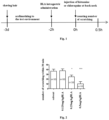
FIG. 1 shows the experimental process, wherein BLA is bulleyaconitine A, D is day, and h is hour; -
FIG. 2 shows the number of scratching in the histamine group within 30 min (*: P<0.05 as compared to the solvent group; ***: P<0.001 as compared to the solvent group); -
FIG. 3 shows the number of scratching in the chloroquine group within 30 min (**: P<0.01 as compared to the solvent group; ***: P<0.001 as compared to the solvent group); and -
FIG. 4 shows the conversion relationship between animal dosages, and for more details, one may see Table 3 onpage 422 of "Experimental Zoology for Medicine" by Xinyou Shi . - The application of bulleyaconitine A is disclosed in the present disclosure, but it is possible for those skilled in the art to learn from the content disclosed herein and appropriately improve the process parameters to realize it. It should be particularly noted that all similar substitutions and modifications that are obvious to those skilled in the art are considered to be included in the present disclosure. The methods and applications of the present disclosure have been described through preferred embodiments, it is obvious that those skilled in the art can modify or appropriately change and combine these methods and applications described herein to realize and implement the technique of the present disclosure, without departing from the content, and scope of the present invention as defined in the appended claims.
- Skin pruritus refers to a group of dermatosis characterized by itchy skin, including the pruritus only present as the itchy skin but lack of the primary skin rashes, and the conditions coexisting the itchy skin and the primary skin rashes, e.g., neurodermatitis, prurigo, prurigo nodularis.
- Skin pruritus or secondary lesions thereof: "secondary lesions" refers to skin roughness, lichenification, eczema, neurodermatitis, prurigo nodularis and other disorders, as a result of recurring skin pruritus and scratching.
- The raw materials and reagents used in the application of bulleyaconitine A provided by the present disclosure are all commercially available.
- The present disclosure will be further described below in conjunction with examples.
- The purpose of the experiment:
Researches over the years have shown that itch is mainly transmitted by two types of C fibers, with one sensitive to histamine and the other to chloroquine. Therefore, the scratching response of animals caused by subcutaneous injection of histamine or chloroquine is internationally recognized as an acute itch model. The present disclosure is aimed to investigate whether the intragastric administration of bulleyaconitine A (BLA) can inhibit acute itch caused by histamine or chloroquine. - Experimental materials and methods:
6-8 weeks old C57 mice were employed in experiments (body weight of 17-20 grams, from the Experimental Animal Center of Sun Yat-Sen University). The mice were randomly divided into four groups, namely solvent + histamine control group, BLA + histamine group, solvent + chloroquine control group and BLA + chloroquine group. For the convenience of subcutaneous injection and observation of scratching, the hair around the neck and back (at least 3×5 cm) was shaved off under temporary anesthesia with isoflurane three days before the start of the experiments. The control group was given a subcutaneous injection of 50 µl of histamine (2 mg/ml) or chloroquine (4 mg/ml), with an intragastric administration of a solvent (carboxymethyl cellulose) 2 hours before the injection. The experiment group was given an intragastric administration of BLA with different dosages (0.125, 0.25 and 0.5 mg/kg), 2 hours before the injection of histamine or chloroquine. The BLA was administered 2 hours in advance, because it needs 1.5 - 2 hours for BLA to take effect from its intragastric administration. The number of scratching in each group was counted within 30 minutes for comparison, because the acute scratching response induced by histamine or chloroquine subsided 30 minutes later after drug injection as shown by previous studies. The experimental process is shown inFIG. 1 . - During the recording in experiment, the mice were placed in separate, transparent acrylic boxes having a size of 15×15×20 cm each, and with two small openings at top of each box to allow air to circulate. The scratching behavior was recorded as video by a camera, which was placed above mouse because their behaviors of scratching their back or neck mostly happen in an angle of view directly opposite to their upper back.
- The scratching behavior can be easily suppressed by attention distraction. In order to minimize attentional shift and eliminate tension as much as possible, each transparent box was supplied with a small amount of padding, to absorb any urine excreted from the mouse. The ambient temperature was kept at 23 - 27°C, and additionally all the staff were asked to leave during the recording to keep the experimental environment quiet. The experiment was carried out between 9: 00-14: 00 h. To acclimatize the animals to the test environment, the mouse had been acclimatized in the transparent box for one hour at 9:00 and 13:00 every day since two days before the formal experiment. Because the scratching of a mice often happens quickly, the action from mice starting to scratch its neck or back by its hind paw until the hind paw hitting on the ground or being put into its mouth to clean the dander is taken as one scratching behavior.
- Statistical methods: the number of scratching was represented by average value ± standard deviation, and Turkey test was employed to compare the difference between different groups.
- Solution preparation and application method: 0.05 g of BLA was weighed and dissolved in 1000 ml of 0.5% sodium carboxymethyl cellulose solution. Histamine and chloroquine were prepared with 0.9% sterile saline, to make a dosage of
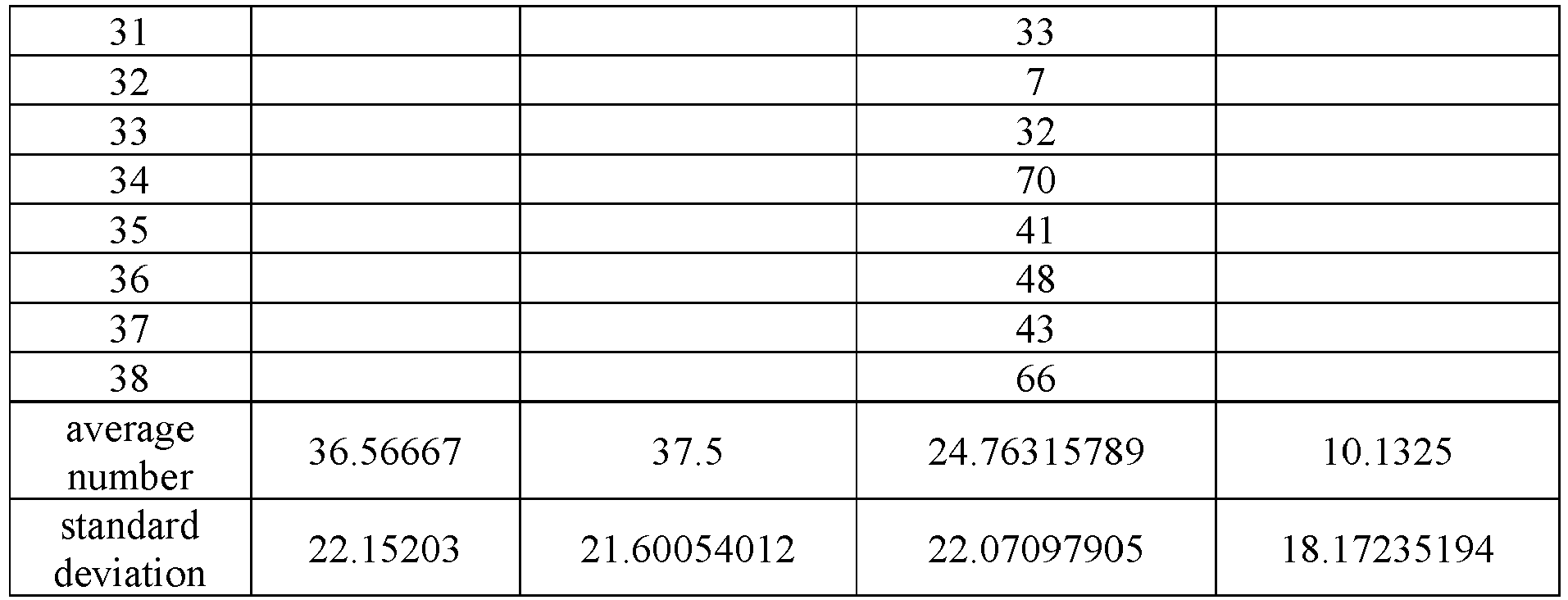
histamine 100 µg and chloroquine 200 µg. To minimize the skin injure at the injection site, a thinner needle in 0.3 ml for insulin was connected to the needle port of the microinjector to reduce injure to mouse. - As shown in the experimental results in Table 1, the number of scratching in mouse within 30 minutes before subcutaneous injection of histamine or chloroquine was 3.42 ± 2.40, while the number of scratching within 30 minutes after injection of histamine or chloroquine was respectively increased to 29.42 ± 16.63 (n = 12) or 73.75 ± 34.11 (n = 12), indicating that the model was made successfully. BLA inhibited the itch caused by histamine or chloroquine in a manner of depending on the dosage of intragastric administration. As shown in Table 2-3 and
Figs. 2-3 , at the dosage of 0.5 mg/kg, BLA completely inhibited (P < 0.001) the acute itch caused by histamine or chloroquine, showing the strongest inhibitory effect, but drowsiness in mouse was observed; at the dosage of 0.25 mg/kg, BLA significantly inhibited the scratching response caused by histamine (P < 0.05) or chloroquine (P < 0.01); but at the dosage of 0.125 mg/kg, BLA did not inhibit the itching caused by histamine, showing no inhibitory effect, and only had slightly inhibitory effect on the acute itch caused by chloroquine, which did not reach a statistically significant level (P > 0.05). At the latter two dosage, no drowsiness or other side effects in mouse was observed.




- The above test results showed that oral administration of bulleyaconitine A can inhibit the itching caused by histamine or chloroquine in a dosage-dependent manner. Therefore, oral administration of bulleyaconitine A can be used to treat neuropathic itch caused by various diseases and drugs.
- The concentrations tested in mouse are roughly equivalent to 0.11 × 0.125 mg/kg = 0.01375 mg/kg, 0.11 × 0.25 mg/kg = 0.0275 mg/kg, and 0.11 × 0.5 mg/kg = 0.055 mg/kg in adults, that is, bulleyaconitine A has a certain effect of inhibiting acute itch in the test with concentrations equivalent to those of the adults ranging from 0.01375mg/kg to 0.055mg/kg.
- The application of bulleyaconitine A in neuropathic itch of the present disclosure can be implemented by preparing bulleyaconitine A into a medicament in different dosage forms. In particular, bulleyaconitine A can be prepared into dosage forms including oral preparations, injection preparations or external preparations. Specific medicament can contain bulleyaconitine A and other pharmaceutically acceptable carriers. The amount of each component in the medicament can be adjusted according to the requirements for the component ratio in pharmaceutical preparations. The effective amount of bulleyaconitine A can also be calculated according to the conventional requirements of various dosage forms, for example, a range from 0.01375 mg/kg to 0.055 mg/kg human body weight/d as described in Example 1 is only given as a reference range to this example, while it is not a specific limitation. Furthermore, the pharmaceutically acceptable carriers can include, but not limit to, flavoring agents including glucose, sorbitol, and mannitol; fillers including microcrystalline cellulose; disintegrating agents including potassium hydroxymethyl starch; coloring agents and thickeners.
- A table containing bulleyaconitine A, which was a film-coated tablet, containing 0.275 mg of bulleyaconitine A and 130 mg of adjuvants in each tablet was prepared as follows. Bulleyaconitine A was dissolved in food grade or pharmaceutical grade ethanol. 20 mg of adjuvant lactose, 25 mg of icing sugar, 40 mg of microcrystalline cellulose and 10 mg of hydroxypropyl cellulose were mixed, and then added with the ethanol solution of bulleyaconitine A to mix. The resultant was prepared into a soft material with an appropriate amount of purified water added, and then into granules. After the granules was dried, 5 mg of magnesium stearate and 30 mg of sodium carboxymethyl starch were added, and tableted, and then film-coated.
- A capsule of bulleyaconitine A, containing 0.4 mg of bulleyaconitine A and 165 mg of adjuvants in each capsule, was prepared as follows. Bulleyaconitine A and adjuvants, namely 80 mg of icing sugar, 25 mg of starch, 20 mg of microcrystalline cellulose, 15 mg of low-substituted hydroxypropyl cellulose, 5 mg of magnesium stearate and 5 mg of phthalate were prepared into a soft material with ethanol added as a wetting agent, and then into pellets, dried, coated with 15 mg of polyacrylic resin as enteric coating. The dried pellets were cooled to room temperature, and then coated with polyacrylic resin. After the coated pellets were filled into hard capsules, internally and externally packaged to obtain the finished pellet capsules.
- A controlled release tablet of bulleyaconitine A, containing 0.98 mg of bulleyaconitine A in each table was prepared as follows. Bulleyaconitine A, matrix materials (hypromellose 125 mg), and lubricant (magnesium stearate 1 mg) were mixed well, and pressed into tables by a tablet compressing machine. The obtained tables were coated with coating materials by a film coating machine.
- An injection solution of bulleyaconitine A, containing 2 mg of bulleyaconitine A per ml was prepared as follows. 2000 mg of bulleyaconitine A was weighed, dissolved by adding 5 ml of dilute sulfuric acid, and added with water for injection to a volume of 1000 ml, with pH adjusted to 5.0, filtered, filled, encapsulated, and sterilized.
- A bulleyaconitine A for injection, containing 0.2 mg of bulleyaconitine A in each bottle was prepared as follows. 200 mg of bulleyaconitine A was weighed and dissolved by adding 5 ml of dilute sulfuric acid, added with water for injection to a volume of 500 ml, and added with 200 g of mannitol to dissolve, and then added with water for injection to a volume of 1000 ml, with pH adjusted to 5.0, filtered, filled and encapsulated to 1000 bottles, stoppered, freeze-dried and compacted by press.
- A patch of bulleyaconitine A, containing 4 mg of bulleyaconitine A in each patch was prepared as follows. 4000 mg of bulleyaconitine A, 150000 mg of silicone pressure sensitive adhesive, 2000 mg of eucalyptus oil were weighed, after bulleyaconitine A was dissolved by adding 100 ml of ethanol, it was mixed well with the silicone pressure sensitive adhesive and eucalyptus oil. The mixture was coated on a polytetrafluoroethylene film protective layer, with the thickness of the coating controlled, to make 1000 patches, dried, covered with a non-woven backing layer, and then cut into an appropriate shape and size.
- A tablet containing bulleyaconitine A, containing 3.3 mg of bulleyaconitine A in each table, was prepared as follows. 3300 mg of bulleyaconitine A, 3000 mg of lactose, 1500 mg of hydroxypropyl cellulose, 50 mg of magnesium stearate, and 400 mg of sodium carboxymethyl starch were mixed well, and pressed into 1000 tablets using direct press.
- A tablet containing bulleyaconitine A, containing 3.3 mg of bulleyaconitine in each table was prepared as follows. 3300 mg of bulleyaconitine A, 250 mg of lactose, 100 mg of hydroxypropyl cellulose, 50 mg of magnesium stearate, and 50 mg of sodium carboxymethyl starch were mixed well, and pressed into 1000 tablets using direct press.
- The application of bulleyaconitine A provided by the present disclosure is introduced in detail above. To illustrate the principle and implementation of the present disclosure, specific examples are used herein, but their description above is only given to facilitate understanding of the method and core concept of the present disclosure. It should be noted that for those skilled in the art, various improvements and modifications can be made without departing from the principle of the invention as defined in the appended claims.
Claims (10)
- Bulleyaconitine A for use in the treatment and/or prevention of skin pruritus and/or a secondary lesion thereof, wherein the secondary lesion is selected from skin roughness, lichenification, eczema, neurodermatitis and prurigo nodularis.
- Bulleyaconitine A for use according to claim 1, wherein a dosage of bulleyaconitine A is 0.125 mg/kg mouse body weight/d - 0.5 mg/kg mouse body weight/d.
- Bulleyaconitine A for use according to claim 1, wherein a dosage of the bulleyaconitine A is 0.01375 mg/kg human body weight/d - 0.055 mg/kg human body weight/d.
- Bulleyaconitine A for use according to any one of claims 1-3, wherein the skin pruritus is neuropathic itch.
- Bulleyaconitine A for use according to claim 4, wherein the skin pruritus is an itch caused by histamine and/or chloroquine.
- Bulleyaconitine A for use according to any one of claims 1-5, wherein the medicament comprises bulleyaconitine A, which is present in the medicament in an amount of 0.2% - 88% by mass, and a pharmaceutically acceptable carrier.
- Bulleyaconitine A for use according to claim 6, wherein the medicament is in a dosage form of oral preparation, injection preparation or external preparation.
- Bulleyaconitine A for use according to claim 7, wherein the oral preparation includes hard capsules, dripping pills, granules, tablets, mixtures, soft capsules, concentrated pills, oral solutions or powders.
- Bulleyaconitine A for use according to claim 7, wherein the injection preparation is injection solution or lyophilized powder for injection.
- Bulleyaconitine A for use according to claim 7, wherein the external preparation is tincture, ointment, cream, paste, aerosol, spray, powder, otic preparation, lotion, rinse, liniment, paint, film preparation, gelatin or patch.
Applications Claiming Priority (2)
| Application Number | Priority Date | Filing Date | Title |
|---|---|---|---|
| CN201811376531.5A CN109453169B (en) | 2018-11-19 | 2018-11-19 | Uses of fenugreek |
| PCT/CN2019/091049 WO2020103435A1 (en) | 2018-11-19 | 2019-06-13 | Use of bulleyaconitine a |
Publications (3)
| Publication Number | Publication Date |
|---|---|
| EP3884942A1 EP3884942A1 (en) | 2021-09-29 |
| EP3884942A4 EP3884942A4 (en) | 2022-05-04 |
| EP3884942B1 true EP3884942B1 (en) | 2024-03-13 |
Family
ID=65610913
Family Applications (1)
| Application Number | Title | Priority Date | Filing Date |
|---|---|---|---|
| EP19888102.1A Active EP3884942B1 (en) | 2018-11-19 | 2019-06-13 | Use of bulleyaconitine a for treating skin disorders |
Country Status (6)
| Country | Link |
|---|---|
| US (1) | US12042486B2 (en) |
| EP (1) | EP3884942B1 (en) |
| JP (1) | JP7190571B2 (en) |
| KR (1) | KR102610339B1 (en) |
| CN (1) | CN109453169B (en) |
| WO (1) | WO2020103435A1 (en) |
Families Citing this family (3)
| Publication number | Priority date | Publication date | Assignee | Title |
|---|---|---|---|---|
| CN109453169B (en) * | 2018-11-19 | 2021-05-14 | 云南昊邦制药有限公司 | Uses of fenugreek |
| CN110742888B (en) * | 2019-11-25 | 2022-07-19 | 云南昊邦制药有限公司 | The application of fenugreek |
| KR102891734B1 (en) * | 2022-12-23 | 2025-11-27 | 숙명여자대학교산학협력단 | Composition for muscle regeneration containing crassicauline a as an active ingredient |
Family Cites Families (5)
| Publication number | Priority date | Publication date | Assignee | Title |
|---|---|---|---|---|
| CN1087004A (en) * | 1992-11-16 | 1994-05-25 | 王中文 | Externally used compound Radix aconiti szechenyiani preparation and method for making thereof |
| CN1257911C (en) * | 2004-04-23 | 2006-05-31 | 中国科学院长春应用化学研究所 | Method for Separation and Extraction of Lipid Alkaloids from Aconite and Aconitum |
| CN102552254A (en) * | 2012-02-07 | 2012-07-11 | 云南昊邦制药有限公司 | Application of bulleyaconitine A used as state-independent sodium ion channel blocker to analgesia |
| CN105343070A (en) * | 2015-11-13 | 2016-02-24 | 王丽 | Pharmaceutical composition containing chlorpheniramine maleate and its pharmaceutical application |
| CN109453169B (en) | 2018-11-19 | 2021-05-14 | 云南昊邦制药有限公司 | Uses of fenugreek |
-
2018
- 2018-11-19 CN CN201811376531.5A patent/CN109453169B/en active Active
-
2019
- 2019-06-13 EP EP19888102.1A patent/EP3884942B1/en active Active
- 2019-06-13 WO PCT/CN2019/091049 patent/WO2020103435A1/en not_active Ceased
- 2019-06-13 KR KR1020217017775A patent/KR102610339B1/en active Active
- 2019-06-13 JP JP2021526786A patent/JP7190571B2/en active Active
- 2019-06-13 US US17/293,941 patent/US12042486B2/en active Active
Also Published As
| Publication number | Publication date |
|---|---|
| WO2020103435A1 (en) | 2020-05-28 |
| JP7190571B2 (en) | 2022-12-15 |
| JP2022507646A (en) | 2022-01-18 |
| KR102610339B1 (en) | 2023-12-07 |
| KR20210090236A (en) | 2021-07-19 |
| US12042486B2 (en) | 2024-07-23 |
| CN109453169A (en) | 2019-03-12 |
| CN109453169B (en) | 2021-05-14 |
| EP3884942A4 (en) | 2022-05-04 |
| US20220000846A1 (en) | 2022-01-06 |
| EP3884942A1 (en) | 2021-09-29 |
Similar Documents
| Publication | Publication Date | Title |
|---|---|---|
| WO2008112561A1 (en) | Combination therapy for alleviating pain-related conditions | |
| US8178498B1 (en) | Medicament and method of treating an organism with medicaments | |
| US12042486B2 (en) | Use of bulleyaconitine A | |
| CN106924378B (en) | Chinese herbal medicine lipstick for preventing and/or treating chronic cheilitis | |
| CN105285986A (en) | Health food or pharmaceutical composition comprising chestnut shell extract | |
| US5916918A (en) | Method for treating a skin injury comprising topically applying acetylsalicylic acid | |
| US20150352040A1 (en) | Topical peripheral neuro-affective (tpna) therapy | |
| RS67884B1 (en) | Sublingual epinephrine tablets | |
| CN101933963B (en) | Nasal in-situ gel for treating headache | |
| KR20070054222A (en) | Pharmaceutical composition with analgesic action | |
| US20230125425A1 (en) | Traditional chinese medicine extract composition with function of regulating depressive emotion and preparation method and traditional chinese medicine preparation thereof | |
| CA2620242A1 (en) | Topical soothing bruise healing preparation | |
| US20240226046A1 (en) | Composition containing lysine for the treatment of poison ivy, composition containing lysine for the prevention of poison ivy, processes, and method of use | |
| CN110269926A (en) | Middle benefit gas, which is relaxed, warms up composition and its preparation method and application | |
| CN102973946B (en) | Composition comprising a component coated with a liquid impermeable but gas permeable layer | |
| KR102838311B1 (en) | Neem for RLS treatment | |
| CN103948666B (en) | Preparation method of Tibetan medicine for treating diabetes | |
| CN101919799B (en) | Novel sustained-release transdermal medicament delivery system | |
| US20160058752A1 (en) | Topical peripheral neuro-affective (tpna) therapy for neuropathic conditions | |
| CN1968694B (en) | Pharmaceutical composition with analgesic effect | |
| CN110038083A (en) | A kind of emollient ointment and its preparation method and use | |
| TW202335679A (en) | Use of mangosteen fruit shell extract in the preparation of a medicament for promoting wound healing in diabetes | |
| Ostapchuk | Compilers: Ya. V. Rozhkovsky, V. Kresyun, P. Antonenko, K. Shemonaeva, K. | |
| Rozhkovsky et al. | Methodical instructions for the practical classes in pharmacology for the third year students of medical faculty | |
| TWI351970B (en) | Long-acting chinese medicine formula reduce inflam |
Legal Events
| Date | Code | Title | Description |
|---|---|---|---|
| STAA | Information on the status of an ep patent application or granted ep patent |
Free format text: STATUS: THE INTERNATIONAL PUBLICATION HAS BEEN MADE |
|
| PUAI | Public reference made under article 153(3) epc to a published international application that has entered the european phase |
Free format text: ORIGINAL CODE: 0009012 |
|
| STAA | Information on the status of an ep patent application or granted ep patent |
Free format text: STATUS: REQUEST FOR EXAMINATION WAS MADE |
|
| 17P | Request for examination filed |
Effective date: 20210611 |
|
| AK | Designated contracting states |
Kind code of ref document: A1 Designated state(s): AL AT BE BG CH CY CZ DE DK EE ES FI FR GB GR HR HU IE IS IT LI LT LU LV MC MK MT NL NO PL PT RO RS SE SI SK SM TR |
|
| DAV | Request for validation of the european patent (deleted) | ||
| DAX | Request for extension of the european patent (deleted) | ||
| A4 | Supplementary search report drawn up and despatched |
Effective date: 20220405 |
|
| RIC1 | Information provided on ipc code assigned before grant |
Ipc: A61P 25/00 20060101ALI20220330BHEP Ipc: A61P 17/04 20060101ALI20220330BHEP Ipc: A61K 31/439 20060101AFI20220330BHEP |
|
| REG | Reference to a national code |
Ref country code: DE Ref legal event code: R079 Free format text: PREVIOUS MAIN CLASS: A61K0031439000 Ipc: A61K0031550000 Ref country code: DE Ref legal event code: R079 Ref document number: 602019048410 Country of ref document: DE Free format text: PREVIOUS MAIN CLASS: A61K0031439000 Ipc: A61K0031550000 |
|
| GRAP | Despatch of communication of intention to grant a patent |
Free format text: ORIGINAL CODE: EPIDOSNIGR1 |
|
| STAA | Information on the status of an ep patent application or granted ep patent |
Free format text: STATUS: GRANT OF PATENT IS INTENDED |
|
| INTG | Intention to grant announced |
Effective date: 20231025 |
|
| RIC1 | Information provided on ipc code assigned before grant |
Ipc: A61P 17/04 20060101ALI20231013BHEP Ipc: A61K 47/44 20170101ALI20231013BHEP Ipc: A61K 47/02 20060101ALI20231013BHEP Ipc: A61K 9/70 20060101ALI20231013BHEP Ipc: A61K 9/50 20060101ALI20231013BHEP Ipc: A61K 9/20 20060101ALI20231013BHEP Ipc: A61P 25/00 20060101ALI20231013BHEP Ipc: A61K 31/55 20060101AFI20231013BHEP |
|
| GRAS | Grant fee paid |
Free format text: ORIGINAL CODE: EPIDOSNIGR3 |
|
| GRAA | (expected) grant |
Free format text: ORIGINAL CODE: 0009210 |
|
| STAA | Information on the status of an ep patent application or granted ep patent |
Free format text: STATUS: THE PATENT HAS BEEN GRANTED |
|
| AK | Designated contracting states |
Kind code of ref document: B1 Designated state(s): AL AT BE BG CH CY CZ DE DK EE ES FI FR GB GR HR HU IE IS IT LI LT LU LV MC MK MT NL NO PL PT RO RS SE SI SK SM TR |
|
| REG | Reference to a national code |
Ref country code: GB Ref legal event code: FG4D |
|
| REG | Reference to a national code |
Ref country code: CH Ref legal event code: EP |
|
| REG | Reference to a national code |
Ref country code: DE Ref legal event code: R096 Ref document number: 602019048410 Country of ref document: DE |
|
| REG | Reference to a national code |
Ref country code: IE Ref legal event code: FG4D |
|
| PG25 | Lapsed in a contracting state [announced via postgrant information from national office to epo] |
Ref country code: LT Free format text: LAPSE BECAUSE OF FAILURE TO SUBMIT A TRANSLATION OF THE DESCRIPTION OR TO PAY THE FEE WITHIN THE PRESCRIBED TIME-LIMIT Effective date: 20240313 |
|
| REG | Reference to a national code |
Ref country code: LT Ref legal event code: MG9D |
|
| PG25 | Lapsed in a contracting state [announced via postgrant information from national office to epo] |
Ref country code: GR Free format text: LAPSE BECAUSE OF FAILURE TO SUBMIT A TRANSLATION OF THE DESCRIPTION OR TO PAY THE FEE WITHIN THE PRESCRIBED TIME-LIMIT Effective date: 20240614 |
|
| REG | Reference to a national code |
Ref country code: NL Ref legal event code: MP Effective date: 20240313 |
|
| PG25 | Lapsed in a contracting state [announced via postgrant information from national office to epo] |
Ref country code: HR Free format text: LAPSE BECAUSE OF FAILURE TO SUBMIT A TRANSLATION OF THE DESCRIPTION OR TO PAY THE FEE WITHIN THE PRESCRIBED TIME-LIMIT Effective date: 20240313 Ref country code: RS Free format text: LAPSE BECAUSE OF FAILURE TO SUBMIT A TRANSLATION OF THE DESCRIPTION OR TO PAY THE FEE WITHIN THE PRESCRIBED TIME-LIMIT Effective date: 20240613 |
|
| PG25 | Lapsed in a contracting state [announced via postgrant information from national office to epo] |
Ref country code: ES Free format text: LAPSE BECAUSE OF FAILURE TO SUBMIT A TRANSLATION OF THE DESCRIPTION OR TO PAY THE FEE WITHIN THE PRESCRIBED TIME-LIMIT Effective date: 20240313 |
|
| PG25 | Lapsed in a contracting state [announced via postgrant information from national office to epo] |
Ref country code: RS Free format text: LAPSE BECAUSE OF FAILURE TO SUBMIT A TRANSLATION OF THE DESCRIPTION OR TO PAY THE FEE WITHIN THE PRESCRIBED TIME-LIMIT Effective date: 20240613 Ref country code: NO Free format text: LAPSE BECAUSE OF FAILURE TO SUBMIT A TRANSLATION OF THE DESCRIPTION OR TO PAY THE FEE WITHIN THE PRESCRIBED TIME-LIMIT Effective date: 20240613 Ref country code: LT Free format text: LAPSE BECAUSE OF FAILURE TO SUBMIT A TRANSLATION OF THE DESCRIPTION OR TO PAY THE FEE WITHIN THE PRESCRIBED TIME-LIMIT Effective date: 20240313 Ref country code: HR Free format text: LAPSE BECAUSE OF FAILURE TO SUBMIT A TRANSLATION OF THE DESCRIPTION OR TO PAY THE FEE WITHIN THE PRESCRIBED TIME-LIMIT Effective date: 20240313 Ref country code: GR Free format text: LAPSE BECAUSE OF FAILURE TO SUBMIT A TRANSLATION OF THE DESCRIPTION OR TO PAY THE FEE WITHIN THE PRESCRIBED TIME-LIMIT Effective date: 20240614 Ref country code: FI Free format text: LAPSE BECAUSE OF FAILURE TO SUBMIT A TRANSLATION OF THE DESCRIPTION OR TO PAY THE FEE WITHIN THE PRESCRIBED TIME-LIMIT Effective date: 20240313 Ref country code: ES Free format text: LAPSE BECAUSE OF FAILURE TO SUBMIT A TRANSLATION OF THE DESCRIPTION OR TO PAY THE FEE WITHIN THE PRESCRIBED TIME-LIMIT Effective date: 20240313 Ref country code: BG Free format text: LAPSE BECAUSE OF FAILURE TO SUBMIT A TRANSLATION OF THE DESCRIPTION OR TO PAY THE FEE WITHIN THE PRESCRIBED TIME-LIMIT Effective date: 20240313 |
|
| REG | Reference to a national code |
Ref country code: AT Ref legal event code: MK05 Ref document number: 1665115 Country of ref document: AT Kind code of ref document: T Effective date: 20240313 |
|
| PG25 | Lapsed in a contracting state [announced via postgrant information from national office to epo] |
Ref country code: SE Free format text: LAPSE BECAUSE OF FAILURE TO SUBMIT A TRANSLATION OF THE DESCRIPTION OR TO PAY THE FEE WITHIN THE PRESCRIBED TIME-LIMIT Effective date: 20240313 Ref country code: LV Free format text: LAPSE BECAUSE OF FAILURE TO SUBMIT A TRANSLATION OF THE DESCRIPTION OR TO PAY THE FEE WITHIN THE PRESCRIBED TIME-LIMIT Effective date: 20240313 |
|
| PG25 | Lapsed in a contracting state [announced via postgrant information from national office to epo] |
Ref country code: NL Free format text: LAPSE BECAUSE OF FAILURE TO SUBMIT A TRANSLATION OF THE DESCRIPTION OR TO PAY THE FEE WITHIN THE PRESCRIBED TIME-LIMIT Effective date: 20240313 |
|
| PG25 | Lapsed in a contracting state [announced via postgrant information from national office to epo] |
Ref country code: NL Free format text: LAPSE BECAUSE OF FAILURE TO SUBMIT A TRANSLATION OF THE DESCRIPTION OR TO PAY THE FEE WITHIN THE PRESCRIBED TIME-LIMIT Effective date: 20240313 |
|
| PG25 | Lapsed in a contracting state [announced via postgrant information from national office to epo] |
Ref country code: IS Free format text: LAPSE BECAUSE OF FAILURE TO SUBMIT A TRANSLATION OF THE DESCRIPTION OR TO PAY THE FEE WITHIN THE PRESCRIBED TIME-LIMIT Effective date: 20240713 |
|
| PG25 | Lapsed in a contracting state [announced via postgrant information from national office to epo] |
Ref country code: PT Free format text: LAPSE BECAUSE OF FAILURE TO SUBMIT A TRANSLATION OF THE DESCRIPTION OR TO PAY THE FEE WITHIN THE PRESCRIBED TIME-LIMIT Effective date: 20240715 Ref country code: SM Free format text: LAPSE BECAUSE OF FAILURE TO SUBMIT A TRANSLATION OF THE DESCRIPTION OR TO PAY THE FEE WITHIN THE PRESCRIBED TIME-LIMIT Effective date: 20240313 |
|
| PG25 | Lapsed in a contracting state [announced via postgrant information from national office to epo] |
Ref country code: CZ Free format text: LAPSE BECAUSE OF FAILURE TO SUBMIT A TRANSLATION OF THE DESCRIPTION OR TO PAY THE FEE WITHIN THE PRESCRIBED TIME-LIMIT Effective date: 20240313 Ref country code: EE Free format text: LAPSE BECAUSE OF FAILURE TO SUBMIT A TRANSLATION OF THE DESCRIPTION OR TO PAY THE FEE WITHIN THE PRESCRIBED TIME-LIMIT Effective date: 20240313 |
|
| PG25 | Lapsed in a contracting state [announced via postgrant information from national office to epo] |
Ref country code: AT Free format text: LAPSE BECAUSE OF FAILURE TO SUBMIT A TRANSLATION OF THE DESCRIPTION OR TO PAY THE FEE WITHIN THE PRESCRIBED TIME-LIMIT Effective date: 20240313 |
|
| PG25 | Lapsed in a contracting state [announced via postgrant information from national office to epo] |
Ref country code: PL Free format text: LAPSE BECAUSE OF FAILURE TO SUBMIT A TRANSLATION OF THE DESCRIPTION OR TO PAY THE FEE WITHIN THE PRESCRIBED TIME-LIMIT Effective date: 20240313 |
|
| PG25 | Lapsed in a contracting state [announced via postgrant information from national office to epo] |
Ref country code: SK Free format text: LAPSE BECAUSE OF FAILURE TO SUBMIT A TRANSLATION OF THE DESCRIPTION OR TO PAY THE FEE WITHIN THE PRESCRIBED TIME-LIMIT Effective date: 20240313 |
|
| PG25 | Lapsed in a contracting state [announced via postgrant information from national office to epo] |
Ref country code: SM Free format text: LAPSE BECAUSE OF FAILURE TO SUBMIT A TRANSLATION OF THE DESCRIPTION OR TO PAY THE FEE WITHIN THE PRESCRIBED TIME-LIMIT Effective date: 20240313 Ref country code: SK Free format text: LAPSE BECAUSE OF FAILURE TO SUBMIT A TRANSLATION OF THE DESCRIPTION OR TO PAY THE FEE WITHIN THE PRESCRIBED TIME-LIMIT Effective date: 20240313 Ref country code: RO Free format text: LAPSE BECAUSE OF FAILURE TO SUBMIT A TRANSLATION OF THE DESCRIPTION OR TO PAY THE FEE WITHIN THE PRESCRIBED TIME-LIMIT Effective date: 20240313 Ref country code: PT Free format text: LAPSE BECAUSE OF FAILURE TO SUBMIT A TRANSLATION OF THE DESCRIPTION OR TO PAY THE FEE WITHIN THE PRESCRIBED TIME-LIMIT Effective date: 20240715 Ref country code: PL Free format text: LAPSE BECAUSE OF FAILURE TO SUBMIT A TRANSLATION OF THE DESCRIPTION OR TO PAY THE FEE WITHIN THE PRESCRIBED TIME-LIMIT Effective date: 20240313 Ref country code: IS Free format text: LAPSE BECAUSE OF FAILURE TO SUBMIT A TRANSLATION OF THE DESCRIPTION OR TO PAY THE FEE WITHIN THE PRESCRIBED TIME-LIMIT Effective date: 20240713 Ref country code: EE Free format text: LAPSE BECAUSE OF FAILURE TO SUBMIT A TRANSLATION OF THE DESCRIPTION OR TO PAY THE FEE WITHIN THE PRESCRIBED TIME-LIMIT Effective date: 20240313 Ref country code: CZ Free format text: LAPSE BECAUSE OF FAILURE TO SUBMIT A TRANSLATION OF THE DESCRIPTION OR TO PAY THE FEE WITHIN THE PRESCRIBED TIME-LIMIT Effective date: 20240313 Ref country code: AT Free format text: LAPSE BECAUSE OF FAILURE TO SUBMIT A TRANSLATION OF THE DESCRIPTION OR TO PAY THE FEE WITHIN THE PRESCRIBED TIME-LIMIT Effective date: 20240313 |
|
| PG25 | Lapsed in a contracting state [announced via postgrant information from national office to epo] |
Ref country code: IT Free format text: LAPSE BECAUSE OF FAILURE TO SUBMIT A TRANSLATION OF THE DESCRIPTION OR TO PAY THE FEE WITHIN THE PRESCRIBED TIME-LIMIT Effective date: 20240313 |
|
| REG | Reference to a national code |
Ref country code: DE Ref legal event code: R097 Ref document number: 602019048410 Country of ref document: DE |
|
| PG25 | Lapsed in a contracting state [announced via postgrant information from national office to epo] |
Ref country code: IT Free format text: LAPSE BECAUSE OF FAILURE TO SUBMIT A TRANSLATION OF THE DESCRIPTION OR TO PAY THE FEE WITHIN THE PRESCRIBED TIME-LIMIT Effective date: 20240313 |
|
| REG | Reference to a national code |
Ref country code: DE Ref legal event code: R119 Ref document number: 602019048410 Country of ref document: DE |
|
| PG25 | Lapsed in a contracting state [announced via postgrant information from national office to epo] |
Ref country code: DK Free format text: LAPSE BECAUSE OF FAILURE TO SUBMIT A TRANSLATION OF THE DESCRIPTION OR TO PAY THE FEE WITHIN THE PRESCRIBED TIME-LIMIT Effective date: 20240313 |
|
| PLBE | No opposition filed within time limit |
Free format text: ORIGINAL CODE: 0009261 |
|
| STAA | Information on the status of an ep patent application or granted ep patent |
Free format text: STATUS: NO OPPOSITION FILED WITHIN TIME LIMIT |
|
| PG25 | Lapsed in a contracting state [announced via postgrant information from national office to epo] |
Ref country code: DK Free format text: LAPSE BECAUSE OF FAILURE TO SUBMIT A TRANSLATION OF THE DESCRIPTION OR TO PAY THE FEE WITHIN THE PRESCRIBED TIME-LIMIT Effective date: 20240313 Ref country code: MC Free format text: LAPSE BECAUSE OF FAILURE TO SUBMIT A TRANSLATION OF THE DESCRIPTION OR TO PAY THE FEE WITHIN THE PRESCRIBED TIME-LIMIT Effective date: 20240313 |
|
| REG | Reference to a national code |
Ref country code: CH Ref legal event code: PL |
|
| PG25 | Lapsed in a contracting state [announced via postgrant information from national office to epo] |
Ref country code: LU Free format text: LAPSE BECAUSE OF NON-PAYMENT OF DUE FEES Effective date: 20240613 |
|
| 26N | No opposition filed |
Effective date: 20241216 |
|
| PG25 | Lapsed in a contracting state [announced via postgrant information from national office to epo] |
Ref country code: DE Free format text: LAPSE BECAUSE OF NON-PAYMENT OF DUE FEES Effective date: 20250101 |
|
| PG25 | Lapsed in a contracting state [announced via postgrant information from national office to epo] |
Ref country code: IE Free format text: LAPSE BECAUSE OF NON-PAYMENT OF DUE FEES Effective date: 20240613 |
|
| PG25 | Lapsed in a contracting state [announced via postgrant information from national office to epo] |
Ref country code: SI Free format text: LAPSE BECAUSE OF FAILURE TO SUBMIT A TRANSLATION OF THE DESCRIPTION OR TO PAY THE FEE WITHIN THE PRESCRIBED TIME-LIMIT Effective date: 20240313 Ref country code: BE Free format text: LAPSE BECAUSE OF NON-PAYMENT OF DUE FEES Effective date: 20240630 Ref country code: CH Free format text: LAPSE BECAUSE OF NON-PAYMENT OF DUE FEES Effective date: 20240630 |
|
| PG25 | Lapsed in a contracting state [announced via postgrant information from national office to epo] |
Ref country code: FR Free format text: LAPSE BECAUSE OF NON-PAYMENT OF DUE FEES Effective date: 20240630 |
|
| REG | Reference to a national code |
Ref country code: BE Ref legal event code: MM Effective date: 20240630 |
|
| PGFP | Annual fee paid to national office [announced via postgrant information from national office to epo] |
Ref country code: GB Payment date: 20250625 Year of fee payment: 7 |
|
| PG25 | Lapsed in a contracting state [announced via postgrant information from national office to epo] |
Ref country code: CY Free format text: LAPSE BECAUSE OF FAILURE TO SUBMIT A TRANSLATION OF THE DESCRIPTION OR TO PAY THE FEE WITHIN THE PRESCRIBED TIME-LIMIT; INVALID AB INITIO Effective date: 20190613 |
|
| PG25 | Lapsed in a contracting state [announced via postgrant information from national office to epo] |
Ref country code: HU Free format text: LAPSE BECAUSE OF FAILURE TO SUBMIT A TRANSLATION OF THE DESCRIPTION OR TO PAY THE FEE WITHIN THE PRESCRIBED TIME-LIMIT; INVALID AB INITIO Effective date: 20190613 |