EP3884941A1 - Inflammasome inhibitors and use thereof - Google Patents
Inflammasome inhibitors and use thereof Download PDFInfo
- Publication number
- EP3884941A1 EP3884941A1 EP20382237.4A EP20382237A EP3884941A1 EP 3884941 A1 EP3884941 A1 EP 3884941A1 EP 20382237 A EP20382237 A EP 20382237A EP 3884941 A1 EP3884941 A1 EP 3884941A1
- Authority
- EP
- European Patent Office
- Prior art keywords
- compound
- inflammasome
- disease
- asc
- optionally substituted
- Prior art date
- Legal status (The legal status is an assumption and is not a legal conclusion. Google has not performed a legal analysis and makes no representation as to the accuracy of the status listed.)
- Withdrawn
Links
- 229940122390 Inflammasome inhibitor Drugs 0.000 title claims description 8
- 150000001875 compounds Chemical class 0.000 claims abstract description 64
- 108010034143 Inflammasomes Proteins 0.000 claims abstract description 59
- 208000037265 diseases, disorders, signs and symptoms Diseases 0.000 claims abstract description 28
- 201000010099 disease Diseases 0.000 claims abstract description 25
- 238000011282 treatment Methods 0.000 claims abstract description 22
- 239000008194 pharmaceutical composition Substances 0.000 claims abstract description 11
- 206010034674 peritonitis Diseases 0.000 claims abstract description 10
- 239000012453 solvate Substances 0.000 claims description 13
- 150000003839 salts Chemical class 0.000 claims description 11
- 125000004178 (C1-C4) alkyl group Chemical group 0.000 claims description 9
- 125000003342 alkenyl group Chemical group 0.000 claims description 9
- 208000022993 cryopyrin-associated periodic syndrome Diseases 0.000 claims description 7
- 125000000623 heterocyclic group Chemical group 0.000 claims description 7
- 206010016207 Familial Mediterranean fever Diseases 0.000 claims description 6
- 208000011231 Crohn disease Diseases 0.000 claims description 5
- 206010028980 Neoplasm Diseases 0.000 claims description 5
- 230000007170 pathology Effects 0.000 claims description 5
- 230000002265 prevention Effects 0.000 claims description 5
- 125000006273 (C1-C3) alkyl group Chemical group 0.000 claims description 4
- 208000023275 Autoimmune disease Diseases 0.000 claims description 4
- 201000005569 Gout Diseases 0.000 claims description 4
- 201000011510 cancer Diseases 0.000 claims description 4
- 206010012601 diabetes mellitus Diseases 0.000 claims description 4
- 229910052736 halogen Inorganic materials 0.000 claims description 4
- 150000002367 halogens Chemical class 0.000 claims description 4
- 208000015181 infectious disease Diseases 0.000 claims description 4
- 208000027866 inflammatory disease Diseases 0.000 claims description 4
- 206010039073 rheumatoid arthritis Diseases 0.000 claims description 4
- 208000002874 Acne Vulgaris Diseases 0.000 claims description 3
- 208000024827 Alzheimer disease Diseases 0.000 claims description 3
- 201000001320 Atherosclerosis Diseases 0.000 claims description 3
- 208000006545 Chronic Obstructive Pulmonary Disease Diseases 0.000 claims description 3
- 206010009900 Colitis ulcerative Diseases 0.000 claims description 3
- 208000035473 Communicable disease Diseases 0.000 claims description 3
- 206010020751 Hypersensitivity Diseases 0.000 claims description 3
- 102100026018 Interleukin-1 receptor antagonist protein Human genes 0.000 claims description 3
- 101710144554 Interleukin-1 receptor antagonist protein Proteins 0.000 claims description 3
- 208000018737 Parkinson disease Diseases 0.000 claims description 3
- 201000004681 Psoriasis Diseases 0.000 claims description 3
- 201000006704 Ulcerative Colitis Diseases 0.000 claims description 3
- 206010047642 Vitiligo Diseases 0.000 claims description 3
- 206010000496 acne Diseases 0.000 claims description 3
- 230000000626 neurodegenerative effect Effects 0.000 claims description 3
- 208000011580 syndromic disease Diseases 0.000 claims description 3
- 206010012442 Dermatitis contact Diseases 0.000 claims description 2
- 208000027244 Dysbiosis Diseases 0.000 claims description 2
- 208000018208 Hyperimmunoglobulinemia D with periodic fever Diseases 0.000 claims description 2
- 206010020772 Hypertension Diseases 0.000 claims description 2
- 208000032382 Ischaemic stroke Diseases 0.000 claims description 2
- 201000009906 Meningitis Diseases 0.000 claims description 2
- 206010072219 Mevalonic aciduria Diseases 0.000 claims description 2
- 201000008470 PAPA syndrome Diseases 0.000 claims description 2
- 208000024777 Prion disease Diseases 0.000 claims description 2
- 206010072222 Pyogenic sterile arthritis pyoderma gangrenosum and acne syndrome Diseases 0.000 claims description 2
- 206010063837 Reperfusion injury Diseases 0.000 claims description 2
- 201000010848 Schnitzler Syndrome Diseases 0.000 claims description 2
- 206010057293 West Nile viral infection Diseases 0.000 claims description 2
- 230000007815 allergy Effects 0.000 claims description 2
- 208000004631 alopecia areata Diseases 0.000 claims description 2
- 206010002026 amyotrophic lateral sclerosis Diseases 0.000 claims description 2
- 208000006673 asthma Diseases 0.000 claims description 2
- 230000031018 biological processes and functions Effects 0.000 claims description 2
- 208000010247 contact dermatitis Diseases 0.000 claims description 2
- 230000007812 deficiency Effects 0.000 claims description 2
- 230000007140 dysbiosis Effects 0.000 claims description 2
- 208000002557 hidradenitis Diseases 0.000 claims description 2
- 208000012947 ischemia reperfusion injury Diseases 0.000 claims description 2
- 206010025135 lupus erythematosus Diseases 0.000 claims description 2
- 201000006417 multiple sclerosis Diseases 0.000 claims description 2
- 208000022638 pyogenic arthritis-pyoderma gangrenosum-acne syndrome Diseases 0.000 claims description 2
- DTXLBRAVKYTGFE-UHFFFAOYSA-J tetrasodium;2-(1,2-dicarboxylatoethylamino)-3-hydroxybutanedioate Chemical compound [Na+].[Na+].[Na+].[Na+].[O-]C(=O)C(O)C(C([O-])=O)NC(C([O-])=O)CC([O-])=O DTXLBRAVKYTGFE-UHFFFAOYSA-J 0.000 claims description 2
- 208000031886 HIV Infections Diseases 0.000 claims 1
- 208000037357 HIV infectious disease Diseases 0.000 claims 1
- 208000020329 Zika virus infectious disease Diseases 0.000 claims 1
- 208000033519 human immunodeficiency virus infectious disease Diseases 0.000 claims 1
- 239000003112 inhibitor Substances 0.000 abstract description 22
- 102000004127 Cytokines Human genes 0.000 abstract description 14
- 108090000695 Cytokines Proteins 0.000 abstract description 14
- 238000006384 oligomerization reaction Methods 0.000 abstract description 8
- 210000000440 neutrophil Anatomy 0.000 abstract description 7
- 206010061218 Inflammation Diseases 0.000 abstract description 6
- 238000001727 in vivo Methods 0.000 abstract description 6
- 230000004054 inflammatory process Effects 0.000 abstract description 6
- 230000001413 cellular effect Effects 0.000 abstract description 5
- 230000000770 proinflammatory effect Effects 0.000 abstract description 5
- 238000009825 accumulation Methods 0.000 abstract description 2
- 230000008595 infiltration Effects 0.000 abstract description 2
- 238000001764 infiltration Methods 0.000 abstract description 2
- 210000004027 cell Anatomy 0.000 description 66
- 108090000426 Caspase-1 Proteins 0.000 description 55
- 230000004913 activation Effects 0.000 description 53
- 102100035904 Caspase-1 Human genes 0.000 description 27
- 239000002158 endotoxin Substances 0.000 description 25
- 229920006008 lipopolysaccharide Polymers 0.000 description 25
- 230000000694 effects Effects 0.000 description 21
- 102100022691 NACHT, LRR and PYD domains-containing protein 3 Human genes 0.000 description 19
- 108010001946 Pyrin Domain-Containing 3 Protein NLR Family Proteins 0.000 description 19
- 102000003855 L-lactate dehydrogenase Human genes 0.000 description 17
- 108700023483 L-lactate dehydrogenases Proteins 0.000 description 17
- 238000002474 experimental method Methods 0.000 description 17
- 238000000034 method Methods 0.000 description 16
- ZKHQWZAMYRWXGA-KQYNXXCUSA-J ATP(4-) Chemical compound C1=NC=2C(N)=NC=NC=2N1[C@@H]1O[C@H](COP([O-])(=O)OP([O-])(=O)OP([O-])([O-])=O)[C@@H](O)[C@H]1O ZKHQWZAMYRWXGA-KQYNXXCUSA-J 0.000 description 15
- ZKHQWZAMYRWXGA-UHFFFAOYSA-N Adenosine triphosphate Natural products C1=NC=2C(N)=NC=NC=2N1C1OC(COP(O)(=O)OP(O)(=O)OP(O)(O)=O)C(O)C1O ZKHQWZAMYRWXGA-UHFFFAOYSA-N 0.000 description 15
- 101000979572 Homo sapiens NLR family CARD domain-containing protein 4 Proteins 0.000 description 14
- 102100023435 NLR family CARD domain-containing protein 4 Human genes 0.000 description 14
- 230000005764 inhibitory process Effects 0.000 description 14
- 230000001404 mediated effect Effects 0.000 description 13
- 230000028327 secretion Effects 0.000 description 13
- 230000030833 cell death Effects 0.000 description 12
- DANUORFCFTYTSZ-UHFFFAOYSA-N epinigericin Natural products O1C2(C(CC(C)(O2)C2OC(C)(CC2)C2C(CC(O2)C2C(CC(C)C(O)(CO)O2)C)C)C)C(C)C(OC)CC1CC1CCC(C)C(C(C)C(O)=O)O1 DANUORFCFTYTSZ-UHFFFAOYSA-N 0.000 description 12
- DANUORFCFTYTSZ-BIBFWWMMSA-N nigericin Chemical compound C([C@@H]1C[C@H]([C@H]([C@]2([C@@H](C[C@](C)(O2)C2O[C@@](C)(CC2)C2[C@H](CC(O2)[C@@H]2[C@H](C[C@@H](C)[C@](O)(CO)O2)C)C)C)O1)C)OC)[C@H]1CC[C@H](C)C([C@@H](C)C(O)=O)O1 DANUORFCFTYTSZ-BIBFWWMMSA-N 0.000 description 12
- 102000011727 Caspases Human genes 0.000 description 11
- 108010076667 Caspases Proteins 0.000 description 11
- 102000003810 Interleukin-18 Human genes 0.000 description 11
- 108090000171 Interleukin-18 Proteins 0.000 description 11
- FAPWRFPIFSIZLT-UHFFFAOYSA-M Sodium chloride Chemical compound [Na+].[Cl-] FAPWRFPIFSIZLT-UHFFFAOYSA-M 0.000 description 11
- 239000008188 pellet Substances 0.000 description 11
- 239000006228 supernatant Substances 0.000 description 11
- 238000012360 testing method Methods 0.000 description 10
- 102000004169 proteins and genes Human genes 0.000 description 9
- 108090000623 proteins and genes Proteins 0.000 description 9
- 238000000338 in vitro Methods 0.000 description 8
- 239000000463 material Substances 0.000 description 8
- 210000003819 peripheral blood mononuclear cell Anatomy 0.000 description 8
- 102000004039 Caspase-9 Human genes 0.000 description 7
- 108090000566 Caspase-9 Proteins 0.000 description 7
- 101001109463 Homo sapiens NACHT, LRR and PYD domains-containing protein 1 Proteins 0.000 description 7
- 102000012064 NLR Proteins Human genes 0.000 description 7
- 108091008099 NLRP3 inflammasome Proteins 0.000 description 7
- 238000003556 assay Methods 0.000 description 7
- 239000002609 medium Substances 0.000 description 7
- 230000006010 pyroptosis Effects 0.000 description 7
- 230000000638 stimulation Effects 0.000 description 7
- IAZDPXIOMUYVGZ-UHFFFAOYSA-N Dimethylsulphoxide Chemical compound CS(C)=O IAZDPXIOMUYVGZ-UHFFFAOYSA-N 0.000 description 6
- PEDCQBHIVMGVHV-UHFFFAOYSA-N Glycerine Chemical compound OCC(O)CO PEDCQBHIVMGVHV-UHFFFAOYSA-N 0.000 description 6
- 241001529936 Murinae Species 0.000 description 6
- 102100022698 NACHT, LRR and PYD domains-containing protein 1 Human genes 0.000 description 6
- 230000015572 biosynthetic process Effects 0.000 description 6
- 238000003119 immunoblot Methods 0.000 description 6
- 230000002757 inflammatory effect Effects 0.000 description 6
- 230000009873 pyroptotic effect Effects 0.000 description 6
- 239000011780 sodium chloride Substances 0.000 description 6
- 108060000255 AIM2 Proteins 0.000 description 5
- 108010089941 Apoptosomes Proteins 0.000 description 5
- KCXVZYZYPLLWCC-UHFFFAOYSA-N EDTA Chemical compound OC(=O)CN(CC(O)=O)CCN(CC(O)=O)CC(O)=O KCXVZYZYPLLWCC-UHFFFAOYSA-N 0.000 description 5
- 238000002965 ELISA Methods 0.000 description 5
- 102100024064 Interferon-inducible protein AIM2 Human genes 0.000 description 5
- MIFGOLAMNLSLGH-QOKNQOGYSA-N Z-Val-Ala-Asp(OMe)-CH2F Chemical compound COC(=O)C[C@@H](C(=O)CF)NC(=O)[C@H](C)NC(=O)[C@H](C(C)C)NC(=O)OCC1=CC=CC=C1 MIFGOLAMNLSLGH-QOKNQOGYSA-N 0.000 description 5
- 238000005119 centrifugation Methods 0.000 description 5
- 230000003247 decreasing effect Effects 0.000 description 5
- 230000001419 dependent effect Effects 0.000 description 5
- 238000011161 development Methods 0.000 description 5
- 239000003814 drug Substances 0.000 description 5
- -1 for example Chemical group 0.000 description 5
- 230000003993 interaction Effects 0.000 description 5
- 210000002540 macrophage Anatomy 0.000 description 5
- 239000000203 mixture Substances 0.000 description 5
- 238000010172 mouse model Methods 0.000 description 5
- 238000001543 one-way ANOVA Methods 0.000 description 5
- 230000011664 signaling Effects 0.000 description 5
- 102000002164 CARD domains Human genes 0.000 description 4
- 108050009503 CARD domains Proteins 0.000 description 4
- 108090000397 Caspase 3 Proteins 0.000 description 4
- 102100029855 Caspase-3 Human genes 0.000 description 4
- 101100117236 Drosophila melanogaster speck gene Proteins 0.000 description 4
- 208000022559 Inflammatory bowel disease Diseases 0.000 description 4
- TWRXJAOTZQYOKJ-UHFFFAOYSA-L Magnesium chloride Chemical compound [Mg+2].[Cl-].[Cl-] TWRXJAOTZQYOKJ-UHFFFAOYSA-L 0.000 description 4
- 241001465754 Metazoa Species 0.000 description 4
- 102000035195 Peptidases Human genes 0.000 description 4
- 108091005804 Peptidases Proteins 0.000 description 4
- 239000004365 Protease Substances 0.000 description 4
- XSQUKJJJFZCRTK-UHFFFAOYSA-N Urea Chemical compound NC(N)=O XSQUKJJJFZCRTK-UHFFFAOYSA-N 0.000 description 4
- 230000003110 anti-inflammatory effect Effects 0.000 description 4
- 239000012131 assay buffer Substances 0.000 description 4
- 230000008901 benefit Effects 0.000 description 4
- 239000000872 buffer Substances 0.000 description 4
- 125000004432 carbon atom Chemical group C* 0.000 description 4
- 239000013078 crystal Substances 0.000 description 4
- 230000007423 decrease Effects 0.000 description 4
- 229940079593 drug Drugs 0.000 description 4
- DEFVIWRASFVYLL-UHFFFAOYSA-N ethylene glycol bis(2-aminoethyl)tetraacetic acid Chemical compound OC(=O)CN(CC(O)=O)CCOCCOCCN(CC(O)=O)CC(O)=O DEFVIWRASFVYLL-UHFFFAOYSA-N 0.000 description 4
- 230000002401 inhibitory effect Effects 0.000 description 4
- 238000007912 intraperitoneal administration Methods 0.000 description 4
- 239000012528 membrane Substances 0.000 description 4
- YBYRMVIVWMBXKQ-UHFFFAOYSA-N phenylmethanesulfonyl fluoride Chemical compound FS(=O)(=O)CC1=CC=CC=C1 YBYRMVIVWMBXKQ-UHFFFAOYSA-N 0.000 description 4
- 238000012545 processing Methods 0.000 description 4
- 230000004850 protein–protein interaction Effects 0.000 description 4
- 239000000243 solution Substances 0.000 description 4
- JKMHFZQWWAIEOD-UHFFFAOYSA-N 2-[4-(2-hydroxyethyl)piperazin-1-yl]ethanesulfonic acid Chemical compound OCC[NH+]1CCN(CCS([O-])(=O)=O)CC1 JKMHFZQWWAIEOD-UHFFFAOYSA-N 0.000 description 3
- 108091008098 AIM2 inflammasome Proteins 0.000 description 3
- 238000011740 C57BL/6 mouse Methods 0.000 description 3
- 102000004190 Enzymes Human genes 0.000 description 3
- 108090000790 Enzymes Proteins 0.000 description 3
- 241000588724 Escherichia coli Species 0.000 description 3
- 101000728679 Homo sapiens Apoptosis-associated speck-like protein containing a CARD Proteins 0.000 description 3
- 241000293869 Salmonella enterica subsp. enterica serovar Typhimurium Species 0.000 description 3
- 230000001640 apoptogenic effect Effects 0.000 description 3
- 230000003197 catalytic effect Effects 0.000 description 3
- 238000000423 cell based assay Methods 0.000 description 3
- 208000035475 disorder Diseases 0.000 description 3
- RAXXELZNTBOGNW-UHFFFAOYSA-N imidazole Natural products C1=CNC=N1 RAXXELZNTBOGNW-UHFFFAOYSA-N 0.000 description 3
- 238000000099 in vitro assay Methods 0.000 description 3
- 210000004969 inflammatory cell Anatomy 0.000 description 3
- 238000002347 injection Methods 0.000 description 3
- 239000007924 injection Substances 0.000 description 3
- 238000004519 manufacturing process Methods 0.000 description 3
- 230000035800 maturation Effects 0.000 description 3
- 238000005259 measurement Methods 0.000 description 3
- 210000004379 membrane Anatomy 0.000 description 3
- 210000003024 peritoneal macrophage Anatomy 0.000 description 3
- GUUBJKMBDULZTE-UHFFFAOYSA-M potassium;2-[4-(2-hydroxyethyl)piperazin-1-yl]ethanesulfonic acid;hydroxide Chemical compound [OH-].[K+].OCCN1CCN(CCS(O)(=O)=O)CC1 GUUBJKMBDULZTE-UHFFFAOYSA-M 0.000 description 3
- 230000003389 potentiating effect Effects 0.000 description 3
- 108020003175 receptors Proteins 0.000 description 3
- 102000005962 receptors Human genes 0.000 description 3
- 238000011084 recovery Methods 0.000 description 3
- 230000007115 recruitment Effects 0.000 description 3
- AJPJDKMHJJGVTQ-UHFFFAOYSA-M sodium dihydrogen phosphate Chemical compound [Na+].OP(O)([O-])=O AJPJDKMHJJGVTQ-UHFFFAOYSA-M 0.000 description 3
- 229910000162 sodium phosphate Inorganic materials 0.000 description 3
- 239000000758 substrate Substances 0.000 description 3
- 239000003981 vehicle Substances 0.000 description 3
- MZOFCQQQCNRIBI-VMXHOPILSA-N (3s)-4-[[(2s)-1-[[(2s)-1-[[(1s)-1-carboxy-2-hydroxyethyl]amino]-4-methyl-1-oxopentan-2-yl]amino]-5-(diaminomethylideneamino)-1-oxopentan-2-yl]amino]-3-[[2-[[(2s)-2,6-diaminohexanoyl]amino]acetyl]amino]-4-oxobutanoic acid Chemical compound OC[C@@H](C(O)=O)NC(=O)[C@H](CC(C)C)NC(=O)[C@H](CCCN=C(N)N)NC(=O)[C@H](CC(O)=O)NC(=O)CNC(=O)[C@@H](N)CCCCN MZOFCQQQCNRIBI-VMXHOPILSA-N 0.000 description 2
- NEGOLAGPKZGIKJ-DZUOILHNSA-N (4s)-4-[[(2s)-2-acetamido-3-(1h-indol-3-yl)propanoyl]amino]-5-[[(2s)-1-[[(2s)-3-carboxy-1-oxo-1-[[2-oxo-4-(trifluoromethyl)chromen-7-yl]amino]propan-2-yl]amino]-3-(1h-imidazol-5-yl)-1-oxopropan-2-yl]amino]-5-oxopentanoic acid Chemical compound C([C@H](NC(=O)[C@H](CCC(O)=O)NC(=O)[C@H](CC=1C2=CC=CC=C2NC=1)NC(=O)C)C(=O)N[C@@H](CC(O)=O)C(=O)NC=1C=C2OC(=O)C=C(C2=CC=1)C(F)(F)F)C1=CN=CN1 NEGOLAGPKZGIKJ-DZUOILHNSA-N 0.000 description 2
- HMLGSIZOMSVISS-ONJSNURVSA-N (7r)-7-[[(2z)-2-(2-amino-1,3-thiazol-4-yl)-2-(2,2-dimethylpropanoyloxymethoxyimino)acetyl]amino]-3-ethenyl-8-oxo-5-thia-1-azabicyclo[4.2.0]oct-2-ene-2-carboxylic acid Chemical compound N([C@@H]1C(N2C(=C(C=C)CSC21)C(O)=O)=O)C(=O)\C(=N/OCOC(=O)C(C)(C)C)C1=CSC(N)=N1 HMLGSIZOMSVISS-ONJSNURVSA-N 0.000 description 2
- HUUSXLKCTQDPGL-UHFFFAOYSA-N 1-(1,2,3,5,6,7-hexahydro-s-indacen-4-yl)-3-[4-(2-hydroxypropan-2-yl)furan-2-yl]sulfonylurea Chemical compound CC(C)(O)C1=COC(S(=O)(=O)NC(=O)NC=2C=3CCCC=3C=C3CCCC3=2)=C1 HUUSXLKCTQDPGL-UHFFFAOYSA-N 0.000 description 2
- UMCMPZBLKLEWAF-BCTGSCMUSA-N 3-[(3-cholamidopropyl)dimethylammonio]propane-1-sulfonate Chemical compound C([C@H]1C[C@H]2O)[C@H](O)CC[C@]1(C)[C@@H]1[C@@H]2[C@@H]2CC[C@H]([C@@H](CCC(=O)NCCC[N+](C)(C)CCCS([O-])(=O)=O)C)[C@@]2(C)[C@@H](O)C1 UMCMPZBLKLEWAF-BCTGSCMUSA-N 0.000 description 2
- 108091006112 ATPases Proteins 0.000 description 2
- 102000057290 Adenosine Triphosphatases Human genes 0.000 description 2
- 102100029647 Apoptosis-associated speck-like protein containing a CARD Human genes 0.000 description 2
- IJGRMHOSHXDMSA-UHFFFAOYSA-N Atomic nitrogen Chemical compound N#N IJGRMHOSHXDMSA-UHFFFAOYSA-N 0.000 description 2
- 108020004414 DNA Proteins 0.000 description 2
- 102000053602 DNA Human genes 0.000 description 2
- 102100037388 Gasdermin-D Human genes 0.000 description 2
- 239000007995 HEPES buffer Substances 0.000 description 2
- 241000282412 Homo Species 0.000 description 2
- 101001026262 Homo sapiens Gasdermin-D Proteins 0.000 description 2
- 102000051628 Interleukin-1 receptor antagonist Human genes 0.000 description 2
- 108700021006 Interleukin-1 receptor antagonist Proteins 0.000 description 2
- 108090001005 Interleukin-6 Proteins 0.000 description 2
- 241000699670 Mus sp. Species 0.000 description 2
- 241000366596 Osiris Species 0.000 description 2
- 229930040373 Paraformaldehyde Natural products 0.000 description 2
- 108060008682 Tumor Necrosis Factor Proteins 0.000 description 2
- 102000000852 Tumor Necrosis Factor-alpha Human genes 0.000 description 2
- 241000700605 Viruses Species 0.000 description 2
- 230000009471 action Effects 0.000 description 2
- 238000000516 activation analysis Methods 0.000 description 2
- 102000035181 adaptor proteins Human genes 0.000 description 2
- 108091005764 adaptor proteins Proteins 0.000 description 2
- 239000002671 adjuvant Substances 0.000 description 2
- 125000003545 alkoxy group Chemical group 0.000 description 2
- 230000003321 amplification Effects 0.000 description 2
- 229960004238 anakinra Drugs 0.000 description 2
- 238000013459 approach Methods 0.000 description 2
- 125000003118 aryl group Chemical group 0.000 description 2
- QVGXLLKOCUKJST-UHFFFAOYSA-N atomic oxygen Chemical compound [O] QVGXLLKOCUKJST-UHFFFAOYSA-N 0.000 description 2
- 239000003124 biologic agent Substances 0.000 description 2
- 210000004369 blood Anatomy 0.000 description 2
- 239000008280 blood Substances 0.000 description 2
- 229960001838 canakinumab Drugs 0.000 description 2
- 239000004202 carbamide Substances 0.000 description 2
- 229910052799 carbon Inorganic materials 0.000 description 2
- 150000001735 carboxylic acids Chemical class 0.000 description 2
- 239000000969 carrier Substances 0.000 description 2
- 230000003833 cell viability Effects 0.000 description 2
- 230000005754 cellular signaling Effects 0.000 description 2
- 238000006243 chemical reaction Methods 0.000 description 2
- 238000003776 cleavage reaction Methods 0.000 description 2
- 230000001086 cytosolic effect Effects 0.000 description 2
- 238000011033 desalting Methods 0.000 description 2
- ZWIBGKZDAWNIFC-UHFFFAOYSA-N disuccinimidyl suberate Chemical compound O=C1CCC(=O)N1OC(=O)CCCCCCC(=O)ON1C(=O)CCC1=O ZWIBGKZDAWNIFC-UHFFFAOYSA-N 0.000 description 2
- 231100000673 dose–response relationship Toxicity 0.000 description 2
- 239000003937 drug carrier Substances 0.000 description 2
- 230000002255 enzymatic effect Effects 0.000 description 2
- 239000007850 fluorescent dye Substances 0.000 description 2
- 125000001183 hydrocarbyl group Chemical group 0.000 description 2
- 230000001506 immunosuppresive effect Effects 0.000 description 2
- 210000005007 innate immune system Anatomy 0.000 description 2
- 239000007788 liquid Substances 0.000 description 2
- 229910001629 magnesium chloride Inorganic materials 0.000 description 2
- 210000001616 monocyte Anatomy 0.000 description 2
- UPSFMJHZUCSEHU-JYGUBCOQSA-N n-[(2s,3r,4r,5s,6r)-2-[(2r,3s,4r,5r,6s)-5-acetamido-4-hydroxy-2-(hydroxymethyl)-6-(4-methyl-2-oxochromen-7-yl)oxyoxan-3-yl]oxy-4,5-dihydroxy-6-(hydroxymethyl)oxan-3-yl]acetamide Chemical compound CC(=O)N[C@@H]1[C@@H](O)[C@H](O)[C@@H](CO)O[C@H]1O[C@H]1[C@H](O)[C@@H](NC(C)=O)[C@H](OC=2C=C3OC(=O)C=C(C)C3=CC=2)O[C@@H]1CO UPSFMJHZUCSEHU-JYGUBCOQSA-N 0.000 description 2
- 229910052757 nitrogen Inorganic materials 0.000 description 2
- 238000003199 nucleic acid amplification method Methods 0.000 description 2
- 239000003921 oil Substances 0.000 description 2
- 235000019198 oils Nutrition 0.000 description 2
- 229910052760 oxygen Inorganic materials 0.000 description 2
- 239000001301 oxygen Substances 0.000 description 2
- 229920002866 paraformaldehyde Polymers 0.000 description 2
- 230000001575 pathological effect Effects 0.000 description 2
- 210000003200 peritoneal cavity Anatomy 0.000 description 2
- 239000000546 pharmaceutical excipient Substances 0.000 description 2
- 230000000144 pharmacologic effect Effects 0.000 description 2
- 230000008741 proinflammatory signaling process Effects 0.000 description 2
- 238000000746 purification Methods 0.000 description 2
- 230000001105 regulatory effect Effects 0.000 description 2
- 239000011347 resin Substances 0.000 description 2
- 229920005989 resin Polymers 0.000 description 2
- 230000007017 scission Effects 0.000 description 2
- 238000012216 screening Methods 0.000 description 2
- 230000000707 stereoselective effect Effects 0.000 description 2
- 125000001424 substituent group Chemical group 0.000 description 2
- 238000006467 substitution reaction Methods 0.000 description 2
- 208000024891 symptom Diseases 0.000 description 2
- 230000008685 targeting Effects 0.000 description 2
- 208000001072 type 2 diabetes mellitus Diseases 0.000 description 2
- 238000011144 upstream manufacturing Methods 0.000 description 2
- XLYOFNOQVPJJNP-UHFFFAOYSA-N water Substances O XLYOFNOQVPJJNP-UHFFFAOYSA-N 0.000 description 2
- GGXRLUDNGFFUKI-ORGXJRBJSA-N (4s)-4-[[(2s)-2-acetamido-3-carboxypropanoyl]amino]-5-[[(2s)-1-[[(2s)-3-carboxy-1-(4-nitroanilino)-1-oxopropan-2-yl]amino]-3-methyl-1-oxobutan-2-yl]amino]-5-oxopentanoic acid Chemical compound OC(=O)C[C@H](NC(C)=O)C(=O)N[C@@H](CCC(O)=O)C(=O)N[C@@H](C(C)C)C(=O)N[C@@H](CC(O)=O)C(=O)NC1=CC=C([N+]([O-])=O)C=C1 GGXRLUDNGFFUKI-ORGXJRBJSA-N 0.000 description 1
- 125000006526 (C1-C2) alkyl group Chemical group 0.000 description 1
- DOEWDSDBFRHVAP-KRXBUXKQSA-N (E)-3-tosylacrylonitrile Chemical compound CC1=CC=C(S(=O)(=O)\C=C\C#N)C=C1 DOEWDSDBFRHVAP-KRXBUXKQSA-N 0.000 description 1
- 125000004973 1-butenyl group Chemical group C(=CCC)* 0.000 description 1
- 125000006017 1-propenyl group Chemical group 0.000 description 1
- NHBKXEKEPDILRR-UHFFFAOYSA-N 2,3-bis(butanoylsulfanyl)propyl butanoate Chemical compound CCCC(=O)OCC(SC(=O)CCC)CSC(=O)CCC NHBKXEKEPDILRR-UHFFFAOYSA-N 0.000 description 1
- 125000004974 2-butenyl group Chemical group C(C=CC)* 0.000 description 1
- 125000003903 2-propenyl group Chemical group [H]C([*])([H])C([H])=C([H])[H] 0.000 description 1
- 125000004975 3-butenyl group Chemical group C(CC=C)* 0.000 description 1
- FWBHETKCLVMNFS-UHFFFAOYSA-N 4',6-Diamino-2-phenylindol Chemical compound C1=CC(C(=N)N)=CC=C1C1=CC2=CC=C(C(N)=N)C=C2N1 FWBHETKCLVMNFS-UHFFFAOYSA-N 0.000 description 1
- UZOVYGYOLBIAJR-UHFFFAOYSA-N 4-isocyanato-4'-methyldiphenylmethane Chemical compound C1=CC(C)=CC=C1CC1=CC=C(N=C=O)C=C1 UZOVYGYOLBIAJR-UHFFFAOYSA-N 0.000 description 1
- JBNOVHJXQSHGRL-UHFFFAOYSA-N 7-amino-4-(trifluoromethyl)coumarin Chemical compound FC(F)(F)C1=CC(=O)OC2=CC(N)=CC=C21 JBNOVHJXQSHGRL-UHFFFAOYSA-N 0.000 description 1
- ZCYVEMRRCGMTRW-UHFFFAOYSA-N 7553-56-2 Chemical compound [I] ZCYVEMRRCGMTRW-UHFFFAOYSA-N 0.000 description 1
- 241001316595 Acris Species 0.000 description 1
- 229920000936 Agarose Polymers 0.000 description 1
- 208000022715 Autoinflammatory syndrome Diseases 0.000 description 1
- 238000000035 BCA protein assay Methods 0.000 description 1
- 208000035143 Bacterial infection Diseases 0.000 description 1
- CPELXLSAUQHCOX-UHFFFAOYSA-M Bromide Chemical compound [Br-] CPELXLSAUQHCOX-UHFFFAOYSA-M 0.000 description 1
- 125000004399 C1-C4 alkenyl group Chemical group 0.000 description 1
- 229940123169 Caspase inhibitor Drugs 0.000 description 1
- VEXZGXHMUGYJMC-UHFFFAOYSA-M Chloride anion Chemical compound [Cl-] VEXZGXHMUGYJMC-UHFFFAOYSA-M 0.000 description 1
- 239000006144 Dulbecco’s modified Eagle's medium Substances 0.000 description 1
- 238000012286 ELISA Assay Methods 0.000 description 1
- 238000008157 ELISA kit Methods 0.000 description 1
- 229920001917 Ficoll Polymers 0.000 description 1
- KRHYYFGTRYWZRS-UHFFFAOYSA-M Fluoride anion Chemical compound [F-] KRHYYFGTRYWZRS-UHFFFAOYSA-M 0.000 description 1
- YLQBMQCUIZJEEH-UHFFFAOYSA-N Furan Chemical compound C=1C=COC=1 YLQBMQCUIZJEEH-UHFFFAOYSA-N 0.000 description 1
- WQZGKKKJIJFFOK-GASJEMHNSA-N Glucose Natural products OC[C@H]1OC(O)[C@H](O)[C@@H](O)[C@@H]1O WQZGKKKJIJFFOK-GASJEMHNSA-N 0.000 description 1
- 241000238631 Hexapoda Species 0.000 description 1
- 208000032672 Histiocytosis haematophagic Diseases 0.000 description 1
- 101001033249 Homo sapiens Interleukin-1 beta Proteins 0.000 description 1
- 101000960954 Homo sapiens Interleukin-18 Proteins 0.000 description 1
- 101001109455 Homo sapiens NACHT, LRR and PYD domains-containing protein 6 Proteins 0.000 description 1
- 101000812677 Homo sapiens Nucleotide pyrophosphatase Proteins 0.000 description 1
- 101000661600 Homo sapiens Steryl-sulfatase Proteins 0.000 description 1
- 102000008394 Immunoglobulin Fragments Human genes 0.000 description 1
- 102000019223 Interleukin-1 receptor Human genes 0.000 description 1
- 108050006617 Interleukin-1 receptor Proteins 0.000 description 1
- 108010006444 Leucine-Rich Repeat Proteins Proteins 0.000 description 1
- GDBQQVLCIARPGH-UHFFFAOYSA-N Leupeptin Natural products CC(C)CC(NC(C)=O)C(=O)NC(CC(C)C)C(=O)NC(C=O)CCCN=C(N)N GDBQQVLCIARPGH-UHFFFAOYSA-N 0.000 description 1
- 239000012097 Lipofectamine 2000 Substances 0.000 description 1
- 208000004987 Macrophage activation syndrome Diseases 0.000 description 1
- 241000736262 Microbiota Species 0.000 description 1
- 241000699666 Mus <mouse, genus> Species 0.000 description 1
- 102100022696 NACHT, LRR and PYD domains-containing protein 6 Human genes 0.000 description 1
- 108010036473 NLR Proteins Proteins 0.000 description 1
- 239000000020 Nitrocellulose Substances 0.000 description 1
- 102100039306 Nucleotide pyrophosphatase Human genes 0.000 description 1
- BUQLXKSONWUQAC-UHFFFAOYSA-N Parthenolide Natural products CC1C2OC(=O)C(=C)C2CCC(=C/CCC1(C)O)C BUQLXKSONWUQAC-UHFFFAOYSA-N 0.000 description 1
- 235000019483 Peanut oil Nutrition 0.000 description 1
- 102000003992 Peroxidases Human genes 0.000 description 1
- 102000004160 Phosphoric Monoester Hydrolases Human genes 0.000 description 1
- 108090000608 Phosphoric Monoester Hydrolases Proteins 0.000 description 1
- 102000001253 Protein Kinase Human genes 0.000 description 1
- 102000005583 Pyrin Human genes 0.000 description 1
- 108010059278 Pyrin Proteins 0.000 description 1
- 239000012979 RPMI medium Substances 0.000 description 1
- 108010008281 Recombinant Fusion Proteins Proteins 0.000 description 1
- 102000007056 Recombinant Fusion Proteins Human genes 0.000 description 1
- 241000219061 Rheum Species 0.000 description 1
- 239000006146 Roswell Park Memorial Institute medium Substances 0.000 description 1
- 241000607142 Salmonella Species 0.000 description 1
- 206010039438 Salmonella Infections Diseases 0.000 description 1
- 244000000231 Sesamum indicum Species 0.000 description 1
- 235000003434 Sesamum indicum Nutrition 0.000 description 1
- 201000010001 Silicosis Diseases 0.000 description 1
- 108010003723 Single-Domain Antibodies Proteins 0.000 description 1
- 229930006000 Sucrose Natural products 0.000 description 1
- CZMRCDWAGMRECN-UGDNZRGBSA-N Sucrose Chemical compound O[C@H]1[C@H](O)[C@@H](CO)O[C@@]1(CO)O[C@@H]1[C@H](O)[C@@H](O)[C@H](O)[C@@H](CO)O1 CZMRCDWAGMRECN-UGDNZRGBSA-N 0.000 description 1
- NINIDFKCEFEMDL-UHFFFAOYSA-N Sulfur Chemical compound [S] NINIDFKCEFEMDL-UHFFFAOYSA-N 0.000 description 1
- 108700012920 TNF Proteins 0.000 description 1
- YZCKVEUIGOORGS-NJFSPNSNSA-N Tritium Chemical group [3H] YZCKVEUIGOORGS-NJFSPNSNSA-N 0.000 description 1
- 102000004243 Tubulin Human genes 0.000 description 1
- 108090000704 Tubulin Proteins 0.000 description 1
- 241000710886 West Nile virus Species 0.000 description 1
- 230000035508 accumulation Effects 0.000 description 1
- 108010038407 acetyl-aspartyl-glutamyl-valyl-aspartic acid p-nitroanilide Proteins 0.000 description 1
- 239000002253 acid Substances 0.000 description 1
- 230000003213 activating effect Effects 0.000 description 1
- 239000012190 activator Substances 0.000 description 1
- 125000002252 acyl group Chemical group 0.000 description 1
- 230000033289 adaptive immune response Effects 0.000 description 1
- 101150063416 add gene Proteins 0.000 description 1
- 239000000654 additive Substances 0.000 description 1
- 230000001464 adherent effect Effects 0.000 description 1
- 238000013019 agitation Methods 0.000 description 1
- 125000004453 alkoxycarbonyl group Chemical group 0.000 description 1
- 125000000217 alkyl group Chemical group 0.000 description 1
- 125000004414 alkyl thio group Chemical group 0.000 description 1
- 208000030961 allergic reaction Diseases 0.000 description 1
- 230000003281 allosteric effect Effects 0.000 description 1
- 238000004458 analytical method Methods 0.000 description 1
- 239000003242 anti bacterial agent Substances 0.000 description 1
- 229940121363 anti-inflammatory agent Drugs 0.000 description 1
- 239000002260 anti-inflammatory agent Substances 0.000 description 1
- 229940088710 antibiotic agent Drugs 0.000 description 1
- 230000006907 apoptotic process Effects 0.000 description 1
- 206010003246 arthritis Diseases 0.000 description 1
- 238000011914 asymmetric synthesis Methods 0.000 description 1
- 125000004429 atom Chemical group 0.000 description 1
- 208000022362 bacterial infectious disease Diseases 0.000 description 1
- WQZGKKKJIJFFOK-VFUOTHLCSA-N beta-D-glucose Chemical compound OC[C@H]1O[C@@H](O)[C@H](O)[C@@H](O)[C@@H]1O WQZGKKKJIJFFOK-VFUOTHLCSA-N 0.000 description 1
- 230000033228 biological regulation Effects 0.000 description 1
- 230000000903 blocking effect Effects 0.000 description 1
- 210000001772 blood platelet Anatomy 0.000 description 1
- 239000002775 capsule Substances 0.000 description 1
- 125000002837 carbocyclic group Chemical group 0.000 description 1
- 125000002915 carbonyl group Chemical group [*:2]C([*:1])=O 0.000 description 1
- 210000000170 cell membrane Anatomy 0.000 description 1
- 229960005091 chloramphenicol Drugs 0.000 description 1
- WIIZWVCIJKGZOK-RKDXNWHRSA-N chloramphenicol Chemical compound ClC(Cl)C(=O)N[C@H](CO)[C@H](O)C1=CC=C([N+]([O-])=O)C=C1 WIIZWVCIJKGZOK-RKDXNWHRSA-N 0.000 description 1
- WORJEOGGNQDSOE-UHFFFAOYSA-N chloroform;methanol Chemical compound OC.ClC(Cl)Cl WORJEOGGNQDSOE-UHFFFAOYSA-N 0.000 description 1
- 206010009887 colitis Diseases 0.000 description 1
- 238000002648 combination therapy Methods 0.000 description 1
- 238000007796 conventional method Methods 0.000 description 1
- 230000002596 correlated effect Effects 0.000 description 1
- 230000000875 corresponding effect Effects 0.000 description 1
- 230000009260 cross reactivity Effects 0.000 description 1
- 238000012258 culturing Methods 0.000 description 1
- 125000004093 cyano group Chemical group *C#N 0.000 description 1
- 230000009089 cytolysis Effects 0.000 description 1
- SUYVUBYJARFZHO-RRKCRQDMSA-N dATP Chemical compound C1=NC=2C(N)=NC=NC=2N1[C@H]1C[C@H](O)[C@@H](COP(O)(=O)OP(O)(=O)OP(O)(O)=O)O1 SUYVUBYJARFZHO-RRKCRQDMSA-N 0.000 description 1
- SUYVUBYJARFZHO-UHFFFAOYSA-N dATP Natural products C1=NC=2C(N)=NC=NC=2N1C1CC(O)C(COP(O)(=O)OP(O)(=O)OP(O)(O)=O)O1 SUYVUBYJARFZHO-UHFFFAOYSA-N 0.000 description 1
- 230000007123 defense Effects 0.000 description 1
- 239000013578 denaturing buffer Substances 0.000 description 1
- 238000000432 density-gradient centrifugation Methods 0.000 description 1
- 238000001514 detection method Methods 0.000 description 1
- 230000001627 detrimental effect Effects 0.000 description 1
- 229910052805 deuterium Inorganic materials 0.000 description 1
- 125000004431 deuterium atom Chemical group 0.000 description 1
- 239000008121 dextrose Substances 0.000 description 1
- 229940042399 direct acting antivirals protease inhibitors Drugs 0.000 description 1
- BNIILDVGGAEEIG-UHFFFAOYSA-L disodium hydrogen phosphate Chemical compound [Na+].[Na+].OP([O-])([O-])=O BNIILDVGGAEEIG-UHFFFAOYSA-L 0.000 description 1
- 229910000397 disodium phosphate Inorganic materials 0.000 description 1
- 235000019800 disodium phosphate Nutrition 0.000 description 1
- 208000002173 dizziness Diseases 0.000 description 1
- 230000008482 dysregulation Effects 0.000 description 1
- 238000001378 electrochemiluminescence detection Methods 0.000 description 1
- 238000010828 elution Methods 0.000 description 1
- 239000000839 emulsion Substances 0.000 description 1
- 208000010227 enterocolitis Diseases 0.000 description 1
- 125000001495 ethyl group Chemical group [H]C([H])([H])C([H])([H])* 0.000 description 1
- 238000011156 evaluation Methods 0.000 description 1
- 239000013613 expression plasmid Substances 0.000 description 1
- 239000012530 fluid Substances 0.000 description 1
- 230000006870 function Effects 0.000 description 1
- 125000002541 furyl group Chemical group 0.000 description 1
- 230000002496 gastric effect Effects 0.000 description 1
- 239000006451 grace's insect medium Substances 0.000 description 1
- 239000008187 granular material Substances 0.000 description 1
- 208000035474 group of disease Diseases 0.000 description 1
- 125000005842 heteroatom Chemical group 0.000 description 1
- 102000043959 human IL18 Human genes 0.000 description 1
- 102000048187 human NLRP1 Human genes 0.000 description 1
- 102000050702 human PYCARD Human genes 0.000 description 1
- 150000004677 hydrates Chemical class 0.000 description 1
- 125000004435 hydrogen atom Chemical group [H]* 0.000 description 1
- 125000002887 hydroxy group Chemical group [H]O* 0.000 description 1
- 230000001771 impaired effect Effects 0.000 description 1
- 230000001976 improved effect Effects 0.000 description 1
- 210000003000 inclusion body Anatomy 0.000 description 1
- 230000006698 induction Effects 0.000 description 1
- 230000002458 infectious effect Effects 0.000 description 1
- 230000028709 inflammatory response Effects 0.000 description 1
- 230000000977 initiatory effect Effects 0.000 description 1
- 230000019189 interleukin-1 beta production Effects 0.000 description 1
- 108010027775 interleukin-1beta-converting enzyme inhibitor Proteins 0.000 description 1
- 230000016507 interphase Effects 0.000 description 1
- 229910052740 iodine Inorganic materials 0.000 description 1
- 239000011630 iodine Substances 0.000 description 1
- 238000004255 ion exchange chromatography Methods 0.000 description 1
- BPHPUYQFMNQIOC-NXRLNHOXSA-N isopropyl beta-D-thiogalactopyranoside Chemical compound CC(C)S[C@@H]1O[C@H](CO)[C@H](O)[C@H](O)[C@H]1O BPHPUYQFMNQIOC-NXRLNHOXSA-N 0.000 description 1
- 125000001449 isopropyl group Chemical group [H]C([H])([H])C([H])(*)C([H])([H])[H] 0.000 description 1
- 229960000318 kanamycin Drugs 0.000 description 1
- 229930027917 kanamycin Natural products 0.000 description 1
- SBUJHOSQTJFQJX-NOAMYHISSA-N kanamycin Chemical compound O[C@@H]1[C@@H](O)[C@H](O)[C@@H](CN)O[C@@H]1O[C@H]1[C@H](O)[C@@H](O[C@@H]2[C@@H]([C@@H](N)[C@H](O)[C@@H](CO)O2)O)[C@H](N)C[C@@H]1N SBUJHOSQTJFQJX-NOAMYHISSA-N 0.000 description 1
- 229930182823 kanamycin A Natural products 0.000 description 1
- 108010087599 lactate dehydrogenase 1 Proteins 0.000 description 1
- 210000004901 leucine-rich repeat Anatomy 0.000 description 1
- GDBQQVLCIARPGH-ULQDDVLXSA-N leupeptin Chemical compound CC(C)C[C@H](NC(C)=O)C(=O)N[C@@H](CC(C)C)C(=O)N[C@H](C=O)CCCN=C(N)N GDBQQVLCIARPGH-ULQDDVLXSA-N 0.000 description 1
- 108010052968 leupeptin Proteins 0.000 description 1
- 230000000670 limiting effect Effects 0.000 description 1
- 238000010859 live-cell imaging Methods 0.000 description 1
- 210000004698 lymphocyte Anatomy 0.000 description 1
- 239000006166 lysate Substances 0.000 description 1
- 230000002934 lysing effect Effects 0.000 description 1
- 239000002075 main ingredient Substances 0.000 description 1
- 230000007246 mechanism Effects 0.000 description 1
- 230000010534 mechanism of action Effects 0.000 description 1
- 208000030159 metabolic disease Diseases 0.000 description 1
- 230000004060 metabolic process Effects 0.000 description 1
- 125000000956 methoxy group Chemical group [H]C([H])([H])O* 0.000 description 1
- 125000002496 methyl group Chemical group [H]C([H])([H])* 0.000 description 1
- 230000000813 microbial effect Effects 0.000 description 1
- 238000000386 microscopy Methods 0.000 description 1
- 239000002480 mineral oil Substances 0.000 description 1
- 235000010446 mineral oil Nutrition 0.000 description 1
- 230000009456 molecular mechanism Effects 0.000 description 1
- 238000012544 monitoring process Methods 0.000 description 1
- 235000019799 monosodium phosphate Nutrition 0.000 description 1
- NAFSTSRULRIERK-UHFFFAOYSA-M monosodium urate Chemical compound [Na+].N1C([O-])=NC(=O)C2=C1NC(=O)N2 NAFSTSRULRIERK-UHFFFAOYSA-M 0.000 description 1
- 239000012120 mounting media Substances 0.000 description 1
- 230000035772 mutation Effects 0.000 description 1
- 125000004108 n-butyl group Chemical group [H]C([H])([H])C([H])([H])C([H])([H])C([H])([H])* 0.000 description 1
- 125000004123 n-propyl group Chemical group [H]C([H])([H])C([H])([H])C([H])([H])* 0.000 description 1
- 230000003472 neutralizing effect Effects 0.000 description 1
- 229920001220 nitrocellulos Polymers 0.000 description 1
- 125000004433 nitrogen atom Chemical group N* 0.000 description 1
- 239000002773 nucleotide Substances 0.000 description 1
- 125000003729 nucleotide group Chemical group 0.000 description 1
- 230000003287 optical effect Effects 0.000 description 1
- 238000007911 parenteral administration Methods 0.000 description 1
- KTEXNACQROZXEV-PVLRGYAZSA-N parthenolide Chemical compound C1CC(/C)=C/CC[C@@]2(C)O[C@@H]2[C@H]2OC(=O)C(=C)[C@@H]21 KTEXNACQROZXEV-PVLRGYAZSA-N 0.000 description 1
- 229940069510 parthenolide Drugs 0.000 description 1
- 244000052769 pathogen Species 0.000 description 1
- 230000001717 pathogenic effect Effects 0.000 description 1
- 230000007310 pathophysiology Effects 0.000 description 1
- 230000037361 pathway Effects 0.000 description 1
- 239000000312 peanut oil Substances 0.000 description 1
- 229950000964 pepstatin Drugs 0.000 description 1
- 108010091212 pepstatin Proteins 0.000 description 1
- FAXGPCHRFPCXOO-LXTPJMTPSA-N pepstatin A Chemical compound OC(=O)C[C@H](O)[C@H](CC(C)C)NC(=O)[C@H](C)NC(=O)C[C@H](O)[C@H](CC(C)C)NC(=O)[C@H](C(C)C)NC(=O)[C@H](C(C)C)NC(=O)CC(C)C FAXGPCHRFPCXOO-LXTPJMTPSA-N 0.000 description 1
- 239000000137 peptide hydrolase inhibitor Substances 0.000 description 1
- 208000025487 periodic fever syndrome Diseases 0.000 description 1
- 210000004303 peritoneum Anatomy 0.000 description 1
- 108040007629 peroxidase activity proteins Proteins 0.000 description 1
- 239000006187 pill Substances 0.000 description 1
- 239000011148 porous material Substances 0.000 description 1
- 238000002360 preparation method Methods 0.000 description 1
- 230000000861 pro-apoptotic effect Effects 0.000 description 1
- 239000000047 product Substances 0.000 description 1
- 230000001737 promoting effect Effects 0.000 description 1
- 108060006633 protein kinase Proteins 0.000 description 1
- 239000011535 reaction buffer Substances 0.000 description 1
- 239000002464 receptor antagonist Substances 0.000 description 1
- 229940044551 receptor antagonist Drugs 0.000 description 1
- 230000000306 recurrent effect Effects 0.000 description 1
- 230000009467 reduction Effects 0.000 description 1
- 230000002829 reductive effect Effects 0.000 description 1
- 230000008439 repair process Effects 0.000 description 1
- 238000011160 research Methods 0.000 description 1
- 230000004044 response Effects 0.000 description 1
- 229960001886 rilonacept Drugs 0.000 description 1
- 108010046141 rilonacept Proteins 0.000 description 1
- 206010039447 salmonellosis Diseases 0.000 description 1
- 239000012723 sample buffer Substances 0.000 description 1
- 229920006395 saturated elastomer Polymers 0.000 description 1
- 229930195734 saturated hydrocarbon Natural products 0.000 description 1
- 238000007423 screening assay Methods 0.000 description 1
- 125000002914 sec-butyl group Chemical group [H]C([H])([H])C([H])([H])C([H])(*)C([H])([H])[H] 0.000 description 1
- 230000019491 signal transduction Effects 0.000 description 1
- 235000020183 skimmed milk Nutrition 0.000 description 1
- 150000003384 small molecules Chemical class 0.000 description 1
- 238000002415 sodium dodecyl sulfate polyacrylamide gel electrophoresis Methods 0.000 description 1
- 239000008247 solid mixture Substances 0.000 description 1
- 238000007614 solvation Methods 0.000 description 1
- 235000012424 soybean oil Nutrition 0.000 description 1
- 239000003549 soybean oil Substances 0.000 description 1
- 238000001228 spectrum Methods 0.000 description 1
- 239000000126 substance Substances 0.000 description 1
- 239000005720 sucrose Substances 0.000 description 1
- 239000011593 sulfur Substances 0.000 description 1
- 229910052717 sulfur Inorganic materials 0.000 description 1
- 239000000725 suspension Substances 0.000 description 1
- 238000004114 suspension culture Methods 0.000 description 1
- 238000010189 synthetic method Methods 0.000 description 1
- 239000003826 tablet Substances 0.000 description 1
- 125000000999 tert-butyl group Chemical group [H]C([H])([H])C(*)(C([H])([H])[H])C([H])([H])[H] 0.000 description 1
- 230000001225 therapeutic effect Effects 0.000 description 1
- 210000001519 tissue Anatomy 0.000 description 1
- 238000011200 topical administration Methods 0.000 description 1
- 230000000699 topical effect Effects 0.000 description 1
- 230000001960 triggered effect Effects 0.000 description 1
- 229910052722 tritium Inorganic materials 0.000 description 1
- GPRLSGONYQIRFK-MNYXATJNSA-N triton Chemical compound [3H+] GPRLSGONYQIRFK-MNYXATJNSA-N 0.000 description 1
- 230000005740 tumor formation Effects 0.000 description 1
- 241000701447 unidentified baculovirus Species 0.000 description 1
- 235000015112 vegetable and seed oil Nutrition 0.000 description 1
- 235000013311 vegetables Nutrition 0.000 description 1
- 238000005406 washing Methods 0.000 description 1
- 238000001262 western blot Methods 0.000 description 1
Images




Classifications
-
- A—HUMAN NECESSITIES
- A61—MEDICAL OR VETERINARY SCIENCE; HYGIENE
- A61K—PREPARATIONS FOR MEDICAL, DENTAL OR TOILETRY PURPOSES
- A61K31/00—Medicinal preparations containing organic active ingredients
- A61K31/33—Heterocyclic compounds
- A61K31/395—Heterocyclic compounds having nitrogen as a ring hetero atom, e.g. guanethidine or rifamycins
- A61K31/41—Heterocyclic compounds having nitrogen as a ring hetero atom, e.g. guanethidine or rifamycins having five-membered rings with two or more ring hetero atoms, at least one of which being nitrogen, e.g. tetrazole
- A61K31/425—Thiazoles
- A61K31/427—Thiazoles not condensed and containing further heterocyclic rings
-
- A—HUMAN NECESSITIES
- A61—MEDICAL OR VETERINARY SCIENCE; HYGIENE
- A61K—PREPARATIONS FOR MEDICAL, DENTAL OR TOILETRY PURPOSES
- A61K31/00—Medicinal preparations containing organic active ingredients
- A61K31/33—Heterocyclic compounds
- A61K31/395—Heterocyclic compounds having nitrogen as a ring hetero atom, e.g. guanethidine or rifamycins
- A61K31/41—Heterocyclic compounds having nitrogen as a ring hetero atom, e.g. guanethidine or rifamycins having five-membered rings with two or more ring hetero atoms, at least one of which being nitrogen, e.g. tetrazole
- A61K31/425—Thiazoles
- A61K31/426—1,3-Thiazoles
-
- A—HUMAN NECESSITIES
- A61—MEDICAL OR VETERINARY SCIENCE; HYGIENE
- A61P—SPECIFIC THERAPEUTIC ACTIVITY OF CHEMICAL COMPOUNDS OR MEDICINAL PREPARATIONS
- A61P25/00—Drugs for disorders of the nervous system
-
- A—HUMAN NECESSITIES
- A61—MEDICAL OR VETERINARY SCIENCE; HYGIENE
- A61P—SPECIFIC THERAPEUTIC ACTIVITY OF CHEMICAL COMPOUNDS OR MEDICINAL PREPARATIONS
- A61P29/00—Non-central analgesic, antipyretic or antiinflammatory agents, e.g. antirheumatic agents; Non-steroidal antiinflammatory drugs [NSAID]
-
- A—HUMAN NECESSITIES
- A61—MEDICAL OR VETERINARY SCIENCE; HYGIENE
- A61P—SPECIFIC THERAPEUTIC ACTIVITY OF CHEMICAL COMPOUNDS OR MEDICINAL PREPARATIONS
- A61P31/00—Antiinfectives, i.e. antibiotics, antiseptics, chemotherapeutics
-
- A—HUMAN NECESSITIES
- A61—MEDICAL OR VETERINARY SCIENCE; HYGIENE
- A61P—SPECIFIC THERAPEUTIC ACTIVITY OF CHEMICAL COMPOUNDS OR MEDICINAL PREPARATIONS
- A61P35/00—Antineoplastic agents
-
- A—HUMAN NECESSITIES
- A61—MEDICAL OR VETERINARY SCIENCE; HYGIENE
- A61P—SPECIFIC THERAPEUTIC ACTIVITY OF CHEMICAL COMPOUNDS OR MEDICINAL PREPARATIONS
- A61P37/00—Drugs for immunological or allergic disorders
-
- Y—GENERAL TAGGING OF NEW TECHNOLOGICAL DEVELOPMENTS; GENERAL TAGGING OF CROSS-SECTIONAL TECHNOLOGIES SPANNING OVER SEVERAL SECTIONS OF THE IPC; TECHNICAL SUBJECTS COVERED BY FORMER USPC CROSS-REFERENCE ART COLLECTIONS [XRACs] AND DIGESTS
- Y02—TECHNOLOGIES OR APPLICATIONS FOR MITIGATION OR ADAPTATION AGAINST CLIMATE CHANGE
- Y02A—TECHNOLOGIES FOR ADAPTATION TO CLIMATE CHANGE
- Y02A50/00—TECHNOLOGIES FOR ADAPTATION TO CLIMATE CHANGE in human health protection, e.g. against extreme weather
- Y02A50/30—Against vector-borne diseases, e.g. mosquito-borne, fly-borne, tick-borne or waterborne diseases whose impact is exacerbated by climate change
Definitions
- the invention relates to inhibitors of inflammasome and the use thereof for the treatment of inflammasome-related diseases. Therefore, the present invention belongs to the field of medicine.
- Inflammasomes are macromolecular complexes from the innate immune system responsible for the maturation and release of pro-inflammatory cytokines. They are formed by a NLR (nucleotide-binding oligomerization domain (NOD) leucine-rich repeat containing receptor) sensor protein, the adaptor protein ASC (the apoptosis-associated speck-like protein containing a caspase activation and recruitment domain (CARD)) and the protease procaspase-1 (PC1) ( Martinon F et al. Mol Cell. 2002 Aug;10(2):417-26 ).
- NLR nucleotide-binding oligomerization domain
- ASC the apoptosis-associated speck-like protein containing a caspase activation and recruitment domain (CARD)
- PC1 protease procaspase-1
- Different NLRs recognize specific conserved microbial structures called pathogen-associated molecular patterns (PAMPs) or danger-associated molecular
- NLRs oligomerize promoting the assembly of ASC, which then binds and activates caspase-1 (C1).
- C1 caspase-1
- the activation of caspase-1 results in the cleavage and secretion of pro-inflammatory cytokines such as IL-1 ⁇ and IL-18.
- Caspase-1 also cleaves GSDMD (gasdermin D) which in turn, forms pores in the plasma membrane triggering pyroptotic cell death ( Shi J et al. Nature. 2015 Oct 29;526(7575):660-5 ).
- GSDMD gasdermin D
- ASC interacts through the pyrin domain (PYD) with sensors, and through the CARD with PC1.
- ASC ASC- procaspase-1 complexes
- PC1 pro-inflammatory signaling
- NLRP1, NLRP3, NLRC4, and AIM2 inflammasomes are the most studied and their ASC dependence is variable. While In the case of NLRP3, and AIM2 the presence of ASC is a requisite for PC1 activation. In the case of CARD containing sensors such as NLRP1 and NLRC4, ASC is not required for initial activation but clearly enhances pro-inflammatory signaling.
- inflammasome activation avoids the spread of infections or development of tumors and is necessary in the development of an adaptive immune response ( Lamkanfi M and Dixit VM. Annu Rev Cell Dev Biol. 2012;28:137-61 ).
- inflammasome dysregulation has been implicated in the pathophysiology of several diseases such as Alzheimer's, diabetes or cancer and also leads to many inflammatory and autoimmune disorders including gout, silicosis, rheumatoid arthritis and genetically-inherited periodic fever syndromes ( Guo H et al. Nat Med. 2015 Jul; 21(7): 677-687 ).
- NLRs inhibitors have been described in the literature. Parthenolide and BAY 11-7082 are broad-spectrum inhibitors with anti-inflammatory activity against multiple targets. MCC950 is the most potent and specific NLRP3 inhibitor that showed efficacy in NLRP3-dependent mouse models although the molecular mechanism of action remains unclear ( Coll RC et al. Nat Med. 2015 Mar;21(3):248-55 ). Recently, a new specific NLRP3 inhibitor, CY-09, was developed.
- NLRP3 specifically blocks NLRP3 activation by binding to the ATP-binding motif and showed therapeutic effect on mouse model of cryopirin-associated autoinflammatory syndrome (CAPS) and type 2 diabetes ( Jiang H et al. J Exp Med. 2017 Nov 6;214(11):3219-3238 ).
- NLRP3 specific inhibitors are of high interest for the treatment of those diseases depending on the activation of this particular inflammasome.
- new approaches are needed to afford multifactorial disorders that with frequency are dependent on the activation of other or more than one inflammasome. This is the case, for example, in the regulation of commensal microbiota where a role of multiple inflammasomes has been described in inflammatory bowel disease.
- NLR proteins The three NLR proteins (NLRP3, NLRP6 and NLRC4) that have an effect on colitis also influence the incidence of tumor formation ( Masters SL. Clin Immunol. 2013 Jun;147(3):223-8 ). It is also known that there are at least two inflammasomes that can impair metabolism and inflammation to contribute to pathology in type 2 diabetes and other metabolic disorders ( Henao-Mejia J et al. Nature. 2012 Feb 9; 482(7384): 179-185 ). Finally, few years ago two groups described gain-of-function mutations in NLRC4 as the cause of a syndrome of infantile enterocolitis and recurrent Macrophage Activation Syndrome ( Canna SW et al. Nat Genet. 2014 Oct;46(10):1140-6 ; Romberg N et al. Nat Genet. 2014 Oct; 46(10): 1135-1139 ).
- VX-765 was identified as a small molecule inhibitor of the catalytic site of caspase-1 but clinical trials were discontinued by the lack of effectiveness ( Moll M and Kuemmerle-Deschner JB. Clin Immunol. 2013 Jun;147(3):242-75 ). Similar approaches have been done with pro-apoptotic caspases where the lack of clinical positive outcomes for direct caspase inhibitors has been attributed to the high processivity of these proteases which makes difficult to stop the signaling cascade once is initiated. Alternative strategies, that recently reached clinical trials, are focused in avoiding the activation of caspases. These approximations improve cell death protection and have open new expectations in the apoptosis field ( Orzaez M et al. PLoS One. 2014 Oct 20;9(10):e110979 ).
- the present invention proposes new inhibitors of inflammasome based on ASC-PC1 protein-protein interaction as a new point of intervention for modulating inflammasome, down enough in the pathway to avoid side-effects but also upstream enough to stop signaling and pyroptotic cell death.
- the inventors of the present invention have identified a group of compounds as new modulators of the inflammasome that targets ASC-mediated PC1 activation. They have demonstrated that said compounds disrupt ASC oligomerization and are active in different cellular models of inflammation. Moreover, the compounds inhibit neutrophil infiltration and pro- inflammatory cytokines accumulation in peritonitis in vivo model.
- the main objective of the present invention is to provide compounds for use in method of inhibiting inflammasome in a subject suffering from inflammasome-related diseases based on the discovery of new inflammasome inhibitors.
- a first aspect of the present invention relates to a compound of formula (I)
- the inhibition takes place in a subject suffering from a inflammasome-related disease.
- the present invention relates to a compound of formula (I) as described above in the treatment and/or prevention of inflammasome-related diseases.
- R 1 is H.
- R 2 is H.
- R 3 is an optionally substituted (C 1 -C 4 ) alkenyl group. More preferably, R 3 is an optionally substituted C 3 alkenyl group.
- R 3 is an optionally substituted (C 1 -C 4 ) alkyl group. In another preferred embodiment of the invention, R 3 is an optionally substituted (C 1 -C 2 ) alkyl group.
- any of the alkyl groups cited above is substituted, it is preferably substituted by a - O(C 1 -C 3 )alkyl group, by a heterocycle or by a carboxilic acid; it is more preferably substituted by a -O(C 1 -C 3 )alkyl group or by a heterocycle and even more preferably by a -OCH 3 or by a furanyl.
- C 1 -C 4 alkyl group in the present invention refers to linear or branched saturated hydrocarbon chain that have 1 to 4 carbon atoms, for example, methyl, ethyl, n -propyl, i -propyl, n -butyl, sec -butyl, tert -butyl.
- the C 1 -C 4 alkyl groups may be optionally substituted by one or more halogen, hydroxyl, alkoxyl, carbonyl, cyano, acyl, alkoxycarbonyl, amino, nitro, mercapto, alkylthio, heterocycle, carboxylic acid or combinations of these substituents; preferably the substituent is alkoxyl (-O(C 1 -C 3 )alkyl group) or a heterocycle, such as furane, or a carboxylic acid.
- C 1 -C 4 alkenyl group in the present invention refers to linear or branched hydrocarbon chain that have 1 to 4 carbon atoms containing at least one double bond, for example, 1-propenyl, 2-propenyl, 1-butenyl, 2-butenyl, 3-butenyl, 1,3-butadienyl.
- alkenyl moieties may exist in the E or Z configurations; the compounds of this invention include both configurations.
- halogen refers to fluoride, chloride, bromide or iodine.
- heterocycle refers to a 3 to 10 membered ring, which can be aromatic or non-aromatic, saturated or unsaturated, containing at least one heteroatom selected form oxygen, nitrogen, sulfur, or combinations of at least two thereof, interrupting the carbocyclic ring structure.
- the heterocycle preferably contains oxygen.
- treatment or prevention as used herein, unless otherwise indicated, relates to reversing, alleviating and inhibiting the progress of, or preventing the disorder or condition to which it applies in such terms, one or more symptoms of such disorder or condition.
- Inflammasome-related diseases refers to a group of diseases in which the inflammasome plays a critical role in the initiation and progress of these diseases.
- the IL-I ⁇ and IL-18 induced by the inflammasome play a key role to prime the inflammatory response, since they induce the production of many major inflammatory cytokines (TNFa, IL-6, ...), and to activate various cell types involved in the inflammation (such as macrophages, platelets or neutrophils).
- the inflammasome-related diseases include, but are not limited to monogenic inflammasomopathies; infectious and inflammatory diseases, neurodegenerative pathologies and autoimmune diseases.
- the monogenic inflammasomopathies are preferably selected from the list comprising: Cryopyrin-Associated Periodic Syndromes (CAPS), Familial Mediterranean Fever (FMF), Schnitzler Syndrome, Hyper-lgD Syndrome (HIDS), PAPA Syndrome and Deficiency of IL-1 Receptor Antagonist (DIRA).
- Cryopyrin-Associated Periodic Syndromes Cryopyrin-Associated Periodic Syndromes (CAPS), Familial Mediterranean Fever (FMF), Schnitzler Syndrome, Hyper-lgD Syndrome (HIDS), PAPA Syndrome and Deficiency of IL-1 Receptor Antagonist (DIRA).
- infectious diseases are preferably selected from the list comprising: Zika, HIV, and West Nile virus, and bacterial infections that induce meningitis.
- the autoimmune diseases are preferably selected from the list comprising: lupus erythematosus , topic and contact dermatitis and vitiligo.
- the inflammatory diseases are preferably selected from the list comprising: acne, hidradenitis suppurative, psoriasis antinflammatory bowel disease (IBD) such asCrohn's disease (CD), ulcerative colitis (UC) and dysbiosis.
- IBD psoriasis antinflammatory bowel disease
- CD Crohn's disease
- UC ulcerative colitis
- the neurodegenerative pathologies are preferably selected from the list comprising: multiple sclerosis, amyotrophic lateral sclerosis, prion diseases, Parkinson's disease, and Alzheimer's disease, cancer, peritonitis, gout, diabetes and rheumatoid arthritis, atherosclerosis, chronic obstructive pulmonary disease (COPD), hypertension, asthma, allergies, ischemic stroke, ischemia-reperfusion injury and alopecia areata.
- the inflammasome-related diseases are selected form Cryopyrin-Associated Periodic Syndromes (CAPS), Familial Mediterranean Fever (FMF), Zika, HIV, acne, psoriasis, vitiligo, inflammatory bowel disease (IBD), Crohn's disease (CD), Parkinson's disease, Alzheimer's disease, cancer, peritonitis, gout, diabetes, rheumatoid arthritis, atherosclerosis and chronic obstructive pulmonary disease (COPD).
- Cryopyrin-Associated Periodic Syndromes Cryopyrin-Associated Periodic Syndromes (CAPS), Familial Mediterranean Fever (FMF), Zika, HIV, acne, psoriasis, vitiligo, inflammatory bowel disease (IBD), Crohn's disease (CD), Parkinson's disease, Alzheimer's disease, cancer, peritonitis, gout, diabetes, rheumatoid arthritis, atherosclerosis and chronic obstructive pulmonary disease (COPD).
- the compounds of formula (I) may include isomers, depending on the presence of multiple bonds (for example Z, E). Both isomers Z and E are included within the formula (I).
- the compounds of formula (I) are intended to include compounds that differ only in the presence of one or more isotopically enriched atoms.
- compounds having the present structures except for the substitution of a hydrogen atom for a deuterium atom or a tritium atom, or the substitution of a carbon atom for a carbon atom enriched in 13 C or 14 C or a nitrogen atom enriched in 15 N fall within the scope of this invention.
- compounds of formula (I) encompasses all the isomers of said compounds, i.e. all the geometric, tautomeric and optical forms, and their mixtures (for example, racemic mixtures).
- the present invention includes, within its scope, all the possible diastereomers, including their mixtures.
- the different isomeric forms may be separated or resolved therebetween using conventional methods or any given isomer can be obtained using conventional synthetic methods or by means of stereospecific, stereoselective or asymmetric synthesis.
- pharmaceutically acceptable salts or solvates thereof relates to salts or solvates which, on being administered to the recipient, are capable of providing a compound such as that described herein.
- the preparation of salts and derivatives can be carried out by methods known in the state of the art.
- pharmaceutically acceptable relates to molecular entities and compositions that are physiologically tolerable and do not typically produce an allergic reaction or a similar unfavourable reaction, such as gastric upset, dizziness and similar side effects, when administered to a human.
- pharmaceutically acceptable means approved by a regulatory agency of a federal or state government or collected in the US Pharmacopoeia or other generally recognised pharmacopeia for use in animals and, more particularly, in humans.
- the compounds of formula (I) may be in crystalline form, either as free compounds or as solvates (e.g.: hydrates), and it is understood that both forms fall within the scope of the present invention.
- Solvation methods are generally known in the state of the art. Suitable solvates are pharmaceutically acceptable solvates. In a particular embodiment, the solvate is a hydrate.
- the present invention relates to a pharmaceutical composition
- a pharmaceutical composition comprising the compound of formula (I), as described above, a pharmaceutically acceptable salt, isomers or a solvate thereof, for use in the treatment and/or prevention of inflammasome-related diseases.
- the pharmaceutical composition preferably includes at least one excipient, adjuvant and/or a pharmaceutically acceptable carrier.
- carrier relates to a dilute, adjuvant or excipient with which the main ingredient is administered.
- Such pharmaceutical carriers may be sterile liquids, such as water and oils, including those derived from oil, animal, vegetable or synthetic, such as peanut oil, soybean oil, mineral oil, sesame seed oil and similar.
- Water or aqueous saline solutions and aqueous dextrose and glycerol solutions are preferably used as carriers, particularly for injectable solutions.
- the carriers of the invention are approved by the regulatory agency of a state government or a federal government, or are enumerated in the United States Pharmacopoeia, in the European Pharmacopoeia or other pharmacopoeia recognised in general for use in animals and, more particularly, in humans.
- the pharmaceutical composition comprises a therapeutically effective amount of the compound of formula (I), the pharmaceutically acceptable isomers, salts or solvates thereof that must be administered (also referred to herein as therapeutically amount effective thereof).
- the therapeutically amount effective of the compound of formula (I), in addition to their dosage for treating a pathological condition with said compound will depend on a number of factors, including age, the condition of the patient, the severity of the disease, administration route and frequency, the modular compound to be used, etc.
- compositions of this invention can be used on their own or jointly with other drugs to provide combined therapy.
- the other drugs can form part of the same pharmaceutical composition or be provided as a separate pharmaceutical composition, to be administered simultaneously or at different intervals.
- Examples of pharmaceutical compositions include any solid composition (tablets, pills, capsules, granules, etc.) or liquid composition (solutions, suspensions or emulsions) for oral, topical or parenteral administration.
- a further aspect of the present invention relates to the use a compound of formula (I) as defined above (including its preferred embodiments), a pharmaceutically acceptable salt or a solvate thereof, as inflammasome inhibitors. More preferably, as inflammasome inhibitors as biotechnology tool for the study of the implication of the inflammasome in biological processes.
- the present invention disclosed new compounds as inflammasome inhibitors that inhibit all the ASC-dependent inflammasomes. This represents an advantage particularly in the case of diseases in which the activation of more than one inflammasome is involved.
- the point of intervention (ASC-PC1 protein-protein interactions) represents an advantage in terms of cell death inhibition compared with direct caspase-1 inhibitors.
- MMO1, 2, 3 y 4 The compounds within the formula (I) that has been tested are: MMO1, 2, 3 y 4. Compounds MMO1, 2, 3 y 4, represented in Table 1 below, were acquired in Sigma Aldrich.
- PC1 Human His-tagged PC1 was cloned from pET21b-PC1 (Addgene, #11809) in the pFastBac vector for Baculovirus expression (Gibco).
- the expression plasmid was transformed into DH10Bac E. coli cells (Gibco).
- Recombinant bacmids were purified and used to transfect Sf9 insect cells (American Type Culture Collection, ATCC). The virus stock was amplified and used to infect suspension cultures.
- Sf9 cells were grown in 2 L of Grace's Insect Medium (Gibco) and infected at 1.5x10 6 cells/mL with a recombinant virus that contained His-tagged PC1 at a multiplicity of infection of 1 (MOI 1). Then they were cultured for 16 h at 27°C with constant gentle agitation to express the protein. Cells were centrifuged at 1000 g for 10 min at 4°C and washed with PBS.
- Gibco Grace's Insect Medium
- the pellet was lysed with buffer lysis (100 mM HEPES-KOH pH 7.5, 50 mM KCI, 7.5 mM MgCl 2 , 5 mM NaEDTA, 5 mM NaEGTA and proteases inhibitors: Pepstatin, Leupeptin, and PMSF) using a Douncer and clarified by centrifugation (10000 g, 1 h at 4°C).
- the resulting supernatant that contained the recombinant protein was purified in a Ni-NTA (Ni2 -nitrilotriacetate)-agarose column.
- PC1 was further purified by ion-exchange chromatography (Mono Q) in 20 mM of HEPES-KOH pH 7.5, 10 mM KCI, 1.5 mM MgCI2, 1 mM EDTA, 1 mM EGTA.
- ASC apoptosis-associated speck-like protein
- ASC was previously cloned in the pET28a vector (Novagen) for its expression in E. coli cells. Briefly, 8 L of LB medium, plus antibiotics chloramphenicol and kanamycin, were inoculated with an overnight culture of freshly transformed His tagged-ASC-pET28a-BL21 (DE3) pLys E. coli cells and grown at 37°C until OD 0.7. The ASC expression was induced with 0.7 mM IPTG at 28°C for 4 h. Cells were harvested (15 min, 6000 rpm at 4°C), lysed in 300 mL of Buffer A (50 mM NaH2PO4, 300 mM NaCl, pH 8.0) and sonicated.
- Buffer A 50 mM NaH2PO4, 300 mM NaCl, pH 8.0
- ASC was present in the inclusion bodies (pellet). Pellets were then resuspended in 100 mL of denaturing Buffer B (50 mM NaH 2 PO 4 , 300 mM NaCl, 8 M urea, pH 8.0) and resonicated. Under these conditions, the His tagged-ASC protein was solubilized and purified using TALON resin. Re-folding was performed in the TALON resin at a gradient of decreasing urea concentrations, and the protein was finally eluted in 15 mL of Buffer C (50 mM NaH 2 PO 4 pH 8.0, 300 mM NaCl, 500 mM imidazole). Desalting was performed in a PD-10 desalting column, and the protein was finally concentrated in a 10 K Amicon concentrator unit.
- Buffer B 50 mM NaH 2 PO 4 , 300 mM NaCl, 8 M urea, pH 8.0
- Recombinant PC1 (50 nM) was preincubated with the indicated concentrations of compounds for 20 min at RT in Assay Buffer (20 mM HEPES pH 7.5, 10 mM KCI, 1.5 mM MgCl 2 , 1mM EDTA, 1 mM EGTA, 1 mM DTT). Then 300 nM of ASC were added and incubated for another 10 min period. Caspase-1 activation was measured using fluorogenic substrate Ac-WEHD-AFC (80 ⁇ M; Enzo Life Sciences) by continuously monitoring the release of the AFC (7-Amino-4-trifluoromethylcoumarin) product in a Wallac Victor workstation. The compounds were initially tested at 20 ⁇ M with 1% of DMSO. Data are reported as the percentage of inhibition compared with the absence of the compound.
- Table 1 Compound IC50( ⁇ m) %INH C1 OSIRIS 0.5 ⁇ 0.1 17.0 ⁇ 15.0 0.84 0.3 ⁇ 0.1 12.0 ⁇ 12.0 0.42 0,4 ⁇ 0,2 14 ⁇ 13 0.79 1.5 ⁇ 0.8 2.0 ⁇ 4.0 0.77
- Example 2 MM01 blocks ASC mediated PC1 activation in vitro assays.
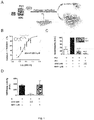
- the inhibitor with the best activity and pharmacologic profile was MM01, which had an IC 50 in the nanomolar range ( Figure 1B ).
- the inhibition of procaspase-1 activation was also corroborated by the decrease in the formation of p20 subunit by immunoblotting ( Figure 1C ).
- the caspase inhibitor zVAD that binds to the active site inhibits preactivated caspase-1
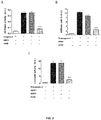
- MM01 do not act on caspase-1 ( Figure 1E ) nor other apoptotic caspases such as caspase-3 or caspase-9 ( Figure 2A and 2B ).
- the apoptosome is a similar complex that cell use to activate procaspase-9 in a cellular apoptotic context.
- Caspase-9 was activated with kosmotropic salts, in particular with Na-citrate. Briefly, 5 ⁇ M caspase-9 was pre-activated for 20 min in SC buffer (50 mM Na2HPO4, 150 mM NaCl, 1.5% sucrose, 0.05% CHAPS, 10 mM DTT, 0.7 M Na-citrate, pH 7.4) at RT. Once pre-activated, the complete reaction was diluted to 100 nM caspase-9 in assay buffer without Na-Citrate and incubated 20 min at RT in the presence or absence of compounds. Enzyme activity was monitored by adding the Ac-LEHD-afc substrate (40 ⁇ M) using a Victor 2 spectrofluorimeter.
- Apoptosome was reconstituted by incubating rApaf-1 (100 nM) with vehicle (DMSO) or compounds in assay buffer (20 mM HEPES, 10 mMKCI, 1.5 mM MgCI2, 1 mM EDTA, 1 mM EGTA, 1 mM DTT, 0.1 mM PMSF) at 30°C for 30 min. Next, 100 ⁇ M dATP and 100 nM Cytc were added and incubated for additional 40 min. Then, caspase-9 (100 nM) was added, and activity was monitored by the Ac-LEHD-afc substrate (50 ⁇ M) using a Victor 2 spectrofluorimeter.
- Example 3 MM01 inhibits inflammation signaling mediated by ASC.
- the MM01 compound was evaluated in the THP-1, or PMA-differentiated THP-1 cells (50 nM PMA for 24h) stimulated with lipopolysaccharide (LPS) plus adenosine triphosphate (ATP) to stimulate ASC-dependent inflammasomes NLRP3.
- LPS lipopolysaccharide
- ATP adenosine triphosphate
- 1x10 6 cells were seeded in 6-well plates in 1 mL RPMI media that contained 1% FBS. Cells were either mock-treated or primed with compounds at the indicated concentrations for 30 min, followed by treatment with 100 ng/mL LPS (Sigma) and 2.5 mM ATP (Sigma) for 6 h at 37°C.
- nigericin stimulation cells were primed with LPS for 3h, and then 10 ⁇ M nigericin (Sigma) was added for 30 min. Supernatants were harvested and clarified by centrifugation at 1500 rpm at RT, and a cytokine analysis was performed. Both IL-1 ⁇ secretion and the release of IL-18were monitored by an ELISA assay (BD OptEIATM Human IL-1 ⁇ ELISA Kit and Human IL-18 Module Set eBioscience) following the manufacturer's instructions.
- ELISA assay BD OptEIATM Human IL-1 ⁇ ELISA Kit and Human IL-18 Module Set eBioscience
- LDH lactate dehydrogenase
- the supernatants of the treated cells were precipitated by the chloroform-methanol method. Pellets were obtained by lysing cells in 25 mM of Tris-HCI pH 7.4, 1 mM EDTA, 1 mM EGTA and 1% SDS, plus protease and phosphatase inhibitors. The protein concentration was determined by the BCA protein assay. Samples were separated in a 14% SDS-PAGE gel, transferred to a nitrocellulose membrane and blocked with 5% skimmed milk for 1 h.
- ⁇ -casp1 (1:1000; Cell Signaling 2225), ⁇ -IL-1 ⁇ (1:1000; Acris R1130P), ⁇ -NLRP3 (1:1000; Cell Signaling 15101), ⁇ -tubulin (1:3000; Abcam ab6160) at 4°C.
- Membranes were washed and probed with the appropriate secondary antibody conjugated with peroxidase for enhanced chemiluminescence detection (Amersham Pharmacia Biotech).
- Example 4 MM01 inhibits inflamamsome activation in murine and human peritoneal macrophages.
- NLRP3 inhibition in peritoneal murine macrophages was evaluated at three different MM01 concentrations.
- a significant inhibition of IL-1 ⁇ and subsequently IL-6 release were detected at 5 and 10 ⁇ M of MM01 ( Figure 5A and 5B )
- this was not correlated with a significant reduction of TNF- ⁇ release ( Figure 5C ) indicating that MM01 action is specific of inflammasome signaling.
- the release of LDH was also decreased ( Figure 5D ) as observed in previous cellular models, confirming again that pyroptosis can be blocked by the MM01 treatment.
- mice (BALB/c) were euthanized, and 5 ml of cold medium was injected (20G needle) into the peritoneal region.
- the aspirated fluid from peritoneum was centrifuged for 10 min at 400 ⁇ g and the cell pellet resuspended in DMEM/F12-10 (1 ml).
- 40000 cells/well were plated in 24-well plates. Cells were allowed to adhere to the plate by culturing them 2 h at 37°C and then, non-adherent cells were removed by gently washing three times with warm PBS.
- Macrophages were primed for 4 h with 100 ng/ml pure LPS (Alexis Biochemicals Corporation), in serum-free IMDM medium followed by 30 min with 5 mM ATP.
- Supernatants were harvested and clarified by centrifugation at 1500 rpm at RT and cytokine, and caspase-1 activation analysis was performed as previously described in Example 3.
- PBMCs Human peripheral blood mononuclear cells
- PBMCs are lymphocytes and monocytes.
- PBMCs were separated from the whole blood by a density gradient centrifugation method using Ficoll Histopaque. Purified PBMCs were plated in 24-well plates at 5000000 cells/well in free-serum RPMI medium. Cells were primed for 3 h with 10 ng/ml pure LPS followed by 4 h with compounds and 5 mM ATP. Supernatants were harvested and clarified by centrifugation at 1500 rpm at RT and cytokine and caspase-1 activation analysis was performed as previously described.
- Example 5 MM01 spectrum of inflammasome inhibition.
- NLRP3, NLRP1 and AIM2 inflammasomes require ASC protein to be functional as it functions as an adaptor protein to connect the sensor protein and caspase-1.
- the sensor protein In the case of NLRC4 inflammasome, the sensor protein has its own CARD domain and ASC participates in the amplification of the signal.
- THP-1 cells with LPS and MDP has been previously demonstrated to activate human NLRP1 inflammasome.
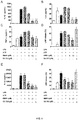
- Pretreatment of cells with MM01 avoided procaspase-1 activation, IL-1 ⁇ and IL-18 release and protected cells from pyroptotic cell death ( Figure 6A and 6B ).
- NLRC4 inflammasome was first identified because murine macrophages lacking NLRC4 failed to activate caspase-1 after exposure to Salmonella typhimurium.
- the CARD domain of NLRC4 can interact with the CARD domain of PC1, allowing NLRC4 to directly activate the protease.
- Example 6 MM01 inhibits ASC oligomerization.
- Oligomerization of ASC can be visualized in immunofluorescent microscopy as specks.
- a 30 % of LPS-primed THP-1 cells expressing GFP fused to ASC and treated with nigericin had ASC specks ( Figure 7A and 7B ).
- speck formation was not inhibited by VX-765 since caspase activation occurs downstream of inflammasome assembly.
- MM01 inhibited ASC speck formation ( Figure 7A and 7B ).
- pellets from the LPS plus nigericin-treated cells were chemically crosslinked and ASC oligomers isolated from control cells, stimulated and compound-treated cells.
- THP1-ASC-GFP cells were seeded at 1 ⁇ 10 6 /ml the day prior to use in experiments on 35 mm glass-bottom culture dishes. The following day medium was replaced containing the indicated inhibitors or vehicle for 30 min. Cells were then primed with 100 ng/ml LPS for 3h and stimulated with 10 ⁇ M nigericin for 30 min. Samples were fixed in 4% paraformaldehyde (PFA) for 10 min at RT and washed several times. Coverslips were prepared in mounting medium plus DAPI and analyzed in a Leica SP8 confocal microscope.
- PFA paraformaldehyde
- PMA-differentiated THP-1 cells were seeded at 1x10 6 cells/ml in 6-well plates. Cells were treated with compounds for 30 min, primed with 100 ng/ml LPS for 3h and then stimulated with 10 ⁇ M nigericin for 30 min. The supernatants were removed, cells were rinsed in ice-cold PBS and lysed in NP-40 buffer (20 mM HEPES-KOH pH 7.5, 150 mM KCL, 1% NP-40 plus protease inhibitors). Lysates were centrifuged at 330 ⁇ g for 10 min at 4 °C.
- the pellets were washed and resuspended in PBS plus 2 mM disuccinimidyl suberate (DSS) and incubated at RT for 30 min with rotation. Samples were then centrifuged at 330 ⁇ g for 10 min at 4 °C. The supernatant was removed, and the cross-linked pellets were resuspended in sample buffer, boiled and analyzed by immunoblotting.
- DSS disuccinimidyl suberate
- Example 7 MM01 inhibits NLRP3 activation in vivo.
- MSU Mono-sodium urate
- NLRP3 Upon activation, NLRP3 induces the formation of inflammasome complex, which lead to the production and release of mature IL-1 ⁇ .
- the number of infiltrating neutrophils correlates with the production of mature IL-1 ⁇ .
- MM01 was injected intraperitoneal 30 min before MSU crystals i.p. injection. MM01 treatment in vivo efficiently suppressed MSU injection-induced IL-1 ⁇ production and neutrophil recruitment ( Figure 8 ).
- mice were injected i.p. with 10 mg/kg MM01 or vehicle 30 min before i.p. injection of MSU (2 mg MSU crystals in 200 ⁇ l sterile PBS). After 6 h, mice were sacrificed, and peritoneal lavage with 5 ml of PBS was performed. Cytokine IL-1 ⁇ secretion was determined by ELISA (#DY401 R&D Systems) and neutrophil content measured in ACVLAB Laboratorio Valencia.
- MM01 exerts an inhibitory effect on PC1 activation in vitro , cell-based assays and in a peritonitis induced mouse model.
- a new point of intervention has been identified, protein-protein interaction between PC1 and ASC is defined as a new challenging surface to modulate.
- This inhibitor is predicted to act on an allosteric site of PC1 that impedes recruitment to the ASC filament, avoiding ASC specks and activation. Modulation at this level causes efficient inhibition of caspase-1 and cytokine release. Processing of other caspases should be analyzed in order to investigate how ASC oligomers can be contributing to activate other inflammatory caspases.
- MM01 is also able to significantly reduce the release of LDH caused by inflammasome activation in THP-1 cells.
- Compound VX-765 is the most effective inhibitor of caspase-1 of the state of the art as it acts on the catalytic site of the enzyme ( Stack JH et al. J Immunol. 2005 August 15;175 (4): 2630-2634 ), but does not decrease pyroptosis in THP-1 cells.
- MM01 is able to inhibit pyroptosis and enhance cell recovery. This result supports the hypothesis that targeting ASC-mediated PC1 activation is an advantage for cell protection over active caspase-1 inhibition.
Landscapes
- Health & Medical Sciences (AREA)
- General Health & Medical Sciences (AREA)
- Pharmacology & Pharmacy (AREA)
- Chemical & Material Sciences (AREA)
- Public Health (AREA)
- Veterinary Medicine (AREA)
- Medicinal Chemistry (AREA)
- Animal Behavior & Ethology (AREA)
- Life Sciences & Earth Sciences (AREA)
- Nuclear Medicine, Radiotherapy & Molecular Imaging (AREA)
- Chemical Kinetics & Catalysis (AREA)
- Organic Chemistry (AREA)
- General Chemical & Material Sciences (AREA)
- Bioinformatics & Cheminformatics (AREA)
- Epidemiology (AREA)
- Engineering & Computer Science (AREA)
- Biomedical Technology (AREA)
- Communicable Diseases (AREA)
- Neurology (AREA)
- Neurosurgery (AREA)
- Pain & Pain Management (AREA)
- Rheumatology (AREA)
- Oncology (AREA)
- Immunology (AREA)
- Pharmaceuticals Containing Other Organic And Inorganic Compounds (AREA)
Abstract
The present invention relates to inhibitors of inflammasome of formula (I) and pharmaceutical compositions comprising thereof for use in the treatment of inflammasome-related diseases. These inhibitors disrupt ASC oligomerization and are active in different cellular models of inflammation. Moreover, the compounds inhibit neutrophil infiltration and pro- inflammatory cytokines accumulation in peritonitis in vivo model.
Description
- The invention relates to inhibitors of inflammasome and the use thereof for the treatment of inflammasome-related diseases. Therefore, the present invention belongs to the field of medicine.
- Inflammasomes are macromolecular complexes from the innate immune system responsible for the maturation and release of pro-inflammatory cytokines. They are formed by a NLR (nucleotide-binding oligomerization domain (NOD) leucine-rich repeat containing receptor) sensor protein, the adaptor protein ASC (the apoptosis-associated speck-like protein containing a caspase activation and recruitment domain (CARD)) and the protease procaspase-1 (PC1) (Martinon F et al. Mol Cell. 2002 Aug;10(2):417-26). Different NLRs recognize specific conserved microbial structures called pathogen-associated molecular patterns (PAMPs) or danger-associated molecular patterns (DAMPs). After recognition, NLRs oligomerize promoting the assembly of ASC, which then binds and activates caspase-1 (C1). The activation of caspase-1 results in the cleavage and secretion of pro-inflammatory cytokines such as IL-1β and IL-18. Caspase-1 also cleaves GSDMD (gasdermin D) which in turn, forms pores in the plasma membrane triggering pyroptotic cell death (Shi J et al. Nature. 2015 Oct 29;526(7575):660-5). ASC interacts through the pyrin domain (PYD) with sensors, and through the CARD with PC1. The formation of ASC oligomers generates a multitude of caspase-1 interaction sites leading to the amplification of the pro-inflammatory signaling (Dick MS et al. Nat Commun. 2016 Jun 22;7:11929). The formation of this ASC- procaspase-1 complexes leads to the proximity-induced activation of PC1. According to the structure of the NLR involved, several types of inflammasomes have been described to date. NLRP1, NLRP3, NLRC4, and AIM2 inflammasomes are the most studied and their ASC dependence is variable. While In the case of NLRP3, and AIM2 the presence of ASC is a requisite for PC1 activation. In the case of CARD containing sensors such as NLRP1 and NLRC4, ASC is not required for initial activation but clearly enhances pro-inflammatory signaling.
- The inflammatory signaling engaged by the activation of the inflammasome is a rapid response of the innate immune system to ensure removal of detrimental stimuli and repair damaged tissue. In this sense, inflammasome activation avoids the spread of infections or development of tumors and is necessary in the development of an adaptive immune response (Lamkanfi M and Dixit VM. Annu Rev Cell Dev Biol. 2012;28:137-61). However, inflammasome dysregulation has been implicated in the pathophysiology of several diseases such as Alzheimer's, diabetes or cancer and also leads to many inflammatory and autoimmune disorders including gout, silicosis, rheumatoid arthritis and genetically-inherited periodic fever syndromes (Guo H et al. Nat Med. 2015 Jul; 21(7): 677-687).
- With the aim to avoid the consequences of pathological inflammasome activation several strategies have been explored such as targeting the NLRs, caspase-1 direct inhibitors or the antibody blockage of IL-1β or its receptor. Several NLRs inhibitors have been described in the literature. Parthenolide and BAY 11-7082 are broad-spectrum inhibitors with anti-inflammatory activity against multiple targets. MCC950 is the most potent and specific NLRP3 inhibitor that showed efficacy in NLRP3-dependent mouse models although the molecular mechanism of action remains unclear (Coll RC et al. Nat Med. 2015 Mar;21(3):248-55). Recently, a new specific NLRP3 inhibitor, CY-09, was developed. It specifically blocks NLRP3 activation by binding to the ATP-binding motif and showed therapeutic effect on mouse model of cryopirin-associated autoinflammatory syndrome (CAPS) and type 2 diabetes (Jiang H et al. J Exp Med. 2017 Nov 6;214(11):3219-3238). NLRP3 specific inhibitors are of high interest for the treatment of those diseases depending on the activation of this particular inflammasome. However, new approaches are needed to afford multifactorial disorders that with frequency are dependent on the activation of other or more than one inflammasome. This is the case, for example, in the regulation of commensal microbiota where a role of multiple inflammasomes has been described in inflammatory bowel disease. The three NLR proteins (NLRP3, NLRP6 and NLRC4) that have an effect on colitis also influence the incidence of tumor formation (Masters SL. Clin Immunol. 2013 Jun;147(3):223-8). It is also known that there are at least two inflammasomes that can impair metabolism and inflammation to contribute to pathology in type 2 diabetes and other metabolic disorders (Henao-Mejia J et al. Nature. 2012 Feb 9; 482(7384): 179-185). Finally, few years ago two groups described gain-of-function mutations in NLRC4 as the cause of a syndrome of infantile enterocolitis and recurrent Macrophage Activation Syndrome (Canna SW et al. Nat Genet. 2014 Oct;46(10):1140-6; Romberg N et al. Nat Genet. 2014 Oct; 46(10): 1135-1139).
- The efforts to block the enzymatic activity of active caspase-1 have failed until now. VX-765 was identified as a small molecule inhibitor of the catalytic site of caspase-1 but clinical trials were discontinued by the lack of effectiveness (Moll M and Kuemmerle-Deschner JB. Clin Immunol. 2013 Jun;147(3):242-75). Similar approaches have been done with pro-apoptotic caspases where the lack of clinical positive outcomes for direct caspase inhibitors has been attributed to the high processivity of these proteases which makes difficult to stop the signaling cascade once is initiated. Alternative strategies, that recently reached clinical trials, are focused in avoiding the activation of caspases. These approximations improve cell death protection and have open new expectations in the apoptosis field (Orzaez M et al. PLoS One. 2014 Oct 20;9(10):e110979).
- The only clinical approved treatment for inflammasome-related diseases are the biological agents that target IL-1β, including Anakinra, a recombinant IL-1 receptor antagonist (Granowitz EV et al. Cytokine. 1992 Sep;4(5):353-60), Canakinumab, a neutralizing IL-1β antibody (Rondeau JM et al. MAbs. 2015;7(6):1151-60), and Rilonacept, a soluble decoy IL-1 receptor (Hoffman HM et al. Arthritis Rheum. 2008 Aug;58(8):2443-52). Although effective, the high cost and the side effects reported make the development of new molecules an important challenge for the pharmacological industry. Moreover, they do not address all the consequences of inflammasome activation (such as pyroptotic cell death or IL-18 release).
- The present invention proposes new inhibitors of inflammasome based on ASC-PC1 protein-protein interaction as a new point of intervention for modulating inflammasome, down enough in the pathway to avoid side-effects but also upstream enough to stop signaling and pyroptotic cell death.
- The inventors of the present invention have identified a group of compounds as new modulators of the inflammasome that targets ASC-mediated PC1 activation. They have demonstrated that said compounds disrupt ASC oligomerization and are active in different cellular models of inflammation. Moreover, the compounds inhibit neutrophil infiltration and pro- inflammatory cytokines accumulation in peritonitis in vivo model.
- Thus, the main objective of the present invention is to provide compounds for use in method of inhibiting inflammasome in a subject suffering from inflammasome-related diseases based on the discovery of new inflammasome inhibitors.
- Then, a first aspect of the present invention relates to a compound of formula (I)

- a pharmaceutically acceptable salt, isomers or a solvate thereof, wherein
- R1 is selected form the list comprising: H, optionally substituted (C1-C4) alkyl and optionally substituted (C1-C4) alkenyl,
- R2 is H or halogen,
- R3 is an optionally substituted (C1-C4) alkyl or optionally substituted (C1-C4) alkenyl, for use as inflammasome inhibitor.
- Preferably, the inhibition takes place in a subject suffering from a inflammasome-related disease. Then, in a preferred embodiment the present invention relates to a compound of formula (I) as described above in the treatment and/or prevention of inflammasome-related diseases.
- In a preferred embodiment of the invention, R1 is H.
- In another preferred embodiment of the invention, R2 is H.
- In another preferred embodiment of the invention, R3 is an optionally substituted (C1-C4) alkenyl group. More preferably, R3 is an optionally substituted C3 alkenyl group.
- In another preferred embodiment of the invention, R3 is an optionally substituted (C1-C4) alkyl group.
In another preferred embodiment of the invention, R3 is an optionally substituted (C1-C2) alkyl group. - If any of the alkyl groups cited above is substituted, it is preferably substituted by a - O(C1-C3)alkyl group, by a heterocycle or by a carboxilic acid; it is more preferably substituted by a -O(C1-C3)alkyl group or by a heterocycle and even more preferably by a -OCH3 or by a furanyl.
- In another preferred embodiment of the invention, the compound if formula (I) is selected from the next ones:

- The term "C1-C4 alkyl group" in the present invention refers to linear or branched saturated hydrocarbon chain that have 1 to 4 carbon atoms, for example, methyl, ethyl, n-propyl, i-propyl, n-butyl, sec-butyl, tert-butyl. The C1-C4 alkyl groups may be optionally substituted by one or more halogen, hydroxyl, alkoxyl, carbonyl, cyano, acyl, alkoxycarbonyl, amino, nitro, mercapto, alkylthio, heterocycle, carboxylic acid or combinations of these substituents; preferably the substituent is alkoxyl (-O(C1-C3)alkyl group) or a heterocycle, such as furane, or a carboxylic acid.
- The term "C1-C4 alkenyl group" in the present invention refers to linear or branched hydrocarbon chain that have 1 to 4 carbon atoms containing at least one double bond, for example, 1-propenyl, 2-propenyl, 1-butenyl, 2-butenyl, 3-butenyl, 1,3-butadienyl. Such alkenyl moieties may exist in the E or Z configurations; the compounds of this invention include both configurations.
- The term "halogen" refers to fluoride, chloride, bromide or iodine.
- The term "heterocycle" as used herein, refers to a 3 to 10 membered ring, which can be aromatic or non-aromatic, saturated or unsaturated, containing at least one heteroatom selected form oxygen, nitrogen, sulfur, or combinations of at least two thereof, interrupting the carbocyclic ring structure. In the present invention, the heterocycle preferably contains oxygen.
- The term "treatment or prevention" as used herein, unless otherwise indicated, relates to reversing, alleviating and inhibiting the progress of, or preventing the disorder or condition to which it applies in such terms, one or more symptoms of such disorder or condition.
- Inflammasome-related diseases refers to a group of diseases in which the inflammasome plays a critical role in the initiation and progress of these diseases. The IL-Iβ and IL-18 induced by the inflammasome play a key role to prime the inflammatory response, since they induce the production of many major inflammatory cytokines (TNFa, IL-6, ...), and to activate various cell types involved in the inflammation (such as macrophages, platelets or neutrophils).
- The inflammasome-related diseases include, but are not limited to monogenic inflammasomopathies; infectious and inflammatory diseases, neurodegenerative pathologies and autoimmune diseases.
- The monogenic inflammasomopathies are preferably selected from the list comprising: Cryopyrin-Associated Periodic Syndromes (CAPS), Familial Mediterranean Fever (FMF), Schnitzler Syndrome, Hyper-lgD Syndrome (HIDS), PAPA Syndrome and Deficiency of IL-1 Receptor Antagonist (DIRA).
- The infectious diseases are preferably selected from the list comprising: Zika, HIV, and West Nile virus, and bacterial infections that induce meningitis.
- The autoimmune diseases are preferably selected from the list comprising: lupus erythematosus , topic and contact dermatitis and vitiligo.
- The inflammatory diseases are preferably selected from the list comprising: acne, hidradenitis suppurative, psoriasis antinflammatory bowel disease (IBD) such asCrohn's disease (CD), ulcerative colitis (UC) and dysbiosis.
- The neurodegenerative pathologies are preferably selected from the list comprising: multiple sclerosis, amyotrophic lateral sclerosis, prion diseases, Parkinson's disease, and Alzheimer's disease, cancer, peritonitis, gout, diabetes and rheumatoid arthritis, atherosclerosis, chronic obstructive pulmonary disease (COPD), hypertension, asthma, allergies, ischemic stroke, ischemia-reperfusion injury and alopecia areata..
- In a more preferred embodiment, the inflammasome-related diseases are selected form Cryopyrin-Associated Periodic Syndromes (CAPS), Familial Mediterranean Fever (FMF), Zika, HIV, acne, psoriasis, vitiligo, inflammatory bowel disease (IBD), Crohn's disease (CD), Parkinson's disease, Alzheimer's disease, cancer, peritonitis, gout, diabetes, rheumatoid arthritis, atherosclerosis and chronic obstructive pulmonary disease (COPD).
- The compounds of formula (I) may include isomers, depending on the presence of multiple bonds (for example Z, E). Both isomers Z and E are included within the formula (I).
- Unless otherwise stated, the compounds of formula (I) are intended to include compounds that differ only in the presence of one or more isotopically enriched atoms. For example, compounds having the present structures except for the substitution of a hydrogen atom for a deuterium atom or a tritium atom, or the substitution of a carbon atom for a carbon atom enriched in 13C or 14C or a nitrogen atom enriched in 15N fall within the scope of this invention.
- It must be understood that compounds of formula (I) encompasses all the isomers of said compounds, i.e. all the geometric, tautomeric and optical forms, and their mixtures (for example, racemic mixtures). When there are more chiral centres in the compounds of formula (I), the present invention includes, within its scope, all the possible diastereomers, including their mixtures. The different isomeric forms may be separated or resolved therebetween using conventional methods or any given isomer can be obtained using conventional synthetic methods or by means of stereospecific, stereoselective or asymmetric synthesis.
- The term "pharmaceutically acceptable salts or solvates thereof" relates to salts or solvates which, on being administered to the recipient, are capable of providing a compound such as that described herein. The preparation of salts and derivatives can be carried out by methods known in the state of the art. Preferably, "pharmaceutically acceptable" relates to molecular entities and compositions that are physiologically tolerable and do not typically produce an allergic reaction or a similar unfavourable reaction, such as gastric upset, dizziness and similar side effects, when administered to a human. Preferably, the term "pharmaceutically acceptable" means approved by a regulatory agency of a federal or state government or collected in the US Pharmacopoeia or other generally recognised pharmacopeia for use in animals and, more particularly, in humans.
- The compounds of formula (I) may be in crystalline form, either as free compounds or as solvates (e.g.: hydrates), and it is understood that both forms fall within the scope of the present invention. Solvation methods are generally known in the state of the art. Suitable solvates are pharmaceutically acceptable solvates. In a particular embodiment, the solvate is a hydrate.
- In a second aspect, the present invention relates to a pharmaceutical composition comprising the compound of formula (I), as described above, a pharmaceutically acceptable salt, isomers or a solvate thereof, for use in the treatment and/or prevention of inflammasome-related diseases.
- The pharmaceutical composition preferably includes at least one excipient, adjuvant and/or a pharmaceutically acceptable carrier.
- The term "carrier" relates to a dilute, adjuvant or excipient with which the main ingredient is administered. Such pharmaceutical carriers may be sterile liquids, such as water and oils, including those derived from oil, animal, vegetable or synthetic, such as peanut oil, soybean oil, mineral oil, sesame seed oil and similar. Water or aqueous saline solutions and aqueous dextrose and glycerol solutions are preferably used as carriers, particularly for injectable solutions. Preferably, the carriers of the invention are approved by the regulatory agency of a state government or a federal government, or are enumerated in the United States Pharmacopoeia, in the European Pharmacopoeia or other pharmacopoeia recognised in general for use in animals and, more particularly, in humans.
- The pharmaceutical composition comprises a therapeutically effective amount of the compound of formula (I), the pharmaceutically acceptable isomers, salts or solvates thereof that must be administered (also referred to herein as therapeutically amount effective thereof).
- The therapeutically amount effective of the compound of formula (I), in addition to their dosage for treating a pathological condition with said compound, will depend on a number of factors, including age, the condition of the patient, the severity of the disease, administration route and frequency, the modular compound to be used, etc.
- The pharmaceutical compositions of this invention can be used on their own or jointly with other drugs to provide combined therapy. The other drugs can form part of the same pharmaceutical composition or be provided as a separate pharmaceutical composition, to be administered simultaneously or at different intervals. Examples of pharmaceutical compositions include any solid composition (tablets, pills, capsules, granules, etc.) or liquid composition (solutions, suspensions or emulsions) for oral, topical or parenteral administration.
- A further aspect of the present invention relates to the use a compound of formula (I) as defined above (including its preferred embodiments), a pharmaceutically acceptable salt or a solvate thereof, as inflammasome inhibitors. More preferably, as inflammasome inhibitors as biotechnology tool for the study of the implication of the inflammasome in biological processes.
- In summary, the present invention disclosed new compounds as inflammasome inhibitors that inhibit all the ASC-dependent inflammasomes. This represents an advantage particularly in the case of diseases in which the activation of more than one inflammasome is involved. The point of intervention (ASC-PC1 protein-protein interactions) represents an advantage in terms of cell death inhibition compared with direct caspase-1 inhibitors.
- Unless otherwise defined, all technical and scientific terms used herein have the same meaning as commonly understood by one of ordinary skilled in the art to which this invention belongs. Methods and materials similar or equivalent to those described herein can be used in the practice of the present invention. Throughout the description and claims the word "comprise" and its variations are not intended to exclude other technical features, additives, components, or steps. Additional objects, advantages and features of the invention will become apparent to those skilled in the art upon examination of the description or may be learned by practice of the invention. The following examples, drawings are provided by way of illustration and are not intended to be limiting of the present invention.
-
-
Fig. 1 . High throughput screen identifies MM01 as an inhibitor of ASC-mediated PC1 activation. A. Schematic representation of the screening assay. B. Chemical structure and dose-response curve of compound MM01 (0.04, 0.08, 0.16, 0.32, 0.65, 1.25, 2.5, 5, 10, 20 and 40 µM) in the in vitro ASC-mediated PC1 activation assay. Data represent the mean ± SD of three independent experiments. C. Immunoblotting of PC1 processing upon MM01 treatment. An inhibitor of caspase catalytic site (zVAD) was used as control. Bands corresponding to three experiments were quantified and plotted. D. Recombinant caspase-1 activity was monitored in the presence of MM01 in order to exclude compounds affecting active caspase-1. Data represent the mean ± SD of three independent experiments. -
Fig. 2 . MM01 inhibits inflammatory PC1 but not apoptotic caspases in vitro. A. Recombinant caspase-3 activity was measured in the presence of zVAD (20 nM) and MM01 (5 µM). B. Recombinant caspase-9 activity was measured in the presence of zVAD (20 nM) and MM01 (5 µM). C. Apoptosome activity was monitored after reconstitution in vitro in the presence of zVAD (20 nM) and MM01 (5 µM). -
Fig. 3 . MM01 inhibits NLRP3 activation mediated by LPS and ATP stimulation in THP-1 cells. IL-1β (A) and IL-18 (B) secretion were evaluated by the ELISA technique upon activation of the NLRP3 inflammasome with LPS (100 ng/ml) and ATP (2.5 mM). Cells were treated with MM01 at 1, 2.5 or 5 µM, and with VX-765 at 5 µM. C. THP-1 cells were stimulated as described above, and supernatants (SN) and pellets were analyzed by immunoblotting; IL-1β and cleaved caspase-1 were detected. D. Measurement of the release of LDH into the extracellular medium under the above-described conditions. Asterisks represent significant differences to the stimulated control (LPS/ATP), as determined by a one-way ANOVA test with Tukey's multiple post-test comparisons **p<0.05; ***p<0.001. All the data are expressed as the mean ± SD of three experiments. -
Fig. 4 . MM01 inhibits NLRP3 activation mediated by LPS and nigericin stimulation in PMA-differentiated THP-1 cells. IL-1β (A) and IL-18 (B) secretion were evaluated by the ELISA technique upon activation of the NLRP3 inflammasome with LPS (100 ng/ml) and nigericin (10 µM). Cells were treated with MM01 at 10 µM, and with VX-765 at 5 µM. C. THP-1 cells were stimulated as described above, and supernatants (SN) and pellets were analyzed by immunoblotting; IL-1β and cleaved caspase-1 were detected. D. Measurement of the release of LDH into the extracellular medium under the above-described conditions. Asterisks represent significant differences to the stimulated control (LPS/Nigericin), as determined by a one-way ANOVA test with Tukey's multiple post-test comparisons **p<0.05; ***p<0.001. All the data are expressed as the mean ± SD of three experiments. -
Fig. 5 . MM01 inhibits LPS/ATP stimulation of murine peritoneal macrophages and isolated human PBMCs. IL-1β (A), IL-18 (B) and TNF-α (C) secretion was evaluated by the ELISA technique upon activation of the NLRP3 inflammasome with LPS (100 ng/ml) and ATP (2.5 mM) and treated or not with MM01 at 1, 5 or 10 µM, and with VX-765 at 5 µM in isolated peritoneal macrophages. D. Percentage of LDH release under the above-described conditions. Asterisks represent significant differences to the stimulated control (LPS/ATP), as determined by a one-way ANOVA test with Tukey's multiple post-test comparisons **p<0.05; ***p<0.001. All the data are expressed as the mean ± SD of three experiments. IL-1β (E) and LDH (F) release was evaluated upon activation of the NLRP3 inflammasome with LPS (100 ng/ml) and ATP (2.5 mM), treated or not with MM01 at 1, 5 or 10 µM, and with VX-765 at 5 µM in human PBMCs. -
Fig. 6 . MM01 inhibits NLRP1, AIM2 and NLRC4 inflammasome activation. IL-1β (A) measured by ELISA and LDH (B) release was evaluated upon activation of the NLRP1 inflammasome with LPS (100 ng/ml) and MDP (50 µg/ml) in THP-1 cells. Cells were treated with MM01 at 1, 2.5 or 5 µM, and with VX-765 at 5 µM. MM01 inhibits AIM2 activation mediated by double-stranded DNA. IL-1β secretion (C) and LDH release (D) were analyzed upon stimulation of the AIM2 inflammasome with poly (dA:dT) (200 µg/ml) in PMA-differentiated THP-1 cells treated or not with MM01 at 10 µM, and with VX-765 at 5 µM. D. Measurement of the release of LDH into the extracellular medium under the above described conditions. MM01 inhibits NLRC4 activation mediated by Salmonella typhimurium in THP-1 cells. A. IL-1β (E) and LDH (F) secretion was evaluated upon stimulation. Cells were treated with MM01 at 10 µM, and with VX-765 at 5 µM. Asterisks represent significant differences to the stimulated control as determined by a one-way ANOVA test with Tukey's multiple post-test comparisons **p<0.05; ***p<0.001. All the data are expressed as the mean ± SD of three experiments. -
Fig. 7 . MM01 inhibits ASC oligomerization. A. Live-cell imaging of THP-1 ASC GFP cells treated with MM01 (10 µM) or VX-765 (5 µM) and stimulated with LPS (100 ng/mL) and nigericin (10 µM). B. Percentage of ASC specks at 10 different images taken for each condition in three independent experiments. C. Western blot of crosslinked cytosolic pellets from PMA-differentiated THP-1 ASC GFP cells stimulated with LPS and nigericin and treated with MM01 and VX-765 at the above-described conditions. -
Fig. 8 . MM01 inhibits NLRP3 activation in MSU-induced peritonitis. A. ELISA of IL-1β in the peritoneal cavity of C57BL/6 mice intraperitoneally injected with MSU crystals (2 mg/mouse) with or without MM01 (10 mg/kg) or VX-765 (10 mg/kg) treatment. Data are representative of two independent experiments (mean and SD of n=12). B. Neutrophil numbers in the peritoneal cavity of C57BL/6 mice treated in the above-described conditions. Asterisks represent significant differences to the MSU treated control as determined by a one-way ANOVA test with Tukey's multiple post-test comparisons **p<0.05. - In order to illustrate the present invention, the inventors provide some examples to show the effect and use of the compounds within the scope of formula (I).
- The compounds within the formula (I) that has been tested are: MMO1, 2, 3 y 4. Compounds MMO1, 2, 3 y 4, represented in Table 1 below, were acquired in Sigma Aldrich.
- The materials and methods employed in these experiments are now described.
- Human His-tagged PC1 was cloned from pET21b-PC1 (Addgene, #11809) in the pFastBac vector for Baculovirus expression (Gibco). The expression plasmid was transformed into DH10Bac E. coli cells (Gibco). Recombinant bacmids were purified and used to transfect Sf9 insect cells (American Type Culture Collection, ATCC). The virus stock was amplified and used to infect suspension cultures. Briefly, Sf9 cells were grown in 2 L of Grace's Insect Medium (Gibco) and infected at 1.5x10⁶cells/mL with a recombinant virus that contained His-tagged PC1 at a multiplicity of infection of 1 (MOI 1). Then they were cultured for 16 h at 27°C with constant gentle agitation to express the protein. Cells were centrifuged at 1000 g for 10 min at 4°C and washed with PBS. The pellet was lysed with buffer lysis (100 mM HEPES-KOH pH 7.5, 50 mM KCI, 7.5 mM MgCl2, 5 mM NaEDTA, 5 mM NaEGTA and proteases inhibitors: Pepstatin, Leupeptin, and PMSF) using a Douncer and clarified by centrifugation (10000 g, 1 h at 4°C). The resulting supernatant that contained the recombinant protein was purified in a Ni-NTA (Ni2-nitrilotriacetate)-agarose column. After elution, PC1 was further purified by ion-exchange chromatography (Mono Q) in 20 mM of HEPES-KOH pH 7.5, 10 mM KCI, 1.5 mM MgCI2, 1 mM EDTA, 1 mM EGTA.

- ASC was previously cloned in the pET28a vector (Novagen) for its expression in E. coli cells. Briefly, 8 L of LB medium, plus antibiotics chloramphenicol and kanamycin, were inoculated with an overnight culture of freshly transformed His tagged-ASC-pET28a-BL21 (DE3) pLys E. coli cells and grown at 37°C until OD 0.7. The ASC expression was induced with 0.7 mM IPTG at 28°C for 4 h. Cells were harvested (15 min, 6000 rpm at 4°C), lysed in 300 mL of Buffer A (50 mM NaH2PO4, 300 mM NaCl, pH 8.0) and sonicated. After centrifugation at 11000 rpm for 1 h at 4°C, ASC was present in the inclusion bodies (pellet). Pellets were then resuspended in 100 mL of denaturing Buffer B (50 mM NaH2PO4, 300 mM NaCl, 8 M urea, pH 8.0) and resonicated. Under these conditions, the His tagged-ASC protein was solubilized and purified using TALON resin. Re-folding was performed in the TALON resin at a gradient of decreasing urea concentrations, and the protein was finally eluted in 15 mL of Buffer C (50 mM NaH2PO4 pH 8.0, 300 mM NaCl, 500 mM imidazole). Desalting was performed in a PD-10 desalting column, and the protein was finally concentrated in a 10 K Amicon concentrator unit.
- Recombinant PC1 (50 nM) was preincubated with the indicated concentrations of compounds for 20 min at RT in Assay Buffer (20 mM HEPES pH 7.5, 10 mM KCI, 1.5 mM MgCl2, 1mM EDTA, 1 mM EGTA, 1 mM DTT). Then 300 nM of ASC were added and incubated for another 10 min period. Caspase-1 activation was measured using fluorogenic substrate Ac-WEHD-AFC (80 µM; Enzo Life Sciences) by continuously monitoring the release of the AFC (7-Amino-4-trifluoromethylcoumarin) product in a Wallac Victor workstation. The compounds were initially tested at 20 µM with 1% of DMSO. Data are reported as the percentage of inhibition compared with the absence of the compound.
- Recombinant caspase-1 (50 nM) was incubated with the indicated concentrations of compounds for 20 min at RT in Assay Buffer. Then fluorogenic substrate Ac-WEHD-AFC (80 µM) was added, and activity was monitored in a Wallac Victor workstation. Data are reported as the percentage of inhibition compared with the absence of the inhibitor.
- IC50 values, percentage of C1 inhibition, and drug-likeness measured by OSIRIS Property Explorer are shown in the following table (Table 1):
Table 1: Compound IC50(µm) %INH C1 OSIRIS 
0.5±0.1 17.0±15.0 0.84 
0.3±0.1 12.0±12.0 0.42 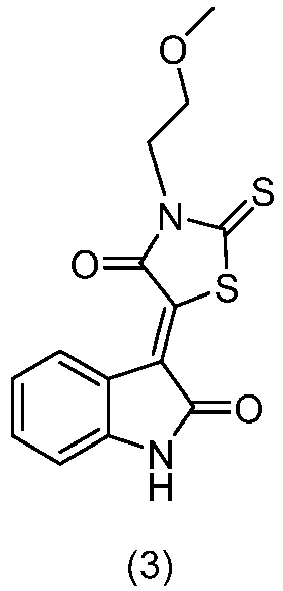
0,4±0,2 14±13 0.79 
1.5±0.8 2.0±4.0 0.77 - The inhibitor with the best activity and pharmacologic profile was MM01, which had an IC50 in the nanomolar range (
Figure 1B ). The inhibition of procaspase-1 activation was also corroborated by the decrease in the formation of p20 subunit by immunoblotting (Figure 1C ). Moreover, while the caspase inhibitor zVAD that binds to the active site, inhibits preactivated caspase-1, MM01 do not act on caspase-1 (Figure 1E ) nor other apoptotic caspases such as caspase-3 or caspase-9 (Figure 2A and 2B ). The apoptosome is a similar complex that cell use to activate procaspase-9 in a cellular apoptotic context. This complex shares several structural characteristics with the inflammasome, it is a molecular platform for the activation of caspases through CARD-CARD interactions. No inhibition of the apoptosome was observed in the presence of MMO1 (Figure 2C ), suggesting a new mechanism of action specific for the complex ASC-caspase-1 interaction. Thus, MM01 inhibits specifically ASC-mediated PC-1 activation in an in vitro context. - The materials and methods employed in these experiments are now described. Dose response curve for MM01 compound was performed in the ASC-mediated PC1 reconstitution in vitro assay described in Example 1.
- Compounds were incubated with caspase-3 (2 nM) in reaction buffer (100 mM NaCl, 50 mM Hepes pH 7.4, 10 mM DTT, 1 mM EDTA, 10% glycerol, 0.1% CHAPS) for 20 min at RT. Enzyme activity was spectrophotometrically monitored by adding Ac-DEVD-pNA (200 µM) substrate.
- Caspase-9 was activated with kosmotropic salts, in particular with Na-citrate. Briefly, 5 µM caspase-9 was pre-activated for 20 min in SC buffer (50 mM Na2HPO4, 150 mM NaCl, 1.5% sucrose, 0.05% CHAPS, 10 mM DTT, 0.7 M Na-citrate, pH 7.4) at RT. Once pre-activated, the complete reaction was diluted to 100 nM caspase-9 in assay buffer without Na-Citrate and incubated 20 min at RT in the presence or absence of compounds. Enzyme activity was monitored by adding the Ac-LEHD-afc substrate (40 µM) using a Victor 2 spectrofluorimeter.
- Apoptosome was reconstituted by incubating rApaf-1 (100 nM) with vehicle (DMSO) or compounds in assay buffer (20 mM HEPES, 10 mMKCI, 1.5 mM MgCI2, 1 mM EDTA, 1 mM EGTA, 1 mM DTT, 0.1 mM PMSF) at 30°C for 30 min. Next, 100 µM dATP and 100 nM Cytc were added and incubated for additional 40 min. Then, caspase-9 (100 nM) was added, and activity was monitored by the Ac-LEHD-afc substrate (50 µM) using a Victor 2 spectrofluorimeter.
- Next the activity of these drugs in different cellular models was investigated. Activation of inflammasome induces caspase-1 activation, pro-IL-1β processing and secretion, as well as pyroptosis that is monitored by the release of lactate dehydrogenase from the cell. Then, we assayed the anti-inflammatory action of the compound in THP-1 cells upon NLRP3 inflammasome activation and compared to the specific caspase-1 inhibitor VX-765. ATP-induced NLRP3 activation was inhibited upon treatment with MM01 as evidenced by the decrease of IL-1β and IL-18 secretion (
Figure 3A and 3B ) and caspase-1 and IL-1β processing (Figure 3C ). Interestingly, while no recovery of cell viability was observed upon treatment with VX-765, treatments with MM01 significantively decreased LDH release (Figure 3D ), protecting monocytes from inflammatory cell death. In order to confirm this observation, other specific NLRP3 activating stimuli such as nigericin was also tested in PMA-differentiated human THP-1. Once again, MM01 decreased IL-1β and IL-18 secretion and also, pyroptotic cell death (Figure 4 ). This pyroptosis inhibition is extremely valuable to avoid inflammation spread. - The materials and methods employed in these experiments are now described.
- The MM01 compound was evaluated in the THP-1, or PMA-differentiated THP-1 cells (50 nM PMA for 24h) stimulated with lipopolysaccharide (LPS) plus adenosine triphosphate (ATP) to stimulate ASC-dependent inflammasomes NLRP3. Briefly, 1x10⁶ cells were seeded in 6-well plates in 1 mL RPMI media that contained 1% FBS. Cells were either mock-treated or primed with compounds at the indicated concentrations for 30 min, followed by treatment with 100 ng/mL LPS (Sigma) and 2.5 mM ATP (Sigma) for 6 h at 37°C. In the case of nigericin stimulation, cells were primed with LPS for 3h, and then 10 µM nigericin (Sigma) was added for 30 min. Supernatants were harvested and clarified by centrifugation at 1500 rpm at RT, and a cytokine analysis was performed. Both IL-1β secretion and the release of IL-18were monitored by an ELISA assay (BD OptEIA™ Human IL-1β ELISA Kit and Human IL-18 Module Set eBioscience) following the manufacturer's instructions. Cell viability was analyzed in parallel by evaluating the release of lactate dehydrogenase (LDH) according to a commercial kit (CytoTox-ONE™ Homogeneous Membrane Integrity Assay; Promega). The release of LDH was calculated using the formula: the release of LDH (%) = 100x (Abs490 treated -Abs490 untreated cells)/ Abs490 untreated cells lysed with
Triton 9% (maximum release of LDH). - The supernatants of the treated cells were precipitated by the chloroform-methanol method. Pellets were obtained by lysing cells in 25 mM of Tris-HCI pH 7.4, 1 mM EDTA, 1 mM EGTA and 1% SDS, plus protease and phosphatase inhibitors. The protein concentration was determined by the BCA protein assay. Samples were separated in a 14% SDS-PAGE gel, transferred to a nitrocellulose membrane and blocked with 5% skimmed milk for 1 h. Then the membrane was incubated overnight with primary antibodies: α-casp1 (1:1000; Cell Signaling 2225), α-IL-1β (1:1000; Acris R1130P), α-NLRP3 (1:1000; Cell Signaling 15101), α-tubulin (1:3000; Abcam ab6160) at 4°C. Membranes were washed and probed with the appropriate secondary antibody conjugated with peroxidase for enhanced chemiluminescence detection (Amersham Pharmacia Biotech).
- NLRP3 inhibition in peritoneal murine macrophages was evaluated at three different MM01 concentrations. A significant inhibition of IL-1β and subsequently IL-6 release were detected at 5 and 10 µM of MM01 (
Figure 5A and 5B ) Importantly, this was not correlated with a significant reduction of TNF-α release (Figure 5C ) indicating that MM01 action is specific of inflammasome signaling. The release of LDH was also decreased (Figure 5D ) as observed in previous cellular models, confirming again that pyroptosis can be blocked by the MM01 treatment. - These evidences were also confirmed in human PBMCs purified from two different blood donors. IL-1β and LDH release were significantly reduced in the human isolated PBMCs stimulated with LPS and ATP. Once again, VX-765 was able to inhibit cytokine release but it did not protect from inflammatory cell death (
Figure 5E and 5F ). The materials and methods employed in these experiments are now described. - Mice (BALB/c) were euthanized, and 5 ml of cold medium was injected (20G needle) into the peritoneal region. The aspirated fluid from peritoneum was centrifuged for 10 min at 400 × g and the cell pellet resuspended in DMEM/F12-10 (1 ml). 40000 cells/well were plated in 24-well plates. Cells were allowed to adhere to the plate by culturing them 2 h at 37°C and then, non-adherent cells were removed by gently washing three times with warm PBS. Macrophages were primed for 4 h with 100 ng/ml pure LPS (Alexis Biochemicals Corporation), in serum-free IMDM medium followed by 30 min with 5 mM ATP. Supernatants were harvested and clarified by centrifugation at 1500 rpm at RT and cytokine, and caspase-1 activation analysis was performed as previously described in Example 3.
- Human peripheral blood mononuclear cells (PBMCs) are lymphocytes and monocytes. PBMCs were separated from the whole blood by a density gradient centrifugation method using Ficoll Histopaque. Purified PBMCs were plated in 24-well plates at 5000000 cells/well in free-serum RPMI medium. Cells were primed for 3 h with 10 ng/ml pure LPS followed by 4 h with compounds and 5 mM ATP. Supernatants were harvested and clarified by centrifugation at 1500 rpm at RT and cytokine and caspase-1 activation analysis was performed as previously described.
- We then evaluated the activity of MM01 on other ASC-dependent and ASC- enhanced inflammasomes. NLRP3, NLRP1 and AIM2 inflammasomes require ASC protein to be functional as it functions as an adaptor protein to connect the sensor protein and caspase-1. In the case of NLRC4 inflammasome, the sensor protein has its own CARD domain and ASC participates in the amplification of the signal.
- Treatment of THP-1 cells with LPS and MDP has been previously demonstrated to activate human NLRP1 inflammasome. Pretreatment of cells with MM01 avoided procaspase-1 activation, IL-1β and IL-18 release and protected cells from pyroptotic cell death (
Figure 6A and 6B ). - The stimulation of AIM2 inflammasome, triggered by cytosolic double-stranded DNA, significantly decreased IL-1β secretion upon MM01 treatment in PMA-differentiated THP-1 cells. Despite this, we were not able to detect any cell death on the stimulated cells (
Figure 6C and 6D ). NLRC4 inflammasome was first identified because murine macrophages lacking NLRC4 failed to activate caspase-1 after exposure to Salmonella typhimurium. The CARD domain of NLRC4 can interact with the CARD domain of PC1, allowing NLRC4 to directly activate the protease. However, caspase-1 cleavage and IL-1β maturation is strongly enhanced in the presence of ASC, activated NLRC4 associates with ASC and co-localizes with the ASC-containing speck after activation by Salmonella Indeed, MM01 impaired cytokine maturation and release on Salmonella infection-induced NLRC4 and in consequence, a decrease in pyroptosis was also observed (Figure 6E and 6F ). - The materials and methods employed in these experiments are now described. The molecules were evaluated in the THP-1, or PMA-differentiated THP-1 cells (50 nM PMA for 24h) as described in Example 3. To stimulate NLRP1 inflammasome, cells were either mock-treated or primed with compounds at the indicated concentrations for 30 min, followed by treatment with 100 ng/mL LPS (Sigma) and 50 µg/ml MDP (Sigma) for 6 h at 37°C. In the case of NLRC4 inflammasome induction, cells were pretreated with the compounds for 30 min and then cells were stimulated for 3 h with Salmonella Typhimurium (MOI 5). To induce AIM2 inflammasome, cells were pretreated in the same conditions as before and transfected with poly(dA:dT) (200 µg/ml; Sigma) overnight using Lipofectamine 2000 (Invitrogen).
Both IL-1β secretion and the release of IL-18 were monitored as previously described in Example 3. - Oligomerization of ASC can be visualized in immunofluorescent microscopy as specks. A 30 % of LPS-primed THP-1 cells expressing GFP fused to ASC and treated with nigericin had ASC specks (
Figure 7A and 7B ). As expected, speck formation was not inhibited by VX-765 since caspase activation occurs downstream of inflammasome assembly. Interestingly, MM01 inhibited ASC speck formation (Figure 7A and 7B ). In order to confirm this observation, pellets from the LPS plus nigericin-treated cells were chemically crosslinked and ASC oligomers isolated from control cells, stimulated and compound-treated cells. MM01 and not VX-765, inhibited ASC oligomerization,suggesting that MM01 interferes with the protein-protein interaction interphase between ASC and procaspase-1 (Figure 7C ). - The materials and methods employed in these experiments are now described.
- THP1-ASC-GFP cells were seeded at 1×10⁶/ml the day prior to use in experiments on 35 mm glass-bottom culture dishes. The following day medium was replaced containing the indicated inhibitors or vehicle for 30 min. Cells were then primed with 100 ng/ml LPS for 3h and stimulated with 10 µM nigericin for 30 min. Samples were fixed in 4% paraformaldehyde (PFA) for 10 min at RT and washed several times. Coverslips were prepared in mounting medium plus DAPI and analyzed in a Leica SP8 confocal microscope.
- PMA-differentiated THP-1 cells were seeded at 1x10⁶ cells/ml in 6-well plates. Cells were treated with compounds for 30 min, primed with 100 ng/ml LPS for 3h and then stimulated with 10 µM nigericin for 30 min. The supernatants were removed, cells were rinsed in ice-cold PBS and lysed in NP-40 buffer (20 mM HEPES-KOH pH 7.5, 150 mM KCL, 1% NP-40 plus protease inhibitors). Lysates were centrifuged at 330 × g for 10 min at 4 °C. The pellets were washed and resuspended in PBS plus 2 mM disuccinimidyl suberate (DSS) and incubated at RT for 30 min with rotation. Samples were then centrifuged at 330 × g for 10 min at 4 °C. The supernatant was removed, and the cross-linked pellets were resuspended in sample buffer, boiled and analyzed by immunoblotting.
- We next evaluated the efficacy of MM01 in a murine MSU-induced peritonitis model. (Spalinger MR et al. Bio-protocol 2018; 8(5): e2754). Mono-sodium urate (MSU; InvivoGen) crystals are potent activators of the NLRP3 receptor. Upon activation, NLRP3 induces the formation of inflammasome complex, which lead to the production and release of mature IL-1β. In the early phase of peritonitis, the number of infiltrating neutrophils correlates with the production of mature IL-1β. MM01 was injected intraperitoneal 30 min before MSU crystals i.p. injection. MM01 treatment in vivo efficiently suppressed MSU injection-induced IL-1β production and neutrophil recruitment (
Figure 8 ). - The materials and methods employed in these experiments are now described.
- In vivo model was performed according to the protocol approved by the Institutional Animal Ethical Committee of CIPF. C57BL/6 mice were injected i.p. with 10 mg/kg MM01 or
vehicle 30 min before i.p. injection of MSU (2 mg MSU crystals in 200 µl sterile PBS). After 6 h, mice were sacrificed, and peritoneal lavage with 5 ml of PBS was performed. Cytokine IL-1β secretion was determined by ELISA (#DY401 R&D Systems) and neutrophil content measured in ACVLAB Laboratorio Valencia. - In this invention, a new kind of inflammasome inhibitor with an IC50 within the nanomolar range has been described. MM01 exerts an inhibitory effect on PC1 activation in vitro, cell-based assays and in a peritonitis induced mouse model. A new point of intervention has been identified, protein-protein interaction between PC1 and ASC is defined as a new challenging surface to modulate. This inhibitor is predicted to act on an allosteric site of PC1 that impedes recruitment to the ASC filament, avoiding ASC specks and activation. Modulation at this level causes efficient inhibition of caspase-1 and cytokine release. Processing of other caspases should be analyzed in order to investigate how ASC oligomers can be contributing to activate other inflammatory caspases.
- MM01 is also able to significantly reduce the release of LDH caused by inflammasome activation in THP-1 cells. Compound VX-765 is the most effective inhibitor of caspase-1 of the state of the art as it acts on the catalytic site of the enzyme (Stack JH et al. J Immunol. 2005 August 15;175 (4): 2630-2634), but does not decrease pyroptosis in THP-1 cells. MM01 is able to inhibit pyroptosis and enhance cell recovery. This result supports the hypothesis that targeting ASC-mediated PC1 activation is an advantage for cell protection over active caspase-1 inhibition. In line with the data, recent research has given rise to the development of a single domain antibody fragment that specifically recognizes the CARD domain of human ASC (Schmidt FI et al. J Exp Med. 2016 May 2;213(5):771-90). This antibody impairs ASC (CARD) interactions, inhibits inflammasome activation and, more importantly, protects cells from inflammatory cell death. The results provides herein reinforce the idea that the perturbation of ASC interaction interfaces could be a potential target for the development of broad-spectrum anti-inflammatory agents with improved cell recovery capabilities.
- So far, the available clinical treatment in several inflammatory human diseases is the use of drugs that target IL-1β as antibodies (canakinumab) or recombinant IL-1β receptor antagonist (anakinra). These treatments although effective have a dark face, they produce undesirable immunosuppressive effects and at the same time, they do not cover all the symptoms as other proinflammatory cytokine and pyroptotic cell death participate in the physiopathology of the diseases. In addition, biological agents are expensive and small-molecule compounds are in general more cost effective. Acting upstream on the signaling it may prevent the contribution of IL-18 and pyroptosis to the pathology.
- In the state of the art, a few small-molecule compounds have shown anti-inflammatory effects on NLRP3 inflammasome activation in vitro, most of them have low efficacy or unspecific effects. The most interesting are MCC950 (Coll RC et al. Nat Med. 2015 Mar;21(3):248-55) and CY-09 (Jiang H et al. J Exp Med. 2017 ). The first one has a strong inhibitory activity and is efficient in several mice models of NRLP3-related diseases,but the mechanism is still under discussion. The second one, CY-09 specifically inhibits NLRP3 inflammasome activation in vitro and in vivo by blocking its ATPase activity. However, more potent analogues and further studies analyzing cross-reactivity against the enzymatic activity of protein kinases and ATPases would be needed/recommended.
It may be true that acting selectively over one inflammasome can have less side effects and in particular, be less immunosuppressive or impair less the host defense.
Claims (13)
- A compound of formula (I),
 a pharmaceutically acceptable salt, isomer or a solvate thereof, whereinR1 is selected form the list comprising: H, optionally substituted (C1-C4) alkyl and optionally substituted (C1-C4) alkenyl,R2 is H or halogen,R3 is an optionally substituted (C1-C4) alkyl or optionally substituted (C1-C4) alkenyl, for use as inflammasome inhibitor.
 - Compound for use, according to claim 1, in the treatment and/or prevention of inflammasome-related diseases.
- Compound for use, according to any of claims 1 to 2, wherein R1 is H.
- Compound for use, according to any of claims 1 to 3, wherein R2 is H.
- Compound for use, according to any of claims 1 to 4, wherein R3 is an optionally substituted (C1-C4) alkenyl group.
- Compound for use, according to any of claims 1 to 5, wherein R3 is an optionally substituted C3 alkenyl group.
- Compound for use, according to any of claims 1 to 4, wherein R3 is an optionally substituted (C1-C4) alkyl group.
- Compound for use, according to claim 7, wherein R3 is (C1-C4) alkyl group substituted by a -O(C1-C3)alkyl group or by a heterocycle.
- Compound for use, according to claim 1, wherein the compound is selected from the next list:

- A pharmaceutical composition comprising the compound of formula (I), as described in any of claims 1 to 9, a pharmaceutically acceptable salt or a solvate thereof, for use in the treatment and/or prevention of inflammasome-related diseases.
- A compound for use according to claims 1 to 9 or a pharmaceutical composition for use, according to claim 8, wherein the inflammasome-related disease is a disease selected from: monogenic inflammasomopathie; infectious disease, inflammatory disease neurodegenerative pathology or autoimmune disease.
- A compound or a pharmaceutical composition for use, according to claim 11, wherein the inflammasome-related disease is selected from the list comprising: Cryopyrin-Associated Periodic Syndromes (CAPS), Familial Mediterranean Fever (FMF), Schnitzler Syndrome, Hyper-lgD Syndrome (HIDS), PAPA Syndrome, Deficiency of IL-1 Receptor Antagonist (DIRA), Zika infection, HIV infection, West Nile virus infection, meningitis, Lupus erythematosus, topic and contact dermatitis, acne, hidradenitis suppurative, psoriasis, vitiligo, Crohn's disease (CD),ulcerative colitis (UC), dysbiosis, multiple sclerosis, amyotrophic lateral sclerosis, prion diseases, Parkinson's disease, Alzheimer's disease, Cancer, peritonitis, gout, diabetes, rheumatoid arthritis, atherosclerosis, Chronic obstructive pulmonary disease (COPD), hypertension, asthma, allergies, ischemic stroke, ischemia-reperfusion injury and Alopecia areata.
- Use a compound of formula (I) as described in any of the previous claims 1 to 9, a pharmaceutically acceptable salt or a solvate thereof, as a biotechnology tool for the study of the implication of the inflammasome in biological processes.
Priority Applications (1)
| Application Number | Priority Date | Filing Date | Title |
|---|---|---|---|
| EP20382237.4A EP3884941A1 (en) | 2020-03-26 | 2020-03-26 | Inflammasome inhibitors and use thereof |
Applications Claiming Priority (1)
| Application Number | Priority Date | Filing Date | Title |
|---|---|---|---|
| EP20382237.4A EP3884941A1 (en) | 2020-03-26 | 2020-03-26 | Inflammasome inhibitors and use thereof |
Publications (1)
| Publication Number | Publication Date |
|---|---|
| EP3884941A1 true EP3884941A1 (en) | 2021-09-29 |
Family
ID=70189871
Family Applications (1)
| Application Number | Title | Priority Date | Filing Date |
|---|---|---|---|
| EP20382237.4A Withdrawn EP3884941A1 (en) | 2020-03-26 | 2020-03-26 | Inflammasome inhibitors and use thereof |
Country Status (1)
| Country | Link |
|---|---|
| EP (1) | EP3884941A1 (en) |
Citations (2)
| Publication number | Priority date | Publication date | Assignee | Title |
|---|---|---|---|---|
| JP2007084494A (en) * | 2005-09-22 | 2007-04-05 | Oncorex Inc | Pim-1 activity inhibitor |
| WO2008066887A2 (en) * | 2006-11-30 | 2008-06-05 | Albert Einstein College Of Medicine Of Yeshiva University | Small molecule inhibitors of bcl6 |
-
2020
- 2020-03-26 EP EP20382237.4A patent/EP3884941A1/en not_active Withdrawn
Patent Citations (2)
| Publication number | Priority date | Publication date | Assignee | Title |
|---|---|---|---|---|
| JP2007084494A (en) * | 2005-09-22 | 2007-04-05 | Oncorex Inc | Pim-1 activity inhibitor |
| WO2008066887A2 (en) * | 2006-11-30 | 2008-06-05 | Albert Einstein College Of Medicine Of Yeshiva University | Small molecule inhibitors of bcl6 |
Non-Patent Citations (20)
| Title |
|---|
| B. S. EDWARDS: "Integration of Virtual Screening with High-Throughput Flow Cytometry to Identify Novel Small Molecule Formylpeptide Receptor Antagonists", MOLECULAR PHARMACOLOGY, vol. 68, no. 5, 12 August 2005 (2005-08-12), pages 1301 - 1310, XP055026266, ISSN: 0026-895X, DOI: 10.1124/mol.105.014068 * |
| COLL RC ET AL., NAT MED., vol. 21, no. 3, March 2015 (2015-03-01), pages 248 - 55 |
| DICK MS ET AL., NAT COMMUN., vol. 7, 22 June 2016 (2016-06-22), pages 11929 |
| GRANOWITZ EV ET AL., CYTOKINE, vol. 4, no. 5, September 1992 (1992-09-01), pages 353 - 60 |
| GUO H ET AL., NAT MED., vol. 21, no. 7, July 2015 (2015-07-01), pages 677 - 687 |
| HENAO-MEJIA J ET AL., NATURE, vol. 482, no. 7384, 9 February 2012 (2012-02-09), pages 179 - 185 |
| HOFFMAN HM ET AL., ARTHRITIS RHEUM, vol. 58, no. 8, August 2008 (2008-08-01), pages 2443 - 52 |
| JIANG H ET AL., J EXP MED., vol. 214, no. 11, 6 November 2017 (2017-11-06), pages 3219 - 3238 |
| LAMKANFI MDIXIT VM, ANNU REV CELL DEV BIOL., vol. 28, 2012, pages 137 - 61 |
| MARTINON F ET AL., MOL CELL, vol. 10, no. 2, August 2002 (2002-08-01), pages 417 - 26 |
| MOLL MKUEMMERLE-DESCHNER JB, CLIN IMMUNOL., vol. 147, no. 3, June 2013 (2013-06-01), pages 242 - 75 |
| ORZAEZ M ET AL., PLOS ONE, vol. 9, no. 10, 20 October 2014 (2014-10-20), pages e110979 |
| RAMONA D'AMICO ET AL: "Modulation of NLRP3 Inflammasome through Formyl Peptide Receptor 1 (Fpr-1) Pathway as a New Therapeutic Target in Bronchiolitis Obliterans Syndrome", INTERNATIONAL JOURNAL OF MOLECULAR SCIENCES, vol. 21, no. 6, 20 March 2020 (2020-03-20), pages 2144, XP055724116, DOI: 10.3390/ijms21062144 * |
| ROMBERG N ET AL., NAT GENET., vol. 46, no. 10, October 2014 (2014-10-01), pages 1135 - 1139 |
| RONDEAU JM ET AL., MABS, vol. 7, no. 6, 2015, pages 1151 - 60 |
| RONG FU ET AL: "Pim-1 as a Therapeutic Target in Lupus Nephritis", ARTHRITIS & RHEUMATOLOGY (HOBOKEN), vol. 71, no. 8, 2 July 2019 (2019-07-02), US, pages 1308 - 1318, XP055724065, ISSN: 2326-5191, DOI: 10.1002/art.40863 * |
| SCHMIDT FL ET AL., J EXP MED., vol. 213, no. 5, 2 May 2016 (2016-05-02), pages 771 - 90 |
| SHI J ET AL., NATURE, vol. 526, no. 7575, 29 October 2015 (2015-10-29), pages 660 - 5 |
| SPALINGER MR ET AL., BIO-PROTOCOL, vol. 8, no. 5, 2018, pages e2754 |
| STACK JH ET AL., J IMMUNOL., vol. 175, no. 4, 15 August 2005 (2005-08-15), pages 2630 - 2634 |
Similar Documents
| Publication | Publication Date | Title |
|---|---|---|
| Wu et al. | Mitochondrial quality control in cerebral ischemia–reperfusion injury | |
| Liu et al. | NEK7: a potential therapy target for NLRP3-related diseases | |
| IL294515A (en) | Asgpr-binding compounds for the degradation of extracellular proteins | |
| EP3980011B1 (en) | Inhibitors of sarm1 | |
| Chen et al. | Anti-inflammatory effects and pharmacokinetics study of geniposide on rats with adjuvant arthritis | |
| JP7478252B2 (en) | SARM1 inhibitors | |
| JP2021527125A (en) | SARM1 inhibitor | |
| Gao et al. | Therapeutic potential of targeting the NLRP3 inflammasome in rheumatoid arthritis | |
| Zhang et al. | Death-associated protein kinase 1 mediates Aβ42 aggregation-induced neuronal apoptosis and tau dysregulation in Alzheimer's disease | |
| JP7477642B2 (en) | SARM1 inhibitors | |
| TW202045162A (en) | Methods of inhibiting kinases | |
| Li et al. | Targeting glycolytic pathway in fibroblast-like synoviocytes for rheumatoid arthritis therapy: challenges and opportunities | |
| Jeon et al. | Brazilin selectively disrupts proximal IL-1 receptor signaling complex formation by targeting an IKK-upstream signaling components | |
| Hua et al. | Autophagy dysfunction in autoinflammatory diseases | |
| WO2017208174A2 (en) | Methods of treating disease with pfkfb3 inhibitors | |
| WO2022222888A1 (en) | Alpha protein kinase 1 inhibitors for use in treating kawasaki disease | |
| Wang et al. | Targeting Hsp90-Cdc37: a promising therapeutic strategy by inhibiting Hsp90 chaperone function | |
| JP2024119868A (en) | Enantiomerically purified GPER agonists for use in treating disease states and conditions - Patents.com | |
| Lee et al. | Luteolin 8-C-β-fucopyranoside downregulates IL-6 expression by inhibiting MAPKs and the NF-κB signaling pathway in human monocytic cells | |
| Zhang et al. | Design, synthesis, and bioevaluation of novel NLRP3 inhibitor with IBD immunotherapy from the virtual screen | |
| Fanzo et al. | Regulation of lymphocyte apoptosis by interferon regulatory factor 4 (IRF-4) | |
| Sun et al. | Role of guanylate-binding protein 5 in inflammatory diseases, immune diseases, cancers, and its potential therapeutic implications | |
| Guo et al. | Activation of SHH signaling pathway promotes vasculogenesis in post-myocardial ischemic-reperfusion injury | |
| WO2023143603A1 (en) | Alpha protein kinase 1 inhibitors for use in treating atherosclerosis and related diseases | |
| Tan et al. | Crosstalk between NLRP3 Signaling and Histone Deacetylases in Inflammasome-Driven Diseases |
Legal Events
| Date | Code | Title | Description |
|---|---|---|---|
| PUAI | Public reference made under article 153(3) epc to a published international application that has entered the european phase |
Free format text: ORIGINAL CODE: 0009012 |
|
| STAA | Information on the status of an ep patent application or granted ep patent |
Free format text: STATUS: THE APPLICATION HAS BEEN PUBLISHED |
|
| AK | Designated contracting states |
Kind code of ref document: A1 Designated state(s): AL AT BE BG CH CY CZ DE DK EE ES FI FR GB GR HR HU IE IS IT LI LT LU LV MC MK MT NL NO PL PT RO RS SE SI SK SM TR |
|
| STAA | Information on the status of an ep patent application or granted ep patent |
Free format text: STATUS: THE APPLICATION IS DEEMED TO BE WITHDRAWN |
|
| 18D | Application deemed to be withdrawn |
Effective date: 20220330 |