EP3884850A1 - Systems and methods for biomarker analysis on a hearing device - Google Patents
Systems and methods for biomarker analysis on a hearing device Download PDFInfo
- Publication number
- EP3884850A1 EP3884850A1 EP21155288.0A EP21155288A EP3884850A1 EP 3884850 A1 EP3884850 A1 EP 3884850A1 EP 21155288 A EP21155288 A EP 21155288A EP 3884850 A1 EP3884850 A1 EP 3884850A1
- Authority
- EP
- European Patent Office
- Prior art keywords
- audio signal
- voice
- hearing device
- environmental noise
- voice content
- Prior art date
- Legal status (The legal status is an assumption and is not a legal conclusion. Google has not performed a legal analysis and makes no representation as to the accuracy of the status listed.)
- Granted
Links
Images


Classifications
-
- G—PHYSICS
- G10—MUSICAL INSTRUMENTS; ACOUSTICS
- G10L—SPEECH ANALYSIS TECHNIQUES OR SPEECH SYNTHESIS; SPEECH RECOGNITION; SPEECH OR VOICE PROCESSING TECHNIQUES; SPEECH OR AUDIO CODING OR DECODING
- G10L25/00—Speech or voice analysis techniques not restricted to a single one of groups G10L15/00 - G10L21/00
- G10L25/48—Speech or voice analysis techniques not restricted to a single one of groups G10L15/00 - G10L21/00 specially adapted for particular use
-
- H—ELECTRICITY
- H04—ELECTRIC COMMUNICATION TECHNIQUE
- H04R—LOUDSPEAKERS, MICROPHONES, GRAMOPHONE PICK-UPS OR LIKE ACOUSTIC ELECTROMECHANICAL TRANSDUCERS; ELECTRIC HEARING AIDS; PUBLIC ADDRESS SYSTEMS
- H04R25/00—Electric hearing aids
- H04R25/50—Customised settings for obtaining desired overall acoustical characteristics
- H04R25/505—Customised settings for obtaining desired overall acoustical characteristics using digital signal processing
-
- A—HUMAN NECESSITIES
- A61—MEDICAL OR VETERINARY SCIENCE; HYGIENE
- A61B—DIAGNOSIS; SURGERY; IDENTIFICATION
- A61B5/00—Measuring for diagnostic purposes; Identification of persons
- A61B5/48—Other medical applications
- A61B5/4803—Speech analysis specially adapted for diagnostic purposes
-
- A—HUMAN NECESSITIES
- A61—MEDICAL OR VETERINARY SCIENCE; HYGIENE
- A61B—DIAGNOSIS; SURGERY; IDENTIFICATION
- A61B5/00—Measuring for diagnostic purposes; Identification of persons
- A61B5/72—Signal processing specially adapted for physiological signals or for diagnostic purposes
- A61B5/7271—Specific aspects of physiological measurement analysis
- A61B5/7282—Event detection, e.g. detecting unique waveforms indicative of a medical condition
-
- H—ELECTRICITY
- H04—ELECTRIC COMMUNICATION TECHNIQUE
- H04M—TELEPHONIC COMMUNICATION
- H04M1/00—Substation equipment, e.g. for use by subscribers
- H04M1/72—Mobile telephones; Cordless telephones, i.e. devices for establishing wireless links to base stations without route selection
- H04M1/724—User interfaces specially adapted for cordless or mobile telephones
- H04M1/72403—User interfaces specially adapted for cordless or mobile telephones with means for local support of applications that increase the functionality
- H04M1/72409—User interfaces specially adapted for cordless or mobile telephones with means for local support of applications that increase the functionality by interfacing with external accessories
- H04M1/72412—User interfaces specially adapted for cordless or mobile telephones with means for local support of applications that increase the functionality by interfacing with external accessories using two-way short-range wireless interfaces
-
- H—ELECTRICITY
- H04—ELECTRIC COMMUNICATION TECHNIQUE
- H04M—TELEPHONIC COMMUNICATION
- H04M1/00—Substation equipment, e.g. for use by subscribers
- H04M1/72—Mobile telephones; Cordless telephones, i.e. devices for establishing wireless links to base stations without route selection
- H04M1/724—User interfaces specially adapted for cordless or mobile telephones
- H04M1/72448—User interfaces specially adapted for cordless or mobile telephones with means for adapting the functionality of the device according to specific conditions
- H04M1/72454—User interfaces specially adapted for cordless or mobile telephones with means for adapting the functionality of the device according to specific conditions according to context-related or environment-related conditions
-
- H—ELECTRICITY
- H04—ELECTRIC COMMUNICATION TECHNIQUE
- H04R—LOUDSPEAKERS, MICROPHONES, GRAMOPHONE PICK-UPS OR LIKE ACOUSTIC ELECTROMECHANICAL TRANSDUCERS; ELECTRIC HEARING AIDS; PUBLIC ADDRESS SYSTEMS
- H04R1/00—Details of transducers, loudspeakers or microphones
- H04R1/02—Casings; Cabinets ; Supports therefor; Mountings therein
- H04R1/028—Casings; Cabinets ; Supports therefor; Mountings therein associated with devices performing functions other than acoustics, e.g. electric candles
-
- H—ELECTRICITY
- H04—ELECTRIC COMMUNICATION TECHNIQUE
- H04R—LOUDSPEAKERS, MICROPHONES, GRAMOPHONE PICK-UPS OR LIKE ACOUSTIC ELECTROMECHANICAL TRANSDUCERS; ELECTRIC HEARING AIDS; PUBLIC ADDRESS SYSTEMS
- H04R25/00—Electric hearing aids
- H04R25/55—Electric hearing aids using an external connection, either wireless or wired
- H04R25/554—Electric hearing aids using an external connection, either wireless or wired using a wireless connection, e.g. between microphone and amplifier or using Tcoils
-
- H—ELECTRICITY
- H04—ELECTRIC COMMUNICATION TECHNIQUE
- H04R—LOUDSPEAKERS, MICROPHONES, GRAMOPHONE PICK-UPS OR LIKE ACOUSTIC ELECTROMECHANICAL TRANSDUCERS; ELECTRIC HEARING AIDS; PUBLIC ADDRESS SYSTEMS
- H04R25/00—Electric hearing aids
- H04R25/60—Mounting or interconnection of hearing aid parts, e.g. inside tips, housings or to ossicles
- H04R25/604—Mounting or interconnection of hearing aid parts, e.g. inside tips, housings or to ossicles of acoustic or vibrational transducers
- H04R25/606—Mounting or interconnection of hearing aid parts, e.g. inside tips, housings or to ossicles of acoustic or vibrational transducers acting directly on the eardrum, the ossicles or the skull, e.g. mastoid, tooth, maxillary or mandibular bone, or mechanically stimulating the cochlea, e.g. at the oval window
-
- A—HUMAN NECESSITIES
- A61—MEDICAL OR VETERINARY SCIENCE; HYGIENE
- A61B—DIAGNOSIS; SURGERY; IDENTIFICATION
- A61B5/00—Measuring for diagnostic purposes; Identification of persons
- A61B5/40—Detecting, measuring or recording for evaluating the nervous system
- A61B5/4076—Diagnosing or monitoring particular conditions of the nervous system
- A61B5/4082—Diagnosing or monitoring movement diseases, e.g. Parkinson, Huntington or Tourette
-
- A—HUMAN NECESSITIES
- A61—MEDICAL OR VETERINARY SCIENCE; HYGIENE
- A61B—DIAGNOSIS; SURGERY; IDENTIFICATION
- A61B5/00—Measuring for diagnostic purposes; Identification of persons
- A61B5/40—Detecting, measuring or recording for evaluating the nervous system
- A61B5/4076—Diagnosing or monitoring particular conditions of the nervous system
- A61B5/4088—Diagnosing of monitoring cognitive diseases, e.g. Alzheimer, prion diseases or dementia
-
- H—ELECTRICITY
- H04—ELECTRIC COMMUNICATION TECHNIQUE
- H04R—LOUDSPEAKERS, MICROPHONES, GRAMOPHONE PICK-UPS OR LIKE ACOUSTIC ELECTROMECHANICAL TRANSDUCERS; ELECTRIC HEARING AIDS; PUBLIC ADDRESS SYSTEMS
- H04R1/00—Details of transducers, loudspeakers or microphones
- H04R1/10—Earpieces; Attachments therefor ; Earphones; Monophonic headphones
-
- H—ELECTRICITY
- H04—ELECTRIC COMMUNICATION TECHNIQUE
- H04R—LOUDSPEAKERS, MICROPHONES, GRAMOPHONE PICK-UPS OR LIKE ACOUSTIC ELECTROMECHANICAL TRANSDUCERS; ELECTRIC HEARING AIDS; PUBLIC ADDRESS SYSTEMS
- H04R2225/00—Details of deaf aids covered by H04R25/00, not provided for in any of its subgroups
- H04R2225/43—Signal processing in hearing aids to enhance the speech intelligibility
-
- H—ELECTRICITY
- H04—ELECTRIC COMMUNICATION TECHNIQUE
- H04R—LOUDSPEAKERS, MICROPHONES, GRAMOPHONE PICK-UPS OR LIKE ACOUSTIC ELECTROMECHANICAL TRANSDUCERS; ELECTRIC HEARING AIDS; PUBLIC ADDRESS SYSTEMS
- H04R2460/00—Details of hearing devices, i.e. of ear- or headphones covered by H04R1/10 or H04R5/033 but not provided for in any of their subgroups, or of hearing aids covered by H04R25/00 but not provided for in any of its subgroups
- H04R2460/13—Hearing devices using bone conduction transducers
-
- H—ELECTRICITY
- H04—ELECTRIC COMMUNICATION TECHNIQUE
- H04R—LOUDSPEAKERS, MICROPHONES, GRAMOPHONE PICK-UPS OR LIKE ACOUSTIC ELECTROMECHANICAL TRANSDUCERS; ELECTRIC HEARING AIDS; PUBLIC ADDRESS SYSTEMS
- H04R3/00—Circuits for transducers
Definitions
- a hearing device may comprise a microphone configured to detect an audio signal and a processor communicatively coupled to the microphone.
- the processor may be configured to determine that the audio signal includes own voice content representative of a voice of the user and determine that an environmental noise level within the audio signal is below a threshold.
- the processor may be further configured to apply, based on the environmental noise level being below the threshold, a biomarker feature analysis heuristic to the own voice content.
- the systems and methods described herein may advantageously provide many benefits to users of hearing devices.
- the hearing devices described herein may analyze biomarker features extracted from the user's own voice to provide early detection of potential neurodegenerative disorders and/or other diseases of a user during a course of general usage by the user of the hearing device. This, in turn, may lead to earlier diagnosis and treatment of the neurodegenerative disorders and/or other diseases than conventional diagnosis methods.
- the systems and methods described herein may advantageously provide additional functionality and/or features for hearing device users compared to conventional hearing devices.
- FIG. 1 illustrates an exemplary hearing device 100.
- Hearing device 100 may be implemented by any type of hearing device configured to enable or enhance hearing by a user wearing hearing device 100.
- hearing device 100 may be implemented by a hearing aid configured to provide an amplified version of audio content to a user, a sound processor included in a cochlear implant system configured to provide electrical stimulation representative of audio content to a user, a sound processor included in a bimodal hearing system configured to provide both amplification and electrical stimulation representative of audio content to a user, a head-worn headset, an ear-worn ear-bud, or any other suitable hearing prosthesis.
- hearing device 100 includes a processor 102 communicatively coupled to a memory 104, a microphone 106, and an output transducer 108.
- Hearing device 100 may include additional or alternative components as may serve a particular implementation.
- Microphone 106 may be implemented by any suitable audio detection device and is configured to detect an audio signal presented to a user of hearing device 100.
- the audio signal may include, for example, audio content (e.g., music, speech, noise, etc.) generated by one or more audio sources included in an environment of the user, including the user.
- Microphone 106 may be included in or communicatively coupled to hearing device 100 in any suitable manner.
- Output transducer 108 may be implemented by any suitable audio output device, for instance a loudspeaker of a hearing device or an output electrode of a cochlear implant system.
- Memory 104 may be implemented by any suitable type of storage medium and may be configured to maintain (e.g., store) data generated, accessed, or otherwise used by processor 102.
- memory 104 may maintain data representative of a plurality of sound processing programs that specify how processor 102 processes audio content (e.g., audio content included in the audio signal detected by microphone 106) to present the audio content to a user.
- audio content e.g., audio content included in the audio signal detected by microphone 106
- memory 104 may maintain data representative of sound processing programs that specify audio amplification schemes (e.g., amplification levels, etc.) used by processor 102 to provide an amplified version of the audio content to the user.
- audio amplification schemes e.g., amplification levels, etc.
- memory 104 may maintain data representative of sound processing programs that specify stimulation schemes used by processor 102 to direct a cochlear implant to provide electrical stimulation representative of the audio content to the user.
- Processor 102 may be configured to perform various processing operations with respect to an audio signal detected by microphone 106.
- processor 102 may be configured to receive the audio signal (e.g., a digitized version of the audio signal) from microphone 106 and process the audio content contained in the audio signal in accordance with a biomarker feature analysis heuristic to detect early signs of neurodegenerative disease.
- audio signal e.g., a digitized version of the audio signal
- biomarker feature analysis heuristic to detect early signs of neurodegenerative disease.
- FIG. 2 illustrates an exemplary configuration 200 for biomarker analysis on a hearing device.
- Configuration 200 includes an environmental noise detector 202, an own voice detector 204, and a biomarker feature analyzer 206, each of which may be included in and/or communicatively coupled to a hearing device as described herein.
- environmental noise detector 202 and own voice detector 204 may receive an audio signal 208 (e.g., a signal detected by a microphone of the hearing device, a signal transmitted to the hearing device by an audio source, etc.).
- Environmental noise detector 202 may detect an environmental noise component of audio signal 208.
- the environmental noise component may include data representative of environmental noise, which may include any audio present in an environment of a user of the hearing device, any audio detected by the hearing device from an environment of the user, and/or any audio excluding audio generated by the user.
- Environmental noise detector 202 may detect the environmental noise component in any suitable manner, examples of which are described herein.
- Environmental noise detector 202 may detect the environmental noise component and determine a level of the environmental noise.
- the level may be any suitable measurement of the environmental noise, such as a volume level, a relative volume level, a decibel level, an amplitude, a noise spectrum, a loudness level, etc.
- Environmental noise detector 202 may provide environmental noise level data 210 representative of the environmental noise level to biomarker feature analyzer 206.
- Own voice detector 204 may receive audio signal 208 and detect an own voice component of audio signal 208.
- the own voice component may include data representative of own voice content 212 generated by a voice of the user.
- Own voice detector 204 may detect the own voice component in any suitable manner, examples of which are described herein.
- Own voice detector 204 may provide own voice content 212 to biomarker feature analyzer 206.
- Biomarker feature analyzer 206 may receive environmental noise level data 210 and own voice content 212. Biomarker feature analyzer 206 may analyze own voice content 212 for biomarkers. Such analysis may be based on environmental noise level data 210. For example, biomarker feature analyzer 206 may determine whether environmental noise level data 210 indicates that the environmental noise level is below a threshold level so that own voice content 212 received may be clear enough for biomarker feature analysis. If the environmental noise level is too high (e.g., at or above the threshold level), own voice content 212 may include too much environmental noise for biomarker feature analyzer 206 to be able to accurately analyze for biomarkers.
- environmental noise level data 210 indicates that the environmental noise level is below a threshold level so that own voice content 212 received may be clear enough for biomarker feature analysis. If the environmental noise level is too high (e.g., at or above the threshold level), own voice content 212 may include too much environmental noise for biomarker feature analyzer 206 to be able to accurately analyze for biomarkers.
- biomarker feature analyzer 206 may analyze own voice content 212 to extract biomarker features and analyze the biomarker features. Biomarker feature analyzer 206 may extract any suitable biomarker features and analyze the biomarker features for any suitable biological conditions of the user.
- Example biomarker features may include characteristics of respiration (e.g., relative loudness of respiration, latency of respiratory exchange, pause intervals per respiration, rate of speech respiration, etc.), characteristics of articulation (e.g., duration of unvoiced stops, decay of unvoiced fricatives, etc.), characteristics of timing (e.g., rate of speech timing, acceleration of speech timing, duration of pause intervals, entropy of speech timing, etc.), characteristics of phonation (e.g., gaping in-between voiced intervals, duration of voiced intervals, etc.), semantic content (e.g., a repetition of words by the user), and any other suitable characteristics.
- respiration e.g., relative loudness of respiration, latency of respiratory exchange, pause intervals per respiration, rate of speech respiration, etc.
- characteristics of articulation e.g., duration of unvoiced stops, decay of unvoiced fricatives, etc.
- characteristics of timing e.g., rate of speech
- biomarker feature analyzer 206 may provide an output 214 indicating results of the biomarker feature analysis.
- biomarker feature analysis heuristics may include extraction of biomarkers, biomarker features, and/or analysis of biomarker features for specific biological conditions.
- FIG. 3 illustrates an exemplary hearing device 302 configured to perform biomarker analysis.
- Hearing device 302 may be an implementation of hearing device 100 that includes an implementation of configuration 200.
- hearing device 302 includes a microphone 304 (e.g., an implementation of microphone 106) along with additional own voice sensors 306.
- Hearing device 302 further includes a classifier 310, an environmental noise analysis module 312, and a biomarker feature analysis module 314.
- Own voice sensors 306 may be implemented in any suitable manner, using any sensors and/or devices capable of detecting a user's own voice content (e.g., detect audio content of the user's own voice) and/or providing information indicative of a presence of the user's own voice (e.g., an indication that the user is speaking).
- own voice sensors 306 may include one or more of any combination of voice pickup sensors, microphones, bone conduction microphones, canal microphones, etc.
- hearing device 302 does not include own voice sensors 306.
- Own voice detection module 308 may receive data or any other suitable signal from microphone 304 and/or own voice sensors 306. Own voice detection module 308 may determine, based on the data received from microphone 304 and own voice sensors 306 whether own voice content is present in an audio signal detected by microphone 304. For example, own voice sensors 306 may provide information specifying portions (e.g., temporal portions) of the audio signal and/or times during which the user is speaking, which may indicate that the audio signal includes own voice content during those portions and/or times. Additionally or alternatively, own voice sensors 306 may provide data representative of the own voice content, such as from a localized and/or directional microphone configured to detect what the user is saying with minimal other audio content (e.g., environmental noise content).
- portions e.g., temporal portions
- own voice sensors 306 may provide data representative of the own voice content, such as from a localized and/or directional microphone configured to detect what the user is saying with minimal other audio content (e.g., environmental noise content).
- own voice detection module 308 may perform one or more algorithms to determine from the audio signal provided by microphone 304 whether the audio signal includes own voice content. For example, own voice detection module 308 may analyze a directionality and/or a volume level of the audio signal, store audio samples of the user's voice and perform voice and/or speech recognition algorithms on the audio signal, and/or use any other suitable techniques and algorithms for detecting own voice content in the audio signal. In some examples, hearing device 302 may include no own voice sensors 306 and own voice detection module 308 may detect own voice content based on such algorithms.
- Classifier 310 may also receive the audio signal from microphone 304. Classifier 310 may be configured to classify a type of the audio content represented by the audio signal. For instance, classifier 310 may classify the audio content as music, speech, background noise, etc. Such classifications may provide additional information for analyzing an environmental noise component of the audio signal. In some examples, classifier 310 may analyze the audio signal to extract the own voice component and/or the environmental noise component from the audio signal. Classifier 310 may be implemented in any suitable manner. In some alternative implementations, hearing device 302 does not include classifier 310. In these alternative implementations, environmental noise analysis module 312 is configured to analyze the output of microphone 304 directly.
- Environmental noise analysis module 312 may receive data from classifier 310, such as an environmental noise component of the audio signal. Additionally or alternatively, environmental noise analysis module 312 may receive the audio signal from classifier 310 (or from microphone 304) and analyze the audio signal for the environmental noise component of the audio signal. Based on the environmental noise component, environmental noise analysis module 312 may determine an environmental noise level. Environmental noise analysis module 312 may further determine whether the environmental noise level is above or below a threshold level that may allow for accurate biomarker feature analysis.
- environmental noise analysis module 312 may analyze the environmental noise component of the audio signal by analyzing one or more portions of the audio signal during which own voice content is absent (e.g., as determined by own voice detection module 308). Portions of the audio signal in which own voice content is determined to be absent may indicate that an entirety of the audio content represented by the audio signal during those portions is environmental noise. Thus, environmental noise analysis module 312 may analyze the environmental noise level during those portions of the audio signal.
- environmental noise analysis module 312 may sample portions of the audio signal during which own voice content is absent. Environmental noise analysis module 312 may analyze such samples to determine whether the environmental noise is suitable for performing noise canceling techniques and/or algorithms. For instance, if the environmental noise is of a known type, the environmental noise is substantially periodic, the environmental noise has an unchanging or periodic average characteristic, and/or the environmental noise has other such suitable characteristics for canceling, environmental noise analysis module 312 may cancel the environmental noise. Such canceling may be to an extent that the canceled environmental noise is below the threshold for biomarker feature analysis.
- Biomarker feature analysis module 314 may receive own voice content from own voice detection module 308 and environmental noise data from environmental noise analysis module 312.
- the own voice content may be included in portions of the audio signal during which own voice detection module 308 indicates that the user is speaking. Based on the environmental noise level being below a threshold, an entirety of the audio signal during those portions may be considered own voice content. Additionally or alternatively, the own voice content may be extracted from the audio signal based on the environmental noise data, such as by canceling the environmental noise data and/or filtering the environmental noise data. Additionally or alternatively, biomarker feature analysis module 314 may receive own voice content extracted from the audio signal (e.g., by classifier 310).
- Biomarker feature analysis module 314 may apply any suitable biomarker feature analysis to the own voice content.
- biomarker feature analysis module 314 may extract biomarker features from the own voice content, analyze the biomarker features for early signs of neurodegenerative disorders, and output diagnosis data 316.
- Diagnosis data 316 may include any data indicative of whether the user is presenting any such early signs of neurodegenerative disorders.
- hearing device 302 is shown to include specific modules, other example embodiments may omit modules, combine modules and/or include different modules may perform different portions of described functionality.
- Wireless interface 406 may be configured to wirelessly communicate with other devices, such as a mobile phone, a tablet, a computer, or any other device including a processor and a wireless interface. Such communication with other devices may provide additional information and/or context to hearing device 402 for determining own voice content and environmental noise content.
- Wireless interface 406 may be implemented in any suitable manner, such as a Bluetooth interface, a near field communication interface, or any other suitable interface configured to operate in accordance with any suitable wireless protocol.
- hearing device 402 may communicate with a smartphone to enable a user of hearing device 402 to have phone conversations via hearing device 402.
- the user may alternate dialogue with a person on a far end of the phone conversation. Audio received by the smartphone from the person on the far end may be transmitted to hearing device 402 via wireless interface 406.
- Hearing device 402 may receive such far end voice content and process the far end voice content with audio processing module 408 (e.g., implemented in any suitable manner). Audio processing module 408 may provide processed audio to loudspeaker 410 (e.g., an implementation of output transducer 108) to provide the audio content to the user.
- audio processing module 408 may provide processed audio to loudspeaker 410 (e.g., an implementation of output transducer 108) to provide the audio content to the user.
- Speech content in an audio signal detected by microphone 404 may be considered likely to be own voice content.
- Hearing device 402 may detect a voice in the audio signal via voice activity detection module 412 (e.g., implemented by any combination of own voice sensors 306, own voice detection module 308, classifier 310, or any other suitable manner). Further, a volume of the voice detected and/or a relative volume of the voice to an environmental noise level may provide additional indication whether the voice is own voice content. Hearing device may provide the own voice content to wireless interface 406 to transmit to the person on the other end of the phone conversation. Additionally or alternatively, hearing device 402 may receive own voice content from the smartphone (e.g., detected by a microphone on the smartphone) via wireless interface 406. Hearing device 402 may compare own voice content received from the smartphone with own voice content detected in the audio signal and/or use the own voice content received from the smartphone to enhance or augment the own voice content detected in the audio signal.
- voice activity detection module 412 e.g., implemented by any combination of own voice sensors 306, own voice detection module 308,
- Environmental noise analysis module 414 may analyze environmental noise in a manner similar to environmental noise analysis module 312. Additionally, however, environmental noise analysis module 414 may receive information via wireless interface 406 that indicates portions of the audio signal detected by microphone 404 in which own voice content is absent (e.g., when wireless interface 406 is receiving incoming voice content in a phone conversation environment). Alternatively, environmental noise analysis module 414 may directly receive such portions of the audio signal in which own voice content is absent, as such portions of the audio signal may be considered entirely or substantially environmental noise content.
- Biomarker feature analysis module 416 may receive own voice content from voice activity detection module 412 and environmental noise data from environmental noise analysis module 414 to apply biomarker feature analysis and output diagnosis data 418, which may include any data indicative of whether the user presents any early signs of neurodegenerative disorders.
- Hearing device 402 may receive other any other suitable information via wireless interface 406 that provides additional context for own voice content and/or environmental noise content.
- hearing device 402 may be communicatively coupled via wireless interface 406 with a device (e.g., a mobile phone) that includes an application that enables a user to record and/or present the user's voice for biomarker feature analysis.
- a device e.g., a mobile phone
- hearing device 402 may include a biomarker feature analysis mode, in which hearing device 402 presents to the user via the application on the device instructions to provide specific types of audio content.
- hearing device 402 may instruct the user to present a sample of environmental noise content for a first portion of time.
- Hearing device 402 may determine based on the environmental noise content whether a level of the environmental noise is below a threshold.
- hearing device 402 may then instruct the user to provide own voice content. For instance, hearing device 402 may provide, via the application on the device, a set of words for the user to read aloud. The own voice content may be detected by microphone 404 and/or received via a microphone on the device. Hearing device 402 may then apply biomarker feature analysis heuristics to the own voice content as described herein. As an additional example, hearing device 402 may be communicatively coupled to a device (e.g., a mobile phone) that includes a push-to-talk over cellular feature.
- a device e.g., a mobile phone
- the push-to-talk feature may enable the device to operate in a fashion similar to a walkie-talkie, allowing the user to push (and/or push and hold) a button to configure the device between a voice reception mode and a transmit mode.
- the push-to-talk feature may provide additional context, as the user is likely providing own voice content during the transmit mode. Further, environmental noise may be analyzed during the voice reception mode. Based on such information, hearing device 402 may detect own voice content and apply biomarker feature analysis heuristics as described herein.
- FIG. 5 illustrates an exemplary method 500.
- One or more of the operations shown in FIG. 5 may be performed by any of the hearing devices described herein. While FIG. 5 illustrates exemplary operations according to one embodiment, other embodiments may omit, add to, reorder, and/or modify any of the operations shown in FIG. 5 .
- a hearing device configured to be worn by a user determines that an audio signal received by the hearing device includes own voice content representative of a voice of the user. Operation 502 may be performed in any of the ways described herein.
- the hearing device determines that an environmental noise level within the audio signal is below a threshold. Operation 504 may be performed in any of the ways described herein.
- the hearing device applies, based on the environmental noise level being below the threshold, a biomarker feature analysis heuristic to the own voice content. Operation 506 may be performed in any of the ways described herein.
Landscapes
- Engineering & Computer Science (AREA)
- Health & Medical Sciences (AREA)
- Life Sciences & Earth Sciences (AREA)
- Physics & Mathematics (AREA)
- Signal Processing (AREA)
- General Health & Medical Sciences (AREA)
- Computer Networks & Wireless Communication (AREA)
- Acoustics & Sound (AREA)
- Otolaryngology (AREA)
- Neurosurgery (AREA)
- Biophysics (AREA)
- Animal Behavior & Ethology (AREA)
- Veterinary Medicine (AREA)
- Public Health (AREA)
- Surgery (AREA)
- Pathology (AREA)
- Biomedical Technology (AREA)
- Heart & Thoracic Surgery (AREA)
- Medical Informatics (AREA)
- Molecular Biology (AREA)
- Audiology, Speech & Language Pathology (AREA)
- Human Computer Interaction (AREA)
- Artificial Intelligence (AREA)
- Physiology (AREA)
- Computer Vision & Pattern Recognition (AREA)
- Psychiatry (AREA)
- Environmental & Geological Engineering (AREA)
- Computational Linguistics (AREA)
- Multimedia (AREA)
- Circuit For Audible Band Transducer (AREA)
- Measurement Of The Respiration, Hearing Ability, Form, And Blood Characteristics Of Living Organisms (AREA)
Abstract
Description
- Conventional diagnosis methods for neurodegenerative disorders are limited to perceptual tests or controlled laboratory setups. As such, such disorders are often diagnosed late, resulting in potentially serious conditions for those diagnosed with neurodegenerative disorders and high costs for treatment and care.
- The accompanying drawings illustrate various embodiments and are a part of the specification. The illustrated embodiments are merely examples and do not limit the scope of the disclosure. Throughout the drawings, identical or similar reference numbers designate identical or similar elements.
-
FIG. 1 illustrates an exemplary hearing device according to principles described herein. -
FIG. 2 illustrates an exemplary configuration for biomarker analysis according to principles described herein. -
FIGS. 3-4 illustrate exemplary configurations of biomarker analysis on hearing devices according to principles described herein. -
FIG. 5 illustrates an exemplary method for biomarker analysis on a hearing device according to principles described herein. - Exemplary systems and methods for biomarker analysis on a hearing device are described herein. For example, a hearing device may comprise a microphone configured to detect an audio signal and a processor communicatively coupled to the microphone. The processor may be configured to determine that the audio signal includes own voice content representative of a voice of the user and determine that an environmental noise level within the audio signal is below a threshold. The processor may be further configured to apply, based on the environmental noise level being below the threshold, a biomarker feature analysis heuristic to the own voice content.
- The systems and methods described herein may advantageously provide many benefits to users of hearing devices. For example, the hearing devices described herein may analyze biomarker features extracted from the user's own voice to provide early detection of potential neurodegenerative disorders and/or other diseases of a user during a course of general usage by the user of the hearing device. This, in turn, may lead to earlier diagnosis and treatment of the neurodegenerative disorders and/or other diseases than conventional diagnosis methods. For at least these reasons, the systems and methods described herein may advantageously provide additional functionality and/or features for hearing device users compared to conventional hearing devices. These and other benefits of the systems and methods described herein will be made apparent herein.
-
FIG. 1 illustrates anexemplary hearing device 100.Hearing device 100 may be implemented by any type of hearing device configured to enable or enhance hearing by a user wearinghearing device 100. For example,hearing device 100 may be implemented by a hearing aid configured to provide an amplified version of audio content to a user, a sound processor included in a cochlear implant system configured to provide electrical stimulation representative of audio content to a user, a sound processor included in a bimodal hearing system configured to provide both amplification and electrical stimulation representative of audio content to a user, a head-worn headset, an ear-worn ear-bud, or any other suitable hearing prosthesis. - As shown,
hearing device 100 includes aprocessor 102 communicatively coupled to amemory 104, amicrophone 106, and anoutput transducer 108.Hearing device 100 may include additional or alternative components as may serve a particular implementation. - Microphone 106 may be implemented by any suitable audio detection device and is configured to detect an audio signal presented to a user of
hearing device 100. The audio signal may include, for example, audio content (e.g., music, speech, noise, etc.) generated by one or more audio sources included in an environment of the user, including the user. Microphone 106 may be included in or communicatively coupled to hearingdevice 100 in any suitable manner.Output transducer 108 may be implemented by any suitable audio output device, for instance a loudspeaker of a hearing device or an output electrode of a cochlear implant system. -
Memory 104 may be implemented by any suitable type of storage medium and may be configured to maintain (e.g., store) data generated, accessed, or otherwise used byprocessor 102. For example,memory 104 may maintain data representative of a plurality of sound processing programs that specify howprocessor 102 processes audio content (e.g., audio content included in the audio signal detected by microphone 106) to present the audio content to a user. To illustrate, ifhearing device 100 is a hearing aid,memory 104 may maintain data representative of sound processing programs that specify audio amplification schemes (e.g., amplification levels, etc.) used byprocessor 102 to provide an amplified version of the audio content to the user. As another example, ifhearing device 100 is a sound processor included in a cochlear implant system,memory 104 may maintain data representative of sound processing programs that specify stimulation schemes used byprocessor 102 to direct a cochlear implant to provide electrical stimulation representative of the audio content to the user. -
Processor 102 may be configured to perform various processing operations with respect to an audio signal detected bymicrophone 106. For example,processor 102 may be configured to receive the audio signal (e.g., a digitized version of the audio signal) frommicrophone 106 and process the audio content contained in the audio signal in accordance with a biomarker feature analysis heuristic to detect early signs of neurodegenerative disease. These and other operations that may be performed byprocessor 102 are described in more detail herein. In the description that follows, any references to operations performed byhearing device 100 may be understood to be performed byprocessor 102 ofhearing device 100.Processor 102 may be implemented by any suitable combination of hardware and software. -
FIG. 2 illustrates anexemplary configuration 200 for biomarker analysis on a hearing device.Configuration 200 includes anenvironmental noise detector 202, anown voice detector 204, and abiomarker feature analyzer 206, each of which may be included in and/or communicatively coupled to a hearing device as described herein. - As shown,
environmental noise detector 202 andown voice detector 204 may receive an audio signal 208 (e.g., a signal detected by a microphone of the hearing device, a signal transmitted to the hearing device by an audio source, etc.).Environmental noise detector 202 may detect an environmental noise component ofaudio signal 208. The environmental noise component may include data representative of environmental noise, which may include any audio present in an environment of a user of the hearing device, any audio detected by the hearing device from an environment of the user, and/or any audio excluding audio generated by the user.Environmental noise detector 202 may detect the environmental noise component in any suitable manner, examples of which are described herein.Environmental noise detector 202 may detect the environmental noise component and determine a level of the environmental noise. The level may be any suitable measurement of the environmental noise, such as a volume level, a relative volume level, a decibel level, an amplitude, a noise spectrum, a loudness level, etc.Environmental noise detector 202 may provide environmentalnoise level data 210 representative of the environmental noise level tobiomarker feature analyzer 206. -
Own voice detector 204 may receiveaudio signal 208 and detect an own voice component ofaudio signal 208. The own voice component may include data representative ofown voice content 212 generated by a voice of the user.Own voice detector 204 may detect the own voice component in any suitable manner, examples of which are described herein.Own voice detector 204 may provideown voice content 212 tobiomarker feature analyzer 206. -
Biomarker feature analyzer 206 may receive environmentalnoise level data 210 andown voice content 212. Biomarker featureanalyzer 206 may analyzeown voice content 212 for biomarkers. Such analysis may be based on environmentalnoise level data 210. For example,biomarker feature analyzer 206 may determine whether environmentalnoise level data 210 indicates that the environmental noise level is below a threshold level so thatown voice content 212 received may be clear enough for biomarker feature analysis. If the environmental noise level is too high (e.g., at or above the threshold level),own voice content 212 may include too much environmental noise forbiomarker feature analyzer 206 to be able to accurately analyze for biomarkers. - Based on the environmental noise level being below the threshold,
biomarker feature analyzer 206 may analyzeown voice content 212 to extract biomarker features and analyze the biomarker features.Biomarker feature analyzer 206 may extract any suitable biomarker features and analyze the biomarker features for any suitable biological conditions of the user. Example biomarker features may include characteristics of respiration (e.g., relative loudness of respiration, latency of respiratory exchange, pause intervals per respiration, rate of speech respiration, etc.), characteristics of articulation (e.g., duration of unvoiced stops, decay of unvoiced fricatives, etc.), characteristics of timing (e.g., rate of speech timing, acceleration of speech timing, duration of pause intervals, entropy of speech timing, etc.), characteristics of phonation (e.g., gaping in-between voiced intervals, duration of voiced intervals, etc.), semantic content (e.g., a repetition of words by the user), and any other suitable characteristics. Such features may be analyzed for biological conditions such as neurodegenerative disorders (e.g., Parkinson's, Alzheimer's, etc.), or any other conditions that may be marked by speech and/or voice related biomarkers. Such analysis may also be performed using artificial intelligence techniques (e.g., deep learning, neural networks, etc.). Based on analysis of biomarker features,biomarker feature analyzer 206 may provide an output 214 indicating results of the biomarker feature analysis. As used herein, biomarker feature analysis heuristics may include extraction of biomarkers, biomarker features, and/or analysis of biomarker features for specific biological conditions. -
FIG. 3 illustrates anexemplary hearing device 302 configured to perform biomarker analysis.Hearing device 302 may be an implementation of hearingdevice 100 that includes an implementation ofconfiguration 200. For instance,hearing device 302 includes a microphone 304 (e.g., an implementation of microphone 106) along with additionalown voice sensors 306.Hearing device 302 further includes aclassifier 310, an environmentalnoise analysis module 312, and a biomarkerfeature analysis module 314. -
Own voice sensors 306 may be implemented in any suitable manner, using any sensors and/or devices capable of detecting a user's own voice content (e.g., detect audio content of the user's own voice) and/or providing information indicative of a presence of the user's own voice (e.g., an indication that the user is speaking). For example,own voice sensors 306 may include one or more of any combination of voice pickup sensors, microphones, bone conduction microphones, canal microphones, etc. In some alternative configurations,hearing device 302 does not includeown voice sensors 306. - Own
voice detection module 308 may receive data or any other suitable signal frommicrophone 304 and/orown voice sensors 306. Ownvoice detection module 308 may determine, based on the data received frommicrophone 304 andown voice sensors 306 whether own voice content is present in an audio signal detected bymicrophone 304. For example,own voice sensors 306 may provide information specifying portions (e.g., temporal portions) of the audio signal and/or times during which the user is speaking, which may indicate that the audio signal includes own voice content during those portions and/or times. Additionally or alternatively,own voice sensors 306 may provide data representative of the own voice content, such as from a localized and/or directional microphone configured to detect what the user is saying with minimal other audio content (e.g., environmental noise content). - In some examples, own
voice detection module 308 may perform one or more algorithms to determine from the audio signal provided bymicrophone 304 whether the audio signal includes own voice content. For example, ownvoice detection module 308 may analyze a directionality and/or a volume level of the audio signal, store audio samples of the user's voice and perform voice and/or speech recognition algorithms on the audio signal, and/or use any other suitable techniques and algorithms for detecting own voice content in the audio signal. In some examples, hearingdevice 302 may include noown voice sensors 306 and ownvoice detection module 308 may detect own voice content based on such algorithms. -
Classifier 310 may also receive the audio signal frommicrophone 304.Classifier 310 may be configured to classify a type of the audio content represented by the audio signal. For instance,classifier 310 may classify the audio content as music, speech, background noise, etc. Such classifications may provide additional information for analyzing an environmental noise component of the audio signal. In some examples,classifier 310 may analyze the audio signal to extract the own voice component and/or the environmental noise component from the audio signal.Classifier 310 may be implemented in any suitable manner. In some alternative implementations, hearingdevice 302 does not includeclassifier 310. In these alternative implementations, environmentalnoise analysis module 312 is configured to analyze the output ofmicrophone 304 directly. - Environmental
noise analysis module 312 may receive data fromclassifier 310, such as an environmental noise component of the audio signal. Additionally or alternatively, environmentalnoise analysis module 312 may receive the audio signal from classifier 310 (or from microphone 304) and analyze the audio signal for the environmental noise component of the audio signal. Based on the environmental noise component, environmentalnoise analysis module 312 may determine an environmental noise level. Environmentalnoise analysis module 312 may further determine whether the environmental noise level is above or below a threshold level that may allow for accurate biomarker feature analysis. - In some examples, environmental
noise analysis module 312 may analyze the environmental noise component of the audio signal by analyzing one or more portions of the audio signal during which own voice content is absent (e.g., as determined by own voice detection module 308). Portions of the audio signal in which own voice content is determined to be absent may indicate that an entirety of the audio content represented by the audio signal during those portions is environmental noise. Thus, environmentalnoise analysis module 312 may analyze the environmental noise level during those portions of the audio signal. - Additionally or alternatively, environmental
noise analysis module 312 may sample portions of the audio signal during which own voice content is absent. Environmentalnoise analysis module 312 may analyze such samples to determine whether the environmental noise is suitable for performing noise canceling techniques and/or algorithms. For instance, if the environmental noise is of a known type, the environmental noise is substantially periodic, the environmental noise has an unchanging or periodic average characteristic, and/or the environmental noise has other such suitable characteristics for canceling, environmentalnoise analysis module 312 may cancel the environmental noise. Such canceling may be to an extent that the canceled environmental noise is below the threshold for biomarker feature analysis. - Biomarker
feature analysis module 314 may receive own voice content from ownvoice detection module 308 and environmental noise data from environmentalnoise analysis module 312. The own voice content may be included in portions of the audio signal during which ownvoice detection module 308 indicates that the user is speaking. Based on the environmental noise level being below a threshold, an entirety of the audio signal during those portions may be considered own voice content. Additionally or alternatively, the own voice content may be extracted from the audio signal based on the environmental noise data, such as by canceling the environmental noise data and/or filtering the environmental noise data. Additionally or alternatively, biomarkerfeature analysis module 314 may receive own voice content extracted from the audio signal (e.g., by classifier 310). - Biomarker
feature analysis module 314 may apply any suitable biomarker feature analysis to the own voice content. For example, biomarkerfeature analysis module 314 may extract biomarker features from the own voice content, analyze the biomarker features for early signs of neurodegenerative disorders, andoutput diagnosis data 316.Diagnosis data 316 may include any data indicative of whether the user is presenting any such early signs of neurodegenerative disorders. - While hearing
device 302 is shown to include specific modules, other example embodiments may omit modules, combine modules and/or include different modules may perform different portions of described functionality. -
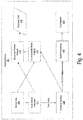
FIG. 4 illustrates anotherexemplary hearing device 402 including biomarker analysis.Hearing device 402 may be an implementation of hearingdevice 100 that includes an implementation ofconfiguration 200. For instance,hearing device 402 includes a microphone 404 (e.g., an implementation of microphone 106).Hearing device 402 further includes awireless interface 406, anaudio processing module 408, aloudspeaker 410, a voiceactivity detection module 412, an environmentalnoise analysis module 414, and a biomarkerfeature analysis module 416. -
Wireless interface 406 may be configured to wirelessly communicate with other devices, such as a mobile phone, a tablet, a computer, or any other device including a processor and a wireless interface. Such communication with other devices may provide additional information and/or context to hearingdevice 402 for determining own voice content and environmental noise content.Wireless interface 406 may be implemented in any suitable manner, such as a Bluetooth interface, a near field communication interface, or any other suitable interface configured to operate in accordance with any suitable wireless protocol. - For example,
hearing device 402 may communicate with a smartphone to enable a user of hearingdevice 402 to have phone conversations via hearingdevice 402. Generally during a phone conversation, the user may alternate dialogue with a person on a far end of the phone conversation. Audio received by the smartphone from the person on the far end may be transmitted to hearingdevice 402 viawireless interface 406.Hearing device 402 may receive such far end voice content and process the far end voice content with audio processing module 408 (e.g., implemented in any suitable manner).Audio processing module 408 may provide processed audio to loudspeaker 410 (e.g., an implementation of output transducer 108) to provide the audio content to the user. - As far end voice content is received directly via
wireless interface 406, speech content in an audio signal detected bymicrophone 404 may be considered likely to be own voice content.Hearing device 402 may detect a voice in the audio signal via voice activity detection module 412 (e.g., implemented by any combination ofown voice sensors 306, ownvoice detection module 308,classifier 310, or any other suitable manner). Further, a volume of the voice detected and/or a relative volume of the voice to an environmental noise level may provide additional indication whether the voice is own voice content. Hearing device may provide the own voice content towireless interface 406 to transmit to the person on the other end of the phone conversation. Additionally or alternatively,hearing device 402 may receive own voice content from the smartphone (e.g., detected by a microphone on the smartphone) viawireless interface 406.Hearing device 402 may compare own voice content received from the smartphone with own voice content detected in the audio signal and/or use the own voice content received from the smartphone to enhance or augment the own voice content detected in the audio signal. - Environmental
noise analysis module 414 may analyze environmental noise in a manner similar to environmentalnoise analysis module 312. Additionally, however, environmentalnoise analysis module 414 may receive information viawireless interface 406 that indicates portions of the audio signal detected bymicrophone 404 in which own voice content is absent (e.g., whenwireless interface 406 is receiving incoming voice content in a phone conversation environment). Alternatively, environmentalnoise analysis module 414 may directly receive such portions of the audio signal in which own voice content is absent, as such portions of the audio signal may be considered entirely or substantially environmental noise content. - Biomarker feature analysis module 416 (e.g., an implementation of biomarker feature analysis module 314) may receive own voice content from voice
activity detection module 412 and environmental noise data from environmentalnoise analysis module 414 to apply biomarker feature analysis andoutput diagnosis data 418, which may include any data indicative of whether the user presents any early signs of neurodegenerative disorders. -
Hearing device 402 may receive other any other suitable information viawireless interface 406 that provides additional context for own voice content and/or environmental noise content. As another example,hearing device 402 may be communicatively coupled viawireless interface 406 with a device (e.g., a mobile phone) that includes an application that enables a user to record and/or present the user's voice for biomarker feature analysis. For instance,hearing device 402 may include a biomarker feature analysis mode, in whichhearing device 402 presents to the user via the application on the device instructions to provide specific types of audio content. For example,hearing device 402 may instruct the user to present a sample of environmental noise content for a first portion of time.Hearing device 402 may determine based on the environmental noise content whether a level of the environmental noise is below a threshold. Based on such a determination, hearingdevice 402 may then instruct the user to provide own voice content. For instance,hearing device 402 may provide, via the application on the device, a set of words for the user to read aloud. The own voice content may be detected bymicrophone 404 and/or received via a microphone on the device.Hearing device 402 may then apply biomarker feature analysis heuristics to the own voice content as described herein. As an additional example,hearing device 402 may be communicatively coupled to a device (e.g., a mobile phone) that includes a push-to-talk over cellular feature. The push-to-talk feature may enable the device to operate in a fashion similar to a walkie-talkie, allowing the user to push (and/or push and hold) a button to configure the device between a voice reception mode and a transmit mode. The push-to-talk feature may provide additional context, as the user is likely providing own voice content during the transmit mode. Further, environmental noise may be analyzed during the voice reception mode. Based on such information,hearing device 402 may detect own voice content and apply biomarker feature analysis heuristics as described herein. -
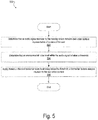
FIG. 5 illustrates anexemplary method 500. One or more of the operations shown inFIG. 5 may be performed by any of the hearing devices described herein. WhileFIG. 5 illustrates exemplary operations according to one embodiment, other embodiments may omit, add to, reorder, and/or modify any of the operations shown inFIG. 5 . - In
operation 502, a hearing device configured to be worn by a user determines that an audio signal received by the hearing device includes own voice content representative of a voice of the user.Operation 502 may be performed in any of the ways described herein. - In
operation 504, the hearing device determines that an environmental noise level within the audio signal is below a threshold.Operation 504 may be performed in any of the ways described herein. - In
operation 506, the hearing device applies, based on the environmental noise level being below the threshold, a biomarker feature analysis heuristic to the own voice content.Operation 506 may be performed in any of the ways described herein. - In the preceding description, various exemplary embodiments have been described with reference to the accompanying drawings. It will, however, be evident that various modifications and changes may be made thereto, and additional embodiments may be implemented, without departing from the scope of the invention as set forth in the claims that follow. For example, certain features of one embodiment described herein may be combined with or substituted for features of another embodiment described herein. The description and drawings are accordingly to be regarded in an illustrative rather than a restrictive sense.
Claims (15)
- A hearing device configured to be worn by a user, the hearing device comprising:a microphone configured to detect an audio signal;a processor communicatively coupled to the microphone and configured to:determine that the audio signal includes own voice content representative of a voice of the user;determine that an environmental noise level within the audio signal is below a threshold; andapply, based on the environmental noise level being below the threshold, a biomarker feature analysis heuristic to the own voice content.
- The hearing device of claim 1, wherein:the determining that the audio signal includes the own voice content includes determining that the own voice content is present during a first portion of the audio signal and absent during a second portion of the audio signal; andthe determining that the environmental noise level within the audio signal is below the threshold includes measuring the environmental noise level within the audio signal during the second portion of the audio signal.
- The hearing device of claim 2, further comprising a wireless interface configured to receive incoming voice data from a phone in a voice reception mode and transmit the own voice content to the phone in a transmission mode, and wherein:the phone is configured to operate in a push-to-talk mode, in which the user selects between the voice reception mode and the transmission mode;the first portion of the audio signal is detected during the transmission mode; andthe second portion of the audio signal is detected during the voice reception mode.
- The hearing device of claim 2, further comprising a wireless interface configured to receive incoming voice data from a phone and transmit the own voice content to the phone, and wherein:
the determining that the own voice content is absent during the second portion of the audio signal includes receiving the incoming voice data during the second portion of the audio signal. - The hearing device of claim 4, wherein the determining that the audio signal includes own voice content includes receiving additional own voice content from the phone.
- The hearing device of claim 1, wherein:the determining that the audio signal includes the own voice content includes determining that the own voice content is present during a first portion of the audio signal and absent during a second portion of the audio signal; andthe determining that the environmental noise level within the audio signal is below the threshold includes:analyzing a sample of the environmental noise, andcanceling, based on the sample, the environmental noise.
- The hearing device of claim 1, wherein:the determining that the audio signal includes the own voice content includes determining that the own voice content is present during a first portion of the audio signal and absent during a second portion of the audio signal; andthe determining that the environmental noise level within the audio signal is below the threshold includes filtering the environmental noise from the audio signal.
- The hearing device of claim 1, wherein the processor is further configured to provide a biomarker feature analysis mode including a first specified portion of time in which the user may provide a sample of the environmental noise and a second specified portion of time in which the user may provide the own voice content.
- The hearing device of claim 1, wherein the determining that the audio signal includes the own voice content includes receiving data from an own voice sensor.
- The hearing device of claim 9, wherein the own voice sensor includes at least one of a bone conduction microphone and a canal microphone.
- The hearing device of claim 1, wherein:the biomarker feature analysis heuristic includes detecting biomarker features for indications for a neurodegenerative disease; andthe processor is further configured to output a result of the biomarker feature analysis heuristic.
- A hearing device configured to be worn by a user, the hearing device comprising:a microphone configured to detect an audio signal;a wireless interface configured to at least one of:receive incoming voice data from an additional device, andtransmit own voice content representative of a voice of the user to the additional device;a processor communicatively coupled to the microphone and the wireless interface, the processor configured to:determine that the audio signal includes the own voice content during a first portion of the audio signal;determine that the own voice content is absent from the audio signal during a second portion of the audio signal when the wireless interface is receiving the incoming voice data;determine that an environmental noise level within the second portion of the audio signal is below a threshold; andapply, based on the environmental noise level being below the threshold, a biomarker feature analysis heuristic to the own voice content.
- A method comprising:determining, by a hearing device configured to be worn by a user, that an audio signal received by the hearing device includes own voice content representative of a voice of the user;determining, by the hearing device, that an environmental noise level within the audio signal is below a threshold; andapplying, by the hearing device, based on the environmental noise level being below the threshold, a biomarker feature analysis heuristic to the own voice content.
- The method of claim 13, further comprising:
providing a biomarker feature analysis mode including a first specified portion of time in which the user may provide a sample of the environmental noise and a second specified portion of time in which the user may provide the own voice content. - The method of claim 13, wherein the determining that the audio signal includes the own voice content includes receiving data from an own voice sensor of the hearing device.
Applications Claiming Priority (1)
| Application Number | Priority Date | Filing Date | Title |
|---|---|---|---|
| US16/828,695 US11363391B2 (en) | 2020-03-24 | 2020-03-24 | Systems and methods for biomarker analysis on a hearing device |
Publications (3)
| Publication Number | Publication Date |
|---|---|
| EP3884850A1 true EP3884850A1 (en) | 2021-09-29 |
| EP3884850C0 EP3884850C0 (en) | 2025-09-03 |
| EP3884850B1 EP3884850B1 (en) | 2025-09-03 |
Family
ID=74553705
Family Applications (1)
| Application Number | Title | Priority Date | Filing Date |
|---|---|---|---|
| EP21155288.0A Active EP3884850B1 (en) | 2020-03-24 | 2021-02-04 | Systems and methods for biomarker analysis on a hearing device |
Country Status (2)
| Country | Link |
|---|---|
| US (1) | US11363391B2 (en) |
| EP (1) | EP3884850B1 (en) |
Cited By (3)
| Publication number | Priority date | Publication date | Assignee | Title |
|---|---|---|---|---|
| US20220370249A1 (en) * | 2021-05-24 | 2022-11-24 | Samsung Electronics Co., Ltd | Multi-device integration with hearable for managing hearing disorders |
| DK202270285A1 (en) * | 2022-05-31 | 2023-12-05 | Gn Hearing As | Electronic device with hearing device based health characterization and/or monitoring and related methods |
| DK202270284A1 (en) * | 2022-05-31 | 2023-12-05 | Gn Hearing As | Hearing device with health characterization and/or monitoring and related methods |
Families Citing this family (1)
| Publication number | Priority date | Publication date | Assignee | Title |
|---|---|---|---|---|
| WO2023096867A1 (en) * | 2021-11-23 | 2023-06-01 | Compass Pathfinder Limited | Intelligent transcription and biomarker analysis |
Citations (2)
| Publication number | Priority date | Publication date | Assignee | Title |
|---|---|---|---|---|
| US20180125415A1 (en) * | 2016-11-08 | 2018-05-10 | Kieran REED | Utilization of vocal acoustic biomarkers for assistive listening device utilization |
| US20200058208A1 (en) * | 2016-01-28 | 2020-02-20 | Flex Ltd. | Human voice feedback system |
Family Cites Families (5)
| Publication number | Priority date | Publication date | Assignee | Title |
|---|---|---|---|---|
| JP2758846B2 (en) * | 1995-02-27 | 1998-05-28 | 埼玉日本電気株式会社 | Noise canceller device |
| CN103688245A (en) | 2010-12-30 | 2014-03-26 | 安比恩特兹公司 | Information processing using a population of data acquisition devices |
| US9420970B2 (en) | 2013-10-22 | 2016-08-23 | Mindstrong, LLC | Method and system for assessment of cognitive function based on mobile device usage |
| WO2017211426A1 (en) | 2016-06-10 | 2017-12-14 | Sonova Ag | A method and system of presenting at least one system message to a user |
| CA3115753A1 (en) | 2017-10-12 | 2019-04-18 | Jorlin MOON | Systems and methods for measuring, quantifying, displaying and/or otherwise handling/reporting health status data and/or risks via self-directed health screening, information, and processing information regarding associated professional advice |
-
2020
- 2020-03-24 US US16/828,695 patent/US11363391B2/en active Active
-
2021
- 2021-02-04 EP EP21155288.0A patent/EP3884850B1/en active Active
Patent Citations (2)
| Publication number | Priority date | Publication date | Assignee | Title |
|---|---|---|---|---|
| US20200058208A1 (en) * | 2016-01-28 | 2020-02-20 | Flex Ltd. | Human voice feedback system |
| US20180125415A1 (en) * | 2016-11-08 | 2018-05-10 | Kieran REED | Utilization of vocal acoustic biomarkers for assistive listening device utilization |
Cited By (5)
| Publication number | Priority date | Publication date | Assignee | Title |
|---|---|---|---|---|
| US20220370249A1 (en) * | 2021-05-24 | 2022-11-24 | Samsung Electronics Co., Ltd | Multi-device integration with hearable for managing hearing disorders |
| US12251292B2 (en) * | 2021-05-24 | 2025-03-18 | Samsung Electronics Co., Ltd. | Multi-device integration with hearable for managing hearing disorders |
| DK202270285A1 (en) * | 2022-05-31 | 2023-12-05 | Gn Hearing As | Electronic device with hearing device based health characterization and/or monitoring and related methods |
| DK202270284A1 (en) * | 2022-05-31 | 2023-12-05 | Gn Hearing As | Hearing device with health characterization and/or monitoring and related methods |
| DK181987B1 (en) * | 2022-05-31 | 2025-05-09 | Gn Hearing As | HEARING AID WITH HEALTH CHARACTERIZATION AND/OR - MONITORING AND RELATED PROCEDURES |
Also Published As
| Publication number | Publication date |
|---|---|
| US20210306770A1 (en) | 2021-09-30 |
| US11363391B2 (en) | 2022-06-14 |
| EP3884850C0 (en) | 2025-09-03 |
| EP3884850B1 (en) | 2025-09-03 |
Similar Documents
| Publication | Publication Date | Title |
|---|---|---|
| EP3884850B1 (en) | Systems and methods for biomarker analysis on a hearing device | |
| CN113812173B (en) | Hearing device system and method for processing audio signals | |
| US12532133B2 (en) | Hearing aid system for estimating acoustic transfer functions | |
| US12143775B2 (en) | Hearing device comprising a detector and a trained neural network | |
| US20220240842A1 (en) | Utilization of vocal acoustic biomarkers for assistive listening device utilization | |
| EP3080809B1 (en) | Controlling a speech recognition process of a computing device | |
| US20220122605A1 (en) | Method and device for voice operated control | |
| US8155966B2 (en) | Apparatus and method for producing an audible speech signal from a non-audible speech signal | |
| KR102350890B1 (en) | Portable hearing test device | |
| EP3876558A1 (en) | Hearing device, system and method for processing audio signals | |
| EP3641344B1 (en) | A method for operating a hearing instrument and a hearing system comprising a hearing instrument | |
| US10176821B2 (en) | Monaural intrusive speech intelligibility predictor unit, a hearing aid and a binaural hearing aid system | |
| CN109346075A (en) | Method and system for recognizing user's voice through human body vibration to control electronic equipment | |
| US11632635B2 (en) | Hearing aid comprising a noise reduction system | |
| CN113395647A (en) | Hearing system with at least one hearing device and method for operating a hearing system | |
| CN114830691A (en) | Hearing device comprising a pressure evaluator | |
| JP2009178783A (en) | Communication robot and control method thereof | |
| KR20250069821A (en) | Cognitive ability assessment system and utterance acquiring method | |
| KR102406560B1 (en) | Method, apparatus and system for improving accuracy volume of outbound call for dementia test of subject based on artificial intelligence | |
| EP4598058A1 (en) | Artefact rejection from hearing aid accelerometer data | |
| CN118056525A (en) | System for estimating the hearing ability of a subject |
Legal Events
| Date | Code | Title | Description |
|---|---|---|---|
| PUAI | Public reference made under article 153(3) epc to a published international application that has entered the european phase |
Free format text: ORIGINAL CODE: 0009012 |
|
| STAA | Information on the status of an ep patent application or granted ep patent |
Free format text: STATUS: THE APPLICATION HAS BEEN PUBLISHED |
|
| AK | Designated contracting states |
Kind code of ref document: A1 Designated state(s): AL AT BE BG CH CY CZ DE DK EE ES FI FR GB GR HR HU IE IS IT LI LT LU LV MC MK MT NL NO PL PT RO RS SE SI SK SM TR |
|
| STAA | Information on the status of an ep patent application or granted ep patent |
Free format text: STATUS: REQUEST FOR EXAMINATION WAS MADE |
|
| 17P | Request for examination filed |
Effective date: 20220324 |
|
| RBV | Designated contracting states (corrected) |
Designated state(s): AL AT BE BG CH CY CZ DE DK EE ES FI FR GB GR HR HU IE IS IT LI LT LU LV MC MK MT NL NO PL PT RO RS SE SI SK SM TR |
|
| STAA | Information on the status of an ep patent application or granted ep patent |
Free format text: STATUS: EXAMINATION IS IN PROGRESS |
|
| 17Q | First examination report despatched |
Effective date: 20230622 |
|
| GRAP | Despatch of communication of intention to grant a patent |
Free format text: ORIGINAL CODE: EPIDOSNIGR1 |
|
| STAA | Information on the status of an ep patent application or granted ep patent |
Free format text: STATUS: GRANT OF PATENT IS INTENDED |
|
| INTG | Intention to grant announced |
Effective date: 20250328 |
|
| GRAS | Grant fee paid |
Free format text: ORIGINAL CODE: EPIDOSNIGR3 |
|
| GRAA | (expected) grant |
Free format text: ORIGINAL CODE: 0009210 |
|
| STAA | Information on the status of an ep patent application or granted ep patent |
Free format text: STATUS: THE PATENT HAS BEEN GRANTED |
|
| AK | Designated contracting states |
Kind code of ref document: B1 Designated state(s): AL AT BE BG CH CY CZ DE DK EE ES FI FR GB GR HR HU IE IS IT LI LT LU LV MC MK MT NL NO PL PT RO RS SE SI SK SM TR |
|
| REG | Reference to a national code |
Ref country code: CH Ref legal event code: EP |
|
| REG | Reference to a national code |
Ref country code: DE Ref legal event code: R096 Ref document number: 602021037529 Country of ref document: DE |
|
| REG | Reference to a national code |
Ref country code: IE Ref legal event code: FG4D |
|
| U01 | Request for unitary effect filed |
Effective date: 20250925 |
|
| U07 | Unitary effect registered |
Designated state(s): AT BE BG DE DK EE FI FR IT LT LU LV MT NL PT RO SE SI Effective date: 20251015 |
|
| PG25 | Lapsed in a contracting state [announced via postgrant information from national office to epo] |
Ref country code: NO Free format text: LAPSE BECAUSE OF FAILURE TO SUBMIT A TRANSLATION OF THE DESCRIPTION OR TO PAY THE FEE WITHIN THE PRESCRIBED TIME-LIMIT Effective date: 20251203 |
|
| PG25 | Lapsed in a contracting state [announced via postgrant information from national office to epo] |
Ref country code: HR Free format text: LAPSE BECAUSE OF FAILURE TO SUBMIT A TRANSLATION OF THE DESCRIPTION OR TO PAY THE FEE WITHIN THE PRESCRIBED TIME-LIMIT Effective date: 20250903 |
|
| PG25 | Lapsed in a contracting state [announced via postgrant information from national office to epo] |
Ref country code: GR Free format text: LAPSE BECAUSE OF FAILURE TO SUBMIT A TRANSLATION OF THE DESCRIPTION OR TO PAY THE FEE WITHIN THE PRESCRIBED TIME-LIMIT Effective date: 20251204 |
|
| PG25 | Lapsed in a contracting state [announced via postgrant information from national office to epo] |
Ref country code: PL Free format text: LAPSE BECAUSE OF FAILURE TO SUBMIT A TRANSLATION OF THE DESCRIPTION OR TO PAY THE FEE WITHIN THE PRESCRIBED TIME-LIMIT Effective date: 20250903 |
|
| PG25 | Lapsed in a contracting state [announced via postgrant information from national office to epo] |
Ref country code: RS Free format text: LAPSE BECAUSE OF FAILURE TO SUBMIT A TRANSLATION OF THE DESCRIPTION OR TO PAY THE FEE WITHIN THE PRESCRIBED TIME-LIMIT Effective date: 20251203 |
|
| PG25 | Lapsed in a contracting state [announced via postgrant information from national office to epo] |
Ref country code: ES Free format text: LAPSE BECAUSE OF FAILURE TO SUBMIT A TRANSLATION OF THE DESCRIPTION OR TO PAY THE FEE WITHIN THE PRESCRIBED TIME-LIMIT Effective date: 20250903 |
|
| PG25 | Lapsed in a contracting state [announced via postgrant information from national office to epo] |
Ref country code: SM Free format text: LAPSE BECAUSE OF FAILURE TO SUBMIT A TRANSLATION OF THE DESCRIPTION OR TO PAY THE FEE WITHIN THE PRESCRIBED TIME-LIMIT Effective date: 20250903 |
|
| U20 | Renewal fee for the european patent with unitary effect paid |
Year of fee payment: 6 Effective date: 20260227 |
|
| PGFP | Annual fee paid to national office [announced via postgrant information from national office to epo] |
Ref country code: GB Payment date: 20260227 Year of fee payment: 6 |
|
| PG25 | Lapsed in a contracting state [announced via postgrant information from national office to epo] |
Ref country code: IS Free format text: LAPSE BECAUSE OF FAILURE TO SUBMIT A TRANSLATION OF THE DESCRIPTION OR TO PAY THE FEE WITHIN THE PRESCRIBED TIME-LIMIT Effective date: 20260103 |
|
| PG25 | Lapsed in a contracting state [announced via postgrant information from national office to epo] |
Ref country code: CZ Free format text: LAPSE BECAUSE OF FAILURE TO SUBMIT A TRANSLATION OF THE DESCRIPTION OR TO PAY THE FEE WITHIN THE PRESCRIBED TIME-LIMIT Effective date: 20250903 |
|
| PG25 | Lapsed in a contracting state [announced via postgrant information from national office to epo] |
Ref country code: SK Free format text: LAPSE BECAUSE OF FAILURE TO SUBMIT A TRANSLATION OF THE DESCRIPTION OR TO PAY THE FEE WITHIN THE PRESCRIBED TIME-LIMIT Effective date: 20250903 |
|
| PLBE | No opposition filed within time limit |
Free format text: ORIGINAL CODE: 0009261 |
|
| STAA | Information on the status of an ep patent application or granted ep patent |
Free format text: STATUS: NO OPPOSITION FILED WITHIN TIME LIMIT |
|
| REG | Reference to a national code |
Ref country code: CH Ref legal event code: L10 Free format text: ST27 STATUS EVENT CODE: U-0-0-L10-L00 (AS PROVIDED BY THE NATIONAL OFFICE) Effective date: 20260715 |
|
| 26N | No opposition filed |
Effective date: 20260604 |