EP3881845B1 - Combination of trazodone and gabapentin for the treatment of pain - Google Patents
Combination of trazodone and gabapentin for the treatment of pain Download PDFInfo
- Publication number
- EP3881845B1 EP3881845B1 EP21158825.6A EP21158825A EP3881845B1 EP 3881845 B1 EP3881845 B1 EP 3881845B1 EP 21158825 A EP21158825 A EP 21158825A EP 3881845 B1 EP3881845 B1 EP 3881845B1
- Authority
- EP
- European Patent Office
- Prior art keywords
- gabapentin
- trazodone
- pain
- pharmaceutical composition
- salt
- Prior art date
- Legal status (The legal status is an assumption and is not a legal conclusion. Google has not performed a legal analysis and makes no representation as to the accuracy of the status listed.)
- Active
Links
Images


Classifications
-
- A—HUMAN NECESSITIES
- A61—MEDICAL OR VETERINARY SCIENCE; HYGIENE
- A61K—PREPARATIONS FOR MEDICAL, DENTAL OR TOILETRY PURPOSES
- A61K31/00—Medicinal preparations containing organic active ingredients
- A61K31/185—Acids; Anhydrides, halides or salts thereof, e.g. sulfur acids, imidic, hydrazonic or hydroximic acids
- A61K31/19—Carboxylic acids, e.g. valproic acid
- A61K31/195—Carboxylic acids, e.g. valproic acid having an amino group
-
- A—HUMAN NECESSITIES
- A61—MEDICAL OR VETERINARY SCIENCE; HYGIENE
- A61K—PREPARATIONS FOR MEDICAL, DENTAL OR TOILETRY PURPOSES
- A61K31/00—Medicinal preparations containing organic active ingredients
- A61K31/33—Heterocyclic compounds
- A61K31/395—Heterocyclic compounds having nitrogen as a ring hetero atom, e.g. guanethidine or rifamycins
- A61K31/495—Heterocyclic compounds having nitrogen as a ring hetero atom, e.g. guanethidine or rifamycins having six-membered rings with two or more nitrogen atoms as the only ring heteroatoms, e.g. piperazine or tetrazines
- A61K31/496—Non-condensed piperazines containing further heterocyclic rings, e.g. rifampin, thiothixene or sparfloxacin
-
- A—HUMAN NECESSITIES
- A61—MEDICAL OR VETERINARY SCIENCE; HYGIENE
- A61K—PREPARATIONS FOR MEDICAL, DENTAL OR TOILETRY PURPOSES
- A61K45/00—Medicinal preparations containing active ingredients not provided for in groups A61K31/00 - A61K41/00
- A61K45/06—Mixtures of active ingredients without chemical characterisation, e.g. antiphlogistics and cardiaca
-
- A—HUMAN NECESSITIES
- A61—MEDICAL OR VETERINARY SCIENCE; HYGIENE
- A61P—SPECIFIC THERAPEUTIC ACTIVITY OF CHEMICAL COMPOUNDS OR MEDICINAL PREPARATIONS
- A61P25/00—Drugs for disorders of the nervous system
-
- A—HUMAN NECESSITIES
- A61—MEDICAL OR VETERINARY SCIENCE; HYGIENE
- A61P—SPECIFIC THERAPEUTIC ACTIVITY OF CHEMICAL COMPOUNDS OR MEDICINAL PREPARATIONS
- A61P25/00—Drugs for disorders of the nervous system
- A61P25/02—Drugs for disorders of the nervous system for peripheral neuropathies
-
- A—HUMAN NECESSITIES
- A61—MEDICAL OR VETERINARY SCIENCE; HYGIENE
- A61P—SPECIFIC THERAPEUTIC ACTIVITY OF CHEMICAL COMPOUNDS OR MEDICINAL PREPARATIONS
- A61P25/00—Drugs for disorders of the nervous system
- A61P25/04—Centrally acting analgesics, e.g. opioids
-
- A—HUMAN NECESSITIES
- A61—MEDICAL OR VETERINARY SCIENCE; HYGIENE
- A61P—SPECIFIC THERAPEUTIC ACTIVITY OF CHEMICAL COMPOUNDS OR MEDICINAL PREPARATIONS
- A61P29/00—Non-central analgesic, antipyretic or antiinflammatory agents, e.g. antirheumatic agents; Non-steroidal antiinflammatory drugs [NSAID]
-
- A—HUMAN NECESSITIES
- A61—MEDICAL OR VETERINARY SCIENCE; HYGIENE
- A61K—PREPARATIONS FOR MEDICAL, DENTAL OR TOILETRY PURPOSES
- A61K2300/00—Mixtures or combinations of active ingredients, wherein at least one active ingredient is fully defined in groups A61K31/00 - A61K41/00
Definitions
- the present invention relates to a pharmaceutical composition
- a pharmaceutical composition comprising a combination of trazodone and gabapentin, said combination having a synergistic effect in the treatment of pain, in particular chronic pain.
- Physiological pain is an important protective mechanism designed to warn of danger from potentially injurious stimuli from the external environment.
- Intense acute pain and chronic pain may involve the same pathways driven by pathophysiological processes and as such cease to provide a protective mechanism and instead contribute to debilitating symptoms associated with a wide range of disease states. Pain is a feature of many trauma and disease states. When a substantial injury, via disease or trauma, to body tissue occurs the characteristics of nociceptor activation are altered.
- pain can be divided into a number of different areas because of differing pathophysiology, these include nociceptive pain, inflammatory pain, chronic pain, neuropathic pain, and so on.
- Nociceptive pain is induced by tissue injury or by intense stimuli with the potential to cause injury.
- Neuropathic pain is defined as pain initiated or caused by a primary lesion or dysfunction in the nervous system.
- the inflammatory process is a complex series of biochemical and cellular events activated in response to tissue injury or the presence of foreign substances, which result in swelling and pain.
- Arthritic pain makes up the majority of the inflammatory pain population.
- Rheumatoid disease is one of the commonest chronic inflammatory conditions in developed countries and rheumatoid arthritis is a common cause of disability.
- Other types of inflammatory pain include but are not limited to inflammatory bowel diseases (IBD).
- Chronic pain represents a series of pathologies from which, on average, about 10-20% of the adult population suffers. Chronic pain is generally associated with clinical conditions characterized by chronic and/or degenerative lesions.
- Chronic pain differs from acute pain mainly by the duration.
- Acute pain has a duration of a few days or weeks, correlated with recovery from the event that caused the pain (trauma, burns, intense efforts, surgical or dental interventions, and the like).
- chronic pain persists for months and even years, causing muscular tension, limited mobility, fatigue, loss of appetite and apathy.
- Typical examples of pathologies characterized by chronic pain are rheumatoid arthritis, osteoarthritis, fibromyalgia, neuropathies, etc. [ Ashbum MA, Pope PS. Management of chronic pain. Lancet 1999; 353: 1865-69 ].
- analgesic drugs currently used in the treatment of neuropathic pain include non-steroidal anti-inflammatory drugs (NSAID), antidepressants, opioid analgesics, and anticonvulsants [ Woolf CJ, Mannion RJ, Neuropathic pain: aetiology, symptoms, mechanism, and management. Lancet 1999; 353: 1959-1964 ].
- NSAID non-steroidal anti-inflammatory drugs
- opioid analgesics opioid analgesics
- anticonvulsants Woolf CJ, Mannion RJ, Neuropathic pain: aetiology, symptoms, mechanism, and management. Lancet 1999; 353: 1959-1964 ].
- EP1663398B1 discloses a combination of an alpha-2-delta ligand such as gabapentin and pregabalin with a selective noradrenaline re-uptake inhibitor such as (S,S)-reboxetine for the treatment of neuropathic pain.
- WO2013/002584 discloses a pain suppressive composition comprising two or more components selected from (a) 5-HT2 receptor antagonist, (b) a P2X receptor antagonist, and (c) any one of glycine receptor agonist, a glycine transporter antagonist, a gamma-aminobutyric acid (GABA) receptor agonist, and a GABA transporter 1 (GABA1) antagonist.
- a pain suppressive composition comprising two or more components selected from (a) 5-HT2 receptor antagonist, (b) a P2X receptor antagonist, and (c) any one of glycine receptor agonist, a glycine transporter antagonist, a gamma-aminobutyric acid (GABA) receptor agonist, and a GABA transporter 1 (GABA1) antagonist.
- Trazodone and a combination of trazodone and pregabalin have been studied in a 12- and 24-week treatment of fibromyalgia as disclosed in Morillas-Arques et al., "Trazodone for the treatment of fibromyalgia: an open-label, 12-week study", BMC Musculoskeletal Disorders 2010, 11:204 and Calandre et al., "Trazodone plus pregabalin combination in the treatment of fibromyalgia: a two-phase, 24-week, open-label uncontrolled study", BMC Musculoskeletal Disorders 2011, 12:95 .
- WO2009021058 describes a composition comprising a combination of three active ingredients: tramadol or its analogues, a NMDA antagonist and gabapentin, said to be active in neuropathic chronic pain.
- US2012/0083508 discloses a composition for treating chronic pain with gabapentin and an alpha-2B adrenergic receptor agonist.
- Wilson R.C. et al. J. Am. Podiatric Med Ass., 1999 reports the use of trazodone, at low doses, in the treatment of diabetic neuropathy.
- US2008/0096872 discloses a composition comprising N-acetylcysteine and an anti-inflammatory agent with a primary metabolism involving cytochrome P450, for the treatment of pain. Trazodone is mentioned among the drugs with a metabolism modified by cytochrome P450.
- the present invention relates to a pharmaceutical composition
- a pharmaceutical composition comprising a synergistic combination of trazodone or a salt thereof, and gabapentin or a salt or prodrug thereof, and at least one pharmaceutically acceptable excipient, as defined in claim 1.
- the expression "synergistic effect” means that the combination of trazodone with gabapentin inhibits the pain response in mice or rats at a concentration lower than the sum of the concentrations of trazodone and of gabapentin used alone for the same pain test to obtain the same inhibition.
- a synergistic effect means that the combination of trazodone with gabapentin is effective in producing more than the additive effect of each component in the same pain test.
- the pharmaceutical composition according to the present invention comprises trazodone or a salt thereof in an amount to provide an ineffective dosage if taken alone, as defined in claim 1.
- the pharmaceutical composition according to the present invention may contain trazodone or a salt thereof in a dosage ranging from 0.01 mg/kg to 1 mg/kg, preferably ranging from 0.05 mg/kg to 0.5 mg/kg, more preferably from 0.1 mg/kg to 0.2 mg/kg, such as, for example, 0.02, 0.04, 0.07, 0.11, 0.12, 0.13, 0.14, 0.15, 0.16, 0.17, 0.18, 0.19, 0.2, 0.25, 0.3, 0.4, 0.6, 0.7, 0.8, and 0.9 mg/kg, and the like.
- the pharmaceutical composition according to the present invention comprises gabapentin or a salt or prodrug thereof, wherein the prodrug is gabapentin enacarbil, in an amount to provide an ineffective dosage if taken alone.
- the pharmaceutical composition according to the present invention may contain gabapentin or a salt or prodrug thereof in a dosage ranging from 0.1 mg/kg to 15 mg/kg, preferably ranging from 0.5 mg/kg to 5 mg/kg, more preferably from 1 mg/kg to 2 mg/kg, such as, for example, 0.2, 0.4, 0.7, 1.1, 1.2, 1.3, 1.4, 1.5, 1.6, 1.7, 1.8, 1.9, 2.0, 2.5, 3.0, 4.0, 6.0, 7.0, 8.0, and 9.0 mg/kg, and the like.
- the pharmaceutical composition according to the present invention contains an amount of trazodone or a salt thereof and an amount of gabapentin or a salt or prodrug thereof such as to provide a trazodone to gabapentin weight ratio ranging from 1:20 to 1:5.
- trazodone to gabapentin weight ratio can be used, such as, for example, 1:19,1:18, 1:17, 1:16, 1:15, 1:14, 1:13, 1:12, 1:11, 1:10, 1:9, 1:8, 1:7, 1:6, 1:5.
- Other ratios are possible even though not comprised in the present invention, such as 1:4, 1:3, 1:2, 1:1, 2:1, 3:1, 4:1, 5:1, 6:1, 7:1, 8:1, and 9:1.
- the pharmaceutical composition according to the present invention contains an amount of trazodone or a salt thereof and an amount of gabapentin or a salt or prodrug thereof such as to provide a trazodone to gabapentin weight ratio of about 1:10.
- the gabapentin prodrug is the compound (1- ⁇ [( ⁇ (1RS)-1-[isobutyryloxy]ethoxy ⁇ carbonyl)amino] methyl ⁇ cyclohexyl) acetic acid, commonly known as gabapentin enacarbil.
- Salts of trazodone and gabapentin are included in the scope of the instant invention.
- the salt can be formed with physiologically acceptable organic and inorganic compounds having an acid or a basic function.
- Suitable physiologically acceptable inorganic acids are hydrochloric acid, hydrobromic acid, sulfuric acid, phosphoric acid and nitric acid.
- Suitable physiologically acceptable organic acids are acetic acid, ascorbic acid, benzoic acid, citric acid, fumaric acid, lactic acid, maleic acid, methanesulfonic acid, oxalic acid, paratoluenesulfonic acid, benzenesulfonic acid, succinic acid, tannic acid and tartaric acid.
- Suitable physiologically acceptable inorganic bases are hydroxides, carbonates and hydrogen carbonates of ammonium, calcium, magnesium, sodium and potassium, for instance ammonium hydroxide, calcium hydroxide, magnesium carbonate, sodium hydrogen carbonate and potassium hydrogen carbonate.
- Suitable physiologically acceptable organic bases are: arginine, betaine, caffeine, choline, N,N-dibenzylethylenediamine, diethylamine, 2-diethylaminoethanol, 2-dimethylaminoethanol, ethanolamine, ethylenediamine, N-ethylmorpholine, N-ethylpiperidine, N-methylglucamine, glucamine, glucosamine, histidine, N-(2-hydroxyethyl)piperidine, N-(2-hydroxyethyl)pyrrolidine, isopropylamine, lysine, methylglucamine, morpholine, piperazine, piperidine, theobromine, triethylamine, trimethylamine, tripropylamine and tromethamine.
- the pharmaceutical composition according to the present invention is for systemic use.
- composition according to the present invention is formulated for oral or parenteral administration.
- the pharmaceutical composition according to the present invention is prepared in suitable dosage forms.
- suitable dosage forms are tablets, capsules, coated tablets, granules, and solutions and syrups for oral administration; creams, ointments transdermal patch and antiseptic plasters for topical administration; suppositories for rectal administration and sterile solutions for administration by injection, or aerosol or ophthalmic administration.
- the dosage forms of the pharmaceutical composition of the present invention may be prepared according to techniques that are well known to pharmaceutical chemists, including mixing, granulation, tableting, dissolution, sterilization and the like.
- these dosage forms are formulated so as to ensure a controlled release over time of a compound of the abovementioned general formula (I) or of a pharmaceutically acceptable salt thereof.
- the required release time may be very short, normal or long.
- the pharmaceutically acceptable excipient can be selected from the group comprising thickeners, glidants, binders, disintegrants, fillers, diluents, preservative, stabilizers, surfactants, buffers, fluidizers, lubricants, humectants, absorbents, salts for regulating osmotic pressure, emulsifiers, flavorings, colorants, sweeteners, and the like.
- the pharmaceutical composition according to the present invention is effective for the treatment of pain.
- the Applicant has found that the combination of trazodone with gabapentin has a synergistic effect in reducing pain in two experimental models in animals represented by (i) the inflammatory pain induced in mice by injection of acetic acid, and (ii) the chronic pain induced in rats by ligature of the sciatic nerve.
- the pharmaceutical composition according to the present invention can be used to treat effectively and with high safety all kinds of chronic pain, either inflammatory or neuropathic in origin.
- Preferred examples of chronic pain treated according to the present invention are the following: inflammatory pain induced by oedema, erythema, articular inflammation, osteoarthritis, rheumatoid arthritis and arthrosis; and neuropathic pain induced by diabetes, cancer, immunodeficiency, trauma, ischemia, multiple sclerosis, sciatica, trigeminal neuralgia, fibromyalgia and post-herpetic syndrome.
- test compounds were evaluated in the model of acetic acid-induced writhing in mice ( Stock J.L. et al., J. Clin. Inv. 2001, 107: 325 331).
- Writhing test is a chemical method used to induce pain of peripheral origin by injection of acetic acid in mice. Analgesic activity is inferred from decrease in the frequency of writhing.
- This test allowed evaluation of the antinociceptive activity of the compounds of the invention in a model of inflammatory pain.
- Writhing is defined as a stretch, tension to one side, extension of hind legs, contraction of the abdomen so that the abdomen of mice touches the floor, turning the trunk (twist).
- mice were orally treated with trazodone and gabapentin alone and in combination, or vehicle such as distilled water.
- mice One hour after the treatment, an intraperitoneal injection of acetic acid (0.7% v/v in physiological saline, 16 ⁇ l/g of body weight) was given to the mice to induce inflammatory pain and to check the effects of the test compound on the nociceptive response.
- acetic acid 0.7% v/v in physiological saline, 16 ⁇ l/g of body weight
- the allodynia was induced by ligature under anaesthesia of the sciatic nerve of the left hind leg [ Seltzer Z, Dubner R, Shir Y. A novel behavioural model of neuropathic pain disorders produced in rats by partial sciatic nerve injury. Pain 1990; 43: 205-218 ; Bennet GJ, Xie YK. A peripheral mononeuropathy in rat that produces disorders of pain sensation like those seen in man. Pain 1988; 33: 87-107 ].
- the rats were treated with trazodone and gabapentin alone and in combination, or vehicle such as distilled water. After-treatment measurement was made at one hour following administration. The analgesic activity is evaluated as % reversal.
- the ED50 values of trazodone, gabapentin and trazodone/gabapentin combination with a trazodone/gabapentin weight ratio equal to 1/10 has been determined using the writhing test in mice.
- the theoretical additive ED50 of the trazodone/gabapentin combination should have been 14.5 mg/kg, so resulting in an interaction index of about 0.17, providing a strong indication of synergistic interaction.
- mice The writhing test in mice was repeated by administering to four groups of mice ineffective increasing amounts of trazodone and gabapentin alone, or in combination with a trazodone/gabapentin weight ratio equal to 1/10, according to the following Table 2, and vehicle alone.
- mice The writhing test in mice was repeated by administering to four groups of mice different ineffective amounts of trazodone and gabapentin alone, or in combination with different trazodone/gabapentin weight ratio, according to the following Table 3, and vehicle alone.
- the test of ligature of the sciatic nerve in rats was employed to confirm the synergic effect of the combination of trazodone and gabapentin in the treatment of chronic neuropathic pain.
- the test was done by administering to five groups of rats ineffective amounts of trazodone and gabapentin alone, or in combination with a trazodone/gabapentin weight ratio equal to 1:10, and an effective amount of gabapentin according to the following Table 4 and vehicle alone.
Landscapes
- Health & Medical Sciences (AREA)
- Life Sciences & Earth Sciences (AREA)
- Animal Behavior & Ethology (AREA)
- General Health & Medical Sciences (AREA)
- Public Health (AREA)
- Veterinary Medicine (AREA)
- Chemical & Material Sciences (AREA)
- Medicinal Chemistry (AREA)
- Pharmacology & Pharmacy (AREA)
- Epidemiology (AREA)
- Organic Chemistry (AREA)
- Chemical Kinetics & Catalysis (AREA)
- General Chemical & Material Sciences (AREA)
- Nuclear Medicine, Radiotherapy & Molecular Imaging (AREA)
- Engineering & Computer Science (AREA)
- Bioinformatics & Cheminformatics (AREA)
- Biomedical Technology (AREA)
- Neurology (AREA)
- Neurosurgery (AREA)
- Pain & Pain Management (AREA)
- Rheumatology (AREA)
- Pharmaceuticals Containing Other Organic And Inorganic Compounds (AREA)
- Acyclic And Carbocyclic Compounds In Medicinal Compositions (AREA)
Description
- The present invention relates to a pharmaceutical composition comprising a combination of trazodone and gabapentin, said combination having a synergistic effect in the treatment of pain, in particular chronic pain.
- Physiological pain is an important protective mechanism designed to warn of danger from potentially injurious stimuli from the external environment.
- Intense acute pain and chronic pain may involve the same pathways driven by pathophysiological processes and as such cease to provide a protective mechanism and instead contribute to debilitating symptoms associated with a wide range of disease states. Pain is a feature of many trauma and disease states. When a substantial injury, via disease or trauma, to body tissue occurs the characteristics of nociceptor activation are altered.
- There are a number of typical pain subtypes: 1) spontaneous pain which may be dull, burning, or stabbing; 2) pain responses to noxious stimuli are exaggerated (hyperalgesia); 3) pain is produced by normally innocuous stimuli (allodynia).
- Therefore, pain can be divided into a number of different areas because of differing pathophysiology, these include nociceptive pain, inflammatory pain, chronic pain, neuropathic pain, and so on.
- Nociceptive pain is induced by tissue injury or by intense stimuli with the potential to cause injury.
- Neuropathic pain is defined as pain initiated or caused by a primary lesion or dysfunction in the nervous system.
- The inflammatory process is a complex series of biochemical and cellular events activated in response to tissue injury or the presence of foreign substances, which result in swelling and pain. Arthritic pain makes up the majority of the inflammatory pain population. Rheumatoid disease is one of the commonest chronic inflammatory conditions in developed countries and rheumatoid arthritis is a common cause of disability. Other types of inflammatory pain include but are not limited to inflammatory bowel diseases (IBD).
- Chronic pain represents a series of pathologies from which, on average, about 10-20% of the adult population suffers. Chronic pain is generally associated with clinical conditions characterized by chronic and/or degenerative lesions.
- Chronic pain differs from acute pain mainly by the duration. Acute pain has a duration of a few days or weeks, correlated with recovery from the event that caused the pain (trauma, burns, intense efforts, surgical or dental interventions, and the like). On the other hand, chronic pain persists for months and even years, causing muscular tension, limited mobility, fatigue, loss of appetite and apathy.
- Typical examples of pathologies characterized by chronic pain are rheumatoid arthritis, osteoarthritis, fibromyalgia, neuropathies, etc. [Ashbum MA, Staats PS. Management of chronic pain. Lancet 1999; 353: 1865-69].
- Chronic pain, and in particular neuropathic pain, is often debilitating and is a cause of loss of working capacity and of poor quality of life. Economic and social damage thus also follow.
- The analgesic drugs currently used in the treatment of neuropathic pain include non-steroidal anti-inflammatory drugs (NSAID), antidepressants, opioid analgesics, and anticonvulsants [Woolf CJ, Mannion RJ, Neuropathic pain: aetiology, symptoms, mechanism, and management. Lancet 1999; 353: 1959-1964].
- However, chronic pain, and in particular neuropathic pain, is notoriously difficult to treat with the drugs currently available. Consequently, the development of novel drugs has always been one of the main objectives of the pharmaceutical industry.
-
EP1663398B1 discloses a combination of an alpha-2-delta ligand such as gabapentin and pregabalin with a selective noradrenaline re-uptake inhibitor such as (S,S)-reboxetine for the treatment of neuropathic pain. -
WO2013/002584 discloses a pain suppressive composition comprising two or more components selected from (a) 5-HT2 receptor antagonist, (b) a P2X receptor antagonist, and (c) any one of glycine receptor agonist, a glycine transporter antagonist, a gamma-aminobutyric acid (GABA) receptor agonist, and a GABA transporter 1 (GABA1) antagonist. - A review of the use of gabapentin in the treatment of neuropathic pain has been published by Kukkar A. et al, "Implications and mechanism of action of gabapentin in neuropathic pain", Arch. Pharm. Res. (2013) 36:237-251. A superior effect was observed by the combination of gabapentin and venlafaxine in the rat spared nerve injury (SNI) model of neuropathic pain and by co-administration of gabapentin with donepezil and/or duloxetine against spinal nerve ligation-induced neuropathic pain and in spared nerve injury model.
- Trazodone and a combination of trazodone and pregabalin have been studied in a 12- and 24-week treatment of fibromyalgia as disclosed in Morillas-Arques et al., "Trazodone for the treatment of fibromyalgia: an open-label, 12-week study", BMC Musculoskeletal Disorders 2010, 11:204 and Calandre et al., "Trazodone plus pregabalin combination in the treatment of fibromyalgia: a two-phase, 24-week, open-label uncontrolled study", BMC Musculoskeletal Disorders 2011, 12:95.
- A combination of trazodone with fentanyl and paracetamol has been studied in a mouse model of visceral pain, showing a potent synergistic antinociceptive effect, as disclosed in Fernández-Dueñas et al., "Fentanyl-trazodone-paracetamol triple drug combination: Multimodal analgesia in a mouse model of visceral pain", Pharmacology, Biochemistry and Behavior 98 (2011) 331-336.
-
WO2009021058 describes a composition comprising a combination of three active ingredients: tramadol or its analogues, a NMDA antagonist and gabapentin, said to be active in neuropathic chronic pain.US2012/0083508 discloses a composition for treating chronic pain with gabapentin and an alpha-2B adrenergic receptor agonist. - Wilson R.C. et al. J. Am. Podiatric Med Ass., 1999, reports the use of trazodone, at low doses, in the treatment of diabetic neuropathy.
- Okuda K. et al. Eur. J. Anaest., 2003, reports that trazodone is able to attenuate thermal hyperalgesia in a rat model of neuropathic pain.
-
US2008/0096872 discloses a composition comprising N-acetylcysteine and an anti-inflammatory agent with a primary metabolism involving cytochrome P450, for the treatment of pain. Trazodone is mentioned among the drugs with a metabolism modified by cytochrome P450. - Despite the numerous research efforts directed towards identifying a suitable analgesic compound, there is a significant number of patients whose pain condition still lacks a suitable treatment [Scholz J, Woolf CJ. Can we conquer pain? Nat Neusci. 2002; 5: 1062-76] and there is a continuous need to find novel treatments able to improve the patient conditions.
- The present invention relates to a pharmaceutical composition comprising a synergistic combination of trazodone or a salt thereof, and gabapentin or a salt or prodrug thereof, and at least one pharmaceutically acceptable excipient, as defined in
claim 1. -
-
Figure 1 visually shows the results of example 1. The ED50 values of each drug (trazodone and gabapentin) are plotted on the X and Y axis. The line connecting both points is the theoretical line of additivity. The experimental ED50 value of the trazodone and gabapentin combination (ED50mix) is found significantly below the theoretical additive ED50 value (ED50add). -
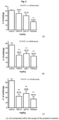
Figure 2 visually shows the results of example 2. The number of writhing counted within the 10 minutes after the administration of acetic acid are reported on the Y axis for each group of mice administered with the vehicle or ineffective amounts of trazodone and gabapentin alone or in combination as reported on the X axis. -
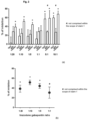
Figure 3 visually shows the results of example 3. InFigure 3a , the inhibition percentage, expressed with reference to the result obtained with the vehicle, is reported on the Y axis for each group of mice administered with trazodone and gabapentin alone or in combination with a weight ratio as reported on the X axis.Figure 3b only reported on the Y axis the inhibition percentage of the trazodone/gabapentin combination with a weight ratio as reported on the X axis. -
Figure 4 visually shows the results of example 4. The reversal percentage, expressed with reference to the result obtained with the vehicle, is reported on the Y axis for each group of rats administered with trazodone and gabapentin alone or in combination as reported on the X axis. - In the present description, the expression "synergistic effect" means that the combination of trazodone with gabapentin inhibits the pain response in mice or rats at a concentration lower than the sum of the concentrations of trazodone and of gabapentin used alone for the same pain test to obtain the same inhibition. In other words, a synergistic effect means that the combination of trazodone with gabapentin is effective in producing more than the additive effect of each component in the same pain test.
- The pharmaceutical composition according to the present invention comprises trazodone or a salt thereof in an amount to provide an ineffective dosage if taken alone, as defined in
claim 1. - Accordingly, the pharmaceutical composition according to the present invention may contain trazodone or a salt thereof in a dosage ranging from 0.01 mg/kg to 1 mg/kg, preferably ranging from 0.05 mg/kg to 0.5 mg/kg, more preferably from 0.1 mg/kg to 0.2 mg/kg, such as, for example, 0.02, 0.04, 0.07, 0.11, 0.12, 0.13, 0.14, 0.15, 0.16, 0.17, 0.18, 0.19, 0.2, 0.25, 0.3, 0.4, 0.6, 0.7, 0.8, and 0.9 mg/kg, and the like.
- The pharmaceutical composition according to the present invention comprises gabapentin or a salt or prodrug thereof, wherein the prodrug is gabapentin enacarbil, in an amount to provide an ineffective dosage if taken alone.
- Accordingly, the pharmaceutical composition according to the present invention may contain gabapentin or a salt or prodrug thereof in a dosage ranging from 0.1 mg/kg to 15 mg/kg, preferably ranging from 0.5 mg/kg to 5 mg/kg, more preferably from 1 mg/kg to 2 mg/kg, such as, for example, 0.2, 0.4, 0.7, 1.1, 1.2, 1.3, 1.4, 1.5, 1.6, 1.7, 1.8, 1.9, 2.0, 2.5, 3.0, 4.0, 6.0, 7.0, 8.0, and 9.0 mg/kg, and the like.
- Advantageously, the pharmaceutical composition according to the present invention contains an amount of trazodone or a salt thereof and an amount of gabapentin or a salt or prodrug thereof such as to provide a trazodone to gabapentin weight ratio ranging from 1:20 to 1:5.
- Any value within the above mentioned trazodone to gabapentin weight ratio can be used, such as, for example, 1:19,1:18, 1:17, 1:16, 1:15, 1:14, 1:13, 1:12, 1:11, 1:10, 1:9, 1:8, 1:7, 1:6, 1:5. Other ratios are possible even though not comprised in the present invention, such as 1:4, 1:3, 1:2, 1:1, 2:1, 3:1, 4:1, 5:1, 6:1, 7:1, 8:1, and 9:1.
- Advantageously, the pharmaceutical composition according to the present invention contains an amount of trazodone or a salt thereof and an amount of gabapentin or a salt or prodrug thereof such as to provide a trazodone to gabapentin weight ratio of about 1:10.
- The gabapentin prodrug is the compound (1-{[({(1RS)-1-[isobutyryloxy]ethoxy}carbonyl)amino] methyl} cyclohexyl) acetic acid, commonly known as gabapentin enacarbil.
- Salts of trazodone and gabapentin are included in the scope of the instant invention. The salt can be formed with physiologically acceptable organic and inorganic compounds having an acid or a basic function.
- Typical examples of suitable physiologically acceptable inorganic acids are hydrochloric acid, hydrobromic acid, sulfuric acid, phosphoric acid and nitric acid.
- Typical examples of suitable physiologically acceptable organic acids are acetic acid, ascorbic acid, benzoic acid, citric acid, fumaric acid, lactic acid, maleic acid, methanesulfonic acid, oxalic acid, paratoluenesulfonic acid, benzenesulfonic acid, succinic acid, tannic acid and tartaric acid.
- Typical examples of suitable physiologically acceptable inorganic bases are hydroxides, carbonates and hydrogen carbonates of ammonium, calcium, magnesium, sodium and potassium, for instance ammonium hydroxide, calcium hydroxide, magnesium carbonate, sodium hydrogen carbonate and potassium hydrogen carbonate.
- Typical examples of suitable physiologically acceptable organic bases are: arginine, betaine, caffeine, choline, N,N-dibenzylethylenediamine, diethylamine, 2-diethylaminoethanol, 2-dimethylaminoethanol, ethanolamine, ethylenediamine, N-ethylmorpholine, N-ethylpiperidine, N-methylglucamine, glucamine, glucosamine, histidine, N-(2-hydroxyethyl)piperidine, N-(2-hydroxyethyl)pyrrolidine, isopropylamine, lysine, methylglucamine, morpholine, piperazine, piperidine, theobromine, triethylamine, trimethylamine, tripropylamine and tromethamine.
- Preferably, the pharmaceutical composition according to the present invention is for systemic use.
- More preferably the pharmaceutical composition according to the present invention is formulated for oral or parenteral administration.
- Preferably, the pharmaceutical composition according to the present invention is prepared in suitable dosage forms.
- Examples of suitable dosage forms are tablets, capsules, coated tablets, granules, and solutions and syrups for oral administration; creams, ointments transdermal patch and antiseptic plasters for topical administration; suppositories for rectal administration and sterile solutions for administration by injection, or aerosol or ophthalmic administration.
- The dosage forms of the pharmaceutical composition of the present invention may be prepared according to techniques that are well known to pharmaceutical chemists, including mixing, granulation, tableting, dissolution, sterilization and the like.
- Advantageously, these dosage forms are formulated so as to ensure a controlled release over time of a compound of the abovementioned general formula (I) or of a pharmaceutically acceptable salt thereof. Specifically, depending on the type of therapy, the required release time may be very short, normal or long.
- The pharmaceutically acceptable excipient can be selected from the group comprising thickeners, glidants, binders, disintegrants, fillers, diluents, preservative, stabilizers, surfactants, buffers, fluidizers, lubricants, humectants, absorbents, salts for regulating osmotic pressure, emulsifiers, flavorings, colorants, sweeteners, and the like.
- The pharmaceutical composition according to the present invention is effective for the treatment of pain.
- The Applicant has found that the combination of trazodone with gabapentin has a synergistic effect in reducing pain in two experimental models in animals represented by (i) the inflammatory pain induced in mice by injection of acetic acid, and (ii) the chronic pain induced in rats by ligature of the sciatic nerve.
- Accordingly, the pharmaceutical composition according to the present invention can be used to treat effectively and with high safety all kinds of chronic pain, either inflammatory or neuropathic in origin.
- Preferred examples of chronic pain treated according to the present invention are the following: inflammatory pain induced by oedema, erythema, articular inflammation, osteoarthritis, rheumatoid arthritis and arthrosis; and neuropathic pain induced by diabetes, cancer, immunodeficiency, trauma, ischemia, multiple sclerosis, sciatica, trigeminal neuralgia, fibromyalgia and post-herpetic syndrome.
- The examples that follow are intended for further illustration of the present invention, though without limiting it.
- The test compounds were evaluated in the model of acetic acid-induced writhing in mice (Stock J.L. et al., J. Clin. Inv. 2001, 107: 325 331).
- Writhing test is a chemical method used to induce pain of peripheral origin by injection of acetic acid in mice. Analgesic activity is inferred from decrease in the frequency of writhing.
- This test allowed evaluation of the antinociceptive activity of the compounds of the invention in a model of inflammatory pain.
- Writhing is defined as a stretch, tension to one side, extension of hind legs, contraction of the abdomen so that the abdomen of mice touches the floor, turning the trunk (twist).
- Male CD-1 mice weighing 20-25 g were used for the test.
- The mice were orally treated with trazodone and gabapentin alone and in combination, or vehicle such as distilled water.
- One hour after the treatment, an intraperitoneal injection of acetic acid (0.7% v/v in physiological saline, 16 µl/g of body weight) was given to the mice to induce inflammatory pain and to check the effects of the test compound on the nociceptive response.
- Five minutes after the administration of acetic acid and for the following 10 minutes the number of writhes was measured, which represents the parameter for evaluation of the nociceptive response. The analgesic activity is evaluated as % inhibition.
- Male CD rats weighing 200-250 g on arrival were used.
- The allodynia was induced by ligature under anaesthesia of the sciatic nerve of the left hind leg [Seltzer Z, Dubner R, Shir Y. A novel behavioural model of neuropathic pain disorders produced in rats by partial sciatic nerve injury. Pain 1990; 43: 205-218; Bennet GJ, Xie YK. A peripheral mononeuropathy in rat that produces disorders of pain sensation like those seen in man. Pain 1988; 33: 87-107].
- Two weeks after ligature of the sciatic nerve, rats who showed a reduction of at least 50% in the response threshold recorded before the intervention were selected. The pain threshold was measured with a von Frey machine, which makes it possible, by applying a gradual increase in pressure to the paw of the left hind leg of the rat, to record the nociceptive response, expressed in grams, corresponding to the moment at which the animal withdraws the leg.
- Immediately after a pre-treatment measurement, the rats were treated with trazodone and gabapentin alone and in combination, or vehicle such as distilled water. After-treatment measurement was made at one hour following administration. The analgesic activity is evaluated as % reversal.
- The ED50 values of trazodone, gabapentin and trazodone/gabapentin combination with a trazodone/gabapentin weight ratio equal to 1/10 has been determined using the writhing test in mice.
- The results are summarized in the following Table 1.
TABLE 1 Drug(s) ED50 (mg/kg) Trazodone 1.2 Gabapentin 27.8 Trazodone/Gabapentin 2.5 - As illustrated in the
Figure 1 , the theoretical additive ED50 of the trazodone/gabapentin combination should have been 14.5 mg/kg, so resulting in an interaction index of about 0.17, providing a strong indication of synergistic interaction. - The writhing test in mice was repeated by administering to four groups of mice ineffective increasing amounts of trazodone and gabapentin alone, or in combination with a trazodone/gabapentin weight ratio equal to 1/10, according to the following Table 2, and vehicle alone.
- The results of each test, expressed as reduction percentage of writhing number compared with the vehicle, are summarized in Table 2 and illustrated in
Figures 2a, 2b and 2c .TABLE 2 Drug(s) Amount (mg/kg) Writhing number reduction % TEST 1 - FIGURE 2a Trazodone 0.15 16.0 Gabapentin 1.5 27.1 Trazodone/Gabapentin 0.15/1.5 57.8 TEST 2 - FIGURE 2b Trazodone 0.5 44.4 Gabapentin 5 38.1 Trazodone/Gabapentin 0.5/5 48.1 TEST 3 - FIGURE 2c Trazodone* 1.5 57.1 Gabapentin 15 45.9 Trazodone/Gabapentin 1.5/15 66.4 * trazodone dosage not comprised within the scope of claim 1 - The results surprisingly demonstrated that the synergistic effect of the combination of trazodone gabapentin were evident only at the lowest dosage of trazodone and gabapentin employed in
test 1. - The writhing test in mice was repeated by administering to four groups of mice different ineffective amounts of trazodone and gabapentin alone, or in combination with different trazodone/gabapentin weight ratio, according to the following Table 3, and vehicle alone.
- The results of each test, expressed as reduction percentage of writhing number compared with the vehicle, are summarized in Table 3 and illustrated in
Figure 3a and 3b .TABLE 3 Drug(s) Amount (mg/kg) Writhing number reduction % TEST 1 - RATIO 1:20 Trazodone 0.075 2.1 Gabapentin 1.5 29.2 Trazodone/Gabapentin 0.075/1.5 47.6 TEST 2 - RATIO 1:10 Trazodone 0.15 16.0 Gabapentin 1.5 27.1 Trazodone/Gabapentin 0.15/1.5 57.8 TEST 3 - RATIO 1:5 Trazodone 0.15 16.3 Gabapentin 0.75 22.4 Trazodone/Gabapentin 0.15/0.75 44.4 TEST 4 - RATIO 1:1 * Trazodone 0.15 12.2 Gabapentin 0.15 28.3 Trazodone/Gabapentin 0.15/0.15 30.7 TEST 5 - RATIO 5:1 * Trazodone 0.75 57.4 Gabapentin 0.15 30.2 Trazodone/Gabapentin 0.75/0.15 58.5 TEST 6 - RATIO 10:1 * Trazodone 1.5 59.7 Gabapentin 0.15 27.2 Trazodone/Gabapentin 1.5/0.15 67.9 *trazodone : gabapentin ratios not comprised within the scope of claim 1 - The results surprisingly demonstrated that the combination of trazodone and gabapentin having a trazodone/gabapentin weight ratio equal to 1:10 showed the most enhanced synergistic analgesic activity.
- The test of ligature of the sciatic nerve in rats was employed to confirm the synergic effect of the combination of trazodone and gabapentin in the treatment of chronic neuropathic pain.
- The test was done by administering to five groups of rats ineffective amounts of trazodone and gabapentin alone, or in combination with a trazodone/gabapentin weight ratio equal to 1:10, and an effective amount of gabapentin according to the following Table 4 and vehicle alone.
- The results of the test, expressed as reversal percentage compared with the vehicle, are summarized in Table 4 and illustrated in
Figure 4 .TABLE 4 Drug(s) Amount (mg/kg) Reversal % Trazodone 0.3 3.1 Gabapentin 3.0 3.7 Trazodone/Gabapentin 0.3/3.0 44.3 Gabapentin 100 37.0 - The results confirmed the synergic effect of the combination of trazodone and gabapentin in the treatment of chronic neuropathic pain, which resulted in an activity even higher than the activity obtained with a conventional effective dose of gabapentin alone.
Claims (9)
- A pharmaceutical composition comprising a synergistic combination of trazodone or a salt thereof in an amount of from 0.01 mg/kg to 1 mg/kg and gabapentin or a salt or prodrug thereof in an amount of from 0.1 mg/kg to 15 mg/kg, wherein the weight ratio between trazodone and gabapentin is of from 1:20 to 1:5 and said gabapentin prodrug is gabapentin enacarbil.
- The pharmaceutical composition according to claim 1 wherein trazodone or a salt thereof is in an amount chosen from the groups consisting of: 0.02 mg/kg, 0.04 mg/kg, 0.07 mg/kg, 0.11 mg/kg, 0.12 mg/kg, 0.13 mg/kg, 0.14 mg/kg, 0.15 mg/kg, 0.16 mg/kg, 0.17 mg/kg, 0.18 mg/kg, 0.19 mg/kg, 0.2 mg/kg, 0.25 mg/kg, 0.3 mg/kg, 0.4 mg/kg, 0.6 mg/kg, 0.7 mg/kg, 0.8 mg/kg, and 0.9 mg/kg, and gabapentin or a salt or prodrug thereof in an amount selected from the group consisting of: 0.2 mg/kg, 0.4 mg/kg, 0.7 mg/kg, 1.1 mg/kg, 1.2 mg/kg, 1.3 mg/kg, 1.4 mg/kg, 1.5 mg/kg, 1.6 mg/kg, 1.7 mg/kg, 1.8 mg/kg, 1.9 mg/kg, 2.0 mg/kg, 2.5 mg/kg, 3.0 mg/kg, 4.0 mg/kg, 6.0 mg/kg, 7.0 mg/kg, 8.0 mg/kg, and 9.0 mg/kg together with at least one pharmaceutically acceptable excipient, characterized in that said trazodone and said gabapentin amounts are in a trazodone to gabapentin weight ratio ranging from 1:15 to 1:5 and wherein said gabapentin prodrug is gabapentin enacarbil.
- The pharmaceutical composition according to any one of claims 1-2, characterized in that the trazodone to gabapentin weight ratio is selected among the following trazodone to gabapentin weight ratios: 1:14, 1:13, 1:12, 1:11, 1:10, 1:9, 1:8, 1:7, 1:6.
- The pharmaceutical composition according to any one of the preceding claims 1 to 3, wherein said composition comprises an amount of trazodone or a salt thereof and an amount of gabapentin or a salt or prodrug thereof in a trazodone to gabapentin weight ratio of about 1:10.
- The pharmaceutical composition according to any one of claims 1 to 4, for use in the treatment of pain.
- The pharmaceutical composition for use according to claim 5 wherein said pain is chronic.
- The pharmaceutical composition for use according to claim 6, wherein said chronic pain is inflammatory or neuropathic in origin.
- The pharmaceutical composition for use according to any one of claims 5 to 7 in the treatment of inflammatory pain induced by oedema, erythema, articular inflammation, osteoarthritis, rheumatoid arthritis and arthrosis.
- The pharmaceutical composition for use according to any one of claims 5 to 7 in the treatment of neuropathic pain induced by diabetes, cancer, immunodeficiency, trauma, ischemia, multiple sclerosis, sciatica, trigeminal neuralgia, fibromyalgia and post-herpetic syndrome.
Priority Applications (4)
| Application Number | Priority Date | Filing Date | Title |
|---|---|---|---|
| HRP20250248TT HRP20250248T1 (en) | 2015-10-22 | 2016-10-17 | COMBINATION OF TRAZODONE AND GABAPENTIN FOR PAIN TREATMENT |
| SM20250150T SMT202500150T1 (en) | 2015-10-22 | 2016-10-17 | Combination of trazodone and gabapentin for the treatment of pain |
| RS20250252A RS66607B1 (en) | 2015-10-22 | 2016-10-17 | COMBINATION OF TRAZODONE AND GABAPENTIN FOR THE TREATMENT OF PAIN |
| SI201631895T SI3881845T1 (en) | 2015-10-22 | 2016-10-17 | Combination of trazodone and gabapentin for the treatment of pain |
Applications Claiming Priority (3)
| Application Number | Priority Date | Filing Date | Title |
|---|---|---|---|
| EP15191024 | 2015-10-22 | ||
| EP16781816.0A EP3364975B1 (en) | 2015-10-22 | 2016-10-17 | Combination of trazodone and gabapentin for the treatment of pain |
| PCT/EP2016/074835 WO2017067870A1 (en) | 2015-10-22 | 2016-10-17 | Combination of trazodone and gabapentin for the treatment of pain |
Related Parent Applications (2)
| Application Number | Title | Priority Date | Filing Date |
|---|---|---|---|
| EP16781816.0A Division EP3364975B1 (en) | 2015-10-22 | 2016-10-17 | Combination of trazodone and gabapentin for the treatment of pain |
| EP16781816.0A Division-Into EP3364975B1 (en) | 2015-10-22 | 2016-10-17 | Combination of trazodone and gabapentin for the treatment of pain |
Publications (3)
| Publication Number | Publication Date |
|---|---|
| EP3881845A2 EP3881845A2 (en) | 2021-09-22 |
| EP3881845A3 EP3881845A3 (en) | 2021-09-29 |
| EP3881845B1 true EP3881845B1 (en) | 2025-01-15 |
Family
ID=54345445
Family Applications (2)
| Application Number | Title | Priority Date | Filing Date |
|---|---|---|---|
| EP21158825.6A Active EP3881845B1 (en) | 2015-10-22 | 2016-10-17 | Combination of trazodone and gabapentin for the treatment of pain |
| EP16781816.0A Active EP3364975B1 (en) | 2015-10-22 | 2016-10-17 | Combination of trazodone and gabapentin for the treatment of pain |
Family Applications After (1)
| Application Number | Title | Priority Date | Filing Date |
|---|---|---|---|
| EP16781816.0A Active EP3364975B1 (en) | 2015-10-22 | 2016-10-17 | Combination of trazodone and gabapentin for the treatment of pain |
Country Status (28)
| Country | Link |
|---|---|
| US (2) | US10786498B2 (en) |
| EP (2) | EP3881845B1 (en) |
| JP (1) | JP6924184B2 (en) |
| KR (1) | KR102691296B1 (en) |
| CN (1) | CN108174599B (en) |
| AR (1) | AR106415A1 (en) |
| AU (1) | AU2016341063B2 (en) |
| BR (1) | BR112018007374B1 (en) |
| CA (1) | CA2999389C (en) |
| CY (1) | CY1124229T1 (en) |
| DK (2) | DK3364975T3 (en) |
| EA (2) | EA037838B1 (en) |
| ES (2) | ES3015662T3 (en) |
| FI (1) | FI3881845T3 (en) |
| GE (2) | GEP20207145B (en) |
| HR (2) | HRP20210832T1 (en) |
| HU (2) | HUE054653T2 (en) |
| IL (1) | IL258316B (en) |
| LT (2) | LT3364975T (en) |
| MD (2) | MD3881845T2 (en) |
| MX (1) | MX380433B (en) |
| PL (2) | PL3364975T3 (en) |
| PT (2) | PT3881845T (en) |
| RS (2) | RS66607B1 (en) |
| SI (2) | SI3364975T1 (en) |
| SM (2) | SMT202500150T1 (en) |
| UA (1) | UA122245C2 (en) |
| WO (1) | WO2017067870A1 (en) |
Families Citing this family (2)
| Publication number | Priority date | Publication date | Assignee | Title |
|---|---|---|---|---|
| IT201900006602A1 (en) * | 2019-05-07 | 2020-11-07 | Acraf | Pharmaceutical composition for the treatment of neuropathic pain |
| EP3907214A1 (en) * | 2020-05-04 | 2021-11-10 | Dompe' Farmaceutici S.P.A. | Co-crystal of ketoprofen, lysine and gabapentin, pharmaceutical compositions and their medical use |
Family Cites Families (8)
| Publication number | Priority date | Publication date | Assignee | Title |
|---|---|---|---|---|
| DE602004024317D1 (en) | 2003-09-12 | 2010-01-07 | Pfizer | COMBINATIONS OF ALPHA-2-DELTA LIGANDS AND SEROTONINE / NORADRENALINE RECOVERY INHIBITORS |
| KR20060087560A (en) * | 2003-09-12 | 2006-08-02 | 워너-램버트 캄파니 엘엘씨 | Combination for the treatment of depression and anxiety disorders, including alpha-2-delta ligands and SSR and / or SNR |
| US20080096872A1 (en) * | 2004-12-22 | 2008-04-24 | Friedman Robert S | Composition for Treatment of Pain Specification |
| US20120083508A1 (en) * | 2006-12-22 | 2012-04-05 | Allergan, Inc. | Alpha-2b receptor agonist and anticonvulsant compositions for treating chronic pain |
| US9695380B2 (en) * | 2007-07-18 | 2017-07-04 | Dow Global Technologies Llc | Water-glycol hydraulic fluid compositions |
| WO2009021058A2 (en) | 2007-08-06 | 2009-02-12 | Trinity Labortories, Inc. | Pharmaceutical compositions for treating chronic pain and pain associated with neuropathy |
| US20100004485A1 (en) * | 2008-07-02 | 2010-01-07 | Teva Pharmaceutical Industries Ltd. | Gabapentin enacarbil salts and processes for their preparation |
| JP5893135B2 (en) | 2011-06-28 | 2016-03-23 | ビボゾーン インコーポレイテッド | Combinations of active substances that induce the synergistic effect of multiple targeting and their uses |
-
2016
- 2016-10-17 GE GEAP201614778A patent/GEP20207145B/en unknown
- 2016-10-17 SI SI201631218T patent/SI3364975T1/en unknown
- 2016-10-17 HR HRP20210832TT patent/HRP20210832T1/en unknown
- 2016-10-17 MD MDE20220430T patent/MD3881845T2/en unknown
- 2016-10-17 EA EA201890911A patent/EA037838B1/en unknown
- 2016-10-17 FI FIEP21158825.6T patent/FI3881845T3/en active
- 2016-10-17 IL IL258316A patent/IL258316B/en unknown
- 2016-10-17 WO PCT/EP2016/074835 patent/WO2017067870A1/en not_active Ceased
- 2016-10-17 EP EP21158825.6A patent/EP3881845B1/en active Active
- 2016-10-17 UA UAA201804930A patent/UA122245C2/en unknown
- 2016-10-17 RS RS20250252A patent/RS66607B1/en unknown
- 2016-10-17 US US15/767,543 patent/US10786498B2/en active Active
- 2016-10-17 LT LTEP16781816.0T patent/LT3364975T/en unknown
- 2016-10-17 PL PL16781816T patent/PL3364975T3/en unknown
- 2016-10-17 PT PT211588256T patent/PT3881845T/en unknown
- 2016-10-17 CN CN201680059627.1A patent/CN108174599B/en active Active
- 2016-10-17 PT PT167818160T patent/PT3364975T/en unknown
- 2016-10-17 ES ES21158825T patent/ES3015662T3/en active Active
- 2016-10-17 HR HRP20250248TT patent/HRP20250248T1/en unknown
- 2016-10-17 MX MX2018004532A patent/MX380433B/en unknown
- 2016-10-17 ES ES16781816T patent/ES2879392T3/en active Active
- 2016-10-17 MD MDE20180825T patent/MD3364975T2/en unknown
- 2016-10-17 GE GEAP202014778A patent/GEAP202014778A/en unknown
- 2016-10-17 SM SM20250150T patent/SMT202500150T1/en unknown
- 2016-10-17 CA CA2999389A patent/CA2999389C/en active Active
- 2016-10-17 SI SI201631895T patent/SI3881845T1/en unknown
- 2016-10-17 LT LTEP21158825.6T patent/LT3881845T/en unknown
- 2016-10-17 RS RS20210740A patent/RS61989B1/en unknown
- 2016-10-17 KR KR1020187013499A patent/KR102691296B1/en active Active
- 2016-10-17 BR BR112018007374-1A patent/BR112018007374B1/en active IP Right Grant
- 2016-10-17 DK DK16781816.0T patent/DK3364975T3/en active
- 2016-10-17 JP JP2018519360A patent/JP6924184B2/en active Active
- 2016-10-17 DK DK21158825.6T patent/DK3881845T3/en active
- 2016-10-17 HU HUE16781816A patent/HUE054653T2/en unknown
- 2016-10-17 EP EP16781816.0A patent/EP3364975B1/en active Active
- 2016-10-17 PL PL21158825.6T patent/PL3881845T3/en unknown
- 2016-10-17 HU HUE21158825A patent/HUE071186T2/en unknown
- 2016-10-17 EA EA202190626A patent/EA202190626A3/en unknown
- 2016-10-17 AU AU2016341063A patent/AU2016341063B2/en active Active
- 2016-10-17 SM SM20210352T patent/SMT202100352T1/en unknown
- 2016-10-20 AR ARP160103200A patent/AR106415A1/en unknown
-
2020
- 2020-04-15 US US16/849,545 patent/US11752147B2/en active Active
-
2021
- 2021-06-18 CY CY20211100546T patent/CY1124229T1/en unknown
Also Published As
Similar Documents
| Publication | Publication Date | Title |
|---|---|---|
| US11752147B2 (en) | Pharmaceutical composition for the treatment of pain | |
| HK40059759B (en) | Combination of trazodone and gabapentin for the treatment of pain | |
| JP2018531259A6 (en) | Pharmaceutical composition for the treatment of pain | |
| HK40059759A (en) | Combination of trazodone and gabapentin for the treatment of pain | |
| HK1252359B (en) | Combination of trazodone and gabapentin for the treatment of pain | |
| EP3965752B1 (en) | Pharmaceutical combination comprising trazodone for the treatment of neuropathic pain | |
| EA045884B1 (en) | COMBINATION OF TRAZODONE AND GABAPENTIN FOR THE TREATMENT OF PAIN | |
| HK40060319B (en) | Pharmaceutical combination comprising trazodone for the treatment of neuropathic pain | |
| EA046312B1 (en) | PHARMACEUTICAL COMBINATION INCLUDING TRAZODONE FOR THE TREATMENT OF NEUROPATHIC PAIN | |
| Hewton et al. | Dexmedetomidine as an additive to eye blocks: A review of the literature |
Legal Events
| Date | Code | Title | Description |
|---|---|---|---|
| REG | Reference to a national code |
Ref country code: HR Ref legal event code: TUEP Ref document number: P20250248T Country of ref document: HR |
|
| PUAI | Public reference made under article 153(3) epc to a published international application that has entered the european phase |
Free format text: ORIGINAL CODE: 0009012 |
|
| STAA | Information on the status of an ep patent application or granted ep patent |
Free format text: STATUS: THE APPLICATION HAS BEEN PUBLISHED |
|
| PUAL | Search report despatched |
Free format text: ORIGINAL CODE: 0009013 |
|
| AC | Divisional application: reference to earlier application |
Ref document number: 3364975 Country of ref document: EP Kind code of ref document: P |
|
| AK | Designated contracting states |
Kind code of ref document: A2 Designated state(s): AL AT BE BG CH CY CZ DE DK EE ES FI FR GB GR HR HU IE IS IT LI LT LU LV MC MK MT NL NO PL PT RO RS SE SI SK SM TR |
|
| AK | Designated contracting states |
Kind code of ref document: A3 Designated state(s): AL AT BE BG CH CY CZ DE DK EE ES FI FR GB GR HR HU IE IS IT LI LT LU LV MC MK MT NL NO PL PT RO RS SE SI SK SM TR |
|
| RIC1 | Information provided on ipc code assigned before grant |
Ipc: A61P 25/00 20060101ALI20210825BHEP Ipc: A61P 29/00 20060101ALI20210825BHEP Ipc: A61K 31/195 20060101ALI20210825BHEP Ipc: A61K 45/06 20060101ALI20210825BHEP Ipc: A61P 25/04 20060101ALI20210825BHEP Ipc: A61P 25/02 20060101ALI20210825BHEP Ipc: A61K 31/496 20060101AFI20210825BHEP |
|
| STAA | Information on the status of an ep patent application or granted ep patent |
Free format text: STATUS: REQUEST FOR EXAMINATION WAS MADE |
|
| 17P | Request for examination filed |
Effective date: 20220307 |
|
| RAV | Requested validation state of the european patent: fee paid |
Extension state: MD Effective date: 20220307 |
|
| RAX | Requested extension states of the european patent have changed |
Extension state: ME Payment date: 20220307 Extension state: BA Payment date: 20220307 |
|
| RBV | Designated contracting states (corrected) |
Designated state(s): AL AT BE BG CH CY CZ DE DK EE ES FI FR GB GR HR HU IE IS IT LI LT LU LV MC MK MT NL NO PL PT RO RS SE SI SK SM TR |
|
| REG | Reference to a national code |
Ref country code: HK Ref legal event code: DE Ref document number: 40059759 Country of ref document: HK |
|
| STAA | Information on the status of an ep patent application or granted ep patent |
Free format text: STATUS: EXAMINATION IS IN PROGRESS |
|
| 17Q | First examination report despatched |
Effective date: 20230418 |
|
| P01 | Opt-out of the competence of the unified patent court (upc) registered |
Effective date: 20230526 |
|
| GRAP | Despatch of communication of intention to grant a patent |
Free format text: ORIGINAL CODE: EPIDOSNIGR1 |
|
| STAA | Information on the status of an ep patent application or granted ep patent |
Free format text: STATUS: GRANT OF PATENT IS INTENDED |
|
| INTG | Intention to grant announced |
Effective date: 20240819 |
|
| GRAS | Grant fee paid |
Free format text: ORIGINAL CODE: EPIDOSNIGR3 |
|
| GRAA | (expected) grant |
Free format text: ORIGINAL CODE: 0009210 |
|
| STAA | Information on the status of an ep patent application or granted ep patent |
Free format text: STATUS: THE PATENT HAS BEEN GRANTED |
|
| AC | Divisional application: reference to earlier application |
Ref document number: 3364975 Country of ref document: EP Kind code of ref document: P |
|
| AK | Designated contracting states |
Kind code of ref document: B1 Designated state(s): AL AT BE BG CH CY CZ DE DK EE ES FI FR GB GR HR HU IE IS IT LI LT LU LV MC MK MT NL NO PL PT RO RS SE SI SK SM TR |
|
| REG | Reference to a national code |
Ref country code: CH Ref legal event code: EP Ref country code: GB Ref legal event code: FG4D |
|
| REG | Reference to a national code |
Ref country code: DE Ref legal event code: R096 Ref document number: 602016090981 Country of ref document: DE |
|
| REG | Reference to a national code |
Ref country code: IE Ref legal event code: FG4D |
|
| REG | Reference to a national code |
Ref country code: PT Ref legal event code: SC4A Ref document number: 3881845 Country of ref document: PT Date of ref document: 20250213 Kind code of ref document: T Free format text: AVAILABILITY OF NATIONAL TRANSLATION Effective date: 20250207 |
|
| REG | Reference to a national code |
Ref country code: DK Ref legal event code: T3 Effective date: 20250319 |
|
| REG | Reference to a national code |
Ref country code: NL Ref legal event code: FP |
|
| REG | Reference to a national code |
Ref country code: FI Ref legal event code: FGE |
|
| REG | Reference to a national code |
Ref country code: HR Ref legal event code: T1PR Ref document number: P20250248 Country of ref document: HR |
|
| REG | Reference to a national code |
Ref country code: SE Ref legal event code: TRGR |
|
| REG | Reference to a national code |
Ref country code: GR Ref legal event code: EP Ref document number: 20250400491 Country of ref document: GR Effective date: 20250409 |
|
| PGFP | Annual fee paid to national office [announced via postgrant information from national office to epo] |
Ref country code: TR Payment date: 20250319 Year of fee payment: 10 |
|
| REG | Reference to a national code |
Ref country code: EE Ref legal event code: FG4A Ref document number: E024949 Country of ref document: EE Effective date: 20250225 |
|
| REG | Reference to a national code |
Ref country code: SK Ref legal event code: T3 Ref document number: E 46264 Country of ref document: SK |
|
| REG | Reference to a national code |
Ref country code: MD Ref legal event code: VAGR Ref document number: 3881845 Country of ref document: MD Date of ref document: 20250630 Kind code of ref document: T2 |
|
| PGFP | Annual fee paid to national office [announced via postgrant information from national office to epo] |
Ref country code: MT Payment date: 20250421 Year of fee payment: 10 |
|
| REG | Reference to a national code |
Ref country code: HU Ref legal event code: AG4A Ref document number: E071186 Country of ref document: HU |
|
| REG | Reference to a national code |
Ref country code: DE Ref legal event code: R097 Ref document number: 602016090981 Country of ref document: DE |
|
| PGFP | Annual fee paid to national office [announced via postgrant information from national office to epo] |
Ref country code: SI Payment date: 20250930 Year of fee payment: 10 |
|
| REG | Reference to a national code |
Ref country code: CH Ref legal event code: U11 Free format text: ST27 STATUS EVENT CODE: U-0-0-U10-U11 (AS PROVIDED BY THE NATIONAL OFFICE) Effective date: 20251101 |
|
| REG | Reference to a national code |
Ref country code: HR Ref legal event code: ODRP Ref document number: P20250248 Country of ref document: HR Payment date: 20251010 Year of fee payment: 10 |
|
| PGFP | Annual fee paid to national office [announced via postgrant information from national office to epo] |
Ref country code: HU Payment date: 20251007 Year of fee payment: 10 |
|
| PGFP | Annual fee paid to national office [announced via postgrant information from national office to epo] |
Ref country code: NL Payment date: 20251026 Year of fee payment: 10 Ref country code: LU Payment date: 20251027 Year of fee payment: 10 |
|
| PLBE | No opposition filed within time limit |
Free format text: ORIGINAL CODE: 0009261 |
|
| STAA | Information on the status of an ep patent application or granted ep patent |
Free format text: STATUS: NO OPPOSITION FILED WITHIN TIME LIMIT |
|
| PGFP | Annual fee paid to national office [announced via postgrant information from national office to epo] |
Ref country code: PT Payment date: 20251001 Year of fee payment: 10 |
|
| 26N | No opposition filed |
Effective date: 20251016 |
|
| PGFP | Annual fee paid to national office [announced via postgrant information from national office to epo] |
Ref country code: IS Payment date: 20251014 Year of fee payment: 10 Ref country code: DE Payment date: 20251029 Year of fee payment: 10 |
|
| PGFP | Annual fee paid to national office [announced via postgrant information from national office to epo] |
Ref country code: LT Payment date: 20251001 Year of fee payment: 10 Ref country code: GB Payment date: 20251027 Year of fee payment: 10 |
|
| PGFP | Annual fee paid to national office [announced via postgrant information from national office to epo] |
Ref country code: NO Payment date: 20251029 Year of fee payment: 10 Ref country code: MC Payment date: 20251003 Year of fee payment: 10 |
|
| PGFP | Annual fee paid to national office [announced via postgrant information from national office to epo] |
Ref country code: SM Payment date: 20251010 Year of fee payment: 10 Ref country code: MK Payment date: 20251003 Year of fee payment: 10 Ref country code: AT Payment date: 20251029 Year of fee payment: 10 |
|
| PGFP | Annual fee paid to national office [announced via postgrant information from national office to epo] |
Ref country code: IT Payment date: 20251021 Year of fee payment: 10 Ref country code: FI Payment date: 20251027 Year of fee payment: 10 Ref country code: DK Payment date: 20251027 Year of fee payment: 10 |
|
| PGFP | Annual fee paid to national office [announced via postgrant information from national office to epo] |
Ref country code: FR Payment date: 20251027 Year of fee payment: 10 Ref country code: HR Payment date: 20251010 Year of fee payment: 10 |
|
| VSFP | Annual fee paid to validation state [announced via postgrant information from national office to epo] |
Ref country code: MD Payment date: 20251006 Year of fee payment: 10 |
|
| PGFP | Annual fee paid to national office [announced via postgrant information from national office to epo] |
Ref country code: GR Payment date: 20251029 Year of fee payment: 10 Ref country code: AL Payment date: 20251017 Year of fee payment: 10 Ref country code: BE Payment date: 20251027 Year of fee payment: 10 |
|
| PGFP | Annual fee paid to national office [announced via postgrant information from national office to epo] |
Ref country code: SE Payment date: 20251027 Year of fee payment: 10 Ref country code: CH Payment date: 20251101 Year of fee payment: 10 |
|
| PGFP | Annual fee paid to national office [announced via postgrant information from national office to epo] |
Ref country code: CZ Payment date: 20251007 Year of fee payment: 10 Ref country code: IE Payment date: 20251027 Year of fee payment: 10 |
|
| PGFP | Annual fee paid to national office [announced via postgrant information from national office to epo] |
Ref country code: LV Payment date: 20251001 Year of fee payment: 10 |
|
| PGFP | Annual fee paid to national office [announced via postgrant information from national office to epo] |
Ref country code: PL Payment date: 20251014 Year of fee payment: 10 Ref country code: BG Payment date: 20251016 Year of fee payment: 10 |
|
| PGFP | Annual fee paid to national office [announced via postgrant information from national office to epo] |
Ref country code: EE Payment date: 20251009 Year of fee payment: 10 |
|
| PGFP | Annual fee paid to national office [announced via postgrant information from national office to epo] |
Ref country code: RO Payment date: 20251006 Year of fee payment: 10 Ref country code: SK Payment date: 20251002 Year of fee payment: 10 |
|
| PGFP | Annual fee paid to national office [announced via postgrant information from national office to epo] |
Ref country code: RS Payment date: 20251001 Year of fee payment: 10 |
|
| PGFP | Annual fee paid to national office [announced via postgrant information from national office to epo] |
Ref country code: ES Payment date: 20251103 Year of fee payment: 10 |
|
| PGFP | Annual fee paid to national office [announced via postgrant information from national office to epo] |
Ref country code: CY Payment date: 20251009 Year of fee payment: 10 |