EP3879665A1 - Agv charging method and system for automated terminal - Google Patents
Agv charging method and system for automated terminal Download PDFInfo
- Publication number
- EP3879665A1 EP3879665A1 EP19881495.6A EP19881495A EP3879665A1 EP 3879665 A1 EP3879665 A1 EP 3879665A1 EP 19881495 A EP19881495 A EP 19881495A EP 3879665 A1 EP3879665 A1 EP 3879665A1
- Authority
- EP
- European Patent Office
- Prior art keywords
- charging
- agv
- power
- power range
- sea
- Prior art date
- Legal status (The legal status is an assumption and is not a legal conclusion. Google has not performed a legal analysis and makes no representation as to the accuracy of the status listed.)
- Granted
Links
Images

Classifications
-
- H—ELECTRICITY
- H02—GENERATION; CONVERSION OR DISTRIBUTION OF ELECTRIC POWER
- H02J—ELECTRIC POWER NETWORKS; CIRCUIT ARRANGEMENTS OR SYSTEMS FOR SUPPLYING OR DISTRIBUTING ELECTRIC POWER; SYSTEMS FOR STORING ELECTRIC ENERGY
- H02J7/00—Circuit arrangements for charging or discharging batteries or for supplying loads from batteries
- H02J7/90—Regulation of charging or discharging current or voltage
- H02J7/92—Regulation of charging or discharging current or voltage with prioritisation of loads or sources
-
- B—PERFORMING OPERATIONS; TRANSPORTING
- B60—VEHICLES IN GENERAL
- B60L—PROPULSION OF ELECTRICALLY-PROPELLED VEHICLES; SUPPLYING ELECTRIC POWER FOR AUXILIARY EQUIPMENT OF ELECTRICALLY-PROPELLED VEHICLES; ELECTRODYNAMIC BRAKE SYSTEMS FOR VEHICLES IN GENERAL; MAGNETIC SUSPENSION OR LEVITATION FOR VEHICLES; MONITORING OPERATING VARIABLES OF ELECTRICALLY-PROPELLED VEHICLES; ELECTRIC SAFETY DEVICES FOR ELECTRICALLY-PROPELLED VEHICLES
- B60L50/00—Electric propulsion with power supplied within the vehicle
- B60L50/50—Electric propulsion with power supplied within the vehicle using propulsion power supplied by batteries or fuel cells
- B60L50/60—Electric propulsion with power supplied within the vehicle using propulsion power supplied by batteries or fuel cells using power supplied by batteries
-
- B—PERFORMING OPERATIONS; TRANSPORTING
- B60—VEHICLES IN GENERAL
- B60L—PROPULSION OF ELECTRICALLY-PROPELLED VEHICLES; SUPPLYING ELECTRIC POWER FOR AUXILIARY EQUIPMENT OF ELECTRICALLY-PROPELLED VEHICLES; ELECTRODYNAMIC BRAKE SYSTEMS FOR VEHICLES IN GENERAL; MAGNETIC SUSPENSION OR LEVITATION FOR VEHICLES; MONITORING OPERATING VARIABLES OF ELECTRICALLY-PROPELLED VEHICLES; ELECTRIC SAFETY DEVICES FOR ELECTRICALLY-PROPELLED VEHICLES
- B60L53/00—Methods of charging batteries, specially adapted for electric vehicles; Charging stations or on-board charging equipment therefor; Exchange of energy storage elements in electric vehicles
- B60L53/30—Constructional details of charging stations
- B60L53/32—Constructional details of charging stations by charging in short intervals along the itinerary, e.g. during short stops
-
- B—PERFORMING OPERATIONS; TRANSPORTING
- B60—VEHICLES IN GENERAL
- B60L—PROPULSION OF ELECTRICALLY-PROPELLED VEHICLES; SUPPLYING ELECTRIC POWER FOR AUXILIARY EQUIPMENT OF ELECTRICALLY-PROPELLED VEHICLES; ELECTRODYNAMIC BRAKE SYSTEMS FOR VEHICLES IN GENERAL; MAGNETIC SUSPENSION OR LEVITATION FOR VEHICLES; MONITORING OPERATING VARIABLES OF ELECTRICALLY-PROPELLED VEHICLES; ELECTRIC SAFETY DEVICES FOR ELECTRICALLY-PROPELLED VEHICLES
- B60L53/00—Methods of charging batteries, specially adapted for electric vehicles; Charging stations or on-board charging equipment therefor; Exchange of energy storage elements in electric vehicles
- B60L53/60—Monitoring or controlling charging stations
- B60L53/62—Monitoring or controlling charging stations in response to charging parameters, e.g. current, voltage or electrical charge
-
- B—PERFORMING OPERATIONS; TRANSPORTING
- B60—VEHICLES IN GENERAL
- B60L—PROPULSION OF ELECTRICALLY-PROPELLED VEHICLES; SUPPLYING ELECTRIC POWER FOR AUXILIARY EQUIPMENT OF ELECTRICALLY-PROPELLED VEHICLES; ELECTRODYNAMIC BRAKE SYSTEMS FOR VEHICLES IN GENERAL; MAGNETIC SUSPENSION OR LEVITATION FOR VEHICLES; MONITORING OPERATING VARIABLES OF ELECTRICALLY-PROPELLED VEHICLES; ELECTRIC SAFETY DEVICES FOR ELECTRICALLY-PROPELLED VEHICLES
- B60L53/00—Methods of charging batteries, specially adapted for electric vehicles; Charging stations or on-board charging equipment therefor; Exchange of energy storage elements in electric vehicles
- B60L53/60—Monitoring or controlling charging stations
- B60L53/68—Off-site monitoring or control, e.g. remote control
-
- H—ELECTRICITY
- H02—GENERATION; CONVERSION OR DISTRIBUTION OF ELECTRIC POWER
- H02J—ELECTRIC POWER NETWORKS; CIRCUIT ARRANGEMENTS OR SYSTEMS FOR SUPPLYING OR DISTRIBUTING ELECTRIC POWER; SYSTEMS FOR STORING ELECTRIC ENERGY
- H02J7/00—Circuit arrangements for charging or discharging batteries or for supplying loads from batteries
- H02J7/90—Regulation of charging or discharging current or voltage
- H02J7/933—Regulation of charging or discharging current or voltage the cycle being controlled or terminated in response to electric parameters
-
- B—PERFORMING OPERATIONS; TRANSPORTING
- B60—VEHICLES IN GENERAL
- B60L—PROPULSION OF ELECTRICALLY-PROPELLED VEHICLES; SUPPLYING ELECTRIC POWER FOR AUXILIARY EQUIPMENT OF ELECTRICALLY-PROPELLED VEHICLES; ELECTRODYNAMIC BRAKE SYSTEMS FOR VEHICLES IN GENERAL; MAGNETIC SUSPENSION OR LEVITATION FOR VEHICLES; MONITORING OPERATING VARIABLES OF ELECTRICALLY-PROPELLED VEHICLES; ELECTRIC SAFETY DEVICES FOR ELECTRICALLY-PROPELLED VEHICLES
- B60L2200/00—Type of vehicles
- B60L2200/40—Working vehicles
-
- B—PERFORMING OPERATIONS; TRANSPORTING
- B60—VEHICLES IN GENERAL
- B60L—PROPULSION OF ELECTRICALLY-PROPELLED VEHICLES; SUPPLYING ELECTRIC POWER FOR AUXILIARY EQUIPMENT OF ELECTRICALLY-PROPELLED VEHICLES; ELECTRODYNAMIC BRAKE SYSTEMS FOR VEHICLES IN GENERAL; MAGNETIC SUSPENSION OR LEVITATION FOR VEHICLES; MONITORING OPERATING VARIABLES OF ELECTRICALLY-PROPELLED VEHICLES; ELECTRIC SAFETY DEVICES FOR ELECTRICALLY-PROPELLED VEHICLES
- B60L2260/00—Operating Modes
- B60L2260/20—Drive modes; Transition between modes
- B60L2260/26—Transition between different drive modes
-
- H—ELECTRICITY
- H02—GENERATION; CONVERSION OR DISTRIBUTION OF ELECTRIC POWER
- H02J—ELECTRIC POWER NETWORKS; CIRCUIT ARRANGEMENTS OR SYSTEMS FOR SUPPLYING OR DISTRIBUTING ELECTRIC POWER; SYSTEMS FOR STORING ELECTRIC ENERGY
- H02J2105/00—Networks for supplying or distributing electric power characterised by their spatial reach or by the load
- H02J2105/30—Networks for supplying or distributing electric power characterised by their spatial reach or by the load the load networks being external to vehicles, i.e. exchanging power with vehicles
- H02J2105/33—Networks for supplying or distributing electric power characterised by their spatial reach or by the load the load networks being external to vehicles, i.e. exchanging power with vehicles exchanging power with road vehicles
- H02J2105/37—Networks for supplying or distributing electric power characterised by their spatial reach or by the load the load networks being external to vehicles, i.e. exchanging power with vehicles exchanging power with road vehicles exchanging power with electric vehicles [EV] or with hybrid electric vehicles [HEV]
-
- Y—GENERAL TAGGING OF NEW TECHNOLOGICAL DEVELOPMENTS; GENERAL TAGGING OF CROSS-SECTIONAL TECHNOLOGIES SPANNING OVER SEVERAL SECTIONS OF THE IPC; TECHNICAL SUBJECTS COVERED BY FORMER USPC CROSS-REFERENCE ART COLLECTIONS [XRACs] AND DIGESTS
- Y02—TECHNOLOGIES OR APPLICATIONS FOR MITIGATION OR ADAPTATION AGAINST CLIMATE CHANGE
- Y02T—CLIMATE CHANGE MITIGATION TECHNOLOGIES RELATED TO TRANSPORTATION
- Y02T10/00—Road transport of goods or passengers
- Y02T10/60—Other road transportation technologies with climate change mitigation effect
- Y02T10/70—Energy storage systems for electromobility, e.g. batteries
-
- Y—GENERAL TAGGING OF NEW TECHNOLOGICAL DEVELOPMENTS; GENERAL TAGGING OF CROSS-SECTIONAL TECHNOLOGIES SPANNING OVER SEVERAL SECTIONS OF THE IPC; TECHNICAL SUBJECTS COVERED BY FORMER USPC CROSS-REFERENCE ART COLLECTIONS [XRACs] AND DIGESTS
- Y02—TECHNOLOGIES OR APPLICATIONS FOR MITIGATION OR ADAPTATION AGAINST CLIMATE CHANGE
- Y02T—CLIMATE CHANGE MITIGATION TECHNOLOGIES RELATED TO TRANSPORTATION
- Y02T10/00—Road transport of goods or passengers
- Y02T10/60—Other road transportation technologies with climate change mitigation effect
- Y02T10/7072—Electromobility specific charging systems or methods for batteries, ultracapacitors, supercapacitors or double-layer capacitors
-
- Y—GENERAL TAGGING OF NEW TECHNOLOGICAL DEVELOPMENTS; GENERAL TAGGING OF CROSS-SECTIONAL TECHNOLOGIES SPANNING OVER SEVERAL SECTIONS OF THE IPC; TECHNICAL SUBJECTS COVERED BY FORMER USPC CROSS-REFERENCE ART COLLECTIONS [XRACs] AND DIGESTS
- Y02—TECHNOLOGIES OR APPLICATIONS FOR MITIGATION OR ADAPTATION AGAINST CLIMATE CHANGE
- Y02T—CLIMATE CHANGE MITIGATION TECHNOLOGIES RELATED TO TRANSPORTATION
- Y02T90/00—Enabling technologies or technologies with a potential or indirect contribution to GHG emissions mitigation
- Y02T90/10—Technologies relating to charging of electric vehicles
- Y02T90/12—Electric charging stations
-
- Y—GENERAL TAGGING OF NEW TECHNOLOGICAL DEVELOPMENTS; GENERAL TAGGING OF CROSS-SECTIONAL TECHNOLOGIES SPANNING OVER SEVERAL SECTIONS OF THE IPC; TECHNICAL SUBJECTS COVERED BY FORMER USPC CROSS-REFERENCE ART COLLECTIONS [XRACs] AND DIGESTS
- Y02—TECHNOLOGIES OR APPLICATIONS FOR MITIGATION OR ADAPTATION AGAINST CLIMATE CHANGE
- Y02T—CLIMATE CHANGE MITIGATION TECHNOLOGIES RELATED TO TRANSPORTATION
- Y02T90/00—Enabling technologies or technologies with a potential or indirect contribution to GHG emissions mitigation
- Y02T90/10—Technologies relating to charging of electric vehicles
- Y02T90/16—Information or communication technologies improving the operation of electric vehicles
-
- Y—GENERAL TAGGING OF NEW TECHNOLOGICAL DEVELOPMENTS; GENERAL TAGGING OF CROSS-SECTIONAL TECHNOLOGIES SPANNING OVER SEVERAL SECTIONS OF THE IPC; TECHNICAL SUBJECTS COVERED BY FORMER USPC CROSS-REFERENCE ART COLLECTIONS [XRACs] AND DIGESTS
- Y02—TECHNOLOGIES OR APPLICATIONS FOR MITIGATION OR ADAPTATION AGAINST CLIMATE CHANGE
- Y02T—CLIMATE CHANGE MITIGATION TECHNOLOGIES RELATED TO TRANSPORTATION
- Y02T90/00—Enabling technologies or technologies with a potential or indirect contribution to GHG emissions mitigation
- Y02T90/10—Technologies relating to charging of electric vehicles
- Y02T90/16—Information or communication technologies improving the operation of electric vehicles
- Y02T90/167—Systems integrating technologies related to power network operation and communication or information technologies for supporting the interoperability of electric or hybrid vehicles, i.e. smartgrids as interface for battery charging of electric vehicles [EV] or hybrid vehicles [HEV]
-
- Y—GENERAL TAGGING OF NEW TECHNOLOGICAL DEVELOPMENTS; GENERAL TAGGING OF CROSS-SECTIONAL TECHNOLOGIES SPANNING OVER SEVERAL SECTIONS OF THE IPC; TECHNICAL SUBJECTS COVERED BY FORMER USPC CROSS-REFERENCE ART COLLECTIONS [XRACs] AND DIGESTS
- Y04—INFORMATION OR COMMUNICATION TECHNOLOGIES HAVING AN IMPACT ON OTHER TECHNOLOGY AREAS
- Y04S—SYSTEMS INTEGRATING TECHNOLOGIES RELATED TO POWER NETWORK OPERATION, COMMUNICATION OR INFORMATION TECHNOLOGIES FOR IMPROVING THE ELECTRICAL POWER GENERATION, TRANSMISSION, DISTRIBUTION, MANAGEMENT OR USAGE, i.e. SMART GRIDS
- Y04S30/00—Systems supporting specific end-user applications in the sector of transportation
- Y04S30/10—Systems supporting the interoperability of electric or hybrid vehicles
- Y04S30/12—Remote or cooperative charging
Definitions
- the invention belongs to the technical field of automated container terminal, and specifically relates to an automated container terminal AGV charging method and a charging system for the same.
- AGV Automated Guided Vehicle
- the AGV battery pack electrical energy replenishment methods of the prior art mainly include two types: a battery-replacement type and a charging type.
- the disadvantage of the battery-replacement type is that a special designed battery-replacement station needs to be built where spare battery packs are provided; due to the fact that the battery used in AGV requires a large battery capacity and the energy consumption of AGV is high, the cost for building battery-replacement stations is huge.
- the advantage of the charging type is that there is no need to build battery-replacement stations or provide with spare battery packs, which could reduce the cost.
- the charging type is based on charging piles located in charging areas where AGVs are docked for charging, the number of the charging piles is configured according to the number of AGVs, which increases the cost in another aspect.
- a configuration that a charging device is disposed on an interactive support bracket in a sea-side interactive operation area of a container yard is provided, so as to enable AGVs to be charged during an interactive operation with the interactive support bracket in each repeated working cycle.
- the present invention provides an AGV charging method for automated container terminal and an AGV charging system for automated container terminal, which provide with a shallow charging and shallow discharging strategy for a periodic charging manner of AGVs, so as to extend battery life to the maximum.
- the present invention adopts the following technical solutions.
- An AGV charging method for automated container terminal includes: determining a power range that a current power belongs to during one AGV operation; if it is determined that the current power belongs to the first power range, the AGV is operated in a normal operation and implemented a periodic charging during an operation in a sea-side interactive operation area of the container yard; if it is determined that the current power belongs to the second power range, the AGV is operated in a normal operation and then guided to drive to a set position for charging when the normal operation is completed; if it is determined that the current power belongs to the third power range, the AGV is guided to drive to a set position for charging; wherein the first power range is higher than the second power range and the second power range is higher than the third power range.
- An AGV charging system for automated container terminal includes: a power range determination module, a first power range charging control module, a second power range charging control module and a third power range charging control module; wherein the power range determination module is provided on the AGV and is configured to determine a power range that a current power belongs to during an AGV operation; the first power range charging control module is configured to enable the AGV to be operated in a normal operation and to implement a periodic charging during an operation in a sea-side interactive operation area as the current power belongs to the first power range; the second power range charging control module is configured to enable the AGV to be operated in a normal operation and to drive to a set position for charging when the normal operation is completed as the current power belongs to the second power range; and the third power range charging control module is configured to enable the AGV to drive to a set position for charging as the current power belongs to the third power range, in which the first power range is higher than the second power range and the second power range is higher than the third power range.
- the AGV charging method and system for automated container terminal proposed in the present invention firstly determine a power range that a current power of the AGV belonging to and perform a varied charging strategy on the basis of the determined power range: when the current power belongs to the first power range, the AGV is controlled to perform a normal operation in which the AGV is guided to drive to the sea-side interactive operation area and interacts with an interactive support bracket in the sea-side interactive operation area while charging, so as to fulfill a periodic charging for the AGV without occupying the production operation time and to enable the AGV batter to be shallowly charged or discharged to extend battery life effectively; when the current power belongs to the second power range or the third power range, the current power of the AGV does not satisfy with a periodic charging condition and the AGV is controlled to drive to a set position for charging immediately or when the current operation is completed and to perform an upper power limit charging strategy to increase the battery power to the first power range or the second power range as charging so as to enable the battery to satisfy the periodic charging condition and to be shallowly charged or discharged to extend battery
- An AGV charging method disclosed by the present invention includes the following steps: Step S11: determining a power range that a current power belongs to during one AGV operation.
- the power range that the current battery power belongs to is determined during an AGV sea-side operation which specifically indicates an unload operation that an AGV is configured to place a container loaded by a crane onto an interactive support bracket located in a sea-side interactive operation area of a container yard by driving through an operating lane, a buffer zone, a high-speed lane and entering into the sea-side interactive operation area, or during a load operation (a reverse process of the unload operation).
- the present invention preferably three power ranges are divided into: a first power range, a second power range and a third power range, wherein the first power range is higher than the second power range and the second power range is higher than the third power range.
- the first power range is defined as 75% ⁇ 100%, expressed as a green level
- the second power range is defined as 55% ⁇ 75%, expressed as a yellow level
- the third power range is defined as below 55%, expressed as a red level.
- Step S12 if it is determined that the current power belongs to the first power range, the AGV is operated in a normal operation and implemented a periodic charging during an operation in a sea-side interactive operation area of the container yard.
- the battery power is sufficient to fulfill a normal operation which satisfies a periodic charging condition;
- the periodic charging refers to a process that each AGV charges once in every operation cycle (unload operation or load operation) wherein the charging event occurs during a period as the AGV entering into a sea-side interactive operation area and interacting with a interactive support bracket, that is to say the AGV could be charged while interacting with the interactive support bracket, and the power supplemented could maintain the battery power of the AGV to be in the first power range, so in the next operation cycle, the AGV could be charged as entering into a sea-side interactive operation area of the container yard again to supplement the energy consumed, thereby achieving a state of repeated shallow charge and shallow discharge.
- Step S13 if it is determined that the current power belongs to the second power range, the AGV is operated in a normal operation and then guided to drive to a set position for charging when the normal operation is completed.
- the battery power of the AGV belongs to the second power range
- the battery power is relatively sufficient to fulfill a normal operation but no longer satisfy a shallow-charge-shallow-discharge condition.
- the AGV is guided to drive to a set charging position for charging until the battery power satisfies the shallow-charge-shallow-discharge condition, namely belongs to the first power range.
- Step S14 if it is determined that the current power belongs to the third power range, the AGV is guided to drive to a set position for charging.
- the AGV is guided to drive to a set charging position for charging until the battery power satisfies the shallow-charge-shallow-discharge condition, namely belongs to the first power range.
- a charging device is installed on an interactive support bracket disposed in the sea-side interactive operation area.
- a power input device provided on the AGV is coupled to a power output device disposed on the interactive support bracket for performing a shallow-charge-shallow-discharge operation.
- Step 13 and Step 14 the AGV is guided to drive to a set position for charging until the battery power increases to the first power range, wherein the set position is a charging area on a designated sea-side interactive operation area interactive support bracket located within the sea-side interactive operation area of the container yard.
- the energy consumed by the AGV in one normal operation could be recharged when the AGV interacts with the interactive support bracket in the sea-side interactive operation area of the container yard, so in several cycles the battery charges and discharges shallowly capable of maintaining at an optimal battery state.
- the AGV power may reduce to the second power range or to the third power range, the adjustments in the Step 13 and Step 14 could enable the AGV battery power to be filled up amounting to the first power range which satisfies the shallow-charge-shallow-discharge condition, so the AGV will operate in the state as describing in Step 12 of a high probability.
- the periodic charging manner could optimize the battery performance by shallow charge and shallow discharge so as to extend the battery life.
- the upper power limit charging strategy indicates that in each charging cycle, the charging target is the upper power limit of a higher power range.
- the charging starts and in this charging cycle the current power is only regarded as belonging to the second power range and expressed as a yellow level until the current power amounting to 75%; or only regarded as belonging to the first power range and expressed as a green level until the current power amounting to 100%.
- a lower power limit charging strategy when determining a power range that a current power belongs to, a lower power limit charging strategy is performed; the lower power limit charging strategy indicates that a lower power limit of each power range is used to determine the power range that the current power belongs to. For example, at first the current AGV power belongs to the first power range; if the current power is reduced to 75% which is the lower power limit of the first power range, it could be determined that the current power belongs to the second power range and expressed as a yellow level; if the current power is reduced to 55% which is the lower power limit of the second power range, it could be determined that the current power belongs to the third power range and expressed as a red level.
- a periodic charging is performed in an interactive operation in the sea-side interactive operation area of the container yard and the specific procedures of the periodic charging are shown in Fig. 3 .
- Step S31 receiving a power input instruction from a vehicle management system; wherein the power input instruction is generated as the AGV driving to the sea-side interactive operation area of the container yard.
- the vehicle management system issues a power input instruction.
- Step S32 determining driving coordinates for the AGV
- an independent navigation module of the AGV obtains the driving coordinates for the AGV.
- Step S33 determining whether the AGV drives to a charging area based on the driving coordinates.
- the independent navigation module determines whether the AGV drives to a charging area based on the driving coordinates; if yes,
- Step S34 controlling a power input device to extend out of a vehicle body to couple with a charge device and starting to charge the AGV battery.
- the power input device is controlled to extent out of a vehicle body to couple with a charge device disposed on a sea-side interactive operation area interactive support bracket, the charge device starts to charge the AGV battery; wherein the charging area is within a preset area on a designated sea-side interactive operation area interactive support bracket.
- the method further comprises: Step 35: the AGV is controlled to drive into an interactive support bracket in the sea-side interactive operation area and perform a jacking operation to a container thereon, and to interact with the sea-side interactive operation area interactive support bracket; and Step 36: the AGV is controlled to lower a jacking platform thereon and drive out of an interactive support bracket in the sea-side interactive operation area.
- the dual operations could be performed at the same time so as to improve charging efficiency.
- the AGV charging method for automated container terminal provided by the present invention firstly determines a power range that a current power of the AGV belonging to and performs a varied charging strategy on the basis of the determined power range: when the current power belongs to the first power range, the AGV is controlled to perform a normal operation in which the AGV is guided to drive to the sea-side interactive operation area and interacts with an interactive support bracket in the sea-side interactive operation area while charging, so as to fulfill a periodic charging for the AGV without occupying the production operation time and to enable the AGV batter to be shallowly charged or discharged to extend battery life effectively; when the current power belongs to the second power range or the third power range, the current power of the AGV does not satisfy with a periodic charging condition and the AGV is controlled to drive to a set position for charging immediately or when the current operation is completed and to perform an upper power limit charging strategy to increase the battery power to the first power range or the second power range as charging so as to enable the battery to satisfy the periodic charging condition and to be shallowly charged or discharged to extend battery
- an AGV charging system for automated container terminal is disclosed. Shown in Fig. 2 , the AGV charging system comprises: a power range determination module 24, a first power range charging control module 21, a second power range charging control module 22 and a third power range charging control module 23.
- the power range determination module 24 is provided on the AGV and is configured to determine a power range that a current power belongs to during an AGV operation; the first power range charging control module 21 is configured to enable the AGV to be operated in a normal operation and to implement a periodic charging during an operation in a sea-side interactive operation area as the current power belongs to the first power range; the second power range charging control module 22 is configured to enable the AGV to be operated in a normal operation and to drive to a set position for charging when a current operation is completed as the current power belongs to the second power range; and the third power range charging control module 23 is configured to enable the AGV to drive to set position for charging as the current power belongs to the third power range, wherein the first power range is higher than the second power range and the second power range is higher than the third power range.
- Each of the second power range charging control module 22 and the third power range charging control module23 includes a charging power limitation unit 25; the charging power limitation unit 25 is configured to enable the battery to be charged to the upper limit of a higher power range.
- the power range determination module 24 includes a determination limitation unit 241 configured to determine the power range that the current power belongs to on the basis of a lower power limit of each power range.
- the first power range charging control module 21 includes a power input instruction receiving module 211, an independent navigation module 212, an independent control module 213, a charge device 214 and a power input device 215; wherein the power input device 215 is installed on the AGV and the charge device 214 is installed on a sea-side interactive operation area interactive support bracket, which is located inside the sea-side interactive operation area of the container yard; the power input instruction receiving module 211 is configured to receive a power input instruction from a vehicle management system 3; wherein the power input instruction is generated as the AGV driving to the sea-side interactive operation area of the container yard; the independent navigation module 212 is configured to determine driving coordinates for the AGV; the independent control module 213 is configured to determine whether the AGV drives to a charging area based on the driving coordinates; if yes, controlling the power input device 215 to extend out of a vehicle body to couple with the charge device 214 to perform AGV charging; wherein the charging area is located in a preset area on the sea-side interactive operation area interactive support bracket
- the above-mentioned AGV charging method and system for automated container terminal provided by the present invention firstly determines a power range that a current power of the AGV belongs to and performs a varied charging strategy on the basis of the determined power range, with an aim at maintaining the battery at a shallow charge and shallow discharge state so as to extent the battery life.
Landscapes
- Engineering & Computer Science (AREA)
- Power Engineering (AREA)
- Transportation (AREA)
- Mechanical Engineering (AREA)
- Life Sciences & Earth Sciences (AREA)
- Sustainable Development (AREA)
- Sustainable Energy (AREA)
- Charge And Discharge Circuits For Batteries Or The Like (AREA)
- Electric Propulsion And Braking For Vehicles (AREA)
Abstract
Description
- The invention belongs to the technical field of automated container terminal, and specifically relates to an automated container terminal AGV charging method and a charging system for the same.
- AGV (Automated Guided Vehicle) is a kind of transportation equipment specially designed for automated container terminals, which operates on battery power. The AGV battery pack electrical energy replenishment methods of the prior art mainly include two types: a battery-replacement type and a charging type.
- The disadvantage of the battery-replacement type is that a special designed battery-replacement station needs to be built where spare battery packs are provided; due to the fact that the battery used in AGV requires a large battery capacity and the energy consumption of AGV is high, the cost for building battery-replacement stations is huge. Compared with the battery-replacement type, the advantage of the charging type is that there is no need to build battery-replacement stations or provide with spare battery packs, which could reduce the cost. But because the charging type is based on charging piles located in charging areas where AGVs are docked for charging, the number of the charging piles is configured according to the number of AGVs, which increases the cost in another aspect.
- In order to reduce the AGV power supply cost of an automated container terminal, in a previous patent application filed by the applicant of the present invention a configuration that a charging device is disposed on an interactive support bracket in a sea-side interactive operation area of a container yard is provided, so as to enable AGVs to be charged during an interactive operation with the interactive support bracket in each repeated working cycle. By disposing the charging device on the interactive support bracket, there is no need to set aside a specialized charging area, thereby reducing the input cost and realizing a shallow charge and a shallow discharge of the battery on the basis of the periodic charging manner.
- The present invention provides an AGV charging method for automated container terminal and an AGV charging system for automated container terminal, which provide with a shallow charging and shallow discharging strategy for a periodic charging manner of AGVs, so as to extend battery life to the maximum.
- In order to solve the above technical problems, the present invention adopts the following technical solutions.
- An AGV charging method for automated container terminal includes: determining a power range that a current power belongs to during one AGV operation; if it is determined that the current power belongs to the first power range, the AGV is operated in a normal operation and implemented a periodic charging during an operation in a sea-side interactive operation area of the container yard; if it is determined that the current power belongs to the second power range, the AGV is operated in a normal operation and then guided to drive to a set position for charging when the normal operation is completed; if it is determined that the current power belongs to the third power range, the AGV is guided to drive to a set position for charging; wherein the first power range is higher than the second power range and the second power range is higher than the third power range.
- An AGV charging system for automated container terminal includes: a power range determination module, a first power range charging control module, a second power range charging control module and a third power range charging control module; wherein the power range determination module is provided on the AGV and is configured to determine a power range that a current power belongs to during an AGV operation; the first power range charging control module is configured to enable the AGV to be operated in a normal operation and to implement a periodic charging during an operation in a sea-side interactive operation area as the current power belongs to the first power range; the second power range charging control module is configured to enable the AGV to be operated in a normal operation and to drive to a set position for charging when the normal operation is completed as the current power belongs to the second power range; and the third power range charging control module is configured to enable the AGV to drive to a set position for charging as the current power belongs to the third power range, in which the first power range is higher than the second power range and the second power range is higher than the third power range.
- The AGV charging method and system for automated container terminal proposed in the present invention firstly determine a power range that a current power of the AGV belonging to and perform a varied charging strategy on the basis of the determined power range: when the current power belongs to the first power range, the AGV is controlled to perform a normal operation in which the AGV is guided to drive to the sea-side interactive operation area and interacts with an interactive support bracket in the sea-side interactive operation area while charging, so as to fulfill a periodic charging for the AGV without occupying the production operation time and to enable the AGV batter to be shallowly charged or discharged to extend battery life effectively; when the current power belongs to the second power range or the third power range, the current power of the AGV does not satisfy with a periodic charging condition and the AGV is controlled to drive to a set position for charging immediately or when the current operation is completed and to perform an upper power limit charging strategy to increase the battery power to the first power range or the second power range as charging so as to enable the battery to satisfy the periodic charging condition and to be shallowly charged or discharged to extend battery life to the maximum.
-
-
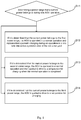
Fig. 1 is a flow chart showing an AGV charging method for automated container terminal according to one aspect of the present invention; -
Fig. 2 is a block chart showing an AGV charging system for automated container terminal according to one aspect of the present invention; -
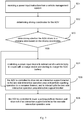
Fig. 3 is a flow chart showing a charging cycle implemented by an AGV according to one aspect of the present invention. - The specific implementation of the present application will be described in further detail below with reference to the drawings.
- An AGV charging method disclosed by the present invention, as shown in
Fig. 1 , includes the following steps:
Step S11: determining a power range that a current power belongs to during one AGV operation. - To be specific, the power range that the current battery power belongs to is determined during an AGV sea-side operation which specifically indicates an unload operation that an AGV is configured to place a container loaded by a crane onto an interactive support bracket located in a sea-side interactive operation area of a container yard by driving through an operating lane, a buffer zone, a high-speed lane and entering into the sea-side interactive operation area, or during a load operation (a reverse process of the unload operation).
- In the present invention preferably three power ranges are divided into: a first power range, a second power range and a third power range, wherein the first power range is higher than the second power range and the second power range is higher than the third power range. In the present embodiment, the first power range is defined as 75% ∼100%, expressed as a green level, the second power range is defined as 55%∼75%, expressed as a yellow level, and the third power range is defined as below 55%, expressed as a red level.
- Step S12: if it is determined that the current power belongs to the first power range, the AGV is operated in a normal operation and implemented a periodic charging during an operation in a sea-side interactive operation area of the container yard.
- When the current battery power of the AGV belongs to the first power range, the battery power is sufficient to fulfill a normal operation which satisfies a periodic charging condition; the periodic charging refers to a process that each AGV charges once in every operation cycle (unload operation or load operation) wherein the charging event occurs during a period as the AGV entering into a sea-side interactive operation area and interacting with a interactive support bracket, that is to say the AGV could be charged while interacting with the interactive support bracket, and the power supplemented could maintain the battery power of the AGV to be in the first power range, so in the next operation cycle, the AGV could be charged as entering into a sea-side interactive operation area of the container yard again to supplement the energy consumed, thereby achieving a state of repeated shallow charge and shallow discharge.
- Step S13: if it is determined that the current power belongs to the second power range, the AGV is operated in a normal operation and then guided to drive to a set position for charging when the normal operation is completed.
- When the current battery power of the AGV belongs to the second power range, the battery power is relatively sufficient to fulfill a normal operation but no longer satisfy a shallow-charge-shallow-discharge condition. In order to maintain the battery to be shallowly charged and shallowly discharged, when the current operation is completed, the AGV is guided to drive to a set charging position for charging until the battery power satisfies the shallow-charge-shallow-discharge condition, namely belongs to the first power range.
- Step S14: if it is determined that the current power belongs to the third power range, the AGV is guided to drive to a set position for charging.
- When the current battery power belongs to the third power range, the battery power is too low to perform a normal operation and the power should be timely filled up. Hence, the AGV is guided to drive to a set charging position for charging until the battery power satisfies the shallow-charge-shallow-discharge condition, namely belongs to the first power range.
- In the present invention, a charging device is installed on an interactive support bracket disposed in the sea-side interactive operation area. During the periodic charging as mentioned in Step 12, when the AGV drives to and interacts with the interactive support bracket, a power input device provided on the AGV is coupled to a power output device disposed on the interactive support bracket for performing a shallow-charge-shallow-discharge operation. In order to enable the AGV to be capable of performing a shallow-charge-shallow-discharge operation as much as possible, in Step 13 and
Step 14, the AGV is guided to drive to a set position for charging until the battery power increases to the first power range, wherein the set position is a charging area on a designated sea-side interactive operation area interactive support bracket located within the sea-side interactive operation area of the container yard. - The energy consumed by the AGV in one normal operation could be recharged when the AGV interacts with the interactive support bracket in the sea-side interactive operation area of the container yard, so in several cycles the battery charges and discharges shallowly capable of maintaining at an optimal battery state. But in some occasions the AGV power may reduce to the second power range or to the third power range, the adjustments in the Step 13 and
Step 14 could enable the AGV battery power to be filled up amounting to the first power range which satisfies the shallow-charge-shallow-discharge condition, so the AGV will operate in the state as describing in Step 12 of a high probability. The periodic charging manner could optimize the battery performance by shallow charge and shallow discharge so as to extend the battery life. - In the present invention, when the current power belongs to the second power range or the third power range, in order to avoid a situation that the AGV power increases to a higher power range but reduces to a lower power range immediately after executing a task, un upper power limit charging strategy is performed; the upper power limit charging strategy indicates that in each charging cycle, the charging target is the upper power limit of a higher power range. For example, when the current power belongs to the third power range, the charging starts and in this charging cycle the current power is only regarded as belonging to the second power range and expressed as a yellow level until the current power amounting to 75%; or only regarded as belonging to the first power range and expressed as a green level until the current power amounting to 100%.
- But when determining a power range that a current power belongs to, a lower power limit charging strategy is performed; the lower power limit charging strategy indicates that a lower power limit of each power range is used to determine the power range that the current power belongs to. For example, at first the current AGV power belongs to the first power range; if the current power is reduced to 75% which is the lower power limit of the first power range, it could be determined that the current power belongs to the second power range and expressed as a yellow level; if the current power is reduced to 55% which is the lower power limit of the second power range, it could be determined that the current power belongs to the third power range and expressed as a red level.
- In the present invention, a periodic charging is performed in an interactive operation in the sea-side interactive operation area of the container yard and the specific procedures of the periodic charging are shown in
Fig. 3 . - Step S31: receiving a power input instruction from a vehicle management system; wherein the power input instruction is generated as the AGV driving to the sea-side interactive operation area of the container yard.
- In each operation cycle, when the AGV drives to the sea-side interactive operation area, the vehicle management system issues a power input instruction.
- Step S32: determining driving coordinates for the AGV
- After the AGV receiving the power input instruction, an independent navigation module of the AGV obtains the driving coordinates for the AGV.
- Step S33: determining whether the AGV drives to a charging area based on the driving coordinates.
- The independent navigation module determines whether the AGV drives to a charging area based on the driving coordinates; if yes,
- Step S34: controlling a power input device to extend out of a vehicle body to couple with a charge device and starting to charge the AGV battery.
- As the AGV drives to the charging area, the power input device is controlled to extent out of a vehicle body to couple with a charge device disposed on a sea-side interactive operation area interactive support bracket, the charge device starts to charge the AGV battery; wherein the charging area is within a preset area on a designated sea-side interactive operation area interactive support bracket.
- As charging the AGV battery, the method further comprises: Step 35: the AGV is controlled to drive into an interactive support bracket in the sea-side interactive operation area and perform a jacking operation to a container thereon, and to interact with the sea-side interactive operation area interactive support bracket; and Step 36: the AGV is controlled to lower a jacking platform thereon and drive out of an interactive support bracket in the sea-side interactive operation area. The dual operations could be performed at the same time so as to improve charging efficiency.
- The AGV charging method for automated container terminal provided by the present invention firstly determines a power range that a current power of the AGV belonging to and performs a varied charging strategy on the basis of the determined power range: when the current power belongs to the first power range, the AGV is controlled to perform a normal operation in which the AGV is guided to drive to the sea-side interactive operation area and interacts with an interactive support bracket in the sea-side interactive operation area while charging, so as to fulfill a periodic charging for the AGV without occupying the production operation time and to enable the AGV batter to be shallowly charged or discharged to extend battery life effectively; when the current power belongs to the second power range or the third power range, the current power of the AGV does not satisfy with a periodic charging condition and the AGV is controlled to drive to a set position for charging immediately or when the current operation is completed and to perform an upper power limit charging strategy to increase the battery power to the first power range or the second power range as charging so as to enable the battery to satisfy the periodic charging condition and to be shallowly charged or discharged to extend battery life to the maximum.
- Based on the above described AGV charging method for automated container terminal provided by the present invention, an AGV charging system for automated container terminal is disclosed. Shown in
Fig. 2 , the AGV charging system comprises: a power range determination module 24, a first power range charging control module 21, a second power range charging control module 22 and a third power range charging control module 23. - The power range determination module 24 is provided on the AGV and is configured to determine a power range that a current power belongs to during an AGV operation; the first power range charging control module 21 is configured to enable the AGV to be operated in a normal operation and to implement a periodic charging during an operation in a sea-side interactive operation area as the current power belongs to the first power range; the second power range charging control module 22 is configured to enable the AGV to be operated in a normal operation and to drive to a set position for charging when a current operation is completed as the current power belongs to the second power range; and the third power range charging control module 23 is configured to enable the AGV to drive to set position for charging as the current power belongs to the third power range, wherein the first power range is higher than the second power range and the second power range is higher than the third power range.
- Each of the second power range charging control module 22 and the third power range charging control module23 includes a charging power limitation unit 25; the charging power limitation unit 25 is configured to enable the battery to be charged to the upper limit of a higher power range.
- In the present embodiment of the present invention, the power range determination module 24 includes a determination limitation unit 241 configured to determine the power range that the current power belongs to on the basis of a lower power limit of each power range.
- Specifically, the first power range charging control module 21 includes a power input instruction receiving module 211, an independent navigation module 212, an independent control module 213, a charge device 214 and a power input device 215; wherein the power input device 215 is installed on the AGV and the charge device 214 is installed on a sea-side interactive operation area interactive support bracket, which is located inside the sea-side interactive operation area of the container yard; the power input instruction receiving module 211 is configured to receive a power input instruction from a vehicle management system 3; wherein the power input instruction is generated as the AGV driving to the sea-side interactive operation area of the container yard; the independent navigation module 212 is configured to determine driving coordinates for the AGV; the independent control module 213 is configured to determine whether the AGV drives to a charging area based on the driving coordinates; if yes, controlling the power input device 215 to extend out of a vehicle body to couple with the charge device 214 to perform AGV charging; wherein the charging area is located in a preset area on the sea-side interactive operation area interactive support bracket, which is located in the sea-side interactive operation area.
- The specific charging method executed by the automated terminal AGV charging system has been detailed described in the above charging method, and will not be repeated here.
- The above-mentioned AGV charging method and system for automated container terminal provided by the present invention firstly determines a power range that a current power of the AGV belongs to and performs a varied charging strategy on the basis of the determined power range, with an aim at maintaining the battery at a shallow charge and shallow discharge state so as to extent the battery life.
- It should be pointed out that the above description is not a limitation of the present invention, and the present invention is not limited to the above examples. Changes, modifications, additions or replacements made by those of ordinary skill in the art within the essential scope of the present invention, It should also belong to the protection scope of the present invention.
Claims (10)
- An AGV charging method for automated container terminal, characterized in that, includes:determining a power range that a current power belongs to during one AGV operation;if it is determined that the current power belongs to the first power range, the AGV is operated in a normal operation and implemented a periodic charging during an operation in a sea-side interactive operation area of the container yard;if it is determined that the current power belongs to the second power range, the AGV is operated in a normal operation and then guided to drive to a set position for charging when the normal operation is completed;if it is determined that the current power belongs to the third power range, the AGV is guided to drive to a set position for charging;wherein the first power range is higher than the second power range and the second power range is higher than the third power range.
- An AGV charging method for automated container terminal according to claim 1, characterized in that, when the current power belongs to the second power range or the third power range, further comprises:
in each charging cycle, a charging target is the upper power limit of a higher power range. - An AGV charging method for automated container terminal according to claim 1, characterized in that, when determining a power range that a current power belongs to, further comprises:
a lower power limit of each power range is used to determine the power range that the current power belongs to. - An AGV charging method for automated container terminal according to claim 1, characterized in that,a periodic charging is performed in an interactive operation in the sea-side interactive operation area of the container yard, which including:
receiving a power input instruction from a vehicle management system;wherein the power input instruction is generated as the AGV driving to the sea-side interactive operation area of the container yard;determining driving coordinates for the AGV;determining whether the AGV drives to a charging area based on the driving coordinates; if yes,controlling a power input device to extend out of a vehicle body to couple with a charge device and starting to charge the AGV battery;wherein the power input device is provided on the AGV and the charge device is provided on a sea-side interactive operation area interactive support bracket located in the sea-side interactive operation area and the charging area is within a preset area on the sea-side interactive operation area interactive support bracket. - An AGV charging method for automated container terminal according to claim 4, characterized in that,
the set position for charging is the charging area on the sea-side interactive operation area interactive support bracket in the sea-side interactive operation area of the container yard. - An AGV charging system for automated container terminal, characterized in that, includes: a power range determination module, a first power range charging control module, a second power range charging control module and a third power range charging control module; wherein the power range determination module is provided on the AGV and is configured to determine a power range that a current power belongs to during an AGV operation; the first power range charging control module is configured to enable the AGV to be operated in a normal operation and to implement a periodic charging during an operation in a sea-side interactive operation area as the current power belongs to the first power range; the second power range charging control module is configured to enable the AGV to be operated in a normal operation and to drive to a set position for charging when the normal operation is completed as the current power belongs to the second power range; and the third power range charging control module is configured to enable the AGV to drive to a set position for charging as the current power belongs to the third power range, in which the first power range is higher than the second power range and the second power range is higher than the third power range.
- An AGV charging system for automated container terminal according to claim 6, characterized in that, each of the second power range charging control module and the third power range charging control module includes a charging power limitation unit; the charging power limitation unit is configured to enable the battery to be charged to the upper limit of a higher power range.
- An AGV charging system for automated container terminal according to claim 6, characterized in that, the power range determination module includes a determination limitation unit configured to determine the power range that the current power belongs to on the basis of a lower power limit of each power range.
- An AGV charging system for automated container terminal according to claim 6, characterized in that, the first power range charging control module includes a power input instruction receiving module, an independent navigation module, an independent control module, a charge device and a power input device; wherein the power input device is installed on the AGV and the charge device is installed on a sea-side interactive operation area interactive support bracket, which is located inside the sea-side interactive operation area of the container yard; the power input instruction receiving module is configured to receive a power input instruction from a vehicle management system; wherein the power input instruction is generated as the AGV driving to the sea-side interactive operation area of the container yard; the independent navigation module is configured to determine driving coordinates for the AGV; the independent control module is configured to determine whether the AGV drives to a charging area based on the driving coordinates; if yes, controlling the power input device to extend out of a vehicle body to couple with the charge device to perform AGV charging; wherein the charging area is located within a preset area on the sea-side interactive operation area interactive support bracket, which is located in the sea-side interactive operation area.
- An AGV charging system for automated container terminal according to claim 9, characterized in that, the set position for charging is the charging area on the sea-side interactive operation area interactive support bracket in the sea-side interactive operation area of the container yard.
Applications Claiming Priority (2)
| Application Number | Priority Date | Filing Date | Title |
|---|---|---|---|
| CN201811319472.8A CN109378874A (en) | 2018-11-07 | 2018-11-07 | Automatic terminal AGV charging method and system |
| PCT/CN2019/083413 WO2020093660A1 (en) | 2018-11-07 | 2019-04-19 | Agv charging method and system for automated terminal |
Publications (4)
| Publication Number | Publication Date |
|---|---|
| EP3879665A1 true EP3879665A1 (en) | 2021-09-15 |
| EP3879665A4 EP3879665A4 (en) | 2022-01-12 |
| EP3879665C0 EP3879665C0 (en) | 2024-08-21 |
| EP3879665B1 EP3879665B1 (en) | 2024-08-21 |
Family
ID=65383920
Family Applications (1)
| Application Number | Title | Priority Date | Filing Date |
|---|---|---|---|
| EP19881495.6A Active EP3879665B1 (en) | 2018-11-07 | 2019-04-19 | Agv charging method and system for automated terminal |
Country Status (4)
| Country | Link |
|---|---|
| EP (1) | EP3879665B1 (en) |
| JP (1) | JP7212075B2 (en) |
| CN (1) | CN109378874A (en) |
| WO (1) | WO2020093660A1 (en) |
Families Citing this family (4)
| Publication number | Priority date | Publication date | Assignee | Title |
|---|---|---|---|---|
| CN112678686B (en) * | 2020-12-30 | 2023-04-07 | 青岛港国际股份有限公司 | Rail crane electric quantity management method and system |
| CN113978298B (en) * | 2021-08-24 | 2024-01-12 | 天津港第二集装箱码头有限公司 | Intelligent charging pile dynamic allocation method considering unmanned set card side azimuth charging |
| JP2025011438A (en) * | 2023-07-11 | 2025-01-24 | 株式会社三井E&S | Port cargo handling equipment charging system and port cargo handling equipment charging method |
| CN118627864B (en) * | 2024-08-12 | 2025-03-11 | 中国工业互联网研究院 | AGV power dispatching method, device, electronic device and storage medium |
Family Cites Families (13)
| Publication number | Priority date | Publication date | Assignee | Title |
|---|---|---|---|---|
| JPH0683450A (en) * | 1992-09-04 | 1994-03-25 | Daifuku Co Ltd | Transport equipment using mobile vehicles |
| JPH11313402A (en) * | 1998-04-28 | 1999-11-09 | Shinko Electric Co Ltd | Automatic conveyance system, automatic conveyance vehicle, control method of automatic conveyance vehicle, and medium recording program |
| WO2013050447A2 (en) | 2011-10-05 | 2013-04-11 | Apm Terminals Management B.V. | A movable structure including a charging station and a method of supplying electrical power to a vehicle |
| CN103022586B (en) * | 2012-12-21 | 2015-11-11 | 深圳先进技术研究院 | A kind of AGV automatic recharging method and system |
| KR101501434B1 (en) | 2013-01-29 | 2015-03-11 | 강미연 | The charging system between a crane and a tractor |
| JP2015012638A (en) | 2013-06-26 | 2015-01-19 | 村田機械株式会社 | Traveling vehicle system and traveling vehicle control method |
| CN104836293B (en) * | 2015-05-08 | 2017-09-22 | 杭州南江机器人股份有限公司 | Automatical pilot transportation vehicle(AGV)Charging method and mobile charging stake, charging system |
| CN105162220B (en) * | 2015-08-12 | 2018-02-23 | 上海海事大学 | The all-electric unmanned self-navigation truck automatic charge device of automated container terminal and charging method |
| CN205319770U (en) * | 2016-01-29 | 2016-06-15 | 青岛港国际股份有限公司 | AGV charging system based on slide -wire |
| CN206422542U (en) * | 2016-10-25 | 2017-08-18 | 青岛港国际股份有限公司 | A kind of AGV charging systems |
| CN107379994A (en) * | 2017-08-01 | 2017-11-24 | 安徽福的信息技术服务有限公司 | A kind of automatic guided vehicle power supply management method |
| CN107544310A (en) * | 2017-10-19 | 2018-01-05 | 上海振华重工(集团)股份有限公司 | The equipment charge method and charging device of automatic dock |
| CN108528229A (en) | 2018-02-11 | 2018-09-14 | 成都兴联宜科技有限公司 | A kind of AGV trolleies charge control system and method based on electricity monitoring |
-
2018
- 2018-11-07 CN CN201811319472.8A patent/CN109378874A/en active Pending
-
2019
- 2019-04-19 WO PCT/CN2019/083413 patent/WO2020093660A1/en not_active Ceased
- 2019-04-19 JP JP2020572920A patent/JP7212075B2/en active Active
- 2019-04-19 EP EP19881495.6A patent/EP3879665B1/en active Active
Also Published As
| Publication number | Publication date |
|---|---|
| EP3879665C0 (en) | 2024-08-21 |
| WO2020093660A1 (en) | 2020-05-14 |
| JP2022503434A (en) | 2022-01-12 |
| EP3879665B1 (en) | 2024-08-21 |
| CN109378874A (en) | 2019-02-22 |
| JP7212075B2 (en) | 2023-01-24 |
Similar Documents
| Publication | Publication Date | Title |
|---|---|---|
| EP3879665A1 (en) | Agv charging method and system for automated terminal | |
| RU2569676C1 (en) | Battery charge control system for automatically guided vehicle and method for control of battery charge for automatically guided vehicle | |
| RU2576668C1 (en) | Charging control system for automatically controlled vehicle | |
| CN106585402A (en) | Charge and discharge control method of power battery | |
| EP1249886B1 (en) | Method for controlling charge to secondary battery for automated guided vehicle | |
| CN102259646B (en) | Series hybrid electric vehicle as well as method and device for controlling energy of same | |
| US20170182893A1 (en) | Power-transfer control device | |
| CN110303944A (en) | A fast charging system and method for electric vehicles | |
| CN102529733B (en) | Power battery system and control method | |
| CN114435175B (en) | Charging pile dynamic scheduling method adaptive to real-time operation task of artificial intelligent transportation robot | |
| CN107895984A (en) | A kind of direct-current charging post power parallel device and charging method | |
| CN117863972A (en) | AGV vehicle charging control method, device, storage medium, electronic device and AGV vehicle | |
| EP4011687B1 (en) | Vehicle driving system | |
| CN105667463A (en) | Battery replacing and charging system and method for electric automobile | |
| CN218633371U (en) | Automatic charger for elevator of extra-high pressure valve hall | |
| JP7677262B2 (en) | Contactless charging device | |
| CN106864242A (en) | The workflow of hybrid electric drive system, vehicle and super capacitor | |
| JP2020178451A (en) | Electric vehicle charging system | |
| CN111162567B (en) | Automatic wharf AGV charging method and system | |
| CN110550137A (en) | Extended range electric vehicle, power supply system and power supply charging and discharging control method | |
| KR20240142658A (en) | Method of charging and discharging a battery | |
| JP2010133333A (en) | Control device for cargo handling machine and control method for cargo handling machine | |
| CN108923088B (en) | Device and method for improving discharge capacity of storage battery | |
| JP2007166775A (en) | Control system and control method for electrically driven construction tower crane | |
| CN112383119A (en) | Method for preventing energy storage system from over-discharging and energy storage system |
Legal Events
| Date | Code | Title | Description |
|---|---|---|---|
| STAA | Information on the status of an ep patent application or granted ep patent |
Free format text: STATUS: THE INTERNATIONAL PUBLICATION HAS BEEN MADE |
|
| PUAI | Public reference made under article 153(3) epc to a published international application that has entered the european phase |
Free format text: ORIGINAL CODE: 0009012 |
|
| STAA | Information on the status of an ep patent application or granted ep patent |
Free format text: STATUS: REQUEST FOR EXAMINATION WAS MADE |
|
| 17P | Request for examination filed |
Effective date: 20201223 |
|
| AK | Designated contracting states |
Kind code of ref document: A1 Designated state(s): AL AT BE BG CH CY CZ DE DK EE ES FI FR GB GR HR HU IE IS IT LI LT LU LV MC MK MT NL NO PL PT RO RS SE SI SK SM TR |
|
| A4 | Supplementary search report drawn up and despatched |
Effective date: 20211214 |
|
| RIC1 | Information provided on ipc code assigned before grant |
Ipc: B60L 50/60 20190101ALI20211208BHEP Ipc: B60L 53/68 20190101ALI20211208BHEP Ipc: B60L 53/62 20190101ALI20211208BHEP Ipc: H02J 7/00 20060101AFI20211208BHEP |
|
| DAV | Request for validation of the european patent (deleted) | ||
| DAX | Request for extension of the european patent (deleted) | ||
| GRAP | Despatch of communication of intention to grant a patent |
Free format text: ORIGINAL CODE: EPIDOSNIGR1 |
|
| STAA | Information on the status of an ep patent application or granted ep patent |
Free format text: STATUS: GRANT OF PATENT IS INTENDED |
|
| INTG | Intention to grant announced |
Effective date: 20240419 |
|
| RIN1 | Information on inventor provided before grant (corrected) |
Inventor name: XIE, PENGPENG Inventor name: XU, CHENGSAN Inventor name: ZHU, LIN Inventor name: CUI, HUANLONG Inventor name: SUN, XIULIANG Inventor name: WANG, HAO Inventor name: WANG, WEI Inventor name: ZHANG, LIANGANG |
|
| GRAS | Grant fee paid |
Free format text: ORIGINAL CODE: EPIDOSNIGR3 |
|
| GRAA | (expected) grant |
Free format text: ORIGINAL CODE: 0009210 |
|
| STAA | Information on the status of an ep patent application or granted ep patent |
Free format text: STATUS: THE PATENT HAS BEEN GRANTED |
|
| AK | Designated contracting states |
Kind code of ref document: B1 Designated state(s): AL AT BE BG CH CY CZ DE DK EE ES FI FR GB GR HR HU IE IS IT LI LT LU LV MC MK MT NL NO PL PT RO RS SE SI SK SM TR |
|
| REG | Reference to a national code |
Ref country code: GB Ref legal event code: FG4D |
|
| REG | Reference to a national code |
Ref country code: CH Ref legal event code: EP |
|
| REG | Reference to a national code |
Ref country code: DE Ref legal event code: R096 Ref document number: 602019057628 Country of ref document: DE |
|
| REG | Reference to a national code |
Ref country code: IE Ref legal event code: FG4D |
|
| U01 | Request for unitary effect filed |
Effective date: 20240910 |
|
| U07 | Unitary effect registered |
Designated state(s): AT BE BG DE DK EE FI FR IT LT LU LV MT NL PT RO SE SI Effective date: 20240917 |
|
| PG25 | Lapsed in a contracting state [announced via postgrant information from national office to epo] |
Ref country code: NO Free format text: LAPSE BECAUSE OF FAILURE TO SUBMIT A TRANSLATION OF THE DESCRIPTION OR TO PAY THE FEE WITHIN THE PRESCRIBED TIME-LIMIT Effective date: 20241121 |
|
| PG25 | Lapsed in a contracting state [announced via postgrant information from national office to epo] |
Ref country code: GR Free format text: LAPSE BECAUSE OF FAILURE TO SUBMIT A TRANSLATION OF THE DESCRIPTION OR TO PAY THE FEE WITHIN THE PRESCRIBED TIME-LIMIT Effective date: 20241122 Ref country code: PL Free format text: LAPSE BECAUSE OF FAILURE TO SUBMIT A TRANSLATION OF THE DESCRIPTION OR TO PAY THE FEE WITHIN THE PRESCRIBED TIME-LIMIT Effective date: 20240821 |
|
| PG25 | Lapsed in a contracting state [announced via postgrant information from national office to epo] |
Ref country code: IS Free format text: LAPSE BECAUSE OF FAILURE TO SUBMIT A TRANSLATION OF THE DESCRIPTION OR TO PAY THE FEE WITHIN THE PRESCRIBED TIME-LIMIT Effective date: 20241221 |
|
| PG25 | Lapsed in a contracting state [announced via postgrant information from national office to epo] |
Ref country code: HR Free format text: LAPSE BECAUSE OF FAILURE TO SUBMIT A TRANSLATION OF THE DESCRIPTION OR TO PAY THE FEE WITHIN THE PRESCRIBED TIME-LIMIT Effective date: 20240821 |
|
| PG25 | Lapsed in a contracting state [announced via postgrant information from national office to epo] |
Ref country code: RS Free format text: LAPSE BECAUSE OF FAILURE TO SUBMIT A TRANSLATION OF THE DESCRIPTION OR TO PAY THE FEE WITHIN THE PRESCRIBED TIME-LIMIT Effective date: 20241121 Ref country code: ES Free format text: LAPSE BECAUSE OF FAILURE TO SUBMIT A TRANSLATION OF THE DESCRIPTION OR TO PAY THE FEE WITHIN THE PRESCRIBED TIME-LIMIT Effective date: 20240821 |
|
| PG25 | Lapsed in a contracting state [announced via postgrant information from national office to epo] |
Ref country code: RS Free format text: LAPSE BECAUSE OF FAILURE TO SUBMIT A TRANSLATION OF THE DESCRIPTION OR TO PAY THE FEE WITHIN THE PRESCRIBED TIME-LIMIT Effective date: 20241121 Ref country code: PL Free format text: LAPSE BECAUSE OF FAILURE TO SUBMIT A TRANSLATION OF THE DESCRIPTION OR TO PAY THE FEE WITHIN THE PRESCRIBED TIME-LIMIT Effective date: 20240821 Ref country code: NO Free format text: LAPSE BECAUSE OF FAILURE TO SUBMIT A TRANSLATION OF THE DESCRIPTION OR TO PAY THE FEE WITHIN THE PRESCRIBED TIME-LIMIT Effective date: 20241121 Ref country code: IS Free format text: LAPSE BECAUSE OF FAILURE TO SUBMIT A TRANSLATION OF THE DESCRIPTION OR TO PAY THE FEE WITHIN THE PRESCRIBED TIME-LIMIT Effective date: 20241221 Ref country code: HR Free format text: LAPSE BECAUSE OF FAILURE TO SUBMIT A TRANSLATION OF THE DESCRIPTION OR TO PAY THE FEE WITHIN THE PRESCRIBED TIME-LIMIT Effective date: 20240821 Ref country code: GR Free format text: LAPSE BECAUSE OF FAILURE TO SUBMIT A TRANSLATION OF THE DESCRIPTION OR TO PAY THE FEE WITHIN THE PRESCRIBED TIME-LIMIT Effective date: 20241122 Ref country code: ES Free format text: LAPSE BECAUSE OF FAILURE TO SUBMIT A TRANSLATION OF THE DESCRIPTION OR TO PAY THE FEE WITHIN THE PRESCRIBED TIME-LIMIT Effective date: 20240821 |
|
| PG25 | Lapsed in a contracting state [announced via postgrant information from national office to epo] |
Ref country code: SM Free format text: LAPSE BECAUSE OF FAILURE TO SUBMIT A TRANSLATION OF THE DESCRIPTION OR TO PAY THE FEE WITHIN THE PRESCRIBED TIME-LIMIT Effective date: 20240821 |
|
| PG25 | Lapsed in a contracting state [announced via postgrant information from national office to epo] |
Ref country code: CZ Free format text: LAPSE BECAUSE OF FAILURE TO SUBMIT A TRANSLATION OF THE DESCRIPTION OR TO PAY THE FEE WITHIN THE PRESCRIBED TIME-LIMIT Effective date: 20240821 |
|
| PG25 | Lapsed in a contracting state [announced via postgrant information from national office to epo] |
Ref country code: SK Free format text: LAPSE BECAUSE OF FAILURE TO SUBMIT A TRANSLATION OF THE DESCRIPTION OR TO PAY THE FEE WITHIN THE PRESCRIBED TIME-LIMIT Effective date: 20240821 |
|
| U20 | Renewal fee for the european patent with unitary effect paid |
Year of fee payment: 7 Effective date: 20250327 |
|
| PLBE | No opposition filed within time limit |
Free format text: ORIGINAL CODE: 0009261 |
|
| STAA | Information on the status of an ep patent application or granted ep patent |
Free format text: STATUS: NO OPPOSITION FILED WITHIN TIME LIMIT |
|
| 26N | No opposition filed |
Effective date: 20250522 |
|
| REG | Reference to a national code |
Ref country code: CH Ref legal event code: H13 Free format text: ST27 STATUS EVENT CODE: U-0-0-H10-H13 (AS PROVIDED BY THE NATIONAL OFFICE) Effective date: 20251125 |
|
| PG25 | Lapsed in a contracting state [announced via postgrant information from national office to epo] |
Ref country code: MC Free format text: LAPSE BECAUSE OF FAILURE TO SUBMIT A TRANSLATION OF THE DESCRIPTION OR TO PAY THE FEE WITHIN THE PRESCRIBED TIME-LIMIT Effective date: 20240821 |
|
| GBPC | Gb: european patent ceased through non-payment of renewal fee |
Effective date: 20250419 |
|
| PG25 | Lapsed in a contracting state [announced via postgrant information from national office to epo] |
Ref country code: GB Free format text: LAPSE BECAUSE OF NON-PAYMENT OF DUE FEES Effective date: 20250419 |
|
| PG25 | Lapsed in a contracting state [announced via postgrant information from national office to epo] |
Ref country code: CH Free format text: LAPSE BECAUSE OF NON-PAYMENT OF DUE FEES Effective date: 20250430 |
|
| PG25 | Lapsed in a contracting state [announced via postgrant information from national office to epo] |
Ref country code: IE Free format text: LAPSE BECAUSE OF NON-PAYMENT OF DUE FEES Effective date: 20250419 |
|
| U1N | Appointed representative for the unitary patent procedure changed after the registration of the unitary effect |
Representative=s name: MARKS & CLERK LLP; GB |
|
| U20 | Renewal fee for the european patent with unitary effect paid |
Year of fee payment: 8 Effective date: 20260325 |