EP3873030A1 - Method for enhanced management and/or energy efficient implementation of network function virtualization within a telecommunications network, telecommunications network, network function virtualization infrastructure, scaling entity or scaling module of a virtual network function application or virtual network function application, program and computer program product - Google Patents
Method for enhanced management and/or energy efficient implementation of network function virtualization within a telecommunications network, telecommunications network, network function virtualization infrastructure, scaling entity or scaling module of a virtual network function application or virtual network function application, program and computer program product Download PDFInfo
- Publication number
- EP3873030A1 EP3873030A1 EP20159244.1A EP20159244A EP3873030A1 EP 3873030 A1 EP3873030 A1 EP 3873030A1 EP 20159244 A EP20159244 A EP 20159244A EP 3873030 A1 EP3873030 A1 EP 3873030A1
- Authority
- EP
- European Patent Office
- Prior art keywords
- network function
- virtual
- indication
- data center
- consumption
- Prior art date
- Legal status (The legal status is an assumption and is not a legal conclusion. Google has not performed a legal analysis and makes no representation as to the accuracy of the status listed.)
- Granted
Links
Images
Classifications
-
- H—ELECTRICITY
- H04—ELECTRIC COMMUNICATION TECHNIQUE
- H04L—TRANSMISSION OF DIGITAL INFORMATION, e.g. TELEGRAPHIC COMMUNICATION
- H04L41/00—Arrangements for maintenance, administration or management of data switching networks, e.g. of packet switching networks
- H04L41/08—Configuration management of networks or network elements
- H04L41/0895—Configuration of virtualised networks or elements, e.g. virtualised network function or OpenFlow elements
-
- H—ELECTRICITY
- H04—ELECTRIC COMMUNICATION TECHNIQUE
- H04L—TRANSMISSION OF DIGITAL INFORMATION, e.g. TELEGRAPHIC COMMUNICATION
- H04L41/00—Arrangements for maintenance, administration or management of data switching networks, e.g. of packet switching networks
- H04L41/08—Configuration management of networks or network elements
- H04L41/0803—Configuration setting
- H04L41/0823—Configuration setting characterised by the purposes of a change of settings, e.g. optimising configuration for enhancing reliability
- H04L41/0833—Configuration setting characterised by the purposes of a change of settings, e.g. optimising configuration for enhancing reliability for reduction of network energy consumption
Definitions
- the present invention relates to a method for enhanced management and/or energy efficient implementation of network function virtualization within a telecommunications network, wherein the telecommunications network comprises a network function virtualization infrastructure, comprising a plurality of physical and/or virtual machines as processing or computing resources in a network architecture of the telecommunications network realizing network function virtualization technologies.
- the present invention relates to a network function virtualization infrastructure for enhanced management and/or energy efficient implementation of network function virtualization within a telecommunications network, the network function virtualization infrastructure comprising a plurality of physical and/or virtual machines as processing or computing resources in a network architecture of the telecommunications network realizing network function virtualization technologies.
- the present invention relates to a scaling entity or scaling module of a virtual network function application or virtual network function application for enhanced management and/or energy efficient implementation of network function virtualization within a telecommunications network, wherein the scaling entity or scaling module or the virtual network function application is realized using the inventive network function virtualization infrastructure.
- Another aspect of the present invention relates to a program and to a computer-readable medium enabling to perform the inventive method and/or to implement the inventive telecommunications network.
- Network management is a big challenge in large-scale enterprise and data center environments. Furthermore, data centers are becoming likewise important for operators of telecommunications networks, and especially mobile communications networks, especially due to technologies such as virtualization and software defined networks.
- the object of the present invention is achieved by a method for enhanced management and/or energy efficient implementation of network function virtualization within a telecommunications network, wherein the telecommunications network comprises a network function virtualization infrastructure, comprising a plurality of physical and/or virtual machines as processing or computing resources in a network architecture of the telecommunications network realizing network function virtualization technologies, the network function virtualization infrastructure comprising a first data center and at least a second data center, wherein, by means of or by using the network function virtualization infrastructure, at least one virtual network function application is implemented within the telecommunications network, the virtual network function application involving a plurality of different virtual network function instances using at least part of the plurality of physical and/or virtual machines as processing or computing resources, wherein the method comprises the following steps:
- a solution is provided to the question how to scale network resources in telecommunications networks, which resources typically cannot simply be scaled by a decision taken by an infrastructure manager component as it is the case in most conventional information technology data centers; according to the present invention, and in the context of telecommunication data centers, decisions regarding the operation of virtual network functions and especially scaling decisions are taken on an application level or on a virtual network function application level.
- At least one virtual network function application is implemented within the telecommunications network, the virtual network function application involving a plurality of different virtual network function instances using at least part of the plurality of physical and/or virtual machines as processing or computing resources.
- a plurality of different virtual network functions or virtual network function applications are needed to be implemented within the telecommunications network such that the telecommunications network is able to be operated in order to provide the requested communication services to clients or customers of the telecommunications network.
- the scaling entity or scaling module of the virtual network function application decides to move additional performance requirements and/or additional network load of the telecommunications network to a data center different from the first data center, especially to the second data center.
- the present invention relates to a scaling entity or scaling module of a virtual network function application or virtual network function application for enhanced management and/or energy efficient implementation of network function virtualization within a telecommunications network, wherein the scaling entity or scaling module or the virtual network function application is realized using the inventive network function virtualization infrastructure.
- the datacenter manager 250 again sends the new limit to the virtual network function application (or virtual network function instance) having the most virtual machines (i.e. in the considered case, this should be the virtual network function application or instance having been the second virtual network function application or instance on that previous list), and so on until the limit is not exhausted anymore and the new limit will be sent to all virtual network function applications (or virtual network function instances) to prevent future scaling in the data center.
Landscapes
- Engineering & Computer Science (AREA)
- Computer Networks & Wireless Communication (AREA)
- Signal Processing (AREA)
- Data Exchanges In Wide-Area Networks (AREA)
- Mobile Radio Communication Systems (AREA)
Abstract
-- in a first step, the virtual network function application receives, regarding the first data center, a first overall consumption indication and a first consumption limit indication, and, regarding the second data center, a second overall consumption indication and a second consumption limit indication, the first and second overall consumption indication and the first and second consumption limit indication relating, respectively, to the overall energy consumption and to an energy consumption limit of the first and at least the second data center, respectively,
-- in a second step, the virtual network function application decides dependent on the first and second overall consumption indication and/or dependent on the first and second consumption limit indication
-- whether, and in which one of the available data centers, an additional virtual network function instance is to be used or is to be instantiated and/or whether, and in which one of the available data centers, an additional physical and/or virtual machine is to be used, and/or
-- whether, and in which one of the available data centers, a virtual network function instance is to be removed or released and/or whether, and in which one of the available data centers, a physical and/or virtual machine is to be deallocated or freed.
Description
- The present invention relates to a method for enhanced management and/or energy efficient implementation of network function virtualization within a telecommunications network, wherein the telecommunications network comprises a network function virtualization infrastructure, comprising a plurality of physical and/or virtual machines as processing or computing resources in a network architecture of the telecommunications network realizing network function virtualization technologies.
- Furthermore, the present invention relates to a telecommunications network for enhanced management and/or energy efficient implementation of network function virtualization within a telecommunications network, wherein the telecommunications network comprises a network function virtualization infrastructure, comprising a plurality of physical and/or virtual machines as processing or computing resources in a network architecture of the telecommunications network realizing network function virtualization technologies.
- Furthermore, the present invention relates to a network function virtualization infrastructure for enhanced management and/or energy efficient implementation of network function virtualization within a telecommunications network, the network function virtualization infrastructure comprising a plurality of physical and/or virtual machines as processing or computing resources in a network architecture of the telecommunications network realizing network function virtualization technologies.
- Furthermore, the present invention relates to a scaling entity or scaling module of a virtual network function application or virtual network function application for enhanced management and/or energy efficient implementation of network function virtualization within a telecommunications network, wherein the scaling entity or scaling module or the virtual network function application is realized using the inventive network function virtualization infrastructure.
- Another aspect of the present invention relates to a program and to a computer-readable medium enabling to perform the inventive method and/or to implement the inventive telecommunications network.
- Network management is a big challenge in large-scale enterprise and data center environments. Furthermore, data centers are becoming likewise important for operators of telecommunications networks, and especially mobile communications networks, especially due to technologies such as virtualization and software defined networks.
- As virtual network functions are maturing and becoming a mainstream for all telecommunications applications, network operators are building more and more datacenters to serve the future need by the virtual network functions and also to become more cloudified operators with a lot of automation and self-provisioning in their operational processes.
- However, the current design of virtual network function applications is not ideal, due to the specifics and the high-performance requirements from the applications, e.g. as regards latency, jitter, data rate, etc. These requirements are making the virtual network functions larger and more resource demanding than normal virtualized applications. This causes the virtual machines forming the virtual network functions to have a comparatively large foot-print, both in space as in energy demand, and usually static in size, which in turn causes low utilization of resources on the underlying physical hosts.
- The consequence thereof is that the host resources are running while not being actually used, and the requirements from the data center physical hardware is comparatively high, thus, leading to a power consumption that in total is much higher (for a comparable network performance or provision of communication services to customers of the telecommunications network) than compared to old purpose-built hardware.
- It is an object of the present invention to provide a method for enhanced management and/or energy efficient implementation of network function virtualization within a telecommunications network such that it is possible to realize, besides a greater flexibility and a higher reliability, a reduced energy consumption of the telecommunications network.
- The object of the present invention is achieved by a method for enhanced management and/or energy efficient implementation of network function virtualization within a telecommunications network, wherein the telecommunications network comprises a network function virtualization infrastructure, comprising a plurality of physical and/or virtual machines as processing or computing resources in a network architecture of the telecommunications network realizing network function virtualization technologies, the network function virtualization infrastructure comprising a first data center and at least a second data center, wherein, by means of or by using the network function virtualization infrastructure, at least one virtual network function application is implemented within the telecommunications network, the virtual network function application involving a plurality of different virtual network function instances using at least part of the plurality of physical and/or virtual machines as processing or computing resources, wherein the method comprises the following steps:
- -- in a first step, the virtual network function application receives, regarding the first data center, a first overall consumption indication and a first consumption limit indication, and, regarding the second data center, a second overall consumption indication and a second consumption limit indication, the first and second overall consumption indication and the first and second consumption limit indication relating, respectively, to the overall energy consumption and to an energy consumption limit of the first and at least the second data center, respectively,
- -- in a second step, the virtual network function application decides dependent on the first and second overall consumption indication and/or dependent on the first and second consumption limit indication
- -- whether, and in which one of the available data centers, an additional virtual network function instance is to be used or is to be instantiated and/or whether, and in which one of the available data centers, an additional physical and/or virtual machine is to be used, and/or
- -- whether, and in which one of the available data centers, a virtual network function instance is to be removed or released and/or whether, and in which one of the available data centers, a physical and/or virtual machine is to be deallocated or freed.
- It is thereby advantageously possible according to the present invention that a multiple data center deployment of virtual network functions is possible to be realized, especially under a control of a virtual network function application, i.e. a control which is not driven by infrastructure management decisions of the underlying infrastructure of computing resources. This addresses a missing part that serves the telecommunication virtual network functions which provide high availability solutions on application level that is independent from the underlying infrastructure.
- Hence, according to the present invention a solution is provided to the question how to scale network resources in telecommunications networks, which resources typically cannot simply be scaled by a decision taken by an infrastructure manager component as it is the case in most conventional information technology data centers; according to the present invention, and in the context of telecommunication data centers, decisions regarding the operation of virtual network functions and especially scaling decisions are taken on an application level or on a virtual network function application level.
- According to the present invention the telecommunications network comprises a network function virtualization infrastructure, comprising a plurality of physical and/or virtual machines as processing or computing resources in a network architecture of the telecommunications network realizing network function virtualization technologies. Especially according to the present invention, the network function virtualization infrastructure comprising a first data center and at least a second data center, but typically more than two data centers that are, typically, geographically located at a certain distance such as to be able to cover a geographical area of, e.g., a country or a region. However, it is not strictly necessary for the data centers to be geographically separated by very large distances. Furthermore, according to the present invention, by means of or by using the network function virtualization infrastructure, at least one virtual network function application is implemented within the telecommunications network, the virtual network function application involving a plurality of different virtual network function instances using at least part of the plurality of physical and/or virtual machines as processing or computing resources. Typically, a plurality of different virtual network functions or virtual network function applications are needed to be implemented within the telecommunications network such that the telecommunications network is able to be operated in order to provide the requested communication services to clients or customers of the telecommunications network. According to the present invention, the inventive method comprises, in a first step, that the virtual network function application receives, regarding the first data center, a first overall consumption indication and a first consumption limit indication, and, regarding the second data center, a second overall consumption indication and a second consumption limit indication, the first and second overall consumption indication and the first and second consumption limit indication relating, respectively, to the overall energy consumption and to an energy consumption limit of the first and at least the second data center, respectively. Furthermore according to the present invention, the inventive method comprises, in a second step, that the virtual network function application decides, dependent on the first and second overall consumption indication and/or dependent on the first and second consumption limit indication,
- -- whether, and in which one of the available data centers, an additional virtual network function instance is to be used or is to be instantiated and/or whether, and in which one of the available data centers, an additional physical and/or virtual machine is to be used, and/or
- -- whether, and in which one of the available data centers, a virtual network function instance is to be removed or released and/or whether, and in which one of the available data centers, a physical and/or virtual machine is to be deallocated or freed.
- Especially by means of setting, or modifying, the first and second consumption limit indication, it is advantageously possible according to the present invention that the energy requirements of data centers are able to be influenced while nevertheless the actual decisions being taken by the virtual network function applications themselves, especially by means of taking into consideration both the respective overall consumption indication (i.e. the current energy consumption of the respective data center) and the respective consumption limit indication.
- According to a preferred embodiment of the present invention, depending on
- -- differing performance requirements and/or depending on different network loads of the telecommunications network at different points in time, and
- -- differing first and second overall consumption indications and/or first and second consumption limit indications at different points in time,
the virtual network function application uses different processing or computing resources of the network function virtualization infrastructure and/or a different distribution of processing or computing resources among the first and second data center,
wherein the virtual network function application comprises a scaling entity or scaling module, wherein - depending on a current performance requirement and/or on a current network load, as well as depending on the first and second overall consumption indication and/or the first and second consumption limit indication - the scaling entity or scaling module of the virtual network function application decides - -- to modify the allocation of processing or computing resources of the network function virtualization infrastructure, and/or
- -- to modify the distribution of processing or computing resources and/or the distribution of performance requirements and/or of network load among the first and second data center.
- Thereby, it is advantageously possible according to the present invention to flexibly and efficiently use the computing resources of the network function virtualization infrastructure.
- According to a further embodiment of the present invention, in case that the first overall consumption indication and the first consumption limit indication indicate that the energy consumption limit of the first data center is reached, the scaling entity or scaling module of the virtual network function application decides to move additional performance requirements and/or additional network load of the telecommunications network to a data center different from the first data center, especially to the second data center.
- Thereby, it is advantageously possible to scale out by using an additional data center.
- According to an additional embodiment of the present invention, in case that the first overall consumption indication and the first consumption limit indication indicate that additional capacity and/or energy consumption volume is available at the first data center, the scaling entity or scaling module of the virtual network function application decides to add or to instantiate an additional virtual network function instance within the first data center and/or to add or to use an additional physical and/or virtual machine within the first data center, thereby especially taking into account the number of required additional physical and/or virtual machines as well as an average consumption indication being related to the average energy consumption of a physical and/or virtual machine.
- Thereby, it is advantageously possible according to the present invention that additional capacity (of the virtual network function) is able to be hosted by the first data center without risking to exceed the respective consumption limit indication.
- According to still a further embodiment of the present invention, the network function virtualization infrastructure, especially a data center management entity or management module, transmits the first overall consumption indication and the first consumption limit indication to the virtual network function application.
- It is thereby advantageously possible according to the present invention that the virtual network function application gets the respective information, i.e. the first overall consumption indication and the first consumption limit indication, directly from the respective data center.
- According to a further embodiment of the present invention, in case of lowering the first consumption limit indication while, besides the virtual network function application, a further virtual network function application uses processing or computing resources of the first data center, the first overall consumption indication and the first consumption limit indication is transmitted only to the virtual network function application, especially in case that the virtual network function application uses more processing or computing resources of the first data center compared to the further virtual network function application,
wherein especially a data center busy status indication is transmitted to the further virtual network function application, the data center busy status indication especially indicating that scaling operations are to be avoided regarding the further virtual network function application. - It is thereby advantageously possible to controllable reduce the energy consumption of a data center, without the risk of provoking a race of different virtual network function applications trying to steer traffic to other data centers.
- Furthermore, the present invention relates to a telecommunications network for enhanced management and/or energy efficient implementation of network function virtualization within a telecommunications network, wherein the telecommunications network comprises a network function virtualization infrastructure, comprising a plurality of physical and/or virtual machines as processing or computing resources in a network architecture of the telecommunications network realizing network function virtualization technologies, the network function virtualization infrastructure comprising a first data center and at least a second data center, wherein, by means of or by using the network function virtualization infrastructure, at least one virtual network function application is implemented within the telecommunications network, the virtual network function application involving a plurality of different virtual network function instances using at least part of the plurality of physical and/or virtual machines as processing or computing resources, wherein the communication network is configured such that:
- -- the virtual network function application receives, regarding the first data center, a first overall consumption indication and a first consumption limit indication, and, regarding the second data center, a second overall consumption indication and a second consumption limit indication, the first and second overall consumption indication and the first and second consumption limit indication relating, respectively, to the overall energy consumption and to an energy consumption limit of the first and at least the second data center, respectively,
- -- the virtual network function application decides dependent on the first and second overall consumption indication and/or dependent on the first and second consumption limit indication
- -- whether, and in which one of the available data centers, an additional virtual network function instance is to be used or is to be instantiated and/or whether, and in which one of the available data centers, an additional physical and/or virtual machine is to be used, and/or
- -- whether, and in which one of the available data centers, a virtual network function instance is to be removed or released and/or whether, and in which one of the available data centers, a physical and/or virtual machine is to be deallocated or freed.
- Furthermore, the present invention relates to a network function virtualization infrastructure for enhanced management and/or energy efficient implementation of network function virtualization within a telecommunications network, the network function virtualization infrastructure comprising a plurality of physical and/or virtual machines as processing or computing resources in a network architecture of the telecommunications network realizing network function virtualization technologies, the network function virtualization infrastructure comprising a first data center and at least a second data center, wherein, by means of or by using the network function virtualization infrastructure, at least one virtual network function application is implemented within the telecommunications network, the virtual network function application involving a plurality of different virtual network function instances using at least part of the plurality of physical and/or virtual machines as processing or computing resources, wherein the network function virtualization infrastructure is configured such that:
- -- the virtual network function application receives, regarding the first data center, a first overall consumption indication and a first consumption limit indication, and, regarding the second data center, a second overall consumption indication and a second consumption limit indication, the first and second overall consumption indication and the first and second consumption limit indication relating, respectively, to the overall energy consumption and to an energy consumption limit of the first and at least the second data center, respectively,
- -- the virtual network function application decides dependent on the first and second overall consumption indication and/or dependent on the first and second consumption limit indication
- -- whether, and in which one of the available data centers, an additional virtual network function instance is to be used or is to be instantiated and/or whether, and in which one of the available data centers, an additional physical and/or virtual machine is to be used, and/or
- -- whether, and in which one of the available data centers, a virtual network function instance is to be removed or released and/or whether, and in which one of the available data centers, a physical and/or virtual machine is to be deallocated or freed.
- Additionally, the present invention relates to a scaling entity or scaling module of a virtual network function application or virtual network function application for enhanced management and/or energy efficient implementation of network function virtualization within a telecommunications network, wherein the scaling entity or scaling module or the virtual network function application is realized using the inventive network function virtualization infrastructure.
- Additionally, the present invention relates to a program comprising a computer readable program code which, when executed on a computer or on a physical and/or virtual machine of a network function virtualization infrastructure of or within a telecommunications network causes the computer or the physical and/or virtual machine of the network function virtualization infrastructure of or within the telecommunications network to perform the method according to the present invention.
- Still additionally, the present invention relates to a computer-readable medium comprising instructions which when executed on a computer or on a physical and/or virtual machine of a network function virtualization infrastructure of or within a telecommunications network causes the computer or the physical and/or virtual machine of the network function virtualization infrastructure of or within the telecommunications network to perform the method according to the present invention.
- These and other characteristics, features and advantages of the present invention will become apparent from the following detailed description, taken in conjunction with the accompanying drawings, which illustrate, by way of example, the principles of the invention. The description is given for the sake of example only, without limiting the scope of the invention. The reference figures quoted below refer to the attached drawings.
-
-
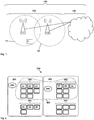
Figure 1 schematically illustrate a mobile telecommunications network for enhanced management and/or energy efficient implementation of network function virtualization within a telecommunications network, wherein a mobile communications network is used as an example of a telecommunications network according to the present invention and especially according to the inventive method. -
Figure 2 schematically illustrates an network function virtualization infrastructure providing an overview of two data centers. - The present invention will be described with respect to particular embodiments and with reference to certain drawings but the invention is not limited thereto but only by the claims. The drawings described are only schematic and are nonlimiting. In the drawings, the size of some of the elements may be exaggerated and not drawn on scale for illustrative purposes.
- Where an indefinite or definite article is used when referring to a singular noun, e.g. "a", "an", "the", this includes a plural of that noun unless something else is specifically stated.
- Furthermore, the terms first, second, third and the like in the description and in the claims are used for distinguishing between similar elements and not necessarily for describing a sequential or chronological order. It is to be understood that the terms so used are interchangeable under appropriate circumstances and that the embodiments of the invention described herein are capable of operation in other sequences than described or illustrated herein.
- In
Figure 1 , atelecommunications network 100 according to the present invention is schematically illustrated. According to the exemplary embodiment ofFigure 1 , thetelecommunications network 100 is implemented as a mobile telecommunications network comprising aradio access network 110 and acore network 120. Theradio access network 110 of themobile communications network 100 comprises a plurality of radio cells of which afirst radio cell 11 and asecond radio cell 12 is exemplarily represented. Theradio cells base station entity 111 and a secondbase station entity 112 is schematically represented inFigure 1 . Thecommunications network 100 is configured to provide communication services to at least oneuser equipment 2; however, typically a plurality of user equipments is served by a base station entity. - Especially the
core network 120 of the telecommunications network 100 - but, at least in principle and/or at least in part also theaccess network 110 of the telecommunications network 100 - comprises a plurality of network nodes or network entities that are not necessarily represented in detail. The different network nodes or network entities are required for providing different network node functionalities such that thetelecommunications network 100 is able to provide the communication services to its users; in the case of a mobile communications network such communication services are typically requested - directly or indirectly - by the respective user equipments. - The present invention relates to any telecommunications network comprising network nodes that are able to be virtualized. Accordingly, the mobile telecommunications network shown in
Figure 1 , especially itscore network 120, only represents an example of a telecommunications network according to the present invention. Other examples of an inventive telecommunications network comprise a fixed line communications network or another telecommunications network comprising computer nodes. - In
Figure 2 , an networkfunction virtualization infrastructure 200 providing an overview of twodata centers telecommunications network 100 comprises the networkfunction virtualization infrastructure 200, comprising a plurality of physical and/or virtual machines as processing or computing resources in a network architecture of thetelecommunications network 100 realizing network function virtualization technologies. In the exemplary embodiment shown inFigure 2 , the networkfunction virtualization infrastructure 200 comprises afirst data center 251 and asecond data center 252. In practice, the networkfunction virtualization infrastructure 200 might and typically does comprise additional data centers not shown inFigure 2 . The networkfunction virtualization infrastructure 200 allows to implement at least one virtualnetwork function application 300 within thetelecommunications network 100. However, typically a plurality of virtual network function applications are implemented, and are typically needed within thetelecommunications network 100. The virtualnetwork function application 300 involves a plurality of different virtualnetwork function instances network function instance 301 is shown as being part of thefirst data center 251, and a second virtualnetwork function instance 302 is shown as being part of thesecond data center 252. Further virtualnetwork function instances 311, 312 (of a further virtual network function application) are also schematically shown inFigure 2. Figure 2 schematically shows a plurality of physical and/or virtual machines: a first, second and third physical and/orvirtual machine network function instance 301 of the virtualnetwork function application 300; a fourth, fifth and sixth physical and/orvirtual machine network function instance 311 of the further virtual network function application; a seventh, eighth and ninth physical and/orvirtual machine network function instance 302 of the virtualnetwork function application 300. - According to the present invention, in a first step, the virtual
network function application 300 receives, regarding thefirst data center 251, a first overall consumption indication and a first consumption limit indication, and, regarding thesecond data center 252, a second overall consumption indication and a second consumption limit indication. The first and second overall consumption indication and the first and second consumption limit indication are relating, respectively, to the overall energy consumption and to an energy consumption limit of the first and at least thesecond data center network function application 300 that decides, in a second step and dependent on the first and second overall consumption indication and/or dependent on the first and second consumption limit indication, whether (and how) to scale out (i.e. typically add a virtual network function instance, and where, i.e. in which data center) or whether (and how) to scale in (i.e. typically remove a virtual network function instance, and where, i.e. in which data center). This means, the virtualnetwork function application 300 decides - -- whether, and in which one of the
available data centers network function instance available data centers - -- whether, and in which one of the
available data centers network function instance available data centers network function application 300 comprises a scaling entity or scalingmodule 350, wherein - depending on a current performance requirement and/or on a current network load, as well as depending on the first and second overall consumption indication and/or the first and second consumption limit indication - the scaling entity or scalingmodule 350 of the virtualnetwork function application 300 decides - -- to modify the allocation of processing or computing resources of the network
function virtualization infrastructure 200, and/or - -- to modify the distribution of processing or computing resources and/or the distribution of performance requirements and/or of network load among the first and
second data center 251, 252 (or among further data centers). - According to conventionally known methods, solutions to reduce the power consumption within data centers typically aimed at consolidating virtual machines that are idle; however, regarding virtual network functions, such conventionally known solutions have the drawback that, typically, the selection criteria (to decide whether, and how, to scale in or out) are controlled by the infra-structure layer itself, and are not integrating information or knowledge of (or present in) the virtual network function application into the decision. Due to the complexity of the functionality of virtual network functions, their underlying virtual machines, connectivity and availability requirements, it is not possible or advisable to just shut down a virtual machine and move it to another host within the datacenter (or to another data center) without affecting the overall performance of the virtual network function. Additionally, there is the difficulty of moving virtual machines freely if they have specific performance requirements towards the infrastructure (e.g. hardware acceleration, special CPU requirements, etc.).
- Hence, according to the present invention, the decisions regarding, e.g., migration of virtual machines on a multiple data center deployment are put under the control of the virtual network function application, and are not driven by infrastructure management decisions. Thereby, the high availability of telecommunication virtual network functions is able to be provided independent from the underlying network
function virtualization infrastructure 200. - According to the present invention, to move the logic regarding migration/scaling of virtual machines to the virtual network function applications (and not to decide scaling via the infrastructure) allows to be able to address the power consumption issue while still allow the virtual network functions (i.e. the virtual
network function applications 300 and their virtualnetwork function instances - Especially, not only the power consumption of one host within the datacenter is provided (as it won't give the full picture for the virtual network function), but the overall consumption per data center. The information is especially fed from a
datacenter manager component 250 towards the virtual network function application, and especially includes the following four parameters: overall data center energy consumption (overall consumption indication), configurable data center consumption limit (consumption limit indication), average virtual machine consumption, and data center busy status. - Especially, the following use cases apply:
In case that the data center consumption limit is reached and a virtual network function application wants (or needs) to scale-out, the virtual network function application in this case is not allowed to scale out in this data center. As telecommunications applications by default are typically able to steer traffic and sessions between different virtual network function instances of the same virtual network function application (with no downtime to allow for service upgrades and maintenance), it is advantageously possible according to the present invention that the virtual network function detects that the data center consumption limit is reached, and further users need to be moved towards another virtual network function instance in a different data center. - In case that the data center consumption limit is not reached and the virtual network function application wants to scale-out, the virtual network function application advantageously identifies how many virtual machines are needed to be started and identify whether the available margin (of additional energy consumption) is matching the required average virtual machine consumption and then decide whether to scale-out or steer some traffic towards another virtual network function instance in a different data center.
- In case that the data center consumption changed and more room for new virtual machines is available, in order to avoid ping-pong for user sessions between different data centers, (i.e. if a virtual network function application moved traffic to another data center, this data center is not taking this traffic back once the data center consumption is reduced). This also simplifies the logic within the virtual network function application as it does not need to care anymore for the sessions that were moved. This also serves the power saving overall goal.
- In case that the data center consumption limit is changed (by configuration) to a lower value, i.e. causing the consumption limit to be exhausted: In order to avoid that all virtual network function applications are racing to steer traffic to another data center (to reduce the number of running virtual machines within the considered data center), the
datacenter manager 250 might create a list of virtual network function applications (or virtual network function instances) currently running and their associated number of virtual machines running in descending order; then, the new (reduced) consumption limit is transmitted (only) to the virtual network function application (or virtual network function instance) with the maximum number of virtual machines (i.e. the first on this list), while transmitting the old (i.e. previous) limit to the rest of the virtual network function applications (or virtual network function instance). After some time, traffic will have been steered towards another data center, such that then the considered virtual network function application (of virtual network function instance) is not the one having the highest number of virtual machines used (i.e. if falls behind the second virtual network function application (or virtual network function instance) in the previously mentioned list). In case the data center consumption limit is still exhausted, thedatacenter manager 250 again sends the new limit to the virtual network function application (or virtual network function instance) having the most virtual machines (i.e. in the considered case, this should be the virtual network function application or instance having been the second virtual network function application or instance on that previous list), and so on until the limit is not exhausted anymore and the new limit will be sent to all virtual network function applications (or virtual network function instances) to prevent future scaling in the data center. - In case the data center consumption limit changed by configuration to a lower value, while a virtual network function application wants to scale, as described above, the data
center manager component 250 addresses one virtual network function application after another to reduce the consumption and match the limit; during this time, thedata center manager 250 raises the data center busy status to all virtual network function applications except the one addressed to reduce its number of virtual machines to indicate that no scaling functionalities shall now take place at all.
Claims (11)
- Method for enhanced management and/or energy efficient implementation of network function virtualization within a telecommunications network (100), wherein the telecommunications network (100) comprises a network function virtualization infrastructure (200), comprising a plurality of physical and/or virtual machines (21, 22, 23, 24) as processing or computing resources in a network architecture of the telecommunications network (100) realizing network function virtualization technologies, the network function virtualization infrastructure (200) comprising a first data center (251) and at least a second data center (252),
wherein, by means of or by using the network function virtualization infrastructure (200), at least one virtual network function application (300) is implemented within the telecommunications network (100), the virtual network function application (300) involving a plurality of different virtual network function instances (301, 302) using at least part of the plurality of physical and/or virtual machines (21, 22, 23, 24) as processing or computing resources, wherein the method comprises the following steps:-- in a first step, the virtual network function application (300) receives, regarding the first data center (251), a first overall consumption indication and a first consumption limit indication, and, regarding the second data center (252), a second overall consumption indication and a second consumption limit indication, the first and second overall consumption indication and the first and second consumption limit indication relating, respectively, to the overall energy consumption and to an energy consumption limit of the first and at least the second data center (251, 252), respectively,-- in a second step, the virtual network function application (300) decides dependent on the first and second overall consumption indication and/or dependent on the first and second consumption limit indication-- whether, and in which one of the available data centers (251, 252), an additional virtual network function instance (301, 302) is to be used or is to be instantiated and/or whether, and in which one of the available data centers (251, 252), an additional physical and/or virtual machine (21, 22, 23, 24) is to be used, and/or-- whether, and in which one of the available data centers (251, 252), a virtual network function instance (301, 302) is to be removed or released and/or whether, and in which one of the available data centers (251, 252), a physical and/or virtual machine (21, 22, 23, 24) is to be deallocated or freed. - Method according to claim 1, wherein, depending on-- differing performance requirements and/or depending on different network loads of the telecommunications network (100) at different points in time, and-- differing first and second overall consumption indications and/or first and second consumption limit indications at different points in time,
the virtual network function application (300) uses different processing or computing resources of the network function virtualization infrastructure (200) and/or a different distribution of processing or computing resources among the first and second data center (251, 252),
wherein the virtual network function application (300) comprises a scaling entity or scaling module (350), wherein - depending on a current performance requirement and/or on a current network load, as well as depending on the first and second overall consumption indication and/or the first and second consumption limit indication - the scaling entity or scaling module (350) of the virtual network function application (300) decides-- to modify the allocation of processing or computing resources of the network function virtualization infrastructure (200), and/or-- to modify the distribution of processing or computing resources and/or the distribution of performance requirements and/or of network load among the first and second data center (251, 252). - Method according to one of the preceding claims, wherein, in case that the first overall consumption indication and the first consumption limit indication indicate that the energy consumption limit of the first data center (251) is reached, the scaling entity or scaling module (350) of the virtual network function application (300) decides to move additional performance requirements and/or additional network load of the telecommunications network (100) to a data center different from the first data center (251), especially to the second data center (252).
- Method according to one of the preceding claims, wherein, in case that the first overall consumption indication and the first consumption limit indication indicate that additional capacity and/or energy consumption volume is available at the first data center (251), the scaling entity or scaling module (350) of the virtual network function application (300) decides to add or to instantiate an additional virtual network function instance (301, 302) within the first data center (251) and/or to add or to use an additional physical and/or virtual machine (21, 22, 23, 24) within the first data center (251), thereby especially taking into account the number of required additional physical and/or virtual machines (21, 22, 23, 24) as well as an average consumption indication being related to the average energy consumption of a physical and/or virtual machine (21, 22, 23, 24).
- Method according to one of the preceding claims, wherein the network function virtualization infrastructure (200), especially a data center management entity or management module (250), transmits the first overall consumption indication and the first consumption limit indication to the virtual network function application (300).
- Method according to one of the preceding claims, wherein in case of lowering the first consumption limit indication while, besides the virtual network function application (300), a further virtual network function application uses processing or computing resources of the first data center (251), the first overall consumption indication and the first consumption limit indication is transmitted only to the virtual network function application (300), especially in case that the virtual network function application (300) uses more processing or computing resources of the first data center (251) compared to the further virtual network function application,
wherein especially a data center busy status indication is transmitted to the further virtual network function application, the data center busy status indication especially indicating that scaling operations are to be avoided regarding the further virtual network function application. - Telecommunications network (100) for enhanced management and/or energy efficient implementation of network function virtualization within a telecommunications network (100), wherein the telecommunications network (100) comprises a network function virtualization infrastructure (200), comprising a plurality of physical and/or virtual machines (21, 22, 23, 24) as processing or computing resources in a network architecture of the telecommunications network (100) realizing network function virtualization technologies, the network function virtualization infrastructure (200) comprising a first data center (251) and at least a second data center (252),
wherein, by means of or by using the network function virtualization infrastructure (200), at least one virtual network function application (300) is implemented within the telecommunications network (100), the virtual network function application (300) involving a plurality of different virtual network function instances (301, 302) using at least part of the plurality of physical and/or virtual machines (21, 22, 23, 24) as processing or computing resources, wherein the communication network (100) is configured such that:-- the virtual network function application (300) receives, regarding the first data center (251), a first overall consumption indication and a first consumption limit indication, and, regarding the second data center (252), a second overall consumption indication and a second consumption limit indication, the first and second overall consumption indication and the first and second consumption limit indication relating, respectively, to the overall energy consumption and to an energy consumption limit of the first and at least the second data center (251, 252), respectively,-- the virtual network function application (300) decides dependent on the first and second overall consumption indication and/or dependent on the first and second consumption limit indication-- whether, and in which one of the available data centers (251, 252), an additional virtual network function instance (301, 302) is to be used or is to be instantiated and/or whether, and in which one of the available data centers (251, 252), an additional physical and/or virtual machine (21, 22, 23, 24) is to be used, and/or-- whether, and in which one of the available data centers (251, 252), a virtual network function instance (301, 302) is to be removed or released and/or whether, and in which one of the available data centers (251, 252), a physical and/or virtual machine (21, 22, 23, 24) is to be deallocated or freed. - Network function virtualization infrastructure (200) for enhanced management and/or energy efficient implementation of network function virtualization within a telecommunications network (100), the network function virtualization infrastructure (200) comprising a plurality of physical and/or virtual machines (21, 22, 23, 24) as processing or computing resources in a network architecture of the telecommunications network (100) realizing network function virtualization technologies, the network function virtualization infrastructure (200) comprising a first data center (251) and at least a second data center (252),
wherein, by means of or by using the network function virtualization infrastructure (200), at least one virtual network function application (300) is implemented within the telecommunications network (100), the virtual network function application (300) involving a plurality of different virtual network function instances (301, 302) using at least part of the plurality of physical and/or virtual machines (21, 22, 23, 24) as processing or computing resources, wherein the network function virtualization infrastructure (200) is configured such that:-- the virtual network function application (300) receives, regarding the first data center (251), a first overall consumption indication and a first consumption limit indication, and, regarding the second data center (252), a second overall consumption indication and a second consumption limit indication, the first and second overall consumption indication and the first and second consumption limit indication relating, respectively, to the overall energy consumption and to an energy consumption limit of the first and at least the second data center (251, 252), respectively,-- the virtual network function application (300) decides dependent on the first and second overall consumption indication and/or dependent on the first and second consumption limit indication-- whether, and in which one of the available data centers (251, 252), an additional virtual network function instance (301, 302) is to be used or is to be instantiated and/or whether, and in which one of the available data centers (251, 252), an additional physical and/or virtual machine (21, 22, 23, 24) is to be used, and/or-- whether, and in which one of the available data centers (251, 252), a virtual network function instance (301, 302) is to be removed or released and/or whether, and in which one of the available data centers (251, 252), a physical and/or virtual machine (21, 22, 23, 24) is to be deallocated or freed. - Scaling entity or scaling module (350) of a virtual network function application (300) or virtual network function application (300) for enhanced management and/or energy efficient implementation of network function virtualization within a telecommunications network (100), wherein the scaling entity or scaling module (350) or the virtual network function application (300) is realized using the network function virtualization infrastructure (200) according to claim 8.
- Program comprising a computer readable program code which, when executed on a computer or on a physical and/or virtual machine of a network function virtualization infrastructure (200) of or within a telecommunications network (100) causes the computer or the physical and/or virtual machine of the network function virtualization infrastructure (200) of or within the telecommunications network (100) to perform a method according to any one of claims 1 to 6.
- Computer-readable medium comprising instructions which when executed on a computer or on a physical and/or virtual machine of a network function virtualization infrastructure (200) of or within a telecommunications network (100) causes the computer or the physical and/or virtual machine of the network function virtualization infrastructure (200) of or within the telecommunications network (100) to perform a method according to any one of claims 1 to 6.
Priority Applications (1)
| Application Number | Priority Date | Filing Date | Title |
|---|---|---|---|
| EP20159244.1A EP3873030B1 (en) | 2020-02-25 | 2020-02-25 | Method for enhanced management and/or energy efficient implementation of network function virtualization within a telecommunications network, telecommunications network, network function virtualization infrastructure, scaling entity or scaling module of a virtual network function application or virtual network function application, program and computer program product |
Applications Claiming Priority (1)
| Application Number | Priority Date | Filing Date | Title |
|---|---|---|---|
| EP20159244.1A EP3873030B1 (en) | 2020-02-25 | 2020-02-25 | Method for enhanced management and/or energy efficient implementation of network function virtualization within a telecommunications network, telecommunications network, network function virtualization infrastructure, scaling entity or scaling module of a virtual network function application or virtual network function application, program and computer program product |
Publications (2)
| Publication Number | Publication Date |
|---|---|
| EP3873030A1 true EP3873030A1 (en) | 2021-09-01 |
| EP3873030B1 EP3873030B1 (en) | 2024-09-04 |
Family
ID=69770377
Family Applications (1)
| Application Number | Title | Priority Date | Filing Date |
|---|---|---|---|
| EP20159244.1A Active EP3873030B1 (en) | 2020-02-25 | 2020-02-25 | Method for enhanced management and/or energy efficient implementation of network function virtualization within a telecommunications network, telecommunications network, network function virtualization infrastructure, scaling entity or scaling module of a virtual network function application or virtual network function application, program and computer program product |
Country Status (1)
| Country | Link |
|---|---|
| EP (1) | EP3873030B1 (en) |
Citations (3)
| Publication number | Priority date | Publication date | Assignee | Title |
|---|---|---|---|---|
| EP3179673A1 (en) * | 2014-08-25 | 2017-06-14 | Huawei Technologies Co. Ltd. | Energy-saving control method, management server and network device |
| WO2017173901A1 (en) * | 2016-04-08 | 2017-10-12 | 中兴通讯股份有限公司 | Energy saving method and apparatus for virtualized network, and computer storage medium |
| US20200004569A1 (en) * | 2018-06-28 | 2020-01-02 | Vmware, Inc. | Autonomic management of multi-site cloud infrastructure |
-
2020
- 2020-02-25 EP EP20159244.1A patent/EP3873030B1/en active Active
Patent Citations (3)
| Publication number | Priority date | Publication date | Assignee | Title |
|---|---|---|---|---|
| EP3179673A1 (en) * | 2014-08-25 | 2017-06-14 | Huawei Technologies Co. Ltd. | Energy-saving control method, management server and network device |
| WO2017173901A1 (en) * | 2016-04-08 | 2017-10-12 | 中兴通讯股份有限公司 | Energy saving method and apparatus for virtualized network, and computer storage medium |
| US20200004569A1 (en) * | 2018-06-28 | 2020-01-02 | Vmware, Inc. | Autonomic management of multi-site cloud infrastructure |
Non-Patent Citations (1)
| Title |
|---|
| "Network Functions Virtualisation; Part 1: Infrastructure Architecture; Sub-part 3: Architecture of Compute Domain Final Draft June 27, 2014 ;DGS NFV-INF003", ETSI DRAFT; DGS NFV-INF003, EUROPEAN TELECOMMUNICATIONS STANDARDS INSTITUTE (ETSI), 650, ROUTE DES LUCIOLES ; F-06921 SOPHIA-ANTIPOLIS ; FRANCE, vol. ISG - NFV, no. V0.3.2, 27 June 2014 (2014-06-27), pages 1 - 70, XP014200260 * |
Also Published As
| Publication number | Publication date |
|---|---|
| EP3873030B1 (en) | 2024-09-04 |
Similar Documents
| Publication | Publication Date | Title |
|---|---|---|
| US9298515B2 (en) | Methods, systems, and computer readable media for providing a virtualized diameter network architecture and for routing traffic to dynamically instantiated diameter resource instances | |
| US9967136B2 (en) | System and method for policy-based smart placement for network function virtualization | |
| EP2304565B1 (en) | Method and system for power management in a virtual machine environment withouth disrupting network connectivity | |
| EP3252608B1 (en) | Node system, server device, scaling control method, and program | |
| EP3269170B1 (en) | Network management | |
| US20170300353A1 (en) | Method for Allocating Communication Path in Cloudified Network, Apparatus, and System | |
| EP3512233A1 (en) | Method for managing network slice and management unit | |
| US11442769B2 (en) | Network management for elastic virtual network functions | |
| EP3518499B1 (en) | Nfv system service acceleration methods, systems and apparatus | |
| CN110333939B (en) | Task hybrid scheduling method, device, scheduling server and resource server | |
| CN111858054A (en) | Resource scheduling system and method based on edge computing in heterogeneous environment | |
| CN103731295A (en) | Method and system for operating virtual consolidated appliance | |
| EP3211531B1 (en) | Virtual machine start method and apparatus | |
| CN110798412A (en) | Multicast service processing method, device, cloud platform, equipment and readable storage medium | |
| Yuan et al. | Virtual network function scheduling via multilayer encoding genetic algorithm with distributed bandwidth allocation | |
| CN106161652A (en) | Privately owned cloud platform based on Zstack request and dispatching method thereof | |
| JPWO2007072544A1 (en) | Information processing apparatus, computer, resource allocation method, and resource allocation program | |
| EP3873030B1 (en) | Method for enhanced management and/or energy efficient implementation of network function virtualization within a telecommunications network, telecommunications network, network function virtualization infrastructure, scaling entity or scaling module of a virtual network function application or virtual network function application, program and computer program product | |
| EP3376711B1 (en) | Management method and device for managing instruction transmission for automatic vnf scaling function | |
| CN112015515B (en) | Instantiation method and device of virtual network function | |
| US20240334423A1 (en) | Adaptive distributed unit (du) scheduler | |
| WO2018129957A1 (en) | Vbng system multi-virtual machine load sharing method and vbng system device | |
| JP2019028673A (en) | Managing device and managing method | |
| CN119402361B (en) | A Cloud Computing Virtual Machine Scheduling Method Applicable to Railway Communication Cloud | |
| US20230337057A1 (en) | Containerized application technologies for cellular networks and ran workloads |
Legal Events
| Date | Code | Title | Description |
|---|---|---|---|
| PUAI | Public reference made under article 153(3) epc to a published international application that has entered the european phase |
Free format text: ORIGINAL CODE: 0009012 |
|
| STAA | Information on the status of an ep patent application or granted ep patent |
Free format text: STATUS: THE APPLICATION HAS BEEN PUBLISHED |
|
| AK | Designated contracting states |
Kind code of ref document: A1 Designated state(s): AL AT BE BG CH CY CZ DE DK EE ES FI FR GB GR HR HU IE IS IT LI LT LU LV MC MK MT NL NO PL PT RO RS SE SI SK SM TR |
|
| STAA | Information on the status of an ep patent application or granted ep patent |
Free format text: STATUS: REQUEST FOR EXAMINATION WAS MADE |
|
| 17P | Request for examination filed |
Effective date: 20220301 |
|
| RBV | Designated contracting states (corrected) |
Designated state(s): AL AT BE BG CH CY CZ DE DK EE ES FI FR GB GR HR HU IE IS IT LI LT LU LV MC MK MT NL NO PL PT RO RS SE SI SK SM TR |
|
| STAA | Information on the status of an ep patent application or granted ep patent |
Free format text: STATUS: EXAMINATION IS IN PROGRESS |
|
| 17Q | First examination report despatched |
Effective date: 20230220 |
|
| REG | Reference to a national code |
Ref country code: DE Free format text: PREVIOUS MAIN CLASS: H04L0012240000 Ipc: H04L0041083300 Ref legal event code: R079 Ref document number: 602020036898 Country of ref document: DE |
|
| GRAP | Despatch of communication of intention to grant a patent |
Free format text: ORIGINAL CODE: EPIDOSNIGR1 |
|
| STAA | Information on the status of an ep patent application or granted ep patent |
Free format text: STATUS: GRANT OF PATENT IS INTENDED |
|
| GRAJ | Information related to disapproval of communication of intention to grant by the applicant or resumption of examination proceedings by the epo deleted |
Free format text: ORIGINAL CODE: EPIDOSDIGR1 |
|
| STAA | Information on the status of an ep patent application or granted ep patent |
Free format text: STATUS: EXAMINATION IS IN PROGRESS |
|
| RIC1 | Information provided on ipc code assigned before grant |
Ipc: H04L 41/0895 20220101ALI20240402BHEP Ipc: H04L 41/0833 20220101AFI20240402BHEP |
|
| GRAP | Despatch of communication of intention to grant a patent |
Free format text: ORIGINAL CODE: EPIDOSNIGR1 |
|
| STAA | Information on the status of an ep patent application or granted ep patent |
Free format text: STATUS: GRANT OF PATENT IS INTENDED |
|
| INTG | Intention to grant announced |
Effective date: 20240415 |
|
| INTC | Intention to grant announced (deleted) | ||
| INTG | Intention to grant announced |
Effective date: 20240515 |
|
| GRAS | Grant fee paid |
Free format text: ORIGINAL CODE: EPIDOSNIGR3 |
|
| GRAA | (expected) grant |
Free format text: ORIGINAL CODE: 0009210 |
|
| STAA | Information on the status of an ep patent application or granted ep patent |
Free format text: STATUS: THE PATENT HAS BEEN GRANTED |
|
| AK | Designated contracting states |
Kind code of ref document: B1 Designated state(s): AL AT BE BG CH CY CZ DE DK EE ES FI FR GB GR HR HU IE IS IT LI LT LU LV MC MK MT NL NO PL PT RO RS SE SI SK SM TR |
|
| REG | Reference to a national code |
Ref country code: GB Ref legal event code: FG4D |
|
| REG | Reference to a national code |
Ref country code: CH Ref legal event code: EP |
|
| REG | Reference to a national code |
Ref country code: IE Ref legal event code: FG4D |
|
| REG | Reference to a national code |
Ref country code: DE Ref legal event code: R096 Ref document number: 602020036898 Country of ref document: DE |
|
| REG | Reference to a national code |
Ref country code: LT Ref legal event code: MG9D |
|
| REG | Reference to a national code |
Ref country code: NL Ref legal event code: MP Effective date: 20240904 |
|
| PG25 | Lapsed in a contracting state [announced via postgrant information from national office to epo] |
Ref country code: NO Free format text: LAPSE BECAUSE OF FAILURE TO SUBMIT A TRANSLATION OF THE DESCRIPTION OR TO PAY THE FEE WITHIN THE PRESCRIBED TIME-LIMIT Effective date: 20241204 |
|
| PG25 | Lapsed in a contracting state [announced via postgrant information from national office to epo] |
Ref country code: GR Free format text: LAPSE BECAUSE OF FAILURE TO SUBMIT A TRANSLATION OF THE DESCRIPTION OR TO PAY THE FEE WITHIN THE PRESCRIBED TIME-LIMIT Effective date: 20241205 Ref country code: PL Free format text: LAPSE BECAUSE OF FAILURE TO SUBMIT A TRANSLATION OF THE DESCRIPTION OR TO PAY THE FEE WITHIN THE PRESCRIBED TIME-LIMIT Effective date: 20240904 Ref country code: FI Free format text: LAPSE BECAUSE OF FAILURE TO SUBMIT A TRANSLATION OF THE DESCRIPTION OR TO PAY THE FEE WITHIN THE PRESCRIBED TIME-LIMIT Effective date: 20240904 |
|
| PG25 | Lapsed in a contracting state [announced via postgrant information from national office to epo] |
Ref country code: BG Free format text: LAPSE BECAUSE OF FAILURE TO SUBMIT A TRANSLATION OF THE DESCRIPTION OR TO PAY THE FEE WITHIN THE PRESCRIBED TIME-LIMIT Effective date: 20240904 |
|
| PG25 | Lapsed in a contracting state [announced via postgrant information from national office to epo] |
Ref country code: LV Free format text: LAPSE BECAUSE OF FAILURE TO SUBMIT A TRANSLATION OF THE DESCRIPTION OR TO PAY THE FEE WITHIN THE PRESCRIBED TIME-LIMIT Effective date: 20240904 |
|
| PG25 | Lapsed in a contracting state [announced via postgrant information from national office to epo] |
Ref country code: HR Free format text: LAPSE BECAUSE OF FAILURE TO SUBMIT A TRANSLATION OF THE DESCRIPTION OR TO PAY THE FEE WITHIN THE PRESCRIBED TIME-LIMIT Effective date: 20240904 |
|
| PG25 | Lapsed in a contracting state [announced via postgrant information from national office to epo] |
Ref country code: ES Free format text: LAPSE BECAUSE OF FAILURE TO SUBMIT A TRANSLATION OF THE DESCRIPTION OR TO PAY THE FEE WITHIN THE PRESCRIBED TIME-LIMIT Effective date: 20240904 Ref country code: RS Free format text: LAPSE BECAUSE OF FAILURE TO SUBMIT A TRANSLATION OF THE DESCRIPTION OR TO PAY THE FEE WITHIN THE PRESCRIBED TIME-LIMIT Effective date: 20241204 |
|
| PG25 | Lapsed in a contracting state [announced via postgrant information from national office to epo] |
Ref country code: RS Free format text: LAPSE BECAUSE OF FAILURE TO SUBMIT A TRANSLATION OF THE DESCRIPTION OR TO PAY THE FEE WITHIN THE PRESCRIBED TIME-LIMIT Effective date: 20241204 Ref country code: PL Free format text: LAPSE BECAUSE OF FAILURE TO SUBMIT A TRANSLATION OF THE DESCRIPTION OR TO PAY THE FEE WITHIN THE PRESCRIBED TIME-LIMIT Effective date: 20240904 Ref country code: NO Free format text: LAPSE BECAUSE OF FAILURE TO SUBMIT A TRANSLATION OF THE DESCRIPTION OR TO PAY THE FEE WITHIN THE PRESCRIBED TIME-LIMIT Effective date: 20241204 Ref country code: LV Free format text: LAPSE BECAUSE OF FAILURE TO SUBMIT A TRANSLATION OF THE DESCRIPTION OR TO PAY THE FEE WITHIN THE PRESCRIBED TIME-LIMIT Effective date: 20240904 Ref country code: HR Free format text: LAPSE BECAUSE OF FAILURE TO SUBMIT A TRANSLATION OF THE DESCRIPTION OR TO PAY THE FEE WITHIN THE PRESCRIBED TIME-LIMIT Effective date: 20240904 Ref country code: GR Free format text: LAPSE BECAUSE OF FAILURE TO SUBMIT A TRANSLATION OF THE DESCRIPTION OR TO PAY THE FEE WITHIN THE PRESCRIBED TIME-LIMIT Effective date: 20241205 Ref country code: FI Free format text: LAPSE BECAUSE OF FAILURE TO SUBMIT A TRANSLATION OF THE DESCRIPTION OR TO PAY THE FEE WITHIN THE PRESCRIBED TIME-LIMIT Effective date: 20240904 Ref country code: ES Free format text: LAPSE BECAUSE OF FAILURE TO SUBMIT A TRANSLATION OF THE DESCRIPTION OR TO PAY THE FEE WITHIN THE PRESCRIBED TIME-LIMIT Effective date: 20240904 Ref country code: BG Free format text: LAPSE BECAUSE OF FAILURE TO SUBMIT A TRANSLATION OF THE DESCRIPTION OR TO PAY THE FEE WITHIN THE PRESCRIBED TIME-LIMIT Effective date: 20240904 |
|
| REG | Reference to a national code |
Ref country code: AT Ref legal event code: MK05 Ref document number: 1721559 Country of ref document: AT Kind code of ref document: T Effective date: 20240904 |
|
| PG25 | Lapsed in a contracting state [announced via postgrant information from national office to epo] |
Ref country code: NL Free format text: LAPSE BECAUSE OF FAILURE TO SUBMIT A TRANSLATION OF THE DESCRIPTION OR TO PAY THE FEE WITHIN THE PRESCRIBED TIME-LIMIT Effective date: 20240904 |
|
| PG25 | Lapsed in a contracting state [announced via postgrant information from national office to epo] |
Ref country code: PT Free format text: LAPSE BECAUSE OF FAILURE TO SUBMIT A TRANSLATION OF THE DESCRIPTION OR TO PAY THE FEE WITHIN THE PRESCRIBED TIME-LIMIT Effective date: 20250106 Ref country code: IS Free format text: LAPSE BECAUSE OF FAILURE TO SUBMIT A TRANSLATION OF THE DESCRIPTION OR TO PAY THE FEE WITHIN THE PRESCRIBED TIME-LIMIT Effective date: 20250104 |
|
| PG25 | Lapsed in a contracting state [announced via postgrant information from national office to epo] |
Ref country code: RO Free format text: LAPSE BECAUSE OF FAILURE TO SUBMIT A TRANSLATION OF THE DESCRIPTION OR TO PAY THE FEE WITHIN THE PRESCRIBED TIME-LIMIT Effective date: 20240904 Ref country code: SM Free format text: LAPSE BECAUSE OF FAILURE TO SUBMIT A TRANSLATION OF THE DESCRIPTION OR TO PAY THE FEE WITHIN THE PRESCRIBED TIME-LIMIT Effective date: 20240904 |
|
| PG25 | Lapsed in a contracting state [announced via postgrant information from national office to epo] |
Ref country code: AT Free format text: LAPSE BECAUSE OF FAILURE TO SUBMIT A TRANSLATION OF THE DESCRIPTION OR TO PAY THE FEE WITHIN THE PRESCRIBED TIME-LIMIT Effective date: 20240904 Ref country code: EE Free format text: LAPSE BECAUSE OF FAILURE TO SUBMIT A TRANSLATION OF THE DESCRIPTION OR TO PAY THE FEE WITHIN THE PRESCRIBED TIME-LIMIT Effective date: 20240904 |
|
| PG25 | Lapsed in a contracting state [announced via postgrant information from national office to epo] |
Ref country code: CZ Free format text: LAPSE BECAUSE OF FAILURE TO SUBMIT A TRANSLATION OF THE DESCRIPTION OR TO PAY THE FEE WITHIN THE PRESCRIBED TIME-LIMIT Effective date: 20240904 |
|
| PG25 | Lapsed in a contracting state [announced via postgrant information from national office to epo] |
Ref country code: SK Free format text: LAPSE BECAUSE OF FAILURE TO SUBMIT A TRANSLATION OF THE DESCRIPTION OR TO PAY THE FEE WITHIN THE PRESCRIBED TIME-LIMIT Effective date: 20240904 Ref country code: IT Free format text: LAPSE BECAUSE OF FAILURE TO SUBMIT A TRANSLATION OF THE DESCRIPTION OR TO PAY THE FEE WITHIN THE PRESCRIBED TIME-LIMIT Effective date: 20240904 |
|
| REG | Reference to a national code |
Ref country code: DE Ref legal event code: R097 Ref document number: 602020036898 Country of ref document: DE |
|
| PG25 | Lapsed in a contracting state [announced via postgrant information from national office to epo] |
Ref country code: DK Free format text: LAPSE BECAUSE OF FAILURE TO SUBMIT A TRANSLATION OF THE DESCRIPTION OR TO PAY THE FEE WITHIN THE PRESCRIBED TIME-LIMIT Effective date: 20240904 |
|
| PLBE | No opposition filed within time limit |
Free format text: ORIGINAL CODE: 0009261 |
|
| STAA | Information on the status of an ep patent application or granted ep patent |
Free format text: STATUS: NO OPPOSITION FILED WITHIN TIME LIMIT |
|
| 26N | No opposition filed |
Effective date: 20250605 |
|
| PG25 | Lapsed in a contracting state [announced via postgrant information from national office to epo] |
Ref country code: SE Free format text: LAPSE BECAUSE OF FAILURE TO SUBMIT A TRANSLATION OF THE DESCRIPTION OR TO PAY THE FEE WITHIN THE PRESCRIBED TIME-LIMIT Effective date: 20240904 |
|
| PG25 | Lapsed in a contracting state [announced via postgrant information from national office to epo] |
Ref country code: MC Free format text: LAPSE BECAUSE OF FAILURE TO SUBMIT A TRANSLATION OF THE DESCRIPTION OR TO PAY THE FEE WITHIN THE PRESCRIBED TIME-LIMIT Effective date: 20240904 |
|
| REG | Reference to a national code |
Ref country code: CH Ref legal event code: PL |
|
| PG25 | Lapsed in a contracting state [announced via postgrant information from national office to epo] |
Ref country code: LU Free format text: LAPSE BECAUSE OF NON-PAYMENT OF DUE FEES Effective date: 20250225 |
|
| PG25 | Lapsed in a contracting state [announced via postgrant information from national office to epo] |
Ref country code: CH Free format text: LAPSE BECAUSE OF NON-PAYMENT OF DUE FEES Effective date: 20250228 |
|
| REG | Reference to a national code |
Ref country code: BE Ref legal event code: MM Effective date: 20250228 |
|
| PG25 | Lapsed in a contracting state [announced via postgrant information from national office to epo] |
Ref country code: BE Free format text: LAPSE BECAUSE OF NON-PAYMENT OF DUE FEES Effective date: 20250228 |
|
| PG25 | Lapsed in a contracting state [announced via postgrant information from national office to epo] |
Ref country code: IE Free format text: LAPSE BECAUSE OF NON-PAYMENT OF DUE FEES Effective date: 20250225 |
|
| PGFP | Annual fee paid to national office [announced via postgrant information from national office to epo] |
Ref country code: GB Payment date: 20260219 Year of fee payment: 7 |
|
| PGFP | Annual fee paid to national office [announced via postgrant information from national office to epo] |
Ref country code: DE Payment date: 20260217 Year of fee payment: 7 |
|
| PGFP | Annual fee paid to national office [announced via postgrant information from national office to epo] |
Ref country code: FR Payment date: 20260219 Year of fee payment: 7 |
|
| PG25 | Lapsed in a contracting state [announced via postgrant information from national office to epo] |
Ref country code: CY Free format text: LAPSE BECAUSE OF FAILURE TO SUBMIT A TRANSLATION OF THE DESCRIPTION OR TO PAY THE FEE WITHIN THE PRESCRIBED TIME-LIMIT Effective date: 20240904 |
|
| PG25 | Lapsed in a contracting state [announced via postgrant information from national office to epo] |
Ref country code: LT Free format text: LAPSE BECAUSE OF FAILURE TO SUBMIT A TRANSLATION OF THE DESCRIPTION OR TO PAY THE FEE WITHIN THE PRESCRIBED TIME-LIMIT Effective date: 20240904 |
|
| PG25 | Lapsed in a contracting state [announced via postgrant information from national office to epo] |
Ref country code: TR Free format text: LAPSE BECAUSE OF FAILURE TO SUBMIT A TRANSLATION OF THE DESCRIPTION OR TO PAY THE FEE WITHIN THE PRESCRIBED TIME-LIMIT Effective date: 20240904 |