EP3872922B1 - Secondary battery and assembly therefor - Google Patents
Secondary battery and assembly therefor Download PDFInfo
- Publication number
- EP3872922B1 EP3872922B1 EP21169160.5A EP21169160A EP3872922B1 EP 3872922 B1 EP3872922 B1 EP 3872922B1 EP 21169160 A EP21169160 A EP 21169160A EP 3872922 B1 EP3872922 B1 EP 3872922B1
- Authority
- EP
- European Patent Office
- Prior art keywords
- electrode tab
- electrode
- connecting portion
- secondary battery
- electrode terminal
- Prior art date
- Legal status (The legal status is an assumption and is not a legal conclusion. Google has not performed a legal analysis and makes no representation as to the accuracy of the status listed.)
- Active
Links
Images



Classifications
-
- H—ELECTRICITY
- H01—ELECTRIC ELEMENTS
- H01M—PROCESSES OR MEANS, e.g. BATTERIES, FOR THE DIRECT CONVERSION OF CHEMICAL ENERGY INTO ELECTRICAL ENERGY
- H01M50/00—Constructional details or processes of manufacture of the non-active parts of electrochemical cells other than fuel cells, e.g. hybrid cells
- H01M50/50—Current conducting connections for cells or batteries
- H01M50/572—Means for preventing undesired use or discharge
- H01M50/574—Devices or arrangements for the interruption of current
- H01M50/581—Devices or arrangements for the interruption of current in response to temperature
-
- H—ELECTRICITY
- H01—ELECTRIC ELEMENTS
- H01M—PROCESSES OR MEANS, e.g. BATTERIES, FOR THE DIRECT CONVERSION OF CHEMICAL ENERGY INTO ELECTRICAL ENERGY
- H01M50/00—Constructional details or processes of manufacture of the non-active parts of electrochemical cells other than fuel cells, e.g. hybrid cells
- H01M50/10—Primary casings; Jackets or wrappings
- H01M50/172—Arrangements of electric connectors penetrating the casing
- H01M50/174—Arrangements of electric connectors penetrating the casing adapted for the shape of the cells
- H01M50/176—Arrangements of electric connectors penetrating the casing adapted for the shape of the cells for prismatic or rectangular cells
-
- H—ELECTRICITY
- H01—ELECTRIC ELEMENTS
- H01M—PROCESSES OR MEANS, e.g. BATTERIES, FOR THE DIRECT CONVERSION OF CHEMICAL ENERGY INTO ELECTRICAL ENERGY
- H01M2200/00—Safety devices for primary or secondary batteries
- H01M2200/10—Temperature sensitive devices
- H01M2200/103—Fuse
-
- H—ELECTRICITY
- H01—ELECTRIC ELEMENTS
- H01M—PROCESSES OR MEANS, e.g. BATTERIES, FOR THE DIRECT CONVERSION OF CHEMICAL ENERGY INTO ELECTRICAL ENERGY
- H01M50/00—Constructional details or processes of manufacture of the non-active parts of electrochemical cells other than fuel cells, e.g. hybrid cells
- H01M50/10—Primary casings; Jackets or wrappings
- H01M50/147—Lids or covers
-
- Y—GENERAL TAGGING OF NEW TECHNOLOGICAL DEVELOPMENTS; GENERAL TAGGING OF CROSS-SECTIONAL TECHNOLOGIES SPANNING OVER SEVERAL SECTIONS OF THE IPC; TECHNICAL SUBJECTS COVERED BY FORMER USPC CROSS-REFERENCE ART COLLECTIONS [XRACs] AND DIGESTS
- Y02—TECHNOLOGIES OR APPLICATIONS FOR MITIGATION OR ADAPTATION AGAINST CLIMATE CHANGE
- Y02E—REDUCTION OF GREENHOUSE GAS [GHG] EMISSIONS, RELATED TO ENERGY GENERATION, TRANSMISSION OR DISTRIBUTION
- Y02E60/00—Enabling technologies; Technologies with a potential or indirect contribution to GHG emissions mitigation
- Y02E60/10—Energy storage using batteries
Definitions
- the present invention relates to the field of battery, and particularly relates to a secondary battery as specified in any claims 1-8 therefor.
- a first connecting piece 3 is generally used in the prior art to fix a first electrode tab 21 of an electrode assembly 2 to a first electrode terminal 11 of a cap plate 1, and the first connecting piece 3 is provided with a first fusing portion 33.
- the first fusing portion 33 can be fused in time so as to quickly cut off the electrical connection between the first electrode tab 21 and the first electrode terminal 11, and prevent a thermal runaway of the secondary battery.
- the first electrode terminal connecting portion 31 and the first electrode tab connecting portion 32 of the first connecting piece 3 will be separated from each other and become two independent parts after the first fusing portion 33 is fused, and when the electrode assembly 2 is subjected to external impact and vibrates, the electrode assembly 2 will bring the first electrode tab connecting portion 32 to move up and down via the first electrode tab 21, the first electrode tab connecting portion 32 will easily contact the first electrode terminal connecting portion 31 to establish the electrical connection between the first electrode tab connecting portion 32 and the first electrode terminal connecting portion 31 again, thereby resulting in thermal runaway and causing explosion, so the first fusing portion 33 cannot function for safety protection.
- WO2016/068071A1 describes a secondary battery 50 includes a battery element 20, a film housing 10 for housing the battery element 20, and a positive electrode tab 21 and a negative electrode tab 25 that are connected to the battery element 20 and are led out to outside of the film housing10.
- CN205376627U relates to a secondary battery, it includes top cap, a plurality of first ploe ear and switching piece.
- US 2013/143080A1 describes a rechargeable battery comprising: includes an electrode assembly 10, a case 26, a first terminal unit 30, a second terminal unit 40, a cap plate 20, first and second lower insulating members 60 and 80, first and second current collecting members 50 and 70, and a supporting member 90.
- WO2016/178539A1 mentions a pouch-type secondary battery 100 is composed of an electrode assembly 65 having a cathode/separator/anode structure and a pouch housing 70 formed as a laminate sheet accommodating the electrode assembly 65.
- the object of the present invention is to provide a secondary battery as specified in any claims 1-8 therefor, which can prevent thermal runaway of the secondary battery and improve safety performance of the secondary battery.
- the present invention provides a secondary battery which comprises: a cap plate provided with a first electrode terminal and a second electrode terminal; an electrode assembly comprising a first electrode tab and a second electrode tab; a first connecting piece connected between the first electrode tab and the first electrode terminal.
- the second electrode tab is electrically connected with the second electrode terminal.
- the first connecting piece includes a first electrode terminal connecting portion, a first electrode tab connecting portion and a first fusing portion, the first electrode terminal connecting portion is fixed to the first electrode terminal, the first electrode tab connecting portion is fixed to the first electrode tab, and the first fusing portion is connected between the first electrode terminal connecting portion and the first electrode tab connecting portion.
- the secondary battery further comprises an insulating holding block, two ends of the insulating holding block are connected with the first electrode terminal connecting portion and the first electrode tab connecting portion respectively, and the insulating holding block is configured to maintain the first electrode terminal connecting portion and the first electrode tab connecting portion in position relative to each other when the first fusing portion is fused.
- the present invention provides an assembly for secondary battery which comprises a first connecting piece and an insulating holding block.
- the first connecting piece includes a first electrode terminal connecting portion, a first electrode tab connecting portion and a first fusing portion, the first fusing portion is connected between the first electrode terminal connecting portion and the first electrode tab connecting portion.
- Two ends of the insulating holding block are connected with the first electrode terminal connecting portion and the first electrode tab connecting portion respectively, and the insulating holding block is configured to maintain the first electrode terminal connecting portion and the first electrode tab connecting portion in position relative to each other when the first fusing portion is fused;
- the present invention has the following beneficial effects: in the secondary battery and the assembly therefor according to the present invention, the first fusing portion is connected between the first electrode terminal connecting portion and the first electrode tab connecting portion, therefore when a high current caused by overcharging or short circuit flows through the first connecting piece, the first fusing portion will be fused in time so as to quickly cut off the electrical connection between the first electrode tab and the first electrode terminal, and prevent thermal runaway of the secondary battery; and when the first fusing portion is fused, the insulating holding block maintains the first electrode terminal connecting portion and the first electrode tab connecting portion in position relative to each other, and prevent the first connecting piece from becoming two independent parts at the fused position of the first fusing portion, and avoid contact between the first electrode tab connecting portion and the first electrode terminal connecting portion when the secondary battery is subjected to external impact, and prevent the electrical connection between the first electrode tab connecting portion and the first electrode terminal connecting portion from being established again, improve the safety performance of the secondary battery.
- a secondary battery according to the present invention comprises: a cap plate 1 provided with a first electrode terminal 11 and a second electrode terminal 12 which are opposite in electrical polarity; an electrode assembly 2 comprising a first electrode tab 21 and a second electrode tab 22 which are opposite in electrical polarity; a first connecting piece 3 connected in series between the first electrode tab 21 and the first electrode terminal 11.
- the second electrode tab 22 is electrically connected with the second electrode terminal 12.
- the first connecting piece 3 includes a first electrode terminal connecting portion 31, a first electrode tab connecting portion 32 and a first fusing portion 33, the first electrode terminal connecting portion 31 is fixed to and electrically connected with the first electrode terminal 11, the first electrode tab connecting portion 32 is fixed to and electrically connected with the first electrode tab 21, and the first fusing portion 33 is connected in series between the first electrode terminal connecting portion 31 and the first electrode tab connecting portion 32.
- the secondary battery further comprises an insulating holding block 5, two ends of the insulating holding block 5 are securely connected with the first electrode terminal connecting portion 31 and the first electrode tab connecting portion 32 respectively, and the insulating holding block 5 is configured to capably maintain the first electrode terminal connecting portion 31 and the first electrode tab connecting portion 32 in position relative to each other when the first fusing portion 33 is fused.
- the first fusing portion 33 is connected in series between the first electrode terminal connecting portion 31 and the first electrode tab connecting portion 32, therefore when a high current caused by overcharging or short circuit flows through the first connecting piece 3, the first fusing portion 33 will be fused in time so as to quickly cut off the electrical connection between the first electrode tab 21 and the first electrode terminal 11, and prevent thermal runaway of the secondary battery; and when the first fusing portion 33 is fused, the insulating holding block 5 capably maintain the first electrode terminal connecting portion 31 and the first electrode tab connecting portion 32 in position relative to each other, and prevent the first connecting piece 3 from becoming two independent parts (that is the first electrode terminal connecting portion 31 and the first electrode tab connecting portion 32 is separated from each other to become two independent parts) at the fused position of the first fusing portion 33, and avoid contact between the first electrode tab connecting portion 32 and the first electrode terminal connecting portion 31 when the secondary battery is subjected to external impact (when the secondary battery is subjected to external impact, the electrode assembly 2 will vibrate, so
- each of the first electrode terminal connecting portion 31 and the first electrode tab connecting portion 32 is provided with a through fixing hole H; correspondingly, the insulating holding block 5 comprises a first holding portion 51 and a second holding portion 52.
- the first holding portion 51 is provided on one side of the first connecting piece 3 along a thickness direction T and includes fixing posts 511 which respectively correspond to the fixing hole H of the first electrode terminal connecting portion 31 and the fixing hole H of the first electrode tab connecting portion 32, and each fixing post 511 passes through the fixing hole H and extends to the other side of the first connecting piece 3 along the thickness direction T.
- the second holding portion 52 is provided on the other side of the first connecting piece 3 along the thickness direction T and is securely connected with the fixing posts 511 of the first holding portion 51 which respectively pass through the fixing hole H of the first electrode terminal connecting portion 31 and the fixing hole H of the first electrode tab connecting portion 32.
- the first holding portion 51 and the second holding portion 52 may be made of plastic.
- the insulating holding block 5 can be securely connected with the first electrode terminal connecting portion 31 and the first electrode tab connecting portion 32 via cooperation between the first holding portion 51 and the second holding portion 52.
- the second holding portion 52 may be securely connected with the fixing posts 511 of the first holding portion 51 by means of hot melting, interference fit, riveting, latching, adhering, inserting and the like, but it is not limited to these above-mentioned connecting manners, and any other connecting manners can be used as long as the fixing posts 511 of the first holding portion 51 can be securely connected with the second holding portion 52.
- each of the first electrode terminal connecting portion 31 and the first electrode tab connecting portion 32 is provided with a through fixing hole H;
- the insulating holding block 5 comprises a first holding portion 51, the first holding portion 51 is provided on one side of the first connecting piece 3 along the thickness direction T and includes fixing posts 511 which respectively correspond to the fixing hole H of the first electrode terminal connecting portion 31 and the fixing hole H of the first electrode tab connecting portion 32, and each fixing post 511 passes through the fixing hole H and is securely connected with the first connecting piece 3.
- the first holding portion 51 may be made of plastic.
- the fixing posts 511 may be securely connected with the first electrode terminal connecting portion 31 and the first electrode tab connecting portion 32 directly by means of hot melting, interference fit, riveting, adhering and the like, but it is not limited to these above-mentioned connecting modes.
- the fixing hole H is an oblong hole.
- a shape of the fixing post 511 corresponds to the fixing hole H.
- the fixing hole H is a circular hole, and the fixing hole H of the first electrode terminal connecting portion 31 is provided as at least two in number, the fixing hole H of the first electrode tab connecting portion 32 is provided as at least two in number.
- a shape of the fixing post 511 corresponds to the shape of the fixing hole H.
- the first electrode terminal connecting portion 31 is securely connected with the first electrode tab connecting portion 32 via the cooperation between the first holding portion 51 and the second holding portion 52, if the first electrode tab connecting portion 32 only has one fixing hole H (in other words, only one fixing post 511 passes through the first electrode tab connecting portion 32), when the first fusing portion 33 is fused and the secondary battery is subjected to external impact, the first electrode tab connecting portion 32 will rotate around the fixing post 511, so as to cause the contact between the first electrode tab connecting portion 32 and the first electrode terminal connecting portion 31. Similarly, if the first electrode terminal connecting portion 31 only has one fixing hole H, it will cause the above-mentioned problem too. But in another embodiment that the fixing posts 511 of the first holding portion 5 are securely connected with the first connecting piece 3 directly, the fixing hole H of each of the first electrode terminal connecting portion 31 and the first electrode tab connecting portion 32 may be provided as one in number.
- the first fusing portion 33 is formed by providing an opening 331 in the first connecting piece 3, and the first fusing portion 33 includes fusing sub-portions 332 provided at two sides of the opening 331 respectively along a width direction W.
- the first holding portion 51 further includes another fixing post 511 which passes through the opening 331.
- the first fusing portion 33 is formed by providing notches G in the first connecting piece 3, the notches G are provided at two sides of the first fusing portion 33 respectively along the width direction W.
- an overcurrent sectional area of the first fusing portion 33 is smaller than an overcurrent sectional area of the first electrode terminal connecting portion 31 and an overcurrent sectional area of the first electrode tab connecting portion 32 (due to provision of the opening 331 or the notches G), therefore, when the high current flows through the first connecting piece 3, the first fusing portion 33 will be fused in time so as to quickly cut off the electrical connection between the first electrode tab 21 and the first electrode terminal 11, and prevent thermal runaway of the secondary battery.
- the electrode assembly 2 is provided as multiple in number; correspondingly, referring to FIGs. 9-11 , the first electrode tab connecting portion 32 includes two first electrode tab connecting sub-portions 321 and a first electrode tab jointing sub-portion 322.
- the two first electrode tab connecting sub-portions 321 extend along a length direction L, and each first electrode tab connecting sub-portion 321 is fixed to and electrically connected with the first electrode tab 21 of the corresponding electrode assembly 2.
- the first electrode tab jointing sub-portion 322 extends along the width direction W, and two ends of the first electrode tab jointing sub-portion 322 are connected with the two first electrode tab connecting sub-portions 321 respectively.
- the first electrode terminal connecting portion 31 is positioned between the two first electrode tab connecting sub-portions 321 and extends along the length direction L.
- the first fusing portion 33 extends along the length direction L and is connected between the first electrode tab jointing sub-portion 322 and the first electrode terminal connecting portion 31.
- the first connecting piece 3 is planar in whole.
- an extending direction and an arranging way of the two first electrode tab connecting sub-portions 321 can increase a contact area between the first electrode tab 21 of the electrode assembly 2 and the corresponding first electrode tab connecting sub-portion 321, thereby increasing the overcurrent area.
- the secondary battery further comprises two insulating bars 6, each insulating bar 6 is provided in a gap between the first electrode terminal connecting portion 31 and the first electrode tab connecting sub-portion 321, and each insulating bar 6 is not lower than a surface of the first connecting piece 3 which is connected with the first electrode tab 21 along the thickness direction T (in other words, each insulating bar 6 is not lower than a surface of the first electrode terminal connecting portion 31 which faces a main body 23 of the electrode assembly 2 along the thickness direction T).
- the first electrode tab 21 may extend beyond the gap and extend to the first electrode terminal connecting portion 31 if the first electrode tab 21 is too long, thereby leading to a directly contact between the first electrode tab 21 and the first electrode terminal connecting portion 31, and resulting in a failure of the first fusing portion 33.
- the insulating bars 6 can function for isolation and prevent the first electrode tab 21 from electrically connecting with the first electrode terminal connecting portion 31 (if each insulating bar 6 is flush with the surface of the first connecting piece 3 which is connected with the first electrode tab 21 along the thickness direction T, each insulating bar 6 can avoid the first electrode tab 21 electrically connecting with a side wall of the first electrode terminal connecting portion 31 which is used to form the corresponding gap, and if each insulating bar 6 is higher than the surface of the first connecting piece 3 which is connected with the first electrode tab 21 along the thickness direction T, each insulating bar 6 can further avoid the first electrode tab 21 contacting the surface of the first electrode terminal connecting portion 31 which faces the main body 23 of the electrode assembly 2).
- each insulating bar 6 is flush with the first connecting piece 3 or is protruding from the first connecting piece 3 along a direction toward the electrode assembly 2 after the secondary battery is formed as a finished product as shown in FIG. 6 .
- the secondary battery further comprises an insulating piece 7 adhered on a surface of the first connecting piece 3 which faces the electrode assembly 2 (specifically the main body 23 of the electrode assembly 2), and the insulating piece 7 at least covers two edges of the first electrode terminal connecting portion 31 which are respectively positioned at two sides of the first electrode terminal connecting portion 31 along the width direction W.
- the first electrode tab 21 may extend beyond the gap and extend to the corresponding edge of the first electrode terminal connecting portion 31 along the width direction W if the first electrode tab 21 is too long, thereby leading to the direct contact between the first electrode tab 21 and the first electrode terminal connecting portion 31, and resulting in the failure of the first fusing portion 33; but the insulating piece 7 at least covers the two edges of the first electrode terminal connecting portion 31 which are respectively positioned at the two sides of the first electrode terminal connecting portion 31 along the width direction W, so the insulating piece 7 can isolate the first electrode tab 21 from the first electrode terminal connecting portion 31, and prevent the first electrode tab 21 from electrically connecting with the first electrode terminal connecting portion 31.
- the first electrode tab 21 includes a connecting section 211 and a bending section 212.
- An outer side of the connecting section 211 is securely connected with the first electrode tab connecting portion 32; the bending section 212 bends and is connected between the main body 23 of the electrode assembly 2 and the connecting section 211, and an angle between the connecting section 211 and the bending section 212 is less than 120 degrees.
- the angle between the connecting section 211 and the bending section 212 ranges from 85 degrees to 95 degrees. At this time, the bending section 212 extends nearly along the thickness direction T, so as to prevent short circuit caused by the bending section 212 when the bending section 212 is pressed down.
- the angle between the connecting section 211 and the bending section 212 ranges from 0 degrees to 45 degrees. At this time, the bending section 212 nearly folds back onto the connecting section 211, thereby effectively reducing the space occupied by the first electrode tab 21, and promoting a utilization rate of the space inside the secondary battery.
- the secondary battery further comprises an insulating adhesive S, the insulating adhesive S at least is adhered on an inside portion of the connecting section 211 which directly faces the main body 23 of the electrode assembly 2.
- the cap plate 1 When the cap plate 1 is assembled to a case (not shown)receiving the electrode assembly 2, the cap plate 1 will press down the first electrode tab 21 to easily result in that the connecting section 211 (especially the portion of the connecting section 211 which directly faces the main body 23 of the electrode assembly 2) of the first electrode tab 21 will directly contact the main body 23 (especially an electrode plate of the main body 23 which is opposite to the first electrode tab 21 in electrical polarity) of the electrode assembly 2, thereby resulting in short circuit; but it can avoid the short circuit of the electrode assembly 2 and improve the safety performance of the secondary battery by provision of the insulating adhesive S.
- the connecting section 211 especially the portion of the connecting section 211 which directly faces the main body 23 of the electrode assembly 2
- the main body 23 especially an electrode plate of the main body 23 which is opposite to the first electrode tab 21 in electrical polarity
- each of the inside portion of the connecting section 211 and an inside portion of the bending section 212 is covered by the insulating adhesive S.
- the secondary battery further comprises an insulating adhesive S adhered on an outside portion of the bending section 212.
- the cap plate 1 When the cap plate 1 is assembled to the case (not shown) receiving the electrode assembly 2, the first electrode tab 21 will be pressed down and bent, and the outside portion of the bending section 212 will easily contact the case, thereby resulting in short circuit; but it can avoid the short circuit of the electrode assembly 2 and improve the safety performance of the secondary battery by provision of the insulating adhesive S which covers the outside portion of the bending section 212.
- the secondary battery further comprises a welding protecting piece 8 provided on the first electrode tab 21; the welding protecting piece 8, the connecting section 211 of the first electrode tab 21 and the first electrode tab connecting portion 32 are securely connected together by ultrasonic welding.
- the welding protecting piece 8 can improve connection strength between the connecting section 211 of the first electrode tab 21 and the first electrode tab connecting portion 32.
- An insulating adhesive tape is adhered on weld zones formed during the ultrasonic welding. Metal chips generated during the welding can be fixed to the insulating adhesive tape, so the insulating adhesive tape can prevent the metal chips from entering into the inside of the electrode assembly 2, also function for insulation and avoid the internal short circuit of the electrode assembly 2.
- the secondary battery further comprises: a second connecting piece 4 connected in series between the second electrode tab 22 and the second electrode terminal 12.
- the second connecting piece 4 includes: a second electrode terminal connecting portion 41 fixed to and electrically connected with the second electrode terminal 12; and a second electrode tab connecting portion 42 fixed to and electrically connected with the second electrode tab 22 of the electrode assembly 2.
- the electrode assembly 2 is provided as multiple in number; correspondingly, the second electrode tab connecting portion 42 includes two second electrode tab connecting sub-portions 421 and a second electrode tab jointing sub-portion 422.
- the two second electrode tab connecting sub-portions 421 extend along the length direction L, and each second electrode tab connecting sub-portion 421 is fixed to and electrically connected with the second electrode tab 22 of the corresponding electrode assembly 2.
- the second electrode tab jointing sub-portion 422 extends along the width direction W, and two ends of the second electrode tab jointing sub-portion 422 are connected with the two second electrode tab connecting sub-portions 421 respectively.
- the second electrode terminal connecting portion 41 is positioned between the two second electrode tab connecting sub-portions 421 and extends to the second electrode tab jointing sub-portion 422 along the length direction L.
- an extending direction and an arranging way of the two second electrode tab connecting sub-portions 421 can increase a contact area between the second electrode tab 22 of the electrode assembly 2 and the corresponding second electrode tab connecting sub-portion 421, thereby increasing the overcurrent area.
- the secondary battery further comprises: a welding protecting piece 8 provided on the second electrode tab 22; the welding protecting piece 8, the second electrode tab 22 and second electrode tab connecting sub-portion 421 are securely connected together by ultrasonic welding.
- An insulating adhesive tape is adhered on weld zones formed by the ultrasonic welding. Metal chips generated during the welding can be fixed to the insulating adhesive tape, so the insulating adhesive tape can prevent the metal chips from entering into the inside of the electrode assembly 2, also function for insulation and avoid the internal short circuit of the electrode assembly 2.
- the first electrode terminal connecting portion 31 and the first electrode terminal 11 are securely connected by laser welding
- the second electrode terminal connecting portion 41 and the second electrode terminal 12 are securely connected together by laser welding.
- An insulating adhesive tape is adhered on weld zones formed during the laser welding. Metal chips generated during the welding can be fixed to the insulating adhesive tape, so the insulating adhesive tapes can prevent the metal chips from entering into the inside of the electrode assembly 2, also function for insulation and avoid the internal short circuit of the electrode assembly 2.
Landscapes
- Chemical & Material Sciences (AREA)
- Chemical Kinetics & Catalysis (AREA)
- Electrochemistry (AREA)
- General Chemical & Material Sciences (AREA)
- Connection Of Batteries Or Terminals (AREA)
Description
- The present invention relates to the field of battery, and particularly relates to a secondary battery as specified in any claims 1-8 therefor.
- Referring to
FIGs. 1-3 , a first connectingpiece 3 is generally used in the prior art to fix afirst electrode tab 21 of anelectrode assembly 2 to afirst electrode terminal 11 of acap plate 1, and the first connectingpiece 3 is provided with afirst fusing portion 33. When a high current flows through the first connectingpiece 3, thefirst fusing portion 33 can be fused in time so as to quickly cut off the electrical connection between thefirst electrode tab 21 and thefirst electrode terminal 11, and prevent a thermal runaway of the secondary battery. However, the first electrodeterminal connecting portion 31 and the first electrodetab connecting portion 32 of the first connectingpiece 3 will be separated from each other and become two independent parts after thefirst fusing portion 33 is fused, and when theelectrode assembly 2 is subjected to external impact and vibrates, theelectrode assembly 2 will bring the first electrodetab connecting portion 32 to move up and down via thefirst electrode tab 21, the first electrodetab connecting portion 32 will easily contact the first electrodeterminal connecting portion 31 to establish the electrical connection between the first electrodetab connecting portion 32 and the first electrodeterminal connecting portion 31 again, thereby resulting in thermal runaway and causing explosion, so thefirst fusing portion 33 cannot function for safety protection.WO2016/068071A1 describes a secondary battery 50 includes a battery element 20, a film housing 10 for housing the battery element 20, and apositive electrode tab 21 and a negative electrode tab 25 that are connected to the battery element 20 and are led out to outside of the film housing10.CN205376627U relates to a secondary battery, it includes top cap, a plurality of first ploe ear and switching piece.US 2013/143080A1 describes a rechargeable battery comprising: includes an electrode assembly 10, a case 26, a first terminal unit 30, a second terminal unit 40, a cap plate 20, first and second lower insulating members 60 and 80, first and second current collecting members 50 and 70, and a supporting member 90.WO2016/178539A1 mentions a pouch-type secondary battery 100 is composed of an electrode assembly 65 having a cathode/separator/anode structure and a pouch housing 70 formed as a laminate sheet accommodating the electrode assembly 65. - In view of the problem existing in the background, the object of the present invention is to provide a secondary battery as specified in any claims 1-8 therefor, which can prevent thermal runaway of the secondary battery and improve safety performance of the secondary battery.
- In order to achieve the above object, in a first aspect, the present invention provides a secondary battery which comprises: a cap plate provided with a first electrode terminal and a second electrode terminal; an electrode assembly comprising a first electrode tab and a second electrode tab; a first connecting piece connected between the first electrode tab and the first electrode terminal. The second electrode tab is electrically connected with the second electrode terminal. The first connecting piece includes a first electrode terminal connecting portion, a first electrode tab connecting portion and a first fusing portion, the first electrode terminal connecting portion is fixed to the first electrode terminal, the first electrode tab connecting portion is fixed to the first electrode tab, and the first fusing portion is connected between the first electrode terminal connecting portion and the first electrode tab connecting portion. The secondary battery further comprises an insulating holding block, two ends of the insulating holding block are connected with the first electrode terminal connecting portion and the first electrode tab connecting portion respectively, and the insulating holding block is configured to maintain the first electrode terminal connecting portion and the first electrode tab connecting portion in position relative to each other when the first fusing portion is fused. In a second aspect, the present invention provides an assembly for secondary battery which comprises a first connecting piece and an insulating holding block. The first connecting piece includes a first electrode terminal connecting portion, a first electrode tab connecting portion and a first fusing portion, the first fusing portion is connected between the first electrode terminal connecting portion and the first electrode tab connecting portion. Two ends of the insulating holding block are connected with the first electrode terminal connecting portion and the first electrode tab connecting portion respectively, and the insulating holding block is configured to maintain the first electrode terminal connecting portion and the first electrode tab connecting portion in position relative to each other when the first fusing portion is fused;
- . wherein each of the first electrode terminal connecting portion and the first electrode tab connecting portion is provided with a through fixing hole;
- the insulating holding block comprises a first holding portion and a second holding portion;
- the first holding portion is provided on one side of the first connecting piece along a thickness direction and includes fixing posts which respectively correspond to the fixing hole of the first electrode terminal connecting portion and the fixing hole of the first electrode tab connecting portion, and each fixing post passes through the fixing hole and extends to the other side of the first connecting piece along the thickness direction;
- the second holding portion is provided on the other side of the first connecting piece along the thickness direction and is connected with the fixing posts of the first holding portion which respectively pass through the fixing hole of the first electrode terminal connecting portion and the fixing hole of the first electrode tab connecting portion;
- the second holding portion (52) is connected with the fixing posts (511) of the first holding portion (51) by means of hot melting, interference fit, riveting, latching, adhering, inserting or the like.
- The present invention has the following beneficial effects: in the secondary battery and the assembly therefor according to the present invention, the first fusing portion is connected between the first electrode terminal connecting portion and the first electrode tab connecting portion, therefore when a high current caused by overcharging or short circuit flows through the first connecting piece, the first fusing portion will be fused in time so as to quickly cut off the electrical connection between the first electrode tab and the first electrode terminal, and prevent thermal runaway of the secondary battery; and when the first fusing portion is fused, the insulating holding block maintains the first electrode terminal connecting portion and the first electrode tab connecting portion in position relative to each other, and prevent the first connecting piece from becoming two independent parts at the fused position of the first fusing portion, and avoid contact between the first electrode tab connecting portion and the first electrode terminal connecting portion when the secondary battery is subjected to external impact, and prevent the electrical connection between the first electrode tab connecting portion and the first electrode terminal connecting portion from being established again, improve the safety performance of the secondary battery.
-
-
FIG. 1 is a schematic view of a secondary battery in the prior art. -
FIG. 2 is a cross sectional view of the secondary battery in the prior art. -
FIG. 3 is an exploded view of the secondary battery in the prior art. -
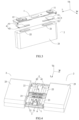
FIG. 4 is a schematic view of a secondary battery according to the present invention. -
FIG. 5 is an exploded view of the secondary battery according to the present invention. -
FIG. 6 is a cross sectional view of the secondary battery according to the present invention. -
FIG. 7 is a schematic view of a first electrode tab of the secondary battery according to the present invention. -
FIG. 8 is another schematic view of the first electrode tab of the secondary battery according to the present invention. -
FIG. 9 is a schematic view of a first connecting piece, an insulating holding block and an insulating piece of the secondary battery according to the present invention. -
FIG. 10 is an exploded view ofFIG. 9 . -
FIG. 11 is a schematic view of the first connecting piece of the secondary battery according to the present invention. -
FIG. 12 is a perspective view of the insulating holding block of the secondary battery according to the present invention. -
FIG. 13 is a top view ofFIG. 12 . -
FIG. 14 is a cross sectional view taken along a line A-A ofFIG. 13 . - Reference numerals in figures are represented as follows:
- 1 cap plate
- 11 first electrode terminal
- 12 second electrode terminal
- 2 electrode assembly
- 21 first electrode tab
- 211 connecting section
- 212 bending section
- 22 second electrode tab
- 23 main body
- 21 first electrode tab
- 3 first connecting piece
- 31 first electrode terminal connecting portion
- 32 first electrode tab connecting portion
- 321 first electrode tab connecting sub-portion
- 322 first electrode tab jointing sub-portion
- 33 first fusing portion
- 331 opening
- 332 fusing sub-portion
- 4 second connecting piece
- 41 second electrode terminal connecting portion
- 42 second electrode tab connecting portion
- 421 second electrode tab connecting sub-portion
- 422 second electrode tab jointing sub-portion
- 5 insulating holding block
- 51 first holding portion
511 fixing post - 52 second holding portion
- 51 first holding portion
- 6 insulating bar
- 7 insulating piece
- 8 welding protecting piece
- H fixing hole
- G notch
- S insulating adhesive
- L length direction
- W width direction
- T thickness direction
- Hereinafter a secondary battery according to the present invention will be described in detail in combination with the figures.
- Referring to
FIGs. 4-14 , a secondary battery according to the present invention comprises: acap plate 1 provided with afirst electrode terminal 11 and asecond electrode terminal 12 which are opposite in electrical polarity; anelectrode assembly 2 comprising afirst electrode tab 21 and asecond electrode tab 22 which are opposite in electrical polarity; a first connectingpiece 3 connected in series between thefirst electrode tab 21 and thefirst electrode terminal 11. Thesecond electrode tab 22 is electrically connected with thesecond electrode terminal 12. The first connectingpiece 3 includes a first electrodeterminal connecting portion 31, a first electrodetab connecting portion 32 and afirst fusing portion 33, the first electrodeterminal connecting portion 31 is fixed to and electrically connected with thefirst electrode terminal 11, the first electrodetab connecting portion 32 is fixed to and electrically connected with thefirst electrode tab 21, and thefirst fusing portion 33 is connected in series between the first electrodeterminal connecting portion 31 and the first electrodetab connecting portion 32. The secondary battery further comprises an insulatingholding block 5, two ends of the insulating holdingblock 5 are securely connected with the first electrodeterminal connecting portion 31 and the first electrodetab connecting portion 32 respectively, and the insulating holdingblock 5 is configured to capably maintain the first electrodeterminal connecting portion 31 and the first electrodetab connecting portion 32 in position relative to each other when thefirst fusing portion 33 is fused. - In the secondary battery according to the present invention, the first fusing portion 33 is connected in series between the first electrode terminal connecting portion 31 and the first electrode tab connecting portion 32, therefore when a high current caused by overcharging or short circuit flows through the first connecting piece 3, the first fusing portion 33 will be fused in time so as to quickly cut off the electrical connection between the first electrode tab 21 and the first electrode terminal 11, and prevent thermal runaway of the secondary battery; and when the first fusing portion 33 is fused, the insulating holding block 5 capably maintain the first electrode terminal connecting portion 31 and the first electrode tab connecting portion 32 in position relative to each other, and prevent the first connecting piece 3 from becoming two independent parts (that is the first electrode terminal connecting portion 31 and the first electrode tab connecting portion 32 is separated from each other to become two independent parts) at the fused position of the first fusing portion 33, and avoid contact between the first electrode tab connecting portion 32 and the first electrode terminal connecting portion 31 when the secondary battery is subjected to external impact (when the secondary battery is subjected to external impact, the electrode assembly 2 will vibrate, so the electrode assembly 2 will bring the first electrode tab connecting portion 32 to move via the first electrode tab 21, which may lead to the contact between the first electrode tab connecting portion 32 and the first electrode terminal connecting portion 31), and prevent the electrical connection between the first electrode tab connecting portion 32 and the first electrode terminal connecting portion 31 from being established again, improve the safety performance of the secondary battery.
- In the secondary battery according to the present invention, referring to
FIGs. 9-14 , each of the first electrodeterminal connecting portion 31 and the first electrodetab connecting portion 32 is provided with a through fixing hole H; correspondingly, the insulating holdingblock 5 comprises a first holdingportion 51 and asecond holding portion 52. Thefirst holding portion 51 is provided on one side of the first connectingpiece 3 along a thickness direction T and includes fixingposts 511 which respectively correspond to the fixing hole H of the first electrodeterminal connecting portion 31 and the fixing hole H of the first electrodetab connecting portion 32, and each fixingpost 511 passes through the fixing hole H and extends to the other side of the first connectingpiece 3 along the thickness direction T. Thesecond holding portion 52 is provided on the other side of the first connectingpiece 3 along the thickness direction T and is securely connected with the fixingposts 511 of the first holdingportion 51 which respectively pass through the fixing hole H of the first electrodeterminal connecting portion 31 and the fixing hole H of the first electrodetab connecting portion 32. Thefirst holding portion 51 and the second holdingportion 52 may be made of plastic. - In the secondary battery according to the present invention, the insulating holding
block 5 can be securely connected with the first electrodeterminal connecting portion 31 and the first electrodetab connecting portion 32 via cooperation between the first holdingportion 51 and the second holdingportion 52. Thesecond holding portion 52 may be securely connected with the fixingposts 511 of the first holdingportion 51 by means of hot melting, interference fit, riveting, latching, adhering, inserting and the like, but it is not limited to these above-mentioned connecting manners, and any other connecting manners can be used as long as the fixingposts 511 of the first holdingportion 51 can be securely connected with the second holdingportion 52. - In the secondary battery according to the present invention, each of the first electrode
terminal connecting portion 31 and the first electrodetab connecting portion 32 is provided with a through fixing hole H; the insulating holdingblock 5 comprises a first holdingportion 51, the first holdingportion 51 is provided on one side of the first connectingpiece 3 along the thickness direction T and includes fixingposts 511 which respectively correspond to the fixing hole H of the first electrodeterminal connecting portion 31 and the fixing hole H of the first electrodetab connecting portion 32, and each fixingpost 511 passes through the fixing hole H and is securely connected with the first connectingpiece 3. Thefirst holding portion 51 may be made of plastic. - In the secondary battery according to the present invention, the fixing
posts 511 may be securely connected with the first electrodeterminal connecting portion 31 and the first electrodetab connecting portion 32 directly by means of hot melting, interference fit, riveting, adhering and the like, but it is not limited to these above-mentioned connecting modes. - In the secondary battery according to the present invention, the fixing hole H is an oblong hole. A shape of the fixing
post 511 corresponds to the fixing hole H. - In the secondary battery according to the present invention, referring to
FIGs. 9-11 , the fixing hole H is a circular hole, and the fixing hole H of the first electrodeterminal connecting portion 31 is provided as at least two in number, the fixing hole H of the first electrodetab connecting portion 32 is provided as at least two in number. A shape of the fixingpost 511 corresponds to the shape of the fixing hole H. In an embodiment that the first electrodeterminal connecting portion 31 is securely connected with the first electrodetab connecting portion 32 via the cooperation between the first holdingportion 51 and the second holdingportion 52, if the first electrodetab connecting portion 32 only has one fixing hole H (in other words, only one fixingpost 511 passes through the first electrode tab connecting portion 32), when thefirst fusing portion 33 is fused and the secondary battery is subjected to external impact, the first electrodetab connecting portion 32 will rotate around the fixingpost 511, so as to cause the contact between the first electrodetab connecting portion 32 and the first electrodeterminal connecting portion 31. Similarly, if the first electrodeterminal connecting portion 31 only has one fixing hole H, it will cause the above-mentioned problem too. But in another embodiment that the fixingposts 511 of thefirst holding portion 5 are securely connected with the first connectingpiece 3 directly, the fixing hole H of each of the first electrodeterminal connecting portion 31 and the first electrodetab connecting portion 32 may be provided as one in number. - In the secondary battery according to the present invention, referring to
FIG. 10 , thefirst fusing portion 33 is formed by providing anopening 331 in the first connectingpiece 3, and thefirst fusing portion 33 includes fusingsub-portions 332 provided at two sides of theopening 331 respectively along a width direction W. Thefirst holding portion 51 further includes another fixingpost 511 which passes through theopening 331. - In the secondary battery according to the present invention, referring to
FIG. 11 , thefirst fusing portion 33 is formed by providing notches G in the first connectingpiece 3, the notches G are provided at two sides of thefirst fusing portion 33 respectively along the width direction W. - In the secondary battery according to the present invention, an overcurrent sectional area of the
first fusing portion 33 is smaller than an overcurrent sectional area of the first electrodeterminal connecting portion 31 and an overcurrent sectional area of the first electrode tab connecting portion 32 (due to provision of theopening 331 or the notches G), therefore, when the high current flows through the first connectingpiece 3, thefirst fusing portion 33 will be fused in time so as to quickly cut off the electrical connection between thefirst electrode tab 21 and thefirst electrode terminal 11, and prevent thermal runaway of the secondary battery. - In the secondary battery according to the present invention, the
electrode assembly 2 is provided as multiple in number; correspondingly, referring toFIGs. 9-11 , the first electrodetab connecting portion 32 includes two first electrodetab connecting sub-portions 321 and a first electrodetab jointing sub-portion 322. The two first electrodetab connecting sub-portions 321 extend along a length direction L, and each first electrodetab connecting sub-portion 321 is fixed to and electrically connected with thefirst electrode tab 21 of the correspondingelectrode assembly 2. The first electrodetab jointing sub-portion 322 extends along the width direction W, and two ends of the first electrodetab jointing sub-portion 322 are connected with the two first electrodetab connecting sub-portions 321 respectively. The first electrodeterminal connecting portion 31 is positioned between the two first electrodetab connecting sub-portions 321 and extends along the length direction L. Thefirst fusing portion 33 extends along the length direction L and is connected between the first electrodetab jointing sub-portion 322 and the first electrodeterminal connecting portion 31. The first connectingpiece 3 is planar in whole. - In the secondary battery according to the present invention, an extending direction and an arranging way of the two first electrode tab connecting sub-portions 321 (the two first electrode
tab connecting sub-portions 321 are the same as the first electrodeterminal connecting portion 31 in the extending direction, and are positioned at two sides of the first electrodeterminal connecting portion 31 respectively along the width direction W) can increase a contact area between thefirst electrode tab 21 of theelectrode assembly 2 and the corresponding first electrodetab connecting sub-portion 321, thereby increasing the overcurrent area. - In the secondary battery according to the present invention, referring to
FIG. 4 , the secondary battery further comprises two insulatingbars 6, each insulatingbar 6 is provided in a gap between the first electrodeterminal connecting portion 31 and the first electrodetab connecting sub-portion 321, and each insulatingbar 6 is not lower than a surface of the first connectingpiece 3 which is connected with thefirst electrode tab 21 along the thickness direction T (in other words, each insulatingbar 6 is not lower than a surface of the first electrodeterminal connecting portion 31 which faces amain body 23 of theelectrode assembly 2 along the thickness direction T). Thefirst electrode tab 21 may extend beyond the gap and extend to the first electrodeterminal connecting portion 31 if thefirst electrode tab 21 is too long, thereby leading to a directly contact between thefirst electrode tab 21 and the first electrodeterminal connecting portion 31, and resulting in a failure of thefirst fusing portion 33. Because the two insulatingbars 6 are respectively provided in the two gaps and each insulatingbar 6 is not lower than the surface of the first connectingpiece 3 which is connected with thefirst electrode tab 21 along the thickness direction T, the insulatingbars 6 can function for isolation and prevent thefirst electrode tab 21 from electrically connecting with the first electrode terminal connecting portion 31 (if each insulatingbar 6 is flush with the surface of the first connectingpiece 3 which is connected with thefirst electrode tab 21 along the thickness direction T, each insulatingbar 6 can avoid thefirst electrode tab 21 electrically connecting with a side wall of the first electrodeterminal connecting portion 31 which is used to form the corresponding gap, and if each insulatingbar 6 is higher than the surface of the first connectingpiece 3 which is connected with thefirst electrode tab 21 along the thickness direction T, each insulatingbar 6 can further avoid thefirst electrode tab 21 contacting the surface of the first electrodeterminal connecting portion 31 which faces themain body 23 of the electrode assembly 2). In addition, the "not lower than" and the "higher than" are with respect to the thickness direction T as shown inFIG. 4 , in other words, each insulatingbar 6 is flush with the first connectingpiece 3 or is protruding from the first connectingpiece 3 along a direction toward theelectrode assembly 2 after the secondary battery is formed as a finished product as shown inFIG. 6 . - In the secondary battery according to the present invention, referring to
FIG. 4 ,FIG. 9 andFIG. 10 , the secondary battery further comprises an insulatingpiece 7 adhered on a surface of the first connectingpiece 3 which faces the electrode assembly 2 (specifically themain body 23 of the electrode assembly 2), and the insulatingpiece 7 at least covers two edges of the first electrodeterminal connecting portion 31 which are respectively positioned at two sides of the first electrodeterminal connecting portion 31 along the width direction W. Thefirst electrode tab 21 may extend beyond the gap and extend to the corresponding edge of the first electrodeterminal connecting portion 31 along the width direction W if thefirst electrode tab 21 is too long, thereby leading to the direct contact between thefirst electrode tab 21 and the first electrodeterminal connecting portion 31, and resulting in the failure of thefirst fusing portion 33; but the insulatingpiece 7 at least covers the two edges of the first electrodeterminal connecting portion 31 which are respectively positioned at the two sides of the first electrodeterminal connecting portion 31 along the width direction W, so the insulatingpiece 7 can isolate thefirst electrode tab 21 from the first electrodeterminal connecting portion 31, and prevent thefirst electrode tab 21 from electrically connecting with the first electrodeterminal connecting portion 31. - In the secondary battery according to the present invention, referring to
FIG. 7 and FIG. 8 , thefirst electrode tab 21 includes a connectingsection 211 and abending section 212. An outer side of the connectingsection 211 is securely connected with the first electrodetab connecting portion 32; thebending section 212 bends and is connected between themain body 23 of theelectrode assembly 2 and the connectingsection 211, and an angle between the connectingsection 211 and thebending section 212 is less than 120 degrees. - In the secondary battery according to the present invention, referring to
FIG. 8 , the angle between the connectingsection 211 and thebending section 212 ranges from 85 degrees to 95 degrees. At this time, thebending section 212 extends nearly along the thickness direction T, so as to prevent short circuit caused by thebending section 212 when thebending section 212 is pressed down. - In the secondary battery according to the present invention, referring to
FIG. 7 , the angle between the connectingsection 211 and thebending section 212 ranges from 0 degrees to 45 degrees. At this time, thebending section 212 nearly folds back onto the connectingsection 211, thereby effectively reducing the space occupied by thefirst electrode tab 21, and promoting a utilization rate of the space inside the secondary battery. - In the secondary battery according to the present invention, referring to
FIG. 7 and FIG. 8 , the secondary battery further comprises an insulating adhesive S, the insulating adhesive S at least is adhered on an inside portion of the connectingsection 211 which directly faces themain body 23 of theelectrode assembly 2. When thecap plate 1 is assembled to a case (not shown)receiving theelectrode assembly 2, thecap plate 1 will press down thefirst electrode tab 21 to easily result in that the connecting section 211 (especially the portion of the connectingsection 211 which directly faces themain body 23 of the electrode assembly 2) of thefirst electrode tab 21 will directly contact the main body 23 (especially an electrode plate of themain body 23 which is opposite to thefirst electrode tab 21 in electrical polarity) of theelectrode assembly 2, thereby resulting in short circuit; but it can avoid the short circuit of theelectrode assembly 2 and improve the safety performance of the secondary battery by provision of the insulating adhesive S. - In the secondary battery according to the present invention, referring to
FIG. 7 and FIG. 8 , preferably, each of the inside portion of the connectingsection 211 and an inside portion of thebending section 212 is covered by the insulating adhesive S. - In the secondary battery according to the present invention, referring to
FIG. 7 and FIG. 8 , the secondary battery further comprises an insulating adhesive S adhered on an outside portion of thebending section 212. When thecap plate 1 is assembled to the case (not shown) receiving theelectrode assembly 2, thefirst electrode tab 21 will be pressed down and bent, and the outside portion of thebending section 212 will easily contact the case, thereby resulting in short circuit; but it can avoid the short circuit of theelectrode assembly 2 and improve the safety performance of the secondary battery by provision of the insulating adhesive S which covers the outside portion of thebending section 212. - In the secondary battery according to the present invention, referring to
FIGs. 4-8 , the secondary battery further comprises awelding protecting piece 8 provided on thefirst electrode tab 21; thewelding protecting piece 8, the connectingsection 211 of thefirst electrode tab 21 and the first electrodetab connecting portion 32 are securely connected together by ultrasonic welding. Thewelding protecting piece 8 can improve connection strength between the connectingsection 211 of thefirst electrode tab 21 and the first electrodetab connecting portion 32. An insulating adhesive tape is adhered on weld zones formed during the ultrasonic welding. Metal chips generated during the welding can be fixed to the insulating adhesive tape, so the insulating adhesive tape can prevent the metal chips from entering into the inside of theelectrode assembly 2, also function for insulation and avoid the internal short circuit of theelectrode assembly 2. - In the secondary battery according to the present invention, referring to
FIG. 4 andFIG. 5 , the secondary battery further comprises: a second connectingpiece 4 connected in series between thesecond electrode tab 22 and thesecond electrode terminal 12. - In the secondary battery according to the present invention, referring to
FIG. 4 andFIG. 5 , the second connectingpiece 4 includes: a second electrodeterminal connecting portion 41 fixed to and electrically connected with thesecond electrode terminal 12; and a second electrodetab connecting portion 42 fixed to and electrically connected with thesecond electrode tab 22 of theelectrode assembly 2. - In the secondary battery according to the present invention, referring to
FIG. 4 andFIG. 5 , theelectrode assembly 2 is provided as multiple in number; correspondingly, the second electrodetab connecting portion 42 includes two second electrodetab connecting sub-portions 421 and a second electrode tab jointing sub-portion 422. The two second electrodetab connecting sub-portions 421 extend along the length direction L, and each second electrodetab connecting sub-portion 421 is fixed to and electrically connected with thesecond electrode tab 22 of the correspondingelectrode assembly 2. The second electrode tab jointing sub-portion 422 extends along the width direction W, and two ends of the second electrode tab jointing sub-portion 422 are connected with the two second electrodetab connecting sub-portions 421 respectively. The second electrodeterminal connecting portion 41 is positioned between the two second electrodetab connecting sub-portions 421 and extends to the second electrode tab jointing sub-portion 422 along the length direction L. - In the secondary battery according to the present invention, an extending direction and an arranging way of the two second electrode tab connecting sub-portions 421 (the two second electrode
tab connecting sub-portions 421 are the same as the second electrodeterminal connecting portion 41 in the extending direction, and are positioned at two sides of the second electrodeterminal connecting portion 41 respectively along the width direction W) can increase a contact area between thesecond electrode tab 22 of theelectrode assembly 2 and the corresponding second electrodetab connecting sub-portion 421, thereby increasing the overcurrent area. - In the secondary battery according to the present invention, the secondary battery further comprises: a
welding protecting piece 8 provided on thesecond electrode tab 22; thewelding protecting piece 8, thesecond electrode tab 22 and second electrodetab connecting sub-portion 421 are securely connected together by ultrasonic welding. An insulating adhesive tape is adhered on weld zones formed by the ultrasonic welding. Metal chips generated during the welding can be fixed to the insulating adhesive tape, so the insulating adhesive tape can prevent the metal chips from entering into the inside of theelectrode assembly 2, also function for insulation and avoid the internal short circuit of theelectrode assembly 2. - In the secondary battery according to the present invention, the first electrode
terminal connecting portion 31 and thefirst electrode terminal 11 are securely connected by laser welding, the second electrodeterminal connecting portion 41 and thesecond electrode terminal 12 are securely connected together by laser welding. An insulating adhesive tape is adhered on weld zones formed during the laser welding. Metal chips generated during the welding can be fixed to the insulating adhesive tape, so the insulating adhesive tapes can prevent the metal chips from entering into the inside of theelectrode assembly 2, also function for insulation and avoid the internal short circuit of theelectrode assembly 2.
Claims (8)
- A secondary battery, comprising:a cap plate (1) provided with a first electrode terminal (11) and a second electrode terminal (12);an electrode assembly (2) comprising a first electrode tab (21) and a second electrode tab (22);a first connecting piece (3) connected between the first electrode tab (21) and the first electrode terminal (11);the second electrode tab (22) being electrically connected with the second electrode terminal (12);the first connecting piece (3) includes a first electrode terminal connecting portion (31), a first electrode tab connecting portion (32) and a first fusing portion (33), the first electrode terminal connecting portion (31) is fixed to the first electrode terminal (11), the first electrode tab connecting portion (32) is fixed to the first electrode tab (21), and the first fusing portion (33) is connected between the first electrode terminal connecting portion (31) and the first electrode tab connecting portion (32);the secondary battery further comprises an insulating holding block (5), two ends of the insulating holding block (5) are connected with the first electrode terminal connecting portion (31) and the first electrode tab connecting portion (32) respectively, and the insulating holding block (5) is configured to maintain the first electrode terminal connecting portion (31) and the first electrode tab connecting portion (32) in position relative to each other when the first fusing portion (33) is fused;each of the first electrode terminal connecting portion (31) and the first electrode tab connecting portion (32) is provided with a through fixing hole (H);the insulating holding block (5) comprises a first holding portion (51) and a second holding portion (52);the first holding portion (51) is provided on one side of the first connecting piece (3) along a thickness direction (T) and includes fixing posts (511) which respectively correspond to the fixing hole (H) of the first electrode terminal connecting portion (31) and the fixing hole (H) of the first electrode tab connecting portion (32), and each fixing post (511) passes through the fixing hole (H) and extends to the other side of the first connecting piece (3) along the thickness direction (T);the second holding portion (52) is provided on the other side of the first connecting piece (3) along the thickness direction (T) and is connected with the fixing posts (511) of the first holding portion (51) which respectively pass through the fixing hole (H) of the first electrode terminal connecting portion (31) and the fixing hole (H) of the first electrode tab connecting portion (32);wherein the second holding portion (52) is connected with the fixing posts (511) of the first holding portion (51) by means of hot melting, interference fit, riveting, latching, adhering or inserting.
- The secondary battery according to Claim 1, whereinthe fixing hole (H) is an oblong hole; orthe fixing hole (H) is a circular hole, andthe fixing hole (H) of the first electrode terminal connecting portion (31) is provided as at least two in number, the fixing hole (H) of the first electrode tab connecting portion (32) is provided as at least two in number.
- The secondary battery according to Claim 1, whereinthe first fusing portion (33) is formed by providing an opening (331) in the first connecting piece (3), and the first fusing portion (33) includes fusing sub-portions (332) provided at two sides of the opening (331) respectively along a width direction (W); orthe first fusing portion (33) is formed by providing notches (G) in the first connecting piece (3), the notches (G) are provided at two sides of the first fusing portion (33) respectively along the width direction (W).
- The secondary battery according to Claim 1, whereinthe electrode assembly (2) is provided as multiple in number;the first electrode tab connecting portion (32) includes two first electrode tab connecting sub-portions (321) and a first electrode tab jointing sub-portion (322);the two first electrode tab connecting sub-portions (321) extend along a length direction (L), and each first electrode tab connecting sub-portion (321) is fixed to the first electrode tab (21) of the corresponding electrode assembly (2);the first electrode tab jointing sub-portion (322) extends along a width direction (W), and two ends of the first electrode tab jointing sub-portion (322) are connected with the two first electrode tab connecting sub-portions (321) respectively;the first electrode terminal connecting portion (31) is positioned between the two first electrode tab connecting sub-portions (321) and extends along the length direction (L);the first fusing portion (33) extends along the length direction (L) and is connected between the first electrode tab jointing sub-portion (322) and the first electrode terminal connecting portion (31).
- The secondary battery according to Claim 4, wherein
the secondary battery further comprises two insulating bars (6), each insulating bar (6) is provided in a gap between the first electrode terminal connecting portion (31) and the first electrode tab connecting sub-portion (321), and each insulating bar (6) is not lower than a surface of the first connecting piece (3) which is connected with the first electrode tab (21) along a thickness direction (T). - The secondary battery according to Claim 4, wherein
the secondary battery further comprises an insulating piece (7) adhered on a surface of the first connecting piece (3), and the insulating piece (7) covers two edges of the first electrode terminal connecting portion (31) along the width direction (W). - The secondary battery according to Claim 1, whereinthe first electrode tab (21) includes a connecting section (211) and a bending section (212);an outer side of the connecting section (211) is connected with the first electrode tab connecting portion (32);the bending section (212) bends and is connected between a main body (23) of the electrode assembly (2) and the connecting section (211), and an angle between the connecting section (211) and the bending section (212) is less than 120 degrees.
- The secondary battery according to Claim 7, whereinthe secondary battery further comprises: a welding protecting piece (8) provided on the first electrode tab (21);the welding protecting piece (8), the connecting section (211) of the first electrode tab (21) and the first electrode tab connecting portion (32) are connected together by ultrasonic welding.
Applications Claiming Priority (2)
| Application Number | Priority Date | Filing Date | Title |
|---|---|---|---|
| CN201621318454.4U CN206250272U (en) | 2016-12-02 | 2016-12-02 | Secondary cell |
| EP17204040.4A EP3331063B1 (en) | 2016-12-02 | 2017-11-28 | Secondary battery and assembly therefor |
Related Parent Applications (2)
| Application Number | Title | Priority Date | Filing Date |
|---|---|---|---|
| EP17204040.4A Division EP3331063B1 (en) | 2016-12-02 | 2017-11-28 | Secondary battery and assembly therefor |
| EP17204040.4A Division-Into EP3331063B1 (en) | 2016-12-02 | 2017-11-28 | Secondary battery and assembly therefor |
Publications (2)
| Publication Number | Publication Date |
|---|---|
| EP3872922A1 EP3872922A1 (en) | 2021-09-01 |
| EP3872922B1 true EP3872922B1 (en) | 2025-01-15 |
Family
ID=59005009
Family Applications (2)
| Application Number | Title | Priority Date | Filing Date |
|---|---|---|---|
| EP21169160.5A Active EP3872922B1 (en) | 2016-12-02 | 2017-11-28 | Secondary battery and assembly therefor |
| EP17204040.4A Active EP3331063B1 (en) | 2016-12-02 | 2017-11-28 | Secondary battery and assembly therefor |
Family Applications After (1)
| Application Number | Title | Priority Date | Filing Date |
|---|---|---|---|
| EP17204040.4A Active EP3331063B1 (en) | 2016-12-02 | 2017-11-28 | Secondary battery and assembly therefor |
Country Status (5)
| Country | Link |
|---|---|
| US (2) | US10601023B2 (en) |
| EP (2) | EP3872922B1 (en) |
| CN (1) | CN206250272U (en) |
| HU (1) | HUE070997T2 (en) |
| PL (1) | PL3331063T3 (en) |
Families Citing this family (10)
| Publication number | Priority date | Publication date | Assignee | Title |
|---|---|---|---|---|
| DE102016114081A1 (en) * | 2016-07-29 | 2018-02-01 | Proton Motor Fuel Cell Gmbh | Fuel cell system and method for operating a fuel cell system |
| CN108155334B (en) * | 2016-12-02 | 2024-01-23 | 宁德时代新能源科技股份有限公司 | Secondary battery |
| CN207818809U (en) * | 2017-12-14 | 2018-09-04 | 比亚迪股份有限公司 | Battery and battery pack having same, electric vehicle |
| KR102611657B1 (en) | 2018-01-29 | 2023-12-08 | 삼성에스디아이 주식회사 | Secondary Battery |
| KR102598811B1 (en) * | 2018-03-06 | 2023-11-03 | 에스케이온 주식회사 | Battery module and its manufacturing method |
| CN108511639A (en) * | 2018-03-08 | 2018-09-07 | 四川西丹孚能源科技有限公司 | Directly draw the power battery head cover of formula downhand welding structure based on lug |
| CN115064847B (en) * | 2022-08-05 | 2022-11-29 | 江苏时代新能源科技有限公司 | Adapter member, battery cell, battery, and power consumption device |
| CN115347290A (en) * | 2022-08-16 | 2022-11-15 | 常州瑞德丰精密技术有限公司 | Battery top cover and manufacturing method thereof |
| CN116365175B (en) * | 2023-05-31 | 2023-07-28 | 深圳海辰储能控制技术有限公司 | Energy storage devices and electrical equipment |
| CN118231970B (en) * | 2024-05-21 | 2024-09-17 | 江苏时代新能源科技有限公司 | Tab shaping device, battery manufacturing equipment, battery cell and tab shaping method |
Citations (1)
| Publication number | Priority date | Publication date | Assignee | Title |
|---|---|---|---|---|
| WO2016178539A1 (en) * | 2015-05-07 | 2016-11-10 | 주식회사 엘지화학 | Pouch-type secondary battery including electrode lead having electrical current limiting function |
Family Cites Families (11)
| Publication number | Priority date | Publication date | Assignee | Title |
|---|---|---|---|---|
| KR101094039B1 (en) | 2009-10-01 | 2011-12-19 | 삼성에스디아이 주식회사 | Current blocking device and secondary battery having same |
| CN102208594B (en) | 2010-03-30 | 2015-04-29 | 三星Sdi株式会社 | Secondary battery |
| US8802281B2 (en) * | 2010-08-05 | 2014-08-12 | Samsung Sdi Co., Ltd. | Secondary battery with movement prevention tape |
| KR101724010B1 (en) | 2011-10-19 | 2017-04-07 | 삼성에스디아이 주식회사 | Rechargeable battery |
| KR101683209B1 (en) * | 2011-12-06 | 2016-12-07 | 삼성에스디아이 주식회사 | Rechargeable battery |
| JP5838838B2 (en) | 2012-02-06 | 2016-01-06 | 株式会社豊田自動織機 | Power storage device and vehicle |
| KR101675618B1 (en) * | 2013-02-20 | 2016-11-11 | 삼성에스디아이 주식회사 | Secondary battery |
| KR102306440B1 (en) | 2014-08-14 | 2021-09-29 | 삼성에스디아이 주식회사 | Rechargeable battery |
| JP6724785B2 (en) * | 2014-10-27 | 2020-07-15 | 日本電気株式会社 | Secondary battery, electric vehicle, power storage system, and manufacturing method |
| CN205376627U (en) | 2016-02-26 | 2016-07-06 | 宁德时代新能源科技股份有限公司 | Secondary battery |
| CN205429058U (en) | 2016-03-18 | 2016-08-03 | 宁德时代新能源科技股份有限公司 | Secondary battery |
-
2016
- 2016-12-02 CN CN201621318454.4U patent/CN206250272U/en active Active
-
2017
- 2017-11-17 US US15/816,991 patent/US10601023B2/en active Active
- 2017-11-28 EP EP21169160.5A patent/EP3872922B1/en active Active
- 2017-11-28 PL PL17204040T patent/PL3331063T3/en unknown
- 2017-11-28 HU HUE21169160A patent/HUE070997T2/en unknown
- 2017-11-28 EP EP17204040.4A patent/EP3331063B1/en active Active
-
2020
- 2020-02-03 US US16/780,753 patent/US11296391B2/en active Active
Patent Citations (1)
| Publication number | Priority date | Publication date | Assignee | Title |
|---|---|---|---|---|
| WO2016178539A1 (en) * | 2015-05-07 | 2016-11-10 | 주식회사 엘지화학 | Pouch-type secondary battery including electrode lead having electrical current limiting function |
Also Published As
| Publication number | Publication date |
|---|---|
| EP3872922A1 (en) | 2021-09-01 |
| HUE070997T2 (en) | 2025-07-28 |
| EP3331063A1 (en) | 2018-06-06 |
| US10601023B2 (en) | 2020-03-24 |
| US20180159111A1 (en) | 2018-06-07 |
| US20200176751A1 (en) | 2020-06-04 |
| US11296391B2 (en) | 2022-04-05 |
| EP3331063B1 (en) | 2021-06-23 |
| PL3331063T3 (en) | 2021-11-02 |
| CN206250272U (en) | 2017-06-13 |
Similar Documents
| Publication | Publication Date | Title |
|---|---|---|
| EP3872922B1 (en) | Secondary battery and assembly therefor | |
| US11557816B2 (en) | Secondary battery | |
| CN108155334B (en) | Secondary battery | |
| EP2725639B1 (en) | Secondary battery pack | |
| EP2731174B1 (en) | Secondary battery pack | |
| EP2838135B1 (en) | Rechargeable battery pack | |
| KR100928120B1 (en) | Secondary battery | |
| EP2744017B1 (en) | Secondary battery pack | |
| KR100645256B1 (en) | Secondary battery of assemble-type structure | |
| EP2731175B1 (en) | Secondary battery pack | |
| EP2731172B1 (en) | Secondary battery pack | |
| US20150221921A1 (en) | Busbar module | |
| KR102253021B1 (en) | Rechargeable battery having fuse and battery module | |
| EP2963702B1 (en) | Secondary battery | |
| KR101599489B1 (en) | Secondary battery and Safety apparatus for the same | |
| KR101885908B1 (en) | Rechargeable battery pack | |
| US11322805B2 (en) | Method of manufacturing battery pack and battery pack | |
| EP2985809B1 (en) | Battery pack | |
| JP3806696B2 (en) | Pack battery | |
| KR101603181B1 (en) | Battery pack |
Legal Events
| Date | Code | Title | Description |
|---|---|---|---|
| PUAI | Public reference made under article 153(3) epc to a published international application that has entered the european phase |
Free format text: ORIGINAL CODE: 0009012 |
|
| STAA | Information on the status of an ep patent application or granted ep patent |
Free format text: STATUS: THE APPLICATION HAS BEEN PUBLISHED |
|
| AC | Divisional application: reference to earlier application |
Ref document number: 3331063 Country of ref document: EP Kind code of ref document: P |
|
| AK | Designated contracting states |
Kind code of ref document: A1 Designated state(s): AL AT BE BG CH CY CZ DE DK EE ES FI FR GB GR HR HU IE IS IT LI LT LU LV MC MK MT NL NO PL PT RO RS SE SI SK SM TR |
|
| STAA | Information on the status of an ep patent application or granted ep patent |
Free format text: STATUS: REQUEST FOR EXAMINATION WAS MADE |
|
| 17P | Request for examination filed |
Effective date: 20210922 |
|
| RBV | Designated contracting states (corrected) |
Designated state(s): AL AT BE BG CH CY CZ DE DK EE ES FI FR GB GR HR HU IE IS IT LI LT LU LV MC MK MT NL NO PL PT RO RS SE SI SK SM TR |
|
| STAA | Information on the status of an ep patent application or granted ep patent |
Free format text: STATUS: EXAMINATION IS IN PROGRESS |
|
| 17Q | First examination report despatched |
Effective date: 20211206 |
|
| RAP1 | Party data changed (applicant data changed or rights of an application transferred) |
Owner name: CONTEMPORARY AMPEREX TECHNOLOGY(HONG KONG) LIMITED |
|
| GRAP | Despatch of communication of intention to grant a patent |
Free format text: ORIGINAL CODE: EPIDOSNIGR1 |
|
| STAA | Information on the status of an ep patent application or granted ep patent |
Free format text: STATUS: GRANT OF PATENT IS INTENDED |
|
| RIC1 | Information provided on ipc code assigned before grant |
Ipc: H01M 50/147 20210101ALN20241021BHEP Ipc: H01M 50/176 20210101ALI20241021BHEP Ipc: H01M 50/581 20210101ALI20241021BHEP Ipc: H01M 50/172 20210101AFI20241021BHEP |
|
| INTG | Intention to grant announced |
Effective date: 20241104 |
|
| GRAS | Grant fee paid |
Free format text: ORIGINAL CODE: EPIDOSNIGR3 |
|
| GRAA | (expected) grant |
Free format text: ORIGINAL CODE: 0009210 |
|
| STAA | Information on the status of an ep patent application or granted ep patent |
Free format text: STATUS: THE PATENT HAS BEEN GRANTED |
|
| AC | Divisional application: reference to earlier application |
Ref document number: 3331063 Country of ref document: EP Kind code of ref document: P |
|
| AK | Designated contracting states |
Kind code of ref document: B1 Designated state(s): AL AT BE BG CH CY CZ DE DK EE ES FI FR GB GR HR HU IE IS IT LI LT LU LV MC MK MT NL NO PL PT RO RS SE SI SK SM TR |
|
| REG | Reference to a national code |
Ref country code: CH Ref legal event code: EP Ref country code: GB Ref legal event code: FG4D |
|
| REG | Reference to a national code |
Ref country code: DE Ref legal event code: R096 Ref document number: 602017087398 Country of ref document: DE |
|
| REG | Reference to a national code |
Ref country code: IE Ref legal event code: FG4D |
|
| P01 | Opt-out of the competence of the unified patent court (upc) registered |
Free format text: CASE NUMBER: APP_1236/2025 Effective date: 20250109 |
|
| REG | Reference to a national code |
Ref country code: NL Ref legal event code: MP Effective date: 20250115 |
|
| PG25 | Lapsed in a contracting state [announced via postgrant information from national office to epo] |
Ref country code: NL Free format text: LAPSE BECAUSE OF FAILURE TO SUBMIT A TRANSLATION OF THE DESCRIPTION OR TO PAY THE FEE WITHIN THE PRESCRIBED TIME-LIMIT Effective date: 20250115 |
|
| PG25 | Lapsed in a contracting state [announced via postgrant information from national office to epo] |
Ref country code: RS Free format text: LAPSE BECAUSE OF FAILURE TO SUBMIT A TRANSLATION OF THE DESCRIPTION OR TO PAY THE FEE WITHIN THE PRESCRIBED TIME-LIMIT Effective date: 20250415 |
|
| PG25 | Lapsed in a contracting state [announced via postgrant information from national office to epo] |
Ref country code: FI Free format text: LAPSE BECAUSE OF FAILURE TO SUBMIT A TRANSLATION OF THE DESCRIPTION OR TO PAY THE FEE WITHIN THE PRESCRIBED TIME-LIMIT Effective date: 20250115 |
|
| PG25 | Lapsed in a contracting state [announced via postgrant information from national office to epo] |
Ref country code: PL Free format text: LAPSE BECAUSE OF FAILURE TO SUBMIT A TRANSLATION OF THE DESCRIPTION OR TO PAY THE FEE WITHIN THE PRESCRIBED TIME-LIMIT Effective date: 20250115 |
|
| PG25 | Lapsed in a contracting state [announced via postgrant information from national office to epo] |
Ref country code: ES Free format text: LAPSE BECAUSE OF FAILURE TO SUBMIT A TRANSLATION OF THE DESCRIPTION OR TO PAY THE FEE WITHIN THE PRESCRIBED TIME-LIMIT Effective date: 20250115 |
|
| REG | Reference to a national code |
Ref country code: LT Ref legal event code: MG9D |
|
| PG25 | Lapsed in a contracting state [announced via postgrant information from national office to epo] |
Ref country code: IS Free format text: LAPSE BECAUSE OF FAILURE TO SUBMIT A TRANSLATION OF THE DESCRIPTION OR TO PAY THE FEE WITHIN THE PRESCRIBED TIME-LIMIT Effective date: 20250515 Ref country code: NO Free format text: LAPSE BECAUSE OF FAILURE TO SUBMIT A TRANSLATION OF THE DESCRIPTION OR TO PAY THE FEE WITHIN THE PRESCRIBED TIME-LIMIT Effective date: 20250415 |
|
| REG | Reference to a national code |
Ref country code: AT Ref legal event code: MK05 Ref document number: 1760439 Country of ref document: AT Kind code of ref document: T Effective date: 20250115 |
|
| PG25 | Lapsed in a contracting state [announced via postgrant information from national office to epo] |
Ref country code: HR Free format text: LAPSE BECAUSE OF FAILURE TO SUBMIT A TRANSLATION OF THE DESCRIPTION OR TO PAY THE FEE WITHIN THE PRESCRIBED TIME-LIMIT Effective date: 20250115 |
|
| PG25 | Lapsed in a contracting state [announced via postgrant information from national office to epo] |
Ref country code: LV Free format text: LAPSE BECAUSE OF FAILURE TO SUBMIT A TRANSLATION OF THE DESCRIPTION OR TO PAY THE FEE WITHIN THE PRESCRIBED TIME-LIMIT Effective date: 20250115 Ref country code: PT Free format text: LAPSE BECAUSE OF FAILURE TO SUBMIT A TRANSLATION OF THE DESCRIPTION OR TO PAY THE FEE WITHIN THE PRESCRIBED TIME-LIMIT Effective date: 20250515 |
|
| PG25 | Lapsed in a contracting state [announced via postgrant information from national office to epo] |
Ref country code: GR Free format text: LAPSE BECAUSE OF FAILURE TO SUBMIT A TRANSLATION OF THE DESCRIPTION OR TO PAY THE FEE WITHIN THE PRESCRIBED TIME-LIMIT Effective date: 20250416 Ref country code: BG Free format text: LAPSE BECAUSE OF FAILURE TO SUBMIT A TRANSLATION OF THE DESCRIPTION OR TO PAY THE FEE WITHIN THE PRESCRIBED TIME-LIMIT Effective date: 20250115 |
|
| PG25 | Lapsed in a contracting state [announced via postgrant information from national office to epo] |
Ref country code: AT Free format text: LAPSE BECAUSE OF FAILURE TO SUBMIT A TRANSLATION OF THE DESCRIPTION OR TO PAY THE FEE WITHIN THE PRESCRIBED TIME-LIMIT Effective date: 20250115 |
|
| REG | Reference to a national code |
Ref country code: HU Ref legal event code: AG4A Ref document number: E070997 Country of ref document: HU |
|
| PG25 | Lapsed in a contracting state [announced via postgrant information from national office to epo] |
Ref country code: SE Free format text: LAPSE BECAUSE OF FAILURE TO SUBMIT A TRANSLATION OF THE DESCRIPTION OR TO PAY THE FEE WITHIN THE PRESCRIBED TIME-LIMIT Effective date: 20250115 |
|
| PG25 | Lapsed in a contracting state [announced via postgrant information from national office to epo] |
Ref country code: SM Free format text: LAPSE BECAUSE OF FAILURE TO SUBMIT A TRANSLATION OF THE DESCRIPTION OR TO PAY THE FEE WITHIN THE PRESCRIBED TIME-LIMIT Effective date: 20250115 |
|
| PG25 | Lapsed in a contracting state [announced via postgrant information from national office to epo] |
Ref country code: DK Free format text: LAPSE BECAUSE OF FAILURE TO SUBMIT A TRANSLATION OF THE DESCRIPTION OR TO PAY THE FEE WITHIN THE PRESCRIBED TIME-LIMIT Effective date: 20250115 |
|
| PG25 | Lapsed in a contracting state [announced via postgrant information from national office to epo] |
Ref country code: IT Free format text: LAPSE BECAUSE OF FAILURE TO SUBMIT A TRANSLATION OF THE DESCRIPTION OR TO PAY THE FEE WITHIN THE PRESCRIBED TIME-LIMIT Effective date: 20250115 |
|
| REG | Reference to a national code |
Ref country code: DE Ref legal event code: R097 Ref document number: 602017087398 Country of ref document: DE |
|
| PG25 | Lapsed in a contracting state [announced via postgrant information from national office to epo] |
Ref country code: CZ Free format text: LAPSE BECAUSE OF FAILURE TO SUBMIT A TRANSLATION OF THE DESCRIPTION OR TO PAY THE FEE WITHIN THE PRESCRIBED TIME-LIMIT Effective date: 20250115 Ref country code: EE Free format text: LAPSE BECAUSE OF FAILURE TO SUBMIT A TRANSLATION OF THE DESCRIPTION OR TO PAY THE FEE WITHIN THE PRESCRIBED TIME-LIMIT Effective date: 20250115 |
|
| PG25 | Lapsed in a contracting state [announced via postgrant information from national office to epo] |
Ref country code: RO Free format text: LAPSE BECAUSE OF FAILURE TO SUBMIT A TRANSLATION OF THE DESCRIPTION OR TO PAY THE FEE WITHIN THE PRESCRIBED TIME-LIMIT Effective date: 20250115 |
|
| PG25 | Lapsed in a contracting state [announced via postgrant information from national office to epo] |
Ref country code: SK Free format text: LAPSE BECAUSE OF FAILURE TO SUBMIT A TRANSLATION OF THE DESCRIPTION OR TO PAY THE FEE WITHIN THE PRESCRIBED TIME-LIMIT Effective date: 20250115 |
|
| PLBE | No opposition filed within time limit |
Free format text: ORIGINAL CODE: 0009261 |
|
| STAA | Information on the status of an ep patent application or granted ep patent |
Free format text: STATUS: NO OPPOSITION FILED WITHIN TIME LIMIT |
|
| PGFP | Annual fee paid to national office [announced via postgrant information from national office to epo] |
Ref country code: HU Payment date: 20251107 Year of fee payment: 9 |
|
| 26N | No opposition filed |
Effective date: 20251016 |
|
| PGFP | Annual fee paid to national office [announced via postgrant information from national office to epo] |
Ref country code: DE Payment date: 20251124 Year of fee payment: 9 |
|
| PGFP | Annual fee paid to national office [announced via postgrant information from national office to epo] |
Ref country code: GB Payment date: 20251126 Year of fee payment: 9 |
|
| PGFP | Annual fee paid to national office [announced via postgrant information from national office to epo] |
Ref country code: FR Payment date: 20251128 Year of fee payment: 9 |